User login
Neurology Reviews covers innovative and emerging news in neurology and neuroscience every month, with a focus on practical approaches to treating Parkinson's disease, epilepsy, headache, stroke, multiple sclerosis, Alzheimer's disease, and other neurologic disorders.
PML
Progressive multifocal leukoencephalopathy
Rituxan
The leading independent newspaper covering neurology news and commentary.
Infective endocarditis from IV drug use tied to hemorrhagic stroke
One consequence of the ongoing opioid epidemic in the United States may be an increase in the number of hemorrhagic strokes caused by infective endocarditis, research suggests.
Intravenous drug use (IVDU) can cause this bacterial infection of the heart. In a single-center study, infective endocarditis was associated with an increase in the risk for hemorrhagic stroke as well as an increase in health care use and costs.
“Patients who are known IV drug users who have endocarditis should be more carefully screened for symptoms of cardiovascular disease,” Shahid M. Nimjee, MD, PhD, associate professor of neurosurgery and surgical director of the Comprehensive Stroke Center at the Ohio State University Wexner Medical Center, Columbus, said in a press release.
The findings were presented at the International Stroke Conference sponsored by the American Heart Association.
In the United States, 47,000 patients are treated in the hospital for endocarditis each year. Endocarditis increases the risk for stroke, which can entail significant morbidity and mortality, the authors noted.
IVDU is a risk factor for endocarditis. In the context of the opioid epidemic, Dr. Nimjee and colleagues sought to compare the risk for stroke among patients with endocarditis from IVDU with the risk among patients with endocarditis from other causes.
They retrospectively studied patients who had undergone treatment for infective endocarditis at Wexner Medical Center between Jan. 1, 2014, and July 1, 2018. They examined patients’ concomitant intravenous drug abuse and evaluated demographics, risk factors, and associated costs.
Dramatic increase
In all, 351 patients met the study’s inclusion criteria, and 170 (48%) had a history of IVDU-associated endocarditis. The incidence of patients with IVDU-associated endocarditis increased 630% from 2014 to 2018.
The prevalence of overall intracranial hemorrhage was increased among patients with IVDU, compared with those without (25.9% vs. 13.9%; P = .005).
This increase in prevalence included increases in intraparenchymal hemorrhage (12.4% vs. 5.1%; P = .012), subarachnoid hemorrhage (17.6% vs. 4.4%; P = .0001), and cerebral microbleeds (14.1% vs. 7.2%; P = .022).
IVDU also was associated with an increase in prevalence of infectious intracranial aneurysm (10.6% vs. 1.8%; P = .0001) and brain abscess (4.7% vs. 1.1%; P = .025).
Compared with patients with endocarditis from other causes, significantly higher numbers of patients with IVDU-associated endocarditis were homeless (5.9% vs. 1.1%; P = .014), uninsured (10.0% vs. 2.8%; P = .005), and unemployed (75.9% vs. 31.7%; P = .0001).
Medical costs were more than twice as high among patients with endocarditis from IVDU than among those with endocarditis from other causes. The difference in health care costs during admission per patient was more than $100,000.
“The wider societal impact of the opioid epidemic is not well understood,” Dr. Nimjee said in the press release. “Our research suggests that the impact of the opioid epidemic is far-reaching and contributes to increased costs in the criminal justice, health care systems, and the workplace. The increased costs can be particularly substantial for stroke care.”
Nationwide data desirable
“Past publications from the U.S. have shown an increase in incidence of IVDU-related endocarditis, and the current publication emphasizes this worrying trend,” Manuel Bolognese, MD, head of the stroke center at the Lucerne (Switzerland) Cantonal Hospital, said in an interview. “The higher degree of hemorrhagic strokes and brain abscesses as further complications is alarming as well and shows that IVDU-related endocarditis is becoming a more and more relevant medical problem in the U.S., with high morbidity and mortality.”
The study period is long enough to show a clear trend of increasing incidence of IVDU-related endocarditis, Dr. Bolognese said. The study’s biggest weaknesses are its retrospective design and restriction to a single center.
“Without knowing the prevalence of drug abuse and the socioeconomical situation in Columbus, it is difficult to generalize these findings to other regions in the U.S.A. or even abroad,” he said.
Also, the abstract does not provide some essential information, said Dr. Bolognese. It would be important to know which valve was affected in each patient, which bacteria were identified, whether patients also used nonopioid drugs, and what each patient’s immune status was.
A lack of sterile material such as syringes could explain the apparent association between IVDU-associated endocarditis and low socioeconomic status, said Dr. Bolognese. Delayed presentation to medical institutions because of a lack of insurance could have led to a more complicated course.
“It would be interesting to see numbers from a broader spectrum in a nationwide registry,” said Dr. Bolognese. “It might be worth studying interventions to improve the hygienic aspects (like supply of sterile material, especially in the most vulnerable groups, like homeless people) or to provide easier access to emergency health care despite lack of insurance, which could decrease the incidence of IVDU.”
Dr. Nimjee and Dr. Bolognese disclosed no relevant financial relationships.
A version of this article first appeared on Medscape.com.
One consequence of the ongoing opioid epidemic in the United States may be an increase in the number of hemorrhagic strokes caused by infective endocarditis, research suggests.
Intravenous drug use (IVDU) can cause this bacterial infection of the heart. In a single-center study, infective endocarditis was associated with an increase in the risk for hemorrhagic stroke as well as an increase in health care use and costs.
“Patients who are known IV drug users who have endocarditis should be more carefully screened for symptoms of cardiovascular disease,” Shahid M. Nimjee, MD, PhD, associate professor of neurosurgery and surgical director of the Comprehensive Stroke Center at the Ohio State University Wexner Medical Center, Columbus, said in a press release.
The findings were presented at the International Stroke Conference sponsored by the American Heart Association.
In the United States, 47,000 patients are treated in the hospital for endocarditis each year. Endocarditis increases the risk for stroke, which can entail significant morbidity and mortality, the authors noted.
IVDU is a risk factor for endocarditis. In the context of the opioid epidemic, Dr. Nimjee and colleagues sought to compare the risk for stroke among patients with endocarditis from IVDU with the risk among patients with endocarditis from other causes.
They retrospectively studied patients who had undergone treatment for infective endocarditis at Wexner Medical Center between Jan. 1, 2014, and July 1, 2018. They examined patients’ concomitant intravenous drug abuse and evaluated demographics, risk factors, and associated costs.
Dramatic increase
In all, 351 patients met the study’s inclusion criteria, and 170 (48%) had a history of IVDU-associated endocarditis. The incidence of patients with IVDU-associated endocarditis increased 630% from 2014 to 2018.
The prevalence of overall intracranial hemorrhage was increased among patients with IVDU, compared with those without (25.9% vs. 13.9%; P = .005).
This increase in prevalence included increases in intraparenchymal hemorrhage (12.4% vs. 5.1%; P = .012), subarachnoid hemorrhage (17.6% vs. 4.4%; P = .0001), and cerebral microbleeds (14.1% vs. 7.2%; P = .022).
IVDU also was associated with an increase in prevalence of infectious intracranial aneurysm (10.6% vs. 1.8%; P = .0001) and brain abscess (4.7% vs. 1.1%; P = .025).
Compared with patients with endocarditis from other causes, significantly higher numbers of patients with IVDU-associated endocarditis were homeless (5.9% vs. 1.1%; P = .014), uninsured (10.0% vs. 2.8%; P = .005), and unemployed (75.9% vs. 31.7%; P = .0001).
Medical costs were more than twice as high among patients with endocarditis from IVDU than among those with endocarditis from other causes. The difference in health care costs during admission per patient was more than $100,000.
“The wider societal impact of the opioid epidemic is not well understood,” Dr. Nimjee said in the press release. “Our research suggests that the impact of the opioid epidemic is far-reaching and contributes to increased costs in the criminal justice, health care systems, and the workplace. The increased costs can be particularly substantial for stroke care.”
Nationwide data desirable
“Past publications from the U.S. have shown an increase in incidence of IVDU-related endocarditis, and the current publication emphasizes this worrying trend,” Manuel Bolognese, MD, head of the stroke center at the Lucerne (Switzerland) Cantonal Hospital, said in an interview. “The higher degree of hemorrhagic strokes and brain abscesses as further complications is alarming as well and shows that IVDU-related endocarditis is becoming a more and more relevant medical problem in the U.S., with high morbidity and mortality.”
The study period is long enough to show a clear trend of increasing incidence of IVDU-related endocarditis, Dr. Bolognese said. The study’s biggest weaknesses are its retrospective design and restriction to a single center.
“Without knowing the prevalence of drug abuse and the socioeconomical situation in Columbus, it is difficult to generalize these findings to other regions in the U.S.A. or even abroad,” he said.
Also, the abstract does not provide some essential information, said Dr. Bolognese. It would be important to know which valve was affected in each patient, which bacteria were identified, whether patients also used nonopioid drugs, and what each patient’s immune status was.
A lack of sterile material such as syringes could explain the apparent association between IVDU-associated endocarditis and low socioeconomic status, said Dr. Bolognese. Delayed presentation to medical institutions because of a lack of insurance could have led to a more complicated course.
“It would be interesting to see numbers from a broader spectrum in a nationwide registry,” said Dr. Bolognese. “It might be worth studying interventions to improve the hygienic aspects (like supply of sterile material, especially in the most vulnerable groups, like homeless people) or to provide easier access to emergency health care despite lack of insurance, which could decrease the incidence of IVDU.”
Dr. Nimjee and Dr. Bolognese disclosed no relevant financial relationships.
A version of this article first appeared on Medscape.com.
One consequence of the ongoing opioid epidemic in the United States may be an increase in the number of hemorrhagic strokes caused by infective endocarditis, research suggests.
Intravenous drug use (IVDU) can cause this bacterial infection of the heart. In a single-center study, infective endocarditis was associated with an increase in the risk for hemorrhagic stroke as well as an increase in health care use and costs.
“Patients who are known IV drug users who have endocarditis should be more carefully screened for symptoms of cardiovascular disease,” Shahid M. Nimjee, MD, PhD, associate professor of neurosurgery and surgical director of the Comprehensive Stroke Center at the Ohio State University Wexner Medical Center, Columbus, said in a press release.
The findings were presented at the International Stroke Conference sponsored by the American Heart Association.
In the United States, 47,000 patients are treated in the hospital for endocarditis each year. Endocarditis increases the risk for stroke, which can entail significant morbidity and mortality, the authors noted.
IVDU is a risk factor for endocarditis. In the context of the opioid epidemic, Dr. Nimjee and colleagues sought to compare the risk for stroke among patients with endocarditis from IVDU with the risk among patients with endocarditis from other causes.
They retrospectively studied patients who had undergone treatment for infective endocarditis at Wexner Medical Center between Jan. 1, 2014, and July 1, 2018. They examined patients’ concomitant intravenous drug abuse and evaluated demographics, risk factors, and associated costs.
Dramatic increase
In all, 351 patients met the study’s inclusion criteria, and 170 (48%) had a history of IVDU-associated endocarditis. The incidence of patients with IVDU-associated endocarditis increased 630% from 2014 to 2018.
The prevalence of overall intracranial hemorrhage was increased among patients with IVDU, compared with those without (25.9% vs. 13.9%; P = .005).
This increase in prevalence included increases in intraparenchymal hemorrhage (12.4% vs. 5.1%; P = .012), subarachnoid hemorrhage (17.6% vs. 4.4%; P = .0001), and cerebral microbleeds (14.1% vs. 7.2%; P = .022).
IVDU also was associated with an increase in prevalence of infectious intracranial aneurysm (10.6% vs. 1.8%; P = .0001) and brain abscess (4.7% vs. 1.1%; P = .025).
Compared with patients with endocarditis from other causes, significantly higher numbers of patients with IVDU-associated endocarditis were homeless (5.9% vs. 1.1%; P = .014), uninsured (10.0% vs. 2.8%; P = .005), and unemployed (75.9% vs. 31.7%; P = .0001).
Medical costs were more than twice as high among patients with endocarditis from IVDU than among those with endocarditis from other causes. The difference in health care costs during admission per patient was more than $100,000.
“The wider societal impact of the opioid epidemic is not well understood,” Dr. Nimjee said in the press release. “Our research suggests that the impact of the opioid epidemic is far-reaching and contributes to increased costs in the criminal justice, health care systems, and the workplace. The increased costs can be particularly substantial for stroke care.”
Nationwide data desirable
“Past publications from the U.S. have shown an increase in incidence of IVDU-related endocarditis, and the current publication emphasizes this worrying trend,” Manuel Bolognese, MD, head of the stroke center at the Lucerne (Switzerland) Cantonal Hospital, said in an interview. “The higher degree of hemorrhagic strokes and brain abscesses as further complications is alarming as well and shows that IVDU-related endocarditis is becoming a more and more relevant medical problem in the U.S., with high morbidity and mortality.”
The study period is long enough to show a clear trend of increasing incidence of IVDU-related endocarditis, Dr. Bolognese said. The study’s biggest weaknesses are its retrospective design and restriction to a single center.
“Without knowing the prevalence of drug abuse and the socioeconomical situation in Columbus, it is difficult to generalize these findings to other regions in the U.S.A. or even abroad,” he said.
Also, the abstract does not provide some essential information, said Dr. Bolognese. It would be important to know which valve was affected in each patient, which bacteria were identified, whether patients also used nonopioid drugs, and what each patient’s immune status was.
A lack of sterile material such as syringes could explain the apparent association between IVDU-associated endocarditis and low socioeconomic status, said Dr. Bolognese. Delayed presentation to medical institutions because of a lack of insurance could have led to a more complicated course.
“It would be interesting to see numbers from a broader spectrum in a nationwide registry,” said Dr. Bolognese. “It might be worth studying interventions to improve the hygienic aspects (like supply of sterile material, especially in the most vulnerable groups, like homeless people) or to provide easier access to emergency health care despite lack of insurance, which could decrease the incidence of IVDU.”
Dr. Nimjee and Dr. Bolognese disclosed no relevant financial relationships.
A version of this article first appeared on Medscape.com.
More reassurance for certain antiseizure drugs in pregnancy
Further evidence supporting the safety of two antiseizure medications in pregnancy has come from a new study. Most of the women with epilepsy in the study took either lamotrigine or levetiracetam, or a combination of the two, during their pregnancy.
However, a secondary analysis suggested a possible signal of exposure-dependent effects on child outcomes – worse outcomes with higher exposure levels – with levetiracetam.
The results were presented at the American Academy of Neurology’s 2021 annual meeting.
Additional reassurance
“Our new study adds confidence to the use of lamotrigine and levetiracetam during pregnancy, adding larger numbers with a new cohort. In addition, it provides some preliminary data on some of the other new antiseizure medications, and it is the first study to address the effects of clearance in pregnancy to better assess exposure,” said lead investigator, Kimford J. Meador, MD. “Overall, I am reassured by this data, but there is still a lot that is unknown,” he added.
“Our main results show no difference in verbal index or general conceptual ability scores in children born to women with epilepsy compared to children born to healthy women. This is a big positive message,” Dr. Meador said.
In terms of secondary analysis focusing on exposure levels (dose and blood levels of antiseizure medications), there was no overall signal of harm when looking at the whole group, but when the researchers analyzed the data on individual drugs, they found a “slight signal” toward reduced verbal index scores with increasing exposure levels with levetiracetam. No differences were seen on general conceptual ability.
“In the secondary analysis, there was a marginal signal for exposure levels with levetiracetam, with increased blood levels of the drug associated with reduced verbal index scores,” reported Dr. Meador, professor of neurology and neurological sciences at Stanford (Calif.) University. “We saw some signal in the children when they were 2 years old, and this was still there but not as striking at 3 years old.”
He said these secondary results should be interpreted with extreme caution. “We don’t want to overemphasize these secondary findings, as the primary outcome showed no difference, and there was no effect on exposure levels when looking at all the drugs together. I don’t want to oversimplify this, as I am still not sure whether this is a real association or not,” Dr. Meador commented.
He explained that conducting neurobehavioral tests on 2- and 3-year-olds was very difficult. “It is more of an art form than science, and as the children get older these signals often dissipate. We will know more by the time they are 6, when these tests become easier to conduct,” he said. He also noted that the results would need to be replicated in a different cohort.
“I don’t think these results would change how we manage women during pregnancy in terms of using levetiracetam. It is still a safe drug during pregnancy,” Dr. Meador said.
He pointed out that data on safety in pregnancy is only available for very few antiseizure drugs. “There are over 30 antiseizure medications, but we have adequate data in pregnancy on only a handful. We have data suggesting lamotrigine, levetiracetam, and carbamazepine appear to be relatively safe, and evidence showing phenobarbital and valproate are not safe.”
Antiseizure medications as a class are among the most commonly prescribed teratogenic drugs given to women of childbearing age, Dr. Meador noted. They are used not only for epilepsy but also for many other psychiatric and pain indications, so these results are applicable to quite a broad population, he added.
He pointed out that previous studies did not assess exposure using blood levels, which is important, as clearance of drug increases during pregnancy but varies across antiseizure medications and across individuals on the same drug. “Thus, it is unclear if these changes could obscure exposure-dependent effects. Our present studies assessed blood levels to better measure fetal exposure.”
Advice for pregnant patients with epilepsy
Dr. Meador explained that risk for adverse effects with antiseizure medication always needs to be balanced with risk for seizures if the medication was not used.
“In women planning a pregnancy, we recommend that they plan ahead with their physician to try and use the safest antiseizure medication and gain good control beforehand and then maintain the same blood levels of whichever drug is being used during pregnancy,” Dr. Meador said. “At present, lamotrigine and levetiracetam are the two safest drugs to use in pregnancy. They both look generally very safe compared with some other epilepsy drugs – such as valproate, which poses a serious risk to cognitive and behavioral development.”
He also advised that women should be taking folic acid regularly, as this has been shown to be related to improved cognitive and behavioral outcomes. “Since half of pregnancies are not planned, it is important to take these actions before pregnancy,” he added.
The current study involved 289 women with epilepsy and 89 women without epilepsy, all of whom enrolled in the study during pregnancy. Use of antiseizure medications was recorded. Of the women with epilepsy, 74% were on monotherapy, with 43% on lamotrigine and 37% on levetiracetam. There were 4% who took no drug and 22% took more than one drug. Of those who took more than one drug, close to half took a combination of lamotrigine and levetiracetam. Levels of medications in the blood of the women with epilepsy were measured in the third trimester.
Assessment of neurobehavioral development
For the current analysis, the children were evaluated at age 3 with a series of cognitive and developmental tests that measured vocabulary, listening comprehension, number recall, and pattern recognition, and results were adjusted for mother’s IQ, education level, age at enrollment, postbirth average BAI (Beck Anxiety Inventory score), and child’s ethnicity, sex, and breastfeeding status.
The primary outcome showed that verbal Index scores at age 3 did not differ for children of women with epilepsy versus those for children of women without epilepsy (LS mean 102.7 vs. 102.1).
Antiseizure medication exposure as evident by the maximum third trimester blood levels was not related to verbal index scores (n = 265; adjusted parameter estimate, -1.9; 95% confidence interval, -6.8 to 3.1).
General conceptual ability scores also did not differ between the two groups: 105.1 for children of women with epilepsy versus 103.5 for children of healthy women.
In terms of exposure levels, the third trimester maximum observed ratio of antiseizure medication blood levels was not significantly associated with adjusted general conceptual ability scores for children of women with epilepsy; neither were monotherapies or polytherapies evaluated separately, Dr. Meador reported.
However, when the verbal index scores for the main antiepileptic drug groups were analyzed separately, exposure level to levetiracetam was the only one that was significant, with a P value of .028. But Dr. Meador again stressed that this finding should be interpreted with caution given that it is a secondary exploratory analysis without control for multiple comparisons.
The researchers plan to assess these children at older ages where evaluations are more sensitive to ultimate outcomes.
“Information on use in pregnancy for most antiseizure medications is still unknown, so further studies to assess risks for the newer antiseizure medications are needed,” Dr. Meador added. “Further, additional research is needed on the underlying mechanisms including genetic predispositions, since teratogens act on a susceptible genotype.”
The study was supported by the National Institutes of Health, the National Institute of Neurological Disorders and Stroke, and the Eunice Kennedy Shriver National Institute of Child Health and Human Development.
A version of this article first appeared on Medscape.com.
Further evidence supporting the safety of two antiseizure medications in pregnancy has come from a new study. Most of the women with epilepsy in the study took either lamotrigine or levetiracetam, or a combination of the two, during their pregnancy.
However, a secondary analysis suggested a possible signal of exposure-dependent effects on child outcomes – worse outcomes with higher exposure levels – with levetiracetam.
The results were presented at the American Academy of Neurology’s 2021 annual meeting.
Additional reassurance
“Our new study adds confidence to the use of lamotrigine and levetiracetam during pregnancy, adding larger numbers with a new cohort. In addition, it provides some preliminary data on some of the other new antiseizure medications, and it is the first study to address the effects of clearance in pregnancy to better assess exposure,” said lead investigator, Kimford J. Meador, MD. “Overall, I am reassured by this data, but there is still a lot that is unknown,” he added.
“Our main results show no difference in verbal index or general conceptual ability scores in children born to women with epilepsy compared to children born to healthy women. This is a big positive message,” Dr. Meador said.
In terms of secondary analysis focusing on exposure levels (dose and blood levels of antiseizure medications), there was no overall signal of harm when looking at the whole group, but when the researchers analyzed the data on individual drugs, they found a “slight signal” toward reduced verbal index scores with increasing exposure levels with levetiracetam. No differences were seen on general conceptual ability.
“In the secondary analysis, there was a marginal signal for exposure levels with levetiracetam, with increased blood levels of the drug associated with reduced verbal index scores,” reported Dr. Meador, professor of neurology and neurological sciences at Stanford (Calif.) University. “We saw some signal in the children when they were 2 years old, and this was still there but not as striking at 3 years old.”
He said these secondary results should be interpreted with extreme caution. “We don’t want to overemphasize these secondary findings, as the primary outcome showed no difference, and there was no effect on exposure levels when looking at all the drugs together. I don’t want to oversimplify this, as I am still not sure whether this is a real association or not,” Dr. Meador commented.
He explained that conducting neurobehavioral tests on 2- and 3-year-olds was very difficult. “It is more of an art form than science, and as the children get older these signals often dissipate. We will know more by the time they are 6, when these tests become easier to conduct,” he said. He also noted that the results would need to be replicated in a different cohort.
“I don’t think these results would change how we manage women during pregnancy in terms of using levetiracetam. It is still a safe drug during pregnancy,” Dr. Meador said.
He pointed out that data on safety in pregnancy is only available for very few antiseizure drugs. “There are over 30 antiseizure medications, but we have adequate data in pregnancy on only a handful. We have data suggesting lamotrigine, levetiracetam, and carbamazepine appear to be relatively safe, and evidence showing phenobarbital and valproate are not safe.”
Antiseizure medications as a class are among the most commonly prescribed teratogenic drugs given to women of childbearing age, Dr. Meador noted. They are used not only for epilepsy but also for many other psychiatric and pain indications, so these results are applicable to quite a broad population, he added.
He pointed out that previous studies did not assess exposure using blood levels, which is important, as clearance of drug increases during pregnancy but varies across antiseizure medications and across individuals on the same drug. “Thus, it is unclear if these changes could obscure exposure-dependent effects. Our present studies assessed blood levels to better measure fetal exposure.”
Advice for pregnant patients with epilepsy
Dr. Meador explained that risk for adverse effects with antiseizure medication always needs to be balanced with risk for seizures if the medication was not used.
“In women planning a pregnancy, we recommend that they plan ahead with their physician to try and use the safest antiseizure medication and gain good control beforehand and then maintain the same blood levels of whichever drug is being used during pregnancy,” Dr. Meador said. “At present, lamotrigine and levetiracetam are the two safest drugs to use in pregnancy. They both look generally very safe compared with some other epilepsy drugs – such as valproate, which poses a serious risk to cognitive and behavioral development.”
He also advised that women should be taking folic acid regularly, as this has been shown to be related to improved cognitive and behavioral outcomes. “Since half of pregnancies are not planned, it is important to take these actions before pregnancy,” he added.
The current study involved 289 women with epilepsy and 89 women without epilepsy, all of whom enrolled in the study during pregnancy. Use of antiseizure medications was recorded. Of the women with epilepsy, 74% were on monotherapy, with 43% on lamotrigine and 37% on levetiracetam. There were 4% who took no drug and 22% took more than one drug. Of those who took more than one drug, close to half took a combination of lamotrigine and levetiracetam. Levels of medications in the blood of the women with epilepsy were measured in the third trimester.
Assessment of neurobehavioral development
For the current analysis, the children were evaluated at age 3 with a series of cognitive and developmental tests that measured vocabulary, listening comprehension, number recall, and pattern recognition, and results were adjusted for mother’s IQ, education level, age at enrollment, postbirth average BAI (Beck Anxiety Inventory score), and child’s ethnicity, sex, and breastfeeding status.
The primary outcome showed that verbal Index scores at age 3 did not differ for children of women with epilepsy versus those for children of women without epilepsy (LS mean 102.7 vs. 102.1).
Antiseizure medication exposure as evident by the maximum third trimester blood levels was not related to verbal index scores (n = 265; adjusted parameter estimate, -1.9; 95% confidence interval, -6.8 to 3.1).
General conceptual ability scores also did not differ between the two groups: 105.1 for children of women with epilepsy versus 103.5 for children of healthy women.
In terms of exposure levels, the third trimester maximum observed ratio of antiseizure medication blood levels was not significantly associated with adjusted general conceptual ability scores for children of women with epilepsy; neither were monotherapies or polytherapies evaluated separately, Dr. Meador reported.
However, when the verbal index scores for the main antiepileptic drug groups were analyzed separately, exposure level to levetiracetam was the only one that was significant, with a P value of .028. But Dr. Meador again stressed that this finding should be interpreted with caution given that it is a secondary exploratory analysis without control for multiple comparisons.
The researchers plan to assess these children at older ages where evaluations are more sensitive to ultimate outcomes.
“Information on use in pregnancy for most antiseizure medications is still unknown, so further studies to assess risks for the newer antiseizure medications are needed,” Dr. Meador added. “Further, additional research is needed on the underlying mechanisms including genetic predispositions, since teratogens act on a susceptible genotype.”
The study was supported by the National Institutes of Health, the National Institute of Neurological Disorders and Stroke, and the Eunice Kennedy Shriver National Institute of Child Health and Human Development.
A version of this article first appeared on Medscape.com.
Further evidence supporting the safety of two antiseizure medications in pregnancy has come from a new study. Most of the women with epilepsy in the study took either lamotrigine or levetiracetam, or a combination of the two, during their pregnancy.
However, a secondary analysis suggested a possible signal of exposure-dependent effects on child outcomes – worse outcomes with higher exposure levels – with levetiracetam.
The results were presented at the American Academy of Neurology’s 2021 annual meeting.
Additional reassurance
“Our new study adds confidence to the use of lamotrigine and levetiracetam during pregnancy, adding larger numbers with a new cohort. In addition, it provides some preliminary data on some of the other new antiseizure medications, and it is the first study to address the effects of clearance in pregnancy to better assess exposure,” said lead investigator, Kimford J. Meador, MD. “Overall, I am reassured by this data, but there is still a lot that is unknown,” he added.
“Our main results show no difference in verbal index or general conceptual ability scores in children born to women with epilepsy compared to children born to healthy women. This is a big positive message,” Dr. Meador said.
In terms of secondary analysis focusing on exposure levels (dose and blood levels of antiseizure medications), there was no overall signal of harm when looking at the whole group, but when the researchers analyzed the data on individual drugs, they found a “slight signal” toward reduced verbal index scores with increasing exposure levels with levetiracetam. No differences were seen on general conceptual ability.
“In the secondary analysis, there was a marginal signal for exposure levels with levetiracetam, with increased blood levels of the drug associated with reduced verbal index scores,” reported Dr. Meador, professor of neurology and neurological sciences at Stanford (Calif.) University. “We saw some signal in the children when they were 2 years old, and this was still there but not as striking at 3 years old.”
He said these secondary results should be interpreted with extreme caution. “We don’t want to overemphasize these secondary findings, as the primary outcome showed no difference, and there was no effect on exposure levels when looking at all the drugs together. I don’t want to oversimplify this, as I am still not sure whether this is a real association or not,” Dr. Meador commented.
He explained that conducting neurobehavioral tests on 2- and 3-year-olds was very difficult. “It is more of an art form than science, and as the children get older these signals often dissipate. We will know more by the time they are 6, when these tests become easier to conduct,” he said. He also noted that the results would need to be replicated in a different cohort.
“I don’t think these results would change how we manage women during pregnancy in terms of using levetiracetam. It is still a safe drug during pregnancy,” Dr. Meador said.
He pointed out that data on safety in pregnancy is only available for very few antiseizure drugs. “There are over 30 antiseizure medications, but we have adequate data in pregnancy on only a handful. We have data suggesting lamotrigine, levetiracetam, and carbamazepine appear to be relatively safe, and evidence showing phenobarbital and valproate are not safe.”
Antiseizure medications as a class are among the most commonly prescribed teratogenic drugs given to women of childbearing age, Dr. Meador noted. They are used not only for epilepsy but also for many other psychiatric and pain indications, so these results are applicable to quite a broad population, he added.
He pointed out that previous studies did not assess exposure using blood levels, which is important, as clearance of drug increases during pregnancy but varies across antiseizure medications and across individuals on the same drug. “Thus, it is unclear if these changes could obscure exposure-dependent effects. Our present studies assessed blood levels to better measure fetal exposure.”
Advice for pregnant patients with epilepsy
Dr. Meador explained that risk for adverse effects with antiseizure medication always needs to be balanced with risk for seizures if the medication was not used.
“In women planning a pregnancy, we recommend that they plan ahead with their physician to try and use the safest antiseizure medication and gain good control beforehand and then maintain the same blood levels of whichever drug is being used during pregnancy,” Dr. Meador said. “At present, lamotrigine and levetiracetam are the two safest drugs to use in pregnancy. They both look generally very safe compared with some other epilepsy drugs – such as valproate, which poses a serious risk to cognitive and behavioral development.”
He also advised that women should be taking folic acid regularly, as this has been shown to be related to improved cognitive and behavioral outcomes. “Since half of pregnancies are not planned, it is important to take these actions before pregnancy,” he added.
The current study involved 289 women with epilepsy and 89 women without epilepsy, all of whom enrolled in the study during pregnancy. Use of antiseizure medications was recorded. Of the women with epilepsy, 74% were on monotherapy, with 43% on lamotrigine and 37% on levetiracetam. There were 4% who took no drug and 22% took more than one drug. Of those who took more than one drug, close to half took a combination of lamotrigine and levetiracetam. Levels of medications in the blood of the women with epilepsy were measured in the third trimester.
Assessment of neurobehavioral development
For the current analysis, the children were evaluated at age 3 with a series of cognitive and developmental tests that measured vocabulary, listening comprehension, number recall, and pattern recognition, and results were adjusted for mother’s IQ, education level, age at enrollment, postbirth average BAI (Beck Anxiety Inventory score), and child’s ethnicity, sex, and breastfeeding status.
The primary outcome showed that verbal Index scores at age 3 did not differ for children of women with epilepsy versus those for children of women without epilepsy (LS mean 102.7 vs. 102.1).
Antiseizure medication exposure as evident by the maximum third trimester blood levels was not related to verbal index scores (n = 265; adjusted parameter estimate, -1.9; 95% confidence interval, -6.8 to 3.1).
General conceptual ability scores also did not differ between the two groups: 105.1 for children of women with epilepsy versus 103.5 for children of healthy women.
In terms of exposure levels, the third trimester maximum observed ratio of antiseizure medication blood levels was not significantly associated with adjusted general conceptual ability scores for children of women with epilepsy; neither were monotherapies or polytherapies evaluated separately, Dr. Meador reported.
However, when the verbal index scores for the main antiepileptic drug groups were analyzed separately, exposure level to levetiracetam was the only one that was significant, with a P value of .028. But Dr. Meador again stressed that this finding should be interpreted with caution given that it is a secondary exploratory analysis without control for multiple comparisons.
The researchers plan to assess these children at older ages where evaluations are more sensitive to ultimate outcomes.
“Information on use in pregnancy for most antiseizure medications is still unknown, so further studies to assess risks for the newer antiseizure medications are needed,” Dr. Meador added. “Further, additional research is needed on the underlying mechanisms including genetic predispositions, since teratogens act on a susceptible genotype.”
The study was supported by the National Institutes of Health, the National Institute of Neurological Disorders and Stroke, and the Eunice Kennedy Shriver National Institute of Child Health and Human Development.
A version of this article first appeared on Medscape.com.
From AAN 2021
Are psychiatric disorders a ‘canary in a coal mine’ for Alzheimer’s disease?
, according to findings from a review of 1,500 patients with Alzheimer’s disease from a single-center population.

“Could psychosis symptoms be the proverbial canary in a coal mine?” Emily Eijansantos, a medical student at the University of California, San Francisco, said in reporting results of the chart review at the 2021 annual meeting of the American Academy of Neurology. “Previously in this cohort it was found that neurodevelopmental factors as well as chronic insults such as autoimmunity and seizure were also associated with an early age of onset in Alzheimer’s disease.”
The link between depression and autoimmunity, and anxiety and seizure “beg more questions about underlying pathophysiology,” she said. The study included 750 patients with early-onset Alzheimer’s disease and a similar number of late-onset patients from the UCSF Memory and Aging Center.
An inverse correlation between psychiatric disorders and age of Alzheimer’s onset
In the total study population, 43.5% (n = 652) had a previous diagnosis of depression and 32.3% (n = 485) had been diagnosed with anxiety. That, Ms. Eijansantos said, falls into similar ranges that other studies have reported.
“When we look at individual psychiatric disorders, we find that those with depression, anxiety, or PTSD are younger on average,” she said. “Patients with depression and anxiety are more [likely] female and have less vascular risk factors, and we observed an association between depression and autoimmunity, anxiety, and seizures.”
Specifically, patients with a history of depression were 2.2 years younger, on average, at the age of onset than patients without such history (P = .01); those with anxiety were 3 years younger on average (P = .01); and those with PTSD were 6.8 years younger on average, although only 1% (n = 15) of study subjects had PTSD, making for a small sample to study. These age-of-onset disparities didn’t appear among patients with previously diagnosed bipolar disorder (BPD) or schizophrenia.
Ms. Eijansantos noted that there were no differences in education attained or apolipoprotein-E gene status between the patients with and without a history of psychosis, and, within the subgroups of individual psychiatric disorders, there were no differences between patients with past and current or formal and informal diagnoses.
“When we split the cohort into quintiles based on age of Alzheimer’s disease onset, we find an inverse correlation between the amount of depression, anxiety, and PTSD endorsed and their ages of onset,” Ms. Eijansantos said. For example, the youngest quintile had a greater than 50% rate of depression while the oldest quintile had a depression rate around 36%. A similar spread was found with anxiety: a rate around 46% in the youngest quantile versus around 25% in the oldest, whereas rates of PTSD, BPD, and schizophrenia were similar across the five age-of-onset groups.
Patients with a history of multiple psychiatric disorders had an even younger age of onset. “We see that those with two psychiatric disorder are younger than those with one, and those with three psychiatric disorders are younger still,” Ms. Eijansantos said. “And we find that the Alzheimer’s disease age-at-onset reduction doubles with each additional psychiatric disorder.” Multiple disorders also adversely impacted survival, she said.
Because they found no difference between patients with past versus active symptoms and informal versus formal diagnosis, Ms. Eijansantos explained that they further studied the National Alzheimer’s Coordinating Center cohort of 8,267 patients with Alzheimer’s disease and found a similar relationship between psychiatric history and age of onset among patients with depression or anxiety or both. This cohort also documented symptom severity, she noted. “So when we look at depression and anxiety we find similar reductions in the Alzheimer’s disease age of onset with each increasing degree of symptom severity,” she said.
“Does this mean that psychiatric disease is a risk factor for Alzheimr’s disease?” Ms. Eijansantos said. “We can’t answer that with this study because it was only designed to see if the psychiatric factors modulate the age of onset in those that have Alzheimer’s disease, but taken together we believe that these results fit the framework that there are pathophysiological and profound differences between earlier and later presentations of Alzheimer’s disease.”
She pointed to reports that early-onset Alzheimer’s disease is associated with more aggressive tau pathology and that depression is associated with tau. However, the evidence supporting a link between amyloid and psychiatric disease is less certain, she said.
Preliminary and speculative findings
Senior study author Zachary Miller, MD, an assistant professor in the UCSF Memory and Aging Center, explained the significance of the study findings of potential links between depression and autoimmunity, and anxiety and seizure. “There may be distinct underlying pathophysiological mechanisms in patients with Alzheimer’s disease who have symptoms of depression versus anxiety,” he said, acknowledging the findings “are quite preliminary and our interpretations quite speculative.”

The findings raise the question that the symptomatic presentation of greater amounts of depression in early-onset Alzheimer’s disease may be moderated by an underlying neuroinflammatory insult, he said. “If so, depression symptomatology could then be seen as a possible clinical marker of this inflammatory response and possibly be used in testing clinical endpoints for future intervention trials,” Dr. Miller said. “Similarly, if neuronal hyperexcitability in Alzheimer’s disease manifests itself as either seizure and/or anxiety, this would have significant impact for therapeutic monitoring and treatment.”
He said a multicenter study of Alzheimer’s disease cohorts would validate the findings. “At the same time, we are also interested in looking deeper into these findings, investigating the potential cognitive and neuroanatomical correlates associated with these conditions,” Dr. Miller said.
Clinical phenotyping may provide more insight into the relationship between psychosis and age of Alzheimer’s disease onset, said Vijay K. Ramanan, MD, PhD, an assistant professor of neurology at Mayo Clinic in Rochester, Minn.

“Less typical presentations of Alzheimer’s disease, such as posterior cortical atrophy or dysexecutive Alzheimer’s disease, are associated with younger age of onset and are sometimes misdiagnosed as having pure psychiatric disease,” he said. “It is also possible that, in some cases with psychiatric disease, a younger age of onset of cognitive symptoms is charted, even though there are fundamentally two distinct processes at play – a psychiatric disease and a separate neurodegenerative disease – each having independent but additive impacts on cognition.”
Dr. Ramanan added, “This work is also a good reminder to be on the lookout for neuropsychiatric symptoms, treat where indicated, and be open to the possibility that psychiatric symptoms and Alzheimer’s disease can coexist.”
Ms. Eijansantos, Dr. Miller, and Dr. Ramanan have no relevant financial relationships to disclose.
, according to findings from a review of 1,500 patients with Alzheimer’s disease from a single-center population.
“Could psychosis symptoms be the proverbial canary in a coal mine?” Emily Eijansantos, a medical student at the University of California, San Francisco, said in reporting results of the chart review at the 2021 annual meeting of the American Academy of Neurology. “Previously in this cohort it was found that neurodevelopmental factors as well as chronic insults such as autoimmunity and seizure were also associated with an early age of onset in Alzheimer’s disease.”
The link between depression and autoimmunity, and anxiety and seizure “beg more questions about underlying pathophysiology,” she said. The study included 750 patients with early-onset Alzheimer’s disease and a similar number of late-onset patients from the UCSF Memory and Aging Center.
An inverse correlation between psychiatric disorders and age of Alzheimer’s onset
In the total study population, 43.5% (n = 652) had a previous diagnosis of depression and 32.3% (n = 485) had been diagnosed with anxiety. That, Ms. Eijansantos said, falls into similar ranges that other studies have reported.
“When we look at individual psychiatric disorders, we find that those with depression, anxiety, or PTSD are younger on average,” she said. “Patients with depression and anxiety are more [likely] female and have less vascular risk factors, and we observed an association between depression and autoimmunity, anxiety, and seizures.”
Specifically, patients with a history of depression were 2.2 years younger, on average, at the age of onset than patients without such history (P = .01); those with anxiety were 3 years younger on average (P = .01); and those with PTSD were 6.8 years younger on average, although only 1% (n = 15) of study subjects had PTSD, making for a small sample to study. These age-of-onset disparities didn’t appear among patients with previously diagnosed bipolar disorder (BPD) or schizophrenia.
Ms. Eijansantos noted that there were no differences in education attained or apolipoprotein-E gene status between the patients with and without a history of psychosis, and, within the subgroups of individual psychiatric disorders, there were no differences between patients with past and current or formal and informal diagnoses.
“When we split the cohort into quintiles based on age of Alzheimer’s disease onset, we find an inverse correlation between the amount of depression, anxiety, and PTSD endorsed and their ages of onset,” Ms. Eijansantos said. For example, the youngest quintile had a greater than 50% rate of depression while the oldest quintile had a depression rate around 36%. A similar spread was found with anxiety: a rate around 46% in the youngest quantile versus around 25% in the oldest, whereas rates of PTSD, BPD, and schizophrenia were similar across the five age-of-onset groups.
Patients with a history of multiple psychiatric disorders had an even younger age of onset. “We see that those with two psychiatric disorder are younger than those with one, and those with three psychiatric disorders are younger still,” Ms. Eijansantos said. “And we find that the Alzheimer’s disease age-at-onset reduction doubles with each additional psychiatric disorder.” Multiple disorders also adversely impacted survival, she said.
Because they found no difference between patients with past versus active symptoms and informal versus formal diagnosis, Ms. Eijansantos explained that they further studied the National Alzheimer’s Coordinating Center cohort of 8,267 patients with Alzheimer’s disease and found a similar relationship between psychiatric history and age of onset among patients with depression or anxiety or both. This cohort also documented symptom severity, she noted. “So when we look at depression and anxiety we find similar reductions in the Alzheimer’s disease age of onset with each increasing degree of symptom severity,” she said.
“Does this mean that psychiatric disease is a risk factor for Alzheimr’s disease?” Ms. Eijansantos said. “We can’t answer that with this study because it was only designed to see if the psychiatric factors modulate the age of onset in those that have Alzheimer’s disease, but taken together we believe that these results fit the framework that there are pathophysiological and profound differences between earlier and later presentations of Alzheimer’s disease.”
She pointed to reports that early-onset Alzheimer’s disease is associated with more aggressive tau pathology and that depression is associated with tau. However, the evidence supporting a link between amyloid and psychiatric disease is less certain, she said.
Preliminary and speculative findings
Senior study author Zachary Miller, MD, an assistant professor in the UCSF Memory and Aging Center, explained the significance of the study findings of potential links between depression and autoimmunity, and anxiety and seizure. “There may be distinct underlying pathophysiological mechanisms in patients with Alzheimer’s disease who have symptoms of depression versus anxiety,” he said, acknowledging the findings “are quite preliminary and our interpretations quite speculative.”
The findings raise the question that the symptomatic presentation of greater amounts of depression in early-onset Alzheimer’s disease may be moderated by an underlying neuroinflammatory insult, he said. “If so, depression symptomatology could then be seen as a possible clinical marker of this inflammatory response and possibly be used in testing clinical endpoints for future intervention trials,” Dr. Miller said. “Similarly, if neuronal hyperexcitability in Alzheimer’s disease manifests itself as either seizure and/or anxiety, this would have significant impact for therapeutic monitoring and treatment.”
He said a multicenter study of Alzheimer’s disease cohorts would validate the findings. “At the same time, we are also interested in looking deeper into these findings, investigating the potential cognitive and neuroanatomical correlates associated with these conditions,” Dr. Miller said.
Clinical phenotyping may provide more insight into the relationship between psychosis and age of Alzheimer’s disease onset, said Vijay K. Ramanan, MD, PhD, an assistant professor of neurology at Mayo Clinic in Rochester, Minn.
“Less typical presentations of Alzheimer’s disease, such as posterior cortical atrophy or dysexecutive Alzheimer’s disease, are associated with younger age of onset and are sometimes misdiagnosed as having pure psychiatric disease,” he said. “It is also possible that, in some cases with psychiatric disease, a younger age of onset of cognitive symptoms is charted, even though there are fundamentally two distinct processes at play – a psychiatric disease and a separate neurodegenerative disease – each having independent but additive impacts on cognition.”
Dr. Ramanan added, “This work is also a good reminder to be on the lookout for neuropsychiatric symptoms, treat where indicated, and be open to the possibility that psychiatric symptoms and Alzheimer’s disease can coexist.”
Ms. Eijansantos, Dr. Miller, and Dr. Ramanan have no relevant financial relationships to disclose.
, according to findings from a review of 1,500 patients with Alzheimer’s disease from a single-center population.
“Could psychosis symptoms be the proverbial canary in a coal mine?” Emily Eijansantos, a medical student at the University of California, San Francisco, said in reporting results of the chart review at the 2021 annual meeting of the American Academy of Neurology. “Previously in this cohort it was found that neurodevelopmental factors as well as chronic insults such as autoimmunity and seizure were also associated with an early age of onset in Alzheimer’s disease.”
The link between depression and autoimmunity, and anxiety and seizure “beg more questions about underlying pathophysiology,” she said. The study included 750 patients with early-onset Alzheimer’s disease and a similar number of late-onset patients from the UCSF Memory and Aging Center.
An inverse correlation between psychiatric disorders and age of Alzheimer’s onset
In the total study population, 43.5% (n = 652) had a previous diagnosis of depression and 32.3% (n = 485) had been diagnosed with anxiety. That, Ms. Eijansantos said, falls into similar ranges that other studies have reported.
“When we look at individual psychiatric disorders, we find that those with depression, anxiety, or PTSD are younger on average,” she said. “Patients with depression and anxiety are more [likely] female and have less vascular risk factors, and we observed an association between depression and autoimmunity, anxiety, and seizures.”
Specifically, patients with a history of depression were 2.2 years younger, on average, at the age of onset than patients without such history (P = .01); those with anxiety were 3 years younger on average (P = .01); and those with PTSD were 6.8 years younger on average, although only 1% (n = 15) of study subjects had PTSD, making for a small sample to study. These age-of-onset disparities didn’t appear among patients with previously diagnosed bipolar disorder (BPD) or schizophrenia.
Ms. Eijansantos noted that there were no differences in education attained or apolipoprotein-E gene status between the patients with and without a history of psychosis, and, within the subgroups of individual psychiatric disorders, there were no differences between patients with past and current or formal and informal diagnoses.
“When we split the cohort into quintiles based on age of Alzheimer’s disease onset, we find an inverse correlation between the amount of depression, anxiety, and PTSD endorsed and their ages of onset,” Ms. Eijansantos said. For example, the youngest quintile had a greater than 50% rate of depression while the oldest quintile had a depression rate around 36%. A similar spread was found with anxiety: a rate around 46% in the youngest quantile versus around 25% in the oldest, whereas rates of PTSD, BPD, and schizophrenia were similar across the five age-of-onset groups.
Patients with a history of multiple psychiatric disorders had an even younger age of onset. “We see that those with two psychiatric disorder are younger than those with one, and those with three psychiatric disorders are younger still,” Ms. Eijansantos said. “And we find that the Alzheimer’s disease age-at-onset reduction doubles with each additional psychiatric disorder.” Multiple disorders also adversely impacted survival, she said.
Because they found no difference between patients with past versus active symptoms and informal versus formal diagnosis, Ms. Eijansantos explained that they further studied the National Alzheimer’s Coordinating Center cohort of 8,267 patients with Alzheimer’s disease and found a similar relationship between psychiatric history and age of onset among patients with depression or anxiety or both. This cohort also documented symptom severity, she noted. “So when we look at depression and anxiety we find similar reductions in the Alzheimer’s disease age of onset with each increasing degree of symptom severity,” she said.
“Does this mean that psychiatric disease is a risk factor for Alzheimr’s disease?” Ms. Eijansantos said. “We can’t answer that with this study because it was only designed to see if the psychiatric factors modulate the age of onset in those that have Alzheimer’s disease, but taken together we believe that these results fit the framework that there are pathophysiological and profound differences between earlier and later presentations of Alzheimer’s disease.”
She pointed to reports that early-onset Alzheimer’s disease is associated with more aggressive tau pathology and that depression is associated with tau. However, the evidence supporting a link between amyloid and psychiatric disease is less certain, she said.
Preliminary and speculative findings
Senior study author Zachary Miller, MD, an assistant professor in the UCSF Memory and Aging Center, explained the significance of the study findings of potential links between depression and autoimmunity, and anxiety and seizure. “There may be distinct underlying pathophysiological mechanisms in patients with Alzheimer’s disease who have symptoms of depression versus anxiety,” he said, acknowledging the findings “are quite preliminary and our interpretations quite speculative.”
The findings raise the question that the symptomatic presentation of greater amounts of depression in early-onset Alzheimer’s disease may be moderated by an underlying neuroinflammatory insult, he said. “If so, depression symptomatology could then be seen as a possible clinical marker of this inflammatory response and possibly be used in testing clinical endpoints for future intervention trials,” Dr. Miller said. “Similarly, if neuronal hyperexcitability in Alzheimer’s disease manifests itself as either seizure and/or anxiety, this would have significant impact for therapeutic monitoring and treatment.”
He said a multicenter study of Alzheimer’s disease cohorts would validate the findings. “At the same time, we are also interested in looking deeper into these findings, investigating the potential cognitive and neuroanatomical correlates associated with these conditions,” Dr. Miller said.
Clinical phenotyping may provide more insight into the relationship between psychosis and age of Alzheimer’s disease onset, said Vijay K. Ramanan, MD, PhD, an assistant professor of neurology at Mayo Clinic in Rochester, Minn.
“Less typical presentations of Alzheimer’s disease, such as posterior cortical atrophy or dysexecutive Alzheimer’s disease, are associated with younger age of onset and are sometimes misdiagnosed as having pure psychiatric disease,” he said. “It is also possible that, in some cases with psychiatric disease, a younger age of onset of cognitive symptoms is charted, even though there are fundamentally two distinct processes at play – a psychiatric disease and a separate neurodegenerative disease – each having independent but additive impacts on cognition.”
Dr. Ramanan added, “This work is also a good reminder to be on the lookout for neuropsychiatric symptoms, treat where indicated, and be open to the possibility that psychiatric symptoms and Alzheimer’s disease can coexist.”
Ms. Eijansantos, Dr. Miller, and Dr. Ramanan have no relevant financial relationships to disclose.
FROM AAN 2021

Long-term benefit for DBS in treating Parkinson’s disease motor symptoms
, new research shows. In the longest follow-up study comparing the subthalamic nucleus (STN) or the globus pallidus (GPi) as treatment targets for Parkinson’s disease, investigators found DBS was effective at 10 years regardless of which of these two brain regions were treated.

“Both STN and GPi DBS maintained motor benefit out to 10 years, with improvements seen in tremor and rigidity, greater than bradykinesia,” said study author Jill L. Ostrem, MD, medical director and division chief at the University of California, San Francisco Movement Disorders and Neuromodulation Center.
“Less medication was required, and patients had fewer motor fluctuations and less dyskinesia,” she added. But nonmotor symptoms and other symptoms that are less responsive to DBS progress led to worsening disability over time.
The findings were presented at the American Academy of Neurology’s 2021 annual meeting.
Advanced patients
Many studies have examined the GPi and STN as targets for deep brain stimulation in Parkinson’s disease. Some research has compared outcomes between the two targets, but no prospective, randomized trials have evaluated outcomes beyond 3 years of treatment.
For the study, investigators examined data from Study 468, a multicenter, randomized, controlled trial conducted by the U.S. Veterans Affairs (VA) Cooperative Study Program and the National Institute of Neurological Disorders and Stroke (NINDS). In this study, a subset of patients who had been randomly assigned to deep brain stimulation of the GPi or STN were followed for up to 10 years.
Participants were examined at 2 years, 7 years, and 10 years. Eighty-five participants assigned to GPi and 70 assigned to STN completed the visit at 2 years. At 7 years, 68 GPi patients and 49 STN patients completed the visit. Forty-nine patients assigned to GPi and 28 assigned to STN completed the visit at 10 years.
The study’s primary outcome was change in the Unified Parkinson Disease Rating Scale (UPDRS) motor subscale score while off medication and on stimulation between targets. Secondary outcomes included tremor, rigidity, and bradykinesia.
The two groups of patients had comparable baseline characteristics. Mean age was approximately 59 years in both groups. The proportion of male patients was 87% in the GPi group and 83% in the STN group. White patients predominated in the GPi (98%) and STN (94%) groups.
Average disease duration was approximately 11 years, and more than 10% of patients in each group were older than 70 years, indicating a “somewhat more advanced patient cohort,” said Dr. Ostrem.
Although the study’s dropout rate was high, the researchers found no difference in baseline characteristics between patients who did and did not complete the study.
Consistent motor improvement
Motor function improved at all timepoints for patients in both study arms. Baseline UPDRS motor subscale score was 43.2 for patients assigned to GPi stimulation. This score changed to 25.8 at 2 years (P < .001), 35.4 at 7 years (P < .001), and 34.0 at 10 years (P = .10).
Baseline UPDRS motor subscale score also was 43.2 for patients assigned to STN stimulation. This score changed to 27.7 at 2 years (P < .001), 34.4 at 7 years (P < .001), and 28.3 at 10 years (P < .001). Improvements were similar between groups but tended to be greater in the STN group.
Among the study’s secondary outcomes, tremor subscales showed the greatest improvement over time, followed by rigidity subscores. Compared with GPi DBS, STN DBS was associated with greater improvement in bradykinesia subscores at 7 and 10 years (P = .03).
In addition, UPDRS I, II, and IV scores, as recorded in motor diaries, showed significant long-term improvement in both study groups. Part I (which reflects mentation and mood) and part II (which reflects activities of daily living) tended to worsen at 7 and 10 years. There were no differences between groups.
Total score on the Parkinson’s Disease Questionnaire-39 (PDQ-39), which measures function in daily living, no longer showed improvement at 7 or 10 years for either target. Rather, it showed worsening, compared with baseline.
“Cognitive impairment and gait and balance issues result in more issues with quality of life and independence,” said Dr. Ostrem.
Stimulation of both targets reduced medication use significantly. There was no difference between targets for this outcome.
The rate of device-related complications in this cohort was comparatively low, said Dr. Ostrem. In the overall study complication, the rate of DBS malfunction was 7.7%, and the rate of DBS infection was 5.8%.
The finding that both targets had similar long-term sustainability of motor benefit provides reassurance that either target is a reasonable choice, said Dr. Ostrem. “I would suggest target choice be determined by a multidisciplinary team, where individual patient signs and symptoms and goals can be considered.”
Other large DBS trials with shorter follow-up durations have suggested differences between the targets. These data can guide the choice of target, said Dr. Ostrem.
“The field of DBS research has never been more exciting,” she added. Newer systems that include improved hardware and software and can record neurophysiologic data from the implanted brain leads could provide improved outcomes of DBS treatment.
“With modern DBS methods and approaches, we are learning more about Parkinson’s disease and other brain diseases, which I believe will help us to find more treatments and other interventions to slow the progression or minimize symptoms,” Dr. Ostrem concluded.
Selection bias?
Commenting on the study, Alfonso Fasano, MD, PhD, chair in neuromodulation and multidisciplinary care at University of Toronto, noted that “these are the first long-term findings resulting from a randomized trial, overall supporting the early notion that STN DBS is superior to GPi DBS in terms of bradykinesia improvement, especially in the long-run.”
The findings reflect the clinical practice of considering STN deep brain stimulation for young patients who face a longer disease duration. Younger patients might tolerate the procedure better than older patients. They also may achieve medication reduction, better motor control, and the possibility of increasing medication when side effects make increased stimulation undesirable.
“It’s interesting to note that even GPi DBS maintained an overall good outcome over time,” said Dr. Fasano. This finding contrasts with that of previous studies, but the latter were limited by selection bias, he added. “Older and frail patients were more likely to be treated with GPi DBS.”
Two factors limit the study’s findings, said Dr. Fasano. During the long study duration, many patients dropped out or were lost to follow-up. “Thus, it is conceivable that the study only enrolled the best responders in each group,” said Dr. Fasano.
In addition, the results of the trial that the current investigators analyzed are not necessarily generalizable, as those who conducted it soon recognized. The study by the VA and NINDS did not detect differences between targets, mainly because of a surprisingly low effect of STN deep brain stimulation. The researchers determined that this finding was related to the study’s inclusion criteria.
“The lack of improvement [on the PDQ-39] clearly indicates that simply treating the motor problems of Parkinson’s disease patients is not enough,” said Dr. Fasano. It also emphasizes that DBS is a symptomatic therapy with little or no effect on the disease’s natural history.
“It will be also important to see how the new data reported by Dr. Ostrem compare to the long-term outcome of the other major STN versus GPi trial from Europe,” said Dr. Fasano, referring to the NSTAPS trial.
He added that it will also be interesting to follow these cohorts for at least 5 more years in order to identify possible differences in terms of disease milestones such as dementia and survival. Previous studies have shown a reduction in survival with targets other than STN, but this finding likely reflects selection bias, he concluded.
The study was funded by the National Institute of Neurological Disorders and Stroke and the U.S. Department of Veterans Affairs. Dr. Ostrem previously has accepted consulting funds from Medtronic and Abbott. She receives grant support from Medtronic and Boston Scientific for fellowship training and clinical trial support. These companies were not involved in the study. Dr. Fasano received honoraria and research support and honoraria from Abbott, Boston Scientific, Brainlab, Ceregate, Inbrain, and Medtronic.
A version of this article first appeared on Medscape.com.
, new research shows. In the longest follow-up study comparing the subthalamic nucleus (STN) or the globus pallidus (GPi) as treatment targets for Parkinson’s disease, investigators found DBS was effective at 10 years regardless of which of these two brain regions were treated.
“Both STN and GPi DBS maintained motor benefit out to 10 years, with improvements seen in tremor and rigidity, greater than bradykinesia,” said study author Jill L. Ostrem, MD, medical director and division chief at the University of California, San Francisco Movement Disorders and Neuromodulation Center.
“Less medication was required, and patients had fewer motor fluctuations and less dyskinesia,” she added. But nonmotor symptoms and other symptoms that are less responsive to DBS progress led to worsening disability over time.
The findings were presented at the American Academy of Neurology’s 2021 annual meeting.
Advanced patients
Many studies have examined the GPi and STN as targets for deep brain stimulation in Parkinson’s disease. Some research has compared outcomes between the two targets, but no prospective, randomized trials have evaluated outcomes beyond 3 years of treatment.
For the study, investigators examined data from Study 468, a multicenter, randomized, controlled trial conducted by the U.S. Veterans Affairs (VA) Cooperative Study Program and the National Institute of Neurological Disorders and Stroke (NINDS). In this study, a subset of patients who had been randomly assigned to deep brain stimulation of the GPi or STN were followed for up to 10 years.
Participants were examined at 2 years, 7 years, and 10 years. Eighty-five participants assigned to GPi and 70 assigned to STN completed the visit at 2 years. At 7 years, 68 GPi patients and 49 STN patients completed the visit. Forty-nine patients assigned to GPi and 28 assigned to STN completed the visit at 10 years.
The study’s primary outcome was change in the Unified Parkinson Disease Rating Scale (UPDRS) motor subscale score while off medication and on stimulation between targets. Secondary outcomes included tremor, rigidity, and bradykinesia.
The two groups of patients had comparable baseline characteristics. Mean age was approximately 59 years in both groups. The proportion of male patients was 87% in the GPi group and 83% in the STN group. White patients predominated in the GPi (98%) and STN (94%) groups.
Average disease duration was approximately 11 years, and more than 10% of patients in each group were older than 70 years, indicating a “somewhat more advanced patient cohort,” said Dr. Ostrem.
Although the study’s dropout rate was high, the researchers found no difference in baseline characteristics between patients who did and did not complete the study.
Consistent motor improvement
Motor function improved at all timepoints for patients in both study arms. Baseline UPDRS motor subscale score was 43.2 for patients assigned to GPi stimulation. This score changed to 25.8 at 2 years (P < .001), 35.4 at 7 years (P < .001), and 34.0 at 10 years (P = .10).
Baseline UPDRS motor subscale score also was 43.2 for patients assigned to STN stimulation. This score changed to 27.7 at 2 years (P < .001), 34.4 at 7 years (P < .001), and 28.3 at 10 years (P < .001). Improvements were similar between groups but tended to be greater in the STN group.
Among the study’s secondary outcomes, tremor subscales showed the greatest improvement over time, followed by rigidity subscores. Compared with GPi DBS, STN DBS was associated with greater improvement in bradykinesia subscores at 7 and 10 years (P = .03).
In addition, UPDRS I, II, and IV scores, as recorded in motor diaries, showed significant long-term improvement in both study groups. Part I (which reflects mentation and mood) and part II (which reflects activities of daily living) tended to worsen at 7 and 10 years. There were no differences between groups.
Total score on the Parkinson’s Disease Questionnaire-39 (PDQ-39), which measures function in daily living, no longer showed improvement at 7 or 10 years for either target. Rather, it showed worsening, compared with baseline.
“Cognitive impairment and gait and balance issues result in more issues with quality of life and independence,” said Dr. Ostrem.
Stimulation of both targets reduced medication use significantly. There was no difference between targets for this outcome.
The rate of device-related complications in this cohort was comparatively low, said Dr. Ostrem. In the overall study complication, the rate of DBS malfunction was 7.7%, and the rate of DBS infection was 5.8%.
The finding that both targets had similar long-term sustainability of motor benefit provides reassurance that either target is a reasonable choice, said Dr. Ostrem. “I would suggest target choice be determined by a multidisciplinary team, where individual patient signs and symptoms and goals can be considered.”
Other large DBS trials with shorter follow-up durations have suggested differences between the targets. These data can guide the choice of target, said Dr. Ostrem.
“The field of DBS research has never been more exciting,” she added. Newer systems that include improved hardware and software and can record neurophysiologic data from the implanted brain leads could provide improved outcomes of DBS treatment.
“With modern DBS methods and approaches, we are learning more about Parkinson’s disease and other brain diseases, which I believe will help us to find more treatments and other interventions to slow the progression or minimize symptoms,” Dr. Ostrem concluded.
Selection bias?
Commenting on the study, Alfonso Fasano, MD, PhD, chair in neuromodulation and multidisciplinary care at University of Toronto, noted that “these are the first long-term findings resulting from a randomized trial, overall supporting the early notion that STN DBS is superior to GPi DBS in terms of bradykinesia improvement, especially in the long-run.”
The findings reflect the clinical practice of considering STN deep brain stimulation for young patients who face a longer disease duration. Younger patients might tolerate the procedure better than older patients. They also may achieve medication reduction, better motor control, and the possibility of increasing medication when side effects make increased stimulation undesirable.
“It’s interesting to note that even GPi DBS maintained an overall good outcome over time,” said Dr. Fasano. This finding contrasts with that of previous studies, but the latter were limited by selection bias, he added. “Older and frail patients were more likely to be treated with GPi DBS.”
Two factors limit the study’s findings, said Dr. Fasano. During the long study duration, many patients dropped out or were lost to follow-up. “Thus, it is conceivable that the study only enrolled the best responders in each group,” said Dr. Fasano.
In addition, the results of the trial that the current investigators analyzed are not necessarily generalizable, as those who conducted it soon recognized. The study by the VA and NINDS did not detect differences between targets, mainly because of a surprisingly low effect of STN deep brain stimulation. The researchers determined that this finding was related to the study’s inclusion criteria.
“The lack of improvement [on the PDQ-39] clearly indicates that simply treating the motor problems of Parkinson’s disease patients is not enough,” said Dr. Fasano. It also emphasizes that DBS is a symptomatic therapy with little or no effect on the disease’s natural history.
“It will be also important to see how the new data reported by Dr. Ostrem compare to the long-term outcome of the other major STN versus GPi trial from Europe,” said Dr. Fasano, referring to the NSTAPS trial.
He added that it will also be interesting to follow these cohorts for at least 5 more years in order to identify possible differences in terms of disease milestones such as dementia and survival. Previous studies have shown a reduction in survival with targets other than STN, but this finding likely reflects selection bias, he concluded.
The study was funded by the National Institute of Neurological Disorders and Stroke and the U.S. Department of Veterans Affairs. Dr. Ostrem previously has accepted consulting funds from Medtronic and Abbott. She receives grant support from Medtronic and Boston Scientific for fellowship training and clinical trial support. These companies were not involved in the study. Dr. Fasano received honoraria and research support and honoraria from Abbott, Boston Scientific, Brainlab, Ceregate, Inbrain, and Medtronic.
A version of this article first appeared on Medscape.com.
, new research shows. In the longest follow-up study comparing the subthalamic nucleus (STN) or the globus pallidus (GPi) as treatment targets for Parkinson’s disease, investigators found DBS was effective at 10 years regardless of which of these two brain regions were treated.
“Both STN and GPi DBS maintained motor benefit out to 10 years, with improvements seen in tremor and rigidity, greater than bradykinesia,” said study author Jill L. Ostrem, MD, medical director and division chief at the University of California, San Francisco Movement Disorders and Neuromodulation Center.
“Less medication was required, and patients had fewer motor fluctuations and less dyskinesia,” she added. But nonmotor symptoms and other symptoms that are less responsive to DBS progress led to worsening disability over time.
The findings were presented at the American Academy of Neurology’s 2021 annual meeting.
Advanced patients
Many studies have examined the GPi and STN as targets for deep brain stimulation in Parkinson’s disease. Some research has compared outcomes between the two targets, but no prospective, randomized trials have evaluated outcomes beyond 3 years of treatment.
For the study, investigators examined data from Study 468, a multicenter, randomized, controlled trial conducted by the U.S. Veterans Affairs (VA) Cooperative Study Program and the National Institute of Neurological Disorders and Stroke (NINDS). In this study, a subset of patients who had been randomly assigned to deep brain stimulation of the GPi or STN were followed for up to 10 years.
Participants were examined at 2 years, 7 years, and 10 years. Eighty-five participants assigned to GPi and 70 assigned to STN completed the visit at 2 years. At 7 years, 68 GPi patients and 49 STN patients completed the visit. Forty-nine patients assigned to GPi and 28 assigned to STN completed the visit at 10 years.
The study’s primary outcome was change in the Unified Parkinson Disease Rating Scale (UPDRS) motor subscale score while off medication and on stimulation between targets. Secondary outcomes included tremor, rigidity, and bradykinesia.
The two groups of patients had comparable baseline characteristics. Mean age was approximately 59 years in both groups. The proportion of male patients was 87% in the GPi group and 83% in the STN group. White patients predominated in the GPi (98%) and STN (94%) groups.
Average disease duration was approximately 11 years, and more than 10% of patients in each group were older than 70 years, indicating a “somewhat more advanced patient cohort,” said Dr. Ostrem.
Although the study’s dropout rate was high, the researchers found no difference in baseline characteristics between patients who did and did not complete the study.
Consistent motor improvement
Motor function improved at all timepoints for patients in both study arms. Baseline UPDRS motor subscale score was 43.2 for patients assigned to GPi stimulation. This score changed to 25.8 at 2 years (P < .001), 35.4 at 7 years (P < .001), and 34.0 at 10 years (P = .10).
Baseline UPDRS motor subscale score also was 43.2 for patients assigned to STN stimulation. This score changed to 27.7 at 2 years (P < .001), 34.4 at 7 years (P < .001), and 28.3 at 10 years (P < .001). Improvements were similar between groups but tended to be greater in the STN group.
Among the study’s secondary outcomes, tremor subscales showed the greatest improvement over time, followed by rigidity subscores. Compared with GPi DBS, STN DBS was associated with greater improvement in bradykinesia subscores at 7 and 10 years (P = .03).
In addition, UPDRS I, II, and IV scores, as recorded in motor diaries, showed significant long-term improvement in both study groups. Part I (which reflects mentation and mood) and part II (which reflects activities of daily living) tended to worsen at 7 and 10 years. There were no differences between groups.
Total score on the Parkinson’s Disease Questionnaire-39 (PDQ-39), which measures function in daily living, no longer showed improvement at 7 or 10 years for either target. Rather, it showed worsening, compared with baseline.
“Cognitive impairment and gait and balance issues result in more issues with quality of life and independence,” said Dr. Ostrem.
Stimulation of both targets reduced medication use significantly. There was no difference between targets for this outcome.
The rate of device-related complications in this cohort was comparatively low, said Dr. Ostrem. In the overall study complication, the rate of DBS malfunction was 7.7%, and the rate of DBS infection was 5.8%.
The finding that both targets had similar long-term sustainability of motor benefit provides reassurance that either target is a reasonable choice, said Dr. Ostrem. “I would suggest target choice be determined by a multidisciplinary team, where individual patient signs and symptoms and goals can be considered.”
Other large DBS trials with shorter follow-up durations have suggested differences between the targets. These data can guide the choice of target, said Dr. Ostrem.
“The field of DBS research has never been more exciting,” she added. Newer systems that include improved hardware and software and can record neurophysiologic data from the implanted brain leads could provide improved outcomes of DBS treatment.
“With modern DBS methods and approaches, we are learning more about Parkinson’s disease and other brain diseases, which I believe will help us to find more treatments and other interventions to slow the progression or minimize symptoms,” Dr. Ostrem concluded.
Selection bias?
Commenting on the study, Alfonso Fasano, MD, PhD, chair in neuromodulation and multidisciplinary care at University of Toronto, noted that “these are the first long-term findings resulting from a randomized trial, overall supporting the early notion that STN DBS is superior to GPi DBS in terms of bradykinesia improvement, especially in the long-run.”
The findings reflect the clinical practice of considering STN deep brain stimulation for young patients who face a longer disease duration. Younger patients might tolerate the procedure better than older patients. They also may achieve medication reduction, better motor control, and the possibility of increasing medication when side effects make increased stimulation undesirable.
“It’s interesting to note that even GPi DBS maintained an overall good outcome over time,” said Dr. Fasano. This finding contrasts with that of previous studies, but the latter were limited by selection bias, he added. “Older and frail patients were more likely to be treated with GPi DBS.”
Two factors limit the study’s findings, said Dr. Fasano. During the long study duration, many patients dropped out or were lost to follow-up. “Thus, it is conceivable that the study only enrolled the best responders in each group,” said Dr. Fasano.
In addition, the results of the trial that the current investigators analyzed are not necessarily generalizable, as those who conducted it soon recognized. The study by the VA and NINDS did not detect differences between targets, mainly because of a surprisingly low effect of STN deep brain stimulation. The researchers determined that this finding was related to the study’s inclusion criteria.
“The lack of improvement [on the PDQ-39] clearly indicates that simply treating the motor problems of Parkinson’s disease patients is not enough,” said Dr. Fasano. It also emphasizes that DBS is a symptomatic therapy with little or no effect on the disease’s natural history.
“It will be also important to see how the new data reported by Dr. Ostrem compare to the long-term outcome of the other major STN versus GPi trial from Europe,” said Dr. Fasano, referring to the NSTAPS trial.
He added that it will also be interesting to follow these cohorts for at least 5 more years in order to identify possible differences in terms of disease milestones such as dementia and survival. Previous studies have shown a reduction in survival with targets other than STN, but this finding likely reflects selection bias, he concluded.
The study was funded by the National Institute of Neurological Disorders and Stroke and the U.S. Department of Veterans Affairs. Dr. Ostrem previously has accepted consulting funds from Medtronic and Abbott. She receives grant support from Medtronic and Boston Scientific for fellowship training and clinical trial support. These companies were not involved in the study. Dr. Fasano received honoraria and research support and honoraria from Abbott, Boston Scientific, Brainlab, Ceregate, Inbrain, and Medtronic.
A version of this article first appeared on Medscape.com.
COVID-19 linked to novel epileptic seizures
, new research shows. In a retrospective study of more than 900 patients admitted to the hospital with COVID-19, those without a known history of epilepsy had three times greater odds of experiencing novel seizures than those with a known history of epilepsy.
In addition, among patients with new-onset seizures, hospital stays were about 15 days longer – and mortality rates were significantly higher.
“We’re finding that there are many neurological consequences that can happen with COVID-19 infections, and it’s important for clinicians to keep that in mind as they monitor people long term,” said study investigator Neeraj Singh, MD, neurologist and epileptologist with Northwell Health System, Great Neck, New York.
Dr. Singh noted that although seizures “might not be the most common thing we see in people with COVID-19, they seem to be new seizures and not just a seizure we knew would happen in someone with epilepsy.”
“So there’s definitely a need now for more prospective research and following people over time to fully understand all the different things that might be newly a problem for them in the long term,” he added.
Dr. Singh and Hardik Bhaskar, an undergraduate student at Hunter College, New York, presented the study findings at the American Academy of Neurology’s 2021 annual meeting.
Largest sample to date
“This study explores the relationship between the incidences of COVID-19 infections and [novel] epileptic seizures in the largest sample to date in a single New York–based hospital system,” the investigators noted. Novel seizures included both new-onset and breakthrough seizures.
Dr. Singh told meeting attendees that the “early epicenter” of the COVID pandemic was in New York and occurred from Feb. 29, 2020 to June 1, 2020. Patients with COVID-19 “had multiple neurological sequelae, including seizures, strokes, and encephalopathy,” he said.
However, the effects of COVID-19 on individuals with epilepsy “remain unclear,” Dr. Singh said.
For their study, the researchers assessed 917 patients in 13 New York City metropolitan hospitals. All participants had received a confirmed positive test result on PCR for COVID and had received an antiepileptic medication upon admission. The patients were admitted between Feb. 14 and June 14, 2020.
For the study, the patients were first divided into two groups: those with a history of epilepsy (n = 451), and those without such a history (n = 466).
The first group was further divided on the basis of those who presented with breakthrough seizures and those who presented without them. The second group was further divided on the basis of those who presented with new-onset seizures and those who presented without them.
Significant adverse outcomes
Results showed that 27% of the patients without a history of epilepsy experienced a novel/new-onset seizure and that 11% of the patients with a history of epilepsy experienced a novel/breakthrough seizure (odds ratio, 3.15; P < .0001).
In addition, participants with new-onset seizures had a longer stay in the hospital (mean, 26.9 days) than the subgroup with a history of epilepsy and no breakthrough seizures (10.9 days) and the subgroup with a history of epilepsy who did experience breakthrough seizures (12.8 days; P < .0001 for both comparisons).
In the group of patients with a history of epilepsy, there were no significant differences in lengths of stay between those with and those without breakthrough seizures (P = .68).
Although mortality rates did not differ significantly between the full group with a history of epilepsy versus the full group without epilepsy (23% vs. 25%; OR, 0.9), the mortality rate was significantly higher among patients who experienced novel seizures than among those who did not experience such seizures (29% vs. 23%; OR, 1.4; P = .045).
Mr. Bhaskar noted that there are “many hypotheses for the mechanism by which COVID-19 might cause seizures.” Those mechanisms include proinflammatory cytokine storms, which may increase the rate of apoptosis, neuronal necrosis, and glutamate concentrations and may disrupt the blood-brain barrier. Another hypothesis is that SARS-CoV-2 infection may lead to hypoxia and abnormal coagulation, resulting in stroke and a subsequent increase in the risk for seizures.
Interestingly, “the presence of antiepileptic medications in patients with epilepsy may confer a protective effect against breakthrough seizures,” Dr. Singh said. “However, some subclinical seizures may be misdiagnosed as encephalopathy when patients present with COVID-19 infections.”
He added that further research is needed into the mechanisms linking these infections and new-onset seizures and to “identify subclinical seizures in encephalopathic patients.”
Asked during the question-and-answer session whether the investigators had assessed differences by demographics, such as age or sex, Dr. Singh said, “We have not subdivided them that way yet,” but he said he would like to do so in the future. He also plans to look further into which specific medications were used by the participants.
The investigators have reported no relevant financial relationships.
A version of this article first appeared on Medscape.com.
, new research shows. In a retrospective study of more than 900 patients admitted to the hospital with COVID-19, those without a known history of epilepsy had three times greater odds of experiencing novel seizures than those with a known history of epilepsy.
In addition, among patients with new-onset seizures, hospital stays were about 15 days longer – and mortality rates were significantly higher.
“We’re finding that there are many neurological consequences that can happen with COVID-19 infections, and it’s important for clinicians to keep that in mind as they monitor people long term,” said study investigator Neeraj Singh, MD, neurologist and epileptologist with Northwell Health System, Great Neck, New York.
Dr. Singh noted that although seizures “might not be the most common thing we see in people with COVID-19, they seem to be new seizures and not just a seizure we knew would happen in someone with epilepsy.”
“So there’s definitely a need now for more prospective research and following people over time to fully understand all the different things that might be newly a problem for them in the long term,” he added.
Dr. Singh and Hardik Bhaskar, an undergraduate student at Hunter College, New York, presented the study findings at the American Academy of Neurology’s 2021 annual meeting.
Largest sample to date
“This study explores the relationship between the incidences of COVID-19 infections and [novel] epileptic seizures in the largest sample to date in a single New York–based hospital system,” the investigators noted. Novel seizures included both new-onset and breakthrough seizures.
Dr. Singh told meeting attendees that the “early epicenter” of the COVID pandemic was in New York and occurred from Feb. 29, 2020 to June 1, 2020. Patients with COVID-19 “had multiple neurological sequelae, including seizures, strokes, and encephalopathy,” he said.
However, the effects of COVID-19 on individuals with epilepsy “remain unclear,” Dr. Singh said.
For their study, the researchers assessed 917 patients in 13 New York City metropolitan hospitals. All participants had received a confirmed positive test result on PCR for COVID and had received an antiepileptic medication upon admission. The patients were admitted between Feb. 14 and June 14, 2020.
For the study, the patients were first divided into two groups: those with a history of epilepsy (n = 451), and those without such a history (n = 466).
The first group was further divided on the basis of those who presented with breakthrough seizures and those who presented without them. The second group was further divided on the basis of those who presented with new-onset seizures and those who presented without them.
Significant adverse outcomes
Results showed that 27% of the patients without a history of epilepsy experienced a novel/new-onset seizure and that 11% of the patients with a history of epilepsy experienced a novel/breakthrough seizure (odds ratio, 3.15; P < .0001).
In addition, participants with new-onset seizures had a longer stay in the hospital (mean, 26.9 days) than the subgroup with a history of epilepsy and no breakthrough seizures (10.9 days) and the subgroup with a history of epilepsy who did experience breakthrough seizures (12.8 days; P < .0001 for both comparisons).
In the group of patients with a history of epilepsy, there were no significant differences in lengths of stay between those with and those without breakthrough seizures (P = .68).
Although mortality rates did not differ significantly between the full group with a history of epilepsy versus the full group without epilepsy (23% vs. 25%; OR, 0.9), the mortality rate was significantly higher among patients who experienced novel seizures than among those who did not experience such seizures (29% vs. 23%; OR, 1.4; P = .045).
Mr. Bhaskar noted that there are “many hypotheses for the mechanism by which COVID-19 might cause seizures.” Those mechanisms include proinflammatory cytokine storms, which may increase the rate of apoptosis, neuronal necrosis, and glutamate concentrations and may disrupt the blood-brain barrier. Another hypothesis is that SARS-CoV-2 infection may lead to hypoxia and abnormal coagulation, resulting in stroke and a subsequent increase in the risk for seizures.
Interestingly, “the presence of antiepileptic medications in patients with epilepsy may confer a protective effect against breakthrough seizures,” Dr. Singh said. “However, some subclinical seizures may be misdiagnosed as encephalopathy when patients present with COVID-19 infections.”
He added that further research is needed into the mechanisms linking these infections and new-onset seizures and to “identify subclinical seizures in encephalopathic patients.”
Asked during the question-and-answer session whether the investigators had assessed differences by demographics, such as age or sex, Dr. Singh said, “We have not subdivided them that way yet,” but he said he would like to do so in the future. He also plans to look further into which specific medications were used by the participants.
The investigators have reported no relevant financial relationships.
A version of this article first appeared on Medscape.com.
, new research shows. In a retrospective study of more than 900 patients admitted to the hospital with COVID-19, those without a known history of epilepsy had three times greater odds of experiencing novel seizures than those with a known history of epilepsy.
In addition, among patients with new-onset seizures, hospital stays were about 15 days longer – and mortality rates were significantly higher.
“We’re finding that there are many neurological consequences that can happen with COVID-19 infections, and it’s important for clinicians to keep that in mind as they monitor people long term,” said study investigator Neeraj Singh, MD, neurologist and epileptologist with Northwell Health System, Great Neck, New York.
Dr. Singh noted that although seizures “might not be the most common thing we see in people with COVID-19, they seem to be new seizures and not just a seizure we knew would happen in someone with epilepsy.”
“So there’s definitely a need now for more prospective research and following people over time to fully understand all the different things that might be newly a problem for them in the long term,” he added.
Dr. Singh and Hardik Bhaskar, an undergraduate student at Hunter College, New York, presented the study findings at the American Academy of Neurology’s 2021 annual meeting.
Largest sample to date
“This study explores the relationship between the incidences of COVID-19 infections and [novel] epileptic seizures in the largest sample to date in a single New York–based hospital system,” the investigators noted. Novel seizures included both new-onset and breakthrough seizures.
Dr. Singh told meeting attendees that the “early epicenter” of the COVID pandemic was in New York and occurred from Feb. 29, 2020 to June 1, 2020. Patients with COVID-19 “had multiple neurological sequelae, including seizures, strokes, and encephalopathy,” he said.
However, the effects of COVID-19 on individuals with epilepsy “remain unclear,” Dr. Singh said.
For their study, the researchers assessed 917 patients in 13 New York City metropolitan hospitals. All participants had received a confirmed positive test result on PCR for COVID and had received an antiepileptic medication upon admission. The patients were admitted between Feb. 14 and June 14, 2020.
For the study, the patients were first divided into two groups: those with a history of epilepsy (n = 451), and those without such a history (n = 466).
The first group was further divided on the basis of those who presented with breakthrough seizures and those who presented without them. The second group was further divided on the basis of those who presented with new-onset seizures and those who presented without them.
Significant adverse outcomes
Results showed that 27% of the patients without a history of epilepsy experienced a novel/new-onset seizure and that 11% of the patients with a history of epilepsy experienced a novel/breakthrough seizure (odds ratio, 3.15; P < .0001).
In addition, participants with new-onset seizures had a longer stay in the hospital (mean, 26.9 days) than the subgroup with a history of epilepsy and no breakthrough seizures (10.9 days) and the subgroup with a history of epilepsy who did experience breakthrough seizures (12.8 days; P < .0001 for both comparisons).
In the group of patients with a history of epilepsy, there were no significant differences in lengths of stay between those with and those without breakthrough seizures (P = .68).
Although mortality rates did not differ significantly between the full group with a history of epilepsy versus the full group without epilepsy (23% vs. 25%; OR, 0.9), the mortality rate was significantly higher among patients who experienced novel seizures than among those who did not experience such seizures (29% vs. 23%; OR, 1.4; P = .045).
Mr. Bhaskar noted that there are “many hypotheses for the mechanism by which COVID-19 might cause seizures.” Those mechanisms include proinflammatory cytokine storms, which may increase the rate of apoptosis, neuronal necrosis, and glutamate concentrations and may disrupt the blood-brain barrier. Another hypothesis is that SARS-CoV-2 infection may lead to hypoxia and abnormal coagulation, resulting in stroke and a subsequent increase in the risk for seizures.
Interestingly, “the presence of antiepileptic medications in patients with epilepsy may confer a protective effect against breakthrough seizures,” Dr. Singh said. “However, some subclinical seizures may be misdiagnosed as encephalopathy when patients present with COVID-19 infections.”
He added that further research is needed into the mechanisms linking these infections and new-onset seizures and to “identify subclinical seizures in encephalopathic patients.”
Asked during the question-and-answer session whether the investigators had assessed differences by demographics, such as age or sex, Dr. Singh said, “We have not subdivided them that way yet,” but he said he would like to do so in the future. He also plans to look further into which specific medications were used by the participants.
The investigators have reported no relevant financial relationships.
A version of this article first appeared on Medscape.com.
From AAN 2021
Feds lift pause of J&J COVID vaccine, add new warning
Use of the Johnson & Johnson COVID-19 vaccine should resume in the United States for all adults, the Food and Drug Administration and Centers for Disease Contol and Prevention said April 23, although health care providers should warn patients of the risk of developing the rare and serious blood clots that caused the agencies to pause the vaccine’s distribution earlier this month.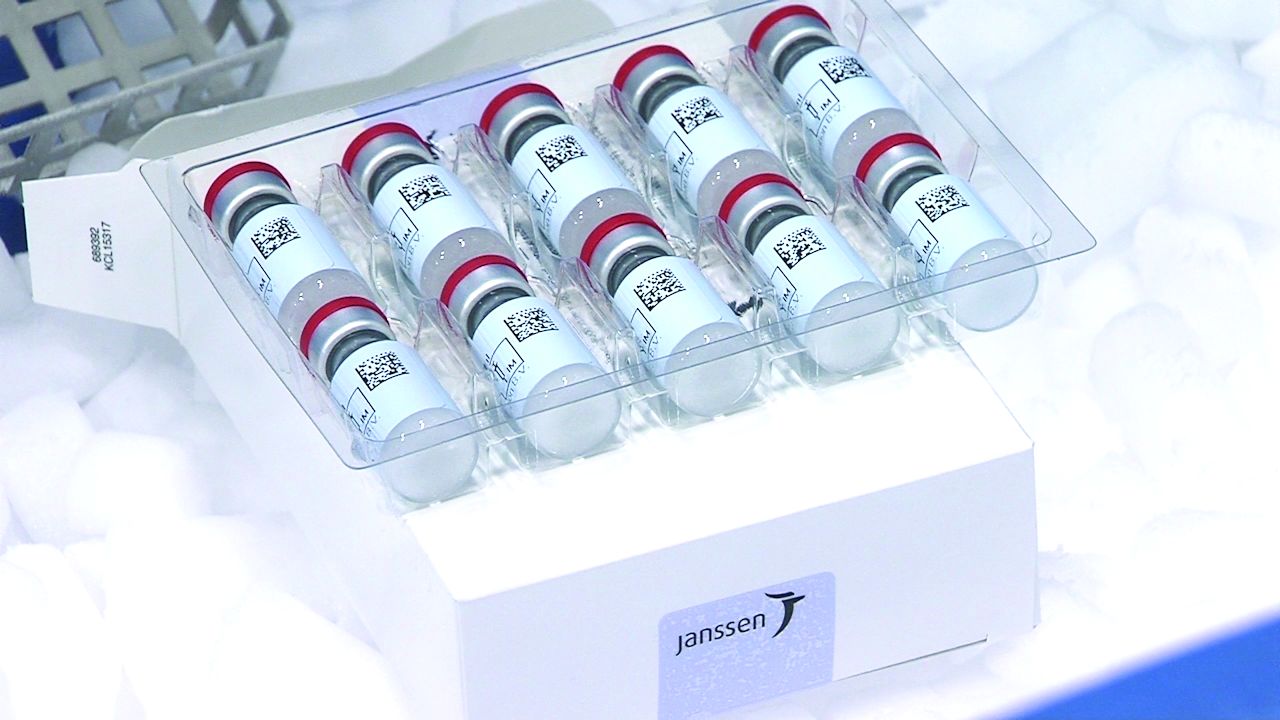
“What we are seeing is the overall rate of events was 1.9 cases per million people. In women 18 to 29 years there was an approximate 7 cases per million. The risk is even lower in women over the age of 50 at .9 cases per million,” CDC Director Rochelle Walensky, MD, said in a news briefing the same day.
In the end, the potential benefits of the vaccine far outweighed its risks.
“In terms of benefits, we found that for every 1 million doses of this vaccine, the J&J vaccine could prevent over 650 hospitalizations and 12 deaths among women ages 18-49,” Dr. Walensky said. The potential benefits to women over 50 were even greater: It could prevent 4,700 hospitalizations and 650 deaths.
“In the end, this vaccine was shown to be safe and effective for the vast majority of people,” Dr. Walensky said.
The recommendation to continue the vaccine’s rollout came barely 2 hours after a CDC Advisory Committee on Immunization Practices voted to recommend the pause be lifted. The vote was 10-4 with one abstention.
The decision also includes instructions for the warning directed at women under 50 who have an increased risk of a rare but serious blood clot disorder called thrombosis with thrombocytopenia syndrome (TTS).
As of April 21, 15 cases of TTS, all in women and 13 of them in women under 50, have been confirmed among 7.98 million doses of the J&J vaccine administered in the United States. Three women have died.
The FDA and CDC recommended the pause on April 13 after reports that 6 women developed a blood clotting disorder 6 to 13 days after they received the J&J vaccine.
William Schaffner, MD, an infectious disease expert at Vanderbilt University in Nashville, and a non-voting ACIP member, said in an interview the panel made the right recommendation.
He applauded both the decision to restart the vaccine and the updated warning information that “will explain [TTS] more fully to people, particularly women, who are coming to be vaccinated.”
As to women in the risk group needing to have a choice of vaccines, Dr. Schaffner said that will be addressed differently across the country.
“Every provider will not have alternative vaccines in their location so there will be many different ways to do this. You may have to get this information and select which site you’re going to depending on which vaccine is available if this matter is important to you,” he noted.
ACIP made the decision after a 6-hour emergency meeting to hear evidence on the Johnson & Johnson vaccine's protective benefits against COVID-19 vs. risk of TTS.
In the CDC-FDA press briefing, Dr. Walensky pointed out that over the past few days, as regulators have reviewed the rare events, newly identified patients had been treated appropriately, without the use of heparin, which is not advised for treating TTS.
As a result, regulators felt as if their messages had gotten out to doctors who now knew how to take special precautions when treating patients with the disorder.
She said the Johnson & Johnson shot remained an important option because it was convenient to give and easier to store than the other vaccines currently authorized in the United States.
Peter Marks, MD, the director of FDA’s Center for Biologics Evaluation and Research, said the agency had already added information describing the risk of the rare clotting disorder to its fact sheets for patients and doctors.
Janet Woodcock, MD, acting commissioner of the FDA, said vaccination centers could resume giving the “one and done” shots as early as April 24.
This article was updated April 24, 2021, and first appeared on WebMD.com.
Use of the Johnson & Johnson COVID-19 vaccine should resume in the United States for all adults, the Food and Drug Administration and Centers for Disease Contol and Prevention said April 23, although health care providers should warn patients of the risk of developing the rare and serious blood clots that caused the agencies to pause the vaccine’s distribution earlier this month.
“What we are seeing is the overall rate of events was 1.9 cases per million people. In women 18 to 29 years there was an approximate 7 cases per million. The risk is even lower in women over the age of 50 at .9 cases per million,” CDC Director Rochelle Walensky, MD, said in a news briefing the same day.
In the end, the potential benefits of the vaccine far outweighed its risks.
“In terms of benefits, we found that for every 1 million doses of this vaccine, the J&J vaccine could prevent over 650 hospitalizations and 12 deaths among women ages 18-49,” Dr. Walensky said. The potential benefits to women over 50 were even greater: It could prevent 4,700 hospitalizations and 650 deaths.
“In the end, this vaccine was shown to be safe and effective for the vast majority of people,” Dr. Walensky said.
The recommendation to continue the vaccine’s rollout came barely 2 hours after a CDC Advisory Committee on Immunization Practices voted to recommend the pause be lifted. The vote was 10-4 with one abstention.
The decision also includes instructions for the warning directed at women under 50 who have an increased risk of a rare but serious blood clot disorder called thrombosis with thrombocytopenia syndrome (TTS).
As of April 21, 15 cases of TTS, all in women and 13 of them in women under 50, have been confirmed among 7.98 million doses of the J&J vaccine administered in the United States. Three women have died.
The FDA and CDC recommended the pause on April 13 after reports that 6 women developed a blood clotting disorder 6 to 13 days after they received the J&J vaccine.
William Schaffner, MD, an infectious disease expert at Vanderbilt University in Nashville, and a non-voting ACIP member, said in an interview the panel made the right recommendation.
He applauded both the decision to restart the vaccine and the updated warning information that “will explain [TTS] more fully to people, particularly women, who are coming to be vaccinated.”
As to women in the risk group needing to have a choice of vaccines, Dr. Schaffner said that will be addressed differently across the country.
“Every provider will not have alternative vaccines in their location so there will be many different ways to do this. You may have to get this information and select which site you’re going to depending on which vaccine is available if this matter is important to you,” he noted.
ACIP made the decision after a 6-hour emergency meeting to hear evidence on the Johnson & Johnson vaccine's protective benefits against COVID-19 vs. risk of TTS.
In the CDC-FDA press briefing, Dr. Walensky pointed out that over the past few days, as regulators have reviewed the rare events, newly identified patients had been treated appropriately, without the use of heparin, which is not advised for treating TTS.
As a result, regulators felt as if their messages had gotten out to doctors who now knew how to take special precautions when treating patients with the disorder.
She said the Johnson & Johnson shot remained an important option because it was convenient to give and easier to store than the other vaccines currently authorized in the United States.
Peter Marks, MD, the director of FDA’s Center for Biologics Evaluation and Research, said the agency had already added information describing the risk of the rare clotting disorder to its fact sheets for patients and doctors.
Janet Woodcock, MD, acting commissioner of the FDA, said vaccination centers could resume giving the “one and done” shots as early as April 24.
This article was updated April 24, 2021, and first appeared on WebMD.com.
Use of the Johnson & Johnson COVID-19 vaccine should resume in the United States for all adults, the Food and Drug Administration and Centers for Disease Contol and Prevention said April 23, although health care providers should warn patients of the risk of developing the rare and serious blood clots that caused the agencies to pause the vaccine’s distribution earlier this month.
“What we are seeing is the overall rate of events was 1.9 cases per million people. In women 18 to 29 years there was an approximate 7 cases per million. The risk is even lower in women over the age of 50 at .9 cases per million,” CDC Director Rochelle Walensky, MD, said in a news briefing the same day.
In the end, the potential benefits of the vaccine far outweighed its risks.
“In terms of benefits, we found that for every 1 million doses of this vaccine, the J&J vaccine could prevent over 650 hospitalizations and 12 deaths among women ages 18-49,” Dr. Walensky said. The potential benefits to women over 50 were even greater: It could prevent 4,700 hospitalizations and 650 deaths.
“In the end, this vaccine was shown to be safe and effective for the vast majority of people,” Dr. Walensky said.
The recommendation to continue the vaccine’s rollout came barely 2 hours after a CDC Advisory Committee on Immunization Practices voted to recommend the pause be lifted. The vote was 10-4 with one abstention.
The decision also includes instructions for the warning directed at women under 50 who have an increased risk of a rare but serious blood clot disorder called thrombosis with thrombocytopenia syndrome (TTS).
As of April 21, 15 cases of TTS, all in women and 13 of them in women under 50, have been confirmed among 7.98 million doses of the J&J vaccine administered in the United States. Three women have died.
The FDA and CDC recommended the pause on April 13 after reports that 6 women developed a blood clotting disorder 6 to 13 days after they received the J&J vaccine.
William Schaffner, MD, an infectious disease expert at Vanderbilt University in Nashville, and a non-voting ACIP member, said in an interview the panel made the right recommendation.
He applauded both the decision to restart the vaccine and the updated warning information that “will explain [TTS] more fully to people, particularly women, who are coming to be vaccinated.”
As to women in the risk group needing to have a choice of vaccines, Dr. Schaffner said that will be addressed differently across the country.
“Every provider will not have alternative vaccines in their location so there will be many different ways to do this. You may have to get this information and select which site you’re going to depending on which vaccine is available if this matter is important to you,” he noted.
ACIP made the decision after a 6-hour emergency meeting to hear evidence on the Johnson & Johnson vaccine's protective benefits against COVID-19 vs. risk of TTS.
In the CDC-FDA press briefing, Dr. Walensky pointed out that over the past few days, as regulators have reviewed the rare events, newly identified patients had been treated appropriately, without the use of heparin, which is not advised for treating TTS.
As a result, regulators felt as if their messages had gotten out to doctors who now knew how to take special precautions when treating patients with the disorder.
She said the Johnson & Johnson shot remained an important option because it was convenient to give and easier to store than the other vaccines currently authorized in the United States.
Peter Marks, MD, the director of FDA’s Center for Biologics Evaluation and Research, said the agency had already added information describing the risk of the rare clotting disorder to its fact sheets for patients and doctors.
Janet Woodcock, MD, acting commissioner of the FDA, said vaccination centers could resume giving the “one and done” shots as early as April 24.
This article was updated April 24, 2021, and first appeared on WebMD.com.
Study: COVID-19 can kill months after infection
Long-haul COVID-19 patients face many health threats – including a higher chance of dying – up to 6 months after they catch the virus, according to a massive study published in the journal Nature.
Researchers examined more than 87,000 COVID-19 patients and nearly 5 million control patients in a federal database. They found COVID-19 patients had a 59% higher risk of death up to 6 months after infection, compared with noninfected people.
Those findings translate into about 8 extra deaths per 1,000 patients over 6 months, because many deaths caused by long-term COVID complications are not recorded as COVID-19 deaths, the researchers said. Among patients who were hospitalized and died after more than 30 days, there were 29 excess deaths per 1,000 patients over 6 months.
“As far as total pandemic death toll, these numbers suggest that the deaths we’re counting due to the immediate viral infection are only the tip of the iceberg,” Ziyad Al-Aly, MD, the senior author of the study and a director of the Clinical Epidemiology Center at the Veterans Affairs St. Louis Health Care System, said in a news release from the Washington University, St. Louis.
Johns Hopkins University in Baltimore says more than 3 million people worldwide and about 570,000 people in the United States have died of coronavirus-related reasons.
Long-haul COVID patients also had a much higher chance of getting sick, and not just in the respiratory system, according to the study.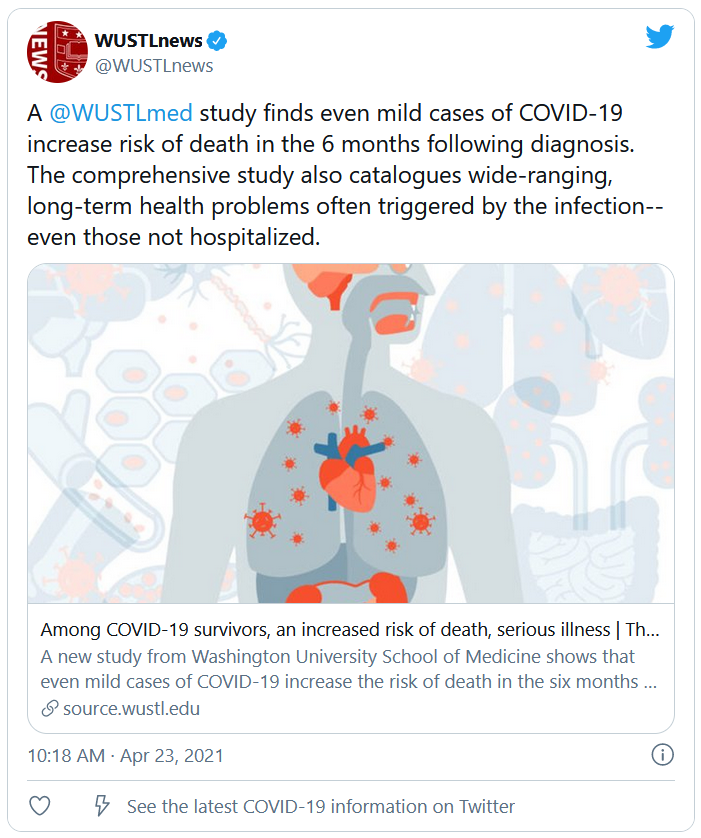
The patients had a high rate of stroke and other nervous system ailments, mental health problems such as depression, the onset of diabetes, heart disease and other coronary problems, diarrhea and digestive disorders, kidney disease, blood clots, joint pain, hair loss, and general fatigue.
Patients often had clusters of these ailments. And the more severe the case of COVID-19, the higher the chance of long-term health problems, the study said.
Researchers based their study on health care databases of the U.S. Department of Veterans Affairs. Besides the 87,000 COVID patients, the database included about 5 million patients who didn’t catch COVID. The veterans in the study were about 88% men, but the large sample size included 8,880 women with confirmed cases, the news release said.
Dr. Al-Aly, an assistant professor at Washington University, said the study shows that long-haul COVID-19 could be “America’s next big health crisis.”
“Our study demonstrates that, up to 6 months after diagnosis, the risk of death following even a mild case of COVID-19 is not trivial and increases with disease severity,” he said. “Given that more than 30 million Americans have been infected with this virus, and given that the burden of long COVID-19 is substantial, the lingering effects of this disease will reverberate for many years and even decades.”
A version of this article first appeared on WebMD.com.
Long-haul COVID-19 patients face many health threats – including a higher chance of dying – up to 6 months after they catch the virus, according to a massive study published in the journal Nature.
Researchers examined more than 87,000 COVID-19 patients and nearly 5 million control patients in a federal database. They found COVID-19 patients had a 59% higher risk of death up to 6 months after infection, compared with noninfected people.
Those findings translate into about 8 extra deaths per 1,000 patients over 6 months, because many deaths caused by long-term COVID complications are not recorded as COVID-19 deaths, the researchers said. Among patients who were hospitalized and died after more than 30 days, there were 29 excess deaths per 1,000 patients over 6 months.
“As far as total pandemic death toll, these numbers suggest that the deaths we’re counting due to the immediate viral infection are only the tip of the iceberg,” Ziyad Al-Aly, MD, the senior author of the study and a director of the Clinical Epidemiology Center at the Veterans Affairs St. Louis Health Care System, said in a news release from the Washington University, St. Louis.
Johns Hopkins University in Baltimore says more than 3 million people worldwide and about 570,000 people in the United States have died of coronavirus-related reasons.
Long-haul COVID patients also had a much higher chance of getting sick, and not just in the respiratory system, according to the study.
The patients had a high rate of stroke and other nervous system ailments, mental health problems such as depression, the onset of diabetes, heart disease and other coronary problems, diarrhea and digestive disorders, kidney disease, blood clots, joint pain, hair loss, and general fatigue.
Patients often had clusters of these ailments. And the more severe the case of COVID-19, the higher the chance of long-term health problems, the study said.
Researchers based their study on health care databases of the U.S. Department of Veterans Affairs. Besides the 87,000 COVID patients, the database included about 5 million patients who didn’t catch COVID. The veterans in the study were about 88% men, but the large sample size included 8,880 women with confirmed cases, the news release said.
Dr. Al-Aly, an assistant professor at Washington University, said the study shows that long-haul COVID-19 could be “America’s next big health crisis.”
“Our study demonstrates that, up to 6 months after diagnosis, the risk of death following even a mild case of COVID-19 is not trivial and increases with disease severity,” he said. “Given that more than 30 million Americans have been infected with this virus, and given that the burden of long COVID-19 is substantial, the lingering effects of this disease will reverberate for many years and even decades.”
A version of this article first appeared on WebMD.com.
Long-haul COVID-19 patients face many health threats – including a higher chance of dying – up to 6 months after they catch the virus, according to a massive study published in the journal Nature.
Researchers examined more than 87,000 COVID-19 patients and nearly 5 million control patients in a federal database. They found COVID-19 patients had a 59% higher risk of death up to 6 months after infection, compared with noninfected people.
Those findings translate into about 8 extra deaths per 1,000 patients over 6 months, because many deaths caused by long-term COVID complications are not recorded as COVID-19 deaths, the researchers said. Among patients who were hospitalized and died after more than 30 days, there were 29 excess deaths per 1,000 patients over 6 months.
“As far as total pandemic death toll, these numbers suggest that the deaths we’re counting due to the immediate viral infection are only the tip of the iceberg,” Ziyad Al-Aly, MD, the senior author of the study and a director of the Clinical Epidemiology Center at the Veterans Affairs St. Louis Health Care System, said in a news release from the Washington University, St. Louis.
Johns Hopkins University in Baltimore says more than 3 million people worldwide and about 570,000 people in the United States have died of coronavirus-related reasons.
Long-haul COVID patients also had a much higher chance of getting sick, and not just in the respiratory system, according to the study.
The patients had a high rate of stroke and other nervous system ailments, mental health problems such as depression, the onset of diabetes, heart disease and other coronary problems, diarrhea and digestive disorders, kidney disease, blood clots, joint pain, hair loss, and general fatigue.
Patients often had clusters of these ailments. And the more severe the case of COVID-19, the higher the chance of long-term health problems, the study said.
Researchers based their study on health care databases of the U.S. Department of Veterans Affairs. Besides the 87,000 COVID patients, the database included about 5 million patients who didn’t catch COVID. The veterans in the study were about 88% men, but the large sample size included 8,880 women with confirmed cases, the news release said.
Dr. Al-Aly, an assistant professor at Washington University, said the study shows that long-haul COVID-19 could be “America’s next big health crisis.”
“Our study demonstrates that, up to 6 months after diagnosis, the risk of death following even a mild case of COVID-19 is not trivial and increases with disease severity,” he said. “Given that more than 30 million Americans have been infected with this virus, and given that the burden of long COVID-19 is substantial, the lingering effects of this disease will reverberate for many years and even decades.”
A version of this article first appeared on WebMD.com.
Intranasal third-generation CGRP effective for acute migraine
, new research shows. In a randomized dose-ranging, placebo-controlled, phase 2/3 trial, investigators found both the 10- and 20-mg doses of the drug were associated with pain freedom in more than 20% of patients and alleviated the most bothersome symptom, defined as photophobia, phonophobia, or nausea, in more than 40% of patients.
Most adverse events associated with zavegepant were mild or moderate. The drug is not associated with liver toxicity.

“The intranasal formulation demonstrated some separation on pain relief as early as 15 minutes, though in terms of the statistical hierarchy, those differences were not significant,” said study investigator Richard B. Lipton, MD, professor and vice chair of neurology at Albert Einstein College of Medicine, New York, who presented the findings at the American Academy of Neurology’s 2021 annual meeting.
“Sustained pain freedom was observed from 2 to 48 hours post-dose,” Dr. Lipton added. A phase 3 clinical trial has been initiated to compare the efficacy of the 10-mg dose with that of placebo for the acute treatment of migraine.
Three doses
Zavegepant is the only intranasal CGRP receptor antagonist undergoing late-stage development for the acute treatment of migraine. A previous single ascending dose study suggested the drug provided systemic exposure and had potentially therapeutic effects.
The study included participants age 18 years or older who had a diagnosis of migraine for at least 1 year, had two to eight migraine attacks of moderate or severe intensity and fewer than 15 monthly headache days over the previous 3 months.
The investigators randomly assigned participants in this phase 2/3 trial to placebo or a 5-mg, 10-mg, or 20-mg dose of intranasal zavegepant. Participants treated a single attack of moderate to severe pain with their assigned treatment.
The study’s two primary endpoints were freedom from pain and freedom from the most bothersome symptom at 2 hours after dosing.
The investigators randomly assigned 1,673 participants to treatment. Of this group, 1,588 treated an attack with study medication. The researchers also included 1,581 participants in the modified intention-to-treat population. Of this group, 387 received the 5-mg dose, 391 received the 10-mg dose, 402 received the 20-mg dose, and 401 received placebo.
Pain freedom
The population’s median age was approximately 41 years, 86% of participants were female, and 14% were taking preventive migraine medication. Participants’ mean number of moderate or severe attacks per month was 4.9 overall. The most common most bothersome symptom was photophobia.
The researchers observed a difference in outcome between the active and placebo arms as early as 15 minutes post-dose, but this difference was not statistically significant. At 2 hours, the rate of pain freedom was 15.5% in the placebo group, 22.5% in the 10-mg group (P = .0113), and 23.1% in the 20-mg group (P = .0055). The result for the 5-mg group (19.6%) was not significantly different from that of the placebo group.
The rate of freedom from the most bothersome symptom was 33.7% in the placebo group, 41.9% in the 10-mg group (P = .0155), and 42.5% in the 20-mg group (P = .0094). For this endpoint as well, the result of the 5-mg group (39%) was not significantly different from that among controls.
The most common adverse events were dysgeusia (impaired sense of taste) and nasal discomfort. The rate of dysgeusia ranged from 13.5% to 16.1% in the zavegepant groups, compared with 3.5% among controls. The rate of nasal discomfort ranged from 1.3% to 5.2% in the zavegepant groups, compared with 0.2% among controls. The investigators concluded that intranasal zavegepant had a favorable safety profile.
‘Exciting potential addition’
Commenting on the findings, Alan M. Rapoport, MD, clinical professor of neurology at the University of California, Los Angeles, said: “Zavegepant is an exciting potential addition to rimegepant for the acute care of migraine.”

Many patients like the orally dissolving tablet formulation of rimegepant (Nurtec), but some have nausea and do not absorb oral preparations well, said Dr. Rapoport, who is editor-in-chief of Neurology Reviews and a past president of the International Headache Society. “So, it makes sense to have a gepant, which is not a vasoconstrictor and has few adverse events, developed as a nasal spray.” Nasal preparations often work more quickly than oral preparations, he added.
Other intranasal treatments available for migraine include dihydroergotamine (Migranal), zolmitriptan (Zomig), sumatriptan (Imitrex), and ketorolac (Sprix). It is not possible to compare zavegepant with these medications, or with other CGRP receptor antagonists, because they have not been studied in head-to-head trials, said Dr. Rapoport, who was not involved in the study but has previously consulted for Biohaven Pharmaceuticals, the drug’s manufacturer.
“I would predict a nasal spray would work somewhat faster and better in some patients with nausea or poor absorption, so I would be happy to have it approved and available.”
The current study uses endpoints typically prescribed by the U.S. Food and Drug Administration and includes a large sample size, said Dr. Rapoport.
“During the informed consent [stage], the patients in this trial would be told that there is a 3-in-4 chance that they would be getting an active drug versus placebo, and that often increases the placebo response,” he added. “In this trial, a placebo response of 15.5% is slightly high, but not atypical,” he added.
This study raises the question of whether other acute-care migraine medications should be studied as nasal preparations. “I think the answer is yes,” said Dr. Rapoport. “Fast-acting, effective nasal preparations that are easy to use and cause few adverse events [are] what we need.”
Biohaven Pharmaceuticals sponsored the study. Dr. Lipton has been a consultant for Biohaven, has conducted studies funded by the company, and has stock in the company. Dr. Rapoport has consulted and spoken for Biohaven, but did not participate in the current study.
A version of this article first appeared on Medscape.com.
, new research shows. In a randomized dose-ranging, placebo-controlled, phase 2/3 trial, investigators found both the 10- and 20-mg doses of the drug were associated with pain freedom in more than 20% of patients and alleviated the most bothersome symptom, defined as photophobia, phonophobia, or nausea, in more than 40% of patients.
Most adverse events associated with zavegepant were mild or moderate. The drug is not associated with liver toxicity.
“The intranasal formulation demonstrated some separation on pain relief as early as 15 minutes, though in terms of the statistical hierarchy, those differences were not significant,” said study investigator Richard B. Lipton, MD, professor and vice chair of neurology at Albert Einstein College of Medicine, New York, who presented the findings at the American Academy of Neurology’s 2021 annual meeting.
“Sustained pain freedom was observed from 2 to 48 hours post-dose,” Dr. Lipton added. A phase 3 clinical trial has been initiated to compare the efficacy of the 10-mg dose with that of placebo for the acute treatment of migraine.
Three doses
Zavegepant is the only intranasal CGRP receptor antagonist undergoing late-stage development for the acute treatment of migraine. A previous single ascending dose study suggested the drug provided systemic exposure and had potentially therapeutic effects.
The study included participants age 18 years or older who had a diagnosis of migraine for at least 1 year, had two to eight migraine attacks of moderate or severe intensity and fewer than 15 monthly headache days over the previous 3 months.
The investigators randomly assigned participants in this phase 2/3 trial to placebo or a 5-mg, 10-mg, or 20-mg dose of intranasal zavegepant. Participants treated a single attack of moderate to severe pain with their assigned treatment.
The study’s two primary endpoints were freedom from pain and freedom from the most bothersome symptom at 2 hours after dosing.
The investigators randomly assigned 1,673 participants to treatment. Of this group, 1,588 treated an attack with study medication. The researchers also included 1,581 participants in the modified intention-to-treat population. Of this group, 387 received the 5-mg dose, 391 received the 10-mg dose, 402 received the 20-mg dose, and 401 received placebo.
Pain freedom
The population’s median age was approximately 41 years, 86% of participants were female, and 14% were taking preventive migraine medication. Participants’ mean number of moderate or severe attacks per month was 4.9 overall. The most common most bothersome symptom was photophobia.
The researchers observed a difference in outcome between the active and placebo arms as early as 15 minutes post-dose, but this difference was not statistically significant. At 2 hours, the rate of pain freedom was 15.5% in the placebo group, 22.5% in the 10-mg group (P = .0113), and 23.1% in the 20-mg group (P = .0055). The result for the 5-mg group (19.6%) was not significantly different from that of the placebo group.
The rate of freedom from the most bothersome symptom was 33.7% in the placebo group, 41.9% in the 10-mg group (P = .0155), and 42.5% in the 20-mg group (P = .0094). For this endpoint as well, the result of the 5-mg group (39%) was not significantly different from that among controls.
The most common adverse events were dysgeusia (impaired sense of taste) and nasal discomfort. The rate of dysgeusia ranged from 13.5% to 16.1% in the zavegepant groups, compared with 3.5% among controls. The rate of nasal discomfort ranged from 1.3% to 5.2% in the zavegepant groups, compared with 0.2% among controls. The investigators concluded that intranasal zavegepant had a favorable safety profile.
‘Exciting potential addition’
Commenting on the findings, Alan M. Rapoport, MD, clinical professor of neurology at the University of California, Los Angeles, said: “Zavegepant is an exciting potential addition to rimegepant for the acute care of migraine.”
Many patients like the orally dissolving tablet formulation of rimegepant (Nurtec), but some have nausea and do not absorb oral preparations well, said Dr. Rapoport, who is editor-in-chief of Neurology Reviews and a past president of the International Headache Society. “So, it makes sense to have a gepant, which is not a vasoconstrictor and has few adverse events, developed as a nasal spray.” Nasal preparations often work more quickly than oral preparations, he added.
Other intranasal treatments available for migraine include dihydroergotamine (Migranal), zolmitriptan (Zomig), sumatriptan (Imitrex), and ketorolac (Sprix). It is not possible to compare zavegepant with these medications, or with other CGRP receptor antagonists, because they have not been studied in head-to-head trials, said Dr. Rapoport, who was not involved in the study but has previously consulted for Biohaven Pharmaceuticals, the drug’s manufacturer.
“I would predict a nasal spray would work somewhat faster and better in some patients with nausea or poor absorption, so I would be happy to have it approved and available.”
The current study uses endpoints typically prescribed by the U.S. Food and Drug Administration and includes a large sample size, said Dr. Rapoport.
“During the informed consent [stage], the patients in this trial would be told that there is a 3-in-4 chance that they would be getting an active drug versus placebo, and that often increases the placebo response,” he added. “In this trial, a placebo response of 15.5% is slightly high, but not atypical,” he added.
This study raises the question of whether other acute-care migraine medications should be studied as nasal preparations. “I think the answer is yes,” said Dr. Rapoport. “Fast-acting, effective nasal preparations that are easy to use and cause few adverse events [are] what we need.”
Biohaven Pharmaceuticals sponsored the study. Dr. Lipton has been a consultant for Biohaven, has conducted studies funded by the company, and has stock in the company. Dr. Rapoport has consulted and spoken for Biohaven, but did not participate in the current study.
A version of this article first appeared on Medscape.com.
, new research shows. In a randomized dose-ranging, placebo-controlled, phase 2/3 trial, investigators found both the 10- and 20-mg doses of the drug were associated with pain freedom in more than 20% of patients and alleviated the most bothersome symptom, defined as photophobia, phonophobia, or nausea, in more than 40% of patients.
Most adverse events associated with zavegepant were mild or moderate. The drug is not associated with liver toxicity.
“The intranasal formulation demonstrated some separation on pain relief as early as 15 minutes, though in terms of the statistical hierarchy, those differences were not significant,” said study investigator Richard B. Lipton, MD, professor and vice chair of neurology at Albert Einstein College of Medicine, New York, who presented the findings at the American Academy of Neurology’s 2021 annual meeting.
“Sustained pain freedom was observed from 2 to 48 hours post-dose,” Dr. Lipton added. A phase 3 clinical trial has been initiated to compare the efficacy of the 10-mg dose with that of placebo for the acute treatment of migraine.
Three doses
Zavegepant is the only intranasal CGRP receptor antagonist undergoing late-stage development for the acute treatment of migraine. A previous single ascending dose study suggested the drug provided systemic exposure and had potentially therapeutic effects.
The study included participants age 18 years or older who had a diagnosis of migraine for at least 1 year, had two to eight migraine attacks of moderate or severe intensity and fewer than 15 monthly headache days over the previous 3 months.
The investigators randomly assigned participants in this phase 2/3 trial to placebo or a 5-mg, 10-mg, or 20-mg dose of intranasal zavegepant. Participants treated a single attack of moderate to severe pain with their assigned treatment.
The study’s two primary endpoints were freedom from pain and freedom from the most bothersome symptom at 2 hours after dosing.
The investigators randomly assigned 1,673 participants to treatment. Of this group, 1,588 treated an attack with study medication. The researchers also included 1,581 participants in the modified intention-to-treat population. Of this group, 387 received the 5-mg dose, 391 received the 10-mg dose, 402 received the 20-mg dose, and 401 received placebo.
Pain freedom
The population’s median age was approximately 41 years, 86% of participants were female, and 14% were taking preventive migraine medication. Participants’ mean number of moderate or severe attacks per month was 4.9 overall. The most common most bothersome symptom was photophobia.
The researchers observed a difference in outcome between the active and placebo arms as early as 15 minutes post-dose, but this difference was not statistically significant. At 2 hours, the rate of pain freedom was 15.5% in the placebo group, 22.5% in the 10-mg group (P = .0113), and 23.1% in the 20-mg group (P = .0055). The result for the 5-mg group (19.6%) was not significantly different from that of the placebo group.
The rate of freedom from the most bothersome symptom was 33.7% in the placebo group, 41.9% in the 10-mg group (P = .0155), and 42.5% in the 20-mg group (P = .0094). For this endpoint as well, the result of the 5-mg group (39%) was not significantly different from that among controls.
The most common adverse events were dysgeusia (impaired sense of taste) and nasal discomfort. The rate of dysgeusia ranged from 13.5% to 16.1% in the zavegepant groups, compared with 3.5% among controls. The rate of nasal discomfort ranged from 1.3% to 5.2% in the zavegepant groups, compared with 0.2% among controls. The investigators concluded that intranasal zavegepant had a favorable safety profile.
‘Exciting potential addition’
Commenting on the findings, Alan M. Rapoport, MD, clinical professor of neurology at the University of California, Los Angeles, said: “Zavegepant is an exciting potential addition to rimegepant for the acute care of migraine.”
Many patients like the orally dissolving tablet formulation of rimegepant (Nurtec), but some have nausea and do not absorb oral preparations well, said Dr. Rapoport, who is editor-in-chief of Neurology Reviews and a past president of the International Headache Society. “So, it makes sense to have a gepant, which is not a vasoconstrictor and has few adverse events, developed as a nasal spray.” Nasal preparations often work more quickly than oral preparations, he added.
Other intranasal treatments available for migraine include dihydroergotamine (Migranal), zolmitriptan (Zomig), sumatriptan (Imitrex), and ketorolac (Sprix). It is not possible to compare zavegepant with these medications, or with other CGRP receptor antagonists, because they have not been studied in head-to-head trials, said Dr. Rapoport, who was not involved in the study but has previously consulted for Biohaven Pharmaceuticals, the drug’s manufacturer.
“I would predict a nasal spray would work somewhat faster and better in some patients with nausea or poor absorption, so I would be happy to have it approved and available.”
The current study uses endpoints typically prescribed by the U.S. Food and Drug Administration and includes a large sample size, said Dr. Rapoport.
“During the informed consent [stage], the patients in this trial would be told that there is a 3-in-4 chance that they would be getting an active drug versus placebo, and that often increases the placebo response,” he added. “In this trial, a placebo response of 15.5% is slightly high, but not atypical,” he added.
This study raises the question of whether other acute-care migraine medications should be studied as nasal preparations. “I think the answer is yes,” said Dr. Rapoport. “Fast-acting, effective nasal preparations that are easy to use and cause few adverse events [are] what we need.”
Biohaven Pharmaceuticals sponsored the study. Dr. Lipton has been a consultant for Biohaven, has conducted studies funded by the company, and has stock in the company. Dr. Rapoport has consulted and spoken for Biohaven, but did not participate in the current study.
A version of this article first appeared on Medscape.com.
From AAN 2021

Can we get to ‘COVID zero’? Experts predict the next 8 months
COVID-19 is likely to follow a seasonal pattern – similar to some other respiratory viruses – with fewer cases come summer 2021 followed by a jump next winter, experts predicted in a Thursday briefing.
If that pattern holds, it could mean a need to reinforce the mask-wearing message as the weather gets colder and people once again congregate indoors.
“Right now, we are projecting the United States all the way to Aug. 1 [will have] 619,000 deaths from COVID-19, with 4.7 million globally,” said Ali H. Mokdad, PhD, professor of health metrics sciences at the Institute for Health Metrics and Evaluation at the University of Washington, Seattle, during today’s media briefing sponsored by the Infectious Diseases Society of America and IHME.
The encouraging news is the vaccines appear to be working, and more Americans are getting them. “If you look at the data for these vaccines, they are extremely safe, they are extremely efficacious, and they make you basically impervious – for the most part – to getting serious disease, hospitalization, or death,” said Amesh Adalja, MD, senior scholar at Johns Hopkins University Center for Health Security in Baltimore.
“These vaccines do what they were meant to do: defang this virus,” said Dr. Adalja, who is an IDSA Fellow and adjunct assistant professor at Johns Hopkins Bloomberg School of Public Health. Emerging data out of Israel and other countries suggest a vaccinated person is less likely to transmit the virus as well, he added.
Still aiming for herd immunity
Furthermore, the U.S. Food and Drug Administration is likely to approve emergency use authorization (EUA) among teenagers 12-15 years old “imminently,” thereby expanding the pool of people potentially protected by vaccines.
Such authorization could help with overall public health efforts. “That’s simply a mathematical formula,” Dr. Adalja said. “The more people that are vaccinated, including children, the quicker we’ll get to herd immunity.”
In addition, with lower case numbers expected this summer, herd immunity might become more achievable, said Dr. Mokdad, who is also chief strategy officer for population health at the University of Washington.
As important as herd immunity is, so-called decoupling is “more important to me,” Dr. Adalja said. Decoupling refers to separating infections from the more severe outcomes, so people who get COVID-19 are less likely to need hospitalization or die from it.
Vaccines get the credit here, he added, including with the variants. “Even if you get a breakthrough infection with a variant, it’s not likely to land you in the hospital or cause serious disease or death,” Dr. Adalja said.
Masks and the uncommon cold
Wearing a mask until we reach herd immunity is important because it’s not possible to tell who is vaccinated and who isn’t, Dr. Mokdad said. “Remember, as many people are waiting to get a vaccine, all of us have access to a mask,” he said.
Dr. Adalja agreed, adding that public health guidance on masks will likely stay in place until we cross that herd immunity threshold and community circulation of the virus goes down.
“People are probably going to want to continue wearing masks, at least some proportion, because they see the benefit for other respiratory viruses,” Dr. Adalja said. “How many of you had a common cold this year?”
Variants: Some good news?
Experts are monitoring the spread of variants of concern in the United States and abroad. On a positive note, the B.1.1.7 variant first identified in the United Kingdom appears to be dominant in the United States at this time, which is potentially good for two reasons. One is that the available COVID-19 vaccines show sufficient efficacy against the strain, Dr. Mokdad said.
Second, a predominance of B.1.1.7 makes it more difficult for other emerging variants of concern like P1 [Brazil] or B.1.351 [South Africa] to gain control, Dr. Adalja said.
“B.1.1.7 is such an efficient transmitter,” he said. “That’s kind of an advantage … because the more B.1.1.7, you have the less opportunity B.1.351 and P1 have to set up shop.”
Hesitancy from misinformation
Vaccine hesitancy remains a concern, particularly at a time when some predict a drop in the number of Americans seeking vaccination. Although needle phobia plays a role in dissuading some from vaccination, the bigger issue is vaccine misinformation, Dr. Adalja said.
“Some people are just terrified when they see the needle. That’s a small part of the proportion of people who don’t want to get vaccinated,” Dr. Adalja said. In contrast, he attributed most hesitancy to misinformation about the vaccine, including reports that the vaccines are fake.
Even celebrities are getting drawn into the misinformation.
“I just had to answer something about Mariah Carey’s vaccination,” he said. Someone believed “that it was done with a retractable needle that didn’t really go into her arm.”
Vaccine hesitancy is more about people not understanding the risk-benefit analysis, taking side effects out of out of context if there are side effects, or being influenced by “arbitrary statements about microchips, infertility, or whatever it might be,” Dr. Adalja said.
The future is subject to change
“We’re expecting another rise in cases and more mortality in our winter season here in the United States,” Dr. Mokdad said, adding that the efficacy of the vaccines is likely to attenuate the mortality rate in particular.
However, as the epidemiology of the pandemic evolves, so too will the long-term predictions. Factors that could influence future numbers include the expansion of vaccination to teens 12-15 years old and (eventually) younger children, a need for booster vaccines, emerging variants, and the changing proportion of the population who are fully vaccinated or were previously infected.
Again, getting people to adhere to mask wearing come winter could be challenging if the scenario over the summer is “close to normal with less than 200 deaths a day in the United States,” he added. Asking people to wear masks again will be like “swimming upstream.”
“I think it’s a mistake to think that we’re going to get to ‘COVID zero,’ ” Dr. Adalja said. “This is not an eradicable disease. There’s only been one human infectious disease eradicated from the planet, and that’s smallpox, and it had very different characteristics.”
A version of this article first appeared on Medscape.com.
COVID-19 is likely to follow a seasonal pattern – similar to some other respiratory viruses – with fewer cases come summer 2021 followed by a jump next winter, experts predicted in a Thursday briefing.
If that pattern holds, it could mean a need to reinforce the mask-wearing message as the weather gets colder and people once again congregate indoors.
“Right now, we are projecting the United States all the way to Aug. 1 [will have] 619,000 deaths from COVID-19, with 4.7 million globally,” said Ali H. Mokdad, PhD, professor of health metrics sciences at the Institute for Health Metrics and Evaluation at the University of Washington, Seattle, during today’s media briefing sponsored by the Infectious Diseases Society of America and IHME.
The encouraging news is the vaccines appear to be working, and more Americans are getting them. “If you look at the data for these vaccines, they are extremely safe, they are extremely efficacious, and they make you basically impervious – for the most part – to getting serious disease, hospitalization, or death,” said Amesh Adalja, MD, senior scholar at Johns Hopkins University Center for Health Security in Baltimore.
“These vaccines do what they were meant to do: defang this virus,” said Dr. Adalja, who is an IDSA Fellow and adjunct assistant professor at Johns Hopkins Bloomberg School of Public Health. Emerging data out of Israel and other countries suggest a vaccinated person is less likely to transmit the virus as well, he added.
Still aiming for herd immunity
Furthermore, the U.S. Food and Drug Administration is likely to approve emergency use authorization (EUA) among teenagers 12-15 years old “imminently,” thereby expanding the pool of people potentially protected by vaccines.
Such authorization could help with overall public health efforts. “That’s simply a mathematical formula,” Dr. Adalja said. “The more people that are vaccinated, including children, the quicker we’ll get to herd immunity.”
In addition, with lower case numbers expected this summer, herd immunity might become more achievable, said Dr. Mokdad, who is also chief strategy officer for population health at the University of Washington.
As important as herd immunity is, so-called decoupling is “more important to me,” Dr. Adalja said. Decoupling refers to separating infections from the more severe outcomes, so people who get COVID-19 are less likely to need hospitalization or die from it.
Vaccines get the credit here, he added, including with the variants. “Even if you get a breakthrough infection with a variant, it’s not likely to land you in the hospital or cause serious disease or death,” Dr. Adalja said.
Masks and the uncommon cold
Wearing a mask until we reach herd immunity is important because it’s not possible to tell who is vaccinated and who isn’t, Dr. Mokdad said. “Remember, as many people are waiting to get a vaccine, all of us have access to a mask,” he said.
Dr. Adalja agreed, adding that public health guidance on masks will likely stay in place until we cross that herd immunity threshold and community circulation of the virus goes down.
“People are probably going to want to continue wearing masks, at least some proportion, because they see the benefit for other respiratory viruses,” Dr. Adalja said. “How many of you had a common cold this year?”
Variants: Some good news?
Experts are monitoring the spread of variants of concern in the United States and abroad. On a positive note, the B.1.1.7 variant first identified in the United Kingdom appears to be dominant in the United States at this time, which is potentially good for two reasons. One is that the available COVID-19 vaccines show sufficient efficacy against the strain, Dr. Mokdad said.
Second, a predominance of B.1.1.7 makes it more difficult for other emerging variants of concern like P1 [Brazil] or B.1.351 [South Africa] to gain control, Dr. Adalja said.
“B.1.1.7 is such an efficient transmitter,” he said. “That’s kind of an advantage … because the more B.1.1.7, you have the less opportunity B.1.351 and P1 have to set up shop.”
Hesitancy from misinformation
Vaccine hesitancy remains a concern, particularly at a time when some predict a drop in the number of Americans seeking vaccination. Although needle phobia plays a role in dissuading some from vaccination, the bigger issue is vaccine misinformation, Dr. Adalja said.
“Some people are just terrified when they see the needle. That’s a small part of the proportion of people who don’t want to get vaccinated,” Dr. Adalja said. In contrast, he attributed most hesitancy to misinformation about the vaccine, including reports that the vaccines are fake.
Even celebrities are getting drawn into the misinformation.
“I just had to answer something about Mariah Carey’s vaccination,” he said. Someone believed “that it was done with a retractable needle that didn’t really go into her arm.”
Vaccine hesitancy is more about people not understanding the risk-benefit analysis, taking side effects out of out of context if there are side effects, or being influenced by “arbitrary statements about microchips, infertility, or whatever it might be,” Dr. Adalja said.
The future is subject to change
“We’re expecting another rise in cases and more mortality in our winter season here in the United States,” Dr. Mokdad said, adding that the efficacy of the vaccines is likely to attenuate the mortality rate in particular.
However, as the epidemiology of the pandemic evolves, so too will the long-term predictions. Factors that could influence future numbers include the expansion of vaccination to teens 12-15 years old and (eventually) younger children, a need for booster vaccines, emerging variants, and the changing proportion of the population who are fully vaccinated or were previously infected.
Again, getting people to adhere to mask wearing come winter could be challenging if the scenario over the summer is “close to normal with less than 200 deaths a day in the United States,” he added. Asking people to wear masks again will be like “swimming upstream.”
“I think it’s a mistake to think that we’re going to get to ‘COVID zero,’ ” Dr. Adalja said. “This is not an eradicable disease. There’s only been one human infectious disease eradicated from the planet, and that’s smallpox, and it had very different characteristics.”
A version of this article first appeared on Medscape.com.
COVID-19 is likely to follow a seasonal pattern – similar to some other respiratory viruses – with fewer cases come summer 2021 followed by a jump next winter, experts predicted in a Thursday briefing.
If that pattern holds, it could mean a need to reinforce the mask-wearing message as the weather gets colder and people once again congregate indoors.
“Right now, we are projecting the United States all the way to Aug. 1 [will have] 619,000 deaths from COVID-19, with 4.7 million globally,” said Ali H. Mokdad, PhD, professor of health metrics sciences at the Institute for Health Metrics and Evaluation at the University of Washington, Seattle, during today’s media briefing sponsored by the Infectious Diseases Society of America and IHME.
The encouraging news is the vaccines appear to be working, and more Americans are getting them. “If you look at the data for these vaccines, they are extremely safe, they are extremely efficacious, and they make you basically impervious – for the most part – to getting serious disease, hospitalization, or death,” said Amesh Adalja, MD, senior scholar at Johns Hopkins University Center for Health Security in Baltimore.
“These vaccines do what they were meant to do: defang this virus,” said Dr. Adalja, who is an IDSA Fellow and adjunct assistant professor at Johns Hopkins Bloomberg School of Public Health. Emerging data out of Israel and other countries suggest a vaccinated person is less likely to transmit the virus as well, he added.
Still aiming for herd immunity
Furthermore, the U.S. Food and Drug Administration is likely to approve emergency use authorization (EUA) among teenagers 12-15 years old “imminently,” thereby expanding the pool of people potentially protected by vaccines.
Such authorization could help with overall public health efforts. “That’s simply a mathematical formula,” Dr. Adalja said. “The more people that are vaccinated, including children, the quicker we’ll get to herd immunity.”
In addition, with lower case numbers expected this summer, herd immunity might become more achievable, said Dr. Mokdad, who is also chief strategy officer for population health at the University of Washington.
As important as herd immunity is, so-called decoupling is “more important to me,” Dr. Adalja said. Decoupling refers to separating infections from the more severe outcomes, so people who get COVID-19 are less likely to need hospitalization or die from it.
Vaccines get the credit here, he added, including with the variants. “Even if you get a breakthrough infection with a variant, it’s not likely to land you in the hospital or cause serious disease or death,” Dr. Adalja said.
Masks and the uncommon cold
Wearing a mask until we reach herd immunity is important because it’s not possible to tell who is vaccinated and who isn’t, Dr. Mokdad said. “Remember, as many people are waiting to get a vaccine, all of us have access to a mask,” he said.
Dr. Adalja agreed, adding that public health guidance on masks will likely stay in place until we cross that herd immunity threshold and community circulation of the virus goes down.
“People are probably going to want to continue wearing masks, at least some proportion, because they see the benefit for other respiratory viruses,” Dr. Adalja said. “How many of you had a common cold this year?”
Variants: Some good news?
Experts are monitoring the spread of variants of concern in the United States and abroad. On a positive note, the B.1.1.7 variant first identified in the United Kingdom appears to be dominant in the United States at this time, which is potentially good for two reasons. One is that the available COVID-19 vaccines show sufficient efficacy against the strain, Dr. Mokdad said.
Second, a predominance of B.1.1.7 makes it more difficult for other emerging variants of concern like P1 [Brazil] or B.1.351 [South Africa] to gain control, Dr. Adalja said.
“B.1.1.7 is such an efficient transmitter,” he said. “That’s kind of an advantage … because the more B.1.1.7, you have the less opportunity B.1.351 and P1 have to set up shop.”
Hesitancy from misinformation
Vaccine hesitancy remains a concern, particularly at a time when some predict a drop in the number of Americans seeking vaccination. Although needle phobia plays a role in dissuading some from vaccination, the bigger issue is vaccine misinformation, Dr. Adalja said.
“Some people are just terrified when they see the needle. That’s a small part of the proportion of people who don’t want to get vaccinated,” Dr. Adalja said. In contrast, he attributed most hesitancy to misinformation about the vaccine, including reports that the vaccines are fake.
Even celebrities are getting drawn into the misinformation.
“I just had to answer something about Mariah Carey’s vaccination,” he said. Someone believed “that it was done with a retractable needle that didn’t really go into her arm.”
Vaccine hesitancy is more about people not understanding the risk-benefit analysis, taking side effects out of out of context if there are side effects, or being influenced by “arbitrary statements about microchips, infertility, or whatever it might be,” Dr. Adalja said.
The future is subject to change
“We’re expecting another rise in cases and more mortality in our winter season here in the United States,” Dr. Mokdad said, adding that the efficacy of the vaccines is likely to attenuate the mortality rate in particular.
However, as the epidemiology of the pandemic evolves, so too will the long-term predictions. Factors that could influence future numbers include the expansion of vaccination to teens 12-15 years old and (eventually) younger children, a need for booster vaccines, emerging variants, and the changing proportion of the population who are fully vaccinated or were previously infected.
Again, getting people to adhere to mask wearing come winter could be challenging if the scenario over the summer is “close to normal with less than 200 deaths a day in the United States,” he added. Asking people to wear masks again will be like “swimming upstream.”
“I think it’s a mistake to think that we’re going to get to ‘COVID zero,’ ” Dr. Adalja said. “This is not an eradicable disease. There’s only been one human infectious disease eradicated from the planet, and that’s smallpox, and it had very different characteristics.”
A version of this article first appeared on Medscape.com.
Evobrutinib may lower nerve damage biomarker levels
(MS), based on how it’s been found to lower levels of a key blood biomarker, according to a post hoc analysis of a placebo-controlled clinical trial reported at the American Academy of Neurology’s 2021 annual meeting.

Jens Kuhle, MD, of the department of biomedicine at University Hospital Basel, Switzerland, said the conclusion was based on reductions in blood levels of neurofilament light chain (NfL), a biomarker of neuroaxonal damage, in treated patients. “These data on the effect of evobrutinib on NfL dynamics are the first to be reported for a BTK inhibitor investigated for MS,” Dr. Kuhle said. Evobrutinib targets beta cells and myeloid cells, including macrophages and microglia, to disrupt NfL production.
The analysis consisted of three treatment arms in addition to the placebo arm: 25 and 75 mg daily, and 75 mg twice daily. The post hoc analysis included 166 patients across all arms, with 148 being evaluated at week 24.
Dr. Kuhle said the 75-mg twice-daily group exhibited significantly lower blood NfL levels as early as week 12 with lowered levels maintained to week 24, the last time point the study evaluated – specifically reductions of 18.9% (P = .01) and 16.8% (P = .040) compared with placebo, respectively.
However, the 75-mg once daily dose also showed meaningful reductions when compared with placebo: 15.4% (P = .043) and 14.1% (P = .10) at 12 and 24 weeks, respectively, Dr. Kuhle said. “There were no significant differences seen with the 25-mg once-daily group,” he said.
“These results are promising and indicate evobrutinib at an efficacious dose of 75 mg twice daily has a beneficial effect on reducing neuroaxonal damage in MS,” he said.
In an interview, Dr. Kuhle explained the importance of lower NfL levels. “The hope is that detecting subclinical disease activity in a sensitive and comprehensive way will lead to more effective treatment of the individual MS patient,” he said.
The findings may also inform future studies of evobrutinib in MS, he said. “Neurofilaments and neurons are the key substrate of permanent disability in MS and other neurodegenerative diseases,” Dr. Kuhle said. “It is anticipated that normalization of NfL to levels in same-age healthy controls should be the adequate treatment target for individual patients.”
NfL could be an “easily accessible and modifiable biomarker” for use in clinical trials of relapsing and progressive MS, he said. The researchers plan to use NfL measurements in the extension phase of the trial.
“An important next step is the development of reliable and age-adjusted reference values for NfL measurements in blood to move this biomarker further toward individual application in clinical practice,” he added, noting that his group has already collected more than 10,000 serum samples from more than 5,000 healthy controls to do that.
The analysis adds to the growing body of evidence supporting the use of blood NfL levels to gauge the effectiveness of disease-modifying therapies on neuroaxonal degeneration in MS, said Fredrik Piehl, MD, PhD, a professor at Karolinska University Hospital in Stockholm.

“However,” he added, “this is a short-term phase 2 trial lacking an active comparator. Inhibitors of BTK have been suggested to have a dual action, acting both in the periphery on the adaptive immune response, but also ameliorating local brain tissue inflammation.”
Additional studies with longer duration, active comparators and advanced neuroimaging will be needed to validate the effect of BTKs on NfL levels in MS, Dr. Piehl said.
The study was sponsored by EMD Serono Research and Development Institute, a Merck affiliate. Dr. Kuhle has no relevant financial relationships to disclose. Dr. Piehl reported financial relationships with Biogen, Novartis, Sanofi, Merck, Actelion, Alexion, Argenx, Roche/Genentech, Genzyme, UCB and Parexel.
(MS), based on how it’s been found to lower levels of a key blood biomarker, according to a post hoc analysis of a placebo-controlled clinical trial reported at the American Academy of Neurology’s 2021 annual meeting.
Jens Kuhle, MD, of the department of biomedicine at University Hospital Basel, Switzerland, said the conclusion was based on reductions in blood levels of neurofilament light chain (NfL), a biomarker of neuroaxonal damage, in treated patients. “These data on the effect of evobrutinib on NfL dynamics are the first to be reported for a BTK inhibitor investigated for MS,” Dr. Kuhle said. Evobrutinib targets beta cells and myeloid cells, including macrophages and microglia, to disrupt NfL production.
The analysis consisted of three treatment arms in addition to the placebo arm: 25 and 75 mg daily, and 75 mg twice daily. The post hoc analysis included 166 patients across all arms, with 148 being evaluated at week 24.
Dr. Kuhle said the 75-mg twice-daily group exhibited significantly lower blood NfL levels as early as week 12 with lowered levels maintained to week 24, the last time point the study evaluated – specifically reductions of 18.9% (P = .01) and 16.8% (P = .040) compared with placebo, respectively.
However, the 75-mg once daily dose also showed meaningful reductions when compared with placebo: 15.4% (P = .043) and 14.1% (P = .10) at 12 and 24 weeks, respectively, Dr. Kuhle said. “There were no significant differences seen with the 25-mg once-daily group,” he said.
“These results are promising and indicate evobrutinib at an efficacious dose of 75 mg twice daily has a beneficial effect on reducing neuroaxonal damage in MS,” he said.
In an interview, Dr. Kuhle explained the importance of lower NfL levels. “The hope is that detecting subclinical disease activity in a sensitive and comprehensive way will lead to more effective treatment of the individual MS patient,” he said.
The findings may also inform future studies of evobrutinib in MS, he said. “Neurofilaments and neurons are the key substrate of permanent disability in MS and other neurodegenerative diseases,” Dr. Kuhle said. “It is anticipated that normalization of NfL to levels in same-age healthy controls should be the adequate treatment target for individual patients.”
NfL could be an “easily accessible and modifiable biomarker” for use in clinical trials of relapsing and progressive MS, he said. The researchers plan to use NfL measurements in the extension phase of the trial.
“An important next step is the development of reliable and age-adjusted reference values for NfL measurements in blood to move this biomarker further toward individual application in clinical practice,” he added, noting that his group has already collected more than 10,000 serum samples from more than 5,000 healthy controls to do that.
The analysis adds to the growing body of evidence supporting the use of blood NfL levels to gauge the effectiveness of disease-modifying therapies on neuroaxonal degeneration in MS, said Fredrik Piehl, MD, PhD, a professor at Karolinska University Hospital in Stockholm.
“However,” he added, “this is a short-term phase 2 trial lacking an active comparator. Inhibitors of BTK have been suggested to have a dual action, acting both in the periphery on the adaptive immune response, but also ameliorating local brain tissue inflammation.”
Additional studies with longer duration, active comparators and advanced neuroimaging will be needed to validate the effect of BTKs on NfL levels in MS, Dr. Piehl said.
The study was sponsored by EMD Serono Research and Development Institute, a Merck affiliate. Dr. Kuhle has no relevant financial relationships to disclose. Dr. Piehl reported financial relationships with Biogen, Novartis, Sanofi, Merck, Actelion, Alexion, Argenx, Roche/Genentech, Genzyme, UCB and Parexel.
(MS), based on how it’s been found to lower levels of a key blood biomarker, according to a post hoc analysis of a placebo-controlled clinical trial reported at the American Academy of Neurology’s 2021 annual meeting.
Jens Kuhle, MD, of the department of biomedicine at University Hospital Basel, Switzerland, said the conclusion was based on reductions in blood levels of neurofilament light chain (NfL), a biomarker of neuroaxonal damage, in treated patients. “These data on the effect of evobrutinib on NfL dynamics are the first to be reported for a BTK inhibitor investigated for MS,” Dr. Kuhle said. Evobrutinib targets beta cells and myeloid cells, including macrophages and microglia, to disrupt NfL production.
The analysis consisted of three treatment arms in addition to the placebo arm: 25 and 75 mg daily, and 75 mg twice daily. The post hoc analysis included 166 patients across all arms, with 148 being evaluated at week 24.
Dr. Kuhle said the 75-mg twice-daily group exhibited significantly lower blood NfL levels as early as week 12 with lowered levels maintained to week 24, the last time point the study evaluated – specifically reductions of 18.9% (P = .01) and 16.8% (P = .040) compared with placebo, respectively.
However, the 75-mg once daily dose also showed meaningful reductions when compared with placebo: 15.4% (P = .043) and 14.1% (P = .10) at 12 and 24 weeks, respectively, Dr. Kuhle said. “There were no significant differences seen with the 25-mg once-daily group,” he said.
“These results are promising and indicate evobrutinib at an efficacious dose of 75 mg twice daily has a beneficial effect on reducing neuroaxonal damage in MS,” he said.
In an interview, Dr. Kuhle explained the importance of lower NfL levels. “The hope is that detecting subclinical disease activity in a sensitive and comprehensive way will lead to more effective treatment of the individual MS patient,” he said.
The findings may also inform future studies of evobrutinib in MS, he said. “Neurofilaments and neurons are the key substrate of permanent disability in MS and other neurodegenerative diseases,” Dr. Kuhle said. “It is anticipated that normalization of NfL to levels in same-age healthy controls should be the adequate treatment target for individual patients.”
NfL could be an “easily accessible and modifiable biomarker” for use in clinical trials of relapsing and progressive MS, he said. The researchers plan to use NfL measurements in the extension phase of the trial.
“An important next step is the development of reliable and age-adjusted reference values for NfL measurements in blood to move this biomarker further toward individual application in clinical practice,” he added, noting that his group has already collected more than 10,000 serum samples from more than 5,000 healthy controls to do that.
The analysis adds to the growing body of evidence supporting the use of blood NfL levels to gauge the effectiveness of disease-modifying therapies on neuroaxonal degeneration in MS, said Fredrik Piehl, MD, PhD, a professor at Karolinska University Hospital in Stockholm.
“However,” he added, “this is a short-term phase 2 trial lacking an active comparator. Inhibitors of BTK have been suggested to have a dual action, acting both in the periphery on the adaptive immune response, but also ameliorating local brain tissue inflammation.”
Additional studies with longer duration, active comparators and advanced neuroimaging will be needed to validate the effect of BTKs on NfL levels in MS, Dr. Piehl said.
The study was sponsored by EMD Serono Research and Development Institute, a Merck affiliate. Dr. Kuhle has no relevant financial relationships to disclose. Dr. Piehl reported financial relationships with Biogen, Novartis, Sanofi, Merck, Actelion, Alexion, Argenx, Roche/Genentech, Genzyme, UCB and Parexel.
FROM AAN 2021