User login
Neurology Reviews covers innovative and emerging news in neurology and neuroscience every month, with a focus on practical approaches to treating Parkinson's disease, epilepsy, headache, stroke, multiple sclerosis, Alzheimer's disease, and other neurologic disorders.
PML
Progressive multifocal leukoencephalopathy
Rituxan
The leading independent newspaper covering neurology news and commentary.
Cardiac issues after COVID infection and vaccination: New data
The new information comes from the Centers for Disease Control and Prevention’s National Patient-Centered Clinical Research Network (PCORnet) and from a separate large international clinical study published online in Circulation.
CDC data
The CDC study analyzed electronic health record data from 40 U.S. health care systems from Jan. 1, 2021, to Jan. 31, 2022, on more than 15 million people aged 5 years or older.
It reports a rate of myocarditis or pericarditis after mRNA COVID-19 vaccination of 0-35.9 per 100,000 for males and 0-10.9 per 100,000 for females across different age groups and vaccine cohorts.
Rates of myocarditis or pericarditis after SARS-CoV-2 infection ranged from 12.6 to 114 per 100,000 for males and from 5.4 to 61.7 per 100,000 for females across different age groups.
Even among males aged 12-17 years, the group with the highest incidence of cardiac complications after receipt of a second mRNA COVID-19 vaccine dose, the risk was 1.8-5.6 times higher after SARS-CoV-2 infection than after vaccination, the CDC report notes.
“These findings provide important context for balancing risks and benefits of mRNA COVID-19 vaccination among eligible persons greater than or equal to 5 years,” the report states. They also “support the continued use of recommended mRNA vaccines among all eligible persons aged greater than or equal to 5 years,” it concludes.
International study
The international study focused on prevalence, clinical characteristics, and outcomes of clinically manifest acute myocarditis in patients with COVID-19 infection.
The study showed a rate of acute myocarditis of 2.4 per 1,000 patients hospitalized with COVID-19.
“A small study previously indicated acute myocarditis is a rare occurrence in people infected with COVID-19. Our analysis of international data offers better insight to the occurrence of acute myocarditis during COVID-19 hospitalization, particularly before the COVID-19 vaccines were widely available,” coauthor Enrico Ammirati, MD, PhD, Niguarda Hospital, Milan, commented.
“This analysis indicates that, although rare, hospitalized patients with acute myocarditis associated with COVID-19 infection have a much greater need for intensive care unit admission, in up to 70.5% of the cases, despite the average age of the individuals in the study being much younger than expected, at 38 years old,” added coauthor Marco Metra, MD, University of Brescia, Italy.
The researchers report that the use of corticosteroids in patients with acute myocarditis appeared safe, and, in most cases, a rapid increase in the left ventricular ejection fraction was observed. In addition, they say that discharged patients with acute myocarditis had “an excellent short-term prognosis without occurrence of cardiovascular events.”
The authors also point out that these data show much higher frequency and severity of acute myocarditis linked to COVID-19 infection, compared with myocarditis cases linked to the mRNA COVID-19 vaccines.
The international study examined health data on 56,963 patients who were hospitalized with COVID-19 at 23 hospitals across the United States and Europe from February 2020 through April 2021.
Among these patients, 97 with possible acute myocarditis were identified (4.1 per 1,000), of whom 54 (2.4 per 1,000) were classified as having “definite or probable” acute myocarditis supported by endomyocardial biopsy (31.5% of cases) or magnetic resonance imaging (92.6% of cases).
The median age of definite/probable acute myocarditis cases was 38 years, and 39% were female. On admission, chest pain and dyspnea were the most frequent symptoms (55.5% and 53.7%, respectively), and 31 cases (57.4%) occurred in the absence of COVID-19–associated pneumonia. A fulminant presentation requiring inotropic support or temporary mechanical circulatory support occurred in 21 cases (39%).
Overall, 38 patients (70.4%) were admitted to the intensive care unit for a median time of 6 days. Ten patients (18.5%) received temporary mechanical circulatory support for a median time of 5 days. Three patients died (5.5%) during the index hospitalization, all of whom also had pneumonia. At 120 days, estimated mortality was 6.6%. Patients with pneumonia were more likely to develop hemodynamic instability, require mechanical circulatory support, and die, compared with those without pneumonia.
The authors note that their reported prevalence of acute myocarditis associated with COVID-19 is lower, compared with studies that performed universal cardiac MRI screening during the convalescent COVID-19 period.
They say that underestimation of the prevalence of mild or subclinical acute myocarditis is likely in this study because of the retrospective nature of the registry, the lack of systematic cardiac MRI, and the possibility of missing some diagnoses, particularly during the first pandemic wave when cardiac MRI and endomyocardial biopsy were less frequently performed.
The authors also point out that data on myocarditis after COVID-19 vaccination suggest that vaccination-linked myocarditis is milder than that associated with the virus itself.
With regard to the prevalence of acute myocarditis after vaccination, they report that among 2.8 million doses of mRNA COVID-19 vaccine in the armed forces, 23 individuals had evidence of acute myocarditis, suggesting a prevalence of less than 1 case of acute myocarditis per 100,000 mRNA COVID-19 vaccine doses.
They note that the CDC has also reported 399 reports of myocarditis among 129 million fully vaccinated individuals with the mRNA COVID-19 vaccines.
“These figures appear reassuring, compared with the prevalence of clinically manifest acute myocarditis observed in this study among hospitalized patients with COVID-19,” they conclude.
A version of this article first appeared on Medscape.com.
The new information comes from the Centers for Disease Control and Prevention’s National Patient-Centered Clinical Research Network (PCORnet) and from a separate large international clinical study published online in Circulation.
CDC data
The CDC study analyzed electronic health record data from 40 U.S. health care systems from Jan. 1, 2021, to Jan. 31, 2022, on more than 15 million people aged 5 years or older.
It reports a rate of myocarditis or pericarditis after mRNA COVID-19 vaccination of 0-35.9 per 100,000 for males and 0-10.9 per 100,000 for females across different age groups and vaccine cohorts.
Rates of myocarditis or pericarditis after SARS-CoV-2 infection ranged from 12.6 to 114 per 100,000 for males and from 5.4 to 61.7 per 100,000 for females across different age groups.
Even among males aged 12-17 years, the group with the highest incidence of cardiac complications after receipt of a second mRNA COVID-19 vaccine dose, the risk was 1.8-5.6 times higher after SARS-CoV-2 infection than after vaccination, the CDC report notes.
“These findings provide important context for balancing risks and benefits of mRNA COVID-19 vaccination among eligible persons greater than or equal to 5 years,” the report states. They also “support the continued use of recommended mRNA vaccines among all eligible persons aged greater than or equal to 5 years,” it concludes.
International study
The international study focused on prevalence, clinical characteristics, and outcomes of clinically manifest acute myocarditis in patients with COVID-19 infection.
The study showed a rate of acute myocarditis of 2.4 per 1,000 patients hospitalized with COVID-19.
“A small study previously indicated acute myocarditis is a rare occurrence in people infected with COVID-19. Our analysis of international data offers better insight to the occurrence of acute myocarditis during COVID-19 hospitalization, particularly before the COVID-19 vaccines were widely available,” coauthor Enrico Ammirati, MD, PhD, Niguarda Hospital, Milan, commented.
“This analysis indicates that, although rare, hospitalized patients with acute myocarditis associated with COVID-19 infection have a much greater need for intensive care unit admission, in up to 70.5% of the cases, despite the average age of the individuals in the study being much younger than expected, at 38 years old,” added coauthor Marco Metra, MD, University of Brescia, Italy.
The researchers report that the use of corticosteroids in patients with acute myocarditis appeared safe, and, in most cases, a rapid increase in the left ventricular ejection fraction was observed. In addition, they say that discharged patients with acute myocarditis had “an excellent short-term prognosis without occurrence of cardiovascular events.”
The authors also point out that these data show much higher frequency and severity of acute myocarditis linked to COVID-19 infection, compared with myocarditis cases linked to the mRNA COVID-19 vaccines.
The international study examined health data on 56,963 patients who were hospitalized with COVID-19 at 23 hospitals across the United States and Europe from February 2020 through April 2021.
Among these patients, 97 with possible acute myocarditis were identified (4.1 per 1,000), of whom 54 (2.4 per 1,000) were classified as having “definite or probable” acute myocarditis supported by endomyocardial biopsy (31.5% of cases) or magnetic resonance imaging (92.6% of cases).
The median age of definite/probable acute myocarditis cases was 38 years, and 39% were female. On admission, chest pain and dyspnea were the most frequent symptoms (55.5% and 53.7%, respectively), and 31 cases (57.4%) occurred in the absence of COVID-19–associated pneumonia. A fulminant presentation requiring inotropic support or temporary mechanical circulatory support occurred in 21 cases (39%).
Overall, 38 patients (70.4%) were admitted to the intensive care unit for a median time of 6 days. Ten patients (18.5%) received temporary mechanical circulatory support for a median time of 5 days. Three patients died (5.5%) during the index hospitalization, all of whom also had pneumonia. At 120 days, estimated mortality was 6.6%. Patients with pneumonia were more likely to develop hemodynamic instability, require mechanical circulatory support, and die, compared with those without pneumonia.
The authors note that their reported prevalence of acute myocarditis associated with COVID-19 is lower, compared with studies that performed universal cardiac MRI screening during the convalescent COVID-19 period.
They say that underestimation of the prevalence of mild or subclinical acute myocarditis is likely in this study because of the retrospective nature of the registry, the lack of systematic cardiac MRI, and the possibility of missing some diagnoses, particularly during the first pandemic wave when cardiac MRI and endomyocardial biopsy were less frequently performed.
The authors also point out that data on myocarditis after COVID-19 vaccination suggest that vaccination-linked myocarditis is milder than that associated with the virus itself.
With regard to the prevalence of acute myocarditis after vaccination, they report that among 2.8 million doses of mRNA COVID-19 vaccine in the armed forces, 23 individuals had evidence of acute myocarditis, suggesting a prevalence of less than 1 case of acute myocarditis per 100,000 mRNA COVID-19 vaccine doses.
They note that the CDC has also reported 399 reports of myocarditis among 129 million fully vaccinated individuals with the mRNA COVID-19 vaccines.
“These figures appear reassuring, compared with the prevalence of clinically manifest acute myocarditis observed in this study among hospitalized patients with COVID-19,” they conclude.
A version of this article first appeared on Medscape.com.
The new information comes from the Centers for Disease Control and Prevention’s National Patient-Centered Clinical Research Network (PCORnet) and from a separate large international clinical study published online in Circulation.
CDC data
The CDC study analyzed electronic health record data from 40 U.S. health care systems from Jan. 1, 2021, to Jan. 31, 2022, on more than 15 million people aged 5 years or older.
It reports a rate of myocarditis or pericarditis after mRNA COVID-19 vaccination of 0-35.9 per 100,000 for males and 0-10.9 per 100,000 for females across different age groups and vaccine cohorts.
Rates of myocarditis or pericarditis after SARS-CoV-2 infection ranged from 12.6 to 114 per 100,000 for males and from 5.4 to 61.7 per 100,000 for females across different age groups.
Even among males aged 12-17 years, the group with the highest incidence of cardiac complications after receipt of a second mRNA COVID-19 vaccine dose, the risk was 1.8-5.6 times higher after SARS-CoV-2 infection than after vaccination, the CDC report notes.
“These findings provide important context for balancing risks and benefits of mRNA COVID-19 vaccination among eligible persons greater than or equal to 5 years,” the report states. They also “support the continued use of recommended mRNA vaccines among all eligible persons aged greater than or equal to 5 years,” it concludes.
International study
The international study focused on prevalence, clinical characteristics, and outcomes of clinically manifest acute myocarditis in patients with COVID-19 infection.
The study showed a rate of acute myocarditis of 2.4 per 1,000 patients hospitalized with COVID-19.
“A small study previously indicated acute myocarditis is a rare occurrence in people infected with COVID-19. Our analysis of international data offers better insight to the occurrence of acute myocarditis during COVID-19 hospitalization, particularly before the COVID-19 vaccines were widely available,” coauthor Enrico Ammirati, MD, PhD, Niguarda Hospital, Milan, commented.
“This analysis indicates that, although rare, hospitalized patients with acute myocarditis associated with COVID-19 infection have a much greater need for intensive care unit admission, in up to 70.5% of the cases, despite the average age of the individuals in the study being much younger than expected, at 38 years old,” added coauthor Marco Metra, MD, University of Brescia, Italy.
The researchers report that the use of corticosteroids in patients with acute myocarditis appeared safe, and, in most cases, a rapid increase in the left ventricular ejection fraction was observed. In addition, they say that discharged patients with acute myocarditis had “an excellent short-term prognosis without occurrence of cardiovascular events.”
The authors also point out that these data show much higher frequency and severity of acute myocarditis linked to COVID-19 infection, compared with myocarditis cases linked to the mRNA COVID-19 vaccines.
The international study examined health data on 56,963 patients who were hospitalized with COVID-19 at 23 hospitals across the United States and Europe from February 2020 through April 2021.
Among these patients, 97 with possible acute myocarditis were identified (4.1 per 1,000), of whom 54 (2.4 per 1,000) were classified as having “definite or probable” acute myocarditis supported by endomyocardial biopsy (31.5% of cases) or magnetic resonance imaging (92.6% of cases).
The median age of definite/probable acute myocarditis cases was 38 years, and 39% were female. On admission, chest pain and dyspnea were the most frequent symptoms (55.5% and 53.7%, respectively), and 31 cases (57.4%) occurred in the absence of COVID-19–associated pneumonia. A fulminant presentation requiring inotropic support or temporary mechanical circulatory support occurred in 21 cases (39%).
Overall, 38 patients (70.4%) were admitted to the intensive care unit for a median time of 6 days. Ten patients (18.5%) received temporary mechanical circulatory support for a median time of 5 days. Three patients died (5.5%) during the index hospitalization, all of whom also had pneumonia. At 120 days, estimated mortality was 6.6%. Patients with pneumonia were more likely to develop hemodynamic instability, require mechanical circulatory support, and die, compared with those without pneumonia.
The authors note that their reported prevalence of acute myocarditis associated with COVID-19 is lower, compared with studies that performed universal cardiac MRI screening during the convalescent COVID-19 period.
They say that underestimation of the prevalence of mild or subclinical acute myocarditis is likely in this study because of the retrospective nature of the registry, the lack of systematic cardiac MRI, and the possibility of missing some diagnoses, particularly during the first pandemic wave when cardiac MRI and endomyocardial biopsy were less frequently performed.
The authors also point out that data on myocarditis after COVID-19 vaccination suggest that vaccination-linked myocarditis is milder than that associated with the virus itself.
With regard to the prevalence of acute myocarditis after vaccination, they report that among 2.8 million doses of mRNA COVID-19 vaccine in the armed forces, 23 individuals had evidence of acute myocarditis, suggesting a prevalence of less than 1 case of acute myocarditis per 100,000 mRNA COVID-19 vaccine doses.
They note that the CDC has also reported 399 reports of myocarditis among 129 million fully vaccinated individuals with the mRNA COVID-19 vaccines.
“These figures appear reassuring, compared with the prevalence of clinically manifest acute myocarditis observed in this study among hospitalized patients with COVID-19,” they conclude.
A version of this article first appeared on Medscape.com.
Fourth Pfizer dose better for severe than symptomatic COVID: Study
A fourth dose of the Pfizer-BioNTech vaccine is effective in reducing the short-term risk for COVID-19 infection, hospitalization, and death in people who got a third dose at least 4 months before, a large study shows.
However, Paul Offit, MD, author of an editorial accompanying the study, told this news organization, “I would argue, without fear of contradiction, that this is going to have no impact on this pandemic.”
“We are still in the midst of a zero-tolerance policy for this virus. We don’t accept mild illness and if we’re not going to accept mild illness, we think we have to boost it away, which would mean probably about two doses every year. That’s not a reasonable public health strategy,” said Dr. Offit, director of the Vaccine Education Center at the Children’s Hospital of Philadelphia.
Booster confusion
Results of the research out of Israel, published in the New England Journal of Medicine, make a case for a fourth booster for people 60 and over.
Researchers, led by Ori Magen, MD, Clalit Research Institute, innovation division, Clalit Health Services, Tel Aviv, analyzed data comparing 182,122 matched pairs recorded by the largest health care organization in Israel from Jan. 3 to Feb. 18, 2022. With more than 4.7 million members, Clalit Health Services covers more than half of the population of Israel.
The researchers compared outcomes in people 60 or older (average age, 72 years) who got a fourth dose with outcomes in those who had only a third dose. They individually matched people from the two groups, considering factors such as age, health status, and ethnicity.
Relative vaccine effectiveness in days 7-30 after the fourth dose was estimated to be 45% (95% confidence interval, 44%-47%) against confirmed SARS-CoV-2 infection, 55% (95% CI, 53%-58%) against symptomatic COVID-19, 68% (95% CI, 59%-74%) against hospitalization, 62% (95% CI, 50%-74%) against severe COVID, and 74% (95% CI, 50%-90%) against COVID-related death.
Several countries, including the United States, have begun offering a fourth vaccine dose for higher-risk populations in light of evidence of waning immunity after the third dose and waves of infection, driven by Omicron and its variants, in some parts of the world. But the recommended age groups differ considerably.
In the United States, for instance, the Food and Drug Administration in late March approved a fourth dose of the Pfizer or Moderna vaccine for anyone over 50 and people over 18 who have gotten a solid organ transplant or have a similar level of immune risk.
Dr. Offit pointed out that Israel offers the fourth vaccine for people 60 and over and the European Medical Association offers it for those over 80. No surprise that confusion over the fourth dose is rampant.
Booster advice
Dr. Offit offered this perspective: People who are immunocompromised could reasonably get a fourth dose, depending on the manner in which they are compromised.
“Someone who has a solid organ transplant is not the same as someone who is getting a monoclonal antibody for their rheumatoid arthritis,” Dr. Offit said, adding that people could also make a reasonable argument for the fourth dose if they are over 65 and have multiple comorbidities.
“I’m over 65,” Dr. Offit said. “I’m generally healthy. I’m not going to get a fourth dose.”
People with multiple comorbidities over age 12 could reasonably get a third dose, he said. “For everybody else – healthy people less than 65 – I would argue this is a two-dose vaccine.”
CHOP, he noted as an example, mandates the vaccine but doesn’t mandate three doses and he says that’s not unusual for hospital systems.
“How many lives are you really saving with that fourth dose? If you really want to have an effect on this pandemic, vaccinate the unvaccinated,” Dr. Offit said.
Focus on the memory cells
Dr. Offit wrote in the editorial: “Arguably, the most disappointing error surrounding the use of COVID-19 vaccines was the labeling of mild illnesses or asymptomatic infections after vaccination as ‘breakthroughs.’ As is true for all mucosal vaccines, the goal is to protect against serious illness – to keep people out of the hospital, intensive care unit, and morgue. The term ‘breakthrough,’ which implies failure, created unrealistic expectations and led to the adoption of a zero-tolerance strategy for this virus.”
Dr. Offit said that the focus should be on the memory cells, not the neutralizing antibodies.
Regarding mRNA vaccines, Dr. Offit said “the surprise of this vaccine – it surprised me and other vaccine researchers – is that with these two doses of mRNA separated by 3-4 weeks, you actually appear to have long-lived memory response.
“That’s not the history of vaccines. If you look at the inactivated polio vaccine or the inactivated hepatitis A vaccine, you really do need a 4- to 6-month interval between doses to get high frequencies of memory cells. That doesn’t appear to be the case here. It looks like two doses given close together do just that. Memory cells last for years if not, sometimes, decades.”
Neutralizing antibodies, on the other hand, protect against mild illness and their effectiveness wanes after months.
“At some point we are going to have to get used to mild illness,” Dr. Offit said.
The Centers for Disease Control and Prevention must now determine who will benefit most from booster dosing and educate the public about the limits of mucosal vaccines, Dr. Offit wrote in the editorial.
“Otherwise, a zero-tolerance strategy for mild or asymptomatic infection, which can be implemented only with frequent booster doses, will continue to mislead the public about what COVID-19 vaccines can and cannot do.”
The work was funded by the Ivan and Francesca Berkowitz Family Living Laboratory Collaboration at Harvard Medical School and Clalit Research Institute.
A version of this article first appeared on Medscape.com.
A fourth dose of the Pfizer-BioNTech vaccine is effective in reducing the short-term risk for COVID-19 infection, hospitalization, and death in people who got a third dose at least 4 months before, a large study shows.
However, Paul Offit, MD, author of an editorial accompanying the study, told this news organization, “I would argue, without fear of contradiction, that this is going to have no impact on this pandemic.”
“We are still in the midst of a zero-tolerance policy for this virus. We don’t accept mild illness and if we’re not going to accept mild illness, we think we have to boost it away, which would mean probably about two doses every year. That’s not a reasonable public health strategy,” said Dr. Offit, director of the Vaccine Education Center at the Children’s Hospital of Philadelphia.
Booster confusion
Results of the research out of Israel, published in the New England Journal of Medicine, make a case for a fourth booster for people 60 and over.
Researchers, led by Ori Magen, MD, Clalit Research Institute, innovation division, Clalit Health Services, Tel Aviv, analyzed data comparing 182,122 matched pairs recorded by the largest health care organization in Israel from Jan. 3 to Feb. 18, 2022. With more than 4.7 million members, Clalit Health Services covers more than half of the population of Israel.
The researchers compared outcomes in people 60 or older (average age, 72 years) who got a fourth dose with outcomes in those who had only a third dose. They individually matched people from the two groups, considering factors such as age, health status, and ethnicity.
Relative vaccine effectiveness in days 7-30 after the fourth dose was estimated to be 45% (95% confidence interval, 44%-47%) against confirmed SARS-CoV-2 infection, 55% (95% CI, 53%-58%) against symptomatic COVID-19, 68% (95% CI, 59%-74%) against hospitalization, 62% (95% CI, 50%-74%) against severe COVID, and 74% (95% CI, 50%-90%) against COVID-related death.
Several countries, including the United States, have begun offering a fourth vaccine dose for higher-risk populations in light of evidence of waning immunity after the third dose and waves of infection, driven by Omicron and its variants, in some parts of the world. But the recommended age groups differ considerably.
In the United States, for instance, the Food and Drug Administration in late March approved a fourth dose of the Pfizer or Moderna vaccine for anyone over 50 and people over 18 who have gotten a solid organ transplant or have a similar level of immune risk.
Dr. Offit pointed out that Israel offers the fourth vaccine for people 60 and over and the European Medical Association offers it for those over 80. No surprise that confusion over the fourth dose is rampant.
Booster advice
Dr. Offit offered this perspective: People who are immunocompromised could reasonably get a fourth dose, depending on the manner in which they are compromised.
“Someone who has a solid organ transplant is not the same as someone who is getting a monoclonal antibody for their rheumatoid arthritis,” Dr. Offit said, adding that people could also make a reasonable argument for the fourth dose if they are over 65 and have multiple comorbidities.
“I’m over 65,” Dr. Offit said. “I’m generally healthy. I’m not going to get a fourth dose.”
People with multiple comorbidities over age 12 could reasonably get a third dose, he said. “For everybody else – healthy people less than 65 – I would argue this is a two-dose vaccine.”
CHOP, he noted as an example, mandates the vaccine but doesn’t mandate three doses and he says that’s not unusual for hospital systems.
“How many lives are you really saving with that fourth dose? If you really want to have an effect on this pandemic, vaccinate the unvaccinated,” Dr. Offit said.
Focus on the memory cells
Dr. Offit wrote in the editorial: “Arguably, the most disappointing error surrounding the use of COVID-19 vaccines was the labeling of mild illnesses or asymptomatic infections after vaccination as ‘breakthroughs.’ As is true for all mucosal vaccines, the goal is to protect against serious illness – to keep people out of the hospital, intensive care unit, and morgue. The term ‘breakthrough,’ which implies failure, created unrealistic expectations and led to the adoption of a zero-tolerance strategy for this virus.”
Dr. Offit said that the focus should be on the memory cells, not the neutralizing antibodies.
Regarding mRNA vaccines, Dr. Offit said “the surprise of this vaccine – it surprised me and other vaccine researchers – is that with these two doses of mRNA separated by 3-4 weeks, you actually appear to have long-lived memory response.
“That’s not the history of vaccines. If you look at the inactivated polio vaccine or the inactivated hepatitis A vaccine, you really do need a 4- to 6-month interval between doses to get high frequencies of memory cells. That doesn’t appear to be the case here. It looks like two doses given close together do just that. Memory cells last for years if not, sometimes, decades.”
Neutralizing antibodies, on the other hand, protect against mild illness and their effectiveness wanes after months.
“At some point we are going to have to get used to mild illness,” Dr. Offit said.
The Centers for Disease Control and Prevention must now determine who will benefit most from booster dosing and educate the public about the limits of mucosal vaccines, Dr. Offit wrote in the editorial.
“Otherwise, a zero-tolerance strategy for mild or asymptomatic infection, which can be implemented only with frequent booster doses, will continue to mislead the public about what COVID-19 vaccines can and cannot do.”
The work was funded by the Ivan and Francesca Berkowitz Family Living Laboratory Collaboration at Harvard Medical School and Clalit Research Institute.
A version of this article first appeared on Medscape.com.
A fourth dose of the Pfizer-BioNTech vaccine is effective in reducing the short-term risk for COVID-19 infection, hospitalization, and death in people who got a third dose at least 4 months before, a large study shows.
However, Paul Offit, MD, author of an editorial accompanying the study, told this news organization, “I would argue, without fear of contradiction, that this is going to have no impact on this pandemic.”
“We are still in the midst of a zero-tolerance policy for this virus. We don’t accept mild illness and if we’re not going to accept mild illness, we think we have to boost it away, which would mean probably about two doses every year. That’s not a reasonable public health strategy,” said Dr. Offit, director of the Vaccine Education Center at the Children’s Hospital of Philadelphia.
Booster confusion
Results of the research out of Israel, published in the New England Journal of Medicine, make a case for a fourth booster for people 60 and over.
Researchers, led by Ori Magen, MD, Clalit Research Institute, innovation division, Clalit Health Services, Tel Aviv, analyzed data comparing 182,122 matched pairs recorded by the largest health care organization in Israel from Jan. 3 to Feb. 18, 2022. With more than 4.7 million members, Clalit Health Services covers more than half of the population of Israel.
The researchers compared outcomes in people 60 or older (average age, 72 years) who got a fourth dose with outcomes in those who had only a third dose. They individually matched people from the two groups, considering factors such as age, health status, and ethnicity.
Relative vaccine effectiveness in days 7-30 after the fourth dose was estimated to be 45% (95% confidence interval, 44%-47%) against confirmed SARS-CoV-2 infection, 55% (95% CI, 53%-58%) against symptomatic COVID-19, 68% (95% CI, 59%-74%) against hospitalization, 62% (95% CI, 50%-74%) against severe COVID, and 74% (95% CI, 50%-90%) against COVID-related death.
Several countries, including the United States, have begun offering a fourth vaccine dose for higher-risk populations in light of evidence of waning immunity after the third dose and waves of infection, driven by Omicron and its variants, in some parts of the world. But the recommended age groups differ considerably.
In the United States, for instance, the Food and Drug Administration in late March approved a fourth dose of the Pfizer or Moderna vaccine for anyone over 50 and people over 18 who have gotten a solid organ transplant or have a similar level of immune risk.
Dr. Offit pointed out that Israel offers the fourth vaccine for people 60 and over and the European Medical Association offers it for those over 80. No surprise that confusion over the fourth dose is rampant.
Booster advice
Dr. Offit offered this perspective: People who are immunocompromised could reasonably get a fourth dose, depending on the manner in which they are compromised.
“Someone who has a solid organ transplant is not the same as someone who is getting a monoclonal antibody for their rheumatoid arthritis,” Dr. Offit said, adding that people could also make a reasonable argument for the fourth dose if they are over 65 and have multiple comorbidities.
“I’m over 65,” Dr. Offit said. “I’m generally healthy. I’m not going to get a fourth dose.”
People with multiple comorbidities over age 12 could reasonably get a third dose, he said. “For everybody else – healthy people less than 65 – I would argue this is a two-dose vaccine.”
CHOP, he noted as an example, mandates the vaccine but doesn’t mandate three doses and he says that’s not unusual for hospital systems.
“How many lives are you really saving with that fourth dose? If you really want to have an effect on this pandemic, vaccinate the unvaccinated,” Dr. Offit said.
Focus on the memory cells
Dr. Offit wrote in the editorial: “Arguably, the most disappointing error surrounding the use of COVID-19 vaccines was the labeling of mild illnesses or asymptomatic infections after vaccination as ‘breakthroughs.’ As is true for all mucosal vaccines, the goal is to protect against serious illness – to keep people out of the hospital, intensive care unit, and morgue. The term ‘breakthrough,’ which implies failure, created unrealistic expectations and led to the adoption of a zero-tolerance strategy for this virus.”
Dr. Offit said that the focus should be on the memory cells, not the neutralizing antibodies.
Regarding mRNA vaccines, Dr. Offit said “the surprise of this vaccine – it surprised me and other vaccine researchers – is that with these two doses of mRNA separated by 3-4 weeks, you actually appear to have long-lived memory response.
“That’s not the history of vaccines. If you look at the inactivated polio vaccine or the inactivated hepatitis A vaccine, you really do need a 4- to 6-month interval between doses to get high frequencies of memory cells. That doesn’t appear to be the case here. It looks like two doses given close together do just that. Memory cells last for years if not, sometimes, decades.”
Neutralizing antibodies, on the other hand, protect against mild illness and their effectiveness wanes after months.
“At some point we are going to have to get used to mild illness,” Dr. Offit said.
The Centers for Disease Control and Prevention must now determine who will benefit most from booster dosing and educate the public about the limits of mucosal vaccines, Dr. Offit wrote in the editorial.
“Otherwise, a zero-tolerance strategy for mild or asymptomatic infection, which can be implemented only with frequent booster doses, will continue to mislead the public about what COVID-19 vaccines can and cannot do.”
The work was funded by the Ivan and Francesca Berkowitz Family Living Laboratory Collaboration at Harvard Medical School and Clalit Research Institute.
A version of this article first appeared on Medscape.com.
FROM THE NEW ENGLAND JOURNAL OF MEDICINE
Doc fails to order crucial tests; paralyzed patient wins $17 million; more
according to a report by WOWK13 News, a local CBS affiliate in Huntington and Charleston, W. Va., among other news outlets.
On or about June 4, 2017, Michael Rodgers sustained injuries while riding his motorcycle. Admitted to Charleston Area Medical Center’s (CAMC’s) Level I trauma center, he initially showed no neurologic impairment and was able to feel and move all his extremities. A subsequent CT scan revealed, though, that he had incurred a T5 Chance fracture, as his later complaint states.
On June 6, a neurosurgeon affiliated with CAMC, John Orphanos, MD, instructed Mr. Rodgers to wear a back brace for 6 to 8 weeks. Later that day, though, Dr. Orphanos changed his course of treatment and recommended that Mr. Rodgers undergo surgery to treat his injuries. Despite his new recommendation, the neurosurgeon/spine specialist didn’t order a presurgical MRI of his patient’s thoracic spine. Typically, such a scan would have been used to determine any existing or potential spinal cord problems and any soft-tissue problems in the area of the fracture.
Not having such information, Dr. Orphanos was unaware that his patient had “an abundance of epidural fat, cord compression, cord edema, spinal abnormality, and spinal cord injury,” the complaint states. The neurosurgeon’s operative plan, therefore, included neither decompression of the spinal column nor use of neurophysiologic intraoperative monitoring, which is used to gauge, in real time during procedures, both how fast and how strongly a patient’s nerves are carrying signals.
Late on June 6, Dr. Orphanos performed a surgery to fuse his patient’s vertebrae from the T2 to the T6 region. Following the procedure, however, Mr. Rodgers experienced a complete loss of motor function and sensation in his lower extremities. A postoperative MRI proved inconclusive because of certain distorting effects of hardware implanted during the original surgery. Had a CT myelogram been ordered, it would have yielded a more accurate picture, the plaintiff alleged in his complaint.
Mr. Rodgers underwent a second surgery, during which Dr. Orphanos performed a T5 laminectomy. The patient’s loss of motor function and sensation persisted, however. He has been experiencing T5-level paraplegia ever since, with complete loss of control of his legs, bowel, and bladder.
In his complaint, Mr. Rodgers alleged that Dr. Orphanos had repeatedly deviated from the standard of care. Among other things, the plaintiff claimed, Dr. Orphanos had failed in both of his surgeries to order the proper preop and postop testing, thereby jeopardizing the outcomes of each procedure. This gross negligence and recklessness, the plaintiff argued, led directly to his permanent and disabling injuries.
Late last month, a West Virginia jury agreed that Dr. Orphanos was at fault and awarded Mr. Rodgers $17 million in damages.
Commented one of the pair of attorneys representing Mr. Rodgers: “We are very grateful to the jury, who saw through the attempts to rationalize the defendant’s conduct and delivered a jury verdict that will take care of Mr. Rodgers and provide the services he will need.”
Provider-to-provider disputes not time sensitive, state high court says
Early last month, Indiana’s high court ruled that the state’s med-mal statute of limitations doesn’t apply to disputes between providers, as a story in Radiology Business and other news sites reports.
The legal wrangling dates to April 2011. At that time, Joseph Shaughnessy underwent two CT scans at a Franciscan Alliance hospital, part of a healthcare system run by Franciscan Health. Outside radiologists from Lake Imaging read the scans, but they allegedly failed to note bleeding on the right side of the patient’s brain. Mr. Shaughnessy subsequently died, and his family filed suit against Franciscan, on the assumption that the radiologists were employees.
In 2015, the plaintiffs and Franciscan reached a $187,000 settlement, but Franciscan claimed it wasn’t liable for the payment, citing a clause in its prior agreement with Lake Imaging that protected it. But Lake Imaging sought to dismiss the Franciscan claim, arguing that the hospital system had failed to bring its suit within the state’s 2-year med-mal statute of limitations.
In its review of the case, the Indiana Supreme Court dismissed this argument: “(T)here is nothing in the [Medical Malpractice Act] to suggest that it extends beyond the physician-patient relationship to encompass commercial contracts between healthcare providers.”
In other words, while Indiana law places a 2-year limit on patients suing a hospital, doctor, or other healthcare professional, it places no such limit on contractually bound providers who take steps to sue each other.
As part of its unanimous decision, the high court also sent a claim by Lake Imaging against its insurance provider back to the trial court. The claim asks the insurance carrier — and not Lake Imaging — to assume responsibility for the settlement between Mr. Shaughnessy and Franciscan Alliance.
There was no word at press time as to when further legal proceedings would take place.
Paralyzed patient seeks millions
An Oregon man who was left paralyzed after undergoing surgery to address issues in his leg and foot has filed a large claim against both the hospital and surgical group involved in the procedure, details a story first reported by the Associated Press and picked up by other news outlets, including Fox12 Oregon.
On January 8, 2020, the man underwent brain surgery to address numbness in his left foot and a “vague” pain in his left leg. During the procedure, he experienced a dural tear, which the lead surgeon and his team addressed.
The following day, the man’s condition deteriorated, and he complained of severe pain, according to his lawsuit. Two days after his initial procedure, another surgeon performed a second procedure “to drain fluid and relieve pressure” on the patient’s brain. Nevertheless, the patient neither recovered sensation in his lower extremities nor use of his legs.
His claim against the facility and surgical practice asks for $43.5 million in damages for his injuries. For its part, the hospital expressed “deep compassion” for the patient and his family while making it clear that it believes its “caregivers provided excellent care.”
A version of this article first appeared on Medscape.com.
according to a report by WOWK13 News, a local CBS affiliate in Huntington and Charleston, W. Va., among other news outlets.
On or about June 4, 2017, Michael Rodgers sustained injuries while riding his motorcycle. Admitted to Charleston Area Medical Center’s (CAMC’s) Level I trauma center, he initially showed no neurologic impairment and was able to feel and move all his extremities. A subsequent CT scan revealed, though, that he had incurred a T5 Chance fracture, as his later complaint states.
On June 6, a neurosurgeon affiliated with CAMC, John Orphanos, MD, instructed Mr. Rodgers to wear a back brace for 6 to 8 weeks. Later that day, though, Dr. Orphanos changed his course of treatment and recommended that Mr. Rodgers undergo surgery to treat his injuries. Despite his new recommendation, the neurosurgeon/spine specialist didn’t order a presurgical MRI of his patient’s thoracic spine. Typically, such a scan would have been used to determine any existing or potential spinal cord problems and any soft-tissue problems in the area of the fracture.
Not having such information, Dr. Orphanos was unaware that his patient had “an abundance of epidural fat, cord compression, cord edema, spinal abnormality, and spinal cord injury,” the complaint states. The neurosurgeon’s operative plan, therefore, included neither decompression of the spinal column nor use of neurophysiologic intraoperative monitoring, which is used to gauge, in real time during procedures, both how fast and how strongly a patient’s nerves are carrying signals.
Late on June 6, Dr. Orphanos performed a surgery to fuse his patient’s vertebrae from the T2 to the T6 region. Following the procedure, however, Mr. Rodgers experienced a complete loss of motor function and sensation in his lower extremities. A postoperative MRI proved inconclusive because of certain distorting effects of hardware implanted during the original surgery. Had a CT myelogram been ordered, it would have yielded a more accurate picture, the plaintiff alleged in his complaint.
Mr. Rodgers underwent a second surgery, during which Dr. Orphanos performed a T5 laminectomy. The patient’s loss of motor function and sensation persisted, however. He has been experiencing T5-level paraplegia ever since, with complete loss of control of his legs, bowel, and bladder.
In his complaint, Mr. Rodgers alleged that Dr. Orphanos had repeatedly deviated from the standard of care. Among other things, the plaintiff claimed, Dr. Orphanos had failed in both of his surgeries to order the proper preop and postop testing, thereby jeopardizing the outcomes of each procedure. This gross negligence and recklessness, the plaintiff argued, led directly to his permanent and disabling injuries.
Late last month, a West Virginia jury agreed that Dr. Orphanos was at fault and awarded Mr. Rodgers $17 million in damages.
Commented one of the pair of attorneys representing Mr. Rodgers: “We are very grateful to the jury, who saw through the attempts to rationalize the defendant’s conduct and delivered a jury verdict that will take care of Mr. Rodgers and provide the services he will need.”
Provider-to-provider disputes not time sensitive, state high court says
Early last month, Indiana’s high court ruled that the state’s med-mal statute of limitations doesn’t apply to disputes between providers, as a story in Radiology Business and other news sites reports.
The legal wrangling dates to April 2011. At that time, Joseph Shaughnessy underwent two CT scans at a Franciscan Alliance hospital, part of a healthcare system run by Franciscan Health. Outside radiologists from Lake Imaging read the scans, but they allegedly failed to note bleeding on the right side of the patient’s brain. Mr. Shaughnessy subsequently died, and his family filed suit against Franciscan, on the assumption that the radiologists were employees.
In 2015, the plaintiffs and Franciscan reached a $187,000 settlement, but Franciscan claimed it wasn’t liable for the payment, citing a clause in its prior agreement with Lake Imaging that protected it. But Lake Imaging sought to dismiss the Franciscan claim, arguing that the hospital system had failed to bring its suit within the state’s 2-year med-mal statute of limitations.
In its review of the case, the Indiana Supreme Court dismissed this argument: “(T)here is nothing in the [Medical Malpractice Act] to suggest that it extends beyond the physician-patient relationship to encompass commercial contracts between healthcare providers.”
In other words, while Indiana law places a 2-year limit on patients suing a hospital, doctor, or other healthcare professional, it places no such limit on contractually bound providers who take steps to sue each other.
As part of its unanimous decision, the high court also sent a claim by Lake Imaging against its insurance provider back to the trial court. The claim asks the insurance carrier — and not Lake Imaging — to assume responsibility for the settlement between Mr. Shaughnessy and Franciscan Alliance.
There was no word at press time as to when further legal proceedings would take place.
Paralyzed patient seeks millions
An Oregon man who was left paralyzed after undergoing surgery to address issues in his leg and foot has filed a large claim against both the hospital and surgical group involved in the procedure, details a story first reported by the Associated Press and picked up by other news outlets, including Fox12 Oregon.
On January 8, 2020, the man underwent brain surgery to address numbness in his left foot and a “vague” pain in his left leg. During the procedure, he experienced a dural tear, which the lead surgeon and his team addressed.
The following day, the man’s condition deteriorated, and he complained of severe pain, according to his lawsuit. Two days after his initial procedure, another surgeon performed a second procedure “to drain fluid and relieve pressure” on the patient’s brain. Nevertheless, the patient neither recovered sensation in his lower extremities nor use of his legs.
His claim against the facility and surgical practice asks for $43.5 million in damages for his injuries. For its part, the hospital expressed “deep compassion” for the patient and his family while making it clear that it believes its “caregivers provided excellent care.”
A version of this article first appeared on Medscape.com.
according to a report by WOWK13 News, a local CBS affiliate in Huntington and Charleston, W. Va., among other news outlets.
On or about June 4, 2017, Michael Rodgers sustained injuries while riding his motorcycle. Admitted to Charleston Area Medical Center’s (CAMC’s) Level I trauma center, he initially showed no neurologic impairment and was able to feel and move all his extremities. A subsequent CT scan revealed, though, that he had incurred a T5 Chance fracture, as his later complaint states.
On June 6, a neurosurgeon affiliated with CAMC, John Orphanos, MD, instructed Mr. Rodgers to wear a back brace for 6 to 8 weeks. Later that day, though, Dr. Orphanos changed his course of treatment and recommended that Mr. Rodgers undergo surgery to treat his injuries. Despite his new recommendation, the neurosurgeon/spine specialist didn’t order a presurgical MRI of his patient’s thoracic spine. Typically, such a scan would have been used to determine any existing or potential spinal cord problems and any soft-tissue problems in the area of the fracture.
Not having such information, Dr. Orphanos was unaware that his patient had “an abundance of epidural fat, cord compression, cord edema, spinal abnormality, and spinal cord injury,” the complaint states. The neurosurgeon’s operative plan, therefore, included neither decompression of the spinal column nor use of neurophysiologic intraoperative monitoring, which is used to gauge, in real time during procedures, both how fast and how strongly a patient’s nerves are carrying signals.
Late on June 6, Dr. Orphanos performed a surgery to fuse his patient’s vertebrae from the T2 to the T6 region. Following the procedure, however, Mr. Rodgers experienced a complete loss of motor function and sensation in his lower extremities. A postoperative MRI proved inconclusive because of certain distorting effects of hardware implanted during the original surgery. Had a CT myelogram been ordered, it would have yielded a more accurate picture, the plaintiff alleged in his complaint.
Mr. Rodgers underwent a second surgery, during which Dr. Orphanos performed a T5 laminectomy. The patient’s loss of motor function and sensation persisted, however. He has been experiencing T5-level paraplegia ever since, with complete loss of control of his legs, bowel, and bladder.
In his complaint, Mr. Rodgers alleged that Dr. Orphanos had repeatedly deviated from the standard of care. Among other things, the plaintiff claimed, Dr. Orphanos had failed in both of his surgeries to order the proper preop and postop testing, thereby jeopardizing the outcomes of each procedure. This gross negligence and recklessness, the plaintiff argued, led directly to his permanent and disabling injuries.
Late last month, a West Virginia jury agreed that Dr. Orphanos was at fault and awarded Mr. Rodgers $17 million in damages.
Commented one of the pair of attorneys representing Mr. Rodgers: “We are very grateful to the jury, who saw through the attempts to rationalize the defendant’s conduct and delivered a jury verdict that will take care of Mr. Rodgers and provide the services he will need.”
Provider-to-provider disputes not time sensitive, state high court says
Early last month, Indiana’s high court ruled that the state’s med-mal statute of limitations doesn’t apply to disputes between providers, as a story in Radiology Business and other news sites reports.
The legal wrangling dates to April 2011. At that time, Joseph Shaughnessy underwent two CT scans at a Franciscan Alliance hospital, part of a healthcare system run by Franciscan Health. Outside radiologists from Lake Imaging read the scans, but they allegedly failed to note bleeding on the right side of the patient’s brain. Mr. Shaughnessy subsequently died, and his family filed suit against Franciscan, on the assumption that the radiologists were employees.
In 2015, the plaintiffs and Franciscan reached a $187,000 settlement, but Franciscan claimed it wasn’t liable for the payment, citing a clause in its prior agreement with Lake Imaging that protected it. But Lake Imaging sought to dismiss the Franciscan claim, arguing that the hospital system had failed to bring its suit within the state’s 2-year med-mal statute of limitations.
In its review of the case, the Indiana Supreme Court dismissed this argument: “(T)here is nothing in the [Medical Malpractice Act] to suggest that it extends beyond the physician-patient relationship to encompass commercial contracts between healthcare providers.”
In other words, while Indiana law places a 2-year limit on patients suing a hospital, doctor, or other healthcare professional, it places no such limit on contractually bound providers who take steps to sue each other.
As part of its unanimous decision, the high court also sent a claim by Lake Imaging against its insurance provider back to the trial court. The claim asks the insurance carrier — and not Lake Imaging — to assume responsibility for the settlement between Mr. Shaughnessy and Franciscan Alliance.
There was no word at press time as to when further legal proceedings would take place.
Paralyzed patient seeks millions
An Oregon man who was left paralyzed after undergoing surgery to address issues in his leg and foot has filed a large claim against both the hospital and surgical group involved in the procedure, details a story first reported by the Associated Press and picked up by other news outlets, including Fox12 Oregon.
On January 8, 2020, the man underwent brain surgery to address numbness in his left foot and a “vague” pain in his left leg. During the procedure, he experienced a dural tear, which the lead surgeon and his team addressed.
The following day, the man’s condition deteriorated, and he complained of severe pain, according to his lawsuit. Two days after his initial procedure, another surgeon performed a second procedure “to drain fluid and relieve pressure” on the patient’s brain. Nevertheless, the patient neither recovered sensation in his lower extremities nor use of his legs.
His claim against the facility and surgical practice asks for $43.5 million in damages for his injuries. For its part, the hospital expressed “deep compassion” for the patient and his family while making it clear that it believes its “caregivers provided excellent care.”
A version of this article first appeared on Medscape.com.
Woman who faked medical degree practiced for 3 years
Who needs medical degrees anyway?
It’s no secret that doctors make a fair chunk of change. It’s a lucrative profession, but that big fat paycheck is siloed behind long, tough years of medical school and residency. It’s not an easy path doctors walk. Or at least, it’s not supposed to be. Anything’s easy if you’re willing to lie.

That brings us to Sonia, a 31-year-old woman from northern France with a bachelor’s degree in real estate management who wasn’t bringing in enough money for her three children, at least not to her satisfaction. Naturally, the only decision was to forge some diplomas from the University of Strasbourg, as well as a certificate from the French Order of Physicians. Sonia got hired as a general practitioner by using the identities of two doctors who shared her name. She had no experience, had no idea what she was doing, and was wearing a GPS tagging bracelet for an unrelated crime, so she was quickly caught and exposed in October 2021, after, um, 3 years of fake doctoring, according to France Live.
Not to be deterred by this temporary setback, Sonia proceeded to immediately find work as an ophthalmologist, a career that requires more than 10 years of training, continuing her fraudulent medical career until recently, when she was caught again and sentenced to 3 years in prison. She did make 70,000 euros a year as a fake doctor, which isn’t exactly huge money, but certainly not bad either.
We certainly hope she’s learned her lesson about impersonating a doctor, at this point, but maybe she should just go to medical school. If not, northern France might just end up with a new endocrinologist or oncologist floating around in 3 years.
No need to ‘guess what size horse you are’
Is COVID-19 warming up for yet another surge? Maybe. That means it’s also time for the return of its remora-like follower, ivermectin. Our thanks go out to the Tennessee state legislature for bringing the proven-to-be-ineffective treatment for COVID back into our hearts and minds and emergency rooms.

Both the state House and Senate have approved a bill that allows pharmacists to dispense the antiparasitic drug without a prescription while shielding them “from any liability that could arise from dispensing ivermectin,” Nashville Public Radio reported.
The drug’s manufacturer, Merck, said over a year ago that there is “no scientific basis for a potential therapeutic effect against COVID-19 from preclinical studies … and a concerning lack of safety data.” More recently, a study published in the New England Journal of Medicine showed that ivermectin treatment had no important benefits in patients with COVID.
Last week, the bill’s Senate sponsor, Frank Niceley of Strawberry Plains, said that it was all about safety, as he explained to NPR station WPLN: “It’s a lot safer to go to your pharmacist and let him tell you how much ivermectin to take than it is to go to the co-op and guess what size horse you are.”
And on that note, here are a few more items of business that just might end up on the legislature’s calendar:
- Horses will be allowed to “share” their unused ivermectin with humans and other mammals.
- An apple a day not only keeps the doctor away, but the IRS and the FDA as well.
- Colon cleansing is more fun than humans should be allowed to have.
- TikTok videos qualify as CME.
Who needs medical degrees anyway?
It’s no secret that doctors make a fair chunk of change. It’s a lucrative profession, but that big fat paycheck is siloed behind long, tough years of medical school and residency. It’s not an easy path doctors walk. Or at least, it’s not supposed to be. Anything’s easy if you’re willing to lie.
That brings us to Sonia, a 31-year-old woman from northern France with a bachelor’s degree in real estate management who wasn’t bringing in enough money for her three children, at least not to her satisfaction. Naturally, the only decision was to forge some diplomas from the University of Strasbourg, as well as a certificate from the French Order of Physicians. Sonia got hired as a general practitioner by using the identities of two doctors who shared her name. She had no experience, had no idea what she was doing, and was wearing a GPS tagging bracelet for an unrelated crime, so she was quickly caught and exposed in October 2021, after, um, 3 years of fake doctoring, according to France Live.
Not to be deterred by this temporary setback, Sonia proceeded to immediately find work as an ophthalmologist, a career that requires more than 10 years of training, continuing her fraudulent medical career until recently, when she was caught again and sentenced to 3 years in prison. She did make 70,000 euros a year as a fake doctor, which isn’t exactly huge money, but certainly not bad either.
We certainly hope she’s learned her lesson about impersonating a doctor, at this point, but maybe she should just go to medical school. If not, northern France might just end up with a new endocrinologist or oncologist floating around in 3 years.
Speak louder, I can’t see you
With the introduction of FaceTime and the pandemic pushing work and social events to Zoom, video calls have become ubiquitous. Along the way, however, we’ve had to learn to adjust to technical difficulties. Often by yelling at the screen when the video quality is disrupted. Waving our hands and arms, speaking louder. Sound like you?

Well, a new study published in Royal Society Open Science shows that it sounds like a lot of us.
James Trujillo of the Max Planck Institute for Psycholinguistics in Nijmegen, the Netherlands, who was lead author of the paper, said on Eurekalert that “previous research has shown that speech and gestures are linked, but ours is the first to look into how visuals impact our behavior in those fields.”
He and his associates set up 40 participants in separate rooms to have conversations in pairs over a video chat. Over the course of 40 minutes, the video quality started to deteriorate from clear to extremely blurry. When the video quality was affected, participants started with gestures but as the quality continued to lessen the gestures increased and so did the decibels of their voices.
Even when the participants could barely see each other, they still gestured and their voices were even louder, positively supporting the idea that gestures and speech are a dynamically linked when it comes to communication. Even on regular phone calls, when we can’t see each other at all, people make small movements and gestures, Mr. Trujillo said.
So, the next time the Wifi is terrible and your video calls keep cutting out, don’t worry about looking foolish screaming at the computer. We’ve all been there.
Seek a doctor if standing at attention for more than 4 hours
Imbrochável. In Brazil, it means “unfloppable” or “flaccid proof.” It’s also a word that Brazilian president Jair Bolsonaro likes to use when referring to himself. Gives you a good idea of what he’s all about. Imagine his embarrassment when news recently broke about more than 30,000 pills of Viagra that had been secretly distributed to the Brazilian military.
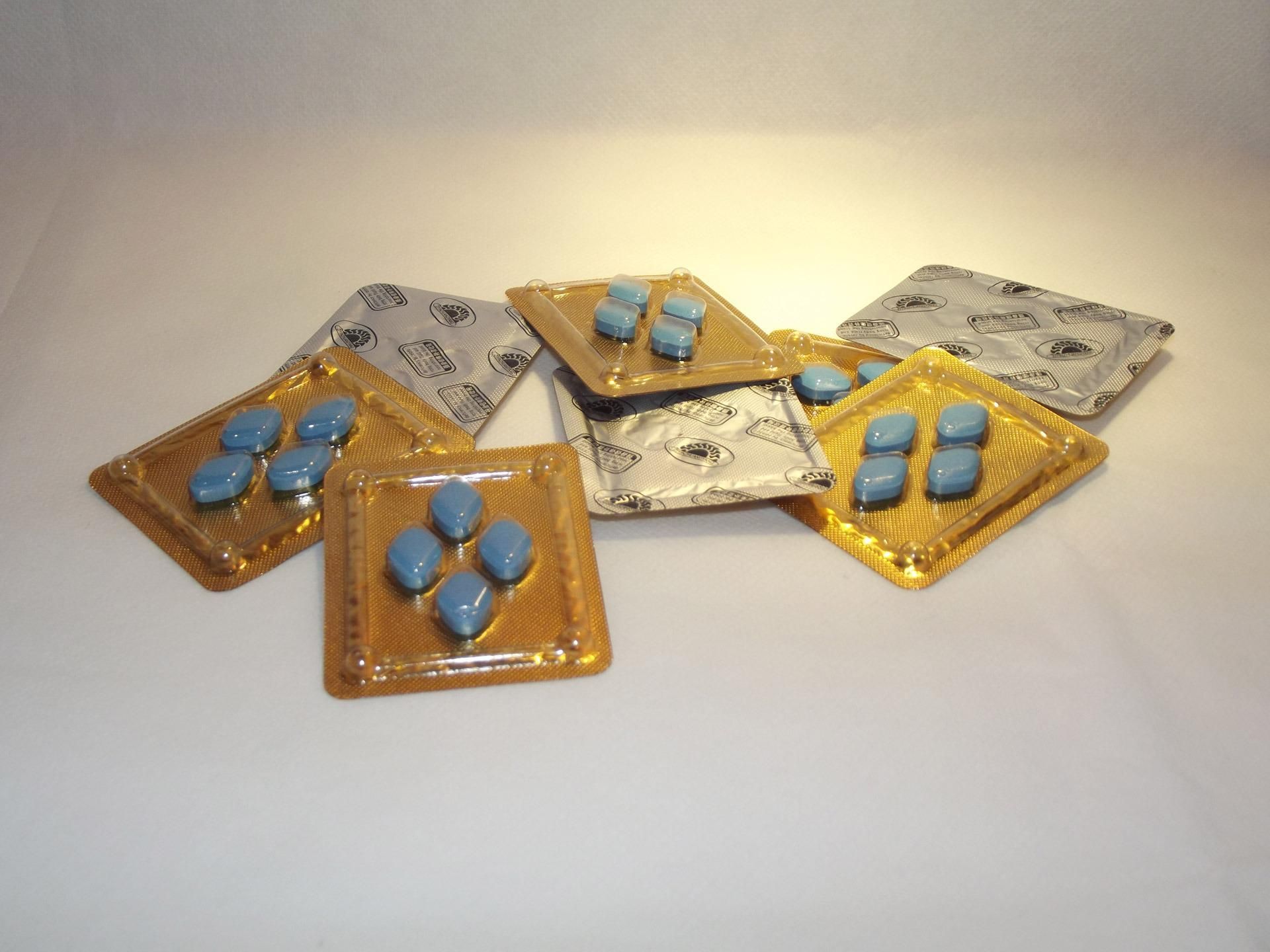
The military offered a simple and plausible explanation: The Viagra had been prescribed to treat pulmonary hypertension. Fair, but when a Brazilian newspaper dug a little deeper, they found that this was not the case. The Viagra was, in general, being used for its, shall we say, traditional purpose.
Many Brazilians reacted poorly to the news that their tax dollars were being used to provide Brazilian soldiers with downstairs assistance, with the standard associated furor on social media. A rival politician, Ciro Gomes, who is planning on challenging the president in an upcoming election, had perhaps the best remark on the situation: “Unless they’re able to prove they’re developing some kind of secret weapon – capable of revolutionizing the international arms industry – it’ll be tough to justify the purchase of 35,000 units of a erectile dysfunction drug.”
Hmm, secret weapon. Well, a certain Russian fellow has made a bit of a thrust into world affairs recently. Does anyone know if Putin is sitting on a big Viagra stash?
Who needs medical degrees anyway?
It’s no secret that doctors make a fair chunk of change. It’s a lucrative profession, but that big fat paycheck is siloed behind long, tough years of medical school and residency. It’s not an easy path doctors walk. Or at least, it’s not supposed to be. Anything’s easy if you’re willing to lie.
That brings us to Sonia, a 31-year-old woman from northern France with a bachelor’s degree in real estate management who wasn’t bringing in enough money for her three children, at least not to her satisfaction. Naturally, the only decision was to forge some diplomas from the University of Strasbourg, as well as a certificate from the French Order of Physicians. Sonia got hired as a general practitioner by using the identities of two doctors who shared her name. She had no experience, had no idea what she was doing, and was wearing a GPS tagging bracelet for an unrelated crime, so she was quickly caught and exposed in October 2021, after, um, 3 years of fake doctoring, according to France Live.
Not to be deterred by this temporary setback, Sonia proceeded to immediately find work as an ophthalmologist, a career that requires more than 10 years of training, continuing her fraudulent medical career until recently, when she was caught again and sentenced to 3 years in prison. She did make 70,000 euros a year as a fake doctor, which isn’t exactly huge money, but certainly not bad either.
We certainly hope she’s learned her lesson about impersonating a doctor, at this point, but maybe she should just go to medical school. If not, northern France might just end up with a new endocrinologist or oncologist floating around in 3 years.
No need to ‘guess what size horse you are’
Is COVID-19 warming up for yet another surge? Maybe. That means it’s also time for the return of its remora-like follower, ivermectin. Our thanks go out to the Tennessee state legislature for bringing the proven-to-be-ineffective treatment for COVID back into our hearts and minds and emergency rooms.
Both the state House and Senate have approved a bill that allows pharmacists to dispense the antiparasitic drug without a prescription while shielding them “from any liability that could arise from dispensing ivermectin,” Nashville Public Radio reported.
The drug’s manufacturer, Merck, said over a year ago that there is “no scientific basis for a potential therapeutic effect against COVID-19 from preclinical studies … and a concerning lack of safety data.” More recently, a study published in the New England Journal of Medicine showed that ivermectin treatment had no important benefits in patients with COVID.
Last week, the bill’s Senate sponsor, Frank Niceley of Strawberry Plains, said that it was all about safety, as he explained to NPR station WPLN: “It’s a lot safer to go to your pharmacist and let him tell you how much ivermectin to take than it is to go to the co-op and guess what size horse you are.”
And on that note, here are a few more items of business that just might end up on the legislature’s calendar:
- Horses will be allowed to “share” their unused ivermectin with humans and other mammals.
- An apple a day not only keeps the doctor away, but the IRS and the FDA as well.
- Colon cleansing is more fun than humans should be allowed to have.
- TikTok videos qualify as CME.
Who needs medical degrees anyway?
It’s no secret that doctors make a fair chunk of change. It’s a lucrative profession, but that big fat paycheck is siloed behind long, tough years of medical school and residency. It’s not an easy path doctors walk. Or at least, it’s not supposed to be. Anything’s easy if you’re willing to lie.
That brings us to Sonia, a 31-year-old woman from northern France with a bachelor’s degree in real estate management who wasn’t bringing in enough money for her three children, at least not to her satisfaction. Naturally, the only decision was to forge some diplomas from the University of Strasbourg, as well as a certificate from the French Order of Physicians. Sonia got hired as a general practitioner by using the identities of two doctors who shared her name. She had no experience, had no idea what she was doing, and was wearing a GPS tagging bracelet for an unrelated crime, so she was quickly caught and exposed in October 2021, after, um, 3 years of fake doctoring, according to France Live.
Not to be deterred by this temporary setback, Sonia proceeded to immediately find work as an ophthalmologist, a career that requires more than 10 years of training, continuing her fraudulent medical career until recently, when she was caught again and sentenced to 3 years in prison. She did make 70,000 euros a year as a fake doctor, which isn’t exactly huge money, but certainly not bad either.
We certainly hope she’s learned her lesson about impersonating a doctor, at this point, but maybe she should just go to medical school. If not, northern France might just end up with a new endocrinologist or oncologist floating around in 3 years.
Speak louder, I can’t see you
With the introduction of FaceTime and the pandemic pushing work and social events to Zoom, video calls have become ubiquitous. Along the way, however, we’ve had to learn to adjust to technical difficulties. Often by yelling at the screen when the video quality is disrupted. Waving our hands and arms, speaking louder. Sound like you?
Well, a new study published in Royal Society Open Science shows that it sounds like a lot of us.
James Trujillo of the Max Planck Institute for Psycholinguistics in Nijmegen, the Netherlands, who was lead author of the paper, said on Eurekalert that “previous research has shown that speech and gestures are linked, but ours is the first to look into how visuals impact our behavior in those fields.”
He and his associates set up 40 participants in separate rooms to have conversations in pairs over a video chat. Over the course of 40 minutes, the video quality started to deteriorate from clear to extremely blurry. When the video quality was affected, participants started with gestures but as the quality continued to lessen the gestures increased and so did the decibels of their voices.
Even when the participants could barely see each other, they still gestured and their voices were even louder, positively supporting the idea that gestures and speech are a dynamically linked when it comes to communication. Even on regular phone calls, when we can’t see each other at all, people make small movements and gestures, Mr. Trujillo said.
So, the next time the Wifi is terrible and your video calls keep cutting out, don’t worry about looking foolish screaming at the computer. We’ve all been there.
Seek a doctor if standing at attention for more than 4 hours
Imbrochável. In Brazil, it means “unfloppable” or “flaccid proof.” It’s also a word that Brazilian president Jair Bolsonaro likes to use when referring to himself. Gives you a good idea of what he’s all about. Imagine his embarrassment when news recently broke about more than 30,000 pills of Viagra that had been secretly distributed to the Brazilian military.
The military offered a simple and plausible explanation: The Viagra had been prescribed to treat pulmonary hypertension. Fair, but when a Brazilian newspaper dug a little deeper, they found that this was not the case. The Viagra was, in general, being used for its, shall we say, traditional purpose.
Many Brazilians reacted poorly to the news that their tax dollars were being used to provide Brazilian soldiers with downstairs assistance, with the standard associated furor on social media. A rival politician, Ciro Gomes, who is planning on challenging the president in an upcoming election, had perhaps the best remark on the situation: “Unless they’re able to prove they’re developing some kind of secret weapon – capable of revolutionizing the international arms industry – it’ll be tough to justify the purchase of 35,000 units of a erectile dysfunction drug.”
Hmm, secret weapon. Well, a certain Russian fellow has made a bit of a thrust into world affairs recently. Does anyone know if Putin is sitting on a big Viagra stash?
Who needs medical degrees anyway?
It’s no secret that doctors make a fair chunk of change. It’s a lucrative profession, but that big fat paycheck is siloed behind long, tough years of medical school and residency. It’s not an easy path doctors walk. Or at least, it’s not supposed to be. Anything’s easy if you’re willing to lie.
That brings us to Sonia, a 31-year-old woman from northern France with a bachelor’s degree in real estate management who wasn’t bringing in enough money for her three children, at least not to her satisfaction. Naturally, the only decision was to forge some diplomas from the University of Strasbourg, as well as a certificate from the French Order of Physicians. Sonia got hired as a general practitioner by using the identities of two doctors who shared her name. She had no experience, had no idea what she was doing, and was wearing a GPS tagging bracelet for an unrelated crime, so she was quickly caught and exposed in October 2021, after, um, 3 years of fake doctoring, according to France Live.
Not to be deterred by this temporary setback, Sonia proceeded to immediately find work as an ophthalmologist, a career that requires more than 10 years of training, continuing her fraudulent medical career until recently, when she was caught again and sentenced to 3 years in prison. She did make 70,000 euros a year as a fake doctor, which isn’t exactly huge money, but certainly not bad either.
We certainly hope she’s learned her lesson about impersonating a doctor, at this point, but maybe she should just go to medical school. If not, northern France might just end up with a new endocrinologist or oncologist floating around in 3 years.
No need to ‘guess what size horse you are’
Is COVID-19 warming up for yet another surge? Maybe. That means it’s also time for the return of its remora-like follower, ivermectin. Our thanks go out to the Tennessee state legislature for bringing the proven-to-be-ineffective treatment for COVID back into our hearts and minds and emergency rooms.
Both the state House and Senate have approved a bill that allows pharmacists to dispense the antiparasitic drug without a prescription while shielding them “from any liability that could arise from dispensing ivermectin,” Nashville Public Radio reported.
The drug’s manufacturer, Merck, said over a year ago that there is “no scientific basis for a potential therapeutic effect against COVID-19 from preclinical studies … and a concerning lack of safety data.” More recently, a study published in the New England Journal of Medicine showed that ivermectin treatment had no important benefits in patients with COVID.
Last week, the bill’s Senate sponsor, Frank Niceley of Strawberry Plains, said that it was all about safety, as he explained to NPR station WPLN: “It’s a lot safer to go to your pharmacist and let him tell you how much ivermectin to take than it is to go to the co-op and guess what size horse you are.”
And on that note, here are a few more items of business that just might end up on the legislature’s calendar:
- Horses will be allowed to “share” their unused ivermectin with humans and other mammals.
- An apple a day not only keeps the doctor away, but the IRS and the FDA as well.
- Colon cleansing is more fun than humans should be allowed to have.
- TikTok videos qualify as CME.
Who needs medical degrees anyway?
It’s no secret that doctors make a fair chunk of change. It’s a lucrative profession, but that big fat paycheck is siloed behind long, tough years of medical school and residency. It’s not an easy path doctors walk. Or at least, it’s not supposed to be. Anything’s easy if you’re willing to lie.
That brings us to Sonia, a 31-year-old woman from northern France with a bachelor’s degree in real estate management who wasn’t bringing in enough money for her three children, at least not to her satisfaction. Naturally, the only decision was to forge some diplomas from the University of Strasbourg, as well as a certificate from the French Order of Physicians. Sonia got hired as a general practitioner by using the identities of two doctors who shared her name. She had no experience, had no idea what she was doing, and was wearing a GPS tagging bracelet for an unrelated crime, so she was quickly caught and exposed in October 2021, after, um, 3 years of fake doctoring, according to France Live.
Not to be deterred by this temporary setback, Sonia proceeded to immediately find work as an ophthalmologist, a career that requires more than 10 years of training, continuing her fraudulent medical career until recently, when she was caught again and sentenced to 3 years in prison. She did make 70,000 euros a year as a fake doctor, which isn’t exactly huge money, but certainly not bad either.
We certainly hope she’s learned her lesson about impersonating a doctor, at this point, but maybe she should just go to medical school. If not, northern France might just end up with a new endocrinologist or oncologist floating around in 3 years.
Speak louder, I can’t see you
With the introduction of FaceTime and the pandemic pushing work and social events to Zoom, video calls have become ubiquitous. Along the way, however, we’ve had to learn to adjust to technical difficulties. Often by yelling at the screen when the video quality is disrupted. Waving our hands and arms, speaking louder. Sound like you?
Well, a new study published in Royal Society Open Science shows that it sounds like a lot of us.
James Trujillo of the Max Planck Institute for Psycholinguistics in Nijmegen, the Netherlands, who was lead author of the paper, said on Eurekalert that “previous research has shown that speech and gestures are linked, but ours is the first to look into how visuals impact our behavior in those fields.”
He and his associates set up 40 participants in separate rooms to have conversations in pairs over a video chat. Over the course of 40 minutes, the video quality started to deteriorate from clear to extremely blurry. When the video quality was affected, participants started with gestures but as the quality continued to lessen the gestures increased and so did the decibels of their voices.
Even when the participants could barely see each other, they still gestured and their voices were even louder, positively supporting the idea that gestures and speech are a dynamically linked when it comes to communication. Even on regular phone calls, when we can’t see each other at all, people make small movements and gestures, Mr. Trujillo said.
So, the next time the Wifi is terrible and your video calls keep cutting out, don’t worry about looking foolish screaming at the computer. We’ve all been there.
Seek a doctor if standing at attention for more than 4 hours
Imbrochável. In Brazil, it means “unfloppable” or “flaccid proof.” It’s also a word that Brazilian president Jair Bolsonaro likes to use when referring to himself. Gives you a good idea of what he’s all about. Imagine his embarrassment when news recently broke about more than 30,000 pills of Viagra that had been secretly distributed to the Brazilian military.
The military offered a simple and plausible explanation: The Viagra had been prescribed to treat pulmonary hypertension. Fair, but when a Brazilian newspaper dug a little deeper, they found that this was not the case. The Viagra was, in general, being used for its, shall we say, traditional purpose.
Many Brazilians reacted poorly to the news that their tax dollars were being used to provide Brazilian soldiers with downstairs assistance, with the standard associated furor on social media. A rival politician, Ciro Gomes, who is planning on challenging the president in an upcoming election, had perhaps the best remark on the situation: “Unless they’re able to prove they’re developing some kind of secret weapon – capable of revolutionizing the international arms industry – it’ll be tough to justify the purchase of 35,000 units of a erectile dysfunction drug.”
Hmm, secret weapon. Well, a certain Russian fellow has made a bit of a thrust into world affairs recently. Does anyone know if Putin is sitting on a big Viagra stash?
A gruesome murder changes two docs’ lives, and one was the killer
Driving from his home in Asheville, N.C., to his new job at the tiny Cane Creek clinic, Benjamin Gilmer, MD, was eager to start his new life and pay off his medical school debts.
The rural clinic had been forced to close after his predecessor, family physician Vince Gilmer, MD, (no relation) had been convicted of first-degree murder 4 years earlier. He was serving a life sentence in a West Virginia prison without the possibility of parole. He is still behind bars and could not comment on this story.
As the months flew by, Benjamin Gilmer’s patients shared stories about the other Dr. Gilmer that surprised him. They described Vince Gilmer as a caring, generous person who went out of his way to help them. He made house calls, and if a patient couldn’t afford to pay him, he would accept a bushel of corn instead.
Yet there was no doubt about the gruesome murder. Vince Gilmer was convicted of strangling his frail 60-year-old father with a rope in his Toyota truck. He then cut off all his father’s fingers and dumped his father’s body by the side of the road.
“Four years later, his patients were still shocked about what happened and couldn’t reconcile the person they knew with the event that happened,” says Benjamin Gilmer.
Yet, Vince Gilmer had admitted to the killing, and the prosecution had presented evidence at the trial that it was premeditated and that he tried to cover up the crime. The detectives found the “murder” weapons in Vince’s truck: the ropes he strangled his father with and the garden shears that he cut off his fingers with. They also had evidence that he drove to Virginia to dump the body, returned to see patients for several days as if nothing had happened, and then ran away when a detective came to arrest him.
But something kept gnawing away at Benjamin Gilmer.
Little did he know that he would embark on a journey to solve a medical mystery, and then even fight to get the convicted killer out of prison.
Solving a medical mystery
Benjamin Gilmer decided to investigate what might have happened to Vince in the months leading up to the murder. He talked to his friends and found several clues about Vince’s medical history. They recalled that he suffered a concussion in a car accident 6 months before the murder, which suggested he could have had a traumatic brain injury.
Benjamin Gilmer also discovered that Vince’s father was diagnosed with schizophrenia and had been in a residential psychiatric facility in Virginia until he was released that fateful night to Vince’s custody.
Vince had written to friends that “something is wrong with my brain and help me.” He mentioned SSRI discontinuation syndrome because he abruptly stopped taking his medication the week of the murder (which can cause electric shock sensations and mood swings among other symptoms).
Vince had mentioned the SSRI discontinuation syndrome at his trial and that his father had sexually molested him for years and that he tried to molest him again during the ride in his truck. However, the court dismissed that information because Vince represented himself, dismissed his court-appointed attorneys, and lacked expert testimony about his mental state.
The prosecutor portrayed Vince as a lying sociopath who had planned his father’s murder down to the last detail. The judge agreed. Two psychiatrists and a psychologist who later evaluated him in prison concluded that he was faking his symptoms and denied his requests for an SSRI.
Meanwhile, Benjamin Gilmer became increasingly preoccupied with what happened to Vince. “It was hard to erase a memory that had so tainted that community,” he said.
When Sarah Koenig, a journalist and former producer of the radio program This American Life, called Benjamin Gilmer to interview him about the coincidence of taking over Vince Gilmer’s practice and sharing the same last name, he refused. “I was scared and didn’t want to be on his radar, I was afraid of how he might react.”
In spring 2012, he called Koenig and agreed to collaborate on an episode about Vince’s case. Benjamin Gilmer wrote to Vince Gilmer in prison, asking for a meeting. To his surprise, Vince wanted to meet them.
When Vince shuffled into the waiting area at the Wallens Ridge State Prison in West Virginia, Benjamin Gilmer was shocked by his appearance. “He looked like a caged animal, it was very hard for him to string together ideas and express himself, and he was twitching and shaking dramatically. He looked 20 years older than his actual age of 50 and like someone you would imagine in the movie One Flew Over the Cuckoo’s Nest,” said Benjamin Gilmer.
He felt that “there was something clearly wrong with him.” They agreed to a second meeting, and this time Benjamin Gilmer invited a psychiatrist, Steve Buie, MD, to observe Vince. As the visit ended and Vince turned to leave, Dr. Buie watched his shuffling gait. They suspected he may have Huntington’s disease, “which explained why he had delusions and his mind was unraveling,” says Benjamin Gilmer. But they had no way of testing him in prison.
Unexpectedly, an event happened that turned the whole case on its head. Vince was moved to a psychiatric hospital in southern Virginia because he had threatened to commit suicide. The chief psychiatrist, Colin Angliker, MD, was willing to order a genetic test, and the results confirmed the diagnosis: Vince Gilmer had a terminal degenerative brain disease.
Benjamin Gilmer worried how Vince would take the news. To his surprise, Vince was grateful and relieved. He finally knew what was wrong with him.
Vince also improved with the SSRI that Dr. Angliker prescribed — he was less anxious and more mentally alert. “He expressed joy for the first time, despite the death sentence of a diagnosis.”
Still, he was going to spend the rest of his life in prison for the crime he committed.
After the This American Life episode aired in 2013, Benjamin Gilmer felt that he couldn’t just abandon Vince to the prison system, where thousands of inmates with mental illness languish without adequate treatment.
Benjamin Gilmer decided he had a new — although controversial — mission — to get Vince out.
Confronting the politics of a pardon
After nearly a decade of trying, Benjamin Gilmer now admits that he was naive to think he could get him released quickly.
After the episode aired, offers of legal help started to arrive, and a team was assembled who agreed to work on the case pro bono. They wanted justice for Vince but also to prevent anyone else with mental illness from experiencing a similar tragedy.
The goal was to get Vince transferred to a secure hospital, a psychiatric facility dedicated to Huntington’s patients, or a nursing home with a dementia unit.
However, after realizing that Vince may not survive a potentially lengthy court battle, the legal team decided to ask the governor of Virginia to grant a clemency pardon.
They gathered the evidence for Vince’s case and presented their petition to Gov. Terry McAuliffe (D). He rejected it at the end of his term in 2017.
The team tried again with his successor, Gov. Ralph Northam (D), a neurologist. He dashed their hopes when he rejected their petition in late 2021.
That was a huge setback. The team had spent $1 million and had exhausted every contact they could make with the governor’s office, says Gilmer. “We were totally demoralized.”
He dreaded having to tell Vince that yet another governor had rejected their clemency petition. “I went to prison and could see the hopelessness and despair in his reaction. I lost it emotionally,” says Benjamin Gilmer.
Vince surprised him by hugging and comforting him and thanking him for all his efforts. They had developed a strong bond over a decade of visits and calls. Benjamin Gilmer had even brought his wife and children along on special occasions.
“I thought of him as a friend, as a patient, and someone who was really suffering, all those things helped our relationship evolve and kept me engaged with him all these years and continued to inspire me to fight for him. I also liked him because I knew what he was like before the murder from the stories I was hearing from his friends and patients.”
But his continuous advocacy came at a personal cost. “This battle pushed me to my limits emotionally and intellectually. I was busy building my career, trying to be a good doctor, teacher, husband, and father to two young children. I became so distracted that my wife confronted me several times about not being more emotionally present,” says Benjamin Gilmer.
But he knows that without Vince in his life, he would not have written his first book (released earlier this year) about the case and their unlikely friendship.
A pardon is finally granted
He had also given Gov. Northam’s staff advance copies of the book. In a highly unusual move, the governor reversed his previous rejection and granted Vince Gilmer his long-awaited pardon on January 12.
Benjamin Gilmer isn’t ready to celebrate yet. “Despite being a free man, Vince is still living behind bars because we haven’t been able to find him an available bed in a secure treatment facility. There has been a shortage of beds due to COVID.”
He says Vince is looking forward to being safe and being surrounded by people who are committed to caring for him and not punishing him. He can’t wait to be around his family and to give and receive hugs.
“After a while, it was hard not to believe that I was supposed to be in his path and this was just part of my destiny,” says Benjamin Gilmer.
A version of this article first appeared on Medscape.com.
Driving from his home in Asheville, N.C., to his new job at the tiny Cane Creek clinic, Benjamin Gilmer, MD, was eager to start his new life and pay off his medical school debts.
The rural clinic had been forced to close after his predecessor, family physician Vince Gilmer, MD, (no relation) had been convicted of first-degree murder 4 years earlier. He was serving a life sentence in a West Virginia prison without the possibility of parole. He is still behind bars and could not comment on this story.
As the months flew by, Benjamin Gilmer’s patients shared stories about the other Dr. Gilmer that surprised him. They described Vince Gilmer as a caring, generous person who went out of his way to help them. He made house calls, and if a patient couldn’t afford to pay him, he would accept a bushel of corn instead.
Yet there was no doubt about the gruesome murder. Vince Gilmer was convicted of strangling his frail 60-year-old father with a rope in his Toyota truck. He then cut off all his father’s fingers and dumped his father’s body by the side of the road.
“Four years later, his patients were still shocked about what happened and couldn’t reconcile the person they knew with the event that happened,” says Benjamin Gilmer.
Yet, Vince Gilmer had admitted to the killing, and the prosecution had presented evidence at the trial that it was premeditated and that he tried to cover up the crime. The detectives found the “murder” weapons in Vince’s truck: the ropes he strangled his father with and the garden shears that he cut off his fingers with. They also had evidence that he drove to Virginia to dump the body, returned to see patients for several days as if nothing had happened, and then ran away when a detective came to arrest him.
But something kept gnawing away at Benjamin Gilmer.
Little did he know that he would embark on a journey to solve a medical mystery, and then even fight to get the convicted killer out of prison.
Solving a medical mystery
Benjamin Gilmer decided to investigate what might have happened to Vince in the months leading up to the murder. He talked to his friends and found several clues about Vince’s medical history. They recalled that he suffered a concussion in a car accident 6 months before the murder, which suggested he could have had a traumatic brain injury.
Benjamin Gilmer also discovered that Vince’s father was diagnosed with schizophrenia and had been in a residential psychiatric facility in Virginia until he was released that fateful night to Vince’s custody.
Vince had written to friends that “something is wrong with my brain and help me.” He mentioned SSRI discontinuation syndrome because he abruptly stopped taking his medication the week of the murder (which can cause electric shock sensations and mood swings among other symptoms).
Vince had mentioned the SSRI discontinuation syndrome at his trial and that his father had sexually molested him for years and that he tried to molest him again during the ride in his truck. However, the court dismissed that information because Vince represented himself, dismissed his court-appointed attorneys, and lacked expert testimony about his mental state.
The prosecutor portrayed Vince as a lying sociopath who had planned his father’s murder down to the last detail. The judge agreed. Two psychiatrists and a psychologist who later evaluated him in prison concluded that he was faking his symptoms and denied his requests for an SSRI.
Meanwhile, Benjamin Gilmer became increasingly preoccupied with what happened to Vince. “It was hard to erase a memory that had so tainted that community,” he said.
When Sarah Koenig, a journalist and former producer of the radio program This American Life, called Benjamin Gilmer to interview him about the coincidence of taking over Vince Gilmer’s practice and sharing the same last name, he refused. “I was scared and didn’t want to be on his radar, I was afraid of how he might react.”
In spring 2012, he called Koenig and agreed to collaborate on an episode about Vince’s case. Benjamin Gilmer wrote to Vince Gilmer in prison, asking for a meeting. To his surprise, Vince wanted to meet them.
When Vince shuffled into the waiting area at the Wallens Ridge State Prison in West Virginia, Benjamin Gilmer was shocked by his appearance. “He looked like a caged animal, it was very hard for him to string together ideas and express himself, and he was twitching and shaking dramatically. He looked 20 years older than his actual age of 50 and like someone you would imagine in the movie One Flew Over the Cuckoo’s Nest,” said Benjamin Gilmer.
He felt that “there was something clearly wrong with him.” They agreed to a second meeting, and this time Benjamin Gilmer invited a psychiatrist, Steve Buie, MD, to observe Vince. As the visit ended and Vince turned to leave, Dr. Buie watched his shuffling gait. They suspected he may have Huntington’s disease, “which explained why he had delusions and his mind was unraveling,” says Benjamin Gilmer. But they had no way of testing him in prison.
Unexpectedly, an event happened that turned the whole case on its head. Vince was moved to a psychiatric hospital in southern Virginia because he had threatened to commit suicide. The chief psychiatrist, Colin Angliker, MD, was willing to order a genetic test, and the results confirmed the diagnosis: Vince Gilmer had a terminal degenerative brain disease.
Benjamin Gilmer worried how Vince would take the news. To his surprise, Vince was grateful and relieved. He finally knew what was wrong with him.
Vince also improved with the SSRI that Dr. Angliker prescribed — he was less anxious and more mentally alert. “He expressed joy for the first time, despite the death sentence of a diagnosis.”
Still, he was going to spend the rest of his life in prison for the crime he committed.
After the This American Life episode aired in 2013, Benjamin Gilmer felt that he couldn’t just abandon Vince to the prison system, where thousands of inmates with mental illness languish without adequate treatment.
Benjamin Gilmer decided he had a new — although controversial — mission — to get Vince out.
Confronting the politics of a pardon
After nearly a decade of trying, Benjamin Gilmer now admits that he was naive to think he could get him released quickly.
After the episode aired, offers of legal help started to arrive, and a team was assembled who agreed to work on the case pro bono. They wanted justice for Vince but also to prevent anyone else with mental illness from experiencing a similar tragedy.
The goal was to get Vince transferred to a secure hospital, a psychiatric facility dedicated to Huntington’s patients, or a nursing home with a dementia unit.
However, after realizing that Vince may not survive a potentially lengthy court battle, the legal team decided to ask the governor of Virginia to grant a clemency pardon.
They gathered the evidence for Vince’s case and presented their petition to Gov. Terry McAuliffe (D). He rejected it at the end of his term in 2017.
The team tried again with his successor, Gov. Ralph Northam (D), a neurologist. He dashed their hopes when he rejected their petition in late 2021.
That was a huge setback. The team had spent $1 million and had exhausted every contact they could make with the governor’s office, says Gilmer. “We were totally demoralized.”
He dreaded having to tell Vince that yet another governor had rejected their clemency petition. “I went to prison and could see the hopelessness and despair in his reaction. I lost it emotionally,” says Benjamin Gilmer.
Vince surprised him by hugging and comforting him and thanking him for all his efforts. They had developed a strong bond over a decade of visits and calls. Benjamin Gilmer had even brought his wife and children along on special occasions.
“I thought of him as a friend, as a patient, and someone who was really suffering, all those things helped our relationship evolve and kept me engaged with him all these years and continued to inspire me to fight for him. I also liked him because I knew what he was like before the murder from the stories I was hearing from his friends and patients.”
But his continuous advocacy came at a personal cost. “This battle pushed me to my limits emotionally and intellectually. I was busy building my career, trying to be a good doctor, teacher, husband, and father to two young children. I became so distracted that my wife confronted me several times about not being more emotionally present,” says Benjamin Gilmer.
But he knows that without Vince in his life, he would not have written his first book (released earlier this year) about the case and their unlikely friendship.
A pardon is finally granted
He had also given Gov. Northam’s staff advance copies of the book. In a highly unusual move, the governor reversed his previous rejection and granted Vince Gilmer his long-awaited pardon on January 12.
Benjamin Gilmer isn’t ready to celebrate yet. “Despite being a free man, Vince is still living behind bars because we haven’t been able to find him an available bed in a secure treatment facility. There has been a shortage of beds due to COVID.”
He says Vince is looking forward to being safe and being surrounded by people who are committed to caring for him and not punishing him. He can’t wait to be around his family and to give and receive hugs.
“After a while, it was hard not to believe that I was supposed to be in his path and this was just part of my destiny,” says Benjamin Gilmer.
A version of this article first appeared on Medscape.com.
Driving from his home in Asheville, N.C., to his new job at the tiny Cane Creek clinic, Benjamin Gilmer, MD, was eager to start his new life and pay off his medical school debts.
The rural clinic had been forced to close after his predecessor, family physician Vince Gilmer, MD, (no relation) had been convicted of first-degree murder 4 years earlier. He was serving a life sentence in a West Virginia prison without the possibility of parole. He is still behind bars and could not comment on this story.
As the months flew by, Benjamin Gilmer’s patients shared stories about the other Dr. Gilmer that surprised him. They described Vince Gilmer as a caring, generous person who went out of his way to help them. He made house calls, and if a patient couldn’t afford to pay him, he would accept a bushel of corn instead.
Yet there was no doubt about the gruesome murder. Vince Gilmer was convicted of strangling his frail 60-year-old father with a rope in his Toyota truck. He then cut off all his father’s fingers and dumped his father’s body by the side of the road.
“Four years later, his patients were still shocked about what happened and couldn’t reconcile the person they knew with the event that happened,” says Benjamin Gilmer.
Yet, Vince Gilmer had admitted to the killing, and the prosecution had presented evidence at the trial that it was premeditated and that he tried to cover up the crime. The detectives found the “murder” weapons in Vince’s truck: the ropes he strangled his father with and the garden shears that he cut off his fingers with. They also had evidence that he drove to Virginia to dump the body, returned to see patients for several days as if nothing had happened, and then ran away when a detective came to arrest him.
But something kept gnawing away at Benjamin Gilmer.
Little did he know that he would embark on a journey to solve a medical mystery, and then even fight to get the convicted killer out of prison.
Solving a medical mystery
Benjamin Gilmer decided to investigate what might have happened to Vince in the months leading up to the murder. He talked to his friends and found several clues about Vince’s medical history. They recalled that he suffered a concussion in a car accident 6 months before the murder, which suggested he could have had a traumatic brain injury.
Benjamin Gilmer also discovered that Vince’s father was diagnosed with schizophrenia and had been in a residential psychiatric facility in Virginia until he was released that fateful night to Vince’s custody.
Vince had written to friends that “something is wrong with my brain and help me.” He mentioned SSRI discontinuation syndrome because he abruptly stopped taking his medication the week of the murder (which can cause electric shock sensations and mood swings among other symptoms).
Vince had mentioned the SSRI discontinuation syndrome at his trial and that his father had sexually molested him for years and that he tried to molest him again during the ride in his truck. However, the court dismissed that information because Vince represented himself, dismissed his court-appointed attorneys, and lacked expert testimony about his mental state.
The prosecutor portrayed Vince as a lying sociopath who had planned his father’s murder down to the last detail. The judge agreed. Two psychiatrists and a psychologist who later evaluated him in prison concluded that he was faking his symptoms and denied his requests for an SSRI.
Meanwhile, Benjamin Gilmer became increasingly preoccupied with what happened to Vince. “It was hard to erase a memory that had so tainted that community,” he said.
When Sarah Koenig, a journalist and former producer of the radio program This American Life, called Benjamin Gilmer to interview him about the coincidence of taking over Vince Gilmer’s practice and sharing the same last name, he refused. “I was scared and didn’t want to be on his radar, I was afraid of how he might react.”
In spring 2012, he called Koenig and agreed to collaborate on an episode about Vince’s case. Benjamin Gilmer wrote to Vince Gilmer in prison, asking for a meeting. To his surprise, Vince wanted to meet them.
When Vince shuffled into the waiting area at the Wallens Ridge State Prison in West Virginia, Benjamin Gilmer was shocked by his appearance. “He looked like a caged animal, it was very hard for him to string together ideas and express himself, and he was twitching and shaking dramatically. He looked 20 years older than his actual age of 50 and like someone you would imagine in the movie One Flew Over the Cuckoo’s Nest,” said Benjamin Gilmer.
He felt that “there was something clearly wrong with him.” They agreed to a second meeting, and this time Benjamin Gilmer invited a psychiatrist, Steve Buie, MD, to observe Vince. As the visit ended and Vince turned to leave, Dr. Buie watched his shuffling gait. They suspected he may have Huntington’s disease, “which explained why he had delusions and his mind was unraveling,” says Benjamin Gilmer. But they had no way of testing him in prison.
Unexpectedly, an event happened that turned the whole case on its head. Vince was moved to a psychiatric hospital in southern Virginia because he had threatened to commit suicide. The chief psychiatrist, Colin Angliker, MD, was willing to order a genetic test, and the results confirmed the diagnosis: Vince Gilmer had a terminal degenerative brain disease.
Benjamin Gilmer worried how Vince would take the news. To his surprise, Vince was grateful and relieved. He finally knew what was wrong with him.
Vince also improved with the SSRI that Dr. Angliker prescribed — he was less anxious and more mentally alert. “He expressed joy for the first time, despite the death sentence of a diagnosis.”
Still, he was going to spend the rest of his life in prison for the crime he committed.
After the This American Life episode aired in 2013, Benjamin Gilmer felt that he couldn’t just abandon Vince to the prison system, where thousands of inmates with mental illness languish without adequate treatment.
Benjamin Gilmer decided he had a new — although controversial — mission — to get Vince out.
Confronting the politics of a pardon
After nearly a decade of trying, Benjamin Gilmer now admits that he was naive to think he could get him released quickly.
After the episode aired, offers of legal help started to arrive, and a team was assembled who agreed to work on the case pro bono. They wanted justice for Vince but also to prevent anyone else with mental illness from experiencing a similar tragedy.
The goal was to get Vince transferred to a secure hospital, a psychiatric facility dedicated to Huntington’s patients, or a nursing home with a dementia unit.
However, after realizing that Vince may not survive a potentially lengthy court battle, the legal team decided to ask the governor of Virginia to grant a clemency pardon.
They gathered the evidence for Vince’s case and presented their petition to Gov. Terry McAuliffe (D). He rejected it at the end of his term in 2017.
The team tried again with his successor, Gov. Ralph Northam (D), a neurologist. He dashed their hopes when he rejected their petition in late 2021.
That was a huge setback. The team had spent $1 million and had exhausted every contact they could make with the governor’s office, says Gilmer. “We were totally demoralized.”
He dreaded having to tell Vince that yet another governor had rejected their clemency petition. “I went to prison and could see the hopelessness and despair in his reaction. I lost it emotionally,” says Benjamin Gilmer.
Vince surprised him by hugging and comforting him and thanking him for all his efforts. They had developed a strong bond over a decade of visits and calls. Benjamin Gilmer had even brought his wife and children along on special occasions.
“I thought of him as a friend, as a patient, and someone who was really suffering, all those things helped our relationship evolve and kept me engaged with him all these years and continued to inspire me to fight for him. I also liked him because I knew what he was like before the murder from the stories I was hearing from his friends and patients.”
But his continuous advocacy came at a personal cost. “This battle pushed me to my limits emotionally and intellectually. I was busy building my career, trying to be a good doctor, teacher, husband, and father to two young children. I became so distracted that my wife confronted me several times about not being more emotionally present,” says Benjamin Gilmer.
But he knows that without Vince in his life, he would not have written his first book (released earlier this year) about the case and their unlikely friendship.
A pardon is finally granted
He had also given Gov. Northam’s staff advance copies of the book. In a highly unusual move, the governor reversed his previous rejection and granted Vince Gilmer his long-awaited pardon on January 12.
Benjamin Gilmer isn’t ready to celebrate yet. “Despite being a free man, Vince is still living behind bars because we haven’t been able to find him an available bed in a secure treatment facility. There has been a shortage of beds due to COVID.”
He says Vince is looking forward to being safe and being surrounded by people who are committed to caring for him and not punishing him. He can’t wait to be around his family and to give and receive hugs.
“After a while, it was hard not to believe that I was supposed to be in his path and this was just part of my destiny,” says Benjamin Gilmer.
A version of this article first appeared on Medscape.com.
Statins tied to lower risk for parkinsonism
, new research suggests. An observational study showed older adults taking statins had a lower risk for parkinsonism than their counterparts not taking statins – an effect that may be partially mediated by less severe intracranial atherosclerosis in statin users.
“These findings further support the idea that cerebrovascular disease pathologies accumulating in older brains may be an unrecognized contributor to the common occurrence of parkinsonism in old age,” the investigators wrote. “More importantly, these findings suggest that statins may have a potential therapeutic role in decreasing the magnitude of parkinsonism in older adults,” they added.
The study was published online in Neurology.
No clinical recommendations ... yet
The findings are based on 2,841 older adults enrolled in one of three ongoing clinical pathological studies at Rush Alzheimer’s Disease Center, Chicago.
Participants’ average age at baseline was 76 years, and 75% were women. None had parkinsonism at the start of the study. One-third of participants (n = 936) were taking statins. During an average follow-up of 6 years, 1,432 (50%) participants developed parkinsonism.
After controlling for demographics, vascular risk factors, and diseases, use of a statin at baseline was associated with a 16% lower risk for parkinsonism (hazard ratio, 0.84; 95% confidence interval, 0.74-0.96; P = .008). Compared with low-intensity statin therapy, moderate- or high-intensity statin therapy was associated with a 7% lower risk for parkinsonism (HR, 0.93; 95% CI, 0.87-1.00; P = .043).
The researchers also examined the brains of 1,044 people who died during the study at a mean age of 89 years. They found statin use prior to death was associated with a 37% lower odds of cerebral atherosclerosis, compared with no statin use prior to death (odds ratio, 0.63; 95% CI, 0.50-0.79; P < .001).
In a mediation analysis, both a direct (OR, 0.73; 95% CI, 0.54-0.93; P = .008) and an indirect (OR, 0.92; 95% CI, 0.88-0.97; P = .002) pathway via less severe cerebrovascular disease linked statins to parkinsonism, indicating that cerebral atherosclerosis mediated 17% of the association between statins and parkinsonism.
In line with other studies, there was no association between statins and other neurodegenerative pathologies, including Parkinson’s disease pathology. However, even older adults with a clinical diagnosis of Parkinson’s disease often show mixed brain pathologies, including cerebrovascular disease pathologies.
“Therefore, we think that statins may be beneficial against parkinsonism in patients with Parkinson’s disease, dependent on how much cerebrovascular disease pathologies they have, including atherosclerosis,” said study investigator Shahram Oveisgharan, MD, with Rush Alzheimer’s Disease Center, Rush University Medical Center, Chicago.
However, since the results stem from an observational study, “we do not yet recommend using statins in large scale for older adults at risk for parkinsonism,” Dr. Oveisgharan said.
A mixed picture
Reached for comment, Shaheen Lakhan, MD, neurologist in Newton, Massachusetts, noted that since statins were first discovered in the fermented broth of a common soil fungus in the late 1970s, they have proven to reduce cholesterol, heart disease, and stroke.
“The jury is out, however, on [their] effects on diseases such as dementia, autoimmune/inflammatory conditions, bacterial/viral infections, cancer, and parkinsonism,” he said.
“Also, the question often remains whether any benefit gained from statins is from cholesterol-lowering or through another mechanism. When there is such a mixed picture, it generally means that the drug has an effect, but not for everyone,” Dr. Lakhan said. “Much work must now be done to stratify for which patients are statins effective, ineffective, or even harmful in these conditions,” he added.
The study was supported by the National Institutes of Health. Dr. Oveisgharan and Dr. Lakhan have disclosed no relevant financial relationships.
A version of this article first appeared on Medscape.com.
, new research suggests. An observational study showed older adults taking statins had a lower risk for parkinsonism than their counterparts not taking statins – an effect that may be partially mediated by less severe intracranial atherosclerosis in statin users.
“These findings further support the idea that cerebrovascular disease pathologies accumulating in older brains may be an unrecognized contributor to the common occurrence of parkinsonism in old age,” the investigators wrote. “More importantly, these findings suggest that statins may have a potential therapeutic role in decreasing the magnitude of parkinsonism in older adults,” they added.
The study was published online in Neurology.
No clinical recommendations ... yet
The findings are based on 2,841 older adults enrolled in one of three ongoing clinical pathological studies at Rush Alzheimer’s Disease Center, Chicago.
Participants’ average age at baseline was 76 years, and 75% were women. None had parkinsonism at the start of the study. One-third of participants (n = 936) were taking statins. During an average follow-up of 6 years, 1,432 (50%) participants developed parkinsonism.
After controlling for demographics, vascular risk factors, and diseases, use of a statin at baseline was associated with a 16% lower risk for parkinsonism (hazard ratio, 0.84; 95% confidence interval, 0.74-0.96; P = .008). Compared with low-intensity statin therapy, moderate- or high-intensity statin therapy was associated with a 7% lower risk for parkinsonism (HR, 0.93; 95% CI, 0.87-1.00; P = .043).
The researchers also examined the brains of 1,044 people who died during the study at a mean age of 89 years. They found statin use prior to death was associated with a 37% lower odds of cerebral atherosclerosis, compared with no statin use prior to death (odds ratio, 0.63; 95% CI, 0.50-0.79; P < .001).
In a mediation analysis, both a direct (OR, 0.73; 95% CI, 0.54-0.93; P = .008) and an indirect (OR, 0.92; 95% CI, 0.88-0.97; P = .002) pathway via less severe cerebrovascular disease linked statins to parkinsonism, indicating that cerebral atherosclerosis mediated 17% of the association between statins and parkinsonism.
In line with other studies, there was no association between statins and other neurodegenerative pathologies, including Parkinson’s disease pathology. However, even older adults with a clinical diagnosis of Parkinson’s disease often show mixed brain pathologies, including cerebrovascular disease pathologies.
“Therefore, we think that statins may be beneficial against parkinsonism in patients with Parkinson’s disease, dependent on how much cerebrovascular disease pathologies they have, including atherosclerosis,” said study investigator Shahram Oveisgharan, MD, with Rush Alzheimer’s Disease Center, Rush University Medical Center, Chicago.
However, since the results stem from an observational study, “we do not yet recommend using statins in large scale for older adults at risk for parkinsonism,” Dr. Oveisgharan said.
A mixed picture
Reached for comment, Shaheen Lakhan, MD, neurologist in Newton, Massachusetts, noted that since statins were first discovered in the fermented broth of a common soil fungus in the late 1970s, they have proven to reduce cholesterol, heart disease, and stroke.
“The jury is out, however, on [their] effects on diseases such as dementia, autoimmune/inflammatory conditions, bacterial/viral infections, cancer, and parkinsonism,” he said.
“Also, the question often remains whether any benefit gained from statins is from cholesterol-lowering or through another mechanism. When there is such a mixed picture, it generally means that the drug has an effect, but not for everyone,” Dr. Lakhan said. “Much work must now be done to stratify for which patients are statins effective, ineffective, or even harmful in these conditions,” he added.
The study was supported by the National Institutes of Health. Dr. Oveisgharan and Dr. Lakhan have disclosed no relevant financial relationships.
A version of this article first appeared on Medscape.com.
, new research suggests. An observational study showed older adults taking statins had a lower risk for parkinsonism than their counterparts not taking statins – an effect that may be partially mediated by less severe intracranial atherosclerosis in statin users.
“These findings further support the idea that cerebrovascular disease pathologies accumulating in older brains may be an unrecognized contributor to the common occurrence of parkinsonism in old age,” the investigators wrote. “More importantly, these findings suggest that statins may have a potential therapeutic role in decreasing the magnitude of parkinsonism in older adults,” they added.
The study was published online in Neurology.
No clinical recommendations ... yet
The findings are based on 2,841 older adults enrolled in one of three ongoing clinical pathological studies at Rush Alzheimer’s Disease Center, Chicago.
Participants’ average age at baseline was 76 years, and 75% were women. None had parkinsonism at the start of the study. One-third of participants (n = 936) were taking statins. During an average follow-up of 6 years, 1,432 (50%) participants developed parkinsonism.
After controlling for demographics, vascular risk factors, and diseases, use of a statin at baseline was associated with a 16% lower risk for parkinsonism (hazard ratio, 0.84; 95% confidence interval, 0.74-0.96; P = .008). Compared with low-intensity statin therapy, moderate- or high-intensity statin therapy was associated with a 7% lower risk for parkinsonism (HR, 0.93; 95% CI, 0.87-1.00; P = .043).
The researchers also examined the brains of 1,044 people who died during the study at a mean age of 89 years. They found statin use prior to death was associated with a 37% lower odds of cerebral atherosclerosis, compared with no statin use prior to death (odds ratio, 0.63; 95% CI, 0.50-0.79; P < .001).
In a mediation analysis, both a direct (OR, 0.73; 95% CI, 0.54-0.93; P = .008) and an indirect (OR, 0.92; 95% CI, 0.88-0.97; P = .002) pathway via less severe cerebrovascular disease linked statins to parkinsonism, indicating that cerebral atherosclerosis mediated 17% of the association between statins and parkinsonism.
In line with other studies, there was no association between statins and other neurodegenerative pathologies, including Parkinson’s disease pathology. However, even older adults with a clinical diagnosis of Parkinson’s disease often show mixed brain pathologies, including cerebrovascular disease pathologies.
“Therefore, we think that statins may be beneficial against parkinsonism in patients with Parkinson’s disease, dependent on how much cerebrovascular disease pathologies they have, including atherosclerosis,” said study investigator Shahram Oveisgharan, MD, with Rush Alzheimer’s Disease Center, Rush University Medical Center, Chicago.
However, since the results stem from an observational study, “we do not yet recommend using statins in large scale for older adults at risk for parkinsonism,” Dr. Oveisgharan said.
A mixed picture
Reached for comment, Shaheen Lakhan, MD, neurologist in Newton, Massachusetts, noted that since statins were first discovered in the fermented broth of a common soil fungus in the late 1970s, they have proven to reduce cholesterol, heart disease, and stroke.
“The jury is out, however, on [their] effects on diseases such as dementia, autoimmune/inflammatory conditions, bacterial/viral infections, cancer, and parkinsonism,” he said.
“Also, the question often remains whether any benefit gained from statins is from cholesterol-lowering or through another mechanism. When there is such a mixed picture, it generally means that the drug has an effect, but not for everyone,” Dr. Lakhan said. “Much work must now be done to stratify for which patients are statins effective, ineffective, or even harmful in these conditions,” he added.
The study was supported by the National Institutes of Health. Dr. Oveisgharan and Dr. Lakhan have disclosed no relevant financial relationships.
A version of this article first appeared on Medscape.com.
Long-term smell loss in COVID-19 tied to damage in the brain’s olfactory bulb
Patients with COVID-19, especially those with an altered sense of smell, have significantly more axon and microvasculopathy damage in the brain’s olfactory tissue versus non-COVID patients. These new findings from a postmortem study may explain long-term loss of smell in some patients with the virus.
“The striking axonal pathology in some cases indicates that olfactory dysfunction in COVID-19 may be severe and permanent,” the investigators led by Cheng-Ying Ho, MD, PhD, associate professor, department of pathology, Johns Hopkins University School of Medicine, Baltimore, write.
“The results show the damage caused by COVID can extend beyond the nasal cavity and involve the brain,” Dr. Ho told this news organization.
The study was published online April 11 in JAMA Neurology.
A more thorough investigation
Patients infected with SARS-CoV-2, which causes COVID-19, present with a wide range of symptoms. In addition to respiratory illnesses, they may exhibit various nonrespiratory manifestations of COVID-19.
One of the most prevalent of these is olfactory dysfunction. Research shows such dysfunction, including anosmia (loss of smell), hyposmia (reduced sense of smell), and parosmia (smells that are distorted or unpleasant), affects 30%-60% of patients with COVID-19, said Dr. Ho.
However, these statistics come from research before the advent of the Omicron variant, which evidence suggests causes less smell loss in patients with COVID, she said.
Previous studies in this area mainly focused on the lining of the nasal cavity. “We wanted to go a step beyond to see how the olfactory bulb was affected by COVID infection,” said Dr. Ho.
The study included 23 deceased patients with confirmed COVID-19 ranging in age from 28 to 93 years at death (median 62 years, 60.9% men). It also included 14 controls who tested negative for COVID-19, ranging in age from 20 to 77 years (median 53.5 years, 50% men).
Researchers collected postmortem tissue from the brain, lung, and other organs and reviewed pertinent clinical information.
Most patients with COVID died of COVID pneumonia or related complications, although some died from a different cause. Some had an active COVID infection and others were “post infection, meaning they were in the recovery stage,” said Dr. Ho.
Six patients with COVID-19 and eight controls had significant brain pathology.
Compared with controls, those with COVID-19 showed significantly worse olfactory axonal damage. The mean axon pathology score (range 1-3 with 3 the worst) was 1.921 in patients with COVID-19 and 1.198 in controls (95% confidence interval, 0.444-1.002; P < .001).
The mean axon density in the lateral olfactory tract was significantly less in patients with COVID-19 than in controls (P = .002), indicating a 23% loss of olfactory axons in the COVID group.
Comparing COVID patients with and without reported loss of smell, researchers found those with an altered sense of smell had significantly more severe olfactory axon pathology.
Vascular damage
Patients with COVID also had worse vascular damage. The mean microvasculopathy score (range, 1-3) was 1.907 in patients with COVID-19 and 1.405 in controls (95% CI, 0.259-0.745; P < .001).
There was no evidence of the virus in the olfactory tissue of most patients, suggesting the olfactory pathology was likely caused by vascular damage, said Dr. Ho.
What’s unique about SARS-CoV-2 is that, although it’s a respiratory virus, it’s capable of infecting endothelial cells lining vessels.
“Other respiratory viruses only attack the airways and won’t attack vessels, but vascular damage has been seen in the heart and lung in COVID patients, and our study showed the same findings in the olfactory bulb,” Dr. Ho explained.
The researchers divided patients with COVID by infection severity: mild, moderate, severe, and critical. Interestingly, those with the most severe olfactory pathology were the ones with milder infections, said Dr. Ho.
She noted other studies have reported patients with mild infection are more likely to lose the sense of smell than those with severe infection, but she’s skeptical about this finding.
“Patients with severe COVID are usually hospitalized and intubated, so it’s hard to get them to tell you whether they’ve lost smell or not; they have other more important issues to deal with like respiratory failure,” said Dr. Ho.
Advanced age is associated with neuropathologic changes, such as tau deposits, so the researchers conducted an analysis factoring in age-related brain changes. They found a COVID-19 diagnosis remained associated with increased axonal pathology, reduced axonal density, and increased vascular pathology.
“This means that the COVID patients had more severe olfactory pathology not just because they had more tau pathology,” Dr. Ho added.
New guidance for patients
Commenting for this news organization, Davangere P. Devanand, MD, professor of psychiatry and neurology and director of geriatric psychiatry, Columbia University Irving Medical Center, New York, said the findings indicate the damage from COVID in the olfactory pathway may not be reversible as was previously thought.
“This has been suggested before as a possibility, but the autopsy findings in this case series indicate clearly that there may be permanent damage,” he said.
The results highlight the need to monitor patients with COVID for a smell deficit, said Dr. Devanand.
“Assuring patients of a full recovery in smell and taste may not be sound advice, although recovery does occur in many patients,” he added.
He praised the study design, especially the blinding of raters, but noted a number of weaknesses, including the small sample size and the age and gender discrepancies between the groups.
Another possible limitation was inclusion of patients with Alzheimer’s and Lewy body pathology, said Dr. Devanand.
“These patients typically already have pathology in the olfactory pathways, which means we don’t know if it was COVID or the underlying brain pathology contributing to smell difficulties in these patients,” he said.
He noted that, unlike deceased COVID cases in the study, patients who survive COVID may not experience axonal and microvascular injury in olfactory neurons and pathways and their sense of smell may make a full return.
Dr. Devanand said he would have liked more detailed information on the clinical history and course of study participants and whether these factors affected the pathology findings.
The study was supported by grants from the National Institutes of Health.
Dr. Ho and Dr. Devanand have reported no relevant financial disclosures.
A version of this article first appeared on Medscape.com.
Patients with COVID-19, especially those with an altered sense of smell, have significantly more axon and microvasculopathy damage in the brain’s olfactory tissue versus non-COVID patients. These new findings from a postmortem study may explain long-term loss of smell in some patients with the virus.
“The striking axonal pathology in some cases indicates that olfactory dysfunction in COVID-19 may be severe and permanent,” the investigators led by Cheng-Ying Ho, MD, PhD, associate professor, department of pathology, Johns Hopkins University School of Medicine, Baltimore, write.
“The results show the damage caused by COVID can extend beyond the nasal cavity and involve the brain,” Dr. Ho told this news organization.
The study was published online April 11 in JAMA Neurology.
A more thorough investigation
Patients infected with SARS-CoV-2, which causes COVID-19, present with a wide range of symptoms. In addition to respiratory illnesses, they may exhibit various nonrespiratory manifestations of COVID-19.
One of the most prevalent of these is olfactory dysfunction. Research shows such dysfunction, including anosmia (loss of smell), hyposmia (reduced sense of smell), and parosmia (smells that are distorted or unpleasant), affects 30%-60% of patients with COVID-19, said Dr. Ho.
However, these statistics come from research before the advent of the Omicron variant, which evidence suggests causes less smell loss in patients with COVID, she said.
Previous studies in this area mainly focused on the lining of the nasal cavity. “We wanted to go a step beyond to see how the olfactory bulb was affected by COVID infection,” said Dr. Ho.
The study included 23 deceased patients with confirmed COVID-19 ranging in age from 28 to 93 years at death (median 62 years, 60.9% men). It also included 14 controls who tested negative for COVID-19, ranging in age from 20 to 77 years (median 53.5 years, 50% men).
Researchers collected postmortem tissue from the brain, lung, and other organs and reviewed pertinent clinical information.
Most patients with COVID died of COVID pneumonia or related complications, although some died from a different cause. Some had an active COVID infection and others were “post infection, meaning they were in the recovery stage,” said Dr. Ho.
Six patients with COVID-19 and eight controls had significant brain pathology.
Compared with controls, those with COVID-19 showed significantly worse olfactory axonal damage. The mean axon pathology score (range 1-3 with 3 the worst) was 1.921 in patients with COVID-19 and 1.198 in controls (95% confidence interval, 0.444-1.002; P < .001).
The mean axon density in the lateral olfactory tract was significantly less in patients with COVID-19 than in controls (P = .002), indicating a 23% loss of olfactory axons in the COVID group.
Comparing COVID patients with and without reported loss of smell, researchers found those with an altered sense of smell had significantly more severe olfactory axon pathology.
Vascular damage
Patients with COVID also had worse vascular damage. The mean microvasculopathy score (range, 1-3) was 1.907 in patients with COVID-19 and 1.405 in controls (95% CI, 0.259-0.745; P < .001).
There was no evidence of the virus in the olfactory tissue of most patients, suggesting the olfactory pathology was likely caused by vascular damage, said Dr. Ho.
What’s unique about SARS-CoV-2 is that, although it’s a respiratory virus, it’s capable of infecting endothelial cells lining vessels.
“Other respiratory viruses only attack the airways and won’t attack vessels, but vascular damage has been seen in the heart and lung in COVID patients, and our study showed the same findings in the olfactory bulb,” Dr. Ho explained.
The researchers divided patients with COVID by infection severity: mild, moderate, severe, and critical. Interestingly, those with the most severe olfactory pathology were the ones with milder infections, said Dr. Ho.
She noted other studies have reported patients with mild infection are more likely to lose the sense of smell than those with severe infection, but she’s skeptical about this finding.
“Patients with severe COVID are usually hospitalized and intubated, so it’s hard to get them to tell you whether they’ve lost smell or not; they have other more important issues to deal with like respiratory failure,” said Dr. Ho.
Advanced age is associated with neuropathologic changes, such as tau deposits, so the researchers conducted an analysis factoring in age-related brain changes. They found a COVID-19 diagnosis remained associated with increased axonal pathology, reduced axonal density, and increased vascular pathology.
“This means that the COVID patients had more severe olfactory pathology not just because they had more tau pathology,” Dr. Ho added.
New guidance for patients
Commenting for this news organization, Davangere P. Devanand, MD, professor of psychiatry and neurology and director of geriatric psychiatry, Columbia University Irving Medical Center, New York, said the findings indicate the damage from COVID in the olfactory pathway may not be reversible as was previously thought.
“This has been suggested before as a possibility, but the autopsy findings in this case series indicate clearly that there may be permanent damage,” he said.
The results highlight the need to monitor patients with COVID for a smell deficit, said Dr. Devanand.
“Assuring patients of a full recovery in smell and taste may not be sound advice, although recovery does occur in many patients,” he added.
He praised the study design, especially the blinding of raters, but noted a number of weaknesses, including the small sample size and the age and gender discrepancies between the groups.
Another possible limitation was inclusion of patients with Alzheimer’s and Lewy body pathology, said Dr. Devanand.
“These patients typically already have pathology in the olfactory pathways, which means we don’t know if it was COVID or the underlying brain pathology contributing to smell difficulties in these patients,” he said.
He noted that, unlike deceased COVID cases in the study, patients who survive COVID may not experience axonal and microvascular injury in olfactory neurons and pathways and their sense of smell may make a full return.
Dr. Devanand said he would have liked more detailed information on the clinical history and course of study participants and whether these factors affected the pathology findings.
The study was supported by grants from the National Institutes of Health.
Dr. Ho and Dr. Devanand have reported no relevant financial disclosures.
A version of this article first appeared on Medscape.com.
Patients with COVID-19, especially those with an altered sense of smell, have significantly more axon and microvasculopathy damage in the brain’s olfactory tissue versus non-COVID patients. These new findings from a postmortem study may explain long-term loss of smell in some patients with the virus.
“The striking axonal pathology in some cases indicates that olfactory dysfunction in COVID-19 may be severe and permanent,” the investigators led by Cheng-Ying Ho, MD, PhD, associate professor, department of pathology, Johns Hopkins University School of Medicine, Baltimore, write.
“The results show the damage caused by COVID can extend beyond the nasal cavity and involve the brain,” Dr. Ho told this news organization.
The study was published online April 11 in JAMA Neurology.
A more thorough investigation
Patients infected with SARS-CoV-2, which causes COVID-19, present with a wide range of symptoms. In addition to respiratory illnesses, they may exhibit various nonrespiratory manifestations of COVID-19.
One of the most prevalent of these is olfactory dysfunction. Research shows such dysfunction, including anosmia (loss of smell), hyposmia (reduced sense of smell), and parosmia (smells that are distorted or unpleasant), affects 30%-60% of patients with COVID-19, said Dr. Ho.
However, these statistics come from research before the advent of the Omicron variant, which evidence suggests causes less smell loss in patients with COVID, she said.
Previous studies in this area mainly focused on the lining of the nasal cavity. “We wanted to go a step beyond to see how the olfactory bulb was affected by COVID infection,” said Dr. Ho.
The study included 23 deceased patients with confirmed COVID-19 ranging in age from 28 to 93 years at death (median 62 years, 60.9% men). It also included 14 controls who tested negative for COVID-19, ranging in age from 20 to 77 years (median 53.5 years, 50% men).
Researchers collected postmortem tissue from the brain, lung, and other organs and reviewed pertinent clinical information.
Most patients with COVID died of COVID pneumonia or related complications, although some died from a different cause. Some had an active COVID infection and others were “post infection, meaning they were in the recovery stage,” said Dr. Ho.
Six patients with COVID-19 and eight controls had significant brain pathology.
Compared with controls, those with COVID-19 showed significantly worse olfactory axonal damage. The mean axon pathology score (range 1-3 with 3 the worst) was 1.921 in patients with COVID-19 and 1.198 in controls (95% confidence interval, 0.444-1.002; P < .001).
The mean axon density in the lateral olfactory tract was significantly less in patients with COVID-19 than in controls (P = .002), indicating a 23% loss of olfactory axons in the COVID group.
Comparing COVID patients with and without reported loss of smell, researchers found those with an altered sense of smell had significantly more severe olfactory axon pathology.
Vascular damage
Patients with COVID also had worse vascular damage. The mean microvasculopathy score (range, 1-3) was 1.907 in patients with COVID-19 and 1.405 in controls (95% CI, 0.259-0.745; P < .001).
There was no evidence of the virus in the olfactory tissue of most patients, suggesting the olfactory pathology was likely caused by vascular damage, said Dr. Ho.
What’s unique about SARS-CoV-2 is that, although it’s a respiratory virus, it’s capable of infecting endothelial cells lining vessels.
“Other respiratory viruses only attack the airways and won’t attack vessels, but vascular damage has been seen in the heart and lung in COVID patients, and our study showed the same findings in the olfactory bulb,” Dr. Ho explained.
The researchers divided patients with COVID by infection severity: mild, moderate, severe, and critical. Interestingly, those with the most severe olfactory pathology were the ones with milder infections, said Dr. Ho.
She noted other studies have reported patients with mild infection are more likely to lose the sense of smell than those with severe infection, but she’s skeptical about this finding.
“Patients with severe COVID are usually hospitalized and intubated, so it’s hard to get them to tell you whether they’ve lost smell or not; they have other more important issues to deal with like respiratory failure,” said Dr. Ho.
Advanced age is associated with neuropathologic changes, such as tau deposits, so the researchers conducted an analysis factoring in age-related brain changes. They found a COVID-19 diagnosis remained associated with increased axonal pathology, reduced axonal density, and increased vascular pathology.
“This means that the COVID patients had more severe olfactory pathology not just because they had more tau pathology,” Dr. Ho added.
New guidance for patients
Commenting for this news organization, Davangere P. Devanand, MD, professor of psychiatry and neurology and director of geriatric psychiatry, Columbia University Irving Medical Center, New York, said the findings indicate the damage from COVID in the olfactory pathway may not be reversible as was previously thought.
“This has been suggested before as a possibility, but the autopsy findings in this case series indicate clearly that there may be permanent damage,” he said.
The results highlight the need to monitor patients with COVID for a smell deficit, said Dr. Devanand.
“Assuring patients of a full recovery in smell and taste may not be sound advice, although recovery does occur in many patients,” he added.
He praised the study design, especially the blinding of raters, but noted a number of weaknesses, including the small sample size and the age and gender discrepancies between the groups.
Another possible limitation was inclusion of patients with Alzheimer’s and Lewy body pathology, said Dr. Devanand.
“These patients typically already have pathology in the olfactory pathways, which means we don’t know if it was COVID or the underlying brain pathology contributing to smell difficulties in these patients,” he said.
He noted that, unlike deceased COVID cases in the study, patients who survive COVID may not experience axonal and microvascular injury in olfactory neurons and pathways and their sense of smell may make a full return.
Dr. Devanand said he would have liked more detailed information on the clinical history and course of study participants and whether these factors affected the pathology findings.
The study was supported by grants from the National Institutes of Health.
Dr. Ho and Dr. Devanand have reported no relevant financial disclosures.
A version of this article first appeared on Medscape.com.
FROM JAMA NEUROLOGY
Novel combo drug shows promise as first-line Parkinson’s disease treatment
, new research suggests. Results from a phase 3 trial of P2B001, a combination of pramipexole and rasagiline at currently unavailable low doses, showed the drug was more effective than its individual components and as effective as higher-dose pramipexole ER – with far less daytime sleepiness.
The combination drug is taken once per day and does not require titration, which investigators say make it a good option for first-line treatment of Parkinson’s disease.
“I don’t think people, including me, expected intuitively that if you used small doses and combined it with a little rasagiline it would be equal to full doses of pramipexole, but it appears that it is,” said lead investigator Warren Olanow, MD, professor and chair emeritus of neurology and professor emeritus of neuroscience at Icahn School of Medicine at Mount Sinai, New York.
The findings were presented at the 2022 annual meeting of the American Academy of Neurology.
‘Synergistic effects’
Levodopa is considered to be the most effective treatment for Parkinson’s disease, but long-term use is associated with increased risk for motor complications, such as dyskinesia. Dopamine agonists such as pramipexole have been linked in previous research to excessive daytime sleepiness and impulse control disorders. In addition, monoamine oxidase-B inhibitors such as rasagiline are not as effective at controlling Parkinson’s disease as other treatment options.
“There is no consistent agreement on how to initiate treatment because no one treatment is ideal,” Dr. Olanow said.
P2B001, developed by Pharma Two B, is a combination of 0.6 mg of pramipexole and 0.75 mg of rasagiline. The drugs work by dual mechanisms, which investigators suspected might have “synergistic effects.”
Following promising results from an earlier trial, researches launched a phase 3, 12-week, international, randomized, double-blind trial to study the efficacy, safety, and tolerability of P2B001, compared with its individual components and with a calibration arm of pramipexole ER in 519 patients with early Parkinson’s disease.
Participants received P2B001, 0.6 mg of pramipexole ER, 0.75 mg of rasagiline ER, or pramipexole ER titrated to an optimal dose for each patient (1.5-4.5 mg).
New first-line treatment?
Results showed that the adjusted mean change from baseline in total Unified Parkinson’s Disease Rating Scale (UPDRS) score was -2.66 points for P2B001 versus pramipexole (P = .0018) and -3.30 points for P2B001 versus rasagiline (P = .0001).
There was no significant difference in UPDRS scores between P2B001 and pramipexole ER, but patients who received P2B001 reported significantly less daytime sleepiness.
The adjusted mean change from baseline in Epworth Sleepiness Scale score for P2B001 versus pramipexole ER was -2.66 points (P < .0001).
In addition, fewer dopaminergic adverse events were reported with the combination drug versus pramipexole ER (44.7% vs. 66.2%), including somnolence (14.7% vs. 31.1%) and orthostatic hypotension (2.7% vs. 12.2%).
As a first-line treatment, P2B001 could offer an effective option instead of levodopa, Dr. Olanow said. “It could be really good for patients because it would delay the introduction of levodopa and allow levodopa to be used in lower doses when the time comes and hopefully reduce the risk of complications,” he added.
Questions, cost concerns
Commenting on the study, Alfonso Fasano, MD, PhD, professor of neurology and chair in neuromodulation, University of Toronto, agreed that better therapeutic options are needed for Parkinson’s disease.
Combining available treatments into one pill “might help patients’ adherence, although this can compromise our ability to dose each compound individually,” said Dr. Fasano, who was not involved with the research.
He added that there are also questions about dosage modification as a patient’s disease progresses and whether a higher dose might pose safety problems. There is also the issue of cost. “Conducting large clinical trials like this one is expensive, and I wonder about the cost of the drug when approved,” Dr. Fasano noted. “Do we really need to invest in combination pills containing two already well-known compounds?”
Dr. Olanow, who is not directly involved with Pharma Two B, the developer of P2B001, said he has no information on what the drug might cost or how it might be marketed if approved for use.
“The advantage of the combination is the component doses are not replicable, they are both in an extended-release formulation, it doesn’t require titration, and it has been tested and proven to work,” he said.
The study was funded by Pharma Two B. Dr. Olanow is employed by Clintrex Research Corporation and owns stock in Clintrex Research Corporation. Dr. Fasano reported no relevant financial relationships.
A version of this article first appeared on Medscape.com.
, new research suggests. Results from a phase 3 trial of P2B001, a combination of pramipexole and rasagiline at currently unavailable low doses, showed the drug was more effective than its individual components and as effective as higher-dose pramipexole ER – with far less daytime sleepiness.
The combination drug is taken once per day and does not require titration, which investigators say make it a good option for first-line treatment of Parkinson’s disease.
“I don’t think people, including me, expected intuitively that if you used small doses and combined it with a little rasagiline it would be equal to full doses of pramipexole, but it appears that it is,” said lead investigator Warren Olanow, MD, professor and chair emeritus of neurology and professor emeritus of neuroscience at Icahn School of Medicine at Mount Sinai, New York.
The findings were presented at the 2022 annual meeting of the American Academy of Neurology.
‘Synergistic effects’
Levodopa is considered to be the most effective treatment for Parkinson’s disease, but long-term use is associated with increased risk for motor complications, such as dyskinesia. Dopamine agonists such as pramipexole have been linked in previous research to excessive daytime sleepiness and impulse control disorders. In addition, monoamine oxidase-B inhibitors such as rasagiline are not as effective at controlling Parkinson’s disease as other treatment options.
“There is no consistent agreement on how to initiate treatment because no one treatment is ideal,” Dr. Olanow said.
P2B001, developed by Pharma Two B, is a combination of 0.6 mg of pramipexole and 0.75 mg of rasagiline. The drugs work by dual mechanisms, which investigators suspected might have “synergistic effects.”
Following promising results from an earlier trial, researches launched a phase 3, 12-week, international, randomized, double-blind trial to study the efficacy, safety, and tolerability of P2B001, compared with its individual components and with a calibration arm of pramipexole ER in 519 patients with early Parkinson’s disease.
Participants received P2B001, 0.6 mg of pramipexole ER, 0.75 mg of rasagiline ER, or pramipexole ER titrated to an optimal dose for each patient (1.5-4.5 mg).
New first-line treatment?
Results showed that the adjusted mean change from baseline in total Unified Parkinson’s Disease Rating Scale (UPDRS) score was -2.66 points for P2B001 versus pramipexole (P = .0018) and -3.30 points for P2B001 versus rasagiline (P = .0001).
There was no significant difference in UPDRS scores between P2B001 and pramipexole ER, but patients who received P2B001 reported significantly less daytime sleepiness.
The adjusted mean change from baseline in Epworth Sleepiness Scale score for P2B001 versus pramipexole ER was -2.66 points (P < .0001).
In addition, fewer dopaminergic adverse events were reported with the combination drug versus pramipexole ER (44.7% vs. 66.2%), including somnolence (14.7% vs. 31.1%) and orthostatic hypotension (2.7% vs. 12.2%).
As a first-line treatment, P2B001 could offer an effective option instead of levodopa, Dr. Olanow said. “It could be really good for patients because it would delay the introduction of levodopa and allow levodopa to be used in lower doses when the time comes and hopefully reduce the risk of complications,” he added.
Questions, cost concerns
Commenting on the study, Alfonso Fasano, MD, PhD, professor of neurology and chair in neuromodulation, University of Toronto, agreed that better therapeutic options are needed for Parkinson’s disease.
Combining available treatments into one pill “might help patients’ adherence, although this can compromise our ability to dose each compound individually,” said Dr. Fasano, who was not involved with the research.
He added that there are also questions about dosage modification as a patient’s disease progresses and whether a higher dose might pose safety problems. There is also the issue of cost. “Conducting large clinical trials like this one is expensive, and I wonder about the cost of the drug when approved,” Dr. Fasano noted. “Do we really need to invest in combination pills containing two already well-known compounds?”
Dr. Olanow, who is not directly involved with Pharma Two B, the developer of P2B001, said he has no information on what the drug might cost or how it might be marketed if approved for use.
“The advantage of the combination is the component doses are not replicable, they are both in an extended-release formulation, it doesn’t require titration, and it has been tested and proven to work,” he said.
The study was funded by Pharma Two B. Dr. Olanow is employed by Clintrex Research Corporation and owns stock in Clintrex Research Corporation. Dr. Fasano reported no relevant financial relationships.
A version of this article first appeared on Medscape.com.
, new research suggests. Results from a phase 3 trial of P2B001, a combination of pramipexole and rasagiline at currently unavailable low doses, showed the drug was more effective than its individual components and as effective as higher-dose pramipexole ER – with far less daytime sleepiness.
The combination drug is taken once per day and does not require titration, which investigators say make it a good option for first-line treatment of Parkinson’s disease.
“I don’t think people, including me, expected intuitively that if you used small doses and combined it with a little rasagiline it would be equal to full doses of pramipexole, but it appears that it is,” said lead investigator Warren Olanow, MD, professor and chair emeritus of neurology and professor emeritus of neuroscience at Icahn School of Medicine at Mount Sinai, New York.
The findings were presented at the 2022 annual meeting of the American Academy of Neurology.
‘Synergistic effects’
Levodopa is considered to be the most effective treatment for Parkinson’s disease, but long-term use is associated with increased risk for motor complications, such as dyskinesia. Dopamine agonists such as pramipexole have been linked in previous research to excessive daytime sleepiness and impulse control disorders. In addition, monoamine oxidase-B inhibitors such as rasagiline are not as effective at controlling Parkinson’s disease as other treatment options.
“There is no consistent agreement on how to initiate treatment because no one treatment is ideal,” Dr. Olanow said.
P2B001, developed by Pharma Two B, is a combination of 0.6 mg of pramipexole and 0.75 mg of rasagiline. The drugs work by dual mechanisms, which investigators suspected might have “synergistic effects.”
Following promising results from an earlier trial, researches launched a phase 3, 12-week, international, randomized, double-blind trial to study the efficacy, safety, and tolerability of P2B001, compared with its individual components and with a calibration arm of pramipexole ER in 519 patients with early Parkinson’s disease.
Participants received P2B001, 0.6 mg of pramipexole ER, 0.75 mg of rasagiline ER, or pramipexole ER titrated to an optimal dose for each patient (1.5-4.5 mg).
New first-line treatment?
Results showed that the adjusted mean change from baseline in total Unified Parkinson’s Disease Rating Scale (UPDRS) score was -2.66 points for P2B001 versus pramipexole (P = .0018) and -3.30 points for P2B001 versus rasagiline (P = .0001).
There was no significant difference in UPDRS scores between P2B001 and pramipexole ER, but patients who received P2B001 reported significantly less daytime sleepiness.
The adjusted mean change from baseline in Epworth Sleepiness Scale score for P2B001 versus pramipexole ER was -2.66 points (P < .0001).
In addition, fewer dopaminergic adverse events were reported with the combination drug versus pramipexole ER (44.7% vs. 66.2%), including somnolence (14.7% vs. 31.1%) and orthostatic hypotension (2.7% vs. 12.2%).
As a first-line treatment, P2B001 could offer an effective option instead of levodopa, Dr. Olanow said. “It could be really good for patients because it would delay the introduction of levodopa and allow levodopa to be used in lower doses when the time comes and hopefully reduce the risk of complications,” he added.
Questions, cost concerns
Commenting on the study, Alfonso Fasano, MD, PhD, professor of neurology and chair in neuromodulation, University of Toronto, agreed that better therapeutic options are needed for Parkinson’s disease.
Combining available treatments into one pill “might help patients’ adherence, although this can compromise our ability to dose each compound individually,” said Dr. Fasano, who was not involved with the research.
He added that there are also questions about dosage modification as a patient’s disease progresses and whether a higher dose might pose safety problems. There is also the issue of cost. “Conducting large clinical trials like this one is expensive, and I wonder about the cost of the drug when approved,” Dr. Fasano noted. “Do we really need to invest in combination pills containing two already well-known compounds?”
Dr. Olanow, who is not directly involved with Pharma Two B, the developer of P2B001, said he has no information on what the drug might cost or how it might be marketed if approved for use.
“The advantage of the combination is the component doses are not replicable, they are both in an extended-release formulation, it doesn’t require titration, and it has been tested and proven to work,” he said.
The study was funded by Pharma Two B. Dr. Olanow is employed by Clintrex Research Corporation and owns stock in Clintrex Research Corporation. Dr. Fasano reported no relevant financial relationships.
A version of this article first appeared on Medscape.com.
FROM AAN 2022
Contraception for women taking enzyme-inducing antiepileptics
Topiramate, introduced as an antiepileptic drug (AED), is currently most widely used for prevention of migraine headaches.
Because reproductive-aged women represent a population in which migraines are prevalent, clinicians need guidance to help women taking topiramate make sound contraceptive choices.
Several issues are relevant here. First, women who have migraines with aura should avoid estrogen-containing contraceptive pills, patches, and rings. Instead, progestin-only methods, including the contraceptive implant, may be recommended to patients with migraines.
Second, because topiramate, as with a number of other AEDs, is a teratogen, women using this medication need highly effective contraception. This consideration may also lead clinicians to recommend use of the implant in women with migraines.
Finally, topiramate, along with other AEDs (phenytoin, carbamazepine, barbiturates, primidone, and oxcarbazepine) induces hepatic enzymes, which results in reduced serum contraceptive steroid levels.
Because there is uncertainty regarding the degree to which the use of topiramate reduces serum levels of etonogestrel (the progestin released by the implant), investigators performed a prospective study to assess the pharmacokinetic impact of topiramate in women with the implant.
Ongoing users of contraceptive implants who agreed to use additional nonhormonal contraception were recruited to a 6-week study, during which they took topiramate and periodically had blood drawn.
Overall, use of topiramate was found to lower serum etonogestrel levels from baseline on a dose-related basis. At study completion, almost one-third of study participants were found to have serum progestin levels lower than the threshold associated with predictable ovulation suppression.
The results of this carefully conducted study support guidance from the Centers for Disease Control and Prevention that women seeking contraception and using topiramate or other enzyme-inducing AEDs should be encouraged to use intrauterine devices or injectable contraception. The contraceptive efficacy of these latter methods is not diminished by concomitant use of enzyme inducers.
I am Andrew Kaunitz. Please take care of yourself and each other.
Any views expressed above are the author’s own and do not necessarily reflect the views of WebMD or Medscape.
Andrew M. Kaunitz is a professor and Associate Chairman, department of obstetrics and gynecology, University of Florida, Jacksonville.
A version of this article first appeared on Medscape.com.
Topiramate, introduced as an antiepileptic drug (AED), is currently most widely used for prevention of migraine headaches.
Because reproductive-aged women represent a population in which migraines are prevalent, clinicians need guidance to help women taking topiramate make sound contraceptive choices.
Several issues are relevant here. First, women who have migraines with aura should avoid estrogen-containing contraceptive pills, patches, and rings. Instead, progestin-only methods, including the contraceptive implant, may be recommended to patients with migraines.
Second, because topiramate, as with a number of other AEDs, is a teratogen, women using this medication need highly effective contraception. This consideration may also lead clinicians to recommend use of the implant in women with migraines.
Finally, topiramate, along with other AEDs (phenytoin, carbamazepine, barbiturates, primidone, and oxcarbazepine) induces hepatic enzymes, which results in reduced serum contraceptive steroid levels.
Because there is uncertainty regarding the degree to which the use of topiramate reduces serum levels of etonogestrel (the progestin released by the implant), investigators performed a prospective study to assess the pharmacokinetic impact of topiramate in women with the implant.
Ongoing users of contraceptive implants who agreed to use additional nonhormonal contraception were recruited to a 6-week study, during which they took topiramate and periodically had blood drawn.
Overall, use of topiramate was found to lower serum etonogestrel levels from baseline on a dose-related basis. At study completion, almost one-third of study participants were found to have serum progestin levels lower than the threshold associated with predictable ovulation suppression.
The results of this carefully conducted study support guidance from the Centers for Disease Control and Prevention that women seeking contraception and using topiramate or other enzyme-inducing AEDs should be encouraged to use intrauterine devices or injectable contraception. The contraceptive efficacy of these latter methods is not diminished by concomitant use of enzyme inducers.
I am Andrew Kaunitz. Please take care of yourself and each other.
Any views expressed above are the author’s own and do not necessarily reflect the views of WebMD or Medscape.
Andrew M. Kaunitz is a professor and Associate Chairman, department of obstetrics and gynecology, University of Florida, Jacksonville.
A version of this article first appeared on Medscape.com.
Topiramate, introduced as an antiepileptic drug (AED), is currently most widely used for prevention of migraine headaches.
Because reproductive-aged women represent a population in which migraines are prevalent, clinicians need guidance to help women taking topiramate make sound contraceptive choices.
Several issues are relevant here. First, women who have migraines with aura should avoid estrogen-containing contraceptive pills, patches, and rings. Instead, progestin-only methods, including the contraceptive implant, may be recommended to patients with migraines.
Second, because topiramate, as with a number of other AEDs, is a teratogen, women using this medication need highly effective contraception. This consideration may also lead clinicians to recommend use of the implant in women with migraines.
Finally, topiramate, along with other AEDs (phenytoin, carbamazepine, barbiturates, primidone, and oxcarbazepine) induces hepatic enzymes, which results in reduced serum contraceptive steroid levels.
Because there is uncertainty regarding the degree to which the use of topiramate reduces serum levels of etonogestrel (the progestin released by the implant), investigators performed a prospective study to assess the pharmacokinetic impact of topiramate in women with the implant.
Ongoing users of contraceptive implants who agreed to use additional nonhormonal contraception were recruited to a 6-week study, during which they took topiramate and periodically had blood drawn.
Overall, use of topiramate was found to lower serum etonogestrel levels from baseline on a dose-related basis. At study completion, almost one-third of study participants were found to have serum progestin levels lower than the threshold associated with predictable ovulation suppression.
The results of this carefully conducted study support guidance from the Centers for Disease Control and Prevention that women seeking contraception and using topiramate or other enzyme-inducing AEDs should be encouraged to use intrauterine devices or injectable contraception. The contraceptive efficacy of these latter methods is not diminished by concomitant use of enzyme inducers.
I am Andrew Kaunitz. Please take care of yourself and each other.
Any views expressed above are the author’s own and do not necessarily reflect the views of WebMD or Medscape.
Andrew M. Kaunitz is a professor and Associate Chairman, department of obstetrics and gynecology, University of Florida, Jacksonville.
A version of this article first appeared on Medscape.com.
Antibody reduces amyloid, induces symptom decline
SEATTLE – The researchers identified two plasma biomarkers that correlate well with established amyloid PET standard uptake value ratio (SUVr) changes, potentially paving the way for monitoring lecanemab treatment effects. The researchers also found evidence that the plasma biomarker could be used to allow dose frequency reduction after initial reduction in amyloid plaques.
Lecanemab preferably targets aggregated species of amyloid called protofibrils, which is unique among anti-amyloid antibodies, and these are also among the most toxic manifestations of amyloid, according to Chad Swanson, PhD, who presented the study at the 2022 annual meeting of the American Academy of Neurology.
Are amyloid plaques a key driver of Alzheimer’s disease?
The study could help answer the question of whether amyloid plaques drive the cognitive decline seen in Alzheimer’s disease, in part because the antibody is so effective at what it was designed to do, according to Fernando Testai, MD, PhD, who comoderated the session where the study was presented. “The effect on amyloid content that they measured was persistent over a number of months. Cognition may follow along, so more studies have to be done, but the medication seems to be quite effective doing what it’s supposed to do. If it has something to do with disease, these treatments actually should give us the answer, because the effect on amyloid is pretty significant. After so many years of thinking amyloid probably has nothing to do (with Alzheimer’s symptoms, these results suggest) it may have something to do with the disease,” Dr. Testai said in an interview. He is a professor of neurology at the University of Illinois at Chicago.
Dr. Swanson is confident that amyloid plaques are a key driver of disease. “I’d say a number of companies now with anti-amyloid agents have shown that targeting amyloid can produce some slowing of clinical decline, as well as a robust reduction in amyloid, supporting this idea that that amyloid is meaningful. And it’s very clear that amyloid [deposition] tends to trigger tau pathology,” said Dr. Swanson in an interview. He is executive director of the neurology business group at Eisai Pharmaceuticals, which is developing the anti-amyloid antibody, called lecanemab.
Searching for the best dose and dose frequency
Dr. Swanson noted that Eisai has already conducted a large phase 2b study which informed the current phase 3 ClarityAD study design. The phase 2b study utilized a Bayesian adaptive design, which allocated more patients in a fully blinded way to doses that had the most potential for slowing clinical decline. “The intent was to maximize the efficiency of the design so that more subjects would go to a dose that looks like it could be the best dose according to the Bayesian algorithm,” said Dr. Swanson.
The study also included a gap period that followed the randomized phase of the trial, where subjects were not being dosed with the antibody from 9 to 59 months (mean, 2 years), before reinitiation at the start of the open-label extension phase. “[That] allowed us to answer some really important questions about what happens when you remove lecanemab after reducing amyloid, and then what happens when you reintroduce lecanemab in the open-label extension,” said Dr. Swanson.
The researchers found that amyloid reaccumulated during the treatment gap, and soluble biomarkers were potentially the most sensitive to the change. “Taking all of this information together with clinical data that suggest potential disease-modifying effects, it suggests that we need to continue to treat these individuals, but we may be able to treat with a less-frequent dosing interval once amyloid is removed from the brain. It’s a biweekly infusion. Following 18 months of treatment, we may be able to go in once every month or once every 3 months to maintain low levels of amyloid. We’re going to be testing that soon in the current phase 2 open-label extension,” said Dr. Swanson.
The study included 856 patients who were randomized to biweekly placebo or lecanemab 2.5 mg/kg biweekly, 5 mg/kg monthly, 5 mg/kg biweekly, 10 mg/kg monthly, or 10 mg/kg biweekly. The primary endpoint was the Alzheimer’s disease composite score at 12 months; secondary endpoints included ADCOMS and various biomarker levels at 18 months.
At 18 months, the 10-mg/kg biweekly group had an adjusted mean change from placebo in brain amyloid of –0.31 SUVr units, with more than 80% of the subjects converting from amyloid positive to amyloid negative by visual read. Most subjects remained amyloid negative at open-label extension baseline following the gap period despite a slow reaccumulation of amyloid plaque in the treated group. Out to 18 months in the core study, the same group had a 30% reduction in cognitive decline, compared with placebo, as measured by ADCOMS (P < .05).
There was a correlation between PET SUVr, clinical outcomes, and the Abeta42/40 ratio and plasma p-tau181. During the gap period, treatment discontinuation was associated with changes in the plasma biomarkers that echoed amyloid re-accumulation and clinical decline. Change from baseline in both plasma biomarkers were associated with a change from baseline in PET SUVr at 18 months.
Amyloid-related imaging abnormalities related to brain edema or sulcal effusion (ARIA-E) occurred in 9.9% of patients during the randomized phase of the trial, and 7.8% during the open-label extension phase. About 2% were symptomatic in both the randomization and open-label extension phases. The majority of ARIA-E cases appeared within 3 months of treatment initiation, and generally resolved in 4-16 weeks. 80% were mild to moderate by radiography.
Dr. Swanson is an employee of Eisai Pharmaceuticals, which sponsored the study. Dr. Testai has no relevant financial disclosures.
SEATTLE – The researchers identified two plasma biomarkers that correlate well with established amyloid PET standard uptake value ratio (SUVr) changes, potentially paving the way for monitoring lecanemab treatment effects. The researchers also found evidence that the plasma biomarker could be used to allow dose frequency reduction after initial reduction in amyloid plaques.
Lecanemab preferably targets aggregated species of amyloid called protofibrils, which is unique among anti-amyloid antibodies, and these are also among the most toxic manifestations of amyloid, according to Chad Swanson, PhD, who presented the study at the 2022 annual meeting of the American Academy of Neurology.
Are amyloid plaques a key driver of Alzheimer’s disease?
The study could help answer the question of whether amyloid plaques drive the cognitive decline seen in Alzheimer’s disease, in part because the antibody is so effective at what it was designed to do, according to Fernando Testai, MD, PhD, who comoderated the session where the study was presented. “The effect on amyloid content that they measured was persistent over a number of months. Cognition may follow along, so more studies have to be done, but the medication seems to be quite effective doing what it’s supposed to do. If it has something to do with disease, these treatments actually should give us the answer, because the effect on amyloid is pretty significant. After so many years of thinking amyloid probably has nothing to do (with Alzheimer’s symptoms, these results suggest) it may have something to do with the disease,” Dr. Testai said in an interview. He is a professor of neurology at the University of Illinois at Chicago.
Dr. Swanson is confident that amyloid plaques are a key driver of disease. “I’d say a number of companies now with anti-amyloid agents have shown that targeting amyloid can produce some slowing of clinical decline, as well as a robust reduction in amyloid, supporting this idea that that amyloid is meaningful. And it’s very clear that amyloid [deposition] tends to trigger tau pathology,” said Dr. Swanson in an interview. He is executive director of the neurology business group at Eisai Pharmaceuticals, which is developing the anti-amyloid antibody, called lecanemab.
Searching for the best dose and dose frequency
Dr. Swanson noted that Eisai has already conducted a large phase 2b study which informed the current phase 3 ClarityAD study design. The phase 2b study utilized a Bayesian adaptive design, which allocated more patients in a fully blinded way to doses that had the most potential for slowing clinical decline. “The intent was to maximize the efficiency of the design so that more subjects would go to a dose that looks like it could be the best dose according to the Bayesian algorithm,” said Dr. Swanson.
The study also included a gap period that followed the randomized phase of the trial, where subjects were not being dosed with the antibody from 9 to 59 months (mean, 2 years), before reinitiation at the start of the open-label extension phase. “[That] allowed us to answer some really important questions about what happens when you remove lecanemab after reducing amyloid, and then what happens when you reintroduce lecanemab in the open-label extension,” said Dr. Swanson.
The researchers found that amyloid reaccumulated during the treatment gap, and soluble biomarkers were potentially the most sensitive to the change. “Taking all of this information together with clinical data that suggest potential disease-modifying effects, it suggests that we need to continue to treat these individuals, but we may be able to treat with a less-frequent dosing interval once amyloid is removed from the brain. It’s a biweekly infusion. Following 18 months of treatment, we may be able to go in once every month or once every 3 months to maintain low levels of amyloid. We’re going to be testing that soon in the current phase 2 open-label extension,” said Dr. Swanson.
The study included 856 patients who were randomized to biweekly placebo or lecanemab 2.5 mg/kg biweekly, 5 mg/kg monthly, 5 mg/kg biweekly, 10 mg/kg monthly, or 10 mg/kg biweekly. The primary endpoint was the Alzheimer’s disease composite score at 12 months; secondary endpoints included ADCOMS and various biomarker levels at 18 months.
At 18 months, the 10-mg/kg biweekly group had an adjusted mean change from placebo in brain amyloid of –0.31 SUVr units, with more than 80% of the subjects converting from amyloid positive to amyloid negative by visual read. Most subjects remained amyloid negative at open-label extension baseline following the gap period despite a slow reaccumulation of amyloid plaque in the treated group. Out to 18 months in the core study, the same group had a 30% reduction in cognitive decline, compared with placebo, as measured by ADCOMS (P < .05).
There was a correlation between PET SUVr, clinical outcomes, and the Abeta42/40 ratio and plasma p-tau181. During the gap period, treatment discontinuation was associated with changes in the plasma biomarkers that echoed amyloid re-accumulation and clinical decline. Change from baseline in both plasma biomarkers were associated with a change from baseline in PET SUVr at 18 months.
Amyloid-related imaging abnormalities related to brain edema or sulcal effusion (ARIA-E) occurred in 9.9% of patients during the randomized phase of the trial, and 7.8% during the open-label extension phase. About 2% were symptomatic in both the randomization and open-label extension phases. The majority of ARIA-E cases appeared within 3 months of treatment initiation, and generally resolved in 4-16 weeks. 80% were mild to moderate by radiography.
Dr. Swanson is an employee of Eisai Pharmaceuticals, which sponsored the study. Dr. Testai has no relevant financial disclosures.
SEATTLE – The researchers identified two plasma biomarkers that correlate well with established amyloid PET standard uptake value ratio (SUVr) changes, potentially paving the way for monitoring lecanemab treatment effects. The researchers also found evidence that the plasma biomarker could be used to allow dose frequency reduction after initial reduction in amyloid plaques.
Lecanemab preferably targets aggregated species of amyloid called protofibrils, which is unique among anti-amyloid antibodies, and these are also among the most toxic manifestations of amyloid, according to Chad Swanson, PhD, who presented the study at the 2022 annual meeting of the American Academy of Neurology.
Are amyloid plaques a key driver of Alzheimer’s disease?
The study could help answer the question of whether amyloid plaques drive the cognitive decline seen in Alzheimer’s disease, in part because the antibody is so effective at what it was designed to do, according to Fernando Testai, MD, PhD, who comoderated the session where the study was presented. “The effect on amyloid content that they measured was persistent over a number of months. Cognition may follow along, so more studies have to be done, but the medication seems to be quite effective doing what it’s supposed to do. If it has something to do with disease, these treatments actually should give us the answer, because the effect on amyloid is pretty significant. After so many years of thinking amyloid probably has nothing to do (with Alzheimer’s symptoms, these results suggest) it may have something to do with the disease,” Dr. Testai said in an interview. He is a professor of neurology at the University of Illinois at Chicago.
Dr. Swanson is confident that amyloid plaques are a key driver of disease. “I’d say a number of companies now with anti-amyloid agents have shown that targeting amyloid can produce some slowing of clinical decline, as well as a robust reduction in amyloid, supporting this idea that that amyloid is meaningful. And it’s very clear that amyloid [deposition] tends to trigger tau pathology,” said Dr. Swanson in an interview. He is executive director of the neurology business group at Eisai Pharmaceuticals, which is developing the anti-amyloid antibody, called lecanemab.
Searching for the best dose and dose frequency
Dr. Swanson noted that Eisai has already conducted a large phase 2b study which informed the current phase 3 ClarityAD study design. The phase 2b study utilized a Bayesian adaptive design, which allocated more patients in a fully blinded way to doses that had the most potential for slowing clinical decline. “The intent was to maximize the efficiency of the design so that more subjects would go to a dose that looks like it could be the best dose according to the Bayesian algorithm,” said Dr. Swanson.
The study also included a gap period that followed the randomized phase of the trial, where subjects were not being dosed with the antibody from 9 to 59 months (mean, 2 years), before reinitiation at the start of the open-label extension phase. “[That] allowed us to answer some really important questions about what happens when you remove lecanemab after reducing amyloid, and then what happens when you reintroduce lecanemab in the open-label extension,” said Dr. Swanson.
The researchers found that amyloid reaccumulated during the treatment gap, and soluble biomarkers were potentially the most sensitive to the change. “Taking all of this information together with clinical data that suggest potential disease-modifying effects, it suggests that we need to continue to treat these individuals, but we may be able to treat with a less-frequent dosing interval once amyloid is removed from the brain. It’s a biweekly infusion. Following 18 months of treatment, we may be able to go in once every month or once every 3 months to maintain low levels of amyloid. We’re going to be testing that soon in the current phase 2 open-label extension,” said Dr. Swanson.
The study included 856 patients who were randomized to biweekly placebo or lecanemab 2.5 mg/kg biweekly, 5 mg/kg monthly, 5 mg/kg biweekly, 10 mg/kg monthly, or 10 mg/kg biweekly. The primary endpoint was the Alzheimer’s disease composite score at 12 months; secondary endpoints included ADCOMS and various biomarker levels at 18 months.
At 18 months, the 10-mg/kg biweekly group had an adjusted mean change from placebo in brain amyloid of –0.31 SUVr units, with more than 80% of the subjects converting from amyloid positive to amyloid negative by visual read. Most subjects remained amyloid negative at open-label extension baseline following the gap period despite a slow reaccumulation of amyloid plaque in the treated group. Out to 18 months in the core study, the same group had a 30% reduction in cognitive decline, compared with placebo, as measured by ADCOMS (P < .05).
There was a correlation between PET SUVr, clinical outcomes, and the Abeta42/40 ratio and plasma p-tau181. During the gap period, treatment discontinuation was associated with changes in the plasma biomarkers that echoed amyloid re-accumulation and clinical decline. Change from baseline in both plasma biomarkers were associated with a change from baseline in PET SUVr at 18 months.
Amyloid-related imaging abnormalities related to brain edema or sulcal effusion (ARIA-E) occurred in 9.9% of patients during the randomized phase of the trial, and 7.8% during the open-label extension phase. About 2% were symptomatic in both the randomization and open-label extension phases. The majority of ARIA-E cases appeared within 3 months of treatment initiation, and generally resolved in 4-16 weeks. 80% were mild to moderate by radiography.
Dr. Swanson is an employee of Eisai Pharmaceuticals, which sponsored the study. Dr. Testai has no relevant financial disclosures.
AT AAN 2022