User login
Boxing helps knock out nonmotor symptoms of Parkinson’s disease
new research suggests. In the study, patients with Parkinson’s disease who participated in a noncontact boxing program experienced improvement in nonmotor symptoms such as fatigue, depression, and anxiety, and had significantly better quality of life compared with their counterparts who did not engage in this type of exercise.
“We know we should be prescribing exercise for our Parkinson’s disease patients because more and more research shows it can delay the progression of the disease, but it can be overwhelming to know what type of exercise to prescribe to patients,” study investigator Danielle Larson, MD, a neurologist and movement disorders fellow at Northwestern University, Chicago, Illinois, told Medscape Medical News.
On a daily basis, patients at Dr. Larson’s clinic who have taken Rock Steady Boxing (RSB) classes “really endorse” this exercise, she said.
The findings were released March 4 ahead of the study’s scheduled presentation at the annual meeting of the American Academy of Neurology. The AAN canceled the meeting and released abstracts and access to presenters for press coverage.
Global program
A form of noncontact boxing, RSB was created in 2006 for patients with Parkinson’s disease. A typical 90-minute class starts with stretching and cardiovascular exercises, then foot movements and stepping over obstacles.
“Parkinson’s disease patients are slowed down and have difficulty navigating around obstacles,” Dr. Larson noted.
The class also includes “speed training,” such as fast walking or running. In the boxing part of the class, participants use suspended punching bags.
Dr. Larson said the RSB program caters to all patients with Parkinson’s disease, “even those who need a walker for assistance.” Most RSB sites require a release from a physician to ensure patient safety, she said.
There are now about 43,500 participants at 871 RSB sites around the world.
Adults with Parkinson’s disease who were aware of RSB completed a 20-minute anonymous survey, distributed via email and social media by RSB Inc and the Parkinson Foundation.
Of 2,054 survey respondents, 1,709 were eligible for analysis. Of these, 1,333 were currently participating in RSB, 166 had previously participated, and 210 had never participated in the program.
For all three groups, researchers gathered demographic information, such as age, gender, and income, and asked respondents how long they had the condition, who takes care of their illness, etc.
Current and previous RSB participants were asked about the exercise. For example, they were asked how many classes on average they would take per week and whether specific symptoms had improved or not changed with their participation.
RSB participants had a mean age of 69 years, 59% were male, and 96% were white. Demographics were similar for the other groups, although Dr. Larson noted that the group that had never participated was relatively small.
There was no difference between the groups in terms of years since Parkinson’ disease diagnosis or use of a movement disorders specialist.
Less fatigue
Compared with nonparticipants, a higher percentage of participants were retired (76% vs. 65%, P < .01) and married/had a partner (85% vs. 80%, P = .03).
The symptoms for which participants reported at least a 50% improvement were mostly nonmotor symptoms. For example, participants had improvements in social life (70%), fatigue (63%), fear of falling (62%), depression (60%), and anxiety (59%).
More than 50% of respondents in the previous participant group also reported improvement in these symptoms, “just not to the same degree as the current participants,” Dr. Larson said.
“Those symptoms are difficult to treat in Parkinson’s disease,” she noted. “We really don’t have any good medications for those symptoms; so to report, for example, a 63% improvement in fatigue is pretty substantial.”
The survey included the Parkinson’s Disease Questionnaire–39 (PDQ-39). The questionnaire assesses factors associated with daily living, including relationships and the impact of Parkinson’s disease on functioning and well-being.
Compared with nonparticipants, current participants had better mean scores on the PDQ-39 (25 vs. 32, P < .01), which indicates better quality of life, Dr. Larson said. Previous participants had a higher (or worse) score than current participants, she added.
Largest study to date
Researchers also examined likelihood of exercising even with certain barriers, such as distance to the gym, bad weather, or fatigue using the Self Efficacy for Exercise (SEE) Scale. Current participants had better SEE scores compared with nonparticipants (54 vs. 48, P < .01).
“We can’t prove causality. We can’t say it was the RSB that improved their quality of life or their exercise self-efficacy, but at least there’s a correlation,” Dr. Larson said.
For the SEE, again, the previous participants had lower scores than current participants, she noted.
“An interpretation of this is that individuals who previously participated but stopped did so because they had lower exercise self-efficacy – which is the ability to self-motivate and stick with an exercise – to begin with,” she said.
As for Parkinson’s disease–related motor symptoms, the survey found some improvements. “People did report between 20% and 40% improvement on various motor symptoms,” but not more than 50% of respondents.
Dr. Larson noted that some motor symptoms such as tremor would not be expected to improve with exercise.
This study, the largest to date of RSB in patients with Parkinson’s disease, illustrates the benefits of this type of exercise intervention for these patients, she said.
“It’s a step in the right direction in showing that RSB, or noncontact boxing classes, can be a really good option for patients who have previously not been motivated to exercise, or maybe haven’t stuck with an exercise class, or maybe fatigue or anxiety or depression is a barrier for them to exercise.”
Patients who have experienced RSB praise its unique approach, in addition to generating friendships and promoting a sense of camaraderie and team spirit, Dr. Larson said.
“It’s almost like a support group inside an exercise class,” she noted. “We also see that people are really committed to the classes, whereas with other exercises it can be hard to get people to be motivated.”
Some 99% of current and 94% of previous participants indicated they would recommend RSB to others with Parkinson’s disease.
Interpret with caution
Commenting on the research, Michael S. Okun, MD, professor and chair of neurology, University of Florida Health, Gainesville, and medical director at the Parkinson’s Foundation, said many patients with Parkinson’s disease attend RSB classes and report that the regimen has a beneficial effect on symptoms and quality of life.
“The data from this study support these types of observations,” he said.
But Dr. Okun noted that caution is in order. “We should be careful not to overinterpret the results given that the methodology was survey-based,” he said.
To some extent, the results aren’t surprising, as multiple studies have already shown that exercise improves Parkinson’s disease symptoms and quality of life, Dr. Okun said. “We have no reason to believe that Rock Steady Boxing would not result in similar improvements.”
He stressed that a follow-up study will be necessary to better understand the potential benefits, both nonmotor and motor.
Also commenting, movement disorders specialist Anna DePold Hohler, MD, professor of neurology at Tufts University School of Medicine, Boston, and chair of neurology at St. Elizabeth’s Medical Center in Brighton, Massachusetts, said the new results “provide an added incentive” for patients to participate in RSB programs.
Such programs “should be started early and maintained,” Dr. Hohler added.
The study received no outside funding. The study authors have disclosed no relevant financial relationships. Drs. Okun and Hohler have disclosed no relevant financial relationships.
This article first appeared on Medscape.com.
new research suggests. In the study, patients with Parkinson’s disease who participated in a noncontact boxing program experienced improvement in nonmotor symptoms such as fatigue, depression, and anxiety, and had significantly better quality of life compared with their counterparts who did not engage in this type of exercise.
“We know we should be prescribing exercise for our Parkinson’s disease patients because more and more research shows it can delay the progression of the disease, but it can be overwhelming to know what type of exercise to prescribe to patients,” study investigator Danielle Larson, MD, a neurologist and movement disorders fellow at Northwestern University, Chicago, Illinois, told Medscape Medical News.
On a daily basis, patients at Dr. Larson’s clinic who have taken Rock Steady Boxing (RSB) classes “really endorse” this exercise, she said.
The findings were released March 4 ahead of the study’s scheduled presentation at the annual meeting of the American Academy of Neurology. The AAN canceled the meeting and released abstracts and access to presenters for press coverage.
Global program
A form of noncontact boxing, RSB was created in 2006 for patients with Parkinson’s disease. A typical 90-minute class starts with stretching and cardiovascular exercises, then foot movements and stepping over obstacles.
“Parkinson’s disease patients are slowed down and have difficulty navigating around obstacles,” Dr. Larson noted.
The class also includes “speed training,” such as fast walking or running. In the boxing part of the class, participants use suspended punching bags.
Dr. Larson said the RSB program caters to all patients with Parkinson’s disease, “even those who need a walker for assistance.” Most RSB sites require a release from a physician to ensure patient safety, she said.
There are now about 43,500 participants at 871 RSB sites around the world.
Adults with Parkinson’s disease who were aware of RSB completed a 20-minute anonymous survey, distributed via email and social media by RSB Inc and the Parkinson Foundation.
Of 2,054 survey respondents, 1,709 were eligible for analysis. Of these, 1,333 were currently participating in RSB, 166 had previously participated, and 210 had never participated in the program.
For all three groups, researchers gathered demographic information, such as age, gender, and income, and asked respondents how long they had the condition, who takes care of their illness, etc.
Current and previous RSB participants were asked about the exercise. For example, they were asked how many classes on average they would take per week and whether specific symptoms had improved or not changed with their participation.
RSB participants had a mean age of 69 years, 59% were male, and 96% were white. Demographics were similar for the other groups, although Dr. Larson noted that the group that had never participated was relatively small.
There was no difference between the groups in terms of years since Parkinson’ disease diagnosis or use of a movement disorders specialist.
Less fatigue
Compared with nonparticipants, a higher percentage of participants were retired (76% vs. 65%, P < .01) and married/had a partner (85% vs. 80%, P = .03).
The symptoms for which participants reported at least a 50% improvement were mostly nonmotor symptoms. For example, participants had improvements in social life (70%), fatigue (63%), fear of falling (62%), depression (60%), and anxiety (59%).
More than 50% of respondents in the previous participant group also reported improvement in these symptoms, “just not to the same degree as the current participants,” Dr. Larson said.
“Those symptoms are difficult to treat in Parkinson’s disease,” she noted. “We really don’t have any good medications for those symptoms; so to report, for example, a 63% improvement in fatigue is pretty substantial.”
The survey included the Parkinson’s Disease Questionnaire–39 (PDQ-39). The questionnaire assesses factors associated with daily living, including relationships and the impact of Parkinson’s disease on functioning and well-being.
Compared with nonparticipants, current participants had better mean scores on the PDQ-39 (25 vs. 32, P < .01), which indicates better quality of life, Dr. Larson said. Previous participants had a higher (or worse) score than current participants, she added.
Largest study to date
Researchers also examined likelihood of exercising even with certain barriers, such as distance to the gym, bad weather, or fatigue using the Self Efficacy for Exercise (SEE) Scale. Current participants had better SEE scores compared with nonparticipants (54 vs. 48, P < .01).
“We can’t prove causality. We can’t say it was the RSB that improved their quality of life or their exercise self-efficacy, but at least there’s a correlation,” Dr. Larson said.
For the SEE, again, the previous participants had lower scores than current participants, she noted.
“An interpretation of this is that individuals who previously participated but stopped did so because they had lower exercise self-efficacy – which is the ability to self-motivate and stick with an exercise – to begin with,” she said.
As for Parkinson’s disease–related motor symptoms, the survey found some improvements. “People did report between 20% and 40% improvement on various motor symptoms,” but not more than 50% of respondents.
Dr. Larson noted that some motor symptoms such as tremor would not be expected to improve with exercise.
This study, the largest to date of RSB in patients with Parkinson’s disease, illustrates the benefits of this type of exercise intervention for these patients, she said.
“It’s a step in the right direction in showing that RSB, or noncontact boxing classes, can be a really good option for patients who have previously not been motivated to exercise, or maybe haven’t stuck with an exercise class, or maybe fatigue or anxiety or depression is a barrier for them to exercise.”
Patients who have experienced RSB praise its unique approach, in addition to generating friendships and promoting a sense of camaraderie and team spirit, Dr. Larson said.
“It’s almost like a support group inside an exercise class,” she noted. “We also see that people are really committed to the classes, whereas with other exercises it can be hard to get people to be motivated.”
Some 99% of current and 94% of previous participants indicated they would recommend RSB to others with Parkinson’s disease.
Interpret with caution
Commenting on the research, Michael S. Okun, MD, professor and chair of neurology, University of Florida Health, Gainesville, and medical director at the Parkinson’s Foundation, said many patients with Parkinson’s disease attend RSB classes and report that the regimen has a beneficial effect on symptoms and quality of life.
“The data from this study support these types of observations,” he said.
But Dr. Okun noted that caution is in order. “We should be careful not to overinterpret the results given that the methodology was survey-based,” he said.
To some extent, the results aren’t surprising, as multiple studies have already shown that exercise improves Parkinson’s disease symptoms and quality of life, Dr. Okun said. “We have no reason to believe that Rock Steady Boxing would not result in similar improvements.”
He stressed that a follow-up study will be necessary to better understand the potential benefits, both nonmotor and motor.
Also commenting, movement disorders specialist Anna DePold Hohler, MD, professor of neurology at Tufts University School of Medicine, Boston, and chair of neurology at St. Elizabeth’s Medical Center in Brighton, Massachusetts, said the new results “provide an added incentive” for patients to participate in RSB programs.
Such programs “should be started early and maintained,” Dr. Hohler added.
The study received no outside funding. The study authors have disclosed no relevant financial relationships. Drs. Okun and Hohler have disclosed no relevant financial relationships.
This article first appeared on Medscape.com.
new research suggests. In the study, patients with Parkinson’s disease who participated in a noncontact boxing program experienced improvement in nonmotor symptoms such as fatigue, depression, and anxiety, and had significantly better quality of life compared with their counterparts who did not engage in this type of exercise.
“We know we should be prescribing exercise for our Parkinson’s disease patients because more and more research shows it can delay the progression of the disease, but it can be overwhelming to know what type of exercise to prescribe to patients,” study investigator Danielle Larson, MD, a neurologist and movement disorders fellow at Northwestern University, Chicago, Illinois, told Medscape Medical News.
On a daily basis, patients at Dr. Larson’s clinic who have taken Rock Steady Boxing (RSB) classes “really endorse” this exercise, she said.
The findings were released March 4 ahead of the study’s scheduled presentation at the annual meeting of the American Academy of Neurology. The AAN canceled the meeting and released abstracts and access to presenters for press coverage.
Global program
A form of noncontact boxing, RSB was created in 2006 for patients with Parkinson’s disease. A typical 90-minute class starts with stretching and cardiovascular exercises, then foot movements and stepping over obstacles.
“Parkinson’s disease patients are slowed down and have difficulty navigating around obstacles,” Dr. Larson noted.
The class also includes “speed training,” such as fast walking or running. In the boxing part of the class, participants use suspended punching bags.
Dr. Larson said the RSB program caters to all patients with Parkinson’s disease, “even those who need a walker for assistance.” Most RSB sites require a release from a physician to ensure patient safety, she said.
There are now about 43,500 participants at 871 RSB sites around the world.
Adults with Parkinson’s disease who were aware of RSB completed a 20-minute anonymous survey, distributed via email and social media by RSB Inc and the Parkinson Foundation.
Of 2,054 survey respondents, 1,709 were eligible for analysis. Of these, 1,333 were currently participating in RSB, 166 had previously participated, and 210 had never participated in the program.
For all three groups, researchers gathered demographic information, such as age, gender, and income, and asked respondents how long they had the condition, who takes care of their illness, etc.
Current and previous RSB participants were asked about the exercise. For example, they were asked how many classes on average they would take per week and whether specific symptoms had improved or not changed with their participation.
RSB participants had a mean age of 69 years, 59% were male, and 96% were white. Demographics were similar for the other groups, although Dr. Larson noted that the group that had never participated was relatively small.
There was no difference between the groups in terms of years since Parkinson’ disease diagnosis or use of a movement disorders specialist.
Less fatigue
Compared with nonparticipants, a higher percentage of participants were retired (76% vs. 65%, P < .01) and married/had a partner (85% vs. 80%, P = .03).
The symptoms for which participants reported at least a 50% improvement were mostly nonmotor symptoms. For example, participants had improvements in social life (70%), fatigue (63%), fear of falling (62%), depression (60%), and anxiety (59%).
More than 50% of respondents in the previous participant group also reported improvement in these symptoms, “just not to the same degree as the current participants,” Dr. Larson said.
“Those symptoms are difficult to treat in Parkinson’s disease,” she noted. “We really don’t have any good medications for those symptoms; so to report, for example, a 63% improvement in fatigue is pretty substantial.”
The survey included the Parkinson’s Disease Questionnaire–39 (PDQ-39). The questionnaire assesses factors associated with daily living, including relationships and the impact of Parkinson’s disease on functioning and well-being.
Compared with nonparticipants, current participants had better mean scores on the PDQ-39 (25 vs. 32, P < .01), which indicates better quality of life, Dr. Larson said. Previous participants had a higher (or worse) score than current participants, she added.
Largest study to date
Researchers also examined likelihood of exercising even with certain barriers, such as distance to the gym, bad weather, or fatigue using the Self Efficacy for Exercise (SEE) Scale. Current participants had better SEE scores compared with nonparticipants (54 vs. 48, P < .01).
“We can’t prove causality. We can’t say it was the RSB that improved their quality of life or their exercise self-efficacy, but at least there’s a correlation,” Dr. Larson said.
For the SEE, again, the previous participants had lower scores than current participants, she noted.
“An interpretation of this is that individuals who previously participated but stopped did so because they had lower exercise self-efficacy – which is the ability to self-motivate and stick with an exercise – to begin with,” she said.
As for Parkinson’s disease–related motor symptoms, the survey found some improvements. “People did report between 20% and 40% improvement on various motor symptoms,” but not more than 50% of respondents.
Dr. Larson noted that some motor symptoms such as tremor would not be expected to improve with exercise.
This study, the largest to date of RSB in patients with Parkinson’s disease, illustrates the benefits of this type of exercise intervention for these patients, she said.
“It’s a step in the right direction in showing that RSB, or noncontact boxing classes, can be a really good option for patients who have previously not been motivated to exercise, or maybe haven’t stuck with an exercise class, or maybe fatigue or anxiety or depression is a barrier for them to exercise.”
Patients who have experienced RSB praise its unique approach, in addition to generating friendships and promoting a sense of camaraderie and team spirit, Dr. Larson said.
“It’s almost like a support group inside an exercise class,” she noted. “We also see that people are really committed to the classes, whereas with other exercises it can be hard to get people to be motivated.”
Some 99% of current and 94% of previous participants indicated they would recommend RSB to others with Parkinson’s disease.
Interpret with caution
Commenting on the research, Michael S. Okun, MD, professor and chair of neurology, University of Florida Health, Gainesville, and medical director at the Parkinson’s Foundation, said many patients with Parkinson’s disease attend RSB classes and report that the regimen has a beneficial effect on symptoms and quality of life.
“The data from this study support these types of observations,” he said.
But Dr. Okun noted that caution is in order. “We should be careful not to overinterpret the results given that the methodology was survey-based,” he said.
To some extent, the results aren’t surprising, as multiple studies have already shown that exercise improves Parkinson’s disease symptoms and quality of life, Dr. Okun said. “We have no reason to believe that Rock Steady Boxing would not result in similar improvements.”
He stressed that a follow-up study will be necessary to better understand the potential benefits, both nonmotor and motor.
Also commenting, movement disorders specialist Anna DePold Hohler, MD, professor of neurology at Tufts University School of Medicine, Boston, and chair of neurology at St. Elizabeth’s Medical Center in Brighton, Massachusetts, said the new results “provide an added incentive” for patients to participate in RSB programs.
Such programs “should be started early and maintained,” Dr. Hohler added.
The study received no outside funding. The study authors have disclosed no relevant financial relationships. Drs. Okun and Hohler have disclosed no relevant financial relationships.
This article first appeared on Medscape.com.
Five prognostic indexes come up short for planning early CLL treatment
Prognostic indexes have been developed recently to assess time to first treatment in early-stage chronic lymphocytic leukemia (CLL) patients. However, none of five indexes evaluated in a study showed more than a moderate prognostic value or were precise enough to permit clinical decisions to be made, according to a report by Spanish researchers.
Their study, published in Clinical Lymphoma, Myeloma and Leukemia, examined the comparative prognostic value of five prognostic indexes – the CLL-IPI, the Barcelona-Brno, the IPS-A, the CLL-01, and the Tailored approach – on evaluating 428 Binet A CLL patients from a multicenter Spanish database which contained the relevant necessary clinical and biological information. The predictive value of the scores was assessed with Harrell´s C index and receiver operating characteristic curve (area under the curve, AUC).
The researchers found a significant association between time to first treatment and risk subgroups for all the indexes used. The most accurate index was the IPS-A (Harrell´s C, 0.72; AUC, 0.76), followed by the CLL-01 (Harrell´s C, 0.69; AUC, 0.70), the CLL-IPI (Harrell´s C, .69; AUC, 0.69), the Barcelona-Brno (Harrell´s C: 0.67, AUC, 0.69) and the Tailored approach (Harrell´s C, 0.61 and 0.58, AUCs, 0.58 and 0.54).
However, the concordance between four of the five indexes (the Tailored approach was not included for technical reasons) compared was low (44%): 146 cases were classified as low risk with all four indexes tested, 36 as intermediate risk, and 4 as high risk. In the remaining 242 patients (56%) at least one discrepancy was detected in the allocation among prognostic subgroups between the indexes. However, only 12 patients (3%) were allocated as low and high risk at the same time with different indexes, showing the extremes of the discordance.
These data suggest that, although all of these indexes “significantly improve clinical staging and help physicians in routine clinical practice, it is necessary to harmonize larger cohorts of patients in order to define the best index for treatment decision making in the real world,” the authors stated.
“All the models had a moderate prognostic value to predict time to first therapy. ... None of them was precise enough to allow clinical decisions based exclusively on it,” the authors concluded.
The study was supported by grants from the Spanish government and a variety of nonprofit institutions. The authors reported no commercial disclosures.
SOURCE: Gascon y Marín IG et al. Clin Lymphoma Myeloma Leuk. 2020 Apr 13. doi: 10.1016/j.clml.2020.03.003.
Prognostic indexes have been developed recently to assess time to first treatment in early-stage chronic lymphocytic leukemia (CLL) patients. However, none of five indexes evaluated in a study showed more than a moderate prognostic value or were precise enough to permit clinical decisions to be made, according to a report by Spanish researchers.
Their study, published in Clinical Lymphoma, Myeloma and Leukemia, examined the comparative prognostic value of five prognostic indexes – the CLL-IPI, the Barcelona-Brno, the IPS-A, the CLL-01, and the Tailored approach – on evaluating 428 Binet A CLL patients from a multicenter Spanish database which contained the relevant necessary clinical and biological information. The predictive value of the scores was assessed with Harrell´s C index and receiver operating characteristic curve (area under the curve, AUC).
The researchers found a significant association between time to first treatment and risk subgroups for all the indexes used. The most accurate index was the IPS-A (Harrell´s C, 0.72; AUC, 0.76), followed by the CLL-01 (Harrell´s C, 0.69; AUC, 0.70), the CLL-IPI (Harrell´s C, .69; AUC, 0.69), the Barcelona-Brno (Harrell´s C: 0.67, AUC, 0.69) and the Tailored approach (Harrell´s C, 0.61 and 0.58, AUCs, 0.58 and 0.54).
However, the concordance between four of the five indexes (the Tailored approach was not included for technical reasons) compared was low (44%): 146 cases were classified as low risk with all four indexes tested, 36 as intermediate risk, and 4 as high risk. In the remaining 242 patients (56%) at least one discrepancy was detected in the allocation among prognostic subgroups between the indexes. However, only 12 patients (3%) were allocated as low and high risk at the same time with different indexes, showing the extremes of the discordance.
These data suggest that, although all of these indexes “significantly improve clinical staging and help physicians in routine clinical practice, it is necessary to harmonize larger cohorts of patients in order to define the best index for treatment decision making in the real world,” the authors stated.
“All the models had a moderate prognostic value to predict time to first therapy. ... None of them was precise enough to allow clinical decisions based exclusively on it,” the authors concluded.
The study was supported by grants from the Spanish government and a variety of nonprofit institutions. The authors reported no commercial disclosures.
SOURCE: Gascon y Marín IG et al. Clin Lymphoma Myeloma Leuk. 2020 Apr 13. doi: 10.1016/j.clml.2020.03.003.
Prognostic indexes have been developed recently to assess time to first treatment in early-stage chronic lymphocytic leukemia (CLL) patients. However, none of five indexes evaluated in a study showed more than a moderate prognostic value or were precise enough to permit clinical decisions to be made, according to a report by Spanish researchers.
Their study, published in Clinical Lymphoma, Myeloma and Leukemia, examined the comparative prognostic value of five prognostic indexes – the CLL-IPI, the Barcelona-Brno, the IPS-A, the CLL-01, and the Tailored approach – on evaluating 428 Binet A CLL patients from a multicenter Spanish database which contained the relevant necessary clinical and biological information. The predictive value of the scores was assessed with Harrell´s C index and receiver operating characteristic curve (area under the curve, AUC).
The researchers found a significant association between time to first treatment and risk subgroups for all the indexes used. The most accurate index was the IPS-A (Harrell´s C, 0.72; AUC, 0.76), followed by the CLL-01 (Harrell´s C, 0.69; AUC, 0.70), the CLL-IPI (Harrell´s C, .69; AUC, 0.69), the Barcelona-Brno (Harrell´s C: 0.67, AUC, 0.69) and the Tailored approach (Harrell´s C, 0.61 and 0.58, AUCs, 0.58 and 0.54).
However, the concordance between four of the five indexes (the Tailored approach was not included for technical reasons) compared was low (44%): 146 cases were classified as low risk with all four indexes tested, 36 as intermediate risk, and 4 as high risk. In the remaining 242 patients (56%) at least one discrepancy was detected in the allocation among prognostic subgroups between the indexes. However, only 12 patients (3%) were allocated as low and high risk at the same time with different indexes, showing the extremes of the discordance.
These data suggest that, although all of these indexes “significantly improve clinical staging and help physicians in routine clinical practice, it is necessary to harmonize larger cohorts of patients in order to define the best index for treatment decision making in the real world,” the authors stated.
“All the models had a moderate prognostic value to predict time to first therapy. ... None of them was precise enough to allow clinical decisions based exclusively on it,” the authors concluded.
The study was supported by grants from the Spanish government and a variety of nonprofit institutions. The authors reported no commercial disclosures.
SOURCE: Gascon y Marín IG et al. Clin Lymphoma Myeloma Leuk. 2020 Apr 13. doi: 10.1016/j.clml.2020.03.003.
FROM CLINICAL LYMPHOMA, MYELOMA AND LEUKEMIA
Ping-pong may improve motor symptoms in patients with Parkinson’s disease
new research suggests. The results of a small pilot study show that table ping-pong is a safe and effective rehabilitative intervention for patients with Parkinson’s disease that can be easily introduced, study investigator Shinsuke Fujioka, MD, Department of Neurology, Fukuoka University, Japan, told Medscape Medical News.
He emphasized that any rehabilitation for patients with Parkinson’s disease could be beneficial, especially during the early stages of their illness. “The most important thing is that patients have fun when doing rehabilitation.”
The findings were released February 25 ahead of the study’s scheduled presentation at the annual meeting of the American Academy of Neurology. The AAN canceled the meeting and released abstracts and access to presenters for press coverage.
All exercise beneficial
The idea of studying ping-pong as a therapy for patients with Parkinson’s disease originated when Dr. Fujioka heard about a patient who used a cane but no longer needed it after taking up the exercise as a weekly rehabilitation therapy.
“It’s apparent that the exercise can improve motor function of Parkinson’s disease. However, to date, the effects of the sport have not been well investigated for this patient population, so our study aimed to disclose the effects that table tennis can bring to patients with Parkinson’s disease,” said Dr. Fujioka.
The study included 12 patients with Parkinson’s disease – 10 women and two men. Mean age at disease onset was 67 years, and mean disease duration was 7 years. Mean stage on the Hoehn & Yahr scale, which assesses severity of Parkinson’s disease symptoms, was three, so most patients had balance problems.
Study participants played ping-pong at once-weekly 5-hour sessions that included rest breaks whenever they felt it was necessary.
Researchers assessed participants using the Unified Parkinson’s Disease Rating Scale (UPDRS) part I-IV. Parts II and III assess motor function whereas parts I and IV evaluate nonmotor function and motor complications, respectively.
The main motor symptoms of Parkinson’s disease include bradykinesia and muscle rigidity, tremor, and postural instability.
Researchers also assessed participants using the Montreal Cognitive Assessment (MoCA), Frontal Assessment Battery (FAB), Self-Rating Depression Scale (SDS), and Apathy scale.
Results showed that UPDRS part II significantly improved at 3 and 6 months (both P < 0.001), as did UPDRS part III (P = 0.002 at 3 months; P < 0.001 at 6 months).
Dr. Fujioka speculated, “twisting axial muscles when hitting a ping-pong ball may be the most efficacious for patients, especially for bradykinesia and balance problems.”
Significant improvement
Such findings may not be that surprising. Dr. Fujioka pointed to other rehabilitation therapies such as tai chi or tango that may also improve Parkinson’s disease motor symptoms.
For UPDRS part II, subscores of speech, saliva and drooling, dressing, handwriting, doing hobbies and other activities, getting out of bed, a car, or a deep chair, and walking and balance, significantly improved.
In addition, for UPDRS part III, subscores of facial expression, rigidity, postural stability, posture, bradykinesia, and kinetic tremor of the hands also significantly improved.
As for nonmotor symptoms such as mood, anxiety, depression, and apathy assessed in UPDRS part I, scores did not significantly change, which was also the case for part IV.
However, Dr. Fujioka pointed out that patient scores didn’t worsen. “Given the nature of disease, not worsening of nonmotor features can potentially be a good effect of the sport.” MoCA, FAB, SDS, and Apathy scale scores also did not change.
Dr. Fujioka noted that all participants enjoyed the table tennis rehabilitation, and “gradually smiled more during the study period.” All study participants continued the table tennis rehabilitation after the 6-month program.
Dr. Fujioka noted that although patients with Parkinson’s disease often have difficulty moving in a front-to-back direction, they can move relatively easily in a lateral direction.
“In that sense, table tennis is suitable for them,” he said. However, he added, court tennis, handball, and badminton may not be suitable for most patients with Parkinson’s disease.
One patient suffered a fall and another backache. Dr. Fujioka cautioned that more frequent ping-pong playing might increase the risk of adverse events.
He also suggests patients with Parkinson’s disease have their bone density checked before starting regular rehabilitation exercise as they are at increased risk for osteoporosis.
The investigators are currently organizing a prospective, multicenter randomized study to compare the effectiveness of table tennis with conventional rehabilitation and the Lee Silverman Voice Treatment, which is designed to increase vocal intensity in patients with Parkinson’s disease.
Fun, engaging
Commenting on the findings, Cynthia Comella, MD, professor emeritus, Neurological Sciences, Rush University Medical Center, New Philadelphia, Ohio, said ping-pong is a “fun and engaging” exercise for patients with Parkinson’s disease. Dr. Comella noted prior studies have shown many types of exercise are beneficial for patients with Parkinson’s disease “provided that they continue” with it.
In that regard, these new results are “promising,” she said. “It may be that this type of community generating, fun exercise would lead to a continuation of the exercise after a study is completed.”
A controlled trial that includes a post-study follow-up to evaluate compliance and continued benefit is needed, she said.
Purchase of equipment, including tables, rackets, and balls, was possible through funds donated by Hisako Kobayashi-Levin, which provides Murakami Karindoh Hospital with an annual fund to improve the quality of their rehabilitation program. The authors reported no relevant financial relationships.
This article first appeared on Medscape.com.
new research suggests. The results of a small pilot study show that table ping-pong is a safe and effective rehabilitative intervention for patients with Parkinson’s disease that can be easily introduced, study investigator Shinsuke Fujioka, MD, Department of Neurology, Fukuoka University, Japan, told Medscape Medical News.
He emphasized that any rehabilitation for patients with Parkinson’s disease could be beneficial, especially during the early stages of their illness. “The most important thing is that patients have fun when doing rehabilitation.”
The findings were released February 25 ahead of the study’s scheduled presentation at the annual meeting of the American Academy of Neurology. The AAN canceled the meeting and released abstracts and access to presenters for press coverage.
All exercise beneficial
The idea of studying ping-pong as a therapy for patients with Parkinson’s disease originated when Dr. Fujioka heard about a patient who used a cane but no longer needed it after taking up the exercise as a weekly rehabilitation therapy.
“It’s apparent that the exercise can improve motor function of Parkinson’s disease. However, to date, the effects of the sport have not been well investigated for this patient population, so our study aimed to disclose the effects that table tennis can bring to patients with Parkinson’s disease,” said Dr. Fujioka.
The study included 12 patients with Parkinson’s disease – 10 women and two men. Mean age at disease onset was 67 years, and mean disease duration was 7 years. Mean stage on the Hoehn & Yahr scale, which assesses severity of Parkinson’s disease symptoms, was three, so most patients had balance problems.
Study participants played ping-pong at once-weekly 5-hour sessions that included rest breaks whenever they felt it was necessary.
Researchers assessed participants using the Unified Parkinson’s Disease Rating Scale (UPDRS) part I-IV. Parts II and III assess motor function whereas parts I and IV evaluate nonmotor function and motor complications, respectively.
The main motor symptoms of Parkinson’s disease include bradykinesia and muscle rigidity, tremor, and postural instability.
Researchers also assessed participants using the Montreal Cognitive Assessment (MoCA), Frontal Assessment Battery (FAB), Self-Rating Depression Scale (SDS), and Apathy scale.
Results showed that UPDRS part II significantly improved at 3 and 6 months (both P < 0.001), as did UPDRS part III (P = 0.002 at 3 months; P < 0.001 at 6 months).
Dr. Fujioka speculated, “twisting axial muscles when hitting a ping-pong ball may be the most efficacious for patients, especially for bradykinesia and balance problems.”
Significant improvement
Such findings may not be that surprising. Dr. Fujioka pointed to other rehabilitation therapies such as tai chi or tango that may also improve Parkinson’s disease motor symptoms.
For UPDRS part II, subscores of speech, saliva and drooling, dressing, handwriting, doing hobbies and other activities, getting out of bed, a car, or a deep chair, and walking and balance, significantly improved.
In addition, for UPDRS part III, subscores of facial expression, rigidity, postural stability, posture, bradykinesia, and kinetic tremor of the hands also significantly improved.
As for nonmotor symptoms such as mood, anxiety, depression, and apathy assessed in UPDRS part I, scores did not significantly change, which was also the case for part IV.
However, Dr. Fujioka pointed out that patient scores didn’t worsen. “Given the nature of disease, not worsening of nonmotor features can potentially be a good effect of the sport.” MoCA, FAB, SDS, and Apathy scale scores also did not change.
Dr. Fujioka noted that all participants enjoyed the table tennis rehabilitation, and “gradually smiled more during the study period.” All study participants continued the table tennis rehabilitation after the 6-month program.
Dr. Fujioka noted that although patients with Parkinson’s disease often have difficulty moving in a front-to-back direction, they can move relatively easily in a lateral direction.
“In that sense, table tennis is suitable for them,” he said. However, he added, court tennis, handball, and badminton may not be suitable for most patients with Parkinson’s disease.
One patient suffered a fall and another backache. Dr. Fujioka cautioned that more frequent ping-pong playing might increase the risk of adverse events.
He also suggests patients with Parkinson’s disease have their bone density checked before starting regular rehabilitation exercise as they are at increased risk for osteoporosis.
The investigators are currently organizing a prospective, multicenter randomized study to compare the effectiveness of table tennis with conventional rehabilitation and the Lee Silverman Voice Treatment, which is designed to increase vocal intensity in patients with Parkinson’s disease.
Fun, engaging
Commenting on the findings, Cynthia Comella, MD, professor emeritus, Neurological Sciences, Rush University Medical Center, New Philadelphia, Ohio, said ping-pong is a “fun and engaging” exercise for patients with Parkinson’s disease. Dr. Comella noted prior studies have shown many types of exercise are beneficial for patients with Parkinson’s disease “provided that they continue” with it.
In that regard, these new results are “promising,” she said. “It may be that this type of community generating, fun exercise would lead to a continuation of the exercise after a study is completed.”
A controlled trial that includes a post-study follow-up to evaluate compliance and continued benefit is needed, she said.
Purchase of equipment, including tables, rackets, and balls, was possible through funds donated by Hisako Kobayashi-Levin, which provides Murakami Karindoh Hospital with an annual fund to improve the quality of their rehabilitation program. The authors reported no relevant financial relationships.
This article first appeared on Medscape.com.
new research suggests. The results of a small pilot study show that table ping-pong is a safe and effective rehabilitative intervention for patients with Parkinson’s disease that can be easily introduced, study investigator Shinsuke Fujioka, MD, Department of Neurology, Fukuoka University, Japan, told Medscape Medical News.
He emphasized that any rehabilitation for patients with Parkinson’s disease could be beneficial, especially during the early stages of their illness. “The most important thing is that patients have fun when doing rehabilitation.”
The findings were released February 25 ahead of the study’s scheduled presentation at the annual meeting of the American Academy of Neurology. The AAN canceled the meeting and released abstracts and access to presenters for press coverage.
All exercise beneficial
The idea of studying ping-pong as a therapy for patients with Parkinson’s disease originated when Dr. Fujioka heard about a patient who used a cane but no longer needed it after taking up the exercise as a weekly rehabilitation therapy.
“It’s apparent that the exercise can improve motor function of Parkinson’s disease. However, to date, the effects of the sport have not been well investigated for this patient population, so our study aimed to disclose the effects that table tennis can bring to patients with Parkinson’s disease,” said Dr. Fujioka.
The study included 12 patients with Parkinson’s disease – 10 women and two men. Mean age at disease onset was 67 years, and mean disease duration was 7 years. Mean stage on the Hoehn & Yahr scale, which assesses severity of Parkinson’s disease symptoms, was three, so most patients had balance problems.
Study participants played ping-pong at once-weekly 5-hour sessions that included rest breaks whenever they felt it was necessary.
Researchers assessed participants using the Unified Parkinson’s Disease Rating Scale (UPDRS) part I-IV. Parts II and III assess motor function whereas parts I and IV evaluate nonmotor function and motor complications, respectively.
The main motor symptoms of Parkinson’s disease include bradykinesia and muscle rigidity, tremor, and postural instability.
Researchers also assessed participants using the Montreal Cognitive Assessment (MoCA), Frontal Assessment Battery (FAB), Self-Rating Depression Scale (SDS), and Apathy scale.
Results showed that UPDRS part II significantly improved at 3 and 6 months (both P < 0.001), as did UPDRS part III (P = 0.002 at 3 months; P < 0.001 at 6 months).
Dr. Fujioka speculated, “twisting axial muscles when hitting a ping-pong ball may be the most efficacious for patients, especially for bradykinesia and balance problems.”
Significant improvement
Such findings may not be that surprising. Dr. Fujioka pointed to other rehabilitation therapies such as tai chi or tango that may also improve Parkinson’s disease motor symptoms.
For UPDRS part II, subscores of speech, saliva and drooling, dressing, handwriting, doing hobbies and other activities, getting out of bed, a car, or a deep chair, and walking and balance, significantly improved.
In addition, for UPDRS part III, subscores of facial expression, rigidity, postural stability, posture, bradykinesia, and kinetic tremor of the hands also significantly improved.
As for nonmotor symptoms such as mood, anxiety, depression, and apathy assessed in UPDRS part I, scores did not significantly change, which was also the case for part IV.
However, Dr. Fujioka pointed out that patient scores didn’t worsen. “Given the nature of disease, not worsening of nonmotor features can potentially be a good effect of the sport.” MoCA, FAB, SDS, and Apathy scale scores also did not change.
Dr. Fujioka noted that all participants enjoyed the table tennis rehabilitation, and “gradually smiled more during the study period.” All study participants continued the table tennis rehabilitation after the 6-month program.
Dr. Fujioka noted that although patients with Parkinson’s disease often have difficulty moving in a front-to-back direction, they can move relatively easily in a lateral direction.
“In that sense, table tennis is suitable for them,” he said. However, he added, court tennis, handball, and badminton may not be suitable for most patients with Parkinson’s disease.
One patient suffered a fall and another backache. Dr. Fujioka cautioned that more frequent ping-pong playing might increase the risk of adverse events.
He also suggests patients with Parkinson’s disease have their bone density checked before starting regular rehabilitation exercise as they are at increased risk for osteoporosis.
The investigators are currently organizing a prospective, multicenter randomized study to compare the effectiveness of table tennis with conventional rehabilitation and the Lee Silverman Voice Treatment, which is designed to increase vocal intensity in patients with Parkinson’s disease.
Fun, engaging
Commenting on the findings, Cynthia Comella, MD, professor emeritus, Neurological Sciences, Rush University Medical Center, New Philadelphia, Ohio, said ping-pong is a “fun and engaging” exercise for patients with Parkinson’s disease. Dr. Comella noted prior studies have shown many types of exercise are beneficial for patients with Parkinson’s disease “provided that they continue” with it.
In that regard, these new results are “promising,” she said. “It may be that this type of community generating, fun exercise would lead to a continuation of the exercise after a study is completed.”
A controlled trial that includes a post-study follow-up to evaluate compliance and continued benefit is needed, she said.
Purchase of equipment, including tables, rackets, and balls, was possible through funds donated by Hisako Kobayashi-Levin, which provides Murakami Karindoh Hospital with an annual fund to improve the quality of their rehabilitation program. The authors reported no relevant financial relationships.
This article first appeared on Medscape.com.
Steps to leadership during the COVID-19 era and beyond
SARS CoV-2 (severe acute respiratory syndrome corona-
virus 2) has challenged us all and will continue to do so for at least the next several months. This novel virus has uncovered our medical hubris and our collective failure to acknowledge our vulnerability in the face of biological threats. As government, public health, health systems, medical professionals, and individuals struggle to grasp its enormous impact, we must recognize and seize the opportunities for leadership that the coronavirus disease (COVID-19) pandemic presents to us as physicians.
For too long we have abdicated responsibility for driving change in the US health system to politicians, administrators, and those not on the front line of care delivery. We can, however, reclaim our voice and position of influence in 2 primary spheres: first, as ObGyns we have the specific clinical knowledge and experience required to help guide our institutions in the care of our patients under new and ever-changing circumstances; second, beyond our clinical role as ObGyns, we are servant leaders to whom the public, the government, our trainees, and our clinical teams turn for guidance.
Foundations for policy development
Disaster planning in hospitals and public health systems rarely includes consideration for pregnant and delivering patients. As ObGyns, we must create policies and procedures using the best available evidence—which is slim—and, in the absence of evidence, use our clinical and scientific expertise both to optimize patient care and to minimize risk to the health care team.
At this point in time there is much we do not know, such as whether viral particles in blood are contagious, amniotic fluid contains infectious droplets, or newborns are in danger if they room-in with an infected mother. What we do know is that the evidence will evolve and that our policies and procedures must be fluid and allow for rapid change. Here are some guiding principles for such policies.
Maximize telemedicine and remote monitoring
Labor and delivery (L&D) is an emergency department in which people are triaged from the outside. Systems should incorporate the best guidance from the Centers for Disease Control and Prevention and the American College of Obstetricians and Gynecologists while reducing infection exposure to staff, laboring patients, and newborns. One way to limit traffic in the triage area is to have a seasoned clinician perform phone triage for women who think they need evaluation for labor.
Maintain universal caution and precautions
All people entering L&D should be presumed to be COVID-19 positive, according to early evidence reported from Columbia University in New York City.1 After remote or off-site phone triage determines that evaluation is needed in L&D, a transporter could ensure that all people escorted to L&D undergo a rapid COVID-19 test, wear a mask, and wash their hands. Until point-of-care testing is available, we must adopt safety precautions, since current data suggest that asymptomatic people may shed the infectious virus.
Both vaginal and cesarean deliveries expose everyone in the room to respiratory droplets. Common sense tells us that the laboring patient and her support person should wear a mask and that caregivers should be protected with N95 masks as well as face shields. If this were standard for every laboring patient, exposure during emergency situations might be minimized.
Continue to: Maximize support during labor...
Maximize support during labor
We should not need to ban partners and support people. Solid evidence demonstrates that support in labor improves outcomes, reduces the need for cesarean delivery, and increases patient satisfaction. We can and should protect staff and patients by requiring everyone to wear a mask.
Symptomatic patients, of course, require additional measures and personal protective equipment (PPE) to reduce the risk of infection among the health care team. These should be identical to the measures the hospital infectious disease experts have implemented in the intensive care unit.
Champion continuous quality improvement
It is our responsibility to implement continuous quality improvement processes so that we can respond to data that become available, and this begins with collecting our own local data.
We have sparse data on the risks of miscarriage, congenital anomalies, and preterm birth, but there have been anecdotal reports of both early miscarriage and premature labor. Given the known increased risk for severe disease with influenza during pregnancy, we understandably are concerned about how our pregnant patients will fare. There are also unknowns with respect to fetal exposure risk. During this pandemic we must capture such data within our own systems and share aggregated, de-identified data broadly and swiftly if real signals indicate a need for change in procedures or policy.
In the meantime, we can apply our expertise and best judgment to work within teams that include all stakeholders—administrators, nurses, engineers, pediatricians, infectious disease experts, and public members—to establish policies that respond to the best current evidence.
Protect vulnerable team members
SARS CoV-2 is highly contagious. Thus far, data do not suggest that pregnant women are at higher risk for severe disease, but we must assume that working in the hospital environment among many COVID-19 patients increases the risk for exposure. With so many current unknowns, it may be prudent to keep pregnant health care workers out of clinical areas in the hospital and reassign them to other duties when feasible. Medical students nationwide similarly have been removed from clinical rotations to minimize their exposure risk as well as to preserve scarce PPE.
These decisions are difficult for all involved, and shared decision making between administrators, clinical leaders, and pregnant staff that promotes transparency, honesty, and openness is key. Since the risk is unknown and financial consequences may result for both the hospital and the staff member, open discussion and thoughtful policies that can be revised as new information is obtained will help achieve the best possible resolution to a difficult situation.
Continue to: ObGyns as servant leaders...
ObGyns as servant leaders
COVID-19 challenges us to balance individual and public health considerations while also considering the economic and social consequences of actions. The emergence of this novel pathogen and its rapid global spread are frightening both to an uninformed public and to our skeptical government officials. Beyond our immediate clinical responsibilities, how should we as knowledgeable professionals respond?
Servant leaders commit to service and support and mentor those around them with empathy and collaboration. Servant leaders have the strategic vision to continuously grow, change, and improve at all times, but especially during a crisis. COVID-19 challenges us to be those servant leaders. To do so we must:
Promote and exhibit transparency by speaking truth to power and communicating with empathy for patients, staff, and those on the front lines who daily place themselves and their families at risk to ensure that we have essential services. Amplifying the needs and concerns of the frontline workers can drive those in power to develop practical and useful solutions.
Nurses and physicians have been threatened, and some actually terminated from their positions, because they publicly disclosed their institutions’ working conditions, lack of PPE, and unpreparedness. For example, a decorated US Navy captain was stripped of his command for writing a letter to drive action in managing a COVID-19 outbreak on the confined quarters of his ship. Such public health heroes have exhibited professionalism and leadership, placing the health and well-being of their colleagues, peers, and patients above their own careers. If we all spoke up with honesty and openness, we could have profound impact.
Hold ourselves and others accountable for scientific rigor and honesty. We must acknowledge what we do not know and be straightforward in discussing risks and benefits. The uncertainty surrounding the COVID-19 public health crisis has created anxiety among health care workers, public-facing workers, government officials, and the public. We should not speculate but rather speak clearly and openly about our knowledge deficits.
The US culture in health care drives us to prefer action over inaction. “Doing something” feels proactive, and we are conditioned to think of doing something as a less risky strategy than watchful waiting. In this time of uncertainty, we must be wary of unproven and potentially harmful interventions, and we must use our best judgment and expertise to study procedures and medications that have potential benefit.
Be collaborative and creative in crafting practical workarounds that can be implemented at scale. New processes implemented in the past month to accommodate our new socially and physically distant reality include telemedicine for prenatal care, home monitoring of blood pressure, remote physiologic monitoring of blood sugars for diabetic patients, reviewing digital images to provide remote wound care, and home pulse oximetry to assess COVID-19–positive patients at home.
More workarounds are needed to support women’s ongoing health needs. Our expertise should guide those strategies while we strive to optimize outcomes, minimize resource utilization, and reduce exposure risk for ourselves, our staff, and our patients.
Advocate for systems to collect and analyze robust data so we can adjust interventions rapidly as new information arises. As we navigate the pandemic, the lack of evidence to inform decisions and treatment challenges us daily. We should use the current crisis to promote strategies that will support rapid, comprehensive data collection during disasters. Knowledge truly is power, and without it we are forced to improvise and speculate.
ObGyns must insist that data collection includes all pregnancies—not only those positive for COVID-19 since the testing has been sporadic and imperfect—and that the data are stratified by age, gender, race and ethnicity, and sociodemographics. This would enable us to learn as much as possible as quickly as possible and would therefore inform our responses for the current SARS CoV-2 pandemic as well as for the next disaster.
Continue to: Acknowledge the limitations of the system...
Acknowledge the limitations of the system and be wise stewards of resources. Our health care system does not have sufficient resources to manage patients with severe COVID-19 and the “usual” emergencies like stroke, myocardial infarction, ectopic pregnancy, and broken bones.
Disaster planning should include a regional triage system that can take incoming calls and direct emergency medical technicians, ambulances, and private citizens to appropriate facilities and direct those who do not require urgent medical care away from those facilities.
We must incorporate principles from battlefield medicine, because this is a battle, and we are at war. That means there will be difficult decisions. It is better to engage a regional team of experts to create a system for triage and care delivery than for each provider and institution to be forced by a void in leadership to go it individually. We should engage with government and public health officials to optimize both cure and care. Although we are unable to save everyone, we can work to ensure comfort and care for all.
Demonstrate compassion and caring for patients and each other. During the COVID-19 pandemic crisis, we can each channel our best selves to support and protect each other physically and emotionally. Many of us chose ObGyn because it is generally a “happy” specialty. None of us entered medicine to watch people die or to be unable to comfort them, to be unable to allow their families to be with them, to be unable to “do something.”
A crucial part of disaster planning and response is to prepare for the second victims: those of us forced to keep going through our emotional distress because there is no time to debrief and process our pain. Frontline caregivers need support and help now as well as after the surge passes. We need to speak up to ensure there is adequate PPE, creative staffing, and supportive resources to help caregivers process their anxiety, fatigue, and distress.
Take the lead
Every crisis brings both risk and opportunity. The COVID-19 pandemic provides ObGyns the chance to have a louder voice and a meaningful seat at the table as new and creative policies must be implemented at every level. We can use this opportunity to recapture our roles as champions for women and leaders within our health care system.
Critical steps in servant leadership include speaking up with honesty, transparency, and openness; taking risks to disclose inequities, dangerous conditions, and inadequate resources; and committing ourselves to each other, our teams, and the public. When we take these steps, we will be the driving force for a cohesive, reasoned, structured, and compassionate response to the COVID-19 crisis. As we seize this opportunity to lead, we will rekindle our passion for medicine, caring for the sick, and protecting the well. ●
- Sutton D, Fuchs K, D’Alton M, et al. Universal screening for SARS-CoV-2 in women admitted for delivery [letter]. N Engl J Med. April 13, 2020. doi:10.1056/NEJMc2009316.

Barbara Levy, MD
Clinical Professor, Obstetrics and Gynecology
The George Washington University
School of Medicine and Health Sciences
Washington, DC
Principal, The Levy Group LLC
Member, OBG MANAGEMENT Board of Editors
The author reports no financial relationships relevant to this article.
Barbara Levy, MD
Clinical Professor, Obstetrics and Gynecology
The George Washington University
School of Medicine and Health Sciences
Washington, DC
Principal, The Levy Group LLC
Member, OBG MANAGEMENT Board of Editors
The author reports no financial relationships relevant to this article.
Barbara Levy, MD
Clinical Professor, Obstetrics and Gynecology
The George Washington University
School of Medicine and Health Sciences
Washington, DC
Principal, The Levy Group LLC
Member, OBG MANAGEMENT Board of Editors
The author reports no financial relationships relevant to this article.
SARS CoV-2 (severe acute respiratory syndrome corona-
virus 2) has challenged us all and will continue to do so for at least the next several months. This novel virus has uncovered our medical hubris and our collective failure to acknowledge our vulnerability in the face of biological threats. As government, public health, health systems, medical professionals, and individuals struggle to grasp its enormous impact, we must recognize and seize the opportunities for leadership that the coronavirus disease (COVID-19) pandemic presents to us as physicians.
For too long we have abdicated responsibility for driving change in the US health system to politicians, administrators, and those not on the front line of care delivery. We can, however, reclaim our voice and position of influence in 2 primary spheres: first, as ObGyns we have the specific clinical knowledge and experience required to help guide our institutions in the care of our patients under new and ever-changing circumstances; second, beyond our clinical role as ObGyns, we are servant leaders to whom the public, the government, our trainees, and our clinical teams turn for guidance.
Foundations for policy development
Disaster planning in hospitals and public health systems rarely includes consideration for pregnant and delivering patients. As ObGyns, we must create policies and procedures using the best available evidence—which is slim—and, in the absence of evidence, use our clinical and scientific expertise both to optimize patient care and to minimize risk to the health care team.
At this point in time there is much we do not know, such as whether viral particles in blood are contagious, amniotic fluid contains infectious droplets, or newborns are in danger if they room-in with an infected mother. What we do know is that the evidence will evolve and that our policies and procedures must be fluid and allow for rapid change. Here are some guiding principles for such policies.
Maximize telemedicine and remote monitoring
Labor and delivery (L&D) is an emergency department in which people are triaged from the outside. Systems should incorporate the best guidance from the Centers for Disease Control and Prevention and the American College of Obstetricians and Gynecologists while reducing infection exposure to staff, laboring patients, and newborns. One way to limit traffic in the triage area is to have a seasoned clinician perform phone triage for women who think they need evaluation for labor.
Maintain universal caution and precautions
All people entering L&D should be presumed to be COVID-19 positive, according to early evidence reported from Columbia University in New York City.1 After remote or off-site phone triage determines that evaluation is needed in L&D, a transporter could ensure that all people escorted to L&D undergo a rapid COVID-19 test, wear a mask, and wash their hands. Until point-of-care testing is available, we must adopt safety precautions, since current data suggest that asymptomatic people may shed the infectious virus.
Both vaginal and cesarean deliveries expose everyone in the room to respiratory droplets. Common sense tells us that the laboring patient and her support person should wear a mask and that caregivers should be protected with N95 masks as well as face shields. If this were standard for every laboring patient, exposure during emergency situations might be minimized.
Continue to: Maximize support during labor...
Maximize support during labor
We should not need to ban partners and support people. Solid evidence demonstrates that support in labor improves outcomes, reduces the need for cesarean delivery, and increases patient satisfaction. We can and should protect staff and patients by requiring everyone to wear a mask.
Symptomatic patients, of course, require additional measures and personal protective equipment (PPE) to reduce the risk of infection among the health care team. These should be identical to the measures the hospital infectious disease experts have implemented in the intensive care unit.
Champion continuous quality improvement
It is our responsibility to implement continuous quality improvement processes so that we can respond to data that become available, and this begins with collecting our own local data.
We have sparse data on the risks of miscarriage, congenital anomalies, and preterm birth, but there have been anecdotal reports of both early miscarriage and premature labor. Given the known increased risk for severe disease with influenza during pregnancy, we understandably are concerned about how our pregnant patients will fare. There are also unknowns with respect to fetal exposure risk. During this pandemic we must capture such data within our own systems and share aggregated, de-identified data broadly and swiftly if real signals indicate a need for change in procedures or policy.
In the meantime, we can apply our expertise and best judgment to work within teams that include all stakeholders—administrators, nurses, engineers, pediatricians, infectious disease experts, and public members—to establish policies that respond to the best current evidence.
Protect vulnerable team members
SARS CoV-2 is highly contagious. Thus far, data do not suggest that pregnant women are at higher risk for severe disease, but we must assume that working in the hospital environment among many COVID-19 patients increases the risk for exposure. With so many current unknowns, it may be prudent to keep pregnant health care workers out of clinical areas in the hospital and reassign them to other duties when feasible. Medical students nationwide similarly have been removed from clinical rotations to minimize their exposure risk as well as to preserve scarce PPE.
These decisions are difficult for all involved, and shared decision making between administrators, clinical leaders, and pregnant staff that promotes transparency, honesty, and openness is key. Since the risk is unknown and financial consequences may result for both the hospital and the staff member, open discussion and thoughtful policies that can be revised as new information is obtained will help achieve the best possible resolution to a difficult situation.
Continue to: ObGyns as servant leaders...
ObGyns as servant leaders
COVID-19 challenges us to balance individual and public health considerations while also considering the economic and social consequences of actions. The emergence of this novel pathogen and its rapid global spread are frightening both to an uninformed public and to our skeptical government officials. Beyond our immediate clinical responsibilities, how should we as knowledgeable professionals respond?
Servant leaders commit to service and support and mentor those around them with empathy and collaboration. Servant leaders have the strategic vision to continuously grow, change, and improve at all times, but especially during a crisis. COVID-19 challenges us to be those servant leaders. To do so we must:
Promote and exhibit transparency by speaking truth to power and communicating with empathy for patients, staff, and those on the front lines who daily place themselves and their families at risk to ensure that we have essential services. Amplifying the needs and concerns of the frontline workers can drive those in power to develop practical and useful solutions.
Nurses and physicians have been threatened, and some actually terminated from their positions, because they publicly disclosed their institutions’ working conditions, lack of PPE, and unpreparedness. For example, a decorated US Navy captain was stripped of his command for writing a letter to drive action in managing a COVID-19 outbreak on the confined quarters of his ship. Such public health heroes have exhibited professionalism and leadership, placing the health and well-being of their colleagues, peers, and patients above their own careers. If we all spoke up with honesty and openness, we could have profound impact.
Hold ourselves and others accountable for scientific rigor and honesty. We must acknowledge what we do not know and be straightforward in discussing risks and benefits. The uncertainty surrounding the COVID-19 public health crisis has created anxiety among health care workers, public-facing workers, government officials, and the public. We should not speculate but rather speak clearly and openly about our knowledge deficits.
The US culture in health care drives us to prefer action over inaction. “Doing something” feels proactive, and we are conditioned to think of doing something as a less risky strategy than watchful waiting. In this time of uncertainty, we must be wary of unproven and potentially harmful interventions, and we must use our best judgment and expertise to study procedures and medications that have potential benefit.
Be collaborative and creative in crafting practical workarounds that can be implemented at scale. New processes implemented in the past month to accommodate our new socially and physically distant reality include telemedicine for prenatal care, home monitoring of blood pressure, remote physiologic monitoring of blood sugars for diabetic patients, reviewing digital images to provide remote wound care, and home pulse oximetry to assess COVID-19–positive patients at home.
More workarounds are needed to support women’s ongoing health needs. Our expertise should guide those strategies while we strive to optimize outcomes, minimize resource utilization, and reduce exposure risk for ourselves, our staff, and our patients.
Advocate for systems to collect and analyze robust data so we can adjust interventions rapidly as new information arises. As we navigate the pandemic, the lack of evidence to inform decisions and treatment challenges us daily. We should use the current crisis to promote strategies that will support rapid, comprehensive data collection during disasters. Knowledge truly is power, and without it we are forced to improvise and speculate.
ObGyns must insist that data collection includes all pregnancies—not only those positive for COVID-19 since the testing has been sporadic and imperfect—and that the data are stratified by age, gender, race and ethnicity, and sociodemographics. This would enable us to learn as much as possible as quickly as possible and would therefore inform our responses for the current SARS CoV-2 pandemic as well as for the next disaster.
Continue to: Acknowledge the limitations of the system...
Acknowledge the limitations of the system and be wise stewards of resources. Our health care system does not have sufficient resources to manage patients with severe COVID-19 and the “usual” emergencies like stroke, myocardial infarction, ectopic pregnancy, and broken bones.
Disaster planning should include a regional triage system that can take incoming calls and direct emergency medical technicians, ambulances, and private citizens to appropriate facilities and direct those who do not require urgent medical care away from those facilities.
We must incorporate principles from battlefield medicine, because this is a battle, and we are at war. That means there will be difficult decisions. It is better to engage a regional team of experts to create a system for triage and care delivery than for each provider and institution to be forced by a void in leadership to go it individually. We should engage with government and public health officials to optimize both cure and care. Although we are unable to save everyone, we can work to ensure comfort and care for all.
Demonstrate compassion and caring for patients and each other. During the COVID-19 pandemic crisis, we can each channel our best selves to support and protect each other physically and emotionally. Many of us chose ObGyn because it is generally a “happy” specialty. None of us entered medicine to watch people die or to be unable to comfort them, to be unable to allow their families to be with them, to be unable to “do something.”
A crucial part of disaster planning and response is to prepare for the second victims: those of us forced to keep going through our emotional distress because there is no time to debrief and process our pain. Frontline caregivers need support and help now as well as after the surge passes. We need to speak up to ensure there is adequate PPE, creative staffing, and supportive resources to help caregivers process their anxiety, fatigue, and distress.
Take the lead
Every crisis brings both risk and opportunity. The COVID-19 pandemic provides ObGyns the chance to have a louder voice and a meaningful seat at the table as new and creative policies must be implemented at every level. We can use this opportunity to recapture our roles as champions for women and leaders within our health care system.
Critical steps in servant leadership include speaking up with honesty, transparency, and openness; taking risks to disclose inequities, dangerous conditions, and inadequate resources; and committing ourselves to each other, our teams, and the public. When we take these steps, we will be the driving force for a cohesive, reasoned, structured, and compassionate response to the COVID-19 crisis. As we seize this opportunity to lead, we will rekindle our passion for medicine, caring for the sick, and protecting the well. ●
SARS CoV-2 (severe acute respiratory syndrome corona-
virus 2) has challenged us all and will continue to do so for at least the next several months. This novel virus has uncovered our medical hubris and our collective failure to acknowledge our vulnerability in the face of biological threats. As government, public health, health systems, medical professionals, and individuals struggle to grasp its enormous impact, we must recognize and seize the opportunities for leadership that the coronavirus disease (COVID-19) pandemic presents to us as physicians.
For too long we have abdicated responsibility for driving change in the US health system to politicians, administrators, and those not on the front line of care delivery. We can, however, reclaim our voice and position of influence in 2 primary spheres: first, as ObGyns we have the specific clinical knowledge and experience required to help guide our institutions in the care of our patients under new and ever-changing circumstances; second, beyond our clinical role as ObGyns, we are servant leaders to whom the public, the government, our trainees, and our clinical teams turn for guidance.
Foundations for policy development
Disaster planning in hospitals and public health systems rarely includes consideration for pregnant and delivering patients. As ObGyns, we must create policies and procedures using the best available evidence—which is slim—and, in the absence of evidence, use our clinical and scientific expertise both to optimize patient care and to minimize risk to the health care team.
At this point in time there is much we do not know, such as whether viral particles in blood are contagious, amniotic fluid contains infectious droplets, or newborns are in danger if they room-in with an infected mother. What we do know is that the evidence will evolve and that our policies and procedures must be fluid and allow for rapid change. Here are some guiding principles for such policies.
Maximize telemedicine and remote monitoring
Labor and delivery (L&D) is an emergency department in which people are triaged from the outside. Systems should incorporate the best guidance from the Centers for Disease Control and Prevention and the American College of Obstetricians and Gynecologists while reducing infection exposure to staff, laboring patients, and newborns. One way to limit traffic in the triage area is to have a seasoned clinician perform phone triage for women who think they need evaluation for labor.
Maintain universal caution and precautions
All people entering L&D should be presumed to be COVID-19 positive, according to early evidence reported from Columbia University in New York City.1 After remote or off-site phone triage determines that evaluation is needed in L&D, a transporter could ensure that all people escorted to L&D undergo a rapid COVID-19 test, wear a mask, and wash their hands. Until point-of-care testing is available, we must adopt safety precautions, since current data suggest that asymptomatic people may shed the infectious virus.
Both vaginal and cesarean deliveries expose everyone in the room to respiratory droplets. Common sense tells us that the laboring patient and her support person should wear a mask and that caregivers should be protected with N95 masks as well as face shields. If this were standard for every laboring patient, exposure during emergency situations might be minimized.
Continue to: Maximize support during labor...
Maximize support during labor
We should not need to ban partners and support people. Solid evidence demonstrates that support in labor improves outcomes, reduces the need for cesarean delivery, and increases patient satisfaction. We can and should protect staff and patients by requiring everyone to wear a mask.
Symptomatic patients, of course, require additional measures and personal protective equipment (PPE) to reduce the risk of infection among the health care team. These should be identical to the measures the hospital infectious disease experts have implemented in the intensive care unit.
Champion continuous quality improvement
It is our responsibility to implement continuous quality improvement processes so that we can respond to data that become available, and this begins with collecting our own local data.
We have sparse data on the risks of miscarriage, congenital anomalies, and preterm birth, but there have been anecdotal reports of both early miscarriage and premature labor. Given the known increased risk for severe disease with influenza during pregnancy, we understandably are concerned about how our pregnant patients will fare. There are also unknowns with respect to fetal exposure risk. During this pandemic we must capture such data within our own systems and share aggregated, de-identified data broadly and swiftly if real signals indicate a need for change in procedures or policy.
In the meantime, we can apply our expertise and best judgment to work within teams that include all stakeholders—administrators, nurses, engineers, pediatricians, infectious disease experts, and public members—to establish policies that respond to the best current evidence.
Protect vulnerable team members
SARS CoV-2 is highly contagious. Thus far, data do not suggest that pregnant women are at higher risk for severe disease, but we must assume that working in the hospital environment among many COVID-19 patients increases the risk for exposure. With so many current unknowns, it may be prudent to keep pregnant health care workers out of clinical areas in the hospital and reassign them to other duties when feasible. Medical students nationwide similarly have been removed from clinical rotations to minimize their exposure risk as well as to preserve scarce PPE.
These decisions are difficult for all involved, and shared decision making between administrators, clinical leaders, and pregnant staff that promotes transparency, honesty, and openness is key. Since the risk is unknown and financial consequences may result for both the hospital and the staff member, open discussion and thoughtful policies that can be revised as new information is obtained will help achieve the best possible resolution to a difficult situation.
Continue to: ObGyns as servant leaders...
ObGyns as servant leaders
COVID-19 challenges us to balance individual and public health considerations while also considering the economic and social consequences of actions. The emergence of this novel pathogen and its rapid global spread are frightening both to an uninformed public and to our skeptical government officials. Beyond our immediate clinical responsibilities, how should we as knowledgeable professionals respond?
Servant leaders commit to service and support and mentor those around them with empathy and collaboration. Servant leaders have the strategic vision to continuously grow, change, and improve at all times, but especially during a crisis. COVID-19 challenges us to be those servant leaders. To do so we must:
Promote and exhibit transparency by speaking truth to power and communicating with empathy for patients, staff, and those on the front lines who daily place themselves and their families at risk to ensure that we have essential services. Amplifying the needs and concerns of the frontline workers can drive those in power to develop practical and useful solutions.
Nurses and physicians have been threatened, and some actually terminated from their positions, because they publicly disclosed their institutions’ working conditions, lack of PPE, and unpreparedness. For example, a decorated US Navy captain was stripped of his command for writing a letter to drive action in managing a COVID-19 outbreak on the confined quarters of his ship. Such public health heroes have exhibited professionalism and leadership, placing the health and well-being of their colleagues, peers, and patients above their own careers. If we all spoke up with honesty and openness, we could have profound impact.
Hold ourselves and others accountable for scientific rigor and honesty. We must acknowledge what we do not know and be straightforward in discussing risks and benefits. The uncertainty surrounding the COVID-19 public health crisis has created anxiety among health care workers, public-facing workers, government officials, and the public. We should not speculate but rather speak clearly and openly about our knowledge deficits.
The US culture in health care drives us to prefer action over inaction. “Doing something” feels proactive, and we are conditioned to think of doing something as a less risky strategy than watchful waiting. In this time of uncertainty, we must be wary of unproven and potentially harmful interventions, and we must use our best judgment and expertise to study procedures and medications that have potential benefit.
Be collaborative and creative in crafting practical workarounds that can be implemented at scale. New processes implemented in the past month to accommodate our new socially and physically distant reality include telemedicine for prenatal care, home monitoring of blood pressure, remote physiologic monitoring of blood sugars for diabetic patients, reviewing digital images to provide remote wound care, and home pulse oximetry to assess COVID-19–positive patients at home.
More workarounds are needed to support women’s ongoing health needs. Our expertise should guide those strategies while we strive to optimize outcomes, minimize resource utilization, and reduce exposure risk for ourselves, our staff, and our patients.
Advocate for systems to collect and analyze robust data so we can adjust interventions rapidly as new information arises. As we navigate the pandemic, the lack of evidence to inform decisions and treatment challenges us daily. We should use the current crisis to promote strategies that will support rapid, comprehensive data collection during disasters. Knowledge truly is power, and without it we are forced to improvise and speculate.
ObGyns must insist that data collection includes all pregnancies—not only those positive for COVID-19 since the testing has been sporadic and imperfect—and that the data are stratified by age, gender, race and ethnicity, and sociodemographics. This would enable us to learn as much as possible as quickly as possible and would therefore inform our responses for the current SARS CoV-2 pandemic as well as for the next disaster.
Continue to: Acknowledge the limitations of the system...
Acknowledge the limitations of the system and be wise stewards of resources. Our health care system does not have sufficient resources to manage patients with severe COVID-19 and the “usual” emergencies like stroke, myocardial infarction, ectopic pregnancy, and broken bones.
Disaster planning should include a regional triage system that can take incoming calls and direct emergency medical technicians, ambulances, and private citizens to appropriate facilities and direct those who do not require urgent medical care away from those facilities.
We must incorporate principles from battlefield medicine, because this is a battle, and we are at war. That means there will be difficult decisions. It is better to engage a regional team of experts to create a system for triage and care delivery than for each provider and institution to be forced by a void in leadership to go it individually. We should engage with government and public health officials to optimize both cure and care. Although we are unable to save everyone, we can work to ensure comfort and care for all.
Demonstrate compassion and caring for patients and each other. During the COVID-19 pandemic crisis, we can each channel our best selves to support and protect each other physically and emotionally. Many of us chose ObGyn because it is generally a “happy” specialty. None of us entered medicine to watch people die or to be unable to comfort them, to be unable to allow their families to be with them, to be unable to “do something.”
A crucial part of disaster planning and response is to prepare for the second victims: those of us forced to keep going through our emotional distress because there is no time to debrief and process our pain. Frontline caregivers need support and help now as well as after the surge passes. We need to speak up to ensure there is adequate PPE, creative staffing, and supportive resources to help caregivers process their anxiety, fatigue, and distress.
Take the lead
Every crisis brings both risk and opportunity. The COVID-19 pandemic provides ObGyns the chance to have a louder voice and a meaningful seat at the table as new and creative policies must be implemented at every level. We can use this opportunity to recapture our roles as champions for women and leaders within our health care system.
Critical steps in servant leadership include speaking up with honesty, transparency, and openness; taking risks to disclose inequities, dangerous conditions, and inadequate resources; and committing ourselves to each other, our teams, and the public. When we take these steps, we will be the driving force for a cohesive, reasoned, structured, and compassionate response to the COVID-19 crisis. As we seize this opportunity to lead, we will rekindle our passion for medicine, caring for the sick, and protecting the well. ●
- Sutton D, Fuchs K, D’Alton M, et al. Universal screening for SARS-CoV-2 in women admitted for delivery [letter]. N Engl J Med. April 13, 2020. doi:10.1056/NEJMc2009316.
- Sutton D, Fuchs K, D’Alton M, et al. Universal screening for SARS-CoV-2 in women admitted for delivery [letter]. N Engl J Med. April 13, 2020. doi:10.1056/NEJMc2009316.
European cancer centers restructure care in the era of COVID-19
Delivering cancer care during the COVID-19 pandemic has proved particularly challenging, as minimizing the risk of infection must be balanced with maintaining optimal outcomes.
Healthcare systems and oncologists have had to reorganize standard oncologic care in order to protect vulnerable patients from exposure to COVID-19 as well as deal with pandemic-related issues of equipment and staffing shortages.
A new article now describes how seven cancer centers in Europe rapidly reorganized their oncologic services and are tackling this crisis, as well as offering guidance to other institutions.
This was a major undertaking, to work out a system where patients can still get care but in a safer manner, explained coauthor Emile Voest, MD, medical director of the Netherlands Cancer Institute in Amsterdam.
“Decisions needed to be taken based on availability of personnel, protective materials, and urgencies,” he told Medscape Medical News. “Because every country had its own speed of development of the COVID pandemic, there were different scenarios in all institutions, but all with a common factor of key expertise on how to de-escalate in a safe manner.”
The article was published April 16 in Nature Medicine.
The Netherlands Cancer Institute (the Netherlands), Karolinska Institute (Sweden), Institute Gustave Roussy (France), Cambridge Cancer Center (United Kingdom), Istituto Nazionale dei Tumori di Milano (Italy), German Cancer Research Center (Germany), and Vall d’Hebron Institute of Oncology (Spain) have been working closely together in a legal entity since 2014, and have created ‘Cancer Core Europe’ (CCE). The goal is to “maximize coherence and critical mass in cancer research,” the authors note.
The consortium represents roughly 60,000 patients with newly diagnosed cancer, delivers approximately 300,000 treatment courses, and conducts about 1.2 million consultations annually, with more than 1,500 ongoing clinical trials. In a joint effort, the centers collected, translated, and compared the guidelines that had been put in place to treat patients with cancer during the COVID-19 pandemic.
Cancer treatment is multidisciplinary and involves many specialties including surgery, radiology, pathology, radiation oncology, and medical oncology. Coordinating care among disciplines is a very complex process, Voest noted.
“Changing treatment also means that you need to reconsider capacities and requirements,” he said. “Hospitals have installed crisis teams that were very good at coordinating these efforts.”
Restructuring care
Cancer care had to be reorganized on multiple levels, and the CCE centers looked at several aspects that needed to be accounted for, to ensure continuity in cancer care.
“The biggest challenge for the NHS and other healthcare systems is the surge of patients requiring oxygen and/or intensive care, and the nature and infectiousness of the virus,” said coauthor Carlos Caldas, MD, FMedSci, professor of cancer medicine at the University of Cambridge, United Kingdom. “In hospitals that are mostly run close to capacity, and where all kinds of patients are treated, this has created major resource and logistical problems.”
For regular clinical activities, the institutions with dedicated cancer centers (German Cancer Research Center, Institute Gustave Roussy, Istituto Nazionale dei Tumori di Milano, and Netherlands Cancer Institute) have attempted to stay COVID-19 free. This policy would in turn help ensure that sufficient clinical and intensive-care capacity could be reserved for critical cancer surgeries or management of treatment-related side effects, and allow hospitals outside of the CCE to transfer patients with cancer to these centers. The general hospitals can then focus on caring for patients with COVID-19, as well as other illnesses/injuries that require inpatient care.
As the CCE centers located within general hospitals (Cambridge Cancer Center, Vall d’Hebron Institute of Oncology and Karolinska Institute) have to admit patients with suspected and positive cases of COVID-19, being “COVID-19 free” was never a realistic or pursued goal.
The authors note that it is the responsibility of all healthcare professionals to ensure patients are not exposed to COVID-19, and this has meant minimizing hospital visits and person-to-person contact. For example, whenever possible, consultations take place via telephone calls or over the Internet, and nonurgent appointments that would require a patient’s physical presence at the clinic have been postponed. Visitors are also not permitted to accompany patients when admitted to the hospital or during procedures.
Standard-of-care treatment regimens have been adapted across all centers to minimize the number of hospital visits and hospitalizations and prevent “anticancer treatment-induced” complications of COVID-19.
To minimize visits and hospitalizations, strategies include converting intravenous treatments to oral or subcutaneous regimens when possible; switching from cytotoxic chemotherapy to a less-toxic approach to minimize the risk of complications requiring hospitalization; or to pause therapies when possible (stable disease reached or better). In addition, nonemergency surgeries have been postponed or replaced by radiotherapy.
To prevent anticancer treatment-induced complications of COVID-19, most centers use the paradigm that the added benefit for tumor control should be weighed against the potential risk for COVID-19–related morbidity and mortality. To prevent or reduce the risk of neutropenia and lymphopenia, for example, all centers have suggested a de-escalation of cytotoxic chemotherapy or targeted treatment strategies, or to forgo second or subsequent lines of palliative treatments if response rates from up-front therapy are low.
Some of these changes may be here to stay, noted Caldas. “One of the positive messages that comes out of this is that, clearly, care can be delivered in a safe and compassionate manner without requiring as many hospital visits as in the pre-COVID-19 era,” he said. “In the future, we will take heed of the COVID-19 experience to improve delivery of cancer care.”
Capacity of facilities
Many healthcare systems have become overwhelmed as the pandemic has intensified, thus making it necessary to prioritize. To prepare for this possibility, CCE centers have established protocols to categorize and prioritize patients for systemic treatment or surgery. While the protocols vary by center, they are comparable with one another as they prioritize on the basis of anticipated treatment outcome, the authors note.
The guidelines in CCE centers unanimously recommend that neoadjuvant therapies and curative surgeries be the top priority, for the times when operating room and/or ICU capacity is limited. As an alternative, neoadjuvant systemic treatments may be initiated or extended to postpone surgery, and other nonsurgical interventions can be considered.
In addition, some centers agree that certain elective surgeries can be safely delayed if backed by scientific evidence. As an example, an 11-week deferment of surgery may be acceptable for patients with rectal cancer after downstaging.
Cancer centers may also need to upscale and downscale quickly, depending on how the pandemic evolves, and many have already outlined scenarios to prepare for increasing or decreasing their capacity using phased approaches.
The Netherlands Cancer Institute, for example, has defined four phases of increasing severity; in Germany, capacity planning has been coordinated among 18 hospitals and the federal ministry of health, in order to prevent shortages of cancer services.
“We note that the optimal downscaling strategies depend on country- and center-specific capacities and preferences,” they write. “Therefore, it is difficult to propose a common schedule, and it will be most effective if hospitals outline their own phase-specific downscaling strategies based on the prioritization schemes and practical handles discussed above.”
Future research
Better strategies will be needed to reduce the impact of COVID-19 in cancer care, and four research priorities were identified to allow for evidence-based adjustments of cancer care protocols while the pandemic continues:
- Collect real-world data about the effects of adjustment and de-escalation of treatment regimens on outcomes
- Determine the incidence of COVID-19 in both the general population and among patients with cancer who have received systemic therapies, with large-scale serological testing
- Develop an epidemiological model that will allow estimates of the cumulative incidence of COVID-19 for a patient with cancer, within a specific time frame
- Determine COVID-19 related morbidity and mortality in patients with cancer who have been treated with systemic therapies and/or granulocyte colony-stimulating factor (G-CSF). Several projects are currently underway, such as the UK Coronavirus Cancer Monitoring Project.
The authors have disclosed no relevant financial relationships.
This article first appeared on Medscape.com.
Delivering cancer care during the COVID-19 pandemic has proved particularly challenging, as minimizing the risk of infection must be balanced with maintaining optimal outcomes.
Healthcare systems and oncologists have had to reorganize standard oncologic care in order to protect vulnerable patients from exposure to COVID-19 as well as deal with pandemic-related issues of equipment and staffing shortages.
A new article now describes how seven cancer centers in Europe rapidly reorganized their oncologic services and are tackling this crisis, as well as offering guidance to other institutions.
This was a major undertaking, to work out a system where patients can still get care but in a safer manner, explained coauthor Emile Voest, MD, medical director of the Netherlands Cancer Institute in Amsterdam.
“Decisions needed to be taken based on availability of personnel, protective materials, and urgencies,” he told Medscape Medical News. “Because every country had its own speed of development of the COVID pandemic, there were different scenarios in all institutions, but all with a common factor of key expertise on how to de-escalate in a safe manner.”
The article was published April 16 in Nature Medicine.
The Netherlands Cancer Institute (the Netherlands), Karolinska Institute (Sweden), Institute Gustave Roussy (France), Cambridge Cancer Center (United Kingdom), Istituto Nazionale dei Tumori di Milano (Italy), German Cancer Research Center (Germany), and Vall d’Hebron Institute of Oncology (Spain) have been working closely together in a legal entity since 2014, and have created ‘Cancer Core Europe’ (CCE). The goal is to “maximize coherence and critical mass in cancer research,” the authors note.
The consortium represents roughly 60,000 patients with newly diagnosed cancer, delivers approximately 300,000 treatment courses, and conducts about 1.2 million consultations annually, with more than 1,500 ongoing clinical trials. In a joint effort, the centers collected, translated, and compared the guidelines that had been put in place to treat patients with cancer during the COVID-19 pandemic.
Cancer treatment is multidisciplinary and involves many specialties including surgery, radiology, pathology, radiation oncology, and medical oncology. Coordinating care among disciplines is a very complex process, Voest noted.
“Changing treatment also means that you need to reconsider capacities and requirements,” he said. “Hospitals have installed crisis teams that were very good at coordinating these efforts.”
Restructuring care
Cancer care had to be reorganized on multiple levels, and the CCE centers looked at several aspects that needed to be accounted for, to ensure continuity in cancer care.
“The biggest challenge for the NHS and other healthcare systems is the surge of patients requiring oxygen and/or intensive care, and the nature and infectiousness of the virus,” said coauthor Carlos Caldas, MD, FMedSci, professor of cancer medicine at the University of Cambridge, United Kingdom. “In hospitals that are mostly run close to capacity, and where all kinds of patients are treated, this has created major resource and logistical problems.”
For regular clinical activities, the institutions with dedicated cancer centers (German Cancer Research Center, Institute Gustave Roussy, Istituto Nazionale dei Tumori di Milano, and Netherlands Cancer Institute) have attempted to stay COVID-19 free. This policy would in turn help ensure that sufficient clinical and intensive-care capacity could be reserved for critical cancer surgeries or management of treatment-related side effects, and allow hospitals outside of the CCE to transfer patients with cancer to these centers. The general hospitals can then focus on caring for patients with COVID-19, as well as other illnesses/injuries that require inpatient care.
As the CCE centers located within general hospitals (Cambridge Cancer Center, Vall d’Hebron Institute of Oncology and Karolinska Institute) have to admit patients with suspected and positive cases of COVID-19, being “COVID-19 free” was never a realistic or pursued goal.
The authors note that it is the responsibility of all healthcare professionals to ensure patients are not exposed to COVID-19, and this has meant minimizing hospital visits and person-to-person contact. For example, whenever possible, consultations take place via telephone calls or over the Internet, and nonurgent appointments that would require a patient’s physical presence at the clinic have been postponed. Visitors are also not permitted to accompany patients when admitted to the hospital or during procedures.
Standard-of-care treatment regimens have been adapted across all centers to minimize the number of hospital visits and hospitalizations and prevent “anticancer treatment-induced” complications of COVID-19.
To minimize visits and hospitalizations, strategies include converting intravenous treatments to oral or subcutaneous regimens when possible; switching from cytotoxic chemotherapy to a less-toxic approach to minimize the risk of complications requiring hospitalization; or to pause therapies when possible (stable disease reached or better). In addition, nonemergency surgeries have been postponed or replaced by radiotherapy.
To prevent anticancer treatment-induced complications of COVID-19, most centers use the paradigm that the added benefit for tumor control should be weighed against the potential risk for COVID-19–related morbidity and mortality. To prevent or reduce the risk of neutropenia and lymphopenia, for example, all centers have suggested a de-escalation of cytotoxic chemotherapy or targeted treatment strategies, or to forgo second or subsequent lines of palliative treatments if response rates from up-front therapy are low.
Some of these changes may be here to stay, noted Caldas. “One of the positive messages that comes out of this is that, clearly, care can be delivered in a safe and compassionate manner without requiring as many hospital visits as in the pre-COVID-19 era,” he said. “In the future, we will take heed of the COVID-19 experience to improve delivery of cancer care.”
Capacity of facilities
Many healthcare systems have become overwhelmed as the pandemic has intensified, thus making it necessary to prioritize. To prepare for this possibility, CCE centers have established protocols to categorize and prioritize patients for systemic treatment or surgery. While the protocols vary by center, they are comparable with one another as they prioritize on the basis of anticipated treatment outcome, the authors note.
The guidelines in CCE centers unanimously recommend that neoadjuvant therapies and curative surgeries be the top priority, for the times when operating room and/or ICU capacity is limited. As an alternative, neoadjuvant systemic treatments may be initiated or extended to postpone surgery, and other nonsurgical interventions can be considered.
In addition, some centers agree that certain elective surgeries can be safely delayed if backed by scientific evidence. As an example, an 11-week deferment of surgery may be acceptable for patients with rectal cancer after downstaging.
Cancer centers may also need to upscale and downscale quickly, depending on how the pandemic evolves, and many have already outlined scenarios to prepare for increasing or decreasing their capacity using phased approaches.
The Netherlands Cancer Institute, for example, has defined four phases of increasing severity; in Germany, capacity planning has been coordinated among 18 hospitals and the federal ministry of health, in order to prevent shortages of cancer services.
“We note that the optimal downscaling strategies depend on country- and center-specific capacities and preferences,” they write. “Therefore, it is difficult to propose a common schedule, and it will be most effective if hospitals outline their own phase-specific downscaling strategies based on the prioritization schemes and practical handles discussed above.”
Future research
Better strategies will be needed to reduce the impact of COVID-19 in cancer care, and four research priorities were identified to allow for evidence-based adjustments of cancer care protocols while the pandemic continues:
- Collect real-world data about the effects of adjustment and de-escalation of treatment regimens on outcomes
- Determine the incidence of COVID-19 in both the general population and among patients with cancer who have received systemic therapies, with large-scale serological testing
- Develop an epidemiological model that will allow estimates of the cumulative incidence of COVID-19 for a patient with cancer, within a specific time frame
- Determine COVID-19 related morbidity and mortality in patients with cancer who have been treated with systemic therapies and/or granulocyte colony-stimulating factor (G-CSF). Several projects are currently underway, such as the UK Coronavirus Cancer Monitoring Project.
The authors have disclosed no relevant financial relationships.
This article first appeared on Medscape.com.
Delivering cancer care during the COVID-19 pandemic has proved particularly challenging, as minimizing the risk of infection must be balanced with maintaining optimal outcomes.
Healthcare systems and oncologists have had to reorganize standard oncologic care in order to protect vulnerable patients from exposure to COVID-19 as well as deal with pandemic-related issues of equipment and staffing shortages.
A new article now describes how seven cancer centers in Europe rapidly reorganized their oncologic services and are tackling this crisis, as well as offering guidance to other institutions.
This was a major undertaking, to work out a system where patients can still get care but in a safer manner, explained coauthor Emile Voest, MD, medical director of the Netherlands Cancer Institute in Amsterdam.
“Decisions needed to be taken based on availability of personnel, protective materials, and urgencies,” he told Medscape Medical News. “Because every country had its own speed of development of the COVID pandemic, there were different scenarios in all institutions, but all with a common factor of key expertise on how to de-escalate in a safe manner.”
The article was published April 16 in Nature Medicine.
The Netherlands Cancer Institute (the Netherlands), Karolinska Institute (Sweden), Institute Gustave Roussy (France), Cambridge Cancer Center (United Kingdom), Istituto Nazionale dei Tumori di Milano (Italy), German Cancer Research Center (Germany), and Vall d’Hebron Institute of Oncology (Spain) have been working closely together in a legal entity since 2014, and have created ‘Cancer Core Europe’ (CCE). The goal is to “maximize coherence and critical mass in cancer research,” the authors note.
The consortium represents roughly 60,000 patients with newly diagnosed cancer, delivers approximately 300,000 treatment courses, and conducts about 1.2 million consultations annually, with more than 1,500 ongoing clinical trials. In a joint effort, the centers collected, translated, and compared the guidelines that had been put in place to treat patients with cancer during the COVID-19 pandemic.
Cancer treatment is multidisciplinary and involves many specialties including surgery, radiology, pathology, radiation oncology, and medical oncology. Coordinating care among disciplines is a very complex process, Voest noted.
“Changing treatment also means that you need to reconsider capacities and requirements,” he said. “Hospitals have installed crisis teams that were very good at coordinating these efforts.”
Restructuring care
Cancer care had to be reorganized on multiple levels, and the CCE centers looked at several aspects that needed to be accounted for, to ensure continuity in cancer care.
“The biggest challenge for the NHS and other healthcare systems is the surge of patients requiring oxygen and/or intensive care, and the nature and infectiousness of the virus,” said coauthor Carlos Caldas, MD, FMedSci, professor of cancer medicine at the University of Cambridge, United Kingdom. “In hospitals that are mostly run close to capacity, and where all kinds of patients are treated, this has created major resource and logistical problems.”
For regular clinical activities, the institutions with dedicated cancer centers (German Cancer Research Center, Institute Gustave Roussy, Istituto Nazionale dei Tumori di Milano, and Netherlands Cancer Institute) have attempted to stay COVID-19 free. This policy would in turn help ensure that sufficient clinical and intensive-care capacity could be reserved for critical cancer surgeries or management of treatment-related side effects, and allow hospitals outside of the CCE to transfer patients with cancer to these centers. The general hospitals can then focus on caring for patients with COVID-19, as well as other illnesses/injuries that require inpatient care.
As the CCE centers located within general hospitals (Cambridge Cancer Center, Vall d’Hebron Institute of Oncology and Karolinska Institute) have to admit patients with suspected and positive cases of COVID-19, being “COVID-19 free” was never a realistic or pursued goal.
The authors note that it is the responsibility of all healthcare professionals to ensure patients are not exposed to COVID-19, and this has meant minimizing hospital visits and person-to-person contact. For example, whenever possible, consultations take place via telephone calls or over the Internet, and nonurgent appointments that would require a patient’s physical presence at the clinic have been postponed. Visitors are also not permitted to accompany patients when admitted to the hospital or during procedures.
Standard-of-care treatment regimens have been adapted across all centers to minimize the number of hospital visits and hospitalizations and prevent “anticancer treatment-induced” complications of COVID-19.
To minimize visits and hospitalizations, strategies include converting intravenous treatments to oral or subcutaneous regimens when possible; switching from cytotoxic chemotherapy to a less-toxic approach to minimize the risk of complications requiring hospitalization; or to pause therapies when possible (stable disease reached or better). In addition, nonemergency surgeries have been postponed or replaced by radiotherapy.
To prevent anticancer treatment-induced complications of COVID-19, most centers use the paradigm that the added benefit for tumor control should be weighed against the potential risk for COVID-19–related morbidity and mortality. To prevent or reduce the risk of neutropenia and lymphopenia, for example, all centers have suggested a de-escalation of cytotoxic chemotherapy or targeted treatment strategies, or to forgo second or subsequent lines of palliative treatments if response rates from up-front therapy are low.
Some of these changes may be here to stay, noted Caldas. “One of the positive messages that comes out of this is that, clearly, care can be delivered in a safe and compassionate manner without requiring as many hospital visits as in the pre-COVID-19 era,” he said. “In the future, we will take heed of the COVID-19 experience to improve delivery of cancer care.”
Capacity of facilities
Many healthcare systems have become overwhelmed as the pandemic has intensified, thus making it necessary to prioritize. To prepare for this possibility, CCE centers have established protocols to categorize and prioritize patients for systemic treatment or surgery. While the protocols vary by center, they are comparable with one another as they prioritize on the basis of anticipated treatment outcome, the authors note.
The guidelines in CCE centers unanimously recommend that neoadjuvant therapies and curative surgeries be the top priority, for the times when operating room and/or ICU capacity is limited. As an alternative, neoadjuvant systemic treatments may be initiated or extended to postpone surgery, and other nonsurgical interventions can be considered.
In addition, some centers agree that certain elective surgeries can be safely delayed if backed by scientific evidence. As an example, an 11-week deferment of surgery may be acceptable for patients with rectal cancer after downstaging.
Cancer centers may also need to upscale and downscale quickly, depending on how the pandemic evolves, and many have already outlined scenarios to prepare for increasing or decreasing their capacity using phased approaches.
The Netherlands Cancer Institute, for example, has defined four phases of increasing severity; in Germany, capacity planning has been coordinated among 18 hospitals and the federal ministry of health, in order to prevent shortages of cancer services.
“We note that the optimal downscaling strategies depend on country- and center-specific capacities and preferences,” they write. “Therefore, it is difficult to propose a common schedule, and it will be most effective if hospitals outline their own phase-specific downscaling strategies based on the prioritization schemes and practical handles discussed above.”
Future research
Better strategies will be needed to reduce the impact of COVID-19 in cancer care, and four research priorities were identified to allow for evidence-based adjustments of cancer care protocols while the pandemic continues:
- Collect real-world data about the effects of adjustment and de-escalation of treatment regimens on outcomes
- Determine the incidence of COVID-19 in both the general population and among patients with cancer who have received systemic therapies, with large-scale serological testing
- Develop an epidemiological model that will allow estimates of the cumulative incidence of COVID-19 for a patient with cancer, within a specific time frame
- Determine COVID-19 related morbidity and mortality in patients with cancer who have been treated with systemic therapies and/or granulocyte colony-stimulating factor (G-CSF). Several projects are currently underway, such as the UK Coronavirus Cancer Monitoring Project.
The authors have disclosed no relevant financial relationships.
This article first appeared on Medscape.com.
ACEI/ARBs linked with survival in hypertensive, Chinese COVID-19 patients
Hospitalized COVID-19 patients with hypertension and on treatment with an renin-angiotensin system inhibiting drug had significantly better survival, compared with similar hypertensive patients not on these drugs, in observational, propensity score–matched analyses that drew from a pool of more than 3,430 patients hospitalized at any of nine Chinese hospitals during December 2019–February 2020.
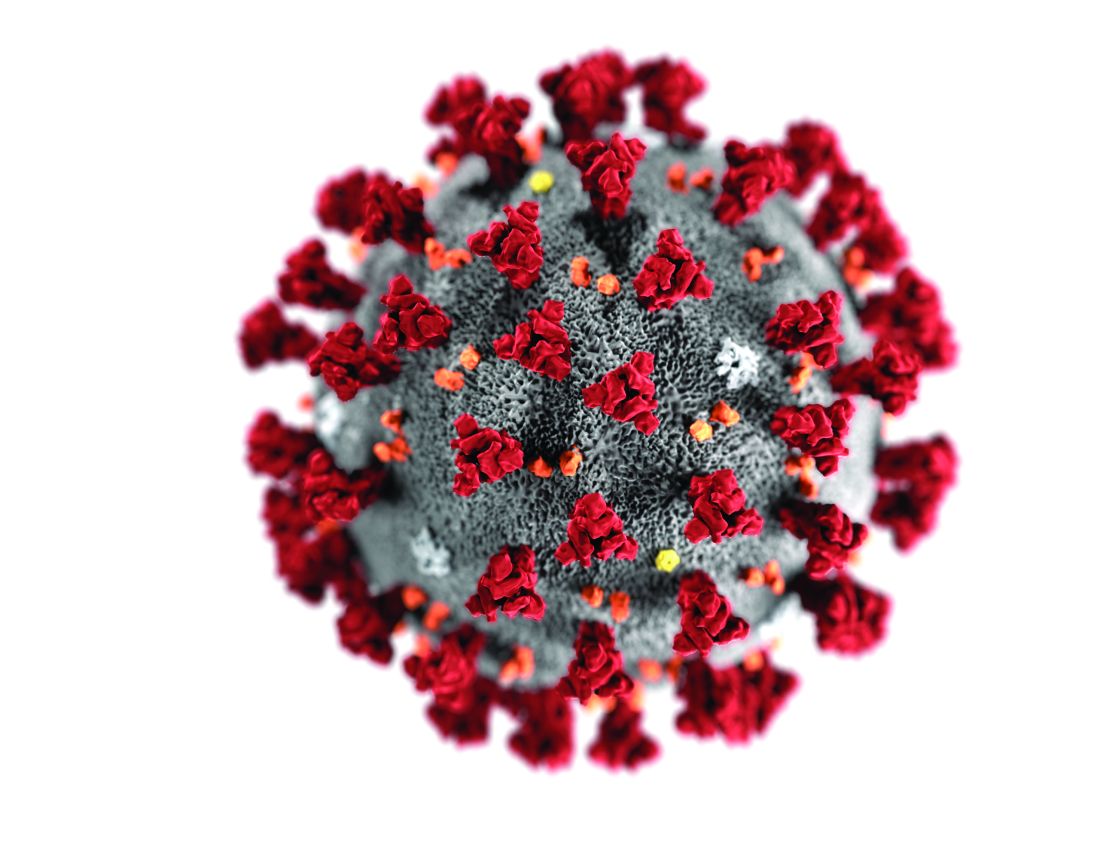
“Among patients with hypertension hospitalized with COVID-19, inpatient treatment with ACEI [ACE inhibitor]/ARB [angiotensin receptor blocker] was associated with lower risk of all-cause mortality, compared with ACEI/ARB nonusers, during 28 days of follow-up. While study interpretation needs to consider the potential for residual confounders, it is unlikely that inpatient ACEI/ARB would be associated with an increased risk of mortality,” wrote Peng Zhang, MD, a cardiology researcher at Renmin Hospital of Wuhan University, China, and coauthors in Circulations Research, buttressing recent recommendations from several medical societies to maintain COVID-19 patients on these drugs.
“Our findings in this paper provide evidence supporting continuous use of ACEI/ARB for patients with hypertension infected with SARS-COV-2,” wrote the authors, backing up recent recommendations from cardiology societies that called for not stopping ACEI/ARB prescriptions in patients at risk for contracting or already have COVID-19 infection, including a statement from the American College of Cardiology, American Heart Association, and Heart Failure Society of America, and also guidance from the European Society of Cardiology.
The study included 1,128 patients with a history of hypertension, including 188 (17%) who received an ACEI/ARB drug during hospitalization. During 28-day follow-up, 99 died (9%), including 7 deaths among the 188 patients (4%) on an ACEI/ARB drug and 92 deaths among the 940 other hypertensive patients (10%).
The authors ran several analyses to try to adjust for the influence of possible confounders. A mixed-effect Cox model with four adjusted variables showed that treatment with an ACEI/ARB drug was tied to a statistically significant 58% lower death rate, compared with patients not receiving these drugs.
The researchers also ran several propensity score–adjusted analyses. One matched 174 of the patients who received an ACEI/ARB drug with 522 who did not, and comparing these two matched arms showed that ACEI/ARB use was linked with a statistically significant 63% cut in mortality, compared with patients not getting these drugs. A second propensity score–matched analysis first excluded the 383 patients who were hypertensive but received no antihypertensive medication during hospitalization. From the remaining 745 patients who received at least one antihypertensive medication, the authors identified 181 patients who received an ACEI/ARB and propensity-score matched them with 181 hypertensive patients on a different medication class, finding that ACEI/ARB use linked with a statistically significant 71% lower rate of all-cause mortality.
Additional analyses also showed that patients with hypertension had a statistically significant, 41% increased rate of all-cause death, compared with patients without hypertension, and another propensity score–matched analysis showed that among hypertensives treatment with an ACEI/ARB drug was linked with a statistically significant 68% reduced rate of septic shock.
Although this report was received with caution and some skepticism, it was also acknowledged as a step forward in the creation of an evidence base addressing ACEI/ARB treatment during COVID-19 infection.
“These drugs are lifesaving and should not be discontinued” for patients with hypertension, heart failure, and other cardiovascular disease, commented Gian Paolo Rossi, MD, professor and chair of medicine and director of the high blood pressure unit at the University of Padua (Italy). The analysis by Zhang and associates included the largest number of hospitalized COVID-19 patients with hypertension yet reported to assess the impact of treatment with ACEI/ARB drugs, and adds important evidence in favor of continuing these drugs in patients who develop COVID-19 infection, Dr. Rossi said in an interview. He recently coauthored a review that argued against ACEI/ARB discontinuation in COVID-19 patients based on previously reported evidence (Elife. 2020 Apr 6. doi: 10.7554/eLife.57278).
But other researchers take a wary view of the potential impact of ACEI/ARB agents. “If ACEI/ARB therapy increases ACE2 and the virus down-regulates it, and because ACE2 is the viral entry port into cells, why would ACE2-mediated down-regulation of the renin-angiotensin-aldosterone system lead to amelioration of [COVID-19] disease?” asked Laurence W. Busse, MD, a critical care physician at Emory University, Atlanta. “A number of issues could potentially confound the results, including the definition of COVID-19 and imbalance of antiviral therapy,” added Dr. Busse, who recently coauthored an editorial that posited using angiotensin II (Giapreza), an approved vasopressor drug, as an alternative renin-angiotensin system intervention for COVID-19 patients including both those in shock as well as potentially those not in shock (Crit Care. 2020 Apr 7. doi: 10.1186/s13054-020-02862-1). Despite these caveats, the new Chinese findings reported by Dr. Zhang and associates “are hypothesis generating and worth further exploration.”
The authors of an editorial that accompanied the Zhang study in Circulation Research made similar points. “While the investigators used standard techniques to attempt to reduce bias in this observational study via propensity matching, it is not a randomized study and the residual confounding inherent to this approach renders the conclusions hypothesis generating at best,” wrote Ravi V. Shah, MD, and two coauthors in the editorial (Circ Res. 2020 Apr 17. doi: 10.1161/CIRCRESAHA.120.317174). They also agreed with the several society statements that have supported continued use of ACEI/ARB drugs in COVID-19 patients. “Withdrawal of these medications in the context of those conditions in which they have proven benefit (e.g., heart failure with reduced left ventricular ejection fraction) may actually inflict more harm than good,” they warned. “In the end we must rely on randomized clinical science,” and while this level of evidence is currently lacking, “the study by Zhang and colleagues is a direct step toward that goal.”
Dr. Zhang and coauthors had no commercial disclosures. Dr. Rossi and Dr. Busse had no disclosures. The authors of the Circulation Research editorial reported several disclosures.
SOURCE: Zhang P et al. Circ Res. 2020 Apr 17. doi: 10.1161/CIRCRESAHA.120.317134.
Hospitalized COVID-19 patients with hypertension and on treatment with an renin-angiotensin system inhibiting drug had significantly better survival, compared with similar hypertensive patients not on these drugs, in observational, propensity score–matched analyses that drew from a pool of more than 3,430 patients hospitalized at any of nine Chinese hospitals during December 2019–February 2020.
“Among patients with hypertension hospitalized with COVID-19, inpatient treatment with ACEI [ACE inhibitor]/ARB [angiotensin receptor blocker] was associated with lower risk of all-cause mortality, compared with ACEI/ARB nonusers, during 28 days of follow-up. While study interpretation needs to consider the potential for residual confounders, it is unlikely that inpatient ACEI/ARB would be associated with an increased risk of mortality,” wrote Peng Zhang, MD, a cardiology researcher at Renmin Hospital of Wuhan University, China, and coauthors in Circulations Research, buttressing recent recommendations from several medical societies to maintain COVID-19 patients on these drugs.
“Our findings in this paper provide evidence supporting continuous use of ACEI/ARB for patients with hypertension infected with SARS-COV-2,” wrote the authors, backing up recent recommendations from cardiology societies that called for not stopping ACEI/ARB prescriptions in patients at risk for contracting or already have COVID-19 infection, including a statement from the American College of Cardiology, American Heart Association, and Heart Failure Society of America, and also guidance from the European Society of Cardiology.
The study included 1,128 patients with a history of hypertension, including 188 (17%) who received an ACEI/ARB drug during hospitalization. During 28-day follow-up, 99 died (9%), including 7 deaths among the 188 patients (4%) on an ACEI/ARB drug and 92 deaths among the 940 other hypertensive patients (10%).
The authors ran several analyses to try to adjust for the influence of possible confounders. A mixed-effect Cox model with four adjusted variables showed that treatment with an ACEI/ARB drug was tied to a statistically significant 58% lower death rate, compared with patients not receiving these drugs.
The researchers also ran several propensity score–adjusted analyses. One matched 174 of the patients who received an ACEI/ARB drug with 522 who did not, and comparing these two matched arms showed that ACEI/ARB use was linked with a statistically significant 63% cut in mortality, compared with patients not getting these drugs. A second propensity score–matched analysis first excluded the 383 patients who were hypertensive but received no antihypertensive medication during hospitalization. From the remaining 745 patients who received at least one antihypertensive medication, the authors identified 181 patients who received an ACEI/ARB and propensity-score matched them with 181 hypertensive patients on a different medication class, finding that ACEI/ARB use linked with a statistically significant 71% lower rate of all-cause mortality.
Additional analyses also showed that patients with hypertension had a statistically significant, 41% increased rate of all-cause death, compared with patients without hypertension, and another propensity score–matched analysis showed that among hypertensives treatment with an ACEI/ARB drug was linked with a statistically significant 68% reduced rate of septic shock.
Although this report was received with caution and some skepticism, it was also acknowledged as a step forward in the creation of an evidence base addressing ACEI/ARB treatment during COVID-19 infection.
“These drugs are lifesaving and should not be discontinued” for patients with hypertension, heart failure, and other cardiovascular disease, commented Gian Paolo Rossi, MD, professor and chair of medicine and director of the high blood pressure unit at the University of Padua (Italy). The analysis by Zhang and associates included the largest number of hospitalized COVID-19 patients with hypertension yet reported to assess the impact of treatment with ACEI/ARB drugs, and adds important evidence in favor of continuing these drugs in patients who develop COVID-19 infection, Dr. Rossi said in an interview. He recently coauthored a review that argued against ACEI/ARB discontinuation in COVID-19 patients based on previously reported evidence (Elife. 2020 Apr 6. doi: 10.7554/eLife.57278).
But other researchers take a wary view of the potential impact of ACEI/ARB agents. “If ACEI/ARB therapy increases ACE2 and the virus down-regulates it, and because ACE2 is the viral entry port into cells, why would ACE2-mediated down-regulation of the renin-angiotensin-aldosterone system lead to amelioration of [COVID-19] disease?” asked Laurence W. Busse, MD, a critical care physician at Emory University, Atlanta. “A number of issues could potentially confound the results, including the definition of COVID-19 and imbalance of antiviral therapy,” added Dr. Busse, who recently coauthored an editorial that posited using angiotensin II (Giapreza), an approved vasopressor drug, as an alternative renin-angiotensin system intervention for COVID-19 patients including both those in shock as well as potentially those not in shock (Crit Care. 2020 Apr 7. doi: 10.1186/s13054-020-02862-1). Despite these caveats, the new Chinese findings reported by Dr. Zhang and associates “are hypothesis generating and worth further exploration.”
The authors of an editorial that accompanied the Zhang study in Circulation Research made similar points. “While the investigators used standard techniques to attempt to reduce bias in this observational study via propensity matching, it is not a randomized study and the residual confounding inherent to this approach renders the conclusions hypothesis generating at best,” wrote Ravi V. Shah, MD, and two coauthors in the editorial (Circ Res. 2020 Apr 17. doi: 10.1161/CIRCRESAHA.120.317174). They also agreed with the several society statements that have supported continued use of ACEI/ARB drugs in COVID-19 patients. “Withdrawal of these medications in the context of those conditions in which they have proven benefit (e.g., heart failure with reduced left ventricular ejection fraction) may actually inflict more harm than good,” they warned. “In the end we must rely on randomized clinical science,” and while this level of evidence is currently lacking, “the study by Zhang and colleagues is a direct step toward that goal.”
Dr. Zhang and coauthors had no commercial disclosures. Dr. Rossi and Dr. Busse had no disclosures. The authors of the Circulation Research editorial reported several disclosures.
SOURCE: Zhang P et al. Circ Res. 2020 Apr 17. doi: 10.1161/CIRCRESAHA.120.317134.
Hospitalized COVID-19 patients with hypertension and on treatment with an renin-angiotensin system inhibiting drug had significantly better survival, compared with similar hypertensive patients not on these drugs, in observational, propensity score–matched analyses that drew from a pool of more than 3,430 patients hospitalized at any of nine Chinese hospitals during December 2019–February 2020.
“Among patients with hypertension hospitalized with COVID-19, inpatient treatment with ACEI [ACE inhibitor]/ARB [angiotensin receptor blocker] was associated with lower risk of all-cause mortality, compared with ACEI/ARB nonusers, during 28 days of follow-up. While study interpretation needs to consider the potential for residual confounders, it is unlikely that inpatient ACEI/ARB would be associated with an increased risk of mortality,” wrote Peng Zhang, MD, a cardiology researcher at Renmin Hospital of Wuhan University, China, and coauthors in Circulations Research, buttressing recent recommendations from several medical societies to maintain COVID-19 patients on these drugs.
“Our findings in this paper provide evidence supporting continuous use of ACEI/ARB for patients with hypertension infected with SARS-COV-2,” wrote the authors, backing up recent recommendations from cardiology societies that called for not stopping ACEI/ARB prescriptions in patients at risk for contracting or already have COVID-19 infection, including a statement from the American College of Cardiology, American Heart Association, and Heart Failure Society of America, and also guidance from the European Society of Cardiology.
The study included 1,128 patients with a history of hypertension, including 188 (17%) who received an ACEI/ARB drug during hospitalization. During 28-day follow-up, 99 died (9%), including 7 deaths among the 188 patients (4%) on an ACEI/ARB drug and 92 deaths among the 940 other hypertensive patients (10%).
The authors ran several analyses to try to adjust for the influence of possible confounders. A mixed-effect Cox model with four adjusted variables showed that treatment with an ACEI/ARB drug was tied to a statistically significant 58% lower death rate, compared with patients not receiving these drugs.
The researchers also ran several propensity score–adjusted analyses. One matched 174 of the patients who received an ACEI/ARB drug with 522 who did not, and comparing these two matched arms showed that ACEI/ARB use was linked with a statistically significant 63% cut in mortality, compared with patients not getting these drugs. A second propensity score–matched analysis first excluded the 383 patients who were hypertensive but received no antihypertensive medication during hospitalization. From the remaining 745 patients who received at least one antihypertensive medication, the authors identified 181 patients who received an ACEI/ARB and propensity-score matched them with 181 hypertensive patients on a different medication class, finding that ACEI/ARB use linked with a statistically significant 71% lower rate of all-cause mortality.
Additional analyses also showed that patients with hypertension had a statistically significant, 41% increased rate of all-cause death, compared with patients without hypertension, and another propensity score–matched analysis showed that among hypertensives treatment with an ACEI/ARB drug was linked with a statistically significant 68% reduced rate of septic shock.
Although this report was received with caution and some skepticism, it was also acknowledged as a step forward in the creation of an evidence base addressing ACEI/ARB treatment during COVID-19 infection.
“These drugs are lifesaving and should not be discontinued” for patients with hypertension, heart failure, and other cardiovascular disease, commented Gian Paolo Rossi, MD, professor and chair of medicine and director of the high blood pressure unit at the University of Padua (Italy). The analysis by Zhang and associates included the largest number of hospitalized COVID-19 patients with hypertension yet reported to assess the impact of treatment with ACEI/ARB drugs, and adds important evidence in favor of continuing these drugs in patients who develop COVID-19 infection, Dr. Rossi said in an interview. He recently coauthored a review that argued against ACEI/ARB discontinuation in COVID-19 patients based on previously reported evidence (Elife. 2020 Apr 6. doi: 10.7554/eLife.57278).
But other researchers take a wary view of the potential impact of ACEI/ARB agents. “If ACEI/ARB therapy increases ACE2 and the virus down-regulates it, and because ACE2 is the viral entry port into cells, why would ACE2-mediated down-regulation of the renin-angiotensin-aldosterone system lead to amelioration of [COVID-19] disease?” asked Laurence W. Busse, MD, a critical care physician at Emory University, Atlanta. “A number of issues could potentially confound the results, including the definition of COVID-19 and imbalance of antiviral therapy,” added Dr. Busse, who recently coauthored an editorial that posited using angiotensin II (Giapreza), an approved vasopressor drug, as an alternative renin-angiotensin system intervention for COVID-19 patients including both those in shock as well as potentially those not in shock (Crit Care. 2020 Apr 7. doi: 10.1186/s13054-020-02862-1). Despite these caveats, the new Chinese findings reported by Dr. Zhang and associates “are hypothesis generating and worth further exploration.”
The authors of an editorial that accompanied the Zhang study in Circulation Research made similar points. “While the investigators used standard techniques to attempt to reduce bias in this observational study via propensity matching, it is not a randomized study and the residual confounding inherent to this approach renders the conclusions hypothesis generating at best,” wrote Ravi V. Shah, MD, and two coauthors in the editorial (Circ Res. 2020 Apr 17. doi: 10.1161/CIRCRESAHA.120.317174). They also agreed with the several society statements that have supported continued use of ACEI/ARB drugs in COVID-19 patients. “Withdrawal of these medications in the context of those conditions in which they have proven benefit (e.g., heart failure with reduced left ventricular ejection fraction) may actually inflict more harm than good,” they warned. “In the end we must rely on randomized clinical science,” and while this level of evidence is currently lacking, “the study by Zhang and colleagues is a direct step toward that goal.”
Dr. Zhang and coauthors had no commercial disclosures. Dr. Rossi and Dr. Busse had no disclosures. The authors of the Circulation Research editorial reported several disclosures.
SOURCE: Zhang P et al. Circ Res. 2020 Apr 17. doi: 10.1161/CIRCRESAHA.120.317134.
FROM CIRCULATION RESEARCH
Prioritize lung cancer patients for COVID-19 testing, physicians recommend
Lung cancer patients should be prioritized for COVID-19 testing, according to an editorial published in Annals of Oncology.
In fact, treatment recommendations should call for baseline COVID-19 testing for all patients with lung cancer, Antonio Passaro, MD, PhD, of the European Institute of Oncology in Milan, Italy, and colleagues argued in the editorial.
“While all types of malignancies seem to be associated with high COVID-19 prevalence, morbidity, and mortality, lung cancer represents a specific scenario of cumulative risk factors for COVID-19 complications,” the authors wrote.
“[Lung cancer patients] are at a uniquely escalated risk of complications from COVID-19 due to the common features of smoking history, respiratory and cardiac disease, advanced age, and often predisposing risks from treatment, such as lung surgery and immunosuppressive chemotherapy,” said Howard (Jack) West, MD, of City of Hope Comprehensive Cancer Center in Duarte, Calif., who was not involved in the editorial.
“They also routinely experience a cough as well as chest imaging that may overlap between their underlying lung cancer, possible side effects of treatment, and potential COVID-19, leading to troubling ambiguity that can only be addressed by proactive and widespread testing of patients with lung cancer at the earliest opportunity and as a very high priority,” Dr. West added.
Dr. Passaro and colleagues’ editorial outlined these and other issues that suggest a need to prioritize testing in lung cancer patients.
Disease characteristics, treatment, and imaging
Lung cancer patients may have “defective pulmonary architecture,” such as mechanical obstruction from a tumor or previous lung surgery, that predisposes them to infection and can increase the risk of cytokine release. This is a concern because massive cytokine release during SARS-CoV-2 infection “has been postulated to be the major step in leading to the development of ARDS [acute respiratory distress syndrome],” Dr. Passaro and colleagues wrote.
The authors also argued that similar clinical symptoms among lung cancer patients and those with COVID-19 – such as cough, fever, and dyspnea – underscore the need for an accurate screening model to allow for early COVID-19 detection and potentially improve outcomes.
Similarly, lung cancer patients and COVID-19 patients may have overlapping findings on imaging. The radiologic effects of some common treatments for lung cancer can lead to the same kind of ground glass opacities and other findings seen in COVID-19 patients. Therefore, the authors predict an increase in “COVID-19-suspicious imaging, even in the absence of new symptoms” in the coming weeks.
Another issue to consider is the frequent use of corticosteroids in cancer patients. Corticosteroids may be harmful when used for COVID-19–related acute respiratory distress syndrome and could mask early symptoms of infection. Therefore, routine COVID-19 testing in patients receiving steroids may be warranted, according to Dr. Passaro and colleagues.
In addition, immunosuppression associated with cancer treatment “may impose specific consideration on the schedule and dose of cytotoxic chemotherapy for lung cancer patients in epidemic areas,” the authors wrote.
Increasing awareness: A registry and guidelines
“In the era of COVID-19, the optimal management of patients with lung cancer remains unknown, and the oncology community should have increased awareness to prevent the emergence of an increase in cancer-related and infectious mortality,” Dr. Passaro and colleagues wrote.
To that end, a novel global registry (TERAVOLT) has been launched and is collecting data worldwide with an aim of developing a tailored risk assessment strategy for lung cancer patients. The authors noted that developing international consensus with respect to COVID-19 testing in lung cancer is essential for achieving that goal.
The European Society for Medical Oncology recently released guidelines for treating lung cancer patients during the COVID-19 pandemic, but those guidelines do not include recommendations on COVID-19 testing.
“Baseline SARS-CoV-2 testing for all patients affected by lung cancer should be recommended,” Dr. Passaro and colleagues wrote. “In addition, for those patients with a negative swab test and new ground glass opacities detected on CT scan, with or without new respiratory symptoms, bronchoscopy should be considered to increase testing sensitivity.”
This work was partially supported by the Italian Ministry of Health. The authors reported having no relevant conflicts of interest. Dr. West is a regular correspondent for Medscape, which is owned by the same parent company as MDedge.
SOURCE: Passaro A et al. Annals of Oncology. doi: 10.1016/j.annonc.2020.04.002.
Lung cancer patients should be prioritized for COVID-19 testing, according to an editorial published in Annals of Oncology.
In fact, treatment recommendations should call for baseline COVID-19 testing for all patients with lung cancer, Antonio Passaro, MD, PhD, of the European Institute of Oncology in Milan, Italy, and colleagues argued in the editorial.
“While all types of malignancies seem to be associated with high COVID-19 prevalence, morbidity, and mortality, lung cancer represents a specific scenario of cumulative risk factors for COVID-19 complications,” the authors wrote.
“[Lung cancer patients] are at a uniquely escalated risk of complications from COVID-19 due to the common features of smoking history, respiratory and cardiac disease, advanced age, and often predisposing risks from treatment, such as lung surgery and immunosuppressive chemotherapy,” said Howard (Jack) West, MD, of City of Hope Comprehensive Cancer Center in Duarte, Calif., who was not involved in the editorial.
“They also routinely experience a cough as well as chest imaging that may overlap between their underlying lung cancer, possible side effects of treatment, and potential COVID-19, leading to troubling ambiguity that can only be addressed by proactive and widespread testing of patients with lung cancer at the earliest opportunity and as a very high priority,” Dr. West added.
Dr. Passaro and colleagues’ editorial outlined these and other issues that suggest a need to prioritize testing in lung cancer patients.
Disease characteristics, treatment, and imaging
Lung cancer patients may have “defective pulmonary architecture,” such as mechanical obstruction from a tumor or previous lung surgery, that predisposes them to infection and can increase the risk of cytokine release. This is a concern because massive cytokine release during SARS-CoV-2 infection “has been postulated to be the major step in leading to the development of ARDS [acute respiratory distress syndrome],” Dr. Passaro and colleagues wrote.
The authors also argued that similar clinical symptoms among lung cancer patients and those with COVID-19 – such as cough, fever, and dyspnea – underscore the need for an accurate screening model to allow for early COVID-19 detection and potentially improve outcomes.
Similarly, lung cancer patients and COVID-19 patients may have overlapping findings on imaging. The radiologic effects of some common treatments for lung cancer can lead to the same kind of ground glass opacities and other findings seen in COVID-19 patients. Therefore, the authors predict an increase in “COVID-19-suspicious imaging, even in the absence of new symptoms” in the coming weeks.
Another issue to consider is the frequent use of corticosteroids in cancer patients. Corticosteroids may be harmful when used for COVID-19–related acute respiratory distress syndrome and could mask early symptoms of infection. Therefore, routine COVID-19 testing in patients receiving steroids may be warranted, according to Dr. Passaro and colleagues.
In addition, immunosuppression associated with cancer treatment “may impose specific consideration on the schedule and dose of cytotoxic chemotherapy for lung cancer patients in epidemic areas,” the authors wrote.
Increasing awareness: A registry and guidelines
“In the era of COVID-19, the optimal management of patients with lung cancer remains unknown, and the oncology community should have increased awareness to prevent the emergence of an increase in cancer-related and infectious mortality,” Dr. Passaro and colleagues wrote.
To that end, a novel global registry (TERAVOLT) has been launched and is collecting data worldwide with an aim of developing a tailored risk assessment strategy for lung cancer patients. The authors noted that developing international consensus with respect to COVID-19 testing in lung cancer is essential for achieving that goal.
The European Society for Medical Oncology recently released guidelines for treating lung cancer patients during the COVID-19 pandemic, but those guidelines do not include recommendations on COVID-19 testing.
“Baseline SARS-CoV-2 testing for all patients affected by lung cancer should be recommended,” Dr. Passaro and colleagues wrote. “In addition, for those patients with a negative swab test and new ground glass opacities detected on CT scan, with or without new respiratory symptoms, bronchoscopy should be considered to increase testing sensitivity.”
This work was partially supported by the Italian Ministry of Health. The authors reported having no relevant conflicts of interest. Dr. West is a regular correspondent for Medscape, which is owned by the same parent company as MDedge.
SOURCE: Passaro A et al. Annals of Oncology. doi: 10.1016/j.annonc.2020.04.002.
Lung cancer patients should be prioritized for COVID-19 testing, according to an editorial published in Annals of Oncology.
In fact, treatment recommendations should call for baseline COVID-19 testing for all patients with lung cancer, Antonio Passaro, MD, PhD, of the European Institute of Oncology in Milan, Italy, and colleagues argued in the editorial.
“While all types of malignancies seem to be associated with high COVID-19 prevalence, morbidity, and mortality, lung cancer represents a specific scenario of cumulative risk factors for COVID-19 complications,” the authors wrote.
“[Lung cancer patients] are at a uniquely escalated risk of complications from COVID-19 due to the common features of smoking history, respiratory and cardiac disease, advanced age, and often predisposing risks from treatment, such as lung surgery and immunosuppressive chemotherapy,” said Howard (Jack) West, MD, of City of Hope Comprehensive Cancer Center in Duarte, Calif., who was not involved in the editorial.
“They also routinely experience a cough as well as chest imaging that may overlap between their underlying lung cancer, possible side effects of treatment, and potential COVID-19, leading to troubling ambiguity that can only be addressed by proactive and widespread testing of patients with lung cancer at the earliest opportunity and as a very high priority,” Dr. West added.
Dr. Passaro and colleagues’ editorial outlined these and other issues that suggest a need to prioritize testing in lung cancer patients.
Disease characteristics, treatment, and imaging
Lung cancer patients may have “defective pulmonary architecture,” such as mechanical obstruction from a tumor or previous lung surgery, that predisposes them to infection and can increase the risk of cytokine release. This is a concern because massive cytokine release during SARS-CoV-2 infection “has been postulated to be the major step in leading to the development of ARDS [acute respiratory distress syndrome],” Dr. Passaro and colleagues wrote.
The authors also argued that similar clinical symptoms among lung cancer patients and those with COVID-19 – such as cough, fever, and dyspnea – underscore the need for an accurate screening model to allow for early COVID-19 detection and potentially improve outcomes.
Similarly, lung cancer patients and COVID-19 patients may have overlapping findings on imaging. The radiologic effects of some common treatments for lung cancer can lead to the same kind of ground glass opacities and other findings seen in COVID-19 patients. Therefore, the authors predict an increase in “COVID-19-suspicious imaging, even in the absence of new symptoms” in the coming weeks.
Another issue to consider is the frequent use of corticosteroids in cancer patients. Corticosteroids may be harmful when used for COVID-19–related acute respiratory distress syndrome and could mask early symptoms of infection. Therefore, routine COVID-19 testing in patients receiving steroids may be warranted, according to Dr. Passaro and colleagues.
In addition, immunosuppression associated with cancer treatment “may impose specific consideration on the schedule and dose of cytotoxic chemotherapy for lung cancer patients in epidemic areas,” the authors wrote.
Increasing awareness: A registry and guidelines
“In the era of COVID-19, the optimal management of patients with lung cancer remains unknown, and the oncology community should have increased awareness to prevent the emergence of an increase in cancer-related and infectious mortality,” Dr. Passaro and colleagues wrote.
To that end, a novel global registry (TERAVOLT) has been launched and is collecting data worldwide with an aim of developing a tailored risk assessment strategy for lung cancer patients. The authors noted that developing international consensus with respect to COVID-19 testing in lung cancer is essential for achieving that goal.
The European Society for Medical Oncology recently released guidelines for treating lung cancer patients during the COVID-19 pandemic, but those guidelines do not include recommendations on COVID-19 testing.
“Baseline SARS-CoV-2 testing for all patients affected by lung cancer should be recommended,” Dr. Passaro and colleagues wrote. “In addition, for those patients with a negative swab test and new ground glass opacities detected on CT scan, with or without new respiratory symptoms, bronchoscopy should be considered to increase testing sensitivity.”
This work was partially supported by the Italian Ministry of Health. The authors reported having no relevant conflicts of interest. Dr. West is a regular correspondent for Medscape, which is owned by the same parent company as MDedge.
SOURCE: Passaro A et al. Annals of Oncology. doi: 10.1016/j.annonc.2020.04.002.
FROM ANNALS OF ONCOLOGY
Coping with COVID-19: Things may never be the same
The last few weeks have been confusing and a little overwhelming. A hodgepodge of rapid-fire publications of potential treatments and multiple, sometimes confusing government mandates and initiatives have inundated us. The overriding theme is clear, though: Let’s first concentrate on keeping our civilization intact. State governments have been largely focused on “flattening the curve” of new infections. And the longer we slow this disease down, the better we learn how to treat it.
Multiple existing medications, repurposed from all walks of the pharmacologic world, have been screened and shown to have potential therapeutic benefit, and they are being tested even as I write this column. The nasty form of this disease is a unique form of adult respiratory distress syndrome, and the terminal event appears to be a form of disseminated intravascular coagulation, which may respond to unexpected therapies, such as clot busters (J Thromb Haemost. 2020 Apr 8. doi: 10.1111/jth.14828).
Now, let’s consider the more mundane issue of keeping your medical practice alive.
Some state medical boards have relaxed the rules on licensing, and the federal government on HIPAA compliance, so that telemedicine has finally become practical. Some EHR vendors have even rushed out modules to make it easier to conduct visits with patients through their patient portals. This has all made it almost practical to see, monitor, and treat existing patients with chronic conditions, and even new ones who do not require a biopsy.
But it has also become clear that telemedicine is not a long-term means of keeping your practice viable, at least not in your practice’s current form. It can be difficult to enroll new patients and the process of collecting copays and deductibles can be frustrating and slow. There may also resistance from our patients, who may be used to having this sort of service performed by us free-of-charge. Those selfies that in the past you may have viewed, called the patient to discuss, and then called their medication into the pharmacy – all as a convenience – are coming back to haunt you. It was free before, they say, what has changed?
Another obstacle, as always, is reimbursement. There is an inconsistent patchwork of private insurance coverage that may or may not pay you. The American Academy of Dermatology has put together an excellent resource on its web site on all matters regarding COVID-19 to help you.
But the underlying undeniable reality is that you cannot support your current practice model long term with telemedicine because only about 30% of dermatology reimbursement comes from evaluation and management codes, according to a recently published study – and the rest, procedures, obviously requires patient contact (JAMA Surg. 2020 Apr 15. doi: 10.1001/jamasurg.2020.0422).
The federal government has been economically responsive by injecting money into businesses with less than 500 employees. Most of you will be eligible and probably already have applied for the Paycheck Protection Program. These are small business “loans” that your bank puts the paperwork in for, which can total up to 2.5 times one month’s average payroll. These “loans” may be 100% forgivable (75% must come from two months payroll, another 25% rent and expenses) if you do not lay anyone off.
Employees can be kept busy doing other tasks besides directly helping with patients. Like many of you with state-mandated lockdowns, my office has never been so clean, the cabinets so well stocked, and the files so organized. The stock room has been cleaned out, and any extra personal protective gear has been donated to the hospital and emergency medical services. We have landscaped the front of our building and if it warms up, we will seal and remark the parking lot. You get my drift. I have also applied for and received an advance of three months of Medicare payments, which will be automatically paid back as practice resumes. This is in effect an interest-free loan. A few days ago, my business checking account received a deposit from the Department of Health & Human Services for 6.1% of last year’s Medicare billings. This is unexpected, no obligation support to help keep your medical office open in the time of COVID-19. It appears that the office and practice will be able to weather the fire.
Assuming our practices survive more or less intact, there are major social consequences to consider. Society is a conglomeration of individuals, and individuals act on their Maslow’s hierarchy of needs (a concept introduced by psychologist Abraham Maslow, PhD, over 75 years ago). Our society has already slid down several of Maslow’s levels. We have reset to about level two, which is safety, one level above physiologic needs. Recall the grocery store fights. Look at the gun sales. The toilet paper roll has been reset from wheel of fortune spin to safe cracking mode.
This reset of the societal mindset has many ramifications you may not normally consider. For example, who will risk buying up to that dream home or purchasing a second home, if you are being told to shelter in place? Fewer may gamble $300,000 on a college education at a less-than-top-50 school. Who even knows when college will start next year. Who is going to take that promotion to New York City, or even New Jersey, and ride the train and subway to work every day? Who wants to commute through the crowded airport on the jam packed “plane train”?
It is easy to predict we will see a severe recession followed by higher taxes and inflation (stagflation). There is a financial writer I like to read who has been predicting a “great reset” of American society for several years. COVID-19 may have precipitated that reset, and things may never be the same.
Dr. Coldiron is in private practice but maintains a clinical assistant professorship at the University of Cincinnati. He cares for patients, teaches medical students and residents, and has several active clinical research projects. Dr. Coldiron is the author of more than 80 scientific letters, papers, and several book chapters, and he speaks frequently on a variety of topics. He is a past president of the American Academy of Dermatology. Write to him at dermnews@mdedge.com. He has no disclosures.
The last few weeks have been confusing and a little overwhelming. A hodgepodge of rapid-fire publications of potential treatments and multiple, sometimes confusing government mandates and initiatives have inundated us. The overriding theme is clear, though: Let’s first concentrate on keeping our civilization intact. State governments have been largely focused on “flattening the curve” of new infections. And the longer we slow this disease down, the better we learn how to treat it.
Multiple existing medications, repurposed from all walks of the pharmacologic world, have been screened and shown to have potential therapeutic benefit, and they are being tested even as I write this column. The nasty form of this disease is a unique form of adult respiratory distress syndrome, and the terminal event appears to be a form of disseminated intravascular coagulation, which may respond to unexpected therapies, such as clot busters (J Thromb Haemost. 2020 Apr 8. doi: 10.1111/jth.14828).
Now, let’s consider the more mundane issue of keeping your medical practice alive.
Some state medical boards have relaxed the rules on licensing, and the federal government on HIPAA compliance, so that telemedicine has finally become practical. Some EHR vendors have even rushed out modules to make it easier to conduct visits with patients through their patient portals. This has all made it almost practical to see, monitor, and treat existing patients with chronic conditions, and even new ones who do not require a biopsy.
But it has also become clear that telemedicine is not a long-term means of keeping your practice viable, at least not in your practice’s current form. It can be difficult to enroll new patients and the process of collecting copays and deductibles can be frustrating and slow. There may also resistance from our patients, who may be used to having this sort of service performed by us free-of-charge. Those selfies that in the past you may have viewed, called the patient to discuss, and then called their medication into the pharmacy – all as a convenience – are coming back to haunt you. It was free before, they say, what has changed?
Another obstacle, as always, is reimbursement. There is an inconsistent patchwork of private insurance coverage that may or may not pay you. The American Academy of Dermatology has put together an excellent resource on its web site on all matters regarding COVID-19 to help you.
But the underlying undeniable reality is that you cannot support your current practice model long term with telemedicine because only about 30% of dermatology reimbursement comes from evaluation and management codes, according to a recently published study – and the rest, procedures, obviously requires patient contact (JAMA Surg. 2020 Apr 15. doi: 10.1001/jamasurg.2020.0422).
The federal government has been economically responsive by injecting money into businesses with less than 500 employees. Most of you will be eligible and probably already have applied for the Paycheck Protection Program. These are small business “loans” that your bank puts the paperwork in for, which can total up to 2.5 times one month’s average payroll. These “loans” may be 100% forgivable (75% must come from two months payroll, another 25% rent and expenses) if you do not lay anyone off.
Employees can be kept busy doing other tasks besides directly helping with patients. Like many of you with state-mandated lockdowns, my office has never been so clean, the cabinets so well stocked, and the files so organized. The stock room has been cleaned out, and any extra personal protective gear has been donated to the hospital and emergency medical services. We have landscaped the front of our building and if it warms up, we will seal and remark the parking lot. You get my drift. I have also applied for and received an advance of three months of Medicare payments, which will be automatically paid back as practice resumes. This is in effect an interest-free loan. A few days ago, my business checking account received a deposit from the Department of Health & Human Services for 6.1% of last year’s Medicare billings. This is unexpected, no obligation support to help keep your medical office open in the time of COVID-19. It appears that the office and practice will be able to weather the fire.
Assuming our practices survive more or less intact, there are major social consequences to consider. Society is a conglomeration of individuals, and individuals act on their Maslow’s hierarchy of needs (a concept introduced by psychologist Abraham Maslow, PhD, over 75 years ago). Our society has already slid down several of Maslow’s levels. We have reset to about level two, which is safety, one level above physiologic needs. Recall the grocery store fights. Look at the gun sales. The toilet paper roll has been reset from wheel of fortune spin to safe cracking mode.
This reset of the societal mindset has many ramifications you may not normally consider. For example, who will risk buying up to that dream home or purchasing a second home, if you are being told to shelter in place? Fewer may gamble $300,000 on a college education at a less-than-top-50 school. Who even knows when college will start next year. Who is going to take that promotion to New York City, or even New Jersey, and ride the train and subway to work every day? Who wants to commute through the crowded airport on the jam packed “plane train”?
It is easy to predict we will see a severe recession followed by higher taxes and inflation (stagflation). There is a financial writer I like to read who has been predicting a “great reset” of American society for several years. COVID-19 may have precipitated that reset, and things may never be the same.
Dr. Coldiron is in private practice but maintains a clinical assistant professorship at the University of Cincinnati. He cares for patients, teaches medical students and residents, and has several active clinical research projects. Dr. Coldiron is the author of more than 80 scientific letters, papers, and several book chapters, and he speaks frequently on a variety of topics. He is a past president of the American Academy of Dermatology. Write to him at dermnews@mdedge.com. He has no disclosures.
The last few weeks have been confusing and a little overwhelming. A hodgepodge of rapid-fire publications of potential treatments and multiple, sometimes confusing government mandates and initiatives have inundated us. The overriding theme is clear, though: Let’s first concentrate on keeping our civilization intact. State governments have been largely focused on “flattening the curve” of new infections. And the longer we slow this disease down, the better we learn how to treat it.
Multiple existing medications, repurposed from all walks of the pharmacologic world, have been screened and shown to have potential therapeutic benefit, and they are being tested even as I write this column. The nasty form of this disease is a unique form of adult respiratory distress syndrome, and the terminal event appears to be a form of disseminated intravascular coagulation, which may respond to unexpected therapies, such as clot busters (J Thromb Haemost. 2020 Apr 8. doi: 10.1111/jth.14828).
Now, let’s consider the more mundane issue of keeping your medical practice alive.
Some state medical boards have relaxed the rules on licensing, and the federal government on HIPAA compliance, so that telemedicine has finally become practical. Some EHR vendors have even rushed out modules to make it easier to conduct visits with patients through their patient portals. This has all made it almost practical to see, monitor, and treat existing patients with chronic conditions, and even new ones who do not require a biopsy.
But it has also become clear that telemedicine is not a long-term means of keeping your practice viable, at least not in your practice’s current form. It can be difficult to enroll new patients and the process of collecting copays and deductibles can be frustrating and slow. There may also resistance from our patients, who may be used to having this sort of service performed by us free-of-charge. Those selfies that in the past you may have viewed, called the patient to discuss, and then called their medication into the pharmacy – all as a convenience – are coming back to haunt you. It was free before, they say, what has changed?
Another obstacle, as always, is reimbursement. There is an inconsistent patchwork of private insurance coverage that may or may not pay you. The American Academy of Dermatology has put together an excellent resource on its web site on all matters regarding COVID-19 to help you.
But the underlying undeniable reality is that you cannot support your current practice model long term with telemedicine because only about 30% of dermatology reimbursement comes from evaluation and management codes, according to a recently published study – and the rest, procedures, obviously requires patient contact (JAMA Surg. 2020 Apr 15. doi: 10.1001/jamasurg.2020.0422).
The federal government has been economically responsive by injecting money into businesses with less than 500 employees. Most of you will be eligible and probably already have applied for the Paycheck Protection Program. These are small business “loans” that your bank puts the paperwork in for, which can total up to 2.5 times one month’s average payroll. These “loans” may be 100% forgivable (75% must come from two months payroll, another 25% rent and expenses) if you do not lay anyone off.
Employees can be kept busy doing other tasks besides directly helping with patients. Like many of you with state-mandated lockdowns, my office has never been so clean, the cabinets so well stocked, and the files so organized. The stock room has been cleaned out, and any extra personal protective gear has been donated to the hospital and emergency medical services. We have landscaped the front of our building and if it warms up, we will seal and remark the parking lot. You get my drift. I have also applied for and received an advance of three months of Medicare payments, which will be automatically paid back as practice resumes. This is in effect an interest-free loan. A few days ago, my business checking account received a deposit from the Department of Health & Human Services for 6.1% of last year’s Medicare billings. This is unexpected, no obligation support to help keep your medical office open in the time of COVID-19. It appears that the office and practice will be able to weather the fire.
Assuming our practices survive more or less intact, there are major social consequences to consider. Society is a conglomeration of individuals, and individuals act on their Maslow’s hierarchy of needs (a concept introduced by psychologist Abraham Maslow, PhD, over 75 years ago). Our society has already slid down several of Maslow’s levels. We have reset to about level two, which is safety, one level above physiologic needs. Recall the grocery store fights. Look at the gun sales. The toilet paper roll has been reset from wheel of fortune spin to safe cracking mode.
This reset of the societal mindset has many ramifications you may not normally consider. For example, who will risk buying up to that dream home or purchasing a second home, if you are being told to shelter in place? Fewer may gamble $300,000 on a college education at a less-than-top-50 school. Who even knows when college will start next year. Who is going to take that promotion to New York City, or even New Jersey, and ride the train and subway to work every day? Who wants to commute through the crowded airport on the jam packed “plane train”?
It is easy to predict we will see a severe recession followed by higher taxes and inflation (stagflation). There is a financial writer I like to read who has been predicting a “great reset” of American society for several years. COVID-19 may have precipitated that reset, and things may never be the same.
Dr. Coldiron is in private practice but maintains a clinical assistant professorship at the University of Cincinnati. He cares for patients, teaches medical students and residents, and has several active clinical research projects. Dr. Coldiron is the author of more than 80 scientific letters, papers, and several book chapters, and he speaks frequently on a variety of topics. He is a past president of the American Academy of Dermatology. Write to him at dermnews@mdedge.com. He has no disclosures.
Excessive sleepiness linked to heart disease, cancer, and diabetes
, new research suggests. A study of almost 11,000 participants shows those who reported excessive sleepiness were twice as likely as their nonsleepy counterparts to develop these conditions. Hypersomnolence was also linked to development of musculoskeletal and connective tissue conditions.
“Paying attention to sleepiness in older adults could help doctors predict and prevent future medical conditions,” study investigator Maurice M. Ohayon, MD, PhD, Stanford University, California, said in a news release.
The findings were released March 1 ahead of the study’s scheduled presentation at the annual meeting of the American Academy of Neurology. The AAN canceled the meeting and released abstracts and access to presenters for press coverage.
Early warning sign
Prior research has suggested an association between hypersomnolence and several psychiatric disorders, as well as cognitive decline and Alzheimer’s disease. However, its role in the development of other medical conditions is not as well studied.
The current investigation included 10,930 adults who were interviewed by phone on two separate occasions 3 years apart. At the second interview, 3,701 participants were at least 65 years old and 59% were women.
About 23% of the elderly participants reported hypersomnolence in the first interview and 24% reported it in the second interview. Of these individuals, 41% said during the first and second interviews that excessive daytime sleepiness was a chronic problem.
After adjusting for gender and obstructive sleep apnea status, participants who reported hypersomnolence in the first interview had more than a twofold greater risk of developing diabetes (relative risk [RR], 2.3; 95% CI, 1.5 - 3.4) or hypertension (RR, 2.3; 95% CI, 1.5 - 3.4) 3 years later than those who did not report this problem. They were also twice as likely to develop cancer (RR, 2.0; 95% CI, 1.1 - 3.8).
Of the 840 participants who reported hypersomnolence at the first interview, 52 (6.2%) developed diabetes compared with 74 (2.9%) who did not have excessive daytime sleepiness. Twenty (2.4%) individuals who reported hypersomnolence developed cancer compared with 21 (0.8%) who did not have it. Chronic hypersomnolence was associated with a greater than twofold increased risk of developing heart disease (RR, 2.5; 95% CI, 1.8 - 3.4).
Those who reported hypersomnolence at the second interview also were 50% more likely to have diseases of the musculoskeletal system and connective tissue, such as arthritis, tendinitis, and lupus, than their peers who did not have excessive daytime sleepiness.
The findings suggest that hypersomnolence in the elderly “can be an early sign of a developing medical condition,” the investigators wrote.
A limitation of the study is that it relied on participants’ memories rather than monitoring their sleep length and quality and daytime sleepiness in a sleep clinic, they noted.
Sleep as a vital sign?
Commenting on the findings, Harly Greenberg, MD, medical director at the Northwell Health Sleep Disorders Center, New York City, called the study “informative.”
However, because the findings were associations, “the study does not necessarily indicate that hypersomnolence itself is causal for these conditions. Rather excessive sleepiness may be a marker of sleep disorders that can cause sleepiness as well as contribute to the risk of these medical conditions,” said Dr. Greenberg, who was not involved with the research.
“The takeaway point from this study is that excessive sleepiness should not be ignored. Not only does it impair quality of life, daytime function, and vigilance and increase risk of sleepiness-related accidents, it may also be a marker for serious sleep disorders that can increase risk for medical disorders,” he said.
Also commenting on the study, Nathaniel Watson, MD, professor of neurology at the University of Washington (UW) and director of the UW Medicine Sleep Clinic, said it is “not surprising” that excessive daytime sleepiness might contribute to diabetes, hypertension, and other diseases.
“Sleep is something we spend a third of our lives doing. It impacts nearly every aspect of human physiology and we have a lot of basic science and epidemiologic research that shows when sleep is either inadequate or of poor quality or not timed correctly it can be associated with some of these untoward health outcomes,” said Watson, who is a past president of the American Academy of Sleep Medicine.
“This research just provides further evidence in support of the importance of sleep for overall health and well-being,” he added.
Asking patients about sleepiness, sleep, or sleep quality should be a “vital sign just like temperature, blood pressure, weight, and these other measures,” Dr. Watson said.
The study was supported by the Arrillaga Foundation. Drs. Ohayon, Greenberg, and Watson have reported no relevant financial relationships.
This article first appeared on Medscape.com.
, new research suggests. A study of almost 11,000 participants shows those who reported excessive sleepiness were twice as likely as their nonsleepy counterparts to develop these conditions. Hypersomnolence was also linked to development of musculoskeletal and connective tissue conditions.
“Paying attention to sleepiness in older adults could help doctors predict and prevent future medical conditions,” study investigator Maurice M. Ohayon, MD, PhD, Stanford University, California, said in a news release.
The findings were released March 1 ahead of the study’s scheduled presentation at the annual meeting of the American Academy of Neurology. The AAN canceled the meeting and released abstracts and access to presenters for press coverage.
Early warning sign
Prior research has suggested an association between hypersomnolence and several psychiatric disorders, as well as cognitive decline and Alzheimer’s disease. However, its role in the development of other medical conditions is not as well studied.
The current investigation included 10,930 adults who were interviewed by phone on two separate occasions 3 years apart. At the second interview, 3,701 participants were at least 65 years old and 59% were women.
About 23% of the elderly participants reported hypersomnolence in the first interview and 24% reported it in the second interview. Of these individuals, 41% said during the first and second interviews that excessive daytime sleepiness was a chronic problem.
After adjusting for gender and obstructive sleep apnea status, participants who reported hypersomnolence in the first interview had more than a twofold greater risk of developing diabetes (relative risk [RR], 2.3; 95% CI, 1.5 - 3.4) or hypertension (RR, 2.3; 95% CI, 1.5 - 3.4) 3 years later than those who did not report this problem. They were also twice as likely to develop cancer (RR, 2.0; 95% CI, 1.1 - 3.8).
Of the 840 participants who reported hypersomnolence at the first interview, 52 (6.2%) developed diabetes compared with 74 (2.9%) who did not have excessive daytime sleepiness. Twenty (2.4%) individuals who reported hypersomnolence developed cancer compared with 21 (0.8%) who did not have it. Chronic hypersomnolence was associated with a greater than twofold increased risk of developing heart disease (RR, 2.5; 95% CI, 1.8 - 3.4).
Those who reported hypersomnolence at the second interview also were 50% more likely to have diseases of the musculoskeletal system and connective tissue, such as arthritis, tendinitis, and lupus, than their peers who did not have excessive daytime sleepiness.
The findings suggest that hypersomnolence in the elderly “can be an early sign of a developing medical condition,” the investigators wrote.
A limitation of the study is that it relied on participants’ memories rather than monitoring their sleep length and quality and daytime sleepiness in a sleep clinic, they noted.
Sleep as a vital sign?
Commenting on the findings, Harly Greenberg, MD, medical director at the Northwell Health Sleep Disorders Center, New York City, called the study “informative.”
However, because the findings were associations, “the study does not necessarily indicate that hypersomnolence itself is causal for these conditions. Rather excessive sleepiness may be a marker of sleep disorders that can cause sleepiness as well as contribute to the risk of these medical conditions,” said Dr. Greenberg, who was not involved with the research.
“The takeaway point from this study is that excessive sleepiness should not be ignored. Not only does it impair quality of life, daytime function, and vigilance and increase risk of sleepiness-related accidents, it may also be a marker for serious sleep disorders that can increase risk for medical disorders,” he said.
Also commenting on the study, Nathaniel Watson, MD, professor of neurology at the University of Washington (UW) and director of the UW Medicine Sleep Clinic, said it is “not surprising” that excessive daytime sleepiness might contribute to diabetes, hypertension, and other diseases.
“Sleep is something we spend a third of our lives doing. It impacts nearly every aspect of human physiology and we have a lot of basic science and epidemiologic research that shows when sleep is either inadequate or of poor quality or not timed correctly it can be associated with some of these untoward health outcomes,” said Watson, who is a past president of the American Academy of Sleep Medicine.
“This research just provides further evidence in support of the importance of sleep for overall health and well-being,” he added.
Asking patients about sleepiness, sleep, or sleep quality should be a “vital sign just like temperature, blood pressure, weight, and these other measures,” Dr. Watson said.
The study was supported by the Arrillaga Foundation. Drs. Ohayon, Greenberg, and Watson have reported no relevant financial relationships.
This article first appeared on Medscape.com.
, new research suggests. A study of almost 11,000 participants shows those who reported excessive sleepiness were twice as likely as their nonsleepy counterparts to develop these conditions. Hypersomnolence was also linked to development of musculoskeletal and connective tissue conditions.
“Paying attention to sleepiness in older adults could help doctors predict and prevent future medical conditions,” study investigator Maurice M. Ohayon, MD, PhD, Stanford University, California, said in a news release.
The findings were released March 1 ahead of the study’s scheduled presentation at the annual meeting of the American Academy of Neurology. The AAN canceled the meeting and released abstracts and access to presenters for press coverage.
Early warning sign
Prior research has suggested an association between hypersomnolence and several psychiatric disorders, as well as cognitive decline and Alzheimer’s disease. However, its role in the development of other medical conditions is not as well studied.
The current investigation included 10,930 adults who were interviewed by phone on two separate occasions 3 years apart. At the second interview, 3,701 participants were at least 65 years old and 59% were women.
About 23% of the elderly participants reported hypersomnolence in the first interview and 24% reported it in the second interview. Of these individuals, 41% said during the first and second interviews that excessive daytime sleepiness was a chronic problem.
After adjusting for gender and obstructive sleep apnea status, participants who reported hypersomnolence in the first interview had more than a twofold greater risk of developing diabetes (relative risk [RR], 2.3; 95% CI, 1.5 - 3.4) or hypertension (RR, 2.3; 95% CI, 1.5 - 3.4) 3 years later than those who did not report this problem. They were also twice as likely to develop cancer (RR, 2.0; 95% CI, 1.1 - 3.8).
Of the 840 participants who reported hypersomnolence at the first interview, 52 (6.2%) developed diabetes compared with 74 (2.9%) who did not have excessive daytime sleepiness. Twenty (2.4%) individuals who reported hypersomnolence developed cancer compared with 21 (0.8%) who did not have it. Chronic hypersomnolence was associated with a greater than twofold increased risk of developing heart disease (RR, 2.5; 95% CI, 1.8 - 3.4).
Those who reported hypersomnolence at the second interview also were 50% more likely to have diseases of the musculoskeletal system and connective tissue, such as arthritis, tendinitis, and lupus, than their peers who did not have excessive daytime sleepiness.
The findings suggest that hypersomnolence in the elderly “can be an early sign of a developing medical condition,” the investigators wrote.
A limitation of the study is that it relied on participants’ memories rather than monitoring their sleep length and quality and daytime sleepiness in a sleep clinic, they noted.
Sleep as a vital sign?
Commenting on the findings, Harly Greenberg, MD, medical director at the Northwell Health Sleep Disorders Center, New York City, called the study “informative.”
However, because the findings were associations, “the study does not necessarily indicate that hypersomnolence itself is causal for these conditions. Rather excessive sleepiness may be a marker of sleep disorders that can cause sleepiness as well as contribute to the risk of these medical conditions,” said Dr. Greenberg, who was not involved with the research.
“The takeaway point from this study is that excessive sleepiness should not be ignored. Not only does it impair quality of life, daytime function, and vigilance and increase risk of sleepiness-related accidents, it may also be a marker for serious sleep disorders that can increase risk for medical disorders,” he said.
Also commenting on the study, Nathaniel Watson, MD, professor of neurology at the University of Washington (UW) and director of the UW Medicine Sleep Clinic, said it is “not surprising” that excessive daytime sleepiness might contribute to diabetes, hypertension, and other diseases.
“Sleep is something we spend a third of our lives doing. It impacts nearly every aspect of human physiology and we have a lot of basic science and epidemiologic research that shows when sleep is either inadequate or of poor quality or not timed correctly it can be associated with some of these untoward health outcomes,” said Watson, who is a past president of the American Academy of Sleep Medicine.
“This research just provides further evidence in support of the importance of sleep for overall health and well-being,” he added.
Asking patients about sleepiness, sleep, or sleep quality should be a “vital sign just like temperature, blood pressure, weight, and these other measures,” Dr. Watson said.
The study was supported by the Arrillaga Foundation. Drs. Ohayon, Greenberg, and Watson have reported no relevant financial relationships.
This article first appeared on Medscape.com.
Transitions: From editor to president
As I transition out of the role of medical editor for The Hospitalist, and into the role of president of the Society of Hospital Medicine, it is a bittersweet but exciting transition.
In the relatively short time I have served as editor, so much has changed in our hospitalist community! In the last 4 years alone, we have increased:
• Membership from 14,000 to 20,000
• Chapters from 46 to 68
• Special Interest Groups from 8 to 22
• Subscribers to The Hospitalist from 15,000 to 30,000.
This is all a testimony to the engagement of our membership. SHM is clearly no ordinary specialty society; it is full of incredibly intelligent, invested, and talented members, who actively participate in the society for the betterment of their local teams and patients. It is such a privilege to lead this amazing team.
As for The Hospitalist, I would like to warmly welcome Weijen Chang, MD, FACP, SFHM, as the incoming editor. Weijen served as the pediatrics editor for many years and has been extensively involved on The Hospitalist’s editorial advisory board for even longer. He also has a broad track record of experience as a hospitalist in many settings; that combined with an inquisitive mind and curious spirit makes him the ideal editor for The Hospitalist. He brings energy and enthusiasm and will serve us very well.
While I will miss being intimately involved with The Hospitalist, I am very much looking forward to serving in the role of SHM president starting in April. During this pivotal year, SHM will transition from our one-and-only CEO, Larry Wellikson, MD, MHM, to our newly minted CEO Eric Howell, MD, MHM, who will officially transition in July 2020.
This is a very exciting time in the history of SHM, as we refocus on our mission, vision, values, and core activities. As a membership organization, our primary focus has been, and will always be, serving our member’s needs! As a “Big Tent” organization, we have always supported a broad and diverse set of members, ranging far beyond physician hospitalists, to trainees, medical students, nurse practitioners, physician assistants, practice administrators, and other hospital-based specialists. Being in such a dynamic industry, our diverse members needs are constantly and rapidly changing along with the dramatic transformations in the landscape, including profound shifts in care and reimbursement models that could change the very definition of a hospitalist.
While we continuously scour the landscape and anticipate our members’ needs, we will never lose sight of our core mission, which is to promote exceptional care for hospitalized patients. We will continue to do this by supporting all of our members with tools and materials to help them be the very best they can, for all of our patients. As a humble and servant leader, I am prepared to meet the demands and challenges of the year ahead, with energy and focus, and fulfill the needs of our members, so that together, we can make health care better for those we serve.
Thank you in advance for allowing me the great pleasure of serving this amazing and innovative organization!
Dr. Scheurer is chief quality officer and professor of medicine at the Medical University of South Carolina, Charleston. She is the outgoing medical editor of The Hospitalist, and president-elect of SHM.
As I transition out of the role of medical editor for The Hospitalist, and into the role of president of the Society of Hospital Medicine, it is a bittersweet but exciting transition.
In the relatively short time I have served as editor, so much has changed in our hospitalist community! In the last 4 years alone, we have increased:
• Membership from 14,000 to 20,000
• Chapters from 46 to 68
• Special Interest Groups from 8 to 22
• Subscribers to The Hospitalist from 15,000 to 30,000.
This is all a testimony to the engagement of our membership. SHM is clearly no ordinary specialty society; it is full of incredibly intelligent, invested, and talented members, who actively participate in the society for the betterment of their local teams and patients. It is such a privilege to lead this amazing team.
As for The Hospitalist, I would like to warmly welcome Weijen Chang, MD, FACP, SFHM, as the incoming editor. Weijen served as the pediatrics editor for many years and has been extensively involved on The Hospitalist’s editorial advisory board for even longer. He also has a broad track record of experience as a hospitalist in many settings; that combined with an inquisitive mind and curious spirit makes him the ideal editor for The Hospitalist. He brings energy and enthusiasm and will serve us very well.
While I will miss being intimately involved with The Hospitalist, I am very much looking forward to serving in the role of SHM president starting in April. During this pivotal year, SHM will transition from our one-and-only CEO, Larry Wellikson, MD, MHM, to our newly minted CEO Eric Howell, MD, MHM, who will officially transition in July 2020.
This is a very exciting time in the history of SHM, as we refocus on our mission, vision, values, and core activities. As a membership organization, our primary focus has been, and will always be, serving our member’s needs! As a “Big Tent” organization, we have always supported a broad and diverse set of members, ranging far beyond physician hospitalists, to trainees, medical students, nurse practitioners, physician assistants, practice administrators, and other hospital-based specialists. Being in such a dynamic industry, our diverse members needs are constantly and rapidly changing along with the dramatic transformations in the landscape, including profound shifts in care and reimbursement models that could change the very definition of a hospitalist.
While we continuously scour the landscape and anticipate our members’ needs, we will never lose sight of our core mission, which is to promote exceptional care for hospitalized patients. We will continue to do this by supporting all of our members with tools and materials to help them be the very best they can, for all of our patients. As a humble and servant leader, I am prepared to meet the demands and challenges of the year ahead, with energy and focus, and fulfill the needs of our members, so that together, we can make health care better for those we serve.
Thank you in advance for allowing me the great pleasure of serving this amazing and innovative organization!
Dr. Scheurer is chief quality officer and professor of medicine at the Medical University of South Carolina, Charleston. She is the outgoing medical editor of The Hospitalist, and president-elect of SHM.
As I transition out of the role of medical editor for The Hospitalist, and into the role of president of the Society of Hospital Medicine, it is a bittersweet but exciting transition.
In the relatively short time I have served as editor, so much has changed in our hospitalist community! In the last 4 years alone, we have increased:
• Membership from 14,000 to 20,000
• Chapters from 46 to 68
• Special Interest Groups from 8 to 22
• Subscribers to The Hospitalist from 15,000 to 30,000.
This is all a testimony to the engagement of our membership. SHM is clearly no ordinary specialty society; it is full of incredibly intelligent, invested, and talented members, who actively participate in the society for the betterment of their local teams and patients. It is such a privilege to lead this amazing team.
As for The Hospitalist, I would like to warmly welcome Weijen Chang, MD, FACP, SFHM, as the incoming editor. Weijen served as the pediatrics editor for many years and has been extensively involved on The Hospitalist’s editorial advisory board for even longer. He also has a broad track record of experience as a hospitalist in many settings; that combined with an inquisitive mind and curious spirit makes him the ideal editor for The Hospitalist. He brings energy and enthusiasm and will serve us very well.
While I will miss being intimately involved with The Hospitalist, I am very much looking forward to serving in the role of SHM president starting in April. During this pivotal year, SHM will transition from our one-and-only CEO, Larry Wellikson, MD, MHM, to our newly minted CEO Eric Howell, MD, MHM, who will officially transition in July 2020.
This is a very exciting time in the history of SHM, as we refocus on our mission, vision, values, and core activities. As a membership organization, our primary focus has been, and will always be, serving our member’s needs! As a “Big Tent” organization, we have always supported a broad and diverse set of members, ranging far beyond physician hospitalists, to trainees, medical students, nurse practitioners, physician assistants, practice administrators, and other hospital-based specialists. Being in such a dynamic industry, our diverse members needs are constantly and rapidly changing along with the dramatic transformations in the landscape, including profound shifts in care and reimbursement models that could change the very definition of a hospitalist.
While we continuously scour the landscape and anticipate our members’ needs, we will never lose sight of our core mission, which is to promote exceptional care for hospitalized patients. We will continue to do this by supporting all of our members with tools and materials to help them be the very best they can, for all of our patients. As a humble and servant leader, I am prepared to meet the demands and challenges of the year ahead, with energy and focus, and fulfill the needs of our members, so that together, we can make health care better for those we serve.
Thank you in advance for allowing me the great pleasure of serving this amazing and innovative organization!
Dr. Scheurer is chief quality officer and professor of medicine at the Medical University of South Carolina, Charleston. She is the outgoing medical editor of The Hospitalist, and president-elect of SHM.