User login
FDA authorizes first COVID-19 test kit with home collection option
a reissue of the emergency use authorization allowing for testing of samples self-collected by patients at home with the Pixel by LabCorp COVID-19 RT-PCR Test.

The reissued authorization allows for testing of a sample taken from the nose by way of a self-collection kit that contains nasal swabs and saline, according to the FDA press release. After self-swabbing, users should send the samples in an insulated package to a LabCorp laboratory for testing. LabCorp intends to make the Pixel test available to consumers in most states, accessible through doctors’ orders.
The Pixel test includes a specific Q-tip–style cotton swab for patients to use to collect their samples, the FDA noted. Because of concerns with sterility and cross-reactivity caused by inherent genetic material in cotton swabs, generic cotton swabs should not be used as a substitute. The FDA will work with test developers to determine if generic cotton swabs can be used safely and effectively with other tests.
“Throughout this pandemic we have been facilitating test development to ensure patients’ access to accurate diagnostics, which includes supporting the development of reliable and accurate at-home sample collection options. ... [The FDA] worked with LabCorp to ensure the data demonstrated from at-home patient sample collection is as safe and accurate as sample collection at a doctor’s office, hospital, or other testing site. With this action, there is now a convenient and reliable option for patient sample collection from the comfort and safety of their home,” FDA Commissioner Stephen M. Hahn, MD, said in the press release.
a reissue of the emergency use authorization allowing for testing of samples self-collected by patients at home with the Pixel by LabCorp COVID-19 RT-PCR Test.
The reissued authorization allows for testing of a sample taken from the nose by way of a self-collection kit that contains nasal swabs and saline, according to the FDA press release. After self-swabbing, users should send the samples in an insulated package to a LabCorp laboratory for testing. LabCorp intends to make the Pixel test available to consumers in most states, accessible through doctors’ orders.
The Pixel test includes a specific Q-tip–style cotton swab for patients to use to collect their samples, the FDA noted. Because of concerns with sterility and cross-reactivity caused by inherent genetic material in cotton swabs, generic cotton swabs should not be used as a substitute. The FDA will work with test developers to determine if generic cotton swabs can be used safely and effectively with other tests.
“Throughout this pandemic we have been facilitating test development to ensure patients’ access to accurate diagnostics, which includes supporting the development of reliable and accurate at-home sample collection options. ... [The FDA] worked with LabCorp to ensure the data demonstrated from at-home patient sample collection is as safe and accurate as sample collection at a doctor’s office, hospital, or other testing site. With this action, there is now a convenient and reliable option for patient sample collection from the comfort and safety of their home,” FDA Commissioner Stephen M. Hahn, MD, said in the press release.
a reissue of the emergency use authorization allowing for testing of samples self-collected by patients at home with the Pixel by LabCorp COVID-19 RT-PCR Test.
The reissued authorization allows for testing of a sample taken from the nose by way of a self-collection kit that contains nasal swabs and saline, according to the FDA press release. After self-swabbing, users should send the samples in an insulated package to a LabCorp laboratory for testing. LabCorp intends to make the Pixel test available to consumers in most states, accessible through doctors’ orders.
The Pixel test includes a specific Q-tip–style cotton swab for patients to use to collect their samples, the FDA noted. Because of concerns with sterility and cross-reactivity caused by inherent genetic material in cotton swabs, generic cotton swabs should not be used as a substitute. The FDA will work with test developers to determine if generic cotton swabs can be used safely and effectively with other tests.
“Throughout this pandemic we have been facilitating test development to ensure patients’ access to accurate diagnostics, which includes supporting the development of reliable and accurate at-home sample collection options. ... [The FDA] worked with LabCorp to ensure the data demonstrated from at-home patient sample collection is as safe and accurate as sample collection at a doctor’s office, hospital, or other testing site. With this action, there is now a convenient and reliable option for patient sample collection from the comfort and safety of their home,” FDA Commissioner Stephen M. Hahn, MD, said in the press release.
Blue light improves concussion symptoms
a new study has found. Exposure to blue light in the morning through a special device may be a “critical factor” in resetting the circadian rhythm and helping people who have suffered a concussion, author William D. “Scott” Killgore, MD, professor of psychiatry, psychology, and medical imaging, the University of Arizona College of Medicine, Tucson, told Medscape Medical News.
“This is very new, so I wouldn’t say it’s the treatment of choice, but we should start looking at using this system as a nonpharmacologic way to perhaps help patients recover faster from a concussion,” he said.
The findings were released March 2 ahead of the study’s scheduled presentation at the annual meeting of the American Academy of Neurology. The AAN canceled the meeting and released abstracts and access to presenters for press coverage.
About half of patients with a concussion experience sleep problems, including problems falling asleep, staying asleep, and waking up in the middle of the night, said Dr. Killgore.
Poor sleep interrupts the brain’s repair mechanism. “Sleep is important for cleaning out the neurotoxins that build up in your brain during the day. Sleep also helps build oligodendrocyte precursor cells that provide insulation around nerve cells,” he said.
Master clock
Blue light stimulates receptors in the back of the retina that respond only to this wavelength of light, said Dr. Killgore. “It specifically projects to an area in the hypothalamus – essentially the brain’s master clock – that regulates your sleep-wake schedules. So exposure to that bright light essentially resets your circadian rhythm.”
That master clock involves regulating the brain’s production of melatonin. Morning exposure to blue light shifts that production to facilitate sleep at the appropriate time.
The ideal time to be exposed to blue light is from about 8:00 to 11:00 AM. “Timing is critical,” said Dr. Killgore. “If you get light at the wrong time, it will reset your circadian rhythm in the wrong direction.”
Previous research has shown that exposure to blue light leads to improved sleep, which is widely believed to lead to improved mood.
A separate study conducted by Dr. Killgore and colleagues that involved another group of mTBI patients was recently published in Neurobiology of Disease. That study showed that the participants who received blue light experienced a shift in circadian timing of about an hour. “They were going to sleep an hour earlier and waking up an hour earlier,” said Dr. Killgore.
The blue light also appeared to change brain structure and brain function, among other things, he said.
The current study included 35 patients who had suffered an mTBI within the previous 18 months. Most injuries were sports related and occurred while playing football or soccer or riding a bike.
Participants were randomly assigned to use a device fitted with a blue LED light (peak wavelength, 469 nm) or one fitted with an amber-colored LED light. They were instructed to use the device every morning for 30 minutes within 2 hours of waking.
The blue-light group comprised five men and 12 women (mean age, 25.5 years). The amber-light group comprised eight men and 10 women (mean age, 26.3 years).
Researchers told participants only that the study was exploring various aspects of light. “Subjects didn’t know if they were getting a control or active device,” said Dr. Killgore.
Researchers used the Beck Depression Inventory (BDI) to evaluate depression symptoms and the Rivermead Post-Concussion Symptom Questionnaire (RPCSQ). This 16-item questionnaire assesses symptoms in the acute stage as well as those that are more chronic.
After 6 weeks, the blue-light group had lower scores on the BDI compared to the amber-light group (P = .005).
“We found that in the amber-light group, there was essentially no change in terms of depression,” said Dr. Killgore. “But those who got the blue light showed a significant reduction in depressive symptoms, about a 22% decline overall relative to baseline, so a nice drop in overall depression.”
Changes in BDI scores were significantly positively associated with changes in the total chronic symptom score (P = .002) in the blue-light group but not the amber-light group. “Those who got blue light showed a significant reduction in the number of symptoms associated with concussion whereas those who got the amber light stayed the same,” said Dr. Killgore.
There were similar findings for somatic symptoms, such as headache and pain (P = .031), and for cognitive symptoms (P = .014) in the blue-light group.
“These subjects were having fewer problems remembering and paying attention, so their concentration seemed to be improving, at least subjectively,” commented Dr. Killgore.
There was no significant benefit from the blue light for emotional symptoms. “There was a decline, but it wasn’t statistically significant, even though there was a decline in depression,” said Dr. Killgore.
This, he explained, could be due to the small sample size and the greater sensitivity of the BDI for emotional symptoms relative to the RPCSQ. “The BDI has 21 items that are all focused on aspects of depression, whereas the RPCSQ only asks one item for depression and one item for irritability/anger.”
Less daytime sleepiness
The researchers also found a significant improvement in daytime sleepiness. “Subjects were much less sleepy by the end of the study if they got blue light than if they got amber light,” said Dr. Killgore.
Participants wore an actigraphy device that took sleep measurements. Early results indicate that blue-light recipients were getting more sleep by the end of the study.
Researchers are now analyzing additional data to see whether the improvements in depression and post-concussion symptoms are linked to improved sleep. They also gathered data from brain imaging that will be analyzed at a later date.
Dr. Killgore and his colleagues aim to determine what distinguishes people who respond to blue-light therapy from those who don’t. “We want to know what it is that would allow some people to be more responsive than others, so we’re going to be exploring skin color, eye color, genetic factors, and other factors,” he said.
They’re also conducting a study of blue-light therapy in patients with posttraumatic stress disorder, 90% of whom have sleep problems.
“This is quite fascinating,” said Dr. Killgore. “It looks like if you get blue light after your treatment, the treatment sticks better than if you didn’t get the blue light. We think that sleep is probably playing an important role in that.”
Several light devices are available, ranging in price from about $100 to $200.
Commenting on the research, concussion expert Frank Conidi, MD, director of the Florida Center for Headache and Sports Neurology, Port St. Lucie, said the study is interesting from a number of perspectives.
For one thing, it shows that blue-light therapy “provides an inexpensive and minimally invasive way to treat concussion,” he said.
Dr. Conidi said he would recommend blue-light therapy for concussion patients. “I could see neurology practices offering the device to patients as an in-office treatment or to take home for a small fee. I think athletes would be quite receptive to this, as they’re always looking for nonpharmacological ways to treat concussion.”
Dr. Conidi noted that the new results are consistent with other studies that show that decreased depression and improved sleep help with somatic symptoms.
From a research perspective, the study provides a “stepping stone” for larger trials, said Dr. Conidi. He would like to see more studies of acute concussion, such as studies as to whether the therapy shortens the duration of symptoms.
“I would also like to see controlled studies on headache and vestibular symptoms, which are the two most common,” he said.
The study was funded by the US Department of Defense. Killgore and Conidi have disclosed no relevant financial relationships.
This article first appeared on Medscape.com.
a new study has found. Exposure to blue light in the morning through a special device may be a “critical factor” in resetting the circadian rhythm and helping people who have suffered a concussion, author William D. “Scott” Killgore, MD, professor of psychiatry, psychology, and medical imaging, the University of Arizona College of Medicine, Tucson, told Medscape Medical News.
“This is very new, so I wouldn’t say it’s the treatment of choice, but we should start looking at using this system as a nonpharmacologic way to perhaps help patients recover faster from a concussion,” he said.
The findings were released March 2 ahead of the study’s scheduled presentation at the annual meeting of the American Academy of Neurology. The AAN canceled the meeting and released abstracts and access to presenters for press coverage.
About half of patients with a concussion experience sleep problems, including problems falling asleep, staying asleep, and waking up in the middle of the night, said Dr. Killgore.
Poor sleep interrupts the brain’s repair mechanism. “Sleep is important for cleaning out the neurotoxins that build up in your brain during the day. Sleep also helps build oligodendrocyte precursor cells that provide insulation around nerve cells,” he said.
Master clock
Blue light stimulates receptors in the back of the retina that respond only to this wavelength of light, said Dr. Killgore. “It specifically projects to an area in the hypothalamus – essentially the brain’s master clock – that regulates your sleep-wake schedules. So exposure to that bright light essentially resets your circadian rhythm.”
That master clock involves regulating the brain’s production of melatonin. Morning exposure to blue light shifts that production to facilitate sleep at the appropriate time.
The ideal time to be exposed to blue light is from about 8:00 to 11:00 AM. “Timing is critical,” said Dr. Killgore. “If you get light at the wrong time, it will reset your circadian rhythm in the wrong direction.”
Previous research has shown that exposure to blue light leads to improved sleep, which is widely believed to lead to improved mood.
A separate study conducted by Dr. Killgore and colleagues that involved another group of mTBI patients was recently published in Neurobiology of Disease. That study showed that the participants who received blue light experienced a shift in circadian timing of about an hour. “They were going to sleep an hour earlier and waking up an hour earlier,” said Dr. Killgore.
The blue light also appeared to change brain structure and brain function, among other things, he said.
The current study included 35 patients who had suffered an mTBI within the previous 18 months. Most injuries were sports related and occurred while playing football or soccer or riding a bike.
Participants were randomly assigned to use a device fitted with a blue LED light (peak wavelength, 469 nm) or one fitted with an amber-colored LED light. They were instructed to use the device every morning for 30 minutes within 2 hours of waking.
The blue-light group comprised five men and 12 women (mean age, 25.5 years). The amber-light group comprised eight men and 10 women (mean age, 26.3 years).
Researchers told participants only that the study was exploring various aspects of light. “Subjects didn’t know if they were getting a control or active device,” said Dr. Killgore.
Researchers used the Beck Depression Inventory (BDI) to evaluate depression symptoms and the Rivermead Post-Concussion Symptom Questionnaire (RPCSQ). This 16-item questionnaire assesses symptoms in the acute stage as well as those that are more chronic.
After 6 weeks, the blue-light group had lower scores on the BDI compared to the amber-light group (P = .005).
“We found that in the amber-light group, there was essentially no change in terms of depression,” said Dr. Killgore. “But those who got the blue light showed a significant reduction in depressive symptoms, about a 22% decline overall relative to baseline, so a nice drop in overall depression.”
Changes in BDI scores were significantly positively associated with changes in the total chronic symptom score (P = .002) in the blue-light group but not the amber-light group. “Those who got blue light showed a significant reduction in the number of symptoms associated with concussion whereas those who got the amber light stayed the same,” said Dr. Killgore.
There were similar findings for somatic symptoms, such as headache and pain (P = .031), and for cognitive symptoms (P = .014) in the blue-light group.
“These subjects were having fewer problems remembering and paying attention, so their concentration seemed to be improving, at least subjectively,” commented Dr. Killgore.
There was no significant benefit from the blue light for emotional symptoms. “There was a decline, but it wasn’t statistically significant, even though there was a decline in depression,” said Dr. Killgore.
This, he explained, could be due to the small sample size and the greater sensitivity of the BDI for emotional symptoms relative to the RPCSQ. “The BDI has 21 items that are all focused on aspects of depression, whereas the RPCSQ only asks one item for depression and one item for irritability/anger.”
Less daytime sleepiness
The researchers also found a significant improvement in daytime sleepiness. “Subjects were much less sleepy by the end of the study if they got blue light than if they got amber light,” said Dr. Killgore.
Participants wore an actigraphy device that took sleep measurements. Early results indicate that blue-light recipients were getting more sleep by the end of the study.
Researchers are now analyzing additional data to see whether the improvements in depression and post-concussion symptoms are linked to improved sleep. They also gathered data from brain imaging that will be analyzed at a later date.
Dr. Killgore and his colleagues aim to determine what distinguishes people who respond to blue-light therapy from those who don’t. “We want to know what it is that would allow some people to be more responsive than others, so we’re going to be exploring skin color, eye color, genetic factors, and other factors,” he said.
They’re also conducting a study of blue-light therapy in patients with posttraumatic stress disorder, 90% of whom have sleep problems.
“This is quite fascinating,” said Dr. Killgore. “It looks like if you get blue light after your treatment, the treatment sticks better than if you didn’t get the blue light. We think that sleep is probably playing an important role in that.”
Several light devices are available, ranging in price from about $100 to $200.
Commenting on the research, concussion expert Frank Conidi, MD, director of the Florida Center for Headache and Sports Neurology, Port St. Lucie, said the study is interesting from a number of perspectives.
For one thing, it shows that blue-light therapy “provides an inexpensive and minimally invasive way to treat concussion,” he said.
Dr. Conidi said he would recommend blue-light therapy for concussion patients. “I could see neurology practices offering the device to patients as an in-office treatment or to take home for a small fee. I think athletes would be quite receptive to this, as they’re always looking for nonpharmacological ways to treat concussion.”
Dr. Conidi noted that the new results are consistent with other studies that show that decreased depression and improved sleep help with somatic symptoms.
From a research perspective, the study provides a “stepping stone” for larger trials, said Dr. Conidi. He would like to see more studies of acute concussion, such as studies as to whether the therapy shortens the duration of symptoms.
“I would also like to see controlled studies on headache and vestibular symptoms, which are the two most common,” he said.
The study was funded by the US Department of Defense. Killgore and Conidi have disclosed no relevant financial relationships.
This article first appeared on Medscape.com.
a new study has found. Exposure to blue light in the morning through a special device may be a “critical factor” in resetting the circadian rhythm and helping people who have suffered a concussion, author William D. “Scott” Killgore, MD, professor of psychiatry, psychology, and medical imaging, the University of Arizona College of Medicine, Tucson, told Medscape Medical News.
“This is very new, so I wouldn’t say it’s the treatment of choice, but we should start looking at using this system as a nonpharmacologic way to perhaps help patients recover faster from a concussion,” he said.
The findings were released March 2 ahead of the study’s scheduled presentation at the annual meeting of the American Academy of Neurology. The AAN canceled the meeting and released abstracts and access to presenters for press coverage.
About half of patients with a concussion experience sleep problems, including problems falling asleep, staying asleep, and waking up in the middle of the night, said Dr. Killgore.
Poor sleep interrupts the brain’s repair mechanism. “Sleep is important for cleaning out the neurotoxins that build up in your brain during the day. Sleep also helps build oligodendrocyte precursor cells that provide insulation around nerve cells,” he said.
Master clock
Blue light stimulates receptors in the back of the retina that respond only to this wavelength of light, said Dr. Killgore. “It specifically projects to an area in the hypothalamus – essentially the brain’s master clock – that regulates your sleep-wake schedules. So exposure to that bright light essentially resets your circadian rhythm.”
That master clock involves regulating the brain’s production of melatonin. Morning exposure to blue light shifts that production to facilitate sleep at the appropriate time.
The ideal time to be exposed to blue light is from about 8:00 to 11:00 AM. “Timing is critical,” said Dr. Killgore. “If you get light at the wrong time, it will reset your circadian rhythm in the wrong direction.”
Previous research has shown that exposure to blue light leads to improved sleep, which is widely believed to lead to improved mood.
A separate study conducted by Dr. Killgore and colleagues that involved another group of mTBI patients was recently published in Neurobiology of Disease. That study showed that the participants who received blue light experienced a shift in circadian timing of about an hour. “They were going to sleep an hour earlier and waking up an hour earlier,” said Dr. Killgore.
The blue light also appeared to change brain structure and brain function, among other things, he said.
The current study included 35 patients who had suffered an mTBI within the previous 18 months. Most injuries were sports related and occurred while playing football or soccer or riding a bike.
Participants were randomly assigned to use a device fitted with a blue LED light (peak wavelength, 469 nm) or one fitted with an amber-colored LED light. They were instructed to use the device every morning for 30 minutes within 2 hours of waking.
The blue-light group comprised five men and 12 women (mean age, 25.5 years). The amber-light group comprised eight men and 10 women (mean age, 26.3 years).
Researchers told participants only that the study was exploring various aspects of light. “Subjects didn’t know if they were getting a control or active device,” said Dr. Killgore.
Researchers used the Beck Depression Inventory (BDI) to evaluate depression symptoms and the Rivermead Post-Concussion Symptom Questionnaire (RPCSQ). This 16-item questionnaire assesses symptoms in the acute stage as well as those that are more chronic.
After 6 weeks, the blue-light group had lower scores on the BDI compared to the amber-light group (P = .005).
“We found that in the amber-light group, there was essentially no change in terms of depression,” said Dr. Killgore. “But those who got the blue light showed a significant reduction in depressive symptoms, about a 22% decline overall relative to baseline, so a nice drop in overall depression.”
Changes in BDI scores were significantly positively associated with changes in the total chronic symptom score (P = .002) in the blue-light group but not the amber-light group. “Those who got blue light showed a significant reduction in the number of symptoms associated with concussion whereas those who got the amber light stayed the same,” said Dr. Killgore.
There were similar findings for somatic symptoms, such as headache and pain (P = .031), and for cognitive symptoms (P = .014) in the blue-light group.
“These subjects were having fewer problems remembering and paying attention, so their concentration seemed to be improving, at least subjectively,” commented Dr. Killgore.
There was no significant benefit from the blue light for emotional symptoms. “There was a decline, but it wasn’t statistically significant, even though there was a decline in depression,” said Dr. Killgore.
This, he explained, could be due to the small sample size and the greater sensitivity of the BDI for emotional symptoms relative to the RPCSQ. “The BDI has 21 items that are all focused on aspects of depression, whereas the RPCSQ only asks one item for depression and one item for irritability/anger.”
Less daytime sleepiness
The researchers also found a significant improvement in daytime sleepiness. “Subjects were much less sleepy by the end of the study if they got blue light than if they got amber light,” said Dr. Killgore.
Participants wore an actigraphy device that took sleep measurements. Early results indicate that blue-light recipients were getting more sleep by the end of the study.
Researchers are now analyzing additional data to see whether the improvements in depression and post-concussion symptoms are linked to improved sleep. They also gathered data from brain imaging that will be analyzed at a later date.
Dr. Killgore and his colleagues aim to determine what distinguishes people who respond to blue-light therapy from those who don’t. “We want to know what it is that would allow some people to be more responsive than others, so we’re going to be exploring skin color, eye color, genetic factors, and other factors,” he said.
They’re also conducting a study of blue-light therapy in patients with posttraumatic stress disorder, 90% of whom have sleep problems.
“This is quite fascinating,” said Dr. Killgore. “It looks like if you get blue light after your treatment, the treatment sticks better than if you didn’t get the blue light. We think that sleep is probably playing an important role in that.”
Several light devices are available, ranging in price from about $100 to $200.
Commenting on the research, concussion expert Frank Conidi, MD, director of the Florida Center for Headache and Sports Neurology, Port St. Lucie, said the study is interesting from a number of perspectives.
For one thing, it shows that blue-light therapy “provides an inexpensive and minimally invasive way to treat concussion,” he said.
Dr. Conidi said he would recommend blue-light therapy for concussion patients. “I could see neurology practices offering the device to patients as an in-office treatment or to take home for a small fee. I think athletes would be quite receptive to this, as they’re always looking for nonpharmacological ways to treat concussion.”
Dr. Conidi noted that the new results are consistent with other studies that show that decreased depression and improved sleep help with somatic symptoms.
From a research perspective, the study provides a “stepping stone” for larger trials, said Dr. Conidi. He would like to see more studies of acute concussion, such as studies as to whether the therapy shortens the duration of symptoms.
“I would also like to see controlled studies on headache and vestibular symptoms, which are the two most common,” he said.
The study was funded by the US Department of Defense. Killgore and Conidi have disclosed no relevant financial relationships.
This article first appeared on Medscape.com.
ESMO offers ‘European perspective’ on treating gynecologic cancers during the pandemic
With health care systems becoming increasingly stretched as the COVID-19 pandemic sweeps the globe, the European Society for Medical Oncology (ESMO) has produced practical recommendations for prioritizing the management of cancer patients, including those with gynecologic cancers.
ESMO’s guidelines for cervical, endometrial, and epithelial ovarian cancer delineate which patients should be prioritized for treatment in the face of reduced resources and despite the risk of SARS-CoV-2 infection.
“Many European countries have already sorted their own guidelines, either nationally or through their own societies,” said Jonathan Ledermann, MD, a professor of medical oncology at the University College London Cancer Institute who was involved in developing ESMO’s recommendations for gynecologic cancers.
Dr. Ledermann noted that the British Gynaecological Cancer Society, for example, has published guidance on COVID-19 that reflects U.K. practice.
“ESMO obviously feels a responsibility, from the European perspective, to give some guidance to their membership about the COVID-19 situation in the same way that they would put out guidelines if a new drug became available,” Dr. Ledermann said.
Prioritizing care
All of the ESMO COVID-19 guidelines group cancer patients into high-, medium-, or low-priority categories to ensure that patients who may need the most care will be seen first as hospital services become affected by the pandemic.
Those in the high-priority category are patients whose condition is either immediately life-threatening or clinically unstable or who may benefit greatly from intervention. Those in the low-priority group are patients who may be stable enough to have treatment delayed while the COVID-19 pandemic is ongoing or for whom the benefit of the intervention is low, compared with the risks of SARS-CoV-2 infection.
Those in the medium-priority group are patients whose treatment is noncritical, but for whom delaying treatment for more than 6 weeks could potentially impact the overall outcome or care of the patient.
For all gynecologic cancers covered, the guidelines stress that decisions made by the multidisciplinary team need to be documented, taking the patient’s condition into account, assessing who may be the most vulnerable, and considering the available resources.
High-priority visits
Examples of patients with cervical cancer who are a high priority for outpatient visits, according to the guidelines, include patients who have acute abdominal symptoms, renal obstruction, or complications after surgery or radiotherapy. Persistent and severe symptomatic pelvic or vaginal bleeding is another reason to be categorized as high priority for an outpatient visit, alongside anuria or symptoms of deep vein thrombosis.
New patients with histologically confirmed cervical changes should also be seen as a high priority to stage their cancer, but the guidelines stress that any blood tests and imaging should be done as close to the patient’s home as possible.
Similar recommendations are made for women with endometrial cancer, with those who have potentially unstable symptoms, severe bleeding from their tumors, and signs of venous thromboembolism or anuria being at the highest priority for outpatient visits.
Women with potentially unstable epithelial ovarian cancer – who have acute abdominal pain, intestinal obstruction, or complications after surgery – are also a high priority for an outpatient visit, as are new patients who have symptomatic ascites, pleural effusion, or intestinal obstruction.
Applying guidelines in practice
Knowing that ESMO and other organizations have carefully considered the management of cancer patients specifically in relation to COVID-19 could offer oncologists “a feeling of support and some security when they make difficult decisions,” Dr. Ledermann said.
“With all guidelines, particularly in this sort of situation, we have to be very careful in terms of their interpretation, because what fits one country may not fit another, and what fits one hospital may not necessarily fit another. So they should be taken as guidance rather than prescriptive documents,” Dr. Ledermann said.
As vice president of the European Society for Gynecologic Oncology, Dr. Ledermann noted that ESGO has taken a slightly different approach than ESMO. ESGO decided to collect and post links to existing COVID-19 resources on its website rather than create its own specific recommendations.
ESGO is also producing an expert webinar series, which has, so far, covered the management of ovarian and uterine cancers, giving clinicians the chance to learn from those who have experienced dramatic changes to their services during the COVID-19 pandemic.
Dr. Ledermann has no conflicts of interest.
With health care systems becoming increasingly stretched as the COVID-19 pandemic sweeps the globe, the European Society for Medical Oncology (ESMO) has produced practical recommendations for prioritizing the management of cancer patients, including those with gynecologic cancers.
ESMO’s guidelines for cervical, endometrial, and epithelial ovarian cancer delineate which patients should be prioritized for treatment in the face of reduced resources and despite the risk of SARS-CoV-2 infection.
“Many European countries have already sorted their own guidelines, either nationally or through their own societies,” said Jonathan Ledermann, MD, a professor of medical oncology at the University College London Cancer Institute who was involved in developing ESMO’s recommendations for gynecologic cancers.
Dr. Ledermann noted that the British Gynaecological Cancer Society, for example, has published guidance on COVID-19 that reflects U.K. practice.
“ESMO obviously feels a responsibility, from the European perspective, to give some guidance to their membership about the COVID-19 situation in the same way that they would put out guidelines if a new drug became available,” Dr. Ledermann said.
Prioritizing care
All of the ESMO COVID-19 guidelines group cancer patients into high-, medium-, or low-priority categories to ensure that patients who may need the most care will be seen first as hospital services become affected by the pandemic.
Those in the high-priority category are patients whose condition is either immediately life-threatening or clinically unstable or who may benefit greatly from intervention. Those in the low-priority group are patients who may be stable enough to have treatment delayed while the COVID-19 pandemic is ongoing or for whom the benefit of the intervention is low, compared with the risks of SARS-CoV-2 infection.
Those in the medium-priority group are patients whose treatment is noncritical, but for whom delaying treatment for more than 6 weeks could potentially impact the overall outcome or care of the patient.
For all gynecologic cancers covered, the guidelines stress that decisions made by the multidisciplinary team need to be documented, taking the patient’s condition into account, assessing who may be the most vulnerable, and considering the available resources.
High-priority visits
Examples of patients with cervical cancer who are a high priority for outpatient visits, according to the guidelines, include patients who have acute abdominal symptoms, renal obstruction, or complications after surgery or radiotherapy. Persistent and severe symptomatic pelvic or vaginal bleeding is another reason to be categorized as high priority for an outpatient visit, alongside anuria or symptoms of deep vein thrombosis.
New patients with histologically confirmed cervical changes should also be seen as a high priority to stage their cancer, but the guidelines stress that any blood tests and imaging should be done as close to the patient’s home as possible.
Similar recommendations are made for women with endometrial cancer, with those who have potentially unstable symptoms, severe bleeding from their tumors, and signs of venous thromboembolism or anuria being at the highest priority for outpatient visits.
Women with potentially unstable epithelial ovarian cancer – who have acute abdominal pain, intestinal obstruction, or complications after surgery – are also a high priority for an outpatient visit, as are new patients who have symptomatic ascites, pleural effusion, or intestinal obstruction.
Applying guidelines in practice
Knowing that ESMO and other organizations have carefully considered the management of cancer patients specifically in relation to COVID-19 could offer oncologists “a feeling of support and some security when they make difficult decisions,” Dr. Ledermann said.
“With all guidelines, particularly in this sort of situation, we have to be very careful in terms of their interpretation, because what fits one country may not fit another, and what fits one hospital may not necessarily fit another. So they should be taken as guidance rather than prescriptive documents,” Dr. Ledermann said.
As vice president of the European Society for Gynecologic Oncology, Dr. Ledermann noted that ESGO has taken a slightly different approach than ESMO. ESGO decided to collect and post links to existing COVID-19 resources on its website rather than create its own specific recommendations.
ESGO is also producing an expert webinar series, which has, so far, covered the management of ovarian and uterine cancers, giving clinicians the chance to learn from those who have experienced dramatic changes to their services during the COVID-19 pandemic.
Dr. Ledermann has no conflicts of interest.
With health care systems becoming increasingly stretched as the COVID-19 pandemic sweeps the globe, the European Society for Medical Oncology (ESMO) has produced practical recommendations for prioritizing the management of cancer patients, including those with gynecologic cancers.
ESMO’s guidelines for cervical, endometrial, and epithelial ovarian cancer delineate which patients should be prioritized for treatment in the face of reduced resources and despite the risk of SARS-CoV-2 infection.
“Many European countries have already sorted their own guidelines, either nationally or through their own societies,” said Jonathan Ledermann, MD, a professor of medical oncology at the University College London Cancer Institute who was involved in developing ESMO’s recommendations for gynecologic cancers.
Dr. Ledermann noted that the British Gynaecological Cancer Society, for example, has published guidance on COVID-19 that reflects U.K. practice.
“ESMO obviously feels a responsibility, from the European perspective, to give some guidance to their membership about the COVID-19 situation in the same way that they would put out guidelines if a new drug became available,” Dr. Ledermann said.
Prioritizing care
All of the ESMO COVID-19 guidelines group cancer patients into high-, medium-, or low-priority categories to ensure that patients who may need the most care will be seen first as hospital services become affected by the pandemic.
Those in the high-priority category are patients whose condition is either immediately life-threatening or clinically unstable or who may benefit greatly from intervention. Those in the low-priority group are patients who may be stable enough to have treatment delayed while the COVID-19 pandemic is ongoing or for whom the benefit of the intervention is low, compared with the risks of SARS-CoV-2 infection.
Those in the medium-priority group are patients whose treatment is noncritical, but for whom delaying treatment for more than 6 weeks could potentially impact the overall outcome or care of the patient.
For all gynecologic cancers covered, the guidelines stress that decisions made by the multidisciplinary team need to be documented, taking the patient’s condition into account, assessing who may be the most vulnerable, and considering the available resources.
High-priority visits
Examples of patients with cervical cancer who are a high priority for outpatient visits, according to the guidelines, include patients who have acute abdominal symptoms, renal obstruction, or complications after surgery or radiotherapy. Persistent and severe symptomatic pelvic or vaginal bleeding is another reason to be categorized as high priority for an outpatient visit, alongside anuria or symptoms of deep vein thrombosis.
New patients with histologically confirmed cervical changes should also be seen as a high priority to stage their cancer, but the guidelines stress that any blood tests and imaging should be done as close to the patient’s home as possible.
Similar recommendations are made for women with endometrial cancer, with those who have potentially unstable symptoms, severe bleeding from their tumors, and signs of venous thromboembolism or anuria being at the highest priority for outpatient visits.
Women with potentially unstable epithelial ovarian cancer – who have acute abdominal pain, intestinal obstruction, or complications after surgery – are also a high priority for an outpatient visit, as are new patients who have symptomatic ascites, pleural effusion, or intestinal obstruction.
Applying guidelines in practice
Knowing that ESMO and other organizations have carefully considered the management of cancer patients specifically in relation to COVID-19 could offer oncologists “a feeling of support and some security when they make difficult decisions,” Dr. Ledermann said.
“With all guidelines, particularly in this sort of situation, we have to be very careful in terms of their interpretation, because what fits one country may not fit another, and what fits one hospital may not necessarily fit another. So they should be taken as guidance rather than prescriptive documents,” Dr. Ledermann said.
As vice president of the European Society for Gynecologic Oncology, Dr. Ledermann noted that ESGO has taken a slightly different approach than ESMO. ESGO decided to collect and post links to existing COVID-19 resources on its website rather than create its own specific recommendations.
ESGO is also producing an expert webinar series, which has, so far, covered the management of ovarian and uterine cancers, giving clinicians the chance to learn from those who have experienced dramatic changes to their services during the COVID-19 pandemic.
Dr. Ledermann has no conflicts of interest.
Calendar
For more information about upcoming events and award deadlines, please visit http://agau.gastro.org and http://www.gastro.org/research-funding.
UPCOMING EVENTS
May 2-5, 2020
Digestive Disease Week® (DDW)
DDW® 2020 and all associated events have been canceled. While we are disappointed to miss the science, education and networking that are hallmarks of DDW®, we must focus on the health and safety of our community. Certainly, this cancellation raises many questions. We have attempted to answer them in this FAQ and remain committed to keeping you informed of new details as they form.
Aug. 14-15, 2020
James W. Freston Single Topic Conference: Gastrointestinal Organoids and Engineered Organ Systems
AGA is actively evaluating developments concerning coronavirus. We expect the 2020 James W. Freston Conference will take place as scheduled and continue to monitor the situation.
Chicago, IL
Aug. 14-16, 2020
2020 Principles of GI for the NP and PA
AGA is actively evaluating developments concerning coronavirus. We expect the 2020 Principles of GI for the NP and PA will take place as scheduled and continue to monitor the situation.
Denver, CO
For more information about upcoming events and award deadlines, please visit http://agau.gastro.org and http://www.gastro.org/research-funding.
UPCOMING EVENTS
May 2-5, 2020
Digestive Disease Week® (DDW)
DDW® 2020 and all associated events have been canceled. While we are disappointed to miss the science, education and networking that are hallmarks of DDW®, we must focus on the health and safety of our community. Certainly, this cancellation raises many questions. We have attempted to answer them in this FAQ and remain committed to keeping you informed of new details as they form.
Aug. 14-15, 2020
James W. Freston Single Topic Conference: Gastrointestinal Organoids and Engineered Organ Systems
AGA is actively evaluating developments concerning coronavirus. We expect the 2020 James W. Freston Conference will take place as scheduled and continue to monitor the situation.
Chicago, IL
Aug. 14-16, 2020
2020 Principles of GI for the NP and PA
AGA is actively evaluating developments concerning coronavirus. We expect the 2020 Principles of GI for the NP and PA will take place as scheduled and continue to monitor the situation.
Denver, CO
For more information about upcoming events and award deadlines, please visit http://agau.gastro.org and http://www.gastro.org/research-funding.
UPCOMING EVENTS
May 2-5, 2020
Digestive Disease Week® (DDW)
DDW® 2020 and all associated events have been canceled. While we are disappointed to miss the science, education and networking that are hallmarks of DDW®, we must focus on the health and safety of our community. Certainly, this cancellation raises many questions. We have attempted to answer them in this FAQ and remain committed to keeping you informed of new details as they form.
Aug. 14-15, 2020
James W. Freston Single Topic Conference: Gastrointestinal Organoids and Engineered Organ Systems
AGA is actively evaluating developments concerning coronavirus. We expect the 2020 James W. Freston Conference will take place as scheduled and continue to monitor the situation.
Chicago, IL
Aug. 14-16, 2020
2020 Principles of GI for the NP and PA
AGA is actively evaluating developments concerning coronavirus. We expect the 2020 Principles of GI for the NP and PA will take place as scheduled and continue to monitor the situation.
Denver, CO

PCSK9 inhibitors unexpectedly link with lower VTE, aortic stenosis
Post hoc analyses of recent large, clinical outcomes studies of PCSK9 inhibitors have revealed two tantalizing and unexpected potential benefits from these drugs: an ability to substantially reduce the incidence or severity of venous thromboembolism and aortic stenosis.
The evidence also suggests that these effects are linked to the ability of these drugs to reduce blood levels of Lp(a) lipoprotein by roughly a quarter, currently the biggest known effect on Lp(a) levels of any approved medication.
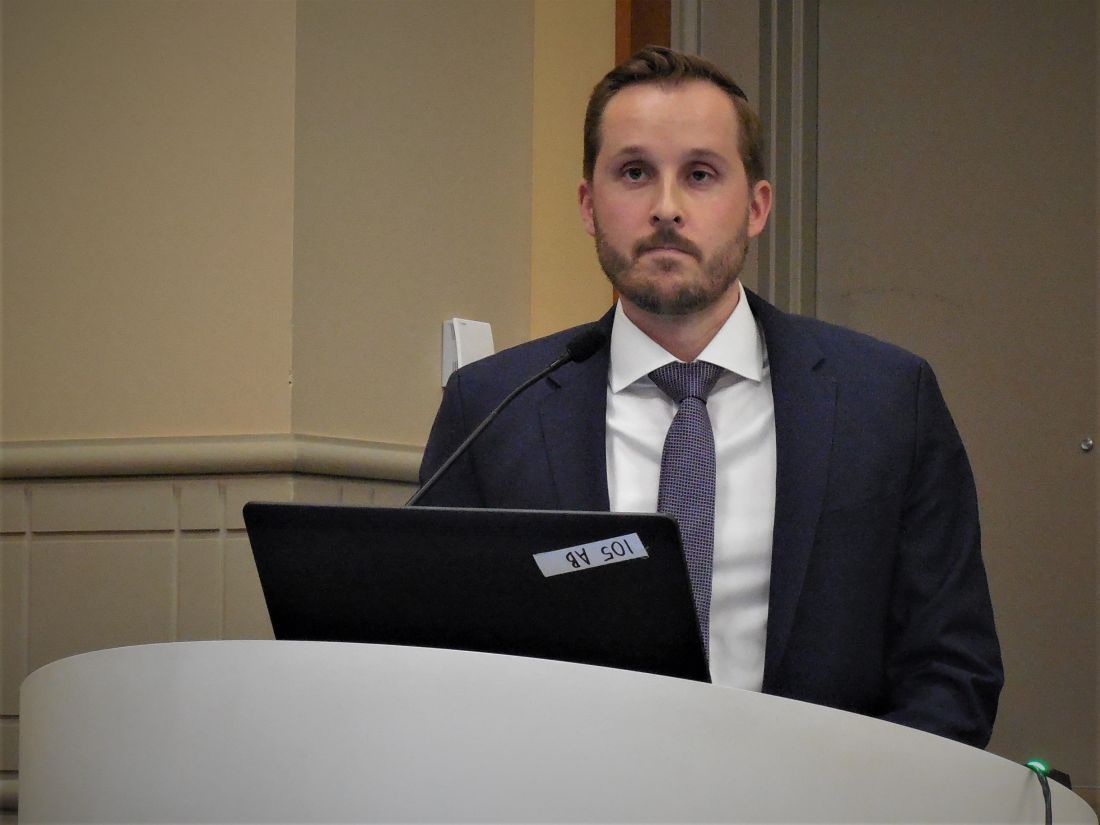
One study ran post hoc analyses of venous thromboembolism (VTE) events in the FOURIER pivotal trial of evolocumab (Repatha), with more than 27,500 randomized patients (N Engl J Med. 2017 May 4; 376[18]:1713-22), and in the ODYSSEY OUTCOMES pivotal trial of alirocumab (Praluent), with nearly 19,000 randomized patients (N Engl J Med. 2018 Nov 29;379[22]:2097-2107). The analyses showed that, with evolocumab treatment, the incidence of VTE events fell by a statistically significant 29%, compared with patients on placebo, while in ODYSSEY OUTCOMES patients treated with alirocumab had a 33% cut in VTE events, compared with placebo-treated patients, a difference that just missed statistical significance (Circulation. 2020 Mar 29. doi: 10.1161/CIRCULATIONAHA.120.046524) in analyses that were not prespecified before these trials started, Nicholas A. Marston, MD, said in a presentation of his research during the joint scientific sessions of the American College of Cardiology and the World Heart Federation, which was presented online this year. ACC organizers chose to present parts of the meeting virtually after COVID-19 concerns caused them to cancel the meeting.
A combined analysis of 46,488 patients from both studies showed a 31% cut in VTE events with PCSK9 inhibitor treatment, a highly significant finding using VTE endpoints that were not specifically tallied nor adjudicated but collected as part of the serious adverse event reporting in the two pivotal trials, said Dr. Marston, a cardiologist at Brigham and Women’s Hospital in Boston. This is the first report of a statistically significant link between treatment with PCSK9-inhibiting agents and a reduction in VTE, he added. Researchers from the ODYSSEY OUTCOMES trial had reported a VTE analysis in 2019, and while data from that trial on its own showed a nominal 33% lower VTE rate with alirocumab treatment, it just missed statistical significance.
The VTE effect took about a year on treatment to start to manifest. During the first 12 months of FOURIER, the rate of VTE events among patients in the two treatment arms was virtually identical. But starting during months 13-18 on treatment, the event curves in the two arms began to increasingly diverge, and overall during the period from month 13 to the end of the study treatment with evolocumab was linked with a statistically significant 46% reduction in VTE events, compared with patients who received placebo. The results Dr. Marston reported were also published online (Circulation. 2020 Mar 29. doi: 10.1161/CIRCULATIONAHA.120.046397).
The suggestion that this association may be linked to the impact of PCSK9 inhibitors on Lp(a) came from an additional analysis that Dr. Marston presented, which looked at the link between evolocumab use and a change in VTE event rates, compared with placebo, depending on baseline lipoprotein levels. Evolocumab treatment was associated with a roughly similar, modest, and not statistically significant reduction in VTE events, compared with placebo regardless of whether patients had baseline levels of LDL cholesterol below the median or at or above the median. In contrast, when a similar analysis divided patients based on whether their Lp(a) level at baseline was below, or at or above, the median the results showed no discernible effect of evolocumab treatment, compared with on VTE events in patients with lower baseline Lp(a), but in those with higher levels treatment with evolocumab linked with a 48% cut in VTE events, compared with placebo, a statistically significant difference.
In FOURIER, treatment with evolocumab lowered baseline Lp(a) levels by a median of 27%, compared with placebo, among the 25,096 enrolled patients who had their baseline levels measured. As previously reported, prespecified analysis of FOURIER data also showed that the impact of evolocumab, compared with placebo, on the combined rate of coronary heart disease death, MI, or need for urgent coronary revascularization was enhanced among patients with elevated baseline Lp(a) and moderated in those who entered with lower levels. Among patients who entered FOURIER with Lp(a) levels at or below the median treatment with evolocumab cut the primary endpoint by 7%, compared with placebo, a difference that was not statistically significant. Among patients who began the study with Lp(a) levels above the median, evolocumab treatment cut the primary endpoint by 23%, compared with placebo, a statistically significant effect (Circulation. 2019 Mar 19;139[12]:1483-92).
The aortic stenosis connection
A second study reported in the online scientific sessions (Abstract 914-08) used only FOURIER data, and showed that patients treated with evolocumab had a roughly similar response pattern in their incidence of aortic stenosis (AS) events as they did for VTE events.
During the first year of the study, the incidence of AS events was virtually identical among patients treated with evolocumab and those who received placebo. But after the first 12 months and through the study’s end, patients on evolocumab showed a statistically significant 52% relative reduction in AS events, compared with control patients, said Brian A. Bergmark, MD. For the entire study duration, treatment with evolocumab linked with a 34% relative reduction in AS events, compared with placebo, a difference that did not reach statistical significance, added Dr. Bergmark, an interventional cardiologist also at Brigham and Women’s Hospital. The observed halving in total AS events that linked with evolocumab treatment after the first year of the study included a similar-magnitude reduction specifically in the incidence of aortic valve replacement procedures in the evolocumab-treated patients.
Further analysis of both total AS events and aortic valve replacements in FOURIER patients showed that they occurred at a significantly elevated rate in patients who entered the study with higher baseline Lp(a) levels in a multivariate analysis, but a similar analysis showed no significant association between the incidence of these AS-related events and baseline levels of LDL cholesterol, he said.
The AS analysis carried the same important limitations as the VTE analysis: It ran on a post hoc basis and focused on events that were relatively uncommon and not adjudicated, Dr. Bergmark cautioned. Nonetheless, other investigators saw important potential implications from both the VTE and AS observations, with the huge caveat that they need replication in prospective studies designed to specifically address the validity of these findings.
What it could mean
These observed associations between PCSK9 inhibitor treatment and apparent reductions in the rate of both VTE and AS events “represent a tremendous clinical breakthrough,” commented Michelle L. O’Donoghue, MD, a cardiologist at Brigham and Women’s Hospital who is a FOURIER coinvestigator and has led some of the Lp(a) analyses run from that study.
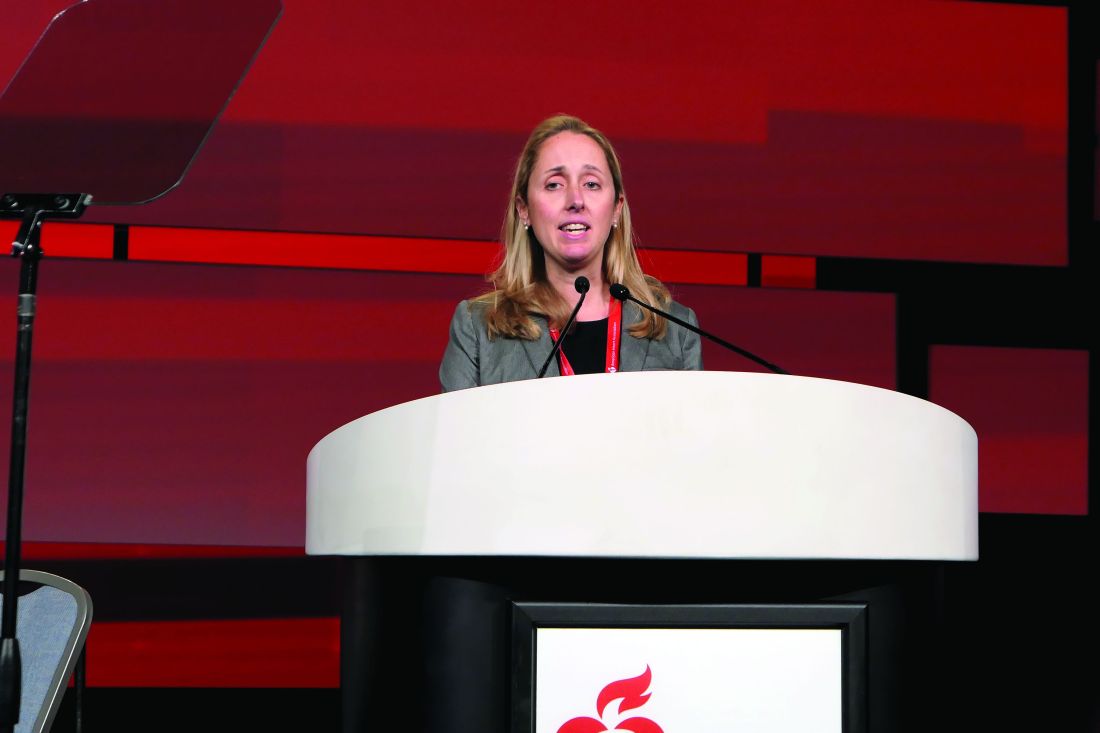
“To date, we have not identified any therapies that slow progression of AS. Other classes of lipid-lowering therapies, such as statins, have been tested and not demonstrated a significant effect,” Dr. O’Donoghue said in an interview.
“For AS, the results are very intriguing. If confirmed, it could be groundbreaking. AS is the most common valve disease in the developed world, and no medical therapy exists. The potential is immense,” commented George Thanassoulis, MD, director of preventive and genomic cardiology at McGill University, Montreal. “Having a medical treatment that could slow AS progression would completely change the disease. It’s conceivable to slow the disease enough that patients may never require valve replacement.” But an interview he cautioned that, “although the results are exciting, the analysis has many limitations. What we need is a dedicated, randomized trial for AS. I hope this stimulates that.”
“For VTE, it’s an interesting finding, but I don’t think it will have clinical utility because we have good treatment for VTE,” added Dr. Thanassoulis, but others saw more opportunity from what could be a new way to reduce VTE risk.
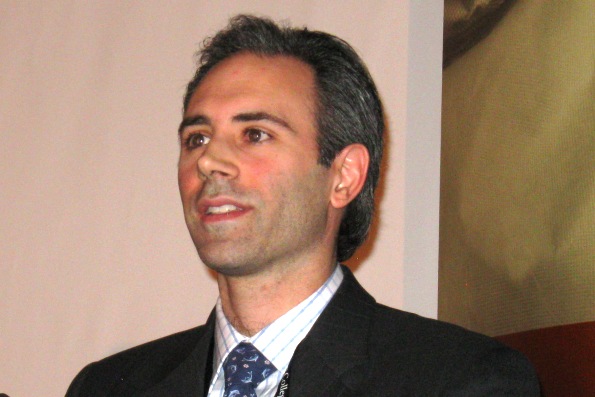
“Given that many patients have difficulty with the bleeding risk from anticoagulants, this option [a PCSK9 inhibitor] may be quite welcome for preventing VTE,” commented Gregory Piazza, MD, a cardiologist and VTE specialist at Brigham and Women’s Hospital who was not involved in any of the PCSK9 inhibitor studies.
“At this time we would not suggest that PCSK9 inhibitors replace an anticoagulant for patients with an established clot or at high risk for a recurrent clot, but if patients have an indication for a PCSK9 inhibitor, the further reduction in venous clot can be viewed as an additional benefit of this therapy,” said Dr. O’Donoghue.
How it might work
A possible mechanism underlying a VTE effect is unclear. Results from the JUPITER trial more than a decade ago had shown a significant association between treatment with 20 mg/day of rosuvastatin and a cut in VTE episodes, compared with placebo, in a prespecified, secondary analysis of the trial with nearly 18,000 patients selected for having a relatively high level of high-sensitivity C-reactive protein (N Engl J Med. 2009 Apr 30;360[18]:1851-61). But a meta-analysis of 29 controlled statin trials that used a variety of statin types and dosages (and included the JUPITER results) failed to confirm a statistically significant change in VTE rates from statins, though they produced a small, nominal reduction (PLoS Med. 2012 Sep 18. doi: 10.1371/journal.pmed.1001310).
Lp(a) “has long been linked to thrombosis, in particular arterial thrombosis,” so the link observed in the PCSK9 inhibitor trials “is not surprising,” said Dr. Piazza. Dr. O’Donoghue agreed that prior evidence had “suggested a prothrombotic role for Lp(a).”
Dr. Thanassoulis was more skeptical of a Lp(a) connection to VTE. “There has always been controversy regarding the prothrombotic effects of Lp(a) and whether it’s clinically relevant,” he said. “The genetic data, from Mendelian randomization studies, is not consistent” with a Lp(a) and VTE link.
The association of AS and Lp(a) may be stronger. “Our team showed that people with genetic variants that predispose to high Lp(a) have a much higher incidence of AS,” Dr. Thanassoulis noted. “We and others have also demonstrated that both Lp(a) and LDL are likely causal mediators of aortic valve calcification and stenosis.”
Dr. O’Donoghue also cited observational genetic data that linked elevated Lp(a) with AS. “Mendelian randomization studies have demonstrated that Lp(a) is a causal contributer to AS, and evolocumab reduced Lp(a) by 25%-30%, raising the possibility that Lp(a) lowering with these drugs may be the mechanism,” she said.
The future of Lp(a) lowering
This last point from Dr. O’Donoghue, that PCSK9 inhibitors cut Lp(a) levels by about 25%-30%, means that they are the most potent Lp(a)-lowering agents currently available, but it also leaves lots of room for other agents to do even better in cutting Lp(a).
“There are now drugs in development that block production of the Lp(a) protein and dramatically reduce its concentration, by about 80%,” Dr. O’Donoghue noted. “It will be of interest to study whether these novel therapies, now in phase 2 and phase 3 studies, have any effect on the risk for VTE and AS.”
“Several drugs in development, including antisense RNA and RNA-interfering molecules, are much more potent and lower Lp(a) by 80%-90%. Because of this potency they can completely normalize Lp(a) in most patients. For Lp(a) lowering, the future is in these new molecules. Randomized trials have started, and we will hopefully have some results in about 5 years,” said Dr. Thanassoulis.
Until then, the prospect of possibly soon documenting benefits from PCSK9 inhibitors beyond their impact on cutting LDL cholesterol raises some hope to get more bang for the considerable buck these drugs cost. But Dr. Thanassoulis was skeptical it would move the cost-benefit ratio much. “VTE and AS are relatively rare, compared with atherosclerotic cardiovascular events, and therefore the added value at the population level would be small,” he predicted. But if treatment with a drug could help patients avoid surgical or percutaneous valve interventions “that could be really interesting from a cost-benefit perspective.”
FOURIER was funded by Amgen, the company that markets evolocumab (Repatha). ODYSSEY OUTCOMES was funded by Sanofi and Regeneron, the companies that developed and market alirocumab (Praluent). Dr. Marston had no disclosures. Dr. Bergmark has been a consultant to Daiichi Sankyo, Janssen, Quark, and Servier and has received research funding from Abbott Vascular, AstraZeneca, and MedImmune. Dr. O’Donoghue has been a consultant to and has received research funding from Amgen; has been a consultant to Janssen and Novartis; and has received research funding from AstraZeneca, Eisai, GlaxoSmithKline, Janssen, Medimmune, Merck, and The Medicines Company. Dr. Thanassoulis has been an adviser to and speaker for Amgen; an adviser to Ionis and Sanofi/Regeneron; a speaker on behalf of Boehringer Ingelheim, Sanofi, and Servier; and has received research funding from Ionis and Servier. Dr. Piazza has been a consultant to Optum, Pfizer, and Thrombolex and he has received research funding from Bayer, Bristol-Myers Squibb, Daiichi Sankyo, Ekos, Janssen, and Portola.
Post hoc analyses of recent large, clinical outcomes studies of PCSK9 inhibitors have revealed two tantalizing and unexpected potential benefits from these drugs: an ability to substantially reduce the incidence or severity of venous thromboembolism and aortic stenosis.
The evidence also suggests that these effects are linked to the ability of these drugs to reduce blood levels of Lp(a) lipoprotein by roughly a quarter, currently the biggest known effect on Lp(a) levels of any approved medication.
One study ran post hoc analyses of venous thromboembolism (VTE) events in the FOURIER pivotal trial of evolocumab (Repatha), with more than 27,500 randomized patients (N Engl J Med. 2017 May 4; 376[18]:1713-22), and in the ODYSSEY OUTCOMES pivotal trial of alirocumab (Praluent), with nearly 19,000 randomized patients (N Engl J Med. 2018 Nov 29;379[22]:2097-2107). The analyses showed that, with evolocumab treatment, the incidence of VTE events fell by a statistically significant 29%, compared with patients on placebo, while in ODYSSEY OUTCOMES patients treated with alirocumab had a 33% cut in VTE events, compared with placebo-treated patients, a difference that just missed statistical significance (Circulation. 2020 Mar 29. doi: 10.1161/CIRCULATIONAHA.120.046524) in analyses that were not prespecified before these trials started, Nicholas A. Marston, MD, said in a presentation of his research during the joint scientific sessions of the American College of Cardiology and the World Heart Federation, which was presented online this year. ACC organizers chose to present parts of the meeting virtually after COVID-19 concerns caused them to cancel the meeting.
A combined analysis of 46,488 patients from both studies showed a 31% cut in VTE events with PCSK9 inhibitor treatment, a highly significant finding using VTE endpoints that were not specifically tallied nor adjudicated but collected as part of the serious adverse event reporting in the two pivotal trials, said Dr. Marston, a cardiologist at Brigham and Women’s Hospital in Boston. This is the first report of a statistically significant link between treatment with PCSK9-inhibiting agents and a reduction in VTE, he added. Researchers from the ODYSSEY OUTCOMES trial had reported a VTE analysis in 2019, and while data from that trial on its own showed a nominal 33% lower VTE rate with alirocumab treatment, it just missed statistical significance.
The VTE effect took about a year on treatment to start to manifest. During the first 12 months of FOURIER, the rate of VTE events among patients in the two treatment arms was virtually identical. But starting during months 13-18 on treatment, the event curves in the two arms began to increasingly diverge, and overall during the period from month 13 to the end of the study treatment with evolocumab was linked with a statistically significant 46% reduction in VTE events, compared with patients who received placebo. The results Dr. Marston reported were also published online (Circulation. 2020 Mar 29. doi: 10.1161/CIRCULATIONAHA.120.046397).
The suggestion that this association may be linked to the impact of PCSK9 inhibitors on Lp(a) came from an additional analysis that Dr. Marston presented, which looked at the link between evolocumab use and a change in VTE event rates, compared with placebo, depending on baseline lipoprotein levels. Evolocumab treatment was associated with a roughly similar, modest, and not statistically significant reduction in VTE events, compared with placebo regardless of whether patients had baseline levels of LDL cholesterol below the median or at or above the median. In contrast, when a similar analysis divided patients based on whether their Lp(a) level at baseline was below, or at or above, the median the results showed no discernible effect of evolocumab treatment, compared with on VTE events in patients with lower baseline Lp(a), but in those with higher levels treatment with evolocumab linked with a 48% cut in VTE events, compared with placebo, a statistically significant difference.
In FOURIER, treatment with evolocumab lowered baseline Lp(a) levels by a median of 27%, compared with placebo, among the 25,096 enrolled patients who had their baseline levels measured. As previously reported, prespecified analysis of FOURIER data also showed that the impact of evolocumab, compared with placebo, on the combined rate of coronary heart disease death, MI, or need for urgent coronary revascularization was enhanced among patients with elevated baseline Lp(a) and moderated in those who entered with lower levels. Among patients who entered FOURIER with Lp(a) levels at or below the median treatment with evolocumab cut the primary endpoint by 7%, compared with placebo, a difference that was not statistically significant. Among patients who began the study with Lp(a) levels above the median, evolocumab treatment cut the primary endpoint by 23%, compared with placebo, a statistically significant effect (Circulation. 2019 Mar 19;139[12]:1483-92).
The aortic stenosis connection
A second study reported in the online scientific sessions (Abstract 914-08) used only FOURIER data, and showed that patients treated with evolocumab had a roughly similar response pattern in their incidence of aortic stenosis (AS) events as they did for VTE events.
During the first year of the study, the incidence of AS events was virtually identical among patients treated with evolocumab and those who received placebo. But after the first 12 months and through the study’s end, patients on evolocumab showed a statistically significant 52% relative reduction in AS events, compared with control patients, said Brian A. Bergmark, MD. For the entire study duration, treatment with evolocumab linked with a 34% relative reduction in AS events, compared with placebo, a difference that did not reach statistical significance, added Dr. Bergmark, an interventional cardiologist also at Brigham and Women’s Hospital. The observed halving in total AS events that linked with evolocumab treatment after the first year of the study included a similar-magnitude reduction specifically in the incidence of aortic valve replacement procedures in the evolocumab-treated patients.
Further analysis of both total AS events and aortic valve replacements in FOURIER patients showed that they occurred at a significantly elevated rate in patients who entered the study with higher baseline Lp(a) levels in a multivariate analysis, but a similar analysis showed no significant association between the incidence of these AS-related events and baseline levels of LDL cholesterol, he said.
The AS analysis carried the same important limitations as the VTE analysis: It ran on a post hoc basis and focused on events that were relatively uncommon and not adjudicated, Dr. Bergmark cautioned. Nonetheless, other investigators saw important potential implications from both the VTE and AS observations, with the huge caveat that they need replication in prospective studies designed to specifically address the validity of these findings.
What it could mean
These observed associations between PCSK9 inhibitor treatment and apparent reductions in the rate of both VTE and AS events “represent a tremendous clinical breakthrough,” commented Michelle L. O’Donoghue, MD, a cardiologist at Brigham and Women’s Hospital who is a FOURIER coinvestigator and has led some of the Lp(a) analyses run from that study.
“To date, we have not identified any therapies that slow progression of AS. Other classes of lipid-lowering therapies, such as statins, have been tested and not demonstrated a significant effect,” Dr. O’Donoghue said in an interview.
“For AS, the results are very intriguing. If confirmed, it could be groundbreaking. AS is the most common valve disease in the developed world, and no medical therapy exists. The potential is immense,” commented George Thanassoulis, MD, director of preventive and genomic cardiology at McGill University, Montreal. “Having a medical treatment that could slow AS progression would completely change the disease. It’s conceivable to slow the disease enough that patients may never require valve replacement.” But an interview he cautioned that, “although the results are exciting, the analysis has many limitations. What we need is a dedicated, randomized trial for AS. I hope this stimulates that.”
“For VTE, it’s an interesting finding, but I don’t think it will have clinical utility because we have good treatment for VTE,” added Dr. Thanassoulis, but others saw more opportunity from what could be a new way to reduce VTE risk.
“Given that many patients have difficulty with the bleeding risk from anticoagulants, this option [a PCSK9 inhibitor] may be quite welcome for preventing VTE,” commented Gregory Piazza, MD, a cardiologist and VTE specialist at Brigham and Women’s Hospital who was not involved in any of the PCSK9 inhibitor studies.
“At this time we would not suggest that PCSK9 inhibitors replace an anticoagulant for patients with an established clot or at high risk for a recurrent clot, but if patients have an indication for a PCSK9 inhibitor, the further reduction in venous clot can be viewed as an additional benefit of this therapy,” said Dr. O’Donoghue.
How it might work
A possible mechanism underlying a VTE effect is unclear. Results from the JUPITER trial more than a decade ago had shown a significant association between treatment with 20 mg/day of rosuvastatin and a cut in VTE episodes, compared with placebo, in a prespecified, secondary analysis of the trial with nearly 18,000 patients selected for having a relatively high level of high-sensitivity C-reactive protein (N Engl J Med. 2009 Apr 30;360[18]:1851-61). But a meta-analysis of 29 controlled statin trials that used a variety of statin types and dosages (and included the JUPITER results) failed to confirm a statistically significant change in VTE rates from statins, though they produced a small, nominal reduction (PLoS Med. 2012 Sep 18. doi: 10.1371/journal.pmed.1001310).
Lp(a) “has long been linked to thrombosis, in particular arterial thrombosis,” so the link observed in the PCSK9 inhibitor trials “is not surprising,” said Dr. Piazza. Dr. O’Donoghue agreed that prior evidence had “suggested a prothrombotic role for Lp(a).”
Dr. Thanassoulis was more skeptical of a Lp(a) connection to VTE. “There has always been controversy regarding the prothrombotic effects of Lp(a) and whether it’s clinically relevant,” he said. “The genetic data, from Mendelian randomization studies, is not consistent” with a Lp(a) and VTE link.
The association of AS and Lp(a) may be stronger. “Our team showed that people with genetic variants that predispose to high Lp(a) have a much higher incidence of AS,” Dr. Thanassoulis noted. “We and others have also demonstrated that both Lp(a) and LDL are likely causal mediators of aortic valve calcification and stenosis.”
Dr. O’Donoghue also cited observational genetic data that linked elevated Lp(a) with AS. “Mendelian randomization studies have demonstrated that Lp(a) is a causal contributer to AS, and evolocumab reduced Lp(a) by 25%-30%, raising the possibility that Lp(a) lowering with these drugs may be the mechanism,” she said.
The future of Lp(a) lowering
This last point from Dr. O’Donoghue, that PCSK9 inhibitors cut Lp(a) levels by about 25%-30%, means that they are the most potent Lp(a)-lowering agents currently available, but it also leaves lots of room for other agents to do even better in cutting Lp(a).
“There are now drugs in development that block production of the Lp(a) protein and dramatically reduce its concentration, by about 80%,” Dr. O’Donoghue noted. “It will be of interest to study whether these novel therapies, now in phase 2 and phase 3 studies, have any effect on the risk for VTE and AS.”
“Several drugs in development, including antisense RNA and RNA-interfering molecules, are much more potent and lower Lp(a) by 80%-90%. Because of this potency they can completely normalize Lp(a) in most patients. For Lp(a) lowering, the future is in these new molecules. Randomized trials have started, and we will hopefully have some results in about 5 years,” said Dr. Thanassoulis.
Until then, the prospect of possibly soon documenting benefits from PCSK9 inhibitors beyond their impact on cutting LDL cholesterol raises some hope to get more bang for the considerable buck these drugs cost. But Dr. Thanassoulis was skeptical it would move the cost-benefit ratio much. “VTE and AS are relatively rare, compared with atherosclerotic cardiovascular events, and therefore the added value at the population level would be small,” he predicted. But if treatment with a drug could help patients avoid surgical or percutaneous valve interventions “that could be really interesting from a cost-benefit perspective.”
FOURIER was funded by Amgen, the company that markets evolocumab (Repatha). ODYSSEY OUTCOMES was funded by Sanofi and Regeneron, the companies that developed and market alirocumab (Praluent). Dr. Marston had no disclosures. Dr. Bergmark has been a consultant to Daiichi Sankyo, Janssen, Quark, and Servier and has received research funding from Abbott Vascular, AstraZeneca, and MedImmune. Dr. O’Donoghue has been a consultant to and has received research funding from Amgen; has been a consultant to Janssen and Novartis; and has received research funding from AstraZeneca, Eisai, GlaxoSmithKline, Janssen, Medimmune, Merck, and The Medicines Company. Dr. Thanassoulis has been an adviser to and speaker for Amgen; an adviser to Ionis and Sanofi/Regeneron; a speaker on behalf of Boehringer Ingelheim, Sanofi, and Servier; and has received research funding from Ionis and Servier. Dr. Piazza has been a consultant to Optum, Pfizer, and Thrombolex and he has received research funding from Bayer, Bristol-Myers Squibb, Daiichi Sankyo, Ekos, Janssen, and Portola.
Post hoc analyses of recent large, clinical outcomes studies of PCSK9 inhibitors have revealed two tantalizing and unexpected potential benefits from these drugs: an ability to substantially reduce the incidence or severity of venous thromboembolism and aortic stenosis.
The evidence also suggests that these effects are linked to the ability of these drugs to reduce blood levels of Lp(a) lipoprotein by roughly a quarter, currently the biggest known effect on Lp(a) levels of any approved medication.
One study ran post hoc analyses of venous thromboembolism (VTE) events in the FOURIER pivotal trial of evolocumab (Repatha), with more than 27,500 randomized patients (N Engl J Med. 2017 May 4; 376[18]:1713-22), and in the ODYSSEY OUTCOMES pivotal trial of alirocumab (Praluent), with nearly 19,000 randomized patients (N Engl J Med. 2018 Nov 29;379[22]:2097-2107). The analyses showed that, with evolocumab treatment, the incidence of VTE events fell by a statistically significant 29%, compared with patients on placebo, while in ODYSSEY OUTCOMES patients treated with alirocumab had a 33% cut in VTE events, compared with placebo-treated patients, a difference that just missed statistical significance (Circulation. 2020 Mar 29. doi: 10.1161/CIRCULATIONAHA.120.046524) in analyses that were not prespecified before these trials started, Nicholas A. Marston, MD, said in a presentation of his research during the joint scientific sessions of the American College of Cardiology and the World Heart Federation, which was presented online this year. ACC organizers chose to present parts of the meeting virtually after COVID-19 concerns caused them to cancel the meeting.
A combined analysis of 46,488 patients from both studies showed a 31% cut in VTE events with PCSK9 inhibitor treatment, a highly significant finding using VTE endpoints that were not specifically tallied nor adjudicated but collected as part of the serious adverse event reporting in the two pivotal trials, said Dr. Marston, a cardiologist at Brigham and Women’s Hospital in Boston. This is the first report of a statistically significant link between treatment with PCSK9-inhibiting agents and a reduction in VTE, he added. Researchers from the ODYSSEY OUTCOMES trial had reported a VTE analysis in 2019, and while data from that trial on its own showed a nominal 33% lower VTE rate with alirocumab treatment, it just missed statistical significance.
The VTE effect took about a year on treatment to start to manifest. During the first 12 months of FOURIER, the rate of VTE events among patients in the two treatment arms was virtually identical. But starting during months 13-18 on treatment, the event curves in the two arms began to increasingly diverge, and overall during the period from month 13 to the end of the study treatment with evolocumab was linked with a statistically significant 46% reduction in VTE events, compared with patients who received placebo. The results Dr. Marston reported were also published online (Circulation. 2020 Mar 29. doi: 10.1161/CIRCULATIONAHA.120.046397).
The suggestion that this association may be linked to the impact of PCSK9 inhibitors on Lp(a) came from an additional analysis that Dr. Marston presented, which looked at the link between evolocumab use and a change in VTE event rates, compared with placebo, depending on baseline lipoprotein levels. Evolocumab treatment was associated with a roughly similar, modest, and not statistically significant reduction in VTE events, compared with placebo regardless of whether patients had baseline levels of LDL cholesterol below the median or at or above the median. In contrast, when a similar analysis divided patients based on whether their Lp(a) level at baseline was below, or at or above, the median the results showed no discernible effect of evolocumab treatment, compared with on VTE events in patients with lower baseline Lp(a), but in those with higher levels treatment with evolocumab linked with a 48% cut in VTE events, compared with placebo, a statistically significant difference.
In FOURIER, treatment with evolocumab lowered baseline Lp(a) levels by a median of 27%, compared with placebo, among the 25,096 enrolled patients who had their baseline levels measured. As previously reported, prespecified analysis of FOURIER data also showed that the impact of evolocumab, compared with placebo, on the combined rate of coronary heart disease death, MI, or need for urgent coronary revascularization was enhanced among patients with elevated baseline Lp(a) and moderated in those who entered with lower levels. Among patients who entered FOURIER with Lp(a) levels at or below the median treatment with evolocumab cut the primary endpoint by 7%, compared with placebo, a difference that was not statistically significant. Among patients who began the study with Lp(a) levels above the median, evolocumab treatment cut the primary endpoint by 23%, compared with placebo, a statistically significant effect (Circulation. 2019 Mar 19;139[12]:1483-92).
The aortic stenosis connection
A second study reported in the online scientific sessions (Abstract 914-08) used only FOURIER data, and showed that patients treated with evolocumab had a roughly similar response pattern in their incidence of aortic stenosis (AS) events as they did for VTE events.
During the first year of the study, the incidence of AS events was virtually identical among patients treated with evolocumab and those who received placebo. But after the first 12 months and through the study’s end, patients on evolocumab showed a statistically significant 52% relative reduction in AS events, compared with control patients, said Brian A. Bergmark, MD. For the entire study duration, treatment with evolocumab linked with a 34% relative reduction in AS events, compared with placebo, a difference that did not reach statistical significance, added Dr. Bergmark, an interventional cardiologist also at Brigham and Women’s Hospital. The observed halving in total AS events that linked with evolocumab treatment after the first year of the study included a similar-magnitude reduction specifically in the incidence of aortic valve replacement procedures in the evolocumab-treated patients.
Further analysis of both total AS events and aortic valve replacements in FOURIER patients showed that they occurred at a significantly elevated rate in patients who entered the study with higher baseline Lp(a) levels in a multivariate analysis, but a similar analysis showed no significant association between the incidence of these AS-related events and baseline levels of LDL cholesterol, he said.
The AS analysis carried the same important limitations as the VTE analysis: It ran on a post hoc basis and focused on events that were relatively uncommon and not adjudicated, Dr. Bergmark cautioned. Nonetheless, other investigators saw important potential implications from both the VTE and AS observations, with the huge caveat that they need replication in prospective studies designed to specifically address the validity of these findings.
What it could mean
These observed associations between PCSK9 inhibitor treatment and apparent reductions in the rate of both VTE and AS events “represent a tremendous clinical breakthrough,” commented Michelle L. O’Donoghue, MD, a cardiologist at Brigham and Women’s Hospital who is a FOURIER coinvestigator and has led some of the Lp(a) analyses run from that study.
“To date, we have not identified any therapies that slow progression of AS. Other classes of lipid-lowering therapies, such as statins, have been tested and not demonstrated a significant effect,” Dr. O’Donoghue said in an interview.
“For AS, the results are very intriguing. If confirmed, it could be groundbreaking. AS is the most common valve disease in the developed world, and no medical therapy exists. The potential is immense,” commented George Thanassoulis, MD, director of preventive and genomic cardiology at McGill University, Montreal. “Having a medical treatment that could slow AS progression would completely change the disease. It’s conceivable to slow the disease enough that patients may never require valve replacement.” But an interview he cautioned that, “although the results are exciting, the analysis has many limitations. What we need is a dedicated, randomized trial for AS. I hope this stimulates that.”
“For VTE, it’s an interesting finding, but I don’t think it will have clinical utility because we have good treatment for VTE,” added Dr. Thanassoulis, but others saw more opportunity from what could be a new way to reduce VTE risk.
“Given that many patients have difficulty with the bleeding risk from anticoagulants, this option [a PCSK9 inhibitor] may be quite welcome for preventing VTE,” commented Gregory Piazza, MD, a cardiologist and VTE specialist at Brigham and Women’s Hospital who was not involved in any of the PCSK9 inhibitor studies.
“At this time we would not suggest that PCSK9 inhibitors replace an anticoagulant for patients with an established clot or at high risk for a recurrent clot, but if patients have an indication for a PCSK9 inhibitor, the further reduction in venous clot can be viewed as an additional benefit of this therapy,” said Dr. O’Donoghue.
How it might work
A possible mechanism underlying a VTE effect is unclear. Results from the JUPITER trial more than a decade ago had shown a significant association between treatment with 20 mg/day of rosuvastatin and a cut in VTE episodes, compared with placebo, in a prespecified, secondary analysis of the trial with nearly 18,000 patients selected for having a relatively high level of high-sensitivity C-reactive protein (N Engl J Med. 2009 Apr 30;360[18]:1851-61). But a meta-analysis of 29 controlled statin trials that used a variety of statin types and dosages (and included the JUPITER results) failed to confirm a statistically significant change in VTE rates from statins, though they produced a small, nominal reduction (PLoS Med. 2012 Sep 18. doi: 10.1371/journal.pmed.1001310).
Lp(a) “has long been linked to thrombosis, in particular arterial thrombosis,” so the link observed in the PCSK9 inhibitor trials “is not surprising,” said Dr. Piazza. Dr. O’Donoghue agreed that prior evidence had “suggested a prothrombotic role for Lp(a).”
Dr. Thanassoulis was more skeptical of a Lp(a) connection to VTE. “There has always been controversy regarding the prothrombotic effects of Lp(a) and whether it’s clinically relevant,” he said. “The genetic data, from Mendelian randomization studies, is not consistent” with a Lp(a) and VTE link.
The association of AS and Lp(a) may be stronger. “Our team showed that people with genetic variants that predispose to high Lp(a) have a much higher incidence of AS,” Dr. Thanassoulis noted. “We and others have also demonstrated that both Lp(a) and LDL are likely causal mediators of aortic valve calcification and stenosis.”
Dr. O’Donoghue also cited observational genetic data that linked elevated Lp(a) with AS. “Mendelian randomization studies have demonstrated that Lp(a) is a causal contributer to AS, and evolocumab reduced Lp(a) by 25%-30%, raising the possibility that Lp(a) lowering with these drugs may be the mechanism,” she said.
The future of Lp(a) lowering
This last point from Dr. O’Donoghue, that PCSK9 inhibitors cut Lp(a) levels by about 25%-30%, means that they are the most potent Lp(a)-lowering agents currently available, but it also leaves lots of room for other agents to do even better in cutting Lp(a).
“There are now drugs in development that block production of the Lp(a) protein and dramatically reduce its concentration, by about 80%,” Dr. O’Donoghue noted. “It will be of interest to study whether these novel therapies, now in phase 2 and phase 3 studies, have any effect on the risk for VTE and AS.”
“Several drugs in development, including antisense RNA and RNA-interfering molecules, are much more potent and lower Lp(a) by 80%-90%. Because of this potency they can completely normalize Lp(a) in most patients. For Lp(a) lowering, the future is in these new molecules. Randomized trials have started, and we will hopefully have some results in about 5 years,” said Dr. Thanassoulis.
Until then, the prospect of possibly soon documenting benefits from PCSK9 inhibitors beyond their impact on cutting LDL cholesterol raises some hope to get more bang for the considerable buck these drugs cost. But Dr. Thanassoulis was skeptical it would move the cost-benefit ratio much. “VTE and AS are relatively rare, compared with atherosclerotic cardiovascular events, and therefore the added value at the population level would be small,” he predicted. But if treatment with a drug could help patients avoid surgical or percutaneous valve interventions “that could be really interesting from a cost-benefit perspective.”
FOURIER was funded by Amgen, the company that markets evolocumab (Repatha). ODYSSEY OUTCOMES was funded by Sanofi and Regeneron, the companies that developed and market alirocumab (Praluent). Dr. Marston had no disclosures. Dr. Bergmark has been a consultant to Daiichi Sankyo, Janssen, Quark, and Servier and has received research funding from Abbott Vascular, AstraZeneca, and MedImmune. Dr. O’Donoghue has been a consultant to and has received research funding from Amgen; has been a consultant to Janssen and Novartis; and has received research funding from AstraZeneca, Eisai, GlaxoSmithKline, Janssen, Medimmune, Merck, and The Medicines Company. Dr. Thanassoulis has been an adviser to and speaker for Amgen; an adviser to Ionis and Sanofi/Regeneron; a speaker on behalf of Boehringer Ingelheim, Sanofi, and Servier; and has received research funding from Ionis and Servier. Dr. Piazza has been a consultant to Optum, Pfizer, and Thrombolex and he has received research funding from Bayer, Bristol-Myers Squibb, Daiichi Sankyo, Ekos, Janssen, and Portola.
REPORTING FROM ACC 20
Pepinemab plus avelumab provides disease control in NSCLC
ORLANDO – Combination pepinemab and avelumab is well tolerated and shows antitumor activity in patients with advanced non–small cell lung cancer (NSCLC) who progressed on prior treatment, according to interim results from a phase 1b/2 trial.

Treatment with pepinemab, an anti–semaphorin 4D antibody, and avelumab, a programmed death-ligand 1 (PD-L1) inhibitor, produced disease control rates of 59% in immunotherapy-resistant patients and 81% in immunotherapy-naive patients.
Michael Rahman Shafique, MD, of Moffitt Cancer Center in Tampa, Fla., reported these results at the ASCO-SITC Clinical Immuno-Oncology Symposium.
The CLASSICAL-Lung trial initially enrolled 12 immunotherapy-naive patients with stage IIIb/IV NSCLC into a dose-escalation phase that examined pepinemab at doses of 5, 10, and 20 mg/kg along with 10 mg/kg of avelumab every 2 weeks.
Then, the trial enrolled 50 stage IIIb/IV patients – including 18 immunotherapy-naive patients and 32 who failed prior immunotherapy – into a phase 2 dose-expansion phase.
The 10 mg/kg pepinemab dose and 10 mg/kg avelumab dose were selected for the expansion phase based on the dose-escalation results, Dr. Shafique said. He explained that all three doses were safe, but “we were saturating the target at the 10-mg dose.”
Efficacy and safety
“In general, the safety data were encouraging,” Dr. Shafique said. “This was a very well-tolerated combination with no concerning safety signals. The most common adverse events were grade 1 and grade 2 fatigue, chills, pyrexia, and no grade 5 events attributable to the combination were reported.”
In the efficacy analysis, there were 29 evaluable patients who received pepinemab and avelumab after progressing on prior immunotherapy and were followed for at least 6 months. Two of these patients experienced a confirmed partial response (PR), and 15 had stable disease, for a disease control rate of 59%. Five patients had durable clinical benefit lasting at least 23 weeks, and three remained on active treatment at last follow-up, including one who had been on treatment for more than a year.
Of 21 evaluable immunotherapy-naive patients followed for at least 6 months, 5 experienced a confirmed PR, and 12 had stable disease, for a disease control rate of 81%. Three patients had clinical benefit lasting at least a year, and two remained on study and continued to receive treatment at last follow-up.
Pre- and on-treatment biopsies performed on the same lesion about 5 weeks apart demonstrated “a pretty drastic reduction in viable tumor,” Dr. Shafique noted.
“Even in patients with stable disease, many of them had absent tumor on these repeat, on-treatment biopsies,” he said, also noting that CD8-positive T-cell density increased in most tumors following treatment in patients who had a PR or stable disease, and the levels appeared to correspond with response.
Mechanism of action
Despite advances in immunotherapy, NSCLC patients often are refractory or acquire resistance to currently available agents, but semaphorin 4D “seems to shift the balance in the microenvironment to one of myeloid-induced immune suppression and generally a protumor, if you will, microenvironment,” Dr. Shafique said.
“Blockade of semaphorin 4D with pepinemab, we think, helps relieve this suppressive environment and actually seems to stimulate infiltration of T cells and improve T-cell activity in these tumors,” he added. He went on to explain that the mechanism of action is believed to generally be through suppression of myeloid cell trafficking to the tumor and myeloid cell cytokine secretion.
Further, and more importantly for cancer immunotherapy, preclinical models suggest that anti–semaphorin 4D antibodies are synergistic with various checkpoint inhibitors, including the PD-L1 inhibitor avelumab and others, Dr. Shafique said.
Indeed, these early CLASSICAL-Lung trial findings “do support the mechanism of action being reversing this myeloid-induced suppression in the microenvironment and improving T-cell infiltration and activity,” and they support a potential benefit of combining anti–semaphorin 4D antibodies and checkpoint inhibition in advanced NSCLC after progression on prior therapy, Dr. Shafique added.

Invited discussant Timothy A. Yap, MBBS, of the University of Texas MD Anderson Cancer Center in Houston, said that “inhibition of [semaphorin 4D] promotes functional immune infiltration into the [tumor microenvironment] and, therefore, is a rational way of inhibiting tumor progression” in NSCLC and other cancers.
The CLASSICAL-Lung trial “didn’t escalate all the way to the [maximum tolerated dose] but did demonstrate durable on-treatment increases in CD8-positive T-cell infiltration, including in 79% of patients with low or null PD-L1 expression, as proof of mechanism,” Dr. Yap said, noting the responses in both immunotherapy-naive and immunotherapy-resistant patients.
“So I guess the key question will be, ‘Is this an active combination in NSCLC?’ ” Dr. Yap said. “In my opinion, yes it is, but is it going to be enough to take it past registration?”
Next steps
As next steps for the investigators, Dr. Yap suggested looking at a more specific population of PD-L1–low or –null immunotherapy-resistant NSCLC patients, considering adding a chemotherapy agent to the pepinemab/avelumab combination, or perhaps going “straight to a randomized phase 2/3 trial [comparing the combination with] pembrolizumab.”
“The investigators should also consider other tumor types beyond non–small cell lung cancer with this particular combination,” he said.
The preclinical data with respect to the anti–semaphorin 4D antibody suggest that study in combination with other agents, such as anti–CTLA-4 agents or anti-LAG3 agents, is also warranted, Dr. Yap added, noting that triplet combinations might also be worth investigating.
The CLASSICAL-Lung trial is funded by Vaccinex and Merck. Dr. Shafique reported a consulting or advisory role with GlaxoSmithKline. Dr. Yap reported relationships with numerous pharmaceutical companies, including Merck. MD Anderson’s Institute of Applied Cancer Science, where Dr. Yap serves as medical director, has a commercial interest in DNA damage response inhibitors and other inhibitors.
SOURCE: Shafique MR et al. ASCO-SITC 2020, Abstract 75.
ORLANDO – Combination pepinemab and avelumab is well tolerated and shows antitumor activity in patients with advanced non–small cell lung cancer (NSCLC) who progressed on prior treatment, according to interim results from a phase 1b/2 trial.
Treatment with pepinemab, an anti–semaphorin 4D antibody, and avelumab, a programmed death-ligand 1 (PD-L1) inhibitor, produced disease control rates of 59% in immunotherapy-resistant patients and 81% in immunotherapy-naive patients.
Michael Rahman Shafique, MD, of Moffitt Cancer Center in Tampa, Fla., reported these results at the ASCO-SITC Clinical Immuno-Oncology Symposium.
The CLASSICAL-Lung trial initially enrolled 12 immunotherapy-naive patients with stage IIIb/IV NSCLC into a dose-escalation phase that examined pepinemab at doses of 5, 10, and 20 mg/kg along with 10 mg/kg of avelumab every 2 weeks.
Then, the trial enrolled 50 stage IIIb/IV patients – including 18 immunotherapy-naive patients and 32 who failed prior immunotherapy – into a phase 2 dose-expansion phase.
The 10 mg/kg pepinemab dose and 10 mg/kg avelumab dose were selected for the expansion phase based on the dose-escalation results, Dr. Shafique said. He explained that all three doses were safe, but “we were saturating the target at the 10-mg dose.”
Efficacy and safety
“In general, the safety data were encouraging,” Dr. Shafique said. “This was a very well-tolerated combination with no concerning safety signals. The most common adverse events were grade 1 and grade 2 fatigue, chills, pyrexia, and no grade 5 events attributable to the combination were reported.”
In the efficacy analysis, there were 29 evaluable patients who received pepinemab and avelumab after progressing on prior immunotherapy and were followed for at least 6 months. Two of these patients experienced a confirmed partial response (PR), and 15 had stable disease, for a disease control rate of 59%. Five patients had durable clinical benefit lasting at least 23 weeks, and three remained on active treatment at last follow-up, including one who had been on treatment for more than a year.
Of 21 evaluable immunotherapy-naive patients followed for at least 6 months, 5 experienced a confirmed PR, and 12 had stable disease, for a disease control rate of 81%. Three patients had clinical benefit lasting at least a year, and two remained on study and continued to receive treatment at last follow-up.
Pre- and on-treatment biopsies performed on the same lesion about 5 weeks apart demonstrated “a pretty drastic reduction in viable tumor,” Dr. Shafique noted.
“Even in patients with stable disease, many of them had absent tumor on these repeat, on-treatment biopsies,” he said, also noting that CD8-positive T-cell density increased in most tumors following treatment in patients who had a PR or stable disease, and the levels appeared to correspond with response.
Mechanism of action
Despite advances in immunotherapy, NSCLC patients often are refractory or acquire resistance to currently available agents, but semaphorin 4D “seems to shift the balance in the microenvironment to one of myeloid-induced immune suppression and generally a protumor, if you will, microenvironment,” Dr. Shafique said.
“Blockade of semaphorin 4D with pepinemab, we think, helps relieve this suppressive environment and actually seems to stimulate infiltration of T cells and improve T-cell activity in these tumors,” he added. He went on to explain that the mechanism of action is believed to generally be through suppression of myeloid cell trafficking to the tumor and myeloid cell cytokine secretion.
Further, and more importantly for cancer immunotherapy, preclinical models suggest that anti–semaphorin 4D antibodies are synergistic with various checkpoint inhibitors, including the PD-L1 inhibitor avelumab and others, Dr. Shafique said.
Indeed, these early CLASSICAL-Lung trial findings “do support the mechanism of action being reversing this myeloid-induced suppression in the microenvironment and improving T-cell infiltration and activity,” and they support a potential benefit of combining anti–semaphorin 4D antibodies and checkpoint inhibition in advanced NSCLC after progression on prior therapy, Dr. Shafique added.
Invited discussant Timothy A. Yap, MBBS, of the University of Texas MD Anderson Cancer Center in Houston, said that “inhibition of [semaphorin 4D] promotes functional immune infiltration into the [tumor microenvironment] and, therefore, is a rational way of inhibiting tumor progression” in NSCLC and other cancers.
The CLASSICAL-Lung trial “didn’t escalate all the way to the [maximum tolerated dose] but did demonstrate durable on-treatment increases in CD8-positive T-cell infiltration, including in 79% of patients with low or null PD-L1 expression, as proof of mechanism,” Dr. Yap said, noting the responses in both immunotherapy-naive and immunotherapy-resistant patients.
“So I guess the key question will be, ‘Is this an active combination in NSCLC?’ ” Dr. Yap said. “In my opinion, yes it is, but is it going to be enough to take it past registration?”
Next steps
As next steps for the investigators, Dr. Yap suggested looking at a more specific population of PD-L1–low or –null immunotherapy-resistant NSCLC patients, considering adding a chemotherapy agent to the pepinemab/avelumab combination, or perhaps going “straight to a randomized phase 2/3 trial [comparing the combination with] pembrolizumab.”
“The investigators should also consider other tumor types beyond non–small cell lung cancer with this particular combination,” he said.
The preclinical data with respect to the anti–semaphorin 4D antibody suggest that study in combination with other agents, such as anti–CTLA-4 agents or anti-LAG3 agents, is also warranted, Dr. Yap added, noting that triplet combinations might also be worth investigating.
The CLASSICAL-Lung trial is funded by Vaccinex and Merck. Dr. Shafique reported a consulting or advisory role with GlaxoSmithKline. Dr. Yap reported relationships with numerous pharmaceutical companies, including Merck. MD Anderson’s Institute of Applied Cancer Science, where Dr. Yap serves as medical director, has a commercial interest in DNA damage response inhibitors and other inhibitors.
SOURCE: Shafique MR et al. ASCO-SITC 2020, Abstract 75.
ORLANDO – Combination pepinemab and avelumab is well tolerated and shows antitumor activity in patients with advanced non–small cell lung cancer (NSCLC) who progressed on prior treatment, according to interim results from a phase 1b/2 trial.
Treatment with pepinemab, an anti–semaphorin 4D antibody, and avelumab, a programmed death-ligand 1 (PD-L1) inhibitor, produced disease control rates of 59% in immunotherapy-resistant patients and 81% in immunotherapy-naive patients.
Michael Rahman Shafique, MD, of Moffitt Cancer Center in Tampa, Fla., reported these results at the ASCO-SITC Clinical Immuno-Oncology Symposium.
The CLASSICAL-Lung trial initially enrolled 12 immunotherapy-naive patients with stage IIIb/IV NSCLC into a dose-escalation phase that examined pepinemab at doses of 5, 10, and 20 mg/kg along with 10 mg/kg of avelumab every 2 weeks.
Then, the trial enrolled 50 stage IIIb/IV patients – including 18 immunotherapy-naive patients and 32 who failed prior immunotherapy – into a phase 2 dose-expansion phase.
The 10 mg/kg pepinemab dose and 10 mg/kg avelumab dose were selected for the expansion phase based on the dose-escalation results, Dr. Shafique said. He explained that all three doses were safe, but “we were saturating the target at the 10-mg dose.”
Efficacy and safety
“In general, the safety data were encouraging,” Dr. Shafique said. “This was a very well-tolerated combination with no concerning safety signals. The most common adverse events were grade 1 and grade 2 fatigue, chills, pyrexia, and no grade 5 events attributable to the combination were reported.”
In the efficacy analysis, there were 29 evaluable patients who received pepinemab and avelumab after progressing on prior immunotherapy and were followed for at least 6 months. Two of these patients experienced a confirmed partial response (PR), and 15 had stable disease, for a disease control rate of 59%. Five patients had durable clinical benefit lasting at least 23 weeks, and three remained on active treatment at last follow-up, including one who had been on treatment for more than a year.
Of 21 evaluable immunotherapy-naive patients followed for at least 6 months, 5 experienced a confirmed PR, and 12 had stable disease, for a disease control rate of 81%. Three patients had clinical benefit lasting at least a year, and two remained on study and continued to receive treatment at last follow-up.
Pre- and on-treatment biopsies performed on the same lesion about 5 weeks apart demonstrated “a pretty drastic reduction in viable tumor,” Dr. Shafique noted.
“Even in patients with stable disease, many of them had absent tumor on these repeat, on-treatment biopsies,” he said, also noting that CD8-positive T-cell density increased in most tumors following treatment in patients who had a PR or stable disease, and the levels appeared to correspond with response.
Mechanism of action
Despite advances in immunotherapy, NSCLC patients often are refractory or acquire resistance to currently available agents, but semaphorin 4D “seems to shift the balance in the microenvironment to one of myeloid-induced immune suppression and generally a protumor, if you will, microenvironment,” Dr. Shafique said.
“Blockade of semaphorin 4D with pepinemab, we think, helps relieve this suppressive environment and actually seems to stimulate infiltration of T cells and improve T-cell activity in these tumors,” he added. He went on to explain that the mechanism of action is believed to generally be through suppression of myeloid cell trafficking to the tumor and myeloid cell cytokine secretion.
Further, and more importantly for cancer immunotherapy, preclinical models suggest that anti–semaphorin 4D antibodies are synergistic with various checkpoint inhibitors, including the PD-L1 inhibitor avelumab and others, Dr. Shafique said.
Indeed, these early CLASSICAL-Lung trial findings “do support the mechanism of action being reversing this myeloid-induced suppression in the microenvironment and improving T-cell infiltration and activity,” and they support a potential benefit of combining anti–semaphorin 4D antibodies and checkpoint inhibition in advanced NSCLC after progression on prior therapy, Dr. Shafique added.
Invited discussant Timothy A. Yap, MBBS, of the University of Texas MD Anderson Cancer Center in Houston, said that “inhibition of [semaphorin 4D] promotes functional immune infiltration into the [tumor microenvironment] and, therefore, is a rational way of inhibiting tumor progression” in NSCLC and other cancers.
The CLASSICAL-Lung trial “didn’t escalate all the way to the [maximum tolerated dose] but did demonstrate durable on-treatment increases in CD8-positive T-cell infiltration, including in 79% of patients with low or null PD-L1 expression, as proof of mechanism,” Dr. Yap said, noting the responses in both immunotherapy-naive and immunotherapy-resistant patients.
“So I guess the key question will be, ‘Is this an active combination in NSCLC?’ ” Dr. Yap said. “In my opinion, yes it is, but is it going to be enough to take it past registration?”
Next steps
As next steps for the investigators, Dr. Yap suggested looking at a more specific population of PD-L1–low or –null immunotherapy-resistant NSCLC patients, considering adding a chemotherapy agent to the pepinemab/avelumab combination, or perhaps going “straight to a randomized phase 2/3 trial [comparing the combination with] pembrolizumab.”
“The investigators should also consider other tumor types beyond non–small cell lung cancer with this particular combination,” he said.
The preclinical data with respect to the anti–semaphorin 4D antibody suggest that study in combination with other agents, such as anti–CTLA-4 agents or anti-LAG3 agents, is also warranted, Dr. Yap added, noting that triplet combinations might also be worth investigating.
The CLASSICAL-Lung trial is funded by Vaccinex and Merck. Dr. Shafique reported a consulting or advisory role with GlaxoSmithKline. Dr. Yap reported relationships with numerous pharmaceutical companies, including Merck. MD Anderson’s Institute of Applied Cancer Science, where Dr. Yap serves as medical director, has a commercial interest in DNA damage response inhibitors and other inhibitors.
SOURCE: Shafique MR et al. ASCO-SITC 2020, Abstract 75.
REPORTING FROM THE CLINICAL IMMUNO-ONCOLOGY SYMPOSIUM
USPSTF makes significant change to Hep C screening recommendation
References
- Hepatitis C questions and answers for health professionals. Centers for Disease Control and Prevention Web site. www.cdc.gov/hepatitis/hcv/hcvfaq.htm#section1. Updated April 9, 2020. Accessed April 17, 2020.
- Surveillance for Viral Hepatitis–United States, 2017. Centers for Disease Control and Prevention Web site. www.cdc.gov/hepatitis/statistics/2017surveillance/index.htm. Updated November 14, 2019. Accessed April 17, 2020.
- Hepatitis C virus infection in adolescents and adults: screening. U.S. Preventive Services Task Force Web site. Published March 2, 2020. Accessed April 17, 2020.
References
- Hepatitis C questions and answers for health professionals. Centers for Disease Control and Prevention Web site. www.cdc.gov/hepatitis/hcv/hcvfaq.htm#section1. Updated April 9, 2020. Accessed April 17, 2020.
- Surveillance for Viral Hepatitis–United States, 2017. Centers for Disease Control and Prevention Web site. www.cdc.gov/hepatitis/statistics/2017surveillance/index.htm. Updated November 14, 2019. Accessed April 17, 2020.
- Hepatitis C virus infection in adolescents and adults: screening. U.S. Preventive Services Task Force Web site. Published March 2, 2020. Accessed April 17, 2020.
References
- Hepatitis C questions and answers for health professionals. Centers for Disease Control and Prevention Web site. www.cdc.gov/hepatitis/hcv/hcvfaq.htm#section1. Updated April 9, 2020. Accessed April 17, 2020.
- Surveillance for Viral Hepatitis–United States, 2017. Centers for Disease Control and Prevention Web site. www.cdc.gov/hepatitis/statistics/2017surveillance/index.htm. Updated November 14, 2019. Accessed April 17, 2020.
- Hepatitis C virus infection in adolescents and adults: screening. U.S. Preventive Services Task Force Web site. Published March 2, 2020. Accessed April 17, 2020.

Interim guidance for CPR in patients with COVID-19
The American Heart Association (AHA) and seven other medical societies have issued interim guidance to inform treatment of victims of cardiac arrest with suspected or confirmed COVID-19, focusing on reducing provider exposure, and prioritizing oxygenation and ventilation strategies, goals of care, and appropriateness of resuscitation.
“We were very specific in calling this ‘interim guidance’ based on expert opinion because things are evolving so quickly and we are learning more and more every day as more and more patients with COVID-19 are taken care of,” corresponding author Comilla Sasson, MD, PhD, vice president, Emergency Cardiovascular Care (ECC) Science and Innovation, American Heart Association, told theheart.org | Medscape Cardiology.
“We wanted this to be a starting point for providing the clinical guidance that everyone is looking for and, as we collect more data, the guidance will change, as it has for CDC [Centers for Disease Control and Prevention] and WHO [World Health Organization],” she said.
“The guidance sought to balance the provision of timely, high-quality resuscitation to patients while simultaneously protecting rescuers,” she added.
The guidance was published online April 9 in Circulation. The AHA produced the guidelines in collaboration with the American Academy of Pediatrics, American Association for Respiratory Care, American College of Emergency Physicians, the Society of Critical Care Anesthesiologists, and the American Society of Anesthesiologists, with support from the American Association of Critical Care Nurses and National EMS Physicians.
Respiratory Etiologies
“We think of cardiac arrest in adults, especially as related to cardiac etiologies, but we are now thinking of it in COVID-19 more as hypoxemia or respiratory failure, which can predispose patients to cardiac arrest,” Sasson explained.
Healthcare workers are the “highest-risk profession” for contracting the COVID-19, with resuscitations carrying “added risk” for several reasons, the authors note.
Administering CPR involves performing numerous aerosol-generating procedures that can cause viral particles to remain suspended in the air and be inhaled by those nearby, with a half-life of approximately 1 hour, they point out.
Moreover, resuscitation efforts “require numerous providers to work in close proximity to one another and the patient,” and the high-stress emergent nature of these events may result in lapses in infection-control procedures.
The guidance is designed “to protect not only the patient but also the provider and involves strategies regarding oxygenation and ventilation that differ from what we’ve done in the past since we have a strong feeling that this is a different disease process that may require different approaches than what we’ve dealt with in the past,” Sasson commented.
Reducing Provider Exposure
Providers should don PPE to protect both themselves and their colleagues from unnecessary exposure, the authors advise, noting that recommendations for PPE standards may “vary considerably,” so health or emergency medical services (EMS) standards should be taken into account.
Moreover, it is important to allow only the most essential providers into the room or on the scene. In keeping with reducing the number of rescuers, the authors recommend replacing manual chest compressions with mechanical CPR devices for patients who meet height and weight criteria in settings with “protocols and expertise in place for their use.”
COVID-19 status should be communicated to any new providers prior to their arrival on the scene, the authors stress.
Oxygenation and Ventilation Strategies
“Reducing risk of aerosolization during the process of intubation is key,” Sasson emphasized.
For this reason, a high-efficiency particulate air HEPA filter (if available) should be attached to any manual or mechanical ventilation device, specifically in the path of exhaled gas, before any breaths are administered.
Moreover, it is important to intubate early with a cuffed tube and connect to a mechanical ventilator, if possible. The intubator should be engaged with the “highest chance of first-pass success,” and chest compression should be paused to intubate.
To further increase the chance of a successful first intubation, use of video laryngoscopy (if available) is helpful.
Additional guidance includes:
- Using a bag-mask device (or T-piece in neonates) with a HEPA filter and a tight seal prior to intubation
- Considering passive oxygenation with non-rebreathing face mask as an alternative to bag-mask device for short duration (in adults)
- Considering supraglottic airway if intubation is delayed
- Minimizing closed circuit disconnections.
Resuscitation Considerations
“One big take-home point of the guidance is to consider resuscitation appropriateness, starting with goals of care when the patient comes to us, and continuing or stopping resuscitation when needed, based on the discussion with the family as well as local protocol,” Sasson said.
A variety of factors need to be taken into account, including age, comorbidities, and illness severity to determine the appropriateness of resuscitation, and “the likelihood of success” must be balanced “against the risk to rescuers and patients from whom resources are being diverted,” the authors state.
An Array of Scenarios
“We divided bystander CPR into adults vs pediatrics and into those who are living with a person who is in cardiac arrest – because they have already been exposed [to COVID-19] – vs those who are not living with the patient,” Sasson reported. “We also addressed the role of lay bystanders.”
For lay rescuers:
- Household members should perform at least hands-only CPR, if willing and able to do so
- Use of a face mark or cloth covering of the mouth and nose of the rescuer and/or patient may reduce the risk of transmission to a nonhousehold member
- In children, lay rescuers should perform chest compressions and “consider mouth-to-mouth resuscitation,” especially if they are household members.
- If available, an automated external defibrillator should be used to assess and treat victims of out-of-hospital cardiac arrest (OHCA).
The authors offer additional guidance for in-hospital cardiac arrest (IHCA), including addressing advanced care directives, closing the door when possible to prevent airborne contamination of adjacent space, and considering leaving the patient on a mechanical ventilator with HEPA filter.
They additionally address the special needs of neonates, recommending the presence of a “skilled attendant prepared to resuscitate, irrespective of COVID-19 status,” and stressing the importance of PPE since the mother may be a “potential source of aerosolization for the neonatal team.” Additional measures include avoidance of routine airway suctioning and the use of endotracheal medications.
Critically ill pregnant women with COVID-19 are more vulnerable to acute decompensation because of the cardiopulmonary physiological changes associated with pregnancy, the authors note. Preparation for a potential perimortem delivery should take place after 4 minutes of resuscitation and be initiated early in the resuscitation algorithm so as to allow specialized obstetrical and neonatal teams with PPE to convene.
“We will be continually updating this guidance and we are encouraging people to ask questions,” Sasson summarized.
She noted that a hospital-based COVID-19 registry is being formed to collect “clinically relevant data” that will inform and update the current guidance.
Sasson reports no relevant financial relationships. The other authors’ disclosures are listed on the original paper.
This article first appeared on Medscape.com.
The American Heart Association (AHA) and seven other medical societies have issued interim guidance to inform treatment of victims of cardiac arrest with suspected or confirmed COVID-19, focusing on reducing provider exposure, and prioritizing oxygenation and ventilation strategies, goals of care, and appropriateness of resuscitation.
“We were very specific in calling this ‘interim guidance’ based on expert opinion because things are evolving so quickly and we are learning more and more every day as more and more patients with COVID-19 are taken care of,” corresponding author Comilla Sasson, MD, PhD, vice president, Emergency Cardiovascular Care (ECC) Science and Innovation, American Heart Association, told theheart.org | Medscape Cardiology.
“We wanted this to be a starting point for providing the clinical guidance that everyone is looking for and, as we collect more data, the guidance will change, as it has for CDC [Centers for Disease Control and Prevention] and WHO [World Health Organization],” she said.
“The guidance sought to balance the provision of timely, high-quality resuscitation to patients while simultaneously protecting rescuers,” she added.
The guidance was published online April 9 in Circulation. The AHA produced the guidelines in collaboration with the American Academy of Pediatrics, American Association for Respiratory Care, American College of Emergency Physicians, the Society of Critical Care Anesthesiologists, and the American Society of Anesthesiologists, with support from the American Association of Critical Care Nurses and National EMS Physicians.
Respiratory Etiologies
“We think of cardiac arrest in adults, especially as related to cardiac etiologies, but we are now thinking of it in COVID-19 more as hypoxemia or respiratory failure, which can predispose patients to cardiac arrest,” Sasson explained.
Healthcare workers are the “highest-risk profession” for contracting the COVID-19, with resuscitations carrying “added risk” for several reasons, the authors note.
Administering CPR involves performing numerous aerosol-generating procedures that can cause viral particles to remain suspended in the air and be inhaled by those nearby, with a half-life of approximately 1 hour, they point out.
Moreover, resuscitation efforts “require numerous providers to work in close proximity to one another and the patient,” and the high-stress emergent nature of these events may result in lapses in infection-control procedures.
The guidance is designed “to protect not only the patient but also the provider and involves strategies regarding oxygenation and ventilation that differ from what we’ve done in the past since we have a strong feeling that this is a different disease process that may require different approaches than what we’ve dealt with in the past,” Sasson commented.
Reducing Provider Exposure
Providers should don PPE to protect both themselves and their colleagues from unnecessary exposure, the authors advise, noting that recommendations for PPE standards may “vary considerably,” so health or emergency medical services (EMS) standards should be taken into account.
Moreover, it is important to allow only the most essential providers into the room or on the scene. In keeping with reducing the number of rescuers, the authors recommend replacing manual chest compressions with mechanical CPR devices for patients who meet height and weight criteria in settings with “protocols and expertise in place for their use.”
COVID-19 status should be communicated to any new providers prior to their arrival on the scene, the authors stress.
Oxygenation and Ventilation Strategies
“Reducing risk of aerosolization during the process of intubation is key,” Sasson emphasized.
For this reason, a high-efficiency particulate air HEPA filter (if available) should be attached to any manual or mechanical ventilation device, specifically in the path of exhaled gas, before any breaths are administered.
Moreover, it is important to intubate early with a cuffed tube and connect to a mechanical ventilator, if possible. The intubator should be engaged with the “highest chance of first-pass success,” and chest compression should be paused to intubate.
To further increase the chance of a successful first intubation, use of video laryngoscopy (if available) is helpful.
Additional guidance includes:
- Using a bag-mask device (or T-piece in neonates) with a HEPA filter and a tight seal prior to intubation
- Considering passive oxygenation with non-rebreathing face mask as an alternative to bag-mask device for short duration (in adults)
- Considering supraglottic airway if intubation is delayed
- Minimizing closed circuit disconnections.
Resuscitation Considerations
“One big take-home point of the guidance is to consider resuscitation appropriateness, starting with goals of care when the patient comes to us, and continuing or stopping resuscitation when needed, based on the discussion with the family as well as local protocol,” Sasson said.
A variety of factors need to be taken into account, including age, comorbidities, and illness severity to determine the appropriateness of resuscitation, and “the likelihood of success” must be balanced “against the risk to rescuers and patients from whom resources are being diverted,” the authors state.
An Array of Scenarios
“We divided bystander CPR into adults vs pediatrics and into those who are living with a person who is in cardiac arrest – because they have already been exposed [to COVID-19] – vs those who are not living with the patient,” Sasson reported. “We also addressed the role of lay bystanders.”
For lay rescuers:
- Household members should perform at least hands-only CPR, if willing and able to do so
- Use of a face mark or cloth covering of the mouth and nose of the rescuer and/or patient may reduce the risk of transmission to a nonhousehold member
- In children, lay rescuers should perform chest compressions and “consider mouth-to-mouth resuscitation,” especially if they are household members.
- If available, an automated external defibrillator should be used to assess and treat victims of out-of-hospital cardiac arrest (OHCA).
The authors offer additional guidance for in-hospital cardiac arrest (IHCA), including addressing advanced care directives, closing the door when possible to prevent airborne contamination of adjacent space, and considering leaving the patient on a mechanical ventilator with HEPA filter.
They additionally address the special needs of neonates, recommending the presence of a “skilled attendant prepared to resuscitate, irrespective of COVID-19 status,” and stressing the importance of PPE since the mother may be a “potential source of aerosolization for the neonatal team.” Additional measures include avoidance of routine airway suctioning and the use of endotracheal medications.
Critically ill pregnant women with COVID-19 are more vulnerable to acute decompensation because of the cardiopulmonary physiological changes associated with pregnancy, the authors note. Preparation for a potential perimortem delivery should take place after 4 minutes of resuscitation and be initiated early in the resuscitation algorithm so as to allow specialized obstetrical and neonatal teams with PPE to convene.
“We will be continually updating this guidance and we are encouraging people to ask questions,” Sasson summarized.
She noted that a hospital-based COVID-19 registry is being formed to collect “clinically relevant data” that will inform and update the current guidance.
Sasson reports no relevant financial relationships. The other authors’ disclosures are listed on the original paper.
This article first appeared on Medscape.com.
The American Heart Association (AHA) and seven other medical societies have issued interim guidance to inform treatment of victims of cardiac arrest with suspected or confirmed COVID-19, focusing on reducing provider exposure, and prioritizing oxygenation and ventilation strategies, goals of care, and appropriateness of resuscitation.
“We were very specific in calling this ‘interim guidance’ based on expert opinion because things are evolving so quickly and we are learning more and more every day as more and more patients with COVID-19 are taken care of,” corresponding author Comilla Sasson, MD, PhD, vice president, Emergency Cardiovascular Care (ECC) Science and Innovation, American Heart Association, told theheart.org | Medscape Cardiology.
“We wanted this to be a starting point for providing the clinical guidance that everyone is looking for and, as we collect more data, the guidance will change, as it has for CDC [Centers for Disease Control and Prevention] and WHO [World Health Organization],” she said.
“The guidance sought to balance the provision of timely, high-quality resuscitation to patients while simultaneously protecting rescuers,” she added.
The guidance was published online April 9 in Circulation. The AHA produced the guidelines in collaboration with the American Academy of Pediatrics, American Association for Respiratory Care, American College of Emergency Physicians, the Society of Critical Care Anesthesiologists, and the American Society of Anesthesiologists, with support from the American Association of Critical Care Nurses and National EMS Physicians.
Respiratory Etiologies
“We think of cardiac arrest in adults, especially as related to cardiac etiologies, but we are now thinking of it in COVID-19 more as hypoxemia or respiratory failure, which can predispose patients to cardiac arrest,” Sasson explained.
Healthcare workers are the “highest-risk profession” for contracting the COVID-19, with resuscitations carrying “added risk” for several reasons, the authors note.
Administering CPR involves performing numerous aerosol-generating procedures that can cause viral particles to remain suspended in the air and be inhaled by those nearby, with a half-life of approximately 1 hour, they point out.
Moreover, resuscitation efforts “require numerous providers to work in close proximity to one another and the patient,” and the high-stress emergent nature of these events may result in lapses in infection-control procedures.
The guidance is designed “to protect not only the patient but also the provider and involves strategies regarding oxygenation and ventilation that differ from what we’ve done in the past since we have a strong feeling that this is a different disease process that may require different approaches than what we’ve dealt with in the past,” Sasson commented.
Reducing Provider Exposure
Providers should don PPE to protect both themselves and their colleagues from unnecessary exposure, the authors advise, noting that recommendations for PPE standards may “vary considerably,” so health or emergency medical services (EMS) standards should be taken into account.
Moreover, it is important to allow only the most essential providers into the room or on the scene. In keeping with reducing the number of rescuers, the authors recommend replacing manual chest compressions with mechanical CPR devices for patients who meet height and weight criteria in settings with “protocols and expertise in place for their use.”
COVID-19 status should be communicated to any new providers prior to their arrival on the scene, the authors stress.
Oxygenation and Ventilation Strategies
“Reducing risk of aerosolization during the process of intubation is key,” Sasson emphasized.
For this reason, a high-efficiency particulate air HEPA filter (if available) should be attached to any manual or mechanical ventilation device, specifically in the path of exhaled gas, before any breaths are administered.
Moreover, it is important to intubate early with a cuffed tube and connect to a mechanical ventilator, if possible. The intubator should be engaged with the “highest chance of first-pass success,” and chest compression should be paused to intubate.
To further increase the chance of a successful first intubation, use of video laryngoscopy (if available) is helpful.
Additional guidance includes:
- Using a bag-mask device (or T-piece in neonates) with a HEPA filter and a tight seal prior to intubation
- Considering passive oxygenation with non-rebreathing face mask as an alternative to bag-mask device for short duration (in adults)
- Considering supraglottic airway if intubation is delayed
- Minimizing closed circuit disconnections.
Resuscitation Considerations
“One big take-home point of the guidance is to consider resuscitation appropriateness, starting with goals of care when the patient comes to us, and continuing or stopping resuscitation when needed, based on the discussion with the family as well as local protocol,” Sasson said.
A variety of factors need to be taken into account, including age, comorbidities, and illness severity to determine the appropriateness of resuscitation, and “the likelihood of success” must be balanced “against the risk to rescuers and patients from whom resources are being diverted,” the authors state.
An Array of Scenarios
“We divided bystander CPR into adults vs pediatrics and into those who are living with a person who is in cardiac arrest – because they have already been exposed [to COVID-19] – vs those who are not living with the patient,” Sasson reported. “We also addressed the role of lay bystanders.”
For lay rescuers:
- Household members should perform at least hands-only CPR, if willing and able to do so
- Use of a face mark or cloth covering of the mouth and nose of the rescuer and/or patient may reduce the risk of transmission to a nonhousehold member
- In children, lay rescuers should perform chest compressions and “consider mouth-to-mouth resuscitation,” especially if they are household members.
- If available, an automated external defibrillator should be used to assess and treat victims of out-of-hospital cardiac arrest (OHCA).
The authors offer additional guidance for in-hospital cardiac arrest (IHCA), including addressing advanced care directives, closing the door when possible to prevent airborne contamination of adjacent space, and considering leaving the patient on a mechanical ventilator with HEPA filter.
They additionally address the special needs of neonates, recommending the presence of a “skilled attendant prepared to resuscitate, irrespective of COVID-19 status,” and stressing the importance of PPE since the mother may be a “potential source of aerosolization for the neonatal team.” Additional measures include avoidance of routine airway suctioning and the use of endotracheal medications.
Critically ill pregnant women with COVID-19 are more vulnerable to acute decompensation because of the cardiopulmonary physiological changes associated with pregnancy, the authors note. Preparation for a potential perimortem delivery should take place after 4 minutes of resuscitation and be initiated early in the resuscitation algorithm so as to allow specialized obstetrical and neonatal teams with PPE to convene.
“We will be continually updating this guidance and we are encouraging people to ask questions,” Sasson summarized.
She noted that a hospital-based COVID-19 registry is being formed to collect “clinically relevant data” that will inform and update the current guidance.
Sasson reports no relevant financial relationships. The other authors’ disclosures are listed on the original paper.
This article first appeared on Medscape.com.
EHA and TIF explore how COVID-19 is affecting thalassemia and SCD patients
In a webinar designed to guide physicians in the care of hematology patients during the COVID-19 pandemic, three world experts on thalassemia and sickle cell disease (SCD) provided on-the-ground information from physicians who were dealing with the height of the crisis in their countries.
The webinar was organized by the European Hematology Association (EHA) and the Thalassemia International Federation (TIF).
Moderator Francesco Cerisoli, MD, head of research and mentoring at EHA, led the discussion with three guest speakers: Maria-Domenica Cappellini, MD, PhD, professor of hematology at the University of Milan; Androulla Eleftheriou, MD, executive director of TIF in Cyprus; and Raffaella Colombatti , MD, of the University of Padova in Italy, coordinator of the Red Cell Reserve Working Group of the Italian Association of Pediatric Hematology and Oncology.
Italian experience with thalassemia and COVID-19
Dr. Cappellini discussed the Italian experience with 11 thalassemia patients followed by a network survey who developed COVID-19 in the northern part of Italy, where the pandemic has been most widespread.
There are no published data focusing specifically on SARS-CoV-2 infection in patients with thalassemic syndromes, but patients with preexisting comorbidities are likely to be more severely affected by SARS-CoV-2, according to Dr. Cappellini.
Of particular concern is the fact that patients with thalassemia, especially older ones, are frequently splenectomized, which renders them more vulnerable to bacterial infections and can trigger life-threatening sepsis. However, splenectomy is not known to increase the risk of viral infection or severe viral illness. Of additional concern is the fact that many thalassemia patients need routine and frequent transfusions.
Overall, the 11 thalassemia patients who developed COVID-19 experienced only mild to moderate symptoms. This is despite the fact that 72% of the patients were splenectomized, which did not appear to affect the clinical course, and all of the patients had thalassemia-related comorbidities.
Around half of the patients were hospitalized, but none of them required transfer to the ICU. One patient who was treated with chemotherapy for diffuse large B-cell lymphoma in 2019 but is now in remission required more intense ventilation support with the use of continuous positive airway pressure.
Only three patients received specific treatment for COVID-19: one with hydroxychloroquine (HCQ) alone, one with HCQ plus anakinra, and one with HCQ plus ritonavir/darunavir.
Overall, “the number of infected thalassemia patients was lower than expected, likely due to earlier and more vigilant self-isolation compared to the general population,” Dr. Cappellini said. She pointed out that the first early response in February by thalassemia physicians was to warn their patients via email and phone calls about the need for self-isolation and precautions against the pandemic.
Physicians “rapidly reorganized activities, postponing nonessential ones” and managed to provide patients “a safe track at the hospital to receive their life-saving treatment in COVID-19–free areas with health care personnel wearing protective equipment” and assessment of all entering patients for COVID-19 infection, Dr. Cappellini said.
Results in additional thalassemia patients and SCD patients
Dr. Eleftheriou described 51 cases of thalassemia patients with SARS-CoV-2 infection reported to TIF as of April 16. Patients were from Cyprus, Italy, the United Kingdom, France, Turkey, Iran, Pakistan, and Indonesia.
Of the 51 patients, 46 presented with mild to moderate symptoms. Five patients had severe respiratory symptoms and required hospitalization, two were hospitalized and discharged, and three died between day 5 and day 15 post hospitalization.
Dr. Colombatti followed with a brief presentation of the intersection of COVID-19 with SCD patients. She presented anecdotal data involving 32 SCD patients who exhibited COVID-19 symptoms. Dr. Colombatti obtained the data via personal communication with Pablo Bartolucci, of Hôpitaux Universitaires Henri Mondor in Créteil, France.
All 32 SCD patients were screened and treated for COVID-19, and 17 of them continued treatment for 10 days. In all, 22 patients were hospitalized, 11 were transferred to the ICU, and 1 died.
Ensuring adequate blood supply
Dr. Eleftheriou also discussed the TIF response to the COVID-19 pandemic, which focused on the adequacy of blood supplies for these patients who so often need transfusions.
Dr. Eleftheriou stated that a shortage of blood was reported in 75% of the 62 member countries of the TIF, with 58% reporting severe shortages and 35% reporting moderate to severe shortages.
The shortages resulted in many countries returning to older family/friends donation practices, rare use of whole blood transfusions, and the use of older blood transfusions (older than 28 days).
In addition, physicians have modified their transfusion strategy. They have reduced the amount of blood given to thalassemia patients from two units to one unit during any transfusion, while making arrangements for more frequent transfusions; for example, one transfusion per week but with precautions made to “limit the time spent in the clinic and to control blood supplies while safeguarding that all [thalassemia] patients will be able to get their transfusion,” Dr. Eleftheriou said.
The information in the webinar was provided with the caveat that “no general evidence-based guidance can be derived from this discussion.” There were no other disclosures given.
In a webinar designed to guide physicians in the care of hematology patients during the COVID-19 pandemic, three world experts on thalassemia and sickle cell disease (SCD) provided on-the-ground information from physicians who were dealing with the height of the crisis in their countries.
The webinar was organized by the European Hematology Association (EHA) and the Thalassemia International Federation (TIF).
Moderator Francesco Cerisoli, MD, head of research and mentoring at EHA, led the discussion with three guest speakers: Maria-Domenica Cappellini, MD, PhD, professor of hematology at the University of Milan; Androulla Eleftheriou, MD, executive director of TIF in Cyprus; and Raffaella Colombatti , MD, of the University of Padova in Italy, coordinator of the Red Cell Reserve Working Group of the Italian Association of Pediatric Hematology and Oncology.
Italian experience with thalassemia and COVID-19
Dr. Cappellini discussed the Italian experience with 11 thalassemia patients followed by a network survey who developed COVID-19 in the northern part of Italy, where the pandemic has been most widespread.
There are no published data focusing specifically on SARS-CoV-2 infection in patients with thalassemic syndromes, but patients with preexisting comorbidities are likely to be more severely affected by SARS-CoV-2, according to Dr. Cappellini.
Of particular concern is the fact that patients with thalassemia, especially older ones, are frequently splenectomized, which renders them more vulnerable to bacterial infections and can trigger life-threatening sepsis. However, splenectomy is not known to increase the risk of viral infection or severe viral illness. Of additional concern is the fact that many thalassemia patients need routine and frequent transfusions.
Overall, the 11 thalassemia patients who developed COVID-19 experienced only mild to moderate symptoms. This is despite the fact that 72% of the patients were splenectomized, which did not appear to affect the clinical course, and all of the patients had thalassemia-related comorbidities.
Around half of the patients were hospitalized, but none of them required transfer to the ICU. One patient who was treated with chemotherapy for diffuse large B-cell lymphoma in 2019 but is now in remission required more intense ventilation support with the use of continuous positive airway pressure.
Only three patients received specific treatment for COVID-19: one with hydroxychloroquine (HCQ) alone, one with HCQ plus anakinra, and one with HCQ plus ritonavir/darunavir.
Overall, “the number of infected thalassemia patients was lower than expected, likely due to earlier and more vigilant self-isolation compared to the general population,” Dr. Cappellini said. She pointed out that the first early response in February by thalassemia physicians was to warn their patients via email and phone calls about the need for self-isolation and precautions against the pandemic.
Physicians “rapidly reorganized activities, postponing nonessential ones” and managed to provide patients “a safe track at the hospital to receive their life-saving treatment in COVID-19–free areas with health care personnel wearing protective equipment” and assessment of all entering patients for COVID-19 infection, Dr. Cappellini said.
Results in additional thalassemia patients and SCD patients
Dr. Eleftheriou described 51 cases of thalassemia patients with SARS-CoV-2 infection reported to TIF as of April 16. Patients were from Cyprus, Italy, the United Kingdom, France, Turkey, Iran, Pakistan, and Indonesia.
Of the 51 patients, 46 presented with mild to moderate symptoms. Five patients had severe respiratory symptoms and required hospitalization, two were hospitalized and discharged, and three died between day 5 and day 15 post hospitalization.
Dr. Colombatti followed with a brief presentation of the intersection of COVID-19 with SCD patients. She presented anecdotal data involving 32 SCD patients who exhibited COVID-19 symptoms. Dr. Colombatti obtained the data via personal communication with Pablo Bartolucci, of Hôpitaux Universitaires Henri Mondor in Créteil, France.
All 32 SCD patients were screened and treated for COVID-19, and 17 of them continued treatment for 10 days. In all, 22 patients were hospitalized, 11 were transferred to the ICU, and 1 died.
Ensuring adequate blood supply
Dr. Eleftheriou also discussed the TIF response to the COVID-19 pandemic, which focused on the adequacy of blood supplies for these patients who so often need transfusions.
Dr. Eleftheriou stated that a shortage of blood was reported in 75% of the 62 member countries of the TIF, with 58% reporting severe shortages and 35% reporting moderate to severe shortages.
The shortages resulted in many countries returning to older family/friends donation practices, rare use of whole blood transfusions, and the use of older blood transfusions (older than 28 days).
In addition, physicians have modified their transfusion strategy. They have reduced the amount of blood given to thalassemia patients from two units to one unit during any transfusion, while making arrangements for more frequent transfusions; for example, one transfusion per week but with precautions made to “limit the time spent in the clinic and to control blood supplies while safeguarding that all [thalassemia] patients will be able to get their transfusion,” Dr. Eleftheriou said.
The information in the webinar was provided with the caveat that “no general evidence-based guidance can be derived from this discussion.” There were no other disclosures given.
In a webinar designed to guide physicians in the care of hematology patients during the COVID-19 pandemic, three world experts on thalassemia and sickle cell disease (SCD) provided on-the-ground information from physicians who were dealing with the height of the crisis in their countries.
The webinar was organized by the European Hematology Association (EHA) and the Thalassemia International Federation (TIF).
Moderator Francesco Cerisoli, MD, head of research and mentoring at EHA, led the discussion with three guest speakers: Maria-Domenica Cappellini, MD, PhD, professor of hematology at the University of Milan; Androulla Eleftheriou, MD, executive director of TIF in Cyprus; and Raffaella Colombatti , MD, of the University of Padova in Italy, coordinator of the Red Cell Reserve Working Group of the Italian Association of Pediatric Hematology and Oncology.
Italian experience with thalassemia and COVID-19
Dr. Cappellini discussed the Italian experience with 11 thalassemia patients followed by a network survey who developed COVID-19 in the northern part of Italy, where the pandemic has been most widespread.
There are no published data focusing specifically on SARS-CoV-2 infection in patients with thalassemic syndromes, but patients with preexisting comorbidities are likely to be more severely affected by SARS-CoV-2, according to Dr. Cappellini.
Of particular concern is the fact that patients with thalassemia, especially older ones, are frequently splenectomized, which renders them more vulnerable to bacterial infections and can trigger life-threatening sepsis. However, splenectomy is not known to increase the risk of viral infection or severe viral illness. Of additional concern is the fact that many thalassemia patients need routine and frequent transfusions.
Overall, the 11 thalassemia patients who developed COVID-19 experienced only mild to moderate symptoms. This is despite the fact that 72% of the patients were splenectomized, which did not appear to affect the clinical course, and all of the patients had thalassemia-related comorbidities.
Around half of the patients were hospitalized, but none of them required transfer to the ICU. One patient who was treated with chemotherapy for diffuse large B-cell lymphoma in 2019 but is now in remission required more intense ventilation support with the use of continuous positive airway pressure.
Only three patients received specific treatment for COVID-19: one with hydroxychloroquine (HCQ) alone, one with HCQ plus anakinra, and one with HCQ plus ritonavir/darunavir.
Overall, “the number of infected thalassemia patients was lower than expected, likely due to earlier and more vigilant self-isolation compared to the general population,” Dr. Cappellini said. She pointed out that the first early response in February by thalassemia physicians was to warn their patients via email and phone calls about the need for self-isolation and precautions against the pandemic.
Physicians “rapidly reorganized activities, postponing nonessential ones” and managed to provide patients “a safe track at the hospital to receive their life-saving treatment in COVID-19–free areas with health care personnel wearing protective equipment” and assessment of all entering patients for COVID-19 infection, Dr. Cappellini said.
Results in additional thalassemia patients and SCD patients
Dr. Eleftheriou described 51 cases of thalassemia patients with SARS-CoV-2 infection reported to TIF as of April 16. Patients were from Cyprus, Italy, the United Kingdom, France, Turkey, Iran, Pakistan, and Indonesia.
Of the 51 patients, 46 presented with mild to moderate symptoms. Five patients had severe respiratory symptoms and required hospitalization, two were hospitalized and discharged, and three died between day 5 and day 15 post hospitalization.
Dr. Colombatti followed with a brief presentation of the intersection of COVID-19 with SCD patients. She presented anecdotal data involving 32 SCD patients who exhibited COVID-19 symptoms. Dr. Colombatti obtained the data via personal communication with Pablo Bartolucci, of Hôpitaux Universitaires Henri Mondor in Créteil, France.
All 32 SCD patients were screened and treated for COVID-19, and 17 of them continued treatment for 10 days. In all, 22 patients were hospitalized, 11 were transferred to the ICU, and 1 died.
Ensuring adequate blood supply
Dr. Eleftheriou also discussed the TIF response to the COVID-19 pandemic, which focused on the adequacy of blood supplies for these patients who so often need transfusions.
Dr. Eleftheriou stated that a shortage of blood was reported in 75% of the 62 member countries of the TIF, with 58% reporting severe shortages and 35% reporting moderate to severe shortages.
The shortages resulted in many countries returning to older family/friends donation practices, rare use of whole blood transfusions, and the use of older blood transfusions (older than 28 days).
In addition, physicians have modified their transfusion strategy. They have reduced the amount of blood given to thalassemia patients from two units to one unit during any transfusion, while making arrangements for more frequent transfusions; for example, one transfusion per week but with precautions made to “limit the time spent in the clinic and to control blood supplies while safeguarding that all [thalassemia] patients will be able to get their transfusion,” Dr. Eleftheriou said.
The information in the webinar was provided with the caveat that “no general evidence-based guidance can be derived from this discussion.” There were no other disclosures given.
Want to keep cancer patients and providers safe during the pandemic? Here’s how
according to the authors of a special feature article in the Journal of the National Comprehensive Cancer Network.

Prescreening, telemedicine, and limiting procedures top the authors’ list of 10 recommendations for ensuring patient safety in U.S. oncology practices. Assuring appropriate personal proctective equipment (PPE), encouraging telecommuting, and providing wellness/stress management are a few of the ways to look out for health care worker safety during the crisis.
These recommendations were drafted to provide guidance during the rapidly evolving global pandemic that, in some cases, has deluged health care delivery systems and strained the ability of providers to assure safe and effective care, said lead author Pelin Cinar, MD, of the Hellen Diller Family Comprehensive Cancer Center at the University of California, San Francisco.
“I think we have been so overwhelmed that sometimes it’s difficult to get organized in our thought processes,” Dr. Cinar said in an interview. “So this [article] was really trying to provide some structure to each of the different steps that we should be addressing at minimum.”
Screening patients
Prescreening systems are a critical first step to ensure cancer centers are helping control community spread of the virus, according to the article. Whether done by phone or online, prescreening 1-2 days before a patient’s visit can help identify COVID-19 symptoms and exposure history, guiding whether patients need to be evaluated, monitored, or referred to an ED.
Next, screening clinics can help ensure cancer patients with COVID-19 symptoms are evaluated and tested in a unit with dedicated staff, according to the article.
“If symptomatic patients present to the cancer center for treatment after a negative prescreening assessment, they must be provided with a mask and directed to a screening clinic for evaluation and potential testing before moving forward with any cancer-directed therapy,” the article states.
Telemedicine and treatment
Telemedicine visits should be done whenever possible to avoid in-person visits, according to the article. Dr. Cinar said that her center, like other cancer centers, has seen a major uptick in these visits, which are typically done over video. In February, there were a total of 232 video visits at her center, which jumped to 1,702 in March, or an approximate 600% increase.
“Even though we had a relatively robust presence [before the pandemic], we still weren’t at a level where we are now,” Dr. Cinar said.
When it comes to cancer treatment, surgeries and procedures should be limited to essential or urgent cases, and, if possible, chemotherapy and systemic therapy regimens can be modified to allow for fewer visits to the cancer center or infusion center, according to the article.
Transitions to outpatient care can help further reduce the need for in-person visits, while intervals between scans can be increased, or biochemical markers can be used instead of scans.
Protecting providers
Health care workers providing cancer care should be assured appropriate PPE, and websites or other centralized resources should be in place to make sure workers are aware of current PPE guidelines and changes in workflow, according to the article.
The authors note that daily screening tools or temperature checks of symptomatic workers can help decrease the risk of exposure to others. The authors also recommend establishing clear rules for when health care workers with suspected or confirmed COVID-19 should be staying at home and returning to the job.
Telecommuting should be encouraged, with limited staff participating in onsite rotations to further reduce exposure risks, the article states.
Anxiety, insomnia, and distress have been reported among frontline health care workers managing patients with COVID-19, according to the article, which recommends wellness and stress management resources be available as an “invaluable resource” in cancer centers.
“We have to take care of ourselves to be able to take care of others,” Dr. Cinar said. “With PPE, you’re physically protecting yourself, while self-care, stress management, and wellness are also a big component of protecting ourselves.”
The report by Dr. Cinar and colleagues was an invited article from the NCCN Best Practices Committee. One coauthor reported relationships with Abbvie, Adaptive Biotechnologies, Aduro, and several other companies. Dr. Cinar and the remaining authors said they had no relevant conflicts of interest.
SOURCE: Cinar P et al. J Natl Compr Canc Netw. 2020 Apr 15. doi: 10.6004/jnccn.2020.7572.
according to the authors of a special feature article in the Journal of the National Comprehensive Cancer Network.
Prescreening, telemedicine, and limiting procedures top the authors’ list of 10 recommendations for ensuring patient safety in U.S. oncology practices. Assuring appropriate personal proctective equipment (PPE), encouraging telecommuting, and providing wellness/stress management are a few of the ways to look out for health care worker safety during the crisis.
These recommendations were drafted to provide guidance during the rapidly evolving global pandemic that, in some cases, has deluged health care delivery systems and strained the ability of providers to assure safe and effective care, said lead author Pelin Cinar, MD, of the Hellen Diller Family Comprehensive Cancer Center at the University of California, San Francisco.
“I think we have been so overwhelmed that sometimes it’s difficult to get organized in our thought processes,” Dr. Cinar said in an interview. “So this [article] was really trying to provide some structure to each of the different steps that we should be addressing at minimum.”
Screening patients
Prescreening systems are a critical first step to ensure cancer centers are helping control community spread of the virus, according to the article. Whether done by phone or online, prescreening 1-2 days before a patient’s visit can help identify COVID-19 symptoms and exposure history, guiding whether patients need to be evaluated, monitored, or referred to an ED.
Next, screening clinics can help ensure cancer patients with COVID-19 symptoms are evaluated and tested in a unit with dedicated staff, according to the article.
“If symptomatic patients present to the cancer center for treatment after a negative prescreening assessment, they must be provided with a mask and directed to a screening clinic for evaluation and potential testing before moving forward with any cancer-directed therapy,” the article states.
Telemedicine and treatment
Telemedicine visits should be done whenever possible to avoid in-person visits, according to the article. Dr. Cinar said that her center, like other cancer centers, has seen a major uptick in these visits, which are typically done over video. In February, there were a total of 232 video visits at her center, which jumped to 1,702 in March, or an approximate 600% increase.
“Even though we had a relatively robust presence [before the pandemic], we still weren’t at a level where we are now,” Dr. Cinar said.
When it comes to cancer treatment, surgeries and procedures should be limited to essential or urgent cases, and, if possible, chemotherapy and systemic therapy regimens can be modified to allow for fewer visits to the cancer center or infusion center, according to the article.
Transitions to outpatient care can help further reduce the need for in-person visits, while intervals between scans can be increased, or biochemical markers can be used instead of scans.
Protecting providers
Health care workers providing cancer care should be assured appropriate PPE, and websites or other centralized resources should be in place to make sure workers are aware of current PPE guidelines and changes in workflow, according to the article.
The authors note that daily screening tools or temperature checks of symptomatic workers can help decrease the risk of exposure to others. The authors also recommend establishing clear rules for when health care workers with suspected or confirmed COVID-19 should be staying at home and returning to the job.
Telecommuting should be encouraged, with limited staff participating in onsite rotations to further reduce exposure risks, the article states.
Anxiety, insomnia, and distress have been reported among frontline health care workers managing patients with COVID-19, according to the article, which recommends wellness and stress management resources be available as an “invaluable resource” in cancer centers.
“We have to take care of ourselves to be able to take care of others,” Dr. Cinar said. “With PPE, you’re physically protecting yourself, while self-care, stress management, and wellness are also a big component of protecting ourselves.”
The report by Dr. Cinar and colleagues was an invited article from the NCCN Best Practices Committee. One coauthor reported relationships with Abbvie, Adaptive Biotechnologies, Aduro, and several other companies. Dr. Cinar and the remaining authors said they had no relevant conflicts of interest.
SOURCE: Cinar P et al. J Natl Compr Canc Netw. 2020 Apr 15. doi: 10.6004/jnccn.2020.7572.
according to the authors of a special feature article in the Journal of the National Comprehensive Cancer Network.
Prescreening, telemedicine, and limiting procedures top the authors’ list of 10 recommendations for ensuring patient safety in U.S. oncology practices. Assuring appropriate personal proctective equipment (PPE), encouraging telecommuting, and providing wellness/stress management are a few of the ways to look out for health care worker safety during the crisis.
These recommendations were drafted to provide guidance during the rapidly evolving global pandemic that, in some cases, has deluged health care delivery systems and strained the ability of providers to assure safe and effective care, said lead author Pelin Cinar, MD, of the Hellen Diller Family Comprehensive Cancer Center at the University of California, San Francisco.
“I think we have been so overwhelmed that sometimes it’s difficult to get organized in our thought processes,” Dr. Cinar said in an interview. “So this [article] was really trying to provide some structure to each of the different steps that we should be addressing at minimum.”
Screening patients
Prescreening systems are a critical first step to ensure cancer centers are helping control community spread of the virus, according to the article. Whether done by phone or online, prescreening 1-2 days before a patient’s visit can help identify COVID-19 symptoms and exposure history, guiding whether patients need to be evaluated, monitored, or referred to an ED.
Next, screening clinics can help ensure cancer patients with COVID-19 symptoms are evaluated and tested in a unit with dedicated staff, according to the article.
“If symptomatic patients present to the cancer center for treatment after a negative prescreening assessment, they must be provided with a mask and directed to a screening clinic for evaluation and potential testing before moving forward with any cancer-directed therapy,” the article states.
Telemedicine and treatment
Telemedicine visits should be done whenever possible to avoid in-person visits, according to the article. Dr. Cinar said that her center, like other cancer centers, has seen a major uptick in these visits, which are typically done over video. In February, there were a total of 232 video visits at her center, which jumped to 1,702 in March, or an approximate 600% increase.
“Even though we had a relatively robust presence [before the pandemic], we still weren’t at a level where we are now,” Dr. Cinar said.
When it comes to cancer treatment, surgeries and procedures should be limited to essential or urgent cases, and, if possible, chemotherapy and systemic therapy regimens can be modified to allow for fewer visits to the cancer center or infusion center, according to the article.
Transitions to outpatient care can help further reduce the need for in-person visits, while intervals between scans can be increased, or biochemical markers can be used instead of scans.
Protecting providers
Health care workers providing cancer care should be assured appropriate PPE, and websites or other centralized resources should be in place to make sure workers are aware of current PPE guidelines and changes in workflow, according to the article.
The authors note that daily screening tools or temperature checks of symptomatic workers can help decrease the risk of exposure to others. The authors also recommend establishing clear rules for when health care workers with suspected or confirmed COVID-19 should be staying at home and returning to the job.
Telecommuting should be encouraged, with limited staff participating in onsite rotations to further reduce exposure risks, the article states.
Anxiety, insomnia, and distress have been reported among frontline health care workers managing patients with COVID-19, according to the article, which recommends wellness and stress management resources be available as an “invaluable resource” in cancer centers.
“We have to take care of ourselves to be able to take care of others,” Dr. Cinar said. “With PPE, you’re physically protecting yourself, while self-care, stress management, and wellness are also a big component of protecting ourselves.”
The report by Dr. Cinar and colleagues was an invited article from the NCCN Best Practices Committee. One coauthor reported relationships with Abbvie, Adaptive Biotechnologies, Aduro, and several other companies. Dr. Cinar and the remaining authors said they had no relevant conflicts of interest.
SOURCE: Cinar P et al. J Natl Compr Canc Netw. 2020 Apr 15. doi: 10.6004/jnccn.2020.7572.
FROM THE JOURNAL OF THE NATIONAL COMPREHENSIVE CANCER NETWORK