User login
Sharon Worcester is an award-winning medical journalist for MDedge News. She has been with the company since 1996, first as the Southeast Bureau Chief (1996-2009) when the company was known as International Medical News Group, then as a freelance writer (2010-2015) before returning as a reporter in 2015. She previously worked as a daily newspaper reporter covering health and local government. Sharon currently reports primarily on oncology and hematology. She has a BA from Eckerd College and an MA in Mass Communication/Print Journalism from the University of Florida. Connect with her via LinkedIn and follow her on twitter @SW_MedReporter.
Risk Score Reliably Predicts Cesarean Delivery
ATLANTA – A risk score derived from five maternal and fetal parameters can help determine the overall risk of cesarean delivery in nulliparous women at term, according to findings from the prospective multicenter Genesis Study.
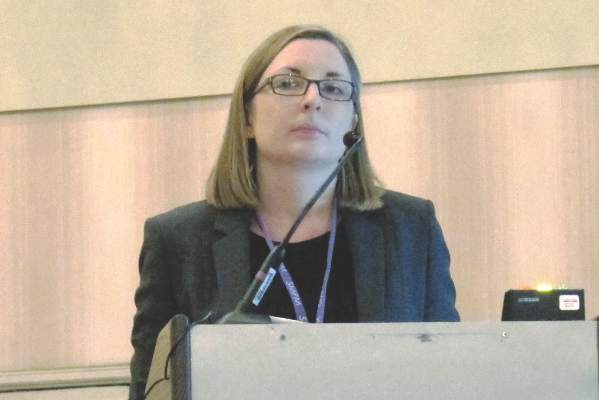
The score can be used to better inform patients of their individualized cesarean delivery risk in early pregnancy and late pregnancy, facilitating patient decision making about place and mode of delivery, Dr. Naomi Burke of the Royal College of Surgeons in Dublin, Ireland, reported at the annual Pregnancy Meeting sponsored by the Society for Maternal-Fetal Medicine.
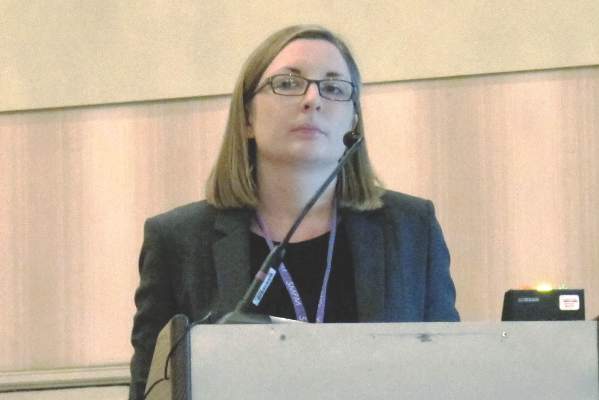
Of 2,336 nulliparous women with a vertex presentation after 39 weeks’ gestation who were recruited for the Genesis Study, 491 had an unplanned C-section. On multivariate analysis, several factors were found to be associated with risk for cesarean delivery, and the combination of maternal age, maternal height, body mass index, fetal abdominal circumference, and fetal head circumference were found to be the best combined predictors of cesarean delivery, Dr. Burke said.
At the initial visit, the odds ratios for the maternal parameters were 1.22 for maternal age, -1.59 for maternal height, and 1.32 for body mass index. After 39 weeks’ gestation the odds ratios were 1.21, -1.72, and 1.29 for those parameters, respectively. The odds ratios were 1.23 for fetal abdominal circumference and 1.27 for fetal head circumference.
Individual z scores were calculated for demographic and biometric data to determine the odds ratios and a risk score for cesarean delivery. The individual scores were added to give a total risk score, which was then converted into a probability of cesarean delivery, Dr. Burke explained. The prediction model performed well in a bootstrapped cross-validation study, she said.
Actual outcomes “were almost exactly as predicted” in different risk categories. “For example, in a cohort of 614 women who had a 30%-40% risk of cesarean delivery, the actual cesarean delivery rate was 26%,” she said.
Further, of 52 women with a risk score over 50% for cesarean delivery, the actual rate was 56%. Among 23 women who had a vaginal delivery, 15 required an operative vaginal delivery, 5 had an obstetric anal sphincter injury, and 1 had shoulder dystocia with a fractured clavicle.
“So you can see that although these women avoided intrapartum cesarean, there was still significant maternal and neonatal morbidity associated,” she said.
The findings are important because cesarean delivery rates continue to generate concern and prior efforts to predict risk for unplanned cesarean delivery have failed. Despite extensive research and costly interventions, it has been unclear which women would suffer the greatest difficulty in childbirth, she said.
The current findings could change that.
“We can now tell, using our prediction model, which women are at high risk of unplanned cesarean delivery,” she said, noting that a randomized, controlled trial is already underway to assess how the implementation of this model can be used to assess maternal and neonatal morbidity.
The Genesis study is sponsored by Perinatal Ireland. Dr. Burke reported having no disclosures.
ATLANTA – A risk score derived from five maternal and fetal parameters can help determine the overall risk of cesarean delivery in nulliparous women at term, according to findings from the prospective multicenter Genesis Study.
The score can be used to better inform patients of their individualized cesarean delivery risk in early pregnancy and late pregnancy, facilitating patient decision making about place and mode of delivery, Dr. Naomi Burke of the Royal College of Surgeons in Dublin, Ireland, reported at the annual Pregnancy Meeting sponsored by the Society for Maternal-Fetal Medicine.
Of 2,336 nulliparous women with a vertex presentation after 39 weeks’ gestation who were recruited for the Genesis Study, 491 had an unplanned C-section. On multivariate analysis, several factors were found to be associated with risk for cesarean delivery, and the combination of maternal age, maternal height, body mass index, fetal abdominal circumference, and fetal head circumference were found to be the best combined predictors of cesarean delivery, Dr. Burke said.
At the initial visit, the odds ratios for the maternal parameters were 1.22 for maternal age, -1.59 for maternal height, and 1.32 for body mass index. After 39 weeks’ gestation the odds ratios were 1.21, -1.72, and 1.29 for those parameters, respectively. The odds ratios were 1.23 for fetal abdominal circumference and 1.27 for fetal head circumference.
Individual z scores were calculated for demographic and biometric data to determine the odds ratios and a risk score for cesarean delivery. The individual scores were added to give a total risk score, which was then converted into a probability of cesarean delivery, Dr. Burke explained. The prediction model performed well in a bootstrapped cross-validation study, she said.
Actual outcomes “were almost exactly as predicted” in different risk categories. “For example, in a cohort of 614 women who had a 30%-40% risk of cesarean delivery, the actual cesarean delivery rate was 26%,” she said.
Further, of 52 women with a risk score over 50% for cesarean delivery, the actual rate was 56%. Among 23 women who had a vaginal delivery, 15 required an operative vaginal delivery, 5 had an obstetric anal sphincter injury, and 1 had shoulder dystocia with a fractured clavicle.
“So you can see that although these women avoided intrapartum cesarean, there was still significant maternal and neonatal morbidity associated,” she said.
The findings are important because cesarean delivery rates continue to generate concern and prior efforts to predict risk for unplanned cesarean delivery have failed. Despite extensive research and costly interventions, it has been unclear which women would suffer the greatest difficulty in childbirth, she said.
The current findings could change that.
“We can now tell, using our prediction model, which women are at high risk of unplanned cesarean delivery,” she said, noting that a randomized, controlled trial is already underway to assess how the implementation of this model can be used to assess maternal and neonatal morbidity.
The Genesis study is sponsored by Perinatal Ireland. Dr. Burke reported having no disclosures.
ATLANTA – A risk score derived from five maternal and fetal parameters can help determine the overall risk of cesarean delivery in nulliparous women at term, according to findings from the prospective multicenter Genesis Study.
The score can be used to better inform patients of their individualized cesarean delivery risk in early pregnancy and late pregnancy, facilitating patient decision making about place and mode of delivery, Dr. Naomi Burke of the Royal College of Surgeons in Dublin, Ireland, reported at the annual Pregnancy Meeting sponsored by the Society for Maternal-Fetal Medicine.
Of 2,336 nulliparous women with a vertex presentation after 39 weeks’ gestation who were recruited for the Genesis Study, 491 had an unplanned C-section. On multivariate analysis, several factors were found to be associated with risk for cesarean delivery, and the combination of maternal age, maternal height, body mass index, fetal abdominal circumference, and fetal head circumference were found to be the best combined predictors of cesarean delivery, Dr. Burke said.
At the initial visit, the odds ratios for the maternal parameters were 1.22 for maternal age, -1.59 for maternal height, and 1.32 for body mass index. After 39 weeks’ gestation the odds ratios were 1.21, -1.72, and 1.29 for those parameters, respectively. The odds ratios were 1.23 for fetal abdominal circumference and 1.27 for fetal head circumference.
Individual z scores were calculated for demographic and biometric data to determine the odds ratios and a risk score for cesarean delivery. The individual scores were added to give a total risk score, which was then converted into a probability of cesarean delivery, Dr. Burke explained. The prediction model performed well in a bootstrapped cross-validation study, she said.
Actual outcomes “were almost exactly as predicted” in different risk categories. “For example, in a cohort of 614 women who had a 30%-40% risk of cesarean delivery, the actual cesarean delivery rate was 26%,” she said.
Further, of 52 women with a risk score over 50% for cesarean delivery, the actual rate was 56%. Among 23 women who had a vaginal delivery, 15 required an operative vaginal delivery, 5 had an obstetric anal sphincter injury, and 1 had shoulder dystocia with a fractured clavicle.
“So you can see that although these women avoided intrapartum cesarean, there was still significant maternal and neonatal morbidity associated,” she said.
The findings are important because cesarean delivery rates continue to generate concern and prior efforts to predict risk for unplanned cesarean delivery have failed. Despite extensive research and costly interventions, it has been unclear which women would suffer the greatest difficulty in childbirth, she said.
The current findings could change that.
“We can now tell, using our prediction model, which women are at high risk of unplanned cesarean delivery,” she said, noting that a randomized, controlled trial is already underway to assess how the implementation of this model can be used to assess maternal and neonatal morbidity.
The Genesis study is sponsored by Perinatal Ireland. Dr. Burke reported having no disclosures.
AT THE PREGNANCY MEETING
Risk score reliably predicts cesarean delivery
ATLANTA – A risk score derived from five maternal and fetal parameters can help determine the overall risk of cesarean delivery in nulliparous women at term, according to findings from the prospective multicenter Genesis Study.
The score can be used to better inform patients of their individualized cesarean delivery risk in early pregnancy and late pregnancy, facilitating patient decision making about place and mode of delivery, Dr. Naomi Burke of the Royal College of Surgeons in Dublin, Ireland, reported at the annual Pregnancy Meeting sponsored by the Society for Maternal-Fetal Medicine.

Of 2,336 nulliparous women with a vertex presentation after 39 weeks’ gestation who were recruited for the Genesis Study, 491 had an unplanned C-section. On multivariate analysis, several factors were found to be associated with risk for cesarean delivery, and the combination of maternal age, maternal height, body mass index, fetal abdominal circumference, and fetal head circumference were found to be the best combined predictors of cesarean delivery, Dr. Burke said.
At the initial visit, the odds ratios for the maternal parameters were 1.22 for maternal age, -1.59 for maternal height, and 1.32 for body mass index. After 39 weeks’ gestation the odds ratios were 1.21, -1.72, and 1.29 for those parameters, respectively. The odds ratios were 1.23 for fetal abdominal circumference and 1.27 for fetal head circumference.
Individual z scores were calculated for demographic and biometric data to determine the odds ratios and a risk score for cesarean delivery. The individual scores were added to give a total risk score, which was then converted into a probability of cesarean delivery, Dr. Burke explained. The prediction model performed well in a bootstrapped cross-validation study, she said.
Actual outcomes “were almost exactly as predicted” in different risk categories. “For example, in a cohort of 614 women who had a 30%-40% risk of cesarean delivery, the actual cesarean delivery rate was 26%,” she said.
Further, of 52 women with a risk score over 50% for cesarean delivery, the actual rate was 56%. Among 23 women who had a vaginal delivery, 15 required an operative vaginal delivery, 5 had an obstetric anal sphincter injury, and 1 had shoulder dystocia with a fractured clavicle.
“So you can see that although these women avoided intrapartum cesarean, there was still significant maternal and neonatal morbidity associated,” she said.
The findings are important because cesarean delivery rates continue to generate concern and prior efforts to predict risk for unplanned cesarean delivery have failed. Despite extensive research and costly interventions, it has been unclear which women would suffer the greatest difficulty in childbirth, she said.
The current findings could change that.
“We can now tell, using our prediction model, which women are at high risk of unplanned cesarean delivery,” she said, noting that a randomized, controlled trial is already underway to assess how the implementation of this model can be used to assess maternal and neonatal morbidity.
The Genesis study is sponsored by Perinatal Ireland. Dr. Burke reported having no disclosures.
ATLANTA – A risk score derived from five maternal and fetal parameters can help determine the overall risk of cesarean delivery in nulliparous women at term, according to findings from the prospective multicenter Genesis Study.
The score can be used to better inform patients of their individualized cesarean delivery risk in early pregnancy and late pregnancy, facilitating patient decision making about place and mode of delivery, Dr. Naomi Burke of the Royal College of Surgeons in Dublin, Ireland, reported at the annual Pregnancy Meeting sponsored by the Society for Maternal-Fetal Medicine.
Of 2,336 nulliparous women with a vertex presentation after 39 weeks’ gestation who were recruited for the Genesis Study, 491 had an unplanned C-section. On multivariate analysis, several factors were found to be associated with risk for cesarean delivery, and the combination of maternal age, maternal height, body mass index, fetal abdominal circumference, and fetal head circumference were found to be the best combined predictors of cesarean delivery, Dr. Burke said.
At the initial visit, the odds ratios for the maternal parameters were 1.22 for maternal age, -1.59 for maternal height, and 1.32 for body mass index. After 39 weeks’ gestation the odds ratios were 1.21, -1.72, and 1.29 for those parameters, respectively. The odds ratios were 1.23 for fetal abdominal circumference and 1.27 for fetal head circumference.
Individual z scores were calculated for demographic and biometric data to determine the odds ratios and a risk score for cesarean delivery. The individual scores were added to give a total risk score, which was then converted into a probability of cesarean delivery, Dr. Burke explained. The prediction model performed well in a bootstrapped cross-validation study, she said.
Actual outcomes “were almost exactly as predicted” in different risk categories. “For example, in a cohort of 614 women who had a 30%-40% risk of cesarean delivery, the actual cesarean delivery rate was 26%,” she said.
Further, of 52 women with a risk score over 50% for cesarean delivery, the actual rate was 56%. Among 23 women who had a vaginal delivery, 15 required an operative vaginal delivery, 5 had an obstetric anal sphincter injury, and 1 had shoulder dystocia with a fractured clavicle.
“So you can see that although these women avoided intrapartum cesarean, there was still significant maternal and neonatal morbidity associated,” she said.
The findings are important because cesarean delivery rates continue to generate concern and prior efforts to predict risk for unplanned cesarean delivery have failed. Despite extensive research and costly interventions, it has been unclear which women would suffer the greatest difficulty in childbirth, she said.
The current findings could change that.
“We can now tell, using our prediction model, which women are at high risk of unplanned cesarean delivery,” she said, noting that a randomized, controlled trial is already underway to assess how the implementation of this model can be used to assess maternal and neonatal morbidity.
The Genesis study is sponsored by Perinatal Ireland. Dr. Burke reported having no disclosures.
ATLANTA – A risk score derived from five maternal and fetal parameters can help determine the overall risk of cesarean delivery in nulliparous women at term, according to findings from the prospective multicenter Genesis Study.
The score can be used to better inform patients of their individualized cesarean delivery risk in early pregnancy and late pregnancy, facilitating patient decision making about place and mode of delivery, Dr. Naomi Burke of the Royal College of Surgeons in Dublin, Ireland, reported at the annual Pregnancy Meeting sponsored by the Society for Maternal-Fetal Medicine.
Of 2,336 nulliparous women with a vertex presentation after 39 weeks’ gestation who were recruited for the Genesis Study, 491 had an unplanned C-section. On multivariate analysis, several factors were found to be associated with risk for cesarean delivery, and the combination of maternal age, maternal height, body mass index, fetal abdominal circumference, and fetal head circumference were found to be the best combined predictors of cesarean delivery, Dr. Burke said.
At the initial visit, the odds ratios for the maternal parameters were 1.22 for maternal age, -1.59 for maternal height, and 1.32 for body mass index. After 39 weeks’ gestation the odds ratios were 1.21, -1.72, and 1.29 for those parameters, respectively. The odds ratios were 1.23 for fetal abdominal circumference and 1.27 for fetal head circumference.
Individual z scores were calculated for demographic and biometric data to determine the odds ratios and a risk score for cesarean delivery. The individual scores were added to give a total risk score, which was then converted into a probability of cesarean delivery, Dr. Burke explained. The prediction model performed well in a bootstrapped cross-validation study, she said.
Actual outcomes “were almost exactly as predicted” in different risk categories. “For example, in a cohort of 614 women who had a 30%-40% risk of cesarean delivery, the actual cesarean delivery rate was 26%,” she said.
Further, of 52 women with a risk score over 50% for cesarean delivery, the actual rate was 56%. Among 23 women who had a vaginal delivery, 15 required an operative vaginal delivery, 5 had an obstetric anal sphincter injury, and 1 had shoulder dystocia with a fractured clavicle.
“So you can see that although these women avoided intrapartum cesarean, there was still significant maternal and neonatal morbidity associated,” she said.
The findings are important because cesarean delivery rates continue to generate concern and prior efforts to predict risk for unplanned cesarean delivery have failed. Despite extensive research and costly interventions, it has been unclear which women would suffer the greatest difficulty in childbirth, she said.
The current findings could change that.
“We can now tell, using our prediction model, which women are at high risk of unplanned cesarean delivery,” she said, noting that a randomized, controlled trial is already underway to assess how the implementation of this model can be used to assess maternal and neonatal morbidity.
The Genesis study is sponsored by Perinatal Ireland. Dr. Burke reported having no disclosures.
AT THE PREGNANCY MEETING
Key clinical point: A risk score derived from five parameters can help determine the overall risk of cesarean delivery in nulliparous women.
Major finding: Among 52 women with a risk score greater than 50% for cesarean delivery, the actual rate was 56%.
Data source: The prospective, multicenter Genesis study of 2,336 women.
Disclosures: The Genesis study is sponsored by Perinatal Ireland. Dr. Burke reported having no financial disclosures.
VIDEO: Novel tools measure disease progression in MS
NEW ORLEANS – The visual system is relevant and accessible for the study of multiple sclerosis and can aid in the measurement of neuronal and axonal injury.
Capturing primary neuronal loss in the afferent visual pathway was among the topics addressed during a session focused on novel methods for measuring disease progression in MS at a meeting held by the Americas Committee for Treatment and Research in Multiple Sclerosis.
In this video interview at the meeting, session chair Dr. Fiona Costello of the University of Calgary, Alta., discussed the presentation on the visual pathway, as well as presentations on the use of microRNA biomarkers and the use of MRI as an outcome measure in progressive MS.
“The gestalt is that the field is moving in a new direction; the field is looking for not only a better understanding of what causes disability in MS, but also more reliable, objective, accessible means of capturing the same thing that is relevant and meaningful to patients and their caretakers,” she said.
The video associated with this article is no longer available on this site. Please view all of our videos on the MDedge YouTube channel
NEW ORLEANS – The visual system is relevant and accessible for the study of multiple sclerosis and can aid in the measurement of neuronal and axonal injury.
Capturing primary neuronal loss in the afferent visual pathway was among the topics addressed during a session focused on novel methods for measuring disease progression in MS at a meeting held by the Americas Committee for Treatment and Research in Multiple Sclerosis.
In this video interview at the meeting, session chair Dr. Fiona Costello of the University of Calgary, Alta., discussed the presentation on the visual pathway, as well as presentations on the use of microRNA biomarkers and the use of MRI as an outcome measure in progressive MS.
“The gestalt is that the field is moving in a new direction; the field is looking for not only a better understanding of what causes disability in MS, but also more reliable, objective, accessible means of capturing the same thing that is relevant and meaningful to patients and their caretakers,” she said.
The video associated with this article is no longer available on this site. Please view all of our videos on the MDedge YouTube channel
NEW ORLEANS – The visual system is relevant and accessible for the study of multiple sclerosis and can aid in the measurement of neuronal and axonal injury.
Capturing primary neuronal loss in the afferent visual pathway was among the topics addressed during a session focused on novel methods for measuring disease progression in MS at a meeting held by the Americas Committee for Treatment and Research in Multiple Sclerosis.
In this video interview at the meeting, session chair Dr. Fiona Costello of the University of Calgary, Alta., discussed the presentation on the visual pathway, as well as presentations on the use of microRNA biomarkers and the use of MRI as an outcome measure in progressive MS.
“The gestalt is that the field is moving in a new direction; the field is looking for not only a better understanding of what causes disability in MS, but also more reliable, objective, accessible means of capturing the same thing that is relevant and meaningful to patients and their caretakers,” she said.
The video associated with this article is no longer available on this site. Please view all of our videos on the MDedge YouTube channel
AT ACTRIMS FORUM 2016

VIDEO: MS stem cell therapy research progresses, including oligodendrocyte progenitor trial
NEW ORLEANS – Stem cell therapy for progressive multiple sclerosis is an intriguing and controversial topic, and the state of the related science was addressed during a session on “the treatment pipeline” at a meeting sponsored by the Americas Committee for Treatment and Research in Multiple Sclerosis.
In a video interview at the meeting, session chair Dr. Mark Freedman of the University of Ottawa (Ont.) discussed the status of autologous hematopoietic stem cell transplantation; how mesenchymal stem cells are thought to be a potential source for immune system repair; and the intriguing potential for remyelinating therapy with human oligodendrocyte progenitor cells. Research is in the “very preliminary stage” on human oligodendrocyte progenitor cells, but “enticing news” of a safety trial set to begin in North America was presented during the session, he said.
The video associated with this article is no longer available on this site. Please view all of our videos on the MDedge YouTube channel
NEW ORLEANS – Stem cell therapy for progressive multiple sclerosis is an intriguing and controversial topic, and the state of the related science was addressed during a session on “the treatment pipeline” at a meeting sponsored by the Americas Committee for Treatment and Research in Multiple Sclerosis.
In a video interview at the meeting, session chair Dr. Mark Freedman of the University of Ottawa (Ont.) discussed the status of autologous hematopoietic stem cell transplantation; how mesenchymal stem cells are thought to be a potential source for immune system repair; and the intriguing potential for remyelinating therapy with human oligodendrocyte progenitor cells. Research is in the “very preliminary stage” on human oligodendrocyte progenitor cells, but “enticing news” of a safety trial set to begin in North America was presented during the session, he said.
The video associated with this article is no longer available on this site. Please view all of our videos on the MDedge YouTube channel
NEW ORLEANS – Stem cell therapy for progressive multiple sclerosis is an intriguing and controversial topic, and the state of the related science was addressed during a session on “the treatment pipeline” at a meeting sponsored by the Americas Committee for Treatment and Research in Multiple Sclerosis.
In a video interview at the meeting, session chair Dr. Mark Freedman of the University of Ottawa (Ont.) discussed the status of autologous hematopoietic stem cell transplantation; how mesenchymal stem cells are thought to be a potential source for immune system repair; and the intriguing potential for remyelinating therapy with human oligodendrocyte progenitor cells. Research is in the “very preliminary stage” on human oligodendrocyte progenitor cells, but “enticing news” of a safety trial set to begin in North America was presented during the session, he said.
The video associated with this article is no longer available on this site. Please view all of our videos on the MDedge YouTube channel
EXPERT ANALYSIS FROM ACTRIMS FORUM 2016

Chronic cough guidelines highlight research needs
Neuromodulatory therapies and speech pathology–based cough suppression are suggested treatment options for unexplained chronic cough in new guidelines from the CHEST Expert Cough Panel.
The panel noted, however, that evidence supporting the diagnosis and management of unexplained chronic cough is limited. As part of the guideline development, they considered approaches for improving related research.

“Persistent cough of unexplained origin is a significant health issue that occurs in up to 5% to 10% of patients seeking medical assistance for a chronic cough and from 0% to 46% of patients referred to specialty cough clinics. Patients with unexplained chronic cough experience significant impairments in quality of life ... there is a need to identify effective treatment approaches,” Dr. Peter Gibson of Hunter Medical Research Institute, New South Wales, Australia, and his colleagues reported on behalf of the panel (Chest. 2016;149[1]:27-44).
The panel defined unexplained chronic cough as a cough that persists longer than 8 weeks, and that remains unexplained after evaluations and supervised therapeutic trials are conducted according to guidelines.
The panel also suggested the following therapeutic approaches:
• That adult patients have objective testing for bronchial hyperresponsiveness and eosinophilic bronchitis, or be offered a trial of corticosteroid therapy.
• That adult patients have a trial of multi-modality speech pathology therapy.
• That inhaled corticosteroids not be prescribed in adult patients who test negative for bronchial hyperresponsiveness and eosinophilia.
• That a therapeutic trial of gabapentin be offered as long as the risk-benefit profile is discussed with the patient, and as long as reassessment of the risk-benefit profile be conducted at 6 months – before continuing the drug. The recommended starting dose is 300 mg daily in those without contraindications, with dose escalation daily as tolerated up to a maximum tolerable dose of 1,800 mg daily in two divided doses.
• That adult patients with a negative workup for acid gastroesophageal reflux disease not be prescribed a proton pump inhibitor.
The panel’s suggestions are the result of a systematic review of 11 randomized controlled trials and 5 systematic reviews to discern whether treatment is more efficacious than usual care with respect to cough severity, cough frequency, and cough-related quality of life.
Studies reviewed included data on 570 subjects over age 12 years with chronic cough who received a variety of interventions. Positive effects on cough-related quality of life were noted for both gabapentin and morphine, but the panel determined that only gabapentin was supported as a treatment recommendation.
After controlling for intervention fidelity bias, inhaled corticosteroids were not found to be effective for unexplained chronic cough, and esomeprazole was not effective in patients without features of gastroesophageal acid reflux.
Most of the recommendations are based on consensus opinion and limited data. As a result, the panel examined clinical trial design, chronic cough registries, and potential research questions in an effort to identify ways to improve research. Among other conclusions, the panel said future trials should include comparison groups as a significant placebo effect can occur in cough trials. Also, quality of life should be used as the primary study outcome.
“Registries for unexplained chronic cough could be used to document patient characteristics and outcomes, as well as clinical trials in progress. They could also serve as a source of research participants for trials and may allow for phenotyping according to age, sex, cough duration, cough severity, cough reflex sensitivity, and other biomarkers. Registries can be used for genetic studies in chronic cough.”
“Unexplained chronic cough requires further study to determine consistent terminology and the optimal methods of investigation using established criteria for intervention fidelity,” the panel concluded.
Dr. Gibson reported having no disclosures. One other author, Dr. Lorcan McGarvey, reported serving on advisory boards for Novartis and GlaxoSmithKline in relation to novel compounds with a potential role in treatment of cough, and serving as chairman for the Mortality Adjudication Committee for UPLIFT and TIOSPIR – two phase IV chronic obstructive pulmonary disease clinical trials for Boehringer Ingelheim.
Neuromodulatory therapies and speech pathology–based cough suppression are suggested treatment options for unexplained chronic cough in new guidelines from the CHEST Expert Cough Panel.
The panel noted, however, that evidence supporting the diagnosis and management of unexplained chronic cough is limited. As part of the guideline development, they considered approaches for improving related research.
“Persistent cough of unexplained origin is a significant health issue that occurs in up to 5% to 10% of patients seeking medical assistance for a chronic cough and from 0% to 46% of patients referred to specialty cough clinics. Patients with unexplained chronic cough experience significant impairments in quality of life ... there is a need to identify effective treatment approaches,” Dr. Peter Gibson of Hunter Medical Research Institute, New South Wales, Australia, and his colleagues reported on behalf of the panel (Chest. 2016;149[1]:27-44).
The panel defined unexplained chronic cough as a cough that persists longer than 8 weeks, and that remains unexplained after evaluations and supervised therapeutic trials are conducted according to guidelines.
The panel also suggested the following therapeutic approaches:
• That adult patients have objective testing for bronchial hyperresponsiveness and eosinophilic bronchitis, or be offered a trial of corticosteroid therapy.
• That adult patients have a trial of multi-modality speech pathology therapy.
• That inhaled corticosteroids not be prescribed in adult patients who test negative for bronchial hyperresponsiveness and eosinophilia.
• That a therapeutic trial of gabapentin be offered as long as the risk-benefit profile is discussed with the patient, and as long as reassessment of the risk-benefit profile be conducted at 6 months – before continuing the drug. The recommended starting dose is 300 mg daily in those without contraindications, with dose escalation daily as tolerated up to a maximum tolerable dose of 1,800 mg daily in two divided doses.
• That adult patients with a negative workup for acid gastroesophageal reflux disease not be prescribed a proton pump inhibitor.
The panel’s suggestions are the result of a systematic review of 11 randomized controlled trials and 5 systematic reviews to discern whether treatment is more efficacious than usual care with respect to cough severity, cough frequency, and cough-related quality of life.
Studies reviewed included data on 570 subjects over age 12 years with chronic cough who received a variety of interventions. Positive effects on cough-related quality of life were noted for both gabapentin and morphine, but the panel determined that only gabapentin was supported as a treatment recommendation.
After controlling for intervention fidelity bias, inhaled corticosteroids were not found to be effective for unexplained chronic cough, and esomeprazole was not effective in patients without features of gastroesophageal acid reflux.
Most of the recommendations are based on consensus opinion and limited data. As a result, the panel examined clinical trial design, chronic cough registries, and potential research questions in an effort to identify ways to improve research. Among other conclusions, the panel said future trials should include comparison groups as a significant placebo effect can occur in cough trials. Also, quality of life should be used as the primary study outcome.
“Registries for unexplained chronic cough could be used to document patient characteristics and outcomes, as well as clinical trials in progress. They could also serve as a source of research participants for trials and may allow for phenotyping according to age, sex, cough duration, cough severity, cough reflex sensitivity, and other biomarkers. Registries can be used for genetic studies in chronic cough.”
“Unexplained chronic cough requires further study to determine consistent terminology and the optimal methods of investigation using established criteria for intervention fidelity,” the panel concluded.
Dr. Gibson reported having no disclosures. One other author, Dr. Lorcan McGarvey, reported serving on advisory boards for Novartis and GlaxoSmithKline in relation to novel compounds with a potential role in treatment of cough, and serving as chairman for the Mortality Adjudication Committee for UPLIFT and TIOSPIR – two phase IV chronic obstructive pulmonary disease clinical trials for Boehringer Ingelheim.
Neuromodulatory therapies and speech pathology–based cough suppression are suggested treatment options for unexplained chronic cough in new guidelines from the CHEST Expert Cough Panel.
The panel noted, however, that evidence supporting the diagnosis and management of unexplained chronic cough is limited. As part of the guideline development, they considered approaches for improving related research.
“Persistent cough of unexplained origin is a significant health issue that occurs in up to 5% to 10% of patients seeking medical assistance for a chronic cough and from 0% to 46% of patients referred to specialty cough clinics. Patients with unexplained chronic cough experience significant impairments in quality of life ... there is a need to identify effective treatment approaches,” Dr. Peter Gibson of Hunter Medical Research Institute, New South Wales, Australia, and his colleagues reported on behalf of the panel (Chest. 2016;149[1]:27-44).
The panel defined unexplained chronic cough as a cough that persists longer than 8 weeks, and that remains unexplained after evaluations and supervised therapeutic trials are conducted according to guidelines.
The panel also suggested the following therapeutic approaches:
• That adult patients have objective testing for bronchial hyperresponsiveness and eosinophilic bronchitis, or be offered a trial of corticosteroid therapy.
• That adult patients have a trial of multi-modality speech pathology therapy.
• That inhaled corticosteroids not be prescribed in adult patients who test negative for bronchial hyperresponsiveness and eosinophilia.
• That a therapeutic trial of gabapentin be offered as long as the risk-benefit profile is discussed with the patient, and as long as reassessment of the risk-benefit profile be conducted at 6 months – before continuing the drug. The recommended starting dose is 300 mg daily in those without contraindications, with dose escalation daily as tolerated up to a maximum tolerable dose of 1,800 mg daily in two divided doses.
• That adult patients with a negative workup for acid gastroesophageal reflux disease not be prescribed a proton pump inhibitor.
The panel’s suggestions are the result of a systematic review of 11 randomized controlled trials and 5 systematic reviews to discern whether treatment is more efficacious than usual care with respect to cough severity, cough frequency, and cough-related quality of life.
Studies reviewed included data on 570 subjects over age 12 years with chronic cough who received a variety of interventions. Positive effects on cough-related quality of life were noted for both gabapentin and morphine, but the panel determined that only gabapentin was supported as a treatment recommendation.
After controlling for intervention fidelity bias, inhaled corticosteroids were not found to be effective for unexplained chronic cough, and esomeprazole was not effective in patients without features of gastroesophageal acid reflux.
Most of the recommendations are based on consensus opinion and limited data. As a result, the panel examined clinical trial design, chronic cough registries, and potential research questions in an effort to identify ways to improve research. Among other conclusions, the panel said future trials should include comparison groups as a significant placebo effect can occur in cough trials. Also, quality of life should be used as the primary study outcome.
“Registries for unexplained chronic cough could be used to document patient characteristics and outcomes, as well as clinical trials in progress. They could also serve as a source of research participants for trials and may allow for phenotyping according to age, sex, cough duration, cough severity, cough reflex sensitivity, and other biomarkers. Registries can be used for genetic studies in chronic cough.”
“Unexplained chronic cough requires further study to determine consistent terminology and the optimal methods of investigation using established criteria for intervention fidelity,” the panel concluded.
Dr. Gibson reported having no disclosures. One other author, Dr. Lorcan McGarvey, reported serving on advisory boards for Novartis and GlaxoSmithKline in relation to novel compounds with a potential role in treatment of cough, and serving as chairman for the Mortality Adjudication Committee for UPLIFT and TIOSPIR – two phase IV chronic obstructive pulmonary disease clinical trials for Boehringer Ingelheim.
FROM CHEST

VIDEO: Progressive MS trial failures provide lessons for future success
NEW ORLEANS – Findings last year from the ORATORIO trial showed for the first time that a pharmaceutical agent – ocrelizumab – was effective for slowing the rate of progression in patients with primary progressive multiple sclerosis, but there is as much to learn from the many failed trials and treatments as from this recent success, according to experts at a meeting held by the Americas Committee for Treatment and Research in Multiple Sclerosis.
“Insofar as we have seen failure after failure in studying progressive MS, we’ve also learned from the studies themselves how best to redesign the studies and how to target the right kind of patients to be able to see a therapeutic effect once that appropriate drug came along,” Dr. John Rinker II said in an interview at the meeting sponsored by the Americas Committee for Treatment and Research in Multiple Sclerosis.
Dr. Rinker of the University of Alabama at Birmingham chaired a session on “the treatment pipeline” in MS, and noted in the interview that the lessons learned from failed trials could potentially be used to “re-look at some of these older drugs that had been failures in the past and, using a different trial methodology, maybe find some success in the future.”
The video associated with this article is no longer available on this site. Please view all of our videos on the MDedge YouTube channel
NEW ORLEANS – Findings last year from the ORATORIO trial showed for the first time that a pharmaceutical agent – ocrelizumab – was effective for slowing the rate of progression in patients with primary progressive multiple sclerosis, but there is as much to learn from the many failed trials and treatments as from this recent success, according to experts at a meeting held by the Americas Committee for Treatment and Research in Multiple Sclerosis.
“Insofar as we have seen failure after failure in studying progressive MS, we’ve also learned from the studies themselves how best to redesign the studies and how to target the right kind of patients to be able to see a therapeutic effect once that appropriate drug came along,” Dr. John Rinker II said in an interview at the meeting sponsored by the Americas Committee for Treatment and Research in Multiple Sclerosis.
Dr. Rinker of the University of Alabama at Birmingham chaired a session on “the treatment pipeline” in MS, and noted in the interview that the lessons learned from failed trials could potentially be used to “re-look at some of these older drugs that had been failures in the past and, using a different trial methodology, maybe find some success in the future.”
The video associated with this article is no longer available on this site. Please view all of our videos on the MDedge YouTube channel
NEW ORLEANS – Findings last year from the ORATORIO trial showed for the first time that a pharmaceutical agent – ocrelizumab – was effective for slowing the rate of progression in patients with primary progressive multiple sclerosis, but there is as much to learn from the many failed trials and treatments as from this recent success, according to experts at a meeting held by the Americas Committee for Treatment and Research in Multiple Sclerosis.
“Insofar as we have seen failure after failure in studying progressive MS, we’ve also learned from the studies themselves how best to redesign the studies and how to target the right kind of patients to be able to see a therapeutic effect once that appropriate drug came along,” Dr. John Rinker II said in an interview at the meeting sponsored by the Americas Committee for Treatment and Research in Multiple Sclerosis.
Dr. Rinker of the University of Alabama at Birmingham chaired a session on “the treatment pipeline” in MS, and noted in the interview that the lessons learned from failed trials could potentially be used to “re-look at some of these older drugs that had been failures in the past and, using a different trial methodology, maybe find some success in the future.”
The video associated with this article is no longer available on this site. Please view all of our videos on the MDedge YouTube channel
AT ACTRIMS Forum 2016

VIDEO: Bench research provides insight into progressive MS
New Orleans – A “Lessons from the Bench” session at the meeting held by the Americas Committee for Treatment and Research in Multiple Sclerosis addressed the ongoing debate regarding the relative importance of neurodegeneration vs. inflammation in progressive multiple sclerosis.
In an interview, session chair Dr. Benjamin Segal discussed the research presented – on topics ranging from immunological biomarkers that could also prove to be therapeutic targets, to immune- and central nervous system–related susceptibility alleles identified in genome wide association studies – and how the findings could lead to new and improved treatments.
“These types of studies give us insights into the immune pathways that are dysregulated in the different diseases and how they may be similar or different from one another. Ultimately all of these scientific studies hopefully will translate into treatments in the future,” said Dr. Segal of the University of Michigan, Ann Arbor.
The video associated with this article is no longer available on this site. Please view all of our videos on the MDedge YouTube channel
New Orleans – A “Lessons from the Bench” session at the meeting held by the Americas Committee for Treatment and Research in Multiple Sclerosis addressed the ongoing debate regarding the relative importance of neurodegeneration vs. inflammation in progressive multiple sclerosis.
In an interview, session chair Dr. Benjamin Segal discussed the research presented – on topics ranging from immunological biomarkers that could also prove to be therapeutic targets, to immune- and central nervous system–related susceptibility alleles identified in genome wide association studies – and how the findings could lead to new and improved treatments.
“These types of studies give us insights into the immune pathways that are dysregulated in the different diseases and how they may be similar or different from one another. Ultimately all of these scientific studies hopefully will translate into treatments in the future,” said Dr. Segal of the University of Michigan, Ann Arbor.
The video associated with this article is no longer available on this site. Please view all of our videos on the MDedge YouTube channel
New Orleans – A “Lessons from the Bench” session at the meeting held by the Americas Committee for Treatment and Research in Multiple Sclerosis addressed the ongoing debate regarding the relative importance of neurodegeneration vs. inflammation in progressive multiple sclerosis.
In an interview, session chair Dr. Benjamin Segal discussed the research presented – on topics ranging from immunological biomarkers that could also prove to be therapeutic targets, to immune- and central nervous system–related susceptibility alleles identified in genome wide association studies – and how the findings could lead to new and improved treatments.
“These types of studies give us insights into the immune pathways that are dysregulated in the different diseases and how they may be similar or different from one another. Ultimately all of these scientific studies hopefully will translate into treatments in the future,” said Dr. Segal of the University of Michigan, Ann Arbor.
The video associated with this article is no longer available on this site. Please view all of our videos on the MDedge YouTube channel
AT ACTRIMS FORUM 2016

Opiate drug detox appears safe in pregnancy
ATLANTA – Contrary to conventional wisdom and standard obstetrical practice, opiate-addicted women can safely undergo detoxification during pregnancy, findings in more than 300 women suggest.
Over a 5-year period, 301 women with opiate addiction were detoxed during pregnancy with no adverse fetal outcomes related to the detox identified, Dr. Jennifer Bell reported at the annual Pregnancy Meeting sponsored by the Society for Maternal-Fetal Medicine.

Of the women studied, 108 were acutely detoxed while incarcerated, 100 went through inpatient detox, and 93 went through slow outpatient Subutex detox over 6-12 weeks. Relapse rates in those groups were 19%, 71%, and 15%, respectively.
However, among 23 women in the inpatient detox group who had close outpatient follow-up management, the relapse rate was 17% versus the 71% overall relapse rate with inpatient detox, said Dr. Bell, a third-year resident at the University of Tennessee Medical Center, Knoxville.
No cases of intrauterine fetal demise (IUFD) occurred during the course of the study, and the rate of preterm delivery did not differ between detox groups, Dr. Bell noted.
The rate of preterm delivery was 17% overall (51 patients), but 28 of the patients were induced for suspected intrauterine growth restriction. Only 16 had the condition.
Detox was slightly more expensive than drug maintenance in this study, but was cost saving when considered against the cost of treating one newborn with neonatal abstinence syndrome – $63,000 on average nationally.
Standard practice is to not detoxify opiate-addicted pregnant women, based primarily on two case reports from the 1970s that suggested fetal harm from detox. However, in the current study and five other studies published since that time, a total of 684 patients have been detoxed with no cases of IUFD, suggesting that detox is not harmful during pregnancy. And though relapse rates are high, this is typically among women who do not have continual follow-up management, according to Dr. Bell.
Once a patient is drug free, intense patient behavioral health follow-up is needed for success, Dr. Craig V. Towers, the lead author on the study, said in an interview. Such follow-up is costly, but not nearly as costly as caring for infants with neonatal abstinence syndrome, he said.
In Tennessee alone, where approximately 1,000 cases of neonatal abstinence syndrome occur each year, a 50% reduction in these cases could save more than $30 million per year, said Dr. Towers, also of the University of Tennessee Medical Center.
The framework for follow-up management programs for women who undergo detox could be paid for with a portion of those savings, said Dr. Towers, who is currently working with the state health department on developing a plan for such an approach to the problems of opiate addiction in pregnancy.
The current findings represent the first step toward an improved system, as many women who become pregnant while addicted to opiate drugs desire to detox, but aren’t given the option, he said. “We need to get rid of this argument that [detox] is harmful to the baby.”
The researchers reported having no financial disclosures.
ATLANTA – Contrary to conventional wisdom and standard obstetrical practice, opiate-addicted women can safely undergo detoxification during pregnancy, findings in more than 300 women suggest.
Over a 5-year period, 301 women with opiate addiction were detoxed during pregnancy with no adverse fetal outcomes related to the detox identified, Dr. Jennifer Bell reported at the annual Pregnancy Meeting sponsored by the Society for Maternal-Fetal Medicine.
Of the women studied, 108 were acutely detoxed while incarcerated, 100 went through inpatient detox, and 93 went through slow outpatient Subutex detox over 6-12 weeks. Relapse rates in those groups were 19%, 71%, and 15%, respectively.
However, among 23 women in the inpatient detox group who had close outpatient follow-up management, the relapse rate was 17% versus the 71% overall relapse rate with inpatient detox, said Dr. Bell, a third-year resident at the University of Tennessee Medical Center, Knoxville.
No cases of intrauterine fetal demise (IUFD) occurred during the course of the study, and the rate of preterm delivery did not differ between detox groups, Dr. Bell noted.
The rate of preterm delivery was 17% overall (51 patients), but 28 of the patients were induced for suspected intrauterine growth restriction. Only 16 had the condition.
Detox was slightly more expensive than drug maintenance in this study, but was cost saving when considered against the cost of treating one newborn with neonatal abstinence syndrome – $63,000 on average nationally.
Standard practice is to not detoxify opiate-addicted pregnant women, based primarily on two case reports from the 1970s that suggested fetal harm from detox. However, in the current study and five other studies published since that time, a total of 684 patients have been detoxed with no cases of IUFD, suggesting that detox is not harmful during pregnancy. And though relapse rates are high, this is typically among women who do not have continual follow-up management, according to Dr. Bell.
Once a patient is drug free, intense patient behavioral health follow-up is needed for success, Dr. Craig V. Towers, the lead author on the study, said in an interview. Such follow-up is costly, but not nearly as costly as caring for infants with neonatal abstinence syndrome, he said.
In Tennessee alone, where approximately 1,000 cases of neonatal abstinence syndrome occur each year, a 50% reduction in these cases could save more than $30 million per year, said Dr. Towers, also of the University of Tennessee Medical Center.
The framework for follow-up management programs for women who undergo detox could be paid for with a portion of those savings, said Dr. Towers, who is currently working with the state health department on developing a plan for such an approach to the problems of opiate addiction in pregnancy.
The current findings represent the first step toward an improved system, as many women who become pregnant while addicted to opiate drugs desire to detox, but aren’t given the option, he said. “We need to get rid of this argument that [detox] is harmful to the baby.”
The researchers reported having no financial disclosures.
ATLANTA – Contrary to conventional wisdom and standard obstetrical practice, opiate-addicted women can safely undergo detoxification during pregnancy, findings in more than 300 women suggest.
Over a 5-year period, 301 women with opiate addiction were detoxed during pregnancy with no adverse fetal outcomes related to the detox identified, Dr. Jennifer Bell reported at the annual Pregnancy Meeting sponsored by the Society for Maternal-Fetal Medicine.
Of the women studied, 108 were acutely detoxed while incarcerated, 100 went through inpatient detox, and 93 went through slow outpatient Subutex detox over 6-12 weeks. Relapse rates in those groups were 19%, 71%, and 15%, respectively.
However, among 23 women in the inpatient detox group who had close outpatient follow-up management, the relapse rate was 17% versus the 71% overall relapse rate with inpatient detox, said Dr. Bell, a third-year resident at the University of Tennessee Medical Center, Knoxville.
No cases of intrauterine fetal demise (IUFD) occurred during the course of the study, and the rate of preterm delivery did not differ between detox groups, Dr. Bell noted.
The rate of preterm delivery was 17% overall (51 patients), but 28 of the patients were induced for suspected intrauterine growth restriction. Only 16 had the condition.
Detox was slightly more expensive than drug maintenance in this study, but was cost saving when considered against the cost of treating one newborn with neonatal abstinence syndrome – $63,000 on average nationally.
Standard practice is to not detoxify opiate-addicted pregnant women, based primarily on two case reports from the 1970s that suggested fetal harm from detox. However, in the current study and five other studies published since that time, a total of 684 patients have been detoxed with no cases of IUFD, suggesting that detox is not harmful during pregnancy. And though relapse rates are high, this is typically among women who do not have continual follow-up management, according to Dr. Bell.
Once a patient is drug free, intense patient behavioral health follow-up is needed for success, Dr. Craig V. Towers, the lead author on the study, said in an interview. Such follow-up is costly, but not nearly as costly as caring for infants with neonatal abstinence syndrome, he said.
In Tennessee alone, where approximately 1,000 cases of neonatal abstinence syndrome occur each year, a 50% reduction in these cases could save more than $30 million per year, said Dr. Towers, also of the University of Tennessee Medical Center.
The framework for follow-up management programs for women who undergo detox could be paid for with a portion of those savings, said Dr. Towers, who is currently working with the state health department on developing a plan for such an approach to the problems of opiate addiction in pregnancy.
The current findings represent the first step toward an improved system, as many women who become pregnant while addicted to opiate drugs desire to detox, but aren’t given the option, he said. “We need to get rid of this argument that [detox] is harmful to the baby.”
The researchers reported having no financial disclosures.
AT THE PREGNANCY MEETING
Key clinical point: Opiate-addicted pregnant women can safely undergo detoxification.
Major finding: There were no cases of intrauterine fetal demise among women who underwent detox.
Data source: A review of detox approaches in 301 opiate-addicted pregnant women.
Disclosures: The researchers reported having no financial disclosures.

VIDEO: ACTRIMS Forum focuses on progressive MS
NEW ORLEANS – A focus of the 2016 Americas Committee for Treatment and Research in Multiple Sclerosis (ACTRIMS) Forum is the pathogenic mechanisms involved in progressive forms of MS, including the genetic and environmental underpinnings and the immunopathologic processes involved, according to ACTRIMS president, Dr. Suhayl Dhib-Jalbut.
In particular, the role of B cells in the pathogenesis of progressive disease will be addressed as recent studies targeting B lymphocytes are providing important new information about the importance of B cells in the pathogenesis of progressive MS.
In this video interview, Dr. Dhib-Jalbut, professor and chair of the department of neurology at the Rutgers Robert Wood Johnson Medical School, New Brunswick, N.J., notes that it is hypothesized that in progressive MS, there is a depletion of energy in the central nervous system. Studies of medications that can restore mitochondrial function and energy pools and perhaps have an impact on disease progression will be presented during the forum, he said.
The video associated with this article is no longer available on this site. Please view all of our videos on the MDedge YouTube channel
NEW ORLEANS – A focus of the 2016 Americas Committee for Treatment and Research in Multiple Sclerosis (ACTRIMS) Forum is the pathogenic mechanisms involved in progressive forms of MS, including the genetic and environmental underpinnings and the immunopathologic processes involved, according to ACTRIMS president, Dr. Suhayl Dhib-Jalbut.
In particular, the role of B cells in the pathogenesis of progressive disease will be addressed as recent studies targeting B lymphocytes are providing important new information about the importance of B cells in the pathogenesis of progressive MS.
In this video interview, Dr. Dhib-Jalbut, professor and chair of the department of neurology at the Rutgers Robert Wood Johnson Medical School, New Brunswick, N.J., notes that it is hypothesized that in progressive MS, there is a depletion of energy in the central nervous system. Studies of medications that can restore mitochondrial function and energy pools and perhaps have an impact on disease progression will be presented during the forum, he said.
The video associated with this article is no longer available on this site. Please view all of our videos on the MDedge YouTube channel
NEW ORLEANS – A focus of the 2016 Americas Committee for Treatment and Research in Multiple Sclerosis (ACTRIMS) Forum is the pathogenic mechanisms involved in progressive forms of MS, including the genetic and environmental underpinnings and the immunopathologic processes involved, according to ACTRIMS president, Dr. Suhayl Dhib-Jalbut.
In particular, the role of B cells in the pathogenesis of progressive disease will be addressed as recent studies targeting B lymphocytes are providing important new information about the importance of B cells in the pathogenesis of progressive MS.
In this video interview, Dr. Dhib-Jalbut, professor and chair of the department of neurology at the Rutgers Robert Wood Johnson Medical School, New Brunswick, N.J., notes that it is hypothesized that in progressive MS, there is a depletion of energy in the central nervous system. Studies of medications that can restore mitochondrial function and energy pools and perhaps have an impact on disease progression will be presented during the forum, he said.
The video associated with this article is no longer available on this site. Please view all of our videos on the MDedge YouTube channel
EXPERT ANALYSIS FROM THE ACTRIMS 2016 FORUM

Sleep duration linked with gestational weight gain
ATLANTA – Both short and long sleep duration during pregnancy are associated with extremes of gestational weight gain, according to findings from a multicenter prospective cohort study.
Among 760 nulliparous women with a singleton gestation who were part of the nuMoM2b (Nulliparous Pregnancy Outcomes Study: Monitoring mothers-to-be) network – a National Institute of Child Health and Human Development cohort of more than 10,000 women – the 2.1% with average sleep duration of fewer than 6 hours and the 5.2% with sleep duration greater than 9 hours had the highest rates of low gestational weight gain (z less than –1). The differences were statistically significant, compared with those with average sleep duration of 7 to fewer than 9 hours, at visits between 16 and 21 weeks and between 22 and 29 weeks (P less than .0001, P = .04, respectively), Dr. Francesca Facco reported at the annual Pregnancy Meeting sponsored by the Society for Maternal-Fetal Medicine.

For example, at visit 2, the rate of low gestational weight gain was 18.8% and 35.5% for those with sleep duration fewer than 6 hours and more than 9 hours, respectively, vs. 8.2% for those with sleep duration of 6 to fewer than 7 hours, and 12% for those with 7 to fewer than 8 hours.
The differences were similar in magnitude at the last weight measure prior to delivery but did not reach statistical significance, said Dr. Facco of Magee-Women’s Research Institute, University of Pittsburgh.
“Nonlinear relationships were observed between sleep duration and gestational weight gain,” she said, adding that at all gestational weight gain assessments, high gestational weight gain occurred more frequently as sleep duration shortened.
“We found a U-shaped relationship between sleep and low gestational weight gain; women with the shortest and the longest sleep duration had the highest rates of low gestational weight gain,” she said.
The findings suggest that both long and short sleep duration are associated with extremes of gestational weight gain.
Study subjects were enrolled in the nuMoM2b study and were recruited at the second study visit (16-21 weeks) to wear an actigraph to measure sleep activity for 7 consecutive days. The women, who had a mean age of 27 years, also kept a sleep diary. A little over half (51.5%) were normal weight, 3% were underweight, and 45.5% were overweight or obese. Gestational weight gain was examined using age-standardized z scores, which are a measure of gestational weight gain uncorrelated with gestational age and body mass index.
Sleep is getting more and more attention as an important health behavior, especially in relation to weight and metabolism, Dr. Facco said, noting that short sleep duration has consistently been associated with higher body mass index, and studies show that short sleep duration hinders weight loss efforts.
Data on long sleep duration are less clear but suggest an age-dependent relationship, she said.
The current study was undertaken to evaluate whether the findings in nonpregnant women also apply during pregnancy.
Data from the same cohort, which were presented at the 2015 Pregnancy Meeting, showed that women with sleep duration of fewer than 7 hours had twice the rate of gestational diabetes, compared with those who slept 7 or more hours. The finding remained significant even after adjusting for age and body mass index. Those findings are congruous with the current findings, Dr. Facco said, explaining that the short sleepers were those most likely to have the greatest weight gain, thus putting them at higher risk of gestational diabetes.
“Poor sleep in pregnancy has been linked to adverse pregnancy outcomes, and this association between sleep and gestational weight gain suggests one possible mechanism for this association,” she concluded.
The nuMoM2b study is funded by the National Institutes of Health. Dr. Facco reported having no conflicts of interest.
ATLANTA – Both short and long sleep duration during pregnancy are associated with extremes of gestational weight gain, according to findings from a multicenter prospective cohort study.
Among 760 nulliparous women with a singleton gestation who were part of the nuMoM2b (Nulliparous Pregnancy Outcomes Study: Monitoring mothers-to-be) network – a National Institute of Child Health and Human Development cohort of more than 10,000 women – the 2.1% with average sleep duration of fewer than 6 hours and the 5.2% with sleep duration greater than 9 hours had the highest rates of low gestational weight gain (z less than –1). The differences were statistically significant, compared with those with average sleep duration of 7 to fewer than 9 hours, at visits between 16 and 21 weeks and between 22 and 29 weeks (P less than .0001, P = .04, respectively), Dr. Francesca Facco reported at the annual Pregnancy Meeting sponsored by the Society for Maternal-Fetal Medicine.
For example, at visit 2, the rate of low gestational weight gain was 18.8% and 35.5% for those with sleep duration fewer than 6 hours and more than 9 hours, respectively, vs. 8.2% for those with sleep duration of 6 to fewer than 7 hours, and 12% for those with 7 to fewer than 8 hours.
The differences were similar in magnitude at the last weight measure prior to delivery but did not reach statistical significance, said Dr. Facco of Magee-Women’s Research Institute, University of Pittsburgh.
“Nonlinear relationships were observed between sleep duration and gestational weight gain,” she said, adding that at all gestational weight gain assessments, high gestational weight gain occurred more frequently as sleep duration shortened.
“We found a U-shaped relationship between sleep and low gestational weight gain; women with the shortest and the longest sleep duration had the highest rates of low gestational weight gain,” she said.
The findings suggest that both long and short sleep duration are associated with extremes of gestational weight gain.
Study subjects were enrolled in the nuMoM2b study and were recruited at the second study visit (16-21 weeks) to wear an actigraph to measure sleep activity for 7 consecutive days. The women, who had a mean age of 27 years, also kept a sleep diary. A little over half (51.5%) were normal weight, 3% were underweight, and 45.5% were overweight or obese. Gestational weight gain was examined using age-standardized z scores, which are a measure of gestational weight gain uncorrelated with gestational age and body mass index.
Sleep is getting more and more attention as an important health behavior, especially in relation to weight and metabolism, Dr. Facco said, noting that short sleep duration has consistently been associated with higher body mass index, and studies show that short sleep duration hinders weight loss efforts.
Data on long sleep duration are less clear but suggest an age-dependent relationship, she said.
The current study was undertaken to evaluate whether the findings in nonpregnant women also apply during pregnancy.
Data from the same cohort, which were presented at the 2015 Pregnancy Meeting, showed that women with sleep duration of fewer than 7 hours had twice the rate of gestational diabetes, compared with those who slept 7 or more hours. The finding remained significant even after adjusting for age and body mass index. Those findings are congruous with the current findings, Dr. Facco said, explaining that the short sleepers were those most likely to have the greatest weight gain, thus putting them at higher risk of gestational diabetes.
“Poor sleep in pregnancy has been linked to adverse pregnancy outcomes, and this association between sleep and gestational weight gain suggests one possible mechanism for this association,” she concluded.
The nuMoM2b study is funded by the National Institutes of Health. Dr. Facco reported having no conflicts of interest.
ATLANTA – Both short and long sleep duration during pregnancy are associated with extremes of gestational weight gain, according to findings from a multicenter prospective cohort study.
Among 760 nulliparous women with a singleton gestation who were part of the nuMoM2b (Nulliparous Pregnancy Outcomes Study: Monitoring mothers-to-be) network – a National Institute of Child Health and Human Development cohort of more than 10,000 women – the 2.1% with average sleep duration of fewer than 6 hours and the 5.2% with sleep duration greater than 9 hours had the highest rates of low gestational weight gain (z less than –1). The differences were statistically significant, compared with those with average sleep duration of 7 to fewer than 9 hours, at visits between 16 and 21 weeks and between 22 and 29 weeks (P less than .0001, P = .04, respectively), Dr. Francesca Facco reported at the annual Pregnancy Meeting sponsored by the Society for Maternal-Fetal Medicine.
For example, at visit 2, the rate of low gestational weight gain was 18.8% and 35.5% for those with sleep duration fewer than 6 hours and more than 9 hours, respectively, vs. 8.2% for those with sleep duration of 6 to fewer than 7 hours, and 12% for those with 7 to fewer than 8 hours.
The differences were similar in magnitude at the last weight measure prior to delivery but did not reach statistical significance, said Dr. Facco of Magee-Women’s Research Institute, University of Pittsburgh.
“Nonlinear relationships were observed between sleep duration and gestational weight gain,” she said, adding that at all gestational weight gain assessments, high gestational weight gain occurred more frequently as sleep duration shortened.
“We found a U-shaped relationship between sleep and low gestational weight gain; women with the shortest and the longest sleep duration had the highest rates of low gestational weight gain,” she said.
The findings suggest that both long and short sleep duration are associated with extremes of gestational weight gain.
Study subjects were enrolled in the nuMoM2b study and were recruited at the second study visit (16-21 weeks) to wear an actigraph to measure sleep activity for 7 consecutive days. The women, who had a mean age of 27 years, also kept a sleep diary. A little over half (51.5%) were normal weight, 3% were underweight, and 45.5% were overweight or obese. Gestational weight gain was examined using age-standardized z scores, which are a measure of gestational weight gain uncorrelated with gestational age and body mass index.
Sleep is getting more and more attention as an important health behavior, especially in relation to weight and metabolism, Dr. Facco said, noting that short sleep duration has consistently been associated with higher body mass index, and studies show that short sleep duration hinders weight loss efforts.
Data on long sleep duration are less clear but suggest an age-dependent relationship, she said.
The current study was undertaken to evaluate whether the findings in nonpregnant women also apply during pregnancy.
Data from the same cohort, which were presented at the 2015 Pregnancy Meeting, showed that women with sleep duration of fewer than 7 hours had twice the rate of gestational diabetes, compared with those who slept 7 or more hours. The finding remained significant even after adjusting for age and body mass index. Those findings are congruous with the current findings, Dr. Facco said, explaining that the short sleepers were those most likely to have the greatest weight gain, thus putting them at higher risk of gestational diabetes.
“Poor sleep in pregnancy has been linked to adverse pregnancy outcomes, and this association between sleep and gestational weight gain suggests one possible mechanism for this association,” she concluded.
The nuMoM2b study is funded by the National Institutes of Health. Dr. Facco reported having no conflicts of interest.
AT THE PREGNANCY MEETING
Key clinical point: Both short and long sleep duration during pregnancy are associated with extremes of gestational weight gain, according to findings from a multicenter prospective cohort study.
Major finding: Women with average sleep duration less than 6 hours and greater than 9 hours had the highest rates of low gestational weight gain (18.8% and 35.5%, respectively, vs. 8.2% for those with 6 to under 7 hours, and 12% for those with 7 to under 8 hours).
Data source: A study of 760 women from a large prospective cohort.
Disclosures: The nuMoM2b study is funded by the National Institutes of Health. Dr. Facco reported having no conflicts of interest.