User login
Mitchel is a reporter for MDedge based in the Philadelphia area. He started with the company in 1992, when it was International Medical News Group (IMNG), and has since covered a range of medical specialties. Mitchel trained as a virologist at Roswell Park Memorial Institute in Buffalo, and then worked briefly as a researcher at Boston Children's Hospital before pivoting to journalism as a AAAS Mass Media Fellow in 1980. His first reporting job was with Science Digest magazine, and from the mid-1980s to early-1990s he was a reporter with Medical World News. @mitchelzoler
Dengue surges worldwide, hits United States and Europe
VIENNA – Dengue infections surged to new worldwide highs last year, along with the first confirmed cases in Florida in more than 50 years, an ongoing outbreak on Europe’s doorstep on the island of Madeira, and a continued rise in cases elsewhere.
"The number of severe dengue cases [also known as dengue hemorrhagic fever] in the Americas skyrocketed in the past 2 years," in the context of more than 700,000 total cases in Brazil in 2012 and more than 40,000 total cases in Venezuela," Dr. Jaime R. Torres said at the International Meeting on Emerging Diseases and Surveillance.
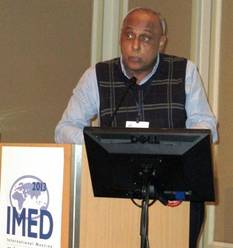
Although Dr. Torres did not report the specific incidence of severe dengue cases last year, he said that in 2010, public health authorities in the Americas reported a total of roughly 50,000 cases of severe dengue, up from about 25,000 cases per year in 2007, 2008, and 2009, and up from a rate of 10,000 severe cases or less per year as recently as 2001, said Dr. Torres, director of the Tropical Medicine Institute of Caracas, Venezuela. Total dengue cases in the Americas in 2010 reached 1.6 million, according to the World Health Organization (WHO).
The pattern in the Americas dovetails with the worldwide experience, with more than 2.3 million officially reported cases in 2010, according to WHO. The actual number of worldwide cases per year likely ranges from 50 to 100 million, according to recent estimates from WHO.
Against this backdrop came three confirmed cases identified in the Miami area last November, the first confirmed cases in Florida in decades and a potential harbinger of more cases soon.
"Once you have the disease introduced and there is a stable population of the vector mosquito, there is the potential for domestic, person-to-person transmission," said infectious disease specialist Dr. Leo Liu in an interview at the meeting. "Dengue will occur wherever there is the vector," the Aedes mosquito. "It could have as much impact as West Nile virus. It causes a nasty flulike illness with headache and sometimes back or musculoskeletal pain," he said.
Although usually self-limiting in otherwise healthy adults, dengue can cause a more severe infection in elderly or immunocompromised people, or especially if someone becomes infected by a second dengue serotype following a first infection, said Dr. Liu, director of new initiatives for the International Society for Infectious Diseases in Brookline, Mass., the group that organized the meeting.
The dengue outbreak on the island of Madeira, located about 500 miles southwest of Lisbon, began last October and continues into 2013, another 2012 episode underscoring dengue’s spread.
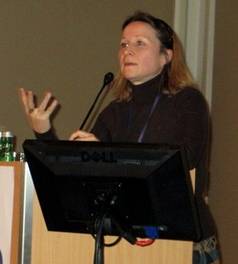
By early February 2013, 2,164 dengue cases had been officially diagnosed in Madeira, Laurence Marrama, Ph.D., said at the meeting. Although the bulk of cases so far occurred last October and November, infections continued at a lower rate during subsequent weeks, with 28 cases reported in 2013 as of early February. The outbreak follows establishment of the Aedes aegypti mosquito on the island in 2005, and is the first sustained transmission in Europe since a 1920s outbreak.
"It is a huge concern" for the European Centre for Disease Control and Prevention, said Dr. Marrama, an epidemiologist with the organization. "Aedes is now very well established in Madeira," and movement of the mosquito and the virus to other parts of Europe is now very possible, she said in an interview.
The ECDC is developing recommendations on mosquito control to present to the Madeira government and the European Commission, she said. Last fall, the ECDC ran a campaign on the island to boost awareness of the dengue risk and to encourage protection against mosquitoes, and the agency also implemented blood-safety steps to curtail dengue transmission by blood products.
Dr. Torres, Dr. Liu, and Dr. Marrama had no disclosures.
On Twitter @mitchelzoler
VIENNA – Dengue infections surged to new worldwide highs last year, along with the first confirmed cases in Florida in more than 50 years, an ongoing outbreak on Europe’s doorstep on the island of Madeira, and a continued rise in cases elsewhere.
"The number of severe dengue cases [also known as dengue hemorrhagic fever] in the Americas skyrocketed in the past 2 years," in the context of more than 700,000 total cases in Brazil in 2012 and more than 40,000 total cases in Venezuela," Dr. Jaime R. Torres said at the International Meeting on Emerging Diseases and Surveillance.
Although Dr. Torres did not report the specific incidence of severe dengue cases last year, he said that in 2010, public health authorities in the Americas reported a total of roughly 50,000 cases of severe dengue, up from about 25,000 cases per year in 2007, 2008, and 2009, and up from a rate of 10,000 severe cases or less per year as recently as 2001, said Dr. Torres, director of the Tropical Medicine Institute of Caracas, Venezuela. Total dengue cases in the Americas in 2010 reached 1.6 million, according to the World Health Organization (WHO).
The pattern in the Americas dovetails with the worldwide experience, with more than 2.3 million officially reported cases in 2010, according to WHO. The actual number of worldwide cases per year likely ranges from 50 to 100 million, according to recent estimates from WHO.
Against this backdrop came three confirmed cases identified in the Miami area last November, the first confirmed cases in Florida in decades and a potential harbinger of more cases soon.
"Once you have the disease introduced and there is a stable population of the vector mosquito, there is the potential for domestic, person-to-person transmission," said infectious disease specialist Dr. Leo Liu in an interview at the meeting. "Dengue will occur wherever there is the vector," the Aedes mosquito. "It could have as much impact as West Nile virus. It causes a nasty flulike illness with headache and sometimes back or musculoskeletal pain," he said.
Although usually self-limiting in otherwise healthy adults, dengue can cause a more severe infection in elderly or immunocompromised people, or especially if someone becomes infected by a second dengue serotype following a first infection, said Dr. Liu, director of new initiatives for the International Society for Infectious Diseases in Brookline, Mass., the group that organized the meeting.
The dengue outbreak on the island of Madeira, located about 500 miles southwest of Lisbon, began last October and continues into 2013, another 2012 episode underscoring dengue’s spread.
By early February 2013, 2,164 dengue cases had been officially diagnosed in Madeira, Laurence Marrama, Ph.D., said at the meeting. Although the bulk of cases so far occurred last October and November, infections continued at a lower rate during subsequent weeks, with 28 cases reported in 2013 as of early February. The outbreak follows establishment of the Aedes aegypti mosquito on the island in 2005, and is the first sustained transmission in Europe since a 1920s outbreak.
"It is a huge concern" for the European Centre for Disease Control and Prevention, said Dr. Marrama, an epidemiologist with the organization. "Aedes is now very well established in Madeira," and movement of the mosquito and the virus to other parts of Europe is now very possible, she said in an interview.
The ECDC is developing recommendations on mosquito control to present to the Madeira government and the European Commission, she said. Last fall, the ECDC ran a campaign on the island to boost awareness of the dengue risk and to encourage protection against mosquitoes, and the agency also implemented blood-safety steps to curtail dengue transmission by blood products.
Dr. Torres, Dr. Liu, and Dr. Marrama had no disclosures.
On Twitter @mitchelzoler
VIENNA – Dengue infections surged to new worldwide highs last year, along with the first confirmed cases in Florida in more than 50 years, an ongoing outbreak on Europe’s doorstep on the island of Madeira, and a continued rise in cases elsewhere.
"The number of severe dengue cases [also known as dengue hemorrhagic fever] in the Americas skyrocketed in the past 2 years," in the context of more than 700,000 total cases in Brazil in 2012 and more than 40,000 total cases in Venezuela," Dr. Jaime R. Torres said at the International Meeting on Emerging Diseases and Surveillance.
Although Dr. Torres did not report the specific incidence of severe dengue cases last year, he said that in 2010, public health authorities in the Americas reported a total of roughly 50,000 cases of severe dengue, up from about 25,000 cases per year in 2007, 2008, and 2009, and up from a rate of 10,000 severe cases or less per year as recently as 2001, said Dr. Torres, director of the Tropical Medicine Institute of Caracas, Venezuela. Total dengue cases in the Americas in 2010 reached 1.6 million, according to the World Health Organization (WHO).
The pattern in the Americas dovetails with the worldwide experience, with more than 2.3 million officially reported cases in 2010, according to WHO. The actual number of worldwide cases per year likely ranges from 50 to 100 million, according to recent estimates from WHO.
Against this backdrop came three confirmed cases identified in the Miami area last November, the first confirmed cases in Florida in decades and a potential harbinger of more cases soon.
"Once you have the disease introduced and there is a stable population of the vector mosquito, there is the potential for domestic, person-to-person transmission," said infectious disease specialist Dr. Leo Liu in an interview at the meeting. "Dengue will occur wherever there is the vector," the Aedes mosquito. "It could have as much impact as West Nile virus. It causes a nasty flulike illness with headache and sometimes back or musculoskeletal pain," he said.
Although usually self-limiting in otherwise healthy adults, dengue can cause a more severe infection in elderly or immunocompromised people, or especially if someone becomes infected by a second dengue serotype following a first infection, said Dr. Liu, director of new initiatives for the International Society for Infectious Diseases in Brookline, Mass., the group that organized the meeting.
The dengue outbreak on the island of Madeira, located about 500 miles southwest of Lisbon, began last October and continues into 2013, another 2012 episode underscoring dengue’s spread.
By early February 2013, 2,164 dengue cases had been officially diagnosed in Madeira, Laurence Marrama, Ph.D., said at the meeting. Although the bulk of cases so far occurred last October and November, infections continued at a lower rate during subsequent weeks, with 28 cases reported in 2013 as of early February. The outbreak follows establishment of the Aedes aegypti mosquito on the island in 2005, and is the first sustained transmission in Europe since a 1920s outbreak.
"It is a huge concern" for the European Centre for Disease Control and Prevention, said Dr. Marrama, an epidemiologist with the organization. "Aedes is now very well established in Madeira," and movement of the mosquito and the virus to other parts of Europe is now very possible, she said in an interview.
The ECDC is developing recommendations on mosquito control to present to the Madeira government and the European Commission, she said. Last fall, the ECDC ran a campaign on the island to boost awareness of the dengue risk and to encourage protection against mosquitoes, and the agency also implemented blood-safety steps to curtail dengue transmission by blood products.
Dr. Torres, Dr. Liu, and Dr. Marrama had no disclosures.
On Twitter @mitchelzoler
AT IMED2013
Major finding: About 50,000 people developed severe dengue in the Americas in 2010, the highest rate ever and double the rate in 2009.
Data source: Data came from the World Health Organization.
Disclosures: Dr. Torres, Dr. Liu, and Dr. Marrama had no disclosures.
Computer program refines postsurgical insulin treatment
PALM BEACH, FLA. – A commercially available computer program designed to calculate optimal insulin dosages for postsurgical ICU patients halved the rate of hyperglycemic episodes that patients experienced while dropping the rate of hypoglycemic events by 95% in a single-center, U.S. experience with a total of more than 2,000 patients.
The computer program also resulted in a dramatic reduction in the number of blood glucose measures the nursing staff performed, cutting testing down from 7,495 blood glucose measures/month before the system began to 4,072 blood measures/month once it was in place, Dr. Christopher C. Baker said at the annual meeting of the Southern Surgical Association.
An additional associated benefit was a substantial reduction in hospital-acquired infections in the postsurgery patients once computer-guided insulin dosing came online, but this was only a temporal association that may have also been driven by other improvements in patient management that happened at about the same time, said Dr. Baker, chairman of surgery at the Carilion Clinic in Roanoke, Va.
"People have shied away from glucose controls systems [like the one introduced at the Carilion Clinic] because the results from the NICE-SUGAR [Normoglycemia in Intensive Care Evaluation–Survival Using Glucose Algorithm Regulation] trial ( N. Engl. J. Med. 2009;360:1283-97) showed that hypoglycemia episodes increase when you do this," commented Dr. David W. Herndon, professor of surgery at the University of Texas Medical branch in Galveston. "What is important in the Carilion results is that the computerized support system reduced hypoglycemia. If that can be done across the board, they might have a winner. We need to better control sugar in the ICU."
The next step is to prove the efficacy of this computer program in a prospective, randomized controlled trial, said Dr. Herndon, a suggestion that Dr. Baker also endorsed.
"The reduced incidence of hypoglycemia was incredibly impressive," commented Dr. Michael Rotondo, professor and chairman of surgery at East Carolina University in Greenville, N.C., who also called for results from a prospective, controlled study.
Surgeons at Carilion introduced the computerized support program for insulin dosing in early 2010 into five surgical intensive care departments: surgical ICU, trauma ICU, neurotrauma ICU, cardiac surgery ICU, and the cardiac surgery progressive care unit. Dr. Baker and his associates compared data collected on patients from all five units with the computerized system in place during July 2010-December 2011, a total of 1,682 patients treated using the computer program, with 449 patients treated in the five units during July 2009-December 2009, before use of the computer program started.
When using the program, nurses take an initial blood specimen from a patient newly arrived at the unit and enter the blood glucose level into the program along with the patient’s weight and blood creatinine level. The program then immediately calculates the appropriate bolus insulin dose, the insulin infusion rate, and the time to the next blood draw, said Dr. Sandy L. Fogel, a surgeon at Carilion who collaborated on the study. At first, the next blood draw is specified for about 15-30 minutes following the first, but subsequently the blood draws are directed to occur at longer and longer intervals as the patient’s blood glucose comes under control, within the target range of 70-150 mg/dL. Eventually, draws occur at 6-8 hour intervals, Dr. Fogel said.
During the 6-month historical control, nurses drew 44,972 blood specimens for glucose measurement, an average of 7,495/month, compared with 73,290 blood draws during the 18-month period with the program in place, an average of 4,072 blood specimens drawn/month.
During the 18 months with the program in use, hyperglycemic episodes, defined as a blood glucose level greater than 150 mg/dL, dropped by 45%-57% across the five units using the system compared with each unit’s historical control. Overall, hyperglycemic events fell by 50%, a statistically significant difference.
The incidence of hypoglycemic episodes, defined as a blood glucose level below 40 mg/dL, fell from a 1% rate during the historical control period, to rates that ranged from zero to 0.12% with the program in place, with an overall rate across all five units of 0.05%, a 95% relative decrease that was statistically significant.
The substantial decline in hypoglycemic episodes "was a surprise for us," Dr. Fogel said. In addition, out of all the blood measures performed using the computer program 17% had glucose levels of 60-69 mg/dL, and 3% were below 60 mg/dL. In short, the computer program "did not increase hypoglycemic episodes by any way you measure it," Dr. Fogel said.
The insulin-dosing program used at Carilion is the EndoTool, marketed by Hospira, Inc.
Dr. Baker, Dr. Herndon, Dr. Rotondo, and Dr. Fogel had no disclosures.
On Twitter @mitchelzoler
Numerous studies have demonstrated the benefit of "tight" control of hyperglycemia in the intensive care setting in a variety of clinical situations. The most impressive benefit has been in the reduction of in hospital infectious complications although many benefits have been reported including decreased mortality, improved surgical outcomes and decreased length of stay among others. Enthusiasm for decreasing or eliminating hyperglycemia has always been tempered by the potential risk of inducing hypoglycemia which can have catastrophic consequences especially in the very young and in patients with cardiovascular disease.
| Dr. Pomposelli |
Fortunately, these events are uncommon. Most ICUs have developed paper based nursing protocols utilizing insulin drips and frequent serum glucose measurements. While effective, this approach is both labor intensive and costly. Computer based algorithms have been proven to be more effective than paper protocols in some studies in reducing the number of hyperglycemic episodes but have led to more frequent hypoglycemic events. This is the first study demonstrating a reduction in both hyper and hypoglycemic episodes. Perhaps equally impressive was the significant reduction in serum glucose determinations over time (nearly 50% in the study cohort) while reducing both hyper and hypoglycemic events by a similar rate.
If the results of this retrospective study using historical controls can be achieved in prospective randomized trials, computer based programs like this one may someday become the standard of care for glucose management in the ICU. Until that time, frequent glucose determinations and modifications of insulin dosing made on the basis of human experience and judgment will continue to be the preferred practice.
Dr. Frank Pomposelli is professor of surgery at Tufts University School of Medicine andchairman of surgery at St. Elizabeth’s Medical Center, Boston and an associate medical editor for Vascular Specialist.
Numerous studies have demonstrated the benefit of "tight" control of hyperglycemia in the intensive care setting in a variety of clinical situations. The most impressive benefit has been in the reduction of in hospital infectious complications although many benefits have been reported including decreased mortality, improved surgical outcomes and decreased length of stay among others. Enthusiasm for decreasing or eliminating hyperglycemia has always been tempered by the potential risk of inducing hypoglycemia which can have catastrophic consequences especially in the very young and in patients with cardiovascular disease.
| Dr. Pomposelli |
Fortunately, these events are uncommon. Most ICUs have developed paper based nursing protocols utilizing insulin drips and frequent serum glucose measurements. While effective, this approach is both labor intensive and costly. Computer based algorithms have been proven to be more effective than paper protocols in some studies in reducing the number of hyperglycemic episodes but have led to more frequent hypoglycemic events. This is the first study demonstrating a reduction in both hyper and hypoglycemic episodes. Perhaps equally impressive was the significant reduction in serum glucose determinations over time (nearly 50% in the study cohort) while reducing both hyper and hypoglycemic events by a similar rate.
If the results of this retrospective study using historical controls can be achieved in prospective randomized trials, computer based programs like this one may someday become the standard of care for glucose management in the ICU. Until that time, frequent glucose determinations and modifications of insulin dosing made on the basis of human experience and judgment will continue to be the preferred practice.
Dr. Frank Pomposelli is professor of surgery at Tufts University School of Medicine andchairman of surgery at St. Elizabeth’s Medical Center, Boston and an associate medical editor for Vascular Specialist.
Numerous studies have demonstrated the benefit of "tight" control of hyperglycemia in the intensive care setting in a variety of clinical situations. The most impressive benefit has been in the reduction of in hospital infectious complications although many benefits have been reported including decreased mortality, improved surgical outcomes and decreased length of stay among others. Enthusiasm for decreasing or eliminating hyperglycemia has always been tempered by the potential risk of inducing hypoglycemia which can have catastrophic consequences especially in the very young and in patients with cardiovascular disease.
| Dr. Pomposelli |
Fortunately, these events are uncommon. Most ICUs have developed paper based nursing protocols utilizing insulin drips and frequent serum glucose measurements. While effective, this approach is both labor intensive and costly. Computer based algorithms have been proven to be more effective than paper protocols in some studies in reducing the number of hyperglycemic episodes but have led to more frequent hypoglycemic events. This is the first study demonstrating a reduction in both hyper and hypoglycemic episodes. Perhaps equally impressive was the significant reduction in serum glucose determinations over time (nearly 50% in the study cohort) while reducing both hyper and hypoglycemic events by a similar rate.
If the results of this retrospective study using historical controls can be achieved in prospective randomized trials, computer based programs like this one may someday become the standard of care for glucose management in the ICU. Until that time, frequent glucose determinations and modifications of insulin dosing made on the basis of human experience and judgment will continue to be the preferred practice.
Dr. Frank Pomposelli is professor of surgery at Tufts University School of Medicine andchairman of surgery at St. Elizabeth’s Medical Center, Boston and an associate medical editor for Vascular Specialist.
PALM BEACH, FLA. – A commercially available computer program designed to calculate optimal insulin dosages for postsurgical ICU patients halved the rate of hyperglycemic episodes that patients experienced while dropping the rate of hypoglycemic events by 95% in a single-center, U.S. experience with a total of more than 2,000 patients.
The computer program also resulted in a dramatic reduction in the number of blood glucose measures the nursing staff performed, cutting testing down from 7,495 blood glucose measures/month before the system began to 4,072 blood measures/month once it was in place, Dr. Christopher C. Baker said at the annual meeting of the Southern Surgical Association.
An additional associated benefit was a substantial reduction in hospital-acquired infections in the postsurgery patients once computer-guided insulin dosing came online, but this was only a temporal association that may have also been driven by other improvements in patient management that happened at about the same time, said Dr. Baker, chairman of surgery at the Carilion Clinic in Roanoke, Va.
"People have shied away from glucose controls systems [like the one introduced at the Carilion Clinic] because the results from the NICE-SUGAR [Normoglycemia in Intensive Care Evaluation–Survival Using Glucose Algorithm Regulation] trial ( N. Engl. J. Med. 2009;360:1283-97) showed that hypoglycemia episodes increase when you do this," commented Dr. David W. Herndon, professor of surgery at the University of Texas Medical branch in Galveston. "What is important in the Carilion results is that the computerized support system reduced hypoglycemia. If that can be done across the board, they might have a winner. We need to better control sugar in the ICU."
The next step is to prove the efficacy of this computer program in a prospective, randomized controlled trial, said Dr. Herndon, a suggestion that Dr. Baker also endorsed.
"The reduced incidence of hypoglycemia was incredibly impressive," commented Dr. Michael Rotondo, professor and chairman of surgery at East Carolina University in Greenville, N.C., who also called for results from a prospective, controlled study.
Surgeons at Carilion introduced the computerized support program for insulin dosing in early 2010 into five surgical intensive care departments: surgical ICU, trauma ICU, neurotrauma ICU, cardiac surgery ICU, and the cardiac surgery progressive care unit. Dr. Baker and his associates compared data collected on patients from all five units with the computerized system in place during July 2010-December 2011, a total of 1,682 patients treated using the computer program, with 449 patients treated in the five units during July 2009-December 2009, before use of the computer program started.
When using the program, nurses take an initial blood specimen from a patient newly arrived at the unit and enter the blood glucose level into the program along with the patient’s weight and blood creatinine level. The program then immediately calculates the appropriate bolus insulin dose, the insulin infusion rate, and the time to the next blood draw, said Dr. Sandy L. Fogel, a surgeon at Carilion who collaborated on the study. At first, the next blood draw is specified for about 15-30 minutes following the first, but subsequently the blood draws are directed to occur at longer and longer intervals as the patient’s blood glucose comes under control, within the target range of 70-150 mg/dL. Eventually, draws occur at 6-8 hour intervals, Dr. Fogel said.
During the 6-month historical control, nurses drew 44,972 blood specimens for glucose measurement, an average of 7,495/month, compared with 73,290 blood draws during the 18-month period with the program in place, an average of 4,072 blood specimens drawn/month.
During the 18 months with the program in use, hyperglycemic episodes, defined as a blood glucose level greater than 150 mg/dL, dropped by 45%-57% across the five units using the system compared with each unit’s historical control. Overall, hyperglycemic events fell by 50%, a statistically significant difference.
The incidence of hypoglycemic episodes, defined as a blood glucose level below 40 mg/dL, fell from a 1% rate during the historical control period, to rates that ranged from zero to 0.12% with the program in place, with an overall rate across all five units of 0.05%, a 95% relative decrease that was statistically significant.
The substantial decline in hypoglycemic episodes "was a surprise for us," Dr. Fogel said. In addition, out of all the blood measures performed using the computer program 17% had glucose levels of 60-69 mg/dL, and 3% were below 60 mg/dL. In short, the computer program "did not increase hypoglycemic episodes by any way you measure it," Dr. Fogel said.
The insulin-dosing program used at Carilion is the EndoTool, marketed by Hospira, Inc.
Dr. Baker, Dr. Herndon, Dr. Rotondo, and Dr. Fogel had no disclosures.
On Twitter @mitchelzoler
PALM BEACH, FLA. – A commercially available computer program designed to calculate optimal insulin dosages for postsurgical ICU patients halved the rate of hyperglycemic episodes that patients experienced while dropping the rate of hypoglycemic events by 95% in a single-center, U.S. experience with a total of more than 2,000 patients.
The computer program also resulted in a dramatic reduction in the number of blood glucose measures the nursing staff performed, cutting testing down from 7,495 blood glucose measures/month before the system began to 4,072 blood measures/month once it was in place, Dr. Christopher C. Baker said at the annual meeting of the Southern Surgical Association.
An additional associated benefit was a substantial reduction in hospital-acquired infections in the postsurgery patients once computer-guided insulin dosing came online, but this was only a temporal association that may have also been driven by other improvements in patient management that happened at about the same time, said Dr. Baker, chairman of surgery at the Carilion Clinic in Roanoke, Va.
"People have shied away from glucose controls systems [like the one introduced at the Carilion Clinic] because the results from the NICE-SUGAR [Normoglycemia in Intensive Care Evaluation–Survival Using Glucose Algorithm Regulation] trial ( N. Engl. J. Med. 2009;360:1283-97) showed that hypoglycemia episodes increase when you do this," commented Dr. David W. Herndon, professor of surgery at the University of Texas Medical branch in Galveston. "What is important in the Carilion results is that the computerized support system reduced hypoglycemia. If that can be done across the board, they might have a winner. We need to better control sugar in the ICU."
The next step is to prove the efficacy of this computer program in a prospective, randomized controlled trial, said Dr. Herndon, a suggestion that Dr. Baker also endorsed.
"The reduced incidence of hypoglycemia was incredibly impressive," commented Dr. Michael Rotondo, professor and chairman of surgery at East Carolina University in Greenville, N.C., who also called for results from a prospective, controlled study.
Surgeons at Carilion introduced the computerized support program for insulin dosing in early 2010 into five surgical intensive care departments: surgical ICU, trauma ICU, neurotrauma ICU, cardiac surgery ICU, and the cardiac surgery progressive care unit. Dr. Baker and his associates compared data collected on patients from all five units with the computerized system in place during July 2010-December 2011, a total of 1,682 patients treated using the computer program, with 449 patients treated in the five units during July 2009-December 2009, before use of the computer program started.
When using the program, nurses take an initial blood specimen from a patient newly arrived at the unit and enter the blood glucose level into the program along with the patient’s weight and blood creatinine level. The program then immediately calculates the appropriate bolus insulin dose, the insulin infusion rate, and the time to the next blood draw, said Dr. Sandy L. Fogel, a surgeon at Carilion who collaborated on the study. At first, the next blood draw is specified for about 15-30 minutes following the first, but subsequently the blood draws are directed to occur at longer and longer intervals as the patient’s blood glucose comes under control, within the target range of 70-150 mg/dL. Eventually, draws occur at 6-8 hour intervals, Dr. Fogel said.
During the 6-month historical control, nurses drew 44,972 blood specimens for glucose measurement, an average of 7,495/month, compared with 73,290 blood draws during the 18-month period with the program in place, an average of 4,072 blood specimens drawn/month.
During the 18 months with the program in use, hyperglycemic episodes, defined as a blood glucose level greater than 150 mg/dL, dropped by 45%-57% across the five units using the system compared with each unit’s historical control. Overall, hyperglycemic events fell by 50%, a statistically significant difference.
The incidence of hypoglycemic episodes, defined as a blood glucose level below 40 mg/dL, fell from a 1% rate during the historical control period, to rates that ranged from zero to 0.12% with the program in place, with an overall rate across all five units of 0.05%, a 95% relative decrease that was statistically significant.
The substantial decline in hypoglycemic episodes "was a surprise for us," Dr. Fogel said. In addition, out of all the blood measures performed using the computer program 17% had glucose levels of 60-69 mg/dL, and 3% were below 60 mg/dL. In short, the computer program "did not increase hypoglycemic episodes by any way you measure it," Dr. Fogel said.
The insulin-dosing program used at Carilion is the EndoTool, marketed by Hospira, Inc.
Dr. Baker, Dr. Herndon, Dr. Rotondo, and Dr. Fogel had no disclosures.
On Twitter @mitchelzoler
AT THE ANNUAL MEETING OF THE SOUTHERN SURGICAL ASSOCIATION
Major Finding: A computer program for calculating insulin doses for postsurgical patients cut hyperglycemic episodes by 50%, and hypoglycemic episodes by 95%, compared with historic controls.
Data Source: A study of 1,682 postsurgical patients treated in five intensive care units at one U.S. center and 449 historical controls from the same units.
Disclosures: Dr. Baker, Dr. Herndon, Dr. Rotondo, and Dr. Fogel had no disclosures.
PFOs raise stroke risk from devices
LOS ANGELES – Patients with a patent foramen ovale and an implanted defibrillator or pacemaker may be good candidates for targeted closure, based on a review of more than 6,000 patients.
During an average follow-up of nearly 5 years, patients with a PFO who received an implantable cardioverter defibrillator (ICD) or a permanent pacemaker were more than fourfold more likely to develop stroke or transient ischemic attack (TIA) compared with implanted device recipients who did not have a PFO, Dr. Christopher V. DeSimone said at the annual scientific sessions of the American Heart Association.
"We think that this is a high-risk population that might benefit from PFO closure," said Dr. DeSimone, an internal medicine physician at the Mayo Clinic in Rochester, Minn. He acknowledged the poor efficacy of PFO closure for stroke prevention in several recent randomized trials, but noted that patients with a PFO who receive an ICD or permanent pacemaker may constitute a special subgroup that stands to benefit from PFO closure. "If a patient has a right atrial or ventricular lead and a clot forms and sits there next to the PFO, they would be at high risk" for a stroke or TIA, he said in an interview. In fact, trials that have assessed the efficacy of PFO closure explicitly excluded patients with permanent pacemakers as well as many ICD recipients because of their substantially impaired left ventricular function, such as in the CLOSURE I trial (N. Engl. J. Med. 2012;366:991-9). "This needs to be studied prospectively," he added, noting that his study was limited by being retrospective.
Dr. DeSimone and his associates reviewed 6,086 patients who received an ICD or permanent pacemaker at the Mayo Clinic during January 2000 to October 2010. The group included 375 patients with PFOs. Average age of the patients was 67 years; nearly two-thirds were men. About 15% had a history of stroke or TIA, about 44% had atrial fibrillation, and their average CHA2D2-VASc score was 3.1.
During an average follow-up of 4.7 years, the incidence of stroke or TIA was 11% in the PFO patients and 2% in the patients without a PFO. In a multivariate analysis that controlled for baseline demographic and clinical differences, including atrial fibrillation and aspirin and warfarin use, patients with a PFO were 4.6-fold more likely to have a stroke or TIA than were patients without a PFO, a statistically significant difference.
Additional analyses showed that the stroke and TIA rate remained significantly elevated in the PFO patients regardless of whether patients were on treatment with aspirin or on warfarin, and also regardless of whether or not they were older than age 65 or had a history of stroke or TIA, and regardless of whether they had a low or high CHA2D2-VASc score, Dr. DeSimone said. They saw no significant link between a PFO present and all-cause mortality.
The PFO-related difference in the incidence of stroke and TIA first became apparent about 1 year after device placement. The event curves continued to diverge more and more over time. Micro-emboli that originate on the device leads may pass through the PFO and into pulmonary circulation, causing increased pulmonary-artery pressures during the year after device placement. The increased right-sided pressure then favors a right-to-left shunt and increased embolization.
The stroke risk in this analysis may have underestimated the true risk because the methods used to find PFOs and stroke may not have been optimal.
Dr. DeSimone had no disclosures.
LOS ANGELES – Patients with a patent foramen ovale and an implanted defibrillator or pacemaker may be good candidates for targeted closure, based on a review of more than 6,000 patients.
During an average follow-up of nearly 5 years, patients with a PFO who received an implantable cardioverter defibrillator (ICD) or a permanent pacemaker were more than fourfold more likely to develop stroke or transient ischemic attack (TIA) compared with implanted device recipients who did not have a PFO, Dr. Christopher V. DeSimone said at the annual scientific sessions of the American Heart Association.
"We think that this is a high-risk population that might benefit from PFO closure," said Dr. DeSimone, an internal medicine physician at the Mayo Clinic in Rochester, Minn. He acknowledged the poor efficacy of PFO closure for stroke prevention in several recent randomized trials, but noted that patients with a PFO who receive an ICD or permanent pacemaker may constitute a special subgroup that stands to benefit from PFO closure. "If a patient has a right atrial or ventricular lead and a clot forms and sits there next to the PFO, they would be at high risk" for a stroke or TIA, he said in an interview. In fact, trials that have assessed the efficacy of PFO closure explicitly excluded patients with permanent pacemakers as well as many ICD recipients because of their substantially impaired left ventricular function, such as in the CLOSURE I trial (N. Engl. J. Med. 2012;366:991-9). "This needs to be studied prospectively," he added, noting that his study was limited by being retrospective.
Dr. DeSimone and his associates reviewed 6,086 patients who received an ICD or permanent pacemaker at the Mayo Clinic during January 2000 to October 2010. The group included 375 patients with PFOs. Average age of the patients was 67 years; nearly two-thirds were men. About 15% had a history of stroke or TIA, about 44% had atrial fibrillation, and their average CHA2D2-VASc score was 3.1.
During an average follow-up of 4.7 years, the incidence of stroke or TIA was 11% in the PFO patients and 2% in the patients without a PFO. In a multivariate analysis that controlled for baseline demographic and clinical differences, including atrial fibrillation and aspirin and warfarin use, patients with a PFO were 4.6-fold more likely to have a stroke or TIA than were patients without a PFO, a statistically significant difference.
Additional analyses showed that the stroke and TIA rate remained significantly elevated in the PFO patients regardless of whether patients were on treatment with aspirin or on warfarin, and also regardless of whether or not they were older than age 65 or had a history of stroke or TIA, and regardless of whether they had a low or high CHA2D2-VASc score, Dr. DeSimone said. They saw no significant link between a PFO present and all-cause mortality.
The PFO-related difference in the incidence of stroke and TIA first became apparent about 1 year after device placement. The event curves continued to diverge more and more over time. Micro-emboli that originate on the device leads may pass through the PFO and into pulmonary circulation, causing increased pulmonary-artery pressures during the year after device placement. The increased right-sided pressure then favors a right-to-left shunt and increased embolization.
The stroke risk in this analysis may have underestimated the true risk because the methods used to find PFOs and stroke may not have been optimal.
Dr. DeSimone had no disclosures.
LOS ANGELES – Patients with a patent foramen ovale and an implanted defibrillator or pacemaker may be good candidates for targeted closure, based on a review of more than 6,000 patients.
During an average follow-up of nearly 5 years, patients with a PFO who received an implantable cardioverter defibrillator (ICD) or a permanent pacemaker were more than fourfold more likely to develop stroke or transient ischemic attack (TIA) compared with implanted device recipients who did not have a PFO, Dr. Christopher V. DeSimone said at the annual scientific sessions of the American Heart Association.
"We think that this is a high-risk population that might benefit from PFO closure," said Dr. DeSimone, an internal medicine physician at the Mayo Clinic in Rochester, Minn. He acknowledged the poor efficacy of PFO closure for stroke prevention in several recent randomized trials, but noted that patients with a PFO who receive an ICD or permanent pacemaker may constitute a special subgroup that stands to benefit from PFO closure. "If a patient has a right atrial or ventricular lead and a clot forms and sits there next to the PFO, they would be at high risk" for a stroke or TIA, he said in an interview. In fact, trials that have assessed the efficacy of PFO closure explicitly excluded patients with permanent pacemakers as well as many ICD recipients because of their substantially impaired left ventricular function, such as in the CLOSURE I trial (N. Engl. J. Med. 2012;366:991-9). "This needs to be studied prospectively," he added, noting that his study was limited by being retrospective.
Dr. DeSimone and his associates reviewed 6,086 patients who received an ICD or permanent pacemaker at the Mayo Clinic during January 2000 to October 2010. The group included 375 patients with PFOs. Average age of the patients was 67 years; nearly two-thirds were men. About 15% had a history of stroke or TIA, about 44% had atrial fibrillation, and their average CHA2D2-VASc score was 3.1.
During an average follow-up of 4.7 years, the incidence of stroke or TIA was 11% in the PFO patients and 2% in the patients without a PFO. In a multivariate analysis that controlled for baseline demographic and clinical differences, including atrial fibrillation and aspirin and warfarin use, patients with a PFO were 4.6-fold more likely to have a stroke or TIA than were patients without a PFO, a statistically significant difference.
Additional analyses showed that the stroke and TIA rate remained significantly elevated in the PFO patients regardless of whether patients were on treatment with aspirin or on warfarin, and also regardless of whether or not they were older than age 65 or had a history of stroke or TIA, and regardless of whether they had a low or high CHA2D2-VASc score, Dr. DeSimone said. They saw no significant link between a PFO present and all-cause mortality.
The PFO-related difference in the incidence of stroke and TIA first became apparent about 1 year after device placement. The event curves continued to diverge more and more over time. Micro-emboli that originate on the device leads may pass through the PFO and into pulmonary circulation, causing increased pulmonary-artery pressures during the year after device placement. The increased right-sided pressure then favors a right-to-left shunt and increased embolization.
The stroke risk in this analysis may have underestimated the true risk because the methods used to find PFOs and stroke may not have been optimal.
Dr. DeSimone had no disclosures.
Major Finding: ICD or pacemaker recipients with a PFO had a 4.6-fold increased risk of stroke or TIA.
Data Source: A review of 6,086 patients at the Mayo Clinic.
Disclosures: Dr. DeSimone said that he had no disclosures.
PFOs raise stroke risk from devices
LOS ANGELES – Patients with a patent foramen ovale and an implanted defibrillator or pacemaker may be good candidates for targeted closure, based on a review of more than 6,000 patients.
During an average follow-up of nearly 5 years, patients with a PFO who received an implantable cardioverter defibrillator (ICD) or a permanent pacemaker were more than fourfold more likely to develop stroke or transient ischemic attack (TIA) compared with implanted device recipients who did not have a PFO, Dr. Christopher V. DeSimone said at the annual scientific sessions of the American Heart Association.
"We think that this is a high-risk population that might benefit from PFO closure," said Dr. DeSimone, an internal medicine physician at the Mayo Clinic in Rochester, Minn. He acknowledged the poor efficacy of PFO closure for stroke prevention in several recent randomized trials, but noted that patients with a PFO who receive an ICD or permanent pacemaker may constitute a special subgroup that stands to benefit from PFO closure. "If a patient has a right atrial or ventricular lead and a clot forms and sits there next to the PFO, they would be at high risk" for a stroke or TIA, he said in an interview. In fact, trials that have assessed the efficacy of PFO closure explicitly excluded patients with permanent pacemakers as well as many ICD recipients because of their substantially impaired left ventricular function, such as in the CLOSURE I trial (N. Engl. J. Med. 2012;366:991-9). "This needs to be studied prospectively," he added, noting that his study was limited by being retrospective.
Dr. DeSimone and his associates reviewed 6,086 patients who received an ICD or permanent pacemaker at the Mayo Clinic during January 2000 to October 2010. The group included 375 patients with PFOs. Average age of the patients was 67 years; nearly two-thirds were men. About 15% had a history of stroke or TIA, about 44% had atrial fibrillation, and their average CHA2D2-VASc score was 3.1.
During an average follow-up of 4.7 years, the incidence of stroke or TIA was 11% in the PFO patients and 2% in the patients without a PFO. In a multivariate analysis that controlled for baseline demographic and clinical differences, including atrial fibrillation and aspirin and warfarin use, patients with a PFO were 4.6-fold more likely to have a stroke or TIA than were patients without a PFO, a statistically significant difference.
Additional analyses showed that the stroke and TIA rate remained significantly elevated in the PFO patients regardless of whether patients were on treatment with aspirin or on warfarin, and also regardless of whether or not they were older than age 65 or had a history of stroke or TIA, and regardless of whether they had a low or high CHA2D2-VASc score, Dr. DeSimone said. They saw no significant link between a PFO present and all-cause mortality.
The PFO-related difference in the incidence of stroke and TIA first became apparent about 1 year after device placement. The event curves continued to diverge more and more over time. Micro-emboli that originate on the device leads may pass through the PFO and into pulmonary circulation, causing increased pulmonary-artery pressures during the year after device placement. The increased right-sided pressure then favors a right-to-left shunt and increased embolization.
The stroke risk in this analysis may have underestimated the true risk because the methods used to find PFOs and stroke may not have been optimal.
Dr. Desimone had no disclosures.
LOS ANGELES – Patients with a patent foramen ovale and an implanted defibrillator or pacemaker may be good candidates for targeted closure, based on a review of more than 6,000 patients.
During an average follow-up of nearly 5 years, patients with a PFO who received an implantable cardioverter defibrillator (ICD) or a permanent pacemaker were more than fourfold more likely to develop stroke or transient ischemic attack (TIA) compared with implanted device recipients who did not have a PFO, Dr. Christopher V. DeSimone said at the annual scientific sessions of the American Heart Association.
"We think that this is a high-risk population that might benefit from PFO closure," said Dr. DeSimone, an internal medicine physician at the Mayo Clinic in Rochester, Minn. He acknowledged the poor efficacy of PFO closure for stroke prevention in several recent randomized trials, but noted that patients with a PFO who receive an ICD or permanent pacemaker may constitute a special subgroup that stands to benefit from PFO closure. "If a patient has a right atrial or ventricular lead and a clot forms and sits there next to the PFO, they would be at high risk" for a stroke or TIA, he said in an interview. In fact, trials that have assessed the efficacy of PFO closure explicitly excluded patients with permanent pacemakers as well as many ICD recipients because of their substantially impaired left ventricular function, such as in the CLOSURE I trial (N. Engl. J. Med. 2012;366:991-9). "This needs to be studied prospectively," he added, noting that his study was limited by being retrospective.
Dr. DeSimone and his associates reviewed 6,086 patients who received an ICD or permanent pacemaker at the Mayo Clinic during January 2000 to October 2010. The group included 375 patients with PFOs. Average age of the patients was 67 years; nearly two-thirds were men. About 15% had a history of stroke or TIA, about 44% had atrial fibrillation, and their average CHA2D2-VASc score was 3.1.
During an average follow-up of 4.7 years, the incidence of stroke or TIA was 11% in the PFO patients and 2% in the patients without a PFO. In a multivariate analysis that controlled for baseline demographic and clinical differences, including atrial fibrillation and aspirin and warfarin use, patients with a PFO were 4.6-fold more likely to have a stroke or TIA than were patients without a PFO, a statistically significant difference.
Additional analyses showed that the stroke and TIA rate remained significantly elevated in the PFO patients regardless of whether patients were on treatment with aspirin or on warfarin, and also regardless of whether or not they were older than age 65 or had a history of stroke or TIA, and regardless of whether they had a low or high CHA2D2-VASc score, Dr. DeSimone said. They saw no significant link between a PFO present and all-cause mortality.
The PFO-related difference in the incidence of stroke and TIA first became apparent about 1 year after device placement. The event curves continued to diverge more and more over time. Micro-emboli that originate on the device leads may pass through the PFO and into pulmonary circulation, causing increased pulmonary-artery pressures during the year after device placement. The increased right-sided pressure then favors a right-to-left shunt and increased embolization.
The stroke risk in this analysis may have underestimated the true risk because the methods used to find PFOs and stroke may not have been optimal.
Dr. Desimone had no disclosures.
LOS ANGELES – Patients with a patent foramen ovale and an implanted defibrillator or pacemaker may be good candidates for targeted closure, based on a review of more than 6,000 patients.
During an average follow-up of nearly 5 years, patients with a PFO who received an implantable cardioverter defibrillator (ICD) or a permanent pacemaker were more than fourfold more likely to develop stroke or transient ischemic attack (TIA) compared with implanted device recipients who did not have a PFO, Dr. Christopher V. DeSimone said at the annual scientific sessions of the American Heart Association.
"We think that this is a high-risk population that might benefit from PFO closure," said Dr. DeSimone, an internal medicine physician at the Mayo Clinic in Rochester, Minn. He acknowledged the poor efficacy of PFO closure for stroke prevention in several recent randomized trials, but noted that patients with a PFO who receive an ICD or permanent pacemaker may constitute a special subgroup that stands to benefit from PFO closure. "If a patient has a right atrial or ventricular lead and a clot forms and sits there next to the PFO, they would be at high risk" for a stroke or TIA, he said in an interview. In fact, trials that have assessed the efficacy of PFO closure explicitly excluded patients with permanent pacemakers as well as many ICD recipients because of their substantially impaired left ventricular function, such as in the CLOSURE I trial (N. Engl. J. Med. 2012;366:991-9). "This needs to be studied prospectively," he added, noting that his study was limited by being retrospective.
Dr. DeSimone and his associates reviewed 6,086 patients who received an ICD or permanent pacemaker at the Mayo Clinic during January 2000 to October 2010. The group included 375 patients with PFOs. Average age of the patients was 67 years; nearly two-thirds were men. About 15% had a history of stroke or TIA, about 44% had atrial fibrillation, and their average CHA2D2-VASc score was 3.1.
During an average follow-up of 4.7 years, the incidence of stroke or TIA was 11% in the PFO patients and 2% in the patients without a PFO. In a multivariate analysis that controlled for baseline demographic and clinical differences, including atrial fibrillation and aspirin and warfarin use, patients with a PFO were 4.6-fold more likely to have a stroke or TIA than were patients without a PFO, a statistically significant difference.
Additional analyses showed that the stroke and TIA rate remained significantly elevated in the PFO patients regardless of whether patients were on treatment with aspirin or on warfarin, and also regardless of whether or not they were older than age 65 or had a history of stroke or TIA, and regardless of whether they had a low or high CHA2D2-VASc score, Dr. DeSimone said. They saw no significant link between a PFO present and all-cause mortality.
The PFO-related difference in the incidence of stroke and TIA first became apparent about 1 year after device placement. The event curves continued to diverge more and more over time. Micro-emboli that originate on the device leads may pass through the PFO and into pulmonary circulation, causing increased pulmonary-artery pressures during the year after device placement. The increased right-sided pressure then favors a right-to-left shunt and increased embolization.
The stroke risk in this analysis may have underestimated the true risk because the methods used to find PFOs and stroke may not have been optimal.
Dr. Desimone had no disclosures.
Major Finding: ICD or pacemaker recipients with a PFO had a 4.6-fold increased risk of stroke or TIA.
Data Source: A review of 6,086 patients at the Mayo Clinic.
Disclosures: Dr. DeSimone said that he had no disclosures.
Endovascular stroke treatments add nothing beyond IV TPA
Endovascular procedures in acute ischemic stroke patients produced no incremental benefit beyond that achieved by standard treatment with intravenous recombinant tissue plasminogen activator in the first prospective, randomized study to compare the two approaches.
The results call into question what has become the standard approach at many centers to treating acute ischemic stroke, to quickly move from treatment with intravenous recombinant tissue plasminogen activator (TPA) to more aggressive endovascular embolectomy devices when TPA fails to quickly unblock a large intracranial artery.
“This trial did not show that endovascular therapy achieves superior outcomes as compared with intravenous thrombolysis, and our findings do not provide support for the use of the more invasive and expensive endovascular therapy over intravenous treatment,” Dr. Alfonso Ciccone and his associates reported in an article published concurrent with his presentation of the findings at the International Stroke Conference on Feb. 6 (N. Engl. J. Med. 2013 [doi:10.1056/NEJMoa1213701]).
Dr. Ciccone and his coinvestigators noted how endovascular treatments had become widely used despite scant evidence for their efficacy.
“The high rate of recanalization with endovascular treatment might give the impression that this method is effective in most cases, although it may provide no clinical benefit in almost half the patients,” wrote Dr. Ciccone, a physician in the stroke unit at Hospital Niguarda Ca’ Granda in Milan, and his coauthors in their published report. “Physicians’ belief that interventional approaches were superior to medical treatment was a serious obstacle in organizing randomized trials in the past decade.”
Reported recanalization rates have been about 46% of patients treated with intravenous TPA, and more than 80% of patients treated by an endovascular procedure. Despite this, intravenous treatment with TPA remains standard treatment for acute ischemic stroke, although more than half the patients treated that way die or have incomplete recovery.
The SYNTHESIS (Local vs. Systemic Thrombolysis for Acute Ischemic Stroke) Expansion trial randomized 362 patients with acute ischemic stroke at 24 Italian centers during February 2008 to April 2012. Among the 181 assigned to intravenous TPA, 178 actually received the treatment, at a median dose of 66 mg, within 4.5 hours of stroke onset and a median of 2 hours, 45 minutes after stroke onset.
Among the 181 patients assigned to an endovascular approach, 165 actually received treatment, which started with angiography followed by intra-arterial TPA, mechanical thrombolysis or thrombectomy, or a combination of these employed at the discretion of each operator. Fifty-six patients received treatment with a device, including the Solitaire thrombectomy device in 18 patients, the Penumbra clot remover in 9 patients, as well as other clot removal devices. Patients assigned to endovascular therapy had to receive treatment within 6 hours of stroke onset, and in the study, the median time to endovascular treatment was 3 hours 45 minutes, a full hour later than the median time to intravenous TPA.
The study’s primary endpoint was the percentage of patients who were alive and free of disability 90 days after treatment, defined as a modified Rankin score of 0 or 1. This outcome occurred in 30% of the endovascular-treated patients and in 35% of those treated with intravenous TPA, a difference that was not statistically significant. After adjustment for between group differences, including age, sex, initial stroke severity, and atrial fibrillation status, endovascular treatment produced 29% fewer good outcomes relative to intravenous TPA, a difference that was not statistically significant. All of the secondary outcomes examined also showed no statistically significant differences between the two study arms, and subgroup analyses failed to find any subgroup of patients who responded differently than did the entire group.
“The subgroup analysis suggested that the lack of superiority of endovascular treatment did not depend on the time to endovascular treatment, the stroke subtype, or the type of center,” the researchers wrote.
Dr. Ciccone and his associates acknowledged that their study did not test the hypothesis that patients selected on the basis of demonstrated vascular occlusion using noninvasive means, such as MR or CT, could incrementally benefit from the endovascular approach. They also noted that they could only test endovascular devices available during 2008-2012 when the study was done and that they did not test the strategy of starting intravenous TPA and then following with endovascular intervention when needed. “Our trial hypothesis was that the disadvantage of the endovascular treatment in terms of time spent, as compared with that required by intravenous TPA, might be offset by more rapid and effective revascularization achieved with the endovascular approach,” they wrote.
The SYNTHESIS Expansion study was sponsored by the Italian Medicines Agency. Dr. Ciccone said that he has served on the advisory board for Concentric Medical.
These results show that there is no reason to consider endovascular therapy as a first choice for most patients who qualify for intravenous tissue plasminogen activator (TPA), especially since endovascular therapy is considerably more costly and carries some anesthesia risk. In addition, intravenous TPA remains the only Food and Drug Administration–approved treatment for selected patients with acute ischemic stroke.

|
|
Intra-arterial TPA is not FDA approved for treating stroke, and while clot-retrieval devices are approved as tools for removing clots, they are not approved as stroke treatments.
The SYNTHESIS Expansion study was adequately powered and carefully conducted. It failed to identify any subgroup of patients that seemed to benefit from endovascular treatment.
One important caveat is that there was no prescreening with MR or CT angiography to determine whether a clot was present. Patients randomized to endovascular therapy went directly for that treatment. Many centers would consider using an endovascular approach after screening patients. In addition, some patients might be treated with an endovascular approach who cannot receive intravenous TPA, such as patients who have had a recent surgical or endovascular procedure and hence cannot receive intravenous TPA because it poses a bleeding risk.
Several other exclusions for intravenous TPA exist that would not necessarily preclude an endovascular approach. The results from this study suggest that patients who undergo endovascular treatment because intravenous TPA is contraindicated have outcomes similar to patients treated with intravenous TPA.
The current study did not address the possible incremental benefit from endovascular treatment of patients with a persistent occlusion following intravenous TPA treatment. Other studies that will soon be reported have looked at this situation.
Dr. Larry B. Goldstein is a professor of neurology and director of the stroke center at Duke University in Durham, N.C. Dr. Goldstein said that he had no relevant disclosures. He made these comments in an interview.
These results show that there is no reason to consider endovascular therapy as a first choice for most patients who qualify for intravenous tissue plasminogen activator (TPA), especially since endovascular therapy is considerably more costly and carries some anesthesia risk. In addition, intravenous TPA remains the only Food and Drug Administration–approved treatment for selected patients with acute ischemic stroke.
|
|
|
Intra-arterial TPA is not FDA approved for treating stroke, and while clot-retrieval devices are approved as tools for removing clots, they are not approved as stroke treatments.
The SYNTHESIS Expansion study was adequately powered and carefully conducted. It failed to identify any subgroup of patients that seemed to benefit from endovascular treatment.
One important caveat is that there was no prescreening with MR or CT angiography to determine whether a clot was present. Patients randomized to endovascular therapy went directly for that treatment. Many centers would consider using an endovascular approach after screening patients. In addition, some patients might be treated with an endovascular approach who cannot receive intravenous TPA, such as patients who have had a recent surgical or endovascular procedure and hence cannot receive intravenous TPA because it poses a bleeding risk.
Several other exclusions for intravenous TPA exist that would not necessarily preclude an endovascular approach. The results from this study suggest that patients who undergo endovascular treatment because intravenous TPA is contraindicated have outcomes similar to patients treated with intravenous TPA.
The current study did not address the possible incremental benefit from endovascular treatment of patients with a persistent occlusion following intravenous TPA treatment. Other studies that will soon be reported have looked at this situation.
Dr. Larry B. Goldstein is a professor of neurology and director of the stroke center at Duke University in Durham, N.C. Dr. Goldstein said that he had no relevant disclosures. He made these comments in an interview.
These results show that there is no reason to consider endovascular therapy as a first choice for most patients who qualify for intravenous tissue plasminogen activator (TPA), especially since endovascular therapy is considerably more costly and carries some anesthesia risk. In addition, intravenous TPA remains the only Food and Drug Administration–approved treatment for selected patients with acute ischemic stroke.
|
|
|
Intra-arterial TPA is not FDA approved for treating stroke, and while clot-retrieval devices are approved as tools for removing clots, they are not approved as stroke treatments.
The SYNTHESIS Expansion study was adequately powered and carefully conducted. It failed to identify any subgroup of patients that seemed to benefit from endovascular treatment.
One important caveat is that there was no prescreening with MR or CT angiography to determine whether a clot was present. Patients randomized to endovascular therapy went directly for that treatment. Many centers would consider using an endovascular approach after screening patients. In addition, some patients might be treated with an endovascular approach who cannot receive intravenous TPA, such as patients who have had a recent surgical or endovascular procedure and hence cannot receive intravenous TPA because it poses a bleeding risk.
Several other exclusions for intravenous TPA exist that would not necessarily preclude an endovascular approach. The results from this study suggest that patients who undergo endovascular treatment because intravenous TPA is contraindicated have outcomes similar to patients treated with intravenous TPA.
The current study did not address the possible incremental benefit from endovascular treatment of patients with a persistent occlusion following intravenous TPA treatment. Other studies that will soon be reported have looked at this situation.
Dr. Larry B. Goldstein is a professor of neurology and director of the stroke center at Duke University in Durham, N.C. Dr. Goldstein said that he had no relevant disclosures. He made these comments in an interview.
Endovascular procedures in acute ischemic stroke patients produced no incremental benefit beyond that achieved by standard treatment with intravenous recombinant tissue plasminogen activator in the first prospective, randomized study to compare the two approaches.
The results call into question what has become the standard approach at many centers to treating acute ischemic stroke, to quickly move from treatment with intravenous recombinant tissue plasminogen activator (TPA) to more aggressive endovascular embolectomy devices when TPA fails to quickly unblock a large intracranial artery.
“This trial did not show that endovascular therapy achieves superior outcomes as compared with intravenous thrombolysis, and our findings do not provide support for the use of the more invasive and expensive endovascular therapy over intravenous treatment,” Dr. Alfonso Ciccone and his associates reported in an article published concurrent with his presentation of the findings at the International Stroke Conference on Feb. 6 (N. Engl. J. Med. 2013 [doi:10.1056/NEJMoa1213701]).
Dr. Ciccone and his coinvestigators noted how endovascular treatments had become widely used despite scant evidence for their efficacy.
“The high rate of recanalization with endovascular treatment might give the impression that this method is effective in most cases, although it may provide no clinical benefit in almost half the patients,” wrote Dr. Ciccone, a physician in the stroke unit at Hospital Niguarda Ca’ Granda in Milan, and his coauthors in their published report. “Physicians’ belief that interventional approaches were superior to medical treatment was a serious obstacle in organizing randomized trials in the past decade.”
Reported recanalization rates have been about 46% of patients treated with intravenous TPA, and more than 80% of patients treated by an endovascular procedure. Despite this, intravenous treatment with TPA remains standard treatment for acute ischemic stroke, although more than half the patients treated that way die or have incomplete recovery.
The SYNTHESIS (Local vs. Systemic Thrombolysis for Acute Ischemic Stroke) Expansion trial randomized 362 patients with acute ischemic stroke at 24 Italian centers during February 2008 to April 2012. Among the 181 assigned to intravenous TPA, 178 actually received the treatment, at a median dose of 66 mg, within 4.5 hours of stroke onset and a median of 2 hours, 45 minutes after stroke onset.
Among the 181 patients assigned to an endovascular approach, 165 actually received treatment, which started with angiography followed by intra-arterial TPA, mechanical thrombolysis or thrombectomy, or a combination of these employed at the discretion of each operator. Fifty-six patients received treatment with a device, including the Solitaire thrombectomy device in 18 patients, the Penumbra clot remover in 9 patients, as well as other clot removal devices. Patients assigned to endovascular therapy had to receive treatment within 6 hours of stroke onset, and in the study, the median time to endovascular treatment was 3 hours 45 minutes, a full hour later than the median time to intravenous TPA.
The study’s primary endpoint was the percentage of patients who were alive and free of disability 90 days after treatment, defined as a modified Rankin score of 0 or 1. This outcome occurred in 30% of the endovascular-treated patients and in 35% of those treated with intravenous TPA, a difference that was not statistically significant. After adjustment for between group differences, including age, sex, initial stroke severity, and atrial fibrillation status, endovascular treatment produced 29% fewer good outcomes relative to intravenous TPA, a difference that was not statistically significant. All of the secondary outcomes examined also showed no statistically significant differences between the two study arms, and subgroup analyses failed to find any subgroup of patients who responded differently than did the entire group.
“The subgroup analysis suggested that the lack of superiority of endovascular treatment did not depend on the time to endovascular treatment, the stroke subtype, or the type of center,” the researchers wrote.
Dr. Ciccone and his associates acknowledged that their study did not test the hypothesis that patients selected on the basis of demonstrated vascular occlusion using noninvasive means, such as MR or CT, could incrementally benefit from the endovascular approach. They also noted that they could only test endovascular devices available during 2008-2012 when the study was done and that they did not test the strategy of starting intravenous TPA and then following with endovascular intervention when needed. “Our trial hypothesis was that the disadvantage of the endovascular treatment in terms of time spent, as compared with that required by intravenous TPA, might be offset by more rapid and effective revascularization achieved with the endovascular approach,” they wrote.
The SYNTHESIS Expansion study was sponsored by the Italian Medicines Agency. Dr. Ciccone said that he has served on the advisory board for Concentric Medical.
Endovascular procedures in acute ischemic stroke patients produced no incremental benefit beyond that achieved by standard treatment with intravenous recombinant tissue plasminogen activator in the first prospective, randomized study to compare the two approaches.
The results call into question what has become the standard approach at many centers to treating acute ischemic stroke, to quickly move from treatment with intravenous recombinant tissue plasminogen activator (TPA) to more aggressive endovascular embolectomy devices when TPA fails to quickly unblock a large intracranial artery.
“This trial did not show that endovascular therapy achieves superior outcomes as compared with intravenous thrombolysis, and our findings do not provide support for the use of the more invasive and expensive endovascular therapy over intravenous treatment,” Dr. Alfonso Ciccone and his associates reported in an article published concurrent with his presentation of the findings at the International Stroke Conference on Feb. 6 (N. Engl. J. Med. 2013 [doi:10.1056/NEJMoa1213701]).
Dr. Ciccone and his coinvestigators noted how endovascular treatments had become widely used despite scant evidence for their efficacy.
“The high rate of recanalization with endovascular treatment might give the impression that this method is effective in most cases, although it may provide no clinical benefit in almost half the patients,” wrote Dr. Ciccone, a physician in the stroke unit at Hospital Niguarda Ca’ Granda in Milan, and his coauthors in their published report. “Physicians’ belief that interventional approaches were superior to medical treatment was a serious obstacle in organizing randomized trials in the past decade.”
Reported recanalization rates have been about 46% of patients treated with intravenous TPA, and more than 80% of patients treated by an endovascular procedure. Despite this, intravenous treatment with TPA remains standard treatment for acute ischemic stroke, although more than half the patients treated that way die or have incomplete recovery.
The SYNTHESIS (Local vs. Systemic Thrombolysis for Acute Ischemic Stroke) Expansion trial randomized 362 patients with acute ischemic stroke at 24 Italian centers during February 2008 to April 2012. Among the 181 assigned to intravenous TPA, 178 actually received the treatment, at a median dose of 66 mg, within 4.5 hours of stroke onset and a median of 2 hours, 45 minutes after stroke onset.
Among the 181 patients assigned to an endovascular approach, 165 actually received treatment, which started with angiography followed by intra-arterial TPA, mechanical thrombolysis or thrombectomy, or a combination of these employed at the discretion of each operator. Fifty-six patients received treatment with a device, including the Solitaire thrombectomy device in 18 patients, the Penumbra clot remover in 9 patients, as well as other clot removal devices. Patients assigned to endovascular therapy had to receive treatment within 6 hours of stroke onset, and in the study, the median time to endovascular treatment was 3 hours 45 minutes, a full hour later than the median time to intravenous TPA.
The study’s primary endpoint was the percentage of patients who were alive and free of disability 90 days after treatment, defined as a modified Rankin score of 0 or 1. This outcome occurred in 30% of the endovascular-treated patients and in 35% of those treated with intravenous TPA, a difference that was not statistically significant. After adjustment for between group differences, including age, sex, initial stroke severity, and atrial fibrillation status, endovascular treatment produced 29% fewer good outcomes relative to intravenous TPA, a difference that was not statistically significant. All of the secondary outcomes examined also showed no statistically significant differences between the two study arms, and subgroup analyses failed to find any subgroup of patients who responded differently than did the entire group.
“The subgroup analysis suggested that the lack of superiority of endovascular treatment did not depend on the time to endovascular treatment, the stroke subtype, or the type of center,” the researchers wrote.
Dr. Ciccone and his associates acknowledged that their study did not test the hypothesis that patients selected on the basis of demonstrated vascular occlusion using noninvasive means, such as MR or CT, could incrementally benefit from the endovascular approach. They also noted that they could only test endovascular devices available during 2008-2012 when the study was done and that they did not test the strategy of starting intravenous TPA and then following with endovascular intervention when needed. “Our trial hypothesis was that the disadvantage of the endovascular treatment in terms of time spent, as compared with that required by intravenous TPA, might be offset by more rapid and effective revascularization achieved with the endovascular approach,” they wrote.
The SYNTHESIS Expansion study was sponsored by the Italian Medicines Agency. Dr. Ciccone said that he has served on the advisory board for Concentric Medical.
FROM THE INTERNATIONAL STROKE CONFERENCE
Major Finding: Three months after acute ischemic
stroke, 30% of endovascular-treated patients and 35% on IV TPA were alive
without disability.
Data Source: The SYNTHESIS Expansion, a prospective
study that randomized 362 acute ischemic stroke patients at 24 Italian centers.
Disclosures: The SYNTHESIS Expansion study was
sponsored by the Italian Medicines Agency. Dr. Ciccone said that he has served
on the advisory board for Concentric Medical.
Obesity, diabetes fuel liver disease epidemic
Many physicians do not consider liver disease and liver cancer classic complications of obesity, type 2 diabetes, or metabolic syndrome, but they should.
Research findings over the past decade offer substantial evidence for links between obesity, diabetes, or metabolic syndrome and the earliest hepatic manifestation of these derangements: nonalcoholic fatty liver disease (NAFLD). Equally compelling links tie obesity, diabetes, and metabolic syndrome to more advanced liver pathology: nonalcoholic steatohepatitis (NASH), cirrhosis, and liver cancer, especially hepatocellular carcinoma (HCC).

Although the link between obesity, diabetes, or metabolic syndrome and NASH or liver cancer is not yet strong enough to justify major changes in disease surveillance or management, the link between these metabolic disorders and NAFLD is powerful and common enough to warrant routinely considering these patients as having NAFLD, say experts. And if NAFLD is found, the next step is deciding if a patient is the right candidate for NASH or cirrhosis assessment; and if those disorders develop, cancer screening follows.
A new dimension of obesity and diabetes morbidity
"For decades, attention to the patient with type 2 diabetes focused on the control of hyperglycemia and of risk factors associated with macrovascular disease. The epidemic of obesity now presents endocrinologists with new challenges. Among them is the need to identify early complications related to obesity in the setting of type 2 diabetes. NAFLD is a common complication of patients with type 2 diabetes that ... does not fit into the traditional realm of diabetic complications," Dr. Romina Lomonaco and Dr. Kenneth Cusi wrote in a recently published book chapter ("Evidence-based Management of Diabetes," chapter 21; TFM Publishing, 2012).
Not until recently has NAFLD been recognized as another common complication of patients with type 2 diabetes that requires special attention. NAFLD’s low profile as a complication of obesity and diabetes contrasts with its ubiquity. About 70% of patients with type 2 diabetes have NAFLD (compared with about 20% of all American adults), and perhaps up to 90% of morbidly obese patients have NAFLD. The prevalence of impaired fasting glucose and of newly diagnosed type 2 diabetes is about threefold higher in patients with NAFLD than in those without liver disease.
"Insulin resistance and obesity are probably the biggest factors" causing NAFLD, said Dr. Cusi, professor of medicine and chief of adult endocrinology, diabetes, and metabolism at the University of Florida in Gainesville. Moreover, "diabetes will worsen NAFLD, producing more fibrosis and an increased rate of cirrhosis," he said in an interview.
That’s significant because it is NAFLD progression that poses the biggest risk. NAFLD severity can range from mild, early-stage disease in an asymptomatic patient with normal liver enzyme levels to the development of inflammation –NASH – which can cause liver injury and fibrosis, lead to cirrhosis, and set up progression to organ failure or development of HCC or other liver cancer.
Overall, about 40% of patients with NAFLD progress to NASH, but both obesity and diabetes ratchet up NAFLD progression, and so roughly half of all patients with diabetes have NASH. Patients with type 2 diabetes also have a two- to fourfold increased risk of developing advanced liver disease, cirrhosis, and HCC compared with people without diabetes. "About 15% of NASH patients develop cirrhosis, and a significant percent also develop cancer," Dr. Cusi said.

"NASH represents the hepatic manifestation of the metabolic syndrome, a constellation of abdominal obesity, hypertension, diabetes, and dyslipidemia. It is projected that 25 million Americans will develop NASH by 2025, with 20% progressing to cirrhosis, hepatocellular carcinoma, or both, that may require liver transplantation," wrote Dr. Vatche G. Agopian and his associates from the Dumont-University of California, Los Angeles (UCLA), Transplant and Liver Cancer Center in a recent report (Ann. Surg. 2012;256:624-33).
From 2001 to 2009, the nationwide frequency of NASH as the primary indication for liver transplantation rose from 1% to 10%, with NASH becoming the third most common U.S. indication for liver transplantation (Gastroenterology 2011;141:1249-53). The UCLA surgeons reviewed their experience with 1,294 patients who underwent primary liver transplantation at their center between January 2002 and August 2011, and found 136 patients (11%) who met NASH criteria. But during the 10-year period studied, NASH as the trigger for liver transplant soared from 3% of transplants in 2002 to 19% in 2011, a jump that by 2011 made NASH the second most common cause for liver transplant at UCLA, trailing only hepatitis C virus. In fact, NASH "is poised to surpass hepatitis C as the leading indication in the next 10-20 years," wrote Dr. Agopian, a liver surgeon, and Dr. Busuttil, professor and chief of liver and pancreatic transplantation at UCLA, and their associates (Ann. Surg. 2012;256:624-33).
In their report, Dr. Agopian and Dr. Busuttil called the current surge in liver transplants for patients with NASH "the new epidemic."
"The future of [liver] transplantation is here with these patients who have nonalcoholic steatohepatitis and subsequent cirrhosis," commented Dr. John P. Roberts, professor and chief of transplant surgery at the University of California, San Francisco. "Currently, there are about 6,000 [liver] transplants [per year] in the United States. Half of those are done for hepatitis C. In the overall population of the United States, 1.3% have hepatitis C, and that provides about half of liver transplant patients. Twelve percent of the U.S. population have nonalcoholic steatohepatitis, a 10-fold increase over the percentage of the population with hepatitis C. Due to the kinetics of the hepatitis C epidemic, we are going to see a falloff in the number of patients with hepatitis C eligible for transplantation in the next 10 years. [Patients with NASH] are going to replace them, potentially by 10-fold," said Dr. Roberts, who commented on the report by Dr. Agopian and Dr. Busuttil on the UCLA experience during the 2012 annual meeting of the American Surgical Association in San Francisco.
The NAFLD, NASH, and HCC connections
"The link between obesity, NASH, cirrhosis, and HCC is very strong" said Dr. Stephen H. Caldwell, professor of medicine and director of hepatology at the University of Virginia in Charlottesville.
"What remains unknown is whether NASH and hepatic scar formation are essential to cause cancer, or can carcinomas arise in a noncirrhotic, non-NASH fatty liver? Scar formation itself is a carcinogenic process, especially when it progresses to stage 3 – bridging fibrosis – or to stage 4," when cirrhosis occurs.
"It’s difficult to justify screening all patients with a fatty liver; that would be a huge undertaking," Dr. Caldwell said in an interview. "The more important clinical message is to consider whether a patient has NASH, but that is hard to diagnose without a liver biopsy."
So far, no markers have been unquestionably accurate for diagnosing NASH. Any patient who is obese or has metabolic syndrome should be considered for NASH, said Dr. Caldwell. Signs of more advanced liver injury include cirrhosis or portal hypertension. Other, more subtle signs include spider angiomas, reddening of the palms, declining platelet counts, or a family history of liver disease. Any of these could be a reason to look for NASH, he said.
Last year, guidelines issued by the American Association for the Study of Liver Diseases (AASLD), the American College of Gastroenterology, and the American Gastroenterological Association recommended against routinely testing for NAFLD, even among patients in diabetes or obesity clinics. Evidence was lacking for routine screening, even of high-risk patients, the guidelines said, with no data on cost effectiveness and uncertainties about diagnostic tests and treatment options (Hepatology 2012;55:2005-32).
But the guidelines do call for targeted assessment of NAFLD, and targeting NASH workups for selected NAFLD patients. The guidelines recommend ruling out all other possible etiologies and establishing NAFLD by histology or imaging. When a patient is diagnosed with NAFLD, the guidelines say that "as the metabolic syndrome predicts the presence of steatohepatitis in patients with NAFLD, its presence can be used to target patients for liver biopsy." The 2012 guidelines also highlighted the NAFLD Fibrosis Score (Hepatology 2007;45:846-54) as another useful tool to identify NAFLD patients at increased risk for NASH or cirrhosis. The guidelines called the plasma biomarker cytokeretin-18 "promising," but cautioned that it was "premature to recommend in routine clinical practice."
Major issues for patients who develop NASH are their risk for cirrhosis and liver failure, as well as that for liver cancer. Although the case already exists for obesity, diabetes, and metabolic syndrome as factors leading to NAFLD and NASH, evidence also links each of these three conditions to an increased rate of HCC and other liver cancer, such as cholangiocarcinoma.
"The evidence supports both an independent role for obesity, insulin resistance, and diabetes, as well as boosting the risk from other major risk factors such as hepatitis. The missing evidence is it has not been shown that treatment of diabetes or weight loss can reduce the risk of liver cancer," said Dr. Hashem B. El-Serag, professor and chief of gastroenterology and hepatology at the Baylor College of Medicine in Houston. "Screening for fatty liver by liver enzymes and ultrasound is probably a prudent first step" for obese or insulin-resistant patients, noted Dr. El-Serag. But surveillance for HCC by twice-annual ultrasound exams is only for patients with demonstrated advanced fibrosis or cirrhosis, he said in an interview.
"We currently recommend that anyone with NAFLD cirrhosis or cirrhosis of unknown etiology who is also obese or had diabetes should receive routine HCC surveillance," said Dr. György Baffy, chief of gastroenterology at the VA Boston Healthcare System. He predicts that "we may soon reach a general conclusion that people with morbid obesity (a body mass index of greater that 40 kg/m2) and poorly controlled diabetes should be considered for liver cancer surveillance even without clear evidence for cirrhosis," he said in an interview. But in general, "HCC occurrence in noncirrhotic liver is so low that surveillance would be rather inefficient."
Despite that, Dr. Baffy admits that the connection between diabetes and HCC may go beyond cirrhosis. "Up to half of all HCC may develop in noncirrhotic livers," he wrote in a recent editorial (Am. J. Gastroenterol. 2012;107:53-5). "It is more difficult to determine the need for HCC surveillance in diabetic patients with noncirrhotic liver or with no established liver disease."
To avoid missing a diagnosis of HCC, Dr. Baffy suggested awareness of the risk factors for advanced background liver disease and for HCC in patients with diabetes: male sex, older age, morbid obesity, poorly controlled and long-standing disease, and coexisting hepatitis C.
"For now, cirrhosis remains the primary indication for implementing HCC surveillance," but the new findings on liver cancer developing in liver disease associated with obesity and diabetes so far provide insufficient evidence to warrant any firm screening recommendations for these patients, Dr. Baffy wrote in another recent article along with Dr. Caldwell and Dr. Elizabeth M. Brunt (J. Hepatology 2012;56:1384-91). "The greater dilemma comes from new evidence that HCC may complicate NAFLD when fibrosis is mild or absent. Observations that diabetes may increase the risk of HCC regardless of the presence of cirrhosis remain a major concern for the 26 million Americans estimated to have diabetes or prediabetes," they wrote. "We may need to contemplate a paradigm shift in liver cancer surveillance, but for now at least, HCC appears to be a rare complication of NAFLD in the complete absence of fibrosis."
In addition, the value of regular cancer surveillance, even in patients with cirrhosis, remains uncertain, just as surveillance for breast cancer and prostate cancer has come under similar criticism. "It gets a little shaky when you look for evidence that [HCC] surveillance led to prolonged survival," said Dr. Caldwell. "You have all the same controversy as breast cancer, but surveillance is even less established for HCC."
Diabetes also linked to HCC spread
Once hepatocellular carcinoma forms in a patient with diabetes, the cancer may act more aggressively, according to studies from the University of Rochester (N.Y.).
A review of 265 consecutive patients treated for hepatocellular carcinoma (HCC) at Rochester’s Wilmot Cancer Center identified 91 (34%) with diabetes at the time of HCC diagnosis. Forty-seven of the 265 patients (18%) had distant metastases at the time of diagnosis. A multivariate analysis that controlled for age and etiologic risk factors showed that patients with diabetes were 10 times more likely to have distant metastases at the time of HCC diagnosis, compared with patients without diabetes, Dr. Aram F. Hezel and his associates reported last year (Cancer Investigation 2012;30:698-702). The analysis showed no statistically significant impact of diabetes on survival rate.
In a second analysis they found that patients with newly diagnosed HCC and diabetes were also significantly more likely to have macrovascular invasion by the HCC.

"We don’t treat patients with HCC differently if they have diabetes or obesity, but our findings show an association between diabetes and greater spread of HCC, more invasive cancer," said Dr. Hezel, an oncologist and director of hepatic and pancreatic cancer research at the Wilmot Cancer Center of the University of Rochester (N.Y.). "We don’t know whether we can treat the diabetes and change the behavior of the cancer by having patients under better control. Are cancers different in patients with diabetes or obesity? Do some metabolic states help push a cancer to more invasive behavior?" he asked in an interview.
"We use liver transplant to treat patients with liver cancer. In early stages of liver cancer the tumor is less likely to spread, so liver transplant can be curative. But if there are patients with a greater propensity for cancer spread at an earlier stage" then the efficacy of transplantation needs reassessment, Dr. Hezel said.
Few proven treatments for NAFLD, NASH, and to prevent HCC
Although diagnosing NAFLD is an important step in identifying patients at risk for NASH, cirrhosis, and liver cancer, interventions with proven benefits for NAFLD are limited. No approved drug treatments exist for NAFLD; lifestyle modification is the standard treatment to reduce steatosis and plasma levels of liver aminotransferases. Reductions in liver fat correlate closely with weight loss, Dr. Cusi, Dr. Lomonaco, and their associates said in a recently published analysis of NAFLD (Drugs 2013; Jan. 11 [Epub ahead of print]). A weight loss of 7%-10% has been linked with a roughly 50% drop in liver fat levels in NAFLD patients, they said. But long-term controlled studies are needed to better assess the impact of lifestyle changes on NAFLD and fatty livers.
Pioglitazone received endorsement from the AASLD panel for treating NASH in their 2012 NAFLD management recommendations. The recommendations cautioned that most NASH patients who received pioglitazone treatment in trials did not have diabetes, and that long-term safety and efficacy of pioglitazone in NASH patients are not established.
The AASLD guidelines also call for using vitamin E at a daily dosage of 800 IU, but only for patients with biopsy-proven NASH and no diabetes; the guidelines call it "first line" in this setting. But the guidelines also specifically caution against using vitamin E in patients with NASH and diabetes, patients with NAFLD who have not undergone a liver biopsy, patients with NASH and cirrhosis, and those with cryptogenic cirrhosis. The guidelines also caution against using metformin to treat NASH. No other drug intervention gets guideline endorsement for treating NASH.
"You can say diet and exercise minimize the risk of fatty liver, but beyond that drug therapy is unclear," said Dr. Caldwell. "I think as we see treatment evolve, we’ll see more interest [in treating NAFLD and NASH] by endocrinologists," he predicted.
The intervention picture changes when the goal is preventing liver cancer. "Effective treatment of insulin resistance and hyperinsulinemia may be critical to prevent hepatocarcinogenesis," wrote Dr. Baffy, Dr. Brunt, and Dr. Caldwell in their recent review (J. Hepatology 2012;56:1384-91). "Insulin sensitizing agents in diabetes may reduce the risk of HCC." They especially cited the epidemiologic evidence supporting a role for thiazolidinediones, which were linked to a 70% reduction in HCC incidence among patients with diabetes compared with patients treated with insulin or a sulfonylurea in a case-control study (Cancer 2010;116:1938-46). The same study also showed a similar, 70% reduction in HCC among patients treated with a biguanide like metformin.
"While current guidelines for the management of HCC have no specific recommendations for cases associated with NAFLD, obesity, and diabetes, the use of insulin-sensitizing drugs and avoidance of treatments that contribute to hyperinsulinemia are likely to enhance prevention and improve disease outcomes of HCC," said Dr. Baffy, Dr. Brunt, and Dr. Caldwell.
Similar evidence recently came from other epidemiologic studies that suggest damping down of HCC development in patients treated with a thiazolidinedione or metformin. A report last year that analyzed health records of about 98,000 Taiwan residents found that treatment with a thiazolidinedione or with metformin reduced the rate of HCC in patients with diabetes by about 50% compared with other treatments (Am. J. Gastroenterol. 2012;107:46-52). More evidence supporting protection from metformin against formation of both HCC and a second, less common type of liver cancer, intrahepatic cholangiocarcinoma, came in two studies reported last May at the annual Digestive Disease Week in San Diego.
"Metformin has not proved useful in the therapy of NAFLD, but it is helpful in decreasing the risk of HCC in patients with obesity- or diabetes-associated liver disease. Metformin should be part of antidiabetic management whenever possible," Dr. Baffy said in an interview.
But other experts regard the evidence accumulated so far as too preliminary to guide management. "It is premature to recommend using [metformin or a thiazolidinedione] for the primary reason of HCC prevention," said Dr. El-Serag.
"I don’t think the evidence is convincing at this point" regarding preventing HCC, said Dr. Caldwell. "The thiazolidinediones seem to retard progression of NASH fibrosis, but they also have adverse effects and their popularity has decreased."
Early days for a complex pathology
It seems as if the links between obesity, diabetes, and metabolic syndrome and NAFLD, NASH, and liver cancer are so tangled that it will take more time to fully resolve the etiologic relationships and the implications for diagnosis and management. The bottom line today is that a growing segment of American adults face risks for significant liver disease because of obesity, type 2 diabetes, and other elements of the metabolic syndrome.
"We see more and more patients over the last decade with liver cancer who didn’t have hepatitis or alcohol use but have diabetes and obesity. It’s a changing demographic," said Dr. Hezel. "We increasingly see liver cancer in patients without one of the classic risk factors. There are two possible mechanisms. Fibrosis and inflammation" caused by NAFLD and NASH trigger cancer formation and growth, "or it could be a more direct effect of high insulin levels or other hormonal effects. This is an emerging area; it follows on the epidemic of obesity and diabetes."
Dr. Cusi, Dr. Caldwell, Dr. Baffy, Dr. El-Serag, Dr. Busuttil, and Dr. Hezel all said that they had no relevant disclosures.
On Twitter @mitchelzoler
Many physicians do not consider liver disease and liver cancer classic complications of obesity, type 2 diabetes, or metabolic syndrome, but they should.
Research findings over the past decade offer substantial evidence for links between obesity, diabetes, or metabolic syndrome and the earliest hepatic manifestation of these derangements: nonalcoholic fatty liver disease (NAFLD). Equally compelling links tie obesity, diabetes, and metabolic syndrome to more advanced liver pathology: nonalcoholic steatohepatitis (NASH), cirrhosis, and liver cancer, especially hepatocellular carcinoma (HCC).
Although the link between obesity, diabetes, or metabolic syndrome and NASH or liver cancer is not yet strong enough to justify major changes in disease surveillance or management, the link between these metabolic disorders and NAFLD is powerful and common enough to warrant routinely considering these patients as having NAFLD, say experts. And if NAFLD is found, the next step is deciding if a patient is the right candidate for NASH or cirrhosis assessment; and if those disorders develop, cancer screening follows.
A new dimension of obesity and diabetes morbidity
"For decades, attention to the patient with type 2 diabetes focused on the control of hyperglycemia and of risk factors associated with macrovascular disease. The epidemic of obesity now presents endocrinologists with new challenges. Among them is the need to identify early complications related to obesity in the setting of type 2 diabetes. NAFLD is a common complication of patients with type 2 diabetes that ... does not fit into the traditional realm of diabetic complications," Dr. Romina Lomonaco and Dr. Kenneth Cusi wrote in a recently published book chapter ("Evidence-based Management of Diabetes," chapter 21; TFM Publishing, 2012).
Not until recently has NAFLD been recognized as another common complication of patients with type 2 diabetes that requires special attention. NAFLD’s low profile as a complication of obesity and diabetes contrasts with its ubiquity. About 70% of patients with type 2 diabetes have NAFLD (compared with about 20% of all American adults), and perhaps up to 90% of morbidly obese patients have NAFLD. The prevalence of impaired fasting glucose and of newly diagnosed type 2 diabetes is about threefold higher in patients with NAFLD than in those without liver disease.
"Insulin resistance and obesity are probably the biggest factors" causing NAFLD, said Dr. Cusi, professor of medicine and chief of adult endocrinology, diabetes, and metabolism at the University of Florida in Gainesville. Moreover, "diabetes will worsen NAFLD, producing more fibrosis and an increased rate of cirrhosis," he said in an interview.
That’s significant because it is NAFLD progression that poses the biggest risk. NAFLD severity can range from mild, early-stage disease in an asymptomatic patient with normal liver enzyme levels to the development of inflammation –NASH – which can cause liver injury and fibrosis, lead to cirrhosis, and set up progression to organ failure or development of HCC or other liver cancer.
Overall, about 40% of patients with NAFLD progress to NASH, but both obesity and diabetes ratchet up NAFLD progression, and so roughly half of all patients with diabetes have NASH. Patients with type 2 diabetes also have a two- to fourfold increased risk of developing advanced liver disease, cirrhosis, and HCC compared with people without diabetes. "About 15% of NASH patients develop cirrhosis, and a significant percent also develop cancer," Dr. Cusi said.
"NASH represents the hepatic manifestation of the metabolic syndrome, a constellation of abdominal obesity, hypertension, diabetes, and dyslipidemia. It is projected that 25 million Americans will develop NASH by 2025, with 20% progressing to cirrhosis, hepatocellular carcinoma, or both, that may require liver transplantation," wrote Dr. Vatche G. Agopian and his associates from the Dumont-University of California, Los Angeles (UCLA), Transplant and Liver Cancer Center in a recent report (Ann. Surg. 2012;256:624-33).
From 2001 to 2009, the nationwide frequency of NASH as the primary indication for liver transplantation rose from 1% to 10%, with NASH becoming the third most common U.S. indication for liver transplantation (Gastroenterology 2011;141:1249-53). The UCLA surgeons reviewed their experience with 1,294 patients who underwent primary liver transplantation at their center between January 2002 and August 2011, and found 136 patients (11%) who met NASH criteria. But during the 10-year period studied, NASH as the trigger for liver transplant soared from 3% of transplants in 2002 to 19% in 2011, a jump that by 2011 made NASH the second most common cause for liver transplant at UCLA, trailing only hepatitis C virus. In fact, NASH "is poised to surpass hepatitis C as the leading indication in the next 10-20 years," wrote Dr. Agopian, a liver surgeon, and Dr. Busuttil, professor and chief of liver and pancreatic transplantation at UCLA, and their associates (Ann. Surg. 2012;256:624-33).
In their report, Dr. Agopian and Dr. Busuttil called the current surge in liver transplants for patients with NASH "the new epidemic."
"The future of [liver] transplantation is here with these patients who have nonalcoholic steatohepatitis and subsequent cirrhosis," commented Dr. John P. Roberts, professor and chief of transplant surgery at the University of California, San Francisco. "Currently, there are about 6,000 [liver] transplants [per year] in the United States. Half of those are done for hepatitis C. In the overall population of the United States, 1.3% have hepatitis C, and that provides about half of liver transplant patients. Twelve percent of the U.S. population have nonalcoholic steatohepatitis, a 10-fold increase over the percentage of the population with hepatitis C. Due to the kinetics of the hepatitis C epidemic, we are going to see a falloff in the number of patients with hepatitis C eligible for transplantation in the next 10 years. [Patients with NASH] are going to replace them, potentially by 10-fold," said Dr. Roberts, who commented on the report by Dr. Agopian and Dr. Busuttil on the UCLA experience during the 2012 annual meeting of the American Surgical Association in San Francisco.
The NAFLD, NASH, and HCC connections
"The link between obesity, NASH, cirrhosis, and HCC is very strong" said Dr. Stephen H. Caldwell, professor of medicine and director of hepatology at the University of Virginia in Charlottesville.
"What remains unknown is whether NASH and hepatic scar formation are essential to cause cancer, or can carcinomas arise in a noncirrhotic, non-NASH fatty liver? Scar formation itself is a carcinogenic process, especially when it progresses to stage 3 – bridging fibrosis – or to stage 4," when cirrhosis occurs.
"It’s difficult to justify screening all patients with a fatty liver; that would be a huge undertaking," Dr. Caldwell said in an interview. "The more important clinical message is to consider whether a patient has NASH, but that is hard to diagnose without a liver biopsy."
So far, no markers have been unquestionably accurate for diagnosing NASH. Any patient who is obese or has metabolic syndrome should be considered for NASH, said Dr. Caldwell. Signs of more advanced liver injury include cirrhosis or portal hypertension. Other, more subtle signs include spider angiomas, reddening of the palms, declining platelet counts, or a family history of liver disease. Any of these could be a reason to look for NASH, he said.
Last year, guidelines issued by the American Association for the Study of Liver Diseases (AASLD), the American College of Gastroenterology, and the American Gastroenterological Association recommended against routinely testing for NAFLD, even among patients in diabetes or obesity clinics. Evidence was lacking for routine screening, even of high-risk patients, the guidelines said, with no data on cost effectiveness and uncertainties about diagnostic tests and treatment options (Hepatology 2012;55:2005-32).
But the guidelines do call for targeted assessment of NAFLD, and targeting NASH workups for selected NAFLD patients. The guidelines recommend ruling out all other possible etiologies and establishing NAFLD by histology or imaging. When a patient is diagnosed with NAFLD, the guidelines say that "as the metabolic syndrome predicts the presence of steatohepatitis in patients with NAFLD, its presence can be used to target patients for liver biopsy." The 2012 guidelines also highlighted the NAFLD Fibrosis Score (Hepatology 2007;45:846-54) as another useful tool to identify NAFLD patients at increased risk for NASH or cirrhosis. The guidelines called the plasma biomarker cytokeretin-18 "promising," but cautioned that it was "premature to recommend in routine clinical practice."
Major issues for patients who develop NASH are their risk for cirrhosis and liver failure, as well as that for liver cancer. Although the case already exists for obesity, diabetes, and metabolic syndrome as factors leading to NAFLD and NASH, evidence also links each of these three conditions to an increased rate of HCC and other liver cancer, such as cholangiocarcinoma.
"The evidence supports both an independent role for obesity, insulin resistance, and diabetes, as well as boosting the risk from other major risk factors such as hepatitis. The missing evidence is it has not been shown that treatment of diabetes or weight loss can reduce the risk of liver cancer," said Dr. Hashem B. El-Serag, professor and chief of gastroenterology and hepatology at the Baylor College of Medicine in Houston. "Screening for fatty liver by liver enzymes and ultrasound is probably a prudent first step" for obese or insulin-resistant patients, noted Dr. El-Serag. But surveillance for HCC by twice-annual ultrasound exams is only for patients with demonstrated advanced fibrosis or cirrhosis, he said in an interview.
"We currently recommend that anyone with NAFLD cirrhosis or cirrhosis of unknown etiology who is also obese or had diabetes should receive routine HCC surveillance," said Dr. György Baffy, chief of gastroenterology at the VA Boston Healthcare System. He predicts that "we may soon reach a general conclusion that people with morbid obesity (a body mass index of greater that 40 kg/m2) and poorly controlled diabetes should be considered for liver cancer surveillance even without clear evidence for cirrhosis," he said in an interview. But in general, "HCC occurrence in noncirrhotic liver is so low that surveillance would be rather inefficient."
Despite that, Dr. Baffy admits that the connection between diabetes and HCC may go beyond cirrhosis. "Up to half of all HCC may develop in noncirrhotic livers," he wrote in a recent editorial (Am. J. Gastroenterol. 2012;107:53-5). "It is more difficult to determine the need for HCC surveillance in diabetic patients with noncirrhotic liver or with no established liver disease."
To avoid missing a diagnosis of HCC, Dr. Baffy suggested awareness of the risk factors for advanced background liver disease and for HCC in patients with diabetes: male sex, older age, morbid obesity, poorly controlled and long-standing disease, and coexisting hepatitis C.
"For now, cirrhosis remains the primary indication for implementing HCC surveillance," but the new findings on liver cancer developing in liver disease associated with obesity and diabetes so far provide insufficient evidence to warrant any firm screening recommendations for these patients, Dr. Baffy wrote in another recent article along with Dr. Caldwell and Dr. Elizabeth M. Brunt (J. Hepatology 2012;56:1384-91). "The greater dilemma comes from new evidence that HCC may complicate NAFLD when fibrosis is mild or absent. Observations that diabetes may increase the risk of HCC regardless of the presence of cirrhosis remain a major concern for the 26 million Americans estimated to have diabetes or prediabetes," they wrote. "We may need to contemplate a paradigm shift in liver cancer surveillance, but for now at least, HCC appears to be a rare complication of NAFLD in the complete absence of fibrosis."
In addition, the value of regular cancer surveillance, even in patients with cirrhosis, remains uncertain, just as surveillance for breast cancer and prostate cancer has come under similar criticism. "It gets a little shaky when you look for evidence that [HCC] surveillance led to prolonged survival," said Dr. Caldwell. "You have all the same controversy as breast cancer, but surveillance is even less established for HCC."
Diabetes also linked to HCC spread
Once hepatocellular carcinoma forms in a patient with diabetes, the cancer may act more aggressively, according to studies from the University of Rochester (N.Y.).
A review of 265 consecutive patients treated for hepatocellular carcinoma (HCC) at Rochester’s Wilmot Cancer Center identified 91 (34%) with diabetes at the time of HCC diagnosis. Forty-seven of the 265 patients (18%) had distant metastases at the time of diagnosis. A multivariate analysis that controlled for age and etiologic risk factors showed that patients with diabetes were 10 times more likely to have distant metastases at the time of HCC diagnosis, compared with patients without diabetes, Dr. Aram F. Hezel and his associates reported last year (Cancer Investigation 2012;30:698-702). The analysis showed no statistically significant impact of diabetes on survival rate.
In a second analysis they found that patients with newly diagnosed HCC and diabetes were also significantly more likely to have macrovascular invasion by the HCC.
"We don’t treat patients with HCC differently if they have diabetes or obesity, but our findings show an association between diabetes and greater spread of HCC, more invasive cancer," said Dr. Hezel, an oncologist and director of hepatic and pancreatic cancer research at the Wilmot Cancer Center of the University of Rochester (N.Y.). "We don’t know whether we can treat the diabetes and change the behavior of the cancer by having patients under better control. Are cancers different in patients with diabetes or obesity? Do some metabolic states help push a cancer to more invasive behavior?" he asked in an interview.
"We use liver transplant to treat patients with liver cancer. In early stages of liver cancer the tumor is less likely to spread, so liver transplant can be curative. But if there are patients with a greater propensity for cancer spread at an earlier stage" then the efficacy of transplantation needs reassessment, Dr. Hezel said.
Few proven treatments for NAFLD, NASH, and to prevent HCC
Although diagnosing NAFLD is an important step in identifying patients at risk for NASH, cirrhosis, and liver cancer, interventions with proven benefits for NAFLD are limited. No approved drug treatments exist for NAFLD; lifestyle modification is the standard treatment to reduce steatosis and plasma levels of liver aminotransferases. Reductions in liver fat correlate closely with weight loss, Dr. Cusi, Dr. Lomonaco, and their associates said in a recently published analysis of NAFLD (Drugs 2013; Jan. 11 [Epub ahead of print]). A weight loss of 7%-10% has been linked with a roughly 50% drop in liver fat levels in NAFLD patients, they said. But long-term controlled studies are needed to better assess the impact of lifestyle changes on NAFLD and fatty livers.
Pioglitazone received endorsement from the AASLD panel for treating NASH in their 2012 NAFLD management recommendations. The recommendations cautioned that most NASH patients who received pioglitazone treatment in trials did not have diabetes, and that long-term safety and efficacy of pioglitazone in NASH patients are not established.
The AASLD guidelines also call for using vitamin E at a daily dosage of 800 IU, but only for patients with biopsy-proven NASH and no diabetes; the guidelines call it "first line" in this setting. But the guidelines also specifically caution against using vitamin E in patients with NASH and diabetes, patients with NAFLD who have not undergone a liver biopsy, patients with NASH and cirrhosis, and those with cryptogenic cirrhosis. The guidelines also caution against using metformin to treat NASH. No other drug intervention gets guideline endorsement for treating NASH.
"You can say diet and exercise minimize the risk of fatty liver, but beyond that drug therapy is unclear," said Dr. Caldwell. "I think as we see treatment evolve, we’ll see more interest [in treating NAFLD and NASH] by endocrinologists," he predicted.
The intervention picture changes when the goal is preventing liver cancer. "Effective treatment of insulin resistance and hyperinsulinemia may be critical to prevent hepatocarcinogenesis," wrote Dr. Baffy, Dr. Brunt, and Dr. Caldwell in their recent review (J. Hepatology 2012;56:1384-91). "Insulin sensitizing agents in diabetes may reduce the risk of HCC." They especially cited the epidemiologic evidence supporting a role for thiazolidinediones, which were linked to a 70% reduction in HCC incidence among patients with diabetes compared with patients treated with insulin or a sulfonylurea in a case-control study (Cancer 2010;116:1938-46). The same study also showed a similar, 70% reduction in HCC among patients treated with a biguanide like metformin.
"While current guidelines for the management of HCC have no specific recommendations for cases associated with NAFLD, obesity, and diabetes, the use of insulin-sensitizing drugs and avoidance of treatments that contribute to hyperinsulinemia are likely to enhance prevention and improve disease outcomes of HCC," said Dr. Baffy, Dr. Brunt, and Dr. Caldwell.
Similar evidence recently came from other epidemiologic studies that suggest damping down of HCC development in patients treated with a thiazolidinedione or metformin. A report last year that analyzed health records of about 98,000 Taiwan residents found that treatment with a thiazolidinedione or with metformin reduced the rate of HCC in patients with diabetes by about 50% compared with other treatments (Am. J. Gastroenterol. 2012;107:46-52). More evidence supporting protection from metformin against formation of both HCC and a second, less common type of liver cancer, intrahepatic cholangiocarcinoma, came in two studies reported last May at the annual Digestive Disease Week in San Diego.
"Metformin has not proved useful in the therapy of NAFLD, but it is helpful in decreasing the risk of HCC in patients with obesity- or diabetes-associated liver disease. Metformin should be part of antidiabetic management whenever possible," Dr. Baffy said in an interview.
But other experts regard the evidence accumulated so far as too preliminary to guide management. "It is premature to recommend using [metformin or a thiazolidinedione] for the primary reason of HCC prevention," said Dr. El-Serag.
"I don’t think the evidence is convincing at this point" regarding preventing HCC, said Dr. Caldwell. "The thiazolidinediones seem to retard progression of NASH fibrosis, but they also have adverse effects and their popularity has decreased."
Early days for a complex pathology
It seems as if the links between obesity, diabetes, and metabolic syndrome and NAFLD, NASH, and liver cancer are so tangled that it will take more time to fully resolve the etiologic relationships and the implications for diagnosis and management. The bottom line today is that a growing segment of American adults face risks for significant liver disease because of obesity, type 2 diabetes, and other elements of the metabolic syndrome.
"We see more and more patients over the last decade with liver cancer who didn’t have hepatitis or alcohol use but have diabetes and obesity. It’s a changing demographic," said Dr. Hezel. "We increasingly see liver cancer in patients without one of the classic risk factors. There are two possible mechanisms. Fibrosis and inflammation" caused by NAFLD and NASH trigger cancer formation and growth, "or it could be a more direct effect of high insulin levels or other hormonal effects. This is an emerging area; it follows on the epidemic of obesity and diabetes."
Dr. Cusi, Dr. Caldwell, Dr. Baffy, Dr. El-Serag, Dr. Busuttil, and Dr. Hezel all said that they had no relevant disclosures.
On Twitter @mitchelzoler
Many physicians do not consider liver disease and liver cancer classic complications of obesity, type 2 diabetes, or metabolic syndrome, but they should.
Research findings over the past decade offer substantial evidence for links between obesity, diabetes, or metabolic syndrome and the earliest hepatic manifestation of these derangements: nonalcoholic fatty liver disease (NAFLD). Equally compelling links tie obesity, diabetes, and metabolic syndrome to more advanced liver pathology: nonalcoholic steatohepatitis (NASH), cirrhosis, and liver cancer, especially hepatocellular carcinoma (HCC).
Although the link between obesity, diabetes, or metabolic syndrome and NASH or liver cancer is not yet strong enough to justify major changes in disease surveillance or management, the link between these metabolic disorders and NAFLD is powerful and common enough to warrant routinely considering these patients as having NAFLD, say experts. And if NAFLD is found, the next step is deciding if a patient is the right candidate for NASH or cirrhosis assessment; and if those disorders develop, cancer screening follows.
A new dimension of obesity and diabetes morbidity
"For decades, attention to the patient with type 2 diabetes focused on the control of hyperglycemia and of risk factors associated with macrovascular disease. The epidemic of obesity now presents endocrinologists with new challenges. Among them is the need to identify early complications related to obesity in the setting of type 2 diabetes. NAFLD is a common complication of patients with type 2 diabetes that ... does not fit into the traditional realm of diabetic complications," Dr. Romina Lomonaco and Dr. Kenneth Cusi wrote in a recently published book chapter ("Evidence-based Management of Diabetes," chapter 21; TFM Publishing, 2012).
Not until recently has NAFLD been recognized as another common complication of patients with type 2 diabetes that requires special attention. NAFLD’s low profile as a complication of obesity and diabetes contrasts with its ubiquity. About 70% of patients with type 2 diabetes have NAFLD (compared with about 20% of all American adults), and perhaps up to 90% of morbidly obese patients have NAFLD. The prevalence of impaired fasting glucose and of newly diagnosed type 2 diabetes is about threefold higher in patients with NAFLD than in those without liver disease.
"Insulin resistance and obesity are probably the biggest factors" causing NAFLD, said Dr. Cusi, professor of medicine and chief of adult endocrinology, diabetes, and metabolism at the University of Florida in Gainesville. Moreover, "diabetes will worsen NAFLD, producing more fibrosis and an increased rate of cirrhosis," he said in an interview.
That’s significant because it is NAFLD progression that poses the biggest risk. NAFLD severity can range from mild, early-stage disease in an asymptomatic patient with normal liver enzyme levels to the development of inflammation –NASH – which can cause liver injury and fibrosis, lead to cirrhosis, and set up progression to organ failure or development of HCC or other liver cancer.
Overall, about 40% of patients with NAFLD progress to NASH, but both obesity and diabetes ratchet up NAFLD progression, and so roughly half of all patients with diabetes have NASH. Patients with type 2 diabetes also have a two- to fourfold increased risk of developing advanced liver disease, cirrhosis, and HCC compared with people without diabetes. "About 15% of NASH patients develop cirrhosis, and a significant percent also develop cancer," Dr. Cusi said.
"NASH represents the hepatic manifestation of the metabolic syndrome, a constellation of abdominal obesity, hypertension, diabetes, and dyslipidemia. It is projected that 25 million Americans will develop NASH by 2025, with 20% progressing to cirrhosis, hepatocellular carcinoma, or both, that may require liver transplantation," wrote Dr. Vatche G. Agopian and his associates from the Dumont-University of California, Los Angeles (UCLA), Transplant and Liver Cancer Center in a recent report (Ann. Surg. 2012;256:624-33).
From 2001 to 2009, the nationwide frequency of NASH as the primary indication for liver transplantation rose from 1% to 10%, with NASH becoming the third most common U.S. indication for liver transplantation (Gastroenterology 2011;141:1249-53). The UCLA surgeons reviewed their experience with 1,294 patients who underwent primary liver transplantation at their center between January 2002 and August 2011, and found 136 patients (11%) who met NASH criteria. But during the 10-year period studied, NASH as the trigger for liver transplant soared from 3% of transplants in 2002 to 19% in 2011, a jump that by 2011 made NASH the second most common cause for liver transplant at UCLA, trailing only hepatitis C virus. In fact, NASH "is poised to surpass hepatitis C as the leading indication in the next 10-20 years," wrote Dr. Agopian, a liver surgeon, and Dr. Busuttil, professor and chief of liver and pancreatic transplantation at UCLA, and their associates (Ann. Surg. 2012;256:624-33).
In their report, Dr. Agopian and Dr. Busuttil called the current surge in liver transplants for patients with NASH "the new epidemic."
"The future of [liver] transplantation is here with these patients who have nonalcoholic steatohepatitis and subsequent cirrhosis," commented Dr. John P. Roberts, professor and chief of transplant surgery at the University of California, San Francisco. "Currently, there are about 6,000 [liver] transplants [per year] in the United States. Half of those are done for hepatitis C. In the overall population of the United States, 1.3% have hepatitis C, and that provides about half of liver transplant patients. Twelve percent of the U.S. population have nonalcoholic steatohepatitis, a 10-fold increase over the percentage of the population with hepatitis C. Due to the kinetics of the hepatitis C epidemic, we are going to see a falloff in the number of patients with hepatitis C eligible for transplantation in the next 10 years. [Patients with NASH] are going to replace them, potentially by 10-fold," said Dr. Roberts, who commented on the report by Dr. Agopian and Dr. Busuttil on the UCLA experience during the 2012 annual meeting of the American Surgical Association in San Francisco.
The NAFLD, NASH, and HCC connections
"The link between obesity, NASH, cirrhosis, and HCC is very strong" said Dr. Stephen H. Caldwell, professor of medicine and director of hepatology at the University of Virginia in Charlottesville.
"What remains unknown is whether NASH and hepatic scar formation are essential to cause cancer, or can carcinomas arise in a noncirrhotic, non-NASH fatty liver? Scar formation itself is a carcinogenic process, especially when it progresses to stage 3 – bridging fibrosis – or to stage 4," when cirrhosis occurs.
"It’s difficult to justify screening all patients with a fatty liver; that would be a huge undertaking," Dr. Caldwell said in an interview. "The more important clinical message is to consider whether a patient has NASH, but that is hard to diagnose without a liver biopsy."
So far, no markers have been unquestionably accurate for diagnosing NASH. Any patient who is obese or has metabolic syndrome should be considered for NASH, said Dr. Caldwell. Signs of more advanced liver injury include cirrhosis or portal hypertension. Other, more subtle signs include spider angiomas, reddening of the palms, declining platelet counts, or a family history of liver disease. Any of these could be a reason to look for NASH, he said.
Last year, guidelines issued by the American Association for the Study of Liver Diseases (AASLD), the American College of Gastroenterology, and the American Gastroenterological Association recommended against routinely testing for NAFLD, even among patients in diabetes or obesity clinics. Evidence was lacking for routine screening, even of high-risk patients, the guidelines said, with no data on cost effectiveness and uncertainties about diagnostic tests and treatment options (Hepatology 2012;55:2005-32).
But the guidelines do call for targeted assessment of NAFLD, and targeting NASH workups for selected NAFLD patients. The guidelines recommend ruling out all other possible etiologies and establishing NAFLD by histology or imaging. When a patient is diagnosed with NAFLD, the guidelines say that "as the metabolic syndrome predicts the presence of steatohepatitis in patients with NAFLD, its presence can be used to target patients for liver biopsy." The 2012 guidelines also highlighted the NAFLD Fibrosis Score (Hepatology 2007;45:846-54) as another useful tool to identify NAFLD patients at increased risk for NASH or cirrhosis. The guidelines called the plasma biomarker cytokeretin-18 "promising," but cautioned that it was "premature to recommend in routine clinical practice."
Major issues for patients who develop NASH are their risk for cirrhosis and liver failure, as well as that for liver cancer. Although the case already exists for obesity, diabetes, and metabolic syndrome as factors leading to NAFLD and NASH, evidence also links each of these three conditions to an increased rate of HCC and other liver cancer, such as cholangiocarcinoma.
"The evidence supports both an independent role for obesity, insulin resistance, and diabetes, as well as boosting the risk from other major risk factors such as hepatitis. The missing evidence is it has not been shown that treatment of diabetes or weight loss can reduce the risk of liver cancer," said Dr. Hashem B. El-Serag, professor and chief of gastroenterology and hepatology at the Baylor College of Medicine in Houston. "Screening for fatty liver by liver enzymes and ultrasound is probably a prudent first step" for obese or insulin-resistant patients, noted Dr. El-Serag. But surveillance for HCC by twice-annual ultrasound exams is only for patients with demonstrated advanced fibrosis or cirrhosis, he said in an interview.
"We currently recommend that anyone with NAFLD cirrhosis or cirrhosis of unknown etiology who is also obese or had diabetes should receive routine HCC surveillance," said Dr. György Baffy, chief of gastroenterology at the VA Boston Healthcare System. He predicts that "we may soon reach a general conclusion that people with morbid obesity (a body mass index of greater that 40 kg/m2) and poorly controlled diabetes should be considered for liver cancer surveillance even without clear evidence for cirrhosis," he said in an interview. But in general, "HCC occurrence in noncirrhotic liver is so low that surveillance would be rather inefficient."
Despite that, Dr. Baffy admits that the connection between diabetes and HCC may go beyond cirrhosis. "Up to half of all HCC may develop in noncirrhotic livers," he wrote in a recent editorial (Am. J. Gastroenterol. 2012;107:53-5). "It is more difficult to determine the need for HCC surveillance in diabetic patients with noncirrhotic liver or with no established liver disease."
To avoid missing a diagnosis of HCC, Dr. Baffy suggested awareness of the risk factors for advanced background liver disease and for HCC in patients with diabetes: male sex, older age, morbid obesity, poorly controlled and long-standing disease, and coexisting hepatitis C.
"For now, cirrhosis remains the primary indication for implementing HCC surveillance," but the new findings on liver cancer developing in liver disease associated with obesity and diabetes so far provide insufficient evidence to warrant any firm screening recommendations for these patients, Dr. Baffy wrote in another recent article along with Dr. Caldwell and Dr. Elizabeth M. Brunt (J. Hepatology 2012;56:1384-91). "The greater dilemma comes from new evidence that HCC may complicate NAFLD when fibrosis is mild or absent. Observations that diabetes may increase the risk of HCC regardless of the presence of cirrhosis remain a major concern for the 26 million Americans estimated to have diabetes or prediabetes," they wrote. "We may need to contemplate a paradigm shift in liver cancer surveillance, but for now at least, HCC appears to be a rare complication of NAFLD in the complete absence of fibrosis."
In addition, the value of regular cancer surveillance, even in patients with cirrhosis, remains uncertain, just as surveillance for breast cancer and prostate cancer has come under similar criticism. "It gets a little shaky when you look for evidence that [HCC] surveillance led to prolonged survival," said Dr. Caldwell. "You have all the same controversy as breast cancer, but surveillance is even less established for HCC."
Diabetes also linked to HCC spread
Once hepatocellular carcinoma forms in a patient with diabetes, the cancer may act more aggressively, according to studies from the University of Rochester (N.Y.).
A review of 265 consecutive patients treated for hepatocellular carcinoma (HCC) at Rochester’s Wilmot Cancer Center identified 91 (34%) with diabetes at the time of HCC diagnosis. Forty-seven of the 265 patients (18%) had distant metastases at the time of diagnosis. A multivariate analysis that controlled for age and etiologic risk factors showed that patients with diabetes were 10 times more likely to have distant metastases at the time of HCC diagnosis, compared with patients without diabetes, Dr. Aram F. Hezel and his associates reported last year (Cancer Investigation 2012;30:698-702). The analysis showed no statistically significant impact of diabetes on survival rate.
In a second analysis they found that patients with newly diagnosed HCC and diabetes were also significantly more likely to have macrovascular invasion by the HCC.
"We don’t treat patients with HCC differently if they have diabetes or obesity, but our findings show an association between diabetes and greater spread of HCC, more invasive cancer," said Dr. Hezel, an oncologist and director of hepatic and pancreatic cancer research at the Wilmot Cancer Center of the University of Rochester (N.Y.). "We don’t know whether we can treat the diabetes and change the behavior of the cancer by having patients under better control. Are cancers different in patients with diabetes or obesity? Do some metabolic states help push a cancer to more invasive behavior?" he asked in an interview.
"We use liver transplant to treat patients with liver cancer. In early stages of liver cancer the tumor is less likely to spread, so liver transplant can be curative. But if there are patients with a greater propensity for cancer spread at an earlier stage" then the efficacy of transplantation needs reassessment, Dr. Hezel said.
Few proven treatments for NAFLD, NASH, and to prevent HCC
Although diagnosing NAFLD is an important step in identifying patients at risk for NASH, cirrhosis, and liver cancer, interventions with proven benefits for NAFLD are limited. No approved drug treatments exist for NAFLD; lifestyle modification is the standard treatment to reduce steatosis and plasma levels of liver aminotransferases. Reductions in liver fat correlate closely with weight loss, Dr. Cusi, Dr. Lomonaco, and their associates said in a recently published analysis of NAFLD (Drugs 2013; Jan. 11 [Epub ahead of print]). A weight loss of 7%-10% has been linked with a roughly 50% drop in liver fat levels in NAFLD patients, they said. But long-term controlled studies are needed to better assess the impact of lifestyle changes on NAFLD and fatty livers.
Pioglitazone received endorsement from the AASLD panel for treating NASH in their 2012 NAFLD management recommendations. The recommendations cautioned that most NASH patients who received pioglitazone treatment in trials did not have diabetes, and that long-term safety and efficacy of pioglitazone in NASH patients are not established.
The AASLD guidelines also call for using vitamin E at a daily dosage of 800 IU, but only for patients with biopsy-proven NASH and no diabetes; the guidelines call it "first line" in this setting. But the guidelines also specifically caution against using vitamin E in patients with NASH and diabetes, patients with NAFLD who have not undergone a liver biopsy, patients with NASH and cirrhosis, and those with cryptogenic cirrhosis. The guidelines also caution against using metformin to treat NASH. No other drug intervention gets guideline endorsement for treating NASH.
"You can say diet and exercise minimize the risk of fatty liver, but beyond that drug therapy is unclear," said Dr. Caldwell. "I think as we see treatment evolve, we’ll see more interest [in treating NAFLD and NASH] by endocrinologists," he predicted.
The intervention picture changes when the goal is preventing liver cancer. "Effective treatment of insulin resistance and hyperinsulinemia may be critical to prevent hepatocarcinogenesis," wrote Dr. Baffy, Dr. Brunt, and Dr. Caldwell in their recent review (J. Hepatology 2012;56:1384-91). "Insulin sensitizing agents in diabetes may reduce the risk of HCC." They especially cited the epidemiologic evidence supporting a role for thiazolidinediones, which were linked to a 70% reduction in HCC incidence among patients with diabetes compared with patients treated with insulin or a sulfonylurea in a case-control study (Cancer 2010;116:1938-46). The same study also showed a similar, 70% reduction in HCC among patients treated with a biguanide like metformin.
"While current guidelines for the management of HCC have no specific recommendations for cases associated with NAFLD, obesity, and diabetes, the use of insulin-sensitizing drugs and avoidance of treatments that contribute to hyperinsulinemia are likely to enhance prevention and improve disease outcomes of HCC," said Dr. Baffy, Dr. Brunt, and Dr. Caldwell.
Similar evidence recently came from other epidemiologic studies that suggest damping down of HCC development in patients treated with a thiazolidinedione or metformin. A report last year that analyzed health records of about 98,000 Taiwan residents found that treatment with a thiazolidinedione or with metformin reduced the rate of HCC in patients with diabetes by about 50% compared with other treatments (Am. J. Gastroenterol. 2012;107:46-52). More evidence supporting protection from metformin against formation of both HCC and a second, less common type of liver cancer, intrahepatic cholangiocarcinoma, came in two studies reported last May at the annual Digestive Disease Week in San Diego.
"Metformin has not proved useful in the therapy of NAFLD, but it is helpful in decreasing the risk of HCC in patients with obesity- or diabetes-associated liver disease. Metformin should be part of antidiabetic management whenever possible," Dr. Baffy said in an interview.
But other experts regard the evidence accumulated so far as too preliminary to guide management. "It is premature to recommend using [metformin or a thiazolidinedione] for the primary reason of HCC prevention," said Dr. El-Serag.
"I don’t think the evidence is convincing at this point" regarding preventing HCC, said Dr. Caldwell. "The thiazolidinediones seem to retard progression of NASH fibrosis, but they also have adverse effects and their popularity has decreased."
Early days for a complex pathology
It seems as if the links between obesity, diabetes, and metabolic syndrome and NAFLD, NASH, and liver cancer are so tangled that it will take more time to fully resolve the etiologic relationships and the implications for diagnosis and management. The bottom line today is that a growing segment of American adults face risks for significant liver disease because of obesity, type 2 diabetes, and other elements of the metabolic syndrome.
"We see more and more patients over the last decade with liver cancer who didn’t have hepatitis or alcohol use but have diabetes and obesity. It’s a changing demographic," said Dr. Hezel. "We increasingly see liver cancer in patients without one of the classic risk factors. There are two possible mechanisms. Fibrosis and inflammation" caused by NAFLD and NASH trigger cancer formation and growth, "or it could be a more direct effect of high insulin levels or other hormonal effects. This is an emerging area; it follows on the epidemic of obesity and diabetes."
Dr. Cusi, Dr. Caldwell, Dr. Baffy, Dr. El-Serag, Dr. Busuttil, and Dr. Hezel all said that they had no relevant disclosures.
On Twitter @mitchelzoler
European panel supports radial-artery PCI
If the new consensus document on radial-artery access for percutaneous coronary interventions, issued jointly by two major European cardiology societies on Jan. 28, seemed subtle in its promotion of the radial approach, several members of the consensus panel left no doubt in their comments.
"In the coming years we can expect the radial approach to be the preferred access route for PCI," said Dr. Jean Fajadet, a coauthor of the consensus document and president of the European Association of Percutaneous Cardiovascular Intervention, one of the sponsoring organizations.
Radial-artery access for PCI "offers multiple advantages: early ambulation, improved comfort, reduced bleeding risk, shorter hospital stay, and reduced cost," said Dr. Fajadet, codirector of the interventional cardiology unit at the Pasteur Clinic in Toulouse, France, in a written statement from the European Society of Cardiology, the second group that sponsored the consensus document.
"It is now clear, after the RIFLE and RIVAL trials, that radial access reduces major bleeding at the vascular access site, and as a consequence improves patient outcomes, including survival, especially in ST-elevation myocardial infarction. It is therefore essential that PCI centers use radial access as the strategy of choice in high-risk acute coronary syndrome patients," said Dr. Martial Hamon, a cardiologist at University Hospital in Caen, France, and lead author of the consensus document (EuroIntervention 2013 Jan. 28 [online publish ahead of print]).
The favorable comments by Dr. Fajadet and Dr. Hamon in support of radial-artery access contrasted with an unassertive tone in the document itself. The closest it comes to clearly endorsing radial access is when it says "a default radial approach is feasible in routine practice." The document also cites reduced access-site bleeding with a radial approach, and better outcomes, including survival, because of reduced access site–related bleeding in patients with ST-elevation myocardial infarctions.
It also includes some acknowledgement of a role for femoral-artery access, saying that "proficiency in the femoral approach is required because it may be needed as a bailout strategy or when large guiding catheters are required." The document also adds "all radial-proficient teams should aim to maintain optimal proficiency in femoral procedures as well."
The document also provides a summary of the steps needed to operate a radial-access program, technical recommendations, and advice for avoiding complications, but nowhere in the document is an outright, clearly stated vote for a radial-centric interventional practice. That part was left up to the panel members quoted by the European Society of Cardiology’s press office.
Another panel member who made his conclusion clear was Dr. Ferdinand Kiemeneij, an interventional cardiologist at the Onze Lieve Vrouwe Gasthuis in Amsterdam. "Although this technique [radial access] was introduced 20 years ago, there is still a lot going on to get everyone doing this procedure. It is taking off quite rapidly now, and I think this paper adds to the more general acceptance of the technique. It will improve patient care overall by providing more knowledge, more training, and better awareness."
Dr. Kiemeneij said that he receives royalties on catheter sales from Boston Scientific. Dr. Fajadet, Dr. Hamon, and the other members of the consensus document panel said they had no disclosures.
On Twitter @mitchelzoler
Radial-artery access for PCI, interventional cardiology, European Society of Cardiology, RIFLE and RIVAL trials,
If the new consensus document on radial-artery access for percutaneous coronary interventions, issued jointly by two major European cardiology societies on Jan. 28, seemed subtle in its promotion of the radial approach, several members of the consensus panel left no doubt in their comments.
"In the coming years we can expect the radial approach to be the preferred access route for PCI," said Dr. Jean Fajadet, a coauthor of the consensus document and president of the European Association of Percutaneous Cardiovascular Intervention, one of the sponsoring organizations.
Radial-artery access for PCI "offers multiple advantages: early ambulation, improved comfort, reduced bleeding risk, shorter hospital stay, and reduced cost," said Dr. Fajadet, codirector of the interventional cardiology unit at the Pasteur Clinic in Toulouse, France, in a written statement from the European Society of Cardiology, the second group that sponsored the consensus document.
"It is now clear, after the RIFLE and RIVAL trials, that radial access reduces major bleeding at the vascular access site, and as a consequence improves patient outcomes, including survival, especially in ST-elevation myocardial infarction. It is therefore essential that PCI centers use radial access as the strategy of choice in high-risk acute coronary syndrome patients," said Dr. Martial Hamon, a cardiologist at University Hospital in Caen, France, and lead author of the consensus document (EuroIntervention 2013 Jan. 28 [online publish ahead of print]).
The favorable comments by Dr. Fajadet and Dr. Hamon in support of radial-artery access contrasted with an unassertive tone in the document itself. The closest it comes to clearly endorsing radial access is when it says "a default radial approach is feasible in routine practice." The document also cites reduced access-site bleeding with a radial approach, and better outcomes, including survival, because of reduced access site–related bleeding in patients with ST-elevation myocardial infarctions.
It also includes some acknowledgement of a role for femoral-artery access, saying that "proficiency in the femoral approach is required because it may be needed as a bailout strategy or when large guiding catheters are required." The document also adds "all radial-proficient teams should aim to maintain optimal proficiency in femoral procedures as well."
The document also provides a summary of the steps needed to operate a radial-access program, technical recommendations, and advice for avoiding complications, but nowhere in the document is an outright, clearly stated vote for a radial-centric interventional practice. That part was left up to the panel members quoted by the European Society of Cardiology’s press office.
Another panel member who made his conclusion clear was Dr. Ferdinand Kiemeneij, an interventional cardiologist at the Onze Lieve Vrouwe Gasthuis in Amsterdam. "Although this technique [radial access] was introduced 20 years ago, there is still a lot going on to get everyone doing this procedure. It is taking off quite rapidly now, and I think this paper adds to the more general acceptance of the technique. It will improve patient care overall by providing more knowledge, more training, and better awareness."
Dr. Kiemeneij said that he receives royalties on catheter sales from Boston Scientific. Dr. Fajadet, Dr. Hamon, and the other members of the consensus document panel said they had no disclosures.
On Twitter @mitchelzoler
If the new consensus document on radial-artery access for percutaneous coronary interventions, issued jointly by two major European cardiology societies on Jan. 28, seemed subtle in its promotion of the radial approach, several members of the consensus panel left no doubt in their comments.
"In the coming years we can expect the radial approach to be the preferred access route for PCI," said Dr. Jean Fajadet, a coauthor of the consensus document and president of the European Association of Percutaneous Cardiovascular Intervention, one of the sponsoring organizations.
Radial-artery access for PCI "offers multiple advantages: early ambulation, improved comfort, reduced bleeding risk, shorter hospital stay, and reduced cost," said Dr. Fajadet, codirector of the interventional cardiology unit at the Pasteur Clinic in Toulouse, France, in a written statement from the European Society of Cardiology, the second group that sponsored the consensus document.
"It is now clear, after the RIFLE and RIVAL trials, that radial access reduces major bleeding at the vascular access site, and as a consequence improves patient outcomes, including survival, especially in ST-elevation myocardial infarction. It is therefore essential that PCI centers use radial access as the strategy of choice in high-risk acute coronary syndrome patients," said Dr. Martial Hamon, a cardiologist at University Hospital in Caen, France, and lead author of the consensus document (EuroIntervention 2013 Jan. 28 [online publish ahead of print]).
The favorable comments by Dr. Fajadet and Dr. Hamon in support of radial-artery access contrasted with an unassertive tone in the document itself. The closest it comes to clearly endorsing radial access is when it says "a default radial approach is feasible in routine practice." The document also cites reduced access-site bleeding with a radial approach, and better outcomes, including survival, because of reduced access site–related bleeding in patients with ST-elevation myocardial infarctions.
It also includes some acknowledgement of a role for femoral-artery access, saying that "proficiency in the femoral approach is required because it may be needed as a bailout strategy or when large guiding catheters are required." The document also adds "all radial-proficient teams should aim to maintain optimal proficiency in femoral procedures as well."
The document also provides a summary of the steps needed to operate a radial-access program, technical recommendations, and advice for avoiding complications, but nowhere in the document is an outright, clearly stated vote for a radial-centric interventional practice. That part was left up to the panel members quoted by the European Society of Cardiology’s press office.
Another panel member who made his conclusion clear was Dr. Ferdinand Kiemeneij, an interventional cardiologist at the Onze Lieve Vrouwe Gasthuis in Amsterdam. "Although this technique [radial access] was introduced 20 years ago, there is still a lot going on to get everyone doing this procedure. It is taking off quite rapidly now, and I think this paper adds to the more general acceptance of the technique. It will improve patient care overall by providing more knowledge, more training, and better awareness."
Dr. Kiemeneij said that he receives royalties on catheter sales from Boston Scientific. Dr. Fajadet, Dr. Hamon, and the other members of the consensus document panel said they had no disclosures.
On Twitter @mitchelzoler
Radial-artery access for PCI, interventional cardiology, European Society of Cardiology, RIFLE and RIVAL trials,
Radial-artery access for PCI, interventional cardiology, European Society of Cardiology, RIFLE and RIVAL trials,
FROM EUROINTERVENTION
U.S. Finally Shows Radial-Artery PCI Growth
LOS ANGELES – Radial-artery access for percutaneous coronary interventions finally took off in the Unites States starting about 3 years ago, rising from a steady rate of less than 2% of all American coronary interventions done through early 2009 to more than 11% of all coronary procedures by the third quarter of 2011, according to a nationwide registry.
Registry data from more than 2.2 million PCIs done during January 2007–September 2011 also confirmed better safety for PCI with a radial-artery approach, with bleeding and vascular complication rates substantially below those of patients who underwent PCI via a femoral approach. In addition, procedural success showed a small but statistically significant benefit in favor of radial entry for PCI, Dr. Dmitriy N. Feldman reported at the annual scientific sessions of the American Heart Association.
But these advantages seen in observational data plus the rising use of radial access come against a backdrop of radial access’ failure to show any safety or efficacy advantage over femoral access in the largest randomized trial to compare the two approaches, published in 2011.
"The biggest and best randomized, controlled trial that compared femoral and radial for PCI, the RIVAL [Radial Versus Femoral Access for Coronary Angioplasty and Interventions in patients with Acute Coronary Syndromes] trial, showed absolutely no difference in bleeding or clinical outcomes," commented Dr. Eric R. Bates, an interventional cardiologist and professor of medicine at the University of Michigan in Ann Arbor (Lancet 2011;377:1409-23). Seeing differences in the registry data reported by Dr. Feldman "is a classic observational-trial effect. It could all be because of confounding and selection bias," Dr. Bates said in an interview.

The registry data reported at the meeting also documented a continued split among U.S. cardiologists in their use of radial-artery PCI: 20% of the 1,315 U.S. hospitals that contributed data to the registry during the study years did not perform any radial-access procedures, while 13 hospitals (1% of the total) used radial-artery approaches for more than half the PCIs they performed, said Dr. Feldman, an interventional cardiologist at New York-Presbyterian Hospital and Weill Cornell Medical School in New York.
Results from a second study reported at the meeting confirmed the superior safety of radial-artery PCI compared with femoral-artery access in a review of more than 750 patients treated at Ohio State University before and after a program-wide switch to radial-artery access as the default approach for elective PCIs, said Dr. Quinn Capers IV, an interventional cardiologist at Ohio State in Columbus. His comparison of complication rates during a period when few patients underwent PCI by a radial approach with a period shortly after when half the patients had the radial approach showed that this changeover to radial use linked with a greater than 75% drop in the rate of post-PCI myocardial infarctions and cuts by about two-thirds in the rate of blood transfusions and the rate of major access-site complications, Dr. Capers said.
American use of radial-artery PCI began rising sharply in late 2009 because of a "tipping point at that time," commented Dr. Jennifer Tremmel, an interventional cardiologist at Stanford (Calif.) University. "It was driven by fellows. Our fellows [at Stanford University] can now do both radial and femoral access" equally well, which allows them to better match their approach to what works best for the patient and for the procedure the patient will undergo.
"Most coronary interventions today can be done through the radial artery, while other procedures, like transcatheter aortic-valve replacement, use devices that are too large to go through the radial," said Dr. Ian C. Gilchrist, an interventionalist and professor of medicine at Penn State Hershey (Pa.) Medical Center. "There is a best approach for each procedure, but as equipment gets smaller and smaller I think you’ll see less and less of a role for femoral access for routine coronary work.
"Once you get into a period of rapid uptake [with radial-access PCI] it continues until you get up to 70% or 80%," Dr. Gilchrist predicted. "My guess is that radial will continue to rise [in the United States] until it far exceeds the transfemoral approach. That’s been the experience worldwide.
"In the United States there was a 10-year love affair with closure devices; that’s probably why radial didn’t kick up right away. But closure devices are at least $300 apiece, and they have never been shown to make a difference in outcomes. In my mind, transradial is a game changer," Dr. Gilchrist said in an interview. "It’s not just a minor change in the access site. It allows you to really redesign the cath lab – you don’t need all the beds." And it provides a better platform for routinely performing elective PCIs on a same-day discharge basis.

"Femoral closure devices give operators a false sense of security. Statistics show that the femoral closure devices do not reduce complications," said Dr. Christopher J. White, an interventional cardiologist and medical director of the John Ochsner Heart & Vascular Institute in New Orleans. "The prevalence of radials will continue to increase, eventually reaching parity with [the usage rate in] Europe and South American, perhaps in 5-10 years," he said in an interview.
"I first used radial access when I practiced in the United Kingdom for 3 years, but when I returned to America in 1997 I had six partners who were all femoral-access doctors," Dr. White recalled. "Now, 15 years later, three of those doctors are predominantly radialists, two use it occasionally, and the sixth, the oldest, remains stubbornly an exclusive femoralist. It is hard to teach an old dog a new trick, particularly when PCI procedures can result in life-threatening complications. Why should an expert at femoral access become a novice at radial access?" Radial access "is not for every case, and perhaps not for every interventionalist, but younger cardiologists and trainees are the ones changing the balance. The next generation of interventionalists will be the radialists of the future," Dr. White predicted.
Interventionalists "who do 50 or 75 PCIs a year don’t have the time to retrain with radial, and there is no imperative for a 50-year old to switch to radial access to only do PCIs for another 5 or 10 years," said Dr. Bates. Ideally, "radial is something every interventionalist ought to learn to do – it’s a complimentary technique" to femoral access, but he agreed that it will primarily be the interventionalists who become proficient with radial access during training who will drive a change in American practice.
The data Dr. Feldman reported came from the CathPCI Registry of the National Cardiovascular Data Registry, organized and sponsored by the American College of Cardiology. During the nearly 5 years studied, the participating hospitals, about 70% of U.S. centers that perform PCI, treated 2,135,994 patients who underwent PCI via femoral-artery access, and 94,729 who had PCI with radial-artery access. Quarterly rates of radial-access use stood at 1.2% during early 2007, and remained below 2% through the first quarter of 2009, but then began to rise steadily, reaching the highest level so far, 11.4% of all PCIs, in the third quarter of 2011.

The data also showed notable regional variations in PCI access sites, with radial-artery access more widely used in northeastern states. By mid 2011, radial PCI represented about 20% of all PCIs done in the northeastern U.S. region, compared with rates that peaked at about 8%-10% in the West, Midwest, and South.
The analysis also showed that 94.7% of the radial cases and 93.8% of the femoral cases produced procedural success. Bleeding complications affected 2.8% of the radial-access patients, compared with 6.1% of the femoral-access patients. In a multivariate analysis that adjusted for several case-specific differences, PCI done through the radial artery led to a statistically significant 56% reduction in any bleeding complication and a significant 65% reduction in any vascular complication, and a significant 14% increase in procedural success compared with femoral access, Dr. Feldman reported.
Patient subgroups with the biggest reductions in bleeding complications from radial access compared with femoral access were women, patients with ST-elevation myocardial infarctions, and patients who were at least 75 years old.
The data reported by Dr. Capers came from a comparison of post-PCI complications among the 414 patients who underwent PCI at Ohio State during the first quarter of 2010, and the 343 patients who had PCIs performed during the fourth quarter of 2011. During the earlier period, 5% of patients treated with PCI at Ohio State had access via the radial artery, while at the end of 2011 50% of patients had radial-access PCI. This shift in PCI access started in 2010, when the seven attending cardiologists who perform PCIs at Ohio State agreed to all share a "radial-first mindset" for all elective procedures, Dr. Capers said.
The shift linked with statistically significant reductions in the rates of bleeding complications, blood transfusions, and major access-site complications during the first 72 hours following PCI, and also a reduction in post-PCI shock of about two-thirds that just missed statistical significance.
"These data are compelling" as a rationale for broader use of radial-access PCI, Dr. Capers said. "I think our use of radial access will continue to go up. We realize that we should do more radial cases. A lot is driven by the fellows [who know how to perform radial-access PCI] and by patients who ask for it," he said.
Patient preference as well as hospital preference may wind up being the most persuasive arguments in favor of the radial approach, Dr. Bates said.
"There is no question that radial access is more comfortable for patients, and it’s definitely the way to go for people who want same-day discharge from PCI. That’s terrific," and reason enough to favor radial access when it’s appropriate regardless of whether or not it is ever proven to cause less bleeding. Interventionalists are generally more comfortable sending a patient home the same day after elective PCI with radial access instead of femoral access, and that fact alone may be what drives future growth of the radial approach.
"More radial access will facilitate same-day discharge, and that will help save hospital beds for [all types of] patients who need overnight stays," Dr. Bates added. "A lot of hospitals today, like mine [at the University of Michigan], have many days when no spare beds are available. We’re always trying to figure out ways to speed patient turnover. Every hospital wants to grow its volume, and radial access will facilitate freeing hospital beds."
Dr. Feldman has been a consultant to Maquet Cardiovascular and Abbott Vascular. Dr. Capers said that he had no disclosures. Dr. Tremmel has received honoraria as a consultant to Abbott Vascular and Terumo Medical. Dr. Gilchrist has received honoraria from Terumo Medical. Dr. Bates and Dr. White said that they had no disclosures.
On Twitter @mitchelzoler
LOS ANGELES – Radial-artery access for percutaneous coronary interventions finally took off in the Unites States starting about 3 years ago, rising from a steady rate of less than 2% of all American coronary interventions done through early 2009 to more than 11% of all coronary procedures by the third quarter of 2011, according to a nationwide registry.
Registry data from more than 2.2 million PCIs done during January 2007–September 2011 also confirmed better safety for PCI with a radial-artery approach, with bleeding and vascular complication rates substantially below those of patients who underwent PCI via a femoral approach. In addition, procedural success showed a small but statistically significant benefit in favor of radial entry for PCI, Dr. Dmitriy N. Feldman reported at the annual scientific sessions of the American Heart Association.
But these advantages seen in observational data plus the rising use of radial access come against a backdrop of radial access’ failure to show any safety or efficacy advantage over femoral access in the largest randomized trial to compare the two approaches, published in 2011.
"The biggest and best randomized, controlled trial that compared femoral and radial for PCI, the RIVAL [Radial Versus Femoral Access for Coronary Angioplasty and Interventions in patients with Acute Coronary Syndromes] trial, showed absolutely no difference in bleeding or clinical outcomes," commented Dr. Eric R. Bates, an interventional cardiologist and professor of medicine at the University of Michigan in Ann Arbor (Lancet 2011;377:1409-23). Seeing differences in the registry data reported by Dr. Feldman "is a classic observational-trial effect. It could all be because of confounding and selection bias," Dr. Bates said in an interview.
The registry data reported at the meeting also documented a continued split among U.S. cardiologists in their use of radial-artery PCI: 20% of the 1,315 U.S. hospitals that contributed data to the registry during the study years did not perform any radial-access procedures, while 13 hospitals (1% of the total) used radial-artery approaches for more than half the PCIs they performed, said Dr. Feldman, an interventional cardiologist at New York-Presbyterian Hospital and Weill Cornell Medical School in New York.
Results from a second study reported at the meeting confirmed the superior safety of radial-artery PCI compared with femoral-artery access in a review of more than 750 patients treated at Ohio State University before and after a program-wide switch to radial-artery access as the default approach for elective PCIs, said Dr. Quinn Capers IV, an interventional cardiologist at Ohio State in Columbus. His comparison of complication rates during a period when few patients underwent PCI by a radial approach with a period shortly after when half the patients had the radial approach showed that this changeover to radial use linked with a greater than 75% drop in the rate of post-PCI myocardial infarctions and cuts by about two-thirds in the rate of blood transfusions and the rate of major access-site complications, Dr. Capers said.
American use of radial-artery PCI began rising sharply in late 2009 because of a "tipping point at that time," commented Dr. Jennifer Tremmel, an interventional cardiologist at Stanford (Calif.) University. "It was driven by fellows. Our fellows [at Stanford University] can now do both radial and femoral access" equally well, which allows them to better match their approach to what works best for the patient and for the procedure the patient will undergo.
"Most coronary interventions today can be done through the radial artery, while other procedures, like transcatheter aortic-valve replacement, use devices that are too large to go through the radial," said Dr. Ian C. Gilchrist, an interventionalist and professor of medicine at Penn State Hershey (Pa.) Medical Center. "There is a best approach for each procedure, but as equipment gets smaller and smaller I think you’ll see less and less of a role for femoral access for routine coronary work.
"Once you get into a period of rapid uptake [with radial-access PCI] it continues until you get up to 70% or 80%," Dr. Gilchrist predicted. "My guess is that radial will continue to rise [in the United States] until it far exceeds the transfemoral approach. That’s been the experience worldwide.
"In the United States there was a 10-year love affair with closure devices; that’s probably why radial didn’t kick up right away. But closure devices are at least $300 apiece, and they have never been shown to make a difference in outcomes. In my mind, transradial is a game changer," Dr. Gilchrist said in an interview. "It’s not just a minor change in the access site. It allows you to really redesign the cath lab – you don’t need all the beds." And it provides a better platform for routinely performing elective PCIs on a same-day discharge basis.
"Femoral closure devices give operators a false sense of security. Statistics show that the femoral closure devices do not reduce complications," said Dr. Christopher J. White, an interventional cardiologist and medical director of the John Ochsner Heart & Vascular Institute in New Orleans. "The prevalence of radials will continue to increase, eventually reaching parity with [the usage rate in] Europe and South American, perhaps in 5-10 years," he said in an interview.
"I first used radial access when I practiced in the United Kingdom for 3 years, but when I returned to America in 1997 I had six partners who were all femoral-access doctors," Dr. White recalled. "Now, 15 years later, three of those doctors are predominantly radialists, two use it occasionally, and the sixth, the oldest, remains stubbornly an exclusive femoralist. It is hard to teach an old dog a new trick, particularly when PCI procedures can result in life-threatening complications. Why should an expert at femoral access become a novice at radial access?" Radial access "is not for every case, and perhaps not for every interventionalist, but younger cardiologists and trainees are the ones changing the balance. The next generation of interventionalists will be the radialists of the future," Dr. White predicted.
Interventionalists "who do 50 or 75 PCIs a year don’t have the time to retrain with radial, and there is no imperative for a 50-year old to switch to radial access to only do PCIs for another 5 or 10 years," said Dr. Bates. Ideally, "radial is something every interventionalist ought to learn to do – it’s a complimentary technique" to femoral access, but he agreed that it will primarily be the interventionalists who become proficient with radial access during training who will drive a change in American practice.
The data Dr. Feldman reported came from the CathPCI Registry of the National Cardiovascular Data Registry, organized and sponsored by the American College of Cardiology. During the nearly 5 years studied, the participating hospitals, about 70% of U.S. centers that perform PCI, treated 2,135,994 patients who underwent PCI via femoral-artery access, and 94,729 who had PCI with radial-artery access. Quarterly rates of radial-access use stood at 1.2% during early 2007, and remained below 2% through the first quarter of 2009, but then began to rise steadily, reaching the highest level so far, 11.4% of all PCIs, in the third quarter of 2011.
The data also showed notable regional variations in PCI access sites, with radial-artery access more widely used in northeastern states. By mid 2011, radial PCI represented about 20% of all PCIs done in the northeastern U.S. region, compared with rates that peaked at about 8%-10% in the West, Midwest, and South.
The analysis also showed that 94.7% of the radial cases and 93.8% of the femoral cases produced procedural success. Bleeding complications affected 2.8% of the radial-access patients, compared with 6.1% of the femoral-access patients. In a multivariate analysis that adjusted for several case-specific differences, PCI done through the radial artery led to a statistically significant 56% reduction in any bleeding complication and a significant 65% reduction in any vascular complication, and a significant 14% increase in procedural success compared with femoral access, Dr. Feldman reported.
Patient subgroups with the biggest reductions in bleeding complications from radial access compared with femoral access were women, patients with ST-elevation myocardial infarctions, and patients who were at least 75 years old.
The data reported by Dr. Capers came from a comparison of post-PCI complications among the 414 patients who underwent PCI at Ohio State during the first quarter of 2010, and the 343 patients who had PCIs performed during the fourth quarter of 2011. During the earlier period, 5% of patients treated with PCI at Ohio State had access via the radial artery, while at the end of 2011 50% of patients had radial-access PCI. This shift in PCI access started in 2010, when the seven attending cardiologists who perform PCIs at Ohio State agreed to all share a "radial-first mindset" for all elective procedures, Dr. Capers said.
The shift linked with statistically significant reductions in the rates of bleeding complications, blood transfusions, and major access-site complications during the first 72 hours following PCI, and also a reduction in post-PCI shock of about two-thirds that just missed statistical significance.
"These data are compelling" as a rationale for broader use of radial-access PCI, Dr. Capers said. "I think our use of radial access will continue to go up. We realize that we should do more radial cases. A lot is driven by the fellows [who know how to perform radial-access PCI] and by patients who ask for it," he said.
Patient preference as well as hospital preference may wind up being the most persuasive arguments in favor of the radial approach, Dr. Bates said.
"There is no question that radial access is more comfortable for patients, and it’s definitely the way to go for people who want same-day discharge from PCI. That’s terrific," and reason enough to favor radial access when it’s appropriate regardless of whether or not it is ever proven to cause less bleeding. Interventionalists are generally more comfortable sending a patient home the same day after elective PCI with radial access instead of femoral access, and that fact alone may be what drives future growth of the radial approach.
"More radial access will facilitate same-day discharge, and that will help save hospital beds for [all types of] patients who need overnight stays," Dr. Bates added. "A lot of hospitals today, like mine [at the University of Michigan], have many days when no spare beds are available. We’re always trying to figure out ways to speed patient turnover. Every hospital wants to grow its volume, and radial access will facilitate freeing hospital beds."
Dr. Feldman has been a consultant to Maquet Cardiovascular and Abbott Vascular. Dr. Capers said that he had no disclosures. Dr. Tremmel has received honoraria as a consultant to Abbott Vascular and Terumo Medical. Dr. Gilchrist has received honoraria from Terumo Medical. Dr. Bates and Dr. White said that they had no disclosures.
On Twitter @mitchelzoler
LOS ANGELES – Radial-artery access for percutaneous coronary interventions finally took off in the Unites States starting about 3 years ago, rising from a steady rate of less than 2% of all American coronary interventions done through early 2009 to more than 11% of all coronary procedures by the third quarter of 2011, according to a nationwide registry.
Registry data from more than 2.2 million PCIs done during January 2007–September 2011 also confirmed better safety for PCI with a radial-artery approach, with bleeding and vascular complication rates substantially below those of patients who underwent PCI via a femoral approach. In addition, procedural success showed a small but statistically significant benefit in favor of radial entry for PCI, Dr. Dmitriy N. Feldman reported at the annual scientific sessions of the American Heart Association.
But these advantages seen in observational data plus the rising use of radial access come against a backdrop of radial access’ failure to show any safety or efficacy advantage over femoral access in the largest randomized trial to compare the two approaches, published in 2011.
"The biggest and best randomized, controlled trial that compared femoral and radial for PCI, the RIVAL [Radial Versus Femoral Access for Coronary Angioplasty and Interventions in patients with Acute Coronary Syndromes] trial, showed absolutely no difference in bleeding or clinical outcomes," commented Dr. Eric R. Bates, an interventional cardiologist and professor of medicine at the University of Michigan in Ann Arbor (Lancet 2011;377:1409-23). Seeing differences in the registry data reported by Dr. Feldman "is a classic observational-trial effect. It could all be because of confounding and selection bias," Dr. Bates said in an interview.
The registry data reported at the meeting also documented a continued split among U.S. cardiologists in their use of radial-artery PCI: 20% of the 1,315 U.S. hospitals that contributed data to the registry during the study years did not perform any radial-access procedures, while 13 hospitals (1% of the total) used radial-artery approaches for more than half the PCIs they performed, said Dr. Feldman, an interventional cardiologist at New York-Presbyterian Hospital and Weill Cornell Medical School in New York.
Results from a second study reported at the meeting confirmed the superior safety of radial-artery PCI compared with femoral-artery access in a review of more than 750 patients treated at Ohio State University before and after a program-wide switch to radial-artery access as the default approach for elective PCIs, said Dr. Quinn Capers IV, an interventional cardiologist at Ohio State in Columbus. His comparison of complication rates during a period when few patients underwent PCI by a radial approach with a period shortly after when half the patients had the radial approach showed that this changeover to radial use linked with a greater than 75% drop in the rate of post-PCI myocardial infarctions and cuts by about two-thirds in the rate of blood transfusions and the rate of major access-site complications, Dr. Capers said.
American use of radial-artery PCI began rising sharply in late 2009 because of a "tipping point at that time," commented Dr. Jennifer Tremmel, an interventional cardiologist at Stanford (Calif.) University. "It was driven by fellows. Our fellows [at Stanford University] can now do both radial and femoral access" equally well, which allows them to better match their approach to what works best for the patient and for the procedure the patient will undergo.
"Most coronary interventions today can be done through the radial artery, while other procedures, like transcatheter aortic-valve replacement, use devices that are too large to go through the radial," said Dr. Ian C. Gilchrist, an interventionalist and professor of medicine at Penn State Hershey (Pa.) Medical Center. "There is a best approach for each procedure, but as equipment gets smaller and smaller I think you’ll see less and less of a role for femoral access for routine coronary work.
"Once you get into a period of rapid uptake [with radial-access PCI] it continues until you get up to 70% or 80%," Dr. Gilchrist predicted. "My guess is that radial will continue to rise [in the United States] until it far exceeds the transfemoral approach. That’s been the experience worldwide.
"In the United States there was a 10-year love affair with closure devices; that’s probably why radial didn’t kick up right away. But closure devices are at least $300 apiece, and they have never been shown to make a difference in outcomes. In my mind, transradial is a game changer," Dr. Gilchrist said in an interview. "It’s not just a minor change in the access site. It allows you to really redesign the cath lab – you don’t need all the beds." And it provides a better platform for routinely performing elective PCIs on a same-day discharge basis.
"Femoral closure devices give operators a false sense of security. Statistics show that the femoral closure devices do not reduce complications," said Dr. Christopher J. White, an interventional cardiologist and medical director of the John Ochsner Heart & Vascular Institute in New Orleans. "The prevalence of radials will continue to increase, eventually reaching parity with [the usage rate in] Europe and South American, perhaps in 5-10 years," he said in an interview.
"I first used radial access when I practiced in the United Kingdom for 3 years, but when I returned to America in 1997 I had six partners who were all femoral-access doctors," Dr. White recalled. "Now, 15 years later, three of those doctors are predominantly radialists, two use it occasionally, and the sixth, the oldest, remains stubbornly an exclusive femoralist. It is hard to teach an old dog a new trick, particularly when PCI procedures can result in life-threatening complications. Why should an expert at femoral access become a novice at radial access?" Radial access "is not for every case, and perhaps not for every interventionalist, but younger cardiologists and trainees are the ones changing the balance. The next generation of interventionalists will be the radialists of the future," Dr. White predicted.
Interventionalists "who do 50 or 75 PCIs a year don’t have the time to retrain with radial, and there is no imperative for a 50-year old to switch to radial access to only do PCIs for another 5 or 10 years," said Dr. Bates. Ideally, "radial is something every interventionalist ought to learn to do – it’s a complimentary technique" to femoral access, but he agreed that it will primarily be the interventionalists who become proficient with radial access during training who will drive a change in American practice.
The data Dr. Feldman reported came from the CathPCI Registry of the National Cardiovascular Data Registry, organized and sponsored by the American College of Cardiology. During the nearly 5 years studied, the participating hospitals, about 70% of U.S. centers that perform PCI, treated 2,135,994 patients who underwent PCI via femoral-artery access, and 94,729 who had PCI with radial-artery access. Quarterly rates of radial-access use stood at 1.2% during early 2007, and remained below 2% through the first quarter of 2009, but then began to rise steadily, reaching the highest level so far, 11.4% of all PCIs, in the third quarter of 2011.
The data also showed notable regional variations in PCI access sites, with radial-artery access more widely used in northeastern states. By mid 2011, radial PCI represented about 20% of all PCIs done in the northeastern U.S. region, compared with rates that peaked at about 8%-10% in the West, Midwest, and South.
The analysis also showed that 94.7% of the radial cases and 93.8% of the femoral cases produced procedural success. Bleeding complications affected 2.8% of the radial-access patients, compared with 6.1% of the femoral-access patients. In a multivariate analysis that adjusted for several case-specific differences, PCI done through the radial artery led to a statistically significant 56% reduction in any bleeding complication and a significant 65% reduction in any vascular complication, and a significant 14% increase in procedural success compared with femoral access, Dr. Feldman reported.
Patient subgroups with the biggest reductions in bleeding complications from radial access compared with femoral access were women, patients with ST-elevation myocardial infarctions, and patients who were at least 75 years old.
The data reported by Dr. Capers came from a comparison of post-PCI complications among the 414 patients who underwent PCI at Ohio State during the first quarter of 2010, and the 343 patients who had PCIs performed during the fourth quarter of 2011. During the earlier period, 5% of patients treated with PCI at Ohio State had access via the radial artery, while at the end of 2011 50% of patients had radial-access PCI. This shift in PCI access started in 2010, when the seven attending cardiologists who perform PCIs at Ohio State agreed to all share a "radial-first mindset" for all elective procedures, Dr. Capers said.
The shift linked with statistically significant reductions in the rates of bleeding complications, blood transfusions, and major access-site complications during the first 72 hours following PCI, and also a reduction in post-PCI shock of about two-thirds that just missed statistical significance.
"These data are compelling" as a rationale for broader use of radial-access PCI, Dr. Capers said. "I think our use of radial access will continue to go up. We realize that we should do more radial cases. A lot is driven by the fellows [who know how to perform radial-access PCI] and by patients who ask for it," he said.
Patient preference as well as hospital preference may wind up being the most persuasive arguments in favor of the radial approach, Dr. Bates said.
"There is no question that radial access is more comfortable for patients, and it’s definitely the way to go for people who want same-day discharge from PCI. That’s terrific," and reason enough to favor radial access when it’s appropriate regardless of whether or not it is ever proven to cause less bleeding. Interventionalists are generally more comfortable sending a patient home the same day after elective PCI with radial access instead of femoral access, and that fact alone may be what drives future growth of the radial approach.
"More radial access will facilitate same-day discharge, and that will help save hospital beds for [all types of] patients who need overnight stays," Dr. Bates added. "A lot of hospitals today, like mine [at the University of Michigan], have many days when no spare beds are available. We’re always trying to figure out ways to speed patient turnover. Every hospital wants to grow its volume, and radial access will facilitate freeing hospital beds."
Dr. Feldman has been a consultant to Maquet Cardiovascular and Abbott Vascular. Dr. Capers said that he had no disclosures. Dr. Tremmel has received honoraria as a consultant to Abbott Vascular and Terumo Medical. Dr. Gilchrist has received honoraria from Terumo Medical. Dr. Bates and Dr. White said that they had no disclosures.
On Twitter @mitchelzoler
AT THE ANNUAL SCIENTIFIC SESSIONS OF THE AMERICAN HEART ASSOCIATION

Radial-artery access aids same-day PCI
LOS ANGELES – Selected patients can safely undergo percutaneous coronary intervention and go home later the same day, according to experience with a series of 13 patients treated at one U.S. center.
The 13 patients had no cardiac or access-site complications during their first day after leaving the hospital, and by sending patients home 4-6 hours after their PCI the hospital where they were treated gained $1,884 of added margin per patient compared with hospitalizing them overnight, Dr. Quinn Capers IV said at the annual scientific sessions of the American Heart Association.

Hospitals run up fewer direct costs and patients prefer it, said Dr. Capers, an interventional cardiologist at Ohio State University in Columbus. Another key feature of his program is limiting same-day discharge to patients who undergo PCI via radial-artery access. Although other U.S. groups have had positive experiences with same-day discharges following PCI by femoral-artery access (JAMA 2011;306:1461-7), "I feel more comfortable sending home patients after radial-artery access than after femoral access," Dr. Capers said.
The 13-patient experience that Dr. Capers reported from Ohio State is dwarfed by some other programs. For example, Dr. Ian C. Gilchrist, who cochaired the session in which Dr. Capers presented his paper, spoke about his program’s experience with 300-400 PCI patients who went home within a few hours after their procedure.
"We do about 85% of our elective PCI patients same-day," said Dr. Gilchrist, an interventional cardiologist and professor of medicine at Pennsylvania State University, Hershey. "We start off assuming that just about every elective PCI patient is a good candidate to go home the same day," he said in an interview. "Early on I was worried [about same-day discharge], but once we started doing it I realized that it really works." Among the 300-plus patients treated this way by Dr. Gilchrist and his associates, there was one patient who developed a complication in the first 24 hours he was home that potentially would have been identified sooner by keeping the patient hospitalized.
"Our main criteria [for same-day discharge] have been good social support for patients and a relatively nontraumatic procedure. Patients love it. The data on safety and other aspects of PCI speak to the ability to send these patients home after just a few hours of observation," he said.
"We have a nurse practitioner talk with each patient before they come to the hospital to learn more about them, let them know there is a possibility that they can go home the same day, and to ask whether they have good social support. Most patients who don’t go home same day are those with more complicated procedures than we expected and those who don’t have someone who can keep an eye on them during their first night home. We do not a priori exclude patients because of their age, renal function, diabetes, or lung disease.
"About 98% of our same-day patients received radial-artery PCI," Dr. Gilchrist added. "I feel more comfortable sending patients home after a radial intervention. The only transfemorals we have done same day were patients who had a repeat PCI and went home same day the first time and who we couldn’t treat transradially for the repeat procedure. They insisted on going home the same day even after their femoral PCI."
Interventional cardiologists at Ohio State began offering same-day discharge post-PCI to selected patients in 2010. They limit the option to elective patients with preserved left ventricular and renal function and no significant left main or triple vessel disease. Patients also have to live within a 30-minute drive from the hospital and must be willing to return the next day for a brief follow-up assessment. The 13 patients ranged in age from 46 to 83 years.
Dr. Capers and his associates analyzed the direct costs and margins from these 13 patients and for 50 similar patients who had overnight stays in the months before same-day discharge became available. The analysis showed that the contribution margin per patient, calculated by subtracting direct costs from net revenue, was $5,667 for each of the 13 same-day discharges and $3,833 for each of the 50 patients who remained overnight at the hospital following their PCI, a difference of $1,834 per patient in favor of same-day discharges.
Dr. Capers said that he had no disclosures. Dr. Gilchrist has received honoraria from Terumo Medical.
On Twitter @mitchelzoler
LOS ANGELES – Selected patients can safely undergo percutaneous coronary intervention and go home later the same day, according to experience with a series of 13 patients treated at one U.S. center.
The 13 patients had no cardiac or access-site complications during their first day after leaving the hospital, and by sending patients home 4-6 hours after their PCI the hospital where they were treated gained $1,884 of added margin per patient compared with hospitalizing them overnight, Dr. Quinn Capers IV said at the annual scientific sessions of the American Heart Association.
Hospitals run up fewer direct costs and patients prefer it, said Dr. Capers, an interventional cardiologist at Ohio State University in Columbus. Another key feature of his program is limiting same-day discharge to patients who undergo PCI via radial-artery access. Although other U.S. groups have had positive experiences with same-day discharges following PCI by femoral-artery access (JAMA 2011;306:1461-7), "I feel more comfortable sending home patients after radial-artery access than after femoral access," Dr. Capers said.
The 13-patient experience that Dr. Capers reported from Ohio State is dwarfed by some other programs. For example, Dr. Ian C. Gilchrist, who cochaired the session in which Dr. Capers presented his paper, spoke about his program’s experience with 300-400 PCI patients who went home within a few hours after their procedure.
"We do about 85% of our elective PCI patients same-day," said Dr. Gilchrist, an interventional cardiologist and professor of medicine at Pennsylvania State University, Hershey. "We start off assuming that just about every elective PCI patient is a good candidate to go home the same day," he said in an interview. "Early on I was worried [about same-day discharge], but once we started doing it I realized that it really works." Among the 300-plus patients treated this way by Dr. Gilchrist and his associates, there was one patient who developed a complication in the first 24 hours he was home that potentially would have been identified sooner by keeping the patient hospitalized.
"Our main criteria [for same-day discharge] have been good social support for patients and a relatively nontraumatic procedure. Patients love it. The data on safety and other aspects of PCI speak to the ability to send these patients home after just a few hours of observation," he said.
"We have a nurse practitioner talk with each patient before they come to the hospital to learn more about them, let them know there is a possibility that they can go home the same day, and to ask whether they have good social support. Most patients who don’t go home same day are those with more complicated procedures than we expected and those who don’t have someone who can keep an eye on them during their first night home. We do not a priori exclude patients because of their age, renal function, diabetes, or lung disease.
"About 98% of our same-day patients received radial-artery PCI," Dr. Gilchrist added. "I feel more comfortable sending patients home after a radial intervention. The only transfemorals we have done same day were patients who had a repeat PCI and went home same day the first time and who we couldn’t treat transradially for the repeat procedure. They insisted on going home the same day even after their femoral PCI."
Interventional cardiologists at Ohio State began offering same-day discharge post-PCI to selected patients in 2010. They limit the option to elective patients with preserved left ventricular and renal function and no significant left main or triple vessel disease. Patients also have to live within a 30-minute drive from the hospital and must be willing to return the next day for a brief follow-up assessment. The 13 patients ranged in age from 46 to 83 years.
Dr. Capers and his associates analyzed the direct costs and margins from these 13 patients and for 50 similar patients who had overnight stays in the months before same-day discharge became available. The analysis showed that the contribution margin per patient, calculated by subtracting direct costs from net revenue, was $5,667 for each of the 13 same-day discharges and $3,833 for each of the 50 patients who remained overnight at the hospital following their PCI, a difference of $1,834 per patient in favor of same-day discharges.
Dr. Capers said that he had no disclosures. Dr. Gilchrist has received honoraria from Terumo Medical.
On Twitter @mitchelzoler
LOS ANGELES – Selected patients can safely undergo percutaneous coronary intervention and go home later the same day, according to experience with a series of 13 patients treated at one U.S. center.
The 13 patients had no cardiac or access-site complications during their first day after leaving the hospital, and by sending patients home 4-6 hours after their PCI the hospital where they were treated gained $1,884 of added margin per patient compared with hospitalizing them overnight, Dr. Quinn Capers IV said at the annual scientific sessions of the American Heart Association.
Hospitals run up fewer direct costs and patients prefer it, said Dr. Capers, an interventional cardiologist at Ohio State University in Columbus. Another key feature of his program is limiting same-day discharge to patients who undergo PCI via radial-artery access. Although other U.S. groups have had positive experiences with same-day discharges following PCI by femoral-artery access (JAMA 2011;306:1461-7), "I feel more comfortable sending home patients after radial-artery access than after femoral access," Dr. Capers said.
The 13-patient experience that Dr. Capers reported from Ohio State is dwarfed by some other programs. For example, Dr. Ian C. Gilchrist, who cochaired the session in which Dr. Capers presented his paper, spoke about his program’s experience with 300-400 PCI patients who went home within a few hours after their procedure.
"We do about 85% of our elective PCI patients same-day," said Dr. Gilchrist, an interventional cardiologist and professor of medicine at Pennsylvania State University, Hershey. "We start off assuming that just about every elective PCI patient is a good candidate to go home the same day," he said in an interview. "Early on I was worried [about same-day discharge], but once we started doing it I realized that it really works." Among the 300-plus patients treated this way by Dr. Gilchrist and his associates, there was one patient who developed a complication in the first 24 hours he was home that potentially would have been identified sooner by keeping the patient hospitalized.
"Our main criteria [for same-day discharge] have been good social support for patients and a relatively nontraumatic procedure. Patients love it. The data on safety and other aspects of PCI speak to the ability to send these patients home after just a few hours of observation," he said.
"We have a nurse practitioner talk with each patient before they come to the hospital to learn more about them, let them know there is a possibility that they can go home the same day, and to ask whether they have good social support. Most patients who don’t go home same day are those with more complicated procedures than we expected and those who don’t have someone who can keep an eye on them during their first night home. We do not a priori exclude patients because of their age, renal function, diabetes, or lung disease.
"About 98% of our same-day patients received radial-artery PCI," Dr. Gilchrist added. "I feel more comfortable sending patients home after a radial intervention. The only transfemorals we have done same day were patients who had a repeat PCI and went home same day the first time and who we couldn’t treat transradially for the repeat procedure. They insisted on going home the same day even after their femoral PCI."
Interventional cardiologists at Ohio State began offering same-day discharge post-PCI to selected patients in 2010. They limit the option to elective patients with preserved left ventricular and renal function and no significant left main or triple vessel disease. Patients also have to live within a 30-minute drive from the hospital and must be willing to return the next day for a brief follow-up assessment. The 13 patients ranged in age from 46 to 83 years.
Dr. Capers and his associates analyzed the direct costs and margins from these 13 patients and for 50 similar patients who had overnight stays in the months before same-day discharge became available. The analysis showed that the contribution margin per patient, calculated by subtracting direct costs from net revenue, was $5,667 for each of the 13 same-day discharges and $3,833 for each of the 50 patients who remained overnight at the hospital following their PCI, a difference of $1,834 per patient in favor of same-day discharges.
Dr. Capers said that he had no disclosures. Dr. Gilchrist has received honoraria from Terumo Medical.
On Twitter @mitchelzoler
FROM THE ANNUAL SCIENTIFIC SESSIONS OF THE AMERICAN HEART ASSOCIATION
Major Finding: Same-day discharge following PCI produced no complications and saved more than $1,800 per patient compared with overnight post-PCI care.
Data Source: A review of 13 patients discharged 4-6 hours following PCI.
Disclosures: Dr. Capers said that he had no disclosures. Dr. Gilchrist said that he had received honoraria from The Medicines Company and Terumo Medical.

Minimally invasive breast biopsy lags in Texas
PALM BEACH, FLA. – More than a fifth of women in Texas with image-detected breast abnormalities failed to undergo minimally invasive breast biopsy as recently as 2008, according to a review of statewide Medicare data, even though in 2005 a U.S. consensus panel declared the minimally invasive approach the procedure of choice and that few patients should have excisional biopsy as their initial procedure.
The analysis also revealed substantial disparities in use of minimally-invasive breast biopsy (MIBB) relative to open-surgical biopsy. In several rural health service areas (HSA) of Texas during 2005-2008, fewer than 40% of women undergoing biopsy of an image-detected breast abnormality had MIBB, Dr. Taylor S. Riall said at the annual meeting of the Southern Surgical Association. During 2005-2008, 5% of Texas HSAs had MIBB rates greater than 90%, the target set by U.S. cancer organizations. The researchers also identified low levels of MIBB use for Hispanic women, and women of low socioeconomic status.

"Our studies identify targets for interventions to improve MIBB rates, such as the Hispanic disparity and geographic variations in practice pattern," she said. "Our findings highlight that the strategies for intervention need to vary by geographic region and the underlying etiology of the failure to adopt this cost-effective practice," said Dr. Riall, a cancer surgeon at the University of Texas Medical Branch in Galveston.
"This is by far the most detailed study of MIBB [practice patterns] performed to date," commented Dr. Stephen Grobmyer, a surgical oncologist and director of breast services at the Cleveland Clinic.
The data documented that surgeons were an important contributor to MIBB underuse. Throughout the 9 years of data studied by Dr. Riall and her associates during 2001-2008, 70% of MIBB were performed by radiologists, while 26% were performed by surgeons. In contrast, surgeons performed 94% of open, excisional biopsies. When a woman’s breast mass was first identified by a surgeon, 44% of the women had MIBB; when first identified by a primary care physician, 58% had MIBB; when first identified by an oncologist, 59% had MIBB; and when first identified by a gynecologist, 67% had MIBB.
The low levels of MIBB use occurred despite increasingly strong recommendations during the period studied to move MIBB to the forefront of breast-abnormality assessment. In 2001, the first international consensus conference on image-detected breast cancer, organized by the University of Southern California, said that "percutaneous biopsy is the preferred initial diagnostic procedure in most patients with mammographically detected abnormalities"(J. Amer. Coll. Surg. 2001;193:297-302).
In 2005, the second international consensus conference on image-detected breast cancer racheted up the recommendation, saying "minimally invasive breast biopsy is the optimal tissue-acquisition method and the procedure of choice for image-detected breast abnormalities. It should be readily available to all patients with image-detected lesions" (J. Amer. Coll. Surg. 2005;201:586-597).
Although the third international consensus conference did not take place until 2009, the year after the end of the period studied by Dr. Riall, the statement at that time showed how MIBB had become the clear standard of care for biopsy of suspicious breast masses. The 2009 panel said that "percutaneous needle biopsy represents ‘best practice’ and should be the new ‘gold standard’ for initial diagnosis. It should essentially replace open biopsy in this role. The Panel called on the medical community to change their current practice if they are using open surgical breast biopsy as a standard diagnostic procedure. Surgeons should audit their practice and make adjustments to decrease their rate of open biopsy for initial diagnosis to less than 5% to 10%" (J. Amer. Coll. Surg. 2009;209:504-20).
"We need to get a message out to surgeons because they are the ones doing many of the open biopsies," Dr. Riall said in an interview. "Surgeons are a group to target, but we also need to target primary care physicians and other referring physicians so that they understand that MIBB is appropriate. The decision to do MIBB versus open biopsy should be made with the surgeon and with the oncologist who will ultimately treat the breast cancer; the decision should not be made just by a radiologist," who is usually the first person to see a mass when it is first detected by mammography.
Dr. Riall also stressed that the causes of MIBB underuse are multifactorial, and require multiple solutions.
"In very rural areas, the primary problem is access to mammography. In the cases where women cluster in primary care practices that don’t do MIBB, we need to provide better physician education. In regions where there is a high density of private practice surgeons, open biopsy is driven by reimbursement. I think there is an interaction of patient preference, surgeon preference, education and training, geographic region, and availability of radiologists and mammography facilities. Trying to dissect it is very hard."
Her study identified in Texas Medicare records 67,582 unique women aged 66 years or older who underwent 75,518 unique breast mass episodes during 2001-2008, including 49,653 (66%) of masses that underwent MIBB and 25,865 (34%) that underwent open surgical biopsy. Use of MIBB rose steadily during the period, starting at 44% of masses in 2001 and increasing to 79% by 2008.
Analysis of MIBB use by Medicare health service area showed stark geographic disparities, with MIBB use as low as 21% in one HSA. During 2005-2008, MIBB use remained at 40% or less in several HSA along the Rio Grande border and in East Texas, including the HSAs in the south Texas towns of McAllen and Harlingen. In contrast, the HSA immediately adjacent to these that includes Brownsville had a MIBB rate greater than 70%. The analysis also showed than many of the HSAs with the lowest rates of MIBB use were located in Texas regions with high Hispanic populations, Dr. Riall said.
Dr. Riall and Dr. Grobmyer had no disclosures.
Current guidelines strongly endorse minimally-invasive breast biopsy as the standard for establishing the histologic diagnosis of a breast mass before interventional treatment. Minimally-invasive breast biopsy reduces the interval between diagnosis and starting therapy, and reduces cost compared with an open technique.
The report by Dr. Riall and her associates also touches on a legal aspect that demands our attention. Currently, about 20% of U.S. medical litigation centers on cases involving breast cancer and delayed diagnosis of these cancers. The demographic disparities in care that they identified in their study mean that it is essential for us to identify and resolve the specific barriers to performing minimally-invasive breast biopsy in certain regions and among certain groups of patients. In doing this, we could better achieve the goal of using the minimally-invasive approach in greater than 90% of patients, both in Texas and throughout the United States.
The principle reason why these barriers exist is possibly related to improper insurance coverage and inadequate access to the necessary technology. It is not surprising to me that 70% of the minimally-invasive biopsies were performed by radiologists, while only 26% were done by surgeons. Our goal should be to make access to this contemporary technology available to the entire U.S. population.
Dr. Kirby I. Bland is a surgical oncologist and professor and chairman of surgery at the University of Alabama, Birmingham. He made these comments as a designated discussant of the report. He had no disclosures.
Current guidelines strongly endorse minimally-invasive breast biopsy as the standard for establishing the histologic diagnosis of a breast mass before interventional treatment. Minimally-invasive breast biopsy reduces the interval between diagnosis and starting therapy, and reduces cost compared with an open technique.
The report by Dr. Riall and her associates also touches on a legal aspect that demands our attention. Currently, about 20% of U.S. medical litigation centers on cases involving breast cancer and delayed diagnosis of these cancers. The demographic disparities in care that they identified in their study mean that it is essential for us to identify and resolve the specific barriers to performing minimally-invasive breast biopsy in certain regions and among certain groups of patients. In doing this, we could better achieve the goal of using the minimally-invasive approach in greater than 90% of patients, both in Texas and throughout the United States.
The principle reason why these barriers exist is possibly related to improper insurance coverage and inadequate access to the necessary technology. It is not surprising to me that 70% of the minimally-invasive biopsies were performed by radiologists, while only 26% were done by surgeons. Our goal should be to make access to this contemporary technology available to the entire U.S. population.
Dr. Kirby I. Bland is a surgical oncologist and professor and chairman of surgery at the University of Alabama, Birmingham. He made these comments as a designated discussant of the report. He had no disclosures.
Current guidelines strongly endorse minimally-invasive breast biopsy as the standard for establishing the histologic diagnosis of a breast mass before interventional treatment. Minimally-invasive breast biopsy reduces the interval between diagnosis and starting therapy, and reduces cost compared with an open technique.
The report by Dr. Riall and her associates also touches on a legal aspect that demands our attention. Currently, about 20% of U.S. medical litigation centers on cases involving breast cancer and delayed diagnosis of these cancers. The demographic disparities in care that they identified in their study mean that it is essential for us to identify and resolve the specific barriers to performing minimally-invasive breast biopsy in certain regions and among certain groups of patients. In doing this, we could better achieve the goal of using the minimally-invasive approach in greater than 90% of patients, both in Texas and throughout the United States.
The principle reason why these barriers exist is possibly related to improper insurance coverage and inadequate access to the necessary technology. It is not surprising to me that 70% of the minimally-invasive biopsies were performed by radiologists, while only 26% were done by surgeons. Our goal should be to make access to this contemporary technology available to the entire U.S. population.
Dr. Kirby I. Bland is a surgical oncologist and professor and chairman of surgery at the University of Alabama, Birmingham. He made these comments as a designated discussant of the report. He had no disclosures.
PALM BEACH, FLA. – More than a fifth of women in Texas with image-detected breast abnormalities failed to undergo minimally invasive breast biopsy as recently as 2008, according to a review of statewide Medicare data, even though in 2005 a U.S. consensus panel declared the minimally invasive approach the procedure of choice and that few patients should have excisional biopsy as their initial procedure.
The analysis also revealed substantial disparities in use of minimally-invasive breast biopsy (MIBB) relative to open-surgical biopsy. In several rural health service areas (HSA) of Texas during 2005-2008, fewer than 40% of women undergoing biopsy of an image-detected breast abnormality had MIBB, Dr. Taylor S. Riall said at the annual meeting of the Southern Surgical Association. During 2005-2008, 5% of Texas HSAs had MIBB rates greater than 90%, the target set by U.S. cancer organizations. The researchers also identified low levels of MIBB use for Hispanic women, and women of low socioeconomic status.
"Our studies identify targets for interventions to improve MIBB rates, such as the Hispanic disparity and geographic variations in practice pattern," she said. "Our findings highlight that the strategies for intervention need to vary by geographic region and the underlying etiology of the failure to adopt this cost-effective practice," said Dr. Riall, a cancer surgeon at the University of Texas Medical Branch in Galveston.
"This is by far the most detailed study of MIBB [practice patterns] performed to date," commented Dr. Stephen Grobmyer, a surgical oncologist and director of breast services at the Cleveland Clinic.
The data documented that surgeons were an important contributor to MIBB underuse. Throughout the 9 years of data studied by Dr. Riall and her associates during 2001-2008, 70% of MIBB were performed by radiologists, while 26% were performed by surgeons. In contrast, surgeons performed 94% of open, excisional biopsies. When a woman’s breast mass was first identified by a surgeon, 44% of the women had MIBB; when first identified by a primary care physician, 58% had MIBB; when first identified by an oncologist, 59% had MIBB; and when first identified by a gynecologist, 67% had MIBB.
The low levels of MIBB use occurred despite increasingly strong recommendations during the period studied to move MIBB to the forefront of breast-abnormality assessment. In 2001, the first international consensus conference on image-detected breast cancer, organized by the University of Southern California, said that "percutaneous biopsy is the preferred initial diagnostic procedure in most patients with mammographically detected abnormalities"(J. Amer. Coll. Surg. 2001;193:297-302).
In 2005, the second international consensus conference on image-detected breast cancer racheted up the recommendation, saying "minimally invasive breast biopsy is the optimal tissue-acquisition method and the procedure of choice for image-detected breast abnormalities. It should be readily available to all patients with image-detected lesions" (J. Amer. Coll. Surg. 2005;201:586-597).
Although the third international consensus conference did not take place until 2009, the year after the end of the period studied by Dr. Riall, the statement at that time showed how MIBB had become the clear standard of care for biopsy of suspicious breast masses. The 2009 panel said that "percutaneous needle biopsy represents ‘best practice’ and should be the new ‘gold standard’ for initial diagnosis. It should essentially replace open biopsy in this role. The Panel called on the medical community to change their current practice if they are using open surgical breast biopsy as a standard diagnostic procedure. Surgeons should audit their practice and make adjustments to decrease their rate of open biopsy for initial diagnosis to less than 5% to 10%" (J. Amer. Coll. Surg. 2009;209:504-20).
"We need to get a message out to surgeons because they are the ones doing many of the open biopsies," Dr. Riall said in an interview. "Surgeons are a group to target, but we also need to target primary care physicians and other referring physicians so that they understand that MIBB is appropriate. The decision to do MIBB versus open biopsy should be made with the surgeon and with the oncologist who will ultimately treat the breast cancer; the decision should not be made just by a radiologist," who is usually the first person to see a mass when it is first detected by mammography.
Dr. Riall also stressed that the causes of MIBB underuse are multifactorial, and require multiple solutions.
"In very rural areas, the primary problem is access to mammography. In the cases where women cluster in primary care practices that don’t do MIBB, we need to provide better physician education. In regions where there is a high density of private practice surgeons, open biopsy is driven by reimbursement. I think there is an interaction of patient preference, surgeon preference, education and training, geographic region, and availability of radiologists and mammography facilities. Trying to dissect it is very hard."
Her study identified in Texas Medicare records 67,582 unique women aged 66 years or older who underwent 75,518 unique breast mass episodes during 2001-2008, including 49,653 (66%) of masses that underwent MIBB and 25,865 (34%) that underwent open surgical biopsy. Use of MIBB rose steadily during the period, starting at 44% of masses in 2001 and increasing to 79% by 2008.
Analysis of MIBB use by Medicare health service area showed stark geographic disparities, with MIBB use as low as 21% in one HSA. During 2005-2008, MIBB use remained at 40% or less in several HSA along the Rio Grande border and in East Texas, including the HSAs in the south Texas towns of McAllen and Harlingen. In contrast, the HSA immediately adjacent to these that includes Brownsville had a MIBB rate greater than 70%. The analysis also showed than many of the HSAs with the lowest rates of MIBB use were located in Texas regions with high Hispanic populations, Dr. Riall said.
Dr. Riall and Dr. Grobmyer had no disclosures.
PALM BEACH, FLA. – More than a fifth of women in Texas with image-detected breast abnormalities failed to undergo minimally invasive breast biopsy as recently as 2008, according to a review of statewide Medicare data, even though in 2005 a U.S. consensus panel declared the minimally invasive approach the procedure of choice and that few patients should have excisional biopsy as their initial procedure.
The analysis also revealed substantial disparities in use of minimally-invasive breast biopsy (MIBB) relative to open-surgical biopsy. In several rural health service areas (HSA) of Texas during 2005-2008, fewer than 40% of women undergoing biopsy of an image-detected breast abnormality had MIBB, Dr. Taylor S. Riall said at the annual meeting of the Southern Surgical Association. During 2005-2008, 5% of Texas HSAs had MIBB rates greater than 90%, the target set by U.S. cancer organizations. The researchers also identified low levels of MIBB use for Hispanic women, and women of low socioeconomic status.
"Our studies identify targets for interventions to improve MIBB rates, such as the Hispanic disparity and geographic variations in practice pattern," she said. "Our findings highlight that the strategies for intervention need to vary by geographic region and the underlying etiology of the failure to adopt this cost-effective practice," said Dr. Riall, a cancer surgeon at the University of Texas Medical Branch in Galveston.
"This is by far the most detailed study of MIBB [practice patterns] performed to date," commented Dr. Stephen Grobmyer, a surgical oncologist and director of breast services at the Cleveland Clinic.
The data documented that surgeons were an important contributor to MIBB underuse. Throughout the 9 years of data studied by Dr. Riall and her associates during 2001-2008, 70% of MIBB were performed by radiologists, while 26% were performed by surgeons. In contrast, surgeons performed 94% of open, excisional biopsies. When a woman’s breast mass was first identified by a surgeon, 44% of the women had MIBB; when first identified by a primary care physician, 58% had MIBB; when first identified by an oncologist, 59% had MIBB; and when first identified by a gynecologist, 67% had MIBB.
The low levels of MIBB use occurred despite increasingly strong recommendations during the period studied to move MIBB to the forefront of breast-abnormality assessment. In 2001, the first international consensus conference on image-detected breast cancer, organized by the University of Southern California, said that "percutaneous biopsy is the preferred initial diagnostic procedure in most patients with mammographically detected abnormalities"(J. Amer. Coll. Surg. 2001;193:297-302).
In 2005, the second international consensus conference on image-detected breast cancer racheted up the recommendation, saying "minimally invasive breast biopsy is the optimal tissue-acquisition method and the procedure of choice for image-detected breast abnormalities. It should be readily available to all patients with image-detected lesions" (J. Amer. Coll. Surg. 2005;201:586-597).
Although the third international consensus conference did not take place until 2009, the year after the end of the period studied by Dr. Riall, the statement at that time showed how MIBB had become the clear standard of care for biopsy of suspicious breast masses. The 2009 panel said that "percutaneous needle biopsy represents ‘best practice’ and should be the new ‘gold standard’ for initial diagnosis. It should essentially replace open biopsy in this role. The Panel called on the medical community to change their current practice if they are using open surgical breast biopsy as a standard diagnostic procedure. Surgeons should audit their practice and make adjustments to decrease their rate of open biopsy for initial diagnosis to less than 5% to 10%" (J. Amer. Coll. Surg. 2009;209:504-20).
"We need to get a message out to surgeons because they are the ones doing many of the open biopsies," Dr. Riall said in an interview. "Surgeons are a group to target, but we also need to target primary care physicians and other referring physicians so that they understand that MIBB is appropriate. The decision to do MIBB versus open biopsy should be made with the surgeon and with the oncologist who will ultimately treat the breast cancer; the decision should not be made just by a radiologist," who is usually the first person to see a mass when it is first detected by mammography.
Dr. Riall also stressed that the causes of MIBB underuse are multifactorial, and require multiple solutions.
"In very rural areas, the primary problem is access to mammography. In the cases where women cluster in primary care practices that don’t do MIBB, we need to provide better physician education. In regions where there is a high density of private practice surgeons, open biopsy is driven by reimbursement. I think there is an interaction of patient preference, surgeon preference, education and training, geographic region, and availability of radiologists and mammography facilities. Trying to dissect it is very hard."
Her study identified in Texas Medicare records 67,582 unique women aged 66 years or older who underwent 75,518 unique breast mass episodes during 2001-2008, including 49,653 (66%) of masses that underwent MIBB and 25,865 (34%) that underwent open surgical biopsy. Use of MIBB rose steadily during the period, starting at 44% of masses in 2001 and increasing to 79% by 2008.
Analysis of MIBB use by Medicare health service area showed stark geographic disparities, with MIBB use as low as 21% in one HSA. During 2005-2008, MIBB use remained at 40% or less in several HSA along the Rio Grande border and in East Texas, including the HSAs in the south Texas towns of McAllen and Harlingen. In contrast, the HSA immediately adjacent to these that includes Brownsville had a MIBB rate greater than 70%. The analysis also showed than many of the HSAs with the lowest rates of MIBB use were located in Texas regions with high Hispanic populations, Dr. Riall said.
Dr. Riall and Dr. Grobmyer had no disclosures.
AT THE ANNUAL MEETING OF THE SOUTHERN SURGICAL ASSOCIATION
Major Finding: During 2008, 79% of Texas women aged 66 years or older undergoing breast biopsy had a minimally-invasive procedure.
Data Source: A review of Texas Medicare claims data for 67,582 women who underwent a breast mass biopsy during 2001-2008.
Disclosures: Dr. Riall and Dr. Grobmyer had no disclosures.