User login
Psoriasis response at 2 months guides methotrexate decision
LAS VEGAS – If psoriasis patients don’t improve after 2 months of methotrexate therapy, the drug’s probably not going to work, according to Dr. Bruce Strober, of the University of Connecticut in Farmington.
But "don’t give up" if there’s even a slight improvement at that point. Up to 45% of patients achieve psoriasis area and severity index (PASI) scores of 75 on methotrexate, but "you really have to allow the drug 24 weeks to see that. If you see any hint of efficacy, keep going," he said at the SDEF Las Vegas Dermatology Seminar.

Dr. Strober shared insights about using methotrexate culled from more than a decade of experience. He starts most patients on 15 mg/week, but smaller people at perhaps 10-12.5 mg. He’ll dose down the elderly, as well, if he suspects renal insufficiency.
"I give it all in one dose, except if it’s at 17.5 mg or more per week, then I will divide the dose, either half in the morning, half at night," or a few days apart. "I never do the q [every] 12 hours x 3-day dosing. It’s based on no science, and you don’t have to make your patient’s life so hard," he said.
Not infrequently, Dr. Strober has patients self-inject a subcutaneous formulation in lieu of oral therapy. "It likely has better bioavailability and efficacy, [and] studies suggest avoiding first pass metabolism" is safer for the liver. Liver toxicity will be a problem in up to a quarter of patients, with the obese perhaps facing a higher risk. As with CBC and renal function, monthly liver testing is a must with methotrexate, at least for the first year.
"I don’t do liver biopsies anymore. I think it’s an extremely poor test laden with sampling error, and it has its own risks," he said. Instead, "I use liver function tests pretty exclusively" to look for marked, persistent LFT [liver function test] elevations above baseline, even if patients stay in the normal range. "Not uncommonly, a patient’s LFT could be 15 over 16 AST [aspartate aminotransferase] over ALT [alanine aminotransferase], and then 3 months into methotrexate, 45 over 42. It might be in the normal range, but I think that should give you pause. You caused a threefold increase in the liver tests," he said.
"Liver-induced changes are reversible if you react early enough by reducing the dose or just stopping the drug," Dr. Strober said.
Folate supplementation helps to protect the liver and reduce GI side effects. Dr. Strober often adds folinic acid, three 5 mg-doses per week, if GI side effects persist with folic acid alone. It’s as effective as folic acid, but "folic acid is cheaper. That’s why I start with it," he said.
The risk of pancytopenia is increased with poor renal function or use of sulfonamide-based antibiotics. "Monitor the CBC closely in the first few visits. You need folinic acid for rescue if it becomes a problem," he said.
Dr. Strober is on the advisory board of or a consultant to several pharmaceutical companies, including Janssen, Abbott, Pfizer, and Amgen. SDEF and this news organization are owned by Frontline Medical Communications.
LAS VEGAS – If psoriasis patients don’t improve after 2 months of methotrexate therapy, the drug’s probably not going to work, according to Dr. Bruce Strober, of the University of Connecticut in Farmington.
But "don’t give up" if there’s even a slight improvement at that point. Up to 45% of patients achieve psoriasis area and severity index (PASI) scores of 75 on methotrexate, but "you really have to allow the drug 24 weeks to see that. If you see any hint of efficacy, keep going," he said at the SDEF Las Vegas Dermatology Seminar.
Dr. Strober shared insights about using methotrexate culled from more than a decade of experience. He starts most patients on 15 mg/week, but smaller people at perhaps 10-12.5 mg. He’ll dose down the elderly, as well, if he suspects renal insufficiency.
"I give it all in one dose, except if it’s at 17.5 mg or more per week, then I will divide the dose, either half in the morning, half at night," or a few days apart. "I never do the q [every] 12 hours x 3-day dosing. It’s based on no science, and you don’t have to make your patient’s life so hard," he said.
Not infrequently, Dr. Strober has patients self-inject a subcutaneous formulation in lieu of oral therapy. "It likely has better bioavailability and efficacy, [and] studies suggest avoiding first pass metabolism" is safer for the liver. Liver toxicity will be a problem in up to a quarter of patients, with the obese perhaps facing a higher risk. As with CBC and renal function, monthly liver testing is a must with methotrexate, at least for the first year.
"I don’t do liver biopsies anymore. I think it’s an extremely poor test laden with sampling error, and it has its own risks," he said. Instead, "I use liver function tests pretty exclusively" to look for marked, persistent LFT [liver function test] elevations above baseline, even if patients stay in the normal range. "Not uncommonly, a patient’s LFT could be 15 over 16 AST [aspartate aminotransferase] over ALT [alanine aminotransferase], and then 3 months into methotrexate, 45 over 42. It might be in the normal range, but I think that should give you pause. You caused a threefold increase in the liver tests," he said.
"Liver-induced changes are reversible if you react early enough by reducing the dose or just stopping the drug," Dr. Strober said.
Folate supplementation helps to protect the liver and reduce GI side effects. Dr. Strober often adds folinic acid, three 5 mg-doses per week, if GI side effects persist with folic acid alone. It’s as effective as folic acid, but "folic acid is cheaper. That’s why I start with it," he said.
The risk of pancytopenia is increased with poor renal function or use of sulfonamide-based antibiotics. "Monitor the CBC closely in the first few visits. You need folinic acid for rescue if it becomes a problem," he said.
Dr. Strober is on the advisory board of or a consultant to several pharmaceutical companies, including Janssen, Abbott, Pfizer, and Amgen. SDEF and this news organization are owned by Frontline Medical Communications.
LAS VEGAS – If psoriasis patients don’t improve after 2 months of methotrexate therapy, the drug’s probably not going to work, according to Dr. Bruce Strober, of the University of Connecticut in Farmington.
But "don’t give up" if there’s even a slight improvement at that point. Up to 45% of patients achieve psoriasis area and severity index (PASI) scores of 75 on methotrexate, but "you really have to allow the drug 24 weeks to see that. If you see any hint of efficacy, keep going," he said at the SDEF Las Vegas Dermatology Seminar.
Dr. Strober shared insights about using methotrexate culled from more than a decade of experience. He starts most patients on 15 mg/week, but smaller people at perhaps 10-12.5 mg. He’ll dose down the elderly, as well, if he suspects renal insufficiency.
"I give it all in one dose, except if it’s at 17.5 mg or more per week, then I will divide the dose, either half in the morning, half at night," or a few days apart. "I never do the q [every] 12 hours x 3-day dosing. It’s based on no science, and you don’t have to make your patient’s life so hard," he said.
Not infrequently, Dr. Strober has patients self-inject a subcutaneous formulation in lieu of oral therapy. "It likely has better bioavailability and efficacy, [and] studies suggest avoiding first pass metabolism" is safer for the liver. Liver toxicity will be a problem in up to a quarter of patients, with the obese perhaps facing a higher risk. As with CBC and renal function, monthly liver testing is a must with methotrexate, at least for the first year.
"I don’t do liver biopsies anymore. I think it’s an extremely poor test laden with sampling error, and it has its own risks," he said. Instead, "I use liver function tests pretty exclusively" to look for marked, persistent LFT [liver function test] elevations above baseline, even if patients stay in the normal range. "Not uncommonly, a patient’s LFT could be 15 over 16 AST [aspartate aminotransferase] over ALT [alanine aminotransferase], and then 3 months into methotrexate, 45 over 42. It might be in the normal range, but I think that should give you pause. You caused a threefold increase in the liver tests," he said.
"Liver-induced changes are reversible if you react early enough by reducing the dose or just stopping the drug," Dr. Strober said.
Folate supplementation helps to protect the liver and reduce GI side effects. Dr. Strober often adds folinic acid, three 5 mg-doses per week, if GI side effects persist with folic acid alone. It’s as effective as folic acid, but "folic acid is cheaper. That’s why I start with it," he said.
The risk of pancytopenia is increased with poor renal function or use of sulfonamide-based antibiotics. "Monitor the CBC closely in the first few visits. You need folinic acid for rescue if it becomes a problem," he said.
Dr. Strober is on the advisory board of or a consultant to several pharmaceutical companies, including Janssen, Abbott, Pfizer, and Amgen. SDEF and this news organization are owned by Frontline Medical Communications.
EXPERT ANALYSIS FROM THE SDEF LAS VEGAS DERMATOLOGY SEMINAR

Kawasaki disease: long-term cardiovascular risk quantified
LOS ANGELES – The largest-ever U.S. study of the long-term risk of cardiovascular events in survivors of childhood acute Kawasaki disease paints a highly reassuring picture overall.
Indeed, the cardiovascular event rate in 546 patients during an average 15-year follow-up since their acute illness was extremely low – no different, in fact, than in 2,218 matched controls, Dr. Taylor J. Holve reported at the annual scientific sessions of the American Heart Association.
The composite endpoint of acute coronary syndrome, coronary revascularization heart failure, ventricular arrhythmia, valvular heart disease, aortic aneurysm, or all-cause mortality occurred in two patients with a history of Kawasaki disease and in seven controls. That translated to an adjusted incidence rate of 0.246 events per 1,000 person-years in the Kawasaki disease group and a similar figure of 0.217 per 1,000 person-years in controls, according to Dr. Holve of Kaiser San Francisco Medical Center.
Twenty-five patients in the Kawasaki disease group had a persistent coronary artery aneurysm. Both of the cardiovascular events that occurred during long-term follow-up – one case of acute coronary syndrome (ACS), and another of ACS followed by coronary artery bypass surgery – were in the small subgroup with persistent coronary aneurysm.
Other investigators have previously described the increased long-term risk posed by formation of a persistent aneurysm in survivors of acute Kawasaki disease. It’s clear from this large study that survivors with persistent coronary aneurysm are a higher-risk subgroup meriting long-term cardiovascular surveillance. In contrast, Kawasaki disease survivors without persistent aneurysm had a cardiovascular event rate of zero. A caveat: The average age of these patients at 15 years of follow-up was slightly over 21 years; continued follow-up will be required to exclude the possibility of an elevated risk of cardiovascular events once patients without a persistent coronary aneurysm hit their mid-20s and beyond, Dr. Holve noted.
The various treatment strategies employed in treating acute Kawasaki disease showed no association with short- or long-term complication rates.
Dr. Holve reported having no financial conflicts.
LOS ANGELES – The largest-ever U.S. study of the long-term risk of cardiovascular events in survivors of childhood acute Kawasaki disease paints a highly reassuring picture overall.
Indeed, the cardiovascular event rate in 546 patients during an average 15-year follow-up since their acute illness was extremely low – no different, in fact, than in 2,218 matched controls, Dr. Taylor J. Holve reported at the annual scientific sessions of the American Heart Association.
The composite endpoint of acute coronary syndrome, coronary revascularization heart failure, ventricular arrhythmia, valvular heart disease, aortic aneurysm, or all-cause mortality occurred in two patients with a history of Kawasaki disease and in seven controls. That translated to an adjusted incidence rate of 0.246 events per 1,000 person-years in the Kawasaki disease group and a similar figure of 0.217 per 1,000 person-years in controls, according to Dr. Holve of Kaiser San Francisco Medical Center.
Twenty-five patients in the Kawasaki disease group had a persistent coronary artery aneurysm. Both of the cardiovascular events that occurred during long-term follow-up – one case of acute coronary syndrome (ACS), and another of ACS followed by coronary artery bypass surgery – were in the small subgroup with persistent coronary aneurysm.
Other investigators have previously described the increased long-term risk posed by formation of a persistent aneurysm in survivors of acute Kawasaki disease. It’s clear from this large study that survivors with persistent coronary aneurysm are a higher-risk subgroup meriting long-term cardiovascular surveillance. In contrast, Kawasaki disease survivors without persistent aneurysm had a cardiovascular event rate of zero. A caveat: The average age of these patients at 15 years of follow-up was slightly over 21 years; continued follow-up will be required to exclude the possibility of an elevated risk of cardiovascular events once patients without a persistent coronary aneurysm hit their mid-20s and beyond, Dr. Holve noted.
The various treatment strategies employed in treating acute Kawasaki disease showed no association with short- or long-term complication rates.
Dr. Holve reported having no financial conflicts.
LOS ANGELES – The largest-ever U.S. study of the long-term risk of cardiovascular events in survivors of childhood acute Kawasaki disease paints a highly reassuring picture overall.
Indeed, the cardiovascular event rate in 546 patients during an average 15-year follow-up since their acute illness was extremely low – no different, in fact, than in 2,218 matched controls, Dr. Taylor J. Holve reported at the annual scientific sessions of the American Heart Association.
The composite endpoint of acute coronary syndrome, coronary revascularization heart failure, ventricular arrhythmia, valvular heart disease, aortic aneurysm, or all-cause mortality occurred in two patients with a history of Kawasaki disease and in seven controls. That translated to an adjusted incidence rate of 0.246 events per 1,000 person-years in the Kawasaki disease group and a similar figure of 0.217 per 1,000 person-years in controls, according to Dr. Holve of Kaiser San Francisco Medical Center.
Twenty-five patients in the Kawasaki disease group had a persistent coronary artery aneurysm. Both of the cardiovascular events that occurred during long-term follow-up – one case of acute coronary syndrome (ACS), and another of ACS followed by coronary artery bypass surgery – were in the small subgroup with persistent coronary aneurysm.
Other investigators have previously described the increased long-term risk posed by formation of a persistent aneurysm in survivors of acute Kawasaki disease. It’s clear from this large study that survivors with persistent coronary aneurysm are a higher-risk subgroup meriting long-term cardiovascular surveillance. In contrast, Kawasaki disease survivors without persistent aneurysm had a cardiovascular event rate of zero. A caveat: The average age of these patients at 15 years of follow-up was slightly over 21 years; continued follow-up will be required to exclude the possibility of an elevated risk of cardiovascular events once patients without a persistent coronary aneurysm hit their mid-20s and beyond, Dr. Holve noted.
The various treatment strategies employed in treating acute Kawasaki disease showed no association with short- or long-term complication rates.
Dr. Holve reported having no financial conflicts.
AT THE ANNUAL SCIENTIFIC SESSIONS OF THE AMERICAN HEART ASSOCIATION
Major Finding: Only two cardiovascular events occurred during an average follow-up period of 15 years in 546 U.S. survivors of acute Kawasaki disease. The event rate in patients without a persistent coronary artery aneurysm was zero.
Data Source: A retrospective cohort study that also included 2,218 matched controls in the Kaiser Permanente Northern California database.
Disclosures: The presenter reported having no financial conflicts regarding this Kaiser-sponsored study.
Psoriasis drug pipeline extrudes progress
PRAGUE – Two biologic agents addressing novel therapeutic targets in psoriasis continue to advance in the developmental pipeline, as highlighted in studies presented at the annual congress of the European Academy of Dermatology and Venereology.
Merck’s MK-3222 is a monoclonal antibody directed against the interleukin-23 p19 subunit. MK-3222 specifically binds and neutralizes IL23, and thereby inhibits IL23-dependent Th17 cells, which mediate inflammatory injury in psoriasis.
Dr. Tamara Kopp of the Medical University of Vienna presented a proof-of-concept study which suggested that targeting IL23p19 via MK-3222 could be an important new form of therapy for moderate to severe psoriasis. But there was a potential red flag: Eighteen percent of patients treated with just three doses of the antibody over the course of up to 12 weeks developed antidrug antibodies. The clinical significance of these antibodies will require additional study.
Separately, Dr. Richard Langley presented a secondary analysis of data from a phase II, 125-patient, double-blind, placebo-controlled, dose-ranging study of secukinumab, a fully human monoclonal antibody directed against the proinflammatory cytokine IL17A (Br. J. Dermatol. 2012 Oct. 27 [doi: 10.1111/bjd.12110]). The objective was to determine how long it takes for psoriasis symptoms to return after 8 weeks of therapy.
The answer is that relapse takes a very long time.
At the most effective dose tested in the trial, which was 150 mg of secukinumab given subcutaneously at weeks 0, 4, and 8, a Psoriasis Area and Severity Index (PASI) 75 response was seen at week 12 in 82% of patients assigned to the monoclonal antibody, compared with 9% of placebo-treated controls. A PASI 90 response – that is, at least a 90% reduction in the PASI score compared with baseline – was documented at week 12 in 52% of patients on secukinumab and 5% of controls.
At week 32, fully 24 weeks since the final 150-mg dose, only half of PASI 75 responders to secukinumab had relapsed as defined by loss of at least 50% of the maximum PASI improvement seen at week 12. Median time to relapse was 174 days, reported Dr. Langley, director of research in the division of clinical dermatology and cutaneous science at Dalhousie University in Halifax, N.S.
Secukinumab was quite well tolerated. Indeed, the overall adverse events and serious adverse events were generally similar in nature to placebo, but less frequent.
Based upon the phase II time-to-relapse analysis, it’s likely that two maintenance therapy schedules will be tested in larger studies: one involving retreatment at 4-week intervals, and another in which retreatment is held in abeyance until relapse commences, according to Dr. Langley.
Dr. Kopp reported that the MK-3222 study involved 77 enrollees, 66 of whom completed the 16-week dose-ranging study. Only 2 of the 11 dropouts did so because of adverse events.
All 11 patients who received intravenous MK-3222 at either 3 or 10 mg/kg on days 1, 56, and 84 had a PASI 75 response at week 16. So did 10 of 15 who received 3 mg/kg and 13 of 14 who received 10 mg/kg on days 1, 28, and 56.
The anti-IL23p19 antibody was generally well tolerated, with no dose-related increase in adverse events and no ECG or laboratory abnormalities.
Of the nine patients who developed antidrug antibodies during the study, five had serum drug concentrations that were significantly lower than those of subjects without antidrug antibodies; two of these five patients – those with the most pronounced reduction in drug concentrations – also had neutralizing antidrug antibodies to MK-3222. However, patients with antidrug antibodies did not differ from the others in terms of their clinical response to treatment as reflected in PASI improvement, and their adverse event profile was not outstanding.
Dr. Kopp serves as a consultant to Merck, which is developing MK-3222. The secukinumab study was funded by Novartis. Dr. Langley is a consultant to the company.
PRAGUE – Two biologic agents addressing novel therapeutic targets in psoriasis continue to advance in the developmental pipeline, as highlighted in studies presented at the annual congress of the European Academy of Dermatology and Venereology.
Merck’s MK-3222 is a monoclonal antibody directed against the interleukin-23 p19 subunit. MK-3222 specifically binds and neutralizes IL23, and thereby inhibits IL23-dependent Th17 cells, which mediate inflammatory injury in psoriasis.
Dr. Tamara Kopp of the Medical University of Vienna presented a proof-of-concept study which suggested that targeting IL23p19 via MK-3222 could be an important new form of therapy for moderate to severe psoriasis. But there was a potential red flag: Eighteen percent of patients treated with just three doses of the antibody over the course of up to 12 weeks developed antidrug antibodies. The clinical significance of these antibodies will require additional study.
Separately, Dr. Richard Langley presented a secondary analysis of data from a phase II, 125-patient, double-blind, placebo-controlled, dose-ranging study of secukinumab, a fully human monoclonal antibody directed against the proinflammatory cytokine IL17A (Br. J. Dermatol. 2012 Oct. 27 [doi: 10.1111/bjd.12110]). The objective was to determine how long it takes for psoriasis symptoms to return after 8 weeks of therapy.
The answer is that relapse takes a very long time.
At the most effective dose tested in the trial, which was 150 mg of secukinumab given subcutaneously at weeks 0, 4, and 8, a Psoriasis Area and Severity Index (PASI) 75 response was seen at week 12 in 82% of patients assigned to the monoclonal antibody, compared with 9% of placebo-treated controls. A PASI 90 response – that is, at least a 90% reduction in the PASI score compared with baseline – was documented at week 12 in 52% of patients on secukinumab and 5% of controls.
At week 32, fully 24 weeks since the final 150-mg dose, only half of PASI 75 responders to secukinumab had relapsed as defined by loss of at least 50% of the maximum PASI improvement seen at week 12. Median time to relapse was 174 days, reported Dr. Langley, director of research in the division of clinical dermatology and cutaneous science at Dalhousie University in Halifax, N.S.
Secukinumab was quite well tolerated. Indeed, the overall adverse events and serious adverse events were generally similar in nature to placebo, but less frequent.
Based upon the phase II time-to-relapse analysis, it’s likely that two maintenance therapy schedules will be tested in larger studies: one involving retreatment at 4-week intervals, and another in which retreatment is held in abeyance until relapse commences, according to Dr. Langley.
Dr. Kopp reported that the MK-3222 study involved 77 enrollees, 66 of whom completed the 16-week dose-ranging study. Only 2 of the 11 dropouts did so because of adverse events.
All 11 patients who received intravenous MK-3222 at either 3 or 10 mg/kg on days 1, 56, and 84 had a PASI 75 response at week 16. So did 10 of 15 who received 3 mg/kg and 13 of 14 who received 10 mg/kg on days 1, 28, and 56.
The anti-IL23p19 antibody was generally well tolerated, with no dose-related increase in adverse events and no ECG or laboratory abnormalities.
Of the nine patients who developed antidrug antibodies during the study, five had serum drug concentrations that were significantly lower than those of subjects without antidrug antibodies; two of these five patients – those with the most pronounced reduction in drug concentrations – also had neutralizing antidrug antibodies to MK-3222. However, patients with antidrug antibodies did not differ from the others in terms of their clinical response to treatment as reflected in PASI improvement, and their adverse event profile was not outstanding.
Dr. Kopp serves as a consultant to Merck, which is developing MK-3222. The secukinumab study was funded by Novartis. Dr. Langley is a consultant to the company.
PRAGUE – Two biologic agents addressing novel therapeutic targets in psoriasis continue to advance in the developmental pipeline, as highlighted in studies presented at the annual congress of the European Academy of Dermatology and Venereology.
Merck’s MK-3222 is a monoclonal antibody directed against the interleukin-23 p19 subunit. MK-3222 specifically binds and neutralizes IL23, and thereby inhibits IL23-dependent Th17 cells, which mediate inflammatory injury in psoriasis.
Dr. Tamara Kopp of the Medical University of Vienna presented a proof-of-concept study which suggested that targeting IL23p19 via MK-3222 could be an important new form of therapy for moderate to severe psoriasis. But there was a potential red flag: Eighteen percent of patients treated with just three doses of the antibody over the course of up to 12 weeks developed antidrug antibodies. The clinical significance of these antibodies will require additional study.
Separately, Dr. Richard Langley presented a secondary analysis of data from a phase II, 125-patient, double-blind, placebo-controlled, dose-ranging study of secukinumab, a fully human monoclonal antibody directed against the proinflammatory cytokine IL17A (Br. J. Dermatol. 2012 Oct. 27 [doi: 10.1111/bjd.12110]). The objective was to determine how long it takes for psoriasis symptoms to return after 8 weeks of therapy.
The answer is that relapse takes a very long time.
At the most effective dose tested in the trial, which was 150 mg of secukinumab given subcutaneously at weeks 0, 4, and 8, a Psoriasis Area and Severity Index (PASI) 75 response was seen at week 12 in 82% of patients assigned to the monoclonal antibody, compared with 9% of placebo-treated controls. A PASI 90 response – that is, at least a 90% reduction in the PASI score compared with baseline – was documented at week 12 in 52% of patients on secukinumab and 5% of controls.
At week 32, fully 24 weeks since the final 150-mg dose, only half of PASI 75 responders to secukinumab had relapsed as defined by loss of at least 50% of the maximum PASI improvement seen at week 12. Median time to relapse was 174 days, reported Dr. Langley, director of research in the division of clinical dermatology and cutaneous science at Dalhousie University in Halifax, N.S.
Secukinumab was quite well tolerated. Indeed, the overall adverse events and serious adverse events were generally similar in nature to placebo, but less frequent.
Based upon the phase II time-to-relapse analysis, it’s likely that two maintenance therapy schedules will be tested in larger studies: one involving retreatment at 4-week intervals, and another in which retreatment is held in abeyance until relapse commences, according to Dr. Langley.
Dr. Kopp reported that the MK-3222 study involved 77 enrollees, 66 of whom completed the 16-week dose-ranging study. Only 2 of the 11 dropouts did so because of adverse events.
All 11 patients who received intravenous MK-3222 at either 3 or 10 mg/kg on days 1, 56, and 84 had a PASI 75 response at week 16. So did 10 of 15 who received 3 mg/kg and 13 of 14 who received 10 mg/kg on days 1, 28, and 56.
The anti-IL23p19 antibody was generally well tolerated, with no dose-related increase in adverse events and no ECG or laboratory abnormalities.
Of the nine patients who developed antidrug antibodies during the study, five had serum drug concentrations that were significantly lower than those of subjects without antidrug antibodies; two of these five patients – those with the most pronounced reduction in drug concentrations – also had neutralizing antidrug antibodies to MK-3222. However, patients with antidrug antibodies did not differ from the others in terms of their clinical response to treatment as reflected in PASI improvement, and their adverse event profile was not outstanding.
Dr. Kopp serves as a consultant to Merck, which is developing MK-3222. The secukinumab study was funded by Novartis. Dr. Langley is a consultant to the company.
EXPERT ANALYSIS FROM THE ANNUAL CONGRESS OF THE EUROPEAN ACADEMY OF DERMATOLOGY AND VENEREOLOGY
Use methotrexate at baseline to preserve biologics' effectiveness
LAS VEGAS – To prevent immunogenicity to biologics, it’s best to have psoriasis patients on methotrexate at baseline, according to Dr. Bruce Strober of the University of Connecticut, Farmington.
Once patients develop antibodies to a biologic, “the horse is already out of the barn. It may be too late to recover efficacy by adding methotrexate,” Dr. Strober said. “Add the biologic to the methotrexate, not visa versa” (Br. J. Dermatol. 2012;167:649-57).

Anti–tumor necrosis factors and other biologics often lose their effects as patients build antibodies to the foreign proteins they contain. “Drug levels fall off a cliff when you have a lot of immunogenicity. The major challenge [is] making sure patients 1-3 years out see the response they got in the first 6 months,” Dr. Strober said at the SDEF Las Vegas Dermatology Seminar.
Methotrexate is thought to diminish the antibody response, blocking immunogenicity. “Biologics invariably show greater and more durable efficacy” with methotrexate “even when methotrexate is ineffective on its own,” he said. When oral therapy is indicated, Dr. Strober said he starts most of his psoriasis patients on about 15 mg/wk and waits 8-12 weeks to see whether this works. If there is no response, he will add a biologic and continue the methotrexate.
The dose of methotrexate needed to tame the antibody response remains unclear. “The consensus in the rheumatology world is somewhere around 15 mg weekly, but I don’t always use that dose. I will go down to 7.5 mg to 12.5 mg in many patients,” said Dr. Strober. “It appears anecdotally that there’s good protection of the [biologic] response with those doses. It’s something you might vary based on the size of the patient,” he said. “Episodic dosing gives you the greatest percent of patients getting antibodies, [so] dose biologics without interruption if you can,” he added (J. Am. Acad. Dermatol. 2007;56:31.e1-15).
Immunogenicity to one biologic does not necessarily translate to immunogenicity to another. Also, increasing infusion frequency can help recapture a biologic’s effect, he noted.
SDEF and this news organization are owned by Frontline Medical Communications. Dr. Strober is on the advisory board of or a consultant to several pharmaceutical companies, including Janssen, Abbott, Pfizer, and Amgen.
LAS VEGAS – To prevent immunogenicity to biologics, it’s best to have psoriasis patients on methotrexate at baseline, according to Dr. Bruce Strober of the University of Connecticut, Farmington.
Once patients develop antibodies to a biologic, “the horse is already out of the barn. It may be too late to recover efficacy by adding methotrexate,” Dr. Strober said. “Add the biologic to the methotrexate, not visa versa” (Br. J. Dermatol. 2012;167:649-57).
Anti–tumor necrosis factors and other biologics often lose their effects as patients build antibodies to the foreign proteins they contain. “Drug levels fall off a cliff when you have a lot of immunogenicity. The major challenge [is] making sure patients 1-3 years out see the response they got in the first 6 months,” Dr. Strober said at the SDEF Las Vegas Dermatology Seminar.
Methotrexate is thought to diminish the antibody response, blocking immunogenicity. “Biologics invariably show greater and more durable efficacy” with methotrexate “even when methotrexate is ineffective on its own,” he said. When oral therapy is indicated, Dr. Strober said he starts most of his psoriasis patients on about 15 mg/wk and waits 8-12 weeks to see whether this works. If there is no response, he will add a biologic and continue the methotrexate.
The dose of methotrexate needed to tame the antibody response remains unclear. “The consensus in the rheumatology world is somewhere around 15 mg weekly, but I don’t always use that dose. I will go down to 7.5 mg to 12.5 mg in many patients,” said Dr. Strober. “It appears anecdotally that there’s good protection of the [biologic] response with those doses. It’s something you might vary based on the size of the patient,” he said. “Episodic dosing gives you the greatest percent of patients getting antibodies, [so] dose biologics without interruption if you can,” he added (J. Am. Acad. Dermatol. 2007;56:31.e1-15).
Immunogenicity to one biologic does not necessarily translate to immunogenicity to another. Also, increasing infusion frequency can help recapture a biologic’s effect, he noted.
SDEF and this news organization are owned by Frontline Medical Communications. Dr. Strober is on the advisory board of or a consultant to several pharmaceutical companies, including Janssen, Abbott, Pfizer, and Amgen.
LAS VEGAS – To prevent immunogenicity to biologics, it’s best to have psoriasis patients on methotrexate at baseline, according to Dr. Bruce Strober of the University of Connecticut, Farmington.
Once patients develop antibodies to a biologic, “the horse is already out of the barn. It may be too late to recover efficacy by adding methotrexate,” Dr. Strober said. “Add the biologic to the methotrexate, not visa versa” (Br. J. Dermatol. 2012;167:649-57).
Anti–tumor necrosis factors and other biologics often lose their effects as patients build antibodies to the foreign proteins they contain. “Drug levels fall off a cliff when you have a lot of immunogenicity. The major challenge [is] making sure patients 1-3 years out see the response they got in the first 6 months,” Dr. Strober said at the SDEF Las Vegas Dermatology Seminar.
Methotrexate is thought to diminish the antibody response, blocking immunogenicity. “Biologics invariably show greater and more durable efficacy” with methotrexate “even when methotrexate is ineffective on its own,” he said. When oral therapy is indicated, Dr. Strober said he starts most of his psoriasis patients on about 15 mg/wk and waits 8-12 weeks to see whether this works. If there is no response, he will add a biologic and continue the methotrexate.
The dose of methotrexate needed to tame the antibody response remains unclear. “The consensus in the rheumatology world is somewhere around 15 mg weekly, but I don’t always use that dose. I will go down to 7.5 mg to 12.5 mg in many patients,” said Dr. Strober. “It appears anecdotally that there’s good protection of the [biologic] response with those doses. It’s something you might vary based on the size of the patient,” he said. “Episodic dosing gives you the greatest percent of patients getting antibodies, [so] dose biologics without interruption if you can,” he added (J. Am. Acad. Dermatol. 2007;56:31.e1-15).
Immunogenicity to one biologic does not necessarily translate to immunogenicity to another. Also, increasing infusion frequency can help recapture a biologic’s effect, he noted.
SDEF and this news organization are owned by Frontline Medical Communications. Dr. Strober is on the advisory board of or a consultant to several pharmaceutical companies, including Janssen, Abbott, Pfizer, and Amgen.
EXPERT ANALYSIS FROM THE SDEF LAS VEGAS DERMATOLOGY SEMINAR

Stroke caution on thalidomide for cutaneous LE
PRAGUE – Low-dose thalidomide for refractory cutaneous lupus erythematosus is best used together with hydroxychloroquine or another antimalarial agent rather than as monotherapy, Dr. Victoria P. Werth asserted at the annual congress of the European Academy of Dermatology and Venereology.
When prescribing thalidomide for a patient with refractory cutaneous lupus erythematosus (CLE), many physicians discontinue antimalarial therapy, reasoning that since the patient wasn’t responsive to monotherapy, there’s no point in continued exposure to the potential risks. But that’s probably a mistake. Combination therapy acting through different mechanisms may boost the likelihood of a good response; plus, the antiplatelet action of hydroxychloroquine or another antimalarial agent will help counteract thalidomide’s prothrombotic effects, said Dr. Werth, professor of dermatology at the University of Pennsylvania, Philadelphia.
Thalidomide is unquestionably an effective therapy in patients with refractory CLE. But it’s also a drug with big problems, including perhaps an increased stroke risk, as highlighted in a recent Spanish study, she noted.
The Spanish study included 60 consecutive patients with refractory CLE who were treated with thalidomide at 100 mg/day and followed for up to 8 years. One dropped out due to side effects. Fifty-eight of the remaining 59 experienced significant clinical improvement, including 49 (85%) with a complete response as defined by a CLASI (Cutaneous Lupus Erythematosus Disease Area and Severity Index) activity score of 0.
Relapse occurred in most patients, usually about 5 months after thalidomide dose reduction or withdrawal. Patients with subacute CLE were 30-fold more likely to remain in remission after drug discontinuation; those with discoid LE were at increased risk for relapse (Br. J. Dermatol. 2012;166:616-23).
Of particular concern to Dr. Werth was the finding that two patients had a stroke while on the drug. Neither had antiphospholipid antibodies, and one was quite young to have had a stroke, although both were heavy smokers.
Prescribing a drug such as thalidomide that promotes a hypercoagulable state to patients with refractory CLE is problematic because they often already have multiple risk factors for thrombosis. For one thing, treatment-refractory CLE patients tend to be smokers. Many of them are women on oral contraceptives. And there is an increased prevalence of antiphospholipid antibodies in patients with CLE, according to Dr. Werth.
Neuropathy is another major issue with thalidomide. In the Spanish study, 11 of 60 patients (18%) developed paresthesias; nerve conduction studies confirmed sensory polyneuropathy in 5 of the 11. Fortunately, the neurologic symptoms resolved in an average of 12 months after drug withdrawal.
Of course, thalidomide is a notorious teratogen. It can also cause premature ovarian failure, although this is usually reversible upon drug discontinuation.
"Obviously we need better therapies than thalidomide," Dr. Werth concluded.
Toward that end, interest is growing in thalidomide analogues as a novel potential therapy for refractory CLE. These analogues are up to 50,000 times more active than thalidomide, and are potentially less neurotoxic. One of them, lenalidomide (Revlimid), is marketed as a treatment for multiple myeloma and myelodysplastic syndrome. Others are in the development pipeline.
Several small observational studies have recently reported favorable results with lenalidomide in patients with refractory CLE. For example, investigators at Vall d’Hebron University Hospital in Barcelona reported on 15 patients treated open label with lenalidomide at 5-10 mg/day, with a follow-up of 15 months. One patient dropped out early due to side effects, but the other 14 saw clinical improvement within the first 2 weeks. Twelve patients, or 86%, achieved a CLASI score of 0. However, 9 of 12 complete responders experienced clinical relapse, usually 2-8 weeks after the drug was tapered and discontinued. Side effects were mild and infrequent, with no thrombosis or polyneuropathy (Arthritis Res. Ther. 2012;14:R265).
In another series, 4 of 5 lenalidomide-treated patients showed significant skin improvement, although one eventually developed symptoms of SLE (J. Am. Acad. Dermatol. 2012;66:571-82).
Based upon these and other promising reports, Celgene, which markets lenalidomide, recently launched the first-ever phase II study of a thalidomide analogue for the treatment of CLE.
Dr. Werth reported having no financial conflicts.
PRAGUE – Low-dose thalidomide for refractory cutaneous lupus erythematosus is best used together with hydroxychloroquine or another antimalarial agent rather than as monotherapy, Dr. Victoria P. Werth asserted at the annual congress of the European Academy of Dermatology and Venereology.
When prescribing thalidomide for a patient with refractory cutaneous lupus erythematosus (CLE), many physicians discontinue antimalarial therapy, reasoning that since the patient wasn’t responsive to monotherapy, there’s no point in continued exposure to the potential risks. But that’s probably a mistake. Combination therapy acting through different mechanisms may boost the likelihood of a good response; plus, the antiplatelet action of hydroxychloroquine or another antimalarial agent will help counteract thalidomide’s prothrombotic effects, said Dr. Werth, professor of dermatology at the University of Pennsylvania, Philadelphia.
Thalidomide is unquestionably an effective therapy in patients with refractory CLE. But it’s also a drug with big problems, including perhaps an increased stroke risk, as highlighted in a recent Spanish study, she noted.
The Spanish study included 60 consecutive patients with refractory CLE who were treated with thalidomide at 100 mg/day and followed for up to 8 years. One dropped out due to side effects. Fifty-eight of the remaining 59 experienced significant clinical improvement, including 49 (85%) with a complete response as defined by a CLASI (Cutaneous Lupus Erythematosus Disease Area and Severity Index) activity score of 0.
Relapse occurred in most patients, usually about 5 months after thalidomide dose reduction or withdrawal. Patients with subacute CLE were 30-fold more likely to remain in remission after drug discontinuation; those with discoid LE were at increased risk for relapse (Br. J. Dermatol. 2012;166:616-23).
Of particular concern to Dr. Werth was the finding that two patients had a stroke while on the drug. Neither had antiphospholipid antibodies, and one was quite young to have had a stroke, although both were heavy smokers.
Prescribing a drug such as thalidomide that promotes a hypercoagulable state to patients with refractory CLE is problematic because they often already have multiple risk factors for thrombosis. For one thing, treatment-refractory CLE patients tend to be smokers. Many of them are women on oral contraceptives. And there is an increased prevalence of antiphospholipid antibodies in patients with CLE, according to Dr. Werth.
Neuropathy is another major issue with thalidomide. In the Spanish study, 11 of 60 patients (18%) developed paresthesias; nerve conduction studies confirmed sensory polyneuropathy in 5 of the 11. Fortunately, the neurologic symptoms resolved in an average of 12 months after drug withdrawal.
Of course, thalidomide is a notorious teratogen. It can also cause premature ovarian failure, although this is usually reversible upon drug discontinuation.
"Obviously we need better therapies than thalidomide," Dr. Werth concluded.
Toward that end, interest is growing in thalidomide analogues as a novel potential therapy for refractory CLE. These analogues are up to 50,000 times more active than thalidomide, and are potentially less neurotoxic. One of them, lenalidomide (Revlimid), is marketed as a treatment for multiple myeloma and myelodysplastic syndrome. Others are in the development pipeline.
Several small observational studies have recently reported favorable results with lenalidomide in patients with refractory CLE. For example, investigators at Vall d’Hebron University Hospital in Barcelona reported on 15 patients treated open label with lenalidomide at 5-10 mg/day, with a follow-up of 15 months. One patient dropped out early due to side effects, but the other 14 saw clinical improvement within the first 2 weeks. Twelve patients, or 86%, achieved a CLASI score of 0. However, 9 of 12 complete responders experienced clinical relapse, usually 2-8 weeks after the drug was tapered and discontinued. Side effects were mild and infrequent, with no thrombosis or polyneuropathy (Arthritis Res. Ther. 2012;14:R265).
In another series, 4 of 5 lenalidomide-treated patients showed significant skin improvement, although one eventually developed symptoms of SLE (J. Am. Acad. Dermatol. 2012;66:571-82).
Based upon these and other promising reports, Celgene, which markets lenalidomide, recently launched the first-ever phase II study of a thalidomide analogue for the treatment of CLE.
Dr. Werth reported having no financial conflicts.
PRAGUE – Low-dose thalidomide for refractory cutaneous lupus erythematosus is best used together with hydroxychloroquine or another antimalarial agent rather than as monotherapy, Dr. Victoria P. Werth asserted at the annual congress of the European Academy of Dermatology and Venereology.
When prescribing thalidomide for a patient with refractory cutaneous lupus erythematosus (CLE), many physicians discontinue antimalarial therapy, reasoning that since the patient wasn’t responsive to monotherapy, there’s no point in continued exposure to the potential risks. But that’s probably a mistake. Combination therapy acting through different mechanisms may boost the likelihood of a good response; plus, the antiplatelet action of hydroxychloroquine or another antimalarial agent will help counteract thalidomide’s prothrombotic effects, said Dr. Werth, professor of dermatology at the University of Pennsylvania, Philadelphia.
Thalidomide is unquestionably an effective therapy in patients with refractory CLE. But it’s also a drug with big problems, including perhaps an increased stroke risk, as highlighted in a recent Spanish study, she noted.
The Spanish study included 60 consecutive patients with refractory CLE who were treated with thalidomide at 100 mg/day and followed for up to 8 years. One dropped out due to side effects. Fifty-eight of the remaining 59 experienced significant clinical improvement, including 49 (85%) with a complete response as defined by a CLASI (Cutaneous Lupus Erythematosus Disease Area and Severity Index) activity score of 0.
Relapse occurred in most patients, usually about 5 months after thalidomide dose reduction or withdrawal. Patients with subacute CLE were 30-fold more likely to remain in remission after drug discontinuation; those with discoid LE were at increased risk for relapse (Br. J. Dermatol. 2012;166:616-23).
Of particular concern to Dr. Werth was the finding that two patients had a stroke while on the drug. Neither had antiphospholipid antibodies, and one was quite young to have had a stroke, although both were heavy smokers.
Prescribing a drug such as thalidomide that promotes a hypercoagulable state to patients with refractory CLE is problematic because they often already have multiple risk factors for thrombosis. For one thing, treatment-refractory CLE patients tend to be smokers. Many of them are women on oral contraceptives. And there is an increased prevalence of antiphospholipid antibodies in patients with CLE, according to Dr. Werth.
Neuropathy is another major issue with thalidomide. In the Spanish study, 11 of 60 patients (18%) developed paresthesias; nerve conduction studies confirmed sensory polyneuropathy in 5 of the 11. Fortunately, the neurologic symptoms resolved in an average of 12 months after drug withdrawal.
Of course, thalidomide is a notorious teratogen. It can also cause premature ovarian failure, although this is usually reversible upon drug discontinuation.
"Obviously we need better therapies than thalidomide," Dr. Werth concluded.
Toward that end, interest is growing in thalidomide analogues as a novel potential therapy for refractory CLE. These analogues are up to 50,000 times more active than thalidomide, and are potentially less neurotoxic. One of them, lenalidomide (Revlimid), is marketed as a treatment for multiple myeloma and myelodysplastic syndrome. Others are in the development pipeline.
Several small observational studies have recently reported favorable results with lenalidomide in patients with refractory CLE. For example, investigators at Vall d’Hebron University Hospital in Barcelona reported on 15 patients treated open label with lenalidomide at 5-10 mg/day, with a follow-up of 15 months. One patient dropped out early due to side effects, but the other 14 saw clinical improvement within the first 2 weeks. Twelve patients, or 86%, achieved a CLASI score of 0. However, 9 of 12 complete responders experienced clinical relapse, usually 2-8 weeks after the drug was tapered and discontinued. Side effects were mild and infrequent, with no thrombosis or polyneuropathy (Arthritis Res. Ther. 2012;14:R265).
In another series, 4 of 5 lenalidomide-treated patients showed significant skin improvement, although one eventually developed symptoms of SLE (J. Am. Acad. Dermatol. 2012;66:571-82).
Based upon these and other promising reports, Celgene, which markets lenalidomide, recently launched the first-ever phase II study of a thalidomide analogue for the treatment of CLE.
Dr. Werth reported having no financial conflicts.
EXPERT ANALYSIS FROM THE ANNUAL CONGRESS OF THE EUROPEAN ACADEMY OF DERMATOLOGY AND VENEREOLOGY
Superficial Pyoderma Gangrenosum Treated With Infliximab: A Case Report
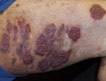
Psoriasis Patients Have Low Rates of Common Cancers
PRAGUE – Rates of three common malignancies – breast cancer, prostate cancer, and colorectal cancer – appear to be lower in psoriasis patients than in the general population of the Canadian maritime provinces of Newfoundland and Labrador, a study has shown.
In addition, only a single case of lymphoma occurred in 3,289 psoriasis patients followed for an average of 10 years, Dr. Wayne Gulliver said in presenting preliminary results of the ongoing study at the annual congress of the European Academy of Dermatology and Venereology.

The issue of a possible elevated risk of lymphoma in psoriasis patients has been controversial. Findings have been inconsistent. Some studies have reported a significantly increased risk. Among these, notably, was a population-based cohort study of more than 153,000 psoriasis patients and close to 800,000 controls in the U.K. General Practice Research Database. Investigators found an age- and sex-adjusted 35% increased risk of lymphoma in the group with psoriasis (J. Invest. Dermatol. 2006;126:2194-201).
However, lymphoma is an uncommon disease and a 35% increased risk is, from an epidemiologic perspective, only modest. Some studies have not found a significant association between psoriasis and lymphoma. The Canadian maritime study can be added to their ranks, according to Dr. Gulliver, professor of medicine and chairman of the division of dermatology at Memorial University of Newfoundland, St. John’s.
He matched records from a comprehensive research database of psoriasis patients in Newfoundland and Labrador for 1989-2010 with Canadian national and provincial cancer statistics. The purpose of the study was straightforward: "Our patients want to know if their psoriasis affects their risk of cancer, especially with the treatments we’re offering them these days," Dr. Gulliver said.
There were 232 cancer cases in 3,289 psoriasis patients, for a cumulative incidence rate of 588/100,000 population with psoriasis. Although the psoriasis population was divided nearly equally between men and women, 145 men developed cancer compared with 87 women.
Cancer rates were similar regardless of whether patients had mild psoriasis – meaning they received no systemic therapies – or moderate to severe psoriasis.
The cumulative incidence rate of breast cancer among psoriasis patients was 52/100,000 patients with mild psoriasis and 64/100,000 with moderate to severe disease compared with 96/100,000 in the general Canadian population and 84/100,000 among residents of Newfoundland and Labrador. The prostate cancer rate was 103/100,000 patients with mild psoriasis and 75/100,000 with moderate to severe psoriasis as opposed to 121/100,000 nationwide and 129/100,000 men in the general population of the two maritime provinces. The cumulative incidence rate for colorectal cancer followed the same pattern: lower in the psoriasis patients than in the general population.
Nonmelanoma skin cancer rates were relatively high: 142/100,000 patients with mild psoriasis and 122/100,000 with moderate to severe disease. That’s consistent with findings from other studies. It comes as no surprise given the common use of UV therapy and sunlight exposure in psoriasis patients.
Dr. Gulliver noted the relatively small number of cancers to date is a significant study limitation. But that number will grow as the psoriasis patients age; plus, more psoriasis patients are being added to the provincial database. He added that the database provides fertile ground for planned future studies. He said he plans soon to compare cancer rates in psoriasis patients on immunosuppressive therapy with biologic agents or cyclosporine to rates in patients on other agents.
One audience member observed that it seems more than coincidental that increased rates of breast, prostate, and colorectal cancers in the general population have previously been linked to low vitamin D levels. Perhaps the same factor that drives the increase in nonmelanoma skin cancer in psoriasis patients – that is, UV exposure – is responsible for their lower risks of those three common internal malignancies through a mechanism involving enhanced serum vitamin D levels, he speculated.
Dr. Gulliver called that a fascinating hypothesis and one he is now eager to investigate, since he has access to blood samples for the study population.
The study was free of commercial involvement, and the presenter reported having no relevant financial conflicts.
PRAGUE – Rates of three common malignancies – breast cancer, prostate cancer, and colorectal cancer – appear to be lower in psoriasis patients than in the general population of the Canadian maritime provinces of Newfoundland and Labrador, a study has shown.
In addition, only a single case of lymphoma occurred in 3,289 psoriasis patients followed for an average of 10 years, Dr. Wayne Gulliver said in presenting preliminary results of the ongoing study at the annual congress of the European Academy of Dermatology and Venereology.
The issue of a possible elevated risk of lymphoma in psoriasis patients has been controversial. Findings have been inconsistent. Some studies have reported a significantly increased risk. Among these, notably, was a population-based cohort study of more than 153,000 psoriasis patients and close to 800,000 controls in the U.K. General Practice Research Database. Investigators found an age- and sex-adjusted 35% increased risk of lymphoma in the group with psoriasis (J. Invest. Dermatol. 2006;126:2194-201).
However, lymphoma is an uncommon disease and a 35% increased risk is, from an epidemiologic perspective, only modest. Some studies have not found a significant association between psoriasis and lymphoma. The Canadian maritime study can be added to their ranks, according to Dr. Gulliver, professor of medicine and chairman of the division of dermatology at Memorial University of Newfoundland, St. John’s.
He matched records from a comprehensive research database of psoriasis patients in Newfoundland and Labrador for 1989-2010 with Canadian national and provincial cancer statistics. The purpose of the study was straightforward: "Our patients want to know if their psoriasis affects their risk of cancer, especially with the treatments we’re offering them these days," Dr. Gulliver said.
There were 232 cancer cases in 3,289 psoriasis patients, for a cumulative incidence rate of 588/100,000 population with psoriasis. Although the psoriasis population was divided nearly equally between men and women, 145 men developed cancer compared with 87 women.
Cancer rates were similar regardless of whether patients had mild psoriasis – meaning they received no systemic therapies – or moderate to severe psoriasis.
The cumulative incidence rate of breast cancer among psoriasis patients was 52/100,000 patients with mild psoriasis and 64/100,000 with moderate to severe disease compared with 96/100,000 in the general Canadian population and 84/100,000 among residents of Newfoundland and Labrador. The prostate cancer rate was 103/100,000 patients with mild psoriasis and 75/100,000 with moderate to severe psoriasis as opposed to 121/100,000 nationwide and 129/100,000 men in the general population of the two maritime provinces. The cumulative incidence rate for colorectal cancer followed the same pattern: lower in the psoriasis patients than in the general population.
Nonmelanoma skin cancer rates were relatively high: 142/100,000 patients with mild psoriasis and 122/100,000 with moderate to severe disease. That’s consistent with findings from other studies. It comes as no surprise given the common use of UV therapy and sunlight exposure in psoriasis patients.
Dr. Gulliver noted the relatively small number of cancers to date is a significant study limitation. But that number will grow as the psoriasis patients age; plus, more psoriasis patients are being added to the provincial database. He added that the database provides fertile ground for planned future studies. He said he plans soon to compare cancer rates in psoriasis patients on immunosuppressive therapy with biologic agents or cyclosporine to rates in patients on other agents.
One audience member observed that it seems more than coincidental that increased rates of breast, prostate, and colorectal cancers in the general population have previously been linked to low vitamin D levels. Perhaps the same factor that drives the increase in nonmelanoma skin cancer in psoriasis patients – that is, UV exposure – is responsible for their lower risks of those three common internal malignancies through a mechanism involving enhanced serum vitamin D levels, he speculated.
Dr. Gulliver called that a fascinating hypothesis and one he is now eager to investigate, since he has access to blood samples for the study population.
The study was free of commercial involvement, and the presenter reported having no relevant financial conflicts.
PRAGUE – Rates of three common malignancies – breast cancer, prostate cancer, and colorectal cancer – appear to be lower in psoriasis patients than in the general population of the Canadian maritime provinces of Newfoundland and Labrador, a study has shown.
In addition, only a single case of lymphoma occurred in 3,289 psoriasis patients followed for an average of 10 years, Dr. Wayne Gulliver said in presenting preliminary results of the ongoing study at the annual congress of the European Academy of Dermatology and Venereology.
The issue of a possible elevated risk of lymphoma in psoriasis patients has been controversial. Findings have been inconsistent. Some studies have reported a significantly increased risk. Among these, notably, was a population-based cohort study of more than 153,000 psoriasis patients and close to 800,000 controls in the U.K. General Practice Research Database. Investigators found an age- and sex-adjusted 35% increased risk of lymphoma in the group with psoriasis (J. Invest. Dermatol. 2006;126:2194-201).
However, lymphoma is an uncommon disease and a 35% increased risk is, from an epidemiologic perspective, only modest. Some studies have not found a significant association between psoriasis and lymphoma. The Canadian maritime study can be added to their ranks, according to Dr. Gulliver, professor of medicine and chairman of the division of dermatology at Memorial University of Newfoundland, St. John’s.
He matched records from a comprehensive research database of psoriasis patients in Newfoundland and Labrador for 1989-2010 with Canadian national and provincial cancer statistics. The purpose of the study was straightforward: "Our patients want to know if their psoriasis affects their risk of cancer, especially with the treatments we’re offering them these days," Dr. Gulliver said.
There were 232 cancer cases in 3,289 psoriasis patients, for a cumulative incidence rate of 588/100,000 population with psoriasis. Although the psoriasis population was divided nearly equally between men and women, 145 men developed cancer compared with 87 women.
Cancer rates were similar regardless of whether patients had mild psoriasis – meaning they received no systemic therapies – or moderate to severe psoriasis.
The cumulative incidence rate of breast cancer among psoriasis patients was 52/100,000 patients with mild psoriasis and 64/100,000 with moderate to severe disease compared with 96/100,000 in the general Canadian population and 84/100,000 among residents of Newfoundland and Labrador. The prostate cancer rate was 103/100,000 patients with mild psoriasis and 75/100,000 with moderate to severe psoriasis as opposed to 121/100,000 nationwide and 129/100,000 men in the general population of the two maritime provinces. The cumulative incidence rate for colorectal cancer followed the same pattern: lower in the psoriasis patients than in the general population.
Nonmelanoma skin cancer rates were relatively high: 142/100,000 patients with mild psoriasis and 122/100,000 with moderate to severe disease. That’s consistent with findings from other studies. It comes as no surprise given the common use of UV therapy and sunlight exposure in psoriasis patients.
Dr. Gulliver noted the relatively small number of cancers to date is a significant study limitation. But that number will grow as the psoriasis patients age; plus, more psoriasis patients are being added to the provincial database. He added that the database provides fertile ground for planned future studies. He said he plans soon to compare cancer rates in psoriasis patients on immunosuppressive therapy with biologic agents or cyclosporine to rates in patients on other agents.
One audience member observed that it seems more than coincidental that increased rates of breast, prostate, and colorectal cancers in the general population have previously been linked to low vitamin D levels. Perhaps the same factor that drives the increase in nonmelanoma skin cancer in psoriasis patients – that is, UV exposure – is responsible for their lower risks of those three common internal malignancies through a mechanism involving enhanced serum vitamin D levels, he speculated.
Dr. Gulliver called that a fascinating hypothesis and one he is now eager to investigate, since he has access to blood samples for the study population.
The study was free of commercial involvement, and the presenter reported having no relevant financial conflicts.
AT THE ANNUAL CONGRESS OF THE EUROPEAN ACADEMY OF DERMATOLOGY AND VENEREOLOGY
Major Finding: There were 232 cancer cases in 3,289 psoriasis patients, for a cumulative incidence rate of 588/100,000 population with psoriasis, a finding that suggests these patients have lower-than-average risks of prostate, breast, and colorectal cancers.
Data Source: This was a population-based cohort study involving 3,289 psoriasis patients in Newfoundland and Labrador. Their risk of various cancers during roughly 32,000 person-years of follow-up was determined by analysis of the comprehensive provincial and national cancer registries.
Disclosures: The study was free of commercial involvement, and the presenter reported having no relevant financial conflicts.

Anti-Jo1 Predicts Improvement With Rituximab
WASHINGTON – The presence of the antisynthetase antibody Jo-1, as well as Mi-2 autoantibodies, strongly predicted improvement in rituximab-treated myositis patients.
On the other hand, global damage is a poor indicator of good response to rituximab in multivariate analysis, meaning that further research into these biomarkers – especially Jo-1 – could have a major impact on treatment in this population, reported Dr. Rohit Aggarwal at the annual meeting of the American College of Rheumatology.

Dr. Aggarwal of the myositis center of the University of Pittsburgh and his colleagues looked at data from the RIM study (Rituximab in Myositis), which evaluated 200 myositis patients treated with the B-cell depleting agent, 83% of whom met the "definition of improvement" (DOI).
The DOI included a 20% or greater improvement in three of six measures: manual muscle testing, muscle enzymes, health assessment questionnaire, patient/parent global assessment, physician global disease activity assessment, and extramuscular disease activity, with not more than 25% worsening of greater than two measures.
These improvements also had to be noted at two consecutive visits to count as meeting the DOI.
Overall, 76 of the 200 myositis patients were more specifically classified as having adult polymyositis; 76 had adult dermatomyositis; and the remaining 48 patients had juvenile dermatomyositis.
In univariate analysis, several factors were associated with more rapid achievement of the DOI. These included lower baseline muscle damage, a higher white blood cell count, lower global damage, and the absence of muscle atrophy.
However, "the primary and strongest predictor of improvement on univariate analysis was autoantibodies," said Dr. Aggarwal – specifically, Jo-1 and Mi-2 – but also other myositis-associated antibodies, including SRP.
Dr. Aggarwal then conducted a multivariate analysis looking only at those variables with P value less than .1 in univariate assessment.
This time, the only significant predictors of improvement were the presence of the antisynthetase autoantibody Jo-1, but only in adults (hazard ratio, 3.08; 95% confidence interval, 1.80-5.28) as well as Mi-2, but only in juvenile and adult dermatomyositis – not adult polymyositis (HR 2.49; 95% CI, 1.42-4.41).
Other antibodies, including those to the signal recognition particle, did not confer a significantly increased association with improvement.
On the other hand, having less global damage at baseline was associated with improvement at 8 weeks, but the effect was washed out by week 20.
"Our findings regarding anti–Jo-1 are even more interesting when these results are coupled with other data that were presented in a concurrent session yesterday," said Dr. Aggarwal, citing a study he also led looking at the relation between anti–Jo-1 serum levels and the six improvement measures assessed in the DOI.
In that study, "After start of the treatment [with rituximab], autoantibody levels in Jo-1 subjects decreased by approximately nine units per week," he wrote.
"Anti–Jo-1 levels longitudinally correlated with all core set measures [of improvement] univariately and after adjusting for IgG levels."
He added, "These data suggest that anti–Jo-1 is also a disease biomarker."
"Further study of B-cell depletion in autoantibody positive, low-damage and juvenile dermatomyositis is warranted."
The RIM study was funded by Genentech, maker of rituximab; several investigators reported relationships to Genentech as well as other pharmaceutical companies.
WASHINGTON – The presence of the antisynthetase antibody Jo-1, as well as Mi-2 autoantibodies, strongly predicted improvement in rituximab-treated myositis patients.
On the other hand, global damage is a poor indicator of good response to rituximab in multivariate analysis, meaning that further research into these biomarkers – especially Jo-1 – could have a major impact on treatment in this population, reported Dr. Rohit Aggarwal at the annual meeting of the American College of Rheumatology.
Dr. Aggarwal of the myositis center of the University of Pittsburgh and his colleagues looked at data from the RIM study (Rituximab in Myositis), which evaluated 200 myositis patients treated with the B-cell depleting agent, 83% of whom met the "definition of improvement" (DOI).
The DOI included a 20% or greater improvement in three of six measures: manual muscle testing, muscle enzymes, health assessment questionnaire, patient/parent global assessment, physician global disease activity assessment, and extramuscular disease activity, with not more than 25% worsening of greater than two measures.
These improvements also had to be noted at two consecutive visits to count as meeting the DOI.
Overall, 76 of the 200 myositis patients were more specifically classified as having adult polymyositis; 76 had adult dermatomyositis; and the remaining 48 patients had juvenile dermatomyositis.
In univariate analysis, several factors were associated with more rapid achievement of the DOI. These included lower baseline muscle damage, a higher white blood cell count, lower global damage, and the absence of muscle atrophy.
However, "the primary and strongest predictor of improvement on univariate analysis was autoantibodies," said Dr. Aggarwal – specifically, Jo-1 and Mi-2 – but also other myositis-associated antibodies, including SRP.
Dr. Aggarwal then conducted a multivariate analysis looking only at those variables with P value less than .1 in univariate assessment.
This time, the only significant predictors of improvement were the presence of the antisynthetase autoantibody Jo-1, but only in adults (hazard ratio, 3.08; 95% confidence interval, 1.80-5.28) as well as Mi-2, but only in juvenile and adult dermatomyositis – not adult polymyositis (HR 2.49; 95% CI, 1.42-4.41).
Other antibodies, including those to the signal recognition particle, did not confer a significantly increased association with improvement.
On the other hand, having less global damage at baseline was associated with improvement at 8 weeks, but the effect was washed out by week 20.
"Our findings regarding anti–Jo-1 are even more interesting when these results are coupled with other data that were presented in a concurrent session yesterday," said Dr. Aggarwal, citing a study he also led looking at the relation between anti–Jo-1 serum levels and the six improvement measures assessed in the DOI.
In that study, "After start of the treatment [with rituximab], autoantibody levels in Jo-1 subjects decreased by approximately nine units per week," he wrote.
"Anti–Jo-1 levels longitudinally correlated with all core set measures [of improvement] univariately and after adjusting for IgG levels."
He added, "These data suggest that anti–Jo-1 is also a disease biomarker."
"Further study of B-cell depletion in autoantibody positive, low-damage and juvenile dermatomyositis is warranted."
The RIM study was funded by Genentech, maker of rituximab; several investigators reported relationships to Genentech as well as other pharmaceutical companies.
WASHINGTON – The presence of the antisynthetase antibody Jo-1, as well as Mi-2 autoantibodies, strongly predicted improvement in rituximab-treated myositis patients.
On the other hand, global damage is a poor indicator of good response to rituximab in multivariate analysis, meaning that further research into these biomarkers – especially Jo-1 – could have a major impact on treatment in this population, reported Dr. Rohit Aggarwal at the annual meeting of the American College of Rheumatology.
Dr. Aggarwal of the myositis center of the University of Pittsburgh and his colleagues looked at data from the RIM study (Rituximab in Myositis), which evaluated 200 myositis patients treated with the B-cell depleting agent, 83% of whom met the "definition of improvement" (DOI).
The DOI included a 20% or greater improvement in three of six measures: manual muscle testing, muscle enzymes, health assessment questionnaire, patient/parent global assessment, physician global disease activity assessment, and extramuscular disease activity, with not more than 25% worsening of greater than two measures.
These improvements also had to be noted at two consecutive visits to count as meeting the DOI.
Overall, 76 of the 200 myositis patients were more specifically classified as having adult polymyositis; 76 had adult dermatomyositis; and the remaining 48 patients had juvenile dermatomyositis.
In univariate analysis, several factors were associated with more rapid achievement of the DOI. These included lower baseline muscle damage, a higher white blood cell count, lower global damage, and the absence of muscle atrophy.
However, "the primary and strongest predictor of improvement on univariate analysis was autoantibodies," said Dr. Aggarwal – specifically, Jo-1 and Mi-2 – but also other myositis-associated antibodies, including SRP.
Dr. Aggarwal then conducted a multivariate analysis looking only at those variables with P value less than .1 in univariate assessment.
This time, the only significant predictors of improvement were the presence of the antisynthetase autoantibody Jo-1, but only in adults (hazard ratio, 3.08; 95% confidence interval, 1.80-5.28) as well as Mi-2, but only in juvenile and adult dermatomyositis – not adult polymyositis (HR 2.49; 95% CI, 1.42-4.41).
Other antibodies, including those to the signal recognition particle, did not confer a significantly increased association with improvement.
On the other hand, having less global damage at baseline was associated with improvement at 8 weeks, but the effect was washed out by week 20.
"Our findings regarding anti–Jo-1 are even more interesting when these results are coupled with other data that were presented in a concurrent session yesterday," said Dr. Aggarwal, citing a study he also led looking at the relation between anti–Jo-1 serum levels and the six improvement measures assessed in the DOI.
In that study, "After start of the treatment [with rituximab], autoantibody levels in Jo-1 subjects decreased by approximately nine units per week," he wrote.
"Anti–Jo-1 levels longitudinally correlated with all core set measures [of improvement] univariately and after adjusting for IgG levels."
He added, "These data suggest that anti–Jo-1 is also a disease biomarker."
"Further study of B-cell depletion in autoantibody positive, low-damage and juvenile dermatomyositis is warranted."
The RIM study was funded by Genentech, maker of rituximab; several investigators reported relationships to Genentech as well as other pharmaceutical companies.
AT THE ANNUAL MEETING OF THE AMERICAN COLLEGE OF RHEUMATOLOGY
Major Finding: Presence of the anti-synthetase autoantibody Jo-1 at baseline strongly predicted improvement in myositis patients taking rituximab (hazard ratio 3.08; 95% confidence interval, 1.80-5.28).
Data Source: A This findings is based on data from the RIM (Rituximab in Myositis) study.
Disclosures: The RIM study was funded by Genentech, maker of rituximab; several investigators reported relationships to Genentech as well as other pharmaceutical companies.

Subcutaneous Nodules Linked to Cardiovascular Disease Risk in RA
WASHINGTON – Subcutaneous nodules in patients with rheumatoid arthritis signal a significantly increased risk of cardiovascular disease, based on findings from the CORRONA database.
Although subcutaneous nodules are associated with more severe rheumatoid arthritis (RA), and RA is known to be associated with an increased risk of cardiovascular disease, the findings are the first to demonstrate a link between these "conspicuous, accessible, and assessable clinical markers" and cardiovascular morbidity in RA, Dr. Prashant Kaushik reported at the annual meeting of the American College of Rheumatology.
In 23,327 RA patients included in the CORRONA (Consortium of Rheumatology Researchers of North America) database who were evaluated at 182,201 individual visits between October 2001 and September 2011, the presence of subcutaneous nodules was found to confer a 44% increase in the risk of cardiovascular disease (hazard ratio, 1.44). The association remained significant after the investigators adjusted for age, sex, age of onset of RA, presence of diabetes mellitus, hypertension, smoking, alcohol consumption, and the use of a lipid-lowering agent (adjusted hazard ratio, 1.25), said Dr. Kaushik, who is rheumatology section chief at the Stratton VA Medical Center, Albany, N.Y.
Additionally, an age-sex interaction was found for women, who had a steeper increase in risk with age, compared with men. The hazard ratios per year of age for men and women were 1.01 and 1.03, but the hazard ratio for women vs. men at age 40 was 0.39, and at age 70 was 0.59, he noted.
Patients included in the CORRONA database had an average follow-up of 3 years and 70,455 patient-years. Nearly a third had subcutaneous nodules, and 795 had a cardiovascular event including a myocardial infarction, stroke or transient ischemic attack, heart failure, and/or cardiovascular death.
While the precise mechanism of the biologic association still needs to be ascertained, these findings indicate that subcutaneous nodules, which are the most common extra-articular manifestation of RA, should serve as a red flag for clinicians, Dr. Kaushik said.
"Subcutaneous nodules may be thought of as a clinical indicator of cardiovascular disease in RA," he concluded.
Dr. Kaushik reported having no relevant financial disclosures.
WASHINGTON – Subcutaneous nodules in patients with rheumatoid arthritis signal a significantly increased risk of cardiovascular disease, based on findings from the CORRONA database.
Although subcutaneous nodules are associated with more severe rheumatoid arthritis (RA), and RA is known to be associated with an increased risk of cardiovascular disease, the findings are the first to demonstrate a link between these "conspicuous, accessible, and assessable clinical markers" and cardiovascular morbidity in RA, Dr. Prashant Kaushik reported at the annual meeting of the American College of Rheumatology.
In 23,327 RA patients included in the CORRONA (Consortium of Rheumatology Researchers of North America) database who were evaluated at 182,201 individual visits between October 2001 and September 2011, the presence of subcutaneous nodules was found to confer a 44% increase in the risk of cardiovascular disease (hazard ratio, 1.44). The association remained significant after the investigators adjusted for age, sex, age of onset of RA, presence of diabetes mellitus, hypertension, smoking, alcohol consumption, and the use of a lipid-lowering agent (adjusted hazard ratio, 1.25), said Dr. Kaushik, who is rheumatology section chief at the Stratton VA Medical Center, Albany, N.Y.
Additionally, an age-sex interaction was found for women, who had a steeper increase in risk with age, compared with men. The hazard ratios per year of age for men and women were 1.01 and 1.03, but the hazard ratio for women vs. men at age 40 was 0.39, and at age 70 was 0.59, he noted.
Patients included in the CORRONA database had an average follow-up of 3 years and 70,455 patient-years. Nearly a third had subcutaneous nodules, and 795 had a cardiovascular event including a myocardial infarction, stroke or transient ischemic attack, heart failure, and/or cardiovascular death.
While the precise mechanism of the biologic association still needs to be ascertained, these findings indicate that subcutaneous nodules, which are the most common extra-articular manifestation of RA, should serve as a red flag for clinicians, Dr. Kaushik said.
"Subcutaneous nodules may be thought of as a clinical indicator of cardiovascular disease in RA," he concluded.
Dr. Kaushik reported having no relevant financial disclosures.
WASHINGTON – Subcutaneous nodules in patients with rheumatoid arthritis signal a significantly increased risk of cardiovascular disease, based on findings from the CORRONA database.
Although subcutaneous nodules are associated with more severe rheumatoid arthritis (RA), and RA is known to be associated with an increased risk of cardiovascular disease, the findings are the first to demonstrate a link between these "conspicuous, accessible, and assessable clinical markers" and cardiovascular morbidity in RA, Dr. Prashant Kaushik reported at the annual meeting of the American College of Rheumatology.
In 23,327 RA patients included in the CORRONA (Consortium of Rheumatology Researchers of North America) database who were evaluated at 182,201 individual visits between October 2001 and September 2011, the presence of subcutaneous nodules was found to confer a 44% increase in the risk of cardiovascular disease (hazard ratio, 1.44). The association remained significant after the investigators adjusted for age, sex, age of onset of RA, presence of diabetes mellitus, hypertension, smoking, alcohol consumption, and the use of a lipid-lowering agent (adjusted hazard ratio, 1.25), said Dr. Kaushik, who is rheumatology section chief at the Stratton VA Medical Center, Albany, N.Y.
Additionally, an age-sex interaction was found for women, who had a steeper increase in risk with age, compared with men. The hazard ratios per year of age for men and women were 1.01 and 1.03, but the hazard ratio for women vs. men at age 40 was 0.39, and at age 70 was 0.59, he noted.
Patients included in the CORRONA database had an average follow-up of 3 years and 70,455 patient-years. Nearly a third had subcutaneous nodules, and 795 had a cardiovascular event including a myocardial infarction, stroke or transient ischemic attack, heart failure, and/or cardiovascular death.
While the precise mechanism of the biologic association still needs to be ascertained, these findings indicate that subcutaneous nodules, which are the most common extra-articular manifestation of RA, should serve as a red flag for clinicians, Dr. Kaushik said.
"Subcutaneous nodules may be thought of as a clinical indicator of cardiovascular disease in RA," he concluded.
Dr. Kaushik reported having no relevant financial disclosures.
AT THE ANNUAL MEETING OF THE AMERICAN COLLEGE OF RHEUMATOLOGY
Major Finding: In 23,327 patients with RA, the presence of subcutaneous nodules was found to confer a 44% increase in the risk of cardiovascular disease (hazard ratio, 1.44). The association remained significant after adjusting for age, sex, age of onset of RA, presence of diabetes mellitus, hypertension, smoking, alcohol consumption, and use of a lipid-lowering agent (adjusted hazard ratio, 1.25).
Data Source: The findings come from the CORRONA database.
Disclosures: Dr. Kaushik said he had no relevant financial disclosures.
Free Pharma Pens: The Skinny Podcast
In this month's program, Dr. Craig Leonardi discusses the link between psoriasis and diabetes, and what it means for your patients.

Reporter Mary Ellen Schneider talks to Dr. Henry Lim about the American Academy of Dermatology's top research priorities.
We also bring you an interview with a physician that believes flu vaccination is an ethical responsibility.
In this month's Cosmetic Counter segment, Dr. Lily Talakoub explains why she believes paramedical micropigmentation should be part of every dermatologist's practice.
And to wrap it up, Dr. Alan Rockoff jots down a few notes with his free drug company pens.
In this month's program, Dr. Craig Leonardi discusses the link between psoriasis and diabetes, and what it means for your patients.
Reporter Mary Ellen Schneider talks to Dr. Henry Lim about the American Academy of Dermatology's top research priorities.
We also bring you an interview with a physician that believes flu vaccination is an ethical responsibility.
In this month's Cosmetic Counter segment, Dr. Lily Talakoub explains why she believes paramedical micropigmentation should be part of every dermatologist's practice.
And to wrap it up, Dr. Alan Rockoff jots down a few notes with his free drug company pens.
In this month's program, Dr. Craig Leonardi discusses the link between psoriasis and diabetes, and what it means for your patients.
Reporter Mary Ellen Schneider talks to Dr. Henry Lim about the American Academy of Dermatology's top research priorities.
We also bring you an interview with a physician that believes flu vaccination is an ethical responsibility.
In this month's Cosmetic Counter segment, Dr. Lily Talakoub explains why she believes paramedical micropigmentation should be part of every dermatologist's practice.
And to wrap it up, Dr. Alan Rockoff jots down a few notes with his free drug company pens.