User login
Ustekinumab's Cardiovascular Event Rates Stable at 5 Years
LAS VEGAS – Cardiovascular event rates in patients treated with ustekinumab have been found to remain stable over time, according to 5-year follow-up data from the manufacturer.
"The overall safety profile of ustekinumab [Stelara] remained stable in adults with moderate to severe plaque psoriasis receiving up to 5 years of ustekinumab treatment," noted the manufacturer of Stelara, Janssen Pharmaceuticals, in a statement. "There was no dose-response or cumulative effect of increasing duration of exposure to ustekinumab on the rates of overall and targeted adverse events after up to 5 years of treatment."

The cardiovascular safety of the plaque psoriasis treatment has been a concern because early testing detected a slightly higher incidence of events in patients treated with ustekinumab, compared with placebo.
But among 3,117 patients – 838 of whom were on the biologic for 5 years – and after a cumulative total of 8,998 patient-years, the rate of major adverse cardiovascular events (MACEs) held largely steady at 0.47 per 100 patient-years at year 1, 0.44 at year 5, and comparable numbers in between. The data were pooled from one phase II and three phase III trials, with MACE defined as stroke, myocardial infarction, or cardiovascular death.
The MACE rate at 5-year follow-up was 0.56 per 100 patient-years (95% confidence interval, 0.35-0.85) among patients receiving the 45-mg dose of the injectable and 0.36 per 100 patient-years (95% CI, 0.22-0.57) in patients receiving 90 mg.
In comparable 4-year follow-up data, researchers found that MACE and other serious adverse event rates among ustekinumab users "were consistent with those in the general and psoriasis populations" (J. Drugs Dermatol. 2012;11:300-12).
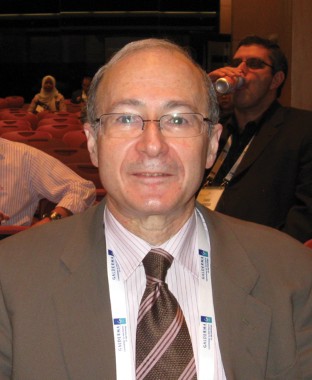
"The cardiovascular events over time seem to be stable," said Dr. Craig Leonardi, of the dermatology department at St. Louis University, who summarized the 5-year findings during a talk about the drug.
Even so, Dr. Leonardi, who presented the study results at a seminar sponsored by Skin Disease Education Foundation (SDEF), said that he remains concerned, noting that follow-up studies select for patients who do well on a drug and have minimal adverse events.
It’s possible that patients susceptible to MACEs – those with preexisting cardiac risk factors or, perhaps, an as-yet unrecognized genetic predisposition – dropped out early due to angina or other problems.
Dr. Leonardi also noted a recent meta-analysis that found a higher risk of MACEs in patients treated with ustekinumab or briakinumab – another interleukin-12/23 antibody no longer under development – compared with those on placebo (J. Eur. Acad. Dermatol. Venereol. 2012 March 8 [doi: 10.1111/j.1468-3083.2012.04500]).
It followed an earlier meta-analysis, conducted by Dr. Leonardi and his colleagues, of 22 trials that found 10 MACEs among 3,179 patients on ustekinumab or briakinumab but none among 1,474 placebo patients (JAMA 2011;306:864-71). Even though the results were not statistically significant, "there was a trend, and we are concerned about it. It seems to correspond to peak levels of the drug. We are awaiting further analysis," Dr. Leonardi said.
There’s "no question [ustekinumab] is a high-performance drug with a durable response," but in the meantime, "I am putting all my ustekinumab patients on aspirin, 81 mg/day," he said.
Patients with multiple cardiovascular risk factors should start with a tumor necrosis factor antagonist instead, according to Dr. Leonardi. "These are drugs with proven cardiovascular friendliness," he added. It is also probably wise to start out with the lower 45-mg dose of ustekinumab when initiating treatment.
Dr. Leonardi is a consultant, investigator, and speaker for Abbott, Amgen, and other companies. SDEF and this news organization are owned by Frontline Medical Communications.
LAS VEGAS – Cardiovascular event rates in patients treated with ustekinumab have been found to remain stable over time, according to 5-year follow-up data from the manufacturer.
"The overall safety profile of ustekinumab [Stelara] remained stable in adults with moderate to severe plaque psoriasis receiving up to 5 years of ustekinumab treatment," noted the manufacturer of Stelara, Janssen Pharmaceuticals, in a statement. "There was no dose-response or cumulative effect of increasing duration of exposure to ustekinumab on the rates of overall and targeted adverse events after up to 5 years of treatment."
The cardiovascular safety of the plaque psoriasis treatment has been a concern because early testing detected a slightly higher incidence of events in patients treated with ustekinumab, compared with placebo.
But among 3,117 patients – 838 of whom were on the biologic for 5 years – and after a cumulative total of 8,998 patient-years, the rate of major adverse cardiovascular events (MACEs) held largely steady at 0.47 per 100 patient-years at year 1, 0.44 at year 5, and comparable numbers in between. The data were pooled from one phase II and three phase III trials, with MACE defined as stroke, myocardial infarction, or cardiovascular death.
The MACE rate at 5-year follow-up was 0.56 per 100 patient-years (95% confidence interval, 0.35-0.85) among patients receiving the 45-mg dose of the injectable and 0.36 per 100 patient-years (95% CI, 0.22-0.57) in patients receiving 90 mg.
In comparable 4-year follow-up data, researchers found that MACE and other serious adverse event rates among ustekinumab users "were consistent with those in the general and psoriasis populations" (J. Drugs Dermatol. 2012;11:300-12).
"The cardiovascular events over time seem to be stable," said Dr. Craig Leonardi, of the dermatology department at St. Louis University, who summarized the 5-year findings during a talk about the drug.
Even so, Dr. Leonardi, who presented the study results at a seminar sponsored by Skin Disease Education Foundation (SDEF), said that he remains concerned, noting that follow-up studies select for patients who do well on a drug and have minimal adverse events.
It’s possible that patients susceptible to MACEs – those with preexisting cardiac risk factors or, perhaps, an as-yet unrecognized genetic predisposition – dropped out early due to angina or other problems.
Dr. Leonardi also noted a recent meta-analysis that found a higher risk of MACEs in patients treated with ustekinumab or briakinumab – another interleukin-12/23 antibody no longer under development – compared with those on placebo (J. Eur. Acad. Dermatol. Venereol. 2012 March 8 [doi: 10.1111/j.1468-3083.2012.04500]).
It followed an earlier meta-analysis, conducted by Dr. Leonardi and his colleagues, of 22 trials that found 10 MACEs among 3,179 patients on ustekinumab or briakinumab but none among 1,474 placebo patients (JAMA 2011;306:864-71). Even though the results were not statistically significant, "there was a trend, and we are concerned about it. It seems to correspond to peak levels of the drug. We are awaiting further analysis," Dr. Leonardi said.
There’s "no question [ustekinumab] is a high-performance drug with a durable response," but in the meantime, "I am putting all my ustekinumab patients on aspirin, 81 mg/day," he said.
Patients with multiple cardiovascular risk factors should start with a tumor necrosis factor antagonist instead, according to Dr. Leonardi. "These are drugs with proven cardiovascular friendliness," he added. It is also probably wise to start out with the lower 45-mg dose of ustekinumab when initiating treatment.
Dr. Leonardi is a consultant, investigator, and speaker for Abbott, Amgen, and other companies. SDEF and this news organization are owned by Frontline Medical Communications.
LAS VEGAS – Cardiovascular event rates in patients treated with ustekinumab have been found to remain stable over time, according to 5-year follow-up data from the manufacturer.
"The overall safety profile of ustekinumab [Stelara] remained stable in adults with moderate to severe plaque psoriasis receiving up to 5 years of ustekinumab treatment," noted the manufacturer of Stelara, Janssen Pharmaceuticals, in a statement. "There was no dose-response or cumulative effect of increasing duration of exposure to ustekinumab on the rates of overall and targeted adverse events after up to 5 years of treatment."
The cardiovascular safety of the plaque psoriasis treatment has been a concern because early testing detected a slightly higher incidence of events in patients treated with ustekinumab, compared with placebo.
But among 3,117 patients – 838 of whom were on the biologic for 5 years – and after a cumulative total of 8,998 patient-years, the rate of major adverse cardiovascular events (MACEs) held largely steady at 0.47 per 100 patient-years at year 1, 0.44 at year 5, and comparable numbers in between. The data were pooled from one phase II and three phase III trials, with MACE defined as stroke, myocardial infarction, or cardiovascular death.
The MACE rate at 5-year follow-up was 0.56 per 100 patient-years (95% confidence interval, 0.35-0.85) among patients receiving the 45-mg dose of the injectable and 0.36 per 100 patient-years (95% CI, 0.22-0.57) in patients receiving 90 mg.
In comparable 4-year follow-up data, researchers found that MACE and other serious adverse event rates among ustekinumab users "were consistent with those in the general and psoriasis populations" (J. Drugs Dermatol. 2012;11:300-12).
"The cardiovascular events over time seem to be stable," said Dr. Craig Leonardi, of the dermatology department at St. Louis University, who summarized the 5-year findings during a talk about the drug.
Even so, Dr. Leonardi, who presented the study results at a seminar sponsored by Skin Disease Education Foundation (SDEF), said that he remains concerned, noting that follow-up studies select for patients who do well on a drug and have minimal adverse events.
It’s possible that patients susceptible to MACEs – those with preexisting cardiac risk factors or, perhaps, an as-yet unrecognized genetic predisposition – dropped out early due to angina or other problems.
Dr. Leonardi also noted a recent meta-analysis that found a higher risk of MACEs in patients treated with ustekinumab or briakinumab – another interleukin-12/23 antibody no longer under development – compared with those on placebo (J. Eur. Acad. Dermatol. Venereol. 2012 March 8 [doi: 10.1111/j.1468-3083.2012.04500]).
It followed an earlier meta-analysis, conducted by Dr. Leonardi and his colleagues, of 22 trials that found 10 MACEs among 3,179 patients on ustekinumab or briakinumab but none among 1,474 placebo patients (JAMA 2011;306:864-71). Even though the results were not statistically significant, "there was a trend, and we are concerned about it. It seems to correspond to peak levels of the drug. We are awaiting further analysis," Dr. Leonardi said.
There’s "no question [ustekinumab] is a high-performance drug with a durable response," but in the meantime, "I am putting all my ustekinumab patients on aspirin, 81 mg/day," he said.
Patients with multiple cardiovascular risk factors should start with a tumor necrosis factor antagonist instead, according to Dr. Leonardi. "These are drugs with proven cardiovascular friendliness," he added. It is also probably wise to start out with the lower 45-mg dose of ustekinumab when initiating treatment.
Dr. Leonardi is a consultant, investigator, and speaker for Abbott, Amgen, and other companies. SDEF and this news organization are owned by Frontline Medical Communications.
AT THE SDEF LAS VEGAS DERMATOLOGY SEMINAR
Major Finding: Among 3,117 patients – 838 of whom were on the biologic for 5 years – and after a cumulative total of 8,998 patient-years, the rate of MACEs was 0.47 per 100 patient-years at year 1 and 0.44 at year 5.
Data Source: The results were based on 5-year follow-up data from the manufacturer.
Disclosures: Dr. Leonardi is a consultant, investigator, and speaker for Abbott, Amgen, and other companies. SDEF and this news organization are owned by Frontline Medical Communications.

Biologics May Reduce RA Patients' Risk of Early Death
WASHINGTON – Biologics use by rheumatoid arthritis patients was associated with a 25% reduction in the risk of premature death, compared with patients without exposure to biologics, based on data from a population-based study of more than 4,000 patients. The findings were presented at the annual meeting of the American College of Rheumatology.
Rheumatoid arthritis (RA) is associated with a twofold increase in premature mortality risk, primarily caused by cardiovascular disease, said Dr. Diane Lacaille of the Arthritis Research Centre of Canada, in Vancouver. Previous research suggests that the increased risk is linked to inflammation that affects other organs beyond the RA-affected joints, she said. Biologic agents have shown effectiveness in controlling the inflammation associated with joint damage in RA, but the drugs’ impact on reducing early mortality has not been well studied, Dr. Lacaille said.
Dr. Lacaille and her colleagues reviewed data from the Canadian Ministry of Health to identify all RA cases that used a biologic agent (anti–tumor necrosis factor (anti-TNF), rituximab, anakinra, or abatacept) during follow-up. The study population included 2,156 patients who used biologics and 2,156 controls matched for age, sex, and calendar year. The average age of the patients was 56 years, and 75% were women. The researchers obtained data on all health services used by the study participants – including medications, lab tests, and hospitalizations – between January 1996 and March 2006, with follow-up to March 2010.
"Exposure to biologics was associated with a reduced risk of death, with a hazard ratio of 0.26 [(95% confidence interval, 0.18-0.36), P less than or equal to .0001)], which means that the risk of death in the biologics users was a quarter that of the nonbiologic users," Dr. Lacaille said. Approximately 90% of the biologics users were using anti-TNF therapy, but the findings were consistent for all biologics in a multivariate analysis, she noted.
Overall, 573 deaths were noted during the study period, including 247 in the biologics group and 326 in the control group. The use of three previous disease-modifying antirheumatic drugs or a change in DMARD did not affect the results, Dr. Lacaille noted.
"I think it wouldn’t be accurate from an epidemiological point of view to say that biologics lead to a 75% reduction" in the risk of premature death, she said.
"But we can be confident that there was an association with a reduction in the reduced risk of death," she added.
The study was limited by the lack of randomization, which may have led to some selection bias, said Dr. Lacaille. But given the increased risk of early mortality associated with RA, the data have "important implications for health policy makers, health care providers, and people with RA," she said.
Approximately 28% of the patients had used more than one biologic, but the number or course of prior biologics had no apparent impact on the risk of death, she added.
Dr. Lacaille had no financial conflicts to disclose.
WASHINGTON – Biologics use by rheumatoid arthritis patients was associated with a 25% reduction in the risk of premature death, compared with patients without exposure to biologics, based on data from a population-based study of more than 4,000 patients. The findings were presented at the annual meeting of the American College of Rheumatology.
Rheumatoid arthritis (RA) is associated with a twofold increase in premature mortality risk, primarily caused by cardiovascular disease, said Dr. Diane Lacaille of the Arthritis Research Centre of Canada, in Vancouver. Previous research suggests that the increased risk is linked to inflammation that affects other organs beyond the RA-affected joints, she said. Biologic agents have shown effectiveness in controlling the inflammation associated with joint damage in RA, but the drugs’ impact on reducing early mortality has not been well studied, Dr. Lacaille said.
Dr. Lacaille and her colleagues reviewed data from the Canadian Ministry of Health to identify all RA cases that used a biologic agent (anti–tumor necrosis factor (anti-TNF), rituximab, anakinra, or abatacept) during follow-up. The study population included 2,156 patients who used biologics and 2,156 controls matched for age, sex, and calendar year. The average age of the patients was 56 years, and 75% were women. The researchers obtained data on all health services used by the study participants – including medications, lab tests, and hospitalizations – between January 1996 and March 2006, with follow-up to March 2010.
"Exposure to biologics was associated with a reduced risk of death, with a hazard ratio of 0.26 [(95% confidence interval, 0.18-0.36), P less than or equal to .0001)], which means that the risk of death in the biologics users was a quarter that of the nonbiologic users," Dr. Lacaille said. Approximately 90% of the biologics users were using anti-TNF therapy, but the findings were consistent for all biologics in a multivariate analysis, she noted.
Overall, 573 deaths were noted during the study period, including 247 in the biologics group and 326 in the control group. The use of three previous disease-modifying antirheumatic drugs or a change in DMARD did not affect the results, Dr. Lacaille noted.
"I think it wouldn’t be accurate from an epidemiological point of view to say that biologics lead to a 75% reduction" in the risk of premature death, she said.
"But we can be confident that there was an association with a reduction in the reduced risk of death," she added.
The study was limited by the lack of randomization, which may have led to some selection bias, said Dr. Lacaille. But given the increased risk of early mortality associated with RA, the data have "important implications for health policy makers, health care providers, and people with RA," she said.
Approximately 28% of the patients had used more than one biologic, but the number or course of prior biologics had no apparent impact on the risk of death, she added.
Dr. Lacaille had no financial conflicts to disclose.
WASHINGTON – Biologics use by rheumatoid arthritis patients was associated with a 25% reduction in the risk of premature death, compared with patients without exposure to biologics, based on data from a population-based study of more than 4,000 patients. The findings were presented at the annual meeting of the American College of Rheumatology.
Rheumatoid arthritis (RA) is associated with a twofold increase in premature mortality risk, primarily caused by cardiovascular disease, said Dr. Diane Lacaille of the Arthritis Research Centre of Canada, in Vancouver. Previous research suggests that the increased risk is linked to inflammation that affects other organs beyond the RA-affected joints, she said. Biologic agents have shown effectiveness in controlling the inflammation associated with joint damage in RA, but the drugs’ impact on reducing early mortality has not been well studied, Dr. Lacaille said.
Dr. Lacaille and her colleagues reviewed data from the Canadian Ministry of Health to identify all RA cases that used a biologic agent (anti–tumor necrosis factor (anti-TNF), rituximab, anakinra, or abatacept) during follow-up. The study population included 2,156 patients who used biologics and 2,156 controls matched for age, sex, and calendar year. The average age of the patients was 56 years, and 75% were women. The researchers obtained data on all health services used by the study participants – including medications, lab tests, and hospitalizations – between January 1996 and March 2006, with follow-up to March 2010.
"Exposure to biologics was associated with a reduced risk of death, with a hazard ratio of 0.26 [(95% confidence interval, 0.18-0.36), P less than or equal to .0001)], which means that the risk of death in the biologics users was a quarter that of the nonbiologic users," Dr. Lacaille said. Approximately 90% of the biologics users were using anti-TNF therapy, but the findings were consistent for all biologics in a multivariate analysis, she noted.
Overall, 573 deaths were noted during the study period, including 247 in the biologics group and 326 in the control group. The use of three previous disease-modifying antirheumatic drugs or a change in DMARD did not affect the results, Dr. Lacaille noted.
"I think it wouldn’t be accurate from an epidemiological point of view to say that biologics lead to a 75% reduction" in the risk of premature death, she said.
"But we can be confident that there was an association with a reduction in the reduced risk of death," she added.
The study was limited by the lack of randomization, which may have led to some selection bias, said Dr. Lacaille. But given the increased risk of early mortality associated with RA, the data have "important implications for health policy makers, health care providers, and people with RA," she said.
Approximately 28% of the patients had used more than one biologic, but the number or course of prior biologics had no apparent impact on the risk of death, she added.
Dr. Lacaille had no financial conflicts to disclose.
AT THE ANNUAL MEETING OF THE AMERICAN COLLEGE OF RHEUMATOLOGY
Major Finding: Exposure to biologics was associated with a 25% reduction in the risk of early death in rheumatoid arthritis patients.
Data Source: The data come from a population-based study of 4,312 adults that used administrative billing data from the Canadian Ministry of Health.
Disclosures: Dr. Lacaille had no financial conflicts to disclose.
ACE Inhibitors Up Mortality Risk When Given Prior to Scleroderma Renal Crisis
WASHINGTON – Exposure to angiotensin-converting enzyme inhibitors prior to the onset of renal crisis in patients with scleroderma increases the risk of death, according to 1-year findings from the prospective observational International Scleroderma Renal Crisis Survey.
The findings, which contrast with those from a preliminary analysis reported last year, suggest that clinicians caring for patients with systemic scleroderma should exercise caution when prescribing angiotensin-converting enzyme (ACE) inhibitors, Dr. Marie Hudson said at the annual meeting of the American College of Rheumatology, where she reported the survey results.
Of 75 patients who experienced scleroderma renal crisis (SRC) in the course of the study, 16 were taking an ACE inhibitor prior to onset of SRC. At the 1-year follow-up, 27 (36%) of the patients had died and 25% remained on dialysis. After adjusting for differences in prednisone exposure and history of systemic hypertension, ACE inhibitor exposure prior to SRC, compared with no such exposure, was associated with significantly increased risk of death (adjusted hazard ratio, 2.52), said Dr. Hudson of the division of rheumatology at McGill University, Montreal.
SRC is a rare but life-threatening complication of systemic sclerosis that typically presents with malignant hypertension and acute renal failure.
"Prior to the advent of ACE inhibitors, it was almost a universally deadly complication of scleroderma, but since the advent of ACE inhibitors, the outcomes of patients with scleroderma renal crisis have improved tremendously," Dr. Hudson said, noting also that some evidence suggest that the incidence of SRC has decreased over the past two decades as well – due, perhaps, to more liberal use of ACE inhibitors.
"So, given the benefits of ACE inhibitors to treat SRC along with this perceived decrease in the incidence of SRC, the prophylactic use of ACE inhibitors to prevent SRC has been considered. However, some would argue that there’s no clear physiologic rationale for this," she said, explaining that most patients with SRC are not hyperreninemic prior to renal crisis and that prophylactic treatment could mask hypertension and delay diagnosis, thus leading to worse outcomes in those who develop SRC.
In fact, recent retrospective data support the idea that those exposed prior to SRC may have worse outcomes, she noted.
The findings of this survey, which are important given the widespread availability of ACE inhibitors, confirm that, she said.
Patients included in the study were identified by physicians from numerous practices around the world who had agreed to participate in the survey. A total of 589 physicians were asked biweekly if they had made a diagnosis of SRC, and if so, they filled out a short case report form at that time and then submitted another 1 year later.
The patients had a mean age of 52 years, and 67% were women. Most (76%) had diffuse systemic scleroderma with a median disease duration of 1.5 years. SRC was hypertensive in 71 patients; only 5 patients had normotensive SRC, she noted.
The rate of prednisone use was surprisingly high at nearly 50% overall, but, more importantly, the mean daily dose was twice as high in the group of patients who were not exposed to ACE inhibitors prior to SRC (mean dose of 18 mg/day vs. 9 mg/day in the exposed group), Dr. Hudson said.
However, even after adjusting for prednisone use, the risk of death in exposed patients was more than twice that of nonexposed patients, and the difference was statistically significant, she said.
Although the precise risk of death after SRC remains uncertain, it does appear that caution when using ACE inhibitors in these patients is warranted, especially early in disease when the risk of SRC is the greatest, she said.
Dr. Hudson had no disclosures to report.
WASHINGTON – Exposure to angiotensin-converting enzyme inhibitors prior to the onset of renal crisis in patients with scleroderma increases the risk of death, according to 1-year findings from the prospective observational International Scleroderma Renal Crisis Survey.
The findings, which contrast with those from a preliminary analysis reported last year, suggest that clinicians caring for patients with systemic scleroderma should exercise caution when prescribing angiotensin-converting enzyme (ACE) inhibitors, Dr. Marie Hudson said at the annual meeting of the American College of Rheumatology, where she reported the survey results.
Of 75 patients who experienced scleroderma renal crisis (SRC) in the course of the study, 16 were taking an ACE inhibitor prior to onset of SRC. At the 1-year follow-up, 27 (36%) of the patients had died and 25% remained on dialysis. After adjusting for differences in prednisone exposure and history of systemic hypertension, ACE inhibitor exposure prior to SRC, compared with no such exposure, was associated with significantly increased risk of death (adjusted hazard ratio, 2.52), said Dr. Hudson of the division of rheumatology at McGill University, Montreal.
SRC is a rare but life-threatening complication of systemic sclerosis that typically presents with malignant hypertension and acute renal failure.
"Prior to the advent of ACE inhibitors, it was almost a universally deadly complication of scleroderma, but since the advent of ACE inhibitors, the outcomes of patients with scleroderma renal crisis have improved tremendously," Dr. Hudson said, noting also that some evidence suggest that the incidence of SRC has decreased over the past two decades as well – due, perhaps, to more liberal use of ACE inhibitors.
"So, given the benefits of ACE inhibitors to treat SRC along with this perceived decrease in the incidence of SRC, the prophylactic use of ACE inhibitors to prevent SRC has been considered. However, some would argue that there’s no clear physiologic rationale for this," she said, explaining that most patients with SRC are not hyperreninemic prior to renal crisis and that prophylactic treatment could mask hypertension and delay diagnosis, thus leading to worse outcomes in those who develop SRC.
In fact, recent retrospective data support the idea that those exposed prior to SRC may have worse outcomes, she noted.
The findings of this survey, which are important given the widespread availability of ACE inhibitors, confirm that, she said.
Patients included in the study were identified by physicians from numerous practices around the world who had agreed to participate in the survey. A total of 589 physicians were asked biweekly if they had made a diagnosis of SRC, and if so, they filled out a short case report form at that time and then submitted another 1 year later.
The patients had a mean age of 52 years, and 67% were women. Most (76%) had diffuse systemic scleroderma with a median disease duration of 1.5 years. SRC was hypertensive in 71 patients; only 5 patients had normotensive SRC, she noted.
The rate of prednisone use was surprisingly high at nearly 50% overall, but, more importantly, the mean daily dose was twice as high in the group of patients who were not exposed to ACE inhibitors prior to SRC (mean dose of 18 mg/day vs. 9 mg/day in the exposed group), Dr. Hudson said.
However, even after adjusting for prednisone use, the risk of death in exposed patients was more than twice that of nonexposed patients, and the difference was statistically significant, she said.
Although the precise risk of death after SRC remains uncertain, it does appear that caution when using ACE inhibitors in these patients is warranted, especially early in disease when the risk of SRC is the greatest, she said.
Dr. Hudson had no disclosures to report.
WASHINGTON – Exposure to angiotensin-converting enzyme inhibitors prior to the onset of renal crisis in patients with scleroderma increases the risk of death, according to 1-year findings from the prospective observational International Scleroderma Renal Crisis Survey.
The findings, which contrast with those from a preliminary analysis reported last year, suggest that clinicians caring for patients with systemic scleroderma should exercise caution when prescribing angiotensin-converting enzyme (ACE) inhibitors, Dr. Marie Hudson said at the annual meeting of the American College of Rheumatology, where she reported the survey results.
Of 75 patients who experienced scleroderma renal crisis (SRC) in the course of the study, 16 were taking an ACE inhibitor prior to onset of SRC. At the 1-year follow-up, 27 (36%) of the patients had died and 25% remained on dialysis. After adjusting for differences in prednisone exposure and history of systemic hypertension, ACE inhibitor exposure prior to SRC, compared with no such exposure, was associated with significantly increased risk of death (adjusted hazard ratio, 2.52), said Dr. Hudson of the division of rheumatology at McGill University, Montreal.
SRC is a rare but life-threatening complication of systemic sclerosis that typically presents with malignant hypertension and acute renal failure.
"Prior to the advent of ACE inhibitors, it was almost a universally deadly complication of scleroderma, but since the advent of ACE inhibitors, the outcomes of patients with scleroderma renal crisis have improved tremendously," Dr. Hudson said, noting also that some evidence suggest that the incidence of SRC has decreased over the past two decades as well – due, perhaps, to more liberal use of ACE inhibitors.
"So, given the benefits of ACE inhibitors to treat SRC along with this perceived decrease in the incidence of SRC, the prophylactic use of ACE inhibitors to prevent SRC has been considered. However, some would argue that there’s no clear physiologic rationale for this," she said, explaining that most patients with SRC are not hyperreninemic prior to renal crisis and that prophylactic treatment could mask hypertension and delay diagnosis, thus leading to worse outcomes in those who develop SRC.
In fact, recent retrospective data support the idea that those exposed prior to SRC may have worse outcomes, she noted.
The findings of this survey, which are important given the widespread availability of ACE inhibitors, confirm that, she said.
Patients included in the study were identified by physicians from numerous practices around the world who had agreed to participate in the survey. A total of 589 physicians were asked biweekly if they had made a diagnosis of SRC, and if so, they filled out a short case report form at that time and then submitted another 1 year later.
The patients had a mean age of 52 years, and 67% were women. Most (76%) had diffuse systemic scleroderma with a median disease duration of 1.5 years. SRC was hypertensive in 71 patients; only 5 patients had normotensive SRC, she noted.
The rate of prednisone use was surprisingly high at nearly 50% overall, but, more importantly, the mean daily dose was twice as high in the group of patients who were not exposed to ACE inhibitors prior to SRC (mean dose of 18 mg/day vs. 9 mg/day in the exposed group), Dr. Hudson said.
However, even after adjusting for prednisone use, the risk of death in exposed patients was more than twice that of nonexposed patients, and the difference was statistically significant, she said.
Although the precise risk of death after SRC remains uncertain, it does appear that caution when using ACE inhibitors in these patients is warranted, especially early in disease when the risk of SRC is the greatest, she said.
Dr. Hudson had no disclosures to report.
AT THE ANNUAL MEETING OF THE AMERICAN COLLEGE OF RHEUMATOLOGY
Major Finding: ACE inhibitor exposure prior to SRC, compared with no such exposure, was found to be associated with significantly increased risk of death (adjusted hazard ratio, 2.52).
Data Source: This finding comes from a prospective international cohort study (International Scleroderma Renal Crisis Survey).
Disclosures: Dr. Hudson had no disclosures to report.
308-nm UVB Excimer Laser Versus Nontargeted Phototherapy

Oral JAK Inhibitor's Clinical Place To Be Determined
The new oral janus kinase inhibitor approved on Nov. 6 by the Food and Drug Administration is likely to be embraced by those rheumatoid arthritis patients who have found infection and infusions of biologics to be needling.
The Janus kinase inhibitor (JAK) tofacitinib, a drug that has the promise to change the treatment experience for some patients with rheumatoid arthritis (RA), has been approved to treat adults with moderately to severely active disease who have not responded adequately to or cannot tolerate methotrexate.
Tofacitinib is a small-molecule inhibitor of the JAK pathway of inflammatory cytokines that play a role in the pathogenesis of RA, and is the first drug in this class of oral drugs to be approved for RA.
Dr. Eric L. Matteson said in an interview that he plans to offer this drug to patients with active disease. While some patients may embrace the idea of taking a pill, those who do not mind the needles because of their convenience and efficiency may opt to stay on their injected therapy. Of the nine biologic agents on the market currently for RA, four are infused and the others either are taken as subcutaneous injections or self-administered subcutaneously via a prefilled syringe. One of the four infused drugs is available as a prefilled self-administered syringe as well, with another biologic maker about to launch such a product.

Dr. Larry Greenbaum, a rheumatologist in Greenwood, Ind., recalled that before the introduction of biologics, "I thought patients would never accept parenteral medications, but almost all of them do accept these medications when they see how well they work. A pill will certainly be more welcome than an injection for most patients. But the Enbrel SureClick and the Humira Pen are very easy to use, so I don’t think patients are going to be breaking down the doors demanding this medication just so they don’t have to give themselves an injection!"
When asked where the new JAK inhibitor would fit into his own therapeutic lineup, Dr. Greenbaum noted that "the number of biologic medications is increasing all the time, and my conservative approach is usually to park the new medication at the bottom of the treatment algorithm until I have some compelling reason to use it sooner. No matter how good this medication is, it will have some very stiff competition from the available biologic drugs that work well and have long clinical track records."
In contrast, Dr. Karmela K. Chan, a rheumatologist in Pawtucket, R.I., said, "I definitely have patients who are completely opposed to any kind of injection, and, given a choice, they would rather take an oral drug. Several patients have asked me about switching from their injectable drug to an oral drug that they\'d already heard of.
"I don’t think I will switch most patients over. If something works, I tend not to want to mess with it. For new patients, I suspect my pitch will still be for the anti-TNF agent. I feel it is prudent to use agents that have been around longer. Another question will be how much more comfortable we are with how much information we have about potential adverse effects. However, I will most likely also present the option of the oral drug."
And then there is cost.
The JAK inhibitor will be expensive, just as the currently available biologic agents are. Pfizer has said that the recommended regimen of one 5-mg tablet twice a day will be priced at $2,000 a month, according to Dr. Matteson, chair of rheumatology and professor of medicine at the Mayo Clinic Medical School in Rochester, Minn. He noted that Pfizer is already offering a program to help patients cover their share of the copayment for the new drug.

Dr. Chan said that "without a doubt the cost will be an issue for patients. Cost of drug, side effect potential, efficaciousness, and convenience all factor into patients’ decisions.
"Also, yes, in our practice, I have been told multiple times that I could make more money if I put more people on infusions. We can buy and bill so we make more money that way, plus we make money off just the service of the infusion. But I think this issue of making money from infusions will perhaps not pass muster too much longer for the following reasons: Ethical physicians won’t infuse just to infuse (one would hope), and I think in the coming years fewer insurers will allow buy and bill. On top of that, I am not sure if Medicare reimbursement rates for the infusion service will change."
Dr. Matteson noted that the drug, to be marketed as Xeljanz, has shown efficacy compared with placebo in a number of studies considered by the Food and Drug Administration (FDA). The drug inhibits the protein kinase, which is important in cell-to-cell interaction and may be how the drug acts to decrease inflammation.
Only time will tell whether that decrease in inflammation will translate into reduced joint damage in RA patients or even into decreased risk for extra-articular manifestations of the disease, including cardiovascular disease, lung disease, and eye disease.

Treatment with anti–tumor necrosis factor (anti-TNF) drugs has been shown to lower the risk for cardiovascular disease associated with RA. But it took 5 years of post-marketing surveillance before rheumatologists began to recognize that benefit. Any similar effect with the JAK inhibitor may take just as long to become apparent, said Dr. Matteson.
In order to detect any effects, the FDA approved the drug with a Risk Evaluation and Mitigation Strategy (REMS) that addresses the serious risks associated with treatment, and a requirement that the manufacturer, Pfizer, conduct a post-marketing study, according to the FDA’s statement announcing the approval.
Dr. Matteson noted that safety and efficacy trials of the drugs showed that two common side effects were headaches and diarrhea, severe enough to cause the patient to discontinue the drug.
Approval was based on the results of seven studies, which found that patients with moderately to severely active RA had improvements in clinical response and physical functioning, when compared with those on placebo. Tofacitinib was associated with an increased risk of serious infections, including opportunistic infections; tuberculosis; cancers; and lymphoma, which are described in the boxed warning in the drug’s label, the FDA said.
Treatment was also associated with increases in cholesterol and liver enzymes, and decreased blood counts. The REMS consists of a Medication Guide that includes information for patients about the drug’s safety and a communication plan that will educate health care providers about the serious risks associated with the treatment.
The post-marketing study will compare two doses of tofacitinib with another approved treatment for RA.
At a meeting in May, the FDA’s Arthritis Advisory Committee voted 8 to 2 to recommend approval of tofacitinib for patients with RA, although panel members had lingering safety concerns.
Another JAK inhibitor, ruxolitinib (Jakafi), was approved to treat myelofibrosis in 2011.
The new oral janus kinase inhibitor approved on Nov. 6 by the Food and Drug Administration is likely to be embraced by those rheumatoid arthritis patients who have found infection and infusions of biologics to be needling.
The Janus kinase inhibitor (JAK) tofacitinib, a drug that has the promise to change the treatment experience for some patients with rheumatoid arthritis (RA), has been approved to treat adults with moderately to severely active disease who have not responded adequately to or cannot tolerate methotrexate.
Tofacitinib is a small-molecule inhibitor of the JAK pathway of inflammatory cytokines that play a role in the pathogenesis of RA, and is the first drug in this class of oral drugs to be approved for RA.
Dr. Eric L. Matteson said in an interview that he plans to offer this drug to patients with active disease. While some patients may embrace the idea of taking a pill, those who do not mind the needles because of their convenience and efficiency may opt to stay on their injected therapy. Of the nine biologic agents on the market currently for RA, four are infused and the others either are taken as subcutaneous injections or self-administered subcutaneously via a prefilled syringe. One of the four infused drugs is available as a prefilled self-administered syringe as well, with another biologic maker about to launch such a product.
Dr. Larry Greenbaum, a rheumatologist in Greenwood, Ind., recalled that before the introduction of biologics, "I thought patients would never accept parenteral medications, but almost all of them do accept these medications when they see how well they work. A pill will certainly be more welcome than an injection for most patients. But the Enbrel SureClick and the Humira Pen are very easy to use, so I don’t think patients are going to be breaking down the doors demanding this medication just so they don’t have to give themselves an injection!"
When asked where the new JAK inhibitor would fit into his own therapeutic lineup, Dr. Greenbaum noted that "the number of biologic medications is increasing all the time, and my conservative approach is usually to park the new medication at the bottom of the treatment algorithm until I have some compelling reason to use it sooner. No matter how good this medication is, it will have some very stiff competition from the available biologic drugs that work well and have long clinical track records."
In contrast, Dr. Karmela K. Chan, a rheumatologist in Pawtucket, R.I., said, "I definitely have patients who are completely opposed to any kind of injection, and, given a choice, they would rather take an oral drug. Several patients have asked me about switching from their injectable drug to an oral drug that they\'d already heard of.
"I don’t think I will switch most patients over. If something works, I tend not to want to mess with it. For new patients, I suspect my pitch will still be for the anti-TNF agent. I feel it is prudent to use agents that have been around longer. Another question will be how much more comfortable we are with how much information we have about potential adverse effects. However, I will most likely also present the option of the oral drug."
And then there is cost.
The JAK inhibitor will be expensive, just as the currently available biologic agents are. Pfizer has said that the recommended regimen of one 5-mg tablet twice a day will be priced at $2,000 a month, according to Dr. Matteson, chair of rheumatology and professor of medicine at the Mayo Clinic Medical School in Rochester, Minn. He noted that Pfizer is already offering a program to help patients cover their share of the copayment for the new drug.
Dr. Chan said that "without a doubt the cost will be an issue for patients. Cost of drug, side effect potential, efficaciousness, and convenience all factor into patients’ decisions.
"Also, yes, in our practice, I have been told multiple times that I could make more money if I put more people on infusions. We can buy and bill so we make more money that way, plus we make money off just the service of the infusion. But I think this issue of making money from infusions will perhaps not pass muster too much longer for the following reasons: Ethical physicians won’t infuse just to infuse (one would hope), and I think in the coming years fewer insurers will allow buy and bill. On top of that, I am not sure if Medicare reimbursement rates for the infusion service will change."
Dr. Matteson noted that the drug, to be marketed as Xeljanz, has shown efficacy compared with placebo in a number of studies considered by the Food and Drug Administration (FDA). The drug inhibits the protein kinase, which is important in cell-to-cell interaction and may be how the drug acts to decrease inflammation.
Only time will tell whether that decrease in inflammation will translate into reduced joint damage in RA patients or even into decreased risk for extra-articular manifestations of the disease, including cardiovascular disease, lung disease, and eye disease.
Treatment with anti–tumor necrosis factor (anti-TNF) drugs has been shown to lower the risk for cardiovascular disease associated with RA. But it took 5 years of post-marketing surveillance before rheumatologists began to recognize that benefit. Any similar effect with the JAK inhibitor may take just as long to become apparent, said Dr. Matteson.
In order to detect any effects, the FDA approved the drug with a Risk Evaluation and Mitigation Strategy (REMS) that addresses the serious risks associated with treatment, and a requirement that the manufacturer, Pfizer, conduct a post-marketing study, according to the FDA’s statement announcing the approval.
Dr. Matteson noted that safety and efficacy trials of the drugs showed that two common side effects were headaches and diarrhea, severe enough to cause the patient to discontinue the drug.
Approval was based on the results of seven studies, which found that patients with moderately to severely active RA had improvements in clinical response and physical functioning, when compared with those on placebo. Tofacitinib was associated with an increased risk of serious infections, including opportunistic infections; tuberculosis; cancers; and lymphoma, which are described in the boxed warning in the drug’s label, the FDA said.
Treatment was also associated with increases in cholesterol and liver enzymes, and decreased blood counts. The REMS consists of a Medication Guide that includes information for patients about the drug’s safety and a communication plan that will educate health care providers about the serious risks associated with the treatment.
The post-marketing study will compare two doses of tofacitinib with another approved treatment for RA.
At a meeting in May, the FDA’s Arthritis Advisory Committee voted 8 to 2 to recommend approval of tofacitinib for patients with RA, although panel members had lingering safety concerns.
Another JAK inhibitor, ruxolitinib (Jakafi), was approved to treat myelofibrosis in 2011.
The new oral janus kinase inhibitor approved on Nov. 6 by the Food and Drug Administration is likely to be embraced by those rheumatoid arthritis patients who have found infection and infusions of biologics to be needling.
The Janus kinase inhibitor (JAK) tofacitinib, a drug that has the promise to change the treatment experience for some patients with rheumatoid arthritis (RA), has been approved to treat adults with moderately to severely active disease who have not responded adequately to or cannot tolerate methotrexate.
Tofacitinib is a small-molecule inhibitor of the JAK pathway of inflammatory cytokines that play a role in the pathogenesis of RA, and is the first drug in this class of oral drugs to be approved for RA.
Dr. Eric L. Matteson said in an interview that he plans to offer this drug to patients with active disease. While some patients may embrace the idea of taking a pill, those who do not mind the needles because of their convenience and efficiency may opt to stay on their injected therapy. Of the nine biologic agents on the market currently for RA, four are infused and the others either are taken as subcutaneous injections or self-administered subcutaneously via a prefilled syringe. One of the four infused drugs is available as a prefilled self-administered syringe as well, with another biologic maker about to launch such a product.
Dr. Larry Greenbaum, a rheumatologist in Greenwood, Ind., recalled that before the introduction of biologics, "I thought patients would never accept parenteral medications, but almost all of them do accept these medications when they see how well they work. A pill will certainly be more welcome than an injection for most patients. But the Enbrel SureClick and the Humira Pen are very easy to use, so I don’t think patients are going to be breaking down the doors demanding this medication just so they don’t have to give themselves an injection!"
When asked where the new JAK inhibitor would fit into his own therapeutic lineup, Dr. Greenbaum noted that "the number of biologic medications is increasing all the time, and my conservative approach is usually to park the new medication at the bottom of the treatment algorithm until I have some compelling reason to use it sooner. No matter how good this medication is, it will have some very stiff competition from the available biologic drugs that work well and have long clinical track records."
In contrast, Dr. Karmela K. Chan, a rheumatologist in Pawtucket, R.I., said, "I definitely have patients who are completely opposed to any kind of injection, and, given a choice, they would rather take an oral drug. Several patients have asked me about switching from their injectable drug to an oral drug that they\'d already heard of.
"I don’t think I will switch most patients over. If something works, I tend not to want to mess with it. For new patients, I suspect my pitch will still be for the anti-TNF agent. I feel it is prudent to use agents that have been around longer. Another question will be how much more comfortable we are with how much information we have about potential adverse effects. However, I will most likely also present the option of the oral drug."
And then there is cost.
The JAK inhibitor will be expensive, just as the currently available biologic agents are. Pfizer has said that the recommended regimen of one 5-mg tablet twice a day will be priced at $2,000 a month, according to Dr. Matteson, chair of rheumatology and professor of medicine at the Mayo Clinic Medical School in Rochester, Minn. He noted that Pfizer is already offering a program to help patients cover their share of the copayment for the new drug.
Dr. Chan said that "without a doubt the cost will be an issue for patients. Cost of drug, side effect potential, efficaciousness, and convenience all factor into patients’ decisions.
"Also, yes, in our practice, I have been told multiple times that I could make more money if I put more people on infusions. We can buy and bill so we make more money that way, plus we make money off just the service of the infusion. But I think this issue of making money from infusions will perhaps not pass muster too much longer for the following reasons: Ethical physicians won’t infuse just to infuse (one would hope), and I think in the coming years fewer insurers will allow buy and bill. On top of that, I am not sure if Medicare reimbursement rates for the infusion service will change."
Dr. Matteson noted that the drug, to be marketed as Xeljanz, has shown efficacy compared with placebo in a number of studies considered by the Food and Drug Administration (FDA). The drug inhibits the protein kinase, which is important in cell-to-cell interaction and may be how the drug acts to decrease inflammation.
Only time will tell whether that decrease in inflammation will translate into reduced joint damage in RA patients or even into decreased risk for extra-articular manifestations of the disease, including cardiovascular disease, lung disease, and eye disease.
Treatment with anti–tumor necrosis factor (anti-TNF) drugs has been shown to lower the risk for cardiovascular disease associated with RA. But it took 5 years of post-marketing surveillance before rheumatologists began to recognize that benefit. Any similar effect with the JAK inhibitor may take just as long to become apparent, said Dr. Matteson.
In order to detect any effects, the FDA approved the drug with a Risk Evaluation and Mitigation Strategy (REMS) that addresses the serious risks associated with treatment, and a requirement that the manufacturer, Pfizer, conduct a post-marketing study, according to the FDA’s statement announcing the approval.
Dr. Matteson noted that safety and efficacy trials of the drugs showed that two common side effects were headaches and diarrhea, severe enough to cause the patient to discontinue the drug.
Approval was based on the results of seven studies, which found that patients with moderately to severely active RA had improvements in clinical response and physical functioning, when compared with those on placebo. Tofacitinib was associated with an increased risk of serious infections, including opportunistic infections; tuberculosis; cancers; and lymphoma, which are described in the boxed warning in the drug’s label, the FDA said.
Treatment was also associated with increases in cholesterol and liver enzymes, and decreased blood counts. The REMS consists of a Medication Guide that includes information for patients about the drug’s safety and a communication plan that will educate health care providers about the serious risks associated with the treatment.
The post-marketing study will compare two doses of tofacitinib with another approved treatment for RA.
At a meeting in May, the FDA’s Arthritis Advisory Committee voted 8 to 2 to recommend approval of tofacitinib for patients with RA, although panel members had lingering safety concerns.
Another JAK inhibitor, ruxolitinib (Jakafi), was approved to treat myelofibrosis in 2011.

Secukinumab Tames Hand, Foot Psoriasis
PRAGUE – The investigational anti-interleukin-17A biologic agent secukinumab holds particular promise for the treatment of psoriasis in two of its most challenging, tough-to-tame manifestations: hand and foot psoriasis and nail involvement, a study has shown.
A post hoc analysis of a previously reported phase II, double-blind, placebo-controlled, 12-week dose-finding study in 404 patients with moderate to severe plaque psoriasis focused in part on the 131 subjects with hand and/or foot involvement. The same regimen that achieved the best outcomes in the main study – 150 mg of secukinumab given subcutaneously at weeks 0, 1, 2, and 4 – showed the greatest beneficial effect for hand and foot psoriasis, Dr. Carle Paul reported at the annual congress of the European Academy of Dermatology and Venereology.

Fifty-four percent of patients randomized to this optimal secukinumab dosing regimen achieved a positive investigator global response of their moderate to severe hand and foot psoriasis at week 12 compared with 19% assigned to placebo. An investigator global response required at least a 2-point improvement on a 5-point scale along with a score of 0 or 1, meaning clear or only minimal disease, explained Dr. Paul, a dermatologist at the University of Toulouse (France).
The PASI 75 and PASI 90 rates in patients with hand and foot psoriasis – that is, the percentage of patients with at least a 75% or 90% improvement over baseline scores on the Psoriasis Area and Severity Index – were similar to the 55% and 32% rates observed in the overall study population, he added.
The phase II study also included 304 patients with nail psoriasis. At week 12, those patients treated with secukinumab at weeks 0, 1, 2, and 4 showed a mean 19% improvement on a composite fingernail involvement score, compared with a 14% worsening with placebo.
These findings are especially encouraging because hand, foot, and nail psoriasis affect an estimated 10%-55% of all psoriasis patients. Involvement at these sites causes considerable functional disability, including difficulty in walking and using the hands. In addition, hand, foot, and nail psoriasis are notoriously difficult to treat.
Secukinumab’s side effect pattern in the large phase II study was similar to that for placebo. Definitive safety and efficacy results will come from ongoing pivotal phase III clinical trials totaling more than 3,000 psoriasis patients worldwide. The results are anticipated next year.
In addition to being used for psoriasis, secukinumab is being developed as a novel treatment for rheumatoid arthritis, psoriatic arthritis, and ankylosing spondylitis. Ongoing phase III studies are expected to report results in 2014. Also, phase II studies of secukinumab for multiple sclerosis are underway.
Secukinumab is a fully human anti-interleukin-17A monoclonal antibody being developed by Novartis.
The phase II study and post hoc analysis were sponsored by Novartis. Dr. Paul is a recipient of research grants from and is a consultant to the company.
PRAGUE – The investigational anti-interleukin-17A biologic agent secukinumab holds particular promise for the treatment of psoriasis in two of its most challenging, tough-to-tame manifestations: hand and foot psoriasis and nail involvement, a study has shown.
A post hoc analysis of a previously reported phase II, double-blind, placebo-controlled, 12-week dose-finding study in 404 patients with moderate to severe plaque psoriasis focused in part on the 131 subjects with hand and/or foot involvement. The same regimen that achieved the best outcomes in the main study – 150 mg of secukinumab given subcutaneously at weeks 0, 1, 2, and 4 – showed the greatest beneficial effect for hand and foot psoriasis, Dr. Carle Paul reported at the annual congress of the European Academy of Dermatology and Venereology.
Fifty-four percent of patients randomized to this optimal secukinumab dosing regimen achieved a positive investigator global response of their moderate to severe hand and foot psoriasis at week 12 compared with 19% assigned to placebo. An investigator global response required at least a 2-point improvement on a 5-point scale along with a score of 0 or 1, meaning clear or only minimal disease, explained Dr. Paul, a dermatologist at the University of Toulouse (France).
The PASI 75 and PASI 90 rates in patients with hand and foot psoriasis – that is, the percentage of patients with at least a 75% or 90% improvement over baseline scores on the Psoriasis Area and Severity Index – were similar to the 55% and 32% rates observed in the overall study population, he added.
The phase II study also included 304 patients with nail psoriasis. At week 12, those patients treated with secukinumab at weeks 0, 1, 2, and 4 showed a mean 19% improvement on a composite fingernail involvement score, compared with a 14% worsening with placebo.
These findings are especially encouraging because hand, foot, and nail psoriasis affect an estimated 10%-55% of all psoriasis patients. Involvement at these sites causes considerable functional disability, including difficulty in walking and using the hands. In addition, hand, foot, and nail psoriasis are notoriously difficult to treat.
Secukinumab’s side effect pattern in the large phase II study was similar to that for placebo. Definitive safety and efficacy results will come from ongoing pivotal phase III clinical trials totaling more than 3,000 psoriasis patients worldwide. The results are anticipated next year.
In addition to being used for psoriasis, secukinumab is being developed as a novel treatment for rheumatoid arthritis, psoriatic arthritis, and ankylosing spondylitis. Ongoing phase III studies are expected to report results in 2014. Also, phase II studies of secukinumab for multiple sclerosis are underway.
Secukinumab is a fully human anti-interleukin-17A monoclonal antibody being developed by Novartis.
The phase II study and post hoc analysis were sponsored by Novartis. Dr. Paul is a recipient of research grants from and is a consultant to the company.
PRAGUE – The investigational anti-interleukin-17A biologic agent secukinumab holds particular promise for the treatment of psoriasis in two of its most challenging, tough-to-tame manifestations: hand and foot psoriasis and nail involvement, a study has shown.
A post hoc analysis of a previously reported phase II, double-blind, placebo-controlled, 12-week dose-finding study in 404 patients with moderate to severe plaque psoriasis focused in part on the 131 subjects with hand and/or foot involvement. The same regimen that achieved the best outcomes in the main study – 150 mg of secukinumab given subcutaneously at weeks 0, 1, 2, and 4 – showed the greatest beneficial effect for hand and foot psoriasis, Dr. Carle Paul reported at the annual congress of the European Academy of Dermatology and Venereology.
Fifty-four percent of patients randomized to this optimal secukinumab dosing regimen achieved a positive investigator global response of their moderate to severe hand and foot psoriasis at week 12 compared with 19% assigned to placebo. An investigator global response required at least a 2-point improvement on a 5-point scale along with a score of 0 or 1, meaning clear or only minimal disease, explained Dr. Paul, a dermatologist at the University of Toulouse (France).
The PASI 75 and PASI 90 rates in patients with hand and foot psoriasis – that is, the percentage of patients with at least a 75% or 90% improvement over baseline scores on the Psoriasis Area and Severity Index – were similar to the 55% and 32% rates observed in the overall study population, he added.
The phase II study also included 304 patients with nail psoriasis. At week 12, those patients treated with secukinumab at weeks 0, 1, 2, and 4 showed a mean 19% improvement on a composite fingernail involvement score, compared with a 14% worsening with placebo.
These findings are especially encouraging because hand, foot, and nail psoriasis affect an estimated 10%-55% of all psoriasis patients. Involvement at these sites causes considerable functional disability, including difficulty in walking and using the hands. In addition, hand, foot, and nail psoriasis are notoriously difficult to treat.
Secukinumab’s side effect pattern in the large phase II study was similar to that for placebo. Definitive safety and efficacy results will come from ongoing pivotal phase III clinical trials totaling more than 3,000 psoriasis patients worldwide. The results are anticipated next year.
In addition to being used for psoriasis, secukinumab is being developed as a novel treatment for rheumatoid arthritis, psoriatic arthritis, and ankylosing spondylitis. Ongoing phase III studies are expected to report results in 2014. Also, phase II studies of secukinumab for multiple sclerosis are underway.
Secukinumab is a fully human anti-interleukin-17A monoclonal antibody being developed by Novartis.
The phase II study and post hoc analysis were sponsored by Novartis. Dr. Paul is a recipient of research grants from and is a consultant to the company.
AT THE ANNUAL CONGRESS OF THE EUROPEAN ACADEMY OF DERMATOLOGY AND VENEREOLOGY
Major Finding: Fifty-four percent of patients with moderate to severe hand and foot psoriasis were rated clear or had only minimal disease at those sites at week 12 after being treated with secukinumab on weeks 0, 1, 2, and 4. Only 19% of placebo-treated subjects met that standard.
Data Source: This was a post hoc secondary analysis of 131 psoriasis patients with hand and foot involvement. They were part of a larger 404-patient, double-blind, randomized phase II study.
Disclosures: The phase II study and post hoc analysis were sponsored by Novartis. Dr. Paul is a recipient of research grants from and is a consultant to the company.

Game Changer? First JAK Inhibitor Approved for Rheumatoid Arthritis
The Janus kinase inhibitor tofacitinib, a drug that has the promise to change the treatment experience for some patients with rheumatoid arthritis, has been approved to treat adults with moderately to severely active disease who have not responded adequately to or cannot tolerate methotrexate, the Food and Drug Administration announced on Nov. 6.
Tofacitinib is a small-molecule inhibitor of the Janus kinase (JAK) pathway of inflammatory cytokines that play a role in the pathogenesis of RA, and is the first drug in this class of oral drugs to be approved for RA.
It has been approved with a Risk Evaluation and Mitigation Strategy (REMS) that addresses the serious risks associated with treatment, and a requirement that the manufacturer, Pfizer, conduct a postmarketing study, according to the FDA’s statement announcing the approval.
Approval was based on the results of seven studies, which found that patients with moderately to severely active RA had improvements in clinical response and physical functioning, when compared with those on placebo. Tofacitinib was associated with an increased risk of serious infections, including opportunistic infections; tuberculosis; cancers; and lymphoma, which are described in the boxed warning in the drug’s label, the FDA said.
Treatment was also associated with increases in cholesterol and liver enzymes, and decreased blood counts. The REMS consists of a Medication Guide that includes information for patients about the drug’s safety and a communication plan that will educate health care providers about the serious risks associated with the treatment.
The postmarketing study will compare two doses of tofacitinib with another approved treatment for RA.
At a meeting in May, the FDA’s Arthritis Advisory Committee voted 8 to 2 to recommend approval of tofacitinib for patients with RA, although panel members had lingering safety concerns.
Pfizer is marketing the drug as Xeljanz. Another JAK inhibitor, ruxolitinib (Jakafi), was approved to treat myelofibrosis in 2011.
The Janus kinase inhibitor tofacitinib, a drug that has the promise to change the treatment experience for some patients with rheumatoid arthritis, has been approved to treat adults with moderately to severely active disease who have not responded adequately to or cannot tolerate methotrexate, the Food and Drug Administration announced on Nov. 6.
Tofacitinib is a small-molecule inhibitor of the Janus kinase (JAK) pathway of inflammatory cytokines that play a role in the pathogenesis of RA, and is the first drug in this class of oral drugs to be approved for RA.
It has been approved with a Risk Evaluation and Mitigation Strategy (REMS) that addresses the serious risks associated with treatment, and a requirement that the manufacturer, Pfizer, conduct a postmarketing study, according to the FDA’s statement announcing the approval.
Approval was based on the results of seven studies, which found that patients with moderately to severely active RA had improvements in clinical response and physical functioning, when compared with those on placebo. Tofacitinib was associated with an increased risk of serious infections, including opportunistic infections; tuberculosis; cancers; and lymphoma, which are described in the boxed warning in the drug’s label, the FDA said.
Treatment was also associated with increases in cholesterol and liver enzymes, and decreased blood counts. The REMS consists of a Medication Guide that includes information for patients about the drug’s safety and a communication plan that will educate health care providers about the serious risks associated with the treatment.
The postmarketing study will compare two doses of tofacitinib with another approved treatment for RA.
At a meeting in May, the FDA’s Arthritis Advisory Committee voted 8 to 2 to recommend approval of tofacitinib for patients with RA, although panel members had lingering safety concerns.
Pfizer is marketing the drug as Xeljanz. Another JAK inhibitor, ruxolitinib (Jakafi), was approved to treat myelofibrosis in 2011.
The Janus kinase inhibitor tofacitinib, a drug that has the promise to change the treatment experience for some patients with rheumatoid arthritis, has been approved to treat adults with moderately to severely active disease who have not responded adequately to or cannot tolerate methotrexate, the Food and Drug Administration announced on Nov. 6.
Tofacitinib is a small-molecule inhibitor of the Janus kinase (JAK) pathway of inflammatory cytokines that play a role in the pathogenesis of RA, and is the first drug in this class of oral drugs to be approved for RA.
It has been approved with a Risk Evaluation and Mitigation Strategy (REMS) that addresses the serious risks associated with treatment, and a requirement that the manufacturer, Pfizer, conduct a postmarketing study, according to the FDA’s statement announcing the approval.
Approval was based on the results of seven studies, which found that patients with moderately to severely active RA had improvements in clinical response and physical functioning, when compared with those on placebo. Tofacitinib was associated with an increased risk of serious infections, including opportunistic infections; tuberculosis; cancers; and lymphoma, which are described in the boxed warning in the drug’s label, the FDA said.
Treatment was also associated with increases in cholesterol and liver enzymes, and decreased blood counts. The REMS consists of a Medication Guide that includes information for patients about the drug’s safety and a communication plan that will educate health care providers about the serious risks associated with the treatment.
The postmarketing study will compare two doses of tofacitinib with another approved treatment for RA.
At a meeting in May, the FDA’s Arthritis Advisory Committee voted 8 to 2 to recommend approval of tofacitinib for patients with RA, although panel members had lingering safety concerns.
Pfizer is marketing the drug as Xeljanz. Another JAK inhibitor, ruxolitinib (Jakafi), was approved to treat myelofibrosis in 2011.
Indirect Comparison Trial Favors Adalimumab for Psoriasis
PRAGUE – Recognizing the slim chances of a direct comparison study of two biologics for treatment of psoriasis, Dr. Kristian Reich and his coworkers have done the next best thing: they’ve conducted an indirect comparison study.
They used existing data from four randomized trials to compare two biologics adalimumab (Humira) and etanercept (Enbrel) and adjusted for between-trial differences in baseline patient demographics, treatment history, and numerous measures of psoriasis severity.

The analysis was supported by Abbott, the maker of adalimumab. The drug had a significantly better benefit-risk profile as measured by the number of days patients spent with at least a 75% improvement from baseline in Psoriasis Area and Severity Index (PASI) scores while also remaining free of study drug–related adverse events, Dr. Reich reported at the annual congress of the European Academy of Dermatology and Venereology.
The four phase III, double-blind, randomized, placebo-controlled, 12-week clinical trials included REVEAL (J. Am. Acad. Dermatol. 2008;56:106-15) and CHAMPION (Br. J. Dermatol. 2008;158:558-66), studies that pitted adalimumab against placebo in 1,302 subjects. The analysis also included the M10-114 and M10-315 trials, which included 390 patients randomized to briakinumab (Abbott), etanercept, or placebo.
Prior to propensity score weighting, participants in the adalimumab studies differed from those in the etanercept trials in terms of disease duration, percent body surface area involvement, extent of prior medication use, PASI scores, and other important variables. After matching, however, the two groups were closely similar across the board, explained Dr. Reich of the Hamburg (Germany) Dermatology Clinic.
Through 12 weeks of study participation, adalimumab-treated patients spent an average of 22.4 more days at PASI 75 with no study drug–related side effects than did those on placebo in the same two studies. In contrast, etanercept-treated patients spent 11.5 more days than did controls in this optimal state.
At week 4, the proportion of biologic-treated subjects who were PASI 75 responders free of moderate-to-severe study drug–related adverse events was 15.7% in the adalimumab group compared with 5.5% with etanercept. At week 8, these rates climbed to 46.3% in the adalimumab-treated patients and 16.2% in the etanercept group. By week 12, the figures were 58% for adalimumab compared with 39.4% with etanercept.
An obvious limitation of this indirect comparison is the potential for confounding due to unobserved baseline differences. But Dr. Reich said he and his coinvestigators adjusted and balanced for everything they could think of.
"To further adjust for potential differences between trials, outcomes were compared relative to the corresponding placebo arms after applying propensity weights and before comparing across trials. Thus, unobserved factors that equally impact outcomes on the drug and placebo arms would not bias this comparison of adalimumab and etanercept," the dermatologist said.
Dr. Reich has received research grants from and serves as a consultant to Abbott, which supported this analysis, as well as to numerous other pharmaceutical companies.
PRAGUE – Recognizing the slim chances of a direct comparison study of two biologics for treatment of psoriasis, Dr. Kristian Reich and his coworkers have done the next best thing: they’ve conducted an indirect comparison study.
They used existing data from four randomized trials to compare two biologics adalimumab (Humira) and etanercept (Enbrel) and adjusted for between-trial differences in baseline patient demographics, treatment history, and numerous measures of psoriasis severity.
The analysis was supported by Abbott, the maker of adalimumab. The drug had a significantly better benefit-risk profile as measured by the number of days patients spent with at least a 75% improvement from baseline in Psoriasis Area and Severity Index (PASI) scores while also remaining free of study drug–related adverse events, Dr. Reich reported at the annual congress of the European Academy of Dermatology and Venereology.
The four phase III, double-blind, randomized, placebo-controlled, 12-week clinical trials included REVEAL (J. Am. Acad. Dermatol. 2008;56:106-15) and CHAMPION (Br. J. Dermatol. 2008;158:558-66), studies that pitted adalimumab against placebo in 1,302 subjects. The analysis also included the M10-114 and M10-315 trials, which included 390 patients randomized to briakinumab (Abbott), etanercept, or placebo.
Prior to propensity score weighting, participants in the adalimumab studies differed from those in the etanercept trials in terms of disease duration, percent body surface area involvement, extent of prior medication use, PASI scores, and other important variables. After matching, however, the two groups were closely similar across the board, explained Dr. Reich of the Hamburg (Germany) Dermatology Clinic.
Through 12 weeks of study participation, adalimumab-treated patients spent an average of 22.4 more days at PASI 75 with no study drug–related side effects than did those on placebo in the same two studies. In contrast, etanercept-treated patients spent 11.5 more days than did controls in this optimal state.
At week 4, the proportion of biologic-treated subjects who were PASI 75 responders free of moderate-to-severe study drug–related adverse events was 15.7% in the adalimumab group compared with 5.5% with etanercept. At week 8, these rates climbed to 46.3% in the adalimumab-treated patients and 16.2% in the etanercept group. By week 12, the figures were 58% for adalimumab compared with 39.4% with etanercept.
An obvious limitation of this indirect comparison is the potential for confounding due to unobserved baseline differences. But Dr. Reich said he and his coinvestigators adjusted and balanced for everything they could think of.
"To further adjust for potential differences between trials, outcomes were compared relative to the corresponding placebo arms after applying propensity weights and before comparing across trials. Thus, unobserved factors that equally impact outcomes on the drug and placebo arms would not bias this comparison of adalimumab and etanercept," the dermatologist said.
Dr. Reich has received research grants from and serves as a consultant to Abbott, which supported this analysis, as well as to numerous other pharmaceutical companies.
PRAGUE – Recognizing the slim chances of a direct comparison study of two biologics for treatment of psoriasis, Dr. Kristian Reich and his coworkers have done the next best thing: they’ve conducted an indirect comparison study.
They used existing data from four randomized trials to compare two biologics adalimumab (Humira) and etanercept (Enbrel) and adjusted for between-trial differences in baseline patient demographics, treatment history, and numerous measures of psoriasis severity.
The analysis was supported by Abbott, the maker of adalimumab. The drug had a significantly better benefit-risk profile as measured by the number of days patients spent with at least a 75% improvement from baseline in Psoriasis Area and Severity Index (PASI) scores while also remaining free of study drug–related adverse events, Dr. Reich reported at the annual congress of the European Academy of Dermatology and Venereology.
The four phase III, double-blind, randomized, placebo-controlled, 12-week clinical trials included REVEAL (J. Am. Acad. Dermatol. 2008;56:106-15) and CHAMPION (Br. J. Dermatol. 2008;158:558-66), studies that pitted adalimumab against placebo in 1,302 subjects. The analysis also included the M10-114 and M10-315 trials, which included 390 patients randomized to briakinumab (Abbott), etanercept, or placebo.
Prior to propensity score weighting, participants in the adalimumab studies differed from those in the etanercept trials in terms of disease duration, percent body surface area involvement, extent of prior medication use, PASI scores, and other important variables. After matching, however, the two groups were closely similar across the board, explained Dr. Reich of the Hamburg (Germany) Dermatology Clinic.
Through 12 weeks of study participation, adalimumab-treated patients spent an average of 22.4 more days at PASI 75 with no study drug–related side effects than did those on placebo in the same two studies. In contrast, etanercept-treated patients spent 11.5 more days than did controls in this optimal state.
At week 4, the proportion of biologic-treated subjects who were PASI 75 responders free of moderate-to-severe study drug–related adverse events was 15.7% in the adalimumab group compared with 5.5% with etanercept. At week 8, these rates climbed to 46.3% in the adalimumab-treated patients and 16.2% in the etanercept group. By week 12, the figures were 58% for adalimumab compared with 39.4% with etanercept.
An obvious limitation of this indirect comparison is the potential for confounding due to unobserved baseline differences. But Dr. Reich said he and his coinvestigators adjusted and balanced for everything they could think of.
"To further adjust for potential differences between trials, outcomes were compared relative to the corresponding placebo arms after applying propensity weights and before comparing across trials. Thus, unobserved factors that equally impact outcomes on the drug and placebo arms would not bias this comparison of adalimumab and etanercept," the dermatologist said.
Dr. Reich has received research grants from and serves as a consultant to Abbott, which supported this analysis, as well as to numerous other pharmaceutical companies.
AT THE ANNUAL CONGRESS OF THE EUROPEAN ACADEMY OF DERMATOLOGY AND VENEREOLOGY
Major Finding: Through 12 weeks of study participation, adalimumab-treated patients spent an average of 22.4 more days at PASI (Psoriasis Area and Severity Index) 75 with no study drug–related side effects than did those on placebo in the same two studies. In contrast, etanercept-treated patients spent 11.5 more days than did controls in this optimal state.
Data Source: This analysis involved an indirect comparison of data from participants in four phase III, randomized, double-blind, placebo-controlled trials of nearly 1,700 patients.
Disclosures: Abbott Laboratories funded the study. Dr. Reich has received research grants from and serves as a consultant to Abbott and other pharmaceutical companies developing dermatologic drugs.

Adalimumab for the Treatment of Pityriasis Rubra Pilaris: A Case Report

Psoriasis: Short-Course Clobetasol Enhances Etanercept Outcomes
PRAGUE – Adding short courses of clobetasol propionate foam to etanercept resulted in improved outcomes compared with etanercept alone in patients with moderate to severe plaque psoriasis in a large, multicenter phase III randomized trial.
Moreover, the boost in efficacy that resulted from add-on short-course therapy with the potent topical steroid came at no cost in terms of additional side effects, according to Dr. Mark G. Lebwohl, professor and chair of dermatology at Mount Sinai School of Medicine, New York.
He reported on 592 psoriasis patients who were randomized to etanercept at 50 mg twice weekly for 12 weeks alone or with the option of using clobetasol propionate foam twice daily for up to 2 weeks during weeks 11-12 as needed to clear lesions. Of patients with the opportunity to resort to short-course topical steroid therapy, 85% did so during week 11 and 82% exercised that option in week 12.
The primary end point was a 75% improvement in the Psoriasis Area and Severity Index score, or PASI 75, at week 12 compared with baseline as determined by blinded investigators. This occurred in 65% of patients in the dual-therapy group vs. 48% of those on etanercept alone.
The incremental improvement in PASI 90 seen in the etanercept plus clobetasol propionate group was similarly impressive: a 30% PASI 90 rate compared with 19% with etanercept alone, Dr. Lebwohl noted at the annual congress of the European Academy of Dermatology and Venereology.
Patient satisfaction scores were significantly higher in the dual-therapy arm as well. Of patients randomized to etanercept plus clobetasol propionate, 87% said they were satisfied or very satisfied with their therapy, vs. 78% on etanercept alone.
The rate of treatment-related adverse events leading to discontinuation of therapy was low in both study arms: 0.7% with etanercept plus short-course topical steroid therapy and 1.3% with etanercept alone. No serious treatment-related adverse events occurred in the dual-therapy group, and there was only one in patients assigned to etanercept alone.
This phase III study was sponsored by Amgen. Dr. Lebwohl reported that he serves as a consultant to Amgen as well as numerous other pharmaceutical companies involved in developing dermatologic drugs.
PRAGUE – Adding short courses of clobetasol propionate foam to etanercept resulted in improved outcomes compared with etanercept alone in patients with moderate to severe plaque psoriasis in a large, multicenter phase III randomized trial.
Moreover, the boost in efficacy that resulted from add-on short-course therapy with the potent topical steroid came at no cost in terms of additional side effects, according to Dr. Mark G. Lebwohl, professor and chair of dermatology at Mount Sinai School of Medicine, New York.
He reported on 592 psoriasis patients who were randomized to etanercept at 50 mg twice weekly for 12 weeks alone or with the option of using clobetasol propionate foam twice daily for up to 2 weeks during weeks 11-12 as needed to clear lesions. Of patients with the opportunity to resort to short-course topical steroid therapy, 85% did so during week 11 and 82% exercised that option in week 12.
The primary end point was a 75% improvement in the Psoriasis Area and Severity Index score, or PASI 75, at week 12 compared with baseline as determined by blinded investigators. This occurred in 65% of patients in the dual-therapy group vs. 48% of those on etanercept alone.
The incremental improvement in PASI 90 seen in the etanercept plus clobetasol propionate group was similarly impressive: a 30% PASI 90 rate compared with 19% with etanercept alone, Dr. Lebwohl noted at the annual congress of the European Academy of Dermatology and Venereology.
Patient satisfaction scores were significantly higher in the dual-therapy arm as well. Of patients randomized to etanercept plus clobetasol propionate, 87% said they were satisfied or very satisfied with their therapy, vs. 78% on etanercept alone.
The rate of treatment-related adverse events leading to discontinuation of therapy was low in both study arms: 0.7% with etanercept plus short-course topical steroid therapy and 1.3% with etanercept alone. No serious treatment-related adverse events occurred in the dual-therapy group, and there was only one in patients assigned to etanercept alone.
This phase III study was sponsored by Amgen. Dr. Lebwohl reported that he serves as a consultant to Amgen as well as numerous other pharmaceutical companies involved in developing dermatologic drugs.
PRAGUE – Adding short courses of clobetasol propionate foam to etanercept resulted in improved outcomes compared with etanercept alone in patients with moderate to severe plaque psoriasis in a large, multicenter phase III randomized trial.
Moreover, the boost in efficacy that resulted from add-on short-course therapy with the potent topical steroid came at no cost in terms of additional side effects, according to Dr. Mark G. Lebwohl, professor and chair of dermatology at Mount Sinai School of Medicine, New York.
He reported on 592 psoriasis patients who were randomized to etanercept at 50 mg twice weekly for 12 weeks alone or with the option of using clobetasol propionate foam twice daily for up to 2 weeks during weeks 11-12 as needed to clear lesions. Of patients with the opportunity to resort to short-course topical steroid therapy, 85% did so during week 11 and 82% exercised that option in week 12.
The primary end point was a 75% improvement in the Psoriasis Area and Severity Index score, or PASI 75, at week 12 compared with baseline as determined by blinded investigators. This occurred in 65% of patients in the dual-therapy group vs. 48% of those on etanercept alone.
The incremental improvement in PASI 90 seen in the etanercept plus clobetasol propionate group was similarly impressive: a 30% PASI 90 rate compared with 19% with etanercept alone, Dr. Lebwohl noted at the annual congress of the European Academy of Dermatology and Venereology.
Patient satisfaction scores were significantly higher in the dual-therapy arm as well. Of patients randomized to etanercept plus clobetasol propionate, 87% said they were satisfied or very satisfied with their therapy, vs. 78% on etanercept alone.
The rate of treatment-related adverse events leading to discontinuation of therapy was low in both study arms: 0.7% with etanercept plus short-course topical steroid therapy and 1.3% with etanercept alone. No serious treatment-related adverse events occurred in the dual-therapy group, and there was only one in patients assigned to etanercept alone.
This phase III study was sponsored by Amgen. Dr. Lebwohl reported that he serves as a consultant to Amgen as well as numerous other pharmaceutical companies involved in developing dermatologic drugs.
AT THE ANNUAL CONGRESS OF THE EUROPEAN ACADEMY OF DERMATOLOGY AND VENEREOLOGY
Major Finding: Of psoriasis patients on etanercept plus short-course clobetasol propionate foam, 65% achieved a PASI 75 score at week , compared with 48% of those randomized to etanercept alone.
Data Source: Data are from a phase 3, randomized, multicenter clinical trial involving 592 patients with moderate to severe plaque psoriasis.
Disclosures: This randomized trial was funded by Amgen. Dr. Lebwohl reported that he serves as a consultant to Amgen as well as numerous other pharmaceutical companies involved in developing dermatologic drugs.