User login
Q&A: Identifying gaps in the treatment of endometriosis
Despite the high prevalence of endometriosis – a condition that is estimated to affect about 10% of women of reproductive age – available treatments are inadequate for some women with chronic pain, and diagnosis is often delayed.
Stacey A. Missmer, Sc.D., the scientific director of the Boston Center for Endometriosis, is looking to advance understanding of the condition through the Women’s Health Study: From Adolescence to Adulthood. In an interview, Dr. Missmer, who is also the director of epidemiologic research in reproductive medicine at Brigham and Women’s Hospital in Boston, shared the progress of the study and her assessment of the treatment landscape.
Question: How would you rate the currently available treatments – both in terms of medications and surgery – in relieving the symptoms of endometriosis?

Dr. Missmer: The currently available treatments work well for some women and girls with pelvic pain, but it gets more difficult once that pain becomes chronic. If women have geographic and financial access to assisted reproductive treatment, then this works well for most women with endometriosis who also have subfertility. The great dilemma is that for pelvic pain, new nonhormonal/nonsurgical treatments have been slow to come for those who do not find relief with current treatments. These girls and young women are impacted just when they most need to be afforded a high quality of life that allows them to pursue all of their goals and dreams unimpeded by the symptoms associated with endometriosis.
Question: How does the Women’s Health Study: From Adolescence to Adulthood help advance treatment options?
Dr. Missmer: I am very proud of the Women’s Health Study: From Adolescence to Adulthood (A2A). Most studies of endometriosis have focused on women in their 30s and 40s, particularly those who present with infertility as their main health concern. However, we know that for women with endometriosis, the majority experience pain as their presenting symptom, and most report that endometriotic pain began during their teens and 20s. Uniquely, the A2A is a cohort of girl as young as 7 and young women, as well as those up to age 50. It is also uniquely a longitudinal cohort. By enrolling these girls and women now and following them into the future, we will be able to identify what characteristics in adolescence and young adulthood predicted who responds well to current treatments both in the short term and long into their reproductive and productive years.
We’ll also be able to discover the characteristics of those who did not respond as well, and we expect that this will drive us toward identifying unique groups of patients – and consequent biologic markers and patterns that are the basis for developing new treatments and prognostic tools for endometriosis.
Since November 2012, we have enrolled nearly 1,000 participants. Our initial enrollees are now completing their third year of lifestyle and symptom questionnaires, clinical details, and providing biologic samples. Their contributions are invaluable and are designed to be consistent with the harmonized data collection tools that we developed in collaboration with our national and international colleagues through the World Endometriosis Research Foundation (WERF). These Endometriosis Phenome and Biobanking Harmonisation Project (EPHect) tools are publicly available and will allow us to combine data from our cohort with participants at other sites to begin to detect geographic and patient-specific treatment response differences across the globe.
Question: What other studies are you closely watching?
Dr. Missmer: I am thrilled about the opportunities that the WERF EPHect tools offer us and our respected colleagues across the globe. I’m quite excited to see what new collaborations are formed and what creative hypotheses are tested. We’re in the midst of a renaissance in endometriosis understanding. Despite its prevalence and potentially debilitating impact on girls and women, endometriosis research is dramatically underfunded. This impacts discovery itself, but it also diminishes the ability for young enthusiastic brilliant scientists to be drawn to and remain dedicated to our field.
Question: How far are we from a noninvasive test that physicians could use to diagnose endometriosis and monitor its progression?
Dr. Missmer: How far in terms of a time line is difficult to determine. Again, I stress that I believe wholeheartedly that we are in the midst of a renaissance for endometriosis. We now have the tools to advance multidisciplinary scientific discovery with the ability to conduct studies with large numbers of diverse girls and women and to rigorously detect changes in their symptoms across the life course. I have no doubt that this will lead to advancement of precision medicine that allows endometriosis-focused scientists to develop noninvasive diagnostics and novel treatments. The key is that everyone in the field of endometriosis work together with this goal in mind.
mschneider@frontlinemedcom.com
On Twitter @maryellenny
Despite the high prevalence of endometriosis – a condition that is estimated to affect about 10% of women of reproductive age – available treatments are inadequate for some women with chronic pain, and diagnosis is often delayed.
Stacey A. Missmer, Sc.D., the scientific director of the Boston Center for Endometriosis, is looking to advance understanding of the condition through the Women’s Health Study: From Adolescence to Adulthood. In an interview, Dr. Missmer, who is also the director of epidemiologic research in reproductive medicine at Brigham and Women’s Hospital in Boston, shared the progress of the study and her assessment of the treatment landscape.
Question: How would you rate the currently available treatments – both in terms of medications and surgery – in relieving the symptoms of endometriosis?
Dr. Missmer: The currently available treatments work well for some women and girls with pelvic pain, but it gets more difficult once that pain becomes chronic. If women have geographic and financial access to assisted reproductive treatment, then this works well for most women with endometriosis who also have subfertility. The great dilemma is that for pelvic pain, new nonhormonal/nonsurgical treatments have been slow to come for those who do not find relief with current treatments. These girls and young women are impacted just when they most need to be afforded a high quality of life that allows them to pursue all of their goals and dreams unimpeded by the symptoms associated with endometriosis.
Question: How does the Women’s Health Study: From Adolescence to Adulthood help advance treatment options?
Dr. Missmer: I am very proud of the Women’s Health Study: From Adolescence to Adulthood (A2A). Most studies of endometriosis have focused on women in their 30s and 40s, particularly those who present with infertility as their main health concern. However, we know that for women with endometriosis, the majority experience pain as their presenting symptom, and most report that endometriotic pain began during their teens and 20s. Uniquely, the A2A is a cohort of girl as young as 7 and young women, as well as those up to age 50. It is also uniquely a longitudinal cohort. By enrolling these girls and women now and following them into the future, we will be able to identify what characteristics in adolescence and young adulthood predicted who responds well to current treatments both in the short term and long into their reproductive and productive years.
We’ll also be able to discover the characteristics of those who did not respond as well, and we expect that this will drive us toward identifying unique groups of patients – and consequent biologic markers and patterns that are the basis for developing new treatments and prognostic tools for endometriosis.
Since November 2012, we have enrolled nearly 1,000 participants. Our initial enrollees are now completing their third year of lifestyle and symptom questionnaires, clinical details, and providing biologic samples. Their contributions are invaluable and are designed to be consistent with the harmonized data collection tools that we developed in collaboration with our national and international colleagues through the World Endometriosis Research Foundation (WERF). These Endometriosis Phenome and Biobanking Harmonisation Project (EPHect) tools are publicly available and will allow us to combine data from our cohort with participants at other sites to begin to detect geographic and patient-specific treatment response differences across the globe.
Question: What other studies are you closely watching?
Dr. Missmer: I am thrilled about the opportunities that the WERF EPHect tools offer us and our respected colleagues across the globe. I’m quite excited to see what new collaborations are formed and what creative hypotheses are tested. We’re in the midst of a renaissance in endometriosis understanding. Despite its prevalence and potentially debilitating impact on girls and women, endometriosis research is dramatically underfunded. This impacts discovery itself, but it also diminishes the ability for young enthusiastic brilliant scientists to be drawn to and remain dedicated to our field.
Question: How far are we from a noninvasive test that physicians could use to diagnose endometriosis and monitor its progression?
Dr. Missmer: How far in terms of a time line is difficult to determine. Again, I stress that I believe wholeheartedly that we are in the midst of a renaissance for endometriosis. We now have the tools to advance multidisciplinary scientific discovery with the ability to conduct studies with large numbers of diverse girls and women and to rigorously detect changes in their symptoms across the life course. I have no doubt that this will lead to advancement of precision medicine that allows endometriosis-focused scientists to develop noninvasive diagnostics and novel treatments. The key is that everyone in the field of endometriosis work together with this goal in mind.
mschneider@frontlinemedcom.com
On Twitter @maryellenny
Despite the high prevalence of endometriosis – a condition that is estimated to affect about 10% of women of reproductive age – available treatments are inadequate for some women with chronic pain, and diagnosis is often delayed.
Stacey A. Missmer, Sc.D., the scientific director of the Boston Center for Endometriosis, is looking to advance understanding of the condition through the Women’s Health Study: From Adolescence to Adulthood. In an interview, Dr. Missmer, who is also the director of epidemiologic research in reproductive medicine at Brigham and Women’s Hospital in Boston, shared the progress of the study and her assessment of the treatment landscape.
Question: How would you rate the currently available treatments – both in terms of medications and surgery – in relieving the symptoms of endometriosis?
Dr. Missmer: The currently available treatments work well for some women and girls with pelvic pain, but it gets more difficult once that pain becomes chronic. If women have geographic and financial access to assisted reproductive treatment, then this works well for most women with endometriosis who also have subfertility. The great dilemma is that for pelvic pain, new nonhormonal/nonsurgical treatments have been slow to come for those who do not find relief with current treatments. These girls and young women are impacted just when they most need to be afforded a high quality of life that allows them to pursue all of their goals and dreams unimpeded by the symptoms associated with endometriosis.
Question: How does the Women’s Health Study: From Adolescence to Adulthood help advance treatment options?
Dr. Missmer: I am very proud of the Women’s Health Study: From Adolescence to Adulthood (A2A). Most studies of endometriosis have focused on women in their 30s and 40s, particularly those who present with infertility as their main health concern. However, we know that for women with endometriosis, the majority experience pain as their presenting symptom, and most report that endometriotic pain began during their teens and 20s. Uniquely, the A2A is a cohort of girl as young as 7 and young women, as well as those up to age 50. It is also uniquely a longitudinal cohort. By enrolling these girls and women now and following them into the future, we will be able to identify what characteristics in adolescence and young adulthood predicted who responds well to current treatments both in the short term and long into their reproductive and productive years.
We’ll also be able to discover the characteristics of those who did not respond as well, and we expect that this will drive us toward identifying unique groups of patients – and consequent biologic markers and patterns that are the basis for developing new treatments and prognostic tools for endometriosis.
Since November 2012, we have enrolled nearly 1,000 participants. Our initial enrollees are now completing their third year of lifestyle and symptom questionnaires, clinical details, and providing biologic samples. Their contributions are invaluable and are designed to be consistent with the harmonized data collection tools that we developed in collaboration with our national and international colleagues through the World Endometriosis Research Foundation (WERF). These Endometriosis Phenome and Biobanking Harmonisation Project (EPHect) tools are publicly available and will allow us to combine data from our cohort with participants at other sites to begin to detect geographic and patient-specific treatment response differences across the globe.
Question: What other studies are you closely watching?
Dr. Missmer: I am thrilled about the opportunities that the WERF EPHect tools offer us and our respected colleagues across the globe. I’m quite excited to see what new collaborations are formed and what creative hypotheses are tested. We’re in the midst of a renaissance in endometriosis understanding. Despite its prevalence and potentially debilitating impact on girls and women, endometriosis research is dramatically underfunded. This impacts discovery itself, but it also diminishes the ability for young enthusiastic brilliant scientists to be drawn to and remain dedicated to our field.
Question: How far are we from a noninvasive test that physicians could use to diagnose endometriosis and monitor its progression?
Dr. Missmer: How far in terms of a time line is difficult to determine. Again, I stress that I believe wholeheartedly that we are in the midst of a renaissance for endometriosis. We now have the tools to advance multidisciplinary scientific discovery with the ability to conduct studies with large numbers of diverse girls and women and to rigorously detect changes in their symptoms across the life course. I have no doubt that this will lead to advancement of precision medicine that allows endometriosis-focused scientists to develop noninvasive diagnostics and novel treatments. The key is that everyone in the field of endometriosis work together with this goal in mind.
mschneider@frontlinemedcom.com
On Twitter @maryellenny

A New Approach to “Birthmarks”
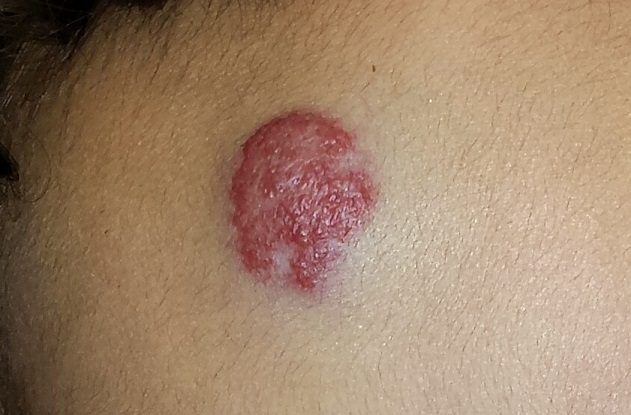
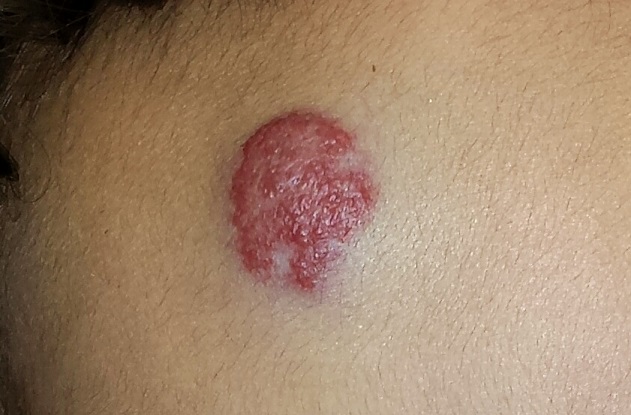
A 4-month-old boy is brought in by his mother for evaluation of a “birthmark” that has become more prominent with time. The child complains a bit when the lesion is touched.
His mother gives a history of a normal full-term pregnancy, with an uneventful delivery. Other than the skin lesion, there have been no other known problems with the child’s health.
EXAMINATION
The lesion in question is a 2-cm bright red nodule in the middle of the child’s forehead. There is a faint blue halo around it, but no other abnormalities are seen in the area or elsewhere on the child’s body. The patient otherwise appears well developed and well nourished; he is quite alert and reactive to verbal stimuli.
What is the diagnosis?
DISCUSSION
Most first-year medical students could tell you this was a case of an infantile hemangioma—but within the past five years, the categorization and treatment of hemangiomas have changed rapidly.
Hemangiomas are benign and usually self-involuting vascular tumors; they are distinct from the family of permanent congenital vascular lesions, such as port wine stains. About 80% occur on the face or neck, and they more commonly occur in female patients. Those that occur near the skin’s surface tend to be bright red, while those of deeper origin are more bluish. Hemangiomas can also occur in extracutaneous areas (eg, the liver); these are usually detected via imaging.
Most infantile hemangiomas appear in the first few weeks of life but begin to involute shortly after they reach maximal size (usually by age 12 months). Involution is complete by age 5 in about 50% of cases and by age 7 in 70% of them. The remainder usually resolve by age 12.
Until recently, the parents of an affected child would be told that the lesions were benign and would likely disappear on their own by the time the child was ages 7 to 10—all true enough. These lesions were treated only when they were large or symptomatic, or if their location blocked or otherwise interfered with the function of the eyes, ears, mouth, anus, or vagina. Unfortunately, this approach ignored the psychosocial aspects of having a prominent and fire-engine red lesion, which often becomes the object of unwanted attention, and even ridicule, at a crucial developmental age.
In the past, the main treatment options were destructive in nature (laser, excision) and often caused as many problems as they solved. Pharmacologic treatment with oral prednisone, and later with interferon, was also tried with mixed success.
In 2008, in a serendipitous observation, a French team came up with a groundbreaking approach: giving systemic propranolol multiple times over a 12 to 18–month period. This method proved to be both safe and effective when used in the right setting by specialists (pediatric dermatologists and/or pediatricians) experienced in this modality. It was found that the lesions responded best if treated before age 6 months.
This has worked so well and so safely that it has quickly become routine. But it will take time before it is sufficiently well known to become the actual standard of care for these common lesions.
TAKE-HOME LEARNING POINTS
• Infantile hemangiomas (IH) usually resolve (involute) by age 12 at the latest.
• IH, by definition, is different from permanent congenital vascular malformations, such as port wine stains.
• About 80% of IHs occur on the head and neck; they are often the object of unwanted attention or even ridicule.
• A new treatment approach, systemic propranolol, is now being used routinely and successfully. It works best when the patient is 6 months old or younger.
• Ideally, this new treatment approach should be overseen by the relevant specialist, be it in a pediatric or dermatologic setting.
A 4-month-old boy is brought in by his mother for evaluation of a “birthmark” that has become more prominent with time. The child complains a bit when the lesion is touched.
His mother gives a history of a normal full-term pregnancy, with an uneventful delivery. Other than the skin lesion, there have been no other known problems with the child’s health.
EXAMINATION
The lesion in question is a 2-cm bright red nodule in the middle of the child’s forehead. There is a faint blue halo around it, but no other abnormalities are seen in the area or elsewhere on the child’s body. The patient otherwise appears well developed and well nourished; he is quite alert and reactive to verbal stimuli.
What is the diagnosis?
DISCUSSION
Most first-year medical students could tell you this was a case of an infantile hemangioma—but within the past five years, the categorization and treatment of hemangiomas have changed rapidly.
Hemangiomas are benign and usually self-involuting vascular tumors; they are distinct from the family of permanent congenital vascular lesions, such as port wine stains. About 80% occur on the face or neck, and they more commonly occur in female patients. Those that occur near the skin’s surface tend to be bright red, while those of deeper origin are more bluish. Hemangiomas can also occur in extracutaneous areas (eg, the liver); these are usually detected via imaging.
Most infantile hemangiomas appear in the first few weeks of life but begin to involute shortly after they reach maximal size (usually by age 12 months). Involution is complete by age 5 in about 50% of cases and by age 7 in 70% of them. The remainder usually resolve by age 12.
Until recently, the parents of an affected child would be told that the lesions were benign and would likely disappear on their own by the time the child was ages 7 to 10—all true enough. These lesions were treated only when they were large or symptomatic, or if their location blocked or otherwise interfered with the function of the eyes, ears, mouth, anus, or vagina. Unfortunately, this approach ignored the psychosocial aspects of having a prominent and fire-engine red lesion, which often becomes the object of unwanted attention, and even ridicule, at a crucial developmental age.
In the past, the main treatment options were destructive in nature (laser, excision) and often caused as many problems as they solved. Pharmacologic treatment with oral prednisone, and later with interferon, was also tried with mixed success.
In 2008, in a serendipitous observation, a French team came up with a groundbreaking approach: giving systemic propranolol multiple times over a 12 to 18–month period. This method proved to be both safe and effective when used in the right setting by specialists (pediatric dermatologists and/or pediatricians) experienced in this modality. It was found that the lesions responded best if treated before age 6 months.
This has worked so well and so safely that it has quickly become routine. But it will take time before it is sufficiently well known to become the actual standard of care for these common lesions.
TAKE-HOME LEARNING POINTS
• Infantile hemangiomas (IH) usually resolve (involute) by age 12 at the latest.
• IH, by definition, is different from permanent congenital vascular malformations, such as port wine stains.
• About 80% of IHs occur on the head and neck; they are often the object of unwanted attention or even ridicule.
• A new treatment approach, systemic propranolol, is now being used routinely and successfully. It works best when the patient is 6 months old or younger.
• Ideally, this new treatment approach should be overseen by the relevant specialist, be it in a pediatric or dermatologic setting.
A 4-month-old boy is brought in by his mother for evaluation of a “birthmark” that has become more prominent with time. The child complains a bit when the lesion is touched.
His mother gives a history of a normal full-term pregnancy, with an uneventful delivery. Other than the skin lesion, there have been no other known problems with the child’s health.
EXAMINATION
The lesion in question is a 2-cm bright red nodule in the middle of the child’s forehead. There is a faint blue halo around it, but no other abnormalities are seen in the area or elsewhere on the child’s body. The patient otherwise appears well developed and well nourished; he is quite alert and reactive to verbal stimuli.
What is the diagnosis?
DISCUSSION
Most first-year medical students could tell you this was a case of an infantile hemangioma—but within the past five years, the categorization and treatment of hemangiomas have changed rapidly.
Hemangiomas are benign and usually self-involuting vascular tumors; they are distinct from the family of permanent congenital vascular lesions, such as port wine stains. About 80% occur on the face or neck, and they more commonly occur in female patients. Those that occur near the skin’s surface tend to be bright red, while those of deeper origin are more bluish. Hemangiomas can also occur in extracutaneous areas (eg, the liver); these are usually detected via imaging.
Most infantile hemangiomas appear in the first few weeks of life but begin to involute shortly after they reach maximal size (usually by age 12 months). Involution is complete by age 5 in about 50% of cases and by age 7 in 70% of them. The remainder usually resolve by age 12.
Until recently, the parents of an affected child would be told that the lesions were benign and would likely disappear on their own by the time the child was ages 7 to 10—all true enough. These lesions were treated only when they were large or symptomatic, or if their location blocked or otherwise interfered with the function of the eyes, ears, mouth, anus, or vagina. Unfortunately, this approach ignored the psychosocial aspects of having a prominent and fire-engine red lesion, which often becomes the object of unwanted attention, and even ridicule, at a crucial developmental age.
In the past, the main treatment options were destructive in nature (laser, excision) and often caused as many problems as they solved. Pharmacologic treatment with oral prednisone, and later with interferon, was also tried with mixed success.
In 2008, in a serendipitous observation, a French team came up with a groundbreaking approach: giving systemic propranolol multiple times over a 12 to 18–month period. This method proved to be both safe and effective when used in the right setting by specialists (pediatric dermatologists and/or pediatricians) experienced in this modality. It was found that the lesions responded best if treated before age 6 months.
This has worked so well and so safely that it has quickly become routine. But it will take time before it is sufficiently well known to become the actual standard of care for these common lesions.
TAKE-HOME LEARNING POINTS
• Infantile hemangiomas (IH) usually resolve (involute) by age 12 at the latest.
• IH, by definition, is different from permanent congenital vascular malformations, such as port wine stains.
• About 80% of IHs occur on the head and neck; they are often the object of unwanted attention or even ridicule.
• A new treatment approach, systemic propranolol, is now being used routinely and successfully. It works best when the patient is 6 months old or younger.
• Ideally, this new treatment approach should be overseen by the relevant specialist, be it in a pediatric or dermatologic setting.
AAAAI: Albuterol Dry Powder Inhaler Offers Simplified Approach for Young Kids
LOS ANGELES – Young asthmatic children on bronchodilator therapy may soon gain access to a novel albuterol multidose dry powder inhaler that’s already proved popular with teen and adult patients with reversible obstructive airway disease because of its ease of use.
A phase III randomized, double-blind multicenter trial of the albuterol multidose dry powder inhaler (MDPI) versus placebo in 184 asthmatic children aged 4-11 years not on systemic corticosteroids met its primary and secondary lung function endpoints, with safety and tolerability similar to placebo, Dr. Tushar P. Shah reported at the annual meeting of the American Academy of Allergy, Asthma, and Immunology.

The albuterol MDPI is already marketed by Teva Pharmaceuticals as the ProAir RespiClick in patients aged 12 and older. The purpose of this phase III clinical trial was to obtain an expanded indication in 4- to 11-year-olds. The company has submitted its request to the Food and Drug Administration and anticipates smooth sailing based upon the new data, according to Dr. Shah, senior vice president for global respiratory research and development at Teva in Frazer, Pa.
The albuterol MDPI fills an unmet need for a simplified approach to rescue medication, the allergist said in an interview.
“This is a breath-actuated inhaler. Many patients – especially kids – have a hard time coordinating a conventional multidose inhaler actuation with inhalation. They have trouble getting the timing right, so the drug doesn’t get to the distal lung. That’s why this albuterol MDPI has been very well received in adults. For kids, I think it’s going to be even better because this is a very simple and intuitive device. All they do is open the cap, inhale, [and] close the cap,” he explained.

The young study participants used the albuterol MDPI at two inhalations four times daily, with a total daily albuterol dose of 720 mcg.
The primary study endpoint was the short-term improvement in lung function seen during testing performed after the very first study dose and again after the final dose of medication 3 weeks later. This was expressed as the area under the baseline-adjusted percent-predicted forced expiratory volume in 1 second effect-time curve from predose to 6 hours post dose. On both occasions, a sharp jump in opening of the airways was demonstrated within 5 minutes of dosing, with the effect remaining significantly better than with placebo for more than 2 hours.
Moreover, the maximum change from baseline in peak expiratory flow rate seen within 2 hours after dosing was a 26% increase with the albuterol MDPI, a significantly better result than the 14% increase with placebo.
No adverse events attributable to the study drug were seen.
The study was sponsored by Teva Pharmaceuticals. The presenter is a senior company employee.
LOS ANGELES – Young asthmatic children on bronchodilator therapy may soon gain access to a novel albuterol multidose dry powder inhaler that’s already proved popular with teen and adult patients with reversible obstructive airway disease because of its ease of use.
A phase III randomized, double-blind multicenter trial of the albuterol multidose dry powder inhaler (MDPI) versus placebo in 184 asthmatic children aged 4-11 years not on systemic corticosteroids met its primary and secondary lung function endpoints, with safety and tolerability similar to placebo, Dr. Tushar P. Shah reported at the annual meeting of the American Academy of Allergy, Asthma, and Immunology.
The albuterol MDPI is already marketed by Teva Pharmaceuticals as the ProAir RespiClick in patients aged 12 and older. The purpose of this phase III clinical trial was to obtain an expanded indication in 4- to 11-year-olds. The company has submitted its request to the Food and Drug Administration and anticipates smooth sailing based upon the new data, according to Dr. Shah, senior vice president for global respiratory research and development at Teva in Frazer, Pa.
The albuterol MDPI fills an unmet need for a simplified approach to rescue medication, the allergist said in an interview.
“This is a breath-actuated inhaler. Many patients – especially kids – have a hard time coordinating a conventional multidose inhaler actuation with inhalation. They have trouble getting the timing right, so the drug doesn’t get to the distal lung. That’s why this albuterol MDPI has been very well received in adults. For kids, I think it’s going to be even better because this is a very simple and intuitive device. All they do is open the cap, inhale, [and] close the cap,” he explained.
The young study participants used the albuterol MDPI at two inhalations four times daily, with a total daily albuterol dose of 720 mcg.
The primary study endpoint was the short-term improvement in lung function seen during testing performed after the very first study dose and again after the final dose of medication 3 weeks later. This was expressed as the area under the baseline-adjusted percent-predicted forced expiratory volume in 1 second effect-time curve from predose to 6 hours post dose. On both occasions, a sharp jump in opening of the airways was demonstrated within 5 minutes of dosing, with the effect remaining significantly better than with placebo for more than 2 hours.
Moreover, the maximum change from baseline in peak expiratory flow rate seen within 2 hours after dosing was a 26% increase with the albuterol MDPI, a significantly better result than the 14% increase with placebo.
No adverse events attributable to the study drug were seen.
The study was sponsored by Teva Pharmaceuticals. The presenter is a senior company employee.
LOS ANGELES – Young asthmatic children on bronchodilator therapy may soon gain access to a novel albuterol multidose dry powder inhaler that’s already proved popular with teen and adult patients with reversible obstructive airway disease because of its ease of use.
A phase III randomized, double-blind multicenter trial of the albuterol multidose dry powder inhaler (MDPI) versus placebo in 184 asthmatic children aged 4-11 years not on systemic corticosteroids met its primary and secondary lung function endpoints, with safety and tolerability similar to placebo, Dr. Tushar P. Shah reported at the annual meeting of the American Academy of Allergy, Asthma, and Immunology.
The albuterol MDPI is already marketed by Teva Pharmaceuticals as the ProAir RespiClick in patients aged 12 and older. The purpose of this phase III clinical trial was to obtain an expanded indication in 4- to 11-year-olds. The company has submitted its request to the Food and Drug Administration and anticipates smooth sailing based upon the new data, according to Dr. Shah, senior vice president for global respiratory research and development at Teva in Frazer, Pa.
The albuterol MDPI fills an unmet need for a simplified approach to rescue medication, the allergist said in an interview.
“This is a breath-actuated inhaler. Many patients – especially kids – have a hard time coordinating a conventional multidose inhaler actuation with inhalation. They have trouble getting the timing right, so the drug doesn’t get to the distal lung. That’s why this albuterol MDPI has been very well received in adults. For kids, I think it’s going to be even better because this is a very simple and intuitive device. All they do is open the cap, inhale, [and] close the cap,” he explained.
The young study participants used the albuterol MDPI at two inhalations four times daily, with a total daily albuterol dose of 720 mcg.
The primary study endpoint was the short-term improvement in lung function seen during testing performed after the very first study dose and again after the final dose of medication 3 weeks later. This was expressed as the area under the baseline-adjusted percent-predicted forced expiratory volume in 1 second effect-time curve from predose to 6 hours post dose. On both occasions, a sharp jump in opening of the airways was demonstrated within 5 minutes of dosing, with the effect remaining significantly better than with placebo for more than 2 hours.
Moreover, the maximum change from baseline in peak expiratory flow rate seen within 2 hours after dosing was a 26% increase with the albuterol MDPI, a significantly better result than the 14% increase with placebo.
No adverse events attributable to the study drug were seen.
The study was sponsored by Teva Pharmaceuticals. The presenter is a senior company employee.
AT 2016 AAAAI ANNUAL MEETING

AAAAI: Albuterol Dry Powder Inhaler Offers Simplified Approach for Young Kids
LOS ANGELES – Young asthmatic children on bronchodilator therapy may soon gain access to a novel albuterol multidose dry powder inhaler that’s already proved popular with teen and adult patients with reversible obstructive airway disease because of its ease of use.
A phase III randomized, double-blind multicenter trial of the albuterol multidose dry powder inhaler (MDPI) versus placebo in 184 asthmatic children aged 4-11 years not on systemic corticosteroids met its primary and secondary lung function endpoints, with safety and tolerability similar to placebo, Dr. Tushar P. Shah reported at the annual meeting of the American Academy of Allergy, Asthma, and Immunology.
The albuterol MDPI is already marketed by Teva Pharmaceuticals as the ProAir RespiClick in patients aged 12 and older. The purpose of this phase III clinical trial was to obtain an expanded indication in 4- to 11-year-olds. The company has submitted its request to the Food and Drug Administration and anticipates smooth sailing based upon the new data, according to Dr. Shah, senior vice president for global respiratory research and development at Teva in Frazer, Pa.
The albuterol MDPI fills an unmet need for a simplified approach to rescue medication, the allergist said in an interview.
“This is a breath-actuated inhaler. Many patients – especially kids – have a hard time coordinating a conventional multidose inhaler actuation with inhalation. They have trouble getting the timing right, so the drug doesn’t get to the distal lung. That’s why this albuterol MDPI has been very well received in adults. For kids, I think it’s going to be even better because this is a very simple and intuitive device. All they do is open the cap, inhale, [and] close the cap,” he explained.
The young study participants used the albuterol MDPI at two inhalations four times daily, with a total daily albuterol dose of 720 mcg.
The primary study endpoint was the short-term improvement in lung function seen during testing performed after the very first study dose and again after the final dose of medication 3 weeks later. This was expressed as the area under the baseline-adjusted percent-predicted forced expiratory volume in 1 second effect-time curve from predose to 6 hours post dose. On both occasions, a sharp jump in opening of the airways was demonstrated within 5 minutes of dosing, with the effect remaining significantly better than with placebo for more than 2 hours.
Moreover, the maximum change from baseline in peak expiratory flow rate seen within 2 hours after dosing was a 26% increase with the albuterol MDPI, a significantly better result than the 14% increase with placebo.
No adverse events attributable to the study drug were seen.
The study was sponsored by Teva Pharmaceuticals. The presenter is a senior company employee.
LOS ANGELES – Young asthmatic children on bronchodilator therapy may soon gain access to a novel albuterol multidose dry powder inhaler that’s already proved popular with teen and adult patients with reversible obstructive airway disease because of its ease of use.
A phase III randomized, double-blind multicenter trial of the albuterol multidose dry powder inhaler (MDPI) versus placebo in 184 asthmatic children aged 4-11 years not on systemic corticosteroids met its primary and secondary lung function endpoints, with safety and tolerability similar to placebo, Dr. Tushar P. Shah reported at the annual meeting of the American Academy of Allergy, Asthma, and Immunology.
The albuterol MDPI is already marketed by Teva Pharmaceuticals as the ProAir RespiClick in patients aged 12 and older. The purpose of this phase III clinical trial was to obtain an expanded indication in 4- to 11-year-olds. The company has submitted its request to the Food and Drug Administration and anticipates smooth sailing based upon the new data, according to Dr. Shah, senior vice president for global respiratory research and development at Teva in Frazer, Pa.
The albuterol MDPI fills an unmet need for a simplified approach to rescue medication, the allergist said in an interview.
“This is a breath-actuated inhaler. Many patients – especially kids – have a hard time coordinating a conventional multidose inhaler actuation with inhalation. They have trouble getting the timing right, so the drug doesn’t get to the distal lung. That’s why this albuterol MDPI has been very well received in adults. For kids, I think it’s going to be even better because this is a very simple and intuitive device. All they do is open the cap, inhale, [and] close the cap,” he explained.
The young study participants used the albuterol MDPI at two inhalations four times daily, with a total daily albuterol dose of 720 mcg.
The primary study endpoint was the short-term improvement in lung function seen during testing performed after the very first study dose and again after the final dose of medication 3 weeks later. This was expressed as the area under the baseline-adjusted percent-predicted forced expiratory volume in 1 second effect-time curve from predose to 6 hours post dose. On both occasions, a sharp jump in opening of the airways was demonstrated within 5 minutes of dosing, with the effect remaining significantly better than with placebo for more than 2 hours.
Moreover, the maximum change from baseline in peak expiratory flow rate seen within 2 hours after dosing was a 26% increase with the albuterol MDPI, a significantly better result than the 14% increase with placebo.
No adverse events attributable to the study drug were seen.
The study was sponsored by Teva Pharmaceuticals. The presenter is a senior company employee.
LOS ANGELES – Young asthmatic children on bronchodilator therapy may soon gain access to a novel albuterol multidose dry powder inhaler that’s already proved popular with teen and adult patients with reversible obstructive airway disease because of its ease of use.
A phase III randomized, double-blind multicenter trial of the albuterol multidose dry powder inhaler (MDPI) versus placebo in 184 asthmatic children aged 4-11 years not on systemic corticosteroids met its primary and secondary lung function endpoints, with safety and tolerability similar to placebo, Dr. Tushar P. Shah reported at the annual meeting of the American Academy of Allergy, Asthma, and Immunology.
The albuterol MDPI is already marketed by Teva Pharmaceuticals as the ProAir RespiClick in patients aged 12 and older. The purpose of this phase III clinical trial was to obtain an expanded indication in 4- to 11-year-olds. The company has submitted its request to the Food and Drug Administration and anticipates smooth sailing based upon the new data, according to Dr. Shah, senior vice president for global respiratory research and development at Teva in Frazer, Pa.
The albuterol MDPI fills an unmet need for a simplified approach to rescue medication, the allergist said in an interview.
“This is a breath-actuated inhaler. Many patients – especially kids – have a hard time coordinating a conventional multidose inhaler actuation with inhalation. They have trouble getting the timing right, so the drug doesn’t get to the distal lung. That’s why this albuterol MDPI has been very well received in adults. For kids, I think it’s going to be even better because this is a very simple and intuitive device. All they do is open the cap, inhale, [and] close the cap,” he explained.
The young study participants used the albuterol MDPI at two inhalations four times daily, with a total daily albuterol dose of 720 mcg.
The primary study endpoint was the short-term improvement in lung function seen during testing performed after the very first study dose and again after the final dose of medication 3 weeks later. This was expressed as the area under the baseline-adjusted percent-predicted forced expiratory volume in 1 second effect-time curve from predose to 6 hours post dose. On both occasions, a sharp jump in opening of the airways was demonstrated within 5 minutes of dosing, with the effect remaining significantly better than with placebo for more than 2 hours.
Moreover, the maximum change from baseline in peak expiratory flow rate seen within 2 hours after dosing was a 26% increase with the albuterol MDPI, a significantly better result than the 14% increase with placebo.
No adverse events attributable to the study drug were seen.
The study was sponsored by Teva Pharmaceuticals. The presenter is a senior company employee.
AT 2016 AAAAI ANNUAL MEETING

AAAAI: Albuterol dry powder inhaler offers simplified approach for young kids
LOS ANGELES – Young asthmatic children on bronchodilator therapy may soon gain access to a novel albuterol multidose dry powder inhaler that’s already proved popular with teen and adult patients with reversible obstructive airway disease because of its ease of use.
A phase III randomized, double-blind multicenter trial of the albuterol multidose dry powder inhaler (MDPI) versus placebo in 184 asthmatic children aged 4-11 years not on systemic corticosteroids met its primary and secondary lung function endpoints, with safety and tolerability similar to placebo, Dr. Tushar P. Shah reported at the annual meeting of the American Academy of Allergy, Asthma, and Immunology.

The albuterol MDPI is already marketed by Teva Pharmaceuticals as the ProAir RespiClick in patients aged 12 and older. The purpose of this phase III clinical trial was to obtain an expanded indication in 4- to 11-year-olds. The company has submitted its request to the Food and Drug Administration and anticipates smooth sailing based upon the new data, according to Dr. Shah, senior vice president for global respiratory research and development at Teva in Frazer, Pa.
The albuterol MDPI fills an unmet need for a simplified approach to rescue medication, the allergist said in an interview.
“This is a breath-actuated inhaler. Many patients – especially kids – have a hard time coordinating a conventional multidose inhaler actuation with inhalation. They have trouble getting the timing right, so the drug doesn’t get to the distal lung. That’s why this albuterol MDPI has been very well received in adults. For kids, I think it’s going to be even better because this is a very simple and intuitive device. All they do is open the cap, inhale, [and] close the cap,” he explained.

The young study participants used the albuterol MDPI at two inhalations four times daily, with a total daily albuterol dose of 720 mcg.
The primary study endpoint was the short-term improvement in lung function seen during testing performed after the very first study dose and again after the final dose of medication 3 weeks later. This was expressed as the area under the baseline-adjusted percent-predicted forced expiratory volume in 1 second effect-time curve from predose to 6 hours post dose. On both occasions, a sharp jump in opening of the airways was demonstrated within 5 minutes of dosing, with the effect remaining significantly better than with placebo for more than 2 hours.
Moreover, the maximum change from baseline in peak expiratory flow rate seen within 2 hours after dosing was a 26% increase with the albuterol MDPI, a significantly better result than the 14% increase with placebo.
No adverse events attributable to the study drug were seen.
The study was sponsored by Teva Pharmaceuticals. The presenter is a senior company employee.
LOS ANGELES – Young asthmatic children on bronchodilator therapy may soon gain access to a novel albuterol multidose dry powder inhaler that’s already proved popular with teen and adult patients with reversible obstructive airway disease because of its ease of use.
A phase III randomized, double-blind multicenter trial of the albuterol multidose dry powder inhaler (MDPI) versus placebo in 184 asthmatic children aged 4-11 years not on systemic corticosteroids met its primary and secondary lung function endpoints, with safety and tolerability similar to placebo, Dr. Tushar P. Shah reported at the annual meeting of the American Academy of Allergy, Asthma, and Immunology.
The albuterol MDPI is already marketed by Teva Pharmaceuticals as the ProAir RespiClick in patients aged 12 and older. The purpose of this phase III clinical trial was to obtain an expanded indication in 4- to 11-year-olds. The company has submitted its request to the Food and Drug Administration and anticipates smooth sailing based upon the new data, according to Dr. Shah, senior vice president for global respiratory research and development at Teva in Frazer, Pa.
The albuterol MDPI fills an unmet need for a simplified approach to rescue medication, the allergist said in an interview.
“This is a breath-actuated inhaler. Many patients – especially kids – have a hard time coordinating a conventional multidose inhaler actuation with inhalation. They have trouble getting the timing right, so the drug doesn’t get to the distal lung. That’s why this albuterol MDPI has been very well received in adults. For kids, I think it’s going to be even better because this is a very simple and intuitive device. All they do is open the cap, inhale, [and] close the cap,” he explained.
The young study participants used the albuterol MDPI at two inhalations four times daily, with a total daily albuterol dose of 720 mcg.
The primary study endpoint was the short-term improvement in lung function seen during testing performed after the very first study dose and again after the final dose of medication 3 weeks later. This was expressed as the area under the baseline-adjusted percent-predicted forced expiratory volume in 1 second effect-time curve from predose to 6 hours post dose. On both occasions, a sharp jump in opening of the airways was demonstrated within 5 minutes of dosing, with the effect remaining significantly better than with placebo for more than 2 hours.
Moreover, the maximum change from baseline in peak expiratory flow rate seen within 2 hours after dosing was a 26% increase with the albuterol MDPI, a significantly better result than the 14% increase with placebo.
No adverse events attributable to the study drug were seen.
The study was sponsored by Teva Pharmaceuticals. The presenter is a senior company employee.
LOS ANGELES – Young asthmatic children on bronchodilator therapy may soon gain access to a novel albuterol multidose dry powder inhaler that’s already proved popular with teen and adult patients with reversible obstructive airway disease because of its ease of use.
A phase III randomized, double-blind multicenter trial of the albuterol multidose dry powder inhaler (MDPI) versus placebo in 184 asthmatic children aged 4-11 years not on systemic corticosteroids met its primary and secondary lung function endpoints, with safety and tolerability similar to placebo, Dr. Tushar P. Shah reported at the annual meeting of the American Academy of Allergy, Asthma, and Immunology.
The albuterol MDPI is already marketed by Teva Pharmaceuticals as the ProAir RespiClick in patients aged 12 and older. The purpose of this phase III clinical trial was to obtain an expanded indication in 4- to 11-year-olds. The company has submitted its request to the Food and Drug Administration and anticipates smooth sailing based upon the new data, according to Dr. Shah, senior vice president for global respiratory research and development at Teva in Frazer, Pa.
The albuterol MDPI fills an unmet need for a simplified approach to rescue medication, the allergist said in an interview.
“This is a breath-actuated inhaler. Many patients – especially kids – have a hard time coordinating a conventional multidose inhaler actuation with inhalation. They have trouble getting the timing right, so the drug doesn’t get to the distal lung. That’s why this albuterol MDPI has been very well received in adults. For kids, I think it’s going to be even better because this is a very simple and intuitive device. All they do is open the cap, inhale, [and] close the cap,” he explained.
The young study participants used the albuterol MDPI at two inhalations four times daily, with a total daily albuterol dose of 720 mcg.
The primary study endpoint was the short-term improvement in lung function seen during testing performed after the very first study dose and again after the final dose of medication 3 weeks later. This was expressed as the area under the baseline-adjusted percent-predicted forced expiratory volume in 1 second effect-time curve from predose to 6 hours post dose. On both occasions, a sharp jump in opening of the airways was demonstrated within 5 minutes of dosing, with the effect remaining significantly better than with placebo for more than 2 hours.
Moreover, the maximum change from baseline in peak expiratory flow rate seen within 2 hours after dosing was a 26% increase with the albuterol MDPI, a significantly better result than the 14% increase with placebo.
No adverse events attributable to the study drug were seen.
The study was sponsored by Teva Pharmaceuticals. The presenter is a senior company employee.
AT 2016 AAAAI ANNUAL MEETING
Key clinical point: The albuterol multidose dry powder inhaler that’s now indicated for asthma patients aged 12 years and older may become available to those aged 4-11 years.
Major finding: Lung function measurements improved sharply within 5 minutes after dosing with this bronchodilator used for acute symptom relief, with the effect lasting for longer than 2 hours.
Data source: A phase III, double-blind, multicenter, placebo-controlled randomized trial involving 184 asthmatic children aged 4-11 years.
Disclosures: The study was sponsored by Teva Pharmaceuticals. The presenter is a senior company employee.

First sublingual immunotherapy tablet for house dust mite allergic rhinitis may be U.S.-bound
LOS ANGELES – A sublingual immunotherapy tablet for house dust mite–induced allergic rhinitis achieved clinically meaningful improvement in symptoms along with less use of rescue medications and a favorable safety profile in a pivotal phase III trial, Dr. Hendrik Nolte reported at the annual meeting of the American Academy of Allergy, Asthma, and Immunology.
The double-blind, 52-week randomized trial included 1,482 North American adults and adolescents.

“This was the largest clinical trial ever conducted with sublingual therapy in North America, and the first successful North American trial of a house dust mite sublingual immunotherapy tablet. It confirms results from previous large European trials,” noted Dr. Nolte of Merck, which is collaborating with the Danish company ALK in developing this therapy.
The sublingual immunotherapy (SLIT) tablet, known for now as the 12 SQ HDM SLIT-tablet, has been approved by European regulatory authorities for treatment of adults with house dust mite (HDM) allergic rhinitis or HDM allergic asthma. Based upon the positive findings in the phase III U.S. trial, Merck applied in February 2016 to the U.S. Food and Drug Administration for approval of the tablet as a biologic agent in patients aged 12 years or older.
HDM is the most common indoor allergen in the world. Unlike pollen and ragweed allergies, it’s not a seasonal problem. Moreover, HDM-induced allergic rhinitis is associated with increased risk of asthma. Although HDM allergic rhinitis can be treated symptomatically with oral antihistamines and nasal steroids, allergy immunotherapy has the appeal of addressing the underlying disease mechanism and potentially altering the long-term course. SLIT using a highly standardized HDM allergen extract offers a major advantage over traditional allergy immunotherapy via a lengthy program of subcutaneous injections – namely, the convenience of home self-administration.
The primary endpoint in the U.S. pivotal trial was the total combined rhinitis score (TCRS), which is the sum of the daily rhinitis symptom score and the daily rescue medication usage score averaged over the last 8 weeks of the year-long study. The FDA has set the bar for establishing clinically meaningful improvement: it requires demonstration of a reduction in the TCRS of at least 15%, compared with placebo. The 12 SQ HDM SLIT-tablet trial exceeded this standard, achieving a 17% reduction. The study also met its key prespecified secondary endpoints, including a 16% reduction in the daily rhinosinusitis symptom score and an 18% decrease in the daily medication score, compared with placebo.

Participants in the trial had a mean 18-year history of allergic rhinitis with or without conjunctivitis. Seventy-five percent of them were sensitized to other common allergens in addition to HDM, and 31% of subjects had comorbid asthma. The HDM SLIT therapy was equally effective in asthmatics and nonasthmatics, in patients allergic only to HDM and those who were polysensitized, and in subjects with and without conjunctivitis, according to Dr. Nolte.
There were no serious adverse events related to the 12 SQ HDM SLIT-tablet. A total of 9.8% of patients discontinued SLIT because of treatment-emergent adverse events, chiefly mild-to-moderate throat irritation, mouth swelling, or itchiness of the mouth or ears.
“Importantly, these events were very transient. They occurred typically within the first 8 days and lasted 14-67 hours, with a median 1-day duration of rescue medication,” he said.
Symptomatic improvement was typically seen beginning at 8-12 weeks. Adults were free to take the once-daily tablet anytime during the day. The pediatric patients were advised not to do so in the morning because they wouldn’t be under observation while on a school bus.
The tablet is based upon a formulation of allergen extracts from the two major species of HDM: Dermatophagoides pterornyssinus and D. farinae. More than 90% of HDM-sensitized patients are sensitized to both. A highly standardized manufacturing process ensures that the tablet contains 50 mcg of the four major HDM allergens in equal ratio – Der f1, Der p2, Der p1, and Der f 2 – plus other components.
In response to audience questions, Dr. Nolte said the company had tried incorporating an antihistamine into the tablet to block adverse reactions but it didn’t work. Adverse events typically occur within a couple of minutes after taking the tablet, and antihistamines are far too slow-acting to help.
“You can premedicate with antihistamines. We know European investigators and clinicians who are doing it. But I would not recommend it personally, because these tablets are taken at home after the first administration in the office, and I think it’s important that the patient has a good feel for what happens over the following days. There is a potential risk of masking side effects with premedication, which could be a concern,” Dr. Nolte said.
Merck already has two FDA-approved SLIT tablets developed with ALK on the U.S. market: Grastek, for treatment of grass pollen–induced allergic rhinitis in children and adults, and Ragwitek, for ragweed-induced allergic disease in adults.
The trial was sponsored by Merck and presented by a full-time company employee.
LOS ANGELES – A sublingual immunotherapy tablet for house dust mite–induced allergic rhinitis achieved clinically meaningful improvement in symptoms along with less use of rescue medications and a favorable safety profile in a pivotal phase III trial, Dr. Hendrik Nolte reported at the annual meeting of the American Academy of Allergy, Asthma, and Immunology.
The double-blind, 52-week randomized trial included 1,482 North American adults and adolescents.
“This was the largest clinical trial ever conducted with sublingual therapy in North America, and the first successful North American trial of a house dust mite sublingual immunotherapy tablet. It confirms results from previous large European trials,” noted Dr. Nolte of Merck, which is collaborating with the Danish company ALK in developing this therapy.
The sublingual immunotherapy (SLIT) tablet, known for now as the 12 SQ HDM SLIT-tablet, has been approved by European regulatory authorities for treatment of adults with house dust mite (HDM) allergic rhinitis or HDM allergic asthma. Based upon the positive findings in the phase III U.S. trial, Merck applied in February 2016 to the U.S. Food and Drug Administration for approval of the tablet as a biologic agent in patients aged 12 years or older.
HDM is the most common indoor allergen in the world. Unlike pollen and ragweed allergies, it’s not a seasonal problem. Moreover, HDM-induced allergic rhinitis is associated with increased risk of asthma. Although HDM allergic rhinitis can be treated symptomatically with oral antihistamines and nasal steroids, allergy immunotherapy has the appeal of addressing the underlying disease mechanism and potentially altering the long-term course. SLIT using a highly standardized HDM allergen extract offers a major advantage over traditional allergy immunotherapy via a lengthy program of subcutaneous injections – namely, the convenience of home self-administration.
The primary endpoint in the U.S. pivotal trial was the total combined rhinitis score (TCRS), which is the sum of the daily rhinitis symptom score and the daily rescue medication usage score averaged over the last 8 weeks of the year-long study. The FDA has set the bar for establishing clinically meaningful improvement: it requires demonstration of a reduction in the TCRS of at least 15%, compared with placebo. The 12 SQ HDM SLIT-tablet trial exceeded this standard, achieving a 17% reduction. The study also met its key prespecified secondary endpoints, including a 16% reduction in the daily rhinosinusitis symptom score and an 18% decrease in the daily medication score, compared with placebo.
Participants in the trial had a mean 18-year history of allergic rhinitis with or without conjunctivitis. Seventy-five percent of them were sensitized to other common allergens in addition to HDM, and 31% of subjects had comorbid asthma. The HDM SLIT therapy was equally effective in asthmatics and nonasthmatics, in patients allergic only to HDM and those who were polysensitized, and in subjects with and without conjunctivitis, according to Dr. Nolte.
There were no serious adverse events related to the 12 SQ HDM SLIT-tablet. A total of 9.8% of patients discontinued SLIT because of treatment-emergent adverse events, chiefly mild-to-moderate throat irritation, mouth swelling, or itchiness of the mouth or ears.
“Importantly, these events were very transient. They occurred typically within the first 8 days and lasted 14-67 hours, with a median 1-day duration of rescue medication,” he said.
Symptomatic improvement was typically seen beginning at 8-12 weeks. Adults were free to take the once-daily tablet anytime during the day. The pediatric patients were advised not to do so in the morning because they wouldn’t be under observation while on a school bus.
The tablet is based upon a formulation of allergen extracts from the two major species of HDM: Dermatophagoides pterornyssinus and D. farinae. More than 90% of HDM-sensitized patients are sensitized to both. A highly standardized manufacturing process ensures that the tablet contains 50 mcg of the four major HDM allergens in equal ratio – Der f1, Der p2, Der p1, and Der f 2 – plus other components.
In response to audience questions, Dr. Nolte said the company had tried incorporating an antihistamine into the tablet to block adverse reactions but it didn’t work. Adverse events typically occur within a couple of minutes after taking the tablet, and antihistamines are far too slow-acting to help.
“You can premedicate with antihistamines. We know European investigators and clinicians who are doing it. But I would not recommend it personally, because these tablets are taken at home after the first administration in the office, and I think it’s important that the patient has a good feel for what happens over the following days. There is a potential risk of masking side effects with premedication, which could be a concern,” Dr. Nolte said.
Merck already has two FDA-approved SLIT tablets developed with ALK on the U.S. market: Grastek, for treatment of grass pollen–induced allergic rhinitis in children and adults, and Ragwitek, for ragweed-induced allergic disease in adults.
The trial was sponsored by Merck and presented by a full-time company employee.
LOS ANGELES – A sublingual immunotherapy tablet for house dust mite–induced allergic rhinitis achieved clinically meaningful improvement in symptoms along with less use of rescue medications and a favorable safety profile in a pivotal phase III trial, Dr. Hendrik Nolte reported at the annual meeting of the American Academy of Allergy, Asthma, and Immunology.
The double-blind, 52-week randomized trial included 1,482 North American adults and adolescents.
“This was the largest clinical trial ever conducted with sublingual therapy in North America, and the first successful North American trial of a house dust mite sublingual immunotherapy tablet. It confirms results from previous large European trials,” noted Dr. Nolte of Merck, which is collaborating with the Danish company ALK in developing this therapy.
The sublingual immunotherapy (SLIT) tablet, known for now as the 12 SQ HDM SLIT-tablet, has been approved by European regulatory authorities for treatment of adults with house dust mite (HDM) allergic rhinitis or HDM allergic asthma. Based upon the positive findings in the phase III U.S. trial, Merck applied in February 2016 to the U.S. Food and Drug Administration for approval of the tablet as a biologic agent in patients aged 12 years or older.
HDM is the most common indoor allergen in the world. Unlike pollen and ragweed allergies, it’s not a seasonal problem. Moreover, HDM-induced allergic rhinitis is associated with increased risk of asthma. Although HDM allergic rhinitis can be treated symptomatically with oral antihistamines and nasal steroids, allergy immunotherapy has the appeal of addressing the underlying disease mechanism and potentially altering the long-term course. SLIT using a highly standardized HDM allergen extract offers a major advantage over traditional allergy immunotherapy via a lengthy program of subcutaneous injections – namely, the convenience of home self-administration.
The primary endpoint in the U.S. pivotal trial was the total combined rhinitis score (TCRS), which is the sum of the daily rhinitis symptom score and the daily rescue medication usage score averaged over the last 8 weeks of the year-long study. The FDA has set the bar for establishing clinically meaningful improvement: it requires demonstration of a reduction in the TCRS of at least 15%, compared with placebo. The 12 SQ HDM SLIT-tablet trial exceeded this standard, achieving a 17% reduction. The study also met its key prespecified secondary endpoints, including a 16% reduction in the daily rhinosinusitis symptom score and an 18% decrease in the daily medication score, compared with placebo.
Participants in the trial had a mean 18-year history of allergic rhinitis with or without conjunctivitis. Seventy-five percent of them were sensitized to other common allergens in addition to HDM, and 31% of subjects had comorbid asthma. The HDM SLIT therapy was equally effective in asthmatics and nonasthmatics, in patients allergic only to HDM and those who were polysensitized, and in subjects with and without conjunctivitis, according to Dr. Nolte.
There were no serious adverse events related to the 12 SQ HDM SLIT-tablet. A total of 9.8% of patients discontinued SLIT because of treatment-emergent adverse events, chiefly mild-to-moderate throat irritation, mouth swelling, or itchiness of the mouth or ears.
“Importantly, these events were very transient. They occurred typically within the first 8 days and lasted 14-67 hours, with a median 1-day duration of rescue medication,” he said.
Symptomatic improvement was typically seen beginning at 8-12 weeks. Adults were free to take the once-daily tablet anytime during the day. The pediatric patients were advised not to do so in the morning because they wouldn’t be under observation while on a school bus.
The tablet is based upon a formulation of allergen extracts from the two major species of HDM: Dermatophagoides pterornyssinus and D. farinae. More than 90% of HDM-sensitized patients are sensitized to both. A highly standardized manufacturing process ensures that the tablet contains 50 mcg of the four major HDM allergens in equal ratio – Der f1, Der p2, Der p1, and Der f 2 – plus other components.
In response to audience questions, Dr. Nolte said the company had tried incorporating an antihistamine into the tablet to block adverse reactions but it didn’t work. Adverse events typically occur within a couple of minutes after taking the tablet, and antihistamines are far too slow-acting to help.
“You can premedicate with antihistamines. We know European investigators and clinicians who are doing it. But I would not recommend it personally, because these tablets are taken at home after the first administration in the office, and I think it’s important that the patient has a good feel for what happens over the following days. There is a potential risk of masking side effects with premedication, which could be a concern,” Dr. Nolte said.
Merck already has two FDA-approved SLIT tablets developed with ALK on the U.S. market: Grastek, for treatment of grass pollen–induced allergic rhinitis in children and adults, and Ragwitek, for ragweed-induced allergic disease in adults.
The trial was sponsored by Merck and presented by a full-time company employee.
AT 2016 AAAAI ANNUAL MEETING
Key clinical point: A safe, effective, and convenient self-administered alternative to allergy shots or symptomatic medications for house dust mite allergic rhinitis may be in the works.
Major finding: A once-daily tablet containing house dust mite extract resulted in a clinically meaningful 17% improvement relative to placebo in a score combining symptomatic improvement and reduced use of rescue medications.
Data source: This pivotal phase III, double-blind, 52-week randomized trial included 1,482 North American adults and adolescents with house dust mite–induced allergic rhinitis with or without conjunctivitis.
Disclosures: The trial was sponsored by Merck and presented by a full-time company employee.

Even Small Food Doses Maintain Tolerance in Pediatric Oral Immunotherapy
LOS ANGELES – Food doses as low as 300 mg every other day are enough to retain tolerance in the maintenance phase of pediatric oral immunotherapy for food allergies, according to an investigation involving 62 children over 4 years of age.
The flexibility “to take smaller doses and still maintain desensitization” is why “a lot of our patients continued to do regular dosing of their oral immunotherapy” for up to 6 years, said Dr. Sharon Chinthrajah, a pediatric allergist and immunologist at Stanford (Calif.) University.

The children were originally involved in phase I testing of desensitization for multiple food allergies with omalizumab (Xolair). By reducing the risk of anaphylaxis, the biologic facilitated rapid escalation: 30 children on omalizumab tolerated 2-g food challenges by 9 months. It took about 2 years for 43 children to reach that level without omalizumab.
Subjects had up to five allergies from a list of 15, including egg, milk, and peanut. When tolerance was achieved, they stayed on daily 2-g dosing of each of their food allergens for 4-6 months. They and their parents were then given the option of 2-g daily maintenance dosing or dropping down to as low as 300 mg – about the equivalent of one tree nut – every other day.
The investigators reported follow-up data for 62 subjects at the annual meeting of the American Academy of Allergy, Asthma, and Immunology. Nine children on omalizumab and 22 who did not get omalizumab stuck with 2 g–daily dosing, while 18 omalizumab and 13 no-omalizumab children opted for lower maintenance dosing.
They all remained largely tolerant to 2-g challenges every 6 months for up to 46 months in the omalizumab group and 73 months in the no-omalizumab group, the end of follow-up in each group. There were no differences in immunologic parameters and no differences in tolerance testing between the two groups, and tolerance was maintained regardless of the food allergen. Only about 0.5% of reactions in either group were severe.

“We were excited to find that going down to 300 mg was just as protective” and that long-term maintenance dosing is safe, said Dr. Kari Nadeau, professor of pediatric immunology and allergy at the university. “These are important messages. There’s not a lot of follow-up data on food [oral immunotherapy]. Patient flexibility is key to long-term outcomes,” she added.
“I think people who had milk, egg, and wheat allergies probably didn’t reduce their intake during maintenance, since these are the ones they tend to enjoy,” Dr. Chinthrajah said, but the risk of severe reactions remains, “so we still require patients to carry reaction medication, and review autoinjector use when they come back to our center for testing and food challenges.”
There was no industry funding for the work, and the investigators said they have no relevant disclosures.
LOS ANGELES – Food doses as low as 300 mg every other day are enough to retain tolerance in the maintenance phase of pediatric oral immunotherapy for food allergies, according to an investigation involving 62 children over 4 years of age.
The flexibility “to take smaller doses and still maintain desensitization” is why “a lot of our patients continued to do regular dosing of their oral immunotherapy” for up to 6 years, said Dr. Sharon Chinthrajah, a pediatric allergist and immunologist at Stanford (Calif.) University.
The children were originally involved in phase I testing of desensitization for multiple food allergies with omalizumab (Xolair). By reducing the risk of anaphylaxis, the biologic facilitated rapid escalation: 30 children on omalizumab tolerated 2-g food challenges by 9 months. It took about 2 years for 43 children to reach that level without omalizumab.
Subjects had up to five allergies from a list of 15, including egg, milk, and peanut. When tolerance was achieved, they stayed on daily 2-g dosing of each of their food allergens for 4-6 months. They and their parents were then given the option of 2-g daily maintenance dosing or dropping down to as low as 300 mg – about the equivalent of one tree nut – every other day.
The investigators reported follow-up data for 62 subjects at the annual meeting of the American Academy of Allergy, Asthma, and Immunology. Nine children on omalizumab and 22 who did not get omalizumab stuck with 2 g–daily dosing, while 18 omalizumab and 13 no-omalizumab children opted for lower maintenance dosing.
They all remained largely tolerant to 2-g challenges every 6 months for up to 46 months in the omalizumab group and 73 months in the no-omalizumab group, the end of follow-up in each group. There were no differences in immunologic parameters and no differences in tolerance testing between the two groups, and tolerance was maintained regardless of the food allergen. Only about 0.5% of reactions in either group were severe.
“We were excited to find that going down to 300 mg was just as protective” and that long-term maintenance dosing is safe, said Dr. Kari Nadeau, professor of pediatric immunology and allergy at the university. “These are important messages. There’s not a lot of follow-up data on food [oral immunotherapy]. Patient flexibility is key to long-term outcomes,” she added.
“I think people who had milk, egg, and wheat allergies probably didn’t reduce their intake during maintenance, since these are the ones they tend to enjoy,” Dr. Chinthrajah said, but the risk of severe reactions remains, “so we still require patients to carry reaction medication, and review autoinjector use when they come back to our center for testing and food challenges.”
There was no industry funding for the work, and the investigators said they have no relevant disclosures.
LOS ANGELES – Food doses as low as 300 mg every other day are enough to retain tolerance in the maintenance phase of pediatric oral immunotherapy for food allergies, according to an investigation involving 62 children over 4 years of age.
The flexibility “to take smaller doses and still maintain desensitization” is why “a lot of our patients continued to do regular dosing of their oral immunotherapy” for up to 6 years, said Dr. Sharon Chinthrajah, a pediatric allergist and immunologist at Stanford (Calif.) University.
The children were originally involved in phase I testing of desensitization for multiple food allergies with omalizumab (Xolair). By reducing the risk of anaphylaxis, the biologic facilitated rapid escalation: 30 children on omalizumab tolerated 2-g food challenges by 9 months. It took about 2 years for 43 children to reach that level without omalizumab.
Subjects had up to five allergies from a list of 15, including egg, milk, and peanut. When tolerance was achieved, they stayed on daily 2-g dosing of each of their food allergens for 4-6 months. They and their parents were then given the option of 2-g daily maintenance dosing or dropping down to as low as 300 mg – about the equivalent of one tree nut – every other day.
The investigators reported follow-up data for 62 subjects at the annual meeting of the American Academy of Allergy, Asthma, and Immunology. Nine children on omalizumab and 22 who did not get omalizumab stuck with 2 g–daily dosing, while 18 omalizumab and 13 no-omalizumab children opted for lower maintenance dosing.
They all remained largely tolerant to 2-g challenges every 6 months for up to 46 months in the omalizumab group and 73 months in the no-omalizumab group, the end of follow-up in each group. There were no differences in immunologic parameters and no differences in tolerance testing between the two groups, and tolerance was maintained regardless of the food allergen. Only about 0.5% of reactions in either group were severe.
“We were excited to find that going down to 300 mg was just as protective” and that long-term maintenance dosing is safe, said Dr. Kari Nadeau, professor of pediatric immunology and allergy at the university. “These are important messages. There’s not a lot of follow-up data on food [oral immunotherapy]. Patient flexibility is key to long-term outcomes,” she added.
“I think people who had milk, egg, and wheat allergies probably didn’t reduce their intake during maintenance, since these are the ones they tend to enjoy,” Dr. Chinthrajah said, but the risk of severe reactions remains, “so we still require patients to carry reaction medication, and review autoinjector use when they come back to our center for testing and food challenges.”
There was no industry funding for the work, and the investigators said they have no relevant disclosures.
AT 2016 AAAAI ANNUAL MEETING

Even Small Food Doses Maintain Tolerance in Pediatric Oral Immunotherapy
LOS ANGELES – Food doses as low as 300 mg every other day are enough to retain tolerance in the maintenance phase of pediatric oral immunotherapy for food allergies, according to an investigation involving 62 children over 4 years of age.
The flexibility “to take smaller doses and still maintain desensitization” is why “a lot of our patients continued to do regular dosing of their oral immunotherapy” for up to 6 years, said Dr. Sharon Chinthrajah, a pediatric allergist and immunologist at Stanford (Calif.) University.
The children were originally involved in phase I testing of desensitization for multiple food allergies with omalizumab (Xolair). By reducing the risk of anaphylaxis, the biologic facilitated rapid escalation: 30 children on omalizumab tolerated 2-g food challenges by 9 months. It took about 2 years for 43 children to reach that level without omalizumab.
Subjects had up to five allergies from a list of 15, including egg, milk, and peanut. When tolerance was achieved, they stayed on daily 2-g dosing of each of their food allergens for 4-6 months. They and their parents were then given the option of 2-g daily maintenance dosing or dropping down to as low as 300 mg – about the equivalent of one tree nut – every other day.
The investigators reported follow-up data for 62 subjects at the annual meeting of the American Academy of Allergy, Asthma, and Immunology. Nine children on omalizumab and 22 who did not get omalizumab stuck with 2 g–daily dosing, while 18 omalizumab and 13 no-omalizumab children opted for lower maintenance dosing.
They all remained largely tolerant to 2-g challenges every 6 months for up to 46 months in the omalizumab group and 73 months in the no-omalizumab group, the end of follow-up in each group. There were no differences in immunologic parameters and no differences in tolerance testing between the two groups, and tolerance was maintained regardless of the food allergen. Only about 0.5% of reactions in either group were severe.
“We were excited to find that going down to 300 mg was just as protective” and that long-term maintenance dosing is safe, said Dr. Kari Nadeau, professor of pediatric immunology and allergy at the university. “These are important messages. There’s not a lot of follow-up data on food [oral immunotherapy]. Patient flexibility is key to long-term outcomes,” she added.
“I think people who had milk, egg, and wheat allergies probably didn’t reduce their intake during maintenance, since these are the ones they tend to enjoy,” Dr. Chinthrajah said, but the risk of severe reactions remains, “so we still require patients to carry reaction medication, and review autoinjector use when they come back to our center for testing and food challenges.”
There was no industry funding for the work, and the investigators said they have no relevant disclosures.
LOS ANGELES – Food doses as low as 300 mg every other day are enough to retain tolerance in the maintenance phase of pediatric oral immunotherapy for food allergies, according to an investigation involving 62 children over 4 years of age.
The flexibility “to take smaller doses and still maintain desensitization” is why “a lot of our patients continued to do regular dosing of their oral immunotherapy” for up to 6 years, said Dr. Sharon Chinthrajah, a pediatric allergist and immunologist at Stanford (Calif.) University.
The children were originally involved in phase I testing of desensitization for multiple food allergies with omalizumab (Xolair). By reducing the risk of anaphylaxis, the biologic facilitated rapid escalation: 30 children on omalizumab tolerated 2-g food challenges by 9 months. It took about 2 years for 43 children to reach that level without omalizumab.
Subjects had up to five allergies from a list of 15, including egg, milk, and peanut. When tolerance was achieved, they stayed on daily 2-g dosing of each of their food allergens for 4-6 months. They and their parents were then given the option of 2-g daily maintenance dosing or dropping down to as low as 300 mg – about the equivalent of one tree nut – every other day.
The investigators reported follow-up data for 62 subjects at the annual meeting of the American Academy of Allergy, Asthma, and Immunology. Nine children on omalizumab and 22 who did not get omalizumab stuck with 2 g–daily dosing, while 18 omalizumab and 13 no-omalizumab children opted for lower maintenance dosing.
They all remained largely tolerant to 2-g challenges every 6 months for up to 46 months in the omalizumab group and 73 months in the no-omalizumab group, the end of follow-up in each group. There were no differences in immunologic parameters and no differences in tolerance testing between the two groups, and tolerance was maintained regardless of the food allergen. Only about 0.5% of reactions in either group were severe.
“We were excited to find that going down to 300 mg was just as protective” and that long-term maintenance dosing is safe, said Dr. Kari Nadeau, professor of pediatric immunology and allergy at the university. “These are important messages. There’s not a lot of follow-up data on food [oral immunotherapy]. Patient flexibility is key to long-term outcomes,” she added.
“I think people who had milk, egg, and wheat allergies probably didn’t reduce their intake during maintenance, since these are the ones they tend to enjoy,” Dr. Chinthrajah said, but the risk of severe reactions remains, “so we still require patients to carry reaction medication, and review autoinjector use when they come back to our center for testing and food challenges.”
There was no industry funding for the work, and the investigators said they have no relevant disclosures.
LOS ANGELES – Food doses as low as 300 mg every other day are enough to retain tolerance in the maintenance phase of pediatric oral immunotherapy for food allergies, according to an investigation involving 62 children over 4 years of age.
The flexibility “to take smaller doses and still maintain desensitization” is why “a lot of our patients continued to do regular dosing of their oral immunotherapy” for up to 6 years, said Dr. Sharon Chinthrajah, a pediatric allergist and immunologist at Stanford (Calif.) University.
The children were originally involved in phase I testing of desensitization for multiple food allergies with omalizumab (Xolair). By reducing the risk of anaphylaxis, the biologic facilitated rapid escalation: 30 children on omalizumab tolerated 2-g food challenges by 9 months. It took about 2 years for 43 children to reach that level without omalizumab.
Subjects had up to five allergies from a list of 15, including egg, milk, and peanut. When tolerance was achieved, they stayed on daily 2-g dosing of each of their food allergens for 4-6 months. They and their parents were then given the option of 2-g daily maintenance dosing or dropping down to as low as 300 mg – about the equivalent of one tree nut – every other day.
The investigators reported follow-up data for 62 subjects at the annual meeting of the American Academy of Allergy, Asthma, and Immunology. Nine children on omalizumab and 22 who did not get omalizumab stuck with 2 g–daily dosing, while 18 omalizumab and 13 no-omalizumab children opted for lower maintenance dosing.
They all remained largely tolerant to 2-g challenges every 6 months for up to 46 months in the omalizumab group and 73 months in the no-omalizumab group, the end of follow-up in each group. There were no differences in immunologic parameters and no differences in tolerance testing between the two groups, and tolerance was maintained regardless of the food allergen. Only about 0.5% of reactions in either group were severe.
“We were excited to find that going down to 300 mg was just as protective” and that long-term maintenance dosing is safe, said Dr. Kari Nadeau, professor of pediatric immunology and allergy at the university. “These are important messages. There’s not a lot of follow-up data on food [oral immunotherapy]. Patient flexibility is key to long-term outcomes,” she added.
“I think people who had milk, egg, and wheat allergies probably didn’t reduce their intake during maintenance, since these are the ones they tend to enjoy,” Dr. Chinthrajah said, but the risk of severe reactions remains, “so we still require patients to carry reaction medication, and review autoinjector use when they come back to our center for testing and food challenges.”
There was no industry funding for the work, and the investigators said they have no relevant disclosures.
AT 2016 AAAAI ANNUAL MEETING

Even small food doses maintain tolerance in pediatric oral immunotherapy
LOS ANGELES – Food doses as low as 300 mg every other day are enough to retain tolerance in the maintenance phase of pediatric oral immunotherapy for food allergies, according to an investigation involving 62 children over 4 years of age.
The flexibility “to take smaller doses and still maintain desensitization” is why “a lot of our patients continued to do regular dosing of their oral immunotherapy” for up to 6 years, said Dr. Sharon Chinthrajah, a pediatric allergist and immunologist at Stanford (Calif.) University.

The children were originally involved in phase I testing of desensitization for multiple food allergies with omalizumab (Xolair). By reducing the risk of anaphylaxis, the biologic facilitated rapid escalation: 30 children on omalizumab tolerated 2-g food challenges by 9 months. It took about 2 years for 43 children to reach that level without omalizumab.
Subjects had up to five allergies from a list of 15, including egg, milk, and peanut. When tolerance was achieved, they stayed on daily 2-g dosing of each of their food allergens for 4-6 months. They and their parents were then given the option of 2-g daily maintenance dosing or dropping down to as low as 300 mg – about the equivalent of one tree nut – every other day.
The investigators reported follow-up data for 62 subjects at the annual meeting of the American Academy of Allergy, Asthma, and Immunology. Nine children on omalizumab and 22 who did not get omalizumab stuck with 2 g–daily dosing, while 18 omalizumab and 13 no-omalizumab children opted for lower maintenance dosing.
They all remained largely tolerant to 2-g challenges every 6 months for up to 46 months in the omalizumab group and 73 months in the no-omalizumab group, the end of follow-up in each group. There were no differences in immunologic parameters and no differences in tolerance testing between the two groups, and tolerance was maintained regardless of the food allergen. Only about 0.5% of reactions in either group were severe.

“We were excited to find that going down to 300 mg was just as protective” and that long-term maintenance dosing is safe, said Dr. Kari Nadeau, professor of pediatric immunology and allergy at the university. “These are important messages. There’s not a lot of follow-up data on food [oral immunotherapy]. Patient flexibility is key to long-term outcomes,” she added.
“I think people who had milk, egg, and wheat allergies probably didn’t reduce their intake during maintenance, since these are the ones they tend to enjoy,” Dr. Chinthrajah said, but the risk of severe reactions remains, “so we still require patients to carry reaction medication, and review autoinjector use when they come back to our center for testing and food challenges.”
There was no industry funding for the work, and the investigators said they have no relevant disclosures.
LOS ANGELES – Food doses as low as 300 mg every other day are enough to retain tolerance in the maintenance phase of pediatric oral immunotherapy for food allergies, according to an investigation involving 62 children over 4 years of age.
The flexibility “to take smaller doses and still maintain desensitization” is why “a lot of our patients continued to do regular dosing of their oral immunotherapy” for up to 6 years, said Dr. Sharon Chinthrajah, a pediatric allergist and immunologist at Stanford (Calif.) University.
The children were originally involved in phase I testing of desensitization for multiple food allergies with omalizumab (Xolair). By reducing the risk of anaphylaxis, the biologic facilitated rapid escalation: 30 children on omalizumab tolerated 2-g food challenges by 9 months. It took about 2 years for 43 children to reach that level without omalizumab.
Subjects had up to five allergies from a list of 15, including egg, milk, and peanut. When tolerance was achieved, they stayed on daily 2-g dosing of each of their food allergens for 4-6 months. They and their parents were then given the option of 2-g daily maintenance dosing or dropping down to as low as 300 mg – about the equivalent of one tree nut – every other day.
The investigators reported follow-up data for 62 subjects at the annual meeting of the American Academy of Allergy, Asthma, and Immunology. Nine children on omalizumab and 22 who did not get omalizumab stuck with 2 g–daily dosing, while 18 omalizumab and 13 no-omalizumab children opted for lower maintenance dosing.
They all remained largely tolerant to 2-g challenges every 6 months for up to 46 months in the omalizumab group and 73 months in the no-omalizumab group, the end of follow-up in each group. There were no differences in immunologic parameters and no differences in tolerance testing between the two groups, and tolerance was maintained regardless of the food allergen. Only about 0.5% of reactions in either group were severe.
“We were excited to find that going down to 300 mg was just as protective” and that long-term maintenance dosing is safe, said Dr. Kari Nadeau, professor of pediatric immunology and allergy at the university. “These are important messages. There’s not a lot of follow-up data on food [oral immunotherapy]. Patient flexibility is key to long-term outcomes,” she added.
“I think people who had milk, egg, and wheat allergies probably didn’t reduce their intake during maintenance, since these are the ones they tend to enjoy,” Dr. Chinthrajah said, but the risk of severe reactions remains, “so we still require patients to carry reaction medication, and review autoinjector use when they come back to our center for testing and food challenges.”
There was no industry funding for the work, and the investigators said they have no relevant disclosures.
LOS ANGELES – Food doses as low as 300 mg every other day are enough to retain tolerance in the maintenance phase of pediatric oral immunotherapy for food allergies, according to an investigation involving 62 children over 4 years of age.
The flexibility “to take smaller doses and still maintain desensitization” is why “a lot of our patients continued to do regular dosing of their oral immunotherapy” for up to 6 years, said Dr. Sharon Chinthrajah, a pediatric allergist and immunologist at Stanford (Calif.) University.
The children were originally involved in phase I testing of desensitization for multiple food allergies with omalizumab (Xolair). By reducing the risk of anaphylaxis, the biologic facilitated rapid escalation: 30 children on omalizumab tolerated 2-g food challenges by 9 months. It took about 2 years for 43 children to reach that level without omalizumab.
Subjects had up to five allergies from a list of 15, including egg, milk, and peanut. When tolerance was achieved, they stayed on daily 2-g dosing of each of their food allergens for 4-6 months. They and their parents were then given the option of 2-g daily maintenance dosing or dropping down to as low as 300 mg – about the equivalent of one tree nut – every other day.
The investigators reported follow-up data for 62 subjects at the annual meeting of the American Academy of Allergy, Asthma, and Immunology. Nine children on omalizumab and 22 who did not get omalizumab stuck with 2 g–daily dosing, while 18 omalizumab and 13 no-omalizumab children opted for lower maintenance dosing.
They all remained largely tolerant to 2-g challenges every 6 months for up to 46 months in the omalizumab group and 73 months in the no-omalizumab group, the end of follow-up in each group. There were no differences in immunologic parameters and no differences in tolerance testing between the two groups, and tolerance was maintained regardless of the food allergen. Only about 0.5% of reactions in either group were severe.
“We were excited to find that going down to 300 mg was just as protective” and that long-term maintenance dosing is safe, said Dr. Kari Nadeau, professor of pediatric immunology and allergy at the university. “These are important messages. There’s not a lot of follow-up data on food [oral immunotherapy]. Patient flexibility is key to long-term outcomes,” she added.
“I think people who had milk, egg, and wheat allergies probably didn’t reduce their intake during maintenance, since these are the ones they tend to enjoy,” Dr. Chinthrajah said, but the risk of severe reactions remains, “so we still require patients to carry reaction medication, and review autoinjector use when they come back to our center for testing and food challenges.”
There was no industry funding for the work, and the investigators said they have no relevant disclosures.
AT 2016 AAAAI ANNUAL MEETING
Key clinical point: Small food doses work as well as large ones to maintain tolerance after oral immunotherapy induction for pediatric food allergies.
Major finding: After induction, children taking daily 2-g maintenance doses and those taking as little as 300 mg every other day both retained tolerance to 2-g challenges every 6 months for 46-73 months.
Data source: Prospective study of 62 children with multiple food allergies.
Disclosures: There was no industry funding for the work, and the investigators said they have no relevant disclosures.

Better Billing Privacy Protections Needed for Youth
Better protections of confidential health information of adolescents and young adults in billing and insurance statements are needed, according to a position paper endorsed by the American Academy of Pediatrics, Society for Adolescent Health and Medicine, and the American College of Obstetricians and Gynecologists.
The three societies are calling for policies and procedures to be established “to ensure that health care billing and insurance claims processes such as explanation of benefit (EOB) notifications do not impede the confidential provision of health care services to adolescents” (J Adolesc Health. 2016 Mar. doi: 10.1016/j.jadohealth.2015.12.009).

To reach that objective, the position paper is calling for the Department of Health & Human Services to issue guidance to clarify “endanger” and “endangerment” in the special confidentiality provisions of HIPAA to make it clear that they include “harms that result when access to important sensitive services, such as contraception and STI services, is impeded by fear of loss of confidentiality.”
AAP, ACOG, and SAHM also endorse the idea that sending EOBs and similar notices “should not be required when individuals insured as dependents obtain sensitive services.”
Dr. Lee Savio Beers, medical director for municipal and regional affairs, Child Health Advocacy Institute at Children’s National Medical Center in Washington, said the policy paper is “a nice summary of what has been best practices for a while and what we really should establish more clearly as best practice.”
She recalled experiences in practice where adolescents told her they did not come for treatment because of concerns that “information would show up on the billing statement to their parents, and they would know that they were seeking care for these issues and then surmise that they were sexually active.”
Dr. Beers added that the position paper could go further in establishing requirements for both parents and caregivers on the importance of confidentiality.
“I think that it is sometimes hard for parents to think about there might be something that my child is going to go to the doctor for that I am not going to know about,” she said in an interview.
“When we see patients for visits, when they get close to their teenage years, we start interviewing them, giving them an opportunity to talk without their parent in the room,” she continued. “Some families are surprised by it. Some are glad that you are asking them to step out. Others want to talk about it for a few minutes, but I think there is an important parent and caregiver education component to this as well, particularly when you start talking about things like insurance benefits, which I think parents typically think of as being really fully within their purview.”
Better protections of confidential health information of adolescents and young adults in billing and insurance statements are needed, according to a position paper endorsed by the American Academy of Pediatrics, Society for Adolescent Health and Medicine, and the American College of Obstetricians and Gynecologists.
The three societies are calling for policies and procedures to be established “to ensure that health care billing and insurance claims processes such as explanation of benefit (EOB) notifications do not impede the confidential provision of health care services to adolescents” (J Adolesc Health. 2016 Mar. doi: 10.1016/j.jadohealth.2015.12.009).
To reach that objective, the position paper is calling for the Department of Health & Human Services to issue guidance to clarify “endanger” and “endangerment” in the special confidentiality provisions of HIPAA to make it clear that they include “harms that result when access to important sensitive services, such as contraception and STI services, is impeded by fear of loss of confidentiality.”
AAP, ACOG, and SAHM also endorse the idea that sending EOBs and similar notices “should not be required when individuals insured as dependents obtain sensitive services.”
Dr. Lee Savio Beers, medical director for municipal and regional affairs, Child Health Advocacy Institute at Children’s National Medical Center in Washington, said the policy paper is “a nice summary of what has been best practices for a while and what we really should establish more clearly as best practice.”
She recalled experiences in practice where adolescents told her they did not come for treatment because of concerns that “information would show up on the billing statement to their parents, and they would know that they were seeking care for these issues and then surmise that they were sexually active.”
Dr. Beers added that the position paper could go further in establishing requirements for both parents and caregivers on the importance of confidentiality.
“I think that it is sometimes hard for parents to think about there might be something that my child is going to go to the doctor for that I am not going to know about,” she said in an interview.
“When we see patients for visits, when they get close to their teenage years, we start interviewing them, giving them an opportunity to talk without their parent in the room,” she continued. “Some families are surprised by it. Some are glad that you are asking them to step out. Others want to talk about it for a few minutes, but I think there is an important parent and caregiver education component to this as well, particularly when you start talking about things like insurance benefits, which I think parents typically think of as being really fully within their purview.”
Better protections of confidential health information of adolescents and young adults in billing and insurance statements are needed, according to a position paper endorsed by the American Academy of Pediatrics, Society for Adolescent Health and Medicine, and the American College of Obstetricians and Gynecologists.
The three societies are calling for policies and procedures to be established “to ensure that health care billing and insurance claims processes such as explanation of benefit (EOB) notifications do not impede the confidential provision of health care services to adolescents” (J Adolesc Health. 2016 Mar. doi: 10.1016/j.jadohealth.2015.12.009).
To reach that objective, the position paper is calling for the Department of Health & Human Services to issue guidance to clarify “endanger” and “endangerment” in the special confidentiality provisions of HIPAA to make it clear that they include “harms that result when access to important sensitive services, such as contraception and STI services, is impeded by fear of loss of confidentiality.”
AAP, ACOG, and SAHM also endorse the idea that sending EOBs and similar notices “should not be required when individuals insured as dependents obtain sensitive services.”
Dr. Lee Savio Beers, medical director for municipal and regional affairs, Child Health Advocacy Institute at Children’s National Medical Center in Washington, said the policy paper is “a nice summary of what has been best practices for a while and what we really should establish more clearly as best practice.”
She recalled experiences in practice where adolescents told her they did not come for treatment because of concerns that “information would show up on the billing statement to their parents, and they would know that they were seeking care for these issues and then surmise that they were sexually active.”
Dr. Beers added that the position paper could go further in establishing requirements for both parents and caregivers on the importance of confidentiality.
“I think that it is sometimes hard for parents to think about there might be something that my child is going to go to the doctor for that I am not going to know about,” she said in an interview.
“When we see patients for visits, when they get close to their teenage years, we start interviewing them, giving them an opportunity to talk without their parent in the room,” she continued. “Some families are surprised by it. Some are glad that you are asking them to step out. Others want to talk about it for a few minutes, but I think there is an important parent and caregiver education component to this as well, particularly when you start talking about things like insurance benefits, which I think parents typically think of as being really fully within their purview.”
FROM JOURNAL OF ADOLESCENT HEALTH