User login
ADHD Medications Are Linked to Diminished Bone Density in Young Patients
Children and adolescents who take medication for attention-deficit hyperactivity disorder (ADHD) show decreased bone density, according to a large cross-sectional study presented at the 2016 Annual Meeting of the American Academy of Orthopaedic Surgeons in Orlando.
Researchers identified 5,315 pediatric patients in the Center for Disease Control and Prevention’s National Health and Nutrition Examination Survey (NHANES) and compared children who were taking an ADHD medication (methylphenidate, desmethylphenidate, dextroamphetamine, atomoxetine, or lisdexamfetamine) with those who were not.
Children taking ADHD medication had lower bone mineral density in the femur, femoral neck, and lumbar spine. Approximately 25% of survey participants who were taking ADHD medication met criteria for osteopenia.
Researchers were able to rule out other potential causes of low bone density in these children, including age, sex, race/ethnicity, and poverty levels. However, the study did not include information on dose, duration of use, or changes in therapy because of the limitations of the NHANES survey data.
Children and adolescents who take medication for attention-deficit hyperactivity disorder (ADHD) show decreased bone density, according to a large cross-sectional study presented at the 2016 Annual Meeting of the American Academy of Orthopaedic Surgeons in Orlando.
Researchers identified 5,315 pediatric patients in the Center for Disease Control and Prevention’s National Health and Nutrition Examination Survey (NHANES) and compared children who were taking an ADHD medication (methylphenidate, desmethylphenidate, dextroamphetamine, atomoxetine, or lisdexamfetamine) with those who were not.
Children taking ADHD medication had lower bone mineral density in the femur, femoral neck, and lumbar spine. Approximately 25% of survey participants who were taking ADHD medication met criteria for osteopenia.
Researchers were able to rule out other potential causes of low bone density in these children, including age, sex, race/ethnicity, and poverty levels. However, the study did not include information on dose, duration of use, or changes in therapy because of the limitations of the NHANES survey data.
Children and adolescents who take medication for attention-deficit hyperactivity disorder (ADHD) show decreased bone density, according to a large cross-sectional study presented at the 2016 Annual Meeting of the American Academy of Orthopaedic Surgeons in Orlando.
Researchers identified 5,315 pediatric patients in the Center for Disease Control and Prevention’s National Health and Nutrition Examination Survey (NHANES) and compared children who were taking an ADHD medication (methylphenidate, desmethylphenidate, dextroamphetamine, atomoxetine, or lisdexamfetamine) with those who were not.
Children taking ADHD medication had lower bone mineral density in the femur, femoral neck, and lumbar spine. Approximately 25% of survey participants who were taking ADHD medication met criteria for osteopenia.
Researchers were able to rule out other potential causes of low bone density in these children, including age, sex, race/ethnicity, and poverty levels. However, the study did not include information on dose, duration of use, or changes in therapy because of the limitations of the NHANES survey data.
Value of the prebaby visit
Will you get paid for conducting a prebaby visit in your practice? Probably not in income, but certainly in long-term benefits to your care of the incoming child and family.
While parents are coached by websites to determine such things as your fees, what insurance you take, your credentials, age, gender, practice structure, hours, and availability, all these questions can be handled by your front desk or nursing staff or a handout. The really valuable conversations are the ones that you have that help the imminent parents begin to understand the sometimes subtle factors influencing the parenting they will undertake.

Pregnancy brings mental and emotional changes in a predicable pattern that is useful to understand. In the first trimester, the prospective parents become aware of their gender and sexuality in a new way, usually with pride and confirmation. For teenagers, this may not be welcomed by the family and may even place them at risk for being put out of the house. The fetus, however, is not very real to the parents at this point, except through the morning sickness that mothers – and even some empathetic fathers – experience. You are not likely to see the family in the first trimester unless an early ultrasound or genetic test raises concerns that require decisions.
In the second trimester, the gender is often revealed, making the child seem much more real. Men may spend a lot of time thinking about finances and how to support the upcoming demands. Some men deal with the impending departure of their freedom by taking up a new hobby, making the mother nervous about their commitment to helping with the baby in the future. In these months, prospective parents often have dreams of a deformed infant or other scary imaginings about forgetting or harming the baby. Older parents or those with a history of miscarriage or infertility may be particularly worried about possible abnormalities, but these fears are quite common among all parents. You can reassure parents that these dreams may be a way of helping them “be ready for anything.” The responsibility of parenting already has begun in needing to avoid medications, alcohol, and smoking – at least for the mother. While the father also may be abstaining in support, he may be oblivious, and the mother may be suffering alone and concerned about his future support in parenting.
The third trimester is the time parents come up with names, prep the bedroom, pack the suitcase, and make concrete plans for the delivery but also face the reality that delivering a baby has huge potential dangers as well as joys.
The third trimester is the most common time for a visit to interview pediatricians, and these issues are not far from the surface – if you ask. The goal of a prebaby visit – of forming a supportive relationship with the parents without a baby yet present – is multifactorial. It is best approached by:
• Asking about the history of previous pregnancies and the course of the current pregnancy so far.
• Asking whether flu and Tdap vaccines were given.
• Asking whether there have there been any complications or exposures to infections, medications, smoke, alcohol, or drugs.
• Congratulating abstinence and acknowledging all the ways that the parents have been “taking good care of this baby already.”
More parents are questioning the use of vaccines and antibiotics these days, and they may want to discuss your views or policies on these. Having handouts available on these plus ones on car seats, smoke exposure, supine sleeping position, safe crib accessories, and the expected newborn tests is important for all parents because these standards keep changing. While most practices want to attract new patients, be honest because sometimes parents are not a good fit!
Delivery method is not completely a choice, but put in a word about avoiding general anesthesia for the sake of the baby, which is not likely to have been on the parents’ minds. This is the chance to get them excited about the unique alertness their newborn will have in the first hour after birth under the influence of labor stress, giving them the chance to lock gaze in a moment they will never forget!
Asking “How do you plan to feed the baby?” rather than just “breast or bottle” gives you a chance to inform them of your team’s expertise and your support for their choice, but may also reveal ambivalences worth exploring. The prospect of breastfeeding often brings out fears of failure from the mother, but surprisingly, some fathers are possessive about their partner’s breasts and not willing to share. Some mothers are so modest that breastfeeding is taboo. A motivational interviewing style “pros and cons” discussion of nursing is in order, but may not budge those beliefs. In this age of safe formula, you need not strain your relationship to convince them. Such extremes in the family are quite likely to reemerge as issues later in the need to “surrender” to the requirements of childrearing, however.
You may think that taking a family history to understand health risks will soon be obviated by genomic testing or a shared electronic medical record. I believe that it will always have special value at the prebaby visit, whether that information is available or not. In eliciting a history of any potentially hereditary conditions, the key is to assure families that you will be on their team to provide the best medical care for any eventuality. But this is also the time to ask about each family member, their education, employment, and medical conditions, including mental health and substance use. In the process, you are likely to hear about any estrangements, abuse, divorces, dependent relatives, and just plain family stress that will impact on this newly forming family. The question, “Who will you have to help you with the baby?” will elicit social support, but also concerns about fears of intrusive relatives or demands of dependent family members. Parents will thank you later for suggesting a doula, inviting relatives to takes turns coming to help after the first 2 “settling in” weeks when the father has to go back to work, or arranging a sitter for older siblings even though mother is home! This is a good moment to discuss prebaby classes and strategies for supporting any siblings at this big transition with daily special time. It is a valuable service to have resource listings for child care as this may be a bigger stress than concerns about delivery!
Even if they already know the baby’s sex, I like to ask, “Were you hoping for a girl or a boy?” (and why) as a way to elicit gender bias, in addition to finding out about risk for genetic conditions. Such bias may later become relevant, especially for toddler discipline, which presents as the “prejudiced parent syndrome” of overly lax or overly strong punishment. Turning to the father and asking, “What are your ideas about circumcision?” is sure to engage his attention and show that you expect him to be an active participant in decisions in what may have seemed a female process so far. If they have not decided or are actively disagreeing, you may express curiosity about “how they usually decide things together.” Be sure to recommend local anesthesia for circumcision, if planned!
Parental bias about gender also may come from negative experiences when the parent was growing up, such as a whiny sister or hyperactive cousin. Verbalizing that “everyone has memories from how we were raised that we may or may not want to repeat” is a great opener for asking, “What was it like when you were growing up? What would you like to do the same way and what differently?” This is an appropriate time to ask about their marriage and whether this was “a good time to have a baby.” Although most pregnancies are unplanned, it is the norm for parents to have come to an acceptance and excitement about the pregnancy by the second trimester. If you detect marital discord or depression, making a referral now is very important, rather than waiting in hopes it will resolve when the baby comes. With all its joys, studies show that the arrival of a baby is a huge stress that tends to worsen the parental relationship. Plus, they have more time to get to help now than they will after delivery!
Having a baby is life’s biggest commitment, adventure, and joy. Showing parents in the prebaby visit that you care about them, their values, and questions, and not just the medical care of their child can quickly establish a deep understanding that will inform all future contacts – making communication easier, more effective, and more meaningful.
Dr. Howard is assistant professor of pediatrics at the Johns Hopkins University School of Medicine, Baltimore, and creator of CHADIS (www.CHADIS.com). She had no other relevant disclosures. Dr. Howard’s contribution to this publication is as a paid expert to Frontline Medical Communications. E-mail her at pdnews@frontlinemedcom.com.
Will you get paid for conducting a prebaby visit in your practice? Probably not in income, but certainly in long-term benefits to your care of the incoming child and family.
While parents are coached by websites to determine such things as your fees, what insurance you take, your credentials, age, gender, practice structure, hours, and availability, all these questions can be handled by your front desk or nursing staff or a handout. The really valuable conversations are the ones that you have that help the imminent parents begin to understand the sometimes subtle factors influencing the parenting they will undertake.
Pregnancy brings mental and emotional changes in a predicable pattern that is useful to understand. In the first trimester, the prospective parents become aware of their gender and sexuality in a new way, usually with pride and confirmation. For teenagers, this may not be welcomed by the family and may even place them at risk for being put out of the house. The fetus, however, is not very real to the parents at this point, except through the morning sickness that mothers – and even some empathetic fathers – experience. You are not likely to see the family in the first trimester unless an early ultrasound or genetic test raises concerns that require decisions.
In the second trimester, the gender is often revealed, making the child seem much more real. Men may spend a lot of time thinking about finances and how to support the upcoming demands. Some men deal with the impending departure of their freedom by taking up a new hobby, making the mother nervous about their commitment to helping with the baby in the future. In these months, prospective parents often have dreams of a deformed infant or other scary imaginings about forgetting or harming the baby. Older parents or those with a history of miscarriage or infertility may be particularly worried about possible abnormalities, but these fears are quite common among all parents. You can reassure parents that these dreams may be a way of helping them “be ready for anything.” The responsibility of parenting already has begun in needing to avoid medications, alcohol, and smoking – at least for the mother. While the father also may be abstaining in support, he may be oblivious, and the mother may be suffering alone and concerned about his future support in parenting.
The third trimester is the time parents come up with names, prep the bedroom, pack the suitcase, and make concrete plans for the delivery but also face the reality that delivering a baby has huge potential dangers as well as joys.
The third trimester is the most common time for a visit to interview pediatricians, and these issues are not far from the surface – if you ask. The goal of a prebaby visit – of forming a supportive relationship with the parents without a baby yet present – is multifactorial. It is best approached by:
• Asking about the history of previous pregnancies and the course of the current pregnancy so far.
• Asking whether flu and Tdap vaccines were given.
• Asking whether there have there been any complications or exposures to infections, medications, smoke, alcohol, or drugs.
• Congratulating abstinence and acknowledging all the ways that the parents have been “taking good care of this baby already.”
More parents are questioning the use of vaccines and antibiotics these days, and they may want to discuss your views or policies on these. Having handouts available on these plus ones on car seats, smoke exposure, supine sleeping position, safe crib accessories, and the expected newborn tests is important for all parents because these standards keep changing. While most practices want to attract new patients, be honest because sometimes parents are not a good fit!
Delivery method is not completely a choice, but put in a word about avoiding general anesthesia for the sake of the baby, which is not likely to have been on the parents’ minds. This is the chance to get them excited about the unique alertness their newborn will have in the first hour after birth under the influence of labor stress, giving them the chance to lock gaze in a moment they will never forget!
Asking “How do you plan to feed the baby?” rather than just “breast or bottle” gives you a chance to inform them of your team’s expertise and your support for their choice, but may also reveal ambivalences worth exploring. The prospect of breastfeeding often brings out fears of failure from the mother, but surprisingly, some fathers are possessive about their partner’s breasts and not willing to share. Some mothers are so modest that breastfeeding is taboo. A motivational interviewing style “pros and cons” discussion of nursing is in order, but may not budge those beliefs. In this age of safe formula, you need not strain your relationship to convince them. Such extremes in the family are quite likely to reemerge as issues later in the need to “surrender” to the requirements of childrearing, however.
You may think that taking a family history to understand health risks will soon be obviated by genomic testing or a shared electronic medical record. I believe that it will always have special value at the prebaby visit, whether that information is available or not. In eliciting a history of any potentially hereditary conditions, the key is to assure families that you will be on their team to provide the best medical care for any eventuality. But this is also the time to ask about each family member, their education, employment, and medical conditions, including mental health and substance use. In the process, you are likely to hear about any estrangements, abuse, divorces, dependent relatives, and just plain family stress that will impact on this newly forming family. The question, “Who will you have to help you with the baby?” will elicit social support, but also concerns about fears of intrusive relatives or demands of dependent family members. Parents will thank you later for suggesting a doula, inviting relatives to takes turns coming to help after the first 2 “settling in” weeks when the father has to go back to work, or arranging a sitter for older siblings even though mother is home! This is a good moment to discuss prebaby classes and strategies for supporting any siblings at this big transition with daily special time. It is a valuable service to have resource listings for child care as this may be a bigger stress than concerns about delivery!
Even if they already know the baby’s sex, I like to ask, “Were you hoping for a girl or a boy?” (and why) as a way to elicit gender bias, in addition to finding out about risk for genetic conditions. Such bias may later become relevant, especially for toddler discipline, which presents as the “prejudiced parent syndrome” of overly lax or overly strong punishment. Turning to the father and asking, “What are your ideas about circumcision?” is sure to engage his attention and show that you expect him to be an active participant in decisions in what may have seemed a female process so far. If they have not decided or are actively disagreeing, you may express curiosity about “how they usually decide things together.” Be sure to recommend local anesthesia for circumcision, if planned!
Parental bias about gender also may come from negative experiences when the parent was growing up, such as a whiny sister or hyperactive cousin. Verbalizing that “everyone has memories from how we were raised that we may or may not want to repeat” is a great opener for asking, “What was it like when you were growing up? What would you like to do the same way and what differently?” This is an appropriate time to ask about their marriage and whether this was “a good time to have a baby.” Although most pregnancies are unplanned, it is the norm for parents to have come to an acceptance and excitement about the pregnancy by the second trimester. If you detect marital discord or depression, making a referral now is very important, rather than waiting in hopes it will resolve when the baby comes. With all its joys, studies show that the arrival of a baby is a huge stress that tends to worsen the parental relationship. Plus, they have more time to get to help now than they will after delivery!
Having a baby is life’s biggest commitment, adventure, and joy. Showing parents in the prebaby visit that you care about them, their values, and questions, and not just the medical care of their child can quickly establish a deep understanding that will inform all future contacts – making communication easier, more effective, and more meaningful.
Dr. Howard is assistant professor of pediatrics at the Johns Hopkins University School of Medicine, Baltimore, and creator of CHADIS (www.CHADIS.com). She had no other relevant disclosures. Dr. Howard’s contribution to this publication is as a paid expert to Frontline Medical Communications. E-mail her at pdnews@frontlinemedcom.com.
Will you get paid for conducting a prebaby visit in your practice? Probably not in income, but certainly in long-term benefits to your care of the incoming child and family.
While parents are coached by websites to determine such things as your fees, what insurance you take, your credentials, age, gender, practice structure, hours, and availability, all these questions can be handled by your front desk or nursing staff or a handout. The really valuable conversations are the ones that you have that help the imminent parents begin to understand the sometimes subtle factors influencing the parenting they will undertake.
Pregnancy brings mental and emotional changes in a predicable pattern that is useful to understand. In the first trimester, the prospective parents become aware of their gender and sexuality in a new way, usually with pride and confirmation. For teenagers, this may not be welcomed by the family and may even place them at risk for being put out of the house. The fetus, however, is not very real to the parents at this point, except through the morning sickness that mothers – and even some empathetic fathers – experience. You are not likely to see the family in the first trimester unless an early ultrasound or genetic test raises concerns that require decisions.
In the second trimester, the gender is often revealed, making the child seem much more real. Men may spend a lot of time thinking about finances and how to support the upcoming demands. Some men deal with the impending departure of their freedom by taking up a new hobby, making the mother nervous about their commitment to helping with the baby in the future. In these months, prospective parents often have dreams of a deformed infant or other scary imaginings about forgetting or harming the baby. Older parents or those with a history of miscarriage or infertility may be particularly worried about possible abnormalities, but these fears are quite common among all parents. You can reassure parents that these dreams may be a way of helping them “be ready for anything.” The responsibility of parenting already has begun in needing to avoid medications, alcohol, and smoking – at least for the mother. While the father also may be abstaining in support, he may be oblivious, and the mother may be suffering alone and concerned about his future support in parenting.
The third trimester is the time parents come up with names, prep the bedroom, pack the suitcase, and make concrete plans for the delivery but also face the reality that delivering a baby has huge potential dangers as well as joys.
The third trimester is the most common time for a visit to interview pediatricians, and these issues are not far from the surface – if you ask. The goal of a prebaby visit – of forming a supportive relationship with the parents without a baby yet present – is multifactorial. It is best approached by:
• Asking about the history of previous pregnancies and the course of the current pregnancy so far.
• Asking whether flu and Tdap vaccines were given.
• Asking whether there have there been any complications or exposures to infections, medications, smoke, alcohol, or drugs.
• Congratulating abstinence and acknowledging all the ways that the parents have been “taking good care of this baby already.”
More parents are questioning the use of vaccines and antibiotics these days, and they may want to discuss your views or policies on these. Having handouts available on these plus ones on car seats, smoke exposure, supine sleeping position, safe crib accessories, and the expected newborn tests is important for all parents because these standards keep changing. While most practices want to attract new patients, be honest because sometimes parents are not a good fit!
Delivery method is not completely a choice, but put in a word about avoiding general anesthesia for the sake of the baby, which is not likely to have been on the parents’ minds. This is the chance to get them excited about the unique alertness their newborn will have in the first hour after birth under the influence of labor stress, giving them the chance to lock gaze in a moment they will never forget!
Asking “How do you plan to feed the baby?” rather than just “breast or bottle” gives you a chance to inform them of your team’s expertise and your support for their choice, but may also reveal ambivalences worth exploring. The prospect of breastfeeding often brings out fears of failure from the mother, but surprisingly, some fathers are possessive about their partner’s breasts and not willing to share. Some mothers are so modest that breastfeeding is taboo. A motivational interviewing style “pros and cons” discussion of nursing is in order, but may not budge those beliefs. In this age of safe formula, you need not strain your relationship to convince them. Such extremes in the family are quite likely to reemerge as issues later in the need to “surrender” to the requirements of childrearing, however.
You may think that taking a family history to understand health risks will soon be obviated by genomic testing or a shared electronic medical record. I believe that it will always have special value at the prebaby visit, whether that information is available or not. In eliciting a history of any potentially hereditary conditions, the key is to assure families that you will be on their team to provide the best medical care for any eventuality. But this is also the time to ask about each family member, their education, employment, and medical conditions, including mental health and substance use. In the process, you are likely to hear about any estrangements, abuse, divorces, dependent relatives, and just plain family stress that will impact on this newly forming family. The question, “Who will you have to help you with the baby?” will elicit social support, but also concerns about fears of intrusive relatives or demands of dependent family members. Parents will thank you later for suggesting a doula, inviting relatives to takes turns coming to help after the first 2 “settling in” weeks when the father has to go back to work, or arranging a sitter for older siblings even though mother is home! This is a good moment to discuss prebaby classes and strategies for supporting any siblings at this big transition with daily special time. It is a valuable service to have resource listings for child care as this may be a bigger stress than concerns about delivery!
Even if they already know the baby’s sex, I like to ask, “Were you hoping for a girl or a boy?” (and why) as a way to elicit gender bias, in addition to finding out about risk for genetic conditions. Such bias may later become relevant, especially for toddler discipline, which presents as the “prejudiced parent syndrome” of overly lax or overly strong punishment. Turning to the father and asking, “What are your ideas about circumcision?” is sure to engage his attention and show that you expect him to be an active participant in decisions in what may have seemed a female process so far. If they have not decided or are actively disagreeing, you may express curiosity about “how they usually decide things together.” Be sure to recommend local anesthesia for circumcision, if planned!
Parental bias about gender also may come from negative experiences when the parent was growing up, such as a whiny sister or hyperactive cousin. Verbalizing that “everyone has memories from how we were raised that we may or may not want to repeat” is a great opener for asking, “What was it like when you were growing up? What would you like to do the same way and what differently?” This is an appropriate time to ask about their marriage and whether this was “a good time to have a baby.” Although most pregnancies are unplanned, it is the norm for parents to have come to an acceptance and excitement about the pregnancy by the second trimester. If you detect marital discord or depression, making a referral now is very important, rather than waiting in hopes it will resolve when the baby comes. With all its joys, studies show that the arrival of a baby is a huge stress that tends to worsen the parental relationship. Plus, they have more time to get to help now than they will after delivery!
Having a baby is life’s biggest commitment, adventure, and joy. Showing parents in the prebaby visit that you care about them, their values, and questions, and not just the medical care of their child can quickly establish a deep understanding that will inform all future contacts – making communication easier, more effective, and more meaningful.
Dr. Howard is assistant professor of pediatrics at the Johns Hopkins University School of Medicine, Baltimore, and creator of CHADIS (www.CHADIS.com). She had no other relevant disclosures. Dr. Howard’s contribution to this publication is as a paid expert to Frontline Medical Communications. E-mail her at pdnews@frontlinemedcom.com.

Flamin’ hots
If you have been practicing for a while, you’re probably old enough to remember the Life cereal commercial that featured Mikey, the “he likes it” kid, who would eat anything. It was falsely rumored that he died from eating too many Pop Rocks candy with soda pop, causing his stomach to explode. Although there was no truth to any of it, it was the rumor of the day. Well, today there is a new snack on the block that is sending many children and teens to the emergency department.

Flamin’ Hots characterize several brands of chips in which the snacks are covered in a chili pepper mixture. As the name implies, the chips are very hot, which only adds to the excitement associated with them. But we have seen an increase in ED visits by teens for severe abdominal pain and red stools.
If you examine the label, it lists “natural flavors,” which is the industry’s code word for their secret formula. In fact, nowhere on the label is chili or any other spicy seasoning listed. Even more interesting is that you can’t find anywhere on the Internet what makes Flamin’ Hot chips so hot. There is evidence to support that red pepper and chili peppers are related to gastric ulcers (Crit Rev Food Sci Nutr. 2006;46[4]:275-328).
Examining the food label, one might be misled into thinking it’s is actually a reasonable snack. The serving size is listed as 21 pieces, but the likelihood that anyone stops at 21 pieces is small. In fact, there are reports that there is an addictive component. As the chili pepper hits the stomach, it causes pain, which causes a release of endorphins. This leads to a feeling of pleasure, which in turns encourages the person to want more chips, hence the ingestion of multiple bags prior to the trip to the ED.

There have been many warnings of the deleterious effects of the chips. In 2011 California, and soon after that Illinois, banned it from schools, stating it was unhealthy. Many schools since then have followed suit. But despite all the hype, kids are eating them by the dozen. Although there are no data to support that there is a cause and effect relationship with Flamin’ Hots and ulcers, it is safe to assume with the number of ED visits and the diet of the average teen, that at least gastritis is an issue.
Beyond stomach pain, prolonged intake of spicy hot snacks will contribute to high cholesterol and obesity. Many children are under the false assumption that because they don’t eat big meals, they are eating well. But because so many of these unhealthy snacks are empty calories and increase fat intake (N Engl J Med. 2006 Apr 13;354[15]:1601-13), children’s body mass indices continue to rise. Informing parents about the harmful effect is important so they can monitor intake as well as encourage healthier snacks. Understanding how to read a food label is another important thing to teach during well visits so that parents can understand how much fat is in these snacks and can adjust accordingly.
Dr. Pearce is a pediatrician in Frankfort, Ill. Email her at pdnews@frontlinemedcom.com.
If you have been practicing for a while, you’re probably old enough to remember the Life cereal commercial that featured Mikey, the “he likes it” kid, who would eat anything. It was falsely rumored that he died from eating too many Pop Rocks candy with soda pop, causing his stomach to explode. Although there was no truth to any of it, it was the rumor of the day. Well, today there is a new snack on the block that is sending many children and teens to the emergency department.
Flamin’ Hots characterize several brands of chips in which the snacks are covered in a chili pepper mixture. As the name implies, the chips are very hot, which only adds to the excitement associated with them. But we have seen an increase in ED visits by teens for severe abdominal pain and red stools.
If you examine the label, it lists “natural flavors,” which is the industry’s code word for their secret formula. In fact, nowhere on the label is chili or any other spicy seasoning listed. Even more interesting is that you can’t find anywhere on the Internet what makes Flamin’ Hot chips so hot. There is evidence to support that red pepper and chili peppers are related to gastric ulcers (Crit Rev Food Sci Nutr. 2006;46[4]:275-328).
Examining the food label, one might be misled into thinking it’s is actually a reasonable snack. The serving size is listed as 21 pieces, but the likelihood that anyone stops at 21 pieces is small. In fact, there are reports that there is an addictive component. As the chili pepper hits the stomach, it causes pain, which causes a release of endorphins. This leads to a feeling of pleasure, which in turns encourages the person to want more chips, hence the ingestion of multiple bags prior to the trip to the ED.
There have been many warnings of the deleterious effects of the chips. In 2011 California, and soon after that Illinois, banned it from schools, stating it was unhealthy. Many schools since then have followed suit. But despite all the hype, kids are eating them by the dozen. Although there are no data to support that there is a cause and effect relationship with Flamin’ Hots and ulcers, it is safe to assume with the number of ED visits and the diet of the average teen, that at least gastritis is an issue.
Beyond stomach pain, prolonged intake of spicy hot snacks will contribute to high cholesterol and obesity. Many children are under the false assumption that because they don’t eat big meals, they are eating well. But because so many of these unhealthy snacks are empty calories and increase fat intake (N Engl J Med. 2006 Apr 13;354[15]:1601-13), children’s body mass indices continue to rise. Informing parents about the harmful effect is important so they can monitor intake as well as encourage healthier snacks. Understanding how to read a food label is another important thing to teach during well visits so that parents can understand how much fat is in these snacks and can adjust accordingly.
Dr. Pearce is a pediatrician in Frankfort, Ill. Email her at pdnews@frontlinemedcom.com.
If you have been practicing for a while, you’re probably old enough to remember the Life cereal commercial that featured Mikey, the “he likes it” kid, who would eat anything. It was falsely rumored that he died from eating too many Pop Rocks candy with soda pop, causing his stomach to explode. Although there was no truth to any of it, it was the rumor of the day. Well, today there is a new snack on the block that is sending many children and teens to the emergency department.
Flamin’ Hots characterize several brands of chips in which the snacks are covered in a chili pepper mixture. As the name implies, the chips are very hot, which only adds to the excitement associated with them. But we have seen an increase in ED visits by teens for severe abdominal pain and red stools.
If you examine the label, it lists “natural flavors,” which is the industry’s code word for their secret formula. In fact, nowhere on the label is chili or any other spicy seasoning listed. Even more interesting is that you can’t find anywhere on the Internet what makes Flamin’ Hot chips so hot. There is evidence to support that red pepper and chili peppers are related to gastric ulcers (Crit Rev Food Sci Nutr. 2006;46[4]:275-328).
Examining the food label, one might be misled into thinking it’s is actually a reasonable snack. The serving size is listed as 21 pieces, but the likelihood that anyone stops at 21 pieces is small. In fact, there are reports that there is an addictive component. As the chili pepper hits the stomach, it causes pain, which causes a release of endorphins. This leads to a feeling of pleasure, which in turns encourages the person to want more chips, hence the ingestion of multiple bags prior to the trip to the ED.
There have been many warnings of the deleterious effects of the chips. In 2011 California, and soon after that Illinois, banned it from schools, stating it was unhealthy. Many schools since then have followed suit. But despite all the hype, kids are eating them by the dozen. Although there are no data to support that there is a cause and effect relationship with Flamin’ Hots and ulcers, it is safe to assume with the number of ED visits and the diet of the average teen, that at least gastritis is an issue.
Beyond stomach pain, prolonged intake of spicy hot snacks will contribute to high cholesterol and obesity. Many children are under the false assumption that because they don’t eat big meals, they are eating well. But because so many of these unhealthy snacks are empty calories and increase fat intake (N Engl J Med. 2006 Apr 13;354[15]:1601-13), children’s body mass indices continue to rise. Informing parents about the harmful effect is important so they can monitor intake as well as encourage healthier snacks. Understanding how to read a food label is another important thing to teach during well visits so that parents can understand how much fat is in these snacks and can adjust accordingly.
Dr. Pearce is a pediatrician in Frankfort, Ill. Email her at pdnews@frontlinemedcom.com.

Creating safe spaces for LGBTQ youth, families in health care settings
Ryan is a 15-year-old transmale patient (natal sex female who identifies as male and prefers male pronouns, he/him/his) who presents to the emergency department (ED) with suicidal thoughts that have increased with his period this month. His father explains to the registration staff that Ryan is transgender and while his legal name is still Rachel, he prefers to be addressed as Ryan and uses male pronouns. The registration person passes this on to the nurse who will be caring for Ryan. While in the ED, Ryan is frequently referred to by his birth name, Rachel, and female pronouns by various staff members. Dad corrects them, and staff are responsive to his feedback, but the continued misgendering increases Ryan’s suicidality to the point that dad considers leaving the ED.
Nakeia is a 2-month-old infant female brought to the clinic by her parents Shayla and Marie, who are a married lesbian couple. When the doctor walks in, she introduces herself to Shayla and when she sees Marie, she says, “It’s so nice that your mother came with you to the appointment today.” Marie is taken aback and wonders if they should search for another pediatrician who has experience working with LGB couples.

The two cases above are fictional cases created from a collection of experiences shared by patients and families that have presented to our clinics. While unintentional, the assumptions of staff and providers resulted in distress for the patient and families being cared for. What could have been done differently?
Lesbian, gay, bisexual, transgender, and questioning (LGBTQ) youth are less likely to access health care than are their non-LGBTQ peers for a variety of reasons. Perceived discrimination within the health care system, and health care providers’ lack of awareness and knowledge of LGBTQ specific health issues are factors that lead to decreased use of health care services.1 In a 2009 survey of LGBT adults, 56% of LGB respondents and 70% of transgender and gender nonconforming respondents reported experiencing at least one incident of discrimination in the health care setting.2 The Institute of Medicine (IOM), the Association of American Medical Colleges (AAMC), and the Joint Commission recommend specific training of health care providers on issues of LGBTQ health as one way of addressing these barriers.2,3,4 Despite these recommendations, many providers report that they are not adequately trained to provide care for LGBT patients.1
A number of resources are available to help health care providers and staff increase their competency in caring for LGBTQ patients and families. The National LGBT Health Education Center is one easy-to-use resource that has information on disparities in the LGBT community and strategies that can be implemented in practice to address these disparities. These strategies are not expensive to implement, but do require time, effort, and dedication from staff and providers to provide best quality care to all patients. Below are a few suggestions to create an inclusive health care environment adapted from the center’s guide on creating inclusive health care environments for LGBT people5:
All staff receive training on culturally affirming care for LGBT people.
• Training on terminology, health disparities, and how to avoid assumptions and stereotypes is important for all staff members. A positive or negative encounter with one staff member can set the tone for the whole visit.
• Respectful, nonjudgmental communication can help patients and families feel safe and comfortable and increases the likelihood that they remain engaged in care.
Processes and forms reflect the diversity of LGBT people and their relationships.
• Preferred names/pronouns. Many transgender patients have insurance cards and legal documents that do not reflect their current identity. Having a process where preferred names and pronouns can be recorded in the chart and easily communicated to other staff members is important. It is equally important that staff members are trained to recognize and use this information.
• Relationship questions. All staff members should ask the relationship of people accompanying patients to visits and not assume relationships.
• Sexual history questions. When asking or collecting information about sexual history, do not assume heterosexuality.
All patients receive routine sexual health histories.

• A confidential sexual health history should be part of the comprehensive history for all adolescent patients.
• Discussions should be broad, not only focusing on sexual behaviors and risks, but also addressing attraction, readiness for sex, health of relationships, sexual satisfaction, and history of trauma or abuse.
• Ask open-ended and inclusive questions, such as “Are you in a relationship?” “Are you attracted to men, women, both, neither?”
• Ask patients and parents if they have any concerns about gender identity. This offers an opportunity for patients and parents to discuss these issues.
• Avoid assumptions by asking these questions of all patients.
Clinical care and services incorporate LGBT health care needs.
LGBTQ youth in general have the same health and wellness needs as those of all patients. There are, however, health disparities that exist in this community related to stigma and minority stress. Clinicians should be aware of these disparities so they can provide targeted, individualized care.
• Gay men, bisexual men, and transgender women face higher rates of HIV and STIs. Culturally responsive prevention and testing is important, including availability of post-exposure prophylaxis (PEP) and pre-exposure prophylaxis (PrEP) therapy for HIV as appropriate.
• Smoking and substance use rates are higher in LGBTQ youth; assessing for this and providing appropriate support is important.
• LGBTQ youth are at higher risk of depression, anxiety, suicidality, and bullying. Assessing for family and social support is important as these can be protective. Connecting parents and youth to support groups can be helpful.
• Transgender youth may require specialized services including counseling, psychiatric services, pubertal suppression, and cross-sex hormone therapy. Knowledge of where patients can be appropriately referred is important.
The physical environment welcomes and includes LGBT people.
Studies have shown that many LGBTQ youth and parents look for signs or clues that a clinic or facility is welcoming or safe. Below are some easy ways to communicate openness through the physical space.
• Signs and brochures. Prominently display clinic or institutional nondiscrimination policies. LGBT-friendly symbols such as the rainbow flag or safe zone signs can be displayed on placards, bulletin boards, or staff badges.
• Reading materials. Brochures, magazines and décor that contain images of couples and families should include same-sex couples and LGBT families. Reading materials should include topics relevant to the LGBTQ patients. Information about local LGBTQ resources should be available.
• Restrooms. Transgender and gender nonconforming youth often experience anxiety using public restrooms in part due to fear of harassment. Health care spaces should have policies that allow patients to use restrooms based on their gender identity rather than birth sex. If possible, it is helpful to provide access to single occupancy unisex restrooms.
Creating a space that is safe, welcoming, and respectful of LGBTQ patients and families is one way to begin addressing the health disparities that exist in this community. Below are resources to help your clinic or institution become one of these spaces.
1. The Health of Lesbian, Gay, Bisexual, and Transgender People: Building a Foundation for Better Understanding. (National Academies Press: Washington, 2011).
2. When Health Care Isn’t Caring: Lambda Legal’s Survey of Discrimination Against LGBT People and People with HIV (New York: Lambda Legal, 2010).
3. Implementing Curricular and Institutional Climate Changes to Improve Health Care for Individuals Who are LGBT, Gender Non-Conforming, or born with DSD: A Resource for Medical Educators. (AAMC: Washington, 2014).
4. The Joint Commission: Advancing Effective Communication, Cultural Competence, and Patient and Family Centered Care for the Lesbian, Gay, Bisexual, and Transgender (LGBT) Community: A Field Guide. (The Joint Commission: Oak Brook, Ill. 2011)
5. Ten Things: Creating Inclusive Health Care Environments for LGBT People. National LGBT Health Education Center (www.lgbthealtheducation.org).
Dr. Chelvakumar is an attending physician in the division of adolescent medicine at Nationwide Children’s Hospital and an assistant professor of clinical pediatrics at the Ohio State University, both in Columbus.
Ryan is a 15-year-old transmale patient (natal sex female who identifies as male and prefers male pronouns, he/him/his) who presents to the emergency department (ED) with suicidal thoughts that have increased with his period this month. His father explains to the registration staff that Ryan is transgender and while his legal name is still Rachel, he prefers to be addressed as Ryan and uses male pronouns. The registration person passes this on to the nurse who will be caring for Ryan. While in the ED, Ryan is frequently referred to by his birth name, Rachel, and female pronouns by various staff members. Dad corrects them, and staff are responsive to his feedback, but the continued misgendering increases Ryan’s suicidality to the point that dad considers leaving the ED.
Nakeia is a 2-month-old infant female brought to the clinic by her parents Shayla and Marie, who are a married lesbian couple. When the doctor walks in, she introduces herself to Shayla and when she sees Marie, she says, “It’s so nice that your mother came with you to the appointment today.” Marie is taken aback and wonders if they should search for another pediatrician who has experience working with LGB couples.
The two cases above are fictional cases created from a collection of experiences shared by patients and families that have presented to our clinics. While unintentional, the assumptions of staff and providers resulted in distress for the patient and families being cared for. What could have been done differently?
Lesbian, gay, bisexual, transgender, and questioning (LGBTQ) youth are less likely to access health care than are their non-LGBTQ peers for a variety of reasons. Perceived discrimination within the health care system, and health care providers’ lack of awareness and knowledge of LGBTQ specific health issues are factors that lead to decreased use of health care services.1 In a 2009 survey of LGBT adults, 56% of LGB respondents and 70% of transgender and gender nonconforming respondents reported experiencing at least one incident of discrimination in the health care setting.2 The Institute of Medicine (IOM), the Association of American Medical Colleges (AAMC), and the Joint Commission recommend specific training of health care providers on issues of LGBTQ health as one way of addressing these barriers.2,3,4 Despite these recommendations, many providers report that they are not adequately trained to provide care for LGBT patients.1
A number of resources are available to help health care providers and staff increase their competency in caring for LGBTQ patients and families. The National LGBT Health Education Center is one easy-to-use resource that has information on disparities in the LGBT community and strategies that can be implemented in practice to address these disparities. These strategies are not expensive to implement, but do require time, effort, and dedication from staff and providers to provide best quality care to all patients. Below are a few suggestions to create an inclusive health care environment adapted from the center’s guide on creating inclusive health care environments for LGBT people5:
All staff receive training on culturally affirming care for LGBT people.
• Training on terminology, health disparities, and how to avoid assumptions and stereotypes is important for all staff members. A positive or negative encounter with one staff member can set the tone for the whole visit.
• Respectful, nonjudgmental communication can help patients and families feel safe and comfortable and increases the likelihood that they remain engaged in care.
Processes and forms reflect the diversity of LGBT people and their relationships.
• Preferred names/pronouns. Many transgender patients have insurance cards and legal documents that do not reflect their current identity. Having a process where preferred names and pronouns can be recorded in the chart and easily communicated to other staff members is important. It is equally important that staff members are trained to recognize and use this information.
• Relationship questions. All staff members should ask the relationship of people accompanying patients to visits and not assume relationships.
• Sexual history questions. When asking or collecting information about sexual history, do not assume heterosexuality.
All patients receive routine sexual health histories.
• A confidential sexual health history should be part of the comprehensive history for all adolescent patients.
• Discussions should be broad, not only focusing on sexual behaviors and risks, but also addressing attraction, readiness for sex, health of relationships, sexual satisfaction, and history of trauma or abuse.
• Ask open-ended and inclusive questions, such as “Are you in a relationship?” “Are you attracted to men, women, both, neither?”
• Ask patients and parents if they have any concerns about gender identity. This offers an opportunity for patients and parents to discuss these issues.
• Avoid assumptions by asking these questions of all patients.
Clinical care and services incorporate LGBT health care needs.
LGBTQ youth in general have the same health and wellness needs as those of all patients. There are, however, health disparities that exist in this community related to stigma and minority stress. Clinicians should be aware of these disparities so they can provide targeted, individualized care.
• Gay men, bisexual men, and transgender women face higher rates of HIV and STIs. Culturally responsive prevention and testing is important, including availability of post-exposure prophylaxis (PEP) and pre-exposure prophylaxis (PrEP) therapy for HIV as appropriate.
• Smoking and substance use rates are higher in LGBTQ youth; assessing for this and providing appropriate support is important.
• LGBTQ youth are at higher risk of depression, anxiety, suicidality, and bullying. Assessing for family and social support is important as these can be protective. Connecting parents and youth to support groups can be helpful.
• Transgender youth may require specialized services including counseling, psychiatric services, pubertal suppression, and cross-sex hormone therapy. Knowledge of where patients can be appropriately referred is important.
The physical environment welcomes and includes LGBT people.
Studies have shown that many LGBTQ youth and parents look for signs or clues that a clinic or facility is welcoming or safe. Below are some easy ways to communicate openness through the physical space.
• Signs and brochures. Prominently display clinic or institutional nondiscrimination policies. LGBT-friendly symbols such as the rainbow flag or safe zone signs can be displayed on placards, bulletin boards, or staff badges.
• Reading materials. Brochures, magazines and décor that contain images of couples and families should include same-sex couples and LGBT families. Reading materials should include topics relevant to the LGBTQ patients. Information about local LGBTQ resources should be available.
• Restrooms. Transgender and gender nonconforming youth often experience anxiety using public restrooms in part due to fear of harassment. Health care spaces should have policies that allow patients to use restrooms based on their gender identity rather than birth sex. If possible, it is helpful to provide access to single occupancy unisex restrooms.
Creating a space that is safe, welcoming, and respectful of LGBTQ patients and families is one way to begin addressing the health disparities that exist in this community. Below are resources to help your clinic or institution become one of these spaces.
1. The Health of Lesbian, Gay, Bisexual, and Transgender People: Building a Foundation for Better Understanding. (National Academies Press: Washington, 2011).
2. When Health Care Isn’t Caring: Lambda Legal’s Survey of Discrimination Against LGBT People and People with HIV (New York: Lambda Legal, 2010).
3. Implementing Curricular and Institutional Climate Changes to Improve Health Care for Individuals Who are LGBT, Gender Non-Conforming, or born with DSD: A Resource for Medical Educators. (AAMC: Washington, 2014).
4. The Joint Commission: Advancing Effective Communication, Cultural Competence, and Patient and Family Centered Care for the Lesbian, Gay, Bisexual, and Transgender (LGBT) Community: A Field Guide. (The Joint Commission: Oak Brook, Ill. 2011)
5. Ten Things: Creating Inclusive Health Care Environments for LGBT People. National LGBT Health Education Center (www.lgbthealtheducation.org).
Dr. Chelvakumar is an attending physician in the division of adolescent medicine at Nationwide Children’s Hospital and an assistant professor of clinical pediatrics at the Ohio State University, both in Columbus.
Ryan is a 15-year-old transmale patient (natal sex female who identifies as male and prefers male pronouns, he/him/his) who presents to the emergency department (ED) with suicidal thoughts that have increased with his period this month. His father explains to the registration staff that Ryan is transgender and while his legal name is still Rachel, he prefers to be addressed as Ryan and uses male pronouns. The registration person passes this on to the nurse who will be caring for Ryan. While in the ED, Ryan is frequently referred to by his birth name, Rachel, and female pronouns by various staff members. Dad corrects them, and staff are responsive to his feedback, but the continued misgendering increases Ryan’s suicidality to the point that dad considers leaving the ED.
Nakeia is a 2-month-old infant female brought to the clinic by her parents Shayla and Marie, who are a married lesbian couple. When the doctor walks in, she introduces herself to Shayla and when she sees Marie, she says, “It’s so nice that your mother came with you to the appointment today.” Marie is taken aback and wonders if they should search for another pediatrician who has experience working with LGB couples.
The two cases above are fictional cases created from a collection of experiences shared by patients and families that have presented to our clinics. While unintentional, the assumptions of staff and providers resulted in distress for the patient and families being cared for. What could have been done differently?
Lesbian, gay, bisexual, transgender, and questioning (LGBTQ) youth are less likely to access health care than are their non-LGBTQ peers for a variety of reasons. Perceived discrimination within the health care system, and health care providers’ lack of awareness and knowledge of LGBTQ specific health issues are factors that lead to decreased use of health care services.1 In a 2009 survey of LGBT adults, 56% of LGB respondents and 70% of transgender and gender nonconforming respondents reported experiencing at least one incident of discrimination in the health care setting.2 The Institute of Medicine (IOM), the Association of American Medical Colleges (AAMC), and the Joint Commission recommend specific training of health care providers on issues of LGBTQ health as one way of addressing these barriers.2,3,4 Despite these recommendations, many providers report that they are not adequately trained to provide care for LGBT patients.1
A number of resources are available to help health care providers and staff increase their competency in caring for LGBTQ patients and families. The National LGBT Health Education Center is one easy-to-use resource that has information on disparities in the LGBT community and strategies that can be implemented in practice to address these disparities. These strategies are not expensive to implement, but do require time, effort, and dedication from staff and providers to provide best quality care to all patients. Below are a few suggestions to create an inclusive health care environment adapted from the center’s guide on creating inclusive health care environments for LGBT people5:
All staff receive training on culturally affirming care for LGBT people.
• Training on terminology, health disparities, and how to avoid assumptions and stereotypes is important for all staff members. A positive or negative encounter with one staff member can set the tone for the whole visit.
• Respectful, nonjudgmental communication can help patients and families feel safe and comfortable and increases the likelihood that they remain engaged in care.
Processes and forms reflect the diversity of LGBT people and their relationships.
• Preferred names/pronouns. Many transgender patients have insurance cards and legal documents that do not reflect their current identity. Having a process where preferred names and pronouns can be recorded in the chart and easily communicated to other staff members is important. It is equally important that staff members are trained to recognize and use this information.
• Relationship questions. All staff members should ask the relationship of people accompanying patients to visits and not assume relationships.
• Sexual history questions. When asking or collecting information about sexual history, do not assume heterosexuality.
All patients receive routine sexual health histories.
• A confidential sexual health history should be part of the comprehensive history for all adolescent patients.
• Discussions should be broad, not only focusing on sexual behaviors and risks, but also addressing attraction, readiness for sex, health of relationships, sexual satisfaction, and history of trauma or abuse.
• Ask open-ended and inclusive questions, such as “Are you in a relationship?” “Are you attracted to men, women, both, neither?”
• Ask patients and parents if they have any concerns about gender identity. This offers an opportunity for patients and parents to discuss these issues.
• Avoid assumptions by asking these questions of all patients.
Clinical care and services incorporate LGBT health care needs.
LGBTQ youth in general have the same health and wellness needs as those of all patients. There are, however, health disparities that exist in this community related to stigma and minority stress. Clinicians should be aware of these disparities so they can provide targeted, individualized care.
• Gay men, bisexual men, and transgender women face higher rates of HIV and STIs. Culturally responsive prevention and testing is important, including availability of post-exposure prophylaxis (PEP) and pre-exposure prophylaxis (PrEP) therapy for HIV as appropriate.
• Smoking and substance use rates are higher in LGBTQ youth; assessing for this and providing appropriate support is important.
• LGBTQ youth are at higher risk of depression, anxiety, suicidality, and bullying. Assessing for family and social support is important as these can be protective. Connecting parents and youth to support groups can be helpful.
• Transgender youth may require specialized services including counseling, psychiatric services, pubertal suppression, and cross-sex hormone therapy. Knowledge of where patients can be appropriately referred is important.
The physical environment welcomes and includes LGBT people.
Studies have shown that many LGBTQ youth and parents look for signs or clues that a clinic or facility is welcoming or safe. Below are some easy ways to communicate openness through the physical space.
• Signs and brochures. Prominently display clinic or institutional nondiscrimination policies. LGBT-friendly symbols such as the rainbow flag or safe zone signs can be displayed on placards, bulletin boards, or staff badges.
• Reading materials. Brochures, magazines and décor that contain images of couples and families should include same-sex couples and LGBT families. Reading materials should include topics relevant to the LGBTQ patients. Information about local LGBTQ resources should be available.
• Restrooms. Transgender and gender nonconforming youth often experience anxiety using public restrooms in part due to fear of harassment. Health care spaces should have policies that allow patients to use restrooms based on their gender identity rather than birth sex. If possible, it is helpful to provide access to single occupancy unisex restrooms.
Creating a space that is safe, welcoming, and respectful of LGBTQ patients and families is one way to begin addressing the health disparities that exist in this community. Below are resources to help your clinic or institution become one of these spaces.
1. The Health of Lesbian, Gay, Bisexual, and Transgender People: Building a Foundation for Better Understanding. (National Academies Press: Washington, 2011).
2. When Health Care Isn’t Caring: Lambda Legal’s Survey of Discrimination Against LGBT People and People with HIV (New York: Lambda Legal, 2010).
3. Implementing Curricular and Institutional Climate Changes to Improve Health Care for Individuals Who are LGBT, Gender Non-Conforming, or born with DSD: A Resource for Medical Educators. (AAMC: Washington, 2014).
4. The Joint Commission: Advancing Effective Communication, Cultural Competence, and Patient and Family Centered Care for the Lesbian, Gay, Bisexual, and Transgender (LGBT) Community: A Field Guide. (The Joint Commission: Oak Brook, Ill. 2011)
5. Ten Things: Creating Inclusive Health Care Environments for LGBT People. National LGBT Health Education Center (www.lgbthealtheducation.org).
Dr. Chelvakumar is an attending physician in the division of adolescent medicine at Nationwide Children’s Hospital and an assistant professor of clinical pediatrics at the Ohio State University, both in Columbus.

Are IV fluids better than oral rehydration for children with acute diarrhea and vomiting?
Intravenous fluid therapy (IVF) has a slightly lower failure rate than oral replacement therapy (ORT) in children with acute gastroenteritis, but the clinical significance is questionable. IVF takes longer to initiate than ORT and lengthens the hospital stay (strength of recommendation: B, meta-analysis of poor-to-moderate-quality trials).
Shorter hospital stay with oral replacement therapy
A 2006 systematic review compared ORT and IVF in 1811 children 0 to 18 years of age with viral gastroenteritis who were treated for failure to rehydrate in both outpatient and inpatient settings (18 randomized controlled trials [RCTs] of poor to moderate quality).1 The primary outcome was “continued failure to rehydrate,” which varied by study and included persistent vomiting, persistent dehydration, shock, or seizures.
Overall, the risk of failure to rehydrate was 4.9% for ORT and 1.3% for IVF (risk difference [RD]=4%; 95% confidence interval [CI], 1%-7%; number needed to treat [NNT]=25). The length of stay (24-hour observation unit or inpatient hospitalization) was shorter for ORT than IVF (6 studies, 526 patients; weighted mean difference (WMD)= −1.2 days; 95% CI, −2.38 to −0.02). Investigators found no difference in weight gain, hyponatremia, hypernatremia, duration of diarrhea, or total fluid intake at 24 hours.
ORT can be started more quickly than IVF
An RCT conducted in an urban emergency department evaluated ORT and IVF for 4 hours in 72 children ages 8 weeks to 3 years with moderate dehydration from viral gastroenteritis.2 This trial was included in the previously described review but evaluated additional outcomes: time required to initiate either ORT or IVF, improvement in symptoms at 2 hours, hospitalization rate, and preference for ORT in the future.
The authors also used a 10-point dehydration scoring system that included: decreased skin elasticity, capillary refill >2 seconds, general appearance, absence of tears, abnormal respirations, dry mucous membranes, sunken eyes, abnormal radial pulse, tachycardia >150 beats per minute, and decreased urine output. Details on the type of ORT or IVF were not reported.
ORT was initiated faster than IVF (mean difference [MD]=21 minutes; 95% CI, 10-32 minutes). No difference in improvement in dehydration scores was observed at 2 hours (ORT 78% vs IVF 80%; MD=1.2%; 95% CI, −20.5% to 18%). Nor was the hospitalization rate significantly different (IVF 48.7% and ORT 30.6%; MD=−18.1%; 95% CI, −40.1% to 4.1%). Most patients preferred to have the same therapy, whether ORT or IVF, with the next episode of gastroenteritis (61.3% vs 51.4%; MD=9.9%; 95% CI, −14 to 34).
1. Hartling L, Bellmare S, Wiebe N, et al. Oral versus intravenous rehydration for treating dehydration due to gastroenteritis in children. Cochrane Database Syst Rev. 2006;(3):CD004390.
2. Spandorfer PR, Alessandrini EA, Joffe MD, et al. Oral versus intravenous rehydration of moderately dehydrated children: a randomized, controlled trial. Pediatrics. 2005;115:295-301.
Intravenous fluid therapy (IVF) has a slightly lower failure rate than oral replacement therapy (ORT) in children with acute gastroenteritis, but the clinical significance is questionable. IVF takes longer to initiate than ORT and lengthens the hospital stay (strength of recommendation: B, meta-analysis of poor-to-moderate-quality trials).
Shorter hospital stay with oral replacement therapy
A 2006 systematic review compared ORT and IVF in 1811 children 0 to 18 years of age with viral gastroenteritis who were treated for failure to rehydrate in both outpatient and inpatient settings (18 randomized controlled trials [RCTs] of poor to moderate quality).1 The primary outcome was “continued failure to rehydrate,” which varied by study and included persistent vomiting, persistent dehydration, shock, or seizures.
Overall, the risk of failure to rehydrate was 4.9% for ORT and 1.3% for IVF (risk difference [RD]=4%; 95% confidence interval [CI], 1%-7%; number needed to treat [NNT]=25). The length of stay (24-hour observation unit or inpatient hospitalization) was shorter for ORT than IVF (6 studies, 526 patients; weighted mean difference (WMD)= −1.2 days; 95% CI, −2.38 to −0.02). Investigators found no difference in weight gain, hyponatremia, hypernatremia, duration of diarrhea, or total fluid intake at 24 hours.
ORT can be started more quickly than IVF
An RCT conducted in an urban emergency department evaluated ORT and IVF for 4 hours in 72 children ages 8 weeks to 3 years with moderate dehydration from viral gastroenteritis.2 This trial was included in the previously described review but evaluated additional outcomes: time required to initiate either ORT or IVF, improvement in symptoms at 2 hours, hospitalization rate, and preference for ORT in the future.
The authors also used a 10-point dehydration scoring system that included: decreased skin elasticity, capillary refill >2 seconds, general appearance, absence of tears, abnormal respirations, dry mucous membranes, sunken eyes, abnormal radial pulse, tachycardia >150 beats per minute, and decreased urine output. Details on the type of ORT or IVF were not reported.
ORT was initiated faster than IVF (mean difference [MD]=21 minutes; 95% CI, 10-32 minutes). No difference in improvement in dehydration scores was observed at 2 hours (ORT 78% vs IVF 80%; MD=1.2%; 95% CI, −20.5% to 18%). Nor was the hospitalization rate significantly different (IVF 48.7% and ORT 30.6%; MD=−18.1%; 95% CI, −40.1% to 4.1%). Most patients preferred to have the same therapy, whether ORT or IVF, with the next episode of gastroenteritis (61.3% vs 51.4%; MD=9.9%; 95% CI, −14 to 34).
Intravenous fluid therapy (IVF) has a slightly lower failure rate than oral replacement therapy (ORT) in children with acute gastroenteritis, but the clinical significance is questionable. IVF takes longer to initiate than ORT and lengthens the hospital stay (strength of recommendation: B, meta-analysis of poor-to-moderate-quality trials).
Shorter hospital stay with oral replacement therapy
A 2006 systematic review compared ORT and IVF in 1811 children 0 to 18 years of age with viral gastroenteritis who were treated for failure to rehydrate in both outpatient and inpatient settings (18 randomized controlled trials [RCTs] of poor to moderate quality).1 The primary outcome was “continued failure to rehydrate,” which varied by study and included persistent vomiting, persistent dehydration, shock, or seizures.
Overall, the risk of failure to rehydrate was 4.9% for ORT and 1.3% for IVF (risk difference [RD]=4%; 95% confidence interval [CI], 1%-7%; number needed to treat [NNT]=25). The length of stay (24-hour observation unit or inpatient hospitalization) was shorter for ORT than IVF (6 studies, 526 patients; weighted mean difference (WMD)= −1.2 days; 95% CI, −2.38 to −0.02). Investigators found no difference in weight gain, hyponatremia, hypernatremia, duration of diarrhea, or total fluid intake at 24 hours.
ORT can be started more quickly than IVF
An RCT conducted in an urban emergency department evaluated ORT and IVF for 4 hours in 72 children ages 8 weeks to 3 years with moderate dehydration from viral gastroenteritis.2 This trial was included in the previously described review but evaluated additional outcomes: time required to initiate either ORT or IVF, improvement in symptoms at 2 hours, hospitalization rate, and preference for ORT in the future.
The authors also used a 10-point dehydration scoring system that included: decreased skin elasticity, capillary refill >2 seconds, general appearance, absence of tears, abnormal respirations, dry mucous membranes, sunken eyes, abnormal radial pulse, tachycardia >150 beats per minute, and decreased urine output. Details on the type of ORT or IVF were not reported.
ORT was initiated faster than IVF (mean difference [MD]=21 minutes; 95% CI, 10-32 minutes). No difference in improvement in dehydration scores was observed at 2 hours (ORT 78% vs IVF 80%; MD=1.2%; 95% CI, −20.5% to 18%). Nor was the hospitalization rate significantly different (IVF 48.7% and ORT 30.6%; MD=−18.1%; 95% CI, −40.1% to 4.1%). Most patients preferred to have the same therapy, whether ORT or IVF, with the next episode of gastroenteritis (61.3% vs 51.4%; MD=9.9%; 95% CI, −14 to 34).
1. Hartling L, Bellmare S, Wiebe N, et al. Oral versus intravenous rehydration for treating dehydration due to gastroenteritis in children. Cochrane Database Syst Rev. 2006;(3):CD004390.
2. Spandorfer PR, Alessandrini EA, Joffe MD, et al. Oral versus intravenous rehydration of moderately dehydrated children: a randomized, controlled trial. Pediatrics. 2005;115:295-301.
1. Hartling L, Bellmare S, Wiebe N, et al. Oral versus intravenous rehydration for treating dehydration due to gastroenteritis in children. Cochrane Database Syst Rev. 2006;(3):CD004390.
2. Spandorfer PR, Alessandrini EA, Joffe MD, et al. Oral versus intravenous rehydration of moderately dehydrated children: a randomized, controlled trial. Pediatrics. 2005;115:295-301.
Evidence-based answers from the Family Physicians Inquiries Network

New Hampshire on the lookout for lead poisoning
The issue of lead poisoning is getting attention not just in Flint, Mich., but also in New Hampshire.
Dr. William Storo, president of the New Hampshire Pediatric Society, recently sent an email to all of the state’s pediatricians, reminding them that the state’s Department of Health and Human Services has found New Hampshire’s pediatric elevated blood lead level rates are 2.5 times the national average. Of the 10,281 children aged 5 years who were tested for lead at some point in their lives, 15% had an elevated blood lead level of 5 mcg/dL or higher in a 2014 New Hampshire study.
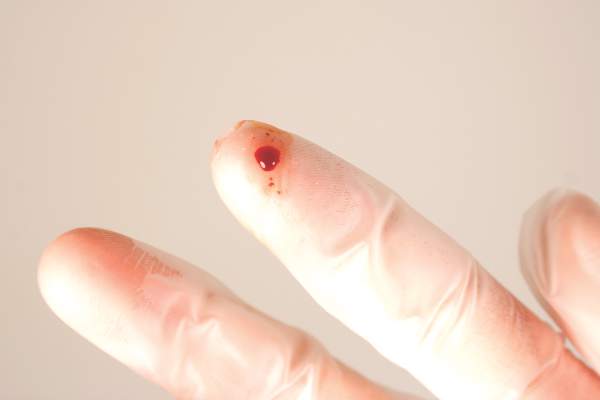
This is true because “more than half of the housing [was] built before lead paint was banned in 1978,” he said.
Yet, only 37% of the state’s 2-year-olds underwent blood lead testing in 2014. Dr. Storo’s email is a call for New Hampshire pediatricians to improve that percentage. The information-filled email – prepared by Gail Gettens of New Hampshire’s Healthy Homes and Lead Poisoning Prevention Program – is available at pediatricnews.com.
The Pediatric News website also includes links to information about lead poisoning testing and treatment from the American Academy of Pediatrics, the Centers for Disease Control and Prevention, and several other states. Go to pediatricnews.com and scroll down the left side to click on Physician Resources; then look for Lead Poisoning.
The issue of lead poisoning is getting attention not just in Flint, Mich., but also in New Hampshire.
Dr. William Storo, president of the New Hampshire Pediatric Society, recently sent an email to all of the state’s pediatricians, reminding them that the state’s Department of Health and Human Services has found New Hampshire’s pediatric elevated blood lead level rates are 2.5 times the national average. Of the 10,281 children aged 5 years who were tested for lead at some point in their lives, 15% had an elevated blood lead level of 5 mcg/dL or higher in a 2014 New Hampshire study.
This is true because “more than half of the housing [was] built before lead paint was banned in 1978,” he said.
Yet, only 37% of the state’s 2-year-olds underwent blood lead testing in 2014. Dr. Storo’s email is a call for New Hampshire pediatricians to improve that percentage. The information-filled email – prepared by Gail Gettens of New Hampshire’s Healthy Homes and Lead Poisoning Prevention Program – is available at pediatricnews.com.
The Pediatric News website also includes links to information about lead poisoning testing and treatment from the American Academy of Pediatrics, the Centers for Disease Control and Prevention, and several other states. Go to pediatricnews.com and scroll down the left side to click on Physician Resources; then look for Lead Poisoning.
The issue of lead poisoning is getting attention not just in Flint, Mich., but also in New Hampshire.
Dr. William Storo, president of the New Hampshire Pediatric Society, recently sent an email to all of the state’s pediatricians, reminding them that the state’s Department of Health and Human Services has found New Hampshire’s pediatric elevated blood lead level rates are 2.5 times the national average. Of the 10,281 children aged 5 years who were tested for lead at some point in their lives, 15% had an elevated blood lead level of 5 mcg/dL or higher in a 2014 New Hampshire study.
This is true because “more than half of the housing [was] built before lead paint was banned in 1978,” he said.
Yet, only 37% of the state’s 2-year-olds underwent blood lead testing in 2014. Dr. Storo’s email is a call for New Hampshire pediatricians to improve that percentage. The information-filled email – prepared by Gail Gettens of New Hampshire’s Healthy Homes and Lead Poisoning Prevention Program – is available at pediatricnews.com.
The Pediatric News website also includes links to information about lead poisoning testing and treatment from the American Academy of Pediatrics, the Centers for Disease Control and Prevention, and several other states. Go to pediatricnews.com and scroll down the left side to click on Physician Resources; then look for Lead Poisoning.
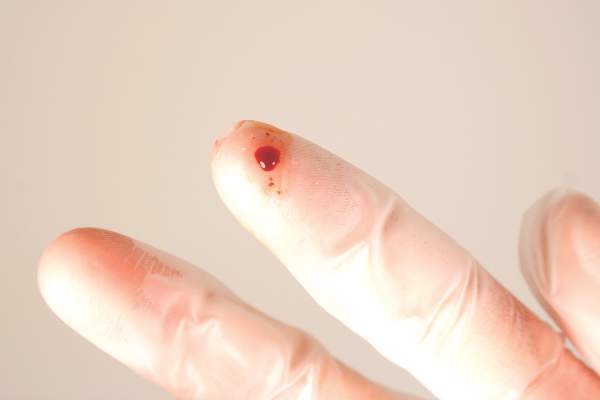
Biologics for Pediatric Psoriasis Patients?
Biologic agents for the treatment of psoriasis are approved for patients 18 years and older. Although some biologics are approved for juvenile idiopathic arthritis, the lack of approved biologic therapies for children with psoriasis has been a major gap in our treatment of the disease. The incidence of moderate to severe psoriasis in the pediatric population is much lower than in adults, but there are still many patients younger than 18 years who would benefit from systemic therapies.
A recent press release indicates that the US Food and Drug Administration has accepted for review a supplemental biologics license application for the expanded use of etanercept to treat pediatric patients with chronic severe plaque psoriasis.
In February 2016 Paller et al (J Am Acad Dermatol. 2016;74:280.e3-287.e3) published data evaluating long-term safety and efficacy of etanercept in children and adolescents with moderate to severe plaque psoriasis. This 5-year, open-label extension study enrolled those patients aged 4 to 17 years who had participated in an initial 48-week parent study. End points included occurrence of adverse events (AEs) and serious AEs including infections as well as rates of 75% and 90% improvement in psoriasis area and severity index (PASI) score and clear or almost clear status on the static physician global assessment.
Of 182 patients enrolled, 181 received etanercept and 69 completed 264 weeks of treatment. Through week 264, 161 (89.0%) patients reported an AE, most commonly upper respiratory tract infection (37.6%), nasopharyngitis (26.0%), and headache (21.5%). Seven patients reported 8 Serious AEs (n=8) were reported in 7 patients, and only 1 case of cellulitis was considered treatment related. No cases of opportunistic infections or malignancy were reported. Rates of 75% improvement (∼60%–70%) and 90% improvement (∼30%–40%) in PASI score were maintained through week 264 as well as static physician global assessment status of clear or almost clear (∼40%–50%).
What’s the issue?
If approved, etanercept would be the first US Food and Drug Administration–approved systemic drug for pediatric psoriasis patients, which would open up options for many patients in need. Would you be willing to treat your pediatric psoriasis patients with a biologic?
Biologic agents for the treatment of psoriasis are approved for patients 18 years and older. Although some biologics are approved for juvenile idiopathic arthritis, the lack of approved biologic therapies for children with psoriasis has been a major gap in our treatment of the disease. The incidence of moderate to severe psoriasis in the pediatric population is much lower than in adults, but there are still many patients younger than 18 years who would benefit from systemic therapies.
A recent press release indicates that the US Food and Drug Administration has accepted for review a supplemental biologics license application for the expanded use of etanercept to treat pediatric patients with chronic severe plaque psoriasis.
In February 2016 Paller et al (J Am Acad Dermatol. 2016;74:280.e3-287.e3) published data evaluating long-term safety and efficacy of etanercept in children and adolescents with moderate to severe plaque psoriasis. This 5-year, open-label extension study enrolled those patients aged 4 to 17 years who had participated in an initial 48-week parent study. End points included occurrence of adverse events (AEs) and serious AEs including infections as well as rates of 75% and 90% improvement in psoriasis area and severity index (PASI) score and clear or almost clear status on the static physician global assessment.
Of 182 patients enrolled, 181 received etanercept and 69 completed 264 weeks of treatment. Through week 264, 161 (89.0%) patients reported an AE, most commonly upper respiratory tract infection (37.6%), nasopharyngitis (26.0%), and headache (21.5%). Seven patients reported 8 Serious AEs (n=8) were reported in 7 patients, and only 1 case of cellulitis was considered treatment related. No cases of opportunistic infections or malignancy were reported. Rates of 75% improvement (∼60%–70%) and 90% improvement (∼30%–40%) in PASI score were maintained through week 264 as well as static physician global assessment status of clear or almost clear (∼40%–50%).
What’s the issue?
If approved, etanercept would be the first US Food and Drug Administration–approved systemic drug for pediatric psoriasis patients, which would open up options for many patients in need. Would you be willing to treat your pediatric psoriasis patients with a biologic?
Biologic agents for the treatment of psoriasis are approved for patients 18 years and older. Although some biologics are approved for juvenile idiopathic arthritis, the lack of approved biologic therapies for children with psoriasis has been a major gap in our treatment of the disease. The incidence of moderate to severe psoriasis in the pediatric population is much lower than in adults, but there are still many patients younger than 18 years who would benefit from systemic therapies.
A recent press release indicates that the US Food and Drug Administration has accepted for review a supplemental biologics license application for the expanded use of etanercept to treat pediatric patients with chronic severe plaque psoriasis.
In February 2016 Paller et al (J Am Acad Dermatol. 2016;74:280.e3-287.e3) published data evaluating long-term safety and efficacy of etanercept in children and adolescents with moderate to severe plaque psoriasis. This 5-year, open-label extension study enrolled those patients aged 4 to 17 years who had participated in an initial 48-week parent study. End points included occurrence of adverse events (AEs) and serious AEs including infections as well as rates of 75% and 90% improvement in psoriasis area and severity index (PASI) score and clear or almost clear status on the static physician global assessment.
Of 182 patients enrolled, 181 received etanercept and 69 completed 264 weeks of treatment. Through week 264, 161 (89.0%) patients reported an AE, most commonly upper respiratory tract infection (37.6%), nasopharyngitis (26.0%), and headache (21.5%). Seven patients reported 8 Serious AEs (n=8) were reported in 7 patients, and only 1 case of cellulitis was considered treatment related. No cases of opportunistic infections or malignancy were reported. Rates of 75% improvement (∼60%–70%) and 90% improvement (∼30%–40%) in PASI score were maintained through week 264 as well as static physician global assessment status of clear or almost clear (∼40%–50%).
What’s the issue?
If approved, etanercept would be the first US Food and Drug Administration–approved systemic drug for pediatric psoriasis patients, which would open up options for many patients in need. Would you be willing to treat your pediatric psoriasis patients with a biologic?

C-reactive protein levels help predict bacterial meningitis outcomes
Measuring C-reactive protein (CRP) levels in children with bacterial meningitis can help determine those children’s prognoses, a study showed.
“A single CRP measurement on the 3rd or 4th day is the most informative, since it rather reliably identifies the patients with highest risk of seizures, slow recovery, hearing impairment, and low scoring in the Glasgow Outcome Scale,” wrote Dr. Heikki Peltola of Children’s Hospital and Helsinki University Hospital, both in Helsinki, and his associates. CRP determination is the fastest, simplest, cheapest, easiest yardstick to use for predicting outcomes in resource-poor settings, the authors said.

“The predictive capacity of CRP almost paralleled the child’s score on the Glasgow Coma Scale at presentation to hospital,” the authors wrote, and combining the two doubled the prognostic predictive power. They reported their findings online in the Pediatric Infectious Disease Journal (2016 Mar 15. doi: 10.1097/INF.0000000000001133).
The researchers measured CRP levels in fingerprick blood samples from 669 children on their 1st through 4th days after hospitalization for bacterial meningitis. The children were all participating in two separate prospective, randomized double-blind treatment studies. One trial, conducted in Argentina, Brazil, the Dominican Republic, Ecuador, Paraguay, and Venezuela, involved 654 children, aged 2 months to 16 years, who received ceftriaxone and either dexamethasone or oral glycerol, both, or neither. The other trial, in Luanda, Angola, included 723 children, aged 2 months to 13 years, who received cefotaxime either as a slow continuous infusion or in 6-hourly boluses for 24 hours, and either acetaminophen or placebo.
CRP levels from day 1 or 2 were a median 159 mg/L among 285 Latin American children and a median 161 mg/L among 384 Angolan children. Though no correlation existed between CRP levels and the children’s age or sex, children with meningococcal meningitis had the highest and lowest levels. Higher levels were associated with lower cerebrospinal fluid glucose concentrations.
Levels from day 3 or 4 were a median 62 mg/L among 218 Latin American children and 117 mg/L among 57 Angolan children. The Latin American children with CRP levels above 62 mg/L had 2.4 times greater odds of seizures, 2.3 times greater odds of a secondary fever, 2.1 times greater odds of a suboptimal clinical course, 3.4 times greater odds of any neurological sequelae, 2.9 times greater odds of any hearing impairment, and 3.1 times greater odds of a Glasgow Outcome Scale score below 5.
The Angolan children with CRP levels above 62 mg/L had 6 times greater odds of a Glasgow Coma score below 15 for 2 days, 9 times greater odds of a hospital stay longer than 8 days, 6.3 times greater odds of seizures, 5.1 times greater odds of a suboptimal clinical course, and 7 times greater odds of any hearing impairment.
“When the child showed both a CRP above median level and a Glasgow Coma score below 13, the odds for severe neurological sequelae, any neurological sequelae, or any hearing impairment increased to 25.4, 7.9, and 5.3, respectively,” the authors wrote. “Full deafness by itself was not predicted by either index.”
The research was funded by the Sigrid Jusélius Foundation and the Foundation for Paediatric Research of Finland. CRP analyzers were provided by Orion Diagnostica. Dr. Irmeli Roine owns a Chilean company that distributes laboratory equipment, including CRP reagents and the QuikRead instrument. No other authors reported disclosures.
Measuring C-reactive protein (CRP) levels in children with bacterial meningitis can help determine those children’s prognoses, a study showed.
“A single CRP measurement on the 3rd or 4th day is the most informative, since it rather reliably identifies the patients with highest risk of seizures, slow recovery, hearing impairment, and low scoring in the Glasgow Outcome Scale,” wrote Dr. Heikki Peltola of Children’s Hospital and Helsinki University Hospital, both in Helsinki, and his associates. CRP determination is the fastest, simplest, cheapest, easiest yardstick to use for predicting outcomes in resource-poor settings, the authors said.
“The predictive capacity of CRP almost paralleled the child’s score on the Glasgow Coma Scale at presentation to hospital,” the authors wrote, and combining the two doubled the prognostic predictive power. They reported their findings online in the Pediatric Infectious Disease Journal (2016 Mar 15. doi: 10.1097/INF.0000000000001133).
The researchers measured CRP levels in fingerprick blood samples from 669 children on their 1st through 4th days after hospitalization for bacterial meningitis. The children were all participating in two separate prospective, randomized double-blind treatment studies. One trial, conducted in Argentina, Brazil, the Dominican Republic, Ecuador, Paraguay, and Venezuela, involved 654 children, aged 2 months to 16 years, who received ceftriaxone and either dexamethasone or oral glycerol, both, or neither. The other trial, in Luanda, Angola, included 723 children, aged 2 months to 13 years, who received cefotaxime either as a slow continuous infusion or in 6-hourly boluses for 24 hours, and either acetaminophen or placebo.
CRP levels from day 1 or 2 were a median 159 mg/L among 285 Latin American children and a median 161 mg/L among 384 Angolan children. Though no correlation existed between CRP levels and the children’s age or sex, children with meningococcal meningitis had the highest and lowest levels. Higher levels were associated with lower cerebrospinal fluid glucose concentrations.
Levels from day 3 or 4 were a median 62 mg/L among 218 Latin American children and 117 mg/L among 57 Angolan children. The Latin American children with CRP levels above 62 mg/L had 2.4 times greater odds of seizures, 2.3 times greater odds of a secondary fever, 2.1 times greater odds of a suboptimal clinical course, 3.4 times greater odds of any neurological sequelae, 2.9 times greater odds of any hearing impairment, and 3.1 times greater odds of a Glasgow Outcome Scale score below 5.
The Angolan children with CRP levels above 62 mg/L had 6 times greater odds of a Glasgow Coma score below 15 for 2 days, 9 times greater odds of a hospital stay longer than 8 days, 6.3 times greater odds of seizures, 5.1 times greater odds of a suboptimal clinical course, and 7 times greater odds of any hearing impairment.
“When the child showed both a CRP above median level and a Glasgow Coma score below 13, the odds for severe neurological sequelae, any neurological sequelae, or any hearing impairment increased to 25.4, 7.9, and 5.3, respectively,” the authors wrote. “Full deafness by itself was not predicted by either index.”
The research was funded by the Sigrid Jusélius Foundation and the Foundation for Paediatric Research of Finland. CRP analyzers were provided by Orion Diagnostica. Dr. Irmeli Roine owns a Chilean company that distributes laboratory equipment, including CRP reagents and the QuikRead instrument. No other authors reported disclosures.
Measuring C-reactive protein (CRP) levels in children with bacterial meningitis can help determine those children’s prognoses, a study showed.
“A single CRP measurement on the 3rd or 4th day is the most informative, since it rather reliably identifies the patients with highest risk of seizures, slow recovery, hearing impairment, and low scoring in the Glasgow Outcome Scale,” wrote Dr. Heikki Peltola of Children’s Hospital and Helsinki University Hospital, both in Helsinki, and his associates. CRP determination is the fastest, simplest, cheapest, easiest yardstick to use for predicting outcomes in resource-poor settings, the authors said.
“The predictive capacity of CRP almost paralleled the child’s score on the Glasgow Coma Scale at presentation to hospital,” the authors wrote, and combining the two doubled the prognostic predictive power. They reported their findings online in the Pediatric Infectious Disease Journal (2016 Mar 15. doi: 10.1097/INF.0000000000001133).
The researchers measured CRP levels in fingerprick blood samples from 669 children on their 1st through 4th days after hospitalization for bacterial meningitis. The children were all participating in two separate prospective, randomized double-blind treatment studies. One trial, conducted in Argentina, Brazil, the Dominican Republic, Ecuador, Paraguay, and Venezuela, involved 654 children, aged 2 months to 16 years, who received ceftriaxone and either dexamethasone or oral glycerol, both, or neither. The other trial, in Luanda, Angola, included 723 children, aged 2 months to 13 years, who received cefotaxime either as a slow continuous infusion or in 6-hourly boluses for 24 hours, and either acetaminophen or placebo.
CRP levels from day 1 or 2 were a median 159 mg/L among 285 Latin American children and a median 161 mg/L among 384 Angolan children. Though no correlation existed between CRP levels and the children’s age or sex, children with meningococcal meningitis had the highest and lowest levels. Higher levels were associated with lower cerebrospinal fluid glucose concentrations.
Levels from day 3 or 4 were a median 62 mg/L among 218 Latin American children and 117 mg/L among 57 Angolan children. The Latin American children with CRP levels above 62 mg/L had 2.4 times greater odds of seizures, 2.3 times greater odds of a secondary fever, 2.1 times greater odds of a suboptimal clinical course, 3.4 times greater odds of any neurological sequelae, 2.9 times greater odds of any hearing impairment, and 3.1 times greater odds of a Glasgow Outcome Scale score below 5.
The Angolan children with CRP levels above 62 mg/L had 6 times greater odds of a Glasgow Coma score below 15 for 2 days, 9 times greater odds of a hospital stay longer than 8 days, 6.3 times greater odds of seizures, 5.1 times greater odds of a suboptimal clinical course, and 7 times greater odds of any hearing impairment.
“When the child showed both a CRP above median level and a Glasgow Coma score below 13, the odds for severe neurological sequelae, any neurological sequelae, or any hearing impairment increased to 25.4, 7.9, and 5.3, respectively,” the authors wrote. “Full deafness by itself was not predicted by either index.”
The research was funded by the Sigrid Jusélius Foundation and the Foundation for Paediatric Research of Finland. CRP analyzers were provided by Orion Diagnostica. Dr. Irmeli Roine owns a Chilean company that distributes laboratory equipment, including CRP reagents and the QuikRead instrument. No other authors reported disclosures.
FROM THE PEDIATRIC INFECTIOUS DISEASE JOURNAL
Key clinical point: C-reactive protein measurements provide reliable prognostic information for pediatric bacterial meningitis.
Major finding: The odds of hearing impairment were three to seven times greater, and the odds of secondary fever, neurological sequelae, a longer hospital stay, and poorer scores on the Glasgow Outcome and Coma scales were several times greater for children with CRP levels above the median 62 mg/L.
Data source: The findings are based on CRP measurements taken prospectively from a cohort of 669 children with bacterial meningitis, all of whom were enrolled in two treatment trials in Latin America or Angola between 1996 and 2003.
Disclosures: The research was funded by the Sigrid Jusélius Foundation and the Foundation for Paediatric Research of Finland. CRP analyzers were provided by Orion Diagnostica. Dr. Irmeli Roine owns a Chilean company that distributes laboratory equipment, including CRP reagents and the QuikRead instrument. No other authors reported disclosures.

Master clinician shares ‘little black book’ of pediatric dermatology therapies
WAIKOLOA, HAWAII – Generations of master clinicians in dermatology have made a practice of accumulating personal collections of obscure, non–evidence-based therapies for use when standard treatments aren’t getting the job done for challenging conditions.
Sometimes these dermatologic masters share them, as in the ‘what to do when you don’t know what to do’ compendium in Shelley and Shelley’s classic textbook, Advanced Dermatologic Therapeutics.

At the Hawaii Dermatology Seminar, Dr. Robert Sidbury opened his own little black book and shared several such backup pediatric dermatology therapies. All are off label. Their mechanisms of benefit are unclear. Formal supporting evidence is sparse to none. Some are time-honored therapies; indeed, one is a variant of Vleminckx’s solution, a popular treatment for severe nodulocystic acne in 1880. But these are all treatments Dr. Sidbury has personally found to be successful on repeated occasions as second-, third-, and fourth-line therapies, and he said he knows of other pediatric dermatologists with similarly favorable experiences using these agents.
“These just might be something to reach for when you’re out of options otherwise,” he explained at the seminar provided by Global Academy for Medical Education/Skin Disease Education Foundation.
“The gist of this talk is to help you realize what a gold mine your own experience and judgment is in trying to treat patients whose condition is stubborn. Sometimes we have a natural resistance to wanting to try things such as we’re talking about here, where there isn’t any supporting evidence. But if you can wrap your mind around the safety – if you’re comfortable with that – then I would encourage you to be more adventuresome,” said Dr. Sidbury, chief of dermatology at Seattle Children’s Hospital.
Among his go-to, last-resort recommendations are the following:
Griseofulvin for cutaneous or oral lichen planus. “I use tinea dosing: 20 mg/day in two divided doses, up to a maximum of 500-1,000 mg/day. I tend to give it for 1-2 months. I don’t follow labs when using griseofulvin for tinea or lichen planus,” he said.
This treatment is cited in the Shelleys’ textbook as well as in a recent systematic review and meta-analysis (Am J Clin Dermatol. 2016 Feb;17[1]:11-22).
Ketotifen for intractable itching. Dr. Sidbury calls pruritus of this severity “rogue itching,” which is not uncommon in patients with plexiform neurofibromas, very large keloids, or epidermolysis bullosa. “I’ve found ketotifen to be incredibly helpful when absolutely nothing else seems to help,” he said.
Ketotifen, an oral antihistamine, is a histamine-1 blocker and mast cell stabilizer. It’s not approved by the Food and Drug Administration but is available from Canada. Dr. Sidbury said he has found Northwest Pharmacy easy to work with online. The cost through that online pharmacy is $52 per 250 mL.
The oral dosing is 0.05 mg/kg twice a day in children aged 6 months up to 3 years, and 1 mg twice a day in children aged 3 years and older. He and others have found ketotifen to be extremely safe. Side effects are uncommon and consist of minimal sleep disruption, irritability, flulike symptoms, and weight gain.
Topical tofacitinib for alopecia areata. Tofacitinib (Xeljanz) is an oral Janus kinase inhibitor (JAK) approved for the treatment of rheumatoid arthritis. Dr. Sidbury has a compounding pharmacy make topical tofacitinib 2% in a liposomal base, which achieves better penetration than Versabase. He recommends Chemistry Rx in Philadelphia for compounding.
“I have no financial interest, I’ve just found them incredibly helpful. The cost is $330 for 30 g. That’s not dirt cheap by a long shot, but I’ve looked into this for parents before I was aware of the Chemistry Rx option, and the cost was thousands and thousands of dollars when I tried to get it compounded in a local pharmacy that didn’t have the economy of scale,” he said.
Patients apply the topical JAK inhibitor twice daily. “I’ve probably got six or seven kids on topical JAK inhibitor therapy for alopecia areata, and I’ve seen responses in all of them after having pretty much exhausted everything else,” according to the dermatologist.
He said he obtains a baseline CBC, liver enzyme levels, serum creatinine, and lipid levels, repeating the lab tests every 2 weeks initially, then monthly.
Vleminckx’s solution. This is a truly old school therapy for severe nodulocystic acne when isotretinoin isn’t an option. True Vleminckx’s solution is a sulfurated lime solution that smells terrible and is hard to come by. The closest thing Dr. Sidbury has found without resort to a compounding pharmacy is available OTC on Amazon. Thankfully, it contains an odor-masking agent, he said. He has patients apply the solution twice daily for 20 minutes at a time every other day.
Tar for vitiligo and lichen sclerosis. Vitiligo is a condition with a long list of treatment options, many of which aren’t all that effective. Dr. Sidbury learned of V-tar for vitiligo from Dr. Peter Lio, a pediatric dermatologist at Northwestern University, Chicago, who prescribes it frequently for stubborn areas, such as the knees and ankles. V-tar is a 30% crude coal tar product that’s water soluble. Patients apply a small amount once per week, and wash it off after 6-8 hours. V-tar is available from Dermasave Labs, a compounding pharmacy in Pleasant Valley, N.Y., he said.
For cases of lichen sclerosus where potent topical corticosteroids and topical calcineurin inhibitors are ineffective, he turns to twice-daily 6% liquor carbonis detergens in Aquaphor. It has an excellent safety profile. Irritation is rare and can be prevented using a barrier cream.
Fluconazole for erythema annulare centrifugum. Dr. Sidbury has used this on multiple occasions when standard therapy with antihistamines, topical steroids, topical calcineurin inhibitors, and/or calcipotriene didn’t work. At 3-6 mg/kg per day for 4 weeks, and a maximum daily dose of fluconazole of 200 mg, he has typically obtained a rapid reduction in itching, and skin clearance in about a week, with a sustained benefit.
This is another off-label treatment with a good safety profile, which he also frequently uses on label for neonates with candidiasis, Dr. Sidbury noted.
He reported having no financial conflicts regarding any of these therapies. SDEF and this news organization are owned by the same parent company.
WAIKOLOA, HAWAII – Generations of master clinicians in dermatology have made a practice of accumulating personal collections of obscure, non–evidence-based therapies for use when standard treatments aren’t getting the job done for challenging conditions.
Sometimes these dermatologic masters share them, as in the ‘what to do when you don’t know what to do’ compendium in Shelley and Shelley’s classic textbook, Advanced Dermatologic Therapeutics.
At the Hawaii Dermatology Seminar, Dr. Robert Sidbury opened his own little black book and shared several such backup pediatric dermatology therapies. All are off label. Their mechanisms of benefit are unclear. Formal supporting evidence is sparse to none. Some are time-honored therapies; indeed, one is a variant of Vleminckx’s solution, a popular treatment for severe nodulocystic acne in 1880. But these are all treatments Dr. Sidbury has personally found to be successful on repeated occasions as second-, third-, and fourth-line therapies, and he said he knows of other pediatric dermatologists with similarly favorable experiences using these agents.
“These just might be something to reach for when you’re out of options otherwise,” he explained at the seminar provided by Global Academy for Medical Education/Skin Disease Education Foundation.
“The gist of this talk is to help you realize what a gold mine your own experience and judgment is in trying to treat patients whose condition is stubborn. Sometimes we have a natural resistance to wanting to try things such as we’re talking about here, where there isn’t any supporting evidence. But if you can wrap your mind around the safety – if you’re comfortable with that – then I would encourage you to be more adventuresome,” said Dr. Sidbury, chief of dermatology at Seattle Children’s Hospital.
Among his go-to, last-resort recommendations are the following:
Griseofulvin for cutaneous or oral lichen planus. “I use tinea dosing: 20 mg/day in two divided doses, up to a maximum of 500-1,000 mg/day. I tend to give it for 1-2 months. I don’t follow labs when using griseofulvin for tinea or lichen planus,” he said.
This treatment is cited in the Shelleys’ textbook as well as in a recent systematic review and meta-analysis (Am J Clin Dermatol. 2016 Feb;17[1]:11-22).
Ketotifen for intractable itching. Dr. Sidbury calls pruritus of this severity “rogue itching,” which is not uncommon in patients with plexiform neurofibromas, very large keloids, or epidermolysis bullosa. “I’ve found ketotifen to be incredibly helpful when absolutely nothing else seems to help,” he said.
Ketotifen, an oral antihistamine, is a histamine-1 blocker and mast cell stabilizer. It’s not approved by the Food and Drug Administration but is available from Canada. Dr. Sidbury said he has found Northwest Pharmacy easy to work with online. The cost through that online pharmacy is $52 per 250 mL.
The oral dosing is 0.05 mg/kg twice a day in children aged 6 months up to 3 years, and 1 mg twice a day in children aged 3 years and older. He and others have found ketotifen to be extremely safe. Side effects are uncommon and consist of minimal sleep disruption, irritability, flulike symptoms, and weight gain.
Topical tofacitinib for alopecia areata. Tofacitinib (Xeljanz) is an oral Janus kinase inhibitor (JAK) approved for the treatment of rheumatoid arthritis. Dr. Sidbury has a compounding pharmacy make topical tofacitinib 2% in a liposomal base, which achieves better penetration than Versabase. He recommends Chemistry Rx in Philadelphia for compounding.
“I have no financial interest, I’ve just found them incredibly helpful. The cost is $330 for 30 g. That’s not dirt cheap by a long shot, but I’ve looked into this for parents before I was aware of the Chemistry Rx option, and the cost was thousands and thousands of dollars when I tried to get it compounded in a local pharmacy that didn’t have the economy of scale,” he said.
Patients apply the topical JAK inhibitor twice daily. “I’ve probably got six or seven kids on topical JAK inhibitor therapy for alopecia areata, and I’ve seen responses in all of them after having pretty much exhausted everything else,” according to the dermatologist.
He said he obtains a baseline CBC, liver enzyme levels, serum creatinine, and lipid levels, repeating the lab tests every 2 weeks initially, then monthly.
Vleminckx’s solution. This is a truly old school therapy for severe nodulocystic acne when isotretinoin isn’t an option. True Vleminckx’s solution is a sulfurated lime solution that smells terrible and is hard to come by. The closest thing Dr. Sidbury has found without resort to a compounding pharmacy is available OTC on Amazon. Thankfully, it contains an odor-masking agent, he said. He has patients apply the solution twice daily for 20 minutes at a time every other day.
Tar for vitiligo and lichen sclerosis. Vitiligo is a condition with a long list of treatment options, many of which aren’t all that effective. Dr. Sidbury learned of V-tar for vitiligo from Dr. Peter Lio, a pediatric dermatologist at Northwestern University, Chicago, who prescribes it frequently for stubborn areas, such as the knees and ankles. V-tar is a 30% crude coal tar product that’s water soluble. Patients apply a small amount once per week, and wash it off after 6-8 hours. V-tar is available from Dermasave Labs, a compounding pharmacy in Pleasant Valley, N.Y., he said.
For cases of lichen sclerosus where potent topical corticosteroids and topical calcineurin inhibitors are ineffective, he turns to twice-daily 6% liquor carbonis detergens in Aquaphor. It has an excellent safety profile. Irritation is rare and can be prevented using a barrier cream.
Fluconazole for erythema annulare centrifugum. Dr. Sidbury has used this on multiple occasions when standard therapy with antihistamines, topical steroids, topical calcineurin inhibitors, and/or calcipotriene didn’t work. At 3-6 mg/kg per day for 4 weeks, and a maximum daily dose of fluconazole of 200 mg, he has typically obtained a rapid reduction in itching, and skin clearance in about a week, with a sustained benefit.
This is another off-label treatment with a good safety profile, which he also frequently uses on label for neonates with candidiasis, Dr. Sidbury noted.
He reported having no financial conflicts regarding any of these therapies. SDEF and this news organization are owned by the same parent company.
WAIKOLOA, HAWAII – Generations of master clinicians in dermatology have made a practice of accumulating personal collections of obscure, non–evidence-based therapies for use when standard treatments aren’t getting the job done for challenging conditions.
Sometimes these dermatologic masters share them, as in the ‘what to do when you don’t know what to do’ compendium in Shelley and Shelley’s classic textbook, Advanced Dermatologic Therapeutics.
At the Hawaii Dermatology Seminar, Dr. Robert Sidbury opened his own little black book and shared several such backup pediatric dermatology therapies. All are off label. Their mechanisms of benefit are unclear. Formal supporting evidence is sparse to none. Some are time-honored therapies; indeed, one is a variant of Vleminckx’s solution, a popular treatment for severe nodulocystic acne in 1880. But these are all treatments Dr. Sidbury has personally found to be successful on repeated occasions as second-, third-, and fourth-line therapies, and he said he knows of other pediatric dermatologists with similarly favorable experiences using these agents.
“These just might be something to reach for when you’re out of options otherwise,” he explained at the seminar provided by Global Academy for Medical Education/Skin Disease Education Foundation.
“The gist of this talk is to help you realize what a gold mine your own experience and judgment is in trying to treat patients whose condition is stubborn. Sometimes we have a natural resistance to wanting to try things such as we’re talking about here, where there isn’t any supporting evidence. But if you can wrap your mind around the safety – if you’re comfortable with that – then I would encourage you to be more adventuresome,” said Dr. Sidbury, chief of dermatology at Seattle Children’s Hospital.
Among his go-to, last-resort recommendations are the following:
Griseofulvin for cutaneous or oral lichen planus. “I use tinea dosing: 20 mg/day in two divided doses, up to a maximum of 500-1,000 mg/day. I tend to give it for 1-2 months. I don’t follow labs when using griseofulvin for tinea or lichen planus,” he said.
This treatment is cited in the Shelleys’ textbook as well as in a recent systematic review and meta-analysis (Am J Clin Dermatol. 2016 Feb;17[1]:11-22).
Ketotifen for intractable itching. Dr. Sidbury calls pruritus of this severity “rogue itching,” which is not uncommon in patients with plexiform neurofibromas, very large keloids, or epidermolysis bullosa. “I’ve found ketotifen to be incredibly helpful when absolutely nothing else seems to help,” he said.
Ketotifen, an oral antihistamine, is a histamine-1 blocker and mast cell stabilizer. It’s not approved by the Food and Drug Administration but is available from Canada. Dr. Sidbury said he has found Northwest Pharmacy easy to work with online. The cost through that online pharmacy is $52 per 250 mL.
The oral dosing is 0.05 mg/kg twice a day in children aged 6 months up to 3 years, and 1 mg twice a day in children aged 3 years and older. He and others have found ketotifen to be extremely safe. Side effects are uncommon and consist of minimal sleep disruption, irritability, flulike symptoms, and weight gain.
Topical tofacitinib for alopecia areata. Tofacitinib (Xeljanz) is an oral Janus kinase inhibitor (JAK) approved for the treatment of rheumatoid arthritis. Dr. Sidbury has a compounding pharmacy make topical tofacitinib 2% in a liposomal base, which achieves better penetration than Versabase. He recommends Chemistry Rx in Philadelphia for compounding.
“I have no financial interest, I’ve just found them incredibly helpful. The cost is $330 for 30 g. That’s not dirt cheap by a long shot, but I’ve looked into this for parents before I was aware of the Chemistry Rx option, and the cost was thousands and thousands of dollars when I tried to get it compounded in a local pharmacy that didn’t have the economy of scale,” he said.
Patients apply the topical JAK inhibitor twice daily. “I’ve probably got six or seven kids on topical JAK inhibitor therapy for alopecia areata, and I’ve seen responses in all of them after having pretty much exhausted everything else,” according to the dermatologist.
He said he obtains a baseline CBC, liver enzyme levels, serum creatinine, and lipid levels, repeating the lab tests every 2 weeks initially, then monthly.
Vleminckx’s solution. This is a truly old school therapy for severe nodulocystic acne when isotretinoin isn’t an option. True Vleminckx’s solution is a sulfurated lime solution that smells terrible and is hard to come by. The closest thing Dr. Sidbury has found without resort to a compounding pharmacy is available OTC on Amazon. Thankfully, it contains an odor-masking agent, he said. He has patients apply the solution twice daily for 20 minutes at a time every other day.
Tar for vitiligo and lichen sclerosis. Vitiligo is a condition with a long list of treatment options, many of which aren’t all that effective. Dr. Sidbury learned of V-tar for vitiligo from Dr. Peter Lio, a pediatric dermatologist at Northwestern University, Chicago, who prescribes it frequently for stubborn areas, such as the knees and ankles. V-tar is a 30% crude coal tar product that’s water soluble. Patients apply a small amount once per week, and wash it off after 6-8 hours. V-tar is available from Dermasave Labs, a compounding pharmacy in Pleasant Valley, N.Y., he said.
For cases of lichen sclerosus where potent topical corticosteroids and topical calcineurin inhibitors are ineffective, he turns to twice-daily 6% liquor carbonis detergens in Aquaphor. It has an excellent safety profile. Irritation is rare and can be prevented using a barrier cream.
Fluconazole for erythema annulare centrifugum. Dr. Sidbury has used this on multiple occasions when standard therapy with antihistamines, topical steroids, topical calcineurin inhibitors, and/or calcipotriene didn’t work. At 3-6 mg/kg per day for 4 weeks, and a maximum daily dose of fluconazole of 200 mg, he has typically obtained a rapid reduction in itching, and skin clearance in about a week, with a sustained benefit.
This is another off-label treatment with a good safety profile, which he also frequently uses on label for neonates with candidiasis, Dr. Sidbury noted.
He reported having no financial conflicts regarding any of these therapies. SDEF and this news organization are owned by the same parent company.
EXPERT ANALYSIS FROM SDEF HAWAII DERMATOLOGY SEMINAR

Studies underscore limits of Tdap vaccine
Replacing the first dose of acellular pertussis vaccine with its whole-cell predecessor could cut the rate of whooping cough by about 95% – including in neonates at greatest risk of severe outcomes, researchers reported March 28 in JAMA Pediatrics.
Their model also predicted 95% fewer lost quality-adjusted life-years under the combined (whole-cell and acellular) vaccination strategy – even after accounting for vaccine-related adverse events, said Dr. Benjamin Althouse of the Santa Fe Institute and New Mexico State University, Las Cruces, and his associates. “Although new pertussis vaccines combining the safety of acellular pertussis and the efficacy of whole-cell pertussis are in early development, [they are] still a number of years away from regulatory approval,” they wrote. “In the interim, switching to the combined strategy is an effective option for reducing the disease and mortality burdens of Bordetella pertussis.”

The Centers for Disease Control and Prevention currently recommends five doses of acellular pertussis vaccine between 2 months and 4 to 6 years old. Infants born in the 1990s during the switch from the whole-cell vaccine to the safer acellular vaccine often received an initial whole-cell dose, followed by acellular doses. These “primed” children had less than half the rate of whooping cough than children who received only the acellular vaccine, multiple studies later showed. Since then, U.S. pertussis rates have surged, with more than 48,000 cases reported in 2012. Waning immunity is one factor, but the acellular vaccine also failed to prevent secondary B. pertussis transmission in a study of nonhuman primates, Dr. Althouse and his associates noted (JAMA Pediatr. 2016 Mar 28. doi: 10.1001/jamapediatrics.2016.0047).
They compared the efficacy and cost-effectiveness of the acellular vaccination schedule with a schedule in which the first dose was whole-cell vaccine and the next four doses were acellular vaccine. In a model fitted to pertussis data from 2012, incidence was about 95% lower (95% confidence interval, 91%-98%) with the combined strategy, and infection rates in neonates fell by 96% (95% CI, 92%-98%). Even after accounting for adverse events, loss of quality-adjusted life-years also fell by about 95%, and healthcare costs dropped by 94%, saving more than $142 million per year.
The acellular pertussis vaccine was licensed as a booster for adolescents and adults in 2005. Over the next several years, pertussis rates dropped faster among 11- to 18-year-olds than among other age groups (Arch Pediatr Adolesc Med. 2012;166:344-9). But that encouraging trend “abruptly reversed” in 2010, “corresponding directly to the aging of acellular pertussis-vaccinated cohorts” who were primed with the acellular vaccine, said the authors of a follow-up study also published March 28 in JAMA Pediatrics (JAMA Pediatr. 2016 Mar 28. doi: 10.1001/jamapediatrics.2015.4875).
For this study, Tami Skoff and Stacey Martin of the CDC analyzed all pertussis cases reported in the United States between 1990 and 2014. Between 1990 and 2003, rates rose from 1.7 to 4.0 cases per 100,000 individuals, and pertussis epidemics dominated later years, the researchers said. The acellular vaccine helped reverse infection rates among adolescents immediately after its introduction, but after 2010, infection rates rose faster among 11- to 18-year-olds than among all other age groups combined (slope, 0.5727; P less than .001). By 2014, adolescents had the highest infection rates of any group except infants under 1 year old, who had the highest pertussis incidence throughout the study period.
The findings “support the accumulating literature on waning acellular vaccine-induced immunity,” said the researchers. Because immunity with the acellular vaccine wanes after about 2 years, additional vaccinations are unlikely to have much impact, they noted. They also emphasized the importance of timely vaccination and vaccinating pregnant women to protect infants.
Dr. Althouse and his associates were funded by the National Science Foundation, the National Institutes of Health, the Omidyar Group, and the Santa Fe Institute. Skoff and Martin reported no external funding sources. None of the investigators had disclosures.
Although it has been clear for several years that immunity following acellular pertussis vaccines wanes, the study [by Skoff and Martin] documents the effect at a population level. The bad news is that Tdap vaccination mostly [benefited] adolescents who, when they were infants, received at least some doses of the whole-cell pertussis vaccine when it was still in use. Now, as those cohorts are replaced by younger ones who only received acellular vaccines, pertussis is making a comeback. Several studies have shown that the immune responses to the 2 types of vaccine are quite different and unfortunately the response to acellular vaccines is inferior. We will continue to see a lot of pertussis until new vaccines are developed.
What can we do to protect older children and adults from pertussis while we wait for new vaccines? DeAngelis et al. suggest that we could achieve a dramatic reduction in pertussis cases by giving an initial priming dose of whole-cell vaccine in infancy, followed by the remainder of the vaccine series with acellular vaccine. These findings must be considered preliminary because the authors made a number of assumptions for which we have insufficient data.
Pertussis is back. While we consider alternative vaccination strategies and develop new vaccines, we can at least do a better job of preventing pertussis-related deaths in infants by immunizing women during each pregnancy. We know that is safe and effective and is being increasingly accepted by pregnant women. As for other strategies, which might include reintroducing whole-cell vaccines, we need to be sure parents are going to go along.
Dr. Mark H. Sawyer is at the Rady Children’s Hospital–San Diego. He had no disclosures. These comments are based on his editorial (JAMA Pediatr. 2016 Mar 28. doi: 10.1001/jamapediatrics.2016.0157).
Although it has been clear for several years that immunity following acellular pertussis vaccines wanes, the study [by Skoff and Martin] documents the effect at a population level. The bad news is that Tdap vaccination mostly [benefited] adolescents who, when they were infants, received at least some doses of the whole-cell pertussis vaccine when it was still in use. Now, as those cohorts are replaced by younger ones who only received acellular vaccines, pertussis is making a comeback. Several studies have shown that the immune responses to the 2 types of vaccine are quite different and unfortunately the response to acellular vaccines is inferior. We will continue to see a lot of pertussis until new vaccines are developed.
What can we do to protect older children and adults from pertussis while we wait for new vaccines? DeAngelis et al. suggest that we could achieve a dramatic reduction in pertussis cases by giving an initial priming dose of whole-cell vaccine in infancy, followed by the remainder of the vaccine series with acellular vaccine. These findings must be considered preliminary because the authors made a number of assumptions for which we have insufficient data.
Pertussis is back. While we consider alternative vaccination strategies and develop new vaccines, we can at least do a better job of preventing pertussis-related deaths in infants by immunizing women during each pregnancy. We know that is safe and effective and is being increasingly accepted by pregnant women. As for other strategies, which might include reintroducing whole-cell vaccines, we need to be sure parents are going to go along.
Dr. Mark H. Sawyer is at the Rady Children’s Hospital–San Diego. He had no disclosures. These comments are based on his editorial (JAMA Pediatr. 2016 Mar 28. doi: 10.1001/jamapediatrics.2016.0157).
Although it has been clear for several years that immunity following acellular pertussis vaccines wanes, the study [by Skoff and Martin] documents the effect at a population level. The bad news is that Tdap vaccination mostly [benefited] adolescents who, when they were infants, received at least some doses of the whole-cell pertussis vaccine when it was still in use. Now, as those cohorts are replaced by younger ones who only received acellular vaccines, pertussis is making a comeback. Several studies have shown that the immune responses to the 2 types of vaccine are quite different and unfortunately the response to acellular vaccines is inferior. We will continue to see a lot of pertussis until new vaccines are developed.
What can we do to protect older children and adults from pertussis while we wait for new vaccines? DeAngelis et al. suggest that we could achieve a dramatic reduction in pertussis cases by giving an initial priming dose of whole-cell vaccine in infancy, followed by the remainder of the vaccine series with acellular vaccine. These findings must be considered preliminary because the authors made a number of assumptions for which we have insufficient data.
Pertussis is back. While we consider alternative vaccination strategies and develop new vaccines, we can at least do a better job of preventing pertussis-related deaths in infants by immunizing women during each pregnancy. We know that is safe and effective and is being increasingly accepted by pregnant women. As for other strategies, which might include reintroducing whole-cell vaccines, we need to be sure parents are going to go along.
Dr. Mark H. Sawyer is at the Rady Children’s Hospital–San Diego. He had no disclosures. These comments are based on his editorial (JAMA Pediatr. 2016 Mar 28. doi: 10.1001/jamapediatrics.2016.0157).
Replacing the first dose of acellular pertussis vaccine with its whole-cell predecessor could cut the rate of whooping cough by about 95% – including in neonates at greatest risk of severe outcomes, researchers reported March 28 in JAMA Pediatrics.
Their model also predicted 95% fewer lost quality-adjusted life-years under the combined (whole-cell and acellular) vaccination strategy – even after accounting for vaccine-related adverse events, said Dr. Benjamin Althouse of the Santa Fe Institute and New Mexico State University, Las Cruces, and his associates. “Although new pertussis vaccines combining the safety of acellular pertussis and the efficacy of whole-cell pertussis are in early development, [they are] still a number of years away from regulatory approval,” they wrote. “In the interim, switching to the combined strategy is an effective option for reducing the disease and mortality burdens of Bordetella pertussis.”
The Centers for Disease Control and Prevention currently recommends five doses of acellular pertussis vaccine between 2 months and 4 to 6 years old. Infants born in the 1990s during the switch from the whole-cell vaccine to the safer acellular vaccine often received an initial whole-cell dose, followed by acellular doses. These “primed” children had less than half the rate of whooping cough than children who received only the acellular vaccine, multiple studies later showed. Since then, U.S. pertussis rates have surged, with more than 48,000 cases reported in 2012. Waning immunity is one factor, but the acellular vaccine also failed to prevent secondary B. pertussis transmission in a study of nonhuman primates, Dr. Althouse and his associates noted (JAMA Pediatr. 2016 Mar 28. doi: 10.1001/jamapediatrics.2016.0047).
They compared the efficacy and cost-effectiveness of the acellular vaccination schedule with a schedule in which the first dose was whole-cell vaccine and the next four doses were acellular vaccine. In a model fitted to pertussis data from 2012, incidence was about 95% lower (95% confidence interval, 91%-98%) with the combined strategy, and infection rates in neonates fell by 96% (95% CI, 92%-98%). Even after accounting for adverse events, loss of quality-adjusted life-years also fell by about 95%, and healthcare costs dropped by 94%, saving more than $142 million per year.
The acellular pertussis vaccine was licensed as a booster for adolescents and adults in 2005. Over the next several years, pertussis rates dropped faster among 11- to 18-year-olds than among other age groups (Arch Pediatr Adolesc Med. 2012;166:344-9). But that encouraging trend “abruptly reversed” in 2010, “corresponding directly to the aging of acellular pertussis-vaccinated cohorts” who were primed with the acellular vaccine, said the authors of a follow-up study also published March 28 in JAMA Pediatrics (JAMA Pediatr. 2016 Mar 28. doi: 10.1001/jamapediatrics.2015.4875).
For this study, Tami Skoff and Stacey Martin of the CDC analyzed all pertussis cases reported in the United States between 1990 and 2014. Between 1990 and 2003, rates rose from 1.7 to 4.0 cases per 100,000 individuals, and pertussis epidemics dominated later years, the researchers said. The acellular vaccine helped reverse infection rates among adolescents immediately after its introduction, but after 2010, infection rates rose faster among 11- to 18-year-olds than among all other age groups combined (slope, 0.5727; P less than .001). By 2014, adolescents had the highest infection rates of any group except infants under 1 year old, who had the highest pertussis incidence throughout the study period.
The findings “support the accumulating literature on waning acellular vaccine-induced immunity,” said the researchers. Because immunity with the acellular vaccine wanes after about 2 years, additional vaccinations are unlikely to have much impact, they noted. They also emphasized the importance of timely vaccination and vaccinating pregnant women to protect infants.
Dr. Althouse and his associates were funded by the National Science Foundation, the National Institutes of Health, the Omidyar Group, and the Santa Fe Institute. Skoff and Martin reported no external funding sources. None of the investigators had disclosures.
Replacing the first dose of acellular pertussis vaccine with its whole-cell predecessor could cut the rate of whooping cough by about 95% – including in neonates at greatest risk of severe outcomes, researchers reported March 28 in JAMA Pediatrics.
Their model also predicted 95% fewer lost quality-adjusted life-years under the combined (whole-cell and acellular) vaccination strategy – even after accounting for vaccine-related adverse events, said Dr. Benjamin Althouse of the Santa Fe Institute and New Mexico State University, Las Cruces, and his associates. “Although new pertussis vaccines combining the safety of acellular pertussis and the efficacy of whole-cell pertussis are in early development, [they are] still a number of years away from regulatory approval,” they wrote. “In the interim, switching to the combined strategy is an effective option for reducing the disease and mortality burdens of Bordetella pertussis.”
The Centers for Disease Control and Prevention currently recommends five doses of acellular pertussis vaccine between 2 months and 4 to 6 years old. Infants born in the 1990s during the switch from the whole-cell vaccine to the safer acellular vaccine often received an initial whole-cell dose, followed by acellular doses. These “primed” children had less than half the rate of whooping cough than children who received only the acellular vaccine, multiple studies later showed. Since then, U.S. pertussis rates have surged, with more than 48,000 cases reported in 2012. Waning immunity is one factor, but the acellular vaccine also failed to prevent secondary B. pertussis transmission in a study of nonhuman primates, Dr. Althouse and his associates noted (JAMA Pediatr. 2016 Mar 28. doi: 10.1001/jamapediatrics.2016.0047).
They compared the efficacy and cost-effectiveness of the acellular vaccination schedule with a schedule in which the first dose was whole-cell vaccine and the next four doses were acellular vaccine. In a model fitted to pertussis data from 2012, incidence was about 95% lower (95% confidence interval, 91%-98%) with the combined strategy, and infection rates in neonates fell by 96% (95% CI, 92%-98%). Even after accounting for adverse events, loss of quality-adjusted life-years also fell by about 95%, and healthcare costs dropped by 94%, saving more than $142 million per year.
The acellular pertussis vaccine was licensed as a booster for adolescents and adults in 2005. Over the next several years, pertussis rates dropped faster among 11- to 18-year-olds than among other age groups (Arch Pediatr Adolesc Med. 2012;166:344-9). But that encouraging trend “abruptly reversed” in 2010, “corresponding directly to the aging of acellular pertussis-vaccinated cohorts” who were primed with the acellular vaccine, said the authors of a follow-up study also published March 28 in JAMA Pediatrics (JAMA Pediatr. 2016 Mar 28. doi: 10.1001/jamapediatrics.2015.4875).
For this study, Tami Skoff and Stacey Martin of the CDC analyzed all pertussis cases reported in the United States between 1990 and 2014. Between 1990 and 2003, rates rose from 1.7 to 4.0 cases per 100,000 individuals, and pertussis epidemics dominated later years, the researchers said. The acellular vaccine helped reverse infection rates among adolescents immediately after its introduction, but after 2010, infection rates rose faster among 11- to 18-year-olds than among all other age groups combined (slope, 0.5727; P less than .001). By 2014, adolescents had the highest infection rates of any group except infants under 1 year old, who had the highest pertussis incidence throughout the study period.
The findings “support the accumulating literature on waning acellular vaccine-induced immunity,” said the researchers. Because immunity with the acellular vaccine wanes after about 2 years, additional vaccinations are unlikely to have much impact, they noted. They also emphasized the importance of timely vaccination and vaccinating pregnant women to protect infants.
Dr. Althouse and his associates were funded by the National Science Foundation, the National Institutes of Health, the Omidyar Group, and the Santa Fe Institute. Skoff and Martin reported no external funding sources. None of the investigators had disclosures.
FROM JAMA PEDIATRICS
Key clinical point: Two studies underscored the problem of waning immunity with the acellular pertussis vaccine.
Major finding: Replacing the first dose of acellular pertussis vaccine with its whole-cell predecessor cut incidence by about 95% in a mathematical model. After 2010, pertussis infection rates rose faster among 11 to 18-year-olds than among all other age groups combined (slope, 0.5727; P less than .001).
Data source: Two separate analyses of national pertussis incidence data.
Disclosures: Dr. Althouse and his associates were funded by the National Science Foundation, the National Institutes of Health, the Omidyar Group, and the Santa Fe Institute. Ms. Skoff and Ms. Martin reported no external funding sources. None of the investigators had disclosures.