User login
Study of LGBQ Youth Highlights Behavioral Health Differences in Each Group
Mental health symptoms and severity differed across a cohort of lesbian, gay, bisexual, and questioning (LGBQ) adolescents, highlighting the need to consider behavioral health separately for each group.
Lesbian, gay, or bisexual youth demonstrate higher rates of depression, anxiety, self-harm, and suicidal ideation than do youth who identify as heterosexual, several studies have reported. Youth who identify as “unsure” or “questioning” are at an even higher risk of suicidality, depression, and victimization than their LGB counterparts.

With a lack of research focusing on the subgroup of youth identifying as questioning or bisexual, Annie Shearer and her colleagues at Drexel University in Philadelphia sought to assess the behavioral health of heterosexual and LGBQ youth in a large primary care sample (J Adolesc Health. 2016. doi: 10.1016/j.jadohealth.2016.02.005).
The cohort included 2,513 youth aged 14-24 years, with 61% female. Same sex attraction was reported in 2%, attraction to both sexes was reported in 4%, attraction to the opposite sex was reported by 92%, and unsure sexuality preferences were reported in 2%.
The study was conducted using a Web-based screening tool, the Behavioral Health Screen owned by the Children’s Hospital of Philadelphia, in 10 primary care offices in semiurban and rural communities. Deidentified data were collected on demographics, social factors, medical history, and psychiatric factors including depression, anxiety, substance use, suicidality, and trauma.
An analysis of the data demonstrated females identifying as questioning or bisexual had higher scores for traumatic distress, anxiety, and depression than did their heterosexual peers; there were no differences among lesbian, bisexual, or questioning females in these areas. Female youth in those three sexual minority groups had significantly higher lifetime suicide scores. Bisexual females reported higher scores for current suicide as well as substance abuse.
Male participants identifying as bisexual or gay reported significantly higher scores for traumatic distress and depression, with gay participants reporting higher anxiety scores. Bisexual male youth had significantly higher lifetime suicide scores. There did not appear to be a higher risk for questioning males. There were no differences between the groups in terms of current suicide or substance use scores.
Study limitations included the complex nature of sexuality and the self-reported nature of the data, the investigators noted.
“Our findings underscore the willingness of sexual minority youth to disclose the same-sex attractions in PC [primary care] settings,” the authors concluded. “Medical providers should in turn be receptive to this information and engage youth in conversations about these issues, particularly in contexts where the same-sex or bisexual attractions are stigmatized.”
“Although sexual orientation does not cause mental illness,” clinicians should be aware of the association between LGBQ status and mental health, Ms. Shearer and her colleagues said.
The study was funded by a grant from the Substance Abuse and Mental Health Services Administration. Coauthor Guy Diamond, Ph.D., reported potential royalty payments if the Behavioral Health Screen is made public.
Mental health symptoms and severity differed across a cohort of lesbian, gay, bisexual, and questioning (LGBQ) adolescents, highlighting the need to consider behavioral health separately for each group.
Lesbian, gay, or bisexual youth demonstrate higher rates of depression, anxiety, self-harm, and suicidal ideation than do youth who identify as heterosexual, several studies have reported. Youth who identify as “unsure” or “questioning” are at an even higher risk of suicidality, depression, and victimization than their LGB counterparts.
With a lack of research focusing on the subgroup of youth identifying as questioning or bisexual, Annie Shearer and her colleagues at Drexel University in Philadelphia sought to assess the behavioral health of heterosexual and LGBQ youth in a large primary care sample (J Adolesc Health. 2016. doi: 10.1016/j.jadohealth.2016.02.005).
The cohort included 2,513 youth aged 14-24 years, with 61% female. Same sex attraction was reported in 2%, attraction to both sexes was reported in 4%, attraction to the opposite sex was reported by 92%, and unsure sexuality preferences were reported in 2%.
The study was conducted using a Web-based screening tool, the Behavioral Health Screen owned by the Children’s Hospital of Philadelphia, in 10 primary care offices in semiurban and rural communities. Deidentified data were collected on demographics, social factors, medical history, and psychiatric factors including depression, anxiety, substance use, suicidality, and trauma.
An analysis of the data demonstrated females identifying as questioning or bisexual had higher scores for traumatic distress, anxiety, and depression than did their heterosexual peers; there were no differences among lesbian, bisexual, or questioning females in these areas. Female youth in those three sexual minority groups had significantly higher lifetime suicide scores. Bisexual females reported higher scores for current suicide as well as substance abuse.
Male participants identifying as bisexual or gay reported significantly higher scores for traumatic distress and depression, with gay participants reporting higher anxiety scores. Bisexual male youth had significantly higher lifetime suicide scores. There did not appear to be a higher risk for questioning males. There were no differences between the groups in terms of current suicide or substance use scores.
Study limitations included the complex nature of sexuality and the self-reported nature of the data, the investigators noted.
“Our findings underscore the willingness of sexual minority youth to disclose the same-sex attractions in PC [primary care] settings,” the authors concluded. “Medical providers should in turn be receptive to this information and engage youth in conversations about these issues, particularly in contexts where the same-sex or bisexual attractions are stigmatized.”
“Although sexual orientation does not cause mental illness,” clinicians should be aware of the association between LGBQ status and mental health, Ms. Shearer and her colleagues said.
The study was funded by a grant from the Substance Abuse and Mental Health Services Administration. Coauthor Guy Diamond, Ph.D., reported potential royalty payments if the Behavioral Health Screen is made public.
Mental health symptoms and severity differed across a cohort of lesbian, gay, bisexual, and questioning (LGBQ) adolescents, highlighting the need to consider behavioral health separately for each group.
Lesbian, gay, or bisexual youth demonstrate higher rates of depression, anxiety, self-harm, and suicidal ideation than do youth who identify as heterosexual, several studies have reported. Youth who identify as “unsure” or “questioning” are at an even higher risk of suicidality, depression, and victimization than their LGB counterparts.
With a lack of research focusing on the subgroup of youth identifying as questioning or bisexual, Annie Shearer and her colleagues at Drexel University in Philadelphia sought to assess the behavioral health of heterosexual and LGBQ youth in a large primary care sample (J Adolesc Health. 2016. doi: 10.1016/j.jadohealth.2016.02.005).
The cohort included 2,513 youth aged 14-24 years, with 61% female. Same sex attraction was reported in 2%, attraction to both sexes was reported in 4%, attraction to the opposite sex was reported by 92%, and unsure sexuality preferences were reported in 2%.
The study was conducted using a Web-based screening tool, the Behavioral Health Screen owned by the Children’s Hospital of Philadelphia, in 10 primary care offices in semiurban and rural communities. Deidentified data were collected on demographics, social factors, medical history, and psychiatric factors including depression, anxiety, substance use, suicidality, and trauma.
An analysis of the data demonstrated females identifying as questioning or bisexual had higher scores for traumatic distress, anxiety, and depression than did their heterosexual peers; there were no differences among lesbian, bisexual, or questioning females in these areas. Female youth in those three sexual minority groups had significantly higher lifetime suicide scores. Bisexual females reported higher scores for current suicide as well as substance abuse.
Male participants identifying as bisexual or gay reported significantly higher scores for traumatic distress and depression, with gay participants reporting higher anxiety scores. Bisexual male youth had significantly higher lifetime suicide scores. There did not appear to be a higher risk for questioning males. There were no differences between the groups in terms of current suicide or substance use scores.
Study limitations included the complex nature of sexuality and the self-reported nature of the data, the investigators noted.
“Our findings underscore the willingness of sexual minority youth to disclose the same-sex attractions in PC [primary care] settings,” the authors concluded. “Medical providers should in turn be receptive to this information and engage youth in conversations about these issues, particularly in contexts where the same-sex or bisexual attractions are stigmatized.”
“Although sexual orientation does not cause mental illness,” clinicians should be aware of the association between LGBQ status and mental health, Ms. Shearer and her colleagues said.
The study was funded by a grant from the Substance Abuse and Mental Health Services Administration. Coauthor Guy Diamond, Ph.D., reported potential royalty payments if the Behavioral Health Screen is made public.
FROM JOURNAL OF ADOLESCENT HEALTH

Study of LGBQ youth highlights behavioral health differences in each group
Mental health symptoms and severity differed across a cohort of lesbian, gay, bisexual, and questioning (LGBQ) adolescents, highlighting the need to consider behavioral health separately for each group.
Lesbian, gay, or bisexual youth demonstrate higher rates of depression, anxiety, self-harm, and suicidal ideation than do youth who identify as heterosexual, several studies have reported. Youth who identify as “unsure” or “questioning” are at an even higher risk of suicidality, depression, and victimization than their LGB counterparts.

With a lack of research focusing on the subgroup of youth identifying as questioning or bisexual, Annie Shearer and her colleagues at Drexel University in Philadelphia sought to assess the behavioral health of heterosexual and LGBQ youth in a large primary care sample (J Adolesc Health. 2016. doi: 10.1016/j.jadohealth.2016.02.005).
The cohort included 2,513 youth aged 14-24 years, with 61% female. Same sex attraction was reported in 2%, attraction to both sexes was reported in 4%, attraction to the opposite sex was reported by 92%, and unsure sexuality preferences were reported in 2%.
The study was conducted using a Web-based screening tool, the Behavioral Health Screen owned by the Children’s Hospital of Philadelphia, in 10 primary care offices in semiurban and rural communities. Deidentified data were collected on demographics, social factors, medical history, and psychiatric factors including depression, anxiety, substance use, suicidality, and trauma.
An analysis of the data demonstrated females identifying as questioning or bisexual had higher scores for traumatic distress, anxiety, and depression than did their heterosexual peers; there were no differences among lesbian, bisexual, or questioning females in these areas. Female youth in those three sexual minority groups had significantly higher lifetime suicide scores. Bisexual females reported higher scores for current suicide as well as substance abuse.
Male participants identifying as bisexual or gay reported significantly higher scores for traumatic distress and depression, with gay participants reporting higher anxiety scores. Bisexual male youth had significantly higher lifetime suicide scores. There did not appear to be a higher risk for questioning males. There were no differences between the groups in terms of current suicide or substance use scores.
Study limitations included the complex nature of sexuality and the self-reported nature of the data, the investigators noted.
“Our findings underscore the willingness of sexual minority youth to disclose the same-sex attractions in PC [primary care] settings,” the authors concluded. “Medical providers should in turn be receptive to this information and engage youth in conversations about these issues, particularly in contexts where the same-sex or bisexual attractions are stigmatized.”
“Although sexual orientation does not cause mental illness,” clinicians should be aware of the association between LGBQ status and mental health, Ms. Shearer and her colleagues said.
The study was funded by a grant from the Substance Abuse and Mental Health Services Administration. Coauthor Guy Diamond, Ph.D., reported potential royalty payments if the Behavioral Health Screen is made public.
Mental health symptoms and severity differed across a cohort of lesbian, gay, bisexual, and questioning (LGBQ) adolescents, highlighting the need to consider behavioral health separately for each group.
Lesbian, gay, or bisexual youth demonstrate higher rates of depression, anxiety, self-harm, and suicidal ideation than do youth who identify as heterosexual, several studies have reported. Youth who identify as “unsure” or “questioning” are at an even higher risk of suicidality, depression, and victimization than their LGB counterparts.
With a lack of research focusing on the subgroup of youth identifying as questioning or bisexual, Annie Shearer and her colleagues at Drexel University in Philadelphia sought to assess the behavioral health of heterosexual and LGBQ youth in a large primary care sample (J Adolesc Health. 2016. doi: 10.1016/j.jadohealth.2016.02.005).
The cohort included 2,513 youth aged 14-24 years, with 61% female. Same sex attraction was reported in 2%, attraction to both sexes was reported in 4%, attraction to the opposite sex was reported by 92%, and unsure sexuality preferences were reported in 2%.
The study was conducted using a Web-based screening tool, the Behavioral Health Screen owned by the Children’s Hospital of Philadelphia, in 10 primary care offices in semiurban and rural communities. Deidentified data were collected on demographics, social factors, medical history, and psychiatric factors including depression, anxiety, substance use, suicidality, and trauma.
An analysis of the data demonstrated females identifying as questioning or bisexual had higher scores for traumatic distress, anxiety, and depression than did their heterosexual peers; there were no differences among lesbian, bisexual, or questioning females in these areas. Female youth in those three sexual minority groups had significantly higher lifetime suicide scores. Bisexual females reported higher scores for current suicide as well as substance abuse.
Male participants identifying as bisexual or gay reported significantly higher scores for traumatic distress and depression, with gay participants reporting higher anxiety scores. Bisexual male youth had significantly higher lifetime suicide scores. There did not appear to be a higher risk for questioning males. There were no differences between the groups in terms of current suicide or substance use scores.
Study limitations included the complex nature of sexuality and the self-reported nature of the data, the investigators noted.
“Our findings underscore the willingness of sexual minority youth to disclose the same-sex attractions in PC [primary care] settings,” the authors concluded. “Medical providers should in turn be receptive to this information and engage youth in conversations about these issues, particularly in contexts where the same-sex or bisexual attractions are stigmatized.”
“Although sexual orientation does not cause mental illness,” clinicians should be aware of the association between LGBQ status and mental health, Ms. Shearer and her colleagues said.
The study was funded by a grant from the Substance Abuse and Mental Health Services Administration. Coauthor Guy Diamond, Ph.D., reported potential royalty payments if the Behavioral Health Screen is made public.
Mental health symptoms and severity differed across a cohort of lesbian, gay, bisexual, and questioning (LGBQ) adolescents, highlighting the need to consider behavioral health separately for each group.
Lesbian, gay, or bisexual youth demonstrate higher rates of depression, anxiety, self-harm, and suicidal ideation than do youth who identify as heterosexual, several studies have reported. Youth who identify as “unsure” or “questioning” are at an even higher risk of suicidality, depression, and victimization than their LGB counterparts.
With a lack of research focusing on the subgroup of youth identifying as questioning or bisexual, Annie Shearer and her colleagues at Drexel University in Philadelphia sought to assess the behavioral health of heterosexual and LGBQ youth in a large primary care sample (J Adolesc Health. 2016. doi: 10.1016/j.jadohealth.2016.02.005).
The cohort included 2,513 youth aged 14-24 years, with 61% female. Same sex attraction was reported in 2%, attraction to both sexes was reported in 4%, attraction to the opposite sex was reported by 92%, and unsure sexuality preferences were reported in 2%.
The study was conducted using a Web-based screening tool, the Behavioral Health Screen owned by the Children’s Hospital of Philadelphia, in 10 primary care offices in semiurban and rural communities. Deidentified data were collected on demographics, social factors, medical history, and psychiatric factors including depression, anxiety, substance use, suicidality, and trauma.
An analysis of the data demonstrated females identifying as questioning or bisexual had higher scores for traumatic distress, anxiety, and depression than did their heterosexual peers; there were no differences among lesbian, bisexual, or questioning females in these areas. Female youth in those three sexual minority groups had significantly higher lifetime suicide scores. Bisexual females reported higher scores for current suicide as well as substance abuse.
Male participants identifying as bisexual or gay reported significantly higher scores for traumatic distress and depression, with gay participants reporting higher anxiety scores. Bisexual male youth had significantly higher lifetime suicide scores. There did not appear to be a higher risk for questioning males. There were no differences between the groups in terms of current suicide or substance use scores.
Study limitations included the complex nature of sexuality and the self-reported nature of the data, the investigators noted.
“Our findings underscore the willingness of sexual minority youth to disclose the same-sex attractions in PC [primary care] settings,” the authors concluded. “Medical providers should in turn be receptive to this information and engage youth in conversations about these issues, particularly in contexts where the same-sex or bisexual attractions are stigmatized.”
“Although sexual orientation does not cause mental illness,” clinicians should be aware of the association between LGBQ status and mental health, Ms. Shearer and her colleagues said.
The study was funded by a grant from the Substance Abuse and Mental Health Services Administration. Coauthor Guy Diamond, Ph.D., reported potential royalty payments if the Behavioral Health Screen is made public.
FROM JOURNAL OF ADOLESCENT HEALTH
Key clinical point: LGBQ groups demonstrate differences in mental health symptoms and severity.
Major finding: Females identifying as questioning or bisexual had higher scores for traumatic distress, anxiety, and depression than their heterosexual peers; there were no differences between lesbian, bisexual, or questioning females in these areas. Male participants identifying as bisexual or gay reported significantly higher scores for traumatic distress and depression, with gay participants reporting higher anxiety scores.
Data source: An analysis of data involving 2,513 youth aged 14-24 years.
Disclosures: The study was funded by a grant from the Substance Abuse and Mental Health Services Administration. Coauthor Guy Diamond, Ph.D., reported potential royalty payments if the Behavioral Health Screen is made public.

Childhood cancer risk linked to mother’s birthplace

Photo by Nina Matthews
New research suggests a mother’s birthplace may affect the risk of certain cancers for Hispanic children.
The study showed that children of Hispanic mothers who were not born in the US had lower risks of brain cancers, neuroblastoma, and Wilms tumor, when compared to children of US-born Hispanic mothers and non-Hispanic white mothers born in the US.
However, all Hispanic children, regardless of where their mothers were born, had higher risks of acute leukemias and Hodgkin lymphoma but a lower risk of non-Hodgkin lymphoma (NHL).
Julia E. Heck, PhD, of the University of California, Los Angeles, and her colleagues reported these findings in JAMA Pediatrics.
The researchers used California birth records to identify children born from 1983 through 2011. Information on cancer cases came from California Cancer Registry records from 1988 to 2012.
The team restricted their analysis to children of US-born white, US-born Hispanic, and non-US-born Hispanic mothers. The study included 13,666 cases of children diagnosed with cancer before the age of 6 and 15,513,718 children who served as control subjects.
To assess the hazard ratios (HRs) for various cancers, the researchers used children of non-Hispanic white mothers as a reference (HR=1.00) and compared them to the children of non-US-born Hispanic mothers and US-born Hispanic mothers.
For children of non-US-born Hispanic mothers, the HR was 0.50 for glioma, 0.43 for astrocytoma, 0.47 for neuroblastoma, and 0.70 for Wilms tumor. For children of US-born Hispanic mothers, the HR was 0.71 for glioma, 0.62 for astrocytoma, 0.66 for neuroblastoma, and 0.88 for Wilms tumor.
When compared to non-Hispanic white children, Hispanic children had an increased risk of acute lymphoblastic leukemia (ALL), acute myeloid leukemia (AML), and Hodgkin lymphoma but lower risks of NHL and Burkitt lymphoma.
For children of US-born Hispanic mothers, the HR was 1.20 for ALL, 1.28 for AML, 2.49 for Hodgkin lymphoma, 0.79 for NHL, and 0.69 for Burkitt lymphoma.
For children of non-US-born Hispanic mothers, the HR was 1.06 for ALL, 1.05 for AML, 2.35 for Hodgkin lymphoma, 0.76 for NHL, and 0.73 for Burkitt lymphoma.
The researchers said the differences observed between children of US-born and non-US-born Hispanic mothers may be explained by lifestyle differences and varying environmental exposures.
These factors may explain the differences in cancer incidence between Hispanic children and white children as well, but the differences may also be a result of genetic variation and infection exposures early in life. 
Photo by Nina Matthews
New research suggests a mother’s birthplace may affect the risk of certain cancers for Hispanic children.
The study showed that children of Hispanic mothers who were not born in the US had lower risks of brain cancers, neuroblastoma, and Wilms tumor, when compared to children of US-born Hispanic mothers and non-Hispanic white mothers born in the US.
However, all Hispanic children, regardless of where their mothers were born, had higher risks of acute leukemias and Hodgkin lymphoma but a lower risk of non-Hodgkin lymphoma (NHL).
Julia E. Heck, PhD, of the University of California, Los Angeles, and her colleagues reported these findings in JAMA Pediatrics.
The researchers used California birth records to identify children born from 1983 through 2011. Information on cancer cases came from California Cancer Registry records from 1988 to 2012.
The team restricted their analysis to children of US-born white, US-born Hispanic, and non-US-born Hispanic mothers. The study included 13,666 cases of children diagnosed with cancer before the age of 6 and 15,513,718 children who served as control subjects.
To assess the hazard ratios (HRs) for various cancers, the researchers used children of non-Hispanic white mothers as a reference (HR=1.00) and compared them to the children of non-US-born Hispanic mothers and US-born Hispanic mothers.
For children of non-US-born Hispanic mothers, the HR was 0.50 for glioma, 0.43 for astrocytoma, 0.47 for neuroblastoma, and 0.70 for Wilms tumor. For children of US-born Hispanic mothers, the HR was 0.71 for glioma, 0.62 for astrocytoma, 0.66 for neuroblastoma, and 0.88 for Wilms tumor.
When compared to non-Hispanic white children, Hispanic children had an increased risk of acute lymphoblastic leukemia (ALL), acute myeloid leukemia (AML), and Hodgkin lymphoma but lower risks of NHL and Burkitt lymphoma.
For children of US-born Hispanic mothers, the HR was 1.20 for ALL, 1.28 for AML, 2.49 for Hodgkin lymphoma, 0.79 for NHL, and 0.69 for Burkitt lymphoma.
For children of non-US-born Hispanic mothers, the HR was 1.06 for ALL, 1.05 for AML, 2.35 for Hodgkin lymphoma, 0.76 for NHL, and 0.73 for Burkitt lymphoma.
The researchers said the differences observed between children of US-born and non-US-born Hispanic mothers may be explained by lifestyle differences and varying environmental exposures.
These factors may explain the differences in cancer incidence between Hispanic children and white children as well, but the differences may also be a result of genetic variation and infection exposures early in life.
Photo by Nina Matthews
New research suggests a mother’s birthplace may affect the risk of certain cancers for Hispanic children.
The study showed that children of Hispanic mothers who were not born in the US had lower risks of brain cancers, neuroblastoma, and Wilms tumor, when compared to children of US-born Hispanic mothers and non-Hispanic white mothers born in the US.
However, all Hispanic children, regardless of where their mothers were born, had higher risks of acute leukemias and Hodgkin lymphoma but a lower risk of non-Hodgkin lymphoma (NHL).
Julia E. Heck, PhD, of the University of California, Los Angeles, and her colleagues reported these findings in JAMA Pediatrics.
The researchers used California birth records to identify children born from 1983 through 2011. Information on cancer cases came from California Cancer Registry records from 1988 to 2012.
The team restricted their analysis to children of US-born white, US-born Hispanic, and non-US-born Hispanic mothers. The study included 13,666 cases of children diagnosed with cancer before the age of 6 and 15,513,718 children who served as control subjects.
To assess the hazard ratios (HRs) for various cancers, the researchers used children of non-Hispanic white mothers as a reference (HR=1.00) and compared them to the children of non-US-born Hispanic mothers and US-born Hispanic mothers.
For children of non-US-born Hispanic mothers, the HR was 0.50 for glioma, 0.43 for astrocytoma, 0.47 for neuroblastoma, and 0.70 for Wilms tumor. For children of US-born Hispanic mothers, the HR was 0.71 for glioma, 0.62 for astrocytoma, 0.66 for neuroblastoma, and 0.88 for Wilms tumor.
When compared to non-Hispanic white children, Hispanic children had an increased risk of acute lymphoblastic leukemia (ALL), acute myeloid leukemia (AML), and Hodgkin lymphoma but lower risks of NHL and Burkitt lymphoma.
For children of US-born Hispanic mothers, the HR was 1.20 for ALL, 1.28 for AML, 2.49 for Hodgkin lymphoma, 0.79 for NHL, and 0.69 for Burkitt lymphoma.
For children of non-US-born Hispanic mothers, the HR was 1.06 for ALL, 1.05 for AML, 2.35 for Hodgkin lymphoma, 0.76 for NHL, and 0.73 for Burkitt lymphoma.
The researchers said the differences observed between children of US-born and non-US-born Hispanic mothers may be explained by lifestyle differences and varying environmental exposures.
These factors may explain the differences in cancer incidence between Hispanic children and white children as well, but the differences may also be a result of genetic variation and infection exposures early in life.
High-dose MTX improves EFS in high-risk B-ALL

Photo by Bill Branson
High-dose methotrexate (MTX) is more effective than escalating doses of MTX for young patients with high-risk B-cell acute lymphoblastic leukemia (B-ALL), according to a study published in the Journal of Clinical Oncology.
Patients who received high-dose MTX during interim maintenance 1 had significantly better event-free survival (EFS) than those who received escalating MTX.
In addition, the study showed that substituting dexamethasone for prednisone during induction was beneficial for younger—but not older—patients.
The high-dose MTX protocol outlined in this study, and the use of dexamethasone in younger patients, has become the standard practice for the treatment of high-risk ALL patients in North America.
Prior to the release of the initial study results, which were first presented last year at the ASCO Annual Meeting, the standard of care for high-risk ALL patients in North America was escalating MTX.
“One of the improvements in outcome for ALL overall has been using methotrexate in a more intense fashion, by giving higher doses,” said study investigator William L. Carroll, MD, of NYU Langone Medical Center in New York, New York.
“We designed this study to compare high-dose and escalating methotrexate to determine the best way to use this drug to increase the survival of high-risk ALL patients.”
Treatment
Between January 2004 and January 2011, Dr Carroll and his colleagues enrolled 3154 patients, ages 1 to 30, with newly diagnosed, high-risk B-ALL. After exclusions, 2914 patients were randomized to treatment.
Using a 2 × 2 factorial design, the patients were randomized to receive dexamethasone for 14 days or prednisone for 28 days during induction and high-dose MTX or Capizzi escalating-dose MTX plus pegaspargase during interim maintenance 1.
So the treatment groups were as follows:
- Prednisone and escalating MTX (n=926)
- Prednisone and high-dose MTX (n=926)
- Dexamethasone and escalating MTX (n=535)
- Dexamethasone and high-dose MTX (n=527).
MTX results
At the planned interim analysis, the 5-year EFS was 82% among patients who received high-dose MTX and 75.4% among those who received escalating MTX (P=0.006).
The final data showed 5-year EFS rates of 79.6% and 75.2%, respectively (P=0.008) and 5-year overall survival rates of 88.9% and 86.1%, respectively (P=0.025).
There was a higher rate of febrile neutropenia during interim maintenance 1 among patients who received escalating MTX than among those who received high-dose MTX—8.3% and 5.1%, respectively (P=0.003).
There were 5 cases of ischemic cerebrovascular toxicity among patients who received high-dose MTX and none among the patients who received escalating MTX (P=0.03).
But there were no other significant differences in adverse events between the high-dose and escalating-dose MTX groups.
Corticosteroid results
Patients age 10 and older saw no benefit from dexamethasone, and, in fact, were at much higher risk of developing osteonecrosis. Because of this risk, the corticosteroid induction arm of this study was closed early, in 2008.
However, the investigators found that patients younger than age 10 did benefit from dexamethasone exposure.
Specifically, patients under 10 who received dexamethasone and high-dose MTX had significantly better EFS than patients who received the other 3 treatment regimens.
The 5-year EFS rate was 91.2% in the dexamethasone and high-dose MTX arm, 83.2% in the dexamethasone and escalating MTX arm, 80.8% in the prednisone and high-dose MTX arm, and 82.1% in the prednisone and escalating MTX arm (P=0.015).
For patients of all ages, there was a higher rate of febrile neutropenia during induction among patients who received dexamethasone than among those who received prednisone—18.2% and 11.0%, respectively (P<0.001).
Patients who received dexamethasone also had a higher rate of infections/infestations—29.4% and 20.3%, respectively (P<0.001).
However, there was no significant difference in induction death rate—1.9% and 1.8%, respectively (P=0.87). The same was true when the investigators looked only at patients younger than 10 (P=0.71) or at patients 10 and older (P=0.69).
Among patients ages 10 and older who participated in the induction corticosteroid randomization before it was closed, the 5-year cumulative incidence of osteonecrosis was 24.3% for patients who received dexamethasone and 15.9% for those who received prednisone (P=0.001).
There were no other significant differences in adverse events between the 2 corticosteroid regimens.
Photo by Bill Branson
High-dose methotrexate (MTX) is more effective than escalating doses of MTX for young patients with high-risk B-cell acute lymphoblastic leukemia (B-ALL), according to a study published in the Journal of Clinical Oncology.
Patients who received high-dose MTX during interim maintenance 1 had significantly better event-free survival (EFS) than those who received escalating MTX.
In addition, the study showed that substituting dexamethasone for prednisone during induction was beneficial for younger—but not older—patients.
The high-dose MTX protocol outlined in this study, and the use of dexamethasone in younger patients, has become the standard practice for the treatment of high-risk ALL patients in North America.
Prior to the release of the initial study results, which were first presented last year at the ASCO Annual Meeting, the standard of care for high-risk ALL patients in North America was escalating MTX.
“One of the improvements in outcome for ALL overall has been using methotrexate in a more intense fashion, by giving higher doses,” said study investigator William L. Carroll, MD, of NYU Langone Medical Center in New York, New York.
“We designed this study to compare high-dose and escalating methotrexate to determine the best way to use this drug to increase the survival of high-risk ALL patients.”
Treatment
Between January 2004 and January 2011, Dr Carroll and his colleagues enrolled 3154 patients, ages 1 to 30, with newly diagnosed, high-risk B-ALL. After exclusions, 2914 patients were randomized to treatment.
Using a 2 × 2 factorial design, the patients were randomized to receive dexamethasone for 14 days or prednisone for 28 days during induction and high-dose MTX or Capizzi escalating-dose MTX plus pegaspargase during interim maintenance 1.
So the treatment groups were as follows:
- Prednisone and escalating MTX (n=926)
- Prednisone and high-dose MTX (n=926)
- Dexamethasone and escalating MTX (n=535)
- Dexamethasone and high-dose MTX (n=527).
MTX results
At the planned interim analysis, the 5-year EFS was 82% among patients who received high-dose MTX and 75.4% among those who received escalating MTX (P=0.006).
The final data showed 5-year EFS rates of 79.6% and 75.2%, respectively (P=0.008) and 5-year overall survival rates of 88.9% and 86.1%, respectively (P=0.025).
There was a higher rate of febrile neutropenia during interim maintenance 1 among patients who received escalating MTX than among those who received high-dose MTX—8.3% and 5.1%, respectively (P=0.003).
There were 5 cases of ischemic cerebrovascular toxicity among patients who received high-dose MTX and none among the patients who received escalating MTX (P=0.03).
But there were no other significant differences in adverse events between the high-dose and escalating-dose MTX groups.
Corticosteroid results
Patients age 10 and older saw no benefit from dexamethasone, and, in fact, were at much higher risk of developing osteonecrosis. Because of this risk, the corticosteroid induction arm of this study was closed early, in 2008.
However, the investigators found that patients younger than age 10 did benefit from dexamethasone exposure.
Specifically, patients under 10 who received dexamethasone and high-dose MTX had significantly better EFS than patients who received the other 3 treatment regimens.
The 5-year EFS rate was 91.2% in the dexamethasone and high-dose MTX arm, 83.2% in the dexamethasone and escalating MTX arm, 80.8% in the prednisone and high-dose MTX arm, and 82.1% in the prednisone and escalating MTX arm (P=0.015).
For patients of all ages, there was a higher rate of febrile neutropenia during induction among patients who received dexamethasone than among those who received prednisone—18.2% and 11.0%, respectively (P<0.001).
Patients who received dexamethasone also had a higher rate of infections/infestations—29.4% and 20.3%, respectively (P<0.001).
However, there was no significant difference in induction death rate—1.9% and 1.8%, respectively (P=0.87). The same was true when the investigators looked only at patients younger than 10 (P=0.71) or at patients 10 and older (P=0.69).
Among patients ages 10 and older who participated in the induction corticosteroid randomization before it was closed, the 5-year cumulative incidence of osteonecrosis was 24.3% for patients who received dexamethasone and 15.9% for those who received prednisone (P=0.001).
There were no other significant differences in adverse events between the 2 corticosteroid regimens.
Photo by Bill Branson
High-dose methotrexate (MTX) is more effective than escalating doses of MTX for young patients with high-risk B-cell acute lymphoblastic leukemia (B-ALL), according to a study published in the Journal of Clinical Oncology.
Patients who received high-dose MTX during interim maintenance 1 had significantly better event-free survival (EFS) than those who received escalating MTX.
In addition, the study showed that substituting dexamethasone for prednisone during induction was beneficial for younger—but not older—patients.
The high-dose MTX protocol outlined in this study, and the use of dexamethasone in younger patients, has become the standard practice for the treatment of high-risk ALL patients in North America.
Prior to the release of the initial study results, which were first presented last year at the ASCO Annual Meeting, the standard of care for high-risk ALL patients in North America was escalating MTX.
“One of the improvements in outcome for ALL overall has been using methotrexate in a more intense fashion, by giving higher doses,” said study investigator William L. Carroll, MD, of NYU Langone Medical Center in New York, New York.
“We designed this study to compare high-dose and escalating methotrexate to determine the best way to use this drug to increase the survival of high-risk ALL patients.”
Treatment
Between January 2004 and January 2011, Dr Carroll and his colleagues enrolled 3154 patients, ages 1 to 30, with newly diagnosed, high-risk B-ALL. After exclusions, 2914 patients were randomized to treatment.
Using a 2 × 2 factorial design, the patients were randomized to receive dexamethasone for 14 days or prednisone for 28 days during induction and high-dose MTX or Capizzi escalating-dose MTX plus pegaspargase during interim maintenance 1.
So the treatment groups were as follows:
- Prednisone and escalating MTX (n=926)
- Prednisone and high-dose MTX (n=926)
- Dexamethasone and escalating MTX (n=535)
- Dexamethasone and high-dose MTX (n=527).
MTX results
At the planned interim analysis, the 5-year EFS was 82% among patients who received high-dose MTX and 75.4% among those who received escalating MTX (P=0.006).
The final data showed 5-year EFS rates of 79.6% and 75.2%, respectively (P=0.008) and 5-year overall survival rates of 88.9% and 86.1%, respectively (P=0.025).
There was a higher rate of febrile neutropenia during interim maintenance 1 among patients who received escalating MTX than among those who received high-dose MTX—8.3% and 5.1%, respectively (P=0.003).
There were 5 cases of ischemic cerebrovascular toxicity among patients who received high-dose MTX and none among the patients who received escalating MTX (P=0.03).
But there were no other significant differences in adverse events between the high-dose and escalating-dose MTX groups.
Corticosteroid results
Patients age 10 and older saw no benefit from dexamethasone, and, in fact, were at much higher risk of developing osteonecrosis. Because of this risk, the corticosteroid induction arm of this study was closed early, in 2008.
However, the investigators found that patients younger than age 10 did benefit from dexamethasone exposure.
Specifically, patients under 10 who received dexamethasone and high-dose MTX had significantly better EFS than patients who received the other 3 treatment regimens.
The 5-year EFS rate was 91.2% in the dexamethasone and high-dose MTX arm, 83.2% in the dexamethasone and escalating MTX arm, 80.8% in the prednisone and high-dose MTX arm, and 82.1% in the prednisone and escalating MTX arm (P=0.015).
For patients of all ages, there was a higher rate of febrile neutropenia during induction among patients who received dexamethasone than among those who received prednisone—18.2% and 11.0%, respectively (P<0.001).
Patients who received dexamethasone also had a higher rate of infections/infestations—29.4% and 20.3%, respectively (P<0.001).
However, there was no significant difference in induction death rate—1.9% and 1.8%, respectively (P=0.87). The same was true when the investigators looked only at patients younger than 10 (P=0.71) or at patients 10 and older (P=0.69).
Among patients ages 10 and older who participated in the induction corticosteroid randomization before it was closed, the 5-year cumulative incidence of osteonecrosis was 24.3% for patients who received dexamethasone and 15.9% for those who received prednisone (P=0.001).
There were no other significant differences in adverse events between the 2 corticosteroid regimens.
Do corticosteroids reduce bronchiolitis hospitalizations?
No. Corticosteroids alone don’t decrease hospital admissions or length of stay among children with bronchiolitis (strength of recommendation [SOR]: A, meta-analysis of randomized controlled trials [RCTs]).
Combining oral dexamethasone and inhaled epinephrine appears to prevent one hospital admission for every 11 patients treated (SOR: B, single large RCT).
Evidence summary
A 2013 Cochrane review of 17 RCTs with 2596 patients compared corticosteroids with placebo for treating bronchiolitis in children younger than 2 years.1 The studies used dexamethasone, prednisolone, prednisone, and budesonide delivered by oral, inhaled, intravenous (IV), or intramuscular (IM) routes, ranging between a one-day dose to a 5-day taper. Doses ranged from 0.5 to 2 mg/kg/d for oral and parenteral routes and 0.2 to 1 mg for inhalation. Outcomes were rate of admissions at Days 1 and 7 from outpatient trials and length of stay among inpatients.
Investigators found no significant difference in admission rates at Day 1 and Day 7 between children treated with corticosteroids compared with placebo (Day 1: 8 trials, 1762 patients; relative risk [RR]=0.92; 95% confidence interval [CI], 0.78-1.1; Day 7: 5 trials, 1530 patients; RR=0.86; 95% CI, 0.70-1.1). Length of hospital stay didn’t differ between children treated with corticosteroids and children who received placebo (8 trials, 633 patients; mean difference= −0.18 days; 95% CI, −0.39 to 0.04).
Corticosteroid + epinephrine can lower hospital admissions
A 2009 multicenter, double-blind RCT with 800 patients (infants 6 weeks to 12 months of age with a first episode of bronchiolitis) that was included in the 2013 Cochrane review also compared the combination of epinephrine and corticosteroid with placebo and either agent alone.2
Infants were assigned to 4 groups: oral dexamethasone alone (1 mg/kg in the emergency room [ER] on Day 1, followed by 0.6 mg/kg daily for 5 days); nebulized epinephrine alone (2 treatments of 3 mL epinephrine 1:1000 solution); combined dexamethasone and epinephrine; and placebo. The primary outcome was hospital admission as long as 7 days after being seen in the ER.
Rates of admission were similar for the dexamethasone and placebo groups (25.6% vs 26.4%, respectively; RR=0.96; 95% CI, 0.69-1.3). The epinephrine group’s rate of admission was 23.7% (RR=0.88; CI, 0.63–1.23). Only the dexamethasone-epinephrine group had a lower rate of admission compared with placebo (17% vs 26%; RR=0.65; 95% CI, 0.45-0.95). The number needed to treat with dexamethasone-epinephrine to prevent one hospital admission was 11.
Review prompts revised recommendations
Based on the Cochrane review, the American Academy of Pediatrics (AAP) revised its evidence-based clinical practice guideline in 2014 to recommend that clinicians not administer systemic corticosteroids to infants with a diagnosis of bronchiolitis in any setting (evidence quality B, strong recommendation, based on results of multiple RCTs).3 The AAP advocates additional large trials to clarify whether combination therapy (corticosteroids plus agents with α or β agonist activity) is effective.
1. Fernandes RM, Bialy LM, Vandermeer B, et al. Glucocorticoids for acute viral bronchitis in infants and children. Cochrane Database Syst Rev. 2013;(6):CD004878.
2. Plint AC, Johnson DW, Patel H, et al. Epinephrine and dexamethasone in children with bronchiolitis. N Engl J Med. 2009;360:2079-2089.
3. Ralston SL, Lieberthal AS, Meissner HC, et al. Clinical practice guideline: the diagnosis, management, and prevention of bronchiolitis. Pediatrics. 2014;134:e1474-e1502.
No. Corticosteroids alone don’t decrease hospital admissions or length of stay among children with bronchiolitis (strength of recommendation [SOR]: A, meta-analysis of randomized controlled trials [RCTs]).
Combining oral dexamethasone and inhaled epinephrine appears to prevent one hospital admission for every 11 patients treated (SOR: B, single large RCT).
Evidence summary
A 2013 Cochrane review of 17 RCTs with 2596 patients compared corticosteroids with placebo for treating bronchiolitis in children younger than 2 years.1 The studies used dexamethasone, prednisolone, prednisone, and budesonide delivered by oral, inhaled, intravenous (IV), or intramuscular (IM) routes, ranging between a one-day dose to a 5-day taper. Doses ranged from 0.5 to 2 mg/kg/d for oral and parenteral routes and 0.2 to 1 mg for inhalation. Outcomes were rate of admissions at Days 1 and 7 from outpatient trials and length of stay among inpatients.
Investigators found no significant difference in admission rates at Day 1 and Day 7 between children treated with corticosteroids compared with placebo (Day 1: 8 trials, 1762 patients; relative risk [RR]=0.92; 95% confidence interval [CI], 0.78-1.1; Day 7: 5 trials, 1530 patients; RR=0.86; 95% CI, 0.70-1.1). Length of hospital stay didn’t differ between children treated with corticosteroids and children who received placebo (8 trials, 633 patients; mean difference= −0.18 days; 95% CI, −0.39 to 0.04).
Corticosteroid + epinephrine can lower hospital admissions
A 2009 multicenter, double-blind RCT with 800 patients (infants 6 weeks to 12 months of age with a first episode of bronchiolitis) that was included in the 2013 Cochrane review also compared the combination of epinephrine and corticosteroid with placebo and either agent alone.2
Infants were assigned to 4 groups: oral dexamethasone alone (1 mg/kg in the emergency room [ER] on Day 1, followed by 0.6 mg/kg daily for 5 days); nebulized epinephrine alone (2 treatments of 3 mL epinephrine 1:1000 solution); combined dexamethasone and epinephrine; and placebo. The primary outcome was hospital admission as long as 7 days after being seen in the ER.
Rates of admission were similar for the dexamethasone and placebo groups (25.6% vs 26.4%, respectively; RR=0.96; 95% CI, 0.69-1.3). The epinephrine group’s rate of admission was 23.7% (RR=0.88; CI, 0.63–1.23). Only the dexamethasone-epinephrine group had a lower rate of admission compared with placebo (17% vs 26%; RR=0.65; 95% CI, 0.45-0.95). The number needed to treat with dexamethasone-epinephrine to prevent one hospital admission was 11.
Review prompts revised recommendations
Based on the Cochrane review, the American Academy of Pediatrics (AAP) revised its evidence-based clinical practice guideline in 2014 to recommend that clinicians not administer systemic corticosteroids to infants with a diagnosis of bronchiolitis in any setting (evidence quality B, strong recommendation, based on results of multiple RCTs).3 The AAP advocates additional large trials to clarify whether combination therapy (corticosteroids plus agents with α or β agonist activity) is effective.
No. Corticosteroids alone don’t decrease hospital admissions or length of stay among children with bronchiolitis (strength of recommendation [SOR]: A, meta-analysis of randomized controlled trials [RCTs]).
Combining oral dexamethasone and inhaled epinephrine appears to prevent one hospital admission for every 11 patients treated (SOR: B, single large RCT).
Evidence summary
A 2013 Cochrane review of 17 RCTs with 2596 patients compared corticosteroids with placebo for treating bronchiolitis in children younger than 2 years.1 The studies used dexamethasone, prednisolone, prednisone, and budesonide delivered by oral, inhaled, intravenous (IV), or intramuscular (IM) routes, ranging between a one-day dose to a 5-day taper. Doses ranged from 0.5 to 2 mg/kg/d for oral and parenteral routes and 0.2 to 1 mg for inhalation. Outcomes were rate of admissions at Days 1 and 7 from outpatient trials and length of stay among inpatients.
Investigators found no significant difference in admission rates at Day 1 and Day 7 between children treated with corticosteroids compared with placebo (Day 1: 8 trials, 1762 patients; relative risk [RR]=0.92; 95% confidence interval [CI], 0.78-1.1; Day 7: 5 trials, 1530 patients; RR=0.86; 95% CI, 0.70-1.1). Length of hospital stay didn’t differ between children treated with corticosteroids and children who received placebo (8 trials, 633 patients; mean difference= −0.18 days; 95% CI, −0.39 to 0.04).
Corticosteroid + epinephrine can lower hospital admissions
A 2009 multicenter, double-blind RCT with 800 patients (infants 6 weeks to 12 months of age with a first episode of bronchiolitis) that was included in the 2013 Cochrane review also compared the combination of epinephrine and corticosteroid with placebo and either agent alone.2
Infants were assigned to 4 groups: oral dexamethasone alone (1 mg/kg in the emergency room [ER] on Day 1, followed by 0.6 mg/kg daily for 5 days); nebulized epinephrine alone (2 treatments of 3 mL epinephrine 1:1000 solution); combined dexamethasone and epinephrine; and placebo. The primary outcome was hospital admission as long as 7 days after being seen in the ER.
Rates of admission were similar for the dexamethasone and placebo groups (25.6% vs 26.4%, respectively; RR=0.96; 95% CI, 0.69-1.3). The epinephrine group’s rate of admission was 23.7% (RR=0.88; CI, 0.63–1.23). Only the dexamethasone-epinephrine group had a lower rate of admission compared with placebo (17% vs 26%; RR=0.65; 95% CI, 0.45-0.95). The number needed to treat with dexamethasone-epinephrine to prevent one hospital admission was 11.
Review prompts revised recommendations
Based on the Cochrane review, the American Academy of Pediatrics (AAP) revised its evidence-based clinical practice guideline in 2014 to recommend that clinicians not administer systemic corticosteroids to infants with a diagnosis of bronchiolitis in any setting (evidence quality B, strong recommendation, based on results of multiple RCTs).3 The AAP advocates additional large trials to clarify whether combination therapy (corticosteroids plus agents with α or β agonist activity) is effective.
1. Fernandes RM, Bialy LM, Vandermeer B, et al. Glucocorticoids for acute viral bronchitis in infants and children. Cochrane Database Syst Rev. 2013;(6):CD004878.
2. Plint AC, Johnson DW, Patel H, et al. Epinephrine and dexamethasone in children with bronchiolitis. N Engl J Med. 2009;360:2079-2089.
3. Ralston SL, Lieberthal AS, Meissner HC, et al. Clinical practice guideline: the diagnosis, management, and prevention of bronchiolitis. Pediatrics. 2014;134:e1474-e1502.
1. Fernandes RM, Bialy LM, Vandermeer B, et al. Glucocorticoids for acute viral bronchitis in infants and children. Cochrane Database Syst Rev. 2013;(6):CD004878.
2. Plint AC, Johnson DW, Patel H, et al. Epinephrine and dexamethasone in children with bronchiolitis. N Engl J Med. 2009;360:2079-2089.
3. Ralston SL, Lieberthal AS, Meissner HC, et al. Clinical practice guideline: the diagnosis, management, and prevention of bronchiolitis. Pediatrics. 2014;134:e1474-e1502.
Evidence-based answers from the Family Physicians Inquiries Network

No increased suicide risk from atomoxetine in youths with ADHD
Youths who take atomoxetine for attention-deficit/hyperactivity disorder or other mental health conditions do not appear any more likely to attempt or complete suicide than those treated with stimulants alone, a recent study found.
“Our real-world findings should be integrated in treatment decisions that weigh stimulant and atomoxetine effectiveness against their respective side effect profiles, especially considering the demonstrated risk for injury and potential self-harm associated with untreated ADHD itself,” Stephan Linden, Ph.D., of the University of Florida, Gainesville, and his associates reported online (Pediatrics 2016 Apr 26. doi: 10.1542/peds.2015-3199). “Even if general concerns about bias are considered, the observed incidence rates provide assurance regarding a limited potential for clinically significant risk differences.”
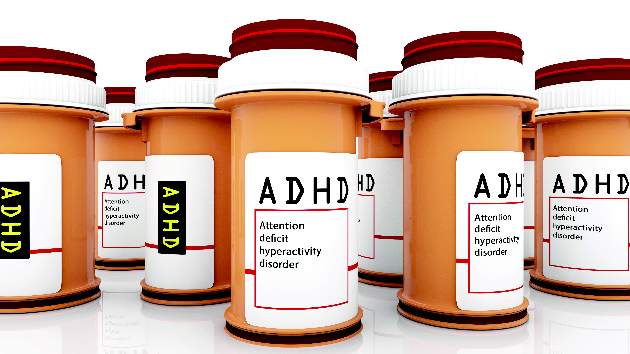
The researchers analyzed pediatric administrative health care claims from 26 states using data from the Centers for Medicare & Medicaid Services between 1999 and 2006. The 499,530 patients, aged 5-18 years, were divided into two cohorts based on whether they received atomoxetine as a first-line or second-line treatment for ADHD or a mental health condition commonly treated with atomoxetine or stimulants.
In the first-line cohort of 279,315 patients from 2003 to 2006, the researchers compared the 20% treated with atomoxetine to the 80% who received stimulants. The second-line cohort of 220,215 youths included 26% of patients who initially received stimulants and then switched to or added atomoxetine, each of whom was matched to three patients in the cohort who remained on stimulants alone.
Of the 140 suicide attempts and/or completions in the first-line treatment group, 50 occurred during current stimulant exposure and 47 during former stimulant exposure, compared with 18 during current atomoxetine use and 25 during former atomoxetine use. These numbers translated to rates of 26, 33, 38 and 53 per 100,000 person-years, respectively. No significant increased risk of suicidal events occurred among those receiving atomoxetine, both before and after adjusting for age, calendar year, gender, race/ethnicity, state of residence, reasons for Medicaid eligibility, comorbid diagnoses (mental and nonmental), and number of hospitalizations for any reason.
In the second-line cohort, the 90 suicidal events that occurred included 46 during current stimulant use, 17 during former stimulant use, 11 during current atomoxetine use, and 16 during former atomoxetine use. The unadjusted rates were 32, 22, 29, and 37 per 100,000 person-years, respectively. Again, the hazard ratios before and after adjustment for confounders were not significant (P = .74 and P = .43).
“Statistical power limited our ability to stratify analyses to high-risk groups or long-term users of atomoxetine,” the researchers noted as one limitation, but “the overall small suicidal event rates indicate a small absolute risk increase potential in typical clinical practice.”
The research was supported by the Agency for Healthcare Research and Quality, the National Institutes of Health, and the Mary Kay Owens Healthcare Innovation and the DuBow Family fellowships. The data came from the Centers for Medicaid & Medicare Services. One investigator has previously received research funding from Otsuka and Pfizer and has consulted for Pfizer. No other authors reported relevant financial disclosures.
Youths who take atomoxetine for attention-deficit/hyperactivity disorder or other mental health conditions do not appear any more likely to attempt or complete suicide than those treated with stimulants alone, a recent study found.
“Our real-world findings should be integrated in treatment decisions that weigh stimulant and atomoxetine effectiveness against their respective side effect profiles, especially considering the demonstrated risk for injury and potential self-harm associated with untreated ADHD itself,” Stephan Linden, Ph.D., of the University of Florida, Gainesville, and his associates reported online (Pediatrics 2016 Apr 26. doi: 10.1542/peds.2015-3199). “Even if general concerns about bias are considered, the observed incidence rates provide assurance regarding a limited potential for clinically significant risk differences.”
The researchers analyzed pediatric administrative health care claims from 26 states using data from the Centers for Medicare & Medicaid Services between 1999 and 2006. The 499,530 patients, aged 5-18 years, were divided into two cohorts based on whether they received atomoxetine as a first-line or second-line treatment for ADHD or a mental health condition commonly treated with atomoxetine or stimulants.
In the first-line cohort of 279,315 patients from 2003 to 2006, the researchers compared the 20% treated with atomoxetine to the 80% who received stimulants. The second-line cohort of 220,215 youths included 26% of patients who initially received stimulants and then switched to or added atomoxetine, each of whom was matched to three patients in the cohort who remained on stimulants alone.
Of the 140 suicide attempts and/or completions in the first-line treatment group, 50 occurred during current stimulant exposure and 47 during former stimulant exposure, compared with 18 during current atomoxetine use and 25 during former atomoxetine use. These numbers translated to rates of 26, 33, 38 and 53 per 100,000 person-years, respectively. No significant increased risk of suicidal events occurred among those receiving atomoxetine, both before and after adjusting for age, calendar year, gender, race/ethnicity, state of residence, reasons for Medicaid eligibility, comorbid diagnoses (mental and nonmental), and number of hospitalizations for any reason.
In the second-line cohort, the 90 suicidal events that occurred included 46 during current stimulant use, 17 during former stimulant use, 11 during current atomoxetine use, and 16 during former atomoxetine use. The unadjusted rates were 32, 22, 29, and 37 per 100,000 person-years, respectively. Again, the hazard ratios before and after adjustment for confounders were not significant (P = .74 and P = .43).
“Statistical power limited our ability to stratify analyses to high-risk groups or long-term users of atomoxetine,” the researchers noted as one limitation, but “the overall small suicidal event rates indicate a small absolute risk increase potential in typical clinical practice.”
The research was supported by the Agency for Healthcare Research and Quality, the National Institutes of Health, and the Mary Kay Owens Healthcare Innovation and the DuBow Family fellowships. The data came from the Centers for Medicaid & Medicare Services. One investigator has previously received research funding from Otsuka and Pfizer and has consulted for Pfizer. No other authors reported relevant financial disclosures.
Youths who take atomoxetine for attention-deficit/hyperactivity disorder or other mental health conditions do not appear any more likely to attempt or complete suicide than those treated with stimulants alone, a recent study found.
“Our real-world findings should be integrated in treatment decisions that weigh stimulant and atomoxetine effectiveness against their respective side effect profiles, especially considering the demonstrated risk for injury and potential self-harm associated with untreated ADHD itself,” Stephan Linden, Ph.D., of the University of Florida, Gainesville, and his associates reported online (Pediatrics 2016 Apr 26. doi: 10.1542/peds.2015-3199). “Even if general concerns about bias are considered, the observed incidence rates provide assurance regarding a limited potential for clinically significant risk differences.”
The researchers analyzed pediatric administrative health care claims from 26 states using data from the Centers for Medicare & Medicaid Services between 1999 and 2006. The 499,530 patients, aged 5-18 years, were divided into two cohorts based on whether they received atomoxetine as a first-line or second-line treatment for ADHD or a mental health condition commonly treated with atomoxetine or stimulants.
In the first-line cohort of 279,315 patients from 2003 to 2006, the researchers compared the 20% treated with atomoxetine to the 80% who received stimulants. The second-line cohort of 220,215 youths included 26% of patients who initially received stimulants and then switched to or added atomoxetine, each of whom was matched to three patients in the cohort who remained on stimulants alone.
Of the 140 suicide attempts and/or completions in the first-line treatment group, 50 occurred during current stimulant exposure and 47 during former stimulant exposure, compared with 18 during current atomoxetine use and 25 during former atomoxetine use. These numbers translated to rates of 26, 33, 38 and 53 per 100,000 person-years, respectively. No significant increased risk of suicidal events occurred among those receiving atomoxetine, both before and after adjusting for age, calendar year, gender, race/ethnicity, state of residence, reasons for Medicaid eligibility, comorbid diagnoses (mental and nonmental), and number of hospitalizations for any reason.
In the second-line cohort, the 90 suicidal events that occurred included 46 during current stimulant use, 17 during former stimulant use, 11 during current atomoxetine use, and 16 during former atomoxetine use. The unadjusted rates were 32, 22, 29, and 37 per 100,000 person-years, respectively. Again, the hazard ratios before and after adjustment for confounders were not significant (P = .74 and P = .43).
“Statistical power limited our ability to stratify analyses to high-risk groups or long-term users of atomoxetine,” the researchers noted as one limitation, but “the overall small suicidal event rates indicate a small absolute risk increase potential in typical clinical practice.”
The research was supported by the Agency for Healthcare Research and Quality, the National Institutes of Health, and the Mary Kay Owens Healthcare Innovation and the DuBow Family fellowships. The data came from the Centers for Medicaid & Medicare Services. One investigator has previously received research funding from Otsuka and Pfizer and has consulted for Pfizer. No other authors reported relevant financial disclosures.
FROM PEDIATRICS
Key clinical point: Atomoxetine treatment in youths with ADHD or other mental disorders does not increase suicide risk.
Major finding: Risks of suicide attempts or completions were not significantly different between youths taking atomoxetine, compared with those taking only stimulants.
Data source: The findings are based on a retrospective cohort study of 499,530 youths aged 5-18 years who were treated with either atomoxetine or only stimulants for ADHD or other mental health conditions.
Disclosures: The research was supported by the Agency for Healthcare Research and Quality, the National Institutes of Health, and the Mary Kay Owens Healthcare Innovation and the DuBow Family fellowships. The data came from the Centers for Medicaid & Medicare Services. One investigator has previously received research funding from Otsuka and Pfizer and has consulted for Pfizer. No other authors reported relevant financial disclosures.
Atopic dermatitis early in childhood tied to increased risk of autism, ADHD
Children who are diagnosed with atopic dermatitis before the age of 2 are more likely to be diagnosed with autism spectrum disorder or attention-deficit/hyperactivity disorder, according to Tzu-Chu Liao and associates.
Of the 387,262 children diagnosed with atopic dermatitis (AD) before the age of 2 included in the study, 0.5% were diagnosed with autism spectrum disorder (ASD), and 3.7% were diagnosed with attention-deficit/hyperactivity disorder (ADHD). In the control group, 0.4% were diagnosed with ASD, and 2.9% were diagnosed with ADHD. The hazard ratios for children exposed to atopic disorders before the age of 2 were 1.1 for ASD and 1.16 for ADHD.
Among children diagnosed early with AD, being male was the most significant risk factor for developing ASD (HR, 4.92) or ADHD (HR, 3.28). An urban/suburban residence was also a significant risk factor, as was persistent AD and emerging atopic respiratory disease in childhood.
“These findings suggest a possible etiologic communality between the diagnosis of allergic disorders along with comorbid ASD or ADHD. The atopic diathesis approach might influence the attention of child psychiatrists and pediatricians toward the diagnosis of ASD and ADHD. Further attention should be given to the management of allergic manifestations when treating symptoms of ASD and ADHD,” the investigators concluded.
Find the study in the Journal of Pediatrics (doi: 10.1016/j.jpeds.2015.12.063).
Children who are diagnosed with atopic dermatitis before the age of 2 are more likely to be diagnosed with autism spectrum disorder or attention-deficit/hyperactivity disorder, according to Tzu-Chu Liao and associates.
Of the 387,262 children diagnosed with atopic dermatitis (AD) before the age of 2 included in the study, 0.5% were diagnosed with autism spectrum disorder (ASD), and 3.7% were diagnosed with attention-deficit/hyperactivity disorder (ADHD). In the control group, 0.4% were diagnosed with ASD, and 2.9% were diagnosed with ADHD. The hazard ratios for children exposed to atopic disorders before the age of 2 were 1.1 for ASD and 1.16 for ADHD.
Among children diagnosed early with AD, being male was the most significant risk factor for developing ASD (HR, 4.92) or ADHD (HR, 3.28). An urban/suburban residence was also a significant risk factor, as was persistent AD and emerging atopic respiratory disease in childhood.
“These findings suggest a possible etiologic communality between the diagnosis of allergic disorders along with comorbid ASD or ADHD. The atopic diathesis approach might influence the attention of child psychiatrists and pediatricians toward the diagnosis of ASD and ADHD. Further attention should be given to the management of allergic manifestations when treating symptoms of ASD and ADHD,” the investigators concluded.
Find the study in the Journal of Pediatrics (doi: 10.1016/j.jpeds.2015.12.063).
Children who are diagnosed with atopic dermatitis before the age of 2 are more likely to be diagnosed with autism spectrum disorder or attention-deficit/hyperactivity disorder, according to Tzu-Chu Liao and associates.
Of the 387,262 children diagnosed with atopic dermatitis (AD) before the age of 2 included in the study, 0.5% were diagnosed with autism spectrum disorder (ASD), and 3.7% were diagnosed with attention-deficit/hyperactivity disorder (ADHD). In the control group, 0.4% were diagnosed with ASD, and 2.9% were diagnosed with ADHD. The hazard ratios for children exposed to atopic disorders before the age of 2 were 1.1 for ASD and 1.16 for ADHD.
Among children diagnosed early with AD, being male was the most significant risk factor for developing ASD (HR, 4.92) or ADHD (HR, 3.28). An urban/suburban residence was also a significant risk factor, as was persistent AD and emerging atopic respiratory disease in childhood.
“These findings suggest a possible etiologic communality between the diagnosis of allergic disorders along with comorbid ASD or ADHD. The atopic diathesis approach might influence the attention of child psychiatrists and pediatricians toward the diagnosis of ASD and ADHD. Further attention should be given to the management of allergic manifestations when treating symptoms of ASD and ADHD,” the investigators concluded.
Find the study in the Journal of Pediatrics (doi: 10.1016/j.jpeds.2015.12.063).
FROM THE JOURNAL OF PEDIATRICS
Superhigh ferritin spells trouble in macrophage activation syndrome
MAUI, HAWAII – The use of new classification criteria for macrophage activation syndrome specific to systemic juvenile idiopathic arthritis will help to avoid missing patients with the criteria that hematologists have used to diagnose the condition, which they call hemophagocytic lymphohistiocytosis, according to Dr. Anne M. Stevens, a pediatric rheumatologist at the University of Washington, Seattle.
“The problem is, if we try to use the HLH [hemophagocytic lymphohistiocytosis] criteria, we’re going to miss a lot of patients with systemic juvenile idiopathic arthritis–related macrophage activation syndrome, so we’re not going to treat them aggressively and many of them will die,” she said at the 2016 Rheumatology Winter Clinical Symposium.

Indeed, roughly one-third of patients with macrophage activation syndrome (MAS) arising as a complication of systemic juvenile idiopathic arthritis (SJIA) don’t meet the HLH diagnostic criteria. And the mortality of untreated MAS is up to 28%, Dr. Stevens noted.
MAS isn’t a new entity. It has become a more frequent topic of discussion lately because the pathogenesis of this cytokine storm is better understood, and biologic agents addressing the underlying disease mechanisms are in clinical trials. But MAS was first described nearly 40 years ago at a pediatric rheumatology conference in Park City, Utah.
Recently, an international consensus panel convened as a collaboration between the European League Against Rheumatism, the American College of Rheumatology, and the Paediatric Rheumatology International Trials Organisation has developed a new set of classification criteria for MAS complicating SJIA (Arthritis Rheumatol. 2016 Mar;68[3]:566-76).
In a validation study, the criteria had a sensitivity of 73% and a specificity of 99% for the diagnosis.
Under the 2016 criteria, a patient with known or suspected SJIA is classified as having MAS if he or she is febrile, has a serum ferritin level in excess of 684 ng/mL, and meets any two of the following four criteria: a platelet count of 181 x 109/L or less, triglycerides greater than 156 mg/dL, a serum aspartate aminotransferase level in excess of 48 U/L, or a fibrinogen level of 360 mg/dL or lower.
The specific cutoff threshold values for these laboratory measures are mainly of interest for research purposes in assuring appropriate patient enrollment in clinical trials. Practically speaking, it’s time to suspect MAS – a true medical emergency – in a child with SJIA whose fever has become persistent all day every day, rather than the quotidian fever that spikes in the evening characteristic of SJIA, along with hemodynamic instability, altered mental status, a rash, organomegaly, relative or progressive cytopenias, a very high ferritin level, and/or a relatively low or falling erythrocyte sedimentation rate.
A child with MAS superimposed on SJIA will look septic, according to Dr. Stevens. And if the ESR was 75 mm/hr yesterday and has “improved” to 45 mm/hr today, yet the child looks sicker or the other blood parameters are falling, that’s not an encouraging sign.
A very high serum ferritin level in patients with SJIA-related MAS is a red flag for increased mortality risk, as demonstrated in a study by physicians at Seattle Children’s Hospital. They retrospectively looked at 171 patients with a serum ferritin of 1,000 ng/dL and showed that the mortality risk climbed in parallel with the peak ferritin level. Children with a peak serum ferritin greater than 3,000 ng/mL had a 4.3-fold increased risk of mortality and a 2.5-fold greater risk of ICU admission than did those with a ferritin level of 1,000-3,000 ng/mL (Pediatr Crit Care Med. 2011 Nov;12[6]:e233-6).
Based upon these data, Dr. Stevens said she considers a serum ferritin of 1,000 ng/mL or more worthy of immediate attention.
The current standard of care in treating SJIA-related MAS is high-dose pulsed methylprednisolone at 30 mg up to 1 g/kg and IV cyclosporine at 5 mg/kg per day divided into two doses.
“There are good data to show that this will turn around half of affected kids,” according to the pediatric rheumatologist.
Second-line therapy targets interleukin-1: either IV anakinra (Kineret) at 2 mg/kg per day titrated up to 10 mg/kg, or canakinumab (Ilaris) at 4 mg/kg titrated up to 12.5 mg/kg every 4 weeks.
However, the current thinking is that what tips patients with SJIA into MAS is high levels of free interleukin-18. For that reason, several different anti–IL-18 agents are now under study, including tadekinig alfa, an IL-18 binding protein, and rituximab (Rituxan) for patients with Epstein-Barr virus–related MAS.
Dr. Stevens reported having no relevant financial conflicts.
MAUI, HAWAII – The use of new classification criteria for macrophage activation syndrome specific to systemic juvenile idiopathic arthritis will help to avoid missing patients with the criteria that hematologists have used to diagnose the condition, which they call hemophagocytic lymphohistiocytosis, according to Dr. Anne M. Stevens, a pediatric rheumatologist at the University of Washington, Seattle.
“The problem is, if we try to use the HLH [hemophagocytic lymphohistiocytosis] criteria, we’re going to miss a lot of patients with systemic juvenile idiopathic arthritis–related macrophage activation syndrome, so we’re not going to treat them aggressively and many of them will die,” she said at the 2016 Rheumatology Winter Clinical Symposium.
Indeed, roughly one-third of patients with macrophage activation syndrome (MAS) arising as a complication of systemic juvenile idiopathic arthritis (SJIA) don’t meet the HLH diagnostic criteria. And the mortality of untreated MAS is up to 28%, Dr. Stevens noted.
MAS isn’t a new entity. It has become a more frequent topic of discussion lately because the pathogenesis of this cytokine storm is better understood, and biologic agents addressing the underlying disease mechanisms are in clinical trials. But MAS was first described nearly 40 years ago at a pediatric rheumatology conference in Park City, Utah.
Recently, an international consensus panel convened as a collaboration between the European League Against Rheumatism, the American College of Rheumatology, and the Paediatric Rheumatology International Trials Organisation has developed a new set of classification criteria for MAS complicating SJIA (Arthritis Rheumatol. 2016 Mar;68[3]:566-76).
In a validation study, the criteria had a sensitivity of 73% and a specificity of 99% for the diagnosis.
Under the 2016 criteria, a patient with known or suspected SJIA is classified as having MAS if he or she is febrile, has a serum ferritin level in excess of 684 ng/mL, and meets any two of the following four criteria: a platelet count of 181 x 109/L or less, triglycerides greater than 156 mg/dL, a serum aspartate aminotransferase level in excess of 48 U/L, or a fibrinogen level of 360 mg/dL or lower.
The specific cutoff threshold values for these laboratory measures are mainly of interest for research purposes in assuring appropriate patient enrollment in clinical trials. Practically speaking, it’s time to suspect MAS – a true medical emergency – in a child with SJIA whose fever has become persistent all day every day, rather than the quotidian fever that spikes in the evening characteristic of SJIA, along with hemodynamic instability, altered mental status, a rash, organomegaly, relative or progressive cytopenias, a very high ferritin level, and/or a relatively low or falling erythrocyte sedimentation rate.
A child with MAS superimposed on SJIA will look septic, according to Dr. Stevens. And if the ESR was 75 mm/hr yesterday and has “improved” to 45 mm/hr today, yet the child looks sicker or the other blood parameters are falling, that’s not an encouraging sign.
A very high serum ferritin level in patients with SJIA-related MAS is a red flag for increased mortality risk, as demonstrated in a study by physicians at Seattle Children’s Hospital. They retrospectively looked at 171 patients with a serum ferritin of 1,000 ng/dL and showed that the mortality risk climbed in parallel with the peak ferritin level. Children with a peak serum ferritin greater than 3,000 ng/mL had a 4.3-fold increased risk of mortality and a 2.5-fold greater risk of ICU admission than did those with a ferritin level of 1,000-3,000 ng/mL (Pediatr Crit Care Med. 2011 Nov;12[6]:e233-6).
Based upon these data, Dr. Stevens said she considers a serum ferritin of 1,000 ng/mL or more worthy of immediate attention.
The current standard of care in treating SJIA-related MAS is high-dose pulsed methylprednisolone at 30 mg up to 1 g/kg and IV cyclosporine at 5 mg/kg per day divided into two doses.
“There are good data to show that this will turn around half of affected kids,” according to the pediatric rheumatologist.
Second-line therapy targets interleukin-1: either IV anakinra (Kineret) at 2 mg/kg per day titrated up to 10 mg/kg, or canakinumab (Ilaris) at 4 mg/kg titrated up to 12.5 mg/kg every 4 weeks.
However, the current thinking is that what tips patients with SJIA into MAS is high levels of free interleukin-18. For that reason, several different anti–IL-18 agents are now under study, including tadekinig alfa, an IL-18 binding protein, and rituximab (Rituxan) for patients with Epstein-Barr virus–related MAS.
Dr. Stevens reported having no relevant financial conflicts.
MAUI, HAWAII – The use of new classification criteria for macrophage activation syndrome specific to systemic juvenile idiopathic arthritis will help to avoid missing patients with the criteria that hematologists have used to diagnose the condition, which they call hemophagocytic lymphohistiocytosis, according to Dr. Anne M. Stevens, a pediatric rheumatologist at the University of Washington, Seattle.
“The problem is, if we try to use the HLH [hemophagocytic lymphohistiocytosis] criteria, we’re going to miss a lot of patients with systemic juvenile idiopathic arthritis–related macrophage activation syndrome, so we’re not going to treat them aggressively and many of them will die,” she said at the 2016 Rheumatology Winter Clinical Symposium.
Indeed, roughly one-third of patients with macrophage activation syndrome (MAS) arising as a complication of systemic juvenile idiopathic arthritis (SJIA) don’t meet the HLH diagnostic criteria. And the mortality of untreated MAS is up to 28%, Dr. Stevens noted.
MAS isn’t a new entity. It has become a more frequent topic of discussion lately because the pathogenesis of this cytokine storm is better understood, and biologic agents addressing the underlying disease mechanisms are in clinical trials. But MAS was first described nearly 40 years ago at a pediatric rheumatology conference in Park City, Utah.
Recently, an international consensus panel convened as a collaboration between the European League Against Rheumatism, the American College of Rheumatology, and the Paediatric Rheumatology International Trials Organisation has developed a new set of classification criteria for MAS complicating SJIA (Arthritis Rheumatol. 2016 Mar;68[3]:566-76).
In a validation study, the criteria had a sensitivity of 73% and a specificity of 99% for the diagnosis.
Under the 2016 criteria, a patient with known or suspected SJIA is classified as having MAS if he or she is febrile, has a serum ferritin level in excess of 684 ng/mL, and meets any two of the following four criteria: a platelet count of 181 x 109/L or less, triglycerides greater than 156 mg/dL, a serum aspartate aminotransferase level in excess of 48 U/L, or a fibrinogen level of 360 mg/dL or lower.
The specific cutoff threshold values for these laboratory measures are mainly of interest for research purposes in assuring appropriate patient enrollment in clinical trials. Practically speaking, it’s time to suspect MAS – a true medical emergency – in a child with SJIA whose fever has become persistent all day every day, rather than the quotidian fever that spikes in the evening characteristic of SJIA, along with hemodynamic instability, altered mental status, a rash, organomegaly, relative or progressive cytopenias, a very high ferritin level, and/or a relatively low or falling erythrocyte sedimentation rate.
A child with MAS superimposed on SJIA will look septic, according to Dr. Stevens. And if the ESR was 75 mm/hr yesterday and has “improved” to 45 mm/hr today, yet the child looks sicker or the other blood parameters are falling, that’s not an encouraging sign.
A very high serum ferritin level in patients with SJIA-related MAS is a red flag for increased mortality risk, as demonstrated in a study by physicians at Seattle Children’s Hospital. They retrospectively looked at 171 patients with a serum ferritin of 1,000 ng/dL and showed that the mortality risk climbed in parallel with the peak ferritin level. Children with a peak serum ferritin greater than 3,000 ng/mL had a 4.3-fold increased risk of mortality and a 2.5-fold greater risk of ICU admission than did those with a ferritin level of 1,000-3,000 ng/mL (Pediatr Crit Care Med. 2011 Nov;12[6]:e233-6).
Based upon these data, Dr. Stevens said she considers a serum ferritin of 1,000 ng/mL or more worthy of immediate attention.
The current standard of care in treating SJIA-related MAS is high-dose pulsed methylprednisolone at 30 mg up to 1 g/kg and IV cyclosporine at 5 mg/kg per day divided into two doses.
“There are good data to show that this will turn around half of affected kids,” according to the pediatric rheumatologist.
Second-line therapy targets interleukin-1: either IV anakinra (Kineret) at 2 mg/kg per day titrated up to 10 mg/kg, or canakinumab (Ilaris) at 4 mg/kg titrated up to 12.5 mg/kg every 4 weeks.
However, the current thinking is that what tips patients with SJIA into MAS is high levels of free interleukin-18. For that reason, several different anti–IL-18 agents are now under study, including tadekinig alfa, an IL-18 binding protein, and rituximab (Rituxan) for patients with Epstein-Barr virus–related MAS.
Dr. Stevens reported having no relevant financial conflicts.
EXPERT ANALYSIS FROM RWCS 2016

After Inflectra’s approval, challenges remain for biosimilars
Now that the Food and Drug Administration has approved Inflectra as the first biosimilar version of the anti–tumor necrosis factor-alpha agent Remicade, rheumatologists and patient advocacy groups are taking stock of how it may be used in practice, and what the future holds for biosimilar drugs, with so many questions still unanswered regarding price, substitution, and safety.

Inflectra, approved in early April and given the generic name of infliximab-dyyb under the FDA’s nomenclature for biosimilar products, will have the same indications as Remicade. The agency extrapolated the clinical trial data that Inflectra’s South Korea–based manufacturer, Celltrion, submitted for rheumatoid arthritis and ankylosing spondylitis to all other indications for which Remicade is approved.
It’s currently unclear how the FDA will note which clinical data in Inflectra’s labeling come from Inflectra and which from Remicade, and the same concerns lie with future biosimilar approvals if their results are extrapolated to indications not tested to show biosimilarity in clinical trials.
Labeling questions
It’s concerning to rheumatologists and the patients who will be using them that biosimilars such as Inflectra are not subject to the same pivotal trial experience as the reference biologics on which they are based, according to Dr. Jonathan Krant, section chief of rheumatology for Adirondack Health Systems in Saranac Lake, N.Y., and medical director for CreakyJoints, a community of patients with arthritis and caregivers, and its larger parent nonprofit advocacy organization, the Global Healthy Living Foundation (GHLF).
While the unique regulatory requirements in the biosimilar approval pathway reduce development costs and could potentially make Inflectra’s average wholesale price 30% less than Remicade – as was the case when Inflectra was first on the market in Europe – it’s not known how reduced costs may affect the safety of biosimilars.
“It worries all of us that manufacturers may cut corners to manage the cost constraints imposed by managed care,” Dr. Krant said in an interview.
Given that U.S. rheumatologists don’t have experience with biosimilars, Dr. Krant is anticipating some push back. “I think some physicians are going to fight back and won’t want to prescribe them, even if mandated, because of concerns regarding patient safety,” he said.
In a written statement, Dr. Joan Von Feldt, president of the American College of Rheumatology, welcomed the potential benefits on access to care that cost-saving biosimilars may bring to the U.S. health care system, but also said that “the safety of our patients remains our highest priority. As such, we encourage the FDA to continue to apply distinct names for future biosimilars, and to maximize clarity in the labeling of biosimilars, specifically with respect to their interchangeable status and the origins (reference drug versus biosimilar) of clinical data upon which FDA approval is based.”
Inflectra met the FDA’s “very similar” criteria to be approved as a biosimilar by showing it has no clinically meaningful differences in terms of safety and effectiveness from Remicade, the agency said. According to FDA regulations, biosimilar products can have only minor differences in clinically inactive components and must have the same mechanism(s) of action (to the extent that it is known) and route(s) of administration, dosage form(s), and strength(s) as the reference product and can be approved only for the indication(s) and condition(s) of use that have been approved for the reference product.
However, it may not hold true that Inflectra will have the same efficacy and safety for all indications that Remicade had due to potential differences in the mechanism of action through which Remicade exerts its effect across indications, which in this case may apply to the indications for Crohn’s disease and ulcerative colitis.
Health Canada chose not to extrapolate the indications for Inflectra (known as Remsima in Canada) to Crohn’s disease and ulcerative colitis because of “observed differences in the level of afucosylation, Fc-gammaRIIIa receptor binding, and some in vitro antibody-dependent cell-mediated cytotoxicity (ADCC) assays” that could not rule out the possibility that Inflectra and Remicade differ in their ability to induce ADCC. Unlike the other indications for Remicade, Health Canada said “ADCC cannot be ruled out as a mechanism of action in the inflammatory bowel diseases. This position is supported by the observation that certolizumab pegol, another anti-TNF [anti–tumor necrosis factor] that lacks the ability to induce ADCC, displays only marginal efficacy in Crohn’s patients, compared with other anti-TNFs, namely infliximab.”
Other organizations suggest that extrapolation of indications is only appropriate when it is benefiting the patient to the greatest extent possible.

“GHLF is okay with extrapolation of indication unless the mechanism of action for the therapy is either scientifically or therapeutically outdated,” Stephen Marmaras, state and national advocacy manager for the GHLF, said in an interview. “Patients are okay with extrapolating data in order to expedite the approval process as long as you are extrapolating to best in class therapy for a particular indication. What [the GHLF is] saying is we want biosimilars to be an improvement on what we have, not the lowest common denominator. We shouldn’t be extrapolating indications data from products that aren’t considered to be the best product for that indication.”
“If we’re just judging on expediting the approval process for indications that are not considered to be really treated well by this particular drug, you have to always assume that the insurance company is going to go with the lowest common denominator,” he added. “What that could lead to, from a slippery-slope perspective, is the chipping away of the use of cutting-edge therapies.”
Substitution concerns
Inflectra was not approved as interchangeable with Remicade or other infliximab biosimilars. The FDA has yet to define the regulatory requirements for interchangeability that are necessary to meet the requirements of the Biologics Price Competition and Innovation Act of 2009. That Act states that an approved biosimilar “may be substituted for the reference product without the intervention of the health care provider who prescribed the reference product.”
A statement about implementation of the Act on the FDA website explains that for interchangeability, “a sponsor must demonstrate that the biosimilar product can be expected to produce the same clinical result as the reference product in any given patient and, for a biological product that is administered more than once, that the risk of alternating or switching between use of the biosimilar product and the reference product is not greater than the risk of maintaining the patient on the reference product.”
One of the biggest concerns that physicians have is that biosimilars will be substituted for the reference products without notification, Dr. Krant said. “State by state we’re looking at potential substitution rules which allow pharmacists to switch out these cheaper molecules for the reference product,” he said, and without timely notification, patients and rheumatologists won’t know whether it was the reference product or a biosimilar that was associated with an adverse event or loss of efficacy.
The ACR and patient advocacy organizations such as the GHLF are against forced switching of patients for nonmedical reasons. Patients’ and rheumatologists’ confidence in biosimilar safety will be key to their uptake and the overall expansion of access to biologics to more patients, Mr. Marmaras said.
Patient costs uncertain
Although rheumatologists hope that with biosimilars’ lower costs, access will expand, there is no guarantee it will do so by saving patients money.
“It’s a common misperception that a 30% decrease in the cost of a several thousand dollar-a-month drug is going to automatically open all the doors to access,” said Dr. Sean Fahey, a rheumatologist in Mooresville, N.C., and chair of the insurance subcommittee of the ACR’s Committee on Rheumatologic Care. “Most of my patients who use biologics do so either through copay cards from the pharmaceutical industry or through Medicare and a secondary [payer] covering their out-of-pocket costs for the infusible biologics. This is clearly saving the system money, which is important no doubt, but unless it’s significantly less expensive, it actually might not change the patient’s out-of pocket [cost] all that much.”

The patient assistance programs from biologics manufacturers that offer copay assistance, access hotlines, and administration benefits could be in jeopardy with the rise of biosimilars. Since the programs are bundled into the average wholesale price of the drug, the savings offered by the reduced wholesale price of biosimilars may squeeze them out, Dr. Krant said.
“There’s going to be a lot of hue and cry from the patients who cannot self-administer or have problems with compliance because of copays in the first place,” he predicted.
Another factor that could affect how much biosimilars such as Inflectra will be used is the amount of rebates or discounts that payers receive directly from the pharmaceutical manufacturers.
“We know for the Medicaid population what the average sales prices are, but for private payers, we don’t know if they’re giving 2%, 5%, 18%; we have no idea what the data are. This could affect how much market share Inflectra gets,” said Dr. Fahey, who is also president of the North Carolina Rheumatology Association.
It may be awhile before Inflectra is available on the U.S. market. In a statement following the approval of Inflectra, Remicade-maker Janssen said the “patents for Remicade remain valid and enforceable until September 2018. A commercial launch of Celltrion’s infliximab-dyyb in advance of this date would be an infringement of our patents, and we intend to defend our intellectual property rights.”
Janssen notes that its patient support program for Remicade “continues to offer a copay card for patients with commercial insurance that reduces the patient out-of-pocket cost to no more than $5 per infusion. Eligible uninsured and underinsured patients may be able to access Remicade through the Johnson & Johnson Patient Assistance Foundation.”
Pfizer, which owns the rights to marketing Inflectra in the United States, did not respond directly to a question about whether it would have a payment assistance program for Inflectra. “While we cannot comment on specific commercialization strategies at this time, we are working to bring these important therapies to market in the U.S. as quickly as possible,” said Rachel Hooper, Director of Public Affairs, West, for Pfizer.
It seems likely that once Inflectra does come to the market, new starts will account for many patients who will use the drug because of the lack of information available about whether there is, or is not, significant risk of immunogenicity with switching or loss of efficacy, Dr. Fahey said. “What is less certain is whether the payers will try to force us to move people from the Remicade brand to the infliximab biosimilar, and what the potential consequences of that is going to be.”
Dr. Krant, Dr. Fahey, and Mr. Marmaras had no relevant disclosures.
Now that the Food and Drug Administration has approved Inflectra as the first biosimilar version of the anti–tumor necrosis factor-alpha agent Remicade, rheumatologists and patient advocacy groups are taking stock of how it may be used in practice, and what the future holds for biosimilar drugs, with so many questions still unanswered regarding price, substitution, and safety.
Inflectra, approved in early April and given the generic name of infliximab-dyyb under the FDA’s nomenclature for biosimilar products, will have the same indications as Remicade. The agency extrapolated the clinical trial data that Inflectra’s South Korea–based manufacturer, Celltrion, submitted for rheumatoid arthritis and ankylosing spondylitis to all other indications for which Remicade is approved.
It’s currently unclear how the FDA will note which clinical data in Inflectra’s labeling come from Inflectra and which from Remicade, and the same concerns lie with future biosimilar approvals if their results are extrapolated to indications not tested to show biosimilarity in clinical trials.
Labeling questions
It’s concerning to rheumatologists and the patients who will be using them that biosimilars such as Inflectra are not subject to the same pivotal trial experience as the reference biologics on which they are based, according to Dr. Jonathan Krant, section chief of rheumatology for Adirondack Health Systems in Saranac Lake, N.Y., and medical director for CreakyJoints, a community of patients with arthritis and caregivers, and its larger parent nonprofit advocacy organization, the Global Healthy Living Foundation (GHLF).
While the unique regulatory requirements in the biosimilar approval pathway reduce development costs and could potentially make Inflectra’s average wholesale price 30% less than Remicade – as was the case when Inflectra was first on the market in Europe – it’s not known how reduced costs may affect the safety of biosimilars.
“It worries all of us that manufacturers may cut corners to manage the cost constraints imposed by managed care,” Dr. Krant said in an interview.
Given that U.S. rheumatologists don’t have experience with biosimilars, Dr. Krant is anticipating some push back. “I think some physicians are going to fight back and won’t want to prescribe them, even if mandated, because of concerns regarding patient safety,” he said.
In a written statement, Dr. Joan Von Feldt, president of the American College of Rheumatology, welcomed the potential benefits on access to care that cost-saving biosimilars may bring to the U.S. health care system, but also said that “the safety of our patients remains our highest priority. As such, we encourage the FDA to continue to apply distinct names for future biosimilars, and to maximize clarity in the labeling of biosimilars, specifically with respect to their interchangeable status and the origins (reference drug versus biosimilar) of clinical data upon which FDA approval is based.”
Inflectra met the FDA’s “very similar” criteria to be approved as a biosimilar by showing it has no clinically meaningful differences in terms of safety and effectiveness from Remicade, the agency said. According to FDA regulations, biosimilar products can have only minor differences in clinically inactive components and must have the same mechanism(s) of action (to the extent that it is known) and route(s) of administration, dosage form(s), and strength(s) as the reference product and can be approved only for the indication(s) and condition(s) of use that have been approved for the reference product.
However, it may not hold true that Inflectra will have the same efficacy and safety for all indications that Remicade had due to potential differences in the mechanism of action through which Remicade exerts its effect across indications, which in this case may apply to the indications for Crohn’s disease and ulcerative colitis.
Health Canada chose not to extrapolate the indications for Inflectra (known as Remsima in Canada) to Crohn’s disease and ulcerative colitis because of “observed differences in the level of afucosylation, Fc-gammaRIIIa receptor binding, and some in vitro antibody-dependent cell-mediated cytotoxicity (ADCC) assays” that could not rule out the possibility that Inflectra and Remicade differ in their ability to induce ADCC. Unlike the other indications for Remicade, Health Canada said “ADCC cannot be ruled out as a mechanism of action in the inflammatory bowel diseases. This position is supported by the observation that certolizumab pegol, another anti-TNF [anti–tumor necrosis factor] that lacks the ability to induce ADCC, displays only marginal efficacy in Crohn’s patients, compared with other anti-TNFs, namely infliximab.”
Other organizations suggest that extrapolation of indications is only appropriate when it is benefiting the patient to the greatest extent possible.
“GHLF is okay with extrapolation of indication unless the mechanism of action for the therapy is either scientifically or therapeutically outdated,” Stephen Marmaras, state and national advocacy manager for the GHLF, said in an interview. “Patients are okay with extrapolating data in order to expedite the approval process as long as you are extrapolating to best in class therapy for a particular indication. What [the GHLF is] saying is we want biosimilars to be an improvement on what we have, not the lowest common denominator. We shouldn’t be extrapolating indications data from products that aren’t considered to be the best product for that indication.”
“If we’re just judging on expediting the approval process for indications that are not considered to be really treated well by this particular drug, you have to always assume that the insurance company is going to go with the lowest common denominator,” he added. “What that could lead to, from a slippery-slope perspective, is the chipping away of the use of cutting-edge therapies.”
Substitution concerns
Inflectra was not approved as interchangeable with Remicade or other infliximab biosimilars. The FDA has yet to define the regulatory requirements for interchangeability that are necessary to meet the requirements of the Biologics Price Competition and Innovation Act of 2009. That Act states that an approved biosimilar “may be substituted for the reference product without the intervention of the health care provider who prescribed the reference product.”
A statement about implementation of the Act on the FDA website explains that for interchangeability, “a sponsor must demonstrate that the biosimilar product can be expected to produce the same clinical result as the reference product in any given patient and, for a biological product that is administered more than once, that the risk of alternating or switching between use of the biosimilar product and the reference product is not greater than the risk of maintaining the patient on the reference product.”
One of the biggest concerns that physicians have is that biosimilars will be substituted for the reference products without notification, Dr. Krant said. “State by state we’re looking at potential substitution rules which allow pharmacists to switch out these cheaper molecules for the reference product,” he said, and without timely notification, patients and rheumatologists won’t know whether it was the reference product or a biosimilar that was associated with an adverse event or loss of efficacy.
The ACR and patient advocacy organizations such as the GHLF are against forced switching of patients for nonmedical reasons. Patients’ and rheumatologists’ confidence in biosimilar safety will be key to their uptake and the overall expansion of access to biologics to more patients, Mr. Marmaras said.
Patient costs uncertain
Although rheumatologists hope that with biosimilars’ lower costs, access will expand, there is no guarantee it will do so by saving patients money.
“It’s a common misperception that a 30% decrease in the cost of a several thousand dollar-a-month drug is going to automatically open all the doors to access,” said Dr. Sean Fahey, a rheumatologist in Mooresville, N.C., and chair of the insurance subcommittee of the ACR’s Committee on Rheumatologic Care. “Most of my patients who use biologics do so either through copay cards from the pharmaceutical industry or through Medicare and a secondary [payer] covering their out-of-pocket costs for the infusible biologics. This is clearly saving the system money, which is important no doubt, but unless it’s significantly less expensive, it actually might not change the patient’s out-of pocket [cost] all that much.”
The patient assistance programs from biologics manufacturers that offer copay assistance, access hotlines, and administration benefits could be in jeopardy with the rise of biosimilars. Since the programs are bundled into the average wholesale price of the drug, the savings offered by the reduced wholesale price of biosimilars may squeeze them out, Dr. Krant said.
“There’s going to be a lot of hue and cry from the patients who cannot self-administer or have problems with compliance because of copays in the first place,” he predicted.
Another factor that could affect how much biosimilars such as Inflectra will be used is the amount of rebates or discounts that payers receive directly from the pharmaceutical manufacturers.
“We know for the Medicaid population what the average sales prices are, but for private payers, we don’t know if they’re giving 2%, 5%, 18%; we have no idea what the data are. This could affect how much market share Inflectra gets,” said Dr. Fahey, who is also president of the North Carolina Rheumatology Association.
It may be awhile before Inflectra is available on the U.S. market. In a statement following the approval of Inflectra, Remicade-maker Janssen said the “patents for Remicade remain valid and enforceable until September 2018. A commercial launch of Celltrion’s infliximab-dyyb in advance of this date would be an infringement of our patents, and we intend to defend our intellectual property rights.”
Janssen notes that its patient support program for Remicade “continues to offer a copay card for patients with commercial insurance that reduces the patient out-of-pocket cost to no more than $5 per infusion. Eligible uninsured and underinsured patients may be able to access Remicade through the Johnson & Johnson Patient Assistance Foundation.”
Pfizer, which owns the rights to marketing Inflectra in the United States, did not respond directly to a question about whether it would have a payment assistance program for Inflectra. “While we cannot comment on specific commercialization strategies at this time, we are working to bring these important therapies to market in the U.S. as quickly as possible,” said Rachel Hooper, Director of Public Affairs, West, for Pfizer.
It seems likely that once Inflectra does come to the market, new starts will account for many patients who will use the drug because of the lack of information available about whether there is, or is not, significant risk of immunogenicity with switching or loss of efficacy, Dr. Fahey said. “What is less certain is whether the payers will try to force us to move people from the Remicade brand to the infliximab biosimilar, and what the potential consequences of that is going to be.”
Dr. Krant, Dr. Fahey, and Mr. Marmaras had no relevant disclosures.
Now that the Food and Drug Administration has approved Inflectra as the first biosimilar version of the anti–tumor necrosis factor-alpha agent Remicade, rheumatologists and patient advocacy groups are taking stock of how it may be used in practice, and what the future holds for biosimilar drugs, with so many questions still unanswered regarding price, substitution, and safety.
Inflectra, approved in early April and given the generic name of infliximab-dyyb under the FDA’s nomenclature for biosimilar products, will have the same indications as Remicade. The agency extrapolated the clinical trial data that Inflectra’s South Korea–based manufacturer, Celltrion, submitted for rheumatoid arthritis and ankylosing spondylitis to all other indications for which Remicade is approved.
It’s currently unclear how the FDA will note which clinical data in Inflectra’s labeling come from Inflectra and which from Remicade, and the same concerns lie with future biosimilar approvals if their results are extrapolated to indications not tested to show biosimilarity in clinical trials.
Labeling questions
It’s concerning to rheumatologists and the patients who will be using them that biosimilars such as Inflectra are not subject to the same pivotal trial experience as the reference biologics on which they are based, according to Dr. Jonathan Krant, section chief of rheumatology for Adirondack Health Systems in Saranac Lake, N.Y., and medical director for CreakyJoints, a community of patients with arthritis and caregivers, and its larger parent nonprofit advocacy organization, the Global Healthy Living Foundation (GHLF).
While the unique regulatory requirements in the biosimilar approval pathway reduce development costs and could potentially make Inflectra’s average wholesale price 30% less than Remicade – as was the case when Inflectra was first on the market in Europe – it’s not known how reduced costs may affect the safety of biosimilars.
“It worries all of us that manufacturers may cut corners to manage the cost constraints imposed by managed care,” Dr. Krant said in an interview.
Given that U.S. rheumatologists don’t have experience with biosimilars, Dr. Krant is anticipating some push back. “I think some physicians are going to fight back and won’t want to prescribe them, even if mandated, because of concerns regarding patient safety,” he said.
In a written statement, Dr. Joan Von Feldt, president of the American College of Rheumatology, welcomed the potential benefits on access to care that cost-saving biosimilars may bring to the U.S. health care system, but also said that “the safety of our patients remains our highest priority. As such, we encourage the FDA to continue to apply distinct names for future biosimilars, and to maximize clarity in the labeling of biosimilars, specifically with respect to their interchangeable status and the origins (reference drug versus biosimilar) of clinical data upon which FDA approval is based.”
Inflectra met the FDA’s “very similar” criteria to be approved as a biosimilar by showing it has no clinically meaningful differences in terms of safety and effectiveness from Remicade, the agency said. According to FDA regulations, biosimilar products can have only minor differences in clinically inactive components and must have the same mechanism(s) of action (to the extent that it is known) and route(s) of administration, dosage form(s), and strength(s) as the reference product and can be approved only for the indication(s) and condition(s) of use that have been approved for the reference product.
However, it may not hold true that Inflectra will have the same efficacy and safety for all indications that Remicade had due to potential differences in the mechanism of action through which Remicade exerts its effect across indications, which in this case may apply to the indications for Crohn’s disease and ulcerative colitis.
Health Canada chose not to extrapolate the indications for Inflectra (known as Remsima in Canada) to Crohn’s disease and ulcerative colitis because of “observed differences in the level of afucosylation, Fc-gammaRIIIa receptor binding, and some in vitro antibody-dependent cell-mediated cytotoxicity (ADCC) assays” that could not rule out the possibility that Inflectra and Remicade differ in their ability to induce ADCC. Unlike the other indications for Remicade, Health Canada said “ADCC cannot be ruled out as a mechanism of action in the inflammatory bowel diseases. This position is supported by the observation that certolizumab pegol, another anti-TNF [anti–tumor necrosis factor] that lacks the ability to induce ADCC, displays only marginal efficacy in Crohn’s patients, compared with other anti-TNFs, namely infliximab.”
Other organizations suggest that extrapolation of indications is only appropriate when it is benefiting the patient to the greatest extent possible.
“GHLF is okay with extrapolation of indication unless the mechanism of action for the therapy is either scientifically or therapeutically outdated,” Stephen Marmaras, state and national advocacy manager for the GHLF, said in an interview. “Patients are okay with extrapolating data in order to expedite the approval process as long as you are extrapolating to best in class therapy for a particular indication. What [the GHLF is] saying is we want biosimilars to be an improvement on what we have, not the lowest common denominator. We shouldn’t be extrapolating indications data from products that aren’t considered to be the best product for that indication.”
“If we’re just judging on expediting the approval process for indications that are not considered to be really treated well by this particular drug, you have to always assume that the insurance company is going to go with the lowest common denominator,” he added. “What that could lead to, from a slippery-slope perspective, is the chipping away of the use of cutting-edge therapies.”
Substitution concerns
Inflectra was not approved as interchangeable with Remicade or other infliximab biosimilars. The FDA has yet to define the regulatory requirements for interchangeability that are necessary to meet the requirements of the Biologics Price Competition and Innovation Act of 2009. That Act states that an approved biosimilar “may be substituted for the reference product without the intervention of the health care provider who prescribed the reference product.”
A statement about implementation of the Act on the FDA website explains that for interchangeability, “a sponsor must demonstrate that the biosimilar product can be expected to produce the same clinical result as the reference product in any given patient and, for a biological product that is administered more than once, that the risk of alternating or switching between use of the biosimilar product and the reference product is not greater than the risk of maintaining the patient on the reference product.”
One of the biggest concerns that physicians have is that biosimilars will be substituted for the reference products without notification, Dr. Krant said. “State by state we’re looking at potential substitution rules which allow pharmacists to switch out these cheaper molecules for the reference product,” he said, and without timely notification, patients and rheumatologists won’t know whether it was the reference product or a biosimilar that was associated with an adverse event or loss of efficacy.
The ACR and patient advocacy organizations such as the GHLF are against forced switching of patients for nonmedical reasons. Patients’ and rheumatologists’ confidence in biosimilar safety will be key to their uptake and the overall expansion of access to biologics to more patients, Mr. Marmaras said.
Patient costs uncertain
Although rheumatologists hope that with biosimilars’ lower costs, access will expand, there is no guarantee it will do so by saving patients money.
“It’s a common misperception that a 30% decrease in the cost of a several thousand dollar-a-month drug is going to automatically open all the doors to access,” said Dr. Sean Fahey, a rheumatologist in Mooresville, N.C., and chair of the insurance subcommittee of the ACR’s Committee on Rheumatologic Care. “Most of my patients who use biologics do so either through copay cards from the pharmaceutical industry or through Medicare and a secondary [payer] covering their out-of-pocket costs for the infusible biologics. This is clearly saving the system money, which is important no doubt, but unless it’s significantly less expensive, it actually might not change the patient’s out-of pocket [cost] all that much.”
The patient assistance programs from biologics manufacturers that offer copay assistance, access hotlines, and administration benefits could be in jeopardy with the rise of biosimilars. Since the programs are bundled into the average wholesale price of the drug, the savings offered by the reduced wholesale price of biosimilars may squeeze them out, Dr. Krant said.
“There’s going to be a lot of hue and cry from the patients who cannot self-administer or have problems with compliance because of copays in the first place,” he predicted.
Another factor that could affect how much biosimilars such as Inflectra will be used is the amount of rebates or discounts that payers receive directly from the pharmaceutical manufacturers.
“We know for the Medicaid population what the average sales prices are, but for private payers, we don’t know if they’re giving 2%, 5%, 18%; we have no idea what the data are. This could affect how much market share Inflectra gets,” said Dr. Fahey, who is also president of the North Carolina Rheumatology Association.
It may be awhile before Inflectra is available on the U.S. market. In a statement following the approval of Inflectra, Remicade-maker Janssen said the “patents for Remicade remain valid and enforceable until September 2018. A commercial launch of Celltrion’s infliximab-dyyb in advance of this date would be an infringement of our patents, and we intend to defend our intellectual property rights.”
Janssen notes that its patient support program for Remicade “continues to offer a copay card for patients with commercial insurance that reduces the patient out-of-pocket cost to no more than $5 per infusion. Eligible uninsured and underinsured patients may be able to access Remicade through the Johnson & Johnson Patient Assistance Foundation.”
Pfizer, which owns the rights to marketing Inflectra in the United States, did not respond directly to a question about whether it would have a payment assistance program for Inflectra. “While we cannot comment on specific commercialization strategies at this time, we are working to bring these important therapies to market in the U.S. as quickly as possible,” said Rachel Hooper, Director of Public Affairs, West, for Pfizer.
It seems likely that once Inflectra does come to the market, new starts will account for many patients who will use the drug because of the lack of information available about whether there is, or is not, significant risk of immunogenicity with switching or loss of efficacy, Dr. Fahey said. “What is less certain is whether the payers will try to force us to move people from the Remicade brand to the infliximab biosimilar, and what the potential consequences of that is going to be.”
Dr. Krant, Dr. Fahey, and Mr. Marmaras had no relevant disclosures.

Bullying
A mentor told me during my pediatrics residency that going to school is “the main job of a teenager.” This is because at school, teenagers will be spending the majority of their time and energy learning and growing to become a thriving adult. However, the school environment matters. We are familiar with how excellent teachers, the availability of tutoring, and an administration dedicated to academic achievement play a big role. We also should be aware that if teenagers feel unsafe going to school – especially if they are victims of bullying – they are unable to take advantage of these resources.
Bullying is a repetitive, unwanted, and aggressive behavior among children and adolescents that involves a real or perceived power imbalance.1 Despite the increasing visibility of lesbian, gay, bisexual, and transgender (LGBT) individuals, bullying remains a serious problem for this population. Although between one in four and one in three of all youth experience bullying,2 according to the Youth Risk Behavior Survey, LGBT students are two to four times as likely to be threatened or injured with a weapon on school property, two to three times as likely not to go to school because they feel unsafe, and about two times as likely to be bullied at school, compared with their heterosexual peers.3 Alarmingly, more than half of transgender students experience bullying and harassment at school.4

A key component of bullying is the power imbalance. Bullying perpetrators feel that they have more power physically (e.g., in size) or socially (e.g., in social status).5 LGBT youth are often the victims of bullying because of the societal stigma against same-sex attraction or gender nonconformity. As a result, they tend to have a lower social status, putting them at risk for bullying. Remember, however, that this power imbalance is perceived. Even straight teenagers can be victims of antigay and antitrans bullying because they don’t conform to gender norms (e.g., a straight boy interested in theater instead of sports).6 Therefore, any teenager can be a victim of antigay and antitrans bullying.
Although many believe that experiencing bullying is a “rite of passage,” a look at the research on bullying contradicts this. Youth who experience bullying have higher rates of depression, loneliness, and, most worrisome of all, suicide.7,8 One study showed that LGBT youth who experience bullying are almost six times as likely to consider suicide.9 Such sobering statistics prove that bullying is harmful. Furthermore, the effects of bullying can last into adulthood. One study showed that LGBT youth who experienced bullying during high school are more likely to have depressive symptoms and to be dissatisfied with life as a young adult.10 If rites of passage are designed to make a teenager into a well-adjusted young adult, then bullying does a poor job.
Although antigay bullying and harassment occur outside the clinic, providers can encounter both the perpetrator and the victim as patients and not realize it. Providers who have patients at risk for bullying – such as LGBT or gender-nonconforming youth – should routinely ask them about bullying through such questions as:
• “How many good friends do you have in school?”
• “Do you ever feel afraid to go to school? Why?”
• “Do other kids ever bully you at school, in your neighborhood, or online? Who bullies you?
• When and where does it happen? What do they say or do?”11
Asking these questions is especially important if you or your patient’s caregivers notice school phobia, attention problems, or psychosomatic complaints.11 Once you identify a victim, refer the patient to a mental health provider to develop skills to cope with the stress of bullying. Such skills include how to make friends. Emphasize that it is not the victim’s fault that they are experiencing bullying. Avoid telling victims to fight back or “suck it up.” In addition, work with parents and school authorities to intervene on behalf of the child to stop the bullying behavior.

At the same time, it is especially important to identify perpetrators. Perpetrators tend to have conduct problems, increased depressive symptoms, and poor school adjustment.12 They may have been bullied themselves. Also refer perpetrators to a mental health provider and other resources to address these problems.
However, with your limited time to screen for bullying or to create an individualized plan to protect bullying victims, approaches to reducing bullying and their adverse effects require a community effort. Use your expertise and access to the latest scientific research to advocate and help create policies schools can use to address antigay bullying. Clark and Tilly recommend a three-tier approach in addressing antigay bullying. In the first tier, schools should create a safe and affirmative environment for all students. An example of such an approach is to have a speaker – such as a physician from the community – talking to students about bullying and encouraging bystanders to speak up (i.e., be an ally) for bullying victims. Although some schools may be hesitant to implement a schoolwide intervention, they may implement a second-tier approach, such as classroom curricula on how to be an ally or incentive programs for helping vulnerable students (e.g., tutoring). Finally, the third tier requires intensive individualized interventions for bullying victims. Schools should have a step-by-step plan involving school authorities that students and their parents can use if students are experiencing bullying.13 Implementation of this plan requires timely follow-up from school officials to ensure cessation of the bullying behavior.10
Another way you can advocate for your LGBT patients is to be knowledgeable about the laws surrounding bullying. Bullying laws vary according to state. This is especially true if such laws specifically prohibit bullying based on sexual orientation or gender identity. This is known as “enumeration.” Enumerated laws grant school authorities the power to prevent and to correct any bullying based on sexual orientation and gender identity. Currently, 18 states and the District of Columbia have enumerated antibullying laws.14 If you live in a state that does not have an enumerated antibullying law, you can contact your state government officials to urge them to pass such a law.
Bullying has a powerful impact on the health and well-being of LGBT youth. Screen for bullying in your LGBT patients and work with schools and parents to protect them from such behaviors. Most importantly, advocate for creating a safe school environment for LGBT youth so that they can focus on their main job of learning and becoming a thriving adult.
Resources
• The website www.stopbullying.gov is a comprehensive resource for bullying and how to address it.
• Society of Adolescent Health & Medicine (SAHM) position statement on bullying (J Adolesc Health. 2005 Jan;36[1]:88-91).
• American Academy of Pediatrics (AAP) position statement on bullying (Pediatrics. 2009 July. doi: 10.1542/peds.2009-0943).
• Gay, Lesbian & Straight Education Network (GLSEN) information on enumerated antibullying laws by state (www.glsen.org/article/state-maps).
References
1. Bullying definition at www.stopbullying.gov.
3. J Adolesc Health. 2014 Sep;55(3):432-8.
5. Can Fam Physician. 2009 Apr;55(4):356-60.
6. J Adolesc Health. 2016 Feb;58(2):S1-S2.
7. Pediatrics. 2003;111(6 Pt 1):1312-7.
8. Journal of Educational Psychology. 2000 Jun;92(2):349-59.
9. Prev Sci. 2015 Apr;16(3):451-62.
10. Dev Psychol. 2010 Nov;46(6):1580-9.
11. Roles for pediatricians in bullying prevention and intervention (www.stopbullying.gov/resources-files/roles-for-pediatricians-tipsheet.pdf).
12. J Adolesc Health. 2005 Jan;36(1):88-91.
13. Clark JP, Tilly, WD. The evolution of response to intervention. In: Clark JP, Alvarez, Michelle, ed. Response to intervention: A guide for school social worker. (New York: Oxford University Press; 2010:3-18).
14. Enumerated antibullying laws by state(www.glsen.org/article/state-maps).
Dr. Montano is an adolescent medicine fellow at Children’s Hospital of Pittsburgh of UPMC and a postdoctoral fellow in the department of pediatrics at the University of Pittsburgh.
A mentor told me during my pediatrics residency that going to school is “the main job of a teenager.” This is because at school, teenagers will be spending the majority of their time and energy learning and growing to become a thriving adult. However, the school environment matters. We are familiar with how excellent teachers, the availability of tutoring, and an administration dedicated to academic achievement play a big role. We also should be aware that if teenagers feel unsafe going to school – especially if they are victims of bullying – they are unable to take advantage of these resources.
Bullying is a repetitive, unwanted, and aggressive behavior among children and adolescents that involves a real or perceived power imbalance.1 Despite the increasing visibility of lesbian, gay, bisexual, and transgender (LGBT) individuals, bullying remains a serious problem for this population. Although between one in four and one in three of all youth experience bullying,2 according to the Youth Risk Behavior Survey, LGBT students are two to four times as likely to be threatened or injured with a weapon on school property, two to three times as likely not to go to school because they feel unsafe, and about two times as likely to be bullied at school, compared with their heterosexual peers.3 Alarmingly, more than half of transgender students experience bullying and harassment at school.4
A key component of bullying is the power imbalance. Bullying perpetrators feel that they have more power physically (e.g., in size) or socially (e.g., in social status).5 LGBT youth are often the victims of bullying because of the societal stigma against same-sex attraction or gender nonconformity. As a result, they tend to have a lower social status, putting them at risk for bullying. Remember, however, that this power imbalance is perceived. Even straight teenagers can be victims of antigay and antitrans bullying because they don’t conform to gender norms (e.g., a straight boy interested in theater instead of sports).6 Therefore, any teenager can be a victim of antigay and antitrans bullying.
Although many believe that experiencing bullying is a “rite of passage,” a look at the research on bullying contradicts this. Youth who experience bullying have higher rates of depression, loneliness, and, most worrisome of all, suicide.7,8 One study showed that LGBT youth who experience bullying are almost six times as likely to consider suicide.9 Such sobering statistics prove that bullying is harmful. Furthermore, the effects of bullying can last into adulthood. One study showed that LGBT youth who experienced bullying during high school are more likely to have depressive symptoms and to be dissatisfied with life as a young adult.10 If rites of passage are designed to make a teenager into a well-adjusted young adult, then bullying does a poor job.
Although antigay bullying and harassment occur outside the clinic, providers can encounter both the perpetrator and the victim as patients and not realize it. Providers who have patients at risk for bullying – such as LGBT or gender-nonconforming youth – should routinely ask them about bullying through such questions as:
• “How many good friends do you have in school?”
• “Do you ever feel afraid to go to school? Why?”
• “Do other kids ever bully you at school, in your neighborhood, or online? Who bullies you?
• When and where does it happen? What do they say or do?”11
Asking these questions is especially important if you or your patient’s caregivers notice school phobia, attention problems, or psychosomatic complaints.11 Once you identify a victim, refer the patient to a mental health provider to develop skills to cope with the stress of bullying. Such skills include how to make friends. Emphasize that it is not the victim’s fault that they are experiencing bullying. Avoid telling victims to fight back or “suck it up.” In addition, work with parents and school authorities to intervene on behalf of the child to stop the bullying behavior.
At the same time, it is especially important to identify perpetrators. Perpetrators tend to have conduct problems, increased depressive symptoms, and poor school adjustment.12 They may have been bullied themselves. Also refer perpetrators to a mental health provider and other resources to address these problems.
However, with your limited time to screen for bullying or to create an individualized plan to protect bullying victims, approaches to reducing bullying and their adverse effects require a community effort. Use your expertise and access to the latest scientific research to advocate and help create policies schools can use to address antigay bullying. Clark and Tilly recommend a three-tier approach in addressing antigay bullying. In the first tier, schools should create a safe and affirmative environment for all students. An example of such an approach is to have a speaker – such as a physician from the community – talking to students about bullying and encouraging bystanders to speak up (i.e., be an ally) for bullying victims. Although some schools may be hesitant to implement a schoolwide intervention, they may implement a second-tier approach, such as classroom curricula on how to be an ally or incentive programs for helping vulnerable students (e.g., tutoring). Finally, the third tier requires intensive individualized interventions for bullying victims. Schools should have a step-by-step plan involving school authorities that students and their parents can use if students are experiencing bullying.13 Implementation of this plan requires timely follow-up from school officials to ensure cessation of the bullying behavior.10
Another way you can advocate for your LGBT patients is to be knowledgeable about the laws surrounding bullying. Bullying laws vary according to state. This is especially true if such laws specifically prohibit bullying based on sexual orientation or gender identity. This is known as “enumeration.” Enumerated laws grant school authorities the power to prevent and to correct any bullying based on sexual orientation and gender identity. Currently, 18 states and the District of Columbia have enumerated antibullying laws.14 If you live in a state that does not have an enumerated antibullying law, you can contact your state government officials to urge them to pass such a law.
Bullying has a powerful impact on the health and well-being of LGBT youth. Screen for bullying in your LGBT patients and work with schools and parents to protect them from such behaviors. Most importantly, advocate for creating a safe school environment for LGBT youth so that they can focus on their main job of learning and becoming a thriving adult.
Resources
• The website www.stopbullying.gov is a comprehensive resource for bullying and how to address it.
• Society of Adolescent Health & Medicine (SAHM) position statement on bullying (J Adolesc Health. 2005 Jan;36[1]:88-91).
• American Academy of Pediatrics (AAP) position statement on bullying (Pediatrics. 2009 July. doi: 10.1542/peds.2009-0943).
• Gay, Lesbian & Straight Education Network (GLSEN) information on enumerated antibullying laws by state (www.glsen.org/article/state-maps).
References
1. Bullying definition at www.stopbullying.gov.
3. J Adolesc Health. 2014 Sep;55(3):432-8.
5. Can Fam Physician. 2009 Apr;55(4):356-60.
6. J Adolesc Health. 2016 Feb;58(2):S1-S2.
7. Pediatrics. 2003;111(6 Pt 1):1312-7.
8. Journal of Educational Psychology. 2000 Jun;92(2):349-59.
9. Prev Sci. 2015 Apr;16(3):451-62.
10. Dev Psychol. 2010 Nov;46(6):1580-9.
11. Roles for pediatricians in bullying prevention and intervention (www.stopbullying.gov/resources-files/roles-for-pediatricians-tipsheet.pdf).
12. J Adolesc Health. 2005 Jan;36(1):88-91.
13. Clark JP, Tilly, WD. The evolution of response to intervention. In: Clark JP, Alvarez, Michelle, ed. Response to intervention: A guide for school social worker. (New York: Oxford University Press; 2010:3-18).
14. Enumerated antibullying laws by state(www.glsen.org/article/state-maps).
Dr. Montano is an adolescent medicine fellow at Children’s Hospital of Pittsburgh of UPMC and a postdoctoral fellow in the department of pediatrics at the University of Pittsburgh.
A mentor told me during my pediatrics residency that going to school is “the main job of a teenager.” This is because at school, teenagers will be spending the majority of their time and energy learning and growing to become a thriving adult. However, the school environment matters. We are familiar with how excellent teachers, the availability of tutoring, and an administration dedicated to academic achievement play a big role. We also should be aware that if teenagers feel unsafe going to school – especially if they are victims of bullying – they are unable to take advantage of these resources.
Bullying is a repetitive, unwanted, and aggressive behavior among children and adolescents that involves a real or perceived power imbalance.1 Despite the increasing visibility of lesbian, gay, bisexual, and transgender (LGBT) individuals, bullying remains a serious problem for this population. Although between one in four and one in three of all youth experience bullying,2 according to the Youth Risk Behavior Survey, LGBT students are two to four times as likely to be threatened or injured with a weapon on school property, two to three times as likely not to go to school because they feel unsafe, and about two times as likely to be bullied at school, compared with their heterosexual peers.3 Alarmingly, more than half of transgender students experience bullying and harassment at school.4
A key component of bullying is the power imbalance. Bullying perpetrators feel that they have more power physically (e.g., in size) or socially (e.g., in social status).5 LGBT youth are often the victims of bullying because of the societal stigma against same-sex attraction or gender nonconformity. As a result, they tend to have a lower social status, putting them at risk for bullying. Remember, however, that this power imbalance is perceived. Even straight teenagers can be victims of antigay and antitrans bullying because they don’t conform to gender norms (e.g., a straight boy interested in theater instead of sports).6 Therefore, any teenager can be a victim of antigay and antitrans bullying.
Although many believe that experiencing bullying is a “rite of passage,” a look at the research on bullying contradicts this. Youth who experience bullying have higher rates of depression, loneliness, and, most worrisome of all, suicide.7,8 One study showed that LGBT youth who experience bullying are almost six times as likely to consider suicide.9 Such sobering statistics prove that bullying is harmful. Furthermore, the effects of bullying can last into adulthood. One study showed that LGBT youth who experienced bullying during high school are more likely to have depressive symptoms and to be dissatisfied with life as a young adult.10 If rites of passage are designed to make a teenager into a well-adjusted young adult, then bullying does a poor job.
Although antigay bullying and harassment occur outside the clinic, providers can encounter both the perpetrator and the victim as patients and not realize it. Providers who have patients at risk for bullying – such as LGBT or gender-nonconforming youth – should routinely ask them about bullying through such questions as:
• “How many good friends do you have in school?”
• “Do you ever feel afraid to go to school? Why?”
• “Do other kids ever bully you at school, in your neighborhood, or online? Who bullies you?
• When and where does it happen? What do they say or do?”11
Asking these questions is especially important if you or your patient’s caregivers notice school phobia, attention problems, or psychosomatic complaints.11 Once you identify a victim, refer the patient to a mental health provider to develop skills to cope with the stress of bullying. Such skills include how to make friends. Emphasize that it is not the victim’s fault that they are experiencing bullying. Avoid telling victims to fight back or “suck it up.” In addition, work with parents and school authorities to intervene on behalf of the child to stop the bullying behavior.
At the same time, it is especially important to identify perpetrators. Perpetrators tend to have conduct problems, increased depressive symptoms, and poor school adjustment.12 They may have been bullied themselves. Also refer perpetrators to a mental health provider and other resources to address these problems.
However, with your limited time to screen for bullying or to create an individualized plan to protect bullying victims, approaches to reducing bullying and their adverse effects require a community effort. Use your expertise and access to the latest scientific research to advocate and help create policies schools can use to address antigay bullying. Clark and Tilly recommend a three-tier approach in addressing antigay bullying. In the first tier, schools should create a safe and affirmative environment for all students. An example of such an approach is to have a speaker – such as a physician from the community – talking to students about bullying and encouraging bystanders to speak up (i.e., be an ally) for bullying victims. Although some schools may be hesitant to implement a schoolwide intervention, they may implement a second-tier approach, such as classroom curricula on how to be an ally or incentive programs for helping vulnerable students (e.g., tutoring). Finally, the third tier requires intensive individualized interventions for bullying victims. Schools should have a step-by-step plan involving school authorities that students and their parents can use if students are experiencing bullying.13 Implementation of this plan requires timely follow-up from school officials to ensure cessation of the bullying behavior.10
Another way you can advocate for your LGBT patients is to be knowledgeable about the laws surrounding bullying. Bullying laws vary according to state. This is especially true if such laws specifically prohibit bullying based on sexual orientation or gender identity. This is known as “enumeration.” Enumerated laws grant school authorities the power to prevent and to correct any bullying based on sexual orientation and gender identity. Currently, 18 states and the District of Columbia have enumerated antibullying laws.14 If you live in a state that does not have an enumerated antibullying law, you can contact your state government officials to urge them to pass such a law.
Bullying has a powerful impact on the health and well-being of LGBT youth. Screen for bullying in your LGBT patients and work with schools and parents to protect them from such behaviors. Most importantly, advocate for creating a safe school environment for LGBT youth so that they can focus on their main job of learning and becoming a thriving adult.
Resources
• The website www.stopbullying.gov is a comprehensive resource for bullying and how to address it.
• Society of Adolescent Health & Medicine (SAHM) position statement on bullying (J Adolesc Health. 2005 Jan;36[1]:88-91).
• American Academy of Pediatrics (AAP) position statement on bullying (Pediatrics. 2009 July. doi: 10.1542/peds.2009-0943).
• Gay, Lesbian & Straight Education Network (GLSEN) information on enumerated antibullying laws by state (www.glsen.org/article/state-maps).
References
1. Bullying definition at www.stopbullying.gov.
3. J Adolesc Health. 2014 Sep;55(3):432-8.
5. Can Fam Physician. 2009 Apr;55(4):356-60.
6. J Adolesc Health. 2016 Feb;58(2):S1-S2.
7. Pediatrics. 2003;111(6 Pt 1):1312-7.
8. Journal of Educational Psychology. 2000 Jun;92(2):349-59.
9. Prev Sci. 2015 Apr;16(3):451-62.
10. Dev Psychol. 2010 Nov;46(6):1580-9.
11. Roles for pediatricians in bullying prevention and intervention (www.stopbullying.gov/resources-files/roles-for-pediatricians-tipsheet.pdf).
12. J Adolesc Health. 2005 Jan;36(1):88-91.
13. Clark JP, Tilly, WD. The evolution of response to intervention. In: Clark JP, Alvarez, Michelle, ed. Response to intervention: A guide for school social worker. (New York: Oxford University Press; 2010:3-18).
14. Enumerated antibullying laws by state(www.glsen.org/article/state-maps).
Dr. Montano is an adolescent medicine fellow at Children’s Hospital of Pittsburgh of UPMC and a postdoctoral fellow in the department of pediatrics at the University of Pittsburgh.
