User login
Study finds most antidepressants ineffective or harmful in children, adolescents
Most antidepressants prescribed to children and adolescents with acute major depression might not be nearly as effective as they are believed to be – and one might be harmful, according to a retrospective review published June 8 and including more than 5,000 participants.
“Our analysis found robust evidence to suggest a significantly increased risk for suicidality for young people given venlafaxine,” wrote Dr. Andrea Cipriani, Xinyu Zhou, Ph.D., and their colleagues. “Unfortunately, due to the absence of reliable data on suicidality for many antidepressants, it was not possible to comprehensively assess the risk of suicidality for all drugs.”
The review looked at 34 double-blind, randomized, controlled trials investigating at least one of 14 major drugs typically prescribed as antidepressants for pediatric patients. In addition to venlafaxine, the researchers looked at amitriptyline, citalopram, clomipramine, desipramine, duloxetine, escitalopram, fluoxetine, imipramine, mirtazapine, nefazodone, nortriptyline, paroxetine, and sertraline (Lancet. 2016 Jun 8. doi: 10.1016/S0140-6736[16]30385-3).
All trials were published before May 31, 2015, and were found in the PubMed, Cochrane Library, Web of Science, Embase, CINAHL, PsycINFO, and LiLACS databases, as well as regulatory agencies’ websites, and international registers for published and unpublished trials. Trials either compared one or more drugs against one another, or one or more drugs against a placebo.
Fluoxetine was the only drug found to be significantly more effective than placebo, and it also was found to be significantly more effective than nortriptyline. In addition, fluoxetine proved better tolerated than imipramine and duloxetine. “However, the clinical interpretation of these findings is limited not only by the uncertainty around these estimates, but also by the potential bias due to selective reporting and the small number of trials,” said Dr. Cipriani of the University of Oxford (England) and Dr. Zhou of the First Affiliated Hospital of Chongqing Medical University in China.
Regardless of which treatment clinicians choose, children and adolescents prescribed antidepressants should be monitored closely. Clinical guidelines for young people with major depression recommend psychotherapy, particularly cognitive-behavioral therapy or interpersonal therapy as first-line interventions, and “fluoxetine should be considered only for those patients with moderate to severe depression who do not have access to psychotherapy or have not responded to nonpharmacological interventions,” the researchers said.
The study was funded by the National Basic Research Program of China. The authors did not report any relevant financial disclosures.
The study by Dr. Andrea Cipriani, Xinyu Zhou, Ph.D., and their colleagues has “disturbing implications for clinical practice” in that it concludes that the risk-benefit profile of antidepressants in the acute treatment of major depression in children and adolescents “does not seem to offer a clear advantage” for these young patients, Dr. Jon Jureidini wrote in an accompanying editorial (Lancet. 2016 Jun 8. doi: 10.1016/S0140-6736[16]30385-2).
For clinicians, the implications are that every decision about whether and what to prescribe requires a calculation on the part of the clinician that is both complex and intuitive, he wrote.
“With research evidence as an important part of that calculation, we now know that we need to make a conscious correction for favorable misrepresentation of outcomes in published and unpublished study reports,” Dr. Jureidini wrote. “Only if the discounted benefit outweighs the boosted harm should the treatment be prescribed. For antidepressants in adolescents, this equation will rarely favor prescribing; in younger children, almost never.”
Dr. Jureidini is a research leader for the Robinson Research Institute at the University of Adelaide in North Adelaide, Australia.
The study by Dr. Andrea Cipriani, Xinyu Zhou, Ph.D., and their colleagues has “disturbing implications for clinical practice” in that it concludes that the risk-benefit profile of antidepressants in the acute treatment of major depression in children and adolescents “does not seem to offer a clear advantage” for these young patients, Dr. Jon Jureidini wrote in an accompanying editorial (Lancet. 2016 Jun 8. doi: 10.1016/S0140-6736[16]30385-2).
For clinicians, the implications are that every decision about whether and what to prescribe requires a calculation on the part of the clinician that is both complex and intuitive, he wrote.
“With research evidence as an important part of that calculation, we now know that we need to make a conscious correction for favorable misrepresentation of outcomes in published and unpublished study reports,” Dr. Jureidini wrote. “Only if the discounted benefit outweighs the boosted harm should the treatment be prescribed. For antidepressants in adolescents, this equation will rarely favor prescribing; in younger children, almost never.”
Dr. Jureidini is a research leader for the Robinson Research Institute at the University of Adelaide in North Adelaide, Australia.
The study by Dr. Andrea Cipriani, Xinyu Zhou, Ph.D., and their colleagues has “disturbing implications for clinical practice” in that it concludes that the risk-benefit profile of antidepressants in the acute treatment of major depression in children and adolescents “does not seem to offer a clear advantage” for these young patients, Dr. Jon Jureidini wrote in an accompanying editorial (Lancet. 2016 Jun 8. doi: 10.1016/S0140-6736[16]30385-2).
For clinicians, the implications are that every decision about whether and what to prescribe requires a calculation on the part of the clinician that is both complex and intuitive, he wrote.
“With research evidence as an important part of that calculation, we now know that we need to make a conscious correction for favorable misrepresentation of outcomes in published and unpublished study reports,” Dr. Jureidini wrote. “Only if the discounted benefit outweighs the boosted harm should the treatment be prescribed. For antidepressants in adolescents, this equation will rarely favor prescribing; in younger children, almost never.”
Dr. Jureidini is a research leader for the Robinson Research Institute at the University of Adelaide in North Adelaide, Australia.
Most antidepressants prescribed to children and adolescents with acute major depression might not be nearly as effective as they are believed to be – and one might be harmful, according to a retrospective review published June 8 and including more than 5,000 participants.
“Our analysis found robust evidence to suggest a significantly increased risk for suicidality for young people given venlafaxine,” wrote Dr. Andrea Cipriani, Xinyu Zhou, Ph.D., and their colleagues. “Unfortunately, due to the absence of reliable data on suicidality for many antidepressants, it was not possible to comprehensively assess the risk of suicidality for all drugs.”
The review looked at 34 double-blind, randomized, controlled trials investigating at least one of 14 major drugs typically prescribed as antidepressants for pediatric patients. In addition to venlafaxine, the researchers looked at amitriptyline, citalopram, clomipramine, desipramine, duloxetine, escitalopram, fluoxetine, imipramine, mirtazapine, nefazodone, nortriptyline, paroxetine, and sertraline (Lancet. 2016 Jun 8. doi: 10.1016/S0140-6736[16]30385-3).
All trials were published before May 31, 2015, and were found in the PubMed, Cochrane Library, Web of Science, Embase, CINAHL, PsycINFO, and LiLACS databases, as well as regulatory agencies’ websites, and international registers for published and unpublished trials. Trials either compared one or more drugs against one another, or one or more drugs against a placebo.
Fluoxetine was the only drug found to be significantly more effective than placebo, and it also was found to be significantly more effective than nortriptyline. In addition, fluoxetine proved better tolerated than imipramine and duloxetine. “However, the clinical interpretation of these findings is limited not only by the uncertainty around these estimates, but also by the potential bias due to selective reporting and the small number of trials,” said Dr. Cipriani of the University of Oxford (England) and Dr. Zhou of the First Affiliated Hospital of Chongqing Medical University in China.
Regardless of which treatment clinicians choose, children and adolescents prescribed antidepressants should be monitored closely. Clinical guidelines for young people with major depression recommend psychotherapy, particularly cognitive-behavioral therapy or interpersonal therapy as first-line interventions, and “fluoxetine should be considered only for those patients with moderate to severe depression who do not have access to psychotherapy or have not responded to nonpharmacological interventions,” the researchers said.
The study was funded by the National Basic Research Program of China. The authors did not report any relevant financial disclosures.
Most antidepressants prescribed to children and adolescents with acute major depression might not be nearly as effective as they are believed to be – and one might be harmful, according to a retrospective review published June 8 and including more than 5,000 participants.
“Our analysis found robust evidence to suggest a significantly increased risk for suicidality for young people given venlafaxine,” wrote Dr. Andrea Cipriani, Xinyu Zhou, Ph.D., and their colleagues. “Unfortunately, due to the absence of reliable data on suicidality for many antidepressants, it was not possible to comprehensively assess the risk of suicidality for all drugs.”
The review looked at 34 double-blind, randomized, controlled trials investigating at least one of 14 major drugs typically prescribed as antidepressants for pediatric patients. In addition to venlafaxine, the researchers looked at amitriptyline, citalopram, clomipramine, desipramine, duloxetine, escitalopram, fluoxetine, imipramine, mirtazapine, nefazodone, nortriptyline, paroxetine, and sertraline (Lancet. 2016 Jun 8. doi: 10.1016/S0140-6736[16]30385-3).
All trials were published before May 31, 2015, and were found in the PubMed, Cochrane Library, Web of Science, Embase, CINAHL, PsycINFO, and LiLACS databases, as well as regulatory agencies’ websites, and international registers for published and unpublished trials. Trials either compared one or more drugs against one another, or one or more drugs against a placebo.
Fluoxetine was the only drug found to be significantly more effective than placebo, and it also was found to be significantly more effective than nortriptyline. In addition, fluoxetine proved better tolerated than imipramine and duloxetine. “However, the clinical interpretation of these findings is limited not only by the uncertainty around these estimates, but also by the potential bias due to selective reporting and the small number of trials,” said Dr. Cipriani of the University of Oxford (England) and Dr. Zhou of the First Affiliated Hospital of Chongqing Medical University in China.
Regardless of which treatment clinicians choose, children and adolescents prescribed antidepressants should be monitored closely. Clinical guidelines for young people with major depression recommend psychotherapy, particularly cognitive-behavioral therapy or interpersonal therapy as first-line interventions, and “fluoxetine should be considered only for those patients with moderate to severe depression who do not have access to psychotherapy or have not responded to nonpharmacological interventions,” the researchers said.
The study was funded by the National Basic Research Program of China. The authors did not report any relevant financial disclosures.
FROM THE LANCET
Key clinical point: The majority of antidepressant drugs prescribed to children and adolescents are ineffective, with only fluoxetine showing significant improvement.
Major finding: Fluoxetine showed the most promising results among all 14 antidepressants studied.
Data source: Retrospective review of 34 studies with 5,260 participants investigating 14 distinct drugs used to treat depression in children and adolescents.
Disclosures: The study was funded by the National Basic Research Program of China. Authors did not report any relevant financial disclosures.
Obesity in healthy women linked to poor pregnancy and neonatal outcomes
Obese women without chronic disease are at greater risk of pregnancy complications and poor neonatal outcomes than are normal weight women, according to a study published in Obstetrics & Gynecology.
Sung Soo Kim, Ph.D., of the Eunice Kennedy Shriver National Institute of Child Health and Human Development, and her colleagues, conducted a retrospective cohort study of medical records from the Consortium on Safe Labor, collected from 2002-2008. Singleton pregnancies among U.S. women without prepregnancy diseases were examined for obstetric and neonatal complications based on the prepregnancy body mass index (BMI) of the mother, categorized as either normal weight (18.5-24.9 kg/m2), overweight (25-29.9), obese class I (30-34.9), obese class II (35-39.9), or obese class III (40 or greater). The investigators assessed 112,309 deliveries among 106,552 women (Obstet Gynecol. 2016;128:104-12. doi: 10.1097/AOG.0000000000001465).

Women with higher prepregnancy BMIs were at greater risk for several types of maternal and neonatal outcomes, according to the findings. For example, the relative risk for gestational diabetes mellitus, compared with women with normal BMIs, was 1.99 for overweight women, 2.94 for obese class I women, 3.97 for obese class II women, and 5.47 for obese class III women.
Similar findings were noted for other maternal outcomes, including higher risks for gestational hypertensive disorders, cesarean delivery, prelabor cesarean delivery, and acute cardiovascular events among women with higher BMIs.
Higher prepregnancy maternal BMI was also associated with increased neonatal risks, including preterm birth at less than 32 weeks of gestation, large for gestational age (LGA) neonates, transient tachypnea, sepsis, and neonatal intensive care unit admission.
The relative risk for LGA neonates, compared with women with normal BMIs, was 1.52 for overweight women, 1.74 for obese class I women, 1.93 for obese class II women, and 2.32 for obese class III women.
In an analysis of a composite variable that included all obstetric and neonatal complications with the exception of interventions, the researchers detected an 18%-47% increased risk of any pregnancy complication among overweight or obese women.
Even obese women who were otherwise healthy at the start of their pregnancy, did not develop pregnancy complications, and gained weight within recommended limits, still had an elevated risk for obstetric and neonatal complications, according to the researchers. “We found increased risks of relatively rare outcomes that other studies could not observe, including maternal acute cardiovascular events and neonatal transient tachypnea, necrotizing enterocolitis, peri- and intraventricular hemorrhage, and retinopathy of prematurity among deliveries to overweight or obese women,” they wrote.
The researchers received support for the work from the Eunice Kennedy Shriver National Institute of Child Health and Human Development. The authors reported having no potential conflicts of interest.
Obese women without chronic disease are at greater risk of pregnancy complications and poor neonatal outcomes than are normal weight women, according to a study published in Obstetrics & Gynecology.
Sung Soo Kim, Ph.D., of the Eunice Kennedy Shriver National Institute of Child Health and Human Development, and her colleagues, conducted a retrospective cohort study of medical records from the Consortium on Safe Labor, collected from 2002-2008. Singleton pregnancies among U.S. women without prepregnancy diseases were examined for obstetric and neonatal complications based on the prepregnancy body mass index (BMI) of the mother, categorized as either normal weight (18.5-24.9 kg/m2), overweight (25-29.9), obese class I (30-34.9), obese class II (35-39.9), or obese class III (40 or greater). The investigators assessed 112,309 deliveries among 106,552 women (Obstet Gynecol. 2016;128:104-12. doi: 10.1097/AOG.0000000000001465).
Women with higher prepregnancy BMIs were at greater risk for several types of maternal and neonatal outcomes, according to the findings. For example, the relative risk for gestational diabetes mellitus, compared with women with normal BMIs, was 1.99 for overweight women, 2.94 for obese class I women, 3.97 for obese class II women, and 5.47 for obese class III women.
Similar findings were noted for other maternal outcomes, including higher risks for gestational hypertensive disorders, cesarean delivery, prelabor cesarean delivery, and acute cardiovascular events among women with higher BMIs.
Higher prepregnancy maternal BMI was also associated with increased neonatal risks, including preterm birth at less than 32 weeks of gestation, large for gestational age (LGA) neonates, transient tachypnea, sepsis, and neonatal intensive care unit admission.
The relative risk for LGA neonates, compared with women with normal BMIs, was 1.52 for overweight women, 1.74 for obese class I women, 1.93 for obese class II women, and 2.32 for obese class III women.
In an analysis of a composite variable that included all obstetric and neonatal complications with the exception of interventions, the researchers detected an 18%-47% increased risk of any pregnancy complication among overweight or obese women.
Even obese women who were otherwise healthy at the start of their pregnancy, did not develop pregnancy complications, and gained weight within recommended limits, still had an elevated risk for obstetric and neonatal complications, according to the researchers. “We found increased risks of relatively rare outcomes that other studies could not observe, including maternal acute cardiovascular events and neonatal transient tachypnea, necrotizing enterocolitis, peri- and intraventricular hemorrhage, and retinopathy of prematurity among deliveries to overweight or obese women,” they wrote.
The researchers received support for the work from the Eunice Kennedy Shriver National Institute of Child Health and Human Development. The authors reported having no potential conflicts of interest.
Obese women without chronic disease are at greater risk of pregnancy complications and poor neonatal outcomes than are normal weight women, according to a study published in Obstetrics & Gynecology.
Sung Soo Kim, Ph.D., of the Eunice Kennedy Shriver National Institute of Child Health and Human Development, and her colleagues, conducted a retrospective cohort study of medical records from the Consortium on Safe Labor, collected from 2002-2008. Singleton pregnancies among U.S. women without prepregnancy diseases were examined for obstetric and neonatal complications based on the prepregnancy body mass index (BMI) of the mother, categorized as either normal weight (18.5-24.9 kg/m2), overweight (25-29.9), obese class I (30-34.9), obese class II (35-39.9), or obese class III (40 or greater). The investigators assessed 112,309 deliveries among 106,552 women (Obstet Gynecol. 2016;128:104-12. doi: 10.1097/AOG.0000000000001465).
Women with higher prepregnancy BMIs were at greater risk for several types of maternal and neonatal outcomes, according to the findings. For example, the relative risk for gestational diabetes mellitus, compared with women with normal BMIs, was 1.99 for overweight women, 2.94 for obese class I women, 3.97 for obese class II women, and 5.47 for obese class III women.
Similar findings were noted for other maternal outcomes, including higher risks for gestational hypertensive disorders, cesarean delivery, prelabor cesarean delivery, and acute cardiovascular events among women with higher BMIs.
Higher prepregnancy maternal BMI was also associated with increased neonatal risks, including preterm birth at less than 32 weeks of gestation, large for gestational age (LGA) neonates, transient tachypnea, sepsis, and neonatal intensive care unit admission.
The relative risk for LGA neonates, compared with women with normal BMIs, was 1.52 for overweight women, 1.74 for obese class I women, 1.93 for obese class II women, and 2.32 for obese class III women.
In an analysis of a composite variable that included all obstetric and neonatal complications with the exception of interventions, the researchers detected an 18%-47% increased risk of any pregnancy complication among overweight or obese women.
Even obese women who were otherwise healthy at the start of their pregnancy, did not develop pregnancy complications, and gained weight within recommended limits, still had an elevated risk for obstetric and neonatal complications, according to the researchers. “We found increased risks of relatively rare outcomes that other studies could not observe, including maternal acute cardiovascular events and neonatal transient tachypnea, necrotizing enterocolitis, peri- and intraventricular hemorrhage, and retinopathy of prematurity among deliveries to overweight or obese women,” they wrote.
The researchers received support for the work from the Eunice Kennedy Shriver National Institute of Child Health and Human Development. The authors reported having no potential conflicts of interest.
FROM OBSTETRICS & GYNECOLOGY
Key clinical point: For women without chronic diseases, prepregnancy obesity increases risks for adverse pregnancy and neonatal outcomes.
Major finding: The relative risk for gestational diabetes mellitus, compared with women with normal BMIs, was 1.99 for overweight women, 2.94 for obese class I women, 3.97 for obese class II women, and 5.47 for obese class III women.
Data sources: Maternal and neonatal medical records from 112,309 singleton deliveries from 2002-2008.
Disclosures: The researchers received support for the work from the Eunice Kennedy Shriver National Institute of Child Health and Human Development. The authors reported having no potential conflicts of interest.

Marijuana use disorders in adolescents on the decline
New findings show that marijuana use disorders are on the decline among U.S. adolescents, according to Richard A. Grucza, Ph.D., and his associates.
They examined National Survey on Drug Use and Health data for 2002-2013 from 216,852 adolescents aged 12-17 years. They divided the data into two age groups: 12-14 and 15-17.
The prevalence of past-year marijuana use of the adolescents declined steadily from 15.8% in 2002 to 12.5% in 2007. After that it began to climb, peaking at 14.2% to 14.3% in 2010 and 2011. Then it dropped back to 13.2% in 2013. The decline was significant for both age groups, with no significant difference in trends between the groups (ages 12-14 years, odds ratio, 0.978 per year; ages 15-17 years, OR, 0.987).

In examining risk factors and protective factors, the researchers observed significant negative trends for the three risk factors and significant positive trends for four of the six protective factors. The two protective factors that decreased over time were drug education and religious commitment. “Thus, seven of the nine risk/protective factors changed over time in a manner that might partially explain the downward trend in the prevalence of marijuana use disorders,” they noted.
“Our findings underscore the importance of adolescent mental health in conferring resilience to risk for substance use disorders,” the researchers concluded. “There are one or more environmental factors – yet to be identified – that may be changing over time in a manner that leads to both lower risk for marijuana use disorders and for other behavioral problems.”
Read the study in the Journal of the American Academy of Child & Adolescent Psychiatry (doi: 10.1016/j.jaac.2016.04.002).
New findings show that marijuana use disorders are on the decline among U.S. adolescents, according to Richard A. Grucza, Ph.D., and his associates.
They examined National Survey on Drug Use and Health data for 2002-2013 from 216,852 adolescents aged 12-17 years. They divided the data into two age groups: 12-14 and 15-17.
The prevalence of past-year marijuana use of the adolescents declined steadily from 15.8% in 2002 to 12.5% in 2007. After that it began to climb, peaking at 14.2% to 14.3% in 2010 and 2011. Then it dropped back to 13.2% in 2013. The decline was significant for both age groups, with no significant difference in trends between the groups (ages 12-14 years, odds ratio, 0.978 per year; ages 15-17 years, OR, 0.987).
In examining risk factors and protective factors, the researchers observed significant negative trends for the three risk factors and significant positive trends for four of the six protective factors. The two protective factors that decreased over time were drug education and religious commitment. “Thus, seven of the nine risk/protective factors changed over time in a manner that might partially explain the downward trend in the prevalence of marijuana use disorders,” they noted.
“Our findings underscore the importance of adolescent mental health in conferring resilience to risk for substance use disorders,” the researchers concluded. “There are one or more environmental factors – yet to be identified – that may be changing over time in a manner that leads to both lower risk for marijuana use disorders and for other behavioral problems.”
Read the study in the Journal of the American Academy of Child & Adolescent Psychiatry (doi: 10.1016/j.jaac.2016.04.002).
New findings show that marijuana use disorders are on the decline among U.S. adolescents, according to Richard A. Grucza, Ph.D., and his associates.
They examined National Survey on Drug Use and Health data for 2002-2013 from 216,852 adolescents aged 12-17 years. They divided the data into two age groups: 12-14 and 15-17.
The prevalence of past-year marijuana use of the adolescents declined steadily from 15.8% in 2002 to 12.5% in 2007. After that it began to climb, peaking at 14.2% to 14.3% in 2010 and 2011. Then it dropped back to 13.2% in 2013. The decline was significant for both age groups, with no significant difference in trends between the groups (ages 12-14 years, odds ratio, 0.978 per year; ages 15-17 years, OR, 0.987).
In examining risk factors and protective factors, the researchers observed significant negative trends for the three risk factors and significant positive trends for four of the six protective factors. The two protective factors that decreased over time were drug education and religious commitment. “Thus, seven of the nine risk/protective factors changed over time in a manner that might partially explain the downward trend in the prevalence of marijuana use disorders,” they noted.
“Our findings underscore the importance of adolescent mental health in conferring resilience to risk for substance use disorders,” the researchers concluded. “There are one or more environmental factors – yet to be identified – that may be changing over time in a manner that leads to both lower risk for marijuana use disorders and for other behavioral problems.”
Read the study in the Journal of the American Academy of Child & Adolescent Psychiatry (doi: 10.1016/j.jaac.2016.04.002).
FROM JOURNAL OF THE AMERICAN ACADEMY OF CHILD & ADOLESCENT PSYCHIATRY

Promoting Early Literacy in the Pediatrician’s Office: What Have We Learned?
From the Hasbro Children’s Hospital/Warren Alpert School of Medicine at Brown University, Providence, RI.
Abstract
- Objective: To describe current knowledge about the effects of promoting literacy and early language development in young children.
- Methods: Review of the literature.
- Results: Children who are exposed to literacy-promoting interventions in their pediatricians’ offices are more likely to be read to frequently by their caregivers and have improved language skills when compared to children who are not. Language disparities can have life-long consequences that are particularly important in children from disadvantaged socioeconomic backgrounds. The power of the intervention may lie in the fact that it begins in a parent's lap and helps build strong and nurturing parent-child relationships as well as language skills.
- Conclusion: Pediatric providers are in a unique position to positively influence a child’s life course by promoting literacy starting at birth.
Over the past few decades, pediatric providers and parents have been inundated with information about the importance of reading to children, starting at a young age. In fact, a national organization, Reach Out and Read (ROR), has been promoting this idea for the past 25 years. ROR began in 1989 at Boston City Hospital when it was noticed that the books brought in by staff for the pediatric waiting room area were disappearing. Pediatricians and staff members realized that this was likely the result of a lack of children’s books in homes of disadvantaged children, and they decided to provide quality children’s books and guidance about reading with young children as a component of their primary care [1,2]. Since then, ROR has proliferated, with now over 5000 sites throughout the nation. Millions of children between the ages of 6 months and 5 years are given books by their pediatricians at every well child visit. Their parents receive anticipatory guidance about the benefits and joys of reading aloud to their children.
Most pediatricians trained in the past 10 to 15 years cannot imagine a visit that will not include giving a book to a child and talking to his or her parents about the benefits of sharing books together. This practice was reinforced when in 2014 the American Academy of Pediatrics (AAP) released a policy statement making literacy promotion in pediatric practice the standard of care [3]. In this paper, we review the data supporting early literacy promoting interventions and the role that pediatricians have in improving children’s literacy environments. We also discuss the ROR model as well as the impact of electronic media on children’s language skills.
Early Brain Development and Literacy Interventions
About 90% of brain growth occurs before the age of 5. In the first year of life, the brain triples in volume and there is a dramatic increase in the number of synapses. As many as 700 new neural connections are formed every second, and the number grows exponentially from 50 trillion at birth to 1000 trillion by the time of the child’s first birthday. This period of rapid proliferation is followed by a phase of synaptic retraction or “pruning,” so that brain circuits become more efficient. The time course for synaptic “blooming and pruning” varies by brain region. Overproduction in the sensory pathways like those for basic vision and hearing peaks at about the 4th postnatal month and is followed by a gradual retraction that occurs until the middle-end of the preschool period. A similar pattern is observed in areas of the brain that govern development of early language skills but with a somewhat later time course observed, peaking at about 9 months, followed by decline and stabilization in the preschool years. The prefrontal cortex, involved in higher cognitive functions, is the last to develop, reaching a peak overproduction in synapses by age 1, and it is not until late adolescence to early adulthood that a more streamlined density of synapses is obtained [4,5].
Both genetic guidance and experiential exposure are important and play a crucial role in brain development. In fact, the purpose of synaptic overproduction is in part to capture and incorporate experience into the developing synaptic architecture of the brain. Exposure is particularly important during “critical” and “sensitive” periods of development. Critical periods are times during which a set of signals must be present for neural systems to differentiate normally. For example, exposure to patterned visual information in the first few years of life is crucial for stereoscopic vision to develop. Sensitive developmental periods are times when opportunity exists for experience to define patterns of synaptic connectivity, optimizing a child’s ability to adapt to specific environmental factors. Brain plasticity however decreases with age, and as the maturing brain becomes more specialized it is less capable of adapting to new or unexpected challenges. This makes early childhood an important sensitive period in a child’s life, during which experiences directly mold neuronal circuits, offering a critical window for learning [6–9].
Pediatric providers have the unique opportunity to intervene at a time in which the brain is absorbing information at an incredible pace. When children miss the chance to acquire foundational language skills at a very young age, they in turn are at risk for immediate struggles with literacy when they begin attending school. Therefore, for an intervention to have a significant impact on the development of early literacy skills, it has to start early. In the ROR model, pediatric providers start providing anticipatory guidance about the benefits of shared reading, talking, singing, and rhyming starting soon after birth.
Impact of the “Word Gap”
The term “word gap” was first coined by psychologists Betty Hart and Todd Risley in their 1995 book, Meaningful Differences in the Everyday Lives of Young American Children [10]. Their study included 42 healthy and intact young families: 13 high-income families (professional families), 23 families of middle/low socioeconomic status (working-class families), and 6 families who received welfare benefits. Monthly hour-long recordings of parent-child conversations and observations of each family were conducted from the time their index child was about 12 months old until they turned 3 years of age. Gender and race were balanced within the sample.
This study identified remarkable differences in the early vocabulary experiences of young children. The average child raised in a family receiving welfare was hearing half as many words per hour (616 words per hour) as was the average child in working-class family (1251 words per hour) and less than one-third as many than the average child raised in a professional family (2153 words per hour). By extrapolating these numbers in a linear fashion, their study found that the average child growing up in a family living in poverty would listen to about 13 million fewer words than the average child being raised by working class parents and 30 million fewer words than children living in higher income/professional families by the time they reached the age of 3.
To investigate if these findings had longer-term implications, 29 of the 42 families included in their initial study were recruited for follow-up when the children were in third grade. Researchers found that measures of accomplishment at age 3 were highly predictive of performance at the ages of 9 and 10 on several standardized vocabulary, language development, and reading comprehension measures. Thus, the foundation built at age 3 had a great bearing on their progress many years later [11]. This is important because it confirmed that vocabulary development during the toddler and preschool years is directly related to later reading skills and school success in general.
Outcomes of Poor Literacy
Poor early literacy skills are associated with lifelong academic, social, and income disparities. Studies have repeatedly shown that high school graduation rates are directly correlated to reading abilities by the end of 3rd grade. Poor early readers are at a much higher risk of dropping out of school later on. In turn, dropping out of high school is associated with higher risks of delinquency, substance abuse, and incarceration [12,13].
To break the cycle of poverty, we need to help our children—particularly children coming from low-income, disadvantaged homes—become better readers. One of the ways in which we can achieve this is by giving them the tools they need starting in infancy. By giving them books at every well child visit and by encouraging parents to read aloud with their children every day, we can strengthen their early literacy skills, providing a foundation for later success in school and ultimately impacting the quality of their lives.
As Nobel laureate economist James Heckman stated [14]:
Investment in early education for disadvantaged children from birth to age 5 helps reduce the achievement gap, reduce the need for special education, increase the likelihood of healthier lifestyles, lower the crime rate, and reduce overall social costs. In fact, every dollar invested in high-quality early childhood education produces a 7 to 10 percent per annum return on investment.
Why Books? What About Electronics and TV?
In an era of electronics par excellence, we have to look at what the data say about the effects of electronics on children’s brains and language development. To date, studies looking at the effects of electronic media on infant and toddler development have failed to show any benefits. In fact, heavy exposure to electronic devices has been linked to language delays [15]. The data is so strong that in 2011, the AAP released an update of the 1999 policy statement on media use in children. The revised policy stated once again that “pediatricians should urge parents to avoid television viewing in children less than 2 years of age.” The updated statement addresses (1) the lack of evidence supporting educational or developmental benefits for media use by children younger than 2 years, (2) the potential adverse health and developmental effects of media use by children younger than 2 years, and (3) adverse effects of parental media use (background media) on children younger than 2 years [16].
The existing literature suggests that media use does not promote language skills in infants and toddlers and that vocabulary growth is directly related to the amount of time parents spend speaking to and interacting with their children [17–19]. For example, a study comparing the quantity and quality of language interactions of 25 parent-infant dyads during a total of six 15-minute play sessions with electronic toys, traditional toys, and books showed that during play with electronic toys, there were fewer adult words, fewer conversational turns, fewer parental responses, and fewer productions of content-specific words than during play with traditional toys or books. Children vocalized less during play with electronic toys than during play with books. Parents produced fewer words during play with traditional toys than during play with books and use of content-specific words was lower during play with traditional toys than during play with books. This study included primarily college-educated white non-Hispanic parents [20].
Heavy television use in a household can interfere with a child’s language development likely because parents spend less time talking to their child. In turn, children who live in households with heavy media use spend less time being read to. In the short-term, children younger than 2 years who spend a significant amount of time watching television or videos have higher chances of having a language delay [21–23]. Children who are exposed to infant videos also develop fewer language skills than children who are read to [24,25]. What is clear from all of this work is that young children learn best by interacting with the caring people in their lives, not with screens.
Given these facts, the AAP continues to discourage media use among children younger than 2, encourages parents to spend time reading and playing with their children, and discourages parents from having the TV or other electronics on as “background noise” when their children are present, since it decreases the amount of talking and interacting between parents and their children [16].
Benefits of the Reach Out and Read Model
For the past 25 years, pediatricians have been promoting early literacy in their practices following the ROR model, which consists of the following components:
- Giving a new, colorful, age-appropriate book to babies, toddlers, and preschoolers at every well child visit starting at 6 months of age
- Providing anticipatory guidance to parents on the benefits of reading aloud to children starting at birth
- Having a literacy-rich waiting room area (which at times includes volunteers reading to the children)
The data supporting this very simple, inexpensive intervention is robust. Multiple studies have shown that children exposed to the ROR model have improved language skills when compared to children who are not. Parents also report a much higher frequency of reading with their children when exposed to ROR than parents who are not [26–28].
In a randomized controlled study of literacy promotion in Hispanic families, when parents were asked open-endedly “What are your 3 most favorite things to do with your child?,” parents who had received literacy-promoting anticipatory guidance and books reported “reading with my toddler” significantly more often than parents who had not (43% intervention vs. 13% controls). When asked about the frequency of reading to their toddlers, intervention parents were significantly more likely to report reading books with their children at least 3 days/week than controls (66% intervention vs. 24% controls). Applying a multiple logistic regression model controlling for child and parent age, parent reading habits, and English proficiency, we found that the odds of parents reading to their child at least 3 days/week were 10 times greater in intervention families (odds ratio [OR] 10.1, 95% confidence interval 4.0–25.6) than in controls [29].
In a parallel study with English-speaking low income families, when parents were asked open-endedly, “What are your child’s 3 most favorite activities?,” parents who had been exposed to the intervention, were significantly more likely to report “reading books” as one of their toddler’s 3 favorite activities than parents who were not exposed (27% intervention vs. 12% controls). Toddler expressive and receptive vocabulary scores were higher in intervention families and were associated with more frequent shared reading [30].
A multicenter study (19 clinical sites in 10 different states) that compared 730 children aged 6 to 72 months exposed to the ROR model with a comparison group of 917 matched children who did not participate in this literacy promoting model found significant associations between exposure to ROR and reading aloud as a favorite parent activity (adjusted OR 1.6, P < 0.001); reading aloud at bedtime (adjusted OR 1.5, P < 0.001); reading aloud 3 or more days per week (adjusted OR 1.8, P < 0.001); and ownership of 10 or more picture books (adjusted OR 1.6, P < 0.001) [31].
Across the world, others have been replicating and testing the ROR model. Interestingly, studies conducted in Taiwan and with immigrants from Latin America and Asia have all shown similar effects on parental literacy behaviors and on the development of children’s early oral language skills [32–35].
Parent-Child Bonding from Sharing Books
According to the 2014 AAP policy statement, literacy promotion is an essential component of pediatric primary care [3]. The statement emphasizes that parent-child shared reading is a “very personal and nurturing experience that promotes parent-child interaction, social-emotional development, and language and literacy skills during this critical period of early brain and child development.” It recognizes the importance of shared reading as a bonding experience that could start in early infancy. These early nurturing relationships are critical to promoting healthy child development [36].
Most studies of practice-based literacy promotion have asked parents what their favorite things are to do with their child. All of these studies have shown that parents who have received guidance around the importance of reading together and high-quality books to share with their infants, toddlers, and preschoolers include reading aloud as one of their 3 most favorite activities, compared to control families who did not receive this intervention [28–31]. When activities are favorites, they are enriched by this shared enjoyment and are far more likely to occur often and perhaps become treasured family routines. Children’s books and early play and discussions around the themes in these books stimulate increased interaction between caregivers and children [37]. These interactions build secure relationships that are key to children’s healthy cognitive, language, and social-emotional development [38–40].
The Effects on the Brain From Listening to Stories
In a recent study, 48 children aged 6 to 11 years were classified as early talkers (16), on-time talkers (16), or late talkers (16) by parental report [41]. Group assignments were based on whether the parent recalled their child making 2- to 3-word sentences early, on-time, or late. None of the “early talkers” had spoken their first sentences after 24 months, and none of the “late talkers” had spoken sentences before age 2. Utilizing functional MRI, researchers analyzed talker group differences in processing of speech and print and functional activation differences on auditory stimuli and when visualizing print. The groups were matched by age, gender, and performance IQ. This study showed strong group differences in the activation of several regions of the brain, including the left superior temporal gyrus, left putamen, globus pallidus, right putamen, left insula, and thalamus. In each of these areas, late talkers demonstrated significantly less activation that early talkers in both speech and print conditions (P < 0.001). Talker group status was strongly related to neural activation patterns during simple linguistic tasks. These cortical differences in activation are consistent with other studies that demonstrate the role of these regions in understanding speech [42] and processing print [43,44]. These findings highlight the importance of early language development on the formation of critical language and reading circuits and how these neural pathways are affected many years later [41].
In another study of nineteen 3- to 5-year-olds, researchers used functional MRI to examine the relationship between home reading environment and brain activity during a story listening task. The study showed that while listening to stories, children with greater home reading exposure exhibited higher activation of left-sided brain regions involved with processing of meaning. Higher reading exposure at home as measured by the StimQ-P Reading subscale score, was positively correlated with neural activation in the left-sided parietal-temporal-occipital association cortex, a region of the brain supporting semantic language processing, when controlling for household income (P < 0.05) [45].
Conclusion
Pediatric providers are in a unique position to impact a child’s life by promoting literacy starting at birth. The effects of shared reading and parent-child interactions on early language development, on the formation of brain circuitry, and on children’s ability to become better readers and arrive to school ready to learn is now known.
We have an obligation to not only make literacy promotion in pediatric encounters the standard of care, but to continue to expand these types of interventions to other settings to reach as many young children as possible. Children from disadvantaged socioeconomic backgrounds and those from immigrant families are at highest risk and should be the primary focus of our intervention efforts. However, data from the 2011–2012 National Survey of Children’s Health found that only 60% of US children raised in households with income > 400% of the federal poverty level were read to daily [46]. These data suggest that more affluent, professional families should also be counseled by their pediatricians about the benefits of shared reading and about the detrimental effects of “electronics” at this critical time in their child’s development.
More research is needed to fully understand the long-term impacts of literacy promotion interventions in primary care settings. Longitudinal studies directly measuring the potential effects of the ROR model on reading skills in 3rd grade, on high school graduation rates, and on other measures of social and academic success are lacking. However, the existing evidence suggests that this kind of program can fulfill the promise of child health supervision visits. While providing guidance and the tools aimed at improving the home environment, pediatric providers can shape the course of young children’s lives.
Corresponding author: Natalia Golova, MD, Hasbro Children’s Hospital, 593 Eddy St., Hasbro Lower Level, Providence, RI 02903, ngolova@lifespan.org.
Financial disclosures: None.
1. Needlman R, Fried L, Morley D, et al. Clinic-based intervention to promote literacy. Am J Dis Child 1991;145:881–4.
2. Reach Out and Read: a national pediatric literacy program. Available at http://reachoutandread.org.
3. High PC, Klass P. Literacy promotion: an essential component of primary care pediatric practice. Council on Early Childhood. Pediatrics 2014;134:404–9.
4. Huttenlocher PR, Dabholkar AS. Regional differences in synaptogenesis in human cerebral cortex. J Comp Neurol 1997; 387:167–78.
5. Center on the Developing Child. The science of early childhood development (in brief); 2007. Accessed 6 May 2016 at www.developingchild.harvard.edu.
6. Connecting Science, Policy, and Practice: Zero to Three’s National Training Institute, 2015. Zero Three 2016;36(3).
7. Fox NA, Zeanah CH, Nelson CA. A matter of timing: enhancing positive change for the developing brain. Zero Three 2014;34(3):4–9.
8. Halfon N, Shulman E, Hochstein M. Brain development in early childhood. Technical report. UCLA Center for Healthier Children, Families and Communities. Aug 2001.
9. National Scientific Council on the Developing Child. The science of early childhood development: closing the gap between what we know and what we do. Center on the Developing Child. Harvard University; 2007.
10. Hart B, Risley TR. Meaningful differences in the everyday experience of young American children. Baltimore: Brookes; 1995.
11. Hart B, Risley TR. The early catastrophe: the 30 million word gap by age 3. Am Educator 2003;27:4–9.
12. The Annie E. Casey Foundation. Double jeopardy: how third grade reading skills and poverty influence high school graduation. 2012. Accessed 21 Feb 2016 at www.aecf.org/resources/double-jeopardy.
13. The Annie E. Casey Foundation. Early warning confirmed: a research update on third grade reading. 2013 Nov. Accessed 23 Feb 2016 at www.aecf.org/m/resourcedoc/AECF-EarlyWarningConfirmed-2013.pdf
14. Heckman J. The economics of inequality: the value of early childhood education. Am Educator 2011;47:31–5.
15. Christakis DA. The effects of infant media usage: what do we know and what should we learn? Acta Paediatr 2009;98: 8–16.
16. American Academy of Pediatrics, Council on Communications and Media. Policy statement. Media use by children younger than 2 years. Pediatrics 2011;128:1040–5.
17. Linebarger DL, Walker D. Infants’ and toddlers’ television viewing and language outcomes. Am Behav Sci 2005;48:624–45.
18. Masako T, Okuma K, Kyoshima K. Television viewing and reduced parental utterance, and delayed speech development in infants and young children. Arch Pediatr Adolesc Med 2007;161:618–9.
19. Rideout VJ, Hamel E. The media family: electronic media in the lives of infants, toddlers, preschoolers, and their parents. Menlo Park, CA: Kaiser Family Foundation; 2006.
20. Sosa AV. Association of the type of toy used during play with the quantity and quality of parent-infant communication. JAMA Pediatr 2016;170:132–7.
21. Vandewater EA, Bickham DS, Lee JH et al. When the television is always on: heavy television exposure and young children’s development. Am Behav Sci 2005;48:562–77.
22. Zimmerman FJ, Christakis DA, Meltzoff AN. Associations between media viewing and language development in children under age two years. J Pediatr 2007;151:364–8.
23. Chonchaiya W, Pruksananonda C. Television viewing associates with delayed language development. Acta Paediatr 2008;97:977–82.
24. Robb MB, Richert RA, Wartella EA. Just a talking book? Word learning from watching baby videos. Br J Dev Psychol 2009;27(Pt 1):27–45.
25. DeLoache JS, Chiong C, Sherman K, et al. Do babies learn from baby media? Psychol Sci 2010;21:1570–4.
26. Mendelsohn A, Mogliner L, Dreyer B, et al. The impact of a clinic-based literacy intervention on language development in inner-city preschool children. Pediatrics 2001;107:130–4.
27. Mendelsohn AL. Promoting language and literacy through reading aloud: the role of the pediatrician. Curr Probl Pediatr Adolesc Health Care 2002;32:183–210.
28. High P, Hopman M, LaGasse L, et al. Evaluation of a clinic-based program to promote book sharing and bedtime routines among low-income urban families with young children. Arch Pediatr Adolesc Med 1998;152:459–65.
29. Golova N, Alario A, Vivier P, et al. Literacy promotion for Hispanic families in a primary care setting: a randomized controlled trial. Pediatrics 1999;103:993–7.
30. High PC, LaGasse L, Becker S, et al. Literacy promotion in primary care pediatrics: can we make a difference? Pediatrics 2000;105:927–34.
31. Needlman R, Toker KH, Dreyer BP, et al. Effectiveness of a primary care intervention to support reading aloud: a multicenter evaluation. Ambul Pediatr 2005;5:209–15.
32. Wu SC, Lue HC, Tseng LL. A pediatric clinic-based approach to early literacy promotion--experience in a well-baby clinic in Taiwan. J Formos Med Assoc 2012;111:258–64.
33. Sanders LM, Gershon TD, Huffman LC, et al. Prescribing books for immigrant children: a pilot study to promote emergent literacy among the children of Hispanic immigrants. Arch Pediatr Adolesc Med 2000;154:771–7.
34. Kitabayashi KM, Huang GY, Linskey KR, et al. Parent-child reading interactions among English and English as a second language speakers in an underserved pediatric clinic in Hawai’i. Hawaii Med J 2008;67:260–3.
35. Festa N, Loftus PD, Cullen MR, Mendoza FS. Disparities in early exposure to book sharing within immigrant families. Pediatrics. 2014;134:e162–8.
36. Shonkoff JP, Phillips DA, editors. From neurons to neighborhoods: the science of early childhood development. National Research Council (US) and Institute of Medicine (US) Committee on Integrating the Science of Early Childhood Development. Washington, DC: National Academies Press; 2000.
37. Neuman SB. Guiding young children’s participation in early literacy development: a family literacy program for adolescent mothers. Early Child Dev Care 1997;127:119–29.
38. Tomopoulos S, Dreyer BP, Tamis-LeMonda C, et al. Books, toys, parent-child interaction, and development in young Latino children. Ambul Pediatr 2006;6:72–8.
39. Mendelsohn AL, Huberman HS, Berkule SB, et al. Primary care strategies for promoting parent-child interactions and school readiness in at-risk families: the Bellevue Project for Early Language, Literacy, and Education Success. Arch Pediatr Adolesc Med 2011;165:33–41.
40. Ginsburg K; American Academy of Pediatrics, Committee on Communications, Committee on Psychosocial Aspects of Child and Family Health. The importance of play in promoting healthy child development and maintaining strong parent-child bonds. Pediatrics 2007;119:182–91.
41. Preston JL, Frost SJ, Mencl WE, et al. Early and late talkers: school-age language, literacy and neurolinguistic differences. Brain 2010;133:2185–95.
42. Hugdahl K, Gundersen H, Brekke C, et al. fMRI Brain activation in a Finnish family with specific language impairment compared with a normal control group. J Speech Lang Hear Res 2004;47:162–72.
43. Pugh KR, Mencl WE, Jenner AR, et al. Functional neuroimaging studies of reading and reading disability (developmental dyslexia). Ment Retard Dev Disabil Res Rev 2000;6:207–13.
44. Pugh KR, Mencl WE, Jenner AR, et al. Neurobiological studies of reading and reading disability. J Commun Disord 2001;34:479–92.
45. Hutton JS, Horowitz-Kraus T, Mendelsohn AL, et al. Home reading environment and brain activation in preschool children listening to stories. Pediatrics 2015;136:466–78.
46. Data Resource Center for Child and Adolescent Health. 2011/12 National Survey of Children’s Health. Accessed 28 Feb 2016 at www.nschdata.org.
From the Hasbro Children’s Hospital/Warren Alpert School of Medicine at Brown University, Providence, RI.
Abstract
- Objective: To describe current knowledge about the effects of promoting literacy and early language development in young children.
- Methods: Review of the literature.
- Results: Children who are exposed to literacy-promoting interventions in their pediatricians’ offices are more likely to be read to frequently by their caregivers and have improved language skills when compared to children who are not. Language disparities can have life-long consequences that are particularly important in children from disadvantaged socioeconomic backgrounds. The power of the intervention may lie in the fact that it begins in a parent's lap and helps build strong and nurturing parent-child relationships as well as language skills.
- Conclusion: Pediatric providers are in a unique position to positively influence a child’s life course by promoting literacy starting at birth.
Over the past few decades, pediatric providers and parents have been inundated with information about the importance of reading to children, starting at a young age. In fact, a national organization, Reach Out and Read (ROR), has been promoting this idea for the past 25 years. ROR began in 1989 at Boston City Hospital when it was noticed that the books brought in by staff for the pediatric waiting room area were disappearing. Pediatricians and staff members realized that this was likely the result of a lack of children’s books in homes of disadvantaged children, and they decided to provide quality children’s books and guidance about reading with young children as a component of their primary care [1,2]. Since then, ROR has proliferated, with now over 5000 sites throughout the nation. Millions of children between the ages of 6 months and 5 years are given books by their pediatricians at every well child visit. Their parents receive anticipatory guidance about the benefits and joys of reading aloud to their children.
Most pediatricians trained in the past 10 to 15 years cannot imagine a visit that will not include giving a book to a child and talking to his or her parents about the benefits of sharing books together. This practice was reinforced when in 2014 the American Academy of Pediatrics (AAP) released a policy statement making literacy promotion in pediatric practice the standard of care [3]. In this paper, we review the data supporting early literacy promoting interventions and the role that pediatricians have in improving children’s literacy environments. We also discuss the ROR model as well as the impact of electronic media on children’s language skills.
Early Brain Development and Literacy Interventions
About 90% of brain growth occurs before the age of 5. In the first year of life, the brain triples in volume and there is a dramatic increase in the number of synapses. As many as 700 new neural connections are formed every second, and the number grows exponentially from 50 trillion at birth to 1000 trillion by the time of the child’s first birthday. This period of rapid proliferation is followed by a phase of synaptic retraction or “pruning,” so that brain circuits become more efficient. The time course for synaptic “blooming and pruning” varies by brain region. Overproduction in the sensory pathways like those for basic vision and hearing peaks at about the 4th postnatal month and is followed by a gradual retraction that occurs until the middle-end of the preschool period. A similar pattern is observed in areas of the brain that govern development of early language skills but with a somewhat later time course observed, peaking at about 9 months, followed by decline and stabilization in the preschool years. The prefrontal cortex, involved in higher cognitive functions, is the last to develop, reaching a peak overproduction in synapses by age 1, and it is not until late adolescence to early adulthood that a more streamlined density of synapses is obtained [4,5].
Both genetic guidance and experiential exposure are important and play a crucial role in brain development. In fact, the purpose of synaptic overproduction is in part to capture and incorporate experience into the developing synaptic architecture of the brain. Exposure is particularly important during “critical” and “sensitive” periods of development. Critical periods are times during which a set of signals must be present for neural systems to differentiate normally. For example, exposure to patterned visual information in the first few years of life is crucial for stereoscopic vision to develop. Sensitive developmental periods are times when opportunity exists for experience to define patterns of synaptic connectivity, optimizing a child’s ability to adapt to specific environmental factors. Brain plasticity however decreases with age, and as the maturing brain becomes more specialized it is less capable of adapting to new or unexpected challenges. This makes early childhood an important sensitive period in a child’s life, during which experiences directly mold neuronal circuits, offering a critical window for learning [6–9].
Pediatric providers have the unique opportunity to intervene at a time in which the brain is absorbing information at an incredible pace. When children miss the chance to acquire foundational language skills at a very young age, they in turn are at risk for immediate struggles with literacy when they begin attending school. Therefore, for an intervention to have a significant impact on the development of early literacy skills, it has to start early. In the ROR model, pediatric providers start providing anticipatory guidance about the benefits of shared reading, talking, singing, and rhyming starting soon after birth.
Impact of the “Word Gap”
The term “word gap” was first coined by psychologists Betty Hart and Todd Risley in their 1995 book, Meaningful Differences in the Everyday Lives of Young American Children [10]. Their study included 42 healthy and intact young families: 13 high-income families (professional families), 23 families of middle/low socioeconomic status (working-class families), and 6 families who received welfare benefits. Monthly hour-long recordings of parent-child conversations and observations of each family were conducted from the time their index child was about 12 months old until they turned 3 years of age. Gender and race were balanced within the sample.
This study identified remarkable differences in the early vocabulary experiences of young children. The average child raised in a family receiving welfare was hearing half as many words per hour (616 words per hour) as was the average child in working-class family (1251 words per hour) and less than one-third as many than the average child raised in a professional family (2153 words per hour). By extrapolating these numbers in a linear fashion, their study found that the average child growing up in a family living in poverty would listen to about 13 million fewer words than the average child being raised by working class parents and 30 million fewer words than children living in higher income/professional families by the time they reached the age of 3.
To investigate if these findings had longer-term implications, 29 of the 42 families included in their initial study were recruited for follow-up when the children were in third grade. Researchers found that measures of accomplishment at age 3 were highly predictive of performance at the ages of 9 and 10 on several standardized vocabulary, language development, and reading comprehension measures. Thus, the foundation built at age 3 had a great bearing on their progress many years later [11]. This is important because it confirmed that vocabulary development during the toddler and preschool years is directly related to later reading skills and school success in general.
Outcomes of Poor Literacy
Poor early literacy skills are associated with lifelong academic, social, and income disparities. Studies have repeatedly shown that high school graduation rates are directly correlated to reading abilities by the end of 3rd grade. Poor early readers are at a much higher risk of dropping out of school later on. In turn, dropping out of high school is associated with higher risks of delinquency, substance abuse, and incarceration [12,13].
To break the cycle of poverty, we need to help our children—particularly children coming from low-income, disadvantaged homes—become better readers. One of the ways in which we can achieve this is by giving them the tools they need starting in infancy. By giving them books at every well child visit and by encouraging parents to read aloud with their children every day, we can strengthen their early literacy skills, providing a foundation for later success in school and ultimately impacting the quality of their lives.
As Nobel laureate economist James Heckman stated [14]:
Investment in early education for disadvantaged children from birth to age 5 helps reduce the achievement gap, reduce the need for special education, increase the likelihood of healthier lifestyles, lower the crime rate, and reduce overall social costs. In fact, every dollar invested in high-quality early childhood education produces a 7 to 10 percent per annum return on investment.
Why Books? What About Electronics and TV?
In an era of electronics par excellence, we have to look at what the data say about the effects of electronics on children’s brains and language development. To date, studies looking at the effects of electronic media on infant and toddler development have failed to show any benefits. In fact, heavy exposure to electronic devices has been linked to language delays [15]. The data is so strong that in 2011, the AAP released an update of the 1999 policy statement on media use in children. The revised policy stated once again that “pediatricians should urge parents to avoid television viewing in children less than 2 years of age.” The updated statement addresses (1) the lack of evidence supporting educational or developmental benefits for media use by children younger than 2 years, (2) the potential adverse health and developmental effects of media use by children younger than 2 years, and (3) adverse effects of parental media use (background media) on children younger than 2 years [16].
The existing literature suggests that media use does not promote language skills in infants and toddlers and that vocabulary growth is directly related to the amount of time parents spend speaking to and interacting with their children [17–19]. For example, a study comparing the quantity and quality of language interactions of 25 parent-infant dyads during a total of six 15-minute play sessions with electronic toys, traditional toys, and books showed that during play with electronic toys, there were fewer adult words, fewer conversational turns, fewer parental responses, and fewer productions of content-specific words than during play with traditional toys or books. Children vocalized less during play with electronic toys than during play with books. Parents produced fewer words during play with traditional toys than during play with books and use of content-specific words was lower during play with traditional toys than during play with books. This study included primarily college-educated white non-Hispanic parents [20].
Heavy television use in a household can interfere with a child’s language development likely because parents spend less time talking to their child. In turn, children who live in households with heavy media use spend less time being read to. In the short-term, children younger than 2 years who spend a significant amount of time watching television or videos have higher chances of having a language delay [21–23]. Children who are exposed to infant videos also develop fewer language skills than children who are read to [24,25]. What is clear from all of this work is that young children learn best by interacting with the caring people in their lives, not with screens.
Given these facts, the AAP continues to discourage media use among children younger than 2, encourages parents to spend time reading and playing with their children, and discourages parents from having the TV or other electronics on as “background noise” when their children are present, since it decreases the amount of talking and interacting between parents and their children [16].
Benefits of the Reach Out and Read Model
For the past 25 years, pediatricians have been promoting early literacy in their practices following the ROR model, which consists of the following components:
- Giving a new, colorful, age-appropriate book to babies, toddlers, and preschoolers at every well child visit starting at 6 months of age
- Providing anticipatory guidance to parents on the benefits of reading aloud to children starting at birth
- Having a literacy-rich waiting room area (which at times includes volunteers reading to the children)
The data supporting this very simple, inexpensive intervention is robust. Multiple studies have shown that children exposed to the ROR model have improved language skills when compared to children who are not. Parents also report a much higher frequency of reading with their children when exposed to ROR than parents who are not [26–28].
In a randomized controlled study of literacy promotion in Hispanic families, when parents were asked open-endedly “What are your 3 most favorite things to do with your child?,” parents who had received literacy-promoting anticipatory guidance and books reported “reading with my toddler” significantly more often than parents who had not (43% intervention vs. 13% controls). When asked about the frequency of reading to their toddlers, intervention parents were significantly more likely to report reading books with their children at least 3 days/week than controls (66% intervention vs. 24% controls). Applying a multiple logistic regression model controlling for child and parent age, parent reading habits, and English proficiency, we found that the odds of parents reading to their child at least 3 days/week were 10 times greater in intervention families (odds ratio [OR] 10.1, 95% confidence interval 4.0–25.6) than in controls [29].
In a parallel study with English-speaking low income families, when parents were asked open-endedly, “What are your child’s 3 most favorite activities?,” parents who had been exposed to the intervention, were significantly more likely to report “reading books” as one of their toddler’s 3 favorite activities than parents who were not exposed (27% intervention vs. 12% controls). Toddler expressive and receptive vocabulary scores were higher in intervention families and were associated with more frequent shared reading [30].
A multicenter study (19 clinical sites in 10 different states) that compared 730 children aged 6 to 72 months exposed to the ROR model with a comparison group of 917 matched children who did not participate in this literacy promoting model found significant associations between exposure to ROR and reading aloud as a favorite parent activity (adjusted OR 1.6, P < 0.001); reading aloud at bedtime (adjusted OR 1.5, P < 0.001); reading aloud 3 or more days per week (adjusted OR 1.8, P < 0.001); and ownership of 10 or more picture books (adjusted OR 1.6, P < 0.001) [31].
Across the world, others have been replicating and testing the ROR model. Interestingly, studies conducted in Taiwan and with immigrants from Latin America and Asia have all shown similar effects on parental literacy behaviors and on the development of children’s early oral language skills [32–35].
Parent-Child Bonding from Sharing Books
According to the 2014 AAP policy statement, literacy promotion is an essential component of pediatric primary care [3]. The statement emphasizes that parent-child shared reading is a “very personal and nurturing experience that promotes parent-child interaction, social-emotional development, and language and literacy skills during this critical period of early brain and child development.” It recognizes the importance of shared reading as a bonding experience that could start in early infancy. These early nurturing relationships are critical to promoting healthy child development [36].
Most studies of practice-based literacy promotion have asked parents what their favorite things are to do with their child. All of these studies have shown that parents who have received guidance around the importance of reading together and high-quality books to share with their infants, toddlers, and preschoolers include reading aloud as one of their 3 most favorite activities, compared to control families who did not receive this intervention [28–31]. When activities are favorites, they are enriched by this shared enjoyment and are far more likely to occur often and perhaps become treasured family routines. Children’s books and early play and discussions around the themes in these books stimulate increased interaction between caregivers and children [37]. These interactions build secure relationships that are key to children’s healthy cognitive, language, and social-emotional development [38–40].
The Effects on the Brain From Listening to Stories
In a recent study, 48 children aged 6 to 11 years were classified as early talkers (16), on-time talkers (16), or late talkers (16) by parental report [41]. Group assignments were based on whether the parent recalled their child making 2- to 3-word sentences early, on-time, or late. None of the “early talkers” had spoken their first sentences after 24 months, and none of the “late talkers” had spoken sentences before age 2. Utilizing functional MRI, researchers analyzed talker group differences in processing of speech and print and functional activation differences on auditory stimuli and when visualizing print. The groups were matched by age, gender, and performance IQ. This study showed strong group differences in the activation of several regions of the brain, including the left superior temporal gyrus, left putamen, globus pallidus, right putamen, left insula, and thalamus. In each of these areas, late talkers demonstrated significantly less activation that early talkers in both speech and print conditions (P < 0.001). Talker group status was strongly related to neural activation patterns during simple linguistic tasks. These cortical differences in activation are consistent with other studies that demonstrate the role of these regions in understanding speech [42] and processing print [43,44]. These findings highlight the importance of early language development on the formation of critical language and reading circuits and how these neural pathways are affected many years later [41].
In another study of nineteen 3- to 5-year-olds, researchers used functional MRI to examine the relationship between home reading environment and brain activity during a story listening task. The study showed that while listening to stories, children with greater home reading exposure exhibited higher activation of left-sided brain regions involved with processing of meaning. Higher reading exposure at home as measured by the StimQ-P Reading subscale score, was positively correlated with neural activation in the left-sided parietal-temporal-occipital association cortex, a region of the brain supporting semantic language processing, when controlling for household income (P < 0.05) [45].
Conclusion
Pediatric providers are in a unique position to impact a child’s life by promoting literacy starting at birth. The effects of shared reading and parent-child interactions on early language development, on the formation of brain circuitry, and on children’s ability to become better readers and arrive to school ready to learn is now known.
We have an obligation to not only make literacy promotion in pediatric encounters the standard of care, but to continue to expand these types of interventions to other settings to reach as many young children as possible. Children from disadvantaged socioeconomic backgrounds and those from immigrant families are at highest risk and should be the primary focus of our intervention efforts. However, data from the 2011–2012 National Survey of Children’s Health found that only 60% of US children raised in households with income > 400% of the federal poverty level were read to daily [46]. These data suggest that more affluent, professional families should also be counseled by their pediatricians about the benefits of shared reading and about the detrimental effects of “electronics” at this critical time in their child’s development.
More research is needed to fully understand the long-term impacts of literacy promotion interventions in primary care settings. Longitudinal studies directly measuring the potential effects of the ROR model on reading skills in 3rd grade, on high school graduation rates, and on other measures of social and academic success are lacking. However, the existing evidence suggests that this kind of program can fulfill the promise of child health supervision visits. While providing guidance and the tools aimed at improving the home environment, pediatric providers can shape the course of young children’s lives.
Corresponding author: Natalia Golova, MD, Hasbro Children’s Hospital, 593 Eddy St., Hasbro Lower Level, Providence, RI 02903, ngolova@lifespan.org.
Financial disclosures: None.
From the Hasbro Children’s Hospital/Warren Alpert School of Medicine at Brown University, Providence, RI.
Abstract
- Objective: To describe current knowledge about the effects of promoting literacy and early language development in young children.
- Methods: Review of the literature.
- Results: Children who are exposed to literacy-promoting interventions in their pediatricians’ offices are more likely to be read to frequently by their caregivers and have improved language skills when compared to children who are not. Language disparities can have life-long consequences that are particularly important in children from disadvantaged socioeconomic backgrounds. The power of the intervention may lie in the fact that it begins in a parent's lap and helps build strong and nurturing parent-child relationships as well as language skills.
- Conclusion: Pediatric providers are in a unique position to positively influence a child’s life course by promoting literacy starting at birth.
Over the past few decades, pediatric providers and parents have been inundated with information about the importance of reading to children, starting at a young age. In fact, a national organization, Reach Out and Read (ROR), has been promoting this idea for the past 25 years. ROR began in 1989 at Boston City Hospital when it was noticed that the books brought in by staff for the pediatric waiting room area were disappearing. Pediatricians and staff members realized that this was likely the result of a lack of children’s books in homes of disadvantaged children, and they decided to provide quality children’s books and guidance about reading with young children as a component of their primary care [1,2]. Since then, ROR has proliferated, with now over 5000 sites throughout the nation. Millions of children between the ages of 6 months and 5 years are given books by their pediatricians at every well child visit. Their parents receive anticipatory guidance about the benefits and joys of reading aloud to their children.
Most pediatricians trained in the past 10 to 15 years cannot imagine a visit that will not include giving a book to a child and talking to his or her parents about the benefits of sharing books together. This practice was reinforced when in 2014 the American Academy of Pediatrics (AAP) released a policy statement making literacy promotion in pediatric practice the standard of care [3]. In this paper, we review the data supporting early literacy promoting interventions and the role that pediatricians have in improving children’s literacy environments. We also discuss the ROR model as well as the impact of electronic media on children’s language skills.
Early Brain Development and Literacy Interventions
About 90% of brain growth occurs before the age of 5. In the first year of life, the brain triples in volume and there is a dramatic increase in the number of synapses. As many as 700 new neural connections are formed every second, and the number grows exponentially from 50 trillion at birth to 1000 trillion by the time of the child’s first birthday. This period of rapid proliferation is followed by a phase of synaptic retraction or “pruning,” so that brain circuits become more efficient. The time course for synaptic “blooming and pruning” varies by brain region. Overproduction in the sensory pathways like those for basic vision and hearing peaks at about the 4th postnatal month and is followed by a gradual retraction that occurs until the middle-end of the preschool period. A similar pattern is observed in areas of the brain that govern development of early language skills but with a somewhat later time course observed, peaking at about 9 months, followed by decline and stabilization in the preschool years. The prefrontal cortex, involved in higher cognitive functions, is the last to develop, reaching a peak overproduction in synapses by age 1, and it is not until late adolescence to early adulthood that a more streamlined density of synapses is obtained [4,5].
Both genetic guidance and experiential exposure are important and play a crucial role in brain development. In fact, the purpose of synaptic overproduction is in part to capture and incorporate experience into the developing synaptic architecture of the brain. Exposure is particularly important during “critical” and “sensitive” periods of development. Critical periods are times during which a set of signals must be present for neural systems to differentiate normally. For example, exposure to patterned visual information in the first few years of life is crucial for stereoscopic vision to develop. Sensitive developmental periods are times when opportunity exists for experience to define patterns of synaptic connectivity, optimizing a child’s ability to adapt to specific environmental factors. Brain plasticity however decreases with age, and as the maturing brain becomes more specialized it is less capable of adapting to new or unexpected challenges. This makes early childhood an important sensitive period in a child’s life, during which experiences directly mold neuronal circuits, offering a critical window for learning [6–9].
Pediatric providers have the unique opportunity to intervene at a time in which the brain is absorbing information at an incredible pace. When children miss the chance to acquire foundational language skills at a very young age, they in turn are at risk for immediate struggles with literacy when they begin attending school. Therefore, for an intervention to have a significant impact on the development of early literacy skills, it has to start early. In the ROR model, pediatric providers start providing anticipatory guidance about the benefits of shared reading, talking, singing, and rhyming starting soon after birth.
Impact of the “Word Gap”
The term “word gap” was first coined by psychologists Betty Hart and Todd Risley in their 1995 book, Meaningful Differences in the Everyday Lives of Young American Children [10]. Their study included 42 healthy and intact young families: 13 high-income families (professional families), 23 families of middle/low socioeconomic status (working-class families), and 6 families who received welfare benefits. Monthly hour-long recordings of parent-child conversations and observations of each family were conducted from the time their index child was about 12 months old until they turned 3 years of age. Gender and race were balanced within the sample.
This study identified remarkable differences in the early vocabulary experiences of young children. The average child raised in a family receiving welfare was hearing half as many words per hour (616 words per hour) as was the average child in working-class family (1251 words per hour) and less than one-third as many than the average child raised in a professional family (2153 words per hour). By extrapolating these numbers in a linear fashion, their study found that the average child growing up in a family living in poverty would listen to about 13 million fewer words than the average child being raised by working class parents and 30 million fewer words than children living in higher income/professional families by the time they reached the age of 3.
To investigate if these findings had longer-term implications, 29 of the 42 families included in their initial study were recruited for follow-up when the children were in third grade. Researchers found that measures of accomplishment at age 3 were highly predictive of performance at the ages of 9 and 10 on several standardized vocabulary, language development, and reading comprehension measures. Thus, the foundation built at age 3 had a great bearing on their progress many years later [11]. This is important because it confirmed that vocabulary development during the toddler and preschool years is directly related to later reading skills and school success in general.
Outcomes of Poor Literacy
Poor early literacy skills are associated with lifelong academic, social, and income disparities. Studies have repeatedly shown that high school graduation rates are directly correlated to reading abilities by the end of 3rd grade. Poor early readers are at a much higher risk of dropping out of school later on. In turn, dropping out of high school is associated with higher risks of delinquency, substance abuse, and incarceration [12,13].
To break the cycle of poverty, we need to help our children—particularly children coming from low-income, disadvantaged homes—become better readers. One of the ways in which we can achieve this is by giving them the tools they need starting in infancy. By giving them books at every well child visit and by encouraging parents to read aloud with their children every day, we can strengthen their early literacy skills, providing a foundation for later success in school and ultimately impacting the quality of their lives.
As Nobel laureate economist James Heckman stated [14]:
Investment in early education for disadvantaged children from birth to age 5 helps reduce the achievement gap, reduce the need for special education, increase the likelihood of healthier lifestyles, lower the crime rate, and reduce overall social costs. In fact, every dollar invested in high-quality early childhood education produces a 7 to 10 percent per annum return on investment.
Why Books? What About Electronics and TV?
In an era of electronics par excellence, we have to look at what the data say about the effects of electronics on children’s brains and language development. To date, studies looking at the effects of electronic media on infant and toddler development have failed to show any benefits. In fact, heavy exposure to electronic devices has been linked to language delays [15]. The data is so strong that in 2011, the AAP released an update of the 1999 policy statement on media use in children. The revised policy stated once again that “pediatricians should urge parents to avoid television viewing in children less than 2 years of age.” The updated statement addresses (1) the lack of evidence supporting educational or developmental benefits for media use by children younger than 2 years, (2) the potential adverse health and developmental effects of media use by children younger than 2 years, and (3) adverse effects of parental media use (background media) on children younger than 2 years [16].
The existing literature suggests that media use does not promote language skills in infants and toddlers and that vocabulary growth is directly related to the amount of time parents spend speaking to and interacting with their children [17–19]. For example, a study comparing the quantity and quality of language interactions of 25 parent-infant dyads during a total of six 15-minute play sessions with electronic toys, traditional toys, and books showed that during play with electronic toys, there were fewer adult words, fewer conversational turns, fewer parental responses, and fewer productions of content-specific words than during play with traditional toys or books. Children vocalized less during play with electronic toys than during play with books. Parents produced fewer words during play with traditional toys than during play with books and use of content-specific words was lower during play with traditional toys than during play with books. This study included primarily college-educated white non-Hispanic parents [20].
Heavy television use in a household can interfere with a child’s language development likely because parents spend less time talking to their child. In turn, children who live in households with heavy media use spend less time being read to. In the short-term, children younger than 2 years who spend a significant amount of time watching television or videos have higher chances of having a language delay [21–23]. Children who are exposed to infant videos also develop fewer language skills than children who are read to [24,25]. What is clear from all of this work is that young children learn best by interacting with the caring people in their lives, not with screens.
Given these facts, the AAP continues to discourage media use among children younger than 2, encourages parents to spend time reading and playing with their children, and discourages parents from having the TV or other electronics on as “background noise” when their children are present, since it decreases the amount of talking and interacting between parents and their children [16].
Benefits of the Reach Out and Read Model
For the past 25 years, pediatricians have been promoting early literacy in their practices following the ROR model, which consists of the following components:
- Giving a new, colorful, age-appropriate book to babies, toddlers, and preschoolers at every well child visit starting at 6 months of age
- Providing anticipatory guidance to parents on the benefits of reading aloud to children starting at birth
- Having a literacy-rich waiting room area (which at times includes volunteers reading to the children)
The data supporting this very simple, inexpensive intervention is robust. Multiple studies have shown that children exposed to the ROR model have improved language skills when compared to children who are not. Parents also report a much higher frequency of reading with their children when exposed to ROR than parents who are not [26–28].
In a randomized controlled study of literacy promotion in Hispanic families, when parents were asked open-endedly “What are your 3 most favorite things to do with your child?,” parents who had received literacy-promoting anticipatory guidance and books reported “reading with my toddler” significantly more often than parents who had not (43% intervention vs. 13% controls). When asked about the frequency of reading to their toddlers, intervention parents were significantly more likely to report reading books with their children at least 3 days/week than controls (66% intervention vs. 24% controls). Applying a multiple logistic regression model controlling for child and parent age, parent reading habits, and English proficiency, we found that the odds of parents reading to their child at least 3 days/week were 10 times greater in intervention families (odds ratio [OR] 10.1, 95% confidence interval 4.0–25.6) than in controls [29].
In a parallel study with English-speaking low income families, when parents were asked open-endedly, “What are your child’s 3 most favorite activities?,” parents who had been exposed to the intervention, were significantly more likely to report “reading books” as one of their toddler’s 3 favorite activities than parents who were not exposed (27% intervention vs. 12% controls). Toddler expressive and receptive vocabulary scores were higher in intervention families and were associated with more frequent shared reading [30].
A multicenter study (19 clinical sites in 10 different states) that compared 730 children aged 6 to 72 months exposed to the ROR model with a comparison group of 917 matched children who did not participate in this literacy promoting model found significant associations between exposure to ROR and reading aloud as a favorite parent activity (adjusted OR 1.6, P < 0.001); reading aloud at bedtime (adjusted OR 1.5, P < 0.001); reading aloud 3 or more days per week (adjusted OR 1.8, P < 0.001); and ownership of 10 or more picture books (adjusted OR 1.6, P < 0.001) [31].
Across the world, others have been replicating and testing the ROR model. Interestingly, studies conducted in Taiwan and with immigrants from Latin America and Asia have all shown similar effects on parental literacy behaviors and on the development of children’s early oral language skills [32–35].
Parent-Child Bonding from Sharing Books
According to the 2014 AAP policy statement, literacy promotion is an essential component of pediatric primary care [3]. The statement emphasizes that parent-child shared reading is a “very personal and nurturing experience that promotes parent-child interaction, social-emotional development, and language and literacy skills during this critical period of early brain and child development.” It recognizes the importance of shared reading as a bonding experience that could start in early infancy. These early nurturing relationships are critical to promoting healthy child development [36].
Most studies of practice-based literacy promotion have asked parents what their favorite things are to do with their child. All of these studies have shown that parents who have received guidance around the importance of reading together and high-quality books to share with their infants, toddlers, and preschoolers include reading aloud as one of their 3 most favorite activities, compared to control families who did not receive this intervention [28–31]. When activities are favorites, they are enriched by this shared enjoyment and are far more likely to occur often and perhaps become treasured family routines. Children’s books and early play and discussions around the themes in these books stimulate increased interaction between caregivers and children [37]. These interactions build secure relationships that are key to children’s healthy cognitive, language, and social-emotional development [38–40].
The Effects on the Brain From Listening to Stories
In a recent study, 48 children aged 6 to 11 years were classified as early talkers (16), on-time talkers (16), or late talkers (16) by parental report [41]. Group assignments were based on whether the parent recalled their child making 2- to 3-word sentences early, on-time, or late. None of the “early talkers” had spoken their first sentences after 24 months, and none of the “late talkers” had spoken sentences before age 2. Utilizing functional MRI, researchers analyzed talker group differences in processing of speech and print and functional activation differences on auditory stimuli and when visualizing print. The groups were matched by age, gender, and performance IQ. This study showed strong group differences in the activation of several regions of the brain, including the left superior temporal gyrus, left putamen, globus pallidus, right putamen, left insula, and thalamus. In each of these areas, late talkers demonstrated significantly less activation that early talkers in both speech and print conditions (P < 0.001). Talker group status was strongly related to neural activation patterns during simple linguistic tasks. These cortical differences in activation are consistent with other studies that demonstrate the role of these regions in understanding speech [42] and processing print [43,44]. These findings highlight the importance of early language development on the formation of critical language and reading circuits and how these neural pathways are affected many years later [41].
In another study of nineteen 3- to 5-year-olds, researchers used functional MRI to examine the relationship between home reading environment and brain activity during a story listening task. The study showed that while listening to stories, children with greater home reading exposure exhibited higher activation of left-sided brain regions involved with processing of meaning. Higher reading exposure at home as measured by the StimQ-P Reading subscale score, was positively correlated with neural activation in the left-sided parietal-temporal-occipital association cortex, a region of the brain supporting semantic language processing, when controlling for household income (P < 0.05) [45].
Conclusion
Pediatric providers are in a unique position to impact a child’s life by promoting literacy starting at birth. The effects of shared reading and parent-child interactions on early language development, on the formation of brain circuitry, and on children’s ability to become better readers and arrive to school ready to learn is now known.
We have an obligation to not only make literacy promotion in pediatric encounters the standard of care, but to continue to expand these types of interventions to other settings to reach as many young children as possible. Children from disadvantaged socioeconomic backgrounds and those from immigrant families are at highest risk and should be the primary focus of our intervention efforts. However, data from the 2011–2012 National Survey of Children’s Health found that only 60% of US children raised in households with income > 400% of the federal poverty level were read to daily [46]. These data suggest that more affluent, professional families should also be counseled by their pediatricians about the benefits of shared reading and about the detrimental effects of “electronics” at this critical time in their child’s development.
More research is needed to fully understand the long-term impacts of literacy promotion interventions in primary care settings. Longitudinal studies directly measuring the potential effects of the ROR model on reading skills in 3rd grade, on high school graduation rates, and on other measures of social and academic success are lacking. However, the existing evidence suggests that this kind of program can fulfill the promise of child health supervision visits. While providing guidance and the tools aimed at improving the home environment, pediatric providers can shape the course of young children’s lives.
Corresponding author: Natalia Golova, MD, Hasbro Children’s Hospital, 593 Eddy St., Hasbro Lower Level, Providence, RI 02903, ngolova@lifespan.org.
Financial disclosures: None.
1. Needlman R, Fried L, Morley D, et al. Clinic-based intervention to promote literacy. Am J Dis Child 1991;145:881–4.
2. Reach Out and Read: a national pediatric literacy program. Available at http://reachoutandread.org.
3. High PC, Klass P. Literacy promotion: an essential component of primary care pediatric practice. Council on Early Childhood. Pediatrics 2014;134:404–9.
4. Huttenlocher PR, Dabholkar AS. Regional differences in synaptogenesis in human cerebral cortex. J Comp Neurol 1997; 387:167–78.
5. Center on the Developing Child. The science of early childhood development (in brief); 2007. Accessed 6 May 2016 at www.developingchild.harvard.edu.
6. Connecting Science, Policy, and Practice: Zero to Three’s National Training Institute, 2015. Zero Three 2016;36(3).
7. Fox NA, Zeanah CH, Nelson CA. A matter of timing: enhancing positive change for the developing brain. Zero Three 2014;34(3):4–9.
8. Halfon N, Shulman E, Hochstein M. Brain development in early childhood. Technical report. UCLA Center for Healthier Children, Families and Communities. Aug 2001.
9. National Scientific Council on the Developing Child. The science of early childhood development: closing the gap between what we know and what we do. Center on the Developing Child. Harvard University; 2007.
10. Hart B, Risley TR. Meaningful differences in the everyday experience of young American children. Baltimore: Brookes; 1995.
11. Hart B, Risley TR. The early catastrophe: the 30 million word gap by age 3. Am Educator 2003;27:4–9.
12. The Annie E. Casey Foundation. Double jeopardy: how third grade reading skills and poverty influence high school graduation. 2012. Accessed 21 Feb 2016 at www.aecf.org/resources/double-jeopardy.
13. The Annie E. Casey Foundation. Early warning confirmed: a research update on third grade reading. 2013 Nov. Accessed 23 Feb 2016 at www.aecf.org/m/resourcedoc/AECF-EarlyWarningConfirmed-2013.pdf
14. Heckman J. The economics of inequality: the value of early childhood education. Am Educator 2011;47:31–5.
15. Christakis DA. The effects of infant media usage: what do we know and what should we learn? Acta Paediatr 2009;98: 8–16.
16. American Academy of Pediatrics, Council on Communications and Media. Policy statement. Media use by children younger than 2 years. Pediatrics 2011;128:1040–5.
17. Linebarger DL, Walker D. Infants’ and toddlers’ television viewing and language outcomes. Am Behav Sci 2005;48:624–45.
18. Masako T, Okuma K, Kyoshima K. Television viewing and reduced parental utterance, and delayed speech development in infants and young children. Arch Pediatr Adolesc Med 2007;161:618–9.
19. Rideout VJ, Hamel E. The media family: electronic media in the lives of infants, toddlers, preschoolers, and their parents. Menlo Park, CA: Kaiser Family Foundation; 2006.
20. Sosa AV. Association of the type of toy used during play with the quantity and quality of parent-infant communication. JAMA Pediatr 2016;170:132–7.
21. Vandewater EA, Bickham DS, Lee JH et al. When the television is always on: heavy television exposure and young children’s development. Am Behav Sci 2005;48:562–77.
22. Zimmerman FJ, Christakis DA, Meltzoff AN. Associations between media viewing and language development in children under age two years. J Pediatr 2007;151:364–8.
23. Chonchaiya W, Pruksananonda C. Television viewing associates with delayed language development. Acta Paediatr 2008;97:977–82.
24. Robb MB, Richert RA, Wartella EA. Just a talking book? Word learning from watching baby videos. Br J Dev Psychol 2009;27(Pt 1):27–45.
25. DeLoache JS, Chiong C, Sherman K, et al. Do babies learn from baby media? Psychol Sci 2010;21:1570–4.
26. Mendelsohn A, Mogliner L, Dreyer B, et al. The impact of a clinic-based literacy intervention on language development in inner-city preschool children. Pediatrics 2001;107:130–4.
27. Mendelsohn AL. Promoting language and literacy through reading aloud: the role of the pediatrician. Curr Probl Pediatr Adolesc Health Care 2002;32:183–210.
28. High P, Hopman M, LaGasse L, et al. Evaluation of a clinic-based program to promote book sharing and bedtime routines among low-income urban families with young children. Arch Pediatr Adolesc Med 1998;152:459–65.
29. Golova N, Alario A, Vivier P, et al. Literacy promotion for Hispanic families in a primary care setting: a randomized controlled trial. Pediatrics 1999;103:993–7.
30. High PC, LaGasse L, Becker S, et al. Literacy promotion in primary care pediatrics: can we make a difference? Pediatrics 2000;105:927–34.
31. Needlman R, Toker KH, Dreyer BP, et al. Effectiveness of a primary care intervention to support reading aloud: a multicenter evaluation. Ambul Pediatr 2005;5:209–15.
32. Wu SC, Lue HC, Tseng LL. A pediatric clinic-based approach to early literacy promotion--experience in a well-baby clinic in Taiwan. J Formos Med Assoc 2012;111:258–64.
33. Sanders LM, Gershon TD, Huffman LC, et al. Prescribing books for immigrant children: a pilot study to promote emergent literacy among the children of Hispanic immigrants. Arch Pediatr Adolesc Med 2000;154:771–7.
34. Kitabayashi KM, Huang GY, Linskey KR, et al. Parent-child reading interactions among English and English as a second language speakers in an underserved pediatric clinic in Hawai’i. Hawaii Med J 2008;67:260–3.
35. Festa N, Loftus PD, Cullen MR, Mendoza FS. Disparities in early exposure to book sharing within immigrant families. Pediatrics. 2014;134:e162–8.
36. Shonkoff JP, Phillips DA, editors. From neurons to neighborhoods: the science of early childhood development. National Research Council (US) and Institute of Medicine (US) Committee on Integrating the Science of Early Childhood Development. Washington, DC: National Academies Press; 2000.
37. Neuman SB. Guiding young children’s participation in early literacy development: a family literacy program for adolescent mothers. Early Child Dev Care 1997;127:119–29.
38. Tomopoulos S, Dreyer BP, Tamis-LeMonda C, et al. Books, toys, parent-child interaction, and development in young Latino children. Ambul Pediatr 2006;6:72–8.
39. Mendelsohn AL, Huberman HS, Berkule SB, et al. Primary care strategies for promoting parent-child interactions and school readiness in at-risk families: the Bellevue Project for Early Language, Literacy, and Education Success. Arch Pediatr Adolesc Med 2011;165:33–41.
40. Ginsburg K; American Academy of Pediatrics, Committee on Communications, Committee on Psychosocial Aspects of Child and Family Health. The importance of play in promoting healthy child development and maintaining strong parent-child bonds. Pediatrics 2007;119:182–91.
41. Preston JL, Frost SJ, Mencl WE, et al. Early and late talkers: school-age language, literacy and neurolinguistic differences. Brain 2010;133:2185–95.
42. Hugdahl K, Gundersen H, Brekke C, et al. fMRI Brain activation in a Finnish family with specific language impairment compared with a normal control group. J Speech Lang Hear Res 2004;47:162–72.
43. Pugh KR, Mencl WE, Jenner AR, et al. Functional neuroimaging studies of reading and reading disability (developmental dyslexia). Ment Retard Dev Disabil Res Rev 2000;6:207–13.
44. Pugh KR, Mencl WE, Jenner AR, et al. Neurobiological studies of reading and reading disability. J Commun Disord 2001;34:479–92.
45. Hutton JS, Horowitz-Kraus T, Mendelsohn AL, et al. Home reading environment and brain activation in preschool children listening to stories. Pediatrics 2015;136:466–78.
46. Data Resource Center for Child and Adolescent Health. 2011/12 National Survey of Children’s Health. Accessed 28 Feb 2016 at www.nschdata.org.
1. Needlman R, Fried L, Morley D, et al. Clinic-based intervention to promote literacy. Am J Dis Child 1991;145:881–4.
2. Reach Out and Read: a national pediatric literacy program. Available at http://reachoutandread.org.
3. High PC, Klass P. Literacy promotion: an essential component of primary care pediatric practice. Council on Early Childhood. Pediatrics 2014;134:404–9.
4. Huttenlocher PR, Dabholkar AS. Regional differences in synaptogenesis in human cerebral cortex. J Comp Neurol 1997; 387:167–78.
5. Center on the Developing Child. The science of early childhood development (in brief); 2007. Accessed 6 May 2016 at www.developingchild.harvard.edu.
6. Connecting Science, Policy, and Practice: Zero to Three’s National Training Institute, 2015. Zero Three 2016;36(3).
7. Fox NA, Zeanah CH, Nelson CA. A matter of timing: enhancing positive change for the developing brain. Zero Three 2014;34(3):4–9.
8. Halfon N, Shulman E, Hochstein M. Brain development in early childhood. Technical report. UCLA Center for Healthier Children, Families and Communities. Aug 2001.
9. National Scientific Council on the Developing Child. The science of early childhood development: closing the gap between what we know and what we do. Center on the Developing Child. Harvard University; 2007.
10. Hart B, Risley TR. Meaningful differences in the everyday experience of young American children. Baltimore: Brookes; 1995.
11. Hart B, Risley TR. The early catastrophe: the 30 million word gap by age 3. Am Educator 2003;27:4–9.
12. The Annie E. Casey Foundation. Double jeopardy: how third grade reading skills and poverty influence high school graduation. 2012. Accessed 21 Feb 2016 at www.aecf.org/resources/double-jeopardy.
13. The Annie E. Casey Foundation. Early warning confirmed: a research update on third grade reading. 2013 Nov. Accessed 23 Feb 2016 at www.aecf.org/m/resourcedoc/AECF-EarlyWarningConfirmed-2013.pdf
14. Heckman J. The economics of inequality: the value of early childhood education. Am Educator 2011;47:31–5.
15. Christakis DA. The effects of infant media usage: what do we know and what should we learn? Acta Paediatr 2009;98: 8–16.
16. American Academy of Pediatrics, Council on Communications and Media. Policy statement. Media use by children younger than 2 years. Pediatrics 2011;128:1040–5.
17. Linebarger DL, Walker D. Infants’ and toddlers’ television viewing and language outcomes. Am Behav Sci 2005;48:624–45.
18. Masako T, Okuma K, Kyoshima K. Television viewing and reduced parental utterance, and delayed speech development in infants and young children. Arch Pediatr Adolesc Med 2007;161:618–9.
19. Rideout VJ, Hamel E. The media family: electronic media in the lives of infants, toddlers, preschoolers, and their parents. Menlo Park, CA: Kaiser Family Foundation; 2006.
20. Sosa AV. Association of the type of toy used during play with the quantity and quality of parent-infant communication. JAMA Pediatr 2016;170:132–7.
21. Vandewater EA, Bickham DS, Lee JH et al. When the television is always on: heavy television exposure and young children’s development. Am Behav Sci 2005;48:562–77.
22. Zimmerman FJ, Christakis DA, Meltzoff AN. Associations between media viewing and language development in children under age two years. J Pediatr 2007;151:364–8.
23. Chonchaiya W, Pruksananonda C. Television viewing associates with delayed language development. Acta Paediatr 2008;97:977–82.
24. Robb MB, Richert RA, Wartella EA. Just a talking book? Word learning from watching baby videos. Br J Dev Psychol 2009;27(Pt 1):27–45.
25. DeLoache JS, Chiong C, Sherman K, et al. Do babies learn from baby media? Psychol Sci 2010;21:1570–4.
26. Mendelsohn A, Mogliner L, Dreyer B, et al. The impact of a clinic-based literacy intervention on language development in inner-city preschool children. Pediatrics 2001;107:130–4.
27. Mendelsohn AL. Promoting language and literacy through reading aloud: the role of the pediatrician. Curr Probl Pediatr Adolesc Health Care 2002;32:183–210.
28. High P, Hopman M, LaGasse L, et al. Evaluation of a clinic-based program to promote book sharing and bedtime routines among low-income urban families with young children. Arch Pediatr Adolesc Med 1998;152:459–65.
29. Golova N, Alario A, Vivier P, et al. Literacy promotion for Hispanic families in a primary care setting: a randomized controlled trial. Pediatrics 1999;103:993–7.
30. High PC, LaGasse L, Becker S, et al. Literacy promotion in primary care pediatrics: can we make a difference? Pediatrics 2000;105:927–34.
31. Needlman R, Toker KH, Dreyer BP, et al. Effectiveness of a primary care intervention to support reading aloud: a multicenter evaluation. Ambul Pediatr 2005;5:209–15.
32. Wu SC, Lue HC, Tseng LL. A pediatric clinic-based approach to early literacy promotion--experience in a well-baby clinic in Taiwan. J Formos Med Assoc 2012;111:258–64.
33. Sanders LM, Gershon TD, Huffman LC, et al. Prescribing books for immigrant children: a pilot study to promote emergent literacy among the children of Hispanic immigrants. Arch Pediatr Adolesc Med 2000;154:771–7.
34. Kitabayashi KM, Huang GY, Linskey KR, et al. Parent-child reading interactions among English and English as a second language speakers in an underserved pediatric clinic in Hawai’i. Hawaii Med J 2008;67:260–3.
35. Festa N, Loftus PD, Cullen MR, Mendoza FS. Disparities in early exposure to book sharing within immigrant families. Pediatrics. 2014;134:e162–8.
36. Shonkoff JP, Phillips DA, editors. From neurons to neighborhoods: the science of early childhood development. National Research Council (US) and Institute of Medicine (US) Committee on Integrating the Science of Early Childhood Development. Washington, DC: National Academies Press; 2000.
37. Neuman SB. Guiding young children’s participation in early literacy development: a family literacy program for adolescent mothers. Early Child Dev Care 1997;127:119–29.
38. Tomopoulos S, Dreyer BP, Tamis-LeMonda C, et al. Books, toys, parent-child interaction, and development in young Latino children. Ambul Pediatr 2006;6:72–8.
39. Mendelsohn AL, Huberman HS, Berkule SB, et al. Primary care strategies for promoting parent-child interactions and school readiness in at-risk families: the Bellevue Project for Early Language, Literacy, and Education Success. Arch Pediatr Adolesc Med 2011;165:33–41.
40. Ginsburg K; American Academy of Pediatrics, Committee on Communications, Committee on Psychosocial Aspects of Child and Family Health. The importance of play in promoting healthy child development and maintaining strong parent-child bonds. Pediatrics 2007;119:182–91.
41. Preston JL, Frost SJ, Mencl WE, et al. Early and late talkers: school-age language, literacy and neurolinguistic differences. Brain 2010;133:2185–95.
42. Hugdahl K, Gundersen H, Brekke C, et al. fMRI Brain activation in a Finnish family with specific language impairment compared with a normal control group. J Speech Lang Hear Res 2004;47:162–72.
43. Pugh KR, Mencl WE, Jenner AR, et al. Functional neuroimaging studies of reading and reading disability (developmental dyslexia). Ment Retard Dev Disabil Res Rev 2000;6:207–13.
44. Pugh KR, Mencl WE, Jenner AR, et al. Neurobiological studies of reading and reading disability. J Commun Disord 2001;34:479–92.
45. Hutton JS, Horowitz-Kraus T, Mendelsohn AL, et al. Home reading environment and brain activation in preschool children listening to stories. Pediatrics 2015;136:466–78.
46. Data Resource Center for Child and Adolescent Health. 2011/12 National Survey of Children’s Health. Accessed 28 Feb 2016 at www.nschdata.org.
VIDEO: How to treat vascular birthmarks
NEWPORT BEACH, CALIF. – A combination of propranolol and laser is more effective than propranolol alone for infantile hemangiomas, and rapamycin can improve pulse die laser results for port wine stains.
Meanwhile, lasers hurt, so general anesthesia is in order for children as long as they’re older than 6 months.
Those are just a few of the pearls Dr. Kristen Kelly, a University of California, Irvine, professor of dermatology and surgery, shared at the Summit in Aesthetic Medicine. Dr. Kelly explained the latest developments in an interview at the conference, held by Global Academy for Medical Education.
Global Academy and this news organization are owned the same company.
The video associated with this article is no longer available on this site. Please view all of our videos on the MDedge YouTube channel
NEWPORT BEACH, CALIF. – A combination of propranolol and laser is more effective than propranolol alone for infantile hemangiomas, and rapamycin can improve pulse die laser results for port wine stains.
Meanwhile, lasers hurt, so general anesthesia is in order for children as long as they’re older than 6 months.
Those are just a few of the pearls Dr. Kristen Kelly, a University of California, Irvine, professor of dermatology and surgery, shared at the Summit in Aesthetic Medicine. Dr. Kelly explained the latest developments in an interview at the conference, held by Global Academy for Medical Education.
Global Academy and this news organization are owned the same company.
The video associated with this article is no longer available on this site. Please view all of our videos on the MDedge YouTube channel
NEWPORT BEACH, CALIF. – A combination of propranolol and laser is more effective than propranolol alone for infantile hemangiomas, and rapamycin can improve pulse die laser results for port wine stains.
Meanwhile, lasers hurt, so general anesthesia is in order for children as long as they’re older than 6 months.
Those are just a few of the pearls Dr. Kristen Kelly, a University of California, Irvine, professor of dermatology and surgery, shared at the Summit in Aesthetic Medicine. Dr. Kelly explained the latest developments in an interview at the conference, held by Global Academy for Medical Education.
Global Academy and this news organization are owned the same company.
The video associated with this article is no longer available on this site. Please view all of our videos on the MDedge YouTube channel
EXPERT ANALYSIS FROM THE SUMMIT IN AESTHETIC MEDICINE

Rituximab plus chemo in kids with B-NHL could be practice changing

© ASCO/Matt Herp
CHICAGO—The first interim analysis of rituximab plus chemotherapy in children and adolescents with high-risk B-cell non-Hodgkin lymphoma (B-NHL) and acute leukemia has yielded results that “will change our clinical practice,” according to Veronique Minard-Colin, MD, PhD, one of the study investigators.
Patients who received rituximab had 13% better event-free survival (EFS) than those who did not. “The new standard of care will be rituximab plus chemotherapy,” she said, for these high-risk patients.
“And it is very unlikely that this outcome will change if the study continues,” she added.
Dr Minard-Colin, of Institut Gustave Roussy in Villejuif, France, presented the interim analysis of the phase 3 Intergroup trial Inter-B-NHL Ritux 2010 at the 2016 ASCO Annual Meeting as abstract 10507.
She explained that when the study was started in 2010, there was a clear need to demonstrate the effectiveness of rituximab in childhood B-NHL.
So the investigators conducted the trial, which took place in 292 sites in 12 countries.
The investigators enrolled 310 patients under the age of 18 years who had mature B-NHL, including Burkitt lymphoma, diffuse large B-cell lymphoma (DLBCL), high-grade B-NHL not otherwise specified, and B-cell acute leukemia (B-AL). The investigators excluded patients with primary mediastinal B-cell lymphoma.
They defined advanced stages as stage III with LDH levels more than twice normal, any stage IV disease, or B-AL.
They randomized patients to receive the French LMB chemotherapy regimen either with or without rituximab—6 doses at 375 mg/m2.
The randomization was stratified based on national group, histology, and therapeutic group. Group B patients were in stage III or IV, with no central nervous system symptoms; group C1 patients were stage IV/B-AL with cerebrospinal fluid (CSF) negative; and group C3 patients were CSF positive.
One hundred fifty-five patients were randomized to receive rituximab, and 155 were randomized to the control arm.
The primary endpoint was improvement in EFS. Secondary endpoints included complete remission (CR) rate, overall survival (OS), safety, immunity status, and long-term risks.
Investigators performed the first interim analysis after 27 events occurred.
Patient characteristics
Patients were a median age of 8.2 years, 45% were stage III with high LDH, and 85% had Burkitt lymphoma.
About half (51%) the patients were in group B, 39% in C1, and 10% in C3.
Toxicity
There were 6 deaths due to toxicity, 3 in each arm.
Dr Minard-Colin indicated that this number reflects the high toxicity of the LMB regimen and is “similar” to the previous rate of toxic deaths observed in the international LMB 96 study.
She added, “Importantly, 5 out of 6 toxic deaths occurred in group C. The only patient who died in group B died of surgical complications after extensive inappropriate surgery at diagnosis.”
Toxicity was similar between the 2 arms except for the high rate of febrile neutropenia after the third course of cytarabine and etoposide in the rituximab arm (50% vs 34%, P=0.012).
Of the 27 events, 20 occurred in the control arm and 7 in the rituximab arm.
The control arm had 17 lymphoma events, while the rituximab arm had 3.
Only 1 patient relapsed in the rituximab arm compared to 12 who relapsed in the control arm. And no patient died of lymphoma in the rituximab arm, while 2 died of lymphoma in the control arm.
One second malignancy, melanoma, occurred in the rituximab arm.
Dr Minard-Colin noted that all events occurred in the first year after randomization
Efficacy
Event-free survival at 1 year was 94.2% in the rituximab arm and 81.5% in the control arm.
However, the investigators could not definitely conclude superiority for the rituximab arm because the P value was higher than the significance level of 0.0014 required for this first interim analysis. The hazard ratio was 0.33 (90%CI: 0.16-0.69), P = 0.006.
The investigators performed additional analyses and found the probability of getting a positive study at final analysis was very high, from 99% – 100%.
This past November, following the recommendation of the independent monitoring committee, sponsors decided to halt the randomization and continue follow-up of all patients so as to have mature data.
And in March of this year, they reopened the study with single-arm rituximab for 120 additional patients to answer the secondary objectives.
Dr Minard-Colin emphasized that the results are consistent with the recently performed LMBA02 trial in adult Burkitt lymphoma, with a gain of 13% in EFS for the rituximab arm. The 3-year EFS was 62% in the control arm compared with 75% in the rituximab arm (HR 0.59).
So while rituximab in high-risk patients appears to be practice changing, “in the standard- risk patients,” she added, “the use of rituximab is questionable.”
Sponsors of the trial are Gustave Roussy Cancer, Children’s Oncology Group, and Roche.
Data analyses will be conducted annually hereafter. 
© ASCO/Matt Herp
CHICAGO—The first interim analysis of rituximab plus chemotherapy in children and adolescents with high-risk B-cell non-Hodgkin lymphoma (B-NHL) and acute leukemia has yielded results that “will change our clinical practice,” according to Veronique Minard-Colin, MD, PhD, one of the study investigators.
Patients who received rituximab had 13% better event-free survival (EFS) than those who did not. “The new standard of care will be rituximab plus chemotherapy,” she said, for these high-risk patients.
“And it is very unlikely that this outcome will change if the study continues,” she added.
Dr Minard-Colin, of Institut Gustave Roussy in Villejuif, France, presented the interim analysis of the phase 3 Intergroup trial Inter-B-NHL Ritux 2010 at the 2016 ASCO Annual Meeting as abstract 10507.
She explained that when the study was started in 2010, there was a clear need to demonstrate the effectiveness of rituximab in childhood B-NHL.
So the investigators conducted the trial, which took place in 292 sites in 12 countries.
The investigators enrolled 310 patients under the age of 18 years who had mature B-NHL, including Burkitt lymphoma, diffuse large B-cell lymphoma (DLBCL), high-grade B-NHL not otherwise specified, and B-cell acute leukemia (B-AL). The investigators excluded patients with primary mediastinal B-cell lymphoma.
They defined advanced stages as stage III with LDH levels more than twice normal, any stage IV disease, or B-AL.
They randomized patients to receive the French LMB chemotherapy regimen either with or without rituximab—6 doses at 375 mg/m2.
The randomization was stratified based on national group, histology, and therapeutic group. Group B patients were in stage III or IV, with no central nervous system symptoms; group C1 patients were stage IV/B-AL with cerebrospinal fluid (CSF) negative; and group C3 patients were CSF positive.
One hundred fifty-five patients were randomized to receive rituximab, and 155 were randomized to the control arm.
The primary endpoint was improvement in EFS. Secondary endpoints included complete remission (CR) rate, overall survival (OS), safety, immunity status, and long-term risks.
Investigators performed the first interim analysis after 27 events occurred.
Patient characteristics
Patients were a median age of 8.2 years, 45% were stage III with high LDH, and 85% had Burkitt lymphoma.
About half (51%) the patients were in group B, 39% in C1, and 10% in C3.
Toxicity
There were 6 deaths due to toxicity, 3 in each arm.
Dr Minard-Colin indicated that this number reflects the high toxicity of the LMB regimen and is “similar” to the previous rate of toxic deaths observed in the international LMB 96 study.
She added, “Importantly, 5 out of 6 toxic deaths occurred in group C. The only patient who died in group B died of surgical complications after extensive inappropriate surgery at diagnosis.”
Toxicity was similar between the 2 arms except for the high rate of febrile neutropenia after the third course of cytarabine and etoposide in the rituximab arm (50% vs 34%, P=0.012).
Of the 27 events, 20 occurred in the control arm and 7 in the rituximab arm.
The control arm had 17 lymphoma events, while the rituximab arm had 3.
Only 1 patient relapsed in the rituximab arm compared to 12 who relapsed in the control arm. And no patient died of lymphoma in the rituximab arm, while 2 died of lymphoma in the control arm.
One second malignancy, melanoma, occurred in the rituximab arm.
Dr Minard-Colin noted that all events occurred in the first year after randomization
Efficacy
Event-free survival at 1 year was 94.2% in the rituximab arm and 81.5% in the control arm.
However, the investigators could not definitely conclude superiority for the rituximab arm because the P value was higher than the significance level of 0.0014 required for this first interim analysis. The hazard ratio was 0.33 (90%CI: 0.16-0.69), P = 0.006.
The investigators performed additional analyses and found the probability of getting a positive study at final analysis was very high, from 99% – 100%.
This past November, following the recommendation of the independent monitoring committee, sponsors decided to halt the randomization and continue follow-up of all patients so as to have mature data.
And in March of this year, they reopened the study with single-arm rituximab for 120 additional patients to answer the secondary objectives.
Dr Minard-Colin emphasized that the results are consistent with the recently performed LMBA02 trial in adult Burkitt lymphoma, with a gain of 13% in EFS for the rituximab arm. The 3-year EFS was 62% in the control arm compared with 75% in the rituximab arm (HR 0.59).
So while rituximab in high-risk patients appears to be practice changing, “in the standard- risk patients,” she added, “the use of rituximab is questionable.”
Sponsors of the trial are Gustave Roussy Cancer, Children’s Oncology Group, and Roche.
Data analyses will be conducted annually hereafter.
© ASCO/Matt Herp
CHICAGO—The first interim analysis of rituximab plus chemotherapy in children and adolescents with high-risk B-cell non-Hodgkin lymphoma (B-NHL) and acute leukemia has yielded results that “will change our clinical practice,” according to Veronique Minard-Colin, MD, PhD, one of the study investigators.
Patients who received rituximab had 13% better event-free survival (EFS) than those who did not. “The new standard of care will be rituximab plus chemotherapy,” she said, for these high-risk patients.
“And it is very unlikely that this outcome will change if the study continues,” she added.
Dr Minard-Colin, of Institut Gustave Roussy in Villejuif, France, presented the interim analysis of the phase 3 Intergroup trial Inter-B-NHL Ritux 2010 at the 2016 ASCO Annual Meeting as abstract 10507.
She explained that when the study was started in 2010, there was a clear need to demonstrate the effectiveness of rituximab in childhood B-NHL.
So the investigators conducted the trial, which took place in 292 sites in 12 countries.
The investigators enrolled 310 patients under the age of 18 years who had mature B-NHL, including Burkitt lymphoma, diffuse large B-cell lymphoma (DLBCL), high-grade B-NHL not otherwise specified, and B-cell acute leukemia (B-AL). The investigators excluded patients with primary mediastinal B-cell lymphoma.
They defined advanced stages as stage III with LDH levels more than twice normal, any stage IV disease, or B-AL.
They randomized patients to receive the French LMB chemotherapy regimen either with or without rituximab—6 doses at 375 mg/m2.
The randomization was stratified based on national group, histology, and therapeutic group. Group B patients were in stage III or IV, with no central nervous system symptoms; group C1 patients were stage IV/B-AL with cerebrospinal fluid (CSF) negative; and group C3 patients were CSF positive.
One hundred fifty-five patients were randomized to receive rituximab, and 155 were randomized to the control arm.
The primary endpoint was improvement in EFS. Secondary endpoints included complete remission (CR) rate, overall survival (OS), safety, immunity status, and long-term risks.
Investigators performed the first interim analysis after 27 events occurred.
Patient characteristics
Patients were a median age of 8.2 years, 45% were stage III with high LDH, and 85% had Burkitt lymphoma.
About half (51%) the patients were in group B, 39% in C1, and 10% in C3.
Toxicity
There were 6 deaths due to toxicity, 3 in each arm.
Dr Minard-Colin indicated that this number reflects the high toxicity of the LMB regimen and is “similar” to the previous rate of toxic deaths observed in the international LMB 96 study.
She added, “Importantly, 5 out of 6 toxic deaths occurred in group C. The only patient who died in group B died of surgical complications after extensive inappropriate surgery at diagnosis.”
Toxicity was similar between the 2 arms except for the high rate of febrile neutropenia after the third course of cytarabine and etoposide in the rituximab arm (50% vs 34%, P=0.012).
Of the 27 events, 20 occurred in the control arm and 7 in the rituximab arm.
The control arm had 17 lymphoma events, while the rituximab arm had 3.
Only 1 patient relapsed in the rituximab arm compared to 12 who relapsed in the control arm. And no patient died of lymphoma in the rituximab arm, while 2 died of lymphoma in the control arm.
One second malignancy, melanoma, occurred in the rituximab arm.
Dr Minard-Colin noted that all events occurred in the first year after randomization
Efficacy
Event-free survival at 1 year was 94.2% in the rituximab arm and 81.5% in the control arm.
However, the investigators could not definitely conclude superiority for the rituximab arm because the P value was higher than the significance level of 0.0014 required for this first interim analysis. The hazard ratio was 0.33 (90%CI: 0.16-0.69), P = 0.006.
The investigators performed additional analyses and found the probability of getting a positive study at final analysis was very high, from 99% – 100%.
This past November, following the recommendation of the independent monitoring committee, sponsors decided to halt the randomization and continue follow-up of all patients so as to have mature data.
And in March of this year, they reopened the study with single-arm rituximab for 120 additional patients to answer the secondary objectives.
Dr Minard-Colin emphasized that the results are consistent with the recently performed LMBA02 trial in adult Burkitt lymphoma, with a gain of 13% in EFS for the rituximab arm. The 3-year EFS was 62% in the control arm compared with 75% in the rituximab arm (HR 0.59).
So while rituximab in high-risk patients appears to be practice changing, “in the standard- risk patients,” she added, “the use of rituximab is questionable.”
Sponsors of the trial are Gustave Roussy Cancer, Children’s Oncology Group, and Roche.
Data analyses will be conducted annually hereafter.
Adolescent obesity rose slightly, again
Nearly one in five young people in the United States are obese, and proportionally more adolescents have been obese during every time period measured since 1994, according to an analysis published online June 7 in JAMA.
But the most recent data suggest only a “small” rise in adolescent obesity since 2011, and stable rates among children during this time period, said Cynthia L. Ogden, Ph.D., of the National Center for Health Statistics at the Centers for Disease Control and Prevention.

Few studies of obesity in young people have teased out rates by age, according to Dr. Ogden and her associates. Using National Health and Nutrition Examination Survey data, they calculated rates of obesity and extreme obesity among 40,780 children and adolescents aged 2-19 years for the periods 1988-1994 through 2013-2014. They defined obesity as a body mass index (BMI) at or above the sex-specific 95th percentile on the CDC BMI-for-age growth charts, and they defined extreme obesity as a BMI at least 120% of the sex-specific 95th percentile on the charts (JAMA. 2016 Jun 7. doi: 10.1001/jama.2016.6361).
Based on these definitions, 17% of children and adolescents were obese between 2011 and 2014, while 6% were extremely obese, the investigators reported. Furthermore, 21% of adolescents were obese in 2013-2014, compared with 17% during 2003-2004 and 11% during 1988-1994.
Rates for 6- to -11-year-olds have remained fairly stable in the high teens for more than a decade, while rates among 2- to 5-year-olds peaked in 2003-2004 at nearly 14% before dropping to about 9% during 2013-2014. The prevalence of obesity varied little by sex, but diverged substantially by race and ethnicity. For example, in 2011-2014, 23% of Hispanics and about 23% of black children were obese, and 9% and 12% were extremely obese, respectively the researchers reported. Rates for the same ages of non-Hispanic Asian children were 9% and 2%, respectively, and those for non-Hispanic whites were 20% and 7%, respectively.
“Body mass index is an imperfect measure of body fat and health risk,” the investigators cautioned. “There are racial and ethnic differences in body fat at the same BMI level. Among children and adolescents, the definition of obesity is statistical. Children and adolescents are compared with a group of U.S. children in the 1960s to early 1990s, so the prevalence of obesity is dependent on the characteristics of the age-specific population during that period. In addition, among young children, small changes in weight can lead to relatively large changes in BMI percentile”
The researchers reported no funding sources and had no disclosures.
Numerous foundations, industries, professional societies, and governmental agencies have provided hundreds of millions of dollars in funding to support basic science research in obesity, clinical trials, and observational studies, development of new drugs and devices, and hospital and community programs to help stem the tide of the obesity epidemic. In addition, communities, schools, places of worship, and professional societies have become active in attempting to counteract obesity – emphasizing exercise, better dietary choices, and nutritional labeling of foods.
Although it is impossible to know what the extent of the obesity epidemic would have been without these efforts, [these data] certainly do not suggest much success. Perhaps new incentives are needed to encourage the food industry to work with families and the medical community to prevent obesity. The stakes for the health of people in the United States are high, and creative solutions are needed.
Dr. Jody W. Zylke is deputy editor of JAMA. Dr. Howard Bauchner is editor in chief of JAMA. These comments are excerpted from their accompanying editorial (JAMA. 2016 Jun. doi: 10.1001/jama.2016.6190).
Numerous foundations, industries, professional societies, and governmental agencies have provided hundreds of millions of dollars in funding to support basic science research in obesity, clinical trials, and observational studies, development of new drugs and devices, and hospital and community programs to help stem the tide of the obesity epidemic. In addition, communities, schools, places of worship, and professional societies have become active in attempting to counteract obesity – emphasizing exercise, better dietary choices, and nutritional labeling of foods.
Although it is impossible to know what the extent of the obesity epidemic would have been without these efforts, [these data] certainly do not suggest much success. Perhaps new incentives are needed to encourage the food industry to work with families and the medical community to prevent obesity. The stakes for the health of people in the United States are high, and creative solutions are needed.
Dr. Jody W. Zylke is deputy editor of JAMA. Dr. Howard Bauchner is editor in chief of JAMA. These comments are excerpted from their accompanying editorial (JAMA. 2016 Jun. doi: 10.1001/jama.2016.6190).
Numerous foundations, industries, professional societies, and governmental agencies have provided hundreds of millions of dollars in funding to support basic science research in obesity, clinical trials, and observational studies, development of new drugs and devices, and hospital and community programs to help stem the tide of the obesity epidemic. In addition, communities, schools, places of worship, and professional societies have become active in attempting to counteract obesity – emphasizing exercise, better dietary choices, and nutritional labeling of foods.
Although it is impossible to know what the extent of the obesity epidemic would have been without these efforts, [these data] certainly do not suggest much success. Perhaps new incentives are needed to encourage the food industry to work with families and the medical community to prevent obesity. The stakes for the health of people in the United States are high, and creative solutions are needed.
Dr. Jody W. Zylke is deputy editor of JAMA. Dr. Howard Bauchner is editor in chief of JAMA. These comments are excerpted from their accompanying editorial (JAMA. 2016 Jun. doi: 10.1001/jama.2016.6190).
Nearly one in five young people in the United States are obese, and proportionally more adolescents have been obese during every time period measured since 1994, according to an analysis published online June 7 in JAMA.
But the most recent data suggest only a “small” rise in adolescent obesity since 2011, and stable rates among children during this time period, said Cynthia L. Ogden, Ph.D., of the National Center for Health Statistics at the Centers for Disease Control and Prevention.
Few studies of obesity in young people have teased out rates by age, according to Dr. Ogden and her associates. Using National Health and Nutrition Examination Survey data, they calculated rates of obesity and extreme obesity among 40,780 children and adolescents aged 2-19 years for the periods 1988-1994 through 2013-2014. They defined obesity as a body mass index (BMI) at or above the sex-specific 95th percentile on the CDC BMI-for-age growth charts, and they defined extreme obesity as a BMI at least 120% of the sex-specific 95th percentile on the charts (JAMA. 2016 Jun 7. doi: 10.1001/jama.2016.6361).
Based on these definitions, 17% of children and adolescents were obese between 2011 and 2014, while 6% were extremely obese, the investigators reported. Furthermore, 21% of adolescents were obese in 2013-2014, compared with 17% during 2003-2004 and 11% during 1988-1994.
Rates for 6- to -11-year-olds have remained fairly stable in the high teens for more than a decade, while rates among 2- to 5-year-olds peaked in 2003-2004 at nearly 14% before dropping to about 9% during 2013-2014. The prevalence of obesity varied little by sex, but diverged substantially by race and ethnicity. For example, in 2011-2014, 23% of Hispanics and about 23% of black children were obese, and 9% and 12% were extremely obese, respectively the researchers reported. Rates for the same ages of non-Hispanic Asian children were 9% and 2%, respectively, and those for non-Hispanic whites were 20% and 7%, respectively.
“Body mass index is an imperfect measure of body fat and health risk,” the investigators cautioned. “There are racial and ethnic differences in body fat at the same BMI level. Among children and adolescents, the definition of obesity is statistical. Children and adolescents are compared with a group of U.S. children in the 1960s to early 1990s, so the prevalence of obesity is dependent on the characteristics of the age-specific population during that period. In addition, among young children, small changes in weight can lead to relatively large changes in BMI percentile”
The researchers reported no funding sources and had no disclosures.
Nearly one in five young people in the United States are obese, and proportionally more adolescents have been obese during every time period measured since 1994, according to an analysis published online June 7 in JAMA.
But the most recent data suggest only a “small” rise in adolescent obesity since 2011, and stable rates among children during this time period, said Cynthia L. Ogden, Ph.D., of the National Center for Health Statistics at the Centers for Disease Control and Prevention.
Few studies of obesity in young people have teased out rates by age, according to Dr. Ogden and her associates. Using National Health and Nutrition Examination Survey data, they calculated rates of obesity and extreme obesity among 40,780 children and adolescents aged 2-19 years for the periods 1988-1994 through 2013-2014. They defined obesity as a body mass index (BMI) at or above the sex-specific 95th percentile on the CDC BMI-for-age growth charts, and they defined extreme obesity as a BMI at least 120% of the sex-specific 95th percentile on the charts (JAMA. 2016 Jun 7. doi: 10.1001/jama.2016.6361).
Based on these definitions, 17% of children and adolescents were obese between 2011 and 2014, while 6% were extremely obese, the investigators reported. Furthermore, 21% of adolescents were obese in 2013-2014, compared with 17% during 2003-2004 and 11% during 1988-1994.
Rates for 6- to -11-year-olds have remained fairly stable in the high teens for more than a decade, while rates among 2- to 5-year-olds peaked in 2003-2004 at nearly 14% before dropping to about 9% during 2013-2014. The prevalence of obesity varied little by sex, but diverged substantially by race and ethnicity. For example, in 2011-2014, 23% of Hispanics and about 23% of black children were obese, and 9% and 12% were extremely obese, respectively the researchers reported. Rates for the same ages of non-Hispanic Asian children were 9% and 2%, respectively, and those for non-Hispanic whites were 20% and 7%, respectively.
“Body mass index is an imperfect measure of body fat and health risk,” the investigators cautioned. “There are racial and ethnic differences in body fat at the same BMI level. Among children and adolescents, the definition of obesity is statistical. Children and adolescents are compared with a group of U.S. children in the 1960s to early 1990s, so the prevalence of obesity is dependent on the characteristics of the age-specific population during that period. In addition, among young children, small changes in weight can lead to relatively large changes in BMI percentile”
The researchers reported no funding sources and had no disclosures.
FROM JAMA
Key clinical point:Nearly one in five children and adolescents are obese, and rates of adolescent obesity have risen during every time period measured since 1994.
Major finding: About 17% of children and adolescents in the United States were obese between 2011 and 2014 (95% confidence interval, 15.5%-18.6%). Nearly 21% of adolescents were obese in 2013-2014, compared with 17% during 2003-2004 and 10% during 1988-1994.
Data source: An analysis of the body mass indexes of 40,780 individuals aged 2-19 years from the National Health and Nutrition Examination Survey.
Disclosures: The researchers reported no funding sources and had no disclosures.

Hispanic, black AYA more likely to die of their cancer

© ASCO/Zach Boyden-Holmes
CHICAGO—Hispanic white and non-Hispanic black adolescents and young adults (AYA) are more likely to die of their disease than the same-aged white patients, according to a study presented at the 2016 ASCO Annual Meeting.
If the chance of a young-adult white patient dying within 2 years of receiving a liver cancer diagnosis is a baseline of 1, the chance of a similar Hispanic white patient dying is 1.77 and a non-Hispanic black patient's chance of dying is 1.76.
And this holds true across cancer types, including germ cell tumors, soft tissue sarcomas, lymphomas, and leukemias.
"What this means is that black and Hispanic young adult patients are almost 75% more likely to die after being diagnosed with liver cancer than are white young adult patients," said co-investigator Meryl Colton, a medical student at the University of Colorado.
Using data from the Surveillance, Epidemiologic and End Results (SEER) database, Colton and Adam L. Green, MD, of Children’s Hospital Colorado in Aurora, compared adolescents and young adults between the ages of 15 and 29 to evaluate racial/ethnic disparities in this age population, which is at particular risk for disparities in socioeconomic status and delayed diagnosis.
Even after controlling for insurance status and stage at diagnosis, the researchers determined that there were disparities in death rates for Hispanic whites, non-Hispanic blacks, and Hispanic blacks.
This implies that there is an influence of race/ethnicity independent of financial resources.
For leukemia, the hazard ratio was 1.15 for Hispanic whites and 1.05 for non-Hispanic blacks compared with non-Hispanic whites.
And for lymphoma, the hazard ratio was 1.28 for Hispanic whites and 1.07 for non-Hispanic blacks compared with the control group.
Colton points to 3 possible reasons for the disparity—residual socioeconomic factors that could influence a patient’s diagnosis and/or care, the possibility for genetically distinct forms of the diseases to make cancers more dangerous in certain populations, or the medical system fails to offer equal diagnosis and treatment across racial/ethnic groups.
The researchers presented these findings as abstract 6557. They recommend further exploration to determine the mechanisms of these disparities.
© ASCO/Zach Boyden-Holmes
CHICAGO—Hispanic white and non-Hispanic black adolescents and young adults (AYA) are more likely to die of their disease than the same-aged white patients, according to a study presented at the 2016 ASCO Annual Meeting.
If the chance of a young-adult white patient dying within 2 years of receiving a liver cancer diagnosis is a baseline of 1, the chance of a similar Hispanic white patient dying is 1.77 and a non-Hispanic black patient's chance of dying is 1.76.
And this holds true across cancer types, including germ cell tumors, soft tissue sarcomas, lymphomas, and leukemias.
"What this means is that black and Hispanic young adult patients are almost 75% more likely to die after being diagnosed with liver cancer than are white young adult patients," said co-investigator Meryl Colton, a medical student at the University of Colorado.
Using data from the Surveillance, Epidemiologic and End Results (SEER) database, Colton and Adam L. Green, MD, of Children’s Hospital Colorado in Aurora, compared adolescents and young adults between the ages of 15 and 29 to evaluate racial/ethnic disparities in this age population, which is at particular risk for disparities in socioeconomic status and delayed diagnosis.
Even after controlling for insurance status and stage at diagnosis, the researchers determined that there were disparities in death rates for Hispanic whites, non-Hispanic blacks, and Hispanic blacks.
This implies that there is an influence of race/ethnicity independent of financial resources.
For leukemia, the hazard ratio was 1.15 for Hispanic whites and 1.05 for non-Hispanic blacks compared with non-Hispanic whites.
And for lymphoma, the hazard ratio was 1.28 for Hispanic whites and 1.07 for non-Hispanic blacks compared with the control group.
Colton points to 3 possible reasons for the disparity—residual socioeconomic factors that could influence a patient’s diagnosis and/or care, the possibility for genetically distinct forms of the diseases to make cancers more dangerous in certain populations, or the medical system fails to offer equal diagnosis and treatment across racial/ethnic groups.
The researchers presented these findings as abstract 6557. They recommend further exploration to determine the mechanisms of these disparities.
© ASCO/Zach Boyden-Holmes
CHICAGO—Hispanic white and non-Hispanic black adolescents and young adults (AYA) are more likely to die of their disease than the same-aged white patients, according to a study presented at the 2016 ASCO Annual Meeting.
If the chance of a young-adult white patient dying within 2 years of receiving a liver cancer diagnosis is a baseline of 1, the chance of a similar Hispanic white patient dying is 1.77 and a non-Hispanic black patient's chance of dying is 1.76.
And this holds true across cancer types, including germ cell tumors, soft tissue sarcomas, lymphomas, and leukemias.
"What this means is that black and Hispanic young adult patients are almost 75% more likely to die after being diagnosed with liver cancer than are white young adult patients," said co-investigator Meryl Colton, a medical student at the University of Colorado.
Using data from the Surveillance, Epidemiologic and End Results (SEER) database, Colton and Adam L. Green, MD, of Children’s Hospital Colorado in Aurora, compared adolescents and young adults between the ages of 15 and 29 to evaluate racial/ethnic disparities in this age population, which is at particular risk for disparities in socioeconomic status and delayed diagnosis.
Even after controlling for insurance status and stage at diagnosis, the researchers determined that there were disparities in death rates for Hispanic whites, non-Hispanic blacks, and Hispanic blacks.
This implies that there is an influence of race/ethnicity independent of financial resources.
For leukemia, the hazard ratio was 1.15 for Hispanic whites and 1.05 for non-Hispanic blacks compared with non-Hispanic whites.
And for lymphoma, the hazard ratio was 1.28 for Hispanic whites and 1.07 for non-Hispanic blacks compared with the control group.
Colton points to 3 possible reasons for the disparity—residual socioeconomic factors that could influence a patient’s diagnosis and/or care, the possibility for genetically distinct forms of the diseases to make cancers more dangerous in certain populations, or the medical system fails to offer equal diagnosis and treatment across racial/ethnic groups.
The researchers presented these findings as abstract 6557. They recommend further exploration to determine the mechanisms of these disparities.
Infants fed with large bottles gain more weight
Infants from low-income families fed with large-size bottles were significantly heavier at age 6 months than infants fed using smaller bottles, according to Dr. Charles Wood of the University of North Carolina at Chapel Hill and his associates.
Of 865 infants, 386 were fed exclusively through bottles; 171 infants were fed using a bottle with a volume greater than 6 ounces, 208 infants were fed using a bottle with a volume less than 6 ounces, and data was missing for the rest of the infants. Infants fed with large bottles were 0.21 kg heavier, had 0.24 units more change in weight-for-age z score, and had 0.31 units more change in weight-for-length z score.
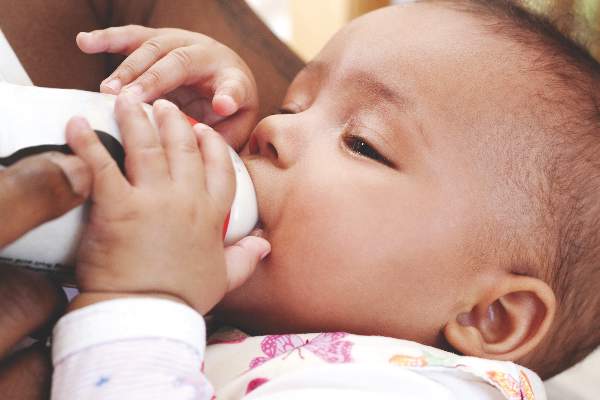
Most of the infants who were exclusively bottle fed were either black or Hispanic, accounting for 41% and 35% of study participants, respectively. More than half of households of bottle-fed infants had an income of less than $20,000 a year, and a similar number of parents had a high school diploma or less. The primary caregiver in most households was the mother, and 86% received assistance from the Special Supplemental Nutrition Program for Women, Infants, and Children.
“Given the complexity of infant growth, future research should consider influences such as feeding practices and should include rigorous measurement of intake and body composition. Nearly all parents use a bottle to feed their infant at some point during their infancy, and further efforts to more completely understand the mechanisms linking bottle-feeding, development of satiety responsiveness, and obesity risk may also inform obesity prevention interventions,” the investigators concluded.
Find the full study in Pediatrics (doi: 10.1542/peds.2015-4538).
Infants from low-income families fed with large-size bottles were significantly heavier at age 6 months than infants fed using smaller bottles, according to Dr. Charles Wood of the University of North Carolina at Chapel Hill and his associates.
Of 865 infants, 386 were fed exclusively through bottles; 171 infants were fed using a bottle with a volume greater than 6 ounces, 208 infants were fed using a bottle with a volume less than 6 ounces, and data was missing for the rest of the infants. Infants fed with large bottles were 0.21 kg heavier, had 0.24 units more change in weight-for-age z score, and had 0.31 units more change in weight-for-length z score.
Most of the infants who were exclusively bottle fed were either black or Hispanic, accounting for 41% and 35% of study participants, respectively. More than half of households of bottle-fed infants had an income of less than $20,000 a year, and a similar number of parents had a high school diploma or less. The primary caregiver in most households was the mother, and 86% received assistance from the Special Supplemental Nutrition Program for Women, Infants, and Children.
“Given the complexity of infant growth, future research should consider influences such as feeding practices and should include rigorous measurement of intake and body composition. Nearly all parents use a bottle to feed their infant at some point during their infancy, and further efforts to more completely understand the mechanisms linking bottle-feeding, development of satiety responsiveness, and obesity risk may also inform obesity prevention interventions,” the investigators concluded.
Find the full study in Pediatrics (doi: 10.1542/peds.2015-4538).
Infants from low-income families fed with large-size bottles were significantly heavier at age 6 months than infants fed using smaller bottles, according to Dr. Charles Wood of the University of North Carolina at Chapel Hill and his associates.
Of 865 infants, 386 were fed exclusively through bottles; 171 infants were fed using a bottle with a volume greater than 6 ounces, 208 infants were fed using a bottle with a volume less than 6 ounces, and data was missing for the rest of the infants. Infants fed with large bottles were 0.21 kg heavier, had 0.24 units more change in weight-for-age z score, and had 0.31 units more change in weight-for-length z score.
Most of the infants who were exclusively bottle fed were either black or Hispanic, accounting for 41% and 35% of study participants, respectively. More than half of households of bottle-fed infants had an income of less than $20,000 a year, and a similar number of parents had a high school diploma or less. The primary caregiver in most households was the mother, and 86% received assistance from the Special Supplemental Nutrition Program for Women, Infants, and Children.
“Given the complexity of infant growth, future research should consider influences such as feeding practices and should include rigorous measurement of intake and body composition. Nearly all parents use a bottle to feed their infant at some point during their infancy, and further efforts to more completely understand the mechanisms linking bottle-feeding, development of satiety responsiveness, and obesity risk may also inform obesity prevention interventions,” the investigators concluded.
Find the full study in Pediatrics (doi: 10.1542/peds.2015-4538).
FROM PEDIATRICS
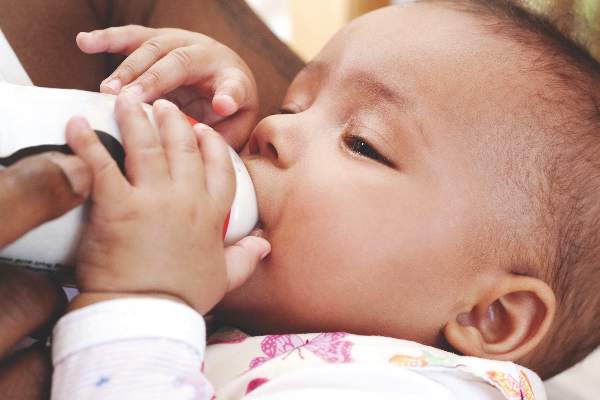
Weather or not
There was an outdoor equipment designer for a well-known Maine-based outfitter who was fond of saying that there was no such thing as bad weather, just bad or inappropriate clothing. The origin of this pearl is claimed by the Norwegians, the Germans, and the English – all nations that have some experience with inclement weather.
The folks who continue to go about their business regardless of the weather usually place a high value on the benefits of being outdoors. They often claim that they simply feel healthier when they are breathing fresh air. It is likely they have grown up in a place, in a family, and in a culture in which waiting for good weather to get something done means it’s not going to get done.

For example, my daughter-in-law’s visual impairment prevents her from driving a car. As a result, she and my two grandchildren get to almost all of their in-town destinations here in Brunswick, Maine, by bicycle or on foot ... 12 months a year ... rain or shine. They can afford appropriate clothing, but they still get wet and cold from time to time. I have never heard them complain. They accept bad weather as a given just as much as they accept a sunny day as something to enjoy.
While my grandchildren’s attitude toward the weather may not be typical of most 9- and 11-year-olds, they may not be alone in a few decades. Preschools are popping up around the country that not only accept the vagaries in the weather, but embrace the outdoors as an educational tool (“Preschool Without Walls,” by Lillian Mongeau, the New York Times, Dec. 29, 2015). The Natural Start Alliance, founded in 2013, has a membership of 92 preschools whose students spend a significant portion of their school day playing and exploring outdoors rain or shine. While most of these schools emphasize the value of learning from the natural environment, one of my granddaughters attended an outdoors-rain-or-shine preschool in urban San Francisco.
At the other end of the spectrum are the schools that feel obligated to shield their students from the realities of meteorological variability. While excessive sun exposure and tissue-freezing wind chills are to be avoided, a crisp calm sunny day with temperatures in the middle teens can be fun, particularly if there is some dry snow to tromp around in. However, during the months from November 2014 to March 2015, the children who attended Public School 126 in New York City were not given the opportunity to play outside on more than 40 school days. The situation is complicated because their school, which lacks its own playground, must rely on nearby parks (“A Casualty of a Frigid New York Winter: Outdoor School Recess,” by Ginia Bellafante, the New York Times, March 6, 2015). But we aren’t talking Siberia. It was a colder-than-usual winter, but I suspect there must have been more than a few missed opportunities to go outside and enjoy the snow. I wonder how often the decision to stay inside was influenced by teachers and administrators who hadn’t come prepared to spend any more time outside than it took them to walk from the parking lot or bus stop.
The data are accumulating that adding physical activity to the school day improves student behavior and even promotes learning. The evidence that being outside is beneficial is a bit more difficult to find. Early in the last century, when indoor air was saturated with smoke from cooking and open combustion heating sources, many physicians recommended that even for infants, raising a healthy child meant having the child spend a large part of the day outdoors.
It’s time for pediatricians to spread the word to parents that their little darlings won’t catch pneumonia from playing outdoors on a cool damp day. Nor will they shrink if they get a little wet on a rainy day ... but they will run ... and the running will be good for them.
Dr. Wilkoff practiced primary care pediatrics in Brunswick, Maine, for nearly 40 years. He has authored several books on behavioral pediatrics, including “How to Say No to Your Toddler.”
There was an outdoor equipment designer for a well-known Maine-based outfitter who was fond of saying that there was no such thing as bad weather, just bad or inappropriate clothing. The origin of this pearl is claimed by the Norwegians, the Germans, and the English – all nations that have some experience with inclement weather.
The folks who continue to go about their business regardless of the weather usually place a high value on the benefits of being outdoors. They often claim that they simply feel healthier when they are breathing fresh air. It is likely they have grown up in a place, in a family, and in a culture in which waiting for good weather to get something done means it’s not going to get done.
For example, my daughter-in-law’s visual impairment prevents her from driving a car. As a result, she and my two grandchildren get to almost all of their in-town destinations here in Brunswick, Maine, by bicycle or on foot ... 12 months a year ... rain or shine. They can afford appropriate clothing, but they still get wet and cold from time to time. I have never heard them complain. They accept bad weather as a given just as much as they accept a sunny day as something to enjoy.
While my grandchildren’s attitude toward the weather may not be typical of most 9- and 11-year-olds, they may not be alone in a few decades. Preschools are popping up around the country that not only accept the vagaries in the weather, but embrace the outdoors as an educational tool (“Preschool Without Walls,” by Lillian Mongeau, the New York Times, Dec. 29, 2015). The Natural Start Alliance, founded in 2013, has a membership of 92 preschools whose students spend a significant portion of their school day playing and exploring outdoors rain or shine. While most of these schools emphasize the value of learning from the natural environment, one of my granddaughters attended an outdoors-rain-or-shine preschool in urban San Francisco.
At the other end of the spectrum are the schools that feel obligated to shield their students from the realities of meteorological variability. While excessive sun exposure and tissue-freezing wind chills are to be avoided, a crisp calm sunny day with temperatures in the middle teens can be fun, particularly if there is some dry snow to tromp around in. However, during the months from November 2014 to March 2015, the children who attended Public School 126 in New York City were not given the opportunity to play outside on more than 40 school days. The situation is complicated because their school, which lacks its own playground, must rely on nearby parks (“A Casualty of a Frigid New York Winter: Outdoor School Recess,” by Ginia Bellafante, the New York Times, March 6, 2015). But we aren’t talking Siberia. It was a colder-than-usual winter, but I suspect there must have been more than a few missed opportunities to go outside and enjoy the snow. I wonder how often the decision to stay inside was influenced by teachers and administrators who hadn’t come prepared to spend any more time outside than it took them to walk from the parking lot or bus stop.
The data are accumulating that adding physical activity to the school day improves student behavior and even promotes learning. The evidence that being outside is beneficial is a bit more difficult to find. Early in the last century, when indoor air was saturated with smoke from cooking and open combustion heating sources, many physicians recommended that even for infants, raising a healthy child meant having the child spend a large part of the day outdoors.
It’s time for pediatricians to spread the word to parents that their little darlings won’t catch pneumonia from playing outdoors on a cool damp day. Nor will they shrink if they get a little wet on a rainy day ... but they will run ... and the running will be good for them.
Dr. Wilkoff practiced primary care pediatrics in Brunswick, Maine, for nearly 40 years. He has authored several books on behavioral pediatrics, including “How to Say No to Your Toddler.”
There was an outdoor equipment designer for a well-known Maine-based outfitter who was fond of saying that there was no such thing as bad weather, just bad or inappropriate clothing. The origin of this pearl is claimed by the Norwegians, the Germans, and the English – all nations that have some experience with inclement weather.
The folks who continue to go about their business regardless of the weather usually place a high value on the benefits of being outdoors. They often claim that they simply feel healthier when they are breathing fresh air. It is likely they have grown up in a place, in a family, and in a culture in which waiting for good weather to get something done means it’s not going to get done.
For example, my daughter-in-law’s visual impairment prevents her from driving a car. As a result, she and my two grandchildren get to almost all of their in-town destinations here in Brunswick, Maine, by bicycle or on foot ... 12 months a year ... rain or shine. They can afford appropriate clothing, but they still get wet and cold from time to time. I have never heard them complain. They accept bad weather as a given just as much as they accept a sunny day as something to enjoy.
While my grandchildren’s attitude toward the weather may not be typical of most 9- and 11-year-olds, they may not be alone in a few decades. Preschools are popping up around the country that not only accept the vagaries in the weather, but embrace the outdoors as an educational tool (“Preschool Without Walls,” by Lillian Mongeau, the New York Times, Dec. 29, 2015). The Natural Start Alliance, founded in 2013, has a membership of 92 preschools whose students spend a significant portion of their school day playing and exploring outdoors rain or shine. While most of these schools emphasize the value of learning from the natural environment, one of my granddaughters attended an outdoors-rain-or-shine preschool in urban San Francisco.
At the other end of the spectrum are the schools that feel obligated to shield their students from the realities of meteorological variability. While excessive sun exposure and tissue-freezing wind chills are to be avoided, a crisp calm sunny day with temperatures in the middle teens can be fun, particularly if there is some dry snow to tromp around in. However, during the months from November 2014 to March 2015, the children who attended Public School 126 in New York City were not given the opportunity to play outside on more than 40 school days. The situation is complicated because their school, which lacks its own playground, must rely on nearby parks (“A Casualty of a Frigid New York Winter: Outdoor School Recess,” by Ginia Bellafante, the New York Times, March 6, 2015). But we aren’t talking Siberia. It was a colder-than-usual winter, but I suspect there must have been more than a few missed opportunities to go outside and enjoy the snow. I wonder how often the decision to stay inside was influenced by teachers and administrators who hadn’t come prepared to spend any more time outside than it took them to walk from the parking lot or bus stop.
The data are accumulating that adding physical activity to the school day improves student behavior and even promotes learning. The evidence that being outside is beneficial is a bit more difficult to find. Early in the last century, when indoor air was saturated with smoke from cooking and open combustion heating sources, many physicians recommended that even for infants, raising a healthy child meant having the child spend a large part of the day outdoors.
It’s time for pediatricians to spread the word to parents that their little darlings won’t catch pneumonia from playing outdoors on a cool damp day. Nor will they shrink if they get a little wet on a rainy day ... but they will run ... and the running will be good for them.
Dr. Wilkoff practiced primary care pediatrics in Brunswick, Maine, for nearly 40 years. He has authored several books on behavioral pediatrics, including “How to Say No to Your Toddler.”