User login
Team discovers 2 new subtypes of pediatric BCP ALL

Image courtesy Spencer Phillips
Using next-generation sequencing (NGS) technology, a team of researchers has discovered 2 new subtypes of pediatric B-cell precursor acute lymphoblastic leukemia (BCP ALL).
The 2 new subtypes, called DUX4-rearranged and ETV6/RUNX1-like, may improve risk stratification and targeted therapeutic options for treatment of the disease, the researchers say.
Previous studies have defined 6 major groups of ALL in children. The 2 new types can now be added to these groups.
The research team performed RNA sequencing in a population-based series of 195 pediatric BCP ALL cases, all under 18 years.
They found gene fusions present in 65% of BCP ALL cases. They also identified several new fusions along with the 2 novel subtypes.
The DUX4-rearranged subtype occurs “when a gene called DUX4, which is normally inactive in blood cells, becomes activated when the gene is relocated in the genome,” corresponding author Henrik Lilljebjörn, of Lund University in Sweden, said.
The DUX4-rearranged subtype was represented in 4% of the cases. It led to overexpression of DUX4 and frequently occurred together with intragenic ERG deletions.
The team observed a borderline significance (P=0.051) for age in cases with DUX4 rearrangements. Those with DUX4 rearrangements tended to be from older patients compared to cases lacking the fusion, with a median age of 6.5 year versus 4 years, respectively. The authors noted that this association needs to be confirmed in larger cohorts.
The ETV6/RUNX1-like subtype “resembles a previously known type of childhood leukemia,”Lilljebjörn said, “but is caused by other genetic mutations."
The ETV6/RUNX1-like subtype was represented in 3% of the BCP ALL cases.
According to the team, if all known subtypes are taken into consideration, “98% of the BCP ALL cases could be classified into distinct genetic subtypes with a known underlying driver mutation, or, less commonly, with a rare in-frame gene fusion,” they wrote.
“Finding the critical mutations in the diseased cells,” principal investigator Thoas Fioretos, MD, PhD, of Lund University, explained, “is an important condition for understanding the mechanisms of the disease and ultimately discovering new therapies.”
The investigators published their work in Nature Communications.
The research was funded mainly by The Swedish Childhood Cancer Foundation, The Swedish Cancer Society, The Swedish Research Council, the Faculty of Medicine at Lund University and Region Skåne. 
Image courtesy Spencer Phillips
Using next-generation sequencing (NGS) technology, a team of researchers has discovered 2 new subtypes of pediatric B-cell precursor acute lymphoblastic leukemia (BCP ALL).
The 2 new subtypes, called DUX4-rearranged and ETV6/RUNX1-like, may improve risk stratification and targeted therapeutic options for treatment of the disease, the researchers say.
Previous studies have defined 6 major groups of ALL in children. The 2 new types can now be added to these groups.
The research team performed RNA sequencing in a population-based series of 195 pediatric BCP ALL cases, all under 18 years.
They found gene fusions present in 65% of BCP ALL cases. They also identified several new fusions along with the 2 novel subtypes.
The DUX4-rearranged subtype occurs “when a gene called DUX4, which is normally inactive in blood cells, becomes activated when the gene is relocated in the genome,” corresponding author Henrik Lilljebjörn, of Lund University in Sweden, said.
The DUX4-rearranged subtype was represented in 4% of the cases. It led to overexpression of DUX4 and frequently occurred together with intragenic ERG deletions.
The team observed a borderline significance (P=0.051) for age in cases with DUX4 rearrangements. Those with DUX4 rearrangements tended to be from older patients compared to cases lacking the fusion, with a median age of 6.5 year versus 4 years, respectively. The authors noted that this association needs to be confirmed in larger cohorts.
The ETV6/RUNX1-like subtype “resembles a previously known type of childhood leukemia,”Lilljebjörn said, “but is caused by other genetic mutations."
The ETV6/RUNX1-like subtype was represented in 3% of the BCP ALL cases.
According to the team, if all known subtypes are taken into consideration, “98% of the BCP ALL cases could be classified into distinct genetic subtypes with a known underlying driver mutation, or, less commonly, with a rare in-frame gene fusion,” they wrote.
“Finding the critical mutations in the diseased cells,” principal investigator Thoas Fioretos, MD, PhD, of Lund University, explained, “is an important condition for understanding the mechanisms of the disease and ultimately discovering new therapies.”
The investigators published their work in Nature Communications.
The research was funded mainly by The Swedish Childhood Cancer Foundation, The Swedish Cancer Society, The Swedish Research Council, the Faculty of Medicine at Lund University and Region Skåne.
Image courtesy Spencer Phillips
Using next-generation sequencing (NGS) technology, a team of researchers has discovered 2 new subtypes of pediatric B-cell precursor acute lymphoblastic leukemia (BCP ALL).
The 2 new subtypes, called DUX4-rearranged and ETV6/RUNX1-like, may improve risk stratification and targeted therapeutic options for treatment of the disease, the researchers say.
Previous studies have defined 6 major groups of ALL in children. The 2 new types can now be added to these groups.
The research team performed RNA sequencing in a population-based series of 195 pediatric BCP ALL cases, all under 18 years.
They found gene fusions present in 65% of BCP ALL cases. They also identified several new fusions along with the 2 novel subtypes.
The DUX4-rearranged subtype occurs “when a gene called DUX4, which is normally inactive in blood cells, becomes activated when the gene is relocated in the genome,” corresponding author Henrik Lilljebjörn, of Lund University in Sweden, said.
The DUX4-rearranged subtype was represented in 4% of the cases. It led to overexpression of DUX4 and frequently occurred together with intragenic ERG deletions.
The team observed a borderline significance (P=0.051) for age in cases with DUX4 rearrangements. Those with DUX4 rearrangements tended to be from older patients compared to cases lacking the fusion, with a median age of 6.5 year versus 4 years, respectively. The authors noted that this association needs to be confirmed in larger cohorts.
The ETV6/RUNX1-like subtype “resembles a previously known type of childhood leukemia,”Lilljebjörn said, “but is caused by other genetic mutations."
The ETV6/RUNX1-like subtype was represented in 3% of the BCP ALL cases.
According to the team, if all known subtypes are taken into consideration, “98% of the BCP ALL cases could be classified into distinct genetic subtypes with a known underlying driver mutation, or, less commonly, with a rare in-frame gene fusion,” they wrote.
“Finding the critical mutations in the diseased cells,” principal investigator Thoas Fioretos, MD, PhD, of Lund University, explained, “is an important condition for understanding the mechanisms of the disease and ultimately discovering new therapies.”
The investigators published their work in Nature Communications.
The research was funded mainly by The Swedish Childhood Cancer Foundation, The Swedish Cancer Society, The Swedish Research Council, the Faculty of Medicine at Lund University and Region Skåne.
E-cigarette use may increase the risk of other types of tobacco use
It appears that if high school students smoke e-cigarettes, they are more likely to start smoking regular cigarettes, study results show.
The students were asked whether they had ever tried e-cigarettes, cigarettes, cigars, pipes or hookah, and how many days each product was used in the past 30 days, said Jessica L. Barrington-Trimis, Ph.D., of the University of Southern California, Los Angeles, and her associates.

Data were gathered among high school students participating in the Southern California Children’s Health Study, which resulted in complete data for 152 students who never used e-cigarettes and 146 e-cigarette users. Results showed e-cigarette users were six times more likely to subsequently smoke cigarettes than were those who never smoked e-cigarettes. E-cigarette users were five times more likely to subsequently use a cigar, pipe,or hookah than were those who never smoked e-cigarettes.
“Because e-cigarette use is common in adolescents and young adults, further prospective follow-up of this and other cohorts is needed to determine whether e-cigarette use will increase population rates of cigarette and other combustible tobacco products and their associated burden of disease,” the investigators concluded.
Read the full study in Pediatrics (doi: 10.1542/peds.2016-0379)
It appears that if high school students smoke e-cigarettes, they are more likely to start smoking regular cigarettes, study results show.
The students were asked whether they had ever tried e-cigarettes, cigarettes, cigars, pipes or hookah, and how many days each product was used in the past 30 days, said Jessica L. Barrington-Trimis, Ph.D., of the University of Southern California, Los Angeles, and her associates.
Data were gathered among high school students participating in the Southern California Children’s Health Study, which resulted in complete data for 152 students who never used e-cigarettes and 146 e-cigarette users. Results showed e-cigarette users were six times more likely to subsequently smoke cigarettes than were those who never smoked e-cigarettes. E-cigarette users were five times more likely to subsequently use a cigar, pipe,or hookah than were those who never smoked e-cigarettes.
“Because e-cigarette use is common in adolescents and young adults, further prospective follow-up of this and other cohorts is needed to determine whether e-cigarette use will increase population rates of cigarette and other combustible tobacco products and their associated burden of disease,” the investigators concluded.
Read the full study in Pediatrics (doi: 10.1542/peds.2016-0379)
It appears that if high school students smoke e-cigarettes, they are more likely to start smoking regular cigarettes, study results show.
The students were asked whether they had ever tried e-cigarettes, cigarettes, cigars, pipes or hookah, and how many days each product was used in the past 30 days, said Jessica L. Barrington-Trimis, Ph.D., of the University of Southern California, Los Angeles, and her associates.
Data were gathered among high school students participating in the Southern California Children’s Health Study, which resulted in complete data for 152 students who never used e-cigarettes and 146 e-cigarette users. Results showed e-cigarette users were six times more likely to subsequently smoke cigarettes than were those who never smoked e-cigarettes. E-cigarette users were five times more likely to subsequently use a cigar, pipe,or hookah than were those who never smoked e-cigarettes.
“Because e-cigarette use is common in adolescents and young adults, further prospective follow-up of this and other cohorts is needed to determine whether e-cigarette use will increase population rates of cigarette and other combustible tobacco products and their associated burden of disease,” the investigators concluded.
Read the full study in Pediatrics (doi: 10.1542/peds.2016-0379)
FROM PEDIATRICS

Children receiving Japanese encephalitis vaccine tolerated it well
Children given the inactivated Vero cell–derived vaccine (IXIARO) to prevent diseases caused by Japanese encephalitis virus (JEV) tolerated it well, Dr. Shauna Butler and her associates at the San Antonio Military Medical Center, Fort Sam Houston, Tex., reported.
Ninety-two children aged 2 months to 16 years (mean age, 6 years) received 145 doses of IXIARO when traveling to Japan or South Korea. In this population of 92 children, seven adverse events were documented within the 3 months after vaccination, with six adverse events in the 2- to 23-month age group and one adverse event in the 6- to 12-year age group. Only one event, which occurred 3 days after the second dose of the JEV vaccine, a fever, was believed to be possibly related to the vaccine; it occurred in a patient receiving an inactivated influenza vaccine on the same day as the JEV dose, which could have been a contributing factor, the researchers said.

It also was noted that none of the other documented adverse events was serious nor believed to be related to JEV dosing. None of the children required hospitalization.
“Our study’s confirmation of IXIARO’s tolerability in a pediatric population reinforces the recent decision [2013] to expand its use into this younger age group,” they concluded. “Practitioners should feel comfortable universally recommending vaccination against JEV for any pediatric traveler to an area of risk, and they can reassure families about the vaccine’s tolerability.”
Read the full study in the Journal of the Pediatric Infectious Diseases Society (doi: 10.1093/jpids/piw029).
Children given the inactivated Vero cell–derived vaccine (IXIARO) to prevent diseases caused by Japanese encephalitis virus (JEV) tolerated it well, Dr. Shauna Butler and her associates at the San Antonio Military Medical Center, Fort Sam Houston, Tex., reported.
Ninety-two children aged 2 months to 16 years (mean age, 6 years) received 145 doses of IXIARO when traveling to Japan or South Korea. In this population of 92 children, seven adverse events were documented within the 3 months after vaccination, with six adverse events in the 2- to 23-month age group and one adverse event in the 6- to 12-year age group. Only one event, which occurred 3 days after the second dose of the JEV vaccine, a fever, was believed to be possibly related to the vaccine; it occurred in a patient receiving an inactivated influenza vaccine on the same day as the JEV dose, which could have been a contributing factor, the researchers said.
It also was noted that none of the other documented adverse events was serious nor believed to be related to JEV dosing. None of the children required hospitalization.
“Our study’s confirmation of IXIARO’s tolerability in a pediatric population reinforces the recent decision [2013] to expand its use into this younger age group,” they concluded. “Practitioners should feel comfortable universally recommending vaccination against JEV for any pediatric traveler to an area of risk, and they can reassure families about the vaccine’s tolerability.”
Read the full study in the Journal of the Pediatric Infectious Diseases Society (doi: 10.1093/jpids/piw029).
Children given the inactivated Vero cell–derived vaccine (IXIARO) to prevent diseases caused by Japanese encephalitis virus (JEV) tolerated it well, Dr. Shauna Butler and her associates at the San Antonio Military Medical Center, Fort Sam Houston, Tex., reported.
Ninety-two children aged 2 months to 16 years (mean age, 6 years) received 145 doses of IXIARO when traveling to Japan or South Korea. In this population of 92 children, seven adverse events were documented within the 3 months after vaccination, with six adverse events in the 2- to 23-month age group and one adverse event in the 6- to 12-year age group. Only one event, which occurred 3 days after the second dose of the JEV vaccine, a fever, was believed to be possibly related to the vaccine; it occurred in a patient receiving an inactivated influenza vaccine on the same day as the JEV dose, which could have been a contributing factor, the researchers said.
It also was noted that none of the other documented adverse events was serious nor believed to be related to JEV dosing. None of the children required hospitalization.
“Our study’s confirmation of IXIARO’s tolerability in a pediatric population reinforces the recent decision [2013] to expand its use into this younger age group,” they concluded. “Practitioners should feel comfortable universally recommending vaccination against JEV for any pediatric traveler to an area of risk, and they can reassure families about the vaccine’s tolerability.”
Read the full study in the Journal of the Pediatric Infectious Diseases Society (doi: 10.1093/jpids/piw029).
FROM JOURNAL OF THE PEDIATRIC INFECTIOUS DISEASES SOCIETY

Tandem ASCT for neuroblastoma comes with caveat

Photo by Chad McNeeley
CHICAGO—A phase 3 study of tandem autologous stem cell transplant (ASCT) for children with high-risk neuroblastoma has shown that tandem transplant as consolidation significantly improved event-free survival (EFS).
Nevertheless, the improvement comes “with an important caveat,” according to Julie R. Park, MD, “that this is in children who survive induction without disease progression after induction or severe induction-related toxicity.”
Of note, the tandem transplant did not increase toxicity or regimen-related mortality.
Dr Park, of the Seattle Children’s Hospital and University of Washington, presented the study data on behalf of the Children’s Oncology Group and the COG ANBL0532 Study Committee during the plenary session at the 2016 ASCO Annual Meeting (LBA3*).
Neuroblastoma, Dr Park explained, is a disease that occurs in young children and is the most common extracranial tumor of childhood. Patients with high-risk neuroblastoma account for 50% of all children diagnosed with the disease, and neuroblastoma accounts for more than 10% of all childhood cancer mortality.
The outcome for high-risk neuroblastoma patients is dismal: fewer than 50% survive following current multi-agent, aggressive therapy, she said.
Randomized clinical trials performed over the last 25 years “have taught us that dose intensification of therapy is important,” Dr Park said, “and the treatment of minimal residual disease with non-cross resistant therapies is equally important.”
Pilot studies of tandem ASCT demonstrated tolerable toxicity and suggested efficacy, and clinical trials demonstrated that collecting peripheral blood stem cells in small children with neuroblastoma was feasible.
So the investigators undertook the current study to improve 3-year EFS of high-risk neuroblastoma patients using a strategy of tandem transplant consolidation.
Eligibility
Patients with newly diagnosed high-risk neuroblastoma were eligible. They had to have metastatic disease (INSS stage 4) and be older than 18 months to be eligible for the trial.
They could be any age if they had INSS stage 2, 3, or 4 with MYCN amplification.
“Our prior studies had identified that the group with regional disease and toddlers with MYCN non-amplified metastatic disease had a better outcome compared to other children with high-risk neuroblastoma,” Dr Park commented.
“Therefore, these children were non-randomly assigned to single transplant and are not included in the randomization results provided today,” she explained.
All children had to have normal cardiac, liver, and renal function.
Trial design: Induction
Induction therapy consisted of 6 cycles of chemotherapy—2 cycles of cyclophosphamide/topotecan, followed by 4 alternating cycles of cisplatin/etoposide and cyclophosphamide/vincristine/doxorubicin.
Peripheral blood stem cells (PBSCs) were harvested after the first 2 cycles of dose intensive cyclophosphamide and topotecan.
Patients had surgery on the primary tumor after 5 cycles of induction.
Trial design: Consolidation
Following completion of induction therapy, patients were assessed for eligibility for consolidation. These criteria included sufficient PBSC harvest, adequate organ function, no evidence of disease progression, and consent for post induction therapy.
Children eligible for consolidation were randomized to either the standard transplant with carboplatin, etoposide, melphalan or tandem transplant with cyclophosphamide and thiotepa followed 6 – 8 weeks later by the second transplant with carboplatin, etoposide, and melphalan.
Patients in both arms received radiotherapy to their primary tumor site.
Trial Design: Post-consolidation
Patients then went on for post consolidation chemotherapy with isotretinoin.
“During the conduct of ANBL0532,” Dr Park pointed out, “there was an additional trial running within the Children’s Oncology Group for which patients were eligible to enroll.”
So from 2007 – 2009, the additional trial (ANBL0032) randomized patients to their then standard of isotretinoin or isotretinoin plus the anti-GD2 antibody dinutuximab and cytokines.
“In 2009, results of that study were released and the dinutuximab arm was superior,” she noted, so patients were no longer randomized to isotretinoin only.
Prior studies indicated that 40% of patients went off trial at the end of induction therapy, so the investigators enrolled 665 patients to ensure a randomization of at least 332 patients.
Data cut-off for the presentation was March 31, 2016.
Patient demographics
Of the 665 patients accrued, 13 were ineligible. Twenty-seven patients with favorable prognosis were non-randomly assigned to single ASCT.
Forty percent (229 patients) went off protocol therapy prior to randomization. The main reasons for this were death (8 patients), progressive disease (48 patients), and physician and patient discretion (206 patients).
Investigators randomized 355 patients, 179 to single ASCT and 176 to tandem ASCT.
Patients were a median age of 37.2 months, 38.2% had MYCN amplification, and 88% were INSS stage 4.
The randomized cohorts of patients were similar to the overall patient cohort in terms of age, MYCN amplification, and stage 4 disease.
The randomizations were also well balanced in terms of MYCN amplifications, stage 4 disease, and response to induction chemotherapy.
The investigators retrospectively reviewed the patient characteristics, including age at diagnosis, early response to induction, and assignment to receive immunotherapy, “and there was no statistically significant difference between the randomized cohorts for these characteristics,” Dr Park said.
Safety
The most commonly observed grade 3 or greater non-hematologic toxicities in the single and tandem arms included infection (18.3% and 17.9%, respectively), mucosal toxicities (17.2% and 13.6%, respectively), and hepatic toxicities, including sinusoidal obstructive disorder (6.5% and 6.2%, respectively).
The investigators observed no significant differences between the arms in regard to the rate of these toxicities. In addition, they observed no difference between the arms in the rate of regimen-related mortality, 4.1% in the single arm, and 1.2% in the tandem arm.
Efficacy
For all patients (n=652) from time of enrollment, the 3-year EFS was 51.0% and the 3-year OS was 68.3%.
In randomized patients (n=355), from the time of randomization, the 3-year EFS was 54.8% and the 3-year OS, 71.5%, with a median survival time of 4.6 years.
There was a statistically significant improvement in EFS for those patients assigned to tandem transplant, with a 3-year EFS of 61.4% as compared to those assigned to single transplant, who had a 3-year EFS of 48.4% (P=0.0081).
There was not a statistically significant difference in OS. However, Dr Park pointed out that the trial was not powered to detect a difference in overall survival.
When looking at the cohort of stage 4 patients who were older than 18 months, investigators again saw a statistically significant improvement in EFS. The 3-year EFS was 59%.1 for tandem transplants vs 45.5% for single transplants, P=0.0083.
Again, there was no difference in OS in the INSS stage 4 patients older than 18 months.
“And finally, when we analyzed the outcome for children who were assigned to receive immunotherapy,” Dr Park pointed out, “from the time of start of immunotherapy, there was a statistically significant improvement in both event-free survival and overall survival for those children who received tandem transplants.”
The 3-year EFS for patients who received a tandem transplant and immunotherapy was 73.7% compared to the 3-year EFS of 56.0% for patients who received a single transplant and immunotherapy (P=0.0033).
The 3-year overall survival was also significantly improved for patients who received tandem transplants and immunotherapy (83.7%) compared to those who received a single transplant and immunotherapy (74.4%) (P=0.0322).
Conclusions
“Tandem transplant consolidation improves outcome in patients with high-risk neuroblastoma,” Dr Park said, with the important caveat mentioned earlier.
The tandem transplant does not increase toxicity or regimen-related mortality, and the benefit of tandem ASCT remains following anti-GD2-directed immunotherapy.
*Data in the presentation differ slightly from the abstract
Photo by Chad McNeeley
CHICAGO—A phase 3 study of tandem autologous stem cell transplant (ASCT) for children with high-risk neuroblastoma has shown that tandem transplant as consolidation significantly improved event-free survival (EFS).
Nevertheless, the improvement comes “with an important caveat,” according to Julie R. Park, MD, “that this is in children who survive induction without disease progression after induction or severe induction-related toxicity.”
Of note, the tandem transplant did not increase toxicity or regimen-related mortality.
Dr Park, of the Seattle Children’s Hospital and University of Washington, presented the study data on behalf of the Children’s Oncology Group and the COG ANBL0532 Study Committee during the plenary session at the 2016 ASCO Annual Meeting (LBA3*).
Neuroblastoma, Dr Park explained, is a disease that occurs in young children and is the most common extracranial tumor of childhood. Patients with high-risk neuroblastoma account for 50% of all children diagnosed with the disease, and neuroblastoma accounts for more than 10% of all childhood cancer mortality.
The outcome for high-risk neuroblastoma patients is dismal: fewer than 50% survive following current multi-agent, aggressive therapy, she said.
Randomized clinical trials performed over the last 25 years “have taught us that dose intensification of therapy is important,” Dr Park said, “and the treatment of minimal residual disease with non-cross resistant therapies is equally important.”
Pilot studies of tandem ASCT demonstrated tolerable toxicity and suggested efficacy, and clinical trials demonstrated that collecting peripheral blood stem cells in small children with neuroblastoma was feasible.
So the investigators undertook the current study to improve 3-year EFS of high-risk neuroblastoma patients using a strategy of tandem transplant consolidation.
Eligibility
Patients with newly diagnosed high-risk neuroblastoma were eligible. They had to have metastatic disease (INSS stage 4) and be older than 18 months to be eligible for the trial.
They could be any age if they had INSS stage 2, 3, or 4 with MYCN amplification.
“Our prior studies had identified that the group with regional disease and toddlers with MYCN non-amplified metastatic disease had a better outcome compared to other children with high-risk neuroblastoma,” Dr Park commented.
“Therefore, these children were non-randomly assigned to single transplant and are not included in the randomization results provided today,” she explained.
All children had to have normal cardiac, liver, and renal function.
Trial design: Induction
Induction therapy consisted of 6 cycles of chemotherapy—2 cycles of cyclophosphamide/topotecan, followed by 4 alternating cycles of cisplatin/etoposide and cyclophosphamide/vincristine/doxorubicin.
Peripheral blood stem cells (PBSCs) were harvested after the first 2 cycles of dose intensive cyclophosphamide and topotecan.
Patients had surgery on the primary tumor after 5 cycles of induction.
Trial design: Consolidation
Following completion of induction therapy, patients were assessed for eligibility for consolidation. These criteria included sufficient PBSC harvest, adequate organ function, no evidence of disease progression, and consent for post induction therapy.
Children eligible for consolidation were randomized to either the standard transplant with carboplatin, etoposide, melphalan or tandem transplant with cyclophosphamide and thiotepa followed 6 – 8 weeks later by the second transplant with carboplatin, etoposide, and melphalan.
Patients in both arms received radiotherapy to their primary tumor site.
Trial Design: Post-consolidation
Patients then went on for post consolidation chemotherapy with isotretinoin.
“During the conduct of ANBL0532,” Dr Park pointed out, “there was an additional trial running within the Children’s Oncology Group for which patients were eligible to enroll.”
So from 2007 – 2009, the additional trial (ANBL0032) randomized patients to their then standard of isotretinoin or isotretinoin plus the anti-GD2 antibody dinutuximab and cytokines.
“In 2009, results of that study were released and the dinutuximab arm was superior,” she noted, so patients were no longer randomized to isotretinoin only.
Prior studies indicated that 40% of patients went off trial at the end of induction therapy, so the investigators enrolled 665 patients to ensure a randomization of at least 332 patients.
Data cut-off for the presentation was March 31, 2016.
Patient demographics
Of the 665 patients accrued, 13 were ineligible. Twenty-seven patients with favorable prognosis were non-randomly assigned to single ASCT.
Forty percent (229 patients) went off protocol therapy prior to randomization. The main reasons for this were death (8 patients), progressive disease (48 patients), and physician and patient discretion (206 patients).
Investigators randomized 355 patients, 179 to single ASCT and 176 to tandem ASCT.
Patients were a median age of 37.2 months, 38.2% had MYCN amplification, and 88% were INSS stage 4.
The randomized cohorts of patients were similar to the overall patient cohort in terms of age, MYCN amplification, and stage 4 disease.
The randomizations were also well balanced in terms of MYCN amplifications, stage 4 disease, and response to induction chemotherapy.
The investigators retrospectively reviewed the patient characteristics, including age at diagnosis, early response to induction, and assignment to receive immunotherapy, “and there was no statistically significant difference between the randomized cohorts for these characteristics,” Dr Park said.
Safety
The most commonly observed grade 3 or greater non-hematologic toxicities in the single and tandem arms included infection (18.3% and 17.9%, respectively), mucosal toxicities (17.2% and 13.6%, respectively), and hepatic toxicities, including sinusoidal obstructive disorder (6.5% and 6.2%, respectively).
The investigators observed no significant differences between the arms in regard to the rate of these toxicities. In addition, they observed no difference between the arms in the rate of regimen-related mortality, 4.1% in the single arm, and 1.2% in the tandem arm.
Efficacy
For all patients (n=652) from time of enrollment, the 3-year EFS was 51.0% and the 3-year OS was 68.3%.
In randomized patients (n=355), from the time of randomization, the 3-year EFS was 54.8% and the 3-year OS, 71.5%, with a median survival time of 4.6 years.
There was a statistically significant improvement in EFS for those patients assigned to tandem transplant, with a 3-year EFS of 61.4% as compared to those assigned to single transplant, who had a 3-year EFS of 48.4% (P=0.0081).
There was not a statistically significant difference in OS. However, Dr Park pointed out that the trial was not powered to detect a difference in overall survival.
When looking at the cohort of stage 4 patients who were older than 18 months, investigators again saw a statistically significant improvement in EFS. The 3-year EFS was 59%.1 for tandem transplants vs 45.5% for single transplants, P=0.0083.
Again, there was no difference in OS in the INSS stage 4 patients older than 18 months.
“And finally, when we analyzed the outcome for children who were assigned to receive immunotherapy,” Dr Park pointed out, “from the time of start of immunotherapy, there was a statistically significant improvement in both event-free survival and overall survival for those children who received tandem transplants.”
The 3-year EFS for patients who received a tandem transplant and immunotherapy was 73.7% compared to the 3-year EFS of 56.0% for patients who received a single transplant and immunotherapy (P=0.0033).
The 3-year overall survival was also significantly improved for patients who received tandem transplants and immunotherapy (83.7%) compared to those who received a single transplant and immunotherapy (74.4%) (P=0.0322).
Conclusions
“Tandem transplant consolidation improves outcome in patients with high-risk neuroblastoma,” Dr Park said, with the important caveat mentioned earlier.
The tandem transplant does not increase toxicity or regimen-related mortality, and the benefit of tandem ASCT remains following anti-GD2-directed immunotherapy.
*Data in the presentation differ slightly from the abstract
Photo by Chad McNeeley
CHICAGO—A phase 3 study of tandem autologous stem cell transplant (ASCT) for children with high-risk neuroblastoma has shown that tandem transplant as consolidation significantly improved event-free survival (EFS).
Nevertheless, the improvement comes “with an important caveat,” according to Julie R. Park, MD, “that this is in children who survive induction without disease progression after induction or severe induction-related toxicity.”
Of note, the tandem transplant did not increase toxicity or regimen-related mortality.
Dr Park, of the Seattle Children’s Hospital and University of Washington, presented the study data on behalf of the Children’s Oncology Group and the COG ANBL0532 Study Committee during the plenary session at the 2016 ASCO Annual Meeting (LBA3*).
Neuroblastoma, Dr Park explained, is a disease that occurs in young children and is the most common extracranial tumor of childhood. Patients with high-risk neuroblastoma account for 50% of all children diagnosed with the disease, and neuroblastoma accounts for more than 10% of all childhood cancer mortality.
The outcome for high-risk neuroblastoma patients is dismal: fewer than 50% survive following current multi-agent, aggressive therapy, she said.
Randomized clinical trials performed over the last 25 years “have taught us that dose intensification of therapy is important,” Dr Park said, “and the treatment of minimal residual disease with non-cross resistant therapies is equally important.”
Pilot studies of tandem ASCT demonstrated tolerable toxicity and suggested efficacy, and clinical trials demonstrated that collecting peripheral blood stem cells in small children with neuroblastoma was feasible.
So the investigators undertook the current study to improve 3-year EFS of high-risk neuroblastoma patients using a strategy of tandem transplant consolidation.
Eligibility
Patients with newly diagnosed high-risk neuroblastoma were eligible. They had to have metastatic disease (INSS stage 4) and be older than 18 months to be eligible for the trial.
They could be any age if they had INSS stage 2, 3, or 4 with MYCN amplification.
“Our prior studies had identified that the group with regional disease and toddlers with MYCN non-amplified metastatic disease had a better outcome compared to other children with high-risk neuroblastoma,” Dr Park commented.
“Therefore, these children were non-randomly assigned to single transplant and are not included in the randomization results provided today,” she explained.
All children had to have normal cardiac, liver, and renal function.
Trial design: Induction
Induction therapy consisted of 6 cycles of chemotherapy—2 cycles of cyclophosphamide/topotecan, followed by 4 alternating cycles of cisplatin/etoposide and cyclophosphamide/vincristine/doxorubicin.
Peripheral blood stem cells (PBSCs) were harvested after the first 2 cycles of dose intensive cyclophosphamide and topotecan.
Patients had surgery on the primary tumor after 5 cycles of induction.
Trial design: Consolidation
Following completion of induction therapy, patients were assessed for eligibility for consolidation. These criteria included sufficient PBSC harvest, adequate organ function, no evidence of disease progression, and consent for post induction therapy.
Children eligible for consolidation were randomized to either the standard transplant with carboplatin, etoposide, melphalan or tandem transplant with cyclophosphamide and thiotepa followed 6 – 8 weeks later by the second transplant with carboplatin, etoposide, and melphalan.
Patients in both arms received radiotherapy to their primary tumor site.
Trial Design: Post-consolidation
Patients then went on for post consolidation chemotherapy with isotretinoin.
“During the conduct of ANBL0532,” Dr Park pointed out, “there was an additional trial running within the Children’s Oncology Group for which patients were eligible to enroll.”
So from 2007 – 2009, the additional trial (ANBL0032) randomized patients to their then standard of isotretinoin or isotretinoin plus the anti-GD2 antibody dinutuximab and cytokines.
“In 2009, results of that study were released and the dinutuximab arm was superior,” she noted, so patients were no longer randomized to isotretinoin only.
Prior studies indicated that 40% of patients went off trial at the end of induction therapy, so the investigators enrolled 665 patients to ensure a randomization of at least 332 patients.
Data cut-off for the presentation was March 31, 2016.
Patient demographics
Of the 665 patients accrued, 13 were ineligible. Twenty-seven patients with favorable prognosis were non-randomly assigned to single ASCT.
Forty percent (229 patients) went off protocol therapy prior to randomization. The main reasons for this were death (8 patients), progressive disease (48 patients), and physician and patient discretion (206 patients).
Investigators randomized 355 patients, 179 to single ASCT and 176 to tandem ASCT.
Patients were a median age of 37.2 months, 38.2% had MYCN amplification, and 88% were INSS stage 4.
The randomized cohorts of patients were similar to the overall patient cohort in terms of age, MYCN amplification, and stage 4 disease.
The randomizations were also well balanced in terms of MYCN amplifications, stage 4 disease, and response to induction chemotherapy.
The investigators retrospectively reviewed the patient characteristics, including age at diagnosis, early response to induction, and assignment to receive immunotherapy, “and there was no statistically significant difference between the randomized cohorts for these characteristics,” Dr Park said.
Safety
The most commonly observed grade 3 or greater non-hematologic toxicities in the single and tandem arms included infection (18.3% and 17.9%, respectively), mucosal toxicities (17.2% and 13.6%, respectively), and hepatic toxicities, including sinusoidal obstructive disorder (6.5% and 6.2%, respectively).
The investigators observed no significant differences between the arms in regard to the rate of these toxicities. In addition, they observed no difference between the arms in the rate of regimen-related mortality, 4.1% in the single arm, and 1.2% in the tandem arm.
Efficacy
For all patients (n=652) from time of enrollment, the 3-year EFS was 51.0% and the 3-year OS was 68.3%.
In randomized patients (n=355), from the time of randomization, the 3-year EFS was 54.8% and the 3-year OS, 71.5%, with a median survival time of 4.6 years.
There was a statistically significant improvement in EFS for those patients assigned to tandem transplant, with a 3-year EFS of 61.4% as compared to those assigned to single transplant, who had a 3-year EFS of 48.4% (P=0.0081).
There was not a statistically significant difference in OS. However, Dr Park pointed out that the trial was not powered to detect a difference in overall survival.
When looking at the cohort of stage 4 patients who were older than 18 months, investigators again saw a statistically significant improvement in EFS. The 3-year EFS was 59%.1 for tandem transplants vs 45.5% for single transplants, P=0.0083.
Again, there was no difference in OS in the INSS stage 4 patients older than 18 months.
“And finally, when we analyzed the outcome for children who were assigned to receive immunotherapy,” Dr Park pointed out, “from the time of start of immunotherapy, there was a statistically significant improvement in both event-free survival and overall survival for those children who received tandem transplants.”
The 3-year EFS for patients who received a tandem transplant and immunotherapy was 73.7% compared to the 3-year EFS of 56.0% for patients who received a single transplant and immunotherapy (P=0.0033).
The 3-year overall survival was also significantly improved for patients who received tandem transplants and immunotherapy (83.7%) compared to those who received a single transplant and immunotherapy (74.4%) (P=0.0322).
Conclusions
“Tandem transplant consolidation improves outcome in patients with high-risk neuroblastoma,” Dr Park said, with the important caveat mentioned earlier.
The tandem transplant does not increase toxicity or regimen-related mortality, and the benefit of tandem ASCT remains following anti-GD2-directed immunotherapy.
*Data in the presentation differ slightly from the abstract
Brain changes in pediatric ALL associated with methotrexate
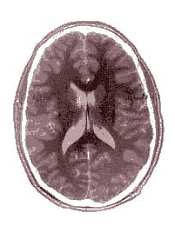
New research has found that higher blood concentrations of methotrexate in pediatric leukemia patients during treatment results in difficulties with mental flexibility, organization, and related skills for the long-term survivors.
And in patients with acute lymphoblastic leukemia (ALL) who had higher levels of methotrexate during treatment, brain imaging showed anatomical and functional changes in regions of the brain involved with executive functioning. Methotrexate is one of the few chemotherapy agents that crosses the blood–brain barrier.
“This study is the first to show a clear dose-response effect between methotrexate concentrations in the blood during treatment and executive functioning in survivors,” lead author Kevin Krull, PhD, of St Jude Children’s Research Hospital in Memphis, Tennessee, said.
“This information is essential for designing effective interventions to address the risk,” he said.
To examine the association between methotrexate exposure and neurocognitive outcomes, the investigators enrolled 218 long-term pediatric ALL survivors who participated in the St Jude Total Therapy XV clinical trial between 2000 and 2010.
The patients had been treated with multidrug chemotherapy according to the Total Therapy XV protocol, which included intrathecal treatments with methotrexate, hydrocortisone, and cytarabine in addition to other chemotherapeutic agents.
Researchers calculated methotrexate concentrations by measuring blood levels of the drug before, during, and after treatment. They also checked blood levels of the amino acid homocysteine, a marker of methotrexate activity, and the chemotherapy agent dexamethasone.
All patients had survived at least 5 years from their diagnosis and were at least 8 years old when this study was conducted.
Investigators performed neurocognitive testing, functional magnetic resonance imaging (MRI) during a task, and structural MRI with diffusion tensor imaging.
At long-term follow-up, survivors were an average of 13.8 years old and 7.7 years from diagnosis. Fifty-one percent were male, 74% were white, and 57% were in the low-risk treatment stratum.
Investigators found that the survivors’ intelligence was within normal limits compared with population expectations.
However, they found measures of executive function, processing speed, and memory to be less than population means, with a significance of P<0.02 after correction for false discovery rates.
And while impact of methotrexate varied, some survivors had executive functioning scores that indicated moderate to almost severe impairment.
Investigators also found higher plasma methotrexate to be associated with higher functional MRI activity, thicker cortex, and higher activity in frontal brain regions, regions often associated with executive function.
The investigators found neurocognitive impairment also to be associated with these imaging findings .
The increased activity in the frontal lobe region suggests that survivors’ brains may be working harder to compensate for impaired cognitive function, the investigators believe.
When they adjusted for age or dose of leucovorin rescue, these associations did not change.
And consistent with the methotrexate exposure, elevated homocysteine levels during therapy were associated with poorer cognitive flexibility.
The authors noted that they did not find an association between other chemotherapy agents and neurocognitive function.
“This information,” Dr Krull said, “is essential for designing effective intervention to address the risk.”
“Methotrexate has contributed to historically high cure rates for childhood leukemia,” Dr Krull said. “While physicians may look for opportunities to reduce concentrations of the drug in the future, interventions are already in development to enhance executive function in patients on therapy as well as long-term childhood cancer survivors.”
The investigators reported their findings in JCO.
New research has found that higher blood concentrations of methotrexate in pediatric leukemia patients during treatment results in difficulties with mental flexibility, organization, and related skills for the long-term survivors.
And in patients with acute lymphoblastic leukemia (ALL) who had higher levels of methotrexate during treatment, brain imaging showed anatomical and functional changes in regions of the brain involved with executive functioning. Methotrexate is one of the few chemotherapy agents that crosses the blood–brain barrier.
“This study is the first to show a clear dose-response effect between methotrexate concentrations in the blood during treatment and executive functioning in survivors,” lead author Kevin Krull, PhD, of St Jude Children’s Research Hospital in Memphis, Tennessee, said.
“This information is essential for designing effective interventions to address the risk,” he said.
To examine the association between methotrexate exposure and neurocognitive outcomes, the investigators enrolled 218 long-term pediatric ALL survivors who participated in the St Jude Total Therapy XV clinical trial between 2000 and 2010.
The patients had been treated with multidrug chemotherapy according to the Total Therapy XV protocol, which included intrathecal treatments with methotrexate, hydrocortisone, and cytarabine in addition to other chemotherapeutic agents.
Researchers calculated methotrexate concentrations by measuring blood levels of the drug before, during, and after treatment. They also checked blood levels of the amino acid homocysteine, a marker of methotrexate activity, and the chemotherapy agent dexamethasone.
All patients had survived at least 5 years from their diagnosis and were at least 8 years old when this study was conducted.
Investigators performed neurocognitive testing, functional magnetic resonance imaging (MRI) during a task, and structural MRI with diffusion tensor imaging.
At long-term follow-up, survivors were an average of 13.8 years old and 7.7 years from diagnosis. Fifty-one percent were male, 74% were white, and 57% were in the low-risk treatment stratum.
Investigators found that the survivors’ intelligence was within normal limits compared with population expectations.
However, they found measures of executive function, processing speed, and memory to be less than population means, with a significance of P<0.02 after correction for false discovery rates.
And while impact of methotrexate varied, some survivors had executive functioning scores that indicated moderate to almost severe impairment.
Investigators also found higher plasma methotrexate to be associated with higher functional MRI activity, thicker cortex, and higher activity in frontal brain regions, regions often associated with executive function.
The investigators found neurocognitive impairment also to be associated with these imaging findings .
The increased activity in the frontal lobe region suggests that survivors’ brains may be working harder to compensate for impaired cognitive function, the investigators believe.
When they adjusted for age or dose of leucovorin rescue, these associations did not change.
And consistent with the methotrexate exposure, elevated homocysteine levels during therapy were associated with poorer cognitive flexibility.
The authors noted that they did not find an association between other chemotherapy agents and neurocognitive function.
“This information,” Dr Krull said, “is essential for designing effective intervention to address the risk.”
“Methotrexate has contributed to historically high cure rates for childhood leukemia,” Dr Krull said. “While physicians may look for opportunities to reduce concentrations of the drug in the future, interventions are already in development to enhance executive function in patients on therapy as well as long-term childhood cancer survivors.”
The investigators reported their findings in JCO.
New research has found that higher blood concentrations of methotrexate in pediatric leukemia patients during treatment results in difficulties with mental flexibility, organization, and related skills for the long-term survivors.
And in patients with acute lymphoblastic leukemia (ALL) who had higher levels of methotrexate during treatment, brain imaging showed anatomical and functional changes in regions of the brain involved with executive functioning. Methotrexate is one of the few chemotherapy agents that crosses the blood–brain barrier.
“This study is the first to show a clear dose-response effect between methotrexate concentrations in the blood during treatment and executive functioning in survivors,” lead author Kevin Krull, PhD, of St Jude Children’s Research Hospital in Memphis, Tennessee, said.
“This information is essential for designing effective interventions to address the risk,” he said.
To examine the association between methotrexate exposure and neurocognitive outcomes, the investigators enrolled 218 long-term pediatric ALL survivors who participated in the St Jude Total Therapy XV clinical trial between 2000 and 2010.
The patients had been treated with multidrug chemotherapy according to the Total Therapy XV protocol, which included intrathecal treatments with methotrexate, hydrocortisone, and cytarabine in addition to other chemotherapeutic agents.
Researchers calculated methotrexate concentrations by measuring blood levels of the drug before, during, and after treatment. They also checked blood levels of the amino acid homocysteine, a marker of methotrexate activity, and the chemotherapy agent dexamethasone.
All patients had survived at least 5 years from their diagnosis and were at least 8 years old when this study was conducted.
Investigators performed neurocognitive testing, functional magnetic resonance imaging (MRI) during a task, and structural MRI with diffusion tensor imaging.
At long-term follow-up, survivors were an average of 13.8 years old and 7.7 years from diagnosis. Fifty-one percent were male, 74% were white, and 57% were in the low-risk treatment stratum.
Investigators found that the survivors’ intelligence was within normal limits compared with population expectations.
However, they found measures of executive function, processing speed, and memory to be less than population means, with a significance of P<0.02 after correction for false discovery rates.
And while impact of methotrexate varied, some survivors had executive functioning scores that indicated moderate to almost severe impairment.
Investigators also found higher plasma methotrexate to be associated with higher functional MRI activity, thicker cortex, and higher activity in frontal brain regions, regions often associated with executive function.
The investigators found neurocognitive impairment also to be associated with these imaging findings .
The increased activity in the frontal lobe region suggests that survivors’ brains may be working harder to compensate for impaired cognitive function, the investigators believe.
When they adjusted for age or dose of leucovorin rescue, these associations did not change.
And consistent with the methotrexate exposure, elevated homocysteine levels during therapy were associated with poorer cognitive flexibility.
The authors noted that they did not find an association between other chemotherapy agents and neurocognitive function.
“This information,” Dr Krull said, “is essential for designing effective intervention to address the risk.”
“Methotrexate has contributed to historically high cure rates for childhood leukemia,” Dr Krull said. “While physicians may look for opportunities to reduce concentrations of the drug in the future, interventions are already in development to enhance executive function in patients on therapy as well as long-term childhood cancer survivors.”
The investigators reported their findings in JCO.
High school students’ health risk behaviors mixed, CDC says
Data from the latest National Youth Risk Behavior Survey show that although many harmful behaviors are declining among high school students across the United States, work still needs to be done to eliminate risks that linger and quell those starting to crop up.
“We are encouraged to see that high school students are making some better choices; unfortunately, [we] are also facing some big challenges,” Dr. Stephanie Zaza, director of the division of adolescent and school health at the Centers for Disease Control and Prevention, said June 9 during a teleconference.

More than 15,000 high school students – located in 37 states and 19 large, urban school districts – participated in the survey, which analyzed risk behaviors in key health and wellness categories. Smoking has decreased significantly since 1991, the inaugural year of the survey, dropping from 70% to 32% for students who had ever tried a cigarette. Hispanic males (37%) and students in 11th grade (38%) had the highest rates of cigarette use. However, e-cigarette use continues to be a growing issue, with 45% of high school students reporting having used an electronic vapor product at some point. This category includes not just e-cigarettes, but vape pipes and e-hookahs.
Opiate use also continues to be a challenging issue for public health, with 17% of high school students reporting that they have used a prescription drug despite not having a doctor’s prescription to use it. Those drugs include OxyContin (oxycodone), Percocet (acetaminophen/oxycodone), Vicodin (acetaminophen/hydrocodone), and codeine. Other problematic drugs among these students are the stimulants Adderall (dextroamphetamine plus amphetamine) and Ritalin (methylphenidate hydrochloride), and Xanax (alprazolam), a benzodiazepine. Males were more likely to use drugs without a prescription than female students were: 18% vs.16%, respectively.
Results related to interpersonal violence – such as schoolyard fighting and physical bullying – were “mixed,” according to Dr. Zaza. Students who had engaged in a physical fight in the last year registered 23%, a sharp decrease from the 42% logged in 1991; however, bullying rates continue to remain high, with 20% of students reporting being involved with physical bullying and 16% reporting involvement with cyberbullying in some capacity.
On a more positive note, students seem to be eating better, with dietary statistics looking increasingly optimistic. In particular, consumption of sugar-heavy drinks and sodas dropped significantly from 27% in 2013 to 20% last year. But Dr. Zaza warned that dietary improvements are offset by continued sedentary lifestyles. Although TV watching has declined, it has been effectively replaced by increased time in front of computers and video games; use of a computer for tasks unrelated to school for more than 3 hours daily rose, from 22% in 2003 to 42% in 2015.
The percentage of sexually active high school students – those who have had sexual intercourse in the 3 months before participating in the survey – has dropped to 30%, from 38% in 1991. However, despite this, condom use among sexually active high school students also declined, going from 63% in 2003 to 57% in 2015.
Also alarming is that 21% of sexually active students reported consuming drugs or alcohol before their last sexual encounter. Testing for HIV among sexually active high school student also has decreased, from 13% in 2013 to 10% in 2015.
A total of 42% of students reported texting or emailing while driving in the 30 days prior to taking the survey, which is steady with the data from 2013.
“There’s no single solution to improving health risk behaviors among high school students, and we can all collaborate to help address these health risks using interventions that are based on the best science available,” Dr. Zaza said. “We hope that public health professionals, educators, youth service providers, policy makers, and parents can use these data to guide their planning decisions, and help schools and communities reduce youth health risk behaviors.”
The CDC conducted and released the survey.
Data from the latest National Youth Risk Behavior Survey show that although many harmful behaviors are declining among high school students across the United States, work still needs to be done to eliminate risks that linger and quell those starting to crop up.
“We are encouraged to see that high school students are making some better choices; unfortunately, [we] are also facing some big challenges,” Dr. Stephanie Zaza, director of the division of adolescent and school health at the Centers for Disease Control and Prevention, said June 9 during a teleconference.
More than 15,000 high school students – located in 37 states and 19 large, urban school districts – participated in the survey, which analyzed risk behaviors in key health and wellness categories. Smoking has decreased significantly since 1991, the inaugural year of the survey, dropping from 70% to 32% for students who had ever tried a cigarette. Hispanic males (37%) and students in 11th grade (38%) had the highest rates of cigarette use. However, e-cigarette use continues to be a growing issue, with 45% of high school students reporting having used an electronic vapor product at some point. This category includes not just e-cigarettes, but vape pipes and e-hookahs.
Opiate use also continues to be a challenging issue for public health, with 17% of high school students reporting that they have used a prescription drug despite not having a doctor’s prescription to use it. Those drugs include OxyContin (oxycodone), Percocet (acetaminophen/oxycodone), Vicodin (acetaminophen/hydrocodone), and codeine. Other problematic drugs among these students are the stimulants Adderall (dextroamphetamine plus amphetamine) and Ritalin (methylphenidate hydrochloride), and Xanax (alprazolam), a benzodiazepine. Males were more likely to use drugs without a prescription than female students were: 18% vs.16%, respectively.
Results related to interpersonal violence – such as schoolyard fighting and physical bullying – were “mixed,” according to Dr. Zaza. Students who had engaged in a physical fight in the last year registered 23%, a sharp decrease from the 42% logged in 1991; however, bullying rates continue to remain high, with 20% of students reporting being involved with physical bullying and 16% reporting involvement with cyberbullying in some capacity.
On a more positive note, students seem to be eating better, with dietary statistics looking increasingly optimistic. In particular, consumption of sugar-heavy drinks and sodas dropped significantly from 27% in 2013 to 20% last year. But Dr. Zaza warned that dietary improvements are offset by continued sedentary lifestyles. Although TV watching has declined, it has been effectively replaced by increased time in front of computers and video games; use of a computer for tasks unrelated to school for more than 3 hours daily rose, from 22% in 2003 to 42% in 2015.
The percentage of sexually active high school students – those who have had sexual intercourse in the 3 months before participating in the survey – has dropped to 30%, from 38% in 1991. However, despite this, condom use among sexually active high school students also declined, going from 63% in 2003 to 57% in 2015.
Also alarming is that 21% of sexually active students reported consuming drugs or alcohol before their last sexual encounter. Testing for HIV among sexually active high school student also has decreased, from 13% in 2013 to 10% in 2015.
A total of 42% of students reported texting or emailing while driving in the 30 days prior to taking the survey, which is steady with the data from 2013.
“There’s no single solution to improving health risk behaviors among high school students, and we can all collaborate to help address these health risks using interventions that are based on the best science available,” Dr. Zaza said. “We hope that public health professionals, educators, youth service providers, policy makers, and parents can use these data to guide their planning decisions, and help schools and communities reduce youth health risk behaviors.”
The CDC conducted and released the survey.
Data from the latest National Youth Risk Behavior Survey show that although many harmful behaviors are declining among high school students across the United States, work still needs to be done to eliminate risks that linger and quell those starting to crop up.
“We are encouraged to see that high school students are making some better choices; unfortunately, [we] are also facing some big challenges,” Dr. Stephanie Zaza, director of the division of adolescent and school health at the Centers for Disease Control and Prevention, said June 9 during a teleconference.
More than 15,000 high school students – located in 37 states and 19 large, urban school districts – participated in the survey, which analyzed risk behaviors in key health and wellness categories. Smoking has decreased significantly since 1991, the inaugural year of the survey, dropping from 70% to 32% for students who had ever tried a cigarette. Hispanic males (37%) and students in 11th grade (38%) had the highest rates of cigarette use. However, e-cigarette use continues to be a growing issue, with 45% of high school students reporting having used an electronic vapor product at some point. This category includes not just e-cigarettes, but vape pipes and e-hookahs.
Opiate use also continues to be a challenging issue for public health, with 17% of high school students reporting that they have used a prescription drug despite not having a doctor’s prescription to use it. Those drugs include OxyContin (oxycodone), Percocet (acetaminophen/oxycodone), Vicodin (acetaminophen/hydrocodone), and codeine. Other problematic drugs among these students are the stimulants Adderall (dextroamphetamine plus amphetamine) and Ritalin (methylphenidate hydrochloride), and Xanax (alprazolam), a benzodiazepine. Males were more likely to use drugs without a prescription than female students were: 18% vs.16%, respectively.
Results related to interpersonal violence – such as schoolyard fighting and physical bullying – were “mixed,” according to Dr. Zaza. Students who had engaged in a physical fight in the last year registered 23%, a sharp decrease from the 42% logged in 1991; however, bullying rates continue to remain high, with 20% of students reporting being involved with physical bullying and 16% reporting involvement with cyberbullying in some capacity.
On a more positive note, students seem to be eating better, with dietary statistics looking increasingly optimistic. In particular, consumption of sugar-heavy drinks and sodas dropped significantly from 27% in 2013 to 20% last year. But Dr. Zaza warned that dietary improvements are offset by continued sedentary lifestyles. Although TV watching has declined, it has been effectively replaced by increased time in front of computers and video games; use of a computer for tasks unrelated to school for more than 3 hours daily rose, from 22% in 2003 to 42% in 2015.
The percentage of sexually active high school students – those who have had sexual intercourse in the 3 months before participating in the survey – has dropped to 30%, from 38% in 1991. However, despite this, condom use among sexually active high school students also declined, going from 63% in 2003 to 57% in 2015.
Also alarming is that 21% of sexually active students reported consuming drugs or alcohol before their last sexual encounter. Testing for HIV among sexually active high school student also has decreased, from 13% in 2013 to 10% in 2015.
A total of 42% of students reported texting or emailing while driving in the 30 days prior to taking the survey, which is steady with the data from 2013.
“There’s no single solution to improving health risk behaviors among high school students, and we can all collaborate to help address these health risks using interventions that are based on the best science available,” Dr. Zaza said. “We hope that public health professionals, educators, youth service providers, policy makers, and parents can use these data to guide their planning decisions, and help schools and communities reduce youth health risk behaviors.”
The CDC conducted and released the survey.

Distress or depression in a 12-year-old girl?
A 12-year-old girl presents for a well-child visit but is withdrawn, and her mother reports recent behavioral changes. Symptoms suggest a possible depressive disorder. The physician did not anticipate a mental health concern and is behind schedule. What are the next steps?
In this edition of Mental Health Consult, join our expert panelists for their analysis of this case, and their recommendations for assessing similar patients and addressing their mental health needs within the context of a busy primary care practice. Our panel includes Dr. David Pickar, a psychiatrist and former intramural research director for the National Institute of Mental Health; Dr. Lee Savio Beers of Children’s National Health System, Washington; and Dr. Lorenzo Norris, medical director of psychiatric and behavioral services at George Washington University Hospital, Washington.
“This is a case that … really gets at the heart of the idea of what is normal versus abnormal in terms of clinical depression,” says Dr. Norris. Watch the video to hear their perspectives on when and how to perform screening interventions, decide on referrals, handle emergent situations, and decide how practice models drive decisions and reimbursement.
Click here for a PDF of the case study.
A 12-year-old girl presents for a well-child visit but is withdrawn, and her mother reports recent behavioral changes. Symptoms suggest a possible depressive disorder. The physician did not anticipate a mental health concern and is behind schedule. What are the next steps?
In this edition of Mental Health Consult, join our expert panelists for their analysis of this case, and their recommendations for assessing similar patients and addressing their mental health needs within the context of a busy primary care practice. Our panel includes Dr. David Pickar, a psychiatrist and former intramural research director for the National Institute of Mental Health; Dr. Lee Savio Beers of Children’s National Health System, Washington; and Dr. Lorenzo Norris, medical director of psychiatric and behavioral services at George Washington University Hospital, Washington.
“This is a case that … really gets at the heart of the idea of what is normal versus abnormal in terms of clinical depression,” says Dr. Norris. Watch the video to hear their perspectives on when and how to perform screening interventions, decide on referrals, handle emergent situations, and decide how practice models drive decisions and reimbursement.
Click here for a PDF of the case study.
A 12-year-old girl presents for a well-child visit but is withdrawn, and her mother reports recent behavioral changes. Symptoms suggest a possible depressive disorder. The physician did not anticipate a mental health concern and is behind schedule. What are the next steps?
In this edition of Mental Health Consult, join our expert panelists for their analysis of this case, and their recommendations for assessing similar patients and addressing their mental health needs within the context of a busy primary care practice. Our panel includes Dr. David Pickar, a psychiatrist and former intramural research director for the National Institute of Mental Health; Dr. Lee Savio Beers of Children’s National Health System, Washington; and Dr. Lorenzo Norris, medical director of psychiatric and behavioral services at George Washington University Hospital, Washington.
“This is a case that … really gets at the heart of the idea of what is normal versus abnormal in terms of clinical depression,” says Dr. Norris. Watch the video to hear their perspectives on when and how to perform screening interventions, decide on referrals, handle emergent situations, and decide how practice models drive decisions and reimbursement.
Click here for a PDF of the case study.

Tandem beats single ASCT for childhood neuroblastoma
CHICAGO – More children treated for high-risk neuroblastoma who received a second autologous stem cell transplant in consolidation after induction chemotherapy were alive after 3 years compared with children getting a single transplant, Dr. Julie R. Park reported at the annual meeting of the American Society of Clinical Oncology.
Neuroblastoma (NB) is the most common extracranial tumor of childhood and arises in the sympathetic nervous system of very young children. Fewer than 50% of children with high-risk NB survive 5 years following today’s multiagent, aggressive therapy. Single autologous hematopoietic stem cell transplant (ASCT) has improved outcomes, and in pilot studies, tandem ASCT appeared tolerable with better efficacy as consolidation therapy for high-risk NB.
The present trial enrolled 665 patients (mean age 3.1 years), who received an induction regimen of six cycles of chemotherapy, with harvest of peripheral blood stem cells after the first two cycles and surgery after five cycles. Patients with adequate stem cell collection, adequate organ function, and no evidence of disease progression were randomized to either standard therapy with a single ASCT with carboplatin, etoposide, melphalan and local radiotherapy (n = 179); or to a double (tandem) ASCT with cyclophosphamide and thiotepa prior to the first ASCT followed 6 weeks later by a dose-modified regimen of carboplatin, etoposide, melphalan and radiotherapy prior to a second ASCT (n = 176). The two transplants were separated by 6-8 weeks.
About 70% of patients in each arm received dinutuximab plus cytokine immunotherapy after their transplants. Dinutuximab is an antibody directed against GD2, an antigen present on neuroblastoma cells. About 38% of patients had high-risk tumors based on the presence of MYCN gene amplification.
The children who were randomized to receive a tandem transplant had a statistically significant, improved event-free survival, with a 3-year event-free survival of 61%, compared to those children receiving a single transplant, with a 3-year event-free survival of 48% (P = .0081), reported Dr. Park, professor of pediatrics at the University of Washington, Seattle.
Three-year overall survival did not differ between the two groups, at 74% for the tandem transplant group and 69% for the single transplant group (P = .185). The study was powered to see a difference in event-free survival, and the study was probably not long enough to detect a difference in overall survival, Dr. Park said.
Anti-GD2 immunotherapy improved both event-free and overall survival for both the tandem and single ASCT groups. At 3 years from the time of the patients’ receiving immunotherapy, event-free survival was 73.7% and 56%, respectively (P = .0033), and overall survival was 83.7% and 74.4% (P = .0322), respectively.
The benefit of tandem transplant occurred without an increase in toxicity or regimen-related mortality. The rates of severe toxicities were similar in the two arms. Two patients receiving a tandem ASCT died, compared with eight receiving a single ASCT.
“This finding will change the way we treat children with high-risk neuroblastoma in North America, which still claims many young lives and is in urgent need of better treatments,” Dr. Park said in a press release.
Dr. Park noted that most NB recurrences happen within 2-3 years from diagnosis and that patients who have not had a recurrence by 3 years have a better chance of long-term survival. Patients in this study will continue to be followed for 10 years.
Dr. Park disclosed ties with Roche. Dr. Hunger reported ties with Merck, Sigma Tau, Jazz Pharmaceuticals, and Spectrum Pharmaceuticals.
CHICAGO – More children treated for high-risk neuroblastoma who received a second autologous stem cell transplant in consolidation after induction chemotherapy were alive after 3 years compared with children getting a single transplant, Dr. Julie R. Park reported at the annual meeting of the American Society of Clinical Oncology.
Neuroblastoma (NB) is the most common extracranial tumor of childhood and arises in the sympathetic nervous system of very young children. Fewer than 50% of children with high-risk NB survive 5 years following today’s multiagent, aggressive therapy. Single autologous hematopoietic stem cell transplant (ASCT) has improved outcomes, and in pilot studies, tandem ASCT appeared tolerable with better efficacy as consolidation therapy for high-risk NB.
The present trial enrolled 665 patients (mean age 3.1 years), who received an induction regimen of six cycles of chemotherapy, with harvest of peripheral blood stem cells after the first two cycles and surgery after five cycles. Patients with adequate stem cell collection, adequate organ function, and no evidence of disease progression were randomized to either standard therapy with a single ASCT with carboplatin, etoposide, melphalan and local radiotherapy (n = 179); or to a double (tandem) ASCT with cyclophosphamide and thiotepa prior to the first ASCT followed 6 weeks later by a dose-modified regimen of carboplatin, etoposide, melphalan and radiotherapy prior to a second ASCT (n = 176). The two transplants were separated by 6-8 weeks.
About 70% of patients in each arm received dinutuximab plus cytokine immunotherapy after their transplants. Dinutuximab is an antibody directed against GD2, an antigen present on neuroblastoma cells. About 38% of patients had high-risk tumors based on the presence of MYCN gene amplification.
The children who were randomized to receive a tandem transplant had a statistically significant, improved event-free survival, with a 3-year event-free survival of 61%, compared to those children receiving a single transplant, with a 3-year event-free survival of 48% (P = .0081), reported Dr. Park, professor of pediatrics at the University of Washington, Seattle.
Three-year overall survival did not differ between the two groups, at 74% for the tandem transplant group and 69% for the single transplant group (P = .185). The study was powered to see a difference in event-free survival, and the study was probably not long enough to detect a difference in overall survival, Dr. Park said.
Anti-GD2 immunotherapy improved both event-free and overall survival for both the tandem and single ASCT groups. At 3 years from the time of the patients’ receiving immunotherapy, event-free survival was 73.7% and 56%, respectively (P = .0033), and overall survival was 83.7% and 74.4% (P = .0322), respectively.
The benefit of tandem transplant occurred without an increase in toxicity or regimen-related mortality. The rates of severe toxicities were similar in the two arms. Two patients receiving a tandem ASCT died, compared with eight receiving a single ASCT.
“This finding will change the way we treat children with high-risk neuroblastoma in North America, which still claims many young lives and is in urgent need of better treatments,” Dr. Park said in a press release.
Dr. Park noted that most NB recurrences happen within 2-3 years from diagnosis and that patients who have not had a recurrence by 3 years have a better chance of long-term survival. Patients in this study will continue to be followed for 10 years.
Dr. Park disclosed ties with Roche. Dr. Hunger reported ties with Merck, Sigma Tau, Jazz Pharmaceuticals, and Spectrum Pharmaceuticals.
CHICAGO – More children treated for high-risk neuroblastoma who received a second autologous stem cell transplant in consolidation after induction chemotherapy were alive after 3 years compared with children getting a single transplant, Dr. Julie R. Park reported at the annual meeting of the American Society of Clinical Oncology.
Neuroblastoma (NB) is the most common extracranial tumor of childhood and arises in the sympathetic nervous system of very young children. Fewer than 50% of children with high-risk NB survive 5 years following today’s multiagent, aggressive therapy. Single autologous hematopoietic stem cell transplant (ASCT) has improved outcomes, and in pilot studies, tandem ASCT appeared tolerable with better efficacy as consolidation therapy for high-risk NB.
The present trial enrolled 665 patients (mean age 3.1 years), who received an induction regimen of six cycles of chemotherapy, with harvest of peripheral blood stem cells after the first two cycles and surgery after five cycles. Patients with adequate stem cell collection, adequate organ function, and no evidence of disease progression were randomized to either standard therapy with a single ASCT with carboplatin, etoposide, melphalan and local radiotherapy (n = 179); or to a double (tandem) ASCT with cyclophosphamide and thiotepa prior to the first ASCT followed 6 weeks later by a dose-modified regimen of carboplatin, etoposide, melphalan and radiotherapy prior to a second ASCT (n = 176). The two transplants were separated by 6-8 weeks.
About 70% of patients in each arm received dinutuximab plus cytokine immunotherapy after their transplants. Dinutuximab is an antibody directed against GD2, an antigen present on neuroblastoma cells. About 38% of patients had high-risk tumors based on the presence of MYCN gene amplification.
The children who were randomized to receive a tandem transplant had a statistically significant, improved event-free survival, with a 3-year event-free survival of 61%, compared to those children receiving a single transplant, with a 3-year event-free survival of 48% (P = .0081), reported Dr. Park, professor of pediatrics at the University of Washington, Seattle.
Three-year overall survival did not differ between the two groups, at 74% for the tandem transplant group and 69% for the single transplant group (P = .185). The study was powered to see a difference in event-free survival, and the study was probably not long enough to detect a difference in overall survival, Dr. Park said.
Anti-GD2 immunotherapy improved both event-free and overall survival for both the tandem and single ASCT groups. At 3 years from the time of the patients’ receiving immunotherapy, event-free survival was 73.7% and 56%, respectively (P = .0033), and overall survival was 83.7% and 74.4% (P = .0322), respectively.
The benefit of tandem transplant occurred without an increase in toxicity or regimen-related mortality. The rates of severe toxicities were similar in the two arms. Two patients receiving a tandem ASCT died, compared with eight receiving a single ASCT.
“This finding will change the way we treat children with high-risk neuroblastoma in North America, which still claims many young lives and is in urgent need of better treatments,” Dr. Park said in a press release.
Dr. Park noted that most NB recurrences happen within 2-3 years from diagnosis and that patients who have not had a recurrence by 3 years have a better chance of long-term survival. Patients in this study will continue to be followed for 10 years.
Dr. Park disclosed ties with Roche. Dr. Hunger reported ties with Merck, Sigma Tau, Jazz Pharmaceuticals, and Spectrum Pharmaceuticals.
AT THE 2016 ASCO ANNUAL MEETING
Key clinical point: Neuroblastoma event-free survival was better with tandem than with single ASCT.
Major finding: Event-free survival was 61% with tandem vs. 48% with single ASCT.
Data source: Randomized phase III trial of 355 patients assigned equally to single vs. tandem autologous stem cell transplant.
Disclosures: Dr. Park disclosed ties with Roche. Dr. Hunger reported ties with Merck, Sigma Tau, Jazz Pharmaceuticals, and Spectrum Pharmaceuticals.
Enlist appropriate psychological consults for gender dysphoria
ORLANDO – Old notions about transgender and transsexual individuals are changing, driven by the emergence of transgender identity, scientific evidence, political activism in those communities, and the gay and lesbian rights movement, as well as patients demanding to be part of the decision-making process.
The terminology has evolved as well. What was called transsexualism in the DSM-III in 1980 became gender identity disorder in the DSM-IV (1994; 2000), and in the current DSM-5 is gender dysphoria. Terminology is still in flux with the possibility that terminology may evolve to “gender incongruence.”

The umbrella term “transgender” now covers transsexual, crossdressing, bigender, drag queen/king, female/male impersonator, and gender queer, and probably more, according to Eli Coleman, Ph.D., professor and director of the program in human sexuality at the University of Minnesota, Minneapolis. “Probably the most proper term you hear now is ‘trans,’ ” he said during a session on transgender medicine at the annual meeting of the American Association of Clinical Endocrinologists.
The DSM-5 criteria for gender dysphoria include a marked incongruence between one’s experienced/expressed gender and the assigned gender for at least 6 months with at least two of the following: an incongruence between one’s felt gender identity and one’s primary and secondary sex characteristics, a strong desire to be rid of one’s gender, a strong desire for the primary and/or secondary sex characteristics of the other gender, a strong desire to be of the other gender (or an alternative gender from the assigned one), a strong desire to be treated as such, and a strong conviction that one has the typical feeling and reactions of the other gender. Dr. Coleman said a further criterion of the DSM-5 is that “the condition is associated with clinically significant distress or impairment in social, occupational, or other areas of functioning.”
A new view of trans
There is now an awareness of a spectrum of gender identity and an affirmation of the right of individuals to express that identity as they would like. Many treatment options exist, and it is up to the individual to decide which way and how far they want to go. Dr. Coleman quoted the late Virginia Prince, a transvestite and a pioneering transgender activist: “If you get on a train in Los Angeles bound for New York, you don’t have to go all the way to New York. If you want, you can get off in Chicago.” So even if a person wants to undergo medical transitioning, hormone therapy does not necessarily have to be followed by sex-reassignment surgery.
Dr. Coleman is past president of the World Professional Association for Transgender Health (WPATH, www.wpath.org), which has published “Standards of Care for the Health of Transsexual, Transgender, and Gender Nonconforming People,” Version 7, a set of guidelines for health care providers. The guidelines are designed help patients achieve comfort with their gendered selves, maximize their overall health and psychological well-being, and achieve self-fulfillment. If untreated or undertreated, gender dysphoria is associated with increased morbidity and mortality, according to WPATH. Hormone treatment may reduce gender dysphoria symptoms by reducing the characteristics of the original sex and inducing ones of the opposite sex. Hormones can be used before or after sex-reassignment surgery, or on their own for patients not seeking surgery who “want [to] … get off in Chicago,” Dr. Coleman said.
Gender nonconformity is not pathological
“Gender nonconformity is not pathological, yet gender dysphoria is a specific distress that can be alleviated through medically necessary treatment,” Dr. Coleman said. “Gender dysphoria may be classified as a mental disorder [but] not necessarily a lifetime diagnosis.” It is the stress of the dysphoria that may be diagnosable and treated, but being gender nonconforming in itself is not the target of treatment. He said mental health professionals therefore have an important role in addressing the negative effects of stigma and helping the individuals become comfortable with a form of gender expression that suits them. This role requires a mental health professional who is skilled in this area.
Treatments to try to change gender identity and expression to become congruent with the sex assigned at birth have failed in the past and are no longer considered ethical, he said. Dr. Coleman suggested that intervening with medical treatments early to suppress puberty and then offering feminizing or masculinizing hormone therapy at the appropriate time may be the best course of action to avoid or alleviate gender dysphoria. He said studies have shown that sex-reassignment surgery can provide “an undeniable effect” on outcomes such as “subjective well-being, cosmesis, and sexual function.”
He recommended that health care professionals become familiar with transgender health care issues, examine their own attitudes and beliefs about these issues, seek out educational opportunities, and get to know and consult with experts in transgender health care. But that is not enough.
“You’ll never understand the condition if you just listen to your patients in the office,” he said. “You’ve got to get into a car and talk to somebody or have coffee with them and really get to know them outside of the office.” That includes meeting with transgender people several years after they have transitioned, who can give insights into the process that are not apparent from just seeing patients in the office in the midst of their gender dysphoria.
The knowledge gained must also be imbued in the health care professional’s staff as well. “You’ve got to have the right attitudes, but you’ve got to train your whole staff about this … that [patients] cannot be treated badly at all,” he said.
ORLANDO – Old notions about transgender and transsexual individuals are changing, driven by the emergence of transgender identity, scientific evidence, political activism in those communities, and the gay and lesbian rights movement, as well as patients demanding to be part of the decision-making process.
The terminology has evolved as well. What was called transsexualism in the DSM-III in 1980 became gender identity disorder in the DSM-IV (1994; 2000), and in the current DSM-5 is gender dysphoria. Terminology is still in flux with the possibility that terminology may evolve to “gender incongruence.”
The umbrella term “transgender” now covers transsexual, crossdressing, bigender, drag queen/king, female/male impersonator, and gender queer, and probably more, according to Eli Coleman, Ph.D., professor and director of the program in human sexuality at the University of Minnesota, Minneapolis. “Probably the most proper term you hear now is ‘trans,’ ” he said during a session on transgender medicine at the annual meeting of the American Association of Clinical Endocrinologists.
The DSM-5 criteria for gender dysphoria include a marked incongruence between one’s experienced/expressed gender and the assigned gender for at least 6 months with at least two of the following: an incongruence between one’s felt gender identity and one’s primary and secondary sex characteristics, a strong desire to be rid of one’s gender, a strong desire for the primary and/or secondary sex characteristics of the other gender, a strong desire to be of the other gender (or an alternative gender from the assigned one), a strong desire to be treated as such, and a strong conviction that one has the typical feeling and reactions of the other gender. Dr. Coleman said a further criterion of the DSM-5 is that “the condition is associated with clinically significant distress or impairment in social, occupational, or other areas of functioning.”
A new view of trans
There is now an awareness of a spectrum of gender identity and an affirmation of the right of individuals to express that identity as they would like. Many treatment options exist, and it is up to the individual to decide which way and how far they want to go. Dr. Coleman quoted the late Virginia Prince, a transvestite and a pioneering transgender activist: “If you get on a train in Los Angeles bound for New York, you don’t have to go all the way to New York. If you want, you can get off in Chicago.” So even if a person wants to undergo medical transitioning, hormone therapy does not necessarily have to be followed by sex-reassignment surgery.
Dr. Coleman is past president of the World Professional Association for Transgender Health (WPATH, www.wpath.org), which has published “Standards of Care for the Health of Transsexual, Transgender, and Gender Nonconforming People,” Version 7, a set of guidelines for health care providers. The guidelines are designed help patients achieve comfort with their gendered selves, maximize their overall health and psychological well-being, and achieve self-fulfillment. If untreated or undertreated, gender dysphoria is associated with increased morbidity and mortality, according to WPATH. Hormone treatment may reduce gender dysphoria symptoms by reducing the characteristics of the original sex and inducing ones of the opposite sex. Hormones can be used before or after sex-reassignment surgery, or on their own for patients not seeking surgery who “want [to] … get off in Chicago,” Dr. Coleman said.
Gender nonconformity is not pathological
“Gender nonconformity is not pathological, yet gender dysphoria is a specific distress that can be alleviated through medically necessary treatment,” Dr. Coleman said. “Gender dysphoria may be classified as a mental disorder [but] not necessarily a lifetime diagnosis.” It is the stress of the dysphoria that may be diagnosable and treated, but being gender nonconforming in itself is not the target of treatment. He said mental health professionals therefore have an important role in addressing the negative effects of stigma and helping the individuals become comfortable with a form of gender expression that suits them. This role requires a mental health professional who is skilled in this area.
Treatments to try to change gender identity and expression to become congruent with the sex assigned at birth have failed in the past and are no longer considered ethical, he said. Dr. Coleman suggested that intervening with medical treatments early to suppress puberty and then offering feminizing or masculinizing hormone therapy at the appropriate time may be the best course of action to avoid or alleviate gender dysphoria. He said studies have shown that sex-reassignment surgery can provide “an undeniable effect” on outcomes such as “subjective well-being, cosmesis, and sexual function.”
He recommended that health care professionals become familiar with transgender health care issues, examine their own attitudes and beliefs about these issues, seek out educational opportunities, and get to know and consult with experts in transgender health care. But that is not enough.
“You’ll never understand the condition if you just listen to your patients in the office,” he said. “You’ve got to get into a car and talk to somebody or have coffee with them and really get to know them outside of the office.” That includes meeting with transgender people several years after they have transitioned, who can give insights into the process that are not apparent from just seeing patients in the office in the midst of their gender dysphoria.
The knowledge gained must also be imbued in the health care professional’s staff as well. “You’ve got to have the right attitudes, but you’ve got to train your whole staff about this … that [patients] cannot be treated badly at all,” he said.
ORLANDO – Old notions about transgender and transsexual individuals are changing, driven by the emergence of transgender identity, scientific evidence, political activism in those communities, and the gay and lesbian rights movement, as well as patients demanding to be part of the decision-making process.
The terminology has evolved as well. What was called transsexualism in the DSM-III in 1980 became gender identity disorder in the DSM-IV (1994; 2000), and in the current DSM-5 is gender dysphoria. Terminology is still in flux with the possibility that terminology may evolve to “gender incongruence.”
The umbrella term “transgender” now covers transsexual, crossdressing, bigender, drag queen/king, female/male impersonator, and gender queer, and probably more, according to Eli Coleman, Ph.D., professor and director of the program in human sexuality at the University of Minnesota, Minneapolis. “Probably the most proper term you hear now is ‘trans,’ ” he said during a session on transgender medicine at the annual meeting of the American Association of Clinical Endocrinologists.
The DSM-5 criteria for gender dysphoria include a marked incongruence between one’s experienced/expressed gender and the assigned gender for at least 6 months with at least two of the following: an incongruence between one’s felt gender identity and one’s primary and secondary sex characteristics, a strong desire to be rid of one’s gender, a strong desire for the primary and/or secondary sex characteristics of the other gender, a strong desire to be of the other gender (or an alternative gender from the assigned one), a strong desire to be treated as such, and a strong conviction that one has the typical feeling and reactions of the other gender. Dr. Coleman said a further criterion of the DSM-5 is that “the condition is associated with clinically significant distress or impairment in social, occupational, or other areas of functioning.”
A new view of trans
There is now an awareness of a spectrum of gender identity and an affirmation of the right of individuals to express that identity as they would like. Many treatment options exist, and it is up to the individual to decide which way and how far they want to go. Dr. Coleman quoted the late Virginia Prince, a transvestite and a pioneering transgender activist: “If you get on a train in Los Angeles bound for New York, you don’t have to go all the way to New York. If you want, you can get off in Chicago.” So even if a person wants to undergo medical transitioning, hormone therapy does not necessarily have to be followed by sex-reassignment surgery.
Dr. Coleman is past president of the World Professional Association for Transgender Health (WPATH, www.wpath.org), which has published “Standards of Care for the Health of Transsexual, Transgender, and Gender Nonconforming People,” Version 7, a set of guidelines for health care providers. The guidelines are designed help patients achieve comfort with their gendered selves, maximize their overall health and psychological well-being, and achieve self-fulfillment. If untreated or undertreated, gender dysphoria is associated with increased morbidity and mortality, according to WPATH. Hormone treatment may reduce gender dysphoria symptoms by reducing the characteristics of the original sex and inducing ones of the opposite sex. Hormones can be used before or after sex-reassignment surgery, or on their own for patients not seeking surgery who “want [to] … get off in Chicago,” Dr. Coleman said.
Gender nonconformity is not pathological
“Gender nonconformity is not pathological, yet gender dysphoria is a specific distress that can be alleviated through medically necessary treatment,” Dr. Coleman said. “Gender dysphoria may be classified as a mental disorder [but] not necessarily a lifetime diagnosis.” It is the stress of the dysphoria that may be diagnosable and treated, but being gender nonconforming in itself is not the target of treatment. He said mental health professionals therefore have an important role in addressing the negative effects of stigma and helping the individuals become comfortable with a form of gender expression that suits them. This role requires a mental health professional who is skilled in this area.
Treatments to try to change gender identity and expression to become congruent with the sex assigned at birth have failed in the past and are no longer considered ethical, he said. Dr. Coleman suggested that intervening with medical treatments early to suppress puberty and then offering feminizing or masculinizing hormone therapy at the appropriate time may be the best course of action to avoid or alleviate gender dysphoria. He said studies have shown that sex-reassignment surgery can provide “an undeniable effect” on outcomes such as “subjective well-being, cosmesis, and sexual function.”
He recommended that health care professionals become familiar with transgender health care issues, examine their own attitudes and beliefs about these issues, seek out educational opportunities, and get to know and consult with experts in transgender health care. But that is not enough.
“You’ll never understand the condition if you just listen to your patients in the office,” he said. “You’ve got to get into a car and talk to somebody or have coffee with them and really get to know them outside of the office.” That includes meeting with transgender people several years after they have transitioned, who can give insights into the process that are not apparent from just seeing patients in the office in the midst of their gender dysphoria.
The knowledge gained must also be imbued in the health care professional’s staff as well. “You’ve got to have the right attitudes, but you’ve got to train your whole staff about this … that [patients] cannot be treated badly at all,” he said.
EXPERT ANALYSIS FROM AACE 2016

Study Finds Most Antidepressants Ineffective or Harmful in Children, Adolescents
Most antidepressants prescribed to children and adolescents with acute major depression might not be nearly as effective as they are believed to be – and one might be harmful, according to a retrospective review published June 8 and including more than 5,000 participants.
“Our analysis found robust evidence to suggest a significantly increased risk for suicidality for young people given venlafaxine,” wrote Dr. Andrea Cipriani, Xinyu Zhou, Ph.D., and their colleagues. “Unfortunately, due to the absence of reliable data on suicidality for many antidepressants, it was not possible to comprehensively assess the risk of suicidality for all drugs.”
The review looked at 34 double-blind, randomized, controlled trials investigating at least one of 14 major drugs typically prescribed as antidepressants for pediatric patients. In addition to venlafaxine, the researchers looked at amitriptyline, citalopram, clomipramine, desipramine, duloxetine, escitalopram, fluoxetine, imipramine, mirtazapine, nefazodone, nortriptyline, paroxetine, and sertraline (Lancet. 2016 Jun 8. doi: 10.1016/S0140-6736[16]30385-3).
All trials were published before May 31, 2015, and were found in the PubMed, Cochrane Library, Web of Science, Embase, CINAHL, PsycINFO, and LiLACS databases, as well as regulatory agencies’ websites, and international registers for published and unpublished trials. Trials either compared one or more drugs against one another, or one or more drugs against a placebo.
Fluoxetine was the only drug found to be significantly more effective than placebo, and it also was found to be significantly more effective than nortriptyline. In addition, fluoxetine proved better tolerated than imipramine and duloxetine. “However, the clinical interpretation of these findings is limited not only by the uncertainty around these estimates, but also by the potential bias due to selective reporting and the small number of trials,” said Dr. Cipriani of the University of Oxford (England) and Dr. Zhou of the First Affiliated Hospital of Chongqing Medical University in China.
Regardless of which treatment clinicians choose, children and adolescents prescribed antidepressants should be monitored closely. Clinical guidelines for young people with major depression recommend psychotherapy, particularly cognitive-behavioral therapy or interpersonal therapy as first-line interventions, and “fluoxetine should be considered only for those patients with moderate to severe depression who do not have access to psychotherapy or have not responded to nonpharmacological interventions,” the researchers said.
The study was funded by the National Basic Research Program of China. The authors did not report any relevant financial disclosures.
The study by Dr. Andrea Cipriani, Xinyu Zhou, Ph.D., and their colleagues has “disturbing implications for clinical practice” in that it concludes that the risk-benefit profile of antidepressants in the acute treatment of major depression in children and adolescents “does not seem to offer a clear advantage” for these young patients, Dr. Jon Jureidini wrote in an accompanying editorial (Lancet. 2016 Jun 8. doi: 10.1016/S0140-6736[16]30385-2).
For clinicians, the implications are that every decision about whether and what to prescribe requires a calculation on the part of the clinician that is both complex and intuitive, he wrote.
“With research evidence as an important part of that calculation, we now know that we need to make a conscious correction for favorable misrepresentation of outcomes in published and unpublished study reports,” Dr. Jureidini wrote. “Only if the discounted benefit outweighs the boosted harm should the treatment be prescribed. For antidepressants in adolescents, this equation will rarely favor prescribing; in younger children, almost never.”
Dr. Jureidini is a research leader for the Robinson Research Institute at the University of Adelaide in North Adelaide, Australia.
The study by Dr. Andrea Cipriani, Xinyu Zhou, Ph.D., and their colleagues has “disturbing implications for clinical practice” in that it concludes that the risk-benefit profile of antidepressants in the acute treatment of major depression in children and adolescents “does not seem to offer a clear advantage” for these young patients, Dr. Jon Jureidini wrote in an accompanying editorial (Lancet. 2016 Jun 8. doi: 10.1016/S0140-6736[16]30385-2).
For clinicians, the implications are that every decision about whether and what to prescribe requires a calculation on the part of the clinician that is both complex and intuitive, he wrote.
“With research evidence as an important part of that calculation, we now know that we need to make a conscious correction for favorable misrepresentation of outcomes in published and unpublished study reports,” Dr. Jureidini wrote. “Only if the discounted benefit outweighs the boosted harm should the treatment be prescribed. For antidepressants in adolescents, this equation will rarely favor prescribing; in younger children, almost never.”
Dr. Jureidini is a research leader for the Robinson Research Institute at the University of Adelaide in North Adelaide, Australia.
The study by Dr. Andrea Cipriani, Xinyu Zhou, Ph.D., and their colleagues has “disturbing implications for clinical practice” in that it concludes that the risk-benefit profile of antidepressants in the acute treatment of major depression in children and adolescents “does not seem to offer a clear advantage” for these young patients, Dr. Jon Jureidini wrote in an accompanying editorial (Lancet. 2016 Jun 8. doi: 10.1016/S0140-6736[16]30385-2).
For clinicians, the implications are that every decision about whether and what to prescribe requires a calculation on the part of the clinician that is both complex and intuitive, he wrote.
“With research evidence as an important part of that calculation, we now know that we need to make a conscious correction for favorable misrepresentation of outcomes in published and unpublished study reports,” Dr. Jureidini wrote. “Only if the discounted benefit outweighs the boosted harm should the treatment be prescribed. For antidepressants in adolescents, this equation will rarely favor prescribing; in younger children, almost never.”
Dr. Jureidini is a research leader for the Robinson Research Institute at the University of Adelaide in North Adelaide, Australia.
Most antidepressants prescribed to children and adolescents with acute major depression might not be nearly as effective as they are believed to be – and one might be harmful, according to a retrospective review published June 8 and including more than 5,000 participants.
“Our analysis found robust evidence to suggest a significantly increased risk for suicidality for young people given venlafaxine,” wrote Dr. Andrea Cipriani, Xinyu Zhou, Ph.D., and their colleagues. “Unfortunately, due to the absence of reliable data on suicidality for many antidepressants, it was not possible to comprehensively assess the risk of suicidality for all drugs.”
The review looked at 34 double-blind, randomized, controlled trials investigating at least one of 14 major drugs typically prescribed as antidepressants for pediatric patients. In addition to venlafaxine, the researchers looked at amitriptyline, citalopram, clomipramine, desipramine, duloxetine, escitalopram, fluoxetine, imipramine, mirtazapine, nefazodone, nortriptyline, paroxetine, and sertraline (Lancet. 2016 Jun 8. doi: 10.1016/S0140-6736[16]30385-3).
All trials were published before May 31, 2015, and were found in the PubMed, Cochrane Library, Web of Science, Embase, CINAHL, PsycINFO, and LiLACS databases, as well as regulatory agencies’ websites, and international registers for published and unpublished trials. Trials either compared one or more drugs against one another, or one or more drugs against a placebo.
Fluoxetine was the only drug found to be significantly more effective than placebo, and it also was found to be significantly more effective than nortriptyline. In addition, fluoxetine proved better tolerated than imipramine and duloxetine. “However, the clinical interpretation of these findings is limited not only by the uncertainty around these estimates, but also by the potential bias due to selective reporting and the small number of trials,” said Dr. Cipriani of the University of Oxford (England) and Dr. Zhou of the First Affiliated Hospital of Chongqing Medical University in China.
Regardless of which treatment clinicians choose, children and adolescents prescribed antidepressants should be monitored closely. Clinical guidelines for young people with major depression recommend psychotherapy, particularly cognitive-behavioral therapy or interpersonal therapy as first-line interventions, and “fluoxetine should be considered only for those patients with moderate to severe depression who do not have access to psychotherapy or have not responded to nonpharmacological interventions,” the researchers said.
The study was funded by the National Basic Research Program of China. The authors did not report any relevant financial disclosures.
Most antidepressants prescribed to children and adolescents with acute major depression might not be nearly as effective as they are believed to be – and one might be harmful, according to a retrospective review published June 8 and including more than 5,000 participants.
“Our analysis found robust evidence to suggest a significantly increased risk for suicidality for young people given venlafaxine,” wrote Dr. Andrea Cipriani, Xinyu Zhou, Ph.D., and their colleagues. “Unfortunately, due to the absence of reliable data on suicidality for many antidepressants, it was not possible to comprehensively assess the risk of suicidality for all drugs.”
The review looked at 34 double-blind, randomized, controlled trials investigating at least one of 14 major drugs typically prescribed as antidepressants for pediatric patients. In addition to venlafaxine, the researchers looked at amitriptyline, citalopram, clomipramine, desipramine, duloxetine, escitalopram, fluoxetine, imipramine, mirtazapine, nefazodone, nortriptyline, paroxetine, and sertraline (Lancet. 2016 Jun 8. doi: 10.1016/S0140-6736[16]30385-3).
All trials were published before May 31, 2015, and were found in the PubMed, Cochrane Library, Web of Science, Embase, CINAHL, PsycINFO, and LiLACS databases, as well as regulatory agencies’ websites, and international registers for published and unpublished trials. Trials either compared one or more drugs against one another, or one or more drugs against a placebo.
Fluoxetine was the only drug found to be significantly more effective than placebo, and it also was found to be significantly more effective than nortriptyline. In addition, fluoxetine proved better tolerated than imipramine and duloxetine. “However, the clinical interpretation of these findings is limited not only by the uncertainty around these estimates, but also by the potential bias due to selective reporting and the small number of trials,” said Dr. Cipriani of the University of Oxford (England) and Dr. Zhou of the First Affiliated Hospital of Chongqing Medical University in China.
Regardless of which treatment clinicians choose, children and adolescents prescribed antidepressants should be monitored closely. Clinical guidelines for young people with major depression recommend psychotherapy, particularly cognitive-behavioral therapy or interpersonal therapy as first-line interventions, and “fluoxetine should be considered only for those patients with moderate to severe depression who do not have access to psychotherapy or have not responded to nonpharmacological interventions,” the researchers said.
The study was funded by the National Basic Research Program of China. The authors did not report any relevant financial disclosures.
FROM THE LANCET