User login
Comorbidities emerge in adulthood for many patients with JIA
MADRID – More than half of young adults with juvenile idiopathic arthritis have comorbid conditions that impact their daily quality of life.
The issues range from directly disease-related – like uveitis – to more tangentially associated problems, like depression, Kirsten Minden, MD, said at the European Congress of Rheumatology.
She discussed the findings of two large German registries, Biologika in der Kinder-Rheumatologie (BiKeR) and Juvenile Arthritis-Methotrexate/Biologics Long-Term Observation (JUMBO).
Children enter BiKeR as soon as they receive a JIA diagnosis; they transfer to JuMBO when they turn 18 years old. Since 2001, 1,022 children have transitioned from the pediatric to young adult databases.
These patients are largely female (68%), with a mean age of 23 years and a mean disease duration of 13 years. Most (77%) had received at least one biologic disease-modifying antirheumatic drug; the mean number of those drugs received was 3. They were diagnosed with a wide variety of JIA subtypes: polyarthritis RF-negative (27%); enthesitis-related (20%); extended oligoarthritis (17%); polyarthritis RF-positive (9%); psoriatic arthritis (9%); persistent oligoarthritis (9%); and systemic arthritis (5%). The remainder had other subtypes.
More than half of the patients had at least one comorbidity; the mean number of issues per patient was two. Eye disorders were most common (17%), with uveitis making up 16% of that. Immune disorders were also common (12%). Psychiatric disorders occurred in 10%, with most of that (9%) being depression. Another 9% had skin or subcutaneous tissue disorders, including psoriasis (3%).
Autoimmune thyroiditis occurred in 2.5%, as did inflammatory bowel disease. General gastrointestinal disorders were present in 5%.
Men and women experienced different comorbidity clusters. Depression was more common among women (12% vs. 3%), as were pain disorders (6% vs. 2%) and autoimmune disorders (3% vs. 1%). Men, however, experienced more inflammatory bowel disease than women (4% vs. 2%).
Comorbidities were also expressed differently among the different JIA subtypes. Those with systemic disease were more likely to have hypertension (21%), osteoporosis (10%), and amyloidosis (4%). Uveitis was most common among those with extended oligoarthritis (35%). Psoriasis was most common among those with psoriatic arthritis (20%).
A progressive enrollment assessment showed some encouraging trends, however. The patients who enrolled in the earliest epoch (2001-2005) were also oldest at initial assessment (26). The majority of those (71%) had at least one comorbidity. But from 2006-2009, patients were younger when assessed, and fewer had comorbidities (55%). In the last epoch of 2010-2016, patients were a mean of 20 when assessed, and about 45% endorsed at least one comorbidity.
Hypertension, uveitis, and depression have all decreased since the first epoch, Dr. Minden noted. Hypertension has gone down from a rate of 21% in 2001-2005 to 13% most recently. Depression declined from 11.5%-6%, and uveitis, from 17%-2%.
This improvement, she said, may reflect newer trends in earlier diagnosis, earlier treatment, and more effective disease-modifying drugs.
“Age and disease duration do play a role in the presence of comorbidities, but whether the lower rates are due to younger age now is questionable,” she said. “It may be that the decreasing rates are due to earlier and better treatment strategies, and we are analyzing this now.”
A key finding supports this hypothesis, she noted.
“When we look at the presence of short stature over time, we can be encouraged about this. In the earliest period, 5% had short stature. That is now seen in less than 1% of our patients enrolled in the last decade.”
Dr. Minden is on the speakers bureau of Pfizer, Roche, and Pharm-Allergan. BiKeR is funded by unconditional grants from AbbVie, Germany, Novartis, Germany, and Roche, Germany, JuMBO by unconditional grants from AbbVie, Pfizer, and Roche.
msullivan@frontlinemedcom.com
On Twitter @Alz_gal
MADRID – More than half of young adults with juvenile idiopathic arthritis have comorbid conditions that impact their daily quality of life.
The issues range from directly disease-related – like uveitis – to more tangentially associated problems, like depression, Kirsten Minden, MD, said at the European Congress of Rheumatology.
She discussed the findings of two large German registries, Biologika in der Kinder-Rheumatologie (BiKeR) and Juvenile Arthritis-Methotrexate/Biologics Long-Term Observation (JUMBO).
Children enter BiKeR as soon as they receive a JIA diagnosis; they transfer to JuMBO when they turn 18 years old. Since 2001, 1,022 children have transitioned from the pediatric to young adult databases.
These patients are largely female (68%), with a mean age of 23 years and a mean disease duration of 13 years. Most (77%) had received at least one biologic disease-modifying antirheumatic drug; the mean number of those drugs received was 3. They were diagnosed with a wide variety of JIA subtypes: polyarthritis RF-negative (27%); enthesitis-related (20%); extended oligoarthritis (17%); polyarthritis RF-positive (9%); psoriatic arthritis (9%); persistent oligoarthritis (9%); and systemic arthritis (5%). The remainder had other subtypes.
More than half of the patients had at least one comorbidity; the mean number of issues per patient was two. Eye disorders were most common (17%), with uveitis making up 16% of that. Immune disorders were also common (12%). Psychiatric disorders occurred in 10%, with most of that (9%) being depression. Another 9% had skin or subcutaneous tissue disorders, including psoriasis (3%).
Autoimmune thyroiditis occurred in 2.5%, as did inflammatory bowel disease. General gastrointestinal disorders were present in 5%.
Men and women experienced different comorbidity clusters. Depression was more common among women (12% vs. 3%), as were pain disorders (6% vs. 2%) and autoimmune disorders (3% vs. 1%). Men, however, experienced more inflammatory bowel disease than women (4% vs. 2%).
Comorbidities were also expressed differently among the different JIA subtypes. Those with systemic disease were more likely to have hypertension (21%), osteoporosis (10%), and amyloidosis (4%). Uveitis was most common among those with extended oligoarthritis (35%). Psoriasis was most common among those with psoriatic arthritis (20%).
A progressive enrollment assessment showed some encouraging trends, however. The patients who enrolled in the earliest epoch (2001-2005) were also oldest at initial assessment (26). The majority of those (71%) had at least one comorbidity. But from 2006-2009, patients were younger when assessed, and fewer had comorbidities (55%). In the last epoch of 2010-2016, patients were a mean of 20 when assessed, and about 45% endorsed at least one comorbidity.
Hypertension, uveitis, and depression have all decreased since the first epoch, Dr. Minden noted. Hypertension has gone down from a rate of 21% in 2001-2005 to 13% most recently. Depression declined from 11.5%-6%, and uveitis, from 17%-2%.
This improvement, she said, may reflect newer trends in earlier diagnosis, earlier treatment, and more effective disease-modifying drugs.
“Age and disease duration do play a role in the presence of comorbidities, but whether the lower rates are due to younger age now is questionable,” she said. “It may be that the decreasing rates are due to earlier and better treatment strategies, and we are analyzing this now.”
A key finding supports this hypothesis, she noted.
“When we look at the presence of short stature over time, we can be encouraged about this. In the earliest period, 5% had short stature. That is now seen in less than 1% of our patients enrolled in the last decade.”
Dr. Minden is on the speakers bureau of Pfizer, Roche, and Pharm-Allergan. BiKeR is funded by unconditional grants from AbbVie, Germany, Novartis, Germany, and Roche, Germany, JuMBO by unconditional grants from AbbVie, Pfizer, and Roche.
msullivan@frontlinemedcom.com
On Twitter @Alz_gal
MADRID – More than half of young adults with juvenile idiopathic arthritis have comorbid conditions that impact their daily quality of life.
The issues range from directly disease-related – like uveitis – to more tangentially associated problems, like depression, Kirsten Minden, MD, said at the European Congress of Rheumatology.
She discussed the findings of two large German registries, Biologika in der Kinder-Rheumatologie (BiKeR) and Juvenile Arthritis-Methotrexate/Biologics Long-Term Observation (JUMBO).
Children enter BiKeR as soon as they receive a JIA diagnosis; they transfer to JuMBO when they turn 18 years old. Since 2001, 1,022 children have transitioned from the pediatric to young adult databases.
These patients are largely female (68%), with a mean age of 23 years and a mean disease duration of 13 years. Most (77%) had received at least one biologic disease-modifying antirheumatic drug; the mean number of those drugs received was 3. They were diagnosed with a wide variety of JIA subtypes: polyarthritis RF-negative (27%); enthesitis-related (20%); extended oligoarthritis (17%); polyarthritis RF-positive (9%); psoriatic arthritis (9%); persistent oligoarthritis (9%); and systemic arthritis (5%). The remainder had other subtypes.
More than half of the patients had at least one comorbidity; the mean number of issues per patient was two. Eye disorders were most common (17%), with uveitis making up 16% of that. Immune disorders were also common (12%). Psychiatric disorders occurred in 10%, with most of that (9%) being depression. Another 9% had skin or subcutaneous tissue disorders, including psoriasis (3%).
Autoimmune thyroiditis occurred in 2.5%, as did inflammatory bowel disease. General gastrointestinal disorders were present in 5%.
Men and women experienced different comorbidity clusters. Depression was more common among women (12% vs. 3%), as were pain disorders (6% vs. 2%) and autoimmune disorders (3% vs. 1%). Men, however, experienced more inflammatory bowel disease than women (4% vs. 2%).
Comorbidities were also expressed differently among the different JIA subtypes. Those with systemic disease were more likely to have hypertension (21%), osteoporosis (10%), and amyloidosis (4%). Uveitis was most common among those with extended oligoarthritis (35%). Psoriasis was most common among those with psoriatic arthritis (20%).
A progressive enrollment assessment showed some encouraging trends, however. The patients who enrolled in the earliest epoch (2001-2005) were also oldest at initial assessment (26). The majority of those (71%) had at least one comorbidity. But from 2006-2009, patients were younger when assessed, and fewer had comorbidities (55%). In the last epoch of 2010-2016, patients were a mean of 20 when assessed, and about 45% endorsed at least one comorbidity.
Hypertension, uveitis, and depression have all decreased since the first epoch, Dr. Minden noted. Hypertension has gone down from a rate of 21% in 2001-2005 to 13% most recently. Depression declined from 11.5%-6%, and uveitis, from 17%-2%.
This improvement, she said, may reflect newer trends in earlier diagnosis, earlier treatment, and more effective disease-modifying drugs.
“Age and disease duration do play a role in the presence of comorbidities, but whether the lower rates are due to younger age now is questionable,” she said. “It may be that the decreasing rates are due to earlier and better treatment strategies, and we are analyzing this now.”
A key finding supports this hypothesis, she noted.
“When we look at the presence of short stature over time, we can be encouraged about this. In the earliest period, 5% had short stature. That is now seen in less than 1% of our patients enrolled in the last decade.”
Dr. Minden is on the speakers bureau of Pfizer, Roche, and Pharm-Allergan. BiKeR is funded by unconditional grants from AbbVie, Germany, Novartis, Germany, and Roche, Germany, JuMBO by unconditional grants from AbbVie, Pfizer, and Roche.
msullivan@frontlinemedcom.com
On Twitter @Alz_gal
AT THE EULAR 2017 CONGRESS
Key clinical point:
Major finding: More than half of these patients (54%) have at least one comorbidity that interferes with their quality of life.
Data source: The JuMBO registry used in the study comprised 1,022 patients.
Disclosures: Dr. Minden is on the speakers bureau of Pfizer, Roche, and Pharm-Allergan. BiKeR is funded by unconditional grants from AbbVie, Germany, Novartis, Germany, and Roche, Germany; JuMBO by unconditional grants from AbbVie, Pfizer, and Roch
Hypertonic saline for bronchiolitis found ineffective in large RCT study
MADRID – Giving nebulized hypertonic saline (NHS) to infants who present to pediatric emergency departments with a first episode of moderate to severe acute bronchiolitis did not reduce their hospitalization rate in the randomized, multicenter, double-blind GUERANDE trial.
Moreover, mild adverse events – mainly worsening cough – were significantly more frequent in the NHS recipients than in controls given nebulized normal saline, Christele Gras-le Guen, MD, reported at the annual meeting of the European Society for Paediatric Infectious Diseases.
Some previous studies have suggested a modest benefit, but they were underpowered to draw meaningful conclusions. GUERANDE, a 777-patient randomized trial conducted in 24 French pediatric emergency departments, was the first quality study large enough to determine whether the therapy results in fewer hospital admissions, she said.
In GUERANDE, infants with a first episode of acute bronchiolitis were given two 20-minute nebulizations of 3% hypertonic saline or 0.9% normal saline 20 minutes apart.
The primary outcome was the rate of hospital admission within 24 hours after enrollment. The rate was 48% in the NHS group and 52% in controls, a nonsignificant difference which shrunk even more after controlling for age, oxygen saturation, and respiratory syncytial virus infection status.
No serious adverse events occurred in GUERANDE. However, the rate of mild adverse events was 9% in the NHS group, significantly higher than the 4% rate in controls. Notably, cough without respiratory distress occurred 30 times in 26 infants in the NHS group, compared with 4 times in 3 control subjects.
Dr. Gras-le Guin reported having no financial conflicts regarding the GUERANDE study, funded by the French Health Ministry.
MADRID – Giving nebulized hypertonic saline (NHS) to infants who present to pediatric emergency departments with a first episode of moderate to severe acute bronchiolitis did not reduce their hospitalization rate in the randomized, multicenter, double-blind GUERANDE trial.
Moreover, mild adverse events – mainly worsening cough – were significantly more frequent in the NHS recipients than in controls given nebulized normal saline, Christele Gras-le Guen, MD, reported at the annual meeting of the European Society for Paediatric Infectious Diseases.
Some previous studies have suggested a modest benefit, but they were underpowered to draw meaningful conclusions. GUERANDE, a 777-patient randomized trial conducted in 24 French pediatric emergency departments, was the first quality study large enough to determine whether the therapy results in fewer hospital admissions, she said.
In GUERANDE, infants with a first episode of acute bronchiolitis were given two 20-minute nebulizations of 3% hypertonic saline or 0.9% normal saline 20 minutes apart.
The primary outcome was the rate of hospital admission within 24 hours after enrollment. The rate was 48% in the NHS group and 52% in controls, a nonsignificant difference which shrunk even more after controlling for age, oxygen saturation, and respiratory syncytial virus infection status.
No serious adverse events occurred in GUERANDE. However, the rate of mild adverse events was 9% in the NHS group, significantly higher than the 4% rate in controls. Notably, cough without respiratory distress occurred 30 times in 26 infants in the NHS group, compared with 4 times in 3 control subjects.
Dr. Gras-le Guin reported having no financial conflicts regarding the GUERANDE study, funded by the French Health Ministry.
MADRID – Giving nebulized hypertonic saline (NHS) to infants who present to pediatric emergency departments with a first episode of moderate to severe acute bronchiolitis did not reduce their hospitalization rate in the randomized, multicenter, double-blind GUERANDE trial.
Moreover, mild adverse events – mainly worsening cough – were significantly more frequent in the NHS recipients than in controls given nebulized normal saline, Christele Gras-le Guen, MD, reported at the annual meeting of the European Society for Paediatric Infectious Diseases.
Some previous studies have suggested a modest benefit, but they were underpowered to draw meaningful conclusions. GUERANDE, a 777-patient randomized trial conducted in 24 French pediatric emergency departments, was the first quality study large enough to determine whether the therapy results in fewer hospital admissions, she said.
In GUERANDE, infants with a first episode of acute bronchiolitis were given two 20-minute nebulizations of 3% hypertonic saline or 0.9% normal saline 20 minutes apart.
The primary outcome was the rate of hospital admission within 24 hours after enrollment. The rate was 48% in the NHS group and 52% in controls, a nonsignificant difference which shrunk even more after controlling for age, oxygen saturation, and respiratory syncytial virus infection status.
No serious adverse events occurred in GUERANDE. However, the rate of mild adverse events was 9% in the NHS group, significantly higher than the 4% rate in controls. Notably, cough without respiratory distress occurred 30 times in 26 infants in the NHS group, compared with 4 times in 3 control subjects.
Dr. Gras-le Guin reported having no financial conflicts regarding the GUERANDE study, funded by the French Health Ministry.
AT ESPID 2017
Key clinical point:
Major finding: The rate of hospitalization following administration of nebulized hypertonic saline to infants with a first episode of acute bronchiolitis was 48%, not significantly different from the 52% rate in controls.
Data source: This was a randomized, multicenter, double-blind, controlled clinical trial including 777 infants with acute bronchiolitis.
Disclosures: The GUERANDE study was funded by the French Health Ministry. The presenter reported having no financial conflicts.
Measles immunization is a major challenge in HIV-infected children
MADRID – Impaired response to measles immunization is common in HIV-infected children, and revaccination – while an important strategy – helps only some of them, Ruth del Valle, MD, said at the annual meeting of the European Society for Paediatric Infectious Diseases.
The key predictor of an impaired response to measles immunization appears to be a CD4/CD8 cell ratio of less than 1.0, added Dr. del Valle of Infant Sofia University Hospital in Madrid.
Of note, 48% of the children had a CD4/CD8 ratio of less than 1.0 at baseline. This ratio is gaining credence as a predictor of HIV-positive patients’ immunologic response to a variety of vaccines: most recently, in Dr. del Valle’s study, to measles vaccine and, in two earlier studies published in 2016, to yellow fever vaccine (PLoS Negl Trop Dis. 2016 Dec 12;10[12]:e0005219) and hepatitis B vaccine (Vaccine. 2016 Apr 7;34[16]:1889-95).
In Dr. del Valle’s study, only 52% of HIV-positive children developed protective antibody levels following completion of the standard two-dose MMR schedule. In accord with current Paediatric European Network for Treatment of AIDS (PENTA) guidelines, 41 unresponsive patients then received a booster MMR dose (HIV Med. 2012 Jul;13[6]:333-6). Of the 41, 10 (24%) did not respond to the booster dose, either. Thus, the final measles protection rate in this study was only 77%.
These study findings highlight the importance of routinely testing measles vaccine response in HIV-infected children in clinical practice, she noted.
The CD4/CD8 ratio was 1.3 in good responders to measles immunization and 0.9 in nonresponders. In a multivariate analysis, a CD4/CD8 ratio of less than 1.0 conferred a 3.2 times increased risk of impaired response to the measles vaccine.
Dr. del Valle and her coinvestigators in CORISPES (the Spanish Cohort of HIV-infected Children) plan further studies to determine the duration of protection against measles in those patients who responded to the booster dose.
Session cochair Nigel Klein, MD, commented that Dr. del Valle’s study is “one of a number of reports that HIV-infected children, as they get older, are predisposed to getting infections that we should be able to prevent.”
“I think we don’t know best how to manage this population of patients. You can give more vaccinations, but, as Dr. del Valle has shown, not all of them will respond. And I think this study is further evidence that the better we can maintain our children’s immune systems by treating early, the better our chances of getting good responses when we vaccinate,” said Dr. Klein, professor of pediatric infectious diseases and immunology at Great Ormond Street Children’s Hospital and University College London.
Dr. del Valle reported having no relevant financial disclosures.
MADRID – Impaired response to measles immunization is common in HIV-infected children, and revaccination – while an important strategy – helps only some of them, Ruth del Valle, MD, said at the annual meeting of the European Society for Paediatric Infectious Diseases.
The key predictor of an impaired response to measles immunization appears to be a CD4/CD8 cell ratio of less than 1.0, added Dr. del Valle of Infant Sofia University Hospital in Madrid.
Of note, 48% of the children had a CD4/CD8 ratio of less than 1.0 at baseline. This ratio is gaining credence as a predictor of HIV-positive patients’ immunologic response to a variety of vaccines: most recently, in Dr. del Valle’s study, to measles vaccine and, in two earlier studies published in 2016, to yellow fever vaccine (PLoS Negl Trop Dis. 2016 Dec 12;10[12]:e0005219) and hepatitis B vaccine (Vaccine. 2016 Apr 7;34[16]:1889-95).
In Dr. del Valle’s study, only 52% of HIV-positive children developed protective antibody levels following completion of the standard two-dose MMR schedule. In accord with current Paediatric European Network for Treatment of AIDS (PENTA) guidelines, 41 unresponsive patients then received a booster MMR dose (HIV Med. 2012 Jul;13[6]:333-6). Of the 41, 10 (24%) did not respond to the booster dose, either. Thus, the final measles protection rate in this study was only 77%.
These study findings highlight the importance of routinely testing measles vaccine response in HIV-infected children in clinical practice, she noted.
The CD4/CD8 ratio was 1.3 in good responders to measles immunization and 0.9 in nonresponders. In a multivariate analysis, a CD4/CD8 ratio of less than 1.0 conferred a 3.2 times increased risk of impaired response to the measles vaccine.
Dr. del Valle and her coinvestigators in CORISPES (the Spanish Cohort of HIV-infected Children) plan further studies to determine the duration of protection against measles in those patients who responded to the booster dose.
Session cochair Nigel Klein, MD, commented that Dr. del Valle’s study is “one of a number of reports that HIV-infected children, as they get older, are predisposed to getting infections that we should be able to prevent.”
“I think we don’t know best how to manage this population of patients. You can give more vaccinations, but, as Dr. del Valle has shown, not all of them will respond. And I think this study is further evidence that the better we can maintain our children’s immune systems by treating early, the better our chances of getting good responses when we vaccinate,” said Dr. Klein, professor of pediatric infectious diseases and immunology at Great Ormond Street Children’s Hospital and University College London.
Dr. del Valle reported having no relevant financial disclosures.
MADRID – Impaired response to measles immunization is common in HIV-infected children, and revaccination – while an important strategy – helps only some of them, Ruth del Valle, MD, said at the annual meeting of the European Society for Paediatric Infectious Diseases.
The key predictor of an impaired response to measles immunization appears to be a CD4/CD8 cell ratio of less than 1.0, added Dr. del Valle of Infant Sofia University Hospital in Madrid.
Of note, 48% of the children had a CD4/CD8 ratio of less than 1.0 at baseline. This ratio is gaining credence as a predictor of HIV-positive patients’ immunologic response to a variety of vaccines: most recently, in Dr. del Valle’s study, to measles vaccine and, in two earlier studies published in 2016, to yellow fever vaccine (PLoS Negl Trop Dis. 2016 Dec 12;10[12]:e0005219) and hepatitis B vaccine (Vaccine. 2016 Apr 7;34[16]:1889-95).
In Dr. del Valle’s study, only 52% of HIV-positive children developed protective antibody levels following completion of the standard two-dose MMR schedule. In accord with current Paediatric European Network for Treatment of AIDS (PENTA) guidelines, 41 unresponsive patients then received a booster MMR dose (HIV Med. 2012 Jul;13[6]:333-6). Of the 41, 10 (24%) did not respond to the booster dose, either. Thus, the final measles protection rate in this study was only 77%.
These study findings highlight the importance of routinely testing measles vaccine response in HIV-infected children in clinical practice, she noted.
The CD4/CD8 ratio was 1.3 in good responders to measles immunization and 0.9 in nonresponders. In a multivariate analysis, a CD4/CD8 ratio of less than 1.0 conferred a 3.2 times increased risk of impaired response to the measles vaccine.
Dr. del Valle and her coinvestigators in CORISPES (the Spanish Cohort of HIV-infected Children) plan further studies to determine the duration of protection against measles in those patients who responded to the booster dose.
Session cochair Nigel Klein, MD, commented that Dr. del Valle’s study is “one of a number of reports that HIV-infected children, as they get older, are predisposed to getting infections that we should be able to prevent.”
“I think we don’t know best how to manage this population of patients. You can give more vaccinations, but, as Dr. del Valle has shown, not all of them will respond. And I think this study is further evidence that the better we can maintain our children’s immune systems by treating early, the better our chances of getting good responses when we vaccinate,” said Dr. Klein, professor of pediatric infectious diseases and immunology at Great Ormond Street Children’s Hospital and University College London.
Dr. del Valle reported having no relevant financial disclosures.
AT ESPID 2017
Key clinical point:
Major finding: After two doses of MMR and, if needed, a third booster dose, 23% of a group of HIV-infected children remained unprotected against measles.
Data source: This multicenter study included 120 HIV-infected Spanish children who received two doses of the MMR vaccine and, if still unprotected against measles, a booster dose.
Disclosures: Dr. del Valle reported having no relevant financial disclosures.
Depression not responsible for teen weight gain, but SSRIs may be
Adolescents with major depressive disorder (MDD) were more likely to lose weight, but treatment with some SSRIs was associated with weight gain, based on data from a longitudinal study of 264 participants published online June 16 in Pediatrics.
MDD was associated with decrease in body mass index (BMI), fat mass index (FMI), and lean BMI (LBMI) z scores after controlling for factors including age, sex, physical activity, dietary intake, and length of study participation. However, dosage and duration of treatment with SSRIs were associated with increases in BMI, FMI, and LBMI z scores (Pediatrics. 2017. doi: 10.1542/peds.2016-3943).
The participants were part of a 2-year prospective study on the skeletal impact of SSRI use in older adolescents, and the average length of study participation was 1.5 years. After a baseline visit, they had follow-up visits, at which they completed the Inventory of Depressive Symptomatology (IDS), the Beck Depression Inventory (BDI-II), the Beck Anxiety Inventory (BAI), and the modified version of the Physical Activity Questionnaire for Adolescents, every four months. In addition, height, weight, and grip strength were measured. Body composition was measured using the BMI z score, FMI z score, LBMI z score, and visceral fat (Vfat) score.
Depression and anxiety, based on IDS and BAI scores, were inversely associated with changes in BMI z scores, and longer SSRI use was associated with increased BMI z scores. These changes remained significant when IDS scores and cumulative SSRI doses were included in the analysis.
In addition, use and duration of SSRIs each were significantly associated with increased FMI and LBMI scores after adjusting for standard confounding variables. SSRI use was associated with increased visceral fat mass, but the change was not significant.
When the researchers examined differences among individual drugs, they found that citalopram and escitalopram, but not sertraline, were associated with significant increases in both adiposity and lean mass. Fluoxetine showed a smaller, but still significant, effect.
SSRI use also impacted height over the study period (P less than .05), and fluoxetine had the greatest effect. Depression (IDS score) had no significant impact on height.
No significant differences appeared in the impact of SSRI use according to gender for LBMI, height z scores, or VFat. However, males had a significantly greater increase in BMI and FMI z scores, compared with females, over a longer period of SSRI use, a finding that deserves additional study, Dr. Calarge and associates noted.
The results were limited by several factors including the relatively small sample size, the use of self-reports, and the challenges of accurately documenting medication use, the researchers said.
Fat and lean mass were measured separately in this study, and, “to our surprise, SSRI use was positively associated with both outcome variables in a similar manner,” Dr. Calarge and associates noted. “When we specifically focused on VFat, the association with SSRI use remained positive, albeit weaker. This suggests that, over extended periods of use, SSRIs will cause an overall increase in BMI, comprising an increase in both fat and lean mass. Importantly, this is also associated with an increase in VFat, which is particularly detrimental to health,” and may contribute to the higher incidence of cardiovascular disease in MDD patients, they added. Future research should explore mechanisms of action and interventions to address treatment effects.
The researchers had no relevant financial disclosures. The study was funded by the National Institutes of Health, the National Institute of Mental Health, and the National Center for Research Resources.
Adolescents with major depressive disorder (MDD) were more likely to lose weight, but treatment with some SSRIs was associated with weight gain, based on data from a longitudinal study of 264 participants published online June 16 in Pediatrics.
MDD was associated with decrease in body mass index (BMI), fat mass index (FMI), and lean BMI (LBMI) z scores after controlling for factors including age, sex, physical activity, dietary intake, and length of study participation. However, dosage and duration of treatment with SSRIs were associated with increases in BMI, FMI, and LBMI z scores (Pediatrics. 2017. doi: 10.1542/peds.2016-3943).
The participants were part of a 2-year prospective study on the skeletal impact of SSRI use in older adolescents, and the average length of study participation was 1.5 years. After a baseline visit, they had follow-up visits, at which they completed the Inventory of Depressive Symptomatology (IDS), the Beck Depression Inventory (BDI-II), the Beck Anxiety Inventory (BAI), and the modified version of the Physical Activity Questionnaire for Adolescents, every four months. In addition, height, weight, and grip strength were measured. Body composition was measured using the BMI z score, FMI z score, LBMI z score, and visceral fat (Vfat) score.
Depression and anxiety, based on IDS and BAI scores, were inversely associated with changes in BMI z scores, and longer SSRI use was associated with increased BMI z scores. These changes remained significant when IDS scores and cumulative SSRI doses were included in the analysis.
In addition, use and duration of SSRIs each were significantly associated with increased FMI and LBMI scores after adjusting for standard confounding variables. SSRI use was associated with increased visceral fat mass, but the change was not significant.
When the researchers examined differences among individual drugs, they found that citalopram and escitalopram, but not sertraline, were associated with significant increases in both adiposity and lean mass. Fluoxetine showed a smaller, but still significant, effect.
SSRI use also impacted height over the study period (P less than .05), and fluoxetine had the greatest effect. Depression (IDS score) had no significant impact on height.
No significant differences appeared in the impact of SSRI use according to gender for LBMI, height z scores, or VFat. However, males had a significantly greater increase in BMI and FMI z scores, compared with females, over a longer period of SSRI use, a finding that deserves additional study, Dr. Calarge and associates noted.
The results were limited by several factors including the relatively small sample size, the use of self-reports, and the challenges of accurately documenting medication use, the researchers said.
Fat and lean mass were measured separately in this study, and, “to our surprise, SSRI use was positively associated with both outcome variables in a similar manner,” Dr. Calarge and associates noted. “When we specifically focused on VFat, the association with SSRI use remained positive, albeit weaker. This suggests that, over extended periods of use, SSRIs will cause an overall increase in BMI, comprising an increase in both fat and lean mass. Importantly, this is also associated with an increase in VFat, which is particularly detrimental to health,” and may contribute to the higher incidence of cardiovascular disease in MDD patients, they added. Future research should explore mechanisms of action and interventions to address treatment effects.
The researchers had no relevant financial disclosures. The study was funded by the National Institutes of Health, the National Institute of Mental Health, and the National Center for Research Resources.
Adolescents with major depressive disorder (MDD) were more likely to lose weight, but treatment with some SSRIs was associated with weight gain, based on data from a longitudinal study of 264 participants published online June 16 in Pediatrics.
MDD was associated with decrease in body mass index (BMI), fat mass index (FMI), and lean BMI (LBMI) z scores after controlling for factors including age, sex, physical activity, dietary intake, and length of study participation. However, dosage and duration of treatment with SSRIs were associated with increases in BMI, FMI, and LBMI z scores (Pediatrics. 2017. doi: 10.1542/peds.2016-3943).
The participants were part of a 2-year prospective study on the skeletal impact of SSRI use in older adolescents, and the average length of study participation was 1.5 years. After a baseline visit, they had follow-up visits, at which they completed the Inventory of Depressive Symptomatology (IDS), the Beck Depression Inventory (BDI-II), the Beck Anxiety Inventory (BAI), and the modified version of the Physical Activity Questionnaire for Adolescents, every four months. In addition, height, weight, and grip strength were measured. Body composition was measured using the BMI z score, FMI z score, LBMI z score, and visceral fat (Vfat) score.
Depression and anxiety, based on IDS and BAI scores, were inversely associated with changes in BMI z scores, and longer SSRI use was associated with increased BMI z scores. These changes remained significant when IDS scores and cumulative SSRI doses were included in the analysis.
In addition, use and duration of SSRIs each were significantly associated with increased FMI and LBMI scores after adjusting for standard confounding variables. SSRI use was associated with increased visceral fat mass, but the change was not significant.
When the researchers examined differences among individual drugs, they found that citalopram and escitalopram, but not sertraline, were associated with significant increases in both adiposity and lean mass. Fluoxetine showed a smaller, but still significant, effect.
SSRI use also impacted height over the study period (P less than .05), and fluoxetine had the greatest effect. Depression (IDS score) had no significant impact on height.
No significant differences appeared in the impact of SSRI use according to gender for LBMI, height z scores, or VFat. However, males had a significantly greater increase in BMI and FMI z scores, compared with females, over a longer period of SSRI use, a finding that deserves additional study, Dr. Calarge and associates noted.
The results were limited by several factors including the relatively small sample size, the use of self-reports, and the challenges of accurately documenting medication use, the researchers said.
Fat and lean mass were measured separately in this study, and, “to our surprise, SSRI use was positively associated with both outcome variables in a similar manner,” Dr. Calarge and associates noted. “When we specifically focused on VFat, the association with SSRI use remained positive, albeit weaker. This suggests that, over extended periods of use, SSRIs will cause an overall increase in BMI, comprising an increase in both fat and lean mass. Importantly, this is also associated with an increase in VFat, which is particularly detrimental to health,” and may contribute to the higher incidence of cardiovascular disease in MDD patients, they added. Future research should explore mechanisms of action and interventions to address treatment effects.
The researchers had no relevant financial disclosures. The study was funded by the National Institutes of Health, the National Institute of Mental Health, and the National Center for Research Resources.
FROM PEDIATRICS
Key clinical point: Major depressive disorder failed to promote changes in BMI in older adolescents.
Major finding: (P less than .003).
Data source: The data came from a longitudinal study of 264 adolescents aged 15-20 years.
Disclosures: The researchers had no relevant financial disclosures. The study was funded by the National Institutes of Health, the National Institute of Mental Health, and the National Center for Research Resources.
Vaccine delivery costs challenge physicians
, reported Mandy A. Allison, MD, of the University of Colorado at Denver, Aurora, and her associates.
Using the American Academy of Pediatrics’ recommended level of payment for first vaccine administration at that time – $25 – more than three-quarters of the practices surveyed said that all payer types paid less than the cost of vaccine administration, the researchers noted.
Those reporting that payment for vaccine administration was $11 or more was 74% for FFS, 74% for PPOs, 57% for MCOs/HMOs, 37% for CHIP, and 34% for Medicaid, the investigators reported.
In terms of how profit margins for vaccine delivery had changed in the last 3 years, an increase was reported by 25% of pediatric practices (Ped) and 15% of family physician practices (FP), no change was reported by 38% of Ped and 49% of FP, and a decrease by 37% of Ped and 36% of FP practices.
Of those practices that used strategies to reduce vaccine purchase cost or increase payment, 81% Ped and 36% FP used online purchasing discounts, 78% Ped and 49% FP used prompt pay discounts, 65% Ped and 49% FP used bulk order discounts, 69% Ped and 42% FP used group purchasing, and 69% Ped and 33% FP used promotional pricing.
Fewer than half of the practices said that they negotiated with private insurers regarding payment for vaccines (44% Ped, 33% FP) and administration fees (44% Ped, 35% FP).
When asked if they had stopped purchasing one or more pediatric vaccines for financial reasons, the answer was “yes” for 12% of Ped and 23% of FP, “no, but have seriously considered” for 24% of Ped and 26% of FP, and “no” for 64% of Ped and 51% of FP, reported Dr. Allison and her colleagues.
Read more in Academic Pediatrics (2017. doi: 10.1016/j.acap.2017.06.001).
, reported Mandy A. Allison, MD, of the University of Colorado at Denver, Aurora, and her associates.
Using the American Academy of Pediatrics’ recommended level of payment for first vaccine administration at that time – $25 – more than three-quarters of the practices surveyed said that all payer types paid less than the cost of vaccine administration, the researchers noted.
Those reporting that payment for vaccine administration was $11 or more was 74% for FFS, 74% for PPOs, 57% for MCOs/HMOs, 37% for CHIP, and 34% for Medicaid, the investigators reported.
In terms of how profit margins for vaccine delivery had changed in the last 3 years, an increase was reported by 25% of pediatric practices (Ped) and 15% of family physician practices (FP), no change was reported by 38% of Ped and 49% of FP, and a decrease by 37% of Ped and 36% of FP practices.
Of those practices that used strategies to reduce vaccine purchase cost or increase payment, 81% Ped and 36% FP used online purchasing discounts, 78% Ped and 49% FP used prompt pay discounts, 65% Ped and 49% FP used bulk order discounts, 69% Ped and 42% FP used group purchasing, and 69% Ped and 33% FP used promotional pricing.
Fewer than half of the practices said that they negotiated with private insurers regarding payment for vaccines (44% Ped, 33% FP) and administration fees (44% Ped, 35% FP).
When asked if they had stopped purchasing one or more pediatric vaccines for financial reasons, the answer was “yes” for 12% of Ped and 23% of FP, “no, but have seriously considered” for 24% of Ped and 26% of FP, and “no” for 64% of Ped and 51% of FP, reported Dr. Allison and her colleagues.
Read more in Academic Pediatrics (2017. doi: 10.1016/j.acap.2017.06.001).
, reported Mandy A. Allison, MD, of the University of Colorado at Denver, Aurora, and her associates.
Using the American Academy of Pediatrics’ recommended level of payment for first vaccine administration at that time – $25 – more than three-quarters of the practices surveyed said that all payer types paid less than the cost of vaccine administration, the researchers noted.
Those reporting that payment for vaccine administration was $11 or more was 74% for FFS, 74% for PPOs, 57% for MCOs/HMOs, 37% for CHIP, and 34% for Medicaid, the investigators reported.
In terms of how profit margins for vaccine delivery had changed in the last 3 years, an increase was reported by 25% of pediatric practices (Ped) and 15% of family physician practices (FP), no change was reported by 38% of Ped and 49% of FP, and a decrease by 37% of Ped and 36% of FP practices.
Of those practices that used strategies to reduce vaccine purchase cost or increase payment, 81% Ped and 36% FP used online purchasing discounts, 78% Ped and 49% FP used prompt pay discounts, 65% Ped and 49% FP used bulk order discounts, 69% Ped and 42% FP used group purchasing, and 69% Ped and 33% FP used promotional pricing.
Fewer than half of the practices said that they negotiated with private insurers regarding payment for vaccines (44% Ped, 33% FP) and administration fees (44% Ped, 35% FP).
When asked if they had stopped purchasing one or more pediatric vaccines for financial reasons, the answer was “yes” for 12% of Ped and 23% of FP, “no, but have seriously considered” for 24% of Ped and 26% of FP, and “no” for 64% of Ped and 51% of FP, reported Dr. Allison and her colleagues.
Read more in Academic Pediatrics (2017. doi: 10.1016/j.acap.2017.06.001).
FROM ACADEMIC PEDIATRICS
All isn’t well with HIV-exposed uninfected infants
MADRID – Children who were HIV-exposed antenatally but not infected are at double the risk of hospitalization for infectious diseases during their first year of life, compared with HIV-unexposed controls, according to what’s believed to be the first prospective study examining the issue in a Western industrialized country.
That’s one key take-away message from the study conducted in Brussels. Another key finding was that the sharply increased risk of hospitalization for infection during infancy was erased if HIV-infected mothers started antiretroviral therapy prior to, rather than during, pregnancy, Catherine Adler, MD, reported at the annual meeting of the European Society for Paediatric Infectious Diseases.

She presented a prospective study of 125 HIV-positive and 119 HIV-negative pregnant Belgian women of comparable ethnic and sociodemographic backgrounds. All of the HIV-positive mothers were on antiretroviral therapy, which they started either prior to or during pregnancy.
The two groups of women gave birth to 132 HEU and 123 HIV-unexposed babies, all born after 35 weeks’ gestation. The babies didn’t differ in terms of gender, prematurity rate, mode of delivery, or the use of antibiotics at delivery. However, 17% of the HEU babies had a birth weight below 2,500 g, compared with just 3% of the HIV-unexposed controls. Also, as a matter of policy, none of the HEU babies were breastfed, while 95% of the controls were, Dr. Adler explained.
The primary outcome in the study was the rate of hospitalization for infection during the first 12 months of life. The rate was 21% in the HEU babies, significantly greater than the 11% rate in HIV-unexposed babies. In a multivariate analysis adjusted for preterm birth, low birth weight, literacy, and maternal age, HEU status was associated with twofold increased risk of hospitalization for infection in infancy.
“The increased susceptibility of HEU infants to infectious disease is not restricted to children born in developing countries,” she declared.
The disparity in hospitalization rates was driven by hospitalization for viral infections, which occurred at a rate of 20% in the HEU group, versus 9% in controls. Particularly notable were the 10 hospitalizations for respiratory syncytial virus infection in the HEU patients, compared with just 1 in the controls.
Dr. Adler and her coinvestigators will continue following the children out to about 3 years of age. After age 12 months, the two groups no longer differed significantly in their risk of hospitalization for infection.
“The first year is a vulnerable period. Our data highlight the importance of a close follow-up of these infants,” she said.
The biggest risk factor for hospitalization for infectious illness in the HEU group was initiation of antiretroviral therapy during pregnancy. The hospitalization rate in HEU infants whose mothers began therapy prior to pregnancy was the same as in HIV-unexposed infants. The inference is that it’s not in utero exposure to antiretroviral drugs that is responsible for the increased risk of hospitalization during infancy.
“This observation supports the notion that it’s the activity of the maternal HIV infection – the exposure to a strongly proinflammatory state in the mother – that contributes to the risk of severe infection in HEU infants, probably by causing changes in innate immunity cells,” according to Dr. Adler.
Even though the increased risk of hospitalization for infectious illnesses in HEU children falls off after age 12 months, she continued, her group is following them out to about age 3 years because “we have the impression that they are at risk for neurodevelopmental problems, including language delay.”
Other researchers in the audience confirmed this risk, reporting that, as they follow HEU children through adolescence, they see an increased rate of attention deficits and associated comorbidities.
Dr. Adler called the administration of antiretroviral therapy to pregnant HIV-infected women in order to prevent maternal-to-child transmission of the disease “one of the major successes of the 21st century.”
“The number of new HIV infections among children has collapsed, leading to an increasing number of HIV-exposed but uninfected children. One million of them are born each year,” she said.
Dr. Adler reported having no financial conflicts of interest regarding her study.
*The article was updated 6/15/17.
MADRID – Children who were HIV-exposed antenatally but not infected are at double the risk of hospitalization for infectious diseases during their first year of life, compared with HIV-unexposed controls, according to what’s believed to be the first prospective study examining the issue in a Western industrialized country.
That’s one key take-away message from the study conducted in Brussels. Another key finding was that the sharply increased risk of hospitalization for infection during infancy was erased if HIV-infected mothers started antiretroviral therapy prior to, rather than during, pregnancy, Catherine Adler, MD, reported at the annual meeting of the European Society for Paediatric Infectious Diseases.
She presented a prospective study of 125 HIV-positive and 119 HIV-negative pregnant Belgian women of comparable ethnic and sociodemographic backgrounds. All of the HIV-positive mothers were on antiretroviral therapy, which they started either prior to or during pregnancy.
The two groups of women gave birth to 132 HEU and 123 HIV-unexposed babies, all born after 35 weeks’ gestation. The babies didn’t differ in terms of gender, prematurity rate, mode of delivery, or the use of antibiotics at delivery. However, 17% of the HEU babies had a birth weight below 2,500 g, compared with just 3% of the HIV-unexposed controls. Also, as a matter of policy, none of the HEU babies were breastfed, while 95% of the controls were, Dr. Adler explained.
The primary outcome in the study was the rate of hospitalization for infection during the first 12 months of life. The rate was 21% in the HEU babies, significantly greater than the 11% rate in HIV-unexposed babies. In a multivariate analysis adjusted for preterm birth, low birth weight, literacy, and maternal age, HEU status was associated with twofold increased risk of hospitalization for infection in infancy.
“The increased susceptibility of HEU infants to infectious disease is not restricted to children born in developing countries,” she declared.
The disparity in hospitalization rates was driven by hospitalization for viral infections, which occurred at a rate of 20% in the HEU group, versus 9% in controls. Particularly notable were the 10 hospitalizations for respiratory syncytial virus infection in the HEU patients, compared with just 1 in the controls.
Dr. Adler and her coinvestigators will continue following the children out to about 3 years of age. After age 12 months, the two groups no longer differed significantly in their risk of hospitalization for infection.
“The first year is a vulnerable period. Our data highlight the importance of a close follow-up of these infants,” she said.
The biggest risk factor for hospitalization for infectious illness in the HEU group was initiation of antiretroviral therapy during pregnancy. The hospitalization rate in HEU infants whose mothers began therapy prior to pregnancy was the same as in HIV-unexposed infants. The inference is that it’s not in utero exposure to antiretroviral drugs that is responsible for the increased risk of hospitalization during infancy.
“This observation supports the notion that it’s the activity of the maternal HIV infection – the exposure to a strongly proinflammatory state in the mother – that contributes to the risk of severe infection in HEU infants, probably by causing changes in innate immunity cells,” according to Dr. Adler.
Even though the increased risk of hospitalization for infectious illnesses in HEU children falls off after age 12 months, she continued, her group is following them out to about age 3 years because “we have the impression that they are at risk for neurodevelopmental problems, including language delay.”
Other researchers in the audience confirmed this risk, reporting that, as they follow HEU children through adolescence, they see an increased rate of attention deficits and associated comorbidities.
Dr. Adler called the administration of antiretroviral therapy to pregnant HIV-infected women in order to prevent maternal-to-child transmission of the disease “one of the major successes of the 21st century.”
“The number of new HIV infections among children has collapsed, leading to an increasing number of HIV-exposed but uninfected children. One million of them are born each year,” she said.
Dr. Adler reported having no financial conflicts of interest regarding her study.
*The article was updated 6/15/17.
MADRID – Children who were HIV-exposed antenatally but not infected are at double the risk of hospitalization for infectious diseases during their first year of life, compared with HIV-unexposed controls, according to what’s believed to be the first prospective study examining the issue in a Western industrialized country.
That’s one key take-away message from the study conducted in Brussels. Another key finding was that the sharply increased risk of hospitalization for infection during infancy was erased if HIV-infected mothers started antiretroviral therapy prior to, rather than during, pregnancy, Catherine Adler, MD, reported at the annual meeting of the European Society for Paediatric Infectious Diseases.
She presented a prospective study of 125 HIV-positive and 119 HIV-negative pregnant Belgian women of comparable ethnic and sociodemographic backgrounds. All of the HIV-positive mothers were on antiretroviral therapy, which they started either prior to or during pregnancy.
The two groups of women gave birth to 132 HEU and 123 HIV-unexposed babies, all born after 35 weeks’ gestation. The babies didn’t differ in terms of gender, prematurity rate, mode of delivery, or the use of antibiotics at delivery. However, 17% of the HEU babies had a birth weight below 2,500 g, compared with just 3% of the HIV-unexposed controls. Also, as a matter of policy, none of the HEU babies were breastfed, while 95% of the controls were, Dr. Adler explained.
The primary outcome in the study was the rate of hospitalization for infection during the first 12 months of life. The rate was 21% in the HEU babies, significantly greater than the 11% rate in HIV-unexposed babies. In a multivariate analysis adjusted for preterm birth, low birth weight, literacy, and maternal age, HEU status was associated with twofold increased risk of hospitalization for infection in infancy.
“The increased susceptibility of HEU infants to infectious disease is not restricted to children born in developing countries,” she declared.
The disparity in hospitalization rates was driven by hospitalization for viral infections, which occurred at a rate of 20% in the HEU group, versus 9% in controls. Particularly notable were the 10 hospitalizations for respiratory syncytial virus infection in the HEU patients, compared with just 1 in the controls.
Dr. Adler and her coinvestigators will continue following the children out to about 3 years of age. After age 12 months, the two groups no longer differed significantly in their risk of hospitalization for infection.
“The first year is a vulnerable period. Our data highlight the importance of a close follow-up of these infants,” she said.
The biggest risk factor for hospitalization for infectious illness in the HEU group was initiation of antiretroviral therapy during pregnancy. The hospitalization rate in HEU infants whose mothers began therapy prior to pregnancy was the same as in HIV-unexposed infants. The inference is that it’s not in utero exposure to antiretroviral drugs that is responsible for the increased risk of hospitalization during infancy.
“This observation supports the notion that it’s the activity of the maternal HIV infection – the exposure to a strongly proinflammatory state in the mother – that contributes to the risk of severe infection in HEU infants, probably by causing changes in innate immunity cells,” according to Dr. Adler.
Even though the increased risk of hospitalization for infectious illnesses in HEU children falls off after age 12 months, she continued, her group is following them out to about age 3 years because “we have the impression that they are at risk for neurodevelopmental problems, including language delay.”
Other researchers in the audience confirmed this risk, reporting that, as they follow HEU children through adolescence, they see an increased rate of attention deficits and associated comorbidities.
Dr. Adler called the administration of antiretroviral therapy to pregnant HIV-infected women in order to prevent maternal-to-child transmission of the disease “one of the major successes of the 21st century.”
“The number of new HIV infections among children has collapsed, leading to an increasing number of HIV-exposed but uninfected children. One million of them are born each year,” she said.
Dr. Adler reported having no financial conflicts of interest regarding her study.
*The article was updated 6/15/17.
AT ESPID 2017
Key clinical point:
Major finding: The rate of hospitalization for a serious infectious illness during the first 12 months of life was 21% in HIV-exposed uninfected children, significantly greater than the 11% rate in HIV-unexposed babies.
Data source: This prospective observational study included 125 HIV-positive and 119 HIV-negative pregnant Belgian women of comparable ethnic and sociodemographic backgrounds and their offspring, followed to date through the infants’ first birthday.
Disclosures: Dr. Adler reported having no financial conflicts of interest.
Hexavalent DTaP5-IPV-HB-Hib is immunogenic in series with pentavalent vaccine
against all the hexavalent antigens, said Federico Martinón-Torres, MD, of Hospital Clinico Universitario de Santiago de Compostela, Spain, and his associates.
DTaP5-IPV-HB-Hib combination vaccine has a five-antigen pertussis component and contains polyribosylribitol phosphate–Neisseria meningitidis serogroup B outer membrane protein [PRP-OMP] Hib conjugate, while DTaP5-IPV-Hib contains polyribosylribitol phosphate-tetanus toxoid (PRP-T) Hib conjugate.
The phase III, open-label, single-arm study in 12 Spanish hospitals and health centers included 384 infants who had received only one dose of monovalent hepatitis B vaccine within 3 days of birth prior to starting the study. They then received the hexa/penta/hexa combo vaccines concomitantly with the MCC vaccine. The response rate was 100% against Hib and 98.9% against hepatitis B.
Also, a “robust immune response was induced against all other disease antigens,” said Dr. Martinón-Torres and his colleagues. Coadministration of the combo vaccines with the meningococcal vaccine likewise did not appear to compromise immunogenicity of any of the vaccine antigens.
Use of the hexa/penta/hexa combo vaccine series was mostly safe and well tolerated, the researchers said.
Read more in the journal Vaccine (2017 Jun 17;35[30];3764-72).
against all the hexavalent antigens, said Federico Martinón-Torres, MD, of Hospital Clinico Universitario de Santiago de Compostela, Spain, and his associates.
DTaP5-IPV-HB-Hib combination vaccine has a five-antigen pertussis component and contains polyribosylribitol phosphate–Neisseria meningitidis serogroup B outer membrane protein [PRP-OMP] Hib conjugate, while DTaP5-IPV-Hib contains polyribosylribitol phosphate-tetanus toxoid (PRP-T) Hib conjugate.
The phase III, open-label, single-arm study in 12 Spanish hospitals and health centers included 384 infants who had received only one dose of monovalent hepatitis B vaccine within 3 days of birth prior to starting the study. They then received the hexa/penta/hexa combo vaccines concomitantly with the MCC vaccine. The response rate was 100% against Hib and 98.9% against hepatitis B.
Also, a “robust immune response was induced against all other disease antigens,” said Dr. Martinón-Torres and his colleagues. Coadministration of the combo vaccines with the meningococcal vaccine likewise did not appear to compromise immunogenicity of any of the vaccine antigens.
Use of the hexa/penta/hexa combo vaccine series was mostly safe and well tolerated, the researchers said.
Read more in the journal Vaccine (2017 Jun 17;35[30];3764-72).
against all the hexavalent antigens, said Federico Martinón-Torres, MD, of Hospital Clinico Universitario de Santiago de Compostela, Spain, and his associates.
DTaP5-IPV-HB-Hib combination vaccine has a five-antigen pertussis component and contains polyribosylribitol phosphate–Neisseria meningitidis serogroup B outer membrane protein [PRP-OMP] Hib conjugate, while DTaP5-IPV-Hib contains polyribosylribitol phosphate-tetanus toxoid (PRP-T) Hib conjugate.
The phase III, open-label, single-arm study in 12 Spanish hospitals and health centers included 384 infants who had received only one dose of monovalent hepatitis B vaccine within 3 days of birth prior to starting the study. They then received the hexa/penta/hexa combo vaccines concomitantly with the MCC vaccine. The response rate was 100% against Hib and 98.9% against hepatitis B.
Also, a “robust immune response was induced against all other disease antigens,” said Dr. Martinón-Torres and his colleagues. Coadministration of the combo vaccines with the meningococcal vaccine likewise did not appear to compromise immunogenicity of any of the vaccine antigens.
Use of the hexa/penta/hexa combo vaccine series was mostly safe and well tolerated, the researchers said.
Read more in the journal Vaccine (2017 Jun 17;35[30];3764-72).
FROM VACCINE
Ferrous sulfate bests iron complex in treating IDA in infants, young kids

A trial comparing ferrous sulfate with iron polysaccharide complex to treat infants and young children with nutritional iron-deficiency anemia (IDA) has shown ferrous sulfate to be more effective at raising hemoglobin levels in this population, according to researchers.
Dozens of oral iron supplements exist for IDA treatment, ferrous sulfate being the most commonly used. Iron polysaccharide complex, however, may be better tolerated.
Investigators undertook the BESTIRON study (NCT01904864) to determine whether the iron complex was more efficacious than ferrous sulfate in increasing hemoglobin concentrations in infants and young children aged 9 to 48 months.
Up to 3% of children aged 1 to 2 years in the United States have IDA, as do millions worldwide. IDA is associated with impaired neurodevelopment in the young.
Inadequate dietary iron intake in this group is the most common cause of IDA. It most often results from excessive cow milk consumption and/or prolonged breastfeeding without appropriate iron supplementation.
For this study, investigators randomized 80 infants and young children with nutritional IDA to receive 3 mg/kg of ferrous sulfate (n=40) or iron complex (n=40) drops once daily for 12 weeks.
Patients had to have hemoglobin concentrations of 10 g/dL or less, mean corpuscular volumes of 70 fL or less, reticulocyte hemoglobin equivalents of 25 pg or less, and either serum ferritin level of 15 ng/mL or less or total iron-binding capacity of 425 μg/dL or greater.
And they could have no clinical or laboratory evidence of other causes of anemia.
All 80 patients were included in the primary analysis evaluating change in hemoglobin concentration during the 12 weeks after starting oral iron therapy.
Patient characteristics
Patient characteristics were similar between the groups. The mean age was 23 months and 55% were male.
Most patients (61%) were Hispanic white, 9% were non-Hispanic white, and 11% were black.
Ten patients in the ferrous sulfate group and 8 in the iron complex group had received a packed red blood cell transfusion prior to study enrollment.
Results
Fifty-nine patients completed all study visits, 28 in the ferrous sulfate group and 31 in the iron complex group.
Patients’ mean hemoglobin level in the ferrous sulfate group increased from 7.9 g/dL to 11.9 g/dL over the 12 weeks. In the iron complex group, the patients’ hemoglobin level increased from 7.7 g/dL to 11.1 g/dL.
Using a linear mixed model, the primary outcome demonstrated a significant difference in the change in hemoglobin concentration of 1.0 g/dL (95% CI, 0.4-1.6; P < .001) between the groups, favoring ferrous sulfate.
IDA completely resolved in 8 of 28 (29%) patients in the ferrous sulfate group and 2 of 31 (6%) in the iron complex group (P=0.04).
However, successful administration of the supplement—meaning he child did not spit out the medication—was higher in the iron complex group (94%) than the iron sulfate group (82%), P=0.009.
The median serum ferritin level increased from 3.0 ng/mL to 15.6 ng/mL in the ferrous sulfate arm, which was significantly better than in the iron complex arm, which increased from 2.0 ng/mL to 7.5 ng/mL, P<0.001.
And the mean total iron binding capacity significantly increased in the ferrous sulfate group compared with the iron oxide group (P<0.001).
Safety
The investigators reported that patients treated with iron complex had significantly more diahrrea, while patients treated with ferrous sulfate had more vomiting, although the latter was not statistically significant.
A gastrointestinal adverse effect profile created at the end of the study showed no significant differences between the groups.
The investigators noted a few limitations of the study.
First, it was conducted in a single tertiary-care children’s hospital, the Children’s Medical Center in Dallas, Texas.
Second, a disproportionate number of patients were from lower income and minority families and frequently had severe anemia, with approximately 23% requiring blood transfusion prior to study start.
And third, the trial had a high lost-to-follow-up rate of 25% at the final visit.
So the results may not be generalizable to the general pediatric population.
Nevertheless, the investigators concluded, “Once daily, low-dose ferrous sulfate should be considered for children with nutritional iron-deficiency anemia.”
The team reported their findings in JAMA.
The study was an investigator-initiated trial with sponsorship from Gensavis Pharmaceuticals LLC, the manufacturer of the iron polysaccharide complex used in the trial. The company provided funding for both trial drugs.
The study received additional grant support from the National Center for Advancing Translational Sciences and the National Heart, Lung, and Blood Institute. 
A trial comparing ferrous sulfate with iron polysaccharide complex to treat infants and young children with nutritional iron-deficiency anemia (IDA) has shown ferrous sulfate to be more effective at raising hemoglobin levels in this population, according to researchers.
Dozens of oral iron supplements exist for IDA treatment, ferrous sulfate being the most commonly used. Iron polysaccharide complex, however, may be better tolerated.
Investigators undertook the BESTIRON study (NCT01904864) to determine whether the iron complex was more efficacious than ferrous sulfate in increasing hemoglobin concentrations in infants and young children aged 9 to 48 months.
Up to 3% of children aged 1 to 2 years in the United States have IDA, as do millions worldwide. IDA is associated with impaired neurodevelopment in the young.
Inadequate dietary iron intake in this group is the most common cause of IDA. It most often results from excessive cow milk consumption and/or prolonged breastfeeding without appropriate iron supplementation.
For this study, investigators randomized 80 infants and young children with nutritional IDA to receive 3 mg/kg of ferrous sulfate (n=40) or iron complex (n=40) drops once daily for 12 weeks.
Patients had to have hemoglobin concentrations of 10 g/dL or less, mean corpuscular volumes of 70 fL or less, reticulocyte hemoglobin equivalents of 25 pg or less, and either serum ferritin level of 15 ng/mL or less or total iron-binding capacity of 425 μg/dL or greater.
And they could have no clinical or laboratory evidence of other causes of anemia.
All 80 patients were included in the primary analysis evaluating change in hemoglobin concentration during the 12 weeks after starting oral iron therapy.
Patient characteristics
Patient characteristics were similar between the groups. The mean age was 23 months and 55% were male.
Most patients (61%) were Hispanic white, 9% were non-Hispanic white, and 11% were black.
Ten patients in the ferrous sulfate group and 8 in the iron complex group had received a packed red blood cell transfusion prior to study enrollment.
Results
Fifty-nine patients completed all study visits, 28 in the ferrous sulfate group and 31 in the iron complex group.
Patients’ mean hemoglobin level in the ferrous sulfate group increased from 7.9 g/dL to 11.9 g/dL over the 12 weeks. In the iron complex group, the patients’ hemoglobin level increased from 7.7 g/dL to 11.1 g/dL.
Using a linear mixed model, the primary outcome demonstrated a significant difference in the change in hemoglobin concentration of 1.0 g/dL (95% CI, 0.4-1.6; P < .001) between the groups, favoring ferrous sulfate.
IDA completely resolved in 8 of 28 (29%) patients in the ferrous sulfate group and 2 of 31 (6%) in the iron complex group (P=0.04).
However, successful administration of the supplement—meaning he child did not spit out the medication—was higher in the iron complex group (94%) than the iron sulfate group (82%), P=0.009.
The median serum ferritin level increased from 3.0 ng/mL to 15.6 ng/mL in the ferrous sulfate arm, which was significantly better than in the iron complex arm, which increased from 2.0 ng/mL to 7.5 ng/mL, P<0.001.
And the mean total iron binding capacity significantly increased in the ferrous sulfate group compared with the iron oxide group (P<0.001).
Safety
The investigators reported that patients treated with iron complex had significantly more diahrrea, while patients treated with ferrous sulfate had more vomiting, although the latter was not statistically significant.
A gastrointestinal adverse effect profile created at the end of the study showed no significant differences between the groups.
The investigators noted a few limitations of the study.
First, it was conducted in a single tertiary-care children’s hospital, the Children’s Medical Center in Dallas, Texas.
Second, a disproportionate number of patients were from lower income and minority families and frequently had severe anemia, with approximately 23% requiring blood transfusion prior to study start.
And third, the trial had a high lost-to-follow-up rate of 25% at the final visit.
So the results may not be generalizable to the general pediatric population.
Nevertheless, the investigators concluded, “Once daily, low-dose ferrous sulfate should be considered for children with nutritional iron-deficiency anemia.”
The team reported their findings in JAMA.
The study was an investigator-initiated trial with sponsorship from Gensavis Pharmaceuticals LLC, the manufacturer of the iron polysaccharide complex used in the trial. The company provided funding for both trial drugs.
The study received additional grant support from the National Center for Advancing Translational Sciences and the National Heart, Lung, and Blood Institute.
A trial comparing ferrous sulfate with iron polysaccharide complex to treat infants and young children with nutritional iron-deficiency anemia (IDA) has shown ferrous sulfate to be more effective at raising hemoglobin levels in this population, according to researchers.
Dozens of oral iron supplements exist for IDA treatment, ferrous sulfate being the most commonly used. Iron polysaccharide complex, however, may be better tolerated.
Investigators undertook the BESTIRON study (NCT01904864) to determine whether the iron complex was more efficacious than ferrous sulfate in increasing hemoglobin concentrations in infants and young children aged 9 to 48 months.
Up to 3% of children aged 1 to 2 years in the United States have IDA, as do millions worldwide. IDA is associated with impaired neurodevelopment in the young.
Inadequate dietary iron intake in this group is the most common cause of IDA. It most often results from excessive cow milk consumption and/or prolonged breastfeeding without appropriate iron supplementation.
For this study, investigators randomized 80 infants and young children with nutritional IDA to receive 3 mg/kg of ferrous sulfate (n=40) or iron complex (n=40) drops once daily for 12 weeks.
Patients had to have hemoglobin concentrations of 10 g/dL or less, mean corpuscular volumes of 70 fL or less, reticulocyte hemoglobin equivalents of 25 pg or less, and either serum ferritin level of 15 ng/mL or less or total iron-binding capacity of 425 μg/dL or greater.
And they could have no clinical or laboratory evidence of other causes of anemia.
All 80 patients were included in the primary analysis evaluating change in hemoglobin concentration during the 12 weeks after starting oral iron therapy.
Patient characteristics
Patient characteristics were similar between the groups. The mean age was 23 months and 55% were male.
Most patients (61%) were Hispanic white, 9% were non-Hispanic white, and 11% were black.
Ten patients in the ferrous sulfate group and 8 in the iron complex group had received a packed red blood cell transfusion prior to study enrollment.
Results
Fifty-nine patients completed all study visits, 28 in the ferrous sulfate group and 31 in the iron complex group.
Patients’ mean hemoglobin level in the ferrous sulfate group increased from 7.9 g/dL to 11.9 g/dL over the 12 weeks. In the iron complex group, the patients’ hemoglobin level increased from 7.7 g/dL to 11.1 g/dL.
Using a linear mixed model, the primary outcome demonstrated a significant difference in the change in hemoglobin concentration of 1.0 g/dL (95% CI, 0.4-1.6; P < .001) between the groups, favoring ferrous sulfate.
IDA completely resolved in 8 of 28 (29%) patients in the ferrous sulfate group and 2 of 31 (6%) in the iron complex group (P=0.04).
However, successful administration of the supplement—meaning he child did not spit out the medication—was higher in the iron complex group (94%) than the iron sulfate group (82%), P=0.009.
The median serum ferritin level increased from 3.0 ng/mL to 15.6 ng/mL in the ferrous sulfate arm, which was significantly better than in the iron complex arm, which increased from 2.0 ng/mL to 7.5 ng/mL, P<0.001.
And the mean total iron binding capacity significantly increased in the ferrous sulfate group compared with the iron oxide group (P<0.001).
Safety
The investigators reported that patients treated with iron complex had significantly more diahrrea, while patients treated with ferrous sulfate had more vomiting, although the latter was not statistically significant.
A gastrointestinal adverse effect profile created at the end of the study showed no significant differences between the groups.
The investigators noted a few limitations of the study.
First, it was conducted in a single tertiary-care children’s hospital, the Children’s Medical Center in Dallas, Texas.
Second, a disproportionate number of patients were from lower income and minority families and frequently had severe anemia, with approximately 23% requiring blood transfusion prior to study start.
And third, the trial had a high lost-to-follow-up rate of 25% at the final visit.
So the results may not be generalizable to the general pediatric population.
Nevertheless, the investigators concluded, “Once daily, low-dose ferrous sulfate should be considered for children with nutritional iron-deficiency anemia.”
The team reported their findings in JAMA.
The study was an investigator-initiated trial with sponsorship from Gensavis Pharmaceuticals LLC, the manufacturer of the iron polysaccharide complex used in the trial. The company provided funding for both trial drugs.
The study received additional grant support from the National Center for Advancing Translational Sciences and the National Heart, Lung, and Blood Institute.
Whole blood PCR improves diagnosis of pediatric bacterial sepsis
MADRID – Whole blood multiplex polymerase chain reaction (PCR) holds considerable promise as a rapid noninvasive test to improve diagnosis of life-threatening bacterial infections in children with suspected sepsis yet negative blood cultures, Clare Thakker, MD, reported at the annual meeting of the European Society for Paediatric Infectious Diseases.
There are several disadvantages with blood cultures – the current diagnostic standard. The turnaround time is 48 hours or longer. Moreover, false-negative culture results are common because of prior antibiotic therapy. And blood cultures require a considerable amount of blood, which becomes an issue in younger children with small blood volumes. Whole blood PCR is unfettered by these limitations, and it could reduce the need for invasive sampling, such as pleural or joint aspiration or CSF sampling, in blood culture–negative children, observed Dr. Thakker of Imperial College London.

The challenge posed by febrile children is that even though the vast majority will turn out to have a self-limited viral illness, a small proportion will have a life-threatening bacterial infection. And distinguishing between the two groups in timely fashion often remains difficult today, the pediatrician said.
Dr. Thakker reported on 504 EUCLIDS participants with suspected sepsis who had blood cultures and whole blood PCR testing done on the same day. The multiplex PCR, developed by Micropathology of Coventry, England, was set up to test simultaneously for five clinically important bacterial pathogens: Neisseria meningitidis, Streptococcus pneumoniae, S. pyogenes, Staphylococcus aureus, and Haemophilus influenzae. Prior to testing, the blood samples underwent lysozyme/lysostaphin digestion and silica bead disruption in order to break down cell walls and facilitate nucleic acid extraction.
Of the 504 children with suspected sepsis, 438 (87%) had negative blood cultures, among whom were 326 patients (74%) with clinically suspected or definite bacterial infection. The PCR test identified one of the five target pathogens in 25 of the 326 patients (8%) where physicians suspected bacterial sepsis despite negative cultures. Ten blood culture-negative patients (40%) were whole blood PCR positive for N. meningitidis, 6 (24%) for H. influenzae, 5 (20%) for S. pneumoniae, 3 (12%) for S. aureus, and 1 (4%) for S. pyogenes. Three of the 25 positive tests showed poor clinical correlation consistent with environmental contamination. The other 22 positive PCR results were consistent with the patient’s clinical syndrome – for example, N. meningitidis being found in the blood of a child with meningeal encephalitis – or concordant with the results of a culture obtained invasively at a sterile body site.
Ninety-two patients with negative blood cultures were culture positive for a causative bacterial pathogen obtained by invasive sampling of a sterile body site such as the CSF. In 68 of these 92 cases (74%), the pathogen was among those on the multiplex PCR panel.
“Our study results bring into question whether blood culture should be the gold standard; clearly, blood culture is not capturing everything. Our findings also highlight the need for developing additional diagnostic markers, maybe based upon the host inflammatory response, to delineate which of these detections are pathogens and which are passengers,” Dr. Thakker said.
She reported having no relevant financial conflicts regarding the European Union–sponsored study.
MADRID – Whole blood multiplex polymerase chain reaction (PCR) holds considerable promise as a rapid noninvasive test to improve diagnosis of life-threatening bacterial infections in children with suspected sepsis yet negative blood cultures, Clare Thakker, MD, reported at the annual meeting of the European Society for Paediatric Infectious Diseases.
There are several disadvantages with blood cultures – the current diagnostic standard. The turnaround time is 48 hours or longer. Moreover, false-negative culture results are common because of prior antibiotic therapy. And blood cultures require a considerable amount of blood, which becomes an issue in younger children with small blood volumes. Whole blood PCR is unfettered by these limitations, and it could reduce the need for invasive sampling, such as pleural or joint aspiration or CSF sampling, in blood culture–negative children, observed Dr. Thakker of Imperial College London.
The challenge posed by febrile children is that even though the vast majority will turn out to have a self-limited viral illness, a small proportion will have a life-threatening bacterial infection. And distinguishing between the two groups in timely fashion often remains difficult today, the pediatrician said.
Dr. Thakker reported on 504 EUCLIDS participants with suspected sepsis who had blood cultures and whole blood PCR testing done on the same day. The multiplex PCR, developed by Micropathology of Coventry, England, was set up to test simultaneously for five clinically important bacterial pathogens: Neisseria meningitidis, Streptococcus pneumoniae, S. pyogenes, Staphylococcus aureus, and Haemophilus influenzae. Prior to testing, the blood samples underwent lysozyme/lysostaphin digestion and silica bead disruption in order to break down cell walls and facilitate nucleic acid extraction.
Of the 504 children with suspected sepsis, 438 (87%) had negative blood cultures, among whom were 326 patients (74%) with clinically suspected or definite bacterial infection. The PCR test identified one of the five target pathogens in 25 of the 326 patients (8%) where physicians suspected bacterial sepsis despite negative cultures. Ten blood culture-negative patients (40%) were whole blood PCR positive for N. meningitidis, 6 (24%) for H. influenzae, 5 (20%) for S. pneumoniae, 3 (12%) for S. aureus, and 1 (4%) for S. pyogenes. Three of the 25 positive tests showed poor clinical correlation consistent with environmental contamination. The other 22 positive PCR results were consistent with the patient’s clinical syndrome – for example, N. meningitidis being found in the blood of a child with meningeal encephalitis – or concordant with the results of a culture obtained invasively at a sterile body site.
Ninety-two patients with negative blood cultures were culture positive for a causative bacterial pathogen obtained by invasive sampling of a sterile body site such as the CSF. In 68 of these 92 cases (74%), the pathogen was among those on the multiplex PCR panel.
“Our study results bring into question whether blood culture should be the gold standard; clearly, blood culture is not capturing everything. Our findings also highlight the need for developing additional diagnostic markers, maybe based upon the host inflammatory response, to delineate which of these detections are pathogens and which are passengers,” Dr. Thakker said.
She reported having no relevant financial conflicts regarding the European Union–sponsored study.
MADRID – Whole blood multiplex polymerase chain reaction (PCR) holds considerable promise as a rapid noninvasive test to improve diagnosis of life-threatening bacterial infections in children with suspected sepsis yet negative blood cultures, Clare Thakker, MD, reported at the annual meeting of the European Society for Paediatric Infectious Diseases.
There are several disadvantages with blood cultures – the current diagnostic standard. The turnaround time is 48 hours or longer. Moreover, false-negative culture results are common because of prior antibiotic therapy. And blood cultures require a considerable amount of blood, which becomes an issue in younger children with small blood volumes. Whole blood PCR is unfettered by these limitations, and it could reduce the need for invasive sampling, such as pleural or joint aspiration or CSF sampling, in blood culture–negative children, observed Dr. Thakker of Imperial College London.
The challenge posed by febrile children is that even though the vast majority will turn out to have a self-limited viral illness, a small proportion will have a life-threatening bacterial infection. And distinguishing between the two groups in timely fashion often remains difficult today, the pediatrician said.
Dr. Thakker reported on 504 EUCLIDS participants with suspected sepsis who had blood cultures and whole blood PCR testing done on the same day. The multiplex PCR, developed by Micropathology of Coventry, England, was set up to test simultaneously for five clinically important bacterial pathogens: Neisseria meningitidis, Streptococcus pneumoniae, S. pyogenes, Staphylococcus aureus, and Haemophilus influenzae. Prior to testing, the blood samples underwent lysozyme/lysostaphin digestion and silica bead disruption in order to break down cell walls and facilitate nucleic acid extraction.
Of the 504 children with suspected sepsis, 438 (87%) had negative blood cultures, among whom were 326 patients (74%) with clinically suspected or definite bacterial infection. The PCR test identified one of the five target pathogens in 25 of the 326 patients (8%) where physicians suspected bacterial sepsis despite negative cultures. Ten blood culture-negative patients (40%) were whole blood PCR positive for N. meningitidis, 6 (24%) for H. influenzae, 5 (20%) for S. pneumoniae, 3 (12%) for S. aureus, and 1 (4%) for S. pyogenes. Three of the 25 positive tests showed poor clinical correlation consistent with environmental contamination. The other 22 positive PCR results were consistent with the patient’s clinical syndrome – for example, N. meningitidis being found in the blood of a child with meningeal encephalitis – or concordant with the results of a culture obtained invasively at a sterile body site.
Ninety-two patients with negative blood cultures were culture positive for a causative bacterial pathogen obtained by invasive sampling of a sterile body site such as the CSF. In 68 of these 92 cases (74%), the pathogen was among those on the multiplex PCR panel.
“Our study results bring into question whether blood culture should be the gold standard; clearly, blood culture is not capturing everything. Our findings also highlight the need for developing additional diagnostic markers, maybe based upon the host inflammatory response, to delineate which of these detections are pathogens and which are passengers,” Dr. Thakker said.
She reported having no relevant financial conflicts regarding the European Union–sponsored study.
AT ESPID 2017
Key clinical point:
Major finding: Twenty-five of 326 children (8%) clinically suspected of having bacterial sepsis despite negative blood cultures proved positive for one of five important bacterial pathogens upon whole blood multiplex PCR testing .
Data source: EUCLIDS, a large, ongoing, 5-year international genomic study aimed at learning why some children with a bacterial infection develop serious illness while others do not.
Disclosures: The European Union sponsored the study. Dr. Thakker reported having no relevant financial conflicts.
Earlier childhood measles vaccination elevates the risk of vaccine failure
of age or younger, compared with 15 months of age or older, said Sara Carazo Perez, MD, PhD, of Laval University, Quebec City, and her associates.
Studies suggest that measles elimination “requires the maintenance of population immunity above 92%-94%.” So, “the additional protection of 3%-5% of vaccinated children against secondary vaccine failures by postponing the first dose from 12 to 15 months of age would be significant, and the risk would be minimal in countries that achieved elimination” of measles, said Dr. Perez and her colleagues.
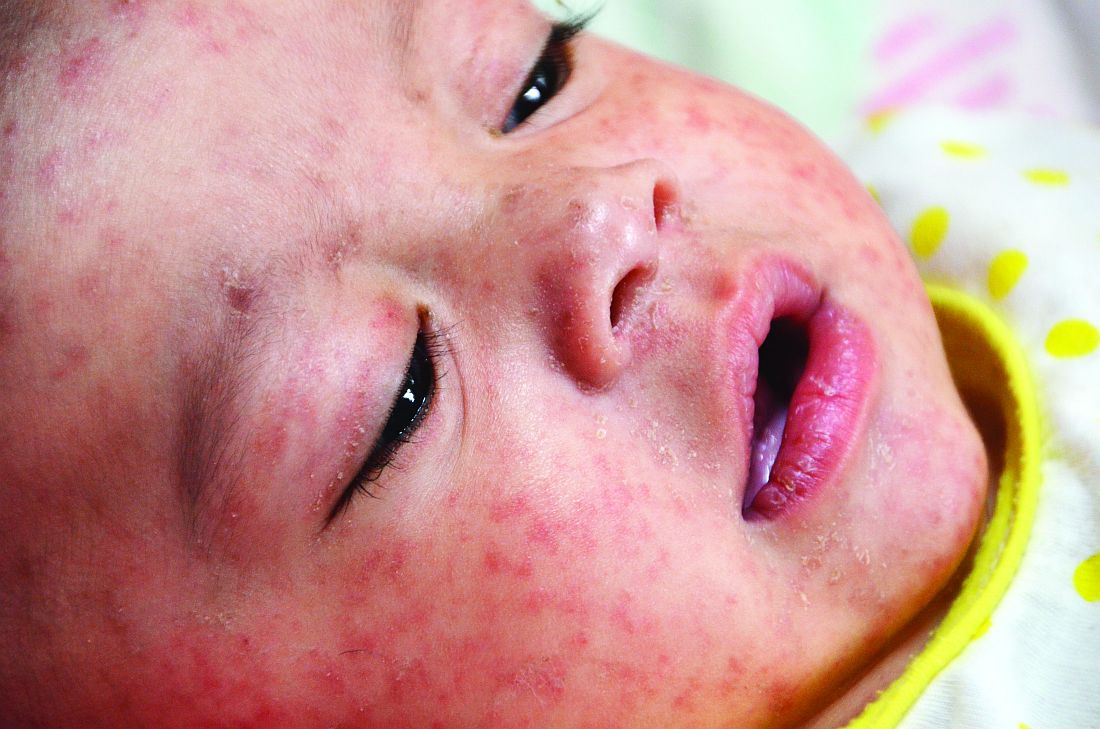
The percentage of children who were seronegative for measles after being vaccinated decreased significantly with older age at the first dose, from 8.5% in children vaccinated at 11 months to 3.2%, 2.4%, and 1.5% with vaccination at 12 months, 13-14 months, and 15-22 months, respectively (P less than .001).
Geometric mean concentrations (GMC) after the second dose were highly correlated with GMCs after the first dose.
The investigators then performed multivariable analysis, adjusting for the type of vaccine, the country, and the study. GMCs rose significantly with older age at first dose. Children vaccinated at 11 months had a 23% lower GMC and 30% increased risk of seronegativity than children vaccinated at 12 months.
In children first vaccinated at 13-14 months or 15-22 months, GMCs were 1.21 and 1.37 times greater than in children vaccinated at 12 months, respectively, and their risks for seronegativity were 49% and 71% lower, respectively.
“After two doses, the association between the age at first dose and the GMC was slightly weaker but still significant,” the researchers said.
Read more in the journal Clinical Infectious Diseases (2017 Jun 8. doi: 10.1093/cid/cix510).
of age or younger, compared with 15 months of age or older, said Sara Carazo Perez, MD, PhD, of Laval University, Quebec City, and her associates.
Studies suggest that measles elimination “requires the maintenance of population immunity above 92%-94%.” So, “the additional protection of 3%-5% of vaccinated children against secondary vaccine failures by postponing the first dose from 12 to 15 months of age would be significant, and the risk would be minimal in countries that achieved elimination” of measles, said Dr. Perez and her colleagues.
The percentage of children who were seronegative for measles after being vaccinated decreased significantly with older age at the first dose, from 8.5% in children vaccinated at 11 months to 3.2%, 2.4%, and 1.5% with vaccination at 12 months, 13-14 months, and 15-22 months, respectively (P less than .001).
Geometric mean concentrations (GMC) after the second dose were highly correlated with GMCs after the first dose.
The investigators then performed multivariable analysis, adjusting for the type of vaccine, the country, and the study. GMCs rose significantly with older age at first dose. Children vaccinated at 11 months had a 23% lower GMC and 30% increased risk of seronegativity than children vaccinated at 12 months.
In children first vaccinated at 13-14 months or 15-22 months, GMCs were 1.21 and 1.37 times greater than in children vaccinated at 12 months, respectively, and their risks for seronegativity were 49% and 71% lower, respectively.
“After two doses, the association between the age at first dose and the GMC was slightly weaker but still significant,” the researchers said.
Read more in the journal Clinical Infectious Diseases (2017 Jun 8. doi: 10.1093/cid/cix510).
of age or younger, compared with 15 months of age or older, said Sara Carazo Perez, MD, PhD, of Laval University, Quebec City, and her associates.
Studies suggest that measles elimination “requires the maintenance of population immunity above 92%-94%.” So, “the additional protection of 3%-5% of vaccinated children against secondary vaccine failures by postponing the first dose from 12 to 15 months of age would be significant, and the risk would be minimal in countries that achieved elimination” of measles, said Dr. Perez and her colleagues.
The percentage of children who were seronegative for measles after being vaccinated decreased significantly with older age at the first dose, from 8.5% in children vaccinated at 11 months to 3.2%, 2.4%, and 1.5% with vaccination at 12 months, 13-14 months, and 15-22 months, respectively (P less than .001).
Geometric mean concentrations (GMC) after the second dose were highly correlated with GMCs after the first dose.
The investigators then performed multivariable analysis, adjusting for the type of vaccine, the country, and the study. GMCs rose significantly with older age at first dose. Children vaccinated at 11 months had a 23% lower GMC and 30% increased risk of seronegativity than children vaccinated at 12 months.
In children first vaccinated at 13-14 months or 15-22 months, GMCs were 1.21 and 1.37 times greater than in children vaccinated at 12 months, respectively, and their risks for seronegativity were 49% and 71% lower, respectively.
“After two doses, the association between the age at first dose and the GMC was slightly weaker but still significant,” the researchers said.
Read more in the journal Clinical Infectious Diseases (2017 Jun 8. doi: 10.1093/cid/cix510).
FROM CLINICAL INFECTIOUS DISEASES