User login
FDA clears once-weekly transdermal patch for Alzheimer’s
Adlarity is the first and only once-weekly patch to continuously deliver consistent doses of the acetylcholinesterase inhibitor through the skin, bypassing the digestive system and resulting in low likelihood of gastrointestinal side effects associated with oral donepezil, the company said in a press release.
Each patch delivers either 5 mg or 10 mg of donepezil daily for 7 days. After that, it is removed and a new patch is applied.
“The availability of a once-weekly patch formulation of donepezil has the potential to substantially benefit patients, caregivers, and health care providers,” Pierre Tariot, MD, director of the Banner Alzheimer’s Institute, Phoenix, said in the release.
“It offers effective, well-tolerated, and stable dosing for 7 days for patients who cannot take daily oral donepezil reliably because of impaired memory. It can also offer benefits for those patients who have diminished ability to swallow or have GI side effects associated with ingestion of oral donepezil,” Dr. Tariot added.
The FDA approved Adlarity through the 505(b)(2) regulatory pathway, which allows the agency to refer to previous findings of safety and efficacy for an already-approved product, as well as to review findings from further studies of the product.
The company expects the donepezil transdermal patch to be available in early Fall 2022.
A version of this article first appeared on Medscape.com.
Adlarity is the first and only once-weekly patch to continuously deliver consistent doses of the acetylcholinesterase inhibitor through the skin, bypassing the digestive system and resulting in low likelihood of gastrointestinal side effects associated with oral donepezil, the company said in a press release.
Each patch delivers either 5 mg or 10 mg of donepezil daily for 7 days. After that, it is removed and a new patch is applied.
“The availability of a once-weekly patch formulation of donepezil has the potential to substantially benefit patients, caregivers, and health care providers,” Pierre Tariot, MD, director of the Banner Alzheimer’s Institute, Phoenix, said in the release.
“It offers effective, well-tolerated, and stable dosing for 7 days for patients who cannot take daily oral donepezil reliably because of impaired memory. It can also offer benefits for those patients who have diminished ability to swallow or have GI side effects associated with ingestion of oral donepezil,” Dr. Tariot added.
The FDA approved Adlarity through the 505(b)(2) regulatory pathway, which allows the agency to refer to previous findings of safety and efficacy for an already-approved product, as well as to review findings from further studies of the product.
The company expects the donepezil transdermal patch to be available in early Fall 2022.
A version of this article first appeared on Medscape.com.
Adlarity is the first and only once-weekly patch to continuously deliver consistent doses of the acetylcholinesterase inhibitor through the skin, bypassing the digestive system and resulting in low likelihood of gastrointestinal side effects associated with oral donepezil, the company said in a press release.
Each patch delivers either 5 mg or 10 mg of donepezil daily for 7 days. After that, it is removed and a new patch is applied.
“The availability of a once-weekly patch formulation of donepezil has the potential to substantially benefit patients, caregivers, and health care providers,” Pierre Tariot, MD, director of the Banner Alzheimer’s Institute, Phoenix, said in the release.
“It offers effective, well-tolerated, and stable dosing for 7 days for patients who cannot take daily oral donepezil reliably because of impaired memory. It can also offer benefits for those patients who have diminished ability to swallow or have GI side effects associated with ingestion of oral donepezil,” Dr. Tariot added.
The FDA approved Adlarity through the 505(b)(2) regulatory pathway, which allows the agency to refer to previous findings of safety and efficacy for an already-approved product, as well as to review findings from further studies of the product.
The company expects the donepezil transdermal patch to be available in early Fall 2022.
A version of this article first appeared on Medscape.com.
New guidance on palliative care for neurologic disorders
Palliative care includes much more than hospice services, lead author of the new position statement Lynne P. Taylor, MD, University of Washington, Seattle, and a fellow of the AAN, said in a press release.
“Neurologists provide palliative care to people living with life-altering neurologic illnesses not just at the end of life but throughout the course of a disease, improving their lives with symptom control,” Dr. Taylor added.
The position paper, developed by a joint committee of the AAN, American Neurological Association, and Child Neurology Society, was published online March 8 in Neurology.
Guidance across the lifespan
The new paper, an update of previous position statements, includes palliative care guidance for different neurologic disorders across the lifespan. For example, neuropalliative care for neonates deserves “extra consideration,” because one-third of pediatric deaths occur during the neonatal period, most often in the neonatal intensive care unit, and after withdrawal of life-sustaining interventions, the authors note.
For older children, neuropalliative care consultation benefits families trying to maximize the quality of the remainder of their child’s life. Decisionmaking must consider the child’s cognitive abilities, the diagnosis, the perceived level of suffering, parental values, and the family’s understanding of the prognosis, the authors note.
They note that discussions about prognosis are often difficult but critical. Previous research “supports that patients desire prognostic information even when prognosis is uncertain and appreciate when their physicians disclose the presence of that uncertainty,” the authors note.
Also important is engaging in shared decisionmaking with patients and families. “This approach requires the physician to elicit a patient’s goals, make recommendations based on whether medical treatments are likely to achieve those goals, and work with patients and families to finalize a treatment plan,” according to the new guidance.
Ethical considerations
When treatments are physiologically futile, clinicians need to explain why interventions that may cause harm and have no benefit are not offered.
The authors cite cardiopulmonary resuscitation in the setting of cardiac arrest from irreversible herniation as an example of futility in the context of neurologic disease.
When life-prolonging care is no longer an option, clinicians have an obligation to shift the focus of care to preserving quality of life and comfort as much as possible, they add.
Hospices, which provide comfort-focused medical care as well as psychosocial and spiritual support, are reserved for patients believed to be in the last 6 months of their life if their disease follows the expected course.
The investigators also broached ethical considerations for individual neurologic conditions. Concerns for disorders of consciousness include misdiagnosis or inaccurate prognostication, and serial examinations are needed to re-evaluate levels of cognition, psychological state, decisionmaking capacity, and disease trajectory.
In patients with locked-in syndrome, a state of irreversible paralysis, often with respiratory and vocal paralysis, consciousness may range from a chronic minimally conscious state to intact cognition.
Without careful examination, patients with preserved consciousness may be mistaken as having a disorder of consciousness and risk their decisional capacity being ignored, the researchers note.
These patients may need assistance from speech pathologists to identify techniques to enhance communication, such as careful “yes/no” questioning, communication boards, or advanced eye-gaze technology, they add.
Stroke, dementia, Parkinson’s guidance
For stroke, the guidance suggests neurologists encourage patients with retained decisionmaking capacity to complete advance care planning given the risk of recurrent stroke and loss of capacity in the future.
For dementia, a proper and timely diagnosis can help patients and their families prepare for the consequences of cognitive dysfunction and loss of autonomy while respecting their identified values, the authors write.
They note that for Parkinson’s disease, which is marked by slow functional and cognitive decline, neurologists must aim to anticipate and treat symptoms, address psychosocial and spiritual distress and caregiver burden, and engage patients and families in advance care planning before onset of cognitive impairment.
For patients with amyotrophic lateral sclerosis (ALS) and related disorders, clinicians should aim to document goals and treatment preferences prior to extreme weakness and aphonia.
It is also important to anticipate patient preferences for future disability-specific decisions, such as those related to feeding tubes and mechanical ventilation, and to identify the patient’s minimal acceptable outcome from these life-sustaining interventions.
On the topic of withdrawal of treatment, the paper notes that competent patients have the right to refuse life-prolonging therapies, including artificial nutrition, hydration, mechanical ventilation, and antibiotics. If physicians have a moral objection to removing life-support systems, they are obligated to transfer the care of the patient to another physician, the authors add.
Once a decision is made to forgo life-sustaining treatment, physicians should minimize subsequent suffering. The investigators note most symptoms at the end of life can be managed without sedation.
In broaching the “gap” in neurology training programs, the statement referred to a survey of 49 neurology residency programs. Results showed that 42% of respondents reported being dissatisfied with their palliative care education.
Well-timed update
Kate T. Brizzi, MD, a Boston neurologist with experience in hospice and palliative care, said the updated position statement is “well-timed” as neuropalliative care has evolved dramatically over the last decade.
“In the last several years, I’ve witnessed a significant increase in trainee interest in the field, and there is growing recognition of how a palliative care approach can improve patient care and hopefully outcomes,” said Dr. Brizzi.
She praised the authors for doing “an excellent job” in highlighting the ethical challenges facing the neurology provider, particularly as it relates to prognostication in an uncertain setting.
Dr. Brizzi noted communication tools that help facilitate discussions around shared decisionmaking “have enhanced our ability to meet the palliative care needs of our patients and can be incorporated by any provider.”
However, she added that the paper only briefly comments on the role of the neurologist in “lawful physician-hastened death.”
“I anticipate that this will be an area of further discussion in the neurology and palliative care community in the future, as requests for hastened death are frequently encountered from patients with serious neurologic illness,” she said.
Dr. Brizzi also noted the importance of understanding the reasons behind the request – and addressing patient worries related to end-of-life care, which can frequently help alleviate distress.
There was no targeted funding for this paper. Coauthor Salvador Cruz-Flores, MD, department of neurology, Texas Tech University Center, El Paso, reported participation on member adjudication committees for clinical trials for Novo Nordisk, Sunovion, and Galapagos. The remaining authors have disclosed no relevant financial relationships.
A version of this article first appeared on Medscape.com.
Palliative care includes much more than hospice services, lead author of the new position statement Lynne P. Taylor, MD, University of Washington, Seattle, and a fellow of the AAN, said in a press release.
“Neurologists provide palliative care to people living with life-altering neurologic illnesses not just at the end of life but throughout the course of a disease, improving their lives with symptom control,” Dr. Taylor added.
The position paper, developed by a joint committee of the AAN, American Neurological Association, and Child Neurology Society, was published online March 8 in Neurology.
Guidance across the lifespan
The new paper, an update of previous position statements, includes palliative care guidance for different neurologic disorders across the lifespan. For example, neuropalliative care for neonates deserves “extra consideration,” because one-third of pediatric deaths occur during the neonatal period, most often in the neonatal intensive care unit, and after withdrawal of life-sustaining interventions, the authors note.
For older children, neuropalliative care consultation benefits families trying to maximize the quality of the remainder of their child’s life. Decisionmaking must consider the child’s cognitive abilities, the diagnosis, the perceived level of suffering, parental values, and the family’s understanding of the prognosis, the authors note.
They note that discussions about prognosis are often difficult but critical. Previous research “supports that patients desire prognostic information even when prognosis is uncertain and appreciate when their physicians disclose the presence of that uncertainty,” the authors note.
Also important is engaging in shared decisionmaking with patients and families. “This approach requires the physician to elicit a patient’s goals, make recommendations based on whether medical treatments are likely to achieve those goals, and work with patients and families to finalize a treatment plan,” according to the new guidance.
Ethical considerations
When treatments are physiologically futile, clinicians need to explain why interventions that may cause harm and have no benefit are not offered.
The authors cite cardiopulmonary resuscitation in the setting of cardiac arrest from irreversible herniation as an example of futility in the context of neurologic disease.
When life-prolonging care is no longer an option, clinicians have an obligation to shift the focus of care to preserving quality of life and comfort as much as possible, they add.
Hospices, which provide comfort-focused medical care as well as psychosocial and spiritual support, are reserved for patients believed to be in the last 6 months of their life if their disease follows the expected course.
The investigators also broached ethical considerations for individual neurologic conditions. Concerns for disorders of consciousness include misdiagnosis or inaccurate prognostication, and serial examinations are needed to re-evaluate levels of cognition, psychological state, decisionmaking capacity, and disease trajectory.
In patients with locked-in syndrome, a state of irreversible paralysis, often with respiratory and vocal paralysis, consciousness may range from a chronic minimally conscious state to intact cognition.
Without careful examination, patients with preserved consciousness may be mistaken as having a disorder of consciousness and risk their decisional capacity being ignored, the researchers note.
These patients may need assistance from speech pathologists to identify techniques to enhance communication, such as careful “yes/no” questioning, communication boards, or advanced eye-gaze technology, they add.
Stroke, dementia, Parkinson’s guidance
For stroke, the guidance suggests neurologists encourage patients with retained decisionmaking capacity to complete advance care planning given the risk of recurrent stroke and loss of capacity in the future.
For dementia, a proper and timely diagnosis can help patients and their families prepare for the consequences of cognitive dysfunction and loss of autonomy while respecting their identified values, the authors write.
They note that for Parkinson’s disease, which is marked by slow functional and cognitive decline, neurologists must aim to anticipate and treat symptoms, address psychosocial and spiritual distress and caregiver burden, and engage patients and families in advance care planning before onset of cognitive impairment.
For patients with amyotrophic lateral sclerosis (ALS) and related disorders, clinicians should aim to document goals and treatment preferences prior to extreme weakness and aphonia.
It is also important to anticipate patient preferences for future disability-specific decisions, such as those related to feeding tubes and mechanical ventilation, and to identify the patient’s minimal acceptable outcome from these life-sustaining interventions.
On the topic of withdrawal of treatment, the paper notes that competent patients have the right to refuse life-prolonging therapies, including artificial nutrition, hydration, mechanical ventilation, and antibiotics. If physicians have a moral objection to removing life-support systems, they are obligated to transfer the care of the patient to another physician, the authors add.
Once a decision is made to forgo life-sustaining treatment, physicians should minimize subsequent suffering. The investigators note most symptoms at the end of life can be managed without sedation.
In broaching the “gap” in neurology training programs, the statement referred to a survey of 49 neurology residency programs. Results showed that 42% of respondents reported being dissatisfied with their palliative care education.
Well-timed update
Kate T. Brizzi, MD, a Boston neurologist with experience in hospice and palliative care, said the updated position statement is “well-timed” as neuropalliative care has evolved dramatically over the last decade.
“In the last several years, I’ve witnessed a significant increase in trainee interest in the field, and there is growing recognition of how a palliative care approach can improve patient care and hopefully outcomes,” said Dr. Brizzi.
She praised the authors for doing “an excellent job” in highlighting the ethical challenges facing the neurology provider, particularly as it relates to prognostication in an uncertain setting.
Dr. Brizzi noted communication tools that help facilitate discussions around shared decisionmaking “have enhanced our ability to meet the palliative care needs of our patients and can be incorporated by any provider.”
However, she added that the paper only briefly comments on the role of the neurologist in “lawful physician-hastened death.”
“I anticipate that this will be an area of further discussion in the neurology and palliative care community in the future, as requests for hastened death are frequently encountered from patients with serious neurologic illness,” she said.
Dr. Brizzi also noted the importance of understanding the reasons behind the request – and addressing patient worries related to end-of-life care, which can frequently help alleviate distress.
There was no targeted funding for this paper. Coauthor Salvador Cruz-Flores, MD, department of neurology, Texas Tech University Center, El Paso, reported participation on member adjudication committees for clinical trials for Novo Nordisk, Sunovion, and Galapagos. The remaining authors have disclosed no relevant financial relationships.
A version of this article first appeared on Medscape.com.
Palliative care includes much more than hospice services, lead author of the new position statement Lynne P. Taylor, MD, University of Washington, Seattle, and a fellow of the AAN, said in a press release.
“Neurologists provide palliative care to people living with life-altering neurologic illnesses not just at the end of life but throughout the course of a disease, improving their lives with symptom control,” Dr. Taylor added.
The position paper, developed by a joint committee of the AAN, American Neurological Association, and Child Neurology Society, was published online March 8 in Neurology.
Guidance across the lifespan
The new paper, an update of previous position statements, includes palliative care guidance for different neurologic disorders across the lifespan. For example, neuropalliative care for neonates deserves “extra consideration,” because one-third of pediatric deaths occur during the neonatal period, most often in the neonatal intensive care unit, and after withdrawal of life-sustaining interventions, the authors note.
For older children, neuropalliative care consultation benefits families trying to maximize the quality of the remainder of their child’s life. Decisionmaking must consider the child’s cognitive abilities, the diagnosis, the perceived level of suffering, parental values, and the family’s understanding of the prognosis, the authors note.
They note that discussions about prognosis are often difficult but critical. Previous research “supports that patients desire prognostic information even when prognosis is uncertain and appreciate when their physicians disclose the presence of that uncertainty,” the authors note.
Also important is engaging in shared decisionmaking with patients and families. “This approach requires the physician to elicit a patient’s goals, make recommendations based on whether medical treatments are likely to achieve those goals, and work with patients and families to finalize a treatment plan,” according to the new guidance.
Ethical considerations
When treatments are physiologically futile, clinicians need to explain why interventions that may cause harm and have no benefit are not offered.
The authors cite cardiopulmonary resuscitation in the setting of cardiac arrest from irreversible herniation as an example of futility in the context of neurologic disease.
When life-prolonging care is no longer an option, clinicians have an obligation to shift the focus of care to preserving quality of life and comfort as much as possible, they add.
Hospices, which provide comfort-focused medical care as well as psychosocial and spiritual support, are reserved for patients believed to be in the last 6 months of their life if their disease follows the expected course.
The investigators also broached ethical considerations for individual neurologic conditions. Concerns for disorders of consciousness include misdiagnosis or inaccurate prognostication, and serial examinations are needed to re-evaluate levels of cognition, psychological state, decisionmaking capacity, and disease trajectory.
In patients with locked-in syndrome, a state of irreversible paralysis, often with respiratory and vocal paralysis, consciousness may range from a chronic minimally conscious state to intact cognition.
Without careful examination, patients with preserved consciousness may be mistaken as having a disorder of consciousness and risk their decisional capacity being ignored, the researchers note.
These patients may need assistance from speech pathologists to identify techniques to enhance communication, such as careful “yes/no” questioning, communication boards, or advanced eye-gaze technology, they add.
Stroke, dementia, Parkinson’s guidance
For stroke, the guidance suggests neurologists encourage patients with retained decisionmaking capacity to complete advance care planning given the risk of recurrent stroke and loss of capacity in the future.
For dementia, a proper and timely diagnosis can help patients and their families prepare for the consequences of cognitive dysfunction and loss of autonomy while respecting their identified values, the authors write.
They note that for Parkinson’s disease, which is marked by slow functional and cognitive decline, neurologists must aim to anticipate and treat symptoms, address psychosocial and spiritual distress and caregiver burden, and engage patients and families in advance care planning before onset of cognitive impairment.
For patients with amyotrophic lateral sclerosis (ALS) and related disorders, clinicians should aim to document goals and treatment preferences prior to extreme weakness and aphonia.
It is also important to anticipate patient preferences for future disability-specific decisions, such as those related to feeding tubes and mechanical ventilation, and to identify the patient’s minimal acceptable outcome from these life-sustaining interventions.
On the topic of withdrawal of treatment, the paper notes that competent patients have the right to refuse life-prolonging therapies, including artificial nutrition, hydration, mechanical ventilation, and antibiotics. If physicians have a moral objection to removing life-support systems, they are obligated to transfer the care of the patient to another physician, the authors add.
Once a decision is made to forgo life-sustaining treatment, physicians should minimize subsequent suffering. The investigators note most symptoms at the end of life can be managed without sedation.
In broaching the “gap” in neurology training programs, the statement referred to a survey of 49 neurology residency programs. Results showed that 42% of respondents reported being dissatisfied with their palliative care education.
Well-timed update
Kate T. Brizzi, MD, a Boston neurologist with experience in hospice and palliative care, said the updated position statement is “well-timed” as neuropalliative care has evolved dramatically over the last decade.
“In the last several years, I’ve witnessed a significant increase in trainee interest in the field, and there is growing recognition of how a palliative care approach can improve patient care and hopefully outcomes,” said Dr. Brizzi.
She praised the authors for doing “an excellent job” in highlighting the ethical challenges facing the neurology provider, particularly as it relates to prognostication in an uncertain setting.
Dr. Brizzi noted communication tools that help facilitate discussions around shared decisionmaking “have enhanced our ability to meet the palliative care needs of our patients and can be incorporated by any provider.”
However, she added that the paper only briefly comments on the role of the neurologist in “lawful physician-hastened death.”
“I anticipate that this will be an area of further discussion in the neurology and palliative care community in the future, as requests for hastened death are frequently encountered from patients with serious neurologic illness,” she said.
Dr. Brizzi also noted the importance of understanding the reasons behind the request – and addressing patient worries related to end-of-life care, which can frequently help alleviate distress.
There was no targeted funding for this paper. Coauthor Salvador Cruz-Flores, MD, department of neurology, Texas Tech University Center, El Paso, reported participation on member adjudication committees for clinical trials for Novo Nordisk, Sunovion, and Galapagos. The remaining authors have disclosed no relevant financial relationships.
A version of this article first appeared on Medscape.com.
From Neurology
Surveillance program highly predictive for early autism
A population-based developmental surveillance program showed high diagnostic accuracy in identifying autism in a community-based sample of infants, toddlers, and preschoolers, according to new data published online in JAMA Network Open.
Researchers, led by Josephine Barbaro, PhD, of Olga Tennison Autism Research Centre at La Trobe University, Bundoora, Australia, said their findings indicate the benefit of using early autism developmental surveillance from infancy to the preschool period rather than one-time screening.
For the study, maternal and child health nurses in Melbourne were trained to use the Social Attention and Communication Surveillance–Revised (SACS-R) and SACS-Preschool (SACS-PR) tools during well-child checkups at 11-30 months of age and at follow-up (42 months of age). Dr. Barbaro helped develop the SACS tools.
Children identified as being at high likelihood for autism (1-2 years of age: n = 327; 42 months of age: n = 168) and at low likelihood for autism plus concerns (42 months of age: n = 28) were referred by their nurse for diagnostic assessment by the researchers.
Diagnostic accuracy of the SACS-R and SACS-PR was determined by comparing likelihood for autism with children’s diagnostic outcome using clinical judgment based on standard autism assessments.
Researchers included 13,511 children ages 11 months to 42 months. Results indicated the SACS-R with SACS-PR (SACS-R+PR) had very high diagnostic accuracy for early autism detection.
According to the paper, SACS-R showed 83% positive predictive value (95% confidence interval, 0.77-0.87) and 99% estimated negative predictive value (95% CI, 0.01-0.02). Specificity (99.6%; 95% CI, 0.99-1.00) was high, with modest sensitivity (62%; 95% CI, 0.57-0.66). When the SACS-PR 42-month assessment was added, estimated sensitivity grew to 96% (95% CI, 0.94-0.98).
“Its greater accuracy, compared with psychometrics of commonly used autism screening tools when used in community-based samples, suggests that the SACS-R+PR can be used universally for the early identification of autism,” the authors wrote.
According to La Trobe University, the tool is used in 10 other countries around the world – among them China, Singapore, Poland, Japan, New Zealand, Nepal, and Bangladesh.
Early identification is crucial for children on the autism spectrum and their families because it facilitates early diagnosis and can help families get access to supports and services.
About 2% of the world’s population is on the autism spectrum. Some studies report prevalence of 4% or higher, the authors noted.
The authors called attention to a systematic review of universal autism screening in primary care, including the Infant-Toddler Checklist and the Modified Checklist for Autism in Toddlers and various versions. The authors of the review noted that few studies had enough participants to establish population sensitivity, specificity, and positive predictive value. Also, psychometric properties reported were modest and/or wide ranging, putting into question the diagnostic accuracy of the tools.
Dr. Barbaro and colleagues highlighted an advantage the current study offers. “A critical difference in this study was the use of a community-based sample rather than a clinical or high-likelihood sibling sample, which may not be representative of the general population of children on the autism spectrum because child outcomes, cognition, and autism prevalence vary by ascertainment strategy and multiplex or simplex status.”
The authors explained that, in the United States, The U.S. Preventive Services Task Force has said there is not enough evidence to recommend universal autism screening and instead recommends routine general developmental surveillance. The American Academy of Pediatrics recommends developmental surveillance between 9 and 30 months and autism-specific screening at 18 and 24 months because of the benefits of early supports and services.
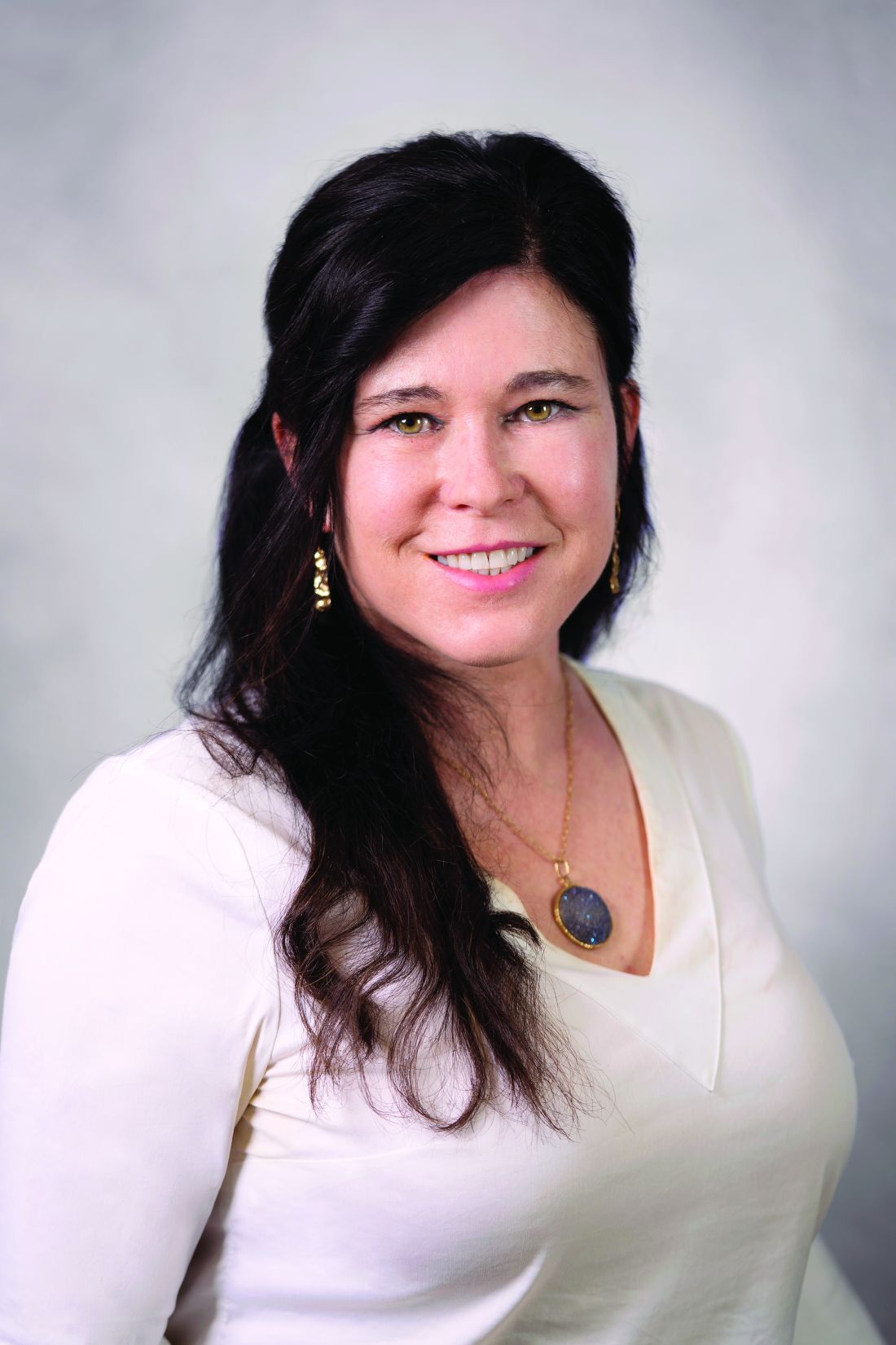
Karen Pierce, PhD, codirector of the Autism Center of Excellence at University of California, San Diego, said in an interview that she was pleased to see that the researchers were able to identify a high percentage of children on the autism spectrum.
She said, however, that the system proposed in this paper involves a substantial amount of time for training the nurses.
The authors acknowledged that, saying, “there may be instances in which this could be impractical.”
Dr. Pierce said that, in the United States, parent questionnaires are combined with clinical judgment to decide which kids are at risk.
“It doesn’t take very much time to fill out these questionnaires,” she said. “That’s the sticking point. I’m not saying necessarily that it shouldn’t be adopted. It would be very hard, I think, to incorporate into current pediatric practice.”
She said a benefit of the SACS program is more hands-on observation of the child, beyond the parent report, which sometimes can reflect more emotionally how the parent is feeling about the child.
She pointed out it was impressive that the Australian team found virtually no false positives.
The researchers also identified an additional 168 children using the preschool version at 42 months who had actually passed at the earlier checkpoint, using the regular SACS-R.
“This underscores a supercritical point,” Dr. Pierce said. “Just because your child may have gotten screened at 12, 18, 24 months and they pass and everything’s looking great, it doesn’t necessarily mean at some point early in development around age 3 that there [wouldn’t] be some clearer signs of autism.”
She said in her own study, published in JAMA Pediatrics, 24% of their sample tested fine at first but were later identified as having autism.
“It underscores the need for repeat screening,” Dr. Pierce said. “That was a striking finding in this study.”
She also pointed out that the authors talk about the “false dichotomy” between screening and surveillance. “They are saying it doesn’t have to be that way. It can be a combined effort. We can have parents filling out screening tools and we can have more observational sessions with kids during checkups. It doesn’t have to be this rigid line between screening and surveillance. I would completely agree with that.”
Dr. Barbaro reported receiving grants from the Sir Robert Menzies Foundation and the Cooperative Research Centre for Living with Autism (Autism CRC) during the study. Funds are partially distributed to Dr. Barbaro for the background intellectual property. One coauthor reported grants from the Menzies Foundation and Autism CRC during the study. Another coauthor reported receiving salary from Autism CRC during the study. No other disclosures were reported. This work was supported by an Allied Health Sciences start-up grant from the Menzies Foundation and the Cooperative Research Centre for Living with Autism, established and supported under the Australian Government’s Cooperative Research Centres Program. Dr. Pierce reports no relevant financial relationships.
A population-based developmental surveillance program showed high diagnostic accuracy in identifying autism in a community-based sample of infants, toddlers, and preschoolers, according to new data published online in JAMA Network Open.
Researchers, led by Josephine Barbaro, PhD, of Olga Tennison Autism Research Centre at La Trobe University, Bundoora, Australia, said their findings indicate the benefit of using early autism developmental surveillance from infancy to the preschool period rather than one-time screening.
For the study, maternal and child health nurses in Melbourne were trained to use the Social Attention and Communication Surveillance–Revised (SACS-R) and SACS-Preschool (SACS-PR) tools during well-child checkups at 11-30 months of age and at follow-up (42 months of age). Dr. Barbaro helped develop the SACS tools.
Children identified as being at high likelihood for autism (1-2 years of age: n = 327; 42 months of age: n = 168) and at low likelihood for autism plus concerns (42 months of age: n = 28) were referred by their nurse for diagnostic assessment by the researchers.
Diagnostic accuracy of the SACS-R and SACS-PR was determined by comparing likelihood for autism with children’s diagnostic outcome using clinical judgment based on standard autism assessments.
Researchers included 13,511 children ages 11 months to 42 months. Results indicated the SACS-R with SACS-PR (SACS-R+PR) had very high diagnostic accuracy for early autism detection.
According to the paper, SACS-R showed 83% positive predictive value (95% confidence interval, 0.77-0.87) and 99% estimated negative predictive value (95% CI, 0.01-0.02). Specificity (99.6%; 95% CI, 0.99-1.00) was high, with modest sensitivity (62%; 95% CI, 0.57-0.66). When the SACS-PR 42-month assessment was added, estimated sensitivity grew to 96% (95% CI, 0.94-0.98).
“Its greater accuracy, compared with psychometrics of commonly used autism screening tools when used in community-based samples, suggests that the SACS-R+PR can be used universally for the early identification of autism,” the authors wrote.
According to La Trobe University, the tool is used in 10 other countries around the world – among them China, Singapore, Poland, Japan, New Zealand, Nepal, and Bangladesh.
Early identification is crucial for children on the autism spectrum and their families because it facilitates early diagnosis and can help families get access to supports and services.
About 2% of the world’s population is on the autism spectrum. Some studies report prevalence of 4% or higher, the authors noted.
The authors called attention to a systematic review of universal autism screening in primary care, including the Infant-Toddler Checklist and the Modified Checklist for Autism in Toddlers and various versions. The authors of the review noted that few studies had enough participants to establish population sensitivity, specificity, and positive predictive value. Also, psychometric properties reported were modest and/or wide ranging, putting into question the diagnostic accuracy of the tools.
Dr. Barbaro and colleagues highlighted an advantage the current study offers. “A critical difference in this study was the use of a community-based sample rather than a clinical or high-likelihood sibling sample, which may not be representative of the general population of children on the autism spectrum because child outcomes, cognition, and autism prevalence vary by ascertainment strategy and multiplex or simplex status.”
The authors explained that, in the United States, The U.S. Preventive Services Task Force has said there is not enough evidence to recommend universal autism screening and instead recommends routine general developmental surveillance. The American Academy of Pediatrics recommends developmental surveillance between 9 and 30 months and autism-specific screening at 18 and 24 months because of the benefits of early supports and services.
Karen Pierce, PhD, codirector of the Autism Center of Excellence at University of California, San Diego, said in an interview that she was pleased to see that the researchers were able to identify a high percentage of children on the autism spectrum.
She said, however, that the system proposed in this paper involves a substantial amount of time for training the nurses.
The authors acknowledged that, saying, “there may be instances in which this could be impractical.”
Dr. Pierce said that, in the United States, parent questionnaires are combined with clinical judgment to decide which kids are at risk.
“It doesn’t take very much time to fill out these questionnaires,” she said. “That’s the sticking point. I’m not saying necessarily that it shouldn’t be adopted. It would be very hard, I think, to incorporate into current pediatric practice.”
She said a benefit of the SACS program is more hands-on observation of the child, beyond the parent report, which sometimes can reflect more emotionally how the parent is feeling about the child.
She pointed out it was impressive that the Australian team found virtually no false positives.
The researchers also identified an additional 168 children using the preschool version at 42 months who had actually passed at the earlier checkpoint, using the regular SACS-R.
“This underscores a supercritical point,” Dr. Pierce said. “Just because your child may have gotten screened at 12, 18, 24 months and they pass and everything’s looking great, it doesn’t necessarily mean at some point early in development around age 3 that there [wouldn’t] be some clearer signs of autism.”
She said in her own study, published in JAMA Pediatrics, 24% of their sample tested fine at first but were later identified as having autism.
“It underscores the need for repeat screening,” Dr. Pierce said. “That was a striking finding in this study.”
She also pointed out that the authors talk about the “false dichotomy” between screening and surveillance. “They are saying it doesn’t have to be that way. It can be a combined effort. We can have parents filling out screening tools and we can have more observational sessions with kids during checkups. It doesn’t have to be this rigid line between screening and surveillance. I would completely agree with that.”
Dr. Barbaro reported receiving grants from the Sir Robert Menzies Foundation and the Cooperative Research Centre for Living with Autism (Autism CRC) during the study. Funds are partially distributed to Dr. Barbaro for the background intellectual property. One coauthor reported grants from the Menzies Foundation and Autism CRC during the study. Another coauthor reported receiving salary from Autism CRC during the study. No other disclosures were reported. This work was supported by an Allied Health Sciences start-up grant from the Menzies Foundation and the Cooperative Research Centre for Living with Autism, established and supported under the Australian Government’s Cooperative Research Centres Program. Dr. Pierce reports no relevant financial relationships.
A population-based developmental surveillance program showed high diagnostic accuracy in identifying autism in a community-based sample of infants, toddlers, and preschoolers, according to new data published online in JAMA Network Open.
Researchers, led by Josephine Barbaro, PhD, of Olga Tennison Autism Research Centre at La Trobe University, Bundoora, Australia, said their findings indicate the benefit of using early autism developmental surveillance from infancy to the preschool period rather than one-time screening.
For the study, maternal and child health nurses in Melbourne were trained to use the Social Attention and Communication Surveillance–Revised (SACS-R) and SACS-Preschool (SACS-PR) tools during well-child checkups at 11-30 months of age and at follow-up (42 months of age). Dr. Barbaro helped develop the SACS tools.
Children identified as being at high likelihood for autism (1-2 years of age: n = 327; 42 months of age: n = 168) and at low likelihood for autism plus concerns (42 months of age: n = 28) were referred by their nurse for diagnostic assessment by the researchers.
Diagnostic accuracy of the SACS-R and SACS-PR was determined by comparing likelihood for autism with children’s diagnostic outcome using clinical judgment based on standard autism assessments.
Researchers included 13,511 children ages 11 months to 42 months. Results indicated the SACS-R with SACS-PR (SACS-R+PR) had very high diagnostic accuracy for early autism detection.
According to the paper, SACS-R showed 83% positive predictive value (95% confidence interval, 0.77-0.87) and 99% estimated negative predictive value (95% CI, 0.01-0.02). Specificity (99.6%; 95% CI, 0.99-1.00) was high, with modest sensitivity (62%; 95% CI, 0.57-0.66). When the SACS-PR 42-month assessment was added, estimated sensitivity grew to 96% (95% CI, 0.94-0.98).
“Its greater accuracy, compared with psychometrics of commonly used autism screening tools when used in community-based samples, suggests that the SACS-R+PR can be used universally for the early identification of autism,” the authors wrote.
According to La Trobe University, the tool is used in 10 other countries around the world – among them China, Singapore, Poland, Japan, New Zealand, Nepal, and Bangladesh.
Early identification is crucial for children on the autism spectrum and their families because it facilitates early diagnosis and can help families get access to supports and services.
About 2% of the world’s population is on the autism spectrum. Some studies report prevalence of 4% or higher, the authors noted.
The authors called attention to a systematic review of universal autism screening in primary care, including the Infant-Toddler Checklist and the Modified Checklist for Autism in Toddlers and various versions. The authors of the review noted that few studies had enough participants to establish population sensitivity, specificity, and positive predictive value. Also, psychometric properties reported were modest and/or wide ranging, putting into question the diagnostic accuracy of the tools.
Dr. Barbaro and colleagues highlighted an advantage the current study offers. “A critical difference in this study was the use of a community-based sample rather than a clinical or high-likelihood sibling sample, which may not be representative of the general population of children on the autism spectrum because child outcomes, cognition, and autism prevalence vary by ascertainment strategy and multiplex or simplex status.”
The authors explained that, in the United States, The U.S. Preventive Services Task Force has said there is not enough evidence to recommend universal autism screening and instead recommends routine general developmental surveillance. The American Academy of Pediatrics recommends developmental surveillance between 9 and 30 months and autism-specific screening at 18 and 24 months because of the benefits of early supports and services.
Karen Pierce, PhD, codirector of the Autism Center of Excellence at University of California, San Diego, said in an interview that she was pleased to see that the researchers were able to identify a high percentage of children on the autism spectrum.
She said, however, that the system proposed in this paper involves a substantial amount of time for training the nurses.
The authors acknowledged that, saying, “there may be instances in which this could be impractical.”
Dr. Pierce said that, in the United States, parent questionnaires are combined with clinical judgment to decide which kids are at risk.
“It doesn’t take very much time to fill out these questionnaires,” she said. “That’s the sticking point. I’m not saying necessarily that it shouldn’t be adopted. It would be very hard, I think, to incorporate into current pediatric practice.”
She said a benefit of the SACS program is more hands-on observation of the child, beyond the parent report, which sometimes can reflect more emotionally how the parent is feeling about the child.
She pointed out it was impressive that the Australian team found virtually no false positives.
The researchers also identified an additional 168 children using the preschool version at 42 months who had actually passed at the earlier checkpoint, using the regular SACS-R.
“This underscores a supercritical point,” Dr. Pierce said. “Just because your child may have gotten screened at 12, 18, 24 months and they pass and everything’s looking great, it doesn’t necessarily mean at some point early in development around age 3 that there [wouldn’t] be some clearer signs of autism.”
She said in her own study, published in JAMA Pediatrics, 24% of their sample tested fine at first but were later identified as having autism.
“It underscores the need for repeat screening,” Dr. Pierce said. “That was a striking finding in this study.”
She also pointed out that the authors talk about the “false dichotomy” between screening and surveillance. “They are saying it doesn’t have to be that way. It can be a combined effort. We can have parents filling out screening tools and we can have more observational sessions with kids during checkups. It doesn’t have to be this rigid line between screening and surveillance. I would completely agree with that.”
Dr. Barbaro reported receiving grants from the Sir Robert Menzies Foundation and the Cooperative Research Centre for Living with Autism (Autism CRC) during the study. Funds are partially distributed to Dr. Barbaro for the background intellectual property. One coauthor reported grants from the Menzies Foundation and Autism CRC during the study. Another coauthor reported receiving salary from Autism CRC during the study. No other disclosures were reported. This work was supported by an Allied Health Sciences start-up grant from the Menzies Foundation and the Cooperative Research Centre for Living with Autism, established and supported under the Australian Government’s Cooperative Research Centres Program. Dr. Pierce reports no relevant financial relationships.
FROM JAMA NETWORK OPEN
Targeting the endocannabinoid system in migraine
, according to Italian researchers at the University of Pavia, and the C. Mondino National Institute of Neurology Foundation. “The complexity of the endocannabinoid system calls for accurate biochemical and pharmacological characterization of any new compounds undergoing testing and development,” noted Rosaria Greco, PhD. She and her colleagues authored a review on the topic that was published online Feb. 18, 2022, in Headache.
Although cannabis has been investigated for both the treatment and prevention of migraine, evidence for its benefit is weak because of lack of controlled studies, they explained. Archival data from a large database “showed greater improvements in men than in women and suggested that concentrated preparations were more effective than flower consumption.” In addition, a small single-center study linked nabilone, a synthetic cannabinoid, to reductions in pain duration, intensity, and daily intake of analgesics among patients with medication overuse headache. Finally, a pilot study reported a reduction in pain intensity among patients with chronic migraine treated with a combination of tested a combination of delta-9-tetrahydrocannabinol and cannabidiol. “Methodologically sound studies are now needed to investigate the possible effects of cannabis in migraine treatment and to define strains, formulations, and dosage,” they noted.
Not just cannabis
In addition to exogenous cannabis, there are now preclinical studies suggesting other compounds that interact with the endocannabinoid system “are also able to modulate the pathways involved in migraine-related pain,” the study authors wrote. “But the road ahead is still long. Multiple molecules linked to the endocannabinoid system have emerged as potential therapeutic targets.
The complexity of the system demands caution and precise biochemical and pharmacological characterization of the new compounds to be tested and developed.”
Among these compounds are endogenous ligands such as N-arachidonoylethanolamine (anandamide) and 2-arachidonoylglycerol that specifically target CB1 and CB2 receptors. Additionally, there are endocannabinoid-based drugs that also target the CB1/CB2 receptors, as well as other substances, such as lipids (palmitoylethanolamide [PEA]) and enzymes, that do not bind to the CB1/CB2 receptors but are responsible for endocannabinoid biosynthesis.
There is some evidence that the endocannabinoid system may be dysfunctional in patients with migraine, and the authors noted their work has shown that PEA plasma levels are increased during experimentally triggered migraine-like attacks. Thus, some preclinical and preliminary evidence suggests that administration of PEA or anandamide may have analgesic and anti-inflammatory effects in migraine.
Another approach is the inhibition of endocannabinoid catabolic enzymes, which could circumvent the adverse effects associated with direct activation of CB receptors. “Endocannabinoid tone enhancement has been proposed as an alternative modality of activation of CB receptors and is possibly devoid of the psychotropic effects reported with CB receptor agonists,” noted the authors, who have shown in animal and preclinical studies that inhibition of fatty acid amide hydrolase (FAAH) and monoacylglycerol lipase can modulate migraine pain.
Yet another way of indirectly impacting CB receptors is through their allosteric ligands, an approach that “deserves further investigation”, and “might provide interesting leads for clinical development, given that it may have a favorable side-effect profile with limited psychomimetic and depressant effects,” wrote the authors. And finally, inhibition of N-acylethanolamine acid amide hydrolase, the enzyme that preferentially hydrolyzes PEA, might be a promising approach.
“The multiplicity of options and the wealth of data already obtained in animal models underscore the importance of further advancing research in this area,” the authors concluded.
Patients are taking cannabinoids; physicians should learn about them
Commenting on the paper, Alan Rapaport, MD, clinical professor of neurology at the University of California, Los Angeles, said “this well-done paper points out the complexity of the endocannabinoid system and the multiple ways of getting it to work for certain patients. It details some of the studies that show beneficial results in migraine, medication overuse headache, chronic migraine, and pain. Patients with headache, other types of pain, anxiety, nausea, sleep issues, and other symptoms are already taking cannabinoids, usually derived from the marijuana plant, that are not well regulated. A few are prescribed drugs which target CB1 and CB2 receptors. Patients often get relief of some of their symptoms, sometimes getting high and many times not.
“The paper makes the point that previous studies are often small, not carefully controlled, or well documented. We do need to start doing larger, properly designed studies and getting them into the literature. Doctors need to learn more about these treatments. The next step will be to get [Food and Drug Administration]–approved treatments, so physicians and nurses will know exactly what we are giving, the beneficial effects to expect in a certain percentage of patients, and the adverse events to warn our patients about. Cannabinoids have been tried by a large percentage of patients with headache and pain. Now we need to standardize the various treatments that are sure to be suggested in the future.”
The study was funded by the Migraine Research Foundation, and the Italian Ministry of Health. The study authors declared no conflicts of interest.
, according to Italian researchers at the University of Pavia, and the C. Mondino National Institute of Neurology Foundation. “The complexity of the endocannabinoid system calls for accurate biochemical and pharmacological characterization of any new compounds undergoing testing and development,” noted Rosaria Greco, PhD. She and her colleagues authored a review on the topic that was published online Feb. 18, 2022, in Headache.
Although cannabis has been investigated for both the treatment and prevention of migraine, evidence for its benefit is weak because of lack of controlled studies, they explained. Archival data from a large database “showed greater improvements in men than in women and suggested that concentrated preparations were more effective than flower consumption.” In addition, a small single-center study linked nabilone, a synthetic cannabinoid, to reductions in pain duration, intensity, and daily intake of analgesics among patients with medication overuse headache. Finally, a pilot study reported a reduction in pain intensity among patients with chronic migraine treated with a combination of tested a combination of delta-9-tetrahydrocannabinol and cannabidiol. “Methodologically sound studies are now needed to investigate the possible effects of cannabis in migraine treatment and to define strains, formulations, and dosage,” they noted.
Not just cannabis
In addition to exogenous cannabis, there are now preclinical studies suggesting other compounds that interact with the endocannabinoid system “are also able to modulate the pathways involved in migraine-related pain,” the study authors wrote. “But the road ahead is still long. Multiple molecules linked to the endocannabinoid system have emerged as potential therapeutic targets.
The complexity of the system demands caution and precise biochemical and pharmacological characterization of the new compounds to be tested and developed.”
Among these compounds are endogenous ligands such as N-arachidonoylethanolamine (anandamide) and 2-arachidonoylglycerol that specifically target CB1 and CB2 receptors. Additionally, there are endocannabinoid-based drugs that also target the CB1/CB2 receptors, as well as other substances, such as lipids (palmitoylethanolamide [PEA]) and enzymes, that do not bind to the CB1/CB2 receptors but are responsible for endocannabinoid biosynthesis.
There is some evidence that the endocannabinoid system may be dysfunctional in patients with migraine, and the authors noted their work has shown that PEA plasma levels are increased during experimentally triggered migraine-like attacks. Thus, some preclinical and preliminary evidence suggests that administration of PEA or anandamide may have analgesic and anti-inflammatory effects in migraine.
Another approach is the inhibition of endocannabinoid catabolic enzymes, which could circumvent the adverse effects associated with direct activation of CB receptors. “Endocannabinoid tone enhancement has been proposed as an alternative modality of activation of CB receptors and is possibly devoid of the psychotropic effects reported with CB receptor agonists,” noted the authors, who have shown in animal and preclinical studies that inhibition of fatty acid amide hydrolase (FAAH) and monoacylglycerol lipase can modulate migraine pain.
Yet another way of indirectly impacting CB receptors is through their allosteric ligands, an approach that “deserves further investigation”, and “might provide interesting leads for clinical development, given that it may have a favorable side-effect profile with limited psychomimetic and depressant effects,” wrote the authors. And finally, inhibition of N-acylethanolamine acid amide hydrolase, the enzyme that preferentially hydrolyzes PEA, might be a promising approach.
“The multiplicity of options and the wealth of data already obtained in animal models underscore the importance of further advancing research in this area,” the authors concluded.
Patients are taking cannabinoids; physicians should learn about them
Commenting on the paper, Alan Rapaport, MD, clinical professor of neurology at the University of California, Los Angeles, said “this well-done paper points out the complexity of the endocannabinoid system and the multiple ways of getting it to work for certain patients. It details some of the studies that show beneficial results in migraine, medication overuse headache, chronic migraine, and pain. Patients with headache, other types of pain, anxiety, nausea, sleep issues, and other symptoms are already taking cannabinoids, usually derived from the marijuana plant, that are not well regulated. A few are prescribed drugs which target CB1 and CB2 receptors. Patients often get relief of some of their symptoms, sometimes getting high and many times not.
“The paper makes the point that previous studies are often small, not carefully controlled, or well documented. We do need to start doing larger, properly designed studies and getting them into the literature. Doctors need to learn more about these treatments. The next step will be to get [Food and Drug Administration]–approved treatments, so physicians and nurses will know exactly what we are giving, the beneficial effects to expect in a certain percentage of patients, and the adverse events to warn our patients about. Cannabinoids have been tried by a large percentage of patients with headache and pain. Now we need to standardize the various treatments that are sure to be suggested in the future.”
The study was funded by the Migraine Research Foundation, and the Italian Ministry of Health. The study authors declared no conflicts of interest.
, according to Italian researchers at the University of Pavia, and the C. Mondino National Institute of Neurology Foundation. “The complexity of the endocannabinoid system calls for accurate biochemical and pharmacological characterization of any new compounds undergoing testing and development,” noted Rosaria Greco, PhD. She and her colleagues authored a review on the topic that was published online Feb. 18, 2022, in Headache.
Although cannabis has been investigated for both the treatment and prevention of migraine, evidence for its benefit is weak because of lack of controlled studies, they explained. Archival data from a large database “showed greater improvements in men than in women and suggested that concentrated preparations were more effective than flower consumption.” In addition, a small single-center study linked nabilone, a synthetic cannabinoid, to reductions in pain duration, intensity, and daily intake of analgesics among patients with medication overuse headache. Finally, a pilot study reported a reduction in pain intensity among patients with chronic migraine treated with a combination of tested a combination of delta-9-tetrahydrocannabinol and cannabidiol. “Methodologically sound studies are now needed to investigate the possible effects of cannabis in migraine treatment and to define strains, formulations, and dosage,” they noted.
Not just cannabis
In addition to exogenous cannabis, there are now preclinical studies suggesting other compounds that interact with the endocannabinoid system “are also able to modulate the pathways involved in migraine-related pain,” the study authors wrote. “But the road ahead is still long. Multiple molecules linked to the endocannabinoid system have emerged as potential therapeutic targets.
The complexity of the system demands caution and precise biochemical and pharmacological characterization of the new compounds to be tested and developed.”
Among these compounds are endogenous ligands such as N-arachidonoylethanolamine (anandamide) and 2-arachidonoylglycerol that specifically target CB1 and CB2 receptors. Additionally, there are endocannabinoid-based drugs that also target the CB1/CB2 receptors, as well as other substances, such as lipids (palmitoylethanolamide [PEA]) and enzymes, that do not bind to the CB1/CB2 receptors but are responsible for endocannabinoid biosynthesis.
There is some evidence that the endocannabinoid system may be dysfunctional in patients with migraine, and the authors noted their work has shown that PEA plasma levels are increased during experimentally triggered migraine-like attacks. Thus, some preclinical and preliminary evidence suggests that administration of PEA or anandamide may have analgesic and anti-inflammatory effects in migraine.
Another approach is the inhibition of endocannabinoid catabolic enzymes, which could circumvent the adverse effects associated with direct activation of CB receptors. “Endocannabinoid tone enhancement has been proposed as an alternative modality of activation of CB receptors and is possibly devoid of the psychotropic effects reported with CB receptor agonists,” noted the authors, who have shown in animal and preclinical studies that inhibition of fatty acid amide hydrolase (FAAH) and monoacylglycerol lipase can modulate migraine pain.
Yet another way of indirectly impacting CB receptors is through their allosteric ligands, an approach that “deserves further investigation”, and “might provide interesting leads for clinical development, given that it may have a favorable side-effect profile with limited psychomimetic and depressant effects,” wrote the authors. And finally, inhibition of N-acylethanolamine acid amide hydrolase, the enzyme that preferentially hydrolyzes PEA, might be a promising approach.
“The multiplicity of options and the wealth of data already obtained in animal models underscore the importance of further advancing research in this area,” the authors concluded.
Patients are taking cannabinoids; physicians should learn about them
Commenting on the paper, Alan Rapaport, MD, clinical professor of neurology at the University of California, Los Angeles, said “this well-done paper points out the complexity of the endocannabinoid system and the multiple ways of getting it to work for certain patients. It details some of the studies that show beneficial results in migraine, medication overuse headache, chronic migraine, and pain. Patients with headache, other types of pain, anxiety, nausea, sleep issues, and other symptoms are already taking cannabinoids, usually derived from the marijuana plant, that are not well regulated. A few are prescribed drugs which target CB1 and CB2 receptors. Patients often get relief of some of their symptoms, sometimes getting high and many times not.
“The paper makes the point that previous studies are often small, not carefully controlled, or well documented. We do need to start doing larger, properly designed studies and getting them into the literature. Doctors need to learn more about these treatments. The next step will be to get [Food and Drug Administration]–approved treatments, so physicians and nurses will know exactly what we are giving, the beneficial effects to expect in a certain percentage of patients, and the adverse events to warn our patients about. Cannabinoids have been tried by a large percentage of patients with headache and pain. Now we need to standardize the various treatments that are sure to be suggested in the future.”
The study was funded by the Migraine Research Foundation, and the Italian Ministry of Health. The study authors declared no conflicts of interest.
FROM HEADACHE
Amazonian indigenous groups have world’s lowest rate of dementia
What to know
- Only about 1% of members of the Tsimane and Moseten peoples of the Bolivian Amazon suffer from dementia, compared with 11% of people aged 65 and older in the United States.
- Underscoring the profound relationship between lifestyle and cognitive health, something about the preindustrial subsistence lifestyle of the groups appears to protect older tribe members from dementia.
- The rate of generally accepted as typical in aging is comparable between the tribes and rates in developed countries such as the United States.
- The Tsimane and Moseten people remain very physically active throughout their lives by fishing, hunting, and farming and experience less brain atrophy than their American and European peers.
- Indigenous populations elsewhere in the world have been found to have high rates of dementia, which are attributed to more contact with their nonindigenous neighbors and adoption of their lifestyles.
--From staff reports
This is a summary of the article, “Study: Some of the world’s lowest rates of dementia found in Amazonian indigenous groups,” published by Alzheimer’s & Dementia: The Journal of the Alzheimer’s Association, on March 9, 2022. The full article can be found on news.ucsb.edu.
A version of this article first appeared on Medscape.com.
What to know
- Only about 1% of members of the Tsimane and Moseten peoples of the Bolivian Amazon suffer from dementia, compared with 11% of people aged 65 and older in the United States.
- Underscoring the profound relationship between lifestyle and cognitive health, something about the preindustrial subsistence lifestyle of the groups appears to protect older tribe members from dementia.
- The rate of generally accepted as typical in aging is comparable between the tribes and rates in developed countries such as the United States.
- The Tsimane and Moseten people remain very physically active throughout their lives by fishing, hunting, and farming and experience less brain atrophy than their American and European peers.
- Indigenous populations elsewhere in the world have been found to have high rates of dementia, which are attributed to more contact with their nonindigenous neighbors and adoption of their lifestyles.
--From staff reports
This is a summary of the article, “Study: Some of the world’s lowest rates of dementia found in Amazonian indigenous groups,” published by Alzheimer’s & Dementia: The Journal of the Alzheimer’s Association, on March 9, 2022. The full article can be found on news.ucsb.edu.
A version of this article first appeared on Medscape.com.
What to know
- Only about 1% of members of the Tsimane and Moseten peoples of the Bolivian Amazon suffer from dementia, compared with 11% of people aged 65 and older in the United States.
- Underscoring the profound relationship between lifestyle and cognitive health, something about the preindustrial subsistence lifestyle of the groups appears to protect older tribe members from dementia.
- The rate of generally accepted as typical in aging is comparable between the tribes and rates in developed countries such as the United States.
- The Tsimane and Moseten people remain very physically active throughout their lives by fishing, hunting, and farming and experience less brain atrophy than their American and European peers.
- Indigenous populations elsewhere in the world have been found to have high rates of dementia, which are attributed to more contact with their nonindigenous neighbors and adoption of their lifestyles.
--From staff reports
This is a summary of the article, “Study: Some of the world’s lowest rates of dementia found in Amazonian indigenous groups,” published by Alzheimer’s & Dementia: The Journal of the Alzheimer’s Association, on March 9, 2022. The full article can be found on news.ucsb.edu.
A version of this article first appeared on Medscape.com.
Home cognitive therapy looks feasible in MS
The primary outcome of the sham-controlled trial was fatigue, but the findings presented at the annual meeting held by the Americas Committee for Treatment and Research in Multiple Sclerosis (ACTRIMS) focused on a secondary cognitive measure, called the Brief International Cognitive Assessment for MS (BICAMS).
The intervention may still be a work in progress as far as a treatment technique “but the more important point is that there is a path to remote cognitive rehab interventions which, as a concept, is important,” said Mark Gudesblatt, MD, medical director at South Shore Neurologic Associates in Patchogue, N.Y., who was asked to comment on the study.
Adaptive mechanisms
The study grew out of work done with BrainHQ, which is a brain-training program available commercially through Posit Science. It employs an algorithm to recommend and tailor exercises for participants and to adjust the difficulty of the exercises in order to maintain engagement. “We believe the key ingredient is really the adaptive mechanisms that adjust to users in real time, for instance slowing down when the user slows down or speeding up to drive the learning to maintain a level of engagement. The games are designed to target processing speed that then has a transfer effect to other aspects of cognitive function,” Leigh Charvet, PhD, said during her presentation of the study results. Dr. Charvet is director of MS research and a professor of neurology at New York University.
The researchers previously conducted a large trial in patients with MS and showed that the adaptive mechanism, used for 60 hours over 12 weeks, could improve cognitive functioning. “We had two learnings from that trial: One that the brain training in at least a very intense dose was beneficial for cognitive functioning, and the second was that at-home treatments are very popular,” said Dr. Charvet.
In the most recent trial, the researchers turned to tDCS in an effort to boost the effect of brain training. “The idea is that if you can stimulate the region of the brain that is engaged with the training activity, you can boost or potentiate the outcomes of the training,” said Dr. Charvet. The tDCS treatment applies 1.0-4.0 mA current to the scalp, where it can be placed to specifically affect a brain region of interest. The study targeted the dorsolateral prefrontal cortex, which is a key region for executive function and cognitive flexibility.
The team developed a protocol that would allow the intervention to be conducted at home, with live supervision via HIPAA-compliant teleconferencing and technology that was designed for ease of use. The tDCS devices were preprogrammed and operated on an unlock code, which initiated active or sham tDCS. “We replicated onsite lab standards, but delivered it to people at home,” said Dr. Charvet.
In the new study, 106 patients with MS who had fatigue, but not depression, underwent 30 20-minute training sessions over a 6-week period, with active or sham tDCS. The participants were tested before and after treatment using the BICAMS. The sham group had a mean change of –0.17 in the BICAMS z score, compared with a mean of +0.05 in the tDCS group (P = .027).
One of the tests that make up the BICAMS battery, the single digit modalities test (SDMT), showed a trend toward improvement in the tDCS group (z sore, +0.09 versus –0.19; P = .058). There was no significant difference between the groups In the Rey’s Auditory Verbal Learning Test or the Brief Visuospatial Memory Test–Revised.
What about fatigue?
The emphasis on a secondary outcome drew some criticism. “It’s odd, because the primary outcome was fatigue. They didn’t report the primary outcome, they focused on a secondary outcome of cognitive measure,” said Patricia Coyle, MD, who was asked to comment on the study.
“I think the most important finding in this study was that they were able to deliver the transcranial direct current stimulation at home, via computer. They were able to do this study by computer with their patients at home, and it was a fairly large number. You could consider it broadly as a proof of principle that this can be done,” said Dr. Coyle, professor of neurology and director of Stony Brook MS Comprehensive Care Center.
The study was funded by the National MS Society. Dr. Gudesblatt has no relevant financial disclosures. Dr. Coyle has consulted or received speaker fees from Accord-ant, Alexion, Biogen, Bristol Myers Squibb, Celgene, GlaxoSmithKline, Horizon Therapeutics, Janssen, Mylan, Novartis, Sanofi Genzyme, TG Therapeutics, and Viela Bio. Dr. Coyle has received research funding from Actelion, Alker-mes, Celgene, CorEvitas LLC, Genentech/Roche, MedDay, Novartis, and Sanofi Genzyme.
The primary outcome of the sham-controlled trial was fatigue, but the findings presented at the annual meeting held by the Americas Committee for Treatment and Research in Multiple Sclerosis (ACTRIMS) focused on a secondary cognitive measure, called the Brief International Cognitive Assessment for MS (BICAMS).
The intervention may still be a work in progress as far as a treatment technique “but the more important point is that there is a path to remote cognitive rehab interventions which, as a concept, is important,” said Mark Gudesblatt, MD, medical director at South Shore Neurologic Associates in Patchogue, N.Y., who was asked to comment on the study.
Adaptive mechanisms
The study grew out of work done with BrainHQ, which is a brain-training program available commercially through Posit Science. It employs an algorithm to recommend and tailor exercises for participants and to adjust the difficulty of the exercises in order to maintain engagement. “We believe the key ingredient is really the adaptive mechanisms that adjust to users in real time, for instance slowing down when the user slows down or speeding up to drive the learning to maintain a level of engagement. The games are designed to target processing speed that then has a transfer effect to other aspects of cognitive function,” Leigh Charvet, PhD, said during her presentation of the study results. Dr. Charvet is director of MS research and a professor of neurology at New York University.
The researchers previously conducted a large trial in patients with MS and showed that the adaptive mechanism, used for 60 hours over 12 weeks, could improve cognitive functioning. “We had two learnings from that trial: One that the brain training in at least a very intense dose was beneficial for cognitive functioning, and the second was that at-home treatments are very popular,” said Dr. Charvet.
In the most recent trial, the researchers turned to tDCS in an effort to boost the effect of brain training. “The idea is that if you can stimulate the region of the brain that is engaged with the training activity, you can boost or potentiate the outcomes of the training,” said Dr. Charvet. The tDCS treatment applies 1.0-4.0 mA current to the scalp, where it can be placed to specifically affect a brain region of interest. The study targeted the dorsolateral prefrontal cortex, which is a key region for executive function and cognitive flexibility.
The team developed a protocol that would allow the intervention to be conducted at home, with live supervision via HIPAA-compliant teleconferencing and technology that was designed for ease of use. The tDCS devices were preprogrammed and operated on an unlock code, which initiated active or sham tDCS. “We replicated onsite lab standards, but delivered it to people at home,” said Dr. Charvet.
In the new study, 106 patients with MS who had fatigue, but not depression, underwent 30 20-minute training sessions over a 6-week period, with active or sham tDCS. The participants were tested before and after treatment using the BICAMS. The sham group had a mean change of –0.17 in the BICAMS z score, compared with a mean of +0.05 in the tDCS group (P = .027).
One of the tests that make up the BICAMS battery, the single digit modalities test (SDMT), showed a trend toward improvement in the tDCS group (z sore, +0.09 versus –0.19; P = .058). There was no significant difference between the groups In the Rey’s Auditory Verbal Learning Test or the Brief Visuospatial Memory Test–Revised.
What about fatigue?
The emphasis on a secondary outcome drew some criticism. “It’s odd, because the primary outcome was fatigue. They didn’t report the primary outcome, they focused on a secondary outcome of cognitive measure,” said Patricia Coyle, MD, who was asked to comment on the study.
“I think the most important finding in this study was that they were able to deliver the transcranial direct current stimulation at home, via computer. They were able to do this study by computer with their patients at home, and it was a fairly large number. You could consider it broadly as a proof of principle that this can be done,” said Dr. Coyle, professor of neurology and director of Stony Brook MS Comprehensive Care Center.
The study was funded by the National MS Society. Dr. Gudesblatt has no relevant financial disclosures. Dr. Coyle has consulted or received speaker fees from Accord-ant, Alexion, Biogen, Bristol Myers Squibb, Celgene, GlaxoSmithKline, Horizon Therapeutics, Janssen, Mylan, Novartis, Sanofi Genzyme, TG Therapeutics, and Viela Bio. Dr. Coyle has received research funding from Actelion, Alker-mes, Celgene, CorEvitas LLC, Genentech/Roche, MedDay, Novartis, and Sanofi Genzyme.
The primary outcome of the sham-controlled trial was fatigue, but the findings presented at the annual meeting held by the Americas Committee for Treatment and Research in Multiple Sclerosis (ACTRIMS) focused on a secondary cognitive measure, called the Brief International Cognitive Assessment for MS (BICAMS).
The intervention may still be a work in progress as far as a treatment technique “but the more important point is that there is a path to remote cognitive rehab interventions which, as a concept, is important,” said Mark Gudesblatt, MD, medical director at South Shore Neurologic Associates in Patchogue, N.Y., who was asked to comment on the study.
Adaptive mechanisms
The study grew out of work done with BrainHQ, which is a brain-training program available commercially through Posit Science. It employs an algorithm to recommend and tailor exercises for participants and to adjust the difficulty of the exercises in order to maintain engagement. “We believe the key ingredient is really the adaptive mechanisms that adjust to users in real time, for instance slowing down when the user slows down or speeding up to drive the learning to maintain a level of engagement. The games are designed to target processing speed that then has a transfer effect to other aspects of cognitive function,” Leigh Charvet, PhD, said during her presentation of the study results. Dr. Charvet is director of MS research and a professor of neurology at New York University.
The researchers previously conducted a large trial in patients with MS and showed that the adaptive mechanism, used for 60 hours over 12 weeks, could improve cognitive functioning. “We had two learnings from that trial: One that the brain training in at least a very intense dose was beneficial for cognitive functioning, and the second was that at-home treatments are very popular,” said Dr. Charvet.
In the most recent trial, the researchers turned to tDCS in an effort to boost the effect of brain training. “The idea is that if you can stimulate the region of the brain that is engaged with the training activity, you can boost or potentiate the outcomes of the training,” said Dr. Charvet. The tDCS treatment applies 1.0-4.0 mA current to the scalp, where it can be placed to specifically affect a brain region of interest. The study targeted the dorsolateral prefrontal cortex, which is a key region for executive function and cognitive flexibility.
The team developed a protocol that would allow the intervention to be conducted at home, with live supervision via HIPAA-compliant teleconferencing and technology that was designed for ease of use. The tDCS devices were preprogrammed and operated on an unlock code, which initiated active or sham tDCS. “We replicated onsite lab standards, but delivered it to people at home,” said Dr. Charvet.
In the new study, 106 patients with MS who had fatigue, but not depression, underwent 30 20-minute training sessions over a 6-week period, with active or sham tDCS. The participants were tested before and after treatment using the BICAMS. The sham group had a mean change of –0.17 in the BICAMS z score, compared with a mean of +0.05 in the tDCS group (P = .027).
One of the tests that make up the BICAMS battery, the single digit modalities test (SDMT), showed a trend toward improvement in the tDCS group (z sore, +0.09 versus –0.19; P = .058). There was no significant difference between the groups In the Rey’s Auditory Verbal Learning Test or the Brief Visuospatial Memory Test–Revised.
What about fatigue?
The emphasis on a secondary outcome drew some criticism. “It’s odd, because the primary outcome was fatigue. They didn’t report the primary outcome, they focused on a secondary outcome of cognitive measure,” said Patricia Coyle, MD, who was asked to comment on the study.
“I think the most important finding in this study was that they were able to deliver the transcranial direct current stimulation at home, via computer. They were able to do this study by computer with their patients at home, and it was a fairly large number. You could consider it broadly as a proof of principle that this can be done,” said Dr. Coyle, professor of neurology and director of Stony Brook MS Comprehensive Care Center.
The study was funded by the National MS Society. Dr. Gudesblatt has no relevant financial disclosures. Dr. Coyle has consulted or received speaker fees from Accord-ant, Alexion, Biogen, Bristol Myers Squibb, Celgene, GlaxoSmithKline, Horizon Therapeutics, Janssen, Mylan, Novartis, Sanofi Genzyme, TG Therapeutics, and Viela Bio. Dr. Coyle has received research funding from Actelion, Alker-mes, Celgene, CorEvitas LLC, Genentech/Roche, MedDay, Novartis, and Sanofi Genzyme.
FROM ACTRIMS FORUM 2022
Raise a glass to speed up the brain’s aging process
Drink a day could age your brain
There are many things we can do daily to improve our health: Exercise, read a book, eat an apple (supposedly). Not drink a glass of red wine. Wait, not drink? That’s right. We were told that a glass of red wine each night was doing something good for our hearts, but it’s doing something bad to our brains: Aging them prematurely.
According to a recent study in Nature Communications, drinking half a pint of beer a day could age the brain of a 50-year-old by 6 months. A pint of beer equaled 2 years of aging and a pint and a half aged participants’ brains by 3.5 years.
Compared with people who didn’t drink, those who averaged about two pints of beer or two glasses of wine daily had brains aged 10 years older!
The researchers’ analysis included MRI scans of about 37,000 middle-aged men in the United Kingdom, along with their medical information and drinking habits, Everyday Health reported. They determined volume reductions in two parts of the brain potentially impacted by daily consumption of alcohol: White matter, which controls the senses and communication, and gray matter, which controls cognitive functions such as movement, emotions, and memories.
Normal brain aging is bad enough: Stuff like forgetting why we walked into the kitchen or having a word we want to use on the tips of our tongues. Who knew that happy hour could be speeding up the process?
Bartender, make that mimosa a virgin.
A big dose of meta-cine
The metaverse is big news in the tech world. For those who are less technologically inclined or haven’t thrown a few hundred dollars at a clunky virtual reality headset, the metaverse is a vaguely defined artificial reality world, brought to you by Facebo-, excuse us, Meta, where you hang out with people using a virtual avatar and do various activities, all from the comfort of your own home.

That’s not the most helpful definition, if we’re being honest, and that’s partially because the metaverse, as it’s being pushed by companies such as Meta, is very new and kind of a Wild West. No one really knows what it’ll be used for, but that’s not going to stop big business from pushing to secure their own corners of a new and exciting market, and that brings us to CVS, which is looking to become the first pharmacy in the metaverse.
Specifically, the company is looking to provide the entirety of its health care services – nonemergency medical care, wellness programs, nutrition advice, and counseling – to the metaverse. That makes sense. Telemedicine has become big during the pandemic, and bringing that care to the metaverse could work. Probably overcomplicated, since the sort of person who couldn’t figure out a video call to a doctor probably won’t be spending much time in the metaverse, but hey, if they can make it work, more power to them.
Where things get a bit silly is the online store. CVS looking to sell not only NFTs (because of course it is), but also downloadable virtual goods, including “prescription drugs, health, wellness, beauty, and personal care products,” according to the company’s claim to the U.S. Patent Trade Office. What exactly is a downloadable virtual prescription drug? Excellent question. We’re picturing holographic meatloaf, but the true answer is bound to be sillier than anything SpongeBob and friends could conjure.
Please don’t eat the winner
Hello friends. LOTME Sports welcomes you to the University of Toledo’s Glass Bowl for the wackiest virtual sporting event since Usain Bolt raced against a cheetah.

Hi, I’m Jim Nantz, and we’re here to witness the brainchild of Toledo physics professor Scott Lee, PhD, who posed an unusual question to his students: Is Usain Bolt faster than a 900-pound dinosaur?
Before we get started, though, I’ve got a quick question for my partner in today’s broadcast, Hall of Fame quarterback Peyton Manning: Why is someone who practices physics called a physicist when someone who practices medicine is known as a physician?
Jim, I’m prepared to talk about how Dr. Lee’s students used the concepts of 1D kinematics – displacement, speed, velocity, and acceleration – to determine if a Jamaican sprinter could beat Dilophosaurus wetherilli in a hypothetical race. Heck, it took me 2 days to be able to pronounce Dilophosaurus wetherilli. Don’t get me started on etymology.
Fair enough, my friend. What else can you tell us?
In his article in The Physics Teacher, Dr. Lee noted that recent musculoskeletal models of vertebrate animals have shown that a dinosaur like Dilophosaurus could run about as fast as Usain Bolt when he set the world record of 9.58 seconds for 100 meters in 2009. You might remember Dilophosaurus from “Jurassic Park.” It was the one that attacked the guy who played Newman on “Seinfeld.”
Fascinating stuff, Peyton, but it looks like the race is about to start. And they’re off! Newton’s second law, which says that acceleration is determined by a combination of mass and force, gives the smaller Bolt an early advantage. The dinosaur takes longer to reach maximum running velocity and crosses the line 2 seconds behind the world’s fastest human. Amazing!
Be sure to tune in again next week, when tennis legend Serena Williams takes the court against a hungry velociraptor.
Turning back the egg timer
The idea of getting older can be scary. Wouldn’t it be nice if we could reverse the aging process? Nice, sure, but not possible. Well, it may just be possible for women undergoing assisted reproductive treatment.

It’s generally known that oocytes accumulate DNA damage over time as well, hindering fertility, but a lab in Jerusalem has found a way to reverse the age of eggs.
If you’re wondering how on Earth that was possible, here’s how. Scientists from the Hebrew University of Jerusalem said that they found a previously unknown aging mechanism, which they were able to reverse using antiviral medications, they reported in Aging Cell.
The experiment started on mice eggs, but soon real human eggs were donated. After the procedure, the treated eggs appeared younger, with less of the DNA damage that comes from age. Sperm has not yet been used to test fertility so it is unclear if this will result in something game changing, but the investigators have high hopes.
“Many women are trying to get pregnant aged 40 or over, and we think this could actually increase their level of fertility,” senior investigator Michael Klutstein, PhD, told the Times of Israel. “Within 10 years, we hope to use antiviral drugs to increase fertility among older women.”
We’re counting on you, science! Do your thing!
Drink a day could age your brain
There are many things we can do daily to improve our health: Exercise, read a book, eat an apple (supposedly). Not drink a glass of red wine. Wait, not drink? That’s right. We were told that a glass of red wine each night was doing something good for our hearts, but it’s doing something bad to our brains: Aging them prematurely.
According to a recent study in Nature Communications, drinking half a pint of beer a day could age the brain of a 50-year-old by 6 months. A pint of beer equaled 2 years of aging and a pint and a half aged participants’ brains by 3.5 years.
Compared with people who didn’t drink, those who averaged about two pints of beer or two glasses of wine daily had brains aged 10 years older!
The researchers’ analysis included MRI scans of about 37,000 middle-aged men in the United Kingdom, along with their medical information and drinking habits, Everyday Health reported. They determined volume reductions in two parts of the brain potentially impacted by daily consumption of alcohol: White matter, which controls the senses and communication, and gray matter, which controls cognitive functions such as movement, emotions, and memories.
Normal brain aging is bad enough: Stuff like forgetting why we walked into the kitchen or having a word we want to use on the tips of our tongues. Who knew that happy hour could be speeding up the process?
Bartender, make that mimosa a virgin.
A big dose of meta-cine
The metaverse is big news in the tech world. For those who are less technologically inclined or haven’t thrown a few hundred dollars at a clunky virtual reality headset, the metaverse is a vaguely defined artificial reality world, brought to you by Facebo-, excuse us, Meta, where you hang out with people using a virtual avatar and do various activities, all from the comfort of your own home.
That’s not the most helpful definition, if we’re being honest, and that’s partially because the metaverse, as it’s being pushed by companies such as Meta, is very new and kind of a Wild West. No one really knows what it’ll be used for, but that’s not going to stop big business from pushing to secure their own corners of a new and exciting market, and that brings us to CVS, which is looking to become the first pharmacy in the metaverse.
Specifically, the company is looking to provide the entirety of its health care services – nonemergency medical care, wellness programs, nutrition advice, and counseling – to the metaverse. That makes sense. Telemedicine has become big during the pandemic, and bringing that care to the metaverse could work. Probably overcomplicated, since the sort of person who couldn’t figure out a video call to a doctor probably won’t be spending much time in the metaverse, but hey, if they can make it work, more power to them.
Where things get a bit silly is the online store. CVS looking to sell not only NFTs (because of course it is), but also downloadable virtual goods, including “prescription drugs, health, wellness, beauty, and personal care products,” according to the company’s claim to the U.S. Patent Trade Office. What exactly is a downloadable virtual prescription drug? Excellent question. We’re picturing holographic meatloaf, but the true answer is bound to be sillier than anything SpongeBob and friends could conjure.
Please don’t eat the winner
Hello friends. LOTME Sports welcomes you to the University of Toledo’s Glass Bowl for the wackiest virtual sporting event since Usain Bolt raced against a cheetah.
Hi, I’m Jim Nantz, and we’re here to witness the brainchild of Toledo physics professor Scott Lee, PhD, who posed an unusual question to his students: Is Usain Bolt faster than a 900-pound dinosaur?
Before we get started, though, I’ve got a quick question for my partner in today’s broadcast, Hall of Fame quarterback Peyton Manning: Why is someone who practices physics called a physicist when someone who practices medicine is known as a physician?
Jim, I’m prepared to talk about how Dr. Lee’s students used the concepts of 1D kinematics – displacement, speed, velocity, and acceleration – to determine if a Jamaican sprinter could beat Dilophosaurus wetherilli in a hypothetical race. Heck, it took me 2 days to be able to pronounce Dilophosaurus wetherilli. Don’t get me started on etymology.
Fair enough, my friend. What else can you tell us?
In his article in The Physics Teacher, Dr. Lee noted that recent musculoskeletal models of vertebrate animals have shown that a dinosaur like Dilophosaurus could run about as fast as Usain Bolt when he set the world record of 9.58 seconds for 100 meters in 2009. You might remember Dilophosaurus from “Jurassic Park.” It was the one that attacked the guy who played Newman on “Seinfeld.”
Fascinating stuff, Peyton, but it looks like the race is about to start. And they’re off! Newton’s second law, which says that acceleration is determined by a combination of mass and force, gives the smaller Bolt an early advantage. The dinosaur takes longer to reach maximum running velocity and crosses the line 2 seconds behind the world’s fastest human. Amazing!
Be sure to tune in again next week, when tennis legend Serena Williams takes the court against a hungry velociraptor.
Turning back the egg timer
The idea of getting older can be scary. Wouldn’t it be nice if we could reverse the aging process? Nice, sure, but not possible. Well, it may just be possible for women undergoing assisted reproductive treatment.
It’s generally known that oocytes accumulate DNA damage over time as well, hindering fertility, but a lab in Jerusalem has found a way to reverse the age of eggs.
If you’re wondering how on Earth that was possible, here’s how. Scientists from the Hebrew University of Jerusalem said that they found a previously unknown aging mechanism, which they were able to reverse using antiviral medications, they reported in Aging Cell.
The experiment started on mice eggs, but soon real human eggs were donated. After the procedure, the treated eggs appeared younger, with less of the DNA damage that comes from age. Sperm has not yet been used to test fertility so it is unclear if this will result in something game changing, but the investigators have high hopes.
“Many women are trying to get pregnant aged 40 or over, and we think this could actually increase their level of fertility,” senior investigator Michael Klutstein, PhD, told the Times of Israel. “Within 10 years, we hope to use antiviral drugs to increase fertility among older women.”
We’re counting on you, science! Do your thing!
Drink a day could age your brain
There are many things we can do daily to improve our health: Exercise, read a book, eat an apple (supposedly). Not drink a glass of red wine. Wait, not drink? That’s right. We were told that a glass of red wine each night was doing something good for our hearts, but it’s doing something bad to our brains: Aging them prematurely.
According to a recent study in Nature Communications, drinking half a pint of beer a day could age the brain of a 50-year-old by 6 months. A pint of beer equaled 2 years of aging and a pint and a half aged participants’ brains by 3.5 years.
Compared with people who didn’t drink, those who averaged about two pints of beer or two glasses of wine daily had brains aged 10 years older!
The researchers’ analysis included MRI scans of about 37,000 middle-aged men in the United Kingdom, along with their medical information and drinking habits, Everyday Health reported. They determined volume reductions in two parts of the brain potentially impacted by daily consumption of alcohol: White matter, which controls the senses and communication, and gray matter, which controls cognitive functions such as movement, emotions, and memories.
Normal brain aging is bad enough: Stuff like forgetting why we walked into the kitchen or having a word we want to use on the tips of our tongues. Who knew that happy hour could be speeding up the process?
Bartender, make that mimosa a virgin.
A big dose of meta-cine
The metaverse is big news in the tech world. For those who are less technologically inclined or haven’t thrown a few hundred dollars at a clunky virtual reality headset, the metaverse is a vaguely defined artificial reality world, brought to you by Facebo-, excuse us, Meta, where you hang out with people using a virtual avatar and do various activities, all from the comfort of your own home.
That’s not the most helpful definition, if we’re being honest, and that’s partially because the metaverse, as it’s being pushed by companies such as Meta, is very new and kind of a Wild West. No one really knows what it’ll be used for, but that’s not going to stop big business from pushing to secure their own corners of a new and exciting market, and that brings us to CVS, which is looking to become the first pharmacy in the metaverse.
Specifically, the company is looking to provide the entirety of its health care services – nonemergency medical care, wellness programs, nutrition advice, and counseling – to the metaverse. That makes sense. Telemedicine has become big during the pandemic, and bringing that care to the metaverse could work. Probably overcomplicated, since the sort of person who couldn’t figure out a video call to a doctor probably won’t be spending much time in the metaverse, but hey, if they can make it work, more power to them.
Where things get a bit silly is the online store. CVS looking to sell not only NFTs (because of course it is), but also downloadable virtual goods, including “prescription drugs, health, wellness, beauty, and personal care products,” according to the company’s claim to the U.S. Patent Trade Office. What exactly is a downloadable virtual prescription drug? Excellent question. We’re picturing holographic meatloaf, but the true answer is bound to be sillier than anything SpongeBob and friends could conjure.
Please don’t eat the winner
Hello friends. LOTME Sports welcomes you to the University of Toledo’s Glass Bowl for the wackiest virtual sporting event since Usain Bolt raced against a cheetah.
Hi, I’m Jim Nantz, and we’re here to witness the brainchild of Toledo physics professor Scott Lee, PhD, who posed an unusual question to his students: Is Usain Bolt faster than a 900-pound dinosaur?
Before we get started, though, I’ve got a quick question for my partner in today’s broadcast, Hall of Fame quarterback Peyton Manning: Why is someone who practices physics called a physicist when someone who practices medicine is known as a physician?
Jim, I’m prepared to talk about how Dr. Lee’s students used the concepts of 1D kinematics – displacement, speed, velocity, and acceleration – to determine if a Jamaican sprinter could beat Dilophosaurus wetherilli in a hypothetical race. Heck, it took me 2 days to be able to pronounce Dilophosaurus wetherilli. Don’t get me started on etymology.
Fair enough, my friend. What else can you tell us?
In his article in The Physics Teacher, Dr. Lee noted that recent musculoskeletal models of vertebrate animals have shown that a dinosaur like Dilophosaurus could run about as fast as Usain Bolt when he set the world record of 9.58 seconds for 100 meters in 2009. You might remember Dilophosaurus from “Jurassic Park.” It was the one that attacked the guy who played Newman on “Seinfeld.”
Fascinating stuff, Peyton, but it looks like the race is about to start. And they’re off! Newton’s second law, which says that acceleration is determined by a combination of mass and force, gives the smaller Bolt an early advantage. The dinosaur takes longer to reach maximum running velocity and crosses the line 2 seconds behind the world’s fastest human. Amazing!
Be sure to tune in again next week, when tennis legend Serena Williams takes the court against a hungry velociraptor.
Turning back the egg timer
The idea of getting older can be scary. Wouldn’t it be nice if we could reverse the aging process? Nice, sure, but not possible. Well, it may just be possible for women undergoing assisted reproductive treatment.
It’s generally known that oocytes accumulate DNA damage over time as well, hindering fertility, but a lab in Jerusalem has found a way to reverse the age of eggs.
If you’re wondering how on Earth that was possible, here’s how. Scientists from the Hebrew University of Jerusalem said that they found a previously unknown aging mechanism, which they were able to reverse using antiviral medications, they reported in Aging Cell.
The experiment started on mice eggs, but soon real human eggs were donated. After the procedure, the treated eggs appeared younger, with less of the DNA damage that comes from age. Sperm has not yet been used to test fertility so it is unclear if this will result in something game changing, but the investigators have high hopes.
“Many women are trying to get pregnant aged 40 or over, and we think this could actually increase their level of fertility,” senior investigator Michael Klutstein, PhD, told the Times of Israel. “Within 10 years, we hope to use antiviral drugs to increase fertility among older women.”
We’re counting on you, science! Do your thing!
New guidelines on MRI use in patients with MS explained
MS affects approximately one million people in the United States. As family physicians, these guidelines are important to know, because we are often the ones who make the initial diagnosis of MS. Similarly, if we order the wrong imaging study, we can miss making an accurate diagnosis.
The new guidelines (MAGNIMS), which were sponsored by the Consortium of Multiple Sclerosis Centres, were published in August. The documents offers detailed guidance on the use of standardized MRI protocols as well as the use of IV gadolinium contrast agents, including in children and pregnant patients.
It is advised to use 3-D techniques (as opposed to two-dimensional) and it is noted that this is becoming more clinically available. Sagittal 3-D T2-weighted fluid-attenuated inversion recovery (FLAIR) is the core sequence considered for MS diagnosis and monitoring because of its high sensitivity. High-quality 2-D pulse sequences can be used alternatively when 3-D FLAIR is not available.
When 3 T scanners are not available, 1.5 T scanners are sufficient. However, 3 T scanners do have a higher detection rate for MS lesions. In evaluating the imaging, T2 lesion counts, gadolinium lesion counts, and interval changes should be reported.
The use of GBCAs (gadolinium-based contrast agents) is needed to diagnose MS and rule out other diseases. The time between injection of contrast should ideally be 10 minutes but no less than 5. Optic nerve MRI is recommended only in patients with atypical symptoms, such as new visual symptoms. Spinal cord MRI is also not routinely advised unless it is needed for prognosis.
When the initial MRI does not meet the full criteria of MS, brain MRI should be repeated every 6-12 months in suspected cases. The same modality should be used each time. After treatment is started, it is recommended to perform MRI without GBCAs for 3 months and annual follow ups. The use of GBCAs-free MRIs for routine follow up is a new recommendation compared to previous ones. However, if the use of GBCAs would change the management, then they should be utilized for monitoring.
The same imaging standards are recommended in pediatric patients. Spinal cord MRI should be utilized in kids with spinal cord symptoms or inconclusive brain MRI. Similar scan frequency is recommended as in adults. MRI is not contraindicated during pregnancy but should be decided on an individual basis. Standard protocols should be used as well as a magnetic field strength of 1.5 T. GBCAs should not be used during pregnancy. There are no limitations in the postpartum period.
The complete set of guidelines is quite extensive and adds to the previous guidelines published in 2017. They were first published in The Lancet Neurology.
While most of these patients will be referred to neurologists, as the primary care physician it is our responsibility to know all aspects of our patients’ diseases and treatments. While we may not be actively treating MS in these patients, we need to know their medications, how they interact with others, and how their disease is progressing
Additionally, we may be the ones asked to order MRIs for monitoring. It is imperative that we know the guidelines for how to do this.
Dr. Girgis practices family medicine in South River, N.J., and is a clinical assistant professor of family medicine at Robert Wood Johnson Medical School, New Brunswick, N.J. You can contact her at fpnews@mdedge.com.
MS affects approximately one million people in the United States. As family physicians, these guidelines are important to know, because we are often the ones who make the initial diagnosis of MS. Similarly, if we order the wrong imaging study, we can miss making an accurate diagnosis.
The new guidelines (MAGNIMS), which were sponsored by the Consortium of Multiple Sclerosis Centres, were published in August. The documents offers detailed guidance on the use of standardized MRI protocols as well as the use of IV gadolinium contrast agents, including in children and pregnant patients.
It is advised to use 3-D techniques (as opposed to two-dimensional) and it is noted that this is becoming more clinically available. Sagittal 3-D T2-weighted fluid-attenuated inversion recovery (FLAIR) is the core sequence considered for MS diagnosis and monitoring because of its high sensitivity. High-quality 2-D pulse sequences can be used alternatively when 3-D FLAIR is not available.
When 3 T scanners are not available, 1.5 T scanners are sufficient. However, 3 T scanners do have a higher detection rate for MS lesions. In evaluating the imaging, T2 lesion counts, gadolinium lesion counts, and interval changes should be reported.
The use of GBCAs (gadolinium-based contrast agents) is needed to diagnose MS and rule out other diseases. The time between injection of contrast should ideally be 10 minutes but no less than 5. Optic nerve MRI is recommended only in patients with atypical symptoms, such as new visual symptoms. Spinal cord MRI is also not routinely advised unless it is needed for prognosis.
When the initial MRI does not meet the full criteria of MS, brain MRI should be repeated every 6-12 months in suspected cases. The same modality should be used each time. After treatment is started, it is recommended to perform MRI without GBCAs for 3 months and annual follow ups. The use of GBCAs-free MRIs for routine follow up is a new recommendation compared to previous ones. However, if the use of GBCAs would change the management, then they should be utilized for monitoring.
The same imaging standards are recommended in pediatric patients. Spinal cord MRI should be utilized in kids with spinal cord symptoms or inconclusive brain MRI. Similar scan frequency is recommended as in adults. MRI is not contraindicated during pregnancy but should be decided on an individual basis. Standard protocols should be used as well as a magnetic field strength of 1.5 T. GBCAs should not be used during pregnancy. There are no limitations in the postpartum period.
The complete set of guidelines is quite extensive and adds to the previous guidelines published in 2017. They were first published in The Lancet Neurology.
While most of these patients will be referred to neurologists, as the primary care physician it is our responsibility to know all aspects of our patients’ diseases and treatments. While we may not be actively treating MS in these patients, we need to know their medications, how they interact with others, and how their disease is progressing
Additionally, we may be the ones asked to order MRIs for monitoring. It is imperative that we know the guidelines for how to do this.
Dr. Girgis practices family medicine in South River, N.J., and is a clinical assistant professor of family medicine at Robert Wood Johnson Medical School, New Brunswick, N.J. You can contact her at fpnews@mdedge.com.
MS affects approximately one million people in the United States. As family physicians, these guidelines are important to know, because we are often the ones who make the initial diagnosis of MS. Similarly, if we order the wrong imaging study, we can miss making an accurate diagnosis.
The new guidelines (MAGNIMS), which were sponsored by the Consortium of Multiple Sclerosis Centres, were published in August. The documents offers detailed guidance on the use of standardized MRI protocols as well as the use of IV gadolinium contrast agents, including in children and pregnant patients.
It is advised to use 3-D techniques (as opposed to two-dimensional) and it is noted that this is becoming more clinically available. Sagittal 3-D T2-weighted fluid-attenuated inversion recovery (FLAIR) is the core sequence considered for MS diagnosis and monitoring because of its high sensitivity. High-quality 2-D pulse sequences can be used alternatively when 3-D FLAIR is not available.
When 3 T scanners are not available, 1.5 T scanners are sufficient. However, 3 T scanners do have a higher detection rate for MS lesions. In evaluating the imaging, T2 lesion counts, gadolinium lesion counts, and interval changes should be reported.
The use of GBCAs (gadolinium-based contrast agents) is needed to diagnose MS and rule out other diseases. The time between injection of contrast should ideally be 10 minutes but no less than 5. Optic nerve MRI is recommended only in patients with atypical symptoms, such as new visual symptoms. Spinal cord MRI is also not routinely advised unless it is needed for prognosis.
When the initial MRI does not meet the full criteria of MS, brain MRI should be repeated every 6-12 months in suspected cases. The same modality should be used each time. After treatment is started, it is recommended to perform MRI without GBCAs for 3 months and annual follow ups. The use of GBCAs-free MRIs for routine follow up is a new recommendation compared to previous ones. However, if the use of GBCAs would change the management, then they should be utilized for monitoring.
The same imaging standards are recommended in pediatric patients. Spinal cord MRI should be utilized in kids with spinal cord symptoms or inconclusive brain MRI. Similar scan frequency is recommended as in adults. MRI is not contraindicated during pregnancy but should be decided on an individual basis. Standard protocols should be used as well as a magnetic field strength of 1.5 T. GBCAs should not be used during pregnancy. There are no limitations in the postpartum period.
The complete set of guidelines is quite extensive and adds to the previous guidelines published in 2017. They were first published in The Lancet Neurology.
While most of these patients will be referred to neurologists, as the primary care physician it is our responsibility to know all aspects of our patients’ diseases and treatments. While we may not be actively treating MS in these patients, we need to know their medications, how they interact with others, and how their disease is progressing
Additionally, we may be the ones asked to order MRIs for monitoring. It is imperative that we know the guidelines for how to do this.
Dr. Girgis practices family medicine in South River, N.J., and is a clinical assistant professor of family medicine at Robert Wood Johnson Medical School, New Brunswick, N.J. You can contact her at fpnews@mdedge.com.
FDA, DEA pushed to make gabapentin a controlled substance to stop ‘widespread misuse’
In a bid to stop abuse and diversion of the anticonvulsant gabapentin, a watchdog group is petitioning federal regulators to make the drug a controlled substance.
Gabapentin is a generic drug, best known under the brand name Neurontin. The petition also covers the related drug gabapentin enacarbil (Horizant).
Public Citizen requested that gabapentin come under the DEA’s Schedule V category, which already includes the similar drug pregabalin (Lyrica). Schedule V is the lowest rung on the DEA’s drug schedule, meaning it has lower potential for abuse then Schedule I through IV drugs. This tier also includes cough preparations with less than 200 milligrams of codeine.
Classifying gabapentin as a Schedule V drug would facilitate better tracking of the drug’s use and misuse and put in place educational and limitation requirements to mitigate the risk of addiction, overdose, and death, Michael Abrams, MPH, PhD, senior health researcher with Public Citizen’s Health Research Group, and colleagues write in the petition.
‘Widespread misuse’
There is “substantial evidence of widespread misuse” of gabapentin, plausibly helped by “extraordinary levels of off-label prescribing,” Public Citizen said in the petition.
Some estimates have pegged off-label use at more than 90%, with gabapentin prescribed for indications such as chronic cough, hiccups, postoperative pain, and postmenopausal hot flashes, the group said.
“Moreover, there are numerous reports indicating that gabapentin is widely used and diverted on the street to induce ‘highs’ or otherwise self-medicate,” Public Citizen said. “Both gabapentin and pregabalin have been empirically linked to the opioid overdose epidemic as drugs that potentiate the activity of these oftentimes deadly analgesics.”
This news organization tried several times to reach Azurity for comment but did not receive a response. Pfizer included gabapentin in the portfolio of drugs used to create the Viatris spin-off, which took place in 2020. Pfizer referred this news organization to Viatris for comment, but it also did not respond.
It is unclear how the FDA and DEA will respond to the petition. Public Citizen has received a reply from the FDA, in which the agency acknowledged receipt of the petition. However, the “acceptance of the petition for filing is a procedural matter and in no way reflects the agency’s decision on the substantive merits of the petition,” the FDA said in a letter.
As is common practice, the agency assigned a docket number for the petition, FDA-2022-P-0149. The docket’s website allows interested parties to track the issue.
‘Unnoticed’ abuse
There have been rising concerns about risks and abuse of gabapentin in recent years. In its petition, Public Citizen noted that the United Kingdom and several U.S. states have already sought tighter control of gabapentin prescriptions.
In 2019, the United Kingdom announced it would reclassify both pregabalin and gabapentin as class C controlled substances because of the rising numbers of deaths linked to the drugs.
As of November 2020, seven states – Alabama, Kentucky, Michigan, North Dakota, Tennessee, Virginia, and West Virginia – had classified gabapentin as a schedule V drug, while another 12 states required prescription monitoring of the drug, Public Citizen noted.
In 2018, researchers at the University of Louisville, Kentucky, a state that has been hit particularly hard by the opioid crisis, tried to draw more attention to the risks of gabapentin.
“Amid the opioid epidemic, abuse of a different prescription painkiller has widely gone unnoticed,” the University said in a press release at the time.
The release highlighted a study led by Rachel Vickers Smith, PhD, assistant professor in the University of Louisville School of Nursing that was published in Psychology of Addictive Behaviors.
It included 33 individuals who reported recent recreational use of gabapentin. Use of the drug was combined with buprenorphine, other opioids, cocaine, and caffeine to produce effects such as muscle relaxation, pain reduction, sleep induction, feeling drunk, and feeling “high.”
In the press release, Dr. Vickers Smith said individuals who abuse gabapentin often mix it with opioids, marijuana, cocaine, and opioid treatment medication, compounding side effects to the central nervous system that include euphoria and sedation.
In addition, some individuals who primarily abused opioid pain medication have turned to gabapentin after law-enforcement actions made it more difficult to obtain prescription opioids, she noted.
“People are looking for other drugs to substitute for opioids, and gabapentin has filled that place for some,” Dr. Vickers Smith said. “Some have said it gives them a high similar to opioids.”
FDA 2019 warning
In 2019, the FDA issued a warning about serious breathing difficulties associated with gabapentin and pregabalin in patients with respiratory risk factors.
These factors include opioid use and other drugs that depress the central nervous system, as well as conditions such as chronic obstructive pulmonary disease that reduce lung function. Older patients are also at higher risk, the FDA said.
The agency noted that gabapentinoids are often co-prescribed with opioids for for medical conditions and abused in combination with opioids. Data collected in 2016 from an office-based physician survey showed 14% of patient encounters involving gabapentin also involved opioids, the FDA said.
“Our evaluation shows that the use of these medicines, often referred to as gabapentinoids, has been growing for prescribed medical use, as well as misuse and abuse,” the agency said in its 2019 alert.
A version of this article first appeared on Medscape.com.
In a bid to stop abuse and diversion of the anticonvulsant gabapentin, a watchdog group is petitioning federal regulators to make the drug a controlled substance.
Gabapentin is a generic drug, best known under the brand name Neurontin. The petition also covers the related drug gabapentin enacarbil (Horizant).
Public Citizen requested that gabapentin come under the DEA’s Schedule V category, which already includes the similar drug pregabalin (Lyrica). Schedule V is the lowest rung on the DEA’s drug schedule, meaning it has lower potential for abuse then Schedule I through IV drugs. This tier also includes cough preparations with less than 200 milligrams of codeine.
Classifying gabapentin as a Schedule V drug would facilitate better tracking of the drug’s use and misuse and put in place educational and limitation requirements to mitigate the risk of addiction, overdose, and death, Michael Abrams, MPH, PhD, senior health researcher with Public Citizen’s Health Research Group, and colleagues write in the petition.
‘Widespread misuse’
There is “substantial evidence of widespread misuse” of gabapentin, plausibly helped by “extraordinary levels of off-label prescribing,” Public Citizen said in the petition.
Some estimates have pegged off-label use at more than 90%, with gabapentin prescribed for indications such as chronic cough, hiccups, postoperative pain, and postmenopausal hot flashes, the group said.
“Moreover, there are numerous reports indicating that gabapentin is widely used and diverted on the street to induce ‘highs’ or otherwise self-medicate,” Public Citizen said. “Both gabapentin and pregabalin have been empirically linked to the opioid overdose epidemic as drugs that potentiate the activity of these oftentimes deadly analgesics.”
This news organization tried several times to reach Azurity for comment but did not receive a response. Pfizer included gabapentin in the portfolio of drugs used to create the Viatris spin-off, which took place in 2020. Pfizer referred this news organization to Viatris for comment, but it also did not respond.
It is unclear how the FDA and DEA will respond to the petition. Public Citizen has received a reply from the FDA, in which the agency acknowledged receipt of the petition. However, the “acceptance of the petition for filing is a procedural matter and in no way reflects the agency’s decision on the substantive merits of the petition,” the FDA said in a letter.
As is common practice, the agency assigned a docket number for the petition, FDA-2022-P-0149. The docket’s website allows interested parties to track the issue.
‘Unnoticed’ abuse
There have been rising concerns about risks and abuse of gabapentin in recent years. In its petition, Public Citizen noted that the United Kingdom and several U.S. states have already sought tighter control of gabapentin prescriptions.
In 2019, the United Kingdom announced it would reclassify both pregabalin and gabapentin as class C controlled substances because of the rising numbers of deaths linked to the drugs.
As of November 2020, seven states – Alabama, Kentucky, Michigan, North Dakota, Tennessee, Virginia, and West Virginia – had classified gabapentin as a schedule V drug, while another 12 states required prescription monitoring of the drug, Public Citizen noted.
In 2018, researchers at the University of Louisville, Kentucky, a state that has been hit particularly hard by the opioid crisis, tried to draw more attention to the risks of gabapentin.
“Amid the opioid epidemic, abuse of a different prescription painkiller has widely gone unnoticed,” the University said in a press release at the time.
The release highlighted a study led by Rachel Vickers Smith, PhD, assistant professor in the University of Louisville School of Nursing that was published in Psychology of Addictive Behaviors.
It included 33 individuals who reported recent recreational use of gabapentin. Use of the drug was combined with buprenorphine, other opioids, cocaine, and caffeine to produce effects such as muscle relaxation, pain reduction, sleep induction, feeling drunk, and feeling “high.”
In the press release, Dr. Vickers Smith said individuals who abuse gabapentin often mix it with opioids, marijuana, cocaine, and opioid treatment medication, compounding side effects to the central nervous system that include euphoria and sedation.
In addition, some individuals who primarily abused opioid pain medication have turned to gabapentin after law-enforcement actions made it more difficult to obtain prescription opioids, she noted.
“People are looking for other drugs to substitute for opioids, and gabapentin has filled that place for some,” Dr. Vickers Smith said. “Some have said it gives them a high similar to opioids.”
FDA 2019 warning
In 2019, the FDA issued a warning about serious breathing difficulties associated with gabapentin and pregabalin in patients with respiratory risk factors.
These factors include opioid use and other drugs that depress the central nervous system, as well as conditions such as chronic obstructive pulmonary disease that reduce lung function. Older patients are also at higher risk, the FDA said.
The agency noted that gabapentinoids are often co-prescribed with opioids for for medical conditions and abused in combination with opioids. Data collected in 2016 from an office-based physician survey showed 14% of patient encounters involving gabapentin also involved opioids, the FDA said.
“Our evaluation shows that the use of these medicines, often referred to as gabapentinoids, has been growing for prescribed medical use, as well as misuse and abuse,” the agency said in its 2019 alert.
A version of this article first appeared on Medscape.com.
In a bid to stop abuse and diversion of the anticonvulsant gabapentin, a watchdog group is petitioning federal regulators to make the drug a controlled substance.
Gabapentin is a generic drug, best known under the brand name Neurontin. The petition also covers the related drug gabapentin enacarbil (Horizant).
Public Citizen requested that gabapentin come under the DEA’s Schedule V category, which already includes the similar drug pregabalin (Lyrica). Schedule V is the lowest rung on the DEA’s drug schedule, meaning it has lower potential for abuse then Schedule I through IV drugs. This tier also includes cough preparations with less than 200 milligrams of codeine.
Classifying gabapentin as a Schedule V drug would facilitate better tracking of the drug’s use and misuse and put in place educational and limitation requirements to mitigate the risk of addiction, overdose, and death, Michael Abrams, MPH, PhD, senior health researcher with Public Citizen’s Health Research Group, and colleagues write in the petition.
‘Widespread misuse’
There is “substantial evidence of widespread misuse” of gabapentin, plausibly helped by “extraordinary levels of off-label prescribing,” Public Citizen said in the petition.
Some estimates have pegged off-label use at more than 90%, with gabapentin prescribed for indications such as chronic cough, hiccups, postoperative pain, and postmenopausal hot flashes, the group said.
“Moreover, there are numerous reports indicating that gabapentin is widely used and diverted on the street to induce ‘highs’ or otherwise self-medicate,” Public Citizen said. “Both gabapentin and pregabalin have been empirically linked to the opioid overdose epidemic as drugs that potentiate the activity of these oftentimes deadly analgesics.”
This news organization tried several times to reach Azurity for comment but did not receive a response. Pfizer included gabapentin in the portfolio of drugs used to create the Viatris spin-off, which took place in 2020. Pfizer referred this news organization to Viatris for comment, but it also did not respond.
It is unclear how the FDA and DEA will respond to the petition. Public Citizen has received a reply from the FDA, in which the agency acknowledged receipt of the petition. However, the “acceptance of the petition for filing is a procedural matter and in no way reflects the agency’s decision on the substantive merits of the petition,” the FDA said in a letter.
As is common practice, the agency assigned a docket number for the petition, FDA-2022-P-0149. The docket’s website allows interested parties to track the issue.
‘Unnoticed’ abuse
There have been rising concerns about risks and abuse of gabapentin in recent years. In its petition, Public Citizen noted that the United Kingdom and several U.S. states have already sought tighter control of gabapentin prescriptions.
In 2019, the United Kingdom announced it would reclassify both pregabalin and gabapentin as class C controlled substances because of the rising numbers of deaths linked to the drugs.
As of November 2020, seven states – Alabama, Kentucky, Michigan, North Dakota, Tennessee, Virginia, and West Virginia – had classified gabapentin as a schedule V drug, while another 12 states required prescription monitoring of the drug, Public Citizen noted.
In 2018, researchers at the University of Louisville, Kentucky, a state that has been hit particularly hard by the opioid crisis, tried to draw more attention to the risks of gabapentin.
“Amid the opioid epidemic, abuse of a different prescription painkiller has widely gone unnoticed,” the University said in a press release at the time.
The release highlighted a study led by Rachel Vickers Smith, PhD, assistant professor in the University of Louisville School of Nursing that was published in Psychology of Addictive Behaviors.
It included 33 individuals who reported recent recreational use of gabapentin. Use of the drug was combined with buprenorphine, other opioids, cocaine, and caffeine to produce effects such as muscle relaxation, pain reduction, sleep induction, feeling drunk, and feeling “high.”
In the press release, Dr. Vickers Smith said individuals who abuse gabapentin often mix it with opioids, marijuana, cocaine, and opioid treatment medication, compounding side effects to the central nervous system that include euphoria and sedation.
In addition, some individuals who primarily abused opioid pain medication have turned to gabapentin after law-enforcement actions made it more difficult to obtain prescription opioids, she noted.
“People are looking for other drugs to substitute for opioids, and gabapentin has filled that place for some,” Dr. Vickers Smith said. “Some have said it gives them a high similar to opioids.”
FDA 2019 warning
In 2019, the FDA issued a warning about serious breathing difficulties associated with gabapentin and pregabalin in patients with respiratory risk factors.
These factors include opioid use and other drugs that depress the central nervous system, as well as conditions such as chronic obstructive pulmonary disease that reduce lung function. Older patients are also at higher risk, the FDA said.
The agency noted that gabapentinoids are often co-prescribed with opioids for for medical conditions and abused in combination with opioids. Data collected in 2016 from an office-based physician survey showed 14% of patient encounters involving gabapentin also involved opioids, the FDA said.
“Our evaluation shows that the use of these medicines, often referred to as gabapentinoids, has been growing for prescribed medical use, as well as misuse and abuse,” the agency said in its 2019 alert.
A version of this article first appeared on Medscape.com.
Dietary fiber tied to lower dementia risk
, new research shows.
Investigators administered a dietary survey to 3,700 healthy adults at midlife and then followed them for up to 20 years. They found that participants who consumed the most fiber had approximately a 25% lower risk of developing dementia in later life.
“This study showed that people with a high intake of dietary fiber, especially soluble fiber, have a lower risk of dementia,” study investigator Kazumasa Yamagishi, MD, PhD, professor, department of public health medicine, faculty of medicine and health, Services Research and Development Center, University of Tsukuba, Japan, said in an interview.
“There are still many unknowns about the causes of dementia, and it is not appropriate to determine causality based on the results of a single cohort study. However, the results of this study can be said to be one of the findings that will lead to the prevention of dementia,” Dr. Yamagishi said.
The study was published online Feb. 6 in Nutritional Neuroscience.
Brain-gut interaction
Brain-gut interaction has recently received attention for its potential involvement in the development of dementia. “The concept of brain-gut interaction emerged from the idea that the central nervous system communicates bidirectionally with the gastrointestinal tract, suggesting that the gut microbiome may influence brain plasticity and cognitive function,” the authors wrote.
A diet high in soluble fiber attenuates neuroinflammation in mouse models. Other animal studies have suggested that insoluble fiber might also have a beneficial effect on the microbiome.
The researchers wanted to see whether dietary fiber intake – especially soluble fiber – is associated with a reduced risk of dementia. They also investigated whether there was any difference between dementia in patients with vs. without a history of stroke.
In a previous study, these same researchers reported an inverse association between eating beans, which are high in fiber, and risk of disabling dementia. In the current study, the researchers extended the analyses to dietary fiber intake of total, soluble, and insoluble fibers, as well as other fiber-containing foods, such potatoes, vegetables, and fruits. However, they distinguished potatoes from other vegetables because the composition of starch in potatoes differs.
“Dietary fiber is a nutrient found in grains, potatoes, vegetables, and fruits and is known to affect intestinal bacteria,” Dr. Yamagishi said. “Recently, some experimental studies have shown that intestinal bacteria may be involved in cognitive functions as well as diseases of the digestive tract. However, there have been no studies that have actually examined the relationship between dietary fiber intake and the subsequent risk of dementia in large numbers of general people.”
The researchers turned to participants in the Circulatory Risk in Communities Study (CIRCS), an ongoing dynamic community cohort study involving five communities in Japan. The current study focused on communities where disabling dementia surveillance is conducted.
Participants (n = 3,739) ranged in age from 40 to 64 years (mean age, 51 years) at the time they completed the 24-hour dietary recall survey, and they participated in annual health checkups from 1985 to 1999. Potential risk factors for disabling dementia were measured at the time the dietary surveys were conducted. Participants were then followed for a median of 19.7 years (1999-2020) to confirm incident, disabling dementia.
“Disabling dementia” was defined as dementia that required care under the National Long-Term Care Insurance System and was further categorized on the basis of having a history or not having a history of stroke.
The researchers divided participants into quartiles, based on the amount of total, soluble, and insoluble intake reported in their surveys. They found that men tended to consume less total fiber compared to women.
Unclear mechanism
During follow-up, 670 participants developed disabling dementia.
Total fiber intake was “inversely and linearly” associated with risk of incident dementia, the authors reported, with each successive quartile associated with a lower risk compared to the lowest quartile (P for trend = .03).
The association remained after adjustment for potential factors that might affect dementia onset, such as body mass index, systolic blood pressure, antihypertensive medication use, serum total cholesterol, cholesterol-lowering medication, and diabetes (P for trend = .05).
“The inverse association was more evident for soluble fiber intake and was confined to dementia without a history of stroke,” the authors reported. Moreover, potatoes, not vegetables or fruits, showed a similar association.
“The mechanisms are currently unknown but might involve the interactions that take place between the gut and the brain,” Dr. Yamagishi said in a release.
“One possibility is that soluble fiber regulates the composition of gut bacteria. This composition may affect neuroinflammation, which plays a role in the onset of dementia,” he suggested. “It’s also possible that dietary fiber may reduce other risk factors for dementia, such as body weight, blood pressure, lipids, and glucose levels.”
The authors noted several limitations. For example, they did not distinguish between Alzheimer’s and non-Alzheimer’s dementia. Moreover, they classified dietary habits on the basis of a single survey, and participants’ dietary patterns might have changed over the study period.
In addition, Dr. Yamagishi noted, it is “important to confirm the association in other populations.”
Balance is key
In an interview, Uma Naidoo, MD, director of nutritional and lifestyle psychiatry, Massachusetts General Hospital, and nutrition educator at Harvard Medical School, both in Boston, said the study “adds to the growing pool of evidence suggesting that a diet rich in colorful, plant-based foods can benefit our neurological and psychiatric health, especially as we age.”
Dr. Naidoo, a chef and the author of “This Is Your Brain on Food,” who was not involved in the study, continued, “In nutritional psychiatry, balance is key and therefore consuming a well-rounded diet including ample amounts of fiber – particularly from sources like steel-cut oats, beans, lentils, and numerous other fruits and vegetables – can be part of a healthy lifestyle and prevention against cognitive decline in later years.
“While the study authors admit to limitations within the study, in my opinion, eating healthier has so many mental and physical health benefits that it’s a nutritional psychiatry no-brainer,” she added.
The study was partly supported by Health and Labour Science Research Grants for Dementia from the Ministry of Health, Labour and Welfare of Japan; JSPS Kakenhi; FULLHAP; and the Osaka University International Joint Research Promotion Programme with University College London. The authors and Dr. Naidoo report no relevant financial relationships.
A version of this article first appeared on Medscape.com.
, new research shows.
Investigators administered a dietary survey to 3,700 healthy adults at midlife and then followed them for up to 20 years. They found that participants who consumed the most fiber had approximately a 25% lower risk of developing dementia in later life.
“This study showed that people with a high intake of dietary fiber, especially soluble fiber, have a lower risk of dementia,” study investigator Kazumasa Yamagishi, MD, PhD, professor, department of public health medicine, faculty of medicine and health, Services Research and Development Center, University of Tsukuba, Japan, said in an interview.
“There are still many unknowns about the causes of dementia, and it is not appropriate to determine causality based on the results of a single cohort study. However, the results of this study can be said to be one of the findings that will lead to the prevention of dementia,” Dr. Yamagishi said.
The study was published online Feb. 6 in Nutritional Neuroscience.
Brain-gut interaction
Brain-gut interaction has recently received attention for its potential involvement in the development of dementia. “The concept of brain-gut interaction emerged from the idea that the central nervous system communicates bidirectionally with the gastrointestinal tract, suggesting that the gut microbiome may influence brain plasticity and cognitive function,” the authors wrote.
A diet high in soluble fiber attenuates neuroinflammation in mouse models. Other animal studies have suggested that insoluble fiber might also have a beneficial effect on the microbiome.
The researchers wanted to see whether dietary fiber intake – especially soluble fiber – is associated with a reduced risk of dementia. They also investigated whether there was any difference between dementia in patients with vs. without a history of stroke.
In a previous study, these same researchers reported an inverse association between eating beans, which are high in fiber, and risk of disabling dementia. In the current study, the researchers extended the analyses to dietary fiber intake of total, soluble, and insoluble fibers, as well as other fiber-containing foods, such potatoes, vegetables, and fruits. However, they distinguished potatoes from other vegetables because the composition of starch in potatoes differs.
“Dietary fiber is a nutrient found in grains, potatoes, vegetables, and fruits and is known to affect intestinal bacteria,” Dr. Yamagishi said. “Recently, some experimental studies have shown that intestinal bacteria may be involved in cognitive functions as well as diseases of the digestive tract. However, there have been no studies that have actually examined the relationship between dietary fiber intake and the subsequent risk of dementia in large numbers of general people.”
The researchers turned to participants in the Circulatory Risk in Communities Study (CIRCS), an ongoing dynamic community cohort study involving five communities in Japan. The current study focused on communities where disabling dementia surveillance is conducted.
Participants (n = 3,739) ranged in age from 40 to 64 years (mean age, 51 years) at the time they completed the 24-hour dietary recall survey, and they participated in annual health checkups from 1985 to 1999. Potential risk factors for disabling dementia were measured at the time the dietary surveys were conducted. Participants were then followed for a median of 19.7 years (1999-2020) to confirm incident, disabling dementia.
“Disabling dementia” was defined as dementia that required care under the National Long-Term Care Insurance System and was further categorized on the basis of having a history or not having a history of stroke.
The researchers divided participants into quartiles, based on the amount of total, soluble, and insoluble intake reported in their surveys. They found that men tended to consume less total fiber compared to women.
Unclear mechanism
During follow-up, 670 participants developed disabling dementia.
Total fiber intake was “inversely and linearly” associated with risk of incident dementia, the authors reported, with each successive quartile associated with a lower risk compared to the lowest quartile (P for trend = .03).
The association remained after adjustment for potential factors that might affect dementia onset, such as body mass index, systolic blood pressure, antihypertensive medication use, serum total cholesterol, cholesterol-lowering medication, and diabetes (P for trend = .05).
“The inverse association was more evident for soluble fiber intake and was confined to dementia without a history of stroke,” the authors reported. Moreover, potatoes, not vegetables or fruits, showed a similar association.
“The mechanisms are currently unknown but might involve the interactions that take place between the gut and the brain,” Dr. Yamagishi said in a release.
“One possibility is that soluble fiber regulates the composition of gut bacteria. This composition may affect neuroinflammation, which plays a role in the onset of dementia,” he suggested. “It’s also possible that dietary fiber may reduce other risk factors for dementia, such as body weight, blood pressure, lipids, and glucose levels.”
The authors noted several limitations. For example, they did not distinguish between Alzheimer’s and non-Alzheimer’s dementia. Moreover, they classified dietary habits on the basis of a single survey, and participants’ dietary patterns might have changed over the study period.
In addition, Dr. Yamagishi noted, it is “important to confirm the association in other populations.”
Balance is key
In an interview, Uma Naidoo, MD, director of nutritional and lifestyle psychiatry, Massachusetts General Hospital, and nutrition educator at Harvard Medical School, both in Boston, said the study “adds to the growing pool of evidence suggesting that a diet rich in colorful, plant-based foods can benefit our neurological and psychiatric health, especially as we age.”
Dr. Naidoo, a chef and the author of “This Is Your Brain on Food,” who was not involved in the study, continued, “In nutritional psychiatry, balance is key and therefore consuming a well-rounded diet including ample amounts of fiber – particularly from sources like steel-cut oats, beans, lentils, and numerous other fruits and vegetables – can be part of a healthy lifestyle and prevention against cognitive decline in later years.
“While the study authors admit to limitations within the study, in my opinion, eating healthier has so many mental and physical health benefits that it’s a nutritional psychiatry no-brainer,” she added.
The study was partly supported by Health and Labour Science Research Grants for Dementia from the Ministry of Health, Labour and Welfare of Japan; JSPS Kakenhi; FULLHAP; and the Osaka University International Joint Research Promotion Programme with University College London. The authors and Dr. Naidoo report no relevant financial relationships.
A version of this article first appeared on Medscape.com.
, new research shows.
Investigators administered a dietary survey to 3,700 healthy adults at midlife and then followed them for up to 20 years. They found that participants who consumed the most fiber had approximately a 25% lower risk of developing dementia in later life.
“This study showed that people with a high intake of dietary fiber, especially soluble fiber, have a lower risk of dementia,” study investigator Kazumasa Yamagishi, MD, PhD, professor, department of public health medicine, faculty of medicine and health, Services Research and Development Center, University of Tsukuba, Japan, said in an interview.
“There are still many unknowns about the causes of dementia, and it is not appropriate to determine causality based on the results of a single cohort study. However, the results of this study can be said to be one of the findings that will lead to the prevention of dementia,” Dr. Yamagishi said.
The study was published online Feb. 6 in Nutritional Neuroscience.
Brain-gut interaction
Brain-gut interaction has recently received attention for its potential involvement in the development of dementia. “The concept of brain-gut interaction emerged from the idea that the central nervous system communicates bidirectionally with the gastrointestinal tract, suggesting that the gut microbiome may influence brain plasticity and cognitive function,” the authors wrote.
A diet high in soluble fiber attenuates neuroinflammation in mouse models. Other animal studies have suggested that insoluble fiber might also have a beneficial effect on the microbiome.
The researchers wanted to see whether dietary fiber intake – especially soluble fiber – is associated with a reduced risk of dementia. They also investigated whether there was any difference between dementia in patients with vs. without a history of stroke.
In a previous study, these same researchers reported an inverse association between eating beans, which are high in fiber, and risk of disabling dementia. In the current study, the researchers extended the analyses to dietary fiber intake of total, soluble, and insoluble fibers, as well as other fiber-containing foods, such potatoes, vegetables, and fruits. However, they distinguished potatoes from other vegetables because the composition of starch in potatoes differs.
“Dietary fiber is a nutrient found in grains, potatoes, vegetables, and fruits and is known to affect intestinal bacteria,” Dr. Yamagishi said. “Recently, some experimental studies have shown that intestinal bacteria may be involved in cognitive functions as well as diseases of the digestive tract. However, there have been no studies that have actually examined the relationship between dietary fiber intake and the subsequent risk of dementia in large numbers of general people.”
The researchers turned to participants in the Circulatory Risk in Communities Study (CIRCS), an ongoing dynamic community cohort study involving five communities in Japan. The current study focused on communities where disabling dementia surveillance is conducted.
Participants (n = 3,739) ranged in age from 40 to 64 years (mean age, 51 years) at the time they completed the 24-hour dietary recall survey, and they participated in annual health checkups from 1985 to 1999. Potential risk factors for disabling dementia were measured at the time the dietary surveys were conducted. Participants were then followed for a median of 19.7 years (1999-2020) to confirm incident, disabling dementia.
“Disabling dementia” was defined as dementia that required care under the National Long-Term Care Insurance System and was further categorized on the basis of having a history or not having a history of stroke.
The researchers divided participants into quartiles, based on the amount of total, soluble, and insoluble intake reported in their surveys. They found that men tended to consume less total fiber compared to women.
Unclear mechanism
During follow-up, 670 participants developed disabling dementia.
Total fiber intake was “inversely and linearly” associated with risk of incident dementia, the authors reported, with each successive quartile associated with a lower risk compared to the lowest quartile (P for trend = .03).
The association remained after adjustment for potential factors that might affect dementia onset, such as body mass index, systolic blood pressure, antihypertensive medication use, serum total cholesterol, cholesterol-lowering medication, and diabetes (P for trend = .05).
“The inverse association was more evident for soluble fiber intake and was confined to dementia without a history of stroke,” the authors reported. Moreover, potatoes, not vegetables or fruits, showed a similar association.
“The mechanisms are currently unknown but might involve the interactions that take place between the gut and the brain,” Dr. Yamagishi said in a release.
“One possibility is that soluble fiber regulates the composition of gut bacteria. This composition may affect neuroinflammation, which plays a role in the onset of dementia,” he suggested. “It’s also possible that dietary fiber may reduce other risk factors for dementia, such as body weight, blood pressure, lipids, and glucose levels.”
The authors noted several limitations. For example, they did not distinguish between Alzheimer’s and non-Alzheimer’s dementia. Moreover, they classified dietary habits on the basis of a single survey, and participants’ dietary patterns might have changed over the study period.
In addition, Dr. Yamagishi noted, it is “important to confirm the association in other populations.”
Balance is key
In an interview, Uma Naidoo, MD, director of nutritional and lifestyle psychiatry, Massachusetts General Hospital, and nutrition educator at Harvard Medical School, both in Boston, said the study “adds to the growing pool of evidence suggesting that a diet rich in colorful, plant-based foods can benefit our neurological and psychiatric health, especially as we age.”
Dr. Naidoo, a chef and the author of “This Is Your Brain on Food,” who was not involved in the study, continued, “In nutritional psychiatry, balance is key and therefore consuming a well-rounded diet including ample amounts of fiber – particularly from sources like steel-cut oats, beans, lentils, and numerous other fruits and vegetables – can be part of a healthy lifestyle and prevention against cognitive decline in later years.
“While the study authors admit to limitations within the study, in my opinion, eating healthier has so many mental and physical health benefits that it’s a nutritional psychiatry no-brainer,” she added.
The study was partly supported by Health and Labour Science Research Grants for Dementia from the Ministry of Health, Labour and Welfare of Japan; JSPS Kakenhi; FULLHAP; and the Osaka University International Joint Research Promotion Programme with University College London. The authors and Dr. Naidoo report no relevant financial relationships.
A version of this article first appeared on Medscape.com.
FROM NUTRITIONAL NEUROSCIENCE