User login
One Year of Trastuzumab Remains the Standard in Early Breast Cancer
VIENNA – One year of adjuvant trastuzumab after primary therapy for HER2-positive early breast cancer remains the recommended standard of care, according to the first report of a landmark analysis from the HERA trial and findings from the PHARE study.
The latest data to emerge from the HERA (Herceptin Adjuvant) trial show similar disease-free survival and overall survival for 1 and 2 years of adjuvant trastuzumab (Herceptin), with respective hazard ratios (HRs) of 0.99 (95% confidence interval, 0.85-1.14; P =.86) and 1.05 (95% CI, 0.86-1.28; P = .63).
In the PHARE (Protocol of Herceptin Adjuvant With Reduced Exposure) study, which was designed as a noninferiority trial, disease-free survival at 1, 2, 3, and 4 years was not statistically different for those given 6 months versus 1 year of adjuvant trastuzumab. The respective disease-free survivals at 4 years were 84.9% and 87.8%, with an HR of 1.28 (95% CI 1.05-1.56, P = .29).
"In my opinion, 1 year adjuvant trastuzumab is still considered the standard of care," ASCO president Dr. Barbara Swain commented.
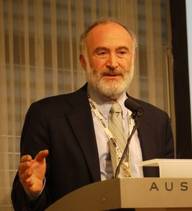
Dr. Swain, who is the director of the Washington Cancer Institute, was the invited discussant for the trials after their presentation, Oct. 1, at the European Society for Medical Oncology Congress.
"It’s very important that the presented data be peer reviewed and certainly longer follow-up for PHARE be obtained before final conclusions can be made," she added.
HERA Now at 8-Years’ Follow-up
To date, HERA has been the only trial to look at whether prolonging trastuzumab for more than 1 year may further increase patient survival. The trial findings, which were originally published in 2005 (N. Engl. J. Med. 2005;353:1659-72), showed that 1 year of treatment after adjuvant chemotherapy significantly improved disease-free survival among women with HER2-positive breast cancer.
Now with a median of 8 years of follow-up, the HERA investigators were able to report on the 2-year versus 1-year comparison, using a landmark analysis that considered 3,105 women who had remained disease free for at least 1 year since being randomized to trastuzumab.
Disease-free survivals for 2 years versus 1 year of trastuzumab were comparable, at 89.1% and 86.7%, respectively, at 1 year; 81.6% and 81.0% at 5 years; and 75.8% and 76.0% at 8 years.
Disease-free survivals according to hormone receptor status were also comparable, although an intriguing finding was that there was a slight difference in disease-free survival favoring 2 years of trastuzumab in HR-negative women at about the 3-year mark.
"This raises hypotheses and illustrates the need to evaluate results by receptor status," Richard Gelber, Ph.D., one of the biostatisticians for the HERA trial, commented at a press briefing.
Looking at safety, secondary cardiac end points and other adverse events were increased in the 2-year trastuzumab arm, with 7.2% of patients having a decreased left ventricular ejection fraction versus 4.1% of those treated for 1 year, and 0.9% of those who were in the observation arm.
"Today, I am happy to report that the overall survival advantage for trastuzumab versus observation is sustained, it’s robust, and it’s long term," said Dr. Gelber, of the Dana-Farber Cancer Institute in Boston.
Rationale for Shorter Treatment
The rationale for investigating the possible benefit of shorter trastuzumab treatment is twofold, explained Dr. Xavier Pivot, of the Université de Franche-Comté in Besançon, who presented the PHARE data. First, the FinHer study suggested that just 9 weeks of trastuzumab could perhaps provide a similar magnitude of benefit as 1 year of therapy (N. Engl. J. Med. 2006;354:809-20). Second, there were cardiotoxicity concerns with trastuzumab, which might be reduced by a shorter duration of treatment.
The PHARE trial was initiated in 2006 and involved 3,380 women who were treated for 6 or 12 months with trastuzumab.
"Results were inconclusive for the noninferiority between 6 months’ duration and 12 months’ duration," Dr. Pivot said.

"Nevertheless, there was a trend favoring the standard 12 months’ treatment." The hazard ratio for overall survival after a median of 3.6 years was 1.47 (95% CI, 1.07-2.02).
A significant difference in cardiac events favored the shorter treatment regimen, however, and a multivariate analysis is due to be presented at the San Antonio Breast Cancer Symposium in December.
Practice Remains Unchanged
"These are extremely important, well-designed, phase III trials on the duration of trastuzumab treatment in the adjuvant setting," Dr. Swain said.
Commenting on the PHARE study results, she said: "The observed hazard ratio was 1.28, so it is inconclusive statistically in terms of noninferiority." The bar for noninferiority was set at an HR of 1.15.
"However, since the lower confidence interval is greater than 1, we can conclude that 12 months at this time with a short follow-up is better than 6 months," Dr. Swain said.
The use of concurrent versus sequential chemotherapy could have influenced the results, she suggested. The HR for concurrent chemotherapy with docetaxel and trastuzumab, which was received by 42% of patients, was 1.17 (95% CI, 0.89-1.54). The HR for sequential chemotherapy was 1.39 (95% CI, 1.05-1.85).
If the study had continued, she added, the HR for 6 months versus 1 year of treatment may have shown that the shorter duration is at least as good as the standard regimen.
There are several ongoing studies still looking at the optimum duration of adjuvant trastuzumab in the early breast cancer setting, Dr. Swain observed, These include the Persephone, Hellenic, Short-Her, and SOLD trials.
Persephone and Hellenic are looking at 6 versus 12 months of trastuzumab, but the former is still accruing patients until the end of next year and won’t report until the middle of 2016 at the earliest.
Results of the Short-Her and SOLD trials, which are looking at 9 weeks versus 12 months of trastuzumab, should appear sooner. Until results are available, there is no practice-changing message, and 1 year of trastuzumab – at least outside the clinical trial setting – should remain the current practice standard.
The HERA trial was run by the Breast International Group with funding from Roche. Dr. Gelber disclosed he had no conflicts of interest. The PHARE trial was funded and conducted by the French National Cancer Institute. Dr. Pivot has received honoraria from and acted as a consultant to Roche and GlaxoSmithKline. Dr. Swain disclosed receiving honoraria from Genentech/Roche.
VIENNA – One year of adjuvant trastuzumab after primary therapy for HER2-positive early breast cancer remains the recommended standard of care, according to the first report of a landmark analysis from the HERA trial and findings from the PHARE study.
The latest data to emerge from the HERA (Herceptin Adjuvant) trial show similar disease-free survival and overall survival for 1 and 2 years of adjuvant trastuzumab (Herceptin), with respective hazard ratios (HRs) of 0.99 (95% confidence interval, 0.85-1.14; P =.86) and 1.05 (95% CI, 0.86-1.28; P = .63).
In the PHARE (Protocol of Herceptin Adjuvant With Reduced Exposure) study, which was designed as a noninferiority trial, disease-free survival at 1, 2, 3, and 4 years was not statistically different for those given 6 months versus 1 year of adjuvant trastuzumab. The respective disease-free survivals at 4 years were 84.9% and 87.8%, with an HR of 1.28 (95% CI 1.05-1.56, P = .29).
"In my opinion, 1 year adjuvant trastuzumab is still considered the standard of care," ASCO president Dr. Barbara Swain commented.
Dr. Swain, who is the director of the Washington Cancer Institute, was the invited discussant for the trials after their presentation, Oct. 1, at the European Society for Medical Oncology Congress.
"It’s very important that the presented data be peer reviewed and certainly longer follow-up for PHARE be obtained before final conclusions can be made," she added.
HERA Now at 8-Years’ Follow-up
To date, HERA has been the only trial to look at whether prolonging trastuzumab for more than 1 year may further increase patient survival. The trial findings, which were originally published in 2005 (N. Engl. J. Med. 2005;353:1659-72), showed that 1 year of treatment after adjuvant chemotherapy significantly improved disease-free survival among women with HER2-positive breast cancer.
Now with a median of 8 years of follow-up, the HERA investigators were able to report on the 2-year versus 1-year comparison, using a landmark analysis that considered 3,105 women who had remained disease free for at least 1 year since being randomized to trastuzumab.
Disease-free survivals for 2 years versus 1 year of trastuzumab were comparable, at 89.1% and 86.7%, respectively, at 1 year; 81.6% and 81.0% at 5 years; and 75.8% and 76.0% at 8 years.
Disease-free survivals according to hormone receptor status were also comparable, although an intriguing finding was that there was a slight difference in disease-free survival favoring 2 years of trastuzumab in HR-negative women at about the 3-year mark.
"This raises hypotheses and illustrates the need to evaluate results by receptor status," Richard Gelber, Ph.D., one of the biostatisticians for the HERA trial, commented at a press briefing.
Looking at safety, secondary cardiac end points and other adverse events were increased in the 2-year trastuzumab arm, with 7.2% of patients having a decreased left ventricular ejection fraction versus 4.1% of those treated for 1 year, and 0.9% of those who were in the observation arm.
"Today, I am happy to report that the overall survival advantage for trastuzumab versus observation is sustained, it’s robust, and it’s long term," said Dr. Gelber, of the Dana-Farber Cancer Institute in Boston.
Rationale for Shorter Treatment
The rationale for investigating the possible benefit of shorter trastuzumab treatment is twofold, explained Dr. Xavier Pivot, of the Université de Franche-Comté in Besançon, who presented the PHARE data. First, the FinHer study suggested that just 9 weeks of trastuzumab could perhaps provide a similar magnitude of benefit as 1 year of therapy (N. Engl. J. Med. 2006;354:809-20). Second, there were cardiotoxicity concerns with trastuzumab, which might be reduced by a shorter duration of treatment.
The PHARE trial was initiated in 2006 and involved 3,380 women who were treated for 6 or 12 months with trastuzumab.
"Results were inconclusive for the noninferiority between 6 months’ duration and 12 months’ duration," Dr. Pivot said.
"Nevertheless, there was a trend favoring the standard 12 months’ treatment." The hazard ratio for overall survival after a median of 3.6 years was 1.47 (95% CI, 1.07-2.02).
A significant difference in cardiac events favored the shorter treatment regimen, however, and a multivariate analysis is due to be presented at the San Antonio Breast Cancer Symposium in December.
Practice Remains Unchanged
"These are extremely important, well-designed, phase III trials on the duration of trastuzumab treatment in the adjuvant setting," Dr. Swain said.
Commenting on the PHARE study results, she said: "The observed hazard ratio was 1.28, so it is inconclusive statistically in terms of noninferiority." The bar for noninferiority was set at an HR of 1.15.
"However, since the lower confidence interval is greater than 1, we can conclude that 12 months at this time with a short follow-up is better than 6 months," Dr. Swain said.
The use of concurrent versus sequential chemotherapy could have influenced the results, she suggested. The HR for concurrent chemotherapy with docetaxel and trastuzumab, which was received by 42% of patients, was 1.17 (95% CI, 0.89-1.54). The HR for sequential chemotherapy was 1.39 (95% CI, 1.05-1.85).
If the study had continued, she added, the HR for 6 months versus 1 year of treatment may have shown that the shorter duration is at least as good as the standard regimen.
There are several ongoing studies still looking at the optimum duration of adjuvant trastuzumab in the early breast cancer setting, Dr. Swain observed, These include the Persephone, Hellenic, Short-Her, and SOLD trials.
Persephone and Hellenic are looking at 6 versus 12 months of trastuzumab, but the former is still accruing patients until the end of next year and won’t report until the middle of 2016 at the earliest.
Results of the Short-Her and SOLD trials, which are looking at 9 weeks versus 12 months of trastuzumab, should appear sooner. Until results are available, there is no practice-changing message, and 1 year of trastuzumab – at least outside the clinical trial setting – should remain the current practice standard.
The HERA trial was run by the Breast International Group with funding from Roche. Dr. Gelber disclosed he had no conflicts of interest. The PHARE trial was funded and conducted by the French National Cancer Institute. Dr. Pivot has received honoraria from and acted as a consultant to Roche and GlaxoSmithKline. Dr. Swain disclosed receiving honoraria from Genentech/Roche.
VIENNA – One year of adjuvant trastuzumab after primary therapy for HER2-positive early breast cancer remains the recommended standard of care, according to the first report of a landmark analysis from the HERA trial and findings from the PHARE study.
The latest data to emerge from the HERA (Herceptin Adjuvant) trial show similar disease-free survival and overall survival for 1 and 2 years of adjuvant trastuzumab (Herceptin), with respective hazard ratios (HRs) of 0.99 (95% confidence interval, 0.85-1.14; P =.86) and 1.05 (95% CI, 0.86-1.28; P = .63).
In the PHARE (Protocol of Herceptin Adjuvant With Reduced Exposure) study, which was designed as a noninferiority trial, disease-free survival at 1, 2, 3, and 4 years was not statistically different for those given 6 months versus 1 year of adjuvant trastuzumab. The respective disease-free survivals at 4 years were 84.9% and 87.8%, with an HR of 1.28 (95% CI 1.05-1.56, P = .29).
"In my opinion, 1 year adjuvant trastuzumab is still considered the standard of care," ASCO president Dr. Barbara Swain commented.
Dr. Swain, who is the director of the Washington Cancer Institute, was the invited discussant for the trials after their presentation, Oct. 1, at the European Society for Medical Oncology Congress.
"It’s very important that the presented data be peer reviewed and certainly longer follow-up for PHARE be obtained before final conclusions can be made," she added.
HERA Now at 8-Years’ Follow-up
To date, HERA has been the only trial to look at whether prolonging trastuzumab for more than 1 year may further increase patient survival. The trial findings, which were originally published in 2005 (N. Engl. J. Med. 2005;353:1659-72), showed that 1 year of treatment after adjuvant chemotherapy significantly improved disease-free survival among women with HER2-positive breast cancer.
Now with a median of 8 years of follow-up, the HERA investigators were able to report on the 2-year versus 1-year comparison, using a landmark analysis that considered 3,105 women who had remained disease free for at least 1 year since being randomized to trastuzumab.
Disease-free survivals for 2 years versus 1 year of trastuzumab were comparable, at 89.1% and 86.7%, respectively, at 1 year; 81.6% and 81.0% at 5 years; and 75.8% and 76.0% at 8 years.
Disease-free survivals according to hormone receptor status were also comparable, although an intriguing finding was that there was a slight difference in disease-free survival favoring 2 years of trastuzumab in HR-negative women at about the 3-year mark.
"This raises hypotheses and illustrates the need to evaluate results by receptor status," Richard Gelber, Ph.D., one of the biostatisticians for the HERA trial, commented at a press briefing.
Looking at safety, secondary cardiac end points and other adverse events were increased in the 2-year trastuzumab arm, with 7.2% of patients having a decreased left ventricular ejection fraction versus 4.1% of those treated for 1 year, and 0.9% of those who were in the observation arm.
"Today, I am happy to report that the overall survival advantage for trastuzumab versus observation is sustained, it’s robust, and it’s long term," said Dr. Gelber, of the Dana-Farber Cancer Institute in Boston.
Rationale for Shorter Treatment
The rationale for investigating the possible benefit of shorter trastuzumab treatment is twofold, explained Dr. Xavier Pivot, of the Université de Franche-Comté in Besançon, who presented the PHARE data. First, the FinHer study suggested that just 9 weeks of trastuzumab could perhaps provide a similar magnitude of benefit as 1 year of therapy (N. Engl. J. Med. 2006;354:809-20). Second, there were cardiotoxicity concerns with trastuzumab, which might be reduced by a shorter duration of treatment.
The PHARE trial was initiated in 2006 and involved 3,380 women who were treated for 6 or 12 months with trastuzumab.
"Results were inconclusive for the noninferiority between 6 months’ duration and 12 months’ duration," Dr. Pivot said.
"Nevertheless, there was a trend favoring the standard 12 months’ treatment." The hazard ratio for overall survival after a median of 3.6 years was 1.47 (95% CI, 1.07-2.02).
A significant difference in cardiac events favored the shorter treatment regimen, however, and a multivariate analysis is due to be presented at the San Antonio Breast Cancer Symposium in December.
Practice Remains Unchanged
"These are extremely important, well-designed, phase III trials on the duration of trastuzumab treatment in the adjuvant setting," Dr. Swain said.
Commenting on the PHARE study results, she said: "The observed hazard ratio was 1.28, so it is inconclusive statistically in terms of noninferiority." The bar for noninferiority was set at an HR of 1.15.
"However, since the lower confidence interval is greater than 1, we can conclude that 12 months at this time with a short follow-up is better than 6 months," Dr. Swain said.
The use of concurrent versus sequential chemotherapy could have influenced the results, she suggested. The HR for concurrent chemotherapy with docetaxel and trastuzumab, which was received by 42% of patients, was 1.17 (95% CI, 0.89-1.54). The HR for sequential chemotherapy was 1.39 (95% CI, 1.05-1.85).
If the study had continued, she added, the HR for 6 months versus 1 year of treatment may have shown that the shorter duration is at least as good as the standard regimen.
There are several ongoing studies still looking at the optimum duration of adjuvant trastuzumab in the early breast cancer setting, Dr. Swain observed, These include the Persephone, Hellenic, Short-Her, and SOLD trials.
Persephone and Hellenic are looking at 6 versus 12 months of trastuzumab, but the former is still accruing patients until the end of next year and won’t report until the middle of 2016 at the earliest.
Results of the Short-Her and SOLD trials, which are looking at 9 weeks versus 12 months of trastuzumab, should appear sooner. Until results are available, there is no practice-changing message, and 1 year of trastuzumab – at least outside the clinical trial setting – should remain the current practice standard.
The HERA trial was run by the Breast International Group with funding from Roche. Dr. Gelber disclosed he had no conflicts of interest. The PHARE trial was funded and conducted by the French National Cancer Institute. Dr. Pivot has received honoraria from and acted as a consultant to Roche and GlaxoSmithKline. Dr. Swain disclosed receiving honoraria from Genentech/Roche.
AT THE EUROPEAN SOCIETY FOR MEDICAL ONCOLOGY CONGRESS
Major Findings: The hazard ratios for disease-free and overall survival comparing 1 year and 2 years of adjuvant trastuzumab in the HERA trial were 0.99 (P = .86) and 1.05 (P = .63), respectively. The respective disease-free survival rates at 4 years in the PHARE trial were 84.9% and 87.8%, with an HR of 1.28 (P = .29).
Data Sources: Findings were analyzed from the phase III HERA trial involving 5,102 women with HER2-positive breast cancer who received 1 or 2 years of adjuvant trastuzumab. The PHARE noninferiority trial included 3,380 women who were treated with 6 or 12 months of adjuvant trastuzumab.
Disclosures: The HERA trial was run by the Breast International Group with funding from Roche. Dr. Gelber disclosed he had no conflicts of interest. The PHARE trial was funded and conducted by the French National Cancer Institute. Dr. Pivot has received honoraria and acted as a consultant to Roche and GlaxoSmithKline. Dr. Swain disclosed receiving honoraria from Genentech/Roche.

The Cure Is Here, Once Again: Walking the Tightrope Between Hype and Hope
Recent headlines heralding recent findings of four main breast cancer genetic subtypes brought back bittersweet memories for Sharon Batt, of Halifax, Nova Scotia, who was interviewed by Canada’s CBC News.
When she was first diagnosed with breast cancer 24 years ago, she was one of those to hang her hopes on every promising headline.
"I clipped these stories out and hung on to them, reread them, looking for some clues that something sudden and dramatic was going to happen that would change the reality that my physicians were trying to present me with," she recalled in the interview.
No miracle cure has kept Ms. Batt alive, but alive she is, counseling others to read headlines with a realistic sense of what’s available today.
The CBC story went on to quote oncology experts who put the findings into perspective as yes, they were scientifically meaningful – but important only within the context of science’s timetable and not the breakneck bench-to-bedside pace envisioned by patients.
To be sure, findings published online by Nature on Sept. 23 were "electrifying," as the respected New York Times science writer, Gina Kolata, put it, because being able to categorize breast cancer into genetic subtypes holds the potential for tailoring treatment and streamlining research.
But even the Times, with its conservative headline, "Study Divides Breast Cancer into Four Genetic Types," ran a poignant picture of Elizabeth Stark, Ph.D., a breast cancer patient of one of the study researchers, hugging her small daughter, which clearly implied that the discovery plus quick action in the clinic could mean all the difference to Dr. Stark.
In contrast to that message was the ultra-clear comment from Karuna Jaggar, executive director of the advocacy group, Breast Cancer Action: "‘There are a lot of steps that turn basic science into clinically meaningful results, ... It is the ‘stay tuned’ story.’ "
Dr. Stark is a 48-year-old Pfizer biochemist with the basal-type breast cancer that under the new classification system is considered genetically more similar to ovarian cancer than to the other forms of breast cancer, and aggressive. After three rounds of chemotherapy, surgery, and radiation in 4 years, her disease is described as "stable," Ms. Kolata wrote, and she knows "it will take time for the explosion of genetic data to produce new treatments that might help her."
But Dr. Stark has the last word: " ‘In 10 years it will be different,’ she said, adding emphatically, ‘I know I will be here in 10 years.’ "
Other news outlets danced a similar two-step in covering the Nature study, juggling optimistic, but science-based reporting with the "human angle," as editors always demand. (I know of what I speak, having covered science and medicine for general news organizations and independent newspapers for physicians for more than 25 years.)
Here is a sampling of the headlines your patients may have read:
• Breast Cancer Breakthrough to Bring Better Treatments (Fox News)
• Gene Clues Offer New Hope for Treating Breast Cancer (MSNBC)
• Breakthrough in Search for Breast Cancer Cure (New York Post)
• Breaking the Breast Cancer Code (Baltimore Sun)
• Scientists Parse Genes of Breast Cancer’s Four Major Types (NPR)
• Breast Cancer Genetics: Study Dubbed ‘Giant Step’ (CBS News
• Genetics to Determine Cancer Treatments (Los Angeles Times)
The Denver Post, which republished Ms. Kolata’s study, tagged it with a new headline: "Breast cancer research: New genetic study reveals ‘road map’ for a possible cure."
In the clinic, you’re sure to be asked which genetic categories typify your patients’ breast cancer, and how soon that knowledge will lead to cures. Once again, you’ll have to don your scientist’s hat, explain the findings, explain the implications, and explain that science, unlike headline writing, can be a painstakingly complex process that puts a premium on getting it right in the end.
Dr. Freed is a clinical psychologist in Santa Barbara, Calif., and a medical journalist.
Recent headlines heralding recent findings of four main breast cancer genetic subtypes brought back bittersweet memories for Sharon Batt, of Halifax, Nova Scotia, who was interviewed by Canada’s CBC News.
When she was first diagnosed with breast cancer 24 years ago, she was one of those to hang her hopes on every promising headline.
"I clipped these stories out and hung on to them, reread them, looking for some clues that something sudden and dramatic was going to happen that would change the reality that my physicians were trying to present me with," she recalled in the interview.
No miracle cure has kept Ms. Batt alive, but alive she is, counseling others to read headlines with a realistic sense of what’s available today.
The CBC story went on to quote oncology experts who put the findings into perspective as yes, they were scientifically meaningful – but important only within the context of science’s timetable and not the breakneck bench-to-bedside pace envisioned by patients.
To be sure, findings published online by Nature on Sept. 23 were "electrifying," as the respected New York Times science writer, Gina Kolata, put it, because being able to categorize breast cancer into genetic subtypes holds the potential for tailoring treatment and streamlining research.
But even the Times, with its conservative headline, "Study Divides Breast Cancer into Four Genetic Types," ran a poignant picture of Elizabeth Stark, Ph.D., a breast cancer patient of one of the study researchers, hugging her small daughter, which clearly implied that the discovery plus quick action in the clinic could mean all the difference to Dr. Stark.
In contrast to that message was the ultra-clear comment from Karuna Jaggar, executive director of the advocacy group, Breast Cancer Action: "‘There are a lot of steps that turn basic science into clinically meaningful results, ... It is the ‘stay tuned’ story.’ "
Dr. Stark is a 48-year-old Pfizer biochemist with the basal-type breast cancer that under the new classification system is considered genetically more similar to ovarian cancer than to the other forms of breast cancer, and aggressive. After three rounds of chemotherapy, surgery, and radiation in 4 years, her disease is described as "stable," Ms. Kolata wrote, and she knows "it will take time for the explosion of genetic data to produce new treatments that might help her."
But Dr. Stark has the last word: " ‘In 10 years it will be different,’ she said, adding emphatically, ‘I know I will be here in 10 years.’ "
Other news outlets danced a similar two-step in covering the Nature study, juggling optimistic, but science-based reporting with the "human angle," as editors always demand. (I know of what I speak, having covered science and medicine for general news organizations and independent newspapers for physicians for more than 25 years.)
Here is a sampling of the headlines your patients may have read:
• Breast Cancer Breakthrough to Bring Better Treatments (Fox News)
• Gene Clues Offer New Hope for Treating Breast Cancer (MSNBC)
• Breakthrough in Search for Breast Cancer Cure (New York Post)
• Breaking the Breast Cancer Code (Baltimore Sun)
• Scientists Parse Genes of Breast Cancer’s Four Major Types (NPR)
• Breast Cancer Genetics: Study Dubbed ‘Giant Step’ (CBS News
• Genetics to Determine Cancer Treatments (Los Angeles Times)
The Denver Post, which republished Ms. Kolata’s study, tagged it with a new headline: "Breast cancer research: New genetic study reveals ‘road map’ for a possible cure."
In the clinic, you’re sure to be asked which genetic categories typify your patients’ breast cancer, and how soon that knowledge will lead to cures. Once again, you’ll have to don your scientist’s hat, explain the findings, explain the implications, and explain that science, unlike headline writing, can be a painstakingly complex process that puts a premium on getting it right in the end.
Dr. Freed is a clinical psychologist in Santa Barbara, Calif., and a medical journalist.
Recent headlines heralding recent findings of four main breast cancer genetic subtypes brought back bittersweet memories for Sharon Batt, of Halifax, Nova Scotia, who was interviewed by Canada’s CBC News.
When she was first diagnosed with breast cancer 24 years ago, she was one of those to hang her hopes on every promising headline.
"I clipped these stories out and hung on to them, reread them, looking for some clues that something sudden and dramatic was going to happen that would change the reality that my physicians were trying to present me with," she recalled in the interview.
No miracle cure has kept Ms. Batt alive, but alive she is, counseling others to read headlines with a realistic sense of what’s available today.
The CBC story went on to quote oncology experts who put the findings into perspective as yes, they were scientifically meaningful – but important only within the context of science’s timetable and not the breakneck bench-to-bedside pace envisioned by patients.
To be sure, findings published online by Nature on Sept. 23 were "electrifying," as the respected New York Times science writer, Gina Kolata, put it, because being able to categorize breast cancer into genetic subtypes holds the potential for tailoring treatment and streamlining research.
But even the Times, with its conservative headline, "Study Divides Breast Cancer into Four Genetic Types," ran a poignant picture of Elizabeth Stark, Ph.D., a breast cancer patient of one of the study researchers, hugging her small daughter, which clearly implied that the discovery plus quick action in the clinic could mean all the difference to Dr. Stark.
In contrast to that message was the ultra-clear comment from Karuna Jaggar, executive director of the advocacy group, Breast Cancer Action: "‘There are a lot of steps that turn basic science into clinically meaningful results, ... It is the ‘stay tuned’ story.’ "
Dr. Stark is a 48-year-old Pfizer biochemist with the basal-type breast cancer that under the new classification system is considered genetically more similar to ovarian cancer than to the other forms of breast cancer, and aggressive. After three rounds of chemotherapy, surgery, and radiation in 4 years, her disease is described as "stable," Ms. Kolata wrote, and she knows "it will take time for the explosion of genetic data to produce new treatments that might help her."
But Dr. Stark has the last word: " ‘In 10 years it will be different,’ she said, adding emphatically, ‘I know I will be here in 10 years.’ "
Other news outlets danced a similar two-step in covering the Nature study, juggling optimistic, but science-based reporting with the "human angle," as editors always demand. (I know of what I speak, having covered science and medicine for general news organizations and independent newspapers for physicians for more than 25 years.)
Here is a sampling of the headlines your patients may have read:
• Breast Cancer Breakthrough to Bring Better Treatments (Fox News)
• Gene Clues Offer New Hope for Treating Breast Cancer (MSNBC)
• Breakthrough in Search for Breast Cancer Cure (New York Post)
• Breaking the Breast Cancer Code (Baltimore Sun)
• Scientists Parse Genes of Breast Cancer’s Four Major Types (NPR)
• Breast Cancer Genetics: Study Dubbed ‘Giant Step’ (CBS News
• Genetics to Determine Cancer Treatments (Los Angeles Times)
The Denver Post, which republished Ms. Kolata’s study, tagged it with a new headline: "Breast cancer research: New genetic study reveals ‘road map’ for a possible cure."
In the clinic, you’re sure to be asked which genetic categories typify your patients’ breast cancer, and how soon that knowledge will lead to cures. Once again, you’ll have to don your scientist’s hat, explain the findings, explain the implications, and explain that science, unlike headline writing, can be a painstakingly complex process that puts a premium on getting it right in the end.
Dr. Freed is a clinical psychologist in Santa Barbara, Calif., and a medical journalist.
California Enacts Breast Density Notification Law
California has become the fifth state to require that women receive information about breast density along with the results of their mammograms. Gov. Jerry Brown (D) signed SB 1538 on Sept. 22.
Under the law, a mammography report must note if the patient has dense breasts, point out that dense breasts can make it harder to evaluate a mammogram, and inform patients that having dense breasts may be associated with an increased risk of breast cancer.

Once the law is in effect April 2, 2013, mammogram reports will advise women that the information is meant to inform conversations with their doctor so that together they can decide which screening options are right for them.
Gov. Brown vetoed similar legislation last year saying that it went too far by advising that additional screening may be beneficial. Four other states – Virginia, New York, Connecticut, and Texas – have also enacted breast density notification laws. Legislation is also being considered in a dozen other states and at the federal level, according to the advocacy group Are You Dense?.
California has become the fifth state to require that women receive information about breast density along with the results of their mammograms. Gov. Jerry Brown (D) signed SB 1538 on Sept. 22.
Under the law, a mammography report must note if the patient has dense breasts, point out that dense breasts can make it harder to evaluate a mammogram, and inform patients that having dense breasts may be associated with an increased risk of breast cancer.
Once the law is in effect April 2, 2013, mammogram reports will advise women that the information is meant to inform conversations with their doctor so that together they can decide which screening options are right for them.
Gov. Brown vetoed similar legislation last year saying that it went too far by advising that additional screening may be beneficial. Four other states – Virginia, New York, Connecticut, and Texas – have also enacted breast density notification laws. Legislation is also being considered in a dozen other states and at the federal level, according to the advocacy group Are You Dense?.
California has become the fifth state to require that women receive information about breast density along with the results of their mammograms. Gov. Jerry Brown (D) signed SB 1538 on Sept. 22.
Under the law, a mammography report must note if the patient has dense breasts, point out that dense breasts can make it harder to evaluate a mammogram, and inform patients that having dense breasts may be associated with an increased risk of breast cancer.
Once the law is in effect April 2, 2013, mammogram reports will advise women that the information is meant to inform conversations with their doctor so that together they can decide which screening options are right for them.
Gov. Brown vetoed similar legislation last year saying that it went too far by advising that additional screening may be beneficial. Four other states – Virginia, New York, Connecticut, and Texas – have also enacted breast density notification laws. Legislation is also being considered in a dozen other states and at the federal level, according to the advocacy group Are You Dense?.

Everolimus Reduces Breast Cancer Treatment Effects in Bone
Adding everolimus to exemestane for the treatment of estrogen receptor–positive advanced breast cancer that is refractory to nonsteroidal aromatase inhibitors has beneficial effects on bone turnover and breast cancer progression in bone, according to an exploratory analysis of data from the BOLERO-2 trial.
Additional exploratory analyses demonstrate that everolimus (Afinitor) is well tolerated among postmenopausal women – including the elderly.
Everolimus is an inhibitor of mammalian target of rapamycin (mTOR), which has been implicated in resistance to standard endocrine therapy for estrogen receptor–positive breast cancer. Previously reported data from the double-blind, placebo-controlled phase III BOLERO-2 trial showed a significant clinical benefit with respect to the primary end point of progression-free survival when everolimus was added to the steroidal aromatase inhibitor exemestane (Aromasin).
The new findings were presented during poster sessions at the American Society of Clinical Oncology’s 2012 Breast Cancer Symposium.
To evaluate the bone-related effects of everolimus, investigators analyzed bone turnover marker levels and breast cancer progression in bone in BOLERO-2 patients who had bone metastases at baseline, including 184 patients who received placebo and 370 who received exemestane.
They found that active treatment with everolimus and exemestane was associated with improved levels of bone-specific alkaline phosphatase, amino-terminal propeptide of type 1 collagen, and C-terminal cross-linking telopeptide of type 1 collagen at 6- and 12-week follow-up.
The levels of each of these markers had increased at both time points in those receiving placebo, but had decreased in those receiving everolimus, Dr. Lowell L. Hart, a hematologist/oncologist in group practice in Fort Myers, Fla., and his colleagues reported (J. Clin. Oncol. 2012;30[suppl. 27; abstr. 102]).
Also, the cumulative incidence rate of breast cancer progressive disease in bone was lower in those who received everolimus, compared with those who received placebo (3.03% vs. 6.16% at day 60), they said, noting that this trend continued beyond 6 months.
Bone-related adverse events among the patients included in this analysis were grade 1/2, and occurred at a similar frequency in both groups (2.9% for the placebo group and 3.8% for the treatment group).
The safety and tolerability of everolimus were also evaluated in two additional exploratory analyses. In one, everolimus treatment was shown at a median of 12.5 months’ follow-up to be generally well tolerated among 492 postmenopausal women in the treatment group for the study.
Notable adverse events of all grades in those patients, compared with the 238 patients in the placebo group, included stomatitis (59% vs. 12%), rash (39% vs. 7%), pneumonitis (16% vs. 0%), and hyperglycemia (14% vs. less than 1%). Notable grade 3/4 events were stomatitis (8% vs. less than 1%), anemia (7% vs. less than 1%), hyperglycemia (5% vs. less than 1%), pneumonitis (3% vs. 0), and rash (1% vs. 0), reported Dr. Alejandra T. Perez, director of the breast cancer center at Memorial Cancer Institute in Hollywood, Fla.
The adverse events were manageable when patients were treated appropriately, Dr. Perez said (J. Clin. Oncol. 2012;30[suppl. 27; abstr. 103]).
For example, the study protocol permitted dose reduction or interruptions for the management of adverse events, and a look at the antitumor effects of treatment showed that results were consistent in those who received time-averaged doses less than 7.5 mg/day and those who received time-averaged doses greater than 7.5 mg/day (hazard ratios, 0.4 vs. 0.45, respectively). Those who developed stomatitis were treated with topical corticosteroids and/or mouthwashes containing nonsteroidal anti-inflammatories or anesthetics, and those with noninfectious pneumonitis were treated using a combination of radiographic imaging, oral corticosteroids, and temporary cessation of treatment.
Among the subset of study participants aged 65 years and older, the incidences of adverse events were similar or marginally lower than in the entire population, according to Dr. Hope S. Rugo of the University of California, San Francisco, and her colleagues.
For example, stomatitis occurred in 52% of those aged 65 and older who received everolimus, rash occurred in 32%, pneumonitis occurred in 15%, and hyperglycemia occurred in 13%. Grade 3/4 adverse events among those aged 70 years or older and reported only in those receiving everolimus included fatigue in 10%, anemia in 10%, hyperglycemia in 9%, stomatitis in 8%, dyspnea in 7%, pneumonitis in 5%, neutropenia in 3%, and hypertension in 3% (J. Clin. Oncol. 2012;30[suppl. 27; abstr. 104]).
Adding everolimus to exemestane was well tolerated both in the overall population and among elderly patients, and grade 3/4 adverse events were uncommon and manageable, Dr. Rugo noted. No new safety signals emerged.
Dr. Perez added that knowledge of adverse event management strategies is essential for optimizing tolerability and patient outcomes.
BOLERO-2 trial participants were postmenopausal women with estrogen receptor–positive breast cancer who relapsed or progressed on a nonsteroidal aromatase inhibitor. They were randomized to receive a 10-mg oral daily dose of everolimus plus 25 mg of exemestane once daily, or placebo and 25 mg of exemestane daily; treatment with everolimus conferred a median 4.2-month progression-free survival advantage, more than doubling the median progression-free survival from 3.2 months in the placebo group to 7.8 months in the treatment group. Based on these findings, the U.S. Food and Drug Administration approved the drug for this indication in July, making it the first mTOR inhibitor approved for advanced hormone receptor–positive breast cancer.
BOLERO-2 was sponsored by Novartis Pharmaceuticals. Dr. Rugo reported receiving research funding from Merck, Novartis, and Pfizer. Dr. Hart and Dr. Perez reported having no relevant financial disclosures.
Adding everolimus to exemestane for the treatment of estrogen receptor–positive advanced breast cancer that is refractory to nonsteroidal aromatase inhibitors has beneficial effects on bone turnover and breast cancer progression in bone, according to an exploratory analysis of data from the BOLERO-2 trial.
Additional exploratory analyses demonstrate that everolimus (Afinitor) is well tolerated among postmenopausal women – including the elderly.
Everolimus is an inhibitor of mammalian target of rapamycin (mTOR), which has been implicated in resistance to standard endocrine therapy for estrogen receptor–positive breast cancer. Previously reported data from the double-blind, placebo-controlled phase III BOLERO-2 trial showed a significant clinical benefit with respect to the primary end point of progression-free survival when everolimus was added to the steroidal aromatase inhibitor exemestane (Aromasin).
The new findings were presented during poster sessions at the American Society of Clinical Oncology’s 2012 Breast Cancer Symposium.
To evaluate the bone-related effects of everolimus, investigators analyzed bone turnover marker levels and breast cancer progression in bone in BOLERO-2 patients who had bone metastases at baseline, including 184 patients who received placebo and 370 who received exemestane.
They found that active treatment with everolimus and exemestane was associated with improved levels of bone-specific alkaline phosphatase, amino-terminal propeptide of type 1 collagen, and C-terminal cross-linking telopeptide of type 1 collagen at 6- and 12-week follow-up.
The levels of each of these markers had increased at both time points in those receiving placebo, but had decreased in those receiving everolimus, Dr. Lowell L. Hart, a hematologist/oncologist in group practice in Fort Myers, Fla., and his colleagues reported (J. Clin. Oncol. 2012;30[suppl. 27; abstr. 102]).
Also, the cumulative incidence rate of breast cancer progressive disease in bone was lower in those who received everolimus, compared with those who received placebo (3.03% vs. 6.16% at day 60), they said, noting that this trend continued beyond 6 months.
Bone-related adverse events among the patients included in this analysis were grade 1/2, and occurred at a similar frequency in both groups (2.9% for the placebo group and 3.8% for the treatment group).
The safety and tolerability of everolimus were also evaluated in two additional exploratory analyses. In one, everolimus treatment was shown at a median of 12.5 months’ follow-up to be generally well tolerated among 492 postmenopausal women in the treatment group for the study.
Notable adverse events of all grades in those patients, compared with the 238 patients in the placebo group, included stomatitis (59% vs. 12%), rash (39% vs. 7%), pneumonitis (16% vs. 0%), and hyperglycemia (14% vs. less than 1%). Notable grade 3/4 events were stomatitis (8% vs. less than 1%), anemia (7% vs. less than 1%), hyperglycemia (5% vs. less than 1%), pneumonitis (3% vs. 0), and rash (1% vs. 0), reported Dr. Alejandra T. Perez, director of the breast cancer center at Memorial Cancer Institute in Hollywood, Fla.
The adverse events were manageable when patients were treated appropriately, Dr. Perez said (J. Clin. Oncol. 2012;30[suppl. 27; abstr. 103]).
For example, the study protocol permitted dose reduction or interruptions for the management of adverse events, and a look at the antitumor effects of treatment showed that results were consistent in those who received time-averaged doses less than 7.5 mg/day and those who received time-averaged doses greater than 7.5 mg/day (hazard ratios, 0.4 vs. 0.45, respectively). Those who developed stomatitis were treated with topical corticosteroids and/or mouthwashes containing nonsteroidal anti-inflammatories or anesthetics, and those with noninfectious pneumonitis were treated using a combination of radiographic imaging, oral corticosteroids, and temporary cessation of treatment.
Among the subset of study participants aged 65 years and older, the incidences of adverse events were similar or marginally lower than in the entire population, according to Dr. Hope S. Rugo of the University of California, San Francisco, and her colleagues.
For example, stomatitis occurred in 52% of those aged 65 and older who received everolimus, rash occurred in 32%, pneumonitis occurred in 15%, and hyperglycemia occurred in 13%. Grade 3/4 adverse events among those aged 70 years or older and reported only in those receiving everolimus included fatigue in 10%, anemia in 10%, hyperglycemia in 9%, stomatitis in 8%, dyspnea in 7%, pneumonitis in 5%, neutropenia in 3%, and hypertension in 3% (J. Clin. Oncol. 2012;30[suppl. 27; abstr. 104]).
Adding everolimus to exemestane was well tolerated both in the overall population and among elderly patients, and grade 3/4 adverse events were uncommon and manageable, Dr. Rugo noted. No new safety signals emerged.
Dr. Perez added that knowledge of adverse event management strategies is essential for optimizing tolerability and patient outcomes.
BOLERO-2 trial participants were postmenopausal women with estrogen receptor–positive breast cancer who relapsed or progressed on a nonsteroidal aromatase inhibitor. They were randomized to receive a 10-mg oral daily dose of everolimus plus 25 mg of exemestane once daily, or placebo and 25 mg of exemestane daily; treatment with everolimus conferred a median 4.2-month progression-free survival advantage, more than doubling the median progression-free survival from 3.2 months in the placebo group to 7.8 months in the treatment group. Based on these findings, the U.S. Food and Drug Administration approved the drug for this indication in July, making it the first mTOR inhibitor approved for advanced hormone receptor–positive breast cancer.
BOLERO-2 was sponsored by Novartis Pharmaceuticals. Dr. Rugo reported receiving research funding from Merck, Novartis, and Pfizer. Dr. Hart and Dr. Perez reported having no relevant financial disclosures.
Adding everolimus to exemestane for the treatment of estrogen receptor–positive advanced breast cancer that is refractory to nonsteroidal aromatase inhibitors has beneficial effects on bone turnover and breast cancer progression in bone, according to an exploratory analysis of data from the BOLERO-2 trial.
Additional exploratory analyses demonstrate that everolimus (Afinitor) is well tolerated among postmenopausal women – including the elderly.
Everolimus is an inhibitor of mammalian target of rapamycin (mTOR), which has been implicated in resistance to standard endocrine therapy for estrogen receptor–positive breast cancer. Previously reported data from the double-blind, placebo-controlled phase III BOLERO-2 trial showed a significant clinical benefit with respect to the primary end point of progression-free survival when everolimus was added to the steroidal aromatase inhibitor exemestane (Aromasin).
The new findings were presented during poster sessions at the American Society of Clinical Oncology’s 2012 Breast Cancer Symposium.
To evaluate the bone-related effects of everolimus, investigators analyzed bone turnover marker levels and breast cancer progression in bone in BOLERO-2 patients who had bone metastases at baseline, including 184 patients who received placebo and 370 who received exemestane.
They found that active treatment with everolimus and exemestane was associated with improved levels of bone-specific alkaline phosphatase, amino-terminal propeptide of type 1 collagen, and C-terminal cross-linking telopeptide of type 1 collagen at 6- and 12-week follow-up.
The levels of each of these markers had increased at both time points in those receiving placebo, but had decreased in those receiving everolimus, Dr. Lowell L. Hart, a hematologist/oncologist in group practice in Fort Myers, Fla., and his colleagues reported (J. Clin. Oncol. 2012;30[suppl. 27; abstr. 102]).
Also, the cumulative incidence rate of breast cancer progressive disease in bone was lower in those who received everolimus, compared with those who received placebo (3.03% vs. 6.16% at day 60), they said, noting that this trend continued beyond 6 months.
Bone-related adverse events among the patients included in this analysis were grade 1/2, and occurred at a similar frequency in both groups (2.9% for the placebo group and 3.8% for the treatment group).
The safety and tolerability of everolimus were also evaluated in two additional exploratory analyses. In one, everolimus treatment was shown at a median of 12.5 months’ follow-up to be generally well tolerated among 492 postmenopausal women in the treatment group for the study.
Notable adverse events of all grades in those patients, compared with the 238 patients in the placebo group, included stomatitis (59% vs. 12%), rash (39% vs. 7%), pneumonitis (16% vs. 0%), and hyperglycemia (14% vs. less than 1%). Notable grade 3/4 events were stomatitis (8% vs. less than 1%), anemia (7% vs. less than 1%), hyperglycemia (5% vs. less than 1%), pneumonitis (3% vs. 0), and rash (1% vs. 0), reported Dr. Alejandra T. Perez, director of the breast cancer center at Memorial Cancer Institute in Hollywood, Fla.
The adverse events were manageable when patients were treated appropriately, Dr. Perez said (J. Clin. Oncol. 2012;30[suppl. 27; abstr. 103]).
For example, the study protocol permitted dose reduction or interruptions for the management of adverse events, and a look at the antitumor effects of treatment showed that results were consistent in those who received time-averaged doses less than 7.5 mg/day and those who received time-averaged doses greater than 7.5 mg/day (hazard ratios, 0.4 vs. 0.45, respectively). Those who developed stomatitis were treated with topical corticosteroids and/or mouthwashes containing nonsteroidal anti-inflammatories or anesthetics, and those with noninfectious pneumonitis were treated using a combination of radiographic imaging, oral corticosteroids, and temporary cessation of treatment.
Among the subset of study participants aged 65 years and older, the incidences of adverse events were similar or marginally lower than in the entire population, according to Dr. Hope S. Rugo of the University of California, San Francisco, and her colleagues.
For example, stomatitis occurred in 52% of those aged 65 and older who received everolimus, rash occurred in 32%, pneumonitis occurred in 15%, and hyperglycemia occurred in 13%. Grade 3/4 adverse events among those aged 70 years or older and reported only in those receiving everolimus included fatigue in 10%, anemia in 10%, hyperglycemia in 9%, stomatitis in 8%, dyspnea in 7%, pneumonitis in 5%, neutropenia in 3%, and hypertension in 3% (J. Clin. Oncol. 2012;30[suppl. 27; abstr. 104]).
Adding everolimus to exemestane was well tolerated both in the overall population and among elderly patients, and grade 3/4 adverse events were uncommon and manageable, Dr. Rugo noted. No new safety signals emerged.
Dr. Perez added that knowledge of adverse event management strategies is essential for optimizing tolerability and patient outcomes.
BOLERO-2 trial participants were postmenopausal women with estrogen receptor–positive breast cancer who relapsed or progressed on a nonsteroidal aromatase inhibitor. They were randomized to receive a 10-mg oral daily dose of everolimus plus 25 mg of exemestane once daily, or placebo and 25 mg of exemestane daily; treatment with everolimus conferred a median 4.2-month progression-free survival advantage, more than doubling the median progression-free survival from 3.2 months in the placebo group to 7.8 months in the treatment group. Based on these findings, the U.S. Food and Drug Administration approved the drug for this indication in July, making it the first mTOR inhibitor approved for advanced hormone receptor–positive breast cancer.
BOLERO-2 was sponsored by Novartis Pharmaceuticals. Dr. Rugo reported receiving research funding from Merck, Novartis, and Pfizer. Dr. Hart and Dr. Perez reported having no relevant financial disclosures.
FROM THE 2012 BREAST CANCER SYMPOSIUM
Major Finding: Treatment with everolimus and exemestane was associated with improved levels of bone-specific alkaline phosphatase, amino-terminal propeptide of type 1 collagen, and C-terminal cross-linking telopeptide of type 1 collagen at 6- and 12-week follow-up. Treatment was also shown to be well tolerated.
Data Source: Exploratory analyses of data from the phase III BOLERO-2 trial.
Disclosures: BOLERO-2 was sponsored by Novartis Pharmaceuticals. Dr. Rugo reported receiving research funding from Merck, Novartis, and Pfizer. Dr. Hart and Dr. Perez reported having no relevant financial disclosures.
FDA Approves Ultrasound Screening of Dense Breasts
The first ultrasound device to boost breast cancer detection in women with dense breasts won approval Sept. 18 from the Food and Drug Administration as a screening tool for use in combination with standard mammography.
The somo-v Automated Breast Ultrasound System (ABUS) device was approved in 2005 as an adjunct to mammography. This new decision broadens its authorized use to asymptomatic women who have no evidence of breast cancer and whose mammograms are negative.

Whether a woman has dense breasts would be determined by a physician, according to the FDA announcement. Women who have had a previous clinical breast intervention, such as a surgery or biopsy, would not be eligible for the device, "since this might alter the appearance of breast tissue in an ultrasound image," the FDA said.
Breast cancer detection by mammography is more challenging in dense breasts, which have a high amount of fibroglandular tissue, as compared with the fatty tissue seen in less-dense breasts. "Fibroglandular breast tissue and tumors both appear as solid white areas on mammograms. As a result, dense breast tissue may obscure smaller tumors, potentially delaying detection of breast cancer," the FDA noted in its announcement.
A recent study reported dense breasts do not increase risk of death from breast cancer, but that dense breasts are associated with greater risk of developing the disease (J. Natl. Cancer Inst. 2012 [doi:10.1093/jnci/djs327]).
In addition, lobbying efforts have sought to mandate that mammography reports notify women who have dense breasts that they may benefit from additional screening.
The go-ahead for ultrasound screening follows a unanimous 13-0 endorsement in April from the agency’s Radiological Devices Panel. That advisory group agreed that the device’s benefits outweigh any risks for breast cancer screening. The FDA had been concerned about the generalization of a pivotal study to a broad population but the panel deemed the noninvasive device to be safe and effective.
The retrospective multireader study involved 200 women at 13 U.S. sites. All had dense breasts, and reviews by board-certified radiologists showed a statistically significant increase in breast cancer detection when the device was used with mammography as compared with mammography alone.
As a condition of approval, Sunnyvale, Calif.–based U-Systems Inc., which makes the device, must provide thorough training for physicians and technologists, and provide facilities with "a manual clearly defining system tests required for initial, periodic, and yearly quality control measures."
"Enabling radiologists to use the information obtained from mammography and integrate that with the information obtained with ultrasound, leverages the potential of ABUS in a screening environment to find the 30% additional cancers that would not have been found with mammography alone," said Ron Ho, president and CEO of U-Systems, maker of the somo-v ABUS. "Research shows that ABUS can help find cancer in women with dense breasts, and that the cancers are smaller and early stage. With formal approval, we are moving rapidly from development to commercialization and look forward to making the somo-v ABUS system more widely available across the United States."
The first ultrasound device to boost breast cancer detection in women with dense breasts won approval Sept. 18 from the Food and Drug Administration as a screening tool for use in combination with standard mammography.
The somo-v Automated Breast Ultrasound System (ABUS) device was approved in 2005 as an adjunct to mammography. This new decision broadens its authorized use to asymptomatic women who have no evidence of breast cancer and whose mammograms are negative.
Whether a woman has dense breasts would be determined by a physician, according to the FDA announcement. Women who have had a previous clinical breast intervention, such as a surgery or biopsy, would not be eligible for the device, "since this might alter the appearance of breast tissue in an ultrasound image," the FDA said.
Breast cancer detection by mammography is more challenging in dense breasts, which have a high amount of fibroglandular tissue, as compared with the fatty tissue seen in less-dense breasts. "Fibroglandular breast tissue and tumors both appear as solid white areas on mammograms. As a result, dense breast tissue may obscure smaller tumors, potentially delaying detection of breast cancer," the FDA noted in its announcement.
A recent study reported dense breasts do not increase risk of death from breast cancer, but that dense breasts are associated with greater risk of developing the disease (J. Natl. Cancer Inst. 2012 [doi:10.1093/jnci/djs327]).
In addition, lobbying efforts have sought to mandate that mammography reports notify women who have dense breasts that they may benefit from additional screening.
The go-ahead for ultrasound screening follows a unanimous 13-0 endorsement in April from the agency’s Radiological Devices Panel. That advisory group agreed that the device’s benefits outweigh any risks for breast cancer screening. The FDA had been concerned about the generalization of a pivotal study to a broad population but the panel deemed the noninvasive device to be safe and effective.
The retrospective multireader study involved 200 women at 13 U.S. sites. All had dense breasts, and reviews by board-certified radiologists showed a statistically significant increase in breast cancer detection when the device was used with mammography as compared with mammography alone.
As a condition of approval, Sunnyvale, Calif.–based U-Systems Inc., which makes the device, must provide thorough training for physicians and technologists, and provide facilities with "a manual clearly defining system tests required for initial, periodic, and yearly quality control measures."
"Enabling radiologists to use the information obtained from mammography and integrate that with the information obtained with ultrasound, leverages the potential of ABUS in a screening environment to find the 30% additional cancers that would not have been found with mammography alone," said Ron Ho, president and CEO of U-Systems, maker of the somo-v ABUS. "Research shows that ABUS can help find cancer in women with dense breasts, and that the cancers are smaller and early stage. With formal approval, we are moving rapidly from development to commercialization and look forward to making the somo-v ABUS system more widely available across the United States."
The first ultrasound device to boost breast cancer detection in women with dense breasts won approval Sept. 18 from the Food and Drug Administration as a screening tool for use in combination with standard mammography.
The somo-v Automated Breast Ultrasound System (ABUS) device was approved in 2005 as an adjunct to mammography. This new decision broadens its authorized use to asymptomatic women who have no evidence of breast cancer and whose mammograms are negative.
Whether a woman has dense breasts would be determined by a physician, according to the FDA announcement. Women who have had a previous clinical breast intervention, such as a surgery or biopsy, would not be eligible for the device, "since this might alter the appearance of breast tissue in an ultrasound image," the FDA said.
Breast cancer detection by mammography is more challenging in dense breasts, which have a high amount of fibroglandular tissue, as compared with the fatty tissue seen in less-dense breasts. "Fibroglandular breast tissue and tumors both appear as solid white areas on mammograms. As a result, dense breast tissue may obscure smaller tumors, potentially delaying detection of breast cancer," the FDA noted in its announcement.
A recent study reported dense breasts do not increase risk of death from breast cancer, but that dense breasts are associated with greater risk of developing the disease (J. Natl. Cancer Inst. 2012 [doi:10.1093/jnci/djs327]).
In addition, lobbying efforts have sought to mandate that mammography reports notify women who have dense breasts that they may benefit from additional screening.
The go-ahead for ultrasound screening follows a unanimous 13-0 endorsement in April from the agency’s Radiological Devices Panel. That advisory group agreed that the device’s benefits outweigh any risks for breast cancer screening. The FDA had been concerned about the generalization of a pivotal study to a broad population but the panel deemed the noninvasive device to be safe and effective.
The retrospective multireader study involved 200 women at 13 U.S. sites. All had dense breasts, and reviews by board-certified radiologists showed a statistically significant increase in breast cancer detection when the device was used with mammography as compared with mammography alone.
As a condition of approval, Sunnyvale, Calif.–based U-Systems Inc., which makes the device, must provide thorough training for physicians and technologists, and provide facilities with "a manual clearly defining system tests required for initial, periodic, and yearly quality control measures."
"Enabling radiologists to use the information obtained from mammography and integrate that with the information obtained with ultrasound, leverages the potential of ABUS in a screening environment to find the 30% additional cancers that would not have been found with mammography alone," said Ron Ho, president and CEO of U-Systems, maker of the somo-v ABUS. "Research shows that ABUS can help find cancer in women with dense breasts, and that the cancers are smaller and early stage. With formal approval, we are moving rapidly from development to commercialization and look forward to making the somo-v ABUS system more widely available across the United States."

EMILIA Study: T-DMI Prolongs Progression-Free and Overall Survival
The investigational drug trastuzumab emtansine, or T-DM1, was well tolerated and was associated with significantly prolonged progression-free survival compared with combination capecitabine/lapatinib (XL) treatment in 978 patients with HER2-positive metastatic breast cancer.
The antibody-drug conjugate, which combines the antitumor activity of the monoclonal antibody trastuzumab with the cytotoxic effects of the maytansine derivative DM1, also improved overall survival.
The median progression-free survival among those randomized to receive T-DM1 was 9.6 months, compared with 6.4 months for those treated with XL (stratified hazard ratio, 0.65) – a difference that was both statistically significant (P less than .0001) and clinically meaningful, said Dr. Mark D. Pegram of Stanford (Calif.) University’s Stanford Cancer Institute.
The findings were noted in the first planned interim analysis of the randomized, open-label, phase III EMILIA study. Overall survival at 1 year was 84.7% and 77% in the T-DM1 and XL groups, respectively, and overall survival at 2 years was 65.4% and 47.5% for the groups, respectively (J. Clin. Oncol. 30, 2012 [suppl 27 abstr 98]). The objective response rate was 43.6% vs. 30.8%, and the duration of response among those with an objective response was a median of 12.6 months vs. 6.5 months, Dr. Pegram said.
The findings were presented at the American Society of Clinical Oncology’s 2012 Breast Cancer Symposium.
The findings with respect to overall survival, based on this analysis, showed a trend in favor of T-DM1 (stratified hazard ratio, 0.621; P less than .0005), but the difference between the two treatment groups did not technically achieve statistical significance, Dr. Pegram said.
However, the overall survival analysis was recently updated, and the latest findings did demonstrate a statistically significant overall survival advantage with T-DM1 treatment, he noted.
The detailed findings from that latest analysis will be reported publicly for the first time at the European Society for Medical Oncology 2012 Congress to be held Oct. 1. Roche/Genentech Inc., maker of T-DM1, resubmitted to the Food and Drug Administration an application for accelerated approval of the agent. The company has said it plans to provide the FDA, which refused to file the initial application for accelerated approval submitted in 2010, with the updated overall survival analysis data when the agency reviews the application.
EMILIA participants were women with confirmed HER2-positive metastatic breast cancer who had been treated previously with trastuzumab and a taxane. They were randomized to receive 3.6 mg/kg of intravenous T-DMI every 3 weeks, or combination therapy with an oral twice-daily dose of 1,000 mg/m2 of capecitabine on days 1-4 every 3 weeks and an oral dose once daily of 1,240 mg of lapatinib; the XL combination treatment is currently the only approved combination treatment for trastuzumab-refractory HER2-positive metastatic breast cancer.
Patients in the T-DM1 and XL groups were followed for a median of 12.9 and 12.4 months, respectively, and progression-free survival was determined by independent review.
T-DM1 was well tolerated; no unexpected safety signals emerged. The most common grade 3 or higher adverse events in the T-DM1 patients were thrombocytopenia (12.9% vs. 0.2% of T-DMI vs. XL patients), increased AST (4.3% vs. 0.8%), and increased ALT (2.9% vs. 1.4%). The most common adverse events in the XL patients were diarrhea (20.7% vs. 1.6% of the XL vs. T-DM1 patients), palmar plantar erythrodysesthesia (16.4% vs. 0), and vomiting (4.5% vs. 0.8%).
Dose reductions were required in 16.3% of T-DM1 patients, whereas lapatinib doses were reduced in 27.3% of the XL patients, and capecitabine doses were reduced in 53.4% of the XL patients.
The EMILIA trial is sponsored by Genentech. Dr. Pegram reported serving as a consultant or adviser for Takeda, receiving honoraria from AstraZeneca and GlaxoSmithKline, receiving research funding from Sanofi, providing expert testimony for Novartis, and receiving other remuneration from Bristol-Myers Squibb, Pfizer, and Roche/Genentech.
The investigational drug trastuzumab emtansine, or T-DM1, was well tolerated and was associated with significantly prolonged progression-free survival compared with combination capecitabine/lapatinib (XL) treatment in 978 patients with HER2-positive metastatic breast cancer.
The antibody-drug conjugate, which combines the antitumor activity of the monoclonal antibody trastuzumab with the cytotoxic effects of the maytansine derivative DM1, also improved overall survival.
The median progression-free survival among those randomized to receive T-DM1 was 9.6 months, compared with 6.4 months for those treated with XL (stratified hazard ratio, 0.65) – a difference that was both statistically significant (P less than .0001) and clinically meaningful, said Dr. Mark D. Pegram of Stanford (Calif.) University’s Stanford Cancer Institute.
The findings were noted in the first planned interim analysis of the randomized, open-label, phase III EMILIA study. Overall survival at 1 year was 84.7% and 77% in the T-DM1 and XL groups, respectively, and overall survival at 2 years was 65.4% and 47.5% for the groups, respectively (J. Clin. Oncol. 30, 2012 [suppl 27 abstr 98]). The objective response rate was 43.6% vs. 30.8%, and the duration of response among those with an objective response was a median of 12.6 months vs. 6.5 months, Dr. Pegram said.
The findings were presented at the American Society of Clinical Oncology’s 2012 Breast Cancer Symposium.
The findings with respect to overall survival, based on this analysis, showed a trend in favor of T-DM1 (stratified hazard ratio, 0.621; P less than .0005), but the difference between the two treatment groups did not technically achieve statistical significance, Dr. Pegram said.
However, the overall survival analysis was recently updated, and the latest findings did demonstrate a statistically significant overall survival advantage with T-DM1 treatment, he noted.
The detailed findings from that latest analysis will be reported publicly for the first time at the European Society for Medical Oncology 2012 Congress to be held Oct. 1. Roche/Genentech Inc., maker of T-DM1, resubmitted to the Food and Drug Administration an application for accelerated approval of the agent. The company has said it plans to provide the FDA, which refused to file the initial application for accelerated approval submitted in 2010, with the updated overall survival analysis data when the agency reviews the application.
EMILIA participants were women with confirmed HER2-positive metastatic breast cancer who had been treated previously with trastuzumab and a taxane. They were randomized to receive 3.6 mg/kg of intravenous T-DMI every 3 weeks, or combination therapy with an oral twice-daily dose of 1,000 mg/m2 of capecitabine on days 1-4 every 3 weeks and an oral dose once daily of 1,240 mg of lapatinib; the XL combination treatment is currently the only approved combination treatment for trastuzumab-refractory HER2-positive metastatic breast cancer.
Patients in the T-DM1 and XL groups were followed for a median of 12.9 and 12.4 months, respectively, and progression-free survival was determined by independent review.
T-DM1 was well tolerated; no unexpected safety signals emerged. The most common grade 3 or higher adverse events in the T-DM1 patients were thrombocytopenia (12.9% vs. 0.2% of T-DMI vs. XL patients), increased AST (4.3% vs. 0.8%), and increased ALT (2.9% vs. 1.4%). The most common adverse events in the XL patients were diarrhea (20.7% vs. 1.6% of the XL vs. T-DM1 patients), palmar plantar erythrodysesthesia (16.4% vs. 0), and vomiting (4.5% vs. 0.8%).
Dose reductions were required in 16.3% of T-DM1 patients, whereas lapatinib doses were reduced in 27.3% of the XL patients, and capecitabine doses were reduced in 53.4% of the XL patients.
The EMILIA trial is sponsored by Genentech. Dr. Pegram reported serving as a consultant or adviser for Takeda, receiving honoraria from AstraZeneca and GlaxoSmithKline, receiving research funding from Sanofi, providing expert testimony for Novartis, and receiving other remuneration from Bristol-Myers Squibb, Pfizer, and Roche/Genentech.
The investigational drug trastuzumab emtansine, or T-DM1, was well tolerated and was associated with significantly prolonged progression-free survival compared with combination capecitabine/lapatinib (XL) treatment in 978 patients with HER2-positive metastatic breast cancer.
The antibody-drug conjugate, which combines the antitumor activity of the monoclonal antibody trastuzumab with the cytotoxic effects of the maytansine derivative DM1, also improved overall survival.
The median progression-free survival among those randomized to receive T-DM1 was 9.6 months, compared with 6.4 months for those treated with XL (stratified hazard ratio, 0.65) – a difference that was both statistically significant (P less than .0001) and clinically meaningful, said Dr. Mark D. Pegram of Stanford (Calif.) University’s Stanford Cancer Institute.
The findings were noted in the first planned interim analysis of the randomized, open-label, phase III EMILIA study. Overall survival at 1 year was 84.7% and 77% in the T-DM1 and XL groups, respectively, and overall survival at 2 years was 65.4% and 47.5% for the groups, respectively (J. Clin. Oncol. 30, 2012 [suppl 27 abstr 98]). The objective response rate was 43.6% vs. 30.8%, and the duration of response among those with an objective response was a median of 12.6 months vs. 6.5 months, Dr. Pegram said.
The findings were presented at the American Society of Clinical Oncology’s 2012 Breast Cancer Symposium.
The findings with respect to overall survival, based on this analysis, showed a trend in favor of T-DM1 (stratified hazard ratio, 0.621; P less than .0005), but the difference between the two treatment groups did not technically achieve statistical significance, Dr. Pegram said.
However, the overall survival analysis was recently updated, and the latest findings did demonstrate a statistically significant overall survival advantage with T-DM1 treatment, he noted.
The detailed findings from that latest analysis will be reported publicly for the first time at the European Society for Medical Oncology 2012 Congress to be held Oct. 1. Roche/Genentech Inc., maker of T-DM1, resubmitted to the Food and Drug Administration an application for accelerated approval of the agent. The company has said it plans to provide the FDA, which refused to file the initial application for accelerated approval submitted in 2010, with the updated overall survival analysis data when the agency reviews the application.
EMILIA participants were women with confirmed HER2-positive metastatic breast cancer who had been treated previously with trastuzumab and a taxane. They were randomized to receive 3.6 mg/kg of intravenous T-DMI every 3 weeks, or combination therapy with an oral twice-daily dose of 1,000 mg/m2 of capecitabine on days 1-4 every 3 weeks and an oral dose once daily of 1,240 mg of lapatinib; the XL combination treatment is currently the only approved combination treatment for trastuzumab-refractory HER2-positive metastatic breast cancer.
Patients in the T-DM1 and XL groups were followed for a median of 12.9 and 12.4 months, respectively, and progression-free survival was determined by independent review.
T-DM1 was well tolerated; no unexpected safety signals emerged. The most common grade 3 or higher adverse events in the T-DM1 patients were thrombocytopenia (12.9% vs. 0.2% of T-DMI vs. XL patients), increased AST (4.3% vs. 0.8%), and increased ALT (2.9% vs. 1.4%). The most common adverse events in the XL patients were diarrhea (20.7% vs. 1.6% of the XL vs. T-DM1 patients), palmar plantar erythrodysesthesia (16.4% vs. 0), and vomiting (4.5% vs. 0.8%).
Dose reductions were required in 16.3% of T-DM1 patients, whereas lapatinib doses were reduced in 27.3% of the XL patients, and capecitabine doses were reduced in 53.4% of the XL patients.
The EMILIA trial is sponsored by Genentech. Dr. Pegram reported serving as a consultant or adviser for Takeda, receiving honoraria from AstraZeneca and GlaxoSmithKline, receiving research funding from Sanofi, providing expert testimony for Novartis, and receiving other remuneration from Bristol-Myers Squibb, Pfizer, and Roche/Genentech.
FROM THE 2012 BREAST CANCER SYMPOSIUM
Major Finding: The median progression-free survival among those randomized to receive trastuzumab emtansine was 9.6 months, compared with 6.4 months for those treated with capecitabine/lapatinib (stratified hazard ratio, 0.65).
Data Source: The randomized, open label, phase III EMILIA study.
Disclosures: The EMILIA study is sponsored by Genentech. Dr. Pegram reported serving as a consultant or adviser for Takeda, receiving honoraria from AstraZeneca and GlaxoSmithKline, receiving research funding from Sanofi, providing expert testimony for Novartis, and receiving other remuneration from Bristol-Myers Squibb, Pfizer, and Roche/Genentech.
Is Anyone Listening?
Let’s picture a couple you’re seeing in your oncology practice. Susan is 52; Mike’s 54. They’re well educated, employed, and making a comfortable income. They’ve been married a long while; in fact, they recently celebrated their 25th anniversary.
About a month ago, Sue underwent surgery for early-stage breast cancer.

They may seem to you to be doing okay as a couple, especially considering the physical and emotional adjustments they’ve had to make since the diagnosis, but if it were possible to order the equivalent of an fMRI or PET scan of your patient’s emotions, you would see that not all is well. In the report’s social-cognitive processing section, the diagnosis would be "Socially constrained."
What it means in a nutshell is that Sue doesn’t feel that she can openly share her thoughts or feelings about her cancer – or really, even about the more mundane events in her life – with Mike.
And that could be a major problem for her adjustment to cancer and for how the marriage will adapt to this major life challenge.
A recent study (J. Fam. Psychology 2012: 26:661-7) examined the concept of social constraints in 45 newly diagnosed breast cancer patients and their spouses or significant others, beginning about a month after surgery. They defined social constraints as "the extent to which the patient perceived that her spouse avoided, rebuffed, or appeared disinterested in the patient’s attempt to share or discuss her cancer-related concerns."
An example, taken from one questionnaire utilized in the study: "How often did your spouse change the subject when you tried to discuss your illness?"
The authors, led by Elizabeth C. Pasipanodya of the University of Delaware, emphasized that social constraints are in the eye of the beholder and don’t necessarily reflect "objective signs of negativity, disinterest, or withdrawal."
In other words, if Sue perceives that Mike doesn’t want to hear about her symptoms or concerns, she’ll respond in a socially constrained way, keeping those feelings to herself, regardless of how Mike truly feels.
Indeed, in the study, the authors found no correlation between patients’ and spouses’ perceptions of social constraint in their relationships, even though they were in agreement, on average, about the quality of their marriages.
Associations with social constraint were powerful.
While female partners shared the "best event of the day" with their spouses 86% of the time, high patient-reported social constraint made that positive conversation 71% less likely (P less than .001). Not surprisingly, perhaps, the effect lost significance when investigators controlled for patient-reported marital quality.
Patients’ self-reported "worst event of the day" was shared with spouses 78% of the time but was also significantly (P less than .001) less likely to be shared among patients with high levels of social constraint. This time, the significance held, even when controlling for patient-reported marital quality.
Finally, when a cancer-related event was the "worst event of the day," patients shared the experience with a spouse 71% of the time, but significantly less so in the context of social constraint (P less than .03). Marital quality mediated the significance.
Among patients, self-reported social constraint was significantly associated with daily negative affect and lower self-esteem, intimacy, and marital happiness.
Past research demonstrates an association between social constraints and negative emotional and health outcomes in bereavement and diabetes. Among amputees, social constraint predicts depressive symptoms and posttraumatic stress disorder. Among cancer patients in previous studies, it is linked with intrusive thoughts and depressive symptoms.
In the Delaware study, "the patient’s perceptions seem to matter more than what the partner says he is doing," the authors concluded.
"Given that the promotion of relationship enhancement is a predominant intervention approach for couples at the early stages of cancer, our results suggest that social constraints should also be considered as a possible target of intervention separate from improving overall marital quality," Ms. Pasipanodya and her associates said.
As an oncologist, you have much to consider as you meet with a couple a month after breast cancer surgery, and social constraint in the relationship may be better addressed by the mental health professionals associated with your practice.
But it would be helpful to keep an eye out for signs of constraint, to enable you to connect at-risk couples with help early on in their cancer experience.
When Susan describes her side effects and concerns, is Mike, by chance, averting his gaze?
Dr. Freed is a psychologist in Santa Barbara, Calif., and a medical journalist.
Let’s picture a couple you’re seeing in your oncology practice. Susan is 52; Mike’s 54. They’re well educated, employed, and making a comfortable income. They’ve been married a long while; in fact, they recently celebrated their 25th anniversary.
About a month ago, Sue underwent surgery for early-stage breast cancer.
They may seem to you to be doing okay as a couple, especially considering the physical and emotional adjustments they’ve had to make since the diagnosis, but if it were possible to order the equivalent of an fMRI or PET scan of your patient’s emotions, you would see that not all is well. In the report’s social-cognitive processing section, the diagnosis would be "Socially constrained."
What it means in a nutshell is that Sue doesn’t feel that she can openly share her thoughts or feelings about her cancer – or really, even about the more mundane events in her life – with Mike.
And that could be a major problem for her adjustment to cancer and for how the marriage will adapt to this major life challenge.
A recent study (J. Fam. Psychology 2012: 26:661-7) examined the concept of social constraints in 45 newly diagnosed breast cancer patients and their spouses or significant others, beginning about a month after surgery. They defined social constraints as "the extent to which the patient perceived that her spouse avoided, rebuffed, or appeared disinterested in the patient’s attempt to share or discuss her cancer-related concerns."
An example, taken from one questionnaire utilized in the study: "How often did your spouse change the subject when you tried to discuss your illness?"
The authors, led by Elizabeth C. Pasipanodya of the University of Delaware, emphasized that social constraints are in the eye of the beholder and don’t necessarily reflect "objective signs of negativity, disinterest, or withdrawal."
In other words, if Sue perceives that Mike doesn’t want to hear about her symptoms or concerns, she’ll respond in a socially constrained way, keeping those feelings to herself, regardless of how Mike truly feels.
Indeed, in the study, the authors found no correlation between patients’ and spouses’ perceptions of social constraint in their relationships, even though they were in agreement, on average, about the quality of their marriages.
Associations with social constraint were powerful.
While female partners shared the "best event of the day" with their spouses 86% of the time, high patient-reported social constraint made that positive conversation 71% less likely (P less than .001). Not surprisingly, perhaps, the effect lost significance when investigators controlled for patient-reported marital quality.
Patients’ self-reported "worst event of the day" was shared with spouses 78% of the time but was also significantly (P less than .001) less likely to be shared among patients with high levels of social constraint. This time, the significance held, even when controlling for patient-reported marital quality.
Finally, when a cancer-related event was the "worst event of the day," patients shared the experience with a spouse 71% of the time, but significantly less so in the context of social constraint (P less than .03). Marital quality mediated the significance.
Among patients, self-reported social constraint was significantly associated with daily negative affect and lower self-esteem, intimacy, and marital happiness.
Past research demonstrates an association between social constraints and negative emotional and health outcomes in bereavement and diabetes. Among amputees, social constraint predicts depressive symptoms and posttraumatic stress disorder. Among cancer patients in previous studies, it is linked with intrusive thoughts and depressive symptoms.
In the Delaware study, "the patient’s perceptions seem to matter more than what the partner says he is doing," the authors concluded.
"Given that the promotion of relationship enhancement is a predominant intervention approach for couples at the early stages of cancer, our results suggest that social constraints should also be considered as a possible target of intervention separate from improving overall marital quality," Ms. Pasipanodya and her associates said.
As an oncologist, you have much to consider as you meet with a couple a month after breast cancer surgery, and social constraint in the relationship may be better addressed by the mental health professionals associated with your practice.
But it would be helpful to keep an eye out for signs of constraint, to enable you to connect at-risk couples with help early on in their cancer experience.
When Susan describes her side effects and concerns, is Mike, by chance, averting his gaze?
Dr. Freed is a psychologist in Santa Barbara, Calif., and a medical journalist.
Let’s picture a couple you’re seeing in your oncology practice. Susan is 52; Mike’s 54. They’re well educated, employed, and making a comfortable income. They’ve been married a long while; in fact, they recently celebrated their 25th anniversary.
About a month ago, Sue underwent surgery for early-stage breast cancer.
They may seem to you to be doing okay as a couple, especially considering the physical and emotional adjustments they’ve had to make since the diagnosis, but if it were possible to order the equivalent of an fMRI or PET scan of your patient’s emotions, you would see that not all is well. In the report’s social-cognitive processing section, the diagnosis would be "Socially constrained."
What it means in a nutshell is that Sue doesn’t feel that she can openly share her thoughts or feelings about her cancer – or really, even about the more mundane events in her life – with Mike.
And that could be a major problem for her adjustment to cancer and for how the marriage will adapt to this major life challenge.
A recent study (J. Fam. Psychology 2012: 26:661-7) examined the concept of social constraints in 45 newly diagnosed breast cancer patients and their spouses or significant others, beginning about a month after surgery. They defined social constraints as "the extent to which the patient perceived that her spouse avoided, rebuffed, or appeared disinterested in the patient’s attempt to share or discuss her cancer-related concerns."
An example, taken from one questionnaire utilized in the study: "How often did your spouse change the subject when you tried to discuss your illness?"
The authors, led by Elizabeth C. Pasipanodya of the University of Delaware, emphasized that social constraints are in the eye of the beholder and don’t necessarily reflect "objective signs of negativity, disinterest, or withdrawal."
In other words, if Sue perceives that Mike doesn’t want to hear about her symptoms or concerns, she’ll respond in a socially constrained way, keeping those feelings to herself, regardless of how Mike truly feels.
Indeed, in the study, the authors found no correlation between patients’ and spouses’ perceptions of social constraint in their relationships, even though they were in agreement, on average, about the quality of their marriages.
Associations with social constraint were powerful.
While female partners shared the "best event of the day" with their spouses 86% of the time, high patient-reported social constraint made that positive conversation 71% less likely (P less than .001). Not surprisingly, perhaps, the effect lost significance when investigators controlled for patient-reported marital quality.
Patients’ self-reported "worst event of the day" was shared with spouses 78% of the time but was also significantly (P less than .001) less likely to be shared among patients with high levels of social constraint. This time, the significance held, even when controlling for patient-reported marital quality.
Finally, when a cancer-related event was the "worst event of the day," patients shared the experience with a spouse 71% of the time, but significantly less so in the context of social constraint (P less than .03). Marital quality mediated the significance.
Among patients, self-reported social constraint was significantly associated with daily negative affect and lower self-esteem, intimacy, and marital happiness.
Past research demonstrates an association between social constraints and negative emotional and health outcomes in bereavement and diabetes. Among amputees, social constraint predicts depressive symptoms and posttraumatic stress disorder. Among cancer patients in previous studies, it is linked with intrusive thoughts and depressive symptoms.
In the Delaware study, "the patient’s perceptions seem to matter more than what the partner says he is doing," the authors concluded.
"Given that the promotion of relationship enhancement is a predominant intervention approach for couples at the early stages of cancer, our results suggest that social constraints should also be considered as a possible target of intervention separate from improving overall marital quality," Ms. Pasipanodya and her associates said.
As an oncologist, you have much to consider as you meet with a couple a month after breast cancer surgery, and social constraint in the relationship may be better addressed by the mental health professionals associated with your practice.
But it would be helpful to keep an eye out for signs of constraint, to enable you to connect at-risk couples with help early on in their cancer experience.
When Susan describes her side effects and concerns, is Mike, by chance, averting his gaze?
Dr. Freed is a psychologist in Santa Barbara, Calif., and a medical journalist.

Can Counseling Add Value to an Exercise Intervention for Improving Quality of Life in Breast Cancer Survivors? A Feasibility Study
Fiona Naumann, PhD

Abstract
Background
Improved survivorship has led to increased recognition of the need to manage the side effects of cancer and its treatment. Exercise and psychological interventions benefit survivors; however, it is unknown if additional benefits can be gained by combining these two modalities.
Objective
Our purpose was to examine the feasibility of delivering an exercise and counseling intervention to 43 breast cancer survivors, to determine if counseling can add value to an exercise intervention for improving quality of life (QOL) in terms of physical and psychological function.
Methods
We compared exercise only (Ex), counseling only (C), exercise and counseling (ExC), and usual care (UsC) over an 8 week intervention.
Results
In all, 93% of participants completed the interventions, with no adverse effects documented. There were significant improvements in VO2max as well as upper body and lower body strength in the ExC and Ex groups compared to the C and UsC groups (P < .05). Significant improvements on the Beck Depression Inventory were observed in the ExC and Ex groups, compared with UsC (P < .04), with significant reduction in fatigue for the ExC group, compared with UsC, and no significant differences in QOL change between groups, although the ExC group had significant clinical improvement.
Limitations
Limitations included small subject number and study of only breast cancer survivors.
Conclusions
These preliminary results suggest that a combined exercise and psychological counseling program is both feasible and acceptable for breast cancer survivors and may improve QOL more than would a single-entity intervention.
*For a PDF of the full article, click on the link to the left of this introduction.
Fiona Naumann, PhD
Abstract
Background
Improved survivorship has led to increased recognition of the need to manage the side effects of cancer and its treatment. Exercise and psychological interventions benefit survivors; however, it is unknown if additional benefits can be gained by combining these two modalities.
Objective
Our purpose was to examine the feasibility of delivering an exercise and counseling intervention to 43 breast cancer survivors, to determine if counseling can add value to an exercise intervention for improving quality of life (QOL) in terms of physical and psychological function.
Methods
We compared exercise only (Ex), counseling only (C), exercise and counseling (ExC), and usual care (UsC) over an 8 week intervention.
Results
In all, 93% of participants completed the interventions, with no adverse effects documented. There were significant improvements in VO2max as well as upper body and lower body strength in the ExC and Ex groups compared to the C and UsC groups (P < .05). Significant improvements on the Beck Depression Inventory were observed in the ExC and Ex groups, compared with UsC (P < .04), with significant reduction in fatigue for the ExC group, compared with UsC, and no significant differences in QOL change between groups, although the ExC group had significant clinical improvement.
Limitations
Limitations included small subject number and study of only breast cancer survivors.
Conclusions
These preliminary results suggest that a combined exercise and psychological counseling program is both feasible and acceptable for breast cancer survivors and may improve QOL more than would a single-entity intervention.
*For a PDF of the full article, click on the link to the left of this introduction.
Fiona Naumann, PhD
Abstract
Background
Improved survivorship has led to increased recognition of the need to manage the side effects of cancer and its treatment. Exercise and psychological interventions benefit survivors; however, it is unknown if additional benefits can be gained by combining these two modalities.
Objective
Our purpose was to examine the feasibility of delivering an exercise and counseling intervention to 43 breast cancer survivors, to determine if counseling can add value to an exercise intervention for improving quality of life (QOL) in terms of physical and psychological function.
Methods
We compared exercise only (Ex), counseling only (C), exercise and counseling (ExC), and usual care (UsC) over an 8 week intervention.
Results
In all, 93% of participants completed the interventions, with no adverse effects documented. There were significant improvements in VO2max as well as upper body and lower body strength in the ExC and Ex groups compared to the C and UsC groups (P < .05). Significant improvements on the Beck Depression Inventory were observed in the ExC and Ex groups, compared with UsC (P < .04), with significant reduction in fatigue for the ExC group, compared with UsC, and no significant differences in QOL change between groups, although the ExC group had significant clinical improvement.
Limitations
Limitations included small subject number and study of only breast cancer survivors.
Conclusions
These preliminary results suggest that a combined exercise and psychological counseling program is both feasible and acceptable for breast cancer survivors and may improve QOL more than would a single-entity intervention.
*For a PDF of the full article, click on the link to the left of this introduction.
No Time to Waste
Even in the earliest days following a diagnosis of breast cancer, maladaptive coping styles are associated with a disruption in circadian rhythms – which are proven in metastatic disease to be a prognostic indicator of mortality.
The surprising finding, reported in the journal Annals of Behavioral Medicine (2012;44:10-20), holds potentially profound implications for the timing and tailoring of psychological interventions in newly diagnosed patients.
"Given that circadian cycles regulate tumor growth, we need greater understanding of possible psychosocial effects in cancer-related circadian disruption," concluded the study’s authors, led by Dr. Eric Dedert of Duke University Medical Center and the Veterans Affairs Medical Center in Durham, N.C.
The fact that circadian disruption was significant in a subset of patients a mean 19 days after diagnosis suggests that there may be no time to waste in identifying and treating potentially maladaptive coping responses that could impact not only their adjustment, but also their prognosis.
The study followed 57 women (mean age, 52 years) scheduled for breast cancer surgery, 54 of whom had just received a primary diagnosis and 3 who were facing surgery for recurrent disease. Psychological coping was measured in these patients, along with salivary cortisol and rest/activity circadian rhythms for 4 days.
Those with intrusive thoughts related to their diagnosis and avoidant coping styles (denial, self-distraction, and behavioral disengagement) were statistically more likely to demonstrate uneven rest/activity circadian rhythms and daytime sedentariness.
"In this newly diagnosed sample, intrusion-related inactivity during the daytime might be an indication that patients were seeking emotional numbness by disengaging from their environments and remaining sedentary," the authors noted.
"As indicated in the avoidance literature, this disengagement has the paradoxical effect of increasing distress."
The study has limitations, of course: a small sample size, a cross-sectional design, and the possibility that patients inclined to enroll might represent a biased sample in terms of coping styles. Of note, however, was the authors’ anecdotal report that some who refused to participate appeared to be "feeling overwhelmed with diagnosis and surgery planning," suggesting that the study may have underestimated the early impact of coping style on circadian rhythms.
The authors offered a comprehensive overview of a growing literature documenting intriguing (and ominous) associations among circadian rhythm disruption and physical, emotional, and social functioning in cancer patients, as well as tumor progression and mortality.
It’s a complex web that obviously needs much more elaboration before cause-and-effect conclusions might be drawn, but for now, the findings in early breast cancer patients certainly warrant paying close attention to coping from Day 1.
The study was funded by the University of Louisville (Ky.) Intramural Research Incentive Grant for Research on Women. The investigators reported no conflicts of interest.
Dr. Freed is a psychologist in Santa Barbara, Calif., and a medical journalist.
Even in the earliest days following a diagnosis of breast cancer, maladaptive coping styles are associated with a disruption in circadian rhythms – which are proven in metastatic disease to be a prognostic indicator of mortality.
The surprising finding, reported in the journal Annals of Behavioral Medicine (2012;44:10-20), holds potentially profound implications for the timing and tailoring of psychological interventions in newly diagnosed patients.
"Given that circadian cycles regulate tumor growth, we need greater understanding of possible psychosocial effects in cancer-related circadian disruption," concluded the study’s authors, led by Dr. Eric Dedert of Duke University Medical Center and the Veterans Affairs Medical Center in Durham, N.C.
The fact that circadian disruption was significant in a subset of patients a mean 19 days after diagnosis suggests that there may be no time to waste in identifying and treating potentially maladaptive coping responses that could impact not only their adjustment, but also their prognosis.
The study followed 57 women (mean age, 52 years) scheduled for breast cancer surgery, 54 of whom had just received a primary diagnosis and 3 who were facing surgery for recurrent disease. Psychological coping was measured in these patients, along with salivary cortisol and rest/activity circadian rhythms for 4 days.
Those with intrusive thoughts related to their diagnosis and avoidant coping styles (denial, self-distraction, and behavioral disengagement) were statistically more likely to demonstrate uneven rest/activity circadian rhythms and daytime sedentariness.
"In this newly diagnosed sample, intrusion-related inactivity during the daytime might be an indication that patients were seeking emotional numbness by disengaging from their environments and remaining sedentary," the authors noted.
"As indicated in the avoidance literature, this disengagement has the paradoxical effect of increasing distress."
The study has limitations, of course: a small sample size, a cross-sectional design, and the possibility that patients inclined to enroll might represent a biased sample in terms of coping styles. Of note, however, was the authors’ anecdotal report that some who refused to participate appeared to be "feeling overwhelmed with diagnosis and surgery planning," suggesting that the study may have underestimated the early impact of coping style on circadian rhythms.
The authors offered a comprehensive overview of a growing literature documenting intriguing (and ominous) associations among circadian rhythm disruption and physical, emotional, and social functioning in cancer patients, as well as tumor progression and mortality.
It’s a complex web that obviously needs much more elaboration before cause-and-effect conclusions might be drawn, but for now, the findings in early breast cancer patients certainly warrant paying close attention to coping from Day 1.
The study was funded by the University of Louisville (Ky.) Intramural Research Incentive Grant for Research on Women. The investigators reported no conflicts of interest.
Dr. Freed is a psychologist in Santa Barbara, Calif., and a medical journalist.
Even in the earliest days following a diagnosis of breast cancer, maladaptive coping styles are associated with a disruption in circadian rhythms – which are proven in metastatic disease to be a prognostic indicator of mortality.
The surprising finding, reported in the journal Annals of Behavioral Medicine (2012;44:10-20), holds potentially profound implications for the timing and tailoring of psychological interventions in newly diagnosed patients.
"Given that circadian cycles regulate tumor growth, we need greater understanding of possible psychosocial effects in cancer-related circadian disruption," concluded the study’s authors, led by Dr. Eric Dedert of Duke University Medical Center and the Veterans Affairs Medical Center in Durham, N.C.
The fact that circadian disruption was significant in a subset of patients a mean 19 days after diagnosis suggests that there may be no time to waste in identifying and treating potentially maladaptive coping responses that could impact not only their adjustment, but also their prognosis.
The study followed 57 women (mean age, 52 years) scheduled for breast cancer surgery, 54 of whom had just received a primary diagnosis and 3 who were facing surgery for recurrent disease. Psychological coping was measured in these patients, along with salivary cortisol and rest/activity circadian rhythms for 4 days.
Those with intrusive thoughts related to their diagnosis and avoidant coping styles (denial, self-distraction, and behavioral disengagement) were statistically more likely to demonstrate uneven rest/activity circadian rhythms and daytime sedentariness.
"In this newly diagnosed sample, intrusion-related inactivity during the daytime might be an indication that patients were seeking emotional numbness by disengaging from their environments and remaining sedentary," the authors noted.
"As indicated in the avoidance literature, this disengagement has the paradoxical effect of increasing distress."
The study has limitations, of course: a small sample size, a cross-sectional design, and the possibility that patients inclined to enroll might represent a biased sample in terms of coping styles. Of note, however, was the authors’ anecdotal report that some who refused to participate appeared to be "feeling overwhelmed with diagnosis and surgery planning," suggesting that the study may have underestimated the early impact of coping style on circadian rhythms.
The authors offered a comprehensive overview of a growing literature documenting intriguing (and ominous) associations among circadian rhythm disruption and physical, emotional, and social functioning in cancer patients, as well as tumor progression and mortality.
It’s a complex web that obviously needs much more elaboration before cause-and-effect conclusions might be drawn, but for now, the findings in early breast cancer patients certainly warrant paying close attention to coping from Day 1.
The study was funded by the University of Louisville (Ky.) Intramural Research Incentive Grant for Research on Women. The investigators reported no conflicts of interest.
Dr. Freed is a psychologist in Santa Barbara, Calif., and a medical journalist.
Evidence Mounts on Heart Failure After Trastuzumab in Breast Cancer Survivors
Trastuzumab, whether given with or without anthracyline-based chemotherapy, was associated with significant increases in heart failure and cardiomyopathy in a large population-based, retrospective cohort study of women treated for breast cancer.
In the "real world" study, which used data from the health maintenance organization Cancer Research Network, the adjusted risk of heart failure (HF) and/or cardiomyopathy increased fourfold among women who received trastuzumab (Herceptin) alone and sevenfold in those who received anthracycline plus trastuzumab, compared with women who received no chemotherapy.
In all, the risk of anthracycline-associated HF/cardiomyopathy among women younger than 65 years was similar to results from randomized clinical trials, while the trastuzumab-associated HF/cardiomyopathy risk – whether administered alone or following an anthracycline – was greater than that previously reported.
"Our results highlight the importance of generalizability in applying clinical trial findings to community settings; although similar to clinical trial results, these population-based results cannot be attributed to any single patient in clinical practice," wrote Erin J. Aiello Bowles of Group Health Research Institute, Seattle, and her associates.
Randomized trials have typically excluded older women and those with major comorbidities, and therefore the association between the two agents and HF/cardiomyopathy in this population is not well understood, Ms. Bowles and her associates noted (J. Natl. Cancer Inst. 2012 Aug. 30 [doi:10.1093/jnci/djs317]).
The current study population comprised 12,500 women diagnosed with incident, invasive breast cancer from Jan. 1, 1999, through Dec. 31, 2007, at eight integrated Cancer Research Network health systems. Women diagnosed with HF/cardiomyopathy prior to breast cancer diagnosis or initiation of chemotherapy were excluded. They had a mean age of 60 years (range, 22-99), and 85.8% were white.
In a median follow-up of 4.4 years, nearly half (46.5%) had received no chemotherapy. Just under a third, 29.6%, had received anthracycline-based chemotherapy alone, 0.9% received trastuzumab-based therapy without anthracycline, 3.5% received anthracycline plus trastuzumab, and 19.5% received other chemotherapy.
Compared with the women who received other chemotherapy or no chemotherapy, the women who received anthracycline alone or anthracycline plus trastuzumab were younger, diagnosed at later stages, had fewer comorbidities, and were slightly more likely to receive radiation therapy. These findings "suggest substantial individualization of adjuvant chemotherapy administration by age and comorbidity in community practice," Ms. Bowles and her associates wrote.
The incidence of HF/cardiomyopathy increased with increasing follow-up time for all of the chemotherapy types, but to a greater degree with trastuzumab. The cumulative HF/cardiomyopathy incidence increased from 1.2% at year 1 to 4.3% at year 5 for the anthracycline recipients, which was similar to the increase from 1.3% to 4.5% for those on other chemotherapies. For those with no chemotherapy, the cumulative incidence rose from 0.9% to 3.1%.
In contrast, the cumulative HF/cardiomyopathy incidence among recipients of anthracycline plus trastuzumab was 6.2% after 1 year of follow-up and continued to increase to 20.1% by 5 years.
Compared with no chemotherapy, the risk of incident HF/cardiomyopathy among all women was statistically significantly increased for anthracycline alone (adjusted hazard ratio, 1.40), trastuzumab without anthracycline (HR, 4.12), anthracycline plus trastuzumab (HR, 7.19), and other chemotherapy (HR, 1.49), the investigators said.
The 5-year cumulative incidence for HF/cardiomyopathy associated with each of the chemotherapies was greater in the older age groups, but the hazard ratios for HF/cardiomyopathy associated with chemotherapy use decreased with increasing age. For example, the hazard ratio for HF/cardiomyopathy associated with anthracycline use alone was statistically significant among women younger than 55 years (HR, 2.52) but not among women 55-64 years (HR, 1.61) or older.
According to Ms. Bowles and her associates, this study demonstrates the importance of observational comparative safety and effectiveness studies in providing complementary data to those obtained in clinical trials. "Observational studies allow for estimation of risks and benefits in community practice, which includes patients who may not be eligible for clinical trials. Clinical trials may provide more relevant estimates for patients who are eligible candidates, but many people are not and still receive these treatments in community practice," they wrote.
This work was supported by the National Cancer Institute through an administrative supplement to the Cancer Research Network. Ms. Bowles did not report any financial disclosures, but one of her coauthors, Dr. Larry A. Allen, has received consulting fees from Amgen, Janssen Scientific Affairs, and the Robert Wood Johnson Foundation.
The development of trastuzumab for the treatment of nonmetastatic invasive breast cancer tumors expressing human epidermal growth factor receptor 2 has been an important step in the field of personalized medicine.
Multiple trials have documented clinically and statistically significant improvements in overall and disease-free survival for women receiving adjuvant treatment including trastuzumab, compared with those receiving other chemotherapy agents. Unlike most new cancer chemotherapies, trastuzumab’s use in early-stage HER2-positive breast cancer also appears to be cost effective (Ann. Pharmacother. 2009;43:296-303).
This benefit, however, has been offset by safety concerns, with a pooled analysis of the early breast cancer trials suggesting a fivefold increase in risk of congestive heart failure for women who receive trastuzumab versus those who do not, with consistent results across varying treatment regimens (Cochrane Database Syst. Rev. 2012;4:CD006243).
The current study adds an additional year of follow-up to previous trials, during which the incidence of congestive heart failure continues to increase with no indication of a plateau. This justifies long-term surveillance for congestive heart failure in women who have received trastuzumab, as well as extended follow-up of women enrolled in trials.
Although most previous randomized clinical trials have included anthracycline in both treatment and comparison arms, the current observational study found that, in real life, about 40% of women undergoing chemotherapy received regimens excluding anthracycline, probably due in part to the older age and higher comorbidity burden relative to participants in clinical trials.
Finally, this study raises concern in that roughly a quarter of the women who received adjuvant trastuzumab had been treated well before the publication of peer-reviewed results of relevant randomized controlled trials. Clinicians may have been basing their decision on findings from trials in women with metastatic breast cancer and preliminary data from the early breast cancer trials. The interim findings, however, were based on follow-up periods too short to account for the longer life expectancy of women with early breast cancer relative to women with metastatic disease.
There have been many instances in which new treatments disseminate based on preliminary reports of benefit, only to be withdrawn after additional safety data become available. Patients, clinicians, and researchers must temper their enthusiasm about the benefits of new cancer therapies with the recognition that estimates of the long-term risk of adverse events are based on short-term observations among carefully selected clinical trial participants.
Ann M. Geiger, Ph.D., is with the division of public health sciences at Wake Forest University, Winston Salem, N.C. She said that she has no conflicts of interest.
The development of trastuzumab for the treatment of nonmetastatic invasive breast cancer tumors expressing human epidermal growth factor receptor 2 has been an important step in the field of personalized medicine.
Multiple trials have documented clinically and statistically significant improvements in overall and disease-free survival for women receiving adjuvant treatment including trastuzumab, compared with those receiving other chemotherapy agents. Unlike most new cancer chemotherapies, trastuzumab’s use in early-stage HER2-positive breast cancer also appears to be cost effective (Ann. Pharmacother. 2009;43:296-303).
This benefit, however, has been offset by safety concerns, with a pooled analysis of the early breast cancer trials suggesting a fivefold increase in risk of congestive heart failure for women who receive trastuzumab versus those who do not, with consistent results across varying treatment regimens (Cochrane Database Syst. Rev. 2012;4:CD006243).
The current study adds an additional year of follow-up to previous trials, during which the incidence of congestive heart failure continues to increase with no indication of a plateau. This justifies long-term surveillance for congestive heart failure in women who have received trastuzumab, as well as extended follow-up of women enrolled in trials.
Although most previous randomized clinical trials have included anthracycline in both treatment and comparison arms, the current observational study found that, in real life, about 40% of women undergoing chemotherapy received regimens excluding anthracycline, probably due in part to the older age and higher comorbidity burden relative to participants in clinical trials.
Finally, this study raises concern in that roughly a quarter of the women who received adjuvant trastuzumab had been treated well before the publication of peer-reviewed results of relevant randomized controlled trials. Clinicians may have been basing their decision on findings from trials in women with metastatic breast cancer and preliminary data from the early breast cancer trials. The interim findings, however, were based on follow-up periods too short to account for the longer life expectancy of women with early breast cancer relative to women with metastatic disease.
There have been many instances in which new treatments disseminate based on preliminary reports of benefit, only to be withdrawn after additional safety data become available. Patients, clinicians, and researchers must temper their enthusiasm about the benefits of new cancer therapies with the recognition that estimates of the long-term risk of adverse events are based on short-term observations among carefully selected clinical trial participants.
Ann M. Geiger, Ph.D., is with the division of public health sciences at Wake Forest University, Winston Salem, N.C. She said that she has no conflicts of interest.
The development of trastuzumab for the treatment of nonmetastatic invasive breast cancer tumors expressing human epidermal growth factor receptor 2 has been an important step in the field of personalized medicine.
Multiple trials have documented clinically and statistically significant improvements in overall and disease-free survival for women receiving adjuvant treatment including trastuzumab, compared with those receiving other chemotherapy agents. Unlike most new cancer chemotherapies, trastuzumab’s use in early-stage HER2-positive breast cancer also appears to be cost effective (Ann. Pharmacother. 2009;43:296-303).
This benefit, however, has been offset by safety concerns, with a pooled analysis of the early breast cancer trials suggesting a fivefold increase in risk of congestive heart failure for women who receive trastuzumab versus those who do not, with consistent results across varying treatment regimens (Cochrane Database Syst. Rev. 2012;4:CD006243).
The current study adds an additional year of follow-up to previous trials, during which the incidence of congestive heart failure continues to increase with no indication of a plateau. This justifies long-term surveillance for congestive heart failure in women who have received trastuzumab, as well as extended follow-up of women enrolled in trials.
Although most previous randomized clinical trials have included anthracycline in both treatment and comparison arms, the current observational study found that, in real life, about 40% of women undergoing chemotherapy received regimens excluding anthracycline, probably due in part to the older age and higher comorbidity burden relative to participants in clinical trials.
Finally, this study raises concern in that roughly a quarter of the women who received adjuvant trastuzumab had been treated well before the publication of peer-reviewed results of relevant randomized controlled trials. Clinicians may have been basing their decision on findings from trials in women with metastatic breast cancer and preliminary data from the early breast cancer trials. The interim findings, however, were based on follow-up periods too short to account for the longer life expectancy of women with early breast cancer relative to women with metastatic disease.
There have been many instances in which new treatments disseminate based on preliminary reports of benefit, only to be withdrawn after additional safety data become available. Patients, clinicians, and researchers must temper their enthusiasm about the benefits of new cancer therapies with the recognition that estimates of the long-term risk of adverse events are based on short-term observations among carefully selected clinical trial participants.
Ann M. Geiger, Ph.D., is with the division of public health sciences at Wake Forest University, Winston Salem, N.C. She said that she has no conflicts of interest.
Trastuzumab, whether given with or without anthracyline-based chemotherapy, was associated with significant increases in heart failure and cardiomyopathy in a large population-based, retrospective cohort study of women treated for breast cancer.
In the "real world" study, which used data from the health maintenance organization Cancer Research Network, the adjusted risk of heart failure (HF) and/or cardiomyopathy increased fourfold among women who received trastuzumab (Herceptin) alone and sevenfold in those who received anthracycline plus trastuzumab, compared with women who received no chemotherapy.
In all, the risk of anthracycline-associated HF/cardiomyopathy among women younger than 65 years was similar to results from randomized clinical trials, while the trastuzumab-associated HF/cardiomyopathy risk – whether administered alone or following an anthracycline – was greater than that previously reported.
"Our results highlight the importance of generalizability in applying clinical trial findings to community settings; although similar to clinical trial results, these population-based results cannot be attributed to any single patient in clinical practice," wrote Erin J. Aiello Bowles of Group Health Research Institute, Seattle, and her associates.
Randomized trials have typically excluded older women and those with major comorbidities, and therefore the association between the two agents and HF/cardiomyopathy in this population is not well understood, Ms. Bowles and her associates noted (J. Natl. Cancer Inst. 2012 Aug. 30 [doi:10.1093/jnci/djs317]).
The current study population comprised 12,500 women diagnosed with incident, invasive breast cancer from Jan. 1, 1999, through Dec. 31, 2007, at eight integrated Cancer Research Network health systems. Women diagnosed with HF/cardiomyopathy prior to breast cancer diagnosis or initiation of chemotherapy were excluded. They had a mean age of 60 years (range, 22-99), and 85.8% were white.
In a median follow-up of 4.4 years, nearly half (46.5%) had received no chemotherapy. Just under a third, 29.6%, had received anthracycline-based chemotherapy alone, 0.9% received trastuzumab-based therapy without anthracycline, 3.5% received anthracycline plus trastuzumab, and 19.5% received other chemotherapy.
Compared with the women who received other chemotherapy or no chemotherapy, the women who received anthracycline alone or anthracycline plus trastuzumab were younger, diagnosed at later stages, had fewer comorbidities, and were slightly more likely to receive radiation therapy. These findings "suggest substantial individualization of adjuvant chemotherapy administration by age and comorbidity in community practice," Ms. Bowles and her associates wrote.
The incidence of HF/cardiomyopathy increased with increasing follow-up time for all of the chemotherapy types, but to a greater degree with trastuzumab. The cumulative HF/cardiomyopathy incidence increased from 1.2% at year 1 to 4.3% at year 5 for the anthracycline recipients, which was similar to the increase from 1.3% to 4.5% for those on other chemotherapies. For those with no chemotherapy, the cumulative incidence rose from 0.9% to 3.1%.
In contrast, the cumulative HF/cardiomyopathy incidence among recipients of anthracycline plus trastuzumab was 6.2% after 1 year of follow-up and continued to increase to 20.1% by 5 years.
Compared with no chemotherapy, the risk of incident HF/cardiomyopathy among all women was statistically significantly increased for anthracycline alone (adjusted hazard ratio, 1.40), trastuzumab without anthracycline (HR, 4.12), anthracycline plus trastuzumab (HR, 7.19), and other chemotherapy (HR, 1.49), the investigators said.
The 5-year cumulative incidence for HF/cardiomyopathy associated with each of the chemotherapies was greater in the older age groups, but the hazard ratios for HF/cardiomyopathy associated with chemotherapy use decreased with increasing age. For example, the hazard ratio for HF/cardiomyopathy associated with anthracycline use alone was statistically significant among women younger than 55 years (HR, 2.52) but not among women 55-64 years (HR, 1.61) or older.
According to Ms. Bowles and her associates, this study demonstrates the importance of observational comparative safety and effectiveness studies in providing complementary data to those obtained in clinical trials. "Observational studies allow for estimation of risks and benefits in community practice, which includes patients who may not be eligible for clinical trials. Clinical trials may provide more relevant estimates for patients who are eligible candidates, but many people are not and still receive these treatments in community practice," they wrote.
This work was supported by the National Cancer Institute through an administrative supplement to the Cancer Research Network. Ms. Bowles did not report any financial disclosures, but one of her coauthors, Dr. Larry A. Allen, has received consulting fees from Amgen, Janssen Scientific Affairs, and the Robert Wood Johnson Foundation.
Trastuzumab, whether given with or without anthracyline-based chemotherapy, was associated with significant increases in heart failure and cardiomyopathy in a large population-based, retrospective cohort study of women treated for breast cancer.
In the "real world" study, which used data from the health maintenance organization Cancer Research Network, the adjusted risk of heart failure (HF) and/or cardiomyopathy increased fourfold among women who received trastuzumab (Herceptin) alone and sevenfold in those who received anthracycline plus trastuzumab, compared with women who received no chemotherapy.
In all, the risk of anthracycline-associated HF/cardiomyopathy among women younger than 65 years was similar to results from randomized clinical trials, while the trastuzumab-associated HF/cardiomyopathy risk – whether administered alone or following an anthracycline – was greater than that previously reported.
"Our results highlight the importance of generalizability in applying clinical trial findings to community settings; although similar to clinical trial results, these population-based results cannot be attributed to any single patient in clinical practice," wrote Erin J. Aiello Bowles of Group Health Research Institute, Seattle, and her associates.
Randomized trials have typically excluded older women and those with major comorbidities, and therefore the association between the two agents and HF/cardiomyopathy in this population is not well understood, Ms. Bowles and her associates noted (J. Natl. Cancer Inst. 2012 Aug. 30 [doi:10.1093/jnci/djs317]).
The current study population comprised 12,500 women diagnosed with incident, invasive breast cancer from Jan. 1, 1999, through Dec. 31, 2007, at eight integrated Cancer Research Network health systems. Women diagnosed with HF/cardiomyopathy prior to breast cancer diagnosis or initiation of chemotherapy were excluded. They had a mean age of 60 years (range, 22-99), and 85.8% were white.
In a median follow-up of 4.4 years, nearly half (46.5%) had received no chemotherapy. Just under a third, 29.6%, had received anthracycline-based chemotherapy alone, 0.9% received trastuzumab-based therapy without anthracycline, 3.5% received anthracycline plus trastuzumab, and 19.5% received other chemotherapy.
Compared with the women who received other chemotherapy or no chemotherapy, the women who received anthracycline alone or anthracycline plus trastuzumab were younger, diagnosed at later stages, had fewer comorbidities, and were slightly more likely to receive radiation therapy. These findings "suggest substantial individualization of adjuvant chemotherapy administration by age and comorbidity in community practice," Ms. Bowles and her associates wrote.
The incidence of HF/cardiomyopathy increased with increasing follow-up time for all of the chemotherapy types, but to a greater degree with trastuzumab. The cumulative HF/cardiomyopathy incidence increased from 1.2% at year 1 to 4.3% at year 5 for the anthracycline recipients, which was similar to the increase from 1.3% to 4.5% for those on other chemotherapies. For those with no chemotherapy, the cumulative incidence rose from 0.9% to 3.1%.
In contrast, the cumulative HF/cardiomyopathy incidence among recipients of anthracycline plus trastuzumab was 6.2% after 1 year of follow-up and continued to increase to 20.1% by 5 years.
Compared with no chemotherapy, the risk of incident HF/cardiomyopathy among all women was statistically significantly increased for anthracycline alone (adjusted hazard ratio, 1.40), trastuzumab without anthracycline (HR, 4.12), anthracycline plus trastuzumab (HR, 7.19), and other chemotherapy (HR, 1.49), the investigators said.
The 5-year cumulative incidence for HF/cardiomyopathy associated with each of the chemotherapies was greater in the older age groups, but the hazard ratios for HF/cardiomyopathy associated with chemotherapy use decreased with increasing age. For example, the hazard ratio for HF/cardiomyopathy associated with anthracycline use alone was statistically significant among women younger than 55 years (HR, 2.52) but not among women 55-64 years (HR, 1.61) or older.
According to Ms. Bowles and her associates, this study demonstrates the importance of observational comparative safety and effectiveness studies in providing complementary data to those obtained in clinical trials. "Observational studies allow for estimation of risks and benefits in community practice, which includes patients who may not be eligible for clinical trials. Clinical trials may provide more relevant estimates for patients who are eligible candidates, but many people are not and still receive these treatments in community practice," they wrote.
This work was supported by the National Cancer Institute through an administrative supplement to the Cancer Research Network. Ms. Bowles did not report any financial disclosures, but one of her coauthors, Dr. Larry A. Allen, has received consulting fees from Amgen, Janssen Scientific Affairs, and the Robert Wood Johnson Foundation.
FROM THE JOURNAL OF THE NATIONAL CANCER INSTITUTE
Major Finding: The adjusted risk of heart failure (HF) and/or cardiomyopathy increased fourfold among women who received trastuzumab alone and sevenfold in those who received anthracycline plus trastuzumab, compared with women who received no chemotherapy.
Data Source: The "real world" study used data on 12,500 women from the health maintenance organization Cancer Research Network.
Disclosures: This work was supported by the National Cancer Institute through an administrative supplement to the Cancer Research Network. Ms. Bowles did not report any financial disclosures, but coauthor Dr. Larry A. Allen has received consulting fees from Amgen, Janssen Scientific Affairs, and the Robert Wood Johnson Foundation.