User login
Doing much with less
Nepal – a peaceful, small country lying amidst the Himalayas – was struck by an enormous 7.8-magnitude earthquake on April 25, 2015. Over 8,000 people lost their lives; tens of thousands were injured. The earthquake launched an avalanche on Mt. Everest, killing at least 19, with many more reported missing. The villages were wiped away. The capital, Kathmandu, famous for its brick-and-timber attached houses, was in rubble.
I was born and raised in Nepal, and I earned my medical degree there before I moved to the United States for further studies. I was in Nepal weeks before the earthquake, and it was heart wrenching to later see all those familiar places turned into debris. The first few hours of this news were terrifying, as I struggled to track down my family members from afar. When I learned everyone was safe, I didn’t know if I should be thankful or feel unfortunate that I wasn’t there with them. Within hours, Nepal was all over the news, and the world responded. The next few days were worse, with continuous aftershocks. My family members, along with the rest of Nepal, spent days and nights in open tents, cold and soaked in heavy rains.

Weeks before the earthquake I was there – visiting hospitals, teaching medical students, and analyzing the health care scenario. In Nepal, the family treatment budget is limited, and the physician decides which test/procedure will provide maximum information for management. Health care facilities, sanitation, and hygiene are very poor and are beyond the means of most Nepalese people. Mortality for those under 5 years of age is 51 per 1,000, and the chances of dying while giving birth are 1 in 80.
I revisited “clinical decision making” as obtaining labs and imaging was out of reach, and I realized how many unnecessary medical tests and procedures are done in the United States. I learned how to make a continuous positive airway pressure (CPAP) machine with a bottle of water, a piece of tubing, oxygen, and medical tape. In my 14-day trip, I witnessed purulent fluid being drained from spinal taps, constant seizures that refused to go away in spite of antiseizure medications, and children left to die as the family could not afford to pay for medical treatment.
In the days after the earthquake, I kept in constant touch with my family and friends from the medical community. Nepalese doctors worked endlessly, operating in paddy fields under the open sky with minimal medical supplies. People dug with bare hands to get trapped neighbors out. Time has elapsed since then, but life will not be the same again for these people. The strength and perseverance that the medical community showed was commendable. They showed the world, with so little, so much can be done. If only we here in the United States could embrace this.
Dr. Rajbhandari is a fellow in hospital medicine at Cleveland Clinic Children’s Hospital. Email her at pdnews@frontlinemedcom.com.
Nepal – a peaceful, small country lying amidst the Himalayas – was struck by an enormous 7.8-magnitude earthquake on April 25, 2015. Over 8,000 people lost their lives; tens of thousands were injured. The earthquake launched an avalanche on Mt. Everest, killing at least 19, with many more reported missing. The villages were wiped away. The capital, Kathmandu, famous for its brick-and-timber attached houses, was in rubble.
I was born and raised in Nepal, and I earned my medical degree there before I moved to the United States for further studies. I was in Nepal weeks before the earthquake, and it was heart wrenching to later see all those familiar places turned into debris. The first few hours of this news were terrifying, as I struggled to track down my family members from afar. When I learned everyone was safe, I didn’t know if I should be thankful or feel unfortunate that I wasn’t there with them. Within hours, Nepal was all over the news, and the world responded. The next few days were worse, with continuous aftershocks. My family members, along with the rest of Nepal, spent days and nights in open tents, cold and soaked in heavy rains.
Weeks before the earthquake I was there – visiting hospitals, teaching medical students, and analyzing the health care scenario. In Nepal, the family treatment budget is limited, and the physician decides which test/procedure will provide maximum information for management. Health care facilities, sanitation, and hygiene are very poor and are beyond the means of most Nepalese people. Mortality for those under 5 years of age is 51 per 1,000, and the chances of dying while giving birth are 1 in 80.
I revisited “clinical decision making” as obtaining labs and imaging was out of reach, and I realized how many unnecessary medical tests and procedures are done in the United States. I learned how to make a continuous positive airway pressure (CPAP) machine with a bottle of water, a piece of tubing, oxygen, and medical tape. In my 14-day trip, I witnessed purulent fluid being drained from spinal taps, constant seizures that refused to go away in spite of antiseizure medications, and children left to die as the family could not afford to pay for medical treatment.
In the days after the earthquake, I kept in constant touch with my family and friends from the medical community. Nepalese doctors worked endlessly, operating in paddy fields under the open sky with minimal medical supplies. People dug with bare hands to get trapped neighbors out. Time has elapsed since then, but life will not be the same again for these people. The strength and perseverance that the medical community showed was commendable. They showed the world, with so little, so much can be done. If only we here in the United States could embrace this.
Dr. Rajbhandari is a fellow in hospital medicine at Cleveland Clinic Children’s Hospital. Email her at pdnews@frontlinemedcom.com.
Nepal – a peaceful, small country lying amidst the Himalayas – was struck by an enormous 7.8-magnitude earthquake on April 25, 2015. Over 8,000 people lost their lives; tens of thousands were injured. The earthquake launched an avalanche on Mt. Everest, killing at least 19, with many more reported missing. The villages were wiped away. The capital, Kathmandu, famous for its brick-and-timber attached houses, was in rubble.
I was born and raised in Nepal, and I earned my medical degree there before I moved to the United States for further studies. I was in Nepal weeks before the earthquake, and it was heart wrenching to later see all those familiar places turned into debris. The first few hours of this news were terrifying, as I struggled to track down my family members from afar. When I learned everyone was safe, I didn’t know if I should be thankful or feel unfortunate that I wasn’t there with them. Within hours, Nepal was all over the news, and the world responded. The next few days were worse, with continuous aftershocks. My family members, along with the rest of Nepal, spent days and nights in open tents, cold and soaked in heavy rains.
Weeks before the earthquake I was there – visiting hospitals, teaching medical students, and analyzing the health care scenario. In Nepal, the family treatment budget is limited, and the physician decides which test/procedure will provide maximum information for management. Health care facilities, sanitation, and hygiene are very poor and are beyond the means of most Nepalese people. Mortality for those under 5 years of age is 51 per 1,000, and the chances of dying while giving birth are 1 in 80.
I revisited “clinical decision making” as obtaining labs and imaging was out of reach, and I realized how many unnecessary medical tests and procedures are done in the United States. I learned how to make a continuous positive airway pressure (CPAP) machine with a bottle of water, a piece of tubing, oxygen, and medical tape. In my 14-day trip, I witnessed purulent fluid being drained from spinal taps, constant seizures that refused to go away in spite of antiseizure medications, and children left to die as the family could not afford to pay for medical treatment.
In the days after the earthquake, I kept in constant touch with my family and friends from the medical community. Nepalese doctors worked endlessly, operating in paddy fields under the open sky with minimal medical supplies. People dug with bare hands to get trapped neighbors out. Time has elapsed since then, but life will not be the same again for these people. The strength and perseverance that the medical community showed was commendable. They showed the world, with so little, so much can be done. If only we here in the United States could embrace this.
Dr. Rajbhandari is a fellow in hospital medicine at Cleveland Clinic Children’s Hospital. Email her at pdnews@frontlinemedcom.com.

Embracing Change: Is It Possible?
My life is not the same as it was 15 years ago; my children are grown, my parents are elderly, and what I do in my leisure time reflects both new friends and maturing old friends. Some of these changes I embrace; others I simply accept. Some changes I intensely dislike but still know I have to accept them. Family changes can be difficult for all of us to manage. But changes in our profession? Now that gets to our core. These changes are unwanted and we do not have the time or energy for them. We have patients waiting! We have worked hard to develop a practice style that fits our patients’ needs and that feels authentic to our personal experiences and skill set. I completed 7 years of postgraduate training and still spend a lot of time pursuing continuing medical education opportunities, but now my prescription pad has become a suggestion pad and my overhead has swollen. Sure, I am happy to have new bench-to-bedside approaches to understanding diseases and cutting-edge treatments, but role changes? Employer expectation changes? Changes in insurance benefits for my patients? Regulatory invasion? Alternative payment models? The tsunami of changes we heard about several years ago is now crashing up on the shore.
Take a minute and write down 3 changes in your practice over the last few years that you dislike the most and then turn over the paper. We will come back to them in a minute.
In the midst of all these changes or perhaps as a consequence, there has been an epidemic of physician burnout characterized by emotional fatigue; depersonalization as evidenced by a negative, callous, and cynical attitude toward patients and their concerns; and a decreased sense of personal accomplishment. Burnout symptoms are more common in physicians than in the general population and penetrate as high as 46% of physicians in general practice, but it is relatively low in dermatology, affecting approximately 24% of our colleagues.1 Just working in a practice with high expectations surrounding the use of an electronic medical record creates burnout and the intent to leave the practice.2 Consequences of burnout are major and can include3 decreased quality of care, increased clinical errors, frequent job changes, migration to other occupations,4 early retirement, and even suicide.5 Change can sometimes feel like too much to endure.
People manage change with a number of strategies. One group of strategies is labeled disengagement: wishful thinking, problem avoidance, self-criticism, and social avoidance.6 Some of us just do not implement any meaningful use measures; we wish they would just go away and, after all, the penalties are not pinching us yet. More alarmingly, rates of physician substance abuse are rising,7,8 a response to stress that allows for at least temporary problem avoidance and creates social isolation. Disengagement strategies do not promote coping, our ability to reduce or control stress.
Another group of choices include engagement strategies: problem solving, social support, expression of emotion, and cognitive restructuring.6 These strategies develop resilience, which is the capacity to respond to stress in a healthy way so that goals are achieved at minimal psychological and physical costs. Resilience creates positive resource spirals, and resilient individuals bounce back with increased strength.9
Let’s do some cognitive restructuring: First, we accept that change happens. Even facts change. Psoriasis was once said to be a disease of the keratinocytes, but now we consider it a disease of the immune system gone awry. It was dogma 30 years ago that excision of melanoma required 5-cm margins of normal skin, but the standard of care today includes much narrower margins. Once we accept that change happens, we learn to expect it as the natural course of events, and then we can look for the parts of change that we can enjoy. Learning something new about psoriasis and melanoma can be stimulating. Learning something new about the science of population health, patient management rubrics, quality measure development, and practice business models can be energizing too. Spend time and effort working on embracing changes that both interest you and are relevant to your practice. Do you hate the idea of having to incorporate quality measures in your practice? The fact that regulatory policy requires quality measures is not going to change, but we can gain some control by reading quality measure literature, working within our practice settings to develop quality improvement projects that are relevant and effective, and contributing to the discussion of quality measures in dermatology either in print or through committee work. Accepting change as well as working with our colleagues to promote relevant and positive change are examples of engagement strategies that help develop resilience.
Studies have shown that job satisfaction is highest among physicians who practice with defined professional and personal boundaries and pursue continued professional development, particularly by attending continuing medical education programs.10 Learning something new can be an antidote for boredom and depression. Being with other dermatologists, a wonderful group of interesting and passionate people, also can provide social support and allows us to express frustration regarding stresses in the workplace. I almost always return from dermatology meetings energized and stimulated.
Another factor related to job satisfaction is a focus on the positive aspects of one’s work. Dermatology is a fascinating study of a group of diseases that we can actually see and touch and biopsy. Some diseases are benign, while others may be fatal. They can occur in patients young and old, sick and healthy. Effective treatments exist that can change the course of these diseases, and new therapies continue to evolve. The art of diagnosis and patient care appeals to me as much as the science. A Canadian study found that appreciating the value of a relationship with the patient correlated with job satisfaction among physicians.11 As dermatologists, we have this opportunity every day with each patient that we see.
Dermatologists indeed are very privileged. Take out another piece of paper and write down 3 aspects of our profession that you are thankful for. You can include things you are grateful for in other parts of your life too because physicians with strong relationships and activities outside of work report fewer episodes of emotional exhaustion.12
Now flip over the paper with the recent changes you do not like. They do not seem so bad anymore, do they?
1. Shanafelt TD, Boone S, Tan L, et al. Burnout and satisfaction with work-life balance among US physicians relative to the general US population. Arch Intern Med. 2012;172:1377-1385.
2. Babbott S, Manwell LB, Brown R, et al. Electronic medical records and physician stress in primary care: results from the MEMO study [published online ahead of print September 4, 2013]. J Am Med Inform Assoc. 2014;21:e100-e106.
3. Linzer M, Baier Manwell L, Mundt M, et al. Organizational climate, stress, and error in primary care: the MEMO study. In: Henriksen K, Battles JB, Marks ES, et al, eds. Advances in Patient Safety: From Research to Implementation. Vol 1. Rockville, MD: Agency for Healthcare Research and Quality (US); 2005:65-78.
4. Dyrbye LN, Varkey P, Boone SL, et al. Physician satisfaction and burnout at different career stages. Mayo Clin Proc. 2013;88:1358-1367.
5. Sinha P. Why do doctors commit suicide? New York Times. September 4, 2014. http://www.nytimes.com/2014/09/05/opinion/why-do-doctors-commit-suicide.html?_r=0. Accessed May 26, 2015.
6. Mosley TH Jr, Perrin SG, Neral SM, et al. Stress coping and well-being among third-year medical students. Acad Med. 1994;69:765-767.
7. Dumitrascu CI, Mannes PZ, Gamble LJ, et al. Substance use among physicians and medical students. MSRJ. 2014;3:26-35.
8. Oreskovich MR, Shanafelt T, Dyrbye LN, et al. The prevalence of substance use disorders in American physicians. Am J Addict. 2015;24:30-38.
9. Epstein RM, Krasner MS. Physician resilience: what it means, why it matters, and how to promote it. Acad Med. 2013;88:301-303.
10. Zwack J, Schweitzer J. If every fifth physician is affected by burnout, what about the other four? resilience strategies of experienced physicians. Acad Med. 2013;88:382-389.
11. Lee FJ, Stewart M, Brown JB. Stress, burnout, and strategies for reducing them. Can Fam Physician. 2008;54:234-235.
12. Lamaire JB, Wallace JE. Not all coping strategies are created equal: a mixed methods study exploring physicians’ self reported coping strategies. BMC Health Serv Res. 2010;10:208.
My life is not the same as it was 15 years ago; my children are grown, my parents are elderly, and what I do in my leisure time reflects both new friends and maturing old friends. Some of these changes I embrace; others I simply accept. Some changes I intensely dislike but still know I have to accept them. Family changes can be difficult for all of us to manage. But changes in our profession? Now that gets to our core. These changes are unwanted and we do not have the time or energy for them. We have patients waiting! We have worked hard to develop a practice style that fits our patients’ needs and that feels authentic to our personal experiences and skill set. I completed 7 years of postgraduate training and still spend a lot of time pursuing continuing medical education opportunities, but now my prescription pad has become a suggestion pad and my overhead has swollen. Sure, I am happy to have new bench-to-bedside approaches to understanding diseases and cutting-edge treatments, but role changes? Employer expectation changes? Changes in insurance benefits for my patients? Regulatory invasion? Alternative payment models? The tsunami of changes we heard about several years ago is now crashing up on the shore.
Take a minute and write down 3 changes in your practice over the last few years that you dislike the most and then turn over the paper. We will come back to them in a minute.
In the midst of all these changes or perhaps as a consequence, there has been an epidemic of physician burnout characterized by emotional fatigue; depersonalization as evidenced by a negative, callous, and cynical attitude toward patients and their concerns; and a decreased sense of personal accomplishment. Burnout symptoms are more common in physicians than in the general population and penetrate as high as 46% of physicians in general practice, but it is relatively low in dermatology, affecting approximately 24% of our colleagues.1 Just working in a practice with high expectations surrounding the use of an electronic medical record creates burnout and the intent to leave the practice.2 Consequences of burnout are major and can include3 decreased quality of care, increased clinical errors, frequent job changes, migration to other occupations,4 early retirement, and even suicide.5 Change can sometimes feel like too much to endure.
People manage change with a number of strategies. One group of strategies is labeled disengagement: wishful thinking, problem avoidance, self-criticism, and social avoidance.6 Some of us just do not implement any meaningful use measures; we wish they would just go away and, after all, the penalties are not pinching us yet. More alarmingly, rates of physician substance abuse are rising,7,8 a response to stress that allows for at least temporary problem avoidance and creates social isolation. Disengagement strategies do not promote coping, our ability to reduce or control stress.
Another group of choices include engagement strategies: problem solving, social support, expression of emotion, and cognitive restructuring.6 These strategies develop resilience, which is the capacity to respond to stress in a healthy way so that goals are achieved at minimal psychological and physical costs. Resilience creates positive resource spirals, and resilient individuals bounce back with increased strength.9
Let’s do some cognitive restructuring: First, we accept that change happens. Even facts change. Psoriasis was once said to be a disease of the keratinocytes, but now we consider it a disease of the immune system gone awry. It was dogma 30 years ago that excision of melanoma required 5-cm margins of normal skin, but the standard of care today includes much narrower margins. Once we accept that change happens, we learn to expect it as the natural course of events, and then we can look for the parts of change that we can enjoy. Learning something new about psoriasis and melanoma can be stimulating. Learning something new about the science of population health, patient management rubrics, quality measure development, and practice business models can be energizing too. Spend time and effort working on embracing changes that both interest you and are relevant to your practice. Do you hate the idea of having to incorporate quality measures in your practice? The fact that regulatory policy requires quality measures is not going to change, but we can gain some control by reading quality measure literature, working within our practice settings to develop quality improvement projects that are relevant and effective, and contributing to the discussion of quality measures in dermatology either in print or through committee work. Accepting change as well as working with our colleagues to promote relevant and positive change are examples of engagement strategies that help develop resilience.
Studies have shown that job satisfaction is highest among physicians who practice with defined professional and personal boundaries and pursue continued professional development, particularly by attending continuing medical education programs.10 Learning something new can be an antidote for boredom and depression. Being with other dermatologists, a wonderful group of interesting and passionate people, also can provide social support and allows us to express frustration regarding stresses in the workplace. I almost always return from dermatology meetings energized and stimulated.
Another factor related to job satisfaction is a focus on the positive aspects of one’s work. Dermatology is a fascinating study of a group of diseases that we can actually see and touch and biopsy. Some diseases are benign, while others may be fatal. They can occur in patients young and old, sick and healthy. Effective treatments exist that can change the course of these diseases, and new therapies continue to evolve. The art of diagnosis and patient care appeals to me as much as the science. A Canadian study found that appreciating the value of a relationship with the patient correlated with job satisfaction among physicians.11 As dermatologists, we have this opportunity every day with each patient that we see.
Dermatologists indeed are very privileged. Take out another piece of paper and write down 3 aspects of our profession that you are thankful for. You can include things you are grateful for in other parts of your life too because physicians with strong relationships and activities outside of work report fewer episodes of emotional exhaustion.12
Now flip over the paper with the recent changes you do not like. They do not seem so bad anymore, do they?
My life is not the same as it was 15 years ago; my children are grown, my parents are elderly, and what I do in my leisure time reflects both new friends and maturing old friends. Some of these changes I embrace; others I simply accept. Some changes I intensely dislike but still know I have to accept them. Family changes can be difficult for all of us to manage. But changes in our profession? Now that gets to our core. These changes are unwanted and we do not have the time or energy for them. We have patients waiting! We have worked hard to develop a practice style that fits our patients’ needs and that feels authentic to our personal experiences and skill set. I completed 7 years of postgraduate training and still spend a lot of time pursuing continuing medical education opportunities, but now my prescription pad has become a suggestion pad and my overhead has swollen. Sure, I am happy to have new bench-to-bedside approaches to understanding diseases and cutting-edge treatments, but role changes? Employer expectation changes? Changes in insurance benefits for my patients? Regulatory invasion? Alternative payment models? The tsunami of changes we heard about several years ago is now crashing up on the shore.
Take a minute and write down 3 changes in your practice over the last few years that you dislike the most and then turn over the paper. We will come back to them in a minute.
In the midst of all these changes or perhaps as a consequence, there has been an epidemic of physician burnout characterized by emotional fatigue; depersonalization as evidenced by a negative, callous, and cynical attitude toward patients and their concerns; and a decreased sense of personal accomplishment. Burnout symptoms are more common in physicians than in the general population and penetrate as high as 46% of physicians in general practice, but it is relatively low in dermatology, affecting approximately 24% of our colleagues.1 Just working in a practice with high expectations surrounding the use of an electronic medical record creates burnout and the intent to leave the practice.2 Consequences of burnout are major and can include3 decreased quality of care, increased clinical errors, frequent job changes, migration to other occupations,4 early retirement, and even suicide.5 Change can sometimes feel like too much to endure.
People manage change with a number of strategies. One group of strategies is labeled disengagement: wishful thinking, problem avoidance, self-criticism, and social avoidance.6 Some of us just do not implement any meaningful use measures; we wish they would just go away and, after all, the penalties are not pinching us yet. More alarmingly, rates of physician substance abuse are rising,7,8 a response to stress that allows for at least temporary problem avoidance and creates social isolation. Disengagement strategies do not promote coping, our ability to reduce or control stress.
Another group of choices include engagement strategies: problem solving, social support, expression of emotion, and cognitive restructuring.6 These strategies develop resilience, which is the capacity to respond to stress in a healthy way so that goals are achieved at minimal psychological and physical costs. Resilience creates positive resource spirals, and resilient individuals bounce back with increased strength.9
Let’s do some cognitive restructuring: First, we accept that change happens. Even facts change. Psoriasis was once said to be a disease of the keratinocytes, but now we consider it a disease of the immune system gone awry. It was dogma 30 years ago that excision of melanoma required 5-cm margins of normal skin, but the standard of care today includes much narrower margins. Once we accept that change happens, we learn to expect it as the natural course of events, and then we can look for the parts of change that we can enjoy. Learning something new about psoriasis and melanoma can be stimulating. Learning something new about the science of population health, patient management rubrics, quality measure development, and practice business models can be energizing too. Spend time and effort working on embracing changes that both interest you and are relevant to your practice. Do you hate the idea of having to incorporate quality measures in your practice? The fact that regulatory policy requires quality measures is not going to change, but we can gain some control by reading quality measure literature, working within our practice settings to develop quality improvement projects that are relevant and effective, and contributing to the discussion of quality measures in dermatology either in print or through committee work. Accepting change as well as working with our colleagues to promote relevant and positive change are examples of engagement strategies that help develop resilience.
Studies have shown that job satisfaction is highest among physicians who practice with defined professional and personal boundaries and pursue continued professional development, particularly by attending continuing medical education programs.10 Learning something new can be an antidote for boredom and depression. Being with other dermatologists, a wonderful group of interesting and passionate people, also can provide social support and allows us to express frustration regarding stresses in the workplace. I almost always return from dermatology meetings energized and stimulated.
Another factor related to job satisfaction is a focus on the positive aspects of one’s work. Dermatology is a fascinating study of a group of diseases that we can actually see and touch and biopsy. Some diseases are benign, while others may be fatal. They can occur in patients young and old, sick and healthy. Effective treatments exist that can change the course of these diseases, and new therapies continue to evolve. The art of diagnosis and patient care appeals to me as much as the science. A Canadian study found that appreciating the value of a relationship with the patient correlated with job satisfaction among physicians.11 As dermatologists, we have this opportunity every day with each patient that we see.
Dermatologists indeed are very privileged. Take out another piece of paper and write down 3 aspects of our profession that you are thankful for. You can include things you are grateful for in other parts of your life too because physicians with strong relationships and activities outside of work report fewer episodes of emotional exhaustion.12
Now flip over the paper with the recent changes you do not like. They do not seem so bad anymore, do they?
1. Shanafelt TD, Boone S, Tan L, et al. Burnout and satisfaction with work-life balance among US physicians relative to the general US population. Arch Intern Med. 2012;172:1377-1385.
2. Babbott S, Manwell LB, Brown R, et al. Electronic medical records and physician stress in primary care: results from the MEMO study [published online ahead of print September 4, 2013]. J Am Med Inform Assoc. 2014;21:e100-e106.
3. Linzer M, Baier Manwell L, Mundt M, et al. Organizational climate, stress, and error in primary care: the MEMO study. In: Henriksen K, Battles JB, Marks ES, et al, eds. Advances in Patient Safety: From Research to Implementation. Vol 1. Rockville, MD: Agency for Healthcare Research and Quality (US); 2005:65-78.
4. Dyrbye LN, Varkey P, Boone SL, et al. Physician satisfaction and burnout at different career stages. Mayo Clin Proc. 2013;88:1358-1367.
5. Sinha P. Why do doctors commit suicide? New York Times. September 4, 2014. http://www.nytimes.com/2014/09/05/opinion/why-do-doctors-commit-suicide.html?_r=0. Accessed May 26, 2015.
6. Mosley TH Jr, Perrin SG, Neral SM, et al. Stress coping and well-being among third-year medical students. Acad Med. 1994;69:765-767.
7. Dumitrascu CI, Mannes PZ, Gamble LJ, et al. Substance use among physicians and medical students. MSRJ. 2014;3:26-35.
8. Oreskovich MR, Shanafelt T, Dyrbye LN, et al. The prevalence of substance use disorders in American physicians. Am J Addict. 2015;24:30-38.
9. Epstein RM, Krasner MS. Physician resilience: what it means, why it matters, and how to promote it. Acad Med. 2013;88:301-303.
10. Zwack J, Schweitzer J. If every fifth physician is affected by burnout, what about the other four? resilience strategies of experienced physicians. Acad Med. 2013;88:382-389.
11. Lee FJ, Stewart M, Brown JB. Stress, burnout, and strategies for reducing them. Can Fam Physician. 2008;54:234-235.
12. Lamaire JB, Wallace JE. Not all coping strategies are created equal: a mixed methods study exploring physicians’ self reported coping strategies. BMC Health Serv Res. 2010;10:208.
1. Shanafelt TD, Boone S, Tan L, et al. Burnout and satisfaction with work-life balance among US physicians relative to the general US population. Arch Intern Med. 2012;172:1377-1385.
2. Babbott S, Manwell LB, Brown R, et al. Electronic medical records and physician stress in primary care: results from the MEMO study [published online ahead of print September 4, 2013]. J Am Med Inform Assoc. 2014;21:e100-e106.
3. Linzer M, Baier Manwell L, Mundt M, et al. Organizational climate, stress, and error in primary care: the MEMO study. In: Henriksen K, Battles JB, Marks ES, et al, eds. Advances in Patient Safety: From Research to Implementation. Vol 1. Rockville, MD: Agency for Healthcare Research and Quality (US); 2005:65-78.
4. Dyrbye LN, Varkey P, Boone SL, et al. Physician satisfaction and burnout at different career stages. Mayo Clin Proc. 2013;88:1358-1367.
5. Sinha P. Why do doctors commit suicide? New York Times. September 4, 2014. http://www.nytimes.com/2014/09/05/opinion/why-do-doctors-commit-suicide.html?_r=0. Accessed May 26, 2015.
6. Mosley TH Jr, Perrin SG, Neral SM, et al. Stress coping and well-being among third-year medical students. Acad Med. 1994;69:765-767.
7. Dumitrascu CI, Mannes PZ, Gamble LJ, et al. Substance use among physicians and medical students. MSRJ. 2014;3:26-35.
8. Oreskovich MR, Shanafelt T, Dyrbye LN, et al. The prevalence of substance use disorders in American physicians. Am J Addict. 2015;24:30-38.
9. Epstein RM, Krasner MS. Physician resilience: what it means, why it matters, and how to promote it. Acad Med. 2013;88:301-303.
10. Zwack J, Schweitzer J. If every fifth physician is affected by burnout, what about the other four? resilience strategies of experienced physicians. Acad Med. 2013;88:382-389.
11. Lee FJ, Stewart M, Brown JB. Stress, burnout, and strategies for reducing them. Can Fam Physician. 2008;54:234-235.
12. Lamaire JB, Wallace JE. Not all coping strategies are created equal: a mixed methods study exploring physicians’ self reported coping strategies. BMC Health Serv Res. 2010;10:208.

An Important Use of a National Joint Registry
An Important Use of a National Joint Registry
I enjoyed the 2 articles on the issue of “Orthopedic Registries” by Dr. Sarmiento and Dr. Mont and colleagues in the April 2015 issue of The American Journal of Orthopedics (pages 159-162). Both authors have valid points, but I think they both miss what is to me the most important use of a national registry. It is for identifying an old prosthesis.
Many times in my 35-plus years of practice, I have seen patients that need revision hips or knees that were initially done 15 or 20 years ago. It would be extremely helpful if the physician could call the registry with the patient’s name, Social Security number, birth date, and approximate date of surgery to find out what prosthesis was used—specifically, the size and manufacturer. So often the implanting surgeon has retired and the hospital where the patient thinks he or she had the surgery is closed or cannot find old records.
James C. Cobey, MD, MPH, FACS
Washington, DC
Authors’ Responses
Dr. Cobey should be congratulated for expressing his sincere concern and suggestion regarding the national registry dealing with long-term follow-up of total joint implants.
However, I think that the registry must maintain a consistent evaluation criterion throughout. Needless to say, adherence to it is essential when addressing revision surgery. Dr. Cobey’s proposal would allow a possibly large number of patients to enter the registry without meeting the established criterion. They would enter without having provided truly relevant information, such as history of infection, trauma, fracture, recurrent dislocations, wear, lysis, etc, which are the most common conditions leading to revision surgery. The data from patients entering with only the minimal information proposed by Dr. Cobey—date of birth, size of the prosthesis, and name of the manufacturer—is meaningless. It could even be harmful by trivializing and weakening whatever sound goals the national registry hopes to reach.
On the other hand, if Dr. Cobey’s suggestion is favorably considered by the registry’s leaders and its value is felt to be potentially significant, the issue should be seriously studied and debated prior to its implementation.
Augusto Sarmiento, MD
Coral Gables, FL
We would like to thank Dr. Cobey for his comments and thoughts regarding the American Joint Replacement Registry (AJRR). We wholeheartedly agree that an important purpose of this effort is to provide hospital staff and surgeons with as much information as possible regarding our patients. Incorporating information on previous surgeries, and specifically, previous prostheses that have been implanted, is no exception.
The registry is a process that requires the gradual accumulation of data. The AJRR has collected level I data, which, from a 2011 article in AAOS Now, “is an institutional responsibility and includes several core data elements, such as patient data (name, sex, date of birth, social security number, ICD-9 code for diagnosis), surgeon data (name, number of surgeries performed), procedure data (ICD-I code for type of surgery, date of surgery, patient age at surgery, laterality, implant), and hospital data (name, address, number of surgeries performed there). Each patient, surgeon, and hospital has a unique identifier, which enables index procedures to be linked to subsequent events, permits patients to access their own information, allows data to be linked to other databases, and helps maintain confidentiality.”1 Therefore, it would certainly be possible for a surgeon to collect the data that Dr. Cobey has mentioned, which would be “extremely helpful.”
In addition, as the AJRR continues to evolve its component element database, identification of implants will become easier. Also, collaborative efforts are underway with the International Society of Arthroplasty Registries (ISAR) to expand and harmonize data collection, including the recognition of implants.2 The US Food and Drug Administration has also proposed the incorporation of unique device identifiers into patient medical records, although this is a concept that remains in debate with the Centers for Medicare & Medicaid Services (CMS).3
We would like to thank Dr. Sarmiento and Dr. Cobey for their contributions to this discussion, and we welcome any ongoing suggestions and queries to improve the development of the AJRR.
Randa K. Elmallah, MD
Baltimore, MD
Bryan D. Springer, MD
Charlotte, NC
Michael A. Mont, MD
Baltimore, MD
1. Porucznik MA. AJRR completes data collection pilot project. AAOS Now. 2011;5(8). http://www.aaos.org/news/aaosnow/aug11/advocacy1.asp. Accessed May 5, 2015.
2. McKee J. Arthroplasty registries expand around the world. AAOS Now. 2014;8(4). http://www.aaos.org/news/aaosnow/apr14/research6.asp. Accessed May 5, 2015.
3. Enriquez J. FDA, CMS at odds over unique device identification (UDI) implementation. Med Device Online. http://www.meddeviceonline.com/doc/fda-cms-at-odds-over-unique-device-identification-udi-implementation-0001. Published March 12, 2015. Accessed May 5, 2015.
An Important Use of a National Joint Registry
I enjoyed the 2 articles on the issue of “Orthopedic Registries” by Dr. Sarmiento and Dr. Mont and colleagues in the April 2015 issue of The American Journal of Orthopedics (pages 159-162). Both authors have valid points, but I think they both miss what is to me the most important use of a national registry. It is for identifying an old prosthesis.
Many times in my 35-plus years of practice, I have seen patients that need revision hips or knees that were initially done 15 or 20 years ago. It would be extremely helpful if the physician could call the registry with the patient’s name, Social Security number, birth date, and approximate date of surgery to find out what prosthesis was used—specifically, the size and manufacturer. So often the implanting surgeon has retired and the hospital where the patient thinks he or she had the surgery is closed or cannot find old records.
James C. Cobey, MD, MPH, FACS
Washington, DC
Authors’ Responses
Dr. Cobey should be congratulated for expressing his sincere concern and suggestion regarding the national registry dealing with long-term follow-up of total joint implants.
However, I think that the registry must maintain a consistent evaluation criterion throughout. Needless to say, adherence to it is essential when addressing revision surgery. Dr. Cobey’s proposal would allow a possibly large number of patients to enter the registry without meeting the established criterion. They would enter without having provided truly relevant information, such as history of infection, trauma, fracture, recurrent dislocations, wear, lysis, etc, which are the most common conditions leading to revision surgery. The data from patients entering with only the minimal information proposed by Dr. Cobey—date of birth, size of the prosthesis, and name of the manufacturer—is meaningless. It could even be harmful by trivializing and weakening whatever sound goals the national registry hopes to reach.
On the other hand, if Dr. Cobey’s suggestion is favorably considered by the registry’s leaders and its value is felt to be potentially significant, the issue should be seriously studied and debated prior to its implementation.
Augusto Sarmiento, MD
Coral Gables, FL
We would like to thank Dr. Cobey for his comments and thoughts regarding the American Joint Replacement Registry (AJRR). We wholeheartedly agree that an important purpose of this effort is to provide hospital staff and surgeons with as much information as possible regarding our patients. Incorporating information on previous surgeries, and specifically, previous prostheses that have been implanted, is no exception.
The registry is a process that requires the gradual accumulation of data. The AJRR has collected level I data, which, from a 2011 article in AAOS Now, “is an institutional responsibility and includes several core data elements, such as patient data (name, sex, date of birth, social security number, ICD-9 code for diagnosis), surgeon data (name, number of surgeries performed), procedure data (ICD-I code for type of surgery, date of surgery, patient age at surgery, laterality, implant), and hospital data (name, address, number of surgeries performed there). Each patient, surgeon, and hospital has a unique identifier, which enables index procedures to be linked to subsequent events, permits patients to access their own information, allows data to be linked to other databases, and helps maintain confidentiality.”1 Therefore, it would certainly be possible for a surgeon to collect the data that Dr. Cobey has mentioned, which would be “extremely helpful.”
In addition, as the AJRR continues to evolve its component element database, identification of implants will become easier. Also, collaborative efforts are underway with the International Society of Arthroplasty Registries (ISAR) to expand and harmonize data collection, including the recognition of implants.2 The US Food and Drug Administration has also proposed the incorporation of unique device identifiers into patient medical records, although this is a concept that remains in debate with the Centers for Medicare & Medicaid Services (CMS).3
We would like to thank Dr. Sarmiento and Dr. Cobey for their contributions to this discussion, and we welcome any ongoing suggestions and queries to improve the development of the AJRR.
Randa K. Elmallah, MD
Baltimore, MD
Bryan D. Springer, MD
Charlotte, NC
Michael A. Mont, MD
Baltimore, MD
An Important Use of a National Joint Registry
I enjoyed the 2 articles on the issue of “Orthopedic Registries” by Dr. Sarmiento and Dr. Mont and colleagues in the April 2015 issue of The American Journal of Orthopedics (pages 159-162). Both authors have valid points, but I think they both miss what is to me the most important use of a national registry. It is for identifying an old prosthesis.
Many times in my 35-plus years of practice, I have seen patients that need revision hips or knees that were initially done 15 or 20 years ago. It would be extremely helpful if the physician could call the registry with the patient’s name, Social Security number, birth date, and approximate date of surgery to find out what prosthesis was used—specifically, the size and manufacturer. So often the implanting surgeon has retired and the hospital where the patient thinks he or she had the surgery is closed or cannot find old records.
James C. Cobey, MD, MPH, FACS
Washington, DC
Authors’ Responses
Dr. Cobey should be congratulated for expressing his sincere concern and suggestion regarding the national registry dealing with long-term follow-up of total joint implants.
However, I think that the registry must maintain a consistent evaluation criterion throughout. Needless to say, adherence to it is essential when addressing revision surgery. Dr. Cobey’s proposal would allow a possibly large number of patients to enter the registry without meeting the established criterion. They would enter without having provided truly relevant information, such as history of infection, trauma, fracture, recurrent dislocations, wear, lysis, etc, which are the most common conditions leading to revision surgery. The data from patients entering with only the minimal information proposed by Dr. Cobey—date of birth, size of the prosthesis, and name of the manufacturer—is meaningless. It could even be harmful by trivializing and weakening whatever sound goals the national registry hopes to reach.
On the other hand, if Dr. Cobey’s suggestion is favorably considered by the registry’s leaders and its value is felt to be potentially significant, the issue should be seriously studied and debated prior to its implementation.
Augusto Sarmiento, MD
Coral Gables, FL
We would like to thank Dr. Cobey for his comments and thoughts regarding the American Joint Replacement Registry (AJRR). We wholeheartedly agree that an important purpose of this effort is to provide hospital staff and surgeons with as much information as possible regarding our patients. Incorporating information on previous surgeries, and specifically, previous prostheses that have been implanted, is no exception.
The registry is a process that requires the gradual accumulation of data. The AJRR has collected level I data, which, from a 2011 article in AAOS Now, “is an institutional responsibility and includes several core data elements, such as patient data (name, sex, date of birth, social security number, ICD-9 code for diagnosis), surgeon data (name, number of surgeries performed), procedure data (ICD-I code for type of surgery, date of surgery, patient age at surgery, laterality, implant), and hospital data (name, address, number of surgeries performed there). Each patient, surgeon, and hospital has a unique identifier, which enables index procedures to be linked to subsequent events, permits patients to access their own information, allows data to be linked to other databases, and helps maintain confidentiality.”1 Therefore, it would certainly be possible for a surgeon to collect the data that Dr. Cobey has mentioned, which would be “extremely helpful.”
In addition, as the AJRR continues to evolve its component element database, identification of implants will become easier. Also, collaborative efforts are underway with the International Society of Arthroplasty Registries (ISAR) to expand and harmonize data collection, including the recognition of implants.2 The US Food and Drug Administration has also proposed the incorporation of unique device identifiers into patient medical records, although this is a concept that remains in debate with the Centers for Medicare & Medicaid Services (CMS).3
We would like to thank Dr. Sarmiento and Dr. Cobey for their contributions to this discussion, and we welcome any ongoing suggestions and queries to improve the development of the AJRR.
Randa K. Elmallah, MD
Baltimore, MD
Bryan D. Springer, MD
Charlotte, NC
Michael A. Mont, MD
Baltimore, MD
1. Porucznik MA. AJRR completes data collection pilot project. AAOS Now. 2011;5(8). http://www.aaos.org/news/aaosnow/aug11/advocacy1.asp. Accessed May 5, 2015.
2. McKee J. Arthroplasty registries expand around the world. AAOS Now. 2014;8(4). http://www.aaos.org/news/aaosnow/apr14/research6.asp. Accessed May 5, 2015.
3. Enriquez J. FDA, CMS at odds over unique device identification (UDI) implementation. Med Device Online. http://www.meddeviceonline.com/doc/fda-cms-at-odds-over-unique-device-identification-udi-implementation-0001. Published March 12, 2015. Accessed May 5, 2015.
1. Porucznik MA. AJRR completes data collection pilot project. AAOS Now. 2011;5(8). http://www.aaos.org/news/aaosnow/aug11/advocacy1.asp. Accessed May 5, 2015.
2. McKee J. Arthroplasty registries expand around the world. AAOS Now. 2014;8(4). http://www.aaos.org/news/aaosnow/apr14/research6.asp. Accessed May 5, 2015.
3. Enriquez J. FDA, CMS at odds over unique device identification (UDI) implementation. Med Device Online. http://www.meddeviceonline.com/doc/fda-cms-at-odds-over-unique-device-identification-udi-implementation-0001. Published March 12, 2015. Accessed May 5, 2015.
MRSA coverage in cellulitis treatment
A 57-year-old man presents with pain and swelling in his leg. He has had low-grade fevers. He has a history of type 2 diabetes. On exam, his right lower extremity is warm, erythematous, and swollen to the midcalf. There is no purulence, fluctuance, or weeping skin. Labs are: WBC, 12,000; Na, 134; K, 5.2; BUN, 20; creatinine, 1.4.
What therapy would you recommend?
A) Ciprofloxacin.
B) Cefazolin.
C) Vancomycin.
D) Trimethoprim-sulfamethoxazole.

Myth: Cellulitis treatment should include MRSA coverage.
Cellulitis is almost always caused by group A streptococcus. There are exceptional circumstances where other organisms must be considered; but for the most part, those situations are rare. With the growing concern for community-associated methicillin-resistant Staphylococcus aureus infection (MRSA), more and more patients are receiving empiric coverage for MRSA for all skin infections. Is this coverage for MRSA in patients with cellulitis a new myth in evolution?
In a study by Dr. Arthur Jeng and colleagues, all patients admitted to one hospital over a 3-year period with diffuse cellulitis were studied (Medicine 2010;89:217-26). A total of 179 patients were enrolled in the study; all patients had serologic studies for exposure to streptococci and what antibiotics they received, and outcomes were recorded.
Almost all patients with positive antibodies to streptococci responded to beta-lactam antibiotics (97%). But 91% of the patients who did not develop streptococcal antibodies also responded to beta-lactam antibiotics, for an overall response rate of 95% for treatment with beta-lactam antibiotics.
The most recent clinical practice guidelines published by the Infectious Diseases Society of America recommend treatment for infection with beta-hemolytic streptococci for outpatients with nonpurulent cellulitis (Clin. Infect. Dis. 2011;52:285-92). The addition of vancomycin is reserved for patients with purulence/evidence of abscess or exudate.
How common is it to prescribe antibiotics that cover MRSA in patients with cellulitis?
In a 2013 study, 61% of patients treated for cellulitis received antibiotics that included community-acquired MRSA coverage (Am. J. Med. 2013;126:1099-106).
A recent study looked at whether additional community-associated MRSA coverage with trimethoprim-sulfamethoxazole in addition to beta-lactam therapy for cellulitis showed any benefit over therapy with only a beta-lactam (Clin. Infect. Dis. 2013;56:1754-62). The study was a randomized, double-blind, placebo-controlled trial. The experimental group received trimethoprim-sulfamethoxazole and cephalexin, while the control group received cephalexin plus placebo.
There was no difference in outcome between the two groups, with the conclusion that addition of trimethoprim-sulfamethoxazole to cephalexin did not lead to a better outcome than cephalexin alone in patients with nonpurulent cellulitis.
A study by Dr. Thana Khawcharoenporn and Dr. Alan Tice looked at whether cephalexin, trimethoprim-sulfamethoxazole, or clindamycin was superior for the treatment of outpatient cellulitis (Am. J. Med. 2010;123:942-50). They concluded that trimethoprim-sulfamethoxazole and clindamycin were better than cephalexin. However, more than 50% of patients in this study had abscesses or ulcers – clinical criteria that increase the possibility of MRSA.
The most commonly used oral antibiotic for the coverage of community-associated MRSA is trimethoprim-sulfamethoxazole. This increasing use of TMP-sulfa has its risks, especially in elderly populations (Ann. Emerg. Med. 2014; 63:783-4). Trimethoprim-sulfamethoxazole can cause serious skin reactions and hyperkalemia (especially in the elderly and those with renal impairment), and the drug has a marked drug interaction with warfarin, leading to high risk of excessive anticoagulation.
These risks of TMP-sulfa use make it extremely important to have clear and worthwhile indications for its use.
The best evidence right now is that for simple cellulitis (no purulence, abscess, or exudate), treatment with a beta-lactam antibiotic is the best option. There is no need to add MRSA coverage to beta-lactam therapy.
If there is no response to treatment, then broadening coverage to include MRSA would be appropriate.
Dr. Paauw is professor of medicine in the division of general internal medicine at the University of Washington, Seattle, and he serves as third-year medical student clerkship director at the University of Washington. Contact Dr. Paauw at dpaauw@uw.edu.
A 57-year-old man presents with pain and swelling in his leg. He has had low-grade fevers. He has a history of type 2 diabetes. On exam, his right lower extremity is warm, erythematous, and swollen to the midcalf. There is no purulence, fluctuance, or weeping skin. Labs are: WBC, 12,000; Na, 134; K, 5.2; BUN, 20; creatinine, 1.4.
What therapy would you recommend?
A) Ciprofloxacin.
B) Cefazolin.
C) Vancomycin.
D) Trimethoprim-sulfamethoxazole.
Myth: Cellulitis treatment should include MRSA coverage.
Cellulitis is almost always caused by group A streptococcus. There are exceptional circumstances where other organisms must be considered; but for the most part, those situations are rare. With the growing concern for community-associated methicillin-resistant Staphylococcus aureus infection (MRSA), more and more patients are receiving empiric coverage for MRSA for all skin infections. Is this coverage for MRSA in patients with cellulitis a new myth in evolution?
In a study by Dr. Arthur Jeng and colleagues, all patients admitted to one hospital over a 3-year period with diffuse cellulitis were studied (Medicine 2010;89:217-26). A total of 179 patients were enrolled in the study; all patients had serologic studies for exposure to streptococci and what antibiotics they received, and outcomes were recorded.
Almost all patients with positive antibodies to streptococci responded to beta-lactam antibiotics (97%). But 91% of the patients who did not develop streptococcal antibodies also responded to beta-lactam antibiotics, for an overall response rate of 95% for treatment with beta-lactam antibiotics.
The most recent clinical practice guidelines published by the Infectious Diseases Society of America recommend treatment for infection with beta-hemolytic streptococci for outpatients with nonpurulent cellulitis (Clin. Infect. Dis. 2011;52:285-92). The addition of vancomycin is reserved for patients with purulence/evidence of abscess or exudate.
How common is it to prescribe antibiotics that cover MRSA in patients with cellulitis?
In a 2013 study, 61% of patients treated for cellulitis received antibiotics that included community-acquired MRSA coverage (Am. J. Med. 2013;126:1099-106).
A recent study looked at whether additional community-associated MRSA coverage with trimethoprim-sulfamethoxazole in addition to beta-lactam therapy for cellulitis showed any benefit over therapy with only a beta-lactam (Clin. Infect. Dis. 2013;56:1754-62). The study was a randomized, double-blind, placebo-controlled trial. The experimental group received trimethoprim-sulfamethoxazole and cephalexin, while the control group received cephalexin plus placebo.
There was no difference in outcome between the two groups, with the conclusion that addition of trimethoprim-sulfamethoxazole to cephalexin did not lead to a better outcome than cephalexin alone in patients with nonpurulent cellulitis.
A study by Dr. Thana Khawcharoenporn and Dr. Alan Tice looked at whether cephalexin, trimethoprim-sulfamethoxazole, or clindamycin was superior for the treatment of outpatient cellulitis (Am. J. Med. 2010;123:942-50). They concluded that trimethoprim-sulfamethoxazole and clindamycin were better than cephalexin. However, more than 50% of patients in this study had abscesses or ulcers – clinical criteria that increase the possibility of MRSA.
The most commonly used oral antibiotic for the coverage of community-associated MRSA is trimethoprim-sulfamethoxazole. This increasing use of TMP-sulfa has its risks, especially in elderly populations (Ann. Emerg. Med. 2014; 63:783-4). Trimethoprim-sulfamethoxazole can cause serious skin reactions and hyperkalemia (especially in the elderly and those with renal impairment), and the drug has a marked drug interaction with warfarin, leading to high risk of excessive anticoagulation.
These risks of TMP-sulfa use make it extremely important to have clear and worthwhile indications for its use.
The best evidence right now is that for simple cellulitis (no purulence, abscess, or exudate), treatment with a beta-lactam antibiotic is the best option. There is no need to add MRSA coverage to beta-lactam therapy.
If there is no response to treatment, then broadening coverage to include MRSA would be appropriate.
Dr. Paauw is professor of medicine in the division of general internal medicine at the University of Washington, Seattle, and he serves as third-year medical student clerkship director at the University of Washington. Contact Dr. Paauw at dpaauw@uw.edu.
A 57-year-old man presents with pain and swelling in his leg. He has had low-grade fevers. He has a history of type 2 diabetes. On exam, his right lower extremity is warm, erythematous, and swollen to the midcalf. There is no purulence, fluctuance, or weeping skin. Labs are: WBC, 12,000; Na, 134; K, 5.2; BUN, 20; creatinine, 1.4.
What therapy would you recommend?
A) Ciprofloxacin.
B) Cefazolin.
C) Vancomycin.
D) Trimethoprim-sulfamethoxazole.
Myth: Cellulitis treatment should include MRSA coverage.
Cellulitis is almost always caused by group A streptococcus. There are exceptional circumstances where other organisms must be considered; but for the most part, those situations are rare. With the growing concern for community-associated methicillin-resistant Staphylococcus aureus infection (MRSA), more and more patients are receiving empiric coverage for MRSA for all skin infections. Is this coverage for MRSA in patients with cellulitis a new myth in evolution?
In a study by Dr. Arthur Jeng and colleagues, all patients admitted to one hospital over a 3-year period with diffuse cellulitis were studied (Medicine 2010;89:217-26). A total of 179 patients were enrolled in the study; all patients had serologic studies for exposure to streptococci and what antibiotics they received, and outcomes were recorded.
Almost all patients with positive antibodies to streptococci responded to beta-lactam antibiotics (97%). But 91% of the patients who did not develop streptococcal antibodies also responded to beta-lactam antibiotics, for an overall response rate of 95% for treatment with beta-lactam antibiotics.
The most recent clinical practice guidelines published by the Infectious Diseases Society of America recommend treatment for infection with beta-hemolytic streptococci for outpatients with nonpurulent cellulitis (Clin. Infect. Dis. 2011;52:285-92). The addition of vancomycin is reserved for patients with purulence/evidence of abscess or exudate.
How common is it to prescribe antibiotics that cover MRSA in patients with cellulitis?
In a 2013 study, 61% of patients treated for cellulitis received antibiotics that included community-acquired MRSA coverage (Am. J. Med. 2013;126:1099-106).
A recent study looked at whether additional community-associated MRSA coverage with trimethoprim-sulfamethoxazole in addition to beta-lactam therapy for cellulitis showed any benefit over therapy with only a beta-lactam (Clin. Infect. Dis. 2013;56:1754-62). The study was a randomized, double-blind, placebo-controlled trial. The experimental group received trimethoprim-sulfamethoxazole and cephalexin, while the control group received cephalexin plus placebo.
There was no difference in outcome between the two groups, with the conclusion that addition of trimethoprim-sulfamethoxazole to cephalexin did not lead to a better outcome than cephalexin alone in patients with nonpurulent cellulitis.
A study by Dr. Thana Khawcharoenporn and Dr. Alan Tice looked at whether cephalexin, trimethoprim-sulfamethoxazole, or clindamycin was superior for the treatment of outpatient cellulitis (Am. J. Med. 2010;123:942-50). They concluded that trimethoprim-sulfamethoxazole and clindamycin were better than cephalexin. However, more than 50% of patients in this study had abscesses or ulcers – clinical criteria that increase the possibility of MRSA.
The most commonly used oral antibiotic for the coverage of community-associated MRSA is trimethoprim-sulfamethoxazole. This increasing use of TMP-sulfa has its risks, especially in elderly populations (Ann. Emerg. Med. 2014; 63:783-4). Trimethoprim-sulfamethoxazole can cause serious skin reactions and hyperkalemia (especially in the elderly and those with renal impairment), and the drug has a marked drug interaction with warfarin, leading to high risk of excessive anticoagulation.
These risks of TMP-sulfa use make it extremely important to have clear and worthwhile indications for its use.
The best evidence right now is that for simple cellulitis (no purulence, abscess, or exudate), treatment with a beta-lactam antibiotic is the best option. There is no need to add MRSA coverage to beta-lactam therapy.
If there is no response to treatment, then broadening coverage to include MRSA would be appropriate.
Dr. Paauw is professor of medicine in the division of general internal medicine at the University of Washington, Seattle, and he serves as third-year medical student clerkship director at the University of Washington. Contact Dr. Paauw at dpaauw@uw.edu.

Healing MIST Therapy
As the obesity epidemic continues to rage unabated and diabetes takes its toll on nerves, I am seeing an increase in diabetic foot ulcers.
Traditionally, we have used topical therapies and dressings and pressure relief through accommodative footwear. This usually produces moderate to no effect in many of my patients. Perhaps this is because we are not monitoring in the clinic every other day, or patients are having a difficult time adhering to the complex wound care regimens we prescribe.
Then along came MIST, a proprietary, noncontact ultrasound device delivering low-frequency/low-intensity ultrasound waves via atomized sterile saline. Researchers at our institution have published data suggesting the efficacy of this treatment.
You’ll notice these data are far from new. Sorry to be late to the party, but what is new is my own case series of patients who have done astoundingly well with this therapy.
MIST Therapy heals by activating fibroblasts, reducing bacterial count, and disrupting that pernicious biofilm. The recommended regimen is three treatments per week, with treatments lasting 3-20 minutes depending on wound size. Larger wounds get longer treatments. Many centers are using this therapy exclusively when more than minimal debridement is required.
The MIST Therapy website suggests that this therapy is associated with a $2,600 cost savings over standard of care (estimated to be $10,300). In March 2013, the American Medical Association approved a CPT I code (97610) for MIST Therapy, which became effective in 2014.
Perhaps this code has resulted in more widespread use. However, my wound care colleagues said they have been using this for years prior to the code being issued, and reimbursement has not been a problem.
What I have noticed is how clean and healthy the wounds look very early in the treatment cycle. If you are not adding this therapy to your program for addressing foot ulcers, you need to. Ask your local wound care center about it, and apologize (for me) for being so late to the party.
Dr. Ebbert is professor of medicine, a general internist at the Mayo Clinic in Rochester, Minn., and a diplomate of the American Board of Addiction Medicine. The opinions expressed are those of the author and do not necessarily represent the views and opinions of the Mayo Clinic. The opinions expressed in this article should not be used to diagnose or treat any medical condition, nor should they be used as a substitute for medical advice from a qualified, board-certified practicing clinician. Dr. Ebbert has no relevant disclosures.
As the obesity epidemic continues to rage unabated and diabetes takes its toll on nerves, I am seeing an increase in diabetic foot ulcers.
Traditionally, we have used topical therapies and dressings and pressure relief through accommodative footwear. This usually produces moderate to no effect in many of my patients. Perhaps this is because we are not monitoring in the clinic every other day, or patients are having a difficult time adhering to the complex wound care regimens we prescribe.
Then along came MIST, a proprietary, noncontact ultrasound device delivering low-frequency/low-intensity ultrasound waves via atomized sterile saline. Researchers at our institution have published data suggesting the efficacy of this treatment.
You’ll notice these data are far from new. Sorry to be late to the party, but what is new is my own case series of patients who have done astoundingly well with this therapy.
MIST Therapy heals by activating fibroblasts, reducing bacterial count, and disrupting that pernicious biofilm. The recommended regimen is three treatments per week, with treatments lasting 3-20 minutes depending on wound size. Larger wounds get longer treatments. Many centers are using this therapy exclusively when more than minimal debridement is required.
The MIST Therapy website suggests that this therapy is associated with a $2,600 cost savings over standard of care (estimated to be $10,300). In March 2013, the American Medical Association approved a CPT I code (97610) for MIST Therapy, which became effective in 2014.
Perhaps this code has resulted in more widespread use. However, my wound care colleagues said they have been using this for years prior to the code being issued, and reimbursement has not been a problem.
What I have noticed is how clean and healthy the wounds look very early in the treatment cycle. If you are not adding this therapy to your program for addressing foot ulcers, you need to. Ask your local wound care center about it, and apologize (for me) for being so late to the party.
Dr. Ebbert is professor of medicine, a general internist at the Mayo Clinic in Rochester, Minn., and a diplomate of the American Board of Addiction Medicine. The opinions expressed are those of the author and do not necessarily represent the views and opinions of the Mayo Clinic. The opinions expressed in this article should not be used to diagnose or treat any medical condition, nor should they be used as a substitute for medical advice from a qualified, board-certified practicing clinician. Dr. Ebbert has no relevant disclosures.
As the obesity epidemic continues to rage unabated and diabetes takes its toll on nerves, I am seeing an increase in diabetic foot ulcers.
Traditionally, we have used topical therapies and dressings and pressure relief through accommodative footwear. This usually produces moderate to no effect in many of my patients. Perhaps this is because we are not monitoring in the clinic every other day, or patients are having a difficult time adhering to the complex wound care regimens we prescribe.
Then along came MIST, a proprietary, noncontact ultrasound device delivering low-frequency/low-intensity ultrasound waves via atomized sterile saline. Researchers at our institution have published data suggesting the efficacy of this treatment.
You’ll notice these data are far from new. Sorry to be late to the party, but what is new is my own case series of patients who have done astoundingly well with this therapy.
MIST Therapy heals by activating fibroblasts, reducing bacterial count, and disrupting that pernicious biofilm. The recommended regimen is three treatments per week, with treatments lasting 3-20 minutes depending on wound size. Larger wounds get longer treatments. Many centers are using this therapy exclusively when more than minimal debridement is required.
The MIST Therapy website suggests that this therapy is associated with a $2,600 cost savings over standard of care (estimated to be $10,300). In March 2013, the American Medical Association approved a CPT I code (97610) for MIST Therapy, which became effective in 2014.
Perhaps this code has resulted in more widespread use. However, my wound care colleagues said they have been using this for years prior to the code being issued, and reimbursement has not been a problem.
What I have noticed is how clean and healthy the wounds look very early in the treatment cycle. If you are not adding this therapy to your program for addressing foot ulcers, you need to. Ask your local wound care center about it, and apologize (for me) for being so late to the party.
Dr. Ebbert is professor of medicine, a general internist at the Mayo Clinic in Rochester, Minn., and a diplomate of the American Board of Addiction Medicine. The opinions expressed are those of the author and do not necessarily represent the views and opinions of the Mayo Clinic. The opinions expressed in this article should not be used to diagnose or treat any medical condition, nor should they be used as a substitute for medical advice from a qualified, board-certified practicing clinician. Dr. Ebbert has no relevant disclosures.
From the Editor: What’s in a name? In the case of SVS it may be everything!
It is apparent from the many letters I have received as medical editor of Vascular Specialist that vascular surgeons are disappointed that our patients, insurance companies, hospital administrators, and the government do not recognize the special skills we provide.
I believe there are two principal reasons that, although different, may be related. First may be that we are still not recognized as a separate specialty from General Surgery. This despite the fact that, for most of us, endovascular procedures have supplanted a significant number of open operations. Second may be the failure of the Society for Vascular Surgery’s name to define its relevance or attract new members. If I am correct then perhaps SVS should be renamed the American College of Vascular Surgery. A brief review of past events may help explain why this name change would be beneficial.
Some years ago a poll of vascular surgeons favored establishing vascular surgery as a distinct specialty. However, despite considerable effort Frank Veith, Jim Stanley, and others were unsuccessful in creating a recognized American Board of Vascular Surgery.
In part this was because the leadership at the time did not support separation from the American Board of Surgery. Further, the American Board of Medical Specialties (ABMS) would not recognize Vascular Surgery as a distinct specialty.
Today our small group of actively practicing vascular surgeons, perhaps no more than 2,500, have splintered our institutional organizations. Cynics may suggest that we have almost as many societies as we have members.
We have SVS, SCVS, VESS, AVF, and even the new American Academy of Peripheral Vascular Surgeons, as well as many regional societies. Further, even though SVS may be the de facto umbrella organization, it is hampered by its restrictive name. The Society for Vascular Surgery sounds like an elitist club and not the governing body that we need to represent us on the national and international stage.
Accordingly there are still many vascular surgeons who, incorrectly, consider themselves unwelcome. They also may not realize just how involved the SVS has become in every aspect of our vascular practices.
SVS, with almost 50 committees staffed by paid employees as well as numerous volunteers, is involved in nearly every aspect of vascular surgery as well as postgraduate education. It represents us on the RUC and CMS and our active (but poorly supported) PAC represents our interests in Washington.
SVS generates research dollars and supports numerous grants and fellowships and encourages medical students to become vascular surgeons. It runs the most prestigious and all-encompassing scientific and social meeting. Vascular surgeons from all over the world are honored to be affiliated members of our Society yet some local surgeons still remain nonmembers.
By changing the SVS name to the American College of Vascular Surgery (ACVS) we provide our organization with a monicker that has the same gravitas as professional Societies that are recognized by the ABMS. It also demonstrates that our members, rather than being a select clique, have collegiality.
Furthermore, it confirms that it is our governing body and is the voice of all American vascular surgeons. It reaffirms that it is a unique organization dedicated to treating patients with vascular conditions and composed of surgeons who “operate, dilate, and medicate.”
We will not need the ABMS to approve this change. We don’t even need to sever our association with the American Board of Surgery. After all we are still surgeons!
We can continue to get Board certification through that body since our Board examination is, for practical purposes, developed and run by SVS. Members who pass the exam will become Fellows of the ACVS and will have the privilege of adding FACVS to their professional signature rather than FACS. Our Distinguished Fellows will use DFACVS. We can even have a formal convocation.
Certainly, some structural changes may need to accompany this name change in order for the American College of Vascular Surgeons to be fully representative of all vascular surgeons. But for now, with this simple change, we will encourage more vascular surgeons to join our ranks and advance the recognition of vascular as a distinct specialty.
It is apparent from the many letters I have received as medical editor of Vascular Specialist that vascular surgeons are disappointed that our patients, insurance companies, hospital administrators, and the government do not recognize the special skills we provide.
I believe there are two principal reasons that, although different, may be related. First may be that we are still not recognized as a separate specialty from General Surgery. This despite the fact that, for most of us, endovascular procedures have supplanted a significant number of open operations. Second may be the failure of the Society for Vascular Surgery’s name to define its relevance or attract new members. If I am correct then perhaps SVS should be renamed the American College of Vascular Surgery. A brief review of past events may help explain why this name change would be beneficial.
Some years ago a poll of vascular surgeons favored establishing vascular surgery as a distinct specialty. However, despite considerable effort Frank Veith, Jim Stanley, and others were unsuccessful in creating a recognized American Board of Vascular Surgery.
In part this was because the leadership at the time did not support separation from the American Board of Surgery. Further, the American Board of Medical Specialties (ABMS) would not recognize Vascular Surgery as a distinct specialty.
Today our small group of actively practicing vascular surgeons, perhaps no more than 2,500, have splintered our institutional organizations. Cynics may suggest that we have almost as many societies as we have members.
We have SVS, SCVS, VESS, AVF, and even the new American Academy of Peripheral Vascular Surgeons, as well as many regional societies. Further, even though SVS may be the de facto umbrella organization, it is hampered by its restrictive name. The Society for Vascular Surgery sounds like an elitist club and not the governing body that we need to represent us on the national and international stage.
Accordingly there are still many vascular surgeons who, incorrectly, consider themselves unwelcome. They also may not realize just how involved the SVS has become in every aspect of our vascular practices.
SVS, with almost 50 committees staffed by paid employees as well as numerous volunteers, is involved in nearly every aspect of vascular surgery as well as postgraduate education. It represents us on the RUC and CMS and our active (but poorly supported) PAC represents our interests in Washington.
SVS generates research dollars and supports numerous grants and fellowships and encourages medical students to become vascular surgeons. It runs the most prestigious and all-encompassing scientific and social meeting. Vascular surgeons from all over the world are honored to be affiliated members of our Society yet some local surgeons still remain nonmembers.
By changing the SVS name to the American College of Vascular Surgery (ACVS) we provide our organization with a monicker that has the same gravitas as professional Societies that are recognized by the ABMS. It also demonstrates that our members, rather than being a select clique, have collegiality.
Furthermore, it confirms that it is our governing body and is the voice of all American vascular surgeons. It reaffirms that it is a unique organization dedicated to treating patients with vascular conditions and composed of surgeons who “operate, dilate, and medicate.”
We will not need the ABMS to approve this change. We don’t even need to sever our association with the American Board of Surgery. After all we are still surgeons!
We can continue to get Board certification through that body since our Board examination is, for practical purposes, developed and run by SVS. Members who pass the exam will become Fellows of the ACVS and will have the privilege of adding FACVS to their professional signature rather than FACS. Our Distinguished Fellows will use DFACVS. We can even have a formal convocation.
Certainly, some structural changes may need to accompany this name change in order for the American College of Vascular Surgeons to be fully representative of all vascular surgeons. But for now, with this simple change, we will encourage more vascular surgeons to join our ranks and advance the recognition of vascular as a distinct specialty.
It is apparent from the many letters I have received as medical editor of Vascular Specialist that vascular surgeons are disappointed that our patients, insurance companies, hospital administrators, and the government do not recognize the special skills we provide.
I believe there are two principal reasons that, although different, may be related. First may be that we are still not recognized as a separate specialty from General Surgery. This despite the fact that, for most of us, endovascular procedures have supplanted a significant number of open operations. Second may be the failure of the Society for Vascular Surgery’s name to define its relevance or attract new members. If I am correct then perhaps SVS should be renamed the American College of Vascular Surgery. A brief review of past events may help explain why this name change would be beneficial.
Some years ago a poll of vascular surgeons favored establishing vascular surgery as a distinct specialty. However, despite considerable effort Frank Veith, Jim Stanley, and others were unsuccessful in creating a recognized American Board of Vascular Surgery.
In part this was because the leadership at the time did not support separation from the American Board of Surgery. Further, the American Board of Medical Specialties (ABMS) would not recognize Vascular Surgery as a distinct specialty.
Today our small group of actively practicing vascular surgeons, perhaps no more than 2,500, have splintered our institutional organizations. Cynics may suggest that we have almost as many societies as we have members.
We have SVS, SCVS, VESS, AVF, and even the new American Academy of Peripheral Vascular Surgeons, as well as many regional societies. Further, even though SVS may be the de facto umbrella organization, it is hampered by its restrictive name. The Society for Vascular Surgery sounds like an elitist club and not the governing body that we need to represent us on the national and international stage.
Accordingly there are still many vascular surgeons who, incorrectly, consider themselves unwelcome. They also may not realize just how involved the SVS has become in every aspect of our vascular practices.
SVS, with almost 50 committees staffed by paid employees as well as numerous volunteers, is involved in nearly every aspect of vascular surgery as well as postgraduate education. It represents us on the RUC and CMS and our active (but poorly supported) PAC represents our interests in Washington.
SVS generates research dollars and supports numerous grants and fellowships and encourages medical students to become vascular surgeons. It runs the most prestigious and all-encompassing scientific and social meeting. Vascular surgeons from all over the world are honored to be affiliated members of our Society yet some local surgeons still remain nonmembers.
By changing the SVS name to the American College of Vascular Surgery (ACVS) we provide our organization with a monicker that has the same gravitas as professional Societies that are recognized by the ABMS. It also demonstrates that our members, rather than being a select clique, have collegiality.
Furthermore, it confirms that it is our governing body and is the voice of all American vascular surgeons. It reaffirms that it is a unique organization dedicated to treating patients with vascular conditions and composed of surgeons who “operate, dilate, and medicate.”
We will not need the ABMS to approve this change. We don’t even need to sever our association with the American Board of Surgery. After all we are still surgeons!
We can continue to get Board certification through that body since our Board examination is, for practical purposes, developed and run by SVS. Members who pass the exam will become Fellows of the ACVS and will have the privilege of adding FACVS to their professional signature rather than FACS. Our Distinguished Fellows will use DFACVS. We can even have a formal convocation.
Certainly, some structural changes may need to accompany this name change in order for the American College of Vascular Surgeons to be fully representative of all vascular surgeons. But for now, with this simple change, we will encourage more vascular surgeons to join our ranks and advance the recognition of vascular as a distinct specialty.
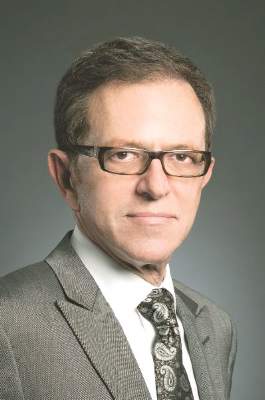
Point/Counterpoint: Mechanical vs. biological mitral valve for 50-year-old with rheumatic disease
Mechanical valve is the best choice
BY THORALF M. SUNDT III, M.D.
It’s not very sexy to talk about mechanical valves, but the reasons for placing a mechanical valve in a 50-year-old patient with rheumatic disease are obvious: Mechanical valves provide outstanding hemodynamics, they are beautifully engineered devices, their durability is beyond question, and, importantly, there’s no survival advantage to a biological prosthesis although one incurs the penalty of reoperation, which in a 50-year-old is going to be inevitable.
While this patient will have to continue on anticoagulation therapy with a mechanical valve, many patients who receive a biological valve, especially those with rheumatic disease, need anticoagulation for atrial fibrillation anyway. One can argue that a maze procedure might convert them to sinus rhythm, but this is least reproducible in the subset of patients with rheumatic disease. What’s more, the American Heart Association/American College of Cardiology Guideline for the Management of Patients With Valvular Heart Disease states that a mechanical prosthesis is reasonable for aortic or mitral valve replacement in patients aged 60 and younger with no contraindication to anticoagulation.
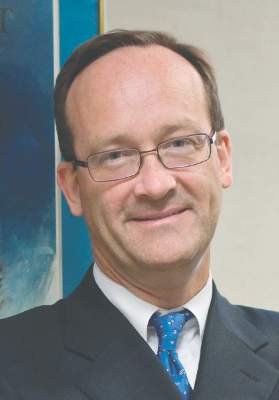
The fact that you have to use Coumadin (warfarin, Bristol-Myers Squibb), is not a condemnation of the mechanical valve; it just means we need to get smarter and better about how we manage anticoagulation in people with these prostheses.
While neither option is desirable, surprisingly morbidity with mechanical and biological valves is not demonstrably different. Stroke, embolic events, and bleeding complications have been found to be similar in numerous studies including a recent one authored by Dr. Vinay Badhwar and colleagues. Among 469 patients aged 65 years or younger who received a bileaflet mechanical prostheses or tissue valves, researchers found nearly identical rates of bleeding and thromboembolic complications when the anticoagulation was closely monitored (Ann. Thorac. Surg. 2012;93:748-53) Indeed, they even identified a mortality benefit among those with mechanical valves.
It’s also worth noting that the risk of anticoagulation-related complications is higher when the patient’s INR (international normalized ratio) is poorly controlled; up to 60% of INR values are outside the therapeutic range when thromboembolic complications occur. One can anticipate home INR testing and home management as ways to help patients stay within therapeutic range and reduce these risks. If the issue is anticoagulation, let’s improve it.
In summary, if you implant a biological valve in a 50-year-old patient, I guarantee that patient is going to be back for a reoperation and the prosthesis is going to deteriorate. For the surgeon, a biological valve can be an annuity of sorts. The mechanical valve has a clear advantage in durability, especially in younger patients.
Neither one is perfect, but there is no difference in morbidity between the two. A tissue prosthesis just buys you a reoperation – maybe valve-in-valve transcatheter valve. Maybe.
Dr. Sundt is chief of the division of cardiac surgery, Massachusetts General Hospital, Harvard Medical School, Boston. He is an adviser to Thrasos Innovation, but has no relevant relationships to disclose.
Why biological valve is the better choice
BY ANELECHI C. ANYANWU, M.D.
The reality is that whether you implant a mechanical or biological valve for mitral regurgitation, neither is good. The survival is poor. The half-life or median survival of a patient after either valve is about 15-20 years. The death rates are about 3% per year. The morbidity is high whether you have mechanical or biological valve, and none of them are good mitral substitutes.

Yet the biological valve is often a reasonable choice for a 50-year-old patient, despite studies that have shown a higher reoperation rate and decreased survival rate after biological mitral valve repair when compared to mechanical valve implantation in patients aged 65 and younger. But those study results may be skewed.
Dr. Tsuyoshi Kaneko and colleagues at Brigham and Women’s Hospital, Boston, showed that survival at about 20 years was much better with the mechanical valve. (J. Thorac. Cardiovasc. Surg. 2014;147:117-26). However, the difference in survival is greatest immediately after surgery. By 1 year the survival difference between mechanical valve and a tissue valve was more than 10%.
Why is this? I would argue this is a function of patient selection. We know in the United States that a patient with no insurance or low socioeconomic status does poorly compared to one who does have insurance. With a mechanical valve, they can thrombose; but with a biological valve, if they don’t take care of their health, of course they can die early. The reality is surgeons tend to use biological valves in patients of lower socioeconomic status and those with questionable compliance. None of these factors were considered in the propensity matching used in this study.
Dr. Joanna Chikwe and colleagues at Mount Sinai recently compared outcomes in several thousand patients who underwent biological or mechanical mitral valve replacement in New York State (JAMA 2015:323:1435-42). They found no survival difference in the first 30 or 90 days after surgery, or even at 15 years among patients aged 50-69 years. Indeed, a critical review of any study that has shown a survival advantage of the mechanical valve would find that the advantage occurred within the first few months after surgery, making it likely that such differences are due to patient selection, or other systematic bias, rather than a prostheses effect.
Mayo Clinic investigators, including Dr. Thoralf M. Sundt III, reported that among a cohort that received a mechanical valve, with an average age of 65 years, 16% had had a stroke at 5 years, compared with 8% of the biological valve group (J. Am. Coll. Cardiol. 2008;51:1203-11). You can only imagine what would happen at 10 or 20 years. They followed the data out to 10 years for thromboembolic events; that rate was 30% in the mechanical valve group. They concluded, “the mechanical valve is the least desirable correction of mitral regurgitation.”
As for managing anticoagulation, the literature provides no evidence that self-testing is superior to clinic testing. A trial published in the New England Journal of Medicine involving more than 2,000 patients, 700 of whom had a mechanical valve, showed a higher rate of stroke in patients who were randomized to home-INR monitoring compared with INR in the clinic. (N. Engl. J. Med. 2010;363:1608-20). Self-testing did not delay the time to first stroke, bleeding, or death.
Anticoagulation can be problematic if the patient needs to undergo another operation or medical procedure later, especially on an emergent basis. If the patient with a mechanical valve stops anticoagulation for even a short period of time, the risk of valve thrombosis is great. A patient with a biological valve can stop anticoagulation for a week or more without any consequence.
Finally, I relate the story of a man who could not bear the clicking sound of his mechanical valve. He asked for a new valve, but the surgeon would not take his request seriously. The man was taking drugs and started treatment for posttraumatic stress disorder. After 3 years, he killed himself. How many times have we sat down and talked to patients about what the clicking sound can do to them? Why don’t we make more of this? The patient should be given more choice.
Dr. Anyanwu is with the department of cardiac surgery, Mount Sinai Medical Center, New York. He has no relationships to disclose.
Mechanical valve is the best choice
BY THORALF M. SUNDT III, M.D.
It’s not very sexy to talk about mechanical valves, but the reasons for placing a mechanical valve in a 50-year-old patient with rheumatic disease are obvious: Mechanical valves provide outstanding hemodynamics, they are beautifully engineered devices, their durability is beyond question, and, importantly, there’s no survival advantage to a biological prosthesis although one incurs the penalty of reoperation, which in a 50-year-old is going to be inevitable.
While this patient will have to continue on anticoagulation therapy with a mechanical valve, many patients who receive a biological valve, especially those with rheumatic disease, need anticoagulation for atrial fibrillation anyway. One can argue that a maze procedure might convert them to sinus rhythm, but this is least reproducible in the subset of patients with rheumatic disease. What’s more, the American Heart Association/American College of Cardiology Guideline for the Management of Patients With Valvular Heart Disease states that a mechanical prosthesis is reasonable for aortic or mitral valve replacement in patients aged 60 and younger with no contraindication to anticoagulation.
The fact that you have to use Coumadin (warfarin, Bristol-Myers Squibb), is not a condemnation of the mechanical valve; it just means we need to get smarter and better about how we manage anticoagulation in people with these prostheses.
While neither option is desirable, surprisingly morbidity with mechanical and biological valves is not demonstrably different. Stroke, embolic events, and bleeding complications have been found to be similar in numerous studies including a recent one authored by Dr. Vinay Badhwar and colleagues. Among 469 patients aged 65 years or younger who received a bileaflet mechanical prostheses or tissue valves, researchers found nearly identical rates of bleeding and thromboembolic complications when the anticoagulation was closely monitored (Ann. Thorac. Surg. 2012;93:748-53) Indeed, they even identified a mortality benefit among those with mechanical valves.
It’s also worth noting that the risk of anticoagulation-related complications is higher when the patient’s INR (international normalized ratio) is poorly controlled; up to 60% of INR values are outside the therapeutic range when thromboembolic complications occur. One can anticipate home INR testing and home management as ways to help patients stay within therapeutic range and reduce these risks. If the issue is anticoagulation, let’s improve it.
In summary, if you implant a biological valve in a 50-year-old patient, I guarantee that patient is going to be back for a reoperation and the prosthesis is going to deteriorate. For the surgeon, a biological valve can be an annuity of sorts. The mechanical valve has a clear advantage in durability, especially in younger patients.
Neither one is perfect, but there is no difference in morbidity between the two. A tissue prosthesis just buys you a reoperation – maybe valve-in-valve transcatheter valve. Maybe.
Dr. Sundt is chief of the division of cardiac surgery, Massachusetts General Hospital, Harvard Medical School, Boston. He is an adviser to Thrasos Innovation, but has no relevant relationships to disclose.
Why biological valve is the better choice
BY ANELECHI C. ANYANWU, M.D.
The reality is that whether you implant a mechanical or biological valve for mitral regurgitation, neither is good. The survival is poor. The half-life or median survival of a patient after either valve is about 15-20 years. The death rates are about 3% per year. The morbidity is high whether you have mechanical or biological valve, and none of them are good mitral substitutes.
Yet the biological valve is often a reasonable choice for a 50-year-old patient, despite studies that have shown a higher reoperation rate and decreased survival rate after biological mitral valve repair when compared to mechanical valve implantation in patients aged 65 and younger. But those study results may be skewed.
Dr. Tsuyoshi Kaneko and colleagues at Brigham and Women’s Hospital, Boston, showed that survival at about 20 years was much better with the mechanical valve. (J. Thorac. Cardiovasc. Surg. 2014;147:117-26). However, the difference in survival is greatest immediately after surgery. By 1 year the survival difference between mechanical valve and a tissue valve was more than 10%.
Why is this? I would argue this is a function of patient selection. We know in the United States that a patient with no insurance or low socioeconomic status does poorly compared to one who does have insurance. With a mechanical valve, they can thrombose; but with a biological valve, if they don’t take care of their health, of course they can die early. The reality is surgeons tend to use biological valves in patients of lower socioeconomic status and those with questionable compliance. None of these factors were considered in the propensity matching used in this study.
Dr. Joanna Chikwe and colleagues at Mount Sinai recently compared outcomes in several thousand patients who underwent biological or mechanical mitral valve replacement in New York State (JAMA 2015:323:1435-42). They found no survival difference in the first 30 or 90 days after surgery, or even at 15 years among patients aged 50-69 years. Indeed, a critical review of any study that has shown a survival advantage of the mechanical valve would find that the advantage occurred within the first few months after surgery, making it likely that such differences are due to patient selection, or other systematic bias, rather than a prostheses effect.
Mayo Clinic investigators, including Dr. Thoralf M. Sundt III, reported that among a cohort that received a mechanical valve, with an average age of 65 years, 16% had had a stroke at 5 years, compared with 8% of the biological valve group (J. Am. Coll. Cardiol. 2008;51:1203-11). You can only imagine what would happen at 10 or 20 years. They followed the data out to 10 years for thromboembolic events; that rate was 30% in the mechanical valve group. They concluded, “the mechanical valve is the least desirable correction of mitral regurgitation.”
As for managing anticoagulation, the literature provides no evidence that self-testing is superior to clinic testing. A trial published in the New England Journal of Medicine involving more than 2,000 patients, 700 of whom had a mechanical valve, showed a higher rate of stroke in patients who were randomized to home-INR monitoring compared with INR in the clinic. (N. Engl. J. Med. 2010;363:1608-20). Self-testing did not delay the time to first stroke, bleeding, or death.
Anticoagulation can be problematic if the patient needs to undergo another operation or medical procedure later, especially on an emergent basis. If the patient with a mechanical valve stops anticoagulation for even a short period of time, the risk of valve thrombosis is great. A patient with a biological valve can stop anticoagulation for a week or more without any consequence.
Finally, I relate the story of a man who could not bear the clicking sound of his mechanical valve. He asked for a new valve, but the surgeon would not take his request seriously. The man was taking drugs and started treatment for posttraumatic stress disorder. After 3 years, he killed himself. How many times have we sat down and talked to patients about what the clicking sound can do to them? Why don’t we make more of this? The patient should be given more choice.
Dr. Anyanwu is with the department of cardiac surgery, Mount Sinai Medical Center, New York. He has no relationships to disclose.
Mechanical valve is the best choice
BY THORALF M. SUNDT III, M.D.
It’s not very sexy to talk about mechanical valves, but the reasons for placing a mechanical valve in a 50-year-old patient with rheumatic disease are obvious: Mechanical valves provide outstanding hemodynamics, they are beautifully engineered devices, their durability is beyond question, and, importantly, there’s no survival advantage to a biological prosthesis although one incurs the penalty of reoperation, which in a 50-year-old is going to be inevitable.
While this patient will have to continue on anticoagulation therapy with a mechanical valve, many patients who receive a biological valve, especially those with rheumatic disease, need anticoagulation for atrial fibrillation anyway. One can argue that a maze procedure might convert them to sinus rhythm, but this is least reproducible in the subset of patients with rheumatic disease. What’s more, the American Heart Association/American College of Cardiology Guideline for the Management of Patients With Valvular Heart Disease states that a mechanical prosthesis is reasonable for aortic or mitral valve replacement in patients aged 60 and younger with no contraindication to anticoagulation.
The fact that you have to use Coumadin (warfarin, Bristol-Myers Squibb), is not a condemnation of the mechanical valve; it just means we need to get smarter and better about how we manage anticoagulation in people with these prostheses.
While neither option is desirable, surprisingly morbidity with mechanical and biological valves is not demonstrably different. Stroke, embolic events, and bleeding complications have been found to be similar in numerous studies including a recent one authored by Dr. Vinay Badhwar and colleagues. Among 469 patients aged 65 years or younger who received a bileaflet mechanical prostheses or tissue valves, researchers found nearly identical rates of bleeding and thromboembolic complications when the anticoagulation was closely monitored (Ann. Thorac. Surg. 2012;93:748-53) Indeed, they even identified a mortality benefit among those with mechanical valves.
It’s also worth noting that the risk of anticoagulation-related complications is higher when the patient’s INR (international normalized ratio) is poorly controlled; up to 60% of INR values are outside the therapeutic range when thromboembolic complications occur. One can anticipate home INR testing and home management as ways to help patients stay within therapeutic range and reduce these risks. If the issue is anticoagulation, let’s improve it.
In summary, if you implant a biological valve in a 50-year-old patient, I guarantee that patient is going to be back for a reoperation and the prosthesis is going to deteriorate. For the surgeon, a biological valve can be an annuity of sorts. The mechanical valve has a clear advantage in durability, especially in younger patients.
Neither one is perfect, but there is no difference in morbidity between the two. A tissue prosthesis just buys you a reoperation – maybe valve-in-valve transcatheter valve. Maybe.
Dr. Sundt is chief of the division of cardiac surgery, Massachusetts General Hospital, Harvard Medical School, Boston. He is an adviser to Thrasos Innovation, but has no relevant relationships to disclose.
Why biological valve is the better choice
BY ANELECHI C. ANYANWU, M.D.
The reality is that whether you implant a mechanical or biological valve for mitral regurgitation, neither is good. The survival is poor. The half-life or median survival of a patient after either valve is about 15-20 years. The death rates are about 3% per year. The morbidity is high whether you have mechanical or biological valve, and none of them are good mitral substitutes.
Yet the biological valve is often a reasonable choice for a 50-year-old patient, despite studies that have shown a higher reoperation rate and decreased survival rate after biological mitral valve repair when compared to mechanical valve implantation in patients aged 65 and younger. But those study results may be skewed.
Dr. Tsuyoshi Kaneko and colleagues at Brigham and Women’s Hospital, Boston, showed that survival at about 20 years was much better with the mechanical valve. (J. Thorac. Cardiovasc. Surg. 2014;147:117-26). However, the difference in survival is greatest immediately after surgery. By 1 year the survival difference between mechanical valve and a tissue valve was more than 10%.
Why is this? I would argue this is a function of patient selection. We know in the United States that a patient with no insurance or low socioeconomic status does poorly compared to one who does have insurance. With a mechanical valve, they can thrombose; but with a biological valve, if they don’t take care of their health, of course they can die early. The reality is surgeons tend to use biological valves in patients of lower socioeconomic status and those with questionable compliance. None of these factors were considered in the propensity matching used in this study.
Dr. Joanna Chikwe and colleagues at Mount Sinai recently compared outcomes in several thousand patients who underwent biological or mechanical mitral valve replacement in New York State (JAMA 2015:323:1435-42). They found no survival difference in the first 30 or 90 days after surgery, or even at 15 years among patients aged 50-69 years. Indeed, a critical review of any study that has shown a survival advantage of the mechanical valve would find that the advantage occurred within the first few months after surgery, making it likely that such differences are due to patient selection, or other systematic bias, rather than a prostheses effect.
Mayo Clinic investigators, including Dr. Thoralf M. Sundt III, reported that among a cohort that received a mechanical valve, with an average age of 65 years, 16% had had a stroke at 5 years, compared with 8% of the biological valve group (J. Am. Coll. Cardiol. 2008;51:1203-11). You can only imagine what would happen at 10 or 20 years. They followed the data out to 10 years for thromboembolic events; that rate was 30% in the mechanical valve group. They concluded, “the mechanical valve is the least desirable correction of mitral regurgitation.”
As for managing anticoagulation, the literature provides no evidence that self-testing is superior to clinic testing. A trial published in the New England Journal of Medicine involving more than 2,000 patients, 700 of whom had a mechanical valve, showed a higher rate of stroke in patients who were randomized to home-INR monitoring compared with INR in the clinic. (N. Engl. J. Med. 2010;363:1608-20). Self-testing did not delay the time to first stroke, bleeding, or death.
Anticoagulation can be problematic if the patient needs to undergo another operation or medical procedure later, especially on an emergent basis. If the patient with a mechanical valve stops anticoagulation for even a short period of time, the risk of valve thrombosis is great. A patient with a biological valve can stop anticoagulation for a week or more without any consequence.
Finally, I relate the story of a man who could not bear the clicking sound of his mechanical valve. He asked for a new valve, but the surgeon would not take his request seriously. The man was taking drugs and started treatment for posttraumatic stress disorder. After 3 years, he killed himself. How many times have we sat down and talked to patients about what the clicking sound can do to them? Why don’t we make more of this? The patient should be given more choice.
Dr. Anyanwu is with the department of cardiac surgery, Mount Sinai Medical Center, New York. He has no relationships to disclose.
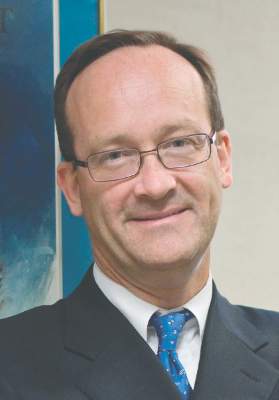
Tips for assessing, managing temper tantrums
Concerns about tantrums come up a lot in pediatric care. We all know about telling parents to ignore tantrums in toddlers and not to give in. But what about when this advice does not work?
I like to think of tantrums as emotions that go beyond the child’s control. This reframing helps families consider that not all tantrums are an attempt by the child to manipulate them. That is an important first step in avoiding a solely punitive response and instead encouraging parents to look for the source of the imbalance.
Temper tantrums are most common when a child is making developmental spurts in abilities or thinking that are typically unevenly matched with self-control. There is a lot of unevenness in children’s ability to do, say, or tolerate feelings between the early tantrums of the 9-month-old until the greater coping of the 6-year-old. For example, 87% of 18- to 24-month-olds have tantrums just as they acquire autonomy and some language, yet can’t really speak their feelings, while 91% of 30- to 36-month-olds have tantrums because they can imagine big things, but are only capable of or allowed small ones. Even at 42-48 months, more than half have tantrums, which often are associated with the stress and fatigue from dropping their nap.
Life is frustrating for kids. Young children want to try to use their new skills such as climbing, opening things, or scribbling, but parents – at first delighted – suddenly want them to stop! At first, every new word is celebrated, but then toddler talk gets routine, and toddlers may be ignored or even shushed. When the child has a strong desire, the words may not be there, or emotions may make it hard to talk at all, leading to frustration.
With the development of a sense of self, the song is “I want,” “mine,” and “no!” Sharing is not in the child’s repertoire until age 3 years or older. Temperamentally more intense children give up less easily or are not readily distracted.
The threshold for frustration depends on the child’s overall state. Is the child hungry? Tired? Stressed? In pain? Here is where the differential diagnosis of excessive tantrums needs to also include pain from a medical condition such as celiac disease, arthritis, migraine, or sickle cell disease. Children under age 7 years commonly have a low tolerance for sensations as simple as loud noises and elastic waistbands, but those with sensory integration disorder are at the extreme in what sounds, feelings, or motions they cannot bear at any age and may need specific intervention by occupational or physical therapists. Mental health conditions such as attention-deficit/hyperactivity disorder, depression, anxiety, and bipolar disorder also predispose to irritable responses to even normal stresses, often in combination with lagging skills and poor sleep. Consider these when tantrums are extreme.
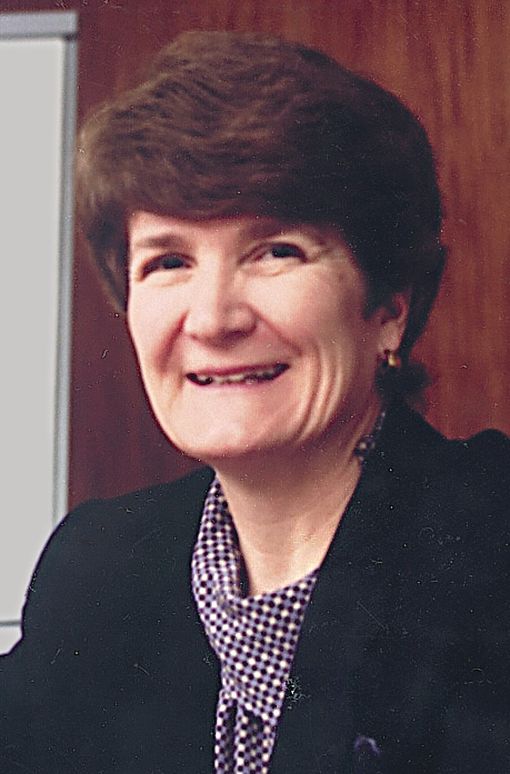
An age period of tantrums may be expected and accepted by parents, thus the name “terrible twos,” but if tantrums persist, they can wear out even a patient parent. Signs that a child’s tantrums are beyond the usual range include a frequency of more than once a day, a duration of more than the typical 5 minutes, or persistence after age 6 years. When you are asked if a child’s tantrums are “normal,” these are useful parameters. It also helps to explain to parents the natural course of anger arousal that starts with a trigger, peaks within 3 minutes, then subsides rapidly (usually a total of 90 seconds), and although starting with anger, ends up with sadness. Asking parents to collect this information helps them avoid interfering with or reinforcing tantrums.
Understanding the child’s temperament and needs, and avoiding triggers, can prevent many tantrums. What was she doing just before the tantrum started? What were the triggers such as fatigue, hunger, inability to express herself, or a buildup of jealousy from repeated sibling intrusions? Are there skill deficits setting him off, especially fine motor or language delays? Management then needs to focus on avoiding these triggers, if possible, and diagnosing and treating developmental delays.
Next, parents can try to distract by jollying, making a joke, or singing. These are useful moments of modeling. Some parents are worried that distracting the child with something more fun to do will interfere with his learning to cope. If distraction works, they should use it!
Often nothing works, and the child has to explode and recover on her own. Talking, cajoling, or scolding during the fit is useless – like trying to squash dynamite after the flame has hit the powder.
While standing by silently ignoring tantrums is usually the fastest way to reduce them, some children calm down faster if held. This does not reinforce the fits as long as the child’s demand is not fulfilled. Instead, it lends adult “ego support” to reassure the child that all is well and life goes on. Children quickly go from angry to sad; older children are even embarrassed by their loss of control. Comfort is appropriate and kind, as long as at least one parent can do this authentically.
Point out that frustrations in small doses are crucial for learning frustration tolerance. Parents who overprotect their child from any little stress to avoid fits is doing him a disservice. Instead, attention, praise, or marks for little bits of self-control effort or for “using your words” builds self-control over time. Times of transitions such as coming for dinner or going to brush teeth are often times of tantrums; these deserve a 2-minute warning and praise or marks for success in “moving on.”(Stopping electronics without a fit is another . Hint: If the child has a fit, he gets no electronics the next day.)
Adult management may be reinforcing tantrums. When parents give the child what she was screaming for, or remove a demand – such as to take a bath – that had sparked a fit, they can count on having an even worse reaction the next time.
I coach parents to think together about the six main things that set off their child’s tantrums and decide in advance on which ones they will hold their ground. Then, when the child just begins to beg for that snack, the parent should decide instantly if this is a “yes” or a “no” (aiming for more yeses). Parental “giving in” before a tantrum starts models positive flexibility for the child and avoids reinforcement. When an event on the “no” list comes up, both parents are then better able to have an unequivocal response and then walk away.
“But when should we teach him a lesson?” parents often ask. If parents interpret a tantrum as manipulative, a moral failing, or an evil tendency, they tend to react with anger and even loss of control themselves. Be alert for risks of excessive punishment in these cases. Not only is their response a poor model and scary for the child, it can even become an exciting, reinforcing display. If parents are depressed or tend to ignore the child as a norm, it may be worth it to the child to throw a fit to bring them to life. You can emphasize that positive attention to good behavior and silent ignoring of fits is more effective and avoids these side effects.
Parents may experience tantrums as a battle of wills that they are not willing to lose, imagining a future rebellious teen. They need education on the normal imbalances of childhood and on both prevention and intervention strategies. What they can lose in the present is their child’s confidence in adult kindness, the opportunity to model flexibility and self-control, and a relationship with their child that conveys acceptance.
Dr. Howard is assistant professor of pediatrics at the Johns Hopkins University School of Medicine, Baltimore, and creator of CHADIS (www.CHADIS.com). She has no other relevant disclosures. Dr. Howard’s contribution to this publication was as a paid expert to Frontline Medical Communications.
Concerns about tantrums come up a lot in pediatric care. We all know about telling parents to ignore tantrums in toddlers and not to give in. But what about when this advice does not work?
I like to think of tantrums as emotions that go beyond the child’s control. This reframing helps families consider that not all tantrums are an attempt by the child to manipulate them. That is an important first step in avoiding a solely punitive response and instead encouraging parents to look for the source of the imbalance.
Temper tantrums are most common when a child is making developmental spurts in abilities or thinking that are typically unevenly matched with self-control. There is a lot of unevenness in children’s ability to do, say, or tolerate feelings between the early tantrums of the 9-month-old until the greater coping of the 6-year-old. For example, 87% of 18- to 24-month-olds have tantrums just as they acquire autonomy and some language, yet can’t really speak their feelings, while 91% of 30- to 36-month-olds have tantrums because they can imagine big things, but are only capable of or allowed small ones. Even at 42-48 months, more than half have tantrums, which often are associated with the stress and fatigue from dropping their nap.
Life is frustrating for kids. Young children want to try to use their new skills such as climbing, opening things, or scribbling, but parents – at first delighted – suddenly want them to stop! At first, every new word is celebrated, but then toddler talk gets routine, and toddlers may be ignored or even shushed. When the child has a strong desire, the words may not be there, or emotions may make it hard to talk at all, leading to frustration.
With the development of a sense of self, the song is “I want,” “mine,” and “no!” Sharing is not in the child’s repertoire until age 3 years or older. Temperamentally more intense children give up less easily or are not readily distracted.
The threshold for frustration depends on the child’s overall state. Is the child hungry? Tired? Stressed? In pain? Here is where the differential diagnosis of excessive tantrums needs to also include pain from a medical condition such as celiac disease, arthritis, migraine, or sickle cell disease. Children under age 7 years commonly have a low tolerance for sensations as simple as loud noises and elastic waistbands, but those with sensory integration disorder are at the extreme in what sounds, feelings, or motions they cannot bear at any age and may need specific intervention by occupational or physical therapists. Mental health conditions such as attention-deficit/hyperactivity disorder, depression, anxiety, and bipolar disorder also predispose to irritable responses to even normal stresses, often in combination with lagging skills and poor sleep. Consider these when tantrums are extreme.
An age period of tantrums may be expected and accepted by parents, thus the name “terrible twos,” but if tantrums persist, they can wear out even a patient parent. Signs that a child’s tantrums are beyond the usual range include a frequency of more than once a day, a duration of more than the typical 5 minutes, or persistence after age 6 years. When you are asked if a child’s tantrums are “normal,” these are useful parameters. It also helps to explain to parents the natural course of anger arousal that starts with a trigger, peaks within 3 minutes, then subsides rapidly (usually a total of 90 seconds), and although starting with anger, ends up with sadness. Asking parents to collect this information helps them avoid interfering with or reinforcing tantrums.
Understanding the child’s temperament and needs, and avoiding triggers, can prevent many tantrums. What was she doing just before the tantrum started? What were the triggers such as fatigue, hunger, inability to express herself, or a buildup of jealousy from repeated sibling intrusions? Are there skill deficits setting him off, especially fine motor or language delays? Management then needs to focus on avoiding these triggers, if possible, and diagnosing and treating developmental delays.
Next, parents can try to distract by jollying, making a joke, or singing. These are useful moments of modeling. Some parents are worried that distracting the child with something more fun to do will interfere with his learning to cope. If distraction works, they should use it!
Often nothing works, and the child has to explode and recover on her own. Talking, cajoling, or scolding during the fit is useless – like trying to squash dynamite after the flame has hit the powder.
While standing by silently ignoring tantrums is usually the fastest way to reduce them, some children calm down faster if held. This does not reinforce the fits as long as the child’s demand is not fulfilled. Instead, it lends adult “ego support” to reassure the child that all is well and life goes on. Children quickly go from angry to sad; older children are even embarrassed by their loss of control. Comfort is appropriate and kind, as long as at least one parent can do this authentically.
Point out that frustrations in small doses are crucial for learning frustration tolerance. Parents who overprotect their child from any little stress to avoid fits is doing him a disservice. Instead, attention, praise, or marks for little bits of self-control effort or for “using your words” builds self-control over time. Times of transitions such as coming for dinner or going to brush teeth are often times of tantrums; these deserve a 2-minute warning and praise or marks for success in “moving on.”(Stopping electronics without a fit is another . Hint: If the child has a fit, he gets no electronics the next day.)
Adult management may be reinforcing tantrums. When parents give the child what she was screaming for, or remove a demand – such as to take a bath – that had sparked a fit, they can count on having an even worse reaction the next time.
I coach parents to think together about the six main things that set off their child’s tantrums and decide in advance on which ones they will hold their ground. Then, when the child just begins to beg for that snack, the parent should decide instantly if this is a “yes” or a “no” (aiming for more yeses). Parental “giving in” before a tantrum starts models positive flexibility for the child and avoids reinforcement. When an event on the “no” list comes up, both parents are then better able to have an unequivocal response and then walk away.
“But when should we teach him a lesson?” parents often ask. If parents interpret a tantrum as manipulative, a moral failing, or an evil tendency, they tend to react with anger and even loss of control themselves. Be alert for risks of excessive punishment in these cases. Not only is their response a poor model and scary for the child, it can even become an exciting, reinforcing display. If parents are depressed or tend to ignore the child as a norm, it may be worth it to the child to throw a fit to bring them to life. You can emphasize that positive attention to good behavior and silent ignoring of fits is more effective and avoids these side effects.
Parents may experience tantrums as a battle of wills that they are not willing to lose, imagining a future rebellious teen. They need education on the normal imbalances of childhood and on both prevention and intervention strategies. What they can lose in the present is their child’s confidence in adult kindness, the opportunity to model flexibility and self-control, and a relationship with their child that conveys acceptance.
Dr. Howard is assistant professor of pediatrics at the Johns Hopkins University School of Medicine, Baltimore, and creator of CHADIS (www.CHADIS.com). She has no other relevant disclosures. Dr. Howard’s contribution to this publication was as a paid expert to Frontline Medical Communications.
Concerns about tantrums come up a lot in pediatric care. We all know about telling parents to ignore tantrums in toddlers and not to give in. But what about when this advice does not work?
I like to think of tantrums as emotions that go beyond the child’s control. This reframing helps families consider that not all tantrums are an attempt by the child to manipulate them. That is an important first step in avoiding a solely punitive response and instead encouraging parents to look for the source of the imbalance.
Temper tantrums are most common when a child is making developmental spurts in abilities or thinking that are typically unevenly matched with self-control. There is a lot of unevenness in children’s ability to do, say, or tolerate feelings between the early tantrums of the 9-month-old until the greater coping of the 6-year-old. For example, 87% of 18- to 24-month-olds have tantrums just as they acquire autonomy and some language, yet can’t really speak their feelings, while 91% of 30- to 36-month-olds have tantrums because they can imagine big things, but are only capable of or allowed small ones. Even at 42-48 months, more than half have tantrums, which often are associated with the stress and fatigue from dropping their nap.
Life is frustrating for kids. Young children want to try to use their new skills such as climbing, opening things, or scribbling, but parents – at first delighted – suddenly want them to stop! At first, every new word is celebrated, but then toddler talk gets routine, and toddlers may be ignored or even shushed. When the child has a strong desire, the words may not be there, or emotions may make it hard to talk at all, leading to frustration.
With the development of a sense of self, the song is “I want,” “mine,” and “no!” Sharing is not in the child’s repertoire until age 3 years or older. Temperamentally more intense children give up less easily or are not readily distracted.
The threshold for frustration depends on the child’s overall state. Is the child hungry? Tired? Stressed? In pain? Here is where the differential diagnosis of excessive tantrums needs to also include pain from a medical condition such as celiac disease, arthritis, migraine, or sickle cell disease. Children under age 7 years commonly have a low tolerance for sensations as simple as loud noises and elastic waistbands, but those with sensory integration disorder are at the extreme in what sounds, feelings, or motions they cannot bear at any age and may need specific intervention by occupational or physical therapists. Mental health conditions such as attention-deficit/hyperactivity disorder, depression, anxiety, and bipolar disorder also predispose to irritable responses to even normal stresses, often in combination with lagging skills and poor sleep. Consider these when tantrums are extreme.
An age period of tantrums may be expected and accepted by parents, thus the name “terrible twos,” but if tantrums persist, they can wear out even a patient parent. Signs that a child’s tantrums are beyond the usual range include a frequency of more than once a day, a duration of more than the typical 5 minutes, or persistence after age 6 years. When you are asked if a child’s tantrums are “normal,” these are useful parameters. It also helps to explain to parents the natural course of anger arousal that starts with a trigger, peaks within 3 minutes, then subsides rapidly (usually a total of 90 seconds), and although starting with anger, ends up with sadness. Asking parents to collect this information helps them avoid interfering with or reinforcing tantrums.
Understanding the child’s temperament and needs, and avoiding triggers, can prevent many tantrums. What was she doing just before the tantrum started? What were the triggers such as fatigue, hunger, inability to express herself, or a buildup of jealousy from repeated sibling intrusions? Are there skill deficits setting him off, especially fine motor or language delays? Management then needs to focus on avoiding these triggers, if possible, and diagnosing and treating developmental delays.
Next, parents can try to distract by jollying, making a joke, or singing. These are useful moments of modeling. Some parents are worried that distracting the child with something more fun to do will interfere with his learning to cope. If distraction works, they should use it!
Often nothing works, and the child has to explode and recover on her own. Talking, cajoling, or scolding during the fit is useless – like trying to squash dynamite after the flame has hit the powder.
While standing by silently ignoring tantrums is usually the fastest way to reduce them, some children calm down faster if held. This does not reinforce the fits as long as the child’s demand is not fulfilled. Instead, it lends adult “ego support” to reassure the child that all is well and life goes on. Children quickly go from angry to sad; older children are even embarrassed by their loss of control. Comfort is appropriate and kind, as long as at least one parent can do this authentically.
Point out that frustrations in small doses are crucial for learning frustration tolerance. Parents who overprotect their child from any little stress to avoid fits is doing him a disservice. Instead, attention, praise, or marks for little bits of self-control effort or for “using your words” builds self-control over time. Times of transitions such as coming for dinner or going to brush teeth are often times of tantrums; these deserve a 2-minute warning and praise or marks for success in “moving on.”(Stopping electronics without a fit is another . Hint: If the child has a fit, he gets no electronics the next day.)
Adult management may be reinforcing tantrums. When parents give the child what she was screaming for, or remove a demand – such as to take a bath – that had sparked a fit, they can count on having an even worse reaction the next time.
I coach parents to think together about the six main things that set off their child’s tantrums and decide in advance on which ones they will hold their ground. Then, when the child just begins to beg for that snack, the parent should decide instantly if this is a “yes” or a “no” (aiming for more yeses). Parental “giving in” before a tantrum starts models positive flexibility for the child and avoids reinforcement. When an event on the “no” list comes up, both parents are then better able to have an unequivocal response and then walk away.
“But when should we teach him a lesson?” parents often ask. If parents interpret a tantrum as manipulative, a moral failing, or an evil tendency, they tend to react with anger and even loss of control themselves. Be alert for risks of excessive punishment in these cases. Not only is their response a poor model and scary for the child, it can even become an exciting, reinforcing display. If parents are depressed or tend to ignore the child as a norm, it may be worth it to the child to throw a fit to bring them to life. You can emphasize that positive attention to good behavior and silent ignoring of fits is more effective and avoids these side effects.
Parents may experience tantrums as a battle of wills that they are not willing to lose, imagining a future rebellious teen. They need education on the normal imbalances of childhood and on both prevention and intervention strategies. What they can lose in the present is their child’s confidence in adult kindness, the opportunity to model flexibility and self-control, and a relationship with their child that conveys acceptance.
Dr. Howard is assistant professor of pediatrics at the Johns Hopkins University School of Medicine, Baltimore, and creator of CHADIS (www.CHADIS.com). She has no other relevant disclosures. Dr. Howard’s contribution to this publication was as a paid expert to Frontline Medical Communications.
Let’s talk about the evidence
One of my favorite professional activities is teaching an evidence-based continuing medical education course each year at state Academy of Family Physicians meetings. In 12 intensive hours, 4 evidence-based medicine (EBM) experts guide family physicians, nurse practitioners, and physician assistants through nearly 400 abstracts that summarize recent studies that impact primary care practice.
In some cases, the new studies support current practice and standards of care, but for many topics, the new evidence suggests we ought to change our practice, either by stopping something we are currently doing or by starting to do something new. Who would have thought, for instance, that we should abandon the routine bimanual pelvic exam because the potential for harm is greater than the potential for benefit?
Frequently, however, we conclude a talk by describing the uncertainty surrounding particular issues and the need for more high-quality research. For example, there is scant evidence that vitamin D supplementation in healthy Americans leads to any positive outcomes compared to a decent diet and 15 minutes in the sun each day. Luckily, there are several large randomized trials currently underway that will evaluate vitamin D supplementation.
The strength of the scientific evidence to support screening tests and treatments is important to consider. A study examining changes in 11 American College of Cardiology/American Heart Association guidelines found that, out of 619 recommendations, 90% were unchanged in the updated version if supported by multiple randomized trials, and 74% were unchanged if supported by expert opinion.1
In The Journal of Family Practice, we use the Strength of Recommendation Taxonomy (SORT) that was developed by family physician EBM experts2 because it is an approach to grading evidence that takes into account “patient-oriented evidence that matters.” An A-level recommendation is based on consistent and good-quality patient-oriented evidence; a B-level recommendation is based on inconsistent or limited-quality patient-oriented evidence; and a C-level recommendation is based on consensus, usual practice, opinion, disease-oriented evidence, or case series.
We ask our authors to carefully select the level of evidence supporting their clinical recommendations. But your input—and the lively discussion that can often follow—is important, too. Just last month, we published a letter from 2 readers who challenged the evidence-based answer to a Clinical Inquiries question on breastfeeding.
Such ongoing dialogue is useful and enlightening. And we encourage you to write us if you disagree with any of the SORT ratings published in the journal. Let’s keep talking about what the evidence says.
1. Neuman MD, Goldstein JN, Cirullo MA, et al. Durability of class I American College of Cardiology/American Heart Association clinical practice guideline recommendations. JAMA. 2014;311:2092-2100.
2. Ebell MH, Siwek J, Weiss BD, et al. Simplifying the language of evidence to improve patient care: Strength of recommendation taxonomy (SORT): a patient-centered approach to grading evidence in medical literature. J Fam Pract. 2004;53:111-120.
One of my favorite professional activities is teaching an evidence-based continuing medical education course each year at state Academy of Family Physicians meetings. In 12 intensive hours, 4 evidence-based medicine (EBM) experts guide family physicians, nurse practitioners, and physician assistants through nearly 400 abstracts that summarize recent studies that impact primary care practice.
In some cases, the new studies support current practice and standards of care, but for many topics, the new evidence suggests we ought to change our practice, either by stopping something we are currently doing or by starting to do something new. Who would have thought, for instance, that we should abandon the routine bimanual pelvic exam because the potential for harm is greater than the potential for benefit?
Frequently, however, we conclude a talk by describing the uncertainty surrounding particular issues and the need for more high-quality research. For example, there is scant evidence that vitamin D supplementation in healthy Americans leads to any positive outcomes compared to a decent diet and 15 minutes in the sun each day. Luckily, there are several large randomized trials currently underway that will evaluate vitamin D supplementation.
The strength of the scientific evidence to support screening tests and treatments is important to consider. A study examining changes in 11 American College of Cardiology/American Heart Association guidelines found that, out of 619 recommendations, 90% were unchanged in the updated version if supported by multiple randomized trials, and 74% were unchanged if supported by expert opinion.1
In The Journal of Family Practice, we use the Strength of Recommendation Taxonomy (SORT) that was developed by family physician EBM experts2 because it is an approach to grading evidence that takes into account “patient-oriented evidence that matters.” An A-level recommendation is based on consistent and good-quality patient-oriented evidence; a B-level recommendation is based on inconsistent or limited-quality patient-oriented evidence; and a C-level recommendation is based on consensus, usual practice, opinion, disease-oriented evidence, or case series.
We ask our authors to carefully select the level of evidence supporting their clinical recommendations. But your input—and the lively discussion that can often follow—is important, too. Just last month, we published a letter from 2 readers who challenged the evidence-based answer to a Clinical Inquiries question on breastfeeding.
Such ongoing dialogue is useful and enlightening. And we encourage you to write us if you disagree with any of the SORT ratings published in the journal. Let’s keep talking about what the evidence says.
One of my favorite professional activities is teaching an evidence-based continuing medical education course each year at state Academy of Family Physicians meetings. In 12 intensive hours, 4 evidence-based medicine (EBM) experts guide family physicians, nurse practitioners, and physician assistants through nearly 400 abstracts that summarize recent studies that impact primary care practice.
In some cases, the new studies support current practice and standards of care, but for many topics, the new evidence suggests we ought to change our practice, either by stopping something we are currently doing or by starting to do something new. Who would have thought, for instance, that we should abandon the routine bimanual pelvic exam because the potential for harm is greater than the potential for benefit?
Frequently, however, we conclude a talk by describing the uncertainty surrounding particular issues and the need for more high-quality research. For example, there is scant evidence that vitamin D supplementation in healthy Americans leads to any positive outcomes compared to a decent diet and 15 minutes in the sun each day. Luckily, there are several large randomized trials currently underway that will evaluate vitamin D supplementation.
The strength of the scientific evidence to support screening tests and treatments is important to consider. A study examining changes in 11 American College of Cardiology/American Heart Association guidelines found that, out of 619 recommendations, 90% were unchanged in the updated version if supported by multiple randomized trials, and 74% were unchanged if supported by expert opinion.1
In The Journal of Family Practice, we use the Strength of Recommendation Taxonomy (SORT) that was developed by family physician EBM experts2 because it is an approach to grading evidence that takes into account “patient-oriented evidence that matters.” An A-level recommendation is based on consistent and good-quality patient-oriented evidence; a B-level recommendation is based on inconsistent or limited-quality patient-oriented evidence; and a C-level recommendation is based on consensus, usual practice, opinion, disease-oriented evidence, or case series.
We ask our authors to carefully select the level of evidence supporting their clinical recommendations. But your input—and the lively discussion that can often follow—is important, too. Just last month, we published a letter from 2 readers who challenged the evidence-based answer to a Clinical Inquiries question on breastfeeding.
Such ongoing dialogue is useful and enlightening. And we encourage you to write us if you disagree with any of the SORT ratings published in the journal. Let’s keep talking about what the evidence says.
1. Neuman MD, Goldstein JN, Cirullo MA, et al. Durability of class I American College of Cardiology/American Heart Association clinical practice guideline recommendations. JAMA. 2014;311:2092-2100.
2. Ebell MH, Siwek J, Weiss BD, et al. Simplifying the language of evidence to improve patient care: Strength of recommendation taxonomy (SORT): a patient-centered approach to grading evidence in medical literature. J Fam Pract. 2004;53:111-120.
1. Neuman MD, Goldstein JN, Cirullo MA, et al. Durability of class I American College of Cardiology/American Heart Association clinical practice guideline recommendations. JAMA. 2014;311:2092-2100.
2. Ebell MH, Siwek J, Weiss BD, et al. Simplifying the language of evidence to improve patient care: Strength of recommendation taxonomy (SORT): a patient-centered approach to grading evidence in medical literature. J Fam Pract. 2004;53:111-120.
Online Entry-Level Education: The Jury Is Still Out!
I consider my role as an editorialist to be to inform, persuade, or—sometimes—just comment on current issues that affect PAs and NPs. There have been many opportunities in recent years to address “hot” topics, and this is certainly one of them: the rise of distance entry-level education for health professions students.
The catalyst for this discussion? Earlier this year, Yale University announced it was launching an online entry-level PA program.1 Within minutes of that announcement, there was a conflagration of criticism from the profession, alumni, and the general public. Most of the backlash centered on concerns about adequate delivery of such intense content—including how to instill or enhance professional behaviors and attitudes, or teach hands-on procedures, objective structured clinical examinations (OSCEs), and physical exam techniques—from a distance.
In our professions, we tend to be fairly conservative when it comes to change—particularly in terms of innovations in our education programs. But as e-learning, simulations, and distance education modalities become ever more prevalent across the spectrum of higher learning, we require an improved understanding of how these methods will transform entry-level education for health care providers.
Until recently, there has been minimal data on the impact of these technologic advances and teaching methods in health professions education, although this is changing.2 We do have a research gap when it comes to the effect of learning style on NP and PA students’ perceptions of online instruction (despite the rapidly increasing use of it). We also have not firmly established how this delivery method affects professional development (ie, how effectively it prepares clinicians to provide care to patients). None of this has prevented the proliferation of these concepts.
While many were stunned by the Yale venture, it should be noted that the idea is not new. Rather, such programs have steadily become part of health professions education (particularly nursing) in recent years.3 Yale itself was an early adopter of “bridge” programs; for example, someone with a Bachelor of Science in any field could enter the NP program, becoming an RN in one year and an NP in the second.
As far as “distance learning,” offering graduate degrees in a health profession to remote students dates back to at least the early 1990s, when the University of Pennsylvania offered a videoconference-based master’s in nurse-midwifery. Since then, of course, technology has advanced to a level that allows individuals to view videos and “conference” online via personal electronic devices of one kind or another—a vast improvement on the expensive and inflexible room-scale video presentations of 20 years ago.
As these technologic limitations have fallen by the wayside and alterations to our educational structure have become more feasible, more colleges and universities are exploring their options. The PA programs at the University of North Dakota and the University of Wisconsin–Madison have experimented with blended online learning environments. My own university has an interest in moving to ever-higher levels of distant interaction.
Major criticism of distance education includes the perception that it is a “watered-down” version of the “real thing.” There is also concern that educational institutions might be motivated purely by money, if the sole impetus for distance learning is to significantly increase enrollment. And some critics, while not opposed to online courses per se, do not want an NP or PA seeing patients if his/her degree was earned online—not even in part!
Perhaps the larger issue we’re struggling with is that a new paradigm of teaching is emerging: We are moving away from the traditional Socratic method to more interactive modalities, such as flipped classrooms (settings in which students collaborate via online discussion). Synchronous classes can be delivered seminar-style, with each student able to hear the others and instructors able to share content and even give control of a class to a student for questions or presentations. Asynchronous courses offer opportunities for students to study on their own time and at their own pace. Many suggest that more comprehensive learning, including the development of critical thinking skills, occurs in programs of this design than in traditional education programs.4
I think there is little argument that the educational content (didactics) of a program can be successfully delivered through a nonresidential venue. The concern, rightly so, in health professional education is how to adequately deliver the practical and cocurricular experiences at a distance. Some of us may have a difficult time understanding how this new method of teaching can create the kind of clinicians that are needed, particularly in the relatively short period in which PAs and NPs are prepared for their roles.
Proponents insist that these programs can be successful, as long as they are accredited by the appropriate agency and demonstrate high educational standards (comparable to traditional programs). Programs also need to provide clinical experiences in which the students observe and actually work with patients in order to develop skills in the art of history taking and physical examination, establishment of a differential diagnosis, creation of a plan of action, and appropriate decision-making with regard to available tests and treatment options. Advocates of distance learning also agree that students must be observed by peer clinicians who can confirm that they are ethical and competent to practice, have good bedside manners, and demonstrate respect for the profession and for life.
And who knows? Distance learning may create opportunities to improve access to care in remote, rural, and underserved areas, as these could become fertile training grounds for NPs and PAs (a return to our roots, in a sense). In this age of successful telemedicine, why shouldn’t “tele-education” be the next success story? Although the jury is still out on this concept, the proverbial cat has already been let out of the bag! Only time will tell what results we will see. But I think with the significant enhancement of technology, and participation of committed educators who are willing to step into the arena to ensure that competency-based education persists, we will be pleasantly surprised by the success of this venture.
I would be interested in your views. Please email me at PAEditor@frontlinemedcom.com.
REFERENCES
1. Monir M. Yale to offer full-time master’s program online. USA Today. www.usatoday.com/story/news/nation/2015/03/12/yale-full-time-online-masters-program/70163994. Accessed May 2, 2015.
2. Kushniruk AW. Advances in health education applying e-learning, simulations and distance technologies [editorial]. Knowledge Manage E-Learning Int J. 2011;3(1):1-4.
3. Robley LR, Farnsworth BJ, Flynn JB, Horne CD. This new house: building knowledge through online learning. J Prof Nurs. 2004;20(5):333-343.
4. Yang YTC, Chou HA. Beyond critical thinking skills: investigating the relationship between critical thinking skills and dispositions through different online instructional strategies. Br J Educ Technol. 2008;39(4):666-684.
I consider my role as an editorialist to be to inform, persuade, or—sometimes—just comment on current issues that affect PAs and NPs. There have been many opportunities in recent years to address “hot” topics, and this is certainly one of them: the rise of distance entry-level education for health professions students.
The catalyst for this discussion? Earlier this year, Yale University announced it was launching an online entry-level PA program.1 Within minutes of that announcement, there was a conflagration of criticism from the profession, alumni, and the general public. Most of the backlash centered on concerns about adequate delivery of such intense content—including how to instill or enhance professional behaviors and attitudes, or teach hands-on procedures, objective structured clinical examinations (OSCEs), and physical exam techniques—from a distance.
In our professions, we tend to be fairly conservative when it comes to change—particularly in terms of innovations in our education programs. But as e-learning, simulations, and distance education modalities become ever more prevalent across the spectrum of higher learning, we require an improved understanding of how these methods will transform entry-level education for health care providers.
Until recently, there has been minimal data on the impact of these technologic advances and teaching methods in health professions education, although this is changing.2 We do have a research gap when it comes to the effect of learning style on NP and PA students’ perceptions of online instruction (despite the rapidly increasing use of it). We also have not firmly established how this delivery method affects professional development (ie, how effectively it prepares clinicians to provide care to patients). None of this has prevented the proliferation of these concepts.
While many were stunned by the Yale venture, it should be noted that the idea is not new. Rather, such programs have steadily become part of health professions education (particularly nursing) in recent years.3 Yale itself was an early adopter of “bridge” programs; for example, someone with a Bachelor of Science in any field could enter the NP program, becoming an RN in one year and an NP in the second.
As far as “distance learning,” offering graduate degrees in a health profession to remote students dates back to at least the early 1990s, when the University of Pennsylvania offered a videoconference-based master’s in nurse-midwifery. Since then, of course, technology has advanced to a level that allows individuals to view videos and “conference” online via personal electronic devices of one kind or another—a vast improvement on the expensive and inflexible room-scale video presentations of 20 years ago.
As these technologic limitations have fallen by the wayside and alterations to our educational structure have become more feasible, more colleges and universities are exploring their options. The PA programs at the University of North Dakota and the University of Wisconsin–Madison have experimented with blended online learning environments. My own university has an interest in moving to ever-higher levels of distant interaction.
Major criticism of distance education includes the perception that it is a “watered-down” version of the “real thing.” There is also concern that educational institutions might be motivated purely by money, if the sole impetus for distance learning is to significantly increase enrollment. And some critics, while not opposed to online courses per se, do not want an NP or PA seeing patients if his/her degree was earned online—not even in part!
Perhaps the larger issue we’re struggling with is that a new paradigm of teaching is emerging: We are moving away from the traditional Socratic method to more interactive modalities, such as flipped classrooms (settings in which students collaborate via online discussion). Synchronous classes can be delivered seminar-style, with each student able to hear the others and instructors able to share content and even give control of a class to a student for questions or presentations. Asynchronous courses offer opportunities for students to study on their own time and at their own pace. Many suggest that more comprehensive learning, including the development of critical thinking skills, occurs in programs of this design than in traditional education programs.4
I think there is little argument that the educational content (didactics) of a program can be successfully delivered through a nonresidential venue. The concern, rightly so, in health professional education is how to adequately deliver the practical and cocurricular experiences at a distance. Some of us may have a difficult time understanding how this new method of teaching can create the kind of clinicians that are needed, particularly in the relatively short period in which PAs and NPs are prepared for their roles.
Proponents insist that these programs can be successful, as long as they are accredited by the appropriate agency and demonstrate high educational standards (comparable to traditional programs). Programs also need to provide clinical experiences in which the students observe and actually work with patients in order to develop skills in the art of history taking and physical examination, establishment of a differential diagnosis, creation of a plan of action, and appropriate decision-making with regard to available tests and treatment options. Advocates of distance learning also agree that students must be observed by peer clinicians who can confirm that they are ethical and competent to practice, have good bedside manners, and demonstrate respect for the profession and for life.
And who knows? Distance learning may create opportunities to improve access to care in remote, rural, and underserved areas, as these could become fertile training grounds for NPs and PAs (a return to our roots, in a sense). In this age of successful telemedicine, why shouldn’t “tele-education” be the next success story? Although the jury is still out on this concept, the proverbial cat has already been let out of the bag! Only time will tell what results we will see. But I think with the significant enhancement of technology, and participation of committed educators who are willing to step into the arena to ensure that competency-based education persists, we will be pleasantly surprised by the success of this venture.
I would be interested in your views. Please email me at PAEditor@frontlinemedcom.com.
REFERENCES
1. Monir M. Yale to offer full-time master’s program online. USA Today. www.usatoday.com/story/news/nation/2015/03/12/yale-full-time-online-masters-program/70163994. Accessed May 2, 2015.
2. Kushniruk AW. Advances in health education applying e-learning, simulations and distance technologies [editorial]. Knowledge Manage E-Learning Int J. 2011;3(1):1-4.
3. Robley LR, Farnsworth BJ, Flynn JB, Horne CD. This new house: building knowledge through online learning. J Prof Nurs. 2004;20(5):333-343.
4. Yang YTC, Chou HA. Beyond critical thinking skills: investigating the relationship between critical thinking skills and dispositions through different online instructional strategies. Br J Educ Technol. 2008;39(4):666-684.
I consider my role as an editorialist to be to inform, persuade, or—sometimes—just comment on current issues that affect PAs and NPs. There have been many opportunities in recent years to address “hot” topics, and this is certainly one of them: the rise of distance entry-level education for health professions students.
The catalyst for this discussion? Earlier this year, Yale University announced it was launching an online entry-level PA program.1 Within minutes of that announcement, there was a conflagration of criticism from the profession, alumni, and the general public. Most of the backlash centered on concerns about adequate delivery of such intense content—including how to instill or enhance professional behaviors and attitudes, or teach hands-on procedures, objective structured clinical examinations (OSCEs), and physical exam techniques—from a distance.
In our professions, we tend to be fairly conservative when it comes to change—particularly in terms of innovations in our education programs. But as e-learning, simulations, and distance education modalities become ever more prevalent across the spectrum of higher learning, we require an improved understanding of how these methods will transform entry-level education for health care providers.
Until recently, there has been minimal data on the impact of these technologic advances and teaching methods in health professions education, although this is changing.2 We do have a research gap when it comes to the effect of learning style on NP and PA students’ perceptions of online instruction (despite the rapidly increasing use of it). We also have not firmly established how this delivery method affects professional development (ie, how effectively it prepares clinicians to provide care to patients). None of this has prevented the proliferation of these concepts.
While many were stunned by the Yale venture, it should be noted that the idea is not new. Rather, such programs have steadily become part of health professions education (particularly nursing) in recent years.3 Yale itself was an early adopter of “bridge” programs; for example, someone with a Bachelor of Science in any field could enter the NP program, becoming an RN in one year and an NP in the second.
As far as “distance learning,” offering graduate degrees in a health profession to remote students dates back to at least the early 1990s, when the University of Pennsylvania offered a videoconference-based master’s in nurse-midwifery. Since then, of course, technology has advanced to a level that allows individuals to view videos and “conference” online via personal electronic devices of one kind or another—a vast improvement on the expensive and inflexible room-scale video presentations of 20 years ago.
As these technologic limitations have fallen by the wayside and alterations to our educational structure have become more feasible, more colleges and universities are exploring their options. The PA programs at the University of North Dakota and the University of Wisconsin–Madison have experimented with blended online learning environments. My own university has an interest in moving to ever-higher levels of distant interaction.
Major criticism of distance education includes the perception that it is a “watered-down” version of the “real thing.” There is also concern that educational institutions might be motivated purely by money, if the sole impetus for distance learning is to significantly increase enrollment. And some critics, while not opposed to online courses per se, do not want an NP or PA seeing patients if his/her degree was earned online—not even in part!
Perhaps the larger issue we’re struggling with is that a new paradigm of teaching is emerging: We are moving away from the traditional Socratic method to more interactive modalities, such as flipped classrooms (settings in which students collaborate via online discussion). Synchronous classes can be delivered seminar-style, with each student able to hear the others and instructors able to share content and even give control of a class to a student for questions or presentations. Asynchronous courses offer opportunities for students to study on their own time and at their own pace. Many suggest that more comprehensive learning, including the development of critical thinking skills, occurs in programs of this design than in traditional education programs.4
I think there is little argument that the educational content (didactics) of a program can be successfully delivered through a nonresidential venue. The concern, rightly so, in health professional education is how to adequately deliver the practical and cocurricular experiences at a distance. Some of us may have a difficult time understanding how this new method of teaching can create the kind of clinicians that are needed, particularly in the relatively short period in which PAs and NPs are prepared for their roles.
Proponents insist that these programs can be successful, as long as they are accredited by the appropriate agency and demonstrate high educational standards (comparable to traditional programs). Programs also need to provide clinical experiences in which the students observe and actually work with patients in order to develop skills in the art of history taking and physical examination, establishment of a differential diagnosis, creation of a plan of action, and appropriate decision-making with regard to available tests and treatment options. Advocates of distance learning also agree that students must be observed by peer clinicians who can confirm that they are ethical and competent to practice, have good bedside manners, and demonstrate respect for the profession and for life.
And who knows? Distance learning may create opportunities to improve access to care in remote, rural, and underserved areas, as these could become fertile training grounds for NPs and PAs (a return to our roots, in a sense). In this age of successful telemedicine, why shouldn’t “tele-education” be the next success story? Although the jury is still out on this concept, the proverbial cat has already been let out of the bag! Only time will tell what results we will see. But I think with the significant enhancement of technology, and participation of committed educators who are willing to step into the arena to ensure that competency-based education persists, we will be pleasantly surprised by the success of this venture.
I would be interested in your views. Please email me at PAEditor@frontlinemedcom.com.
REFERENCES
1. Monir M. Yale to offer full-time master’s program online. USA Today. www.usatoday.com/story/news/nation/2015/03/12/yale-full-time-online-masters-program/70163994. Accessed May 2, 2015.
2. Kushniruk AW. Advances in health education applying e-learning, simulations and distance technologies [editorial]. Knowledge Manage E-Learning Int J. 2011;3(1):1-4.
3. Robley LR, Farnsworth BJ, Flynn JB, Horne CD. This new house: building knowledge through online learning. J Prof Nurs. 2004;20(5):333-343.
4. Yang YTC, Chou HA. Beyond critical thinking skills: investigating the relationship between critical thinking skills and dispositions through different online instructional strategies. Br J Educ Technol. 2008;39(4):666-684.