User login
C. auris forms biofilms, enhancing its virulence, resistance
The emerging multidrug-resistant yeast organism Candida auris forms biofilms that enhance both its resistance and its virulence, according to in vitro analyses.
C. auris first attracted attention in 2009 because of its resistance to azoles and amphotericin B. Since then, it has been identified as the cause of life-threatening invasive infections worldwide, including hospital outbreaks across Asia and South America, wrote Leighann Sherry, PhD, a medical mycologist at the University of Glasgow, and her associates.
To determine whether the pathogen has the capacity to form biofilms, the investigators propagated several different strains in the laboratory and examined their development. In three separate trials, eight samples of each strain grew biofilms, which constitute “a key driver of candida pathogenicity.” In antifungal susceptibility tests, caspofungin was completely ineffective, an unexpected finding because the agent usually is highly effective against other candida species. Amphotericin B, liposomal amphotericin B, and fluconazole also were ineffective; micafungin and chlorhexidine were the most effective at clearing C. auris.
Biofilm formation “contributes not only to C. auris virulence but also to its [resistance] in hospital environments, increasing its ability to cause outbreaks,” Dr. Sherry and her associates said (Emerg. Infect. Dis. 2017 Feb;23[2]:328-31).
“Our findings suggest it is improbable that the spread and prevalence of C. auris can be controlled with antifungal stewardship approaches alone,” they noted, adding that “infection-prevention measures targeting C. auris biofilms in patients, on medical devices, and in the hospital environment will be required,” they noted.
The emerging multidrug-resistant yeast organism Candida auris forms biofilms that enhance both its resistance and its virulence, according to in vitro analyses.
C. auris first attracted attention in 2009 because of its resistance to azoles and amphotericin B. Since then, it has been identified as the cause of life-threatening invasive infections worldwide, including hospital outbreaks across Asia and South America, wrote Leighann Sherry, PhD, a medical mycologist at the University of Glasgow, and her associates.
To determine whether the pathogen has the capacity to form biofilms, the investigators propagated several different strains in the laboratory and examined their development. In three separate trials, eight samples of each strain grew biofilms, which constitute “a key driver of candida pathogenicity.” In antifungal susceptibility tests, caspofungin was completely ineffective, an unexpected finding because the agent usually is highly effective against other candida species. Amphotericin B, liposomal amphotericin B, and fluconazole also were ineffective; micafungin and chlorhexidine were the most effective at clearing C. auris.
Biofilm formation “contributes not only to C. auris virulence but also to its [resistance] in hospital environments, increasing its ability to cause outbreaks,” Dr. Sherry and her associates said (Emerg. Infect. Dis. 2017 Feb;23[2]:328-31).
“Our findings suggest it is improbable that the spread and prevalence of C. auris can be controlled with antifungal stewardship approaches alone,” they noted, adding that “infection-prevention measures targeting C. auris biofilms in patients, on medical devices, and in the hospital environment will be required,” they noted.
The emerging multidrug-resistant yeast organism Candida auris forms biofilms that enhance both its resistance and its virulence, according to in vitro analyses.
C. auris first attracted attention in 2009 because of its resistance to azoles and amphotericin B. Since then, it has been identified as the cause of life-threatening invasive infections worldwide, including hospital outbreaks across Asia and South America, wrote Leighann Sherry, PhD, a medical mycologist at the University of Glasgow, and her associates.
To determine whether the pathogen has the capacity to form biofilms, the investigators propagated several different strains in the laboratory and examined their development. In three separate trials, eight samples of each strain grew biofilms, which constitute “a key driver of candida pathogenicity.” In antifungal susceptibility tests, caspofungin was completely ineffective, an unexpected finding because the agent usually is highly effective against other candida species. Amphotericin B, liposomal amphotericin B, and fluconazole also were ineffective; micafungin and chlorhexidine were the most effective at clearing C. auris.
Biofilm formation “contributes not only to C. auris virulence but also to its [resistance] in hospital environments, increasing its ability to cause outbreaks,” Dr. Sherry and her associates said (Emerg. Infect. Dis. 2017 Feb;23[2]:328-31).
“Our findings suggest it is improbable that the spread and prevalence of C. auris can be controlled with antifungal stewardship approaches alone,” they noted, adding that “infection-prevention measures targeting C. auris biofilms in patients, on medical devices, and in the hospital environment will be required,” they noted.
FROM EMERGING INFECTIOUS DISEASES
Key clinical point: The emerging multidrug-resistant yeast organism Candida auris forms biofilms that enhance both its resistance and its virulence.
Major finding: In three separate trials, eight samples of each strain of C. auris grew biofilms that constitute “a key driver of Candida pathogenicity.”
Data source: In-vitro analyses of C. auris growth.
Disclosures: No funding source(s) or financial disclosures were provided.
VIDEO: Dual antibiotic prophylaxis cuts cesarean SSIs
LAS VEGAS – Two days of prophylaxis with two oral antibiotics cut the surgical site infection rate by more than half in a randomized trial with more than 400 obese women who had cesarean deliveries.
The protective effect from combined treatment with cephalexin and metronidazole was especially powerful in the most at-risk patients, women with ruptured membranes before cesarean surgery. In this subgroup prophylaxis with the two antibiotics for 2 days cut surgical site infections (SSIs) during the 30 days after surgery, from a rate of 33% in control women who received placebo to a 10% rate, a 77% relative risk reduction that was statistically significant, Carri R. Warshak, MD, said at the annual Pregnancy Meeting sponsored by the Society for Maternal and Fetal Medicine.
“I am very excited that we found a way to help the kinds of women in the study, very-high-risk women, with an effective way to reduce their risk of infection,” Dr. Warshak of the University of Cincinnati said in a video interview. The obese women enrolled in the study, especially those with ruptured membranes, “have a very high risk of morbidity, so it’s very exciting that we found a way to help prevent” SSIs.

“Our study is the first to target postpartum interventions to reduce SSIs specifically in this high-risk population” of obese mothers, said Amy M. Valent, DO, a maternal fetal medicine clinician at Oregon Health & Science University in Portland, who ran the trial with Dr. Warshak.
The trial randomized women with a body mass index of at least 30 kg/m2 who underwent a planned or unplanned cesarean delivery at the University of Cincinnati during 2010-2015. Following standard management during cesarean delivery, the women received either 500 mg oral cephalexin and 500 mg oral metronidazole or placebo every 8 hours for 48 hours following delivery. The primary outcome was the incidence of SSIs, and randomization was stratified so that similar numbers of women with ruptured membranes got into each treatment arm. The enrolled women averaged 28 years of age, and average BMI was about 40 kg/m2. Nearly a third of the women had ruptured membranes at the time of surgery, more than a quarter of the enrolled women used tobacco, and more than a fifth had preeclampsia.

Additional analyses reported at the meeting by Dr. Valent showed that other risk factors that significantly boosted the rate of SSIs were labor prior to delivery, use of internal monitoring, and operative time of more than 90 minutes. Antibiotic prophylaxis was able to significantly reduce SSI rates in women with any of these additional risk factors, compared with placebo. A cost effectiveness analysis she ran estimated that if the antibiotic prophylaxis tested in the study were used on the roughly 460,000 obese U.S. women having cesarean deliveries annually, it would be cost saving as long as the antibiotic regimen cost no more than $357 a person. Factoring in the SSIs and long-term morbidity that prophylaxis would prevent, and the quality-adjusted life-years it would add, showed that prophylaxis would be cost-effective up to a cost of $33,557 per woman.
The prophylaxis carries a “relatively low cost and is easy to use,” Dr. Valent said.
Safety of the antibiotic combination was a question raised by Laura E. Riley, MD, director of ob.gyn. infectious disease and labor and delivery at Massachusetts General Hospital in Boston. “My biggest concern is 48 hours of these antibiotics,” and whether prophylaxis could be achieved with fewer doses, she said in an interview. “I’d want to minimize the dosage, and also try other, nondrug approaches to minimizing SSI risk in obese women.”

“I wouldn’t say that universally, every obstetrical program should do this, but clinicians should look at the comorbidities their mothers have and their SSI rates. There are populations out there at lower risk, but there are also populations like ours, with a SSI rate of 10%-20%,” Dr. Warshak said.
She also acknowledged that even her own obstetrical group in Cincinnati needs to now reach a consensus on an appropriate strategy for expanded cesarean-delivery prophylaxis. That’s because a 2016 report from a large, randomized trial documented another successful strategy for limiting infections following cesarean delivery: a preoperative intravenous dose of azithromycin as a supplement to standard cefazolin. The Cesarean Section Optimal Antibiotic Prophylaxis (C/SOAP) trial, done in women with any BMI but specifically nonelective cesarean deliveries, showed a significant reduction in the combined rate of SSIs, endometritis, or any other infection during 6 weeks of follow-up among women who received azithromycin on top of standard prophylaxis (N Engl J Med. 2016 Sept 29;375[13]:1231-41).
“The bottom line is that, a couple of grams of cefazolin [administered before the incision] isn’t enough, especially for women with risk factors for infection. We see infection rates of more than 10% because cefazolin alone is simply inadequate. The results from both our study and the 2016 study show we can do better to reduce morbidity,” said Dr. Warshak.
“In high-risk women, such as those who are obese, we probably need to expand the spectrum and duration of prophylaxis,” agreed Dr. Main. “Obesity is one high-risk group, but there are others.”
The video associated with this article is no longer available on this site. Please view all of our videos on the MDedge YouTube channel
mzoler@frontlinemedcom.com
On Twitter @mitchelzoler
LAS VEGAS – Two days of prophylaxis with two oral antibiotics cut the surgical site infection rate by more than half in a randomized trial with more than 400 obese women who had cesarean deliveries.
The protective effect from combined treatment with cephalexin and metronidazole was especially powerful in the most at-risk patients, women with ruptured membranes before cesarean surgery. In this subgroup prophylaxis with the two antibiotics for 2 days cut surgical site infections (SSIs) during the 30 days after surgery, from a rate of 33% in control women who received placebo to a 10% rate, a 77% relative risk reduction that was statistically significant, Carri R. Warshak, MD, said at the annual Pregnancy Meeting sponsored by the Society for Maternal and Fetal Medicine.
“I am very excited that we found a way to help the kinds of women in the study, very-high-risk women, with an effective way to reduce their risk of infection,” Dr. Warshak of the University of Cincinnati said in a video interview. The obese women enrolled in the study, especially those with ruptured membranes, “have a very high risk of morbidity, so it’s very exciting that we found a way to help prevent” SSIs.
“Our study is the first to target postpartum interventions to reduce SSIs specifically in this high-risk population” of obese mothers, said Amy M. Valent, DO, a maternal fetal medicine clinician at Oregon Health & Science University in Portland, who ran the trial with Dr. Warshak.
The trial randomized women with a body mass index of at least 30 kg/m2 who underwent a planned or unplanned cesarean delivery at the University of Cincinnati during 2010-2015. Following standard management during cesarean delivery, the women received either 500 mg oral cephalexin and 500 mg oral metronidazole or placebo every 8 hours for 48 hours following delivery. The primary outcome was the incidence of SSIs, and randomization was stratified so that similar numbers of women with ruptured membranes got into each treatment arm. The enrolled women averaged 28 years of age, and average BMI was about 40 kg/m2. Nearly a third of the women had ruptured membranes at the time of surgery, more than a quarter of the enrolled women used tobacco, and more than a fifth had preeclampsia.
Additional analyses reported at the meeting by Dr. Valent showed that other risk factors that significantly boosted the rate of SSIs were labor prior to delivery, use of internal monitoring, and operative time of more than 90 minutes. Antibiotic prophylaxis was able to significantly reduce SSI rates in women with any of these additional risk factors, compared with placebo. A cost effectiveness analysis she ran estimated that if the antibiotic prophylaxis tested in the study were used on the roughly 460,000 obese U.S. women having cesarean deliveries annually, it would be cost saving as long as the antibiotic regimen cost no more than $357 a person. Factoring in the SSIs and long-term morbidity that prophylaxis would prevent, and the quality-adjusted life-years it would add, showed that prophylaxis would be cost-effective up to a cost of $33,557 per woman.
The prophylaxis carries a “relatively low cost and is easy to use,” Dr. Valent said.
Safety of the antibiotic combination was a question raised by Laura E. Riley, MD, director of ob.gyn. infectious disease and labor and delivery at Massachusetts General Hospital in Boston. “My biggest concern is 48 hours of these antibiotics,” and whether prophylaxis could be achieved with fewer doses, she said in an interview. “I’d want to minimize the dosage, and also try other, nondrug approaches to minimizing SSI risk in obese women.”
“I wouldn’t say that universally, every obstetrical program should do this, but clinicians should look at the comorbidities their mothers have and their SSI rates. There are populations out there at lower risk, but there are also populations like ours, with a SSI rate of 10%-20%,” Dr. Warshak said.
She also acknowledged that even her own obstetrical group in Cincinnati needs to now reach a consensus on an appropriate strategy for expanded cesarean-delivery prophylaxis. That’s because a 2016 report from a large, randomized trial documented another successful strategy for limiting infections following cesarean delivery: a preoperative intravenous dose of azithromycin as a supplement to standard cefazolin. The Cesarean Section Optimal Antibiotic Prophylaxis (C/SOAP) trial, done in women with any BMI but specifically nonelective cesarean deliveries, showed a significant reduction in the combined rate of SSIs, endometritis, or any other infection during 6 weeks of follow-up among women who received azithromycin on top of standard prophylaxis (N Engl J Med. 2016 Sept 29;375[13]:1231-41).
“The bottom line is that, a couple of grams of cefazolin [administered before the incision] isn’t enough, especially for women with risk factors for infection. We see infection rates of more than 10% because cefazolin alone is simply inadequate. The results from both our study and the 2016 study show we can do better to reduce morbidity,” said Dr. Warshak.
“In high-risk women, such as those who are obese, we probably need to expand the spectrum and duration of prophylaxis,” agreed Dr. Main. “Obesity is one high-risk group, but there are others.”
The video associated with this article is no longer available on this site. Please view all of our videos on the MDedge YouTube channel
mzoler@frontlinemedcom.com
On Twitter @mitchelzoler
LAS VEGAS – Two days of prophylaxis with two oral antibiotics cut the surgical site infection rate by more than half in a randomized trial with more than 400 obese women who had cesarean deliveries.
The protective effect from combined treatment with cephalexin and metronidazole was especially powerful in the most at-risk patients, women with ruptured membranes before cesarean surgery. In this subgroup prophylaxis with the two antibiotics for 2 days cut surgical site infections (SSIs) during the 30 days after surgery, from a rate of 33% in control women who received placebo to a 10% rate, a 77% relative risk reduction that was statistically significant, Carri R. Warshak, MD, said at the annual Pregnancy Meeting sponsored by the Society for Maternal and Fetal Medicine.
“I am very excited that we found a way to help the kinds of women in the study, very-high-risk women, with an effective way to reduce their risk of infection,” Dr. Warshak of the University of Cincinnati said in a video interview. The obese women enrolled in the study, especially those with ruptured membranes, “have a very high risk of morbidity, so it’s very exciting that we found a way to help prevent” SSIs.
“Our study is the first to target postpartum interventions to reduce SSIs specifically in this high-risk population” of obese mothers, said Amy M. Valent, DO, a maternal fetal medicine clinician at Oregon Health & Science University in Portland, who ran the trial with Dr. Warshak.
The trial randomized women with a body mass index of at least 30 kg/m2 who underwent a planned or unplanned cesarean delivery at the University of Cincinnati during 2010-2015. Following standard management during cesarean delivery, the women received either 500 mg oral cephalexin and 500 mg oral metronidazole or placebo every 8 hours for 48 hours following delivery. The primary outcome was the incidence of SSIs, and randomization was stratified so that similar numbers of women with ruptured membranes got into each treatment arm. The enrolled women averaged 28 years of age, and average BMI was about 40 kg/m2. Nearly a third of the women had ruptured membranes at the time of surgery, more than a quarter of the enrolled women used tobacco, and more than a fifth had preeclampsia.
Additional analyses reported at the meeting by Dr. Valent showed that other risk factors that significantly boosted the rate of SSIs were labor prior to delivery, use of internal monitoring, and operative time of more than 90 minutes. Antibiotic prophylaxis was able to significantly reduce SSI rates in women with any of these additional risk factors, compared with placebo. A cost effectiveness analysis she ran estimated that if the antibiotic prophylaxis tested in the study were used on the roughly 460,000 obese U.S. women having cesarean deliveries annually, it would be cost saving as long as the antibiotic regimen cost no more than $357 a person. Factoring in the SSIs and long-term morbidity that prophylaxis would prevent, and the quality-adjusted life-years it would add, showed that prophylaxis would be cost-effective up to a cost of $33,557 per woman.
The prophylaxis carries a “relatively low cost and is easy to use,” Dr. Valent said.
Safety of the antibiotic combination was a question raised by Laura E. Riley, MD, director of ob.gyn. infectious disease and labor and delivery at Massachusetts General Hospital in Boston. “My biggest concern is 48 hours of these antibiotics,” and whether prophylaxis could be achieved with fewer doses, she said in an interview. “I’d want to minimize the dosage, and also try other, nondrug approaches to minimizing SSI risk in obese women.”
“I wouldn’t say that universally, every obstetrical program should do this, but clinicians should look at the comorbidities their mothers have and their SSI rates. There are populations out there at lower risk, but there are also populations like ours, with a SSI rate of 10%-20%,” Dr. Warshak said.
She also acknowledged that even her own obstetrical group in Cincinnati needs to now reach a consensus on an appropriate strategy for expanded cesarean-delivery prophylaxis. That’s because a 2016 report from a large, randomized trial documented another successful strategy for limiting infections following cesarean delivery: a preoperative intravenous dose of azithromycin as a supplement to standard cefazolin. The Cesarean Section Optimal Antibiotic Prophylaxis (C/SOAP) trial, done in women with any BMI but specifically nonelective cesarean deliveries, showed a significant reduction in the combined rate of SSIs, endometritis, or any other infection during 6 weeks of follow-up among women who received azithromycin on top of standard prophylaxis (N Engl J Med. 2016 Sept 29;375[13]:1231-41).
“The bottom line is that, a couple of grams of cefazolin [administered before the incision] isn’t enough, especially for women with risk factors for infection. We see infection rates of more than 10% because cefazolin alone is simply inadequate. The results from both our study and the 2016 study show we can do better to reduce morbidity,” said Dr. Warshak.
“In high-risk women, such as those who are obese, we probably need to expand the spectrum and duration of prophylaxis,” agreed Dr. Main. “Obesity is one high-risk group, but there are others.”
The video associated with this article is no longer available on this site. Please view all of our videos on the MDedge YouTube channel
mzoler@frontlinemedcom.com
On Twitter @mitchelzoler
AT THE PREGNANCY MEETING
Key clinical point:
Major finding: Surgical site infections occurred in 7% of women who received oral prophylaxis and 16% of controls during 30-day follow-up.
Data source: A single-center randomized trial with 382 evaluable women.
Disclosures: Dr. Warshak had no relevant disclosures.
Eradicate HCV in patients with HIV, regardless of fibrosis stage
Eradicating hepatitis C virus in HIV-coinfected patients was associated with a significantly lower risk of diabetes mellitus and possibly chronic renal failure, along with lower rates of deaths, HIV progression, and liver-related events, according to an observational study of 1,625 patients.
“These findings argue for the prescription of HCV therapy regardless of liver fibrosis stage in coinfected patients,” Juan Berenguer, MD, PhD, and his associates at Hospital General Universitario Gregario Marañón, Madrid. Extrahepatic manifestations of HCV infection are numerous and contribute substantially to morbidity and mortality. “To the best of our knowledge, the effect of eradication of HCV on extrahepatic manifestations of HCV has not been systematically studied in HIV/HCV-coinfected patients,” the researchers wrote in Hepatology (Hepatology 2017 Jan 21:doi:10.1002/hep.29071 [Epub ahead of print]).
After a median of 5 years of follow-up, SVR was associated with a 43% decrease in the likelihood of developing diabetes, even after controlling for a host of potential confounders, including Fibrosis-4 score (using 3.25 as the cutoff value), age, sex, history of AIDS, HIV-transmission category, nadir CD4+ T-cell count, antiretroviral therapy, HIV-RNA, HCV genotype, and exposure to specific anti-HIV drugs (adjusted hazard ratio, 0.57; 95% confidence interval, 0.35 to 0.93; P = .02). Sustained viral response also was associated with a lower likelihood of chronic renal failure with borderline statistical significance (aHR, 0.43; 95% CI, 0.17 to 1.09; P = .075).
“In agreement with previous reports from this cohort, we found that treatment response was associated with a decreased hazard of overall and liver-related death, all types of liver-related events, and new AIDS-related conditions,” the researchers noted. These findings underscore the vital importance of HCV therapy for HIV-coinfected patients, regardless of liver fibrosis stage, they emphasized.
The study was funded by Spanish Health Research Funds and AIDS Research Network. The investigators reported having no relevant conflicts of interest.
Eradicating hepatitis C virus in HIV-coinfected patients was associated with a significantly lower risk of diabetes mellitus and possibly chronic renal failure, along with lower rates of deaths, HIV progression, and liver-related events, according to an observational study of 1,625 patients.
“These findings argue for the prescription of HCV therapy regardless of liver fibrosis stage in coinfected patients,” Juan Berenguer, MD, PhD, and his associates at Hospital General Universitario Gregario Marañón, Madrid. Extrahepatic manifestations of HCV infection are numerous and contribute substantially to morbidity and mortality. “To the best of our knowledge, the effect of eradication of HCV on extrahepatic manifestations of HCV has not been systematically studied in HIV/HCV-coinfected patients,” the researchers wrote in Hepatology (Hepatology 2017 Jan 21:doi:10.1002/hep.29071 [Epub ahead of print]).
After a median of 5 years of follow-up, SVR was associated with a 43% decrease in the likelihood of developing diabetes, even after controlling for a host of potential confounders, including Fibrosis-4 score (using 3.25 as the cutoff value), age, sex, history of AIDS, HIV-transmission category, nadir CD4+ T-cell count, antiretroviral therapy, HIV-RNA, HCV genotype, and exposure to specific anti-HIV drugs (adjusted hazard ratio, 0.57; 95% confidence interval, 0.35 to 0.93; P = .02). Sustained viral response also was associated with a lower likelihood of chronic renal failure with borderline statistical significance (aHR, 0.43; 95% CI, 0.17 to 1.09; P = .075).
“In agreement with previous reports from this cohort, we found that treatment response was associated with a decreased hazard of overall and liver-related death, all types of liver-related events, and new AIDS-related conditions,” the researchers noted. These findings underscore the vital importance of HCV therapy for HIV-coinfected patients, regardless of liver fibrosis stage, they emphasized.
The study was funded by Spanish Health Research Funds and AIDS Research Network. The investigators reported having no relevant conflicts of interest.
Eradicating hepatitis C virus in HIV-coinfected patients was associated with a significantly lower risk of diabetes mellitus and possibly chronic renal failure, along with lower rates of deaths, HIV progression, and liver-related events, according to an observational study of 1,625 patients.
“These findings argue for the prescription of HCV therapy regardless of liver fibrosis stage in coinfected patients,” Juan Berenguer, MD, PhD, and his associates at Hospital General Universitario Gregario Marañón, Madrid. Extrahepatic manifestations of HCV infection are numerous and contribute substantially to morbidity and mortality. “To the best of our knowledge, the effect of eradication of HCV on extrahepatic manifestations of HCV has not been systematically studied in HIV/HCV-coinfected patients,” the researchers wrote in Hepatology (Hepatology 2017 Jan 21:doi:10.1002/hep.29071 [Epub ahead of print]).
After a median of 5 years of follow-up, SVR was associated with a 43% decrease in the likelihood of developing diabetes, even after controlling for a host of potential confounders, including Fibrosis-4 score (using 3.25 as the cutoff value), age, sex, history of AIDS, HIV-transmission category, nadir CD4+ T-cell count, antiretroviral therapy, HIV-RNA, HCV genotype, and exposure to specific anti-HIV drugs (adjusted hazard ratio, 0.57; 95% confidence interval, 0.35 to 0.93; P = .02). Sustained viral response also was associated with a lower likelihood of chronic renal failure with borderline statistical significance (aHR, 0.43; 95% CI, 0.17 to 1.09; P = .075).
“In agreement with previous reports from this cohort, we found that treatment response was associated with a decreased hazard of overall and liver-related death, all types of liver-related events, and new AIDS-related conditions,” the researchers noted. These findings underscore the vital importance of HCV therapy for HIV-coinfected patients, regardless of liver fibrosis stage, they emphasized.
The study was funded by Spanish Health Research Funds and AIDS Research Network. The investigators reported having no relevant conflicts of interest.
FROM HEPATOLOGY
Key clinical point. Eradicating hepatitis C virus infection in HIV-coinfected patients is crucial, regardless of fibrosis stage.
Major finding: After a median of 5 years of follow-up, sustained viral response to HCV treatment was associated with a 43% decrease in the likelihood of developing diabetes, even after controlling for fibrosis stage and other potential confounders. Reaching SVR also was associated with decreased rates of renal failure, HIV progression, and mortality.
Data source: An observational study of 1,625 patients with HIV and hepatitis C virus coinfection.
Disclosures: The study was funded by Spanish Health Research Funds and AIDS Research Network. The investigators reported having no relevant conflicts of interest.

Study highlights importance of genotyping in von Willebrand disease
Patients with genetically confirmed von Willebrand disease (VWD) type 2M have a relatively mild clinical phenotype, according to findings from a retrospective cross-sectional study.
In fact, three of 31 patients included in the study had a near normal laboratory phenotype. Additionally, patients with the p.Val1360Ala mutation had significantly higher values of all von Willebrand factor (VWF)-related laboratory parameters, compared with those with the p.Arg1374Cys or p.Phe1293Leu mutation, Dominique Maas reported at the European Association for Haemophilia and Allied Disorders annual meeting.
The findings underscore the importance of genotyping for making a correct diagnosis of VWD type 2M, said Ms. Maas of Radboud University Medical Center, Nijmegen, The Netherlands.
The study subjects, who had a least one VWD type 2M mutation, had a median age of 34 years and a median bleeding score of 6. Most suffered from mucocutaneous bleeding, but with low frequency compared with other VWD subtypes. The incidence of muscle hematomas, postpartum hemorrhage, and postsurgery bleeding were relatively high, however. Age and bleeding score were strongly positively correlated.
Subjects had a median VWF antigen level of 24 IU dL-1, median VWF ristocetin cofactor activity of 6 IU dL-1, and median VSF:RCo/VWF:Ag ratio of 0.29. The VSF collagen binding activity and VWF:Ag ratio was normal, she said.
Genotyping is a powerful diagnostic tool for making an appropriate diagnosis and classification of VWD. The current findings are important because understanding the correlation between genotype and phenotype improves the understanding of VWD pathogenesis and has important implications for treatment, follow-up, and genetic counseling, but has not been throughly investigated in fully genotyped patients with VWD type 2M, she said.
Ms. Maas reported having no disclosures.
Patients with genetically confirmed von Willebrand disease (VWD) type 2M have a relatively mild clinical phenotype, according to findings from a retrospective cross-sectional study.
In fact, three of 31 patients included in the study had a near normal laboratory phenotype. Additionally, patients with the p.Val1360Ala mutation had significantly higher values of all von Willebrand factor (VWF)-related laboratory parameters, compared with those with the p.Arg1374Cys or p.Phe1293Leu mutation, Dominique Maas reported at the European Association for Haemophilia and Allied Disorders annual meeting.
The findings underscore the importance of genotyping for making a correct diagnosis of VWD type 2M, said Ms. Maas of Radboud University Medical Center, Nijmegen, The Netherlands.
The study subjects, who had a least one VWD type 2M mutation, had a median age of 34 years and a median bleeding score of 6. Most suffered from mucocutaneous bleeding, but with low frequency compared with other VWD subtypes. The incidence of muscle hematomas, postpartum hemorrhage, and postsurgery bleeding were relatively high, however. Age and bleeding score were strongly positively correlated.
Subjects had a median VWF antigen level of 24 IU dL-1, median VWF ristocetin cofactor activity of 6 IU dL-1, and median VSF:RCo/VWF:Ag ratio of 0.29. The VSF collagen binding activity and VWF:Ag ratio was normal, she said.
Genotyping is a powerful diagnostic tool for making an appropriate diagnosis and classification of VWD. The current findings are important because understanding the correlation between genotype and phenotype improves the understanding of VWD pathogenesis and has important implications for treatment, follow-up, and genetic counseling, but has not been throughly investigated in fully genotyped patients with VWD type 2M, she said.
Ms. Maas reported having no disclosures.
Patients with genetically confirmed von Willebrand disease (VWD) type 2M have a relatively mild clinical phenotype, according to findings from a retrospective cross-sectional study.
In fact, three of 31 patients included in the study had a near normal laboratory phenotype. Additionally, patients with the p.Val1360Ala mutation had significantly higher values of all von Willebrand factor (VWF)-related laboratory parameters, compared with those with the p.Arg1374Cys or p.Phe1293Leu mutation, Dominique Maas reported at the European Association for Haemophilia and Allied Disorders annual meeting.
The findings underscore the importance of genotyping for making a correct diagnosis of VWD type 2M, said Ms. Maas of Radboud University Medical Center, Nijmegen, The Netherlands.
The study subjects, who had a least one VWD type 2M mutation, had a median age of 34 years and a median bleeding score of 6. Most suffered from mucocutaneous bleeding, but with low frequency compared with other VWD subtypes. The incidence of muscle hematomas, postpartum hemorrhage, and postsurgery bleeding were relatively high, however. Age and bleeding score were strongly positively correlated.
Subjects had a median VWF antigen level of 24 IU dL-1, median VWF ristocetin cofactor activity of 6 IU dL-1, and median VSF:RCo/VWF:Ag ratio of 0.29. The VSF collagen binding activity and VWF:Ag ratio was normal, she said.
Genotyping is a powerful diagnostic tool for making an appropriate diagnosis and classification of VWD. The current findings are important because understanding the correlation between genotype and phenotype improves the understanding of VWD pathogenesis and has important implications for treatment, follow-up, and genetic counseling, but has not been throughly investigated in fully genotyped patients with VWD type 2M, she said.
Ms. Maas reported having no disclosures.
FROM EAHAD 2017
Key clinical point:
Major finding: Three of 31 patients included in the study had a near normal laboratory phenotype.
Data source: A retrospective cross-sectional study of 31 patients.
Disclosures: Ms. Maas reported having no disclosures.
Solulin variants activate TAFI in vitro
A new generation of solulin variants is showing promise for the treatment of severe hemophilia A.
The in vitro production and characterization of these solulin variants – F376A-, M388A-, and F376A/M388A-solulin – showed that while they lost their abilities to activate protein C (an inhibitor of thrombin generation), they were still capable of activating thrombin activatable fibrinolysis inhibitor (TAFI), Yohann Repesse, PhD reported at the annual meeting of the European Association for Haemophilia and Allied Disorders.
Additionally, the double mutant F376A/M388A-solulin, which was tested ex vivo using blood samples from hemophilic A patients, was found on thromboelastography to increase clot firmness and stability. As opposed to wild type solulin, the effects were maintained even at high concentrations of F376A/M388A-solulin, said Dr. Repesse of the National Institute of Health and Medical Research, Caen, France.
An important aggravating factor when it comes to treating hemophilia involves premature fibrinolysis, which means that antifibrinolytics are of interest, he explained. Thrombomodulin is a key player in the coagulation cascade, because it activates protein C, and also in the fibrinolytic cascade, as it activates TAFI. Solulin, a soluble form of thrombomodulin, has both capabilities.
The findings with respect to the new generation of solulin variants tested in this study open new opportunities for the development of specific medications for hemophilia patients, he concluded.
Dr. Repesse reported having no disclosures.
A new generation of solulin variants is showing promise for the treatment of severe hemophilia A.
The in vitro production and characterization of these solulin variants – F376A-, M388A-, and F376A/M388A-solulin – showed that while they lost their abilities to activate protein C (an inhibitor of thrombin generation), they were still capable of activating thrombin activatable fibrinolysis inhibitor (TAFI), Yohann Repesse, PhD reported at the annual meeting of the European Association for Haemophilia and Allied Disorders.
Additionally, the double mutant F376A/M388A-solulin, which was tested ex vivo using blood samples from hemophilic A patients, was found on thromboelastography to increase clot firmness and stability. As opposed to wild type solulin, the effects were maintained even at high concentrations of F376A/M388A-solulin, said Dr. Repesse of the National Institute of Health and Medical Research, Caen, France.
An important aggravating factor when it comes to treating hemophilia involves premature fibrinolysis, which means that antifibrinolytics are of interest, he explained. Thrombomodulin is a key player in the coagulation cascade, because it activates protein C, and also in the fibrinolytic cascade, as it activates TAFI. Solulin, a soluble form of thrombomodulin, has both capabilities.
The findings with respect to the new generation of solulin variants tested in this study open new opportunities for the development of specific medications for hemophilia patients, he concluded.
Dr. Repesse reported having no disclosures.
A new generation of solulin variants is showing promise for the treatment of severe hemophilia A.
The in vitro production and characterization of these solulin variants – F376A-, M388A-, and F376A/M388A-solulin – showed that while they lost their abilities to activate protein C (an inhibitor of thrombin generation), they were still capable of activating thrombin activatable fibrinolysis inhibitor (TAFI), Yohann Repesse, PhD reported at the annual meeting of the European Association for Haemophilia and Allied Disorders.
Additionally, the double mutant F376A/M388A-solulin, which was tested ex vivo using blood samples from hemophilic A patients, was found on thromboelastography to increase clot firmness and stability. As opposed to wild type solulin, the effects were maintained even at high concentrations of F376A/M388A-solulin, said Dr. Repesse of the National Institute of Health and Medical Research, Caen, France.
An important aggravating factor when it comes to treating hemophilia involves premature fibrinolysis, which means that antifibrinolytics are of interest, he explained. Thrombomodulin is a key player in the coagulation cascade, because it activates protein C, and also in the fibrinolytic cascade, as it activates TAFI. Solulin, a soluble form of thrombomodulin, has both capabilities.
The findings with respect to the new generation of solulin variants tested in this study open new opportunities for the development of specific medications for hemophilia patients, he concluded.
Dr. Repesse reported having no disclosures.
FROM EAHAD 2017
Key clinical point:
Major finding: F376A-, M388A-, and F376A/M388A-solulin lost their abilities to activate protein C but were still capable of activating TAFI.
Data source: An in vitro and ex vivo evaluation of solulin variants.
Disclosures: Dr. Repesse reported having no disclosures.
Boys with severe hemophilia have good physical function
Children with severe hemophilia in a U.K. study had generally good self-reported health-related quality of life and physical functioning, but impairment on both measures was greater in those who reported pain.
Of 123 boys with a mean age of 12 years who were included in the multicenter SO-FIT study, 110 had hemophilia A, 25 had a past inhibitor, and 9 had a current inhibitor. Prophylactic treatment was given in 120 of the boys, Kate Khair, PhD of Great Ormond Street Hospital for Children, London, reported at the annual meeting of the European Association for Haemophilia and Allied Disorders.
In the preceding 6 months, participants experienced a median of 0 joint bleeds (range of 0-8), and a median Hemophilia Joint Health Score (HJHS) of 1 (range, 0-37). Physical function scores were good; the Haemophilia & Exercise Project questionnaire (HEP-Test-Q) mean score was 80.82, with the highest impairments seen in the domain of “endurance” (mean, 72.21), and the Paediatric Haemophilia Activities List (PedHAL) mean score was 85.13, with the highest impairments seen in the domains of “leisure activities and sports” and “lying/sitting/kneeling/standing” (mean, 82.04 and 82.97, respectively).
Health-related quality of life as assessed by the Haemo-QoL Short Form was also generally good (mean, 23.07), with the highest impairments seen in the domains of “friends” and “family” (mean, 27.08 and 26.59, respectively).
In the 27% of participants with pain, a high correlation was seen between the HEP-Test-Q and Haemo-QoL, and moderate correlation was seen between the PedHAL and Haemo-QoL, which implies that good physical functioning is related to good health-related quality of life, Dr. Khair explained.
In fact, patients who said they often or always had pain reported significantly worse subjective physical functioning in all HEP-Test-Q and PedHAL domains, as well as higher impairments in their HRQoL vs. those who said they sometimes, rarely, or never experienced pain, she said.
Interestingly, data completion by study participants was improved with use of an iPad vs. “paper and pencil” for questionnaire completion, Dr. Khair said in an interview.
“They preferred this method – it was more in keeping with how they communicate and learn at school,” she said, noting that the iPad database was set up to give real time scores, which could then be used to tailor assessments.
This is an approach that could be undertaken at home pre-clinic visits, she said.
“Gaining the views of children and young adults in patient-reported outcomes is complex, but reveals their views of their care and their lives – an area we should address more,” she added.
Dr. Khair received grant or research support from Pfizer ASPIRE.
Children with severe hemophilia in a U.K. study had generally good self-reported health-related quality of life and physical functioning, but impairment on both measures was greater in those who reported pain.
Of 123 boys with a mean age of 12 years who were included in the multicenter SO-FIT study, 110 had hemophilia A, 25 had a past inhibitor, and 9 had a current inhibitor. Prophylactic treatment was given in 120 of the boys, Kate Khair, PhD of Great Ormond Street Hospital for Children, London, reported at the annual meeting of the European Association for Haemophilia and Allied Disorders.
In the preceding 6 months, participants experienced a median of 0 joint bleeds (range of 0-8), and a median Hemophilia Joint Health Score (HJHS) of 1 (range, 0-37). Physical function scores were good; the Haemophilia & Exercise Project questionnaire (HEP-Test-Q) mean score was 80.82, with the highest impairments seen in the domain of “endurance” (mean, 72.21), and the Paediatric Haemophilia Activities List (PedHAL) mean score was 85.13, with the highest impairments seen in the domains of “leisure activities and sports” and “lying/sitting/kneeling/standing” (mean, 82.04 and 82.97, respectively).
Health-related quality of life as assessed by the Haemo-QoL Short Form was also generally good (mean, 23.07), with the highest impairments seen in the domains of “friends” and “family” (mean, 27.08 and 26.59, respectively).
In the 27% of participants with pain, a high correlation was seen between the HEP-Test-Q and Haemo-QoL, and moderate correlation was seen between the PedHAL and Haemo-QoL, which implies that good physical functioning is related to good health-related quality of life, Dr. Khair explained.
In fact, patients who said they often or always had pain reported significantly worse subjective physical functioning in all HEP-Test-Q and PedHAL domains, as well as higher impairments in their HRQoL vs. those who said they sometimes, rarely, or never experienced pain, she said.
Interestingly, data completion by study participants was improved with use of an iPad vs. “paper and pencil” for questionnaire completion, Dr. Khair said in an interview.
“They preferred this method – it was more in keeping with how they communicate and learn at school,” she said, noting that the iPad database was set up to give real time scores, which could then be used to tailor assessments.
This is an approach that could be undertaken at home pre-clinic visits, she said.
“Gaining the views of children and young adults in patient-reported outcomes is complex, but reveals their views of their care and their lives – an area we should address more,” she added.
Dr. Khair received grant or research support from Pfizer ASPIRE.
Children with severe hemophilia in a U.K. study had generally good self-reported health-related quality of life and physical functioning, but impairment on both measures was greater in those who reported pain.
Of 123 boys with a mean age of 12 years who were included in the multicenter SO-FIT study, 110 had hemophilia A, 25 had a past inhibitor, and 9 had a current inhibitor. Prophylactic treatment was given in 120 of the boys, Kate Khair, PhD of Great Ormond Street Hospital for Children, London, reported at the annual meeting of the European Association for Haemophilia and Allied Disorders.
In the preceding 6 months, participants experienced a median of 0 joint bleeds (range of 0-8), and a median Hemophilia Joint Health Score (HJHS) of 1 (range, 0-37). Physical function scores were good; the Haemophilia & Exercise Project questionnaire (HEP-Test-Q) mean score was 80.82, with the highest impairments seen in the domain of “endurance” (mean, 72.21), and the Paediatric Haemophilia Activities List (PedHAL) mean score was 85.13, with the highest impairments seen in the domains of “leisure activities and sports” and “lying/sitting/kneeling/standing” (mean, 82.04 and 82.97, respectively).
Health-related quality of life as assessed by the Haemo-QoL Short Form was also generally good (mean, 23.07), with the highest impairments seen in the domains of “friends” and “family” (mean, 27.08 and 26.59, respectively).
In the 27% of participants with pain, a high correlation was seen between the HEP-Test-Q and Haemo-QoL, and moderate correlation was seen between the PedHAL and Haemo-QoL, which implies that good physical functioning is related to good health-related quality of life, Dr. Khair explained.
In fact, patients who said they often or always had pain reported significantly worse subjective physical functioning in all HEP-Test-Q and PedHAL domains, as well as higher impairments in their HRQoL vs. those who said they sometimes, rarely, or never experienced pain, she said.
Interestingly, data completion by study participants was improved with use of an iPad vs. “paper and pencil” for questionnaire completion, Dr. Khair said in an interview.
“They preferred this method – it was more in keeping with how they communicate and learn at school,” she said, noting that the iPad database was set up to give real time scores, which could then be used to tailor assessments.
This is an approach that could be undertaken at home pre-clinic visits, she said.
“Gaining the views of children and young adults in patient-reported outcomes is complex, but reveals their views of their care and their lives – an area we should address more,” she added.
Dr. Khair received grant or research support from Pfizer ASPIRE.
FROM EAHAD 2017
Key clinical point:
Major finding: Physical function score (HEP-Test-Q) was a mean of 80.82, with the highest impairments seen in the domain of “endurance” (mean, 72.21).
Data source: The SO-FIT study of 123 boys with severe hemophilia.
Disclosures: Dr. Khair received grant or research support from Pfizer ASPIRE.
Group identifies ‘essential’ genes in AML
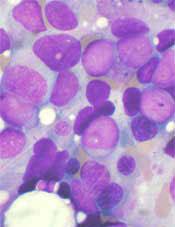
CRISPR-based genetic screens have revealed essential genes—those required for cellular proliferation and survival—in 14 acute myeloid leukemia (AML) cell lines, according to investigators.
By combining this information with the existing genomic information on these cell lines, the investigators believe they have identified vulnerabilities that could potentially be exploited with new therapies.
The group described their research in Cell.
A major aspect of their study focused on the genes and protein pathways connected to the Ras oncogene, which is the most commonly mutated oncogene in human cancers and plays a role in AML.
“For the most part, the mutant Ras protein itself has been considered to be ‘undruggable,’” said study author Tim Wang, a doctoral student at the Massachusetts Institute of Technology in Cambridge.
“An alternative approach has been to find other genes that Ras-mutant cancers rely on with the hope that one of them may be druggable. Unfortunately, such ‘Ras-synthetic-lethal’ genes have been difficult to identify.”
Using CRISPR-based screens, the investigators were able to gauge the impact of individually knocking out each of the 18,000 protein-coding genes in the human genome.
“This process rapidly enabled us to identify the short list of genes that were selectively required in only the Ras-mutant cells,” explained study author David Sabatini, MD, PhD, of the Massachusetts Institute of Technology.
He and his colleagues found that the enzymes catalyzing the latter steps of the Ras processing pathway, Rce1 and Icmt, displayed synthetic lethality with oncogenic Ras, which suggests they might be therapeutic targets in AML and other cancers driven by oncogenic Ras.
The investigators also said their findings provide further support for the central role of MAPK signaling in Ras-driven cancers, suggest PREX1 and the Rac pathway are critical regulators of MAPK pathway activation, and indicate that c-Raf could be a therapeutic target in cancers driven by oncogenic Ras.
In addition to defining the Ras-specific gene essentiality network, the investigators said they were able to determine the function of previously unstudied genes.
The team started by focusing on genes that were essential in some of the AML cell lines but dispensable for others. For each of these genes, the investigators sifted through their data to find others that showed a matching pattern of essentiality, with the idea that all of them had similar functions.
Indeed, this analysis revealed gene groups that were already known to act together and uncovered novel associations between genes that were not known to be related or had been previously unstudied.
“What’s particularly exciting about this work is that we have just begun to scratch the surface with our method,” Wang concluded. “By applying it broadly, we could reveal a huge amount of information about the functional organization of human genes and their roles in many diseases.” 
CRISPR-based genetic screens have revealed essential genes—those required for cellular proliferation and survival—in 14 acute myeloid leukemia (AML) cell lines, according to investigators.
By combining this information with the existing genomic information on these cell lines, the investigators believe they have identified vulnerabilities that could potentially be exploited with new therapies.
The group described their research in Cell.
A major aspect of their study focused on the genes and protein pathways connected to the Ras oncogene, which is the most commonly mutated oncogene in human cancers and plays a role in AML.
“For the most part, the mutant Ras protein itself has been considered to be ‘undruggable,’” said study author Tim Wang, a doctoral student at the Massachusetts Institute of Technology in Cambridge.
“An alternative approach has been to find other genes that Ras-mutant cancers rely on with the hope that one of them may be druggable. Unfortunately, such ‘Ras-synthetic-lethal’ genes have been difficult to identify.”
Using CRISPR-based screens, the investigators were able to gauge the impact of individually knocking out each of the 18,000 protein-coding genes in the human genome.
“This process rapidly enabled us to identify the short list of genes that were selectively required in only the Ras-mutant cells,” explained study author David Sabatini, MD, PhD, of the Massachusetts Institute of Technology.
He and his colleagues found that the enzymes catalyzing the latter steps of the Ras processing pathway, Rce1 and Icmt, displayed synthetic lethality with oncogenic Ras, which suggests they might be therapeutic targets in AML and other cancers driven by oncogenic Ras.
The investigators also said their findings provide further support for the central role of MAPK signaling in Ras-driven cancers, suggest PREX1 and the Rac pathway are critical regulators of MAPK pathway activation, and indicate that c-Raf could be a therapeutic target in cancers driven by oncogenic Ras.
In addition to defining the Ras-specific gene essentiality network, the investigators said they were able to determine the function of previously unstudied genes.
The team started by focusing on genes that were essential in some of the AML cell lines but dispensable for others. For each of these genes, the investigators sifted through their data to find others that showed a matching pattern of essentiality, with the idea that all of them had similar functions.
Indeed, this analysis revealed gene groups that were already known to act together and uncovered novel associations between genes that were not known to be related or had been previously unstudied.
“What’s particularly exciting about this work is that we have just begun to scratch the surface with our method,” Wang concluded. “By applying it broadly, we could reveal a huge amount of information about the functional organization of human genes and their roles in many diseases.”
CRISPR-based genetic screens have revealed essential genes—those required for cellular proliferation and survival—in 14 acute myeloid leukemia (AML) cell lines, according to investigators.
By combining this information with the existing genomic information on these cell lines, the investigators believe they have identified vulnerabilities that could potentially be exploited with new therapies.
The group described their research in Cell.
A major aspect of their study focused on the genes and protein pathways connected to the Ras oncogene, which is the most commonly mutated oncogene in human cancers and plays a role in AML.
“For the most part, the mutant Ras protein itself has been considered to be ‘undruggable,’” said study author Tim Wang, a doctoral student at the Massachusetts Institute of Technology in Cambridge.
“An alternative approach has been to find other genes that Ras-mutant cancers rely on with the hope that one of them may be druggable. Unfortunately, such ‘Ras-synthetic-lethal’ genes have been difficult to identify.”
Using CRISPR-based screens, the investigators were able to gauge the impact of individually knocking out each of the 18,000 protein-coding genes in the human genome.
“This process rapidly enabled us to identify the short list of genes that were selectively required in only the Ras-mutant cells,” explained study author David Sabatini, MD, PhD, of the Massachusetts Institute of Technology.
He and his colleagues found that the enzymes catalyzing the latter steps of the Ras processing pathway, Rce1 and Icmt, displayed synthetic lethality with oncogenic Ras, which suggests they might be therapeutic targets in AML and other cancers driven by oncogenic Ras.
The investigators also said their findings provide further support for the central role of MAPK signaling in Ras-driven cancers, suggest PREX1 and the Rac pathway are critical regulators of MAPK pathway activation, and indicate that c-Raf could be a therapeutic target in cancers driven by oncogenic Ras.
In addition to defining the Ras-specific gene essentiality network, the investigators said they were able to determine the function of previously unstudied genes.
The team started by focusing on genes that were essential in some of the AML cell lines but dispensable for others. For each of these genes, the investigators sifted through their data to find others that showed a matching pattern of essentiality, with the idea that all of them had similar functions.
Indeed, this analysis revealed gene groups that were already known to act together and uncovered novel associations between genes that were not known to be related or had been previously unstudied.
“What’s particularly exciting about this work is that we have just begun to scratch the surface with our method,” Wang concluded. “By applying it broadly, we could reveal a huge amount of information about the functional organization of human genes and their roles in many diseases.”
Worse outcomes with video laryngoscopy in ICU
When used in intensive care units, video laryngoscopy did not improve the chances of successful intubation on the first try, compared with direct laryngoscopy, and was associated with a significantly higher risk of severe life-threatening complications, researchers reported.
In a multicenter, randomized trial of 371 patients, first-pass intubation rates did not differ significantly whether video or direct laryngoscopy was used, at 67.7% and 70.3%, respectively, Jean Baptiste Lascarrou, MD, of District Hospital Centre, La Roche-sur-Yon, France, and his associates wrote. Meanwhile, the combined rate of death, cardiac arrest, severe cardiovascular collapse, and hypoxemia was 9.5% with video laryngoscopy and just 2.8% with direct laryngoscopy, a significant difference (JAMA. 2017 Jan 24;317[5]:483-93).
“Improved glottis visualization with video laryngoscopy did not translate into a higher success rate for first-pass intubation, because tracheal catheterization under indirect vision was more difficult, in keeping with earlier data,” the researchers concluded. “Further studies are needed to assess the comparative effectiveness of these two strategies in different clinical settings and among operators with diverse skill levels.”
Intubation in the ICU carries an inherently high risk because patients are often acutely unstable, and the intubating clinician is usually a nonexpert, the investigators noted. At the same time, the procedure must be done quickly to prevent aspiration because patients usually have not fasted. Care bundles and training on simulators have improved safety, but ICU intubations remain riskier than those done in the operating room.
Observational studies and smaller trials in ICUs seemed to support video laryngoscopy over the Macintosh laryngoscope, but raised questions about intubation time and mortality, the investigators noted. To help resolve these issues, they randomly assigned adults needing orotracheal intubation at seven ICUs in France to either video or direct Macintosh laryngoscopy, and followed them for 28 days. Patients averaged 63 years of age, and 37% were women.
For both arms, residents performed the initial intubation attempt in about 80% of cases, and successful intubation usually took 3 minutes. Video laryngoscopy did not significantly increase the combined risk of esophageal intubation, aspiration, arrhythmia, or dental injury (5.4% versus 7.7% for direct laryngoscopy). But the only death in the study occurred after video laryngoscopy, and there were four cardiac arrests after video laryngoscopy and none after direct laryngoscopy, the researchers said. Furthermore, the rate of severe hypoxemia was nearly six times higher after video laryngoscopy than with direct laryngoscopy, and the rate of hypotension was twice as high.
The researchers did not identify predictors of life-threatening complications with video laryngoscopy, but hypothesized that being able to clearly visualize the glottis might create “a false impression of safety,” especially among nonexperts. “In addition, poorer alignment of the pharyngeal axis, laryngeal axis, and mouth opening despite good glottis visualization by video laryngoscopy can lead to mechanical upper airway obstruction and faster progression to hypoxemia,” they wrote.
Centre Hospitalier Département de la Vendée sponsored the study. Dr. Lascarrou reported having no relevant conflicts of interest. Four coinvestigators disclosed ties to Fisher & Paykel, LFB, Merck Sharp & Dohme, Astellas, Basilea Pharmaceutica. Gilead, Alexion, and Cubist. The remaining coinvestigators had no disclosures.
The results of this trial illustrate the fundamental problem with video laryngoscopy: It generates excellent views of the larynx but may not facilitate tracheal intubation.
The use of video laryngoscopy can lead to the creation of blind spots, both visual and cognitive. Because the lens of the laryngoscope is located at the tip of the device, the pharynx and hypopharynx are not visualized during video laryngoscopy. Manipulating the endotracheal tube into view therefore occurs within this blind spot, and this can be difficult depending on the patient’s pharyngeal anatomy. This phenomenon has been linked to higher rates of pharyngeal soft tissue injury and longer intubation times in patients undergoing video laryngoscopy as compared with direct laryngoscopy.
The view during video laryngoscopy can also create a cognitive blind spot: laryngoscopists may fail to abort a laryngoscopy attempt in a timely manner because they have such a clear view of the larynx.
Brian O’Gara, MD, and Daniel Talmor, MD, of Harvard University, Boston, and Samuel Brown, MD, MS, of the University of Utah School, Murray, Utah, made these comments in an accompanying editorial (JAMA. 2017 Feb 7; doi: 10.1001/jama.2016.21036) . None of the authors had relevant financial disclosures.
The results of this trial illustrate the fundamental problem with video laryngoscopy: It generates excellent views of the larynx but may not facilitate tracheal intubation.
The use of video laryngoscopy can lead to the creation of blind spots, both visual and cognitive. Because the lens of the laryngoscope is located at the tip of the device, the pharynx and hypopharynx are not visualized during video laryngoscopy. Manipulating the endotracheal tube into view therefore occurs within this blind spot, and this can be difficult depending on the patient’s pharyngeal anatomy. This phenomenon has been linked to higher rates of pharyngeal soft tissue injury and longer intubation times in patients undergoing video laryngoscopy as compared with direct laryngoscopy.
The view during video laryngoscopy can also create a cognitive blind spot: laryngoscopists may fail to abort a laryngoscopy attempt in a timely manner because they have such a clear view of the larynx.
Brian O’Gara, MD, and Daniel Talmor, MD, of Harvard University, Boston, and Samuel Brown, MD, MS, of the University of Utah School, Murray, Utah, made these comments in an accompanying editorial (JAMA. 2017 Feb 7; doi: 10.1001/jama.2016.21036) . None of the authors had relevant financial disclosures.
The results of this trial illustrate the fundamental problem with video laryngoscopy: It generates excellent views of the larynx but may not facilitate tracheal intubation.
The use of video laryngoscopy can lead to the creation of blind spots, both visual and cognitive. Because the lens of the laryngoscope is located at the tip of the device, the pharynx and hypopharynx are not visualized during video laryngoscopy. Manipulating the endotracheal tube into view therefore occurs within this blind spot, and this can be difficult depending on the patient’s pharyngeal anatomy. This phenomenon has been linked to higher rates of pharyngeal soft tissue injury and longer intubation times in patients undergoing video laryngoscopy as compared with direct laryngoscopy.
The view during video laryngoscopy can also create a cognitive blind spot: laryngoscopists may fail to abort a laryngoscopy attempt in a timely manner because they have such a clear view of the larynx.
Brian O’Gara, MD, and Daniel Talmor, MD, of Harvard University, Boston, and Samuel Brown, MD, MS, of the University of Utah School, Murray, Utah, made these comments in an accompanying editorial (JAMA. 2017 Feb 7; doi: 10.1001/jama.2016.21036) . None of the authors had relevant financial disclosures.
When used in intensive care units, video laryngoscopy did not improve the chances of successful intubation on the first try, compared with direct laryngoscopy, and was associated with a significantly higher risk of severe life-threatening complications, researchers reported.
In a multicenter, randomized trial of 371 patients, first-pass intubation rates did not differ significantly whether video or direct laryngoscopy was used, at 67.7% and 70.3%, respectively, Jean Baptiste Lascarrou, MD, of District Hospital Centre, La Roche-sur-Yon, France, and his associates wrote. Meanwhile, the combined rate of death, cardiac arrest, severe cardiovascular collapse, and hypoxemia was 9.5% with video laryngoscopy and just 2.8% with direct laryngoscopy, a significant difference (JAMA. 2017 Jan 24;317[5]:483-93).
“Improved glottis visualization with video laryngoscopy did not translate into a higher success rate for first-pass intubation, because tracheal catheterization under indirect vision was more difficult, in keeping with earlier data,” the researchers concluded. “Further studies are needed to assess the comparative effectiveness of these two strategies in different clinical settings and among operators with diverse skill levels.”
Intubation in the ICU carries an inherently high risk because patients are often acutely unstable, and the intubating clinician is usually a nonexpert, the investigators noted. At the same time, the procedure must be done quickly to prevent aspiration because patients usually have not fasted. Care bundles and training on simulators have improved safety, but ICU intubations remain riskier than those done in the operating room.
Observational studies and smaller trials in ICUs seemed to support video laryngoscopy over the Macintosh laryngoscope, but raised questions about intubation time and mortality, the investigators noted. To help resolve these issues, they randomly assigned adults needing orotracheal intubation at seven ICUs in France to either video or direct Macintosh laryngoscopy, and followed them for 28 days. Patients averaged 63 years of age, and 37% were women.
For both arms, residents performed the initial intubation attempt in about 80% of cases, and successful intubation usually took 3 minutes. Video laryngoscopy did not significantly increase the combined risk of esophageal intubation, aspiration, arrhythmia, or dental injury (5.4% versus 7.7% for direct laryngoscopy). But the only death in the study occurred after video laryngoscopy, and there were four cardiac arrests after video laryngoscopy and none after direct laryngoscopy, the researchers said. Furthermore, the rate of severe hypoxemia was nearly six times higher after video laryngoscopy than with direct laryngoscopy, and the rate of hypotension was twice as high.
The researchers did not identify predictors of life-threatening complications with video laryngoscopy, but hypothesized that being able to clearly visualize the glottis might create “a false impression of safety,” especially among nonexperts. “In addition, poorer alignment of the pharyngeal axis, laryngeal axis, and mouth opening despite good glottis visualization by video laryngoscopy can lead to mechanical upper airway obstruction and faster progression to hypoxemia,” they wrote.
Centre Hospitalier Département de la Vendée sponsored the study. Dr. Lascarrou reported having no relevant conflicts of interest. Four coinvestigators disclosed ties to Fisher & Paykel, LFB, Merck Sharp & Dohme, Astellas, Basilea Pharmaceutica. Gilead, Alexion, and Cubist. The remaining coinvestigators had no disclosures.
When used in intensive care units, video laryngoscopy did not improve the chances of successful intubation on the first try, compared with direct laryngoscopy, and was associated with a significantly higher risk of severe life-threatening complications, researchers reported.
In a multicenter, randomized trial of 371 patients, first-pass intubation rates did not differ significantly whether video or direct laryngoscopy was used, at 67.7% and 70.3%, respectively, Jean Baptiste Lascarrou, MD, of District Hospital Centre, La Roche-sur-Yon, France, and his associates wrote. Meanwhile, the combined rate of death, cardiac arrest, severe cardiovascular collapse, and hypoxemia was 9.5% with video laryngoscopy and just 2.8% with direct laryngoscopy, a significant difference (JAMA. 2017 Jan 24;317[5]:483-93).
“Improved glottis visualization with video laryngoscopy did not translate into a higher success rate for first-pass intubation, because tracheal catheterization under indirect vision was more difficult, in keeping with earlier data,” the researchers concluded. “Further studies are needed to assess the comparative effectiveness of these two strategies in different clinical settings and among operators with diverse skill levels.”
Intubation in the ICU carries an inherently high risk because patients are often acutely unstable, and the intubating clinician is usually a nonexpert, the investigators noted. At the same time, the procedure must be done quickly to prevent aspiration because patients usually have not fasted. Care bundles and training on simulators have improved safety, but ICU intubations remain riskier than those done in the operating room.
Observational studies and smaller trials in ICUs seemed to support video laryngoscopy over the Macintosh laryngoscope, but raised questions about intubation time and mortality, the investigators noted. To help resolve these issues, they randomly assigned adults needing orotracheal intubation at seven ICUs in France to either video or direct Macintosh laryngoscopy, and followed them for 28 days. Patients averaged 63 years of age, and 37% were women.
For both arms, residents performed the initial intubation attempt in about 80% of cases, and successful intubation usually took 3 minutes. Video laryngoscopy did not significantly increase the combined risk of esophageal intubation, aspiration, arrhythmia, or dental injury (5.4% versus 7.7% for direct laryngoscopy). But the only death in the study occurred after video laryngoscopy, and there were four cardiac arrests after video laryngoscopy and none after direct laryngoscopy, the researchers said. Furthermore, the rate of severe hypoxemia was nearly six times higher after video laryngoscopy than with direct laryngoscopy, and the rate of hypotension was twice as high.
The researchers did not identify predictors of life-threatening complications with video laryngoscopy, but hypothesized that being able to clearly visualize the glottis might create “a false impression of safety,” especially among nonexperts. “In addition, poorer alignment of the pharyngeal axis, laryngeal axis, and mouth opening despite good glottis visualization by video laryngoscopy can lead to mechanical upper airway obstruction and faster progression to hypoxemia,” they wrote.
Centre Hospitalier Département de la Vendée sponsored the study. Dr. Lascarrou reported having no relevant conflicts of interest. Four coinvestigators disclosed ties to Fisher & Paykel, LFB, Merck Sharp & Dohme, Astellas, Basilea Pharmaceutica. Gilead, Alexion, and Cubist. The remaining coinvestigators had no disclosures.
FROM JAMA
Key clinical point: Among patients in intensive care units, video laryngoscopy did not improve the chances of successful intubation on the first try, when compared with standard Macintosh laryngoscopy, and was associated with a significantly higher risk of severe life-threatening events.
Major finding: Rates of first-pass intubation were 67.7% for video laryngoscopy and 70.3% for direct laryngoscopy (P = .6). The combined rate of death, cardiac arrest, severe cardiovascular collapse, and hypoxemia was 9.5% with video laryngoscopy and 2.8% with direct laryngoscopy (P = .01).
Data source: A multicenter randomized trial of 371 ICU patients.
Disclosures: Centre Hospitalier Département de la Vendée sponsored the study. Dr. Lascarrou reported having no relevant conflicts of interest. Four coinvestigators disclosed ties to Fisher & Paykel, LFB, Merck Sharp & Dohme, Astellas, Basilea Pharmaceutica. Gilead, Alexion, and Cubist. The remaining coinvestigators had no disclosures.
ITI protects against bleeding in hemophilia A with factor VIII inhibitors
Immune tolerance induction, or ITI, in hemophilia A patients with inhibitor development against factor VIII (FVIII) appears to provide some protection against bleeding, as bleeding during ITI in patients from the PedNet registry was dependent on inhibitor titer and ITI regimen, according to Kathelijn Fischer, MD.
Of 218 registry patients who were born during 1990-2009 and who had clinically relevant inhibitors and available data on joint bleeding, 157 had bleeding for at least 3 months. They were followed for a median of 26 months starting at age 16 months, and most had high titer inhibitors (52% had titers of 5-199 BU, and 32% had titers greater than 200 BU).
The bleeding rates in 12 patients without ITI who were on prophylaxis were similar to those in 89 such patients without prophylaxis (0.3 and 0.4 bleeds/month, respectively); no significant difference was seen between the groups based on inhibitor titer, Dr. Fischer of University Medical Center Utrecht, The Netherlands reported at the annual meeting of the European Association for Haemophilia and Allied Disorders.
Similarly, the bleeding rate during ITI among those on prophylaxis did not differ significantly from the rate in those without prophylaxis (0.4 vs. 0.3/month, respectively), but the rate did increase significantly according to inhibitor titer: The rate increased from 0.05/month in the group with less than 5 BU, to 0.2/month in those with 5-199 BU, and to 0.5/month in the group with greater than 200 BU.
Further, while ITI dose did not affect bleeding, dosing frequency had a strong effect. The median rate with nondaily dosing in 36 patients vs. daily dosing in 63 patients was 0.4/month vs. 0.2/month, respectively, Dr. Fischer said.
She reported having no disclosures.
Immune tolerance induction, or ITI, in hemophilia A patients with inhibitor development against factor VIII (FVIII) appears to provide some protection against bleeding, as bleeding during ITI in patients from the PedNet registry was dependent on inhibitor titer and ITI regimen, according to Kathelijn Fischer, MD.
Of 218 registry patients who were born during 1990-2009 and who had clinically relevant inhibitors and available data on joint bleeding, 157 had bleeding for at least 3 months. They were followed for a median of 26 months starting at age 16 months, and most had high titer inhibitors (52% had titers of 5-199 BU, and 32% had titers greater than 200 BU).
The bleeding rates in 12 patients without ITI who were on prophylaxis were similar to those in 89 such patients without prophylaxis (0.3 and 0.4 bleeds/month, respectively); no significant difference was seen between the groups based on inhibitor titer, Dr. Fischer of University Medical Center Utrecht, The Netherlands reported at the annual meeting of the European Association for Haemophilia and Allied Disorders.
Similarly, the bleeding rate during ITI among those on prophylaxis did not differ significantly from the rate in those without prophylaxis (0.4 vs. 0.3/month, respectively), but the rate did increase significantly according to inhibitor titer: The rate increased from 0.05/month in the group with less than 5 BU, to 0.2/month in those with 5-199 BU, and to 0.5/month in the group with greater than 200 BU.
Further, while ITI dose did not affect bleeding, dosing frequency had a strong effect. The median rate with nondaily dosing in 36 patients vs. daily dosing in 63 patients was 0.4/month vs. 0.2/month, respectively, Dr. Fischer said.
She reported having no disclosures.
Immune tolerance induction, or ITI, in hemophilia A patients with inhibitor development against factor VIII (FVIII) appears to provide some protection against bleeding, as bleeding during ITI in patients from the PedNet registry was dependent on inhibitor titer and ITI regimen, according to Kathelijn Fischer, MD.
Of 218 registry patients who were born during 1990-2009 and who had clinically relevant inhibitors and available data on joint bleeding, 157 had bleeding for at least 3 months. They were followed for a median of 26 months starting at age 16 months, and most had high titer inhibitors (52% had titers of 5-199 BU, and 32% had titers greater than 200 BU).
The bleeding rates in 12 patients without ITI who were on prophylaxis were similar to those in 89 such patients without prophylaxis (0.3 and 0.4 bleeds/month, respectively); no significant difference was seen between the groups based on inhibitor titer, Dr. Fischer of University Medical Center Utrecht, The Netherlands reported at the annual meeting of the European Association for Haemophilia and Allied Disorders.
Similarly, the bleeding rate during ITI among those on prophylaxis did not differ significantly from the rate in those without prophylaxis (0.4 vs. 0.3/month, respectively), but the rate did increase significantly according to inhibitor titer: The rate increased from 0.05/month in the group with less than 5 BU, to 0.2/month in those with 5-199 BU, and to 0.5/month in the group with greater than 200 BU.
Further, while ITI dose did not affect bleeding, dosing frequency had a strong effect. The median rate with nondaily dosing in 36 patients vs. daily dosing in 63 patients was 0.4/month vs. 0.2/month, respectively, Dr. Fischer said.
She reported having no disclosures.
FROM EAHAD 2017
Key clinical point:
Major finding: Median bleeding rate with nondaily vs. daily ITI dosing was 0.4/month vs. 0.2/month, respectively.
Data source: An analysis of 218 patients from the PedNet registry.
Disclosures: Dr. Fischer reported having no disclosures.
Study: No link between vaccines, inhibitor development
The administration of pediatric vaccinations in close proximity to factor VIII (FVIII) exposure was not associated with inhibitor development in previously untreated patients with severe hemophilia A in the PedNet Registry.

Similarly, no association was seen between recurrent vaccinations and inhibitor development, Dr. van den Berg reported at the annual meeting of the European Association for Haemophilia and Allied Disorders.
Inhibitor development in this patient population is a multifactorial event, but these findings show no association between vaccinations administered early in life and increased inhibitor risk, she concluded.
Dr. van den Berg received grant/research support from Bayer, Baxalta, Pfizer, CSI, and Grifols.
The administration of pediatric vaccinations in close proximity to factor VIII (FVIII) exposure was not associated with inhibitor development in previously untreated patients with severe hemophilia A in the PedNet Registry.
Similarly, no association was seen between recurrent vaccinations and inhibitor development, Dr. van den Berg reported at the annual meeting of the European Association for Haemophilia and Allied Disorders.
Inhibitor development in this patient population is a multifactorial event, but these findings show no association between vaccinations administered early in life and increased inhibitor risk, she concluded.
Dr. van den Berg received grant/research support from Bayer, Baxalta, Pfizer, CSI, and Grifols.
The administration of pediatric vaccinations in close proximity to factor VIII (FVIII) exposure was not associated with inhibitor development in previously untreated patients with severe hemophilia A in the PedNet Registry.
Similarly, no association was seen between recurrent vaccinations and inhibitor development, Dr. van den Berg reported at the annual meeting of the European Association for Haemophilia and Allied Disorders.
Inhibitor development in this patient population is a multifactorial event, but these findings show no association between vaccinations administered early in life and increased inhibitor risk, she concluded.
Dr. van den Berg received grant/research support from Bayer, Baxalta, Pfizer, CSI, and Grifols.
FROM EAHAD 2017
Key clinical point:
Major finding: The adjusted hazard ratio for any inhibitor development related to vaccinations in close proximity to FVIII was 0.65.
Data source: A review of data from 375 children in the PedNet Registry.
Disclosures: Dr. van den Berg received grant/research support from Bayer, Baxalta, Pfizer, CSI, and Grifols.