User login
How to ‘de-label’ penicillin allergies in the hospital
ATLANTA – With the help of a pharmacist and the electronic health records system, Rochester (N.Y.) General Hospital ruled out penicillin allergies in 47 of 50 adult inpatients, and successfully transitioned them from second-line antibiotics to less expensive and more effective beta-lactam options.
The hospital’s EHR system generated a daily list of patients with a history of penicillin allergy who were on second-line options – vancomycin, daptomycin, aztreonam, linezolid, or moxifloxacin – for infections that would be better treated with beta-lactam antibiotics. An infectious disease pharmacist reviewed their history; if reported penicillin reactions were limited to a nonspecific rash more than 5 years earlier or seemed to be IgE mediated, patients were skin-prick tested to see if they really were allergic. Almost all of the 47 patients who had negative tests were switched to either a penicillin-based regimen or a cephalosporin.
Two weeks after discharge on phone follow-up, just one reported a problem: a mild rash that cleared up when he finished his course.

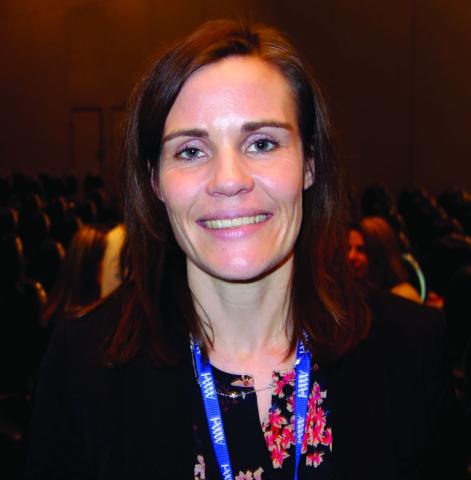
“We are not a major academic center, and have to prioritize what resources we have,” said Dr. Ramsey, who did most of the skin-prick tests. Triaging patients for testing based on antibiotic use is “a good way to start. We are getting this off the ground at our institution. I think it’s a good model for non-academic community hospitals,” like Rochester General, a 528-bed tertiary care center.
It’s no secret that penicillin allergies are extremely overdiagnosed, and that 90% or more of patients who carry the label – both inside and outside of hospitals – really aren’t allergic. Even so, patients are rarely tested to confirm the allergy, and instead end up on expensive second-line options that don’t work as well. They “wind up back in the hospital in a month,” Dr. Ramsey said.
The problem was a frequent topic of discussion at the American Academy of Allergy, Asthma and Immunology annual meeting, where she reported her findings. The Rochester General approach was of great interest to her audience, judging from the number of people who asked for more details after the presentation.
Most of the subjects were on the internal medicine service; the rest were surgery patients. Skin/soft tissue, bloodstream, respiratory, and intra-abdominal infections were the most common.
The investigators excluded patients with a history of severe allergic reactions, such as joint swelling or skin sloughing, as well as patients with a flat, itchy, non-urticarial rash after penicillin less than 5 years earlier. ICU patients were excluded due to consent issues.
Also for safety, the team did a one-time amoxicillin oral challenge before patients were switched to a cephalosporin.
An audience member said he’d heard of pushback on such efforts because patients are being moved to less expensive antibiotics, so hospitals won’t be able to bill as much.
Dr. Ramsey replied that Rochester General has been “extremely supportive of our efforts, because we have a good case for improving clinical outcomes with this program.” Meanwhile, the two infectious disease pharmacists at the hospital “have embraced this fully. It makes their job easier down the road because most of these patients are frequent fliers.”
Dr. Ramsey had no relevant financial disclosures.
ATLANTA – With the help of a pharmacist and the electronic health records system, Rochester (N.Y.) General Hospital ruled out penicillin allergies in 47 of 50 adult inpatients, and successfully transitioned them from second-line antibiotics to less expensive and more effective beta-lactam options.
The hospital’s EHR system generated a daily list of patients with a history of penicillin allergy who were on second-line options – vancomycin, daptomycin, aztreonam, linezolid, or moxifloxacin – for infections that would be better treated with beta-lactam antibiotics. An infectious disease pharmacist reviewed their history; if reported penicillin reactions were limited to a nonspecific rash more than 5 years earlier or seemed to be IgE mediated, patients were skin-prick tested to see if they really were allergic. Almost all of the 47 patients who had negative tests were switched to either a penicillin-based regimen or a cephalosporin.
Two weeks after discharge on phone follow-up, just one reported a problem: a mild rash that cleared up when he finished his course.
“We are not a major academic center, and have to prioritize what resources we have,” said Dr. Ramsey, who did most of the skin-prick tests. Triaging patients for testing based on antibiotic use is “a good way to start. We are getting this off the ground at our institution. I think it’s a good model for non-academic community hospitals,” like Rochester General, a 528-bed tertiary care center.
It’s no secret that penicillin allergies are extremely overdiagnosed, and that 90% or more of patients who carry the label – both inside and outside of hospitals – really aren’t allergic. Even so, patients are rarely tested to confirm the allergy, and instead end up on expensive second-line options that don’t work as well. They “wind up back in the hospital in a month,” Dr. Ramsey said.
The problem was a frequent topic of discussion at the American Academy of Allergy, Asthma and Immunology annual meeting, where she reported her findings. The Rochester General approach was of great interest to her audience, judging from the number of people who asked for more details after the presentation.
Most of the subjects were on the internal medicine service; the rest were surgery patients. Skin/soft tissue, bloodstream, respiratory, and intra-abdominal infections were the most common.
The investigators excluded patients with a history of severe allergic reactions, such as joint swelling or skin sloughing, as well as patients with a flat, itchy, non-urticarial rash after penicillin less than 5 years earlier. ICU patients were excluded due to consent issues.
Also for safety, the team did a one-time amoxicillin oral challenge before patients were switched to a cephalosporin.
An audience member said he’d heard of pushback on such efforts because patients are being moved to less expensive antibiotics, so hospitals won’t be able to bill as much.
Dr. Ramsey replied that Rochester General has been “extremely supportive of our efforts, because we have a good case for improving clinical outcomes with this program.” Meanwhile, the two infectious disease pharmacists at the hospital “have embraced this fully. It makes their job easier down the road because most of these patients are frequent fliers.”
Dr. Ramsey had no relevant financial disclosures.
ATLANTA – With the help of a pharmacist and the electronic health records system, Rochester (N.Y.) General Hospital ruled out penicillin allergies in 47 of 50 adult inpatients, and successfully transitioned them from second-line antibiotics to less expensive and more effective beta-lactam options.
The hospital’s EHR system generated a daily list of patients with a history of penicillin allergy who were on second-line options – vancomycin, daptomycin, aztreonam, linezolid, or moxifloxacin – for infections that would be better treated with beta-lactam antibiotics. An infectious disease pharmacist reviewed their history; if reported penicillin reactions were limited to a nonspecific rash more than 5 years earlier or seemed to be IgE mediated, patients were skin-prick tested to see if they really were allergic. Almost all of the 47 patients who had negative tests were switched to either a penicillin-based regimen or a cephalosporin.
Two weeks after discharge on phone follow-up, just one reported a problem: a mild rash that cleared up when he finished his course.
“We are not a major academic center, and have to prioritize what resources we have,” said Dr. Ramsey, who did most of the skin-prick tests. Triaging patients for testing based on antibiotic use is “a good way to start. We are getting this off the ground at our institution. I think it’s a good model for non-academic community hospitals,” like Rochester General, a 528-bed tertiary care center.
It’s no secret that penicillin allergies are extremely overdiagnosed, and that 90% or more of patients who carry the label – both inside and outside of hospitals – really aren’t allergic. Even so, patients are rarely tested to confirm the allergy, and instead end up on expensive second-line options that don’t work as well. They “wind up back in the hospital in a month,” Dr. Ramsey said.
The problem was a frequent topic of discussion at the American Academy of Allergy, Asthma and Immunology annual meeting, where she reported her findings. The Rochester General approach was of great interest to her audience, judging from the number of people who asked for more details after the presentation.
Most of the subjects were on the internal medicine service; the rest were surgery patients. Skin/soft tissue, bloodstream, respiratory, and intra-abdominal infections were the most common.
The investigators excluded patients with a history of severe allergic reactions, such as joint swelling or skin sloughing, as well as patients with a flat, itchy, non-urticarial rash after penicillin less than 5 years earlier. ICU patients were excluded due to consent issues.
Also for safety, the team did a one-time amoxicillin oral challenge before patients were switched to a cephalosporin.
An audience member said he’d heard of pushback on such efforts because patients are being moved to less expensive antibiotics, so hospitals won’t be able to bill as much.
Dr. Ramsey replied that Rochester General has been “extremely supportive of our efforts, because we have a good case for improving clinical outcomes with this program.” Meanwhile, the two infectious disease pharmacists at the hospital “have embraced this fully. It makes their job easier down the road because most of these patients are frequent fliers.”
Dr. Ramsey had no relevant financial disclosures.
AT THE 2017 AAAAI ANNUAL MEETING
Key clinical point:
Major finding: Forty-seven of 50 inpatients turned out not to have a penicillin allergy on skin testing, and were switched to beta-lactam antibiotics. Two weeks after discharge, just one reported a problem, a mild rash. The hospital saved close to $40,000.
Data source: Pilot project at non-academic hospital.
Disclosures: Dr. Ramsey had no relevant financial disclosures.
Expanding the role of the Vascular Surgery Board-ABS
Despite increasing financial and regulatory pressures, mainstream vascular surgery must continue to uphold high standards and excellence in clinical care. Achieving this benchmark can only be done by providing rigorous postgraduate training followed by a comprehensive evaluation and certification process.
To receive accreditation, new training programs, working with the support of their local graduate medical education committee and Designated Institutional Official, need to complete the formal application process of the Accreditation Council for Graduate Medical Education (ACGME). Those completed applications, following screening by ACGME staff, are forwarded to the ACGME’s Review Committee for Surgery for evaluation and accreditation determination. For some programs, the application process may require a site visit by ACGME field staff.

Vascular surgery residents and fellows who have successfully completed an ACGME-accredited program may then apply for board certification in vascular surgery, a process by which the individual applies to the Vascular Surgery Board of the American Board of Surgery (VSB-ABS) to take a written qualifying exam and then an oral certifying exam. It is only by maintaining this process that vascular surgery, the medical community, and the public at large can be assured that a board-certified vascular surgeon has met the rigorous requirements of both the ACGME and VSB-ABS for knowledge and training in vascular surgery.
It has been shown time and again that patients value board certification. In fact, in a 2003 Gallup poll,95% of the respondents felt that physicians should be board certified and 95% felt that maintenance of this certification was important (JAMA. 2004;292:1038-43).
The VSB-ABS has undergone many changes since its inception. Initially, the American Board of Surgery issued a certificate of added qualifications to vascular surgeons who met its criteria and passed the proper exams. The first certificate was issued to E. Jack Wylie, MD, on June 30, 1982.

In 2015, the VSB-ABS eliminated this requirement and incorporated core surgical management into the Vascular Surgery Qualifying Examination. This strategic change again affirmed the independence of vascular surgery as a specialty. The total number of board-certified vascular surgeons and number of training programs are summarized in Table 1.
The mission of the VSB-ABS is to serve the public and the specialty of surgery by providing leadership in surgical education and practice, by promoting excellence through rigorous evaluation and examination, and by promoting the highest standards for professionalism, lifelong learning, and the continuous certification of surgeons in practice. The VSB-ABS is responsible for setting the requirements for board certification in vascular surgery, including the creation and administration of the Vascular Surgery Qualifying (written) and Certifying (oral) Examinations. In addition, the VSB-ABS is responsible for the Vascular Surgery In-Training Examination and Maintenance of Certification (MOC) Examination. With the increasing number of graduates from vascular surgery training programs and the changing needs of our dynamic specialty, the VSB-ABS also is working on the following important initiatives.
Expansion of the VSB-ABS
The VSB-ABS currently consists of eight board members elected from the following four national vascular societies: the Society for Vascular Surgery, the Association of Program Directors in Vascular Surgery, the Society for Clinical Vascular Surgery, and the Vascular and Endovascular Surgery Society.

Maintenance of Certification
The American Board of Medical Specialties, the umbrella organization for all 24 medical specialty boards, established in 2003 that all of its member boards must adopt a continuous process of MOC.
In addition, each board was charged with developing requirements addressing each of these four areas: professional standing, lifelong learning and self-assessment, cognitive examination, and evaluation of performance in practice. While the ABS and VSB-ABS have sought to make MOC requirements as flexible as possible, we recognize that MOC needs improvement. Thousands of ABS diplomates were sent a survey this past fall regarding MOC so we could better understand the concerns of surgeons with the current process. The VSB-ABS recognizes these concerns and is currently considering various options to make MOC more relevant and convenient for vascular surgeons. Later this year, we anticipate sending a survey to better gain meaningful input specifically from vascular surgery diplomates regarding the need and options for change.
SCORE for Vascular Surgery
The VSB-ABS has also been hard at work in collaboration with the APDVS to produce SCORE for Vascular Surgery (“V-SCORE”), a structured curriculum for vascular surgery trainees using the SCORE Portal. SCORE for Vascular Surgery is being designed to emphasize the important topics that every vascular trainee should know and expect to be tested on. The curriculum outline is available at www.surgicalcore.org as a PDF document. The curriculum materials are available to vascular surgery training programs from the same website with a subscription and will be continuously updated to remain current.
Creation of a Certifying Examination Committee
This calendar year, a Certifying Examination Committee to write case scenarios and maintain updated images for the oral examination will be formed. This committee will be selected from a pool of qualified diplomates. The request for volunteers to be considered will be released shortly.
In summary, many changes are occurring in the structure and the activities of the VSB-ABS in order to have broader representation from the vascular community and be responsive to diplomate concerns, all the while maintaining a high standard for certification and recertification/MOC. Future regular updates from the VSB-ABS are planned to keep our diplomates informed.
Despite increasing financial and regulatory pressures, mainstream vascular surgery must continue to uphold high standards and excellence in clinical care. Achieving this benchmark can only be done by providing rigorous postgraduate training followed by a comprehensive evaluation and certification process.
To receive accreditation, new training programs, working with the support of their local graduate medical education committee and Designated Institutional Official, need to complete the formal application process of the Accreditation Council for Graduate Medical Education (ACGME). Those completed applications, following screening by ACGME staff, are forwarded to the ACGME’s Review Committee for Surgery for evaluation and accreditation determination. For some programs, the application process may require a site visit by ACGME field staff.
Vascular surgery residents and fellows who have successfully completed an ACGME-accredited program may then apply for board certification in vascular surgery, a process by which the individual applies to the Vascular Surgery Board of the American Board of Surgery (VSB-ABS) to take a written qualifying exam and then an oral certifying exam. It is only by maintaining this process that vascular surgery, the medical community, and the public at large can be assured that a board-certified vascular surgeon has met the rigorous requirements of both the ACGME and VSB-ABS for knowledge and training in vascular surgery.
It has been shown time and again that patients value board certification. In fact, in a 2003 Gallup poll,95% of the respondents felt that physicians should be board certified and 95% felt that maintenance of this certification was important (JAMA. 2004;292:1038-43).
The VSB-ABS has undergone many changes since its inception. Initially, the American Board of Surgery issued a certificate of added qualifications to vascular surgeons who met its criteria and passed the proper exams. The first certificate was issued to E. Jack Wylie, MD, on June 30, 1982.
In 2015, the VSB-ABS eliminated this requirement and incorporated core surgical management into the Vascular Surgery Qualifying Examination. This strategic change again affirmed the independence of vascular surgery as a specialty. The total number of board-certified vascular surgeons and number of training programs are summarized in Table 1.
The mission of the VSB-ABS is to serve the public and the specialty of surgery by providing leadership in surgical education and practice, by promoting excellence through rigorous evaluation and examination, and by promoting the highest standards for professionalism, lifelong learning, and the continuous certification of surgeons in practice. The VSB-ABS is responsible for setting the requirements for board certification in vascular surgery, including the creation and administration of the Vascular Surgery Qualifying (written) and Certifying (oral) Examinations. In addition, the VSB-ABS is responsible for the Vascular Surgery In-Training Examination and Maintenance of Certification (MOC) Examination. With the increasing number of graduates from vascular surgery training programs and the changing needs of our dynamic specialty, the VSB-ABS also is working on the following important initiatives.
Expansion of the VSB-ABS
The VSB-ABS currently consists of eight board members elected from the following four national vascular societies: the Society for Vascular Surgery, the Association of Program Directors in Vascular Surgery, the Society for Clinical Vascular Surgery, and the Vascular and Endovascular Surgery Society.
Maintenance of Certification
The American Board of Medical Specialties, the umbrella organization for all 24 medical specialty boards, established in 2003 that all of its member boards must adopt a continuous process of MOC.
In addition, each board was charged with developing requirements addressing each of these four areas: professional standing, lifelong learning and self-assessment, cognitive examination, and evaluation of performance in practice. While the ABS and VSB-ABS have sought to make MOC requirements as flexible as possible, we recognize that MOC needs improvement. Thousands of ABS diplomates were sent a survey this past fall regarding MOC so we could better understand the concerns of surgeons with the current process. The VSB-ABS recognizes these concerns and is currently considering various options to make MOC more relevant and convenient for vascular surgeons. Later this year, we anticipate sending a survey to better gain meaningful input specifically from vascular surgery diplomates regarding the need and options for change.
SCORE for Vascular Surgery
The VSB-ABS has also been hard at work in collaboration with the APDVS to produce SCORE for Vascular Surgery (“V-SCORE”), a structured curriculum for vascular surgery trainees using the SCORE Portal. SCORE for Vascular Surgery is being designed to emphasize the important topics that every vascular trainee should know and expect to be tested on. The curriculum outline is available at www.surgicalcore.org as a PDF document. The curriculum materials are available to vascular surgery training programs from the same website with a subscription and will be continuously updated to remain current.
Creation of a Certifying Examination Committee
This calendar year, a Certifying Examination Committee to write case scenarios and maintain updated images for the oral examination will be formed. This committee will be selected from a pool of qualified diplomates. The request for volunteers to be considered will be released shortly.
In summary, many changes are occurring in the structure and the activities of the VSB-ABS in order to have broader representation from the vascular community and be responsive to diplomate concerns, all the while maintaining a high standard for certification and recertification/MOC. Future regular updates from the VSB-ABS are planned to keep our diplomates informed.
Despite increasing financial and regulatory pressures, mainstream vascular surgery must continue to uphold high standards and excellence in clinical care. Achieving this benchmark can only be done by providing rigorous postgraduate training followed by a comprehensive evaluation and certification process.
To receive accreditation, new training programs, working with the support of their local graduate medical education committee and Designated Institutional Official, need to complete the formal application process of the Accreditation Council for Graduate Medical Education (ACGME). Those completed applications, following screening by ACGME staff, are forwarded to the ACGME’s Review Committee for Surgery for evaluation and accreditation determination. For some programs, the application process may require a site visit by ACGME field staff.
Vascular surgery residents and fellows who have successfully completed an ACGME-accredited program may then apply for board certification in vascular surgery, a process by which the individual applies to the Vascular Surgery Board of the American Board of Surgery (VSB-ABS) to take a written qualifying exam and then an oral certifying exam. It is only by maintaining this process that vascular surgery, the medical community, and the public at large can be assured that a board-certified vascular surgeon has met the rigorous requirements of both the ACGME and VSB-ABS for knowledge and training in vascular surgery.
It has been shown time and again that patients value board certification. In fact, in a 2003 Gallup poll,95% of the respondents felt that physicians should be board certified and 95% felt that maintenance of this certification was important (JAMA. 2004;292:1038-43).
The VSB-ABS has undergone many changes since its inception. Initially, the American Board of Surgery issued a certificate of added qualifications to vascular surgeons who met its criteria and passed the proper exams. The first certificate was issued to E. Jack Wylie, MD, on June 30, 1982.
In 2015, the VSB-ABS eliminated this requirement and incorporated core surgical management into the Vascular Surgery Qualifying Examination. This strategic change again affirmed the independence of vascular surgery as a specialty. The total number of board-certified vascular surgeons and number of training programs are summarized in Table 1.
The mission of the VSB-ABS is to serve the public and the specialty of surgery by providing leadership in surgical education and practice, by promoting excellence through rigorous evaluation and examination, and by promoting the highest standards for professionalism, lifelong learning, and the continuous certification of surgeons in practice. The VSB-ABS is responsible for setting the requirements for board certification in vascular surgery, including the creation and administration of the Vascular Surgery Qualifying (written) and Certifying (oral) Examinations. In addition, the VSB-ABS is responsible for the Vascular Surgery In-Training Examination and Maintenance of Certification (MOC) Examination. With the increasing number of graduates from vascular surgery training programs and the changing needs of our dynamic specialty, the VSB-ABS also is working on the following important initiatives.
Expansion of the VSB-ABS
The VSB-ABS currently consists of eight board members elected from the following four national vascular societies: the Society for Vascular Surgery, the Association of Program Directors in Vascular Surgery, the Society for Clinical Vascular Surgery, and the Vascular and Endovascular Surgery Society.
Maintenance of Certification
The American Board of Medical Specialties, the umbrella organization for all 24 medical specialty boards, established in 2003 that all of its member boards must adopt a continuous process of MOC.
In addition, each board was charged with developing requirements addressing each of these four areas: professional standing, lifelong learning and self-assessment, cognitive examination, and evaluation of performance in practice. While the ABS and VSB-ABS have sought to make MOC requirements as flexible as possible, we recognize that MOC needs improvement. Thousands of ABS diplomates were sent a survey this past fall regarding MOC so we could better understand the concerns of surgeons with the current process. The VSB-ABS recognizes these concerns and is currently considering various options to make MOC more relevant and convenient for vascular surgeons. Later this year, we anticipate sending a survey to better gain meaningful input specifically from vascular surgery diplomates regarding the need and options for change.
SCORE for Vascular Surgery
The VSB-ABS has also been hard at work in collaboration with the APDVS to produce SCORE for Vascular Surgery (“V-SCORE”), a structured curriculum for vascular surgery trainees using the SCORE Portal. SCORE for Vascular Surgery is being designed to emphasize the important topics that every vascular trainee should know and expect to be tested on. The curriculum outline is available at www.surgicalcore.org as a PDF document. The curriculum materials are available to vascular surgery training programs from the same website with a subscription and will be continuously updated to remain current.
Creation of a Certifying Examination Committee
This calendar year, a Certifying Examination Committee to write case scenarios and maintain updated images for the oral examination will be formed. This committee will be selected from a pool of qualified diplomates. The request for volunteers to be considered will be released shortly.
In summary, many changes are occurring in the structure and the activities of the VSB-ABS in order to have broader representation from the vascular community and be responsive to diplomate concerns, all the while maintaining a high standard for certification and recertification/MOC. Future regular updates from the VSB-ABS are planned to keep our diplomates informed.

Monthly lab testing for isotretinoin? No need, expert says
WAILEA, HAWAII – Many physicians perform laboratory monitoring monthly when prescribing isotretinoin for severe acne, but recent evidence indicates that’s excessive, according to Julie C. Harper, MD, president-elect of the American Acne and Rosacea Society.
She pointed to a meta-analysis of isotretinoin studies, which she called “a game changer” in her own dermatology practice in Birmingham, Ala.

The investigators published a meta-analysis of 26 studies including 1,574 isotretinoin-treated acne patients with serial laboratory values available (JAMA Dermatol. 2016 Jan;152[1]:35-44). They were particularly interested in patterns of elevation in triglycerides because that’s the most common lab abnormality associated with the use of isotretinoin. Indeed, the package insert states that, in the original clinical trials, one in four isotretinoin-treated patients developed high triglycerides.
The meta-analysis demonstrated that triglyceride levels rose by a mean of 45.3 mg/dL after 8 weeks on isotretinoin. Notably, however, the mean difference in triglycerides between baseline and 20 weeks was essentially the same at 45.6 mg/dL.
“Therefore, if you’re going to have a change in triglycerides, you’re going to have it early. If it’s good at week 8, it should be good at week 20. And if it’s not good at week 8, you probably ought to keep checking,” Dr. Harper said.
Similarly, there was no substantial late effect of isotretinoin on total cholesterol.
The investigators determined that they had insufficient data to draw conclusions regarding late changes in liver function tests. For guidance on that score, Dr. Harper turned to an earlier study of nearly 14,000 isotretinoin-treated patients led by Lee T. Zane, MD, a dermatologist at University of California, San Francisco, and medical director at Anacor.
Dr. Zane and his coinvestigators found that 1.5% of patients experienced a moderate elevation in transaminase levels, and no one experienced high-risk or grade 2 elevations in transaminases, triglycerides, or total cholesterol. Dr. Zane and his coinvestigators also concluded that monitoring white blood cells, platelets, and hemoglobin was meritless (Arch Dermatol. 2006 Aug;142[8]:1016-22).
“I’m not checking white blood cells, platelets, or hemoglobin. I check only triglycerides, total cholesterol, and hepatic function – and a pregnancy test, of course,” Dr. Harper said.
“I’ve practiced for 17 years,” she continued. “I’ve given a lot of people isotretinoin. And I would agree with Lee Zane – we don’t see elevated liver function tests very often with this drug, and when we do there’s often another explanation for why they’re high.”
In her own practice, when a patient on isotretinoin develops a high triglyceride approaching 300 mg/dL, the first thing she does is recheck it and make sure the patient is fasting. If it’s a true elevation, she pulls the dose back because this is a dose-related side effect. She also recommends that the patient begin taking fish oil supplements at a starting dose of 2 g/day. In a handful of refractory patients, she prescribes fenofibrate.
The exceptions she makes to her policy of no further lab testing if the first 2 months are problem free are patients with polycystic ovary syndrome, central obesity, or outright metabolic syndrome, since they are probably already at increased risk for developing lab abnormalities.
Dr. Harper said her acne patients are pleased with her change in practice regarding laboratory monitoring. Coming in for monthly blood work is inconvenient. And some patients really, really do not want to be stuck with a needle.
“We’re saving money, too,” she noted.
Dr. Harper wasn’t the only dermatologist who found the recent meta-analysis persuasive. The report was accompanied by an editorial by physicians uninvolved in the study entitled, “Isotretinoin Laboratory Test Monitoring – A Call to Decrease Testing in an Era of High-Value, Cost-Conscious Care” (JAMA Dermatol. 2016 Jan;152[1]:17-9).
She reported serving on speakers’ bureaus for Allergan, Bayer, Galderma, LaRoche-Posay, Promius, and Valeant.
SDEF and this news organization are owned by the same parent company.
WAILEA, HAWAII – Many physicians perform laboratory monitoring monthly when prescribing isotretinoin for severe acne, but recent evidence indicates that’s excessive, according to Julie C. Harper, MD, president-elect of the American Acne and Rosacea Society.
She pointed to a meta-analysis of isotretinoin studies, which she called “a game changer” in her own dermatology practice in Birmingham, Ala.
The investigators published a meta-analysis of 26 studies including 1,574 isotretinoin-treated acne patients with serial laboratory values available (JAMA Dermatol. 2016 Jan;152[1]:35-44). They were particularly interested in patterns of elevation in triglycerides because that’s the most common lab abnormality associated with the use of isotretinoin. Indeed, the package insert states that, in the original clinical trials, one in four isotretinoin-treated patients developed high triglycerides.
The meta-analysis demonstrated that triglyceride levels rose by a mean of 45.3 mg/dL after 8 weeks on isotretinoin. Notably, however, the mean difference in triglycerides between baseline and 20 weeks was essentially the same at 45.6 mg/dL.
“Therefore, if you’re going to have a change in triglycerides, you’re going to have it early. If it’s good at week 8, it should be good at week 20. And if it’s not good at week 8, you probably ought to keep checking,” Dr. Harper said.
Similarly, there was no substantial late effect of isotretinoin on total cholesterol.
The investigators determined that they had insufficient data to draw conclusions regarding late changes in liver function tests. For guidance on that score, Dr. Harper turned to an earlier study of nearly 14,000 isotretinoin-treated patients led by Lee T. Zane, MD, a dermatologist at University of California, San Francisco, and medical director at Anacor.
Dr. Zane and his coinvestigators found that 1.5% of patients experienced a moderate elevation in transaminase levels, and no one experienced high-risk or grade 2 elevations in transaminases, triglycerides, or total cholesterol. Dr. Zane and his coinvestigators also concluded that monitoring white blood cells, platelets, and hemoglobin was meritless (Arch Dermatol. 2006 Aug;142[8]:1016-22).
“I’m not checking white blood cells, platelets, or hemoglobin. I check only triglycerides, total cholesterol, and hepatic function – and a pregnancy test, of course,” Dr. Harper said.
“I’ve practiced for 17 years,” she continued. “I’ve given a lot of people isotretinoin. And I would agree with Lee Zane – we don’t see elevated liver function tests very often with this drug, and when we do there’s often another explanation for why they’re high.”
In her own practice, when a patient on isotretinoin develops a high triglyceride approaching 300 mg/dL, the first thing she does is recheck it and make sure the patient is fasting. If it’s a true elevation, she pulls the dose back because this is a dose-related side effect. She also recommends that the patient begin taking fish oil supplements at a starting dose of 2 g/day. In a handful of refractory patients, she prescribes fenofibrate.
The exceptions she makes to her policy of no further lab testing if the first 2 months are problem free are patients with polycystic ovary syndrome, central obesity, or outright metabolic syndrome, since they are probably already at increased risk for developing lab abnormalities.
Dr. Harper said her acne patients are pleased with her change in practice regarding laboratory monitoring. Coming in for monthly blood work is inconvenient. And some patients really, really do not want to be stuck with a needle.
“We’re saving money, too,” she noted.
Dr. Harper wasn’t the only dermatologist who found the recent meta-analysis persuasive. The report was accompanied by an editorial by physicians uninvolved in the study entitled, “Isotretinoin Laboratory Test Monitoring – A Call to Decrease Testing in an Era of High-Value, Cost-Conscious Care” (JAMA Dermatol. 2016 Jan;152[1]:17-9).
She reported serving on speakers’ bureaus for Allergan, Bayer, Galderma, LaRoche-Posay, Promius, and Valeant.
SDEF and this news organization are owned by the same parent company.
WAILEA, HAWAII – Many physicians perform laboratory monitoring monthly when prescribing isotretinoin for severe acne, but recent evidence indicates that’s excessive, according to Julie C. Harper, MD, president-elect of the American Acne and Rosacea Society.
She pointed to a meta-analysis of isotretinoin studies, which she called “a game changer” in her own dermatology practice in Birmingham, Ala.
The investigators published a meta-analysis of 26 studies including 1,574 isotretinoin-treated acne patients with serial laboratory values available (JAMA Dermatol. 2016 Jan;152[1]:35-44). They were particularly interested in patterns of elevation in triglycerides because that’s the most common lab abnormality associated with the use of isotretinoin. Indeed, the package insert states that, in the original clinical trials, one in four isotretinoin-treated patients developed high triglycerides.
The meta-analysis demonstrated that triglyceride levels rose by a mean of 45.3 mg/dL after 8 weeks on isotretinoin. Notably, however, the mean difference in triglycerides between baseline and 20 weeks was essentially the same at 45.6 mg/dL.
“Therefore, if you’re going to have a change in triglycerides, you’re going to have it early. If it’s good at week 8, it should be good at week 20. And if it’s not good at week 8, you probably ought to keep checking,” Dr. Harper said.
Similarly, there was no substantial late effect of isotretinoin on total cholesterol.
The investigators determined that they had insufficient data to draw conclusions regarding late changes in liver function tests. For guidance on that score, Dr. Harper turned to an earlier study of nearly 14,000 isotretinoin-treated patients led by Lee T. Zane, MD, a dermatologist at University of California, San Francisco, and medical director at Anacor.
Dr. Zane and his coinvestigators found that 1.5% of patients experienced a moderate elevation in transaminase levels, and no one experienced high-risk or grade 2 elevations in transaminases, triglycerides, or total cholesterol. Dr. Zane and his coinvestigators also concluded that monitoring white blood cells, platelets, and hemoglobin was meritless (Arch Dermatol. 2006 Aug;142[8]:1016-22).
“I’m not checking white blood cells, platelets, or hemoglobin. I check only triglycerides, total cholesterol, and hepatic function – and a pregnancy test, of course,” Dr. Harper said.
“I’ve practiced for 17 years,” she continued. “I’ve given a lot of people isotretinoin. And I would agree with Lee Zane – we don’t see elevated liver function tests very often with this drug, and when we do there’s often another explanation for why they’re high.”
In her own practice, when a patient on isotretinoin develops a high triglyceride approaching 300 mg/dL, the first thing she does is recheck it and make sure the patient is fasting. If it’s a true elevation, she pulls the dose back because this is a dose-related side effect. She also recommends that the patient begin taking fish oil supplements at a starting dose of 2 g/day. In a handful of refractory patients, she prescribes fenofibrate.
The exceptions she makes to her policy of no further lab testing if the first 2 months are problem free are patients with polycystic ovary syndrome, central obesity, or outright metabolic syndrome, since they are probably already at increased risk for developing lab abnormalities.
Dr. Harper said her acne patients are pleased with her change in practice regarding laboratory monitoring. Coming in for monthly blood work is inconvenient. And some patients really, really do not want to be stuck with a needle.
“We’re saving money, too,” she noted.
Dr. Harper wasn’t the only dermatologist who found the recent meta-analysis persuasive. The report was accompanied by an editorial by physicians uninvolved in the study entitled, “Isotretinoin Laboratory Test Monitoring – A Call to Decrease Testing in an Era of High-Value, Cost-Conscious Care” (JAMA Dermatol. 2016 Jan;152[1]:17-9).
She reported serving on speakers’ bureaus for Allergan, Bayer, Galderma, LaRoche-Posay, Promius, and Valeant.
SDEF and this news organization are owned by the same parent company.

STAS predictive for lung SCC recurrence
First described in 2015, tumor spread through air spaces is a recently recognized form of invasion in lung carcinoma, but it has not been well described in lung squamous cell carcinoma. However, a study out of Memorial Sloan-Kettering Cancer Center reports spread through air spaces (STAS) is one of the most significant histologic findings in lung squamous cell carcinoma (SCC).
In multivariable models for any recurrence and lung cancer–specific death, the researchers found that STAS was a significant independent predictor for both outcomes (P = .034 and .016, respectively).
“We found that STAS in lung SCC was associated with p-stage, lymphatic and vascular invasion, necrosis, larger nuclear diameter, increased mitoses and high Ki-67 labeling index,” wrote lead author Shaohua Lu, MD, and coauthors (J Thorac Oncol. 2017 Feb;12[2]:223-34). Their findings are based on an analysis of 445 patients who had resection for stage I-III SCC over a 10-year period ending in 2009.
The Sloan-Kettering Group previously reported that STAS was a predictor of recurrence in stage I lung adenocarcinoma patients who had a limited resection (J Thorac Oncol. 2015;10[5]:806-14), and others reported STAS was a clinically significant finding in the disease. In the latest study, Dr. Lu and colleagues set out to determine if STAS is associated with tumor aggressiveness in lung SCC by using a large cohort of patients who had lung SCC resection. The lung resections they studied are from the aforementioned 2015 study that used immunohistochemistry to confirm squamous differentiation in otherwise poorly differentiated tumors.
Two pathologists reviewed tumor slides and used Ki-67 staining to confirm squamous differentiation. The study population comprised 98% former smokers and the median age was 71.3; 76% (336) were older than 65.
Dr. Lu and colleagues noted how STAS in lung SCC differs from its presentation in lung adenocarcinoma. “In contrast to lung adenocarcinoma, in which STAS can manifest as micropapillary clusters, solid nests or single cells, all STAS lesions in lung SCCs consist of solid tumor cell nests,” they wrote.
They found that STAS was associated with a higher risk of recurrence in SCC patients who had lobectomy, but not sublobar resection, whereas in patients with lung adenocarcinoma STAS was associated with a high risk of recurrence if they had sublobar resection.
The study observed STAS in 132 patients (30%). With a median follow-up of 3.4 years, 61% (273) of all patients died in that time. STAS tumors were more aggressive in nature than were non-STAS tumors. Pathologic features strongly associated with STAS were lymphatic invasion (40% for STAS vs. 19% for non-STAS patients); vascular invasion (36% vs. 22%); larger tumor size (median 4 cm vs. 3 cm); higher Ki-67 labeling index (32% vs. 13%); and higher tumor stage (23% with p-stage I, 35% p-stage II, and 43% p-stage III), all significant differences. Patients with STAS also had a higher 5-year cumulative incidence of any recurrence (39% vs. 26%) and lung cancer-specific death (30% vs. 14%), both significant differences.
STAS has an “insidious pattern of tumor invasion” that can be difficult for pathologists to detect and requires the gathering of specimens that include the adjacent lung parenchyma, Dr. Lu and colleagues said. They also dispelled the myth that STAS is an ex vivo artifact. “STAS is morphologically different from tissue floaters and contaminant or extraneous tissues that can lead to diagnostic errors,” they said.
And while the study showed that STAS is an independent predictor of recurrence and cancer-specific death, it was not predictive of overall survival – perhaps because most of the study population was over age 65 and were more likely to die from other causes rather than lung cancer. “We found a strong correlation between STAS and high-grade morphologic patterns such as nuclear size, nuclear atypia, mitotic count and Ki-67 labeling index, suggesting that STAS is associated with tumor proliferation,” Dr. Lu and coauthors said.
“Because we found STAS to show greater prognostic significance than lymphatic vascular, and visceral pleural invasion, all of which are histologic features recommended to be recorded in pathology reports for lung cancer specimens, in the future, STAS may be appropriate to add to this list,” the researchers noted.
Dr. Lu and coauthors had no financial relationships to disclose.
STAS (spread through air spaces) has emerged as a harbinger of poor clinical behavior in adenocarcinoma of the lung. In this new manuscript, a team from Memorial Sloan-Kettering Cancer Center demonstrates that this phenomenon is evident in squamous cell cancer of the lung as well.

While the study needs to be replicated in other datasets, it demonstrates the power of careful pathologic examination in predicting tumor biology. The age old concept deserves renewed emphasis in the current era of ‘Omics’ of various kinds.
Sai Yendamuri, MD, is professor and chair of the department of thoracic surgery at Roswell Park Cancer Institute in Buffalo, N.Y., and is an associate medical editor for Thoracic Surgery News. He has no relevant disclosures.
STAS (spread through air spaces) has emerged as a harbinger of poor clinical behavior in adenocarcinoma of the lung. In this new manuscript, a team from Memorial Sloan-Kettering Cancer Center demonstrates that this phenomenon is evident in squamous cell cancer of the lung as well.
While the study needs to be replicated in other datasets, it demonstrates the power of careful pathologic examination in predicting tumor biology. The age old concept deserves renewed emphasis in the current era of ‘Omics’ of various kinds.
Sai Yendamuri, MD, is professor and chair of the department of thoracic surgery at Roswell Park Cancer Institute in Buffalo, N.Y., and is an associate medical editor for Thoracic Surgery News. He has no relevant disclosures.
STAS (spread through air spaces) has emerged as a harbinger of poor clinical behavior in adenocarcinoma of the lung. In this new manuscript, a team from Memorial Sloan-Kettering Cancer Center demonstrates that this phenomenon is evident in squamous cell cancer of the lung as well.
While the study needs to be replicated in other datasets, it demonstrates the power of careful pathologic examination in predicting tumor biology. The age old concept deserves renewed emphasis in the current era of ‘Omics’ of various kinds.
Sai Yendamuri, MD, is professor and chair of the department of thoracic surgery at Roswell Park Cancer Institute in Buffalo, N.Y., and is an associate medical editor for Thoracic Surgery News. He has no relevant disclosures.
First described in 2015, tumor spread through air spaces is a recently recognized form of invasion in lung carcinoma, but it has not been well described in lung squamous cell carcinoma. However, a study out of Memorial Sloan-Kettering Cancer Center reports spread through air spaces (STAS) is one of the most significant histologic findings in lung squamous cell carcinoma (SCC).
In multivariable models for any recurrence and lung cancer–specific death, the researchers found that STAS was a significant independent predictor for both outcomes (P = .034 and .016, respectively).
“We found that STAS in lung SCC was associated with p-stage, lymphatic and vascular invasion, necrosis, larger nuclear diameter, increased mitoses and high Ki-67 labeling index,” wrote lead author Shaohua Lu, MD, and coauthors (J Thorac Oncol. 2017 Feb;12[2]:223-34). Their findings are based on an analysis of 445 patients who had resection for stage I-III SCC over a 10-year period ending in 2009.
The Sloan-Kettering Group previously reported that STAS was a predictor of recurrence in stage I lung adenocarcinoma patients who had a limited resection (J Thorac Oncol. 2015;10[5]:806-14), and others reported STAS was a clinically significant finding in the disease. In the latest study, Dr. Lu and colleagues set out to determine if STAS is associated with tumor aggressiveness in lung SCC by using a large cohort of patients who had lung SCC resection. The lung resections they studied are from the aforementioned 2015 study that used immunohistochemistry to confirm squamous differentiation in otherwise poorly differentiated tumors.
Two pathologists reviewed tumor slides and used Ki-67 staining to confirm squamous differentiation. The study population comprised 98% former smokers and the median age was 71.3; 76% (336) were older than 65.
Dr. Lu and colleagues noted how STAS in lung SCC differs from its presentation in lung adenocarcinoma. “In contrast to lung adenocarcinoma, in which STAS can manifest as micropapillary clusters, solid nests or single cells, all STAS lesions in lung SCCs consist of solid tumor cell nests,” they wrote.
They found that STAS was associated with a higher risk of recurrence in SCC patients who had lobectomy, but not sublobar resection, whereas in patients with lung adenocarcinoma STAS was associated with a high risk of recurrence if they had sublobar resection.
The study observed STAS in 132 patients (30%). With a median follow-up of 3.4 years, 61% (273) of all patients died in that time. STAS tumors were more aggressive in nature than were non-STAS tumors. Pathologic features strongly associated with STAS were lymphatic invasion (40% for STAS vs. 19% for non-STAS patients); vascular invasion (36% vs. 22%); larger tumor size (median 4 cm vs. 3 cm); higher Ki-67 labeling index (32% vs. 13%); and higher tumor stage (23% with p-stage I, 35% p-stage II, and 43% p-stage III), all significant differences. Patients with STAS also had a higher 5-year cumulative incidence of any recurrence (39% vs. 26%) and lung cancer-specific death (30% vs. 14%), both significant differences.
STAS has an “insidious pattern of tumor invasion” that can be difficult for pathologists to detect and requires the gathering of specimens that include the adjacent lung parenchyma, Dr. Lu and colleagues said. They also dispelled the myth that STAS is an ex vivo artifact. “STAS is morphologically different from tissue floaters and contaminant or extraneous tissues that can lead to diagnostic errors,” they said.
And while the study showed that STAS is an independent predictor of recurrence and cancer-specific death, it was not predictive of overall survival – perhaps because most of the study population was over age 65 and were more likely to die from other causes rather than lung cancer. “We found a strong correlation between STAS and high-grade morphologic patterns such as nuclear size, nuclear atypia, mitotic count and Ki-67 labeling index, suggesting that STAS is associated with tumor proliferation,” Dr. Lu and coauthors said.
“Because we found STAS to show greater prognostic significance than lymphatic vascular, and visceral pleural invasion, all of which are histologic features recommended to be recorded in pathology reports for lung cancer specimens, in the future, STAS may be appropriate to add to this list,” the researchers noted.
Dr. Lu and coauthors had no financial relationships to disclose.
First described in 2015, tumor spread through air spaces is a recently recognized form of invasion in lung carcinoma, but it has not been well described in lung squamous cell carcinoma. However, a study out of Memorial Sloan-Kettering Cancer Center reports spread through air spaces (STAS) is one of the most significant histologic findings in lung squamous cell carcinoma (SCC).
In multivariable models for any recurrence and lung cancer–specific death, the researchers found that STAS was a significant independent predictor for both outcomes (P = .034 and .016, respectively).
“We found that STAS in lung SCC was associated with p-stage, lymphatic and vascular invasion, necrosis, larger nuclear diameter, increased mitoses and high Ki-67 labeling index,” wrote lead author Shaohua Lu, MD, and coauthors (J Thorac Oncol. 2017 Feb;12[2]:223-34). Their findings are based on an analysis of 445 patients who had resection for stage I-III SCC over a 10-year period ending in 2009.
The Sloan-Kettering Group previously reported that STAS was a predictor of recurrence in stage I lung adenocarcinoma patients who had a limited resection (J Thorac Oncol. 2015;10[5]:806-14), and others reported STAS was a clinically significant finding in the disease. In the latest study, Dr. Lu and colleagues set out to determine if STAS is associated with tumor aggressiveness in lung SCC by using a large cohort of patients who had lung SCC resection. The lung resections they studied are from the aforementioned 2015 study that used immunohistochemistry to confirm squamous differentiation in otherwise poorly differentiated tumors.
Two pathologists reviewed tumor slides and used Ki-67 staining to confirm squamous differentiation. The study population comprised 98% former smokers and the median age was 71.3; 76% (336) were older than 65.
Dr. Lu and colleagues noted how STAS in lung SCC differs from its presentation in lung adenocarcinoma. “In contrast to lung adenocarcinoma, in which STAS can manifest as micropapillary clusters, solid nests or single cells, all STAS lesions in lung SCCs consist of solid tumor cell nests,” they wrote.
They found that STAS was associated with a higher risk of recurrence in SCC patients who had lobectomy, but not sublobar resection, whereas in patients with lung adenocarcinoma STAS was associated with a high risk of recurrence if they had sublobar resection.
The study observed STAS in 132 patients (30%). With a median follow-up of 3.4 years, 61% (273) of all patients died in that time. STAS tumors were more aggressive in nature than were non-STAS tumors. Pathologic features strongly associated with STAS were lymphatic invasion (40% for STAS vs. 19% for non-STAS patients); vascular invasion (36% vs. 22%); larger tumor size (median 4 cm vs. 3 cm); higher Ki-67 labeling index (32% vs. 13%); and higher tumor stage (23% with p-stage I, 35% p-stage II, and 43% p-stage III), all significant differences. Patients with STAS also had a higher 5-year cumulative incidence of any recurrence (39% vs. 26%) and lung cancer-specific death (30% vs. 14%), both significant differences.
STAS has an “insidious pattern of tumor invasion” that can be difficult for pathologists to detect and requires the gathering of specimens that include the adjacent lung parenchyma, Dr. Lu and colleagues said. They also dispelled the myth that STAS is an ex vivo artifact. “STAS is morphologically different from tissue floaters and contaminant or extraneous tissues that can lead to diagnostic errors,” they said.
And while the study showed that STAS is an independent predictor of recurrence and cancer-specific death, it was not predictive of overall survival – perhaps because most of the study population was over age 65 and were more likely to die from other causes rather than lung cancer. “We found a strong correlation between STAS and high-grade morphologic patterns such as nuclear size, nuclear atypia, mitotic count and Ki-67 labeling index, suggesting that STAS is associated with tumor proliferation,” Dr. Lu and coauthors said.
“Because we found STAS to show greater prognostic significance than lymphatic vascular, and visceral pleural invasion, all of which are histologic features recommended to be recorded in pathology reports for lung cancer specimens, in the future, STAS may be appropriate to add to this list,” the researchers noted.
Dr. Lu and coauthors had no financial relationships to disclose.
FROM THE JOURNAL OF THORACIC ONCOLOGY
Key clinical point: Spread through air spaces (STAS) is a prognostic histologic finding in lung squamous cell carcinoma.
Major finding: STAS was observed in 30% of patients and frequency increased with age.
Data source: Retrospective analysis of 445 resections for solitary stage I-III lung squamous cell carcinoma at Memorial Sloan-Kettering Cancer Center between 1999 and 2009.
Disclosure: Dr. Lu and coauthors reported having no relevant financial disclosures.

Morris Levin, MD
The video associated with this article is no longer available on this site. Please view all of our videos on the MDedge YouTube channel
The video associated with this article is no longer available on this site. Please view all of our videos on the MDedge YouTube channel
The video associated with this article is no longer available on this site. Please view all of our videos on the MDedge YouTube channel

HCV testing stagnant among baby boomers
Despite the urging of the United States Preventive Services Task Force and other organizations in 2013, the percentage of baby boomers who underwent testing for hepatitis C (HCV) infection had barely changed 2 years later – from 12.3% in 2013 to 13.8% in 2015.
The numbers are particularly troubling because new and improved antiviral drugs offer cures that could forestall liver cancer, cirrhosis, and other potential complications, with shorter regimens and fewer side effects than older regimens.
Other reactions were more forceful. “Kind of pathetic, isn’t it?” said John D. Scott, MD, assistant director of the Hepatitis and Liver Clinic at Harborview Medical Center, and an associate professor of medicine at the University of Washington, Seattle.
The researchers analyzed 2013 and 2015 data from the National Health Interview Survey, which included records for 21,827 baby boomers with HCV testing data.
The slight increase overall of 12.3% to 13.8% was small but also statistically significant (P = .013). Some populations fared better: Compared with the privately insured, those with Medicare plus Medicaid were more likely to have been tested (prevalence ratio, 1.83; 95% confidence interval, 1.32-2.53), as were those only on Medicaid (PR, 1.35; 95% CI, 1.04-1.76), and those with military insurance (PR, 1.62; 95% CI, 1.16-2.26).
The study could be subject to recall bias, since it relied on participants’ self-reports.
The authors speculate that the higher prevalence of testing in those with military insurance may reflect efforts by the Veterans Health Administration to reduce the high prevalence of HCV-associated disease among veterans.
It’s entirely possible to increase testing rates, according to Dr. Scott, who has a grant from the Centers for Disease Control and Prevention to study ways to increase uptake. “Probably the easiest thing to do is just incorporate this information into your electronic medical record and make it part of your alerts and standard preventative practices. Try to automate a lot of this rather than remind a very busy primary care doctor of all the things they have to do,” he said.
For example, one strategy that Seattle’s King County has employed is to automatically notify the testing laboratory if an antibody test is positive. “The lab knows to keep that blood and run a second (nucleic acid) test without the patient having to come back. That has helped to get our confirmatory rates up,” said Dr. Scott.
More broadly, the importance of testing needs to be emphasized, according to Paul J. Thuluvath, MD, medical director at the Institute of Digestive Health and Liver Disease at Mercy Medical Center, Baltimore, and a professor of medicine and surgery at the University of Maryland. “We need everybody to buy into this: the primary care physicians, internists, and gynecologists. If they are not convinced of the importance of this, it’s not going to happen. And I don’t think many primary care physicians and internists are convinced yet,” he said.
AGA Resource
Through the HCV Clinical Service Line, AGA offers tools to help you become more efficient, understand quality standards and improve the process of care for patients. Learn more at http://www.gastro.org/patient-care/conditions-diseases/hepatitis-c
Despite the urging of the United States Preventive Services Task Force and other organizations in 2013, the percentage of baby boomers who underwent testing for hepatitis C (HCV) infection had barely changed 2 years later – from 12.3% in 2013 to 13.8% in 2015.
The numbers are particularly troubling because new and improved antiviral drugs offer cures that could forestall liver cancer, cirrhosis, and other potential complications, with shorter regimens and fewer side effects than older regimens.
Other reactions were more forceful. “Kind of pathetic, isn’t it?” said John D. Scott, MD, assistant director of the Hepatitis and Liver Clinic at Harborview Medical Center, and an associate professor of medicine at the University of Washington, Seattle.
The researchers analyzed 2013 and 2015 data from the National Health Interview Survey, which included records for 21,827 baby boomers with HCV testing data.
The slight increase overall of 12.3% to 13.8% was small but also statistically significant (P = .013). Some populations fared better: Compared with the privately insured, those with Medicare plus Medicaid were more likely to have been tested (prevalence ratio, 1.83; 95% confidence interval, 1.32-2.53), as were those only on Medicaid (PR, 1.35; 95% CI, 1.04-1.76), and those with military insurance (PR, 1.62; 95% CI, 1.16-2.26).
The study could be subject to recall bias, since it relied on participants’ self-reports.
The authors speculate that the higher prevalence of testing in those with military insurance may reflect efforts by the Veterans Health Administration to reduce the high prevalence of HCV-associated disease among veterans.
It’s entirely possible to increase testing rates, according to Dr. Scott, who has a grant from the Centers for Disease Control and Prevention to study ways to increase uptake. “Probably the easiest thing to do is just incorporate this information into your electronic medical record and make it part of your alerts and standard preventative practices. Try to automate a lot of this rather than remind a very busy primary care doctor of all the things they have to do,” he said.
For example, one strategy that Seattle’s King County has employed is to automatically notify the testing laboratory if an antibody test is positive. “The lab knows to keep that blood and run a second (nucleic acid) test without the patient having to come back. That has helped to get our confirmatory rates up,” said Dr. Scott.
More broadly, the importance of testing needs to be emphasized, according to Paul J. Thuluvath, MD, medical director at the Institute of Digestive Health and Liver Disease at Mercy Medical Center, Baltimore, and a professor of medicine and surgery at the University of Maryland. “We need everybody to buy into this: the primary care physicians, internists, and gynecologists. If they are not convinced of the importance of this, it’s not going to happen. And I don’t think many primary care physicians and internists are convinced yet,” he said.
AGA Resource
Through the HCV Clinical Service Line, AGA offers tools to help you become more efficient, understand quality standards and improve the process of care for patients. Learn more at http://www.gastro.org/patient-care/conditions-diseases/hepatitis-c
Despite the urging of the United States Preventive Services Task Force and other organizations in 2013, the percentage of baby boomers who underwent testing for hepatitis C (HCV) infection had barely changed 2 years later – from 12.3% in 2013 to 13.8% in 2015.
The numbers are particularly troubling because new and improved antiviral drugs offer cures that could forestall liver cancer, cirrhosis, and other potential complications, with shorter regimens and fewer side effects than older regimens.
Other reactions were more forceful. “Kind of pathetic, isn’t it?” said John D. Scott, MD, assistant director of the Hepatitis and Liver Clinic at Harborview Medical Center, and an associate professor of medicine at the University of Washington, Seattle.
The researchers analyzed 2013 and 2015 data from the National Health Interview Survey, which included records for 21,827 baby boomers with HCV testing data.
The slight increase overall of 12.3% to 13.8% was small but also statistically significant (P = .013). Some populations fared better: Compared with the privately insured, those with Medicare plus Medicaid were more likely to have been tested (prevalence ratio, 1.83; 95% confidence interval, 1.32-2.53), as were those only on Medicaid (PR, 1.35; 95% CI, 1.04-1.76), and those with military insurance (PR, 1.62; 95% CI, 1.16-2.26).
The study could be subject to recall bias, since it relied on participants’ self-reports.
The authors speculate that the higher prevalence of testing in those with military insurance may reflect efforts by the Veterans Health Administration to reduce the high prevalence of HCV-associated disease among veterans.
It’s entirely possible to increase testing rates, according to Dr. Scott, who has a grant from the Centers for Disease Control and Prevention to study ways to increase uptake. “Probably the easiest thing to do is just incorporate this information into your electronic medical record and make it part of your alerts and standard preventative practices. Try to automate a lot of this rather than remind a very busy primary care doctor of all the things they have to do,” he said.
For example, one strategy that Seattle’s King County has employed is to automatically notify the testing laboratory if an antibody test is positive. “The lab knows to keep that blood and run a second (nucleic acid) test without the patient having to come back. That has helped to get our confirmatory rates up,” said Dr. Scott.
More broadly, the importance of testing needs to be emphasized, according to Paul J. Thuluvath, MD, medical director at the Institute of Digestive Health and Liver Disease at Mercy Medical Center, Baltimore, and a professor of medicine and surgery at the University of Maryland. “We need everybody to buy into this: the primary care physicians, internists, and gynecologists. If they are not convinced of the importance of this, it’s not going to happen. And I don’t think many primary care physicians and internists are convinced yet,” he said.
AGA Resource
Through the HCV Clinical Service Line, AGA offers tools to help you become more efficient, understand quality standards and improve the process of care for patients. Learn more at http://www.gastro.org/patient-care/conditions-diseases/hepatitis-c
FROM AMERICAN JOURNAL OF PREVENTIVE MEDICINE

Immunotherapy boosts OS from metastatic cervical cancer in early trial
NATIONAL HARBOR, MD – An investigational targeted immunotherapy led to a 52% improvement in overall survival, compared with pooled historical data, among patients with previously treated metastatic cervical cancer.
Patients in the phase II trial who received axalimogene filolisbac (AXAL) had a 12-month overall survival (OS) rate of 38%, which significantly exceeded the predicted rate of 25% had they gone untreated (P = .02), Charles Leath, MD, said during a late-breaking presentation at the annual meeting of the Society of Gynecologic Oncology. Investigators are now recruiting for a placebo-controlled phase III trial of AXAL in the adjuvant setting, he said.

In a previous trial in India, therapy with AXAL was associated with a 12-month OS of 34% among patients with persistent or recurrent metastatic cervical cancer. For the current trial, 50 women with persistent or recurrent metastatic cervical cancer despite prior systemic therapy received intravenous AXAL (1 x 10⁹ CFU) every 28 days for up to three doses or until disease progression. Patients had a median age of 46 years, and most had a Gynecologic Oncology Group (GOG) performance status of 0. Most patients had received at least two previous lines of treatment, more than half had received bevacizumab, and 86% had received pelvic radiation, Dr. Leath reported.
Median overall survival time was 6.2 months (95% confidence interval, 4.4-12.3 months), and 44% of patients progressed on therapy, while 30% had stable disease. The only complete response occurred in a patient with squamous cell carcinoma of the cervix who developed pelvic recurrence 7 years after undergoing radical hysterectomy. She received paclitaxel/carboplatin, bevacizumab, and pelvic radiation, and her cancer recurred 1 year later. She subsequently received three intravenous doses of AXAL and has survived 18.5 months so far, Dr. Leath said.
Treatment-related adverse events affected 96% of patients, and usually consisted of grade 1 or 2 fatigue, chills, anemia, nausea, and fever. A total of 36% of patients had grade 3 treatment-related adverse events, of which anemia was the most common. One patient developed grade 4 hypotension that was considered probably related to treatment, and one patient developed grade 4 Klebsiella pneumonia and sepsis deemed possibly related to treatment.
The survival curve dropped off steeply at first and then had a long tail, reflecting the delayed effects of immunotherapy, Dr. Leath commented. For the phase III trial, patients with high-risk cervical cancer will receive at least 3 weeks of cisplatin and external beam radiation therapy before being randomly assigned to either intravenous AXAL (1 x 10⁹ CFU) or placebo for up to 1 year, he added.
The trial was funded by the Gynecologic Oncology Group, Advaxis, and the National Cancer Institute. Dr. Leath disclosed grant funding from Celsion, Novartis, Astra Zeneca, and Plexikkon, and disclosed honoraria or reimbursements from Celsion and Genentech/Roche.
NATIONAL HARBOR, MD – An investigational targeted immunotherapy led to a 52% improvement in overall survival, compared with pooled historical data, among patients with previously treated metastatic cervical cancer.
Patients in the phase II trial who received axalimogene filolisbac (AXAL) had a 12-month overall survival (OS) rate of 38%, which significantly exceeded the predicted rate of 25% had they gone untreated (P = .02), Charles Leath, MD, said during a late-breaking presentation at the annual meeting of the Society of Gynecologic Oncology. Investigators are now recruiting for a placebo-controlled phase III trial of AXAL in the adjuvant setting, he said.
In a previous trial in India, therapy with AXAL was associated with a 12-month OS of 34% among patients with persistent or recurrent metastatic cervical cancer. For the current trial, 50 women with persistent or recurrent metastatic cervical cancer despite prior systemic therapy received intravenous AXAL (1 x 10⁹ CFU) every 28 days for up to three doses or until disease progression. Patients had a median age of 46 years, and most had a Gynecologic Oncology Group (GOG) performance status of 0. Most patients had received at least two previous lines of treatment, more than half had received bevacizumab, and 86% had received pelvic radiation, Dr. Leath reported.
Median overall survival time was 6.2 months (95% confidence interval, 4.4-12.3 months), and 44% of patients progressed on therapy, while 30% had stable disease. The only complete response occurred in a patient with squamous cell carcinoma of the cervix who developed pelvic recurrence 7 years after undergoing radical hysterectomy. She received paclitaxel/carboplatin, bevacizumab, and pelvic radiation, and her cancer recurred 1 year later. She subsequently received three intravenous doses of AXAL and has survived 18.5 months so far, Dr. Leath said.
Treatment-related adverse events affected 96% of patients, and usually consisted of grade 1 or 2 fatigue, chills, anemia, nausea, and fever. A total of 36% of patients had grade 3 treatment-related adverse events, of which anemia was the most common. One patient developed grade 4 hypotension that was considered probably related to treatment, and one patient developed grade 4 Klebsiella pneumonia and sepsis deemed possibly related to treatment.
The survival curve dropped off steeply at first and then had a long tail, reflecting the delayed effects of immunotherapy, Dr. Leath commented. For the phase III trial, patients with high-risk cervical cancer will receive at least 3 weeks of cisplatin and external beam radiation therapy before being randomly assigned to either intravenous AXAL (1 x 10⁹ CFU) or placebo for up to 1 year, he added.
The trial was funded by the Gynecologic Oncology Group, Advaxis, and the National Cancer Institute. Dr. Leath disclosed grant funding from Celsion, Novartis, Astra Zeneca, and Plexikkon, and disclosed honoraria or reimbursements from Celsion and Genentech/Roche.
NATIONAL HARBOR, MD – An investigational targeted immunotherapy led to a 52% improvement in overall survival, compared with pooled historical data, among patients with previously treated metastatic cervical cancer.
Patients in the phase II trial who received axalimogene filolisbac (AXAL) had a 12-month overall survival (OS) rate of 38%, which significantly exceeded the predicted rate of 25% had they gone untreated (P = .02), Charles Leath, MD, said during a late-breaking presentation at the annual meeting of the Society of Gynecologic Oncology. Investigators are now recruiting for a placebo-controlled phase III trial of AXAL in the adjuvant setting, he said.
In a previous trial in India, therapy with AXAL was associated with a 12-month OS of 34% among patients with persistent or recurrent metastatic cervical cancer. For the current trial, 50 women with persistent or recurrent metastatic cervical cancer despite prior systemic therapy received intravenous AXAL (1 x 10⁹ CFU) every 28 days for up to three doses or until disease progression. Patients had a median age of 46 years, and most had a Gynecologic Oncology Group (GOG) performance status of 0. Most patients had received at least two previous lines of treatment, more than half had received bevacizumab, and 86% had received pelvic radiation, Dr. Leath reported.
Median overall survival time was 6.2 months (95% confidence interval, 4.4-12.3 months), and 44% of patients progressed on therapy, while 30% had stable disease. The only complete response occurred in a patient with squamous cell carcinoma of the cervix who developed pelvic recurrence 7 years after undergoing radical hysterectomy. She received paclitaxel/carboplatin, bevacizumab, and pelvic radiation, and her cancer recurred 1 year later. She subsequently received three intravenous doses of AXAL and has survived 18.5 months so far, Dr. Leath said.
Treatment-related adverse events affected 96% of patients, and usually consisted of grade 1 or 2 fatigue, chills, anemia, nausea, and fever. A total of 36% of patients had grade 3 treatment-related adverse events, of which anemia was the most common. One patient developed grade 4 hypotension that was considered probably related to treatment, and one patient developed grade 4 Klebsiella pneumonia and sepsis deemed possibly related to treatment.
The survival curve dropped off steeply at first and then had a long tail, reflecting the delayed effects of immunotherapy, Dr. Leath commented. For the phase III trial, patients with high-risk cervical cancer will receive at least 3 weeks of cisplatin and external beam radiation therapy before being randomly assigned to either intravenous AXAL (1 x 10⁹ CFU) or placebo for up to 1 year, he added.
The trial was funded by the Gynecologic Oncology Group, Advaxis, and the National Cancer Institute. Dr. Leath disclosed grant funding from Celsion, Novartis, Astra Zeneca, and Plexikkon, and disclosed honoraria or reimbursements from Celsion and Genentech/Roche.
Key clinical point. Treatment with axalimogene filolisbac led to a 52% improvement in overall survival, compared with pooled historical data, in previously treated patients with metastatic cervical cancer.
Major finding: Twelve-month overall survival was 38%, significantly greater than the modeled prediction of 25% had patients gone untreated (P = .02).
Data source: A multicenter phase II trial of 50 patients with previously treated metastatic cervical cancer.
Disclosures: The study was supported by the Gynecologic Oncology Group, Advaxis, and the National Cancer Institute. Dr. Leath disclosed grant funding from Celsion, Novartis, Astra Zeneca, and Plexikkon, and honoraria or reimbursements from Celsion and Genentech/Roche.

Steven Baskin, PhD
The video associated with this article is no longer available on this site. Please view all of our videos on the MDedge YouTube channel
The video associated with this article is no longer available on this site. Please view all of our videos on the MDedge YouTube channel
The video associated with this article is no longer available on this site. Please view all of our videos on the MDedge YouTube channel

New Trump travel order could disrupt meetings, trainees
President’s Trump’s revised executive order blocking travelers from six Muslim-majority countries from entering the United States could land a damaging blow to global cooperation in scientific research and impede assemblies of the world’s top medical experts.
The executive order, signed March 6, bars citizens of Iran, Libya, Somalia, Sudan, Syria, and Yemen from obtaining visas for 90 days and blocks refugees from the affected countries from entering the U.S. for 120 days. The new executive measure, which takes effect March 16, supersedes President Trump’s original Jan. 27 travel ban that has been blocked by federal courts.
The new order clarifies that citizens of the six countries who are legal permanent U.S. residents or who have current visas to enter the country are exempt from the travel prohibition.
The revised travel ban could disrupt the exchange of medical knowledge by barring foreign experts from traveling to medical and scientific conferences in the United States, and leaves the status of medical trainees from those countries in limbo, according to American Medical Association President Andrew W. Gurman, MD.
“Hundreds of physicians from six countries are subject to the revised executive order and have applied to U.S. training programs and requested visa sponsorship,” he said in a statement. “The new executive order leaves them in limbo and without an explicit waiver, these foreign physicians will be unable to provide care in the U.S. when training programs begin on July 1.”
The leadership of Digestive Disease Week® (DDW) believes that the recent executive order banning travel of foreign nationals and refugees from seven countries to the U.S. will stifle discussion among members of the scientific community. Presentations and meetings that occur during DDW allow physicians and scientists from around the world to learn about and discuss cutting-edge scientific research and create partnerships that often lead to innovations in identifying, screening, and treating digestive disorders, as well as improving patient care.
The new order is already being challenged in court. On March 7, the state of Hawaii filed a lawsuit seeking to block the order, saying that it subjects a portion of Hawaii’s population to “discrimination and second-class treatment.”
When the original ban took effect, thousands of academics from around the world, including physicians, researchers, and professors, vowed to boycott U.S.-based conferences. A Google Docs petition started shortly after the ban was announced garnered more than 5,000 signatures by professionals acting in solidarity with those affected by the travel restrictions. The academicians who signed the petition said they would not attend international conferences in the United States until those restricted from participating could rejoin their colleagues and freely share their ideas.
The new executive order comes nearly 2 months after President Trump’s original travel ban caused nationwide protests and led to a series of legal challenges. The states of Washington and Minnesota, which sued President Trump over his original ban, argued that such a ban harms the teaching and research missions of their universities and prevents students and faculty from traveling for research and academic collaboration. In addition, the executive order restricts universities from hiring attractive candidates from countries affected by the ban, state officials said.
A federal court temporarily blocked the original travel ban on Feb. 3, a decision upheld by the 9th U.S. Circuit Court of Appeals on Feb. 9.
The new executive order excludes Iraq this time around and also removes language that had indefinitely banned Syrian refugees. In a March 6 memorandum, the White House said the purpose of the ban is to prevent “foreign nationals who may aid, support, or commit violent, criminal, or terrorist acts,” while the administration enhances the screening and vetting protocols and procedures for granting visas and admission to the United States.
“This nation cannot delay the immediate implementation of additional heightened screening and vetting protocols and procedures for issuing visas to ensure that we strengthen the safety and security of our country,” the memo states.
agallegos@frontlinemedcom.com
On Twitter @legal_med
President’s Trump’s revised executive order blocking travelers from six Muslim-majority countries from entering the United States could land a damaging blow to global cooperation in scientific research and impede assemblies of the world’s top medical experts.
The executive order, signed March 6, bars citizens of Iran, Libya, Somalia, Sudan, Syria, and Yemen from obtaining visas for 90 days and blocks refugees from the affected countries from entering the U.S. for 120 days. The new executive measure, which takes effect March 16, supersedes President Trump’s original Jan. 27 travel ban that has been blocked by federal courts.
The new order clarifies that citizens of the six countries who are legal permanent U.S. residents or who have current visas to enter the country are exempt from the travel prohibition.
The revised travel ban could disrupt the exchange of medical knowledge by barring foreign experts from traveling to medical and scientific conferences in the United States, and leaves the status of medical trainees from those countries in limbo, according to American Medical Association President Andrew W. Gurman, MD.
“Hundreds of physicians from six countries are subject to the revised executive order and have applied to U.S. training programs and requested visa sponsorship,” he said in a statement. “The new executive order leaves them in limbo and without an explicit waiver, these foreign physicians will be unable to provide care in the U.S. when training programs begin on July 1.”
The leadership of Digestive Disease Week® (DDW) believes that the recent executive order banning travel of foreign nationals and refugees from seven countries to the U.S. will stifle discussion among members of the scientific community. Presentations and meetings that occur during DDW allow physicians and scientists from around the world to learn about and discuss cutting-edge scientific research and create partnerships that often lead to innovations in identifying, screening, and treating digestive disorders, as well as improving patient care.
The new order is already being challenged in court. On March 7, the state of Hawaii filed a lawsuit seeking to block the order, saying that it subjects a portion of Hawaii’s population to “discrimination and second-class treatment.”
When the original ban took effect, thousands of academics from around the world, including physicians, researchers, and professors, vowed to boycott U.S.-based conferences. A Google Docs petition started shortly after the ban was announced garnered more than 5,000 signatures by professionals acting in solidarity with those affected by the travel restrictions. The academicians who signed the petition said they would not attend international conferences in the United States until those restricted from participating could rejoin their colleagues and freely share their ideas.
The new executive order comes nearly 2 months after President Trump’s original travel ban caused nationwide protests and led to a series of legal challenges. The states of Washington and Minnesota, which sued President Trump over his original ban, argued that such a ban harms the teaching and research missions of their universities and prevents students and faculty from traveling for research and academic collaboration. In addition, the executive order restricts universities from hiring attractive candidates from countries affected by the ban, state officials said.
A federal court temporarily blocked the original travel ban on Feb. 3, a decision upheld by the 9th U.S. Circuit Court of Appeals on Feb. 9.
The new executive order excludes Iraq this time around and also removes language that had indefinitely banned Syrian refugees. In a March 6 memorandum, the White House said the purpose of the ban is to prevent “foreign nationals who may aid, support, or commit violent, criminal, or terrorist acts,” while the administration enhances the screening and vetting protocols and procedures for granting visas and admission to the United States.
“This nation cannot delay the immediate implementation of additional heightened screening and vetting protocols and procedures for issuing visas to ensure that we strengthen the safety and security of our country,” the memo states.
agallegos@frontlinemedcom.com
On Twitter @legal_med
President’s Trump’s revised executive order blocking travelers from six Muslim-majority countries from entering the United States could land a damaging blow to global cooperation in scientific research and impede assemblies of the world’s top medical experts.
The executive order, signed March 6, bars citizens of Iran, Libya, Somalia, Sudan, Syria, and Yemen from obtaining visas for 90 days and blocks refugees from the affected countries from entering the U.S. for 120 days. The new executive measure, which takes effect March 16, supersedes President Trump’s original Jan. 27 travel ban that has been blocked by federal courts.
The new order clarifies that citizens of the six countries who are legal permanent U.S. residents or who have current visas to enter the country are exempt from the travel prohibition.
The revised travel ban could disrupt the exchange of medical knowledge by barring foreign experts from traveling to medical and scientific conferences in the United States, and leaves the status of medical trainees from those countries in limbo, according to American Medical Association President Andrew W. Gurman, MD.
“Hundreds of physicians from six countries are subject to the revised executive order and have applied to U.S. training programs and requested visa sponsorship,” he said in a statement. “The new executive order leaves them in limbo and without an explicit waiver, these foreign physicians will be unable to provide care in the U.S. when training programs begin on July 1.”
The leadership of Digestive Disease Week® (DDW) believes that the recent executive order banning travel of foreign nationals and refugees from seven countries to the U.S. will stifle discussion among members of the scientific community. Presentations and meetings that occur during DDW allow physicians and scientists from around the world to learn about and discuss cutting-edge scientific research and create partnerships that often lead to innovations in identifying, screening, and treating digestive disorders, as well as improving patient care.
The new order is already being challenged in court. On March 7, the state of Hawaii filed a lawsuit seeking to block the order, saying that it subjects a portion of Hawaii’s population to “discrimination and second-class treatment.”
When the original ban took effect, thousands of academics from around the world, including physicians, researchers, and professors, vowed to boycott U.S.-based conferences. A Google Docs petition started shortly after the ban was announced garnered more than 5,000 signatures by professionals acting in solidarity with those affected by the travel restrictions. The academicians who signed the petition said they would not attend international conferences in the United States until those restricted from participating could rejoin their colleagues and freely share their ideas.
The new executive order comes nearly 2 months after President Trump’s original travel ban caused nationwide protests and led to a series of legal challenges. The states of Washington and Minnesota, which sued President Trump over his original ban, argued that such a ban harms the teaching and research missions of their universities and prevents students and faculty from traveling for research and academic collaboration. In addition, the executive order restricts universities from hiring attractive candidates from countries affected by the ban, state officials said.
A federal court temporarily blocked the original travel ban on Feb. 3, a decision upheld by the 9th U.S. Circuit Court of Appeals on Feb. 9.
The new executive order excludes Iraq this time around and also removes language that had indefinitely banned Syrian refugees. In a March 6 memorandum, the White House said the purpose of the ban is to prevent “foreign nationals who may aid, support, or commit violent, criminal, or terrorist acts,” while the administration enhances the screening and vetting protocols and procedures for granting visas and admission to the United States.
“This nation cannot delay the immediate implementation of additional heightened screening and vetting protocols and procedures for issuing visas to ensure that we strengthen the safety and security of our country,” the memo states.
agallegos@frontlinemedcom.com
On Twitter @legal_med
FDA grants Hodgkin lymphoma indication for pembrolizumab
Pembrolizumab is now approved for the treatment of adults and children who have refractory classical Hodgkin lymphoma, or who have relapsed after three or more prior lines of therapy, the Food and Drug Administration announced on March 14.
Pembrolizumab (Keytruda) is a humanized monoclonal antibody administered intravenously. According to a press release from Merck, the manufacturer of Keytruda, the approval is based on data from 210 patients aged 18 years and older in the KEYNOTE-087 trial, which found an overall response rate of 69% among patients who received 200 mg of the drug every 3 weeks. Among responders, the median duration of response was 11.1 months.
“For the patients with classical Hodgkin lymphoma who are not cured with existing treatments, there are limited options, and treating their disease becomes more challenging,” Craig H. Moskowitz, MD, clinical director of the division of hematologic oncology at Memorial Sloan Kettering Cancer Center, New York, said in the press release. “This approval is an important step forward in treating these patients, who are generally young and have a particularly poor prognosis.”
According to Merck, continued approval for this indication may be contingent upon verification and description of clinical benefit in the confirmatory trials. The revised drug label information can be found here.
dbrunk@frontlinemedcom.com
Pembrolizumab is now approved for the treatment of adults and children who have refractory classical Hodgkin lymphoma, or who have relapsed after three or more prior lines of therapy, the Food and Drug Administration announced on March 14.
Pembrolizumab (Keytruda) is a humanized monoclonal antibody administered intravenously. According to a press release from Merck, the manufacturer of Keytruda, the approval is based on data from 210 patients aged 18 years and older in the KEYNOTE-087 trial, which found an overall response rate of 69% among patients who received 200 mg of the drug every 3 weeks. Among responders, the median duration of response was 11.1 months.
“For the patients with classical Hodgkin lymphoma who are not cured with existing treatments, there are limited options, and treating their disease becomes more challenging,” Craig H. Moskowitz, MD, clinical director of the division of hematologic oncology at Memorial Sloan Kettering Cancer Center, New York, said in the press release. “This approval is an important step forward in treating these patients, who are generally young and have a particularly poor prognosis.”
According to Merck, continued approval for this indication may be contingent upon verification and description of clinical benefit in the confirmatory trials. The revised drug label information can be found here.
dbrunk@frontlinemedcom.com
Pembrolizumab is now approved for the treatment of adults and children who have refractory classical Hodgkin lymphoma, or who have relapsed after three or more prior lines of therapy, the Food and Drug Administration announced on March 14.
Pembrolizumab (Keytruda) is a humanized monoclonal antibody administered intravenously. According to a press release from Merck, the manufacturer of Keytruda, the approval is based on data from 210 patients aged 18 years and older in the KEYNOTE-087 trial, which found an overall response rate of 69% among patients who received 200 mg of the drug every 3 weeks. Among responders, the median duration of response was 11.1 months.
“For the patients with classical Hodgkin lymphoma who are not cured with existing treatments, there are limited options, and treating their disease becomes more challenging,” Craig H. Moskowitz, MD, clinical director of the division of hematologic oncology at Memorial Sloan Kettering Cancer Center, New York, said in the press release. “This approval is an important step forward in treating these patients, who are generally young and have a particularly poor prognosis.”
According to Merck, continued approval for this indication may be contingent upon verification and description of clinical benefit in the confirmatory trials. The revised drug label information can be found here.
dbrunk@frontlinemedcom.com