User login
Team uses iPSCs to create ‘universal’ CAR T cells

CHICAGO—Researchers have used induced pluripotent stem cells (iPSCs) to create a “universal” chimeric antigen receptor (CAR) T-cell therapy known as FT819.
The team says FT819 has the potential to be mass-produced, stored, and made readily available for cancer patients.
In in vitro experiments, FT819 demonstrated activity against leukemia and lymphoma.
These results were presented at the AACR Annual Meeting 2018 (abstract LB-108).
The research was conducted by employees of Fate Therapeutics, Inc., the company developing FT819, as well as Memorial Sloan-Kettering Cancer Center.
About FT819
FT819 is produced from a master iPSC line generated using T cells from healthy donors.
“A master iPSC line has unlimited capacity to self-renew and can be banked and renewably used,” said Bob Valamehr, PhD, vice-president of cancer immunotherapy at Fate Therapeutics, Inc.
“We started with cells from a healthy donor rather than the patient, created a master cell line, and used the master cell line to produce large quantities of ‘universal’ CAR19 T cells that are not patient-restricted. These first-of-kind CAR19 T cells, called FT819, can be packaged, stored, and made readily available for treatment of a large number of patients.”
FT819 has 2 targeting receptors—a CAR targeting CD19-positive tumor cells and a CD16 Fc receptor that can engage other therapies (such as tumor antigen-targeting monoclonal antibodies) to overcome antigen escape.
The master iPSC line used for the production of FT819 is engineered in a one-time event to insert a CD19 CAR into the T-cell receptor α constant (TRAC) locus. This is done to eliminate T-cell receptor expression and reduce the likelihood of graft-versus-host disease.
Previous research showed that targeting a CAR to the TRAC locus results in uniform CAR expression and enhances T-cell potency. In fact, TRAC-CAR T cells outperformed conventionally generated CAR T cells by preventing T-cell exhaustion in a mouse model of acute lymphoblastic leukemia.
In vitro experiments
With the current work, the researchers found that FT819 displayed an efficient cytotoxic T-cell response when challenged with CD19-positive tumor cells. FT819 produced cytokines (IFN-gamma, TNF-alpha, and IL-2) and mediators of cell death (CD107a/b, perforin, and granzyme B).
FT819 was also target-specific, attacking only CD19-positive tumor cells and sparing CD19-negative tumor cells in experiments with Raji (Burkitt lymphoma) and Nalm-6 (B-cell acute lymphoblastic leukemia) cell lines.
The researchers said they observed consistent antigen-specific cytotoxicity against Nalm-6 cells with FT819 but variability in antigen-specific cytotoxicity with conventional CAR T cells.
In addition, when combined with rituximab, FT819 elicited antibody-dependent cell-mediated cytotoxicity against CD19-negative, CD20-positive tumor cells.
“Through the development of FT819, we believe there is significant opportunity to lower the cost of CAR T-cell manufacture, enhance the quality of the product, and create a readily available supply of a more efficacious product to reach more patients in need,” Dr Valamehr said.
CHICAGO—Researchers have used induced pluripotent stem cells (iPSCs) to create a “universal” chimeric antigen receptor (CAR) T-cell therapy known as FT819.
The team says FT819 has the potential to be mass-produced, stored, and made readily available for cancer patients.
In in vitro experiments, FT819 demonstrated activity against leukemia and lymphoma.
These results were presented at the AACR Annual Meeting 2018 (abstract LB-108).
The research was conducted by employees of Fate Therapeutics, Inc., the company developing FT819, as well as Memorial Sloan-Kettering Cancer Center.
About FT819
FT819 is produced from a master iPSC line generated using T cells from healthy donors.
“A master iPSC line has unlimited capacity to self-renew and can be banked and renewably used,” said Bob Valamehr, PhD, vice-president of cancer immunotherapy at Fate Therapeutics, Inc.
“We started with cells from a healthy donor rather than the patient, created a master cell line, and used the master cell line to produce large quantities of ‘universal’ CAR19 T cells that are not patient-restricted. These first-of-kind CAR19 T cells, called FT819, can be packaged, stored, and made readily available for treatment of a large number of patients.”
FT819 has 2 targeting receptors—a CAR targeting CD19-positive tumor cells and a CD16 Fc receptor that can engage other therapies (such as tumor antigen-targeting monoclonal antibodies) to overcome antigen escape.
The master iPSC line used for the production of FT819 is engineered in a one-time event to insert a CD19 CAR into the T-cell receptor α constant (TRAC) locus. This is done to eliminate T-cell receptor expression and reduce the likelihood of graft-versus-host disease.
Previous research showed that targeting a CAR to the TRAC locus results in uniform CAR expression and enhances T-cell potency. In fact, TRAC-CAR T cells outperformed conventionally generated CAR T cells by preventing T-cell exhaustion in a mouse model of acute lymphoblastic leukemia.
In vitro experiments
With the current work, the researchers found that FT819 displayed an efficient cytotoxic T-cell response when challenged with CD19-positive tumor cells. FT819 produced cytokines (IFN-gamma, TNF-alpha, and IL-2) and mediators of cell death (CD107a/b, perforin, and granzyme B).
FT819 was also target-specific, attacking only CD19-positive tumor cells and sparing CD19-negative tumor cells in experiments with Raji (Burkitt lymphoma) and Nalm-6 (B-cell acute lymphoblastic leukemia) cell lines.
The researchers said they observed consistent antigen-specific cytotoxicity against Nalm-6 cells with FT819 but variability in antigen-specific cytotoxicity with conventional CAR T cells.
In addition, when combined with rituximab, FT819 elicited antibody-dependent cell-mediated cytotoxicity against CD19-negative, CD20-positive tumor cells.
“Through the development of FT819, we believe there is significant opportunity to lower the cost of CAR T-cell manufacture, enhance the quality of the product, and create a readily available supply of a more efficacious product to reach more patients in need,” Dr Valamehr said.
CHICAGO—Researchers have used induced pluripotent stem cells (iPSCs) to create a “universal” chimeric antigen receptor (CAR) T-cell therapy known as FT819.
The team says FT819 has the potential to be mass-produced, stored, and made readily available for cancer patients.
In in vitro experiments, FT819 demonstrated activity against leukemia and lymphoma.
These results were presented at the AACR Annual Meeting 2018 (abstract LB-108).
The research was conducted by employees of Fate Therapeutics, Inc., the company developing FT819, as well as Memorial Sloan-Kettering Cancer Center.
About FT819
FT819 is produced from a master iPSC line generated using T cells from healthy donors.
“A master iPSC line has unlimited capacity to self-renew and can be banked and renewably used,” said Bob Valamehr, PhD, vice-president of cancer immunotherapy at Fate Therapeutics, Inc.
“We started with cells from a healthy donor rather than the patient, created a master cell line, and used the master cell line to produce large quantities of ‘universal’ CAR19 T cells that are not patient-restricted. These first-of-kind CAR19 T cells, called FT819, can be packaged, stored, and made readily available for treatment of a large number of patients.”
FT819 has 2 targeting receptors—a CAR targeting CD19-positive tumor cells and a CD16 Fc receptor that can engage other therapies (such as tumor antigen-targeting monoclonal antibodies) to overcome antigen escape.
The master iPSC line used for the production of FT819 is engineered in a one-time event to insert a CD19 CAR into the T-cell receptor α constant (TRAC) locus. This is done to eliminate T-cell receptor expression and reduce the likelihood of graft-versus-host disease.
Previous research showed that targeting a CAR to the TRAC locus results in uniform CAR expression and enhances T-cell potency. In fact, TRAC-CAR T cells outperformed conventionally generated CAR T cells by preventing T-cell exhaustion in a mouse model of acute lymphoblastic leukemia.
In vitro experiments
With the current work, the researchers found that FT819 displayed an efficient cytotoxic T-cell response when challenged with CD19-positive tumor cells. FT819 produced cytokines (IFN-gamma, TNF-alpha, and IL-2) and mediators of cell death (CD107a/b, perforin, and granzyme B).
FT819 was also target-specific, attacking only CD19-positive tumor cells and sparing CD19-negative tumor cells in experiments with Raji (Burkitt lymphoma) and Nalm-6 (B-cell acute lymphoblastic leukemia) cell lines.
The researchers said they observed consistent antigen-specific cytotoxicity against Nalm-6 cells with FT819 but variability in antigen-specific cytotoxicity with conventional CAR T cells.
In addition, when combined with rituximab, FT819 elicited antibody-dependent cell-mediated cytotoxicity against CD19-negative, CD20-positive tumor cells.
“Through the development of FT819, we believe there is significant opportunity to lower the cost of CAR T-cell manufacture, enhance the quality of the product, and create a readily available supply of a more efficacious product to reach more patients in need,” Dr Valamehr said.

Groups launch open portal for cancer models

The European Bioinformatics Institute (EMBL-EBI) and The Jackson Laboratory (JAX) have developed an open cancer research portal for patient-derived xenograft (PDX) models.
The portal, known as PDX Finder, catalogues PDX models from numerous global repositories.
At present, PDX Finder contains more than 1900 models for a range of cancers, including hematologic malignancies.
Researchers can search for PDX models and submit their own on the PDX Finder website: http://www.pdxfinder.org.
“PDX models are increasingly recognized as clinically relevant because they retain the patient tumor characteristics and imitate a specific patient’s response to drugs more accurately than other models,” said Nathalie Conte, PDX Finder project lead at EMBL-EBI.
“However, until now, there was no open central catalogue for PDX models. PDX Finder enables cancer researchers to search through a wider variety of models more quickly, saving valuable time and enabling collaborations.”
PDX Finder builds on JAX’s PDX resource, which was developed in partnership with more than 20 medical centers in the US, and EMBL-EBI’s membership of EurOPDX. This ensures the scope and reach of PDX Finder is wider than any other individual resource available, according to JAX and EMBL-EBI.
“Both EMBL-EBI and JAX received independent funding from the National Cancer Institute [NCI] for projects that included implementation of online catalogues for PDX models,” noted Carol Bult, scientific director of the JAX PDX resource.
“Both groups had the goal to help basic and clinical cancer researchers find relevant models fast. With approval from the NCI, we instead collaborated to build a single, unified portal with international scope.”
The launch of PDX Finder comes just months after EMBL-EBI and JAX published the PDX minimal information standard, which sets standards for basic information needed to describe essential properties of a PDX model.
The standard ensures that every model in PDX Finder is carefully described to help researchers choose models that are most relevant to their work.
The European Bioinformatics Institute (EMBL-EBI) and The Jackson Laboratory (JAX) have developed an open cancer research portal for patient-derived xenograft (PDX) models.
The portal, known as PDX Finder, catalogues PDX models from numerous global repositories.
At present, PDX Finder contains more than 1900 models for a range of cancers, including hematologic malignancies.
Researchers can search for PDX models and submit their own on the PDX Finder website: http://www.pdxfinder.org.
“PDX models are increasingly recognized as clinically relevant because they retain the patient tumor characteristics and imitate a specific patient’s response to drugs more accurately than other models,” said Nathalie Conte, PDX Finder project lead at EMBL-EBI.
“However, until now, there was no open central catalogue for PDX models. PDX Finder enables cancer researchers to search through a wider variety of models more quickly, saving valuable time and enabling collaborations.”
PDX Finder builds on JAX’s PDX resource, which was developed in partnership with more than 20 medical centers in the US, and EMBL-EBI’s membership of EurOPDX. This ensures the scope and reach of PDX Finder is wider than any other individual resource available, according to JAX and EMBL-EBI.
“Both EMBL-EBI and JAX received independent funding from the National Cancer Institute [NCI] for projects that included implementation of online catalogues for PDX models,” noted Carol Bult, scientific director of the JAX PDX resource.
“Both groups had the goal to help basic and clinical cancer researchers find relevant models fast. With approval from the NCI, we instead collaborated to build a single, unified portal with international scope.”
The launch of PDX Finder comes just months after EMBL-EBI and JAX published the PDX minimal information standard, which sets standards for basic information needed to describe essential properties of a PDX model.
The standard ensures that every model in PDX Finder is carefully described to help researchers choose models that are most relevant to their work.
The European Bioinformatics Institute (EMBL-EBI) and The Jackson Laboratory (JAX) have developed an open cancer research portal for patient-derived xenograft (PDX) models.
The portal, known as PDX Finder, catalogues PDX models from numerous global repositories.
At present, PDX Finder contains more than 1900 models for a range of cancers, including hematologic malignancies.
Researchers can search for PDX models and submit their own on the PDX Finder website: http://www.pdxfinder.org.
“PDX models are increasingly recognized as clinically relevant because they retain the patient tumor characteristics and imitate a specific patient’s response to drugs more accurately than other models,” said Nathalie Conte, PDX Finder project lead at EMBL-EBI.
“However, until now, there was no open central catalogue for PDX models. PDX Finder enables cancer researchers to search through a wider variety of models more quickly, saving valuable time and enabling collaborations.”
PDX Finder builds on JAX’s PDX resource, which was developed in partnership with more than 20 medical centers in the US, and EMBL-EBI’s membership of EurOPDX. This ensures the scope and reach of PDX Finder is wider than any other individual resource available, according to JAX and EMBL-EBI.
“Both EMBL-EBI and JAX received independent funding from the National Cancer Institute [NCI] for projects that included implementation of online catalogues for PDX models,” noted Carol Bult, scientific director of the JAX PDX resource.
“Both groups had the goal to help basic and clinical cancer researchers find relevant models fast. With approval from the NCI, we instead collaborated to build a single, unified portal with international scope.”
The launch of PDX Finder comes just months after EMBL-EBI and JAX published the PDX minimal information standard, which sets standards for basic information needed to describe essential properties of a PDX model.
The standard ensures that every model in PDX Finder is carefully described to help researchers choose models that are most relevant to their work.

Abstract: Effect of Intensive Blood-Pressure Treatment on Patient-Reported Outcomes
The video associated with this article is no longer available on this site. Please view all of our videos on the MDedge YouTube channel
Berlowitz, D.R., et al, N Engl J Med 377(8):733, August 24, 2017
BACKGROUND: The Systolic Blood Pressure Intervention Trial (SPRINT) showed that a systolic blood pressure (SBP) target lower than 120 mm Hg (intensive treatment) led to lower rates of cardiovascular morbidity and mortality than a 140 mm Hg target (standard treatment). The impact of intensive treatment on patient-reported outcomes is unknown.
METHODS: This study coordinated at the Bedford (MA) Veterans Affairs Hospital assessed patient perceptions using data from SPRINT, a multicenter (n=102) trial of adults aged 50 or older with hypertension at baseline (SBP 130-180 mm Hg) and increased cardiovascular risk but without a history of diabetes or stroke who were randomized to intensive treatment (n=4678) or standard treatment (n=4683). Study endpoints were the Veterans RAND 12-Item Health Survey (Physical Component Summary score [PCS] and Mental Component Summary score [MCS] of 0-100, with higher scores indicating better health), Patient Health Questionnaire 9-item depression scale (PHQ-9, scored 0-27 with higher scores indicating worse depression), 5-point scale for patient satisfaction (from very satisfied to very dissatisfied), and 8-item scale for treatment adherence (with higher scores indicating better adherence).
RESULTS: SBP was 139.7 mm Hg at baseline, 121.4 mm Hg after intensive treatment, and 136.2 mm Hg after standard treatment. Baseline PCS was 44.6 and 44.8, respectively; MCS was 53.2 and 53.1; and PHQ-9 was 3.1 in both groups. Scores were stable and similar between groups throughout three years of follow-up, regardless of age and physical and cognitive function. Both groups were satisfied or very satisfied with their care (88% each), and adherence was similar (score of 8 in 44% each).
CONCLUSIONS: Patient-reported outcomes were similar with intensive versus standard SBP treatment among patients participating in SPRINT. 34 references (dan.berlowitz@va.gov for reprints)
The video associated with this article is no longer available on this site. Please view all of our videos on the MDedge YouTube channel
Berlowitz, D.R., et al, N Engl J Med 377(8):733, August 24, 2017
BACKGROUND: The Systolic Blood Pressure Intervention Trial (SPRINT) showed that a systolic blood pressure (SBP) target lower than 120 mm Hg (intensive treatment) led to lower rates of cardiovascular morbidity and mortality than a 140 mm Hg target (standard treatment). The impact of intensive treatment on patient-reported outcomes is unknown.
METHODS: This study coordinated at the Bedford (MA) Veterans Affairs Hospital assessed patient perceptions using data from SPRINT, a multicenter (n=102) trial of adults aged 50 or older with hypertension at baseline (SBP 130-180 mm Hg) and increased cardiovascular risk but without a history of diabetes or stroke who were randomized to intensive treatment (n=4678) or standard treatment (n=4683). Study endpoints were the Veterans RAND 12-Item Health Survey (Physical Component Summary score [PCS] and Mental Component Summary score [MCS] of 0-100, with higher scores indicating better health), Patient Health Questionnaire 9-item depression scale (PHQ-9, scored 0-27 with higher scores indicating worse depression), 5-point scale for patient satisfaction (from very satisfied to very dissatisfied), and 8-item scale for treatment adherence (with higher scores indicating better adherence).
RESULTS: SBP was 139.7 mm Hg at baseline, 121.4 mm Hg after intensive treatment, and 136.2 mm Hg after standard treatment. Baseline PCS was 44.6 and 44.8, respectively; MCS was 53.2 and 53.1; and PHQ-9 was 3.1 in both groups. Scores were stable and similar between groups throughout three years of follow-up, regardless of age and physical and cognitive function. Both groups were satisfied or very satisfied with their care (88% each), and adherence was similar (score of 8 in 44% each).
CONCLUSIONS: Patient-reported outcomes were similar with intensive versus standard SBP treatment among patients participating in SPRINT. 34 references (dan.berlowitz@va.gov for reprints)
The video associated with this article is no longer available on this site. Please view all of our videos on the MDedge YouTube channel
Berlowitz, D.R., et al, N Engl J Med 377(8):733, August 24, 2017
BACKGROUND: The Systolic Blood Pressure Intervention Trial (SPRINT) showed that a systolic blood pressure (SBP) target lower than 120 mm Hg (intensive treatment) led to lower rates of cardiovascular morbidity and mortality than a 140 mm Hg target (standard treatment). The impact of intensive treatment on patient-reported outcomes is unknown.
METHODS: This study coordinated at the Bedford (MA) Veterans Affairs Hospital assessed patient perceptions using data from SPRINT, a multicenter (n=102) trial of adults aged 50 or older with hypertension at baseline (SBP 130-180 mm Hg) and increased cardiovascular risk but without a history of diabetes or stroke who were randomized to intensive treatment (n=4678) or standard treatment (n=4683). Study endpoints were the Veterans RAND 12-Item Health Survey (Physical Component Summary score [PCS] and Mental Component Summary score [MCS] of 0-100, with higher scores indicating better health), Patient Health Questionnaire 9-item depression scale (PHQ-9, scored 0-27 with higher scores indicating worse depression), 5-point scale for patient satisfaction (from very satisfied to very dissatisfied), and 8-item scale for treatment adherence (with higher scores indicating better adherence).
RESULTS: SBP was 139.7 mm Hg at baseline, 121.4 mm Hg after intensive treatment, and 136.2 mm Hg after standard treatment. Baseline PCS was 44.6 and 44.8, respectively; MCS was 53.2 and 53.1; and PHQ-9 was 3.1 in both groups. Scores were stable and similar between groups throughout three years of follow-up, regardless of age and physical and cognitive function. Both groups were satisfied or very satisfied with their care (88% each), and adherence was similar (score of 8 in 44% each).
CONCLUSIONS: Patient-reported outcomes were similar with intensive versus standard SBP treatment among patients participating in SPRINT. 34 references (dan.berlowitz@va.gov for reprints)
Learn more about the Primary Care Medical Abstracts and podcasts, for which you can earn up to 9 CME credits per month.
Copyright © The Center for Medical Education

Sodium bicarbonate and acetylcysteine for prevention of contrast-related morbidity and mortality in CKD patients
Clinical question: Do either intravenous sodium bicarbonate or oral acetylcysteine prevent renal morbidity and mortality in patients with chronic kidney disease (CKD) undergoing angiography?
Background: Both intravenous sodium bicarbonate and acetylcysteine are commonly used therapies aimed at preventing contrast-induced nephropathy. However, data regarding their efficacy are controversial, and prior studies have largely included patients with normal renal function.

Setting: Medical centers (53) throughout the United States, Australia, New Zealand, and Malaysia.
Synopsis: This study included 4,993 patients with CKD, stage III and IV, who were scheduled for angiography. The study population was predominately male (93.6%) and had diabetes (80.9%). Patients were randomized to receive either sodium bicarbonate or normal saline infusion, and oral acetylcysteine or placebo. The primary outcome was a composite of death, dialysis, or a sustained increase in creatinine by 50% at 90 days, and the secondary outcome was contrast-associated acute kidney injury. There was no interaction between sodium bicarbonate and acetylcysteine. Neither therapy prevented the primary or secondary outcome. The main limitations to this study included a very narrow demographic making the results hard to extrapolate beyond male diabetes patients receiving contrast for angiography. Overall, this study suggests that treatment with sodium bicarbonate or acetylcysteine does not improve the contrast-related morbidity and mortality in patients with CKD III and IV.
Bottom line: Neither intravenous sodium bicarbonate nor acetylcysteine led to improved renal outcomes in predominantly male patients with diabetes and baseline renal dysfunction undergoing angiography.
Citation: Weisbord SD et al. Outcomes after angiography with sodium bicarbonate and acetylcysteine. N Engl J Med. 2017 Nov 12. doi: 10.1056/NEJMal1710933.
Dr. Lusa is assistant professor of medicine, division of hospital medicine, University of Virginia.
Clinical question: Do either intravenous sodium bicarbonate or oral acetylcysteine prevent renal morbidity and mortality in patients with chronic kidney disease (CKD) undergoing angiography?
Background: Both intravenous sodium bicarbonate and acetylcysteine are commonly used therapies aimed at preventing contrast-induced nephropathy. However, data regarding their efficacy are controversial, and prior studies have largely included patients with normal renal function.
Setting: Medical centers (53) throughout the United States, Australia, New Zealand, and Malaysia.
Synopsis: This study included 4,993 patients with CKD, stage III and IV, who were scheduled for angiography. The study population was predominately male (93.6%) and had diabetes (80.9%). Patients were randomized to receive either sodium bicarbonate or normal saline infusion, and oral acetylcysteine or placebo. The primary outcome was a composite of death, dialysis, or a sustained increase in creatinine by 50% at 90 days, and the secondary outcome was contrast-associated acute kidney injury. There was no interaction between sodium bicarbonate and acetylcysteine. Neither therapy prevented the primary or secondary outcome. The main limitations to this study included a very narrow demographic making the results hard to extrapolate beyond male diabetes patients receiving contrast for angiography. Overall, this study suggests that treatment with sodium bicarbonate or acetylcysteine does not improve the contrast-related morbidity and mortality in patients with CKD III and IV.
Bottom line: Neither intravenous sodium bicarbonate nor acetylcysteine led to improved renal outcomes in predominantly male patients with diabetes and baseline renal dysfunction undergoing angiography.
Citation: Weisbord SD et al. Outcomes after angiography with sodium bicarbonate and acetylcysteine. N Engl J Med. 2017 Nov 12. doi: 10.1056/NEJMal1710933.
Dr. Lusa is assistant professor of medicine, division of hospital medicine, University of Virginia.
Clinical question: Do either intravenous sodium bicarbonate or oral acetylcysteine prevent renal morbidity and mortality in patients with chronic kidney disease (CKD) undergoing angiography?
Background: Both intravenous sodium bicarbonate and acetylcysteine are commonly used therapies aimed at preventing contrast-induced nephropathy. However, data regarding their efficacy are controversial, and prior studies have largely included patients with normal renal function.
Setting: Medical centers (53) throughout the United States, Australia, New Zealand, and Malaysia.
Synopsis: This study included 4,993 patients with CKD, stage III and IV, who were scheduled for angiography. The study population was predominately male (93.6%) and had diabetes (80.9%). Patients were randomized to receive either sodium bicarbonate or normal saline infusion, and oral acetylcysteine or placebo. The primary outcome was a composite of death, dialysis, or a sustained increase in creatinine by 50% at 90 days, and the secondary outcome was contrast-associated acute kidney injury. There was no interaction between sodium bicarbonate and acetylcysteine. Neither therapy prevented the primary or secondary outcome. The main limitations to this study included a very narrow demographic making the results hard to extrapolate beyond male diabetes patients receiving contrast for angiography. Overall, this study suggests that treatment with sodium bicarbonate or acetylcysteine does not improve the contrast-related morbidity and mortality in patients with CKD III and IV.
Bottom line: Neither intravenous sodium bicarbonate nor acetylcysteine led to improved renal outcomes in predominantly male patients with diabetes and baseline renal dysfunction undergoing angiography.
Citation: Weisbord SD et al. Outcomes after angiography with sodium bicarbonate and acetylcysteine. N Engl J Med. 2017 Nov 12. doi: 10.1056/NEJMal1710933.
Dr. Lusa is assistant professor of medicine, division of hospital medicine, University of Virginia.

FDA approves osimertinib for first-line advanced EGFR-mutated NSCLC
(NSCLC) with epidermal growth factor receptor (EGFR) mutations, as detected by an FDA-approved test.
The drug was approved a year ago for treating those with advanced EGFR-mutated NSCLC and progression following EGFR tyrosine kinase inhibitor therapy.
Overall survival was not evaluable at the time of the PFS analysis.
The most common adverse reactions were diarrhea, rash, dry skin, nail toxicity, stomatitis, and decreased appetite. The most common serious adverse reactions were pneumonia (2.9%), interstitial lung disease/pneumonitis (2.1%), and pulmonary embolism (1.8%).
In FLAURA, patients were randomized (1:1) to receive osimertinib 80 mg orally once daily or gefitinib 250 mg or erlotinib 150 mg orally once daily. One-fifth of those in the control arm went on to receive osimertinib as the second line of therapy.
Osimertinib is a third-generation EGFR tyrosine kinase inhibitor marketed as Tagrisso by AstraZeneca. The recommended dose is 80 mg orally once daily, with or without food, according to the statement.
(NSCLC) with epidermal growth factor receptor (EGFR) mutations, as detected by an FDA-approved test.
The drug was approved a year ago for treating those with advanced EGFR-mutated NSCLC and progression following EGFR tyrosine kinase inhibitor therapy.
Overall survival was not evaluable at the time of the PFS analysis.
The most common adverse reactions were diarrhea, rash, dry skin, nail toxicity, stomatitis, and decreased appetite. The most common serious adverse reactions were pneumonia (2.9%), interstitial lung disease/pneumonitis (2.1%), and pulmonary embolism (1.8%).
In FLAURA, patients were randomized (1:1) to receive osimertinib 80 mg orally once daily or gefitinib 250 mg or erlotinib 150 mg orally once daily. One-fifth of those in the control arm went on to receive osimertinib as the second line of therapy.
Osimertinib is a third-generation EGFR tyrosine kinase inhibitor marketed as Tagrisso by AstraZeneca. The recommended dose is 80 mg orally once daily, with or without food, according to the statement.
(NSCLC) with epidermal growth factor receptor (EGFR) mutations, as detected by an FDA-approved test.
The drug was approved a year ago for treating those with advanced EGFR-mutated NSCLC and progression following EGFR tyrosine kinase inhibitor therapy.
Overall survival was not evaluable at the time of the PFS analysis.
The most common adverse reactions were diarrhea, rash, dry skin, nail toxicity, stomatitis, and decreased appetite. The most common serious adverse reactions were pneumonia (2.9%), interstitial lung disease/pneumonitis (2.1%), and pulmonary embolism (1.8%).
In FLAURA, patients were randomized (1:1) to receive osimertinib 80 mg orally once daily or gefitinib 250 mg or erlotinib 150 mg orally once daily. One-fifth of those in the control arm went on to receive osimertinib as the second line of therapy.
Osimertinib is a third-generation EGFR tyrosine kinase inhibitor marketed as Tagrisso by AstraZeneca. The recommended dose is 80 mg orally once daily, with or without food, according to the statement.

Nitric oxide–generating dressing holds promise for diabetic foot ulcers
Physicians and nurses turn to a wide variety of kinds of dressings to treat patients with diabetic foot ulcers (DFU).

The treatment is still in the research stage, and it’s not clear whether more studies will be conducted. For now, though, “we have a topical agent which specifically treats infection as well as increases perfusion of the ulcer,” study lead author Michael E. Edmonds, MD, a professor of diabetes and endocrinology at King’s College Hospital in London, said in an interview. “The study also showed that the agent not only improved healing but significantly reduced serious adverse events related to the ulcer, which included hospitalizations and amputations.”
The study appeared online April 4 in Wound Repair and Regeneration.
Researchers estimate that DFUs affect as many as 4% of patients with diabetes each year, with about a quarter developing the condition over their lifetimes.
A 2014 U.S. study found that 4%-5% percentage of patients with DFUs underwent lower limb amputations over a 12-month period. The same study also estimated that DFU-related care costs as much as $13 billion a year. (Diabetes Care. 2014 Mar;37[3]:651-8)

“There is no straightforward guideline to choose dressing,” said wound care specialist William H. Tettelbach, MD, the medical director of infection prevention, wound care, and antibiotic stewardship at Landmark Hospital in Salt Lake City, in an interview. Instead, he said, there are just some general tenets: Use an absorbing dressing for a wet ulcer, a moist dressing for a dry ulcer, and an antimicrobial dressing for a bacterial ulcer.
The new multi-center, randomized, controlled phase 2/3 study – funded by the biotech company Edixomed – examined the use of a nitric oxide–generating dressing known as EDX110. The dressing consists of a moist mesh and a second layer that keeps the first layer in place.
“The critical factors that delay the healing of diabetic foot ulcers are ischemia and infection,” Dr. Edmonds said. “Nitric oxide plays a crucial role in maintaining the microvascular supply and infection control in the skin, and its absence in diabetes contributes to poor ulcer healing. EDX110 generates a sustained release of nitric oxide which can treat both infection and ischemia simultaneously.”

The average age of patients in both groups was 59 years, and males made up 82%-87% of the total. Some had more than 1 ulcer.
All patients received standard DFU care for their institution with the exception of members of the treatment group, who were given the EDX110 dressing. Participants were treated for 12 weeks or until their ulcers healed followed by a 12-week follow-up period.
The institutes used a wide variety of dressings including absorbent pad, alginate, antimicrobial, foam, gauze, and other types. About a third were antimicrobial.
In the intent-to-treat population at 12 weeks, the median percentage area reduction of the ulcers was 89% in the treatment group, compared with 47% in the control group (P = .016).
The researchers reported significantly fewer serious adverse events in the treatment group, and none were reported to be linked to the various dressings used.
According to Dr. Edmonds, pricing information for the treatment is unavailable.
Dr. Tettelbach cautioned about the limitations of the study. For one, it doesn’t focus on chronic DFUs that can last well beyond a month and “are more problematic to heal and pose a greater relative risk of infection than acute DFUs.”
He added: “Surrogate end points such as 80% reduction in surface area at 12 weeks are difficult to extrapolate to expected closure. An open chronic ulcer is at risk for complicating infection no matter what size,” he said.
Overall, Dr. Tettelbach said, he doesn’t see the study as a “big deal,” but it’s “a welcomed addition to the wound dressing family that works using a novel mechanism of stimulating angiogenesis and antimicrobial properties.”
The biotech company Edixomed funded the study. The study authors report various disclosures or no disclosures; two disclose links to Edixomed.
SOURCE: Edmonds ME et al. Wound Repair Regen. 2018 April 4. doi: 10.1111/wrr.12630.
Physicians and nurses turn to a wide variety of kinds of dressings to treat patients with diabetic foot ulcers (DFU).
The treatment is still in the research stage, and it’s not clear whether more studies will be conducted. For now, though, “we have a topical agent which specifically treats infection as well as increases perfusion of the ulcer,” study lead author Michael E. Edmonds, MD, a professor of diabetes and endocrinology at King’s College Hospital in London, said in an interview. “The study also showed that the agent not only improved healing but significantly reduced serious adverse events related to the ulcer, which included hospitalizations and amputations.”
The study appeared online April 4 in Wound Repair and Regeneration.
Researchers estimate that DFUs affect as many as 4% of patients with diabetes each year, with about a quarter developing the condition over their lifetimes.
A 2014 U.S. study found that 4%-5% percentage of patients with DFUs underwent lower limb amputations over a 12-month period. The same study also estimated that DFU-related care costs as much as $13 billion a year. (Diabetes Care. 2014 Mar;37[3]:651-8)
“There is no straightforward guideline to choose dressing,” said wound care specialist William H. Tettelbach, MD, the medical director of infection prevention, wound care, and antibiotic stewardship at Landmark Hospital in Salt Lake City, in an interview. Instead, he said, there are just some general tenets: Use an absorbing dressing for a wet ulcer, a moist dressing for a dry ulcer, and an antimicrobial dressing for a bacterial ulcer.
The new multi-center, randomized, controlled phase 2/3 study – funded by the biotech company Edixomed – examined the use of a nitric oxide–generating dressing known as EDX110. The dressing consists of a moist mesh and a second layer that keeps the first layer in place.
“The critical factors that delay the healing of diabetic foot ulcers are ischemia and infection,” Dr. Edmonds said. “Nitric oxide plays a crucial role in maintaining the microvascular supply and infection control in the skin, and its absence in diabetes contributes to poor ulcer healing. EDX110 generates a sustained release of nitric oxide which can treat both infection and ischemia simultaneously.”
The average age of patients in both groups was 59 years, and males made up 82%-87% of the total. Some had more than 1 ulcer.
All patients received standard DFU care for their institution with the exception of members of the treatment group, who were given the EDX110 dressing. Participants were treated for 12 weeks or until their ulcers healed followed by a 12-week follow-up period.
The institutes used a wide variety of dressings including absorbent pad, alginate, antimicrobial, foam, gauze, and other types. About a third were antimicrobial.
In the intent-to-treat population at 12 weeks, the median percentage area reduction of the ulcers was 89% in the treatment group, compared with 47% in the control group (P = .016).
The researchers reported significantly fewer serious adverse events in the treatment group, and none were reported to be linked to the various dressings used.
According to Dr. Edmonds, pricing information for the treatment is unavailable.
Dr. Tettelbach cautioned about the limitations of the study. For one, it doesn’t focus on chronic DFUs that can last well beyond a month and “are more problematic to heal and pose a greater relative risk of infection than acute DFUs.”
He added: “Surrogate end points such as 80% reduction in surface area at 12 weeks are difficult to extrapolate to expected closure. An open chronic ulcer is at risk for complicating infection no matter what size,” he said.
Overall, Dr. Tettelbach said, he doesn’t see the study as a “big deal,” but it’s “a welcomed addition to the wound dressing family that works using a novel mechanism of stimulating angiogenesis and antimicrobial properties.”
The biotech company Edixomed funded the study. The study authors report various disclosures or no disclosures; two disclose links to Edixomed.
SOURCE: Edmonds ME et al. Wound Repair Regen. 2018 April 4. doi: 10.1111/wrr.12630.
Physicians and nurses turn to a wide variety of kinds of dressings to treat patients with diabetic foot ulcers (DFU).
The treatment is still in the research stage, and it’s not clear whether more studies will be conducted. For now, though, “we have a topical agent which specifically treats infection as well as increases perfusion of the ulcer,” study lead author Michael E. Edmonds, MD, a professor of diabetes and endocrinology at King’s College Hospital in London, said in an interview. “The study also showed that the agent not only improved healing but significantly reduced serious adverse events related to the ulcer, which included hospitalizations and amputations.”
The study appeared online April 4 in Wound Repair and Regeneration.
Researchers estimate that DFUs affect as many as 4% of patients with diabetes each year, with about a quarter developing the condition over their lifetimes.
A 2014 U.S. study found that 4%-5% percentage of patients with DFUs underwent lower limb amputations over a 12-month period. The same study also estimated that DFU-related care costs as much as $13 billion a year. (Diabetes Care. 2014 Mar;37[3]:651-8)
“There is no straightforward guideline to choose dressing,” said wound care specialist William H. Tettelbach, MD, the medical director of infection prevention, wound care, and antibiotic stewardship at Landmark Hospital in Salt Lake City, in an interview. Instead, he said, there are just some general tenets: Use an absorbing dressing for a wet ulcer, a moist dressing for a dry ulcer, and an antimicrobial dressing for a bacterial ulcer.
The new multi-center, randomized, controlled phase 2/3 study – funded by the biotech company Edixomed – examined the use of a nitric oxide–generating dressing known as EDX110. The dressing consists of a moist mesh and a second layer that keeps the first layer in place.
“The critical factors that delay the healing of diabetic foot ulcers are ischemia and infection,” Dr. Edmonds said. “Nitric oxide plays a crucial role in maintaining the microvascular supply and infection control in the skin, and its absence in diabetes contributes to poor ulcer healing. EDX110 generates a sustained release of nitric oxide which can treat both infection and ischemia simultaneously.”
The average age of patients in both groups was 59 years, and males made up 82%-87% of the total. Some had more than 1 ulcer.
All patients received standard DFU care for their institution with the exception of members of the treatment group, who were given the EDX110 dressing. Participants were treated for 12 weeks or until their ulcers healed followed by a 12-week follow-up period.
The institutes used a wide variety of dressings including absorbent pad, alginate, antimicrobial, foam, gauze, and other types. About a third were antimicrobial.
In the intent-to-treat population at 12 weeks, the median percentage area reduction of the ulcers was 89% in the treatment group, compared with 47% in the control group (P = .016).
The researchers reported significantly fewer serious adverse events in the treatment group, and none were reported to be linked to the various dressings used.
According to Dr. Edmonds, pricing information for the treatment is unavailable.
Dr. Tettelbach cautioned about the limitations of the study. For one, it doesn’t focus on chronic DFUs that can last well beyond a month and “are more problematic to heal and pose a greater relative risk of infection than acute DFUs.”
He added: “Surrogate end points such as 80% reduction in surface area at 12 weeks are difficult to extrapolate to expected closure. An open chronic ulcer is at risk for complicating infection no matter what size,” he said.
Overall, Dr. Tettelbach said, he doesn’t see the study as a “big deal,” but it’s “a welcomed addition to the wound dressing family that works using a novel mechanism of stimulating angiogenesis and antimicrobial properties.”
The biotech company Edixomed funded the study. The study authors report various disclosures or no disclosures; two disclose links to Edixomed.
SOURCE: Edmonds ME et al. Wound Repair Regen. 2018 April 4. doi: 10.1111/wrr.12630.
FROM WOUND REPAIR AND REGENERATION

FDA approves new drug for thrombocytopenia
with chronic immune thrombocytopenia (ITP).
The Food and Drug Administration approved the oral spleen tyrosine kinase (SYK) inhibitor, which works by impeding platelet destruction, on April 17. Its approval was based on data from FIT clinical program, including two randomized placebo-controlled phase 3 trials.
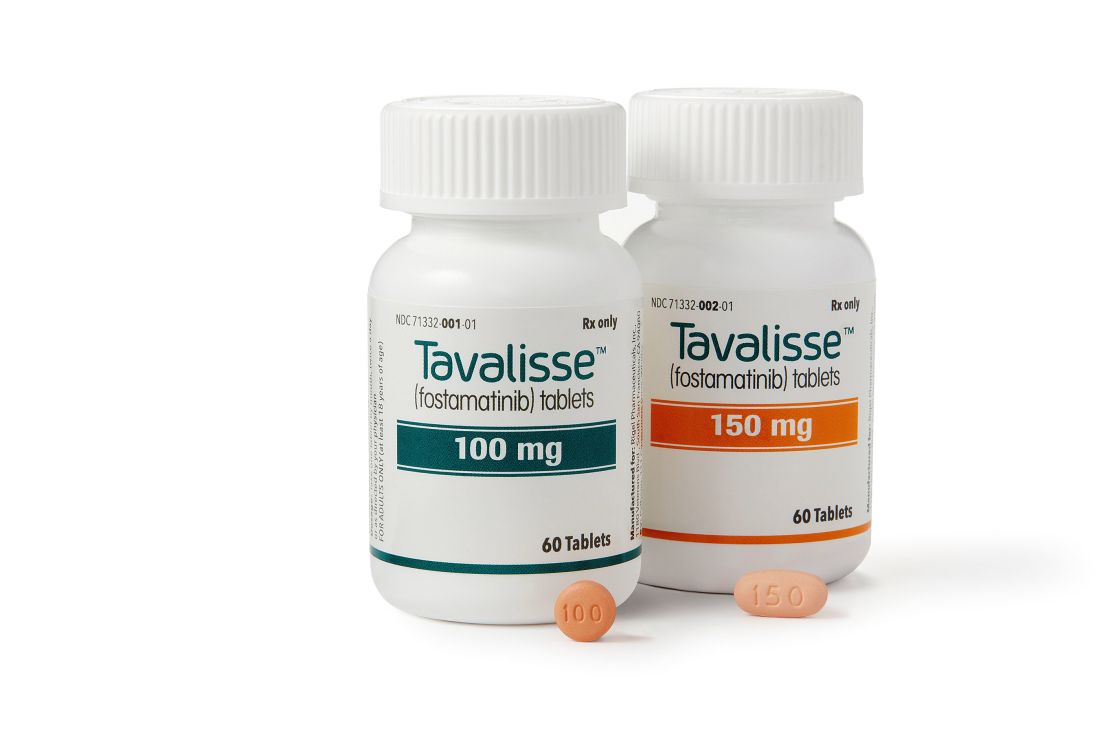
Physicians are advised to monitor blood pressure and liver function with the drug. Fostamatinib may interact with CYP3A4 inhibitors and inducers. Concomitant use of fostamatinib with CYP3A4 inhibitors increases exposure to R406 – the drug’s major metabolite – and may increase the risk of adverse reactions. Use with strong CYP3A4 inducers is not recommended because it reduces exposure to R406.
Women of reproductive potential should be advised to use appropriate contraception while using fostamatinib and for a month after stopping the drug; pregnant women should be told of potential risk to the fetus. Advise women not to breastfeed during treatment and for at least 1 month after the last dose, according to a press statement.
Rigel Pharmaceuticals plans to release the drug in the United States in late May 2018.
with chronic immune thrombocytopenia (ITP).
The Food and Drug Administration approved the oral spleen tyrosine kinase (SYK) inhibitor, which works by impeding platelet destruction, on April 17. Its approval was based on data from FIT clinical program, including two randomized placebo-controlled phase 3 trials.
Physicians are advised to monitor blood pressure and liver function with the drug. Fostamatinib may interact with CYP3A4 inhibitors and inducers. Concomitant use of fostamatinib with CYP3A4 inhibitors increases exposure to R406 – the drug’s major metabolite – and may increase the risk of adverse reactions. Use with strong CYP3A4 inducers is not recommended because it reduces exposure to R406.
Women of reproductive potential should be advised to use appropriate contraception while using fostamatinib and for a month after stopping the drug; pregnant women should be told of potential risk to the fetus. Advise women not to breastfeed during treatment and for at least 1 month after the last dose, according to a press statement.
Rigel Pharmaceuticals plans to release the drug in the United States in late May 2018.
with chronic immune thrombocytopenia (ITP).
The Food and Drug Administration approved the oral spleen tyrosine kinase (SYK) inhibitor, which works by impeding platelet destruction, on April 17. Its approval was based on data from FIT clinical program, including two randomized placebo-controlled phase 3 trials.
Physicians are advised to monitor blood pressure and liver function with the drug. Fostamatinib may interact with CYP3A4 inhibitors and inducers. Concomitant use of fostamatinib with CYP3A4 inhibitors increases exposure to R406 – the drug’s major metabolite – and may increase the risk of adverse reactions. Use with strong CYP3A4 inducers is not recommended because it reduces exposure to R406.
Women of reproductive potential should be advised to use appropriate contraception while using fostamatinib and for a month after stopping the drug; pregnant women should be told of potential risk to the fetus. Advise women not to breastfeed during treatment and for at least 1 month after the last dose, according to a press statement.
Rigel Pharmaceuticals plans to release the drug in the United States in late May 2018.
Clinical Guidelines: Testosterone therapy in men with hypogonadism
Guidelines issued jointly by the Endocrine Society and the European Society for Endocrinology provide clinicians with a clear consensus approach to male hypogonadism, commonly referred to by patients as “low T.” Hypogonadism results from “the failure of the testes to produce physiological concentrations of testosterone and/or a normal number of spermatozoa due to pathology at one or more levels of the hypothalamic-pituitary-testicular axis,” according to the definition that serves as the basis for the guidelines.
The causes of hypogonadism can also be divided into irreversible and reversible disorders. Irreversible disorders include congenital, structural, or destructive disorders that lead to permanent organ dysfunction. Reversible hypogonadism includes causes, such as obesity, opioids, or systemic illness, that can suppress gonadotropin and testosterone concentrations but that may be reversible.
Diagnosis
The signs and symptoms of hypogonadism are often nonspecific and include decreased energy, depressed mood, poor concentration and memory, sleep disturbance, mild normocytic normochromic anemia, reduced muscle bulk and strength, increased body fat, reduced libido, decreased erections, gynecomastia, low-trauma fractures, and loss of body hair. The diagnosis of hypogonadism is made when there are signs and symptoms of testosterone deficiency and of unequivocally and consistently low serum total testosterone and/or free testosterone concentrations.
Serum testosterone concentrations have diurnal variations, with values peaking in the morning. In addition, food intake suppresses testosterone concentrations. Therefore, testosterone levels should be measured in the morning after an overnight fast. Low testosterone concentrations need to be confirmed before making the diagnosis of hypogonadism because 30% of men with an initial testosterone concentration in the hypogonadal range have a normal testosterone concentration on repeat measurement. In addition, testosterone concentrations are not accurate in patients recovering from acute illness or taking medications known to suppress testosterone.
Testing of free testosterone and sex hormone–binding globulin (SHBG) may be considered in patients at risk for increased or decreased SHBG, including the obese, men with diabetes, the elderly, those with HIV or liver disease, or those taking estrogens and medications that may affect SHBG.
In individuals with low testosterone levels, a serum FSH and LH should be ordered to differentiate primary from secondary hypogonadism. Middle-aged and older men with secondary hypogonadism have a low prevalence of hypothalamic/pituitary abnormalities.
Treatment
In patients found to have low testosterone with signs and symptoms of testosterone deficiency, testosterone therapy is recommended to induce and maintain secondary sex characteristics and correct the symptoms of testosterone deficiency. Testosterone-replacement therapy in men with low testosterone levels leads to a small but statistically significant improvement in libido, erectile function, sexual activity or satisfaction, muscle mass, and bone density but does not lead to improvements in energy and mood.
Testosterone replacement should not be done in patient’s planning fertility in the near future, those with prostate or breast cancer, a palpable prostate nodule, a prostate-specific antigen (PSA) level greater than 4 ng/mL, a PSA greater than 3 ng/mL with high risk for prostate cancer, high hematocrit, untreated obstructive sleep apnea, severe lower urinary tract symptoms, uncontrolled heart failure, MI or stroke within the last 6 months, or thrombophilia.
In men undergoing therapy, there is a higher frequency of erythrocytosis (hematocrit greater than 54%; relative risk, 8.14) but no increase in lower urinary tract symptoms. The benefit and risk of regular prostate cancer screening should be discussed prior to starting therapy with men aged 40-69 years with an increased risk of prostate cancer and with all men aged 55-69 years. For those who desire prostate cancer screening, PSA levels should be checked prior to starting therapy, and a digital prostate examination should be done at baseline and at 3-12 months after starting testosterone treatment. After 1 year, prostate cancer screening can be done per standard guidelines.
The decision about therapy in men older than 65 years is challenging because testosterone levels normally decline with age. It is not necessary to prescribe testosterone routinely to men older than 65 years with only low testosterone, and treatment should be reserved for those with symptoms along with low testosterone concentrations.
Men with HIV with low testosterone concentrations and weight loss can be treated with testosterone to induce and maintain body weight and lean muscle mass.
Monitoring
Patients should be evaluated 3-6 months after initiating treatment to see whether symptoms have improved, to see whether there have been adverse reactions, and to check labs.
Serum testosterone should be checked and the dose of testosterone replacement should be adjusted to maintain the serum testosterone level in the mid-normal range for healthy young men. Serum testosterone should be drawn at different times for different formulations – for instance, it should be checked 2-8 hours following a gel application.
Hematocrit should be checked at baseline and 3-6 months into treatment. If hematocrit is greater than 54%, therapy should be held until hematocrit decreases and then restarted at a reduced dose. Screening for prostate cancer should be done if that was decided upon during discussion with the patient. Further urologic evaluation is indicated in men who, during the first year of treatment, develop an increase from baseline PSA greater than 1.4 ng/mL, have a repeat PSA over 4 ng/mL, or have a prostatic abnormality on digital rectal exam.
The bottom line
Hypogonadism is common and presents diagnostic challenges because of nonspecific signs and symptoms. Serum testosterone should be checked on a first-morning fasting specimen. Low testosterone concentrations need to be confirmed before making the diagnosis and should be followed by checking FSH and LH. For those with signs and symptoms of hypogonadism and persistently low testosterone, testosterone replacement therapy can be beneficial, with a goal of maintaining serum testosterone in the mid-range of normal.
Reference
Bhasin S et al. Testosterone therapy in men with hypogonadism: An Endocrine Society clinical practice guideline. J Clin Endocrinol Metab. 2018 May;103(5):1-30.
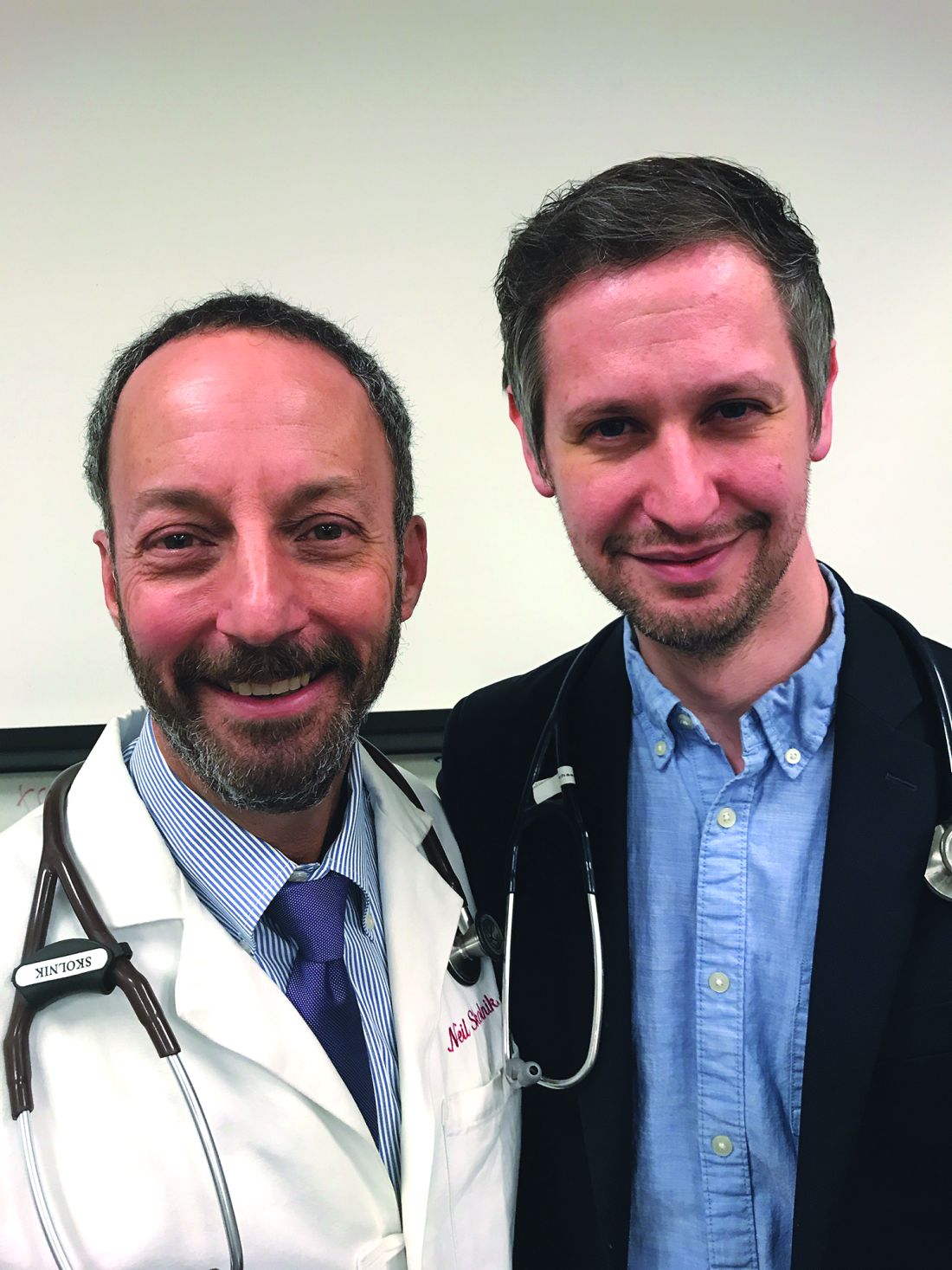
Dr. Skolnik is a professor of family and community medicine at Jefferson Medical College, Philadelphia, and an associate director of the family medicine residency program at Abington (Pa.) Jefferson Health. Dr. Hurchick is a third-year resident in the family medicine residency program at Abington Jefferson Health.
Guidelines issued jointly by the Endocrine Society and the European Society for Endocrinology provide clinicians with a clear consensus approach to male hypogonadism, commonly referred to by patients as “low T.” Hypogonadism results from “the failure of the testes to produce physiological concentrations of testosterone and/or a normal number of spermatozoa due to pathology at one or more levels of the hypothalamic-pituitary-testicular axis,” according to the definition that serves as the basis for the guidelines.
The causes of hypogonadism can also be divided into irreversible and reversible disorders. Irreversible disorders include congenital, structural, or destructive disorders that lead to permanent organ dysfunction. Reversible hypogonadism includes causes, such as obesity, opioids, or systemic illness, that can suppress gonadotropin and testosterone concentrations but that may be reversible.
Diagnosis
The signs and symptoms of hypogonadism are often nonspecific and include decreased energy, depressed mood, poor concentration and memory, sleep disturbance, mild normocytic normochromic anemia, reduced muscle bulk and strength, increased body fat, reduced libido, decreased erections, gynecomastia, low-trauma fractures, and loss of body hair. The diagnosis of hypogonadism is made when there are signs and symptoms of testosterone deficiency and of unequivocally and consistently low serum total testosterone and/or free testosterone concentrations.
Serum testosterone concentrations have diurnal variations, with values peaking in the morning. In addition, food intake suppresses testosterone concentrations. Therefore, testosterone levels should be measured in the morning after an overnight fast. Low testosterone concentrations need to be confirmed before making the diagnosis of hypogonadism because 30% of men with an initial testosterone concentration in the hypogonadal range have a normal testosterone concentration on repeat measurement. In addition, testosterone concentrations are not accurate in patients recovering from acute illness or taking medications known to suppress testosterone.
Testing of free testosterone and sex hormone–binding globulin (SHBG) may be considered in patients at risk for increased or decreased SHBG, including the obese, men with diabetes, the elderly, those with HIV or liver disease, or those taking estrogens and medications that may affect SHBG.
In individuals with low testosterone levels, a serum FSH and LH should be ordered to differentiate primary from secondary hypogonadism. Middle-aged and older men with secondary hypogonadism have a low prevalence of hypothalamic/pituitary abnormalities.
Treatment
In patients found to have low testosterone with signs and symptoms of testosterone deficiency, testosterone therapy is recommended to induce and maintain secondary sex characteristics and correct the symptoms of testosterone deficiency. Testosterone-replacement therapy in men with low testosterone levels leads to a small but statistically significant improvement in libido, erectile function, sexual activity or satisfaction, muscle mass, and bone density but does not lead to improvements in energy and mood.
Testosterone replacement should not be done in patient’s planning fertility in the near future, those with prostate or breast cancer, a palpable prostate nodule, a prostate-specific antigen (PSA) level greater than 4 ng/mL, a PSA greater than 3 ng/mL with high risk for prostate cancer, high hematocrit, untreated obstructive sleep apnea, severe lower urinary tract symptoms, uncontrolled heart failure, MI or stroke within the last 6 months, or thrombophilia.
In men undergoing therapy, there is a higher frequency of erythrocytosis (hematocrit greater than 54%; relative risk, 8.14) but no increase in lower urinary tract symptoms. The benefit and risk of regular prostate cancer screening should be discussed prior to starting therapy with men aged 40-69 years with an increased risk of prostate cancer and with all men aged 55-69 years. For those who desire prostate cancer screening, PSA levels should be checked prior to starting therapy, and a digital prostate examination should be done at baseline and at 3-12 months after starting testosterone treatment. After 1 year, prostate cancer screening can be done per standard guidelines.
The decision about therapy in men older than 65 years is challenging because testosterone levels normally decline with age. It is not necessary to prescribe testosterone routinely to men older than 65 years with only low testosterone, and treatment should be reserved for those with symptoms along with low testosterone concentrations.
Men with HIV with low testosterone concentrations and weight loss can be treated with testosterone to induce and maintain body weight and lean muscle mass.
Monitoring
Patients should be evaluated 3-6 months after initiating treatment to see whether symptoms have improved, to see whether there have been adverse reactions, and to check labs.
Serum testosterone should be checked and the dose of testosterone replacement should be adjusted to maintain the serum testosterone level in the mid-normal range for healthy young men. Serum testosterone should be drawn at different times for different formulations – for instance, it should be checked 2-8 hours following a gel application.
Hematocrit should be checked at baseline and 3-6 months into treatment. If hematocrit is greater than 54%, therapy should be held until hematocrit decreases and then restarted at a reduced dose. Screening for prostate cancer should be done if that was decided upon during discussion with the patient. Further urologic evaluation is indicated in men who, during the first year of treatment, develop an increase from baseline PSA greater than 1.4 ng/mL, have a repeat PSA over 4 ng/mL, or have a prostatic abnormality on digital rectal exam.
The bottom line
Hypogonadism is common and presents diagnostic challenges because of nonspecific signs and symptoms. Serum testosterone should be checked on a first-morning fasting specimen. Low testosterone concentrations need to be confirmed before making the diagnosis and should be followed by checking FSH and LH. For those with signs and symptoms of hypogonadism and persistently low testosterone, testosterone replacement therapy can be beneficial, with a goal of maintaining serum testosterone in the mid-range of normal.
Reference
Bhasin S et al. Testosterone therapy in men with hypogonadism: An Endocrine Society clinical practice guideline. J Clin Endocrinol Metab. 2018 May;103(5):1-30.
Dr. Skolnik is a professor of family and community medicine at Jefferson Medical College, Philadelphia, and an associate director of the family medicine residency program at Abington (Pa.) Jefferson Health. Dr. Hurchick is a third-year resident in the family medicine residency program at Abington Jefferson Health.
Guidelines issued jointly by the Endocrine Society and the European Society for Endocrinology provide clinicians with a clear consensus approach to male hypogonadism, commonly referred to by patients as “low T.” Hypogonadism results from “the failure of the testes to produce physiological concentrations of testosterone and/or a normal number of spermatozoa due to pathology at one or more levels of the hypothalamic-pituitary-testicular axis,” according to the definition that serves as the basis for the guidelines.
The causes of hypogonadism can also be divided into irreversible and reversible disorders. Irreversible disorders include congenital, structural, or destructive disorders that lead to permanent organ dysfunction. Reversible hypogonadism includes causes, such as obesity, opioids, or systemic illness, that can suppress gonadotropin and testosterone concentrations but that may be reversible.
Diagnosis
The signs and symptoms of hypogonadism are often nonspecific and include decreased energy, depressed mood, poor concentration and memory, sleep disturbance, mild normocytic normochromic anemia, reduced muscle bulk and strength, increased body fat, reduced libido, decreased erections, gynecomastia, low-trauma fractures, and loss of body hair. The diagnosis of hypogonadism is made when there are signs and symptoms of testosterone deficiency and of unequivocally and consistently low serum total testosterone and/or free testosterone concentrations.
Serum testosterone concentrations have diurnal variations, with values peaking in the morning. In addition, food intake suppresses testosterone concentrations. Therefore, testosterone levels should be measured in the morning after an overnight fast. Low testosterone concentrations need to be confirmed before making the diagnosis of hypogonadism because 30% of men with an initial testosterone concentration in the hypogonadal range have a normal testosterone concentration on repeat measurement. In addition, testosterone concentrations are not accurate in patients recovering from acute illness or taking medications known to suppress testosterone.
Testing of free testosterone and sex hormone–binding globulin (SHBG) may be considered in patients at risk for increased or decreased SHBG, including the obese, men with diabetes, the elderly, those with HIV or liver disease, or those taking estrogens and medications that may affect SHBG.
In individuals with low testosterone levels, a serum FSH and LH should be ordered to differentiate primary from secondary hypogonadism. Middle-aged and older men with secondary hypogonadism have a low prevalence of hypothalamic/pituitary abnormalities.
Treatment
In patients found to have low testosterone with signs and symptoms of testosterone deficiency, testosterone therapy is recommended to induce and maintain secondary sex characteristics and correct the symptoms of testosterone deficiency. Testosterone-replacement therapy in men with low testosterone levels leads to a small but statistically significant improvement in libido, erectile function, sexual activity or satisfaction, muscle mass, and bone density but does not lead to improvements in energy and mood.
Testosterone replacement should not be done in patient’s planning fertility in the near future, those with prostate or breast cancer, a palpable prostate nodule, a prostate-specific antigen (PSA) level greater than 4 ng/mL, a PSA greater than 3 ng/mL with high risk for prostate cancer, high hematocrit, untreated obstructive sleep apnea, severe lower urinary tract symptoms, uncontrolled heart failure, MI or stroke within the last 6 months, or thrombophilia.
In men undergoing therapy, there is a higher frequency of erythrocytosis (hematocrit greater than 54%; relative risk, 8.14) but no increase in lower urinary tract symptoms. The benefit and risk of regular prostate cancer screening should be discussed prior to starting therapy with men aged 40-69 years with an increased risk of prostate cancer and with all men aged 55-69 years. For those who desire prostate cancer screening, PSA levels should be checked prior to starting therapy, and a digital prostate examination should be done at baseline and at 3-12 months after starting testosterone treatment. After 1 year, prostate cancer screening can be done per standard guidelines.
The decision about therapy in men older than 65 years is challenging because testosterone levels normally decline with age. It is not necessary to prescribe testosterone routinely to men older than 65 years with only low testosterone, and treatment should be reserved for those with symptoms along with low testosterone concentrations.
Men with HIV with low testosterone concentrations and weight loss can be treated with testosterone to induce and maintain body weight and lean muscle mass.
Monitoring
Patients should be evaluated 3-6 months after initiating treatment to see whether symptoms have improved, to see whether there have been adverse reactions, and to check labs.
Serum testosterone should be checked and the dose of testosterone replacement should be adjusted to maintain the serum testosterone level in the mid-normal range for healthy young men. Serum testosterone should be drawn at different times for different formulations – for instance, it should be checked 2-8 hours following a gel application.
Hematocrit should be checked at baseline and 3-6 months into treatment. If hematocrit is greater than 54%, therapy should be held until hematocrit decreases and then restarted at a reduced dose. Screening for prostate cancer should be done if that was decided upon during discussion with the patient. Further urologic evaluation is indicated in men who, during the first year of treatment, develop an increase from baseline PSA greater than 1.4 ng/mL, have a repeat PSA over 4 ng/mL, or have a prostatic abnormality on digital rectal exam.
The bottom line
Hypogonadism is common and presents diagnostic challenges because of nonspecific signs and symptoms. Serum testosterone should be checked on a first-morning fasting specimen. Low testosterone concentrations need to be confirmed before making the diagnosis and should be followed by checking FSH and LH. For those with signs and symptoms of hypogonadism and persistently low testosterone, testosterone replacement therapy can be beneficial, with a goal of maintaining serum testosterone in the mid-range of normal.
Reference
Bhasin S et al. Testosterone therapy in men with hypogonadism: An Endocrine Society clinical practice guideline. J Clin Endocrinol Metab. 2018 May;103(5):1-30.
Dr. Skolnik is a professor of family and community medicine at Jefferson Medical College, Philadelphia, and an associate director of the family medicine residency program at Abington (Pa.) Jefferson Health. Dr. Hurchick is a third-year resident in the family medicine residency program at Abington Jefferson Health.
What does burnout cost?
How are you feeling today? Simple words but a bit of introspection can go a long way. P It affects a physician’s well-being, effectiveness, productivity, and the ability to provide quality care. It also carries personal consequences for physicians including broken relationships, substance abuse, suicide, and depression.
Burnout may affect at least one-third of gastroenterologists. At greater risk are younger physicians, physicians performing high-risk procedures, and physicians experiencing work-life conflicts.
While the root cause of physician burnout varies from provider to provider, an overarching theme is work stress. Work stress may develop for a number of reasons, including issues at the level of the health care system (shifts in reimbursement or payment models, increasing clerical burden of the electronic medical record), organizational issues (e.g., dysfunctional administration, system-wide communication issues), and personal issues.
The key to preventing burnout is to first recognize that it can happen. Because initial symptoms build up internally, it can be easy to overlook. These seven steps can help you prevent burnout:
- Be self-aware and stay vigilant.
- Take care of yourself first.
- Stay connected to family, friends, and coworkers.
- Exercise.
- Ensure adequate sleep.
- Use your vacation time and ensure you disconnect yourself from work.
- Learn to say no.
A case study published in Clinical Gastroenterology and Hepatology delves deeper into how burnout develops, why it matters, and provides pathways to successfully combat it.
How are you feeling today? Simple words but a bit of introspection can go a long way. P It affects a physician’s well-being, effectiveness, productivity, and the ability to provide quality care. It also carries personal consequences for physicians including broken relationships, substance abuse, suicide, and depression.
Burnout may affect at least one-third of gastroenterologists. At greater risk are younger physicians, physicians performing high-risk procedures, and physicians experiencing work-life conflicts.
While the root cause of physician burnout varies from provider to provider, an overarching theme is work stress. Work stress may develop for a number of reasons, including issues at the level of the health care system (shifts in reimbursement or payment models, increasing clerical burden of the electronic medical record), organizational issues (e.g., dysfunctional administration, system-wide communication issues), and personal issues.
The key to preventing burnout is to first recognize that it can happen. Because initial symptoms build up internally, it can be easy to overlook. These seven steps can help you prevent burnout:
- Be self-aware and stay vigilant.
- Take care of yourself first.
- Stay connected to family, friends, and coworkers.
- Exercise.
- Ensure adequate sleep.
- Use your vacation time and ensure you disconnect yourself from work.
- Learn to say no.
A case study published in Clinical Gastroenterology and Hepatology delves deeper into how burnout develops, why it matters, and provides pathways to successfully combat it.
How are you feeling today? Simple words but a bit of introspection can go a long way. P It affects a physician’s well-being, effectiveness, productivity, and the ability to provide quality care. It also carries personal consequences for physicians including broken relationships, substance abuse, suicide, and depression.
Burnout may affect at least one-third of gastroenterologists. At greater risk are younger physicians, physicians performing high-risk procedures, and physicians experiencing work-life conflicts.
While the root cause of physician burnout varies from provider to provider, an overarching theme is work stress. Work stress may develop for a number of reasons, including issues at the level of the health care system (shifts in reimbursement or payment models, increasing clerical burden of the electronic medical record), organizational issues (e.g., dysfunctional administration, system-wide communication issues), and personal issues.
The key to preventing burnout is to first recognize that it can happen. Because initial symptoms build up internally, it can be easy to overlook. These seven steps can help you prevent burnout:
- Be self-aware and stay vigilant.
- Take care of yourself first.
- Stay connected to family, friends, and coworkers.
- Exercise.
- Ensure adequate sleep.
- Use your vacation time and ensure you disconnect yourself from work.
- Learn to say no.
A case study published in Clinical Gastroenterology and Hepatology delves deeper into how burnout develops, why it matters, and provides pathways to successfully combat it.
Sessions at DDW® 2018 designed for trainees and early career GIs
Participants will learn about all aspects of starting a career in clinical practice or research, have the opportunity to network with mentors and peers, and review board material.
With the exception of the AGA Postgraduate Course, all of the sessions are free, but you must register for DDW to attend. Registration is open and is complimentary for AGA member trainees, students, medical residents, and postdoctoral fellows until April 18. Visit the AGA website for additional details about these sessions.
Saturday, June 2, and Sunday, June 3
- Difficult Conversations: Navigating People, Negotiations, Promotions, and Complications
Sunday, June 3, 4-5:30 p.m.
- Advancing Clinical Practice: GI Fellow-Directed Quality Improvement Projects
Monday, June 4, 4-5:30 p.m.
- Board Review Course
Tuesday, June 5, 1:30-5:30 p.m.
Participants will learn about all aspects of starting a career in clinical practice or research, have the opportunity to network with mentors and peers, and review board material.
With the exception of the AGA Postgraduate Course, all of the sessions are free, but you must register for DDW to attend. Registration is open and is complimentary for AGA member trainees, students, medical residents, and postdoctoral fellows until April 18. Visit the AGA website for additional details about these sessions.
Saturday, June 2, and Sunday, June 3
- Difficult Conversations: Navigating People, Negotiations, Promotions, and Complications
Sunday, June 3, 4-5:30 p.m.
- Advancing Clinical Practice: GI Fellow-Directed Quality Improvement Projects
Monday, June 4, 4-5:30 p.m.
- Board Review Course
Tuesday, June 5, 1:30-5:30 p.m.
Participants will learn about all aspects of starting a career in clinical practice or research, have the opportunity to network with mentors and peers, and review board material.
With the exception of the AGA Postgraduate Course, all of the sessions are free, but you must register for DDW to attend. Registration is open and is complimentary for AGA member trainees, students, medical residents, and postdoctoral fellows until April 18. Visit the AGA website for additional details about these sessions.
Saturday, June 2, and Sunday, June 3
- Difficult Conversations: Navigating People, Negotiations, Promotions, and Complications
Sunday, June 3, 4-5:30 p.m.
- Advancing Clinical Practice: GI Fellow-Directed Quality Improvement Projects
Monday, June 4, 4-5:30 p.m.
- Board Review Course
Tuesday, June 5, 1:30-5:30 p.m.