User login
CANVAS data: Canagliflozin generally well tolerated up to 6.5 years
ORLANDO – according to the latest safety data from the CANVAS (Canagliflozin Cardiovascular Assessment Study) program.
CANVAS included two studies (CANVAS and CANVAS-R) involving a total of 10,142 patients, which established the superiority of canagliflozin (Invokana) over placebo for reducing the risk of a three-point major adverse cardiac event endpoint, including cardiovascular death, nonfatal MI, and nonfatal stroke. The sodium-glucose cotransporter-2 (SGLT2) inhibitor also improved other cardiovascular outcomes.
For the current analysis, outcomes in the CANVAS participants were compared with those from a general population of 8,114 patients with type 2 diabetes mellitus (T2DM) who participated in 12 non-CANVAS studies of canagliflozin. As previously reported, the risks for fracture or amputation were novel safety findings associated with canagliflozin in the CANVAS program and, in the current analysis, the incidence of fractures per 1,000 patient-years in CANVAS was 15.4 vs. 11.9 with treatment vs. placebo, whereas no significant difference was seen in the non-CANVAS studies (incidence rate of 11.8 vs. 10.8 per 1,000 patient-years for treatment vs. placebo), Priscilla Hollander, MD, reported at the annual meeting of the American Diabetes Association.
Of note, when the CANVAS and CANVAS-R studies were compared, the imbalance was seen only in CANVAS (incidence rates of 16.9 vs. 10.9 for treatment vs. placebo [hazard ratio, 1.55], compared with incidence rates of 11.3 and 13.2 , respectively, in CANVAS-R [HR, 0.86]), said Dr. Hollander, Baylor Scott & White Endocrine Center in Dallas.
“Ongoing analyses are trying to determine why there is a difference between the two studies,” she noted.
For the novel safety finding of increased amputation risk with canagliflozin, an excess of three events per 1,000 patient years was seen in both CANVAS (incidence of 6.3 vs. 3.4; HR, 1.97) and CANVAS-R (incidence of 5.9 vs. 2.8; HR, 2.12). No difference in risk was seen among the non-CANVAS population (incidence of 0.5 and 2.2 with treatment vs. placebo; HR, 0.23).
“Amputations were primarily at the level of the toe or the metatarsal. Patients with a history of amputation or peripheral vascular disease had the highest risk of amputation,” she said, adding that this was true in both treatment and placebo groups.
“Again, ongoing analyses are being done to look at the mechanism in this regard,” she said.
For safety outcomes known to be related to the mechanism of SGLT2 inhibition, including osmotic diuresis, volume depletion, and genital mycotic infection (GMI), similar differences between canagliflozin and placebo groups were seen in the CANVAS and non-CANVAS studies at 6.5 years, Dr. Hollander said.
Hazard ratios in the canagliflozin vs. placebo groups for the CANVAS and non-CANVAS studies, respectively, were 2.80 and 2.66 for osmotic diuresis, 1.44 and 1.35 for volume depletion, 4.37 and 4.32 for female GMI, and 3.76 and 6.26 for male GMI.
No imbalances were observed in other AEs of interest – including hypoglycemia, urinary tract infections, or hypersensitivity reactions – in either the CANVAS or the non-CANVAS studies.
“The point estimate for [diabetic ketoacidosis] was 2.3, but with very wide confidence intervals due to a very low number of events, so it really did not reach significance,” Dr. Hollander noted. “Again, due to the mechanism of action of canagliflozin, and the warning for acute kidney injury on the label, renal adverse events were also of interest, but there was no imbalance observed in the renal-related AEs between the CANVAS program and the non-CANVAS program.”
A closer look at renal-related adverse events (AEs) of interest in the CANVAS program only (not in comparison with the non-CANVAS findings) also showed no significant difference with canagliflozin vs. placebo in blood creatinine increase, blood urea increase, glomerular filtration rate decrease, acute kidney injury, renal impairment, renal failure, oliguria, acute prerenal failure, hypercreatininemia, nephritis, or prerenal failure, she said.
Furthermore, although hyperkalemia is noted as a risk with canagliflozin in patients with moderate renal impairment who are taking medications that interfere with potassium excretion, no significant differences were observed between the treatment and placebo groups over 6.5 years in the CANVAS program, she added, noting that “this was also supported by the lack of imbalance between the laboratory changes for serum potassium in the two groups.”
There also were no differences seen between the treatment and placebo groups in the rates of all serious AEs or in the rates of AEs leading to discontinuation, she said.
Canagliflozin has been generally well tolerated in both placebo-controlled trials and trials in which the SGLT2 inhibitor was compared with other active treatments. The non-CANVAS studies used for comparison in the current analysis included phase 3/4 canagliflozin clinical development program studies lasting up to 104 weeks and involving a general T2DM patient population, Dr. Hollander noted.
The CANVAS program, which was launched in 2009, included patients with T2DM and established cardiovascular disease or high cardiovascular disease risk who received a 2-week placebo run-in followed by placebo or either 100- or 300-mg doses of canagliflozin. CANVAS participants had hemoglobin A1c of 7%-10.5%; estimated glomerular filtration rate of 30 mL/min per 1.72m2 or greater; age of 30 years or greater plus a history of a prior cardiovascular event, or age of 50 years or greater with at least 2 cardiovascular risk factors, including diabetes for 10 years or more; systolic blood pressure greater than 140 mm Hg on at least one medication; current smoking status; micro- or macroalbuminuria; and an HDL cholesterol level less than 1 mmol/L.
The current analysis provides the longest-term safety data to date for the program, Dr. Hollander said.
The CANVAS Program is sponsored by Janssen Research & Development. Dr. Hollander is an advisory panel member for Eli Lilly, Merck, and Novo Nordisk.
SOURCE: Hollander P et al. ADA 2018, Abstract 259-OR.
ORLANDO – according to the latest safety data from the CANVAS (Canagliflozin Cardiovascular Assessment Study) program.
CANVAS included two studies (CANVAS and CANVAS-R) involving a total of 10,142 patients, which established the superiority of canagliflozin (Invokana) over placebo for reducing the risk of a three-point major adverse cardiac event endpoint, including cardiovascular death, nonfatal MI, and nonfatal stroke. The sodium-glucose cotransporter-2 (SGLT2) inhibitor also improved other cardiovascular outcomes.
For the current analysis, outcomes in the CANVAS participants were compared with those from a general population of 8,114 patients with type 2 diabetes mellitus (T2DM) who participated in 12 non-CANVAS studies of canagliflozin. As previously reported, the risks for fracture or amputation were novel safety findings associated with canagliflozin in the CANVAS program and, in the current analysis, the incidence of fractures per 1,000 patient-years in CANVAS was 15.4 vs. 11.9 with treatment vs. placebo, whereas no significant difference was seen in the non-CANVAS studies (incidence rate of 11.8 vs. 10.8 per 1,000 patient-years for treatment vs. placebo), Priscilla Hollander, MD, reported at the annual meeting of the American Diabetes Association.
Of note, when the CANVAS and CANVAS-R studies were compared, the imbalance was seen only in CANVAS (incidence rates of 16.9 vs. 10.9 for treatment vs. placebo [hazard ratio, 1.55], compared with incidence rates of 11.3 and 13.2 , respectively, in CANVAS-R [HR, 0.86]), said Dr. Hollander, Baylor Scott & White Endocrine Center in Dallas.
“Ongoing analyses are trying to determine why there is a difference between the two studies,” she noted.
For the novel safety finding of increased amputation risk with canagliflozin, an excess of three events per 1,000 patient years was seen in both CANVAS (incidence of 6.3 vs. 3.4; HR, 1.97) and CANVAS-R (incidence of 5.9 vs. 2.8; HR, 2.12). No difference in risk was seen among the non-CANVAS population (incidence of 0.5 and 2.2 with treatment vs. placebo; HR, 0.23).
“Amputations were primarily at the level of the toe or the metatarsal. Patients with a history of amputation or peripheral vascular disease had the highest risk of amputation,” she said, adding that this was true in both treatment and placebo groups.
“Again, ongoing analyses are being done to look at the mechanism in this regard,” she said.
For safety outcomes known to be related to the mechanism of SGLT2 inhibition, including osmotic diuresis, volume depletion, and genital mycotic infection (GMI), similar differences between canagliflozin and placebo groups were seen in the CANVAS and non-CANVAS studies at 6.5 years, Dr. Hollander said.
Hazard ratios in the canagliflozin vs. placebo groups for the CANVAS and non-CANVAS studies, respectively, were 2.80 and 2.66 for osmotic diuresis, 1.44 and 1.35 for volume depletion, 4.37 and 4.32 for female GMI, and 3.76 and 6.26 for male GMI.
No imbalances were observed in other AEs of interest – including hypoglycemia, urinary tract infections, or hypersensitivity reactions – in either the CANVAS or the non-CANVAS studies.
“The point estimate for [diabetic ketoacidosis] was 2.3, but with very wide confidence intervals due to a very low number of events, so it really did not reach significance,” Dr. Hollander noted. “Again, due to the mechanism of action of canagliflozin, and the warning for acute kidney injury on the label, renal adverse events were also of interest, but there was no imbalance observed in the renal-related AEs between the CANVAS program and the non-CANVAS program.”
A closer look at renal-related adverse events (AEs) of interest in the CANVAS program only (not in comparison with the non-CANVAS findings) also showed no significant difference with canagliflozin vs. placebo in blood creatinine increase, blood urea increase, glomerular filtration rate decrease, acute kidney injury, renal impairment, renal failure, oliguria, acute prerenal failure, hypercreatininemia, nephritis, or prerenal failure, she said.
Furthermore, although hyperkalemia is noted as a risk with canagliflozin in patients with moderate renal impairment who are taking medications that interfere with potassium excretion, no significant differences were observed between the treatment and placebo groups over 6.5 years in the CANVAS program, she added, noting that “this was also supported by the lack of imbalance between the laboratory changes for serum potassium in the two groups.”
There also were no differences seen between the treatment and placebo groups in the rates of all serious AEs or in the rates of AEs leading to discontinuation, she said.
Canagliflozin has been generally well tolerated in both placebo-controlled trials and trials in which the SGLT2 inhibitor was compared with other active treatments. The non-CANVAS studies used for comparison in the current analysis included phase 3/4 canagliflozin clinical development program studies lasting up to 104 weeks and involving a general T2DM patient population, Dr. Hollander noted.
The CANVAS program, which was launched in 2009, included patients with T2DM and established cardiovascular disease or high cardiovascular disease risk who received a 2-week placebo run-in followed by placebo or either 100- or 300-mg doses of canagliflozin. CANVAS participants had hemoglobin A1c of 7%-10.5%; estimated glomerular filtration rate of 30 mL/min per 1.72m2 or greater; age of 30 years or greater plus a history of a prior cardiovascular event, or age of 50 years or greater with at least 2 cardiovascular risk factors, including diabetes for 10 years or more; systolic blood pressure greater than 140 mm Hg on at least one medication; current smoking status; micro- or macroalbuminuria; and an HDL cholesterol level less than 1 mmol/L.
The current analysis provides the longest-term safety data to date for the program, Dr. Hollander said.
The CANVAS Program is sponsored by Janssen Research & Development. Dr. Hollander is an advisory panel member for Eli Lilly, Merck, and Novo Nordisk.
SOURCE: Hollander P et al. ADA 2018, Abstract 259-OR.
ORLANDO – according to the latest safety data from the CANVAS (Canagliflozin Cardiovascular Assessment Study) program.
CANVAS included two studies (CANVAS and CANVAS-R) involving a total of 10,142 patients, which established the superiority of canagliflozin (Invokana) over placebo for reducing the risk of a three-point major adverse cardiac event endpoint, including cardiovascular death, nonfatal MI, and nonfatal stroke. The sodium-glucose cotransporter-2 (SGLT2) inhibitor also improved other cardiovascular outcomes.
For the current analysis, outcomes in the CANVAS participants were compared with those from a general population of 8,114 patients with type 2 diabetes mellitus (T2DM) who participated in 12 non-CANVAS studies of canagliflozin. As previously reported, the risks for fracture or amputation were novel safety findings associated with canagliflozin in the CANVAS program and, in the current analysis, the incidence of fractures per 1,000 patient-years in CANVAS was 15.4 vs. 11.9 with treatment vs. placebo, whereas no significant difference was seen in the non-CANVAS studies (incidence rate of 11.8 vs. 10.8 per 1,000 patient-years for treatment vs. placebo), Priscilla Hollander, MD, reported at the annual meeting of the American Diabetes Association.
Of note, when the CANVAS and CANVAS-R studies were compared, the imbalance was seen only in CANVAS (incidence rates of 16.9 vs. 10.9 for treatment vs. placebo [hazard ratio, 1.55], compared with incidence rates of 11.3 and 13.2 , respectively, in CANVAS-R [HR, 0.86]), said Dr. Hollander, Baylor Scott & White Endocrine Center in Dallas.
“Ongoing analyses are trying to determine why there is a difference between the two studies,” she noted.
For the novel safety finding of increased amputation risk with canagliflozin, an excess of three events per 1,000 patient years was seen in both CANVAS (incidence of 6.3 vs. 3.4; HR, 1.97) and CANVAS-R (incidence of 5.9 vs. 2.8; HR, 2.12). No difference in risk was seen among the non-CANVAS population (incidence of 0.5 and 2.2 with treatment vs. placebo; HR, 0.23).
“Amputations were primarily at the level of the toe or the metatarsal. Patients with a history of amputation or peripheral vascular disease had the highest risk of amputation,” she said, adding that this was true in both treatment and placebo groups.
“Again, ongoing analyses are being done to look at the mechanism in this regard,” she said.
For safety outcomes known to be related to the mechanism of SGLT2 inhibition, including osmotic diuresis, volume depletion, and genital mycotic infection (GMI), similar differences between canagliflozin and placebo groups were seen in the CANVAS and non-CANVAS studies at 6.5 years, Dr. Hollander said.
Hazard ratios in the canagliflozin vs. placebo groups for the CANVAS and non-CANVAS studies, respectively, were 2.80 and 2.66 for osmotic diuresis, 1.44 and 1.35 for volume depletion, 4.37 and 4.32 for female GMI, and 3.76 and 6.26 for male GMI.
No imbalances were observed in other AEs of interest – including hypoglycemia, urinary tract infections, or hypersensitivity reactions – in either the CANVAS or the non-CANVAS studies.
“The point estimate for [diabetic ketoacidosis] was 2.3, but with very wide confidence intervals due to a very low number of events, so it really did not reach significance,” Dr. Hollander noted. “Again, due to the mechanism of action of canagliflozin, and the warning for acute kidney injury on the label, renal adverse events were also of interest, but there was no imbalance observed in the renal-related AEs between the CANVAS program and the non-CANVAS program.”
A closer look at renal-related adverse events (AEs) of interest in the CANVAS program only (not in comparison with the non-CANVAS findings) also showed no significant difference with canagliflozin vs. placebo in blood creatinine increase, blood urea increase, glomerular filtration rate decrease, acute kidney injury, renal impairment, renal failure, oliguria, acute prerenal failure, hypercreatininemia, nephritis, or prerenal failure, she said.
Furthermore, although hyperkalemia is noted as a risk with canagliflozin in patients with moderate renal impairment who are taking medications that interfere with potassium excretion, no significant differences were observed between the treatment and placebo groups over 6.5 years in the CANVAS program, she added, noting that “this was also supported by the lack of imbalance between the laboratory changes for serum potassium in the two groups.”
There also were no differences seen between the treatment and placebo groups in the rates of all serious AEs or in the rates of AEs leading to discontinuation, she said.
Canagliflozin has been generally well tolerated in both placebo-controlled trials and trials in which the SGLT2 inhibitor was compared with other active treatments. The non-CANVAS studies used for comparison in the current analysis included phase 3/4 canagliflozin clinical development program studies lasting up to 104 weeks and involving a general T2DM patient population, Dr. Hollander noted.
The CANVAS program, which was launched in 2009, included patients with T2DM and established cardiovascular disease or high cardiovascular disease risk who received a 2-week placebo run-in followed by placebo or either 100- or 300-mg doses of canagliflozin. CANVAS participants had hemoglobin A1c of 7%-10.5%; estimated glomerular filtration rate of 30 mL/min per 1.72m2 or greater; age of 30 years or greater plus a history of a prior cardiovascular event, or age of 50 years or greater with at least 2 cardiovascular risk factors, including diabetes for 10 years or more; systolic blood pressure greater than 140 mm Hg on at least one medication; current smoking status; micro- or macroalbuminuria; and an HDL cholesterol level less than 1 mmol/L.
The current analysis provides the longest-term safety data to date for the program, Dr. Hollander said.
The CANVAS Program is sponsored by Janssen Research & Development. Dr. Hollander is an advisory panel member for Eli Lilly, Merck, and Novo Nordisk.
SOURCE: Hollander P et al. ADA 2018, Abstract 259-OR.
REPORTING FROM ADA 2018
Key clinical point: Canagliflozin is generally well tolerated for up to 6.5 years in patients with T2DM and high CV risk.
Major finding: Similar differences between canagliflozin and placebo groups for outcomes related to the mechanism of SGLT2 inhibition were seen in the CANVAS and non-CANVAS studies at 6.5 years.
Study details: A comparison of safety outcomes in 10,142 patients in CANVAS and 8,114 patients in non-CANVAS studies.
Disclosures: The CANVAS Program is sponsored by Janssen Research & Development. Dr. Hollander is an advisory panel member for Eli Lilly, Merck, and Novo Nordisk.
Source: Hollander P et al. ADA 2018 Abstract 259-OR.
OnabotulinumtoxinA crushes topiramate in chronic migraine PRO benefits
SAN FRANCISCO – The odds of at least a 50% reduction in headache days per month in chronic migraine patients 32 weeks after randomization to onabotulinumtoxinA for prophylaxis were 394% greater than with topiramate in the multicenter, open-label FORWARD trial, Andrew M. Blumenfeld, MD, reported at the annual meeting of the American Headache Society.

“Impressively, onabotulinumtoxinA showed a more favorable effect on depressive symptoms,” he added. “The overall results suggest that the beneficial effects of onabotulinumtoxinA on a range of PROs may lead to improved adherence.”
The FORWARD trial was a multicenter, open-label, prospective, 36-week study which randomized 282 adult chronic migraine patients to fixed-dose onabotulinumtoxinA at the approved dose of 155 U every 12 weeks or to topiramate (Topamax) titrated over the course of 12 weeks to the approved dose of 50-100 mg/day. However, after 12 weeks on topiramate, patients could elect to discontinue the drug and switch to onabotulinumtoxinA.
This was a trial designed to evaluate effectiveness, which Dr. Blumenfeld defined as the combination of efficacy plus treatment adherence. And treatment adherence with topiramate was poor: 63% of patients discontinued that medication, mainly because of adverse events or lack of efficacy, compared with just 7.9% of the onabotulinumtoxinA group.
The primary endpoint was the proportion of patients who achieved at least a 50% reduction in headache days per month beginning at week 32, compared with their rate during 4 weeks at baseline. Of 142 patients randomized to topiramate, 25 completed 36 weeks of therapy, and 17 of those 25 (68%) achieved at least a 50% reduction in headache days per month. That’s one way to look at it. The other is to examine effectiveness: 17 of 142 topiramate-treated patients (12%) met the primary endpoint. In contrast, 99 of 140 patients assigned to onabotulinumtoxinA completed treatment, and 56 of those 99 (57%) met the primary endpoint. Thus, the neurotoxin therapy had a 40% effectiveness rate. The odds of being at least a 50% responder were 394% greater in the onabotulinumtoxinA group, according to Dr. Blumenfeld.
Secondary endpoints consisted of four PROs: the Headache Impact Test of migraine-related disability (HIT-6), the Work Productivity and Activity Impairment Questionnaire: Specific Health Problem (WPAI-SHP), the Patient Health Questionnaire–9 (PHQ-9), and a cutting edge, not yet fully validated instrument known as the Functional Impact of Migraine Questionnaire, or FIMQ.
The onabotulinumtoxinA group fared significantly better than the topiramate group on all four PROs. But Dr. Blumenfeld singled out the PHQ-9 results as of particular clinical importance. A score of 5 or more is considered evidence of at least mild depression; on average, both groups were depressed at baseline, with a mean score of 6.5 in the onabotulinumtoxinA group and 7.6 in the topiramate group. At week 12, the scores were 5.2 and 6.7, respectively. At week 24, 4.5 versus 7.2. At week 36, the average PHQ-9 score in the onabotulinumtoxinA group was 4.4 – meaning no depression – compared with 7.1 in the topiramate group.
A reduction in HIT-6 scores of more than 2.5 points is considered to represent clinically significant improvement in migraine-related disability. At week 6, the HIT-6 score had fallen by an average of 4.0 points from baseline in the onabotulinumtoxinA group, compared with –2.2 points with topiramate. At week 18, the margin of improvement was –5.1 versus –1.6 points, while at week 36 the average improvement was –5.6 points in the onabotulinumtoxinA group, compared with –1.4 points in the topiramate arm in a last-observation-carried-forward analysis.
Mean baseline scores on the WPAI-SHP were 4.8 in the onabotulinumtoxinA group and 5.1 in those on topiramate. At week 12, the scores had improved to 3.3 and 4.4, respectively, and at week 36, to 3.5 and 4.4, respectively, a significant and clinically meaningful difference.
Mean baseline scores on the FIMQ were 59.8 and 53.9 in the onabotulinumtoxinA and topiramate groups. By week 30, the scores were 37.1 and 47.5, respectively.
The main reasons half of the topiramate patients discontinued were the adverse events classically associated with the drug: paresthesia, cognitive impairment, nausea, and fatigue. None of these were reported by more than 0.5% of onabotulinumtoxinA recipients.
This is not the first study to show superior outcomes with neurotoxin therapy for the prevention of chronic migraine.
“There is a disconnect between the published data and what happens in the community,” Dr. Blumenfeld observed. “In clinical practice, topiramate is listed as first-line therapy for chronic migraine, while onabotulinumtoxinA is third or fourth line.”
Insurers normally balk at covering neurotoxin therapy because it is relatively expensive. But in an era when PROs have taken on new weight with regulatory agencies and payers, the ground may be soon be shifting.
One audience member noted that in the relatively small subgroup of patients who could tolerate topiramate sufficiently to stay on the drug, the outcomes were quite good. Dr. Blumenfeld concurred.
“It’s something that we all see in clinical practice: Those patients who can stay on topiramate, who can tolerate it, do very well. So for the 17 of 25 who stayed on it and had a 50% reduction in headache days, that 68% is a good number, and I think it matches our clinical experience,” he said. “But the key message of this study – and I think this is a different way of looking at the way we assess medications – is to look at efficacy, but also at tolerability and long-term adherence. And the problem with topiramate-treated patients, particularly in chronic migraine, is they have a difficult time staying on the medication long enough to see that good effect.”
The FORWARD trial was sponsored by Allergan. Dr. Blumenfeld serves as a consultant to that company and a half-dozen others.
SOURCE: Blumenfeld AM et al. Headache. 2018 Jun;58(52):75. Abstract IOR06.
SAN FRANCISCO – The odds of at least a 50% reduction in headache days per month in chronic migraine patients 32 weeks after randomization to onabotulinumtoxinA for prophylaxis were 394% greater than with topiramate in the multicenter, open-label FORWARD trial, Andrew M. Blumenfeld, MD, reported at the annual meeting of the American Headache Society.
“Impressively, onabotulinumtoxinA showed a more favorable effect on depressive symptoms,” he added. “The overall results suggest that the beneficial effects of onabotulinumtoxinA on a range of PROs may lead to improved adherence.”
The FORWARD trial was a multicenter, open-label, prospective, 36-week study which randomized 282 adult chronic migraine patients to fixed-dose onabotulinumtoxinA at the approved dose of 155 U every 12 weeks or to topiramate (Topamax) titrated over the course of 12 weeks to the approved dose of 50-100 mg/day. However, after 12 weeks on topiramate, patients could elect to discontinue the drug and switch to onabotulinumtoxinA.
This was a trial designed to evaluate effectiveness, which Dr. Blumenfeld defined as the combination of efficacy plus treatment adherence. And treatment adherence with topiramate was poor: 63% of patients discontinued that medication, mainly because of adverse events or lack of efficacy, compared with just 7.9% of the onabotulinumtoxinA group.
The primary endpoint was the proportion of patients who achieved at least a 50% reduction in headache days per month beginning at week 32, compared with their rate during 4 weeks at baseline. Of 142 patients randomized to topiramate, 25 completed 36 weeks of therapy, and 17 of those 25 (68%) achieved at least a 50% reduction in headache days per month. That’s one way to look at it. The other is to examine effectiveness: 17 of 142 topiramate-treated patients (12%) met the primary endpoint. In contrast, 99 of 140 patients assigned to onabotulinumtoxinA completed treatment, and 56 of those 99 (57%) met the primary endpoint. Thus, the neurotoxin therapy had a 40% effectiveness rate. The odds of being at least a 50% responder were 394% greater in the onabotulinumtoxinA group, according to Dr. Blumenfeld.
Secondary endpoints consisted of four PROs: the Headache Impact Test of migraine-related disability (HIT-6), the Work Productivity and Activity Impairment Questionnaire: Specific Health Problem (WPAI-SHP), the Patient Health Questionnaire–9 (PHQ-9), and a cutting edge, not yet fully validated instrument known as the Functional Impact of Migraine Questionnaire, or FIMQ.
The onabotulinumtoxinA group fared significantly better than the topiramate group on all four PROs. But Dr. Blumenfeld singled out the PHQ-9 results as of particular clinical importance. A score of 5 or more is considered evidence of at least mild depression; on average, both groups were depressed at baseline, with a mean score of 6.5 in the onabotulinumtoxinA group and 7.6 in the topiramate group. At week 12, the scores were 5.2 and 6.7, respectively. At week 24, 4.5 versus 7.2. At week 36, the average PHQ-9 score in the onabotulinumtoxinA group was 4.4 – meaning no depression – compared with 7.1 in the topiramate group.
A reduction in HIT-6 scores of more than 2.5 points is considered to represent clinically significant improvement in migraine-related disability. At week 6, the HIT-6 score had fallen by an average of 4.0 points from baseline in the onabotulinumtoxinA group, compared with –2.2 points with topiramate. At week 18, the margin of improvement was –5.1 versus –1.6 points, while at week 36 the average improvement was –5.6 points in the onabotulinumtoxinA group, compared with –1.4 points in the topiramate arm in a last-observation-carried-forward analysis.
Mean baseline scores on the WPAI-SHP were 4.8 in the onabotulinumtoxinA group and 5.1 in those on topiramate. At week 12, the scores had improved to 3.3 and 4.4, respectively, and at week 36, to 3.5 and 4.4, respectively, a significant and clinically meaningful difference.
Mean baseline scores on the FIMQ were 59.8 and 53.9 in the onabotulinumtoxinA and topiramate groups. By week 30, the scores were 37.1 and 47.5, respectively.
The main reasons half of the topiramate patients discontinued were the adverse events classically associated with the drug: paresthesia, cognitive impairment, nausea, and fatigue. None of these were reported by more than 0.5% of onabotulinumtoxinA recipients.
This is not the first study to show superior outcomes with neurotoxin therapy for the prevention of chronic migraine.
“There is a disconnect between the published data and what happens in the community,” Dr. Blumenfeld observed. “In clinical practice, topiramate is listed as first-line therapy for chronic migraine, while onabotulinumtoxinA is third or fourth line.”
Insurers normally balk at covering neurotoxin therapy because it is relatively expensive. But in an era when PROs have taken on new weight with regulatory agencies and payers, the ground may be soon be shifting.
One audience member noted that in the relatively small subgroup of patients who could tolerate topiramate sufficiently to stay on the drug, the outcomes were quite good. Dr. Blumenfeld concurred.
“It’s something that we all see in clinical practice: Those patients who can stay on topiramate, who can tolerate it, do very well. So for the 17 of 25 who stayed on it and had a 50% reduction in headache days, that 68% is a good number, and I think it matches our clinical experience,” he said. “But the key message of this study – and I think this is a different way of looking at the way we assess medications – is to look at efficacy, but also at tolerability and long-term adherence. And the problem with topiramate-treated patients, particularly in chronic migraine, is they have a difficult time staying on the medication long enough to see that good effect.”
The FORWARD trial was sponsored by Allergan. Dr. Blumenfeld serves as a consultant to that company and a half-dozen others.
SOURCE: Blumenfeld AM et al. Headache. 2018 Jun;58(52):75. Abstract IOR06.
SAN FRANCISCO – The odds of at least a 50% reduction in headache days per month in chronic migraine patients 32 weeks after randomization to onabotulinumtoxinA for prophylaxis were 394% greater than with topiramate in the multicenter, open-label FORWARD trial, Andrew M. Blumenfeld, MD, reported at the annual meeting of the American Headache Society.
“Impressively, onabotulinumtoxinA showed a more favorable effect on depressive symptoms,” he added. “The overall results suggest that the beneficial effects of onabotulinumtoxinA on a range of PROs may lead to improved adherence.”
The FORWARD trial was a multicenter, open-label, prospective, 36-week study which randomized 282 adult chronic migraine patients to fixed-dose onabotulinumtoxinA at the approved dose of 155 U every 12 weeks or to topiramate (Topamax) titrated over the course of 12 weeks to the approved dose of 50-100 mg/day. However, after 12 weeks on topiramate, patients could elect to discontinue the drug and switch to onabotulinumtoxinA.
This was a trial designed to evaluate effectiveness, which Dr. Blumenfeld defined as the combination of efficacy plus treatment adherence. And treatment adherence with topiramate was poor: 63% of patients discontinued that medication, mainly because of adverse events or lack of efficacy, compared with just 7.9% of the onabotulinumtoxinA group.
The primary endpoint was the proportion of patients who achieved at least a 50% reduction in headache days per month beginning at week 32, compared with their rate during 4 weeks at baseline. Of 142 patients randomized to topiramate, 25 completed 36 weeks of therapy, and 17 of those 25 (68%) achieved at least a 50% reduction in headache days per month. That’s one way to look at it. The other is to examine effectiveness: 17 of 142 topiramate-treated patients (12%) met the primary endpoint. In contrast, 99 of 140 patients assigned to onabotulinumtoxinA completed treatment, and 56 of those 99 (57%) met the primary endpoint. Thus, the neurotoxin therapy had a 40% effectiveness rate. The odds of being at least a 50% responder were 394% greater in the onabotulinumtoxinA group, according to Dr. Blumenfeld.
Secondary endpoints consisted of four PROs: the Headache Impact Test of migraine-related disability (HIT-6), the Work Productivity and Activity Impairment Questionnaire: Specific Health Problem (WPAI-SHP), the Patient Health Questionnaire–9 (PHQ-9), and a cutting edge, not yet fully validated instrument known as the Functional Impact of Migraine Questionnaire, or FIMQ.
The onabotulinumtoxinA group fared significantly better than the topiramate group on all four PROs. But Dr. Blumenfeld singled out the PHQ-9 results as of particular clinical importance. A score of 5 or more is considered evidence of at least mild depression; on average, both groups were depressed at baseline, with a mean score of 6.5 in the onabotulinumtoxinA group and 7.6 in the topiramate group. At week 12, the scores were 5.2 and 6.7, respectively. At week 24, 4.5 versus 7.2. At week 36, the average PHQ-9 score in the onabotulinumtoxinA group was 4.4 – meaning no depression – compared with 7.1 in the topiramate group.
A reduction in HIT-6 scores of more than 2.5 points is considered to represent clinically significant improvement in migraine-related disability. At week 6, the HIT-6 score had fallen by an average of 4.0 points from baseline in the onabotulinumtoxinA group, compared with –2.2 points with topiramate. At week 18, the margin of improvement was –5.1 versus –1.6 points, while at week 36 the average improvement was –5.6 points in the onabotulinumtoxinA group, compared with –1.4 points in the topiramate arm in a last-observation-carried-forward analysis.
Mean baseline scores on the WPAI-SHP were 4.8 in the onabotulinumtoxinA group and 5.1 in those on topiramate. At week 12, the scores had improved to 3.3 and 4.4, respectively, and at week 36, to 3.5 and 4.4, respectively, a significant and clinically meaningful difference.
Mean baseline scores on the FIMQ were 59.8 and 53.9 in the onabotulinumtoxinA and topiramate groups. By week 30, the scores were 37.1 and 47.5, respectively.
The main reasons half of the topiramate patients discontinued were the adverse events classically associated with the drug: paresthesia, cognitive impairment, nausea, and fatigue. None of these were reported by more than 0.5% of onabotulinumtoxinA recipients.
This is not the first study to show superior outcomes with neurotoxin therapy for the prevention of chronic migraine.
“There is a disconnect between the published data and what happens in the community,” Dr. Blumenfeld observed. “In clinical practice, topiramate is listed as first-line therapy for chronic migraine, while onabotulinumtoxinA is third or fourth line.”
Insurers normally balk at covering neurotoxin therapy because it is relatively expensive. But in an era when PROs have taken on new weight with regulatory agencies and payers, the ground may be soon be shifting.
One audience member noted that in the relatively small subgroup of patients who could tolerate topiramate sufficiently to stay on the drug, the outcomes were quite good. Dr. Blumenfeld concurred.
“It’s something that we all see in clinical practice: Those patients who can stay on topiramate, who can tolerate it, do very well. So for the 17 of 25 who stayed on it and had a 50% reduction in headache days, that 68% is a good number, and I think it matches our clinical experience,” he said. “But the key message of this study – and I think this is a different way of looking at the way we assess medications – is to look at efficacy, but also at tolerability and long-term adherence. And the problem with topiramate-treated patients, particularly in chronic migraine, is they have a difficult time staying on the medication long enough to see that good effect.”
The FORWARD trial was sponsored by Allergan. Dr. Blumenfeld serves as a consultant to that company and a half-dozen others.
SOURCE: Blumenfeld AM et al. Headache. 2018 Jun;58(52):75. Abstract IOR06.
REPORTING FROM THE AHS ANNUAL MEETING
Key clinical point:
Major finding: The likelihood of at least a 50% reduction in headache days per month in chronic migraine patients during weeks 29-32 versus baseline was nearly 400% greater in those randomized to onabotulinumtoxinA than to topiramate.
Study details: The FORWARD trial was a randomized, multicenter, open-label, 36-week study in 282 chronic migraine patients.
Disclosures: FORWARD was sponsored by Allergan. The presenter serves as a consultant to that company and a half-dozen others.
Source: Blumenfeld AM et al. Headache. 2018 Jun;58(52):75. Abstract IOR06.

Treat chronic endometritis to improve implantation rates
In a meta-analysis of five studies of chronic endometritis (CE), women cured of the condition had significantly higher rates of pregnancies, live births, and successful implantations compared with women who had persistent CE.
“These findings potentially suggest that CE is a reversible factor of infertility, whose recognition and therapy may provide better chances at subsequent [in vitro fertilization] attempts,” wrote Amerigo Vitagliano, MD, of the University of Padua (Italy), and his coauthors.
They sought to examine the effect of CE treatment on implantation for women with recurrent implantation failure. While CE is correlated with infertility, prior studies have not resolved the question of whether curing CE would restore fertility. The condition is cured in as many of 80% of cases with a single cycle of antibiotics. 
The systematic review found five studies with a total of 796 patients with recurrent implantation failure in Argentina, China, Italy, Japan, and the United States. Two studies compared cured CE with persistent CE, and three studies compared cured CE with patients not affected by CE.
Only one of the studies evaluated CE patients receiving antibiotics with CE patients not receiving antibiotics. The study showed that there was no difference between those two groups in clinical pregnancy rate, ongoing (12 or more weeks’ gestation) pregnancy rate/live birth rate, or implantation rate.
The significant result was the difference between cured and persistent CE. Those numbers worked out to a higher ongoing pregnancy rate/live birth rate (odds ratio, 6.81; 95% confidence interval, 2.08-22.24; P = .001), clinical pregnancy rate (OR, 4.98; 95% CI, 1.72-14.43; P = .003), and implantation rate (OR, 3.24; 95% CI, 1.33-7.88; P = .01), with no difference in the miscarriage rate (P = .30).
The authors recommend further research in the form of randomized controlled trials to confirm whether completed CE treatment will improve in vitro fertilization success, and whether routine CE screening is advisable for all patients with recurrent implantation failure. At present, they recommend that diagnosed cases of CE be resolved before continuing with fertility treatment.
“If our results are confirmed, CE may represent a new therapeutic target for women suffering from [recurrent implantation failure], with affordable access (diagnosed through a simple endometrial biopsy and treated by oral antibiotics),” they wrote.
The authors reported having no financial disclosures.
SOURCE: Vitagliano A et al. Fertil Steril. 2018 Jun. doi: 10.1016/j.fertnstert.2018.03.017.
In a meta-analysis of five studies of chronic endometritis (CE), women cured of the condition had significantly higher rates of pregnancies, live births, and successful implantations compared with women who had persistent CE.
“These findings potentially suggest that CE is a reversible factor of infertility, whose recognition and therapy may provide better chances at subsequent [in vitro fertilization] attempts,” wrote Amerigo Vitagliano, MD, of the University of Padua (Italy), and his coauthors.
They sought to examine the effect of CE treatment on implantation for women with recurrent implantation failure. While CE is correlated with infertility, prior studies have not resolved the question of whether curing CE would restore fertility. The condition is cured in as many of 80% of cases with a single cycle of antibiotics.
The systematic review found five studies with a total of 796 patients with recurrent implantation failure in Argentina, China, Italy, Japan, and the United States. Two studies compared cured CE with persistent CE, and three studies compared cured CE with patients not affected by CE.
Only one of the studies evaluated CE patients receiving antibiotics with CE patients not receiving antibiotics. The study showed that there was no difference between those two groups in clinical pregnancy rate, ongoing (12 or more weeks’ gestation) pregnancy rate/live birth rate, or implantation rate.
The significant result was the difference between cured and persistent CE. Those numbers worked out to a higher ongoing pregnancy rate/live birth rate (odds ratio, 6.81; 95% confidence interval, 2.08-22.24; P = .001), clinical pregnancy rate (OR, 4.98; 95% CI, 1.72-14.43; P = .003), and implantation rate (OR, 3.24; 95% CI, 1.33-7.88; P = .01), with no difference in the miscarriage rate (P = .30).
The authors recommend further research in the form of randomized controlled trials to confirm whether completed CE treatment will improve in vitro fertilization success, and whether routine CE screening is advisable for all patients with recurrent implantation failure. At present, they recommend that diagnosed cases of CE be resolved before continuing with fertility treatment.
“If our results are confirmed, CE may represent a new therapeutic target for women suffering from [recurrent implantation failure], with affordable access (diagnosed through a simple endometrial biopsy and treated by oral antibiotics),” they wrote.
The authors reported having no financial disclosures.
SOURCE: Vitagliano A et al. Fertil Steril. 2018 Jun. doi: 10.1016/j.fertnstert.2018.03.017.
In a meta-analysis of five studies of chronic endometritis (CE), women cured of the condition had significantly higher rates of pregnancies, live births, and successful implantations compared with women who had persistent CE.
“These findings potentially suggest that CE is a reversible factor of infertility, whose recognition and therapy may provide better chances at subsequent [in vitro fertilization] attempts,” wrote Amerigo Vitagliano, MD, of the University of Padua (Italy), and his coauthors.
They sought to examine the effect of CE treatment on implantation for women with recurrent implantation failure. While CE is correlated with infertility, prior studies have not resolved the question of whether curing CE would restore fertility. The condition is cured in as many of 80% of cases with a single cycle of antibiotics.
The systematic review found five studies with a total of 796 patients with recurrent implantation failure in Argentina, China, Italy, Japan, and the United States. Two studies compared cured CE with persistent CE, and three studies compared cured CE with patients not affected by CE.
Only one of the studies evaluated CE patients receiving antibiotics with CE patients not receiving antibiotics. The study showed that there was no difference between those two groups in clinical pregnancy rate, ongoing (12 or more weeks’ gestation) pregnancy rate/live birth rate, or implantation rate.
The significant result was the difference between cured and persistent CE. Those numbers worked out to a higher ongoing pregnancy rate/live birth rate (odds ratio, 6.81; 95% confidence interval, 2.08-22.24; P = .001), clinical pregnancy rate (OR, 4.98; 95% CI, 1.72-14.43; P = .003), and implantation rate (OR, 3.24; 95% CI, 1.33-7.88; P = .01), with no difference in the miscarriage rate (P = .30).
The authors recommend further research in the form of randomized controlled trials to confirm whether completed CE treatment will improve in vitro fertilization success, and whether routine CE screening is advisable for all patients with recurrent implantation failure. At present, they recommend that diagnosed cases of CE be resolved before continuing with fertility treatment.
“If our results are confirmed, CE may represent a new therapeutic target for women suffering from [recurrent implantation failure], with affordable access (diagnosed through a simple endometrial biopsy and treated by oral antibiotics),” they wrote.
The authors reported having no financial disclosures.
SOURCE: Vitagliano A et al. Fertil Steril. 2018 Jun. doi: 10.1016/j.fertnstert.2018.03.017.
FROM FERTILITY & STERILITY

USPSTF: Nontraditional CVD risk factors not ready for prime time
Current evidence is insufficient to assess the balance harms and benefits of adding ankle-brachial index, high-sensitivity C-reactive protein, or coronary artery calcium burden to traditional cardiovascular disease risk scores for asymptomatic adults, according to the United States Preventive Services Task Force.

USPSTF did note that many of the comments to its draft document “provided evidence that risk assessment with CAC [coronary artery calcium] was strong enough to warrant a separate, more positive recommendation” and “is useful for patients whose risk stratification is unclear or for those who fall into intermediate-risk groups.” However, evidence is inadequate that this would translate into improved health outcomes in asymptomatic patients.
Meanwhile, treatment decisions guided by the markers have not been shown to reduce cardiovascular events or mortality. There are no trials evaluating the additional benefit of adding the ankle-brachial index (ABI), high-sensitivity C-reactive level (hsCRP), or CAC score to traditional risk assessment models.
The USPSTF recommended “that clinicians use the Pooled Cohort Equations to assess CVD risk and to guide treatment decisions until further evidence is available,” noting that these equations, introduced in 2013, were developed using more contemporary and diverse cohort data than were the older Framingham Risk Score. Traditional CVD risk factors include age, sex, high blood pressure, current smoking, abnormal cholesterol levels, diabetes, obesity, and physical inactivity.
The work replaces the group’s 2009 statement on nontraditional risk factors, which also was considered an I statement, for inadequate evidence. Unlike that document, the new work focused on ABI, hsCRP level, and CAC because these offer the most promising evidence base and are independently associated with CVD events.
The group noted that testing for hsCRP level and ABI is noninvasive, with little direct harm. Harms of testing for CAC score include exposure to radiation and incidental findings on CT of the chest, such as pulmonary nodules, that may lead to further invasive testing and procedures, among other problems.
The ABI is the ratio of the systolic blood pressure at the ankle to the systolic blood pressure in the arm while the patient is lying down; a value less than 1 is abnormal. High-sensitivity CRP is a serum protein involved in inflammatory and immune responses. Coronary artery calcium score is a measure of calcium content in the coronary arteries.
Good-quality studies that compare traditional risk assessment with ABI, hsCRP level, or CAC scores “are needed to measure the effect of adding nontraditional risk factors on clinical decision thresholds and patient outcomes, especially in more diverse populations (women, racial/ethnic minorities, persons of lower socioeconomic status), in whom assessment of nontraditional risk factors may help address the shortcomings of traditional risk models,” USPSTF said.
The group is funded by the Agency for Healthcare Research and Quality.
These conclusions are understandable from the policy perspective but do not fully address the issues faced by individual patients and clinicians in decisions about the relative merits of primary preventive therapies.

In middle-aged and older U.S. adults whose estimated absolute risks of developing CVD events are near a treatment threshold (e.g., 7.5%), the presence of CAC scores greater than 100, or higher than the 75th percentile for a given age, accurately reclassifies individuals to a higher category of risk. Even individuals with low estimated 10-year risks and high CAC scores (more than 100 Agatston units) have substantially greater observed risks than do those with CAC scores of 0. Thus, the presence of CAC in these patients effectively identifies those at higher risk who may benefit from statin therapy. Avoidance of statin therapy in the majority of intermediate-risk patients who have a CAC score of 0 also is desirable.
Meanwhile, a low ABI represents an advanced form of atherosclerosis. Clinicians should be aware of PAD and, if it is present, should strongly consider statin therapy. Use of the ABI in routine clinical practice to screen for PAD in at-risk patients is reasonable, but its routine use in estimation of CVD risk is limited. Measurement of subclinical inflammation with hsCRP has been shown to reclassify some individuals at intermediate levels of risk. However, the utility of hsCRP measurement in routine assessment of CVD risk for primary prevention is limited.
John Wilkins, MD, is an assistant professor of cardiology and preventive medicine and Donald Lloyd-Jones, MD, is the chair of the Department of Preventive Medicine at Northwestern University, Chicago. They had no disclosures, and made their comments in an editorial (JAMA. 2018 Jul 10. doi: 10.1001/jama.2018.9346 ).
These conclusions are understandable from the policy perspective but do not fully address the issues faced by individual patients and clinicians in decisions about the relative merits of primary preventive therapies.
In middle-aged and older U.S. adults whose estimated absolute risks of developing CVD events are near a treatment threshold (e.g., 7.5%), the presence of CAC scores greater than 100, or higher than the 75th percentile for a given age, accurately reclassifies individuals to a higher category of risk. Even individuals with low estimated 10-year risks and high CAC scores (more than 100 Agatston units) have substantially greater observed risks than do those with CAC scores of 0. Thus, the presence of CAC in these patients effectively identifies those at higher risk who may benefit from statin therapy. Avoidance of statin therapy in the majority of intermediate-risk patients who have a CAC score of 0 also is desirable.
Meanwhile, a low ABI represents an advanced form of atherosclerosis. Clinicians should be aware of PAD and, if it is present, should strongly consider statin therapy. Use of the ABI in routine clinical practice to screen for PAD in at-risk patients is reasonable, but its routine use in estimation of CVD risk is limited. Measurement of subclinical inflammation with hsCRP has been shown to reclassify some individuals at intermediate levels of risk. However, the utility of hsCRP measurement in routine assessment of CVD risk for primary prevention is limited.
John Wilkins, MD, is an assistant professor of cardiology and preventive medicine and Donald Lloyd-Jones, MD, is the chair of the Department of Preventive Medicine at Northwestern University, Chicago. They had no disclosures, and made their comments in an editorial (JAMA. 2018 Jul 10. doi: 10.1001/jama.2018.9346 ).
These conclusions are understandable from the policy perspective but do not fully address the issues faced by individual patients and clinicians in decisions about the relative merits of primary preventive therapies.
In middle-aged and older U.S. adults whose estimated absolute risks of developing CVD events are near a treatment threshold (e.g., 7.5%), the presence of CAC scores greater than 100, or higher than the 75th percentile for a given age, accurately reclassifies individuals to a higher category of risk. Even individuals with low estimated 10-year risks and high CAC scores (more than 100 Agatston units) have substantially greater observed risks than do those with CAC scores of 0. Thus, the presence of CAC in these patients effectively identifies those at higher risk who may benefit from statin therapy. Avoidance of statin therapy in the majority of intermediate-risk patients who have a CAC score of 0 also is desirable.
Meanwhile, a low ABI represents an advanced form of atherosclerosis. Clinicians should be aware of PAD and, if it is present, should strongly consider statin therapy. Use of the ABI in routine clinical practice to screen for PAD in at-risk patients is reasonable, but its routine use in estimation of CVD risk is limited. Measurement of subclinical inflammation with hsCRP has been shown to reclassify some individuals at intermediate levels of risk. However, the utility of hsCRP measurement in routine assessment of CVD risk for primary prevention is limited.
John Wilkins, MD, is an assistant professor of cardiology and preventive medicine and Donald Lloyd-Jones, MD, is the chair of the Department of Preventive Medicine at Northwestern University, Chicago. They had no disclosures, and made their comments in an editorial (JAMA. 2018 Jul 10. doi: 10.1001/jama.2018.9346 ).
Current evidence is insufficient to assess the balance harms and benefits of adding ankle-brachial index, high-sensitivity C-reactive protein, or coronary artery calcium burden to traditional cardiovascular disease risk scores for asymptomatic adults, according to the United States Preventive Services Task Force.
USPSTF did note that many of the comments to its draft document “provided evidence that risk assessment with CAC [coronary artery calcium] was strong enough to warrant a separate, more positive recommendation” and “is useful for patients whose risk stratification is unclear or for those who fall into intermediate-risk groups.” However, evidence is inadequate that this would translate into improved health outcomes in asymptomatic patients.
Meanwhile, treatment decisions guided by the markers have not been shown to reduce cardiovascular events or mortality. There are no trials evaluating the additional benefit of adding the ankle-brachial index (ABI), high-sensitivity C-reactive level (hsCRP), or CAC score to traditional risk assessment models.
The USPSTF recommended “that clinicians use the Pooled Cohort Equations to assess CVD risk and to guide treatment decisions until further evidence is available,” noting that these equations, introduced in 2013, were developed using more contemporary and diverse cohort data than were the older Framingham Risk Score. Traditional CVD risk factors include age, sex, high blood pressure, current smoking, abnormal cholesterol levels, diabetes, obesity, and physical inactivity.
The work replaces the group’s 2009 statement on nontraditional risk factors, which also was considered an I statement, for inadequate evidence. Unlike that document, the new work focused on ABI, hsCRP level, and CAC because these offer the most promising evidence base and are independently associated with CVD events.
The group noted that testing for hsCRP level and ABI is noninvasive, with little direct harm. Harms of testing for CAC score include exposure to radiation and incidental findings on CT of the chest, such as pulmonary nodules, that may lead to further invasive testing and procedures, among other problems.
The ABI is the ratio of the systolic blood pressure at the ankle to the systolic blood pressure in the arm while the patient is lying down; a value less than 1 is abnormal. High-sensitivity CRP is a serum protein involved in inflammatory and immune responses. Coronary artery calcium score is a measure of calcium content in the coronary arteries.
Good-quality studies that compare traditional risk assessment with ABI, hsCRP level, or CAC scores “are needed to measure the effect of adding nontraditional risk factors on clinical decision thresholds and patient outcomes, especially in more diverse populations (women, racial/ethnic minorities, persons of lower socioeconomic status), in whom assessment of nontraditional risk factors may help address the shortcomings of traditional risk models,” USPSTF said.
The group is funded by the Agency for Healthcare Research and Quality.
Current evidence is insufficient to assess the balance harms and benefits of adding ankle-brachial index, high-sensitivity C-reactive protein, or coronary artery calcium burden to traditional cardiovascular disease risk scores for asymptomatic adults, according to the United States Preventive Services Task Force.
USPSTF did note that many of the comments to its draft document “provided evidence that risk assessment with CAC [coronary artery calcium] was strong enough to warrant a separate, more positive recommendation” and “is useful for patients whose risk stratification is unclear or for those who fall into intermediate-risk groups.” However, evidence is inadequate that this would translate into improved health outcomes in asymptomatic patients.
Meanwhile, treatment decisions guided by the markers have not been shown to reduce cardiovascular events or mortality. There are no trials evaluating the additional benefit of adding the ankle-brachial index (ABI), high-sensitivity C-reactive level (hsCRP), or CAC score to traditional risk assessment models.
The USPSTF recommended “that clinicians use the Pooled Cohort Equations to assess CVD risk and to guide treatment decisions until further evidence is available,” noting that these equations, introduced in 2013, were developed using more contemporary and diverse cohort data than were the older Framingham Risk Score. Traditional CVD risk factors include age, sex, high blood pressure, current smoking, abnormal cholesterol levels, diabetes, obesity, and physical inactivity.
The work replaces the group’s 2009 statement on nontraditional risk factors, which also was considered an I statement, for inadequate evidence. Unlike that document, the new work focused on ABI, hsCRP level, and CAC because these offer the most promising evidence base and are independently associated with CVD events.
The group noted that testing for hsCRP level and ABI is noninvasive, with little direct harm. Harms of testing for CAC score include exposure to radiation and incidental findings on CT of the chest, such as pulmonary nodules, that may lead to further invasive testing and procedures, among other problems.
The ABI is the ratio of the systolic blood pressure at the ankle to the systolic blood pressure in the arm while the patient is lying down; a value less than 1 is abnormal. High-sensitivity CRP is a serum protein involved in inflammatory and immune responses. Coronary artery calcium score is a measure of calcium content in the coronary arteries.
Good-quality studies that compare traditional risk assessment with ABI, hsCRP level, or CAC scores “are needed to measure the effect of adding nontraditional risk factors on clinical decision thresholds and patient outcomes, especially in more diverse populations (women, racial/ethnic minorities, persons of lower socioeconomic status), in whom assessment of nontraditional risk factors may help address the shortcomings of traditional risk models,” USPSTF said.
The group is funded by the Agency for Healthcare Research and Quality.
FROM JAMA

Alteplase, aspirin provide similar functional outcomes after nondisabling stroke
Treatment with alteplase vs. aspirin did not improve functional outcomes at 90 days in patients with minor nondisabling acute ischemic stroke in the randomized phase 3b PRISMS trial.
At 90 days following a minor stroke judged to be nondisabling, a favorable functional outcome – defined as modified Rankin Scale (mRS) score of 0 or 1 – occurred in 122 (78.2%) of 156 patients who received alteplase and in 128 (81.5%) of 157 who received aspirin (adjusted risk difference, –1.1%), wrote Pooja Khatri, MD, of the University of Cincinnati, and her colleagues. The report was published in the July 10 issue of JAMA.
The PRISMS (Potential of rtPA for Ischemic Strokes with Mild Symptoms) trial was intended as a 948-patient, double-blind, placebo-controlled U.S. trial comparing alteplase and aspirin for emergent stroke in patients with National Institutes of Health Stroke Scale (NIHSS) scores of 0-5 at presentation whose stroke-related neurologic deficits were not clearly disabling and in whom the study treatment could be initiated within 3 hours. However, the trial was terminated early by the sponsor – prior to unblinding or interim analyses – because of below-target enrollment. An original plan to measure the difference in favorable functional outcome in the treatment and placebo groups by Cochran-Mantel-Haenszel hypothesis test with stratification by pretreatment NIHSS score, age, and time from onset to treatment was therefore revised to examine the risk difference of the primary outcome by a linear model adjusted for those factors, the authors explained.

Patients in the study had a mean age of 62 years and mean NIHSS score of 2, and were enrolled between May 30, 2014, and Dec. 20, 2016. They received either intravenous alteplase at a standard dose of 0.9 mg/kg with oral placebo, or oral aspirin at a dose of 325 mg with intravenous placebo, and were followed until March 22, 2017.
The primary safety endpoint of the analysis was symptomatic intracranial hemorrhage (sICH) within 36 hours of intravenous alteplase; this occurred in 5 (3.2%) of the alteplase-treated patients and in none of aspirin-treated patients (risk difference, 3.3%).
“Secondary outcomes, including the ordinal analysis of mRS scores (odds ratio, 0.81) and global favorable recovery (OR, 0.86), did not significantly favor either group,” the investigators added.
The findings are noteworthy because more than half of all patients with acute ischemic stroke have minor neurologic deficits, the investigators said, and while prior studies of alteplase included patients with low NIHSS score, few included patients who had no clearly disabling deficits. They added that while “alteplase is the standard of care for patients with ischemic stroke and disabling deficits regardless of severity judged by NIHSS scores, the optimal management of patients with not clearly disabling deficits is unclear.
“The study results raise the hypothesis that even a 6% treatment effect might be unlikely. However, the very early study termination precludes any definitive conclusions,” they wrote, noting that the study has several other limitations, including possible selection bias, relatively high loss to follow-up, and the subjective nature of the definition of “not clearly disabling.”
Additional research may be warranted, they said.
In an editorial, William J. Powers, MD, of the University of North Carolina at Chapel Hill, wrote that despite the limitations of the PRISMS trial, the findings help define the role for intravenous alteplase in the management of acute ischemic stroke.
“Even with early study termination and resultant wide 95% confidence intervals, the excellent outcome in the aspirin group and the numerically similar outcomes between the two groups render it unlikely that intravenous alteplase treatment meaningfully improves functional outcome in patients with initial NIHSS scores of 5 or lower with nondisabling deficits,” he wrote.
He noted, however – as did the study authors – that these conclusions do not apply to all patients with mild stroke. Rather, the findings provide “more certain, but not definitive, evidence” of a lack of benefit with alteplase over aspirin in this patient population (JAMA. 2018;320[2]:141-3).
The findings do suggest that “for these patients, treatment with aspirin along with close monitoring may be an appropriate course of action.”
The PRISMS trial was sponsored by Genentech. Dr. Khatri and many of her colleagues reported receiving personal fees from Genentech, some of which were for serving on the steering committee of the trial. Many investigators reported various financial ties to companies involved in cerebrovascular disease treatment.
Dr. Powers reported having no disclosures.
SOURCE: Khatri P et al. JAMA. 2018;320[2]:156-66.
Treatment with alteplase vs. aspirin did not improve functional outcomes at 90 days in patients with minor nondisabling acute ischemic stroke in the randomized phase 3b PRISMS trial.
At 90 days following a minor stroke judged to be nondisabling, a favorable functional outcome – defined as modified Rankin Scale (mRS) score of 0 or 1 – occurred in 122 (78.2%) of 156 patients who received alteplase and in 128 (81.5%) of 157 who received aspirin (adjusted risk difference, –1.1%), wrote Pooja Khatri, MD, of the University of Cincinnati, and her colleagues. The report was published in the July 10 issue of JAMA.
The PRISMS (Potential of rtPA for Ischemic Strokes with Mild Symptoms) trial was intended as a 948-patient, double-blind, placebo-controlled U.S. trial comparing alteplase and aspirin for emergent stroke in patients with National Institutes of Health Stroke Scale (NIHSS) scores of 0-5 at presentation whose stroke-related neurologic deficits were not clearly disabling and in whom the study treatment could be initiated within 3 hours. However, the trial was terminated early by the sponsor – prior to unblinding or interim analyses – because of below-target enrollment. An original plan to measure the difference in favorable functional outcome in the treatment and placebo groups by Cochran-Mantel-Haenszel hypothesis test with stratification by pretreatment NIHSS score, age, and time from onset to treatment was therefore revised to examine the risk difference of the primary outcome by a linear model adjusted for those factors, the authors explained.
Patients in the study had a mean age of 62 years and mean NIHSS score of 2, and were enrolled between May 30, 2014, and Dec. 20, 2016. They received either intravenous alteplase at a standard dose of 0.9 mg/kg with oral placebo, or oral aspirin at a dose of 325 mg with intravenous placebo, and were followed until March 22, 2017.
The primary safety endpoint of the analysis was symptomatic intracranial hemorrhage (sICH) within 36 hours of intravenous alteplase; this occurred in 5 (3.2%) of the alteplase-treated patients and in none of aspirin-treated patients (risk difference, 3.3%).
“Secondary outcomes, including the ordinal analysis of mRS scores (odds ratio, 0.81) and global favorable recovery (OR, 0.86), did not significantly favor either group,” the investigators added.
The findings are noteworthy because more than half of all patients with acute ischemic stroke have minor neurologic deficits, the investigators said, and while prior studies of alteplase included patients with low NIHSS score, few included patients who had no clearly disabling deficits. They added that while “alteplase is the standard of care for patients with ischemic stroke and disabling deficits regardless of severity judged by NIHSS scores, the optimal management of patients with not clearly disabling deficits is unclear.
“The study results raise the hypothesis that even a 6% treatment effect might be unlikely. However, the very early study termination precludes any definitive conclusions,” they wrote, noting that the study has several other limitations, including possible selection bias, relatively high loss to follow-up, and the subjective nature of the definition of “not clearly disabling.”
Additional research may be warranted, they said.
In an editorial, William J. Powers, MD, of the University of North Carolina at Chapel Hill, wrote that despite the limitations of the PRISMS trial, the findings help define the role for intravenous alteplase in the management of acute ischemic stroke.
“Even with early study termination and resultant wide 95% confidence intervals, the excellent outcome in the aspirin group and the numerically similar outcomes between the two groups render it unlikely that intravenous alteplase treatment meaningfully improves functional outcome in patients with initial NIHSS scores of 5 or lower with nondisabling deficits,” he wrote.
He noted, however – as did the study authors – that these conclusions do not apply to all patients with mild stroke. Rather, the findings provide “more certain, but not definitive, evidence” of a lack of benefit with alteplase over aspirin in this patient population (JAMA. 2018;320[2]:141-3).
The findings do suggest that “for these patients, treatment with aspirin along with close monitoring may be an appropriate course of action.”
The PRISMS trial was sponsored by Genentech. Dr. Khatri and many of her colleagues reported receiving personal fees from Genentech, some of which were for serving on the steering committee of the trial. Many investigators reported various financial ties to companies involved in cerebrovascular disease treatment.
Dr. Powers reported having no disclosures.
SOURCE: Khatri P et al. JAMA. 2018;320[2]:156-66.
Treatment with alteplase vs. aspirin did not improve functional outcomes at 90 days in patients with minor nondisabling acute ischemic stroke in the randomized phase 3b PRISMS trial.
At 90 days following a minor stroke judged to be nondisabling, a favorable functional outcome – defined as modified Rankin Scale (mRS) score of 0 or 1 – occurred in 122 (78.2%) of 156 patients who received alteplase and in 128 (81.5%) of 157 who received aspirin (adjusted risk difference, –1.1%), wrote Pooja Khatri, MD, of the University of Cincinnati, and her colleagues. The report was published in the July 10 issue of JAMA.
The PRISMS (Potential of rtPA for Ischemic Strokes with Mild Symptoms) trial was intended as a 948-patient, double-blind, placebo-controlled U.S. trial comparing alteplase and aspirin for emergent stroke in patients with National Institutes of Health Stroke Scale (NIHSS) scores of 0-5 at presentation whose stroke-related neurologic deficits were not clearly disabling and in whom the study treatment could be initiated within 3 hours. However, the trial was terminated early by the sponsor – prior to unblinding or interim analyses – because of below-target enrollment. An original plan to measure the difference in favorable functional outcome in the treatment and placebo groups by Cochran-Mantel-Haenszel hypothesis test with stratification by pretreatment NIHSS score, age, and time from onset to treatment was therefore revised to examine the risk difference of the primary outcome by a linear model adjusted for those factors, the authors explained.
Patients in the study had a mean age of 62 years and mean NIHSS score of 2, and were enrolled between May 30, 2014, and Dec. 20, 2016. They received either intravenous alteplase at a standard dose of 0.9 mg/kg with oral placebo, or oral aspirin at a dose of 325 mg with intravenous placebo, and were followed until March 22, 2017.
The primary safety endpoint of the analysis was symptomatic intracranial hemorrhage (sICH) within 36 hours of intravenous alteplase; this occurred in 5 (3.2%) of the alteplase-treated patients and in none of aspirin-treated patients (risk difference, 3.3%).
“Secondary outcomes, including the ordinal analysis of mRS scores (odds ratio, 0.81) and global favorable recovery (OR, 0.86), did not significantly favor either group,” the investigators added.
The findings are noteworthy because more than half of all patients with acute ischemic stroke have minor neurologic deficits, the investigators said, and while prior studies of alteplase included patients with low NIHSS score, few included patients who had no clearly disabling deficits. They added that while “alteplase is the standard of care for patients with ischemic stroke and disabling deficits regardless of severity judged by NIHSS scores, the optimal management of patients with not clearly disabling deficits is unclear.
“The study results raise the hypothesis that even a 6% treatment effect might be unlikely. However, the very early study termination precludes any definitive conclusions,” they wrote, noting that the study has several other limitations, including possible selection bias, relatively high loss to follow-up, and the subjective nature of the definition of “not clearly disabling.”
Additional research may be warranted, they said.
In an editorial, William J. Powers, MD, of the University of North Carolina at Chapel Hill, wrote that despite the limitations of the PRISMS trial, the findings help define the role for intravenous alteplase in the management of acute ischemic stroke.
“Even with early study termination and resultant wide 95% confidence intervals, the excellent outcome in the aspirin group and the numerically similar outcomes between the two groups render it unlikely that intravenous alteplase treatment meaningfully improves functional outcome in patients with initial NIHSS scores of 5 or lower with nondisabling deficits,” he wrote.
He noted, however – as did the study authors – that these conclusions do not apply to all patients with mild stroke. Rather, the findings provide “more certain, but not definitive, evidence” of a lack of benefit with alteplase over aspirin in this patient population (JAMA. 2018;320[2]:141-3).
The findings do suggest that “for these patients, treatment with aspirin along with close monitoring may be an appropriate course of action.”
The PRISMS trial was sponsored by Genentech. Dr. Khatri and many of her colleagues reported receiving personal fees from Genentech, some of which were for serving on the steering committee of the trial. Many investigators reported various financial ties to companies involved in cerebrovascular disease treatment.
Dr. Powers reported having no disclosures.
SOURCE: Khatri P et al. JAMA. 2018;320[2]:156-66.
FROM JAMA
Key clinical point: Alteplase does not appear to offer benefit over aspirin in terms of functional outcomes after nondisabling acute ischemic stroke.
Major finding: No significant difference was seen in functional outcomes with alteplase vs. aspirin at 90 days (adjusted risk difference, –1.1%).
Study details: The phase 3b PRISMS trial, involving 313 patients.
Disclosures: Genentech sponsored the trial. Dr. Khatri and many of her colleagues reported receiving personal fees from Genentech, some of which were for serving on the steering committee of the trial. Many investigators reported various financial ties to companies involved in cerebrovascular disease treatment. Dr. Powers reported having no disclosures.
Source: Khatri P et al. JAMA. 2018; 320[2]:156-66.

ACR and EULAR to review new criteria for classifying vasculitis
AMSTERDAM – New classification criteria for antineutrophil cytoplasmic antibody (ANCA)–associated vasculitides have been drafted and now need formal review by the American College of Rheumatology and the European League Against Rheumatism before they can be put into practice.
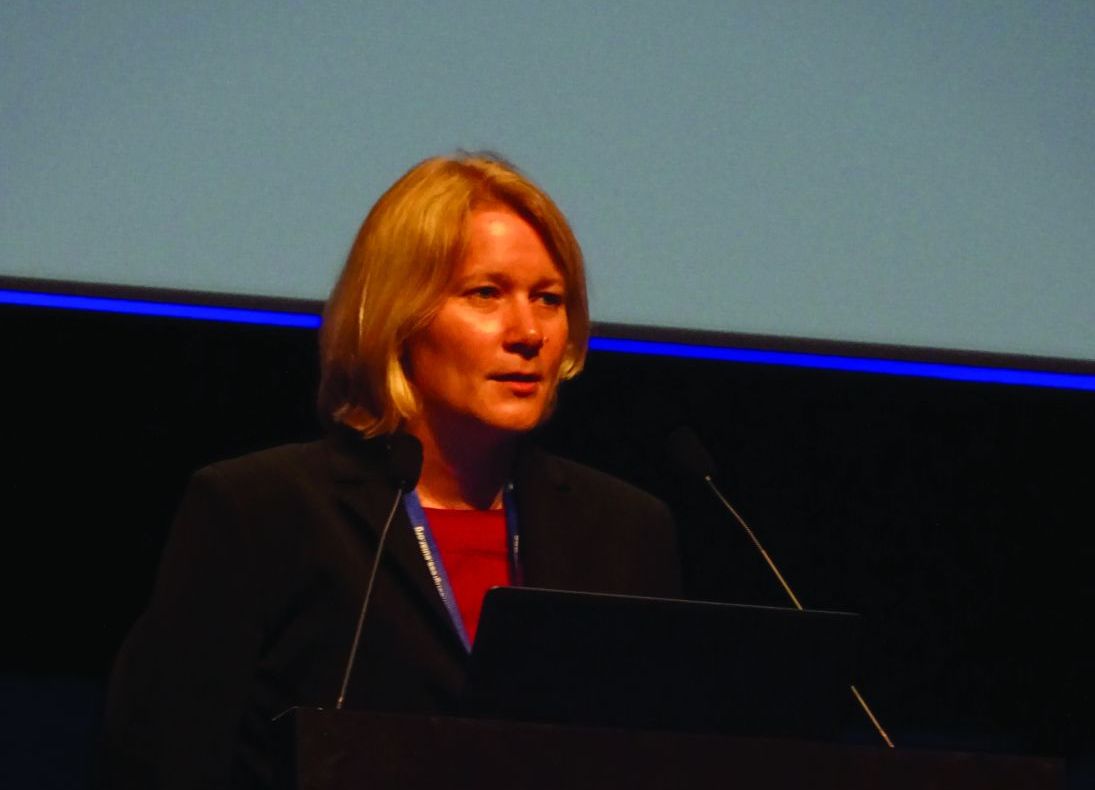
According to Joanna Robson, MBBS, PhD, the chair of the DCVAS steering committee, these new criteria better “reflect current practice by incorporating, but not relying on, ANCA testing and advanced imaging.”
“The old criteria were actually produced in the early 1990s and since then we’ve had further thinking about the different subtypes of systemic vasculitis,” explained Dr. Robson of the University of the West of England in Bristol. There has also been a consensus conference held at Chapel Hill (Arthritis Rheum 2013;65[1]:1-11) which identified MPA as a separate entity, and ANCA testing has become routine practice. Computed tomography and magnetic resonance imaging are also now used to help differentiate between the different vasculitides.
“This really has been a collaborative, multinational effort,” Dr. Robson said at the European Congress of Rheumatology. To develop the draft criteria, data collated from 135 sites in 32 countries on more than 2,000 patients were used. These had been collected as part of the ACR/EULAR–run DCVAS study, which has been coordinated at the University of Oxford since 2011.
Three phases were used to develop these criteria: first an expert panel reviewed all cases in the DCVAS to identify those that they felt were attributable to small vessel vasculitis. Second, variables that might be appropriate to use in the models were examined, with more than 8,000 individual DVCAS items considered and then whittled down to 91 items and then sifted again to form a clear set of 10 or fewer items. Third, statistical analyses combined with expert review were used to develop the criteria and then validate these.
Dr. Robson reported that of 2,871 cases identified as ANCA-associated vasculitis, 2,072 (72%) were agreed upon by the expert review panel. Of these, there were 724 cases of GPA, 291 of MPA, 226 of EGPA, and around 300 cases of other small vessel vasculitis or polyarteritis nodosa. To develop the criteria the GPA cases were used as the “cases” and the other types of vasculitis as the comparators, Dr. Robson explained.
For GPA, MPA, and EGPA a set of items (10, 6, and 7, respectively) were derived and scored, positively or negatively, and a cutoff determined at which a classification of the particular vasculitis could be made. During discussion, Dr. Robson noted that the threshold score for a classification of EGPA (greater than or equal to 6) had been set slightly higher than for GPA or MPA (both greater than or equal to 5) “because of the clinical problem of there being very close comparators which can actually mimic EGPA.” This is where the negative scoring of some items used in these criteria are very important, she said.
The 10-item GPA criteria included three clinical (such as the presence of bloody nasal discharge upon examination) and seven investigational (such as cANCA positivity) items. These criteria were found to have a high sensitivity (92%) and specificity (94%) for identifying GPA.
The six-item MPA criteria included one clinical item (bloody nasal discharge, which was this time attributed a negative score) and five investigational items (with ANCA testing given a higher positive score than for GPA). The sensitivity and specificity of these criteria were a respective 91% and 94%.
Finally, the seven-item EGPA criteria included three clinical items (including obstructive airways disease and nasal polyps) and four investigational items (with ANCA positivity given a negative score). These criteria had an 85% sensitivity and 99% specificity for EGPA.
Dr. Robson emphasized that all of these classification criteria were to be used only after exclusion of other possible causes of vasculitis, such as infection, malignancy, or other autoimmune diseases such as inflammatory bowel disease, and a “diagnosis of small- or medium-vessel vasculitis has been made.”
These criteria are to help classify into the subtypes of vasculitis “primarily for the purpose of clinical trials,” she said. “The next steps are review by the EULAR and ACR committee, and only on final approval will these criteria be ready to use.”
DCVAS is sponsored by the University of Oxford (England) with funding from the European League Against Rheumatism, the American College of Rheumatology, and the Vasculitis Foundation. Dr. Robson had no relevant financial disclosures.
SOURCE: Robson JC et al. EULAR 2018. Abstract OP0021.
AMSTERDAM – New classification criteria for antineutrophil cytoplasmic antibody (ANCA)–associated vasculitides have been drafted and now need formal review by the American College of Rheumatology and the European League Against Rheumatism before they can be put into practice.
According to Joanna Robson, MBBS, PhD, the chair of the DCVAS steering committee, these new criteria better “reflect current practice by incorporating, but not relying on, ANCA testing and advanced imaging.”
“The old criteria were actually produced in the early 1990s and since then we’ve had further thinking about the different subtypes of systemic vasculitis,” explained Dr. Robson of the University of the West of England in Bristol. There has also been a consensus conference held at Chapel Hill (Arthritis Rheum 2013;65[1]:1-11) which identified MPA as a separate entity, and ANCA testing has become routine practice. Computed tomography and magnetic resonance imaging are also now used to help differentiate between the different vasculitides.
“This really has been a collaborative, multinational effort,” Dr. Robson said at the European Congress of Rheumatology. To develop the draft criteria, data collated from 135 sites in 32 countries on more than 2,000 patients were used. These had been collected as part of the ACR/EULAR–run DCVAS study, which has been coordinated at the University of Oxford since 2011.
Three phases were used to develop these criteria: first an expert panel reviewed all cases in the DCVAS to identify those that they felt were attributable to small vessel vasculitis. Second, variables that might be appropriate to use in the models were examined, with more than 8,000 individual DVCAS items considered and then whittled down to 91 items and then sifted again to form a clear set of 10 or fewer items. Third, statistical analyses combined with expert review were used to develop the criteria and then validate these.
Dr. Robson reported that of 2,871 cases identified as ANCA-associated vasculitis, 2,072 (72%) were agreed upon by the expert review panel. Of these, there were 724 cases of GPA, 291 of MPA, 226 of EGPA, and around 300 cases of other small vessel vasculitis or polyarteritis nodosa. To develop the criteria the GPA cases were used as the “cases” and the other types of vasculitis as the comparators, Dr. Robson explained.
For GPA, MPA, and EGPA a set of items (10, 6, and 7, respectively) were derived and scored, positively or negatively, and a cutoff determined at which a classification of the particular vasculitis could be made. During discussion, Dr. Robson noted that the threshold score for a classification of EGPA (greater than or equal to 6) had been set slightly higher than for GPA or MPA (both greater than or equal to 5) “because of the clinical problem of there being very close comparators which can actually mimic EGPA.” This is where the negative scoring of some items used in these criteria are very important, she said.
The 10-item GPA criteria included three clinical (such as the presence of bloody nasal discharge upon examination) and seven investigational (such as cANCA positivity) items. These criteria were found to have a high sensitivity (92%) and specificity (94%) for identifying GPA.
The six-item MPA criteria included one clinical item (bloody nasal discharge, which was this time attributed a negative score) and five investigational items (with ANCA testing given a higher positive score than for GPA). The sensitivity and specificity of these criteria were a respective 91% and 94%.
Finally, the seven-item EGPA criteria included three clinical items (including obstructive airways disease and nasal polyps) and four investigational items (with ANCA positivity given a negative score). These criteria had an 85% sensitivity and 99% specificity for EGPA.
Dr. Robson emphasized that all of these classification criteria were to be used only after exclusion of other possible causes of vasculitis, such as infection, malignancy, or other autoimmune diseases such as inflammatory bowel disease, and a “diagnosis of small- or medium-vessel vasculitis has been made.”
These criteria are to help classify into the subtypes of vasculitis “primarily for the purpose of clinical trials,” she said. “The next steps are review by the EULAR and ACR committee, and only on final approval will these criteria be ready to use.”
DCVAS is sponsored by the University of Oxford (England) with funding from the European League Against Rheumatism, the American College of Rheumatology, and the Vasculitis Foundation. Dr. Robson had no relevant financial disclosures.
SOURCE: Robson JC et al. EULAR 2018. Abstract OP0021.
AMSTERDAM – New classification criteria for antineutrophil cytoplasmic antibody (ANCA)–associated vasculitides have been drafted and now need formal review by the American College of Rheumatology and the European League Against Rheumatism before they can be put into practice.
According to Joanna Robson, MBBS, PhD, the chair of the DCVAS steering committee, these new criteria better “reflect current practice by incorporating, but not relying on, ANCA testing and advanced imaging.”
“The old criteria were actually produced in the early 1990s and since then we’ve had further thinking about the different subtypes of systemic vasculitis,” explained Dr. Robson of the University of the West of England in Bristol. There has also been a consensus conference held at Chapel Hill (Arthritis Rheum 2013;65[1]:1-11) which identified MPA as a separate entity, and ANCA testing has become routine practice. Computed tomography and magnetic resonance imaging are also now used to help differentiate between the different vasculitides.
“This really has been a collaborative, multinational effort,” Dr. Robson said at the European Congress of Rheumatology. To develop the draft criteria, data collated from 135 sites in 32 countries on more than 2,000 patients were used. These had been collected as part of the ACR/EULAR–run DCVAS study, which has been coordinated at the University of Oxford since 2011.
Three phases were used to develop these criteria: first an expert panel reviewed all cases in the DCVAS to identify those that they felt were attributable to small vessel vasculitis. Second, variables that might be appropriate to use in the models were examined, with more than 8,000 individual DVCAS items considered and then whittled down to 91 items and then sifted again to form a clear set of 10 or fewer items. Third, statistical analyses combined with expert review were used to develop the criteria and then validate these.
Dr. Robson reported that of 2,871 cases identified as ANCA-associated vasculitis, 2,072 (72%) were agreed upon by the expert review panel. Of these, there were 724 cases of GPA, 291 of MPA, 226 of EGPA, and around 300 cases of other small vessel vasculitis or polyarteritis nodosa. To develop the criteria the GPA cases were used as the “cases” and the other types of vasculitis as the comparators, Dr. Robson explained.
For GPA, MPA, and EGPA a set of items (10, 6, and 7, respectively) were derived and scored, positively or negatively, and a cutoff determined at which a classification of the particular vasculitis could be made. During discussion, Dr. Robson noted that the threshold score for a classification of EGPA (greater than or equal to 6) had been set slightly higher than for GPA or MPA (both greater than or equal to 5) “because of the clinical problem of there being very close comparators which can actually mimic EGPA.” This is where the negative scoring of some items used in these criteria are very important, she said.
The 10-item GPA criteria included three clinical (such as the presence of bloody nasal discharge upon examination) and seven investigational (such as cANCA positivity) items. These criteria were found to have a high sensitivity (92%) and specificity (94%) for identifying GPA.
The six-item MPA criteria included one clinical item (bloody nasal discharge, which was this time attributed a negative score) and five investigational items (with ANCA testing given a higher positive score than for GPA). The sensitivity and specificity of these criteria were a respective 91% and 94%.
Finally, the seven-item EGPA criteria included three clinical items (including obstructive airways disease and nasal polyps) and four investigational items (with ANCA positivity given a negative score). These criteria had an 85% sensitivity and 99% specificity for EGPA.
Dr. Robson emphasized that all of these classification criteria were to be used only after exclusion of other possible causes of vasculitis, such as infection, malignancy, or other autoimmune diseases such as inflammatory bowel disease, and a “diagnosis of small- or medium-vessel vasculitis has been made.”
These criteria are to help classify into the subtypes of vasculitis “primarily for the purpose of clinical trials,” she said. “The next steps are review by the EULAR and ACR committee, and only on final approval will these criteria be ready to use.”
DCVAS is sponsored by the University of Oxford (England) with funding from the European League Against Rheumatism, the American College of Rheumatology, and the Vasculitis Foundation. Dr. Robson had no relevant financial disclosures.
SOURCE: Robson JC et al. EULAR 2018. Abstract OP0021.
REPORTING FROM THE EULAR 2018 CONGRESS
Key clinical point: New classification criteria for ANCA-associated vasculitides have been drafted and now need formal review before they are ready to use.
Major finding: Analysis of the 10-, 6-, and 7-item GPA, MPA, and EGPA criteria showed a respective 92%, 94%, and 91% sensitivity and 94%, 85%, and 99% specificity.
Study details: The Diagnostic and Classification Criteria in Vasculitis (DCVAS) observational study of more than 6,000 cases of vasculitides and comparators.
Disclosures: DCVAS is sponsored by the University of Oxford (England) with funding from the American College of Rheumatology, the European League Against Rheumatism, and the Vasculitis Foundation. Dr. Robson had no relevant financial disclosures.
Source: Robson JC et al. EULAR 2018. Abstract OP0021.

Recombinant poliovirus appears safe, active as recurrent glioblastoma treatment
Treatment with the recombinant poliovirus vaccine PVSRIPO in patients with recurrent glioblastoma can be delivered at a safe dose with efficacy that compares favorably with historical data, recently reported results of a phase 1, nonrandomized study suggest.
The survival rate at 36 months after intratumoral infusion of PVSRIPO was 21%, versus 4% in a control group of patients who would have met the study’s eligibility criteria, investigators wrote in the New England Journal of Medicine.
There was no evidence of virus shedding or viral neuropathogenicity in the study, which included 61 patients with recurrent World Health Organization grade IV malignant glioma. “Further investigations are warranted,” wrote Annick Desjardins, MD, of Duke University, Durham, N.C., and her coauthors.
The prognosis of WHO grade IV malignant glioma remains dismal despite aggressive therapy and decades of research focused on advanced surgery, radiation, chemotherapy, and targeted agents, Dr. Desjardins and her colleagues said.
Accordingly, they sought to evaluate the potential of PVSRIPO, a live-attenuated poliovirus type 1 vaccine with its viral internal ribosome entry site replaced by one of human rhinovirus type. The engineered virus gains entry via the CD155 receptor, which is upregulated in solid tumors such as glioblastomas and expressed in antigen-presenting cells.
“Tumor cytotoxic effects, interferon-dominant activation of antigen-presenting cells, and the profound inflammatory response to poliovirus may counter tumor-induced immunosuppression and instigate antitumor immunity,” the investigators wrote.
With a median follow-up of 27.6 months, the median overall survival for PVSRIPO-treated patients was 12.5 months, longer than the 11.3 months seen in the historical control group. It was also longer than the 6.6 months found in a second comparison group of patients who underwent therapy with tumor-treating fields, which involves application of alternating electrical current to the head.
Survival hit a “plateau” in the PVSRIPO-treated patients, investigators said, with an overall survival rate of 21% at both 24 and 36 months. That stood in contrast to a decline in the historical control group from 14% at 24 months to 4% at 36 months, and a decline from 8% to 3% in the tumor-treating-fields group.
The phase 1 study had a dose-escalation phase including 9 patients and a dose-expansion phase with 52 patients. In the dose-expansion phase, 19% of patients had grade 3 or greater adverse events attributable to PVSRIPO, according to the report.
Of all 61 patients, 69% had a vaccine-related grade 1 or 2 event as their most severe adverse event.
One patient death caused by complications from an intracranial hemorrhage was attributed to bevacizumab. As part of a study protocol amendment, bevacizumab at half the standard dose was allowed to control symptoms of locoregional inflammation, investigators said.
In an ongoing, phase 2, randomized trial, PVSRIPO is being evaluated alone or with lomustine in patients with recurrent WHO grade IV malignant glioma. The Food and Drug Administration granted breakthrough therapy designation to PVSRIPO in May 2016.
Seven study authors reported equity in Istari Oncology, a biotechnology company that is developing PVSRIPO. Authors also reported disclosures related to Genentech/Roche, Celgene, Celldex, and Eli Lilly, among other entities. The study was supported by grants from the Brain Tumor Research Charity, the Tisch family through the Jewish Communal Fund, the National Institutes of Health, and others.
SOURCE: Desjardins A et al .N Engl J Med. 2018 Jun 26. doi: 10.1056/NEJMoa1716435.
The potentially useful anticancer properties of viruses are just starting to be recognized and exploited, Dan L. Longo, MD, and Lindsey R. Baden, MD, both with the Dana-Farber Cancer Institute at Brigham and Women’s Hospital, Boston, said in an editorial.
One approach is the development of oncolytic viruses that can not only directly kill tumor cells, but can also prompt an immune response against viable tumor cells, they wrote. The study by Dr. Desjardins and her colleagues describes clinical experience with PVSRIPO, a recombinant, nonpathogenic polio-rhinovirus chimera. This engineered virus targets glioblastoma by gaining cell entry through the CD155 receptor, which is expressed on solid tumors.
The survival data showed a plateau, with a 36-month survival rate of 21%, compared with 4% for a historical control cohort of patients, Dr. Longo and Dr. Baden noted.
In this study, PVSRIPO was delivered into intracranial tumors using an indwelling catheter. One of the outstanding questions with viral approaches to cancer treatment, according to the editorialists, is how local administration impacts systemic immunity in terms of recognition and elimination of remote lesions.
“Much more needs to be learned, but the clinical results to date encourage further exploration of this new treatment approach,” Dr. Longo and Dr. Baden wrote.
This summary is based on an editorial written by Dr. Longo and Dr. Baden that appeared in the New England Journal of Medicine. Dr. Baden and Longo both reported employment by the New England Journal of Medicine as deputy editor. Dr. Baden reported grant support from the Ragon Institute, the National Institutes of Health and the National Institute of Allergy and Infectious Disease, and the Gates Foundation outside the submitted work and also reported involvement in HIV vaccine trials done in collaboration with NIH, HIV Vaccine Trials Network, and others.
The potentially useful anticancer properties of viruses are just starting to be recognized and exploited, Dan L. Longo, MD, and Lindsey R. Baden, MD, both with the Dana-Farber Cancer Institute at Brigham and Women’s Hospital, Boston, said in an editorial.
One approach is the development of oncolytic viruses that can not only directly kill tumor cells, but can also prompt an immune response against viable tumor cells, they wrote. The study by Dr. Desjardins and her colleagues describes clinical experience with PVSRIPO, a recombinant, nonpathogenic polio-rhinovirus chimera. This engineered virus targets glioblastoma by gaining cell entry through the CD155 receptor, which is expressed on solid tumors.
The survival data showed a plateau, with a 36-month survival rate of 21%, compared with 4% for a historical control cohort of patients, Dr. Longo and Dr. Baden noted.
In this study, PVSRIPO was delivered into intracranial tumors using an indwelling catheter. One of the outstanding questions with viral approaches to cancer treatment, according to the editorialists, is how local administration impacts systemic immunity in terms of recognition and elimination of remote lesions.
“Much more needs to be learned, but the clinical results to date encourage further exploration of this new treatment approach,” Dr. Longo and Dr. Baden wrote.
This summary is based on an editorial written by Dr. Longo and Dr. Baden that appeared in the New England Journal of Medicine. Dr. Baden and Longo both reported employment by the New England Journal of Medicine as deputy editor. Dr. Baden reported grant support from the Ragon Institute, the National Institutes of Health and the National Institute of Allergy and Infectious Disease, and the Gates Foundation outside the submitted work and also reported involvement in HIV vaccine trials done in collaboration with NIH, HIV Vaccine Trials Network, and others.
The potentially useful anticancer properties of viruses are just starting to be recognized and exploited, Dan L. Longo, MD, and Lindsey R. Baden, MD, both with the Dana-Farber Cancer Institute at Brigham and Women’s Hospital, Boston, said in an editorial.
One approach is the development of oncolytic viruses that can not only directly kill tumor cells, but can also prompt an immune response against viable tumor cells, they wrote. The study by Dr. Desjardins and her colleagues describes clinical experience with PVSRIPO, a recombinant, nonpathogenic polio-rhinovirus chimera. This engineered virus targets glioblastoma by gaining cell entry through the CD155 receptor, which is expressed on solid tumors.
The survival data showed a plateau, with a 36-month survival rate of 21%, compared with 4% for a historical control cohort of patients, Dr. Longo and Dr. Baden noted.
In this study, PVSRIPO was delivered into intracranial tumors using an indwelling catheter. One of the outstanding questions with viral approaches to cancer treatment, according to the editorialists, is how local administration impacts systemic immunity in terms of recognition and elimination of remote lesions.
“Much more needs to be learned, but the clinical results to date encourage further exploration of this new treatment approach,” Dr. Longo and Dr. Baden wrote.
This summary is based on an editorial written by Dr. Longo and Dr. Baden that appeared in the New England Journal of Medicine. Dr. Baden and Longo both reported employment by the New England Journal of Medicine as deputy editor. Dr. Baden reported grant support from the Ragon Institute, the National Institutes of Health and the National Institute of Allergy and Infectious Disease, and the Gates Foundation outside the submitted work and also reported involvement in HIV vaccine trials done in collaboration with NIH, HIV Vaccine Trials Network, and others.
Treatment with the recombinant poliovirus vaccine PVSRIPO in patients with recurrent glioblastoma can be delivered at a safe dose with efficacy that compares favorably with historical data, recently reported results of a phase 1, nonrandomized study suggest.
The survival rate at 36 months after intratumoral infusion of PVSRIPO was 21%, versus 4% in a control group of patients who would have met the study’s eligibility criteria, investigators wrote in the New England Journal of Medicine.
There was no evidence of virus shedding or viral neuropathogenicity in the study, which included 61 patients with recurrent World Health Organization grade IV malignant glioma. “Further investigations are warranted,” wrote Annick Desjardins, MD, of Duke University, Durham, N.C., and her coauthors.
The prognosis of WHO grade IV malignant glioma remains dismal despite aggressive therapy and decades of research focused on advanced surgery, radiation, chemotherapy, and targeted agents, Dr. Desjardins and her colleagues said.
Accordingly, they sought to evaluate the potential of PVSRIPO, a live-attenuated poliovirus type 1 vaccine with its viral internal ribosome entry site replaced by one of human rhinovirus type. The engineered virus gains entry via the CD155 receptor, which is upregulated in solid tumors such as glioblastomas and expressed in antigen-presenting cells.
“Tumor cytotoxic effects, interferon-dominant activation of antigen-presenting cells, and the profound inflammatory response to poliovirus may counter tumor-induced immunosuppression and instigate antitumor immunity,” the investigators wrote.
With a median follow-up of 27.6 months, the median overall survival for PVSRIPO-treated patients was 12.5 months, longer than the 11.3 months seen in the historical control group. It was also longer than the 6.6 months found in a second comparison group of patients who underwent therapy with tumor-treating fields, which involves application of alternating electrical current to the head.
Survival hit a “plateau” in the PVSRIPO-treated patients, investigators said, with an overall survival rate of 21% at both 24 and 36 months. That stood in contrast to a decline in the historical control group from 14% at 24 months to 4% at 36 months, and a decline from 8% to 3% in the tumor-treating-fields group.
The phase 1 study had a dose-escalation phase including 9 patients and a dose-expansion phase with 52 patients. In the dose-expansion phase, 19% of patients had grade 3 or greater adverse events attributable to PVSRIPO, according to the report.
Of all 61 patients, 69% had a vaccine-related grade 1 or 2 event as their most severe adverse event.
One patient death caused by complications from an intracranial hemorrhage was attributed to bevacizumab. As part of a study protocol amendment, bevacizumab at half the standard dose was allowed to control symptoms of locoregional inflammation, investigators said.
In an ongoing, phase 2, randomized trial, PVSRIPO is being evaluated alone or with lomustine in patients with recurrent WHO grade IV malignant glioma. The Food and Drug Administration granted breakthrough therapy designation to PVSRIPO in May 2016.
Seven study authors reported equity in Istari Oncology, a biotechnology company that is developing PVSRIPO. Authors also reported disclosures related to Genentech/Roche, Celgene, Celldex, and Eli Lilly, among other entities. The study was supported by grants from the Brain Tumor Research Charity, the Tisch family through the Jewish Communal Fund, the National Institutes of Health, and others.
SOURCE: Desjardins A et al .N Engl J Med. 2018 Jun 26. doi: 10.1056/NEJMoa1716435.
Treatment with the recombinant poliovirus vaccine PVSRIPO in patients with recurrent glioblastoma can be delivered at a safe dose with efficacy that compares favorably with historical data, recently reported results of a phase 1, nonrandomized study suggest.
The survival rate at 36 months after intratumoral infusion of PVSRIPO was 21%, versus 4% in a control group of patients who would have met the study’s eligibility criteria, investigators wrote in the New England Journal of Medicine.
There was no evidence of virus shedding or viral neuropathogenicity in the study, which included 61 patients with recurrent World Health Organization grade IV malignant glioma. “Further investigations are warranted,” wrote Annick Desjardins, MD, of Duke University, Durham, N.C., and her coauthors.
The prognosis of WHO grade IV malignant glioma remains dismal despite aggressive therapy and decades of research focused on advanced surgery, radiation, chemotherapy, and targeted agents, Dr. Desjardins and her colleagues said.
Accordingly, they sought to evaluate the potential of PVSRIPO, a live-attenuated poliovirus type 1 vaccine with its viral internal ribosome entry site replaced by one of human rhinovirus type. The engineered virus gains entry via the CD155 receptor, which is upregulated in solid tumors such as glioblastomas and expressed in antigen-presenting cells.
“Tumor cytotoxic effects, interferon-dominant activation of antigen-presenting cells, and the profound inflammatory response to poliovirus may counter tumor-induced immunosuppression and instigate antitumor immunity,” the investigators wrote.
With a median follow-up of 27.6 months, the median overall survival for PVSRIPO-treated patients was 12.5 months, longer than the 11.3 months seen in the historical control group. It was also longer than the 6.6 months found in a second comparison group of patients who underwent therapy with tumor-treating fields, which involves application of alternating electrical current to the head.
Survival hit a “plateau” in the PVSRIPO-treated patients, investigators said, with an overall survival rate of 21% at both 24 and 36 months. That stood in contrast to a decline in the historical control group from 14% at 24 months to 4% at 36 months, and a decline from 8% to 3% in the tumor-treating-fields group.
The phase 1 study had a dose-escalation phase including 9 patients and a dose-expansion phase with 52 patients. In the dose-expansion phase, 19% of patients had grade 3 or greater adverse events attributable to PVSRIPO, according to the report.
Of all 61 patients, 69% had a vaccine-related grade 1 or 2 event as their most severe adverse event.
One patient death caused by complications from an intracranial hemorrhage was attributed to bevacizumab. As part of a study protocol amendment, bevacizumab at half the standard dose was allowed to control symptoms of locoregional inflammation, investigators said.
In an ongoing, phase 2, randomized trial, PVSRIPO is being evaluated alone or with lomustine in patients with recurrent WHO grade IV malignant glioma. The Food and Drug Administration granted breakthrough therapy designation to PVSRIPO in May 2016.
Seven study authors reported equity in Istari Oncology, a biotechnology company that is developing PVSRIPO. Authors also reported disclosures related to Genentech/Roche, Celgene, Celldex, and Eli Lilly, among other entities. The study was supported by grants from the Brain Tumor Research Charity, the Tisch family through the Jewish Communal Fund, the National Institutes of Health, and others.
SOURCE: Desjardins A et al .N Engl J Med. 2018 Jun 26. doi: 10.1056/NEJMoa1716435.
FROM THE NEW ENGLAND JOURNAL OF MEDICINE
Key clinical point: Delivery of PVSRIPO was safe, with efficacy comparing favorably with historical data.
Major finding: Overall survival reached 21% at 24 months and remained at 21% at 36 months.
Study details: A phase 1 study including 61 patients with recurrent World Health Organization grade IV glioma.
Disclosures: Seven study authors reported equity in Istari Oncology, a biotechnology company that is developing PVSRIPO. Study authors also reported disclosures related to Genentech/Roche, Celgene, Celldex, and Eli Lilly, among other entities. The study was supported by grants from the Brain Tumor Research Charity, the Tisch family through the Jewish Communal Fund, the National Institutes of Health, and others.
Source: Desjardins A et al. N Engl J Med. 2018 Jun 26. doi: 10.1056/NEJMoa1716435.
Patch-based AF screening boosts diagnosis rate
People at increased risk for atrial fibrillation who wore a screening ECG patch for about 2 weeks had their arrhythmia diagnosis rate boosted by 200%-800% during 4 months of follow-up, compared with conventionally followed adults in a randomized, novel-design trial with more than 2,600 randomized participants.

The patients who wore an ECG patch had a 3.9% rate of atrial fibrillation (AF) diagnosis in the study’s intention-to-treat analysis, and a 5.1% rate in the per protocol analysis that were the coprimary endpoints for the study, compared with rates of 0.9% and 0.6%, respectively, among people followed with usual care and diagnosed with AF based only on clinical findings.
Patients who underwent ECG screening for AF using a patch, compared with those followed with usual care, had more AF diagnoses, greater treatment with anticoagulation over the following year, and increased use of health care resources after 1 year, Steven R. Steinhubl, MD, and his associates reported in JAMA.
The mSToPS (mHealth Screening to Prevent Strokes) trial enrolled adults covered by an Aetna commercial or Medicare health plan who fell into a high-risk group for AF onset: Those aged 75 years or older or with at least one of several specified comorbidities. This identified more than 359,000 eligible insured patients. Dr. Steinhubl and his associates invited more than 100,000 people to participate, of whom 2,659 consented and met further eligibility screens. They randomized these people to either undergo immediate ECG patch screening, or have their screening delayed for 4 months while undergoing clinical follow-up.
The researchers sent two commercially available patches to the 1,366 people randomized to immediate screening, with instructions that they wear one patch for 2 weeks immediately, and wear the second patch for 2 weeks starting 3 months after they removed the first patch. Participants mailed their patches to a central site for analysis. Diagnosis of AF was based on an adjudicated episode of at least 30 seconds, and the researchers alerted participants and their individual physicians about diagnostic positives.
Among the 1,366 immediate patch recipients, a third never wore a patch for at least 30 minutes and were excluded from the per protocol analysis. The 908 patch users from the immediate screening subgroup as well as the patch users from the delayed subgroup wore each patch for an average of nearly 12 days, and about two-thirds wore both assigned patches. People diagnosed with AF had, on average, nearly 10 discrete episodes during screening, with a median episode duration of 186 minutes. The median AF burden among those who screened positive was 0.9%, reported Dr. Steinhubl, a cardiologist and director of digital medicine at the Scripps Translational Science Institute in La Jolla, Calif.
The researchers also compared medical interventions during the year following entry among all 1,738 screened patients (from both the immediate and delayed screening subgroups) and a matched group of 3,476 unscreened people who had consented to participate in the study. This showed that AF screening was linked to a doubled rate of anticoagulant treatment initiation. The ECG patch screening also identified 70 additional people with various other potentially actionable cardiac arrhythmias.
Of the 1,738 people who wore at least one patch for more than 30 minutes, 40 (2%) had skin irritation, 32 stopped using the patch prematurely because of irritation, and 2 people sought medical treatment for their irritation, which involved topical treatment.
mSToPS was funded by Janssen. Dr. Steinhubl has received research funding from Janssen, DynoSense, EasyG, Spry Health, and Striiv.
SOURCE: Steinhubl SR et al. JAMA. 2018 July 10;320[2]:149-55.
The results from mSToPS provide strong support for the use of continuous rhythm monitoring to screen for atrial fibrillation (AF) in at-risk populations, showing a detection rate as high as 5.1% after 4 months in the per protocol analysis. Screening people using a wearable ECG patch for a 2-week interval appears to have detected a substantial proportion of patients who might otherwise be detected with more inconvenient, invasive, costly, or longer monitoring approaches.
Existing epidemiologic and outcomes data support interventions for risk factors and symptoms of AF early in the disease process, but clinical trials demonstrating improved cardiovascular outcomes such as reduced stroke occurrence will be necessary to take action and screen for AF at the population level. Before the findings of mSToPS can be incorporated into clinical practice, clinicians need to consider two major questions about structured AF screening: Does earlier or more sensitive detection of AF improve clinical outcomes? And is this approach cost effective?
Benjamin A. Steinberg, MD , an electrophysiologist at the University of Utah, Salt Lake City, and Jonathan P. Piccini, MD , an electrophysiologist at Duke University, Durham, N.C., made these comments in an accompanying editorial ( JAMA. 2018 Jul 10;320[2]:139-41 ). Dr. Steinberg reported receiving research grants or personal fees from Boston Scientific, Biosense Webster, and Janssen. Dr. Piccini reported consulting with Allergen, Bayer, Johnson & Johnson, Medtronic, Sanofi, and Phillips, and receiving research funding from Abbott, ARCA Biopharma, Boston Scientific, Gilead, Janssen, and Verily.
The results from mSToPS provide strong support for the use of continuous rhythm monitoring to screen for atrial fibrillation (AF) in at-risk populations, showing a detection rate as high as 5.1% after 4 months in the per protocol analysis. Screening people using a wearable ECG patch for a 2-week interval appears to have detected a substantial proportion of patients who might otherwise be detected with more inconvenient, invasive, costly, or longer monitoring approaches.
Existing epidemiologic and outcomes data support interventions for risk factors and symptoms of AF early in the disease process, but clinical trials demonstrating improved cardiovascular outcomes such as reduced stroke occurrence will be necessary to take action and screen for AF at the population level. Before the findings of mSToPS can be incorporated into clinical practice, clinicians need to consider two major questions about structured AF screening: Does earlier or more sensitive detection of AF improve clinical outcomes? And is this approach cost effective?
Benjamin A. Steinberg, MD , an electrophysiologist at the University of Utah, Salt Lake City, and Jonathan P. Piccini, MD , an electrophysiologist at Duke University, Durham, N.C., made these comments in an accompanying editorial ( JAMA. 2018 Jul 10;320[2]:139-41 ). Dr. Steinberg reported receiving research grants or personal fees from Boston Scientific, Biosense Webster, and Janssen. Dr. Piccini reported consulting with Allergen, Bayer, Johnson & Johnson, Medtronic, Sanofi, and Phillips, and receiving research funding from Abbott, ARCA Biopharma, Boston Scientific, Gilead, Janssen, and Verily.
The results from mSToPS provide strong support for the use of continuous rhythm monitoring to screen for atrial fibrillation (AF) in at-risk populations, showing a detection rate as high as 5.1% after 4 months in the per protocol analysis. Screening people using a wearable ECG patch for a 2-week interval appears to have detected a substantial proportion of patients who might otherwise be detected with more inconvenient, invasive, costly, or longer monitoring approaches.
Existing epidemiologic and outcomes data support interventions for risk factors and symptoms of AF early in the disease process, but clinical trials demonstrating improved cardiovascular outcomes such as reduced stroke occurrence will be necessary to take action and screen for AF at the population level. Before the findings of mSToPS can be incorporated into clinical practice, clinicians need to consider two major questions about structured AF screening: Does earlier or more sensitive detection of AF improve clinical outcomes? And is this approach cost effective?
Benjamin A. Steinberg, MD , an electrophysiologist at the University of Utah, Salt Lake City, and Jonathan P. Piccini, MD , an electrophysiologist at Duke University, Durham, N.C., made these comments in an accompanying editorial ( JAMA. 2018 Jul 10;320[2]:139-41 ). Dr. Steinberg reported receiving research grants or personal fees from Boston Scientific, Biosense Webster, and Janssen. Dr. Piccini reported consulting with Allergen, Bayer, Johnson & Johnson, Medtronic, Sanofi, and Phillips, and receiving research funding from Abbott, ARCA Biopharma, Boston Scientific, Gilead, Janssen, and Verily.
People at increased risk for atrial fibrillation who wore a screening ECG patch for about 2 weeks had their arrhythmia diagnosis rate boosted by 200%-800% during 4 months of follow-up, compared with conventionally followed adults in a randomized, novel-design trial with more than 2,600 randomized participants.
The patients who wore an ECG patch had a 3.9% rate of atrial fibrillation (AF) diagnosis in the study’s intention-to-treat analysis, and a 5.1% rate in the per protocol analysis that were the coprimary endpoints for the study, compared with rates of 0.9% and 0.6%, respectively, among people followed with usual care and diagnosed with AF based only on clinical findings.
Patients who underwent ECG screening for AF using a patch, compared with those followed with usual care, had more AF diagnoses, greater treatment with anticoagulation over the following year, and increased use of health care resources after 1 year, Steven R. Steinhubl, MD, and his associates reported in JAMA.
The mSToPS (mHealth Screening to Prevent Strokes) trial enrolled adults covered by an Aetna commercial or Medicare health plan who fell into a high-risk group for AF onset: Those aged 75 years or older or with at least one of several specified comorbidities. This identified more than 359,000 eligible insured patients. Dr. Steinhubl and his associates invited more than 100,000 people to participate, of whom 2,659 consented and met further eligibility screens. They randomized these people to either undergo immediate ECG patch screening, or have their screening delayed for 4 months while undergoing clinical follow-up.
The researchers sent two commercially available patches to the 1,366 people randomized to immediate screening, with instructions that they wear one patch for 2 weeks immediately, and wear the second patch for 2 weeks starting 3 months after they removed the first patch. Participants mailed their patches to a central site for analysis. Diagnosis of AF was based on an adjudicated episode of at least 30 seconds, and the researchers alerted participants and their individual physicians about diagnostic positives.
Among the 1,366 immediate patch recipients, a third never wore a patch for at least 30 minutes and were excluded from the per protocol analysis. The 908 patch users from the immediate screening subgroup as well as the patch users from the delayed subgroup wore each patch for an average of nearly 12 days, and about two-thirds wore both assigned patches. People diagnosed with AF had, on average, nearly 10 discrete episodes during screening, with a median episode duration of 186 minutes. The median AF burden among those who screened positive was 0.9%, reported Dr. Steinhubl, a cardiologist and director of digital medicine at the Scripps Translational Science Institute in La Jolla, Calif.
The researchers also compared medical interventions during the year following entry among all 1,738 screened patients (from both the immediate and delayed screening subgroups) and a matched group of 3,476 unscreened people who had consented to participate in the study. This showed that AF screening was linked to a doubled rate of anticoagulant treatment initiation. The ECG patch screening also identified 70 additional people with various other potentially actionable cardiac arrhythmias.
Of the 1,738 people who wore at least one patch for more than 30 minutes, 40 (2%) had skin irritation, 32 stopped using the patch prematurely because of irritation, and 2 people sought medical treatment for their irritation, which involved topical treatment.
mSToPS was funded by Janssen. Dr. Steinhubl has received research funding from Janssen, DynoSense, EasyG, Spry Health, and Striiv.
SOURCE: Steinhubl SR et al. JAMA. 2018 July 10;320[2]:149-55.
People at increased risk for atrial fibrillation who wore a screening ECG patch for about 2 weeks had their arrhythmia diagnosis rate boosted by 200%-800% during 4 months of follow-up, compared with conventionally followed adults in a randomized, novel-design trial with more than 2,600 randomized participants.
The patients who wore an ECG patch had a 3.9% rate of atrial fibrillation (AF) diagnosis in the study’s intention-to-treat analysis, and a 5.1% rate in the per protocol analysis that were the coprimary endpoints for the study, compared with rates of 0.9% and 0.6%, respectively, among people followed with usual care and diagnosed with AF based only on clinical findings.
Patients who underwent ECG screening for AF using a patch, compared with those followed with usual care, had more AF diagnoses, greater treatment with anticoagulation over the following year, and increased use of health care resources after 1 year, Steven R. Steinhubl, MD, and his associates reported in JAMA.
The mSToPS (mHealth Screening to Prevent Strokes) trial enrolled adults covered by an Aetna commercial or Medicare health plan who fell into a high-risk group for AF onset: Those aged 75 years or older or with at least one of several specified comorbidities. This identified more than 359,000 eligible insured patients. Dr. Steinhubl and his associates invited more than 100,000 people to participate, of whom 2,659 consented and met further eligibility screens. They randomized these people to either undergo immediate ECG patch screening, or have their screening delayed for 4 months while undergoing clinical follow-up.
The researchers sent two commercially available patches to the 1,366 people randomized to immediate screening, with instructions that they wear one patch for 2 weeks immediately, and wear the second patch for 2 weeks starting 3 months after they removed the first patch. Participants mailed their patches to a central site for analysis. Diagnosis of AF was based on an adjudicated episode of at least 30 seconds, and the researchers alerted participants and their individual physicians about diagnostic positives.
Among the 1,366 immediate patch recipients, a third never wore a patch for at least 30 minutes and were excluded from the per protocol analysis. The 908 patch users from the immediate screening subgroup as well as the patch users from the delayed subgroup wore each patch for an average of nearly 12 days, and about two-thirds wore both assigned patches. People diagnosed with AF had, on average, nearly 10 discrete episodes during screening, with a median episode duration of 186 minutes. The median AF burden among those who screened positive was 0.9%, reported Dr. Steinhubl, a cardiologist and director of digital medicine at the Scripps Translational Science Institute in La Jolla, Calif.
The researchers also compared medical interventions during the year following entry among all 1,738 screened patients (from both the immediate and delayed screening subgroups) and a matched group of 3,476 unscreened people who had consented to participate in the study. This showed that AF screening was linked to a doubled rate of anticoagulant treatment initiation. The ECG patch screening also identified 70 additional people with various other potentially actionable cardiac arrhythmias.
Of the 1,738 people who wore at least one patch for more than 30 minutes, 40 (2%) had skin irritation, 32 stopped using the patch prematurely because of irritation, and 2 people sought medical treatment for their irritation, which involved topical treatment.
mSToPS was funded by Janssen. Dr. Steinhubl has received research funding from Janssen, DynoSense, EasyG, Spry Health, and Striiv.
SOURCE: Steinhubl SR et al. JAMA. 2018 July 10;320[2]:149-55.
FROM JAMA
Key clinical point: An ECG patch detected atrial fibrillation in high-risk people 200%-800% more often than clinical diagnosis.
Major finding: ECG patches identified a 3.9% incidence of atrial fibrillation during 4 months, compared with a 0.9% rate using clinical diagnoses.
Study details: A randomized trial with 2,659 people at high risk for incident atrial fibrillation.
Disclosures: mSToPS was funded by Janssen. Dr. Steinhubl has received research funding from Janssen, DynoSense, EasyG, Spry Health, and Striiv.
Source: Steinhubl SR et al. JAMA. 2018 Jul 10;320[2]:149-55.

SHM expresses support for Fairness for High-Skilled Immigrants Act
Without immigrant hospitalists, health care accessibility would decrease tremendously.
The Society of Hospital Medicine recently expressed its support for the Fairness for High-Skilled Immigrants Act (H.R. 392). This legislation will ensure that highly-skilled medical professionals and their families will not be turned away from working in the United States based on per-country limitations.

What inspired the PPC – and more broadly, SHM – to express support for this bill?
SHM and the PPC have always taken pride in assuming a leadership role when it comes to policy issues affecting hospitalists and the patients they serve, ranging from observation status to addressing the opiate epidemic and now, immigration reform. We are one of the first medical societies to support this bill.
What inspired us to take action is that there are country-specific caps when applying for a green card for those immigrants currently in the United States on an H1B visa. In the current green card pool, no country can occupy more than 7% of applications. For more populated countries like India and China, two significant countries of origin for hospitalists practicing in the U.S., this creates a significant backlog. At the moment, the projected wait time for applicants from countries in this situation to receive their green cards could easily exceed 25 years.
What impact would this have on hospital medicine providers and patients?
The number of hospitalists trained in the U.S. who have come on visas from other countries is astounding. By virtue of what we do as hospital medicine providers, we are leaders in health care. We own major QI initiatives across the hospital and oversee health care outcomes that many other providers never become involved with. By stifling the ability of people to enter the country and stay here long-term, it would have a devastating impact on our communities. A large chunk of hospitalist staffing companies employ providers who are international medical graduates who completed their residencies in the U.S. Without them, health care accessibility would decrease tremendously – especially in rural areas like those in which I work.
This is more than just an issue of citizenship – these caps have a major impact on quality of life and morale for those affected by them. The high level of uncertainty surrounding the current process affects large-scale decision-making. For example, people who are waiting to be approved for their green cards often ask questions like, “Should I buy a house?” and “Can I visit my family abroad and still be able to get back into the U.S. without any unwarranted delays or hassles?” This demoralizes quality providers personally, and if they feel this way, I can’t see how it wouldn’t affect their performance professionally as hospital medicine providers.
How have the existing restrictions affected you?
I graduated from medical school in India and came to the U.S..initially as a student and eventually transitioned to an H1B visa. After waiting for many years and having participated in numerous QI initiatives, I was fortunate enough to have my green card petition approved under a higher application category termed “Aliens of Extraordinary Ability” with a lesser wait time. However, by nature of the work that they perform, most hospitalists usually are eligible to apply for their green cards under the “Exceptional Ability” or “Advanced Degree” category, the wait times of which are excruciatingly long, and that is what we at the PPC and at the SHM level are striving to address and correct.
If someone is reading and says, “I want to do more and help advocate,” what can they do?
You don’t have to be a member of the PPC to have an impact on policy. Every member of SHM can contact their local representatives and be informed using SHM’s Grassroots Network. I have even gone so far as to meet and talk with local representatives to help them understand how policy issues affect both me and my patients. It is imperative that we are on the right side of history for those affected by this bill, and all bills affecting our fellow providers in the future.
Without immigrant hospitalists, health care accessibility would decrease tremendously.
Without immigrant hospitalists, health care accessibility would decrease tremendously.
The Society of Hospital Medicine recently expressed its support for the Fairness for High-Skilled Immigrants Act (H.R. 392). This legislation will ensure that highly-skilled medical professionals and their families will not be turned away from working in the United States based on per-country limitations.
What inspired the PPC – and more broadly, SHM – to express support for this bill?
SHM and the PPC have always taken pride in assuming a leadership role when it comes to policy issues affecting hospitalists and the patients they serve, ranging from observation status to addressing the opiate epidemic and now, immigration reform. We are one of the first medical societies to support this bill.
What inspired us to take action is that there are country-specific caps when applying for a green card for those immigrants currently in the United States on an H1B visa. In the current green card pool, no country can occupy more than 7% of applications. For more populated countries like India and China, two significant countries of origin for hospitalists practicing in the U.S., this creates a significant backlog. At the moment, the projected wait time for applicants from countries in this situation to receive their green cards could easily exceed 25 years.
What impact would this have on hospital medicine providers and patients?
The number of hospitalists trained in the U.S. who have come on visas from other countries is astounding. By virtue of what we do as hospital medicine providers, we are leaders in health care. We own major QI initiatives across the hospital and oversee health care outcomes that many other providers never become involved with. By stifling the ability of people to enter the country and stay here long-term, it would have a devastating impact on our communities. A large chunk of hospitalist staffing companies employ providers who are international medical graduates who completed their residencies in the U.S. Without them, health care accessibility would decrease tremendously – especially in rural areas like those in which I work.
This is more than just an issue of citizenship – these caps have a major impact on quality of life and morale for those affected by them. The high level of uncertainty surrounding the current process affects large-scale decision-making. For example, people who are waiting to be approved for their green cards often ask questions like, “Should I buy a house?” and “Can I visit my family abroad and still be able to get back into the U.S. without any unwarranted delays or hassles?” This demoralizes quality providers personally, and if they feel this way, I can’t see how it wouldn’t affect their performance professionally as hospital medicine providers.
How have the existing restrictions affected you?
I graduated from medical school in India and came to the U.S..initially as a student and eventually transitioned to an H1B visa. After waiting for many years and having participated in numerous QI initiatives, I was fortunate enough to have my green card petition approved under a higher application category termed “Aliens of Extraordinary Ability” with a lesser wait time. However, by nature of the work that they perform, most hospitalists usually are eligible to apply for their green cards under the “Exceptional Ability” or “Advanced Degree” category, the wait times of which are excruciatingly long, and that is what we at the PPC and at the SHM level are striving to address and correct.
If someone is reading and says, “I want to do more and help advocate,” what can they do?
You don’t have to be a member of the PPC to have an impact on policy. Every member of SHM can contact their local representatives and be informed using SHM’s Grassroots Network. I have even gone so far as to meet and talk with local representatives to help them understand how policy issues affect both me and my patients. It is imperative that we are on the right side of history for those affected by this bill, and all bills affecting our fellow providers in the future.
The Society of Hospital Medicine recently expressed its support for the Fairness for High-Skilled Immigrants Act (H.R. 392). This legislation will ensure that highly-skilled medical professionals and their families will not be turned away from working in the United States based on per-country limitations.
What inspired the PPC – and more broadly, SHM – to express support for this bill?
SHM and the PPC have always taken pride in assuming a leadership role when it comes to policy issues affecting hospitalists and the patients they serve, ranging from observation status to addressing the opiate epidemic and now, immigration reform. We are one of the first medical societies to support this bill.
What inspired us to take action is that there are country-specific caps when applying for a green card for those immigrants currently in the United States on an H1B visa. In the current green card pool, no country can occupy more than 7% of applications. For more populated countries like India and China, two significant countries of origin for hospitalists practicing in the U.S., this creates a significant backlog. At the moment, the projected wait time for applicants from countries in this situation to receive their green cards could easily exceed 25 years.
What impact would this have on hospital medicine providers and patients?
The number of hospitalists trained in the U.S. who have come on visas from other countries is astounding. By virtue of what we do as hospital medicine providers, we are leaders in health care. We own major QI initiatives across the hospital and oversee health care outcomes that many other providers never become involved with. By stifling the ability of people to enter the country and stay here long-term, it would have a devastating impact on our communities. A large chunk of hospitalist staffing companies employ providers who are international medical graduates who completed their residencies in the U.S. Without them, health care accessibility would decrease tremendously – especially in rural areas like those in which I work.
This is more than just an issue of citizenship – these caps have a major impact on quality of life and morale for those affected by them. The high level of uncertainty surrounding the current process affects large-scale decision-making. For example, people who are waiting to be approved for their green cards often ask questions like, “Should I buy a house?” and “Can I visit my family abroad and still be able to get back into the U.S. without any unwarranted delays or hassles?” This demoralizes quality providers personally, and if they feel this way, I can’t see how it wouldn’t affect their performance professionally as hospital medicine providers.
How have the existing restrictions affected you?
I graduated from medical school in India and came to the U.S..initially as a student and eventually transitioned to an H1B visa. After waiting for many years and having participated in numerous QI initiatives, I was fortunate enough to have my green card petition approved under a higher application category termed “Aliens of Extraordinary Ability” with a lesser wait time. However, by nature of the work that they perform, most hospitalists usually are eligible to apply for their green cards under the “Exceptional Ability” or “Advanced Degree” category, the wait times of which are excruciatingly long, and that is what we at the PPC and at the SHM level are striving to address and correct.
If someone is reading and says, “I want to do more and help advocate,” what can they do?
You don’t have to be a member of the PPC to have an impact on policy. Every member of SHM can contact their local representatives and be informed using SHM’s Grassroots Network. I have even gone so far as to meet and talk with local representatives to help them understand how policy issues affect both me and my patients. It is imperative that we are on the right side of history for those affected by this bill, and all bills affecting our fellow providers in the future.

ABP 980 similar to trastuzumab in HER2+ breast cancer in all but name
In women with HER2-positive early breast cancer, the anti-HER2 biosimilar agent ABP-980 was clinically similar in efficacy and safety to the original drug trastuzumab (Herceptin).
Although ABP 980 was associated with a higher pathologic complete response (pCR) rate in breast tissues and axillary lymph nodes compared with trastuzumab, the trial technically failed to meet its coprimary endpoints of risk ratio and risk difference because of a statistical nicety involving local lab review of tissue samples vs. centralized review, reported Gunter von Minckwitz, MD, PhD, of the German Breast Group in Neu-Isenburg, Germany, and his colleagues.
“In our sensitivity analyses based on central laboratory evaluation of tumor samples, estimates for the two drugs were contained within the predefined equivalence margins, indicating similar efficacy. ABP 980 and trastuzumab had similar safety outcomes in both the neoadjuvant and adjuvant phases of the study,” the researchers wrote. The report was published in The Lancet Oncology.
ABP 980 is one of several contenders for trastuzumab biosimilar making their way through clinical trials. In phase 1 studies, it was shown to be similar in its structure, pharmacodynamics, and pharmacokinetics to the reference agent trastuzumab. In the LILAC trial Dr. von Minckwitz and his associates put the biosimilar through its paces to see whether it would also be equivalent in efficacy and safety, including in patients switched from the original drug to the copy-cat agent.
Investigators for the randomized phase 3 trial, conducted in 97 centers in 20 countries in Europe, South America, and Canada, enrolled 827 women age and 18 and older with HER2-positive breast cancer, 725 of whom were randomly assigned to neoadjuvant therapy with either ABP 980 or trastuzumab plus paclitaxel after a four-cycle run-in of anthracycline-based chemotherapy,
Neoadjuvant therapy was followed 3-7 weeks later by surgery and adjuvant therapy with either of the HER2 inhibitors. At baseline, patients were randomly assigned to either continue adjuvant therapy with their original HER2 inhibitor, or to switch from trastuzumab in the neoadjuvant setting to ABP 980 in the adjuvant setting.
In all, 696 patients were evaluable for the primary endpoint, 358 of whom received the biosimilar, and 338 of whom received trastuzumab. In all, 48% of patients randomly assigned to ABP 980 had a pCR in breast and axillary lymph node tissues assessed at a local laboratory, compared with 41% assigned to trastuzumab.
The risk difference was 7.3%, (90% confidence interval [CI] 1.2-13.4), The risk ratio was 1.188 (90% CI, 1.033-1.366). Although the lower bounds of the confidence intervals showed that ABP 980 was noninferior to trastuzumab, the upper bounds exceeded the predefined equivalence margins of a 13% risk difference and 1.318 risk ratio, respectively, meaning that technically the trial did not meet its coprimary endpoints.
However, in central laboratory review pCR was seen in 48% of patients assigned to ABP 980 at baseline and 42% of those assigned to trastuzumab at baseline. The risk difference was 5.8% (90% CI, –0.5-12.0), and risk ratio was 1.142 (90% CI, 0.993-1.312), and both the lower and upper bounds of the confidence intervals fell within prespecified limits.
The safety analysis showed a similar incidence of grade 3 or greater adverse events during neoadjuvant therapy (15% of patients on ABP 980 vs. 14% on trastuzumab). Grade 3 or greater neutropenia occurred in 6% of patients in each group.
During adjuvant therapy, grade 3 or greater adverse events occurred in 9% of patients continuing ABP 980, 6% continuing trastuzumab, and 8% of these switched from trastuzumab to ABP 980. The most frequent grade 3 or greater events of interest were infections and neutropenia, all occurring in 1% of patients in each arm, and infusion reaction, which occurred in 1% of patients who stayed on the assigned HER2 inhibitor and in 2% of patients who were switched to ABP 980.
There were two patient deaths from adverse events, each deemed to be unrelated to treatment. One patient died from pneumonia during neoadjuvant ABP 980 therapy, and one died from septic shock during adjuvant therapy with ABP 980 after being switch from trastuzumab.
“To our knowledge, this is the first study of a trastuzumab biosimilar encompassing a single-switch design from the reference product to a biosimilar, which allowed us to assess the clinical safety and immunogenicity of this approach to treatment. Safety and immunogenicity were similar in patients who were switched and in those who continued to receive trastuzumab as adjuvant therapy,” the investigators wrote.
SOURCE: von Minckwitz G et al. Lancet Oncol 2018 Jun 4. doi: 10.1016/S1470-2045(18)30241-9.
The LILAC trial has some strengths and weaknesses and raises a curious regulatory issue. To begin with the weaknesses, only 696 of 725 randomized patients were evaluable for pathological complete response after surgery. No data about the outcomes, characteristics, or allocated treatment of the patients who did not reach surgery were provided. These lost patients should have been included in the intention-to-treat analysis and their responses classified when possible (e.g., those who did not reach surgery due to progressive disease should have been classified as nonpathological complete response). The effect of these few patients on the overall results is unknown, although it is possibly small.
Among the strengths of LILAC were that the trial was done in a sensitive population (i.e., a population in which differences in safety, immunogenicity, and efficacy could be attributed to the biosimilar or reference drug rather than patient-related or disease-related factors). Two chemotherapy choices were included that are broadly used worldwide, and thus mimicked routine clinical practice, and the study had a sensitive primary endpoint (pathological complete response). The aim of clinical trials in the regulatory pathway of biosimilars is to show an acceptable degree of similarity in clinical efficacy and safety to the reference product. For original products, endpoints in clinical trials must show benefits to patients, such as progression-free survival, disease-free survival, or overall survival, whereas for biosimilars, surrogate endpoints, such as the proportion of patients with pathological response in breast cancer neoadjuvant trials, are appropriate. The study design of LILAC, therefore, meets the main clinical requirements demanded by medicine agencies for the registration of biosimilars.
Miguel Martin, MD, PhD is with Instituto de Investigación Sanitaria Gregorio Marañón, Universidad Complutense, Madrid. Dr. Martin’s remarks are adapted and condensed from an editorial in The Lancet Oncology accompanying the study by von Minckwitz G et al. He disclosed grants from Novartis and Roche and personal fees from AstraZeneca, Lilly, Pfizer, and Roche.
The LILAC trial has some strengths and weaknesses and raises a curious regulatory issue. To begin with the weaknesses, only 696 of 725 randomized patients were evaluable for pathological complete response after surgery. No data about the outcomes, characteristics, or allocated treatment of the patients who did not reach surgery were provided. These lost patients should have been included in the intention-to-treat analysis and their responses classified when possible (e.g., those who did not reach surgery due to progressive disease should have been classified as nonpathological complete response). The effect of these few patients on the overall results is unknown, although it is possibly small.
Among the strengths of LILAC were that the trial was done in a sensitive population (i.e., a population in which differences in safety, immunogenicity, and efficacy could be attributed to the biosimilar or reference drug rather than patient-related or disease-related factors). Two chemotherapy choices were included that are broadly used worldwide, and thus mimicked routine clinical practice, and the study had a sensitive primary endpoint (pathological complete response). The aim of clinical trials in the regulatory pathway of biosimilars is to show an acceptable degree of similarity in clinical efficacy and safety to the reference product. For original products, endpoints in clinical trials must show benefits to patients, such as progression-free survival, disease-free survival, or overall survival, whereas for biosimilars, surrogate endpoints, such as the proportion of patients with pathological response in breast cancer neoadjuvant trials, are appropriate. The study design of LILAC, therefore, meets the main clinical requirements demanded by medicine agencies for the registration of biosimilars.
Miguel Martin, MD, PhD is with Instituto de Investigación Sanitaria Gregorio Marañón, Universidad Complutense, Madrid. Dr. Martin’s remarks are adapted and condensed from an editorial in The Lancet Oncology accompanying the study by von Minckwitz G et al. He disclosed grants from Novartis and Roche and personal fees from AstraZeneca, Lilly, Pfizer, and Roche.
The LILAC trial has some strengths and weaknesses and raises a curious regulatory issue. To begin with the weaknesses, only 696 of 725 randomized patients were evaluable for pathological complete response after surgery. No data about the outcomes, characteristics, or allocated treatment of the patients who did not reach surgery were provided. These lost patients should have been included in the intention-to-treat analysis and their responses classified when possible (e.g., those who did not reach surgery due to progressive disease should have been classified as nonpathological complete response). The effect of these few patients on the overall results is unknown, although it is possibly small.
Among the strengths of LILAC were that the trial was done in a sensitive population (i.e., a population in which differences in safety, immunogenicity, and efficacy could be attributed to the biosimilar or reference drug rather than patient-related or disease-related factors). Two chemotherapy choices were included that are broadly used worldwide, and thus mimicked routine clinical practice, and the study had a sensitive primary endpoint (pathological complete response). The aim of clinical trials in the regulatory pathway of biosimilars is to show an acceptable degree of similarity in clinical efficacy and safety to the reference product. For original products, endpoints in clinical trials must show benefits to patients, such as progression-free survival, disease-free survival, or overall survival, whereas for biosimilars, surrogate endpoints, such as the proportion of patients with pathological response in breast cancer neoadjuvant trials, are appropriate. The study design of LILAC, therefore, meets the main clinical requirements demanded by medicine agencies for the registration of biosimilars.
Miguel Martin, MD, PhD is with Instituto de Investigación Sanitaria Gregorio Marañón, Universidad Complutense, Madrid. Dr. Martin’s remarks are adapted and condensed from an editorial in The Lancet Oncology accompanying the study by von Minckwitz G et al. He disclosed grants from Novartis and Roche and personal fees from AstraZeneca, Lilly, Pfizer, and Roche.
In women with HER2-positive early breast cancer, the anti-HER2 biosimilar agent ABP-980 was clinically similar in efficacy and safety to the original drug trastuzumab (Herceptin).
Although ABP 980 was associated with a higher pathologic complete response (pCR) rate in breast tissues and axillary lymph nodes compared with trastuzumab, the trial technically failed to meet its coprimary endpoints of risk ratio and risk difference because of a statistical nicety involving local lab review of tissue samples vs. centralized review, reported Gunter von Minckwitz, MD, PhD, of the German Breast Group in Neu-Isenburg, Germany, and his colleagues.
“In our sensitivity analyses based on central laboratory evaluation of tumor samples, estimates for the two drugs were contained within the predefined equivalence margins, indicating similar efficacy. ABP 980 and trastuzumab had similar safety outcomes in both the neoadjuvant and adjuvant phases of the study,” the researchers wrote. The report was published in The Lancet Oncology.
ABP 980 is one of several contenders for trastuzumab biosimilar making their way through clinical trials. In phase 1 studies, it was shown to be similar in its structure, pharmacodynamics, and pharmacokinetics to the reference agent trastuzumab. In the LILAC trial Dr. von Minckwitz and his associates put the biosimilar through its paces to see whether it would also be equivalent in efficacy and safety, including in patients switched from the original drug to the copy-cat agent.
Investigators for the randomized phase 3 trial, conducted in 97 centers in 20 countries in Europe, South America, and Canada, enrolled 827 women age and 18 and older with HER2-positive breast cancer, 725 of whom were randomly assigned to neoadjuvant therapy with either ABP 980 or trastuzumab plus paclitaxel after a four-cycle run-in of anthracycline-based chemotherapy,
Neoadjuvant therapy was followed 3-7 weeks later by surgery and adjuvant therapy with either of the HER2 inhibitors. At baseline, patients were randomly assigned to either continue adjuvant therapy with their original HER2 inhibitor, or to switch from trastuzumab in the neoadjuvant setting to ABP 980 in the adjuvant setting.
In all, 696 patients were evaluable for the primary endpoint, 358 of whom received the biosimilar, and 338 of whom received trastuzumab. In all, 48% of patients randomly assigned to ABP 980 had a pCR in breast and axillary lymph node tissues assessed at a local laboratory, compared with 41% assigned to trastuzumab.
The risk difference was 7.3%, (90% confidence interval [CI] 1.2-13.4), The risk ratio was 1.188 (90% CI, 1.033-1.366). Although the lower bounds of the confidence intervals showed that ABP 980 was noninferior to trastuzumab, the upper bounds exceeded the predefined equivalence margins of a 13% risk difference and 1.318 risk ratio, respectively, meaning that technically the trial did not meet its coprimary endpoints.
However, in central laboratory review pCR was seen in 48% of patients assigned to ABP 980 at baseline and 42% of those assigned to trastuzumab at baseline. The risk difference was 5.8% (90% CI, –0.5-12.0), and risk ratio was 1.142 (90% CI, 0.993-1.312), and both the lower and upper bounds of the confidence intervals fell within prespecified limits.
The safety analysis showed a similar incidence of grade 3 or greater adverse events during neoadjuvant therapy (15% of patients on ABP 980 vs. 14% on trastuzumab). Grade 3 or greater neutropenia occurred in 6% of patients in each group.
During adjuvant therapy, grade 3 or greater adverse events occurred in 9% of patients continuing ABP 980, 6% continuing trastuzumab, and 8% of these switched from trastuzumab to ABP 980. The most frequent grade 3 or greater events of interest were infections and neutropenia, all occurring in 1% of patients in each arm, and infusion reaction, which occurred in 1% of patients who stayed on the assigned HER2 inhibitor and in 2% of patients who were switched to ABP 980.
There were two patient deaths from adverse events, each deemed to be unrelated to treatment. One patient died from pneumonia during neoadjuvant ABP 980 therapy, and one died from septic shock during adjuvant therapy with ABP 980 after being switch from trastuzumab.
“To our knowledge, this is the first study of a trastuzumab biosimilar encompassing a single-switch design from the reference product to a biosimilar, which allowed us to assess the clinical safety and immunogenicity of this approach to treatment. Safety and immunogenicity were similar in patients who were switched and in those who continued to receive trastuzumab as adjuvant therapy,” the investigators wrote.
SOURCE: von Minckwitz G et al. Lancet Oncol 2018 Jun 4. doi: 10.1016/S1470-2045(18)30241-9.
In women with HER2-positive early breast cancer, the anti-HER2 biosimilar agent ABP-980 was clinically similar in efficacy and safety to the original drug trastuzumab (Herceptin).
Although ABP 980 was associated with a higher pathologic complete response (pCR) rate in breast tissues and axillary lymph nodes compared with trastuzumab, the trial technically failed to meet its coprimary endpoints of risk ratio and risk difference because of a statistical nicety involving local lab review of tissue samples vs. centralized review, reported Gunter von Minckwitz, MD, PhD, of the German Breast Group in Neu-Isenburg, Germany, and his colleagues.
“In our sensitivity analyses based on central laboratory evaluation of tumor samples, estimates for the two drugs were contained within the predefined equivalence margins, indicating similar efficacy. ABP 980 and trastuzumab had similar safety outcomes in both the neoadjuvant and adjuvant phases of the study,” the researchers wrote. The report was published in The Lancet Oncology.
ABP 980 is one of several contenders for trastuzumab biosimilar making their way through clinical trials. In phase 1 studies, it was shown to be similar in its structure, pharmacodynamics, and pharmacokinetics to the reference agent trastuzumab. In the LILAC trial Dr. von Minckwitz and his associates put the biosimilar through its paces to see whether it would also be equivalent in efficacy and safety, including in patients switched from the original drug to the copy-cat agent.
Investigators for the randomized phase 3 trial, conducted in 97 centers in 20 countries in Europe, South America, and Canada, enrolled 827 women age and 18 and older with HER2-positive breast cancer, 725 of whom were randomly assigned to neoadjuvant therapy with either ABP 980 or trastuzumab plus paclitaxel after a four-cycle run-in of anthracycline-based chemotherapy,
Neoadjuvant therapy was followed 3-7 weeks later by surgery and adjuvant therapy with either of the HER2 inhibitors. At baseline, patients were randomly assigned to either continue adjuvant therapy with their original HER2 inhibitor, or to switch from trastuzumab in the neoadjuvant setting to ABP 980 in the adjuvant setting.
In all, 696 patients were evaluable for the primary endpoint, 358 of whom received the biosimilar, and 338 of whom received trastuzumab. In all, 48% of patients randomly assigned to ABP 980 had a pCR in breast and axillary lymph node tissues assessed at a local laboratory, compared with 41% assigned to trastuzumab.
The risk difference was 7.3%, (90% confidence interval [CI] 1.2-13.4), The risk ratio was 1.188 (90% CI, 1.033-1.366). Although the lower bounds of the confidence intervals showed that ABP 980 was noninferior to trastuzumab, the upper bounds exceeded the predefined equivalence margins of a 13% risk difference and 1.318 risk ratio, respectively, meaning that technically the trial did not meet its coprimary endpoints.
However, in central laboratory review pCR was seen in 48% of patients assigned to ABP 980 at baseline and 42% of those assigned to trastuzumab at baseline. The risk difference was 5.8% (90% CI, –0.5-12.0), and risk ratio was 1.142 (90% CI, 0.993-1.312), and both the lower and upper bounds of the confidence intervals fell within prespecified limits.
The safety analysis showed a similar incidence of grade 3 or greater adverse events during neoadjuvant therapy (15% of patients on ABP 980 vs. 14% on trastuzumab). Grade 3 or greater neutropenia occurred in 6% of patients in each group.
During adjuvant therapy, grade 3 or greater adverse events occurred in 9% of patients continuing ABP 980, 6% continuing trastuzumab, and 8% of these switched from trastuzumab to ABP 980. The most frequent grade 3 or greater events of interest were infections and neutropenia, all occurring in 1% of patients in each arm, and infusion reaction, which occurred in 1% of patients who stayed on the assigned HER2 inhibitor and in 2% of patients who were switched to ABP 980.
There were two patient deaths from adverse events, each deemed to be unrelated to treatment. One patient died from pneumonia during neoadjuvant ABP 980 therapy, and one died from septic shock during adjuvant therapy with ABP 980 after being switch from trastuzumab.
“To our knowledge, this is the first study of a trastuzumab biosimilar encompassing a single-switch design from the reference product to a biosimilar, which allowed us to assess the clinical safety and immunogenicity of this approach to treatment. Safety and immunogenicity were similar in patients who were switched and in those who continued to receive trastuzumab as adjuvant therapy,” the investigators wrote.
SOURCE: von Minckwitz G et al. Lancet Oncol 2018 Jun 4. doi: 10.1016/S1470-2045(18)30241-9.
FROM THE LANCET ONCOLOGY
Key clinical point: The biosimilar ABP 980 appears to be comparable in efficacy and safety to trastuzumab in women with early HER2-positive breast cancer.
Major finding: According to local lab assessments, 48% of patients assigned to ABP 980 had a pathologic complete response, compared with 41% assigned to trastuzumab.
Study details: Randomized, double-blind, phase 3 trial of 696 adult women with HER2-positive breast cancer.
Disclosures: Dr. von Minckwitz is a consultant for Amgen, which funded the study. Two coauthors are employees of the company and stockholders. Other coauthors disclosed relationships with various companies.
Source: von Minckwitz G et al. Lancet Oncol 2018 Jun 4. doi: 10.1016/S1470-2045(18)30241-9.