User login
Early childhood developmental screening differs in the U.S., Scandinavia
Nearly every parent gets excited about their child’s first smile, steps, and words. Developmental and behavioral screening helps to better track young children’s progress in areas like communication, motor, cognitive, and social/emotional skills. Approximately one in four or five children are at risk for a developmental/behavioral delay, which might indicate an emerging developmental disability or mental health disorder.

Regular screenings raise awareness of children’s development, which makes it easier for parents to expect and celebrate milestones. They encourage parents and doctors to avoid the common pitfall of taking a “wait and see” approach. Regular screenings might even help doctors more easily diagnose co-occurring conditions like autism, sleep disorders, iron deficiencies, hearing impairment, metabolic disorders, genetic disorders, in utero drug/alcohol exposure, or child maltreatment.

High-quality interventions for children aged 0-5 years can decrease rates of special education, substance abuse, criminality/incarceration, suicidal attempts, and unemployment or welfare dependency. The trick is to swiftly identify and refer at-risk and delayed children to the most effective resources in a family-centered manner.
Our new study, which has been published online in Developmental Medicine and Child Neurology, investigated early childhood screening practices across the United States and Scandinavia (Denmark, Norway, and Sweden), which lie relatively far apart on the spectrum of preventive care models (2018 Sep 23. doi: 10.1111/dmcn.14044).
Just like many other developed areas of the world, the United States and Scandinavia are increasingly using two accurate, parent-reported screening tools – the Ages & Stages Questionnaire (ASQ) and ASQ:Social-Emotional (ASQ:SE) – to measure developmental and behavioral skills in children aged 0-5 years. We found that routine and periodic ASQ and/or ASQ:SE screening is low cost, feasible, and increases early detection and referral rates, plus they connect at-risk children to early intervention programs at significantly younger ages.
Surprisingly, the United States and Scandinavia tend to use these same two screening questionnaires quite differently. U.S. pediatricians and family physicians commonly use the ASQ and/or ASQ:SE in clinic settings to swiftly identify developmental/behavioral red flags in children from general and at-risk populations (See video at end of article). Scandinavian studies more commonly report the use of the ASQ and ASQ:SE to track developmental/behavioral differences in children in an intervention/exposure group and how they compare with children in a control group over time. In other words, the United States uses these screens clinically, and Scandinavia mostly uses them for research purposes.
In Scandinavia, home visit nurses and general practitioners commonly administer more narrowly focused, “hands-on” screens during infancy. Different municipalities use different screens. Language-focused screening typically is not performed until ages 2.5-3 years in preschools or child health centers. That’s probably too late. Scandinavian countries, which boast bountiful and equitable early childhood resources, are not routinely using parent-centered screening tools that measure all of a child’s developmental domains, including social/emotional skills. One reason is probably that Danish and Swedish ASQ and ASQ:SE norming (standardization) and validation (reliability and accuracy) studies are lacking and because Norwegian norms are out-of-date. Therefore, they are primarily used just for research. Every decade, the “good” screening questionnaires have to be scientifically tweaked and improved as the characteristics of populations (like ethnicity, socioeconomic status, or percentage of new immigrants) and cultural norms (like rotary versus cell phones) change over time.
Scandinavia likely would benefit from nationwide screening initiatives, which played key roles in implementing and sustaining developmental and social/emotional screening in numerous U.S. states. The American Academy of Pediatrics recommends routinely administering a standardized developmental screening tool at ages 9, 18, and 24-30 months, along with many other action steps and decision-making points. In reality, only 30% of U.S. children received a parent-centered, standardized developmental screening, and state-level screening rates varied wildly from 59% (Oregon) to 17% (Mississippi) in 2017-2018 (JAMA Pediatr. 2018;172[9]:857-66). Statewide screening initiatives made a big difference.
One implementation lesson is that U.S. and Scandinavian health care clinics probably should not bother mailing out the ASQ or ASQ:SE paper questionnaires to family’s homes. They will end up getting suboptimal return rates, most especially for preschoolers. Instead, clinics should instruct parents to complete the online ASQ or ASQ:SE at home 1-2 weeks before the office visit or, alternatively, the paper ASQ or ASQ:SE about 20 minutes before the clinician walks into the exam room. A number of study results support this.
According to U.S. studies, when primary care doctors share office space with developmental specialists or psychologists, children with concerning screens are more reliably connected to early interventions. Children and families can benefit from care coordinators, who supervise and bring doctors together with different specialists while monitoring and evaluating the care delivered.
According to Scandinavian studies, when mothers screen positive for depression, their at-risk children generally benefit from a social-emotional/behavioral (ASQ:SE) screening at 2 years old or younger. Currently, this is not routinely happening in U.S. primary care practices.
America could do a much better job of screening, and as it turns out, ditto with Scandinavia. We hope our systematic review inspires policy makers, medical professionals, early childhood educators, mental health providers, social workers, and parents, to learn more about developmental and behavioral screening and to perform ongoing, high-quality research in the United States, Scandinavia, and many other developed nations.
Here is a video Dr. Marks has developed showing how to integrate ASQ screening into your practice.
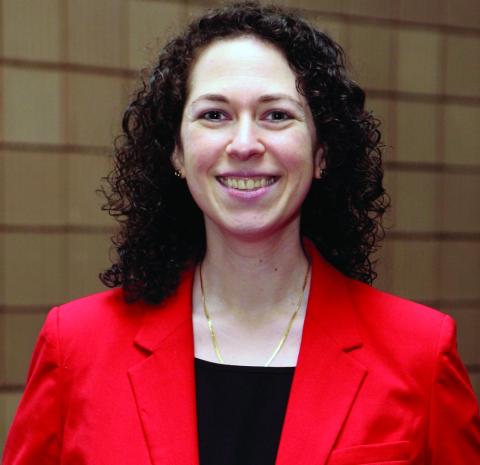
Dr. Marks is a pediatrician, clinical researcher, and coauthor of Developmental Screening in Your Community. Dr. Madsen Sjö is a certified pediatric neuropsychologist in Copenhagen. Dr. Marks and his family moved from the United States to Denmark in 2017. Email him at pdnews@mdedge.com.
Nearly every parent gets excited about their child’s first smile, steps, and words. Developmental and behavioral screening helps to better track young children’s progress in areas like communication, motor, cognitive, and social/emotional skills. Approximately one in four or five children are at risk for a developmental/behavioral delay, which might indicate an emerging developmental disability or mental health disorder.
Regular screenings raise awareness of children’s development, which makes it easier for parents to expect and celebrate milestones. They encourage parents and doctors to avoid the common pitfall of taking a “wait and see” approach. Regular screenings might even help doctors more easily diagnose co-occurring conditions like autism, sleep disorders, iron deficiencies, hearing impairment, metabolic disorders, genetic disorders, in utero drug/alcohol exposure, or child maltreatment.
High-quality interventions for children aged 0-5 years can decrease rates of special education, substance abuse, criminality/incarceration, suicidal attempts, and unemployment or welfare dependency. The trick is to swiftly identify and refer at-risk and delayed children to the most effective resources in a family-centered manner.
Our new study, which has been published online in Developmental Medicine and Child Neurology, investigated early childhood screening practices across the United States and Scandinavia (Denmark, Norway, and Sweden), which lie relatively far apart on the spectrum of preventive care models (2018 Sep 23. doi: 10.1111/dmcn.14044).
Just like many other developed areas of the world, the United States and Scandinavia are increasingly using two accurate, parent-reported screening tools – the Ages & Stages Questionnaire (ASQ) and ASQ:Social-Emotional (ASQ:SE) – to measure developmental and behavioral skills in children aged 0-5 years. We found that routine and periodic ASQ and/or ASQ:SE screening is low cost, feasible, and increases early detection and referral rates, plus they connect at-risk children to early intervention programs at significantly younger ages.
Surprisingly, the United States and Scandinavia tend to use these same two screening questionnaires quite differently. U.S. pediatricians and family physicians commonly use the ASQ and/or ASQ:SE in clinic settings to swiftly identify developmental/behavioral red flags in children from general and at-risk populations (See video at end of article). Scandinavian studies more commonly report the use of the ASQ and ASQ:SE to track developmental/behavioral differences in children in an intervention/exposure group and how they compare with children in a control group over time. In other words, the United States uses these screens clinically, and Scandinavia mostly uses them for research purposes.
In Scandinavia, home visit nurses and general practitioners commonly administer more narrowly focused, “hands-on” screens during infancy. Different municipalities use different screens. Language-focused screening typically is not performed until ages 2.5-3 years in preschools or child health centers. That’s probably too late. Scandinavian countries, which boast bountiful and equitable early childhood resources, are not routinely using parent-centered screening tools that measure all of a child’s developmental domains, including social/emotional skills. One reason is probably that Danish and Swedish ASQ and ASQ:SE norming (standardization) and validation (reliability and accuracy) studies are lacking and because Norwegian norms are out-of-date. Therefore, they are primarily used just for research. Every decade, the “good” screening questionnaires have to be scientifically tweaked and improved as the characteristics of populations (like ethnicity, socioeconomic status, or percentage of new immigrants) and cultural norms (like rotary versus cell phones) change over time.
Scandinavia likely would benefit from nationwide screening initiatives, which played key roles in implementing and sustaining developmental and social/emotional screening in numerous U.S. states. The American Academy of Pediatrics recommends routinely administering a standardized developmental screening tool at ages 9, 18, and 24-30 months, along with many other action steps and decision-making points. In reality, only 30% of U.S. children received a parent-centered, standardized developmental screening, and state-level screening rates varied wildly from 59% (Oregon) to 17% (Mississippi) in 2017-2018 (JAMA Pediatr. 2018;172[9]:857-66). Statewide screening initiatives made a big difference.
One implementation lesson is that U.S. and Scandinavian health care clinics probably should not bother mailing out the ASQ or ASQ:SE paper questionnaires to family’s homes. They will end up getting suboptimal return rates, most especially for preschoolers. Instead, clinics should instruct parents to complete the online ASQ or ASQ:SE at home 1-2 weeks before the office visit or, alternatively, the paper ASQ or ASQ:SE about 20 minutes before the clinician walks into the exam room. A number of study results support this.
According to U.S. studies, when primary care doctors share office space with developmental specialists or psychologists, children with concerning screens are more reliably connected to early interventions. Children and families can benefit from care coordinators, who supervise and bring doctors together with different specialists while monitoring and evaluating the care delivered.
According to Scandinavian studies, when mothers screen positive for depression, their at-risk children generally benefit from a social-emotional/behavioral (ASQ:SE) screening at 2 years old or younger. Currently, this is not routinely happening in U.S. primary care practices.
America could do a much better job of screening, and as it turns out, ditto with Scandinavia. We hope our systematic review inspires policy makers, medical professionals, early childhood educators, mental health providers, social workers, and parents, to learn more about developmental and behavioral screening and to perform ongoing, high-quality research in the United States, Scandinavia, and many other developed nations.
Here is a video Dr. Marks has developed showing how to integrate ASQ screening into your practice.
Dr. Marks is a pediatrician, clinical researcher, and coauthor of Developmental Screening in Your Community. Dr. Madsen Sjö is a certified pediatric neuropsychologist in Copenhagen. Dr. Marks and his family moved from the United States to Denmark in 2017. Email him at pdnews@mdedge.com.
Nearly every parent gets excited about their child’s first smile, steps, and words. Developmental and behavioral screening helps to better track young children’s progress in areas like communication, motor, cognitive, and social/emotional skills. Approximately one in four or five children are at risk for a developmental/behavioral delay, which might indicate an emerging developmental disability or mental health disorder.
Regular screenings raise awareness of children’s development, which makes it easier for parents to expect and celebrate milestones. They encourage parents and doctors to avoid the common pitfall of taking a “wait and see” approach. Regular screenings might even help doctors more easily diagnose co-occurring conditions like autism, sleep disorders, iron deficiencies, hearing impairment, metabolic disorders, genetic disorders, in utero drug/alcohol exposure, or child maltreatment.
High-quality interventions for children aged 0-5 years can decrease rates of special education, substance abuse, criminality/incarceration, suicidal attempts, and unemployment or welfare dependency. The trick is to swiftly identify and refer at-risk and delayed children to the most effective resources in a family-centered manner.
Our new study, which has been published online in Developmental Medicine and Child Neurology, investigated early childhood screening practices across the United States and Scandinavia (Denmark, Norway, and Sweden), which lie relatively far apart on the spectrum of preventive care models (2018 Sep 23. doi: 10.1111/dmcn.14044).
Just like many other developed areas of the world, the United States and Scandinavia are increasingly using two accurate, parent-reported screening tools – the Ages & Stages Questionnaire (ASQ) and ASQ:Social-Emotional (ASQ:SE) – to measure developmental and behavioral skills in children aged 0-5 years. We found that routine and periodic ASQ and/or ASQ:SE screening is low cost, feasible, and increases early detection and referral rates, plus they connect at-risk children to early intervention programs at significantly younger ages.
Surprisingly, the United States and Scandinavia tend to use these same two screening questionnaires quite differently. U.S. pediatricians and family physicians commonly use the ASQ and/or ASQ:SE in clinic settings to swiftly identify developmental/behavioral red flags in children from general and at-risk populations (See video at end of article). Scandinavian studies more commonly report the use of the ASQ and ASQ:SE to track developmental/behavioral differences in children in an intervention/exposure group and how they compare with children in a control group over time. In other words, the United States uses these screens clinically, and Scandinavia mostly uses them for research purposes.
In Scandinavia, home visit nurses and general practitioners commonly administer more narrowly focused, “hands-on” screens during infancy. Different municipalities use different screens. Language-focused screening typically is not performed until ages 2.5-3 years in preschools or child health centers. That’s probably too late. Scandinavian countries, which boast bountiful and equitable early childhood resources, are not routinely using parent-centered screening tools that measure all of a child’s developmental domains, including social/emotional skills. One reason is probably that Danish and Swedish ASQ and ASQ:SE norming (standardization) and validation (reliability and accuracy) studies are lacking and because Norwegian norms are out-of-date. Therefore, they are primarily used just for research. Every decade, the “good” screening questionnaires have to be scientifically tweaked and improved as the characteristics of populations (like ethnicity, socioeconomic status, or percentage of new immigrants) and cultural norms (like rotary versus cell phones) change over time.
Scandinavia likely would benefit from nationwide screening initiatives, which played key roles in implementing and sustaining developmental and social/emotional screening in numerous U.S. states. The American Academy of Pediatrics recommends routinely administering a standardized developmental screening tool at ages 9, 18, and 24-30 months, along with many other action steps and decision-making points. In reality, only 30% of U.S. children received a parent-centered, standardized developmental screening, and state-level screening rates varied wildly from 59% (Oregon) to 17% (Mississippi) in 2017-2018 (JAMA Pediatr. 2018;172[9]:857-66). Statewide screening initiatives made a big difference.
One implementation lesson is that U.S. and Scandinavian health care clinics probably should not bother mailing out the ASQ or ASQ:SE paper questionnaires to family’s homes. They will end up getting suboptimal return rates, most especially for preschoolers. Instead, clinics should instruct parents to complete the online ASQ or ASQ:SE at home 1-2 weeks before the office visit or, alternatively, the paper ASQ or ASQ:SE about 20 minutes before the clinician walks into the exam room. A number of study results support this.
According to U.S. studies, when primary care doctors share office space with developmental specialists or psychologists, children with concerning screens are more reliably connected to early interventions. Children and families can benefit from care coordinators, who supervise and bring doctors together with different specialists while monitoring and evaluating the care delivered.
According to Scandinavian studies, when mothers screen positive for depression, their at-risk children generally benefit from a social-emotional/behavioral (ASQ:SE) screening at 2 years old or younger. Currently, this is not routinely happening in U.S. primary care practices.
America could do a much better job of screening, and as it turns out, ditto with Scandinavia. We hope our systematic review inspires policy makers, medical professionals, early childhood educators, mental health providers, social workers, and parents, to learn more about developmental and behavioral screening and to perform ongoing, high-quality research in the United States, Scandinavia, and many other developed nations.
Here is a video Dr. Marks has developed showing how to integrate ASQ screening into your practice.
Dr. Marks is a pediatrician, clinical researcher, and coauthor of Developmental Screening in Your Community. Dr. Madsen Sjö is a certified pediatric neuropsychologist in Copenhagen. Dr. Marks and his family moved from the United States to Denmark in 2017. Email him at pdnews@mdedge.com.

Brexanolone injection quickly improves postpartum depression
BARCELONA – Brexanolone injection provided rapid and durable improvement in postpartum depression in an integrated analysis of three pivotal randomized trials collectively known as the Hummingbird trials, Christine Clemson, PhD, reported at the annual congress of the European College of Neuropsychopharmacology.

This was accomplished with a favorable safety experience. The most common treatment-emergent adverse events – dizziness and sleepiness – were roughly twice as common as with placebo in the 247-patient Hummingbird safety analysis.
On Dec. 19, 2018, the agency is expected to respond to SAGE Therapeutics’s application for marketing approval of intravenous brexanolone given as a continuous 60-hour infusion at 90 mcg/kg per hour, according to Dr. Clemson, senior medical director at Cambridge, Mass.–based SAGE Therapeutics, which is developing the therapy.
Brexanolone is a proprietary IV formulation of allopregnanolone, a metabolite of progesterone. The drug’s mechanism of action involves modulation of the neurotransmitter gamma-aminobutyric acid (GABA). The drug binds to both synaptic and extra-synaptic GABA A receptors, thereby increasing receptor functionality.
The decision to target GABA as a novel therapeutic strategy in PPD was based upon translational studies demonstrating that GABA is the chief neuroinhibitory mechanism in the brain, and its actions are mediated mainly by GABA A receptors. Brexanolone’s efficacy is consistent with a theory that the pathogenesis of PPD involves triggers such as inflammation, hormonal fluctuations, or chronic stress, which in some women cause GABA hypofunction, both at the receptors and in terms of tissue GABA levels. This, in turn, leads to an overactive HPA axis and dysregulated neural networks, with resultant PPD, Dr. Clemson explained.
The three Hummingbird clinical trials were double blind, randomized, and placebo controlled. Two were restricted to women with severe PPD. The third and largest focused on moderately affected patients as defined by a baseline Hamilton Depression Scale for Depression (HAM-D) score of 20-25.
The efficacy analysis included 207 patients who received brexanolone at 90 mcg/kg per hour or placebo for 60 hours in an inpatient setting and were followed for 30 days. The primary endpoint was the change in HAM-D total score from baseline to 60 hours. The mean 17-point reduction in the active treatment arm was significantly better than the 12.8-point decrease with placebo. The between-group difference was significant within the first 24 hours and remained so at all time points out to the study’s end at day 30. There was no individual item on the HAM-D in which the drug performed worse than placebo, and there were many in which brexanolone performed significantly better, including depressed mood, anxiety, insomnia, and feelings of guilt.
In terms of the rigorous secondary endpoint of HAM-D remission as defined by a total score of 7 or less, the brexanolone injection significantly outperformed placebo at every time point except for day 30.
There was a 2% rate of serious adverse events in both study arms. These included suicidal ideation, an intentional overdose attempt post discharge, altered state of consciousness, and syncope.
A vastly more convenient once-daily oral formulation of brexanolone is now in phase 3 clinical trials for PPD and major depressive disorder, and in phase 2 for insomnia and bipolar depression.
Elsewhere at the ECNP congress, other investigators from Sage Therapeutics presented for the first time the outcomes of an 89-patient, randomized, double-blind, multicenter, placebo-controlled, phase 2 clinical trial of SAGE-217 for treatment of major depressive disorder.
Participants received a nightly 30-mg dose of the drug or placebo for 2 weeks, with a primary study endpoint being the change in HAM-D total score from baseline to day 15. Patients on the oral GABA A receptor positive modulator averaged a 17.4-point improvement, significantly better than the 10.3-point spread in placebo-treated controls. A statistically significant between-group difference was noted on days 2 through 28. HAM-D remission at day 15 was documented in 64% of the oral brexanolone group, compared with 26% of controls.
Those improvements in depression were accompanied by significant gains in numerous domains of health-related quality of life as assessed via the 36-Item Short Form Health Survey. Indeed, day 15 health-related quality of life scores in the oral brexanolone group approached normative values for the general population.
The studies were funded by SAGE Therapeutics.
BARCELONA – Brexanolone injection provided rapid and durable improvement in postpartum depression in an integrated analysis of three pivotal randomized trials collectively known as the Hummingbird trials, Christine Clemson, PhD, reported at the annual congress of the European College of Neuropsychopharmacology.
This was accomplished with a favorable safety experience. The most common treatment-emergent adverse events – dizziness and sleepiness – were roughly twice as common as with placebo in the 247-patient Hummingbird safety analysis.
On Dec. 19, 2018, the agency is expected to respond to SAGE Therapeutics’s application for marketing approval of intravenous brexanolone given as a continuous 60-hour infusion at 90 mcg/kg per hour, according to Dr. Clemson, senior medical director at Cambridge, Mass.–based SAGE Therapeutics, which is developing the therapy.
Brexanolone is a proprietary IV formulation of allopregnanolone, a metabolite of progesterone. The drug’s mechanism of action involves modulation of the neurotransmitter gamma-aminobutyric acid (GABA). The drug binds to both synaptic and extra-synaptic GABA A receptors, thereby increasing receptor functionality.
The decision to target GABA as a novel therapeutic strategy in PPD was based upon translational studies demonstrating that GABA is the chief neuroinhibitory mechanism in the brain, and its actions are mediated mainly by GABA A receptors. Brexanolone’s efficacy is consistent with a theory that the pathogenesis of PPD involves triggers such as inflammation, hormonal fluctuations, or chronic stress, which in some women cause GABA hypofunction, both at the receptors and in terms of tissue GABA levels. This, in turn, leads to an overactive HPA axis and dysregulated neural networks, with resultant PPD, Dr. Clemson explained.
The three Hummingbird clinical trials were double blind, randomized, and placebo controlled. Two were restricted to women with severe PPD. The third and largest focused on moderately affected patients as defined by a baseline Hamilton Depression Scale for Depression (HAM-D) score of 20-25.
The efficacy analysis included 207 patients who received brexanolone at 90 mcg/kg per hour or placebo for 60 hours in an inpatient setting and were followed for 30 days. The primary endpoint was the change in HAM-D total score from baseline to 60 hours. The mean 17-point reduction in the active treatment arm was significantly better than the 12.8-point decrease with placebo. The between-group difference was significant within the first 24 hours and remained so at all time points out to the study’s end at day 30. There was no individual item on the HAM-D in which the drug performed worse than placebo, and there were many in which brexanolone performed significantly better, including depressed mood, anxiety, insomnia, and feelings of guilt.
In terms of the rigorous secondary endpoint of HAM-D remission as defined by a total score of 7 or less, the brexanolone injection significantly outperformed placebo at every time point except for day 30.
There was a 2% rate of serious adverse events in both study arms. These included suicidal ideation, an intentional overdose attempt post discharge, altered state of consciousness, and syncope.
A vastly more convenient once-daily oral formulation of brexanolone is now in phase 3 clinical trials for PPD and major depressive disorder, and in phase 2 for insomnia and bipolar depression.
Elsewhere at the ECNP congress, other investigators from Sage Therapeutics presented for the first time the outcomes of an 89-patient, randomized, double-blind, multicenter, placebo-controlled, phase 2 clinical trial of SAGE-217 for treatment of major depressive disorder.
Participants received a nightly 30-mg dose of the drug or placebo for 2 weeks, with a primary study endpoint being the change in HAM-D total score from baseline to day 15. Patients on the oral GABA A receptor positive modulator averaged a 17.4-point improvement, significantly better than the 10.3-point spread in placebo-treated controls. A statistically significant between-group difference was noted on days 2 through 28. HAM-D remission at day 15 was documented in 64% of the oral brexanolone group, compared with 26% of controls.
Those improvements in depression were accompanied by significant gains in numerous domains of health-related quality of life as assessed via the 36-Item Short Form Health Survey. Indeed, day 15 health-related quality of life scores in the oral brexanolone group approached normative values for the general population.
The studies were funded by SAGE Therapeutics.
BARCELONA – Brexanolone injection provided rapid and durable improvement in postpartum depression in an integrated analysis of three pivotal randomized trials collectively known as the Hummingbird trials, Christine Clemson, PhD, reported at the annual congress of the European College of Neuropsychopharmacology.
This was accomplished with a favorable safety experience. The most common treatment-emergent adverse events – dizziness and sleepiness – were roughly twice as common as with placebo in the 247-patient Hummingbird safety analysis.
On Dec. 19, 2018, the agency is expected to respond to SAGE Therapeutics’s application for marketing approval of intravenous brexanolone given as a continuous 60-hour infusion at 90 mcg/kg per hour, according to Dr. Clemson, senior medical director at Cambridge, Mass.–based SAGE Therapeutics, which is developing the therapy.
Brexanolone is a proprietary IV formulation of allopregnanolone, a metabolite of progesterone. The drug’s mechanism of action involves modulation of the neurotransmitter gamma-aminobutyric acid (GABA). The drug binds to both synaptic and extra-synaptic GABA A receptors, thereby increasing receptor functionality.
The decision to target GABA as a novel therapeutic strategy in PPD was based upon translational studies demonstrating that GABA is the chief neuroinhibitory mechanism in the brain, and its actions are mediated mainly by GABA A receptors. Brexanolone’s efficacy is consistent with a theory that the pathogenesis of PPD involves triggers such as inflammation, hormonal fluctuations, or chronic stress, which in some women cause GABA hypofunction, both at the receptors and in terms of tissue GABA levels. This, in turn, leads to an overactive HPA axis and dysregulated neural networks, with resultant PPD, Dr. Clemson explained.
The three Hummingbird clinical trials were double blind, randomized, and placebo controlled. Two were restricted to women with severe PPD. The third and largest focused on moderately affected patients as defined by a baseline Hamilton Depression Scale for Depression (HAM-D) score of 20-25.
The efficacy analysis included 207 patients who received brexanolone at 90 mcg/kg per hour or placebo for 60 hours in an inpatient setting and were followed for 30 days. The primary endpoint was the change in HAM-D total score from baseline to 60 hours. The mean 17-point reduction in the active treatment arm was significantly better than the 12.8-point decrease with placebo. The between-group difference was significant within the first 24 hours and remained so at all time points out to the study’s end at day 30. There was no individual item on the HAM-D in which the drug performed worse than placebo, and there were many in which brexanolone performed significantly better, including depressed mood, anxiety, insomnia, and feelings of guilt.
In terms of the rigorous secondary endpoint of HAM-D remission as defined by a total score of 7 or less, the brexanolone injection significantly outperformed placebo at every time point except for day 30.
There was a 2% rate of serious adverse events in both study arms. These included suicidal ideation, an intentional overdose attempt post discharge, altered state of consciousness, and syncope.
A vastly more convenient once-daily oral formulation of brexanolone is now in phase 3 clinical trials for PPD and major depressive disorder, and in phase 2 for insomnia and bipolar depression.
Elsewhere at the ECNP congress, other investigators from Sage Therapeutics presented for the first time the outcomes of an 89-patient, randomized, double-blind, multicenter, placebo-controlled, phase 2 clinical trial of SAGE-217 for treatment of major depressive disorder.
Participants received a nightly 30-mg dose of the drug or placebo for 2 weeks, with a primary study endpoint being the change in HAM-D total score from baseline to day 15. Patients on the oral GABA A receptor positive modulator averaged a 17.4-point improvement, significantly better than the 10.3-point spread in placebo-treated controls. A statistically significant between-group difference was noted on days 2 through 28. HAM-D remission at day 15 was documented in 64% of the oral brexanolone group, compared with 26% of controls.
Those improvements in depression were accompanied by significant gains in numerous domains of health-related quality of life as assessed via the 36-Item Short Form Health Survey. Indeed, day 15 health-related quality of life scores in the oral brexanolone group approached normative values for the general population.
The studies were funded by SAGE Therapeutics.
REPORTING FROM THE ECNP CONGRESS
Key clinical point: A novel investigational GABA modulator is turning heads for treatment of postpartum depression.
Major finding: At 60 hours, mean HAM-D total scores had dropped by 17 points with brexanolone, versus 12.8 with placebo.
Study details: A prespecified integrated safety and efficacy analysis incorporating three pivotal clinical trials.
Disclosures: The studies were funded by SAGE Therapeutics and presented by a company executive.

Paradigm shifts in palliative care
Better engagement with patients essential
A 57-year-old man is admitted to the hospital with new back pain, which has been getting worse over the past 6 days. He had been diagnosed with stage 4 lung cancer in mid-2017 and underwent treatment with a platinum-based double therapy.
The man also has a history of heroin use – as recently as two years earlier – and he was divorced not long ago. He has been using an old prescription for Vicodin to treat himself, taking as many as 10-12 tablets a day.
This man is an example of the kind of complicated patient hospitalists are called on to treat – complex pain in an era when opioid abuse is considered a public scourge. How is a hospitalist to handle a case like this?
Pain cases are far from the only types of increasingly complex, often palliative cases in which hospitalists are being asked to provide help. Care for the elderly is also becoming increasingly difficult as the U.S. population ages and as hospitalists step in to provide care in the absence of geriatricians. .
Pain management in the opioid era and the need for new approaches in elderly care were highlighted at the Hospital Medicine 2018 annual conference, with experts drawing attention to subtleties that are often overlooked in these sometimes desperate cases.
James Risser, MD, medical director of palliative care at Regions Hospital in Minneapolis, said the complex problems of the 57-year-old man with back pain amounted to an example of “pain’s greatest hits.”
That particular case underscores the need to identify individual types of pain, he said, because they all need to be handled differently. If hospitalists don’t consider all the different aspects of pain, a patient might endure more suffering than necessary.
“All of this pain is swirling around in a very complicated patient,” Dr. Risser said, noting that it is important to “tease out the individual parts” of a complex patient’s history.
“Pain is a very complicated construct, from the physical to the neurological to the emotional,” Dr. Risser said. “Pain is a subjective experience, and the way people interact with their pain really depends not just on physical pain but also their psychological state, their social state, and even their spiritual state.”
Understanding this array of causes has led Dr. Risser to approach the problem of pain from different angles – including perspectives that might not be traditional, he said.
“One of the things that I’ve gotten better at is taking a spiritual history,” he said. “I don’t know if that’s part of everybody’s armamentarium. But if you’re dealing with people who are very, very sick, sometimes that’s the fundamental fabric of how they live and how they die. If there are unresolved issues along those lines, it’s possible they could be experiencing their pain in a different or more severe way.”
Varieties of pain
Treatment depends on the pain type, Dr. Risser said. Somatic pain often responds to nonsteroidal anti-inflammatories or steroids.

Neuropathic pain usually responds poorly to anti-inflammatories and to opioids. There is some research suggesting methadone could be helpful, but the data are not very strong. The most common medications prescribed are antiseizure medications and antidepressants, such as gabapentin and serotonin, and norepinephrine reuptake inhibitors.
The question of cancer pain versus noncancer pain can be tricky, Dr. Risser said. If a person’s life expectancy is limited, there can be a reason, or even a requirement, to use higher-risk medications. But, he said, that doesn’t mean the patient still won’t have problems with overuse of pain medication.
“We have a lot of patients now living post cancer who have been put on methadone or have been put on Oxycontin, and now we’re trying to figure out what to do with them,” he said. “I don’t think it’s that clear anymore that there’s a massive difference between cancer and noncancer pain, especially for those survivors.”
Clinicians, he said, should “fix what can be fixed” – and with the right tools. “If you have a patient who’s got severe lower abdominal pain because they have a bladder full or urine, really the treatment would probably not be … opioids. It probably would be a Foley catheter,” he said.
Hospitalists should treat patients based on sound principles of pain management, Dr. Risser said, but “while you try to create a diagnostic framework, know that people continually defy the boxes we put them in.”

Indeed, in an era of pain-medication addiction, it might be a good idea to worry about prescribing opioids, but clinicians have to remember that their goal is to help patients get relief – and that they themselves bring biases to the table, said Amy Davis, DO, MS, of Drexel University, Philadelphia.
In a presentation at HM18, Dr. Davis displayed images of a variety of patients on a large screen – different races and genders, some in business attire, some rougher around the edges.
“Would pain decisions change based on what people look like?” she asked. “Can you really spot who the drug traffickers are? We need to remember that our biases play a huge role not only in the treatment of our patients but in their outcomes. I’m challenging everybody to start thinking about these folks not as drug-seekers but as comfort-seekers.”
When it comes right down to it, she said, patients want a better life, not their drug of choice.
“That is the nature of the disease. [The illegal drug] is not what they’re looking for in reality because that does not provide a good quality of life,” Dr. Davis said. “The [practice of medicine] is supposed to be about helping people live their lives, not just checking off boxes.”
People with an opioid use disorder are physically different, she said. The processing of pain stimuli by their brain and spinal cord is physically altered – they have an increased perception of pain and lower pain tolerance.
“This is not a character flaw,” Dr. Davis affirmed. The increased sensitivity to pain does not resolve with opioid cessation; it can last for decades. Clinicians may need to spend more time interacting with certain patients to get a sense of the physical and nonphysical pain from which they suffer.
“Consistent, open, nonjudgmental communication improves not only the information we gather from patients and families, but it actually changes the adherence,” Dr. Davis said. “Ultimately the treatment outcomes are what all of this is about.”
Paradigm shift
Another palliative care role that hospitalists often find themselves in is “comforter” of elderly patients.

Ryan Greysen, MD, MHS, chief of hospital medicine at the University of Pennsylvania, Philadelphia, said hospitals must respond to a shift in the paradigm of elderly care. To explain the nature of this change, he referenced the “paradigm shift” model devised by the philosopher of science Thomas Kuhn, PhD. According to Kuhn, science proceeds in a settled pattern for many years, but on the rare occasions, when there is a fundamental drift in thinking, new problems present themselves and put the old model in a crisis mode, which prompts an intellectual revolution and a shift in the paradigm itself.
“This is a way of thinking about changes in scientific paradigms, but I think it works in clinical practice as well,” Dr. Greysen said.
The need for a paradigm shift in the care of elderly inpatients has largely to do with demographics. By 2050, the number of people aged 65 years and older is expected to be about 80 million, roughly double what it was in 2000. The number of people aged 85 years and up is expected to be about 20 million, or about four times the total in 2000.
In 2010, 40% of the hospitalized population was over 65 years. In 2030, that will flip: Only 40% of inpatients will be under 65 years. This will mean that hospitalists must care for more patients who are older, and the patients themselves will have more complicated medical issues.
“To be ready for the aging century, we must be better able to adapt and address those things that affect seniors,” Dr. Greysen said. With the number of geriatricians falling, much more of this care will fall to hospitalists, he said.
More attention must be paid to the potential harms of hospital-based care to older patients: decreased muscle strength and aerobic capacity, vasomotor instability, lower bone density, poor ventilation, altered thirst and nutrition, and fragile skin, among others, Dr. Greysen said.
In a study published in 2015, Dr. Greysen assessed outcomes for elderly patients who were assessed before hospitalization for functional impairment. The more impaired they were, the more likely they were to be readmitted within 30 days of discharge – from a 13.5% readmission rate for those with no impairment up to 18.2% for those considered to have “dependency” in three or more activities of daily living.1
In another analysis, severe functional impairment – dependency in at least two activities of daily living – was associated with more post-acute care Medicare costs than neurological disorders or renal failure.2
Acute care for the elderly (ACE) programs, which have care specifically tailored to the needs of older patients, have been found to be associated with less functional decline, shorter lengths of stay, fewer adverse events, and lower costs and readmission rates, Dr. Greysen said.
These programs are becoming more common, but they are not spreading as quickly as perhaps they should, he said. In part, this is because of the “know-do” gap, in which practical steps that have been shown to work are not actually implemented because of assumptions that they are already in place or the mistaken belief that simple steps could not possibly make a difference.
Part of the paradigm shift that’s needed, Dr. Greysen said, is an appreciation of the concept of “posthospitalization syndrome,” which is composed of several domains: sleep, function, nutrition, symptom burden such as pain and discomfort, cognition, level of engagement, psychosocial status including emotional stress, and treatment burden including the adverse effects of medications.
Better patient engagement in discharge planning – including asking patients about whether they’ve had help reading hospital discharge–related documents, their level of education, and how often they are getting out of bed – is one necessary step toward change. Surveys of satisfaction using tablets and patient portals is another option, Dr. Greysen said.
The patients of the future will likely prompt their own change, he said, quoting from a 2013 publication.
“Possibly the most promising predictor for change in delivery of care is change in the patients themselves,” the authors wrote. “Baby boomers have redefined the norms at every stage of their lives. ... They will expect providers to engage them in shared decision making, elicit their health care goals and treatment preferences, communicate with providers across sites, and provide needed social supports.”3
References
1. Greysen SR et al. Functional impairment and hospital readmission in medicare seniors. JAMA Intern Med. 2015 Apr;175(4):559-65.
2. Greysen SR et al. Functional impairment: An unmeasured marker of medicare costs for postacute care of older adults. J Am Geriatr Soc. 2017 Sep;65(9):1996-2002.
3. Laura A. Levit, Erin P. Balogh, Sharyl J. Nass, and Patricia A. Ganz, eds. Delivering High-Quality Cancer Care: Charting a New Course for a System in Crisis. (Washington (DC): National Academies Press (US), 2013 Dec 27).
Better engagement with patients essential
Better engagement with patients essential
A 57-year-old man is admitted to the hospital with new back pain, which has been getting worse over the past 6 days. He had been diagnosed with stage 4 lung cancer in mid-2017 and underwent treatment with a platinum-based double therapy.
The man also has a history of heroin use – as recently as two years earlier – and he was divorced not long ago. He has been using an old prescription for Vicodin to treat himself, taking as many as 10-12 tablets a day.
This man is an example of the kind of complicated patient hospitalists are called on to treat – complex pain in an era when opioid abuse is considered a public scourge. How is a hospitalist to handle a case like this?
Pain cases are far from the only types of increasingly complex, often palliative cases in which hospitalists are being asked to provide help. Care for the elderly is also becoming increasingly difficult as the U.S. population ages and as hospitalists step in to provide care in the absence of geriatricians. .
Pain management in the opioid era and the need for new approaches in elderly care were highlighted at the Hospital Medicine 2018 annual conference, with experts drawing attention to subtleties that are often overlooked in these sometimes desperate cases.
James Risser, MD, medical director of palliative care at Regions Hospital in Minneapolis, said the complex problems of the 57-year-old man with back pain amounted to an example of “pain’s greatest hits.”
That particular case underscores the need to identify individual types of pain, he said, because they all need to be handled differently. If hospitalists don’t consider all the different aspects of pain, a patient might endure more suffering than necessary.
“All of this pain is swirling around in a very complicated patient,” Dr. Risser said, noting that it is important to “tease out the individual parts” of a complex patient’s history.
“Pain is a very complicated construct, from the physical to the neurological to the emotional,” Dr. Risser said. “Pain is a subjective experience, and the way people interact with their pain really depends not just on physical pain but also their psychological state, their social state, and even their spiritual state.”
Understanding this array of causes has led Dr. Risser to approach the problem of pain from different angles – including perspectives that might not be traditional, he said.
“One of the things that I’ve gotten better at is taking a spiritual history,” he said. “I don’t know if that’s part of everybody’s armamentarium. But if you’re dealing with people who are very, very sick, sometimes that’s the fundamental fabric of how they live and how they die. If there are unresolved issues along those lines, it’s possible they could be experiencing their pain in a different or more severe way.”
Varieties of pain
Treatment depends on the pain type, Dr. Risser said. Somatic pain often responds to nonsteroidal anti-inflammatories or steroids.
Neuropathic pain usually responds poorly to anti-inflammatories and to opioids. There is some research suggesting methadone could be helpful, but the data are not very strong. The most common medications prescribed are antiseizure medications and antidepressants, such as gabapentin and serotonin, and norepinephrine reuptake inhibitors.
The question of cancer pain versus noncancer pain can be tricky, Dr. Risser said. If a person’s life expectancy is limited, there can be a reason, or even a requirement, to use higher-risk medications. But, he said, that doesn’t mean the patient still won’t have problems with overuse of pain medication.
“We have a lot of patients now living post cancer who have been put on methadone or have been put on Oxycontin, and now we’re trying to figure out what to do with them,” he said. “I don’t think it’s that clear anymore that there’s a massive difference between cancer and noncancer pain, especially for those survivors.”
Clinicians, he said, should “fix what can be fixed” – and with the right tools. “If you have a patient who’s got severe lower abdominal pain because they have a bladder full or urine, really the treatment would probably not be … opioids. It probably would be a Foley catheter,” he said.
Hospitalists should treat patients based on sound principles of pain management, Dr. Risser said, but “while you try to create a diagnostic framework, know that people continually defy the boxes we put them in.”
Indeed, in an era of pain-medication addiction, it might be a good idea to worry about prescribing opioids, but clinicians have to remember that their goal is to help patients get relief – and that they themselves bring biases to the table, said Amy Davis, DO, MS, of Drexel University, Philadelphia.
In a presentation at HM18, Dr. Davis displayed images of a variety of patients on a large screen – different races and genders, some in business attire, some rougher around the edges.
“Would pain decisions change based on what people look like?” she asked. “Can you really spot who the drug traffickers are? We need to remember that our biases play a huge role not only in the treatment of our patients but in their outcomes. I’m challenging everybody to start thinking about these folks not as drug-seekers but as comfort-seekers.”
When it comes right down to it, she said, patients want a better life, not their drug of choice.
“That is the nature of the disease. [The illegal drug] is not what they’re looking for in reality because that does not provide a good quality of life,” Dr. Davis said. “The [practice of medicine] is supposed to be about helping people live their lives, not just checking off boxes.”
People with an opioid use disorder are physically different, she said. The processing of pain stimuli by their brain and spinal cord is physically altered – they have an increased perception of pain and lower pain tolerance.
“This is not a character flaw,” Dr. Davis affirmed. The increased sensitivity to pain does not resolve with opioid cessation; it can last for decades. Clinicians may need to spend more time interacting with certain patients to get a sense of the physical and nonphysical pain from which they suffer.
“Consistent, open, nonjudgmental communication improves not only the information we gather from patients and families, but it actually changes the adherence,” Dr. Davis said. “Ultimately the treatment outcomes are what all of this is about.”
Paradigm shift
Another palliative care role that hospitalists often find themselves in is “comforter” of elderly patients.
Ryan Greysen, MD, MHS, chief of hospital medicine at the University of Pennsylvania, Philadelphia, said hospitals must respond to a shift in the paradigm of elderly care. To explain the nature of this change, he referenced the “paradigm shift” model devised by the philosopher of science Thomas Kuhn, PhD. According to Kuhn, science proceeds in a settled pattern for many years, but on the rare occasions, when there is a fundamental drift in thinking, new problems present themselves and put the old model in a crisis mode, which prompts an intellectual revolution and a shift in the paradigm itself.
“This is a way of thinking about changes in scientific paradigms, but I think it works in clinical practice as well,” Dr. Greysen said.
The need for a paradigm shift in the care of elderly inpatients has largely to do with demographics. By 2050, the number of people aged 65 years and older is expected to be about 80 million, roughly double what it was in 2000. The number of people aged 85 years and up is expected to be about 20 million, or about four times the total in 2000.
In 2010, 40% of the hospitalized population was over 65 years. In 2030, that will flip: Only 40% of inpatients will be under 65 years. This will mean that hospitalists must care for more patients who are older, and the patients themselves will have more complicated medical issues.
“To be ready for the aging century, we must be better able to adapt and address those things that affect seniors,” Dr. Greysen said. With the number of geriatricians falling, much more of this care will fall to hospitalists, he said.
More attention must be paid to the potential harms of hospital-based care to older patients: decreased muscle strength and aerobic capacity, vasomotor instability, lower bone density, poor ventilation, altered thirst and nutrition, and fragile skin, among others, Dr. Greysen said.
In a study published in 2015, Dr. Greysen assessed outcomes for elderly patients who were assessed before hospitalization for functional impairment. The more impaired they were, the more likely they were to be readmitted within 30 days of discharge – from a 13.5% readmission rate for those with no impairment up to 18.2% for those considered to have “dependency” in three or more activities of daily living.1
In another analysis, severe functional impairment – dependency in at least two activities of daily living – was associated with more post-acute care Medicare costs than neurological disorders or renal failure.2
Acute care for the elderly (ACE) programs, which have care specifically tailored to the needs of older patients, have been found to be associated with less functional decline, shorter lengths of stay, fewer adverse events, and lower costs and readmission rates, Dr. Greysen said.
These programs are becoming more common, but they are not spreading as quickly as perhaps they should, he said. In part, this is because of the “know-do” gap, in which practical steps that have been shown to work are not actually implemented because of assumptions that they are already in place or the mistaken belief that simple steps could not possibly make a difference.
Part of the paradigm shift that’s needed, Dr. Greysen said, is an appreciation of the concept of “posthospitalization syndrome,” which is composed of several domains: sleep, function, nutrition, symptom burden such as pain and discomfort, cognition, level of engagement, psychosocial status including emotional stress, and treatment burden including the adverse effects of medications.
Better patient engagement in discharge planning – including asking patients about whether they’ve had help reading hospital discharge–related documents, their level of education, and how often they are getting out of bed – is one necessary step toward change. Surveys of satisfaction using tablets and patient portals is another option, Dr. Greysen said.
The patients of the future will likely prompt their own change, he said, quoting from a 2013 publication.
“Possibly the most promising predictor for change in delivery of care is change in the patients themselves,” the authors wrote. “Baby boomers have redefined the norms at every stage of their lives. ... They will expect providers to engage them in shared decision making, elicit their health care goals and treatment preferences, communicate with providers across sites, and provide needed social supports.”3
References
1. Greysen SR et al. Functional impairment and hospital readmission in medicare seniors. JAMA Intern Med. 2015 Apr;175(4):559-65.
2. Greysen SR et al. Functional impairment: An unmeasured marker of medicare costs for postacute care of older adults. J Am Geriatr Soc. 2017 Sep;65(9):1996-2002.
3. Laura A. Levit, Erin P. Balogh, Sharyl J. Nass, and Patricia A. Ganz, eds. Delivering High-Quality Cancer Care: Charting a New Course for a System in Crisis. (Washington (DC): National Academies Press (US), 2013 Dec 27).
A 57-year-old man is admitted to the hospital with new back pain, which has been getting worse over the past 6 days. He had been diagnosed with stage 4 lung cancer in mid-2017 and underwent treatment with a platinum-based double therapy.
The man also has a history of heroin use – as recently as two years earlier – and he was divorced not long ago. He has been using an old prescription for Vicodin to treat himself, taking as many as 10-12 tablets a day.
This man is an example of the kind of complicated patient hospitalists are called on to treat – complex pain in an era when opioid abuse is considered a public scourge. How is a hospitalist to handle a case like this?
Pain cases are far from the only types of increasingly complex, often palliative cases in which hospitalists are being asked to provide help. Care for the elderly is also becoming increasingly difficult as the U.S. population ages and as hospitalists step in to provide care in the absence of geriatricians. .
Pain management in the opioid era and the need for new approaches in elderly care were highlighted at the Hospital Medicine 2018 annual conference, with experts drawing attention to subtleties that are often overlooked in these sometimes desperate cases.
James Risser, MD, medical director of palliative care at Regions Hospital in Minneapolis, said the complex problems of the 57-year-old man with back pain amounted to an example of “pain’s greatest hits.”
That particular case underscores the need to identify individual types of pain, he said, because they all need to be handled differently. If hospitalists don’t consider all the different aspects of pain, a patient might endure more suffering than necessary.
“All of this pain is swirling around in a very complicated patient,” Dr. Risser said, noting that it is important to “tease out the individual parts” of a complex patient’s history.
“Pain is a very complicated construct, from the physical to the neurological to the emotional,” Dr. Risser said. “Pain is a subjective experience, and the way people interact with their pain really depends not just on physical pain but also their psychological state, their social state, and even their spiritual state.”
Understanding this array of causes has led Dr. Risser to approach the problem of pain from different angles – including perspectives that might not be traditional, he said.
“One of the things that I’ve gotten better at is taking a spiritual history,” he said. “I don’t know if that’s part of everybody’s armamentarium. But if you’re dealing with people who are very, very sick, sometimes that’s the fundamental fabric of how they live and how they die. If there are unresolved issues along those lines, it’s possible they could be experiencing their pain in a different or more severe way.”
Varieties of pain
Treatment depends on the pain type, Dr. Risser said. Somatic pain often responds to nonsteroidal anti-inflammatories or steroids.
Neuropathic pain usually responds poorly to anti-inflammatories and to opioids. There is some research suggesting methadone could be helpful, but the data are not very strong. The most common medications prescribed are antiseizure medications and antidepressants, such as gabapentin and serotonin, and norepinephrine reuptake inhibitors.
The question of cancer pain versus noncancer pain can be tricky, Dr. Risser said. If a person’s life expectancy is limited, there can be a reason, or even a requirement, to use higher-risk medications. But, he said, that doesn’t mean the patient still won’t have problems with overuse of pain medication.
“We have a lot of patients now living post cancer who have been put on methadone or have been put on Oxycontin, and now we’re trying to figure out what to do with them,” he said. “I don’t think it’s that clear anymore that there’s a massive difference between cancer and noncancer pain, especially for those survivors.”
Clinicians, he said, should “fix what can be fixed” – and with the right tools. “If you have a patient who’s got severe lower abdominal pain because they have a bladder full or urine, really the treatment would probably not be … opioids. It probably would be a Foley catheter,” he said.
Hospitalists should treat patients based on sound principles of pain management, Dr. Risser said, but “while you try to create a diagnostic framework, know that people continually defy the boxes we put them in.”
Indeed, in an era of pain-medication addiction, it might be a good idea to worry about prescribing opioids, but clinicians have to remember that their goal is to help patients get relief – and that they themselves bring biases to the table, said Amy Davis, DO, MS, of Drexel University, Philadelphia.
In a presentation at HM18, Dr. Davis displayed images of a variety of patients on a large screen – different races and genders, some in business attire, some rougher around the edges.
“Would pain decisions change based on what people look like?” she asked. “Can you really spot who the drug traffickers are? We need to remember that our biases play a huge role not only in the treatment of our patients but in their outcomes. I’m challenging everybody to start thinking about these folks not as drug-seekers but as comfort-seekers.”
When it comes right down to it, she said, patients want a better life, not their drug of choice.
“That is the nature of the disease. [The illegal drug] is not what they’re looking for in reality because that does not provide a good quality of life,” Dr. Davis said. “The [practice of medicine] is supposed to be about helping people live their lives, not just checking off boxes.”
People with an opioid use disorder are physically different, she said. The processing of pain stimuli by their brain and spinal cord is physically altered – they have an increased perception of pain and lower pain tolerance.
“This is not a character flaw,” Dr. Davis affirmed. The increased sensitivity to pain does not resolve with opioid cessation; it can last for decades. Clinicians may need to spend more time interacting with certain patients to get a sense of the physical and nonphysical pain from which they suffer.
“Consistent, open, nonjudgmental communication improves not only the information we gather from patients and families, but it actually changes the adherence,” Dr. Davis said. “Ultimately the treatment outcomes are what all of this is about.”
Paradigm shift
Another palliative care role that hospitalists often find themselves in is “comforter” of elderly patients.
Ryan Greysen, MD, MHS, chief of hospital medicine at the University of Pennsylvania, Philadelphia, said hospitals must respond to a shift in the paradigm of elderly care. To explain the nature of this change, he referenced the “paradigm shift” model devised by the philosopher of science Thomas Kuhn, PhD. According to Kuhn, science proceeds in a settled pattern for many years, but on the rare occasions, when there is a fundamental drift in thinking, new problems present themselves and put the old model in a crisis mode, which prompts an intellectual revolution and a shift in the paradigm itself.
“This is a way of thinking about changes in scientific paradigms, but I think it works in clinical practice as well,” Dr. Greysen said.
The need for a paradigm shift in the care of elderly inpatients has largely to do with demographics. By 2050, the number of people aged 65 years and older is expected to be about 80 million, roughly double what it was in 2000. The number of people aged 85 years and up is expected to be about 20 million, or about four times the total in 2000.
In 2010, 40% of the hospitalized population was over 65 years. In 2030, that will flip: Only 40% of inpatients will be under 65 years. This will mean that hospitalists must care for more patients who are older, and the patients themselves will have more complicated medical issues.
“To be ready for the aging century, we must be better able to adapt and address those things that affect seniors,” Dr. Greysen said. With the number of geriatricians falling, much more of this care will fall to hospitalists, he said.
More attention must be paid to the potential harms of hospital-based care to older patients: decreased muscle strength and aerobic capacity, vasomotor instability, lower bone density, poor ventilation, altered thirst and nutrition, and fragile skin, among others, Dr. Greysen said.
In a study published in 2015, Dr. Greysen assessed outcomes for elderly patients who were assessed before hospitalization for functional impairment. The more impaired they were, the more likely they were to be readmitted within 30 days of discharge – from a 13.5% readmission rate for those with no impairment up to 18.2% for those considered to have “dependency” in three or more activities of daily living.1
In another analysis, severe functional impairment – dependency in at least two activities of daily living – was associated with more post-acute care Medicare costs than neurological disorders or renal failure.2
Acute care for the elderly (ACE) programs, which have care specifically tailored to the needs of older patients, have been found to be associated with less functional decline, shorter lengths of stay, fewer adverse events, and lower costs and readmission rates, Dr. Greysen said.
These programs are becoming more common, but they are not spreading as quickly as perhaps they should, he said. In part, this is because of the “know-do” gap, in which practical steps that have been shown to work are not actually implemented because of assumptions that they are already in place or the mistaken belief that simple steps could not possibly make a difference.
Part of the paradigm shift that’s needed, Dr. Greysen said, is an appreciation of the concept of “posthospitalization syndrome,” which is composed of several domains: sleep, function, nutrition, symptom burden such as pain and discomfort, cognition, level of engagement, psychosocial status including emotional stress, and treatment burden including the adverse effects of medications.
Better patient engagement in discharge planning – including asking patients about whether they’ve had help reading hospital discharge–related documents, their level of education, and how often they are getting out of bed – is one necessary step toward change. Surveys of satisfaction using tablets and patient portals is another option, Dr. Greysen said.
The patients of the future will likely prompt their own change, he said, quoting from a 2013 publication.
“Possibly the most promising predictor for change in delivery of care is change in the patients themselves,” the authors wrote. “Baby boomers have redefined the norms at every stage of their lives. ... They will expect providers to engage them in shared decision making, elicit their health care goals and treatment preferences, communicate with providers across sites, and provide needed social supports.”3
References
1. Greysen SR et al. Functional impairment and hospital readmission in medicare seniors. JAMA Intern Med. 2015 Apr;175(4):559-65.
2. Greysen SR et al. Functional impairment: An unmeasured marker of medicare costs for postacute care of older adults. J Am Geriatr Soc. 2017 Sep;65(9):1996-2002.
3. Laura A. Levit, Erin P. Balogh, Sharyl J. Nass, and Patricia A. Ganz, eds. Delivering High-Quality Cancer Care: Charting a New Course for a System in Crisis. (Washington (DC): National Academies Press (US), 2013 Dec 27).
Poor outcomes for RCC with nodal involvement: Time to reconsider staging criteria?
Among patients with stage III renal cell carcinoma (RCC) by current staging criteria, survival outcomes are worse for those who have pathological nodal involvement, results of a retrospective study suggest.
Survival was significantly shorter for stage III patients with nodal involvement versus those with no involvement, and was “equivalent” to survival in stage IV RCC patients, according to study author Jose A. Karam, MD, of the University of Texas MD Anderson Cancer Center, Houston, and his coauthors.
“If these findings are validated in other studies, consideration should be given to reclassifying patients with stage III, pN1 disease as having stage IV disease,” Dr. Karam and his coauthors wrote in Cancer.
Dr. Karam and his colleagues looked at records for patients with RCC of any histologic subtype who had undergone radical or partial nephrectomy between 1993 and 2012. Their analysis included a total of 389 patients with stage III disease, including 274 with node-positive disease (pT3N0M0) and 115 with node-negative disease (pT123N1M0), along with 523 patients who had stage IV disease.
They found that median overall survival was just 2.4 years (95% confidence interval, 1.7-4.1) for stage III, node-positive disease patients, compared with 10.2 years (95% CI, 8.7-not estimable [NE]) for stage III, node-negative disease and 2.4 years (95% CI, 2.1-3.0) for stage IV disease.
There was a significant difference in overall survival between the three groups, but no significant difference between patients with stage III node-positive disease and stage IV disease, the investigators wrote.
Similarly, median cancer-specific survival was 2.8 years (95% CI, 1.8-4.8) for stage III node-positive disease, not reached (95% CI, 10.2-NE) for stage III node-negative disease, and 2.4 years (95% CI, 2.1-3.0) for stage IV disease, the investigators wrote.
In multivariate analysis, pathological lymph node involvement in the stage III patients was independently associated with worse overall and cancer-specific survival.
Dr. Karam and his coauthors wrote that it may be prudent to revise the current staging system to reclassify node-positive patients if further research confirms their findings. By the current American Joint Committee on Cancer tumor, nodes, and metastases staging manual, patients can be classified as stage III on the basis of either primary tumor status (pT3) or pathological lymph node involvement, they said.
The incidence of pathological, node-positive disease in RCC ranges from 2%-10% in studies, with 5-year survival rates that are “poor” at 5%-30%, the authors noted in their report.
“Even in the targeted therapy era, adjuvant therapy with tyrosine kinase inhibitors does not appear to improve on these outcomes in patients with pN-positive disease,” they wrote.
Funding support for the research came from the National Institutes of Health/National Cancer Institute. Dr. Karam reported serving as a consultant/advisory board member for Pfizer, EMD Serono, Novartis, and Roche/Genentech, and that the MD Anderson Cancer Center has received clinical trial research funding from Roche/Genentech, though none of these disclosures were related to the current report.
SOURCE: Karam JA et al. Cancer. 2018 Oct 1. doi: 10.1002/cncr.31661.
Among patients with stage III renal cell carcinoma (RCC) by current staging criteria, survival outcomes are worse for those who have pathological nodal involvement, results of a retrospective study suggest.
Survival was significantly shorter for stage III patients with nodal involvement versus those with no involvement, and was “equivalent” to survival in stage IV RCC patients, according to study author Jose A. Karam, MD, of the University of Texas MD Anderson Cancer Center, Houston, and his coauthors.
“If these findings are validated in other studies, consideration should be given to reclassifying patients with stage III, pN1 disease as having stage IV disease,” Dr. Karam and his coauthors wrote in Cancer.
Dr. Karam and his colleagues looked at records for patients with RCC of any histologic subtype who had undergone radical or partial nephrectomy between 1993 and 2012. Their analysis included a total of 389 patients with stage III disease, including 274 with node-positive disease (pT3N0M0) and 115 with node-negative disease (pT123N1M0), along with 523 patients who had stage IV disease.
They found that median overall survival was just 2.4 years (95% confidence interval, 1.7-4.1) for stage III, node-positive disease patients, compared with 10.2 years (95% CI, 8.7-not estimable [NE]) for stage III, node-negative disease and 2.4 years (95% CI, 2.1-3.0) for stage IV disease.
There was a significant difference in overall survival between the three groups, but no significant difference between patients with stage III node-positive disease and stage IV disease, the investigators wrote.
Similarly, median cancer-specific survival was 2.8 years (95% CI, 1.8-4.8) for stage III node-positive disease, not reached (95% CI, 10.2-NE) for stage III node-negative disease, and 2.4 years (95% CI, 2.1-3.0) for stage IV disease, the investigators wrote.
In multivariate analysis, pathological lymph node involvement in the stage III patients was independently associated with worse overall and cancer-specific survival.
Dr. Karam and his coauthors wrote that it may be prudent to revise the current staging system to reclassify node-positive patients if further research confirms their findings. By the current American Joint Committee on Cancer tumor, nodes, and metastases staging manual, patients can be classified as stage III on the basis of either primary tumor status (pT3) or pathological lymph node involvement, they said.
The incidence of pathological, node-positive disease in RCC ranges from 2%-10% in studies, with 5-year survival rates that are “poor” at 5%-30%, the authors noted in their report.
“Even in the targeted therapy era, adjuvant therapy with tyrosine kinase inhibitors does not appear to improve on these outcomes in patients with pN-positive disease,” they wrote.
Funding support for the research came from the National Institutes of Health/National Cancer Institute. Dr. Karam reported serving as a consultant/advisory board member for Pfizer, EMD Serono, Novartis, and Roche/Genentech, and that the MD Anderson Cancer Center has received clinical trial research funding from Roche/Genentech, though none of these disclosures were related to the current report.
SOURCE: Karam JA et al. Cancer. 2018 Oct 1. doi: 10.1002/cncr.31661.
Among patients with stage III renal cell carcinoma (RCC) by current staging criteria, survival outcomes are worse for those who have pathological nodal involvement, results of a retrospective study suggest.
Survival was significantly shorter for stage III patients with nodal involvement versus those with no involvement, and was “equivalent” to survival in stage IV RCC patients, according to study author Jose A. Karam, MD, of the University of Texas MD Anderson Cancer Center, Houston, and his coauthors.
“If these findings are validated in other studies, consideration should be given to reclassifying patients with stage III, pN1 disease as having stage IV disease,” Dr. Karam and his coauthors wrote in Cancer.
Dr. Karam and his colleagues looked at records for patients with RCC of any histologic subtype who had undergone radical or partial nephrectomy between 1993 and 2012. Their analysis included a total of 389 patients with stage III disease, including 274 with node-positive disease (pT3N0M0) and 115 with node-negative disease (pT123N1M0), along with 523 patients who had stage IV disease.
They found that median overall survival was just 2.4 years (95% confidence interval, 1.7-4.1) for stage III, node-positive disease patients, compared with 10.2 years (95% CI, 8.7-not estimable [NE]) for stage III, node-negative disease and 2.4 years (95% CI, 2.1-3.0) for stage IV disease.
There was a significant difference in overall survival between the three groups, but no significant difference between patients with stage III node-positive disease and stage IV disease, the investigators wrote.
Similarly, median cancer-specific survival was 2.8 years (95% CI, 1.8-4.8) for stage III node-positive disease, not reached (95% CI, 10.2-NE) for stage III node-negative disease, and 2.4 years (95% CI, 2.1-3.0) for stage IV disease, the investigators wrote.
In multivariate analysis, pathological lymph node involvement in the stage III patients was independently associated with worse overall and cancer-specific survival.
Dr. Karam and his coauthors wrote that it may be prudent to revise the current staging system to reclassify node-positive patients if further research confirms their findings. By the current American Joint Committee on Cancer tumor, nodes, and metastases staging manual, patients can be classified as stage III on the basis of either primary tumor status (pT3) or pathological lymph node involvement, they said.
The incidence of pathological, node-positive disease in RCC ranges from 2%-10% in studies, with 5-year survival rates that are “poor” at 5%-30%, the authors noted in their report.
“Even in the targeted therapy era, adjuvant therapy with tyrosine kinase inhibitors does not appear to improve on these outcomes in patients with pN-positive disease,” they wrote.
Funding support for the research came from the National Institutes of Health/National Cancer Institute. Dr. Karam reported serving as a consultant/advisory board member for Pfizer, EMD Serono, Novartis, and Roche/Genentech, and that the MD Anderson Cancer Center has received clinical trial research funding from Roche/Genentech, though none of these disclosures were related to the current report.
SOURCE: Karam JA et al. Cancer. 2018 Oct 1. doi: 10.1002/cncr.31661.
FROM CANCER
Key clinical point: Among patients with stage III renal cell carcinoma, survival outcomes for those with nodal involvement are worse than for those with no nodal involvement and comparable with patients with stage IV disease, suggesting a potential need to revisit current staging criteria.
Major finding: Overall survival was 2.4 years for stage III node-positive disease, 10.2 years for stage III, node-negative disease, and 2.4 years for stage IV disease.
Study details: A retrospective study including 912 patients with renal cell carcinoma who underwent radical or partial nephrectomy between 1993 and 2012.
Disclosures: Funding was reported from the National Institutes of Health/National Cancer Institute. One study author provided disclosures with Pfizer, EMD Serono, Novartis, and Roche/Genentech.
Source: Karam JA et al. Cancer. 2018 Oct 1. doi: 10.1002/cncr.31661.
What is your diagnosis?
Lichen nitidus, which literally means “shiny moss,” is a relatively rare, chronic skin eruption that is characterized clinically by asymptomatic, flat-topped, sharply-demarcated, skin-colored papules, which are sometimes described as being “pinpoint.”

Lichen nitidus mainly affects children and young adults. The most common sites of involvement are the trunk, flexor aspects of upper extremities, dorsal aspects of hands, and genitalia, but lesions can occur anywhere on the skin. The lesions also can develop in sites of trauma (Koebner phenomenon), and this can be a significant clinical clue to aid in the diagnosis of lichen nitidus in favor of other conditions which may present as many small papules.1 Nail changes can occur but are rare, presenting as dystrophy, pitting, riding, or loss of nail(s).2
Lichen nitidus can be a challenging diagnosis to make, especially if a practitioner is not used to seeing it. Many dermatologic conditions present with many fine papules, including the other answer choices in the given quiz question (molluscum contagiosum, keratosis pilaris, verruca vulgaris, papular eczema). What allows for a clearer diagnosis of lichen nitidus is the history provided by the patient as well as the exam. Lichen nitidus lesions typically arise without a known trigger and often persist for months while remaining asymptomatic.
Molluscum contagiosum tends to include papules that are larger and more substantial than lichen nitidus papules and may be accompanied by background hyperpigmentation or erythema, known as the “beginning of the end” sign. Keratosis pilaris is commonly thought of as a skin type more so than a skin condition, and is more commonly seen in fair-skinned individuals along the lateral arms and cheeks. It is commonly paired with a background of erythema and skin than tends to be more xerotic. Verruca are typically larger lesions, sometimes with a rough surface, and are not typically shiny. Verruca are more likely to present as a single lesion or a few lesions at a given location, as opposed to lichen nitidus which has many individual papules at a single location. Papular eczema typically is intensely pruritic and is associated with xerosis and atopy.
The cause of lichen nitidus is unknown, and there are no reported genetic factors that contribute to its presentation.3 It is thought to be a subtype of lichen planus, although this is still debated. There is more work that needs to be done to find answers to these questions and to assess what triggers these fine papules to present and in whom.

The dermatoscopic features of lichen nitidus were reported in a series of eight cases and include absent dermatoglyphics, radial ridges, ill-defined hypopigmentation, diffuse erythema, linear vessels within the lesion, and peripheral scaling.4 These features are distinctive in combination and can in some cases be used to clinically diagnose lichen nitidus without the need for a skin biopsy, which is an invasive procedure that should be avoided when possible, especially given the benign nature of lichen nitidus.
If a biopsy is performed, the histologic features that commonly are seen include well-circumscribed granuloma-like lymphohistiocytic infiltrates in the papillary dermis adjacent to ridges, mimicking a “ball-and-claw” formation.1,5
Lichen nitidus generally is self-limiting, with minimal cosmetic disruption; therefore, treatment usually is not necessary. The lesions typically resolve within 1 year of presentation – and often sooner. Topical steroids can be used for symptomatic relief of pruritus, but generally do not hasten resolution of the papules themselves. Additionally, there have been reports in the literature of the successful resolution of lesions using topical calcineurin inhibitors and UVB therapy.
In a case report of an 8-year-old child with histologically confirmed lichen nitidus that had been present for 2 years, pimecrolimus 1% cream was used twice daily for 2 months with improvement and flattening of the papules.6 This report is compelling because the lesions persisted for twice the expected time of resolution without improvement and then showed relatively quick response to pimecrolimus. In a case of a 32-year-old male with lichen nitidus on his penis, tacrolimus 0.1% was used for 4 weeks with resolution of the papules.7 Although given that lichen nitidus can self-resolve in this same time period, it is unclear in this case whether the tacrolimus was the independent cause of the resolution.
With regard to UVB therapy, there have been reports of lichen nitidus resolution after 17-30 irradiation sessions in patients with lesions present for 3-6 months, although again, it is possible that the resolution observed was simply the natural course of the lichen nitidus for these patients rather than a therapeutic benefit of UVB therapy.8,9
Given that lichen nitidus is benign and typically asymptomatic or with mild pruritus, it is reasonable to monitor the lesions without treating them. If the lesions persist beyond 1 year, it also is reasonable to trial therapies, such as topical calcineurin inhibitors and UVB therapy, although using these treatments earlier in the disease course has only limited supporting data and any improvement seen within 1 year of onset may be attributed to the natural disease course as opposed to an effect of the intervention. Considerations of the cost of therapy, as well as the degree to which the patient is bothered by the lesions and how long the lesions have persisted, should be undertaken when considering whether an intervention should be made.
Ms. Natsis is a medical student at the University of California, San Diego. Dr. Eichenfield is chief of pediatric and adolescent dermatology at Rady Children’s Hospital–San Diego. He is vice chair of the department of dermatology and professor of dermatology and pediatrics at the University of California, San Diego. There are no conflicts of interest or financial disclosures for Ms. Natsis or Dr. Eichenfield. Email them at pdnews@mdedge.com.
References
1. Cutis. 1999 Aug 1;64(2):135-6.
2. J Am Acad Dermatol. 2004 Oct;51(4):606-24.
3. Papulosquamous diseases, in “Pediatric Dermatology,” 4th ed. (St Louis: Mosby; 2011, Vol. 2.
4. Pediatr Dermatol. 2018. doi: 10.1111/pde.13576.
5. Cutis. 2013 Dec;92(6):288, 297-8.
6. Dermatol Online J. 2011 Jul 15;17(7):11.
7. J Drugs Dermatol. 2004 Nov-Dec;3(6):683-4.
8. Int J Dermatol. 2004 Dec 23;45:615-7.
9. Photodermatol Photoimmunol Photomed. 2013 Aug;29(4):215-7.
Lichen nitidus, which literally means “shiny moss,” is a relatively rare, chronic skin eruption that is characterized clinically by asymptomatic, flat-topped, sharply-demarcated, skin-colored papules, which are sometimes described as being “pinpoint.”
Lichen nitidus mainly affects children and young adults. The most common sites of involvement are the trunk, flexor aspects of upper extremities, dorsal aspects of hands, and genitalia, but lesions can occur anywhere on the skin. The lesions also can develop in sites of trauma (Koebner phenomenon), and this can be a significant clinical clue to aid in the diagnosis of lichen nitidus in favor of other conditions which may present as many small papules.1 Nail changes can occur but are rare, presenting as dystrophy, pitting, riding, or loss of nail(s).2
Lichen nitidus can be a challenging diagnosis to make, especially if a practitioner is not used to seeing it. Many dermatologic conditions present with many fine papules, including the other answer choices in the given quiz question (molluscum contagiosum, keratosis pilaris, verruca vulgaris, papular eczema). What allows for a clearer diagnosis of lichen nitidus is the history provided by the patient as well as the exam. Lichen nitidus lesions typically arise without a known trigger and often persist for months while remaining asymptomatic.
Molluscum contagiosum tends to include papules that are larger and more substantial than lichen nitidus papules and may be accompanied by background hyperpigmentation or erythema, known as the “beginning of the end” sign. Keratosis pilaris is commonly thought of as a skin type more so than a skin condition, and is more commonly seen in fair-skinned individuals along the lateral arms and cheeks. It is commonly paired with a background of erythema and skin than tends to be more xerotic. Verruca are typically larger lesions, sometimes with a rough surface, and are not typically shiny. Verruca are more likely to present as a single lesion or a few lesions at a given location, as opposed to lichen nitidus which has many individual papules at a single location. Papular eczema typically is intensely pruritic and is associated with xerosis and atopy.
The cause of lichen nitidus is unknown, and there are no reported genetic factors that contribute to its presentation.3 It is thought to be a subtype of lichen planus, although this is still debated. There is more work that needs to be done to find answers to these questions and to assess what triggers these fine papules to present and in whom.
The dermatoscopic features of lichen nitidus were reported in a series of eight cases and include absent dermatoglyphics, radial ridges, ill-defined hypopigmentation, diffuse erythema, linear vessels within the lesion, and peripheral scaling.4 These features are distinctive in combination and can in some cases be used to clinically diagnose lichen nitidus without the need for a skin biopsy, which is an invasive procedure that should be avoided when possible, especially given the benign nature of lichen nitidus.
If a biopsy is performed, the histologic features that commonly are seen include well-circumscribed granuloma-like lymphohistiocytic infiltrates in the papillary dermis adjacent to ridges, mimicking a “ball-and-claw” formation.1,5
Lichen nitidus generally is self-limiting, with minimal cosmetic disruption; therefore, treatment usually is not necessary. The lesions typically resolve within 1 year of presentation – and often sooner. Topical steroids can be used for symptomatic relief of pruritus, but generally do not hasten resolution of the papules themselves. Additionally, there have been reports in the literature of the successful resolution of lesions using topical calcineurin inhibitors and UVB therapy.
In a case report of an 8-year-old child with histologically confirmed lichen nitidus that had been present for 2 years, pimecrolimus 1% cream was used twice daily for 2 months with improvement and flattening of the papules.6 This report is compelling because the lesions persisted for twice the expected time of resolution without improvement and then showed relatively quick response to pimecrolimus. In a case of a 32-year-old male with lichen nitidus on his penis, tacrolimus 0.1% was used for 4 weeks with resolution of the papules.7 Although given that lichen nitidus can self-resolve in this same time period, it is unclear in this case whether the tacrolimus was the independent cause of the resolution.
With regard to UVB therapy, there have been reports of lichen nitidus resolution after 17-30 irradiation sessions in patients with lesions present for 3-6 months, although again, it is possible that the resolution observed was simply the natural course of the lichen nitidus for these patients rather than a therapeutic benefit of UVB therapy.8,9
Given that lichen nitidus is benign and typically asymptomatic or with mild pruritus, it is reasonable to monitor the lesions without treating them. If the lesions persist beyond 1 year, it also is reasonable to trial therapies, such as topical calcineurin inhibitors and UVB therapy, although using these treatments earlier in the disease course has only limited supporting data and any improvement seen within 1 year of onset may be attributed to the natural disease course as opposed to an effect of the intervention. Considerations of the cost of therapy, as well as the degree to which the patient is bothered by the lesions and how long the lesions have persisted, should be undertaken when considering whether an intervention should be made.
Ms. Natsis is a medical student at the University of California, San Diego. Dr. Eichenfield is chief of pediatric and adolescent dermatology at Rady Children’s Hospital–San Diego. He is vice chair of the department of dermatology and professor of dermatology and pediatrics at the University of California, San Diego. There are no conflicts of interest or financial disclosures for Ms. Natsis or Dr. Eichenfield. Email them at pdnews@mdedge.com.
References
1. Cutis. 1999 Aug 1;64(2):135-6.
2. J Am Acad Dermatol. 2004 Oct;51(4):606-24.
3. Papulosquamous diseases, in “Pediatric Dermatology,” 4th ed. (St Louis: Mosby; 2011, Vol. 2.
4. Pediatr Dermatol. 2018. doi: 10.1111/pde.13576.
5. Cutis. 2013 Dec;92(6):288, 297-8.
6. Dermatol Online J. 2011 Jul 15;17(7):11.
7. J Drugs Dermatol. 2004 Nov-Dec;3(6):683-4.
8. Int J Dermatol. 2004 Dec 23;45:615-7.
9. Photodermatol Photoimmunol Photomed. 2013 Aug;29(4):215-7.
Lichen nitidus, which literally means “shiny moss,” is a relatively rare, chronic skin eruption that is characterized clinically by asymptomatic, flat-topped, sharply-demarcated, skin-colored papules, which are sometimes described as being “pinpoint.”
Lichen nitidus mainly affects children and young adults. The most common sites of involvement are the trunk, flexor aspects of upper extremities, dorsal aspects of hands, and genitalia, but lesions can occur anywhere on the skin. The lesions also can develop in sites of trauma (Koebner phenomenon), and this can be a significant clinical clue to aid in the diagnosis of lichen nitidus in favor of other conditions which may present as many small papules.1 Nail changes can occur but are rare, presenting as dystrophy, pitting, riding, or loss of nail(s).2
Lichen nitidus can be a challenging diagnosis to make, especially if a practitioner is not used to seeing it. Many dermatologic conditions present with many fine papules, including the other answer choices in the given quiz question (molluscum contagiosum, keratosis pilaris, verruca vulgaris, papular eczema). What allows for a clearer diagnosis of lichen nitidus is the history provided by the patient as well as the exam. Lichen nitidus lesions typically arise without a known trigger and often persist for months while remaining asymptomatic.
Molluscum contagiosum tends to include papules that are larger and more substantial than lichen nitidus papules and may be accompanied by background hyperpigmentation or erythema, known as the “beginning of the end” sign. Keratosis pilaris is commonly thought of as a skin type more so than a skin condition, and is more commonly seen in fair-skinned individuals along the lateral arms and cheeks. It is commonly paired with a background of erythema and skin than tends to be more xerotic. Verruca are typically larger lesions, sometimes with a rough surface, and are not typically shiny. Verruca are more likely to present as a single lesion or a few lesions at a given location, as opposed to lichen nitidus which has many individual papules at a single location. Papular eczema typically is intensely pruritic and is associated with xerosis and atopy.
The cause of lichen nitidus is unknown, and there are no reported genetic factors that contribute to its presentation.3 It is thought to be a subtype of lichen planus, although this is still debated. There is more work that needs to be done to find answers to these questions and to assess what triggers these fine papules to present and in whom.
The dermatoscopic features of lichen nitidus were reported in a series of eight cases and include absent dermatoglyphics, radial ridges, ill-defined hypopigmentation, diffuse erythema, linear vessels within the lesion, and peripheral scaling.4 These features are distinctive in combination and can in some cases be used to clinically diagnose lichen nitidus without the need for a skin biopsy, which is an invasive procedure that should be avoided when possible, especially given the benign nature of lichen nitidus.
If a biopsy is performed, the histologic features that commonly are seen include well-circumscribed granuloma-like lymphohistiocytic infiltrates in the papillary dermis adjacent to ridges, mimicking a “ball-and-claw” formation.1,5
Lichen nitidus generally is self-limiting, with minimal cosmetic disruption; therefore, treatment usually is not necessary. The lesions typically resolve within 1 year of presentation – and often sooner. Topical steroids can be used for symptomatic relief of pruritus, but generally do not hasten resolution of the papules themselves. Additionally, there have been reports in the literature of the successful resolution of lesions using topical calcineurin inhibitors and UVB therapy.
In a case report of an 8-year-old child with histologically confirmed lichen nitidus that had been present for 2 years, pimecrolimus 1% cream was used twice daily for 2 months with improvement and flattening of the papules.6 This report is compelling because the lesions persisted for twice the expected time of resolution without improvement and then showed relatively quick response to pimecrolimus. In a case of a 32-year-old male with lichen nitidus on his penis, tacrolimus 0.1% was used for 4 weeks with resolution of the papules.7 Although given that lichen nitidus can self-resolve in this same time period, it is unclear in this case whether the tacrolimus was the independent cause of the resolution.
With regard to UVB therapy, there have been reports of lichen nitidus resolution after 17-30 irradiation sessions in patients with lesions present for 3-6 months, although again, it is possible that the resolution observed was simply the natural course of the lichen nitidus for these patients rather than a therapeutic benefit of UVB therapy.8,9
Given that lichen nitidus is benign and typically asymptomatic or with mild pruritus, it is reasonable to monitor the lesions without treating them. If the lesions persist beyond 1 year, it also is reasonable to trial therapies, such as topical calcineurin inhibitors and UVB therapy, although using these treatments earlier in the disease course has only limited supporting data and any improvement seen within 1 year of onset may be attributed to the natural disease course as opposed to an effect of the intervention. Considerations of the cost of therapy, as well as the degree to which the patient is bothered by the lesions and how long the lesions have persisted, should be undertaken when considering whether an intervention should be made.
Ms. Natsis is a medical student at the University of California, San Diego. Dr. Eichenfield is chief of pediatric and adolescent dermatology at Rady Children’s Hospital–San Diego. He is vice chair of the department of dermatology and professor of dermatology and pediatrics at the University of California, San Diego. There are no conflicts of interest or financial disclosures for Ms. Natsis or Dr. Eichenfield. Email them at pdnews@mdedge.com.
References
1. Cutis. 1999 Aug 1;64(2):135-6.
2. J Am Acad Dermatol. 2004 Oct;51(4):606-24.
3. Papulosquamous diseases, in “Pediatric Dermatology,” 4th ed. (St Louis: Mosby; 2011, Vol. 2.
4. Pediatr Dermatol. 2018. doi: 10.1111/pde.13576.
5. Cutis. 2013 Dec;92(6):288, 297-8.
6. Dermatol Online J. 2011 Jul 15;17(7):11.
7. J Drugs Dermatol. 2004 Nov-Dec;3(6):683-4.
8. Int J Dermatol. 2004 Dec 23;45:615-7.
9. Photodermatol Photoimmunol Photomed. 2013 Aug;29(4):215-7.



Feds say ACA’s silver plan premiums will drop in 2019
, the second-lowest cost option – the first such decline since the marketplace’s start in 2014 under the Affordable Care Act.

The Centers for Medicare & Medicaid Services reported that premiums will drop 1.5% on average, after an average increase of 25.4% in 2017 and an increase of 36.9% in 2018.
Tennessee saw the greatest reduction for the 2019 plan year, dropping 26.2%. North Dakota was at the opposite end, seeing premiums increase by 20.2%. CMS provided a state-by-state breakdown of premium changes for states in the federally facilitated marketplace.
CMS Administrator Seema Verma credits the decline to market stabilization actions taken by the agency.
“Despite predictions that our actions would increase rates and destabilize the markets, the opposite has happened,” she said in a statement. “The drop in benchmark plan premiums for plan year 2019 and the increased choices for Americans seeking insurance on the exchanges is proof positive that our actions are working.”
While the agency is “encouraged by this progress, we aren’t satisfied,” Ms. Verma added. “Even with this reduction, average rates are still too high. If we are going to truly offer affordable, high-quality health care, ultimately, the law needs to change.”
Some experts, however, were quick to dismiss Ms. Verma’s assertions that federal government action caused the decline.
In fact, the trend is more of a market correction, said Sara Collins, PhD, vice president of health coverage and access at the Commonwealth Fund, New York. It follows 2 years of premium increases by insurers anticipating government actions to intentionally destabilize the market.
“We saw a correction in premiums in 2017, which reflected the phase-out of the reinsurance program, so insurers adjusted their premiums to reflect that,” Dr. Collins said. “Also, insurers are getting to know their risk pools better. So, the prediction was that the markets would stabilize in the out-years of implementation.”
The individual market “is weathering very well the attempts by the Trump administration and Congress over the past year to weaken it,” Dr. Collins added. Those include repealing the individual mandate penalties, ending federal cost-sharing reduction payments, and promoting the sale of short-term, limited-duration health policies.
Efforts at the state level also have been helpful in stabilizing the marketplace, she noted, particularly in those states that implemented reinsurance plans. CMS noted its role in approving reinsurance waivers in seven states as a reason for the overall decline.
Matthew Fiedler, PhD, a fellow at the Brookings Institution, Washington, concurred that the reduction was more of a market correction than anything else.
It “is not that the repeal of the individual mandate and various other policy changes implemented by the administration haven’t hurt rates,” he said. “It’s that rates were far higher than they needed to be in 2018. Even with the headwind of those policy games, rates are declining this year. Without those policy changes, rates would be declining by more in 2018.”
, the second-lowest cost option – the first such decline since the marketplace’s start in 2014 under the Affordable Care Act.
The Centers for Medicare & Medicaid Services reported that premiums will drop 1.5% on average, after an average increase of 25.4% in 2017 and an increase of 36.9% in 2018.
Tennessee saw the greatest reduction for the 2019 plan year, dropping 26.2%. North Dakota was at the opposite end, seeing premiums increase by 20.2%. CMS provided a state-by-state breakdown of premium changes for states in the federally facilitated marketplace.
CMS Administrator Seema Verma credits the decline to market stabilization actions taken by the agency.
“Despite predictions that our actions would increase rates and destabilize the markets, the opposite has happened,” she said in a statement. “The drop in benchmark plan premiums for plan year 2019 and the increased choices for Americans seeking insurance on the exchanges is proof positive that our actions are working.”
While the agency is “encouraged by this progress, we aren’t satisfied,” Ms. Verma added. “Even with this reduction, average rates are still too high. If we are going to truly offer affordable, high-quality health care, ultimately, the law needs to change.”
Some experts, however, were quick to dismiss Ms. Verma’s assertions that federal government action caused the decline.
In fact, the trend is more of a market correction, said Sara Collins, PhD, vice president of health coverage and access at the Commonwealth Fund, New York. It follows 2 years of premium increases by insurers anticipating government actions to intentionally destabilize the market.
“We saw a correction in premiums in 2017, which reflected the phase-out of the reinsurance program, so insurers adjusted their premiums to reflect that,” Dr. Collins said. “Also, insurers are getting to know their risk pools better. So, the prediction was that the markets would stabilize in the out-years of implementation.”
The individual market “is weathering very well the attempts by the Trump administration and Congress over the past year to weaken it,” Dr. Collins added. Those include repealing the individual mandate penalties, ending federal cost-sharing reduction payments, and promoting the sale of short-term, limited-duration health policies.
Efforts at the state level also have been helpful in stabilizing the marketplace, she noted, particularly in those states that implemented reinsurance plans. CMS noted its role in approving reinsurance waivers in seven states as a reason for the overall decline.
Matthew Fiedler, PhD, a fellow at the Brookings Institution, Washington, concurred that the reduction was more of a market correction than anything else.
It “is not that the repeal of the individual mandate and various other policy changes implemented by the administration haven’t hurt rates,” he said. “It’s that rates were far higher than they needed to be in 2018. Even with the headwind of those policy games, rates are declining this year. Without those policy changes, rates would be declining by more in 2018.”
, the second-lowest cost option – the first such decline since the marketplace’s start in 2014 under the Affordable Care Act.
The Centers for Medicare & Medicaid Services reported that premiums will drop 1.5% on average, after an average increase of 25.4% in 2017 and an increase of 36.9% in 2018.
Tennessee saw the greatest reduction for the 2019 plan year, dropping 26.2%. North Dakota was at the opposite end, seeing premiums increase by 20.2%. CMS provided a state-by-state breakdown of premium changes for states in the federally facilitated marketplace.
CMS Administrator Seema Verma credits the decline to market stabilization actions taken by the agency.
“Despite predictions that our actions would increase rates and destabilize the markets, the opposite has happened,” she said in a statement. “The drop in benchmark plan premiums for plan year 2019 and the increased choices for Americans seeking insurance on the exchanges is proof positive that our actions are working.”
While the agency is “encouraged by this progress, we aren’t satisfied,” Ms. Verma added. “Even with this reduction, average rates are still too high. If we are going to truly offer affordable, high-quality health care, ultimately, the law needs to change.”
Some experts, however, were quick to dismiss Ms. Verma’s assertions that federal government action caused the decline.
In fact, the trend is more of a market correction, said Sara Collins, PhD, vice president of health coverage and access at the Commonwealth Fund, New York. It follows 2 years of premium increases by insurers anticipating government actions to intentionally destabilize the market.
“We saw a correction in premiums in 2017, which reflected the phase-out of the reinsurance program, so insurers adjusted their premiums to reflect that,” Dr. Collins said. “Also, insurers are getting to know their risk pools better. So, the prediction was that the markets would stabilize in the out-years of implementation.”
The individual market “is weathering very well the attempts by the Trump administration and Congress over the past year to weaken it,” Dr. Collins added. Those include repealing the individual mandate penalties, ending federal cost-sharing reduction payments, and promoting the sale of short-term, limited-duration health policies.
Efforts at the state level also have been helpful in stabilizing the marketplace, she noted, particularly in those states that implemented reinsurance plans. CMS noted its role in approving reinsurance waivers in seven states as a reason for the overall decline.
Matthew Fiedler, PhD, a fellow at the Brookings Institution, Washington, concurred that the reduction was more of a market correction than anything else.
It “is not that the repeal of the individual mandate and various other policy changes implemented by the administration haven’t hurt rates,” he said. “It’s that rates were far higher than they needed to be in 2018. Even with the headwind of those policy games, rates are declining this year. Without those policy changes, rates would be declining by more in 2018.”

Book Review: Patient vignettes bring sections to life
Psychiatrist examines a range of challenges faced by some college students, from depression to financial stress to sexual assault
“The Campus Cure: A Parent’s Guide to Mental Health and Wellness for College Students” (Lanham, Md.: Rowman & Littlefield Publishers, 2018) is written as a first-aid guide for parents of young people struggling with the mental health issues facing college students today. The importance of parents working collaboratively with the student/patient and the health care team is stressed throughout; Dr. Marcia Morris draws upon the medical literature and more than 20 years’ experience as a psychiatrist at the University of Florida, Gainesville, to provide clear guidance on a key theme: The continued support and involvement of caring parents in a young adult’s life can be crucial to her college success.

The book is well organized with separate chapters containing easy-to-understand explanations of the causes and treatments of common problems (anxiety, depression, substance use, academic failure to thrive), pressures (loneliness, perfectionism, financial stress, and culture/sexuality/gender issues), and crises (suicide, sexual assault, eating disorders, psychosis) affecting students today. Helpful background information about medications, resources for obtaining help on campuses, and legal issues about confidentiality is provided where appropriate. Each section is brought to life with vignettes of typical patients seen in the college mental health setting. Questions that ask the reader how they would respond in the situation illustrated are used effectively and encourage the reader to think through the information presented and retain what they have learned. Helpful summary lists of “tips” close most chapters.
In her introduction, Dr. Morris stresses that this book is not just for parents but also for family and friends who may find themselves in the role of being the caring adult in a student’s life. She encourages parents to read the whole book, even those chapters they may not think will apply to their child, explaining how common difficulties are in this age group and how important it is to know how to respond when an issue may arise.
Although this is good advice, I suspect that many parents without specific concerns are unlikely to proactively choose to read this book. Concerned parents who do pick this volume up “just in case” will find specific strategies for effective and helpful communication with their child and with professionals as well as stories of reassuring good outcomes from parental involvement. Dr. Morris recommends that parents ask their child to obtain access for the parents to the student’s grades and grant permission for parents to communicate with mental health care providers and school administration. However, she does not offer much guidance for the parent of the child who never signs the required forms to allow access to this information – and is generally not communicative with the parents.
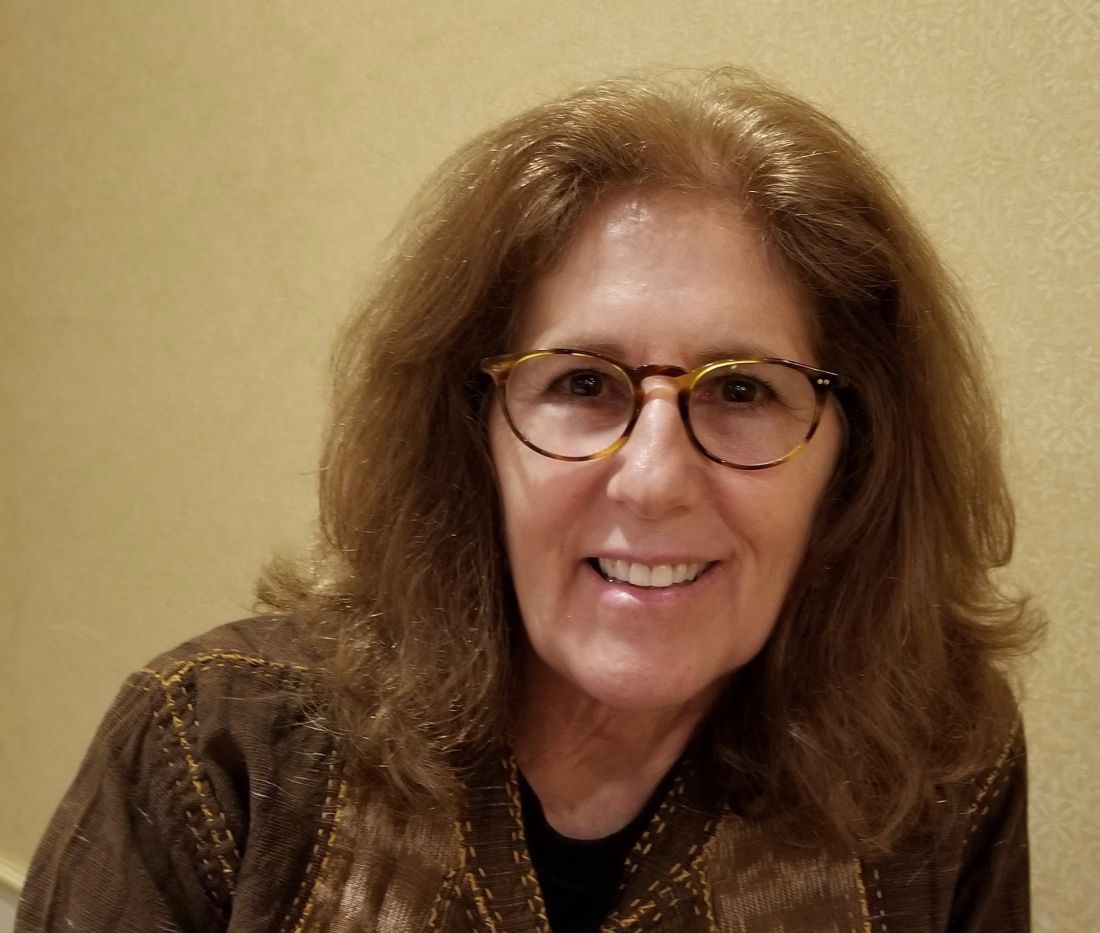
Parents of a teenager who receives treatment (even prior to college) certainly should be encouraged to read this book. I also would recommend this book for many others working with young adults (even if they are not in college settings) for example, health care professionals without mental health training, educators, psychotherapist trainees, and mentors. Along with parents, they will find “The Campus Cure” to be a great resource for understanding and dealing with the mental health challenges of young adulthood.
Dr. Holland is board certified in child/adolescent and adult psychiatry. She is based in Boca Raton, Fla., where she is an affiliate assistant professor at Florida Atlantic University’s Schmidt College of Medicine. Click here to listen to a recent MDedge Psychcast interview with Dr. Morris about the prevalence of binge drinking on college campuses – and steps psychiatrists and other therapists can take to mitigate risk.
Psychiatrist examines a range of challenges faced by some college students, from depression to financial stress to sexual assault
Psychiatrist examines a range of challenges faced by some college students, from depression to financial stress to sexual assault
“The Campus Cure: A Parent’s Guide to Mental Health and Wellness for College Students” (Lanham, Md.: Rowman & Littlefield Publishers, 2018) is written as a first-aid guide for parents of young people struggling with the mental health issues facing college students today. The importance of parents working collaboratively with the student/patient and the health care team is stressed throughout; Dr. Marcia Morris draws upon the medical literature and more than 20 years’ experience as a psychiatrist at the University of Florida, Gainesville, to provide clear guidance on a key theme: The continued support and involvement of caring parents in a young adult’s life can be crucial to her college success.
The book is well organized with separate chapters containing easy-to-understand explanations of the causes and treatments of common problems (anxiety, depression, substance use, academic failure to thrive), pressures (loneliness, perfectionism, financial stress, and culture/sexuality/gender issues), and crises (suicide, sexual assault, eating disorders, psychosis) affecting students today. Helpful background information about medications, resources for obtaining help on campuses, and legal issues about confidentiality is provided where appropriate. Each section is brought to life with vignettes of typical patients seen in the college mental health setting. Questions that ask the reader how they would respond in the situation illustrated are used effectively and encourage the reader to think through the information presented and retain what they have learned. Helpful summary lists of “tips” close most chapters.
In her introduction, Dr. Morris stresses that this book is not just for parents but also for family and friends who may find themselves in the role of being the caring adult in a student’s life. She encourages parents to read the whole book, even those chapters they may not think will apply to their child, explaining how common difficulties are in this age group and how important it is to know how to respond when an issue may arise.
Although this is good advice, I suspect that many parents without specific concerns are unlikely to proactively choose to read this book. Concerned parents who do pick this volume up “just in case” will find specific strategies for effective and helpful communication with their child and with professionals as well as stories of reassuring good outcomes from parental involvement. Dr. Morris recommends that parents ask their child to obtain access for the parents to the student’s grades and grant permission for parents to communicate with mental health care providers and school administration. However, she does not offer much guidance for the parent of the child who never signs the required forms to allow access to this information – and is generally not communicative with the parents.
Parents of a teenager who receives treatment (even prior to college) certainly should be encouraged to read this book. I also would recommend this book for many others working with young adults (even if they are not in college settings) for example, health care professionals without mental health training, educators, psychotherapist trainees, and mentors. Along with parents, they will find “The Campus Cure” to be a great resource for understanding and dealing with the mental health challenges of young adulthood.
Dr. Holland is board certified in child/adolescent and adult psychiatry. She is based in Boca Raton, Fla., where she is an affiliate assistant professor at Florida Atlantic University’s Schmidt College of Medicine. Click here to listen to a recent MDedge Psychcast interview with Dr. Morris about the prevalence of binge drinking on college campuses – and steps psychiatrists and other therapists can take to mitigate risk.
“The Campus Cure: A Parent’s Guide to Mental Health and Wellness for College Students” (Lanham, Md.: Rowman & Littlefield Publishers, 2018) is written as a first-aid guide for parents of young people struggling with the mental health issues facing college students today. The importance of parents working collaboratively with the student/patient and the health care team is stressed throughout; Dr. Marcia Morris draws upon the medical literature and more than 20 years’ experience as a psychiatrist at the University of Florida, Gainesville, to provide clear guidance on a key theme: The continued support and involvement of caring parents in a young adult’s life can be crucial to her college success.
The book is well organized with separate chapters containing easy-to-understand explanations of the causes and treatments of common problems (anxiety, depression, substance use, academic failure to thrive), pressures (loneliness, perfectionism, financial stress, and culture/sexuality/gender issues), and crises (suicide, sexual assault, eating disorders, psychosis) affecting students today. Helpful background information about medications, resources for obtaining help on campuses, and legal issues about confidentiality is provided where appropriate. Each section is brought to life with vignettes of typical patients seen in the college mental health setting. Questions that ask the reader how they would respond in the situation illustrated are used effectively and encourage the reader to think through the information presented and retain what they have learned. Helpful summary lists of “tips” close most chapters.
In her introduction, Dr. Morris stresses that this book is not just for parents but also for family and friends who may find themselves in the role of being the caring adult in a student’s life. She encourages parents to read the whole book, even those chapters they may not think will apply to their child, explaining how common difficulties are in this age group and how important it is to know how to respond when an issue may arise.
Although this is good advice, I suspect that many parents without specific concerns are unlikely to proactively choose to read this book. Concerned parents who do pick this volume up “just in case” will find specific strategies for effective and helpful communication with their child and with professionals as well as stories of reassuring good outcomes from parental involvement. Dr. Morris recommends that parents ask their child to obtain access for the parents to the student’s grades and grant permission for parents to communicate with mental health care providers and school administration. However, she does not offer much guidance for the parent of the child who never signs the required forms to allow access to this information – and is generally not communicative with the parents.
Parents of a teenager who receives treatment (even prior to college) certainly should be encouraged to read this book. I also would recommend this book for many others working with young adults (even if they are not in college settings) for example, health care professionals without mental health training, educators, psychotherapist trainees, and mentors. Along with parents, they will find “The Campus Cure” to be a great resource for understanding and dealing with the mental health challenges of young adulthood.
Dr. Holland is board certified in child/adolescent and adult psychiatry. She is based in Boca Raton, Fla., where she is an affiliate assistant professor at Florida Atlantic University’s Schmidt College of Medicine. Click here to listen to a recent MDedge Psychcast interview with Dr. Morris about the prevalence of binge drinking on college campuses – and steps psychiatrists and other therapists can take to mitigate risk.

Tech-based cancer company raises access concerns
Oncologists are raising concerns about care access after the launch of a new company that links patients to cancer care options and clinical trials through mobile technology.
Driver, which began in September in the U.S. and China, is a global technology platform that allows patients to access treatment options across a broad network of cancer centers without leaving home. Cancer patients join the platform using a mobile app, through which Driver obtains the required consent to acquire medical records and tumor samples, and the company uses the information to recommend treatment options and clinical trials.
A separate app called Driver for Clinic enables oncologists who belong to Driver’s partner hospitals to manage their institution’s clinical trial information and quickly filter that information based on patients’ medical history to determine the patient’s eligibility for treatments.
Driver’s mission is to connect more patients to the best cancer treatments, regardless of location, said Will Polkinghorn, MD, Driver cofounder and CEO.
“Driver’s cofounders met at Harvard Medical School [in Boston] and saw firsthand the challenges of patients getting access to the latest, cutting-edge treatments available,” Dr. Polkinghorn said in an interview. “As doctors, [we] also witnessed how difficult it was for doctors to manage information in clinic and know about all the treatments that become available all around the world. Driver was created as a platform, with an app for the patient and an app for the doctor, to solve this broken marketplace.”
As part of the model, patients can review their recommended treatment options through video with an expert oncologist and select a hospital within Driver’s network for further evaluation. The company’s global network includes more than 30 leading U.S. cancer centers, including the Cleveland Clinic; multiple locations of the Mayo Clinic; the University of California, San Francisco; and Massachusetts General Hospital, Boston. The U.S. National Cancer Institute (NCI) and the Chinese National Cancer Center are founding members of Driver’s global network, according to the company.

Making more information and treatment options available is a positive for patients, said Walter Stadler, MD, chief of hematology/oncology and director of the genitourinary oncology program at the University of Chicago. However, he noted that the cost for patients to use Driver is prohibitive for many patients. Driver charges patients $3,000 up front and then a $20 monthly fee to use its service. Insurance does not subsidize the cost, nor does Driver help with travel or treatment costs, according to its website.
“It’s inequality of access,” Dr. Stadler said in an interview. “Many of us are very concerned that the clinical trials currently being conducted do not represent the general population well because they don’t represent patients with disparities … Here, we further exacerbate the problem by saying, ‘Okay, we’ll take the 5% of patients who can afford the service and expand their access, and the others, well, that’s not our problem.’ ”
Kashyap Patel, MD, secretary for the Community Oncology Alliance and CEO for the Carolina Blood and Cancer Care in Rock Hill, S.C., also sees positives and negatives about the business model. Using technology to link patients with care and clinical trials can help speed treatment and accelerate drug development, he said. But Driver’s network of large tertiary care centers in metropolitan areas poses challenges for rural cancer patients, he said.

“Access to clinical trials for patients residing in rural areas, as well as those getting their treatment in community based clinics, would not change,” Dr. Patel said in an interview. “Hence, challenges of social and demographic disparities and inequalities in clinical trial access and participation would be altered minimally. There is much greater need for such [platforms to include] community cancer clinics that would be more inclusive and encompass larger geographic areas where the majority of patients receive their care.”
Disadvantaged populations with limited access are not being overlooked by the company, according to Driver leaders. A branch of the company called Driver for All aims to increase access to optimal treatments for free through partnerships with local communities, Dr. Polkinghorn said. Driver for All has thus far partnered with Howard University Hospital in Washington to connect Howard patients to clinical trials at NCI. A partnership with Beijing Children’s Hospital and the Futang Research Center of Pediatric Development, meanwhile, is working to connect patients with rare-disease experts. Driver has funded 100% of the cost of these projects to date, according to its website.
Outside of Driver for All, Dr. Polkinghorn acknowledges that patients must bear the cost of Driver’s consumer products; however, the price should be viewed in context, he said.
“It’s important to remember that today, in order to be evaluated by 30 [plus] centers for treatment options, patients would need to fly to these centers, make appointments, and be seen by a doctor – this would require both time and resources for flights/hotels, which would cost much more than our sticker price,” he said. “So while $3,000 is a lot of money for some patients, Driver’s product is ultimately able to provide more visibility to options that simply would not be realistic today.”
James Gulley, MD, of the National Cancer Institute Center for Cancer Research, said any platform that can efficiently provide access to clinical trial options yields another source of information for patients to utilize in decision making with their health provider. Dr. Gulley, who heads the center’s genitourinary malignancies branch, declined to comment about access-to-care concerns with Driver’s model. He emphasized that patients who participate in NIH research studies are treated without charge.

“The key to finding better [cancer] treatment is to perform science-driven clinical trials,” Dr. Gulley said in an interview. “However, there are many barriers for enrollment in clinical trials. … As a government agency, NCI is open to partnering with any organization that seeks to improve access to clinical trials for cancer patients.”
NCI and Driver recently conducted a study to validate Driver’s platform; it showed that Driver’s technology successfully predicted the eligibility of patients in NCI Center for Cancer Research clinical trials. The study, presented at a recent American Society of Clinical Oncology meeting, evaluated Driver’s processing of 21 metastatic prostate cancer patients enrolled in a therapeutic NCI clinical trial within the last five years. Results showed Driver correctly predicted that 20 of the patients were “potentially eligible” for the trial in which they were enrolled, and that one was ineligible. Based on the study, a protocol is now in development for a new clinical study, which will seek to further determine the efficiency and accuracy of the clinical trial access program created by Driver, according to Dr. Gulley.
Charles Ryan, MD, director of the division of hematology, oncology, and transplantation for the University of Minnesota, Minneapolis, views Driver’s platform as a way to eliminate geographical barriers, which often keep patients from care, while at the same time enabling researchers to find the right patients for clinical trials.

“We need breakthrough technologies and opportunities for patients to be able to access the most successful and promising cancer treatments, regardless of where they live,” Dr. Ryan said in an interview. “Companies like Driver are attempting to bridge that gap by connecting patients to doctors at world class cancer institutes and direct them toward the best care for their particular condition.”
Driver’s model also allows researchers the opportunity to develop specific, unique treatment for less common cancers and remain optimistic that they can attract patients to receive such treatments as they are developed, Dr. Ryan said.
Dr. Stadler, however, worries that Driver may be giving patients the wrong perception that all it takes is a computer and medical records to determine their best treatment route.
“There’s a lot more subtlety to treatment decisions than most people would like to admit,” Dr. Stadler said. “It’s more than just a bunch of data from sophisticated laboratory tests and the written medical record. Obtaining objective information is the first step, but it’s far from the only step.”
Patients may have significant limitations in functional status that is apparent only during an in-person assessment, for example, he said. In other cases, family members may be essential in conveying information about a patient’s cognitive disabilities. Even when such information is documented, it is sometimes difficult to extract the full picture from the record alone, he said. Dr. Stadler is also bothered that the model requires physicians and hospitals to provide their skilled analyses to a for-profit company, which in turn, charges patients to review the information.
“This is our work,” he said. “I agree that patients should have the information, and I don’t mind sharing anything I have with patients, but now I’m going to share it with another business that essentially is competing with me in terms of providing guidance to patients.”
Oncologists are raising concerns about care access after the launch of a new company that links patients to cancer care options and clinical trials through mobile technology.
Driver, which began in September in the U.S. and China, is a global technology platform that allows patients to access treatment options across a broad network of cancer centers without leaving home. Cancer patients join the platform using a mobile app, through which Driver obtains the required consent to acquire medical records and tumor samples, and the company uses the information to recommend treatment options and clinical trials.
A separate app called Driver for Clinic enables oncologists who belong to Driver’s partner hospitals to manage their institution’s clinical trial information and quickly filter that information based on patients’ medical history to determine the patient’s eligibility for treatments.
Driver’s mission is to connect more patients to the best cancer treatments, regardless of location, said Will Polkinghorn, MD, Driver cofounder and CEO.
“Driver’s cofounders met at Harvard Medical School [in Boston] and saw firsthand the challenges of patients getting access to the latest, cutting-edge treatments available,” Dr. Polkinghorn said in an interview. “As doctors, [we] also witnessed how difficult it was for doctors to manage information in clinic and know about all the treatments that become available all around the world. Driver was created as a platform, with an app for the patient and an app for the doctor, to solve this broken marketplace.”
As part of the model, patients can review their recommended treatment options through video with an expert oncologist and select a hospital within Driver’s network for further evaluation. The company’s global network includes more than 30 leading U.S. cancer centers, including the Cleveland Clinic; multiple locations of the Mayo Clinic; the University of California, San Francisco; and Massachusetts General Hospital, Boston. The U.S. National Cancer Institute (NCI) and the Chinese National Cancer Center are founding members of Driver’s global network, according to the company.
Making more information and treatment options available is a positive for patients, said Walter Stadler, MD, chief of hematology/oncology and director of the genitourinary oncology program at the University of Chicago. However, he noted that the cost for patients to use Driver is prohibitive for many patients. Driver charges patients $3,000 up front and then a $20 monthly fee to use its service. Insurance does not subsidize the cost, nor does Driver help with travel or treatment costs, according to its website.
“It’s inequality of access,” Dr. Stadler said in an interview. “Many of us are very concerned that the clinical trials currently being conducted do not represent the general population well because they don’t represent patients with disparities … Here, we further exacerbate the problem by saying, ‘Okay, we’ll take the 5% of patients who can afford the service and expand their access, and the others, well, that’s not our problem.’ ”
Kashyap Patel, MD, secretary for the Community Oncology Alliance and CEO for the Carolina Blood and Cancer Care in Rock Hill, S.C., also sees positives and negatives about the business model. Using technology to link patients with care and clinical trials can help speed treatment and accelerate drug development, he said. But Driver’s network of large tertiary care centers in metropolitan areas poses challenges for rural cancer patients, he said.
“Access to clinical trials for patients residing in rural areas, as well as those getting their treatment in community based clinics, would not change,” Dr. Patel said in an interview. “Hence, challenges of social and demographic disparities and inequalities in clinical trial access and participation would be altered minimally. There is much greater need for such [platforms to include] community cancer clinics that would be more inclusive and encompass larger geographic areas where the majority of patients receive their care.”
Disadvantaged populations with limited access are not being overlooked by the company, according to Driver leaders. A branch of the company called Driver for All aims to increase access to optimal treatments for free through partnerships with local communities, Dr. Polkinghorn said. Driver for All has thus far partnered with Howard University Hospital in Washington to connect Howard patients to clinical trials at NCI. A partnership with Beijing Children’s Hospital and the Futang Research Center of Pediatric Development, meanwhile, is working to connect patients with rare-disease experts. Driver has funded 100% of the cost of these projects to date, according to its website.
Outside of Driver for All, Dr. Polkinghorn acknowledges that patients must bear the cost of Driver’s consumer products; however, the price should be viewed in context, he said.
“It’s important to remember that today, in order to be evaluated by 30 [plus] centers for treatment options, patients would need to fly to these centers, make appointments, and be seen by a doctor – this would require both time and resources for flights/hotels, which would cost much more than our sticker price,” he said. “So while $3,000 is a lot of money for some patients, Driver’s product is ultimately able to provide more visibility to options that simply would not be realistic today.”
James Gulley, MD, of the National Cancer Institute Center for Cancer Research, said any platform that can efficiently provide access to clinical trial options yields another source of information for patients to utilize in decision making with their health provider. Dr. Gulley, who heads the center’s genitourinary malignancies branch, declined to comment about access-to-care concerns with Driver’s model. He emphasized that patients who participate in NIH research studies are treated without charge.
“The key to finding better [cancer] treatment is to perform science-driven clinical trials,” Dr. Gulley said in an interview. “However, there are many barriers for enrollment in clinical trials. … As a government agency, NCI is open to partnering with any organization that seeks to improve access to clinical trials for cancer patients.”
NCI and Driver recently conducted a study to validate Driver’s platform; it showed that Driver’s technology successfully predicted the eligibility of patients in NCI Center for Cancer Research clinical trials. The study, presented at a recent American Society of Clinical Oncology meeting, evaluated Driver’s processing of 21 metastatic prostate cancer patients enrolled in a therapeutic NCI clinical trial within the last five years. Results showed Driver correctly predicted that 20 of the patients were “potentially eligible” for the trial in which they were enrolled, and that one was ineligible. Based on the study, a protocol is now in development for a new clinical study, which will seek to further determine the efficiency and accuracy of the clinical trial access program created by Driver, according to Dr. Gulley.
Charles Ryan, MD, director of the division of hematology, oncology, and transplantation for the University of Minnesota, Minneapolis, views Driver’s platform as a way to eliminate geographical barriers, which often keep patients from care, while at the same time enabling researchers to find the right patients for clinical trials.
“We need breakthrough technologies and opportunities for patients to be able to access the most successful and promising cancer treatments, regardless of where they live,” Dr. Ryan said in an interview. “Companies like Driver are attempting to bridge that gap by connecting patients to doctors at world class cancer institutes and direct them toward the best care for their particular condition.”
Driver’s model also allows researchers the opportunity to develop specific, unique treatment for less common cancers and remain optimistic that they can attract patients to receive such treatments as they are developed, Dr. Ryan said.
Dr. Stadler, however, worries that Driver may be giving patients the wrong perception that all it takes is a computer and medical records to determine their best treatment route.
“There’s a lot more subtlety to treatment decisions than most people would like to admit,” Dr. Stadler said. “It’s more than just a bunch of data from sophisticated laboratory tests and the written medical record. Obtaining objective information is the first step, but it’s far from the only step.”
Patients may have significant limitations in functional status that is apparent only during an in-person assessment, for example, he said. In other cases, family members may be essential in conveying information about a patient’s cognitive disabilities. Even when such information is documented, it is sometimes difficult to extract the full picture from the record alone, he said. Dr. Stadler is also bothered that the model requires physicians and hospitals to provide their skilled analyses to a for-profit company, which in turn, charges patients to review the information.
“This is our work,” he said. “I agree that patients should have the information, and I don’t mind sharing anything I have with patients, but now I’m going to share it with another business that essentially is competing with me in terms of providing guidance to patients.”
Oncologists are raising concerns about care access after the launch of a new company that links patients to cancer care options and clinical trials through mobile technology.
Driver, which began in September in the U.S. and China, is a global technology platform that allows patients to access treatment options across a broad network of cancer centers without leaving home. Cancer patients join the platform using a mobile app, through which Driver obtains the required consent to acquire medical records and tumor samples, and the company uses the information to recommend treatment options and clinical trials.
A separate app called Driver for Clinic enables oncologists who belong to Driver’s partner hospitals to manage their institution’s clinical trial information and quickly filter that information based on patients’ medical history to determine the patient’s eligibility for treatments.
Driver’s mission is to connect more patients to the best cancer treatments, regardless of location, said Will Polkinghorn, MD, Driver cofounder and CEO.
“Driver’s cofounders met at Harvard Medical School [in Boston] and saw firsthand the challenges of patients getting access to the latest, cutting-edge treatments available,” Dr. Polkinghorn said in an interview. “As doctors, [we] also witnessed how difficult it was for doctors to manage information in clinic and know about all the treatments that become available all around the world. Driver was created as a platform, with an app for the patient and an app for the doctor, to solve this broken marketplace.”
As part of the model, patients can review their recommended treatment options through video with an expert oncologist and select a hospital within Driver’s network for further evaluation. The company’s global network includes more than 30 leading U.S. cancer centers, including the Cleveland Clinic; multiple locations of the Mayo Clinic; the University of California, San Francisco; and Massachusetts General Hospital, Boston. The U.S. National Cancer Institute (NCI) and the Chinese National Cancer Center are founding members of Driver’s global network, according to the company.
Making more information and treatment options available is a positive for patients, said Walter Stadler, MD, chief of hematology/oncology and director of the genitourinary oncology program at the University of Chicago. However, he noted that the cost for patients to use Driver is prohibitive for many patients. Driver charges patients $3,000 up front and then a $20 monthly fee to use its service. Insurance does not subsidize the cost, nor does Driver help with travel or treatment costs, according to its website.
“It’s inequality of access,” Dr. Stadler said in an interview. “Many of us are very concerned that the clinical trials currently being conducted do not represent the general population well because they don’t represent patients with disparities … Here, we further exacerbate the problem by saying, ‘Okay, we’ll take the 5% of patients who can afford the service and expand their access, and the others, well, that’s not our problem.’ ”
Kashyap Patel, MD, secretary for the Community Oncology Alliance and CEO for the Carolina Blood and Cancer Care in Rock Hill, S.C., also sees positives and negatives about the business model. Using technology to link patients with care and clinical trials can help speed treatment and accelerate drug development, he said. But Driver’s network of large tertiary care centers in metropolitan areas poses challenges for rural cancer patients, he said.
“Access to clinical trials for patients residing in rural areas, as well as those getting their treatment in community based clinics, would not change,” Dr. Patel said in an interview. “Hence, challenges of social and demographic disparities and inequalities in clinical trial access and participation would be altered minimally. There is much greater need for such [platforms to include] community cancer clinics that would be more inclusive and encompass larger geographic areas where the majority of patients receive their care.”
Disadvantaged populations with limited access are not being overlooked by the company, according to Driver leaders. A branch of the company called Driver for All aims to increase access to optimal treatments for free through partnerships with local communities, Dr. Polkinghorn said. Driver for All has thus far partnered with Howard University Hospital in Washington to connect Howard patients to clinical trials at NCI. A partnership with Beijing Children’s Hospital and the Futang Research Center of Pediatric Development, meanwhile, is working to connect patients with rare-disease experts. Driver has funded 100% of the cost of these projects to date, according to its website.
Outside of Driver for All, Dr. Polkinghorn acknowledges that patients must bear the cost of Driver’s consumer products; however, the price should be viewed in context, he said.
“It’s important to remember that today, in order to be evaluated by 30 [plus] centers for treatment options, patients would need to fly to these centers, make appointments, and be seen by a doctor – this would require both time and resources for flights/hotels, which would cost much more than our sticker price,” he said. “So while $3,000 is a lot of money for some patients, Driver’s product is ultimately able to provide more visibility to options that simply would not be realistic today.”
James Gulley, MD, of the National Cancer Institute Center for Cancer Research, said any platform that can efficiently provide access to clinical trial options yields another source of information for patients to utilize in decision making with their health provider. Dr. Gulley, who heads the center’s genitourinary malignancies branch, declined to comment about access-to-care concerns with Driver’s model. He emphasized that patients who participate in NIH research studies are treated without charge.
“The key to finding better [cancer] treatment is to perform science-driven clinical trials,” Dr. Gulley said in an interview. “However, there are many barriers for enrollment in clinical trials. … As a government agency, NCI is open to partnering with any organization that seeks to improve access to clinical trials for cancer patients.”
NCI and Driver recently conducted a study to validate Driver’s platform; it showed that Driver’s technology successfully predicted the eligibility of patients in NCI Center for Cancer Research clinical trials. The study, presented at a recent American Society of Clinical Oncology meeting, evaluated Driver’s processing of 21 metastatic prostate cancer patients enrolled in a therapeutic NCI clinical trial within the last five years. Results showed Driver correctly predicted that 20 of the patients were “potentially eligible” for the trial in which they were enrolled, and that one was ineligible. Based on the study, a protocol is now in development for a new clinical study, which will seek to further determine the efficiency and accuracy of the clinical trial access program created by Driver, according to Dr. Gulley.
Charles Ryan, MD, director of the division of hematology, oncology, and transplantation for the University of Minnesota, Minneapolis, views Driver’s platform as a way to eliminate geographical barriers, which often keep patients from care, while at the same time enabling researchers to find the right patients for clinical trials.
“We need breakthrough technologies and opportunities for patients to be able to access the most successful and promising cancer treatments, regardless of where they live,” Dr. Ryan said in an interview. “Companies like Driver are attempting to bridge that gap by connecting patients to doctors at world class cancer institutes and direct them toward the best care for their particular condition.”
Driver’s model also allows researchers the opportunity to develop specific, unique treatment for less common cancers and remain optimistic that they can attract patients to receive such treatments as they are developed, Dr. Ryan said.
Dr. Stadler, however, worries that Driver may be giving patients the wrong perception that all it takes is a computer and medical records to determine their best treatment route.
“There’s a lot more subtlety to treatment decisions than most people would like to admit,” Dr. Stadler said. “It’s more than just a bunch of data from sophisticated laboratory tests and the written medical record. Obtaining objective information is the first step, but it’s far from the only step.”
Patients may have significant limitations in functional status that is apparent only during an in-person assessment, for example, he said. In other cases, family members may be essential in conveying information about a patient’s cognitive disabilities. Even when such information is documented, it is sometimes difficult to extract the full picture from the record alone, he said. Dr. Stadler is also bothered that the model requires physicians and hospitals to provide their skilled analyses to a for-profit company, which in turn, charges patients to review the information.
“This is our work,” he said. “I agree that patients should have the information, and I don’t mind sharing anything I have with patients, but now I’m going to share it with another business that essentially is competing with me in terms of providing guidance to patients.”

Be proactive with prophylaxis to tame VTE
Venous thromboembolism (VTE) is the No. 1 cause of preventable deaths in hospitals, and 60% of all VTE cases occur during or following hospitalization, according to Jeffrey I. Weitz, MD, of McMaster University in Hamilton, Ont.
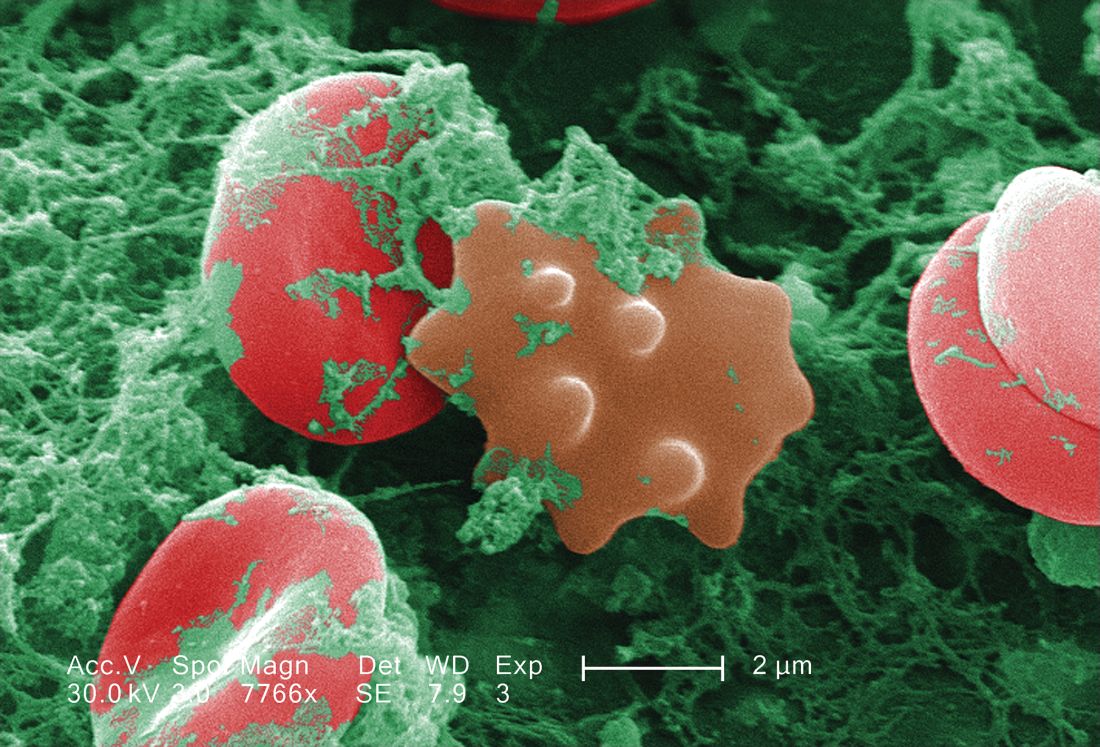
, he said in a webinar to promote World Thrombosis Day.
“To prevent VTE, people need to be aware of the problem,” he said. Hospitalization for any reason increases the risk of VTE, but thromboprophylaxis may be underused in medical patients, compared with surgical patients, because most surgical patients are automatically considered at risk.
Prevention of VTE involves understanding the risk factors, Dr. Weitz said. He pointed to a triad of conditions that promote clotting: slow blood flow, injury to the vessel wall, and increased clotability of the blood.
In a study of VTE risk factors, recent surgery with hospitalization and trauma topped the list, but hospitalization without recent surgery was associated with a nearly 8-fold increase in risk (Arch Intern Med. 2000;160[6]:809-15).
Evidence supports the value of anticoagulant prophylaxis, Dr. Weitz said. In a 2007 meta-analysis, use of anticoagulants reduced the risk of VTE by approximately 60% (Ann Intern Med. 2007 Feb 20;146[4]:278-88), and a 2011 update showed a reduction in risk of approximately 30% (Ann Intern Med. 2011 Nov 1;155[9]:602-15).
While risk assessment remains a challenge, several models can help, said Dr. Weitz.
Current guidelines from the American College of Chest Physicians suggest a shift toward individualized assessment of VTE risk, and the Centers for Medicare & Medicaid Services mandates VTE risk assessment, Dr. Weitz said.
He offered seven steps to improve prophylaxis in the hospital:
1. Obtain commitment from hospital leadership, including formation of a committee.
2. Have a written hospital policy on thromboprophylaxis.
3. Keep the policy simple and standard in terms of who gets prophylaxis and when.
4. Use order sets, computer order entry, and decision support.
5. Make the prophylaxis decision mandatory.
6. Involve of all the members of the care team and patients.
7. Use audits to measure improvement.
Several risk assessment models for VTE in hospitalized medical patients have been studied, including the Padua and IMPROVE models, Dr. Weitz said. For any model, factoring in the D-dimer can provide more information. “If D-dimer is increased more than twice the upper limit of normal, it is a risk factor for VTE,” he said.
Another consideration in thromboprophylaxis involves extending the duration of prophylaxis beyond the hospital stay, which is becoming a larger issue because of the pressure to move patients out of the hospital as quickly as possible, Dr. Weitz said. However, trials of extended thromboprophylaxis have yielded mixed results. Extended doses of medications, including rivaroxaban, enoxaparin, apixaban, and betrixaban can reduce the risk of VTE, but can also increase the risk of major bleeding.
“I think at this point we are not yet there at identifying patients who should have thromboprophylaxis beyond the hospital stay,” Dr. Weitz said.
But VTE risk should be assessed in all hospitalized patients, and “appropriate thromboprophylaxis is essential for reducing the burden of hospital-associated VTE,” he said.
Dr. Weitz encouraged clinicians to explore more resources for managing VTE risk at worldthrombosisday.org.
Dr. Weitz reported relationships with companies including Bayer, Boehringer-Ingelheim, Bristol-Myers Squibb, Daiichi-Sankyo, Pfizer, Portola, Ionis Pharmaceuticals, Janssen, Merck, Novartis, and Servier. He also reported research support from the Canadian Institutes of Health Research, Heart and Stroke Foundation of Canada, and the Canadian Fund for Innovation.
Venous thromboembolism (VTE) is the No. 1 cause of preventable deaths in hospitals, and 60% of all VTE cases occur during or following hospitalization, according to Jeffrey I. Weitz, MD, of McMaster University in Hamilton, Ont.
, he said in a webinar to promote World Thrombosis Day.
“To prevent VTE, people need to be aware of the problem,” he said. Hospitalization for any reason increases the risk of VTE, but thromboprophylaxis may be underused in medical patients, compared with surgical patients, because most surgical patients are automatically considered at risk.
Prevention of VTE involves understanding the risk factors, Dr. Weitz said. He pointed to a triad of conditions that promote clotting: slow blood flow, injury to the vessel wall, and increased clotability of the blood.
In a study of VTE risk factors, recent surgery with hospitalization and trauma topped the list, but hospitalization without recent surgery was associated with a nearly 8-fold increase in risk (Arch Intern Med. 2000;160[6]:809-15).
Evidence supports the value of anticoagulant prophylaxis, Dr. Weitz said. In a 2007 meta-analysis, use of anticoagulants reduced the risk of VTE by approximately 60% (Ann Intern Med. 2007 Feb 20;146[4]:278-88), and a 2011 update showed a reduction in risk of approximately 30% (Ann Intern Med. 2011 Nov 1;155[9]:602-15).
While risk assessment remains a challenge, several models can help, said Dr. Weitz.
Current guidelines from the American College of Chest Physicians suggest a shift toward individualized assessment of VTE risk, and the Centers for Medicare & Medicaid Services mandates VTE risk assessment, Dr. Weitz said.
He offered seven steps to improve prophylaxis in the hospital:
1. Obtain commitment from hospital leadership, including formation of a committee.
2. Have a written hospital policy on thromboprophylaxis.
3. Keep the policy simple and standard in terms of who gets prophylaxis and when.
4. Use order sets, computer order entry, and decision support.
5. Make the prophylaxis decision mandatory.
6. Involve of all the members of the care team and patients.
7. Use audits to measure improvement.
Several risk assessment models for VTE in hospitalized medical patients have been studied, including the Padua and IMPROVE models, Dr. Weitz said. For any model, factoring in the D-dimer can provide more information. “If D-dimer is increased more than twice the upper limit of normal, it is a risk factor for VTE,” he said.
Another consideration in thromboprophylaxis involves extending the duration of prophylaxis beyond the hospital stay, which is becoming a larger issue because of the pressure to move patients out of the hospital as quickly as possible, Dr. Weitz said. However, trials of extended thromboprophylaxis have yielded mixed results. Extended doses of medications, including rivaroxaban, enoxaparin, apixaban, and betrixaban can reduce the risk of VTE, but can also increase the risk of major bleeding.
“I think at this point we are not yet there at identifying patients who should have thromboprophylaxis beyond the hospital stay,” Dr. Weitz said.
But VTE risk should be assessed in all hospitalized patients, and “appropriate thromboprophylaxis is essential for reducing the burden of hospital-associated VTE,” he said.
Dr. Weitz encouraged clinicians to explore more resources for managing VTE risk at worldthrombosisday.org.
Dr. Weitz reported relationships with companies including Bayer, Boehringer-Ingelheim, Bristol-Myers Squibb, Daiichi-Sankyo, Pfizer, Portola, Ionis Pharmaceuticals, Janssen, Merck, Novartis, and Servier. He also reported research support from the Canadian Institutes of Health Research, Heart and Stroke Foundation of Canada, and the Canadian Fund for Innovation.
Venous thromboembolism (VTE) is the No. 1 cause of preventable deaths in hospitals, and 60% of all VTE cases occur during or following hospitalization, according to Jeffrey I. Weitz, MD, of McMaster University in Hamilton, Ont.
, he said in a webinar to promote World Thrombosis Day.
“To prevent VTE, people need to be aware of the problem,” he said. Hospitalization for any reason increases the risk of VTE, but thromboprophylaxis may be underused in medical patients, compared with surgical patients, because most surgical patients are automatically considered at risk.
Prevention of VTE involves understanding the risk factors, Dr. Weitz said. He pointed to a triad of conditions that promote clotting: slow blood flow, injury to the vessel wall, and increased clotability of the blood.
In a study of VTE risk factors, recent surgery with hospitalization and trauma topped the list, but hospitalization without recent surgery was associated with a nearly 8-fold increase in risk (Arch Intern Med. 2000;160[6]:809-15).
Evidence supports the value of anticoagulant prophylaxis, Dr. Weitz said. In a 2007 meta-analysis, use of anticoagulants reduced the risk of VTE by approximately 60% (Ann Intern Med. 2007 Feb 20;146[4]:278-88), and a 2011 update showed a reduction in risk of approximately 30% (Ann Intern Med. 2011 Nov 1;155[9]:602-15).
While risk assessment remains a challenge, several models can help, said Dr. Weitz.
Current guidelines from the American College of Chest Physicians suggest a shift toward individualized assessment of VTE risk, and the Centers for Medicare & Medicaid Services mandates VTE risk assessment, Dr. Weitz said.
He offered seven steps to improve prophylaxis in the hospital:
1. Obtain commitment from hospital leadership, including formation of a committee.
2. Have a written hospital policy on thromboprophylaxis.
3. Keep the policy simple and standard in terms of who gets prophylaxis and when.
4. Use order sets, computer order entry, and decision support.
5. Make the prophylaxis decision mandatory.
6. Involve of all the members of the care team and patients.
7. Use audits to measure improvement.
Several risk assessment models for VTE in hospitalized medical patients have been studied, including the Padua and IMPROVE models, Dr. Weitz said. For any model, factoring in the D-dimer can provide more information. “If D-dimer is increased more than twice the upper limit of normal, it is a risk factor for VTE,” he said.
Another consideration in thromboprophylaxis involves extending the duration of prophylaxis beyond the hospital stay, which is becoming a larger issue because of the pressure to move patients out of the hospital as quickly as possible, Dr. Weitz said. However, trials of extended thromboprophylaxis have yielded mixed results. Extended doses of medications, including rivaroxaban, enoxaparin, apixaban, and betrixaban can reduce the risk of VTE, but can also increase the risk of major bleeding.
“I think at this point we are not yet there at identifying patients who should have thromboprophylaxis beyond the hospital stay,” Dr. Weitz said.
But VTE risk should be assessed in all hospitalized patients, and “appropriate thromboprophylaxis is essential for reducing the burden of hospital-associated VTE,” he said.
Dr. Weitz encouraged clinicians to explore more resources for managing VTE risk at worldthrombosisday.org.
Dr. Weitz reported relationships with companies including Bayer, Boehringer-Ingelheim, Bristol-Myers Squibb, Daiichi-Sankyo, Pfizer, Portola, Ionis Pharmaceuticals, Janssen, Merck, Novartis, and Servier. He also reported research support from the Canadian Institutes of Health Research, Heart and Stroke Foundation of Canada, and the Canadian Fund for Innovation.
FROM WORLD THROMBOSIS DAY 2018 WEBINAR
ESMO 2018: First look at immunotherapy as first-line treatment for HNSCC
for first-line treatment of recurrent or metastatic head and neck squamous cell carcinoma (HNSCC) will be presented during a presidential symposium at the European Society for Medical Oncology Congress.
The drug is currently approved for second-line treatment of HNSCC. Merck, the maker of the anti–programmed cell death protein therapy, announced in July that the primary endpoint of overall survival as monotherapy in the first-line setting of advanced HNSCC had been met in patients whose tumors expressed programmed death–ligand 1.
More than 800 patients in KEYNOTE-048 were randomized to receive pembrolizumab as monotherapy or in combination with cisplatin or carboplatin and 5-FU, or cetuximab plus cisplatin or carboplatin and 5-FU.
The dual primary endpoints were overall survival and progression-free survival. The secondary endpoints of the study were PFS (at 6 months and 12 months), objective response rate, and time to deterioration in Quality of Life Global Health Status/Quality of Life Scales of the European Organization for Research and Treatment of Cancer Quality of Life Questionnaire, according to the company.
Further details from the interim analysis of KEYNOTE-048 will be presented by Barbara Burtness, MD, of Yale Cancer Center, New Haven, Conn., during Presidential Symposium 3 at ESMO 2018 on Oct. 22 in Munich.
for first-line treatment of recurrent or metastatic head and neck squamous cell carcinoma (HNSCC) will be presented during a presidential symposium at the European Society for Medical Oncology Congress.
The drug is currently approved for second-line treatment of HNSCC. Merck, the maker of the anti–programmed cell death protein therapy, announced in July that the primary endpoint of overall survival as monotherapy in the first-line setting of advanced HNSCC had been met in patients whose tumors expressed programmed death–ligand 1.
More than 800 patients in KEYNOTE-048 were randomized to receive pembrolizumab as monotherapy or in combination with cisplatin or carboplatin and 5-FU, or cetuximab plus cisplatin or carboplatin and 5-FU.
The dual primary endpoints were overall survival and progression-free survival. The secondary endpoints of the study were PFS (at 6 months and 12 months), objective response rate, and time to deterioration in Quality of Life Global Health Status/Quality of Life Scales of the European Organization for Research and Treatment of Cancer Quality of Life Questionnaire, according to the company.
Further details from the interim analysis of KEYNOTE-048 will be presented by Barbara Burtness, MD, of Yale Cancer Center, New Haven, Conn., during Presidential Symposium 3 at ESMO 2018 on Oct. 22 in Munich.
for first-line treatment of recurrent or metastatic head and neck squamous cell carcinoma (HNSCC) will be presented during a presidential symposium at the European Society for Medical Oncology Congress.
The drug is currently approved for second-line treatment of HNSCC. Merck, the maker of the anti–programmed cell death protein therapy, announced in July that the primary endpoint of overall survival as monotherapy in the first-line setting of advanced HNSCC had been met in patients whose tumors expressed programmed death–ligand 1.
More than 800 patients in KEYNOTE-048 were randomized to receive pembrolizumab as monotherapy or in combination with cisplatin or carboplatin and 5-FU, or cetuximab plus cisplatin or carboplatin and 5-FU.
The dual primary endpoints were overall survival and progression-free survival. The secondary endpoints of the study were PFS (at 6 months and 12 months), objective response rate, and time to deterioration in Quality of Life Global Health Status/Quality of Life Scales of the European Organization for Research and Treatment of Cancer Quality of Life Questionnaire, according to the company.
Further details from the interim analysis of KEYNOTE-048 will be presented by Barbara Burtness, MD, of Yale Cancer Center, New Haven, Conn., during Presidential Symposium 3 at ESMO 2018 on Oct. 22 in Munich.