User login
SGLT inhibitor still possible for T1DM, despite FDA committee vote
on recommendation for approval from the Food and Drug Administration’s Endocrinologic and Metabolic Drugs Advisory Committee.

In the company’s three trials, involving about 3,000 insulin-dependent adults treated for up to a year, the drug lowered hemoglobin A1c a respectable 0.5% without increasing hypoglycemia risk; reduced glucose variability; and increased time in range, with some modest benefits in both weight loss and lower blood pressure. There was no sign of the increased amputation risk that has bedeviled the sodium-glucose cotransporter 2 (SGLT2) inhibitor canagliflozin (Invokana), already on the market for type 2 diabetes mellitus.
The fly in the ointment was diabetic ketoacidosis (DKA); the drug increased the risk eightfold versus placebo, and, although there were no DKA deaths and over 60% of patients resumed sotagliflozin after recovering, the cases were serious and sometimes occurred in patients with glucose levels as low as 150 mg/dL. Younger people and women seemed to be at higher risk, according to the data.
DKA risk was 4 cases per 100 patients/year, a 4% risk, and that was in the ideal setting of a trial, not everyday practice. The annual background risk of DKA is 1% or less in type 1 diabetes mellitus (T1DM).
“It’s got to be safer than this,” said committee chair Peter Wilson, MD, professor of cardiology and public health at Emory University, Atlanta.
Dr. Wilson voted to recommend approval but with the major caveat that Sanofi have a strong risk mitigation program in place, perhaps based on ketone monitoring to catch emerging DKA before people end up in the ED. That was a universal request among others who voted for recommendation; among those who voted against, the concern in large part was that, even with such a program, the risk of DKA was still too high.
“If they had already developed a mitigation program that had been piloted, and they showed us some data, there would have been more enthusiasm, but we didn’t have that,” he said in an interview after the hearing.
Sanofi did suggest possible risk mitigation strategies during the meeting. In a statement afterwards, spokesman Nicolas Kressmann said, “While we acknowledge the increase in incidence of DKA observed with the addition of sotagliflozin to insulin, we believe that the risks may be mitigated and managed with proper patient selection and education regarding appropriate ketone monitoring. We will continue to work with the FDA to ensure the agency has the data it needs to evaluate the safety and efficacy of sotagliflozin when used as an oral treatment together with insulin by adults with T1DM. We are confident in the data of our T1DM clinical program.”
Meanwhile, the company’s development for T2DMs is ongoing, with results from a number of trials expected later in 2019. Sotagliflozin would join canagliflozin and two other SGLT2 inhibitors already on the market for T2DM, none of which have been approved for T1DM disease. The approved drugs work by increasing renal glucose excretion.

A significant proportion of DKA cases in sotagliflozin’s T1DM trials were preceded by infections and other well-known triggers, “but there were a proportion of patients where they couldn’t identify the cause; it just kind of came out of the blue. Something about the medication lowers the threshold,” said panelist and endocrinologist Cecilia Low Wang, MD, director of the glucose management team at the University of Colorado Anschutz Medical Campus, Aurora, who voted against recommending approval.
“There’s definitely an increased risk” with other SGLT2 inhibitors, as well, when used off label for T1DM. “No one really knows why,” she said.
Dr. Wilson was also concerned that insulin wasn’t more tightly titrated in the placebo groups, which might have led to the 0.5% improvement seen with sotagliflozin, but “they wanted to have trials that were likely to be beneficial, so it’s reasonable to do what they did,” he said.
Overall, “we don’t really have many options for type 1, and many of us were sympathetic to the idea of increasing options.” In T1DM, “you can lose your concentration” on insulin dosing for a couple hours, “and the next thing you know you are going too high or too low and going off the road. These pills help smooth out your ups and downs. I would like to think [sotagliflozin] might be approved for a restricted group, for which we’ve really sorted out the ketone data,” he said.
Dr. Wilson and Dr. Low Wang did not have any disclosures.
on recommendation for approval from the Food and Drug Administration’s Endocrinologic and Metabolic Drugs Advisory Committee.
In the company’s three trials, involving about 3,000 insulin-dependent adults treated for up to a year, the drug lowered hemoglobin A1c a respectable 0.5% without increasing hypoglycemia risk; reduced glucose variability; and increased time in range, with some modest benefits in both weight loss and lower blood pressure. There was no sign of the increased amputation risk that has bedeviled the sodium-glucose cotransporter 2 (SGLT2) inhibitor canagliflozin (Invokana), already on the market for type 2 diabetes mellitus.
The fly in the ointment was diabetic ketoacidosis (DKA); the drug increased the risk eightfold versus placebo, and, although there were no DKA deaths and over 60% of patients resumed sotagliflozin after recovering, the cases were serious and sometimes occurred in patients with glucose levels as low as 150 mg/dL. Younger people and women seemed to be at higher risk, according to the data.
DKA risk was 4 cases per 100 patients/year, a 4% risk, and that was in the ideal setting of a trial, not everyday practice. The annual background risk of DKA is 1% or less in type 1 diabetes mellitus (T1DM).
“It’s got to be safer than this,” said committee chair Peter Wilson, MD, professor of cardiology and public health at Emory University, Atlanta.
Dr. Wilson voted to recommend approval but with the major caveat that Sanofi have a strong risk mitigation program in place, perhaps based on ketone monitoring to catch emerging DKA before people end up in the ED. That was a universal request among others who voted for recommendation; among those who voted against, the concern in large part was that, even with such a program, the risk of DKA was still too high.
“If they had already developed a mitigation program that had been piloted, and they showed us some data, there would have been more enthusiasm, but we didn’t have that,” he said in an interview after the hearing.
Sanofi did suggest possible risk mitigation strategies during the meeting. In a statement afterwards, spokesman Nicolas Kressmann said, “While we acknowledge the increase in incidence of DKA observed with the addition of sotagliflozin to insulin, we believe that the risks may be mitigated and managed with proper patient selection and education regarding appropriate ketone monitoring. We will continue to work with the FDA to ensure the agency has the data it needs to evaluate the safety and efficacy of sotagliflozin when used as an oral treatment together with insulin by adults with T1DM. We are confident in the data of our T1DM clinical program.”
Meanwhile, the company’s development for T2DMs is ongoing, with results from a number of trials expected later in 2019. Sotagliflozin would join canagliflozin and two other SGLT2 inhibitors already on the market for T2DM, none of which have been approved for T1DM disease. The approved drugs work by increasing renal glucose excretion.
A significant proportion of DKA cases in sotagliflozin’s T1DM trials were preceded by infections and other well-known triggers, “but there were a proportion of patients where they couldn’t identify the cause; it just kind of came out of the blue. Something about the medication lowers the threshold,” said panelist and endocrinologist Cecilia Low Wang, MD, director of the glucose management team at the University of Colorado Anschutz Medical Campus, Aurora, who voted against recommending approval.
“There’s definitely an increased risk” with other SGLT2 inhibitors, as well, when used off label for T1DM. “No one really knows why,” she said.
Dr. Wilson was also concerned that insulin wasn’t more tightly titrated in the placebo groups, which might have led to the 0.5% improvement seen with sotagliflozin, but “they wanted to have trials that were likely to be beneficial, so it’s reasonable to do what they did,” he said.
Overall, “we don’t really have many options for type 1, and many of us were sympathetic to the idea of increasing options.” In T1DM, “you can lose your concentration” on insulin dosing for a couple hours, “and the next thing you know you are going too high or too low and going off the road. These pills help smooth out your ups and downs. I would like to think [sotagliflozin] might be approved for a restricted group, for which we’ve really sorted out the ketone data,” he said.
Dr. Wilson and Dr. Low Wang did not have any disclosures.
on recommendation for approval from the Food and Drug Administration’s Endocrinologic and Metabolic Drugs Advisory Committee.
In the company’s three trials, involving about 3,000 insulin-dependent adults treated for up to a year, the drug lowered hemoglobin A1c a respectable 0.5% without increasing hypoglycemia risk; reduced glucose variability; and increased time in range, with some modest benefits in both weight loss and lower blood pressure. There was no sign of the increased amputation risk that has bedeviled the sodium-glucose cotransporter 2 (SGLT2) inhibitor canagliflozin (Invokana), already on the market for type 2 diabetes mellitus.
The fly in the ointment was diabetic ketoacidosis (DKA); the drug increased the risk eightfold versus placebo, and, although there were no DKA deaths and over 60% of patients resumed sotagliflozin after recovering, the cases were serious and sometimes occurred in patients with glucose levels as low as 150 mg/dL. Younger people and women seemed to be at higher risk, according to the data.
DKA risk was 4 cases per 100 patients/year, a 4% risk, and that was in the ideal setting of a trial, not everyday practice. The annual background risk of DKA is 1% or less in type 1 diabetes mellitus (T1DM).
“It’s got to be safer than this,” said committee chair Peter Wilson, MD, professor of cardiology and public health at Emory University, Atlanta.
Dr. Wilson voted to recommend approval but with the major caveat that Sanofi have a strong risk mitigation program in place, perhaps based on ketone monitoring to catch emerging DKA before people end up in the ED. That was a universal request among others who voted for recommendation; among those who voted against, the concern in large part was that, even with such a program, the risk of DKA was still too high.
“If they had already developed a mitigation program that had been piloted, and they showed us some data, there would have been more enthusiasm, but we didn’t have that,” he said in an interview after the hearing.
Sanofi did suggest possible risk mitigation strategies during the meeting. In a statement afterwards, spokesman Nicolas Kressmann said, “While we acknowledge the increase in incidence of DKA observed with the addition of sotagliflozin to insulin, we believe that the risks may be mitigated and managed with proper patient selection and education regarding appropriate ketone monitoring. We will continue to work with the FDA to ensure the agency has the data it needs to evaluate the safety and efficacy of sotagliflozin when used as an oral treatment together with insulin by adults with T1DM. We are confident in the data of our T1DM clinical program.”
Meanwhile, the company’s development for T2DMs is ongoing, with results from a number of trials expected later in 2019. Sotagliflozin would join canagliflozin and two other SGLT2 inhibitors already on the market for T2DM, none of which have been approved for T1DM disease. The approved drugs work by increasing renal glucose excretion.
A significant proportion of DKA cases in sotagliflozin’s T1DM trials were preceded by infections and other well-known triggers, “but there were a proportion of patients where they couldn’t identify the cause; it just kind of came out of the blue. Something about the medication lowers the threshold,” said panelist and endocrinologist Cecilia Low Wang, MD, director of the glucose management team at the University of Colorado Anschutz Medical Campus, Aurora, who voted against recommending approval.
“There’s definitely an increased risk” with other SGLT2 inhibitors, as well, when used off label for T1DM. “No one really knows why,” she said.
Dr. Wilson was also concerned that insulin wasn’t more tightly titrated in the placebo groups, which might have led to the 0.5% improvement seen with sotagliflozin, but “they wanted to have trials that were likely to be beneficial, so it’s reasonable to do what they did,” he said.
Overall, “we don’t really have many options for type 1, and many of us were sympathetic to the idea of increasing options.” In T1DM, “you can lose your concentration” on insulin dosing for a couple hours, “and the next thing you know you are going too high or too low and going off the road. These pills help smooth out your ups and downs. I would like to think [sotagliflozin] might be approved for a restricted group, for which we’ve really sorted out the ketone data,” he said.
Dr. Wilson and Dr. Low Wang did not have any disclosures.

Doc groups pushing back on Part B drug reimbursement proposal

The Centers for Medicare & Medicaid Services in October 2018 issued an ”advance notice of proposed rulemaking with comment” outlining a test that would pay for Part B drugs with price points more closely aligned with international rates through the use of private sector vendors that would negotiate drug prices, procure the products, distribute them to physicians and hospitals, and take on the responsibility of billing Medicare.
Although the so-called International Pricing Index (IPI) model is not fully fleshed out in the regulatory filing, one of the key details that has been announced is that the demonstration project would have mandatory participation. This did not sit well with medical societies offering feedback to CMS.
The American Gastroenterological Association stated in comments filed with the agency that “AGA opposes mandatory physician participation and we urge CMS to implement the model on a voluntary basis.” AGA further noted that, while they support the Administration’s goal of reducing drug costs, “we are concerned that the model, as described, will make acquisition of Part B drugs more complex and will shift costs to physicians and practices, increasing administrative burden. Moreover, we are concerned that the IPI model may restrict access to clinically appropriate therapies for people with digestive diseases.”
And while the Community Oncology Alliance also spoke against making participation in the IPI model demonstration project mandatory, it went further with its criticism of the proposal.
“COA does not support the IPI Model as proposed in the pre-proposed rule published by [CMS] because we have serious concerns about its impact on cancer patient care and even its legality,” the group said on Dec. 31, 2018, comments filed with the agency, adding that “mandatory demonstration projects are clearly not in the charter of CMMI [Center for Medicare & Medicaid Innovation] as written into law by Congress. ... That would either be illegal or unconstitutional, with the latter case invalidating the section of the law that created and funded CMMI.”
The AGA, like other groups, also took exception to CMS’s “insinuation” in its regulatory preproposal that physicians select treatments based on reimbursement ahead of patient need. “CMS has repeatedly suggested that physicians prescribe therapies to patients not based on clinical evidence and judgment, but rather based on how much Medicare revenue it will generate for them. AGA objects to this premise. There is no objective evidence to support this idea.”
While none of the groups offered support for the IPI demonstration project, all offered suggestions on what could be done to improve on the details outlined in the advanced noticed of proposed rulemaking. AGA made recommendations, including making IPI Model participation voluntary; allowing individual physicians and physician groups to become model vendors, even if they intend to serve only their own practice or their own geographic region; prohibiting model vendors from implementing utilization management; and making model vendors responsible for collecting beneficiary cost-sharing. The American Medical Association in Dec. 20, 2018, comments to the agency took issue with the focus on single-source drugs and biologics indexed with international pricing, which could create access issues and have immediate adverse patient impacts.
The Centers for Medicare & Medicaid Services in October 2018 issued an ”advance notice of proposed rulemaking with comment” outlining a test that would pay for Part B drugs with price points more closely aligned with international rates through the use of private sector vendors that would negotiate drug prices, procure the products, distribute them to physicians and hospitals, and take on the responsibility of billing Medicare.
Although the so-called International Pricing Index (IPI) model is not fully fleshed out in the regulatory filing, one of the key details that has been announced is that the demonstration project would have mandatory participation. This did not sit well with medical societies offering feedback to CMS.
The American Gastroenterological Association stated in comments filed with the agency that “AGA opposes mandatory physician participation and we urge CMS to implement the model on a voluntary basis.” AGA further noted that, while they support the Administration’s goal of reducing drug costs, “we are concerned that the model, as described, will make acquisition of Part B drugs more complex and will shift costs to physicians and practices, increasing administrative burden. Moreover, we are concerned that the IPI model may restrict access to clinically appropriate therapies for people with digestive diseases.”
And while the Community Oncology Alliance also spoke against making participation in the IPI model demonstration project mandatory, it went further with its criticism of the proposal.
“COA does not support the IPI Model as proposed in the pre-proposed rule published by [CMS] because we have serious concerns about its impact on cancer patient care and even its legality,” the group said on Dec. 31, 2018, comments filed with the agency, adding that “mandatory demonstration projects are clearly not in the charter of CMMI [Center for Medicare & Medicaid Innovation] as written into law by Congress. ... That would either be illegal or unconstitutional, with the latter case invalidating the section of the law that created and funded CMMI.”
The AGA, like other groups, also took exception to CMS’s “insinuation” in its regulatory preproposal that physicians select treatments based on reimbursement ahead of patient need. “CMS has repeatedly suggested that physicians prescribe therapies to patients not based on clinical evidence and judgment, but rather based on how much Medicare revenue it will generate for them. AGA objects to this premise. There is no objective evidence to support this idea.”
While none of the groups offered support for the IPI demonstration project, all offered suggestions on what could be done to improve on the details outlined in the advanced noticed of proposed rulemaking. AGA made recommendations, including making IPI Model participation voluntary; allowing individual physicians and physician groups to become model vendors, even if they intend to serve only their own practice or their own geographic region; prohibiting model vendors from implementing utilization management; and making model vendors responsible for collecting beneficiary cost-sharing. The American Medical Association in Dec. 20, 2018, comments to the agency took issue with the focus on single-source drugs and biologics indexed with international pricing, which could create access issues and have immediate adverse patient impacts.
The Centers for Medicare & Medicaid Services in October 2018 issued an ”advance notice of proposed rulemaking with comment” outlining a test that would pay for Part B drugs with price points more closely aligned with international rates through the use of private sector vendors that would negotiate drug prices, procure the products, distribute them to physicians and hospitals, and take on the responsibility of billing Medicare.
Although the so-called International Pricing Index (IPI) model is not fully fleshed out in the regulatory filing, one of the key details that has been announced is that the demonstration project would have mandatory participation. This did not sit well with medical societies offering feedback to CMS.
The American Gastroenterological Association stated in comments filed with the agency that “AGA opposes mandatory physician participation and we urge CMS to implement the model on a voluntary basis.” AGA further noted that, while they support the Administration’s goal of reducing drug costs, “we are concerned that the model, as described, will make acquisition of Part B drugs more complex and will shift costs to physicians and practices, increasing administrative burden. Moreover, we are concerned that the IPI model may restrict access to clinically appropriate therapies for people with digestive diseases.”
And while the Community Oncology Alliance also spoke against making participation in the IPI model demonstration project mandatory, it went further with its criticism of the proposal.
“COA does not support the IPI Model as proposed in the pre-proposed rule published by [CMS] because we have serious concerns about its impact on cancer patient care and even its legality,” the group said on Dec. 31, 2018, comments filed with the agency, adding that “mandatory demonstration projects are clearly not in the charter of CMMI [Center for Medicare & Medicaid Innovation] as written into law by Congress. ... That would either be illegal or unconstitutional, with the latter case invalidating the section of the law that created and funded CMMI.”
The AGA, like other groups, also took exception to CMS’s “insinuation” in its regulatory preproposal that physicians select treatments based on reimbursement ahead of patient need. “CMS has repeatedly suggested that physicians prescribe therapies to patients not based on clinical evidence and judgment, but rather based on how much Medicare revenue it will generate for them. AGA objects to this premise. There is no objective evidence to support this idea.”
While none of the groups offered support for the IPI demonstration project, all offered suggestions on what could be done to improve on the details outlined in the advanced noticed of proposed rulemaking. AGA made recommendations, including making IPI Model participation voluntary; allowing individual physicians and physician groups to become model vendors, even if they intend to serve only their own practice or their own geographic region; prohibiting model vendors from implementing utilization management; and making model vendors responsible for collecting beneficiary cost-sharing. The American Medical Association in Dec. 20, 2018, comments to the agency took issue with the focus on single-source drugs and biologics indexed with international pricing, which could create access issues and have immediate adverse patient impacts.

EC approves blinatumomab for MRD-positive BCP-ALL
The European Commission (EC) has expanded the approved indication for blinatumomab (Blincyto).
The drug is now approved in Europe to treat adults with Philadelphia chromosome–negative (Ph–), CD19-positive B-cell precursor acute lymphoblastic leukemia (BCP-ALL) in first or second complete remission with minimal residual disease (MRD) of at least 0.1%.
Blinatumomab is already approved in Europe to treat adults with Ph–, CD19-positive relapsed/refractory BCP-ALL and children aged 1 year or older who have relapsed/refractory Ph–, CD19-positive BCP-ALL and have received at least two prior therapies or relapsed after allogeneic hematopoietic stem cell transplant.
The drug was approved in the United States in March 2018 for the treatment of adults and children with BCP-ALL in first or second complete remission with MRD of at least 0.1%.
The EC’s decision to approve blinatumomab in MRD-positive patients was supported by the phase 2 BLAST trial (Blood. 2018;131[14]:1522-31).
The EC’s approval is also based on a positive opinion from the European Medicines Agency’s Committee for Medicinal Products for Human Use (CHMP).
That opinion, issued in November 2018, was a reversal of the opinion the committee issued in July 2018. At that time, the CHMP said the available data did not support approval for blinatumomab to treat MRD-positive BCP-ALL.
The CHMP acknowledged that blinatumomab produced MRD negativity in many patients in the BLAST trial but said there was no strong evidence that this led to improved survival. As a result, the CHMP said the benefits of blinatumomab do not outweigh its risks in MRD-positive BCP-ALL patients.
However, Amgen requested a reexamination of the CHMP’s opinion. During the reexamination, the CHMP reviewed all the data and consulted a group of experts.
The experts echoed the CHMP’s prior sentiment that there was no strong evidence of improved survival in MRD-positive patients treated with blinatumomab. However, they also said the data indicate a good response to blinatumomab, with around 78% of patients becoming negative for MRD after treatment.
Noting that MRD-positive patients have a high risk of relapse and few treatment options, the CHMP concluded that the benefits of blinatumomab outweigh its risks in this patient population.
The CHMP recommended expanding the approved indication for blinatumomab but also requested that Amgen provide data from ongoing studies of the drug in MRD-positive patients.
The European Commission (EC) has expanded the approved indication for blinatumomab (Blincyto).
The drug is now approved in Europe to treat adults with Philadelphia chromosome–negative (Ph–), CD19-positive B-cell precursor acute lymphoblastic leukemia (BCP-ALL) in first or second complete remission with minimal residual disease (MRD) of at least 0.1%.
Blinatumomab is already approved in Europe to treat adults with Ph–, CD19-positive relapsed/refractory BCP-ALL and children aged 1 year or older who have relapsed/refractory Ph–, CD19-positive BCP-ALL and have received at least two prior therapies or relapsed after allogeneic hematopoietic stem cell transplant.
The drug was approved in the United States in March 2018 for the treatment of adults and children with BCP-ALL in first or second complete remission with MRD of at least 0.1%.
The EC’s decision to approve blinatumomab in MRD-positive patients was supported by the phase 2 BLAST trial (Blood. 2018;131[14]:1522-31).
The EC’s approval is also based on a positive opinion from the European Medicines Agency’s Committee for Medicinal Products for Human Use (CHMP).
That opinion, issued in November 2018, was a reversal of the opinion the committee issued in July 2018. At that time, the CHMP said the available data did not support approval for blinatumomab to treat MRD-positive BCP-ALL.
The CHMP acknowledged that blinatumomab produced MRD negativity in many patients in the BLAST trial but said there was no strong evidence that this led to improved survival. As a result, the CHMP said the benefits of blinatumomab do not outweigh its risks in MRD-positive BCP-ALL patients.
However, Amgen requested a reexamination of the CHMP’s opinion. During the reexamination, the CHMP reviewed all the data and consulted a group of experts.
The experts echoed the CHMP’s prior sentiment that there was no strong evidence of improved survival in MRD-positive patients treated with blinatumomab. However, they also said the data indicate a good response to blinatumomab, with around 78% of patients becoming negative for MRD after treatment.
Noting that MRD-positive patients have a high risk of relapse and few treatment options, the CHMP concluded that the benefits of blinatumomab outweigh its risks in this patient population.
The CHMP recommended expanding the approved indication for blinatumomab but also requested that Amgen provide data from ongoing studies of the drug in MRD-positive patients.
The European Commission (EC) has expanded the approved indication for blinatumomab (Blincyto).
The drug is now approved in Europe to treat adults with Philadelphia chromosome–negative (Ph–), CD19-positive B-cell precursor acute lymphoblastic leukemia (BCP-ALL) in first or second complete remission with minimal residual disease (MRD) of at least 0.1%.
Blinatumomab is already approved in Europe to treat adults with Ph–, CD19-positive relapsed/refractory BCP-ALL and children aged 1 year or older who have relapsed/refractory Ph–, CD19-positive BCP-ALL and have received at least two prior therapies or relapsed after allogeneic hematopoietic stem cell transplant.
The drug was approved in the United States in March 2018 for the treatment of adults and children with BCP-ALL in first or second complete remission with MRD of at least 0.1%.
The EC’s decision to approve blinatumomab in MRD-positive patients was supported by the phase 2 BLAST trial (Blood. 2018;131[14]:1522-31).
The EC’s approval is also based on a positive opinion from the European Medicines Agency’s Committee for Medicinal Products for Human Use (CHMP).
That opinion, issued in November 2018, was a reversal of the opinion the committee issued in July 2018. At that time, the CHMP said the available data did not support approval for blinatumomab to treat MRD-positive BCP-ALL.
The CHMP acknowledged that blinatumomab produced MRD negativity in many patients in the BLAST trial but said there was no strong evidence that this led to improved survival. As a result, the CHMP said the benefits of blinatumomab do not outweigh its risks in MRD-positive BCP-ALL patients.
However, Amgen requested a reexamination of the CHMP’s opinion. During the reexamination, the CHMP reviewed all the data and consulted a group of experts.
The experts echoed the CHMP’s prior sentiment that there was no strong evidence of improved survival in MRD-positive patients treated with blinatumomab. However, they also said the data indicate a good response to blinatumomab, with around 78% of patients becoming negative for MRD after treatment.
Noting that MRD-positive patients have a high risk of relapse and few treatment options, the CHMP concluded that the benefits of blinatumomab outweigh its risks in this patient population.
The CHMP recommended expanding the approved indication for blinatumomab but also requested that Amgen provide data from ongoing studies of the drug in MRD-positive patients.
Fine-tuning the male aesthetic consultation includes consideration of gender-specific wrinkle pattern
ORLANDO – The , a dermatologist in private practice in Arlington, Va. And he may not even be sure what he’s looking for.
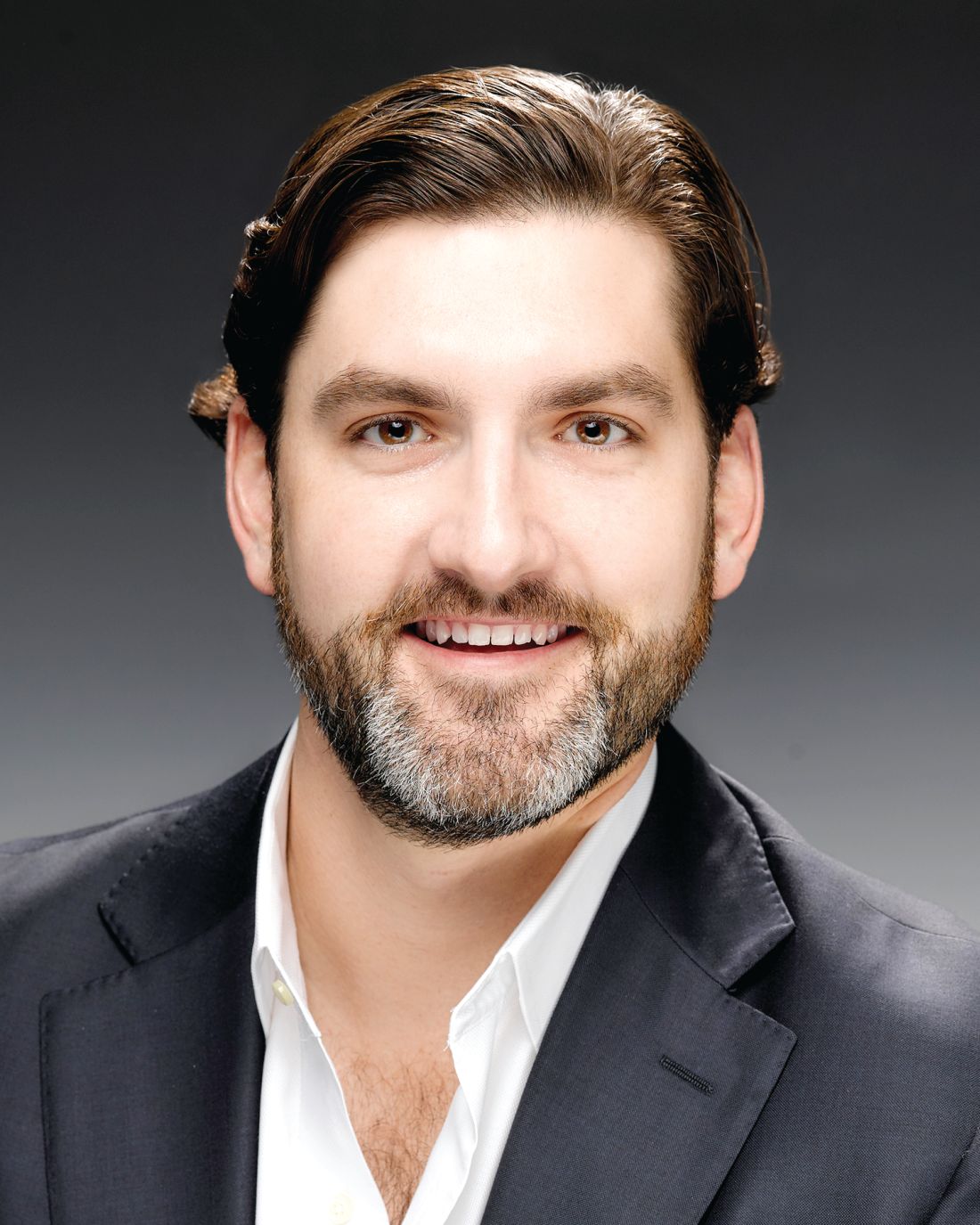
However, he probably knows what he doesn’t like about his appearance. When men are questioned, the three areas they are most concerned about is their hairline, their eyes, and their jawline, said Dr. Keaney, speaking at the Orlando Dermatology Aesthetic and Clinical Conference.
It’s important to evaluate men differently, not just for anatomic differences from women, but also for behavioral and psychological factors unique to men as aesthetic patients, he noted.
Anatomic differences are significant and fundamentally shape treatment decisions, Dr. Keaney said. Broadly speaking, “the male face is traditionally more square, with a prominent supraorbital ridge.” Rather than emphasizing breadth across the cheeks, as in rejuvenation for women, a strong, youthful male face will have a square jaw, appropriate width across the cheeks, and a strong brow line with an arch that is flatter than what women seek.
Male cosmetic goals can be complicated by the fact that men “age poorly” and tend to look older than their stated age, he continued, referring to a study that found that men appear about one-third year older than their age, and women about a half year younger. A higher rate of smoking and excess ultraviolet light exposure among men may contribute to this discrepancy, he said.
Overall, men see steady atrophy of facial soft tissue throughout adulthood, in contrast to women who see a more rapid decline that starts at menopause. This makes sense in the context of the slow drop in circulating testosterone that men see beginning at about age 30, at which time men can expect a decrease of about 1% per year, he noted.
A common opener from men, said Dr. Keaney, is “’I look tired.’ When I hear that, I’m thinking about the eyes.” Men are more likely to develop tear troughs and a sunken appearance because of their larger orbital cavities and smaller orbital fat pads, so periocular fillers are often a treatment tool to consider.
Around mens’ eyes, “it’s not just the presence, but the pattern of wrinkles that guides treatment,” he noted. At the lateral canthi, both at rest and with maximum smile, the predominant wrinkle pattern in crows’ feet is the lower fan. The cheek elevator musculature, including the zygomaticus major, are more involved in animation around the eyes with smiling, which is important because reaching for botulinum toxin alone is probably not going to give the patient his desired effect, he added.
Other differences in the male wrinkle pattern can be found on the brow. The “U” contraction pattern between the brows is more common in men than women, at least partly because men have greater involvement of the procerus muscle, Dr. Keaney said.
Taking all of this into account, caution is the watchword when using botulinum toxin for the glabellar and brow region. “Beware of eyebrow ptosis: avoid the frontalis in patients with eyebrow ptosis,” he said. Treating the corrugators can also be an unwise move, since toxin can diffuse to the inferior fibers of the frontalis muscle, he added.
For men with jawline concerns, consider a combination approach, Dr. Keaney said. The lower face and neck can be rejuvenated by a redraping solution, such as skin tightening with high frequency ultrasound or radiofrequency ablation.
Sometimes, a clean, tight sweep of jawline can be restored with dermal fillers to the lower face, along with a noninvasive fat reduction approach, said Dr. Keaney.
Knowing men’s unique anatomy and aging patterns is only half the battle, though. “How you communicate with men and evaluate them has to take into account that you might be seeing a sweaty, nervous, treatment-naive patient,” at the initial consultation, said Dr. Keaney. “Do men care? Yes, but men display a different set of motivations.”
Plan for all of this to take time. “The initial consultation tends to be longer” for male patients, who are “less savvy” about cosmetic procedures than women, he pointed out.
A clear discussion of side effects is critical when discussing treatment options with men. “If they get a side effect, you’ll never see them again – and you won’t ever hear about it,” he added.
Though overall, women have been shown to be more sensitive to pain, in cosmetic procedures, “men are less tolerant of pain.” Plan for this, set reasonable expectations but be proactive about pain control, and still expect a need for some hand-holding, said Dr. Keaney.
“Men do not like surprises,” he added. Clearly define what expected side effects may be, what they’ll look like, and what downtime the patient should expect.
For Dr. Keaney’s part, he’s found that the best way to retain men in his cosmetic practice is to “start with a home run treatment to earn trust.” Men often appreciate a slow and steady approach to addressing concerns. “Make sure to connect the treatment plan to the primary cosmetic concern.”
Dr. Keaney reported that he has relationships with multiple pharmaceutical and cosmetic companies.
ORLANDO – The , a dermatologist in private practice in Arlington, Va. And he may not even be sure what he’s looking for.
However, he probably knows what he doesn’t like about his appearance. When men are questioned, the three areas they are most concerned about is their hairline, their eyes, and their jawline, said Dr. Keaney, speaking at the Orlando Dermatology Aesthetic and Clinical Conference.
It’s important to evaluate men differently, not just for anatomic differences from women, but also for behavioral and psychological factors unique to men as aesthetic patients, he noted.
Anatomic differences are significant and fundamentally shape treatment decisions, Dr. Keaney said. Broadly speaking, “the male face is traditionally more square, with a prominent supraorbital ridge.” Rather than emphasizing breadth across the cheeks, as in rejuvenation for women, a strong, youthful male face will have a square jaw, appropriate width across the cheeks, and a strong brow line with an arch that is flatter than what women seek.
Male cosmetic goals can be complicated by the fact that men “age poorly” and tend to look older than their stated age, he continued, referring to a study that found that men appear about one-third year older than their age, and women about a half year younger. A higher rate of smoking and excess ultraviolet light exposure among men may contribute to this discrepancy, he said.
Overall, men see steady atrophy of facial soft tissue throughout adulthood, in contrast to women who see a more rapid decline that starts at menopause. This makes sense in the context of the slow drop in circulating testosterone that men see beginning at about age 30, at which time men can expect a decrease of about 1% per year, he noted.
A common opener from men, said Dr. Keaney, is “’I look tired.’ When I hear that, I’m thinking about the eyes.” Men are more likely to develop tear troughs and a sunken appearance because of their larger orbital cavities and smaller orbital fat pads, so periocular fillers are often a treatment tool to consider.
Around mens’ eyes, “it’s not just the presence, but the pattern of wrinkles that guides treatment,” he noted. At the lateral canthi, both at rest and with maximum smile, the predominant wrinkle pattern in crows’ feet is the lower fan. The cheek elevator musculature, including the zygomaticus major, are more involved in animation around the eyes with smiling, which is important because reaching for botulinum toxin alone is probably not going to give the patient his desired effect, he added.
Other differences in the male wrinkle pattern can be found on the brow. The “U” contraction pattern between the brows is more common in men than women, at least partly because men have greater involvement of the procerus muscle, Dr. Keaney said.
Taking all of this into account, caution is the watchword when using botulinum toxin for the glabellar and brow region. “Beware of eyebrow ptosis: avoid the frontalis in patients with eyebrow ptosis,” he said. Treating the corrugators can also be an unwise move, since toxin can diffuse to the inferior fibers of the frontalis muscle, he added.
For men with jawline concerns, consider a combination approach, Dr. Keaney said. The lower face and neck can be rejuvenated by a redraping solution, such as skin tightening with high frequency ultrasound or radiofrequency ablation.
Sometimes, a clean, tight sweep of jawline can be restored with dermal fillers to the lower face, along with a noninvasive fat reduction approach, said Dr. Keaney.
Knowing men’s unique anatomy and aging patterns is only half the battle, though. “How you communicate with men and evaluate them has to take into account that you might be seeing a sweaty, nervous, treatment-naive patient,” at the initial consultation, said Dr. Keaney. “Do men care? Yes, but men display a different set of motivations.”
Plan for all of this to take time. “The initial consultation tends to be longer” for male patients, who are “less savvy” about cosmetic procedures than women, he pointed out.
A clear discussion of side effects is critical when discussing treatment options with men. “If they get a side effect, you’ll never see them again – and you won’t ever hear about it,” he added.
Though overall, women have been shown to be more sensitive to pain, in cosmetic procedures, “men are less tolerant of pain.” Plan for this, set reasonable expectations but be proactive about pain control, and still expect a need for some hand-holding, said Dr. Keaney.
“Men do not like surprises,” he added. Clearly define what expected side effects may be, what they’ll look like, and what downtime the patient should expect.
For Dr. Keaney’s part, he’s found that the best way to retain men in his cosmetic practice is to “start with a home run treatment to earn trust.” Men often appreciate a slow and steady approach to addressing concerns. “Make sure to connect the treatment plan to the primary cosmetic concern.”
Dr. Keaney reported that he has relationships with multiple pharmaceutical and cosmetic companies.
ORLANDO – The , a dermatologist in private practice in Arlington, Va. And he may not even be sure what he’s looking for.
However, he probably knows what he doesn’t like about his appearance. When men are questioned, the three areas they are most concerned about is their hairline, their eyes, and their jawline, said Dr. Keaney, speaking at the Orlando Dermatology Aesthetic and Clinical Conference.
It’s important to evaluate men differently, not just for anatomic differences from women, but also for behavioral and psychological factors unique to men as aesthetic patients, he noted.
Anatomic differences are significant and fundamentally shape treatment decisions, Dr. Keaney said. Broadly speaking, “the male face is traditionally more square, with a prominent supraorbital ridge.” Rather than emphasizing breadth across the cheeks, as in rejuvenation for women, a strong, youthful male face will have a square jaw, appropriate width across the cheeks, and a strong brow line with an arch that is flatter than what women seek.
Male cosmetic goals can be complicated by the fact that men “age poorly” and tend to look older than their stated age, he continued, referring to a study that found that men appear about one-third year older than their age, and women about a half year younger. A higher rate of smoking and excess ultraviolet light exposure among men may contribute to this discrepancy, he said.
Overall, men see steady atrophy of facial soft tissue throughout adulthood, in contrast to women who see a more rapid decline that starts at menopause. This makes sense in the context of the slow drop in circulating testosterone that men see beginning at about age 30, at which time men can expect a decrease of about 1% per year, he noted.
A common opener from men, said Dr. Keaney, is “’I look tired.’ When I hear that, I’m thinking about the eyes.” Men are more likely to develop tear troughs and a sunken appearance because of their larger orbital cavities and smaller orbital fat pads, so periocular fillers are often a treatment tool to consider.
Around mens’ eyes, “it’s not just the presence, but the pattern of wrinkles that guides treatment,” he noted. At the lateral canthi, both at rest and with maximum smile, the predominant wrinkle pattern in crows’ feet is the lower fan. The cheek elevator musculature, including the zygomaticus major, are more involved in animation around the eyes with smiling, which is important because reaching for botulinum toxin alone is probably not going to give the patient his desired effect, he added.
Other differences in the male wrinkle pattern can be found on the brow. The “U” contraction pattern between the brows is more common in men than women, at least partly because men have greater involvement of the procerus muscle, Dr. Keaney said.
Taking all of this into account, caution is the watchword when using botulinum toxin for the glabellar and brow region. “Beware of eyebrow ptosis: avoid the frontalis in patients with eyebrow ptosis,” he said. Treating the corrugators can also be an unwise move, since toxin can diffuse to the inferior fibers of the frontalis muscle, he added.
For men with jawline concerns, consider a combination approach, Dr. Keaney said. The lower face and neck can be rejuvenated by a redraping solution, such as skin tightening with high frequency ultrasound or radiofrequency ablation.
Sometimes, a clean, tight sweep of jawline can be restored with dermal fillers to the lower face, along with a noninvasive fat reduction approach, said Dr. Keaney.
Knowing men’s unique anatomy and aging patterns is only half the battle, though. “How you communicate with men and evaluate them has to take into account that you might be seeing a sweaty, nervous, treatment-naive patient,” at the initial consultation, said Dr. Keaney. “Do men care? Yes, but men display a different set of motivations.”
Plan for all of this to take time. “The initial consultation tends to be longer” for male patients, who are “less savvy” about cosmetic procedures than women, he pointed out.
A clear discussion of side effects is critical when discussing treatment options with men. “If they get a side effect, you’ll never see them again – and you won’t ever hear about it,” he added.
Though overall, women have been shown to be more sensitive to pain, in cosmetic procedures, “men are less tolerant of pain.” Plan for this, set reasonable expectations but be proactive about pain control, and still expect a need for some hand-holding, said Dr. Keaney.
“Men do not like surprises,” he added. Clearly define what expected side effects may be, what they’ll look like, and what downtime the patient should expect.
For Dr. Keaney’s part, he’s found that the best way to retain men in his cosmetic practice is to “start with a home run treatment to earn trust.” Men often appreciate a slow and steady approach to addressing concerns. “Make sure to connect the treatment plan to the primary cosmetic concern.”
Dr. Keaney reported that he has relationships with multiple pharmaceutical and cosmetic companies.
EXPERT ANALYSIS FROM ODAC 2019
CABANA: Ablation surpassed drugs for raising AF quality of life
BOSTON – Ablation of atrial fibrillation led to significantly better quality of life improvements, compared with antiarrhythmic drug therapy, in a prespecified, secondary analysis of data from the CABANA multicenter, randomized trial with 2,204 patients.

The improvements in quality of life measures in atrial fibrillation (AF) patients following ablation were “clinically meaningful” relative to drug therapy and were sustained for 5 years of follow-up, said Douglas L. Packer, MD, at the annual International AF Symposium.
The apparent incremental benefit in quality of life after ablation, compared with patients treated with drug therapy, added to the benefits previously reported from CABANA (Catheter Ablation vs. Antiarrhythmic Drug Therapy for Atrial Fibrillation Trial) using ablation that included a highly significant reduction in recurrent AF and a significant reduction in the combined endpoint of mortality or cardiovascular hospitalization. However, the trial’s results were neutral for the study’s prespecified primary endpoint, a combination of the rate of total mortality, disabling stroke, serious bleeding, or cardiac arrest in an intention-to-treat analysis, a result first reported by Dr. Packer at the annual scientific sessions of the Heart Rhythm Society in May 2018.
When Dr. Packer spoke at the AF Symposium in late January 2019, the CABANA results had still not been published. He said that he expected an article with the main findings to appear online sometime in February 2019.
The quality of life analysis, focused on two measures, the Mayo AF-Specific Symptoms Inventory (MAFSI) (Circulation. 2008 Oct 28;118[suppl 18]:S589) and the Atrial Fibrillation Affect on Quality of Life (AFEQT) (Circ Arrhythm Electrophysiol. 2011 Feb;4[1]:15-25). The patients enrolled in the two treatment arms of CABANA had essentially identical baseline MAFSI frequency scores, but starting 3 months after entry patients randomized to the ablation arm had an average, statistically significant 1.6-point improvement in their adjusted MAFSI frequency score, compared with patients in the drug-therapy arm; this reduction persisted at about the same statistically significant level through 5 years, said Dr. Packer, an electrophysiologist and professor of medicine at the Mayo Clinic in Rochester, Minn., and lead investigator of CABANA. Patients who remained in follow-up throughout the study’s entire 60 months underwent a total of seven MAFSI assessments after their initial treatment; the average, adjusted difference in MAFSI frequency scores throughout CABANA was a statistically significant 1.4 points lower among ablated patients, compared with those randomized to drug therapy, said Dr. Packer, who presented data first reported by the CABANA researchers in 2018.
The pattern of change in the AFEQT scores was very similar. The average, adjusted AFEQT summary scores were virtually identical at baseline for the two treatment arms, but at 3 months after the study began patients in the ablation arm had an average, adjusted, statistically significant 3-point improvement in their AFEQT summary scores, compared with drug-treated patients; this incremental increase in AFEQT scores remained consistent and statistically significant through 5 years of follow-up. Throughout the study, the average, adjusted, incremental improvement in AFEQT after ablation was a statistically significant 3.4 points, said Dr. Packer.

But these quality of life measures in patients who received unblinded assignment to an ablation procedure or drug treatment in CABANA are likely unreliable, commented Peter R. Kowey, MD, an electrophysiologist at the Lankenau Heart Institute in Wynnewood, Penn., and professor of medicine at Jefferson Medical College, Philadelphia.
“Assessing quality of life in an unblinded trial seems to me to be pretty shallow,” said Dr. Kowey, a member of the CABANA steering committee and a participant in a panel at the Symposium that discussed the results. Patients who have just gone through a 6-hour procedure will often say they now feel a whole lot better, he suggested. “They’re concerned what will get done to them if they don’t say they feel better.” The same confounding also applies to other “soft” secondary endpoints used in CABANA, such as hospitalization rates.
The reliability of these more subjective outcome measures is reduced in an unblinded trial, Dr. Kowey maintained. The CABANA results “don’t change the fundamental principal of using hard endpoints,” such as those that made up the primary endpoint of the study, he said in an interview. “We put secondary endpoints into the study because they are legitimate things to look at, but they have questionable reliability,” as measures of ablation’s efficacy.
Dr. Kowey also cautioned against focusing on the per-protocol and treatment-received analyses of the CABANA results, prespecified analyses that Dr. Packer highlighted because of the high number of crossovers in the trial: 9% of patients assigned to ablation never received it and 28% of patients assigned to drug therapy actually received ablation.
The CABANA steering committee anticipated a high crossover rate, but still set the intention-to-treat analysis as primary because “per protocol introduces many biases and can’t be relied on for a study of this magnitude,” Dr. Kowey said. He also cited the statistical pitfalls of looking at multiple secondary endpoints in the CABANA results and the danger of reading too much into subgroup analyses, all from a trial with a neutral primary endpoint.
Another concern he raised centered on the generalizability of CABANA’s safety findings, which showed roughly similar adverse event rates between the two treatment arms – about 9% with ablation, 4% with drugs – although the distribution of complications types differed between the two arms. The “ ‘remarkably safe’ performance of ablation in CABANA can be attributed to ‘cherry-picked’ investigators” who performed the ablation procedures at high-volume centers, said Dr. Kowey. “The safety of ablation was predictable” in CABANA because of the selection of participating centers. “Seventy percent of U.S. ablations are being done at centers that do fewer than 25 ablations annually,” Dr. Kowey said. “We don’t know what goes on” at lower-volume centers; “ablation can’t be considered as safe as we presume” when done at centers outside the 118 sites that participated in CABANA, he maintained.
CABANA received partial funding from Biosense Webster, Boston Scientific, Medtronic, and St. Jude. Dr. Packer has been a consultant to these four companies as well as to CyberHeart, nContact, Sanofi-Aventis, and Toray. He has received research funding from AG, Biosense Webster, Boston Scientific, CryoCath, EP Limited, and Medtronic, and has a financial interest in AF mapping technology. Dr. Kowey has been a consultant to several companies that market antiarrhythmic drugs or market arrhythmia devices and has an equity interest in BioTelemetry.
BOSTON – Ablation of atrial fibrillation led to significantly better quality of life improvements, compared with antiarrhythmic drug therapy, in a prespecified, secondary analysis of data from the CABANA multicenter, randomized trial with 2,204 patients.
The improvements in quality of life measures in atrial fibrillation (AF) patients following ablation were “clinically meaningful” relative to drug therapy and were sustained for 5 years of follow-up, said Douglas L. Packer, MD, at the annual International AF Symposium.
The apparent incremental benefit in quality of life after ablation, compared with patients treated with drug therapy, added to the benefits previously reported from CABANA (Catheter Ablation vs. Antiarrhythmic Drug Therapy for Atrial Fibrillation Trial) using ablation that included a highly significant reduction in recurrent AF and a significant reduction in the combined endpoint of mortality or cardiovascular hospitalization. However, the trial’s results were neutral for the study’s prespecified primary endpoint, a combination of the rate of total mortality, disabling stroke, serious bleeding, or cardiac arrest in an intention-to-treat analysis, a result first reported by Dr. Packer at the annual scientific sessions of the Heart Rhythm Society in May 2018.
When Dr. Packer spoke at the AF Symposium in late January 2019, the CABANA results had still not been published. He said that he expected an article with the main findings to appear online sometime in February 2019.
The quality of life analysis, focused on two measures, the Mayo AF-Specific Symptoms Inventory (MAFSI) (Circulation. 2008 Oct 28;118[suppl 18]:S589) and the Atrial Fibrillation Affect on Quality of Life (AFEQT) (Circ Arrhythm Electrophysiol. 2011 Feb;4[1]:15-25). The patients enrolled in the two treatment arms of CABANA had essentially identical baseline MAFSI frequency scores, but starting 3 months after entry patients randomized to the ablation arm had an average, statistically significant 1.6-point improvement in their adjusted MAFSI frequency score, compared with patients in the drug-therapy arm; this reduction persisted at about the same statistically significant level through 5 years, said Dr. Packer, an electrophysiologist and professor of medicine at the Mayo Clinic in Rochester, Minn., and lead investigator of CABANA. Patients who remained in follow-up throughout the study’s entire 60 months underwent a total of seven MAFSI assessments after their initial treatment; the average, adjusted difference in MAFSI frequency scores throughout CABANA was a statistically significant 1.4 points lower among ablated patients, compared with those randomized to drug therapy, said Dr. Packer, who presented data first reported by the CABANA researchers in 2018.
The pattern of change in the AFEQT scores was very similar. The average, adjusted AFEQT summary scores were virtually identical at baseline for the two treatment arms, but at 3 months after the study began patients in the ablation arm had an average, adjusted, statistically significant 3-point improvement in their AFEQT summary scores, compared with drug-treated patients; this incremental increase in AFEQT scores remained consistent and statistically significant through 5 years of follow-up. Throughout the study, the average, adjusted, incremental improvement in AFEQT after ablation was a statistically significant 3.4 points, said Dr. Packer.
But these quality of life measures in patients who received unblinded assignment to an ablation procedure or drug treatment in CABANA are likely unreliable, commented Peter R. Kowey, MD, an electrophysiologist at the Lankenau Heart Institute in Wynnewood, Penn., and professor of medicine at Jefferson Medical College, Philadelphia.
“Assessing quality of life in an unblinded trial seems to me to be pretty shallow,” said Dr. Kowey, a member of the CABANA steering committee and a participant in a panel at the Symposium that discussed the results. Patients who have just gone through a 6-hour procedure will often say they now feel a whole lot better, he suggested. “They’re concerned what will get done to them if they don’t say they feel better.” The same confounding also applies to other “soft” secondary endpoints used in CABANA, such as hospitalization rates.
The reliability of these more subjective outcome measures is reduced in an unblinded trial, Dr. Kowey maintained. The CABANA results “don’t change the fundamental principal of using hard endpoints,” such as those that made up the primary endpoint of the study, he said in an interview. “We put secondary endpoints into the study because they are legitimate things to look at, but they have questionable reliability,” as measures of ablation’s efficacy.
Dr. Kowey also cautioned against focusing on the per-protocol and treatment-received analyses of the CABANA results, prespecified analyses that Dr. Packer highlighted because of the high number of crossovers in the trial: 9% of patients assigned to ablation never received it and 28% of patients assigned to drug therapy actually received ablation.
The CABANA steering committee anticipated a high crossover rate, but still set the intention-to-treat analysis as primary because “per protocol introduces many biases and can’t be relied on for a study of this magnitude,” Dr. Kowey said. He also cited the statistical pitfalls of looking at multiple secondary endpoints in the CABANA results and the danger of reading too much into subgroup analyses, all from a trial with a neutral primary endpoint.
Another concern he raised centered on the generalizability of CABANA’s safety findings, which showed roughly similar adverse event rates between the two treatment arms – about 9% with ablation, 4% with drugs – although the distribution of complications types differed between the two arms. The “ ‘remarkably safe’ performance of ablation in CABANA can be attributed to ‘cherry-picked’ investigators” who performed the ablation procedures at high-volume centers, said Dr. Kowey. “The safety of ablation was predictable” in CABANA because of the selection of participating centers. “Seventy percent of U.S. ablations are being done at centers that do fewer than 25 ablations annually,” Dr. Kowey said. “We don’t know what goes on” at lower-volume centers; “ablation can’t be considered as safe as we presume” when done at centers outside the 118 sites that participated in CABANA, he maintained.
CABANA received partial funding from Biosense Webster, Boston Scientific, Medtronic, and St. Jude. Dr. Packer has been a consultant to these four companies as well as to CyberHeart, nContact, Sanofi-Aventis, and Toray. He has received research funding from AG, Biosense Webster, Boston Scientific, CryoCath, EP Limited, and Medtronic, and has a financial interest in AF mapping technology. Dr. Kowey has been a consultant to several companies that market antiarrhythmic drugs or market arrhythmia devices and has an equity interest in BioTelemetry.
BOSTON – Ablation of atrial fibrillation led to significantly better quality of life improvements, compared with antiarrhythmic drug therapy, in a prespecified, secondary analysis of data from the CABANA multicenter, randomized trial with 2,204 patients.
The improvements in quality of life measures in atrial fibrillation (AF) patients following ablation were “clinically meaningful” relative to drug therapy and were sustained for 5 years of follow-up, said Douglas L. Packer, MD, at the annual International AF Symposium.
The apparent incremental benefit in quality of life after ablation, compared with patients treated with drug therapy, added to the benefits previously reported from CABANA (Catheter Ablation vs. Antiarrhythmic Drug Therapy for Atrial Fibrillation Trial) using ablation that included a highly significant reduction in recurrent AF and a significant reduction in the combined endpoint of mortality or cardiovascular hospitalization. However, the trial’s results were neutral for the study’s prespecified primary endpoint, a combination of the rate of total mortality, disabling stroke, serious bleeding, or cardiac arrest in an intention-to-treat analysis, a result first reported by Dr. Packer at the annual scientific sessions of the Heart Rhythm Society in May 2018.
When Dr. Packer spoke at the AF Symposium in late January 2019, the CABANA results had still not been published. He said that he expected an article with the main findings to appear online sometime in February 2019.
The quality of life analysis, focused on two measures, the Mayo AF-Specific Symptoms Inventory (MAFSI) (Circulation. 2008 Oct 28;118[suppl 18]:S589) and the Atrial Fibrillation Affect on Quality of Life (AFEQT) (Circ Arrhythm Electrophysiol. 2011 Feb;4[1]:15-25). The patients enrolled in the two treatment arms of CABANA had essentially identical baseline MAFSI frequency scores, but starting 3 months after entry patients randomized to the ablation arm had an average, statistically significant 1.6-point improvement in their adjusted MAFSI frequency score, compared with patients in the drug-therapy arm; this reduction persisted at about the same statistically significant level through 5 years, said Dr. Packer, an electrophysiologist and professor of medicine at the Mayo Clinic in Rochester, Minn., and lead investigator of CABANA. Patients who remained in follow-up throughout the study’s entire 60 months underwent a total of seven MAFSI assessments after their initial treatment; the average, adjusted difference in MAFSI frequency scores throughout CABANA was a statistically significant 1.4 points lower among ablated patients, compared with those randomized to drug therapy, said Dr. Packer, who presented data first reported by the CABANA researchers in 2018.
The pattern of change in the AFEQT scores was very similar. The average, adjusted AFEQT summary scores were virtually identical at baseline for the two treatment arms, but at 3 months after the study began patients in the ablation arm had an average, adjusted, statistically significant 3-point improvement in their AFEQT summary scores, compared with drug-treated patients; this incremental increase in AFEQT scores remained consistent and statistically significant through 5 years of follow-up. Throughout the study, the average, adjusted, incremental improvement in AFEQT after ablation was a statistically significant 3.4 points, said Dr. Packer.
But these quality of life measures in patients who received unblinded assignment to an ablation procedure or drug treatment in CABANA are likely unreliable, commented Peter R. Kowey, MD, an electrophysiologist at the Lankenau Heart Institute in Wynnewood, Penn., and professor of medicine at Jefferson Medical College, Philadelphia.
“Assessing quality of life in an unblinded trial seems to me to be pretty shallow,” said Dr. Kowey, a member of the CABANA steering committee and a participant in a panel at the Symposium that discussed the results. Patients who have just gone through a 6-hour procedure will often say they now feel a whole lot better, he suggested. “They’re concerned what will get done to them if they don’t say they feel better.” The same confounding also applies to other “soft” secondary endpoints used in CABANA, such as hospitalization rates.
The reliability of these more subjective outcome measures is reduced in an unblinded trial, Dr. Kowey maintained. The CABANA results “don’t change the fundamental principal of using hard endpoints,” such as those that made up the primary endpoint of the study, he said in an interview. “We put secondary endpoints into the study because they are legitimate things to look at, but they have questionable reliability,” as measures of ablation’s efficacy.
Dr. Kowey also cautioned against focusing on the per-protocol and treatment-received analyses of the CABANA results, prespecified analyses that Dr. Packer highlighted because of the high number of crossovers in the trial: 9% of patients assigned to ablation never received it and 28% of patients assigned to drug therapy actually received ablation.
The CABANA steering committee anticipated a high crossover rate, but still set the intention-to-treat analysis as primary because “per protocol introduces many biases and can’t be relied on for a study of this magnitude,” Dr. Kowey said. He also cited the statistical pitfalls of looking at multiple secondary endpoints in the CABANA results and the danger of reading too much into subgroup analyses, all from a trial with a neutral primary endpoint.
Another concern he raised centered on the generalizability of CABANA’s safety findings, which showed roughly similar adverse event rates between the two treatment arms – about 9% with ablation, 4% with drugs – although the distribution of complications types differed between the two arms. The “ ‘remarkably safe’ performance of ablation in CABANA can be attributed to ‘cherry-picked’ investigators” who performed the ablation procedures at high-volume centers, said Dr. Kowey. “The safety of ablation was predictable” in CABANA because of the selection of participating centers. “Seventy percent of U.S. ablations are being done at centers that do fewer than 25 ablations annually,” Dr. Kowey said. “We don’t know what goes on” at lower-volume centers; “ablation can’t be considered as safe as we presume” when done at centers outside the 118 sites that participated in CABANA, he maintained.
CABANA received partial funding from Biosense Webster, Boston Scientific, Medtronic, and St. Jude. Dr. Packer has been a consultant to these four companies as well as to CyberHeart, nContact, Sanofi-Aventis, and Toray. He has received research funding from AG, Biosense Webster, Boston Scientific, CryoCath, EP Limited, and Medtronic, and has a financial interest in AF mapping technology. Dr. Kowey has been a consultant to several companies that market antiarrhythmic drugs or market arrhythmia devices and has an equity interest in BioTelemetry.
REPORTING FROM THE AF SYMPOSIUM 2019
Key clinical point: In CABANA, atrial fibrillation ablation led to a clinically meaningful improvement of quality of life measures, compared with drug therapy.
Major finding: After ablation, the MAFSI score averaged a 1.4-point improvement; the AFEQT score averaged a 3.4-point improvement over drug therapy.
Study details: CABANA, a multicenter, randomized trial with 2,204 atrial fibrillation patients.
Disclosures: CABANA received partial funding from Biosense Webster, Boston Scientific, Medtronic, and St. Jude. Dr. Packer has been a consultant to these four companies as well as to CyberHeart, nContact, Sanofi-Aventis, and Toray. He has received research funding from AG, Biosense Webster, Boston Scientific, CryoCath, EP Limited, and Medtronic, and has a financial interest in atrial fibrillation mapping technology. Dr. Kowey has been a consultant to several companies that market antiarrhythmic drugs or market arrhythmia devices and has an equity interest in BioTelemetry.

Diagnosing OSA: Polysomnography beats Fitbit, apps
CORONADO, CALIF. –

“Currently, the gold standard for diagnosis is a polysomnography (PSG), which is basically a sleep study test,” one of the study authors, Daniel Chung, MD, said in an interview in advance of the Triological Society’s Combined Sections Meeting. “While it is very thorough, it is expensive, intrusive, and gives data on only 1 night of sleep and cannot give information on a patient’s sleep pattern over several days. Using wrist-worn devices such as Fitbit products or smartphone applications such as Sleep Cycle would be much cheaper alternatives with little distraction that can provide continuous data over several days if accurate.”
According to Dr. Chung, an otolaryngology head and neck surgery resident in the department of surgery at the George Washington University, Washington, previous studies about this topic are inconclusive.
“Most have been studied only in the pediatric population, and in general, show that Fitbit overestimates PSG measurements,” he said. “Also, prior studies have looked into 20-60 patients, depending on the study.”
In an effort to address these limitations, he and his colleagues prospectively evaluated 180 adult patients who were already scheduled to undergo a PSG with or without CPAP testing from the sleep lab. The overnight test was performed with a Fitbit Alta HR on their wrist of choice and a smartphone at their bedside. Each smartphone was randomly assigned and had a popular sleep application installed, with Sleep as Android on the Android phone and Sleep Cycle on the Apple iPhone. For the main outcomes of interest, the researchers collected the total sleep time, sleep efficiency, and apnea-hypopnea index (AHI) from the PSG and compared them with their equivalents from Fitbit and smartphone applications. For statistical analysis, they performed Bland-Altman plots, paired t-tests, and regression lines to assess R2, slope, and Y-intercept.
Dr. Chung and his colleagues found that both Fitbit Alta HR (P = .0014) and smartphone applications (P less than .0001) significantly overestimated the total sleep time, compared with PSG, while moderate correlation for sleep efficiency was observed between PSG and Fitbit (r = 0.38). Other findings of note were that the number of times awake recorded by Fitbit significantly underestimated the PSG AHI (P less than .0001), the snoring noise measurements from Sleep as Android had strong associations with PSG AHI (R2 = 0.43), and those from Sleep Cycle had modest associations with PSG AHI (R2 = 0.12). However, Bland-Altman plots showed wide limits of agreement for total sleep time and sleep efficiency, though as sleep efficiency approached 100%, the discrepancy between the PSG and Fitbit decreased.
“While there are various tools out right now that claim to measure sleep in a more comforting setting, we cannot recommend any product to act as a screening device or replacement for the PSG at this time,” Dr. Chung said.
He acknowledged certain limitations of the study, including the fact that Fitbit is unable to fully record sleep data if the wearer is asleep for fewer than 3 hours, which can happen in patients with severe OSA. In addition, the smartphone applications require the user to begin and conclude the recording. “This was performed only by the sleep technicians and not the patients, and can be a significant source of error, particularly with the Sleep as Android application, as it had a less intuitive interface,” he noted. “This lead to multiple unusable data points. There were also incidences where the Fitbit Alta HR failed to record sleep data even though it was fully charged and correctly placed, which led to only a smaller number of patients having both measurements at the same time.”
Dr. Chung reported having no financial disclosures. The meeting was jointly sponsored by the Triological Society and the American College of Surgeons.
SOURCE: Chung D et al. Triological CSM, Abstracts.
CORONADO, CALIF. –
“Currently, the gold standard for diagnosis is a polysomnography (PSG), which is basically a sleep study test,” one of the study authors, Daniel Chung, MD, said in an interview in advance of the Triological Society’s Combined Sections Meeting. “While it is very thorough, it is expensive, intrusive, and gives data on only 1 night of sleep and cannot give information on a patient’s sleep pattern over several days. Using wrist-worn devices such as Fitbit products or smartphone applications such as Sleep Cycle would be much cheaper alternatives with little distraction that can provide continuous data over several days if accurate.”
According to Dr. Chung, an otolaryngology head and neck surgery resident in the department of surgery at the George Washington University, Washington, previous studies about this topic are inconclusive.
“Most have been studied only in the pediatric population, and in general, show that Fitbit overestimates PSG measurements,” he said. “Also, prior studies have looked into 20-60 patients, depending on the study.”
In an effort to address these limitations, he and his colleagues prospectively evaluated 180 adult patients who were already scheduled to undergo a PSG with or without CPAP testing from the sleep lab. The overnight test was performed with a Fitbit Alta HR on their wrist of choice and a smartphone at their bedside. Each smartphone was randomly assigned and had a popular sleep application installed, with Sleep as Android on the Android phone and Sleep Cycle on the Apple iPhone. For the main outcomes of interest, the researchers collected the total sleep time, sleep efficiency, and apnea-hypopnea index (AHI) from the PSG and compared them with their equivalents from Fitbit and smartphone applications. For statistical analysis, they performed Bland-Altman plots, paired t-tests, and regression lines to assess R2, slope, and Y-intercept.
Dr. Chung and his colleagues found that both Fitbit Alta HR (P = .0014) and smartphone applications (P less than .0001) significantly overestimated the total sleep time, compared with PSG, while moderate correlation for sleep efficiency was observed between PSG and Fitbit (r = 0.38). Other findings of note were that the number of times awake recorded by Fitbit significantly underestimated the PSG AHI (P less than .0001), the snoring noise measurements from Sleep as Android had strong associations with PSG AHI (R2 = 0.43), and those from Sleep Cycle had modest associations with PSG AHI (R2 = 0.12). However, Bland-Altman plots showed wide limits of agreement for total sleep time and sleep efficiency, though as sleep efficiency approached 100%, the discrepancy between the PSG and Fitbit decreased.
“While there are various tools out right now that claim to measure sleep in a more comforting setting, we cannot recommend any product to act as a screening device or replacement for the PSG at this time,” Dr. Chung said.
He acknowledged certain limitations of the study, including the fact that Fitbit is unable to fully record sleep data if the wearer is asleep for fewer than 3 hours, which can happen in patients with severe OSA. In addition, the smartphone applications require the user to begin and conclude the recording. “This was performed only by the sleep technicians and not the patients, and can be a significant source of error, particularly with the Sleep as Android application, as it had a less intuitive interface,” he noted. “This lead to multiple unusable data points. There were also incidences where the Fitbit Alta HR failed to record sleep data even though it was fully charged and correctly placed, which led to only a smaller number of patients having both measurements at the same time.”
Dr. Chung reported having no financial disclosures. The meeting was jointly sponsored by the Triological Society and the American College of Surgeons.
SOURCE: Chung D et al. Triological CSM, Abstracts.
CORONADO, CALIF. –
“Currently, the gold standard for diagnosis is a polysomnography (PSG), which is basically a sleep study test,” one of the study authors, Daniel Chung, MD, said in an interview in advance of the Triological Society’s Combined Sections Meeting. “While it is very thorough, it is expensive, intrusive, and gives data on only 1 night of sleep and cannot give information on a patient’s sleep pattern over several days. Using wrist-worn devices such as Fitbit products or smartphone applications such as Sleep Cycle would be much cheaper alternatives with little distraction that can provide continuous data over several days if accurate.”
According to Dr. Chung, an otolaryngology head and neck surgery resident in the department of surgery at the George Washington University, Washington, previous studies about this topic are inconclusive.
“Most have been studied only in the pediatric population, and in general, show that Fitbit overestimates PSG measurements,” he said. “Also, prior studies have looked into 20-60 patients, depending on the study.”
In an effort to address these limitations, he and his colleagues prospectively evaluated 180 adult patients who were already scheduled to undergo a PSG with or without CPAP testing from the sleep lab. The overnight test was performed with a Fitbit Alta HR on their wrist of choice and a smartphone at their bedside. Each smartphone was randomly assigned and had a popular sleep application installed, with Sleep as Android on the Android phone and Sleep Cycle on the Apple iPhone. For the main outcomes of interest, the researchers collected the total sleep time, sleep efficiency, and apnea-hypopnea index (AHI) from the PSG and compared them with their equivalents from Fitbit and smartphone applications. For statistical analysis, they performed Bland-Altman plots, paired t-tests, and regression lines to assess R2, slope, and Y-intercept.
Dr. Chung and his colleagues found that both Fitbit Alta HR (P = .0014) and smartphone applications (P less than .0001) significantly overestimated the total sleep time, compared with PSG, while moderate correlation for sleep efficiency was observed between PSG and Fitbit (r = 0.38). Other findings of note were that the number of times awake recorded by Fitbit significantly underestimated the PSG AHI (P less than .0001), the snoring noise measurements from Sleep as Android had strong associations with PSG AHI (R2 = 0.43), and those from Sleep Cycle had modest associations with PSG AHI (R2 = 0.12). However, Bland-Altman plots showed wide limits of agreement for total sleep time and sleep efficiency, though as sleep efficiency approached 100%, the discrepancy between the PSG and Fitbit decreased.
“While there are various tools out right now that claim to measure sleep in a more comforting setting, we cannot recommend any product to act as a screening device or replacement for the PSG at this time,” Dr. Chung said.
He acknowledged certain limitations of the study, including the fact that Fitbit is unable to fully record sleep data if the wearer is asleep for fewer than 3 hours, which can happen in patients with severe OSA. In addition, the smartphone applications require the user to begin and conclude the recording. “This was performed only by the sleep technicians and not the patients, and can be a significant source of error, particularly with the Sleep as Android application, as it had a less intuitive interface,” he noted. “This lead to multiple unusable data points. There were also incidences where the Fitbit Alta HR failed to record sleep data even though it was fully charged and correctly placed, which led to only a smaller number of patients having both measurements at the same time.”
Dr. Chung reported having no financial disclosures. The meeting was jointly sponsored by the Triological Society and the American College of Surgeons.
SOURCE: Chung D et al. Triological CSM, Abstracts.
REPORTING FROM THE TRIOLOGICAL CSM
Key clinical point: To date, no wrist-worn device or smartphone app can be recommended as a replacement for polysomnography to diagnose OSA.
Major finding: Both Fitbit Alta HR (P = .0014) and smart phone applications (P less than .0001) significantly overestimated the total sleep time, compared to PSG.
Study details: A prospective study of 180 adult patients.
Disclosures: Dr. Chung reported having no financial disclosures.
Source: Chung D et al. Triological CSM, Abstracts.

Mortality risk remains high for survivors of opioid overdose
Clinical question: What are the causes and risks of mortality in the first year after nonfatal opioid overdose?
Background: The current opioid epidemic has led to increasing hospitalizations and ED presentations for nonfatal opioid overdose. Despite this, little is known about the subsequent causes of mortality in these patients. Additional information could suggest potential interventions to decrease subsequent risk of death.
Study design: Retrospective cohort study.
Setting: U.S. national cohort of Medicaid beneficiaries, aged 18-64 years, during 2001-2007.

Synopsis: This cohort included 76,325 adults with nonfatal opioid overdose with 66,736 person-years of follow-up. In the first year after overdose, there were 5,194 deaths, and the crude death rate was 778.3 per 10,000 person-years. Compared with a demographically matched general population, the standardized mortality rate ratios (SMRs) for this cohort were 24.2 times higher for all-cause mortality and 132.1 times higher for drug use–associated disease. The SMRs also were elevated for conditions including HIV (45.9), chronic respiratory disease (41.1), viral hepatitis (30.6), and suicide (25.9). Though limited to billing data from Medicaid beneficiaries during 2001-2007, this study is important in identifying a relatively young population at high risk of preventable death and suggests that additional resources and interventions may be important in this population.
Bottom line: Adults surviving opioid overdose remain at high risk of death over the following year and may benefit from multidisciplinary interventions targeted at coordinating medical care and treatment of mental health and substance use disorders following hospitalization and emergency department presentations.
Citation: Olfson M et al. Causes of death after nonfatal opioid overdose. JAMA Psychiatry. 2018 Aug 1;75(8):820-7. Published online June 20, 2018.
Dr. Breviu is assistant professor of medicine and an academic hospitalist, University of Utah, Salt Lake City.
Clinical question: What are the causes and risks of mortality in the first year after nonfatal opioid overdose?
Background: The current opioid epidemic has led to increasing hospitalizations and ED presentations for nonfatal opioid overdose. Despite this, little is known about the subsequent causes of mortality in these patients. Additional information could suggest potential interventions to decrease subsequent risk of death.
Study design: Retrospective cohort study.
Setting: U.S. national cohort of Medicaid beneficiaries, aged 18-64 years, during 2001-2007.
Synopsis: This cohort included 76,325 adults with nonfatal opioid overdose with 66,736 person-years of follow-up. In the first year after overdose, there were 5,194 deaths, and the crude death rate was 778.3 per 10,000 person-years. Compared with a demographically matched general population, the standardized mortality rate ratios (SMRs) for this cohort were 24.2 times higher for all-cause mortality and 132.1 times higher for drug use–associated disease. The SMRs also were elevated for conditions including HIV (45.9), chronic respiratory disease (41.1), viral hepatitis (30.6), and suicide (25.9). Though limited to billing data from Medicaid beneficiaries during 2001-2007, this study is important in identifying a relatively young population at high risk of preventable death and suggests that additional resources and interventions may be important in this population.
Bottom line: Adults surviving opioid overdose remain at high risk of death over the following year and may benefit from multidisciplinary interventions targeted at coordinating medical care and treatment of mental health and substance use disorders following hospitalization and emergency department presentations.
Citation: Olfson M et al. Causes of death after nonfatal opioid overdose. JAMA Psychiatry. 2018 Aug 1;75(8):820-7. Published online June 20, 2018.
Dr. Breviu is assistant professor of medicine and an academic hospitalist, University of Utah, Salt Lake City.
Clinical question: What are the causes and risks of mortality in the first year after nonfatal opioid overdose?
Background: The current opioid epidemic has led to increasing hospitalizations and ED presentations for nonfatal opioid overdose. Despite this, little is known about the subsequent causes of mortality in these patients. Additional information could suggest potential interventions to decrease subsequent risk of death.
Study design: Retrospective cohort study.
Setting: U.S. national cohort of Medicaid beneficiaries, aged 18-64 years, during 2001-2007.
Synopsis: This cohort included 76,325 adults with nonfatal opioid overdose with 66,736 person-years of follow-up. In the first year after overdose, there were 5,194 deaths, and the crude death rate was 778.3 per 10,000 person-years. Compared with a demographically matched general population, the standardized mortality rate ratios (SMRs) for this cohort were 24.2 times higher for all-cause mortality and 132.1 times higher for drug use–associated disease. The SMRs also were elevated for conditions including HIV (45.9), chronic respiratory disease (41.1), viral hepatitis (30.6), and suicide (25.9). Though limited to billing data from Medicaid beneficiaries during 2001-2007, this study is important in identifying a relatively young population at high risk of preventable death and suggests that additional resources and interventions may be important in this population.
Bottom line: Adults surviving opioid overdose remain at high risk of death over the following year and may benefit from multidisciplinary interventions targeted at coordinating medical care and treatment of mental health and substance use disorders following hospitalization and emergency department presentations.
Citation: Olfson M et al. Causes of death after nonfatal opioid overdose. JAMA Psychiatry. 2018 Aug 1;75(8):820-7. Published online June 20, 2018.
Dr. Breviu is assistant professor of medicine and an academic hospitalist, University of Utah, Salt Lake City.

(Sponsored) Video Roundtable: Basal Insulin Pharmacology
Pharmacokinetic (PK) and pharmacodynamic (PD) properties of drugs form the basis for the development of drugs used in everyday clinical practice, such as commonly used insulin products. PK measures the concentration of a drug in the body, and reflects the rates and amounts absorbed and processed. PD is the biologic effect of a drug in the body, including the time-course of when the biologic effect starts, peaks, and ends. While the determination of PK/PD parameters is important and foundational for the development of different insulin products, studies are often complex and can be difficult to translate into real-world clinical practice. In this roundtable, the speakers discuss PK/PD concepts, focusing on the differentiation of basal insulin analogs and their use in individualized diabetes therapy.
First, the speakers discuss the euglycemic glucose clamp methodology—the standard technique for evaluating PK/PD of insulin—including how it is performed, what parameters it measures (and how they can be interpreted), and its limitations.
Next, the speakers discuss how PK/PD impacts drug development, with particular focus on PK/PD studies used in the development of the second-generation basal insulin analogs insulin glargine 300 U/mL (Gla-300) and insulin degludec.
Finally, the speakers discuss how PK/PD data translate into clinical practice, including the relationship between PK/PD and drug efficacy and safety, and how it influences dosing strategies, hypoglycemia risk, and patient education. Further, the speakers discuss how the PK/PD profile of basal insulins can inform primary care providers when selecting appropriate individualized therapy for patients.
Financial support provided by Sanofi US, Inc.
Pharmacokinetic (PK) and pharmacodynamic (PD) properties of drugs form the basis for the development of drugs used in everyday clinical practice, such as commonly used insulin products. PK measures the concentration of a drug in the body, and reflects the rates and amounts absorbed and processed. PD is the biologic effect of a drug in the body, including the time-course of when the biologic effect starts, peaks, and ends. While the determination of PK/PD parameters is important and foundational for the development of different insulin products, studies are often complex and can be difficult to translate into real-world clinical practice. In this roundtable, the speakers discuss PK/PD concepts, focusing on the differentiation of basal insulin analogs and their use in individualized diabetes therapy.
First, the speakers discuss the euglycemic glucose clamp methodology—the standard technique for evaluating PK/PD of insulin—including how it is performed, what parameters it measures (and how they can be interpreted), and its limitations.
Next, the speakers discuss how PK/PD impacts drug development, with particular focus on PK/PD studies used in the development of the second-generation basal insulin analogs insulin glargine 300 U/mL (Gla-300) and insulin degludec.
Finally, the speakers discuss how PK/PD data translate into clinical practice, including the relationship between PK/PD and drug efficacy and safety, and how it influences dosing strategies, hypoglycemia risk, and patient education. Further, the speakers discuss how the PK/PD profile of basal insulins can inform primary care providers when selecting appropriate individualized therapy for patients.
Financial support provided by Sanofi US, Inc.
Pharmacokinetic (PK) and pharmacodynamic (PD) properties of drugs form the basis for the development of drugs used in everyday clinical practice, such as commonly used insulin products. PK measures the concentration of a drug in the body, and reflects the rates and amounts absorbed and processed. PD is the biologic effect of a drug in the body, including the time-course of when the biologic effect starts, peaks, and ends. While the determination of PK/PD parameters is important and foundational for the development of different insulin products, studies are often complex and can be difficult to translate into real-world clinical practice. In this roundtable, the speakers discuss PK/PD concepts, focusing on the differentiation of basal insulin analogs and their use in individualized diabetes therapy.
First, the speakers discuss the euglycemic glucose clamp methodology—the standard technique for evaluating PK/PD of insulin—including how it is performed, what parameters it measures (and how they can be interpreted), and its limitations.
Next, the speakers discuss how PK/PD impacts drug development, with particular focus on PK/PD studies used in the development of the second-generation basal insulin analogs insulin glargine 300 U/mL (Gla-300) and insulin degludec.
Finally, the speakers discuss how PK/PD data translate into clinical practice, including the relationship between PK/PD and drug efficacy and safety, and how it influences dosing strategies, hypoglycemia risk, and patient education. Further, the speakers discuss how the PK/PD profile of basal insulins can inform primary care providers when selecting appropriate individualized therapy for patients.
Financial support provided by Sanofi US, Inc.
Umbralisib gains FDA breakthrough designation for MZL
The who have received at least one prior anti-CD20 regimen.

Umbralisib (formerly TGR-1202) is a PI3K-delta inhibitor being developed by TG Therapeutics.
Breakthrough designation entitles the company developing a therapy to more intensive FDA guidance and other actions that may expedite FDA review. For a treatment to earn breakthrough designation, early clinical results must show that it provides improvement over available therapies or fulfills an unmet need.
The breakthrough designation for umbralisib was based on interim data from the MZL cohort in the ongoing, phase 2b UNITY-NHL trial (NCT02793583).
In this trial, researchers are testing umbralisib alone or in combination with ublituximab, with or without bendamustine, in patients with previously treated non-Hodgkin lymphoma.
“The MZL single-agent umbralisib cohort of the UNITY-NHL study is fully enrolled, and we look forward to reporting topline results from this cohort by mid-year and presenting the data at a major medical meeting in 2019,” Michael S. Weiss, chief executive officer of TG Therapeutics, said in a statement.
Umbralisib monotherapy was previously evaluated in a phase 1 trial (NCT01767766) of patients with relapsed or refractory B-cell malignancies (Lancet Oncol. 2018 Apr;19[4]:486-96).
The trial enrolled 90 patients, and five of them had MZL. A total of 33 patients achieved a response to umbralisib. This includes one MZL patient who achieved a partial response.
The most common treatment-emergent adverse events (AEs) in this trial were diarrhea, nausea, and fatigue. The most common grade 3/4 AEs were neutropenia, anemia, and thrombocytopenia.
Serious AEs considered at least possibly related to umbralisib were pneumonia, lung infection, febrile neutropenia, and colitis. There were no treatment-related deaths.
The who have received at least one prior anti-CD20 regimen.
Umbralisib (formerly TGR-1202) is a PI3K-delta inhibitor being developed by TG Therapeutics.
Breakthrough designation entitles the company developing a therapy to more intensive FDA guidance and other actions that may expedite FDA review. For a treatment to earn breakthrough designation, early clinical results must show that it provides improvement over available therapies or fulfills an unmet need.
The breakthrough designation for umbralisib was based on interim data from the MZL cohort in the ongoing, phase 2b UNITY-NHL trial (NCT02793583).
In this trial, researchers are testing umbralisib alone or in combination with ublituximab, with or without bendamustine, in patients with previously treated non-Hodgkin lymphoma.
“The MZL single-agent umbralisib cohort of the UNITY-NHL study is fully enrolled, and we look forward to reporting topline results from this cohort by mid-year and presenting the data at a major medical meeting in 2019,” Michael S. Weiss, chief executive officer of TG Therapeutics, said in a statement.
Umbralisib monotherapy was previously evaluated in a phase 1 trial (NCT01767766) of patients with relapsed or refractory B-cell malignancies (Lancet Oncol. 2018 Apr;19[4]:486-96).
The trial enrolled 90 patients, and five of them had MZL. A total of 33 patients achieved a response to umbralisib. This includes one MZL patient who achieved a partial response.
The most common treatment-emergent adverse events (AEs) in this trial were diarrhea, nausea, and fatigue. The most common grade 3/4 AEs were neutropenia, anemia, and thrombocytopenia.
Serious AEs considered at least possibly related to umbralisib were pneumonia, lung infection, febrile neutropenia, and colitis. There were no treatment-related deaths.
The who have received at least one prior anti-CD20 regimen.
Umbralisib (formerly TGR-1202) is a PI3K-delta inhibitor being developed by TG Therapeutics.
Breakthrough designation entitles the company developing a therapy to more intensive FDA guidance and other actions that may expedite FDA review. For a treatment to earn breakthrough designation, early clinical results must show that it provides improvement over available therapies or fulfills an unmet need.
The breakthrough designation for umbralisib was based on interim data from the MZL cohort in the ongoing, phase 2b UNITY-NHL trial (NCT02793583).
In this trial, researchers are testing umbralisib alone or in combination with ublituximab, with or without bendamustine, in patients with previously treated non-Hodgkin lymphoma.
“The MZL single-agent umbralisib cohort of the UNITY-NHL study is fully enrolled, and we look forward to reporting topline results from this cohort by mid-year and presenting the data at a major medical meeting in 2019,” Michael S. Weiss, chief executive officer of TG Therapeutics, said in a statement.
Umbralisib monotherapy was previously evaluated in a phase 1 trial (NCT01767766) of patients with relapsed or refractory B-cell malignancies (Lancet Oncol. 2018 Apr;19[4]:486-96).
The trial enrolled 90 patients, and five of them had MZL. A total of 33 patients achieved a response to umbralisib. This includes one MZL patient who achieved a partial response.
The most common treatment-emergent adverse events (AEs) in this trial were diarrhea, nausea, and fatigue. The most common grade 3/4 AEs were neutropenia, anemia, and thrombocytopenia.
Serious AEs considered at least possibly related to umbralisib were pneumonia, lung infection, febrile neutropenia, and colitis. There were no treatment-related deaths.

Positive well-being may be ‘buffer against depression’ in adults with ASD
Positive well-being might function as a “resilient factor against depression” in autism spectrum disorder, results of a 12-month study of newly employed adults with ASD suggest.
“The potential for positive well-being to functioning as a buffer against depression in this study, as well as the broader benefits of positive well-being in the general population, suggests that positive well-being should be cultivated within the employment context,” wrote Darren Hedley, PhD, of La Trobe University, Melbourne, and his associates (Autism Res. 2019 Jan 24. doi: 10.1002/aur/2064).
To conduct the study, Dr. Hedley and his associates tested 36 (32 male) adults aged 18-57 with ASD who worked in an employment program supported by the Australian government. Among the measures used to assess mental health, social support, and job satisfaction were the Patient Health Questionnaire-9, the DSM-5 Dimensional Anxiety Scale, the Warwick-Edinburgh Mental Wellbeing Scale, the Interpersonal Support Evaluation List-12, and the Minnesota Satisfaction Questionnaire-Short Form.
Over the course of 12 months, Dr. Hedley and his associates found that the participants experienced a small increase in their daily living skills and a small drop in job satisfaction, but all other measures – except for depression – remained stable. . “These results are consistent with research in the general population that shows well-being functions as a buffer or protective factor against depression,” they wrote.
Dr. Hedley and his associates cited several limitations, including the small sample size and the absence of a comparative sample of adults with ASD engaged in open employment.
The full study can be found at Autism Research.
Positive well-being might function as a “resilient factor against depression” in autism spectrum disorder, results of a 12-month study of newly employed adults with ASD suggest.
“The potential for positive well-being to functioning as a buffer against depression in this study, as well as the broader benefits of positive well-being in the general population, suggests that positive well-being should be cultivated within the employment context,” wrote Darren Hedley, PhD, of La Trobe University, Melbourne, and his associates (Autism Res. 2019 Jan 24. doi: 10.1002/aur/2064).
To conduct the study, Dr. Hedley and his associates tested 36 (32 male) adults aged 18-57 with ASD who worked in an employment program supported by the Australian government. Among the measures used to assess mental health, social support, and job satisfaction were the Patient Health Questionnaire-9, the DSM-5 Dimensional Anxiety Scale, the Warwick-Edinburgh Mental Wellbeing Scale, the Interpersonal Support Evaluation List-12, and the Minnesota Satisfaction Questionnaire-Short Form.
Over the course of 12 months, Dr. Hedley and his associates found that the participants experienced a small increase in their daily living skills and a small drop in job satisfaction, but all other measures – except for depression – remained stable. . “These results are consistent with research in the general population that shows well-being functions as a buffer or protective factor against depression,” they wrote.
Dr. Hedley and his associates cited several limitations, including the small sample size and the absence of a comparative sample of adults with ASD engaged in open employment.
The full study can be found at Autism Research.
Positive well-being might function as a “resilient factor against depression” in autism spectrum disorder, results of a 12-month study of newly employed adults with ASD suggest.
“The potential for positive well-being to functioning as a buffer against depression in this study, as well as the broader benefits of positive well-being in the general population, suggests that positive well-being should be cultivated within the employment context,” wrote Darren Hedley, PhD, of La Trobe University, Melbourne, and his associates (Autism Res. 2019 Jan 24. doi: 10.1002/aur/2064).
To conduct the study, Dr. Hedley and his associates tested 36 (32 male) adults aged 18-57 with ASD who worked in an employment program supported by the Australian government. Among the measures used to assess mental health, social support, and job satisfaction were the Patient Health Questionnaire-9, the DSM-5 Dimensional Anxiety Scale, the Warwick-Edinburgh Mental Wellbeing Scale, the Interpersonal Support Evaluation List-12, and the Minnesota Satisfaction Questionnaire-Short Form.
Over the course of 12 months, Dr. Hedley and his associates found that the participants experienced a small increase in their daily living skills and a small drop in job satisfaction, but all other measures – except for depression – remained stable. . “These results are consistent with research in the general population that shows well-being functions as a buffer or protective factor against depression,” they wrote.
Dr. Hedley and his associates cited several limitations, including the small sample size and the absence of a comparative sample of adults with ASD engaged in open employment.
The full study can be found at Autism Research.