User login
The Official Newspaper of the American Association for Thoracic Surgery
Answering subpoenas poses legal, privacy risks
Receiving a subpoena for information or testimony can make any physician feel nervous and apprehensive. The official-looking notices often arrive as certified mail, have a stamped deadline, and include an attorney’s signature. But immediately fulfilling a subpoena without first assessing the request could land doctors in trouble.
"Understandably, many physicians don’t recognize that no judge has reviewed the propriety of a subpoena," said Michael J. Schoppmann, a New York–based health law attorney. "Most judges are not even aware of the subpoena. There’s an assumption by the physician that it has been vetted by the court and, in many cases, that is not true. With good intentions, we find physicians getting into trouble out of a desire to be compliant."
Before answering a subpoena, physicians should evaluate where the request originated, the status of the case, and who is involved, legal experts say. Frequently, a request for patient information or records is objected to by the patient’s attorney, said Michael J. Sacopulos, a medical liability defense attorney. Physicians should ensure record requests are authorized by the patient or a court order.
"Let’s say you’re not going to court, but they want information," Mr. Sacopulos said. "You have HIPAA issues at play. You still have an independent duty to safeguard patient information."
Mr. Schoppmann recommends physicians contact the judge affiliated with the case and request guidance about how to proceed. The judge may deny the request because the records are inappropriate or allow the subpoena to proceed.
"It’s great protection because if we get an order from the court, that (shields the doctor) from the litigants later saying, ‘We did not want you to release those records,’ " Mr. Schoppmann said.
In other instances, physicians may be subpoenaed to discuss a patient’s condition or treatment in a third-party case. For example, a patient who is suing an insurance carrier or third-party over a vehicle accident. Doctors have a responsibility to offer honest and unbiased testimony about their patient’s medical condition, said Steven Fitzer, a medical malpractice defense attorney in Tacoma, Wash. However, physicians shouldn’t provide opinions on medical matters unrelated to their expertise.
"A family practice doctor should offer thoughts and opinions and facts that are within his or her specialty," Mr. Fitzer said. "If [the doctor] regularly treats people who have whiplash and cervical strain, you can talk about that. But the family practice doctor shouldn’t be talking about neck surgery unless you do neck surgeries." Physicians should also consider and address how their involvement with a case may affect their relationship with patients. Often, patients view their doctor as their supporter and expect their alliance during a third-party lawsuit. "Patients sometimes misunderstand that the role of the doctor in a deposition is to call it the way he or she sees it, not to be an advocate for the patient," he said.
Be wary of subpoenas for information or records that stem from a malpractice case in which the doctor is a named defendant, Mr. Sacopulos noted. In such instances, a plaintiff’s attorney may request details about a patient visit or ask about a doctor’s role in treating the patient. But the attorney could really be fishing for more physicians to sue.
"They may have sued one or two physicians, but the statute of limitations has yet to run out," Mr. Sacopulos said. "They’ll sue one or two, then depose others to see if they can’t get some finger pointing and increase the litigation."
In addition, plaintiffs’ attorneys may hope that the subpoenaed physician makes statements to further enhance their case against another doctor, without hiring them as an expert witness.
"My advice would be if you are requested to offer testimony in a case that you are not a party to, you immediately contact your liability carrier," Mr. Sacopulos said. "Your medical malpractice carrier will most often provide an attorney for a deposition, even though you’re not a party."
Physicians should not let attorneys intimidate them with subpoenas or excessive demands for information. Some lawyers request thousands of pages of documents in a short timeframe and pressure the physician to comply, Mr. Schoppmann said. Other attorneys try to convince physicians to speak with them over the phone about the request and to provide patient information verbally.
Ensure that the scope, the timing, and the overall content of the request are appropriate before responding, Mr. Schoppmann stresses. "The subpoena has to be reasonable," he said. "Step back and do not respond unduly aggressively. You could be subject to criticism later if you respond to an inappropriate subpoena. We want right, rather than quick."
Receiving a subpoena for information or testimony can make any physician feel nervous and apprehensive. The official-looking notices often arrive as certified mail, have a stamped deadline, and include an attorney’s signature. But immediately fulfilling a subpoena without first assessing the request could land doctors in trouble.
"Understandably, many physicians don’t recognize that no judge has reviewed the propriety of a subpoena," said Michael J. Schoppmann, a New York–based health law attorney. "Most judges are not even aware of the subpoena. There’s an assumption by the physician that it has been vetted by the court and, in many cases, that is not true. With good intentions, we find physicians getting into trouble out of a desire to be compliant."
Before answering a subpoena, physicians should evaluate where the request originated, the status of the case, and who is involved, legal experts say. Frequently, a request for patient information or records is objected to by the patient’s attorney, said Michael J. Sacopulos, a medical liability defense attorney. Physicians should ensure record requests are authorized by the patient or a court order.
"Let’s say you’re not going to court, but they want information," Mr. Sacopulos said. "You have HIPAA issues at play. You still have an independent duty to safeguard patient information."
Mr. Schoppmann recommends physicians contact the judge affiliated with the case and request guidance about how to proceed. The judge may deny the request because the records are inappropriate or allow the subpoena to proceed.
"It’s great protection because if we get an order from the court, that (shields the doctor) from the litigants later saying, ‘We did not want you to release those records,’ " Mr. Schoppmann said.
In other instances, physicians may be subpoenaed to discuss a patient’s condition or treatment in a third-party case. For example, a patient who is suing an insurance carrier or third-party over a vehicle accident. Doctors have a responsibility to offer honest and unbiased testimony about their patient’s medical condition, said Steven Fitzer, a medical malpractice defense attorney in Tacoma, Wash. However, physicians shouldn’t provide opinions on medical matters unrelated to their expertise.
"A family practice doctor should offer thoughts and opinions and facts that are within his or her specialty," Mr. Fitzer said. "If [the doctor] regularly treats people who have whiplash and cervical strain, you can talk about that. But the family practice doctor shouldn’t be talking about neck surgery unless you do neck surgeries." Physicians should also consider and address how their involvement with a case may affect their relationship with patients. Often, patients view their doctor as their supporter and expect their alliance during a third-party lawsuit. "Patients sometimes misunderstand that the role of the doctor in a deposition is to call it the way he or she sees it, not to be an advocate for the patient," he said.
Be wary of subpoenas for information or records that stem from a malpractice case in which the doctor is a named defendant, Mr. Sacopulos noted. In such instances, a plaintiff’s attorney may request details about a patient visit or ask about a doctor’s role in treating the patient. But the attorney could really be fishing for more physicians to sue.
"They may have sued one or two physicians, but the statute of limitations has yet to run out," Mr. Sacopulos said. "They’ll sue one or two, then depose others to see if they can’t get some finger pointing and increase the litigation."
In addition, plaintiffs’ attorneys may hope that the subpoenaed physician makes statements to further enhance their case against another doctor, without hiring them as an expert witness.
"My advice would be if you are requested to offer testimony in a case that you are not a party to, you immediately contact your liability carrier," Mr. Sacopulos said. "Your medical malpractice carrier will most often provide an attorney for a deposition, even though you’re not a party."
Physicians should not let attorneys intimidate them with subpoenas or excessive demands for information. Some lawyers request thousands of pages of documents in a short timeframe and pressure the physician to comply, Mr. Schoppmann said. Other attorneys try to convince physicians to speak with them over the phone about the request and to provide patient information verbally.
Ensure that the scope, the timing, and the overall content of the request are appropriate before responding, Mr. Schoppmann stresses. "The subpoena has to be reasonable," he said. "Step back and do not respond unduly aggressively. You could be subject to criticism later if you respond to an inappropriate subpoena. We want right, rather than quick."
Receiving a subpoena for information or testimony can make any physician feel nervous and apprehensive. The official-looking notices often arrive as certified mail, have a stamped deadline, and include an attorney’s signature. But immediately fulfilling a subpoena without first assessing the request could land doctors in trouble.
"Understandably, many physicians don’t recognize that no judge has reviewed the propriety of a subpoena," said Michael J. Schoppmann, a New York–based health law attorney. "Most judges are not even aware of the subpoena. There’s an assumption by the physician that it has been vetted by the court and, in many cases, that is not true. With good intentions, we find physicians getting into trouble out of a desire to be compliant."
Before answering a subpoena, physicians should evaluate where the request originated, the status of the case, and who is involved, legal experts say. Frequently, a request for patient information or records is objected to by the patient’s attorney, said Michael J. Sacopulos, a medical liability defense attorney. Physicians should ensure record requests are authorized by the patient or a court order.
"Let’s say you’re not going to court, but they want information," Mr. Sacopulos said. "You have HIPAA issues at play. You still have an independent duty to safeguard patient information."
Mr. Schoppmann recommends physicians contact the judge affiliated with the case and request guidance about how to proceed. The judge may deny the request because the records are inappropriate or allow the subpoena to proceed.
"It’s great protection because if we get an order from the court, that (shields the doctor) from the litigants later saying, ‘We did not want you to release those records,’ " Mr. Schoppmann said.
In other instances, physicians may be subpoenaed to discuss a patient’s condition or treatment in a third-party case. For example, a patient who is suing an insurance carrier or third-party over a vehicle accident. Doctors have a responsibility to offer honest and unbiased testimony about their patient’s medical condition, said Steven Fitzer, a medical malpractice defense attorney in Tacoma, Wash. However, physicians shouldn’t provide opinions on medical matters unrelated to their expertise.
"A family practice doctor should offer thoughts and opinions and facts that are within his or her specialty," Mr. Fitzer said. "If [the doctor] regularly treats people who have whiplash and cervical strain, you can talk about that. But the family practice doctor shouldn’t be talking about neck surgery unless you do neck surgeries." Physicians should also consider and address how their involvement with a case may affect their relationship with patients. Often, patients view their doctor as their supporter and expect their alliance during a third-party lawsuit. "Patients sometimes misunderstand that the role of the doctor in a deposition is to call it the way he or she sees it, not to be an advocate for the patient," he said.
Be wary of subpoenas for information or records that stem from a malpractice case in which the doctor is a named defendant, Mr. Sacopulos noted. In such instances, a plaintiff’s attorney may request details about a patient visit or ask about a doctor’s role in treating the patient. But the attorney could really be fishing for more physicians to sue.
"They may have sued one or two physicians, but the statute of limitations has yet to run out," Mr. Sacopulos said. "They’ll sue one or two, then depose others to see if they can’t get some finger pointing and increase the litigation."
In addition, plaintiffs’ attorneys may hope that the subpoenaed physician makes statements to further enhance their case against another doctor, without hiring them as an expert witness.
"My advice would be if you are requested to offer testimony in a case that you are not a party to, you immediately contact your liability carrier," Mr. Sacopulos said. "Your medical malpractice carrier will most often provide an attorney for a deposition, even though you’re not a party."
Physicians should not let attorneys intimidate them with subpoenas or excessive demands for information. Some lawyers request thousands of pages of documents in a short timeframe and pressure the physician to comply, Mr. Schoppmann said. Other attorneys try to convince physicians to speak with them over the phone about the request and to provide patient information verbally.
Ensure that the scope, the timing, and the overall content of the request are appropriate before responding, Mr. Schoppmann stresses. "The subpoena has to be reasonable," he said. "Step back and do not respond unduly aggressively. You could be subject to criticism later if you respond to an inappropriate subpoena. We want right, rather than quick."
Patient satisfaction not always linked to hospital safety, effectiveness
BOSTON – Hospital size and operative volume were significantly associated with satisfaction among general surgery patients in an analysis of 171 U.S. hospitals.
Surprisingly, all other safety and effectiveness measures, with the exception of low hospital mortality index, did not reliably reflect patient satisfaction, "indicating that the system plays perhaps a bigger role than anything else we can do," Dr. Gregory D. Kennedy said at the annual meeting of the American Surgical Association.
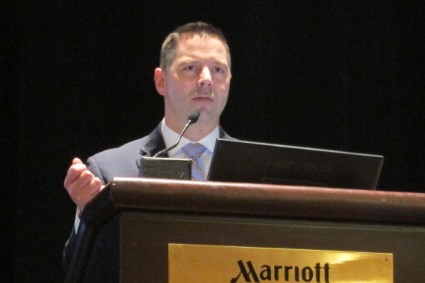
Moreover, a clean room and well-controlled pain were the best predictors of high patient satisfaction.
If it’s "the quality of the hotel, not the quality of the surgeon that drives patient satisfaction," and given that this is tied to reimbursement, what should the message be to hospital CEOs? asked discussant Dr. John J. Ricotta, chief of surgery at MedStar Washington (D.C.) Hospital Center.
Dr. Kennedy said the message he takes to the C-suite is that patient satisfaction cannot be a surrogate marker for safety and effectiveness or the only measure of quality because, in doing the right thing, surgeons often make patients unhappy. As a colorectal surgeon, he said he has unhappy patients every day, and remarked that he sometimes feels like a used car salesman where the only thing that he worries about is whether the patient is having a good experience when they drive off the lot, not whether it’s a safe, reliable car.
Dr. Kennedy, vice chair of quality at the University of Wisconsin School of Medicine, Madison, suggested that future quality measures also may need to make the distinction between satisfied and engaged, well-informed patients because a disengaged patient can be highly satisfied, while a highly engaged patient may not.
For the current study, the investigators examined federal Hospital Consumer Assessment Healthcare Providers and Systems (HCAHPS) survey results from 171 hospitals in the University Health System Consortium database from 2011 to 2012. Patients can check one of four boxes for each question on the 27-item survey, with high satisfaction defined as median responses above the 75th percentile on the top box score. This cutoff was used because the Centers for Medicare & Medicaid Services, which developed the HCAHPS, uses only the top box score, Dr. Kennedy explained.
The median hospital size was 421 beds (range, 25-1,280 beds), the median operative volume was 6,341 cases (range, 192-24,258 cases), and the mortality index was 0.83 (range, 0-2.61).
In all, 62% of high-volume hospitals, defined as those with an operative volume above the median, achieved high patient satisfaction, compared with 38% of low-volume hospitals (P less than .001). Similar results were seen for operative volume, he said.
Other system measures such as number of ICU cases and Surgical Care Improvement Project (SCIP) compliance were not associated with high HCAHPS scores.
Among patient safety indicators, only low mortality index was associated with high satisfaction (P less than .001), while complications, early mortality, and overall mortality were not.
Interestingly, hospitals with a higher number of Patient Safety Indicator cases – those involving accidental puncture, laceration, and venous thromboembolism – had higher rates of patient satisfaction, "suggesting that unsafe care is perhaps correlated with high satisfaction," Dr. Kennedy said.
Discussant Dr. Fabrizio Michelassi, chair of surgery at Weill Cornell Medical College and surgeon-in-chief, New York–Presbyterian Hospital/Weill Cornell Medical Center, in New York City, questioned whether "unsafe care gives more options for physicians to show their compassionate side," and said the overall findings are not that surprising to practicing surgeons, who frequently hear patient complaints, despite having performed a quality operation.
Dr. Kennedy said a recent paper from the Cleveland Clinic (Dis. Colon Rectum. 2013;56:219-25) suggests that Patient Safety Indicator cases are really a reflection of surgical complexity and not unsafe care at all.
Finally, other discussants criticized the study for failing to tie satisfaction to patient outcomes; for failing to control for factors influencing patient satisfaction such as age, sex, or social status; and for not looking at geographic differences or nursing-to-staff ratios.
The complete manuscript of this study and its presentation at the American Surgical Association’s 134th Annual Meeting, April 2014, in Boston, is anticipated to be published in the Annals of Surgery, pending editorial review.
Dr. Kennedy reported no conflicting interests.
BOSTON – Hospital size and operative volume were significantly associated with satisfaction among general surgery patients in an analysis of 171 U.S. hospitals.
Surprisingly, all other safety and effectiveness measures, with the exception of low hospital mortality index, did not reliably reflect patient satisfaction, "indicating that the system plays perhaps a bigger role than anything else we can do," Dr. Gregory D. Kennedy said at the annual meeting of the American Surgical Association.
Moreover, a clean room and well-controlled pain were the best predictors of high patient satisfaction.
If it’s "the quality of the hotel, not the quality of the surgeon that drives patient satisfaction," and given that this is tied to reimbursement, what should the message be to hospital CEOs? asked discussant Dr. John J. Ricotta, chief of surgery at MedStar Washington (D.C.) Hospital Center.
Dr. Kennedy said the message he takes to the C-suite is that patient satisfaction cannot be a surrogate marker for safety and effectiveness or the only measure of quality because, in doing the right thing, surgeons often make patients unhappy. As a colorectal surgeon, he said he has unhappy patients every day, and remarked that he sometimes feels like a used car salesman where the only thing that he worries about is whether the patient is having a good experience when they drive off the lot, not whether it’s a safe, reliable car.
Dr. Kennedy, vice chair of quality at the University of Wisconsin School of Medicine, Madison, suggested that future quality measures also may need to make the distinction between satisfied and engaged, well-informed patients because a disengaged patient can be highly satisfied, while a highly engaged patient may not.
For the current study, the investigators examined federal Hospital Consumer Assessment Healthcare Providers and Systems (HCAHPS) survey results from 171 hospitals in the University Health System Consortium database from 2011 to 2012. Patients can check one of four boxes for each question on the 27-item survey, with high satisfaction defined as median responses above the 75th percentile on the top box score. This cutoff was used because the Centers for Medicare & Medicaid Services, which developed the HCAHPS, uses only the top box score, Dr. Kennedy explained.
The median hospital size was 421 beds (range, 25-1,280 beds), the median operative volume was 6,341 cases (range, 192-24,258 cases), and the mortality index was 0.83 (range, 0-2.61).
In all, 62% of high-volume hospitals, defined as those with an operative volume above the median, achieved high patient satisfaction, compared with 38% of low-volume hospitals (P less than .001). Similar results were seen for operative volume, he said.
Other system measures such as number of ICU cases and Surgical Care Improvement Project (SCIP) compliance were not associated with high HCAHPS scores.
Among patient safety indicators, only low mortality index was associated with high satisfaction (P less than .001), while complications, early mortality, and overall mortality were not.
Interestingly, hospitals with a higher number of Patient Safety Indicator cases – those involving accidental puncture, laceration, and venous thromboembolism – had higher rates of patient satisfaction, "suggesting that unsafe care is perhaps correlated with high satisfaction," Dr. Kennedy said.
Discussant Dr. Fabrizio Michelassi, chair of surgery at Weill Cornell Medical College and surgeon-in-chief, New York–Presbyterian Hospital/Weill Cornell Medical Center, in New York City, questioned whether "unsafe care gives more options for physicians to show their compassionate side," and said the overall findings are not that surprising to practicing surgeons, who frequently hear patient complaints, despite having performed a quality operation.
Dr. Kennedy said a recent paper from the Cleveland Clinic (Dis. Colon Rectum. 2013;56:219-25) suggests that Patient Safety Indicator cases are really a reflection of surgical complexity and not unsafe care at all.
Finally, other discussants criticized the study for failing to tie satisfaction to patient outcomes; for failing to control for factors influencing patient satisfaction such as age, sex, or social status; and for not looking at geographic differences or nursing-to-staff ratios.
The complete manuscript of this study and its presentation at the American Surgical Association’s 134th Annual Meeting, April 2014, in Boston, is anticipated to be published in the Annals of Surgery, pending editorial review.
Dr. Kennedy reported no conflicting interests.
BOSTON – Hospital size and operative volume were significantly associated with satisfaction among general surgery patients in an analysis of 171 U.S. hospitals.
Surprisingly, all other safety and effectiveness measures, with the exception of low hospital mortality index, did not reliably reflect patient satisfaction, "indicating that the system plays perhaps a bigger role than anything else we can do," Dr. Gregory D. Kennedy said at the annual meeting of the American Surgical Association.
Moreover, a clean room and well-controlled pain were the best predictors of high patient satisfaction.
If it’s "the quality of the hotel, not the quality of the surgeon that drives patient satisfaction," and given that this is tied to reimbursement, what should the message be to hospital CEOs? asked discussant Dr. John J. Ricotta, chief of surgery at MedStar Washington (D.C.) Hospital Center.
Dr. Kennedy said the message he takes to the C-suite is that patient satisfaction cannot be a surrogate marker for safety and effectiveness or the only measure of quality because, in doing the right thing, surgeons often make patients unhappy. As a colorectal surgeon, he said he has unhappy patients every day, and remarked that he sometimes feels like a used car salesman where the only thing that he worries about is whether the patient is having a good experience when they drive off the lot, not whether it’s a safe, reliable car.
Dr. Kennedy, vice chair of quality at the University of Wisconsin School of Medicine, Madison, suggested that future quality measures also may need to make the distinction between satisfied and engaged, well-informed patients because a disengaged patient can be highly satisfied, while a highly engaged patient may not.
For the current study, the investigators examined federal Hospital Consumer Assessment Healthcare Providers and Systems (HCAHPS) survey results from 171 hospitals in the University Health System Consortium database from 2011 to 2012. Patients can check one of four boxes for each question on the 27-item survey, with high satisfaction defined as median responses above the 75th percentile on the top box score. This cutoff was used because the Centers for Medicare & Medicaid Services, which developed the HCAHPS, uses only the top box score, Dr. Kennedy explained.
The median hospital size was 421 beds (range, 25-1,280 beds), the median operative volume was 6,341 cases (range, 192-24,258 cases), and the mortality index was 0.83 (range, 0-2.61).
In all, 62% of high-volume hospitals, defined as those with an operative volume above the median, achieved high patient satisfaction, compared with 38% of low-volume hospitals (P less than .001). Similar results were seen for operative volume, he said.
Other system measures such as number of ICU cases and Surgical Care Improvement Project (SCIP) compliance were not associated with high HCAHPS scores.
Among patient safety indicators, only low mortality index was associated with high satisfaction (P less than .001), while complications, early mortality, and overall mortality were not.
Interestingly, hospitals with a higher number of Patient Safety Indicator cases – those involving accidental puncture, laceration, and venous thromboembolism – had higher rates of patient satisfaction, "suggesting that unsafe care is perhaps correlated with high satisfaction," Dr. Kennedy said.
Discussant Dr. Fabrizio Michelassi, chair of surgery at Weill Cornell Medical College and surgeon-in-chief, New York–Presbyterian Hospital/Weill Cornell Medical Center, in New York City, questioned whether "unsafe care gives more options for physicians to show their compassionate side," and said the overall findings are not that surprising to practicing surgeons, who frequently hear patient complaints, despite having performed a quality operation.
Dr. Kennedy said a recent paper from the Cleveland Clinic (Dis. Colon Rectum. 2013;56:219-25) suggests that Patient Safety Indicator cases are really a reflection of surgical complexity and not unsafe care at all.
Finally, other discussants criticized the study for failing to tie satisfaction to patient outcomes; for failing to control for factors influencing patient satisfaction such as age, sex, or social status; and for not looking at geographic differences or nursing-to-staff ratios.
The complete manuscript of this study and its presentation at the American Surgical Association’s 134th Annual Meeting, April 2014, in Boston, is anticipated to be published in the Annals of Surgery, pending editorial review.
Dr. Kennedy reported no conflicting interests.
AT ASA 2014
Major finding: In the sample, 62% of high-volume hospitals achieved high patient satisfaction, vs. 38% of low-volume hospitals. Other system measures such as number of ICU cases and Surgical Care Improvement Project (compliance were not associated with high HCAHPS scores.
Data source: A retrospective analysis of HCAHPS surveys at 171 U.S. hospitals.
Disclosures: Dr. Kennedy reported no conflicting interests.
Off-label use of novel oral anticoagulants accelerates
WASHINGTON – The off-label use of novel oral anticoagulants for stroke prevention in patients with valvular atrial fibrillation has climbed steeply since the drugs reached the marketplace, mirroring the medications’ rapid adoption for the approved indication of preventing strokes in nonvalvular AF, according to Dr. Sandeep Mahrendra Jani.
An analysis of 190,227 nonvalvular atrial fibrillation (NVAF) patients in 95 practices participating in the American College of Cardiology’s National Cardiovascular Data Registry – PINNACLE Registry – showed that during the first quarter of 2011, just 4.8% were on dabigatran, the sole novel oral anticoagulant then available.
By the fourth quarter of 2012, however, 14.9% of NVAF patients were on a novel oral anticoagulant, either dabigatran or the subsequently approved rivaroxiban, he reported at the annual meeting of the ACC.
Similarly, among 2,142 registry participants with valvular atrial fibrillation (AF), the use of any novel oral anticoagulant shot up from 2.7% in the first quarter of 2011 to 13.8% in the fourth quarter of 2012, noted Dr. Jani of Medstar Washington (D.C.) Hospital Center.
During this time – prior to the arrival of apixiban on the market – the use of warfarin for stroke prevention in patients with NVAF declined from 47.9% to 44.3%. Among patients with valvular atrial fibrillation, the prevalence of warfarin therapy fell from 65.8% in the first quarter of 2011 to 60.1% in fourth quarter 2012.
During the first quarter of 2011, 51.2% of all patients with NVAF and 66.4% with valvular AF were on any oral anticoagulant. By fourth quarter 2012, these rates had increased to 56.9% and 66.8%, respectively.
The use of dabigatran in patients with valvular AF took a hit in late 2012 in response to the premature halt of the RE-ALIGN (Dabigatran Etexilate in Patients With Mechanical Heart Valves) trial, followed by the Food and Drug Administration’s warning against using dabigatran in patients with mechanical heart valves.
Dabigatran was used by 2.7% of valvular AF patients in the first quarter of 2011, rising steadily to 12.1% by the third quarter of 2012, then plunging to just 1.4% in the year’s final quarter.
In light of the rapidly accelerating use of novel oral anticoagulants in patients with valvular AF, despite a lack of evidence of efficacy for stroke prevention in this setting, further studies are a priority, Dr. Jani said.
The PINNACLE registry is funded by the ACC, with founding sponsorship provided by Bristol-Myers Squibb and Pfizer. Dr. Jani reported having no relevant financial conflicts.
WASHINGTON – The off-label use of novel oral anticoagulants for stroke prevention in patients with valvular atrial fibrillation has climbed steeply since the drugs reached the marketplace, mirroring the medications’ rapid adoption for the approved indication of preventing strokes in nonvalvular AF, according to Dr. Sandeep Mahrendra Jani.
An analysis of 190,227 nonvalvular atrial fibrillation (NVAF) patients in 95 practices participating in the American College of Cardiology’s National Cardiovascular Data Registry – PINNACLE Registry – showed that during the first quarter of 2011, just 4.8% were on dabigatran, the sole novel oral anticoagulant then available.
By the fourth quarter of 2012, however, 14.9% of NVAF patients were on a novel oral anticoagulant, either dabigatran or the subsequently approved rivaroxiban, he reported at the annual meeting of the ACC.
Similarly, among 2,142 registry participants with valvular atrial fibrillation (AF), the use of any novel oral anticoagulant shot up from 2.7% in the first quarter of 2011 to 13.8% in the fourth quarter of 2012, noted Dr. Jani of Medstar Washington (D.C.) Hospital Center.
During this time – prior to the arrival of apixiban on the market – the use of warfarin for stroke prevention in patients with NVAF declined from 47.9% to 44.3%. Among patients with valvular atrial fibrillation, the prevalence of warfarin therapy fell from 65.8% in the first quarter of 2011 to 60.1% in fourth quarter 2012.
During the first quarter of 2011, 51.2% of all patients with NVAF and 66.4% with valvular AF were on any oral anticoagulant. By fourth quarter 2012, these rates had increased to 56.9% and 66.8%, respectively.
The use of dabigatran in patients with valvular AF took a hit in late 2012 in response to the premature halt of the RE-ALIGN (Dabigatran Etexilate in Patients With Mechanical Heart Valves) trial, followed by the Food and Drug Administration’s warning against using dabigatran in patients with mechanical heart valves.
Dabigatran was used by 2.7% of valvular AF patients in the first quarter of 2011, rising steadily to 12.1% by the third quarter of 2012, then plunging to just 1.4% in the year’s final quarter.
In light of the rapidly accelerating use of novel oral anticoagulants in patients with valvular AF, despite a lack of evidence of efficacy for stroke prevention in this setting, further studies are a priority, Dr. Jani said.
The PINNACLE registry is funded by the ACC, with founding sponsorship provided by Bristol-Myers Squibb and Pfizer. Dr. Jani reported having no relevant financial conflicts.
WASHINGTON – The off-label use of novel oral anticoagulants for stroke prevention in patients with valvular atrial fibrillation has climbed steeply since the drugs reached the marketplace, mirroring the medications’ rapid adoption for the approved indication of preventing strokes in nonvalvular AF, according to Dr. Sandeep Mahrendra Jani.
An analysis of 190,227 nonvalvular atrial fibrillation (NVAF) patients in 95 practices participating in the American College of Cardiology’s National Cardiovascular Data Registry – PINNACLE Registry – showed that during the first quarter of 2011, just 4.8% were on dabigatran, the sole novel oral anticoagulant then available.
By the fourth quarter of 2012, however, 14.9% of NVAF patients were on a novel oral anticoagulant, either dabigatran or the subsequently approved rivaroxiban, he reported at the annual meeting of the ACC.
Similarly, among 2,142 registry participants with valvular atrial fibrillation (AF), the use of any novel oral anticoagulant shot up from 2.7% in the first quarter of 2011 to 13.8% in the fourth quarter of 2012, noted Dr. Jani of Medstar Washington (D.C.) Hospital Center.
During this time – prior to the arrival of apixiban on the market – the use of warfarin for stroke prevention in patients with NVAF declined from 47.9% to 44.3%. Among patients with valvular atrial fibrillation, the prevalence of warfarin therapy fell from 65.8% in the first quarter of 2011 to 60.1% in fourth quarter 2012.
During the first quarter of 2011, 51.2% of all patients with NVAF and 66.4% with valvular AF were on any oral anticoagulant. By fourth quarter 2012, these rates had increased to 56.9% and 66.8%, respectively.
The use of dabigatran in patients with valvular AF took a hit in late 2012 in response to the premature halt of the RE-ALIGN (Dabigatran Etexilate in Patients With Mechanical Heart Valves) trial, followed by the Food and Drug Administration’s warning against using dabigatran in patients with mechanical heart valves.
Dabigatran was used by 2.7% of valvular AF patients in the first quarter of 2011, rising steadily to 12.1% by the third quarter of 2012, then plunging to just 1.4% in the year’s final quarter.
In light of the rapidly accelerating use of novel oral anticoagulants in patients with valvular AF, despite a lack of evidence of efficacy for stroke prevention in this setting, further studies are a priority, Dr. Jani said.
The PINNACLE registry is funded by the ACC, with founding sponsorship provided by Bristol-Myers Squibb and Pfizer. Dr. Jani reported having no relevant financial conflicts.
Major finding: By the fourth quarter of 2012, 14.9% of patients with nonvalvular AF were on a novel anticoagulant. So were 13.8% of those with valvular AF, even though this is an off-label use of these drugs.
Data source: This study involved more than 190,000 patients with nonvalvular AF and 2,142 with valvular AF in 95 practices participating in the PINNACLE Registry.
Disclosures The PINNACLE Registry is funded by the ACC’s National Cardiovascular Data Registry. The presenter reported having no relevant financial conflicts.
Sternal approach optimal in mitral valve surgeries
NEW YORK – The conventional sternal approach in treating mitral valve disease remains the safest and most flexible, said Dr. Patrick McCarthy, who used his talk at the AATS annual meeting’s adult cardiac surgery symposium, "Becoming a Master Valve Surgeon," to defend its virtues as the "gold standard" for mitral valve operations.
"Patients don’t have much pain, and most are concerned about the risks of open heart surgery, not the cosmetic aspects. Even so, the scar heals to a thin white line," Dr. McCarthy said in an interview. And with a sternal approach, compared with robotic or minimally invasive procedures, "you’re prepared to fix anything," he said.
"So if there’s a technical complication – an aortic dissection, unusual bleeding, a circumflex coronary injury – or you encounter unrecognized aortic valve disease, then you can safely treat it."
Dr. McCarthy said that his own practice has evolved to perform fewer, not more, minimally invasive mitral valve surgeries in recent years.
"Ten years ago about half of my mitral valve operations were minimally invasive, and over time I saw less and less benefit. The length of time on the heart-lung machine and the potential safety issues made me evolve away from that approach."
Many centers and individual surgeons do right thoracotomy or robotic surgery very well and safely, Dr. McCarthy said.
"But the national data would indicate that the perioperative risk of stroke is twice as high with those approaches," he said, and they are not performed as often as they are talked about.
Surgeons who elect not to perform a minimally invasive mitral valve procedure "should not feel that they’re somehow shortchanging the patient. For safety and long-term outcomes we need to focus less on how we approach the mitral valve and more on what operation we do. Can you do a good durable repair, and not a replacement? Can you minimize the risks of open heart surgery?" he said.
"Generations of cardiac surgeons worked hard to minimize those risks and optimize the outcomes of repair, to the point that we now operate with minimal risk on asymptomatic patients with normal ventricles and expect a 95% or greater chance for a durable repair. Don’t compromise the operation for a perceived cosmetic advantage," Dr. McCarthy said.
Also during the course, Dr. Marc Moon of Washington University School of Medicine in St. Louis, Missouri, discussed surgical triggers for patients with aortic stenosis in several nonstandard clinical scenarios. These scenarios include frail patients, patients with severe aortic stenosis, and asymptomatic patients who need major noncardiac surgery.
In addition to drawing from his own center’s experience, Dr. Moon attempted to condense and summarize the most recent guideline and surgical review recommendations for performing – or not performing – aortic valve replacement (AVR) in these and other tricky patient groups.
Patients with aortic stenosis (AS) are initially classed as asymptomatic or symptomatic based on a history and physical exam, and those with symptomatic aortic stenosis should undergo AVR, Dr. Moon said.
Asymptomatic patients can have normal ejection fraction (EF), but generally display left ventricle hypertrophy or diastolic dysfunction once AS becomes severe. In asymptomatic patients, once left ventricle EF falls below 50% (independent of associated coronary artery disease) or pulmonary hypertension appears, AVR should be considered."
However, frailty will make surgical intervention futile in some of these patients. Dr. Moon described new assessment tools to replace the "eyeball test" for frailty that surgeons have been using for years.
"A 6-minute walk test can predict a poor outcome in patients following AVR," he said, so long as the mobility limitations are not mainly due to the AS itself. Slow walkers, who need 6 seconds or more to walk 5 meters, have a significantly increased risk of morbidity or mortality independent of other factors affecting surgical risk.
Other measures of frailty include unintended weight loss of 10 pounds or more over a year, self-reported exhaustion, and weak grip strength.
Patients whose underlying AS is the main contributor to frailty can benefit from AVR, Dr. Moon said, but determining this can be difficult. One approach Dr. Moon and colleagues use is to begin with balloon aortic valvuloplasty in frail patients whose valves are amenable to BAV. For these patients, "we initiate an appropriate heart failure regimen, perform BAV, and reevaluate functional status in 4-6 weeks."
In these difficult cases, BAV is used to determine the contribution of aortic stenosis to the patient’s symptoms associated with underlying chronic lung disease, hepatorenal dysfunction, or poor left ventricular function, he said.
"If there is improvement after BAV, then AS is a contributing, causative factor to the patient’s disability and AVR is recommended. If there is no improvement in functional status, medical therapy is continued or hospice care initiated as appropriate."
NEW YORK – The conventional sternal approach in treating mitral valve disease remains the safest and most flexible, said Dr. Patrick McCarthy, who used his talk at the AATS annual meeting’s adult cardiac surgery symposium, "Becoming a Master Valve Surgeon," to defend its virtues as the "gold standard" for mitral valve operations.
"Patients don’t have much pain, and most are concerned about the risks of open heart surgery, not the cosmetic aspects. Even so, the scar heals to a thin white line," Dr. McCarthy said in an interview. And with a sternal approach, compared with robotic or minimally invasive procedures, "you’re prepared to fix anything," he said.
"So if there’s a technical complication – an aortic dissection, unusual bleeding, a circumflex coronary injury – or you encounter unrecognized aortic valve disease, then you can safely treat it."
Dr. McCarthy said that his own practice has evolved to perform fewer, not more, minimally invasive mitral valve surgeries in recent years.
"Ten years ago about half of my mitral valve operations were minimally invasive, and over time I saw less and less benefit. The length of time on the heart-lung machine and the potential safety issues made me evolve away from that approach."
Many centers and individual surgeons do right thoracotomy or robotic surgery very well and safely, Dr. McCarthy said.
"But the national data would indicate that the perioperative risk of stroke is twice as high with those approaches," he said, and they are not performed as often as they are talked about.
Surgeons who elect not to perform a minimally invasive mitral valve procedure "should not feel that they’re somehow shortchanging the patient. For safety and long-term outcomes we need to focus less on how we approach the mitral valve and more on what operation we do. Can you do a good durable repair, and not a replacement? Can you minimize the risks of open heart surgery?" he said.
"Generations of cardiac surgeons worked hard to minimize those risks and optimize the outcomes of repair, to the point that we now operate with minimal risk on asymptomatic patients with normal ventricles and expect a 95% or greater chance for a durable repair. Don’t compromise the operation for a perceived cosmetic advantage," Dr. McCarthy said.
Also during the course, Dr. Marc Moon of Washington University School of Medicine in St. Louis, Missouri, discussed surgical triggers for patients with aortic stenosis in several nonstandard clinical scenarios. These scenarios include frail patients, patients with severe aortic stenosis, and asymptomatic patients who need major noncardiac surgery.
In addition to drawing from his own center’s experience, Dr. Moon attempted to condense and summarize the most recent guideline and surgical review recommendations for performing – or not performing – aortic valve replacement (AVR) in these and other tricky patient groups.
Patients with aortic stenosis (AS) are initially classed as asymptomatic or symptomatic based on a history and physical exam, and those with symptomatic aortic stenosis should undergo AVR, Dr. Moon said.
Asymptomatic patients can have normal ejection fraction (EF), but generally display left ventricle hypertrophy or diastolic dysfunction once AS becomes severe. In asymptomatic patients, once left ventricle EF falls below 50% (independent of associated coronary artery disease) or pulmonary hypertension appears, AVR should be considered."
However, frailty will make surgical intervention futile in some of these patients. Dr. Moon described new assessment tools to replace the "eyeball test" for frailty that surgeons have been using for years.
"A 6-minute walk test can predict a poor outcome in patients following AVR," he said, so long as the mobility limitations are not mainly due to the AS itself. Slow walkers, who need 6 seconds or more to walk 5 meters, have a significantly increased risk of morbidity or mortality independent of other factors affecting surgical risk.
Other measures of frailty include unintended weight loss of 10 pounds or more over a year, self-reported exhaustion, and weak grip strength.
Patients whose underlying AS is the main contributor to frailty can benefit from AVR, Dr. Moon said, but determining this can be difficult. One approach Dr. Moon and colleagues use is to begin with balloon aortic valvuloplasty in frail patients whose valves are amenable to BAV. For these patients, "we initiate an appropriate heart failure regimen, perform BAV, and reevaluate functional status in 4-6 weeks."
In these difficult cases, BAV is used to determine the contribution of aortic stenosis to the patient’s symptoms associated with underlying chronic lung disease, hepatorenal dysfunction, or poor left ventricular function, he said.
"If there is improvement after BAV, then AS is a contributing, causative factor to the patient’s disability and AVR is recommended. If there is no improvement in functional status, medical therapy is continued or hospice care initiated as appropriate."
NEW YORK – The conventional sternal approach in treating mitral valve disease remains the safest and most flexible, said Dr. Patrick McCarthy, who used his talk at the AATS annual meeting’s adult cardiac surgery symposium, "Becoming a Master Valve Surgeon," to defend its virtues as the "gold standard" for mitral valve operations.
"Patients don’t have much pain, and most are concerned about the risks of open heart surgery, not the cosmetic aspects. Even so, the scar heals to a thin white line," Dr. McCarthy said in an interview. And with a sternal approach, compared with robotic or minimally invasive procedures, "you’re prepared to fix anything," he said.
"So if there’s a technical complication – an aortic dissection, unusual bleeding, a circumflex coronary injury – or you encounter unrecognized aortic valve disease, then you can safely treat it."
Dr. McCarthy said that his own practice has evolved to perform fewer, not more, minimally invasive mitral valve surgeries in recent years.
"Ten years ago about half of my mitral valve operations were minimally invasive, and over time I saw less and less benefit. The length of time on the heart-lung machine and the potential safety issues made me evolve away from that approach."
Many centers and individual surgeons do right thoracotomy or robotic surgery very well and safely, Dr. McCarthy said.
"But the national data would indicate that the perioperative risk of stroke is twice as high with those approaches," he said, and they are not performed as often as they are talked about.
Surgeons who elect not to perform a minimally invasive mitral valve procedure "should not feel that they’re somehow shortchanging the patient. For safety and long-term outcomes we need to focus less on how we approach the mitral valve and more on what operation we do. Can you do a good durable repair, and not a replacement? Can you minimize the risks of open heart surgery?" he said.
"Generations of cardiac surgeons worked hard to minimize those risks and optimize the outcomes of repair, to the point that we now operate with minimal risk on asymptomatic patients with normal ventricles and expect a 95% or greater chance for a durable repair. Don’t compromise the operation for a perceived cosmetic advantage," Dr. McCarthy said.
Also during the course, Dr. Marc Moon of Washington University School of Medicine in St. Louis, Missouri, discussed surgical triggers for patients with aortic stenosis in several nonstandard clinical scenarios. These scenarios include frail patients, patients with severe aortic stenosis, and asymptomatic patients who need major noncardiac surgery.
In addition to drawing from his own center’s experience, Dr. Moon attempted to condense and summarize the most recent guideline and surgical review recommendations for performing – or not performing – aortic valve replacement (AVR) in these and other tricky patient groups.
Patients with aortic stenosis (AS) are initially classed as asymptomatic or symptomatic based on a history and physical exam, and those with symptomatic aortic stenosis should undergo AVR, Dr. Moon said.
Asymptomatic patients can have normal ejection fraction (EF), but generally display left ventricle hypertrophy or diastolic dysfunction once AS becomes severe. In asymptomatic patients, once left ventricle EF falls below 50% (independent of associated coronary artery disease) or pulmonary hypertension appears, AVR should be considered."
However, frailty will make surgical intervention futile in some of these patients. Dr. Moon described new assessment tools to replace the "eyeball test" for frailty that surgeons have been using for years.
"A 6-minute walk test can predict a poor outcome in patients following AVR," he said, so long as the mobility limitations are not mainly due to the AS itself. Slow walkers, who need 6 seconds or more to walk 5 meters, have a significantly increased risk of morbidity or mortality independent of other factors affecting surgical risk.
Other measures of frailty include unintended weight loss of 10 pounds or more over a year, self-reported exhaustion, and weak grip strength.
Patients whose underlying AS is the main contributor to frailty can benefit from AVR, Dr. Moon said, but determining this can be difficult. One approach Dr. Moon and colleagues use is to begin with balloon aortic valvuloplasty in frail patients whose valves are amenable to BAV. For these patients, "we initiate an appropriate heart failure regimen, perform BAV, and reevaluate functional status in 4-6 weeks."
In these difficult cases, BAV is used to determine the contribution of aortic stenosis to the patient’s symptoms associated with underlying chronic lung disease, hepatorenal dysfunction, or poor left ventricular function, he said.
"If there is improvement after BAV, then AS is a contributing, causative factor to the patient’s disability and AVR is recommended. If there is no improvement in functional status, medical therapy is continued or hospice care initiated as appropriate."
Open repair of acute DeBakey type I dissection favorable
TORONTO - Placing a stent-graft in the descending thoracic aorta during surgical repair of the proximal aorta of patients with acute DeBakey type I dissection is becoming an increasingly popular approach. A suggested advantage of this approach is the avoidance of subsequent, high-risk operations to repair the descending and thoracoabdominal aortic segments in those patients whose chronic dissection causes later aneurysm formation.
Dr. Joseph S. Coselli presented a study that he and his colleagues at the Baylor College of Medicine undertook to better define the risks associated with these secondary operations that stenting is suggested to avoid. They found that the use of open repair showed excellent early survival and acceptable morbidity and the use of adjuncts to protect against ischemic complications was associated with improved early outcomes.

"We prospectively examined our contemporary experience with open distal aortic repair in patients with chronic DeBakey type I aortic dissection in 200 consecutive patients with open descending thoracic (n = 29) or thoracoabdominal (n = 171) aortic repairs. Data were collected between January 2005 and June 2013," said Dr. Coselli at the annual meeting of the American Association for Thoracic Surgery.
The median patient age was 57 years, and the median interval between initial proximal aortic repair and the subsequent distal operation was 4.8 years. In 30 patients (15%), repairs were prompted by the onset of acute symptoms; this included 10 patients (5%) who had a new acute DeBakey type III dissection superimposed on the chronic dissection. Forty-three repairs (22%) were emergent or urgent, and hypothermic circulatory arrest was necessary in 17 (9%).
Of the 171 thoracoabdominal aortic repairs, 145 (86%) were Crawford extent I or II; adjuncts used during thoracoabdominal procedures included cerebrospinal fluid drainage in 159 patients (93%), left heart bypass in 128 (75%), and cold renal perfusion in 123 (72%). The researchers used univariate and bivariate analyses to examine associations between potential risk factors and early death.
There were 14 early deaths (7%) and 35 late deaths, yielding an actuarial 6-year survival of 71%. Two patients (1%) developed permanent paraplegia, 4 (2%) had permanent paraparesis, 10 (5%) had strokes, and 9 (5%) had permanent renal failure necessitating dialysis. Greater age and the use of hypothermic circulatory arrest were significantly associated with early death. The use of left heart bypass and the use of cold renal perfusion were each significantly associated with early survival. There were no associations between early death and connective tissue disorders, emergent or urgent surgery, or extent of aortic repair, Dr. Coselli added.
"For our patients who survived DeBakey type I aortic dissection and subsequently develop distal aortic aneurysms, the use of open repair of the descending thoracic or thoracoabdominal aorta results in excellent early survival and acceptable morbidity. We found that the use of adjuncts to protect against ischemic complications is associated with improved early outcomes," Dr. Coselli stated.
In an interview, Dr. Coselli added that it is important to note that the disease process leading to late aneurysm after DeBakey type I dissection is likely much different than it is for the typically older cohort of distal aortic repairs for purely aneurysmal disease. The DeBakey I patients are about a decade or more younger and seem to have much less atherosclerotic disease. "We use the need for visceral endarterectomy as a marker for this," he said.
And, since older age is one of the best predictors of operative mortality and adverse event, the DeBakey I patients tend to do better than the typical older cohort undergoing open distal aortic repair. This is despite the fact that the vast majority of patients had an extensive history of prior aortic repair, including 35 repairs with prior open distal aortic repair or prior TEVAR (and naturally, extensive prior proximal aortic repair).
"The rate of permanent paraplegia was low, we speculated that the progressive nature of late distal aortic dilatation contributes to this low rate. Often DTA repair is followed by TAAA repair or vice versa. This is similar to the 'staged model' of distal aortic repair that Dr. Randall Griepp and Dr. C.D. Etz have published [Eur. J. Cardiothorac. Surg. 2008 34(3):605-14], possibly allowing for collateral circulation. This combined with our aggressive reattachment strategy for intercostal/lumbar arteries, may have contributed to this low rate," he added.
"Lastly, the reintervention rates for antegrade TEVAR and frozen elephant trunk tend to be high, and there is concern for an enhanced risk of paraplegia during these types of repairs. And with standard TEVAR, the rates of reintervention in patients with chronic dissection appear greater than those with only an aneurysm," Dr. Coselli concluded.
The authors of the study reported having no conflicts.
TORONTO - Placing a stent-graft in the descending thoracic aorta during surgical repair of the proximal aorta of patients with acute DeBakey type I dissection is becoming an increasingly popular approach. A suggested advantage of this approach is the avoidance of subsequent, high-risk operations to repair the descending and thoracoabdominal aortic segments in those patients whose chronic dissection causes later aneurysm formation.
Dr. Joseph S. Coselli presented a study that he and his colleagues at the Baylor College of Medicine undertook to better define the risks associated with these secondary operations that stenting is suggested to avoid. They found that the use of open repair showed excellent early survival and acceptable morbidity and the use of adjuncts to protect against ischemic complications was associated with improved early outcomes.
"We prospectively examined our contemporary experience with open distal aortic repair in patients with chronic DeBakey type I aortic dissection in 200 consecutive patients with open descending thoracic (n = 29) or thoracoabdominal (n = 171) aortic repairs. Data were collected between January 2005 and June 2013," said Dr. Coselli at the annual meeting of the American Association for Thoracic Surgery.
The median patient age was 57 years, and the median interval between initial proximal aortic repair and the subsequent distal operation was 4.8 years. In 30 patients (15%), repairs were prompted by the onset of acute symptoms; this included 10 patients (5%) who had a new acute DeBakey type III dissection superimposed on the chronic dissection. Forty-three repairs (22%) were emergent or urgent, and hypothermic circulatory arrest was necessary in 17 (9%).
Of the 171 thoracoabdominal aortic repairs, 145 (86%) were Crawford extent I or II; adjuncts used during thoracoabdominal procedures included cerebrospinal fluid drainage in 159 patients (93%), left heart bypass in 128 (75%), and cold renal perfusion in 123 (72%). The researchers used univariate and bivariate analyses to examine associations between potential risk factors and early death.
There were 14 early deaths (7%) and 35 late deaths, yielding an actuarial 6-year survival of 71%. Two patients (1%) developed permanent paraplegia, 4 (2%) had permanent paraparesis, 10 (5%) had strokes, and 9 (5%) had permanent renal failure necessitating dialysis. Greater age and the use of hypothermic circulatory arrest were significantly associated with early death. The use of left heart bypass and the use of cold renal perfusion were each significantly associated with early survival. There were no associations between early death and connective tissue disorders, emergent or urgent surgery, or extent of aortic repair, Dr. Coselli added.
"For our patients who survived DeBakey type I aortic dissection and subsequently develop distal aortic aneurysms, the use of open repair of the descending thoracic or thoracoabdominal aorta results in excellent early survival and acceptable morbidity. We found that the use of adjuncts to protect against ischemic complications is associated with improved early outcomes," Dr. Coselli stated.
In an interview, Dr. Coselli added that it is important to note that the disease process leading to late aneurysm after DeBakey type I dissection is likely much different than it is for the typically older cohort of distal aortic repairs for purely aneurysmal disease. The DeBakey I patients are about a decade or more younger and seem to have much less atherosclerotic disease. "We use the need for visceral endarterectomy as a marker for this," he said.
And, since older age is one of the best predictors of operative mortality and adverse event, the DeBakey I patients tend to do better than the typical older cohort undergoing open distal aortic repair. This is despite the fact that the vast majority of patients had an extensive history of prior aortic repair, including 35 repairs with prior open distal aortic repair or prior TEVAR (and naturally, extensive prior proximal aortic repair).
"The rate of permanent paraplegia was low, we speculated that the progressive nature of late distal aortic dilatation contributes to this low rate. Often DTA repair is followed by TAAA repair or vice versa. This is similar to the 'staged model' of distal aortic repair that Dr. Randall Griepp and Dr. C.D. Etz have published [Eur. J. Cardiothorac. Surg. 2008 34(3):605-14], possibly allowing for collateral circulation. This combined with our aggressive reattachment strategy for intercostal/lumbar arteries, may have contributed to this low rate," he added.
"Lastly, the reintervention rates for antegrade TEVAR and frozen elephant trunk tend to be high, and there is concern for an enhanced risk of paraplegia during these types of repairs. And with standard TEVAR, the rates of reintervention in patients with chronic dissection appear greater than those with only an aneurysm," Dr. Coselli concluded.
The authors of the study reported having no conflicts.
TORONTO - Placing a stent-graft in the descending thoracic aorta during surgical repair of the proximal aorta of patients with acute DeBakey type I dissection is becoming an increasingly popular approach. A suggested advantage of this approach is the avoidance of subsequent, high-risk operations to repair the descending and thoracoabdominal aortic segments in those patients whose chronic dissection causes later aneurysm formation.
Dr. Joseph S. Coselli presented a study that he and his colleagues at the Baylor College of Medicine undertook to better define the risks associated with these secondary operations that stenting is suggested to avoid. They found that the use of open repair showed excellent early survival and acceptable morbidity and the use of adjuncts to protect against ischemic complications was associated with improved early outcomes.
"We prospectively examined our contemporary experience with open distal aortic repair in patients with chronic DeBakey type I aortic dissection in 200 consecutive patients with open descending thoracic (n = 29) or thoracoabdominal (n = 171) aortic repairs. Data were collected between January 2005 and June 2013," said Dr. Coselli at the annual meeting of the American Association for Thoracic Surgery.
The median patient age was 57 years, and the median interval between initial proximal aortic repair and the subsequent distal operation was 4.8 years. In 30 patients (15%), repairs were prompted by the onset of acute symptoms; this included 10 patients (5%) who had a new acute DeBakey type III dissection superimposed on the chronic dissection. Forty-three repairs (22%) were emergent or urgent, and hypothermic circulatory arrest was necessary in 17 (9%).
Of the 171 thoracoabdominal aortic repairs, 145 (86%) were Crawford extent I or II; adjuncts used during thoracoabdominal procedures included cerebrospinal fluid drainage in 159 patients (93%), left heart bypass in 128 (75%), and cold renal perfusion in 123 (72%). The researchers used univariate and bivariate analyses to examine associations between potential risk factors and early death.
There were 14 early deaths (7%) and 35 late deaths, yielding an actuarial 6-year survival of 71%. Two patients (1%) developed permanent paraplegia, 4 (2%) had permanent paraparesis, 10 (5%) had strokes, and 9 (5%) had permanent renal failure necessitating dialysis. Greater age and the use of hypothermic circulatory arrest were significantly associated with early death. The use of left heart bypass and the use of cold renal perfusion were each significantly associated with early survival. There were no associations between early death and connective tissue disorders, emergent or urgent surgery, or extent of aortic repair, Dr. Coselli added.
"For our patients who survived DeBakey type I aortic dissection and subsequently develop distal aortic aneurysms, the use of open repair of the descending thoracic or thoracoabdominal aorta results in excellent early survival and acceptable morbidity. We found that the use of adjuncts to protect against ischemic complications is associated with improved early outcomes," Dr. Coselli stated.
In an interview, Dr. Coselli added that it is important to note that the disease process leading to late aneurysm after DeBakey type I dissection is likely much different than it is for the typically older cohort of distal aortic repairs for purely aneurysmal disease. The DeBakey I patients are about a decade or more younger and seem to have much less atherosclerotic disease. "We use the need for visceral endarterectomy as a marker for this," he said.
And, since older age is one of the best predictors of operative mortality and adverse event, the DeBakey I patients tend to do better than the typical older cohort undergoing open distal aortic repair. This is despite the fact that the vast majority of patients had an extensive history of prior aortic repair, including 35 repairs with prior open distal aortic repair or prior TEVAR (and naturally, extensive prior proximal aortic repair).
"The rate of permanent paraplegia was low, we speculated that the progressive nature of late distal aortic dilatation contributes to this low rate. Often DTA repair is followed by TAAA repair or vice versa. This is similar to the 'staged model' of distal aortic repair that Dr. Randall Griepp and Dr. C.D. Etz have published [Eur. J. Cardiothorac. Surg. 2008 34(3):605-14], possibly allowing for collateral circulation. This combined with our aggressive reattachment strategy for intercostal/lumbar arteries, may have contributed to this low rate," he added.
"Lastly, the reintervention rates for antegrade TEVAR and frozen elephant trunk tend to be high, and there is concern for an enhanced risk of paraplegia during these types of repairs. And with standard TEVAR, the rates of reintervention in patients with chronic dissection appear greater than those with only an aneurysm," Dr. Coselli concluded.
The authors of the study reported having no conflicts.

Fee schedule: Medicare gives details on care coordination pay, SGR cut
Starting Jan. 1, 2015, Medicare will pay physicians about $42 for certain care management services outside of the face-to-face office visit, according to a new government proposal.
The proposed rule for the 2015 Medicare Physician Fee Schedule, released on July 3, offers details on how officials at the Centers for Medicare & Medicaid Services (CMS) plan to roll out the new chronic care management services payments that begin in 2015. The proposal also expands telehealth services offered by Medicare and makes changes to the Open Payments program.
CMS proposes to pay $41.92 for a new G-code for chronic care management services provided to patients with two or more chronic conditions that are expected to last at least a year. The code could be billed only once a month for each patient.
To bill for the code, physicians would have to offer some type of 24/7 access, continuity of care, care management for chronic conditions including medication reconciliation, creation of a patient-centered care plan, management of care transitions including visits to the hospital and emergency department, and coordination with community-based services.
In the 2015 Physician Fee Schedule, CMS is also proposing to require that physicians use certified electronic health record technology.
The American Academy of Family Physicians (AAFP), members of which would benefit from the coding change, applauded CMS for proposing the care management code. But the AAFP said the benefit of the code would be overshadowed were Congress to allow the scheduled cut to the Medicare Sustainable Growth Rate (SGR) formula to go into effect on April 1, 2015.
The fee schedule proposal reiterates that physicians will face a 20.9% across-the-board fee cut next year if Congress does not repeal or postpone the SGR.
"The AAFP welcomes the new code but we also look to a day when policies designed to strengthen primary medical care are not undermined by drastic cuts to the underlying foundation on which all payment is based," Dr. Reid Blackwelder, AAFP president, said in a statement.
The proposed fee schedule also seeks to add annual wellness visits, psychoanalysis, psychotherapy, and prolonged evaluation and management services to the list of telehealth services that can be furnished to Medicare beneficiaries under the telehealth benefit.
Medicare also proposes to redefine screening colonoscopy to include anesthesia. With this proposed change, Medicare beneficiaries would not have to pay coinsurance on the anesthesia portion of the procedure when it is provided separately by an anesthesiologist.
CMS is also planning to make changes to the Open Payments program, which requires drug and device manufacturers to report on the payments and transfers of value made to physicians and teaching hospitals.
Agency officials want to completely exclude reporting on continuing medical education payments made by industry. Under the current framework, CMS excluded most CME reporting, if the event met the accreditation or certification requirements of five organizations. However, the proposal would broaden that provision to include any CME event in which the industry provides funding but is not involved in selecting or paying speakers. If finalized, the changes would take effect in 2015.
mschneider@frontlinemedcom.com
On Twitter @MaryEllenNY
Starting Jan. 1, 2015, Medicare will pay physicians about $42 for certain care management services outside of the face-to-face office visit, according to a new government proposal.
The proposed rule for the 2015 Medicare Physician Fee Schedule, released on July 3, offers details on how officials at the Centers for Medicare & Medicaid Services (CMS) plan to roll out the new chronic care management services payments that begin in 2015. The proposal also expands telehealth services offered by Medicare and makes changes to the Open Payments program.
CMS proposes to pay $41.92 for a new G-code for chronic care management services provided to patients with two or more chronic conditions that are expected to last at least a year. The code could be billed only once a month for each patient.
To bill for the code, physicians would have to offer some type of 24/7 access, continuity of care, care management for chronic conditions including medication reconciliation, creation of a patient-centered care plan, management of care transitions including visits to the hospital and emergency department, and coordination with community-based services.
In the 2015 Physician Fee Schedule, CMS is also proposing to require that physicians use certified electronic health record technology.
The American Academy of Family Physicians (AAFP), members of which would benefit from the coding change, applauded CMS for proposing the care management code. But the AAFP said the benefit of the code would be overshadowed were Congress to allow the scheduled cut to the Medicare Sustainable Growth Rate (SGR) formula to go into effect on April 1, 2015.
The fee schedule proposal reiterates that physicians will face a 20.9% across-the-board fee cut next year if Congress does not repeal or postpone the SGR.
"The AAFP welcomes the new code but we also look to a day when policies designed to strengthen primary medical care are not undermined by drastic cuts to the underlying foundation on which all payment is based," Dr. Reid Blackwelder, AAFP president, said in a statement.
The proposed fee schedule also seeks to add annual wellness visits, psychoanalysis, psychotherapy, and prolonged evaluation and management services to the list of telehealth services that can be furnished to Medicare beneficiaries under the telehealth benefit.
Medicare also proposes to redefine screening colonoscopy to include anesthesia. With this proposed change, Medicare beneficiaries would not have to pay coinsurance on the anesthesia portion of the procedure when it is provided separately by an anesthesiologist.
CMS is also planning to make changes to the Open Payments program, which requires drug and device manufacturers to report on the payments and transfers of value made to physicians and teaching hospitals.
Agency officials want to completely exclude reporting on continuing medical education payments made by industry. Under the current framework, CMS excluded most CME reporting, if the event met the accreditation or certification requirements of five organizations. However, the proposal would broaden that provision to include any CME event in which the industry provides funding but is not involved in selecting or paying speakers. If finalized, the changes would take effect in 2015.
mschneider@frontlinemedcom.com
On Twitter @MaryEllenNY
Starting Jan. 1, 2015, Medicare will pay physicians about $42 for certain care management services outside of the face-to-face office visit, according to a new government proposal.
The proposed rule for the 2015 Medicare Physician Fee Schedule, released on July 3, offers details on how officials at the Centers for Medicare & Medicaid Services (CMS) plan to roll out the new chronic care management services payments that begin in 2015. The proposal also expands telehealth services offered by Medicare and makes changes to the Open Payments program.
CMS proposes to pay $41.92 for a new G-code for chronic care management services provided to patients with two or more chronic conditions that are expected to last at least a year. The code could be billed only once a month for each patient.
To bill for the code, physicians would have to offer some type of 24/7 access, continuity of care, care management for chronic conditions including medication reconciliation, creation of a patient-centered care plan, management of care transitions including visits to the hospital and emergency department, and coordination with community-based services.
In the 2015 Physician Fee Schedule, CMS is also proposing to require that physicians use certified electronic health record technology.
The American Academy of Family Physicians (AAFP), members of which would benefit from the coding change, applauded CMS for proposing the care management code. But the AAFP said the benefit of the code would be overshadowed were Congress to allow the scheduled cut to the Medicare Sustainable Growth Rate (SGR) formula to go into effect on April 1, 2015.
The fee schedule proposal reiterates that physicians will face a 20.9% across-the-board fee cut next year if Congress does not repeal or postpone the SGR.
"The AAFP welcomes the new code but we also look to a day when policies designed to strengthen primary medical care are not undermined by drastic cuts to the underlying foundation on which all payment is based," Dr. Reid Blackwelder, AAFP president, said in a statement.
The proposed fee schedule also seeks to add annual wellness visits, psychoanalysis, psychotherapy, and prolonged evaluation and management services to the list of telehealth services that can be furnished to Medicare beneficiaries under the telehealth benefit.
Medicare also proposes to redefine screening colonoscopy to include anesthesia. With this proposed change, Medicare beneficiaries would not have to pay coinsurance on the anesthesia portion of the procedure when it is provided separately by an anesthesiologist.
CMS is also planning to make changes to the Open Payments program, which requires drug and device manufacturers to report on the payments and transfers of value made to physicians and teaching hospitals.
Agency officials want to completely exclude reporting on continuing medical education payments made by industry. Under the current framework, CMS excluded most CME reporting, if the event met the accreditation or certification requirements of five organizations. However, the proposal would broaden that provision to include any CME event in which the industry provides funding but is not involved in selecting or paying speakers. If finalized, the changes would take effect in 2015.
mschneider@frontlinemedcom.com
On Twitter @MaryEllenNY
BITA improves CABG in diabetic patients
Diabetes has historically been associated with greater mortality and more and worse postoperative complications after coronary artery bypass grafting (CABG). Researchers continue to search for improved surgical techniques and other options to improve CABG outcomes in diabetic patients.
The use of bilateral internal thoracic artery (ITA) grafting and complete revascularization was found to improve the results of CABG in patients with diabetes, according to the results of an assessment of nearly 12,000 diabetic patients who underwent surgical revascularization, according to Dr. Sajjad Raza, a research fellow in cardiac surgery, who presented the results of a study that he and his colleagues performed at the Cleveland Clinic.

Patients who were operated upon from January 1972 to January 2011 were included in the study.
"Our research was designed to identify surgical revascularization techniques that can improve early and late results in patients with diabetes undergoing CABG," said Dr. Raza at the annual meeting of the American Association for Thoracic Surgery.
Surgical revascularization techniques investigated comprised single (71%) and bilateral (7.9%) ITA with or without other grafts vs. the use of saphenous vein grafting alone (SVG, 21%), as well as incomplete (18%) vs. complete revascularization, and the use of off- (5.0%) vs. on-pump CABG. The median follow-up was nearly 8 years, with total follow-up of more than 100,000 patient-years, according to Dr. Raza.
Multivariable analysis was performed to assess the effect of surgical techniques on early and late mortality.
After adjustment for patient characteristics, single ITA grafting with or without other grafts vs. SVG alone was associated with a 43% decrease in early mortality and 17% decrease in late mortality. The use of bilateral ITA grafting with or without other grafts led to a 60% decrease in early mortality and a 33% decrease in late mortality, with all hazard ratios being within their confidence intervals, and hence significant, said Dr.Raza.
In addition, bilateral ITA grafting was found to be significantly more effective than single ITA grafting in decreasing late mortality in patients with multisystem disease.
Incomplete revascularization was not found to be associated with increased early mortality, but was significantly associated with a 10% increase in late mortality The use of off-pump vs. on-pump CABG had no statistically significant effect on early and late mortality, Dr. Raza added.
"Overall, bilateral ITA grafting and complete revascularization improved results of CABG in diabetics. These surgical techniques should be used in diabetics undergoing CABG," Dr. Raza stated.
In an interview, commenting on the significance of the research, Dr. Raza added: "Diabetes is an emerging epidemic affecting nearly 382 million people worldwide. Because it is a risk factor for development of coronary artery disease, the number of diabetics undergoing coronary surgery has increased to nearly 50% of all patients undergoing surgical revascularization today.
"We know from the BARI2D and FREEDOM studies that for diabetics with multivessel coronary artery disease, CABG results in better outcomes than medical therapy or percutaneous coronary intervention. However, what remains unclear is which surgical revascularization techniques improve the outcomes of CABG in patients with diabetes. Our study helps to answer this important question," he concluded.
Dr. Raza reported having no relevant disclosures.
Diabetes has historically been associated with greater mortality and more and worse postoperative complications after coronary artery bypass grafting (CABG). Researchers continue to search for improved surgical techniques and other options to improve CABG outcomes in diabetic patients.
The use of bilateral internal thoracic artery (ITA) grafting and complete revascularization was found to improve the results of CABG in patients with diabetes, according to the results of an assessment of nearly 12,000 diabetic patients who underwent surgical revascularization, according to Dr. Sajjad Raza, a research fellow in cardiac surgery, who presented the results of a study that he and his colleagues performed at the Cleveland Clinic.
Patients who were operated upon from January 1972 to January 2011 were included in the study.
"Our research was designed to identify surgical revascularization techniques that can improve early and late results in patients with diabetes undergoing CABG," said Dr. Raza at the annual meeting of the American Association for Thoracic Surgery.
Surgical revascularization techniques investigated comprised single (71%) and bilateral (7.9%) ITA with or without other grafts vs. the use of saphenous vein grafting alone (SVG, 21%), as well as incomplete (18%) vs. complete revascularization, and the use of off- (5.0%) vs. on-pump CABG. The median follow-up was nearly 8 years, with total follow-up of more than 100,000 patient-years, according to Dr. Raza.
Multivariable analysis was performed to assess the effect of surgical techniques on early and late mortality.
After adjustment for patient characteristics, single ITA grafting with or without other grafts vs. SVG alone was associated with a 43% decrease in early mortality and 17% decrease in late mortality. The use of bilateral ITA grafting with or without other grafts led to a 60% decrease in early mortality and a 33% decrease in late mortality, with all hazard ratios being within their confidence intervals, and hence significant, said Dr.Raza.
In addition, bilateral ITA grafting was found to be significantly more effective than single ITA grafting in decreasing late mortality in patients with multisystem disease.
Incomplete revascularization was not found to be associated with increased early mortality, but was significantly associated with a 10% increase in late mortality The use of off-pump vs. on-pump CABG had no statistically significant effect on early and late mortality, Dr. Raza added.
"Overall, bilateral ITA grafting and complete revascularization improved results of CABG in diabetics. These surgical techniques should be used in diabetics undergoing CABG," Dr. Raza stated.
In an interview, commenting on the significance of the research, Dr. Raza added: "Diabetes is an emerging epidemic affecting nearly 382 million people worldwide. Because it is a risk factor for development of coronary artery disease, the number of diabetics undergoing coronary surgery has increased to nearly 50% of all patients undergoing surgical revascularization today.
"We know from the BARI2D and FREEDOM studies that for diabetics with multivessel coronary artery disease, CABG results in better outcomes than medical therapy or percutaneous coronary intervention. However, what remains unclear is which surgical revascularization techniques improve the outcomes of CABG in patients with diabetes. Our study helps to answer this important question," he concluded.
Dr. Raza reported having no relevant disclosures.
Diabetes has historically been associated with greater mortality and more and worse postoperative complications after coronary artery bypass grafting (CABG). Researchers continue to search for improved surgical techniques and other options to improve CABG outcomes in diabetic patients.
The use of bilateral internal thoracic artery (ITA) grafting and complete revascularization was found to improve the results of CABG in patients with diabetes, according to the results of an assessment of nearly 12,000 diabetic patients who underwent surgical revascularization, according to Dr. Sajjad Raza, a research fellow in cardiac surgery, who presented the results of a study that he and his colleagues performed at the Cleveland Clinic.
Patients who were operated upon from January 1972 to January 2011 were included in the study.
"Our research was designed to identify surgical revascularization techniques that can improve early and late results in patients with diabetes undergoing CABG," said Dr. Raza at the annual meeting of the American Association for Thoracic Surgery.
Surgical revascularization techniques investigated comprised single (71%) and bilateral (7.9%) ITA with or without other grafts vs. the use of saphenous vein grafting alone (SVG, 21%), as well as incomplete (18%) vs. complete revascularization, and the use of off- (5.0%) vs. on-pump CABG. The median follow-up was nearly 8 years, with total follow-up of more than 100,000 patient-years, according to Dr. Raza.
Multivariable analysis was performed to assess the effect of surgical techniques on early and late mortality.
After adjustment for patient characteristics, single ITA grafting with or without other grafts vs. SVG alone was associated with a 43% decrease in early mortality and 17% decrease in late mortality. The use of bilateral ITA grafting with or without other grafts led to a 60% decrease in early mortality and a 33% decrease in late mortality, with all hazard ratios being within their confidence intervals, and hence significant, said Dr.Raza.
In addition, bilateral ITA grafting was found to be significantly more effective than single ITA grafting in decreasing late mortality in patients with multisystem disease.
Incomplete revascularization was not found to be associated with increased early mortality, but was significantly associated with a 10% increase in late mortality The use of off-pump vs. on-pump CABG had no statistically significant effect on early and late mortality, Dr. Raza added.
"Overall, bilateral ITA grafting and complete revascularization improved results of CABG in diabetics. These surgical techniques should be used in diabetics undergoing CABG," Dr. Raza stated.
In an interview, commenting on the significance of the research, Dr. Raza added: "Diabetes is an emerging epidemic affecting nearly 382 million people worldwide. Because it is a risk factor for development of coronary artery disease, the number of diabetics undergoing coronary surgery has increased to nearly 50% of all patients undergoing surgical revascularization today.
"We know from the BARI2D and FREEDOM studies that for diabetics with multivessel coronary artery disease, CABG results in better outcomes than medical therapy or percutaneous coronary intervention. However, what remains unclear is which surgical revascularization techniques improve the outcomes of CABG in patients with diabetes. Our study helps to answer this important question," he concluded.
Dr. Raza reported having no relevant disclosures.

ICD-10 delayed: Proceed with caution, experts say
When it comes to ICD-10 readiness, invest in low-cost, high-impact steps that will benefit the October 2015 switch to a new code set, but will also improve the general health of the medical practice.
Now that implementation of ICD-10 has been delayed a full year, "I’d avoid spending too much money at this stage," said Robert Tennant, senior policy adviser at the Medical Group Management Association (MGMA).
Practical steps include checking claims already paid under ICD-9 to see whether the documentation was sufficient to assign an ICD-10 code. In the case of a sprained wrist, for example, make sure the documentation includes whether the injury was to the left or right wrist, Mr. Tennant said.
Consider dual coding – coding the same claims in both ICD-9 and ICD-10 – for some most commonly used codes, Mr. Tennant advised. If you "go through the clinical documentation improvement exercises, you will produce a better quality medical record and that can help the practice in a number of ways even if ICD-10 never goes forward."
Other low-cost, high-impact steps include reaching out to clearinghouses to request reports on the practice’s top diagnosis codes, the top pended or rejected claims, and the most frequently used unspecified codes.
"That should really focus the practice in on those claims that are the most problematic," he said.
One tough decision is when to upgrade software. Upgrade too early and the practice could lose money if there’s another delay. Wait too long and the practice risks being unprepared for the compliance date, according to Mr. Tennant.
He advised finding out when the vendor will be ready with upgrades and how long it will take them to install the software and provide training. Use that to build an implementation timeline.
"It’s such a tightrope that practices have to walk," Mr. Tennant said.
Dallas-based pediatrician Joseph Schneider has been helping physicians prepare for ICD-10 in his role as chair of the Texas Medical Association’s Practice Management Services Council. The association’s official policy is that the move to ICD-10 should be scrapped, but the group is urging physicians and hospitals to prepare anyway.
Dr. Schneider said smaller practices should check in with payers, vendors, and clearinghouses now, but save significant investments and training for next year.
"If you’re in a small physician practice, probably doing not very much between now and December might be a pretty good strategy," he said. "From January forward, you have to start your engines and get everything ready."

But larger practices and health systems don’t have the luxury of waiting, he said.
Dr. George Abraham, who is part of a six-physician practice in Worcester, Mass., was ready for ICD-10 to take effect this year. His practice spent more than $25,000 preparing for the scheduled switch and had done some initial testing of systems when the delay was announced.
Now the practice faces an additional expenditure on upgrades and refresher courses for coders and physicians.
"After everything, poof, it’s gone in a puff of smoke because everything came to a standstill when ICD-10 got suspended for a year," said Dr. Abraham, governor of the Massachusetts chapter of the American College of Physicians.
"It will be déjà vu all over again come summer of next year. We’ll be doing the same thing in preparation for ICD-10 being rolled out in October 2015."
Most health plans won’t begin end-to-end testing of claims until next year, Dr. Abraham said, and that’s worrisome because it may not provide enough time to work out potential glitches.
"A delay in claims being processed is our biggest anxiety," he said. "A delay in payments will lead to a severe cash flow crunch."
When it comes to ICD-10 readiness, invest in low-cost, high-impact steps that will benefit the October 2015 switch to a new code set, but will also improve the general health of the medical practice.
Now that implementation of ICD-10 has been delayed a full year, "I’d avoid spending too much money at this stage," said Robert Tennant, senior policy adviser at the Medical Group Management Association (MGMA).
Practical steps include checking claims already paid under ICD-9 to see whether the documentation was sufficient to assign an ICD-10 code. In the case of a sprained wrist, for example, make sure the documentation includes whether the injury was to the left or right wrist, Mr. Tennant said.
Consider dual coding – coding the same claims in both ICD-9 and ICD-10 – for some most commonly used codes, Mr. Tennant advised. If you "go through the clinical documentation improvement exercises, you will produce a better quality medical record and that can help the practice in a number of ways even if ICD-10 never goes forward."
Other low-cost, high-impact steps include reaching out to clearinghouses to request reports on the practice’s top diagnosis codes, the top pended or rejected claims, and the most frequently used unspecified codes.
"That should really focus the practice in on those claims that are the most problematic," he said.
One tough decision is when to upgrade software. Upgrade too early and the practice could lose money if there’s another delay. Wait too long and the practice risks being unprepared for the compliance date, according to Mr. Tennant.
He advised finding out when the vendor will be ready with upgrades and how long it will take them to install the software and provide training. Use that to build an implementation timeline.
"It’s such a tightrope that practices have to walk," Mr. Tennant said.
Dallas-based pediatrician Joseph Schneider has been helping physicians prepare for ICD-10 in his role as chair of the Texas Medical Association’s Practice Management Services Council. The association’s official policy is that the move to ICD-10 should be scrapped, but the group is urging physicians and hospitals to prepare anyway.
Dr. Schneider said smaller practices should check in with payers, vendors, and clearinghouses now, but save significant investments and training for next year.
"If you’re in a small physician practice, probably doing not very much between now and December might be a pretty good strategy," he said. "From January forward, you have to start your engines and get everything ready."
But larger practices and health systems don’t have the luxury of waiting, he said.
Dr. George Abraham, who is part of a six-physician practice in Worcester, Mass., was ready for ICD-10 to take effect this year. His practice spent more than $25,000 preparing for the scheduled switch and had done some initial testing of systems when the delay was announced.
Now the practice faces an additional expenditure on upgrades and refresher courses for coders and physicians.
"After everything, poof, it’s gone in a puff of smoke because everything came to a standstill when ICD-10 got suspended for a year," said Dr. Abraham, governor of the Massachusetts chapter of the American College of Physicians.
"It will be déjà vu all over again come summer of next year. We’ll be doing the same thing in preparation for ICD-10 being rolled out in October 2015."
Most health plans won’t begin end-to-end testing of claims until next year, Dr. Abraham said, and that’s worrisome because it may not provide enough time to work out potential glitches.
"A delay in claims being processed is our biggest anxiety," he said. "A delay in payments will lead to a severe cash flow crunch."
When it comes to ICD-10 readiness, invest in low-cost, high-impact steps that will benefit the October 2015 switch to a new code set, but will also improve the general health of the medical practice.
Now that implementation of ICD-10 has been delayed a full year, "I’d avoid spending too much money at this stage," said Robert Tennant, senior policy adviser at the Medical Group Management Association (MGMA).
Practical steps include checking claims already paid under ICD-9 to see whether the documentation was sufficient to assign an ICD-10 code. In the case of a sprained wrist, for example, make sure the documentation includes whether the injury was to the left or right wrist, Mr. Tennant said.
Consider dual coding – coding the same claims in both ICD-9 and ICD-10 – for some most commonly used codes, Mr. Tennant advised. If you "go through the clinical documentation improvement exercises, you will produce a better quality medical record and that can help the practice in a number of ways even if ICD-10 never goes forward."
Other low-cost, high-impact steps include reaching out to clearinghouses to request reports on the practice’s top diagnosis codes, the top pended or rejected claims, and the most frequently used unspecified codes.
"That should really focus the practice in on those claims that are the most problematic," he said.
One tough decision is when to upgrade software. Upgrade too early and the practice could lose money if there’s another delay. Wait too long and the practice risks being unprepared for the compliance date, according to Mr. Tennant.
He advised finding out when the vendor will be ready with upgrades and how long it will take them to install the software and provide training. Use that to build an implementation timeline.
"It’s such a tightrope that practices have to walk," Mr. Tennant said.
Dallas-based pediatrician Joseph Schneider has been helping physicians prepare for ICD-10 in his role as chair of the Texas Medical Association’s Practice Management Services Council. The association’s official policy is that the move to ICD-10 should be scrapped, but the group is urging physicians and hospitals to prepare anyway.
Dr. Schneider said smaller practices should check in with payers, vendors, and clearinghouses now, but save significant investments and training for next year.
"If you’re in a small physician practice, probably doing not very much between now and December might be a pretty good strategy," he said. "From January forward, you have to start your engines and get everything ready."
But larger practices and health systems don’t have the luxury of waiting, he said.
Dr. George Abraham, who is part of a six-physician practice in Worcester, Mass., was ready for ICD-10 to take effect this year. His practice spent more than $25,000 preparing for the scheduled switch and had done some initial testing of systems when the delay was announced.
Now the practice faces an additional expenditure on upgrades and refresher courses for coders and physicians.
"After everything, poof, it’s gone in a puff of smoke because everything came to a standstill when ICD-10 got suspended for a year," said Dr. Abraham, governor of the Massachusetts chapter of the American College of Physicians.
"It will be déjà vu all over again come summer of next year. We’ll be doing the same thing in preparation for ICD-10 being rolled out in October 2015."
Most health plans won’t begin end-to-end testing of claims until next year, Dr. Abraham said, and that’s worrisome because it may not provide enough time to work out potential glitches.
"A delay in claims being processed is our biggest anxiety," he said. "A delay in payments will lead to a severe cash flow crunch."
TEVAR slows stable type B dissection
NEW YORK – Five-year results from the INSTEAD trial showed that patients with stable type B aortic dissections who were randomized to receive thoracic endovascular aneurysm repair plus optimal medical treatment showed significantly less aorta-specific mortality and delayed disease progression than did those who received OMT alone, according to Rachel Clough, Ph.D., MRCS, who presented the findings at the AATS 2014 Aortic Symposium.
The results indicate that delayed adverse events, such as sudden fatalities, expansion of the false lumen, rupture, and other late complications that occur in patients treated medically in the years subsequent to dissection, are prevented or attenuated with stent grafts.
"Uncomplicated patients with type B aortic dissection have traditionally been treated with antihypertensive medication but what we see is, even in patients with very good blood pressure control, there is a continued attrition rate looking out toward 5 years. In some series, more than 50% of patients are dead [at that time point]," said Dr. Clough of King’s College London.
INSTEAD (Investigation of Stent Grafts in Aortic Dissection) is the first randomized trial comparing thoracic endovascular aneurysm repair (TEVAR) with a stent graft. When 2-year results were published in 2009 (Circulation 2009;120:2519-28), there was criticism that the study was underpowered as no differences were seen in all-cause deaths, aorta-related deaths due to aortic rupture, or dissection progression plus rupture. There was even a trend toward better cumulative survival in the OMT group.
Sixty-eight patients were randomized to receive OMT and 72 patients received TEVAR plus OMT. Eighty-three percent had one stent placed, 11% had two stents, and 6% had three stents. The proximal thoracic aorta was covered in all cases, and the range of coverage was 15-35 cm.
No significant differences between groups were found in the comorbidity profile, presence of risk factors, or dissection morphology. With patients followed for 5 years, differences in outcomes between patients who had undergone TEVAR plus OMT and those who received only OMT began to emerge.
Analysis of these long-term data shows that patients with stable type B aortic dissections who were randomized to receive TEVAR plus OMT showed less aorta-specific mortality (7 vs. 19%, P = .04) and delayed disease progression (27% vs. 46%, P = .04) than did those who received OMT alone. Landmark analysis suggested a benefit of TEVAR for all endpoints between 2 and 5 years, including all-cause mortality (0 vs. 17%, P = .0003).
Both improved survival and less progression over 5 years after TEVAR were associated with stent graft–induced false lumen thrombosis in 91% of cases (P less than .0001). Use of the stent graft resulted in a significant reduction in false lumen diameter (P less than .0001) and significant increase in true lumen diameter (P less than .001). In contrast, a significant increase in aortic diameter was noted in those who received only OMT (P less than .0001).
"In conclusion, endovascular therapy in addition to medical therapy is associated with improved 5-year aortic-specific survival and delayed disease progression. In uncomplicated type B dissection with suitable anatomy, preemptive TEVAR should be considered to improve late outcomes," said Dr. Clough.
Dr. Clough had no disclosures. INSTEAD was sponsored by the Medtronic Bakken Research Center.
NEW YORK – Five-year results from the INSTEAD trial showed that patients with stable type B aortic dissections who were randomized to receive thoracic endovascular aneurysm repair plus optimal medical treatment showed significantly less aorta-specific mortality and delayed disease progression than did those who received OMT alone, according to Rachel Clough, Ph.D., MRCS, who presented the findings at the AATS 2014 Aortic Symposium.
The results indicate that delayed adverse events, such as sudden fatalities, expansion of the false lumen, rupture, and other late complications that occur in patients treated medically in the years subsequent to dissection, are prevented or attenuated with stent grafts.
"Uncomplicated patients with type B aortic dissection have traditionally been treated with antihypertensive medication but what we see is, even in patients with very good blood pressure control, there is a continued attrition rate looking out toward 5 years. In some series, more than 50% of patients are dead [at that time point]," said Dr. Clough of King’s College London.
INSTEAD (Investigation of Stent Grafts in Aortic Dissection) is the first randomized trial comparing thoracic endovascular aneurysm repair (TEVAR) with a stent graft. When 2-year results were published in 2009 (Circulation 2009;120:2519-28), there was criticism that the study was underpowered as no differences were seen in all-cause deaths, aorta-related deaths due to aortic rupture, or dissection progression plus rupture. There was even a trend toward better cumulative survival in the OMT group.
Sixty-eight patients were randomized to receive OMT and 72 patients received TEVAR plus OMT. Eighty-three percent had one stent placed, 11% had two stents, and 6% had three stents. The proximal thoracic aorta was covered in all cases, and the range of coverage was 15-35 cm.
No significant differences between groups were found in the comorbidity profile, presence of risk factors, or dissection morphology. With patients followed for 5 years, differences in outcomes between patients who had undergone TEVAR plus OMT and those who received only OMT began to emerge.
Analysis of these long-term data shows that patients with stable type B aortic dissections who were randomized to receive TEVAR plus OMT showed less aorta-specific mortality (7 vs. 19%, P = .04) and delayed disease progression (27% vs. 46%, P = .04) than did those who received OMT alone. Landmark analysis suggested a benefit of TEVAR for all endpoints between 2 and 5 years, including all-cause mortality (0 vs. 17%, P = .0003).
Both improved survival and less progression over 5 years after TEVAR were associated with stent graft–induced false lumen thrombosis in 91% of cases (P less than .0001). Use of the stent graft resulted in a significant reduction in false lumen diameter (P less than .0001) and significant increase in true lumen diameter (P less than .001). In contrast, a significant increase in aortic diameter was noted in those who received only OMT (P less than .0001).
"In conclusion, endovascular therapy in addition to medical therapy is associated with improved 5-year aortic-specific survival and delayed disease progression. In uncomplicated type B dissection with suitable anatomy, preemptive TEVAR should be considered to improve late outcomes," said Dr. Clough.
Dr. Clough had no disclosures. INSTEAD was sponsored by the Medtronic Bakken Research Center.
NEW YORK – Five-year results from the INSTEAD trial showed that patients with stable type B aortic dissections who were randomized to receive thoracic endovascular aneurysm repair plus optimal medical treatment showed significantly less aorta-specific mortality and delayed disease progression than did those who received OMT alone, according to Rachel Clough, Ph.D., MRCS, who presented the findings at the AATS 2014 Aortic Symposium.
The results indicate that delayed adverse events, such as sudden fatalities, expansion of the false lumen, rupture, and other late complications that occur in patients treated medically in the years subsequent to dissection, are prevented or attenuated with stent grafts.
"Uncomplicated patients with type B aortic dissection have traditionally been treated with antihypertensive medication but what we see is, even in patients with very good blood pressure control, there is a continued attrition rate looking out toward 5 years. In some series, more than 50% of patients are dead [at that time point]," said Dr. Clough of King’s College London.
INSTEAD (Investigation of Stent Grafts in Aortic Dissection) is the first randomized trial comparing thoracic endovascular aneurysm repair (TEVAR) with a stent graft. When 2-year results were published in 2009 (Circulation 2009;120:2519-28), there was criticism that the study was underpowered as no differences were seen in all-cause deaths, aorta-related deaths due to aortic rupture, or dissection progression plus rupture. There was even a trend toward better cumulative survival in the OMT group.
Sixty-eight patients were randomized to receive OMT and 72 patients received TEVAR plus OMT. Eighty-three percent had one stent placed, 11% had two stents, and 6% had three stents. The proximal thoracic aorta was covered in all cases, and the range of coverage was 15-35 cm.
No significant differences between groups were found in the comorbidity profile, presence of risk factors, or dissection morphology. With patients followed for 5 years, differences in outcomes between patients who had undergone TEVAR plus OMT and those who received only OMT began to emerge.
Analysis of these long-term data shows that patients with stable type B aortic dissections who were randomized to receive TEVAR plus OMT showed less aorta-specific mortality (7 vs. 19%, P = .04) and delayed disease progression (27% vs. 46%, P = .04) than did those who received OMT alone. Landmark analysis suggested a benefit of TEVAR for all endpoints between 2 and 5 years, including all-cause mortality (0 vs. 17%, P = .0003).
Both improved survival and less progression over 5 years after TEVAR were associated with stent graft–induced false lumen thrombosis in 91% of cases (P less than .0001). Use of the stent graft resulted in a significant reduction in false lumen diameter (P less than .0001) and significant increase in true lumen diameter (P less than .001). In contrast, a significant increase in aortic diameter was noted in those who received only OMT (P less than .0001).
"In conclusion, endovascular therapy in addition to medical therapy is associated with improved 5-year aortic-specific survival and delayed disease progression. In uncomplicated type B dissection with suitable anatomy, preemptive TEVAR should be considered to improve late outcomes," said Dr. Clough.
Dr. Clough had no disclosures. INSTEAD was sponsored by the Medtronic Bakken Research Center.
Major finding: Patients with stable type B aortic dissections who were randomized to receive TEVAR plus optimal medical treatment (OMT) showed significantly less aorta-specific mortality and delayed disease progression than did those who received OMT alone.
Data source: The study assessed the 5-year results of the INSTEAD trial of 68 patients randomized to receive OMT and 72 patients received TEVAR plus OMT
Disclosures: Dr. Clough had nothing to disclose. INSTEAD was sponsored by the Medtronic Bakken Research Center. Medtronic manufactures the Medtronic Talent Stent-Graft-System used as the endograft.
Neoadjuvant chemoradiotherapy fails to boost survival
For patients with early-stage esophageal cancer, undergoing chemotherapy and radiotherapy before surgical excision failed to improve the rate of curative resection and, most importantly, failed to boost survival in a phase III clinical trial, according to a report published online June 30 in the Journal of Clinical Oncology.
Unfortunately this treatment strategy also tripled postoperative mortality, making the risk-benefit ratio even more lopsided for this patient population, said Dr. Christophe Mariette of the department of digestive and oncologic surgery, University Hospital Claude Huriez-Regional University Hospital Center, Lille (France), and his associates.
Clinical trials examining neoadjuvant chemoradiotherapy for esophageal cancer have produced conflicting results, with some showing that the approach is effective, in some cases doubling median survival, while others showed no benefit. Most such studies have been limited by small sample sizes, heterogeneity of tumor types, variations in radiation doses and chemotherapy regiments, and differences in preoperative staging techniques and the adequacy of surgical resections. Moreover, the number of study participants with early-stage esophageal cancer has been very small because most patients already have more advanced disease at presentation, the investigators noted.
For their study, Dr. Mariette and his associates confined the cohort to patients younger than 75 years with treatment-naive esophageal adenocarcinoma or squamous-cell carcinoma judged to be stage I or II using thoracoabdominal CT and endoscopic ultrasound; additional preoperative assessments using PET scanning, cervical ultrasound, or radionuclide bone scanning were optional. It required 9 years to enroll 195 patients at 30 French medical centers. These study participants were randomly assigned to receive either neoadjuvant chemotherapy plus radiotherapy before potentially curative surgery (98 subjects) or potentially curative surgery alone (97 subjects).
In the intervention group, radiotherapy involved a total dose of 45 Gy delivered in 25 fractions over the course of 5 weeks. Chemotherapy was administered during the same time period and involved two cycles of fluorouracil and cisplatin infusions. All patients in this group were clinically reevaluated 2-4 weeks after completing this regimen, and surgery was performed soon afterward.
Surgery comprised a transthoracic esophagectomy with extended two-field lymphadenectomy and either high intrathoracic anastomosis (for tumors with an infracarinal proximal margin) or cervical anastomosis (for tumors with a proximal margin above the carina).
Median follow-up was 7.8 years. There were 125 deaths: 62.4% of the intervention group died, as did 66% of the surgery-only group, a nonsignificant difference, the investigators said (J. Clin. Oncol. 2014 June 30 [doi:10.1200/JCO.2013.53.6532]).
Median overall survival was 31.8 months in the intervention group and 41.2 months in the surgery-only group, a nonsignificant difference. Similarly, 3-year overall survival was 47.5% and 5-year overall survival was 41.1% in the intervention group, compared with 53% and 33.8%, respectively, in the surgery-only group, which were also nonsignificant differences.
The rate of curative resection also was not significantly different between the intervention group (93.8%) and the surgery-only group (92.1%), indicating that reducing the tumor with chemotherapy and radiotherapy had no beneficial effect in these early-stage cancers. Previous studies have demonstrated that such downsizing is effective in more advanced esophageal cancers, Dr. Mariette and his associates noted.
Postoperative mortality was more than threefold higher among patients who underwent preoperative chemoradiotherapy (11.1%) than in the surgery-only group (3.4%). The causes of postoperative death included aortic rupture, uncontrollable chylothorax, anastomotic leak, gastric conduit necrosis, mesenteric and lower limb ischemia, and acute RDS in the intervention group, compared with pneumonia and acute RDS in the surgery-only group.
These findings suggest that preoperative chemoradiotherapy "is not the appropriate neoadjuvant therapeutic strategy for stage I or II esophageal cancer," the investigators said.
Since patients with early-stage esophageal cancer don’t appear to benefit from preoperative neoadjuvant chemoradiotherapy, perhaps it is time to consider a different approach: definitive rather than neoadjuvant chemoradiotherapy as the first-line treatment, said Dr. Brian G. Czito, Dr. Manisha Palta, and Dr. Christopher G. Willett.
Some medical centers have already adopted this approach for patients with potentially curable esophageal cancer, reserving surgery as salvage treatment. Compared with surgery as first-line treatment, definitive chemoradiotherapy is associated with a lower rate of treatment-related mortality and similar survival outcomes, they noted.
Dr. Czito, Dr. Palta, and Dr. Willett are in the department of radiation oncology at Duke Cancer Institute, Durham, N.C. They reported no financial conflicts of interest. These remarks were taken from their editorial accompanying Dr. Mariette’s report (J. Clin. Oncol. 2014 June 30 [doi:10.1200/JCO.2013.53.6532]).
Since patients with early-stage esophageal cancer don’t appear to benefit from preoperative neoadjuvant chemoradiotherapy, perhaps it is time to consider a different approach: definitive rather than neoadjuvant chemoradiotherapy as the first-line treatment, said Dr. Brian G. Czito, Dr. Manisha Palta, and Dr. Christopher G. Willett.
Some medical centers have already adopted this approach for patients with potentially curable esophageal cancer, reserving surgery as salvage treatment. Compared with surgery as first-line treatment, definitive chemoradiotherapy is associated with a lower rate of treatment-related mortality and similar survival outcomes, they noted.
Dr. Czito, Dr. Palta, and Dr. Willett are in the department of radiation oncology at Duke Cancer Institute, Durham, N.C. They reported no financial conflicts of interest. These remarks were taken from their editorial accompanying Dr. Mariette’s report (J. Clin. Oncol. 2014 June 30 [doi:10.1200/JCO.2013.53.6532]).
Since patients with early-stage esophageal cancer don’t appear to benefit from preoperative neoadjuvant chemoradiotherapy, perhaps it is time to consider a different approach: definitive rather than neoadjuvant chemoradiotherapy as the first-line treatment, said Dr. Brian G. Czito, Dr. Manisha Palta, and Dr. Christopher G. Willett.
Some medical centers have already adopted this approach for patients with potentially curable esophageal cancer, reserving surgery as salvage treatment. Compared with surgery as first-line treatment, definitive chemoradiotherapy is associated with a lower rate of treatment-related mortality and similar survival outcomes, they noted.
Dr. Czito, Dr. Palta, and Dr. Willett are in the department of radiation oncology at Duke Cancer Institute, Durham, N.C. They reported no financial conflicts of interest. These remarks were taken from their editorial accompanying Dr. Mariette’s report (J. Clin. Oncol. 2014 June 30 [doi:10.1200/JCO.2013.53.6532]).
For patients with early-stage esophageal cancer, undergoing chemotherapy and radiotherapy before surgical excision failed to improve the rate of curative resection and, most importantly, failed to boost survival in a phase III clinical trial, according to a report published online June 30 in the Journal of Clinical Oncology.
Unfortunately this treatment strategy also tripled postoperative mortality, making the risk-benefit ratio even more lopsided for this patient population, said Dr. Christophe Mariette of the department of digestive and oncologic surgery, University Hospital Claude Huriez-Regional University Hospital Center, Lille (France), and his associates.
Clinical trials examining neoadjuvant chemoradiotherapy for esophageal cancer have produced conflicting results, with some showing that the approach is effective, in some cases doubling median survival, while others showed no benefit. Most such studies have been limited by small sample sizes, heterogeneity of tumor types, variations in radiation doses and chemotherapy regiments, and differences in preoperative staging techniques and the adequacy of surgical resections. Moreover, the number of study participants with early-stage esophageal cancer has been very small because most patients already have more advanced disease at presentation, the investigators noted.
For their study, Dr. Mariette and his associates confined the cohort to patients younger than 75 years with treatment-naive esophageal adenocarcinoma or squamous-cell carcinoma judged to be stage I or II using thoracoabdominal CT and endoscopic ultrasound; additional preoperative assessments using PET scanning, cervical ultrasound, or radionuclide bone scanning were optional. It required 9 years to enroll 195 patients at 30 French medical centers. These study participants were randomly assigned to receive either neoadjuvant chemotherapy plus radiotherapy before potentially curative surgery (98 subjects) or potentially curative surgery alone (97 subjects).
In the intervention group, radiotherapy involved a total dose of 45 Gy delivered in 25 fractions over the course of 5 weeks. Chemotherapy was administered during the same time period and involved two cycles of fluorouracil and cisplatin infusions. All patients in this group were clinically reevaluated 2-4 weeks after completing this regimen, and surgery was performed soon afterward.
Surgery comprised a transthoracic esophagectomy with extended two-field lymphadenectomy and either high intrathoracic anastomosis (for tumors with an infracarinal proximal margin) or cervical anastomosis (for tumors with a proximal margin above the carina).
Median follow-up was 7.8 years. There were 125 deaths: 62.4% of the intervention group died, as did 66% of the surgery-only group, a nonsignificant difference, the investigators said (J. Clin. Oncol. 2014 June 30 [doi:10.1200/JCO.2013.53.6532]).
Median overall survival was 31.8 months in the intervention group and 41.2 months in the surgery-only group, a nonsignificant difference. Similarly, 3-year overall survival was 47.5% and 5-year overall survival was 41.1% in the intervention group, compared with 53% and 33.8%, respectively, in the surgery-only group, which were also nonsignificant differences.
The rate of curative resection also was not significantly different between the intervention group (93.8%) and the surgery-only group (92.1%), indicating that reducing the tumor with chemotherapy and radiotherapy had no beneficial effect in these early-stage cancers. Previous studies have demonstrated that such downsizing is effective in more advanced esophageal cancers, Dr. Mariette and his associates noted.
Postoperative mortality was more than threefold higher among patients who underwent preoperative chemoradiotherapy (11.1%) than in the surgery-only group (3.4%). The causes of postoperative death included aortic rupture, uncontrollable chylothorax, anastomotic leak, gastric conduit necrosis, mesenteric and lower limb ischemia, and acute RDS in the intervention group, compared with pneumonia and acute RDS in the surgery-only group.
These findings suggest that preoperative chemoradiotherapy "is not the appropriate neoadjuvant therapeutic strategy for stage I or II esophageal cancer," the investigators said.
For patients with early-stage esophageal cancer, undergoing chemotherapy and radiotherapy before surgical excision failed to improve the rate of curative resection and, most importantly, failed to boost survival in a phase III clinical trial, according to a report published online June 30 in the Journal of Clinical Oncology.
Unfortunately this treatment strategy also tripled postoperative mortality, making the risk-benefit ratio even more lopsided for this patient population, said Dr. Christophe Mariette of the department of digestive and oncologic surgery, University Hospital Claude Huriez-Regional University Hospital Center, Lille (France), and his associates.
Clinical trials examining neoadjuvant chemoradiotherapy for esophageal cancer have produced conflicting results, with some showing that the approach is effective, in some cases doubling median survival, while others showed no benefit. Most such studies have been limited by small sample sizes, heterogeneity of tumor types, variations in radiation doses and chemotherapy regiments, and differences in preoperative staging techniques and the adequacy of surgical resections. Moreover, the number of study participants with early-stage esophageal cancer has been very small because most patients already have more advanced disease at presentation, the investigators noted.
For their study, Dr. Mariette and his associates confined the cohort to patients younger than 75 years with treatment-naive esophageal adenocarcinoma or squamous-cell carcinoma judged to be stage I or II using thoracoabdominal CT and endoscopic ultrasound; additional preoperative assessments using PET scanning, cervical ultrasound, or radionuclide bone scanning were optional. It required 9 years to enroll 195 patients at 30 French medical centers. These study participants were randomly assigned to receive either neoadjuvant chemotherapy plus radiotherapy before potentially curative surgery (98 subjects) or potentially curative surgery alone (97 subjects).
In the intervention group, radiotherapy involved a total dose of 45 Gy delivered in 25 fractions over the course of 5 weeks. Chemotherapy was administered during the same time period and involved two cycles of fluorouracil and cisplatin infusions. All patients in this group were clinically reevaluated 2-4 weeks after completing this regimen, and surgery was performed soon afterward.
Surgery comprised a transthoracic esophagectomy with extended two-field lymphadenectomy and either high intrathoracic anastomosis (for tumors with an infracarinal proximal margin) or cervical anastomosis (for tumors with a proximal margin above the carina).
Median follow-up was 7.8 years. There were 125 deaths: 62.4% of the intervention group died, as did 66% of the surgery-only group, a nonsignificant difference, the investigators said (J. Clin. Oncol. 2014 June 30 [doi:10.1200/JCO.2013.53.6532]).
Median overall survival was 31.8 months in the intervention group and 41.2 months in the surgery-only group, a nonsignificant difference. Similarly, 3-year overall survival was 47.5% and 5-year overall survival was 41.1% in the intervention group, compared with 53% and 33.8%, respectively, in the surgery-only group, which were also nonsignificant differences.
The rate of curative resection also was not significantly different between the intervention group (93.8%) and the surgery-only group (92.1%), indicating that reducing the tumor with chemotherapy and radiotherapy had no beneficial effect in these early-stage cancers. Previous studies have demonstrated that such downsizing is effective in more advanced esophageal cancers, Dr. Mariette and his associates noted.
Postoperative mortality was more than threefold higher among patients who underwent preoperative chemoradiotherapy (11.1%) than in the surgery-only group (3.4%). The causes of postoperative death included aortic rupture, uncontrollable chylothorax, anastomotic leak, gastric conduit necrosis, mesenteric and lower limb ischemia, and acute RDS in the intervention group, compared with pneumonia and acute RDS in the surgery-only group.
These findings suggest that preoperative chemoradiotherapy "is not the appropriate neoadjuvant therapeutic strategy for stage I or II esophageal cancer," the investigators said.
FROM THE JOURNAL OF CLINICAL ONCOLOGY
Key clinical point: Don’t postpone surgery for esophageal cancer to perform chemoradiotherapy.
Major finding: Median overall survival was 31.8 months in the intervention group and 41.2 months in the surgery-only group; 3-year overall survival was 47.5% and 5-year overall survival was 41.1% in the intervention group, compared with 53% and 33.8%, respectively, in the surgery-only group. All these differences are nonsignificant.
Data source: A multicenter randomized phase III clinical trial involving 98 patients treated with neoadjuvant chemoradiotherapy and 97 treated with surgery alone for early-stage esophageal cancer, who were followed for a median of approximately 8 years.
Disclosures: This study was supported by the French National Cancer Institute’s Programme Hospitalier pour la Recherche Clinque and Lille University Hospital; it received no commercial support. Dr. Mariette reported no financial conflicts of interest; one of his associates reported ties to Roche and Merck.