User login
Durable responses in metastatic melanoma, improved PFS in advanced colorectal cancer
High rate of durable responses to pembrolizumab in metastatic melanoma
Maintenance improves PFS in patients with metastatic colorectal cancer
Key clinical point Patients with metastatic colorectal cancer who have at least stable disease after induction chemotherapy may benefit from maintenance therapy with capecitabine and bevacizumab, though further studies on quality of life are needed. Major finding The median time to second progression (PFS2) for patients with metastatic colorectal cancer following induction and re-treatment was a median of 8.5 months for observation, compared with 11.7 months for maintenance with capecitabine and bevacizumab. Data source Randomized controlled trial of 588 patients from 64 hospitals in the Netherlands.
Click on the PDF icon at the top of this introduction to read the full article.
High rate of durable responses to pembrolizumab in metastatic melanoma
Maintenance improves PFS in patients with metastatic colorectal cancer
Key clinical point Patients with metastatic colorectal cancer who have at least stable disease after induction chemotherapy may benefit from maintenance therapy with capecitabine and bevacizumab, though further studies on quality of life are needed. Major finding The median time to second progression (PFS2) for patients with metastatic colorectal cancer following induction and re-treatment was a median of 8.5 months for observation, compared with 11.7 months for maintenance with capecitabine and bevacizumab. Data source Randomized controlled trial of 588 patients from 64 hospitals in the Netherlands.
Click on the PDF icon at the top of this introduction to read the full article.
High rate of durable responses to pembrolizumab in metastatic melanoma
Maintenance improves PFS in patients with metastatic colorectal cancer
Key clinical point Patients with metastatic colorectal cancer who have at least stable disease after induction chemotherapy may benefit from maintenance therapy with capecitabine and bevacizumab, though further studies on quality of life are needed. Major finding The median time to second progression (PFS2) for patients with metastatic colorectal cancer following induction and re-treatment was a median of 8.5 months for observation, compared with 11.7 months for maintenance with capecitabine and bevacizumab. Data source Randomized controlled trial of 588 patients from 64 hospitals in the Netherlands.
Click on the PDF icon at the top of this introduction to read the full article.
Total laparoscopic versus laparoscopic supracervical hysterectomy
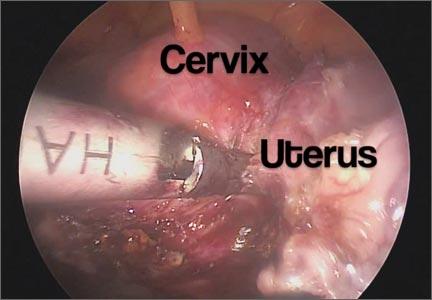
It gives me great pleasure to introduce this month’s surgical video. The following feature presentation was produced by my third-year fellow, Mireille Truong, MD, and my third-year resident, Sarah Horvath, MD. The focus of this surgical video is to compare and contrast total laparoscopic hysterectomy (TLH) with laparoscopic supracervical hysterectomy (LSH). The indication for the TLH case was refractory dysmenorrhea and for the LSH case was as part of a concomitant sacrocervicopexy. The particular methods for specimen removal demonstrated include through the colpotomy for TLH and cold knife manual morcellation within a bag using an Alexis retractor for LSH.
The objectives of this surgical video are to:
- Highlight the clinical advantages and disadvantages between cervical removal or retention at the time of a minimally invasive laparoscopic hysterectomy
- Demonstrate the surgical nuances between TLH and LSH
- Provide a potential resource for patient counseling as well as medical student and resident education.
I encourage you to share this video as an educational resource with your colleagues, residents, students, and patients alike.

I hope to see you at the AAGL Global Congress on Minimally Invasive Gynecology in Vancouver, November 17–21, 2014. Visit www.aagl.org/globalcongress for more information.
— Dr. Arnold Advincula, AAGL 2014 Scientific Program Chair
Share your thoughts on this video! Send your Letter to the Editor to rbarbieri@frontlinemedcom.com. Please include your name and the city and state in which you practice.
It gives me great pleasure to introduce this month’s surgical video. The following feature presentation was produced by my third-year fellow, Mireille Truong, MD, and my third-year resident, Sarah Horvath, MD. The focus of this surgical video is to compare and contrast total laparoscopic hysterectomy (TLH) with laparoscopic supracervical hysterectomy (LSH). The indication for the TLH case was refractory dysmenorrhea and for the LSH case was as part of a concomitant sacrocervicopexy. The particular methods for specimen removal demonstrated include through the colpotomy for TLH and cold knife manual morcellation within a bag using an Alexis retractor for LSH.
The objectives of this surgical video are to:
- Highlight the clinical advantages and disadvantages between cervical removal or retention at the time of a minimally invasive laparoscopic hysterectomy
- Demonstrate the surgical nuances between TLH and LSH
- Provide a potential resource for patient counseling as well as medical student and resident education.
I encourage you to share this video as an educational resource with your colleagues, residents, students, and patients alike.
I hope to see you at the AAGL Global Congress on Minimally Invasive Gynecology in Vancouver, November 17–21, 2014. Visit www.aagl.org/globalcongress for more information.
— Dr. Arnold Advincula, AAGL 2014 Scientific Program Chair
Share your thoughts on this video! Send your Letter to the Editor to rbarbieri@frontlinemedcom.com. Please include your name and the city and state in which you practice.
It gives me great pleasure to introduce this month’s surgical video. The following feature presentation was produced by my third-year fellow, Mireille Truong, MD, and my third-year resident, Sarah Horvath, MD. The focus of this surgical video is to compare and contrast total laparoscopic hysterectomy (TLH) with laparoscopic supracervical hysterectomy (LSH). The indication for the TLH case was refractory dysmenorrhea and for the LSH case was as part of a concomitant sacrocervicopexy. The particular methods for specimen removal demonstrated include through the colpotomy for TLH and cold knife manual morcellation within a bag using an Alexis retractor for LSH.
The objectives of this surgical video are to:
- Highlight the clinical advantages and disadvantages between cervical removal or retention at the time of a minimally invasive laparoscopic hysterectomy
- Demonstrate the surgical nuances between TLH and LSH
- Provide a potential resource for patient counseling as well as medical student and resident education.
I encourage you to share this video as an educational resource with your colleagues, residents, students, and patients alike.
I hope to see you at the AAGL Global Congress on Minimally Invasive Gynecology in Vancouver, November 17–21, 2014. Visit www.aagl.org/globalcongress for more information.
— Dr. Arnold Advincula, AAGL 2014 Scientific Program Chair
Share your thoughts on this video! Send your Letter to the Editor to rbarbieri@frontlinemedcom.com. Please include your name and the city and state in which you practice.
Acne and rosacea management for men
In a report released March 2014 by the American Society of Aesthetic Plastic Surgery, the top five surgical procedures for men were liposuction, eyelid surgery, rhinoplasty, male breast reduction, and ear surgery. However, the rate of noninvasive cosmetic procedures and sales of men’s grooming products is one of the leading segments of the beauty industry.
Although most scientific research and media are focused on the female aesthetic, understanding the specific needs of your male patients is key to patient satisfaction. Most men are generally less aware than are women of the treatment options and risks and benefits of procedures. Men also prefer treatments with less downtime and natural-looking results. This column continues our miniseries on aesthetic dermatology for the male patient.
In a general dermatology practice, there are several skin concerns often identified by male patients, and acne and rosacea are among them.
Acne: Men generally have thicker, more sebaceous skin than that of women. Although acne is a very common problem in teens and young men, there is a growing trend of cases of cystic acne in adult men who consume popular protein meal replacement or muscle enhancing shakes that contain whey protein. Whey is a protein derived from cow’s milk. Milk and dairy products act by increasing insulin-like growth factor 1, which has been linked to acne. Although few case reports have shown a link between dietary whey supplementation and acne, in my practice, men with cystic acne who report using whey supplementation products have had almost complete resolution of their acne without medical intervention after discontinuing these products.
Rosacea: Men have a higher density of facial blood vessels than women do, and often seek treatment for telangiectasias and overall facial erythema. For papulopustular rosacea, common treatments include oral antibiotics, topical antibiotics, topical azaleic acid, and topical anti-inflammatory medications. For erythematotelangiectatic rosacea, Mirvaso (brimonidine), a topical vasoconstrictor, can be applied to the skin for 8-12 hours of marked reduction in facial erythema. Although theoretically a great option for patients suffering from erythema, the effects of topical brimonidine are transient, and the gel requires daily application with no long-term benefit. Vascular laser treatments are effective for telangiectasias for both men and women. However, men with more granulomatous or phymatous rosacea often need a combination of treatments including antibiotics, oral isotretinoin and fractional ablative lasers.
Resources:
American Society for Plastic Surgery 2012 statistics.
“Whey protein precipitating moderate to severe acne flares in 5 teenaged athletes,” Cutis 2012;90:70-2.
Dr. Talakoub and Dr. Wesley are cocontributors to a monthly Aesthetic Dermatology column in Skin & Allergy News. Dr. Talakoub is in private practice in McLean, Va. Dr. Wesley practices dermatology in Beverly Hills, Calif. This month’s column is by Dr. Talakoub.
In a report released March 2014 by the American Society of Aesthetic Plastic Surgery, the top five surgical procedures for men were liposuction, eyelid surgery, rhinoplasty, male breast reduction, and ear surgery. However, the rate of noninvasive cosmetic procedures and sales of men’s grooming products is one of the leading segments of the beauty industry.
Although most scientific research and media are focused on the female aesthetic, understanding the specific needs of your male patients is key to patient satisfaction. Most men are generally less aware than are women of the treatment options and risks and benefits of procedures. Men also prefer treatments with less downtime and natural-looking results. This column continues our miniseries on aesthetic dermatology for the male patient.
In a general dermatology practice, there are several skin concerns often identified by male patients, and acne and rosacea are among them.
Acne: Men generally have thicker, more sebaceous skin than that of women. Although acne is a very common problem in teens and young men, there is a growing trend of cases of cystic acne in adult men who consume popular protein meal replacement or muscle enhancing shakes that contain whey protein. Whey is a protein derived from cow’s milk. Milk and dairy products act by increasing insulin-like growth factor 1, which has been linked to acne. Although few case reports have shown a link between dietary whey supplementation and acne, in my practice, men with cystic acne who report using whey supplementation products have had almost complete resolution of their acne without medical intervention after discontinuing these products.
Rosacea: Men have a higher density of facial blood vessels than women do, and often seek treatment for telangiectasias and overall facial erythema. For papulopustular rosacea, common treatments include oral antibiotics, topical antibiotics, topical azaleic acid, and topical anti-inflammatory medications. For erythematotelangiectatic rosacea, Mirvaso (brimonidine), a topical vasoconstrictor, can be applied to the skin for 8-12 hours of marked reduction in facial erythema. Although theoretically a great option for patients suffering from erythema, the effects of topical brimonidine are transient, and the gel requires daily application with no long-term benefit. Vascular laser treatments are effective for telangiectasias for both men and women. However, men with more granulomatous or phymatous rosacea often need a combination of treatments including antibiotics, oral isotretinoin and fractional ablative lasers.
Resources:
American Society for Plastic Surgery 2012 statistics.
“Whey protein precipitating moderate to severe acne flares in 5 teenaged athletes,” Cutis 2012;90:70-2.
Dr. Talakoub and Dr. Wesley are cocontributors to a monthly Aesthetic Dermatology column in Skin & Allergy News. Dr. Talakoub is in private practice in McLean, Va. Dr. Wesley practices dermatology in Beverly Hills, Calif. This month’s column is by Dr. Talakoub.
In a report released March 2014 by the American Society of Aesthetic Plastic Surgery, the top five surgical procedures for men were liposuction, eyelid surgery, rhinoplasty, male breast reduction, and ear surgery. However, the rate of noninvasive cosmetic procedures and sales of men’s grooming products is one of the leading segments of the beauty industry.
Although most scientific research and media are focused on the female aesthetic, understanding the specific needs of your male patients is key to patient satisfaction. Most men are generally less aware than are women of the treatment options and risks and benefits of procedures. Men also prefer treatments with less downtime and natural-looking results. This column continues our miniseries on aesthetic dermatology for the male patient.
In a general dermatology practice, there are several skin concerns often identified by male patients, and acne and rosacea are among them.
Acne: Men generally have thicker, more sebaceous skin than that of women. Although acne is a very common problem in teens and young men, there is a growing trend of cases of cystic acne in adult men who consume popular protein meal replacement or muscle enhancing shakes that contain whey protein. Whey is a protein derived from cow’s milk. Milk and dairy products act by increasing insulin-like growth factor 1, which has been linked to acne. Although few case reports have shown a link between dietary whey supplementation and acne, in my practice, men with cystic acne who report using whey supplementation products have had almost complete resolution of their acne without medical intervention after discontinuing these products.
Rosacea: Men have a higher density of facial blood vessels than women do, and often seek treatment for telangiectasias and overall facial erythema. For papulopustular rosacea, common treatments include oral antibiotics, topical antibiotics, topical azaleic acid, and topical anti-inflammatory medications. For erythematotelangiectatic rosacea, Mirvaso (brimonidine), a topical vasoconstrictor, can be applied to the skin for 8-12 hours of marked reduction in facial erythema. Although theoretically a great option for patients suffering from erythema, the effects of topical brimonidine are transient, and the gel requires daily application with no long-term benefit. Vascular laser treatments are effective for telangiectasias for both men and women. However, men with more granulomatous or phymatous rosacea often need a combination of treatments including antibiotics, oral isotretinoin and fractional ablative lasers.
Resources:
American Society for Plastic Surgery 2012 statistics.
“Whey protein precipitating moderate to severe acne flares in 5 teenaged athletes,” Cutis 2012;90:70-2.
Dr. Talakoub and Dr. Wesley are cocontributors to a monthly Aesthetic Dermatology column in Skin & Allergy News. Dr. Talakoub is in private practice in McLean, Va. Dr. Wesley practices dermatology in Beverly Hills, Calif. This month’s column is by Dr. Talakoub.

Proper transfusion practice prevents CMV

Credit: Vera Kratochvil
New research confirms that transfusing leukoreduced, cytomegalovirus (CMV)-seronegative blood products prevents CMV transmission in very-low-birth-weight (VLBW) infants.
The study showed that, with this approach, maternal breast milk becomes the primary source of postnatal CMV infection.
“Previously, the risk of CMV infection from blood transfusion of seronegative or leukoreduced transfusions was estimated to be 1% to 3%,” said Cassandra Josephson, MD, of Emory University School of Medicine in Atlanta, Georgia.
“We showed that, using blood components that are both CMV-seronegative and leukoreduced, we can effectively prevent the transfusion-transmission of CMV. Therefore, we believe that this is the safest approach to reduce the risk of CMV infection when giving transfusions to VLBW infants.”
Dr Josephson and her colleagues described this research in JAMA Pediatrics.
The researchers evaluated 462 mothers and 539 VLBW infants who were admitted to 3 neonatal intensive care units between January 2010 and June 2013.
A majority of mothers had a history of CMV infection prior to delivery (CMV sero-prevalence of 76.2%). The infants were enrolled in the study within 5 days of birth and had not received a blood transfusion at that time.
The infants were tested for congenital infection at birth and again at 5 additional intervals between birth and 90 days, discharge, or death.
Twenty-nine of the infants had CMV infection (cumulative incidence of 6.9% at 12 weeks). Five infants with CMV infection developed severe disease or died.
Although 2061 transfusions were administered to 310 of the infants (57.5%), the blood products were CMV-seronegative and leukoreduced, and none of the CMV infections was linked to transfusion.
Twenty-seven of 28 infections acquired after birth occurred among infants fed CMV-positive breast milk.
Dr Josephson and her colleagues estimate that between 1 in 5 and 1 in 10 VLBW infants who are fed CMV-positive breast milk from mothers with a history of CMV infection will develop postnatal CMV infection.
The American Academy of Pediatrics currently states that the value of routinely feeding breast milk from CMV-seropositive mothers to preterm infants outweighs the risks of clinical disease from CMV.
But the researchers noted that new strategies to prevent breast milk transmission of CMV are needed because freezing and thawing breast milk did not completely prevent transmission in this study.
The team said alternative approaches to prevent breast milk transmission of CMV could include routine CMV-serologic testing of pregnant mothers to enable counseling regarding the risk of infection, closer surveillance of infants with CMV-positive mothers, and pasteurization of breast milk until a corrected gestational age of 34 weeks (as recommended by the Austrian Society of Pediatrics).
In addition, routine screening for postnatal CMV infection may help identify infants who are likely to develop symptomatic disease.
The researchers also said the frequency of CMV infection in this study raises significant concern about the potential consequences of CMV infection among VLBW infants and points to the need for large, long-term follow-up studies of neurological outcomes in infants with postnatal CMV infection. 
Credit: Vera Kratochvil
New research confirms that transfusing leukoreduced, cytomegalovirus (CMV)-seronegative blood products prevents CMV transmission in very-low-birth-weight (VLBW) infants.
The study showed that, with this approach, maternal breast milk becomes the primary source of postnatal CMV infection.
“Previously, the risk of CMV infection from blood transfusion of seronegative or leukoreduced transfusions was estimated to be 1% to 3%,” said Cassandra Josephson, MD, of Emory University School of Medicine in Atlanta, Georgia.
“We showed that, using blood components that are both CMV-seronegative and leukoreduced, we can effectively prevent the transfusion-transmission of CMV. Therefore, we believe that this is the safest approach to reduce the risk of CMV infection when giving transfusions to VLBW infants.”
Dr Josephson and her colleagues described this research in JAMA Pediatrics.
The researchers evaluated 462 mothers and 539 VLBW infants who were admitted to 3 neonatal intensive care units between January 2010 and June 2013.
A majority of mothers had a history of CMV infection prior to delivery (CMV sero-prevalence of 76.2%). The infants were enrolled in the study within 5 days of birth and had not received a blood transfusion at that time.
The infants were tested for congenital infection at birth and again at 5 additional intervals between birth and 90 days, discharge, or death.
Twenty-nine of the infants had CMV infection (cumulative incidence of 6.9% at 12 weeks). Five infants with CMV infection developed severe disease or died.
Although 2061 transfusions were administered to 310 of the infants (57.5%), the blood products were CMV-seronegative and leukoreduced, and none of the CMV infections was linked to transfusion.
Twenty-seven of 28 infections acquired after birth occurred among infants fed CMV-positive breast milk.
Dr Josephson and her colleagues estimate that between 1 in 5 and 1 in 10 VLBW infants who are fed CMV-positive breast milk from mothers with a history of CMV infection will develop postnatal CMV infection.
The American Academy of Pediatrics currently states that the value of routinely feeding breast milk from CMV-seropositive mothers to preterm infants outweighs the risks of clinical disease from CMV.
But the researchers noted that new strategies to prevent breast milk transmission of CMV are needed because freezing and thawing breast milk did not completely prevent transmission in this study.
The team said alternative approaches to prevent breast milk transmission of CMV could include routine CMV-serologic testing of pregnant mothers to enable counseling regarding the risk of infection, closer surveillance of infants with CMV-positive mothers, and pasteurization of breast milk until a corrected gestational age of 34 weeks (as recommended by the Austrian Society of Pediatrics).
In addition, routine screening for postnatal CMV infection may help identify infants who are likely to develop symptomatic disease.
The researchers also said the frequency of CMV infection in this study raises significant concern about the potential consequences of CMV infection among VLBW infants and points to the need for large, long-term follow-up studies of neurological outcomes in infants with postnatal CMV infection.
Credit: Vera Kratochvil
New research confirms that transfusing leukoreduced, cytomegalovirus (CMV)-seronegative blood products prevents CMV transmission in very-low-birth-weight (VLBW) infants.
The study showed that, with this approach, maternal breast milk becomes the primary source of postnatal CMV infection.
“Previously, the risk of CMV infection from blood transfusion of seronegative or leukoreduced transfusions was estimated to be 1% to 3%,” said Cassandra Josephson, MD, of Emory University School of Medicine in Atlanta, Georgia.
“We showed that, using blood components that are both CMV-seronegative and leukoreduced, we can effectively prevent the transfusion-transmission of CMV. Therefore, we believe that this is the safest approach to reduce the risk of CMV infection when giving transfusions to VLBW infants.”
Dr Josephson and her colleagues described this research in JAMA Pediatrics.
The researchers evaluated 462 mothers and 539 VLBW infants who were admitted to 3 neonatal intensive care units between January 2010 and June 2013.
A majority of mothers had a history of CMV infection prior to delivery (CMV sero-prevalence of 76.2%). The infants were enrolled in the study within 5 days of birth and had not received a blood transfusion at that time.
The infants were tested for congenital infection at birth and again at 5 additional intervals between birth and 90 days, discharge, or death.
Twenty-nine of the infants had CMV infection (cumulative incidence of 6.9% at 12 weeks). Five infants with CMV infection developed severe disease or died.
Although 2061 transfusions were administered to 310 of the infants (57.5%), the blood products were CMV-seronegative and leukoreduced, and none of the CMV infections was linked to transfusion.
Twenty-seven of 28 infections acquired after birth occurred among infants fed CMV-positive breast milk.
Dr Josephson and her colleagues estimate that between 1 in 5 and 1 in 10 VLBW infants who are fed CMV-positive breast milk from mothers with a history of CMV infection will develop postnatal CMV infection.
The American Academy of Pediatrics currently states that the value of routinely feeding breast milk from CMV-seropositive mothers to preterm infants outweighs the risks of clinical disease from CMV.
But the researchers noted that new strategies to prevent breast milk transmission of CMV are needed because freezing and thawing breast milk did not completely prevent transmission in this study.
The team said alternative approaches to prevent breast milk transmission of CMV could include routine CMV-serologic testing of pregnant mothers to enable counseling regarding the risk of infection, closer surveillance of infants with CMV-positive mothers, and pasteurization of breast milk until a corrected gestational age of 34 weeks (as recommended by the Austrian Society of Pediatrics).
In addition, routine screening for postnatal CMV infection may help identify infants who are likely to develop symptomatic disease.
The researchers also said the frequency of CMV infection in this study raises significant concern about the potential consequences of CMV infection among VLBW infants and points to the need for large, long-term follow-up studies of neurological outcomes in infants with postnatal CMV infection.
Blood testing system wins marketing authorization in US
Credit: Juan D. Alfonso
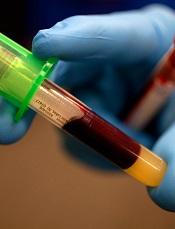
The US Food and Drug Administration (FDA) has granted marketing authorization for the T2Candida® Panel and the T2Dx® Instrument, a system that provides direct detection of 5 yeast pathogens in whole blood samples.
The system can detect Candida albicans, Candida tropicalis, Candida parapsilosis, Candida glabrata, and Candida krusei in patients with symptoms of, or medical conditions predisposing them to, invasive fungal infections.
It can take up to 6 days to detect yeast pathogens using blood culture, and even more time to identify the specific type of yeast present.
The T2Candida system can identify specific Candida pathogens from a single blood sample within 3 to 5 hours.
However, false positive results are possible with this system, so physicians should perform blood cultures to confirm T2Candida results, according to the FDA. Still, a negative test result may provide timely data that allows physicians to avoid or suspend unnecessary antifungal treatment.
“By testing 1 blood sample for 5 yeast pathogens—and getting results within a few hours—physicians can initiate appropriate antifungal treatment earlier and potentially reduce patient illness and decrease the risk of dying from these infections,” said Alberto Gutierrez, director of the Office of In Vitro Diagnostics and Radiological Health at the FDA’s Center for Devices and Radiological Health.
How the system works
The T2Candida panel and T2Dx instrument are powered by T2MR, a miniaturized, magnetic-resonance-based diagnostic approach that measures how water molecules react in the presence of magnetic fields.
The system uses blood-compatible polymerase chain reaction to amplify Candida DNA, which then binds to superparamagnetic nanoparticles coated with a complementary DNA strand. The binding event causes the nanoparticles to cluster, which changes the sample’s T2 magnetic resonance signal.
If the system detects yeast DNA, it can then determine the species category to which the DNA belongs, which helps point healthcare providers to the appropriate treatment.
T2Dx is a fully automated, bench-top instrument. To perform a test, the patient sample is snapped onto a disposable test cartridge, which is preloaded with the necessary reagents. The cartridge is then inserted into T2Dx, which processes the sample and delivers a diagnostic test result.
Studies and FDA review
The FDA reviewed the T2Candida panel and the T2Dx instrument through the agency’s de novo classification process, a regulatory pathway for certain novel, low- to moderate-risk medical devices.
The FDA based its review on a clinical study of 1500 patients, in which the T2Candida system correctly categorized nearly 100% of the negative specimens as negative for the presence of yeast.
In a separate study of 300 blood samples with specific concentrations of yeast, the system correctly identified the organism in 84% to 96% of the positive specimens.
The T2Candida panel and T2Dx instrument are manufactured by T2 Biosystems, Inc.
Credit: Juan D. Alfonso
The US Food and Drug Administration (FDA) has granted marketing authorization for the T2Candida® Panel and the T2Dx® Instrument, a system that provides direct detection of 5 yeast pathogens in whole blood samples.
The system can detect Candida albicans, Candida tropicalis, Candida parapsilosis, Candida glabrata, and Candida krusei in patients with symptoms of, or medical conditions predisposing them to, invasive fungal infections.
It can take up to 6 days to detect yeast pathogens using blood culture, and even more time to identify the specific type of yeast present.
The T2Candida system can identify specific Candida pathogens from a single blood sample within 3 to 5 hours.
However, false positive results are possible with this system, so physicians should perform blood cultures to confirm T2Candida results, according to the FDA. Still, a negative test result may provide timely data that allows physicians to avoid or suspend unnecessary antifungal treatment.
“By testing 1 blood sample for 5 yeast pathogens—and getting results within a few hours—physicians can initiate appropriate antifungal treatment earlier and potentially reduce patient illness and decrease the risk of dying from these infections,” said Alberto Gutierrez, director of the Office of In Vitro Diagnostics and Radiological Health at the FDA’s Center for Devices and Radiological Health.
How the system works
The T2Candida panel and T2Dx instrument are powered by T2MR, a miniaturized, magnetic-resonance-based diagnostic approach that measures how water molecules react in the presence of magnetic fields.
The system uses blood-compatible polymerase chain reaction to amplify Candida DNA, which then binds to superparamagnetic nanoparticles coated with a complementary DNA strand. The binding event causes the nanoparticles to cluster, which changes the sample’s T2 magnetic resonance signal.
If the system detects yeast DNA, it can then determine the species category to which the DNA belongs, which helps point healthcare providers to the appropriate treatment.
T2Dx is a fully automated, bench-top instrument. To perform a test, the patient sample is snapped onto a disposable test cartridge, which is preloaded with the necessary reagents. The cartridge is then inserted into T2Dx, which processes the sample and delivers a diagnostic test result.
Studies and FDA review
The FDA reviewed the T2Candida panel and the T2Dx instrument through the agency’s de novo classification process, a regulatory pathway for certain novel, low- to moderate-risk medical devices.
The FDA based its review on a clinical study of 1500 patients, in which the T2Candida system correctly categorized nearly 100% of the negative specimens as negative for the presence of yeast.
In a separate study of 300 blood samples with specific concentrations of yeast, the system correctly identified the organism in 84% to 96% of the positive specimens.
The T2Candida panel and T2Dx instrument are manufactured by T2 Biosystems, Inc.
Credit: Juan D. Alfonso
The US Food and Drug Administration (FDA) has granted marketing authorization for the T2Candida® Panel and the T2Dx® Instrument, a system that provides direct detection of 5 yeast pathogens in whole blood samples.
The system can detect Candida albicans, Candida tropicalis, Candida parapsilosis, Candida glabrata, and Candida krusei in patients with symptoms of, or medical conditions predisposing them to, invasive fungal infections.
It can take up to 6 days to detect yeast pathogens using blood culture, and even more time to identify the specific type of yeast present.
The T2Candida system can identify specific Candida pathogens from a single blood sample within 3 to 5 hours.
However, false positive results are possible with this system, so physicians should perform blood cultures to confirm T2Candida results, according to the FDA. Still, a negative test result may provide timely data that allows physicians to avoid or suspend unnecessary antifungal treatment.
“By testing 1 blood sample for 5 yeast pathogens—and getting results within a few hours—physicians can initiate appropriate antifungal treatment earlier and potentially reduce patient illness and decrease the risk of dying from these infections,” said Alberto Gutierrez, director of the Office of In Vitro Diagnostics and Radiological Health at the FDA’s Center for Devices and Radiological Health.
How the system works
The T2Candida panel and T2Dx instrument are powered by T2MR, a miniaturized, magnetic-resonance-based diagnostic approach that measures how water molecules react in the presence of magnetic fields.
The system uses blood-compatible polymerase chain reaction to amplify Candida DNA, which then binds to superparamagnetic nanoparticles coated with a complementary DNA strand. The binding event causes the nanoparticles to cluster, which changes the sample’s T2 magnetic resonance signal.
If the system detects yeast DNA, it can then determine the species category to which the DNA belongs, which helps point healthcare providers to the appropriate treatment.
T2Dx is a fully automated, bench-top instrument. To perform a test, the patient sample is snapped onto a disposable test cartridge, which is preloaded with the necessary reagents. The cartridge is then inserted into T2Dx, which processes the sample and delivers a diagnostic test result.
Studies and FDA review
The FDA reviewed the T2Candida panel and the T2Dx instrument through the agency’s de novo classification process, a regulatory pathway for certain novel, low- to moderate-risk medical devices.
The FDA based its review on a clinical study of 1500 patients, in which the T2Candida system correctly categorized nearly 100% of the negative specimens as negative for the presence of yeast.
In a separate study of 300 blood samples with specific concentrations of yeast, the system correctly identified the organism in 84% to 96% of the positive specimens.
The T2Candida panel and T2Dx instrument are manufactured by T2 Biosystems, Inc.
Exercise boosts anticancer effects of doxorubicin

Credit: Aaron Logan
Exercising during doxorubicin treatment can amplify the drug’s cancer-fighting ability, according to preclinical research.
Previous studies showed that adopting an exercise regimen before receiving doxorubicin could protect against the cardiac side effects associated with the drug.
Now, researchers have reported that exercising during doxorubicin treatment does not protect the heart, but it does help shrink tumors in mice.
Joseph Libonati, PhD, of the University of Pennsylvania in Philadelphia, and his colleagues reported these findings in the American Journal of Physiology—Regulatory, Integrative and Comparative Physiology.
The researchers conducted experiments with 4 groups of mice, all of which received an injection of melanoma cells.
During the next 2 weeks, 2 of the groups received doxorubicin in 2 doses, while the other 2 groups received placebo injections.
A treated group and a placebo group were put on exercise regimens, walking for 45 minutes 5 days a week on mouse-sized treadmills, while the rest of the mice remained sedentary.
After the 2-week trial, the researchers examined the animals’ hearts using echocardiogram and tissue analysis.
As expected, doxorubicin reduced the heart’s function and size and increased fibrosis. Mice that exercised were not protected from this damage.
“We looked, and the exercise didn’t do anything to the heart; it didn’t worsen it, it didn’t help it,” Dr Libonati said. “But the tumor data—I find them actually amazing.”
The mice that received doxorubicin and exercised had significantly smaller tumors after 2 weeks than mice that only received doxorubicin (P<0.05).
Further studies will investigate exactly how exercise enhances the effect of doxorubicin, but the researchers believe it could be, in part, because exercise increases blood flow to the tumor, bringing with it more of the drug in the bloodstream.
“If exercise helps in this way, you could potentially use a smaller dose of the drug and get fewer side effects,” Dr Libonati said.
Gaining a clearer understanding of the many ways that exercise affects various systems of the body could also pave the way for developing drugs that mimic the effects of exercise.
“People don’t take a drug and then sit down all day,” Dr Libonati said. “Something as simple as moving affects how drugs are metabolized. We’re only just beginning to understand the complexities.”
Credit: Aaron Logan
Exercising during doxorubicin treatment can amplify the drug’s cancer-fighting ability, according to preclinical research.
Previous studies showed that adopting an exercise regimen before receiving doxorubicin could protect against the cardiac side effects associated with the drug.
Now, researchers have reported that exercising during doxorubicin treatment does not protect the heart, but it does help shrink tumors in mice.
Joseph Libonati, PhD, of the University of Pennsylvania in Philadelphia, and his colleagues reported these findings in the American Journal of Physiology—Regulatory, Integrative and Comparative Physiology.
The researchers conducted experiments with 4 groups of mice, all of which received an injection of melanoma cells.
During the next 2 weeks, 2 of the groups received doxorubicin in 2 doses, while the other 2 groups received placebo injections.
A treated group and a placebo group were put on exercise regimens, walking for 45 minutes 5 days a week on mouse-sized treadmills, while the rest of the mice remained sedentary.
After the 2-week trial, the researchers examined the animals’ hearts using echocardiogram and tissue analysis.
As expected, doxorubicin reduced the heart’s function and size and increased fibrosis. Mice that exercised were not protected from this damage.
“We looked, and the exercise didn’t do anything to the heart; it didn’t worsen it, it didn’t help it,” Dr Libonati said. “But the tumor data—I find them actually amazing.”
The mice that received doxorubicin and exercised had significantly smaller tumors after 2 weeks than mice that only received doxorubicin (P<0.05).
Further studies will investigate exactly how exercise enhances the effect of doxorubicin, but the researchers believe it could be, in part, because exercise increases blood flow to the tumor, bringing with it more of the drug in the bloodstream.
“If exercise helps in this way, you could potentially use a smaller dose of the drug and get fewer side effects,” Dr Libonati said.
Gaining a clearer understanding of the many ways that exercise affects various systems of the body could also pave the way for developing drugs that mimic the effects of exercise.
“People don’t take a drug and then sit down all day,” Dr Libonati said. “Something as simple as moving affects how drugs are metabolized. We’re only just beginning to understand the complexities.”
Credit: Aaron Logan
Exercising during doxorubicin treatment can amplify the drug’s cancer-fighting ability, according to preclinical research.
Previous studies showed that adopting an exercise regimen before receiving doxorubicin could protect against the cardiac side effects associated with the drug.
Now, researchers have reported that exercising during doxorubicin treatment does not protect the heart, but it does help shrink tumors in mice.
Joseph Libonati, PhD, of the University of Pennsylvania in Philadelphia, and his colleagues reported these findings in the American Journal of Physiology—Regulatory, Integrative and Comparative Physiology.
The researchers conducted experiments with 4 groups of mice, all of which received an injection of melanoma cells.
During the next 2 weeks, 2 of the groups received doxorubicin in 2 doses, while the other 2 groups received placebo injections.
A treated group and a placebo group were put on exercise regimens, walking for 45 minutes 5 days a week on mouse-sized treadmills, while the rest of the mice remained sedentary.
After the 2-week trial, the researchers examined the animals’ hearts using echocardiogram and tissue analysis.
As expected, doxorubicin reduced the heart’s function and size and increased fibrosis. Mice that exercised were not protected from this damage.
“We looked, and the exercise didn’t do anything to the heart; it didn’t worsen it, it didn’t help it,” Dr Libonati said. “But the tumor data—I find them actually amazing.”
The mice that received doxorubicin and exercised had significantly smaller tumors after 2 weeks than mice that only received doxorubicin (P<0.05).
Further studies will investigate exactly how exercise enhances the effect of doxorubicin, but the researchers believe it could be, in part, because exercise increases blood flow to the tumor, bringing with it more of the drug in the bloodstream.
“If exercise helps in this way, you could potentially use a smaller dose of the drug and get fewer side effects,” Dr Libonati said.
Gaining a clearer understanding of the many ways that exercise affects various systems of the body could also pave the way for developing drugs that mimic the effects of exercise.
“People don’t take a drug and then sit down all day,” Dr Libonati said. “Something as simple as moving affects how drugs are metabolized. We’re only just beginning to understand the complexities.”
FDA approves 30-day pack of anticoagulant

Credit: NHS
The US Food and Drug Administration (FDA) has approved the Xarelto Starter Pack™ for the treatment of deep vein thrombosis (DVT) and/or pulmonary embolism (PE).
The pack provides a 30-day supply of Xarelto (rivaroxaban), which gives patients time to follow up with their primary care physician after leaving the hospital, without missing treatment.
Patients have the greatest risk of recurrence in the first 30 days after a DVT or PE.
“The starter pack will make a difference for patients impacted by blood clots by offering a 30-day supply of the drug in a new, convenient package, which may help support patients as they transition from the hospital to outpatient care,” said Paul Burton, MD, PhD, Vice President of Medical Affairs at Janssen, the company developing Xarelto.
The Xarelto Starter Pack™ will be available at pharmacies in October.
Xarelto is a factor Xa inhibitor that is FDA-approved to treat and prevent the recurrence of DVT/PE, as thromboprophylaxis in patients who have undergone knee or hip replacement surgery, and to reduce the risk of stroke in patients with non-valvular atrial fibrillation.
For DVT/PE patients, Xarelto is given twice daily at 15 mg with food for the first 21 days. On day 22, patients transition to a once-daily dose of 20 mg with food for the remainder of treatment.
Xarelto has a boxed warning stating that premature discontinuation of the drug increases the risk of thrombotic events, and epidural or spinal hematomas have occurred in Xarelto-treated patients who are receiving neuraxial anesthesia or undergoing spinal puncture.
For more details on Xarelto, see the full prescribing information.
Credit: NHS
The US Food and Drug Administration (FDA) has approved the Xarelto Starter Pack™ for the treatment of deep vein thrombosis (DVT) and/or pulmonary embolism (PE).
The pack provides a 30-day supply of Xarelto (rivaroxaban), which gives patients time to follow up with their primary care physician after leaving the hospital, without missing treatment.
Patients have the greatest risk of recurrence in the first 30 days after a DVT or PE.
“The starter pack will make a difference for patients impacted by blood clots by offering a 30-day supply of the drug in a new, convenient package, which may help support patients as they transition from the hospital to outpatient care,” said Paul Burton, MD, PhD, Vice President of Medical Affairs at Janssen, the company developing Xarelto.
The Xarelto Starter Pack™ will be available at pharmacies in October.
Xarelto is a factor Xa inhibitor that is FDA-approved to treat and prevent the recurrence of DVT/PE, as thromboprophylaxis in patients who have undergone knee or hip replacement surgery, and to reduce the risk of stroke in patients with non-valvular atrial fibrillation.
For DVT/PE patients, Xarelto is given twice daily at 15 mg with food for the first 21 days. On day 22, patients transition to a once-daily dose of 20 mg with food for the remainder of treatment.
Xarelto has a boxed warning stating that premature discontinuation of the drug increases the risk of thrombotic events, and epidural or spinal hematomas have occurred in Xarelto-treated patients who are receiving neuraxial anesthesia or undergoing spinal puncture.
For more details on Xarelto, see the full prescribing information.
Credit: NHS
The US Food and Drug Administration (FDA) has approved the Xarelto Starter Pack™ for the treatment of deep vein thrombosis (DVT) and/or pulmonary embolism (PE).
The pack provides a 30-day supply of Xarelto (rivaroxaban), which gives patients time to follow up with their primary care physician after leaving the hospital, without missing treatment.
Patients have the greatest risk of recurrence in the first 30 days after a DVT or PE.
“The starter pack will make a difference for patients impacted by blood clots by offering a 30-day supply of the drug in a new, convenient package, which may help support patients as they transition from the hospital to outpatient care,” said Paul Burton, MD, PhD, Vice President of Medical Affairs at Janssen, the company developing Xarelto.
The Xarelto Starter Pack™ will be available at pharmacies in October.
Xarelto is a factor Xa inhibitor that is FDA-approved to treat and prevent the recurrence of DVT/PE, as thromboprophylaxis in patients who have undergone knee or hip replacement surgery, and to reduce the risk of stroke in patients with non-valvular atrial fibrillation.
For DVT/PE patients, Xarelto is given twice daily at 15 mg with food for the first 21 days. On day 22, patients transition to a once-daily dose of 20 mg with food for the remainder of treatment.
Xarelto has a boxed warning stating that premature discontinuation of the drug increases the risk of thrombotic events, and epidural or spinal hematomas have occurred in Xarelto-treated patients who are receiving neuraxial anesthesia or undergoing spinal puncture.
For more details on Xarelto, see the full prescribing information.
License to slip up?
The Food and Drug Administration recently approved another weight-loss drug (Contrave), a combination of naltrexone (indicated for opioid dependence) and bupropion (indicated for depression). This is the third weight-loss drug approved in the past 2 years. The FDA previously approved lorcaserin (Belviq) and topiramate/phentermine (Qsymia). This approval activity signals pharmaceutical interest in a multibillion dollar weight loss industry and perhaps, maybe less so, the FDA’s recognition of our public health crisis.
For patients who meet criteria for the use of these medications, they should be offered if they can be afforded. However, these medications may make patients behave differently.
It’s called “license.”
License is the psychological phenomenon in which people who feel they have made progress toward a goal feel liberated to make an incongruent choice. Think of a patient interested in losing weight who now takes a weight-loss pill. Despite not having lost any weight yet and perhaps just after taking the first pill, the patient then makes a choice to consume a high-calorie dessert.
Here are some data that support that this could be happening.
One team of investigators randomized subjects to being informed they were taking a placebo or a weight-loss supplement (which was actually the same placebo tablet as in the other study arm). After receiving the supplement, participants were allowed access to a reward buffet lunch at which their food consumption was recorded. Compared with controls, participants receiving a purported weight-loss supplement ate more food at the reward buffet. This effect seemed to occur through a perceived sense that they were making progress toward their weight-loss goal by taking the pill (Nutrition 2014;30:1007-14).
This is critical for us to think about and incorporate into our clinical teaching when prescribing these medications. Psychological liberation threatens any health gains we can make at a population level with any weight-loss approach. We need to help our patients understand that these medications should be used in combination with sustainable lifestyle changes or they may as well be taking a placebo.
Dr. Ebbert is professor of medicine, a general internist at the Mayo Clinic in Rochester, Minn., and a diplomate of the American Board of Addiction Medicine. The opinions expressed are those of the author. The opinions expressed in this article should not be used to diagnose or treat any medical condition nor should they be used as a substitute for medical advice from a qualified, board-certified practicing clinician.
The Food and Drug Administration recently approved another weight-loss drug (Contrave), a combination of naltrexone (indicated for opioid dependence) and bupropion (indicated for depression). This is the third weight-loss drug approved in the past 2 years. The FDA previously approved lorcaserin (Belviq) and topiramate/phentermine (Qsymia). This approval activity signals pharmaceutical interest in a multibillion dollar weight loss industry and perhaps, maybe less so, the FDA’s recognition of our public health crisis.
For patients who meet criteria for the use of these medications, they should be offered if they can be afforded. However, these medications may make patients behave differently.
It’s called “license.”
License is the psychological phenomenon in which people who feel they have made progress toward a goal feel liberated to make an incongruent choice. Think of a patient interested in losing weight who now takes a weight-loss pill. Despite not having lost any weight yet and perhaps just after taking the first pill, the patient then makes a choice to consume a high-calorie dessert.
Here are some data that support that this could be happening.
One team of investigators randomized subjects to being informed they were taking a placebo or a weight-loss supplement (which was actually the same placebo tablet as in the other study arm). After receiving the supplement, participants were allowed access to a reward buffet lunch at which their food consumption was recorded. Compared with controls, participants receiving a purported weight-loss supplement ate more food at the reward buffet. This effect seemed to occur through a perceived sense that they were making progress toward their weight-loss goal by taking the pill (Nutrition 2014;30:1007-14).
This is critical for us to think about and incorporate into our clinical teaching when prescribing these medications. Psychological liberation threatens any health gains we can make at a population level with any weight-loss approach. We need to help our patients understand that these medications should be used in combination with sustainable lifestyle changes or they may as well be taking a placebo.
Dr. Ebbert is professor of medicine, a general internist at the Mayo Clinic in Rochester, Minn., and a diplomate of the American Board of Addiction Medicine. The opinions expressed are those of the author. The opinions expressed in this article should not be used to diagnose or treat any medical condition nor should they be used as a substitute for medical advice from a qualified, board-certified practicing clinician.
The Food and Drug Administration recently approved another weight-loss drug (Contrave), a combination of naltrexone (indicated for opioid dependence) and bupropion (indicated for depression). This is the third weight-loss drug approved in the past 2 years. The FDA previously approved lorcaserin (Belviq) and topiramate/phentermine (Qsymia). This approval activity signals pharmaceutical interest in a multibillion dollar weight loss industry and perhaps, maybe less so, the FDA’s recognition of our public health crisis.
For patients who meet criteria for the use of these medications, they should be offered if they can be afforded. However, these medications may make patients behave differently.
It’s called “license.”
License is the psychological phenomenon in which people who feel they have made progress toward a goal feel liberated to make an incongruent choice. Think of a patient interested in losing weight who now takes a weight-loss pill. Despite not having lost any weight yet and perhaps just after taking the first pill, the patient then makes a choice to consume a high-calorie dessert.
Here are some data that support that this could be happening.
One team of investigators randomized subjects to being informed they were taking a placebo or a weight-loss supplement (which was actually the same placebo tablet as in the other study arm). After receiving the supplement, participants were allowed access to a reward buffet lunch at which their food consumption was recorded. Compared with controls, participants receiving a purported weight-loss supplement ate more food at the reward buffet. This effect seemed to occur through a perceived sense that they were making progress toward their weight-loss goal by taking the pill (Nutrition 2014;30:1007-14).
This is critical for us to think about and incorporate into our clinical teaching when prescribing these medications. Psychological liberation threatens any health gains we can make at a population level with any weight-loss approach. We need to help our patients understand that these medications should be used in combination with sustainable lifestyle changes or they may as well be taking a placebo.
Dr. Ebbert is professor of medicine, a general internist at the Mayo Clinic in Rochester, Minn., and a diplomate of the American Board of Addiction Medicine. The opinions expressed are those of the author. The opinions expressed in this article should not be used to diagnose or treat any medical condition nor should they be used as a substitute for medical advice from a qualified, board-certified practicing clinician.

Combo improves PFS in multiple myeloma

Credit: NIH
Adding panobinostat to treatment with bortezomib and dexamethasone can improve progression-free survival (PFS) in previously treated patients with multiple myeloma, results of the PANORAMA-1 trial suggest.
The combination conferred a 4-month improvement in median PFS when compared to bortezomib and dexamethasone plus placebo.
There was no significant difference in overall survival between the treatment groups, but researchers said these data are not mature.
“The PANORAMA-1 study is the first phase 3 trial to show the superiority of [panobinostat] plus bortezomib and dexamethasone over one of the standard 2-drug regimens for patients with relapsing and/or refractory multiple myeloma,” said lead study investigator Jesus San-Miguel, MD, of Clínica Universidad de Navarra in Pamplona, Spain.
Dr San-Miguel and his colleagues reported the results of PANORAMA-1 in The Lancet Oncology. The trial was sponsored by Novartis Pharmaceuticals, the company developing panobinostat.
The trial included 768 patients with relapsed or relapsed and refractory multiple myeloma who had failed at least 1 prior treatment.
Three-hundred and eighty-seven patients were randomized to treatment with panobinostat, bortezomib, and dexamethasone. And 381 patients were randomized to receive placebo, bortezomib, and dexamethasone.
The median follow up was 6.47 months in the panobinostat arm 5.59 months in the placebo arm.
The study’s primary endpoint was PFS. And the median PFS was significantly longer in the panobinostat arm than the placebo arm—11.99 months and 8.08 months, respectively (P<0.0001).
The median overall survival, on the other hand, was similar between the treatment arms. It was 33.64 months in the panobinostat arm and 30.39 months in the placebo arm (P=0.26).
Likewise, the overall response rate was similar between the treatment arms—60.7% with panobinostat and 54.6% with placebo (P=0.09). But the rate of complete or near-complete response was higher with panobinostat—27.6% and 15.7%, respectively (P=0.00006).
The rate of serious adverse events was 60% in the panobinostat arm and 42% in the placebo arm.
The most common grade 3/4 adverse events were thrombocytopenia (67% and 31%, respectively), lymphopenia (53% and 40%, respectively), neutropenia (35% and 11%, respectively), diarrhea (26% and 8%, respectively), and neuropathy (18% and 15%, respectively).
Based on these data, panobinostat was granted priority review by the US Food and Drug Administration in May. Priority review is given to therapies that may offer major advances in treatment. 
Credit: NIH
Adding panobinostat to treatment with bortezomib and dexamethasone can improve progression-free survival (PFS) in previously treated patients with multiple myeloma, results of the PANORAMA-1 trial suggest.
The combination conferred a 4-month improvement in median PFS when compared to bortezomib and dexamethasone plus placebo.
There was no significant difference in overall survival between the treatment groups, but researchers said these data are not mature.
“The PANORAMA-1 study is the first phase 3 trial to show the superiority of [panobinostat] plus bortezomib and dexamethasone over one of the standard 2-drug regimens for patients with relapsing and/or refractory multiple myeloma,” said lead study investigator Jesus San-Miguel, MD, of Clínica Universidad de Navarra in Pamplona, Spain.
Dr San-Miguel and his colleagues reported the results of PANORAMA-1 in The Lancet Oncology. The trial was sponsored by Novartis Pharmaceuticals, the company developing panobinostat.
The trial included 768 patients with relapsed or relapsed and refractory multiple myeloma who had failed at least 1 prior treatment.
Three-hundred and eighty-seven patients were randomized to treatment with panobinostat, bortezomib, and dexamethasone. And 381 patients were randomized to receive placebo, bortezomib, and dexamethasone.
The median follow up was 6.47 months in the panobinostat arm 5.59 months in the placebo arm.
The study’s primary endpoint was PFS. And the median PFS was significantly longer in the panobinostat arm than the placebo arm—11.99 months and 8.08 months, respectively (P<0.0001).
The median overall survival, on the other hand, was similar between the treatment arms. It was 33.64 months in the panobinostat arm and 30.39 months in the placebo arm (P=0.26).
Likewise, the overall response rate was similar between the treatment arms—60.7% with panobinostat and 54.6% with placebo (P=0.09). But the rate of complete or near-complete response was higher with panobinostat—27.6% and 15.7%, respectively (P=0.00006).
The rate of serious adverse events was 60% in the panobinostat arm and 42% in the placebo arm.
The most common grade 3/4 adverse events were thrombocytopenia (67% and 31%, respectively), lymphopenia (53% and 40%, respectively), neutropenia (35% and 11%, respectively), diarrhea (26% and 8%, respectively), and neuropathy (18% and 15%, respectively).
Based on these data, panobinostat was granted priority review by the US Food and Drug Administration in May. Priority review is given to therapies that may offer major advances in treatment.
Credit: NIH
Adding panobinostat to treatment with bortezomib and dexamethasone can improve progression-free survival (PFS) in previously treated patients with multiple myeloma, results of the PANORAMA-1 trial suggest.
The combination conferred a 4-month improvement in median PFS when compared to bortezomib and dexamethasone plus placebo.
There was no significant difference in overall survival between the treatment groups, but researchers said these data are not mature.
“The PANORAMA-1 study is the first phase 3 trial to show the superiority of [panobinostat] plus bortezomib and dexamethasone over one of the standard 2-drug regimens for patients with relapsing and/or refractory multiple myeloma,” said lead study investigator Jesus San-Miguel, MD, of Clínica Universidad de Navarra in Pamplona, Spain.
Dr San-Miguel and his colleagues reported the results of PANORAMA-1 in The Lancet Oncology. The trial was sponsored by Novartis Pharmaceuticals, the company developing panobinostat.
The trial included 768 patients with relapsed or relapsed and refractory multiple myeloma who had failed at least 1 prior treatment.
Three-hundred and eighty-seven patients were randomized to treatment with panobinostat, bortezomib, and dexamethasone. And 381 patients were randomized to receive placebo, bortezomib, and dexamethasone.
The median follow up was 6.47 months in the panobinostat arm 5.59 months in the placebo arm.
The study’s primary endpoint was PFS. And the median PFS was significantly longer in the panobinostat arm than the placebo arm—11.99 months and 8.08 months, respectively (P<0.0001).
The median overall survival, on the other hand, was similar between the treatment arms. It was 33.64 months in the panobinostat arm and 30.39 months in the placebo arm (P=0.26).
Likewise, the overall response rate was similar between the treatment arms—60.7% with panobinostat and 54.6% with placebo (P=0.09). But the rate of complete or near-complete response was higher with panobinostat—27.6% and 15.7%, respectively (P=0.00006).
The rate of serious adverse events was 60% in the panobinostat arm and 42% in the placebo arm.
The most common grade 3/4 adverse events were thrombocytopenia (67% and 31%, respectively), lymphopenia (53% and 40%, respectively), neutropenia (35% and 11%, respectively), diarrhea (26% and 8%, respectively), and neuropathy (18% and 15%, respectively).
Based on these data, panobinostat was granted priority review by the US Food and Drug Administration in May. Priority review is given to therapies that may offer major advances in treatment.
Studies explain gene’s role in thrombosis, hemostasis

Credit: Kevin MacKenzie
Two preclinical studies provide new insight into the activity of STXBP5, a gene that has been linked to changes in von Willebrand factor (VWF).
One research group found evidence suggesting that STXBP5 regulates endothelial exocytosis and thrombosis.
Another group’s work indicated that STXBP5 is required for normal arterial hemostasis, as it contributes to platelet packaging and secretion.
Both studies appear in The Journal of Clinical Investigation.
Charles Lowenstein, MD, of the University of Rochester in New York, and his colleagues began their research with the theory that STXBP5 inhibits endothelial cell exocytosis.
The group found that STXBP5 is expressed in human endothelial cells, and reducing STXBP5 increases exocytosis of VWF and P-selectin.
STXBP5-knockout mice had higher levels of VWF in their plasma, increased P-selectin translocation, and more platelet-endothelial interactions. This suggests that defective STXBP5 is a risk factor for thrombosis.
However, STXBP5-knockout mice also exhibited prolonged bleeding and impaired thrombosis. They had defects in platelet secretion and activation as well.
Sidney (Wally) Whiteheart, PhD, of the University of Kentucky in Lexington, and his colleagues helped to explain these findings with their research.
The group showed that platelets lacking SXTBP5 failed to function correctly, and SXTBP5 was required for platelets to assist in normal clot formation. This suggests STXBP5 plays different roles in endothelial cells and platelets.
Specifically, the researchers found that STXBP5 interacts with core secretion machinery complexes and the platelet cytoskeleton.
And platelets from STXBP5-knockout mice exhibited defects in granule secretion. These platelets had altered granule cargo levels, despite having normal morphology and granule numbers.
Like Dr Lowenstein’s group, Dr Whiteheart and his colleagues observed dramatic bleeding and defective hemostasis in STXBP5-knockout mice. Transplant experiments suggested these defects were due to a loss of STXBP5 in bone marrow-derived cells.
Credit: Kevin MacKenzie
Two preclinical studies provide new insight into the activity of STXBP5, a gene that has been linked to changes in von Willebrand factor (VWF).
One research group found evidence suggesting that STXBP5 regulates endothelial exocytosis and thrombosis.
Another group’s work indicated that STXBP5 is required for normal arterial hemostasis, as it contributes to platelet packaging and secretion.
Both studies appear in The Journal of Clinical Investigation.
Charles Lowenstein, MD, of the University of Rochester in New York, and his colleagues began their research with the theory that STXBP5 inhibits endothelial cell exocytosis.
The group found that STXBP5 is expressed in human endothelial cells, and reducing STXBP5 increases exocytosis of VWF and P-selectin.
STXBP5-knockout mice had higher levels of VWF in their plasma, increased P-selectin translocation, and more platelet-endothelial interactions. This suggests that defective STXBP5 is a risk factor for thrombosis.
However, STXBP5-knockout mice also exhibited prolonged bleeding and impaired thrombosis. They had defects in platelet secretion and activation as well.
Sidney (Wally) Whiteheart, PhD, of the University of Kentucky in Lexington, and his colleagues helped to explain these findings with their research.
The group showed that platelets lacking SXTBP5 failed to function correctly, and SXTBP5 was required for platelets to assist in normal clot formation. This suggests STXBP5 plays different roles in endothelial cells and platelets.
Specifically, the researchers found that STXBP5 interacts with core secretion machinery complexes and the platelet cytoskeleton.
And platelets from STXBP5-knockout mice exhibited defects in granule secretion. These platelets had altered granule cargo levels, despite having normal morphology and granule numbers.
Like Dr Lowenstein’s group, Dr Whiteheart and his colleagues observed dramatic bleeding and defective hemostasis in STXBP5-knockout mice. Transplant experiments suggested these defects were due to a loss of STXBP5 in bone marrow-derived cells.
Credit: Kevin MacKenzie
Two preclinical studies provide new insight into the activity of STXBP5, a gene that has been linked to changes in von Willebrand factor (VWF).
One research group found evidence suggesting that STXBP5 regulates endothelial exocytosis and thrombosis.
Another group’s work indicated that STXBP5 is required for normal arterial hemostasis, as it contributes to platelet packaging and secretion.
Both studies appear in The Journal of Clinical Investigation.
Charles Lowenstein, MD, of the University of Rochester in New York, and his colleagues began their research with the theory that STXBP5 inhibits endothelial cell exocytosis.
The group found that STXBP5 is expressed in human endothelial cells, and reducing STXBP5 increases exocytosis of VWF and P-selectin.
STXBP5-knockout mice had higher levels of VWF in their plasma, increased P-selectin translocation, and more platelet-endothelial interactions. This suggests that defective STXBP5 is a risk factor for thrombosis.
However, STXBP5-knockout mice also exhibited prolonged bleeding and impaired thrombosis. They had defects in platelet secretion and activation as well.
Sidney (Wally) Whiteheart, PhD, of the University of Kentucky in Lexington, and his colleagues helped to explain these findings with their research.
The group showed that platelets lacking SXTBP5 failed to function correctly, and SXTBP5 was required for platelets to assist in normal clot formation. This suggests STXBP5 plays different roles in endothelial cells and platelets.
Specifically, the researchers found that STXBP5 interacts with core secretion machinery complexes and the platelet cytoskeleton.
And platelets from STXBP5-knockout mice exhibited defects in granule secretion. These platelets had altered granule cargo levels, despite having normal morphology and granule numbers.
Like Dr Lowenstein’s group, Dr Whiteheart and his colleagues observed dramatic bleeding and defective hemostasis in STXBP5-knockout mice. Transplant experiments suggested these defects were due to a loss of STXBP5 in bone marrow-derived cells.