User login
How can I get training in working with families?
In the late-20th century, family therapy was a new therapeutic modality. It was an exciting time! Family therapy and the application of systems principles to families was considered “thinking outside the box.” Different schools of family therapy were developed, usually based in an academic center and led by a charismatic leader, often a psychiatrist.
Today, with the rise in the popularity of psychopharmacology and the promise of biological interventions, there are fewer opportunities for family systems training within psychiatric residency programs. In order to receive family systems training, a psychiatrist may decide to enroll in an independent family training institute, such as the Ackerman Institute for the Family in New York. However, there are still some psychiatric residency programs that consider learning to work with families to be an essential psychotherapeutic skill.
Psychiatric training in family therapy
Dr. Ellen Berman, president of the Association of Family Psychiatrists, recently asked family psychiatrists to indicate psychiatric residency programs offering family systems training. Nine programs were identified. Here is a description of each program and contact information:
• Albert Einstein College of Medicine, New York
“We have a well-established and extensive Family Studies program that is part of the department of psychiatry at Albert Einstein College of Medicine and is well integrated into the residency training program. All residents in the 4 years of the training program at Montefiore Medical Center and Bronx (N.Y.) Psychiatric Center as well as child fellows receive supervision in couples and family therapy, courses, seminars, electives, and more. Faculty and residents have presented different innovative projects related to family and systems at national conferences and have written papers on their clinical work.”
– Contact: Madeleine.Abrams@omh.ny.gov, Director of Family Studies, department of psychiatry, Albert Einstein College of Medicine.
• McGill University, Montreal
“We have a very active family therapy community in Montreal, with [Dr.] Herta Guttman as our pioneer. At the Jewish General [Hospital] department of psychiatry, we run an [American Association for Marriage and Family Therapy]–accredited postgraduate certificate couple and family therapy program. This program primarily trains community mental health practitioners (social workers, psychologists, etc.), however, we have had psychiatrists take this course. This year, we are training our first Couple and Family Fellow (child psychiatrist) through the department of psychiatry.
In McGill Psychiatry, we have a new family skills teaching module in the McGill Resident Diploma Program. We will provide 3 hours of teaching in the R1 year (basic concepts). In the R2 and R3 years, residents receive training on a range of family therapy topics. The curriculum was inspired by the Group for the Advancement of Psychiatry curriculum. Dr. Nick Casacalenda spearheaded this initiative. There are 3 hours of family teaching in the diploma course module: gender, social, and cultural aspects of psychiatry, and 6 hours in the child psychiatry module.”
– Contact: Sharon Bond, Ph.D.; School of Social Work; Director, Couple and Family Therapy Program.
• NYU School of Medicine
“I am the director of service at the Roberto Clemente Center in the Lower East Side (now East Village) in Manhattan. The center is part of the departments of mental health of both Gouverneur [Healthcare Services] and Bellevue. We have an academic affiliation with New York University School of Medicine. The center was started about 30 years ago by a psychologist, Jaime Inclan, Ph.D. He was initially was trained by [Dr.] Salvador Minuchin. As a family clinic embedded in the community, we mostly serve minority underserved populations. We provide primary health and mental health services. We have been providing for decades training to medical students, psychology interns, and social work students.”
– Contact: Dr. Miguel Vilaro-Colon, Clinical Assistant Professor of Psychiatry, NYU School of Medicine.
• Stanford (Calif.) University
“Our 4-year training program in couples and family therapy begins with didactics and family meetings (inpatient) in the first year; didactics and opportunities for a couples and family therapy clinical elective as [postgraduate year]-2s; live case observation in the family therapy program at the [Veterans Affairs] Palo Alto Health Care System, as well as an intensive seminar at Stanford during the PGY-3 year, and supervised outpatient clinical work in Stanford’s Couples and Family Therapy Clinic during the PGY-3 and PGY-4 years. Residents who are interested in child and adolescent psychiatry can focus their PGY-3 rotation on family cases with a child/adolescent focus. An earlier version of this training sequence is described in program for residents is described in ‘A Model for Reintegrating Couples and Family Therapy Training in Psychiatric Residency Programs’ ” (Acad. Psychiatry 2008;32:81-6).
– Contact: Douglas S. Rait, Ph.D., Chief, Couples and Family Therapy Clinic, Clinical Professor of Psychiatry & Behavioral Sciences, Stanford University.
• University of Pennsylvania Perlman School of Medicine
“The Center for Couples and Adult Families in the department of psychiatry includes a didactic program for residents spanning all 4 years and supervision in PGY-3 and 4. Residents help run multifamily psychoeducation groups in the bipolar clinic, and see couples and families in their outpatient clinics. Our focus is on family inclusion and family psychoeducation for all patients when possible, with couple and adult family therapy when appropriate. Our curriculum is on our website As the clinical director, I work closely with Ellen Berman, who founded the center 5 years ago.”
– Contact: Jacqueline Hudak, Ph.D., LMFT, Center for Couples and Adult Families, Department of Psychiatry, Perelman School of Medicine.
• Mount Sinai Beth Israel, New York The Family Center for Bipolar provides services to patients with bipolar disorder “within the context of the family.” In addition, Dr. Igor Galynker, who runs the center, gives a series of lectures on family inclusion. The center also has a formal training program in family therapy run by Haya Mermelstein, CSW.
– Contact: Dr. Igor Galynker, professor of psychiatry, Icahn School of Medicine at Mount Sinai; director, the Family Center for Bipolar Disorder; Associate Chairman, Department Of Psychiatry and Behavioral Sciences.
• Brown University, Providence, R.I.
“We have a formal Family Therapy Training Program in the department of psychiatry at Brown University, based at Rhode Island Hospital.”
– Contact: Dr. Gabor I. Keitner, Associate Chief of Psychiatry, Rhode Island and Miriam Hospitals; Professor, Department of Psychiatry, Brown University.
• University of Rochester, Institute for the Family
“An emphasis on family is embedded in all of our training. The residents have a formal didactic curriculum and participate in family care and family research. Many of the residents fast track into a child fellowship, which has an extensive program in family therapy.
– Contact: Dr. Glenn_Currier@URMC.rochester.edu, Director of Psychiatry Residency Education, University of Rochester Medical Center.
• University of Colorado Denver
“Our department offers a unique psychotherapy scholar track. The mission of this track is to offer advanced psychotherapy training to a subgroup of psychiatric residents, within an adult general residency program, who wish to learn and do psychotherapy. Within this track we offer extensive family therapy training. The family therapy component consists of didactics and direct supervision. It runs through the 4 years of residency. There are several experienced family therapists on the faculty who supervise in this program.”
– Contact: Dr. Robert.Feinstein@ucdenver.edu, Vice Chair, Department of Psychiatry.
A multidisciplinary field
Family systems training occurs in other disciplines: psychology, social work, and marriage and family therapy (MFT) programs. The number of MFT programs across the United States is large, reflecting the demand for family systems therapists.
Psychologists with a special interest in family therapy belong to the American Psychological Association’s Division 43. Division 43 supports family-oriented clinical and scientific activities as well as education and public policy, a journal called the Journal of Family Psychology, and a quarterly newsletter called The Family Psychologist. Many psychologists are trained in family therapy work in primary care settings. The current president of American Psychological Association, Nadine J. Kaslow, Ph.D., is a family therapist who helps underserved and underprivileged populations receive culturally competent, evidence-based, biopsychosocially oriented mental health services.
Social Workers are required to take two exams: one to be “licensed” as an LCSW (licensed clinical social worker) after graduation with a master’s degree. After 3,000 hours of supervised clinical practice, social worker takes second exam for independent licensure LICSW (licensed independent clinical social worker).
Social work schools have a course or two in family therapy. After graduation, students may choose to specialize in couples and family therapy. Like psychiatric and psychological training programs, there is wide variation in the amount of family therapy taught in schools of social work.
Marriage and family therapists (MFTs) have their own organization, the American Association for Marriage and Family Therapy (AAMFT). This organization’s training is specific to families and couples. Members are required to be supervised in clinical practice for 2 years. AAMFT produces the Journal of Marital and Family Therapy. The AAMFT website also lists accredited programs in the United States and Canada.
Two American journals in this area are interdisciplinary: Family Process and Families, Systems & Health. Family Process has broad representation on its board from all disciplines and has a strong focus on family systems research and social justice. Family Process aims to support emerging researchers and clinicians worldwide, and periodically offers grants. Families, Systems & Health is multidisciplinary with a focus on research and clinical practice in medical illness, and health psychology.
The American Family Therapy Academy (AFTA) is the only organization that is interdisciplinary. Founded in 1977, AFTA’s objectives include “the advancement of theories, therapies, research, and professional education that regard the family as a unit in a social context, to make information about family therapy available to practitioners in other fields of knowledge and to the public and to foster collaboration among the medical, psychological, social, legal, and other professions that serve families and the science and practice of family therapy.”
AFTA is outspoken on issues that affect families. For example, its Immigration Position Statement addresses the negative impact of U.S. immigration policy on families and children. AFTA has strong views about the DSM-5, stating that “the current revision of the DSM continues a long history of ignoring research and excluding vital contributions of nonpsychiatric mental health disciplines resulting in invalid diagnostic categories and treatment protocols. The DSM is dominant in determining mental health diagnosis and treatment and is more harmful than helpful in delineating best practices.” The next AFTA conference is in June 2015, and the theme is “Global Ecologies: Connections among Self, Families, Communities, and Cultures.”
Family therapy has grown from a small group of interested academics, mostly psychiatrists, to a large group of interdisciplinary professionals. Today, psychiatrists have less access to family systems training than in previous decades but can still access training. In addition to attending conferences, psychiatrists interested in this area might see whether training programs would accept them into their courses.
For those psychiatrists who have not had formal training during residency training, this review of programs is a good starting point for seeking family systems training.
Dr. Heru is with the department of psychiatry at the University of Colorado Denver, Aurora. She is editor of the recently published book Working With Families in Medical Settings: A Multidisciplinary Guide for Psychiatrists and Other Health Professionals (New York: Routledge, 2013).
In the late-20th century, family therapy was a new therapeutic modality. It was an exciting time! Family therapy and the application of systems principles to families was considered “thinking outside the box.” Different schools of family therapy were developed, usually based in an academic center and led by a charismatic leader, often a psychiatrist.
Today, with the rise in the popularity of psychopharmacology and the promise of biological interventions, there are fewer opportunities for family systems training within psychiatric residency programs. In order to receive family systems training, a psychiatrist may decide to enroll in an independent family training institute, such as the Ackerman Institute for the Family in New York. However, there are still some psychiatric residency programs that consider learning to work with families to be an essential psychotherapeutic skill.
Psychiatric training in family therapy
Dr. Ellen Berman, president of the Association of Family Psychiatrists, recently asked family psychiatrists to indicate psychiatric residency programs offering family systems training. Nine programs were identified. Here is a description of each program and contact information:
• Albert Einstein College of Medicine, New York
“We have a well-established and extensive Family Studies program that is part of the department of psychiatry at Albert Einstein College of Medicine and is well integrated into the residency training program. All residents in the 4 years of the training program at Montefiore Medical Center and Bronx (N.Y.) Psychiatric Center as well as child fellows receive supervision in couples and family therapy, courses, seminars, electives, and more. Faculty and residents have presented different innovative projects related to family and systems at national conferences and have written papers on their clinical work.”
– Contact: Madeleine.Abrams@omh.ny.gov, Director of Family Studies, department of psychiatry, Albert Einstein College of Medicine.
• McGill University, Montreal
“We have a very active family therapy community in Montreal, with [Dr.] Herta Guttman as our pioneer. At the Jewish General [Hospital] department of psychiatry, we run an [American Association for Marriage and Family Therapy]–accredited postgraduate certificate couple and family therapy program. This program primarily trains community mental health practitioners (social workers, psychologists, etc.), however, we have had psychiatrists take this course. This year, we are training our first Couple and Family Fellow (child psychiatrist) through the department of psychiatry.
In McGill Psychiatry, we have a new family skills teaching module in the McGill Resident Diploma Program. We will provide 3 hours of teaching in the R1 year (basic concepts). In the R2 and R3 years, residents receive training on a range of family therapy topics. The curriculum was inspired by the Group for the Advancement of Psychiatry curriculum. Dr. Nick Casacalenda spearheaded this initiative. There are 3 hours of family teaching in the diploma course module: gender, social, and cultural aspects of psychiatry, and 6 hours in the child psychiatry module.”
– Contact: Sharon Bond, Ph.D.; School of Social Work; Director, Couple and Family Therapy Program.
• NYU School of Medicine
“I am the director of service at the Roberto Clemente Center in the Lower East Side (now East Village) in Manhattan. The center is part of the departments of mental health of both Gouverneur [Healthcare Services] and Bellevue. We have an academic affiliation with New York University School of Medicine. The center was started about 30 years ago by a psychologist, Jaime Inclan, Ph.D. He was initially was trained by [Dr.] Salvador Minuchin. As a family clinic embedded in the community, we mostly serve minority underserved populations. We provide primary health and mental health services. We have been providing for decades training to medical students, psychology interns, and social work students.”
– Contact: Dr. Miguel Vilaro-Colon, Clinical Assistant Professor of Psychiatry, NYU School of Medicine.
• Stanford (Calif.) University
“Our 4-year training program in couples and family therapy begins with didactics and family meetings (inpatient) in the first year; didactics and opportunities for a couples and family therapy clinical elective as [postgraduate year]-2s; live case observation in the family therapy program at the [Veterans Affairs] Palo Alto Health Care System, as well as an intensive seminar at Stanford during the PGY-3 year, and supervised outpatient clinical work in Stanford’s Couples and Family Therapy Clinic during the PGY-3 and PGY-4 years. Residents who are interested in child and adolescent psychiatry can focus their PGY-3 rotation on family cases with a child/adolescent focus. An earlier version of this training sequence is described in program for residents is described in ‘A Model for Reintegrating Couples and Family Therapy Training in Psychiatric Residency Programs’ ” (Acad. Psychiatry 2008;32:81-6).
– Contact: Douglas S. Rait, Ph.D., Chief, Couples and Family Therapy Clinic, Clinical Professor of Psychiatry & Behavioral Sciences, Stanford University.
• University of Pennsylvania Perlman School of Medicine
“The Center for Couples and Adult Families in the department of psychiatry includes a didactic program for residents spanning all 4 years and supervision in PGY-3 and 4. Residents help run multifamily psychoeducation groups in the bipolar clinic, and see couples and families in their outpatient clinics. Our focus is on family inclusion and family psychoeducation for all patients when possible, with couple and adult family therapy when appropriate. Our curriculum is on our website As the clinical director, I work closely with Ellen Berman, who founded the center 5 years ago.”
– Contact: Jacqueline Hudak, Ph.D., LMFT, Center for Couples and Adult Families, Department of Psychiatry, Perelman School of Medicine.
• Mount Sinai Beth Israel, New York The Family Center for Bipolar provides services to patients with bipolar disorder “within the context of the family.” In addition, Dr. Igor Galynker, who runs the center, gives a series of lectures on family inclusion. The center also has a formal training program in family therapy run by Haya Mermelstein, CSW.
– Contact: Dr. Igor Galynker, professor of psychiatry, Icahn School of Medicine at Mount Sinai; director, the Family Center for Bipolar Disorder; Associate Chairman, Department Of Psychiatry and Behavioral Sciences.
• Brown University, Providence, R.I.
“We have a formal Family Therapy Training Program in the department of psychiatry at Brown University, based at Rhode Island Hospital.”
– Contact: Dr. Gabor I. Keitner, Associate Chief of Psychiatry, Rhode Island and Miriam Hospitals; Professor, Department of Psychiatry, Brown University.
• University of Rochester, Institute for the Family
“An emphasis on family is embedded in all of our training. The residents have a formal didactic curriculum and participate in family care and family research. Many of the residents fast track into a child fellowship, which has an extensive program in family therapy.
– Contact: Dr. Glenn_Currier@URMC.rochester.edu, Director of Psychiatry Residency Education, University of Rochester Medical Center.
• University of Colorado Denver
“Our department offers a unique psychotherapy scholar track. The mission of this track is to offer advanced psychotherapy training to a subgroup of psychiatric residents, within an adult general residency program, who wish to learn and do psychotherapy. Within this track we offer extensive family therapy training. The family therapy component consists of didactics and direct supervision. It runs through the 4 years of residency. There are several experienced family therapists on the faculty who supervise in this program.”
– Contact: Dr. Robert.Feinstein@ucdenver.edu, Vice Chair, Department of Psychiatry.
A multidisciplinary field
Family systems training occurs in other disciplines: psychology, social work, and marriage and family therapy (MFT) programs. The number of MFT programs across the United States is large, reflecting the demand for family systems therapists.
Psychologists with a special interest in family therapy belong to the American Psychological Association’s Division 43. Division 43 supports family-oriented clinical and scientific activities as well as education and public policy, a journal called the Journal of Family Psychology, and a quarterly newsletter called The Family Psychologist. Many psychologists are trained in family therapy work in primary care settings. The current president of American Psychological Association, Nadine J. Kaslow, Ph.D., is a family therapist who helps underserved and underprivileged populations receive culturally competent, evidence-based, biopsychosocially oriented mental health services.
Social Workers are required to take two exams: one to be “licensed” as an LCSW (licensed clinical social worker) after graduation with a master’s degree. After 3,000 hours of supervised clinical practice, social worker takes second exam for independent licensure LICSW (licensed independent clinical social worker).
Social work schools have a course or two in family therapy. After graduation, students may choose to specialize in couples and family therapy. Like psychiatric and psychological training programs, there is wide variation in the amount of family therapy taught in schools of social work.
Marriage and family therapists (MFTs) have their own organization, the American Association for Marriage and Family Therapy (AAMFT). This organization’s training is specific to families and couples. Members are required to be supervised in clinical practice for 2 years. AAMFT produces the Journal of Marital and Family Therapy. The AAMFT website also lists accredited programs in the United States and Canada.
Two American journals in this area are interdisciplinary: Family Process and Families, Systems & Health. Family Process has broad representation on its board from all disciplines and has a strong focus on family systems research and social justice. Family Process aims to support emerging researchers and clinicians worldwide, and periodically offers grants. Families, Systems & Health is multidisciplinary with a focus on research and clinical practice in medical illness, and health psychology.
The American Family Therapy Academy (AFTA) is the only organization that is interdisciplinary. Founded in 1977, AFTA’s objectives include “the advancement of theories, therapies, research, and professional education that regard the family as a unit in a social context, to make information about family therapy available to practitioners in other fields of knowledge and to the public and to foster collaboration among the medical, psychological, social, legal, and other professions that serve families and the science and practice of family therapy.”
AFTA is outspoken on issues that affect families. For example, its Immigration Position Statement addresses the negative impact of U.S. immigration policy on families and children. AFTA has strong views about the DSM-5, stating that “the current revision of the DSM continues a long history of ignoring research and excluding vital contributions of nonpsychiatric mental health disciplines resulting in invalid diagnostic categories and treatment protocols. The DSM is dominant in determining mental health diagnosis and treatment and is more harmful than helpful in delineating best practices.” The next AFTA conference is in June 2015, and the theme is “Global Ecologies: Connections among Self, Families, Communities, and Cultures.”
Family therapy has grown from a small group of interested academics, mostly psychiatrists, to a large group of interdisciplinary professionals. Today, psychiatrists have less access to family systems training than in previous decades but can still access training. In addition to attending conferences, psychiatrists interested in this area might see whether training programs would accept them into their courses.
For those psychiatrists who have not had formal training during residency training, this review of programs is a good starting point for seeking family systems training.
Dr. Heru is with the department of psychiatry at the University of Colorado Denver, Aurora. She is editor of the recently published book Working With Families in Medical Settings: A Multidisciplinary Guide for Psychiatrists and Other Health Professionals (New York: Routledge, 2013).
In the late-20th century, family therapy was a new therapeutic modality. It was an exciting time! Family therapy and the application of systems principles to families was considered “thinking outside the box.” Different schools of family therapy were developed, usually based in an academic center and led by a charismatic leader, often a psychiatrist.
Today, with the rise in the popularity of psychopharmacology and the promise of biological interventions, there are fewer opportunities for family systems training within psychiatric residency programs. In order to receive family systems training, a psychiatrist may decide to enroll in an independent family training institute, such as the Ackerman Institute for the Family in New York. However, there are still some psychiatric residency programs that consider learning to work with families to be an essential psychotherapeutic skill.
Psychiatric training in family therapy
Dr. Ellen Berman, president of the Association of Family Psychiatrists, recently asked family psychiatrists to indicate psychiatric residency programs offering family systems training. Nine programs were identified. Here is a description of each program and contact information:
• Albert Einstein College of Medicine, New York
“We have a well-established and extensive Family Studies program that is part of the department of psychiatry at Albert Einstein College of Medicine and is well integrated into the residency training program. All residents in the 4 years of the training program at Montefiore Medical Center and Bronx (N.Y.) Psychiatric Center as well as child fellows receive supervision in couples and family therapy, courses, seminars, electives, and more. Faculty and residents have presented different innovative projects related to family and systems at national conferences and have written papers on their clinical work.”
– Contact: Madeleine.Abrams@omh.ny.gov, Director of Family Studies, department of psychiatry, Albert Einstein College of Medicine.
• McGill University, Montreal
“We have a very active family therapy community in Montreal, with [Dr.] Herta Guttman as our pioneer. At the Jewish General [Hospital] department of psychiatry, we run an [American Association for Marriage and Family Therapy]–accredited postgraduate certificate couple and family therapy program. This program primarily trains community mental health practitioners (social workers, psychologists, etc.), however, we have had psychiatrists take this course. This year, we are training our first Couple and Family Fellow (child psychiatrist) through the department of psychiatry.
In McGill Psychiatry, we have a new family skills teaching module in the McGill Resident Diploma Program. We will provide 3 hours of teaching in the R1 year (basic concepts). In the R2 and R3 years, residents receive training on a range of family therapy topics. The curriculum was inspired by the Group for the Advancement of Psychiatry curriculum. Dr. Nick Casacalenda spearheaded this initiative. There are 3 hours of family teaching in the diploma course module: gender, social, and cultural aspects of psychiatry, and 6 hours in the child psychiatry module.”
– Contact: Sharon Bond, Ph.D.; School of Social Work; Director, Couple and Family Therapy Program.
• NYU School of Medicine
“I am the director of service at the Roberto Clemente Center in the Lower East Side (now East Village) in Manhattan. The center is part of the departments of mental health of both Gouverneur [Healthcare Services] and Bellevue. We have an academic affiliation with New York University School of Medicine. The center was started about 30 years ago by a psychologist, Jaime Inclan, Ph.D. He was initially was trained by [Dr.] Salvador Minuchin. As a family clinic embedded in the community, we mostly serve minority underserved populations. We provide primary health and mental health services. We have been providing for decades training to medical students, psychology interns, and social work students.”
– Contact: Dr. Miguel Vilaro-Colon, Clinical Assistant Professor of Psychiatry, NYU School of Medicine.
• Stanford (Calif.) University
“Our 4-year training program in couples and family therapy begins with didactics and family meetings (inpatient) in the first year; didactics and opportunities for a couples and family therapy clinical elective as [postgraduate year]-2s; live case observation in the family therapy program at the [Veterans Affairs] Palo Alto Health Care System, as well as an intensive seminar at Stanford during the PGY-3 year, and supervised outpatient clinical work in Stanford’s Couples and Family Therapy Clinic during the PGY-3 and PGY-4 years. Residents who are interested in child and adolescent psychiatry can focus their PGY-3 rotation on family cases with a child/adolescent focus. An earlier version of this training sequence is described in program for residents is described in ‘A Model for Reintegrating Couples and Family Therapy Training in Psychiatric Residency Programs’ ” (Acad. Psychiatry 2008;32:81-6).
– Contact: Douglas S. Rait, Ph.D., Chief, Couples and Family Therapy Clinic, Clinical Professor of Psychiatry & Behavioral Sciences, Stanford University.
• University of Pennsylvania Perlman School of Medicine
“The Center for Couples and Adult Families in the department of psychiatry includes a didactic program for residents spanning all 4 years and supervision in PGY-3 and 4. Residents help run multifamily psychoeducation groups in the bipolar clinic, and see couples and families in their outpatient clinics. Our focus is on family inclusion and family psychoeducation for all patients when possible, with couple and adult family therapy when appropriate. Our curriculum is on our website As the clinical director, I work closely with Ellen Berman, who founded the center 5 years ago.”
– Contact: Jacqueline Hudak, Ph.D., LMFT, Center for Couples and Adult Families, Department of Psychiatry, Perelman School of Medicine.
• Mount Sinai Beth Israel, New York The Family Center for Bipolar provides services to patients with bipolar disorder “within the context of the family.” In addition, Dr. Igor Galynker, who runs the center, gives a series of lectures on family inclusion. The center also has a formal training program in family therapy run by Haya Mermelstein, CSW.
– Contact: Dr. Igor Galynker, professor of psychiatry, Icahn School of Medicine at Mount Sinai; director, the Family Center for Bipolar Disorder; Associate Chairman, Department Of Psychiatry and Behavioral Sciences.
• Brown University, Providence, R.I.
“We have a formal Family Therapy Training Program in the department of psychiatry at Brown University, based at Rhode Island Hospital.”
– Contact: Dr. Gabor I. Keitner, Associate Chief of Psychiatry, Rhode Island and Miriam Hospitals; Professor, Department of Psychiatry, Brown University.
• University of Rochester, Institute for the Family
“An emphasis on family is embedded in all of our training. The residents have a formal didactic curriculum and participate in family care and family research. Many of the residents fast track into a child fellowship, which has an extensive program in family therapy.
– Contact: Dr. Glenn_Currier@URMC.rochester.edu, Director of Psychiatry Residency Education, University of Rochester Medical Center.
• University of Colorado Denver
“Our department offers a unique psychotherapy scholar track. The mission of this track is to offer advanced psychotherapy training to a subgroup of psychiatric residents, within an adult general residency program, who wish to learn and do psychotherapy. Within this track we offer extensive family therapy training. The family therapy component consists of didactics and direct supervision. It runs through the 4 years of residency. There are several experienced family therapists on the faculty who supervise in this program.”
– Contact: Dr. Robert.Feinstein@ucdenver.edu, Vice Chair, Department of Psychiatry.
A multidisciplinary field
Family systems training occurs in other disciplines: psychology, social work, and marriage and family therapy (MFT) programs. The number of MFT programs across the United States is large, reflecting the demand for family systems therapists.
Psychologists with a special interest in family therapy belong to the American Psychological Association’s Division 43. Division 43 supports family-oriented clinical and scientific activities as well as education and public policy, a journal called the Journal of Family Psychology, and a quarterly newsletter called The Family Psychologist. Many psychologists are trained in family therapy work in primary care settings. The current president of American Psychological Association, Nadine J. Kaslow, Ph.D., is a family therapist who helps underserved and underprivileged populations receive culturally competent, evidence-based, biopsychosocially oriented mental health services.
Social Workers are required to take two exams: one to be “licensed” as an LCSW (licensed clinical social worker) after graduation with a master’s degree. After 3,000 hours of supervised clinical practice, social worker takes second exam for independent licensure LICSW (licensed independent clinical social worker).
Social work schools have a course or two in family therapy. After graduation, students may choose to specialize in couples and family therapy. Like psychiatric and psychological training programs, there is wide variation in the amount of family therapy taught in schools of social work.
Marriage and family therapists (MFTs) have their own organization, the American Association for Marriage and Family Therapy (AAMFT). This organization’s training is specific to families and couples. Members are required to be supervised in clinical practice for 2 years. AAMFT produces the Journal of Marital and Family Therapy. The AAMFT website also lists accredited programs in the United States and Canada.
Two American journals in this area are interdisciplinary: Family Process and Families, Systems & Health. Family Process has broad representation on its board from all disciplines and has a strong focus on family systems research and social justice. Family Process aims to support emerging researchers and clinicians worldwide, and periodically offers grants. Families, Systems & Health is multidisciplinary with a focus on research and clinical practice in medical illness, and health psychology.
The American Family Therapy Academy (AFTA) is the only organization that is interdisciplinary. Founded in 1977, AFTA’s objectives include “the advancement of theories, therapies, research, and professional education that regard the family as a unit in a social context, to make information about family therapy available to practitioners in other fields of knowledge and to the public and to foster collaboration among the medical, psychological, social, legal, and other professions that serve families and the science and practice of family therapy.”
AFTA is outspoken on issues that affect families. For example, its Immigration Position Statement addresses the negative impact of U.S. immigration policy on families and children. AFTA has strong views about the DSM-5, stating that “the current revision of the DSM continues a long history of ignoring research and excluding vital contributions of nonpsychiatric mental health disciplines resulting in invalid diagnostic categories and treatment protocols. The DSM is dominant in determining mental health diagnosis and treatment and is more harmful than helpful in delineating best practices.” The next AFTA conference is in June 2015, and the theme is “Global Ecologies: Connections among Self, Families, Communities, and Cultures.”
Family therapy has grown from a small group of interested academics, mostly psychiatrists, to a large group of interdisciplinary professionals. Today, psychiatrists have less access to family systems training than in previous decades but can still access training. In addition to attending conferences, psychiatrists interested in this area might see whether training programs would accept them into their courses.
For those psychiatrists who have not had formal training during residency training, this review of programs is a good starting point for seeking family systems training.
Dr. Heru is with the department of psychiatry at the University of Colorado Denver, Aurora. She is editor of the recently published book Working With Families in Medical Settings: A Multidisciplinary Guide for Psychiatrists and Other Health Professionals (New York: Routledge, 2013).

Speaker offers alternatives for sustainable TKI use in CML
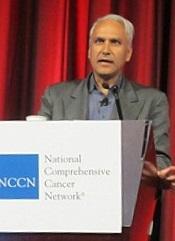
NEW YORK—If any oncology drugs warrant a high price, BCR-ABL tyrosine kinase inhibitors (TKIs) could make a strong case, according to a speaker at the NCCN 9th Annual Congress: Hematologic Malignancies.
TKIs have revolutionized the therapeutic landscape in chronic myeloid leukemia (CML), said Neil P. Shah, MD, PhD, of the UCSF
Helen Diller Family Comprehensive Cancer Center in San Francisco.
Five-year overall survival is 93% in CML patients treated with imatinib. And 80,000 people are estimated to be living with CML in 2014, a number that is expected to double by 2035.
Yet the increase in life expectancy places a burden on the healthcare system, Dr Shah said, particularly since the price of BCR-ABL TKIs has risen dramatically.
A year of imatinib therapy circa 2001 cost approximately $30,000, and by 2013, approximately $92,000. Second-generation (2G) TKIs cost even more, at about $115,000 annually, and the third-generation TKI ponatinib costs about $138,000 annually.
Confounding the financial picture will be the advent of generic imatinib, which will be available in the US in early 2016.
Generic imatinib will, presumably, be less expensive than the brand-name drug. However, it is not clear whether it will be as effective or what impact it will have on the 2G and 3G TKIs.
With all that in mind, Dr Shah provided some options for maximizing therapeutic outcomes in a fiscally responsible manner.
He based his potential solutions on evidence-based premises. First, imatinib is a highly active therapy for many chronic-phase CML patients. The 8-year update of the IRIS study shows that 53% of patients sustain complete cytogenetic remission (CCyR) with imatinib.
Second, patients who are likely to do well on TKI therapy can be identified early based on their BCR-ABL PCR levels after 3 months of therapy.
This important 3-month milestone has been incorporated into the NCCN guidelines. Patients who achieve BCR-ABL/ABL levels of 10% or less have a significantly better overall survival than those who have levels greater than 10%.
Third, the ENESTnd and DASISION studies demonstrated that nilotinib and dasatinib elicit achievement of important treatment milestones (PCR<10% at 3 months and CCyR after 12 months) in a significantly higher proportion of patients than imatinib. But to date, neither agent has produced a significant improvement in overall survival.
And fourth, while nilotinib and dasatinib have an undisputable clinical benefit over imatinib in terms of transformation to accelerated phase/blast crisis (AP/BC), these agents cost between $23,000 and $31,000 more than imatinib for an annual course of treatment.
Dr Shah calculated that to achieve approximately 10 fewer AP/BC transformations over 5 years, approximately 300 patients would need to be treated at an additional cost of $37.5 million. This equates to $3.75 million in additional costs for 1 transformation event spared over 5 years.
“We do have to keep in mind transformation events are not cheap,” he said. “So when these happen, patients need to be hospitalized for chemotherapy, typically, or they have to go to allogeneic stem cell transplantation.”
So Dr Shah proffered 3 potential approaches for fiscally sustainable TKI use.
The first approach would be to initiate imatinib in most, if not all, chronic-phase CML patients. If they achieve BCR-ABL levels <10% at 3 months or partial CyR after 12 months, then continue imatinib. If not, switch to a 2G TKI.
Dr Shah noted that 40% to 60% of patients will have a deep, durable response to imatinib.
The second approach would be to initiate 2G TKIs in newly diagnosed patients. And when they achieve CCyR or major molecular response (MMR), enroll them in a clinical trial.
These trials could investigate a switch to imatinib, use of a lower dose of the 2G TKI, a switch to interferon-alfa, the addition of a CYP3A4 inhibitor (such as grapefruit) and a lower dose, or another investigational option.
And the third approach would be to initiate imatinib or an approved 2G TKI in newly diagnosed patients. When they achieve targeted molecular remission, enroll them in a treatment-discontinuation trial.
Dr Shah pointed out that in the STIM study, 61% of patients remained in complete molecular remission 60 months after discontinuing imatinib, and 40% experienced treatment-free survival.
Taking into account the cost of imatinib and the number of months without treatment, STIM investigators estimated the savings to be €4,587,500, or approximately $6 to $7 million.
Patients who relapsed 6 to 9 months after discontinuing imatinib tended to respond well to a rechallenge with imatinib. But Dr Shah cautioned that, at present, discontinuation should only be performed in the context of a clinical trial. 
NEW YORK—If any oncology drugs warrant a high price, BCR-ABL tyrosine kinase inhibitors (TKIs) could make a strong case, according to a speaker at the NCCN 9th Annual Congress: Hematologic Malignancies.
TKIs have revolutionized the therapeutic landscape in chronic myeloid leukemia (CML), said Neil P. Shah, MD, PhD, of the UCSF
Helen Diller Family Comprehensive Cancer Center in San Francisco.
Five-year overall survival is 93% in CML patients treated with imatinib. And 80,000 people are estimated to be living with CML in 2014, a number that is expected to double by 2035.
Yet the increase in life expectancy places a burden on the healthcare system, Dr Shah said, particularly since the price of BCR-ABL TKIs has risen dramatically.
A year of imatinib therapy circa 2001 cost approximately $30,000, and by 2013, approximately $92,000. Second-generation (2G) TKIs cost even more, at about $115,000 annually, and the third-generation TKI ponatinib costs about $138,000 annually.
Confounding the financial picture will be the advent of generic imatinib, which will be available in the US in early 2016.
Generic imatinib will, presumably, be less expensive than the brand-name drug. However, it is not clear whether it will be as effective or what impact it will have on the 2G and 3G TKIs.
With all that in mind, Dr Shah provided some options for maximizing therapeutic outcomes in a fiscally responsible manner.
He based his potential solutions on evidence-based premises. First, imatinib is a highly active therapy for many chronic-phase CML patients. The 8-year update of the IRIS study shows that 53% of patients sustain complete cytogenetic remission (CCyR) with imatinib.
Second, patients who are likely to do well on TKI therapy can be identified early based on their BCR-ABL PCR levels after 3 months of therapy.
This important 3-month milestone has been incorporated into the NCCN guidelines. Patients who achieve BCR-ABL/ABL levels of 10% or less have a significantly better overall survival than those who have levels greater than 10%.
Third, the ENESTnd and DASISION studies demonstrated that nilotinib and dasatinib elicit achievement of important treatment milestones (PCR<10% at 3 months and CCyR after 12 months) in a significantly higher proportion of patients than imatinib. But to date, neither agent has produced a significant improvement in overall survival.
And fourth, while nilotinib and dasatinib have an undisputable clinical benefit over imatinib in terms of transformation to accelerated phase/blast crisis (AP/BC), these agents cost between $23,000 and $31,000 more than imatinib for an annual course of treatment.
Dr Shah calculated that to achieve approximately 10 fewer AP/BC transformations over 5 years, approximately 300 patients would need to be treated at an additional cost of $37.5 million. This equates to $3.75 million in additional costs for 1 transformation event spared over 5 years.
“We do have to keep in mind transformation events are not cheap,” he said. “So when these happen, patients need to be hospitalized for chemotherapy, typically, or they have to go to allogeneic stem cell transplantation.”
So Dr Shah proffered 3 potential approaches for fiscally sustainable TKI use.
The first approach would be to initiate imatinib in most, if not all, chronic-phase CML patients. If they achieve BCR-ABL levels <10% at 3 months or partial CyR after 12 months, then continue imatinib. If not, switch to a 2G TKI.
Dr Shah noted that 40% to 60% of patients will have a deep, durable response to imatinib.
The second approach would be to initiate 2G TKIs in newly diagnosed patients. And when they achieve CCyR or major molecular response (MMR), enroll them in a clinical trial.
These trials could investigate a switch to imatinib, use of a lower dose of the 2G TKI, a switch to interferon-alfa, the addition of a CYP3A4 inhibitor (such as grapefruit) and a lower dose, or another investigational option.
And the third approach would be to initiate imatinib or an approved 2G TKI in newly diagnosed patients. When they achieve targeted molecular remission, enroll them in a treatment-discontinuation trial.
Dr Shah pointed out that in the STIM study, 61% of patients remained in complete molecular remission 60 months after discontinuing imatinib, and 40% experienced treatment-free survival.
Taking into account the cost of imatinib and the number of months without treatment, STIM investigators estimated the savings to be €4,587,500, or approximately $6 to $7 million.
Patients who relapsed 6 to 9 months after discontinuing imatinib tended to respond well to a rechallenge with imatinib. But Dr Shah cautioned that, at present, discontinuation should only be performed in the context of a clinical trial.
NEW YORK—If any oncology drugs warrant a high price, BCR-ABL tyrosine kinase inhibitors (TKIs) could make a strong case, according to a speaker at the NCCN 9th Annual Congress: Hematologic Malignancies.
TKIs have revolutionized the therapeutic landscape in chronic myeloid leukemia (CML), said Neil P. Shah, MD, PhD, of the UCSF
Helen Diller Family Comprehensive Cancer Center in San Francisco.
Five-year overall survival is 93% in CML patients treated with imatinib. And 80,000 people are estimated to be living with CML in 2014, a number that is expected to double by 2035.
Yet the increase in life expectancy places a burden on the healthcare system, Dr Shah said, particularly since the price of BCR-ABL TKIs has risen dramatically.
A year of imatinib therapy circa 2001 cost approximately $30,000, and by 2013, approximately $92,000. Second-generation (2G) TKIs cost even more, at about $115,000 annually, and the third-generation TKI ponatinib costs about $138,000 annually.
Confounding the financial picture will be the advent of generic imatinib, which will be available in the US in early 2016.
Generic imatinib will, presumably, be less expensive than the brand-name drug. However, it is not clear whether it will be as effective or what impact it will have on the 2G and 3G TKIs.
With all that in mind, Dr Shah provided some options for maximizing therapeutic outcomes in a fiscally responsible manner.
He based his potential solutions on evidence-based premises. First, imatinib is a highly active therapy for many chronic-phase CML patients. The 8-year update of the IRIS study shows that 53% of patients sustain complete cytogenetic remission (CCyR) with imatinib.
Second, patients who are likely to do well on TKI therapy can be identified early based on their BCR-ABL PCR levels after 3 months of therapy.
This important 3-month milestone has been incorporated into the NCCN guidelines. Patients who achieve BCR-ABL/ABL levels of 10% or less have a significantly better overall survival than those who have levels greater than 10%.
Third, the ENESTnd and DASISION studies demonstrated that nilotinib and dasatinib elicit achievement of important treatment milestones (PCR<10% at 3 months and CCyR after 12 months) in a significantly higher proportion of patients than imatinib. But to date, neither agent has produced a significant improvement in overall survival.
And fourth, while nilotinib and dasatinib have an undisputable clinical benefit over imatinib in terms of transformation to accelerated phase/blast crisis (AP/BC), these agents cost between $23,000 and $31,000 more than imatinib for an annual course of treatment.
Dr Shah calculated that to achieve approximately 10 fewer AP/BC transformations over 5 years, approximately 300 patients would need to be treated at an additional cost of $37.5 million. This equates to $3.75 million in additional costs for 1 transformation event spared over 5 years.
“We do have to keep in mind transformation events are not cheap,” he said. “So when these happen, patients need to be hospitalized for chemotherapy, typically, or they have to go to allogeneic stem cell transplantation.”
So Dr Shah proffered 3 potential approaches for fiscally sustainable TKI use.
The first approach would be to initiate imatinib in most, if not all, chronic-phase CML patients. If they achieve BCR-ABL levels <10% at 3 months or partial CyR after 12 months, then continue imatinib. If not, switch to a 2G TKI.
Dr Shah noted that 40% to 60% of patients will have a deep, durable response to imatinib.
The second approach would be to initiate 2G TKIs in newly diagnosed patients. And when they achieve CCyR or major molecular response (MMR), enroll them in a clinical trial.
These trials could investigate a switch to imatinib, use of a lower dose of the 2G TKI, a switch to interferon-alfa, the addition of a CYP3A4 inhibitor (such as grapefruit) and a lower dose, or another investigational option.
And the third approach would be to initiate imatinib or an approved 2G TKI in newly diagnosed patients. When they achieve targeted molecular remission, enroll them in a treatment-discontinuation trial.
Dr Shah pointed out that in the STIM study, 61% of patients remained in complete molecular remission 60 months after discontinuing imatinib, and 40% experienced treatment-free survival.
Taking into account the cost of imatinib and the number of months without treatment, STIM investigators estimated the savings to be €4,587,500, or approximately $6 to $7 million.
Patients who relapsed 6 to 9 months after discontinuing imatinib tended to respond well to a rechallenge with imatinib. But Dr Shah cautioned that, at present, discontinuation should only be performed in the context of a clinical trial.
The Immunization Community
The Immunization Action Coalition (IAC) works in cadence with the Centers for Disease Control and Prevention (CDC) to offer health care professionals in both the public and private sectors the most up-to-date immunization information available in one retrievable location. This well established website, http://www.immunize.org, serves more than 14,000 visitors every day.
Talking About Vaccines provides research and guidelines by an assortment of nationally recognized institutions, including the IAC, CDC, and many others in response to common concerns.
Within Clinic Resources, users can access how-to documents on providing vaccines at a clinic or nontraditional setting. Also available are patient and staff handouts, including indexed vaccines (eg, human papillomavirus and tetanus) and topics such as needle safety.
The Immunization Action Coalition (IAC) works in cadence with the Centers for Disease Control and Prevention (CDC) to offer health care professionals in both the public and private sectors the most up-to-date immunization information available in one retrievable location. This well established website, http://www.immunize.org, serves more than 14,000 visitors every day.
Talking About Vaccines provides research and guidelines by an assortment of nationally recognized institutions, including the IAC, CDC, and many others in response to common concerns.
Within Clinic Resources, users can access how-to documents on providing vaccines at a clinic or nontraditional setting. Also available are patient and staff handouts, including indexed vaccines (eg, human papillomavirus and tetanus) and topics such as needle safety.
The Immunization Action Coalition (IAC) works in cadence with the Centers for Disease Control and Prevention (CDC) to offer health care professionals in both the public and private sectors the most up-to-date immunization information available in one retrievable location. This well established website, http://www.immunize.org, serves more than 14,000 visitors every day.
Talking About Vaccines provides research and guidelines by an assortment of nationally recognized institutions, including the IAC, CDC, and many others in response to common concerns.
Within Clinic Resources, users can access how-to documents on providing vaccines at a clinic or nontraditional setting. Also available are patient and staff handouts, including indexed vaccines (eg, human papillomavirus and tetanus) and topics such as needle safety.
Split decision on role of upfront transplant in MM
Credit: Chad McNeeley
NEW YORK—A debate on the pros and cons of upfront transplant in symptomatic multiple myeloma (MM) yielded a split decision from the audience during the NCCN 9th Annual Congress: Hematologic Malignancies.
Sergio Giralt, MD, of Memorial Sloan Kettering Cancer Center in New York, argued for upfront transplant, pointing out that long-term MM survivors have transplant as upfront therapy.
Kenneth Anderson, MD, of Dana Farber/Brigham and Women’s Cancer Center in Boston, took the stance that, in the past 10 years, there has been a
revolution in novel therapies that has significantly improved survival in MM.
For upfront transplant
Dr Giralt cited the 36-month follow-up of the E4A03 landmark analysis of patients who went off therapy after 4 cycles of lenalidomide/dexamethasone to pursue early stem cell transplant and those who continued treatment until disease progression.
Regardless of whether the patients were younger than 65 years or between 65 and 70, the patients who had an early transplant had superior progression-free survival (PFS) and overall survival (OS) compared to those who did not.
Dr Giralt added that bortezomib should be a component of induction therapy prior to autologous stem cell transplant (ASCT). Even though there is no survival benefit with bortezomib-based regimens, he said, there is significant improvement in PFS, as shown in a meta-analysis of phase 3 European studies.
The E4A03 landmark study also determined that the more intense the treatment, the better the outcome. So patients with double ASCT had a significantly longer PFS than patients who only had a single transplant.
This held true for OS as well, and included patients with 17p deletion and/or t(4;14) who failed to achieve complete remission after bortezomib-based induction regimens.
An analysis of 27,987 MM patients with a median age of 68 years (range, 19 to 90) revealed that of the patients who survived 10 years or more, 16.5% had ASCT as part of their initial therapy.
Dr Giralt concluded that the preponderance of evidence supports high-dose melphalan and ASCT as upfront consolidation therapy for MM. And until results of randomized trials investigating combination therapies are reported, melphalan consolidation should be considered the standard of care for all eligible patients with MM.
Against upfront transplant
Dr Anderson countered with data showing limited or no improvement in survival with ASCT, including evidence from studies by Attal, Fermand, Blade, Child, and Barlogie.
ASCT confers only modest PFS advantage, he said, showing results of the Barlogie study in which patients undergoing ASCT had a 25-month PFS, compared with a 21-month PFS with VBMCP (vincristine, carmustine, melphalan, cyclophosphamide, and prednisone).
“In the last 10 to 15 years, there has been a revolution in myeloma,” Dr Anderson said. “We have a lot of novel agents here today, and we have even more coming. It’s a hugely exciting time.”
Dr Anderson pointed out that since the introduction of novel agents, survival has improved between 2006 and 2010, compared to the period between 2001 and 2005, and particularly in patients older than 65 years (P=0.001).
Transplant has also changed, he said. Novel therapies have been integrated into the transplant paradigm, either before, as induction and consolidation therapy, or after, as maintenance. He indicated that this begs the question as to whether we really need the transplant component.
There has also been unprecedented use of triplets in combination therapy, Dr Anderson said, resulting in overall response rates upwards of 90%. For example, carfilzomib in combination with lenalidomide and dexamethasone prompted an overall response rate of 94%, with a stringent complete response (CR), CR, and near CR of 53%.
“It’s a new day in myeloma,” he said. “It’s taken us a long time, but we’re worrying about minimal residual disease (MRD) now. We’re worried about getting to the endpoint of 1 myeloma cell in 1 million normal cells.”
The point is, he added, that with novel therapies, such as carfilzomib, lenalidomide, and dexamethasone, patients who achieve a complete response can become MRD negative, suggesting an unprecedented extent of response without transplant.
MRD negativity may also be accomplished with oral agents, such as ixazomib. The depth of response with ixazomib increases over the course of treatment, with 27% achieving stringent CR or CR with a median duration of response of 13.8 months, and 82% of patients attaining MRD-negative status.
“In the absence of transplant,” Dr Anderson said, “this is an unprecedented response.”
Dr Anderson also pointed out that in the era of novel agents, there is no difference in outcome between early or delayed transplant. The 4-year OS in transplant-eligible patients who received initial therapy with lenalidomide was 80%, regardless of the timing of ASCT.
And in one trial, patients who received a delayed transplant fared better in OS than those transplanted early.
Dr Anderson said there is a parallel, international phase 3 study underway (IFM/DFCI2009) that will provide an answer to the debate on upfront transplant in the not-too-distant future.
Credit: Chad McNeeley
NEW YORK—A debate on the pros and cons of upfront transplant in symptomatic multiple myeloma (MM) yielded a split decision from the audience during the NCCN 9th Annual Congress: Hematologic Malignancies.
Sergio Giralt, MD, of Memorial Sloan Kettering Cancer Center in New York, argued for upfront transplant, pointing out that long-term MM survivors have transplant as upfront therapy.
Kenneth Anderson, MD, of Dana Farber/Brigham and Women’s Cancer Center in Boston, took the stance that, in the past 10 years, there has been a
revolution in novel therapies that has significantly improved survival in MM.
For upfront transplant
Dr Giralt cited the 36-month follow-up of the E4A03 landmark analysis of patients who went off therapy after 4 cycles of lenalidomide/dexamethasone to pursue early stem cell transplant and those who continued treatment until disease progression.
Regardless of whether the patients were younger than 65 years or between 65 and 70, the patients who had an early transplant had superior progression-free survival (PFS) and overall survival (OS) compared to those who did not.
Dr Giralt added that bortezomib should be a component of induction therapy prior to autologous stem cell transplant (ASCT). Even though there is no survival benefit with bortezomib-based regimens, he said, there is significant improvement in PFS, as shown in a meta-analysis of phase 3 European studies.
The E4A03 landmark study also determined that the more intense the treatment, the better the outcome. So patients with double ASCT had a significantly longer PFS than patients who only had a single transplant.
This held true for OS as well, and included patients with 17p deletion and/or t(4;14) who failed to achieve complete remission after bortezomib-based induction regimens.
An analysis of 27,987 MM patients with a median age of 68 years (range, 19 to 90) revealed that of the patients who survived 10 years or more, 16.5% had ASCT as part of their initial therapy.
Dr Giralt concluded that the preponderance of evidence supports high-dose melphalan and ASCT as upfront consolidation therapy for MM. And until results of randomized trials investigating combination therapies are reported, melphalan consolidation should be considered the standard of care for all eligible patients with MM.
Against upfront transplant
Dr Anderson countered with data showing limited or no improvement in survival with ASCT, including evidence from studies by Attal, Fermand, Blade, Child, and Barlogie.
ASCT confers only modest PFS advantage, he said, showing results of the Barlogie study in which patients undergoing ASCT had a 25-month PFS, compared with a 21-month PFS with VBMCP (vincristine, carmustine, melphalan, cyclophosphamide, and prednisone).
“In the last 10 to 15 years, there has been a revolution in myeloma,” Dr Anderson said. “We have a lot of novel agents here today, and we have even more coming. It’s a hugely exciting time.”
Dr Anderson pointed out that since the introduction of novel agents, survival has improved between 2006 and 2010, compared to the period between 2001 and 2005, and particularly in patients older than 65 years (P=0.001).
Transplant has also changed, he said. Novel therapies have been integrated into the transplant paradigm, either before, as induction and consolidation therapy, or after, as maintenance. He indicated that this begs the question as to whether we really need the transplant component.
There has also been unprecedented use of triplets in combination therapy, Dr Anderson said, resulting in overall response rates upwards of 90%. For example, carfilzomib in combination with lenalidomide and dexamethasone prompted an overall response rate of 94%, with a stringent complete response (CR), CR, and near CR of 53%.
“It’s a new day in myeloma,” he said. “It’s taken us a long time, but we’re worrying about minimal residual disease (MRD) now. We’re worried about getting to the endpoint of 1 myeloma cell in 1 million normal cells.”
The point is, he added, that with novel therapies, such as carfilzomib, lenalidomide, and dexamethasone, patients who achieve a complete response can become MRD negative, suggesting an unprecedented extent of response without transplant.
MRD negativity may also be accomplished with oral agents, such as ixazomib. The depth of response with ixazomib increases over the course of treatment, with 27% achieving stringent CR or CR with a median duration of response of 13.8 months, and 82% of patients attaining MRD-negative status.
“In the absence of transplant,” Dr Anderson said, “this is an unprecedented response.”
Dr Anderson also pointed out that in the era of novel agents, there is no difference in outcome between early or delayed transplant. The 4-year OS in transplant-eligible patients who received initial therapy with lenalidomide was 80%, regardless of the timing of ASCT.
And in one trial, patients who received a delayed transplant fared better in OS than those transplanted early.
Dr Anderson said there is a parallel, international phase 3 study underway (IFM/DFCI2009) that will provide an answer to the debate on upfront transplant in the not-too-distant future.
Credit: Chad McNeeley
NEW YORK—A debate on the pros and cons of upfront transplant in symptomatic multiple myeloma (MM) yielded a split decision from the audience during the NCCN 9th Annual Congress: Hematologic Malignancies.
Sergio Giralt, MD, of Memorial Sloan Kettering Cancer Center in New York, argued for upfront transplant, pointing out that long-term MM survivors have transplant as upfront therapy.
Kenneth Anderson, MD, of Dana Farber/Brigham and Women’s Cancer Center in Boston, took the stance that, in the past 10 years, there has been a
revolution in novel therapies that has significantly improved survival in MM.
For upfront transplant
Dr Giralt cited the 36-month follow-up of the E4A03 landmark analysis of patients who went off therapy after 4 cycles of lenalidomide/dexamethasone to pursue early stem cell transplant and those who continued treatment until disease progression.
Regardless of whether the patients were younger than 65 years or between 65 and 70, the patients who had an early transplant had superior progression-free survival (PFS) and overall survival (OS) compared to those who did not.
Dr Giralt added that bortezomib should be a component of induction therapy prior to autologous stem cell transplant (ASCT). Even though there is no survival benefit with bortezomib-based regimens, he said, there is significant improvement in PFS, as shown in a meta-analysis of phase 3 European studies.
The E4A03 landmark study also determined that the more intense the treatment, the better the outcome. So patients with double ASCT had a significantly longer PFS than patients who only had a single transplant.
This held true for OS as well, and included patients with 17p deletion and/or t(4;14) who failed to achieve complete remission after bortezomib-based induction regimens.
An analysis of 27,987 MM patients with a median age of 68 years (range, 19 to 90) revealed that of the patients who survived 10 years or more, 16.5% had ASCT as part of their initial therapy.
Dr Giralt concluded that the preponderance of evidence supports high-dose melphalan and ASCT as upfront consolidation therapy for MM. And until results of randomized trials investigating combination therapies are reported, melphalan consolidation should be considered the standard of care for all eligible patients with MM.
Against upfront transplant
Dr Anderson countered with data showing limited or no improvement in survival with ASCT, including evidence from studies by Attal, Fermand, Blade, Child, and Barlogie.
ASCT confers only modest PFS advantage, he said, showing results of the Barlogie study in which patients undergoing ASCT had a 25-month PFS, compared with a 21-month PFS with VBMCP (vincristine, carmustine, melphalan, cyclophosphamide, and prednisone).
“In the last 10 to 15 years, there has been a revolution in myeloma,” Dr Anderson said. “We have a lot of novel agents here today, and we have even more coming. It’s a hugely exciting time.”
Dr Anderson pointed out that since the introduction of novel agents, survival has improved between 2006 and 2010, compared to the period between 2001 and 2005, and particularly in patients older than 65 years (P=0.001).
Transplant has also changed, he said. Novel therapies have been integrated into the transplant paradigm, either before, as induction and consolidation therapy, or after, as maintenance. He indicated that this begs the question as to whether we really need the transplant component.
There has also been unprecedented use of triplets in combination therapy, Dr Anderson said, resulting in overall response rates upwards of 90%. For example, carfilzomib in combination with lenalidomide and dexamethasone prompted an overall response rate of 94%, with a stringent complete response (CR), CR, and near CR of 53%.
“It’s a new day in myeloma,” he said. “It’s taken us a long time, but we’re worrying about minimal residual disease (MRD) now. We’re worried about getting to the endpoint of 1 myeloma cell in 1 million normal cells.”
The point is, he added, that with novel therapies, such as carfilzomib, lenalidomide, and dexamethasone, patients who achieve a complete response can become MRD negative, suggesting an unprecedented extent of response without transplant.
MRD negativity may also be accomplished with oral agents, such as ixazomib. The depth of response with ixazomib increases over the course of treatment, with 27% achieving stringent CR or CR with a median duration of response of 13.8 months, and 82% of patients attaining MRD-negative status.
“In the absence of transplant,” Dr Anderson said, “this is an unprecedented response.”
Dr Anderson also pointed out that in the era of novel agents, there is no difference in outcome between early or delayed transplant. The 4-year OS in transplant-eligible patients who received initial therapy with lenalidomide was 80%, regardless of the timing of ASCT.
And in one trial, patients who received a delayed transplant fared better in OS than those transplanted early.
Dr Anderson said there is a parallel, international phase 3 study underway (IFM/DFCI2009) that will provide an answer to the debate on upfront transplant in the not-too-distant future.
Drug could treat a range of blood cancers
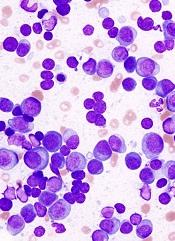
PHILADELPHIA—A drug that targets the ribosome may be active in a broad range of hematologic malignancies, researchers say.
The drug, CX-5461, inhibits the protein RNA polymerase I (Pol I), which is consistently upregulated in hematologic and other cancers.
CX-5461 significantly prolonged survival in mouse models of refractory acute myeloid leukemia (AML) and multiple myeloma (MM). It also synergized with everolimus to extend survival in mice with B-cell lymphoma.
Furthermore, the drug did not elicit severe adverse effects.
“We were excited to find that therapeutic doses of CX-5461 had little effect on normal cells in our experiments,” said Ross D. Hannan, PhD, of the Peter MacCallum Cancer Centre in Melbourne, Australia,
“Prior to these studies, few people would have guessed that such a therapeutic window could be obtained by targeting a so-called house-keeping protein that is essential to all cells for survival.”
Dr Hannan and his colleagues presented these findings in a poster at the AACR conference Hematologic Malignancies: Translating Discoveries to Novel Therapies.
The researchers previously showed that cancer cells are much more dependent on ribosome biogenesis than normal cells. And blocking the accelerated reading of ribosomal genes in mice—using CX5461—can cause lymphoma and leukemia cells to die, while sparing normal cells.
With their latest research, the group expanded upon these findings by testing CX-5461 in MLL-driven AML, V*κ-Myc-driven MM, and Eμ-Myc lymphoma.
They found that CX-5461 improved overall survival in MLL/ENL Nras leukemic mice, compared to placebo and standard therapy. The median survival was 17 days for vehicle-treated mice, 21 days for mice treated with cytarabine and doxorubicin, and 36 days for mice that received CX-5461 (P<0.0001 for vehicle vs CX-5461).
CX-5461 treated MLL-driven AML by inducing apoptosis, delaying cell-cycle progression, and promoting differentiation.
The researchers also found the therapeutic benefit of CX-5461 is not p53-dependent, which contradicts their previous findings. Human AML cell lines and primary patient samples were sensitive to CX-5461 independent of p53 status.
And MLL/ENL Nras p53-/- leukemic mice had significantly prolonged survival when treated with CX-5461, compared to vehicle-treated controls. The median survival was 11 days and 24 days, respectively (P<0.0001).
Likewise, CX-5461 significantly prolonged survival in mice bearing V*κ-Myc MM. The median survival was 103.5 days for controls and 175 days for mice that received CX-5461 (P<0.0001).
Finally, the researchers showed that CX-5461 synergizes with everolimus to treat Eμ-Myc lymphoma. The median survival was 15 days in control mice, 18 days in mice that received everolimus, 32 days in mice treated with CX-5461, and 54 days in mice that received both drugs (P<0.0001 for CX-5461 vs the combination).
“These results provide further rationale for the first-in-human phase 1 clinical trial that we initiated in July 2013 testing CX-5461 for patients with advanced hematological malignancies, including AML and multiple myeloma,” Dr Hannan said.
His group’s preclinical research was funded by the National Health and Medical Research Council, Australia; the Leukaemia Foundation of Australia; and Cancer Council Victoria, Melbourne, Australia. Senhwa Biosciences, the makers of CX-5461, provided the drug.
PHILADELPHIA—A drug that targets the ribosome may be active in a broad range of hematologic malignancies, researchers say.
The drug, CX-5461, inhibits the protein RNA polymerase I (Pol I), which is consistently upregulated in hematologic and other cancers.
CX-5461 significantly prolonged survival in mouse models of refractory acute myeloid leukemia (AML) and multiple myeloma (MM). It also synergized with everolimus to extend survival in mice with B-cell lymphoma.
Furthermore, the drug did not elicit severe adverse effects.
“We were excited to find that therapeutic doses of CX-5461 had little effect on normal cells in our experiments,” said Ross D. Hannan, PhD, of the Peter MacCallum Cancer Centre in Melbourne, Australia,
“Prior to these studies, few people would have guessed that such a therapeutic window could be obtained by targeting a so-called house-keeping protein that is essential to all cells for survival.”
Dr Hannan and his colleagues presented these findings in a poster at the AACR conference Hematologic Malignancies: Translating Discoveries to Novel Therapies.
The researchers previously showed that cancer cells are much more dependent on ribosome biogenesis than normal cells. And blocking the accelerated reading of ribosomal genes in mice—using CX5461—can cause lymphoma and leukemia cells to die, while sparing normal cells.
With their latest research, the group expanded upon these findings by testing CX-5461 in MLL-driven AML, V*κ-Myc-driven MM, and Eμ-Myc lymphoma.
They found that CX-5461 improved overall survival in MLL/ENL Nras leukemic mice, compared to placebo and standard therapy. The median survival was 17 days for vehicle-treated mice, 21 days for mice treated with cytarabine and doxorubicin, and 36 days for mice that received CX-5461 (P<0.0001 for vehicle vs CX-5461).
CX-5461 treated MLL-driven AML by inducing apoptosis, delaying cell-cycle progression, and promoting differentiation.
The researchers also found the therapeutic benefit of CX-5461 is not p53-dependent, which contradicts their previous findings. Human AML cell lines and primary patient samples were sensitive to CX-5461 independent of p53 status.
And MLL/ENL Nras p53-/- leukemic mice had significantly prolonged survival when treated with CX-5461, compared to vehicle-treated controls. The median survival was 11 days and 24 days, respectively (P<0.0001).
Likewise, CX-5461 significantly prolonged survival in mice bearing V*κ-Myc MM. The median survival was 103.5 days for controls and 175 days for mice that received CX-5461 (P<0.0001).
Finally, the researchers showed that CX-5461 synergizes with everolimus to treat Eμ-Myc lymphoma. The median survival was 15 days in control mice, 18 days in mice that received everolimus, 32 days in mice treated with CX-5461, and 54 days in mice that received both drugs (P<0.0001 for CX-5461 vs the combination).
“These results provide further rationale for the first-in-human phase 1 clinical trial that we initiated in July 2013 testing CX-5461 for patients with advanced hematological malignancies, including AML and multiple myeloma,” Dr Hannan said.
His group’s preclinical research was funded by the National Health and Medical Research Council, Australia; the Leukaemia Foundation of Australia; and Cancer Council Victoria, Melbourne, Australia. Senhwa Biosciences, the makers of CX-5461, provided the drug.
PHILADELPHIA—A drug that targets the ribosome may be active in a broad range of hematologic malignancies, researchers say.
The drug, CX-5461, inhibits the protein RNA polymerase I (Pol I), which is consistently upregulated in hematologic and other cancers.
CX-5461 significantly prolonged survival in mouse models of refractory acute myeloid leukemia (AML) and multiple myeloma (MM). It also synergized with everolimus to extend survival in mice with B-cell lymphoma.
Furthermore, the drug did not elicit severe adverse effects.
“We were excited to find that therapeutic doses of CX-5461 had little effect on normal cells in our experiments,” said Ross D. Hannan, PhD, of the Peter MacCallum Cancer Centre in Melbourne, Australia,
“Prior to these studies, few people would have guessed that such a therapeutic window could be obtained by targeting a so-called house-keeping protein that is essential to all cells for survival.”
Dr Hannan and his colleagues presented these findings in a poster at the AACR conference Hematologic Malignancies: Translating Discoveries to Novel Therapies.
The researchers previously showed that cancer cells are much more dependent on ribosome biogenesis than normal cells. And blocking the accelerated reading of ribosomal genes in mice—using CX5461—can cause lymphoma and leukemia cells to die, while sparing normal cells.
With their latest research, the group expanded upon these findings by testing CX-5461 in MLL-driven AML, V*κ-Myc-driven MM, and Eμ-Myc lymphoma.
They found that CX-5461 improved overall survival in MLL/ENL Nras leukemic mice, compared to placebo and standard therapy. The median survival was 17 days for vehicle-treated mice, 21 days for mice treated with cytarabine and doxorubicin, and 36 days for mice that received CX-5461 (P<0.0001 for vehicle vs CX-5461).
CX-5461 treated MLL-driven AML by inducing apoptosis, delaying cell-cycle progression, and promoting differentiation.
The researchers also found the therapeutic benefit of CX-5461 is not p53-dependent, which contradicts their previous findings. Human AML cell lines and primary patient samples were sensitive to CX-5461 independent of p53 status.
And MLL/ENL Nras p53-/- leukemic mice had significantly prolonged survival when treated with CX-5461, compared to vehicle-treated controls. The median survival was 11 days and 24 days, respectively (P<0.0001).
Likewise, CX-5461 significantly prolonged survival in mice bearing V*κ-Myc MM. The median survival was 103.5 days for controls and 175 days for mice that received CX-5461 (P<0.0001).
Finally, the researchers showed that CX-5461 synergizes with everolimus to treat Eμ-Myc lymphoma. The median survival was 15 days in control mice, 18 days in mice that received everolimus, 32 days in mice treated with CX-5461, and 54 days in mice that received both drugs (P<0.0001 for CX-5461 vs the combination).
“These results provide further rationale for the first-in-human phase 1 clinical trial that we initiated in July 2013 testing CX-5461 for patients with advanced hematological malignancies, including AML and multiple myeloma,” Dr Hannan said.
His group’s preclinical research was funded by the National Health and Medical Research Council, Australia; the Leukaemia Foundation of Australia; and Cancer Council Victoria, Melbourne, Australia. Senhwa Biosciences, the makers of CX-5461, provided the drug.
EWRS for Sepsis
There are as many as 3 million cases of severe sepsis and 750,000 resulting deaths in the United States annually.[1] Interventions such as goal‐directed resuscitation and antibiotics can reduce sepsis mortality, but their effectiveness depends on early administration. Thus, timely recognition is critical.[2, 3, 4, 5]
Despite this, early recognition in hospitalized patients can be challenging. Using chart documentation as a surrogate for provider recognition, we recently found only 20% of patients with severe sepsis admitted to our hospital from the emergency department were recognized.[6] Given these challenges, there has been increasing interest in developing automated systems to improve the timeliness of sepsis detection.[7, 8, 9, 10] Systems described in the literature have varied considerably in triggering criteria, effector responses, and study settings. Of those examining the impact of automated surveillance and response in the nonintensive care unit (ICU) acute inpatient setting, results suggest an increase in the timeliness of diagnostic and therapeutic interventions,[10] but less impact on patient outcomes.[7] Whether these results reflect inadequacies in the criteria used to identify patients (parameters or their thresholds) or an ineffective response to the alert (magnitude or timeliness) is unclear.
Given the consequences of severe sepsis in hospitalized patients, as well as the introduction of vital sign (VS) and provider data in our electronic health record (EHR), we sought to develop and implement an electronic sepsis detection and response system to improve patient outcomes. This study describes the development, validation, and impact of that system.
METHODS
Setting and Data Sources
The University of Pennsylvania Health System (UPHS) includes 3 hospitals with a capacity of over 1500 beds and 70,000 annual admissions. All hospitals use the EHR Sunrise Clinical Manager version 5.5 (Allscripts, Chicago, IL). The study period began in October 2011, when VS and provider contact information became available electronically. Data were retrieved from the Penn Data Store, which includes professionally coded data as well as clinical data from our EHRs. The study received expedited approval and a Health Insurance Portability and Accountability Act waiver from our institutional review board.
Development of the Intervention
The early warning and response system (EWRS) for sepsis was designed to monitor laboratory values and VSs in real time in our inpatient EHR to detect patients at risk for clinical deterioration and development of severe sepsis. The development team was multidisciplinary, including informaticians, physicians, nurses, and data analysts from all 3 hospitals.
To identify at‐risk patients, we used established criteria for severe sepsis, including the systemic inflammatory response syndrome criteria (temperature <36C or >38C, heart rate >90 bpm, respiratory rate >20 breaths/min or PaCO2 <32 mm Hg, and total white blood cell count <4000 or >12,000 or >10% bands) coupled with criteria suggesting organ dysfunction (cardiovascular dysfunction based on a systolic blood pressure <100 mm Hg, and hypoperfusion based on a serum lactate measure >2.2 mmol/L [the threshold for an abnormal result in our lab]).[11, 12]
To establish a threshold for triggering the system, a derivation cohort was used and defined as patients admitted between October 1, 2011 to October 31, 2011 1 to any inpatient acute care service. Those <18 years old or admitted to hospice, research, and obstetrics services were excluded. We calculated a risk score for each patient, defined as the sum of criteria met at any single time during their visit. At any given point in time, we used the most recent value for each criteria, with a look‐back period of 24 hours for VSs and 48 hours for labs. The minimum and maximum number of criteria that a patient could achieve at any single time was 0 and 6, respectively. We then categorized patients by the maximum number of criteria achieved and estimated the proportion of patients in each category who: (1) were transferred to an ICU during their hospital visit; (2) had a rapid response team (RRT) called during their visit; (3) died during their visit; (4) had a composite of 1, 2, or 3; or (5) were coded as sepsis at discharge (see Supporting Information in the online version of this article for further information). Once a threshold was chosen, we examined the time from first trigger to: (1) any ICU transfer; (2) any RRT; (3) death; or (4) a composite of 1, 2, or 3. We then estimated the screen positive rate, test characteristics, predictive values, and likelihood ratios of the specified threshold.
The efferent response arm of the EWRS included the covering provider (usually an intern), the bedside nurse, and rapid response coordinators, who were engaged from the outset in developing the operational response to the alert. This team was required to perform a bedside evaluation within 30 minutes of the alert, and enact changes in management if warranted. The rapid response coordinator was required to complete a 3‐question follow‐up assessment in the EHR asking whether all 3 team members gathered at the bedside, the most likely condition triggering the EWRS, and whether management changed (see Supporting Figure 1 in the online version of this article). To minimize the number of triggers, once a patient triggered an alert, any additional alert triggers during the same hospital stay were censored.
Implementation of the EWRS
All inpatients on noncritical care services were screened continuously. Hospice, research, and obstetrics services were excluded. If a patient met the EWRS criteria threshold, an alert was sent to the covering provider and rapid response coordinator by text page. The bedside nurses, who do not carry text‐enabled devices, were alerted by pop‐up notification in the EHR (see Supporting Figure 2 in the online version of this article). The notification was linked to a task that required nurses to verify in the EHR the VSs triggering the EWRS, and adverse trends in VSs or labs (see Supporting Figure 3 in the online version of this article).
The Preimplementation (Silent) Period and EWRS Validation
The EWRS was initially activated for a preimplementation silent period (June 6, 2012September 4, 2012) to both validate the tool and provide the baseline data to which the postimplementation period was compared. During this time, new admissions could trigger the alert, but notifications were not sent. We used admissions from the first 30 days of the preimplementation period to estimate the tool's screen positive rate, test characteristics, predictive values, and likelihood ratios.
The Postimplementation (Live) Period and Impact Analysis
The EWRS went live September 12, 2012, upon which new admissions triggering the alert would result in a notification and response. Unadjusted analyses using the [2] test for dichotomous variables and the Wilcoxon rank sum test for continuous variables compared demographics and the proportion of clinical process and outcome measures for those admitted during the silent period (June 6, 2012September 4, 2012) and a similar timeframe 1 year later when the intervention was live (June 6, 2013September 4, 2013). To be included in either of the time periods, patients had to trigger the alert during the period and be discharged within 45 days of the end of the period. The pre‐ and post‐sepsis mortality index was also examined (see the Supporting Information in the online version of this article for a detailed description of study measures). Multivariable regression models estimated the impact of the EWRS on the process and outcome measures, adjusted for differences between the patients in the preimplementation and postimplementation periods with respect to age, gender, Charlson index on admission, admitting service, hospital, and admission month. Logistic regression models examined dichotomous variables. Continuous variables were log transformed and examined using linear regression models. Cox regression models explored time to ICU transfer from trigger. Among patients with sepsis, a logistic regression model was used to compare the odds of mortality between the silent and live periods, adjusted for expected mortality, both within each hospital and across all hospitals.
Because there is a risk of providers becoming overly reliant on automated systems and overlooking those not triggering the system, we also examined the discharge disposition and mortality outcomes of those in both study periods not identified by the EWRS.
The primary analysis examined the impact of the EWRS across UPHS; we also examined the EWRS impact at each of our hospitals. Last, we performed subgroup analyses examining the EWRS impact in those assigned an International Classification of Diseases, 9th Revision code for sepsis at discharge or death. All analyses were performed using SAS version 9.3 (SAS Institute Inc., Cary, NC).
RESULTS
In the derivation cohort, 4575 patients met the inclusion criteria. The proportion of those in each category (06) achieving our outcomes of interest are described in Supporting Table 1 in the online version of this article. We defined a positive trigger as a score 4, as this threshold identified a limited number of patients (3.9% [180/4575]) with a high proportion experiencing our composite outcome (25.6% [46/180]). The proportion of patients with an EWRS score 4 and their time to event by hospital and health system is described in Supporting Table 2 in the online version of this article. Those with a score 4 were almost 4 times as likely to be transferred to the ICU, almost 7 times as likely to experience an RRT, and almost 10 times as likely to die. The screen positive, sensitivity, specificity, and positive and negative predictive values and likelihood ratios using this threshold and our composite outcome in the derivation cohort were 6%, 16%, 97%, 26%, 94%, 5.3, and 0.9, respectively, and in our validation cohort were 6%, 17%, 97%, 28%, 95%, 5.7, and 0.9, respectively.
In the preimplementation period, 3.8% of admissions (595/15,567) triggered the alert, as compared to 3.5% (545/15,526) in the postimplementation period. Demographics were similar across periods, except that in the postimplementation period patients were slightly younger and had a lower Charlson Comorbidity Index at admission (Table 1). The distribution of alerts across medicine and surgery services were similar (Table 1).
| Hospitals AC | |||
|---|---|---|---|
| Preimplementation | Postimplementation | P Value | |
| |||
| No. of encounters | 15,567 | 15,526 | |
| No. of alerts | 595 (4%) | 545 (4%) | 0.14 |
| Age, y, median (IQR) | 62.0 (48.570.5) | 59.7 (46.169.6) | 0.04 |
| Female | 298 (50%) | 274 (50%) | 0.95 |
| Race | |||
| White | 343 (58%) | 312 (57%) | 0.14 |
| Black | 207 (35%) | 171 (31%) | |
| Other | 23 (4%) | 31 (6%) | |
| Unknown | 22 (4%) | 31 (6%) | |
| Admission type | |||
| Elective | 201 (34%) | 167 (31%) | 0.40 |
| ED | 300 (50%) | 278 (51%) | |
| Transfer | 94 (16%) | 99 (18%) | |
| BMI, kg/m2, median (IQR) | 27.0 (23.032.0) | 26.0 (22.031.0) | 0.24 |
| Previous ICU admission | 137 (23%) | 127 (23%) | 0.91 |
| RRT before alert | 27 (5%) | 20 (4%) | 0.46 |
| Admission Charlson index, median (IQR) | 2.0 (1.04.0) | 2.0 (1.04.0) | 0.04 |
| Admitting service | |||
| Medicine | 398 (67%) | 364 (67%) | 0.18 |
| Surgery | 173 (29%) | 169 (31%) | |
| Other | 24 (4%) | 12 (2%) | |
| Service where alert fired | |||
| Medicine | 391 (66%) | 365 (67%) | 0.18 |
| Surgery | 175 (29%) | 164 (30%) | |
| Other | 29 (5%) | 15 (3%) | |
In our postimplementation period, 99% of coordinator pages and over three‐fourths of provider notifications were sent successfully. Almost three‐fourths of nurses reviewed the initial alert notification, and over 99% completed the electronic data verification and adverse trend review, with over half documenting adverse trends. Ninety‐five percent of the time the coordinators completed the follow‐up assessment. Over 90% of the time, the entire team evaluated the patient at bedside within 30 minutes. Almost half of the time, the team thought the patient had no critical illness. Over a third of the time, they thought the patient had sepsis, but reported over 90% of the time that they were aware of the diagnosis prior to the alert. (Supporting Table 3 in the online version of this article includes more details about the responses to the electronic notifications and follow‐up assessments.)
In unadjusted and adjusted analyses, ordering of antibiotics, intravenous fluid boluses, and lactate and blood cultures within 3 hours of the trigger increased significantly, as did ordering of blood products, chest radiographs, and cardiac monitoring within 6 hours of the trigger (Tables 2 and 3).
| Hospitals AC | |||
|---|---|---|---|
| Preimplementation | Postimplementation | P Value | |
| |||
| No. of alerts | 595 | 545 | |
| 500 mL IV bolus order <3 h after alert | 92 (15%) | 142 (26%) | <0.01 |
| IV/PO antibiotic order <3 h after alert | 75 (13%) | 123 (23%) | <0.01 |
| IV/PO sepsis antibiotic order <3 h after alert | 61 (10%) | 85 (16%) | <0.01 |
| Lactic acid order <3 h after alert | 57 (10%) | 128 (23%) | <0.01 |
| Blood culture order <3 h after alert | 68 (11%) | 99 (18%) | <0.01 |
| Blood gas order <6 h after alert | 53 (9%) | 59 (11%) | 0.28 |
| CBC or BMP <6 h after alert | 247 (42%) | 219 (40%) | 0.65 |
| Vasopressor <6 h after alert | 17 (3%) | 21 (4%) | 0.35 |
| Bronchodilator administration <6 h after alert | 71 (12%) | 64 (12%) | 0.92 |
| RBC, plasma, or platelet transfusion order <6 h after alert | 31 (5%) | 52 (10%) | <0.01 |
| Naloxone order <6 h after alert | 0 (0%) | 1 (0%) | 0.30 |
| AV node blocker order <6 h after alert | 35 (6%) | 35 (6%) | 0.70 |
| Loop diuretic order <6 h after alert | 35 (6%) | 28 (5%) | 0.58 |
| CXR <6 h after alert | 92 (15%) | 113 (21%) | 0.02 |
| CT head, chest, or ABD <6 h after alert | 29 (5%) | 34 (6%) | 0.31 |
| Cardiac monitoring (ECG or telemetry) <6 h after alert | 70 (12%) | 90 (17%) | 0.02 |
| All Alerted Patients | Discharged With Sepsis Code* | |||
|---|---|---|---|---|
| Unadjusted Odds Ratio | Adjusted Odds Ratio | Unadjusted Odds Ratio | Adjusted Odds Ratio | |
| ||||
| 500 mL IV bolus order <3 h after alert | 1.93 (1.442.58) | 1.93 (1.432.61) | 1.64 (1.112.43) | 1.65 (1.102.47) |
| IV/PO antibiotic order <3 h after alert | 2.02 (1.482.77) | 2.02 (1.462.78) | 1.99 (1.323.00) | 2.02 (1.323.09) |
| IV/PO sepsis antibiotic order <3 h after alert | 1.62 (1.142.30) | 1.57 (1.102.25) | 1.63 (1.052.53) | 1.65 (1.052.58) |
| Lactic acid order <3 h after alert | 2.90 (2.074.06) | 3.11 (2.194.41) | 2.41 (1.583.67) | 2.79 (1.794.34) |
| Blood culture <3 h after alert | 1.72 (1.232.40) | 1.76 (1.252.47) | 1.36 (0.872.10) | 1.40 (0.902.20) |
| Blood gas order <6 h after alert | 1.24 (0.841.83) | 1.32 (0.891.97) | 1.06 (0.631.77) | 1.13 (0.671.92) |
| BMP or CBC order <6 h after alert | 0.95 (0.751.20) | 0.96 (0.751.21) | 1.00 (0.701.44) | 1.04 (0.721.50) |
| Vasopressor order <6 h after alert | 1.36 (0.712.61) | 1.47 (0.762.83) | 1.32 (0.583.04) | 1.38 (0.593.25) |
| Bronchodilator administration <6 h after alert | 0.98 (0.691.41) | 1.02 (0.701.47) | 1.13 (0.641.99) | 1.17 (0.652.10) |
| Transfusion order <6 h after alert | 1.92 (1.213.04) | 1.95 (1.233.11) | 1.65 (0.913.01) | 1.68 (0.913.10) |
| AV node blocker order <6 h after alert | 1.10 (0.681.78) | 1.20 (0.722.00) | 0.38 (0.131.08) | 0.39 (0.121.20) |
| Loop diuretic order <6 h after alert | 0.87 (0.521.44) | 0.93 (0.561.57) | 1.63 (0.634.21) | 1.87 (0.705.00) |
| CXR <6 h after alert | 1.43 (1.061.94) | 1.47 (1.081.99) | 1.45 (0.942.24) | 1.56 (1.002.43) |
| CT <6 h after alert | 1.30 (0.782.16) | 1.30 (0.782.19) | 0.97 (0.521.82) | 0.94 (0.491.79) |
| Cardiac monitoring <6 h after alert | 1.48 (1.062.08) | 1.54 (1.092.16) | 1.32 (0.792.18) | 1.44 (0.862.41) |
Hospital and ICU length of stay were similar in the preimplementation and postimplementation periods. There was no difference in the proportion of patients transferred to the ICU following the alert; however, the proportion transferred within 6 hours of the alert increased, and the time to ICU transfer was halved (see Supporting Figure 4 in the online version of this article), but neither change was statistically significant in unadjusted analyses. Transfer to the ICU within 6 hours became statistically significant after adjustment. All mortality measures were lower in the postimplementation period, but none reached statistical significance. Discharge to home and sepsis documentation were both statistically higher in the postimplementation period, but discharge to home lost statistical significance after adjustment (Tables 4 and 5) (see Supporting Table 4 in the online version of this article).
| Hospitals AC | ||||
|---|---|---|---|---|
| Preimplementation | Postimplementation | P Value | ||
| ||||
| No. of alerts | 595 | 545 | ||
| Hospital LOS, d, median (IQR) | 10.1 (5.119.1) | 9.4 (5.218.9) | 0.92 | |
| ICU LOS after alert, d, median (IQR) | 3.4 (1.77.4) | 3.6 (1.96.8) | 0.72 | |
| ICU transfer <6 h after alert | 40 (7%) | 53 (10%) | 0.06 | |
| ICU transfer <24 h after alert | 71 (12%) | 79 (14%) | 0.20 | |
| ICU transfer any time after alert | 134 (23%) | 124 (23%) | 0.93 | |
| Time to first ICU after alert, h, median (IQR) | 21.3 (4.463.9) | 11.0 (2.358.7) | 0.22 | |
| RRT 6 h after alert | 13 (2%) | 9 (2%) | 0.51 | |
| Mortality of all patients | 52 (9%) | 41 (8%) | 0.45 | |
| Mortality 30 days after alert | 48 (8%) | 33 (6%) | 0.19 | |
| Mortality of those transferred to ICU | 40 (30%) | 32 (26%) | 0.47 | |
| Deceased or IP hospice | 94 (16%) | 72 (13%) | 0.22 | |
| Discharge to home | 347 (58%) | 351 (64%) | 0.04 | |
| Disposition location | ||||
| Home | 347 (58%) | 351 (64%) | 0.25 | |
| SNF | 89 (15%) | 65 (12%) | ||
| Rehab | 24 (4%) | 20 (4%) | ||
| LTC | 8 (1%) | 9 (2%) | ||
| Other hospital | 16 (3%) | 6 (1%) | ||
| Expired | 52 (9%) | 41 (8%) | ||
| Hospice IP | 42 (7%) | 31 (6%) | ||
| Hospice other | 11 (2%) | 14 (3%) | ||
| Other location | 6 (1%) | 8 (1%) | ||
| Sepsis discharge diagnosis | 230 (39%) | 247 (45%) | 0.02 | |
| Sepsis O/E | 1.37 | 1.06 | 0.18 | |
| All Alerted Patients | Discharged With Sepsis Code* | |||
|---|---|---|---|---|
| Unadjusted Estimate | Adjusted Estimate | Unadjusted Estimate | Adjusted Estimate | |
| ||||
| Hospital LOS, d | 1.01 (0.921.11) | 1.02 (0.931.12) | 0.99 (0.851.15) | 1.00 (0.871.16) |
| ICU transfer | 1.49 (0.972.29) | 1.65 (1.072.55) | 1.61 (0.922.84) | 1.82 (1.023.25) |
| Time to first ICU transfer after alert, h‖ | 1.17 (0.871.57) | 1.23 (0.921.66) | 1.21 (0.831.75) | 1.31 (0.901.90) |
| ICU LOS, d | 1.01 (0.771.31) | 0.99 (0.761.28) | 0.87 (0.621.21) | 0.88 (0.641.21) |
| RRT | 0.75 (0.321.77) | 0.84 (0.352.02) | 0.81 (0.292.27) | 0.82 (0.272.43) |
| Mortality | 0.85 (0.551.30) | 0.98 (0.631.53) | 0.85 (0.551.30) | 0.98 (0.631.53) |
| Mortality within 30 days of alert | 0.73 (0.461.16) | 0.87 (0.541.40) | 0.59 (0.341.04) | 0.69 (0.381.26) |
| Mortality or inpatient hospice transfer | 0.82 (0.471.41) | 0.78 (0.441.41) | 0.67 (0.361.25) | 0.65 (0.331.29) |
| Discharge to home | 1.29 (1.021.64) | 1.18 (0.911.52) | 1.36 (0.951.95) | 1.22 (0.811.84) |
| Sepsis discharge diagnosis | 1.32 (1.041.67) | 1.43 (1.101.85) | NA | NA |
In a subanalysis of EWRS impact on patients documented with sepsis at discharge, unadjusted and adjusted changes in clinical process and outcome measures across the time periods were similar to that of the total population (see Supporting Tables 5 and 6 and Supporting Figure 5 in the online version of this article). The unadjusted composite outcome of mortality or inpatient hospice was statistically lower in the postimplementation period, but lost statistical significance after adjustment.
The disposition and mortality outcomes of those not triggering the alert were unchanged across the 2 periods (see Supporting Tables 7, 8, and 9 in the online version of this article).
DISCUSSION
This study demonstrated that a predictive tool can accurately identify non‐ICU inpatients at increased risk for deterioration and death. In addition, we demonstrated the feasibility of deploying our EHR to screen patients in real time for deterioration and to trigger electronically a timely, robust, multidisciplinary bedside clinical evaluation. Compared to the control (silent) period, the EWRS resulted in a marked increase in early sepsis care, transfer to the ICU, and sepsis documentation, and an indication of a decreased sepsis mortality index and mortality, and increased discharge to home, although none of these latter 3 findings reached statistical significance.
Our study is unique in that it was implemented across a multihospital health system, which has identical EHRs, but diverse cultures, populations, staffing, and practice models. In addition, our study includes a preimplementation population similar to the postimplementation population (in terms of setting, month of admission, and adjustment for potential confounders).
Interestingly, patients identified by the EWRS who were subsequently transferred to an ICU had higher mortality rates (30% and 26% in the preimplementation and postimplementation periods, respectively, across UPHS) than those transferred to an ICU who were not identified by the EWRS (7% and 6% in the preimplementation and postimplementation periods, respectively, across UPHS) (Table 4) (see Supporting Table 7 in the online version of this article). This finding was robust to the study period, so is likely not related to the bedside evaluation prompted by the EWRS. It suggests the EWRS could help triage patients for appropriateness of ICU transfer, a particularly valuable role that should be explored further given the typical strains on ICU capacity,[13] and the mortality resulting from delays in patient transfers into ICUs.[14, 15]
Although we did not find a statistically significant mortality reduction, our study may have been underpowered to detect this outcome. Our study has other limitations. First, our preimplementation/postimplementation design may not fully account for secular changes in sepsis mortality. However, our comparison of similar time periods and our adjustment for observed demographic differences allow us to estimate with more certainty the change in sepsis care and mortality attributable to the intervention. Second, our study did not examine the effect of the EWRS on mortality after hospital discharge, where many such events occur. However, our capture of at least 45 hospital days on all study patients, as well as our inclusion of only those who died or were discharged during our study period, and our assessment of discharge disposition such as hospice, increase the chance that mortality reductions directly attributable to the EWRS were captured. Third, although the EWRS changed patient management, we did not assess the appropriateness of management changes. However, the impact of care changes was captured crudely by examining mortality rates and discharge disposition. Fourth, our study was limited to a single academic healthcare system, and our experience may not be generalizable to other healthcare systems with different EHRs and staff. However, the integration of our automated alert into a commercial EHR serving a diverse array of patient populations, clinical services, and service models throughout our healthcare system may improve the generalizability of our experience to other settings.
CONCLUSION
By leveraging readily available electronic data, an automated prediction tool identified at‐risk patients and mobilized care teams, resulting in more timely sepsis care, improved sepsis documentation, and a suggestion of reduced mortality. This alert may be scalable to other healthcare systems.
Acknowledgements
The authors thank Jennifer Barger, MS, BSN, RN; Patty Baroni, MSN, RN; Patrick J. Donnelly, MS, RN, CCRN; Mika Epps, MSN, RN; Allen L. Fasnacht, MSN, RN; Neil O. Fishman, MD; Kevin M. Fosnocht, MD; David F. Gaieski, MD; Tonya Johnson, MSN, RN, CCRN; Craig R. Kean, MS; Arash Kia, MD, MS; Matthew D. Mitchell, PhD; Stacie Neefe, BSN, RN; Nina J. Renzi, BSN, RN, CCRN; Alexander Roederer, Jean C. Romano, MSN, RN, NE‐BC; Heather Ross, BSN, RN, CCRN; William D. Schweickert, MD; Esme Singer, MD; and Kendal Williams, MD, MPH for their help in developing, testing and operationalizing the EWRS examined in this study; their assistance in data acquisition; and for advice regarding data analysis. This study was previously presented as an oral abstract at the 2013 American Medical Informatics Association Meeting, November 1620, 2013, Washington, DC.
Disclosures: Dr. Umscheid's contribution to this project was supported in part by the National Center for Research Resources, grant UL1RR024134, which is now at the National Center for Advancing Translational Sciences, grant UL1TR000003. The content of this article is solely the responsibility of the authors and does not necessarily represent the official views of the National Institutes of Health. The authors report no potential financial conflicts of interest relevant to this article.
- , , , . Benchmarking the incidence and mortality of severe sepsis in the United States. Crit Care Med. 2013;41(5):1167–1174.
- , , , et al. Surviving sepsis campaign: international guidelines for management of severe sepsis and septic shock: 2012. Crit Care Med. 2013;41(2):580–637.
- , , , et al. The Surviving Sepsis Campaign: results of an international guideline‐based performance improvement program targeting severe sepsis. Crit Care Med. 2010;38(2):367–374.
- , , , et al. Early goal‐directed therapy in severe sepsis and septic shock revisited: concepts, controversies, and contemporary findings. Chest. 2006;130(5):1579–1595.
- , , , et al. Early goal‐directed therapy in the treatment of severe sepsis and septic shock. N Engl J Med. 2001;345(19):1368–1377.
- , , , , , . Severe sepsis cohorts derived from claims‐based strategies appear to be biased toward a more severely ill patient population. Crit Care Med. 2013;41(4):945–953.
- , , , et al. A trial of a real‐time alert for clinical deterioration in patients hospitalized on general medical wards. J Hosp Med. 2013;8(5):236–242.
- , , , , , . Bedside electronic capture of clinical observations and automated clinical alerts to improve compliance with an Early Warning Score protocol. Crit Care Resusc. 2011;13(2):83–88.
- , , , . Prospective trial of real‐time electronic surveillance to expedite early care of severe sepsis. Ann Emerg Med. 2011;57(5):500–504.
- , , , et al. Implementation of a real‐time computerized sepsis alert in nonintensive care unit patients. Crit Care Med. 2011;39(3):469–473.
- , , , et al. Definitions for sepsis and organ failure and guidelines for the use of innovative therapies in sepsis. The ACCP/SCCM Consensus Conference Committee. American College of Chest Physicians/Society of Critical Care Medicine. Chest. 1992;101(6):1644–1655.
- , , , et al. 2001 SCCM/ESICM/ACCP/ATS/SIS International Sepsis Definitions Conference. Crit Care Med. 2003;31(4):1250–1256.
- , , , , . Rationing critical care beds: a systematic review. Crit Care Med. 2004;32(7):1588–1597.
- . Delayed admission to intensive care unit for critically surgical patients is associated with increased mortality. Am J Surg. 2014;208:268–274.
- , , , et al. Impact of delayed admission to intensive care units on mortality of critically ill patients: a cohort study. Crit Care. 2011;15(1):R28.
There are as many as 3 million cases of severe sepsis and 750,000 resulting deaths in the United States annually.[1] Interventions such as goal‐directed resuscitation and antibiotics can reduce sepsis mortality, but their effectiveness depends on early administration. Thus, timely recognition is critical.[2, 3, 4, 5]
Despite this, early recognition in hospitalized patients can be challenging. Using chart documentation as a surrogate for provider recognition, we recently found only 20% of patients with severe sepsis admitted to our hospital from the emergency department were recognized.[6] Given these challenges, there has been increasing interest in developing automated systems to improve the timeliness of sepsis detection.[7, 8, 9, 10] Systems described in the literature have varied considerably in triggering criteria, effector responses, and study settings. Of those examining the impact of automated surveillance and response in the nonintensive care unit (ICU) acute inpatient setting, results suggest an increase in the timeliness of diagnostic and therapeutic interventions,[10] but less impact on patient outcomes.[7] Whether these results reflect inadequacies in the criteria used to identify patients (parameters or their thresholds) or an ineffective response to the alert (magnitude or timeliness) is unclear.
Given the consequences of severe sepsis in hospitalized patients, as well as the introduction of vital sign (VS) and provider data in our electronic health record (EHR), we sought to develop and implement an electronic sepsis detection and response system to improve patient outcomes. This study describes the development, validation, and impact of that system.
METHODS
Setting and Data Sources
The University of Pennsylvania Health System (UPHS) includes 3 hospitals with a capacity of over 1500 beds and 70,000 annual admissions. All hospitals use the EHR Sunrise Clinical Manager version 5.5 (Allscripts, Chicago, IL). The study period began in October 2011, when VS and provider contact information became available electronically. Data were retrieved from the Penn Data Store, which includes professionally coded data as well as clinical data from our EHRs. The study received expedited approval and a Health Insurance Portability and Accountability Act waiver from our institutional review board.
Development of the Intervention
The early warning and response system (EWRS) for sepsis was designed to monitor laboratory values and VSs in real time in our inpatient EHR to detect patients at risk for clinical deterioration and development of severe sepsis. The development team was multidisciplinary, including informaticians, physicians, nurses, and data analysts from all 3 hospitals.
To identify at‐risk patients, we used established criteria for severe sepsis, including the systemic inflammatory response syndrome criteria (temperature <36C or >38C, heart rate >90 bpm, respiratory rate >20 breaths/min or PaCO2 <32 mm Hg, and total white blood cell count <4000 or >12,000 or >10% bands) coupled with criteria suggesting organ dysfunction (cardiovascular dysfunction based on a systolic blood pressure <100 mm Hg, and hypoperfusion based on a serum lactate measure >2.2 mmol/L [the threshold for an abnormal result in our lab]).[11, 12]
To establish a threshold for triggering the system, a derivation cohort was used and defined as patients admitted between October 1, 2011 to October 31, 2011 1 to any inpatient acute care service. Those <18 years old or admitted to hospice, research, and obstetrics services were excluded. We calculated a risk score for each patient, defined as the sum of criteria met at any single time during their visit. At any given point in time, we used the most recent value for each criteria, with a look‐back period of 24 hours for VSs and 48 hours for labs. The minimum and maximum number of criteria that a patient could achieve at any single time was 0 and 6, respectively. We then categorized patients by the maximum number of criteria achieved and estimated the proportion of patients in each category who: (1) were transferred to an ICU during their hospital visit; (2) had a rapid response team (RRT) called during their visit; (3) died during their visit; (4) had a composite of 1, 2, or 3; or (5) were coded as sepsis at discharge (see Supporting Information in the online version of this article for further information). Once a threshold was chosen, we examined the time from first trigger to: (1) any ICU transfer; (2) any RRT; (3) death; or (4) a composite of 1, 2, or 3. We then estimated the screen positive rate, test characteristics, predictive values, and likelihood ratios of the specified threshold.
The efferent response arm of the EWRS included the covering provider (usually an intern), the bedside nurse, and rapid response coordinators, who were engaged from the outset in developing the operational response to the alert. This team was required to perform a bedside evaluation within 30 minutes of the alert, and enact changes in management if warranted. The rapid response coordinator was required to complete a 3‐question follow‐up assessment in the EHR asking whether all 3 team members gathered at the bedside, the most likely condition triggering the EWRS, and whether management changed (see Supporting Figure 1 in the online version of this article). To minimize the number of triggers, once a patient triggered an alert, any additional alert triggers during the same hospital stay were censored.
Implementation of the EWRS
All inpatients on noncritical care services were screened continuously. Hospice, research, and obstetrics services were excluded. If a patient met the EWRS criteria threshold, an alert was sent to the covering provider and rapid response coordinator by text page. The bedside nurses, who do not carry text‐enabled devices, were alerted by pop‐up notification in the EHR (see Supporting Figure 2 in the online version of this article). The notification was linked to a task that required nurses to verify in the EHR the VSs triggering the EWRS, and adverse trends in VSs or labs (see Supporting Figure 3 in the online version of this article).
The Preimplementation (Silent) Period and EWRS Validation
The EWRS was initially activated for a preimplementation silent period (June 6, 2012September 4, 2012) to both validate the tool and provide the baseline data to which the postimplementation period was compared. During this time, new admissions could trigger the alert, but notifications were not sent. We used admissions from the first 30 days of the preimplementation period to estimate the tool's screen positive rate, test characteristics, predictive values, and likelihood ratios.
The Postimplementation (Live) Period and Impact Analysis
The EWRS went live September 12, 2012, upon which new admissions triggering the alert would result in a notification and response. Unadjusted analyses using the [2] test for dichotomous variables and the Wilcoxon rank sum test for continuous variables compared demographics and the proportion of clinical process and outcome measures for those admitted during the silent period (June 6, 2012September 4, 2012) and a similar timeframe 1 year later when the intervention was live (June 6, 2013September 4, 2013). To be included in either of the time periods, patients had to trigger the alert during the period and be discharged within 45 days of the end of the period. The pre‐ and post‐sepsis mortality index was also examined (see the Supporting Information in the online version of this article for a detailed description of study measures). Multivariable regression models estimated the impact of the EWRS on the process and outcome measures, adjusted for differences between the patients in the preimplementation and postimplementation periods with respect to age, gender, Charlson index on admission, admitting service, hospital, and admission month. Logistic regression models examined dichotomous variables. Continuous variables were log transformed and examined using linear regression models. Cox regression models explored time to ICU transfer from trigger. Among patients with sepsis, a logistic regression model was used to compare the odds of mortality between the silent and live periods, adjusted for expected mortality, both within each hospital and across all hospitals.
Because there is a risk of providers becoming overly reliant on automated systems and overlooking those not triggering the system, we also examined the discharge disposition and mortality outcomes of those in both study periods not identified by the EWRS.
The primary analysis examined the impact of the EWRS across UPHS; we also examined the EWRS impact at each of our hospitals. Last, we performed subgroup analyses examining the EWRS impact in those assigned an International Classification of Diseases, 9th Revision code for sepsis at discharge or death. All analyses were performed using SAS version 9.3 (SAS Institute Inc., Cary, NC).
RESULTS
In the derivation cohort, 4575 patients met the inclusion criteria. The proportion of those in each category (06) achieving our outcomes of interest are described in Supporting Table 1 in the online version of this article. We defined a positive trigger as a score 4, as this threshold identified a limited number of patients (3.9% [180/4575]) with a high proportion experiencing our composite outcome (25.6% [46/180]). The proportion of patients with an EWRS score 4 and their time to event by hospital and health system is described in Supporting Table 2 in the online version of this article. Those with a score 4 were almost 4 times as likely to be transferred to the ICU, almost 7 times as likely to experience an RRT, and almost 10 times as likely to die. The screen positive, sensitivity, specificity, and positive and negative predictive values and likelihood ratios using this threshold and our composite outcome in the derivation cohort were 6%, 16%, 97%, 26%, 94%, 5.3, and 0.9, respectively, and in our validation cohort were 6%, 17%, 97%, 28%, 95%, 5.7, and 0.9, respectively.
In the preimplementation period, 3.8% of admissions (595/15,567) triggered the alert, as compared to 3.5% (545/15,526) in the postimplementation period. Demographics were similar across periods, except that in the postimplementation period patients were slightly younger and had a lower Charlson Comorbidity Index at admission (Table 1). The distribution of alerts across medicine and surgery services were similar (Table 1).
| Hospitals AC | |||
|---|---|---|---|
| Preimplementation | Postimplementation | P Value | |
| |||
| No. of encounters | 15,567 | 15,526 | |
| No. of alerts | 595 (4%) | 545 (4%) | 0.14 |
| Age, y, median (IQR) | 62.0 (48.570.5) | 59.7 (46.169.6) | 0.04 |
| Female | 298 (50%) | 274 (50%) | 0.95 |
| Race | |||
| White | 343 (58%) | 312 (57%) | 0.14 |
| Black | 207 (35%) | 171 (31%) | |
| Other | 23 (4%) | 31 (6%) | |
| Unknown | 22 (4%) | 31 (6%) | |
| Admission type | |||
| Elective | 201 (34%) | 167 (31%) | 0.40 |
| ED | 300 (50%) | 278 (51%) | |
| Transfer | 94 (16%) | 99 (18%) | |
| BMI, kg/m2, median (IQR) | 27.0 (23.032.0) | 26.0 (22.031.0) | 0.24 |
| Previous ICU admission | 137 (23%) | 127 (23%) | 0.91 |
| RRT before alert | 27 (5%) | 20 (4%) | 0.46 |
| Admission Charlson index, median (IQR) | 2.0 (1.04.0) | 2.0 (1.04.0) | 0.04 |
| Admitting service | |||
| Medicine | 398 (67%) | 364 (67%) | 0.18 |
| Surgery | 173 (29%) | 169 (31%) | |
| Other | 24 (4%) | 12 (2%) | |
| Service where alert fired | |||
| Medicine | 391 (66%) | 365 (67%) | 0.18 |
| Surgery | 175 (29%) | 164 (30%) | |
| Other | 29 (5%) | 15 (3%) | |
In our postimplementation period, 99% of coordinator pages and over three‐fourths of provider notifications were sent successfully. Almost three‐fourths of nurses reviewed the initial alert notification, and over 99% completed the electronic data verification and adverse trend review, with over half documenting adverse trends. Ninety‐five percent of the time the coordinators completed the follow‐up assessment. Over 90% of the time, the entire team evaluated the patient at bedside within 30 minutes. Almost half of the time, the team thought the patient had no critical illness. Over a third of the time, they thought the patient had sepsis, but reported over 90% of the time that they were aware of the diagnosis prior to the alert. (Supporting Table 3 in the online version of this article includes more details about the responses to the electronic notifications and follow‐up assessments.)
In unadjusted and adjusted analyses, ordering of antibiotics, intravenous fluid boluses, and lactate and blood cultures within 3 hours of the trigger increased significantly, as did ordering of blood products, chest radiographs, and cardiac monitoring within 6 hours of the trigger (Tables 2 and 3).
| Hospitals AC | |||
|---|---|---|---|
| Preimplementation | Postimplementation | P Value | |
| |||
| No. of alerts | 595 | 545 | |
| 500 mL IV bolus order <3 h after alert | 92 (15%) | 142 (26%) | <0.01 |
| IV/PO antibiotic order <3 h after alert | 75 (13%) | 123 (23%) | <0.01 |
| IV/PO sepsis antibiotic order <3 h after alert | 61 (10%) | 85 (16%) | <0.01 |
| Lactic acid order <3 h after alert | 57 (10%) | 128 (23%) | <0.01 |
| Blood culture order <3 h after alert | 68 (11%) | 99 (18%) | <0.01 |
| Blood gas order <6 h after alert | 53 (9%) | 59 (11%) | 0.28 |
| CBC or BMP <6 h after alert | 247 (42%) | 219 (40%) | 0.65 |
| Vasopressor <6 h after alert | 17 (3%) | 21 (4%) | 0.35 |
| Bronchodilator administration <6 h after alert | 71 (12%) | 64 (12%) | 0.92 |
| RBC, plasma, or platelet transfusion order <6 h after alert | 31 (5%) | 52 (10%) | <0.01 |
| Naloxone order <6 h after alert | 0 (0%) | 1 (0%) | 0.30 |
| AV node blocker order <6 h after alert | 35 (6%) | 35 (6%) | 0.70 |
| Loop diuretic order <6 h after alert | 35 (6%) | 28 (5%) | 0.58 |
| CXR <6 h after alert | 92 (15%) | 113 (21%) | 0.02 |
| CT head, chest, or ABD <6 h after alert | 29 (5%) | 34 (6%) | 0.31 |
| Cardiac monitoring (ECG or telemetry) <6 h after alert | 70 (12%) | 90 (17%) | 0.02 |
| All Alerted Patients | Discharged With Sepsis Code* | |||
|---|---|---|---|---|
| Unadjusted Odds Ratio | Adjusted Odds Ratio | Unadjusted Odds Ratio | Adjusted Odds Ratio | |
| ||||
| 500 mL IV bolus order <3 h after alert | 1.93 (1.442.58) | 1.93 (1.432.61) | 1.64 (1.112.43) | 1.65 (1.102.47) |
| IV/PO antibiotic order <3 h after alert | 2.02 (1.482.77) | 2.02 (1.462.78) | 1.99 (1.323.00) | 2.02 (1.323.09) |
| IV/PO sepsis antibiotic order <3 h after alert | 1.62 (1.142.30) | 1.57 (1.102.25) | 1.63 (1.052.53) | 1.65 (1.052.58) |
| Lactic acid order <3 h after alert | 2.90 (2.074.06) | 3.11 (2.194.41) | 2.41 (1.583.67) | 2.79 (1.794.34) |
| Blood culture <3 h after alert | 1.72 (1.232.40) | 1.76 (1.252.47) | 1.36 (0.872.10) | 1.40 (0.902.20) |
| Blood gas order <6 h after alert | 1.24 (0.841.83) | 1.32 (0.891.97) | 1.06 (0.631.77) | 1.13 (0.671.92) |
| BMP or CBC order <6 h after alert | 0.95 (0.751.20) | 0.96 (0.751.21) | 1.00 (0.701.44) | 1.04 (0.721.50) |
| Vasopressor order <6 h after alert | 1.36 (0.712.61) | 1.47 (0.762.83) | 1.32 (0.583.04) | 1.38 (0.593.25) |
| Bronchodilator administration <6 h after alert | 0.98 (0.691.41) | 1.02 (0.701.47) | 1.13 (0.641.99) | 1.17 (0.652.10) |
| Transfusion order <6 h after alert | 1.92 (1.213.04) | 1.95 (1.233.11) | 1.65 (0.913.01) | 1.68 (0.913.10) |
| AV node blocker order <6 h after alert | 1.10 (0.681.78) | 1.20 (0.722.00) | 0.38 (0.131.08) | 0.39 (0.121.20) |
| Loop diuretic order <6 h after alert | 0.87 (0.521.44) | 0.93 (0.561.57) | 1.63 (0.634.21) | 1.87 (0.705.00) |
| CXR <6 h after alert | 1.43 (1.061.94) | 1.47 (1.081.99) | 1.45 (0.942.24) | 1.56 (1.002.43) |
| CT <6 h after alert | 1.30 (0.782.16) | 1.30 (0.782.19) | 0.97 (0.521.82) | 0.94 (0.491.79) |
| Cardiac monitoring <6 h after alert | 1.48 (1.062.08) | 1.54 (1.092.16) | 1.32 (0.792.18) | 1.44 (0.862.41) |
Hospital and ICU length of stay were similar in the preimplementation and postimplementation periods. There was no difference in the proportion of patients transferred to the ICU following the alert; however, the proportion transferred within 6 hours of the alert increased, and the time to ICU transfer was halved (see Supporting Figure 4 in the online version of this article), but neither change was statistically significant in unadjusted analyses. Transfer to the ICU within 6 hours became statistically significant after adjustment. All mortality measures were lower in the postimplementation period, but none reached statistical significance. Discharge to home and sepsis documentation were both statistically higher in the postimplementation period, but discharge to home lost statistical significance after adjustment (Tables 4 and 5) (see Supporting Table 4 in the online version of this article).
| Hospitals AC | ||||
|---|---|---|---|---|
| Preimplementation | Postimplementation | P Value | ||
| ||||
| No. of alerts | 595 | 545 | ||
| Hospital LOS, d, median (IQR) | 10.1 (5.119.1) | 9.4 (5.218.9) | 0.92 | |
| ICU LOS after alert, d, median (IQR) | 3.4 (1.77.4) | 3.6 (1.96.8) | 0.72 | |
| ICU transfer <6 h after alert | 40 (7%) | 53 (10%) | 0.06 | |
| ICU transfer <24 h after alert | 71 (12%) | 79 (14%) | 0.20 | |
| ICU transfer any time after alert | 134 (23%) | 124 (23%) | 0.93 | |
| Time to first ICU after alert, h, median (IQR) | 21.3 (4.463.9) | 11.0 (2.358.7) | 0.22 | |
| RRT 6 h after alert | 13 (2%) | 9 (2%) | 0.51 | |
| Mortality of all patients | 52 (9%) | 41 (8%) | 0.45 | |
| Mortality 30 days after alert | 48 (8%) | 33 (6%) | 0.19 | |
| Mortality of those transferred to ICU | 40 (30%) | 32 (26%) | 0.47 | |
| Deceased or IP hospice | 94 (16%) | 72 (13%) | 0.22 | |
| Discharge to home | 347 (58%) | 351 (64%) | 0.04 | |
| Disposition location | ||||
| Home | 347 (58%) | 351 (64%) | 0.25 | |
| SNF | 89 (15%) | 65 (12%) | ||
| Rehab | 24 (4%) | 20 (4%) | ||
| LTC | 8 (1%) | 9 (2%) | ||
| Other hospital | 16 (3%) | 6 (1%) | ||
| Expired | 52 (9%) | 41 (8%) | ||
| Hospice IP | 42 (7%) | 31 (6%) | ||
| Hospice other | 11 (2%) | 14 (3%) | ||
| Other location | 6 (1%) | 8 (1%) | ||
| Sepsis discharge diagnosis | 230 (39%) | 247 (45%) | 0.02 | |
| Sepsis O/E | 1.37 | 1.06 | 0.18 | |
| All Alerted Patients | Discharged With Sepsis Code* | |||
|---|---|---|---|---|
| Unadjusted Estimate | Adjusted Estimate | Unadjusted Estimate | Adjusted Estimate | |
| ||||
| Hospital LOS, d | 1.01 (0.921.11) | 1.02 (0.931.12) | 0.99 (0.851.15) | 1.00 (0.871.16) |
| ICU transfer | 1.49 (0.972.29) | 1.65 (1.072.55) | 1.61 (0.922.84) | 1.82 (1.023.25) |
| Time to first ICU transfer after alert, h‖ | 1.17 (0.871.57) | 1.23 (0.921.66) | 1.21 (0.831.75) | 1.31 (0.901.90) |
| ICU LOS, d | 1.01 (0.771.31) | 0.99 (0.761.28) | 0.87 (0.621.21) | 0.88 (0.641.21) |
| RRT | 0.75 (0.321.77) | 0.84 (0.352.02) | 0.81 (0.292.27) | 0.82 (0.272.43) |
| Mortality | 0.85 (0.551.30) | 0.98 (0.631.53) | 0.85 (0.551.30) | 0.98 (0.631.53) |
| Mortality within 30 days of alert | 0.73 (0.461.16) | 0.87 (0.541.40) | 0.59 (0.341.04) | 0.69 (0.381.26) |
| Mortality or inpatient hospice transfer | 0.82 (0.471.41) | 0.78 (0.441.41) | 0.67 (0.361.25) | 0.65 (0.331.29) |
| Discharge to home | 1.29 (1.021.64) | 1.18 (0.911.52) | 1.36 (0.951.95) | 1.22 (0.811.84) |
| Sepsis discharge diagnosis | 1.32 (1.041.67) | 1.43 (1.101.85) | NA | NA |
In a subanalysis of EWRS impact on patients documented with sepsis at discharge, unadjusted and adjusted changes in clinical process and outcome measures across the time periods were similar to that of the total population (see Supporting Tables 5 and 6 and Supporting Figure 5 in the online version of this article). The unadjusted composite outcome of mortality or inpatient hospice was statistically lower in the postimplementation period, but lost statistical significance after adjustment.
The disposition and mortality outcomes of those not triggering the alert were unchanged across the 2 periods (see Supporting Tables 7, 8, and 9 in the online version of this article).
DISCUSSION
This study demonstrated that a predictive tool can accurately identify non‐ICU inpatients at increased risk for deterioration and death. In addition, we demonstrated the feasibility of deploying our EHR to screen patients in real time for deterioration and to trigger electronically a timely, robust, multidisciplinary bedside clinical evaluation. Compared to the control (silent) period, the EWRS resulted in a marked increase in early sepsis care, transfer to the ICU, and sepsis documentation, and an indication of a decreased sepsis mortality index and mortality, and increased discharge to home, although none of these latter 3 findings reached statistical significance.
Our study is unique in that it was implemented across a multihospital health system, which has identical EHRs, but diverse cultures, populations, staffing, and practice models. In addition, our study includes a preimplementation population similar to the postimplementation population (in terms of setting, month of admission, and adjustment for potential confounders).
Interestingly, patients identified by the EWRS who were subsequently transferred to an ICU had higher mortality rates (30% and 26% in the preimplementation and postimplementation periods, respectively, across UPHS) than those transferred to an ICU who were not identified by the EWRS (7% and 6% in the preimplementation and postimplementation periods, respectively, across UPHS) (Table 4) (see Supporting Table 7 in the online version of this article). This finding was robust to the study period, so is likely not related to the bedside evaluation prompted by the EWRS. It suggests the EWRS could help triage patients for appropriateness of ICU transfer, a particularly valuable role that should be explored further given the typical strains on ICU capacity,[13] and the mortality resulting from delays in patient transfers into ICUs.[14, 15]
Although we did not find a statistically significant mortality reduction, our study may have been underpowered to detect this outcome. Our study has other limitations. First, our preimplementation/postimplementation design may not fully account for secular changes in sepsis mortality. However, our comparison of similar time periods and our adjustment for observed demographic differences allow us to estimate with more certainty the change in sepsis care and mortality attributable to the intervention. Second, our study did not examine the effect of the EWRS on mortality after hospital discharge, where many such events occur. However, our capture of at least 45 hospital days on all study patients, as well as our inclusion of only those who died or were discharged during our study period, and our assessment of discharge disposition such as hospice, increase the chance that mortality reductions directly attributable to the EWRS were captured. Third, although the EWRS changed patient management, we did not assess the appropriateness of management changes. However, the impact of care changes was captured crudely by examining mortality rates and discharge disposition. Fourth, our study was limited to a single academic healthcare system, and our experience may not be generalizable to other healthcare systems with different EHRs and staff. However, the integration of our automated alert into a commercial EHR serving a diverse array of patient populations, clinical services, and service models throughout our healthcare system may improve the generalizability of our experience to other settings.
CONCLUSION
By leveraging readily available electronic data, an automated prediction tool identified at‐risk patients and mobilized care teams, resulting in more timely sepsis care, improved sepsis documentation, and a suggestion of reduced mortality. This alert may be scalable to other healthcare systems.
Acknowledgements
The authors thank Jennifer Barger, MS, BSN, RN; Patty Baroni, MSN, RN; Patrick J. Donnelly, MS, RN, CCRN; Mika Epps, MSN, RN; Allen L. Fasnacht, MSN, RN; Neil O. Fishman, MD; Kevin M. Fosnocht, MD; David F. Gaieski, MD; Tonya Johnson, MSN, RN, CCRN; Craig R. Kean, MS; Arash Kia, MD, MS; Matthew D. Mitchell, PhD; Stacie Neefe, BSN, RN; Nina J. Renzi, BSN, RN, CCRN; Alexander Roederer, Jean C. Romano, MSN, RN, NE‐BC; Heather Ross, BSN, RN, CCRN; William D. Schweickert, MD; Esme Singer, MD; and Kendal Williams, MD, MPH for their help in developing, testing and operationalizing the EWRS examined in this study; their assistance in data acquisition; and for advice regarding data analysis. This study was previously presented as an oral abstract at the 2013 American Medical Informatics Association Meeting, November 1620, 2013, Washington, DC.
Disclosures: Dr. Umscheid's contribution to this project was supported in part by the National Center for Research Resources, grant UL1RR024134, which is now at the National Center for Advancing Translational Sciences, grant UL1TR000003. The content of this article is solely the responsibility of the authors and does not necessarily represent the official views of the National Institutes of Health. The authors report no potential financial conflicts of interest relevant to this article.
There are as many as 3 million cases of severe sepsis and 750,000 resulting deaths in the United States annually.[1] Interventions such as goal‐directed resuscitation and antibiotics can reduce sepsis mortality, but their effectiveness depends on early administration. Thus, timely recognition is critical.[2, 3, 4, 5]
Despite this, early recognition in hospitalized patients can be challenging. Using chart documentation as a surrogate for provider recognition, we recently found only 20% of patients with severe sepsis admitted to our hospital from the emergency department were recognized.[6] Given these challenges, there has been increasing interest in developing automated systems to improve the timeliness of sepsis detection.[7, 8, 9, 10] Systems described in the literature have varied considerably in triggering criteria, effector responses, and study settings. Of those examining the impact of automated surveillance and response in the nonintensive care unit (ICU) acute inpatient setting, results suggest an increase in the timeliness of diagnostic and therapeutic interventions,[10] but less impact on patient outcomes.[7] Whether these results reflect inadequacies in the criteria used to identify patients (parameters or their thresholds) or an ineffective response to the alert (magnitude or timeliness) is unclear.
Given the consequences of severe sepsis in hospitalized patients, as well as the introduction of vital sign (VS) and provider data in our electronic health record (EHR), we sought to develop and implement an electronic sepsis detection and response system to improve patient outcomes. This study describes the development, validation, and impact of that system.
METHODS
Setting and Data Sources
The University of Pennsylvania Health System (UPHS) includes 3 hospitals with a capacity of over 1500 beds and 70,000 annual admissions. All hospitals use the EHR Sunrise Clinical Manager version 5.5 (Allscripts, Chicago, IL). The study period began in October 2011, when VS and provider contact information became available electronically. Data were retrieved from the Penn Data Store, which includes professionally coded data as well as clinical data from our EHRs. The study received expedited approval and a Health Insurance Portability and Accountability Act waiver from our institutional review board.
Development of the Intervention
The early warning and response system (EWRS) for sepsis was designed to monitor laboratory values and VSs in real time in our inpatient EHR to detect patients at risk for clinical deterioration and development of severe sepsis. The development team was multidisciplinary, including informaticians, physicians, nurses, and data analysts from all 3 hospitals.
To identify at‐risk patients, we used established criteria for severe sepsis, including the systemic inflammatory response syndrome criteria (temperature <36C or >38C, heart rate >90 bpm, respiratory rate >20 breaths/min or PaCO2 <32 mm Hg, and total white blood cell count <4000 or >12,000 or >10% bands) coupled with criteria suggesting organ dysfunction (cardiovascular dysfunction based on a systolic blood pressure <100 mm Hg, and hypoperfusion based on a serum lactate measure >2.2 mmol/L [the threshold for an abnormal result in our lab]).[11, 12]
To establish a threshold for triggering the system, a derivation cohort was used and defined as patients admitted between October 1, 2011 to October 31, 2011 1 to any inpatient acute care service. Those <18 years old or admitted to hospice, research, and obstetrics services were excluded. We calculated a risk score for each patient, defined as the sum of criteria met at any single time during their visit. At any given point in time, we used the most recent value for each criteria, with a look‐back period of 24 hours for VSs and 48 hours for labs. The minimum and maximum number of criteria that a patient could achieve at any single time was 0 and 6, respectively. We then categorized patients by the maximum number of criteria achieved and estimated the proportion of patients in each category who: (1) were transferred to an ICU during their hospital visit; (2) had a rapid response team (RRT) called during their visit; (3) died during their visit; (4) had a composite of 1, 2, or 3; or (5) were coded as sepsis at discharge (see Supporting Information in the online version of this article for further information). Once a threshold was chosen, we examined the time from first trigger to: (1) any ICU transfer; (2) any RRT; (3) death; or (4) a composite of 1, 2, or 3. We then estimated the screen positive rate, test characteristics, predictive values, and likelihood ratios of the specified threshold.
The efferent response arm of the EWRS included the covering provider (usually an intern), the bedside nurse, and rapid response coordinators, who were engaged from the outset in developing the operational response to the alert. This team was required to perform a bedside evaluation within 30 minutes of the alert, and enact changes in management if warranted. The rapid response coordinator was required to complete a 3‐question follow‐up assessment in the EHR asking whether all 3 team members gathered at the bedside, the most likely condition triggering the EWRS, and whether management changed (see Supporting Figure 1 in the online version of this article). To minimize the number of triggers, once a patient triggered an alert, any additional alert triggers during the same hospital stay were censored.
Implementation of the EWRS
All inpatients on noncritical care services were screened continuously. Hospice, research, and obstetrics services were excluded. If a patient met the EWRS criteria threshold, an alert was sent to the covering provider and rapid response coordinator by text page. The bedside nurses, who do not carry text‐enabled devices, were alerted by pop‐up notification in the EHR (see Supporting Figure 2 in the online version of this article). The notification was linked to a task that required nurses to verify in the EHR the VSs triggering the EWRS, and adverse trends in VSs or labs (see Supporting Figure 3 in the online version of this article).
The Preimplementation (Silent) Period and EWRS Validation
The EWRS was initially activated for a preimplementation silent period (June 6, 2012September 4, 2012) to both validate the tool and provide the baseline data to which the postimplementation period was compared. During this time, new admissions could trigger the alert, but notifications were not sent. We used admissions from the first 30 days of the preimplementation period to estimate the tool's screen positive rate, test characteristics, predictive values, and likelihood ratios.
The Postimplementation (Live) Period and Impact Analysis
The EWRS went live September 12, 2012, upon which new admissions triggering the alert would result in a notification and response. Unadjusted analyses using the [2] test for dichotomous variables and the Wilcoxon rank sum test for continuous variables compared demographics and the proportion of clinical process and outcome measures for those admitted during the silent period (June 6, 2012September 4, 2012) and a similar timeframe 1 year later when the intervention was live (June 6, 2013September 4, 2013). To be included in either of the time periods, patients had to trigger the alert during the period and be discharged within 45 days of the end of the period. The pre‐ and post‐sepsis mortality index was also examined (see the Supporting Information in the online version of this article for a detailed description of study measures). Multivariable regression models estimated the impact of the EWRS on the process and outcome measures, adjusted for differences between the patients in the preimplementation and postimplementation periods with respect to age, gender, Charlson index on admission, admitting service, hospital, and admission month. Logistic regression models examined dichotomous variables. Continuous variables were log transformed and examined using linear regression models. Cox regression models explored time to ICU transfer from trigger. Among patients with sepsis, a logistic regression model was used to compare the odds of mortality between the silent and live periods, adjusted for expected mortality, both within each hospital and across all hospitals.
Because there is a risk of providers becoming overly reliant on automated systems and overlooking those not triggering the system, we also examined the discharge disposition and mortality outcomes of those in both study periods not identified by the EWRS.
The primary analysis examined the impact of the EWRS across UPHS; we also examined the EWRS impact at each of our hospitals. Last, we performed subgroup analyses examining the EWRS impact in those assigned an International Classification of Diseases, 9th Revision code for sepsis at discharge or death. All analyses were performed using SAS version 9.3 (SAS Institute Inc., Cary, NC).
RESULTS
In the derivation cohort, 4575 patients met the inclusion criteria. The proportion of those in each category (06) achieving our outcomes of interest are described in Supporting Table 1 in the online version of this article. We defined a positive trigger as a score 4, as this threshold identified a limited number of patients (3.9% [180/4575]) with a high proportion experiencing our composite outcome (25.6% [46/180]). The proportion of patients with an EWRS score 4 and their time to event by hospital and health system is described in Supporting Table 2 in the online version of this article. Those with a score 4 were almost 4 times as likely to be transferred to the ICU, almost 7 times as likely to experience an RRT, and almost 10 times as likely to die. The screen positive, sensitivity, specificity, and positive and negative predictive values and likelihood ratios using this threshold and our composite outcome in the derivation cohort were 6%, 16%, 97%, 26%, 94%, 5.3, and 0.9, respectively, and in our validation cohort were 6%, 17%, 97%, 28%, 95%, 5.7, and 0.9, respectively.
In the preimplementation period, 3.8% of admissions (595/15,567) triggered the alert, as compared to 3.5% (545/15,526) in the postimplementation period. Demographics were similar across periods, except that in the postimplementation period patients were slightly younger and had a lower Charlson Comorbidity Index at admission (Table 1). The distribution of alerts across medicine and surgery services were similar (Table 1).
| Hospitals AC | |||
|---|---|---|---|
| Preimplementation | Postimplementation | P Value | |
| |||
| No. of encounters | 15,567 | 15,526 | |
| No. of alerts | 595 (4%) | 545 (4%) | 0.14 |
| Age, y, median (IQR) | 62.0 (48.570.5) | 59.7 (46.169.6) | 0.04 |
| Female | 298 (50%) | 274 (50%) | 0.95 |
| Race | |||
| White | 343 (58%) | 312 (57%) | 0.14 |
| Black | 207 (35%) | 171 (31%) | |
| Other | 23 (4%) | 31 (6%) | |
| Unknown | 22 (4%) | 31 (6%) | |
| Admission type | |||
| Elective | 201 (34%) | 167 (31%) | 0.40 |
| ED | 300 (50%) | 278 (51%) | |
| Transfer | 94 (16%) | 99 (18%) | |
| BMI, kg/m2, median (IQR) | 27.0 (23.032.0) | 26.0 (22.031.0) | 0.24 |
| Previous ICU admission | 137 (23%) | 127 (23%) | 0.91 |
| RRT before alert | 27 (5%) | 20 (4%) | 0.46 |
| Admission Charlson index, median (IQR) | 2.0 (1.04.0) | 2.0 (1.04.0) | 0.04 |
| Admitting service | |||
| Medicine | 398 (67%) | 364 (67%) | 0.18 |
| Surgery | 173 (29%) | 169 (31%) | |
| Other | 24 (4%) | 12 (2%) | |
| Service where alert fired | |||
| Medicine | 391 (66%) | 365 (67%) | 0.18 |
| Surgery | 175 (29%) | 164 (30%) | |
| Other | 29 (5%) | 15 (3%) | |
In our postimplementation period, 99% of coordinator pages and over three‐fourths of provider notifications were sent successfully. Almost three‐fourths of nurses reviewed the initial alert notification, and over 99% completed the electronic data verification and adverse trend review, with over half documenting adverse trends. Ninety‐five percent of the time the coordinators completed the follow‐up assessment. Over 90% of the time, the entire team evaluated the patient at bedside within 30 minutes. Almost half of the time, the team thought the patient had no critical illness. Over a third of the time, they thought the patient had sepsis, but reported over 90% of the time that they were aware of the diagnosis prior to the alert. (Supporting Table 3 in the online version of this article includes more details about the responses to the electronic notifications and follow‐up assessments.)
In unadjusted and adjusted analyses, ordering of antibiotics, intravenous fluid boluses, and lactate and blood cultures within 3 hours of the trigger increased significantly, as did ordering of blood products, chest radiographs, and cardiac monitoring within 6 hours of the trigger (Tables 2 and 3).
| Hospitals AC | |||
|---|---|---|---|
| Preimplementation | Postimplementation | P Value | |
| |||
| No. of alerts | 595 | 545 | |
| 500 mL IV bolus order <3 h after alert | 92 (15%) | 142 (26%) | <0.01 |
| IV/PO antibiotic order <3 h after alert | 75 (13%) | 123 (23%) | <0.01 |
| IV/PO sepsis antibiotic order <3 h after alert | 61 (10%) | 85 (16%) | <0.01 |
| Lactic acid order <3 h after alert | 57 (10%) | 128 (23%) | <0.01 |
| Blood culture order <3 h after alert | 68 (11%) | 99 (18%) | <0.01 |
| Blood gas order <6 h after alert | 53 (9%) | 59 (11%) | 0.28 |
| CBC or BMP <6 h after alert | 247 (42%) | 219 (40%) | 0.65 |
| Vasopressor <6 h after alert | 17 (3%) | 21 (4%) | 0.35 |
| Bronchodilator administration <6 h after alert | 71 (12%) | 64 (12%) | 0.92 |
| RBC, plasma, or platelet transfusion order <6 h after alert | 31 (5%) | 52 (10%) | <0.01 |
| Naloxone order <6 h after alert | 0 (0%) | 1 (0%) | 0.30 |
| AV node blocker order <6 h after alert | 35 (6%) | 35 (6%) | 0.70 |
| Loop diuretic order <6 h after alert | 35 (6%) | 28 (5%) | 0.58 |
| CXR <6 h after alert | 92 (15%) | 113 (21%) | 0.02 |
| CT head, chest, or ABD <6 h after alert | 29 (5%) | 34 (6%) | 0.31 |
| Cardiac monitoring (ECG or telemetry) <6 h after alert | 70 (12%) | 90 (17%) | 0.02 |
| All Alerted Patients | Discharged With Sepsis Code* | |||
|---|---|---|---|---|
| Unadjusted Odds Ratio | Adjusted Odds Ratio | Unadjusted Odds Ratio | Adjusted Odds Ratio | |
| ||||
| 500 mL IV bolus order <3 h after alert | 1.93 (1.442.58) | 1.93 (1.432.61) | 1.64 (1.112.43) | 1.65 (1.102.47) |
| IV/PO antibiotic order <3 h after alert | 2.02 (1.482.77) | 2.02 (1.462.78) | 1.99 (1.323.00) | 2.02 (1.323.09) |
| IV/PO sepsis antibiotic order <3 h after alert | 1.62 (1.142.30) | 1.57 (1.102.25) | 1.63 (1.052.53) | 1.65 (1.052.58) |
| Lactic acid order <3 h after alert | 2.90 (2.074.06) | 3.11 (2.194.41) | 2.41 (1.583.67) | 2.79 (1.794.34) |
| Blood culture <3 h after alert | 1.72 (1.232.40) | 1.76 (1.252.47) | 1.36 (0.872.10) | 1.40 (0.902.20) |
| Blood gas order <6 h after alert | 1.24 (0.841.83) | 1.32 (0.891.97) | 1.06 (0.631.77) | 1.13 (0.671.92) |
| BMP or CBC order <6 h after alert | 0.95 (0.751.20) | 0.96 (0.751.21) | 1.00 (0.701.44) | 1.04 (0.721.50) |
| Vasopressor order <6 h after alert | 1.36 (0.712.61) | 1.47 (0.762.83) | 1.32 (0.583.04) | 1.38 (0.593.25) |
| Bronchodilator administration <6 h after alert | 0.98 (0.691.41) | 1.02 (0.701.47) | 1.13 (0.641.99) | 1.17 (0.652.10) |
| Transfusion order <6 h after alert | 1.92 (1.213.04) | 1.95 (1.233.11) | 1.65 (0.913.01) | 1.68 (0.913.10) |
| AV node blocker order <6 h after alert | 1.10 (0.681.78) | 1.20 (0.722.00) | 0.38 (0.131.08) | 0.39 (0.121.20) |
| Loop diuretic order <6 h after alert | 0.87 (0.521.44) | 0.93 (0.561.57) | 1.63 (0.634.21) | 1.87 (0.705.00) |
| CXR <6 h after alert | 1.43 (1.061.94) | 1.47 (1.081.99) | 1.45 (0.942.24) | 1.56 (1.002.43) |
| CT <6 h after alert | 1.30 (0.782.16) | 1.30 (0.782.19) | 0.97 (0.521.82) | 0.94 (0.491.79) |
| Cardiac monitoring <6 h after alert | 1.48 (1.062.08) | 1.54 (1.092.16) | 1.32 (0.792.18) | 1.44 (0.862.41) |
Hospital and ICU length of stay were similar in the preimplementation and postimplementation periods. There was no difference in the proportion of patients transferred to the ICU following the alert; however, the proportion transferred within 6 hours of the alert increased, and the time to ICU transfer was halved (see Supporting Figure 4 in the online version of this article), but neither change was statistically significant in unadjusted analyses. Transfer to the ICU within 6 hours became statistically significant after adjustment. All mortality measures were lower in the postimplementation period, but none reached statistical significance. Discharge to home and sepsis documentation were both statistically higher in the postimplementation period, but discharge to home lost statistical significance after adjustment (Tables 4 and 5) (see Supporting Table 4 in the online version of this article).
| Hospitals AC | ||||
|---|---|---|---|---|
| Preimplementation | Postimplementation | P Value | ||
| ||||
| No. of alerts | 595 | 545 | ||
| Hospital LOS, d, median (IQR) | 10.1 (5.119.1) | 9.4 (5.218.9) | 0.92 | |
| ICU LOS after alert, d, median (IQR) | 3.4 (1.77.4) | 3.6 (1.96.8) | 0.72 | |
| ICU transfer <6 h after alert | 40 (7%) | 53 (10%) | 0.06 | |
| ICU transfer <24 h after alert | 71 (12%) | 79 (14%) | 0.20 | |
| ICU transfer any time after alert | 134 (23%) | 124 (23%) | 0.93 | |
| Time to first ICU after alert, h, median (IQR) | 21.3 (4.463.9) | 11.0 (2.358.7) | 0.22 | |
| RRT 6 h after alert | 13 (2%) | 9 (2%) | 0.51 | |
| Mortality of all patients | 52 (9%) | 41 (8%) | 0.45 | |
| Mortality 30 days after alert | 48 (8%) | 33 (6%) | 0.19 | |
| Mortality of those transferred to ICU | 40 (30%) | 32 (26%) | 0.47 | |
| Deceased or IP hospice | 94 (16%) | 72 (13%) | 0.22 | |
| Discharge to home | 347 (58%) | 351 (64%) | 0.04 | |
| Disposition location | ||||
| Home | 347 (58%) | 351 (64%) | 0.25 | |
| SNF | 89 (15%) | 65 (12%) | ||
| Rehab | 24 (4%) | 20 (4%) | ||
| LTC | 8 (1%) | 9 (2%) | ||
| Other hospital | 16 (3%) | 6 (1%) | ||
| Expired | 52 (9%) | 41 (8%) | ||
| Hospice IP | 42 (7%) | 31 (6%) | ||
| Hospice other | 11 (2%) | 14 (3%) | ||
| Other location | 6 (1%) | 8 (1%) | ||
| Sepsis discharge diagnosis | 230 (39%) | 247 (45%) | 0.02 | |
| Sepsis O/E | 1.37 | 1.06 | 0.18 | |
| All Alerted Patients | Discharged With Sepsis Code* | |||
|---|---|---|---|---|
| Unadjusted Estimate | Adjusted Estimate | Unadjusted Estimate | Adjusted Estimate | |
| ||||
| Hospital LOS, d | 1.01 (0.921.11) | 1.02 (0.931.12) | 0.99 (0.851.15) | 1.00 (0.871.16) |
| ICU transfer | 1.49 (0.972.29) | 1.65 (1.072.55) | 1.61 (0.922.84) | 1.82 (1.023.25) |
| Time to first ICU transfer after alert, h‖ | 1.17 (0.871.57) | 1.23 (0.921.66) | 1.21 (0.831.75) | 1.31 (0.901.90) |
| ICU LOS, d | 1.01 (0.771.31) | 0.99 (0.761.28) | 0.87 (0.621.21) | 0.88 (0.641.21) |
| RRT | 0.75 (0.321.77) | 0.84 (0.352.02) | 0.81 (0.292.27) | 0.82 (0.272.43) |
| Mortality | 0.85 (0.551.30) | 0.98 (0.631.53) | 0.85 (0.551.30) | 0.98 (0.631.53) |
| Mortality within 30 days of alert | 0.73 (0.461.16) | 0.87 (0.541.40) | 0.59 (0.341.04) | 0.69 (0.381.26) |
| Mortality or inpatient hospice transfer | 0.82 (0.471.41) | 0.78 (0.441.41) | 0.67 (0.361.25) | 0.65 (0.331.29) |
| Discharge to home | 1.29 (1.021.64) | 1.18 (0.911.52) | 1.36 (0.951.95) | 1.22 (0.811.84) |
| Sepsis discharge diagnosis | 1.32 (1.041.67) | 1.43 (1.101.85) | NA | NA |
In a subanalysis of EWRS impact on patients documented with sepsis at discharge, unadjusted and adjusted changes in clinical process and outcome measures across the time periods were similar to that of the total population (see Supporting Tables 5 and 6 and Supporting Figure 5 in the online version of this article). The unadjusted composite outcome of mortality or inpatient hospice was statistically lower in the postimplementation period, but lost statistical significance after adjustment.
The disposition and mortality outcomes of those not triggering the alert were unchanged across the 2 periods (see Supporting Tables 7, 8, and 9 in the online version of this article).
DISCUSSION
This study demonstrated that a predictive tool can accurately identify non‐ICU inpatients at increased risk for deterioration and death. In addition, we demonstrated the feasibility of deploying our EHR to screen patients in real time for deterioration and to trigger electronically a timely, robust, multidisciplinary bedside clinical evaluation. Compared to the control (silent) period, the EWRS resulted in a marked increase in early sepsis care, transfer to the ICU, and sepsis documentation, and an indication of a decreased sepsis mortality index and mortality, and increased discharge to home, although none of these latter 3 findings reached statistical significance.
Our study is unique in that it was implemented across a multihospital health system, which has identical EHRs, but diverse cultures, populations, staffing, and practice models. In addition, our study includes a preimplementation population similar to the postimplementation population (in terms of setting, month of admission, and adjustment for potential confounders).
Interestingly, patients identified by the EWRS who were subsequently transferred to an ICU had higher mortality rates (30% and 26% in the preimplementation and postimplementation periods, respectively, across UPHS) than those transferred to an ICU who were not identified by the EWRS (7% and 6% in the preimplementation and postimplementation periods, respectively, across UPHS) (Table 4) (see Supporting Table 7 in the online version of this article). This finding was robust to the study period, so is likely not related to the bedside evaluation prompted by the EWRS. It suggests the EWRS could help triage patients for appropriateness of ICU transfer, a particularly valuable role that should be explored further given the typical strains on ICU capacity,[13] and the mortality resulting from delays in patient transfers into ICUs.[14, 15]
Although we did not find a statistically significant mortality reduction, our study may have been underpowered to detect this outcome. Our study has other limitations. First, our preimplementation/postimplementation design may not fully account for secular changes in sepsis mortality. However, our comparison of similar time periods and our adjustment for observed demographic differences allow us to estimate with more certainty the change in sepsis care and mortality attributable to the intervention. Second, our study did not examine the effect of the EWRS on mortality after hospital discharge, where many such events occur. However, our capture of at least 45 hospital days on all study patients, as well as our inclusion of only those who died or were discharged during our study period, and our assessment of discharge disposition such as hospice, increase the chance that mortality reductions directly attributable to the EWRS were captured. Third, although the EWRS changed patient management, we did not assess the appropriateness of management changes. However, the impact of care changes was captured crudely by examining mortality rates and discharge disposition. Fourth, our study was limited to a single academic healthcare system, and our experience may not be generalizable to other healthcare systems with different EHRs and staff. However, the integration of our automated alert into a commercial EHR serving a diverse array of patient populations, clinical services, and service models throughout our healthcare system may improve the generalizability of our experience to other settings.
CONCLUSION
By leveraging readily available electronic data, an automated prediction tool identified at‐risk patients and mobilized care teams, resulting in more timely sepsis care, improved sepsis documentation, and a suggestion of reduced mortality. This alert may be scalable to other healthcare systems.
Acknowledgements
The authors thank Jennifer Barger, MS, BSN, RN; Patty Baroni, MSN, RN; Patrick J. Donnelly, MS, RN, CCRN; Mika Epps, MSN, RN; Allen L. Fasnacht, MSN, RN; Neil O. Fishman, MD; Kevin M. Fosnocht, MD; David F. Gaieski, MD; Tonya Johnson, MSN, RN, CCRN; Craig R. Kean, MS; Arash Kia, MD, MS; Matthew D. Mitchell, PhD; Stacie Neefe, BSN, RN; Nina J. Renzi, BSN, RN, CCRN; Alexander Roederer, Jean C. Romano, MSN, RN, NE‐BC; Heather Ross, BSN, RN, CCRN; William D. Schweickert, MD; Esme Singer, MD; and Kendal Williams, MD, MPH for their help in developing, testing and operationalizing the EWRS examined in this study; their assistance in data acquisition; and for advice regarding data analysis. This study was previously presented as an oral abstract at the 2013 American Medical Informatics Association Meeting, November 1620, 2013, Washington, DC.
Disclosures: Dr. Umscheid's contribution to this project was supported in part by the National Center for Research Resources, grant UL1RR024134, which is now at the National Center for Advancing Translational Sciences, grant UL1TR000003. The content of this article is solely the responsibility of the authors and does not necessarily represent the official views of the National Institutes of Health. The authors report no potential financial conflicts of interest relevant to this article.
- , , , . Benchmarking the incidence and mortality of severe sepsis in the United States. Crit Care Med. 2013;41(5):1167–1174.
- , , , et al. Surviving sepsis campaign: international guidelines for management of severe sepsis and septic shock: 2012. Crit Care Med. 2013;41(2):580–637.
- , , , et al. The Surviving Sepsis Campaign: results of an international guideline‐based performance improvement program targeting severe sepsis. Crit Care Med. 2010;38(2):367–374.
- , , , et al. Early goal‐directed therapy in severe sepsis and septic shock revisited: concepts, controversies, and contemporary findings. Chest. 2006;130(5):1579–1595.
- , , , et al. Early goal‐directed therapy in the treatment of severe sepsis and septic shock. N Engl J Med. 2001;345(19):1368–1377.
- , , , , , . Severe sepsis cohorts derived from claims‐based strategies appear to be biased toward a more severely ill patient population. Crit Care Med. 2013;41(4):945–953.
- , , , et al. A trial of a real‐time alert for clinical deterioration in patients hospitalized on general medical wards. J Hosp Med. 2013;8(5):236–242.
- , , , , , . Bedside electronic capture of clinical observations and automated clinical alerts to improve compliance with an Early Warning Score protocol. Crit Care Resusc. 2011;13(2):83–88.
- , , , . Prospective trial of real‐time electronic surveillance to expedite early care of severe sepsis. Ann Emerg Med. 2011;57(5):500–504.
- , , , et al. Implementation of a real‐time computerized sepsis alert in nonintensive care unit patients. Crit Care Med. 2011;39(3):469–473.
- , , , et al. Definitions for sepsis and organ failure and guidelines for the use of innovative therapies in sepsis. The ACCP/SCCM Consensus Conference Committee. American College of Chest Physicians/Society of Critical Care Medicine. Chest. 1992;101(6):1644–1655.
- , , , et al. 2001 SCCM/ESICM/ACCP/ATS/SIS International Sepsis Definitions Conference. Crit Care Med. 2003;31(4):1250–1256.
- , , , , . Rationing critical care beds: a systematic review. Crit Care Med. 2004;32(7):1588–1597.
- . Delayed admission to intensive care unit for critically surgical patients is associated with increased mortality. Am J Surg. 2014;208:268–274.
- , , , et al. Impact of delayed admission to intensive care units on mortality of critically ill patients: a cohort study. Crit Care. 2011;15(1):R28.
- , , , . Benchmarking the incidence and mortality of severe sepsis in the United States. Crit Care Med. 2013;41(5):1167–1174.
- , , , et al. Surviving sepsis campaign: international guidelines for management of severe sepsis and septic shock: 2012. Crit Care Med. 2013;41(2):580–637.
- , , , et al. The Surviving Sepsis Campaign: results of an international guideline‐based performance improvement program targeting severe sepsis. Crit Care Med. 2010;38(2):367–374.
- , , , et al. Early goal‐directed therapy in severe sepsis and septic shock revisited: concepts, controversies, and contemporary findings. Chest. 2006;130(5):1579–1595.
- , , , et al. Early goal‐directed therapy in the treatment of severe sepsis and septic shock. N Engl J Med. 2001;345(19):1368–1377.
- , , , , , . Severe sepsis cohorts derived from claims‐based strategies appear to be biased toward a more severely ill patient population. Crit Care Med. 2013;41(4):945–953.
- , , , et al. A trial of a real‐time alert for clinical deterioration in patients hospitalized on general medical wards. J Hosp Med. 2013;8(5):236–242.
- , , , , , . Bedside electronic capture of clinical observations and automated clinical alerts to improve compliance with an Early Warning Score protocol. Crit Care Resusc. 2011;13(2):83–88.
- , , , . Prospective trial of real‐time electronic surveillance to expedite early care of severe sepsis. Ann Emerg Med. 2011;57(5):500–504.
- , , , et al. Implementation of a real‐time computerized sepsis alert in nonintensive care unit patients. Crit Care Med. 2011;39(3):469–473.
- , , , et al. Definitions for sepsis and organ failure and guidelines for the use of innovative therapies in sepsis. The ACCP/SCCM Consensus Conference Committee. American College of Chest Physicians/Society of Critical Care Medicine. Chest. 1992;101(6):1644–1655.
- , , , et al. 2001 SCCM/ESICM/ACCP/ATS/SIS International Sepsis Definitions Conference. Crit Care Med. 2003;31(4):1250–1256.
- , , , , . Rationing critical care beds: a systematic review. Crit Care Med. 2004;32(7):1588–1597.
- . Delayed admission to intensive care unit for critically surgical patients is associated with increased mortality. Am J Surg. 2014;208:268–274.
- , , , et al. Impact of delayed admission to intensive care units on mortality of critically ill patients: a cohort study. Crit Care. 2011;15(1):R28.
© 2014 Society of Hospital Medicine
Later transplant for renal failure in lupus nephritis may raise graft failure risk
Delaying kidney transplantation to allow for quiescence of systemic lupus erythematosus–related immune activity in patients with lupus nephritis and end-stage renal disease does not appear to improve graft outcomes, according to an analysis of national surveillance data.
Of 4,743 transplant recipients with lupus nephritis and end-stage renal disease (LN-ESRD), 1,239 experienced graft failure. Overall, wait times of 3-12 months and 12-24 months were associated with 25% and 37% increased risk of graft failure, respectively, compared with wait times of less than 3 months, after adjustment for age, race, insurance, hemoglobin, and donor type.
A similar pattern was seen in white patients, except that wait times of more than 36 months in white patients were associated with a near doubling of graft failure risk (hazard ratio, 1.98), Laura C. Plantinga of Emory University, Atlanta, and her colleagues reported (Arthritis Care Res. 2014 Sept. 23 [doi:10.1002/acr.22482]).
Among black patients, longer wait times were not associated with graft failure in the adjusted analysis, and, in fact, there was a nonstatistically significant suggestion of a protective effect for wait time of 2 years or more. This finding may reflect unexplained differences in disease pathology between white and black LN-ESRD patients, the investigators said, adding that there was no increased risk of graft failure in black patients who were transplanted early.
“Our results suggest U.S. recommendations for transplantation in LN-ESRD may not align with evidence from the target population,” they said, noting that the results should be considered hypotheses-generating because of the limitations of the study and that additional study is needed to examine the potential confounding effects of clinically recognized SLE activity on the associations observed in this study.
Some of the investigators were supported through grants from the National Institutes of Health.
Delaying kidney transplantation to allow for quiescence of systemic lupus erythematosus–related immune activity in patients with lupus nephritis and end-stage renal disease does not appear to improve graft outcomes, according to an analysis of national surveillance data.
Of 4,743 transplant recipients with lupus nephritis and end-stage renal disease (LN-ESRD), 1,239 experienced graft failure. Overall, wait times of 3-12 months and 12-24 months were associated with 25% and 37% increased risk of graft failure, respectively, compared with wait times of less than 3 months, after adjustment for age, race, insurance, hemoglobin, and donor type.
A similar pattern was seen in white patients, except that wait times of more than 36 months in white patients were associated with a near doubling of graft failure risk (hazard ratio, 1.98), Laura C. Plantinga of Emory University, Atlanta, and her colleagues reported (Arthritis Care Res. 2014 Sept. 23 [doi:10.1002/acr.22482]).
Among black patients, longer wait times were not associated with graft failure in the adjusted analysis, and, in fact, there was a nonstatistically significant suggestion of a protective effect for wait time of 2 years or more. This finding may reflect unexplained differences in disease pathology between white and black LN-ESRD patients, the investigators said, adding that there was no increased risk of graft failure in black patients who were transplanted early.
“Our results suggest U.S. recommendations for transplantation in LN-ESRD may not align with evidence from the target population,” they said, noting that the results should be considered hypotheses-generating because of the limitations of the study and that additional study is needed to examine the potential confounding effects of clinically recognized SLE activity on the associations observed in this study.
Some of the investigators were supported through grants from the National Institutes of Health.
Delaying kidney transplantation to allow for quiescence of systemic lupus erythematosus–related immune activity in patients with lupus nephritis and end-stage renal disease does not appear to improve graft outcomes, according to an analysis of national surveillance data.
Of 4,743 transplant recipients with lupus nephritis and end-stage renal disease (LN-ESRD), 1,239 experienced graft failure. Overall, wait times of 3-12 months and 12-24 months were associated with 25% and 37% increased risk of graft failure, respectively, compared with wait times of less than 3 months, after adjustment for age, race, insurance, hemoglobin, and donor type.
A similar pattern was seen in white patients, except that wait times of more than 36 months in white patients were associated with a near doubling of graft failure risk (hazard ratio, 1.98), Laura C. Plantinga of Emory University, Atlanta, and her colleagues reported (Arthritis Care Res. 2014 Sept. 23 [doi:10.1002/acr.22482]).
Among black patients, longer wait times were not associated with graft failure in the adjusted analysis, and, in fact, there was a nonstatistically significant suggestion of a protective effect for wait time of 2 years or more. This finding may reflect unexplained differences in disease pathology between white and black LN-ESRD patients, the investigators said, adding that there was no increased risk of graft failure in black patients who were transplanted early.
“Our results suggest U.S. recommendations for transplantation in LN-ESRD may not align with evidence from the target population,” they said, noting that the results should be considered hypotheses-generating because of the limitations of the study and that additional study is needed to examine the potential confounding effects of clinically recognized SLE activity on the associations observed in this study.
Some of the investigators were supported through grants from the National Institutes of Health.
Key clinical point: Delaying transplantation in LN-ESRD patients may do more harm than good, although future studies should determine if longer wait times remain associated with increased risk of graft failure, independent of clinically recognized SLE activity.
Major finding: Overall risk of graft failure was increased by 25% and 37% with wait times of 3-12 months and 12-24 months, respectively (vs. less than 3 months).
Data source: National ESRD surveillance data (U.S. Renal Data System) for 4,743 LN-ESRD transplant recipients.
Disclosures: Some of the investigators were supported through grants from the National Institutes of Health.
Shrink Rap News: Suicide hotline calls increase after Robin Williams’ death
National Suicide Prevention Day fell on Sept. 10 this year, surrounded by National Suicide Prevention Week Sept. 8-14. The conversation, as I’m sure everyone noticed, was focused on the suicide of actor Robin Williams. As we move out a few weeks, my patients – especially those who have contemplated ending their own lives – continue to talk about this tragic loss.
The fear is that the suicide of a celebrity will lead to an increase in the suicide rate in the general public – copycat suicides, if you will. In the month after Marilyn Monroe died of an overdose in 1962, the suicide rate rose by more than 10%. On the other hand, the death of a celebrity may lead to a decrease in the suicide rate, as happened after Kurt Cobain’s death from a self-inflicted gunshot wound in 1994. In the period after Cobain’s death, an effort was made to publicize resources for those who need help. The suicide rate dropped, while calls to hotlines rose.

After Robin Williams’ death, my own social media feeds were full of ads for the National Suicide Prevention Lifeline (NSPL), a hotline with the number 1-800-273-TALK. There are other hotlines, but this was the one I saw most. I wanted to learn about suicide hotlines, so I did a few things: I asked readers of our Shrink Rap blog to tell me about their experiences, and I called the hotline myself to see if I could learn about the structure of the organization, what resources they had to offer a distraught caller, and whether there had been a change in the number of calls they’d received in the time following Mr. Williams’ death.
I called from my cell phone, which is registered in Maryland, while sitting in my home in Baltimore City. The call was routed to Grassroots Crisis Intervention Center in Columbia, Md. Google Maps tells me the center is 25 miles from my house, and it would take me 32 minutes to drive there. In addition to being part of a network of 160 hotline centers across the country, Grassroots has a walk-in crisis center and a mobile treatment center, and is adjacent to a homeless shelter.
“Most of the people who call the National Suicide Prevention Lifeline are suicidal,” said Nicole DeChirico, director of crisis intervention services for Grassroots. “There is a gradation in suicidal thinking, but about 90% of our callers are considering it.”
“We first form rapport, and then we try to quickly assess if an attempt has already been made, and if they are in any danger. We use the assessment of suicidality that is put out by the NSPL. It’s a structured template that is used as a guideline.”
Ms. DeChirico noted that the people who man the hotlines have bachelor’s or master’s degrees – often in psychology, social work, counseling, or education. If feasible, a Safety Planning Intervention is implemented, based on the work of Barbara Stanley, Ph.D., at Columbia University in New York.
“We talk to people about what they need to do to feel safe. If they allow it, we set up a follow-up call. Of the total number of people who have attempted suicide once in the past and lived, 90%-96% never go on to attempt suicide again,” Ms. DeChirico noted. Suicide is a time-limited acute crisis.”
The Grassroots team can see patients on site while they wait for appointments with an outpatient clinician, and can send a mobile crisis team to those who need it if they are in the county served by the organization. I wondered if all 160 agencies that received calls from the NSPL could also provide crisis services.
Marcia Epstein, LMSW, was director of the Headquarters Counseling Center in Lawrence, Kan., from 1979 to 2013. The center became part of the first national suicide prevention hotline network, the National Hopeline Network, 1-800-SUICIDE, in 2001, and then became part of the National Suicide Prevention Lifeline, 1-800-274-TALK (8255), when that network began in January 2005.
“The types of programs and agencies which are part of NSPL vary greatly. The accreditation that allows them to be part of the NSPL network also varies. Some centers are staffed totally by licensed mental health therapists, while others might include trained volunteers and paid counselors who have no professional degree or licensure. Service may be delivered by phone, as well as in person, by text, and by live chat. In person might be on site or through mobile crisis outreach. Some centers are part of other organizations, while others are free-standing, and some serve entire states, while others serve geographically smaller regions,” Ms. Epstein explained in a series of e-mails. She noted that some centers assess and refer, while others, like Grassroots, are able to provide more counseling.
“So if it sounds like I’m saying there is little consistency between centers, yes, that is my experience. But the centers all bring strong commitment to preventing suicide.”
Ms. Epstein continued to discuss the power of the work done with hotline callers.
“The really helpful counseling comes from the heart, from connecting to people with caring and respect and patience, and using our skills in helping them stay safer through the crisis and then, when needed, to stay safer in the long run. It takes a lot of bravery from the people letting us help. And it takes a lot of creativity and flexibility in coming up together with realistic plans to support safety.”
I was curious about the patient response, and I found that was mixed. It was also notable that different patients found different forms of communication to be helpful.
A woman who identified herself only as “Virginia Woolf” wrote, “I have contacted the Samaritans on the jo@samaritans.org line because I could write to them via e-mail. I don’t like phones and I also know too many of the counselors on the local crisis line. Each time I was definitely close to suicide. I was in despair and I had the means at hand. I think what stopped me was knowing they would reply. They always did, within a few hours, but waiting for their reply kept me safe.”
Not every response was as positive.
One writer noted, “It was not a productive, supportive, or empathetic person. I felt like she was arrogant, judgmental, and didn’t really care about why I was calling.” The same writer, however, was able to find solace elsewhere. “I have texted CrisisChat and it was an excellent chat and I did feel better.”
Finally, Ms. DeChirico sent me information about the call volume from our local NPSL center in Columbia. From July 1, 2013, to July 31, 2014, the Lifeline received an average of 134 calls per month. December had the highest number of calls, with 163, while August had the lowest with 118. September, February, and April all had 120 calls or fewer.
Robin Williams died on Aug. 11, 2014, and the center received 200 calls in August – a 49% increase over the average volume. Hopefully, we’ll end up seeing a decline in suicide in the months following Mr. Williams’ tragic death.
Dr. Miller is a coauthor of “Shrink Rap: Three Psychiatrists Explain Their Work” (Baltimore: Johns Hopkins University Press, 2011).
National Suicide Prevention Day fell on Sept. 10 this year, surrounded by National Suicide Prevention Week Sept. 8-14. The conversation, as I’m sure everyone noticed, was focused on the suicide of actor Robin Williams. As we move out a few weeks, my patients – especially those who have contemplated ending their own lives – continue to talk about this tragic loss.
The fear is that the suicide of a celebrity will lead to an increase in the suicide rate in the general public – copycat suicides, if you will. In the month after Marilyn Monroe died of an overdose in 1962, the suicide rate rose by more than 10%. On the other hand, the death of a celebrity may lead to a decrease in the suicide rate, as happened after Kurt Cobain’s death from a self-inflicted gunshot wound in 1994. In the period after Cobain’s death, an effort was made to publicize resources for those who need help. The suicide rate dropped, while calls to hotlines rose.
After Robin Williams’ death, my own social media feeds were full of ads for the National Suicide Prevention Lifeline (NSPL), a hotline with the number 1-800-273-TALK. There are other hotlines, but this was the one I saw most. I wanted to learn about suicide hotlines, so I did a few things: I asked readers of our Shrink Rap blog to tell me about their experiences, and I called the hotline myself to see if I could learn about the structure of the organization, what resources they had to offer a distraught caller, and whether there had been a change in the number of calls they’d received in the time following Mr. Williams’ death.
I called from my cell phone, which is registered in Maryland, while sitting in my home in Baltimore City. The call was routed to Grassroots Crisis Intervention Center in Columbia, Md. Google Maps tells me the center is 25 miles from my house, and it would take me 32 minutes to drive there. In addition to being part of a network of 160 hotline centers across the country, Grassroots has a walk-in crisis center and a mobile treatment center, and is adjacent to a homeless shelter.
“Most of the people who call the National Suicide Prevention Lifeline are suicidal,” said Nicole DeChirico, director of crisis intervention services for Grassroots. “There is a gradation in suicidal thinking, but about 90% of our callers are considering it.”
“We first form rapport, and then we try to quickly assess if an attempt has already been made, and if they are in any danger. We use the assessment of suicidality that is put out by the NSPL. It’s a structured template that is used as a guideline.”
Ms. DeChirico noted that the people who man the hotlines have bachelor’s or master’s degrees – often in psychology, social work, counseling, or education. If feasible, a Safety Planning Intervention is implemented, based on the work of Barbara Stanley, Ph.D., at Columbia University in New York.
“We talk to people about what they need to do to feel safe. If they allow it, we set up a follow-up call. Of the total number of people who have attempted suicide once in the past and lived, 90%-96% never go on to attempt suicide again,” Ms. DeChirico noted. Suicide is a time-limited acute crisis.”
The Grassroots team can see patients on site while they wait for appointments with an outpatient clinician, and can send a mobile crisis team to those who need it if they are in the county served by the organization. I wondered if all 160 agencies that received calls from the NSPL could also provide crisis services.
Marcia Epstein, LMSW, was director of the Headquarters Counseling Center in Lawrence, Kan., from 1979 to 2013. The center became part of the first national suicide prevention hotline network, the National Hopeline Network, 1-800-SUICIDE, in 2001, and then became part of the National Suicide Prevention Lifeline, 1-800-274-TALK (8255), when that network began in January 2005.
“The types of programs and agencies which are part of NSPL vary greatly. The accreditation that allows them to be part of the NSPL network also varies. Some centers are staffed totally by licensed mental health therapists, while others might include trained volunteers and paid counselors who have no professional degree or licensure. Service may be delivered by phone, as well as in person, by text, and by live chat. In person might be on site or through mobile crisis outreach. Some centers are part of other organizations, while others are free-standing, and some serve entire states, while others serve geographically smaller regions,” Ms. Epstein explained in a series of e-mails. She noted that some centers assess and refer, while others, like Grassroots, are able to provide more counseling.
“So if it sounds like I’m saying there is little consistency between centers, yes, that is my experience. But the centers all bring strong commitment to preventing suicide.”
Ms. Epstein continued to discuss the power of the work done with hotline callers.
“The really helpful counseling comes from the heart, from connecting to people with caring and respect and patience, and using our skills in helping them stay safer through the crisis and then, when needed, to stay safer in the long run. It takes a lot of bravery from the people letting us help. And it takes a lot of creativity and flexibility in coming up together with realistic plans to support safety.”
I was curious about the patient response, and I found that was mixed. It was also notable that different patients found different forms of communication to be helpful.
A woman who identified herself only as “Virginia Woolf” wrote, “I have contacted the Samaritans on the jo@samaritans.org line because I could write to them via e-mail. I don’t like phones and I also know too many of the counselors on the local crisis line. Each time I was definitely close to suicide. I was in despair and I had the means at hand. I think what stopped me was knowing they would reply. They always did, within a few hours, but waiting for their reply kept me safe.”
Not every response was as positive.
One writer noted, “It was not a productive, supportive, or empathetic person. I felt like she was arrogant, judgmental, and didn’t really care about why I was calling.” The same writer, however, was able to find solace elsewhere. “I have texted CrisisChat and it was an excellent chat and I did feel better.”
Finally, Ms. DeChirico sent me information about the call volume from our local NPSL center in Columbia. From July 1, 2013, to July 31, 2014, the Lifeline received an average of 134 calls per month. December had the highest number of calls, with 163, while August had the lowest with 118. September, February, and April all had 120 calls or fewer.
Robin Williams died on Aug. 11, 2014, and the center received 200 calls in August – a 49% increase over the average volume. Hopefully, we’ll end up seeing a decline in suicide in the months following Mr. Williams’ tragic death.
Dr. Miller is a coauthor of “Shrink Rap: Three Psychiatrists Explain Their Work” (Baltimore: Johns Hopkins University Press, 2011).
National Suicide Prevention Day fell on Sept. 10 this year, surrounded by National Suicide Prevention Week Sept. 8-14. The conversation, as I’m sure everyone noticed, was focused on the suicide of actor Robin Williams. As we move out a few weeks, my patients – especially those who have contemplated ending their own lives – continue to talk about this tragic loss.
The fear is that the suicide of a celebrity will lead to an increase in the suicide rate in the general public – copycat suicides, if you will. In the month after Marilyn Monroe died of an overdose in 1962, the suicide rate rose by more than 10%. On the other hand, the death of a celebrity may lead to a decrease in the suicide rate, as happened after Kurt Cobain’s death from a self-inflicted gunshot wound in 1994. In the period after Cobain’s death, an effort was made to publicize resources for those who need help. The suicide rate dropped, while calls to hotlines rose.
After Robin Williams’ death, my own social media feeds were full of ads for the National Suicide Prevention Lifeline (NSPL), a hotline with the number 1-800-273-TALK. There are other hotlines, but this was the one I saw most. I wanted to learn about suicide hotlines, so I did a few things: I asked readers of our Shrink Rap blog to tell me about their experiences, and I called the hotline myself to see if I could learn about the structure of the organization, what resources they had to offer a distraught caller, and whether there had been a change in the number of calls they’d received in the time following Mr. Williams’ death.
I called from my cell phone, which is registered in Maryland, while sitting in my home in Baltimore City. The call was routed to Grassroots Crisis Intervention Center in Columbia, Md. Google Maps tells me the center is 25 miles from my house, and it would take me 32 minutes to drive there. In addition to being part of a network of 160 hotline centers across the country, Grassroots has a walk-in crisis center and a mobile treatment center, and is adjacent to a homeless shelter.
“Most of the people who call the National Suicide Prevention Lifeline are suicidal,” said Nicole DeChirico, director of crisis intervention services for Grassroots. “There is a gradation in suicidal thinking, but about 90% of our callers are considering it.”
“We first form rapport, and then we try to quickly assess if an attempt has already been made, and if they are in any danger. We use the assessment of suicidality that is put out by the NSPL. It’s a structured template that is used as a guideline.”
Ms. DeChirico noted that the people who man the hotlines have bachelor’s or master’s degrees – often in psychology, social work, counseling, or education. If feasible, a Safety Planning Intervention is implemented, based on the work of Barbara Stanley, Ph.D., at Columbia University in New York.
“We talk to people about what they need to do to feel safe. If they allow it, we set up a follow-up call. Of the total number of people who have attempted suicide once in the past and lived, 90%-96% never go on to attempt suicide again,” Ms. DeChirico noted. Suicide is a time-limited acute crisis.”
The Grassroots team can see patients on site while they wait for appointments with an outpatient clinician, and can send a mobile crisis team to those who need it if they are in the county served by the organization. I wondered if all 160 agencies that received calls from the NSPL could also provide crisis services.
Marcia Epstein, LMSW, was director of the Headquarters Counseling Center in Lawrence, Kan., from 1979 to 2013. The center became part of the first national suicide prevention hotline network, the National Hopeline Network, 1-800-SUICIDE, in 2001, and then became part of the National Suicide Prevention Lifeline, 1-800-274-TALK (8255), when that network began in January 2005.
“The types of programs and agencies which are part of NSPL vary greatly. The accreditation that allows them to be part of the NSPL network also varies. Some centers are staffed totally by licensed mental health therapists, while others might include trained volunteers and paid counselors who have no professional degree or licensure. Service may be delivered by phone, as well as in person, by text, and by live chat. In person might be on site or through mobile crisis outreach. Some centers are part of other organizations, while others are free-standing, and some serve entire states, while others serve geographically smaller regions,” Ms. Epstein explained in a series of e-mails. She noted that some centers assess and refer, while others, like Grassroots, are able to provide more counseling.
“So if it sounds like I’m saying there is little consistency between centers, yes, that is my experience. But the centers all bring strong commitment to preventing suicide.”
Ms. Epstein continued to discuss the power of the work done with hotline callers.
“The really helpful counseling comes from the heart, from connecting to people with caring and respect and patience, and using our skills in helping them stay safer through the crisis and then, when needed, to stay safer in the long run. It takes a lot of bravery from the people letting us help. And it takes a lot of creativity and flexibility in coming up together with realistic plans to support safety.”
I was curious about the patient response, and I found that was mixed. It was also notable that different patients found different forms of communication to be helpful.
A woman who identified herself only as “Virginia Woolf” wrote, “I have contacted the Samaritans on the jo@samaritans.org line because I could write to them via e-mail. I don’t like phones and I also know too many of the counselors on the local crisis line. Each time I was definitely close to suicide. I was in despair and I had the means at hand. I think what stopped me was knowing they would reply. They always did, within a few hours, but waiting for their reply kept me safe.”
Not every response was as positive.
One writer noted, “It was not a productive, supportive, or empathetic person. I felt like she was arrogant, judgmental, and didn’t really care about why I was calling.” The same writer, however, was able to find solace elsewhere. “I have texted CrisisChat and it was an excellent chat and I did feel better.”
Finally, Ms. DeChirico sent me information about the call volume from our local NPSL center in Columbia. From July 1, 2013, to July 31, 2014, the Lifeline received an average of 134 calls per month. December had the highest number of calls, with 163, while August had the lowest with 118. September, February, and April all had 120 calls or fewer.
Robin Williams died on Aug. 11, 2014, and the center received 200 calls in August – a 49% increase over the average volume. Hopefully, we’ll end up seeing a decline in suicide in the months following Mr. Williams’ tragic death.
Dr. Miller is a coauthor of “Shrink Rap: Three Psychiatrists Explain Their Work” (Baltimore: Johns Hopkins University Press, 2011).

Study reveals mutation that causes aplastic anemia

of women in a family
By studying 3 generations of a family plagued by blood disorders, researchers discovered a genetic mutation that causes aplastic anemia.
The team performed whole-exome sequencing on DNA from the families and identified an inherited mutation on the ACD gene, which codes for the telomere-binding protein TPP1.
The mutation disrupts the interactions between telomeres and telomerase, which causes blood cells to die and results in aplastic anemia.
“Identifying this causal defect may help suggest future molecular-based treatments that bypass the gene defect and restore blood cell production,” said Hakon Hakonarson, MD, PhD, of The Children’s Hospital of Philadelphia in Pennsylvania.
Dr Hakonarson and his colleagues described this research in Blood.
The team studied an Australian family with aplastic anemia and other hematopoietic disorders, including leukemia. Whole-exome sequencing of the family’s DNA revealed an inherited mutation on the ACD gene.
The mutation is an amino acid deletion in the TEL patch of TPP1 (ΔK170). All of the family members with this mutation had short telomeres, and those with wild-type TPP1 did not.
The researchers introduced TPP1 with the ΔK170 mutation into 293T cells and found the protein could localize to telomeres but failed to recruit telomerase. The team said this indicates a causal relationship between the mutation and bone marrow disorders.
Without access to telomerase to help maintain telomeres, blood cells lose their structural integrity and die, resulting in bone marrow failure and aplastic anemia.
Nine other genes were previously found to play a role in bone marrow failure disorders. The current study adds ACD to the list and is the first time the gene has been shown to have a disease-causing role.
“This improved understanding of the underlying molecular mechanisms may suggest new approaches to treating disorders such as aplastic anemia,” Dr Hakonarson said. “For instance, investigators may identify other avenues for recruiting telomerase to telomeres to restore its protective function.”
of women in a family
By studying 3 generations of a family plagued by blood disorders, researchers discovered a genetic mutation that causes aplastic anemia.
The team performed whole-exome sequencing on DNA from the families and identified an inherited mutation on the ACD gene, which codes for the telomere-binding protein TPP1.
The mutation disrupts the interactions between telomeres and telomerase, which causes blood cells to die and results in aplastic anemia.
“Identifying this causal defect may help suggest future molecular-based treatments that bypass the gene defect and restore blood cell production,” said Hakon Hakonarson, MD, PhD, of The Children’s Hospital of Philadelphia in Pennsylvania.
Dr Hakonarson and his colleagues described this research in Blood.
The team studied an Australian family with aplastic anemia and other hematopoietic disorders, including leukemia. Whole-exome sequencing of the family’s DNA revealed an inherited mutation on the ACD gene.
The mutation is an amino acid deletion in the TEL patch of TPP1 (ΔK170). All of the family members with this mutation had short telomeres, and those with wild-type TPP1 did not.
The researchers introduced TPP1 with the ΔK170 mutation into 293T cells and found the protein could localize to telomeres but failed to recruit telomerase. The team said this indicates a causal relationship between the mutation and bone marrow disorders.
Without access to telomerase to help maintain telomeres, blood cells lose their structural integrity and die, resulting in bone marrow failure and aplastic anemia.
Nine other genes were previously found to play a role in bone marrow failure disorders. The current study adds ACD to the list and is the first time the gene has been shown to have a disease-causing role.
“This improved understanding of the underlying molecular mechanisms may suggest new approaches to treating disorders such as aplastic anemia,” Dr Hakonarson said. “For instance, investigators may identify other avenues for recruiting telomerase to telomeres to restore its protective function.”
of women in a family
By studying 3 generations of a family plagued by blood disorders, researchers discovered a genetic mutation that causes aplastic anemia.
The team performed whole-exome sequencing on DNA from the families and identified an inherited mutation on the ACD gene, which codes for the telomere-binding protein TPP1.
The mutation disrupts the interactions between telomeres and telomerase, which causes blood cells to die and results in aplastic anemia.
“Identifying this causal defect may help suggest future molecular-based treatments that bypass the gene defect and restore blood cell production,” said Hakon Hakonarson, MD, PhD, of The Children’s Hospital of Philadelphia in Pennsylvania.
Dr Hakonarson and his colleagues described this research in Blood.
The team studied an Australian family with aplastic anemia and other hematopoietic disorders, including leukemia. Whole-exome sequencing of the family’s DNA revealed an inherited mutation on the ACD gene.
The mutation is an amino acid deletion in the TEL patch of TPP1 (ΔK170). All of the family members with this mutation had short telomeres, and those with wild-type TPP1 did not.
The researchers introduced TPP1 with the ΔK170 mutation into 293T cells and found the protein could localize to telomeres but failed to recruit telomerase. The team said this indicates a causal relationship between the mutation and bone marrow disorders.
Without access to telomerase to help maintain telomeres, blood cells lose their structural integrity and die, resulting in bone marrow failure and aplastic anemia.
Nine other genes were previously found to play a role in bone marrow failure disorders. The current study adds ACD to the list and is the first time the gene has been shown to have a disease-causing role.
“This improved understanding of the underlying molecular mechanisms may suggest new approaches to treating disorders such as aplastic anemia,” Dr Hakonarson said. “For instance, investigators may identify other avenues for recruiting telomerase to telomeres to restore its protective function.”
New Guidelines on Concussion and Sleep Disturbance
According to the DoD, 300,707 U.S. service members were diagnosed with a traumatic brain injury (TBI) between 2000 and the first quarter of 2014. Of those, 82% had mild TBI (mTBI), also known as a concussion. Usually, a patient recovers from concussion relatively quickly—in days to weeks. But some patients, especially those with preexisting and concomitant conditions, have persistent symptoms that interfere with daily life. The most common of these symptoms are sleep disturbances, usually insomnia, which is a critical issue, given that sleep is so important to the brain’s—and the rest of the body’s—ability to heal. Poor sleep also exacerbates other symptoms, such as pain and irritability, has a negative impact on cognition, and may partially mediate the development of posttraumatic stress disorder or depression.
The Defense and Veterans Brain Injury Center (DVBIC) has released a new clinical recommendation and support tools to help clinicians identify and treat post-TBI sleep disturbances. The suite includes Management of Sleep Disturbances Following Concussion/Mild Traumatic Brain Injury: Guidance for Primary Care Management in Deployed and Non-Deployed Settings, a companion clinical support tool, and a fact sheet for patients. The clinical recommendation (CR) and companion tool are based on a review of current literature and expert contributions from the Defense Centers of Excellence for Psychological Health and Traumatic Brain Injury, in collaboration with clinical subject matter experts.
The CR strongly advises that all patients with concussion be screened for a sleep disorder. The key question to ask during the patient interview is “Are you experiencing frequent difficulty in falling or staying asleep, excessive daytime sleepiness, or unusual events during sleep?”
The DVBIC Clinical Affairs Officer PHS Capt. Cynthia Spells says “the initial step in the diagnosis of a sleep disorder includes a focused sleep assessment.” The clinical interview should include the “3 Ps”: predisposing, precipitating, and perpetuating factors. Predisposing factors include excessive weight, older age, and medications. Precipitating factors include concussion, deployment, and acute stress. Perpetuating factors include excessive use of caffeine or other stimulants, time zone changes, and familial stress. Noting that comorbid conditions are common with sleep disorders, the CR notes an anxiety disorder postinjury is a more significant predictor of sleep disruption than is pain, other comorbid conditions, or the adverse effects of medication.
A guide for primary care providers (PCPs) in addition to giving an overview of the suite and how to use the components provides insight into the research and science behind managing TBI-related sleep disturbances. The clinical support tool is an algorithm for PCPs to use in assessing sleep disturbances, a step-by-step process to determine the level of care required. The tool is offered as a pocket-sized reference card and can be downloaded. (Health care providers can also take a self-guided course in identifying and treating mTBI at http://www.brainlinemilitary.org.)
According to the CR, nonpharmacologic measures are the first-line treatment for post-TBI sleep problems. These include teaching patients good sleep hygiene and stimulus control; that is, doing as much as possible to physically and environmentally promote sleep. (See App Corner) The patient fact sheet gives tips on getting a healthy night’ s sleep, such as avoiding naps, avoiding alcohol close to bedtime, and getting exposure to natural light as much as possible.
The CR and other components are available at https://dvbic.dcoe.mil/resources/management-sleep-disturbances.
According to the DoD, 300,707 U.S. service members were diagnosed with a traumatic brain injury (TBI) between 2000 and the first quarter of 2014. Of those, 82% had mild TBI (mTBI), also known as a concussion. Usually, a patient recovers from concussion relatively quickly—in days to weeks. But some patients, especially those with preexisting and concomitant conditions, have persistent symptoms that interfere with daily life. The most common of these symptoms are sleep disturbances, usually insomnia, which is a critical issue, given that sleep is so important to the brain’s—and the rest of the body’s—ability to heal. Poor sleep also exacerbates other symptoms, such as pain and irritability, has a negative impact on cognition, and may partially mediate the development of posttraumatic stress disorder or depression.
The Defense and Veterans Brain Injury Center (DVBIC) has released a new clinical recommendation and support tools to help clinicians identify and treat post-TBI sleep disturbances. The suite includes Management of Sleep Disturbances Following Concussion/Mild Traumatic Brain Injury: Guidance for Primary Care Management in Deployed and Non-Deployed Settings, a companion clinical support tool, and a fact sheet for patients. The clinical recommendation (CR) and companion tool are based on a review of current literature and expert contributions from the Defense Centers of Excellence for Psychological Health and Traumatic Brain Injury, in collaboration with clinical subject matter experts.
The CR strongly advises that all patients with concussion be screened for a sleep disorder. The key question to ask during the patient interview is “Are you experiencing frequent difficulty in falling or staying asleep, excessive daytime sleepiness, or unusual events during sleep?”
The DVBIC Clinical Affairs Officer PHS Capt. Cynthia Spells says “the initial step in the diagnosis of a sleep disorder includes a focused sleep assessment.” The clinical interview should include the “3 Ps”: predisposing, precipitating, and perpetuating factors. Predisposing factors include excessive weight, older age, and medications. Precipitating factors include concussion, deployment, and acute stress. Perpetuating factors include excessive use of caffeine or other stimulants, time zone changes, and familial stress. Noting that comorbid conditions are common with sleep disorders, the CR notes an anxiety disorder postinjury is a more significant predictor of sleep disruption than is pain, other comorbid conditions, or the adverse effects of medication.
A guide for primary care providers (PCPs) in addition to giving an overview of the suite and how to use the components provides insight into the research and science behind managing TBI-related sleep disturbances. The clinical support tool is an algorithm for PCPs to use in assessing sleep disturbances, a step-by-step process to determine the level of care required. The tool is offered as a pocket-sized reference card and can be downloaded. (Health care providers can also take a self-guided course in identifying and treating mTBI at http://www.brainlinemilitary.org.)
According to the CR, nonpharmacologic measures are the first-line treatment for post-TBI sleep problems. These include teaching patients good sleep hygiene and stimulus control; that is, doing as much as possible to physically and environmentally promote sleep. (See App Corner) The patient fact sheet gives tips on getting a healthy night’ s sleep, such as avoiding naps, avoiding alcohol close to bedtime, and getting exposure to natural light as much as possible.
The CR and other components are available at https://dvbic.dcoe.mil/resources/management-sleep-disturbances.
According to the DoD, 300,707 U.S. service members were diagnosed with a traumatic brain injury (TBI) between 2000 and the first quarter of 2014. Of those, 82% had mild TBI (mTBI), also known as a concussion. Usually, a patient recovers from concussion relatively quickly—in days to weeks. But some patients, especially those with preexisting and concomitant conditions, have persistent symptoms that interfere with daily life. The most common of these symptoms are sleep disturbances, usually insomnia, which is a critical issue, given that sleep is so important to the brain’s—and the rest of the body’s—ability to heal. Poor sleep also exacerbates other symptoms, such as pain and irritability, has a negative impact on cognition, and may partially mediate the development of posttraumatic stress disorder or depression.
The Defense and Veterans Brain Injury Center (DVBIC) has released a new clinical recommendation and support tools to help clinicians identify and treat post-TBI sleep disturbances. The suite includes Management of Sleep Disturbances Following Concussion/Mild Traumatic Brain Injury: Guidance for Primary Care Management in Deployed and Non-Deployed Settings, a companion clinical support tool, and a fact sheet for patients. The clinical recommendation (CR) and companion tool are based on a review of current literature and expert contributions from the Defense Centers of Excellence for Psychological Health and Traumatic Brain Injury, in collaboration with clinical subject matter experts.
The CR strongly advises that all patients with concussion be screened for a sleep disorder. The key question to ask during the patient interview is “Are you experiencing frequent difficulty in falling or staying asleep, excessive daytime sleepiness, or unusual events during sleep?”
The DVBIC Clinical Affairs Officer PHS Capt. Cynthia Spells says “the initial step in the diagnosis of a sleep disorder includes a focused sleep assessment.” The clinical interview should include the “3 Ps”: predisposing, precipitating, and perpetuating factors. Predisposing factors include excessive weight, older age, and medications. Precipitating factors include concussion, deployment, and acute stress. Perpetuating factors include excessive use of caffeine or other stimulants, time zone changes, and familial stress. Noting that comorbid conditions are common with sleep disorders, the CR notes an anxiety disorder postinjury is a more significant predictor of sleep disruption than is pain, other comorbid conditions, or the adverse effects of medication.
A guide for primary care providers (PCPs) in addition to giving an overview of the suite and how to use the components provides insight into the research and science behind managing TBI-related sleep disturbances. The clinical support tool is an algorithm for PCPs to use in assessing sleep disturbances, a step-by-step process to determine the level of care required. The tool is offered as a pocket-sized reference card and can be downloaded. (Health care providers can also take a self-guided course in identifying and treating mTBI at http://www.brainlinemilitary.org.)
According to the CR, nonpharmacologic measures are the first-line treatment for post-TBI sleep problems. These include teaching patients good sleep hygiene and stimulus control; that is, doing as much as possible to physically and environmentally promote sleep. (See App Corner) The patient fact sheet gives tips on getting a healthy night’ s sleep, such as avoiding naps, avoiding alcohol close to bedtime, and getting exposure to natural light as much as possible.
The CR and other components are available at https://dvbic.dcoe.mil/resources/management-sleep-disturbances.