User login
Careful with that cough…
September, October, and November are well known as the “coughing months” in any general pediatrician’s office. We all can relate to the frustration we feel when that handful of patients returns for the unrelenting cough after steroids and albuterol have failed. Codeine has been known to be a good cough suppressant, and when coupled with promethazine (antihistamine), you have a very effective cough syrup that been used as such for decades.

Unfortunately, over the last few decades, this cough syrup has gained notoriety for use other than cough, and now is under great scrutiny. This common syrup is now the main ingredient of a poplar drink among teens known as “Sizzurp” or the “Purple Drank.” Well known artists tweet about it, post pictures of it on Instagram, sing about it in their songs, and glamorize it in their videos.
The mixture is simple; promethazine with codeine, lemon-lime sodas, and hard candies has all the makings of a party drink. It is fizzy, colorful, and sweet, with no horrible aftertaste, so gulping is easy. Most teens don’t limit their drinking to just the purple drink, so now we have a mixture of codeine with alcohol and or marijuana. All of which result in respiratory depression and potentially death.
The abuse of this cough syrup has become so great that Actavis was reported to pull it from production. Already the pint-size bottle sells on the street for $800, and limited access will only skyrocket its value.
As clinicians, we must be aware of the misuse and abuse of common prescription medications because teens prey on busy practices with false or exaggerated symptoms to try to obtain a prescription. Despite the American Academy of Pediatrics’ warning against codeine’s use as an antitussive in children (Pediatrics. 1997 Jun;99[6]:918-20.), there has not been a significant decline in its use (Pediatrics 2014 May;133[5]:e1139-47). Pediatricians need to use extreme caution, and be vigilant to identify frequent flyers or teens known to be at risk for drug abuse. Prescribe nonnarcotic-containing products first, and only prescribe small amounts promethazine/codeine products to prevent leftovers from being kept around the house for unsupervised use.
Most importantly, educate parents and families about the danger of overdose with these products so they can monitor its use.
Dr. Pearce is a pediatrician in Frankfort, Ill.
September, October, and November are well known as the “coughing months” in any general pediatrician’s office. We all can relate to the frustration we feel when that handful of patients returns for the unrelenting cough after steroids and albuterol have failed. Codeine has been known to be a good cough suppressant, and when coupled with promethazine (antihistamine), you have a very effective cough syrup that been used as such for decades.
Unfortunately, over the last few decades, this cough syrup has gained notoriety for use other than cough, and now is under great scrutiny. This common syrup is now the main ingredient of a poplar drink among teens known as “Sizzurp” or the “Purple Drank.” Well known artists tweet about it, post pictures of it on Instagram, sing about it in their songs, and glamorize it in their videos.
The mixture is simple; promethazine with codeine, lemon-lime sodas, and hard candies has all the makings of a party drink. It is fizzy, colorful, and sweet, with no horrible aftertaste, so gulping is easy. Most teens don’t limit their drinking to just the purple drink, so now we have a mixture of codeine with alcohol and or marijuana. All of which result in respiratory depression and potentially death.
The abuse of this cough syrup has become so great that Actavis was reported to pull it from production. Already the pint-size bottle sells on the street for $800, and limited access will only skyrocket its value.
As clinicians, we must be aware of the misuse and abuse of common prescription medications because teens prey on busy practices with false or exaggerated symptoms to try to obtain a prescription. Despite the American Academy of Pediatrics’ warning against codeine’s use as an antitussive in children (Pediatrics. 1997 Jun;99[6]:918-20.), there has not been a significant decline in its use (Pediatrics 2014 May;133[5]:e1139-47). Pediatricians need to use extreme caution, and be vigilant to identify frequent flyers or teens known to be at risk for drug abuse. Prescribe nonnarcotic-containing products first, and only prescribe small amounts promethazine/codeine products to prevent leftovers from being kept around the house for unsupervised use.
Most importantly, educate parents and families about the danger of overdose with these products so they can monitor its use.
Dr. Pearce is a pediatrician in Frankfort, Ill.
September, October, and November are well known as the “coughing months” in any general pediatrician’s office. We all can relate to the frustration we feel when that handful of patients returns for the unrelenting cough after steroids and albuterol have failed. Codeine has been known to be a good cough suppressant, and when coupled with promethazine (antihistamine), you have a very effective cough syrup that been used as such for decades.
Unfortunately, over the last few decades, this cough syrup has gained notoriety for use other than cough, and now is under great scrutiny. This common syrup is now the main ingredient of a poplar drink among teens known as “Sizzurp” or the “Purple Drank.” Well known artists tweet about it, post pictures of it on Instagram, sing about it in their songs, and glamorize it in their videos.
The mixture is simple; promethazine with codeine, lemon-lime sodas, and hard candies has all the makings of a party drink. It is fizzy, colorful, and sweet, with no horrible aftertaste, so gulping is easy. Most teens don’t limit their drinking to just the purple drink, so now we have a mixture of codeine with alcohol and or marijuana. All of which result in respiratory depression and potentially death.
The abuse of this cough syrup has become so great that Actavis was reported to pull it from production. Already the pint-size bottle sells on the street for $800, and limited access will only skyrocket its value.
As clinicians, we must be aware of the misuse and abuse of common prescription medications because teens prey on busy practices with false or exaggerated symptoms to try to obtain a prescription. Despite the American Academy of Pediatrics’ warning against codeine’s use as an antitussive in children (Pediatrics. 1997 Jun;99[6]:918-20.), there has not been a significant decline in its use (Pediatrics 2014 May;133[5]:e1139-47). Pediatricians need to use extreme caution, and be vigilant to identify frequent flyers or teens known to be at risk for drug abuse. Prescribe nonnarcotic-containing products first, and only prescribe small amounts promethazine/codeine products to prevent leftovers from being kept around the house for unsupervised use.
Most importantly, educate parents and families about the danger of overdose with these products so they can monitor its use.
Dr. Pearce is a pediatrician in Frankfort, Ill.

Omega-3s for behavioral health: Are we there yet?
Primary care clinicians have come to realize that a large percentage of patients use alternative or complementary approaches to many types of health problems, including emotional-behavioral ones.
Families often are reluctant to bring up these interventions in primary care appointments for fear that their doctor will criticize them for using unproven and sometimes risky treatments. When it comes to dietary supplements, the evidence for many is rather weak, while others have been studied in controlled trials and now may deserve a closer look. Omega-3 fatty acid supplementation for various types of psychiatric disorders and problems may be leading the pack as an alternative treatment that has earned the right to be on the radar screen of all pediatricians. This article briefly summarizes what scientific evidence exists about the efficacy of omega-3s in pediatric emotional-behavioral problems and where significant gaps in our knowledge remain.
Case summary

Samantha is an 11-year-old girl who was adopted into a loving and supportive family at the age of 4 years after having suffered a tumultuous early childhood that included domestic violence as well as physical and emotional abuse. Despite a much improved home environment, she has continued to struggle for many years with difficulties including inattention, emotional dysregulation, and aggression toward others. Samantha and her family have worked with a mental health counselor, and her pediatrician also has started her on pharmacotherapy with a stimulant medication and an alpha-agonist. Despite some gains, significant difficulties remain. At a follow-up visit, Samantha’s mother states that she has done some research on the Internet and has heard positive things about omega-3 fatty acid supplements. She wonders if this might be appropriate for Samantha and if so, how specifically the treatment would be administered.
Discussion
The possible benefits of omega-3s in the treatment of behavioral problems has been discussed for decades, and good evidence from rigorous trials has slowly been accumulating. In October 2015 at the annual meeting of the American Academy of Child and Adolescent Psychiatry, researchers in a clinical trial called Omega-3 and Therapy Studies (OATS) presented some preliminary results to see if omega-3s could augment response in children aged 7-14 years with depression and bipolar spectrum disorders who also were receiving evidence-based psychotherapy. The daily dose was 2,000 mg, consisting of 1,400 mg of eicosapentaenoic acid (EPA), 200 mg of docosahexaenoic acid (DHA), and 400 mg of other omega-3s. Significant improvement of small to medium effect was found for omega-3s, particularly for depressive symptoms, and side effects were minimal.
Another relatively recent study from 2014 used a randomized double-blind design in 200 youth between the ages of 6 and 18 years from the island nation of Mauritius, near Madagascar (J Child Psychol Psychiatry. 2015 May;56[5]:509-20). The active treatment here was 1,000 mg of omega-3s (300 mg DHA, 200 mg EPA, 500 mg of others). After subjects were followed for a year, significant and fairly large improvements were found for omega-3s, relative to placebo, across a wide range of problems including aggression in addition to anxiety and depressive symptoms. One very interesting side note of this study was that the improvement in child behavior seemed to be partially mediated by improvements in the parents’ behavior, even though parents did not receive the supplements.
In attention-deficit/hyperactivity disorder, a meta-analysis of 10 clinical trials also was positive (J Am Acad Child Adolesc Psychiatry. 2011 Oct;50[10]:991-1000). The effect size was small, but there seemed to be a dose effect with more positive trials related to higher daily doses of EPA. Side effects again were few.
The mechanism for improvement remains to be fully understood, although evidence points to changes in cell membrane fluidity and possible anti-inflammatory properties. The biggest question mark that remains from a practical standpoint is dose, both in absolute numbers and with regard to ratios of EPA to DHA. Given the vast number of suppliers of omega-3 supplementation and the wide range of quality with regard to accurate dosing and impurities, it also is important to help families identify a specific product that can be trusted.
Case follow-up
Somewhat to the surprise of Samantha’s mother, the pediatrician supports a trial of omega-3 supplementation, given the increasing evidence of efficacy and the favorable side effect profile. They discuss reasonable expectations, dosing, and ways that the family can obtain a high-quality supplement. Six months later, the family reports noticeable further improvements in Samantha’s behavior to the point that more aggressive psychopharmacologic treatment is not indicated currently.
In sum, it is reasonable to conclude at this point that evidence supporting omega-3 use for a variety of emotional-behavioral problems now equals or exceeds that for many off-label prescription medications that are now used in similar situations. This increasing evidence, combined with the low risk for most patients, would seem to warrant pediatricians considering omega-3 supplementation as a more mainstream and evidence-based intervention that deserves a place in one’s treatment algorithm for several emotional-behavioral concerns.
Dr. Rettew is an associate professor of psychiatry and pediatrics at the University of Vermont, Burlington. He will also be course director of the 10th annual Child Psychiatry in Primary Care conference on May 13, 2016, in Burlington. Follow him on Twitter @pedipsych.
Primary care clinicians have come to realize that a large percentage of patients use alternative or complementary approaches to many types of health problems, including emotional-behavioral ones.
Families often are reluctant to bring up these interventions in primary care appointments for fear that their doctor will criticize them for using unproven and sometimes risky treatments. When it comes to dietary supplements, the evidence for many is rather weak, while others have been studied in controlled trials and now may deserve a closer look. Omega-3 fatty acid supplementation for various types of psychiatric disorders and problems may be leading the pack as an alternative treatment that has earned the right to be on the radar screen of all pediatricians. This article briefly summarizes what scientific evidence exists about the efficacy of omega-3s in pediatric emotional-behavioral problems and where significant gaps in our knowledge remain.
Case summary
Samantha is an 11-year-old girl who was adopted into a loving and supportive family at the age of 4 years after having suffered a tumultuous early childhood that included domestic violence as well as physical and emotional abuse. Despite a much improved home environment, she has continued to struggle for many years with difficulties including inattention, emotional dysregulation, and aggression toward others. Samantha and her family have worked with a mental health counselor, and her pediatrician also has started her on pharmacotherapy with a stimulant medication and an alpha-agonist. Despite some gains, significant difficulties remain. At a follow-up visit, Samantha’s mother states that she has done some research on the Internet and has heard positive things about omega-3 fatty acid supplements. She wonders if this might be appropriate for Samantha and if so, how specifically the treatment would be administered.
Discussion
The possible benefits of omega-3s in the treatment of behavioral problems has been discussed for decades, and good evidence from rigorous trials has slowly been accumulating. In October 2015 at the annual meeting of the American Academy of Child and Adolescent Psychiatry, researchers in a clinical trial called Omega-3 and Therapy Studies (OATS) presented some preliminary results to see if omega-3s could augment response in children aged 7-14 years with depression and bipolar spectrum disorders who also were receiving evidence-based psychotherapy. The daily dose was 2,000 mg, consisting of 1,400 mg of eicosapentaenoic acid (EPA), 200 mg of docosahexaenoic acid (DHA), and 400 mg of other omega-3s. Significant improvement of small to medium effect was found for omega-3s, particularly for depressive symptoms, and side effects were minimal.
Another relatively recent study from 2014 used a randomized double-blind design in 200 youth between the ages of 6 and 18 years from the island nation of Mauritius, near Madagascar (J Child Psychol Psychiatry. 2015 May;56[5]:509-20). The active treatment here was 1,000 mg of omega-3s (300 mg DHA, 200 mg EPA, 500 mg of others). After subjects were followed for a year, significant and fairly large improvements were found for omega-3s, relative to placebo, across a wide range of problems including aggression in addition to anxiety and depressive symptoms. One very interesting side note of this study was that the improvement in child behavior seemed to be partially mediated by improvements in the parents’ behavior, even though parents did not receive the supplements.
In attention-deficit/hyperactivity disorder, a meta-analysis of 10 clinical trials also was positive (J Am Acad Child Adolesc Psychiatry. 2011 Oct;50[10]:991-1000). The effect size was small, but there seemed to be a dose effect with more positive trials related to higher daily doses of EPA. Side effects again were few.
The mechanism for improvement remains to be fully understood, although evidence points to changes in cell membrane fluidity and possible anti-inflammatory properties. The biggest question mark that remains from a practical standpoint is dose, both in absolute numbers and with regard to ratios of EPA to DHA. Given the vast number of suppliers of omega-3 supplementation and the wide range of quality with regard to accurate dosing and impurities, it also is important to help families identify a specific product that can be trusted.
Case follow-up
Somewhat to the surprise of Samantha’s mother, the pediatrician supports a trial of omega-3 supplementation, given the increasing evidence of efficacy and the favorable side effect profile. They discuss reasonable expectations, dosing, and ways that the family can obtain a high-quality supplement. Six months later, the family reports noticeable further improvements in Samantha’s behavior to the point that more aggressive psychopharmacologic treatment is not indicated currently.
In sum, it is reasonable to conclude at this point that evidence supporting omega-3 use for a variety of emotional-behavioral problems now equals or exceeds that for many off-label prescription medications that are now used in similar situations. This increasing evidence, combined with the low risk for most patients, would seem to warrant pediatricians considering omega-3 supplementation as a more mainstream and evidence-based intervention that deserves a place in one’s treatment algorithm for several emotional-behavioral concerns.
Dr. Rettew is an associate professor of psychiatry and pediatrics at the University of Vermont, Burlington. He will also be course director of the 10th annual Child Psychiatry in Primary Care conference on May 13, 2016, in Burlington. Follow him on Twitter @pedipsych.
Primary care clinicians have come to realize that a large percentage of patients use alternative or complementary approaches to many types of health problems, including emotional-behavioral ones.
Families often are reluctant to bring up these interventions in primary care appointments for fear that their doctor will criticize them for using unproven and sometimes risky treatments. When it comes to dietary supplements, the evidence for many is rather weak, while others have been studied in controlled trials and now may deserve a closer look. Omega-3 fatty acid supplementation for various types of psychiatric disorders and problems may be leading the pack as an alternative treatment that has earned the right to be on the radar screen of all pediatricians. This article briefly summarizes what scientific evidence exists about the efficacy of omega-3s in pediatric emotional-behavioral problems and where significant gaps in our knowledge remain.
Case summary
Samantha is an 11-year-old girl who was adopted into a loving and supportive family at the age of 4 years after having suffered a tumultuous early childhood that included domestic violence as well as physical and emotional abuse. Despite a much improved home environment, she has continued to struggle for many years with difficulties including inattention, emotional dysregulation, and aggression toward others. Samantha and her family have worked with a mental health counselor, and her pediatrician also has started her on pharmacotherapy with a stimulant medication and an alpha-agonist. Despite some gains, significant difficulties remain. At a follow-up visit, Samantha’s mother states that she has done some research on the Internet and has heard positive things about omega-3 fatty acid supplements. She wonders if this might be appropriate for Samantha and if so, how specifically the treatment would be administered.
Discussion
The possible benefits of omega-3s in the treatment of behavioral problems has been discussed for decades, and good evidence from rigorous trials has slowly been accumulating. In October 2015 at the annual meeting of the American Academy of Child and Adolescent Psychiatry, researchers in a clinical trial called Omega-3 and Therapy Studies (OATS) presented some preliminary results to see if omega-3s could augment response in children aged 7-14 years with depression and bipolar spectrum disorders who also were receiving evidence-based psychotherapy. The daily dose was 2,000 mg, consisting of 1,400 mg of eicosapentaenoic acid (EPA), 200 mg of docosahexaenoic acid (DHA), and 400 mg of other omega-3s. Significant improvement of small to medium effect was found for omega-3s, particularly for depressive symptoms, and side effects were minimal.
Another relatively recent study from 2014 used a randomized double-blind design in 200 youth between the ages of 6 and 18 years from the island nation of Mauritius, near Madagascar (J Child Psychol Psychiatry. 2015 May;56[5]:509-20). The active treatment here was 1,000 mg of omega-3s (300 mg DHA, 200 mg EPA, 500 mg of others). After subjects were followed for a year, significant and fairly large improvements were found for omega-3s, relative to placebo, across a wide range of problems including aggression in addition to anxiety and depressive symptoms. One very interesting side note of this study was that the improvement in child behavior seemed to be partially mediated by improvements in the parents’ behavior, even though parents did not receive the supplements.
In attention-deficit/hyperactivity disorder, a meta-analysis of 10 clinical trials also was positive (J Am Acad Child Adolesc Psychiatry. 2011 Oct;50[10]:991-1000). The effect size was small, but there seemed to be a dose effect with more positive trials related to higher daily doses of EPA. Side effects again were few.
The mechanism for improvement remains to be fully understood, although evidence points to changes in cell membrane fluidity and possible anti-inflammatory properties. The biggest question mark that remains from a practical standpoint is dose, both in absolute numbers and with regard to ratios of EPA to DHA. Given the vast number of suppliers of omega-3 supplementation and the wide range of quality with regard to accurate dosing and impurities, it also is important to help families identify a specific product that can be trusted.
Case follow-up
Somewhat to the surprise of Samantha’s mother, the pediatrician supports a trial of omega-3 supplementation, given the increasing evidence of efficacy and the favorable side effect profile. They discuss reasonable expectations, dosing, and ways that the family can obtain a high-quality supplement. Six months later, the family reports noticeable further improvements in Samantha’s behavior to the point that more aggressive psychopharmacologic treatment is not indicated currently.
In sum, it is reasonable to conclude at this point that evidence supporting omega-3 use for a variety of emotional-behavioral problems now equals or exceeds that for many off-label prescription medications that are now used in similar situations. This increasing evidence, combined with the low risk for most patients, would seem to warrant pediatricians considering omega-3 supplementation as a more mainstream and evidence-based intervention that deserves a place in one’s treatment algorithm for several emotional-behavioral concerns.
Dr. Rettew is an associate professor of psychiatry and pediatrics at the University of Vermont, Burlington. He will also be course director of the 10th annual Child Psychiatry in Primary Care conference on May 13, 2016, in Burlington. Follow him on Twitter @pedipsych.

Glial fibrillary acidic protein may help identify youth with TBI
Glial fibrillary acidic protein appears to be a candidate biomarker for detecting traumatic intracranial lesions on head CT after mild to moderate head trauma in youth, a study showed.
Previous studies have found that head CT scans in children less than 5 years old may contribute to the risk for brain cancer and leukemia because children are more sensitive to ionizing radiation. Ninety-nine different pediatric biomarkers have been researched for traumatic brain injury (TBI); some studies have indicated glial fibrillary acidic protein (GFAP) may be a promising biomarker for mild to moderate TBI in adults.
Dr. Linda Papa of the department of emergency medicine at Orlando Regional Medical Center and colleagues compared the GFAP level in the serum of children and youth evaluated for mild to moderate TBI with pediatric trauma patients without brain injury to see how these levels were related to evidence of traumatic lesions on head CT. Their results were published in Academic Emergency Medicine (2015 Nov;22[11]:1274-82. doi: 10.1111/acem.12795).
They conducted a prospective cohort study of 197 children and youth who presented with a Glasgow Coma Scale (GCS) score of 9-15 after blunt head trauma. The 60 control patients included those without head trauma and a GSC score of 15. A head CT scan was obtained in 152 patients, with 11% demonstrating traumatic intracranial lesions. Serum samples were drawn within 6 hours of injury, at a mean 3.3 hours in those with head injury and 4.1 hours in those without head injury.
Children with traumatic intracranial lesions on CT scan had higher median GFAP levels (1.01, interquartile range = 0.59-1.48), compared with those without lesions on CT (0.18, IQR = 0.06-0.47).
When GFAP was used to detect traumatic lesions on head CT, the area under the receiver operating characteristic curve (AUC) was 0.82 (95% confidence interval, 0.71-0.93); it was 0.80 (95% CI, 0.68-0.92) for those with a GCS of 15, and 0.83 (95% CI, 0.56-1.00) in those younger than 5 years old.
Using a cutoff level of 0.15 ng/mL for GFAP, Dr. Papa and colleagues noted a negative predictive value of 98%, a specificity of 47%, and a sensitivity of 94% for detecting intracranial lesions.
Several limitations to the study included not having research assistants available to enroll participants 24/7, a lack of long-term outcome data, and a small cohort without any participants requiring neurosurgical intervention.
The next steps would involve clinical validation with a large, multicenter study.
This study was supported by an award from the National Institute of Neurological Disorders and Stroke. Dr. Papa reported consulting for Banyan Biomarkers.
Out of the 99 markers studied previously, glial fibrillary acidic protein appears to be the most promising in adults. The authors wanted to examine its usefulness in children.

|
Dr. Gregory L. Landry |
This serum marker may be helpful to clinicians in deciding who needs a CT scan and who does not, but a larger study is still needed.
Serum markers seem to be most useful in patients with moderate to severe head trauma. The typical sports concussion (mild traumatic brain injury) does not cause enough damage to raise serum markers, and so far studies of markers in that group have shown that they are not helpful in determining severity of the injury.
Dr. Gregory L. Landry is affiliated with the University of Wisconsin–Madison, specializing in pediatric and adolescent primary care sports medicine. These comments were taken from an interview with Dr. Landry, who said he had no relevant financial disclosures.
Out of the 99 markers studied previously, glial fibrillary acidic protein appears to be the most promising in adults. The authors wanted to examine its usefulness in children.
|
|
Dr. Gregory L. Landry |
This serum marker may be helpful to clinicians in deciding who needs a CT scan and who does not, but a larger study is still needed.
Serum markers seem to be most useful in patients with moderate to severe head trauma. The typical sports concussion (mild traumatic brain injury) does not cause enough damage to raise serum markers, and so far studies of markers in that group have shown that they are not helpful in determining severity of the injury.
Dr. Gregory L. Landry is affiliated with the University of Wisconsin–Madison, specializing in pediatric and adolescent primary care sports medicine. These comments were taken from an interview with Dr. Landry, who said he had no relevant financial disclosures.
Out of the 99 markers studied previously, glial fibrillary acidic protein appears to be the most promising in adults. The authors wanted to examine its usefulness in children.
|
|
Dr. Gregory L. Landry |
This serum marker may be helpful to clinicians in deciding who needs a CT scan and who does not, but a larger study is still needed.
Serum markers seem to be most useful in patients with moderate to severe head trauma. The typical sports concussion (mild traumatic brain injury) does not cause enough damage to raise serum markers, and so far studies of markers in that group have shown that they are not helpful in determining severity of the injury.
Dr. Gregory L. Landry is affiliated with the University of Wisconsin–Madison, specializing in pediatric and adolescent primary care sports medicine. These comments were taken from an interview with Dr. Landry, who said he had no relevant financial disclosures.
Glial fibrillary acidic protein appears to be a candidate biomarker for detecting traumatic intracranial lesions on head CT after mild to moderate head trauma in youth, a study showed.
Previous studies have found that head CT scans in children less than 5 years old may contribute to the risk for brain cancer and leukemia because children are more sensitive to ionizing radiation. Ninety-nine different pediatric biomarkers have been researched for traumatic brain injury (TBI); some studies have indicated glial fibrillary acidic protein (GFAP) may be a promising biomarker for mild to moderate TBI in adults.
Dr. Linda Papa of the department of emergency medicine at Orlando Regional Medical Center and colleagues compared the GFAP level in the serum of children and youth evaluated for mild to moderate TBI with pediatric trauma patients without brain injury to see how these levels were related to evidence of traumatic lesions on head CT. Their results were published in Academic Emergency Medicine (2015 Nov;22[11]:1274-82. doi: 10.1111/acem.12795).
They conducted a prospective cohort study of 197 children and youth who presented with a Glasgow Coma Scale (GCS) score of 9-15 after blunt head trauma. The 60 control patients included those without head trauma and a GSC score of 15. A head CT scan was obtained in 152 patients, with 11% demonstrating traumatic intracranial lesions. Serum samples were drawn within 6 hours of injury, at a mean 3.3 hours in those with head injury and 4.1 hours in those without head injury.
Children with traumatic intracranial lesions on CT scan had higher median GFAP levels (1.01, interquartile range = 0.59-1.48), compared with those without lesions on CT (0.18, IQR = 0.06-0.47).
When GFAP was used to detect traumatic lesions on head CT, the area under the receiver operating characteristic curve (AUC) was 0.82 (95% confidence interval, 0.71-0.93); it was 0.80 (95% CI, 0.68-0.92) for those with a GCS of 15, and 0.83 (95% CI, 0.56-1.00) in those younger than 5 years old.
Using a cutoff level of 0.15 ng/mL for GFAP, Dr. Papa and colleagues noted a negative predictive value of 98%, a specificity of 47%, and a sensitivity of 94% for detecting intracranial lesions.
Several limitations to the study included not having research assistants available to enroll participants 24/7, a lack of long-term outcome data, and a small cohort without any participants requiring neurosurgical intervention.
The next steps would involve clinical validation with a large, multicenter study.
This study was supported by an award from the National Institute of Neurological Disorders and Stroke. Dr. Papa reported consulting for Banyan Biomarkers.
Glial fibrillary acidic protein appears to be a candidate biomarker for detecting traumatic intracranial lesions on head CT after mild to moderate head trauma in youth, a study showed.
Previous studies have found that head CT scans in children less than 5 years old may contribute to the risk for brain cancer and leukemia because children are more sensitive to ionizing radiation. Ninety-nine different pediatric biomarkers have been researched for traumatic brain injury (TBI); some studies have indicated glial fibrillary acidic protein (GFAP) may be a promising biomarker for mild to moderate TBI in adults.
Dr. Linda Papa of the department of emergency medicine at Orlando Regional Medical Center and colleagues compared the GFAP level in the serum of children and youth evaluated for mild to moderate TBI with pediatric trauma patients without brain injury to see how these levels were related to evidence of traumatic lesions on head CT. Their results were published in Academic Emergency Medicine (2015 Nov;22[11]:1274-82. doi: 10.1111/acem.12795).
They conducted a prospective cohort study of 197 children and youth who presented with a Glasgow Coma Scale (GCS) score of 9-15 after blunt head trauma. The 60 control patients included those without head trauma and a GSC score of 15. A head CT scan was obtained in 152 patients, with 11% demonstrating traumatic intracranial lesions. Serum samples were drawn within 6 hours of injury, at a mean 3.3 hours in those with head injury and 4.1 hours in those without head injury.
Children with traumatic intracranial lesions on CT scan had higher median GFAP levels (1.01, interquartile range = 0.59-1.48), compared with those without lesions on CT (0.18, IQR = 0.06-0.47).
When GFAP was used to detect traumatic lesions on head CT, the area under the receiver operating characteristic curve (AUC) was 0.82 (95% confidence interval, 0.71-0.93); it was 0.80 (95% CI, 0.68-0.92) for those with a GCS of 15, and 0.83 (95% CI, 0.56-1.00) in those younger than 5 years old.
Using a cutoff level of 0.15 ng/mL for GFAP, Dr. Papa and colleagues noted a negative predictive value of 98%, a specificity of 47%, and a sensitivity of 94% for detecting intracranial lesions.
Several limitations to the study included not having research assistants available to enroll participants 24/7, a lack of long-term outcome data, and a small cohort without any participants requiring neurosurgical intervention.
The next steps would involve clinical validation with a large, multicenter study.
This study was supported by an award from the National Institute of Neurological Disorders and Stroke. Dr. Papa reported consulting for Banyan Biomarkers.
FROM ACADEMIC EMERGENCY MEDICINE
Key clinical point: GFAP appears to be associated with severity of injury and identification of lesions on head CT scan after head trauma in youth.
Major finding: The negative predictive value was 98%, the specificity was 47%, and the sensitivity was 94% for detecting intracranial lesions when a GFAP cutoff level of 0.15 ng/mL was used.
Data source: A prospective controlled cohort study of children and youth who presented with a Glasgow Coma Scale score of 9-15 after blunt head trauma.
Disclosures: This study was supported by an award from the National Institute of Neurological Disorders and Stroke. Dr. Papa reported consulting for Banyan Biomarkers.

Practicing medicine ‘in this climate’
I recently attended an event honoring Dr. Katherine Upchurch, one of the attending rheumatologists I worked with during my fellowship at the University of Massachusetts. In her acceptance speech for the Massachusetts Arthritis Foundation chapter’s Dr. Marian Ropes Award, one thing that stood out for me was her acknowledgment of doctors who still practice “in this climate.” She did not elaborate on that, but my guess is that we all have a gnawing, if unenumerated, understanding that the practice of medicine today is quite different from even as recently as 20 years ago. I’ve witnessed some of the changes myself in the brief 6 years that I’ve been practicing.
Some changes have been tangible. For example, in 2011 the Centers for Medicare & Medicaid Services (CMS) started requiring the use of electronic health records that demonstrate so-called meaningful use. In 2013, the CMS started collecting information on quality of care by way of its Physician Quality Reporting System (PQRS). 2014 ushered in the new Maintenance of Certification requirements from the American Board of Internal Medicine, a change that has been contentious at best and onerous at worst. Most recently, Oct. 1, 2015, was the official rollout date for new ICD-10 coding, expanding our list of possible diagnoses to 68,000 (W61.1, contact with macaw, anyone?). 2015 is also the year that penalties start if a practice does not comply with meaningful use and PQRS. Every single one of these changes has made me feel like a child being told to comply “just because,” without the ability to question or argue.

There have also been more subtle changes over time that defy reduction to any specific date or agency. For instance, it was not too long ago that a doctor had more than 15 minutes for a follow-up visit. But Medicare reimbursement stagnated while inflation grew, so keeping practices open meant squeezing more and more patients in.
Meanwhile, insurance premiums and deductibles keep increasing. This imposes a burden on patients, often resulting in suboptimal care. Never mind that our patients can’t afford the biologics, they can’t even afford the copays required for physical therapy visits.
Contrary to the usual behavior of market forces, the higher cost of insurance does not seem to buy the patient more options. This further emphasizes that notwithstanding Justice Scalia, health care is not in fact just like broccoli. Instead, insurers are dictating which physicians, facilities, and pharmacies patients can use. They decide which medications and tests are covered based on algorithms, with little regard for the medical training that informs the physician’s recommendations.
These are just some of the changes that have made the practice of medicine so burdensome as to be intolerable to some. It is likely that these regulations have played at least some part in the unsustainability of small, independent practices, thereby reshaping the landscape quite dramatically. Already it feels like we are just cogs in the large wheel of corporate health care.
In China, children are actively discouraged from going to medical school because doctors are overworked and underpaid. Doctors are also often victims of violence perpetrated by disgruntled patients, probably because the overworked and underpaid doctors don’t have the means to care for their patients appropriately. I desperately hope this is not the direction our profession is headed in, because antagonism does not exactly become us.
Dr. Chan practices rheumatology in Pawtucket, R.I.
I recently attended an event honoring Dr. Katherine Upchurch, one of the attending rheumatologists I worked with during my fellowship at the University of Massachusetts. In her acceptance speech for the Massachusetts Arthritis Foundation chapter’s Dr. Marian Ropes Award, one thing that stood out for me was her acknowledgment of doctors who still practice “in this climate.” She did not elaborate on that, but my guess is that we all have a gnawing, if unenumerated, understanding that the practice of medicine today is quite different from even as recently as 20 years ago. I’ve witnessed some of the changes myself in the brief 6 years that I’ve been practicing.
Some changes have been tangible. For example, in 2011 the Centers for Medicare & Medicaid Services (CMS) started requiring the use of electronic health records that demonstrate so-called meaningful use. In 2013, the CMS started collecting information on quality of care by way of its Physician Quality Reporting System (PQRS). 2014 ushered in the new Maintenance of Certification requirements from the American Board of Internal Medicine, a change that has been contentious at best and onerous at worst. Most recently, Oct. 1, 2015, was the official rollout date for new ICD-10 coding, expanding our list of possible diagnoses to 68,000 (W61.1, contact with macaw, anyone?). 2015 is also the year that penalties start if a practice does not comply with meaningful use and PQRS. Every single one of these changes has made me feel like a child being told to comply “just because,” without the ability to question or argue.
There have also been more subtle changes over time that defy reduction to any specific date or agency. For instance, it was not too long ago that a doctor had more than 15 minutes for a follow-up visit. But Medicare reimbursement stagnated while inflation grew, so keeping practices open meant squeezing more and more patients in.
Meanwhile, insurance premiums and deductibles keep increasing. This imposes a burden on patients, often resulting in suboptimal care. Never mind that our patients can’t afford the biologics, they can’t even afford the copays required for physical therapy visits.
Contrary to the usual behavior of market forces, the higher cost of insurance does not seem to buy the patient more options. This further emphasizes that notwithstanding Justice Scalia, health care is not in fact just like broccoli. Instead, insurers are dictating which physicians, facilities, and pharmacies patients can use. They decide which medications and tests are covered based on algorithms, with little regard for the medical training that informs the physician’s recommendations.
These are just some of the changes that have made the practice of medicine so burdensome as to be intolerable to some. It is likely that these regulations have played at least some part in the unsustainability of small, independent practices, thereby reshaping the landscape quite dramatically. Already it feels like we are just cogs in the large wheel of corporate health care.
In China, children are actively discouraged from going to medical school because doctors are overworked and underpaid. Doctors are also often victims of violence perpetrated by disgruntled patients, probably because the overworked and underpaid doctors don’t have the means to care for their patients appropriately. I desperately hope this is not the direction our profession is headed in, because antagonism does not exactly become us.
Dr. Chan practices rheumatology in Pawtucket, R.I.
I recently attended an event honoring Dr. Katherine Upchurch, one of the attending rheumatologists I worked with during my fellowship at the University of Massachusetts. In her acceptance speech for the Massachusetts Arthritis Foundation chapter’s Dr. Marian Ropes Award, one thing that stood out for me was her acknowledgment of doctors who still practice “in this climate.” She did not elaborate on that, but my guess is that we all have a gnawing, if unenumerated, understanding that the practice of medicine today is quite different from even as recently as 20 years ago. I’ve witnessed some of the changes myself in the brief 6 years that I’ve been practicing.
Some changes have been tangible. For example, in 2011 the Centers for Medicare & Medicaid Services (CMS) started requiring the use of electronic health records that demonstrate so-called meaningful use. In 2013, the CMS started collecting information on quality of care by way of its Physician Quality Reporting System (PQRS). 2014 ushered in the new Maintenance of Certification requirements from the American Board of Internal Medicine, a change that has been contentious at best and onerous at worst. Most recently, Oct. 1, 2015, was the official rollout date for new ICD-10 coding, expanding our list of possible diagnoses to 68,000 (W61.1, contact with macaw, anyone?). 2015 is also the year that penalties start if a practice does not comply with meaningful use and PQRS. Every single one of these changes has made me feel like a child being told to comply “just because,” without the ability to question or argue.
There have also been more subtle changes over time that defy reduction to any specific date or agency. For instance, it was not too long ago that a doctor had more than 15 minutes for a follow-up visit. But Medicare reimbursement stagnated while inflation grew, so keeping practices open meant squeezing more and more patients in.
Meanwhile, insurance premiums and deductibles keep increasing. This imposes a burden on patients, often resulting in suboptimal care. Never mind that our patients can’t afford the biologics, they can’t even afford the copays required for physical therapy visits.
Contrary to the usual behavior of market forces, the higher cost of insurance does not seem to buy the patient more options. This further emphasizes that notwithstanding Justice Scalia, health care is not in fact just like broccoli. Instead, insurers are dictating which physicians, facilities, and pharmacies patients can use. They decide which medications and tests are covered based on algorithms, with little regard for the medical training that informs the physician’s recommendations.
These are just some of the changes that have made the practice of medicine so burdensome as to be intolerable to some. It is likely that these regulations have played at least some part in the unsustainability of small, independent practices, thereby reshaping the landscape quite dramatically. Already it feels like we are just cogs in the large wheel of corporate health care.
In China, children are actively discouraged from going to medical school because doctors are overworked and underpaid. Doctors are also often victims of violence perpetrated by disgruntled patients, probably because the overworked and underpaid doctors don’t have the means to care for their patients appropriately. I desperately hope this is not the direction our profession is headed in, because antagonism does not exactly become us.
Dr. Chan practices rheumatology in Pawtucket, R.I.

Transplant waiting-list registrations dropped after direct acting–antiviral approval
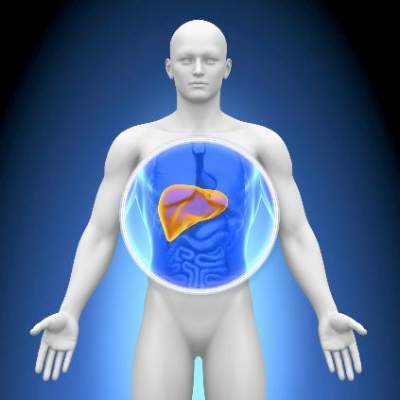
SAN FRANCISCO – The number of new waiting-list registrations for liver transplantation among patients with hepatitis C virus declined significantly after the introduction of second-generation direct-acting antiviral agents, according to a review of United Network for Organ Sharing data.
New waiting-list registrations (NWRs) through March 31, 2015 – based on the most recent data available as of September 2015 – ranged from 740 to 976 per month between August 2012 and March 2015, and a review of the data show that HCV-specific NWRs declined by 23% overall in the 15 months after the Food and Drug Administration approved simeprevir (Nov. 22, 2013) and sofosbuvir (Dec. 6, 2013) vs. the 15 months prior (from 34.8% to 26.8%), Dr. Ryan B. Perumpail reported at the annual meeting of the American Association for the Study of Liver Diseases.
Further, the proportion of HCV patients without hepatocellular carcinoma among new waiting-list registrations declined by 33% (from 23.0% to 15.4%) and there was a significant decline in NWRs for liver transplants in nonhepatocellular-carcinoma HCV patients from January 2014 to March 2015 (153 per month) vs. August 2012 to October 2013 (mean 188 per month), for a mean difference of 35.0, said Dr. Perumpail of Stanford University Medical Center, Palo Alto, Calif.
Among the HCV-related NWRs for liver transplantation, the proportion without hepatocellular carcinoma declined 12.5% (from 66.3% to 58.0%).
Direct-acting antiviral therapy has been prioritized in patients with HCV-related cirrhosis in an effort to slow clinical disease progress and to induce regression of hepatic histologic damage, Dr. Perumpail explained.
Thought limited by the retrospective design of the study, the findings suggest that the use of direct-acting antivirals contributed to a downward trend in NWRs for liver transplantation among HCV patients without hepatocellular carcinoma.
Dr. Perumpail reported having no disclosures.
SAN FRANCISCO – The number of new waiting-list registrations for liver transplantation among patients with hepatitis C virus declined significantly after the introduction of second-generation direct-acting antiviral agents, according to a review of United Network for Organ Sharing data.
New waiting-list registrations (NWRs) through March 31, 2015 – based on the most recent data available as of September 2015 – ranged from 740 to 976 per month between August 2012 and March 2015, and a review of the data show that HCV-specific NWRs declined by 23% overall in the 15 months after the Food and Drug Administration approved simeprevir (Nov. 22, 2013) and sofosbuvir (Dec. 6, 2013) vs. the 15 months prior (from 34.8% to 26.8%), Dr. Ryan B. Perumpail reported at the annual meeting of the American Association for the Study of Liver Diseases.
Further, the proportion of HCV patients without hepatocellular carcinoma among new waiting-list registrations declined by 33% (from 23.0% to 15.4%) and there was a significant decline in NWRs for liver transplants in nonhepatocellular-carcinoma HCV patients from January 2014 to March 2015 (153 per month) vs. August 2012 to October 2013 (mean 188 per month), for a mean difference of 35.0, said Dr. Perumpail of Stanford University Medical Center, Palo Alto, Calif.
Among the HCV-related NWRs for liver transplantation, the proportion without hepatocellular carcinoma declined 12.5% (from 66.3% to 58.0%).
Direct-acting antiviral therapy has been prioritized in patients with HCV-related cirrhosis in an effort to slow clinical disease progress and to induce regression of hepatic histologic damage, Dr. Perumpail explained.
Thought limited by the retrospective design of the study, the findings suggest that the use of direct-acting antivirals contributed to a downward trend in NWRs for liver transplantation among HCV patients without hepatocellular carcinoma.
Dr. Perumpail reported having no disclosures.
SAN FRANCISCO – The number of new waiting-list registrations for liver transplantation among patients with hepatitis C virus declined significantly after the introduction of second-generation direct-acting antiviral agents, according to a review of United Network for Organ Sharing data.
New waiting-list registrations (NWRs) through March 31, 2015 – based on the most recent data available as of September 2015 – ranged from 740 to 976 per month between August 2012 and March 2015, and a review of the data show that HCV-specific NWRs declined by 23% overall in the 15 months after the Food and Drug Administration approved simeprevir (Nov. 22, 2013) and sofosbuvir (Dec. 6, 2013) vs. the 15 months prior (from 34.8% to 26.8%), Dr. Ryan B. Perumpail reported at the annual meeting of the American Association for the Study of Liver Diseases.
Further, the proportion of HCV patients without hepatocellular carcinoma among new waiting-list registrations declined by 33% (from 23.0% to 15.4%) and there was a significant decline in NWRs for liver transplants in nonhepatocellular-carcinoma HCV patients from January 2014 to March 2015 (153 per month) vs. August 2012 to October 2013 (mean 188 per month), for a mean difference of 35.0, said Dr. Perumpail of Stanford University Medical Center, Palo Alto, Calif.
Among the HCV-related NWRs for liver transplantation, the proportion without hepatocellular carcinoma declined 12.5% (from 66.3% to 58.0%).
Direct-acting antiviral therapy has been prioritized in patients with HCV-related cirrhosis in an effort to slow clinical disease progress and to induce regression of hepatic histologic damage, Dr. Perumpail explained.
Thought limited by the retrospective design of the study, the findings suggest that the use of direct-acting antivirals contributed to a downward trend in NWRs for liver transplantation among HCV patients without hepatocellular carcinoma.
Dr. Perumpail reported having no disclosures.
AT THE LIVER MEETING 2015
Key clinical point: New waiting-list registrations for liver transplantation in patients with hepatitis C virus declined significantly after introduction of second-generation direct-acting antiviral agents.
Major finding: HCV-specific waiting-list registrations declined by 23% in the 15 months after vs. before FDA approval of simeprevir and sofosbuvir (34.8% vs. 26.8%).
Data source: A review of United Network for Organ Sharing data.
Disclosures: Dr. Perumpail reported having no disclosures.
Team characterizes EMH niche
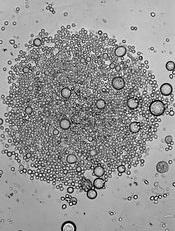
Image by John Perry
Previous studies have shown that hematopoietic stresses—such as myelofibrosis, anemia, and myeloablation—can induce extramedullary hematopoiesis (EMH), in which hematopoietic stem cells (HSCs) are mobilized to sites outside the bone marrow.
The splenic red pulp is known to be a prominent site of EMH in both mice and humans, but not much is known about the EMH niche.
Now, investigators say they have characterized this niche.
They detailed their findings in Nature.
The team used mouse models to examine the expression patterns of 2 known niche cell factors, SCF and CXCL12.
They discovered that the hematopoietic microenvironment in the spleen is found near sinusoidal blood vessels and is created by endothelial cells and perivascular stromal cells, just like the microenvironment in the bone marrow.
“Under emergency conditions, the endothelial cells and perivascular stromal cells that reside in the spleen are induced to proliferate so they can sustain all the new blood-forming stem cells that migrate into the spleen,” explained study author Sean Morrison, PhD, of the University of Texas Southwestern Medical Center, Dallas.
“We determined that this process in the spleen is physiologically important for responding to hematopoietic stress. Without it, the mice we studied could not maintain normal blood cell counts during pregnancy or quickly regenerate blood cell counts after bleeding or chemotherapy.”
The investigators believe these findings could aid the development of therapeutic interventions to enhance blood formation following chemotherapy or HSC transplant and thus accelerate the recovery of blood cell counts. 
Image by John Perry
Previous studies have shown that hematopoietic stresses—such as myelofibrosis, anemia, and myeloablation—can induce extramedullary hematopoiesis (EMH), in which hematopoietic stem cells (HSCs) are mobilized to sites outside the bone marrow.
The splenic red pulp is known to be a prominent site of EMH in both mice and humans, but not much is known about the EMH niche.
Now, investigators say they have characterized this niche.
They detailed their findings in Nature.
The team used mouse models to examine the expression patterns of 2 known niche cell factors, SCF and CXCL12.
They discovered that the hematopoietic microenvironment in the spleen is found near sinusoidal blood vessels and is created by endothelial cells and perivascular stromal cells, just like the microenvironment in the bone marrow.
“Under emergency conditions, the endothelial cells and perivascular stromal cells that reside in the spleen are induced to proliferate so they can sustain all the new blood-forming stem cells that migrate into the spleen,” explained study author Sean Morrison, PhD, of the University of Texas Southwestern Medical Center, Dallas.
“We determined that this process in the spleen is physiologically important for responding to hematopoietic stress. Without it, the mice we studied could not maintain normal blood cell counts during pregnancy or quickly regenerate blood cell counts after bleeding or chemotherapy.”
The investigators believe these findings could aid the development of therapeutic interventions to enhance blood formation following chemotherapy or HSC transplant and thus accelerate the recovery of blood cell counts.
Image by John Perry
Previous studies have shown that hematopoietic stresses—such as myelofibrosis, anemia, and myeloablation—can induce extramedullary hematopoiesis (EMH), in which hematopoietic stem cells (HSCs) are mobilized to sites outside the bone marrow.
The splenic red pulp is known to be a prominent site of EMH in both mice and humans, but not much is known about the EMH niche.
Now, investigators say they have characterized this niche.
They detailed their findings in Nature.
The team used mouse models to examine the expression patterns of 2 known niche cell factors, SCF and CXCL12.
They discovered that the hematopoietic microenvironment in the spleen is found near sinusoidal blood vessels and is created by endothelial cells and perivascular stromal cells, just like the microenvironment in the bone marrow.
“Under emergency conditions, the endothelial cells and perivascular stromal cells that reside in the spleen are induced to proliferate so they can sustain all the new blood-forming stem cells that migrate into the spleen,” explained study author Sean Morrison, PhD, of the University of Texas Southwestern Medical Center, Dallas.
“We determined that this process in the spleen is physiologically important for responding to hematopoietic stress. Without it, the mice we studied could not maintain normal blood cell counts during pregnancy or quickly regenerate blood cell counts after bleeding or chemotherapy.”
The investigators believe these findings could aid the development of therapeutic interventions to enhance blood formation following chemotherapy or HSC transplant and thus accelerate the recovery of blood cell counts.
High-fat diet linked to RBC dysfunction
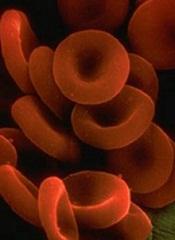
Preclinical research suggests a high-fat diet is associated with red blood cell (RBC) dysfunction and helps explain how these dysfunctional cells may mediate atherosclerosis.
The researchers believe their findings may have implications for the pathogenesis of atherosclerosis in obesity, but the work may aid the study of other health conditions as well, such as thrombosis in the context of cancer.
The team detailed their findings in Circulation.
“Obesity caused by chronic consumption of a high-calorie, high-fat diet is a worldwide epidemic, representing one of the greatest threats to global health,” said principal investigator Vladimir Bogdanov, PhD, of the University of Cincinnati in Ohio.
“White blood cells play a key role in fueling adipose tissue inflammation and insulin resistance in obesity and also promote the clogging of arteries, or atherosclerosis, setting the stage for heart attack and stroke. While these outcomes linked with a high-fat diet and fat in the blood on white blood cells have been shown in animal models and humans, the impact of high-fat diets on other bone marrow-derived cells, like red blood cells, is not well-defined.”
“Evidence is emerging that red blood cells play an important regulatory role in the development of atherosclerosis, binding pro-inflammatory proteins that cause dysfunction in the inner lining of the blood vessel wall—the endothelium. We explored how a high fat-diet causes red blood cell dysfunction in this study.”
Dr Bogdanov and his team fed a 60% high-fat diet to mice for 12 weeks and compared these animals to control mice that received a normal diet.
There was an increase in the level of chemokines bound to the RBCs of mice that received the high-fat diet. These chemokines were bound to RBCs via the Duffy antigen receptor for chemokines.
The researchers exposed RBCs from mice on the high-fat diet to an endothelial monolayer in vitro, and they observed “significantly enhanced” macrophage transendothelial migration. They said this confirms the functional importance of RBC-bound chemokines in the setting of a high-fat diet.
“In red blood cells from animal models fed a high-fat diet, there was an increase in cholesterol found in the cell membrane and phosphatidylserine levels, promoting inflammatory reactions,” Dr Bogdanov added.
“Phosphatidylserine is a phospholipid membrane component which plays a key role in the cycle of cells. When red blood cells from the animals being fed the high-fat diet were injected into a control group, eating a normal diet, there was a 3-fold increase in their spleens’ uptake of red blood cells. The spleen is involved in the removal of blood cells, as well as systemic inflammation.”
“All of these findings show that the dysfunction of red blood cells, corresponding with dysfunction of the lining of blood vessels, occurs very early in diet-induced obesity and may play a part in the formation of atherosclerosis. Diets high in saturated fat have long been associated with endothelial dysfunction, the precursor to atherosclerosis, but, to our knowledge, the effects of high-fat diet on red blood cells have not been rigorously examined.”
Dr Bogdanov noted that, in humans, high cholesterol is associated with alterations in RBCs that are improved by treatment with statins. But the majority of obese humans do not have severe high cholesterol, as was the case with the animals in this study.
The researchers are now working on translating their findings to humans.
Preclinical research suggests a high-fat diet is associated with red blood cell (RBC) dysfunction and helps explain how these dysfunctional cells may mediate atherosclerosis.
The researchers believe their findings may have implications for the pathogenesis of atherosclerosis in obesity, but the work may aid the study of other health conditions as well, such as thrombosis in the context of cancer.
The team detailed their findings in Circulation.
“Obesity caused by chronic consumption of a high-calorie, high-fat diet is a worldwide epidemic, representing one of the greatest threats to global health,” said principal investigator Vladimir Bogdanov, PhD, of the University of Cincinnati in Ohio.
“White blood cells play a key role in fueling adipose tissue inflammation and insulin resistance in obesity and also promote the clogging of arteries, or atherosclerosis, setting the stage for heart attack and stroke. While these outcomes linked with a high-fat diet and fat in the blood on white blood cells have been shown in animal models and humans, the impact of high-fat diets on other bone marrow-derived cells, like red blood cells, is not well-defined.”
“Evidence is emerging that red blood cells play an important regulatory role in the development of atherosclerosis, binding pro-inflammatory proteins that cause dysfunction in the inner lining of the blood vessel wall—the endothelium. We explored how a high fat-diet causes red blood cell dysfunction in this study.”
Dr Bogdanov and his team fed a 60% high-fat diet to mice for 12 weeks and compared these animals to control mice that received a normal diet.
There was an increase in the level of chemokines bound to the RBCs of mice that received the high-fat diet. These chemokines were bound to RBCs via the Duffy antigen receptor for chemokines.
The researchers exposed RBCs from mice on the high-fat diet to an endothelial monolayer in vitro, and they observed “significantly enhanced” macrophage transendothelial migration. They said this confirms the functional importance of RBC-bound chemokines in the setting of a high-fat diet.
“In red blood cells from animal models fed a high-fat diet, there was an increase in cholesterol found in the cell membrane and phosphatidylserine levels, promoting inflammatory reactions,” Dr Bogdanov added.
“Phosphatidylserine is a phospholipid membrane component which plays a key role in the cycle of cells. When red blood cells from the animals being fed the high-fat diet were injected into a control group, eating a normal diet, there was a 3-fold increase in their spleens’ uptake of red blood cells. The spleen is involved in the removal of blood cells, as well as systemic inflammation.”
“All of these findings show that the dysfunction of red blood cells, corresponding with dysfunction of the lining of blood vessels, occurs very early in diet-induced obesity and may play a part in the formation of atherosclerosis. Diets high in saturated fat have long been associated with endothelial dysfunction, the precursor to atherosclerosis, but, to our knowledge, the effects of high-fat diet on red blood cells have not been rigorously examined.”
Dr Bogdanov noted that, in humans, high cholesterol is associated with alterations in RBCs that are improved by treatment with statins. But the majority of obese humans do not have severe high cholesterol, as was the case with the animals in this study.
The researchers are now working on translating their findings to humans.
Preclinical research suggests a high-fat diet is associated with red blood cell (RBC) dysfunction and helps explain how these dysfunctional cells may mediate atherosclerosis.
The researchers believe their findings may have implications for the pathogenesis of atherosclerosis in obesity, but the work may aid the study of other health conditions as well, such as thrombosis in the context of cancer.
The team detailed their findings in Circulation.
“Obesity caused by chronic consumption of a high-calorie, high-fat diet is a worldwide epidemic, representing one of the greatest threats to global health,” said principal investigator Vladimir Bogdanov, PhD, of the University of Cincinnati in Ohio.
“White blood cells play a key role in fueling adipose tissue inflammation and insulin resistance in obesity and also promote the clogging of arteries, or atherosclerosis, setting the stage for heart attack and stroke. While these outcomes linked with a high-fat diet and fat in the blood on white blood cells have been shown in animal models and humans, the impact of high-fat diets on other bone marrow-derived cells, like red blood cells, is not well-defined.”
“Evidence is emerging that red blood cells play an important regulatory role in the development of atherosclerosis, binding pro-inflammatory proteins that cause dysfunction in the inner lining of the blood vessel wall—the endothelium. We explored how a high fat-diet causes red blood cell dysfunction in this study.”
Dr Bogdanov and his team fed a 60% high-fat diet to mice for 12 weeks and compared these animals to control mice that received a normal diet.
There was an increase in the level of chemokines bound to the RBCs of mice that received the high-fat diet. These chemokines were bound to RBCs via the Duffy antigen receptor for chemokines.
The researchers exposed RBCs from mice on the high-fat diet to an endothelial monolayer in vitro, and they observed “significantly enhanced” macrophage transendothelial migration. They said this confirms the functional importance of RBC-bound chemokines in the setting of a high-fat diet.
“In red blood cells from animal models fed a high-fat diet, there was an increase in cholesterol found in the cell membrane and phosphatidylserine levels, promoting inflammatory reactions,” Dr Bogdanov added.
“Phosphatidylserine is a phospholipid membrane component which plays a key role in the cycle of cells. When red blood cells from the animals being fed the high-fat diet were injected into a control group, eating a normal diet, there was a 3-fold increase in their spleens’ uptake of red blood cells. The spleen is involved in the removal of blood cells, as well as systemic inflammation.”
“All of these findings show that the dysfunction of red blood cells, corresponding with dysfunction of the lining of blood vessels, occurs very early in diet-induced obesity and may play a part in the formation of atherosclerosis. Diets high in saturated fat have long been associated with endothelial dysfunction, the precursor to atherosclerosis, but, to our knowledge, the effects of high-fat diet on red blood cells have not been rigorously examined.”
Dr Bogdanov noted that, in humans, high cholesterol is associated with alterations in RBCs that are improved by treatment with statins. But the majority of obese humans do not have severe high cholesterol, as was the case with the animals in this study.
The researchers are now working on translating their findings to humans.
Berry-derived compound can fight AML

A compound derived from the berries of the Bloodhorn tree has demonstrated activity against acute myeloid leukemia (AML), according to preclinical research published in Investigational New Drugs.
The compound, 7-formyl-10-methylisoellipticine, induced apoptosis in AML cells in a dose- and time-dependent manner.
It also significantly slowed tumor growth and reduced tumor mass in a mouse model of AML.
7-formyl-10-methylisoellipticine is derived from an ellipticine, which has been isolated from the berries of the Ochrosia Elliptica tree. The tree, also known as the Bloodhorn tree due to the shape and color of the berries, grows on the northeast coast of Australia and in the rainforests of Brazil.
“[We have] taken the natural product and restyled it with unique features to improve the potency and solubility,” explained Florence McCarthy, PhD, of University College Cork in Ireland.
“What is truly exceptional is that these features are not common in drugs, and so we aim to exploit this fully. There is also significant potential to apply this approach to other drugs in a similar fashion.”
For this study, Dr McCarthy and his colleagues first tested 7-formyl-10-methylisoellipticine in the AML cell line MV4-11. They tested a range of concentrations in an attempt to identify the minimum concentration that would cause significant cytotoxicity. It turned out to be 5 μM.
Over a period of 24 hours, 5 μM of 7-formyl-10-methylisoellipticine killed up to 40% of MV4-11 cells. And over 96 hours, 5 μM of 7-formyl-10-methylisoellipticine killed more than 90% of cells.
Further investigation revealed that 5 μM of 7-formyl-10-methylisoellipticine increases the sub-G1 phase of the MV4-11 cell cycle. And the compound functions, at least in part, by generating mitochondrial-derived reactive oxygen species.
The researchers then found that 7-formyl-10-methylisoellipticine is not toxic to BALB/c mice. The team injected the mice with 7-formyl-10-methylisoellipticine at a range of doses—5 mg/kg, 10 mg/kg, 25 mg/kg, and 50 mg/kg.
Regardless of the dose, the compound did not cause a change in body weight, significantly increase levels of alanine aminotransferase or aspartate aminotransferase relative to negative control, or significantly change cell morphology or tissue structure in specified major organs.
Finally, the researchers found that 7-formyl-10-methylisoellipticine has antitumor activity in an AML xenograft mouse model. Based on the toxicity experiments, the team used a dose of 25 mg/kg in these mice.
At this dose, 7-formyl-10-methylisoellipticine significantly slowed tumor growth and reduced tumor mass. Tumor growth was 4 times slower in mice treated with 7-formyl-10-methylisoellipticine than in control mice. And tumor mass was up to 7 times greater in controls than it was in treated mice.
Based on these results, the researchers said they plan to continue investigating the mechanism of action of ellipticines, which “have a clear potential clinical application.”
A compound derived from the berries of the Bloodhorn tree has demonstrated activity against acute myeloid leukemia (AML), according to preclinical research published in Investigational New Drugs.
The compound, 7-formyl-10-methylisoellipticine, induced apoptosis in AML cells in a dose- and time-dependent manner.
It also significantly slowed tumor growth and reduced tumor mass in a mouse model of AML.
7-formyl-10-methylisoellipticine is derived from an ellipticine, which has been isolated from the berries of the Ochrosia Elliptica tree. The tree, also known as the Bloodhorn tree due to the shape and color of the berries, grows on the northeast coast of Australia and in the rainforests of Brazil.
“[We have] taken the natural product and restyled it with unique features to improve the potency and solubility,” explained Florence McCarthy, PhD, of University College Cork in Ireland.
“What is truly exceptional is that these features are not common in drugs, and so we aim to exploit this fully. There is also significant potential to apply this approach to other drugs in a similar fashion.”
For this study, Dr McCarthy and his colleagues first tested 7-formyl-10-methylisoellipticine in the AML cell line MV4-11. They tested a range of concentrations in an attempt to identify the minimum concentration that would cause significant cytotoxicity. It turned out to be 5 μM.
Over a period of 24 hours, 5 μM of 7-formyl-10-methylisoellipticine killed up to 40% of MV4-11 cells. And over 96 hours, 5 μM of 7-formyl-10-methylisoellipticine killed more than 90% of cells.
Further investigation revealed that 5 μM of 7-formyl-10-methylisoellipticine increases the sub-G1 phase of the MV4-11 cell cycle. And the compound functions, at least in part, by generating mitochondrial-derived reactive oxygen species.
The researchers then found that 7-formyl-10-methylisoellipticine is not toxic to BALB/c mice. The team injected the mice with 7-formyl-10-methylisoellipticine at a range of doses—5 mg/kg, 10 mg/kg, 25 mg/kg, and 50 mg/kg.
Regardless of the dose, the compound did not cause a change in body weight, significantly increase levels of alanine aminotransferase or aspartate aminotransferase relative to negative control, or significantly change cell morphology or tissue structure in specified major organs.
Finally, the researchers found that 7-formyl-10-methylisoellipticine has antitumor activity in an AML xenograft mouse model. Based on the toxicity experiments, the team used a dose of 25 mg/kg in these mice.
At this dose, 7-formyl-10-methylisoellipticine significantly slowed tumor growth and reduced tumor mass. Tumor growth was 4 times slower in mice treated with 7-formyl-10-methylisoellipticine than in control mice. And tumor mass was up to 7 times greater in controls than it was in treated mice.
Based on these results, the researchers said they plan to continue investigating the mechanism of action of ellipticines, which “have a clear potential clinical application.”
A compound derived from the berries of the Bloodhorn tree has demonstrated activity against acute myeloid leukemia (AML), according to preclinical research published in Investigational New Drugs.
The compound, 7-formyl-10-methylisoellipticine, induced apoptosis in AML cells in a dose- and time-dependent manner.
It also significantly slowed tumor growth and reduced tumor mass in a mouse model of AML.
7-formyl-10-methylisoellipticine is derived from an ellipticine, which has been isolated from the berries of the Ochrosia Elliptica tree. The tree, also known as the Bloodhorn tree due to the shape and color of the berries, grows on the northeast coast of Australia and in the rainforests of Brazil.
“[We have] taken the natural product and restyled it with unique features to improve the potency and solubility,” explained Florence McCarthy, PhD, of University College Cork in Ireland.
“What is truly exceptional is that these features are not common in drugs, and so we aim to exploit this fully. There is also significant potential to apply this approach to other drugs in a similar fashion.”
For this study, Dr McCarthy and his colleagues first tested 7-formyl-10-methylisoellipticine in the AML cell line MV4-11. They tested a range of concentrations in an attempt to identify the minimum concentration that would cause significant cytotoxicity. It turned out to be 5 μM.
Over a period of 24 hours, 5 μM of 7-formyl-10-methylisoellipticine killed up to 40% of MV4-11 cells. And over 96 hours, 5 μM of 7-formyl-10-methylisoellipticine killed more than 90% of cells.
Further investigation revealed that 5 μM of 7-formyl-10-methylisoellipticine increases the sub-G1 phase of the MV4-11 cell cycle. And the compound functions, at least in part, by generating mitochondrial-derived reactive oxygen species.
The researchers then found that 7-formyl-10-methylisoellipticine is not toxic to BALB/c mice. The team injected the mice with 7-formyl-10-methylisoellipticine at a range of doses—5 mg/kg, 10 mg/kg, 25 mg/kg, and 50 mg/kg.
Regardless of the dose, the compound did not cause a change in body weight, significantly increase levels of alanine aminotransferase or aspartate aminotransferase relative to negative control, or significantly change cell morphology or tissue structure in specified major organs.
Finally, the researchers found that 7-formyl-10-methylisoellipticine has antitumor activity in an AML xenograft mouse model. Based on the toxicity experiments, the team used a dose of 25 mg/kg in these mice.
At this dose, 7-formyl-10-methylisoellipticine significantly slowed tumor growth and reduced tumor mass. Tumor growth was 4 times slower in mice treated with 7-formyl-10-methylisoellipticine than in control mice. And tumor mass was up to 7 times greater in controls than it was in treated mice.
Based on these results, the researchers said they plan to continue investigating the mechanism of action of ellipticines, which “have a clear potential clinical application.”
Risk of anaphylaxis with IV iron products
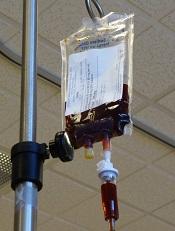
Researchers have compared the risk of anaphylaxis with different intravenous (IV) iron products and found evidence to suggest that iron dextran poses the greatest risk.
Compared with nondextran formulations, iron dextran was associated with a higher cumulative risk of anaphylaxis and an increased risk of anaphylaxis at first administration.
Iron sucrose was associated with the lowest risk of anaphylaxis, both cumulative and at first administration.
Cunlin Wang, MD, PhD, of the US Food and Drug Administration in Silver Spring, Maryland, and his colleagues conducted this research and reported the results in JAMA.
The researchers studied 688,183 recipients of IV iron enrolled in the fee-for-service Medicare program from January 2003 to December 2013.
The team examined administrations of IV iron dextran, gluconate, sucrose, or ferumoxytol. They identified 247,500 iron dextran and 440,683 nondextran users during the study period.
Overall, there were 274 cases of anaphylaxis at first exposure to IV iron and an additional 170 cases during subsequent iron administrations.
At first administration, iron dextran was associated with a higher anaphylaxis risk than nondextran formulations. The risk of anaphylaxis was 68 per 100,000 persons for iron dextran and 24 per 100,000 persons for all nondextran products combined. The odds ratio—adjusted for age, indication, history of coronary heart disease, and hypertension—was 2.6 (P<0.001).
Among the nondextran products, the risk of anaphylaxis at first administration was higher with both iron gluconate and ferumoxytol than with iron sucrose. When compared with iron sucrose, the adjusted odds ratio of anaphylaxis was 3.6 for iron dextran, 2.0 for iron gluconate, and 2.2 for ferumoxytol.
Because each IV iron product has a specific recommended dose and schedule of administration, the researchers also calculated the cumulative risk of anaphylaxis based on both the number of administrations and the clinically relevant repletion level of iron (1000 mg) achieved within 12 weeks.
The cumulative risk of anaphylaxis over multiple administrations was highest for iron dextran, followed by ferumoxytol, iron gluconate, and iron sucrose.
The estimated cumulative anaphylaxis risk following total iron repletion of 1000 mg administered within a 12-week period was highest with iron dextran (82 per 100,000 persons) and lowest with iron sucrose (21 per 100,000 persons).
The researchers noted that the mechanism of anaphylactic reaction after IV iron remains unknown.
Researchers have compared the risk of anaphylaxis with different intravenous (IV) iron products and found evidence to suggest that iron dextran poses the greatest risk.
Compared with nondextran formulations, iron dextran was associated with a higher cumulative risk of anaphylaxis and an increased risk of anaphylaxis at first administration.
Iron sucrose was associated with the lowest risk of anaphylaxis, both cumulative and at first administration.
Cunlin Wang, MD, PhD, of the US Food and Drug Administration in Silver Spring, Maryland, and his colleagues conducted this research and reported the results in JAMA.
The researchers studied 688,183 recipients of IV iron enrolled in the fee-for-service Medicare program from January 2003 to December 2013.
The team examined administrations of IV iron dextran, gluconate, sucrose, or ferumoxytol. They identified 247,500 iron dextran and 440,683 nondextran users during the study period.
Overall, there were 274 cases of anaphylaxis at first exposure to IV iron and an additional 170 cases during subsequent iron administrations.
At first administration, iron dextran was associated with a higher anaphylaxis risk than nondextran formulations. The risk of anaphylaxis was 68 per 100,000 persons for iron dextran and 24 per 100,000 persons for all nondextran products combined. The odds ratio—adjusted for age, indication, history of coronary heart disease, and hypertension—was 2.6 (P<0.001).
Among the nondextran products, the risk of anaphylaxis at first administration was higher with both iron gluconate and ferumoxytol than with iron sucrose. When compared with iron sucrose, the adjusted odds ratio of anaphylaxis was 3.6 for iron dextran, 2.0 for iron gluconate, and 2.2 for ferumoxytol.
Because each IV iron product has a specific recommended dose and schedule of administration, the researchers also calculated the cumulative risk of anaphylaxis based on both the number of administrations and the clinically relevant repletion level of iron (1000 mg) achieved within 12 weeks.
The cumulative risk of anaphylaxis over multiple administrations was highest for iron dextran, followed by ferumoxytol, iron gluconate, and iron sucrose.
The estimated cumulative anaphylaxis risk following total iron repletion of 1000 mg administered within a 12-week period was highest with iron dextran (82 per 100,000 persons) and lowest with iron sucrose (21 per 100,000 persons).
The researchers noted that the mechanism of anaphylactic reaction after IV iron remains unknown.
Researchers have compared the risk of anaphylaxis with different intravenous (IV) iron products and found evidence to suggest that iron dextran poses the greatest risk.
Compared with nondextran formulations, iron dextran was associated with a higher cumulative risk of anaphylaxis and an increased risk of anaphylaxis at first administration.
Iron sucrose was associated with the lowest risk of anaphylaxis, both cumulative and at first administration.
Cunlin Wang, MD, PhD, of the US Food and Drug Administration in Silver Spring, Maryland, and his colleagues conducted this research and reported the results in JAMA.
The researchers studied 688,183 recipients of IV iron enrolled in the fee-for-service Medicare program from January 2003 to December 2013.
The team examined administrations of IV iron dextran, gluconate, sucrose, or ferumoxytol. They identified 247,500 iron dextran and 440,683 nondextran users during the study period.
Overall, there were 274 cases of anaphylaxis at first exposure to IV iron and an additional 170 cases during subsequent iron administrations.
At first administration, iron dextran was associated with a higher anaphylaxis risk than nondextran formulations. The risk of anaphylaxis was 68 per 100,000 persons for iron dextran and 24 per 100,000 persons for all nondextran products combined. The odds ratio—adjusted for age, indication, history of coronary heart disease, and hypertension—was 2.6 (P<0.001).
Among the nondextran products, the risk of anaphylaxis at first administration was higher with both iron gluconate and ferumoxytol than with iron sucrose. When compared with iron sucrose, the adjusted odds ratio of anaphylaxis was 3.6 for iron dextran, 2.0 for iron gluconate, and 2.2 for ferumoxytol.
Because each IV iron product has a specific recommended dose and schedule of administration, the researchers also calculated the cumulative risk of anaphylaxis based on both the number of administrations and the clinically relevant repletion level of iron (1000 mg) achieved within 12 weeks.
The cumulative risk of anaphylaxis over multiple administrations was highest for iron dextran, followed by ferumoxytol, iron gluconate, and iron sucrose.
The estimated cumulative anaphylaxis risk following total iron repletion of 1000 mg administered within a 12-week period was highest with iron dextran (82 per 100,000 persons) and lowest with iron sucrose (21 per 100,000 persons).
The researchers noted that the mechanism of anaphylactic reaction after IV iron remains unknown.
Project BOOST Study Is Journal of Hospital Medicine’s Top-Cited Article in 2014
A study that examines Project BOOST’s effectiveness at decreasing rehospitalization rates was the top-cited article from the Journal of Hospital Medicine (JHM) in 2014. Titled “Project BOOST: Effectiveness of a Multihospital Effort to Reduce Rehospitalization,” the study has been cited 33 times since its publication in July 2013. The article concludes that hospitals participating in SHM’s Project BOOST (Better Outcomes for Older adults through Safe Transitions) experienced lower readmission rates.
“Project BOOST showed the effectiveness of physician-mentored implementation at reducing rehospitalization rates by improving the quality of patient care,” the study’s senior author, Mark V. Williams, MD, MHM, of Northwestern University Feinberg School of Medicine in Chicago, writes in an email to The Hospitalist eWire.
While researching the article, Dr. Williams says he knew it would be especially interesting to hospitalists. “I know hospitalists want to do the best job possible and not have patients be forced to return to the hospital because of problems with the hospital discharge process,” he writes. “Also, since hospitalists led this research as a nationwide quality improvement initiative, it is of particular interest to them.”
JHM Editor in Chief Andrew Auerbach, MD, MPH, and his editorial team publish some 30% of the 40-odd submissions they receive on average each month. “It was a very good paper,” Dr. Auerbach says of the Project BOOST study. Because of the importance of Project BOOST transitional care interventions, Dr. Auerbach and his team “knew it was going to be important to the field,” he adds.
In addition to its 33 citations, the Project BOOST article has received significant online attention. With an Altmetric score of 72, it is “one of the highest-scoring articles from [JHM] (#9 of 686),” according to its Altmetric page. This score reflects the article’s mentions in social media, newspapers, policy documents, and other sources.
Other factors such as the “number of tweets and downloads, the number of times people go to our website, those are also things that we look at very carefully to make sure that the journal is providing a service to people who may not be citing the papers but who want to use it just to read and to use in clinical care,” Dr. Auerbach says.
The four other top-cited articles discuss reducing inpatient falls, predicting mortality in ward patients through emergency medical records, detecting delirium to reduce hospitalization of dementia patients, and decreasing the use of non–evidence-based theories in treating bronchiolitis in pediatric patients.
The quality of researched published in JHM has changed since the journal’s debut in 2006, Dr. Auerbach says. “I think the field has developed quite a bit,” he adds. “I think the quality of research that’s happening in the field of hospital medicine is improving quite a bit, which is reflected in the type of papers we’re getting at the journal.”
In addition to 2014’s top-cited articles, the editorial team highlighted JHM’s new impact factor (IF) of 2.304, up from last year’s IF of 2.081. An IF indicates how many times the articles in a journal are cited elsewhere. “It is a very important metric for the journal, it’s very important for our authors, it’s important to our field,” Dr. Auerbach says. “It talks about how important the things we’re publishing are to other researchers.”
This increased IF ranks JHM 37 out of 153 journals in the General and Internal Medicine category of professional, peer-reviewed journals. Dr. Auerbach, whose five-year term will end in 2016, says he is “very happy with the pace of [JHM’s] improvement” and hopeful of the journal’s continued success. “We’re confident in our strategies,” he says. “I think if we keep focusing on really great papers and continue to grow the number of papers that come to the journal, we’ll be on track.”
Visit our website for more information on the Project BOOST study.
A study that examines Project BOOST’s effectiveness at decreasing rehospitalization rates was the top-cited article from the Journal of Hospital Medicine (JHM) in 2014. Titled “Project BOOST: Effectiveness of a Multihospital Effort to Reduce Rehospitalization,” the study has been cited 33 times since its publication in July 2013. The article concludes that hospitals participating in SHM’s Project BOOST (Better Outcomes for Older adults through Safe Transitions) experienced lower readmission rates.
“Project BOOST showed the effectiveness of physician-mentored implementation at reducing rehospitalization rates by improving the quality of patient care,” the study’s senior author, Mark V. Williams, MD, MHM, of Northwestern University Feinberg School of Medicine in Chicago, writes in an email to The Hospitalist eWire.
While researching the article, Dr. Williams says he knew it would be especially interesting to hospitalists. “I know hospitalists want to do the best job possible and not have patients be forced to return to the hospital because of problems with the hospital discharge process,” he writes. “Also, since hospitalists led this research as a nationwide quality improvement initiative, it is of particular interest to them.”
JHM Editor in Chief Andrew Auerbach, MD, MPH, and his editorial team publish some 30% of the 40-odd submissions they receive on average each month. “It was a very good paper,” Dr. Auerbach says of the Project BOOST study. Because of the importance of Project BOOST transitional care interventions, Dr. Auerbach and his team “knew it was going to be important to the field,” he adds.
In addition to its 33 citations, the Project BOOST article has received significant online attention. With an Altmetric score of 72, it is “one of the highest-scoring articles from [JHM] (#9 of 686),” according to its Altmetric page. This score reflects the article’s mentions in social media, newspapers, policy documents, and other sources.
Other factors such as the “number of tweets and downloads, the number of times people go to our website, those are also things that we look at very carefully to make sure that the journal is providing a service to people who may not be citing the papers but who want to use it just to read and to use in clinical care,” Dr. Auerbach says.
The four other top-cited articles discuss reducing inpatient falls, predicting mortality in ward patients through emergency medical records, detecting delirium to reduce hospitalization of dementia patients, and decreasing the use of non–evidence-based theories in treating bronchiolitis in pediatric patients.
The quality of researched published in JHM has changed since the journal’s debut in 2006, Dr. Auerbach says. “I think the field has developed quite a bit,” he adds. “I think the quality of research that’s happening in the field of hospital medicine is improving quite a bit, which is reflected in the type of papers we’re getting at the journal.”
In addition to 2014’s top-cited articles, the editorial team highlighted JHM’s new impact factor (IF) of 2.304, up from last year’s IF of 2.081. An IF indicates how many times the articles in a journal are cited elsewhere. “It is a very important metric for the journal, it’s very important for our authors, it’s important to our field,” Dr. Auerbach says. “It talks about how important the things we’re publishing are to other researchers.”
This increased IF ranks JHM 37 out of 153 journals in the General and Internal Medicine category of professional, peer-reviewed journals. Dr. Auerbach, whose five-year term will end in 2016, says he is “very happy with the pace of [JHM’s] improvement” and hopeful of the journal’s continued success. “We’re confident in our strategies,” he says. “I think if we keep focusing on really great papers and continue to grow the number of papers that come to the journal, we’ll be on track.”
Visit our website for more information on the Project BOOST study.
A study that examines Project BOOST’s effectiveness at decreasing rehospitalization rates was the top-cited article from the Journal of Hospital Medicine (JHM) in 2014. Titled “Project BOOST: Effectiveness of a Multihospital Effort to Reduce Rehospitalization,” the study has been cited 33 times since its publication in July 2013. The article concludes that hospitals participating in SHM’s Project BOOST (Better Outcomes for Older adults through Safe Transitions) experienced lower readmission rates.
“Project BOOST showed the effectiveness of physician-mentored implementation at reducing rehospitalization rates by improving the quality of patient care,” the study’s senior author, Mark V. Williams, MD, MHM, of Northwestern University Feinberg School of Medicine in Chicago, writes in an email to The Hospitalist eWire.
While researching the article, Dr. Williams says he knew it would be especially interesting to hospitalists. “I know hospitalists want to do the best job possible and not have patients be forced to return to the hospital because of problems with the hospital discharge process,” he writes. “Also, since hospitalists led this research as a nationwide quality improvement initiative, it is of particular interest to them.”
JHM Editor in Chief Andrew Auerbach, MD, MPH, and his editorial team publish some 30% of the 40-odd submissions they receive on average each month. “It was a very good paper,” Dr. Auerbach says of the Project BOOST study. Because of the importance of Project BOOST transitional care interventions, Dr. Auerbach and his team “knew it was going to be important to the field,” he adds.
In addition to its 33 citations, the Project BOOST article has received significant online attention. With an Altmetric score of 72, it is “one of the highest-scoring articles from [JHM] (#9 of 686),” according to its Altmetric page. This score reflects the article’s mentions in social media, newspapers, policy documents, and other sources.
Other factors such as the “number of tweets and downloads, the number of times people go to our website, those are also things that we look at very carefully to make sure that the journal is providing a service to people who may not be citing the papers but who want to use it just to read and to use in clinical care,” Dr. Auerbach says.
The four other top-cited articles discuss reducing inpatient falls, predicting mortality in ward patients through emergency medical records, detecting delirium to reduce hospitalization of dementia patients, and decreasing the use of non–evidence-based theories in treating bronchiolitis in pediatric patients.
The quality of researched published in JHM has changed since the journal’s debut in 2006, Dr. Auerbach says. “I think the field has developed quite a bit,” he adds. “I think the quality of research that’s happening in the field of hospital medicine is improving quite a bit, which is reflected in the type of papers we’re getting at the journal.”
In addition to 2014’s top-cited articles, the editorial team highlighted JHM’s new impact factor (IF) of 2.304, up from last year’s IF of 2.081. An IF indicates how many times the articles in a journal are cited elsewhere. “It is a very important metric for the journal, it’s very important for our authors, it’s important to our field,” Dr. Auerbach says. “It talks about how important the things we’re publishing are to other researchers.”
This increased IF ranks JHM 37 out of 153 journals in the General and Internal Medicine category of professional, peer-reviewed journals. Dr. Auerbach, whose five-year term will end in 2016, says he is “very happy with the pace of [JHM’s] improvement” and hopeful of the journal’s continued success. “We’re confident in our strategies,” he says. “I think if we keep focusing on really great papers and continue to grow the number of papers that come to the journal, we’ll be on track.”