User login
Sharon Worcester is an award-winning medical journalist for MDedge News. She has been with the company since 1996, first as the Southeast Bureau Chief (1996-2009) when the company was known as International Medical News Group, then as a freelance writer (2010-2015) before returning as a reporter in 2015. She previously worked as a daily newspaper reporter covering health and local government. Sharon currently reports primarily on oncology and hematology. She has a BA from Eckerd College and an MA in Mass Communication/Print Journalism from the University of Florida. Connect with her via LinkedIn and follow her on twitter @SW_MedReporter.
COMFORT mnemonic can help guide malignant wound care
BOSTON – Malignancy in a chronic leg wound can be very aggressive, and multidisciplinary care is a must – particularly in those who oppose amputation, according to Tania J. Phillips, MD.
“When you get a more advanced, malignant, ulcerated wound, this is really a complex situation that requires multidisciplinary care,” she said at the American Academy of Dermatology summer meeting.
In addition to dermatologic care, patients may need medical oncology, surgery, radiation, and good nursing care, she explained.
For patients with malignancy who oppose amputation, a palliative care team may also be a necessity, said Dr. Phillips, professor of dermatology at Boston University. She described one patient she cared for who had an ulcerated wound with squamous cell carcinoma. The patient was treated daily 5 days per week for 2 months. The wound did not heal.
“In these kinds of patients you may not heal the wound; you may just have to try to keep the wound clean, free of pain, and free of infection, she said.
COMFORT is a valuable mnemonic device for caring for such patients, she said: Care for pain and itching, use Odor control, Manage exudate and bleeding, Fight infection, Optimize peri-wound skin integrity, use Reparative and aesthetic wound dressings, Treat the cancer.
Pain is a major issue in patients with such wounds. It is important assess the wound etiology and treat the underlying disease, but it is also important to assess the pain and try to manage it, Dr. Phillips said. Often, addressing local wound management will help with the pain. Appropriate dressing selection is particularly important, as dressing changes can be very painful, she said, recommending the use of non-stick dressings that keep the wound moist. Local and systemic treatment may also be necessary to control pain and itching, she said.
Odor control is another concern. Necrotic tissue has a lot of odor, so debridement can help.
“Use a 19-guage needle to cleanse the wound,” she suggested, noting that this provides higher pressure that can be effective for cleansing.
Dressings that contain nanocrystalline silver or activated charcoal can also help.
As for managing exudate and bleeding, dressing choice is again an important consideration. More absorbent dressings like alginates are useful and have hemostatic properties that can also help with bleeding. Frequent dressing changes are also important.
“And obviously, you want to treat infection,” Dr. Phillips added. Metronidazole gel or powder can help with both infection and odor, she noted.
Peri-wound skin can be very fragile, so it is important to provide protection. In some cases, this can be addressed simply with zinc oxide or petrolatum. Various skin sealants are also available, and can be used to form a barrier to dressings that can be damaging to the skin.
Silicone dressings are very powerful because they don’t stick to the skin, and are not painful or damaging when removed, she said.
The use of a window with hydrocolloid dressing, which allows for changing only the inside of the dressing, is another useful approach, and using mesh rather than tape to hold the dressing in place can help to protect peri-wound skin.
Dr. Phillips reported a financial relationship with Hygeia.
BOSTON – Malignancy in a chronic leg wound can be very aggressive, and multidisciplinary care is a must – particularly in those who oppose amputation, according to Tania J. Phillips, MD.
“When you get a more advanced, malignant, ulcerated wound, this is really a complex situation that requires multidisciplinary care,” she said at the American Academy of Dermatology summer meeting.
In addition to dermatologic care, patients may need medical oncology, surgery, radiation, and good nursing care, she explained.
For patients with malignancy who oppose amputation, a palliative care team may also be a necessity, said Dr. Phillips, professor of dermatology at Boston University. She described one patient she cared for who had an ulcerated wound with squamous cell carcinoma. The patient was treated daily 5 days per week for 2 months. The wound did not heal.
“In these kinds of patients you may not heal the wound; you may just have to try to keep the wound clean, free of pain, and free of infection, she said.
COMFORT is a valuable mnemonic device for caring for such patients, she said: Care for pain and itching, use Odor control, Manage exudate and bleeding, Fight infection, Optimize peri-wound skin integrity, use Reparative and aesthetic wound dressings, Treat the cancer.
Pain is a major issue in patients with such wounds. It is important assess the wound etiology and treat the underlying disease, but it is also important to assess the pain and try to manage it, Dr. Phillips said. Often, addressing local wound management will help with the pain. Appropriate dressing selection is particularly important, as dressing changes can be very painful, she said, recommending the use of non-stick dressings that keep the wound moist. Local and systemic treatment may also be necessary to control pain and itching, she said.
Odor control is another concern. Necrotic tissue has a lot of odor, so debridement can help.
“Use a 19-guage needle to cleanse the wound,” she suggested, noting that this provides higher pressure that can be effective for cleansing.
Dressings that contain nanocrystalline silver or activated charcoal can also help.
As for managing exudate and bleeding, dressing choice is again an important consideration. More absorbent dressings like alginates are useful and have hemostatic properties that can also help with bleeding. Frequent dressing changes are also important.
“And obviously, you want to treat infection,” Dr. Phillips added. Metronidazole gel or powder can help with both infection and odor, she noted.
Peri-wound skin can be very fragile, so it is important to provide protection. In some cases, this can be addressed simply with zinc oxide or petrolatum. Various skin sealants are also available, and can be used to form a barrier to dressings that can be damaging to the skin.
Silicone dressings are very powerful because they don’t stick to the skin, and are not painful or damaging when removed, she said.
The use of a window with hydrocolloid dressing, which allows for changing only the inside of the dressing, is another useful approach, and using mesh rather than tape to hold the dressing in place can help to protect peri-wound skin.
Dr. Phillips reported a financial relationship with Hygeia.
BOSTON – Malignancy in a chronic leg wound can be very aggressive, and multidisciplinary care is a must – particularly in those who oppose amputation, according to Tania J. Phillips, MD.
“When you get a more advanced, malignant, ulcerated wound, this is really a complex situation that requires multidisciplinary care,” she said at the American Academy of Dermatology summer meeting.
In addition to dermatologic care, patients may need medical oncology, surgery, radiation, and good nursing care, she explained.
For patients with malignancy who oppose amputation, a palliative care team may also be a necessity, said Dr. Phillips, professor of dermatology at Boston University. She described one patient she cared for who had an ulcerated wound with squamous cell carcinoma. The patient was treated daily 5 days per week for 2 months. The wound did not heal.
“In these kinds of patients you may not heal the wound; you may just have to try to keep the wound clean, free of pain, and free of infection, she said.
COMFORT is a valuable mnemonic device for caring for such patients, she said: Care for pain and itching, use Odor control, Manage exudate and bleeding, Fight infection, Optimize peri-wound skin integrity, use Reparative and aesthetic wound dressings, Treat the cancer.
Pain is a major issue in patients with such wounds. It is important assess the wound etiology and treat the underlying disease, but it is also important to assess the pain and try to manage it, Dr. Phillips said. Often, addressing local wound management will help with the pain. Appropriate dressing selection is particularly important, as dressing changes can be very painful, she said, recommending the use of non-stick dressings that keep the wound moist. Local and systemic treatment may also be necessary to control pain and itching, she said.
Odor control is another concern. Necrotic tissue has a lot of odor, so debridement can help.
“Use a 19-guage needle to cleanse the wound,” she suggested, noting that this provides higher pressure that can be effective for cleansing.
Dressings that contain nanocrystalline silver or activated charcoal can also help.
As for managing exudate and bleeding, dressing choice is again an important consideration. More absorbent dressings like alginates are useful and have hemostatic properties that can also help with bleeding. Frequent dressing changes are also important.
“And obviously, you want to treat infection,” Dr. Phillips added. Metronidazole gel or powder can help with both infection and odor, she noted.
Peri-wound skin can be very fragile, so it is important to provide protection. In some cases, this can be addressed simply with zinc oxide or petrolatum. Various skin sealants are also available, and can be used to form a barrier to dressings that can be damaging to the skin.
Silicone dressings are very powerful because they don’t stick to the skin, and are not painful or damaging when removed, she said.
The use of a window with hydrocolloid dressing, which allows for changing only the inside of the dressing, is another useful approach, and using mesh rather than tape to hold the dressing in place can help to protect peri-wound skin.
Dr. Phillips reported a financial relationship with Hygeia.
EXPERT ANALYSIS FROM AAD SUMMER ACADEMY 2016
Oocyte donation may up risk of preterm birth
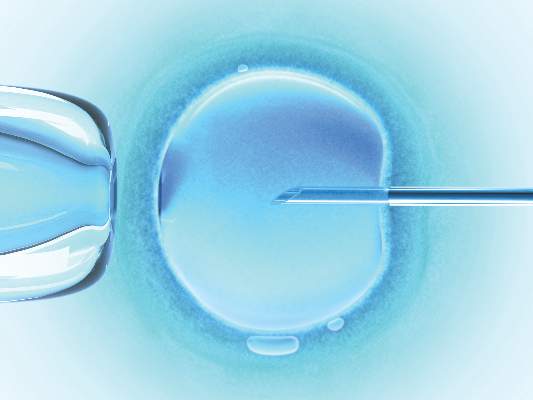
HELSINKI – The risk of preterm birth and low birth weight is higher following oocyte donation for in vitro fertilization, compared with autologous IVF, according to a review of more than 100,000 singleton live births.
The findings could help in counseling women and when managing pregnancies resulting from oocyte donation IVF, Mohan S. Kamath, MBBS, reported at the annual meeting of the European Society of Human Reproduction and Embryology.
In a review of 100,092 singleton live births among women who underwent either fresh donor oocyte or autologous IVF, the rates of several outcomes were increased among the donor recipients. For example, preterm birth, defined as live birth before 37 weeks’ gestation, occurred in 14.8% vs. 9.4% of patients in the groups, respectively (odds ratio, 1.68), early preterm birth (live birth before 32 weeks’ gestation) occurred in 2.1% and 1.8% of patients (OR, 1.77), low birth weight (less than 2,500 g), occurred in 13.8% vs. 9.5% of patients (OR, 1.53), and very low birth weight (less than 1,500 g) occurred in 2.65% vs. 1.9% of patients (OR, 1.42).
The differences between the groups were statistically significant, said Dr. Kamath of Christian Medical College and Hospital, Vellore, India.
After adjusting for potential confounders, including female age, treatment duration, previous live birth, number of embryos transferred, single vs. multiple pregnancies resulting in singleton birth, and day of embryo transfer (before 5 days vs. 5 days or later), the increase in the risk of adverse perinatal outcomes of preterm birth, early preterm birth, and low birth weight remained significant (adjusted OR, 1.56, 1.41, and 1.43, respectively), he said.
The findings are important because the burden of poor ovarian response following IVF has been increasing, likely as a result of delayed childbearing and thus advanced age among those seeking IVF, Dr. Kamath said. However, little information is available regarding maternal or infant outcomes following oocyte donation, and the data that do exist have been conflicting, he said.
The increased risk of pregnancy complications following assisted reproductive technology, compared with spontaneously conceived pregnancies, has been largely attributed to the underlying infertility itself or to embryo-specific epigenetic modifications because of the in vitro fertilization techniques. The current study was conducted to determine whether use of donor oocytes affects obstetric and perinatal outcomes when compared with pregnancies that follow autologous IVF.
Anonymous data were obtained from the Human Fertilisation & Embryology Authority of the United Kingdom, which has collected data on all assisted reproductive treatment in the United Kingdom since 1991. For the current analysis, data from 1991 to 2011, including all singleton live births following fresh oocyte donor and autologous IVF cycles, were evaluated.
Although the dataset did not include information on potential confounders, such as smoking, body mass index, and medical history during pregnancy, the findings provide important insight into potential outcomes, Dr. Kamath said.
Dr. Kamath reported having no financial disclosures.
HELSINKI – The risk of preterm birth and low birth weight is higher following oocyte donation for in vitro fertilization, compared with autologous IVF, according to a review of more than 100,000 singleton live births.
The findings could help in counseling women and when managing pregnancies resulting from oocyte donation IVF, Mohan S. Kamath, MBBS, reported at the annual meeting of the European Society of Human Reproduction and Embryology.
In a review of 100,092 singleton live births among women who underwent either fresh donor oocyte or autologous IVF, the rates of several outcomes were increased among the donor recipients. For example, preterm birth, defined as live birth before 37 weeks’ gestation, occurred in 14.8% vs. 9.4% of patients in the groups, respectively (odds ratio, 1.68), early preterm birth (live birth before 32 weeks’ gestation) occurred in 2.1% and 1.8% of patients (OR, 1.77), low birth weight (less than 2,500 g), occurred in 13.8% vs. 9.5% of patients (OR, 1.53), and very low birth weight (less than 1,500 g) occurred in 2.65% vs. 1.9% of patients (OR, 1.42).
The differences between the groups were statistically significant, said Dr. Kamath of Christian Medical College and Hospital, Vellore, India.
After adjusting for potential confounders, including female age, treatment duration, previous live birth, number of embryos transferred, single vs. multiple pregnancies resulting in singleton birth, and day of embryo transfer (before 5 days vs. 5 days or later), the increase in the risk of adverse perinatal outcomes of preterm birth, early preterm birth, and low birth weight remained significant (adjusted OR, 1.56, 1.41, and 1.43, respectively), he said.
The findings are important because the burden of poor ovarian response following IVF has been increasing, likely as a result of delayed childbearing and thus advanced age among those seeking IVF, Dr. Kamath said. However, little information is available regarding maternal or infant outcomes following oocyte donation, and the data that do exist have been conflicting, he said.
The increased risk of pregnancy complications following assisted reproductive technology, compared with spontaneously conceived pregnancies, has been largely attributed to the underlying infertility itself or to embryo-specific epigenetic modifications because of the in vitro fertilization techniques. The current study was conducted to determine whether use of donor oocytes affects obstetric and perinatal outcomes when compared with pregnancies that follow autologous IVF.
Anonymous data were obtained from the Human Fertilisation & Embryology Authority of the United Kingdom, which has collected data on all assisted reproductive treatment in the United Kingdom since 1991. For the current analysis, data from 1991 to 2011, including all singleton live births following fresh oocyte donor and autologous IVF cycles, were evaluated.
Although the dataset did not include information on potential confounders, such as smoking, body mass index, and medical history during pregnancy, the findings provide important insight into potential outcomes, Dr. Kamath said.
Dr. Kamath reported having no financial disclosures.
HELSINKI – The risk of preterm birth and low birth weight is higher following oocyte donation for in vitro fertilization, compared with autologous IVF, according to a review of more than 100,000 singleton live births.
The findings could help in counseling women and when managing pregnancies resulting from oocyte donation IVF, Mohan S. Kamath, MBBS, reported at the annual meeting of the European Society of Human Reproduction and Embryology.
In a review of 100,092 singleton live births among women who underwent either fresh donor oocyte or autologous IVF, the rates of several outcomes were increased among the donor recipients. For example, preterm birth, defined as live birth before 37 weeks’ gestation, occurred in 14.8% vs. 9.4% of patients in the groups, respectively (odds ratio, 1.68), early preterm birth (live birth before 32 weeks’ gestation) occurred in 2.1% and 1.8% of patients (OR, 1.77), low birth weight (less than 2,500 g), occurred in 13.8% vs. 9.5% of patients (OR, 1.53), and very low birth weight (less than 1,500 g) occurred in 2.65% vs. 1.9% of patients (OR, 1.42).
The differences between the groups were statistically significant, said Dr. Kamath of Christian Medical College and Hospital, Vellore, India.
After adjusting for potential confounders, including female age, treatment duration, previous live birth, number of embryos transferred, single vs. multiple pregnancies resulting in singleton birth, and day of embryo transfer (before 5 days vs. 5 days or later), the increase in the risk of adverse perinatal outcomes of preterm birth, early preterm birth, and low birth weight remained significant (adjusted OR, 1.56, 1.41, and 1.43, respectively), he said.
The findings are important because the burden of poor ovarian response following IVF has been increasing, likely as a result of delayed childbearing and thus advanced age among those seeking IVF, Dr. Kamath said. However, little information is available regarding maternal or infant outcomes following oocyte donation, and the data that do exist have been conflicting, he said.
The increased risk of pregnancy complications following assisted reproductive technology, compared with spontaneously conceived pregnancies, has been largely attributed to the underlying infertility itself or to embryo-specific epigenetic modifications because of the in vitro fertilization techniques. The current study was conducted to determine whether use of donor oocytes affects obstetric and perinatal outcomes when compared with pregnancies that follow autologous IVF.
Anonymous data were obtained from the Human Fertilisation & Embryology Authority of the United Kingdom, which has collected data on all assisted reproductive treatment in the United Kingdom since 1991. For the current analysis, data from 1991 to 2011, including all singleton live births following fresh oocyte donor and autologous IVF cycles, were evaluated.
Although the dataset did not include information on potential confounders, such as smoking, body mass index, and medical history during pregnancy, the findings provide important insight into potential outcomes, Dr. Kamath said.
Dr. Kamath reported having no financial disclosures.
AT ESHRE 2016
Key clinical point: Risk for preterm birth and low birth weight was increased with oocyte donation, compared with autologous IVF.
Major finding: With oocyte donation, the risk of preterm birth, early preterm birth, and low birth weight were significantly increased (adjusted OR, 1.56, 1.41, and 1.43, respectively), compared with autologous IVF.
Data source: A review of data on 100,092 singleton live births.
Disclosures: Dr. Kamath reported having no financial disclosures.
IVF freeze-all strategy shows promise for improving pregnancy rates
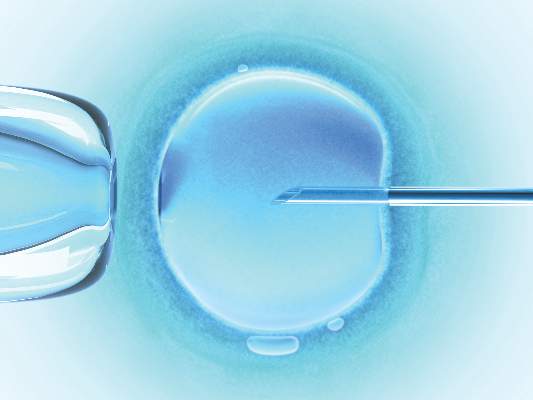
HELSINKI – A freeze-all strategy in women of advanced maternal age who are undergoing in vitro fertilization appears to increase the likelihood of pregnancy, according to findings from two retrospective cohort studies.
In one matched cohort study comparing the outcomes of 1,636 freeze-all cycles and 1,636 fresh cycles, the ongoing pregnancy rates were 50% for freeze-all cycles and 44% for fresh cycles. After controlling for hormone levels, number of embryos transferred, diagnosis, age, and preimplantation genetic screening utilization, the investigators found that the difference was largely attributable to an effect in older women; the ongoing pregnancy rate was significantly higher in freeze-all cycles, compared with fresh cycles, among patients over age 35 years (46% vs. 33%; odds ratio, 1.6), Karen Hunter Cohn, PhD, reported at the annual meeting of the European Society of Human Reproduction and Embryology.
A benefit of frozen vs. fresh cycles also was seen among women with elevated progesterone levels prior to egg retrieval, and this was true regardless of age; the pregnancy rates for freeze-all vs. fresh cycles in those over age 35 years with progesterone levels over 1.3 ng/ml were 54% and 45%, respectively (OR, 1.4), and for those under age 35 with elevated progesterone, they were 44% and 30%, respectively (OR, 1.4), said Dr. Cohn, of Celmatix in New York.
However, a diagnosis of polycystic ovarian syndrome, endometriosis, tubal disease, or unexplained infertility had no significant impact on outcomes.
In another study comparing outcomes of 1,180 fresh embryo transfers and 517 frozen transfers after a freeze-all strategy in 1,469 women, the clinical pregnancy rates were higher for frozen transfers both in women under age 39 years (44.5% vs. 38.2%) and in those aged 39 years and older (34.9% vs. 22.7%), Sara Lopez, MD, reported during an abstract session.
Multivariate analysis showed a significantly positive effect of performing frozen transfers in both age groups, but the effect was greater in the older age group (OR, 1.60 vs. 1.39), said Dr. Lopez, of Clinica CIRH in Barcelona.
No difference was seen in miscarriage rates in either group, she noted.
Dr. Cohn’s study included patients from 12 fertility treatment centers in the United States who underwent IVF cycles from 2009 to 2015. Dr. Lopez and her colleagues studied women who underwent IVF between January 2014 and December 2015.
Both authors noted that IVF with frozen embryo transfer has become more common, and that freeze-all protocols in which all embryos are frozen and transferred in a later cycle have emerged to reduce the risk for ovarian hyperstimulation syndrome (OHSS), and to address concerns about endometrial receptivity in women undergoing controlled ovarian stimulation and/or experiencing a premature elevation of progesterone.
However, randomized controlled studies comparing the two approaches have focused only on good prognosis patients, and thus have not addressed which patients might benefit most from a freeze-all protocol, Dr. Cohn said.
Dr. Lopez further noted that “older IVF patients usually present with a diminished ovarian reserve and suboptimal oocyte quality.”
“These women are not normally at risk for ovarian hyperstimulation syndrome, so they usually have the best embryos transferred during a fresh cycle and are therefore exposed to embryo-endometrium asynchrony,” she explained, adding that since suboptimal embryo quality cannot be amended, efforts should be directed toward providing the best endometrial environment for embryo transfer.
Though both studies are limited by their retrospective design, the authors each concluded that a freeze-all strategy appears to be the best approach to achieving that environment in older women.
Eric A. Widra, MD, of Shady Grove Fertility in Washington, and one of Dr. Cohn’s coauthors, noted in a press statement that interest in a freeze-all approach is growing but is not used broadly.
“There are several reasons clinics do freeze-all cycles. These include patients at high risk for OHSS, patients having preimplantation genetic diagnosis prior to embryo transfer, and, importantly, those patients who have a premature rise in the concentration of progesterone hormone prior to egg retrieval. Several studies have shown that this rise in progesterone is associated with a lower pregnancy rate after fresh embryo transfer,” he said, concluding that while the evidence is intriguing, a prospective randomized study will be necessary to conclude whether a freeze-all strategy is effective for any group of patients.
Dr. Cohn is an employee of Celmatix. Dr. Widra and Dr. Lopez reported having no disclosures.
HELSINKI – A freeze-all strategy in women of advanced maternal age who are undergoing in vitro fertilization appears to increase the likelihood of pregnancy, according to findings from two retrospective cohort studies.
In one matched cohort study comparing the outcomes of 1,636 freeze-all cycles and 1,636 fresh cycles, the ongoing pregnancy rates were 50% for freeze-all cycles and 44% for fresh cycles. After controlling for hormone levels, number of embryos transferred, diagnosis, age, and preimplantation genetic screening utilization, the investigators found that the difference was largely attributable to an effect in older women; the ongoing pregnancy rate was significantly higher in freeze-all cycles, compared with fresh cycles, among patients over age 35 years (46% vs. 33%; odds ratio, 1.6), Karen Hunter Cohn, PhD, reported at the annual meeting of the European Society of Human Reproduction and Embryology.
A benefit of frozen vs. fresh cycles also was seen among women with elevated progesterone levels prior to egg retrieval, and this was true regardless of age; the pregnancy rates for freeze-all vs. fresh cycles in those over age 35 years with progesterone levels over 1.3 ng/ml were 54% and 45%, respectively (OR, 1.4), and for those under age 35 with elevated progesterone, they were 44% and 30%, respectively (OR, 1.4), said Dr. Cohn, of Celmatix in New York.
However, a diagnosis of polycystic ovarian syndrome, endometriosis, tubal disease, or unexplained infertility had no significant impact on outcomes.
In another study comparing outcomes of 1,180 fresh embryo transfers and 517 frozen transfers after a freeze-all strategy in 1,469 women, the clinical pregnancy rates were higher for frozen transfers both in women under age 39 years (44.5% vs. 38.2%) and in those aged 39 years and older (34.9% vs. 22.7%), Sara Lopez, MD, reported during an abstract session.
Multivariate analysis showed a significantly positive effect of performing frozen transfers in both age groups, but the effect was greater in the older age group (OR, 1.60 vs. 1.39), said Dr. Lopez, of Clinica CIRH in Barcelona.
No difference was seen in miscarriage rates in either group, she noted.
Dr. Cohn’s study included patients from 12 fertility treatment centers in the United States who underwent IVF cycles from 2009 to 2015. Dr. Lopez and her colleagues studied women who underwent IVF between January 2014 and December 2015.
Both authors noted that IVF with frozen embryo transfer has become more common, and that freeze-all protocols in which all embryos are frozen and transferred in a later cycle have emerged to reduce the risk for ovarian hyperstimulation syndrome (OHSS), and to address concerns about endometrial receptivity in women undergoing controlled ovarian stimulation and/or experiencing a premature elevation of progesterone.
However, randomized controlled studies comparing the two approaches have focused only on good prognosis patients, and thus have not addressed which patients might benefit most from a freeze-all protocol, Dr. Cohn said.
Dr. Lopez further noted that “older IVF patients usually present with a diminished ovarian reserve and suboptimal oocyte quality.”
“These women are not normally at risk for ovarian hyperstimulation syndrome, so they usually have the best embryos transferred during a fresh cycle and are therefore exposed to embryo-endometrium asynchrony,” she explained, adding that since suboptimal embryo quality cannot be amended, efforts should be directed toward providing the best endometrial environment for embryo transfer.
Though both studies are limited by their retrospective design, the authors each concluded that a freeze-all strategy appears to be the best approach to achieving that environment in older women.
Eric A. Widra, MD, of Shady Grove Fertility in Washington, and one of Dr. Cohn’s coauthors, noted in a press statement that interest in a freeze-all approach is growing but is not used broadly.
“There are several reasons clinics do freeze-all cycles. These include patients at high risk for OHSS, patients having preimplantation genetic diagnosis prior to embryo transfer, and, importantly, those patients who have a premature rise in the concentration of progesterone hormone prior to egg retrieval. Several studies have shown that this rise in progesterone is associated with a lower pregnancy rate after fresh embryo transfer,” he said, concluding that while the evidence is intriguing, a prospective randomized study will be necessary to conclude whether a freeze-all strategy is effective for any group of patients.
Dr. Cohn is an employee of Celmatix. Dr. Widra and Dr. Lopez reported having no disclosures.
HELSINKI – A freeze-all strategy in women of advanced maternal age who are undergoing in vitro fertilization appears to increase the likelihood of pregnancy, according to findings from two retrospective cohort studies.
In one matched cohort study comparing the outcomes of 1,636 freeze-all cycles and 1,636 fresh cycles, the ongoing pregnancy rates were 50% for freeze-all cycles and 44% for fresh cycles. After controlling for hormone levels, number of embryos transferred, diagnosis, age, and preimplantation genetic screening utilization, the investigators found that the difference was largely attributable to an effect in older women; the ongoing pregnancy rate was significantly higher in freeze-all cycles, compared with fresh cycles, among patients over age 35 years (46% vs. 33%; odds ratio, 1.6), Karen Hunter Cohn, PhD, reported at the annual meeting of the European Society of Human Reproduction and Embryology.
A benefit of frozen vs. fresh cycles also was seen among women with elevated progesterone levels prior to egg retrieval, and this was true regardless of age; the pregnancy rates for freeze-all vs. fresh cycles in those over age 35 years with progesterone levels over 1.3 ng/ml were 54% and 45%, respectively (OR, 1.4), and for those under age 35 with elevated progesterone, they were 44% and 30%, respectively (OR, 1.4), said Dr. Cohn, of Celmatix in New York.
However, a diagnosis of polycystic ovarian syndrome, endometriosis, tubal disease, or unexplained infertility had no significant impact on outcomes.
In another study comparing outcomes of 1,180 fresh embryo transfers and 517 frozen transfers after a freeze-all strategy in 1,469 women, the clinical pregnancy rates were higher for frozen transfers both in women under age 39 years (44.5% vs. 38.2%) and in those aged 39 years and older (34.9% vs. 22.7%), Sara Lopez, MD, reported during an abstract session.
Multivariate analysis showed a significantly positive effect of performing frozen transfers in both age groups, but the effect was greater in the older age group (OR, 1.60 vs. 1.39), said Dr. Lopez, of Clinica CIRH in Barcelona.
No difference was seen in miscarriage rates in either group, she noted.
Dr. Cohn’s study included patients from 12 fertility treatment centers in the United States who underwent IVF cycles from 2009 to 2015. Dr. Lopez and her colleagues studied women who underwent IVF between January 2014 and December 2015.
Both authors noted that IVF with frozen embryo transfer has become more common, and that freeze-all protocols in which all embryos are frozen and transferred in a later cycle have emerged to reduce the risk for ovarian hyperstimulation syndrome (OHSS), and to address concerns about endometrial receptivity in women undergoing controlled ovarian stimulation and/or experiencing a premature elevation of progesterone.
However, randomized controlled studies comparing the two approaches have focused only on good prognosis patients, and thus have not addressed which patients might benefit most from a freeze-all protocol, Dr. Cohn said.
Dr. Lopez further noted that “older IVF patients usually present with a diminished ovarian reserve and suboptimal oocyte quality.”
“These women are not normally at risk for ovarian hyperstimulation syndrome, so they usually have the best embryos transferred during a fresh cycle and are therefore exposed to embryo-endometrium asynchrony,” she explained, adding that since suboptimal embryo quality cannot be amended, efforts should be directed toward providing the best endometrial environment for embryo transfer.
Though both studies are limited by their retrospective design, the authors each concluded that a freeze-all strategy appears to be the best approach to achieving that environment in older women.
Eric A. Widra, MD, of Shady Grove Fertility in Washington, and one of Dr. Cohn’s coauthors, noted in a press statement that interest in a freeze-all approach is growing but is not used broadly.
“There are several reasons clinics do freeze-all cycles. These include patients at high risk for OHSS, patients having preimplantation genetic diagnosis prior to embryo transfer, and, importantly, those patients who have a premature rise in the concentration of progesterone hormone prior to egg retrieval. Several studies have shown that this rise in progesterone is associated with a lower pregnancy rate after fresh embryo transfer,” he said, concluding that while the evidence is intriguing, a prospective randomized study will be necessary to conclude whether a freeze-all strategy is effective for any group of patients.
Dr. Cohn is an employee of Celmatix. Dr. Widra and Dr. Lopez reported having no disclosures.
At ESHRE 2016
Perform biopsy in non-healing ulcers
BOSTON – Most ulcers seen in the clinic setting are venous, arterial, or neuropathic, but about 10% are tied to “more unusual causes” and require biopsy, according to Tania J. Phillips, MD.
A particular concern is malignancy, Dr. Phillips, professor of dermatology at Boston University, said at the American Academy of Dermatology summer meeting.
“We do need to have a low threshold for biopsying wounds – particularly if they are wounds of long duration and are not healing,”
A rule of thumb for performing biopsy is 3 months of non-healing, she said.
“If you have a non-healing wound and you’re doing good wound care, you have to re-evaluate. Do you have the right diagnosis? You may need several biopsies on several different occasions to get the right diagnosis,” she said.
Other reasons to biopsy include suspected infection – whether bacterial, fungal, or mycobacterial; atypical appearance; suspected vasculitis; and recent travel history.
Ideally, the biopsy will include a deep wedge containing wound margin and the wound bed.
“Failing that, [take] multiple punch biopsies from the wound bed and the margins,” she said.
While many people are nervous about biopsying an ulcer, most biopsy sites heal very well with no complications, she noted.
As for what to do with the tissue, it can be sent in formalin.
“But if you’re going to do immunofluorescence, you will need Michel’s medium. And if you want to culture, just check with your microbiology lab, because often they will take your piece of tissue and they’ll mix it up, and they’ll divide it and will send it out for bacterial, fungal, mycobacterial culture and you won’t have to do that yourself,” she said.
Dr. Phillips noted that she doesn’t usually suture an ulcer biopsy site.
“The skin around ulcers is usually very friable, the sutures often pull out, and you can usually just pack the biopsy site with gel foam or with an alginate, and then just apply firm compression like a wrap over the biopsy site and you’ll do just fine,” she said.
Dr. Phillips reported a financial relationship with Hygeia.
BOSTON – Most ulcers seen in the clinic setting are venous, arterial, or neuropathic, but about 10% are tied to “more unusual causes” and require biopsy, according to Tania J. Phillips, MD.
A particular concern is malignancy, Dr. Phillips, professor of dermatology at Boston University, said at the American Academy of Dermatology summer meeting.
“We do need to have a low threshold for biopsying wounds – particularly if they are wounds of long duration and are not healing,”
A rule of thumb for performing biopsy is 3 months of non-healing, she said.
“If you have a non-healing wound and you’re doing good wound care, you have to re-evaluate. Do you have the right diagnosis? You may need several biopsies on several different occasions to get the right diagnosis,” she said.
Other reasons to biopsy include suspected infection – whether bacterial, fungal, or mycobacterial; atypical appearance; suspected vasculitis; and recent travel history.
Ideally, the biopsy will include a deep wedge containing wound margin and the wound bed.
“Failing that, [take] multiple punch biopsies from the wound bed and the margins,” she said.
While many people are nervous about biopsying an ulcer, most biopsy sites heal very well with no complications, she noted.
As for what to do with the tissue, it can be sent in formalin.
“But if you’re going to do immunofluorescence, you will need Michel’s medium. And if you want to culture, just check with your microbiology lab, because often they will take your piece of tissue and they’ll mix it up, and they’ll divide it and will send it out for bacterial, fungal, mycobacterial culture and you won’t have to do that yourself,” she said.
Dr. Phillips noted that she doesn’t usually suture an ulcer biopsy site.
“The skin around ulcers is usually very friable, the sutures often pull out, and you can usually just pack the biopsy site with gel foam or with an alginate, and then just apply firm compression like a wrap over the biopsy site and you’ll do just fine,” she said.
Dr. Phillips reported a financial relationship with Hygeia.
BOSTON – Most ulcers seen in the clinic setting are venous, arterial, or neuropathic, but about 10% are tied to “more unusual causes” and require biopsy, according to Tania J. Phillips, MD.
A particular concern is malignancy, Dr. Phillips, professor of dermatology at Boston University, said at the American Academy of Dermatology summer meeting.
“We do need to have a low threshold for biopsying wounds – particularly if they are wounds of long duration and are not healing,”
A rule of thumb for performing biopsy is 3 months of non-healing, she said.
“If you have a non-healing wound and you’re doing good wound care, you have to re-evaluate. Do you have the right diagnosis? You may need several biopsies on several different occasions to get the right diagnosis,” she said.
Other reasons to biopsy include suspected infection – whether bacterial, fungal, or mycobacterial; atypical appearance; suspected vasculitis; and recent travel history.
Ideally, the biopsy will include a deep wedge containing wound margin and the wound bed.
“Failing that, [take] multiple punch biopsies from the wound bed and the margins,” she said.
While many people are nervous about biopsying an ulcer, most biopsy sites heal very well with no complications, she noted.
As for what to do with the tissue, it can be sent in formalin.
“But if you’re going to do immunofluorescence, you will need Michel’s medium. And if you want to culture, just check with your microbiology lab, because often they will take your piece of tissue and they’ll mix it up, and they’ll divide it and will send it out for bacterial, fungal, mycobacterial culture and you won’t have to do that yourself,” she said.
Dr. Phillips noted that she doesn’t usually suture an ulcer biopsy site.
“The skin around ulcers is usually very friable, the sutures often pull out, and you can usually just pack the biopsy site with gel foam or with an alginate, and then just apply firm compression like a wrap over the biopsy site and you’ll do just fine,” she said.
Dr. Phillips reported a financial relationship with Hygeia.
EXPERT ANALYSIS FROM THE AAD SUMMER ACADEMY 2016
Skin rash in recent traveler? Think dengue fever
BOSTON – Maintain clinical suspicion for dengue fever among individuals with recent travel to endemic areas who present with a rash and other signs and symptoms of infection, an expert advised at the American Academy of Dermatology summer meeting.
Dengue fever accounts for nearly 10% of skin rashes among individuals returning from endemic areas, and related illness can range from mild to fatal, said Jose Dario Martinez, MD, chief of the Internal Medicine Clinic at University Hospital “J.E. Gonzalez,” UANL Monterrey, Mexico.

“This is the most prevalent arthropod-borne virus in the world at this time, and it is a resurgent disease in some countries, like Mexico, Brazil, and Colombia,” he noted.
Worldwide, more than 2.5 billion people are at risk of dengue infection, and between 50 million and 100 million cases occur each year, while about 250,000 to 500,000 cases of dengue hemorrhagic fever occur each year, and about 25,000 related deaths occur.
In 2005, there was a dengue outbreak in Texas, where 25 cases occurred; and in southern Florida, an outbreak of 90 cases was reported in 2009 and 2010. More recently, in 2015, there was an outbreak of 107 cases of locally-acquired dengue on the Big Island, Hawaii (MMWR). But in Mexico, 18,000 new cases occurred in 2015, Dr. Martinez said.
Of the RNA virus serotypes 1-4, type 1 (DENV1) is the most common, and DENV2 and 3 are the most severe, but up to 40% of cases are asymptomatic, he noted, adding that the virus has an incubation period of 2-8 days. When symptoms occur, they are representative of acute febrile illness, and may include headache, high fever, myalgia, arthralgia, retro-orbital pain, and fatigue. A faint, itchy, macular rash commonly occurs at 2-6 days into the illness. According to the World Health Organization, a probable dengue fever case includes acute febrile illness and at least two of either headache, retro-orbital pain, myalgia, arthralgia, rash, hemorrhagic manifestations, leukopenia, or supportive serology.
“Sometimes the nose bleeds, the gums bleed, and there is bruising in the patient,” Dr. Martinez said. “Most important are retro-orbital pain and hemorrhagic manifestations, but also supportive serology.”
About 1% of patients progress to dengue hemorrhagic fever or dengue shock syndrome during the critical phase (days 4-7) of illness. This is most likely in those with serotypes 2 and 3, but can occur with all serotypes. Warning signs of such severe disease include abdominal pain or tenderness, persistent vomiting, pleural effusion or ascites, and of particular importance – mucosal bleeding, Dr. Martinez said.
By the WHO definition, a diagnosis of dengue hemorrhagic fever requires the presence of fever for at least 2-7 days, hemorrhagic tendencies, thrombocytopenia, and evidence and signs of plasma leakage; dengue shock syndrome requires these, as well as evidence of circulatory failure, such as rapid and weak pulse, narrow pulse pressure, hypotension, and shock.
It is important to maintain clinical suspicion for dengue fever, particularly in anyone who has traveled to an endemic area in the 2 weeks before presentation. Serologic tests are important to detect anti-dengue antibodies. IgG is important, because its presence could suggest recurrent infection and thus the potential for severe disease, Dr. Martinez said. Polymerase chain reaction can be used for detection in the first 4-5 days of infection, and the NS1 rapid test can be positive on the first day, he noted.
The differential diagnosis for dengue fever is broad, and can include chikungunya fever, malaria, leptospirosis, meningococcemia, drug eruption, and Zika fever.
Management of dengue fever includes bed rest, liquids, and mosquito net isolation to prevent re-infection, as more severe disease can occur after re-infection. Acetaminophen can be used for pain relief; aspirin should be avoided due to risk of bleeding, Dr. Martinez said.
Hospitalization and supportive care are required for those with dengue hemorrhagic fever or dengue shock syndrome. Intensive care unit admission may be required.
Of note, a vaccine against dengue fever has shown promise in phase III trials. The vaccine has been approved in Mexico and Brazil, but not yet in the U.S.
Dr Martinez reported having no disclosures.
BOSTON – Maintain clinical suspicion for dengue fever among individuals with recent travel to endemic areas who present with a rash and other signs and symptoms of infection, an expert advised at the American Academy of Dermatology summer meeting.
Dengue fever accounts for nearly 10% of skin rashes among individuals returning from endemic areas, and related illness can range from mild to fatal, said Jose Dario Martinez, MD, chief of the Internal Medicine Clinic at University Hospital “J.E. Gonzalez,” UANL Monterrey, Mexico.
“This is the most prevalent arthropod-borne virus in the world at this time, and it is a resurgent disease in some countries, like Mexico, Brazil, and Colombia,” he noted.
Worldwide, more than 2.5 billion people are at risk of dengue infection, and between 50 million and 100 million cases occur each year, while about 250,000 to 500,000 cases of dengue hemorrhagic fever occur each year, and about 25,000 related deaths occur.
In 2005, there was a dengue outbreak in Texas, where 25 cases occurred; and in southern Florida, an outbreak of 90 cases was reported in 2009 and 2010. More recently, in 2015, there was an outbreak of 107 cases of locally-acquired dengue on the Big Island, Hawaii (MMWR). But in Mexico, 18,000 new cases occurred in 2015, Dr. Martinez said.
Of the RNA virus serotypes 1-4, type 1 (DENV1) is the most common, and DENV2 and 3 are the most severe, but up to 40% of cases are asymptomatic, he noted, adding that the virus has an incubation period of 2-8 days. When symptoms occur, they are representative of acute febrile illness, and may include headache, high fever, myalgia, arthralgia, retro-orbital pain, and fatigue. A faint, itchy, macular rash commonly occurs at 2-6 days into the illness. According to the World Health Organization, a probable dengue fever case includes acute febrile illness and at least two of either headache, retro-orbital pain, myalgia, arthralgia, rash, hemorrhagic manifestations, leukopenia, or supportive serology.
“Sometimes the nose bleeds, the gums bleed, and there is bruising in the patient,” Dr. Martinez said. “Most important are retro-orbital pain and hemorrhagic manifestations, but also supportive serology.”
About 1% of patients progress to dengue hemorrhagic fever or dengue shock syndrome during the critical phase (days 4-7) of illness. This is most likely in those with serotypes 2 and 3, but can occur with all serotypes. Warning signs of such severe disease include abdominal pain or tenderness, persistent vomiting, pleural effusion or ascites, and of particular importance – mucosal bleeding, Dr. Martinez said.
By the WHO definition, a diagnosis of dengue hemorrhagic fever requires the presence of fever for at least 2-7 days, hemorrhagic tendencies, thrombocytopenia, and evidence and signs of plasma leakage; dengue shock syndrome requires these, as well as evidence of circulatory failure, such as rapid and weak pulse, narrow pulse pressure, hypotension, and shock.
It is important to maintain clinical suspicion for dengue fever, particularly in anyone who has traveled to an endemic area in the 2 weeks before presentation. Serologic tests are important to detect anti-dengue antibodies. IgG is important, because its presence could suggest recurrent infection and thus the potential for severe disease, Dr. Martinez said. Polymerase chain reaction can be used for detection in the first 4-5 days of infection, and the NS1 rapid test can be positive on the first day, he noted.
The differential diagnosis for dengue fever is broad, and can include chikungunya fever, malaria, leptospirosis, meningococcemia, drug eruption, and Zika fever.
Management of dengue fever includes bed rest, liquids, and mosquito net isolation to prevent re-infection, as more severe disease can occur after re-infection. Acetaminophen can be used for pain relief; aspirin should be avoided due to risk of bleeding, Dr. Martinez said.
Hospitalization and supportive care are required for those with dengue hemorrhagic fever or dengue shock syndrome. Intensive care unit admission may be required.
Of note, a vaccine against dengue fever has shown promise in phase III trials. The vaccine has been approved in Mexico and Brazil, but not yet in the U.S.
Dr Martinez reported having no disclosures.
BOSTON – Maintain clinical suspicion for dengue fever among individuals with recent travel to endemic areas who present with a rash and other signs and symptoms of infection, an expert advised at the American Academy of Dermatology summer meeting.
Dengue fever accounts for nearly 10% of skin rashes among individuals returning from endemic areas, and related illness can range from mild to fatal, said Jose Dario Martinez, MD, chief of the Internal Medicine Clinic at University Hospital “J.E. Gonzalez,” UANL Monterrey, Mexico.
“This is the most prevalent arthropod-borne virus in the world at this time, and it is a resurgent disease in some countries, like Mexico, Brazil, and Colombia,” he noted.
Worldwide, more than 2.5 billion people are at risk of dengue infection, and between 50 million and 100 million cases occur each year, while about 250,000 to 500,000 cases of dengue hemorrhagic fever occur each year, and about 25,000 related deaths occur.
In 2005, there was a dengue outbreak in Texas, where 25 cases occurred; and in southern Florida, an outbreak of 90 cases was reported in 2009 and 2010. More recently, in 2015, there was an outbreak of 107 cases of locally-acquired dengue on the Big Island, Hawaii (MMWR). But in Mexico, 18,000 new cases occurred in 2015, Dr. Martinez said.
Of the RNA virus serotypes 1-4, type 1 (DENV1) is the most common, and DENV2 and 3 are the most severe, but up to 40% of cases are asymptomatic, he noted, adding that the virus has an incubation period of 2-8 days. When symptoms occur, they are representative of acute febrile illness, and may include headache, high fever, myalgia, arthralgia, retro-orbital pain, and fatigue. A faint, itchy, macular rash commonly occurs at 2-6 days into the illness. According to the World Health Organization, a probable dengue fever case includes acute febrile illness and at least two of either headache, retro-orbital pain, myalgia, arthralgia, rash, hemorrhagic manifestations, leukopenia, or supportive serology.
“Sometimes the nose bleeds, the gums bleed, and there is bruising in the patient,” Dr. Martinez said. “Most important are retro-orbital pain and hemorrhagic manifestations, but also supportive serology.”
About 1% of patients progress to dengue hemorrhagic fever or dengue shock syndrome during the critical phase (days 4-7) of illness. This is most likely in those with serotypes 2 and 3, but can occur with all serotypes. Warning signs of such severe disease include abdominal pain or tenderness, persistent vomiting, pleural effusion or ascites, and of particular importance – mucosal bleeding, Dr. Martinez said.
By the WHO definition, a diagnosis of dengue hemorrhagic fever requires the presence of fever for at least 2-7 days, hemorrhagic tendencies, thrombocytopenia, and evidence and signs of plasma leakage; dengue shock syndrome requires these, as well as evidence of circulatory failure, such as rapid and weak pulse, narrow pulse pressure, hypotension, and shock.
It is important to maintain clinical suspicion for dengue fever, particularly in anyone who has traveled to an endemic area in the 2 weeks before presentation. Serologic tests are important to detect anti-dengue antibodies. IgG is important, because its presence could suggest recurrent infection and thus the potential for severe disease, Dr. Martinez said. Polymerase chain reaction can be used for detection in the first 4-5 days of infection, and the NS1 rapid test can be positive on the first day, he noted.
The differential diagnosis for dengue fever is broad, and can include chikungunya fever, malaria, leptospirosis, meningococcemia, drug eruption, and Zika fever.
Management of dengue fever includes bed rest, liquids, and mosquito net isolation to prevent re-infection, as more severe disease can occur after re-infection. Acetaminophen can be used for pain relief; aspirin should be avoided due to risk of bleeding, Dr. Martinez said.
Hospitalization and supportive care are required for those with dengue hemorrhagic fever or dengue shock syndrome. Intensive care unit admission may be required.
Of note, a vaccine against dengue fever has shown promise in phase III trials. The vaccine has been approved in Mexico and Brazil, but not yet in the U.S.
Dr Martinez reported having no disclosures.
EXPERT ANALYSIS FROM THE AAD SUMMER ACADEMY 2016

Transfers to tertiary acute care surgery service point to shortage of rural general surgeons
Nearly half of all transfer patients admitted to a tertiary facility’s acute care surgery service over a 12-month period underwent only basic surgical procedures or required no intervention after the transfer, according to a retrospective chart review.
The 161 patients transferred through the acute care surgery system during the 2014 study period were in need of the services for which they were transferred; thus, the findings highlight a “concerning lack of general surgery resources” in the community, Brittany Misercola, MD, and her colleagues at Maine Medical Center, Portland, reported in the Journal of Surgical Research.
Acute care surgery (ACS) is a relatively new paradigm – borne in part out of a heavy call burden for trauma and general surgeons – for managing patients in need of non–trauma-related emergency surgery, the investigators explained.
“At the same time as the ACS paradigm has developed, rural areas are suffering worsening shortages of physicians, especially specialists like surgeons. Another change has been regionalization of sick, complex, and resource-intensive patients to larger hospitals with more specialized care.

However, no one has yet examined the effect of an ACS service in a predominantly rural area, given these changes in health care,” they wrote (J Surg Res. 2016. [doi:10.106/j.jss.2016.06.090]).
Patients included all adults aged 18 and older admitted between Jan. 1 and Dec. 31, 2014, excluding elective surgical and trauma patients. Transfer patients were admitted from 29 different institutions. The hospital is the largest in Maine, with a wide and rural catchment area. Transfer patients came from every county in the state, with a few from outside the state; 18% were transferred from a Maine Critical Access Hospital.
Compared with 611 local patients admitted through the emergency department or from local long-term care facilities, the transfer patients were older (61.2 years vs. 54.7 years), had more comorbidities (Charlson Comorbidity Index, or CCI, of 4 vs. 3.1), and required more resources (length of stay, 8.2 vs. 3.4 days; intensive care unit admission, 24% vs. 6%), the investigators reported.
Stratification by CCI showed that the difference in length of stay between transfer and local patients was largest in those with a low CCI (0-3), compared with those with a higher CCI.
The admission diagnosis was similar in the transferred and local patients, with pancreaticobiliary and small bowel complaints being the most common (29% and 30%, and 25% and 23%, respectively, for the two diagnoses). The most common interventions were laparoscopic cholecystectomy in both groups (29% and 25%, respectively). Subspecialty interventions were also similar in the groups, and were performed in 10% and 8%, respectively.
However, the transfer patients were more likely than the local patients to not require any intervention, including subspecialty care (32% vs. 23%), they said, noting that the most common reason for admission without operative intervention was “small bowel obstruction, followed by diverticulitis without drainable abscess and mesenteric ischemia.”
The transfer patients also were more likely to have Medicare (55% vs. 24%) and less likely to be privately insured (26% vs. 45%).
The discharge destination differed significantly between the groups, with local patients being more likely to be discharged directly to home (76% vs. 46%), and transfer patients more often discharged home with services (46% vs. 12%) or to acute rehabilitation or skilled nursing facilities (12% vs. 9%). In-hospital mortality and discharge to hospice care also were more likely among transfer patients (6% vs. 2%).
“If changes are not made to support rural hospitals in caring for these patients, tertiary centers in larger cities will see increasing volume of basic surgical emergencies. As such, investing in community hospitals is important to improve patient outcomes not only locally but also after transfer to tertiary referral centers,” they wrote, adding that additional research on the populations most affected is needed.
The authors reported having no relevant financial disclosures.
Nearly half of all transfer patients admitted to a tertiary facility’s acute care surgery service over a 12-month period underwent only basic surgical procedures or required no intervention after the transfer, according to a retrospective chart review.
The 161 patients transferred through the acute care surgery system during the 2014 study period were in need of the services for which they were transferred; thus, the findings highlight a “concerning lack of general surgery resources” in the community, Brittany Misercola, MD, and her colleagues at Maine Medical Center, Portland, reported in the Journal of Surgical Research.
Acute care surgery (ACS) is a relatively new paradigm – borne in part out of a heavy call burden for trauma and general surgeons – for managing patients in need of non–trauma-related emergency surgery, the investigators explained.
“At the same time as the ACS paradigm has developed, rural areas are suffering worsening shortages of physicians, especially specialists like surgeons. Another change has been regionalization of sick, complex, and resource-intensive patients to larger hospitals with more specialized care.
However, no one has yet examined the effect of an ACS service in a predominantly rural area, given these changes in health care,” they wrote (J Surg Res. 2016. [doi:10.106/j.jss.2016.06.090]).
Patients included all adults aged 18 and older admitted between Jan. 1 and Dec. 31, 2014, excluding elective surgical and trauma patients. Transfer patients were admitted from 29 different institutions. The hospital is the largest in Maine, with a wide and rural catchment area. Transfer patients came from every county in the state, with a few from outside the state; 18% were transferred from a Maine Critical Access Hospital.
Compared with 611 local patients admitted through the emergency department or from local long-term care facilities, the transfer patients were older (61.2 years vs. 54.7 years), had more comorbidities (Charlson Comorbidity Index, or CCI, of 4 vs. 3.1), and required more resources (length of stay, 8.2 vs. 3.4 days; intensive care unit admission, 24% vs. 6%), the investigators reported.
Stratification by CCI showed that the difference in length of stay between transfer and local patients was largest in those with a low CCI (0-3), compared with those with a higher CCI.
The admission diagnosis was similar in the transferred and local patients, with pancreaticobiliary and small bowel complaints being the most common (29% and 30%, and 25% and 23%, respectively, for the two diagnoses). The most common interventions were laparoscopic cholecystectomy in both groups (29% and 25%, respectively). Subspecialty interventions were also similar in the groups, and were performed in 10% and 8%, respectively.
However, the transfer patients were more likely than the local patients to not require any intervention, including subspecialty care (32% vs. 23%), they said, noting that the most common reason for admission without operative intervention was “small bowel obstruction, followed by diverticulitis without drainable abscess and mesenteric ischemia.”
The transfer patients also were more likely to have Medicare (55% vs. 24%) and less likely to be privately insured (26% vs. 45%).
The discharge destination differed significantly between the groups, with local patients being more likely to be discharged directly to home (76% vs. 46%), and transfer patients more often discharged home with services (46% vs. 12%) or to acute rehabilitation or skilled nursing facilities (12% vs. 9%). In-hospital mortality and discharge to hospice care also were more likely among transfer patients (6% vs. 2%).
“If changes are not made to support rural hospitals in caring for these patients, tertiary centers in larger cities will see increasing volume of basic surgical emergencies. As such, investing in community hospitals is important to improve patient outcomes not only locally but also after transfer to tertiary referral centers,” they wrote, adding that additional research on the populations most affected is needed.
The authors reported having no relevant financial disclosures.
Nearly half of all transfer patients admitted to a tertiary facility’s acute care surgery service over a 12-month period underwent only basic surgical procedures or required no intervention after the transfer, according to a retrospective chart review.
The 161 patients transferred through the acute care surgery system during the 2014 study period were in need of the services for which they were transferred; thus, the findings highlight a “concerning lack of general surgery resources” in the community, Brittany Misercola, MD, and her colleagues at Maine Medical Center, Portland, reported in the Journal of Surgical Research.
Acute care surgery (ACS) is a relatively new paradigm – borne in part out of a heavy call burden for trauma and general surgeons – for managing patients in need of non–trauma-related emergency surgery, the investigators explained.
“At the same time as the ACS paradigm has developed, rural areas are suffering worsening shortages of physicians, especially specialists like surgeons. Another change has been regionalization of sick, complex, and resource-intensive patients to larger hospitals with more specialized care.
However, no one has yet examined the effect of an ACS service in a predominantly rural area, given these changes in health care,” they wrote (J Surg Res. 2016. [doi:10.106/j.jss.2016.06.090]).
Patients included all adults aged 18 and older admitted between Jan. 1 and Dec. 31, 2014, excluding elective surgical and trauma patients. Transfer patients were admitted from 29 different institutions. The hospital is the largest in Maine, with a wide and rural catchment area. Transfer patients came from every county in the state, with a few from outside the state; 18% were transferred from a Maine Critical Access Hospital.
Compared with 611 local patients admitted through the emergency department or from local long-term care facilities, the transfer patients were older (61.2 years vs. 54.7 years), had more comorbidities (Charlson Comorbidity Index, or CCI, of 4 vs. 3.1), and required more resources (length of stay, 8.2 vs. 3.4 days; intensive care unit admission, 24% vs. 6%), the investigators reported.
Stratification by CCI showed that the difference in length of stay between transfer and local patients was largest in those with a low CCI (0-3), compared with those with a higher CCI.
The admission diagnosis was similar in the transferred and local patients, with pancreaticobiliary and small bowel complaints being the most common (29% and 30%, and 25% and 23%, respectively, for the two diagnoses). The most common interventions were laparoscopic cholecystectomy in both groups (29% and 25%, respectively). Subspecialty interventions were also similar in the groups, and were performed in 10% and 8%, respectively.
However, the transfer patients were more likely than the local patients to not require any intervention, including subspecialty care (32% vs. 23%), they said, noting that the most common reason for admission without operative intervention was “small bowel obstruction, followed by diverticulitis without drainable abscess and mesenteric ischemia.”
The transfer patients also were more likely to have Medicare (55% vs. 24%) and less likely to be privately insured (26% vs. 45%).
The discharge destination differed significantly between the groups, with local patients being more likely to be discharged directly to home (76% vs. 46%), and transfer patients more often discharged home with services (46% vs. 12%) or to acute rehabilitation or skilled nursing facilities (12% vs. 9%). In-hospital mortality and discharge to hospice care also were more likely among transfer patients (6% vs. 2%).
“If changes are not made to support rural hospitals in caring for these patients, tertiary centers in larger cities will see increasing volume of basic surgical emergencies. As such, investing in community hospitals is important to improve patient outcomes not only locally but also after transfer to tertiary referral centers,” they wrote, adding that additional research on the populations most affected is needed.
The authors reported having no relevant financial disclosures.
FROM THE JOURNAL OF SURGICAL RESEARCH
Key clinical point: Transfer of patients to a tertiary facility and acute care surgery service who require basic surgical procedures or no intervention points to a shortage of general surgery capability in the rural areas.
Major finding: Transfer patients were more likely than local patients to not require any intervention, including subspecialty care (32% vs. 23%).
Data source: A retrospective review of 772 patient charts.
Disclosures: The authors reported having no relevant financial disclosures.

Weight loss may improve fertility in anovulatory obese women
HELSINKI – A 6-month lifestyle intervention was associated with an increased natural conception rate in infertile anovulatory obese women, compared with infertile ovulatory obese women, although the rate of vaginal births of healthy singletons did not differ between the groups, according to subgroup analyses of the Lifestyle randomized controlled trial.
The findings, which confirm those in the overall study population and are likely explained by the beneficial effects of weight loss on the resumption of ovulation, have implications for managing obese women who are experiencing infertility, according to Anne van Oers, MD, of the University of Groningen (the Netherlands).
The Lifestyle trial – a multicenter study conducted in the Netherlands and published in 2016 – involved a 6-month lifestyle intervention preceding fertility treatment in obese infertile women. The intervention had no effect on the rate of vaginal births of healthy term singletons within 24 months versus immediate fertility treatment (relative risk, 0.77), although natural conceptions with an ongoing pregnancy did occur more often in the lifestyle intervention group (relative risk, 1.6).
For that study, conducted from 2009 to 2012, the investigators randomized 577 obese infertile women to either the 6-month lifestyle intervention followed by 18 months of infertility treatment or to immediate fertility treatment. Weight loss was 4.4 kg in the intervention group and 1.1 kg in the control group, Dr. van Oers said at the annual meeting of the European Society of Human Reproduction and Embryology.
For the subgroup analyses, the investigators focused on six groups based on age (those 36 years and older and those under age 36), ovulation status (those who were anovulatory and those who were ovulatory), and body mass index (those with a body-mass index (BMI) of 35 kg/m2 or greater and those with BMI under 35).
In the 564 women who completed follow-up, only the rate of natural conception was improved by the preconception lifestyle intervention: This was true in most of the subgroups, but was most pronounced among anovulatory women (28% vs. 11.4% in ovulatory women who received the intervention), she said.
Obese women are known to be at increased risk of infertility and are less likely than nonobese women to conceive after fertility treatment. In one prior study, ovulating subfertile women with a BMI of 29 kg/m2 or higher had a 4% lower pregnancy rate per kg/m2 increase per year, compared with ovulatory subfertile women with a BMI below 29, Dr. van Oers noted.
Although the current findings are limited by the nature of the subgroup analyses – the main study was not powered on analyses of subgroups or interaction tests – the findings do suggest a benefit of lifestyle intervention in some women, she noted.
“Our findings that lifestyle intervention in obese women more often leads to natural conception, specifically in anovulatory women, should be used in their counseling before fertility treatment and could reasonably be offered as first-line treatment for anovulation in obese women,” she said in a written statement.
Of note, 22% of the women in the main study were unable to adhere to the lifestyle intervention despite intensive coaching, according to the study’s project leader, Annemieke Hoek, MD, PhD, also from the University of Groningen.
The women who did not complete the program were significantly less likely to become pregnant, and those who did complete the program were more likely to conceive naturally, compared with the women in the control group who received immediate fertility treatment, Dr. Hoek said, noting that, again, this effect was most pronounced in anovulatory women.
Dr. van Oers and Dr. Hoek reported having no financial disclosures.
HELSINKI – A 6-month lifestyle intervention was associated with an increased natural conception rate in infertile anovulatory obese women, compared with infertile ovulatory obese women, although the rate of vaginal births of healthy singletons did not differ between the groups, according to subgroup analyses of the Lifestyle randomized controlled trial.
The findings, which confirm those in the overall study population and are likely explained by the beneficial effects of weight loss on the resumption of ovulation, have implications for managing obese women who are experiencing infertility, according to Anne van Oers, MD, of the University of Groningen (the Netherlands).
The Lifestyle trial – a multicenter study conducted in the Netherlands and published in 2016 – involved a 6-month lifestyle intervention preceding fertility treatment in obese infertile women. The intervention had no effect on the rate of vaginal births of healthy term singletons within 24 months versus immediate fertility treatment (relative risk, 0.77), although natural conceptions with an ongoing pregnancy did occur more often in the lifestyle intervention group (relative risk, 1.6).
For that study, conducted from 2009 to 2012, the investigators randomized 577 obese infertile women to either the 6-month lifestyle intervention followed by 18 months of infertility treatment or to immediate fertility treatment. Weight loss was 4.4 kg in the intervention group and 1.1 kg in the control group, Dr. van Oers said at the annual meeting of the European Society of Human Reproduction and Embryology.
For the subgroup analyses, the investigators focused on six groups based on age (those 36 years and older and those under age 36), ovulation status (those who were anovulatory and those who were ovulatory), and body mass index (those with a body-mass index (BMI) of 35 kg/m2 or greater and those with BMI under 35).
In the 564 women who completed follow-up, only the rate of natural conception was improved by the preconception lifestyle intervention: This was true in most of the subgroups, but was most pronounced among anovulatory women (28% vs. 11.4% in ovulatory women who received the intervention), she said.
Obese women are known to be at increased risk of infertility and are less likely than nonobese women to conceive after fertility treatment. In one prior study, ovulating subfertile women with a BMI of 29 kg/m2 or higher had a 4% lower pregnancy rate per kg/m2 increase per year, compared with ovulatory subfertile women with a BMI below 29, Dr. van Oers noted.
Although the current findings are limited by the nature of the subgroup analyses – the main study was not powered on analyses of subgroups or interaction tests – the findings do suggest a benefit of lifestyle intervention in some women, she noted.
“Our findings that lifestyle intervention in obese women more often leads to natural conception, specifically in anovulatory women, should be used in their counseling before fertility treatment and could reasonably be offered as first-line treatment for anovulation in obese women,” she said in a written statement.
Of note, 22% of the women in the main study were unable to adhere to the lifestyle intervention despite intensive coaching, according to the study’s project leader, Annemieke Hoek, MD, PhD, also from the University of Groningen.
The women who did not complete the program were significantly less likely to become pregnant, and those who did complete the program were more likely to conceive naturally, compared with the women in the control group who received immediate fertility treatment, Dr. Hoek said, noting that, again, this effect was most pronounced in anovulatory women.
Dr. van Oers and Dr. Hoek reported having no financial disclosures.
HELSINKI – A 6-month lifestyle intervention was associated with an increased natural conception rate in infertile anovulatory obese women, compared with infertile ovulatory obese women, although the rate of vaginal births of healthy singletons did not differ between the groups, according to subgroup analyses of the Lifestyle randomized controlled trial.
The findings, which confirm those in the overall study population and are likely explained by the beneficial effects of weight loss on the resumption of ovulation, have implications for managing obese women who are experiencing infertility, according to Anne van Oers, MD, of the University of Groningen (the Netherlands).
The Lifestyle trial – a multicenter study conducted in the Netherlands and published in 2016 – involved a 6-month lifestyle intervention preceding fertility treatment in obese infertile women. The intervention had no effect on the rate of vaginal births of healthy term singletons within 24 months versus immediate fertility treatment (relative risk, 0.77), although natural conceptions with an ongoing pregnancy did occur more often in the lifestyle intervention group (relative risk, 1.6).
For that study, conducted from 2009 to 2012, the investigators randomized 577 obese infertile women to either the 6-month lifestyle intervention followed by 18 months of infertility treatment or to immediate fertility treatment. Weight loss was 4.4 kg in the intervention group and 1.1 kg in the control group, Dr. van Oers said at the annual meeting of the European Society of Human Reproduction and Embryology.
For the subgroup analyses, the investigators focused on six groups based on age (those 36 years and older and those under age 36), ovulation status (those who were anovulatory and those who were ovulatory), and body mass index (those with a body-mass index (BMI) of 35 kg/m2 or greater and those with BMI under 35).
In the 564 women who completed follow-up, only the rate of natural conception was improved by the preconception lifestyle intervention: This was true in most of the subgroups, but was most pronounced among anovulatory women (28% vs. 11.4% in ovulatory women who received the intervention), she said.
Obese women are known to be at increased risk of infertility and are less likely than nonobese women to conceive after fertility treatment. In one prior study, ovulating subfertile women with a BMI of 29 kg/m2 or higher had a 4% lower pregnancy rate per kg/m2 increase per year, compared with ovulatory subfertile women with a BMI below 29, Dr. van Oers noted.
Although the current findings are limited by the nature of the subgroup analyses – the main study was not powered on analyses of subgroups or interaction tests – the findings do suggest a benefit of lifestyle intervention in some women, she noted.
“Our findings that lifestyle intervention in obese women more often leads to natural conception, specifically in anovulatory women, should be used in their counseling before fertility treatment and could reasonably be offered as first-line treatment for anovulation in obese women,” she said in a written statement.
Of note, 22% of the women in the main study were unable to adhere to the lifestyle intervention despite intensive coaching, according to the study’s project leader, Annemieke Hoek, MD, PhD, also from the University of Groningen.
The women who did not complete the program were significantly less likely to become pregnant, and those who did complete the program were more likely to conceive naturally, compared with the women in the control group who received immediate fertility treatment, Dr. Hoek said, noting that, again, this effect was most pronounced in anovulatory women.
Dr. van Oers and Dr. Hoek reported having no financial disclosures.
AT ESHRE 2016
Key clinical point: A lifestyle intervention involving weight loss was associated with an increased natural conception rate in infertile anovulatory obese women, compared with infertile ovulatory obese women.
Major finding: The postintervention natural conception rate was 28% in anovulatory obese women, compared with 11.4% in ovulatory obese women.
Data source: Subgroup analyses in 564 infertile obese women from a randomized controlled trial.
Disclosures: Dr. van Oers and Dr. Hoek reported having no financial disclosures.
Threatened miscarriage diagnosis increases risk for other poor outcomes
HELSINKI, FINLAND – Women with threatened miscarriage early in pregnancy are at increased risk of developing complications that can contribute to term stillbirths, according to the findings of a systematic review and meta-analysis.
The meta-analysis of data from 14 prospective studies – including 36,601 women with threatened miscarriage prior to 24 weeks of gestation – showed that the women were at significantly increased risk of preterm birth (odds ratio, 2.65), preterm premature rupture of membranes (OR, 2.98), placental abruption (OR, 2.95), placenta previa (OR, 4.37), low birth weight (OR, 1.57), and neonatal asphyxia (OR, 1.8), compared with women without threatened miscarriage, Rekha N. Pillai, MBBS, reported at the annual meeting of the European Society of Human Reproduction and Embryology.

The risk of stillbirth/intrauterine death in the study was more than double in patients with threatened miscarriage early in pregnancy, (OR, 2.02), said Dr. Pillai of University Hospitals of Leicester NHS Trust, England.
Early threatened miscarriage also was associated with preeclampsia, intrauterine growth restriction, neonatal death, and cesarean section, she noted.
Bleeding in early pregnancy occurs in 16%-25% of pregnant women, and women with this type of bleeding and a viable pregnancy noted on an ultrasound scan are diagnosed with threatened miscarriage, which can indicate a problem with placental development and dysfunction. This, in turn, explains the increased incidence of maternal and perinatal complications in women with early bleeding, Dr. Pillai explained.
A 2009 review and meta-analysis highlighted a need for more prospective studies, and several have been published since then. The current study represents an “updated systematic review,” she said.
Studies included in the current review were published between 1946 and 2015. Though limited by questionable quality of some of the studies included in the review, and potential confounding variables such as maternal age, ethnicity, body mass index, and obstetric history – which were not accounted for in some studies – the findings suggest a need for increased surveillance during the prenatal period in women with threatened miscarriage in early pregnancy to improve outcomes, she said.
Dr. Pillai reported having no financial disclosures.
HELSINKI, FINLAND – Women with threatened miscarriage early in pregnancy are at increased risk of developing complications that can contribute to term stillbirths, according to the findings of a systematic review and meta-analysis.
The meta-analysis of data from 14 prospective studies – including 36,601 women with threatened miscarriage prior to 24 weeks of gestation – showed that the women were at significantly increased risk of preterm birth (odds ratio, 2.65), preterm premature rupture of membranes (OR, 2.98), placental abruption (OR, 2.95), placenta previa (OR, 4.37), low birth weight (OR, 1.57), and neonatal asphyxia (OR, 1.8), compared with women without threatened miscarriage, Rekha N. Pillai, MBBS, reported at the annual meeting of the European Society of Human Reproduction and Embryology.
The risk of stillbirth/intrauterine death in the study was more than double in patients with threatened miscarriage early in pregnancy, (OR, 2.02), said Dr. Pillai of University Hospitals of Leicester NHS Trust, England.
Early threatened miscarriage also was associated with preeclampsia, intrauterine growth restriction, neonatal death, and cesarean section, she noted.
Bleeding in early pregnancy occurs in 16%-25% of pregnant women, and women with this type of bleeding and a viable pregnancy noted on an ultrasound scan are diagnosed with threatened miscarriage, which can indicate a problem with placental development and dysfunction. This, in turn, explains the increased incidence of maternal and perinatal complications in women with early bleeding, Dr. Pillai explained.
A 2009 review and meta-analysis highlighted a need for more prospective studies, and several have been published since then. The current study represents an “updated systematic review,” she said.
Studies included in the current review were published between 1946 and 2015. Though limited by questionable quality of some of the studies included in the review, and potential confounding variables such as maternal age, ethnicity, body mass index, and obstetric history – which were not accounted for in some studies – the findings suggest a need for increased surveillance during the prenatal period in women with threatened miscarriage in early pregnancy to improve outcomes, she said.
Dr. Pillai reported having no financial disclosures.
HELSINKI, FINLAND – Women with threatened miscarriage early in pregnancy are at increased risk of developing complications that can contribute to term stillbirths, according to the findings of a systematic review and meta-analysis.
The meta-analysis of data from 14 prospective studies – including 36,601 women with threatened miscarriage prior to 24 weeks of gestation – showed that the women were at significantly increased risk of preterm birth (odds ratio, 2.65), preterm premature rupture of membranes (OR, 2.98), placental abruption (OR, 2.95), placenta previa (OR, 4.37), low birth weight (OR, 1.57), and neonatal asphyxia (OR, 1.8), compared with women without threatened miscarriage, Rekha N. Pillai, MBBS, reported at the annual meeting of the European Society of Human Reproduction and Embryology.
The risk of stillbirth/intrauterine death in the study was more than double in patients with threatened miscarriage early in pregnancy, (OR, 2.02), said Dr. Pillai of University Hospitals of Leicester NHS Trust, England.
Early threatened miscarriage also was associated with preeclampsia, intrauterine growth restriction, neonatal death, and cesarean section, she noted.
Bleeding in early pregnancy occurs in 16%-25% of pregnant women, and women with this type of bleeding and a viable pregnancy noted on an ultrasound scan are diagnosed with threatened miscarriage, which can indicate a problem with placental development and dysfunction. This, in turn, explains the increased incidence of maternal and perinatal complications in women with early bleeding, Dr. Pillai explained.
A 2009 review and meta-analysis highlighted a need for more prospective studies, and several have been published since then. The current study represents an “updated systematic review,” she said.
Studies included in the current review were published between 1946 and 2015. Though limited by questionable quality of some of the studies included in the review, and potential confounding variables such as maternal age, ethnicity, body mass index, and obstetric history – which were not accounted for in some studies – the findings suggest a need for increased surveillance during the prenatal period in women with threatened miscarriage in early pregnancy to improve outcomes, she said.
Dr. Pillai reported having no financial disclosures.
AT ESHRE 2016
Key clinical point: Threatened miscarriage in early pregnancy increases the risk of developing complications that can contribute to term stillbirths.
Major finding: The risk of stillbirth/intrauterine death was more than double in patients with threatened miscarriage early in pregnancy (odds ratio, 2.02).
Data source: A systematic review and meta-analysis of 14 prospective studies involving 36,601 women.
Disclosures: Dr. Pillai reported having no financial disclosures.

Jury still out on value of r-HGH with IVF
HELSINKI, FINLAND – Recombinant human growth hormone, or r-HGH, offered no advantage over placebo with respect to improving the live birth rate among poor-responding women undergoing in vitro fertilization in a randomized controlled study.
The current findings and those from previous studies leave questions about the value of r-HGH supplementation unanswered, Robert Norman, MD, said at the annual meeting of the European Society of Human Reproduction and Embryology.

An “extremely large” randomized trial would be needed to definitively show whether poor IVF responders benefit from r-HGH supplementation, he said.
The clinical pregnancy rate in 66 women randomized to receive r-HGH in the current study was 9.1%, compared with 9.2% in 65 patients in the placebo group. In the groups, respectively, the mean number of oocytes collected was 5.38 and 4.96, median embryo quality was 2.00 and 2.14, median days of a study drug were 8 and 9, and in both groups the median number of days of follicle stimulating hormone was 8, and the mean number of embryos transferred was 1.
The overall live birth rate per patient randomized was 12.3%; the groups did not differ significantly on any of these measures, said Dr. Norman of the University of Adelaide, and Fertility SA, Australia.
Human growth hormone is known to be important for ovarian steroidogenesis and follicular development, and prior research, including a recent Cochrane Review, has suggested it is associated with a trend toward improved live birth rates when used as an adjunct to IVF in poor responders (though not in routine IVF). The prior studies, however, have been underpowered, involved significant clinical heterogeneity between study groups, were not placebo controlled, and used pregnancy rather than live birth as the endpoint. Further, safety outcomes among patients treated with r-HGH were uncertain, Dr. Norman said.
For the current study, women were recruited from nine fertility centers in Australia and from one center in New Zealand. All met the criteria for poor response, having had a previous IVF cycle with no more than five eggs collected following maximum stimulation. Of the 131 women randomized, all underwent ovarian stimulation with the same previous drug dose, and 116 had oocyte retrieval, 97 had embryo transfer, 25 reported a positive pregnancy test, and 16 had a live birth, which was the primary endpoint of the study. Three sets of twins were born – all to women in the r-HGH group. Four serious adverse events – all congenital abnormalities – were noted, including three in the r-HGH group and one in the placebo group. No serious adverse events occurred.
Of note, the study, which was expected to be completed in 2 years, was terminated after 4 years because of slow recruitment. Since the 390 patients required to demonstrate a difference between the groups were not enrolled, the study remained underpowered, Dr. Norman said.
Nonetheless, the findings, which highlight the challenges in answering the questions that could shed light on the best clinical treatment for a poor IVF responder, fail to provide any evidence either for benefit or for lack of benefit with the use of r-HGH in this group.
“If it were cheap, it might find a place in poor responders, but normal doses cost more than $1,000,” he said in a press statement regarding the findings.
Poor responders are a notoriously difficult group to treat, and although many strategies have been tried, there is no solid evidence that any of them improve the outcome of most concern to women undergoing IVF: the live birth rate, he added, noting that 30% of patients who are poor IVF responders and who have low pregnancy rates are over 40 years old.
Dr. Norman reported having no financial disclosures.
HELSINKI, FINLAND – Recombinant human growth hormone, or r-HGH, offered no advantage over placebo with respect to improving the live birth rate among poor-responding women undergoing in vitro fertilization in a randomized controlled study.
The current findings and those from previous studies leave questions about the value of r-HGH supplementation unanswered, Robert Norman, MD, said at the annual meeting of the European Society of Human Reproduction and Embryology.
An “extremely large” randomized trial would be needed to definitively show whether poor IVF responders benefit from r-HGH supplementation, he said.
The clinical pregnancy rate in 66 women randomized to receive r-HGH in the current study was 9.1%, compared with 9.2% in 65 patients in the placebo group. In the groups, respectively, the mean number of oocytes collected was 5.38 and 4.96, median embryo quality was 2.00 and 2.14, median days of a study drug were 8 and 9, and in both groups the median number of days of follicle stimulating hormone was 8, and the mean number of embryos transferred was 1.
The overall live birth rate per patient randomized was 12.3%; the groups did not differ significantly on any of these measures, said Dr. Norman of the University of Adelaide, and Fertility SA, Australia.
Human growth hormone is known to be important for ovarian steroidogenesis and follicular development, and prior research, including a recent Cochrane Review, has suggested it is associated with a trend toward improved live birth rates when used as an adjunct to IVF in poor responders (though not in routine IVF). The prior studies, however, have been underpowered, involved significant clinical heterogeneity between study groups, were not placebo controlled, and used pregnancy rather than live birth as the endpoint. Further, safety outcomes among patients treated with r-HGH were uncertain, Dr. Norman said.
For the current study, women were recruited from nine fertility centers in Australia and from one center in New Zealand. All met the criteria for poor response, having had a previous IVF cycle with no more than five eggs collected following maximum stimulation. Of the 131 women randomized, all underwent ovarian stimulation with the same previous drug dose, and 116 had oocyte retrieval, 97 had embryo transfer, 25 reported a positive pregnancy test, and 16 had a live birth, which was the primary endpoint of the study. Three sets of twins were born – all to women in the r-HGH group. Four serious adverse events – all congenital abnormalities – were noted, including three in the r-HGH group and one in the placebo group. No serious adverse events occurred.
Of note, the study, which was expected to be completed in 2 years, was terminated after 4 years because of slow recruitment. Since the 390 patients required to demonstrate a difference between the groups were not enrolled, the study remained underpowered, Dr. Norman said.
Nonetheless, the findings, which highlight the challenges in answering the questions that could shed light on the best clinical treatment for a poor IVF responder, fail to provide any evidence either for benefit or for lack of benefit with the use of r-HGH in this group.
“If it were cheap, it might find a place in poor responders, but normal doses cost more than $1,000,” he said in a press statement regarding the findings.
Poor responders are a notoriously difficult group to treat, and although many strategies have been tried, there is no solid evidence that any of them improve the outcome of most concern to women undergoing IVF: the live birth rate, he added, noting that 30% of patients who are poor IVF responders and who have low pregnancy rates are over 40 years old.
Dr. Norman reported having no financial disclosures.
HELSINKI, FINLAND – Recombinant human growth hormone, or r-HGH, offered no advantage over placebo with respect to improving the live birth rate among poor-responding women undergoing in vitro fertilization in a randomized controlled study.
The current findings and those from previous studies leave questions about the value of r-HGH supplementation unanswered, Robert Norman, MD, said at the annual meeting of the European Society of Human Reproduction and Embryology.
An “extremely large” randomized trial would be needed to definitively show whether poor IVF responders benefit from r-HGH supplementation, he said.
The clinical pregnancy rate in 66 women randomized to receive r-HGH in the current study was 9.1%, compared with 9.2% in 65 patients in the placebo group. In the groups, respectively, the mean number of oocytes collected was 5.38 and 4.96, median embryo quality was 2.00 and 2.14, median days of a study drug were 8 and 9, and in both groups the median number of days of follicle stimulating hormone was 8, and the mean number of embryos transferred was 1.
The overall live birth rate per patient randomized was 12.3%; the groups did not differ significantly on any of these measures, said Dr. Norman of the University of Adelaide, and Fertility SA, Australia.
Human growth hormone is known to be important for ovarian steroidogenesis and follicular development, and prior research, including a recent Cochrane Review, has suggested it is associated with a trend toward improved live birth rates when used as an adjunct to IVF in poor responders (though not in routine IVF). The prior studies, however, have been underpowered, involved significant clinical heterogeneity between study groups, were not placebo controlled, and used pregnancy rather than live birth as the endpoint. Further, safety outcomes among patients treated with r-HGH were uncertain, Dr. Norman said.
For the current study, women were recruited from nine fertility centers in Australia and from one center in New Zealand. All met the criteria for poor response, having had a previous IVF cycle with no more than five eggs collected following maximum stimulation. Of the 131 women randomized, all underwent ovarian stimulation with the same previous drug dose, and 116 had oocyte retrieval, 97 had embryo transfer, 25 reported a positive pregnancy test, and 16 had a live birth, which was the primary endpoint of the study. Three sets of twins were born – all to women in the r-HGH group. Four serious adverse events – all congenital abnormalities – were noted, including three in the r-HGH group and one in the placebo group. No serious adverse events occurred.
Of note, the study, which was expected to be completed in 2 years, was terminated after 4 years because of slow recruitment. Since the 390 patients required to demonstrate a difference between the groups were not enrolled, the study remained underpowered, Dr. Norman said.
Nonetheless, the findings, which highlight the challenges in answering the questions that could shed light on the best clinical treatment for a poor IVF responder, fail to provide any evidence either for benefit or for lack of benefit with the use of r-HGH in this group.
“If it were cheap, it might find a place in poor responders, but normal doses cost more than $1,000,” he said in a press statement regarding the findings.
Poor responders are a notoriously difficult group to treat, and although many strategies have been tried, there is no solid evidence that any of them improve the outcome of most concern to women undergoing IVF: the live birth rate, he added, noting that 30% of patients who are poor IVF responders and who have low pregnancy rates are over 40 years old.
Dr. Norman reported having no financial disclosures.
AT ESHRE 2016
Key clinical point: Recombinant human growth hormone appears not to improve the live birth rate among poor-responding women undergoing in vitro fertilization.
Major finding: The overall live birth rate per patient randomized was 12.3% and did not differ between those who did and did not receive r-HGH.
Data source: A randomized controlled study involving 131 women.
Disclosures: Dr. Norman reported having no financial disclosures.
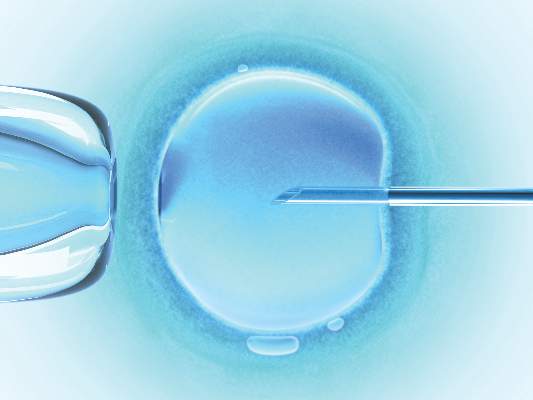
Study shows no benefit with brief immobilization after IUI
HELSINKI, FINLAND – A brief period of immobilization after intrauterine insemination did not improve pregnancy rates and was actually associated with a slight reduction in the pregnancy rate in a large single-center, randomized controlled trial.
The findings conflict with those of some prior smaller studies and contradict a widely held belief in the benefit of immobilization, which is usually carried out while the patient is in a supine position with the knees raised, Joukje van Rijswijk, MD, reported at the annual meeting of the European Society of Human Reproduction and Embryology.
In 479 patients with idiopathic or mild male subfertility and an indication for IUI who were randomized to 15 minutes of immobilization following IUI (950 cycles) or immediate mobilization (984 cycles), the cumulative ongoing pregnancy rate per couple was 32.2% and 40.3% in the groups, respectively (odds ratio, 0.70). The difference between the groups was not statistically significant, said Dr. van Rijswijk of VU University Medical Center, Amsterdam, The Netherlands.
Randomization in the study was stratified for the diagnosis of idiopathic or mild male subfertility. After adjustment for duration of subfertility, the difference between the group still did not reach statistical significance (odds ratio, 0.72), Dr. van Rijswijk said.
IUI is an established treatment for idiopathic and mild male subfertility, and while several factors are associated with pregnancy outcomes, the role of direct mobilization has remained controversial. Two recent studies showed a beneficial effect but were of questionable quality. For example, one of the studies found that 10 and 15 minutes of immobilization, vs. 5 minutes, had a beneficial effect on pregnancy rates, but the results were based on just one treatment cycle and “not on the more real-world context of multiple cycles,” according to an ESHRE press release.
The responsible mechanism for the benefit of immobilization remains unclear, Dr. van Rijswijk said, explaining that it is known from other studies that sperm cells can reach the fallopian tube 5 minutes after intravaginal insemination and can survive for several days in the womb.
“Why should bed rest affect that? There’s no biological explanation for a positive effect of immobilization,” she said.
“In our opinion, immobilization after IUI has no positive effect on pregnancy rates, and there is no reason why patients should stay immobilized after treatment,” she concluded, adding that the findings are “sufficiently strong to render the recommendation for bed rest obsolete.”
As for whether immobilization is also unwarranted for natural conception, Dr. van Rijswijk said the two insemination techniques are too different, thus the findings are not generalizable.
She reported having no relevant financial disclosures. The trial was funded by the VU University Medical Center.
HELSINKI, FINLAND – A brief period of immobilization after intrauterine insemination did not improve pregnancy rates and was actually associated with a slight reduction in the pregnancy rate in a large single-center, randomized controlled trial.
The findings conflict with those of some prior smaller studies and contradict a widely held belief in the benefit of immobilization, which is usually carried out while the patient is in a supine position with the knees raised, Joukje van Rijswijk, MD, reported at the annual meeting of the European Society of Human Reproduction and Embryology.
In 479 patients with idiopathic or mild male subfertility and an indication for IUI who were randomized to 15 minutes of immobilization following IUI (950 cycles) or immediate mobilization (984 cycles), the cumulative ongoing pregnancy rate per couple was 32.2% and 40.3% in the groups, respectively (odds ratio, 0.70). The difference between the groups was not statistically significant, said Dr. van Rijswijk of VU University Medical Center, Amsterdam, The Netherlands.
Randomization in the study was stratified for the diagnosis of idiopathic or mild male subfertility. After adjustment for duration of subfertility, the difference between the group still did not reach statistical significance (odds ratio, 0.72), Dr. van Rijswijk said.
IUI is an established treatment for idiopathic and mild male subfertility, and while several factors are associated with pregnancy outcomes, the role of direct mobilization has remained controversial. Two recent studies showed a beneficial effect but were of questionable quality. For example, one of the studies found that 10 and 15 minutes of immobilization, vs. 5 minutes, had a beneficial effect on pregnancy rates, but the results were based on just one treatment cycle and “not on the more real-world context of multiple cycles,” according to an ESHRE press release.
The responsible mechanism for the benefit of immobilization remains unclear, Dr. van Rijswijk said, explaining that it is known from other studies that sperm cells can reach the fallopian tube 5 minutes after intravaginal insemination and can survive for several days in the womb.
“Why should bed rest affect that? There’s no biological explanation for a positive effect of immobilization,” she said.
“In our opinion, immobilization after IUI has no positive effect on pregnancy rates, and there is no reason why patients should stay immobilized after treatment,” she concluded, adding that the findings are “sufficiently strong to render the recommendation for bed rest obsolete.”
As for whether immobilization is also unwarranted for natural conception, Dr. van Rijswijk said the two insemination techniques are too different, thus the findings are not generalizable.
She reported having no relevant financial disclosures. The trial was funded by the VU University Medical Center.
HELSINKI, FINLAND – A brief period of immobilization after intrauterine insemination did not improve pregnancy rates and was actually associated with a slight reduction in the pregnancy rate in a large single-center, randomized controlled trial.
The findings conflict with those of some prior smaller studies and contradict a widely held belief in the benefit of immobilization, which is usually carried out while the patient is in a supine position with the knees raised, Joukje van Rijswijk, MD, reported at the annual meeting of the European Society of Human Reproduction and Embryology.
In 479 patients with idiopathic or mild male subfertility and an indication for IUI who were randomized to 15 minutes of immobilization following IUI (950 cycles) or immediate mobilization (984 cycles), the cumulative ongoing pregnancy rate per couple was 32.2% and 40.3% in the groups, respectively (odds ratio, 0.70). The difference between the groups was not statistically significant, said Dr. van Rijswijk of VU University Medical Center, Amsterdam, The Netherlands.
Randomization in the study was stratified for the diagnosis of idiopathic or mild male subfertility. After adjustment for duration of subfertility, the difference between the group still did not reach statistical significance (odds ratio, 0.72), Dr. van Rijswijk said.
IUI is an established treatment for idiopathic and mild male subfertility, and while several factors are associated with pregnancy outcomes, the role of direct mobilization has remained controversial. Two recent studies showed a beneficial effect but were of questionable quality. For example, one of the studies found that 10 and 15 minutes of immobilization, vs. 5 minutes, had a beneficial effect on pregnancy rates, but the results were based on just one treatment cycle and “not on the more real-world context of multiple cycles,” according to an ESHRE press release.
The responsible mechanism for the benefit of immobilization remains unclear, Dr. van Rijswijk said, explaining that it is known from other studies that sperm cells can reach the fallopian tube 5 minutes after intravaginal insemination and can survive for several days in the womb.
“Why should bed rest affect that? There’s no biological explanation for a positive effect of immobilization,” she said.
“In our opinion, immobilization after IUI has no positive effect on pregnancy rates, and there is no reason why patients should stay immobilized after treatment,” she concluded, adding that the findings are “sufficiently strong to render the recommendation for bed rest obsolete.”
As for whether immobilization is also unwarranted for natural conception, Dr. van Rijswijk said the two insemination techniques are too different, thus the findings are not generalizable.
She reported having no relevant financial disclosures. The trial was funded by the VU University Medical Center.
AT ESHRE 2016
Key clinical point: Brief immobilization after intrauterine insemination did not improve pregnancy rates.
Major finding: The cumulative ongoing pregnancy rate per couple was 32.2% in the immobilization group, compared with 40.3% in the mobilization group (odds ratio, 0.70).
Data source: A single center, randomized controlled trial of 479 patients and 1,934 IUI cycles.
Disclosures: Dr. van Rijswijk reported having no financial disclosures. The trial was funded by the VU University Medical Center.