User login
Sharon Worcester is an award-winning medical journalist for MDedge News. She has been with the company since 1996, first as the Southeast Bureau Chief (1996-2009) when the company was known as International Medical News Group, then as a freelance writer (2010-2015) before returning as a reporter in 2015. She previously worked as a daily newspaper reporter covering health and local government. Sharon currently reports primarily on oncology and hematology. She has a BA from Eckerd College and an MA in Mass Communication/Print Journalism from the University of Florida. Connect with her via LinkedIn and follow her on twitter @SW_MedReporter.
Low serum AMH level does not predict clinical pregnancy after ICSI
HELSINKI, FINLAND – Serum anti-Müllerian hormone levels do not predict clinical pregnancy, according to findings from a retrospective cohort study of patients undergoing intra-cytoplasmic sperm injection.
Indeed, although serum anti-Müllerian hormone (AMH) levels are closely related to female age and are a robust marker of ovarian reserve and ovarian response to gonadotropins, even patients with very low serum AMH levels in the study had a reasonable reproductive outcome, Alberto Pacheco Castro, PhD, of IVI Madrid, reported at the annual meeting of the European Society of Human Reproduction and Embryology.
The positive correlation between serum AMH and ovarian responses is well known, but there has been no consensus about whether ovarian stimulation should or should not be recommended for infertile women with low AMH values, he said. The new findings suggest that serum AMH levels should not be used to guide decision-making about ovarian stimulation in infertile women.

In the study, 5,570 intracytoplasmic sperm injection (ICSI) cycles between 2008 and 2014 were evaluated. No differences were seen in implantation rates or spontaneous abortion rates across six patient groups classified according to AMH levels. The groups had AMH levels less than or equal to 0.21 mg/mL, 0.22-0.8 ng/mL, 0.81-1.7 ng/mL, 1.71-3.2 ng/mL, 3.21-5.39 mg/mL, and greater than or equal to 5.40 mg/mL, respectively; the corresponding implantation rates were 28.9%, 25%, 29%, 28.8%, 30.5%, 35.3%, and the corresponding spontaneous abortion rates were 27.9%, 26.8%, 31%, 28.8%, 25.7%, and 22.1%, Dr. Pacheco said.
The clinical pregnancy rates in the groups were 45.3%, 48.1%, 47.4%, 45.2%, 48.0%, and 54.1%, respectively. Although the clinical pregnancy rates differed significantly between the highest and lowest AMH level groups, even the groups with the lowest levels had relatively good clinical pregnancy rates, and the receiver operating characteristic (ROC) curve showed no predictive value of AMH levels for clinical pregnancy, he noted.
The study comprised women from a university-affiliated infertility clinic, and their AMH levels were measured with a commercial test kit. Cycles were performed after controlled ovarian stimulation, pertinent data were collected for each cycle, and clinical results after embryo transfer were recorded.
The groups as classified by AMH levels differed significantly (lowest vs. highest level groups) with respect to age (mean age of 39 years vs. 36 years), antral follicle count (1.93 vs. 6.35), follicle-stimulating hormone dose (1606 IU vs. 1392 IU), oocytes retrieved (2.9 vs. 14), and mature oocytes (2.9 vs. 14.0), but not with respect to years of sterility, body mass index, or days of stimulation.
However, the study is limited by its retrospective design – it is possible that patients with very low AMH levels decided against ovulation stimulation – thus, prospective validation of the findings is required, Dr. Pacheco said.
He reported having no disclosures.
HELSINKI, FINLAND – Serum anti-Müllerian hormone levels do not predict clinical pregnancy, according to findings from a retrospective cohort study of patients undergoing intra-cytoplasmic sperm injection.
Indeed, although serum anti-Müllerian hormone (AMH) levels are closely related to female age and are a robust marker of ovarian reserve and ovarian response to gonadotropins, even patients with very low serum AMH levels in the study had a reasonable reproductive outcome, Alberto Pacheco Castro, PhD, of IVI Madrid, reported at the annual meeting of the European Society of Human Reproduction and Embryology.
The positive correlation between serum AMH and ovarian responses is well known, but there has been no consensus about whether ovarian stimulation should or should not be recommended for infertile women with low AMH values, he said. The new findings suggest that serum AMH levels should not be used to guide decision-making about ovarian stimulation in infertile women.
In the study, 5,570 intracytoplasmic sperm injection (ICSI) cycles between 2008 and 2014 were evaluated. No differences were seen in implantation rates or spontaneous abortion rates across six patient groups classified according to AMH levels. The groups had AMH levels less than or equal to 0.21 mg/mL, 0.22-0.8 ng/mL, 0.81-1.7 ng/mL, 1.71-3.2 ng/mL, 3.21-5.39 mg/mL, and greater than or equal to 5.40 mg/mL, respectively; the corresponding implantation rates were 28.9%, 25%, 29%, 28.8%, 30.5%, 35.3%, and the corresponding spontaneous abortion rates were 27.9%, 26.8%, 31%, 28.8%, 25.7%, and 22.1%, Dr. Pacheco said.
The clinical pregnancy rates in the groups were 45.3%, 48.1%, 47.4%, 45.2%, 48.0%, and 54.1%, respectively. Although the clinical pregnancy rates differed significantly between the highest and lowest AMH level groups, even the groups with the lowest levels had relatively good clinical pregnancy rates, and the receiver operating characteristic (ROC) curve showed no predictive value of AMH levels for clinical pregnancy, he noted.
The study comprised women from a university-affiliated infertility clinic, and their AMH levels were measured with a commercial test kit. Cycles were performed after controlled ovarian stimulation, pertinent data were collected for each cycle, and clinical results after embryo transfer were recorded.
The groups as classified by AMH levels differed significantly (lowest vs. highest level groups) with respect to age (mean age of 39 years vs. 36 years), antral follicle count (1.93 vs. 6.35), follicle-stimulating hormone dose (1606 IU vs. 1392 IU), oocytes retrieved (2.9 vs. 14), and mature oocytes (2.9 vs. 14.0), but not with respect to years of sterility, body mass index, or days of stimulation.
However, the study is limited by its retrospective design – it is possible that patients with very low AMH levels decided against ovulation stimulation – thus, prospective validation of the findings is required, Dr. Pacheco said.
He reported having no disclosures.
HELSINKI, FINLAND – Serum anti-Müllerian hormone levels do not predict clinical pregnancy, according to findings from a retrospective cohort study of patients undergoing intra-cytoplasmic sperm injection.
Indeed, although serum anti-Müllerian hormone (AMH) levels are closely related to female age and are a robust marker of ovarian reserve and ovarian response to gonadotropins, even patients with very low serum AMH levels in the study had a reasonable reproductive outcome, Alberto Pacheco Castro, PhD, of IVI Madrid, reported at the annual meeting of the European Society of Human Reproduction and Embryology.
The positive correlation between serum AMH and ovarian responses is well known, but there has been no consensus about whether ovarian stimulation should or should not be recommended for infertile women with low AMH values, he said. The new findings suggest that serum AMH levels should not be used to guide decision-making about ovarian stimulation in infertile women.
In the study, 5,570 intracytoplasmic sperm injection (ICSI) cycles between 2008 and 2014 were evaluated. No differences were seen in implantation rates or spontaneous abortion rates across six patient groups classified according to AMH levels. The groups had AMH levels less than or equal to 0.21 mg/mL, 0.22-0.8 ng/mL, 0.81-1.7 ng/mL, 1.71-3.2 ng/mL, 3.21-5.39 mg/mL, and greater than or equal to 5.40 mg/mL, respectively; the corresponding implantation rates were 28.9%, 25%, 29%, 28.8%, 30.5%, 35.3%, and the corresponding spontaneous abortion rates were 27.9%, 26.8%, 31%, 28.8%, 25.7%, and 22.1%, Dr. Pacheco said.
The clinical pregnancy rates in the groups were 45.3%, 48.1%, 47.4%, 45.2%, 48.0%, and 54.1%, respectively. Although the clinical pregnancy rates differed significantly between the highest and lowest AMH level groups, even the groups with the lowest levels had relatively good clinical pregnancy rates, and the receiver operating characteristic (ROC) curve showed no predictive value of AMH levels for clinical pregnancy, he noted.
The study comprised women from a university-affiliated infertility clinic, and their AMH levels were measured with a commercial test kit. Cycles were performed after controlled ovarian stimulation, pertinent data were collected for each cycle, and clinical results after embryo transfer were recorded.
The groups as classified by AMH levels differed significantly (lowest vs. highest level groups) with respect to age (mean age of 39 years vs. 36 years), antral follicle count (1.93 vs. 6.35), follicle-stimulating hormone dose (1606 IU vs. 1392 IU), oocytes retrieved (2.9 vs. 14), and mature oocytes (2.9 vs. 14.0), but not with respect to years of sterility, body mass index, or days of stimulation.
However, the study is limited by its retrospective design – it is possible that patients with very low AMH levels decided against ovulation stimulation – thus, prospective validation of the findings is required, Dr. Pacheco said.
He reported having no disclosures.
At ESHRE 2016

Most women conceive within 5 years of starting fertility treatment
HELSINKI, FINLAND – The overall birth rate within 5 years of initiating fertility treatment with homologous gametes was 71% among nearly 20,000 women in a Danish assisted reproductive technology registry.
Conception occurred after treatment in 57% of the women, and conception was spontaneous in 14%, Sara Malchau, MD, reported at the annual meeting of the European Society of Human Reproduction and Embryology.

The findings allow physicians to give couples a comprehensible, age-stratified, long-term prognosis at the start of treatment, said Dr. Malchau of Copenhagen University Hospital, Hvidovre, Denmark.
To assess long-term outcomes, Dr. Malchau and her colleagues identified all women in the mandatory Danish ART Registry who initiated fertility treatments with homologous gametes in pubic and private clinics in Denmark between 1997 and 2010. The 19,884 subjects’ treatment cycles were cross-linked with the country’s Medical Birth Registry to identify live births after treatment and spontaneous conception. Follow-up was available for up to 2 years for all of the women, up to 3 years for 14,445 women, and up to 5 years for 5,165 women.
The total live birth rates at 2, 3, and 5 years after the first treatment using ART or intrauterine insemination (IUI) were 57%, 65% and 71%, respectively. Dr. Malchau reported.
In women who had ART as the first treatment, the corresponding ART-conception live birth rates were 46.1%, 51.1%, and 52.9%, and the birth rates with spontaneous conception and IUI after 5 years were 11.2% and 0.6%, respectively.
In those with IUI first, 34.2% delivered after IUI conceptions within 2 years, with no significant increase in birth rates after 3 and 5 years. Shifting to ART in these women resulted in birth rates for ART conceptions of 15.1%, 21.1%, and 23.7% after 2, 3, and 5 years, respectively. After 5 years, the birth rate from spontaneous conception in all women starting treatment with IUI was 16.6%, she noted.
Stratification by age showed that the birth rates at 5 years were 80% for women under age 35 years, 60.5% for those aged 35-40 years, and 26.2% for those aged 40 and older.
While the national ART registry in Denmark is compulsory, underreporting can occur. However, it is cycle based, and since most women have repeated treatments, is it unlikely that the number of women with no birth was underestimated in this study, Dr. Malchau noted.
The findings – which reflect the Danish treatment strategy of three to six cycles of IUI followed by ART, explaining why birth rates after IUI did not increase after 2 years – help answer important patient questions, she said.
“Infertility patients have two key questions: What are our chances of having a baby and when will it happen?” said Dr. Malchau. “Overall chances of a live birth are good, but successful treatment takes time. Couples will often need several treatment cycles. And even though the greatest chance of conception is following treatment, there is still a reasonable chance of spontaneous conception.”
Spontaneous conception is most common in women under age 35 starting IUI (18% vs. 8% in those over 35 starting IVF treatment).
The findings are “robust and realistic,” and since those undergoing treatment have no idea how many treatment cycles they will need or have, a “prognosis based on fixed points in time better reflects their prospect of conception and delivery than birth rates after different numbers of attempts,” Dr. Malchau said.
Copenhagen University Hospital Hvidovre and Ferring Pharmaceuticals funded the study.
HELSINKI, FINLAND – The overall birth rate within 5 years of initiating fertility treatment with homologous gametes was 71% among nearly 20,000 women in a Danish assisted reproductive technology registry.
Conception occurred after treatment in 57% of the women, and conception was spontaneous in 14%, Sara Malchau, MD, reported at the annual meeting of the European Society of Human Reproduction and Embryology.
The findings allow physicians to give couples a comprehensible, age-stratified, long-term prognosis at the start of treatment, said Dr. Malchau of Copenhagen University Hospital, Hvidovre, Denmark.
To assess long-term outcomes, Dr. Malchau and her colleagues identified all women in the mandatory Danish ART Registry who initiated fertility treatments with homologous gametes in pubic and private clinics in Denmark between 1997 and 2010. The 19,884 subjects’ treatment cycles were cross-linked with the country’s Medical Birth Registry to identify live births after treatment and spontaneous conception. Follow-up was available for up to 2 years for all of the women, up to 3 years for 14,445 women, and up to 5 years for 5,165 women.
The total live birth rates at 2, 3, and 5 years after the first treatment using ART or intrauterine insemination (IUI) were 57%, 65% and 71%, respectively. Dr. Malchau reported.
In women who had ART as the first treatment, the corresponding ART-conception live birth rates were 46.1%, 51.1%, and 52.9%, and the birth rates with spontaneous conception and IUI after 5 years were 11.2% and 0.6%, respectively.
In those with IUI first, 34.2% delivered after IUI conceptions within 2 years, with no significant increase in birth rates after 3 and 5 years. Shifting to ART in these women resulted in birth rates for ART conceptions of 15.1%, 21.1%, and 23.7% after 2, 3, and 5 years, respectively. After 5 years, the birth rate from spontaneous conception in all women starting treatment with IUI was 16.6%, she noted.
Stratification by age showed that the birth rates at 5 years were 80% for women under age 35 years, 60.5% for those aged 35-40 years, and 26.2% for those aged 40 and older.
While the national ART registry in Denmark is compulsory, underreporting can occur. However, it is cycle based, and since most women have repeated treatments, is it unlikely that the number of women with no birth was underestimated in this study, Dr. Malchau noted.
The findings – which reflect the Danish treatment strategy of three to six cycles of IUI followed by ART, explaining why birth rates after IUI did not increase after 2 years – help answer important patient questions, she said.
“Infertility patients have two key questions: What are our chances of having a baby and when will it happen?” said Dr. Malchau. “Overall chances of a live birth are good, but successful treatment takes time. Couples will often need several treatment cycles. And even though the greatest chance of conception is following treatment, there is still a reasonable chance of spontaneous conception.”
Spontaneous conception is most common in women under age 35 starting IUI (18% vs. 8% in those over 35 starting IVF treatment).
The findings are “robust and realistic,” and since those undergoing treatment have no idea how many treatment cycles they will need or have, a “prognosis based on fixed points in time better reflects their prospect of conception and delivery than birth rates after different numbers of attempts,” Dr. Malchau said.
Copenhagen University Hospital Hvidovre and Ferring Pharmaceuticals funded the study.
HELSINKI, FINLAND – The overall birth rate within 5 years of initiating fertility treatment with homologous gametes was 71% among nearly 20,000 women in a Danish assisted reproductive technology registry.
Conception occurred after treatment in 57% of the women, and conception was spontaneous in 14%, Sara Malchau, MD, reported at the annual meeting of the European Society of Human Reproduction and Embryology.
The findings allow physicians to give couples a comprehensible, age-stratified, long-term prognosis at the start of treatment, said Dr. Malchau of Copenhagen University Hospital, Hvidovre, Denmark.
To assess long-term outcomes, Dr. Malchau and her colleagues identified all women in the mandatory Danish ART Registry who initiated fertility treatments with homologous gametes in pubic and private clinics in Denmark between 1997 and 2010. The 19,884 subjects’ treatment cycles were cross-linked with the country’s Medical Birth Registry to identify live births after treatment and spontaneous conception. Follow-up was available for up to 2 years for all of the women, up to 3 years for 14,445 women, and up to 5 years for 5,165 women.
The total live birth rates at 2, 3, and 5 years after the first treatment using ART or intrauterine insemination (IUI) were 57%, 65% and 71%, respectively. Dr. Malchau reported.
In women who had ART as the first treatment, the corresponding ART-conception live birth rates were 46.1%, 51.1%, and 52.9%, and the birth rates with spontaneous conception and IUI after 5 years were 11.2% and 0.6%, respectively.
In those with IUI first, 34.2% delivered after IUI conceptions within 2 years, with no significant increase in birth rates after 3 and 5 years. Shifting to ART in these women resulted in birth rates for ART conceptions of 15.1%, 21.1%, and 23.7% after 2, 3, and 5 years, respectively. After 5 years, the birth rate from spontaneous conception in all women starting treatment with IUI was 16.6%, she noted.
Stratification by age showed that the birth rates at 5 years were 80% for women under age 35 years, 60.5% for those aged 35-40 years, and 26.2% for those aged 40 and older.
While the national ART registry in Denmark is compulsory, underreporting can occur. However, it is cycle based, and since most women have repeated treatments, is it unlikely that the number of women with no birth was underestimated in this study, Dr. Malchau noted.
The findings – which reflect the Danish treatment strategy of three to six cycles of IUI followed by ART, explaining why birth rates after IUI did not increase after 2 years – help answer important patient questions, she said.
“Infertility patients have two key questions: What are our chances of having a baby and when will it happen?” said Dr. Malchau. “Overall chances of a live birth are good, but successful treatment takes time. Couples will often need several treatment cycles. And even though the greatest chance of conception is following treatment, there is still a reasonable chance of spontaneous conception.”
Spontaneous conception is most common in women under age 35 starting IUI (18% vs. 8% in those over 35 starting IVF treatment).
The findings are “robust and realistic,” and since those undergoing treatment have no idea how many treatment cycles they will need or have, a “prognosis based on fixed points in time better reflects their prospect of conception and delivery than birth rates after different numbers of attempts,” Dr. Malchau said.
Copenhagen University Hospital Hvidovre and Ferring Pharmaceuticals funded the study.
AT ESHRE 2016
Key clinical point: The overall birth rate within 5 years of starting fertility treatment with homologous gametes was more than 70%.
Major finding: Within 5 years, conception occurred after treatment in 57% of the women, and conception was spontaneous in 14%.
Data source: A population-based cohort study involving 19,884 Danish women.
Disclosures: Copenhagen University Hospital Hvidovre and Ferring Pharmaceuticals funded the study.

Cochrane review: Endometrial scratching may promote implantation
HELSINKI, FINLAND – Scratching the endometrium to create a “favorable inflammation” may improve the likelihood of embryo implantation in subfertile women trying to conceive either naturally or by intrauterine insemination, according to a Cochrane review.
The “injury” caused by the process, which is known as endometrial scratching, has been reported to increase the probability of pregnancy in women undergoing in vitro fertilization, especially those with recurrent implantation failure. The inflammatory response to the injury, which is performed by pipelle biopsy or a similar device, is thought to make the endometrium more receptive to implantation.
In the current meta-analysis and systematic review of eight trials comprising 1,180 women, endometrial scratching appeared to approximately double the chance of clinical pregnancy and live birth/ongoing pregnancy (relative risk, 1.92 and 2.26, respectively), compared with either no procedure or a placebo procedure, lead author Sarah Lensen reported in a poster at the annual meeting of the European Society of Human Reproduction and Embryology.
The difference between the groups was statistically significant.
The evidence suggests that endometrial scratching would increase the normal chance of a live birth or ongoing pregnancy over a set period of time from 9% to between 14% and 28%, explained Ms. Lensen, a PhD candidate at the University of Auckland, New Zealand.
No evidence was seen that endometrial scratching has any effect on miscarriage, ectopic pregnancy, or multiple pregnancy.
Pain during the procedure was reported in one of the eight studies, in which the average pain score was 6 out of 10.
Endometrial scratching is a simple and inexpensive procedure that can be conducted without analgesia during a short clinic visit, although the internal examination that is required can be associated with pain and discomfort, Ms. Lensen said.
For the review, she and her colleagues looked at randomized controlled trials evaluating endometrial scratching in women planning to have intrauterine insemination or attempting to conceive spontaneously (with or without ovulation induction), compared with either no intervention, mock intervention, or endometrial scratching performed at a different time or to a greater or lesser degree.
The researchers acknowledged that the quality of the evidence is quite low, with a risk of bias associated with most of the included trials. For this reason, the results should be viewed with caution, they said.
“High quality randomized controlled trials which recruit sufficient numbers of women are needed to confirm to refute these findings,” they wrote.
Ms. Lensen reported having no financial disclosures.
HELSINKI, FINLAND – Scratching the endometrium to create a “favorable inflammation” may improve the likelihood of embryo implantation in subfertile women trying to conceive either naturally or by intrauterine insemination, according to a Cochrane review.
The “injury” caused by the process, which is known as endometrial scratching, has been reported to increase the probability of pregnancy in women undergoing in vitro fertilization, especially those with recurrent implantation failure. The inflammatory response to the injury, which is performed by pipelle biopsy or a similar device, is thought to make the endometrium more receptive to implantation.
In the current meta-analysis and systematic review of eight trials comprising 1,180 women, endometrial scratching appeared to approximately double the chance of clinical pregnancy and live birth/ongoing pregnancy (relative risk, 1.92 and 2.26, respectively), compared with either no procedure or a placebo procedure, lead author Sarah Lensen reported in a poster at the annual meeting of the European Society of Human Reproduction and Embryology.
The difference between the groups was statistically significant.
The evidence suggests that endometrial scratching would increase the normal chance of a live birth or ongoing pregnancy over a set period of time from 9% to between 14% and 28%, explained Ms. Lensen, a PhD candidate at the University of Auckland, New Zealand.
No evidence was seen that endometrial scratching has any effect on miscarriage, ectopic pregnancy, or multiple pregnancy.
Pain during the procedure was reported in one of the eight studies, in which the average pain score was 6 out of 10.
Endometrial scratching is a simple and inexpensive procedure that can be conducted without analgesia during a short clinic visit, although the internal examination that is required can be associated with pain and discomfort, Ms. Lensen said.
For the review, she and her colleagues looked at randomized controlled trials evaluating endometrial scratching in women planning to have intrauterine insemination or attempting to conceive spontaneously (with or without ovulation induction), compared with either no intervention, mock intervention, or endometrial scratching performed at a different time or to a greater or lesser degree.
The researchers acknowledged that the quality of the evidence is quite low, with a risk of bias associated with most of the included trials. For this reason, the results should be viewed with caution, they said.
“High quality randomized controlled trials which recruit sufficient numbers of women are needed to confirm to refute these findings,” they wrote.
Ms. Lensen reported having no financial disclosures.
HELSINKI, FINLAND – Scratching the endometrium to create a “favorable inflammation” may improve the likelihood of embryo implantation in subfertile women trying to conceive either naturally or by intrauterine insemination, according to a Cochrane review.
The “injury” caused by the process, which is known as endometrial scratching, has been reported to increase the probability of pregnancy in women undergoing in vitro fertilization, especially those with recurrent implantation failure. The inflammatory response to the injury, which is performed by pipelle biopsy or a similar device, is thought to make the endometrium more receptive to implantation.
In the current meta-analysis and systematic review of eight trials comprising 1,180 women, endometrial scratching appeared to approximately double the chance of clinical pregnancy and live birth/ongoing pregnancy (relative risk, 1.92 and 2.26, respectively), compared with either no procedure or a placebo procedure, lead author Sarah Lensen reported in a poster at the annual meeting of the European Society of Human Reproduction and Embryology.
The difference between the groups was statistically significant.
The evidence suggests that endometrial scratching would increase the normal chance of a live birth or ongoing pregnancy over a set period of time from 9% to between 14% and 28%, explained Ms. Lensen, a PhD candidate at the University of Auckland, New Zealand.
No evidence was seen that endometrial scratching has any effect on miscarriage, ectopic pregnancy, or multiple pregnancy.
Pain during the procedure was reported in one of the eight studies, in which the average pain score was 6 out of 10.
Endometrial scratching is a simple and inexpensive procedure that can be conducted without analgesia during a short clinic visit, although the internal examination that is required can be associated with pain and discomfort, Ms. Lensen said.
For the review, she and her colleagues looked at randomized controlled trials evaluating endometrial scratching in women planning to have intrauterine insemination or attempting to conceive spontaneously (with or without ovulation induction), compared with either no intervention, mock intervention, or endometrial scratching performed at a different time or to a greater or lesser degree.
The researchers acknowledged that the quality of the evidence is quite low, with a risk of bias associated with most of the included trials. For this reason, the results should be viewed with caution, they said.
“High quality randomized controlled trials which recruit sufficient numbers of women are needed to confirm to refute these findings,” they wrote.
Ms. Lensen reported having no financial disclosures.
AT ESHRE 2016
Key clinical point: Endometrial scratching may improve the likelihood of embryo implantation in subfertile women.
Major finding: Endometrial scratching would increase the normal chance of a live birth or ongoing pregnancy over a set period of time from 9% to between 14% and 28%.
Data source: A meta-analysis and systematic review of eight randomized controlled studies.
Disclosures: Dr. Lensen reported having no financial disclosures.
mtDNA level predicts IVF embryo viability
HELSINKI – Mitochondrial DNA level appears to be a useful biomarker for in vitro fertilization embryo viability, according to findings from a blinded prospective non-selection study.
An analysis of 280 chromosomally normal blastocysts showed that 15 (5.4%) contained unusually high levels of mitochondrial DNA (mtDNA) and the remaining blastocysts had normal or low mtDNA levels. Of 111 of the blastocyst transfers for which outcome data were available, 78 (70%) led to ongoing pregnancies, and all of those involved blastocysts with normal or low mtDNA levels, while 8 of the 33 blastocysts that failed to implant (24%) had unusually high mtDNA levels, Elpida Fragouli, PhD, reported at the annual meeting of the European Society of Human Reproduction and Embryology.

Thus, the ongoing pregnancy rate for morphologically good, euploid blastocysts was 76% for those with normal/low mtDNA levels, compared with 0% for those with elevated mtDNA levels – a highly statistically significant difference. The overall pregnancy rate was 70%, said Dr. Fragouli of Reprogenetics UK and the University of Oxford.
The blastocysts in the study were generated by 143 couples who underwent IVF in a single clinic. All blastocysts were biopsied and shown to be chromosomally normal using preimplantation genetic screening.
“The study demonstrates that mitochondrial DNA levels are highly predictive of an embryo’s implantation potential,” Dr. Fragouli said, noting that the “very robust” findings could potentially enhance embryo selection and improve IVF outcomes.
The methodology used in the study has been extensively validated, she said. However, a randomized clinical trial will be necessary to determine the true extent of any clinical benefit, she added, noting that research is also needed to improve understanding of the biology of mtDNA expansion.
The findings are of particular interest, because while it is well known that chromosomal abnormality in embryos is common and increases with age, and is the main cause of implantation failure, it has been less clear why about a third of euploid embryos fail to produce a pregnancy.
“The combination of chromosome analysis and mitochondrial assessment may now represent the most accurate and predictive measure of embryo viability with great potential for improving IVF outcome,” according to an ESHRE press release on the findings.
Levels of mtDNA can be quickly measured using polymerase chain reaction. Next generation sequencing can also be used, Dr. Fragouli noted. However, since aneuploidy remains the most common cause of embryo implantation failure, mtDNA and chromosome testing would be necessary.
“Mitochondrial analysis does not replace [aneuploidy screening]. It is the combination of the two methods ... that is so powerful,” she said, noting that efforts are underway to develop an approach to assessing chromosome content and mtDNA simultaneously to reduce the extra cost.
The group has started offering mtDNA quantification clinically in the United States and has applied to the Human Fertilisation and Embryology Authority for a license to use the testing in the United Kingdom.
Reprogenetics provided funding for this study.
HELSINKI – Mitochondrial DNA level appears to be a useful biomarker for in vitro fertilization embryo viability, according to findings from a blinded prospective non-selection study.
An analysis of 280 chromosomally normal blastocysts showed that 15 (5.4%) contained unusually high levels of mitochondrial DNA (mtDNA) and the remaining blastocysts had normal or low mtDNA levels. Of 111 of the blastocyst transfers for which outcome data were available, 78 (70%) led to ongoing pregnancies, and all of those involved blastocysts with normal or low mtDNA levels, while 8 of the 33 blastocysts that failed to implant (24%) had unusually high mtDNA levels, Elpida Fragouli, PhD, reported at the annual meeting of the European Society of Human Reproduction and Embryology.
Thus, the ongoing pregnancy rate for morphologically good, euploid blastocysts was 76% for those with normal/low mtDNA levels, compared with 0% for those with elevated mtDNA levels – a highly statistically significant difference. The overall pregnancy rate was 70%, said Dr. Fragouli of Reprogenetics UK and the University of Oxford.
The blastocysts in the study were generated by 143 couples who underwent IVF in a single clinic. All blastocysts were biopsied and shown to be chromosomally normal using preimplantation genetic screening.
“The study demonstrates that mitochondrial DNA levels are highly predictive of an embryo’s implantation potential,” Dr. Fragouli said, noting that the “very robust” findings could potentially enhance embryo selection and improve IVF outcomes.
The methodology used in the study has been extensively validated, she said. However, a randomized clinical trial will be necessary to determine the true extent of any clinical benefit, she added, noting that research is also needed to improve understanding of the biology of mtDNA expansion.
The findings are of particular interest, because while it is well known that chromosomal abnormality in embryos is common and increases with age, and is the main cause of implantation failure, it has been less clear why about a third of euploid embryos fail to produce a pregnancy.
“The combination of chromosome analysis and mitochondrial assessment may now represent the most accurate and predictive measure of embryo viability with great potential for improving IVF outcome,” according to an ESHRE press release on the findings.
Levels of mtDNA can be quickly measured using polymerase chain reaction. Next generation sequencing can also be used, Dr. Fragouli noted. However, since aneuploidy remains the most common cause of embryo implantation failure, mtDNA and chromosome testing would be necessary.
“Mitochondrial analysis does not replace [aneuploidy screening]. It is the combination of the two methods ... that is so powerful,” she said, noting that efforts are underway to develop an approach to assessing chromosome content and mtDNA simultaneously to reduce the extra cost.
The group has started offering mtDNA quantification clinically in the United States and has applied to the Human Fertilisation and Embryology Authority for a license to use the testing in the United Kingdom.
Reprogenetics provided funding for this study.
HELSINKI – Mitochondrial DNA level appears to be a useful biomarker for in vitro fertilization embryo viability, according to findings from a blinded prospective non-selection study.
An analysis of 280 chromosomally normal blastocysts showed that 15 (5.4%) contained unusually high levels of mitochondrial DNA (mtDNA) and the remaining blastocysts had normal or low mtDNA levels. Of 111 of the blastocyst transfers for which outcome data were available, 78 (70%) led to ongoing pregnancies, and all of those involved blastocysts with normal or low mtDNA levels, while 8 of the 33 blastocysts that failed to implant (24%) had unusually high mtDNA levels, Elpida Fragouli, PhD, reported at the annual meeting of the European Society of Human Reproduction and Embryology.
Thus, the ongoing pregnancy rate for morphologically good, euploid blastocysts was 76% for those with normal/low mtDNA levels, compared with 0% for those with elevated mtDNA levels – a highly statistically significant difference. The overall pregnancy rate was 70%, said Dr. Fragouli of Reprogenetics UK and the University of Oxford.
The blastocysts in the study were generated by 143 couples who underwent IVF in a single clinic. All blastocysts were biopsied and shown to be chromosomally normal using preimplantation genetic screening.
“The study demonstrates that mitochondrial DNA levels are highly predictive of an embryo’s implantation potential,” Dr. Fragouli said, noting that the “very robust” findings could potentially enhance embryo selection and improve IVF outcomes.
The methodology used in the study has been extensively validated, she said. However, a randomized clinical trial will be necessary to determine the true extent of any clinical benefit, she added, noting that research is also needed to improve understanding of the biology of mtDNA expansion.
The findings are of particular interest, because while it is well known that chromosomal abnormality in embryos is common and increases with age, and is the main cause of implantation failure, it has been less clear why about a third of euploid embryos fail to produce a pregnancy.
“The combination of chromosome analysis and mitochondrial assessment may now represent the most accurate and predictive measure of embryo viability with great potential for improving IVF outcome,” according to an ESHRE press release on the findings.
Levels of mtDNA can be quickly measured using polymerase chain reaction. Next generation sequencing can also be used, Dr. Fragouli noted. However, since aneuploidy remains the most common cause of embryo implantation failure, mtDNA and chromosome testing would be necessary.
“Mitochondrial analysis does not replace [aneuploidy screening]. It is the combination of the two methods ... that is so powerful,” she said, noting that efforts are underway to develop an approach to assessing chromosome content and mtDNA simultaneously to reduce the extra cost.
The group has started offering mtDNA quantification clinically in the United States and has applied to the Human Fertilisation and Embryology Authority for a license to use the testing in the United Kingdom.
Reprogenetics provided funding for this study.
AT ESHRE 2016
Key clinical point: Mitochondrial DNA level may offer a way to assess embryo viability when doing in vitro fertilization.
Major finding: The ongoing pregnancy rate for euploid blastocysts was 76% for those with normal/low mtDNA levels, compared with 0% for those with elevated mtDNA levels.
Data source: A blinded prospective non-selection study of 280 blastocysts.
Disclosures: Reprogenetics provided funding for this study.

Including quality-of-life scores may aid decision making for patients with advanced ovarian cancer
CHICAGO – Physical function, role function, global health status and abdominal/gastrointestinal symptoms (AGIS) each predicted overall survival and were significantly associated with the early cessation of chemotherapy among women with platinum-resistant/refractory recurrent ovarian cancer in the Gynecologic Cancer InterGroup (GCIG) Symptom Benefit Study.
The findings from the international prospective cohort study suggest that baseline assessment of quality of life could help identify patients with platinum-resistant/refractory recurrent ovarian cancer (PRR-ROC) who are unlikely to benefit from palliative chemotherapy, Dr. Felicia Roncolato reported at the annual meeting of the American Society of Clinical Oncology.
In 570 women with PRR-ROC enrolled in the Symptom Benefit Study, median overall survival was 11.1 months and median progression-free survival was 3.6 months.
Factors shown on multivariable analysis to predict overall survival included hemoglobin (hazard ratio, 0.94 per 10 g/L increase), ascites (HR, 1.60), AGIS (HR, 1.24), platelets (HR, 1.10 per 100 x 109 unit increase), Log CA125 (HR, 1.18 per unit increase), and neutrophil:lymphocyte ratio (HR, 1.79 for 5 or more). These were all statistically significant predictors of overall survival, said Dr. Roncolato of St. George Hospital, Sydney.
As for baseline quality of life data as a predictor of overall survival, the hazard ratios were 1.60 for low physical function, 1.54 for low role function, 1.55 for global health status, 2.37 for worst vs. least AGIS, and 1.75 for intermediate vs. least AGIS. After adjusting for all of these clinical factors, the multivariable analysis showed that low physical function, role function, and global health status, and worst AGIS remained statistically significant predictors of overall survival (HR, 1,45, 1.37, 1.34, 1.49, and 1.49, respectively). Median overall survival was 7 vs. 12 months in those with lower vs. higher physical function, role function, and global health status, 9 months vs. 14 months for those with lower vs. higher role function scores, and 8, 11, and 18 months in those with worst, intermediate, and least AGIS.
A sensitivity analysis supported the validity of the cut-points used for each of these scores, Dr. Roncolato noted.
As for early cessation of chemotherapy, 110 of the 570 women (19%) stopped chemotherapy within 8 weeks. Most (46%) stopped due to disease progression; other reasons for early cessation included death (18%), patient preference (12%), “other” (12%), adverse event (7%), and clinician preference (6%).
In these women, median progression-free survival and median overall survival were 1.3 months and 2.9 months, respectively, Dr. Roncolato said.
On univariable analysis, the same four quality of life domains (physical function, role function, global health status, and AGIS) each were significantly associated with overall survival (odds ratios were 2.45 for low physical function, 2.71 for low role function, 2.38 for global health status, 2.31 for worst vs. least AGIS, and 1.17 for intermediate vs. least AGIS).
Most patients with ovarian cancer have advanced stage disease at diagnosis and develop recurrent disease despite initial response, and most ultimately develop platinum resistant/refractory disease, Dr. Roncolato said.
The goals of treatment are to improve length and quality of life, but response rates are low; median progression-free survival is 3 months, and median overall survival is less than 12 months, she noted.
“To date there is no evidence that chemotherapy actually increases overall survival in the resistant/refractory setting, and one of our biggest challenges is identifying the patients who are most and least likely to benefit,” she said, adding that over the last decade, little has changed in terms of chemotherapy outcomes remaining poor in patients with PRR-ROC (median overall survival of about 45% at 12 months).
A substantial number of patients stop treatment early.
The Symptom Benefit Study was designed based on a recommendation of the 3rd GCIG Ovarian Cancer Consensus meeting, which called for more robust and reliable methods to quantify symptom improvement in patients with platinum-resistant/refractory ovarian cancer. The primary aim of the study was to develop criteria for quantifying symptom benefit for clinical trials in such patients. The initial portion of the study was known as MOST (Measure of Ovarian Cancer Symptoms and Treatment Concerns). The aim of the current portion of the study was to identify baseline characteristics associated with early cessation of chemotherapy and with poor overall survival.
Patients included in the study were women with PRR-ROC and patients receiving a third or subsequent line of treatment. All had a life expectancy of more than 3 months, and had an Eastern Cooperative Oncology Group (ECOG) performance status score of 0-3.
Quality of life measures, including EORTC QLQ-C30, QLQ-OV28, and others were performed at baseline and before each cycle of chemotherapy.
“The health-related quality of life scores identified a subset of women with resistant/refractory disease who have a very poor prognosis. It’s more informative than a clinician-assigned ECOG performance status, and including baseline health-related quality of life together with clinical prognostic factors improved the prediction of survival in women with PRR-ROC,” Dr. Roncolato said, adding that having this additional prognostic information could improve stratification in clinical trials, patient-doctor communication about prognosis, and clinical decision-making.
This study was funded by the Australian National Health and Medical Research Council. Dr. Roncolato reported having no disclosures.
CHICAGO – Physical function, role function, global health status and abdominal/gastrointestinal symptoms (AGIS) each predicted overall survival and were significantly associated with the early cessation of chemotherapy among women with platinum-resistant/refractory recurrent ovarian cancer in the Gynecologic Cancer InterGroup (GCIG) Symptom Benefit Study.
The findings from the international prospective cohort study suggest that baseline assessment of quality of life could help identify patients with platinum-resistant/refractory recurrent ovarian cancer (PRR-ROC) who are unlikely to benefit from palliative chemotherapy, Dr. Felicia Roncolato reported at the annual meeting of the American Society of Clinical Oncology.
In 570 women with PRR-ROC enrolled in the Symptom Benefit Study, median overall survival was 11.1 months and median progression-free survival was 3.6 months.
Factors shown on multivariable analysis to predict overall survival included hemoglobin (hazard ratio, 0.94 per 10 g/L increase), ascites (HR, 1.60), AGIS (HR, 1.24), platelets (HR, 1.10 per 100 x 109 unit increase), Log CA125 (HR, 1.18 per unit increase), and neutrophil:lymphocyte ratio (HR, 1.79 for 5 or more). These were all statistically significant predictors of overall survival, said Dr. Roncolato of St. George Hospital, Sydney.
As for baseline quality of life data as a predictor of overall survival, the hazard ratios were 1.60 for low physical function, 1.54 for low role function, 1.55 for global health status, 2.37 for worst vs. least AGIS, and 1.75 for intermediate vs. least AGIS. After adjusting for all of these clinical factors, the multivariable analysis showed that low physical function, role function, and global health status, and worst AGIS remained statistically significant predictors of overall survival (HR, 1,45, 1.37, 1.34, 1.49, and 1.49, respectively). Median overall survival was 7 vs. 12 months in those with lower vs. higher physical function, role function, and global health status, 9 months vs. 14 months for those with lower vs. higher role function scores, and 8, 11, and 18 months in those with worst, intermediate, and least AGIS.
A sensitivity analysis supported the validity of the cut-points used for each of these scores, Dr. Roncolato noted.
As for early cessation of chemotherapy, 110 of the 570 women (19%) stopped chemotherapy within 8 weeks. Most (46%) stopped due to disease progression; other reasons for early cessation included death (18%), patient preference (12%), “other” (12%), adverse event (7%), and clinician preference (6%).
In these women, median progression-free survival and median overall survival were 1.3 months and 2.9 months, respectively, Dr. Roncolato said.
On univariable analysis, the same four quality of life domains (physical function, role function, global health status, and AGIS) each were significantly associated with overall survival (odds ratios were 2.45 for low physical function, 2.71 for low role function, 2.38 for global health status, 2.31 for worst vs. least AGIS, and 1.17 for intermediate vs. least AGIS).
Most patients with ovarian cancer have advanced stage disease at diagnosis and develop recurrent disease despite initial response, and most ultimately develop platinum resistant/refractory disease, Dr. Roncolato said.
The goals of treatment are to improve length and quality of life, but response rates are low; median progression-free survival is 3 months, and median overall survival is less than 12 months, she noted.
“To date there is no evidence that chemotherapy actually increases overall survival in the resistant/refractory setting, and one of our biggest challenges is identifying the patients who are most and least likely to benefit,” she said, adding that over the last decade, little has changed in terms of chemotherapy outcomes remaining poor in patients with PRR-ROC (median overall survival of about 45% at 12 months).
A substantial number of patients stop treatment early.
The Symptom Benefit Study was designed based on a recommendation of the 3rd GCIG Ovarian Cancer Consensus meeting, which called for more robust and reliable methods to quantify symptom improvement in patients with platinum-resistant/refractory ovarian cancer. The primary aim of the study was to develop criteria for quantifying symptom benefit for clinical trials in such patients. The initial portion of the study was known as MOST (Measure of Ovarian Cancer Symptoms and Treatment Concerns). The aim of the current portion of the study was to identify baseline characteristics associated with early cessation of chemotherapy and with poor overall survival.
Patients included in the study were women with PRR-ROC and patients receiving a third or subsequent line of treatment. All had a life expectancy of more than 3 months, and had an Eastern Cooperative Oncology Group (ECOG) performance status score of 0-3.
Quality of life measures, including EORTC QLQ-C30, QLQ-OV28, and others were performed at baseline and before each cycle of chemotherapy.
“The health-related quality of life scores identified a subset of women with resistant/refractory disease who have a very poor prognosis. It’s more informative than a clinician-assigned ECOG performance status, and including baseline health-related quality of life together with clinical prognostic factors improved the prediction of survival in women with PRR-ROC,” Dr. Roncolato said, adding that having this additional prognostic information could improve stratification in clinical trials, patient-doctor communication about prognosis, and clinical decision-making.
This study was funded by the Australian National Health and Medical Research Council. Dr. Roncolato reported having no disclosures.
CHICAGO – Physical function, role function, global health status and abdominal/gastrointestinal symptoms (AGIS) each predicted overall survival and were significantly associated with the early cessation of chemotherapy among women with platinum-resistant/refractory recurrent ovarian cancer in the Gynecologic Cancer InterGroup (GCIG) Symptom Benefit Study.
The findings from the international prospective cohort study suggest that baseline assessment of quality of life could help identify patients with platinum-resistant/refractory recurrent ovarian cancer (PRR-ROC) who are unlikely to benefit from palliative chemotherapy, Dr. Felicia Roncolato reported at the annual meeting of the American Society of Clinical Oncology.
In 570 women with PRR-ROC enrolled in the Symptom Benefit Study, median overall survival was 11.1 months and median progression-free survival was 3.6 months.
Factors shown on multivariable analysis to predict overall survival included hemoglobin (hazard ratio, 0.94 per 10 g/L increase), ascites (HR, 1.60), AGIS (HR, 1.24), platelets (HR, 1.10 per 100 x 109 unit increase), Log CA125 (HR, 1.18 per unit increase), and neutrophil:lymphocyte ratio (HR, 1.79 for 5 or more). These were all statistically significant predictors of overall survival, said Dr. Roncolato of St. George Hospital, Sydney.
As for baseline quality of life data as a predictor of overall survival, the hazard ratios were 1.60 for low physical function, 1.54 for low role function, 1.55 for global health status, 2.37 for worst vs. least AGIS, and 1.75 for intermediate vs. least AGIS. After adjusting for all of these clinical factors, the multivariable analysis showed that low physical function, role function, and global health status, and worst AGIS remained statistically significant predictors of overall survival (HR, 1,45, 1.37, 1.34, 1.49, and 1.49, respectively). Median overall survival was 7 vs. 12 months in those with lower vs. higher physical function, role function, and global health status, 9 months vs. 14 months for those with lower vs. higher role function scores, and 8, 11, and 18 months in those with worst, intermediate, and least AGIS.
A sensitivity analysis supported the validity of the cut-points used for each of these scores, Dr. Roncolato noted.
As for early cessation of chemotherapy, 110 of the 570 women (19%) stopped chemotherapy within 8 weeks. Most (46%) stopped due to disease progression; other reasons for early cessation included death (18%), patient preference (12%), “other” (12%), adverse event (7%), and clinician preference (6%).
In these women, median progression-free survival and median overall survival were 1.3 months and 2.9 months, respectively, Dr. Roncolato said.
On univariable analysis, the same four quality of life domains (physical function, role function, global health status, and AGIS) each were significantly associated with overall survival (odds ratios were 2.45 for low physical function, 2.71 for low role function, 2.38 for global health status, 2.31 for worst vs. least AGIS, and 1.17 for intermediate vs. least AGIS).
Most patients with ovarian cancer have advanced stage disease at diagnosis and develop recurrent disease despite initial response, and most ultimately develop platinum resistant/refractory disease, Dr. Roncolato said.
The goals of treatment are to improve length and quality of life, but response rates are low; median progression-free survival is 3 months, and median overall survival is less than 12 months, she noted.
“To date there is no evidence that chemotherapy actually increases overall survival in the resistant/refractory setting, and one of our biggest challenges is identifying the patients who are most and least likely to benefit,” she said, adding that over the last decade, little has changed in terms of chemotherapy outcomes remaining poor in patients with PRR-ROC (median overall survival of about 45% at 12 months).
A substantial number of patients stop treatment early.
The Symptom Benefit Study was designed based on a recommendation of the 3rd GCIG Ovarian Cancer Consensus meeting, which called for more robust and reliable methods to quantify symptom improvement in patients with platinum-resistant/refractory ovarian cancer. The primary aim of the study was to develop criteria for quantifying symptom benefit for clinical trials in such patients. The initial portion of the study was known as MOST (Measure of Ovarian Cancer Symptoms and Treatment Concerns). The aim of the current portion of the study was to identify baseline characteristics associated with early cessation of chemotherapy and with poor overall survival.
Patients included in the study were women with PRR-ROC and patients receiving a third or subsequent line of treatment. All had a life expectancy of more than 3 months, and had an Eastern Cooperative Oncology Group (ECOG) performance status score of 0-3.
Quality of life measures, including EORTC QLQ-C30, QLQ-OV28, and others were performed at baseline and before each cycle of chemotherapy.
“The health-related quality of life scores identified a subset of women with resistant/refractory disease who have a very poor prognosis. It’s more informative than a clinician-assigned ECOG performance status, and including baseline health-related quality of life together with clinical prognostic factors improved the prediction of survival in women with PRR-ROC,” Dr. Roncolato said, adding that having this additional prognostic information could improve stratification in clinical trials, patient-doctor communication about prognosis, and clinical decision-making.
This study was funded by the Australian National Health and Medical Research Council. Dr. Roncolato reported having no disclosures.
AT THE 2016 ASCO ANNUAL MEETING
Key clinical point: Physical function, role function, global health status, and abdominal/gastrointestinal symptoms (AGIS) appear to predict overall survival and early cessation of chemotherapy among women with platinum-resistant/refractory recurrent ovarian cancer.
Major finding: Multivariable analysis showed that low physical function, role function, and global health status, and worse AGIS were statistically significant predictors of overall survival (hazard ratios, 1,45, 1.37, 1.34, 1.49, and 1.49, respectively).
Data source: 570 patients from the international prospective GCIG Symptom Benefit Study.
Disclosures: This study was funded by the Australian National Health and Medical Research Council. Dr. Roncolato reported having no disclosures.
Checkpoint-blocking antibodies appear safe, beneficial in elderly melanoma patients
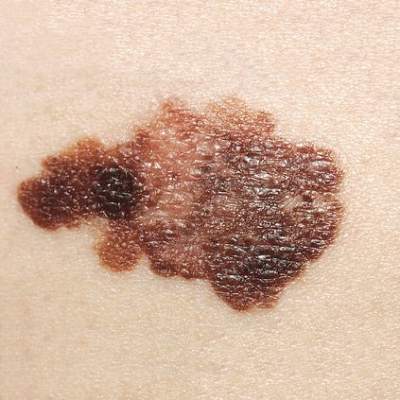
CHICAGO – Programmed cell death protein 1 (PD-1) inhibitors and combination ipilimumab and nivolumab prolonged survival, compared with ipilimumab alone in patients aged 80 and older with advanced melanoma, and the patients experienced no more adverse events than did patients of all age groups in prior published phase III studies, according to a retrospective case review.
Of 106 patients included in the current review, 74 received at least 1 dose of the anti–cytotoxic T-lymphocyte antigen 4 agent ipilimumab, 13 received at least 1 dose of an anti–PD-1 agent (pembrolizumab or nivolumab), and 8 received at least 1 dose of combination ipilimumab and nivolumab. Median survival was 7.5 months, 14.2 months, and 23.5 months for ipilimumab, anti–PD-1 agents, and combination therapy groups, respectively. The survival rates at 1 year were 40%, 56%, and 63%, respectively, Dr. Claire Frances Friedman reported at the annual meeting of the American Society of Clinical Oncology.
The differences between the groups did not reach statistical significance, said Dr. Friedman of Memorial Sloan Kettering Cancer Center, New York
Of note, a graphic representation of overall survival by treatment type shows a plateau after 24 months of treatment with ipilimumab (Ipi).
“About 20% of patients treated with Ipi have had a durable survival lasting many years,” she said, noting that this finding is similar to that based on pooled data from a previous study showing a survival rate of 22% with Ipi.
The findings are important because the highest incidence of advanced melanoma is among patients aged 80-84 years, and those over age 75 have a much higher mortality from melanoma, compared with younger patients, she said, adding that “the treatment of advanced melanoma has benefited from great strides in the area of immunotherapy, specifically the use of checkpoint-blocking antibodies.”
These antibodies work by blocking negative regulators of T-cell function, she explained.
The three used in this study are currently approved for the treatment of advanced melanoma. The combination of ipilimumab and nivolumab was approved when it was shown to improve progression-free survival vs. ipilimumab alone.
“Of note, responses to this class of drugs tend to be durable,” Dr. Friedman said.
In a prior study of nivolumab, the 5-year survival rate was 34%, she said.
However, the immune-related adverse events (irAEs) – “a unique set of side effects” associated with checkpoint-blocking antibodies – are concerning. The incidence of high-grade irAEs can vary with the type of checkpoint-blocking antibody – ranging from 16.3% with single-agent anti–PD-1 treatment to 55% with combination treatment in previous reports. The type of irAEs experienced tend to be similar across treatment types, and in a study published in 2015, were associated with a relatively high rate of treatment discontinuation (36.4% for combination treatment, 14.8% with ipilimumab, and 7.7% with nivolumab).
Given the increased mortality and morbidity in older patients, Dr. Friedman and her colleagues were interested in examining the toxicity and efficacy of checkpoint-blocking antibodies in patients aged 80 years and older. They performed the current review involving all patients aged 80 years and older at Memorial Sloan Kettering Cancer Center who were started on checkpoint blockade for stage 3 or 4 unresected melanoma between January 2008 and December 2015.
All patients had at least one infusion visit and one follow-up visit, and 12 of those in the Ipi group received subsequent anti–PD-1 therapy and were included in the toxicity analyses for both agents.
An irAE occurred in 88% of the 74 patients in the Ipi group, and 30% experienced a grade 3 or 4 irAE. The most common high-grade irAEs in this group were diarrhea, transaminitis, and rash.
Of the 25 patients receiving pembrolizumab or nivolumab, 84% experienced any irAE, and 16% experienced a grade 3 event. The most common adverse events in this group were pruritus, rash, fatigue, and musculoskeletal complaints, and one case each of grade 3 lipase, diarrhea, anemia, and nausea occurred.
Of the eight patients who received combination ipilimumab/nivolumab, 88% experienced any irAE and 63% experienced a high-grade 3 or 4 irAE. The most common high-grade irAEs in this group were elevated lipase, diarrhea, and transaminitis, occurring in 38%, 25%, and 25% of patients, respectively.
No deaths occurred in any of the groups, Dr. Friedman said.
The use of systemic steroids to manage irAEs was similar in the Ipi and anti–PD-1 monotherapy groups (28% in both groups), but 75% of the combination therapy patients were treated with systemic steroids. Infliximab was required for diarrhea in 7% of the Ipi patients and 38% of the combination therapy patients. None of the patients in any of the three groups required mycophenolate mofetil for steroid-refractory transaminitis, Dr. Friedman noted.
The findings suggest that when it comes to selecting the appropriate treatment for older patients, there are several things to consider, she said.
For example, in the elderly population, diarrhea and colitis are associated with an increased risk of dehydration and subsequent renal failure. Also, administering prednisone could lead to delirium or altered mental status, and can be of concern due to the increased incidence of comorbid conditions such as high blood pressure and diabetes, which may be worsened by steroid therapy.
Another concern is the fact that data from the rheumatology literature suggest that infliximab in the elderly may lead to increased risk of infections; a caveat is that this was in cases involving repeated doses, Dr. Friedman noted.
Treatment discontinuation was high across the groups, with 41%, 72%, and 63% of those in the Ipi, anti–PD-1, and combination therapy groups stopping treatment early. Toxicity was the reason for discontinuation in 31%, 20%, and 50%, respectively. Progression of disease or other unrelated issues were the reasons for discontinuation in the remaining patients.
“Patients aged 80 and older treated with ipilimumab had durable survival at a rate similar to that of the general population,” Dr. Friedman said.
Further, median overall survival is prolonged in older patients treated with anti–PD-1 drugs and with combination nivolumab/ipilimumab, but not significantly.
Importantly, irAEs occur more frequently with ipilimumab-based regimens in this population, she said, noting that discontinuation rates for toxicity are also higher in those aged 80 and older.
“So given these data, as clinicians we need to start thinking about individualizing treatment for our patients – using more than just the age. Physicians should consider incorporating assessments of functional status, such as the Mini-Cog or the Get Up and Go Test when deciding which of the checkpoint antibodies is appropriate for any individual patients,” she said, adding that as the population ages, more data in the elderly population will be needed.
“Clinicians should encourage older folks to participate in immuno-oncology clinical trials, and I hope that these data will encourage physicians to consider the use of checkpoint-blocking antibodies in the treatment of other malignancy types such as non–small cell lung cancer and bladder cancer, which also have a large proportion of adults over the age of 75,” she concluded.
Dr. Friedman reported receiving funds for travel, accommodations, and expenses from Bristol-Myers Squibb.
CHICAGO – Programmed cell death protein 1 (PD-1) inhibitors and combination ipilimumab and nivolumab prolonged survival, compared with ipilimumab alone in patients aged 80 and older with advanced melanoma, and the patients experienced no more adverse events than did patients of all age groups in prior published phase III studies, according to a retrospective case review.
Of 106 patients included in the current review, 74 received at least 1 dose of the anti–cytotoxic T-lymphocyte antigen 4 agent ipilimumab, 13 received at least 1 dose of an anti–PD-1 agent (pembrolizumab or nivolumab), and 8 received at least 1 dose of combination ipilimumab and nivolumab. Median survival was 7.5 months, 14.2 months, and 23.5 months for ipilimumab, anti–PD-1 agents, and combination therapy groups, respectively. The survival rates at 1 year were 40%, 56%, and 63%, respectively, Dr. Claire Frances Friedman reported at the annual meeting of the American Society of Clinical Oncology.
The differences between the groups did not reach statistical significance, said Dr. Friedman of Memorial Sloan Kettering Cancer Center, New York
Of note, a graphic representation of overall survival by treatment type shows a plateau after 24 months of treatment with ipilimumab (Ipi).
“About 20% of patients treated with Ipi have had a durable survival lasting many years,” she said, noting that this finding is similar to that based on pooled data from a previous study showing a survival rate of 22% with Ipi.
The findings are important because the highest incidence of advanced melanoma is among patients aged 80-84 years, and those over age 75 have a much higher mortality from melanoma, compared with younger patients, she said, adding that “the treatment of advanced melanoma has benefited from great strides in the area of immunotherapy, specifically the use of checkpoint-blocking antibodies.”
These antibodies work by blocking negative regulators of T-cell function, she explained.
The three used in this study are currently approved for the treatment of advanced melanoma. The combination of ipilimumab and nivolumab was approved when it was shown to improve progression-free survival vs. ipilimumab alone.
“Of note, responses to this class of drugs tend to be durable,” Dr. Friedman said.
In a prior study of nivolumab, the 5-year survival rate was 34%, she said.
However, the immune-related adverse events (irAEs) – “a unique set of side effects” associated with checkpoint-blocking antibodies – are concerning. The incidence of high-grade irAEs can vary with the type of checkpoint-blocking antibody – ranging from 16.3% with single-agent anti–PD-1 treatment to 55% with combination treatment in previous reports. The type of irAEs experienced tend to be similar across treatment types, and in a study published in 2015, were associated with a relatively high rate of treatment discontinuation (36.4% for combination treatment, 14.8% with ipilimumab, and 7.7% with nivolumab).
Given the increased mortality and morbidity in older patients, Dr. Friedman and her colleagues were interested in examining the toxicity and efficacy of checkpoint-blocking antibodies in patients aged 80 years and older. They performed the current review involving all patients aged 80 years and older at Memorial Sloan Kettering Cancer Center who were started on checkpoint blockade for stage 3 or 4 unresected melanoma between January 2008 and December 2015.
All patients had at least one infusion visit and one follow-up visit, and 12 of those in the Ipi group received subsequent anti–PD-1 therapy and were included in the toxicity analyses for both agents.
An irAE occurred in 88% of the 74 patients in the Ipi group, and 30% experienced a grade 3 or 4 irAE. The most common high-grade irAEs in this group were diarrhea, transaminitis, and rash.
Of the 25 patients receiving pembrolizumab or nivolumab, 84% experienced any irAE, and 16% experienced a grade 3 event. The most common adverse events in this group were pruritus, rash, fatigue, and musculoskeletal complaints, and one case each of grade 3 lipase, diarrhea, anemia, and nausea occurred.
Of the eight patients who received combination ipilimumab/nivolumab, 88% experienced any irAE and 63% experienced a high-grade 3 or 4 irAE. The most common high-grade irAEs in this group were elevated lipase, diarrhea, and transaminitis, occurring in 38%, 25%, and 25% of patients, respectively.
No deaths occurred in any of the groups, Dr. Friedman said.
The use of systemic steroids to manage irAEs was similar in the Ipi and anti–PD-1 monotherapy groups (28% in both groups), but 75% of the combination therapy patients were treated with systemic steroids. Infliximab was required for diarrhea in 7% of the Ipi patients and 38% of the combination therapy patients. None of the patients in any of the three groups required mycophenolate mofetil for steroid-refractory transaminitis, Dr. Friedman noted.
The findings suggest that when it comes to selecting the appropriate treatment for older patients, there are several things to consider, she said.
For example, in the elderly population, diarrhea and colitis are associated with an increased risk of dehydration and subsequent renal failure. Also, administering prednisone could lead to delirium or altered mental status, and can be of concern due to the increased incidence of comorbid conditions such as high blood pressure and diabetes, which may be worsened by steroid therapy.
Another concern is the fact that data from the rheumatology literature suggest that infliximab in the elderly may lead to increased risk of infections; a caveat is that this was in cases involving repeated doses, Dr. Friedman noted.
Treatment discontinuation was high across the groups, with 41%, 72%, and 63% of those in the Ipi, anti–PD-1, and combination therapy groups stopping treatment early. Toxicity was the reason for discontinuation in 31%, 20%, and 50%, respectively. Progression of disease or other unrelated issues were the reasons for discontinuation in the remaining patients.
“Patients aged 80 and older treated with ipilimumab had durable survival at a rate similar to that of the general population,” Dr. Friedman said.
Further, median overall survival is prolonged in older patients treated with anti–PD-1 drugs and with combination nivolumab/ipilimumab, but not significantly.
Importantly, irAEs occur more frequently with ipilimumab-based regimens in this population, she said, noting that discontinuation rates for toxicity are also higher in those aged 80 and older.
“So given these data, as clinicians we need to start thinking about individualizing treatment for our patients – using more than just the age. Physicians should consider incorporating assessments of functional status, such as the Mini-Cog or the Get Up and Go Test when deciding which of the checkpoint antibodies is appropriate for any individual patients,” she said, adding that as the population ages, more data in the elderly population will be needed.
“Clinicians should encourage older folks to participate in immuno-oncology clinical trials, and I hope that these data will encourage physicians to consider the use of checkpoint-blocking antibodies in the treatment of other malignancy types such as non–small cell lung cancer and bladder cancer, which also have a large proportion of adults over the age of 75,” she concluded.
Dr. Friedman reported receiving funds for travel, accommodations, and expenses from Bristol-Myers Squibb.
CHICAGO – Programmed cell death protein 1 (PD-1) inhibitors and combination ipilimumab and nivolumab prolonged survival, compared with ipilimumab alone in patients aged 80 and older with advanced melanoma, and the patients experienced no more adverse events than did patients of all age groups in prior published phase III studies, according to a retrospective case review.
Of 106 patients included in the current review, 74 received at least 1 dose of the anti–cytotoxic T-lymphocyte antigen 4 agent ipilimumab, 13 received at least 1 dose of an anti–PD-1 agent (pembrolizumab or nivolumab), and 8 received at least 1 dose of combination ipilimumab and nivolumab. Median survival was 7.5 months, 14.2 months, and 23.5 months for ipilimumab, anti–PD-1 agents, and combination therapy groups, respectively. The survival rates at 1 year were 40%, 56%, and 63%, respectively, Dr. Claire Frances Friedman reported at the annual meeting of the American Society of Clinical Oncology.
The differences between the groups did not reach statistical significance, said Dr. Friedman of Memorial Sloan Kettering Cancer Center, New York
Of note, a graphic representation of overall survival by treatment type shows a plateau after 24 months of treatment with ipilimumab (Ipi).
“About 20% of patients treated with Ipi have had a durable survival lasting many years,” she said, noting that this finding is similar to that based on pooled data from a previous study showing a survival rate of 22% with Ipi.
The findings are important because the highest incidence of advanced melanoma is among patients aged 80-84 years, and those over age 75 have a much higher mortality from melanoma, compared with younger patients, she said, adding that “the treatment of advanced melanoma has benefited from great strides in the area of immunotherapy, specifically the use of checkpoint-blocking antibodies.”
These antibodies work by blocking negative regulators of T-cell function, she explained.
The three used in this study are currently approved for the treatment of advanced melanoma. The combination of ipilimumab and nivolumab was approved when it was shown to improve progression-free survival vs. ipilimumab alone.
“Of note, responses to this class of drugs tend to be durable,” Dr. Friedman said.
In a prior study of nivolumab, the 5-year survival rate was 34%, she said.
However, the immune-related adverse events (irAEs) – “a unique set of side effects” associated with checkpoint-blocking antibodies – are concerning. The incidence of high-grade irAEs can vary with the type of checkpoint-blocking antibody – ranging from 16.3% with single-agent anti–PD-1 treatment to 55% with combination treatment in previous reports. The type of irAEs experienced tend to be similar across treatment types, and in a study published in 2015, were associated with a relatively high rate of treatment discontinuation (36.4% for combination treatment, 14.8% with ipilimumab, and 7.7% with nivolumab).
Given the increased mortality and morbidity in older patients, Dr. Friedman and her colleagues were interested in examining the toxicity and efficacy of checkpoint-blocking antibodies in patients aged 80 years and older. They performed the current review involving all patients aged 80 years and older at Memorial Sloan Kettering Cancer Center who were started on checkpoint blockade for stage 3 or 4 unresected melanoma between January 2008 and December 2015.
All patients had at least one infusion visit and one follow-up visit, and 12 of those in the Ipi group received subsequent anti–PD-1 therapy and were included in the toxicity analyses for both agents.
An irAE occurred in 88% of the 74 patients in the Ipi group, and 30% experienced a grade 3 or 4 irAE. The most common high-grade irAEs in this group were diarrhea, transaminitis, and rash.
Of the 25 patients receiving pembrolizumab or nivolumab, 84% experienced any irAE, and 16% experienced a grade 3 event. The most common adverse events in this group were pruritus, rash, fatigue, and musculoskeletal complaints, and one case each of grade 3 lipase, diarrhea, anemia, and nausea occurred.
Of the eight patients who received combination ipilimumab/nivolumab, 88% experienced any irAE and 63% experienced a high-grade 3 or 4 irAE. The most common high-grade irAEs in this group were elevated lipase, diarrhea, and transaminitis, occurring in 38%, 25%, and 25% of patients, respectively.
No deaths occurred in any of the groups, Dr. Friedman said.
The use of systemic steroids to manage irAEs was similar in the Ipi and anti–PD-1 monotherapy groups (28% in both groups), but 75% of the combination therapy patients were treated with systemic steroids. Infliximab was required for diarrhea in 7% of the Ipi patients and 38% of the combination therapy patients. None of the patients in any of the three groups required mycophenolate mofetil for steroid-refractory transaminitis, Dr. Friedman noted.
The findings suggest that when it comes to selecting the appropriate treatment for older patients, there are several things to consider, she said.
For example, in the elderly population, diarrhea and colitis are associated with an increased risk of dehydration and subsequent renal failure. Also, administering prednisone could lead to delirium or altered mental status, and can be of concern due to the increased incidence of comorbid conditions such as high blood pressure and diabetes, which may be worsened by steroid therapy.
Another concern is the fact that data from the rheumatology literature suggest that infliximab in the elderly may lead to increased risk of infections; a caveat is that this was in cases involving repeated doses, Dr. Friedman noted.
Treatment discontinuation was high across the groups, with 41%, 72%, and 63% of those in the Ipi, anti–PD-1, and combination therapy groups stopping treatment early. Toxicity was the reason for discontinuation in 31%, 20%, and 50%, respectively. Progression of disease or other unrelated issues were the reasons for discontinuation in the remaining patients.
“Patients aged 80 and older treated with ipilimumab had durable survival at a rate similar to that of the general population,” Dr. Friedman said.
Further, median overall survival is prolonged in older patients treated with anti–PD-1 drugs and with combination nivolumab/ipilimumab, but not significantly.
Importantly, irAEs occur more frequently with ipilimumab-based regimens in this population, she said, noting that discontinuation rates for toxicity are also higher in those aged 80 and older.
“So given these data, as clinicians we need to start thinking about individualizing treatment for our patients – using more than just the age. Physicians should consider incorporating assessments of functional status, such as the Mini-Cog or the Get Up and Go Test when deciding which of the checkpoint antibodies is appropriate for any individual patients,” she said, adding that as the population ages, more data in the elderly population will be needed.
“Clinicians should encourage older folks to participate in immuno-oncology clinical trials, and I hope that these data will encourage physicians to consider the use of checkpoint-blocking antibodies in the treatment of other malignancy types such as non–small cell lung cancer and bladder cancer, which also have a large proportion of adults over the age of 75,” she concluded.
Dr. Friedman reported receiving funds for travel, accommodations, and expenses from Bristol-Myers Squibb.
AT THE 2016 ASCO ANNUAL MEETING
Key clinical point: PD-1 inhibitors and combination ipilimumab/nivolumab prolonged survival vs. ipilimumab alone in patients aged 80 and older with advanced melanoma, and had an adverse event profile similar to that in all age groups.
Major finding: Median survival was 7.5 months, 14.2 months, and 23.5 months for ipilimumab, anti–PD-1 agents, and combination therapy groups, respectively. The survival rates at 1 year were 40%, 56%, and 63%, respectively,
Data source: A retrospective review of 106 cases.
Disclosures: Dr Friedman reported receiving funds for travel, accommodations, and expenses from Bristol-Myers Squibb.
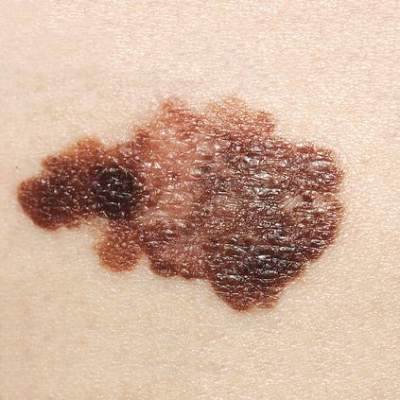
Donor blood testing highlights increasing Zika risk in Puerto Rico
An increasing prevalence of Zika virus infection detected among blood donors in Puerto Rico using a highly sensitive, investigational nucleic acid test likely reflects an overall increase in the incidence of infection in the population at large, according to the Centers for Disease Control and Prevention.
“The implications and importance of this information are that in the coming months, it is possible that thousands of women in Puerto Rico could become infected with Zika. This could lead to dozens or hundreds of infants being born with microcephaly in the coming year,” CDC Director Dr. Tom Frieden said in a telebriefing on June 17.

“For the thousands of other infants born to women infected with Zika who don’t have microcephaly, we simply don’t know, and might not know for years, if there will be long-term consequences on brain development,” Dr. Frieden added.
The incidence of infection among blood donors in Puerto Rico the week of June 5-11 was 1.1%. This is the highest weekly incidence since testing using a newly developed nucleic acid test authorized by the Food and Drug Administration under an investigational new drug application that was implemented in Puerto Rico in April.
Between April 3 and June 11, 2016, a total of 68 presumptive viremic donors were identified from 12,777 donations tested. The incidence of positive findings has increased steadily over time (MMWR. 2016 Jun 17. doi: 10.15585/mmwr.mm6524e2).
In the wake of the finding, which was reported June 17 in an early release of the Morbidity and Mortality Weekly Report, Dr. Frieden and Dr. Matthew J. Kuehnert, director of the CDC Office of Blood, Organ, and Other Tissue Safety sought to allay concerns regarding transmission of the virus via blood transfusion.
“The test being used to test blood in Puerto Rico is extremely accurate,” Dr. Kuehnert said, noting the importance of this testing, as several mosquito-borne illnesses are know to be transmissible by blood transfusion and many infected individuals are asymptomatic.
Further, at least one case of transfusion-transmitted Zika infection has been reported in Brazil, Dr. Kuehnert said.
The blood supply in Puerto Rico is being protected by laboratory testing, and in most other areas – including the continental United States – it is being protected by deferral of people who report travel to areas with such transmission. Some centers are electing to implement blood testing, but this is not currently a requirement, he said.
All donations that test positive for Zika are removed from the blood supply, and donors who test positive are provided with information on how to prevent spreading the virus to others.
The larger concern is the increasing prevalence of infections, as the nucleic acid test results “may be the most accurate, real time, leading indicator of Zika activity in Puerto Rico,” Dr. Frieden said.
The 1% prevalence of infection suggests substantial ongoing community transmission, given that viral nucleic acid can be detected for only 7-10 days after acute infection, and it translates to a greater than 1% rate of infection each month in the community, he noted.
“Our concern here is about protecting pregnant women, and with this rate of infection the possibility that there could be thousands of pregnant women affected, leading to dozens to hundreds of affected babies, is what’s of most concern,” Dr. Frieden said, adding that efforts are underway to reduce risk.
“We’re working intensively, in addition to keeping the blood supply safe, with the Puerto Rico health department, the government, communities, and people throughout Puerto Rico, to provide services for pregnant women – DEET, long sleeves, measures in their homes to reduce mosquito exposure that might reduce their risk of getting infected, as well as to control mosquitoes,” he said.
Dr. Frieden explained that controlling the Aedes aegypti mosquito is very difficult, and that it requires the effort of the entire community working together to protect a pregnant woman.
“We can’t make the risk zero … but even if we can reduce it by 10%, 30%, or 50%, that is a significant number of tragedies that we can prevent, and we’re doing everything that we can to do that … so that we don’t look back in 3, 6, or 12 months and say we wish we had done more back in June,” he said.
An increasing prevalence of Zika virus infection detected among blood donors in Puerto Rico using a highly sensitive, investigational nucleic acid test likely reflects an overall increase in the incidence of infection in the population at large, according to the Centers for Disease Control and Prevention.
“The implications and importance of this information are that in the coming months, it is possible that thousands of women in Puerto Rico could become infected with Zika. This could lead to dozens or hundreds of infants being born with microcephaly in the coming year,” CDC Director Dr. Tom Frieden said in a telebriefing on June 17.
“For the thousands of other infants born to women infected with Zika who don’t have microcephaly, we simply don’t know, and might not know for years, if there will be long-term consequences on brain development,” Dr. Frieden added.
The incidence of infection among blood donors in Puerto Rico the week of June 5-11 was 1.1%. This is the highest weekly incidence since testing using a newly developed nucleic acid test authorized by the Food and Drug Administration under an investigational new drug application that was implemented in Puerto Rico in April.
Between April 3 and June 11, 2016, a total of 68 presumptive viremic donors were identified from 12,777 donations tested. The incidence of positive findings has increased steadily over time (MMWR. 2016 Jun 17. doi: 10.15585/mmwr.mm6524e2).
In the wake of the finding, which was reported June 17 in an early release of the Morbidity and Mortality Weekly Report, Dr. Frieden and Dr. Matthew J. Kuehnert, director of the CDC Office of Blood, Organ, and Other Tissue Safety sought to allay concerns regarding transmission of the virus via blood transfusion.
“The test being used to test blood in Puerto Rico is extremely accurate,” Dr. Kuehnert said, noting the importance of this testing, as several mosquito-borne illnesses are know to be transmissible by blood transfusion and many infected individuals are asymptomatic.
Further, at least one case of transfusion-transmitted Zika infection has been reported in Brazil, Dr. Kuehnert said.
The blood supply in Puerto Rico is being protected by laboratory testing, and in most other areas – including the continental United States – it is being protected by deferral of people who report travel to areas with such transmission. Some centers are electing to implement blood testing, but this is not currently a requirement, he said.
All donations that test positive for Zika are removed from the blood supply, and donors who test positive are provided with information on how to prevent spreading the virus to others.
The larger concern is the increasing prevalence of infections, as the nucleic acid test results “may be the most accurate, real time, leading indicator of Zika activity in Puerto Rico,” Dr. Frieden said.
The 1% prevalence of infection suggests substantial ongoing community transmission, given that viral nucleic acid can be detected for only 7-10 days after acute infection, and it translates to a greater than 1% rate of infection each month in the community, he noted.
“Our concern here is about protecting pregnant women, and with this rate of infection the possibility that there could be thousands of pregnant women affected, leading to dozens to hundreds of affected babies, is what’s of most concern,” Dr. Frieden said, adding that efforts are underway to reduce risk.
“We’re working intensively, in addition to keeping the blood supply safe, with the Puerto Rico health department, the government, communities, and people throughout Puerto Rico, to provide services for pregnant women – DEET, long sleeves, measures in their homes to reduce mosquito exposure that might reduce their risk of getting infected, as well as to control mosquitoes,” he said.
Dr. Frieden explained that controlling the Aedes aegypti mosquito is very difficult, and that it requires the effort of the entire community working together to protect a pregnant woman.
“We can’t make the risk zero … but even if we can reduce it by 10%, 30%, or 50%, that is a significant number of tragedies that we can prevent, and we’re doing everything that we can to do that … so that we don’t look back in 3, 6, or 12 months and say we wish we had done more back in June,” he said.
An increasing prevalence of Zika virus infection detected among blood donors in Puerto Rico using a highly sensitive, investigational nucleic acid test likely reflects an overall increase in the incidence of infection in the population at large, according to the Centers for Disease Control and Prevention.
“The implications and importance of this information are that in the coming months, it is possible that thousands of women in Puerto Rico could become infected with Zika. This could lead to dozens or hundreds of infants being born with microcephaly in the coming year,” CDC Director Dr. Tom Frieden said in a telebriefing on June 17.
“For the thousands of other infants born to women infected with Zika who don’t have microcephaly, we simply don’t know, and might not know for years, if there will be long-term consequences on brain development,” Dr. Frieden added.
The incidence of infection among blood donors in Puerto Rico the week of June 5-11 was 1.1%. This is the highest weekly incidence since testing using a newly developed nucleic acid test authorized by the Food and Drug Administration under an investigational new drug application that was implemented in Puerto Rico in April.
Between April 3 and June 11, 2016, a total of 68 presumptive viremic donors were identified from 12,777 donations tested. The incidence of positive findings has increased steadily over time (MMWR. 2016 Jun 17. doi: 10.15585/mmwr.mm6524e2).
In the wake of the finding, which was reported June 17 in an early release of the Morbidity and Mortality Weekly Report, Dr. Frieden and Dr. Matthew J. Kuehnert, director of the CDC Office of Blood, Organ, and Other Tissue Safety sought to allay concerns regarding transmission of the virus via blood transfusion.
“The test being used to test blood in Puerto Rico is extremely accurate,” Dr. Kuehnert said, noting the importance of this testing, as several mosquito-borne illnesses are know to be transmissible by blood transfusion and many infected individuals are asymptomatic.
Further, at least one case of transfusion-transmitted Zika infection has been reported in Brazil, Dr. Kuehnert said.
The blood supply in Puerto Rico is being protected by laboratory testing, and in most other areas – including the continental United States – it is being protected by deferral of people who report travel to areas with such transmission. Some centers are electing to implement blood testing, but this is not currently a requirement, he said.
All donations that test positive for Zika are removed from the blood supply, and donors who test positive are provided with information on how to prevent spreading the virus to others.
The larger concern is the increasing prevalence of infections, as the nucleic acid test results “may be the most accurate, real time, leading indicator of Zika activity in Puerto Rico,” Dr. Frieden said.
The 1% prevalence of infection suggests substantial ongoing community transmission, given that viral nucleic acid can be detected for only 7-10 days after acute infection, and it translates to a greater than 1% rate of infection each month in the community, he noted.
“Our concern here is about protecting pregnant women, and with this rate of infection the possibility that there could be thousands of pregnant women affected, leading to dozens to hundreds of affected babies, is what’s of most concern,” Dr. Frieden said, adding that efforts are underway to reduce risk.
“We’re working intensively, in addition to keeping the blood supply safe, with the Puerto Rico health department, the government, communities, and people throughout Puerto Rico, to provide services for pregnant women – DEET, long sleeves, measures in their homes to reduce mosquito exposure that might reduce their risk of getting infected, as well as to control mosquitoes,” he said.
Dr. Frieden explained that controlling the Aedes aegypti mosquito is very difficult, and that it requires the effort of the entire community working together to protect a pregnant woman.
“We can’t make the risk zero … but even if we can reduce it by 10%, 30%, or 50%, that is a significant number of tragedies that we can prevent, and we’re doing everything that we can to do that … so that we don’t look back in 3, 6, or 12 months and say we wish we had done more back in June,” he said.
FROM MMWR

Metformin increases efficacy of everolimus-letrozole combo for EEC
CHICAGO – The novel combination of everolimus, letrozole, and metformin was associated with improved clinical benefit and objective response rates, compared with everolimus and letrozole without metformin in patients with advanced or recurrent, previously treated endometrioid endometrial cancer (EEC) in an ongoing open-label, single-arm, prospective phase II study.

In 49 patients with an evaluable response to the combination therapy, 29 (60%) derived clinical benefit – defined as complete response, partial response, or stable disease confirmed at 8 weeks by RECIST 1.1, Dr. Pamela T. Soliman reported at the annual meeting of the American Society of Clinical Oncology.
The best overall response to date was 29% partial response and 31% stable disease (60% clinical benefit rate) with a median of six cycles, said Dr. Soliman of the University of Texas MD Anderson Cancer Center, Houston.
So far, 58 patients have been enrolled in the study, and 194 cycles have been completed. Eight patients have received more than 14 cycles, and of those, 6 have achieved a partial response and 2 have stable disease.
Eight remain on active treatment.
“Of note, at the time of first assessment at 8 weeks, the objective response rate was only 14%, so over half of the responses were seen after at least 4 cycles of therapy were administered,” she said.
Endometrial cancer is the most common gynecologic malignancy, with an estimated 52,000 cases to be diagnosed this year. Most cases are diagnosed early, and the overall prognosis is good; the 5-year survival rate is nearly 90%.
“Unfortunately, for those women who recur, treatment options are limited,” Dr. Soliman said, noting that the best response rate seen in studies of various single and combination chemotherapy agents has been about 25% – occurring with paclitaxel and with bevacizumab-temsirolimus.
The novel combination therapy used in the current study was developed based on prior studies, including one conducted by Dr. Soliman and her colleagues, showing promising results with combination everolimus and letrozole for recurrent EEC. The investigators found that in one study of 35 patients on the everolimus and letrozole regimen, the overall response rate was 23%, the clinical benefit rate was 38%, and progression-free survival was 1.9 months, but they noticed that in a subgroup of patients who had received metformin during the course of the study, the corresponding rates were 56%, 78%, and 14 months. Preclinical data suggested that the benefit of adding metformin to the combination was particularly pronounced in patients with KRAS mutation. The current study was designed to evaluate this approach.
Study subjects had advanced/recurrent EEC and up to two prior chemotherapy regimens for recurrence. Molecular testing was performed to determine KRAS mutation status.
A pretreatment biopsy was performed for histological confirmation and molecular analysis, followed by a 1 week metformin lead in and then treatment with 10 mg oral everolimus daily, 2.5 mg or oral letrozole daily, and 500 mg of oral metformin twice daily. A single dose reduction of everolimus was permitted, and patients were treated until their disease progressed or until they experienced toxicity. Response was evaluated by imaging at 8 weeks or after 2 cycles of therapy, and confirmation of response was performed at 16 weeks, or after 4 cycles of therapy.
In this preliminary evaluation, no significant difference was seen in the clinical benefit rate based on KRAS mutation status (67% in 15 patients with KRAS mutation, 77% in 26 patients without the mutation), but further correlation between molecular findings and response are currently being evaluated.
The most common side effects were diarrhea, anemia, fatigue, nausea, mucositis, hypertriglyceridemia, and elevated aspartate aminotransferase, Dr. Soliman said, noting that 43% of patients experienced a grade 3/4 toxicity, 4 required a dose reduction, and 2 withdrew from the study.
Additionally, one patient with a partial response after 1 cycle was removed from treatment due to increased liver enzymes.
A comparison with findings from the prior everolimus and letrozole study showed that metformin did not add significant toxicity to the regimen, she noted.
“The addition of metformin to the everolimus and letrozole backbone, increased the clinical benefit rate from 40% to 60%. Overall the toxicity of all three drugs was manageable and few patients came off study due to toxicity ... Based on these findings and other studies, the use of targeted therapy in women with recurrent endometrial endometrioid cancer appears to benefit patients over standard cytotoxic chemotherapy,” Dr. Soliman concluded, adding that further development of this combination for use in patients with EEC is warranted.
She noted that an ongoing randomized clinical trial – GOG 3007 – is comparing everolimus and letrozole with tamoxifen alternating with megestrol acetate.
“This trial has recently completed accrual and results are pending. This will allow us to better identify how this treatment strategy compares to hormonal therapy alone in women with recurrent endometrial cancer. In addition, at our institution we are investigating other agents to be added to the everolimus and letrozole backbone to enhance response to patients with endometrioid endometrial cancer,” she said.
Dr. Soliman reported receiving research funding (to her institution) from Novartis.
CHICAGO – The novel combination of everolimus, letrozole, and metformin was associated with improved clinical benefit and objective response rates, compared with everolimus and letrozole without metformin in patients with advanced or recurrent, previously treated endometrioid endometrial cancer (EEC) in an ongoing open-label, single-arm, prospective phase II study.
In 49 patients with an evaluable response to the combination therapy, 29 (60%) derived clinical benefit – defined as complete response, partial response, or stable disease confirmed at 8 weeks by RECIST 1.1, Dr. Pamela T. Soliman reported at the annual meeting of the American Society of Clinical Oncology.
The best overall response to date was 29% partial response and 31% stable disease (60% clinical benefit rate) with a median of six cycles, said Dr. Soliman of the University of Texas MD Anderson Cancer Center, Houston.
So far, 58 patients have been enrolled in the study, and 194 cycles have been completed. Eight patients have received more than 14 cycles, and of those, 6 have achieved a partial response and 2 have stable disease.
Eight remain on active treatment.
“Of note, at the time of first assessment at 8 weeks, the objective response rate was only 14%, so over half of the responses were seen after at least 4 cycles of therapy were administered,” she said.
Endometrial cancer is the most common gynecologic malignancy, with an estimated 52,000 cases to be diagnosed this year. Most cases are diagnosed early, and the overall prognosis is good; the 5-year survival rate is nearly 90%.
“Unfortunately, for those women who recur, treatment options are limited,” Dr. Soliman said, noting that the best response rate seen in studies of various single and combination chemotherapy agents has been about 25% – occurring with paclitaxel and with bevacizumab-temsirolimus.
The novel combination therapy used in the current study was developed based on prior studies, including one conducted by Dr. Soliman and her colleagues, showing promising results with combination everolimus and letrozole for recurrent EEC. The investigators found that in one study of 35 patients on the everolimus and letrozole regimen, the overall response rate was 23%, the clinical benefit rate was 38%, and progression-free survival was 1.9 months, but they noticed that in a subgroup of patients who had received metformin during the course of the study, the corresponding rates were 56%, 78%, and 14 months. Preclinical data suggested that the benefit of adding metformin to the combination was particularly pronounced in patients with KRAS mutation. The current study was designed to evaluate this approach.
Study subjects had advanced/recurrent EEC and up to two prior chemotherapy regimens for recurrence. Molecular testing was performed to determine KRAS mutation status.
A pretreatment biopsy was performed for histological confirmation and molecular analysis, followed by a 1 week metformin lead in and then treatment with 10 mg oral everolimus daily, 2.5 mg or oral letrozole daily, and 500 mg of oral metformin twice daily. A single dose reduction of everolimus was permitted, and patients were treated until their disease progressed or until they experienced toxicity. Response was evaluated by imaging at 8 weeks or after 2 cycles of therapy, and confirmation of response was performed at 16 weeks, or after 4 cycles of therapy.
In this preliminary evaluation, no significant difference was seen in the clinical benefit rate based on KRAS mutation status (67% in 15 patients with KRAS mutation, 77% in 26 patients without the mutation), but further correlation between molecular findings and response are currently being evaluated.
The most common side effects were diarrhea, anemia, fatigue, nausea, mucositis, hypertriglyceridemia, and elevated aspartate aminotransferase, Dr. Soliman said, noting that 43% of patients experienced a grade 3/4 toxicity, 4 required a dose reduction, and 2 withdrew from the study.
Additionally, one patient with a partial response after 1 cycle was removed from treatment due to increased liver enzymes.
A comparison with findings from the prior everolimus and letrozole study showed that metformin did not add significant toxicity to the regimen, she noted.
“The addition of metformin to the everolimus and letrozole backbone, increased the clinical benefit rate from 40% to 60%. Overall the toxicity of all three drugs was manageable and few patients came off study due to toxicity ... Based on these findings and other studies, the use of targeted therapy in women with recurrent endometrial endometrioid cancer appears to benefit patients over standard cytotoxic chemotherapy,” Dr. Soliman concluded, adding that further development of this combination for use in patients with EEC is warranted.
She noted that an ongoing randomized clinical trial – GOG 3007 – is comparing everolimus and letrozole with tamoxifen alternating with megestrol acetate.
“This trial has recently completed accrual and results are pending. This will allow us to better identify how this treatment strategy compares to hormonal therapy alone in women with recurrent endometrial cancer. In addition, at our institution we are investigating other agents to be added to the everolimus and letrozole backbone to enhance response to patients with endometrioid endometrial cancer,” she said.
Dr. Soliman reported receiving research funding (to her institution) from Novartis.
CHICAGO – The novel combination of everolimus, letrozole, and metformin was associated with improved clinical benefit and objective response rates, compared with everolimus and letrozole without metformin in patients with advanced or recurrent, previously treated endometrioid endometrial cancer (EEC) in an ongoing open-label, single-arm, prospective phase II study.
In 49 patients with an evaluable response to the combination therapy, 29 (60%) derived clinical benefit – defined as complete response, partial response, or stable disease confirmed at 8 weeks by RECIST 1.1, Dr. Pamela T. Soliman reported at the annual meeting of the American Society of Clinical Oncology.
The best overall response to date was 29% partial response and 31% stable disease (60% clinical benefit rate) with a median of six cycles, said Dr. Soliman of the University of Texas MD Anderson Cancer Center, Houston.
So far, 58 patients have been enrolled in the study, and 194 cycles have been completed. Eight patients have received more than 14 cycles, and of those, 6 have achieved a partial response and 2 have stable disease.
Eight remain on active treatment.
“Of note, at the time of first assessment at 8 weeks, the objective response rate was only 14%, so over half of the responses were seen after at least 4 cycles of therapy were administered,” she said.
Endometrial cancer is the most common gynecologic malignancy, with an estimated 52,000 cases to be diagnosed this year. Most cases are diagnosed early, and the overall prognosis is good; the 5-year survival rate is nearly 90%.
“Unfortunately, for those women who recur, treatment options are limited,” Dr. Soliman said, noting that the best response rate seen in studies of various single and combination chemotherapy agents has been about 25% – occurring with paclitaxel and with bevacizumab-temsirolimus.
The novel combination therapy used in the current study was developed based on prior studies, including one conducted by Dr. Soliman and her colleagues, showing promising results with combination everolimus and letrozole for recurrent EEC. The investigators found that in one study of 35 patients on the everolimus and letrozole regimen, the overall response rate was 23%, the clinical benefit rate was 38%, and progression-free survival was 1.9 months, but they noticed that in a subgroup of patients who had received metformin during the course of the study, the corresponding rates were 56%, 78%, and 14 months. Preclinical data suggested that the benefit of adding metformin to the combination was particularly pronounced in patients with KRAS mutation. The current study was designed to evaluate this approach.
Study subjects had advanced/recurrent EEC and up to two prior chemotherapy regimens for recurrence. Molecular testing was performed to determine KRAS mutation status.
A pretreatment biopsy was performed for histological confirmation and molecular analysis, followed by a 1 week metformin lead in and then treatment with 10 mg oral everolimus daily, 2.5 mg or oral letrozole daily, and 500 mg of oral metformin twice daily. A single dose reduction of everolimus was permitted, and patients were treated until their disease progressed or until they experienced toxicity. Response was evaluated by imaging at 8 weeks or after 2 cycles of therapy, and confirmation of response was performed at 16 weeks, or after 4 cycles of therapy.
In this preliminary evaluation, no significant difference was seen in the clinical benefit rate based on KRAS mutation status (67% in 15 patients with KRAS mutation, 77% in 26 patients without the mutation), but further correlation between molecular findings and response are currently being evaluated.
The most common side effects were diarrhea, anemia, fatigue, nausea, mucositis, hypertriglyceridemia, and elevated aspartate aminotransferase, Dr. Soliman said, noting that 43% of patients experienced a grade 3/4 toxicity, 4 required a dose reduction, and 2 withdrew from the study.
Additionally, one patient with a partial response after 1 cycle was removed from treatment due to increased liver enzymes.
A comparison with findings from the prior everolimus and letrozole study showed that metformin did not add significant toxicity to the regimen, she noted.
“The addition of metformin to the everolimus and letrozole backbone, increased the clinical benefit rate from 40% to 60%. Overall the toxicity of all three drugs was manageable and few patients came off study due to toxicity ... Based on these findings and other studies, the use of targeted therapy in women with recurrent endometrial endometrioid cancer appears to benefit patients over standard cytotoxic chemotherapy,” Dr. Soliman concluded, adding that further development of this combination for use in patients with EEC is warranted.
She noted that an ongoing randomized clinical trial – GOG 3007 – is comparing everolimus and letrozole with tamoxifen alternating with megestrol acetate.
“This trial has recently completed accrual and results are pending. This will allow us to better identify how this treatment strategy compares to hormonal therapy alone in women with recurrent endometrial cancer. In addition, at our institution we are investigating other agents to be added to the everolimus and letrozole backbone to enhance response to patients with endometrioid endometrial cancer,” she said.
Dr. Soliman reported receiving research funding (to her institution) from Novartis.
AT THE 2016 ASCO ANNUAL MEETING
Key clinical point: Adding metformin to the everolimus and letrozole backbone increases the clinical benefit rate in patients with advanced or recurrent, previously treated endometrioid endometrial cancer.
Major finding: The combination was associated with a confirmed clinical benefit rate of 60% and an objective response rate of 29%.
Data source: An open-label, single-arm, prospective phase II study of 49 patients (with evaluable response thus far).
Disclosures: Dr. Soliman reported receiving research funding (to her institution) from Novartis.

MITO8: Re-treat with platinum-based chemo for recurrent OC
CHICAGO – Artificially prolonging the platinum-free interval by introducing a non–platinum-based chemotherapy before re-treatment with platinum-based chemotherapy in patients with partially platinum-sensitive recurrent ovarian cancer did not improve efficacy, and actually worsened the outcomes in patients in the randomized, open-label, phase III Multicentre Italian Trials in Ovarian Cancer 8 (MITO8) trial.
Based on the findings, immediate re-treatment with platinum-based chemotherapy remains the standard treatment strategy in such patients, Dr. Sandro Pignata reported at the annual meeting of the American Society of Clinical Oncology.
The idea that a non-platinum therapy might artificially extend the platinum-free interval, thereby improving outcomes in ovarian cancer patients who experience recurrence between 6 and 12 months after responding to platinum-based therapy, was first proposed more than 20 years ago. Despite a lack of prospective data with respect to this non–platinum-therapy approach, the idea has been used successfully to market non-platinum chemotherapy agents such as paclitaxel, topotecan, pegylated liposomal doxorubicin (PLD), and more recently, PLD-trabectedin for use before reinitiating platinum chemotherapy, explained Dr. Pignata of S.C. Oncologia Medica Ginecologica, Istituto Nazionale Tumori, Napoli.
In fact, a 2007 retrospective analysis (SOCRATES) showed that 35% of patients with recurrence at 6-12 months after platinum-based therapy were treated with a non-platinum single agent before re-treatment with a platinum-based therapy, and that the approach has been used as the control arm in multiple phase III trials that included patients with a platinum-free interval of 6-12 months. The findings indicate that the unproven hypothesis has been adapted into clinical practice, but the investigators were unable to demonstrate an advantage with the approach and concluded that further investigation was warranted.
MITO8, a multi-organization collaborative effort, was designed to test whether artificial prolongation of the platinum-free interval with a single-agent non-platinum treatment would improve overall survival in recurrent partially platinum-sensitive ovarian cancer patients.
In 107 such patients randomized to the experimental arm – receiving a non–platinum-based chemotherapy first to prolong the platinum-free interval, followed by platinum-based chemotherapy after progression – the median time from previous platinum to randomization was 8 months, and from randomization to platinum, 7.8 months. Median overall survival, the primary endpoint of the study, was 21.8 months.
In 108 patients randomized to immediate standard therapy with platinum-based chemotherapy followed by non-platinum therapy, median time from previous platinum to randomization was 8 months, and overall survival was 24.5 months (hazard ratio favoring platinum chemotherapy, 1.38), Dr. Pignata said, noting that the difference in overall survival approached but did not reach statistical significance.
A secondary endpoint of progression-free survival after the second treatment was 12.8 months in the experimental arm, vs. 16.4 months in the platinum-based chemotherapy arm (adjusted HR, 1.41). This difference was statistically significant.
No differences with respect to safety or toxicity were seen between the groups.
MITO8 subjects were women with ovarian cancer recurring between 6 and 12 months after previous platinum-based chemotherapy. The patients had received no more than two prior lines of chemotherapy, had good performance status, and had normal organ function.
Non–platinum-based therapy used in the study included pegylated liposomal doxorubicin, except during a period of the study when the agent was in short supply and other single agents were used, including gemcitabine and topotecan. Most patients, however, received PLD.
Platinum-based therapy was carboplatin plus paclitaxel or, in patients with neurotoxicity at baseline, carboplatin plus gemcitabine.
The shortage of PLD was just one of numerous challenges encountered during the course of the beleaguered study. Enrollment began in 2009, but was temporarily suspended in 2011 because of the PLD shortage. In 2012, the amendment to allow other non–platinum-based chemotherapies to be used was approved at most sites and enrollment resumed. However, accrual slowed and enrollment was closed in 2015. The study was stopped early, and the final analysis was conducted in March 2016 when events plateaued. The investigators, in conjunction with the independent data monitoring committee, determined that the results “still had to be presented early because they still may affect clinical practice.”
Dr. Pignata said that the hypothesis “was based on the fact that there were more responses in the patients treated with a platinum after a non-platinum, but this was not the case ... Responses were more frequent in the patients who received platinum first and then non-platinum later,” he said. The response rates for the experimental vs. standard approaches, respectively, were 43% vs. 56% among RECIST responders, and 70% vs. 75% among CA125 responders.
The findings of MITO8, one of the first clinical trials in ovarian cancer to evaluate two different sequences of chemotherapy, send “a strong message that even in the presence of a very nice hypothesis, we have to await the results of prospective clinical trials before changing clinical practice,” he said.
Dr. Maurie Markman of Cancer Treatment Centers of America in Boca Raton, Fla., the invited discussant, praised the work of Dr. Pignata and his colleagues, calling their study “elegant,” and “an extraordinary effort.”
“In this unbelievably important analysis, the hypothesis was flat-out wrong,” he said.
The study is an example of “a simple, provocative, and potentially highly clinically relevant hypothesis that should be able to be quickly tested in either a cooperative group setting, in multiple institutions interested in gynecologic malignancies ... when or very shortly after it is initially proposed,” he said.
Waiting 20 years is unacceptable, he said, adding: “This is tragic, this length of time to get an answer. And I must ask ... how many ovarian cancer patients over this many-year period have received second-line chemotherapy based on this conceptual approach, and may have actually been harmed?”
To prevent such outcomes in the future, Dr. Markman proposed heavier reliance on “nonrandomized population-based studies including real-world patients managed by a variety of approaches with securely privacy-protected data included within a public database,” to test noninvestigational approaches to disease management.
“And for this database, I would propose ASCO’s CancerLinq,” he said.
Dr. Pignata reported receiving honoraria from, and serving as a consultant or adviser for AstraZeneca, PharmaMar, and Roche, and receiving research funding from Roche. Dr. Markman is a consultant or advisor for Amgen, Celgene, CritiTech, and Pfizer; is on the speakers bureau for AstraZeneca and Genentech/Roche, and has provided expert testimony for several entities
CHICAGO – Artificially prolonging the platinum-free interval by introducing a non–platinum-based chemotherapy before re-treatment with platinum-based chemotherapy in patients with partially platinum-sensitive recurrent ovarian cancer did not improve efficacy, and actually worsened the outcomes in patients in the randomized, open-label, phase III Multicentre Italian Trials in Ovarian Cancer 8 (MITO8) trial.
Based on the findings, immediate re-treatment with platinum-based chemotherapy remains the standard treatment strategy in such patients, Dr. Sandro Pignata reported at the annual meeting of the American Society of Clinical Oncology.
The idea that a non-platinum therapy might artificially extend the platinum-free interval, thereby improving outcomes in ovarian cancer patients who experience recurrence between 6 and 12 months after responding to platinum-based therapy, was first proposed more than 20 years ago. Despite a lack of prospective data with respect to this non–platinum-therapy approach, the idea has been used successfully to market non-platinum chemotherapy agents such as paclitaxel, topotecan, pegylated liposomal doxorubicin (PLD), and more recently, PLD-trabectedin for use before reinitiating platinum chemotherapy, explained Dr. Pignata of S.C. Oncologia Medica Ginecologica, Istituto Nazionale Tumori, Napoli.
In fact, a 2007 retrospective analysis (SOCRATES) showed that 35% of patients with recurrence at 6-12 months after platinum-based therapy were treated with a non-platinum single agent before re-treatment with a platinum-based therapy, and that the approach has been used as the control arm in multiple phase III trials that included patients with a platinum-free interval of 6-12 months. The findings indicate that the unproven hypothesis has been adapted into clinical practice, but the investigators were unable to demonstrate an advantage with the approach and concluded that further investigation was warranted.
MITO8, a multi-organization collaborative effort, was designed to test whether artificial prolongation of the platinum-free interval with a single-agent non-platinum treatment would improve overall survival in recurrent partially platinum-sensitive ovarian cancer patients.
In 107 such patients randomized to the experimental arm – receiving a non–platinum-based chemotherapy first to prolong the platinum-free interval, followed by platinum-based chemotherapy after progression – the median time from previous platinum to randomization was 8 months, and from randomization to platinum, 7.8 months. Median overall survival, the primary endpoint of the study, was 21.8 months.
In 108 patients randomized to immediate standard therapy with platinum-based chemotherapy followed by non-platinum therapy, median time from previous platinum to randomization was 8 months, and overall survival was 24.5 months (hazard ratio favoring platinum chemotherapy, 1.38), Dr. Pignata said, noting that the difference in overall survival approached but did not reach statistical significance.
A secondary endpoint of progression-free survival after the second treatment was 12.8 months in the experimental arm, vs. 16.4 months in the platinum-based chemotherapy arm (adjusted HR, 1.41). This difference was statistically significant.
No differences with respect to safety or toxicity were seen between the groups.
MITO8 subjects were women with ovarian cancer recurring between 6 and 12 months after previous platinum-based chemotherapy. The patients had received no more than two prior lines of chemotherapy, had good performance status, and had normal organ function.
Non–platinum-based therapy used in the study included pegylated liposomal doxorubicin, except during a period of the study when the agent was in short supply and other single agents were used, including gemcitabine and topotecan. Most patients, however, received PLD.
Platinum-based therapy was carboplatin plus paclitaxel or, in patients with neurotoxicity at baseline, carboplatin plus gemcitabine.
The shortage of PLD was just one of numerous challenges encountered during the course of the beleaguered study. Enrollment began in 2009, but was temporarily suspended in 2011 because of the PLD shortage. In 2012, the amendment to allow other non–platinum-based chemotherapies to be used was approved at most sites and enrollment resumed. However, accrual slowed and enrollment was closed in 2015. The study was stopped early, and the final analysis was conducted in March 2016 when events plateaued. The investigators, in conjunction with the independent data monitoring committee, determined that the results “still had to be presented early because they still may affect clinical practice.”
Dr. Pignata said that the hypothesis “was based on the fact that there were more responses in the patients treated with a platinum after a non-platinum, but this was not the case ... Responses were more frequent in the patients who received platinum first and then non-platinum later,” he said. The response rates for the experimental vs. standard approaches, respectively, were 43% vs. 56% among RECIST responders, and 70% vs. 75% among CA125 responders.
The findings of MITO8, one of the first clinical trials in ovarian cancer to evaluate two different sequences of chemotherapy, send “a strong message that even in the presence of a very nice hypothesis, we have to await the results of prospective clinical trials before changing clinical practice,” he said.
Dr. Maurie Markman of Cancer Treatment Centers of America in Boca Raton, Fla., the invited discussant, praised the work of Dr. Pignata and his colleagues, calling their study “elegant,” and “an extraordinary effort.”
“In this unbelievably important analysis, the hypothesis was flat-out wrong,” he said.
The study is an example of “a simple, provocative, and potentially highly clinically relevant hypothesis that should be able to be quickly tested in either a cooperative group setting, in multiple institutions interested in gynecologic malignancies ... when or very shortly after it is initially proposed,” he said.
Waiting 20 years is unacceptable, he said, adding: “This is tragic, this length of time to get an answer. And I must ask ... how many ovarian cancer patients over this many-year period have received second-line chemotherapy based on this conceptual approach, and may have actually been harmed?”
To prevent such outcomes in the future, Dr. Markman proposed heavier reliance on “nonrandomized population-based studies including real-world patients managed by a variety of approaches with securely privacy-protected data included within a public database,” to test noninvestigational approaches to disease management.
“And for this database, I would propose ASCO’s CancerLinq,” he said.
Dr. Pignata reported receiving honoraria from, and serving as a consultant or adviser for AstraZeneca, PharmaMar, and Roche, and receiving research funding from Roche. Dr. Markman is a consultant or advisor for Amgen, Celgene, CritiTech, and Pfizer; is on the speakers bureau for AstraZeneca and Genentech/Roche, and has provided expert testimony for several entities
CHICAGO – Artificially prolonging the platinum-free interval by introducing a non–platinum-based chemotherapy before re-treatment with platinum-based chemotherapy in patients with partially platinum-sensitive recurrent ovarian cancer did not improve efficacy, and actually worsened the outcomes in patients in the randomized, open-label, phase III Multicentre Italian Trials in Ovarian Cancer 8 (MITO8) trial.
Based on the findings, immediate re-treatment with platinum-based chemotherapy remains the standard treatment strategy in such patients, Dr. Sandro Pignata reported at the annual meeting of the American Society of Clinical Oncology.
The idea that a non-platinum therapy might artificially extend the platinum-free interval, thereby improving outcomes in ovarian cancer patients who experience recurrence between 6 and 12 months after responding to platinum-based therapy, was first proposed more than 20 years ago. Despite a lack of prospective data with respect to this non–platinum-therapy approach, the idea has been used successfully to market non-platinum chemotherapy agents such as paclitaxel, topotecan, pegylated liposomal doxorubicin (PLD), and more recently, PLD-trabectedin for use before reinitiating platinum chemotherapy, explained Dr. Pignata of S.C. Oncologia Medica Ginecologica, Istituto Nazionale Tumori, Napoli.
In fact, a 2007 retrospective analysis (SOCRATES) showed that 35% of patients with recurrence at 6-12 months after platinum-based therapy were treated with a non-platinum single agent before re-treatment with a platinum-based therapy, and that the approach has been used as the control arm in multiple phase III trials that included patients with a platinum-free interval of 6-12 months. The findings indicate that the unproven hypothesis has been adapted into clinical practice, but the investigators were unable to demonstrate an advantage with the approach and concluded that further investigation was warranted.
MITO8, a multi-organization collaborative effort, was designed to test whether artificial prolongation of the platinum-free interval with a single-agent non-platinum treatment would improve overall survival in recurrent partially platinum-sensitive ovarian cancer patients.
In 107 such patients randomized to the experimental arm – receiving a non–platinum-based chemotherapy first to prolong the platinum-free interval, followed by platinum-based chemotherapy after progression – the median time from previous platinum to randomization was 8 months, and from randomization to platinum, 7.8 months. Median overall survival, the primary endpoint of the study, was 21.8 months.
In 108 patients randomized to immediate standard therapy with platinum-based chemotherapy followed by non-platinum therapy, median time from previous platinum to randomization was 8 months, and overall survival was 24.5 months (hazard ratio favoring platinum chemotherapy, 1.38), Dr. Pignata said, noting that the difference in overall survival approached but did not reach statistical significance.
A secondary endpoint of progression-free survival after the second treatment was 12.8 months in the experimental arm, vs. 16.4 months in the platinum-based chemotherapy arm (adjusted HR, 1.41). This difference was statistically significant.
No differences with respect to safety or toxicity were seen between the groups.
MITO8 subjects were women with ovarian cancer recurring between 6 and 12 months after previous platinum-based chemotherapy. The patients had received no more than two prior lines of chemotherapy, had good performance status, and had normal organ function.
Non–platinum-based therapy used in the study included pegylated liposomal doxorubicin, except during a period of the study when the agent was in short supply and other single agents were used, including gemcitabine and topotecan. Most patients, however, received PLD.
Platinum-based therapy was carboplatin plus paclitaxel or, in patients with neurotoxicity at baseline, carboplatin plus gemcitabine.
The shortage of PLD was just one of numerous challenges encountered during the course of the beleaguered study. Enrollment began in 2009, but was temporarily suspended in 2011 because of the PLD shortage. In 2012, the amendment to allow other non–platinum-based chemotherapies to be used was approved at most sites and enrollment resumed. However, accrual slowed and enrollment was closed in 2015. The study was stopped early, and the final analysis was conducted in March 2016 when events plateaued. The investigators, in conjunction with the independent data monitoring committee, determined that the results “still had to be presented early because they still may affect clinical practice.”
Dr. Pignata said that the hypothesis “was based on the fact that there were more responses in the patients treated with a platinum after a non-platinum, but this was not the case ... Responses were more frequent in the patients who received platinum first and then non-platinum later,” he said. The response rates for the experimental vs. standard approaches, respectively, were 43% vs. 56% among RECIST responders, and 70% vs. 75% among CA125 responders.
The findings of MITO8, one of the first clinical trials in ovarian cancer to evaluate two different sequences of chemotherapy, send “a strong message that even in the presence of a very nice hypothesis, we have to await the results of prospective clinical trials before changing clinical practice,” he said.
Dr. Maurie Markman of Cancer Treatment Centers of America in Boca Raton, Fla., the invited discussant, praised the work of Dr. Pignata and his colleagues, calling their study “elegant,” and “an extraordinary effort.”
“In this unbelievably important analysis, the hypothesis was flat-out wrong,” he said.
The study is an example of “a simple, provocative, and potentially highly clinically relevant hypothesis that should be able to be quickly tested in either a cooperative group setting, in multiple institutions interested in gynecologic malignancies ... when or very shortly after it is initially proposed,” he said.
Waiting 20 years is unacceptable, he said, adding: “This is tragic, this length of time to get an answer. And I must ask ... how many ovarian cancer patients over this many-year period have received second-line chemotherapy based on this conceptual approach, and may have actually been harmed?”
To prevent such outcomes in the future, Dr. Markman proposed heavier reliance on “nonrandomized population-based studies including real-world patients managed by a variety of approaches with securely privacy-protected data included within a public database,” to test noninvestigational approaches to disease management.
“And for this database, I would propose ASCO’s CancerLinq,” he said.
Dr. Pignata reported receiving honoraria from, and serving as a consultant or adviser for AstraZeneca, PharmaMar, and Roche, and receiving research funding from Roche. Dr. Markman is a consultant or advisor for Amgen, Celgene, CritiTech, and Pfizer; is on the speakers bureau for AstraZeneca and Genentech/Roche, and has provided expert testimony for several entities
AT THE 2016 ASCO ANNUAL MEETING
Key clinical point: Prolonging the platinum-free interval by introducing a non–platinum-based chemotherapy before re-treatment with platinum-based chemotherapy for recurrent ovarian cancer actually worsened the outcomes in the MITO8 trial.
Major finding: The median overall survival was 21.8 vs. 24.5 months in the experimental and standard therapy groups, respectively.
Data source: The randomized, open-label, phase III MITO8 study of 215 patients.
Disclosures: Dr. Pignata reported receiving honoraria from, and serving as a consultant or adviser for AstraZeneca, PharmaMar, and Roche, and receiving research funding from Roche. Dr. Markman is a consultant or advisor for Amgen, Celgene, CritiTech, and Pfizer; is on the speakers bureau for AstraZeneca and Genentech/Roche, and has provided expert testimony for several entities.
Hormonal maintenance therapy prolonged PFS in LGSC
CHICAGO – Hormonal maintenance therapy after primary treatment was associated with significantly prolonged progression-free survival when compared with surveillance in a retrospective study of women with stage II-IV low-grade serous carcinoma of the ovary or peritoneum.
The findings are “potentially practice-changing,” Dr. David Marc Gershenson of the University of Texas MD Anderson Cancer Center, Houston, said at the annual meeting of the American Society of Clinical Oncology.

Of 204 women with newly diagnosed low-grade serous carcinoma (LGSC) who underwent primary cytoreductive surgery followed by platinum-based chemotherapy, 70 received hormonal maintenance therapy after completion of primary chemotherapy and 134 underwent surveillance. Median progression-free survival (PFS) was 64.9 vs. 27.3 months, respectively (33 months overall), Dr. Gershenson said.
“To date, 40% of the hormone maintenance therapy group has not relapsed, compared [with] only 12% in the surveillance group,” he said.
Median overall survival was not statistically different, but there was a trend toward an overall survival benefit in the hormonal maintenance therapy group (115.7 vs. 98.8 months). In a subset analysis in women who were clinically disease free at the completion of primary chemotherapy, the median PFS was 29.9 months in 121 women undergoing surveillance, vs. 81.1 months in 27 receiving hormone maintenance therapy. The mean overall survival was also statistically different in the subset analysis (106.8 vs. 191.3 months).
On multivariable analysis, four factors reached significance: hormone maintenance therapy vs. surveillance (hazard ratio, 0.23), peritoneum vs. ovary as primary site (HR, 0.45), no gross residual disease vs. gross residual disease (HR, 0.49),and persistent disease at completion of chemotherapy, vs. no evidence of disease (HR, 0.42).
Patients included in the study presented between 1981 and 2013. They had a median age of 47.6 years, about 3/4 had primary ovarian LGSC, and about 1/4 had primary peritoneal LGSC.
Patients in the hormonal therapy group were treated with letrozole (54%), tamoxifen (29%), anastrozole (3%), leuprolide acetate (7%), depot medroxyprogesterone acetate (1%), and leuprolide acetate + tamoxifen or letrozole (3% each). Median duration of hormonal maintenance therapy was 33.3 months (range of 1-223), and follow-up was at least 2 years in those who had not recurred.
LGSC is a rare subtype that accounts for about 10% of serous carcinomas of the ovary or peritoneum. These cancers may arise de novo or after a diagnosis of serous borderline tumor. LGSC, relative to high-grade serous carcinoma (HGSC), is characterized by younger age at diagnosis, chemoresistance, prolonged overall survival, and aberrations within the MAP kinase signaling pathway, Dr. Gershenson said.
The findings are of interest as primary postoperative platinum-based chemotherapy remains the standard for women with newly diagnosed metastatic ovarian or peritoneal LGSC despite multiple reports indicating that this subtype is relatively chemoresistant. For example, in the AGO database of 5,114 patients accrued to four separate phase III trials, the response rate to chemotherapy in women with suboptimally debulked LGSC was significantly lower than in women with suboptimally debulked HGSC (23% vs. 90%), he said.
However, no prospective clinical trials have been conducted in the front line setting in women with LGSC, he noted.
Recent reports of promising activity of hormonal therapy in the recurrent setting have led to an increase in interest in integrating the modality into the primary treatment setting. One study showed a high frequency of ER and PR expression in LGSC, and another showed that hormonal therapy for recurrent LGSC was associated with an objective response rate of 9%, stable disease rate of 66% and median progression-free survival of 7.4 months.
“Some patients derived several years of benefit,” he said. “In addition, low-grade serous carcinoma bears a striking resemblance to luminal breast cancer in that women who are 35 years of age or younger appear to have a significantly worse prognosis.”
Some have concluded, based on these findings, that platinum-based chemotherapy is of no value in the frontline treatment of LGSC and should be abandoned, Dr. Gershenson said.
The current findings, though limited by factors such as their retrospective nature, missing data, a long study period, and possible referral bias suggest that hormonal maintenance therapy deserves a closer look, Dr. Gershenson said.
“The findings of this hypotheses-generating study are potentially practice changing and warrant further investigation using a prospective trial design,” he concluded.
Dr. Gershenson reported stock ownership in AbbVie, Biogen Idec, Celgene, GlaxoSmithKline, Johnson & Johnson, Merck, and Pfizer; consulting or advisory roles with Clovis Oncology, and patents with Elsevier and UpToDate.
CHICAGO – Hormonal maintenance therapy after primary treatment was associated with significantly prolonged progression-free survival when compared with surveillance in a retrospective study of women with stage II-IV low-grade serous carcinoma of the ovary or peritoneum.
The findings are “potentially practice-changing,” Dr. David Marc Gershenson of the University of Texas MD Anderson Cancer Center, Houston, said at the annual meeting of the American Society of Clinical Oncology.
Of 204 women with newly diagnosed low-grade serous carcinoma (LGSC) who underwent primary cytoreductive surgery followed by platinum-based chemotherapy, 70 received hormonal maintenance therapy after completion of primary chemotherapy and 134 underwent surveillance. Median progression-free survival (PFS) was 64.9 vs. 27.3 months, respectively (33 months overall), Dr. Gershenson said.
“To date, 40% of the hormone maintenance therapy group has not relapsed, compared [with] only 12% in the surveillance group,” he said.
Median overall survival was not statistically different, but there was a trend toward an overall survival benefit in the hormonal maintenance therapy group (115.7 vs. 98.8 months). In a subset analysis in women who were clinically disease free at the completion of primary chemotherapy, the median PFS was 29.9 months in 121 women undergoing surveillance, vs. 81.1 months in 27 receiving hormone maintenance therapy. The mean overall survival was also statistically different in the subset analysis (106.8 vs. 191.3 months).
On multivariable analysis, four factors reached significance: hormone maintenance therapy vs. surveillance (hazard ratio, 0.23), peritoneum vs. ovary as primary site (HR, 0.45), no gross residual disease vs. gross residual disease (HR, 0.49),and persistent disease at completion of chemotherapy, vs. no evidence of disease (HR, 0.42).
Patients included in the study presented between 1981 and 2013. They had a median age of 47.6 years, about 3/4 had primary ovarian LGSC, and about 1/4 had primary peritoneal LGSC.
Patients in the hormonal therapy group were treated with letrozole (54%), tamoxifen (29%), anastrozole (3%), leuprolide acetate (7%), depot medroxyprogesterone acetate (1%), and leuprolide acetate + tamoxifen or letrozole (3% each). Median duration of hormonal maintenance therapy was 33.3 months (range of 1-223), and follow-up was at least 2 years in those who had not recurred.
LGSC is a rare subtype that accounts for about 10% of serous carcinomas of the ovary or peritoneum. These cancers may arise de novo or after a diagnosis of serous borderline tumor. LGSC, relative to high-grade serous carcinoma (HGSC), is characterized by younger age at diagnosis, chemoresistance, prolonged overall survival, and aberrations within the MAP kinase signaling pathway, Dr. Gershenson said.
The findings are of interest as primary postoperative platinum-based chemotherapy remains the standard for women with newly diagnosed metastatic ovarian or peritoneal LGSC despite multiple reports indicating that this subtype is relatively chemoresistant. For example, in the AGO database of 5,114 patients accrued to four separate phase III trials, the response rate to chemotherapy in women with suboptimally debulked LGSC was significantly lower than in women with suboptimally debulked HGSC (23% vs. 90%), he said.
However, no prospective clinical trials have been conducted in the front line setting in women with LGSC, he noted.
Recent reports of promising activity of hormonal therapy in the recurrent setting have led to an increase in interest in integrating the modality into the primary treatment setting. One study showed a high frequency of ER and PR expression in LGSC, and another showed that hormonal therapy for recurrent LGSC was associated with an objective response rate of 9%, stable disease rate of 66% and median progression-free survival of 7.4 months.
“Some patients derived several years of benefit,” he said. “In addition, low-grade serous carcinoma bears a striking resemblance to luminal breast cancer in that women who are 35 years of age or younger appear to have a significantly worse prognosis.”
Some have concluded, based on these findings, that platinum-based chemotherapy is of no value in the frontline treatment of LGSC and should be abandoned, Dr. Gershenson said.
The current findings, though limited by factors such as their retrospective nature, missing data, a long study period, and possible referral bias suggest that hormonal maintenance therapy deserves a closer look, Dr. Gershenson said.
“The findings of this hypotheses-generating study are potentially practice changing and warrant further investigation using a prospective trial design,” he concluded.
Dr. Gershenson reported stock ownership in AbbVie, Biogen Idec, Celgene, GlaxoSmithKline, Johnson & Johnson, Merck, and Pfizer; consulting or advisory roles with Clovis Oncology, and patents with Elsevier and UpToDate.
CHICAGO – Hormonal maintenance therapy after primary treatment was associated with significantly prolonged progression-free survival when compared with surveillance in a retrospective study of women with stage II-IV low-grade serous carcinoma of the ovary or peritoneum.
The findings are “potentially practice-changing,” Dr. David Marc Gershenson of the University of Texas MD Anderson Cancer Center, Houston, said at the annual meeting of the American Society of Clinical Oncology.
Of 204 women with newly diagnosed low-grade serous carcinoma (LGSC) who underwent primary cytoreductive surgery followed by platinum-based chemotherapy, 70 received hormonal maintenance therapy after completion of primary chemotherapy and 134 underwent surveillance. Median progression-free survival (PFS) was 64.9 vs. 27.3 months, respectively (33 months overall), Dr. Gershenson said.
“To date, 40% of the hormone maintenance therapy group has not relapsed, compared [with] only 12% in the surveillance group,” he said.
Median overall survival was not statistically different, but there was a trend toward an overall survival benefit in the hormonal maintenance therapy group (115.7 vs. 98.8 months). In a subset analysis in women who were clinically disease free at the completion of primary chemotherapy, the median PFS was 29.9 months in 121 women undergoing surveillance, vs. 81.1 months in 27 receiving hormone maintenance therapy. The mean overall survival was also statistically different in the subset analysis (106.8 vs. 191.3 months).
On multivariable analysis, four factors reached significance: hormone maintenance therapy vs. surveillance (hazard ratio, 0.23), peritoneum vs. ovary as primary site (HR, 0.45), no gross residual disease vs. gross residual disease (HR, 0.49),and persistent disease at completion of chemotherapy, vs. no evidence of disease (HR, 0.42).
Patients included in the study presented between 1981 and 2013. They had a median age of 47.6 years, about 3/4 had primary ovarian LGSC, and about 1/4 had primary peritoneal LGSC.
Patients in the hormonal therapy group were treated with letrozole (54%), tamoxifen (29%), anastrozole (3%), leuprolide acetate (7%), depot medroxyprogesterone acetate (1%), and leuprolide acetate + tamoxifen or letrozole (3% each). Median duration of hormonal maintenance therapy was 33.3 months (range of 1-223), and follow-up was at least 2 years in those who had not recurred.
LGSC is a rare subtype that accounts for about 10% of serous carcinomas of the ovary or peritoneum. These cancers may arise de novo or after a diagnosis of serous borderline tumor. LGSC, relative to high-grade serous carcinoma (HGSC), is characterized by younger age at diagnosis, chemoresistance, prolonged overall survival, and aberrations within the MAP kinase signaling pathway, Dr. Gershenson said.
The findings are of interest as primary postoperative platinum-based chemotherapy remains the standard for women with newly diagnosed metastatic ovarian or peritoneal LGSC despite multiple reports indicating that this subtype is relatively chemoresistant. For example, in the AGO database of 5,114 patients accrued to four separate phase III trials, the response rate to chemotherapy in women with suboptimally debulked LGSC was significantly lower than in women with suboptimally debulked HGSC (23% vs. 90%), he said.
However, no prospective clinical trials have been conducted in the front line setting in women with LGSC, he noted.
Recent reports of promising activity of hormonal therapy in the recurrent setting have led to an increase in interest in integrating the modality into the primary treatment setting. One study showed a high frequency of ER and PR expression in LGSC, and another showed that hormonal therapy for recurrent LGSC was associated with an objective response rate of 9%, stable disease rate of 66% and median progression-free survival of 7.4 months.
“Some patients derived several years of benefit,” he said. “In addition, low-grade serous carcinoma bears a striking resemblance to luminal breast cancer in that women who are 35 years of age or younger appear to have a significantly worse prognosis.”
Some have concluded, based on these findings, that platinum-based chemotherapy is of no value in the frontline treatment of LGSC and should be abandoned, Dr. Gershenson said.
The current findings, though limited by factors such as their retrospective nature, missing data, a long study period, and possible referral bias suggest that hormonal maintenance therapy deserves a closer look, Dr. Gershenson said.
“The findings of this hypotheses-generating study are potentially practice changing and warrant further investigation using a prospective trial design,” he concluded.
Dr. Gershenson reported stock ownership in AbbVie, Biogen Idec, Celgene, GlaxoSmithKline, Johnson & Johnson, Merck, and Pfizer; consulting or advisory roles with Clovis Oncology, and patents with Elsevier and UpToDate.
AT THE 2016 ASCO ANNUAL MEETING
Key clinical point: Hormonal maintenance therapy after primary treatment was associated with significantly prolonged PFS, when compared with surveillance, in a retrospective study of women with stage II-IV low-grade serous carcinoma of the ovary or peritoneum.
Major finding: Median PFS was 64.9 vs. 27.3 months with hormonal maintenance therapy vs. surveillance.
Data source: A retrospective cohort study of 204 women.
Disclosures: Dr. Gershenson reported stock ownership in AbbVie, Biogen Idec, Celgene, GlaxoSmithKline, Johnson & Johnson, Merck, and Pfizer; consulting or advisory roles with Clovis Oncology, and patents with Elsevier and UpToDate.