User login
Mitchel is a reporter for MDedge based in the Philadelphia area. He started with the company in 1992, when it was International Medical News Group (IMNG), and has since covered a range of medical specialties. Mitchel trained as a virologist at Roswell Park Memorial Institute in Buffalo, and then worked briefly as a researcher at Boston Children's Hospital before pivoting to journalism as a AAAS Mass Media Fellow in 1980. His first reporting job was with Science Digest magazine, and from the mid-1980s to early-1990s he was a reporter with Medical World News. @mitchelzoler
Genetic testing enters cardiovascular-disease mainstream
Genetic testing is now part of routine practice in at least some U.S. centers for managing a short list of cardiovascular disease scenarios.
Although it remains well shy of ubiquitous for cardiovascular practice, for at least four important settings genetic testing has begun to play a key role: diagnosis of inherited cardiac conditions such as cardiomyopathies and channelopathies, diagnosis of homozygous and heterozygous familial hypercholesterolemia, treatment of stented coronary-disease patients with clopidogrel, and use when starting patients on warfarin.

Cardiomyopathies and channelopathies
Genetic testing of patients with any of the several inherited diseases that fall into these categories, including hypertrophic cardiomyopathy, dilated cardiomyopathy, long QT syndrome, and Brugada, received official recommendation from the Heart Rhythm Society and European Heart Rhythm Society in 2011 (Europace 2011;813:1077-109), and genetic testing for patients with hypertrophic cardiomyopathy and their first-degree relatives received a class I level B rating in guidelines for this specific cardiomyopathy released last year from the European Society of Cardiology (Eur. Heart J. 2014;35:2733-79).
Those endorsements put these cardiac diseases on the firmest ground for categorization as routine practice, a status that grew firmer still when researchers announced in January 2015 new evidence that better clarified the genetic underpinnings of dilated cardiomyopathy, the most common inherited cardiac condition.

“Genetic testing clearly contributes to risk assessment” of cardiomyopathies and channelopathies, Dr. Ray E. Hershberger said during a talk last November at the American Heart Association scientific sessions in Chicago. “Finding a plausible genetic cause for a condition lays the foundation for more durable intervention,” said Dr. Hershberger, professor and director of human genetics at Ohio State University in Columbus.
“Genetic testing for dilated cardiomyopathy is becoming increasingly important in clinical practice. Genetic testing is available, affordable, and efficient,” Dr. Luisa Mestroni, director of the Adult Medical Genetics Program of the University of Colorado, Denver, said during a separate talk at the AHA meeting. She cited three commercially available genetic tests for dilated cardiomyopathy that use next-generation sequencing and screen dozens of implicated genes. The genetic findings are available within about 10 weeks and cost in the range of several thousand dollars. Similar panels also exist for the other cardiomyopathies and channelopathies. Perhaps the most significant limitation on genetic testing for these patients is that it be done within the context of genetic counseling, said both Dr. Mestroni and Dr. Hershberger.

Genetic testing for dilated cardiomyopathy has been hindered by the disorder’s genetic heterogeneity, but understanding of the genetic picture grew much clearer in January with publication of genetic findings from 5,267 people representing the full spectrum of cardiac status, including fully-assessed healthy controls; 3,603 unselected community dwellers taken from the Framingham and Jackson Heart Studies; 374 unselected, ambulatory patients with dilated cardiomyopathy; and 155 patients with severe, end-stage dilated cardiomyopathy. The large, multicenter team of mostly British and U.S. researchers validated the findings in 163 additional patients with familial dilated cardiomyopathy (Sci. Transl. Med. 2015;7:[doi: 10.1126/scitranslmed.3010134].
The findings showed that mutations that produce truncated forms of titin, the body’s largest protein and a critical part of cardiac muscle, appear in about 2% of the general population, about 13% of ambulatory patients with dilated cardiomyopathy, and about 20% of patients with end-stage DCM. In addition, the truncations that occur in people who lack clinical disease tended to affect minor titin isoforms and produce mild functional changes, while the titin truncation mutations in people with severe disease were in the most commonly used isoforms and at sites that severely impaired function.
Until now, in the United Kingdom, “it would not have been standard of care to do gene testing [for patients with suspected dilated cardiomyopathy] unless there was a clear family history or some phenotypic indicator, but going forward we believe the yield from titin truncations [as well as from other, less common known mutations] is sufficient to include genetic testing in a patient’s work-up,” Dr. James S. Ware, a coauthor of the new report and a cardiologist at Imperial College, London, said during a press conference in January.
“The American College of Cardiology and American Heart Association guidelines for managing cardiomyopathy say that it is critical to perform longitudinal clinical follow-up on all first-degree relatives of patients with cardiomyopathy. The cost for longitudinal clinical screening is huge and also poses inconvenience for the family members screened. Genetic testing can now identify which family members really need clinical follow-up and which ones don’t need it,” said Dr. Cristine E. Seidman, a coauthor of the new titin-genetics report, professor of genetics and medicine at Harvard Medical School, and director of the Cardiovascular Genetics Center at Brigham and Women’s Hospital, Boston.
Familial hypercholesterolemia
Routine screening for familial hypercholesterolemia (FH) is not as widely endorsed, but it does have backers, and evidence shows that the approach is cost effective. In part, that’s because both heterozygous and homozygous FH are substantially more common than had been believed until recently. Recent study results documented prevalence rates roughly threefold more common than previously calculated.
For example, a study published last year of more than 104,000 residents of the Netherlands documented a homozygous FH prevalence of 1 in 300,000 (Eur. Heart J. 2014 [doi.org/10.1093/eurheartj/ehu058]). Results from a 2012 study of more than 69,000 Danish residents demonstrated a prevalence of 1 in 137 for people with heterozygous FH (J. Clin. Endocrinol. Metab. 2012;97:3956-64).
“Genetic testing improves the care of individual patients with FH because with genetic testing you can catch patients with FH presymptomatically and you can then treat them and change their long-term prognosis,” Dr. Anne Tybjaerg-Hansen, professor of clinical biochemistry and chief physician at Copenhagen University Hospital, said in a talk at the AHA meeting last November. She cited a report last year from Australia on a model demonstrating the cost effectiveness of testing first-degree relatives of index patients diagnosed with FH, an approach known as cascade screening (J. Clin. Lipidology 2014;8:390-400).
Last year, a consensus panel of the European Atherosclerosis Society recommended that genetic testing “should be considered” for both the diagnostic work-up of index cases with suspected FH and for cascade screening of first-degree relatives of confirmed cases (Eur. Heart J. 2014;35:2146-57). The European panel noted that genetic testing was potentially useful not only to confirm a clinical diagnosis but also to better distinguish patients with heterozygous and homozygous FH. The panel’s report last year endorsed the updated understanding that heterozygous FH occurs in roughly 1 in every 200 people, while homozygous FH has a prevalence of 1 case in every 160,000-300,000 people.
Despite these relatively high prevalence rates, FH is woefully underdiagnosed. A 2013 report from the European Atherosclerosis Society cited recent data documenting that less than 1% of U.S. residents with FH are currently identified (Eur. Heart J. 2013;34:3478-90). The same report noted that less than half of all FH patients have been identified in every country worldwide with reported statistics – aside from the Netherlands, which topped the world with an estimated identification rate of 71% of patients with either form of FH.
Clopidogrel responsiveness
It’s now been several years since researchers determined that roughly 30% of people fail to adequately metabolize the antiplatelet drug clopidogrel into its active form, a finding that in 2010 led the Food and Drug Administration to mandate a boxed warning on clopidogrel’s labeling. The cytochrome P450 (CYP) 2C19 gene codes for the enzyme that activates clopidogrel, and the warning states that people in this significant minority carry alleles of the CYP2C19 gene that make them poor clopidogrel metabolizers and hence clinicians should consider using “alternative treatment strategies.” Usually this means treatment with prasugrel (Effient) or ticagrelor (Brilinta), two thienopyridines that match clopidogrel’s efficacy but do not require metabolic conversion and so are effective even in poor-metabolizing patients.
But years after this well documented and well publicized problem with blind clopidogrel dosing first became apparent, many clinicians remain uncertain how to deal with the issue and how to use genetic testing to clarify the risk faced by individual patients (Circulation 2012;122:445-8).
“The evidence for CYP2C19 is really strong, but because prospective, randomized clinical trials of genotype-directed antiplatelet testing have not been performed, there is a lot of resistance to adoption of genotype-directed treatment,” Dr. Alan R. Shuldiner said in a talk at the November AHA meeting. An editorial published in late 2011 called the boxed warning on clopidogrel “irrational exuberance” (JAMA 2011;306:2727-8). Dr. Shuldiner and others contend that overall evidence today supports a need to screen the CYP2C19 gene before starting clopidogrel, although he conceded that the optimal clinical algorithm for using testing has not yet been devised and that paying for screening remains problematic.
Despite these limitations, Dr. Shuldiner and several colleagues from around the United States issued recommendations in 2013 for the implementation of CYP2C19 genetic testing in patients (Clin. Pharmacol. Ther. 2013;94:317-23) on behalf of the Clinical Pharmacogenetics Implementation Consortium. And in February 2013, clinicians at the University of Maryland in Baltimore began to implement those recommendations as one of eight U.S. sites participating in the PGRN Translational Pharmacogenetics Program.
“It took us 18 months to figure out how to implement pharmacogenetics in the cath lab,” said Dr. Shuldiner, former director of the program for personalized and genomic medicine at the University of Maryland, and now vice president of translation genomics at Regeneron in Tarrytown, N.Y.
From February 2013 through August 2014, the University of Maryland program screened on a routine basis 557 patients undergoing percutaneous coronary intervention (PCI) – with a 5-hour turnaround time on the results – enrolled 446 into the program, found 67 patients with an “actionable” genotype, and actually prescribed an alternative therapy because of the genotype in 37 patients. Patients usually did not receive the genomic-guided treatment because of a contraindication, Dr. Shuldiner said. He concluded that the Maryland experience shows routine screening is doable, and with its strong evidence base warrants use in all catheterization labs.

PCI patients at the University of Florida in Gainesville also now routinely undergo genomic assessment,said during a separate session at the AHA meeting. “Physicians recently began starting their acute coronary syndrome (ACS) patients on ticagrelor, and then when they get the genotype if the patient has an allele associated with good metabolism and can’t afford ticagrelor and needs to change to clopidogrel we know it will be okay. That’s the way we deal with the delay” in getting the genomic results. “At least you know that the patient is protected [with ticagrelor] during the really hot period,” said Dr. Cavallari, director of the center for pharmacogenomics of the University of Florida.
“For ACS patients if you treat with prasugrel or ticagrelor then you’ve pretty much overcome the roadblock, but for patients on clopidogrel I think it is very reasonable to use genetic testing or platelet-reactivity testing, especially for patients with a stented left main coronary,” Dr. Jessica L. Mega said during a panel discussion with Dr. Cavallari at the meeting. “We have pretty good data to suggest that at least in the peri-PCI patients who are homozygous for the *2 allele [the worst clopidogrel metabolizers] should not be on a standard clopidogrel dosage.”

Dr. Mega agreed with other genetic-testing proponents who see a double standard surrounding these tests. “I think there is a little genetic exceptionalism going on, and people feel differently about using genomics compared with other biomarkers. We have good data, and we just need to act on it,” said Dr. Mega, a cardiologist at Brigham and Women’s Hospital in Boston. “If you had an ACS event and received a stent in your left anterior descending coronary and were known to have a *2 allele or had high on-treatment platelet activity would you want to go home on 75 mg a day of clopidogrel?” Dr. Mega asked during a talk at the meeting.
Warfarin dosing
Evidence has implicated polymorphisms in two genes, CYP2C9 and VKORC1, as playing key roles in warfarin metabolism and suggested that determination of a patient’s allele profile for these two genes could assist in more quickly finding the best warfarin dose for a patients requiring oral antithrombotic therapy to reach their target International Normalized Ratio (INR).
In late 2013, researchers reported results from two major prospective trials designed to test the efficacy of genetic analysis of these two genes. The results were split. The European Pharmacogenetics of Anticoagulant Therapy (EU-PACT) trial with 455 patients in the United Kingdom and Sweden showed that genotype-based dosing at the start of warfarin therapy increased the time in the therapeutic range, the primary outcome, by 7 percentage points and reduced the incidence of excessive anticoagulation, the time required to reach a therapeutic INR, the time required to reach a stable dose, and the number of adjustments in the dose of warfarin (N. Engl. J. Med. 2013;369:2294-303). But results from the Clarification of Optimal Anticoagulation through Genetics (COAG) trial, which included 1,015 patients at 18 U.S. centers, showed that after 4 weeks genotyping-based warfarin dosing produced no significant between-group difference in the mean percentage of time in the therapeutic range (N. Engl. J. Med. 2013;369:2283-93).These inconsistent results, and especially the COAG study’s inability to show a benefit from genetic analysis in improving warfarin-dose selection, “called into question the clinical utility” of genetic testing, Dr. Cavallari wrote in a comment she coauthored last July (Clin. Pharmacol. Ther. 2014;96:22-4).
But recent data from Dr. Cavallari’s research group suggests that the value of genetic testing in patients starting warfarin may have been masked by the high proportion of African Americans in the COAG study, 27% of enrolled patients, and the finding that these patients did poorly because the alleles they carry most frequently were not covered by the genetic-test panel used in the study.
Before she moved to Gainesville, Dr. Cavallari worked at the University of Illinois in Chicago and she and her associates there began in August 2012 to routinely genotype patients prior to the start of warfarin treatment, using the information to guide initial dosing levels. The analyses they performed included several alleles commonly seen in African Americans – roughly two-thirds of the 389 patients they screened under this program were African American.
Expanding the testing panel had a major impact on efficacy. Results reported by her group at the AHA meeting last November showed that immediately following the start of warfarin treatment the percentage of INR levels that fell out of the therapeutic range was 42%, a statistically significant improvement over the 65% rate seen in 308 historic controls drawn from the year immediately preceding the start of routine genotyping (Circulation 2014;130A:16119). The results showed that the average number of days for patients to reach their first INR measurement in the therapeutic range fell from 11 days prior to genotyping to 4 days, and the average number of days needed on treatment with low-molecular-weight heparin, a bridging strategy until a therapeutic INR is achieved, fell from 10 days among the historic controls to an average of 2 days. The between-group differences for all three of these metrics reached statistical significance in analyses that adjusted for multiple variables, and that used propensity scoring, Dr. Cavallari said.But although genotyping prior to starting warfarin “is available and reasonable to use, until Medicare starts paying for it, doing this will be hard to implement,” Dr. Cavallari conceded during a November talk. Although warfarin-oriented genetic testing may be performed routinely at the University of Illinois, a lot of clinicians elsewhere are holding back, in part because of reimbursement issues and in part because “they want to see proof of better patient outcomes,” said Pharm.D., a cardiovascular pharmacology researcher at the University of Connecticut in Storrs. Like many who look at the evidence for routine genetic testing in cardiovcascular medicine, they “want to see differences in hard clinical outcomes before incorporating it into their practices,” Dr. Baker said.
Dr. Hershberger, Dr. Mestroni, Dr. Ware, Dr. Seidman, Dr. Tybjaerg-Hansen, and Dr. Cavallari had no disclosures. Dr. Shuldiner is an employee of Regeneron. Dr. Mega has been a consultant to Janssen, Boehinger Ingelheim, American Genomics, Bayer, and Portola, and has received research grants from eight companies. Dr. Baker received a research grant from Gilead.
On Twitter @mitchelzoler
Genetic testing is now part of routine practice in at least some U.S. centers for managing a short list of cardiovascular disease scenarios.
Although it remains well shy of ubiquitous for cardiovascular practice, for at least four important settings genetic testing has begun to play a key role: diagnosis of inherited cardiac conditions such as cardiomyopathies and channelopathies, diagnosis of homozygous and heterozygous familial hypercholesterolemia, treatment of stented coronary-disease patients with clopidogrel, and use when starting patients on warfarin.
Cardiomyopathies and channelopathies
Genetic testing of patients with any of the several inherited diseases that fall into these categories, including hypertrophic cardiomyopathy, dilated cardiomyopathy, long QT syndrome, and Brugada, received official recommendation from the Heart Rhythm Society and European Heart Rhythm Society in 2011 (Europace 2011;813:1077-109), and genetic testing for patients with hypertrophic cardiomyopathy and their first-degree relatives received a class I level B rating in guidelines for this specific cardiomyopathy released last year from the European Society of Cardiology (Eur. Heart J. 2014;35:2733-79).
Those endorsements put these cardiac diseases on the firmest ground for categorization as routine practice, a status that grew firmer still when researchers announced in January 2015 new evidence that better clarified the genetic underpinnings of dilated cardiomyopathy, the most common inherited cardiac condition.
“Genetic testing clearly contributes to risk assessment” of cardiomyopathies and channelopathies, Dr. Ray E. Hershberger said during a talk last November at the American Heart Association scientific sessions in Chicago. “Finding a plausible genetic cause for a condition lays the foundation for more durable intervention,” said Dr. Hershberger, professor and director of human genetics at Ohio State University in Columbus.
“Genetic testing for dilated cardiomyopathy is becoming increasingly important in clinical practice. Genetic testing is available, affordable, and efficient,” Dr. Luisa Mestroni, director of the Adult Medical Genetics Program of the University of Colorado, Denver, said during a separate talk at the AHA meeting. She cited three commercially available genetic tests for dilated cardiomyopathy that use next-generation sequencing and screen dozens of implicated genes. The genetic findings are available within about 10 weeks and cost in the range of several thousand dollars. Similar panels also exist for the other cardiomyopathies and channelopathies. Perhaps the most significant limitation on genetic testing for these patients is that it be done within the context of genetic counseling, said both Dr. Mestroni and Dr. Hershberger.
Genetic testing for dilated cardiomyopathy has been hindered by the disorder’s genetic heterogeneity, but understanding of the genetic picture grew much clearer in January with publication of genetic findings from 5,267 people representing the full spectrum of cardiac status, including fully-assessed healthy controls; 3,603 unselected community dwellers taken from the Framingham and Jackson Heart Studies; 374 unselected, ambulatory patients with dilated cardiomyopathy; and 155 patients with severe, end-stage dilated cardiomyopathy. The large, multicenter team of mostly British and U.S. researchers validated the findings in 163 additional patients with familial dilated cardiomyopathy (Sci. Transl. Med. 2015;7:[doi: 10.1126/scitranslmed.3010134].
The findings showed that mutations that produce truncated forms of titin, the body’s largest protein and a critical part of cardiac muscle, appear in about 2% of the general population, about 13% of ambulatory patients with dilated cardiomyopathy, and about 20% of patients with end-stage DCM. In addition, the truncations that occur in people who lack clinical disease tended to affect minor titin isoforms and produce mild functional changes, while the titin truncation mutations in people with severe disease were in the most commonly used isoforms and at sites that severely impaired function.
Until now, in the United Kingdom, “it would not have been standard of care to do gene testing [for patients with suspected dilated cardiomyopathy] unless there was a clear family history or some phenotypic indicator, but going forward we believe the yield from titin truncations [as well as from other, less common known mutations] is sufficient to include genetic testing in a patient’s work-up,” Dr. James S. Ware, a coauthor of the new report and a cardiologist at Imperial College, London, said during a press conference in January.
“The American College of Cardiology and American Heart Association guidelines for managing cardiomyopathy say that it is critical to perform longitudinal clinical follow-up on all first-degree relatives of patients with cardiomyopathy. The cost for longitudinal clinical screening is huge and also poses inconvenience for the family members screened. Genetic testing can now identify which family members really need clinical follow-up and which ones don’t need it,” said Dr. Cristine E. Seidman, a coauthor of the new titin-genetics report, professor of genetics and medicine at Harvard Medical School, and director of the Cardiovascular Genetics Center at Brigham and Women’s Hospital, Boston.
Familial hypercholesterolemia
Routine screening for familial hypercholesterolemia (FH) is not as widely endorsed, but it does have backers, and evidence shows that the approach is cost effective. In part, that’s because both heterozygous and homozygous FH are substantially more common than had been believed until recently. Recent study results documented prevalence rates roughly threefold more common than previously calculated.
For example, a study published last year of more than 104,000 residents of the Netherlands documented a homozygous FH prevalence of 1 in 300,000 (Eur. Heart J. 2014 [doi.org/10.1093/eurheartj/ehu058]). Results from a 2012 study of more than 69,000 Danish residents demonstrated a prevalence of 1 in 137 for people with heterozygous FH (J. Clin. Endocrinol. Metab. 2012;97:3956-64).
“Genetic testing improves the care of individual patients with FH because with genetic testing you can catch patients with FH presymptomatically and you can then treat them and change their long-term prognosis,” Dr. Anne Tybjaerg-Hansen, professor of clinical biochemistry and chief physician at Copenhagen University Hospital, said in a talk at the AHA meeting last November. She cited a report last year from Australia on a model demonstrating the cost effectiveness of testing first-degree relatives of index patients diagnosed with FH, an approach known as cascade screening (J. Clin. Lipidology 2014;8:390-400).
Last year, a consensus panel of the European Atherosclerosis Society recommended that genetic testing “should be considered” for both the diagnostic work-up of index cases with suspected FH and for cascade screening of first-degree relatives of confirmed cases (Eur. Heart J. 2014;35:2146-57). The European panel noted that genetic testing was potentially useful not only to confirm a clinical diagnosis but also to better distinguish patients with heterozygous and homozygous FH. The panel’s report last year endorsed the updated understanding that heterozygous FH occurs in roughly 1 in every 200 people, while homozygous FH has a prevalence of 1 case in every 160,000-300,000 people.
Despite these relatively high prevalence rates, FH is woefully underdiagnosed. A 2013 report from the European Atherosclerosis Society cited recent data documenting that less than 1% of U.S. residents with FH are currently identified (Eur. Heart J. 2013;34:3478-90). The same report noted that less than half of all FH patients have been identified in every country worldwide with reported statistics – aside from the Netherlands, which topped the world with an estimated identification rate of 71% of patients with either form of FH.
Clopidogrel responsiveness
It’s now been several years since researchers determined that roughly 30% of people fail to adequately metabolize the antiplatelet drug clopidogrel into its active form, a finding that in 2010 led the Food and Drug Administration to mandate a boxed warning on clopidogrel’s labeling. The cytochrome P450 (CYP) 2C19 gene codes for the enzyme that activates clopidogrel, and the warning states that people in this significant minority carry alleles of the CYP2C19 gene that make them poor clopidogrel metabolizers and hence clinicians should consider using “alternative treatment strategies.” Usually this means treatment with prasugrel (Effient) or ticagrelor (Brilinta), two thienopyridines that match clopidogrel’s efficacy but do not require metabolic conversion and so are effective even in poor-metabolizing patients.
But years after this well documented and well publicized problem with blind clopidogrel dosing first became apparent, many clinicians remain uncertain how to deal with the issue and how to use genetic testing to clarify the risk faced by individual patients (Circulation 2012;122:445-8).
“The evidence for CYP2C19 is really strong, but because prospective, randomized clinical trials of genotype-directed antiplatelet testing have not been performed, there is a lot of resistance to adoption of genotype-directed treatment,” Dr. Alan R. Shuldiner said in a talk at the November AHA meeting. An editorial published in late 2011 called the boxed warning on clopidogrel “irrational exuberance” (JAMA 2011;306:2727-8). Dr. Shuldiner and others contend that overall evidence today supports a need to screen the CYP2C19 gene before starting clopidogrel, although he conceded that the optimal clinical algorithm for using testing has not yet been devised and that paying for screening remains problematic.
Despite these limitations, Dr. Shuldiner and several colleagues from around the United States issued recommendations in 2013 for the implementation of CYP2C19 genetic testing in patients (Clin. Pharmacol. Ther. 2013;94:317-23) on behalf of the Clinical Pharmacogenetics Implementation Consortium. And in February 2013, clinicians at the University of Maryland in Baltimore began to implement those recommendations as one of eight U.S. sites participating in the PGRN Translational Pharmacogenetics Program.
“It took us 18 months to figure out how to implement pharmacogenetics in the cath lab,” said Dr. Shuldiner, former director of the program for personalized and genomic medicine at the University of Maryland, and now vice president of translation genomics at Regeneron in Tarrytown, N.Y.
From February 2013 through August 2014, the University of Maryland program screened on a routine basis 557 patients undergoing percutaneous coronary intervention (PCI) – with a 5-hour turnaround time on the results – enrolled 446 into the program, found 67 patients with an “actionable” genotype, and actually prescribed an alternative therapy because of the genotype in 37 patients. Patients usually did not receive the genomic-guided treatment because of a contraindication, Dr. Shuldiner said. He concluded that the Maryland experience shows routine screening is doable, and with its strong evidence base warrants use in all catheterization labs.
PCI patients at the University of Florida in Gainesville also now routinely undergo genomic assessment,said during a separate session at the AHA meeting. “Physicians recently began starting their acute coronary syndrome (ACS) patients on ticagrelor, and then when they get the genotype if the patient has an allele associated with good metabolism and can’t afford ticagrelor and needs to change to clopidogrel we know it will be okay. That’s the way we deal with the delay” in getting the genomic results. “At least you know that the patient is protected [with ticagrelor] during the really hot period,” said Dr. Cavallari, director of the center for pharmacogenomics of the University of Florida.
“For ACS patients if you treat with prasugrel or ticagrelor then you’ve pretty much overcome the roadblock, but for patients on clopidogrel I think it is very reasonable to use genetic testing or platelet-reactivity testing, especially for patients with a stented left main coronary,” Dr. Jessica L. Mega said during a panel discussion with Dr. Cavallari at the meeting. “We have pretty good data to suggest that at least in the peri-PCI patients who are homozygous for the *2 allele [the worst clopidogrel metabolizers] should not be on a standard clopidogrel dosage.”
Dr. Mega agreed with other genetic-testing proponents who see a double standard surrounding these tests. “I think there is a little genetic exceptionalism going on, and people feel differently about using genomics compared with other biomarkers. We have good data, and we just need to act on it,” said Dr. Mega, a cardiologist at Brigham and Women’s Hospital in Boston. “If you had an ACS event and received a stent in your left anterior descending coronary and were known to have a *2 allele or had high on-treatment platelet activity would you want to go home on 75 mg a day of clopidogrel?” Dr. Mega asked during a talk at the meeting.
Warfarin dosing
Evidence has implicated polymorphisms in two genes, CYP2C9 and VKORC1, as playing key roles in warfarin metabolism and suggested that determination of a patient’s allele profile for these two genes could assist in more quickly finding the best warfarin dose for a patients requiring oral antithrombotic therapy to reach their target International Normalized Ratio (INR).
In late 2013, researchers reported results from two major prospective trials designed to test the efficacy of genetic analysis of these two genes. The results were split. The European Pharmacogenetics of Anticoagulant Therapy (EU-PACT) trial with 455 patients in the United Kingdom and Sweden showed that genotype-based dosing at the start of warfarin therapy increased the time in the therapeutic range, the primary outcome, by 7 percentage points and reduced the incidence of excessive anticoagulation, the time required to reach a therapeutic INR, the time required to reach a stable dose, and the number of adjustments in the dose of warfarin (N. Engl. J. Med. 2013;369:2294-303). But results from the Clarification of Optimal Anticoagulation through Genetics (COAG) trial, which included 1,015 patients at 18 U.S. centers, showed that after 4 weeks genotyping-based warfarin dosing produced no significant between-group difference in the mean percentage of time in the therapeutic range (N. Engl. J. Med. 2013;369:2283-93).These inconsistent results, and especially the COAG study’s inability to show a benefit from genetic analysis in improving warfarin-dose selection, “called into question the clinical utility” of genetic testing, Dr. Cavallari wrote in a comment she coauthored last July (Clin. Pharmacol. Ther. 2014;96:22-4).
But recent data from Dr. Cavallari’s research group suggests that the value of genetic testing in patients starting warfarin may have been masked by the high proportion of African Americans in the COAG study, 27% of enrolled patients, and the finding that these patients did poorly because the alleles they carry most frequently were not covered by the genetic-test panel used in the study.
Before she moved to Gainesville, Dr. Cavallari worked at the University of Illinois in Chicago and she and her associates there began in August 2012 to routinely genotype patients prior to the start of warfarin treatment, using the information to guide initial dosing levels. The analyses they performed included several alleles commonly seen in African Americans – roughly two-thirds of the 389 patients they screened under this program were African American.
Expanding the testing panel had a major impact on efficacy. Results reported by her group at the AHA meeting last November showed that immediately following the start of warfarin treatment the percentage of INR levels that fell out of the therapeutic range was 42%, a statistically significant improvement over the 65% rate seen in 308 historic controls drawn from the year immediately preceding the start of routine genotyping (Circulation 2014;130A:16119). The results showed that the average number of days for patients to reach their first INR measurement in the therapeutic range fell from 11 days prior to genotyping to 4 days, and the average number of days needed on treatment with low-molecular-weight heparin, a bridging strategy until a therapeutic INR is achieved, fell from 10 days among the historic controls to an average of 2 days. The between-group differences for all three of these metrics reached statistical significance in analyses that adjusted for multiple variables, and that used propensity scoring, Dr. Cavallari said.But although genotyping prior to starting warfarin “is available and reasonable to use, until Medicare starts paying for it, doing this will be hard to implement,” Dr. Cavallari conceded during a November talk. Although warfarin-oriented genetic testing may be performed routinely at the University of Illinois, a lot of clinicians elsewhere are holding back, in part because of reimbursement issues and in part because “they want to see proof of better patient outcomes,” said Pharm.D., a cardiovascular pharmacology researcher at the University of Connecticut in Storrs. Like many who look at the evidence for routine genetic testing in cardiovcascular medicine, they “want to see differences in hard clinical outcomes before incorporating it into their practices,” Dr. Baker said.
Dr. Hershberger, Dr. Mestroni, Dr. Ware, Dr. Seidman, Dr. Tybjaerg-Hansen, and Dr. Cavallari had no disclosures. Dr. Shuldiner is an employee of Regeneron. Dr. Mega has been a consultant to Janssen, Boehinger Ingelheim, American Genomics, Bayer, and Portola, and has received research grants from eight companies. Dr. Baker received a research grant from Gilead.
On Twitter @mitchelzoler
Genetic testing is now part of routine practice in at least some U.S. centers for managing a short list of cardiovascular disease scenarios.
Although it remains well shy of ubiquitous for cardiovascular practice, for at least four important settings genetic testing has begun to play a key role: diagnosis of inherited cardiac conditions such as cardiomyopathies and channelopathies, diagnosis of homozygous and heterozygous familial hypercholesterolemia, treatment of stented coronary-disease patients with clopidogrel, and use when starting patients on warfarin.
Cardiomyopathies and channelopathies
Genetic testing of patients with any of the several inherited diseases that fall into these categories, including hypertrophic cardiomyopathy, dilated cardiomyopathy, long QT syndrome, and Brugada, received official recommendation from the Heart Rhythm Society and European Heart Rhythm Society in 2011 (Europace 2011;813:1077-109), and genetic testing for patients with hypertrophic cardiomyopathy and their first-degree relatives received a class I level B rating in guidelines for this specific cardiomyopathy released last year from the European Society of Cardiology (Eur. Heart J. 2014;35:2733-79).
Those endorsements put these cardiac diseases on the firmest ground for categorization as routine practice, a status that grew firmer still when researchers announced in January 2015 new evidence that better clarified the genetic underpinnings of dilated cardiomyopathy, the most common inherited cardiac condition.
“Genetic testing clearly contributes to risk assessment” of cardiomyopathies and channelopathies, Dr. Ray E. Hershberger said during a talk last November at the American Heart Association scientific sessions in Chicago. “Finding a plausible genetic cause for a condition lays the foundation for more durable intervention,” said Dr. Hershberger, professor and director of human genetics at Ohio State University in Columbus.
“Genetic testing for dilated cardiomyopathy is becoming increasingly important in clinical practice. Genetic testing is available, affordable, and efficient,” Dr. Luisa Mestroni, director of the Adult Medical Genetics Program of the University of Colorado, Denver, said during a separate talk at the AHA meeting. She cited three commercially available genetic tests for dilated cardiomyopathy that use next-generation sequencing and screen dozens of implicated genes. The genetic findings are available within about 10 weeks and cost in the range of several thousand dollars. Similar panels also exist for the other cardiomyopathies and channelopathies. Perhaps the most significant limitation on genetic testing for these patients is that it be done within the context of genetic counseling, said both Dr. Mestroni and Dr. Hershberger.
Genetic testing for dilated cardiomyopathy has been hindered by the disorder’s genetic heterogeneity, but understanding of the genetic picture grew much clearer in January with publication of genetic findings from 5,267 people representing the full spectrum of cardiac status, including fully-assessed healthy controls; 3,603 unselected community dwellers taken from the Framingham and Jackson Heart Studies; 374 unselected, ambulatory patients with dilated cardiomyopathy; and 155 patients with severe, end-stage dilated cardiomyopathy. The large, multicenter team of mostly British and U.S. researchers validated the findings in 163 additional patients with familial dilated cardiomyopathy (Sci. Transl. Med. 2015;7:[doi: 10.1126/scitranslmed.3010134].
The findings showed that mutations that produce truncated forms of titin, the body’s largest protein and a critical part of cardiac muscle, appear in about 2% of the general population, about 13% of ambulatory patients with dilated cardiomyopathy, and about 20% of patients with end-stage DCM. In addition, the truncations that occur in people who lack clinical disease tended to affect minor titin isoforms and produce mild functional changes, while the titin truncation mutations in people with severe disease were in the most commonly used isoforms and at sites that severely impaired function.
Until now, in the United Kingdom, “it would not have been standard of care to do gene testing [for patients with suspected dilated cardiomyopathy] unless there was a clear family history or some phenotypic indicator, but going forward we believe the yield from titin truncations [as well as from other, less common known mutations] is sufficient to include genetic testing in a patient’s work-up,” Dr. James S. Ware, a coauthor of the new report and a cardiologist at Imperial College, London, said during a press conference in January.
“The American College of Cardiology and American Heart Association guidelines for managing cardiomyopathy say that it is critical to perform longitudinal clinical follow-up on all first-degree relatives of patients with cardiomyopathy. The cost for longitudinal clinical screening is huge and also poses inconvenience for the family members screened. Genetic testing can now identify which family members really need clinical follow-up and which ones don’t need it,” said Dr. Cristine E. Seidman, a coauthor of the new titin-genetics report, professor of genetics and medicine at Harvard Medical School, and director of the Cardiovascular Genetics Center at Brigham and Women’s Hospital, Boston.
Familial hypercholesterolemia
Routine screening for familial hypercholesterolemia (FH) is not as widely endorsed, but it does have backers, and evidence shows that the approach is cost effective. In part, that’s because both heterozygous and homozygous FH are substantially more common than had been believed until recently. Recent study results documented prevalence rates roughly threefold more common than previously calculated.
For example, a study published last year of more than 104,000 residents of the Netherlands documented a homozygous FH prevalence of 1 in 300,000 (Eur. Heart J. 2014 [doi.org/10.1093/eurheartj/ehu058]). Results from a 2012 study of more than 69,000 Danish residents demonstrated a prevalence of 1 in 137 for people with heterozygous FH (J. Clin. Endocrinol. Metab. 2012;97:3956-64).
“Genetic testing improves the care of individual patients with FH because with genetic testing you can catch patients with FH presymptomatically and you can then treat them and change their long-term prognosis,” Dr. Anne Tybjaerg-Hansen, professor of clinical biochemistry and chief physician at Copenhagen University Hospital, said in a talk at the AHA meeting last November. She cited a report last year from Australia on a model demonstrating the cost effectiveness of testing first-degree relatives of index patients diagnosed with FH, an approach known as cascade screening (J. Clin. Lipidology 2014;8:390-400).
Last year, a consensus panel of the European Atherosclerosis Society recommended that genetic testing “should be considered” for both the diagnostic work-up of index cases with suspected FH and for cascade screening of first-degree relatives of confirmed cases (Eur. Heart J. 2014;35:2146-57). The European panel noted that genetic testing was potentially useful not only to confirm a clinical diagnosis but also to better distinguish patients with heterozygous and homozygous FH. The panel’s report last year endorsed the updated understanding that heterozygous FH occurs in roughly 1 in every 200 people, while homozygous FH has a prevalence of 1 case in every 160,000-300,000 people.
Despite these relatively high prevalence rates, FH is woefully underdiagnosed. A 2013 report from the European Atherosclerosis Society cited recent data documenting that less than 1% of U.S. residents with FH are currently identified (Eur. Heart J. 2013;34:3478-90). The same report noted that less than half of all FH patients have been identified in every country worldwide with reported statistics – aside from the Netherlands, which topped the world with an estimated identification rate of 71% of patients with either form of FH.
Clopidogrel responsiveness
It’s now been several years since researchers determined that roughly 30% of people fail to adequately metabolize the antiplatelet drug clopidogrel into its active form, a finding that in 2010 led the Food and Drug Administration to mandate a boxed warning on clopidogrel’s labeling. The cytochrome P450 (CYP) 2C19 gene codes for the enzyme that activates clopidogrel, and the warning states that people in this significant minority carry alleles of the CYP2C19 gene that make them poor clopidogrel metabolizers and hence clinicians should consider using “alternative treatment strategies.” Usually this means treatment with prasugrel (Effient) or ticagrelor (Brilinta), two thienopyridines that match clopidogrel’s efficacy but do not require metabolic conversion and so are effective even in poor-metabolizing patients.
But years after this well documented and well publicized problem with blind clopidogrel dosing first became apparent, many clinicians remain uncertain how to deal with the issue and how to use genetic testing to clarify the risk faced by individual patients (Circulation 2012;122:445-8).
“The evidence for CYP2C19 is really strong, but because prospective, randomized clinical trials of genotype-directed antiplatelet testing have not been performed, there is a lot of resistance to adoption of genotype-directed treatment,” Dr. Alan R. Shuldiner said in a talk at the November AHA meeting. An editorial published in late 2011 called the boxed warning on clopidogrel “irrational exuberance” (JAMA 2011;306:2727-8). Dr. Shuldiner and others contend that overall evidence today supports a need to screen the CYP2C19 gene before starting clopidogrel, although he conceded that the optimal clinical algorithm for using testing has not yet been devised and that paying for screening remains problematic.
Despite these limitations, Dr. Shuldiner and several colleagues from around the United States issued recommendations in 2013 for the implementation of CYP2C19 genetic testing in patients (Clin. Pharmacol. Ther. 2013;94:317-23) on behalf of the Clinical Pharmacogenetics Implementation Consortium. And in February 2013, clinicians at the University of Maryland in Baltimore began to implement those recommendations as one of eight U.S. sites participating in the PGRN Translational Pharmacogenetics Program.
“It took us 18 months to figure out how to implement pharmacogenetics in the cath lab,” said Dr. Shuldiner, former director of the program for personalized and genomic medicine at the University of Maryland, and now vice president of translation genomics at Regeneron in Tarrytown, N.Y.
From February 2013 through August 2014, the University of Maryland program screened on a routine basis 557 patients undergoing percutaneous coronary intervention (PCI) – with a 5-hour turnaround time on the results – enrolled 446 into the program, found 67 patients with an “actionable” genotype, and actually prescribed an alternative therapy because of the genotype in 37 patients. Patients usually did not receive the genomic-guided treatment because of a contraindication, Dr. Shuldiner said. He concluded that the Maryland experience shows routine screening is doable, and with its strong evidence base warrants use in all catheterization labs.
PCI patients at the University of Florida in Gainesville also now routinely undergo genomic assessment,said during a separate session at the AHA meeting. “Physicians recently began starting their acute coronary syndrome (ACS) patients on ticagrelor, and then when they get the genotype if the patient has an allele associated with good metabolism and can’t afford ticagrelor and needs to change to clopidogrel we know it will be okay. That’s the way we deal with the delay” in getting the genomic results. “At least you know that the patient is protected [with ticagrelor] during the really hot period,” said Dr. Cavallari, director of the center for pharmacogenomics of the University of Florida.
“For ACS patients if you treat with prasugrel or ticagrelor then you’ve pretty much overcome the roadblock, but for patients on clopidogrel I think it is very reasonable to use genetic testing or platelet-reactivity testing, especially for patients with a stented left main coronary,” Dr. Jessica L. Mega said during a panel discussion with Dr. Cavallari at the meeting. “We have pretty good data to suggest that at least in the peri-PCI patients who are homozygous for the *2 allele [the worst clopidogrel metabolizers] should not be on a standard clopidogrel dosage.”
Dr. Mega agreed with other genetic-testing proponents who see a double standard surrounding these tests. “I think there is a little genetic exceptionalism going on, and people feel differently about using genomics compared with other biomarkers. We have good data, and we just need to act on it,” said Dr. Mega, a cardiologist at Brigham and Women’s Hospital in Boston. “If you had an ACS event and received a stent in your left anterior descending coronary and were known to have a *2 allele or had high on-treatment platelet activity would you want to go home on 75 mg a day of clopidogrel?” Dr. Mega asked during a talk at the meeting.
Warfarin dosing
Evidence has implicated polymorphisms in two genes, CYP2C9 and VKORC1, as playing key roles in warfarin metabolism and suggested that determination of a patient’s allele profile for these two genes could assist in more quickly finding the best warfarin dose for a patients requiring oral antithrombotic therapy to reach their target International Normalized Ratio (INR).
In late 2013, researchers reported results from two major prospective trials designed to test the efficacy of genetic analysis of these two genes. The results were split. The European Pharmacogenetics of Anticoagulant Therapy (EU-PACT) trial with 455 patients in the United Kingdom and Sweden showed that genotype-based dosing at the start of warfarin therapy increased the time in the therapeutic range, the primary outcome, by 7 percentage points and reduced the incidence of excessive anticoagulation, the time required to reach a therapeutic INR, the time required to reach a stable dose, and the number of adjustments in the dose of warfarin (N. Engl. J. Med. 2013;369:2294-303). But results from the Clarification of Optimal Anticoagulation through Genetics (COAG) trial, which included 1,015 patients at 18 U.S. centers, showed that after 4 weeks genotyping-based warfarin dosing produced no significant between-group difference in the mean percentage of time in the therapeutic range (N. Engl. J. Med. 2013;369:2283-93).These inconsistent results, and especially the COAG study’s inability to show a benefit from genetic analysis in improving warfarin-dose selection, “called into question the clinical utility” of genetic testing, Dr. Cavallari wrote in a comment she coauthored last July (Clin. Pharmacol. Ther. 2014;96:22-4).
But recent data from Dr. Cavallari’s research group suggests that the value of genetic testing in patients starting warfarin may have been masked by the high proportion of African Americans in the COAG study, 27% of enrolled patients, and the finding that these patients did poorly because the alleles they carry most frequently were not covered by the genetic-test panel used in the study.
Before she moved to Gainesville, Dr. Cavallari worked at the University of Illinois in Chicago and she and her associates there began in August 2012 to routinely genotype patients prior to the start of warfarin treatment, using the information to guide initial dosing levels. The analyses they performed included several alleles commonly seen in African Americans – roughly two-thirds of the 389 patients they screened under this program were African American.
Expanding the testing panel had a major impact on efficacy. Results reported by her group at the AHA meeting last November showed that immediately following the start of warfarin treatment the percentage of INR levels that fell out of the therapeutic range was 42%, a statistically significant improvement over the 65% rate seen in 308 historic controls drawn from the year immediately preceding the start of routine genotyping (Circulation 2014;130A:16119). The results showed that the average number of days for patients to reach their first INR measurement in the therapeutic range fell from 11 days prior to genotyping to 4 days, and the average number of days needed on treatment with low-molecular-weight heparin, a bridging strategy until a therapeutic INR is achieved, fell from 10 days among the historic controls to an average of 2 days. The between-group differences for all three of these metrics reached statistical significance in analyses that adjusted for multiple variables, and that used propensity scoring, Dr. Cavallari said.But although genotyping prior to starting warfarin “is available and reasonable to use, until Medicare starts paying for it, doing this will be hard to implement,” Dr. Cavallari conceded during a November talk. Although warfarin-oriented genetic testing may be performed routinely at the University of Illinois, a lot of clinicians elsewhere are holding back, in part because of reimbursement issues and in part because “they want to see proof of better patient outcomes,” said Pharm.D., a cardiovascular pharmacology researcher at the University of Connecticut in Storrs. Like many who look at the evidence for routine genetic testing in cardiovcascular medicine, they “want to see differences in hard clinical outcomes before incorporating it into their practices,” Dr. Baker said.
Dr. Hershberger, Dr. Mestroni, Dr. Ware, Dr. Seidman, Dr. Tybjaerg-Hansen, and Dr. Cavallari had no disclosures. Dr. Shuldiner is an employee of Regeneron. Dr. Mega has been a consultant to Janssen, Boehinger Ingelheim, American Genomics, Bayer, and Portola, and has received research grants from eight companies. Dr. Baker received a research grant from Gilead.
On Twitter @mitchelzoler

Broadly implementing stroke embolectomy faces hurdles
NASHVILLE, TENN. – Results from three randomized controlled trials presented at the International Stroke Conference, plus the outcomes from a fourth trial first reported last fall, immediately established embolectomy as standard-of-care treatment for selected patients with acute ischemic stroke.
Stroke experts interviewed during the conference, however, said that making embolectomy routinely available to most U.S. stroke patients who would be candidates for the intervention will take months, if not years.
They envision challenges involving the availability of trained interventionalists, triage of patients to the right centers, and reimbursement issues as some of the obstacles to be dealt with before endovascular embolectomy aimed at removing intracerebral-artery occlusions in acute ischemic stroke patients becomes uniformly available.

Yet another challenge will arise when stroke-treatment groups that did not participate in the trials strive to replicate the success their colleagues reported by implementing the highly streamlined systems that were used in the trials for identifying appropriate stroke patients and for delivering treatment. Those systems were cited as an important reason why those studies succeeded in producing positive outcomes when similar embolectomy trials without the same efficiencies reported just a year or two ago failed to show benefit.
“The evidence makes it standard of care, but the challenge is that our systems are not set up. This is the big thing we will all go home to work on,” said Dr. Pooja Khatri, professor of neurology and director of acute stroke at the University of Cincinnati.
“You talk to everyone at this meeting, and what they want to go home and figure out is how can we deliver this care. It’s really challenging, at a myriad of levels,” said Dr. Colin P. Derdeyn, professor of neurology and director of the Center for Stroke and Cerebrovascular Disease at Washington University in St. Louis.
Growing endovascular availability
Arguably the most critical issue in rolling out endovascular stroke interventions more broadly is scaling up the number of centers that have the staff and systems in place to perform them. Clearly, the scope of providers able to deliver this treatment currently falls substantially short of what will be needed. “It’s kind of daunting to think about the [workforce] needs,” Dr. Khatri said in a talk at the conference, which was sponsored by the American Heart Association.
“In the United States, we’ve been building out a two-tier system, with comprehensive stroke centers capable of delivering this [endovascular embolectomy] treatment” and primary stroke centers capable of administering intravenous treatment with tissue plasminogen activator (TPA), the first treatment that patients eligible for embolectomy should receive, said Dr. Jeffrey L. Saver, professor of neurology and director of the stroke center at the University of California, Los Angeles, and lead investigator for one of the new embolectomy studies.

“Work groups have suggested about 60,000 U.S. stroke patients could potentially be treated with endovascular therapy, and we’d need about 300 comprehensive stroke centers to do this.” Dr. Saver estimated the current total of U.S. comprehensive stroke centers to be 75, a number that several others at the meeting pegged as more like 80, and they also noted that some centers are endovascular ready but have not received official comprehensive stroke center certification from the Joint Commission.
The extent to which availability of U.S. embolectomy remained limited through most of 2013 was apparent in data reported at the conference by Dr. Opeolu M. Adeoye, an emergency medicine physician and medical director of the telestroke program of the University of Cincinnati. During fiscal year 2013 (Oct. 2012 to Sept. 2013), 386,144 Medicare patients either older than 65 years or totally disabled had a primary hospital discharge diagnosis of stroke; of those, 5.1% had received thrombolytic therapy with intravenous TPA and 0.8% had undergone embolectomy. In a second analysis, he looked at stroke discharges and reperfusion treatments used in the 214 U.S. acute-care hospitals currently enrolled in StrokeNet, a program begun in 2013 by the National Institute of Neurological Disorders and Stroke to organize U.S. centers interested in participating in stroke trials.
During the same period, the 214 StrokeNet hospitals discharged 44,282 Medicare eligible patients who met the same age or disability criteria, with a TPA-treatment rate of 7.9% and an endovascular treatment rate of 2.2%. Although the StrokeNet hospitals treated roughly 11% of U.S. stroke patients in the specified demographic, they administered about 20% of the reperfusion treatment, Dr. Adeoye reported. He also highlighted that the 7.9% rate of TPA treatment among the StrokeNet hospitals correlated well with prior estimates that 6%-11% of stroke patients fulfill existing criteria for TPA treatment
A wide disparity existed in the rate of reperfusion use among StrokeNet hospitals. Sixty-seven hospitals, 31% of the StrokeNet group, treated at least 20 stroke patients with TPA during the study period, while 100 (47%) of the StrokeNet hospitals treated fewer than 10 acute stroke patients. The rate of those doing embolectomies was substantially lower, with 10 hospitals (5%) doing at least 20 endovascular procedures while 90% did fewer than 10.
Although Dr. Adeoye expressed confidence that the number of U.S. centers doing embolectomy cases will “change rapidly” following the new reports documenting the efficacy of the approach, he also acknowledged the challenges of growing the number of high-volume endovascular centers.
Centers that have been equivocal about embolectomy will now start doing it in a more concerted way, he predicted, but if cases get spread out and some sites do only a few patients a year, the quality of the procedures may suffer. “The more cases a site does, the better,” he noted, adding that regions that funnel all their stroke patients to a single endovascular site “do really well.”
“Right now, many hospitals want to do everything to get [fully] reimbursed and not send their patients down the line. There is a financial incentive to build up the stroke service at every hospital,” Dr. Derdeyn noted.
Another aspect to sorting out which centers start offering endovascular treatment will be the need to locate them in a rational way, as happened with trauma centers. Until now, placement of comprehensive stroke centers often depended on hospitals developing the capability as a marketing tool, noted Dr. Larry B. Goldstein, professor of neurology and director of the stroke center at Duke University in Durham, N.C. A hospital might achieve comprehensive stroke center certification, so a second center a few blocks away then follows suit seemingly to keep pace in a public-relations battle for cachet. The result has been an irrational clustering of centers with endovascular capability. He cited the situation in Cleveland, where comprehensive centers run by the Cleveland Clinic and Case Western stand a few dozen feet apart.
Challenges for triage
An analysis published last year by Dr. Adeoye and his colleagues showed that 56% of the U.S. population lived within a 60-minute drive of a hospital able to administer endovascular stroke treatment; by air, 85% had that access (Stroke 2014;45:3019-24). For TPA, 81% of people lived within a 60-minute drive of a center able to administer intravenous lytic treatment and 97% could reach these hospitals within an hour by air. While those numbers sound promising, though, fulfilling that potential depends on getting the right patients to the right hospitals.
Patient triage is perhaps the most vexing issue created by embolectomy’s success. For at least the short term, a limited number of centers will have the staffing and capacity to deliver endovascular embolectomy on a 24/7 basis to acute ischemic stroke patients who have a proximal blockage in a large cerebral artery. The relatively small number of sites able to offer embolectomy, and the much larger number of sites able to administer thrombolytic therapy with TPA, set the stage for some possible tension, or at least confusion, within communities over where an ambulance should bring an acute ischemic stroke patient.

“In some places they have trained the EMS [emergency medical services] to recognize severe strokes that are likely to benefit [from embolectomy], and they take those patients to places with endovascular capability. But there are some states with laws against doing this. There are major issues when EMS bypasses hospitals,” Dr. Derdeyn noted. “That’s the million-dollar question: How do you identify the stroke patients [with severe strokes who would benefit from embolectomy] and get them to where they need to go.” Like Dr. Adeoye, Dr. Derdeyn believes that endovascular treatment for stroke needs to be centralized at a relatively small number of high-volume centers.
“You can imagine that the fastest way to get stroke patients treated is to have them all go to one place, but that is much easier said than done,” Dr. Khatri said.
“Stent retrievers get cerebral arteries open, but that is not the biggest challenge. For the short term, the key issue is to get the correct patients to the correct hospitals where they can be treated by the correct team,” said Dr. Mayank Goyal, professor of diagnostic imaging at the University of Calgary (Alta.) and lead investigator for two of the three trials presented at the conference.
“You need a neurologist capable of deciding whether it really is a stroke, and pretty high-level imaging to identify the large-vessel occlusions that will benefit. Acquiring a CT angiography (CTA) image of the brain is a push-button process, but figuring out what the CTA says is not push button, especially the more sophisticated perfusion CT imaging to assess collateral circulation. I don’t see this capability happening in every catheterization laboratory,” Dr. Derdeyn said in an interview.
Another issue is volume. “Telemedicine may allow broader use of [more sophisticated] imaging, but if a place is only doing 20 endovascular procedures a year, they won’t have the best outcomes. Most small hospitals that today give patients TPA see 20 cases or fewer a year, and perhaps 5 patients will have a large-vessel occlusion,” Dr. Derdeyn said.
Before the new reports documenting the safety and efficacy of endovascular treatment, “we did not have the justification to bypass primary stroke centers and take patients directly to comprehensive stroke centers,” Dr. Khatri said. Now, “there is clear evidence that patients with severe strokes should not go to the nearby primary stroke center” but instead head directly for the centers capable of performing embolectomy. But Dr. Khatri also acknowledged that a complex calculation is needed to balance the trade off: Is it better to take a stroke patient more quickly to a nearby hospital that can only start TPA and perhaps later forward the patient to an embolectomy-ready hospital, or to transport the patient somewhat further to a facility able to deliver both TPA and embolectomy?
Dr. Khatri said that, in the Cincinnati area, “we have scheduled a retreat for March to start to plan how this will happen.” Her region includes just one comprehensive stroke center that already performs endovascular treatments for stroke, at the University of Cincinnati, which sits amid 16 other hospitals that perform acute stroke care and can administer TPA. “Ambulance-based triage will be a big issue,” she predicted.
Other aspects of improved triage will be training ambulance personal to better identify the more severe stroke patients who will most likely need endovascular treatment and improving communication between ambulance crews and receiving hospitals to further speed up a process that depends on quick treatment to get the best outcomes.
The ideal is “having paramedics call and tell us what is happening [in their ambulance] and give us as much information as possible so we can start planning for the patient’s arrival. Most hospitals don’t do this now; relatively few have their system well organized,” Dr. Goyal said in an interview. A finely orchestrated emergency transport system and hospital-based stroke team was part of the program developed at the University of Calgary by Dr. Goyal and his associates and which they credited with contributing to the successful embolectomy trial they led, called ESCAPE (Endovascular Treatment for Small Core and Anterior Circulation Proximal Occlusion with Emphasis on Minimizing CT to Recanalization Times)(N. Engl. J. Med. 2015 Feb. 11 [doi:10.1056/NEJMoa1414905]). Dr. Goyal said that he is now visiting hospitals around the world to assist them in setting up stroke-response systems that mimic what was successful in Calgary and the other centers that participated in ESCAPE.
Improving triage with better screening
A key to improved ambulance triage will be identifying a simple, evidence-based method for assessing stroke severity that ambulance personnel can use to determine what sort of care a patient needs and where the patient needs to go to. Although a couple of U.S. sites have begun pilot studies of field-based CT units that allow stroke patients to undergo imaging-based assessment in the field, clinical evaluation remains the main tool used in the ambulance.
One possible tool is the Los Angeles Motor Scale (LAMS), a stroke-assessment scoring system developed by Dr. Saver and his associates for ambulance use about a decade ago (Prehosp. Emerg. Care 2004;8:46-50). “A LAMS score of 4 or 5 [on a scale of 0-5] is a good starting point, and with time it might improve,” Dr. Goyal said.
The National Institutes of Health Stroke Scale (NIHSS) is a clinical assessment tool not designed for prehospital use, but a new analysis reported at the meeting showed value in using the NIHSS to identify stroke patients who are good candidates for endovascular treatment, further suggesting that a simple screening tool could potentially work in the ambulance to identify patients who probably need embolectomy.
The new analysis combined data from two randomized trials: The IMS (Interventional Management of Stroke) III trial, the results of which, published in early 2013, showed no incremental benefit of endovascular therapy plus TPA over TPA alone for patients with acute ischemic stroke (N. Engl. J. Med. 2013;368:893-903); and the MR CLEAN (Multicenter Randomized Clinical Trial of Endovascular Treatment for Acute Ischemic Stroke in the Netherlands) trial, the results of which, published in January, showed a significant incremental benefit from endovascular treatment – it was the first of the four studies recently reported to show this benefit (N. Engl. J. Med. 2015;372:11-20).
The combined data included all patients from both studies with a NIHSS score of at least 20, indicating a very severe stroke. This produced a total of 342 patients, of whom 191 received intravenous TPA plus endovascular treatment and 152 received only TPA. After 90 days, 24% of the patients treated with endovascular treatment and 14% of those treated only with TPA had a modified Rankin Scale score of 0-2, indicating no or limited disability, Dr. Joseph P. Broderick reported at the conference. After adjustments for age and other potential confounders, treatment with endovascular therapy produced a statistically significant 85% improvement in patients achieving an acceptable modified Rankin Scale score at 90 days, said Dr. Broderick, professor of neurology and director of the neuroscience institute at the University of Cincinnati.
“The NIHSS score is a surrogate for clot size. It is an imperfect measure, especially at lower levels, but when the score is 20 or higher it means the patient has a big clot” that will likely not fully respond to TPA but potentially will respond to embolectomy, Dr. Broderick said in an interview. “A patient with a NIHSS score of 20 or higher has about a 95% risk of having an ongoing major artery occlusion despite TPA treatment.”
“The challenge is that we don’t have a fully validated [prehospital] scoring system. Several groups are trying to create one; in the meantime we may come up with certain clinical thresholds” that can reliably guide ambulance crews on the best place to take each stroke patient, Dr. Khatri said.
Dr. Khatri has received research support from Penumbra and Genentech. Dr. Derdeyn has received honoraria from Penumbra and holds equity in Pulse Therapeutics. Dr. Saver has been a consultant to and received research support from Covidien. Dr. Adeoye has been a speaker for Genentech. Dr. Goldstein had no disclosures. Dr. Goyal has been a consultant to and received research support from Covidien and holds a patent on using CT angiography to diagnose stroke. Dr. Broderick has received research support from Genentech.
mzoler@frontlinemedcom.com
On Twitter @mitchelzoler
NASHVILLE, TENN. – Results from three randomized controlled trials presented at the International Stroke Conference, plus the outcomes from a fourth trial first reported last fall, immediately established embolectomy as standard-of-care treatment for selected patients with acute ischemic stroke.
Stroke experts interviewed during the conference, however, said that making embolectomy routinely available to most U.S. stroke patients who would be candidates for the intervention will take months, if not years.
They envision challenges involving the availability of trained interventionalists, triage of patients to the right centers, and reimbursement issues as some of the obstacles to be dealt with before endovascular embolectomy aimed at removing intracerebral-artery occlusions in acute ischemic stroke patients becomes uniformly available.
Yet another challenge will arise when stroke-treatment groups that did not participate in the trials strive to replicate the success their colleagues reported by implementing the highly streamlined systems that were used in the trials for identifying appropriate stroke patients and for delivering treatment. Those systems were cited as an important reason why those studies succeeded in producing positive outcomes when similar embolectomy trials without the same efficiencies reported just a year or two ago failed to show benefit.
“The evidence makes it standard of care, but the challenge is that our systems are not set up. This is the big thing we will all go home to work on,” said Dr. Pooja Khatri, professor of neurology and director of acute stroke at the University of Cincinnati.
“You talk to everyone at this meeting, and what they want to go home and figure out is how can we deliver this care. It’s really challenging, at a myriad of levels,” said Dr. Colin P. Derdeyn, professor of neurology and director of the Center for Stroke and Cerebrovascular Disease at Washington University in St. Louis.
Growing endovascular availability
Arguably the most critical issue in rolling out endovascular stroke interventions more broadly is scaling up the number of centers that have the staff and systems in place to perform them. Clearly, the scope of providers able to deliver this treatment currently falls substantially short of what will be needed. “It’s kind of daunting to think about the [workforce] needs,” Dr. Khatri said in a talk at the conference, which was sponsored by the American Heart Association.
“In the United States, we’ve been building out a two-tier system, with comprehensive stroke centers capable of delivering this [endovascular embolectomy] treatment” and primary stroke centers capable of administering intravenous treatment with tissue plasminogen activator (TPA), the first treatment that patients eligible for embolectomy should receive, said Dr. Jeffrey L. Saver, professor of neurology and director of the stroke center at the University of California, Los Angeles, and lead investigator for one of the new embolectomy studies.
“Work groups have suggested about 60,000 U.S. stroke patients could potentially be treated with endovascular therapy, and we’d need about 300 comprehensive stroke centers to do this.” Dr. Saver estimated the current total of U.S. comprehensive stroke centers to be 75, a number that several others at the meeting pegged as more like 80, and they also noted that some centers are endovascular ready but have not received official comprehensive stroke center certification from the Joint Commission.
The extent to which availability of U.S. embolectomy remained limited through most of 2013 was apparent in data reported at the conference by Dr. Opeolu M. Adeoye, an emergency medicine physician and medical director of the telestroke program of the University of Cincinnati. During fiscal year 2013 (Oct. 2012 to Sept. 2013), 386,144 Medicare patients either older than 65 years or totally disabled had a primary hospital discharge diagnosis of stroke; of those, 5.1% had received thrombolytic therapy with intravenous TPA and 0.8% had undergone embolectomy. In a second analysis, he looked at stroke discharges and reperfusion treatments used in the 214 U.S. acute-care hospitals currently enrolled in StrokeNet, a program begun in 2013 by the National Institute of Neurological Disorders and Stroke to organize U.S. centers interested in participating in stroke trials.
During the same period, the 214 StrokeNet hospitals discharged 44,282 Medicare eligible patients who met the same age or disability criteria, with a TPA-treatment rate of 7.9% and an endovascular treatment rate of 2.2%. Although the StrokeNet hospitals treated roughly 11% of U.S. stroke patients in the specified demographic, they administered about 20% of the reperfusion treatment, Dr. Adeoye reported. He also highlighted that the 7.9% rate of TPA treatment among the StrokeNet hospitals correlated well with prior estimates that 6%-11% of stroke patients fulfill existing criteria for TPA treatment
A wide disparity existed in the rate of reperfusion use among StrokeNet hospitals. Sixty-seven hospitals, 31% of the StrokeNet group, treated at least 20 stroke patients with TPA during the study period, while 100 (47%) of the StrokeNet hospitals treated fewer than 10 acute stroke patients. The rate of those doing embolectomies was substantially lower, with 10 hospitals (5%) doing at least 20 endovascular procedures while 90% did fewer than 10.
Although Dr. Adeoye expressed confidence that the number of U.S. centers doing embolectomy cases will “change rapidly” following the new reports documenting the efficacy of the approach, he also acknowledged the challenges of growing the number of high-volume endovascular centers.
Centers that have been equivocal about embolectomy will now start doing it in a more concerted way, he predicted, but if cases get spread out and some sites do only a few patients a year, the quality of the procedures may suffer. “The more cases a site does, the better,” he noted, adding that regions that funnel all their stroke patients to a single endovascular site “do really well.”
“Right now, many hospitals want to do everything to get [fully] reimbursed and not send their patients down the line. There is a financial incentive to build up the stroke service at every hospital,” Dr. Derdeyn noted.
Another aspect to sorting out which centers start offering endovascular treatment will be the need to locate them in a rational way, as happened with trauma centers. Until now, placement of comprehensive stroke centers often depended on hospitals developing the capability as a marketing tool, noted Dr. Larry B. Goldstein, professor of neurology and director of the stroke center at Duke University in Durham, N.C. A hospital might achieve comprehensive stroke center certification, so a second center a few blocks away then follows suit seemingly to keep pace in a public-relations battle for cachet. The result has been an irrational clustering of centers with endovascular capability. He cited the situation in Cleveland, where comprehensive centers run by the Cleveland Clinic and Case Western stand a few dozen feet apart.
Challenges for triage
An analysis published last year by Dr. Adeoye and his colleagues showed that 56% of the U.S. population lived within a 60-minute drive of a hospital able to administer endovascular stroke treatment; by air, 85% had that access (Stroke 2014;45:3019-24). For TPA, 81% of people lived within a 60-minute drive of a center able to administer intravenous lytic treatment and 97% could reach these hospitals within an hour by air. While those numbers sound promising, though, fulfilling that potential depends on getting the right patients to the right hospitals.
Patient triage is perhaps the most vexing issue created by embolectomy’s success. For at least the short term, a limited number of centers will have the staffing and capacity to deliver endovascular embolectomy on a 24/7 basis to acute ischemic stroke patients who have a proximal blockage in a large cerebral artery. The relatively small number of sites able to offer embolectomy, and the much larger number of sites able to administer thrombolytic therapy with TPA, set the stage for some possible tension, or at least confusion, within communities over where an ambulance should bring an acute ischemic stroke patient.
“In some places they have trained the EMS [emergency medical services] to recognize severe strokes that are likely to benefit [from embolectomy], and they take those patients to places with endovascular capability. But there are some states with laws against doing this. There are major issues when EMS bypasses hospitals,” Dr. Derdeyn noted. “That’s the million-dollar question: How do you identify the stroke patients [with severe strokes who would benefit from embolectomy] and get them to where they need to go.” Like Dr. Adeoye, Dr. Derdeyn believes that endovascular treatment for stroke needs to be centralized at a relatively small number of high-volume centers.
“You can imagine that the fastest way to get stroke patients treated is to have them all go to one place, but that is much easier said than done,” Dr. Khatri said.
“Stent retrievers get cerebral arteries open, but that is not the biggest challenge. For the short term, the key issue is to get the correct patients to the correct hospitals where they can be treated by the correct team,” said Dr. Mayank Goyal, professor of diagnostic imaging at the University of Calgary (Alta.) and lead investigator for two of the three trials presented at the conference.
“You need a neurologist capable of deciding whether it really is a stroke, and pretty high-level imaging to identify the large-vessel occlusions that will benefit. Acquiring a CT angiography (CTA) image of the brain is a push-button process, but figuring out what the CTA says is not push button, especially the more sophisticated perfusion CT imaging to assess collateral circulation. I don’t see this capability happening in every catheterization laboratory,” Dr. Derdeyn said in an interview.
Another issue is volume. “Telemedicine may allow broader use of [more sophisticated] imaging, but if a place is only doing 20 endovascular procedures a year, they won’t have the best outcomes. Most small hospitals that today give patients TPA see 20 cases or fewer a year, and perhaps 5 patients will have a large-vessel occlusion,” Dr. Derdeyn said.
Before the new reports documenting the safety and efficacy of endovascular treatment, “we did not have the justification to bypass primary stroke centers and take patients directly to comprehensive stroke centers,” Dr. Khatri said. Now, “there is clear evidence that patients with severe strokes should not go to the nearby primary stroke center” but instead head directly for the centers capable of performing embolectomy. But Dr. Khatri also acknowledged that a complex calculation is needed to balance the trade off: Is it better to take a stroke patient more quickly to a nearby hospital that can only start TPA and perhaps later forward the patient to an embolectomy-ready hospital, or to transport the patient somewhat further to a facility able to deliver both TPA and embolectomy?
Dr. Khatri said that, in the Cincinnati area, “we have scheduled a retreat for March to start to plan how this will happen.” Her region includes just one comprehensive stroke center that already performs endovascular treatments for stroke, at the University of Cincinnati, which sits amid 16 other hospitals that perform acute stroke care and can administer TPA. “Ambulance-based triage will be a big issue,” she predicted.
Other aspects of improved triage will be training ambulance personal to better identify the more severe stroke patients who will most likely need endovascular treatment and improving communication between ambulance crews and receiving hospitals to further speed up a process that depends on quick treatment to get the best outcomes.
The ideal is “having paramedics call and tell us what is happening [in their ambulance] and give us as much information as possible so we can start planning for the patient’s arrival. Most hospitals don’t do this now; relatively few have their system well organized,” Dr. Goyal said in an interview. A finely orchestrated emergency transport system and hospital-based stroke team was part of the program developed at the University of Calgary by Dr. Goyal and his associates and which they credited with contributing to the successful embolectomy trial they led, called ESCAPE (Endovascular Treatment for Small Core and Anterior Circulation Proximal Occlusion with Emphasis on Minimizing CT to Recanalization Times)(N. Engl. J. Med. 2015 Feb. 11 [doi:10.1056/NEJMoa1414905]). Dr. Goyal said that he is now visiting hospitals around the world to assist them in setting up stroke-response systems that mimic what was successful in Calgary and the other centers that participated in ESCAPE.
Improving triage with better screening
A key to improved ambulance triage will be identifying a simple, evidence-based method for assessing stroke severity that ambulance personnel can use to determine what sort of care a patient needs and where the patient needs to go to. Although a couple of U.S. sites have begun pilot studies of field-based CT units that allow stroke patients to undergo imaging-based assessment in the field, clinical evaluation remains the main tool used in the ambulance.
One possible tool is the Los Angeles Motor Scale (LAMS), a stroke-assessment scoring system developed by Dr. Saver and his associates for ambulance use about a decade ago (Prehosp. Emerg. Care 2004;8:46-50). “A LAMS score of 4 or 5 [on a scale of 0-5] is a good starting point, and with time it might improve,” Dr. Goyal said.
The National Institutes of Health Stroke Scale (NIHSS) is a clinical assessment tool not designed for prehospital use, but a new analysis reported at the meeting showed value in using the NIHSS to identify stroke patients who are good candidates for endovascular treatment, further suggesting that a simple screening tool could potentially work in the ambulance to identify patients who probably need embolectomy.
The new analysis combined data from two randomized trials: The IMS (Interventional Management of Stroke) III trial, the results of which, published in early 2013, showed no incremental benefit of endovascular therapy plus TPA over TPA alone for patients with acute ischemic stroke (N. Engl. J. Med. 2013;368:893-903); and the MR CLEAN (Multicenter Randomized Clinical Trial of Endovascular Treatment for Acute Ischemic Stroke in the Netherlands) trial, the results of which, published in January, showed a significant incremental benefit from endovascular treatment – it was the first of the four studies recently reported to show this benefit (N. Engl. J. Med. 2015;372:11-20).
The combined data included all patients from both studies with a NIHSS score of at least 20, indicating a very severe stroke. This produced a total of 342 patients, of whom 191 received intravenous TPA plus endovascular treatment and 152 received only TPA. After 90 days, 24% of the patients treated with endovascular treatment and 14% of those treated only with TPA had a modified Rankin Scale score of 0-2, indicating no or limited disability, Dr. Joseph P. Broderick reported at the conference. After adjustments for age and other potential confounders, treatment with endovascular therapy produced a statistically significant 85% improvement in patients achieving an acceptable modified Rankin Scale score at 90 days, said Dr. Broderick, professor of neurology and director of the neuroscience institute at the University of Cincinnati.
“The NIHSS score is a surrogate for clot size. It is an imperfect measure, especially at lower levels, but when the score is 20 or higher it means the patient has a big clot” that will likely not fully respond to TPA but potentially will respond to embolectomy, Dr. Broderick said in an interview. “A patient with a NIHSS score of 20 or higher has about a 95% risk of having an ongoing major artery occlusion despite TPA treatment.”
“The challenge is that we don’t have a fully validated [prehospital] scoring system. Several groups are trying to create one; in the meantime we may come up with certain clinical thresholds” that can reliably guide ambulance crews on the best place to take each stroke patient, Dr. Khatri said.
Dr. Khatri has received research support from Penumbra and Genentech. Dr. Derdeyn has received honoraria from Penumbra and holds equity in Pulse Therapeutics. Dr. Saver has been a consultant to and received research support from Covidien. Dr. Adeoye has been a speaker for Genentech. Dr. Goldstein had no disclosures. Dr. Goyal has been a consultant to and received research support from Covidien and holds a patent on using CT angiography to diagnose stroke. Dr. Broderick has received research support from Genentech.
mzoler@frontlinemedcom.com
On Twitter @mitchelzoler
NASHVILLE, TENN. – Results from three randomized controlled trials presented at the International Stroke Conference, plus the outcomes from a fourth trial first reported last fall, immediately established embolectomy as standard-of-care treatment for selected patients with acute ischemic stroke.
Stroke experts interviewed during the conference, however, said that making embolectomy routinely available to most U.S. stroke patients who would be candidates for the intervention will take months, if not years.
They envision challenges involving the availability of trained interventionalists, triage of patients to the right centers, and reimbursement issues as some of the obstacles to be dealt with before endovascular embolectomy aimed at removing intracerebral-artery occlusions in acute ischemic stroke patients becomes uniformly available.
Yet another challenge will arise when stroke-treatment groups that did not participate in the trials strive to replicate the success their colleagues reported by implementing the highly streamlined systems that were used in the trials for identifying appropriate stroke patients and for delivering treatment. Those systems were cited as an important reason why those studies succeeded in producing positive outcomes when similar embolectomy trials without the same efficiencies reported just a year or two ago failed to show benefit.
“The evidence makes it standard of care, but the challenge is that our systems are not set up. This is the big thing we will all go home to work on,” said Dr. Pooja Khatri, professor of neurology and director of acute stroke at the University of Cincinnati.
“You talk to everyone at this meeting, and what they want to go home and figure out is how can we deliver this care. It’s really challenging, at a myriad of levels,” said Dr. Colin P. Derdeyn, professor of neurology and director of the Center for Stroke and Cerebrovascular Disease at Washington University in St. Louis.
Growing endovascular availability
Arguably the most critical issue in rolling out endovascular stroke interventions more broadly is scaling up the number of centers that have the staff and systems in place to perform them. Clearly, the scope of providers able to deliver this treatment currently falls substantially short of what will be needed. “It’s kind of daunting to think about the [workforce] needs,” Dr. Khatri said in a talk at the conference, which was sponsored by the American Heart Association.
“In the United States, we’ve been building out a two-tier system, with comprehensive stroke centers capable of delivering this [endovascular embolectomy] treatment” and primary stroke centers capable of administering intravenous treatment with tissue plasminogen activator (TPA), the first treatment that patients eligible for embolectomy should receive, said Dr. Jeffrey L. Saver, professor of neurology and director of the stroke center at the University of California, Los Angeles, and lead investigator for one of the new embolectomy studies.
“Work groups have suggested about 60,000 U.S. stroke patients could potentially be treated with endovascular therapy, and we’d need about 300 comprehensive stroke centers to do this.” Dr. Saver estimated the current total of U.S. comprehensive stroke centers to be 75, a number that several others at the meeting pegged as more like 80, and they also noted that some centers are endovascular ready but have not received official comprehensive stroke center certification from the Joint Commission.
The extent to which availability of U.S. embolectomy remained limited through most of 2013 was apparent in data reported at the conference by Dr. Opeolu M. Adeoye, an emergency medicine physician and medical director of the telestroke program of the University of Cincinnati. During fiscal year 2013 (Oct. 2012 to Sept. 2013), 386,144 Medicare patients either older than 65 years or totally disabled had a primary hospital discharge diagnosis of stroke; of those, 5.1% had received thrombolytic therapy with intravenous TPA and 0.8% had undergone embolectomy. In a second analysis, he looked at stroke discharges and reperfusion treatments used in the 214 U.S. acute-care hospitals currently enrolled in StrokeNet, a program begun in 2013 by the National Institute of Neurological Disorders and Stroke to organize U.S. centers interested in participating in stroke trials.
During the same period, the 214 StrokeNet hospitals discharged 44,282 Medicare eligible patients who met the same age or disability criteria, with a TPA-treatment rate of 7.9% and an endovascular treatment rate of 2.2%. Although the StrokeNet hospitals treated roughly 11% of U.S. stroke patients in the specified demographic, they administered about 20% of the reperfusion treatment, Dr. Adeoye reported. He also highlighted that the 7.9% rate of TPA treatment among the StrokeNet hospitals correlated well with prior estimates that 6%-11% of stroke patients fulfill existing criteria for TPA treatment
A wide disparity existed in the rate of reperfusion use among StrokeNet hospitals. Sixty-seven hospitals, 31% of the StrokeNet group, treated at least 20 stroke patients with TPA during the study period, while 100 (47%) of the StrokeNet hospitals treated fewer than 10 acute stroke patients. The rate of those doing embolectomies was substantially lower, with 10 hospitals (5%) doing at least 20 endovascular procedures while 90% did fewer than 10.
Although Dr. Adeoye expressed confidence that the number of U.S. centers doing embolectomy cases will “change rapidly” following the new reports documenting the efficacy of the approach, he also acknowledged the challenges of growing the number of high-volume endovascular centers.
Centers that have been equivocal about embolectomy will now start doing it in a more concerted way, he predicted, but if cases get spread out and some sites do only a few patients a year, the quality of the procedures may suffer. “The more cases a site does, the better,” he noted, adding that regions that funnel all their stroke patients to a single endovascular site “do really well.”
“Right now, many hospitals want to do everything to get [fully] reimbursed and not send their patients down the line. There is a financial incentive to build up the stroke service at every hospital,” Dr. Derdeyn noted.
Another aspect to sorting out which centers start offering endovascular treatment will be the need to locate them in a rational way, as happened with trauma centers. Until now, placement of comprehensive stroke centers often depended on hospitals developing the capability as a marketing tool, noted Dr. Larry B. Goldstein, professor of neurology and director of the stroke center at Duke University in Durham, N.C. A hospital might achieve comprehensive stroke center certification, so a second center a few blocks away then follows suit seemingly to keep pace in a public-relations battle for cachet. The result has been an irrational clustering of centers with endovascular capability. He cited the situation in Cleveland, where comprehensive centers run by the Cleveland Clinic and Case Western stand a few dozen feet apart.
Challenges for triage
An analysis published last year by Dr. Adeoye and his colleagues showed that 56% of the U.S. population lived within a 60-minute drive of a hospital able to administer endovascular stroke treatment; by air, 85% had that access (Stroke 2014;45:3019-24). For TPA, 81% of people lived within a 60-minute drive of a center able to administer intravenous lytic treatment and 97% could reach these hospitals within an hour by air. While those numbers sound promising, though, fulfilling that potential depends on getting the right patients to the right hospitals.
Patient triage is perhaps the most vexing issue created by embolectomy’s success. For at least the short term, a limited number of centers will have the staffing and capacity to deliver endovascular embolectomy on a 24/7 basis to acute ischemic stroke patients who have a proximal blockage in a large cerebral artery. The relatively small number of sites able to offer embolectomy, and the much larger number of sites able to administer thrombolytic therapy with TPA, set the stage for some possible tension, or at least confusion, within communities over where an ambulance should bring an acute ischemic stroke patient.
“In some places they have trained the EMS [emergency medical services] to recognize severe strokes that are likely to benefit [from embolectomy], and they take those patients to places with endovascular capability. But there are some states with laws against doing this. There are major issues when EMS bypasses hospitals,” Dr. Derdeyn noted. “That’s the million-dollar question: How do you identify the stroke patients [with severe strokes who would benefit from embolectomy] and get them to where they need to go.” Like Dr. Adeoye, Dr. Derdeyn believes that endovascular treatment for stroke needs to be centralized at a relatively small number of high-volume centers.
“You can imagine that the fastest way to get stroke patients treated is to have them all go to one place, but that is much easier said than done,” Dr. Khatri said.
“Stent retrievers get cerebral arteries open, but that is not the biggest challenge. For the short term, the key issue is to get the correct patients to the correct hospitals where they can be treated by the correct team,” said Dr. Mayank Goyal, professor of diagnostic imaging at the University of Calgary (Alta.) and lead investigator for two of the three trials presented at the conference.
“You need a neurologist capable of deciding whether it really is a stroke, and pretty high-level imaging to identify the large-vessel occlusions that will benefit. Acquiring a CT angiography (CTA) image of the brain is a push-button process, but figuring out what the CTA says is not push button, especially the more sophisticated perfusion CT imaging to assess collateral circulation. I don’t see this capability happening in every catheterization laboratory,” Dr. Derdeyn said in an interview.
Another issue is volume. “Telemedicine may allow broader use of [more sophisticated] imaging, but if a place is only doing 20 endovascular procedures a year, they won’t have the best outcomes. Most small hospitals that today give patients TPA see 20 cases or fewer a year, and perhaps 5 patients will have a large-vessel occlusion,” Dr. Derdeyn said.
Before the new reports documenting the safety and efficacy of endovascular treatment, “we did not have the justification to bypass primary stroke centers and take patients directly to comprehensive stroke centers,” Dr. Khatri said. Now, “there is clear evidence that patients with severe strokes should not go to the nearby primary stroke center” but instead head directly for the centers capable of performing embolectomy. But Dr. Khatri also acknowledged that a complex calculation is needed to balance the trade off: Is it better to take a stroke patient more quickly to a nearby hospital that can only start TPA and perhaps later forward the patient to an embolectomy-ready hospital, or to transport the patient somewhat further to a facility able to deliver both TPA and embolectomy?
Dr. Khatri said that, in the Cincinnati area, “we have scheduled a retreat for March to start to plan how this will happen.” Her region includes just one comprehensive stroke center that already performs endovascular treatments for stroke, at the University of Cincinnati, which sits amid 16 other hospitals that perform acute stroke care and can administer TPA. “Ambulance-based triage will be a big issue,” she predicted.
Other aspects of improved triage will be training ambulance personal to better identify the more severe stroke patients who will most likely need endovascular treatment and improving communication between ambulance crews and receiving hospitals to further speed up a process that depends on quick treatment to get the best outcomes.
The ideal is “having paramedics call and tell us what is happening [in their ambulance] and give us as much information as possible so we can start planning for the patient’s arrival. Most hospitals don’t do this now; relatively few have their system well organized,” Dr. Goyal said in an interview. A finely orchestrated emergency transport system and hospital-based stroke team was part of the program developed at the University of Calgary by Dr. Goyal and his associates and which they credited with contributing to the successful embolectomy trial they led, called ESCAPE (Endovascular Treatment for Small Core and Anterior Circulation Proximal Occlusion with Emphasis on Minimizing CT to Recanalization Times)(N. Engl. J. Med. 2015 Feb. 11 [doi:10.1056/NEJMoa1414905]). Dr. Goyal said that he is now visiting hospitals around the world to assist them in setting up stroke-response systems that mimic what was successful in Calgary and the other centers that participated in ESCAPE.
Improving triage with better screening
A key to improved ambulance triage will be identifying a simple, evidence-based method for assessing stroke severity that ambulance personnel can use to determine what sort of care a patient needs and where the patient needs to go to. Although a couple of U.S. sites have begun pilot studies of field-based CT units that allow stroke patients to undergo imaging-based assessment in the field, clinical evaluation remains the main tool used in the ambulance.
One possible tool is the Los Angeles Motor Scale (LAMS), a stroke-assessment scoring system developed by Dr. Saver and his associates for ambulance use about a decade ago (Prehosp. Emerg. Care 2004;8:46-50). “A LAMS score of 4 or 5 [on a scale of 0-5] is a good starting point, and with time it might improve,” Dr. Goyal said.
The National Institutes of Health Stroke Scale (NIHSS) is a clinical assessment tool not designed for prehospital use, but a new analysis reported at the meeting showed value in using the NIHSS to identify stroke patients who are good candidates for endovascular treatment, further suggesting that a simple screening tool could potentially work in the ambulance to identify patients who probably need embolectomy.
The new analysis combined data from two randomized trials: The IMS (Interventional Management of Stroke) III trial, the results of which, published in early 2013, showed no incremental benefit of endovascular therapy plus TPA over TPA alone for patients with acute ischemic stroke (N. Engl. J. Med. 2013;368:893-903); and the MR CLEAN (Multicenter Randomized Clinical Trial of Endovascular Treatment for Acute Ischemic Stroke in the Netherlands) trial, the results of which, published in January, showed a significant incremental benefit from endovascular treatment – it was the first of the four studies recently reported to show this benefit (N. Engl. J. Med. 2015;372:11-20).
The combined data included all patients from both studies with a NIHSS score of at least 20, indicating a very severe stroke. This produced a total of 342 patients, of whom 191 received intravenous TPA plus endovascular treatment and 152 received only TPA. After 90 days, 24% of the patients treated with endovascular treatment and 14% of those treated only with TPA had a modified Rankin Scale score of 0-2, indicating no or limited disability, Dr. Joseph P. Broderick reported at the conference. After adjustments for age and other potential confounders, treatment with endovascular therapy produced a statistically significant 85% improvement in patients achieving an acceptable modified Rankin Scale score at 90 days, said Dr. Broderick, professor of neurology and director of the neuroscience institute at the University of Cincinnati.
“The NIHSS score is a surrogate for clot size. It is an imperfect measure, especially at lower levels, but when the score is 20 or higher it means the patient has a big clot” that will likely not fully respond to TPA but potentially will respond to embolectomy, Dr. Broderick said in an interview. “A patient with a NIHSS score of 20 or higher has about a 95% risk of having an ongoing major artery occlusion despite TPA treatment.”
“The challenge is that we don’t have a fully validated [prehospital] scoring system. Several groups are trying to create one; in the meantime we may come up with certain clinical thresholds” that can reliably guide ambulance crews on the best place to take each stroke patient, Dr. Khatri said.
Dr. Khatri has received research support from Penumbra and Genentech. Dr. Derdeyn has received honoraria from Penumbra and holds equity in Pulse Therapeutics. Dr. Saver has been a consultant to and received research support from Covidien. Dr. Adeoye has been a speaker for Genentech. Dr. Goldstein had no disclosures. Dr. Goyal has been a consultant to and received research support from Covidien and holds a patent on using CT angiography to diagnose stroke. Dr. Broderick has received research support from Genentech.
mzoler@frontlinemedcom.com
On Twitter @mitchelzoler
EXPERT ANALYSIS FROM THE INTERNATIONAL STROKE CONFERENCE
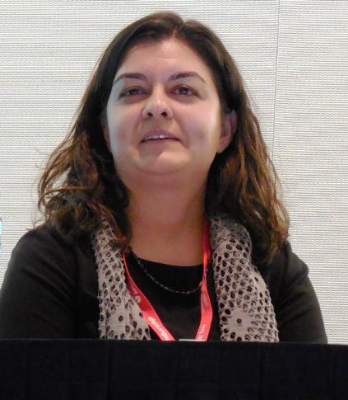
VIDEO: Challenges abound in rolling out stroke embolectomy
NASHVILLE, TENN. – U.S. stroke specialists now face the challenge of making endovascular embolectomy a routinely available option for selected patients with acute ischemic stroke, Dr. Pooja Khatri said in an interview at the International Stroke Conference.
During the conference, which was sponsored by the American Heart Association, new reports from three independent, randomized controlled trials, as well as data from a fourth study published in January, collectively established endovascular embolectomy as the new standard-of-care treatment for acute ischemic stroke patients with a proximal occlusion of a large, intracerebral artery. The stroke community, however, now faces the responsibility of figuring out how to make this a reality.
Among the hurdles they face are using CT imaging or other methods to identify in daily practice the specific patients who will get the biggest benefit from endovascular treatment and finding a consensus within each region on how to triage acute stroke patients to centers that can perform embolectomy, said Dr. Khatri, professor of neurology and director of acute stroke at the University of Cincinnati. In Cincinnati, Dr. Khatri and her colleagues are planning to soon hold a retreat with representatives from other area hospitals to try to work out the logistics.Dr. Khatri has received research support from Penumbra and Genentech.
The video associated with this article is no longer available on this site. Please view all of our videos on the MDedge YouTube channel
mzoler@frontlinemedcom.com
On Twitter @mitchelzoler
NASHVILLE, TENN. – U.S. stroke specialists now face the challenge of making endovascular embolectomy a routinely available option for selected patients with acute ischemic stroke, Dr. Pooja Khatri said in an interview at the International Stroke Conference.
During the conference, which was sponsored by the American Heart Association, new reports from three independent, randomized controlled trials, as well as data from a fourth study published in January, collectively established endovascular embolectomy as the new standard-of-care treatment for acute ischemic stroke patients with a proximal occlusion of a large, intracerebral artery. The stroke community, however, now faces the responsibility of figuring out how to make this a reality.
Among the hurdles they face are using CT imaging or other methods to identify in daily practice the specific patients who will get the biggest benefit from endovascular treatment and finding a consensus within each region on how to triage acute stroke patients to centers that can perform embolectomy, said Dr. Khatri, professor of neurology and director of acute stroke at the University of Cincinnati. In Cincinnati, Dr. Khatri and her colleagues are planning to soon hold a retreat with representatives from other area hospitals to try to work out the logistics.Dr. Khatri has received research support from Penumbra and Genentech.
The video associated with this article is no longer available on this site. Please view all of our videos on the MDedge YouTube channel
mzoler@frontlinemedcom.com
On Twitter @mitchelzoler
NASHVILLE, TENN. – U.S. stroke specialists now face the challenge of making endovascular embolectomy a routinely available option for selected patients with acute ischemic stroke, Dr. Pooja Khatri said in an interview at the International Stroke Conference.
During the conference, which was sponsored by the American Heart Association, new reports from three independent, randomized controlled trials, as well as data from a fourth study published in January, collectively established endovascular embolectomy as the new standard-of-care treatment for acute ischemic stroke patients with a proximal occlusion of a large, intracerebral artery. The stroke community, however, now faces the responsibility of figuring out how to make this a reality.
Among the hurdles they face are using CT imaging or other methods to identify in daily practice the specific patients who will get the biggest benefit from endovascular treatment and finding a consensus within each region on how to triage acute stroke patients to centers that can perform embolectomy, said Dr. Khatri, professor of neurology and director of acute stroke at the University of Cincinnati. In Cincinnati, Dr. Khatri and her colleagues are planning to soon hold a retreat with representatives from other area hospitals to try to work out the logistics.Dr. Khatri has received research support from Penumbra and Genentech.
The video associated with this article is no longer available on this site. Please view all of our videos on the MDedge YouTube channel
mzoler@frontlinemedcom.com
On Twitter @mitchelzoler
EXPERT ANALYSIS FROM THE INTERNATIONAL STROKE CONFERENCE
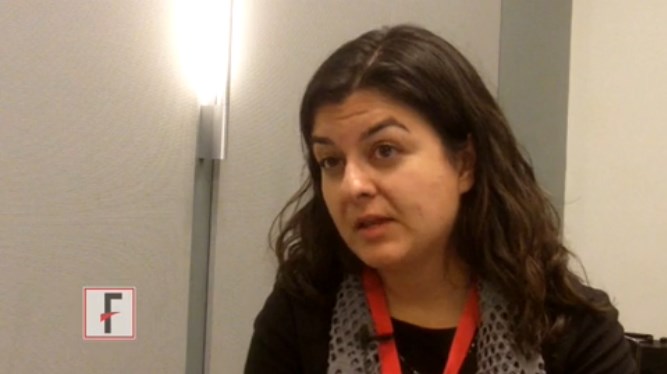
Approved Options Increase for ADHD Treatment
NEW YORK – Clinicians have more approved drugs options than ever before for treating children with attention-deficit/hyperactivity disorder, and results from two recently published meta-analyses further document the efficacy of several of these treatments.
The drug treatment algorithm for attention-deficit/hyperactivity disorder (ADHD) now starts with prescribing a stimulant, and for refractory cases follows with an alternative stimulant, and then treatment with atomoxetine (Strattera) , followed by a long-acting alpha-2 agonist (such as guanfacine [Intuniv] or clonidine [Kapvay]), followed by a combination of a long-acting alpha-2 agonist plus a stimulant, Dr. Laurence L. Greenhill said at the psychopharmacology update held by the American Academy of Child and Adolescent Psychiatry.
“I can now cite all these treatments as approved by the FDA [Food and Drug Administration] and as standard of care. There really has been progress” in treating ADHD, said Dr. Greenhill, professor of clinical child and adolescent psychiatry at Columbia University in New York.
A meta-analysis published last year confirmed atomoxetine’s safety and efficacy as monotherapy for treating pediatric ADHD in 25 double-blind, randomized, controlled studies that enrolled a total of nearly 4,000 patients (J. Am. Acad. Child Adolesc. Psychiatry 2014;53:174-87) The results showed a number needed to treat to achieve a clinical benefit of 4, against a number needed to harm to produce an adverse effect of 6, but with serious adverse effects occurring no more often than among patients on placebo. These numbers show both good efficacy and safety for atomoxetine when treating pediatric ADHD, Dr. Greenhill said.
A second meta-analysis published last year assessed the safety and efficacy of long-acting alpha-2 agonists in randomized studies when used either alone (in nine studies) or in combination with a stimulant (in three studies), with a total enrollment in the 12 studies of 2,276 pediatric patients with ADHD (J. Am. Acad. Child Adolesc. Psychiatry 2014;53:153-73). The results showed an effect size for reducing hyperactivity and impulsivity of –0.59 when used as monotherapy and –0.39 when used in combination. As monotherapy the long-acting alpha-2 agonists caused increased fatigue, sedation, and somnolence, as well as more hypotension, bradycardia, and QTc prolongation than did placebo. When used in combination, these drugs caused increased somnolence, hypotension, and bradycardia. Although these results showed that treatment with these drugs require monitoring, the overall safety profile was “very reassuring,” Dr. Greenhill said.
Another notable finding reported last year came from a study of combined treatment with a stimulant and risperidone (Risperdal) for pediatric patients with ADHD and aggression in the Treatment of Severe Childhood Aggression (TOSCA) study. TOSCA randomized 168 patients 6-12 years old with ADHD and either oppositional defiant disorder or conduct disorder to treatment with a stimulant (usually controlled-release methylphenidate) plus parent training, or to the stimulant and parent training plus risperidone.
Six weeks later, patients who received risperidone along with the background treatments had on average a statistically significantly reduced score on the Nisonger Child Behavior Rating Form Disruptive–Total subscale, compared with the patients on the background treatment only, the study’s primary endpoint (J. Am. Acad. Child Adolesc. Psychiatry 2014;53:47-60).
The results “show that this kind of combination treatment can be effective” in this “very well-thought-out study,” Dr. Greenhill said. In addition, the effects from adding risperidone “occurred quickly,” he noted.
Two other notable reports on ADHD last year documented the steadily rising prevalence of the disorder, and the ongoing value from treatment for controlling symptoms. Based on data collected by telephone interviews with randomly selected U.S. adults during 2003, 2007, and 2011, parent-reported history of a diagnosis of ADHD in children aged 4-17 years old increased from 7.8% in 2003 to 11% in 2011, which worked out to approximately 2 million more children with the diagnosis in 2011, compared with 2003 (J. Am. Acad. Child Adolesc. Psychiatry 2014;53:34-46). In 2011, the median age of initial ADHD diagnosis occurred when children were 6 years old.
In another study, 157 patients aged 6-17 years with ADHD and well controlled on treatment with lisdexamfetamine dimesylate (Vyvanse) were randomized to continued treatment or drug withdrawal. Symptoms recurred quickly in most patients, with about 40% meeting the study’s definition of treatment failure by 2 weeks off treatment, and more than 60% having a significant resumption of symptoms by the time they had been off treatment for a month (J. Am. Acad. Child Adolesc. Psychiatry 2014;53:647-57).
Dr. Greenhill is an adviser to BioBehavioral Diagnostics. He has received research support from Rhodes and Shire.
NEW YORK – Clinicians have more approved drugs options than ever before for treating children with attention-deficit/hyperactivity disorder, and results from two recently published meta-analyses further document the efficacy of several of these treatments.
The drug treatment algorithm for attention-deficit/hyperactivity disorder (ADHD) now starts with prescribing a stimulant, and for refractory cases follows with an alternative stimulant, and then treatment with atomoxetine (Strattera) , followed by a long-acting alpha-2 agonist (such as guanfacine [Intuniv] or clonidine [Kapvay]), followed by a combination of a long-acting alpha-2 agonist plus a stimulant, Dr. Laurence L. Greenhill said at the psychopharmacology update held by the American Academy of Child and Adolescent Psychiatry.
“I can now cite all these treatments as approved by the FDA [Food and Drug Administration] and as standard of care. There really has been progress” in treating ADHD, said Dr. Greenhill, professor of clinical child and adolescent psychiatry at Columbia University in New York.
A meta-analysis published last year confirmed atomoxetine’s safety and efficacy as monotherapy for treating pediatric ADHD in 25 double-blind, randomized, controlled studies that enrolled a total of nearly 4,000 patients (J. Am. Acad. Child Adolesc. Psychiatry 2014;53:174-87) The results showed a number needed to treat to achieve a clinical benefit of 4, against a number needed to harm to produce an adverse effect of 6, but with serious adverse effects occurring no more often than among patients on placebo. These numbers show both good efficacy and safety for atomoxetine when treating pediatric ADHD, Dr. Greenhill said.
A second meta-analysis published last year assessed the safety and efficacy of long-acting alpha-2 agonists in randomized studies when used either alone (in nine studies) or in combination with a stimulant (in three studies), with a total enrollment in the 12 studies of 2,276 pediatric patients with ADHD (J. Am. Acad. Child Adolesc. Psychiatry 2014;53:153-73). The results showed an effect size for reducing hyperactivity and impulsivity of –0.59 when used as monotherapy and –0.39 when used in combination. As monotherapy the long-acting alpha-2 agonists caused increased fatigue, sedation, and somnolence, as well as more hypotension, bradycardia, and QTc prolongation than did placebo. When used in combination, these drugs caused increased somnolence, hypotension, and bradycardia. Although these results showed that treatment with these drugs require monitoring, the overall safety profile was “very reassuring,” Dr. Greenhill said.
Another notable finding reported last year came from a study of combined treatment with a stimulant and risperidone (Risperdal) for pediatric patients with ADHD and aggression in the Treatment of Severe Childhood Aggression (TOSCA) study. TOSCA randomized 168 patients 6-12 years old with ADHD and either oppositional defiant disorder or conduct disorder to treatment with a stimulant (usually controlled-release methylphenidate) plus parent training, or to the stimulant and parent training plus risperidone.
Six weeks later, patients who received risperidone along with the background treatments had on average a statistically significantly reduced score on the Nisonger Child Behavior Rating Form Disruptive–Total subscale, compared with the patients on the background treatment only, the study’s primary endpoint (J. Am. Acad. Child Adolesc. Psychiatry 2014;53:47-60).
The results “show that this kind of combination treatment can be effective” in this “very well-thought-out study,” Dr. Greenhill said. In addition, the effects from adding risperidone “occurred quickly,” he noted.
Two other notable reports on ADHD last year documented the steadily rising prevalence of the disorder, and the ongoing value from treatment for controlling symptoms. Based on data collected by telephone interviews with randomly selected U.S. adults during 2003, 2007, and 2011, parent-reported history of a diagnosis of ADHD in children aged 4-17 years old increased from 7.8% in 2003 to 11% in 2011, which worked out to approximately 2 million more children with the diagnosis in 2011, compared with 2003 (J. Am. Acad. Child Adolesc. Psychiatry 2014;53:34-46). In 2011, the median age of initial ADHD diagnosis occurred when children were 6 years old.
In another study, 157 patients aged 6-17 years with ADHD and well controlled on treatment with lisdexamfetamine dimesylate (Vyvanse) were randomized to continued treatment or drug withdrawal. Symptoms recurred quickly in most patients, with about 40% meeting the study’s definition of treatment failure by 2 weeks off treatment, and more than 60% having a significant resumption of symptoms by the time they had been off treatment for a month (J. Am. Acad. Child Adolesc. Psychiatry 2014;53:647-57).
Dr. Greenhill is an adviser to BioBehavioral Diagnostics. He has received research support from Rhodes and Shire.
NEW YORK – Clinicians have more approved drugs options than ever before for treating children with attention-deficit/hyperactivity disorder, and results from two recently published meta-analyses further document the efficacy of several of these treatments.
The drug treatment algorithm for attention-deficit/hyperactivity disorder (ADHD) now starts with prescribing a stimulant, and for refractory cases follows with an alternative stimulant, and then treatment with atomoxetine (Strattera) , followed by a long-acting alpha-2 agonist (such as guanfacine [Intuniv] or clonidine [Kapvay]), followed by a combination of a long-acting alpha-2 agonist plus a stimulant, Dr. Laurence L. Greenhill said at the psychopharmacology update held by the American Academy of Child and Adolescent Psychiatry.
“I can now cite all these treatments as approved by the FDA [Food and Drug Administration] and as standard of care. There really has been progress” in treating ADHD, said Dr. Greenhill, professor of clinical child and adolescent psychiatry at Columbia University in New York.
A meta-analysis published last year confirmed atomoxetine’s safety and efficacy as monotherapy for treating pediatric ADHD in 25 double-blind, randomized, controlled studies that enrolled a total of nearly 4,000 patients (J. Am. Acad. Child Adolesc. Psychiatry 2014;53:174-87) The results showed a number needed to treat to achieve a clinical benefit of 4, against a number needed to harm to produce an adverse effect of 6, but with serious adverse effects occurring no more often than among patients on placebo. These numbers show both good efficacy and safety for atomoxetine when treating pediatric ADHD, Dr. Greenhill said.
A second meta-analysis published last year assessed the safety and efficacy of long-acting alpha-2 agonists in randomized studies when used either alone (in nine studies) or in combination with a stimulant (in three studies), with a total enrollment in the 12 studies of 2,276 pediatric patients with ADHD (J. Am. Acad. Child Adolesc. Psychiatry 2014;53:153-73). The results showed an effect size for reducing hyperactivity and impulsivity of –0.59 when used as monotherapy and –0.39 when used in combination. As monotherapy the long-acting alpha-2 agonists caused increased fatigue, sedation, and somnolence, as well as more hypotension, bradycardia, and QTc prolongation than did placebo. When used in combination, these drugs caused increased somnolence, hypotension, and bradycardia. Although these results showed that treatment with these drugs require monitoring, the overall safety profile was “very reassuring,” Dr. Greenhill said.
Another notable finding reported last year came from a study of combined treatment with a stimulant and risperidone (Risperdal) for pediatric patients with ADHD and aggression in the Treatment of Severe Childhood Aggression (TOSCA) study. TOSCA randomized 168 patients 6-12 years old with ADHD and either oppositional defiant disorder or conduct disorder to treatment with a stimulant (usually controlled-release methylphenidate) plus parent training, or to the stimulant and parent training plus risperidone.
Six weeks later, patients who received risperidone along with the background treatments had on average a statistically significantly reduced score on the Nisonger Child Behavior Rating Form Disruptive–Total subscale, compared with the patients on the background treatment only, the study’s primary endpoint (J. Am. Acad. Child Adolesc. Psychiatry 2014;53:47-60).
The results “show that this kind of combination treatment can be effective” in this “very well-thought-out study,” Dr. Greenhill said. In addition, the effects from adding risperidone “occurred quickly,” he noted.
Two other notable reports on ADHD last year documented the steadily rising prevalence of the disorder, and the ongoing value from treatment for controlling symptoms. Based on data collected by telephone interviews with randomly selected U.S. adults during 2003, 2007, and 2011, parent-reported history of a diagnosis of ADHD in children aged 4-17 years old increased from 7.8% in 2003 to 11% in 2011, which worked out to approximately 2 million more children with the diagnosis in 2011, compared with 2003 (J. Am. Acad. Child Adolesc. Psychiatry 2014;53:34-46). In 2011, the median age of initial ADHD diagnosis occurred when children were 6 years old.
In another study, 157 patients aged 6-17 years with ADHD and well controlled on treatment with lisdexamfetamine dimesylate (Vyvanse) were randomized to continued treatment or drug withdrawal. Symptoms recurred quickly in most patients, with about 40% meeting the study’s definition of treatment failure by 2 weeks off treatment, and more than 60% having a significant resumption of symptoms by the time they had been off treatment for a month (J. Am. Acad. Child Adolesc. Psychiatry 2014;53:647-57).
Dr. Greenhill is an adviser to BioBehavioral Diagnostics. He has received research support from Rhodes and Shire.
EXPERT ANALYSIS FROM THE PSYCHOPHARMACOLOGY UPDATE INSTITUTE

Approved options increase for ADHD treatment
NEW YORK – Clinicians have more approved drugs options than ever before for treating children with attention-deficit/hyperactivity disorder, and results from two recently published meta-analyses further document the efficacy of several of these treatments.
The drug treatment algorithm for attention-deficit/hyperactivity disorder (ADHD) now starts with prescribing a stimulant, and for refractory cases follows with an alternative stimulant, and then treatment with atomoxetine (Strattera) , followed by a long-acting alpha-2 agonist (such as guanfacine [Intuniv] or clonidine [Kapvay]), followed by a combination of a long-acting alpha-2 agonist plus a stimulant, Dr. Laurence L. Greenhill said at the psychopharmacology update held by the American Academy of Child and Adolescent Psychiatry.

“I can now cite all these treatments as approved by the FDA [Food and Drug Administration] and as standard of care. There really has been progress” in treating ADHD, said Dr. Greenhill, professor of clinical child and adolescent psychiatry at Columbia University in New York.
A meta-analysis published last year confirmed atomoxetine’s safety and efficacy as monotherapy for treating pediatric ADHD in 25 double-blind, randomized, controlled studies that enrolled a total of nearly 4,000 patients (J. Am. Acad. Child Adolesc. Psychiatry 2014;53:174-87) The results showed a number needed to treat to achieve a clinical benefit of 4, against a number needed to harm to produce an adverse effect of 6, but with serious adverse effects occurring no more often than among patients on placebo. These numbers show both good efficacy and safety for atomoxetine when treating pediatric ADHD, Dr. Greenhill said.
A second meta-analysis published last year assessed the safety and efficacy of long-acting alpha-2 agonists in randomized studies when used either alone (in nine studies) or in combination with a stimulant (in three studies), with a total enrollment in the 12 studies of 2,276 pediatric patients with ADHD (J. Am. Acad. Child Adolesc. Psychiatry 2014;53:153-73). The results showed an effect size for reducing hyperactivity and impulsivity of –0.59 when used as monotherapy and –0.39 when used in combination. As monotherapy the long-acting alpha-2 agonists caused increased fatigue, sedation, and somnolence, as well as more hypotension, bradycardia, and QTc prolongation than did placebo. When used in combination, these drugs caused increased somnolence, hypotension, and bradycardia. Although these results showed that treatment with these drugs require monitoring, the overall safety profile was “very reassuring,” Dr. Greenhill said.
Another notable finding reported last year came from a study of combined treatment with a stimulant and risperidone (Risperdal) for pediatric patients with ADHD and aggression in the Treatment of Severe Childhood Aggression (TOSCA) study. TOSCA randomized 168 patients 6-12 years old with ADHD and either oppositional defiant disorder or conduct disorder to treatment with a stimulant (usually controlled-release methylphenidate) plus parent training, or to the stimulant and parent training plus risperidone.
Six weeks later, patients who received risperidone along with the background treatments had on average a statistically significantly reduced score on the Nisonger Child Behavior Rating Form Disruptive–Total subscale, compared with the patients on the background treatment only, the study’s primary endpoint (J. Am. Acad. Child Adolesc. Psychiatry 2014;53:47-60).
The results “show that this kind of combination treatment can be effective” in this “very well-thought-out study,” Dr. Greenhill said. In addition, the effects from adding risperidone “occurred quickly,” he noted.
Two other notable reports on ADHD last year documented the steadily rising prevalence of the disorder, and the ongoing value from treatment for controlling symptoms. Based on data collected by telephone interviews with randomly selected U.S. adults during 2003, 2007, and 2011, parent-reported history of a diagnosis of ADHD in children aged 4-17 years old increased from 7.8% in 2003 to 11% in 2011, which worked out to approximately 2 million more children with the diagnosis in 2011, compared with 2003 (J. Am. Acad. Child Adolesc. Psychiatry 2014;53:34-46). In 2011, the median age of initial ADHD diagnosis occurred when children were 6 years old.
In another study, 157 patients aged 6-17 years with ADHD and well controlled on treatment with lisdexamfetamine dimesylate (Vyvanse) were randomized to continued treatment or drug withdrawal. Symptoms recurred quickly in most patients, with about 40% meeting the study’s definition of treatment failure by 2 weeks off treatment, and more than 60% having a significant resumption of symptoms by the time they had been off treatment for a month (J. Am. Acad. Child Adolesc. Psychiatry 2014;53:647-57).
Dr. Greenhill is an adviser to BioBehavioral Diagnostics. He has received research support from Rhodes and Shire.
On Twitter @mitchelzoler
NEW YORK – Clinicians have more approved drugs options than ever before for treating children with attention-deficit/hyperactivity disorder, and results from two recently published meta-analyses further document the efficacy of several of these treatments.
The drug treatment algorithm for attention-deficit/hyperactivity disorder (ADHD) now starts with prescribing a stimulant, and for refractory cases follows with an alternative stimulant, and then treatment with atomoxetine (Strattera) , followed by a long-acting alpha-2 agonist (such as guanfacine [Intuniv] or clonidine [Kapvay]), followed by a combination of a long-acting alpha-2 agonist plus a stimulant, Dr. Laurence L. Greenhill said at the psychopharmacology update held by the American Academy of Child and Adolescent Psychiatry.
“I can now cite all these treatments as approved by the FDA [Food and Drug Administration] and as standard of care. There really has been progress” in treating ADHD, said Dr. Greenhill, professor of clinical child and adolescent psychiatry at Columbia University in New York.
A meta-analysis published last year confirmed atomoxetine’s safety and efficacy as monotherapy for treating pediatric ADHD in 25 double-blind, randomized, controlled studies that enrolled a total of nearly 4,000 patients (J. Am. Acad. Child Adolesc. Psychiatry 2014;53:174-87) The results showed a number needed to treat to achieve a clinical benefit of 4, against a number needed to harm to produce an adverse effect of 6, but with serious adverse effects occurring no more often than among patients on placebo. These numbers show both good efficacy and safety for atomoxetine when treating pediatric ADHD, Dr. Greenhill said.
A second meta-analysis published last year assessed the safety and efficacy of long-acting alpha-2 agonists in randomized studies when used either alone (in nine studies) or in combination with a stimulant (in three studies), with a total enrollment in the 12 studies of 2,276 pediatric patients with ADHD (J. Am. Acad. Child Adolesc. Psychiatry 2014;53:153-73). The results showed an effect size for reducing hyperactivity and impulsivity of –0.59 when used as monotherapy and –0.39 when used in combination. As monotherapy the long-acting alpha-2 agonists caused increased fatigue, sedation, and somnolence, as well as more hypotension, bradycardia, and QTc prolongation than did placebo. When used in combination, these drugs caused increased somnolence, hypotension, and bradycardia. Although these results showed that treatment with these drugs require monitoring, the overall safety profile was “very reassuring,” Dr. Greenhill said.
Another notable finding reported last year came from a study of combined treatment with a stimulant and risperidone (Risperdal) for pediatric patients with ADHD and aggression in the Treatment of Severe Childhood Aggression (TOSCA) study. TOSCA randomized 168 patients 6-12 years old with ADHD and either oppositional defiant disorder or conduct disorder to treatment with a stimulant (usually controlled-release methylphenidate) plus parent training, or to the stimulant and parent training plus risperidone.
Six weeks later, patients who received risperidone along with the background treatments had on average a statistically significantly reduced score on the Nisonger Child Behavior Rating Form Disruptive–Total subscale, compared with the patients on the background treatment only, the study’s primary endpoint (J. Am. Acad. Child Adolesc. Psychiatry 2014;53:47-60).
The results “show that this kind of combination treatment can be effective” in this “very well-thought-out study,” Dr. Greenhill said. In addition, the effects from adding risperidone “occurred quickly,” he noted.
Two other notable reports on ADHD last year documented the steadily rising prevalence of the disorder, and the ongoing value from treatment for controlling symptoms. Based on data collected by telephone interviews with randomly selected U.S. adults during 2003, 2007, and 2011, parent-reported history of a diagnosis of ADHD in children aged 4-17 years old increased from 7.8% in 2003 to 11% in 2011, which worked out to approximately 2 million more children with the diagnosis in 2011, compared with 2003 (J. Am. Acad. Child Adolesc. Psychiatry 2014;53:34-46). In 2011, the median age of initial ADHD diagnosis occurred when children were 6 years old.
In another study, 157 patients aged 6-17 years with ADHD and well controlled on treatment with lisdexamfetamine dimesylate (Vyvanse) were randomized to continued treatment or drug withdrawal. Symptoms recurred quickly in most patients, with about 40% meeting the study’s definition of treatment failure by 2 weeks off treatment, and more than 60% having a significant resumption of symptoms by the time they had been off treatment for a month (J. Am. Acad. Child Adolesc. Psychiatry 2014;53:647-57).
Dr. Greenhill is an adviser to BioBehavioral Diagnostics. He has received research support from Rhodes and Shire.
On Twitter @mitchelzoler
NEW YORK – Clinicians have more approved drugs options than ever before for treating children with attention-deficit/hyperactivity disorder, and results from two recently published meta-analyses further document the efficacy of several of these treatments.
The drug treatment algorithm for attention-deficit/hyperactivity disorder (ADHD) now starts with prescribing a stimulant, and for refractory cases follows with an alternative stimulant, and then treatment with atomoxetine (Strattera) , followed by a long-acting alpha-2 agonist (such as guanfacine [Intuniv] or clonidine [Kapvay]), followed by a combination of a long-acting alpha-2 agonist plus a stimulant, Dr. Laurence L. Greenhill said at the psychopharmacology update held by the American Academy of Child and Adolescent Psychiatry.
“I can now cite all these treatments as approved by the FDA [Food and Drug Administration] and as standard of care. There really has been progress” in treating ADHD, said Dr. Greenhill, professor of clinical child and adolescent psychiatry at Columbia University in New York.
A meta-analysis published last year confirmed atomoxetine’s safety and efficacy as monotherapy for treating pediatric ADHD in 25 double-blind, randomized, controlled studies that enrolled a total of nearly 4,000 patients (J. Am. Acad. Child Adolesc. Psychiatry 2014;53:174-87) The results showed a number needed to treat to achieve a clinical benefit of 4, against a number needed to harm to produce an adverse effect of 6, but with serious adverse effects occurring no more often than among patients on placebo. These numbers show both good efficacy and safety for atomoxetine when treating pediatric ADHD, Dr. Greenhill said.
A second meta-analysis published last year assessed the safety and efficacy of long-acting alpha-2 agonists in randomized studies when used either alone (in nine studies) or in combination with a stimulant (in three studies), with a total enrollment in the 12 studies of 2,276 pediatric patients with ADHD (J. Am. Acad. Child Adolesc. Psychiatry 2014;53:153-73). The results showed an effect size for reducing hyperactivity and impulsivity of –0.59 when used as monotherapy and –0.39 when used in combination. As monotherapy the long-acting alpha-2 agonists caused increased fatigue, sedation, and somnolence, as well as more hypotension, bradycardia, and QTc prolongation than did placebo. When used in combination, these drugs caused increased somnolence, hypotension, and bradycardia. Although these results showed that treatment with these drugs require monitoring, the overall safety profile was “very reassuring,” Dr. Greenhill said.
Another notable finding reported last year came from a study of combined treatment with a stimulant and risperidone (Risperdal) for pediatric patients with ADHD and aggression in the Treatment of Severe Childhood Aggression (TOSCA) study. TOSCA randomized 168 patients 6-12 years old with ADHD and either oppositional defiant disorder or conduct disorder to treatment with a stimulant (usually controlled-release methylphenidate) plus parent training, or to the stimulant and parent training plus risperidone.
Six weeks later, patients who received risperidone along with the background treatments had on average a statistically significantly reduced score on the Nisonger Child Behavior Rating Form Disruptive–Total subscale, compared with the patients on the background treatment only, the study’s primary endpoint (J. Am. Acad. Child Adolesc. Psychiatry 2014;53:47-60).
The results “show that this kind of combination treatment can be effective” in this “very well-thought-out study,” Dr. Greenhill said. In addition, the effects from adding risperidone “occurred quickly,” he noted.
Two other notable reports on ADHD last year documented the steadily rising prevalence of the disorder, and the ongoing value from treatment for controlling symptoms. Based on data collected by telephone interviews with randomly selected U.S. adults during 2003, 2007, and 2011, parent-reported history of a diagnosis of ADHD in children aged 4-17 years old increased from 7.8% in 2003 to 11% in 2011, which worked out to approximately 2 million more children with the diagnosis in 2011, compared with 2003 (J. Am. Acad. Child Adolesc. Psychiatry 2014;53:34-46). In 2011, the median age of initial ADHD diagnosis occurred when children were 6 years old.
In another study, 157 patients aged 6-17 years with ADHD and well controlled on treatment with lisdexamfetamine dimesylate (Vyvanse) were randomized to continued treatment or drug withdrawal. Symptoms recurred quickly in most patients, with about 40% meeting the study’s definition of treatment failure by 2 weeks off treatment, and more than 60% having a significant resumption of symptoms by the time they had been off treatment for a month (J. Am. Acad. Child Adolesc. Psychiatry 2014;53:647-57).
Dr. Greenhill is an adviser to BioBehavioral Diagnostics. He has received research support from Rhodes and Shire.
On Twitter @mitchelzoler
EXPERT ANALYSIS FROM THE PSYCHOPHARMACOLOGY UPDATE INSTITUTE

VIDEO: Embolectomy’s success in stroke mandates expanded access
NASHVILLE, TENN. – Newly reported results from three trials showing “profound” benefit from endovascular embolectomy in selected patients with acute ischemic stroke “will have a major impact on how we treat stroke patients,” Dr. Lee H. Schwamm said during an interview at the International Stroke Conference.
“Many centers already provide this treatment, but this is the first time we have data on which patients to select” for catheter-based embolectomy, said Dr. Schwamm, professor of neurology at Harvard Medical School and director of acute stroke services at Massachusetts General Hospital in Boston. “Because we already have the capability in many centers, the first focus will be to extend the number of centers that can do this,” Dr. Schwamm noted.
An important part of that will be “changing the public health system to route patients to appropriate facilities” that can perform embolectomy, he said at the conference, sponsored by the American Heart Association.
Dr. Schwamm also noted that intravenous, thrombolytic treatment with tissue plasminogen activator (TPA) remains unchanged as the key first treatment for all patients with acute ischemic stroke. Following that, selected patients who do not fully respond to TPA should proceed to embolectomy. However, the new findings “do not suggest that you should avoid TPA and go directly to the catheter,” Dr. Schwamm cautioned.
The video associated with this article is no longer available on this site. Please view all of our videos on the MDedge YouTube channel
On Twitter @mitchelzoler
NASHVILLE, TENN. – Newly reported results from three trials showing “profound” benefit from endovascular embolectomy in selected patients with acute ischemic stroke “will have a major impact on how we treat stroke patients,” Dr. Lee H. Schwamm said during an interview at the International Stroke Conference.
“Many centers already provide this treatment, but this is the first time we have data on which patients to select” for catheter-based embolectomy, said Dr. Schwamm, professor of neurology at Harvard Medical School and director of acute stroke services at Massachusetts General Hospital in Boston. “Because we already have the capability in many centers, the first focus will be to extend the number of centers that can do this,” Dr. Schwamm noted.
An important part of that will be “changing the public health system to route patients to appropriate facilities” that can perform embolectomy, he said at the conference, sponsored by the American Heart Association.
Dr. Schwamm also noted that intravenous, thrombolytic treatment with tissue plasminogen activator (TPA) remains unchanged as the key first treatment for all patients with acute ischemic stroke. Following that, selected patients who do not fully respond to TPA should proceed to embolectomy. However, the new findings “do not suggest that you should avoid TPA and go directly to the catheter,” Dr. Schwamm cautioned.
The video associated with this article is no longer available on this site. Please view all of our videos on the MDedge YouTube channel
On Twitter @mitchelzoler
NASHVILLE, TENN. – Newly reported results from three trials showing “profound” benefit from endovascular embolectomy in selected patients with acute ischemic stroke “will have a major impact on how we treat stroke patients,” Dr. Lee H. Schwamm said during an interview at the International Stroke Conference.
“Many centers already provide this treatment, but this is the first time we have data on which patients to select” for catheter-based embolectomy, said Dr. Schwamm, professor of neurology at Harvard Medical School and director of acute stroke services at Massachusetts General Hospital in Boston. “Because we already have the capability in many centers, the first focus will be to extend the number of centers that can do this,” Dr. Schwamm noted.
An important part of that will be “changing the public health system to route patients to appropriate facilities” that can perform embolectomy, he said at the conference, sponsored by the American Heart Association.
Dr. Schwamm also noted that intravenous, thrombolytic treatment with tissue plasminogen activator (TPA) remains unchanged as the key first treatment for all patients with acute ischemic stroke. Following that, selected patients who do not fully respond to TPA should proceed to embolectomy. However, the new findings “do not suggest that you should avoid TPA and go directly to the catheter,” Dr. Schwamm cautioned.
The video associated with this article is no longer available on this site. Please view all of our videos on the MDedge YouTube channel
On Twitter @mitchelzoler
AT THE INTERNATIONAL STROKE CONFERENCE
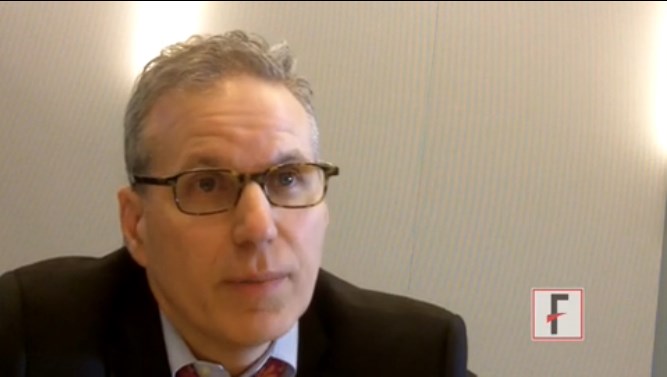
Three trials cement embolectomy for acute ischemic stroke
NASHVILLE, TENN. – Treatment of selected patients with acute ischemic stroke underwent a dramatic, sudden shift with reports from three randomized, controlled trials that showed substantial added benefit and no incremental risk with the use of catheter-based embolic retrieval to open blocked intracerebral arteries when performed on top of standard thrombolytic therapy.
The three studies, each run independently and based in different countries, supported the results first reported last October and published online in December (N. Engl. J. Med. 2015;372:11-20) from the MR CLEAN (Multicenter Randomized Clinical Trial of Endovascular Treatment for Acute Ischemic Stroke in the Netherlands) study. These were the first contemporary trial results to show a jump in functional outcomes with use of a stent retriever catheter to pluck out the occluding embolus from an artery in the stroke patient’s brain to restore normal blood flow.
All three of the newly-reported studies stopped before reaching their prespecified enrollment levels because of overwhelming evidence for embolectomy’s incremental efficacy.
With four reports from prospective, randomized trials showing similar benefits and no added harm to patients, experts at the International Stroke Conference uniformly anointed catheter-based embolectomy the new standard of care for the small percentage of acute, ischemic-stroke patients who present with proximal, large-artery obstructions and also match the other strict clinical and imaging inclusion and exclusion criteria used in the studies.

“Starting now, in patients with an acute ischemic stroke due to proximal vessel occlusion, rapid endovascular treatment using a retrieval stent is the standard of care,” Dr. Mayank Goyal declared from the plenary-session podium. He is a professor of diagnostic imaging at the University of Calgary (Canada) and an investigator in two of the three trials presented at the conference, which was sponsored by the American Heart Association.
“Today the world changed. We are now in a new era, the era of highly-effective intravascular recanalization therapy,” said Dr. Jeffrey L. Saver, professor of neurology and director of the Stroke Center at the University of California, Los Angeles, and lead investigator for one of the new studies.
In three of the four studies, the researchers did not report specific numbers on how selective they were in focusing in on the ischemic stroke patients most likely to benefit from this treatment, but the one study that did, EXTEND-IA (Extending the Time for Thrombolysis in Emergency Neurological Deficits – Intra-Arterial), run at nine Australian centers and one in New Zealand, showed the extensive winnowing that occurred. Of 7,796 patients with an acute ischemic stroke who initially presented, 1,044 (13%) were eligible to receive thrombolytic therapy (alteplase in this study). And from among these 1,044 patients, a mere 70 – less than 1% of the initial group – were deemed eligible for randomization into the embolectomy trial. The top three reasons for exclusion of patients who qualified for thrombolytic treatment from the trial was an absence of a major-vessel occlusion (45% of the excluded patients), presentation outside of the times when enrollment personnel were available (22%), and poor premorbid function (16%).
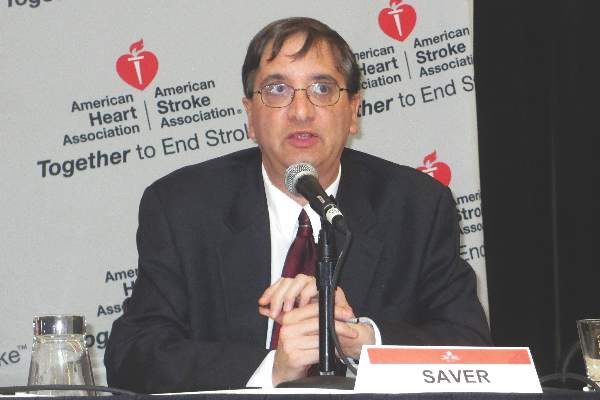
But subgroup analyses in three of the four studies (EXTEND-IA with a total of 70 patients was too small for subgroup analyses) showed no subgroup of patients who failed to benefit from embolectomy, including elderly patients who in some cases were nonagenarians.
The unusual confluence of having four major trials showing remarkably consistent results meant that the stroke experts gathered at the meeting focused their attention not on whether stent retrievers should now be widely and routinely used in appropriate patients but instead on how this technology will roll out worldwide.
“From here on out we are obligated to treat patients with this technology at centers that can do this, and we are obligated to have more centers that can provide it,” said Dr. Kyra J. Becker, professor of neurology and neurological surgery and codirector of the Stroke Center at the University of Washington, Seattle. Dr. Becker had no involvement in any of the stent retriever trials. “I had been a doubter of this technology,” primarily because results reported at the International Stroke Conference a couple of years ago failed to prove the efficacy of clot retrieval in ischemic stroke patients, she noted. “Our ability to select appropriate patients and do it in a timely fashion hadn’t gotten to where it had to be until now,” Dr. Becker said in an interview.
“We only enrolled patients with blockages, we treated them quickly, and we used much better devices to open their arteries,” Dr. Saver added, explaining why the new studies succeeded when earlier studies had not.
The trial led by Dr. Saver, SWIFT-PRIME (SOLITAIRE™ FR With the Intention for Thrombectomy as Primary Endovascular Treatment for Acute Ischemic Stroke), enrolled 195 patients at 39 sites in the United States and in Europe. At 90 days after treatment, 59 patients (60%) among those treated with thrombolysis plus embolectomy had a modified Rankin Scale score of 0-2, compared with 33 patients (36%) among those treated only with thrombolysis (in this trial intravenous treatment with tissue plasminogen activator), a highly significant difference for the study’s primary endpoint.
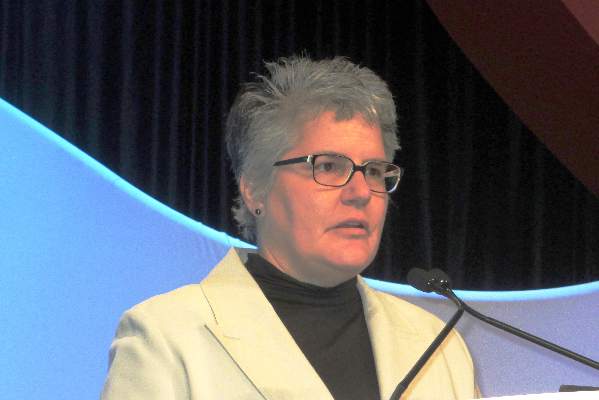
“For every two and half patients treated, one more patient had a better disability outcome, and for every four patients treated, one more patient was independent at long-term follow-up,” Dr. Saver said. Safety measures were similar among patients in the study’s two arms.
The EXTEND-IA results showed a 90-day modified Rankin Scale score of 0-2 in 52% of the embolectomy patients, compared with 28% of those treated only with thrombolysis. The study’s co–primary endpoints were median level of reperfusion at 24 hours after treatment, 100% with embolectomy and 37% with thrombolysis only, and early neurologic recovery, defined as at least an 8-point drop from the baseline in the National Institutes of Health Stroke Scale score or a score of 0 or 1 when assessed 3 days after treatment. Patients met this second endpoint at an 80% rate with embolectomy and a 37% rate with thrombolysis only. Results of EXTEND-IA appeared in an article published online concurrently with the meeting report (N. Engl J. Med. 2015 Feb. 11 [doi:10.1056/NEJMoa1414792]).
The third, and largest, of the three studies presented at the conference, ESCAPE (Endovascular Treatment for Small Core and Anterior Circulation Proximal Occlusion with Emphasis on Minimizing CT to Recanalization Times), enrolled 316 patients at 11 centers in Canada, 6 in the United States, 3 in South Korea, and 1 in Ireland. After 90 days, 53% of patients in the embolectomy arm had achieved a modified Rankin Scale score of 0-2, this study’s primary endpoint, compared with 29% of patients in the thrombolysis-only arm (treatment with alteplase). These results also appeared in an article published online concurrently with the conference report (N. Engl. J. Med. 2015 Feb. 11 [doi:10.1056/NEJMoa1414905]).
SWIFT PRIME was sponsored by Covidien, which markets the stent retriever used in the study. Dr. Saver and Dr. Goyal are consultants to Covidien. EXTEND-IA used stent retrievers provided by Covidien. ESCAPE received a grant from Covidien. Dr. Becker had no relevant disclosures.
On Twitter @mitchelzoler
Many U.S. centers have interventionalists who already perform endovascular treatments within intracerebral arteries, but the issue is can they do this form of embolectomy in the high-quality, highly-reliable, rapid way that it was done in these trials? Stent-retriever catheters are relatively straightforward to use by operators who are experienced doing vascular procedures in the brain, but they don’t deliver this treatment by themselves. You need a team that is focused on doing it quickly, and that will be the kind of training we’ll need to roll out this treatment broadly. We achieved it for stroke thrombolytic treatment through the Target Stroke program (JAMA 2014;311:1632-40), so we know that we can achieve this sort of goal. Delivering embolectomy requires more people and more technology than thrombolysis, but it is not rocket science; it just needs a system.

|
| Dr. Lee H. Schwamm |
Embolectomy will not replace routine thrombolysis treatment; it will piggyback on top of it. The percentage of patients with a proximal occlusion in a large artery is relatively small. The results we have seen suggest that using embolectomy plus thrombolysis has no adverse-effect downside, compared with thrombolysis alone. Once routine use of embolectomy becomes established, we can directly compare catheter treatment only against combined embolectomy and thrombolysis. My impression today is that what we’d compare is transporting stroke patients directly to a center that can perform embolectomy against taking patients to the closest center that can treat them with thrombolysis and then transporting them to the center that performs embolectomy.
The results of these three new studies plus the previously-reported results from MR CLEAN are not exactly a game changer, because many centers were already performing embolectomy but in a limited way. Now we have the data to give us confidence to do it routinely and to know which patients to select for embolectomy. Because many centers are already doing this, it will not take 5 years to diffuse the technology.
Embolectomy is already a treatment cited in the guidelines, but now it will be a level 1A recommendation.
The significance of the new reports is that they will have a dramatic impact on public health systems and in the triage of patients with stroke. It will affect how patients get triaged, and will allow us to identify which patients should go to which centers. I believe we will soon develop clinical examination tools that will allow prehospital providers to discern patients with mild strokes who can go to the nearest center that can administer thrombolysis and which patients need to go to comprehensive centers that can perform embolectomy. We now need to do what we did for thrombolysis, and help centers develop the expertise to do embolectomy as a team and to shave minutes off the delivery at every step of the process. It’s clear that it is the time from stroke onset to getting the artery open that is the key to improved patient outcomes.
If I have my way, we will launch later this year a big effort to focus on improving embolectomy delivery. Now that we know for certain that it works we need to turn the crank and make sure that as many patients as possible who qualify get this treatment.
Dr. Lee H. Schwamm is professor of neurology at Harvard Medical School, and director of acute stroke services at Massachusetts General Hospital, both in Boston. He is a consultant to Penumbra and has received research support from Genentech. He made these comments in an interview.
Many U.S. centers have interventionalists who already perform endovascular treatments within intracerebral arteries, but the issue is can they do this form of embolectomy in the high-quality, highly-reliable, rapid way that it was done in these trials? Stent-retriever catheters are relatively straightforward to use by operators who are experienced doing vascular procedures in the brain, but they don’t deliver this treatment by themselves. You need a team that is focused on doing it quickly, and that will be the kind of training we’ll need to roll out this treatment broadly. We achieved it for stroke thrombolytic treatment through the Target Stroke program (JAMA 2014;311:1632-40), so we know that we can achieve this sort of goal. Delivering embolectomy requires more people and more technology than thrombolysis, but it is not rocket science; it just needs a system.
|
|
| Dr. Lee H. Schwamm |
Embolectomy will not replace routine thrombolysis treatment; it will piggyback on top of it. The percentage of patients with a proximal occlusion in a large artery is relatively small. The results we have seen suggest that using embolectomy plus thrombolysis has no adverse-effect downside, compared with thrombolysis alone. Once routine use of embolectomy becomes established, we can directly compare catheter treatment only against combined embolectomy and thrombolysis. My impression today is that what we’d compare is transporting stroke patients directly to a center that can perform embolectomy against taking patients to the closest center that can treat them with thrombolysis and then transporting them to the center that performs embolectomy.
The results of these three new studies plus the previously-reported results from MR CLEAN are not exactly a game changer, because many centers were already performing embolectomy but in a limited way. Now we have the data to give us confidence to do it routinely and to know which patients to select for embolectomy. Because many centers are already doing this, it will not take 5 years to diffuse the technology.
Embolectomy is already a treatment cited in the guidelines, but now it will be a level 1A recommendation.
The significance of the new reports is that they will have a dramatic impact on public health systems and in the triage of patients with stroke. It will affect how patients get triaged, and will allow us to identify which patients should go to which centers. I believe we will soon develop clinical examination tools that will allow prehospital providers to discern patients with mild strokes who can go to the nearest center that can administer thrombolysis and which patients need to go to comprehensive centers that can perform embolectomy. We now need to do what we did for thrombolysis, and help centers develop the expertise to do embolectomy as a team and to shave minutes off the delivery at every step of the process. It’s clear that it is the time from stroke onset to getting the artery open that is the key to improved patient outcomes.
If I have my way, we will launch later this year a big effort to focus on improving embolectomy delivery. Now that we know for certain that it works we need to turn the crank and make sure that as many patients as possible who qualify get this treatment.
Dr. Lee H. Schwamm is professor of neurology at Harvard Medical School, and director of acute stroke services at Massachusetts General Hospital, both in Boston. He is a consultant to Penumbra and has received research support from Genentech. He made these comments in an interview.
Many U.S. centers have interventionalists who already perform endovascular treatments within intracerebral arteries, but the issue is can they do this form of embolectomy in the high-quality, highly-reliable, rapid way that it was done in these trials? Stent-retriever catheters are relatively straightforward to use by operators who are experienced doing vascular procedures in the brain, but they don’t deliver this treatment by themselves. You need a team that is focused on doing it quickly, and that will be the kind of training we’ll need to roll out this treatment broadly. We achieved it for stroke thrombolytic treatment through the Target Stroke program (JAMA 2014;311:1632-40), so we know that we can achieve this sort of goal. Delivering embolectomy requires more people and more technology than thrombolysis, but it is not rocket science; it just needs a system.
|
|
| Dr. Lee H. Schwamm |
Embolectomy will not replace routine thrombolysis treatment; it will piggyback on top of it. The percentage of patients with a proximal occlusion in a large artery is relatively small. The results we have seen suggest that using embolectomy plus thrombolysis has no adverse-effect downside, compared with thrombolysis alone. Once routine use of embolectomy becomes established, we can directly compare catheter treatment only against combined embolectomy and thrombolysis. My impression today is that what we’d compare is transporting stroke patients directly to a center that can perform embolectomy against taking patients to the closest center that can treat them with thrombolysis and then transporting them to the center that performs embolectomy.
The results of these three new studies plus the previously-reported results from MR CLEAN are not exactly a game changer, because many centers were already performing embolectomy but in a limited way. Now we have the data to give us confidence to do it routinely and to know which patients to select for embolectomy. Because many centers are already doing this, it will not take 5 years to diffuse the technology.
Embolectomy is already a treatment cited in the guidelines, but now it will be a level 1A recommendation.
The significance of the new reports is that they will have a dramatic impact on public health systems and in the triage of patients with stroke. It will affect how patients get triaged, and will allow us to identify which patients should go to which centers. I believe we will soon develop clinical examination tools that will allow prehospital providers to discern patients with mild strokes who can go to the nearest center that can administer thrombolysis and which patients need to go to comprehensive centers that can perform embolectomy. We now need to do what we did for thrombolysis, and help centers develop the expertise to do embolectomy as a team and to shave minutes off the delivery at every step of the process. It’s clear that it is the time from stroke onset to getting the artery open that is the key to improved patient outcomes.
If I have my way, we will launch later this year a big effort to focus on improving embolectomy delivery. Now that we know for certain that it works we need to turn the crank and make sure that as many patients as possible who qualify get this treatment.
Dr. Lee H. Schwamm is professor of neurology at Harvard Medical School, and director of acute stroke services at Massachusetts General Hospital, both in Boston. He is a consultant to Penumbra and has received research support from Genentech. He made these comments in an interview.
NASHVILLE, TENN. – Treatment of selected patients with acute ischemic stroke underwent a dramatic, sudden shift with reports from three randomized, controlled trials that showed substantial added benefit and no incremental risk with the use of catheter-based embolic retrieval to open blocked intracerebral arteries when performed on top of standard thrombolytic therapy.
The three studies, each run independently and based in different countries, supported the results first reported last October and published online in December (N. Engl. J. Med. 2015;372:11-20) from the MR CLEAN (Multicenter Randomized Clinical Trial of Endovascular Treatment for Acute Ischemic Stroke in the Netherlands) study. These were the first contemporary trial results to show a jump in functional outcomes with use of a stent retriever catheter to pluck out the occluding embolus from an artery in the stroke patient’s brain to restore normal blood flow.
All three of the newly-reported studies stopped before reaching their prespecified enrollment levels because of overwhelming evidence for embolectomy’s incremental efficacy.
With four reports from prospective, randomized trials showing similar benefits and no added harm to patients, experts at the International Stroke Conference uniformly anointed catheter-based embolectomy the new standard of care for the small percentage of acute, ischemic-stroke patients who present with proximal, large-artery obstructions and also match the other strict clinical and imaging inclusion and exclusion criteria used in the studies.
“Starting now, in patients with an acute ischemic stroke due to proximal vessel occlusion, rapid endovascular treatment using a retrieval stent is the standard of care,” Dr. Mayank Goyal declared from the plenary-session podium. He is a professor of diagnostic imaging at the University of Calgary (Canada) and an investigator in two of the three trials presented at the conference, which was sponsored by the American Heart Association.
“Today the world changed. We are now in a new era, the era of highly-effective intravascular recanalization therapy,” said Dr. Jeffrey L. Saver, professor of neurology and director of the Stroke Center at the University of California, Los Angeles, and lead investigator for one of the new studies.
In three of the four studies, the researchers did not report specific numbers on how selective they were in focusing in on the ischemic stroke patients most likely to benefit from this treatment, but the one study that did, EXTEND-IA (Extending the Time for Thrombolysis in Emergency Neurological Deficits – Intra-Arterial), run at nine Australian centers and one in New Zealand, showed the extensive winnowing that occurred. Of 7,796 patients with an acute ischemic stroke who initially presented, 1,044 (13%) were eligible to receive thrombolytic therapy (alteplase in this study). And from among these 1,044 patients, a mere 70 – less than 1% of the initial group – were deemed eligible for randomization into the embolectomy trial. The top three reasons for exclusion of patients who qualified for thrombolytic treatment from the trial was an absence of a major-vessel occlusion (45% of the excluded patients), presentation outside of the times when enrollment personnel were available (22%), and poor premorbid function (16%).
But subgroup analyses in three of the four studies (EXTEND-IA with a total of 70 patients was too small for subgroup analyses) showed no subgroup of patients who failed to benefit from embolectomy, including elderly patients who in some cases were nonagenarians.
The unusual confluence of having four major trials showing remarkably consistent results meant that the stroke experts gathered at the meeting focused their attention not on whether stent retrievers should now be widely and routinely used in appropriate patients but instead on how this technology will roll out worldwide.
“From here on out we are obligated to treat patients with this technology at centers that can do this, and we are obligated to have more centers that can provide it,” said Dr. Kyra J. Becker, professor of neurology and neurological surgery and codirector of the Stroke Center at the University of Washington, Seattle. Dr. Becker had no involvement in any of the stent retriever trials. “I had been a doubter of this technology,” primarily because results reported at the International Stroke Conference a couple of years ago failed to prove the efficacy of clot retrieval in ischemic stroke patients, she noted. “Our ability to select appropriate patients and do it in a timely fashion hadn’t gotten to where it had to be until now,” Dr. Becker said in an interview.
“We only enrolled patients with blockages, we treated them quickly, and we used much better devices to open their arteries,” Dr. Saver added, explaining why the new studies succeeded when earlier studies had not.
The trial led by Dr. Saver, SWIFT-PRIME (SOLITAIRE™ FR With the Intention for Thrombectomy as Primary Endovascular Treatment for Acute Ischemic Stroke), enrolled 195 patients at 39 sites in the United States and in Europe. At 90 days after treatment, 59 patients (60%) among those treated with thrombolysis plus embolectomy had a modified Rankin Scale score of 0-2, compared with 33 patients (36%) among those treated only with thrombolysis (in this trial intravenous treatment with tissue plasminogen activator), a highly significant difference for the study’s primary endpoint.
“For every two and half patients treated, one more patient had a better disability outcome, and for every four patients treated, one more patient was independent at long-term follow-up,” Dr. Saver said. Safety measures were similar among patients in the study’s two arms.
The EXTEND-IA results showed a 90-day modified Rankin Scale score of 0-2 in 52% of the embolectomy patients, compared with 28% of those treated only with thrombolysis. The study’s co–primary endpoints were median level of reperfusion at 24 hours after treatment, 100% with embolectomy and 37% with thrombolysis only, and early neurologic recovery, defined as at least an 8-point drop from the baseline in the National Institutes of Health Stroke Scale score or a score of 0 or 1 when assessed 3 days after treatment. Patients met this second endpoint at an 80% rate with embolectomy and a 37% rate with thrombolysis only. Results of EXTEND-IA appeared in an article published online concurrently with the meeting report (N. Engl J. Med. 2015 Feb. 11 [doi:10.1056/NEJMoa1414792]).
The third, and largest, of the three studies presented at the conference, ESCAPE (Endovascular Treatment for Small Core and Anterior Circulation Proximal Occlusion with Emphasis on Minimizing CT to Recanalization Times), enrolled 316 patients at 11 centers in Canada, 6 in the United States, 3 in South Korea, and 1 in Ireland. After 90 days, 53% of patients in the embolectomy arm had achieved a modified Rankin Scale score of 0-2, this study’s primary endpoint, compared with 29% of patients in the thrombolysis-only arm (treatment with alteplase). These results also appeared in an article published online concurrently with the conference report (N. Engl. J. Med. 2015 Feb. 11 [doi:10.1056/NEJMoa1414905]).
SWIFT PRIME was sponsored by Covidien, which markets the stent retriever used in the study. Dr. Saver and Dr. Goyal are consultants to Covidien. EXTEND-IA used stent retrievers provided by Covidien. ESCAPE received a grant from Covidien. Dr. Becker had no relevant disclosures.
On Twitter @mitchelzoler
NASHVILLE, TENN. – Treatment of selected patients with acute ischemic stroke underwent a dramatic, sudden shift with reports from three randomized, controlled trials that showed substantial added benefit and no incremental risk with the use of catheter-based embolic retrieval to open blocked intracerebral arteries when performed on top of standard thrombolytic therapy.
The three studies, each run independently and based in different countries, supported the results first reported last October and published online in December (N. Engl. J. Med. 2015;372:11-20) from the MR CLEAN (Multicenter Randomized Clinical Trial of Endovascular Treatment for Acute Ischemic Stroke in the Netherlands) study. These were the first contemporary trial results to show a jump in functional outcomes with use of a stent retriever catheter to pluck out the occluding embolus from an artery in the stroke patient’s brain to restore normal blood flow.
All three of the newly-reported studies stopped before reaching their prespecified enrollment levels because of overwhelming evidence for embolectomy’s incremental efficacy.
With four reports from prospective, randomized trials showing similar benefits and no added harm to patients, experts at the International Stroke Conference uniformly anointed catheter-based embolectomy the new standard of care for the small percentage of acute, ischemic-stroke patients who present with proximal, large-artery obstructions and also match the other strict clinical and imaging inclusion and exclusion criteria used in the studies.
“Starting now, in patients with an acute ischemic stroke due to proximal vessel occlusion, rapid endovascular treatment using a retrieval stent is the standard of care,” Dr. Mayank Goyal declared from the plenary-session podium. He is a professor of diagnostic imaging at the University of Calgary (Canada) and an investigator in two of the three trials presented at the conference, which was sponsored by the American Heart Association.
“Today the world changed. We are now in a new era, the era of highly-effective intravascular recanalization therapy,” said Dr. Jeffrey L. Saver, professor of neurology and director of the Stroke Center at the University of California, Los Angeles, and lead investigator for one of the new studies.
In three of the four studies, the researchers did not report specific numbers on how selective they were in focusing in on the ischemic stroke patients most likely to benefit from this treatment, but the one study that did, EXTEND-IA (Extending the Time for Thrombolysis in Emergency Neurological Deficits – Intra-Arterial), run at nine Australian centers and one in New Zealand, showed the extensive winnowing that occurred. Of 7,796 patients with an acute ischemic stroke who initially presented, 1,044 (13%) were eligible to receive thrombolytic therapy (alteplase in this study). And from among these 1,044 patients, a mere 70 – less than 1% of the initial group – were deemed eligible for randomization into the embolectomy trial. The top three reasons for exclusion of patients who qualified for thrombolytic treatment from the trial was an absence of a major-vessel occlusion (45% of the excluded patients), presentation outside of the times when enrollment personnel were available (22%), and poor premorbid function (16%).
But subgroup analyses in three of the four studies (EXTEND-IA with a total of 70 patients was too small for subgroup analyses) showed no subgroup of patients who failed to benefit from embolectomy, including elderly patients who in some cases were nonagenarians.
The unusual confluence of having four major trials showing remarkably consistent results meant that the stroke experts gathered at the meeting focused their attention not on whether stent retrievers should now be widely and routinely used in appropriate patients but instead on how this technology will roll out worldwide.
“From here on out we are obligated to treat patients with this technology at centers that can do this, and we are obligated to have more centers that can provide it,” said Dr. Kyra J. Becker, professor of neurology and neurological surgery and codirector of the Stroke Center at the University of Washington, Seattle. Dr. Becker had no involvement in any of the stent retriever trials. “I had been a doubter of this technology,” primarily because results reported at the International Stroke Conference a couple of years ago failed to prove the efficacy of clot retrieval in ischemic stroke patients, she noted. “Our ability to select appropriate patients and do it in a timely fashion hadn’t gotten to where it had to be until now,” Dr. Becker said in an interview.
“We only enrolled patients with blockages, we treated them quickly, and we used much better devices to open their arteries,” Dr. Saver added, explaining why the new studies succeeded when earlier studies had not.
The trial led by Dr. Saver, SWIFT-PRIME (SOLITAIRE™ FR With the Intention for Thrombectomy as Primary Endovascular Treatment for Acute Ischemic Stroke), enrolled 195 patients at 39 sites in the United States and in Europe. At 90 days after treatment, 59 patients (60%) among those treated with thrombolysis plus embolectomy had a modified Rankin Scale score of 0-2, compared with 33 patients (36%) among those treated only with thrombolysis (in this trial intravenous treatment with tissue plasminogen activator), a highly significant difference for the study’s primary endpoint.
“For every two and half patients treated, one more patient had a better disability outcome, and for every four patients treated, one more patient was independent at long-term follow-up,” Dr. Saver said. Safety measures were similar among patients in the study’s two arms.
The EXTEND-IA results showed a 90-day modified Rankin Scale score of 0-2 in 52% of the embolectomy patients, compared with 28% of those treated only with thrombolysis. The study’s co–primary endpoints were median level of reperfusion at 24 hours after treatment, 100% with embolectomy and 37% with thrombolysis only, and early neurologic recovery, defined as at least an 8-point drop from the baseline in the National Institutes of Health Stroke Scale score or a score of 0 or 1 when assessed 3 days after treatment. Patients met this second endpoint at an 80% rate with embolectomy and a 37% rate with thrombolysis only. Results of EXTEND-IA appeared in an article published online concurrently with the meeting report (N. Engl J. Med. 2015 Feb. 11 [doi:10.1056/NEJMoa1414792]).
The third, and largest, of the three studies presented at the conference, ESCAPE (Endovascular Treatment for Small Core and Anterior Circulation Proximal Occlusion with Emphasis on Minimizing CT to Recanalization Times), enrolled 316 patients at 11 centers in Canada, 6 in the United States, 3 in South Korea, and 1 in Ireland. After 90 days, 53% of patients in the embolectomy arm had achieved a modified Rankin Scale score of 0-2, this study’s primary endpoint, compared with 29% of patients in the thrombolysis-only arm (treatment with alteplase). These results also appeared in an article published online concurrently with the conference report (N. Engl. J. Med. 2015 Feb. 11 [doi:10.1056/NEJMoa1414905]).
SWIFT PRIME was sponsored by Covidien, which markets the stent retriever used in the study. Dr. Saver and Dr. Goyal are consultants to Covidien. EXTEND-IA used stent retrievers provided by Covidien. ESCAPE received a grant from Covidien. Dr. Becker had no relevant disclosures.
On Twitter @mitchelzoler
AT THE INTERNATIONAL STROKE CONFERENCE
Key clinical point: Results from three randomized, controlled trials confirmed the safety and dramatic efficacy of endovascular embolectomy for selected patients with acute, ischemic stroke.
Major finding: In SWIFT PRIME, a 90-day modified Rankin Scale score of 0-2 occurred in 60% of patients treated with thrombolysis plus embolectomy and 36% of patients treated with thrombolysis only.
Data source: SWIFT PRIME, a prospective, multicenter randomized trial that enrolled 195 patients at 39 centers in the United States and Europe.
Disclosures: SWIFT PRIME was sponsored by Covidien, which markets the stent retriever used in the study. Dr. Saver and Dr. Goyal are consultants to Covidien. EXTEND-IA used stent retrievers provided by Covidien. ESCAPE received a grant from Covidien. Dr. Becker had no relevant disclosures.

New pediatric OCD syndrome features abrupt onset
BROOKLYN, N.Y.– Children who develop an obsessive-compulsive disorder with a dramatically acute onset might have a newly described condition known as Pediatric Acute-Onset Neuropsychiatric Syndrome.
The syndrome is so new that a U.S.-based expert panel, the Pediatric Acute Onset Neuropsychiatric Syndrome (PANS) Consensus Conference, met in May 2013 to devise the first recommendations for the clinical assessment of children with suspected PANS. A report was released last October (J. Child Adolesc. Psycharmacol. 2014 [doi:1089/cap.2014.0084]).
“The key issue is the acute onset,” Dr. Barbara J. Coffey said at a psychopharmacology update held by the American Academy of Child and Adolescent Psychiatry. “Typical obsessive-compulsive disorder (OCD) is not dramatic in onset in kids, but with PANS, which will probably involve 10% or less of all children with OCD, these kids are perfectly fine and developing normally and then one day they suddenly won’t go to school, won’t touch anything, won’t eat, and look terror stricken,” said Dr. Coffey, professor of psychiatry and chief of the Tics and Tourette’s Clinical and Research Program at Mount Sinai Hospital in New York.

PANS as a diagnostic entity traces its roots back to Pediatric Autoimmune Neuropsychiatric Disorders Associated with Streptococcal Infections (PANDAS), first described in 1998 by Dr. Susan E. Swedo and her associates at the National Institute of Mental Health (Am. J. Psychiatry 1998;155:264-71). PANDAS more recently “morphed” into PANS as research identified potential infectious triggers beyond group A streptococcus as well as noninfectious environmental or metabolic factors that could trigger an acute-onset OCD similar to PANDAS, Dr. Coffey said.
The new PANS diagnostic criteria recommended by the 2013 consensus panel defined the syndrome as an “abrupt, dramatic onset of OCD or severely restricted food intake with at least two additional, concurrent neuropsychiatric symptoms, also with acute onset, from this list: anxiety; emotional lability, depression, or both; irritability, aggression, or severe oppositional behavior or some combination of these; behavioral regression; deterioration in school performance; sensory or motor abnormalities; and somatic signs or symptoms, including sleep disturbance, enuresis, or urinary frequency.
Another key diagnostic touchstone is that the symptoms cannot be explained by another neurologic or medical disorder, which means workup of a child with suspected PANS must be comprehensive and must rule out other plausible causes. “PANS is a disorder of exclusion; you need to rule out everything else,” Dr. Coffey said. The differential diagnosis includes OCD, anorexia nervosa, avoidant /restrictive food intake disorder, Tourette syndrome, transient tic disorder, bipolar disorder, Sydenham’s chorea, autoimmune encephalitis, systemic autoimmune disease, and Wilson’s disease.
A recent report from researchers at the University of South Florida in Tampa presented findings from a study of 43 children aged 4-14 years, diagnosed with PANS, who presented with more than 40 clinical symptoms ranging from anxiety and mood and behavioral symptoms in all patients to features such as sleep disturbance, tics, urinary problems, and attention-deficit/hyperactivity disorder (J. Child Adolesc. Psychopharmacol. 2014 [doi:10.1089/cap.2014.0062]). “What is remarkable to me is that literally every psychiatric symptoms known is listed,” Dr. Coffey said. “It is a challenge to work your way through these.”
The consensus group recommended that workup of a child with suspected PANS should include a family history, medical history, physical examination, psychiatric evaluation, infectious diseases evaluation, neurological assessment, assessment of symptoms and history to gauge possible immune dysfunction, assessment of somatic symptoms, and genetic evaluation.
The Tampa study of 43 PANS cases documented a long list of apparent triggers, including several types of infection as well as immune disorders such as Kawasaki’s disease, allergies, and asthma. Among the infections implicated as triggers, group A streptococcus remained the most frequent, in 58% of cases, but other apparent triggers included Mycoplasma pneumoniae, in 12%, and an upper respiratory infection in 37%.
When an infection is the suspected trigger, management includes antibiotic treatment to eradicate the pathogen, usually with a penicillin or a cephalosporin, but azithromycin can be helpful because of its efficacy against Mycoplasma. Treatment usually needs to continue for 4-6 weeks, and in many cases much longer. Management also should include clinical treatments for psychiatric manifestations, such as for OCD, Dr. Coffey said.
Dr. Coffey has served on advisory boards for Eli Lilly, Jazz, and Novartis, has been a speaker on behalf of Quintiles, and has received research grants from Boehringer Ingelheim, Bristol-Myers Squibb, Catalyst, Eli Lilly, Otsuka, and Shire.
On Twitter @mitchelzoler
BROOKLYN, N.Y.– Children who develop an obsessive-compulsive disorder with a dramatically acute onset might have a newly described condition known as Pediatric Acute-Onset Neuropsychiatric Syndrome.
The syndrome is so new that a U.S.-based expert panel, the Pediatric Acute Onset Neuropsychiatric Syndrome (PANS) Consensus Conference, met in May 2013 to devise the first recommendations for the clinical assessment of children with suspected PANS. A report was released last October (J. Child Adolesc. Psycharmacol. 2014 [doi:1089/cap.2014.0084]).
“The key issue is the acute onset,” Dr. Barbara J. Coffey said at a psychopharmacology update held by the American Academy of Child and Adolescent Psychiatry. “Typical obsessive-compulsive disorder (OCD) is not dramatic in onset in kids, but with PANS, which will probably involve 10% or less of all children with OCD, these kids are perfectly fine and developing normally and then one day they suddenly won’t go to school, won’t touch anything, won’t eat, and look terror stricken,” said Dr. Coffey, professor of psychiatry and chief of the Tics and Tourette’s Clinical and Research Program at Mount Sinai Hospital in New York.
PANS as a diagnostic entity traces its roots back to Pediatric Autoimmune Neuropsychiatric Disorders Associated with Streptococcal Infections (PANDAS), first described in 1998 by Dr. Susan E. Swedo and her associates at the National Institute of Mental Health (Am. J. Psychiatry 1998;155:264-71). PANDAS more recently “morphed” into PANS as research identified potential infectious triggers beyond group A streptococcus as well as noninfectious environmental or metabolic factors that could trigger an acute-onset OCD similar to PANDAS, Dr. Coffey said.
The new PANS diagnostic criteria recommended by the 2013 consensus panel defined the syndrome as an “abrupt, dramatic onset of OCD or severely restricted food intake with at least two additional, concurrent neuropsychiatric symptoms, also with acute onset, from this list: anxiety; emotional lability, depression, or both; irritability, aggression, or severe oppositional behavior or some combination of these; behavioral regression; deterioration in school performance; sensory or motor abnormalities; and somatic signs or symptoms, including sleep disturbance, enuresis, or urinary frequency.
Another key diagnostic touchstone is that the symptoms cannot be explained by another neurologic or medical disorder, which means workup of a child with suspected PANS must be comprehensive and must rule out other plausible causes. “PANS is a disorder of exclusion; you need to rule out everything else,” Dr. Coffey said. The differential diagnosis includes OCD, anorexia nervosa, avoidant /restrictive food intake disorder, Tourette syndrome, transient tic disorder, bipolar disorder, Sydenham’s chorea, autoimmune encephalitis, systemic autoimmune disease, and Wilson’s disease.
A recent report from researchers at the University of South Florida in Tampa presented findings from a study of 43 children aged 4-14 years, diagnosed with PANS, who presented with more than 40 clinical symptoms ranging from anxiety and mood and behavioral symptoms in all patients to features such as sleep disturbance, tics, urinary problems, and attention-deficit/hyperactivity disorder (J. Child Adolesc. Psychopharmacol. 2014 [doi:10.1089/cap.2014.0062]). “What is remarkable to me is that literally every psychiatric symptoms known is listed,” Dr. Coffey said. “It is a challenge to work your way through these.”
The consensus group recommended that workup of a child with suspected PANS should include a family history, medical history, physical examination, psychiatric evaluation, infectious diseases evaluation, neurological assessment, assessment of symptoms and history to gauge possible immune dysfunction, assessment of somatic symptoms, and genetic evaluation.
The Tampa study of 43 PANS cases documented a long list of apparent triggers, including several types of infection as well as immune disorders such as Kawasaki’s disease, allergies, and asthma. Among the infections implicated as triggers, group A streptococcus remained the most frequent, in 58% of cases, but other apparent triggers included Mycoplasma pneumoniae, in 12%, and an upper respiratory infection in 37%.
When an infection is the suspected trigger, management includes antibiotic treatment to eradicate the pathogen, usually with a penicillin or a cephalosporin, but azithromycin can be helpful because of its efficacy against Mycoplasma. Treatment usually needs to continue for 4-6 weeks, and in many cases much longer. Management also should include clinical treatments for psychiatric manifestations, such as for OCD, Dr. Coffey said.
Dr. Coffey has served on advisory boards for Eli Lilly, Jazz, and Novartis, has been a speaker on behalf of Quintiles, and has received research grants from Boehringer Ingelheim, Bristol-Myers Squibb, Catalyst, Eli Lilly, Otsuka, and Shire.
On Twitter @mitchelzoler
BROOKLYN, N.Y.– Children who develop an obsessive-compulsive disorder with a dramatically acute onset might have a newly described condition known as Pediatric Acute-Onset Neuropsychiatric Syndrome.
The syndrome is so new that a U.S.-based expert panel, the Pediatric Acute Onset Neuropsychiatric Syndrome (PANS) Consensus Conference, met in May 2013 to devise the first recommendations for the clinical assessment of children with suspected PANS. A report was released last October (J. Child Adolesc. Psycharmacol. 2014 [doi:1089/cap.2014.0084]).
“The key issue is the acute onset,” Dr. Barbara J. Coffey said at a psychopharmacology update held by the American Academy of Child and Adolescent Psychiatry. “Typical obsessive-compulsive disorder (OCD) is not dramatic in onset in kids, but with PANS, which will probably involve 10% or less of all children with OCD, these kids are perfectly fine and developing normally and then one day they suddenly won’t go to school, won’t touch anything, won’t eat, and look terror stricken,” said Dr. Coffey, professor of psychiatry and chief of the Tics and Tourette’s Clinical and Research Program at Mount Sinai Hospital in New York.
PANS as a diagnostic entity traces its roots back to Pediatric Autoimmune Neuropsychiatric Disorders Associated with Streptococcal Infections (PANDAS), first described in 1998 by Dr. Susan E. Swedo and her associates at the National Institute of Mental Health (Am. J. Psychiatry 1998;155:264-71). PANDAS more recently “morphed” into PANS as research identified potential infectious triggers beyond group A streptococcus as well as noninfectious environmental or metabolic factors that could trigger an acute-onset OCD similar to PANDAS, Dr. Coffey said.
The new PANS diagnostic criteria recommended by the 2013 consensus panel defined the syndrome as an “abrupt, dramatic onset of OCD or severely restricted food intake with at least two additional, concurrent neuropsychiatric symptoms, also with acute onset, from this list: anxiety; emotional lability, depression, or both; irritability, aggression, or severe oppositional behavior or some combination of these; behavioral regression; deterioration in school performance; sensory or motor abnormalities; and somatic signs or symptoms, including sleep disturbance, enuresis, or urinary frequency.
Another key diagnostic touchstone is that the symptoms cannot be explained by another neurologic or medical disorder, which means workup of a child with suspected PANS must be comprehensive and must rule out other plausible causes. “PANS is a disorder of exclusion; you need to rule out everything else,” Dr. Coffey said. The differential diagnosis includes OCD, anorexia nervosa, avoidant /restrictive food intake disorder, Tourette syndrome, transient tic disorder, bipolar disorder, Sydenham’s chorea, autoimmune encephalitis, systemic autoimmune disease, and Wilson’s disease.
A recent report from researchers at the University of South Florida in Tampa presented findings from a study of 43 children aged 4-14 years, diagnosed with PANS, who presented with more than 40 clinical symptoms ranging from anxiety and mood and behavioral symptoms in all patients to features such as sleep disturbance, tics, urinary problems, and attention-deficit/hyperactivity disorder (J. Child Adolesc. Psychopharmacol. 2014 [doi:10.1089/cap.2014.0062]). “What is remarkable to me is that literally every psychiatric symptoms known is listed,” Dr. Coffey said. “It is a challenge to work your way through these.”
The consensus group recommended that workup of a child with suspected PANS should include a family history, medical history, physical examination, psychiatric evaluation, infectious diseases evaluation, neurological assessment, assessment of symptoms and history to gauge possible immune dysfunction, assessment of somatic symptoms, and genetic evaluation.
The Tampa study of 43 PANS cases documented a long list of apparent triggers, including several types of infection as well as immune disorders such as Kawasaki’s disease, allergies, and asthma. Among the infections implicated as triggers, group A streptococcus remained the most frequent, in 58% of cases, but other apparent triggers included Mycoplasma pneumoniae, in 12%, and an upper respiratory infection in 37%.
When an infection is the suspected trigger, management includes antibiotic treatment to eradicate the pathogen, usually with a penicillin or a cephalosporin, but azithromycin can be helpful because of its efficacy against Mycoplasma. Treatment usually needs to continue for 4-6 weeks, and in many cases much longer. Management also should include clinical treatments for psychiatric manifestations, such as for OCD, Dr. Coffey said.
Dr. Coffey has served on advisory boards for Eli Lilly, Jazz, and Novartis, has been a speaker on behalf of Quintiles, and has received research grants from Boehringer Ingelheim, Bristol-Myers Squibb, Catalyst, Eli Lilly, Otsuka, and Shire.
On Twitter @mitchelzoler
EXPERT ANALYSIS FROM THE PSYCHOPHARMACOLOGY UPDATE INSTITUTE

Psychopharmacology in primary care faces challenges
NEW YORK – Incorporating psychiatric assessment and treatment into a busy primary care practice is not easy, but it is doable.
“Every time I start a patient on a [psychiatric] medication I have a moment of trepidation, even though I have now done this for about 4 years,” Dr. Diane E. Bloomfield said at a psychopharmacology update held by the American Academy of Child and Adolescent Psychiatry. “It still does not come easily to me,” said Dr. Bloomfield, a general-practice pediatrician at the family care center of Montefiore Medical Center in New York.

Inclusion of mental health as part of routine pediatric practice is a new concept. “Until recently, we pediatricians did not think of mental health as part of daily practice,” she said.
Dr. Bloomfield cited three factors that pose the greatest challenges to integrating psychiatry into her practice: time constraints, reimbursement, and knowledge gaps.
Reimbursement limitations contribute to the time issue. Most of Dr. Bloomfield’s patients are covered by Medicaid, which allows for a 15-minute session with each patient and family. That’s barely enough time to assess a child’s social and emotional development, in addition to all the other bases she must cover during an appointment, but she tries to carve out time for more challenging cases by scheduling them near the end of her day.
Dr. Bloomfield said that she routinely administers the Pediatric Symptom Checklist to all her patients who are 4-18 years old. She recommended that pediatricians take advantage of all the screening tools that the American Academy of Pediatrics (AAP) includes with its practice guidelines, along with the other mental health resources on the AAP website. Using improved coding on her billings also allowed her to arrange reimbursement for more of the time she spends on mental health conditions.
Reducing the knowledge gap can be more complicated. Many pediatricians, Dr. Bloomfield included, did not prescribe methylphenidate or selective serotonin reuptake inhibitors (SSRIs) during training. The boxed warning that the Food and Drug Administration put on antidepressants starting in 2004 has been another factor dampening drug psychotherapy by pediatricians, dissuading them from treating depression, she said.
Some of these dilemmas decreased when the AAP released in 2010 two algorithms that provided a framework for identifying and managing mental health and substance abuse concerns in primary care (Pediatrics 2010;125:S109-25). Neither algorithm, however, dealt with psychopharmacology.
Survey results have shown that many pediatricians become more willing to prescribe SSRIs if they can consult with a psychiatrist about the diagnosis and treatment. Pediatricians are generally more comfortable prescribing stimulants for attention-deficit/hyperactivity disorder (ADHD). “We see a lot of kids with ADHD, so we think we need to do something for them. In addition, medications for ADHD either work or don’t work, but they don’t cause suicidality,” Dr. Bloomfield said.
An AAP working group that included Dr. Bloomfield recently introduced a pilot program for a revised residency curriculum that includes a mental health module as well as a second module that focuses on anxiety diagnosis and management. In addition, certain states, including Massachusetts and New York, have introduced postresidency education programs that deal with child and adolescent psychiatry, including drug treatment.
Dr. Bloomfield said that she had taken training courses in the New York program. “It gave me the tools for evaluating patients and it taught me how to start medications in a safe way.” The midcareer training she received through New York’s Child and Adolescent Psychiatry for Primary Care program “made me much more confident that I could address my patients’ psychosocial needs.” Today, Dr. Bloomfield said she tries to manage children and adolescents with mild depression herself and not refer them to a specialist.
“Pediatricians are quite willing” to include psychiatric interventions in their practice, but we need support from psychiatrists to receive the necessary education and adequate reimbursement,” Dr. Bloomfield said.
On Twitter @mitchelzoler
NEW YORK – Incorporating psychiatric assessment and treatment into a busy primary care practice is not easy, but it is doable.
“Every time I start a patient on a [psychiatric] medication I have a moment of trepidation, even though I have now done this for about 4 years,” Dr. Diane E. Bloomfield said at a psychopharmacology update held by the American Academy of Child and Adolescent Psychiatry. “It still does not come easily to me,” said Dr. Bloomfield, a general-practice pediatrician at the family care center of Montefiore Medical Center in New York.
Inclusion of mental health as part of routine pediatric practice is a new concept. “Until recently, we pediatricians did not think of mental health as part of daily practice,” she said.
Dr. Bloomfield cited three factors that pose the greatest challenges to integrating psychiatry into her practice: time constraints, reimbursement, and knowledge gaps.
Reimbursement limitations contribute to the time issue. Most of Dr. Bloomfield’s patients are covered by Medicaid, which allows for a 15-minute session with each patient and family. That’s barely enough time to assess a child’s social and emotional development, in addition to all the other bases she must cover during an appointment, but she tries to carve out time for more challenging cases by scheduling them near the end of her day.
Dr. Bloomfield said that she routinely administers the Pediatric Symptom Checklist to all her patients who are 4-18 years old. She recommended that pediatricians take advantage of all the screening tools that the American Academy of Pediatrics (AAP) includes with its practice guidelines, along with the other mental health resources on the AAP website. Using improved coding on her billings also allowed her to arrange reimbursement for more of the time she spends on mental health conditions.
Reducing the knowledge gap can be more complicated. Many pediatricians, Dr. Bloomfield included, did not prescribe methylphenidate or selective serotonin reuptake inhibitors (SSRIs) during training. The boxed warning that the Food and Drug Administration put on antidepressants starting in 2004 has been another factor dampening drug psychotherapy by pediatricians, dissuading them from treating depression, she said.
Some of these dilemmas decreased when the AAP released in 2010 two algorithms that provided a framework for identifying and managing mental health and substance abuse concerns in primary care (Pediatrics 2010;125:S109-25). Neither algorithm, however, dealt with psychopharmacology.
Survey results have shown that many pediatricians become more willing to prescribe SSRIs if they can consult with a psychiatrist about the diagnosis and treatment. Pediatricians are generally more comfortable prescribing stimulants for attention-deficit/hyperactivity disorder (ADHD). “We see a lot of kids with ADHD, so we think we need to do something for them. In addition, medications for ADHD either work or don’t work, but they don’t cause suicidality,” Dr. Bloomfield said.
An AAP working group that included Dr. Bloomfield recently introduced a pilot program for a revised residency curriculum that includes a mental health module as well as a second module that focuses on anxiety diagnosis and management. In addition, certain states, including Massachusetts and New York, have introduced postresidency education programs that deal with child and adolescent psychiatry, including drug treatment.
Dr. Bloomfield said that she had taken training courses in the New York program. “It gave me the tools for evaluating patients and it taught me how to start medications in a safe way.” The midcareer training she received through New York’s Child and Adolescent Psychiatry for Primary Care program “made me much more confident that I could address my patients’ psychosocial needs.” Today, Dr. Bloomfield said she tries to manage children and adolescents with mild depression herself and not refer them to a specialist.
“Pediatricians are quite willing” to include psychiatric interventions in their practice, but we need support from psychiatrists to receive the necessary education and adequate reimbursement,” Dr. Bloomfield said.
On Twitter @mitchelzoler
NEW YORK – Incorporating psychiatric assessment and treatment into a busy primary care practice is not easy, but it is doable.
“Every time I start a patient on a [psychiatric] medication I have a moment of trepidation, even though I have now done this for about 4 years,” Dr. Diane E. Bloomfield said at a psychopharmacology update held by the American Academy of Child and Adolescent Psychiatry. “It still does not come easily to me,” said Dr. Bloomfield, a general-practice pediatrician at the family care center of Montefiore Medical Center in New York.
Inclusion of mental health as part of routine pediatric practice is a new concept. “Until recently, we pediatricians did not think of mental health as part of daily practice,” she said.
Dr. Bloomfield cited three factors that pose the greatest challenges to integrating psychiatry into her practice: time constraints, reimbursement, and knowledge gaps.
Reimbursement limitations contribute to the time issue. Most of Dr. Bloomfield’s patients are covered by Medicaid, which allows for a 15-minute session with each patient and family. That’s barely enough time to assess a child’s social and emotional development, in addition to all the other bases she must cover during an appointment, but she tries to carve out time for more challenging cases by scheduling them near the end of her day.
Dr. Bloomfield said that she routinely administers the Pediatric Symptom Checklist to all her patients who are 4-18 years old. She recommended that pediatricians take advantage of all the screening tools that the American Academy of Pediatrics (AAP) includes with its practice guidelines, along with the other mental health resources on the AAP website. Using improved coding on her billings also allowed her to arrange reimbursement for more of the time she spends on mental health conditions.
Reducing the knowledge gap can be more complicated. Many pediatricians, Dr. Bloomfield included, did not prescribe methylphenidate or selective serotonin reuptake inhibitors (SSRIs) during training. The boxed warning that the Food and Drug Administration put on antidepressants starting in 2004 has been another factor dampening drug psychotherapy by pediatricians, dissuading them from treating depression, she said.
Some of these dilemmas decreased when the AAP released in 2010 two algorithms that provided a framework for identifying and managing mental health and substance abuse concerns in primary care (Pediatrics 2010;125:S109-25). Neither algorithm, however, dealt with psychopharmacology.
Survey results have shown that many pediatricians become more willing to prescribe SSRIs if they can consult with a psychiatrist about the diagnosis and treatment. Pediatricians are generally more comfortable prescribing stimulants for attention-deficit/hyperactivity disorder (ADHD). “We see a lot of kids with ADHD, so we think we need to do something for them. In addition, medications for ADHD either work or don’t work, but they don’t cause suicidality,” Dr. Bloomfield said.
An AAP working group that included Dr. Bloomfield recently introduced a pilot program for a revised residency curriculum that includes a mental health module as well as a second module that focuses on anxiety diagnosis and management. In addition, certain states, including Massachusetts and New York, have introduced postresidency education programs that deal with child and adolescent psychiatry, including drug treatment.
Dr. Bloomfield said that she had taken training courses in the New York program. “It gave me the tools for evaluating patients and it taught me how to start medications in a safe way.” The midcareer training she received through New York’s Child and Adolescent Psychiatry for Primary Care program “made me much more confident that I could address my patients’ psychosocial needs.” Today, Dr. Bloomfield said she tries to manage children and adolescents with mild depression herself and not refer them to a specialist.
“Pediatricians are quite willing” to include psychiatric interventions in their practice, but we need support from psychiatrists to receive the necessary education and adequate reimbursement,” Dr. Bloomfield said.
On Twitter @mitchelzoler
EXPERT ANALYSIS FROM THE PSYCHOPHARMACOLOGY UPDATE INSTITUTE

AUDIO: Training broadens psychotherapy in primary care
NEW YORK– The REACH Institute trains primary care clinicians to include more mental health assessment and management in their practices, Dr. Lawrence V. Amsel said during an interview at the psychopharmacology update held by the American Academy of Child and Adolescent Psychiatry.
Many primary care clinicians don’t feel adequately trained to interview patients, guage their mental status, and then act on the findings by treatment or referral. But over the past decade, psychiatrists have developed and validated several tools that are appropriate for a primary care practice, said Dr. Amsel, a clinical psychiatrist at Columbia University in New York, and a faculty member of the REACH Institute, a New York–based nonprofit focused on disseminating mental health skills to primary care clinicians, teachers, parents, and others. The program also tries to make clinicians comfortable prescribing psychiatric medications and links them with psychiatrists who can provide consultations when needed.
“It’s kind of like a psychiatrist extender,” when a psychiatrist consults with several primary care clinicians, which allows for improved psychiatric care of many more patients, he said.
Dr. Amsel is on the faculty of the REACH Institute.
On Twitter@mitchelzoler
NEW YORK– The REACH Institute trains primary care clinicians to include more mental health assessment and management in their practices, Dr. Lawrence V. Amsel said during an interview at the psychopharmacology update held by the American Academy of Child and Adolescent Psychiatry.
Many primary care clinicians don’t feel adequately trained to interview patients, guage their mental status, and then act on the findings by treatment or referral. But over the past decade, psychiatrists have developed and validated several tools that are appropriate for a primary care practice, said Dr. Amsel, a clinical psychiatrist at Columbia University in New York, and a faculty member of the REACH Institute, a New York–based nonprofit focused on disseminating mental health skills to primary care clinicians, teachers, parents, and others. The program also tries to make clinicians comfortable prescribing psychiatric medications and links them with psychiatrists who can provide consultations when needed.
“It’s kind of like a psychiatrist extender,” when a psychiatrist consults with several primary care clinicians, which allows for improved psychiatric care of many more patients, he said.
Dr. Amsel is on the faculty of the REACH Institute.
On Twitter@mitchelzoler
NEW YORK– The REACH Institute trains primary care clinicians to include more mental health assessment and management in their practices, Dr. Lawrence V. Amsel said during an interview at the psychopharmacology update held by the American Academy of Child and Adolescent Psychiatry.
Many primary care clinicians don’t feel adequately trained to interview patients, guage their mental status, and then act on the findings by treatment or referral. But over the past decade, psychiatrists have developed and validated several tools that are appropriate for a primary care practice, said Dr. Amsel, a clinical psychiatrist at Columbia University in New York, and a faculty member of the REACH Institute, a New York–based nonprofit focused on disseminating mental health skills to primary care clinicians, teachers, parents, and others. The program also tries to make clinicians comfortable prescribing psychiatric medications and links them with psychiatrists who can provide consultations when needed.
“It’s kind of like a psychiatrist extender,” when a psychiatrist consults with several primary care clinicians, which allows for improved psychiatric care of many more patients, he said.
Dr. Amsel is on the faculty of the REACH Institute.
On Twitter@mitchelzoler
EXPERT ANALYSIS FROM THE PSYCHOPHARMACOLOGY UPDATE INSTITUTE