User login
Mitchel is a reporter for MDedge based in the Philadelphia area. He started with the company in 1992, when it was International Medical News Group (IMNG), and has since covered a range of medical specialties. Mitchel trained as a virologist at Roswell Park Memorial Institute in Buffalo, and then worked briefly as a researcher at Boston Children's Hospital before pivoting to journalism as a AAAS Mass Media Fellow in 1980. His first reporting job was with Science Digest magazine, and from the mid-1980s to early-1990s he was a reporter with Medical World News. @mitchelzoler
Resolute's Stent-Thrombosis Risk Lasts Just 1 Month
When patients who received a Resolute stent prematurely stopped their dual antiplatelet therapy, all the stent-thrombosis events that followed clustered in the patients who stopped their drugs during the first month after stent placement, in a review of nearly 5,000 patients.
The 1,076 Resolute recipients who interrupted their mandated treatment with aspirin and a thienopyridine included 169 patients who stopped during the first month after getting their stent. Five of these patients (3%) had stent thrombosis, compared with a 0.7% rate of stent thrombosis during the first month after placement among 3,858 patients who received a Resolute zotarolimus-eluting coronary stent and remained on their dual antiplatelet therapy (DAPT) for the prescribed 12 months, Dr. Sigmund Silber reported at Transcatheter Cardiovascular Therapeutics 2012.
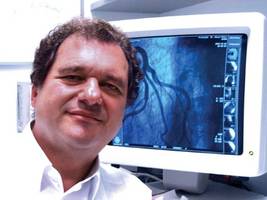
Among the remaining 907 patients who interrupted their DAPT sometime during months 2-12 after getting their stent, no additional episodes of stent thrombosis occurred. The 3,858 patients who remained on DAPT throughout the full 12 months of mandated treatment had eight additional stent thromboses, a 0.2% rate, said Dr. Silber, a cardiologist and professor at Ludwig-Maximilians University in Munich.
"If patients took DAPT for only 1 month, they had no increased risk for stent thrombosis" compared with patients who stayed on DAPT for 1 year. "This is a very surprising finding," Dr. Silber said in an interview.
"This was a post hoc analysis, and it does not mean that you can take patients who get a Resolute stent off of DAPT after 4 weeks. But if, for some reason, the patient has to come off of DAPT after 4 weeks, the risk of stent thrombosis is not as big as we had feared," he said.
This performance of the Resolute zotarolimus-eluting stent contrasts with the performance of first-generation drug-eluting coronary stents, which consistently showed elevated rates of stent thrombosis when DAPT was not maintained for at least 6 months after placement, he noted. In addition, review of experience with the Xience everolimus-eluting stent, another second-generation coronary stent, showed a similar pattern when DAPT was maintained for at least 3 months. But "as far as I know, no data were reported on Xience after 4 weeks," said Dr. Silber, who is also director of the Isar Heart Center in Munich.
Although this was a post hoc analysis, one message is clear, he said: "Physicians should do everything possible to continue DAPT during the first month." So far, it remains unclear whether interruption of DAPT followed by a restart led to any difference in the stent thrombosis rate compared with full discontinuation. An analysis that compares these two types of stoppages is in process.
In addition, the findings suggest running a prospective trial to test the efficacy and safety of using DAPT for 1 month in patients who receive a Resolute stent compared with patients who receive DAPT for 6 or 12 months, Dr. Silber said. But he acknowledged that this would be a challenging trial to run – randomizing patients to DAPT for just 1 month after placing a drug-eluting stent, plus enrolling several thousand patients. "Does anyone have the guts to do that?" he asked.
Medtronic may consider funding a trial to test the hypothesis that 1 month of DAPT is adequate in patients who receive Resolute stents, but no such study is yet in process, said Jason Fontana, Ph.D., vice president for coronary strategy and development at Medtronic. "We’re beginning to think about what we may do with these data," Dr. Fontana said in an interview.
Dr. Silber’s analysis used data collected from nearly 5,000 patients enrolled in four pivotal trials of Resolute that ran in the United States, Europe, Japan, and elsewhere, and formed part of the new device application that Medtronic filed with the Food and Drug Administration.
The Resolute studies were funded by Medtronic, the company that markets the stent. Dr. Silber said that he has received research support from Medtronic, as well as from Abbott and Boston Scientific. Dr. Fontana is a Medtronic employee.
When patients who received a Resolute stent prematurely stopped their dual antiplatelet therapy, all the stent-thrombosis events that followed clustered in the patients who stopped their drugs during the first month after stent placement, in a review of nearly 5,000 patients.
The 1,076 Resolute recipients who interrupted their mandated treatment with aspirin and a thienopyridine included 169 patients who stopped during the first month after getting their stent. Five of these patients (3%) had stent thrombosis, compared with a 0.7% rate of stent thrombosis during the first month after placement among 3,858 patients who received a Resolute zotarolimus-eluting coronary stent and remained on their dual antiplatelet therapy (DAPT) for the prescribed 12 months, Dr. Sigmund Silber reported at Transcatheter Cardiovascular Therapeutics 2012.
Among the remaining 907 patients who interrupted their DAPT sometime during months 2-12 after getting their stent, no additional episodes of stent thrombosis occurred. The 3,858 patients who remained on DAPT throughout the full 12 months of mandated treatment had eight additional stent thromboses, a 0.2% rate, said Dr. Silber, a cardiologist and professor at Ludwig-Maximilians University in Munich.
"If patients took DAPT for only 1 month, they had no increased risk for stent thrombosis" compared with patients who stayed on DAPT for 1 year. "This is a very surprising finding," Dr. Silber said in an interview.
"This was a post hoc analysis, and it does not mean that you can take patients who get a Resolute stent off of DAPT after 4 weeks. But if, for some reason, the patient has to come off of DAPT after 4 weeks, the risk of stent thrombosis is not as big as we had feared," he said.
This performance of the Resolute zotarolimus-eluting stent contrasts with the performance of first-generation drug-eluting coronary stents, which consistently showed elevated rates of stent thrombosis when DAPT was not maintained for at least 6 months after placement, he noted. In addition, review of experience with the Xience everolimus-eluting stent, another second-generation coronary stent, showed a similar pattern when DAPT was maintained for at least 3 months. But "as far as I know, no data were reported on Xience after 4 weeks," said Dr. Silber, who is also director of the Isar Heart Center in Munich.
Although this was a post hoc analysis, one message is clear, he said: "Physicians should do everything possible to continue DAPT during the first month." So far, it remains unclear whether interruption of DAPT followed by a restart led to any difference in the stent thrombosis rate compared with full discontinuation. An analysis that compares these two types of stoppages is in process.
In addition, the findings suggest running a prospective trial to test the efficacy and safety of using DAPT for 1 month in patients who receive a Resolute stent compared with patients who receive DAPT for 6 or 12 months, Dr. Silber said. But he acknowledged that this would be a challenging trial to run – randomizing patients to DAPT for just 1 month after placing a drug-eluting stent, plus enrolling several thousand patients. "Does anyone have the guts to do that?" he asked.
Medtronic may consider funding a trial to test the hypothesis that 1 month of DAPT is adequate in patients who receive Resolute stents, but no such study is yet in process, said Jason Fontana, Ph.D., vice president for coronary strategy and development at Medtronic. "We’re beginning to think about what we may do with these data," Dr. Fontana said in an interview.
Dr. Silber’s analysis used data collected from nearly 5,000 patients enrolled in four pivotal trials of Resolute that ran in the United States, Europe, Japan, and elsewhere, and formed part of the new device application that Medtronic filed with the Food and Drug Administration.
The Resolute studies were funded by Medtronic, the company that markets the stent. Dr. Silber said that he has received research support from Medtronic, as well as from Abbott and Boston Scientific. Dr. Fontana is a Medtronic employee.
When patients who received a Resolute stent prematurely stopped their dual antiplatelet therapy, all the stent-thrombosis events that followed clustered in the patients who stopped their drugs during the first month after stent placement, in a review of nearly 5,000 patients.
The 1,076 Resolute recipients who interrupted their mandated treatment with aspirin and a thienopyridine included 169 patients who stopped during the first month after getting their stent. Five of these patients (3%) had stent thrombosis, compared with a 0.7% rate of stent thrombosis during the first month after placement among 3,858 patients who received a Resolute zotarolimus-eluting coronary stent and remained on their dual antiplatelet therapy (DAPT) for the prescribed 12 months, Dr. Sigmund Silber reported at Transcatheter Cardiovascular Therapeutics 2012.
Among the remaining 907 patients who interrupted their DAPT sometime during months 2-12 after getting their stent, no additional episodes of stent thrombosis occurred. The 3,858 patients who remained on DAPT throughout the full 12 months of mandated treatment had eight additional stent thromboses, a 0.2% rate, said Dr. Silber, a cardiologist and professor at Ludwig-Maximilians University in Munich.
"If patients took DAPT for only 1 month, they had no increased risk for stent thrombosis" compared with patients who stayed on DAPT for 1 year. "This is a very surprising finding," Dr. Silber said in an interview.
"This was a post hoc analysis, and it does not mean that you can take patients who get a Resolute stent off of DAPT after 4 weeks. But if, for some reason, the patient has to come off of DAPT after 4 weeks, the risk of stent thrombosis is not as big as we had feared," he said.
This performance of the Resolute zotarolimus-eluting stent contrasts with the performance of first-generation drug-eluting coronary stents, which consistently showed elevated rates of stent thrombosis when DAPT was not maintained for at least 6 months after placement, he noted. In addition, review of experience with the Xience everolimus-eluting stent, another second-generation coronary stent, showed a similar pattern when DAPT was maintained for at least 3 months. But "as far as I know, no data were reported on Xience after 4 weeks," said Dr. Silber, who is also director of the Isar Heart Center in Munich.
Although this was a post hoc analysis, one message is clear, he said: "Physicians should do everything possible to continue DAPT during the first month." So far, it remains unclear whether interruption of DAPT followed by a restart led to any difference in the stent thrombosis rate compared with full discontinuation. An analysis that compares these two types of stoppages is in process.
In addition, the findings suggest running a prospective trial to test the efficacy and safety of using DAPT for 1 month in patients who receive a Resolute stent compared with patients who receive DAPT for 6 or 12 months, Dr. Silber said. But he acknowledged that this would be a challenging trial to run – randomizing patients to DAPT for just 1 month after placing a drug-eluting stent, plus enrolling several thousand patients. "Does anyone have the guts to do that?" he asked.
Medtronic may consider funding a trial to test the hypothesis that 1 month of DAPT is adequate in patients who receive Resolute stents, but no such study is yet in process, said Jason Fontana, Ph.D., vice president for coronary strategy and development at Medtronic. "We’re beginning to think about what we may do with these data," Dr. Fontana said in an interview.
Dr. Silber’s analysis used data collected from nearly 5,000 patients enrolled in four pivotal trials of Resolute that ran in the United States, Europe, Japan, and elsewhere, and formed part of the new device application that Medtronic filed with the Food and Drug Administration.
The Resolute studies were funded by Medtronic, the company that markets the stent. Dr. Silber said that he has received research support from Medtronic, as well as from Abbott and Boston Scientific. Dr. Fontana is a Medtronic employee.
AT TRANSCATHETER CARDIOVASCULAR THERAPEUTICS 2012
Major Finding: Interrupting dual antiplatelet therapy after receiving a Resolute stent was associated with stent thrombosis only in those who stopped in the first month (3%).
Data Source: Data came from a review of 4,934 patients who received a Resolute coronary stent.
Disclosures: The Resolute studies were funded by Medtronic, the company that markets the stent. Dr. Silber said that he has received research support from Medtronic, as well as from Abbott and Boston Scientific. Dr. Fontana is a Medtronic employee.
Catheter Ablation, Drugs Yield Similar A Fib Benefit
Radiofrequency ablation and drug therapy produced similar overall reductions in atrial fibrillation burden during 2 years of follow-up in patients with paroxysmal atrial fibrillation, in a randomized trial with 294 patients.
"Given the risk of complications with ablation, our data support the current guidelines recommending anti-arrhythmic drugs as first-line treatment in most patients with paroxysmal atrial fibrillation," wrote Dr. Jens Cosedis Nielsen, a cardiologist at Aarhus (Denmark) University Hospital, and his coauthors. "However, some advantages of ablation were suggested by the data," Dr. Nielsen and his associates wrote in a report published online on Oct. 24 (N. Engl. J. Med. 2012;367:1587-95 [doi:10.1056/NEJMoa1113566]).
After 24 months, the atrial fibrillation (AF) burden was lower, and more patients were free from AF, in the ablated group. Moreover, physical well being was higher after ablation, and 36% of patients assigned to drug therapy eventually underwent ablation for recurrent AF, especially during the first year of the study. Although an initial strategy of drug treatment is appropriate, a substantial minority of patients will eventually need ablation, they noted.
The study also had some notable limitations, the researchers said. When patients underwent ablation, the end point of the procedure was elimination of high-frequency electrical activity in atrial areas around the pulmonary veins. "Because of rapid development of ablation techniques, this is no longer considered the state-of-the-art approach," they said. The goal today instead is "complete electrical isolation of the pulmonary veins." In addition, the study enrolled young, symptomatic patients with no major coexisting conditions, which precludes extrapolating the findings to elderly patients with persistent or permanent AF, or to patients with severe heart disease.
On the other hand, the study had the advantage of including a heterogeneous group of centers that differed from each other in terms of patient volume for, and experience with, AF ablation. Hence, "it is likely that [the] results are more representative of the broad general experience with ablation than those from a single, high-volume center."
The Medical Anti-Arrhythmic Treatment of Radiofrequency Ablation in Paroxysmal Atrial Fibrillation (MANTA-PAF) study enrolled patients at centers in Denmark, Finland, Germany, and Sweden with symptomatic paroxysmal AF who were aged 70 or younger and had no prior ablation or treatment with a class 1C or III anti-arrhythmic drug. Their average age was 55, and just over two-thirds were men.
Of the 146 patients randomized to treatment with radiofrequency ablation, 140 underwent an average of 1.6 ablation procedures each. Three patients each underwent four ablations, the highest number received by any individual. After 2 years, 13 patients in the ablation group received at least one anti-arrhythmic drug.
Among the 148 patients randomized to initial drug treatment, 131 patients received a class IC drug, and 15 received a class III drug. The average number of drugs used per patient was 1.26, and after 24 months 54 patients (36%) underwent ablation procedures because of inadequate drug response, at an average of 9 months after the study began.
During follow-up, the researchers tracked AF episodes by 7-day continuous ECG monitoring at 3, 6, 12, 18, and 24 months after the study began. The difference in AF burden throughout the full 2 years between the two treatment groups was not statistically significant. The difference in AF burden at the individual measurement periods was also not statistically significant, except during the final 24-month monitoring, when the burden in the ablated group ran significantly less than the rate in the drug-treated patients.
Secondary outcome analyses showed that significantly more patients in the ablated group were free from any AF at 24 months, 85% with ablation and 71% with drug treatment, and significantly more ablated patients were free of symptomatic AF at 24 months, 93%, than patients on drug treatment, 84%. In addition, the ablated patients had a significantly better average score on the Short Form 36 (SF-36) physical component summary score compared with those on drug therapy. The two treatment groups showed no significant differences in improvements on the mental-component summary score.
The two treatment groups also had very similar tallies of total serious adverse events. Three patients in the ablation group developed a severe cardiac tamponade secondary to their ablation. Deaths occurred in three ablated patients and in four treated with drugs only.
The MANTRA-PAF study was sponsored in part by an unrestricted grant from Biosense Webster, a company that markets an ablation mapping system (CARTO) and an ablation catheter (NaviStar ThermoCool). Dr. Nielsen said that he is an advisor to Sanofi-Aventis and receives lecture fees from Biotronik, Medtronic, and St. Jude. One of the study’s coauthors said that he received consulting fees, lecture fees and grant support from and was aboard member of Biosense Webster. Another coauthor said that he received consulting fees from Biosense Webster.
Catheter ablation is currently regarded as acceptable treatment for patients with symptoms from paroxysmal atrial fibrillation who do not respond to at least one anti-arrhythmic drug. In addition, an expert panel recently recommended that catheter ablation is also a reasonable option for patients with symptomatic paroxysmal atrial fibrillation before a single anti-arrhythmic drug is prescribed (Heart Rhythm 2012:9:632-96). Results from the MANTRA-PAF study support this recommendation, but the evidence falls short of documenting the superiority of ablation over drug therapy. Many patients in the current study did fine on drug therapy only.

|
|
By 2 years into the study, benefits from up-front ablation began to emerge. The percentage of patients who were free of AF reached 85% after 2 years in the ablated group compared with 71% in the drug-treated patients, a statistically significant difference. In addition, 36% of patients randomized to drug treatment crossed over during 2 years to undergo ablation, while only 9% of the ablated patients eventually also needed drug treatment.
Patient selection for catheter ablation is important. The patients in the current study were no more than 70 years old, and they had no major heart disease aside from symptomatic paroxysmal AF. These patients are good ablation candidates, but they represent fewer than a quarter of the AF patients usually seen in practice. No one should extrapolate the current results to the broader population of more elderly AF patients who have comorbidities.
Catheter ablation poses substantial procedural risks. While mortality is less than 1 in 2,000, significant complications occur in about 4% of patients. In the current study, among 140 patients who underwent ablation, 3 developed cardiac tamponade and 1 patient had a fatal stroke. Also, recurrent AF often occurs following ablation. Sixty-nine of the 140 patients (49%) who had ablation as initial treatment required at least one additional ablation.
On the other hand, the study used what is already an outmoded approach for performing ablations. In the current study, ablations were done to reduce electrical electrograms. Today, ablation is applied to electrically isolate the target region. It is possible that if ablation in the study had been done based on current standards the outcomes might have been better. But it is also possible that more aggressive ablation may cause a higher rate of adverse events.
Additional questions about ablation remain unanswered: Is it cost effective compared with drug therapy? Does ablation benefit asymptomatic patients? How durable is the effect of ablation? Will ablation delay progression of paroxysmal AF to persistent AF? A study now underway, the Catheter Ablation versus Anti-Arrhythmic Drug Therapy for Atrial Fibrillation (CABANA) trial, may address some of these additional questions. The patients enrolled in CABANA also are older and have more comorbidities than do those in MANTRA-PAF.
William G. Stevenson, M.D., is professor of medicine at Harvard University and director of the clinical cardiac electrophysiology program at Brigham and Women’s Hospital, Boston. Christine M. Albert, M.D., is director of the center for arrhythmia prevention at Brigham and Women’s Hospital. Dr. Stevenson said that he had no commercial disclosures. Dr. Albert said that she had no disclosures. These comments came from an editorial that accompanied the published MANTRA-PAF report (N. Engl. J. Med. 2012;367:doi:10.1056/NEJMe1210548).
Catheter ablation is currently regarded as acceptable treatment for patients with symptoms from paroxysmal atrial fibrillation who do not respond to at least one anti-arrhythmic drug. In addition, an expert panel recently recommended that catheter ablation is also a reasonable option for patients with symptomatic paroxysmal atrial fibrillation before a single anti-arrhythmic drug is prescribed (Heart Rhythm 2012:9:632-96). Results from the MANTRA-PAF study support this recommendation, but the evidence falls short of documenting the superiority of ablation over drug therapy. Many patients in the current study did fine on drug therapy only.
|
|
|
By 2 years into the study, benefits from up-front ablation began to emerge. The percentage of patients who were free of AF reached 85% after 2 years in the ablated group compared with 71% in the drug-treated patients, a statistically significant difference. In addition, 36% of patients randomized to drug treatment crossed over during 2 years to undergo ablation, while only 9% of the ablated patients eventually also needed drug treatment.
Patient selection for catheter ablation is important. The patients in the current study were no more than 70 years old, and they had no major heart disease aside from symptomatic paroxysmal AF. These patients are good ablation candidates, but they represent fewer than a quarter of the AF patients usually seen in practice. No one should extrapolate the current results to the broader population of more elderly AF patients who have comorbidities.
Catheter ablation poses substantial procedural risks. While mortality is less than 1 in 2,000, significant complications occur in about 4% of patients. In the current study, among 140 patients who underwent ablation, 3 developed cardiac tamponade and 1 patient had a fatal stroke. Also, recurrent AF often occurs following ablation. Sixty-nine of the 140 patients (49%) who had ablation as initial treatment required at least one additional ablation.
On the other hand, the study used what is already an outmoded approach for performing ablations. In the current study, ablations were done to reduce electrical electrograms. Today, ablation is applied to electrically isolate the target region. It is possible that if ablation in the study had been done based on current standards the outcomes might have been better. But it is also possible that more aggressive ablation may cause a higher rate of adverse events.
Additional questions about ablation remain unanswered: Is it cost effective compared with drug therapy? Does ablation benefit asymptomatic patients? How durable is the effect of ablation? Will ablation delay progression of paroxysmal AF to persistent AF? A study now underway, the Catheter Ablation versus Anti-Arrhythmic Drug Therapy for Atrial Fibrillation (CABANA) trial, may address some of these additional questions. The patients enrolled in CABANA also are older and have more comorbidities than do those in MANTRA-PAF.
William G. Stevenson, M.D., is professor of medicine at Harvard University and director of the clinical cardiac electrophysiology program at Brigham and Women’s Hospital, Boston. Christine M. Albert, M.D., is director of the center for arrhythmia prevention at Brigham and Women’s Hospital. Dr. Stevenson said that he had no commercial disclosures. Dr. Albert said that she had no disclosures. These comments came from an editorial that accompanied the published MANTRA-PAF report (N. Engl. J. Med. 2012;367:doi:10.1056/NEJMe1210548).
Catheter ablation is currently regarded as acceptable treatment for patients with symptoms from paroxysmal atrial fibrillation who do not respond to at least one anti-arrhythmic drug. In addition, an expert panel recently recommended that catheter ablation is also a reasonable option for patients with symptomatic paroxysmal atrial fibrillation before a single anti-arrhythmic drug is prescribed (Heart Rhythm 2012:9:632-96). Results from the MANTRA-PAF study support this recommendation, but the evidence falls short of documenting the superiority of ablation over drug therapy. Many patients in the current study did fine on drug therapy only.
|
|
|
By 2 years into the study, benefits from up-front ablation began to emerge. The percentage of patients who were free of AF reached 85% after 2 years in the ablated group compared with 71% in the drug-treated patients, a statistically significant difference. In addition, 36% of patients randomized to drug treatment crossed over during 2 years to undergo ablation, while only 9% of the ablated patients eventually also needed drug treatment.
Patient selection for catheter ablation is important. The patients in the current study were no more than 70 years old, and they had no major heart disease aside from symptomatic paroxysmal AF. These patients are good ablation candidates, but they represent fewer than a quarter of the AF patients usually seen in practice. No one should extrapolate the current results to the broader population of more elderly AF patients who have comorbidities.
Catheter ablation poses substantial procedural risks. While mortality is less than 1 in 2,000, significant complications occur in about 4% of patients. In the current study, among 140 patients who underwent ablation, 3 developed cardiac tamponade and 1 patient had a fatal stroke. Also, recurrent AF often occurs following ablation. Sixty-nine of the 140 patients (49%) who had ablation as initial treatment required at least one additional ablation.
On the other hand, the study used what is already an outmoded approach for performing ablations. In the current study, ablations were done to reduce electrical electrograms. Today, ablation is applied to electrically isolate the target region. It is possible that if ablation in the study had been done based on current standards the outcomes might have been better. But it is also possible that more aggressive ablation may cause a higher rate of adverse events.
Additional questions about ablation remain unanswered: Is it cost effective compared with drug therapy? Does ablation benefit asymptomatic patients? How durable is the effect of ablation? Will ablation delay progression of paroxysmal AF to persistent AF? A study now underway, the Catheter Ablation versus Anti-Arrhythmic Drug Therapy for Atrial Fibrillation (CABANA) trial, may address some of these additional questions. The patients enrolled in CABANA also are older and have more comorbidities than do those in MANTRA-PAF.
William G. Stevenson, M.D., is professor of medicine at Harvard University and director of the clinical cardiac electrophysiology program at Brigham and Women’s Hospital, Boston. Christine M. Albert, M.D., is director of the center for arrhythmia prevention at Brigham and Women’s Hospital. Dr. Stevenson said that he had no commercial disclosures. Dr. Albert said that she had no disclosures. These comments came from an editorial that accompanied the published MANTRA-PAF report (N. Engl. J. Med. 2012;367:doi:10.1056/NEJMe1210548).
Radiofrequency ablation and drug therapy produced similar overall reductions in atrial fibrillation burden during 2 years of follow-up in patients with paroxysmal atrial fibrillation, in a randomized trial with 294 patients.
"Given the risk of complications with ablation, our data support the current guidelines recommending anti-arrhythmic drugs as first-line treatment in most patients with paroxysmal atrial fibrillation," wrote Dr. Jens Cosedis Nielsen, a cardiologist at Aarhus (Denmark) University Hospital, and his coauthors. "However, some advantages of ablation were suggested by the data," Dr. Nielsen and his associates wrote in a report published online on Oct. 24 (N. Engl. J. Med. 2012;367:1587-95 [doi:10.1056/NEJMoa1113566]).
After 24 months, the atrial fibrillation (AF) burden was lower, and more patients were free from AF, in the ablated group. Moreover, physical well being was higher after ablation, and 36% of patients assigned to drug therapy eventually underwent ablation for recurrent AF, especially during the first year of the study. Although an initial strategy of drug treatment is appropriate, a substantial minority of patients will eventually need ablation, they noted.
The study also had some notable limitations, the researchers said. When patients underwent ablation, the end point of the procedure was elimination of high-frequency electrical activity in atrial areas around the pulmonary veins. "Because of rapid development of ablation techniques, this is no longer considered the state-of-the-art approach," they said. The goal today instead is "complete electrical isolation of the pulmonary veins." In addition, the study enrolled young, symptomatic patients with no major coexisting conditions, which precludes extrapolating the findings to elderly patients with persistent or permanent AF, or to patients with severe heart disease.
On the other hand, the study had the advantage of including a heterogeneous group of centers that differed from each other in terms of patient volume for, and experience with, AF ablation. Hence, "it is likely that [the] results are more representative of the broad general experience with ablation than those from a single, high-volume center."
The Medical Anti-Arrhythmic Treatment of Radiofrequency Ablation in Paroxysmal Atrial Fibrillation (MANTA-PAF) study enrolled patients at centers in Denmark, Finland, Germany, and Sweden with symptomatic paroxysmal AF who were aged 70 or younger and had no prior ablation or treatment with a class 1C or III anti-arrhythmic drug. Their average age was 55, and just over two-thirds were men.
Of the 146 patients randomized to treatment with radiofrequency ablation, 140 underwent an average of 1.6 ablation procedures each. Three patients each underwent four ablations, the highest number received by any individual. After 2 years, 13 patients in the ablation group received at least one anti-arrhythmic drug.
Among the 148 patients randomized to initial drug treatment, 131 patients received a class IC drug, and 15 received a class III drug. The average number of drugs used per patient was 1.26, and after 24 months 54 patients (36%) underwent ablation procedures because of inadequate drug response, at an average of 9 months after the study began.
During follow-up, the researchers tracked AF episodes by 7-day continuous ECG monitoring at 3, 6, 12, 18, and 24 months after the study began. The difference in AF burden throughout the full 2 years between the two treatment groups was not statistically significant. The difference in AF burden at the individual measurement periods was also not statistically significant, except during the final 24-month monitoring, when the burden in the ablated group ran significantly less than the rate in the drug-treated patients.
Secondary outcome analyses showed that significantly more patients in the ablated group were free from any AF at 24 months, 85% with ablation and 71% with drug treatment, and significantly more ablated patients were free of symptomatic AF at 24 months, 93%, than patients on drug treatment, 84%. In addition, the ablated patients had a significantly better average score on the Short Form 36 (SF-36) physical component summary score compared with those on drug therapy. The two treatment groups showed no significant differences in improvements on the mental-component summary score.
The two treatment groups also had very similar tallies of total serious adverse events. Three patients in the ablation group developed a severe cardiac tamponade secondary to their ablation. Deaths occurred in three ablated patients and in four treated with drugs only.
The MANTRA-PAF study was sponsored in part by an unrestricted grant from Biosense Webster, a company that markets an ablation mapping system (CARTO) and an ablation catheter (NaviStar ThermoCool). Dr. Nielsen said that he is an advisor to Sanofi-Aventis and receives lecture fees from Biotronik, Medtronic, and St. Jude. One of the study’s coauthors said that he received consulting fees, lecture fees and grant support from and was aboard member of Biosense Webster. Another coauthor said that he received consulting fees from Biosense Webster.
Radiofrequency ablation and drug therapy produced similar overall reductions in atrial fibrillation burden during 2 years of follow-up in patients with paroxysmal atrial fibrillation, in a randomized trial with 294 patients.
"Given the risk of complications with ablation, our data support the current guidelines recommending anti-arrhythmic drugs as first-line treatment in most patients with paroxysmal atrial fibrillation," wrote Dr. Jens Cosedis Nielsen, a cardiologist at Aarhus (Denmark) University Hospital, and his coauthors. "However, some advantages of ablation were suggested by the data," Dr. Nielsen and his associates wrote in a report published online on Oct. 24 (N. Engl. J. Med. 2012;367:1587-95 [doi:10.1056/NEJMoa1113566]).
After 24 months, the atrial fibrillation (AF) burden was lower, and more patients were free from AF, in the ablated group. Moreover, physical well being was higher after ablation, and 36% of patients assigned to drug therapy eventually underwent ablation for recurrent AF, especially during the first year of the study. Although an initial strategy of drug treatment is appropriate, a substantial minority of patients will eventually need ablation, they noted.
The study also had some notable limitations, the researchers said. When patients underwent ablation, the end point of the procedure was elimination of high-frequency electrical activity in atrial areas around the pulmonary veins. "Because of rapid development of ablation techniques, this is no longer considered the state-of-the-art approach," they said. The goal today instead is "complete electrical isolation of the pulmonary veins." In addition, the study enrolled young, symptomatic patients with no major coexisting conditions, which precludes extrapolating the findings to elderly patients with persistent or permanent AF, or to patients with severe heart disease.
On the other hand, the study had the advantage of including a heterogeneous group of centers that differed from each other in terms of patient volume for, and experience with, AF ablation. Hence, "it is likely that [the] results are more representative of the broad general experience with ablation than those from a single, high-volume center."
The Medical Anti-Arrhythmic Treatment of Radiofrequency Ablation in Paroxysmal Atrial Fibrillation (MANTA-PAF) study enrolled patients at centers in Denmark, Finland, Germany, and Sweden with symptomatic paroxysmal AF who were aged 70 or younger and had no prior ablation or treatment with a class 1C or III anti-arrhythmic drug. Their average age was 55, and just over two-thirds were men.
Of the 146 patients randomized to treatment with radiofrequency ablation, 140 underwent an average of 1.6 ablation procedures each. Three patients each underwent four ablations, the highest number received by any individual. After 2 years, 13 patients in the ablation group received at least one anti-arrhythmic drug.
Among the 148 patients randomized to initial drug treatment, 131 patients received a class IC drug, and 15 received a class III drug. The average number of drugs used per patient was 1.26, and after 24 months 54 patients (36%) underwent ablation procedures because of inadequate drug response, at an average of 9 months after the study began.
During follow-up, the researchers tracked AF episodes by 7-day continuous ECG monitoring at 3, 6, 12, 18, and 24 months after the study began. The difference in AF burden throughout the full 2 years between the two treatment groups was not statistically significant. The difference in AF burden at the individual measurement periods was also not statistically significant, except during the final 24-month monitoring, when the burden in the ablated group ran significantly less than the rate in the drug-treated patients.
Secondary outcome analyses showed that significantly more patients in the ablated group were free from any AF at 24 months, 85% with ablation and 71% with drug treatment, and significantly more ablated patients were free of symptomatic AF at 24 months, 93%, than patients on drug treatment, 84%. In addition, the ablated patients had a significantly better average score on the Short Form 36 (SF-36) physical component summary score compared with those on drug therapy. The two treatment groups showed no significant differences in improvements on the mental-component summary score.
The two treatment groups also had very similar tallies of total serious adverse events. Three patients in the ablation group developed a severe cardiac tamponade secondary to their ablation. Deaths occurred in three ablated patients and in four treated with drugs only.
The MANTRA-PAF study was sponsored in part by an unrestricted grant from Biosense Webster, a company that markets an ablation mapping system (CARTO) and an ablation catheter (NaviStar ThermoCool). Dr. Nielsen said that he is an advisor to Sanofi-Aventis and receives lecture fees from Biotronik, Medtronic, and St. Jude. One of the study’s coauthors said that he received consulting fees, lecture fees and grant support from and was aboard member of Biosense Webster. Another coauthor said that he received consulting fees from Biosense Webster.
FROM THE NEW ENGLAND JOURNAL OF MEDICINE
Major Finding: Patients treated with catheter ablation or an anti-arrhythmic drug had a similar atrial fibrillation burden during 2 years of follow-up.
Data Source: The MANTRA-PAF study, which randomized 294 patients with paroxysmal atrial fibrillation to initial treatment with catheter ablation or drug treatment and followed them for 2 years.
Disclosures: MANTRA-PAF was sponsored in part by an unrestricted grant from Biosense Webster, a company that markets an ablation mapping system (CARTO) and an ablation catheter (NaviStar ThermoCool). Dr. Nielsen said that he is an adviser to Sanofi-Aventis and receives lecture fees from Biotronik, Medtronic, and St. Jude. One of the study’s coauthors said that he received consulting fees, lecture fees and grant support from and was a board member of Biosense Webster. Another coauthor said that he received consulting fees from Biosense Webster.

Glucose Excursions Linked to Ventricular Tachycardia
BERLIN – A hypoglycemic event and a high rate of glucose excursions were associated with an increased rate of ventricular tachycardia, in a study of 30 patients with type 2 diabetes and a history of cardiovascular disease.
The findings highlight the potentially important role that glycemic excursions and hypoglycemic events play in patient health. "We have underestimated the risk from hypoglycemia as a cause of death," Dr. Markolf Hanefeld said in an interview at the annual meeting of the European Association for the Study of Diabetes.
"Hypoglycemia is very dangerous, and is also under-recognized and under-reported. Our results are another reason to avid glycemic excursions and hypoglycemia," he said.
Patients who may be especially at danger for arrhythmias triggered by poor glycemic control are those with a history of cardiovascular disease and on treatment that can produce hypoglycemia, such as a complex insulin regimen or a regimen that includes a sulfonylurea, said Dr. Hanefeld, professor and director of the Centre for Clinical Studies at Dresden (Germany) Technical University.
Dr. Hanefeld recommended that in addition to performing 1-day glucose monitoring on all patients who meet similar criteria, physicians should perform 24-hour ECG monitoring on patients with a prior major cardiovascular event, patients on a complex insulin regimen, and patients treated with a long-acting sulfonylurea.
"If you record their ECG [for a day or more,] that’s even better, but also very expensive," he said. "The three most dangerous complications of hypoglycemia are ventricular tachycardia, atrial fibrillation, and ischemic reactions. Ventricular tachycardia was our focus because it can lead to ventricular fibrillation and sudden death."
The patient’s treatment should then be tailored to improve their glycemic profile, and patients at higher risk for arrhythmias should be identified.
In addition to improved glycemic control with additional or alternative antidiabetic drugs, many patients like the ones studied could benefit from treatment with a beta-blocker to minimize the potential impact of a ventricular arrhythmia. But beta-blockers cannot be given to all patients with type 2 diabetes and a history of atherosclerotic cardiovascular disease, because some patients have bradycardia and would not tolerate a beta-blocker.
Dr. Hanefeld enrolled 30 consecutive patients with type 2 diabetes and documented atherosclerotic cardiovascular disease. Patients had a hemoglobin A1c of less than 9% and were on stable treatment with insulin, a sulfonylurea-like glyburide, or both. The investigators excluded patients on any other antidiabetic treatment, patients with preexisting arrhythmias, and patients on any antiarrhythmic drug except for a beta-blocker. Enrolled patients averaged 68 years old, their average hemoglobin A1c was 7.3%, and all but one was a man.
Each patient underwent 5 consecutive days of simultaneous continuous glucose monitoring and ECG recording. During this period, severe hypoglycemic events – defined as a blood glucose level less than 3.1 mmol/L – occurred in 23 patients, with a total of 35 episodes. The average time of each severe episode was 40 minutes.
Twenty-eight of 30 patients had ventricular extrasystoles (VESs), with an average of more than 3,600 during 5 days of ECG recording. Seventeen patients had couplets, 10 had triplets, and 5 had ventricular tachycardia.
Analysis showed a statistically significant increase in the rate of severe VESs in patients who had a mean amplitude of glycemic excursions of at least 4.02 mmol/L, Dr. Hanefeld and his colleagues reported. The highest rate by far of VES occurred in patients who had at least one severe hypoglycemic event and a mean amplitude of glycemic excursions of greater than 5.61 mmol/L.
Dr. Hanefeld said that he and his associates on the study had no disclosures.
BERLIN – A hypoglycemic event and a high rate of glucose excursions were associated with an increased rate of ventricular tachycardia, in a study of 30 patients with type 2 diabetes and a history of cardiovascular disease.
The findings highlight the potentially important role that glycemic excursions and hypoglycemic events play in patient health. "We have underestimated the risk from hypoglycemia as a cause of death," Dr. Markolf Hanefeld said in an interview at the annual meeting of the European Association for the Study of Diabetes.
"Hypoglycemia is very dangerous, and is also under-recognized and under-reported. Our results are another reason to avid glycemic excursions and hypoglycemia," he said.
Patients who may be especially at danger for arrhythmias triggered by poor glycemic control are those with a history of cardiovascular disease and on treatment that can produce hypoglycemia, such as a complex insulin regimen or a regimen that includes a sulfonylurea, said Dr. Hanefeld, professor and director of the Centre for Clinical Studies at Dresden (Germany) Technical University.
Dr. Hanefeld recommended that in addition to performing 1-day glucose monitoring on all patients who meet similar criteria, physicians should perform 24-hour ECG monitoring on patients with a prior major cardiovascular event, patients on a complex insulin regimen, and patients treated with a long-acting sulfonylurea.
"If you record their ECG [for a day or more,] that’s even better, but also very expensive," he said. "The three most dangerous complications of hypoglycemia are ventricular tachycardia, atrial fibrillation, and ischemic reactions. Ventricular tachycardia was our focus because it can lead to ventricular fibrillation and sudden death."
The patient’s treatment should then be tailored to improve their glycemic profile, and patients at higher risk for arrhythmias should be identified.
In addition to improved glycemic control with additional or alternative antidiabetic drugs, many patients like the ones studied could benefit from treatment with a beta-blocker to minimize the potential impact of a ventricular arrhythmia. But beta-blockers cannot be given to all patients with type 2 diabetes and a history of atherosclerotic cardiovascular disease, because some patients have bradycardia and would not tolerate a beta-blocker.
Dr. Hanefeld enrolled 30 consecutive patients with type 2 diabetes and documented atherosclerotic cardiovascular disease. Patients had a hemoglobin A1c of less than 9% and were on stable treatment with insulin, a sulfonylurea-like glyburide, or both. The investigators excluded patients on any other antidiabetic treatment, patients with preexisting arrhythmias, and patients on any antiarrhythmic drug except for a beta-blocker. Enrolled patients averaged 68 years old, their average hemoglobin A1c was 7.3%, and all but one was a man.
Each patient underwent 5 consecutive days of simultaneous continuous glucose monitoring and ECG recording. During this period, severe hypoglycemic events – defined as a blood glucose level less than 3.1 mmol/L – occurred in 23 patients, with a total of 35 episodes. The average time of each severe episode was 40 minutes.
Twenty-eight of 30 patients had ventricular extrasystoles (VESs), with an average of more than 3,600 during 5 days of ECG recording. Seventeen patients had couplets, 10 had triplets, and 5 had ventricular tachycardia.
Analysis showed a statistically significant increase in the rate of severe VESs in patients who had a mean amplitude of glycemic excursions of at least 4.02 mmol/L, Dr. Hanefeld and his colleagues reported. The highest rate by far of VES occurred in patients who had at least one severe hypoglycemic event and a mean amplitude of glycemic excursions of greater than 5.61 mmol/L.
Dr. Hanefeld said that he and his associates on the study had no disclosures.
BERLIN – A hypoglycemic event and a high rate of glucose excursions were associated with an increased rate of ventricular tachycardia, in a study of 30 patients with type 2 diabetes and a history of cardiovascular disease.
The findings highlight the potentially important role that glycemic excursions and hypoglycemic events play in patient health. "We have underestimated the risk from hypoglycemia as a cause of death," Dr. Markolf Hanefeld said in an interview at the annual meeting of the European Association for the Study of Diabetes.
"Hypoglycemia is very dangerous, and is also under-recognized and under-reported. Our results are another reason to avid glycemic excursions and hypoglycemia," he said.
Patients who may be especially at danger for arrhythmias triggered by poor glycemic control are those with a history of cardiovascular disease and on treatment that can produce hypoglycemia, such as a complex insulin regimen or a regimen that includes a sulfonylurea, said Dr. Hanefeld, professor and director of the Centre for Clinical Studies at Dresden (Germany) Technical University.
Dr. Hanefeld recommended that in addition to performing 1-day glucose monitoring on all patients who meet similar criteria, physicians should perform 24-hour ECG monitoring on patients with a prior major cardiovascular event, patients on a complex insulin regimen, and patients treated with a long-acting sulfonylurea.
"If you record their ECG [for a day or more,] that’s even better, but also very expensive," he said. "The three most dangerous complications of hypoglycemia are ventricular tachycardia, atrial fibrillation, and ischemic reactions. Ventricular tachycardia was our focus because it can lead to ventricular fibrillation and sudden death."
The patient’s treatment should then be tailored to improve their glycemic profile, and patients at higher risk for arrhythmias should be identified.
In addition to improved glycemic control with additional or alternative antidiabetic drugs, many patients like the ones studied could benefit from treatment with a beta-blocker to minimize the potential impact of a ventricular arrhythmia. But beta-blockers cannot be given to all patients with type 2 diabetes and a history of atherosclerotic cardiovascular disease, because some patients have bradycardia and would not tolerate a beta-blocker.
Dr. Hanefeld enrolled 30 consecutive patients with type 2 diabetes and documented atherosclerotic cardiovascular disease. Patients had a hemoglobin A1c of less than 9% and were on stable treatment with insulin, a sulfonylurea-like glyburide, or both. The investigators excluded patients on any other antidiabetic treatment, patients with preexisting arrhythmias, and patients on any antiarrhythmic drug except for a beta-blocker. Enrolled patients averaged 68 years old, their average hemoglobin A1c was 7.3%, and all but one was a man.
Each patient underwent 5 consecutive days of simultaneous continuous glucose monitoring and ECG recording. During this period, severe hypoglycemic events – defined as a blood glucose level less than 3.1 mmol/L – occurred in 23 patients, with a total of 35 episodes. The average time of each severe episode was 40 minutes.
Twenty-eight of 30 patients had ventricular extrasystoles (VESs), with an average of more than 3,600 during 5 days of ECG recording. Seventeen patients had couplets, 10 had triplets, and 5 had ventricular tachycardia.
Analysis showed a statistically significant increase in the rate of severe VESs in patients who had a mean amplitude of glycemic excursions of at least 4.02 mmol/L, Dr. Hanefeld and his colleagues reported. The highest rate by far of VES occurred in patients who had at least one severe hypoglycemic event and a mean amplitude of glycemic excursions of greater than 5.61 mmol/L.
Dr. Hanefeld said that he and his associates on the study had no disclosures.
AT THE ANNUAL MEETING OF THE EUROPEAN ASSOCIATION FOR THE STUDY OF DIABETES
Major Finding: During 5 days of ECG recording, 28 patients had an average of more than 3,600 ventricular extrasystoles; 17 patients had couplets, 10 had triplets, and 5 had ventricular tachycardia.
Data Source: Data came from a study of 30 patients with type 2 diabetes and a history of cardiovascular disease.
Disclosures: Dr. Hanefeld said that he and his associates had no disclosures.
Insulin Degludec Beats Sitagliptin in Type 2 Diabetes
BERLIN – Adding insulin degludec to an existing oral antidiabetes regimen produced significantly better glycemic control than did adding sitagliptin in the first head-to-head trial of the two drug classes in patients with type 2 diabetes.
After 26 weeks, patients who received insulin degludec as part of their regimen had an average 0.43% added reduction in their hemoglobin A1c level, compared with patients on sitagliptin, a dipeptidyl peptidase 4 (DDP-4) inhibitor, in a multicenter, randomized study with 447 patients, Dr. Athena Philis-Tsimikas said at the meeting.
The main downside of the degludec regimen was an increased incidence of hypoglycemic episodes, with a 43% rate of confirmed hypoglycemic events among patients on insulin compared with a 13% rate among those who got sitagliptin. But just one degludec patient had a severe hypoglycemic event (none occurred among patients in the sitagliptin arm), said Dr. Philis-Tsimikas, an endocrinologist and chief medical officer at the Scripps Whittier Diabetes Institute in La Jolla, Calif.
Novo Nordisk, the company developing insulin degludec, currently has an application for approval of the drug pending with the Food and Drug Administration. Earlier this year, the company said that an FDA advisory committee was scheduled to consider the application in November. The data reported by Dr. Philis-Tsimikas forms part of the application.
"The results say that if a patient is failing [antidiabetes treatment] on one or two oral drugs, and their [Hb]A1c is considerably below 9%, then a DDP-4 inhibitor is reasonable, but for efficacy insulin is probably a better choice," commented Dr. John L. Leahy, a professor and co-director of the division of endocrinology, diabetes, and metabolism at the University of Vermont in Colchester.
"Sitagliptin is a good comparator because when patients fail on one or two oral drugs the decision is often whether to add another oral drug or treat with insulin," Dr. Leahy said in an interview. "Some physicians then use a DPP-4 inhibitor, possibly inappropriately because the patient hemoglobin A1c level is too high and the DDP-4 is not powerful enough. The message should go out to prescribing physicians that a DPP-4 inhibitor is not going to get your patient to goal unless their [Hb]A1c is considerably lower than 9%."
The study enrolled patients with type 2 diabetes never previously treated with insulin whose HbA1c levels remained at or above 7.5% despite treatment with one or two oral antidiabetes drugs for at least 3 months. The patients averaged about 56 years old, their average body mass index was about 30 kg/m2, and their average HbA1c at enrollment was about 9%. The researchers randomized patients to received 100 mg/day sitagliptin, or insulin degludec starting at a daily dosage of 10 U and titrated to achieve a prebreakfast plasma glucose of 4.0-4.9 mmol/L (71-89 mg/dL). Patients received insulin degludec once a day; they could choose the time of day to take their insulin, and although they had to keep to their dosing schedule they had the option to change their time of daily insulin treatment during the study.
After 26 weeks, the average HbA1c level fell by about 1.6% in the 225 insulin-treated patients and by about 1.15% in the 222 sitagliptin-treated patients, an average difference in the amount of reduction of 0.43% that was statistically significant for the study’s primary end point. Treatment with insulin degludec led to an average reduction of fasting plasma glucose of 2.17 mmol/L compared with the reduction in the sitagliptin arm.
In addition to causing more hypoglycemic events, treatment with insulin degludec also produced an average weight gain of about 2.5 kg, compared with a slight weight loss in the sitagliptin-treated patients. Overall, treatment with insulin degludec produced an average 2.75 kg increase in weight compared with sitagliptin, a statistically significant difference. The incidence of all other adverse events was similar in the two treatment groups.
The study was sponsored by Novo Nordisk, the company that is developing insulin degludec. Dr. Philis-Tsimikas said that she has been an adviser to and speaker for and has received research funding from Novo Nordisk and from several other drug companies. Dr. Leahy said that he has been an adviser to Novo Nordisk and Merck.
BERLIN – Adding insulin degludec to an existing oral antidiabetes regimen produced significantly better glycemic control than did adding sitagliptin in the first head-to-head trial of the two drug classes in patients with type 2 diabetes.
After 26 weeks, patients who received insulin degludec as part of their regimen had an average 0.43% added reduction in their hemoglobin A1c level, compared with patients on sitagliptin, a dipeptidyl peptidase 4 (DDP-4) inhibitor, in a multicenter, randomized study with 447 patients, Dr. Athena Philis-Tsimikas said at the meeting.
The main downside of the degludec regimen was an increased incidence of hypoglycemic episodes, with a 43% rate of confirmed hypoglycemic events among patients on insulin compared with a 13% rate among those who got sitagliptin. But just one degludec patient had a severe hypoglycemic event (none occurred among patients in the sitagliptin arm), said Dr. Philis-Tsimikas, an endocrinologist and chief medical officer at the Scripps Whittier Diabetes Institute in La Jolla, Calif.
Novo Nordisk, the company developing insulin degludec, currently has an application for approval of the drug pending with the Food and Drug Administration. Earlier this year, the company said that an FDA advisory committee was scheduled to consider the application in November. The data reported by Dr. Philis-Tsimikas forms part of the application.
"The results say that if a patient is failing [antidiabetes treatment] on one or two oral drugs, and their [Hb]A1c is considerably below 9%, then a DDP-4 inhibitor is reasonable, but for efficacy insulin is probably a better choice," commented Dr. John L. Leahy, a professor and co-director of the division of endocrinology, diabetes, and metabolism at the University of Vermont in Colchester.
"Sitagliptin is a good comparator because when patients fail on one or two oral drugs the decision is often whether to add another oral drug or treat with insulin," Dr. Leahy said in an interview. "Some physicians then use a DPP-4 inhibitor, possibly inappropriately because the patient hemoglobin A1c level is too high and the DDP-4 is not powerful enough. The message should go out to prescribing physicians that a DPP-4 inhibitor is not going to get your patient to goal unless their [Hb]A1c is considerably lower than 9%."
The study enrolled patients with type 2 diabetes never previously treated with insulin whose HbA1c levels remained at or above 7.5% despite treatment with one or two oral antidiabetes drugs for at least 3 months. The patients averaged about 56 years old, their average body mass index was about 30 kg/m2, and their average HbA1c at enrollment was about 9%. The researchers randomized patients to received 100 mg/day sitagliptin, or insulin degludec starting at a daily dosage of 10 U and titrated to achieve a prebreakfast plasma glucose of 4.0-4.9 mmol/L (71-89 mg/dL). Patients received insulin degludec once a day; they could choose the time of day to take their insulin, and although they had to keep to their dosing schedule they had the option to change their time of daily insulin treatment during the study.
After 26 weeks, the average HbA1c level fell by about 1.6% in the 225 insulin-treated patients and by about 1.15% in the 222 sitagliptin-treated patients, an average difference in the amount of reduction of 0.43% that was statistically significant for the study’s primary end point. Treatment with insulin degludec led to an average reduction of fasting plasma glucose of 2.17 mmol/L compared with the reduction in the sitagliptin arm.
In addition to causing more hypoglycemic events, treatment with insulin degludec also produced an average weight gain of about 2.5 kg, compared with a slight weight loss in the sitagliptin-treated patients. Overall, treatment with insulin degludec produced an average 2.75 kg increase in weight compared with sitagliptin, a statistically significant difference. The incidence of all other adverse events was similar in the two treatment groups.
The study was sponsored by Novo Nordisk, the company that is developing insulin degludec. Dr. Philis-Tsimikas said that she has been an adviser to and speaker for and has received research funding from Novo Nordisk and from several other drug companies. Dr. Leahy said that he has been an adviser to Novo Nordisk and Merck.
BERLIN – Adding insulin degludec to an existing oral antidiabetes regimen produced significantly better glycemic control than did adding sitagliptin in the first head-to-head trial of the two drug classes in patients with type 2 diabetes.
After 26 weeks, patients who received insulin degludec as part of their regimen had an average 0.43% added reduction in their hemoglobin A1c level, compared with patients on sitagliptin, a dipeptidyl peptidase 4 (DDP-4) inhibitor, in a multicenter, randomized study with 447 patients, Dr. Athena Philis-Tsimikas said at the meeting.
The main downside of the degludec regimen was an increased incidence of hypoglycemic episodes, with a 43% rate of confirmed hypoglycemic events among patients on insulin compared with a 13% rate among those who got sitagliptin. But just one degludec patient had a severe hypoglycemic event (none occurred among patients in the sitagliptin arm), said Dr. Philis-Tsimikas, an endocrinologist and chief medical officer at the Scripps Whittier Diabetes Institute in La Jolla, Calif.
Novo Nordisk, the company developing insulin degludec, currently has an application for approval of the drug pending with the Food and Drug Administration. Earlier this year, the company said that an FDA advisory committee was scheduled to consider the application in November. The data reported by Dr. Philis-Tsimikas forms part of the application.
"The results say that if a patient is failing [antidiabetes treatment] on one or two oral drugs, and their [Hb]A1c is considerably below 9%, then a DDP-4 inhibitor is reasonable, but for efficacy insulin is probably a better choice," commented Dr. John L. Leahy, a professor and co-director of the division of endocrinology, diabetes, and metabolism at the University of Vermont in Colchester.
"Sitagliptin is a good comparator because when patients fail on one or two oral drugs the decision is often whether to add another oral drug or treat with insulin," Dr. Leahy said in an interview. "Some physicians then use a DPP-4 inhibitor, possibly inappropriately because the patient hemoglobin A1c level is too high and the DDP-4 is not powerful enough. The message should go out to prescribing physicians that a DPP-4 inhibitor is not going to get your patient to goal unless their [Hb]A1c is considerably lower than 9%."
The study enrolled patients with type 2 diabetes never previously treated with insulin whose HbA1c levels remained at or above 7.5% despite treatment with one or two oral antidiabetes drugs for at least 3 months. The patients averaged about 56 years old, their average body mass index was about 30 kg/m2, and their average HbA1c at enrollment was about 9%. The researchers randomized patients to received 100 mg/day sitagliptin, or insulin degludec starting at a daily dosage of 10 U and titrated to achieve a prebreakfast plasma glucose of 4.0-4.9 mmol/L (71-89 mg/dL). Patients received insulin degludec once a day; they could choose the time of day to take their insulin, and although they had to keep to their dosing schedule they had the option to change their time of daily insulin treatment during the study.
After 26 weeks, the average HbA1c level fell by about 1.6% in the 225 insulin-treated patients and by about 1.15% in the 222 sitagliptin-treated patients, an average difference in the amount of reduction of 0.43% that was statistically significant for the study’s primary end point. Treatment with insulin degludec led to an average reduction of fasting plasma glucose of 2.17 mmol/L compared with the reduction in the sitagliptin arm.
In addition to causing more hypoglycemic events, treatment with insulin degludec also produced an average weight gain of about 2.5 kg, compared with a slight weight loss in the sitagliptin-treated patients. Overall, treatment with insulin degludec produced an average 2.75 kg increase in weight compared with sitagliptin, a statistically significant difference. The incidence of all other adverse events was similar in the two treatment groups.
The study was sponsored by Novo Nordisk, the company that is developing insulin degludec. Dr. Philis-Tsimikas said that she has been an adviser to and speaker for and has received research funding from Novo Nordisk and from several other drug companies. Dr. Leahy said that he has been an adviser to Novo Nordisk and Merck.
AT THE ANNUAL MEETING OF THE EUROPEAN ASSOCIATION FOR THE STUDY OF DIABETES
Major Finding: Twenty-six weeks of insulin degludec treatment cut average HbA1c by 0.43% more than treatment with sitagliptin in type 2 diabetes.
Data Source: Data came from a multicenter, randomized trial that compared insulin degludec and sitagliptin in 447 patients with type 2 diabetes.
Disclosures: The study was sponsored by Novo Nordisk, the company that is developing insulin degludec. Dr. Philis-Tsimikas said that she has been an adviser to and speaker for and has received research funding from Novo Nordisk and from several other drug companies. Dr. Leahy said that he has been an adviser to Novo Nordisk and Merck
Gestational Diabetes Linked With Vitamin D Deficiency
BERLIN – Vitamin D deficiency during the first trimester of pregnancy linked with a significantly increased risk for the development of gestational diabetes by the second trimester in a study of 655 pregnant women.
The study results also indicated that increased insulin resistance explained the significant association between vitamin D deficiency and an increased incidence of gestational diabetes, Marilyn Lacroix said at the annual meeting of the European Association for the Study of Diabetes.
The analysis showed that for every standard-deviation decrease in blood levels of 25-hydroxyvitamin D identified during the first trimester, women had a statistically significant 40% increased rate of having gestational diabetes during their second trimester, after adjustment for age, season of blood sampling, use of vitamin D supplements, and degree of adiposity, reported Ms. Lacroix, an endocrinology researcher at Sherbrooke (Que.) University. In the population studied, a standard-deviation reduction in blood levels of vitamin D corresponded to a drop of 19 nmol/L.
The study included 655 pregnant women aged 18 or older at 6-13 weeks’ gestation with a singleton pregnancy and no history of diabetes or gestational diabetes, miscarriage, or alcohol or drug abuse. The researchers measured each woman’s blood level of 25-hydroxyvitamin D at gestational week 6-13, and then assessed each woman for diabetes at week 24-28. During the study, 54 of the women (8%) developed gestational diabetes.
The prevalence of first-trimester vitamin D deficiency – a blood level of less than 50 nmol/L – was 26% among the 601 women who were normoglycemic during the second trimester, and 37% among women who developed gestational diabetes by the second trimester.
The analysis also showed a significantly reduced average Matsuda index (Diabetes Care 1999;22:1462-70), as well as a significantly reduced insulin secretion sensitivity index (Diabetic Medicine 2009;26:1198-1203) among patients who went on to have gestational diabetes. These reductions suggest that insulin resistance forms the link between low vitamin D levels and incident gestational diabetes, Ms. Lacroix said.
Ms. Lacroix reported that she and her associates also had no relevant financial disclosures.
Researchers now recognize that vitamin D and its active metabolites play a role in insulin resistance and the expression of insulin resistance. It is also known that insulin resistance underpins the development of gestational diabetes, and as a result vitamin D has become recognized as an important line of research for studying gestational diabetes. If there is any time when vitamin D is important, it is during pregnancy. Insulin resistance increases during pregnancy; pregnant women have up to a threefold drop in insulin sensitivity, and vitamin D probably has a role in this, according to Dr. Anne Dornhorst.
Compounding a woman’s risk during pregnancy is the growing prevalence of vitamin D insufficiency and deficiency, especially in areas such as where I practice in London where many women are at risk because of their dark skin, their body covering, or both.
Dr. Lacroix’s findings are what we would expect. Her report highlights vitamin D’s emergence as a key to understanding insulin resistance. The next step is to assess the role of vitamin D supplementation in reducing gestational diabetes, and studies looking at this are now underway.
Dr. Dornhorst is an endocrinologist at the Imperial College Hospital and senior diabetologist at Charing Cross and Hammersmith Hospitals, all in London. She said that she had no relevant financial disclosures. Dr. Dornhorst made these comments in an interview.
Researchers now recognize that vitamin D and its active metabolites play a role in insulin resistance and the expression of insulin resistance. It is also known that insulin resistance underpins the development of gestational diabetes, and as a result vitamin D has become recognized as an important line of research for studying gestational diabetes. If there is any time when vitamin D is important, it is during pregnancy. Insulin resistance increases during pregnancy; pregnant women have up to a threefold drop in insulin sensitivity, and vitamin D probably has a role in this, according to Dr. Anne Dornhorst.
Compounding a woman’s risk during pregnancy is the growing prevalence of vitamin D insufficiency and deficiency, especially in areas such as where I practice in London where many women are at risk because of their dark skin, their body covering, or both.
Dr. Lacroix’s findings are what we would expect. Her report highlights vitamin D’s emergence as a key to understanding insulin resistance. The next step is to assess the role of vitamin D supplementation in reducing gestational diabetes, and studies looking at this are now underway.
Dr. Dornhorst is an endocrinologist at the Imperial College Hospital and senior diabetologist at Charing Cross and Hammersmith Hospitals, all in London. She said that she had no relevant financial disclosures. Dr. Dornhorst made these comments in an interview.
Researchers now recognize that vitamin D and its active metabolites play a role in insulin resistance and the expression of insulin resistance. It is also known that insulin resistance underpins the development of gestational diabetes, and as a result vitamin D has become recognized as an important line of research for studying gestational diabetes. If there is any time when vitamin D is important, it is during pregnancy. Insulin resistance increases during pregnancy; pregnant women have up to a threefold drop in insulin sensitivity, and vitamin D probably has a role in this, according to Dr. Anne Dornhorst.
Compounding a woman’s risk during pregnancy is the growing prevalence of vitamin D insufficiency and deficiency, especially in areas such as where I practice in London where many women are at risk because of their dark skin, their body covering, or both.
Dr. Lacroix’s findings are what we would expect. Her report highlights vitamin D’s emergence as a key to understanding insulin resistance. The next step is to assess the role of vitamin D supplementation in reducing gestational diabetes, and studies looking at this are now underway.
Dr. Dornhorst is an endocrinologist at the Imperial College Hospital and senior diabetologist at Charing Cross and Hammersmith Hospitals, all in London. She said that she had no relevant financial disclosures. Dr. Dornhorst made these comments in an interview.
BERLIN – Vitamin D deficiency during the first trimester of pregnancy linked with a significantly increased risk for the development of gestational diabetes by the second trimester in a study of 655 pregnant women.
The study results also indicated that increased insulin resistance explained the significant association between vitamin D deficiency and an increased incidence of gestational diabetes, Marilyn Lacroix said at the annual meeting of the European Association for the Study of Diabetes.
The analysis showed that for every standard-deviation decrease in blood levels of 25-hydroxyvitamin D identified during the first trimester, women had a statistically significant 40% increased rate of having gestational diabetes during their second trimester, after adjustment for age, season of blood sampling, use of vitamin D supplements, and degree of adiposity, reported Ms. Lacroix, an endocrinology researcher at Sherbrooke (Que.) University. In the population studied, a standard-deviation reduction in blood levels of vitamin D corresponded to a drop of 19 nmol/L.
The study included 655 pregnant women aged 18 or older at 6-13 weeks’ gestation with a singleton pregnancy and no history of diabetes or gestational diabetes, miscarriage, or alcohol or drug abuse. The researchers measured each woman’s blood level of 25-hydroxyvitamin D at gestational week 6-13, and then assessed each woman for diabetes at week 24-28. During the study, 54 of the women (8%) developed gestational diabetes.
The prevalence of first-trimester vitamin D deficiency – a blood level of less than 50 nmol/L – was 26% among the 601 women who were normoglycemic during the second trimester, and 37% among women who developed gestational diabetes by the second trimester.
The analysis also showed a significantly reduced average Matsuda index (Diabetes Care 1999;22:1462-70), as well as a significantly reduced insulin secretion sensitivity index (Diabetic Medicine 2009;26:1198-1203) among patients who went on to have gestational diabetes. These reductions suggest that insulin resistance forms the link between low vitamin D levels and incident gestational diabetes, Ms. Lacroix said.
Ms. Lacroix reported that she and her associates also had no relevant financial disclosures.
BERLIN – Vitamin D deficiency during the first trimester of pregnancy linked with a significantly increased risk for the development of gestational diabetes by the second trimester in a study of 655 pregnant women.
The study results also indicated that increased insulin resistance explained the significant association between vitamin D deficiency and an increased incidence of gestational diabetes, Marilyn Lacroix said at the annual meeting of the European Association for the Study of Diabetes.
The analysis showed that for every standard-deviation decrease in blood levels of 25-hydroxyvitamin D identified during the first trimester, women had a statistically significant 40% increased rate of having gestational diabetes during their second trimester, after adjustment for age, season of blood sampling, use of vitamin D supplements, and degree of adiposity, reported Ms. Lacroix, an endocrinology researcher at Sherbrooke (Que.) University. In the population studied, a standard-deviation reduction in blood levels of vitamin D corresponded to a drop of 19 nmol/L.
The study included 655 pregnant women aged 18 or older at 6-13 weeks’ gestation with a singleton pregnancy and no history of diabetes or gestational diabetes, miscarriage, or alcohol or drug abuse. The researchers measured each woman’s blood level of 25-hydroxyvitamin D at gestational week 6-13, and then assessed each woman for diabetes at week 24-28. During the study, 54 of the women (8%) developed gestational diabetes.
The prevalence of first-trimester vitamin D deficiency – a blood level of less than 50 nmol/L – was 26% among the 601 women who were normoglycemic during the second trimester, and 37% among women who developed gestational diabetes by the second trimester.
The analysis also showed a significantly reduced average Matsuda index (Diabetes Care 1999;22:1462-70), as well as a significantly reduced insulin secretion sensitivity index (Diabetic Medicine 2009;26:1198-1203) among patients who went on to have gestational diabetes. These reductions suggest that insulin resistance forms the link between low vitamin D levels and incident gestational diabetes, Ms. Lacroix said.
Ms. Lacroix reported that she and her associates also had no relevant financial disclosures.
AT THE ANNUAL MEETING OF THE EUROPEAN ASSOCIATION FOR THE STUDY OF DIABETES
Major Finding: For each standard-deviation reduction in first-trimester vitamin D (19 nmol/L), second-trimester gestational diabetes rose 40%.
Data Source: Data are from a single-center study of first-trimester vitamin D levels in 601 pregnant women who did not develop gestational diabetes and 54 women who developed gestational diabetes.
Disclosures: Ms. Lacroix said she and her associates had no relevant financial disclosures.
Myelomeningocele Repair Drives Changes in Fetal Surgery
Publication of results from the landmark Management of Myelomeningocele Study last year established fetal surgery as a viable option, and possibly the best option for ameliorating the complications of spina bifida.
But the Management of Myelomeningocele Study (MOMS) also appears to have had farther-reaching effects. In the 18 months since the trial results appeared (N. Engl. J. Med. 2011;364:993-1004), myelomeningocele (MMC) repair in fetuses repositioned from investigational surgery performed at just three U.S. centers to arguably standard of care that could potentially be done at whichever centers gear up to offer it. Beyond that, the possibility of effective and reasonably safe fetal MMC repair that the MOMS results documented is also proving to be a catalyst in the transformation of the still-young field of fetal surgery from an investigational, niche specialty to a more mainstream intervention.

"For many of the other [fetal surgery] interventions, there are so few cases that having more than a few centers doing them did not make sense. To have a fetal center you need a dedicated, multidisciplinary team available 24/7/365 that does a certain number of cases per year to keep up its team’s skills. For fetal surgery to be successful, it will need to be regionalized so that there is access for all patients, but also focused at centers of excellence so there is enough volume to keep skills sharp," said Dr. Mark P. Johnson, obstetrical director of the Center for Fetal Diagnosis and Treatment at the Children’s Hospital of Philadelphia (CHOP).
The MOMS result "has already had a profound effect on the treatment of MMC, on reimbursement standards for fetal intervention, and has defined how fetal surgery centers should be organized and staffed across the United States," wrote Dr. Shinjiro Hirose, a fetal surgeon at the University of California, San Francisco (UCSF), and his associates in an article on maternal-fetal surgery that appeared in June (Clin. Perinatology 2012;39:269-78).
Growing fetal-intervention options also put unprecedented responsibility on the physicians who provide primary obstetrical care to identify pregnancies early that may have an anomaly that’s amenable to surgical intervention and make an appropriate referral so that the disorder can be confirmed and intervention offered if it is possible.
Growing Numbers of MMC Repairs and Other Fetal Surgeries
Although the exact number of fetal MMC repairs done in the United States during the 18 months since publication of the MOMS results is hard to pin down, experts estimate roughly 80 surgeries occurred during April 2011-March 2012. They project as many as 100 or more being done in 2012, with about eight U.S. centers now offering the surgery, including the three centers that participated in MOMS and another five or so that have begun performing the procedure since the results were announced.
The other "high volume" fetal surgery now done is fetoscopic laser ablation of communicating vessels on the placental chorionic plate in monochorionic twin pregnancies that develop Twin-Twin transfusion syndrome (TTTS), which first became established as standard of care in 2004 (N. Engl. J. Med. 2004;351:136-44). It is now widely accepted as the preferred option in these cases, done on upward of 500 U.S. pregnancies a year. When the annualized rate of 600+ MMC repairs and laser ablations for TTTS couples with various low-volume fetal surgeries done for selected, rare anomalies, U.S. fetal surgery is on track this year to treat some 700-1,000 cases, and this number will likely rise substantially in the near future. The current, annual U.S. incidence of spina bifida in fetuses is about 2,500 (with about 1,500 infants born with MMC each year), suggesting that as fetal MMC repair becomes more widely accepted and performed, the number of U.S. surgeries for this indication could eventually run into several hundred a year.
Planning for Fetal MMC Repairs After MOMS
Driven primarily by concerns about how the MOMS results would translate into routine practice, the Eunice Kennedy Shriver National Institute of Child Health and Human Development (NICHD), the agency that sponsored MOMS, organized an expert panel with representatives from 11 U.S. professional and patient groups to come up with recommendations on which centers should perform fetal MMC repairs and the clinical issues that the teams at each center should address. Participants came from the American College of Obstetricians and Gynecologists, the American Academy of Pediatrics, the American Institute of Ultrasound in Medicine, the Society for Maternal-Fetal Medicine, the Spina Bifida Association, and six other groups.
Formal publication of these recommendations had not occurred yet but was expected before the end of 2012. The article by Dr. Hirose and his coauthors provided a preview of some of the panel’s key recommendations, including a minimum annual volume of at least five MMC repairs as well as at least 30 fetuses with MMC evaluated for surgery; strict adherence to the MOMS protocol until improvements are proven better; comprehensive counseling that includes a reflective period for families of at least 24 hours; and participation in a national registry.
That article was removed from Clinics in Perinatology in early October at the request of the publication’s consulting editor.
According to a note on the publication’s website, "It was learned after publication that the guidelines for fetal repair of myelomeningocele that were presented as being published by the NIH were neither supplied by the NIH nor published by them. To prevent this information from being erroneously cited, the article has been removed."
At press time, the article was still accessible via the National Library of Medicine’s PubMed.gov.*

Having a U.S. agency sponsor a major trial and then organize an expert panel to deliberate on how to best implement its results is unusual, but fetal MMC repair is unusual surgery, said Dr. Julie S. Moldenhauer, a maternal-fetal medicine physician and a representative to the NICHD panel appointed by the North American Fetal Therapy Network. "It is very high-risk surgery that is elective, it is an open procedure, not fetoscopic, and it depends on a very multidisciplinary team," she said in an interview. These are a combination of features that makes it unique, said Dr. Moldenhauer, who is an attending physician at the Center for Fetal Diagnosis and Treatment and the medical director of the special delivery unit, both at CHOP.
One other element of MOMS also adds to its special character: The trial lasted nearly 8 years and randomized just 183 patients, and during that time fetal MMC repair for U.S. patients was limited to three centers – CHOP, UCSF, and Vanderbilt University in Nashville, Tenn. Then, when the researchers reported their positive results last year, NICHD officials and others in this field faced the dilemma of how to make the surgery available elsewhere while ensuring that the results would be as good as in MOMS. "What the NICHD fears is that if MMC repair is offered uncontrolled, the outcomes won’t be what they were in MOMS," said Dr. Johnson.
Making Fetal MMC Repair Better
MMC repair is not easy and still has limitations, most notably the risk for extreme prematurity. "The risk of prematurity is the big obstacle to making it more mainstream," said Dr. Noel B. Tulipan, professor and director of pediatric neurosurgery at Vanderbilt University Medical Center.
Most fetuses treated in MOMS were delivered at 34 weeks’ gestation or later, and "these days, we almost don’t consider 34 weeks premature, because most of these babies do extremely well," Dr. Tulipan said in an interview. "But in MOMS, there was a 13% rate of extreme prematurity" with the infants delivered at less than 30 weeks.
This limitation is improving. The challenge, he said, is the incision and closure of the uterus. Dr. Tulipan and his colleagues have recently given increased attention to suturing the amniotic membranes to prevent them from separating from the uterine wall "With this change, our results have gotten substantially better. We’re getting to a rate that could make it mainstream. If the [extreme] prematurity rate was less than 5%, it would be hard to argue against this surgery."

Fetal MMC repair "will continue to grow, but not by an order of magnitude until there is a new technique that could be offered earlier in gestation and in a minimally-invasive way," said Dr. N. Scott Adzick, surgeon in chief and director of the Center for Fetal Diagnosis and Treatment at CHOP. Currently, MMC repairs are done at 20 weeks’-25 weeks’ 6 days gestation. His group at CHOP, as well as others, is also trying to perfect less-invasive approaches. "We are working on a tissue-engineering approach to seal the MMC defect before birth, and thus prevent exposure of the spinal cord to damaging amniotic fluid, and also prevent leakage of the cerebrospinal fluid from the spina bifida. CSF leakage is the underlying cause of hindbrain herniation and hydrocephalus seen with spina bifida. The goal is for this tissue-engineered component to be introduced through a single fetoscopic port or through an amniocentesis needle under sonographic guidance," Dr. Adzick said.
The risk of prematurity, as well as potential complications for the mother, means that centers offering fetal MMC repair provide extensive counseling for potential parents. "We are proud of the fact that over half of our families decide not to have prenatal surgery after the counseling," said Dr. Hanmin Lee, professor and chief of pediatric surgery at UCSF, and one of the leaders of that center’s MMC fetal repair program.
At CHOP, during the first year after the MOMS publication 238 pregnancies underwent evaluation, with 137 making it to a more extensive stage of assessment. Of these, 40 mothers (29%) underwent fetal MMC repair, Dr. Adzick said.
At Cincinnati Children’s Hospital, which began offering fetal MMC repairs following publication of the MOMS results, the winnowing was about as sharp as at CHOP. Since the program began, the Cincinnati team evaluated 53 pregnancies and performed 10 repairs, said Dr. Foong-Yen Lim, surgical director of the Fetal Care Center there. A handful of these patients who were first seen at Cincinnati decided to travel to Vanderbilt or CHOP instead for the surgery and thereby take advantage of the greater experience those centers offered.
That sentiment underscores a challenge faced by the programs that are trying to establish themselves as new options for fetal MMC repair, as the procedure rolls out post-MOMS.
"There is nothing wrong with patients going to a higher-volume center; they know that their outcome will be close to what is available today, compared with new centers that have not done as many of these procedures," Dr. Lim said in an interview. "Patients should hear the options and pick what’s best for them, not just whether to choose the procedure, but also to decide where to go. The reason why MOMS had such difficulty recruiting patients was that they had to uproot themselves to go to a MMC repair center, and a lot of patients decided not to go.
"Regionalization is the future. Spina bifida is one of the most common birth defects, so there is a large number of cases that could benefit" from fetal repair. But what does it mean to be a fetal surgery center, and what does it require," said CHOP’s Dr. Johnson. "These are the ideas that the fetal surgery community is struggling with and trying to address. The big question is which will be the centers of excellence. The first step toward answering this will be to see whether the new centers can replicate the MOMS results, he added.
Spreading the Word About Fetal Surgery

Another key element in growing fetal MMC repair, and fetal surgeries of all types, is boosting awareness of repair options among primary care obstetrical providers and making referrals more timely.
"The market is controlled by the number of physicians who are aware of surgical interventions," said Dr. Mark I. Evans, a clinical professor of obstetrics, gynecology, and reproductive services at Mount Sinai Medical Center in New York. "The number of anomalies that are potentially amenable to treatment is a small percent of all pregnancies, but with more than 4 million U.S. births per year, it adds up to a fairly substantial number."
Fetal interventions "are accepted therapies; in the fetal community, I don’t think anyone thinks they are still investigational. But the number of cases is small, and a lot of the people who are diagnosing these may not be aware of how successful a lot of the procedures are," said Dr. Johnson.
"Obstetricians and maternal-fetal medicine physicians need to be more aware of what we can do. Our biggest challenge is to disseminate the information. The treatments are safe and effective, and families should at least have the option of going to centers to get more information and make informed decisions."
In addition, "screening ultrasound at between 18 to 20 weeks would be a great thing," he added.
"In the United States, ultrasound screening is becoming more the standard of care, but a lot of screening is not done until 22 or 23 weeks, often too late for patients to be referred to fetal treatment centers for evaluations before 24 weeks so that the option of termination is often no longer available to them. Also, with some anomalies irreversible damage has already occurred by 24 weeks so that fetal therapy would not help. In cases of lower urinary tract obstructions, well over half the cases we see are too late to offer therapy. It is recognized that screening at 19-20 weeks won’t pick up all anomalies, but it would pick up a lot of major anomalies," Dr. Johnson said.
A Fetal Surgery Checklist
Aside from myelomeningocele repair, placental laser ablation in cases of severe twin-twin transfusion syndrome is the fetal surgery with the best evidence base and, for now, it’s also the most frequently performed fetal surgery, although experts say it’s also underused.
"The success story of fetal surgery is laser ablation for TTTS," said Dr. Francois I. Luks, director of the Fetal Treatment Program at Hasbro Children’s Hospital in Providence, R.I. "Left untreated, severe TTTS leads to greater than 80% dual mortality. With laser surgery, survival of at least one twin is in excess of 80%."
First established as a good alternative to standard amnioreduction therapy in a 2004 randomized trial (N. Engl. J. Med. 2004;351:136-44), placental laser ablation has since become standard-of-care for TTTS.
"More and more groups are taking [laser ablation for TTTS] on because they believe they should provide it to patients," and it currently is available at about 30 U.S. centers, said Dr. Lim. "The maternal risk [from placental laser ablation] is acceptable and the outcomes are quite good. But some cases [of TTTS] are still being misdiagnosed," he said.
"Awareness is more widespread, but not at the rate it should be. We still have patients who are not referred until something bad happens," Dr. Lim said in an interview.
In Cincinnati alone, the program does more than 100 placental laser ablations each year, he added.
About 80 per year are performed at CHOP, and roughly 300-400 per year total at the 24 U.S. and Canadian centers that form the North American Fetal Therapy Network (NAFTNet), said Dr. Luks. (CHOP and Cincinnati Children’s are members of NAFTNet.) At least two other U.S. centers not in NAFTNet do more than 100 laser ablations each annually, and several other hospitals outside of NAFTNet do smaller numbers yearly, which means that while the current annual U.S. volume of these cases is uncertain it easily exceeds 500, Dr. Luks said.
All the other fetal surgeries each occur in fewer than about 50 U.S. cases a year, are available at fewer U.S. centers and, in some cases, have a checkered history of success and failure although today several are considered effective, relatively safe, and standard therapy.
The third most-common fetal surgery, based on NAFTNet records, are various types of selective umbilical cord occlusions in twin pregnancies, for reasons such as intrauterine growth retardation, placental insufficiency, and other situations in which problems with one twin puts a healthy twin at risk, said Dr. Johnson.
Dr. Johnson, Dr. Hirose, Dr. Adzick, Dr. Moldenhauer, Dr. Lee, Dr. Tulipan, Dr. Lim, and Dr. Evans all said that they had no relevant financial disclosures.
* This story was updated on 10/3/1012.
Publication of results from the landmark Management of Myelomeningocele Study last year established fetal surgery as a viable option, and possibly the best option for ameliorating the complications of spina bifida.
But the Management of Myelomeningocele Study (MOMS) also appears to have had farther-reaching effects. In the 18 months since the trial results appeared (N. Engl. J. Med. 2011;364:993-1004), myelomeningocele (MMC) repair in fetuses repositioned from investigational surgery performed at just three U.S. centers to arguably standard of care that could potentially be done at whichever centers gear up to offer it. Beyond that, the possibility of effective and reasonably safe fetal MMC repair that the MOMS results documented is also proving to be a catalyst in the transformation of the still-young field of fetal surgery from an investigational, niche specialty to a more mainstream intervention.
"For many of the other [fetal surgery] interventions, there are so few cases that having more than a few centers doing them did not make sense. To have a fetal center you need a dedicated, multidisciplinary team available 24/7/365 that does a certain number of cases per year to keep up its team’s skills. For fetal surgery to be successful, it will need to be regionalized so that there is access for all patients, but also focused at centers of excellence so there is enough volume to keep skills sharp," said Dr. Mark P. Johnson, obstetrical director of the Center for Fetal Diagnosis and Treatment at the Children’s Hospital of Philadelphia (CHOP).
The MOMS result "has already had a profound effect on the treatment of MMC, on reimbursement standards for fetal intervention, and has defined how fetal surgery centers should be organized and staffed across the United States," wrote Dr. Shinjiro Hirose, a fetal surgeon at the University of California, San Francisco (UCSF), and his associates in an article on maternal-fetal surgery that appeared in June (Clin. Perinatology 2012;39:269-78).
Growing fetal-intervention options also put unprecedented responsibility on the physicians who provide primary obstetrical care to identify pregnancies early that may have an anomaly that’s amenable to surgical intervention and make an appropriate referral so that the disorder can be confirmed and intervention offered if it is possible.
Growing Numbers of MMC Repairs and Other Fetal Surgeries
Although the exact number of fetal MMC repairs done in the United States during the 18 months since publication of the MOMS results is hard to pin down, experts estimate roughly 80 surgeries occurred during April 2011-March 2012. They project as many as 100 or more being done in 2012, with about eight U.S. centers now offering the surgery, including the three centers that participated in MOMS and another five or so that have begun performing the procedure since the results were announced.
The other "high volume" fetal surgery now done is fetoscopic laser ablation of communicating vessels on the placental chorionic plate in monochorionic twin pregnancies that develop Twin-Twin transfusion syndrome (TTTS), which first became established as standard of care in 2004 (N. Engl. J. Med. 2004;351:136-44). It is now widely accepted as the preferred option in these cases, done on upward of 500 U.S. pregnancies a year. When the annualized rate of 600+ MMC repairs and laser ablations for TTTS couples with various low-volume fetal surgeries done for selected, rare anomalies, U.S. fetal surgery is on track this year to treat some 700-1,000 cases, and this number will likely rise substantially in the near future. The current, annual U.S. incidence of spina bifida in fetuses is about 2,500 (with about 1,500 infants born with MMC each year), suggesting that as fetal MMC repair becomes more widely accepted and performed, the number of U.S. surgeries for this indication could eventually run into several hundred a year.
Planning for Fetal MMC Repairs After MOMS
Driven primarily by concerns about how the MOMS results would translate into routine practice, the Eunice Kennedy Shriver National Institute of Child Health and Human Development (NICHD), the agency that sponsored MOMS, organized an expert panel with representatives from 11 U.S. professional and patient groups to come up with recommendations on which centers should perform fetal MMC repairs and the clinical issues that the teams at each center should address. Participants came from the American College of Obstetricians and Gynecologists, the American Academy of Pediatrics, the American Institute of Ultrasound in Medicine, the Society for Maternal-Fetal Medicine, the Spina Bifida Association, and six other groups.
Formal publication of these recommendations had not occurred yet but was expected before the end of 2012. The article by Dr. Hirose and his coauthors provided a preview of some of the panel’s key recommendations, including a minimum annual volume of at least five MMC repairs as well as at least 30 fetuses with MMC evaluated for surgery; strict adherence to the MOMS protocol until improvements are proven better; comprehensive counseling that includes a reflective period for families of at least 24 hours; and participation in a national registry.
That article was removed from Clinics in Perinatology in early October at the request of the publication’s consulting editor.
According to a note on the publication’s website, "It was learned after publication that the guidelines for fetal repair of myelomeningocele that were presented as being published by the NIH were neither supplied by the NIH nor published by them. To prevent this information from being erroneously cited, the article has been removed."
At press time, the article was still accessible via the National Library of Medicine’s PubMed.gov.*
Having a U.S. agency sponsor a major trial and then organize an expert panel to deliberate on how to best implement its results is unusual, but fetal MMC repair is unusual surgery, said Dr. Julie S. Moldenhauer, a maternal-fetal medicine physician and a representative to the NICHD panel appointed by the North American Fetal Therapy Network. "It is very high-risk surgery that is elective, it is an open procedure, not fetoscopic, and it depends on a very multidisciplinary team," she said in an interview. These are a combination of features that makes it unique, said Dr. Moldenhauer, who is an attending physician at the Center for Fetal Diagnosis and Treatment and the medical director of the special delivery unit, both at CHOP.
One other element of MOMS also adds to its special character: The trial lasted nearly 8 years and randomized just 183 patients, and during that time fetal MMC repair for U.S. patients was limited to three centers – CHOP, UCSF, and Vanderbilt University in Nashville, Tenn. Then, when the researchers reported their positive results last year, NICHD officials and others in this field faced the dilemma of how to make the surgery available elsewhere while ensuring that the results would be as good as in MOMS. "What the NICHD fears is that if MMC repair is offered uncontrolled, the outcomes won’t be what they were in MOMS," said Dr. Johnson.
Making Fetal MMC Repair Better
MMC repair is not easy and still has limitations, most notably the risk for extreme prematurity. "The risk of prematurity is the big obstacle to making it more mainstream," said Dr. Noel B. Tulipan, professor and director of pediatric neurosurgery at Vanderbilt University Medical Center.
Most fetuses treated in MOMS were delivered at 34 weeks’ gestation or later, and "these days, we almost don’t consider 34 weeks premature, because most of these babies do extremely well," Dr. Tulipan said in an interview. "But in MOMS, there was a 13% rate of extreme prematurity" with the infants delivered at less than 30 weeks.
This limitation is improving. The challenge, he said, is the incision and closure of the uterus. Dr. Tulipan and his colleagues have recently given increased attention to suturing the amniotic membranes to prevent them from separating from the uterine wall "With this change, our results have gotten substantially better. We’re getting to a rate that could make it mainstream. If the [extreme] prematurity rate was less than 5%, it would be hard to argue against this surgery."
Fetal MMC repair "will continue to grow, but not by an order of magnitude until there is a new technique that could be offered earlier in gestation and in a minimally-invasive way," said Dr. N. Scott Adzick, surgeon in chief and director of the Center for Fetal Diagnosis and Treatment at CHOP. Currently, MMC repairs are done at 20 weeks’-25 weeks’ 6 days gestation. His group at CHOP, as well as others, is also trying to perfect less-invasive approaches. "We are working on a tissue-engineering approach to seal the MMC defect before birth, and thus prevent exposure of the spinal cord to damaging amniotic fluid, and also prevent leakage of the cerebrospinal fluid from the spina bifida. CSF leakage is the underlying cause of hindbrain herniation and hydrocephalus seen with spina bifida. The goal is for this tissue-engineered component to be introduced through a single fetoscopic port or through an amniocentesis needle under sonographic guidance," Dr. Adzick said.
The risk of prematurity, as well as potential complications for the mother, means that centers offering fetal MMC repair provide extensive counseling for potential parents. "We are proud of the fact that over half of our families decide not to have prenatal surgery after the counseling," said Dr. Hanmin Lee, professor and chief of pediatric surgery at UCSF, and one of the leaders of that center’s MMC fetal repair program.
At CHOP, during the first year after the MOMS publication 238 pregnancies underwent evaluation, with 137 making it to a more extensive stage of assessment. Of these, 40 mothers (29%) underwent fetal MMC repair, Dr. Adzick said.
At Cincinnati Children’s Hospital, which began offering fetal MMC repairs following publication of the MOMS results, the winnowing was about as sharp as at CHOP. Since the program began, the Cincinnati team evaluated 53 pregnancies and performed 10 repairs, said Dr. Foong-Yen Lim, surgical director of the Fetal Care Center there. A handful of these patients who were first seen at Cincinnati decided to travel to Vanderbilt or CHOP instead for the surgery and thereby take advantage of the greater experience those centers offered.
That sentiment underscores a challenge faced by the programs that are trying to establish themselves as new options for fetal MMC repair, as the procedure rolls out post-MOMS.
"There is nothing wrong with patients going to a higher-volume center; they know that their outcome will be close to what is available today, compared with new centers that have not done as many of these procedures," Dr. Lim said in an interview. "Patients should hear the options and pick what’s best for them, not just whether to choose the procedure, but also to decide where to go. The reason why MOMS had such difficulty recruiting patients was that they had to uproot themselves to go to a MMC repair center, and a lot of patients decided not to go.
"Regionalization is the future. Spina bifida is one of the most common birth defects, so there is a large number of cases that could benefit" from fetal repair. But what does it mean to be a fetal surgery center, and what does it require," said CHOP’s Dr. Johnson. "These are the ideas that the fetal surgery community is struggling with and trying to address. The big question is which will be the centers of excellence. The first step toward answering this will be to see whether the new centers can replicate the MOMS results, he added.
Spreading the Word About Fetal Surgery
Another key element in growing fetal MMC repair, and fetal surgeries of all types, is boosting awareness of repair options among primary care obstetrical providers and making referrals more timely.
"The market is controlled by the number of physicians who are aware of surgical interventions," said Dr. Mark I. Evans, a clinical professor of obstetrics, gynecology, and reproductive services at Mount Sinai Medical Center in New York. "The number of anomalies that are potentially amenable to treatment is a small percent of all pregnancies, but with more than 4 million U.S. births per year, it adds up to a fairly substantial number."
Fetal interventions "are accepted therapies; in the fetal community, I don’t think anyone thinks they are still investigational. But the number of cases is small, and a lot of the people who are diagnosing these may not be aware of how successful a lot of the procedures are," said Dr. Johnson.
"Obstetricians and maternal-fetal medicine physicians need to be more aware of what we can do. Our biggest challenge is to disseminate the information. The treatments are safe and effective, and families should at least have the option of going to centers to get more information and make informed decisions."
In addition, "screening ultrasound at between 18 to 20 weeks would be a great thing," he added.
"In the United States, ultrasound screening is becoming more the standard of care, but a lot of screening is not done until 22 or 23 weeks, often too late for patients to be referred to fetal treatment centers for evaluations before 24 weeks so that the option of termination is often no longer available to them. Also, with some anomalies irreversible damage has already occurred by 24 weeks so that fetal therapy would not help. In cases of lower urinary tract obstructions, well over half the cases we see are too late to offer therapy. It is recognized that screening at 19-20 weeks won’t pick up all anomalies, but it would pick up a lot of major anomalies," Dr. Johnson said.
A Fetal Surgery Checklist
Aside from myelomeningocele repair, placental laser ablation in cases of severe twin-twin transfusion syndrome is the fetal surgery with the best evidence base and, for now, it’s also the most frequently performed fetal surgery, although experts say it’s also underused.
"The success story of fetal surgery is laser ablation for TTTS," said Dr. Francois I. Luks, director of the Fetal Treatment Program at Hasbro Children’s Hospital in Providence, R.I. "Left untreated, severe TTTS leads to greater than 80% dual mortality. With laser surgery, survival of at least one twin is in excess of 80%."
First established as a good alternative to standard amnioreduction therapy in a 2004 randomized trial (N. Engl. J. Med. 2004;351:136-44), placental laser ablation has since become standard-of-care for TTTS.
"More and more groups are taking [laser ablation for TTTS] on because they believe they should provide it to patients," and it currently is available at about 30 U.S. centers, said Dr. Lim. "The maternal risk [from placental laser ablation] is acceptable and the outcomes are quite good. But some cases [of TTTS] are still being misdiagnosed," he said.
"Awareness is more widespread, but not at the rate it should be. We still have patients who are not referred until something bad happens," Dr. Lim said in an interview.
In Cincinnati alone, the program does more than 100 placental laser ablations each year, he added.
About 80 per year are performed at CHOP, and roughly 300-400 per year total at the 24 U.S. and Canadian centers that form the North American Fetal Therapy Network (NAFTNet), said Dr. Luks. (CHOP and Cincinnati Children’s are members of NAFTNet.) At least two other U.S. centers not in NAFTNet do more than 100 laser ablations each annually, and several other hospitals outside of NAFTNet do smaller numbers yearly, which means that while the current annual U.S. volume of these cases is uncertain it easily exceeds 500, Dr. Luks said.
All the other fetal surgeries each occur in fewer than about 50 U.S. cases a year, are available at fewer U.S. centers and, in some cases, have a checkered history of success and failure although today several are considered effective, relatively safe, and standard therapy.
The third most-common fetal surgery, based on NAFTNet records, are various types of selective umbilical cord occlusions in twin pregnancies, for reasons such as intrauterine growth retardation, placental insufficiency, and other situations in which problems with one twin puts a healthy twin at risk, said Dr. Johnson.
Dr. Johnson, Dr. Hirose, Dr. Adzick, Dr. Moldenhauer, Dr. Lee, Dr. Tulipan, Dr. Lim, and Dr. Evans all said that they had no relevant financial disclosures.
* This story was updated on 10/3/1012.
Publication of results from the landmark Management of Myelomeningocele Study last year established fetal surgery as a viable option, and possibly the best option for ameliorating the complications of spina bifida.
But the Management of Myelomeningocele Study (MOMS) also appears to have had farther-reaching effects. In the 18 months since the trial results appeared (N. Engl. J. Med. 2011;364:993-1004), myelomeningocele (MMC) repair in fetuses repositioned from investigational surgery performed at just three U.S. centers to arguably standard of care that could potentially be done at whichever centers gear up to offer it. Beyond that, the possibility of effective and reasonably safe fetal MMC repair that the MOMS results documented is also proving to be a catalyst in the transformation of the still-young field of fetal surgery from an investigational, niche specialty to a more mainstream intervention.
"For many of the other [fetal surgery] interventions, there are so few cases that having more than a few centers doing them did not make sense. To have a fetal center you need a dedicated, multidisciplinary team available 24/7/365 that does a certain number of cases per year to keep up its team’s skills. For fetal surgery to be successful, it will need to be regionalized so that there is access for all patients, but also focused at centers of excellence so there is enough volume to keep skills sharp," said Dr. Mark P. Johnson, obstetrical director of the Center for Fetal Diagnosis and Treatment at the Children’s Hospital of Philadelphia (CHOP).
The MOMS result "has already had a profound effect on the treatment of MMC, on reimbursement standards for fetal intervention, and has defined how fetal surgery centers should be organized and staffed across the United States," wrote Dr. Shinjiro Hirose, a fetal surgeon at the University of California, San Francisco (UCSF), and his associates in an article on maternal-fetal surgery that appeared in June (Clin. Perinatology 2012;39:269-78).
Growing fetal-intervention options also put unprecedented responsibility on the physicians who provide primary obstetrical care to identify pregnancies early that may have an anomaly that’s amenable to surgical intervention and make an appropriate referral so that the disorder can be confirmed and intervention offered if it is possible.
Growing Numbers of MMC Repairs and Other Fetal Surgeries
Although the exact number of fetal MMC repairs done in the United States during the 18 months since publication of the MOMS results is hard to pin down, experts estimate roughly 80 surgeries occurred during April 2011-March 2012. They project as many as 100 or more being done in 2012, with about eight U.S. centers now offering the surgery, including the three centers that participated in MOMS and another five or so that have begun performing the procedure since the results were announced.
The other "high volume" fetal surgery now done is fetoscopic laser ablation of communicating vessels on the placental chorionic plate in monochorionic twin pregnancies that develop Twin-Twin transfusion syndrome (TTTS), which first became established as standard of care in 2004 (N. Engl. J. Med. 2004;351:136-44). It is now widely accepted as the preferred option in these cases, done on upward of 500 U.S. pregnancies a year. When the annualized rate of 600+ MMC repairs and laser ablations for TTTS couples with various low-volume fetal surgeries done for selected, rare anomalies, U.S. fetal surgery is on track this year to treat some 700-1,000 cases, and this number will likely rise substantially in the near future. The current, annual U.S. incidence of spina bifida in fetuses is about 2,500 (with about 1,500 infants born with MMC each year), suggesting that as fetal MMC repair becomes more widely accepted and performed, the number of U.S. surgeries for this indication could eventually run into several hundred a year.
Planning for Fetal MMC Repairs After MOMS
Driven primarily by concerns about how the MOMS results would translate into routine practice, the Eunice Kennedy Shriver National Institute of Child Health and Human Development (NICHD), the agency that sponsored MOMS, organized an expert panel with representatives from 11 U.S. professional and patient groups to come up with recommendations on which centers should perform fetal MMC repairs and the clinical issues that the teams at each center should address. Participants came from the American College of Obstetricians and Gynecologists, the American Academy of Pediatrics, the American Institute of Ultrasound in Medicine, the Society for Maternal-Fetal Medicine, the Spina Bifida Association, and six other groups.
Formal publication of these recommendations had not occurred yet but was expected before the end of 2012. The article by Dr. Hirose and his coauthors provided a preview of some of the panel’s key recommendations, including a minimum annual volume of at least five MMC repairs as well as at least 30 fetuses with MMC evaluated for surgery; strict adherence to the MOMS protocol until improvements are proven better; comprehensive counseling that includes a reflective period for families of at least 24 hours; and participation in a national registry.
That article was removed from Clinics in Perinatology in early October at the request of the publication’s consulting editor.
According to a note on the publication’s website, "It was learned after publication that the guidelines for fetal repair of myelomeningocele that were presented as being published by the NIH were neither supplied by the NIH nor published by them. To prevent this information from being erroneously cited, the article has been removed."
At press time, the article was still accessible via the National Library of Medicine’s PubMed.gov.*
Having a U.S. agency sponsor a major trial and then organize an expert panel to deliberate on how to best implement its results is unusual, but fetal MMC repair is unusual surgery, said Dr. Julie S. Moldenhauer, a maternal-fetal medicine physician and a representative to the NICHD panel appointed by the North American Fetal Therapy Network. "It is very high-risk surgery that is elective, it is an open procedure, not fetoscopic, and it depends on a very multidisciplinary team," she said in an interview. These are a combination of features that makes it unique, said Dr. Moldenhauer, who is an attending physician at the Center for Fetal Diagnosis and Treatment and the medical director of the special delivery unit, both at CHOP.
One other element of MOMS also adds to its special character: The trial lasted nearly 8 years and randomized just 183 patients, and during that time fetal MMC repair for U.S. patients was limited to three centers – CHOP, UCSF, and Vanderbilt University in Nashville, Tenn. Then, when the researchers reported their positive results last year, NICHD officials and others in this field faced the dilemma of how to make the surgery available elsewhere while ensuring that the results would be as good as in MOMS. "What the NICHD fears is that if MMC repair is offered uncontrolled, the outcomes won’t be what they were in MOMS," said Dr. Johnson.
Making Fetal MMC Repair Better
MMC repair is not easy and still has limitations, most notably the risk for extreme prematurity. "The risk of prematurity is the big obstacle to making it more mainstream," said Dr. Noel B. Tulipan, professor and director of pediatric neurosurgery at Vanderbilt University Medical Center.
Most fetuses treated in MOMS were delivered at 34 weeks’ gestation or later, and "these days, we almost don’t consider 34 weeks premature, because most of these babies do extremely well," Dr. Tulipan said in an interview. "But in MOMS, there was a 13% rate of extreme prematurity" with the infants delivered at less than 30 weeks.
This limitation is improving. The challenge, he said, is the incision and closure of the uterus. Dr. Tulipan and his colleagues have recently given increased attention to suturing the amniotic membranes to prevent them from separating from the uterine wall "With this change, our results have gotten substantially better. We’re getting to a rate that could make it mainstream. If the [extreme] prematurity rate was less than 5%, it would be hard to argue against this surgery."
Fetal MMC repair "will continue to grow, but not by an order of magnitude until there is a new technique that could be offered earlier in gestation and in a minimally-invasive way," said Dr. N. Scott Adzick, surgeon in chief and director of the Center for Fetal Diagnosis and Treatment at CHOP. Currently, MMC repairs are done at 20 weeks’-25 weeks’ 6 days gestation. His group at CHOP, as well as others, is also trying to perfect less-invasive approaches. "We are working on a tissue-engineering approach to seal the MMC defect before birth, and thus prevent exposure of the spinal cord to damaging amniotic fluid, and also prevent leakage of the cerebrospinal fluid from the spina bifida. CSF leakage is the underlying cause of hindbrain herniation and hydrocephalus seen with spina bifida. The goal is for this tissue-engineered component to be introduced through a single fetoscopic port or through an amniocentesis needle under sonographic guidance," Dr. Adzick said.
The risk of prematurity, as well as potential complications for the mother, means that centers offering fetal MMC repair provide extensive counseling for potential parents. "We are proud of the fact that over half of our families decide not to have prenatal surgery after the counseling," said Dr. Hanmin Lee, professor and chief of pediatric surgery at UCSF, and one of the leaders of that center’s MMC fetal repair program.
At CHOP, during the first year after the MOMS publication 238 pregnancies underwent evaluation, with 137 making it to a more extensive stage of assessment. Of these, 40 mothers (29%) underwent fetal MMC repair, Dr. Adzick said.
At Cincinnati Children’s Hospital, which began offering fetal MMC repairs following publication of the MOMS results, the winnowing was about as sharp as at CHOP. Since the program began, the Cincinnati team evaluated 53 pregnancies and performed 10 repairs, said Dr. Foong-Yen Lim, surgical director of the Fetal Care Center there. A handful of these patients who were first seen at Cincinnati decided to travel to Vanderbilt or CHOP instead for the surgery and thereby take advantage of the greater experience those centers offered.
That sentiment underscores a challenge faced by the programs that are trying to establish themselves as new options for fetal MMC repair, as the procedure rolls out post-MOMS.
"There is nothing wrong with patients going to a higher-volume center; they know that their outcome will be close to what is available today, compared with new centers that have not done as many of these procedures," Dr. Lim said in an interview. "Patients should hear the options and pick what’s best for them, not just whether to choose the procedure, but also to decide where to go. The reason why MOMS had such difficulty recruiting patients was that they had to uproot themselves to go to a MMC repair center, and a lot of patients decided not to go.
"Regionalization is the future. Spina bifida is one of the most common birth defects, so there is a large number of cases that could benefit" from fetal repair. But what does it mean to be a fetal surgery center, and what does it require," said CHOP’s Dr. Johnson. "These are the ideas that the fetal surgery community is struggling with and trying to address. The big question is which will be the centers of excellence. The first step toward answering this will be to see whether the new centers can replicate the MOMS results, he added.
Spreading the Word About Fetal Surgery
Another key element in growing fetal MMC repair, and fetal surgeries of all types, is boosting awareness of repair options among primary care obstetrical providers and making referrals more timely.
"The market is controlled by the number of physicians who are aware of surgical interventions," said Dr. Mark I. Evans, a clinical professor of obstetrics, gynecology, and reproductive services at Mount Sinai Medical Center in New York. "The number of anomalies that are potentially amenable to treatment is a small percent of all pregnancies, but with more than 4 million U.S. births per year, it adds up to a fairly substantial number."
Fetal interventions "are accepted therapies; in the fetal community, I don’t think anyone thinks they are still investigational. But the number of cases is small, and a lot of the people who are diagnosing these may not be aware of how successful a lot of the procedures are," said Dr. Johnson.
"Obstetricians and maternal-fetal medicine physicians need to be more aware of what we can do. Our biggest challenge is to disseminate the information. The treatments are safe and effective, and families should at least have the option of going to centers to get more information and make informed decisions."
In addition, "screening ultrasound at between 18 to 20 weeks would be a great thing," he added.
"In the United States, ultrasound screening is becoming more the standard of care, but a lot of screening is not done until 22 or 23 weeks, often too late for patients to be referred to fetal treatment centers for evaluations before 24 weeks so that the option of termination is often no longer available to them. Also, with some anomalies irreversible damage has already occurred by 24 weeks so that fetal therapy would not help. In cases of lower urinary tract obstructions, well over half the cases we see are too late to offer therapy. It is recognized that screening at 19-20 weeks won’t pick up all anomalies, but it would pick up a lot of major anomalies," Dr. Johnson said.
A Fetal Surgery Checklist
Aside from myelomeningocele repair, placental laser ablation in cases of severe twin-twin transfusion syndrome is the fetal surgery with the best evidence base and, for now, it’s also the most frequently performed fetal surgery, although experts say it’s also underused.
"The success story of fetal surgery is laser ablation for TTTS," said Dr. Francois I. Luks, director of the Fetal Treatment Program at Hasbro Children’s Hospital in Providence, R.I. "Left untreated, severe TTTS leads to greater than 80% dual mortality. With laser surgery, survival of at least one twin is in excess of 80%."
First established as a good alternative to standard amnioreduction therapy in a 2004 randomized trial (N. Engl. J. Med. 2004;351:136-44), placental laser ablation has since become standard-of-care for TTTS.
"More and more groups are taking [laser ablation for TTTS] on because they believe they should provide it to patients," and it currently is available at about 30 U.S. centers, said Dr. Lim. "The maternal risk [from placental laser ablation] is acceptable and the outcomes are quite good. But some cases [of TTTS] are still being misdiagnosed," he said.
"Awareness is more widespread, but not at the rate it should be. We still have patients who are not referred until something bad happens," Dr. Lim said in an interview.
In Cincinnati alone, the program does more than 100 placental laser ablations each year, he added.
About 80 per year are performed at CHOP, and roughly 300-400 per year total at the 24 U.S. and Canadian centers that form the North American Fetal Therapy Network (NAFTNet), said Dr. Luks. (CHOP and Cincinnati Children’s are members of NAFTNet.) At least two other U.S. centers not in NAFTNet do more than 100 laser ablations each annually, and several other hospitals outside of NAFTNet do smaller numbers yearly, which means that while the current annual U.S. volume of these cases is uncertain it easily exceeds 500, Dr. Luks said.
All the other fetal surgeries each occur in fewer than about 50 U.S. cases a year, are available at fewer U.S. centers and, in some cases, have a checkered history of success and failure although today several are considered effective, relatively safe, and standard therapy.
The third most-common fetal surgery, based on NAFTNet records, are various types of selective umbilical cord occlusions in twin pregnancies, for reasons such as intrauterine growth retardation, placental insufficiency, and other situations in which problems with one twin puts a healthy twin at risk, said Dr. Johnson.
Dr. Johnson, Dr. Hirose, Dr. Adzick, Dr. Moldenhauer, Dr. Lee, Dr. Tulipan, Dr. Lim, and Dr. Evans all said that they had no relevant financial disclosures.
* This story was updated on 10/3/1012.

As Renal Denervation Use Grows, New Benefits Emerge
MUNICH – Renal denervation remains investigational in the United States, where a large clinical trial testing its safety and efficacy is now in progress.
But in Europe, Australia, and elsewhere, renal denervation – an intravascular procedure that zaps the sympathetic innervation in a patient’s renal arteries with a few pulses of radiofrequency energy – is rapidly becoming the big new thing for treating patients with drug-resistant hypertension since marketing of a denervation catheter began in April 2010.

As of last spring, Medtronic, the company that sells the only renal denervation (RD) catheter currently commercially available, estimated that the 5,000th patient had been treated by RD, although Dr. Michael Böhm, who oversees what might be the most active RD program in the world, recently put his estimate upwards of 10,000 patients treated worldwide. Among the smaller number of closely followed patients included in this experience with reported outcomes data, perhaps 300-500 patients, the results have been striking: A drop in office blood pressure on the order of 28/10 mm Hg in patients who began treatment with pressures in the 180/100 mm Hg ballpark (despite treatment with as many as six antihypertensive drugs), that has been durable over follow-up as long as 36 months, with response rates among patients that rise over time and run over 90% once patients are followed longer than a year, and uniform reports of good safety during 6-36 months’ follow-up, with no evidence of impaired renal function or arterial sclerosis over time or other untoward effects.
And now emerging in new reports, both recently published and presented at the meeting in August, are hints of several effects beyond simple blood pressure reduction that hold promise for expanding the application of RD beyond just antihypertensive treatment and broadening the recognized benefits of this treatment.

RD "is a transformative area for treating hypertension, and now heart failure" and other disorders, commented Dr. Adrian Brady, a cardiologist and hypertension specialist in Glasgow, Scotland.
More Than Just Blood Pressure
Among the newest findings was a report on a small, controlled study with 43 normotensive patients with New York Heart Association class III or IV heart failure that showed RD could significantly raise left ventricular ejection fraction, reduce left ventricular end-systolic and end-diastolic volume index, and cut serum levels of brain natriuretic peptide during 12 months of follow-up. RD had these positive effects on surrogate markers of heart failure severity without causing hypotension or other adverse effects, and the treatment also cut the rate of heart failure hospitalizations over 12 months by more than half, although the study wasn’t powered to examine this end point, reported Dr. Milos Táborský, a cardiologist at Olomouc University Hospital in the Czech Republic.
For example, left ventricular ejection fraction rose from an average of 25% at baseline to an average of 31% 12 months after RD, compared with a 2% change in the control patients, a statistically significant difference, Dr. Táborský said.
In short, RD worked in normotensive patients with heart failure similar to a beta-blocker drug that cuts neurohormonal activation, commented Dr. José-Ramon Gonzalez-Juanatey, director of the cardiovascular department at the University Hospital of Santiago de Compostela in Spain. "This technique opens a new era in treating heart failure by decreasing sympathetic tone," he said.
In a similar vein, results reported at the meeting from another small, controlled study with 27 treatment-resistant hypertensive patients showed that by 6 months after RD, the treatment had significantly improved aortic augmentation index and aortic pulse-wave velocity, two markers of central vascular stiffness and central blood pressure. The average 1 m/sec improvement seen in aortic pulse-wave velocity 6 months after RD, reflecting a roughly 10% reduction in aortic stiffness, corresponds to about a10-year drop in the patients’ vascular age, said Klaas F. Franzen, a researcher at Schleswig-Holstein University Hospital in Lübeck, Germany.
"The idea is that by reducing whole-body sympathetic activity, you reduce vasoconstriction, and induce vasodilation in the renal arteries and central arteries," commented Dr. Felix Mahfoud, a cardiologist at Saarland University Hospital in Homburg, Germany.
The benefits from RD are not just cardiovascular. Another report at the meeting came from serial psychologic tests administered before and after 119 patients with drug-resistant hypertension underwent RD. In addition to producing an average drop in office blood pressure of 20/10 mm Hg, at both 3 and 6 months after treatment, RD also led to statistically and clinically significant drops in stress reaction, as measured on the Wiener Determination Task. In addition, among the roughly 20% of patients in the group of 119 who had clinically meaningful levels of anxiety or depression at baseline, RD also produced statistically and clinically significant falls in both anxiety and depression at both 3 and 6 months after treatment, reported Denise Fischer, Ph.D., a psychologist at Saarland University Hospital.
Another facet of her study looked at headache severity and found that at 3 and 6 months following RD all patients had statistically significant drops in headache intensity, and among the 20% of patients who entered the study with headaches self-rated as worse than 4 on a 0-10 visual analog scale, headache intensity fell from an average of about 8 before treatment to an average of less than 4 at 6 months after RD, Dr. Fischer said.
Follow-Ups to 18 Months, and Beyond
The most thorough assessment so far of RD as an antihypertensive treatment came in the Symplicity HTN-2 trial, a multicenter, multinational trial that randomized 106 patients with drug-resistant hypertension. In the 6-month results from the study, the primary end point showed that among 49 patients who underwent RD, office blood pressure fell by an average of 32/12 mm Hg, compared with virtually no change among 51 controls (Lancet 2010;376:1903-9).
During the August meeting, researchers from the study reported follow-up data, which included 18-month results from 43 patients in the original intervention arm of the study and from an additional 31 patients originally randomized to the control arm but who crossed over to RD treatment after the first 6 months.
The 18-month results showed stability of the initial blood pressure reduction in both subgroups of patients, with average reductions in office blood pressure remaining at 32/12 mm Hg compared with baseline in the 43 patients from the original intervention arm, and an average 28/11 mm Hg cut in office pressure in the 31 crossover patients, compared with their baseline levels, said Dr. Murray D. Esler, professor of medicine at Monash University in Melbourne, and lead investigator for the study. Patients in the initially treated arm also had an average 7 beats/min reduction in heart rate, compared with baseline that was statistically significant.
"In our experience at Saarland University Hospital with more than 400 patients, they all achieved a blood pressure response" following renal denervation. --Dr. Michael Böhm.
For safety, the 18 month results showed "no signal that renal function was harmed," he said. One patient had a renal-artery dissection early in the study, caused by the stiff catheter tip used at the study’s start but since replaced with a more flexible tip, Dr. Esler said. Other safety events during follow-up included one episode of hypotension that required hospitalization, one "mild" incidence of "transient" acute renal failure, and two deaths unrelated to RD.
Dr. Esler and his collaborators also cited the 36-month follow-up results on 24 patients from the initial, uncontrolled study of RD using the Symplicity catheter, the Symplicity HTN1 study (Lancet 2009;373:1275-81). These patients continue to show a durable blood pressure response and no signs of adverse effects, renal or otherwise, in this small number of patients followed for a prolonged period, said Dr. Böhm, director of internal medicine at Saarland University Hospital. (The 3-year follow-up of these 24 patients was first reported last March at the annual scientific session of the American College of Cardiology.) A very encouraging finding was that among the small number of patients followed this long, the percentage of patients with clinically important blood pressure drops continued to accumulate, so that at 36 months 99% of treated patients responded, Dr. Böhm said.
"In our experience at Saarland University Hospital with more than 400 patients, they all achieved a blood pressure response" following RD, he said. "How long will [their response] last? No one knows, but if it lasts for at least 3 years, you can then justify a redo," a repeat treatment, although he also cautioned that so far, he knows of no patient who has undergone RD a second time.

In addition to the new evidence for pleiotropic effects from RD reported at the meeting, recently published reports from small studies provided preliminary documentation of other possible benefits. For example:
• RD led to a significantly reduced prevalence of albuminuria during 6-month follow-up in a study with 88 treated patients with drug-resistant hypertension (Hypertension 2012;60:419-24).
• RD led to significant improvements in glucose metabolism and insulin sensitivity during 3-month follow-up in a study with 37 treated patients with drug-resistant hypertension (Circulation 2011;123:1940-6).
• RD produced a reduction in blood pressure during exercise without affecting chronotropic competence during 3-month follow-up of 37 treated patients with drug-resistant hypertension (J. Amer. Coll. Cardiol. 2011;58:1176-83).
Novel Catheter May Speed Procedure Times
The Symplicity renal denervation catheter from Medtronic is not the only such device in clinical use. At the meeting, researchers reported 3-month follow-up results from a series of 46 patients with drug-resistant hypertension treated with a multielectrode catheter from St. Jude at four centers in Greece and Australia.
The main difference between the St. Jude EnligHTN device, which has four separate electrodes at its tip, and the Medtronic device, with a single electrode, is that the St. Jude device can denervate a renal artery with a single placement, as opposed to the four different placements, with rotation, used for the Medtronic device, meaning less arterial manipulation. Whether this will produce any discernable difference in safety, efficacy, or procedure time remains unclear.
The study enrolled patients with persistent hypertension, with an office systolic pressure above 160 mm Hg (150 mm Hg in patients with diabetes), despite treatment with at least three antihypertensive drugs, including at least one diuretic (similar enrollment criteria as the Symplicity studies). The patients’ averaged 60 years old, and their pressures averaged 176/98 mm Hg.
Average procedure time was 34 minutes, reported Dr. Costas Tsioufis, a professor of cardiology at the University of Athens, which may be modestly faster than the usual procedure time using the Symplicity catheter, which operators often estimate to require 40-50 minutes. Data from a series of 344 patients treated with the Symplicity catheter at Saarland University Hospital in Homburg showed an average procedure time of 44 minutes, said Dr. Felix Mahfoud, a cardiologist there.
Renal Denervation Shown Highly Cost Effective
Although renal denervation has an estimated up-front cost of about $12,500, the long-term benefits of the blood pressure reduction it usually produces are so potent that the treatment winds up costing about $3,000 for each additional quality-adjusted life-year it confers on patients, based on a cost-effectiveness analysis of data from the Symplicity HTN-2 trial.
This level of cost effectiveness is "more than an order of magnitude below the recognized threshold of $50,000/QALY [quality-adjusted life-year]," and provides fairly compelling evidence that "catheter-based renal denervation therapy is a cost-effective treatment strategy for resistant hypertension," Dr. Benjamin P. Geisler and his associates wrote in a report published online in September (J. Am. Coll. Cardiol. 2012 [doi:10.1016/j.jacc.2012.07.029]).
They based their cost-effectiveness model on data collected in the Symplicity HTN-2 trial (Lancet 2010;376:1903-9), described in the main story.
"When you look at societal decision making – how much a society is willing to pay for improved quality of life and increased duration of life – the recognized threshold in the United States is a cost of $50,000 or less/QALY. That means that $3,000/QALY is highly cost effective," said Jan B. Pietzsch, Ph.D., the lead investigator of the analysis. "It’s a very low incremental cost-effectiveness ratio compared with other innovative treatments," he said in an interview.
The model that Dr. Geisler, Dr. Pietzsch, and their associates produced estimated a sizeable impact that this blood-pressure reduction would have on improved survival, and on a reduced incidence of several cardiovascular disease end points presuming that the reduced blood pressure was sustained for 10 years, or for the rest of a patient’s life. For example, they estimated that over the 10 years following treatment, renal denervation would cut the incidence of stroke by 3.4 percentage points, the rate of coronary heart disease by 5.4 percentage points, the rate of cardiovascular mortality by 3.8 percentage points, and all-cause death by 3.5 percentage points. They also calculated an increase in median survival of 1.3 years.
They calculated a discounted, lifetime incremental cost-effectiveness ratio of $3,071/QALY. In addition, they found this incremental cost per quality-adjusted life-year was "quite robust" across a range of stating blood pressures, said Dr. Pietzsch, president of Wing Tech, a consulting company based in the United States and Germany.
At starting blood pressures of less than 172 mm Hg, renal denervation was actually cost saving. At a baseline pressure of 172 mm Hg or greater the cost per QALY increased steadily with baseline pressure, to a maximum or about $7,000/QALY in patients who had a systolic blood pressure of 200 mm Hg at the time they underwent renal denervation.
Dr. Pietzsch, Dr. Geisler, and another coauthors work for Wing Tech Inc., which provided consultant services to Medtronic Ardian to construct this health-economic model. (Medtronic Ardian is the company that markets the Symplicity catheter.) Another coauthor received salary support from Medtronic Ardian, a second coauthor received consultancy payments and travel expenses from Medtronic Ardian, and a third coauthor serves on the board of a group that received funding from Medtronic.
Official Recommendations Start Mainstreaming RD
The strikingly successful track record of RD so far led the European Society of Hypertension to last May issue recommendations on using the treatment in routine practice (J. Hypertens. 2012;30:837-41). The Society endorsed routinely treating patients who match the criteria for having dangerously high, treatment-resistant hypertension similar to the criteria that have been used in the Symplicity trials and other recent RD studies.
But investigator-driven research protocols at several European centers are now even moving beyond these criteria, as patients with milder levels of drug-resistant hypertension also clamor for RD.
"We are moving to treat less severe hypertension, but within a clinical study," said Dr. Roland E. Schmieder, professor of medicine and vice chairman of nephrology and hypertension at the University Hospital in Erlangen, Germany. He also stressed that these studies will still continue to exclude patients with impaired renal function at baseline. "Everyone in Germany agrees the focus must be on treatment-resistant hypertension, when physicians feel they have no other choice to offer patients. But as you move into patients with less severe hypertension you increase the need for hard–end-point trials" that are better able to prove an overall net benefit to patients from RD, he said in an interview.
"We have a lot of safety data" for RD, but long-term follow-up is still limited. "We don’t have experience with what happens when [RD-treated] patients become critically ill. They may still need some renal innervation to prevent traumatic shock," he said. "There are still unanswered safety questions, but so far the main concern, renal function, has improved" following RD.
Another caution about treating milder hypertension is that the treatment effect will generally be smaller than what’s seen in patients with more severe hypertension.
But Dr. Schmieder shares the enthusiasm of many of his colleagues who believe they now have an effective new tool for treating hypertension.
"Renal denervation is a very important step forward, because hypertension is killer No. 1 worldwide, and no new antihypertensive drugs are on the horizon," he said. We don’t expect any new antihypertensive drugs for at least the next 10 years. To have this new option is important, both for treating patients and to help increase awareness of the disease."
The Symplicity trials have been sponsored by Ardian, which first developed the Symplicity renal denervation catheter, and by Medtronic, which acquired Ardian and now produces and markets the catheter. Dr. Brady, Dr. Táborský, Mr. Franzen, Dr. Fischer, and Dr. Gonzalez-Juanatey did not have any relevant disclosures. Dr. Böhm, Dr. Esler, Dr. Mahfoud, and Dr. Schmieder said that they have received research, travel, and consultancy funding from Medtronic and Ardian. Dr. Mahfoud said that he has also received research funding from Vessix Vascular and ReCor Medical Technology, companies that are developing other devices for renal denervation.
MUNICH – Renal denervation remains investigational in the United States, where a large clinical trial testing its safety and efficacy is now in progress.
But in Europe, Australia, and elsewhere, renal denervation – an intravascular procedure that zaps the sympathetic innervation in a patient’s renal arteries with a few pulses of radiofrequency energy – is rapidly becoming the big new thing for treating patients with drug-resistant hypertension since marketing of a denervation catheter began in April 2010.
As of last spring, Medtronic, the company that sells the only renal denervation (RD) catheter currently commercially available, estimated that the 5,000th patient had been treated by RD, although Dr. Michael Böhm, who oversees what might be the most active RD program in the world, recently put his estimate upwards of 10,000 patients treated worldwide. Among the smaller number of closely followed patients included in this experience with reported outcomes data, perhaps 300-500 patients, the results have been striking: A drop in office blood pressure on the order of 28/10 mm Hg in patients who began treatment with pressures in the 180/100 mm Hg ballpark (despite treatment with as many as six antihypertensive drugs), that has been durable over follow-up as long as 36 months, with response rates among patients that rise over time and run over 90% once patients are followed longer than a year, and uniform reports of good safety during 6-36 months’ follow-up, with no evidence of impaired renal function or arterial sclerosis over time or other untoward effects.
And now emerging in new reports, both recently published and presented at the meeting in August, are hints of several effects beyond simple blood pressure reduction that hold promise for expanding the application of RD beyond just antihypertensive treatment and broadening the recognized benefits of this treatment.
RD "is a transformative area for treating hypertension, and now heart failure" and other disorders, commented Dr. Adrian Brady, a cardiologist and hypertension specialist in Glasgow, Scotland.
More Than Just Blood Pressure
Among the newest findings was a report on a small, controlled study with 43 normotensive patients with New York Heart Association class III or IV heart failure that showed RD could significantly raise left ventricular ejection fraction, reduce left ventricular end-systolic and end-diastolic volume index, and cut serum levels of brain natriuretic peptide during 12 months of follow-up. RD had these positive effects on surrogate markers of heart failure severity without causing hypotension or other adverse effects, and the treatment also cut the rate of heart failure hospitalizations over 12 months by more than half, although the study wasn’t powered to examine this end point, reported Dr. Milos Táborský, a cardiologist at Olomouc University Hospital in the Czech Republic.
For example, left ventricular ejection fraction rose from an average of 25% at baseline to an average of 31% 12 months after RD, compared with a 2% change in the control patients, a statistically significant difference, Dr. Táborský said.
In short, RD worked in normotensive patients with heart failure similar to a beta-blocker drug that cuts neurohormonal activation, commented Dr. José-Ramon Gonzalez-Juanatey, director of the cardiovascular department at the University Hospital of Santiago de Compostela in Spain. "This technique opens a new era in treating heart failure by decreasing sympathetic tone," he said.
In a similar vein, results reported at the meeting from another small, controlled study with 27 treatment-resistant hypertensive patients showed that by 6 months after RD, the treatment had significantly improved aortic augmentation index and aortic pulse-wave velocity, two markers of central vascular stiffness and central blood pressure. The average 1 m/sec improvement seen in aortic pulse-wave velocity 6 months after RD, reflecting a roughly 10% reduction in aortic stiffness, corresponds to about a10-year drop in the patients’ vascular age, said Klaas F. Franzen, a researcher at Schleswig-Holstein University Hospital in Lübeck, Germany.
"The idea is that by reducing whole-body sympathetic activity, you reduce vasoconstriction, and induce vasodilation in the renal arteries and central arteries," commented Dr. Felix Mahfoud, a cardiologist at Saarland University Hospital in Homburg, Germany.
The benefits from RD are not just cardiovascular. Another report at the meeting came from serial psychologic tests administered before and after 119 patients with drug-resistant hypertension underwent RD. In addition to producing an average drop in office blood pressure of 20/10 mm Hg, at both 3 and 6 months after treatment, RD also led to statistically and clinically significant drops in stress reaction, as measured on the Wiener Determination Task. In addition, among the roughly 20% of patients in the group of 119 who had clinically meaningful levels of anxiety or depression at baseline, RD also produced statistically and clinically significant falls in both anxiety and depression at both 3 and 6 months after treatment, reported Denise Fischer, Ph.D., a psychologist at Saarland University Hospital.
Another facet of her study looked at headache severity and found that at 3 and 6 months following RD all patients had statistically significant drops in headache intensity, and among the 20% of patients who entered the study with headaches self-rated as worse than 4 on a 0-10 visual analog scale, headache intensity fell from an average of about 8 before treatment to an average of less than 4 at 6 months after RD, Dr. Fischer said.
Follow-Ups to 18 Months, and Beyond
The most thorough assessment so far of RD as an antihypertensive treatment came in the Symplicity HTN-2 trial, a multicenter, multinational trial that randomized 106 patients with drug-resistant hypertension. In the 6-month results from the study, the primary end point showed that among 49 patients who underwent RD, office blood pressure fell by an average of 32/12 mm Hg, compared with virtually no change among 51 controls (Lancet 2010;376:1903-9).
During the August meeting, researchers from the study reported follow-up data, which included 18-month results from 43 patients in the original intervention arm of the study and from an additional 31 patients originally randomized to the control arm but who crossed over to RD treatment after the first 6 months.
The 18-month results showed stability of the initial blood pressure reduction in both subgroups of patients, with average reductions in office blood pressure remaining at 32/12 mm Hg compared with baseline in the 43 patients from the original intervention arm, and an average 28/11 mm Hg cut in office pressure in the 31 crossover patients, compared with their baseline levels, said Dr. Murray D. Esler, professor of medicine at Monash University in Melbourne, and lead investigator for the study. Patients in the initially treated arm also had an average 7 beats/min reduction in heart rate, compared with baseline that was statistically significant.
"In our experience at Saarland University Hospital with more than 400 patients, they all achieved a blood pressure response" following renal denervation. --Dr. Michael Böhm.
For safety, the 18 month results showed "no signal that renal function was harmed," he said. One patient had a renal-artery dissection early in the study, caused by the stiff catheter tip used at the study’s start but since replaced with a more flexible tip, Dr. Esler said. Other safety events during follow-up included one episode of hypotension that required hospitalization, one "mild" incidence of "transient" acute renal failure, and two deaths unrelated to RD.
Dr. Esler and his collaborators also cited the 36-month follow-up results on 24 patients from the initial, uncontrolled study of RD using the Symplicity catheter, the Symplicity HTN1 study (Lancet 2009;373:1275-81). These patients continue to show a durable blood pressure response and no signs of adverse effects, renal or otherwise, in this small number of patients followed for a prolonged period, said Dr. Böhm, director of internal medicine at Saarland University Hospital. (The 3-year follow-up of these 24 patients was first reported last March at the annual scientific session of the American College of Cardiology.) A very encouraging finding was that among the small number of patients followed this long, the percentage of patients with clinically important blood pressure drops continued to accumulate, so that at 36 months 99% of treated patients responded, Dr. Böhm said.
"In our experience at Saarland University Hospital with more than 400 patients, they all achieved a blood pressure response" following RD, he said. "How long will [their response] last? No one knows, but if it lasts for at least 3 years, you can then justify a redo," a repeat treatment, although he also cautioned that so far, he knows of no patient who has undergone RD a second time.
In addition to the new evidence for pleiotropic effects from RD reported at the meeting, recently published reports from small studies provided preliminary documentation of other possible benefits. For example:
• RD led to a significantly reduced prevalence of albuminuria during 6-month follow-up in a study with 88 treated patients with drug-resistant hypertension (Hypertension 2012;60:419-24).
• RD led to significant improvements in glucose metabolism and insulin sensitivity during 3-month follow-up in a study with 37 treated patients with drug-resistant hypertension (Circulation 2011;123:1940-6).
• RD produced a reduction in blood pressure during exercise without affecting chronotropic competence during 3-month follow-up of 37 treated patients with drug-resistant hypertension (J. Amer. Coll. Cardiol. 2011;58:1176-83).
Novel Catheter May Speed Procedure Times
The Symplicity renal denervation catheter from Medtronic is not the only such device in clinical use. At the meeting, researchers reported 3-month follow-up results from a series of 46 patients with drug-resistant hypertension treated with a multielectrode catheter from St. Jude at four centers in Greece and Australia.
The main difference between the St. Jude EnligHTN device, which has four separate electrodes at its tip, and the Medtronic device, with a single electrode, is that the St. Jude device can denervate a renal artery with a single placement, as opposed to the four different placements, with rotation, used for the Medtronic device, meaning less arterial manipulation. Whether this will produce any discernable difference in safety, efficacy, or procedure time remains unclear.
The study enrolled patients with persistent hypertension, with an office systolic pressure above 160 mm Hg (150 mm Hg in patients with diabetes), despite treatment with at least three antihypertensive drugs, including at least one diuretic (similar enrollment criteria as the Symplicity studies). The patients’ averaged 60 years old, and their pressures averaged 176/98 mm Hg.
Average procedure time was 34 minutes, reported Dr. Costas Tsioufis, a professor of cardiology at the University of Athens, which may be modestly faster than the usual procedure time using the Symplicity catheter, which operators often estimate to require 40-50 minutes. Data from a series of 344 patients treated with the Symplicity catheter at Saarland University Hospital in Homburg showed an average procedure time of 44 minutes, said Dr. Felix Mahfoud, a cardiologist there.
Renal Denervation Shown Highly Cost Effective
Although renal denervation has an estimated up-front cost of about $12,500, the long-term benefits of the blood pressure reduction it usually produces are so potent that the treatment winds up costing about $3,000 for each additional quality-adjusted life-year it confers on patients, based on a cost-effectiveness analysis of data from the Symplicity HTN-2 trial.
This level of cost effectiveness is "more than an order of magnitude below the recognized threshold of $50,000/QALY [quality-adjusted life-year]," and provides fairly compelling evidence that "catheter-based renal denervation therapy is a cost-effective treatment strategy for resistant hypertension," Dr. Benjamin P. Geisler and his associates wrote in a report published online in September (J. Am. Coll. Cardiol. 2012 [doi:10.1016/j.jacc.2012.07.029]).
They based their cost-effectiveness model on data collected in the Symplicity HTN-2 trial (Lancet 2010;376:1903-9), described in the main story.
"When you look at societal decision making – how much a society is willing to pay for improved quality of life and increased duration of life – the recognized threshold in the United States is a cost of $50,000 or less/QALY. That means that $3,000/QALY is highly cost effective," said Jan B. Pietzsch, Ph.D., the lead investigator of the analysis. "It’s a very low incremental cost-effectiveness ratio compared with other innovative treatments," he said in an interview.
The model that Dr. Geisler, Dr. Pietzsch, and their associates produced estimated a sizeable impact that this blood-pressure reduction would have on improved survival, and on a reduced incidence of several cardiovascular disease end points presuming that the reduced blood pressure was sustained for 10 years, or for the rest of a patient’s life. For example, they estimated that over the 10 years following treatment, renal denervation would cut the incidence of stroke by 3.4 percentage points, the rate of coronary heart disease by 5.4 percentage points, the rate of cardiovascular mortality by 3.8 percentage points, and all-cause death by 3.5 percentage points. They also calculated an increase in median survival of 1.3 years.
They calculated a discounted, lifetime incremental cost-effectiveness ratio of $3,071/QALY. In addition, they found this incremental cost per quality-adjusted life-year was "quite robust" across a range of stating blood pressures, said Dr. Pietzsch, president of Wing Tech, a consulting company based in the United States and Germany.
At starting blood pressures of less than 172 mm Hg, renal denervation was actually cost saving. At a baseline pressure of 172 mm Hg or greater the cost per QALY increased steadily with baseline pressure, to a maximum or about $7,000/QALY in patients who had a systolic blood pressure of 200 mm Hg at the time they underwent renal denervation.
Dr. Pietzsch, Dr. Geisler, and another coauthors work for Wing Tech Inc., which provided consultant services to Medtronic Ardian to construct this health-economic model. (Medtronic Ardian is the company that markets the Symplicity catheter.) Another coauthor received salary support from Medtronic Ardian, a second coauthor received consultancy payments and travel expenses from Medtronic Ardian, and a third coauthor serves on the board of a group that received funding from Medtronic.
Official Recommendations Start Mainstreaming RD
The strikingly successful track record of RD so far led the European Society of Hypertension to last May issue recommendations on using the treatment in routine practice (J. Hypertens. 2012;30:837-41). The Society endorsed routinely treating patients who match the criteria for having dangerously high, treatment-resistant hypertension similar to the criteria that have been used in the Symplicity trials and other recent RD studies.
But investigator-driven research protocols at several European centers are now even moving beyond these criteria, as patients with milder levels of drug-resistant hypertension also clamor for RD.
"We are moving to treat less severe hypertension, but within a clinical study," said Dr. Roland E. Schmieder, professor of medicine and vice chairman of nephrology and hypertension at the University Hospital in Erlangen, Germany. He also stressed that these studies will still continue to exclude patients with impaired renal function at baseline. "Everyone in Germany agrees the focus must be on treatment-resistant hypertension, when physicians feel they have no other choice to offer patients. But as you move into patients with less severe hypertension you increase the need for hard–end-point trials" that are better able to prove an overall net benefit to patients from RD, he said in an interview.
"We have a lot of safety data" for RD, but long-term follow-up is still limited. "We don’t have experience with what happens when [RD-treated] patients become critically ill. They may still need some renal innervation to prevent traumatic shock," he said. "There are still unanswered safety questions, but so far the main concern, renal function, has improved" following RD.
Another caution about treating milder hypertension is that the treatment effect will generally be smaller than what’s seen in patients with more severe hypertension.
But Dr. Schmieder shares the enthusiasm of many of his colleagues who believe they now have an effective new tool for treating hypertension.
"Renal denervation is a very important step forward, because hypertension is killer No. 1 worldwide, and no new antihypertensive drugs are on the horizon," he said. We don’t expect any new antihypertensive drugs for at least the next 10 years. To have this new option is important, both for treating patients and to help increase awareness of the disease."
The Symplicity trials have been sponsored by Ardian, which first developed the Symplicity renal denervation catheter, and by Medtronic, which acquired Ardian and now produces and markets the catheter. Dr. Brady, Dr. Táborský, Mr. Franzen, Dr. Fischer, and Dr. Gonzalez-Juanatey did not have any relevant disclosures. Dr. Böhm, Dr. Esler, Dr. Mahfoud, and Dr. Schmieder said that they have received research, travel, and consultancy funding from Medtronic and Ardian. Dr. Mahfoud said that he has also received research funding from Vessix Vascular and ReCor Medical Technology, companies that are developing other devices for renal denervation.
MUNICH – Renal denervation remains investigational in the United States, where a large clinical trial testing its safety and efficacy is now in progress.
But in Europe, Australia, and elsewhere, renal denervation – an intravascular procedure that zaps the sympathetic innervation in a patient’s renal arteries with a few pulses of radiofrequency energy – is rapidly becoming the big new thing for treating patients with drug-resistant hypertension since marketing of a denervation catheter began in April 2010.
As of last spring, Medtronic, the company that sells the only renal denervation (RD) catheter currently commercially available, estimated that the 5,000th patient had been treated by RD, although Dr. Michael Böhm, who oversees what might be the most active RD program in the world, recently put his estimate upwards of 10,000 patients treated worldwide. Among the smaller number of closely followed patients included in this experience with reported outcomes data, perhaps 300-500 patients, the results have been striking: A drop in office blood pressure on the order of 28/10 mm Hg in patients who began treatment with pressures in the 180/100 mm Hg ballpark (despite treatment with as many as six antihypertensive drugs), that has been durable over follow-up as long as 36 months, with response rates among patients that rise over time and run over 90% once patients are followed longer than a year, and uniform reports of good safety during 6-36 months’ follow-up, with no evidence of impaired renal function or arterial sclerosis over time or other untoward effects.
And now emerging in new reports, both recently published and presented at the meeting in August, are hints of several effects beyond simple blood pressure reduction that hold promise for expanding the application of RD beyond just antihypertensive treatment and broadening the recognized benefits of this treatment.
RD "is a transformative area for treating hypertension, and now heart failure" and other disorders, commented Dr. Adrian Brady, a cardiologist and hypertension specialist in Glasgow, Scotland.
More Than Just Blood Pressure
Among the newest findings was a report on a small, controlled study with 43 normotensive patients with New York Heart Association class III or IV heart failure that showed RD could significantly raise left ventricular ejection fraction, reduce left ventricular end-systolic and end-diastolic volume index, and cut serum levels of brain natriuretic peptide during 12 months of follow-up. RD had these positive effects on surrogate markers of heart failure severity without causing hypotension or other adverse effects, and the treatment also cut the rate of heart failure hospitalizations over 12 months by more than half, although the study wasn’t powered to examine this end point, reported Dr. Milos Táborský, a cardiologist at Olomouc University Hospital in the Czech Republic.
For example, left ventricular ejection fraction rose from an average of 25% at baseline to an average of 31% 12 months after RD, compared with a 2% change in the control patients, a statistically significant difference, Dr. Táborský said.
In short, RD worked in normotensive patients with heart failure similar to a beta-blocker drug that cuts neurohormonal activation, commented Dr. José-Ramon Gonzalez-Juanatey, director of the cardiovascular department at the University Hospital of Santiago de Compostela in Spain. "This technique opens a new era in treating heart failure by decreasing sympathetic tone," he said.
In a similar vein, results reported at the meeting from another small, controlled study with 27 treatment-resistant hypertensive patients showed that by 6 months after RD, the treatment had significantly improved aortic augmentation index and aortic pulse-wave velocity, two markers of central vascular stiffness and central blood pressure. The average 1 m/sec improvement seen in aortic pulse-wave velocity 6 months after RD, reflecting a roughly 10% reduction in aortic stiffness, corresponds to about a10-year drop in the patients’ vascular age, said Klaas F. Franzen, a researcher at Schleswig-Holstein University Hospital in Lübeck, Germany.
"The idea is that by reducing whole-body sympathetic activity, you reduce vasoconstriction, and induce vasodilation in the renal arteries and central arteries," commented Dr. Felix Mahfoud, a cardiologist at Saarland University Hospital in Homburg, Germany.
The benefits from RD are not just cardiovascular. Another report at the meeting came from serial psychologic tests administered before and after 119 patients with drug-resistant hypertension underwent RD. In addition to producing an average drop in office blood pressure of 20/10 mm Hg, at both 3 and 6 months after treatment, RD also led to statistically and clinically significant drops in stress reaction, as measured on the Wiener Determination Task. In addition, among the roughly 20% of patients in the group of 119 who had clinically meaningful levels of anxiety or depression at baseline, RD also produced statistically and clinically significant falls in both anxiety and depression at both 3 and 6 months after treatment, reported Denise Fischer, Ph.D., a psychologist at Saarland University Hospital.
Another facet of her study looked at headache severity and found that at 3 and 6 months following RD all patients had statistically significant drops in headache intensity, and among the 20% of patients who entered the study with headaches self-rated as worse than 4 on a 0-10 visual analog scale, headache intensity fell from an average of about 8 before treatment to an average of less than 4 at 6 months after RD, Dr. Fischer said.
Follow-Ups to 18 Months, and Beyond
The most thorough assessment so far of RD as an antihypertensive treatment came in the Symplicity HTN-2 trial, a multicenter, multinational trial that randomized 106 patients with drug-resistant hypertension. In the 6-month results from the study, the primary end point showed that among 49 patients who underwent RD, office blood pressure fell by an average of 32/12 mm Hg, compared with virtually no change among 51 controls (Lancet 2010;376:1903-9).
During the August meeting, researchers from the study reported follow-up data, which included 18-month results from 43 patients in the original intervention arm of the study and from an additional 31 patients originally randomized to the control arm but who crossed over to RD treatment after the first 6 months.
The 18-month results showed stability of the initial blood pressure reduction in both subgroups of patients, with average reductions in office blood pressure remaining at 32/12 mm Hg compared with baseline in the 43 patients from the original intervention arm, and an average 28/11 mm Hg cut in office pressure in the 31 crossover patients, compared with their baseline levels, said Dr. Murray D. Esler, professor of medicine at Monash University in Melbourne, and lead investigator for the study. Patients in the initially treated arm also had an average 7 beats/min reduction in heart rate, compared with baseline that was statistically significant.
"In our experience at Saarland University Hospital with more than 400 patients, they all achieved a blood pressure response" following renal denervation. --Dr. Michael Böhm.
For safety, the 18 month results showed "no signal that renal function was harmed," he said. One patient had a renal-artery dissection early in the study, caused by the stiff catheter tip used at the study’s start but since replaced with a more flexible tip, Dr. Esler said. Other safety events during follow-up included one episode of hypotension that required hospitalization, one "mild" incidence of "transient" acute renal failure, and two deaths unrelated to RD.
Dr. Esler and his collaborators also cited the 36-month follow-up results on 24 patients from the initial, uncontrolled study of RD using the Symplicity catheter, the Symplicity HTN1 study (Lancet 2009;373:1275-81). These patients continue to show a durable blood pressure response and no signs of adverse effects, renal or otherwise, in this small number of patients followed for a prolonged period, said Dr. Böhm, director of internal medicine at Saarland University Hospital. (The 3-year follow-up of these 24 patients was first reported last March at the annual scientific session of the American College of Cardiology.) A very encouraging finding was that among the small number of patients followed this long, the percentage of patients with clinically important blood pressure drops continued to accumulate, so that at 36 months 99% of treated patients responded, Dr. Böhm said.
"In our experience at Saarland University Hospital with more than 400 patients, they all achieved a blood pressure response" following RD, he said. "How long will [their response] last? No one knows, but if it lasts for at least 3 years, you can then justify a redo," a repeat treatment, although he also cautioned that so far, he knows of no patient who has undergone RD a second time.
In addition to the new evidence for pleiotropic effects from RD reported at the meeting, recently published reports from small studies provided preliminary documentation of other possible benefits. For example:
• RD led to a significantly reduced prevalence of albuminuria during 6-month follow-up in a study with 88 treated patients with drug-resistant hypertension (Hypertension 2012;60:419-24).
• RD led to significant improvements in glucose metabolism and insulin sensitivity during 3-month follow-up in a study with 37 treated patients with drug-resistant hypertension (Circulation 2011;123:1940-6).
• RD produced a reduction in blood pressure during exercise without affecting chronotropic competence during 3-month follow-up of 37 treated patients with drug-resistant hypertension (J. Amer. Coll. Cardiol. 2011;58:1176-83).
Novel Catheter May Speed Procedure Times
The Symplicity renal denervation catheter from Medtronic is not the only such device in clinical use. At the meeting, researchers reported 3-month follow-up results from a series of 46 patients with drug-resistant hypertension treated with a multielectrode catheter from St. Jude at four centers in Greece and Australia.
The main difference between the St. Jude EnligHTN device, which has four separate electrodes at its tip, and the Medtronic device, with a single electrode, is that the St. Jude device can denervate a renal artery with a single placement, as opposed to the four different placements, with rotation, used for the Medtronic device, meaning less arterial manipulation. Whether this will produce any discernable difference in safety, efficacy, or procedure time remains unclear.
The study enrolled patients with persistent hypertension, with an office systolic pressure above 160 mm Hg (150 mm Hg in patients with diabetes), despite treatment with at least three antihypertensive drugs, including at least one diuretic (similar enrollment criteria as the Symplicity studies). The patients’ averaged 60 years old, and their pressures averaged 176/98 mm Hg.
Average procedure time was 34 minutes, reported Dr. Costas Tsioufis, a professor of cardiology at the University of Athens, which may be modestly faster than the usual procedure time using the Symplicity catheter, which operators often estimate to require 40-50 minutes. Data from a series of 344 patients treated with the Symplicity catheter at Saarland University Hospital in Homburg showed an average procedure time of 44 minutes, said Dr. Felix Mahfoud, a cardiologist there.
Renal Denervation Shown Highly Cost Effective
Although renal denervation has an estimated up-front cost of about $12,500, the long-term benefits of the blood pressure reduction it usually produces are so potent that the treatment winds up costing about $3,000 for each additional quality-adjusted life-year it confers on patients, based on a cost-effectiveness analysis of data from the Symplicity HTN-2 trial.
This level of cost effectiveness is "more than an order of magnitude below the recognized threshold of $50,000/QALY [quality-adjusted life-year]," and provides fairly compelling evidence that "catheter-based renal denervation therapy is a cost-effective treatment strategy for resistant hypertension," Dr. Benjamin P. Geisler and his associates wrote in a report published online in September (J. Am. Coll. Cardiol. 2012 [doi:10.1016/j.jacc.2012.07.029]).
They based their cost-effectiveness model on data collected in the Symplicity HTN-2 trial (Lancet 2010;376:1903-9), described in the main story.
"When you look at societal decision making – how much a society is willing to pay for improved quality of life and increased duration of life – the recognized threshold in the United States is a cost of $50,000 or less/QALY. That means that $3,000/QALY is highly cost effective," said Jan B. Pietzsch, Ph.D., the lead investigator of the analysis. "It’s a very low incremental cost-effectiveness ratio compared with other innovative treatments," he said in an interview.
The model that Dr. Geisler, Dr. Pietzsch, and their associates produced estimated a sizeable impact that this blood-pressure reduction would have on improved survival, and on a reduced incidence of several cardiovascular disease end points presuming that the reduced blood pressure was sustained for 10 years, or for the rest of a patient’s life. For example, they estimated that over the 10 years following treatment, renal denervation would cut the incidence of stroke by 3.4 percentage points, the rate of coronary heart disease by 5.4 percentage points, the rate of cardiovascular mortality by 3.8 percentage points, and all-cause death by 3.5 percentage points. They also calculated an increase in median survival of 1.3 years.
They calculated a discounted, lifetime incremental cost-effectiveness ratio of $3,071/QALY. In addition, they found this incremental cost per quality-adjusted life-year was "quite robust" across a range of stating blood pressures, said Dr. Pietzsch, president of Wing Tech, a consulting company based in the United States and Germany.
At starting blood pressures of less than 172 mm Hg, renal denervation was actually cost saving. At a baseline pressure of 172 mm Hg or greater the cost per QALY increased steadily with baseline pressure, to a maximum or about $7,000/QALY in patients who had a systolic blood pressure of 200 mm Hg at the time they underwent renal denervation.
Dr. Pietzsch, Dr. Geisler, and another coauthors work for Wing Tech Inc., which provided consultant services to Medtronic Ardian to construct this health-economic model. (Medtronic Ardian is the company that markets the Symplicity catheter.) Another coauthor received salary support from Medtronic Ardian, a second coauthor received consultancy payments and travel expenses from Medtronic Ardian, and a third coauthor serves on the board of a group that received funding from Medtronic.
Official Recommendations Start Mainstreaming RD
The strikingly successful track record of RD so far led the European Society of Hypertension to last May issue recommendations on using the treatment in routine practice (J. Hypertens. 2012;30:837-41). The Society endorsed routinely treating patients who match the criteria for having dangerously high, treatment-resistant hypertension similar to the criteria that have been used in the Symplicity trials and other recent RD studies.
But investigator-driven research protocols at several European centers are now even moving beyond these criteria, as patients with milder levels of drug-resistant hypertension also clamor for RD.
"We are moving to treat less severe hypertension, but within a clinical study," said Dr. Roland E. Schmieder, professor of medicine and vice chairman of nephrology and hypertension at the University Hospital in Erlangen, Germany. He also stressed that these studies will still continue to exclude patients with impaired renal function at baseline. "Everyone in Germany agrees the focus must be on treatment-resistant hypertension, when physicians feel they have no other choice to offer patients. But as you move into patients with less severe hypertension you increase the need for hard–end-point trials" that are better able to prove an overall net benefit to patients from RD, he said in an interview.
"We have a lot of safety data" for RD, but long-term follow-up is still limited. "We don’t have experience with what happens when [RD-treated] patients become critically ill. They may still need some renal innervation to prevent traumatic shock," he said. "There are still unanswered safety questions, but so far the main concern, renal function, has improved" following RD.
Another caution about treating milder hypertension is that the treatment effect will generally be smaller than what’s seen in patients with more severe hypertension.
But Dr. Schmieder shares the enthusiasm of many of his colleagues who believe they now have an effective new tool for treating hypertension.
"Renal denervation is a very important step forward, because hypertension is killer No. 1 worldwide, and no new antihypertensive drugs are on the horizon," he said. We don’t expect any new antihypertensive drugs for at least the next 10 years. To have this new option is important, both for treating patients and to help increase awareness of the disease."
The Symplicity trials have been sponsored by Ardian, which first developed the Symplicity renal denervation catheter, and by Medtronic, which acquired Ardian and now produces and markets the catheter. Dr. Brady, Dr. Táborský, Mr. Franzen, Dr. Fischer, and Dr. Gonzalez-Juanatey did not have any relevant disclosures. Dr. Böhm, Dr. Esler, Dr. Mahfoud, and Dr. Schmieder said that they have received research, travel, and consultancy funding from Medtronic and Ardian. Dr. Mahfoud said that he has also received research funding from Vessix Vascular and ReCor Medical Technology, companies that are developing other devices for renal denervation.
AT THE ANNUAL CONGRESS OF THE EUROPEAN SOCIETY OF CARDIOLOGY
Canagliflozin Surpasses Sitagliptin as Diabetes Add-On
BERLIN – Treatment of type 2 diabetes patients with canagliflozin, an investigational drug that boosts urinary glucose excretion, produced a clear rise in glycemic control while also dropping blood pressure and weight, compared with the established agent sitagliptin, in a phase III study with 755 patients.
"This is a very nice tool to reduce hemoglobin A1c, blood pressure, and weight all together with relatively nice results," Dr. Guntram Schernthaner said at the annual meeting of the European Association for the Study of Diabetes.

The major apparent downside of canagliflozin, an inhibitor of the sodium glucose cotransporter 2 (SGLT2), was its association with a 15% rate of genital mycotic infections in women and a 9% rate in men, compared with rates of 4% in women and less than 1% in men in the comparator arm.
The benefits from canagliflozin were "impressive. It looks real," commented Dr. Bernard Zinman, director of the Center for Diabetes at Mount Sinai Hospital in Toronto.
It’s currently unclear whether the significant blood pressure and weight loss effects of the drug plus its antihyperglycemic effect will cut cardiovascular events. That’s under study, he noted, and will be a key to whether canagliflozin and other drugs in its class become major players for treating patients with diabetes. Dr. Zinman also wondered how the genital infection problem will play out for these drugs. "That will be an issue. Physicians may stay away from using it on women if one in six gets an infection," he said in an interview.
The phase III comparison between canagliflozin and sitagliptin reported by Dr. Schernthaner was one of several reports on phase III studies released during the past few months by Janssen, the company developing canagliflozin. Last May, Janssen submitted a marketing approval application to the Food and Drug Administration for the drug.
Canagliflozin is one of several SGLT2 inhibitors now under development for diabetes. They boost the amount of glucose entering urine, and also inhibit intestinal glucose absorption. Dapagliflozin, another drug from the class, also has FDA approval pending, while empagliflozin is now in several phase III studies.
Dr. Schernthaner’s findings came from 755 patients with type 2 diabetes who remained poorly controlled despite stable treatment with metformin and a sulfonylurea. Patients had an average age of 57 years, they had type 2 diabetes for an average of 10 years, their average hemoglobin A1c was 8.1%, and their average fasting plasma glucose was 9.2 mmol/L. The researchers randomized 378 patients to receive 100 mg sitagliptin daily and 377 to received 300 mg canagliflozin daily.
After 52 weeks, hemoglobin A1c fell an average 1.03% compared with baseline in the canagliflozin arm and 0.66% in the sitagliptin group, a statistically significant difference for the study’s primary end point, reported Dr. Schernthaner, a professor at Rudolfstiftung Hospital in Vienna.
Other statistically significant between-group differences included the drop in fasting plasma glucose, 1.7 mmol/L with canagliflozin and 0.3 mmol/L with sitagliptin, the change in body weight, an average 2.3 kg drop with canagliflozin and a 0.1 kg rise with sitagliptin, and blood pressure change, a fall of 5.3 mm Hg with canagliflozin and a +0.9/–0.3 change with sitagliptin.

Rates of adverse events, including serious adverse events leading to withdrawal from the study, and hypoglycemic episodes, were similar in the two treatment arms, with the only substantial difference being the excess genital mycotic infections with canagliflozin.
"The interesting question is how would an SGLT2 inhibitor act when given along with a dipeptidyl peptidase-4 inhibitor" like sitagliptin, commented Dr. Baptist J. Gallwitz, professor of diabetology and endocrinology at Tubingen University Hospital in Germany. "The SGLT-2 inhibitor drugs will be an important class because they have a distinct, independent mode of action. You can theoretically combine them with any other drug and use them at any stage of diabetes," he said in an interview.
One troubling feature of the new canagliflozin study was the high rate of patients who dropped out, 44% of those in the sitagliptin arm and 33% in the canagliflozin group. Many of the dropouts occurred when patients failed to meet prespecified glycemic targets – 23% of patients in the sitagliptin arm and 11% put on canagliflozin.
"You need to be cautious. The tremendous dropout rate is not acceptable," said Dr. Zinman. "It’s very difficult to interpret a study with that kind of dropout."
Another possible flaw in the study was using sitagliptin as the comparator on top of background treatment with another secretagogue, a sulfonylurea. It’s possible that "patients were already getting the maximum benefit from the sulfonylurea" and so couldn’t show much additional benefit from also receiving canagliflozin, Dr. Zinman said.
The study was sponsored by Janssen, the company developing canagliflozin. Dr. Schernthaner said that he has received honoraria and research funding from Janssen, AstraZeneca and Bristol-Myers Squibb, the companies developing dapagliflozin, and from Boehringer Ingelheim, the company developing empagliflozin. Dr. Zinman said that he has received honoraria and research funding from Johnson & Johnson (the parent company of Janssen), and Boehringer Ingelheim and other drug companies. Dr. Gallwitz said that he has received honoraria and research funding from Boehringer Ingelheim, AstraZeneca and Bristol-Myers Squibb, and other drug companies.
Dr. Bernard Zinman, Janssen
BERLIN – Treatment of type 2 diabetes patients with canagliflozin, an investigational drug that boosts urinary glucose excretion, produced a clear rise in glycemic control while also dropping blood pressure and weight, compared with the established agent sitagliptin, in a phase III study with 755 patients.
"This is a very nice tool to reduce hemoglobin A1c, blood pressure, and weight all together with relatively nice results," Dr. Guntram Schernthaner said at the annual meeting of the European Association for the Study of Diabetes.
The major apparent downside of canagliflozin, an inhibitor of the sodium glucose cotransporter 2 (SGLT2), was its association with a 15% rate of genital mycotic infections in women and a 9% rate in men, compared with rates of 4% in women and less than 1% in men in the comparator arm.
The benefits from canagliflozin were "impressive. It looks real," commented Dr. Bernard Zinman, director of the Center for Diabetes at Mount Sinai Hospital in Toronto.
It’s currently unclear whether the significant blood pressure and weight loss effects of the drug plus its antihyperglycemic effect will cut cardiovascular events. That’s under study, he noted, and will be a key to whether canagliflozin and other drugs in its class become major players for treating patients with diabetes. Dr. Zinman also wondered how the genital infection problem will play out for these drugs. "That will be an issue. Physicians may stay away from using it on women if one in six gets an infection," he said in an interview.
The phase III comparison between canagliflozin and sitagliptin reported by Dr. Schernthaner was one of several reports on phase III studies released during the past few months by Janssen, the company developing canagliflozin. Last May, Janssen submitted a marketing approval application to the Food and Drug Administration for the drug.
Canagliflozin is one of several SGLT2 inhibitors now under development for diabetes. They boost the amount of glucose entering urine, and also inhibit intestinal glucose absorption. Dapagliflozin, another drug from the class, also has FDA approval pending, while empagliflozin is now in several phase III studies.
Dr. Schernthaner’s findings came from 755 patients with type 2 diabetes who remained poorly controlled despite stable treatment with metformin and a sulfonylurea. Patients had an average age of 57 years, they had type 2 diabetes for an average of 10 years, their average hemoglobin A1c was 8.1%, and their average fasting plasma glucose was 9.2 mmol/L. The researchers randomized 378 patients to receive 100 mg sitagliptin daily and 377 to received 300 mg canagliflozin daily.
After 52 weeks, hemoglobin A1c fell an average 1.03% compared with baseline in the canagliflozin arm and 0.66% in the sitagliptin group, a statistically significant difference for the study’s primary end point, reported Dr. Schernthaner, a professor at Rudolfstiftung Hospital in Vienna.
Other statistically significant between-group differences included the drop in fasting plasma glucose, 1.7 mmol/L with canagliflozin and 0.3 mmol/L with sitagliptin, the change in body weight, an average 2.3 kg drop with canagliflozin and a 0.1 kg rise with sitagliptin, and blood pressure change, a fall of 5.3 mm Hg with canagliflozin and a +0.9/–0.3 change with sitagliptin.
Rates of adverse events, including serious adverse events leading to withdrawal from the study, and hypoglycemic episodes, were similar in the two treatment arms, with the only substantial difference being the excess genital mycotic infections with canagliflozin.
"The interesting question is how would an SGLT2 inhibitor act when given along with a dipeptidyl peptidase-4 inhibitor" like sitagliptin, commented Dr. Baptist J. Gallwitz, professor of diabetology and endocrinology at Tubingen University Hospital in Germany. "The SGLT-2 inhibitor drugs will be an important class because they have a distinct, independent mode of action. You can theoretically combine them with any other drug and use them at any stage of diabetes," he said in an interview.
One troubling feature of the new canagliflozin study was the high rate of patients who dropped out, 44% of those in the sitagliptin arm and 33% in the canagliflozin group. Many of the dropouts occurred when patients failed to meet prespecified glycemic targets – 23% of patients in the sitagliptin arm and 11% put on canagliflozin.
"You need to be cautious. The tremendous dropout rate is not acceptable," said Dr. Zinman. "It’s very difficult to interpret a study with that kind of dropout."
Another possible flaw in the study was using sitagliptin as the comparator on top of background treatment with another secretagogue, a sulfonylurea. It’s possible that "patients were already getting the maximum benefit from the sulfonylurea" and so couldn’t show much additional benefit from also receiving canagliflozin, Dr. Zinman said.
The study was sponsored by Janssen, the company developing canagliflozin. Dr. Schernthaner said that he has received honoraria and research funding from Janssen, AstraZeneca and Bristol-Myers Squibb, the companies developing dapagliflozin, and from Boehringer Ingelheim, the company developing empagliflozin. Dr. Zinman said that he has received honoraria and research funding from Johnson & Johnson (the parent company of Janssen), and Boehringer Ingelheim and other drug companies. Dr. Gallwitz said that he has received honoraria and research funding from Boehringer Ingelheim, AstraZeneca and Bristol-Myers Squibb, and other drug companies.
BERLIN – Treatment of type 2 diabetes patients with canagliflozin, an investigational drug that boosts urinary glucose excretion, produced a clear rise in glycemic control while also dropping blood pressure and weight, compared with the established agent sitagliptin, in a phase III study with 755 patients.
"This is a very nice tool to reduce hemoglobin A1c, blood pressure, and weight all together with relatively nice results," Dr. Guntram Schernthaner said at the annual meeting of the European Association for the Study of Diabetes.
The major apparent downside of canagliflozin, an inhibitor of the sodium glucose cotransporter 2 (SGLT2), was its association with a 15% rate of genital mycotic infections in women and a 9% rate in men, compared with rates of 4% in women and less than 1% in men in the comparator arm.
The benefits from canagliflozin were "impressive. It looks real," commented Dr. Bernard Zinman, director of the Center for Diabetes at Mount Sinai Hospital in Toronto.
It’s currently unclear whether the significant blood pressure and weight loss effects of the drug plus its antihyperglycemic effect will cut cardiovascular events. That’s under study, he noted, and will be a key to whether canagliflozin and other drugs in its class become major players for treating patients with diabetes. Dr. Zinman also wondered how the genital infection problem will play out for these drugs. "That will be an issue. Physicians may stay away from using it on women if one in six gets an infection," he said in an interview.
The phase III comparison between canagliflozin and sitagliptin reported by Dr. Schernthaner was one of several reports on phase III studies released during the past few months by Janssen, the company developing canagliflozin. Last May, Janssen submitted a marketing approval application to the Food and Drug Administration for the drug.
Canagliflozin is one of several SGLT2 inhibitors now under development for diabetes. They boost the amount of glucose entering urine, and also inhibit intestinal glucose absorption. Dapagliflozin, another drug from the class, also has FDA approval pending, while empagliflozin is now in several phase III studies.
Dr. Schernthaner’s findings came from 755 patients with type 2 diabetes who remained poorly controlled despite stable treatment with metformin and a sulfonylurea. Patients had an average age of 57 years, they had type 2 diabetes for an average of 10 years, their average hemoglobin A1c was 8.1%, and their average fasting plasma glucose was 9.2 mmol/L. The researchers randomized 378 patients to receive 100 mg sitagliptin daily and 377 to received 300 mg canagliflozin daily.
After 52 weeks, hemoglobin A1c fell an average 1.03% compared with baseline in the canagliflozin arm and 0.66% in the sitagliptin group, a statistically significant difference for the study’s primary end point, reported Dr. Schernthaner, a professor at Rudolfstiftung Hospital in Vienna.
Other statistically significant between-group differences included the drop in fasting plasma glucose, 1.7 mmol/L with canagliflozin and 0.3 mmol/L with sitagliptin, the change in body weight, an average 2.3 kg drop with canagliflozin and a 0.1 kg rise with sitagliptin, and blood pressure change, a fall of 5.3 mm Hg with canagliflozin and a +0.9/–0.3 change with sitagliptin.
Rates of adverse events, including serious adverse events leading to withdrawal from the study, and hypoglycemic episodes, were similar in the two treatment arms, with the only substantial difference being the excess genital mycotic infections with canagliflozin.
"The interesting question is how would an SGLT2 inhibitor act when given along with a dipeptidyl peptidase-4 inhibitor" like sitagliptin, commented Dr. Baptist J. Gallwitz, professor of diabetology and endocrinology at Tubingen University Hospital in Germany. "The SGLT-2 inhibitor drugs will be an important class because they have a distinct, independent mode of action. You can theoretically combine them with any other drug and use them at any stage of diabetes," he said in an interview.
One troubling feature of the new canagliflozin study was the high rate of patients who dropped out, 44% of those in the sitagliptin arm and 33% in the canagliflozin group. Many of the dropouts occurred when patients failed to meet prespecified glycemic targets – 23% of patients in the sitagliptin arm and 11% put on canagliflozin.
"You need to be cautious. The tremendous dropout rate is not acceptable," said Dr. Zinman. "It’s very difficult to interpret a study with that kind of dropout."
Another possible flaw in the study was using sitagliptin as the comparator on top of background treatment with another secretagogue, a sulfonylurea. It’s possible that "patients were already getting the maximum benefit from the sulfonylurea" and so couldn’t show much additional benefit from also receiving canagliflozin, Dr. Zinman said.
The study was sponsored by Janssen, the company developing canagliflozin. Dr. Schernthaner said that he has received honoraria and research funding from Janssen, AstraZeneca and Bristol-Myers Squibb, the companies developing dapagliflozin, and from Boehringer Ingelheim, the company developing empagliflozin. Dr. Zinman said that he has received honoraria and research funding from Johnson & Johnson (the parent company of Janssen), and Boehringer Ingelheim and other drug companies. Dr. Gallwitz said that he has received honoraria and research funding from Boehringer Ingelheim, AstraZeneca and Bristol-Myers Squibb, and other drug companies.
Dr. Bernard Zinman, Janssen
Dr. Bernard Zinman, Janssen
AT THE ANNUAL MEETING OF THE EUROPEAN ASSOCIATION FOR THE STUDY OF DIABETES
Major Finding: Treatment with canagliflozin produced a 1% drop in hemoglobin A1c, compared with a 0.66% cut by sitagliptin.
Data Source: A multicenter, randomized study that compared canagliflozin and sitagliptin in 755 patients with type 2 diabetes.
Disclosures: The study was sponsored by Janssen, the company developing canagliflozin. Dr. Schernthaner said that he has received honoraria and research funding from Janssen, AstraZeneca and Bristol-Myers Squibb, the companies developing dapagliflozin, and from Boehringer Ingelheim, the company developing empagliflozin. Dr. Zinman said that he has received honoraria and research funding from Johnson & Johnson, Boehringer Ingelheim, and other drug companies. Dr. Gallwitz said that he has received honoraria and research funding from Boehringer Ingelheim, AstraZeneca and Bristol-Myers Squibb, and other drug companies.

Another Study Finds No Glargine, Breast Cancer Link
BERLIN – Insulin glargine received another epidemiologic vote of confidence that it does not cause breast cancer, this time in results from a multinational case-control study involving about 3,800 women with diabetes.
The study correlated the rates of breast cancer seen in women with diabetes with the type of insulin they used, and found "no difference in the risk of breast cancer in patients using glargine or other individual insulins," Dr. Lucien Abenhaim said at the annual meeting of the European Association for the Study of Diabetes.
The results also showed a strong association between a longer duration of diabetes and breast cancer risk. Women with diabetes for at least 10 years had a statistically significant 31% higher rate of breast cancer, compared with women who had been first diagnosed with diabetes within the preceding 10 years.
This report was the third major epidemiologic assessment of glargine and cancer to come out this year, and the third to give glargine a clean bill of health. All three studies stemmed from a research project launched by Sanofi-Aventis, the company that markets glargine (Lantus), in 2009. The launch of the project was in response to hints of a glargine and cancer association reported that year and a request for additional data on the subject from the European Medicines Agency. Researchers reported results from the two other Sanofi-sponsored studies last June at the annual meeting of the American Diabetes Association.
"I think the results we report are very strong" in ruling out a glargine and breast cancer link, Dr. Abenhaim said in an interview.
The new report "goes some way toward addressing the concern," commented Dr. Helen M. Colhoun, the designated discussant for the study, in an interview. "It provides reassurance, although the data are relatively small. I would have liked to see a really detailed analysis of cumulative exposure, but that would be difficult to do, because there have not been that many years of exposure to glargine. The investigators did the best they could," said Dr. Calhoun, an epidemiologist and professor of public health at the University of Dundee (Scotland).

The International Study of Insulin and Cancer used data on 775 women with breast cancer who were also patients with diabetes collected at 92 large breast cancer centers in the United Kingdom, France, and Canada, and data on 3,050 matched control women with diabetes but no cancer, collected from 580 primary care practices in the same three countries. All women in the study were enrolled during 2008 and the first half of 2009, and each underwent a detailed telephone interview to collect sociodemographic and lifestyle information for use in confounder adjustments.
The women averaged 66 years old, about 94% had type 2 diabetes, and about a quarter of all women used insulin. The vast majority of the breast cancers were primary invasive tumors, with 47% of the cases being stage I cancer and 30% stage II. The researchers used the women’s drug histories for the 8 years preceding enrollment, said Dr. Abenhaim, founder and chairman of LA-SER, a biomedical research consulting company based in London.
In the adjusted analysis, women treated with glargine had a 4% increased risk for breast cancer compared with women who had never received glargine, a difference that was not statistically significant. The analyses also showed no statistically significant excess or deficit of breast cancer cases among the women treated with each of the other specific insulin types assessed – lispro, aspart, and human – nor did treatment with any of the four types of insulin studied have an impact. And the analyses showed no statistical differences among any of the four insulin types.
The average duration of glargine use among the women who received the drug was 3 years, and Dr. Abenhaim and his associates also looked at the impact of increased cumulative glargine exposure, as well as increased dosage. These analyses showed no increased breast cancer among women who received glargine for 4-7 years compared with those who got it for fewer than 4 years, and also showed no apparent effect from higher glargine dosages.
The study was sponsored by Sanofi-Aventis, the company that markets glargine (Lantus). Dr. Abenhaim said that he had no other disclosures.
This study has the strengths of its large size, the good data it had on tumor type and covariants, its attempt to model the impact of a cumulative glargine dosage, and its ability to place the impact of glargine within the context of other insulin analogues. A major weakness of the study is its reliance on the recall of past drug use by patients and physicians.
The cumulative-dose modeling is the most persuasive evidence the study provides. There was no apparent effect from an increased duration of exposure or from a higher dosage. The absence of even a hint of a cumulative effect is reassuring. The study was reasonably powered overall compared with other observational studies, although the cumulative-effect model for glargine relies on a much smaller number of women. More studies assessing the cumulative effects of glargine are needed.
In addition, more studies need to better assess glargine as a possible cause of other types of cancers, such as colorectal cancer. The original source of concern came from studies that linked glargine to breast cancer, but the answer this study provides cannot be extended to other cancer types.
Helen M. Colhoun, M.D., is an epidemiologist and professor of public health at Dundee University (Scotland). She said that she has received research funds from Sanofi-Aventis and other drug companies, has been a speaker for Pfizer, and owns stock in Roche. She made these comments as the designated discussant for the study, and in an interview.
This study has the strengths of its large size, the good data it had on tumor type and covariants, its attempt to model the impact of a cumulative glargine dosage, and its ability to place the impact of glargine within the context of other insulin analogues. A major weakness of the study is its reliance on the recall of past drug use by patients and physicians.
The cumulative-dose modeling is the most persuasive evidence the study provides. There was no apparent effect from an increased duration of exposure or from a higher dosage. The absence of even a hint of a cumulative effect is reassuring. The study was reasonably powered overall compared with other observational studies, although the cumulative-effect model for glargine relies on a much smaller number of women. More studies assessing the cumulative effects of glargine are needed.
In addition, more studies need to better assess glargine as a possible cause of other types of cancers, such as colorectal cancer. The original source of concern came from studies that linked glargine to breast cancer, but the answer this study provides cannot be extended to other cancer types.
Helen M. Colhoun, M.D., is an epidemiologist and professor of public health at Dundee University (Scotland). She said that she has received research funds from Sanofi-Aventis and other drug companies, has been a speaker for Pfizer, and owns stock in Roche. She made these comments as the designated discussant for the study, and in an interview.
This study has the strengths of its large size, the good data it had on tumor type and covariants, its attempt to model the impact of a cumulative glargine dosage, and its ability to place the impact of glargine within the context of other insulin analogues. A major weakness of the study is its reliance on the recall of past drug use by patients and physicians.
The cumulative-dose modeling is the most persuasive evidence the study provides. There was no apparent effect from an increased duration of exposure or from a higher dosage. The absence of even a hint of a cumulative effect is reassuring. The study was reasonably powered overall compared with other observational studies, although the cumulative-effect model for glargine relies on a much smaller number of women. More studies assessing the cumulative effects of glargine are needed.
In addition, more studies need to better assess glargine as a possible cause of other types of cancers, such as colorectal cancer. The original source of concern came from studies that linked glargine to breast cancer, but the answer this study provides cannot be extended to other cancer types.
Helen M. Colhoun, M.D., is an epidemiologist and professor of public health at Dundee University (Scotland). She said that she has received research funds from Sanofi-Aventis and other drug companies, has been a speaker for Pfizer, and owns stock in Roche. She made these comments as the designated discussant for the study, and in an interview.
BERLIN – Insulin glargine received another epidemiologic vote of confidence that it does not cause breast cancer, this time in results from a multinational case-control study involving about 3,800 women with diabetes.
The study correlated the rates of breast cancer seen in women with diabetes with the type of insulin they used, and found "no difference in the risk of breast cancer in patients using glargine or other individual insulins," Dr. Lucien Abenhaim said at the annual meeting of the European Association for the Study of Diabetes.
The results also showed a strong association between a longer duration of diabetes and breast cancer risk. Women with diabetes for at least 10 years had a statistically significant 31% higher rate of breast cancer, compared with women who had been first diagnosed with diabetes within the preceding 10 years.
This report was the third major epidemiologic assessment of glargine and cancer to come out this year, and the third to give glargine a clean bill of health. All three studies stemmed from a research project launched by Sanofi-Aventis, the company that markets glargine (Lantus), in 2009. The launch of the project was in response to hints of a glargine and cancer association reported that year and a request for additional data on the subject from the European Medicines Agency. Researchers reported results from the two other Sanofi-sponsored studies last June at the annual meeting of the American Diabetes Association.
"I think the results we report are very strong" in ruling out a glargine and breast cancer link, Dr. Abenhaim said in an interview.
The new report "goes some way toward addressing the concern," commented Dr. Helen M. Colhoun, the designated discussant for the study, in an interview. "It provides reassurance, although the data are relatively small. I would have liked to see a really detailed analysis of cumulative exposure, but that would be difficult to do, because there have not been that many years of exposure to glargine. The investigators did the best they could," said Dr. Calhoun, an epidemiologist and professor of public health at the University of Dundee (Scotland).
The International Study of Insulin and Cancer used data on 775 women with breast cancer who were also patients with diabetes collected at 92 large breast cancer centers in the United Kingdom, France, and Canada, and data on 3,050 matched control women with diabetes but no cancer, collected from 580 primary care practices in the same three countries. All women in the study were enrolled during 2008 and the first half of 2009, and each underwent a detailed telephone interview to collect sociodemographic and lifestyle information for use in confounder adjustments.
The women averaged 66 years old, about 94% had type 2 diabetes, and about a quarter of all women used insulin. The vast majority of the breast cancers were primary invasive tumors, with 47% of the cases being stage I cancer and 30% stage II. The researchers used the women’s drug histories for the 8 years preceding enrollment, said Dr. Abenhaim, founder and chairman of LA-SER, a biomedical research consulting company based in London.
In the adjusted analysis, women treated with glargine had a 4% increased risk for breast cancer compared with women who had never received glargine, a difference that was not statistically significant. The analyses also showed no statistically significant excess or deficit of breast cancer cases among the women treated with each of the other specific insulin types assessed – lispro, aspart, and human – nor did treatment with any of the four types of insulin studied have an impact. And the analyses showed no statistical differences among any of the four insulin types.
The average duration of glargine use among the women who received the drug was 3 years, and Dr. Abenhaim and his associates also looked at the impact of increased cumulative glargine exposure, as well as increased dosage. These analyses showed no increased breast cancer among women who received glargine for 4-7 years compared with those who got it for fewer than 4 years, and also showed no apparent effect from higher glargine dosages.
The study was sponsored by Sanofi-Aventis, the company that markets glargine (Lantus). Dr. Abenhaim said that he had no other disclosures.
BERLIN – Insulin glargine received another epidemiologic vote of confidence that it does not cause breast cancer, this time in results from a multinational case-control study involving about 3,800 women with diabetes.
The study correlated the rates of breast cancer seen in women with diabetes with the type of insulin they used, and found "no difference in the risk of breast cancer in patients using glargine or other individual insulins," Dr. Lucien Abenhaim said at the annual meeting of the European Association for the Study of Diabetes.
The results also showed a strong association between a longer duration of diabetes and breast cancer risk. Women with diabetes for at least 10 years had a statistically significant 31% higher rate of breast cancer, compared with women who had been first diagnosed with diabetes within the preceding 10 years.
This report was the third major epidemiologic assessment of glargine and cancer to come out this year, and the third to give glargine a clean bill of health. All three studies stemmed from a research project launched by Sanofi-Aventis, the company that markets glargine (Lantus), in 2009. The launch of the project was in response to hints of a glargine and cancer association reported that year and a request for additional data on the subject from the European Medicines Agency. Researchers reported results from the two other Sanofi-sponsored studies last June at the annual meeting of the American Diabetes Association.
"I think the results we report are very strong" in ruling out a glargine and breast cancer link, Dr. Abenhaim said in an interview.
The new report "goes some way toward addressing the concern," commented Dr. Helen M. Colhoun, the designated discussant for the study, in an interview. "It provides reassurance, although the data are relatively small. I would have liked to see a really detailed analysis of cumulative exposure, but that would be difficult to do, because there have not been that many years of exposure to glargine. The investigators did the best they could," said Dr. Calhoun, an epidemiologist and professor of public health at the University of Dundee (Scotland).
The International Study of Insulin and Cancer used data on 775 women with breast cancer who were also patients with diabetes collected at 92 large breast cancer centers in the United Kingdom, France, and Canada, and data on 3,050 matched control women with diabetes but no cancer, collected from 580 primary care practices in the same three countries. All women in the study were enrolled during 2008 and the first half of 2009, and each underwent a detailed telephone interview to collect sociodemographic and lifestyle information for use in confounder adjustments.
The women averaged 66 years old, about 94% had type 2 diabetes, and about a quarter of all women used insulin. The vast majority of the breast cancers were primary invasive tumors, with 47% of the cases being stage I cancer and 30% stage II. The researchers used the women’s drug histories for the 8 years preceding enrollment, said Dr. Abenhaim, founder and chairman of LA-SER, a biomedical research consulting company based in London.
In the adjusted analysis, women treated with glargine had a 4% increased risk for breast cancer compared with women who had never received glargine, a difference that was not statistically significant. The analyses also showed no statistically significant excess or deficit of breast cancer cases among the women treated with each of the other specific insulin types assessed – lispro, aspart, and human – nor did treatment with any of the four types of insulin studied have an impact. And the analyses showed no statistical differences among any of the four insulin types.
The average duration of glargine use among the women who received the drug was 3 years, and Dr. Abenhaim and his associates also looked at the impact of increased cumulative glargine exposure, as well as increased dosage. These analyses showed no increased breast cancer among women who received glargine for 4-7 years compared with those who got it for fewer than 4 years, and also showed no apparent effect from higher glargine dosages.
The study was sponsored by Sanofi-Aventis, the company that markets glargine (Lantus). Dr. Abenhaim said that he had no other disclosures.
AT THE ANNUAL MEETING OF THE EUROPEAN ASSOCIATION FOR THE STUDY OF DIABETES
Major Finding: The rate of breast cancer among women who received insulin glargine was similar to that of women who had not received glargine.
Data Source: This was a study of 3,825 women with diabetes, including 775 with breast cancer and 3,050 controls with no cancer.
Disclosures: The study was sponsored by Sanofi-Aventis, the company that markets glargine (Lantus). Dr. Abenhaim said that he had no other disclosures. Dr. Colhoun said that she has received research funding from Sanofi-Aventis and other companies, has been a speaker for Pfizer, and owns stock in Roche.
Continuous Glucose Monitoring Offers No Pregnancy Benefit
BERLIN – Intermittent use of continuous glucose monitoring during pregnancy failed to improve glycemic control or cut the rate of neonatal macrosomia in a single-center, randomized study with 149 women with diabetes.
In fact, the rate of macrosomia was actually higher in the 76 women with diabetes who used continuous, real-time glucose monitoring during at least 5 weeks of their pregnancy, with a 45% rate, compared with a 34% rate among the 73 control women who used seven-per-day sessions of self-monitoring throughout their pregnancy, a difference that was not statistically significant, Dr. Anna L. Secher said at the meeting.

The absence of any discernable benefit from real-time continuous monitoring for any of the measures examined set back the concept that pregnancy could benefit from continuous monitoring, as shown in a prior study of intermittent, continuous monitoring from other investigators (BMJ 2008;337:a1680).
"We were surprised and disappointed with the results," said Dr. Secher, a researcher with the center for pregnant women with diabetes at Rigshospitalet in Copenhagen. The absence of any significant effect from continuous monitoring on macrosomia, prematurity, or episodes of severe neonatal hypoglycemia may have resulted from a cautious control approach promoted by the center’s staff in an effort to minimize hypoglycemia events.
"By focusing on severe hypoglycemia, we might pay a price in hyperglycemic complications," she said.
Another flaw in the Danish study was that the study protocol specified continuous monitoring during only gestational weeks 8, 12, 21, 27, and 33, with each of these weeks culminating with a clinic visit and adjustments to insulin dosages and diet as dictated by the monitoring results. Women in the continuous-monitoring arm were "encouraged" to use continuous monitoring as often as they could during the rest of their pregnancy, but it was not mandatory.
"We made the design intermittent because we knew that limitations in the system would affect compliance," Dr. Secher said. In addition, "we were concerned that women who could use continuous monitoring would be a selected population with limited numbers."
The study enrolled women with type 1 or 2 diabetes at less than 14 weeks’ gestation with a singleton pregnancy. Their average hemoglobin A1c at baseline was about 6.7%, their average body mass index was about 25 kg/m2, and their average duration of diabetes was about 11 years. Eighty percent had type 1 diabetes.
The 76 women who completed the continuous-monitoring arm of the study used the Guardian monitor marketed by Medtronic.
The measurements taken during pregnancy showed identical average levels of HbA1c in both treatment arms throughout the study. The rate of preterm delivery, severe neonatal hypoglycemia, or both was 29% in the continuous-monitoring women and 22% in those who always self-monitored.
A subgroup analysis that focused on the 80% of women with type 1 diabetes failed to change the outcomes. In addition, 22% of the women in the continuous-monitoring group also used an insulin pump, and for these women their pump was hooked up to their continuous monitor. An additional subgroup analysis that focused only on these women also failed to change the outcomes.
Dr. Secher said that she and her associates had no disclosures.
This was a very important study, and it is a shame that it produced a negative result for real-time, continuous glucose monitoring. This represents a step back in the evidence base in support of continuous monitoring. It was very expensive to provide continuous monitors to so many patients, and it was unfortunate that they were able to link the monitors to insulin pumps for only 20% of the women randomized to continuous monitoring. Perhaps having more women on pumps would have improved the performance of continuous monitoring.
The study was well powered. It would have been ideal if they could have tested the efficacy of continuous glucose monitoring throughout pregnancy, without their self-imposed limitation of mandating continuous monitoring during only 5 specific weeks. Results from studies done outside of pregnancy show that continuous monitoring must be used about 80% of the time to have a detectable effect. But their rationale for intermittent monitoring made sense, and results from a prior British study reported in 2008 had shown clear benefits from intermittent use of continuous glucose monitoring in pregnancy (BMJ 2008;337:a1680).
Anne Dornhorst, M.D., is senior diabetologist for Charing Cross and Hammersmith Hospitals in London. She said that she had no relevant disclosures. She made these comments in an interview
This was a very important study, and it is a shame that it produced a negative result for real-time, continuous glucose monitoring. This represents a step back in the evidence base in support of continuous monitoring. It was very expensive to provide continuous monitors to so many patients, and it was unfortunate that they were able to link the monitors to insulin pumps for only 20% of the women randomized to continuous monitoring. Perhaps having more women on pumps would have improved the performance of continuous monitoring.
The study was well powered. It would have been ideal if they could have tested the efficacy of continuous glucose monitoring throughout pregnancy, without their self-imposed limitation of mandating continuous monitoring during only 5 specific weeks. Results from studies done outside of pregnancy show that continuous monitoring must be used about 80% of the time to have a detectable effect. But their rationale for intermittent monitoring made sense, and results from a prior British study reported in 2008 had shown clear benefits from intermittent use of continuous glucose monitoring in pregnancy (BMJ 2008;337:a1680).
Anne Dornhorst, M.D., is senior diabetologist for Charing Cross and Hammersmith Hospitals in London. She said that she had no relevant disclosures. She made these comments in an interview
This was a very important study, and it is a shame that it produced a negative result for real-time, continuous glucose monitoring. This represents a step back in the evidence base in support of continuous monitoring. It was very expensive to provide continuous monitors to so many patients, and it was unfortunate that they were able to link the monitors to insulin pumps for only 20% of the women randomized to continuous monitoring. Perhaps having more women on pumps would have improved the performance of continuous monitoring.
The study was well powered. It would have been ideal if they could have tested the efficacy of continuous glucose monitoring throughout pregnancy, without their self-imposed limitation of mandating continuous monitoring during only 5 specific weeks. Results from studies done outside of pregnancy show that continuous monitoring must be used about 80% of the time to have a detectable effect. But their rationale for intermittent monitoring made sense, and results from a prior British study reported in 2008 had shown clear benefits from intermittent use of continuous glucose monitoring in pregnancy (BMJ 2008;337:a1680).
Anne Dornhorst, M.D., is senior diabetologist for Charing Cross and Hammersmith Hospitals in London. She said that she had no relevant disclosures. She made these comments in an interview
BERLIN – Intermittent use of continuous glucose monitoring during pregnancy failed to improve glycemic control or cut the rate of neonatal macrosomia in a single-center, randomized study with 149 women with diabetes.
In fact, the rate of macrosomia was actually higher in the 76 women with diabetes who used continuous, real-time glucose monitoring during at least 5 weeks of their pregnancy, with a 45% rate, compared with a 34% rate among the 73 control women who used seven-per-day sessions of self-monitoring throughout their pregnancy, a difference that was not statistically significant, Dr. Anna L. Secher said at the meeting.
The absence of any discernable benefit from real-time continuous monitoring for any of the measures examined set back the concept that pregnancy could benefit from continuous monitoring, as shown in a prior study of intermittent, continuous monitoring from other investigators (BMJ 2008;337:a1680).
"We were surprised and disappointed with the results," said Dr. Secher, a researcher with the center for pregnant women with diabetes at Rigshospitalet in Copenhagen. The absence of any significant effect from continuous monitoring on macrosomia, prematurity, or episodes of severe neonatal hypoglycemia may have resulted from a cautious control approach promoted by the center’s staff in an effort to minimize hypoglycemia events.
"By focusing on severe hypoglycemia, we might pay a price in hyperglycemic complications," she said.
Another flaw in the Danish study was that the study protocol specified continuous monitoring during only gestational weeks 8, 12, 21, 27, and 33, with each of these weeks culminating with a clinic visit and adjustments to insulin dosages and diet as dictated by the monitoring results. Women in the continuous-monitoring arm were "encouraged" to use continuous monitoring as often as they could during the rest of their pregnancy, but it was not mandatory.
"We made the design intermittent because we knew that limitations in the system would affect compliance," Dr. Secher said. In addition, "we were concerned that women who could use continuous monitoring would be a selected population with limited numbers."
The study enrolled women with type 1 or 2 diabetes at less than 14 weeks’ gestation with a singleton pregnancy. Their average hemoglobin A1c at baseline was about 6.7%, their average body mass index was about 25 kg/m2, and their average duration of diabetes was about 11 years. Eighty percent had type 1 diabetes.
The 76 women who completed the continuous-monitoring arm of the study used the Guardian monitor marketed by Medtronic.
The measurements taken during pregnancy showed identical average levels of HbA1c in both treatment arms throughout the study. The rate of preterm delivery, severe neonatal hypoglycemia, or both was 29% in the continuous-monitoring women and 22% in those who always self-monitored.
A subgroup analysis that focused on the 80% of women with type 1 diabetes failed to change the outcomes. In addition, 22% of the women in the continuous-monitoring group also used an insulin pump, and for these women their pump was hooked up to their continuous monitor. An additional subgroup analysis that focused only on these women also failed to change the outcomes.
Dr. Secher said that she and her associates had no disclosures.
BERLIN – Intermittent use of continuous glucose monitoring during pregnancy failed to improve glycemic control or cut the rate of neonatal macrosomia in a single-center, randomized study with 149 women with diabetes.
In fact, the rate of macrosomia was actually higher in the 76 women with diabetes who used continuous, real-time glucose monitoring during at least 5 weeks of their pregnancy, with a 45% rate, compared with a 34% rate among the 73 control women who used seven-per-day sessions of self-monitoring throughout their pregnancy, a difference that was not statistically significant, Dr. Anna L. Secher said at the meeting.
The absence of any discernable benefit from real-time continuous monitoring for any of the measures examined set back the concept that pregnancy could benefit from continuous monitoring, as shown in a prior study of intermittent, continuous monitoring from other investigators (BMJ 2008;337:a1680).
"We were surprised and disappointed with the results," said Dr. Secher, a researcher with the center for pregnant women with diabetes at Rigshospitalet in Copenhagen. The absence of any significant effect from continuous monitoring on macrosomia, prematurity, or episodes of severe neonatal hypoglycemia may have resulted from a cautious control approach promoted by the center’s staff in an effort to minimize hypoglycemia events.
"By focusing on severe hypoglycemia, we might pay a price in hyperglycemic complications," she said.
Another flaw in the Danish study was that the study protocol specified continuous monitoring during only gestational weeks 8, 12, 21, 27, and 33, with each of these weeks culminating with a clinic visit and adjustments to insulin dosages and diet as dictated by the monitoring results. Women in the continuous-monitoring arm were "encouraged" to use continuous monitoring as often as they could during the rest of their pregnancy, but it was not mandatory.
"We made the design intermittent because we knew that limitations in the system would affect compliance," Dr. Secher said. In addition, "we were concerned that women who could use continuous monitoring would be a selected population with limited numbers."
The study enrolled women with type 1 or 2 diabetes at less than 14 weeks’ gestation with a singleton pregnancy. Their average hemoglobin A1c at baseline was about 6.7%, their average body mass index was about 25 kg/m2, and their average duration of diabetes was about 11 years. Eighty percent had type 1 diabetes.
The 76 women who completed the continuous-monitoring arm of the study used the Guardian monitor marketed by Medtronic.
The measurements taken during pregnancy showed identical average levels of HbA1c in both treatment arms throughout the study. The rate of preterm delivery, severe neonatal hypoglycemia, or both was 29% in the continuous-monitoring women and 22% in those who always self-monitored.
A subgroup analysis that focused on the 80% of women with type 1 diabetes failed to change the outcomes. In addition, 22% of the women in the continuous-monitoring group also used an insulin pump, and for these women their pump was hooked up to their continuous monitor. An additional subgroup analysis that focused only on these women also failed to change the outcomes.
Dr. Secher said that she and her associates had no disclosures.
AT THE ANNUAL MEETING OF THE EUROPEAN ASSOCIATION FOR THE STUDY OF DIABETES
Major Finding: Macrosomia affected 45% of mothers with diabetes who had continuous glucose monitoring during pregnancy and 34% of those who did not.
Data Source: Results came from a randomized, controlled, single-center study in 149 pregnant women with diabetes.
Disclosures: Dr. Secher said that she and her associates had no disclosures.