User login
DEFUSE 3: Thrombectomy time window broadens
LOS ANGELES – The final results of the DEFUSE 3 trial are in, and the results are unequivocal: Thrombectomy performed 6-16 hours after the stroke patient was last known to be well was associated with dramatically improved outcomes in 90-day death and disability.
It has long been said that time is brain. Time is still vital, but some strokes progress at a slower rate. “We have the opportunity to treat these patients in a time window that we never thought was possible,” Gregory W. Albers, MD, said in presenting the findings at the International Stroke Conference sponsored by the American Heart Association.

The subjects included those with proximal middle-cerebral artery or internal-carotid artery occlusion and infarcts of 70 mL or less in size, and a ratio of the volume of ischemic tissue on perfusion imaging to infarct tissue of 1.8 or higher. Both DAWN and DEFUSE 3 used the RAPID software from iSchemaView to assess infarct volume.
The DEFUSE 3 results aren’t a surprise, as the trial was stopped early after an interim analysis showed efficacy. But they are immediately practice changing. “This will perhaps be a once in a lifetime situation where a study gets published and within 2 hours gets incorporated into new guidelines,” said Dr. Albers, lead author of the study, who is the Coyote Foundation Professor, neurology and neurological sciences, and professor, by courtesy, of neurosurgery at the Stanford (Calif.) University Medical Center. Minutes later at the press conference, it was announced that the results of both DEFUSE 3 and DAWN had indeed been included in the guidelines.
The DEFUSE (Endovascular Therapy Following Imaging Evaluation for Ischemic Stroke) 3 trial included 182 patients from 38 U.S. centers who were recruited during May 2016–May 2017. Of these, 92 were randomized to thrombectomy and standard medical therapy, and 90 to standard medical therapy only.
Patients who underwent thrombectomy were more likely to have a favorable distribution of disability scores on the modified Rankin scale at 90 days (unadjusted odds ratio, 2.77; adjusted OR, 3.36; both P less than .001). “The odds ratio [of 2.77] was the largest ever reported for a thrombectomy study,” Dr. Albers said, and the ISC audience erupted into spontaneous applause. “We couldn’t be happier,” he responded.
Nearly half (45%) of patients in the thrombectomy group scored as functionally independent at 90 days (Rankin score 0-2), compared with 17% in the medical-therapy group (risk ratio, 2.67; P less than .001). Mortality was also lower in the intervention group (14% vs. 26%; P = .05).
The rates of symptomatic intracranial hemorrhage (7% thrombectomy, 4% medical therapy only) did not differ significantly between the two groups. Serious complications occurred in 43% of patients in the thrombectomy group, compared with 53% in the medical therapy–only group (P = .018).
A subanalysis showed consistent benefit of thrombectomy, even in patients with a longer elapsed time between stroke onset and randomization, while the patients who received medical therapy had worse outcomes as more time passed. In 50 patients in the under 9-hour group, 40% of those who received thrombectomy were functionally independent at 9 weeks, compared with 28% in the medical therapy–only group. Among 72 patients in the 9- to 12-hour group, 50% were functionally independent (vs. 17%), and in the greater than 12-hour group, 42% (7%).
The study filled up rapidly, at about twice the rate that the researchers anticipated, and that suggests that the procedure could find broad use. “It shows that these patients are not difficult to find,” said Dr. Albers.
The National Institutes of Health funded the study. Dr. Albers has a financial stake in iSchemaView and is on the scientific advisory board for iSchemaView and Medtronic.
The DEFUSE 3 results were published online concurrently with Dr. Albers’s presentation (N Engl J Med. 2018 Jan 24; doi: 10.1056/nejmoa1713973).
SOURCE: Albers G et al. ISC 2018
LOS ANGELES – The final results of the DEFUSE 3 trial are in, and the results are unequivocal: Thrombectomy performed 6-16 hours after the stroke patient was last known to be well was associated with dramatically improved outcomes in 90-day death and disability.
It has long been said that time is brain. Time is still vital, but some strokes progress at a slower rate. “We have the opportunity to treat these patients in a time window that we never thought was possible,” Gregory W. Albers, MD, said in presenting the findings at the International Stroke Conference sponsored by the American Heart Association.
The subjects included those with proximal middle-cerebral artery or internal-carotid artery occlusion and infarcts of 70 mL or less in size, and a ratio of the volume of ischemic tissue on perfusion imaging to infarct tissue of 1.8 or higher. Both DAWN and DEFUSE 3 used the RAPID software from iSchemaView to assess infarct volume.
The DEFUSE 3 results aren’t a surprise, as the trial was stopped early after an interim analysis showed efficacy. But they are immediately practice changing. “This will perhaps be a once in a lifetime situation where a study gets published and within 2 hours gets incorporated into new guidelines,” said Dr. Albers, lead author of the study, who is the Coyote Foundation Professor, neurology and neurological sciences, and professor, by courtesy, of neurosurgery at the Stanford (Calif.) University Medical Center. Minutes later at the press conference, it was announced that the results of both DEFUSE 3 and DAWN had indeed been included in the guidelines.
The DEFUSE (Endovascular Therapy Following Imaging Evaluation for Ischemic Stroke) 3 trial included 182 patients from 38 U.S. centers who were recruited during May 2016–May 2017. Of these, 92 were randomized to thrombectomy and standard medical therapy, and 90 to standard medical therapy only.
Patients who underwent thrombectomy were more likely to have a favorable distribution of disability scores on the modified Rankin scale at 90 days (unadjusted odds ratio, 2.77; adjusted OR, 3.36; both P less than .001). “The odds ratio [of 2.77] was the largest ever reported for a thrombectomy study,” Dr. Albers said, and the ISC audience erupted into spontaneous applause. “We couldn’t be happier,” he responded.
Nearly half (45%) of patients in the thrombectomy group scored as functionally independent at 90 days (Rankin score 0-2), compared with 17% in the medical-therapy group (risk ratio, 2.67; P less than .001). Mortality was also lower in the intervention group (14% vs. 26%; P = .05).
The rates of symptomatic intracranial hemorrhage (7% thrombectomy, 4% medical therapy only) did not differ significantly between the two groups. Serious complications occurred in 43% of patients in the thrombectomy group, compared with 53% in the medical therapy–only group (P = .018).
A subanalysis showed consistent benefit of thrombectomy, even in patients with a longer elapsed time between stroke onset and randomization, while the patients who received medical therapy had worse outcomes as more time passed. In 50 patients in the under 9-hour group, 40% of those who received thrombectomy were functionally independent at 9 weeks, compared with 28% in the medical therapy–only group. Among 72 patients in the 9- to 12-hour group, 50% were functionally independent (vs. 17%), and in the greater than 12-hour group, 42% (7%).
The study filled up rapidly, at about twice the rate that the researchers anticipated, and that suggests that the procedure could find broad use. “It shows that these patients are not difficult to find,” said Dr. Albers.
The National Institutes of Health funded the study. Dr. Albers has a financial stake in iSchemaView and is on the scientific advisory board for iSchemaView and Medtronic.
The DEFUSE 3 results were published online concurrently with Dr. Albers’s presentation (N Engl J Med. 2018 Jan 24; doi: 10.1056/nejmoa1713973).
SOURCE: Albers G et al. ISC 2018
LOS ANGELES – The final results of the DEFUSE 3 trial are in, and the results are unequivocal: Thrombectomy performed 6-16 hours after the stroke patient was last known to be well was associated with dramatically improved outcomes in 90-day death and disability.
It has long been said that time is brain. Time is still vital, but some strokes progress at a slower rate. “We have the opportunity to treat these patients in a time window that we never thought was possible,” Gregory W. Albers, MD, said in presenting the findings at the International Stroke Conference sponsored by the American Heart Association.
The subjects included those with proximal middle-cerebral artery or internal-carotid artery occlusion and infarcts of 70 mL or less in size, and a ratio of the volume of ischemic tissue on perfusion imaging to infarct tissue of 1.8 or higher. Both DAWN and DEFUSE 3 used the RAPID software from iSchemaView to assess infarct volume.
The DEFUSE 3 results aren’t a surprise, as the trial was stopped early after an interim analysis showed efficacy. But they are immediately practice changing. “This will perhaps be a once in a lifetime situation where a study gets published and within 2 hours gets incorporated into new guidelines,” said Dr. Albers, lead author of the study, who is the Coyote Foundation Professor, neurology and neurological sciences, and professor, by courtesy, of neurosurgery at the Stanford (Calif.) University Medical Center. Minutes later at the press conference, it was announced that the results of both DEFUSE 3 and DAWN had indeed been included in the guidelines.
The DEFUSE (Endovascular Therapy Following Imaging Evaluation for Ischemic Stroke) 3 trial included 182 patients from 38 U.S. centers who were recruited during May 2016–May 2017. Of these, 92 were randomized to thrombectomy and standard medical therapy, and 90 to standard medical therapy only.
Patients who underwent thrombectomy were more likely to have a favorable distribution of disability scores on the modified Rankin scale at 90 days (unadjusted odds ratio, 2.77; adjusted OR, 3.36; both P less than .001). “The odds ratio [of 2.77] was the largest ever reported for a thrombectomy study,” Dr. Albers said, and the ISC audience erupted into spontaneous applause. “We couldn’t be happier,” he responded.
Nearly half (45%) of patients in the thrombectomy group scored as functionally independent at 90 days (Rankin score 0-2), compared with 17% in the medical-therapy group (risk ratio, 2.67; P less than .001). Mortality was also lower in the intervention group (14% vs. 26%; P = .05).
The rates of symptomatic intracranial hemorrhage (7% thrombectomy, 4% medical therapy only) did not differ significantly between the two groups. Serious complications occurred in 43% of patients in the thrombectomy group, compared with 53% in the medical therapy–only group (P = .018).
A subanalysis showed consistent benefit of thrombectomy, even in patients with a longer elapsed time between stroke onset and randomization, while the patients who received medical therapy had worse outcomes as more time passed. In 50 patients in the under 9-hour group, 40% of those who received thrombectomy were functionally independent at 9 weeks, compared with 28% in the medical therapy–only group. Among 72 patients in the 9- to 12-hour group, 50% were functionally independent (vs. 17%), and in the greater than 12-hour group, 42% (7%).
The study filled up rapidly, at about twice the rate that the researchers anticipated, and that suggests that the procedure could find broad use. “It shows that these patients are not difficult to find,” said Dr. Albers.
The National Institutes of Health funded the study. Dr. Albers has a financial stake in iSchemaView and is on the scientific advisory board for iSchemaView and Medtronic.
The DEFUSE 3 results were published online concurrently with Dr. Albers’s presentation (N Engl J Med. 2018 Jan 24; doi: 10.1056/nejmoa1713973).
SOURCE: Albers G et al. ISC 2018
REPORTING FROM ISC 2018
Key clinical point: Stroke patients with clinical imaging mismatch had significantly better 90-day disability outcomes with thrombectomy.
Major finding: The odds ratio of a favorable outcome at 90 days was 2.77.
Data source: DEFUSE 3, a multicenter, randomized, controlled trial in 182 stroke patients.
Disclosures: The National Institutes of Health funded the study. Dr. Albers has a financial stake in iSchemaView and is on the scientific advisor board for iSchemaView and Medtronic.
Source: Albers G. et al. ISC 2018
Fetal fibronectin testing is infrequent
Fetal fibronectin testing was linked to longer gestation periods and a lower risk of delivery occurring within 3 days of the first hospital contact, but only about half of women with symptoms of preterm labor (PTL, weeks 24-37) received any testing at all for PTL, and just 14.0% received fFN, according to an analysis of administrative claims data from Medicaid enrollees in Texas.
Fetal fibronectin (fFN) testing can help determine the probability of spontaneous preterm birth in the following 14 days.
The results reinforce the value of fFN in predicting spontaneous preterm birth, but also underline the need for additional testing.
Women who received the fFN test incurred an additional cost of $2,252, compared with those who did not receive the test, but their gestation periods lasted an average of 9 additional days. The researchers point out that a conservative cost of time spent in the neonatal intensive care unit is $3,000-$3,500 per day, so that the increased cost of testing would be likely be offset by cost reductions in preterm births.
The study comprised 29,553 women aged 21 years and older who went to the emergency department or were admitted to the hospital with PTL between Jan. 1, 2012, and May 31, 2015. During the 5 months prior to delivery, 74.0% of the subjects received a PTL diagnosis, and 26.0% were diagnosed with threatened PTL, defined as early, threatened, or false labor. Nearly half of the patients (49.8%) underwent at least one PTL test, most often transvaginal ultrasound (44.1%). Just 14.0% of patients received fFN testing.
The researchers used propensity score matching to account for baseline differences in risk factors for the two groups, creating two groups of 4,098 patients (fFN and non-fFN) for the final cohort study.
Patients who received fFN testing were less likely to deliver during the initial health care visit (45.9% vs. 59.3%; P less than .0001) and had a longer mean time to delivery (24.6 days vs. 15.2 days; P less than .0001). They were less likely to deliver within 3 days of the initial visit (49.1% vs. 63.9%; P less than .0001).
Women who received fFN testing had higher all-cause maternal health care costs ($15,238.20 vs. $12,985.80; P less than .0001).
The study did not include newborn outcomes and health care costs. “It is unknown whether use of fFN testing is associated with improved newborn outcomes; if it is, fFN testing could potentially reduce newborn-incurred costs, offsetting the costs associated with testing,” the authors wrote.
SOURCE: Barner J et al. Am J Manag Care. 2017 Dec;23(19 Suppl):S363-70.
Fetal fibronectin testing was linked to longer gestation periods and a lower risk of delivery occurring within 3 days of the first hospital contact, but only about half of women with symptoms of preterm labor (PTL, weeks 24-37) received any testing at all for PTL, and just 14.0% received fFN, according to an analysis of administrative claims data from Medicaid enrollees in Texas.
Fetal fibronectin (fFN) testing can help determine the probability of spontaneous preterm birth in the following 14 days.
The results reinforce the value of fFN in predicting spontaneous preterm birth, but also underline the need for additional testing.
Women who received the fFN test incurred an additional cost of $2,252, compared with those who did not receive the test, but their gestation periods lasted an average of 9 additional days. The researchers point out that a conservative cost of time spent in the neonatal intensive care unit is $3,000-$3,500 per day, so that the increased cost of testing would be likely be offset by cost reductions in preterm births.
The study comprised 29,553 women aged 21 years and older who went to the emergency department or were admitted to the hospital with PTL between Jan. 1, 2012, and May 31, 2015. During the 5 months prior to delivery, 74.0% of the subjects received a PTL diagnosis, and 26.0% were diagnosed with threatened PTL, defined as early, threatened, or false labor. Nearly half of the patients (49.8%) underwent at least one PTL test, most often transvaginal ultrasound (44.1%). Just 14.0% of patients received fFN testing.
The researchers used propensity score matching to account for baseline differences in risk factors for the two groups, creating two groups of 4,098 patients (fFN and non-fFN) for the final cohort study.
Patients who received fFN testing were less likely to deliver during the initial health care visit (45.9% vs. 59.3%; P less than .0001) and had a longer mean time to delivery (24.6 days vs. 15.2 days; P less than .0001). They were less likely to deliver within 3 days of the initial visit (49.1% vs. 63.9%; P less than .0001).
Women who received fFN testing had higher all-cause maternal health care costs ($15,238.20 vs. $12,985.80; P less than .0001).
The study did not include newborn outcomes and health care costs. “It is unknown whether use of fFN testing is associated with improved newborn outcomes; if it is, fFN testing could potentially reduce newborn-incurred costs, offsetting the costs associated with testing,” the authors wrote.
SOURCE: Barner J et al. Am J Manag Care. 2017 Dec;23(19 Suppl):S363-70.
Fetal fibronectin testing was linked to longer gestation periods and a lower risk of delivery occurring within 3 days of the first hospital contact, but only about half of women with symptoms of preterm labor (PTL, weeks 24-37) received any testing at all for PTL, and just 14.0% received fFN, according to an analysis of administrative claims data from Medicaid enrollees in Texas.
Fetal fibronectin (fFN) testing can help determine the probability of spontaneous preterm birth in the following 14 days.
The results reinforce the value of fFN in predicting spontaneous preterm birth, but also underline the need for additional testing.
Women who received the fFN test incurred an additional cost of $2,252, compared with those who did not receive the test, but their gestation periods lasted an average of 9 additional days. The researchers point out that a conservative cost of time spent in the neonatal intensive care unit is $3,000-$3,500 per day, so that the increased cost of testing would be likely be offset by cost reductions in preterm births.
The study comprised 29,553 women aged 21 years and older who went to the emergency department or were admitted to the hospital with PTL between Jan. 1, 2012, and May 31, 2015. During the 5 months prior to delivery, 74.0% of the subjects received a PTL diagnosis, and 26.0% were diagnosed with threatened PTL, defined as early, threatened, or false labor. Nearly half of the patients (49.8%) underwent at least one PTL test, most often transvaginal ultrasound (44.1%). Just 14.0% of patients received fFN testing.
The researchers used propensity score matching to account for baseline differences in risk factors for the two groups, creating two groups of 4,098 patients (fFN and non-fFN) for the final cohort study.
Patients who received fFN testing were less likely to deliver during the initial health care visit (45.9% vs. 59.3%; P less than .0001) and had a longer mean time to delivery (24.6 days vs. 15.2 days; P less than .0001). They were less likely to deliver within 3 days of the initial visit (49.1% vs. 63.9%; P less than .0001).
Women who received fFN testing had higher all-cause maternal health care costs ($15,238.20 vs. $12,985.80; P less than .0001).
The study did not include newborn outcomes and health care costs. “It is unknown whether use of fFN testing is associated with improved newborn outcomes; if it is, fFN testing could potentially reduce newborn-incurred costs, offsetting the costs associated with testing,” the authors wrote.
SOURCE: Barner J et al. Am J Manag Care. 2017 Dec;23(19 Suppl):S363-70.
FROM THE AMERICAN JOURNAL OF MANAGED CARE
Key clinical point: Fetal fibronectin testing in women presenting with preterm labor improves delivery outcomes, but is rarely applied in at-risk women.
Major finding: Fourteen percent of women who presented with symptoms of preterm labor received the fetal fibronectin test.
Data source: Retrospective analysis of claims data among Medicaid recipients in Texas (n = 29,553).
Disclosures: The study was funded by Hologic, which markets the Fetal Fibronectin Enzyme immunoassay and Rapid fFN Test. Some of the authors have financial ties to Hologic.
Source: Barner J et al. Am J Manag Care. 2017 Dec;23(19 Suppl):S363-70.
Budesonide fails to cut deaths in preemies
The administration of inhaled budesonide to extremely preterm infants did not increase the risk of neurodevelopmental disability, but did increase mortality, in a study by Dirk Bassler, MD, of the University of Zürich and his associates.
An older study led by Dr. Bassler and published in the New England Journal of Medicine showed that inhaled budesonide significantly reduced the incidence of bronchopulmonary dysplasia, which has been linked to higher mortality and chronic respiratory and cardiovascular impairment (N Engl J Med. 2015;373:1497-506).
Systemic glucocorticoids have been linked to greater risk of neurodevelopmental disability, but only a few studies have examined the effect of inhaled glucocorticoids, such as budesonide, in preterm infants. These studies, including the earlier one by Dr. Bassler and his colleagues, were either small, covered a short period of time or involved late administering of the drug.
In the two studies by Dr. Bassler and his colleagues, 863 preterm infants between 23 weeks’ and just under 28 weeks’ gestation who required any form of positive-pressure respiratory support were randomized to receive inhaled budesonide (two puffs, 200 mcg per puff) or placebo every 12 hours. They began within 24 hours of birth and continued for the first 14 days of life. Following that, patients received 1 puff every 12 hours until they no longer required supplemental oxygen and positive-pressure support, or reached a postmenstrual age of 32 weeks.
The treatment resulted in a significant reduction in bronchopulmonary dysplasia at a postmenstrual age of 36 weeks (28.2% in the budesonide group vs. 37.4%; P = .01), in the older study.
In the new study, which was also published in the New England Journal of Medicine, Dr. Bassler and his associates found higher mortality (19.9% vs. 14.5%; relative risk, 1.37; 95% confidence interval, 1.01-1.86; P = .04) in the group of patients who had received inhaled budesonide. Additionally, at a corrected age of 18-22 months, surviving infants who received inhaled budesonide had a similar risk of neurodevelopmental disability as those patients who took the placebo.
Broadly speaking, 48.1% of infants who received budesonide had a neurodevelopmental disability, compared with 51.4% of infants who received placebo (RR adjusted for gestational age, 0.93; 95% CI, 0.80-1.09; P = .40). The two groups also had no statistically significant differences in their frequencies of cerebral palsy, blindness, hearing loss, or cognitive delay.
“There was no significant difference between the groups in adverse long-term outcomes in our study. However, the fact that fewer infants died in the placebo group than in the budesonide group complicates the interpretation of the treatment of budesonide,” the researchers wrote.
Supported by a grant from the European Union and by Chiesi Farmaceutici. Disclosure forms provided by the authors are available with the full text of this article at NEJM.org.
SOURCE: N Engl J Med. 2018;378:148-57.
This is an important study regarding bronchopulmonary dysplasia prevention. The study suggests starting budesonide within 24 hours of life resulted in a lower rate of bronchopulmonary dysplasia than placebo but fewer infants died in the placebo group. A bigger question for me is “what is the evidence for starting inhaled steroids prior to neonatal intensive care unit discharge?” Pediatric pulmonologists would like to know if it decreases subsequent respiratory-related ER visits and readmissions.

This is an important study regarding bronchopulmonary dysplasia prevention. The study suggests starting budesonide within 24 hours of life resulted in a lower rate of bronchopulmonary dysplasia than placebo but fewer infants died in the placebo group. A bigger question for me is “what is the evidence for starting inhaled steroids prior to neonatal intensive care unit discharge?” Pediatric pulmonologists would like to know if it decreases subsequent respiratory-related ER visits and readmissions.
This is an important study regarding bronchopulmonary dysplasia prevention. The study suggests starting budesonide within 24 hours of life resulted in a lower rate of bronchopulmonary dysplasia than placebo but fewer infants died in the placebo group. A bigger question for me is “what is the evidence for starting inhaled steroids prior to neonatal intensive care unit discharge?” Pediatric pulmonologists would like to know if it decreases subsequent respiratory-related ER visits and readmissions.
The administration of inhaled budesonide to extremely preterm infants did not increase the risk of neurodevelopmental disability, but did increase mortality, in a study by Dirk Bassler, MD, of the University of Zürich and his associates.
An older study led by Dr. Bassler and published in the New England Journal of Medicine showed that inhaled budesonide significantly reduced the incidence of bronchopulmonary dysplasia, which has been linked to higher mortality and chronic respiratory and cardiovascular impairment (N Engl J Med. 2015;373:1497-506).
Systemic glucocorticoids have been linked to greater risk of neurodevelopmental disability, but only a few studies have examined the effect of inhaled glucocorticoids, such as budesonide, in preterm infants. These studies, including the earlier one by Dr. Bassler and his colleagues, were either small, covered a short period of time or involved late administering of the drug.
In the two studies by Dr. Bassler and his colleagues, 863 preterm infants between 23 weeks’ and just under 28 weeks’ gestation who required any form of positive-pressure respiratory support were randomized to receive inhaled budesonide (two puffs, 200 mcg per puff) or placebo every 12 hours. They began within 24 hours of birth and continued for the first 14 days of life. Following that, patients received 1 puff every 12 hours until they no longer required supplemental oxygen and positive-pressure support, or reached a postmenstrual age of 32 weeks.
The treatment resulted in a significant reduction in bronchopulmonary dysplasia at a postmenstrual age of 36 weeks (28.2% in the budesonide group vs. 37.4%; P = .01), in the older study.
In the new study, which was also published in the New England Journal of Medicine, Dr. Bassler and his associates found higher mortality (19.9% vs. 14.5%; relative risk, 1.37; 95% confidence interval, 1.01-1.86; P = .04) in the group of patients who had received inhaled budesonide. Additionally, at a corrected age of 18-22 months, surviving infants who received inhaled budesonide had a similar risk of neurodevelopmental disability as those patients who took the placebo.
Broadly speaking, 48.1% of infants who received budesonide had a neurodevelopmental disability, compared with 51.4% of infants who received placebo (RR adjusted for gestational age, 0.93; 95% CI, 0.80-1.09; P = .40). The two groups also had no statistically significant differences in their frequencies of cerebral palsy, blindness, hearing loss, or cognitive delay.
“There was no significant difference between the groups in adverse long-term outcomes in our study. However, the fact that fewer infants died in the placebo group than in the budesonide group complicates the interpretation of the treatment of budesonide,” the researchers wrote.
Supported by a grant from the European Union and by Chiesi Farmaceutici. Disclosure forms provided by the authors are available with the full text of this article at NEJM.org.
SOURCE: N Engl J Med. 2018;378:148-57.
The administration of inhaled budesonide to extremely preterm infants did not increase the risk of neurodevelopmental disability, but did increase mortality, in a study by Dirk Bassler, MD, of the University of Zürich and his associates.
An older study led by Dr. Bassler and published in the New England Journal of Medicine showed that inhaled budesonide significantly reduced the incidence of bronchopulmonary dysplasia, which has been linked to higher mortality and chronic respiratory and cardiovascular impairment (N Engl J Med. 2015;373:1497-506).
Systemic glucocorticoids have been linked to greater risk of neurodevelopmental disability, but only a few studies have examined the effect of inhaled glucocorticoids, such as budesonide, in preterm infants. These studies, including the earlier one by Dr. Bassler and his colleagues, were either small, covered a short period of time or involved late administering of the drug.
In the two studies by Dr. Bassler and his colleagues, 863 preterm infants between 23 weeks’ and just under 28 weeks’ gestation who required any form of positive-pressure respiratory support were randomized to receive inhaled budesonide (two puffs, 200 mcg per puff) or placebo every 12 hours. They began within 24 hours of birth and continued for the first 14 days of life. Following that, patients received 1 puff every 12 hours until they no longer required supplemental oxygen and positive-pressure support, or reached a postmenstrual age of 32 weeks.
The treatment resulted in a significant reduction in bronchopulmonary dysplasia at a postmenstrual age of 36 weeks (28.2% in the budesonide group vs. 37.4%; P = .01), in the older study.
In the new study, which was also published in the New England Journal of Medicine, Dr. Bassler and his associates found higher mortality (19.9% vs. 14.5%; relative risk, 1.37; 95% confidence interval, 1.01-1.86; P = .04) in the group of patients who had received inhaled budesonide. Additionally, at a corrected age of 18-22 months, surviving infants who received inhaled budesonide had a similar risk of neurodevelopmental disability as those patients who took the placebo.
Broadly speaking, 48.1% of infants who received budesonide had a neurodevelopmental disability, compared with 51.4% of infants who received placebo (RR adjusted for gestational age, 0.93; 95% CI, 0.80-1.09; P = .40). The two groups also had no statistically significant differences in their frequencies of cerebral palsy, blindness, hearing loss, or cognitive delay.
“There was no significant difference between the groups in adverse long-term outcomes in our study. However, the fact that fewer infants died in the placebo group than in the budesonide group complicates the interpretation of the treatment of budesonide,” the researchers wrote.
Supported by a grant from the European Union and by Chiesi Farmaceutici. Disclosure forms provided by the authors are available with the full text of this article at NEJM.org.
SOURCE: N Engl J Med. 2018;378:148-57.
FROM NEW ENGLAND JOURNAL OF MEDICINE
Key clinical point:
Major finding: Nearly 20% of infants in the budesonide group died, compared with 14.5% of the placebo group.
Data source: Randomized, controlled trial of 863 extremely preterm infants.
Disclosures: Supported by a grant from the European Union and by Chiesi Farmaceutici. Disclosure forms provided by the authors are available with the full text of this article at NEJM.org.
Source: N Engl J Med. 2018;378:148-57.
Prepregnancy obesity linked to bump in severe morbidity
Having a high or low prepregnancy body mass index was associated with a small absolute increase in severe maternal morbidity and mortality in a large, retrospective cohort study.
Some studies have suggested a link between obesity and pregnancy complications such as preeclampsia, gestational diabetes, thromboembolism, and cesarean delivery. But one study suggested no link between higher BMI and risk of severe morbidity.
Adjustment for weight gain had no significant effect on the observed associations, Sarka Lisonkova, MD, PhD, of B.C. Women’s Hospital & Health Centre in Vancouver and her colleagues reported in JAMA.
Compared with normal weight women (BMI 18.5-24.9), women considered underweight (BMI less than 18.5) had an adjusted odds ratio (aOR) for mortality or severity morbidity of 1.2 (95% confidence interval, 1.0-1.3). Women who were overweight (BMI of 25.0-29.9) had an aOR of 1.1 (95% CI, 1.1-1.2).
The risk was also greater for women with class 1 obesity (BMI, 30.0-34.9; aOR, 1.1; 95% CI, 1.1-1.2), class 2 obesity (BMI, 35.0-39.9; aOR, 1.2; 95% CI, 1.1-1.3), and class 3 obesity (BMI, 40 or greater; aOR, 1.4; 95% CI, 1.3-1.5).
In all cases, the absolute increases in mortality and severe morbidity, compared with normal weight women, were small, ranging from adjusted rated differences of 17.6 per 10,000 for overweight women to 61.1 per 10,000 women with class 3 obesity. Underweight women had an increase of 28.8 per 10,000.
Specifically, underweight women had a higher risk for antepartum and postpartum hemorrhage and acute renal failure, whereas women who were obese had increased risks for respiratory morbidity and thromboembolism, the researchers reported.
The study was funded by the Canadian Institutes of Health Research. Dr. Lisonkova is supported by an award from the Michael Smith Foundation for Health Research. No other financial disclosures were reported.
SOURCE: Lisonkova S et al. JAMA. 2017 Nov 14;318(18):1777-86.
Having a high or low prepregnancy body mass index was associated with a small absolute increase in severe maternal morbidity and mortality in a large, retrospective cohort study.
Some studies have suggested a link between obesity and pregnancy complications such as preeclampsia, gestational diabetes, thromboembolism, and cesarean delivery. But one study suggested no link between higher BMI and risk of severe morbidity.
Adjustment for weight gain had no significant effect on the observed associations, Sarka Lisonkova, MD, PhD, of B.C. Women’s Hospital & Health Centre in Vancouver and her colleagues reported in JAMA.
Compared with normal weight women (BMI 18.5-24.9), women considered underweight (BMI less than 18.5) had an adjusted odds ratio (aOR) for mortality or severity morbidity of 1.2 (95% confidence interval, 1.0-1.3). Women who were overweight (BMI of 25.0-29.9) had an aOR of 1.1 (95% CI, 1.1-1.2).
The risk was also greater for women with class 1 obesity (BMI, 30.0-34.9; aOR, 1.1; 95% CI, 1.1-1.2), class 2 obesity (BMI, 35.0-39.9; aOR, 1.2; 95% CI, 1.1-1.3), and class 3 obesity (BMI, 40 or greater; aOR, 1.4; 95% CI, 1.3-1.5).
In all cases, the absolute increases in mortality and severe morbidity, compared with normal weight women, were small, ranging from adjusted rated differences of 17.6 per 10,000 for overweight women to 61.1 per 10,000 women with class 3 obesity. Underweight women had an increase of 28.8 per 10,000.
Specifically, underweight women had a higher risk for antepartum and postpartum hemorrhage and acute renal failure, whereas women who were obese had increased risks for respiratory morbidity and thromboembolism, the researchers reported.
The study was funded by the Canadian Institutes of Health Research. Dr. Lisonkova is supported by an award from the Michael Smith Foundation for Health Research. No other financial disclosures were reported.
SOURCE: Lisonkova S et al. JAMA. 2017 Nov 14;318(18):1777-86.
Having a high or low prepregnancy body mass index was associated with a small absolute increase in severe maternal morbidity and mortality in a large, retrospective cohort study.
Some studies have suggested a link between obesity and pregnancy complications such as preeclampsia, gestational diabetes, thromboembolism, and cesarean delivery. But one study suggested no link between higher BMI and risk of severe morbidity.
Adjustment for weight gain had no significant effect on the observed associations, Sarka Lisonkova, MD, PhD, of B.C. Women’s Hospital & Health Centre in Vancouver and her colleagues reported in JAMA.
Compared with normal weight women (BMI 18.5-24.9), women considered underweight (BMI less than 18.5) had an adjusted odds ratio (aOR) for mortality or severity morbidity of 1.2 (95% confidence interval, 1.0-1.3). Women who were overweight (BMI of 25.0-29.9) had an aOR of 1.1 (95% CI, 1.1-1.2).
The risk was also greater for women with class 1 obesity (BMI, 30.0-34.9; aOR, 1.1; 95% CI, 1.1-1.2), class 2 obesity (BMI, 35.0-39.9; aOR, 1.2; 95% CI, 1.1-1.3), and class 3 obesity (BMI, 40 or greater; aOR, 1.4; 95% CI, 1.3-1.5).
In all cases, the absolute increases in mortality and severe morbidity, compared with normal weight women, were small, ranging from adjusted rated differences of 17.6 per 10,000 for overweight women to 61.1 per 10,000 women with class 3 obesity. Underweight women had an increase of 28.8 per 10,000.
Specifically, underweight women had a higher risk for antepartum and postpartum hemorrhage and acute renal failure, whereas women who were obese had increased risks for respiratory morbidity and thromboembolism, the researchers reported.
The study was funded by the Canadian Institutes of Health Research. Dr. Lisonkova is supported by an award from the Michael Smith Foundation for Health Research. No other financial disclosures were reported.
SOURCE: Lisonkova S et al. JAMA. 2017 Nov 14;318(18):1777-86.
FROM JAMA
Key clinical point: Major finding: Severe morbidity and mortality risk was increased by 20% in women with prepregnancy class 2 obesity and 40% in women with class 3 obesity.
Study details: Retrospective analysis of 743,630 singleton pregnancies in Washington state between 2004 and 2013.
Disclosures: The study was funded by the Canadian Institutes of Health Research. Dr. Lisonkova is supported by an award from the Michael Smith Foundation for Health Research. No other financial disclosures were reported.
Source: Lisonkova S et al. JAMA. 2017 Nov 14;318(18):1777-86.
views
There is a link between obesity and maternal complications during pregnancy, but a causal relationship has not been established. It could be that obese women are inherently at greater risk of mortality, or it could be that physicians have a harder time managing severe conditions in women who are obese.
One way to better understand the problem is to study obesity and severe maternal morbidity in pregnant women because the severe morbidity may precede and add to the increased mortality rates that are being seen among obese pregnant women.
The results of the current study support the idea that the association between class 3 obesity and severe complications in pregnancy may play a role in the increased risk of maternal mortality that was also observed.
The results also suggest that physicians caring for women of childbearing age should emphasize the importance of achieving optimal body mass index in reducing pregnancy complications.
Aaron B. Caughey, MD, PhD, is the chair of the department of obstetrics and gynecology at Oregon Health and Science University, Portland. His comments are adapted from an accompanying editorial (JAMA. 2017;318[18]:1765-6). Dr. Caughey reported having no financial disclosures.
2017 update to McDonald criteria loosens MS diagnosis somewhat
Updates to the McDonald criteria for diagnosing multiple sclerosis (MS), first introduced in 2010, should allow initiation of therapy earlier in the time point of disease. The changes expand some of the criteria that can be used for diagnosis of disease.
The McDonald criteria should be applied primarily to patients with a typical clinically isolated syndrome – that is, in whom the probability of MS is high. They are best applied to patients 11 years or older, according to first author Alan J. Thompson, MD, and his colleagues on the International Panel on Diagnosis of Multiple Sclerosis. Their update to the 2010 criteria was published online Dec. 21, 2017, in The Lancet Neurology.
The changes include:
• Cerebrospinal fluid-specific oligoclonal bands can now be used to diagnose MS in patients with a typical clinically isolated syndrome in whom MRI or clinical signs point to dissemination in space (DIS), and if there is no other, better explanation for clinical signs.
• Symptomatic or asymptomatic MRI lesions can be used in the determination of DIS or dissemination in time (DIT). An exception is MRI lesions in the optic nerve in patients with optic neuritis, due to insufficient evidence. Specifically, the panel notes that DIS “can be demonstrated by one or more T2-hyperintense lesions [symptomatic or asymptomatic] that are characteristic of multiple sclerosis in two or more of four areas of the CNS: periventricular, cortical or juxtacortical, and infratentorial brain regions, and the spinal cord.” DIT is defined by “the simultaneous presence of gadolinium-enhancing and non-enhancing lesions [symptomatic or asymptomatic] at any time or by a new T2-hyperintense or gadolinium-enhancing lesion on follow-up MRI, with reference to a baseline scan, irrespective of the timing of the baseline MRI.”
• In patients experiencing brainstem or spinal cord clinically isolated syndrome, symptomatic lesions are sufficient to determine DIS or DIT.
• Cortical or juxtacortical lesions can be used in determining DIS.
• When MS is diagnosed, physicians should determine disease course (relapsing-remitting, primary progressive, or secondary progressive), whether the disease is active or not, and whether it is progressive, using the clinical history over the previous year.
The update was driven by a range of factors, including ongoing developments in imaging, the performance of the 2010 guidelines in diverse populations, and potential confusion between MS and other conditions with similar imaging characteristics, such as neuromyelitis optica spectrum disorders, which should always be considered because symptoms can overlap with MS. These conditions demand different treatment protocols. In addition, in 2016, the European Magnetic Resonance Imaging in Multiple Sclerosis (MAGNIMS) network suggested changes to the MRI criteria for diagnosing multiple sclerosis.
Updates to the guidelines are hardly finished. The panel called for future examination of optic nerve involvement, diverse populations, advanced imaging techniques, and biomarkers.
Some of the panel members reported financial ties to the pharmaceutical industry.
SOURCE: Thompson A et al., Lancet Neurol. 2017 Dec 21. doi: 10.1016/S1474-4422(17)30470-2
Earlier diagnosis and treatment initiation is increasingly important to prevent long-term disability. In recent years, MRI has become a more powerful diagnostic tool. These guidelines present useful improvements, but challenges remain. Due to a lack of data, it is not clear how well the McDonald criteria perform in nonwhite and non-Western populations, as well as in patients with atypical presentation of a clinically isolated syndrome. The guidelines also offer little help in the treatment of asymptomatic patients with radiologically isolated syndromes who eventually develop dissemination in time or space as determined by MRI findings.
Careful application of the new criteria should reduce misdiagnosis between MS and migraine, fibromyalgia, psychiatric disorders, and neuromyelitis optica spectrum disorders, but vigilance is required and clinicians should keep an open mind regarding alternative diagnoses.
Stephen Hauser, MD, and Riley Bove, MD, are with the University of California, San Francisco. Dr. Hauser serves on the board of trustees for Neurona Therapeutics, and scientific advisory boards for Symbiotix, Annexon, Bionure, and Molecular Stethoscope, and he has received travel reimbursement and writing support from F. Hoffmann La Roche. Dr. Bove has received fees from Genzyme-Sanofi, Roche-Genentech, and Novartis. Their comments are derived from an editorial accompanying the 2017 McDonald criteria (Lancet Neurol. 2017 Dec 21. doi: 10.1016/S1474-4422[17]30461-1)
Earlier diagnosis and treatment initiation is increasingly important to prevent long-term disability. In recent years, MRI has become a more powerful diagnostic tool. These guidelines present useful improvements, but challenges remain. Due to a lack of data, it is not clear how well the McDonald criteria perform in nonwhite and non-Western populations, as well as in patients with atypical presentation of a clinically isolated syndrome. The guidelines also offer little help in the treatment of asymptomatic patients with radiologically isolated syndromes who eventually develop dissemination in time or space as determined by MRI findings.
Careful application of the new criteria should reduce misdiagnosis between MS and migraine, fibromyalgia, psychiatric disorders, and neuromyelitis optica spectrum disorders, but vigilance is required and clinicians should keep an open mind regarding alternative diagnoses.
Stephen Hauser, MD, and Riley Bove, MD, are with the University of California, San Francisco. Dr. Hauser serves on the board of trustees for Neurona Therapeutics, and scientific advisory boards for Symbiotix, Annexon, Bionure, and Molecular Stethoscope, and he has received travel reimbursement and writing support from F. Hoffmann La Roche. Dr. Bove has received fees from Genzyme-Sanofi, Roche-Genentech, and Novartis. Their comments are derived from an editorial accompanying the 2017 McDonald criteria (Lancet Neurol. 2017 Dec 21. doi: 10.1016/S1474-4422[17]30461-1)
Earlier diagnosis and treatment initiation is increasingly important to prevent long-term disability. In recent years, MRI has become a more powerful diagnostic tool. These guidelines present useful improvements, but challenges remain. Due to a lack of data, it is not clear how well the McDonald criteria perform in nonwhite and non-Western populations, as well as in patients with atypical presentation of a clinically isolated syndrome. The guidelines also offer little help in the treatment of asymptomatic patients with radiologically isolated syndromes who eventually develop dissemination in time or space as determined by MRI findings.
Careful application of the new criteria should reduce misdiagnosis between MS and migraine, fibromyalgia, psychiatric disorders, and neuromyelitis optica spectrum disorders, but vigilance is required and clinicians should keep an open mind regarding alternative diagnoses.
Stephen Hauser, MD, and Riley Bove, MD, are with the University of California, San Francisco. Dr. Hauser serves on the board of trustees for Neurona Therapeutics, and scientific advisory boards for Symbiotix, Annexon, Bionure, and Molecular Stethoscope, and he has received travel reimbursement and writing support from F. Hoffmann La Roche. Dr. Bove has received fees from Genzyme-Sanofi, Roche-Genentech, and Novartis. Their comments are derived from an editorial accompanying the 2017 McDonald criteria (Lancet Neurol. 2017 Dec 21. doi: 10.1016/S1474-4422[17]30461-1)
Updates to the McDonald criteria for diagnosing multiple sclerosis (MS), first introduced in 2010, should allow initiation of therapy earlier in the time point of disease. The changes expand some of the criteria that can be used for diagnosis of disease.
The McDonald criteria should be applied primarily to patients with a typical clinically isolated syndrome – that is, in whom the probability of MS is high. They are best applied to patients 11 years or older, according to first author Alan J. Thompson, MD, and his colleagues on the International Panel on Diagnosis of Multiple Sclerosis. Their update to the 2010 criteria was published online Dec. 21, 2017, in The Lancet Neurology.
The changes include:
• Cerebrospinal fluid-specific oligoclonal bands can now be used to diagnose MS in patients with a typical clinically isolated syndrome in whom MRI or clinical signs point to dissemination in space (DIS), and if there is no other, better explanation for clinical signs.
• Symptomatic or asymptomatic MRI lesions can be used in the determination of DIS or dissemination in time (DIT). An exception is MRI lesions in the optic nerve in patients with optic neuritis, due to insufficient evidence. Specifically, the panel notes that DIS “can be demonstrated by one or more T2-hyperintense lesions [symptomatic or asymptomatic] that are characteristic of multiple sclerosis in two or more of four areas of the CNS: periventricular, cortical or juxtacortical, and infratentorial brain regions, and the spinal cord.” DIT is defined by “the simultaneous presence of gadolinium-enhancing and non-enhancing lesions [symptomatic or asymptomatic] at any time or by a new T2-hyperintense or gadolinium-enhancing lesion on follow-up MRI, with reference to a baseline scan, irrespective of the timing of the baseline MRI.”
• In patients experiencing brainstem or spinal cord clinically isolated syndrome, symptomatic lesions are sufficient to determine DIS or DIT.
• Cortical or juxtacortical lesions can be used in determining DIS.
• When MS is diagnosed, physicians should determine disease course (relapsing-remitting, primary progressive, or secondary progressive), whether the disease is active or not, and whether it is progressive, using the clinical history over the previous year.
The update was driven by a range of factors, including ongoing developments in imaging, the performance of the 2010 guidelines in diverse populations, and potential confusion between MS and other conditions with similar imaging characteristics, such as neuromyelitis optica spectrum disorders, which should always be considered because symptoms can overlap with MS. These conditions demand different treatment protocols. In addition, in 2016, the European Magnetic Resonance Imaging in Multiple Sclerosis (MAGNIMS) network suggested changes to the MRI criteria for diagnosing multiple sclerosis.
Updates to the guidelines are hardly finished. The panel called for future examination of optic nerve involvement, diverse populations, advanced imaging techniques, and biomarkers.
Some of the panel members reported financial ties to the pharmaceutical industry.
SOURCE: Thompson A et al., Lancet Neurol. 2017 Dec 21. doi: 10.1016/S1474-4422(17)30470-2
Updates to the McDonald criteria for diagnosing multiple sclerosis (MS), first introduced in 2010, should allow initiation of therapy earlier in the time point of disease. The changes expand some of the criteria that can be used for diagnosis of disease.
The McDonald criteria should be applied primarily to patients with a typical clinically isolated syndrome – that is, in whom the probability of MS is high. They are best applied to patients 11 years or older, according to first author Alan J. Thompson, MD, and his colleagues on the International Panel on Diagnosis of Multiple Sclerosis. Their update to the 2010 criteria was published online Dec. 21, 2017, in The Lancet Neurology.
The changes include:
• Cerebrospinal fluid-specific oligoclonal bands can now be used to diagnose MS in patients with a typical clinically isolated syndrome in whom MRI or clinical signs point to dissemination in space (DIS), and if there is no other, better explanation for clinical signs.
• Symptomatic or asymptomatic MRI lesions can be used in the determination of DIS or dissemination in time (DIT). An exception is MRI lesions in the optic nerve in patients with optic neuritis, due to insufficient evidence. Specifically, the panel notes that DIS “can be demonstrated by one or more T2-hyperintense lesions [symptomatic or asymptomatic] that are characteristic of multiple sclerosis in two or more of four areas of the CNS: periventricular, cortical or juxtacortical, and infratentorial brain regions, and the spinal cord.” DIT is defined by “the simultaneous presence of gadolinium-enhancing and non-enhancing lesions [symptomatic or asymptomatic] at any time or by a new T2-hyperintense or gadolinium-enhancing lesion on follow-up MRI, with reference to a baseline scan, irrespective of the timing of the baseline MRI.”
• In patients experiencing brainstem or spinal cord clinically isolated syndrome, symptomatic lesions are sufficient to determine DIS or DIT.
• Cortical or juxtacortical lesions can be used in determining DIS.
• When MS is diagnosed, physicians should determine disease course (relapsing-remitting, primary progressive, or secondary progressive), whether the disease is active or not, and whether it is progressive, using the clinical history over the previous year.
The update was driven by a range of factors, including ongoing developments in imaging, the performance of the 2010 guidelines in diverse populations, and potential confusion between MS and other conditions with similar imaging characteristics, such as neuromyelitis optica spectrum disorders, which should always be considered because symptoms can overlap with MS. These conditions demand different treatment protocols. In addition, in 2016, the European Magnetic Resonance Imaging in Multiple Sclerosis (MAGNIMS) network suggested changes to the MRI criteria for diagnosing multiple sclerosis.
Updates to the guidelines are hardly finished. The panel called for future examination of optic nerve involvement, diverse populations, advanced imaging techniques, and biomarkers.
Some of the panel members reported financial ties to the pharmaceutical industry.
SOURCE: Thompson A et al., Lancet Neurol. 2017 Dec 21. doi: 10.1016/S1474-4422(17)30470-2
FROM THE LANCET NEUROLOGY
Low caffeine in blood could be marker of early Parkinson’s
Low serum caffeine and caffeine metabolite levels after an overnight fast may be a sensitive way to detect the presence of Parkinson’s disease, according to the results of a new case-control study.
Levels of caffeine and its metabolites were also lower in Parkinson’s disease (PD) patients who had motor dysfunction, compared with those without motor dysfunction, but no differences in serum levels of caffeine metabolites could be detected between patients with mild to more severe stages of PD, reported Motoki Fujimaki, MD, of Juntendo University, Tokyo, and colleagues. The report was published online Jan. 3 in Neurology.
To test that idea, Dr. Fujimaki and associates recruited 31 healthy controls (18 women) and 108 patients with PD but no dementia (50 women). The control group’s mean caffeine intake of 115.81 mg/day (standard deviation, 69.22) was similar to PD patients’ intake of 107.50 mg/day (SD, 67.27).
Serum caffeine levels measured after an overnight fast showed that a cutoff of 33.04 pmol/10 mcL identified PD with an area under the curve (AUC) of 0.78 (sensitivity 76.9%, specificity 74.2%). Inclusion of the primary caffeine metabolites theophylline, theobromine, and paraxanthine improved the AUC to 0.87. When the researchers included all 11 measurable metabolites, the AUC jumped to 0.98.
Genetic analyses found no significant differences in the frequencies of caffeine metabolism–associated genetic variants between PD patients and controls.
The study was limited by the fact that it was conducted at a single university hospital, and the patient population did not include many severe cases. The algorithm should also be studied in other PD patient populations.
The study was funded by grants from several Japanese government agencies. Some of the authors have financial relationships with the pharmaceutical industry.
SOURCE: Fujimaki M et al. Neurology. 2018 Jan 3. doi: 10.1212/WNL.0000000000004888
A key question is what is causing the decrease in serum concentration found in patients with Parkinson’s disease? Nearly all of the patients were receiving treatment, which could have affected serum levels.
The researchers addressed this by looking for an association between serum caffeine metabolite levels and levodopa equivalent doses, and they found none.
Still, the validity of the study depends on whether caffeine metabolism may be affected by treatment. To demonstrate the utility of caffeine metabolites unequivocally, a future study will have to reproduce these results in patients with untreated PD or subjects at high risk of PD, such as those with prodromal signs of PD.
David G. Munoz, MD, is in the department of laboratory medicine and pathobiology at the University of Toronto. Shinsuke Fujioka, MD is in the department of neurology at Fukuoka (Japan) University. Dr. Munoz and Dr. Fujioka reported having no financial disclosures. Their comments are derived from an editorial accompanying the study by Dr. Fujimaki and colleagues (Neurology. 2018 Jan 3. doi: 10.1212/WNL.0000000000004898).
A key question is what is causing the decrease in serum concentration found in patients with Parkinson’s disease? Nearly all of the patients were receiving treatment, which could have affected serum levels.
The researchers addressed this by looking for an association between serum caffeine metabolite levels and levodopa equivalent doses, and they found none.
Still, the validity of the study depends on whether caffeine metabolism may be affected by treatment. To demonstrate the utility of caffeine metabolites unequivocally, a future study will have to reproduce these results in patients with untreated PD or subjects at high risk of PD, such as those with prodromal signs of PD.
David G. Munoz, MD, is in the department of laboratory medicine and pathobiology at the University of Toronto. Shinsuke Fujioka, MD is in the department of neurology at Fukuoka (Japan) University. Dr. Munoz and Dr. Fujioka reported having no financial disclosures. Their comments are derived from an editorial accompanying the study by Dr. Fujimaki and colleagues (Neurology. 2018 Jan 3. doi: 10.1212/WNL.0000000000004898).
A key question is what is causing the decrease in serum concentration found in patients with Parkinson’s disease? Nearly all of the patients were receiving treatment, which could have affected serum levels.
The researchers addressed this by looking for an association between serum caffeine metabolite levels and levodopa equivalent doses, and they found none.
Still, the validity of the study depends on whether caffeine metabolism may be affected by treatment. To demonstrate the utility of caffeine metabolites unequivocally, a future study will have to reproduce these results in patients with untreated PD or subjects at high risk of PD, such as those with prodromal signs of PD.
David G. Munoz, MD, is in the department of laboratory medicine and pathobiology at the University of Toronto. Shinsuke Fujioka, MD is in the department of neurology at Fukuoka (Japan) University. Dr. Munoz and Dr. Fujioka reported having no financial disclosures. Their comments are derived from an editorial accompanying the study by Dr. Fujimaki and colleagues (Neurology. 2018 Jan 3. doi: 10.1212/WNL.0000000000004898).
Low serum caffeine and caffeine metabolite levels after an overnight fast may be a sensitive way to detect the presence of Parkinson’s disease, according to the results of a new case-control study.
Levels of caffeine and its metabolites were also lower in Parkinson’s disease (PD) patients who had motor dysfunction, compared with those without motor dysfunction, but no differences in serum levels of caffeine metabolites could be detected between patients with mild to more severe stages of PD, reported Motoki Fujimaki, MD, of Juntendo University, Tokyo, and colleagues. The report was published online Jan. 3 in Neurology.
To test that idea, Dr. Fujimaki and associates recruited 31 healthy controls (18 women) and 108 patients with PD but no dementia (50 women). The control group’s mean caffeine intake of 115.81 mg/day (standard deviation, 69.22) was similar to PD patients’ intake of 107.50 mg/day (SD, 67.27).
Serum caffeine levels measured after an overnight fast showed that a cutoff of 33.04 pmol/10 mcL identified PD with an area under the curve (AUC) of 0.78 (sensitivity 76.9%, specificity 74.2%). Inclusion of the primary caffeine metabolites theophylline, theobromine, and paraxanthine improved the AUC to 0.87. When the researchers included all 11 measurable metabolites, the AUC jumped to 0.98.
Genetic analyses found no significant differences in the frequencies of caffeine metabolism–associated genetic variants between PD patients and controls.
The study was limited by the fact that it was conducted at a single university hospital, and the patient population did not include many severe cases. The algorithm should also be studied in other PD patient populations.
The study was funded by grants from several Japanese government agencies. Some of the authors have financial relationships with the pharmaceutical industry.
SOURCE: Fujimaki M et al. Neurology. 2018 Jan 3. doi: 10.1212/WNL.0000000000004888
Low serum caffeine and caffeine metabolite levels after an overnight fast may be a sensitive way to detect the presence of Parkinson’s disease, according to the results of a new case-control study.
Levels of caffeine and its metabolites were also lower in Parkinson’s disease (PD) patients who had motor dysfunction, compared with those without motor dysfunction, but no differences in serum levels of caffeine metabolites could be detected between patients with mild to more severe stages of PD, reported Motoki Fujimaki, MD, of Juntendo University, Tokyo, and colleagues. The report was published online Jan. 3 in Neurology.
To test that idea, Dr. Fujimaki and associates recruited 31 healthy controls (18 women) and 108 patients with PD but no dementia (50 women). The control group’s mean caffeine intake of 115.81 mg/day (standard deviation, 69.22) was similar to PD patients’ intake of 107.50 mg/day (SD, 67.27).
Serum caffeine levels measured after an overnight fast showed that a cutoff of 33.04 pmol/10 mcL identified PD with an area under the curve (AUC) of 0.78 (sensitivity 76.9%, specificity 74.2%). Inclusion of the primary caffeine metabolites theophylline, theobromine, and paraxanthine improved the AUC to 0.87. When the researchers included all 11 measurable metabolites, the AUC jumped to 0.98.
Genetic analyses found no significant differences in the frequencies of caffeine metabolism–associated genetic variants between PD patients and controls.
The study was limited by the fact that it was conducted at a single university hospital, and the patient population did not include many severe cases. The algorithm should also be studied in other PD patient populations.
The study was funded by grants from several Japanese government agencies. Some of the authors have financial relationships with the pharmaceutical industry.
SOURCE: Fujimaki M et al. Neurology. 2018 Jan 3. doi: 10.1212/WNL.0000000000004888
FROM NEUROLOGY
Key clinical point:
Major finding: Combining serum levels of caffeine and nine related metabolites identified individuals with PD with an AUC of 0.98.
Data source: Analysis of 108 Parkinson’s patients and 31 healthy controls.
Disclosures: The study was funded by grants from several Japanese government agencies. Some of the authors have financial relationships with the pharmaceutical industry.
Source: Fujimaki M et al., Neurology. 2018 Jan 3. doi: 10.1212/WNL.0000000000004888
Potential postthyroidectomy quality improvement metrics arise from study
of U.S. hospitals, suggesting to the authors that these measures could be used for quality improvement metrics.
In the study, published Nov. 29 in JAMA Surgery, hospitals with significantly lower rates of hypocalcemia were more likely to conduct postoperative parathyroid hormone level measurement as well as to prescribe vitamin D, calcium supplements, or both. Hospitals with lower RLN injury rates more frequently used energy devices and intraoperative nerve monitoring.
“Causation cannot be proven by this, but the confidence that these practice parameters are important is high,” senior author Bruce Hall, MD, PhD, vice president and chief quality officer at BJC Healthcare, and professor of surgery at Washington University, St. Louis, said in an interview. Dr. Hall is consulting director for the American College of Surgeon’s National Surgical Quality Improvement Program (NSQIP), which provided data for the analysis (JAMA Surg. 2017 Nov 29. doi: 10.1001/jamasurg.2017.4593).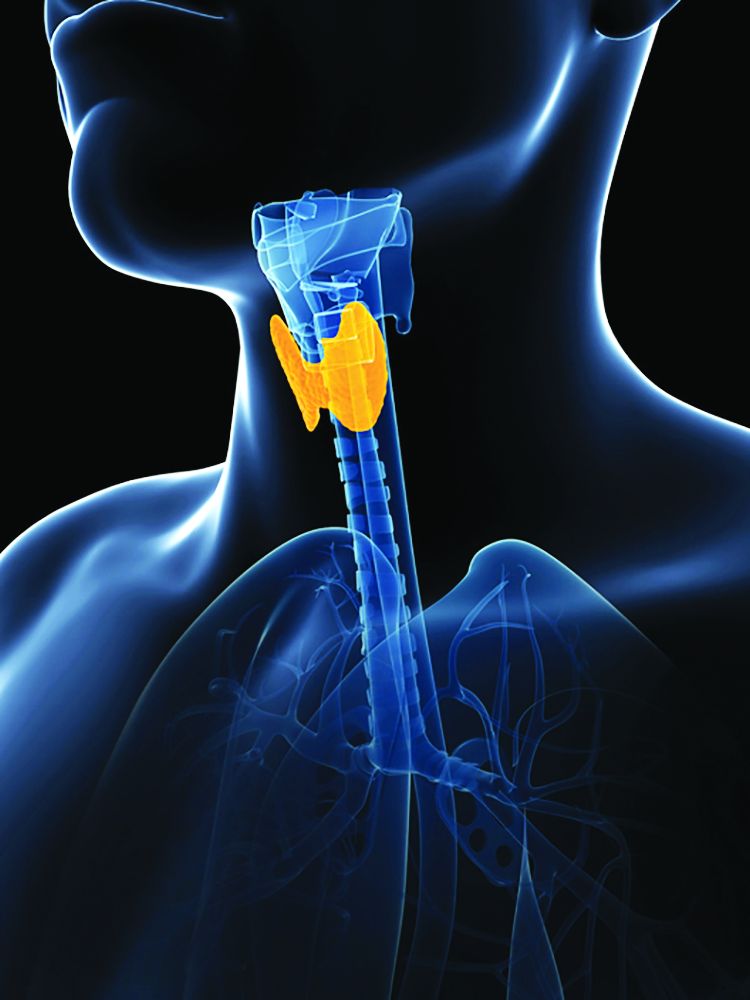
The researchers examined data from 14,540 patients who underwent thyroidectomies at 98 hospitals between Jan. 1, 2013, and Dec. 31, 2015. These included 13,242 operations at 96 hospitals with complete hypocalcemia data, 13,144 operations at 95 hospitals with complete RLN data, and 13,197 operations at 95 hospitals with complete hematoma data. The primary outcome was the 30-day incidence of hypocalcemia, RLN, and hematoma. The researchers also measured 30-day mortality, surgical site infections, and hospital readmissions.
A total of 3.3% of patients experienced clinically severe hypocalcemia (0.6% after partial thyroidectomy, 4.7% after total or subtotal thyroidectomy). Another 5.7% experienced RLN (4.2% after partial, 6.6% after total or subtotal). Hematoma occurred in 1.3% of cases, but there were no significant variations in rates of hematoma across participating institutions.
For hypocalcemia and RLN injury, there were hospital outliers both on the low end of complication rates and on the high end of complication rates, defined by odds ratios with 95% confidence ratios that were greater than 1 for high outliers, or lower than 1 for low outliers. There were no outliers with respect to hematoma, suggesting that it may not be a useful barometer of hospital performance.
With respect to hypocalcemia rates, four hospitals were low outliers, and seven were high. Eight hospitals were low outliers with respect to RLN injury, and 14 were high outliers.
In the analysis of postoperative hypocalcemia, both low and high outliers measured postoperative calcium with similar frequency (68.4% vs. 71.0%; P =.09). However, high performance outliers were more likely to prescribe postoperative calcium, vitamin D, or both (76.6% vs. 66.8%; P less than .001).
Among RLN outliers, intraoperative nerve monitoring was more common in the top performing hospitals (55.7% vs. 37.7%; P less than .001), as was the use of energy devices (69.1% vs. 55.2%; P less than .001).
There was one high outlier when it came to surgical site infections, and one high and one low outlier with respect to morbidity outcomes. There were no hospital readmission outliers.
No source of funding was disclosed. Dr. Liu and Dr. Hall reported having no financial disclosures.
of U.S. hospitals, suggesting to the authors that these measures could be used for quality improvement metrics.
In the study, published Nov. 29 in JAMA Surgery, hospitals with significantly lower rates of hypocalcemia were more likely to conduct postoperative parathyroid hormone level measurement as well as to prescribe vitamin D, calcium supplements, or both. Hospitals with lower RLN injury rates more frequently used energy devices and intraoperative nerve monitoring.
“Causation cannot be proven by this, but the confidence that these practice parameters are important is high,” senior author Bruce Hall, MD, PhD, vice president and chief quality officer at BJC Healthcare, and professor of surgery at Washington University, St. Louis, said in an interview. Dr. Hall is consulting director for the American College of Surgeon’s National Surgical Quality Improvement Program (NSQIP), which provided data for the analysis (JAMA Surg. 2017 Nov 29. doi: 10.1001/jamasurg.2017.4593).
The researchers examined data from 14,540 patients who underwent thyroidectomies at 98 hospitals between Jan. 1, 2013, and Dec. 31, 2015. These included 13,242 operations at 96 hospitals with complete hypocalcemia data, 13,144 operations at 95 hospitals with complete RLN data, and 13,197 operations at 95 hospitals with complete hematoma data. The primary outcome was the 30-day incidence of hypocalcemia, RLN, and hematoma. The researchers also measured 30-day mortality, surgical site infections, and hospital readmissions.
A total of 3.3% of patients experienced clinically severe hypocalcemia (0.6% after partial thyroidectomy, 4.7% after total or subtotal thyroidectomy). Another 5.7% experienced RLN (4.2% after partial, 6.6% after total or subtotal). Hematoma occurred in 1.3% of cases, but there were no significant variations in rates of hematoma across participating institutions.
For hypocalcemia and RLN injury, there were hospital outliers both on the low end of complication rates and on the high end of complication rates, defined by odds ratios with 95% confidence ratios that were greater than 1 for high outliers, or lower than 1 for low outliers. There were no outliers with respect to hematoma, suggesting that it may not be a useful barometer of hospital performance.
With respect to hypocalcemia rates, four hospitals were low outliers, and seven were high. Eight hospitals were low outliers with respect to RLN injury, and 14 were high outliers.
In the analysis of postoperative hypocalcemia, both low and high outliers measured postoperative calcium with similar frequency (68.4% vs. 71.0%; P =.09). However, high performance outliers were more likely to prescribe postoperative calcium, vitamin D, or both (76.6% vs. 66.8%; P less than .001).
Among RLN outliers, intraoperative nerve monitoring was more common in the top performing hospitals (55.7% vs. 37.7%; P less than .001), as was the use of energy devices (69.1% vs. 55.2%; P less than .001).
There was one high outlier when it came to surgical site infections, and one high and one low outlier with respect to morbidity outcomes. There were no hospital readmission outliers.
No source of funding was disclosed. Dr. Liu and Dr. Hall reported having no financial disclosures.
of U.S. hospitals, suggesting to the authors that these measures could be used for quality improvement metrics.
In the study, published Nov. 29 in JAMA Surgery, hospitals with significantly lower rates of hypocalcemia were more likely to conduct postoperative parathyroid hormone level measurement as well as to prescribe vitamin D, calcium supplements, or both. Hospitals with lower RLN injury rates more frequently used energy devices and intraoperative nerve monitoring.
“Causation cannot be proven by this, but the confidence that these practice parameters are important is high,” senior author Bruce Hall, MD, PhD, vice president and chief quality officer at BJC Healthcare, and professor of surgery at Washington University, St. Louis, said in an interview. Dr. Hall is consulting director for the American College of Surgeon’s National Surgical Quality Improvement Program (NSQIP), which provided data for the analysis (JAMA Surg. 2017 Nov 29. doi: 10.1001/jamasurg.2017.4593).
The researchers examined data from 14,540 patients who underwent thyroidectomies at 98 hospitals between Jan. 1, 2013, and Dec. 31, 2015. These included 13,242 operations at 96 hospitals with complete hypocalcemia data, 13,144 operations at 95 hospitals with complete RLN data, and 13,197 operations at 95 hospitals with complete hematoma data. The primary outcome was the 30-day incidence of hypocalcemia, RLN, and hematoma. The researchers also measured 30-day mortality, surgical site infections, and hospital readmissions.
A total of 3.3% of patients experienced clinically severe hypocalcemia (0.6% after partial thyroidectomy, 4.7% after total or subtotal thyroidectomy). Another 5.7% experienced RLN (4.2% after partial, 6.6% after total or subtotal). Hematoma occurred in 1.3% of cases, but there were no significant variations in rates of hematoma across participating institutions.
For hypocalcemia and RLN injury, there were hospital outliers both on the low end of complication rates and on the high end of complication rates, defined by odds ratios with 95% confidence ratios that were greater than 1 for high outliers, or lower than 1 for low outliers. There were no outliers with respect to hematoma, suggesting that it may not be a useful barometer of hospital performance.
With respect to hypocalcemia rates, four hospitals were low outliers, and seven were high. Eight hospitals were low outliers with respect to RLN injury, and 14 were high outliers.
In the analysis of postoperative hypocalcemia, both low and high outliers measured postoperative calcium with similar frequency (68.4% vs. 71.0%; P =.09). However, high performance outliers were more likely to prescribe postoperative calcium, vitamin D, or both (76.6% vs. 66.8%; P less than .001).
Among RLN outliers, intraoperative nerve monitoring was more common in the top performing hospitals (55.7% vs. 37.7%; P less than .001), as was the use of energy devices (69.1% vs. 55.2%; P less than .001).
There was one high outlier when it came to surgical site infections, and one high and one low outlier with respect to morbidity outcomes. There were no hospital readmission outliers.
No source of funding was disclosed. Dr. Liu and Dr. Hall reported having no financial disclosures.
FROM JAMA SURGERY
Key clinical point: Prescription of postoperative calcium, vitamin D, or both, and greater use of intraoperative nerve monitoring may lead to fewer adverse events after thyroidectomy.
Major finding: Both low and high outliers on 30-day rates of postoperative hypocalcemia measured postoperative calcium with similar frequency (68.4% vs. 71.0%; P =.09). However, high performance outliers were more likely to prescribe postoperative calcium, vitamin D, or both (76.6% vs. 66.8%; P less than .001).
Data source: Retrospective analysis of 14,540 patients at 98 hospitals in the American College of Surgeon’s National Surgical Quality Improvement Program.
Disclosures: No source of funding was disclosed. Dr. Liu and Dr. Hall reported having no financial disclosures.
REBOA improves survival for trauma patients
SCOTTSDALE, ARIZ. – In a small, single-center study of patients with subdiaphragmatic hemorrhage, resuscitative endovascular balloon occlusion of the aorta (REBOA) improved hemodynamic status and 30-day survival rates, compared with resuscitative thoracotomy (RT).
Although the technique was first developed during the Korean War, REBOA never really caught on, possibly because of limitations in endovascular technology. But recent advances in surgical technique have revitalized interest.

Despite the success of the study, some audience members expressed concerns about the skill set required. One questioner pointed out that emergency department physicians may be tempted to use the technique, even though they may not possess the requisite catheter and wire skills. That is a legitimate concern, according to senior author R. Stephen Smith, MD, FACS, professor of acute care surgery at the University of Florida, Gainesville. But this is already happening, he said. “They’ve already done it in the field in Britain, and most are placed by nonsurgeons in Japan. Frankly, we need to pay particular attention to the skills of those emergency medicine physicians, because the average emergency medicine physician at this point really doesn’t have the catheter or wire-based skills to do this safely,” Dr. Smith said at the annual meeting of the Western Surgical Association.
The researchers examined outcomes in patients who underwent REBOA versus RT over a 21-month (2015-2017) period at their institution. Before adopting REBOA, attending surgeons and senior surgical residents attended a 1.5-hour slide presentation combined with simulation training. No external course was required. Operating room personnel received a 30-minute slide presentation. The procedures were conducted in a dedicated trauma operating room equipped with imaging.
Sixteen patients underwent REBOA during the study period, with a mean injury severity score of 38.6. Preoperative hemoglobin levels ranged from 5 to 14.4 mg/dL, and the majority were acidotic because of trauma.
Fourteen of the 16 patients who underwent REBOA survived the operative procedure, and 6 survived to 30 days. By contrast, 8 patients were treated with RT, and none survived to 30 days. Ten of the 16 patients who underwent REBOA experienced an improvement in hemodynamic status, with systolic blood pressure improving to a mean of 131.83 mm Hg (±8.24) and improvement of heart rate to 87.5 (±5.47). One survivor developed a common femoral pseudoaneurysm.
Compared with nonsurvivors, REBOA patients who survived had a significant increase in Initial Glasgow Coma scores (15.0 vs. 6.18; P less than .05), and higher initial platelet counts (276.40 vs. 124.75; P = .01). Survivors also had higher initial postoperative systolic blood pressure (151.40 mm Hg vs. 112.33; P = .05), and a higher mean postoperative arterial blood pressure (109.00 mm Hg vs. 72.78; P = .01).
Overall, the findings were similar to those reported in previous multicenter trials.
The researchers pointed out that REBOA does not replace RT. The latter procedure is still appropriate for some moribund patients with super-diaphragmatic injury and in patients who require open cardiac massage.
The techniques are not mutually exclusive – two patients in the sample were treated with both techniques.
The researchers also mentioned some future possibilities for REBOA. Research in animals has demonstrated the promise of partial REBOA, in which an automated system can partially inflate the balloon and gradually deflate it as the patient’s vital signs improve. That can lighten the load for surgeons and anesthesiologists, according to Dr. Smith. “We look forward to developing that technology in the future,” he said.
The funding source was not disclosed. Dr. Smith is on the speakers bureau for Prytime Medical and is a consultant for Boehringer Laboratory LLC.
SCOTTSDALE, ARIZ. – In a small, single-center study of patients with subdiaphragmatic hemorrhage, resuscitative endovascular balloon occlusion of the aorta (REBOA) improved hemodynamic status and 30-day survival rates, compared with resuscitative thoracotomy (RT).
Although the technique was first developed during the Korean War, REBOA never really caught on, possibly because of limitations in endovascular technology. But recent advances in surgical technique have revitalized interest.
Despite the success of the study, some audience members expressed concerns about the skill set required. One questioner pointed out that emergency department physicians may be tempted to use the technique, even though they may not possess the requisite catheter and wire skills. That is a legitimate concern, according to senior author R. Stephen Smith, MD, FACS, professor of acute care surgery at the University of Florida, Gainesville. But this is already happening, he said. “They’ve already done it in the field in Britain, and most are placed by nonsurgeons in Japan. Frankly, we need to pay particular attention to the skills of those emergency medicine physicians, because the average emergency medicine physician at this point really doesn’t have the catheter or wire-based skills to do this safely,” Dr. Smith said at the annual meeting of the Western Surgical Association.
The researchers examined outcomes in patients who underwent REBOA versus RT over a 21-month (2015-2017) period at their institution. Before adopting REBOA, attending surgeons and senior surgical residents attended a 1.5-hour slide presentation combined with simulation training. No external course was required. Operating room personnel received a 30-minute slide presentation. The procedures were conducted in a dedicated trauma operating room equipped with imaging.
Sixteen patients underwent REBOA during the study period, with a mean injury severity score of 38.6. Preoperative hemoglobin levels ranged from 5 to 14.4 mg/dL, and the majority were acidotic because of trauma.
Fourteen of the 16 patients who underwent REBOA survived the operative procedure, and 6 survived to 30 days. By contrast, 8 patients were treated with RT, and none survived to 30 days. Ten of the 16 patients who underwent REBOA experienced an improvement in hemodynamic status, with systolic blood pressure improving to a mean of 131.83 mm Hg (±8.24) and improvement of heart rate to 87.5 (±5.47). One survivor developed a common femoral pseudoaneurysm.
Compared with nonsurvivors, REBOA patients who survived had a significant increase in Initial Glasgow Coma scores (15.0 vs. 6.18; P less than .05), and higher initial platelet counts (276.40 vs. 124.75; P = .01). Survivors also had higher initial postoperative systolic blood pressure (151.40 mm Hg vs. 112.33; P = .05), and a higher mean postoperative arterial blood pressure (109.00 mm Hg vs. 72.78; P = .01).
Overall, the findings were similar to those reported in previous multicenter trials.
The researchers pointed out that REBOA does not replace RT. The latter procedure is still appropriate for some moribund patients with super-diaphragmatic injury and in patients who require open cardiac massage.
The techniques are not mutually exclusive – two patients in the sample were treated with both techniques.
The researchers also mentioned some future possibilities for REBOA. Research in animals has demonstrated the promise of partial REBOA, in which an automated system can partially inflate the balloon and gradually deflate it as the patient’s vital signs improve. That can lighten the load for surgeons and anesthesiologists, according to Dr. Smith. “We look forward to developing that technology in the future,” he said.
The funding source was not disclosed. Dr. Smith is on the speakers bureau for Prytime Medical and is a consultant for Boehringer Laboratory LLC.
SCOTTSDALE, ARIZ. – In a small, single-center study of patients with subdiaphragmatic hemorrhage, resuscitative endovascular balloon occlusion of the aorta (REBOA) improved hemodynamic status and 30-day survival rates, compared with resuscitative thoracotomy (RT).
Although the technique was first developed during the Korean War, REBOA never really caught on, possibly because of limitations in endovascular technology. But recent advances in surgical technique have revitalized interest.
Despite the success of the study, some audience members expressed concerns about the skill set required. One questioner pointed out that emergency department physicians may be tempted to use the technique, even though they may not possess the requisite catheter and wire skills. That is a legitimate concern, according to senior author R. Stephen Smith, MD, FACS, professor of acute care surgery at the University of Florida, Gainesville. But this is already happening, he said. “They’ve already done it in the field in Britain, and most are placed by nonsurgeons in Japan. Frankly, we need to pay particular attention to the skills of those emergency medicine physicians, because the average emergency medicine physician at this point really doesn’t have the catheter or wire-based skills to do this safely,” Dr. Smith said at the annual meeting of the Western Surgical Association.
The researchers examined outcomes in patients who underwent REBOA versus RT over a 21-month (2015-2017) period at their institution. Before adopting REBOA, attending surgeons and senior surgical residents attended a 1.5-hour slide presentation combined with simulation training. No external course was required. Operating room personnel received a 30-minute slide presentation. The procedures were conducted in a dedicated trauma operating room equipped with imaging.
Sixteen patients underwent REBOA during the study period, with a mean injury severity score of 38.6. Preoperative hemoglobin levels ranged from 5 to 14.4 mg/dL, and the majority were acidotic because of trauma.
Fourteen of the 16 patients who underwent REBOA survived the operative procedure, and 6 survived to 30 days. By contrast, 8 patients were treated with RT, and none survived to 30 days. Ten of the 16 patients who underwent REBOA experienced an improvement in hemodynamic status, with systolic blood pressure improving to a mean of 131.83 mm Hg (±8.24) and improvement of heart rate to 87.5 (±5.47). One survivor developed a common femoral pseudoaneurysm.
Compared with nonsurvivors, REBOA patients who survived had a significant increase in Initial Glasgow Coma scores (15.0 vs. 6.18; P less than .05), and higher initial platelet counts (276.40 vs. 124.75; P = .01). Survivors also had higher initial postoperative systolic blood pressure (151.40 mm Hg vs. 112.33; P = .05), and a higher mean postoperative arterial blood pressure (109.00 mm Hg vs. 72.78; P = .01).
Overall, the findings were similar to those reported in previous multicenter trials.
The researchers pointed out that REBOA does not replace RT. The latter procedure is still appropriate for some moribund patients with super-diaphragmatic injury and in patients who require open cardiac massage.
The techniques are not mutually exclusive – two patients in the sample were treated with both techniques.
The researchers also mentioned some future possibilities for REBOA. Research in animals has demonstrated the promise of partial REBOA, in which an automated system can partially inflate the balloon and gradually deflate it as the patient’s vital signs improve. That can lighten the load for surgeons and anesthesiologists, according to Dr. Smith. “We look forward to developing that technology in the future,” he said.
The funding source was not disclosed. Dr. Smith is on the speakers bureau for Prytime Medical and is a consultant for Boehringer Laboratory LLC.
AT WSA 2017
Key clinical point: REBOA improved hematological outcomes and survival rates, compared with resuscitative thoracotomy.
Major finding: Six of 16 patients in the REBOA group survived to 30 days, compared with none of the 8 resuscitative thoracotomy patients.
Data source: Retrospective analysis of 24 patients at a single center.
Disclosures: The funding source was not disclosed. Dr. Smith is on the speakers bureau for Prytime Medical and is a consultant for Boehringer Laboratory LLC.
In bariatric surgery, leak test may backfire
SCOTTSDALE, ARIZ. – A test used to detect anastomotic leaks during bariatric surgery may in fact be a potential cause of leaks, since performance of the test was associated with double the frequency of 30-day postoperative leaks, a study showed.
Based on this finding from an analysis of the 2015 Metabolic and Bariatric Surgery Accreditation and Quality Improvement Program (MBSAQIP) database, the researchers suggested that the use of an endoscope could lead to fewer complications.

The test itself is valuable, since surgeons hope to find and repair a leak immediately, but Dr. Nguyen said the wrong method is being used. “The technique of doing the test should be endoscopy rather than the use of an orogastric tube,” he said. The database did not indicate which technique was being used, but Dr. Nguyen said that use of endoscopy is rare. Surgeons “don’t want to break scrub to go around and perform the endoscopy. It’s easier to ask the anesthesiologist to put a tube down,” said Dr. Nguyen, who is chair of surgery at University of California Irvine Medical Center.
The study, which was presented at the annual meeting of the Western Surgical Association, is the first to look at intraoperative and postoperative procedures and risk of leaks during bariatric surgery, and was possible only because of the recent availability of the MBSAQIP database. The study cannot prove causation between performance of the provocative test and heightened leak risk, and one audience member suggested the possibility that the tests were ordered when a surgeon believed the patient was at higher risk. If so, the association wouldn’t be causative.
However, the provocation test was performed 82% of the time, suggesting that the test was being carried out routinely, said Dr. Nguyen.
By contrast, when the surgeon inserted a surgical drain, the risk of leak was nearly four times higher. “It is most likely that the surgeon only decided to place the drain because they were worried about that particular operation, since it was only done a small percentage of the time. Our results suggest that they were right [to be concerned]. We believe it’s a reflection of the knowledge of the surgeon for that particular case,” said Dr. Nguyen.
If indeed there is a risk associated with the provocation test, the use of endoscopy could reduce that risk. Dr. Nguyen also pointed out that endoscopy provides anatomical detail that can help guide revision surgery, and it’s a useful training exercise for residents. “This is an important skill that you need when you graduate from general surgery,” said Dr. Nguyen.
The researchers analyzed data from 133,478 patients who underwent laparoscopic sleeve gastrectomy (LSG) or laparoscopic Roux-en-Y gastric bypass (LRYGB), excluding emergent and revisional cases; 69.3% of patients underwent LSG, while 30.7% underwent LRYGB. The researchers looked at the association between leak frequency and the presence of the provocative test, surgical drain, and swallow study.
The 30-day leak rate was 0.7% overall, and 0.5% in LSG and 1.2% in LRYGB (adjusted odds ratio for LSG, 0.52; 95% confidence interval, 0.44-0.61; P less than .001). The rate was higher in the 81.9% of patients who received the provocative test than in those who did not (0.8% vs. 0.4%; aOR, 1.41; 95% CI, 1.14-1.76; P = .02). The leak risk was also higher in the 24.5% of patients who had a drain placed (1.6% vs. 0.4%; aOR, 3.46; 95% CI, 3.01-3.98; P less than .001).
A total of 41.1% of patients received a swallow study, but their leak rate (0.7%) was identical to that of those who did not have a swallow study.
The study received no outside funding. Dr. Nguyen reported having no relevant financial disclosures.
SCOTTSDALE, ARIZ. – A test used to detect anastomotic leaks during bariatric surgery may in fact be a potential cause of leaks, since performance of the test was associated with double the frequency of 30-day postoperative leaks, a study showed.
Based on this finding from an analysis of the 2015 Metabolic and Bariatric Surgery Accreditation and Quality Improvement Program (MBSAQIP) database, the researchers suggested that the use of an endoscope could lead to fewer complications.
The test itself is valuable, since surgeons hope to find and repair a leak immediately, but Dr. Nguyen said the wrong method is being used. “The technique of doing the test should be endoscopy rather than the use of an orogastric tube,” he said. The database did not indicate which technique was being used, but Dr. Nguyen said that use of endoscopy is rare. Surgeons “don’t want to break scrub to go around and perform the endoscopy. It’s easier to ask the anesthesiologist to put a tube down,” said Dr. Nguyen, who is chair of surgery at University of California Irvine Medical Center.
The study, which was presented at the annual meeting of the Western Surgical Association, is the first to look at intraoperative and postoperative procedures and risk of leaks during bariatric surgery, and was possible only because of the recent availability of the MBSAQIP database. The study cannot prove causation between performance of the provocative test and heightened leak risk, and one audience member suggested the possibility that the tests were ordered when a surgeon believed the patient was at higher risk. If so, the association wouldn’t be causative.
However, the provocation test was performed 82% of the time, suggesting that the test was being carried out routinely, said Dr. Nguyen.
By contrast, when the surgeon inserted a surgical drain, the risk of leak was nearly four times higher. “It is most likely that the surgeon only decided to place the drain because they were worried about that particular operation, since it was only done a small percentage of the time. Our results suggest that they were right [to be concerned]. We believe it’s a reflection of the knowledge of the surgeon for that particular case,” said Dr. Nguyen.
If indeed there is a risk associated with the provocation test, the use of endoscopy could reduce that risk. Dr. Nguyen also pointed out that endoscopy provides anatomical detail that can help guide revision surgery, and it’s a useful training exercise for residents. “This is an important skill that you need when you graduate from general surgery,” said Dr. Nguyen.
The researchers analyzed data from 133,478 patients who underwent laparoscopic sleeve gastrectomy (LSG) or laparoscopic Roux-en-Y gastric bypass (LRYGB), excluding emergent and revisional cases; 69.3% of patients underwent LSG, while 30.7% underwent LRYGB. The researchers looked at the association between leak frequency and the presence of the provocative test, surgical drain, and swallow study.
The 30-day leak rate was 0.7% overall, and 0.5% in LSG and 1.2% in LRYGB (adjusted odds ratio for LSG, 0.52; 95% confidence interval, 0.44-0.61; P less than .001). The rate was higher in the 81.9% of patients who received the provocative test than in those who did not (0.8% vs. 0.4%; aOR, 1.41; 95% CI, 1.14-1.76; P = .02). The leak risk was also higher in the 24.5% of patients who had a drain placed (1.6% vs. 0.4%; aOR, 3.46; 95% CI, 3.01-3.98; P less than .001).
A total of 41.1% of patients received a swallow study, but their leak rate (0.7%) was identical to that of those who did not have a swallow study.
The study received no outside funding. Dr. Nguyen reported having no relevant financial disclosures.
SCOTTSDALE, ARIZ. – A test used to detect anastomotic leaks during bariatric surgery may in fact be a potential cause of leaks, since performance of the test was associated with double the frequency of 30-day postoperative leaks, a study showed.
Based on this finding from an analysis of the 2015 Metabolic and Bariatric Surgery Accreditation and Quality Improvement Program (MBSAQIP) database, the researchers suggested that the use of an endoscope could lead to fewer complications.
The test itself is valuable, since surgeons hope to find and repair a leak immediately, but Dr. Nguyen said the wrong method is being used. “The technique of doing the test should be endoscopy rather than the use of an orogastric tube,” he said. The database did not indicate which technique was being used, but Dr. Nguyen said that use of endoscopy is rare. Surgeons “don’t want to break scrub to go around and perform the endoscopy. It’s easier to ask the anesthesiologist to put a tube down,” said Dr. Nguyen, who is chair of surgery at University of California Irvine Medical Center.
The study, which was presented at the annual meeting of the Western Surgical Association, is the first to look at intraoperative and postoperative procedures and risk of leaks during bariatric surgery, and was possible only because of the recent availability of the MBSAQIP database. The study cannot prove causation between performance of the provocative test and heightened leak risk, and one audience member suggested the possibility that the tests were ordered when a surgeon believed the patient was at higher risk. If so, the association wouldn’t be causative.
However, the provocation test was performed 82% of the time, suggesting that the test was being carried out routinely, said Dr. Nguyen.
By contrast, when the surgeon inserted a surgical drain, the risk of leak was nearly four times higher. “It is most likely that the surgeon only decided to place the drain because they were worried about that particular operation, since it was only done a small percentage of the time. Our results suggest that they were right [to be concerned]. We believe it’s a reflection of the knowledge of the surgeon for that particular case,” said Dr. Nguyen.
If indeed there is a risk associated with the provocation test, the use of endoscopy could reduce that risk. Dr. Nguyen also pointed out that endoscopy provides anatomical detail that can help guide revision surgery, and it’s a useful training exercise for residents. “This is an important skill that you need when you graduate from general surgery,” said Dr. Nguyen.
The researchers analyzed data from 133,478 patients who underwent laparoscopic sleeve gastrectomy (LSG) or laparoscopic Roux-en-Y gastric bypass (LRYGB), excluding emergent and revisional cases; 69.3% of patients underwent LSG, while 30.7% underwent LRYGB. The researchers looked at the association between leak frequency and the presence of the provocative test, surgical drain, and swallow study.
The 30-day leak rate was 0.7% overall, and 0.5% in LSG and 1.2% in LRYGB (adjusted odds ratio for LSG, 0.52; 95% confidence interval, 0.44-0.61; P less than .001). The rate was higher in the 81.9% of patients who received the provocative test than in those who did not (0.8% vs. 0.4%; aOR, 1.41; 95% CI, 1.14-1.76; P = .02). The leak risk was also higher in the 24.5% of patients who had a drain placed (1.6% vs. 0.4%; aOR, 3.46; 95% CI, 3.01-3.98; P less than .001).
A total of 41.1% of patients received a swallow study, but their leak rate (0.7%) was identical to that of those who did not have a swallow study.
The study received no outside funding. Dr. Nguyen reported having no relevant financial disclosures.
AT WSA 2017
Key clinical point: Use of endoscopy to perform the provocative test may reduce the incidence of anastomotic leaks.
Major finding: The rate of leaks was 0.8% in patients who had the provocative test, compared with 0.4% in patients who didn’t have the test.
Data source: A retrospective analysis of 133,478 procedures.
Disclosures: The study received no outside funding. Dr. Nguyen reported having no relevant financial disclosures.
Living liver donation safety supported in single-center study
SCOTTSDALE, ARIZ. – A single-center analysis of complications following living liver donation found a low rate of severe complications, and a high quality of life among donors. The results are similar to what has been seen in a previous multicenter study in the United States, and the authors hope that the results can help inform potential donors and their physicians.
There is a significant shortage of deceased liver donors, leading to the death of about 3,500 liver transplant hopefuls in 2016, compared with about 2,900 who received a transplant. Living donor transplant was developed and first attempted in 1996 as an attempt to counter this shortage, and for a brief period it was popular, peaking at 500 donor surgeries in 2001. But that year the death of a donor occurred in New York and received widespread publicity.
Overall, though, the study showed relatively few complications, and that donors reported good quality of life. “There was a slight dip in health-related quality of life at 5 years and 10 years, but at all times the donors had significantly better quality of life compared to the standard population,” said Dr. Chinnakotla, clinical director of pediatric transplantation at the University of Minnesota, Minneapolis.
The researchers examined long-term complications and quality of life among 176 liver donors who underwent surgery between 1997 and 2016 at the University of Minnesota. At total of 140 donors underwent a right-lobe hepatectomy without middle hepatic vein, 14 underwent right lobe with middle hepatic vein, 4 underwent left lobe, and 18 underwent left lateral segmentectomy.
The researchers then analyzed complications graded by the Clavien scale. They found that 59.1% of right-lobe donors experienced no complications at all; 5.8% had Clavien scale 1 complications, meaning something abnormal occurred but required no intervention; and 27.3% had a Clavien 2 complication, requiring pharmaceutical treatment, a blood transfusion, or parenteral nutrition. Clavien 3a complications, which required an intervention without general anesthesia, occurred in 1.9% of cases, and Clavien 3b complications, which required anesthesia, occurred in 5.8%.
A total of 81.8% of left-lobe donors experienced no complications, 4.5% had a Clavien 1 complication, and 13.6% a Clavien 2. There were no Clavien 3 or 4 complications in left-lobe donors.
Overall, the incidence of Clavien grade 3 or higher complications was 7%, there were no complications involving organ failure, and there were no deaths.
Quality of life, as measured by the 36-item Short Form Health Survey and an internally designed donor-specific survey, was higher among recipients than in the general population at all time points. The primary long-term complaints were incisional discomfort, which ranged from about 23% to 38% in frequency, and intolerance to fatty meals, which had a frequency of 20%-30%, and is likely attributable to accompanying cholecystectomy, according to Dr. Chinnakotla.
“The overall results appear to have been excellent,” said William C. Chapman, MD, who was invited by the meeting organizers to review and comment on the study. Dr. Chapman is surgical director of transplant surgery at Washington University in St. Louis.
Dr. Chapman also noted that some studies in Asia have looked at reducing complications in donors, while avoiding a small-for-size graft, by using two left-lobe grafts from separate living donors (Liver Transpl 2015;21[11]1438-48). “We haven’t been brave enough to do that in the United States, but I think that is a strategy we can look forward to in the future,” said Dr. Chinnakotla.
No funding source was disclosed.
SCOTTSDALE, ARIZ. – A single-center analysis of complications following living liver donation found a low rate of severe complications, and a high quality of life among donors. The results are similar to what has been seen in a previous multicenter study in the United States, and the authors hope that the results can help inform potential donors and their physicians.
There is a significant shortage of deceased liver donors, leading to the death of about 3,500 liver transplant hopefuls in 2016, compared with about 2,900 who received a transplant. Living donor transplant was developed and first attempted in 1996 as an attempt to counter this shortage, and for a brief period it was popular, peaking at 500 donor surgeries in 2001. But that year the death of a donor occurred in New York and received widespread publicity.
Overall, though, the study showed relatively few complications, and that donors reported good quality of life. “There was a slight dip in health-related quality of life at 5 years and 10 years, but at all times the donors had significantly better quality of life compared to the standard population,” said Dr. Chinnakotla, clinical director of pediatric transplantation at the University of Minnesota, Minneapolis.
The researchers examined long-term complications and quality of life among 176 liver donors who underwent surgery between 1997 and 2016 at the University of Minnesota. At total of 140 donors underwent a right-lobe hepatectomy without middle hepatic vein, 14 underwent right lobe with middle hepatic vein, 4 underwent left lobe, and 18 underwent left lateral segmentectomy.
The researchers then analyzed complications graded by the Clavien scale. They found that 59.1% of right-lobe donors experienced no complications at all; 5.8% had Clavien scale 1 complications, meaning something abnormal occurred but required no intervention; and 27.3% had a Clavien 2 complication, requiring pharmaceutical treatment, a blood transfusion, or parenteral nutrition. Clavien 3a complications, which required an intervention without general anesthesia, occurred in 1.9% of cases, and Clavien 3b complications, which required anesthesia, occurred in 5.8%.
A total of 81.8% of left-lobe donors experienced no complications, 4.5% had a Clavien 1 complication, and 13.6% a Clavien 2. There were no Clavien 3 or 4 complications in left-lobe donors.
Overall, the incidence of Clavien grade 3 or higher complications was 7%, there were no complications involving organ failure, and there were no deaths.
Quality of life, as measured by the 36-item Short Form Health Survey and an internally designed donor-specific survey, was higher among recipients than in the general population at all time points. The primary long-term complaints were incisional discomfort, which ranged from about 23% to 38% in frequency, and intolerance to fatty meals, which had a frequency of 20%-30%, and is likely attributable to accompanying cholecystectomy, according to Dr. Chinnakotla.
“The overall results appear to have been excellent,” said William C. Chapman, MD, who was invited by the meeting organizers to review and comment on the study. Dr. Chapman is surgical director of transplant surgery at Washington University in St. Louis.
Dr. Chapman also noted that some studies in Asia have looked at reducing complications in donors, while avoiding a small-for-size graft, by using two left-lobe grafts from separate living donors (Liver Transpl 2015;21[11]1438-48). “We haven’t been brave enough to do that in the United States, but I think that is a strategy we can look forward to in the future,” said Dr. Chinnakotla.
No funding source was disclosed.
SCOTTSDALE, ARIZ. – A single-center analysis of complications following living liver donation found a low rate of severe complications, and a high quality of life among donors. The results are similar to what has been seen in a previous multicenter study in the United States, and the authors hope that the results can help inform potential donors and their physicians.
There is a significant shortage of deceased liver donors, leading to the death of about 3,500 liver transplant hopefuls in 2016, compared with about 2,900 who received a transplant. Living donor transplant was developed and first attempted in 1996 as an attempt to counter this shortage, and for a brief period it was popular, peaking at 500 donor surgeries in 2001. But that year the death of a donor occurred in New York and received widespread publicity.
Overall, though, the study showed relatively few complications, and that donors reported good quality of life. “There was a slight dip in health-related quality of life at 5 years and 10 years, but at all times the donors had significantly better quality of life compared to the standard population,” said Dr. Chinnakotla, clinical director of pediatric transplantation at the University of Minnesota, Minneapolis.
The researchers examined long-term complications and quality of life among 176 liver donors who underwent surgery between 1997 and 2016 at the University of Minnesota. At total of 140 donors underwent a right-lobe hepatectomy without middle hepatic vein, 14 underwent right lobe with middle hepatic vein, 4 underwent left lobe, and 18 underwent left lateral segmentectomy.
The researchers then analyzed complications graded by the Clavien scale. They found that 59.1% of right-lobe donors experienced no complications at all; 5.8% had Clavien scale 1 complications, meaning something abnormal occurred but required no intervention; and 27.3% had a Clavien 2 complication, requiring pharmaceutical treatment, a blood transfusion, or parenteral nutrition. Clavien 3a complications, which required an intervention without general anesthesia, occurred in 1.9% of cases, and Clavien 3b complications, which required anesthesia, occurred in 5.8%.
A total of 81.8% of left-lobe donors experienced no complications, 4.5% had a Clavien 1 complication, and 13.6% a Clavien 2. There were no Clavien 3 or 4 complications in left-lobe donors.
Overall, the incidence of Clavien grade 3 or higher complications was 7%, there were no complications involving organ failure, and there were no deaths.
Quality of life, as measured by the 36-item Short Form Health Survey and an internally designed donor-specific survey, was higher among recipients than in the general population at all time points. The primary long-term complaints were incisional discomfort, which ranged from about 23% to 38% in frequency, and intolerance to fatty meals, which had a frequency of 20%-30%, and is likely attributable to accompanying cholecystectomy, according to Dr. Chinnakotla.
“The overall results appear to have been excellent,” said William C. Chapman, MD, who was invited by the meeting organizers to review and comment on the study. Dr. Chapman is surgical director of transplant surgery at Washington University in St. Louis.
Dr. Chapman also noted that some studies in Asia have looked at reducing complications in donors, while avoiding a small-for-size graft, by using two left-lobe grafts from separate living donors (Liver Transpl 2015;21[11]1438-48). “We haven’t been brave enough to do that in the United States, but I think that is a strategy we can look forward to in the future,” said Dr. Chinnakotla.
No funding source was disclosed.
AT WSA 2017