User login
Enhanced recovery protocol applied to liver surgery reduced costs
SCOTTSDALE, ARIZ. – A new study shows that an Enhanced Recovery in Liver Surgery (ERLS) program reduced costs at a high-volume liver surgery center. The savings were lower in patients receiving epidurals, which is prompting the center to explore alternative methods of pain control. The program reduced costs in minor hepatectomies, but not major hepatectomies.
“It has been clearly demonstrated that patients benefit from enhanced recovery programs – they’re getting home sooner, they’re on fewer opioids, and they do better. What’s less clear is if it’s cost effective. If you can demonstrate lower costs, then all the major stakeholders involved would potentially benefit,” Michael Egger, MD, assistant professor of surgery at the University of Louisville (Ky.), said in an interview.
The study was conducted at the University of Texas MD Anderson Cancer Center, Houston. Dr. Egger presented the research at the annual meeting of the Western Surgical Association.
The liver program is similar to other enhanced recovery protocols and includes use of nonnarcotic analgesia, early ambulation, and early initiation of oral diet. Aspects unique to liver surgery include avoidance of drains and tubes placed in the operating room and limitation of intravenous fluids during and following surgery.
The researchers analyzed data from 212 patients who underwent hepatectomy between February 2012 and September 2016: 72 patients who were in an ERLS program and 140 were enrolled in a traditional recovery (TR) program. The ERLS program included patient education, narcotic-sparing anesthesia and analgesia, rapid diet advancement, restrictive fluid use, early ambulation, and avoidance of drains and tubes.
A total of 32% of patients in the ERLS group underwent major hepatectomy, compared to 64% of patients in the TR group. Forty-three percent in the ERLS group had an epidural, compared with 75% in the TR group.
The ERLS group had a shorter median length of stay (5 days vs. 6 days; P = .001) and had a 9.1% reduction in costs (P = .001). The largest cost differences were attributable to lab costs (–15.0%), room and board (–13.9%), and professional costs (–19.3%; all P less than .05).
ERLS was not associated with a statistically significant cost saving in patients undergoing major hepatectomy. In minor hepatectomy, ERLS was associated with a 17.6% reduction in overall costs (P less than .05). There was no reduction in patients who had a hospital stay over 90 days
Among patients who received patient-controlled analgesia, those in the ERLS program had a 32.0% reduction in overall costs (P less than .001), largely driven by a 34.3% reduction in lab costs, a 33.3% reduction in room and board, a 51.6% reduction in professional costs, and a 22.5% reduction in pharmacy costs (all P less than .05).
There was also no difference in cost between the two programs in patients who underwent an epidural, which suggests an avenue for improvement. “We’re looking at other regional pain blocks, such as transverse abdominis plane (TAP) block using a long-acting analgesic, and that’s our trend going forward. We’re hoping we can reduce some of those increased costs associated with the epidural, but still reap the benefits of improved pain control and reduction of narcotics use,” said Dr. Egger.
The National Institutes of Health funded the study. Dr. Egger reported having no financial disclosures.
SCOTTSDALE, ARIZ. – A new study shows that an Enhanced Recovery in Liver Surgery (ERLS) program reduced costs at a high-volume liver surgery center. The savings were lower in patients receiving epidurals, which is prompting the center to explore alternative methods of pain control. The program reduced costs in minor hepatectomies, but not major hepatectomies.
“It has been clearly demonstrated that patients benefit from enhanced recovery programs – they’re getting home sooner, they’re on fewer opioids, and they do better. What’s less clear is if it’s cost effective. If you can demonstrate lower costs, then all the major stakeholders involved would potentially benefit,” Michael Egger, MD, assistant professor of surgery at the University of Louisville (Ky.), said in an interview.
The study was conducted at the University of Texas MD Anderson Cancer Center, Houston. Dr. Egger presented the research at the annual meeting of the Western Surgical Association.
The liver program is similar to other enhanced recovery protocols and includes use of nonnarcotic analgesia, early ambulation, and early initiation of oral diet. Aspects unique to liver surgery include avoidance of drains and tubes placed in the operating room and limitation of intravenous fluids during and following surgery.
The researchers analyzed data from 212 patients who underwent hepatectomy between February 2012 and September 2016: 72 patients who were in an ERLS program and 140 were enrolled in a traditional recovery (TR) program. The ERLS program included patient education, narcotic-sparing anesthesia and analgesia, rapid diet advancement, restrictive fluid use, early ambulation, and avoidance of drains and tubes.
A total of 32% of patients in the ERLS group underwent major hepatectomy, compared to 64% of patients in the TR group. Forty-three percent in the ERLS group had an epidural, compared with 75% in the TR group.
The ERLS group had a shorter median length of stay (5 days vs. 6 days; P = .001) and had a 9.1% reduction in costs (P = .001). The largest cost differences were attributable to lab costs (–15.0%), room and board (–13.9%), and professional costs (–19.3%; all P less than .05).
ERLS was not associated with a statistically significant cost saving in patients undergoing major hepatectomy. In minor hepatectomy, ERLS was associated with a 17.6% reduction in overall costs (P less than .05). There was no reduction in patients who had a hospital stay over 90 days
Among patients who received patient-controlled analgesia, those in the ERLS program had a 32.0% reduction in overall costs (P less than .001), largely driven by a 34.3% reduction in lab costs, a 33.3% reduction in room and board, a 51.6% reduction in professional costs, and a 22.5% reduction in pharmacy costs (all P less than .05).
There was also no difference in cost between the two programs in patients who underwent an epidural, which suggests an avenue for improvement. “We’re looking at other regional pain blocks, such as transverse abdominis plane (TAP) block using a long-acting analgesic, and that’s our trend going forward. We’re hoping we can reduce some of those increased costs associated with the epidural, but still reap the benefits of improved pain control and reduction of narcotics use,” said Dr. Egger.
The National Institutes of Health funded the study. Dr. Egger reported having no financial disclosures.
SCOTTSDALE, ARIZ. – A new study shows that an Enhanced Recovery in Liver Surgery (ERLS) program reduced costs at a high-volume liver surgery center. The savings were lower in patients receiving epidurals, which is prompting the center to explore alternative methods of pain control. The program reduced costs in minor hepatectomies, but not major hepatectomies.
“It has been clearly demonstrated that patients benefit from enhanced recovery programs – they’re getting home sooner, they’re on fewer opioids, and they do better. What’s less clear is if it’s cost effective. If you can demonstrate lower costs, then all the major stakeholders involved would potentially benefit,” Michael Egger, MD, assistant professor of surgery at the University of Louisville (Ky.), said in an interview.
The study was conducted at the University of Texas MD Anderson Cancer Center, Houston. Dr. Egger presented the research at the annual meeting of the Western Surgical Association.
The liver program is similar to other enhanced recovery protocols and includes use of nonnarcotic analgesia, early ambulation, and early initiation of oral diet. Aspects unique to liver surgery include avoidance of drains and tubes placed in the operating room and limitation of intravenous fluids during and following surgery.
The researchers analyzed data from 212 patients who underwent hepatectomy between February 2012 and September 2016: 72 patients who were in an ERLS program and 140 were enrolled in a traditional recovery (TR) program. The ERLS program included patient education, narcotic-sparing anesthesia and analgesia, rapid diet advancement, restrictive fluid use, early ambulation, and avoidance of drains and tubes.
A total of 32% of patients in the ERLS group underwent major hepatectomy, compared to 64% of patients in the TR group. Forty-three percent in the ERLS group had an epidural, compared with 75% in the TR group.
The ERLS group had a shorter median length of stay (5 days vs. 6 days; P = .001) and had a 9.1% reduction in costs (P = .001). The largest cost differences were attributable to lab costs (–15.0%), room and board (–13.9%), and professional costs (–19.3%; all P less than .05).
ERLS was not associated with a statistically significant cost saving in patients undergoing major hepatectomy. In minor hepatectomy, ERLS was associated with a 17.6% reduction in overall costs (P less than .05). There was no reduction in patients who had a hospital stay over 90 days
Among patients who received patient-controlled analgesia, those in the ERLS program had a 32.0% reduction in overall costs (P less than .001), largely driven by a 34.3% reduction in lab costs, a 33.3% reduction in room and board, a 51.6% reduction in professional costs, and a 22.5% reduction in pharmacy costs (all P less than .05).
There was also no difference in cost between the two programs in patients who underwent an epidural, which suggests an avenue for improvement. “We’re looking at other regional pain blocks, such as transverse abdominis plane (TAP) block using a long-acting analgesic, and that’s our trend going forward. We’re hoping we can reduce some of those increased costs associated with the epidural, but still reap the benefits of improved pain control and reduction of narcotics use,” said Dr. Egger.
The National Institutes of Health funded the study. Dr. Egger reported having no financial disclosures.
AT WSA 2017
Key clinical point: An enhanced recovery program reduced hospital costs for livery surgery.
Major finding: The program was associated with a 9% reduction in costs, but only in minor hepatectomy procedures.
Data source: Retrospective analysis of 212 patients.
Disclosures: The National Institutes of Health funded the study. Dr. Egger reported having no financial disclosures.
High-volume centers have lower costs for some pancreatic surgeries
SCOTTSDALE, ARIZ. – Surgeons who perform five or more pancreaticoduodenectomy (PD) or Whipple operations per year had significant cost reductions, compared with lower-volume surgeons, but there was no such relationship among surgeons performing distal pancreatectomy procedures.
The finding suggests that “high volume” may need to be defined differently for the two procedures to maximize cost effectiveness.
In the age of increased pressure to reduce health care costs, and with the merit-based incentive payment system (MIPS) set to be introduced, referring pancreatic procedures to high-volume centers has the potential to increase efficiency and reduce costs, but researchers are still working to determine how high a volume is required to realize such savings. High volume has been defined by as few as two operations per year and as many as 200, according to Brooke Vuong, MD, who presented the study at at the annual meeting of the Western Surgical Association.
There have been few studies of the impact of surgeon volume on costs and outcomes, and many of those rely on databases and emphasize academic medical centers.
“There was a significant cost reduction for a low-volume threshold of five, so it raises the idea that minimum volume requirements have value,” said Dr. Vuong, who is a surgical oncology fellow at the John Wayne Cancer Institute at Providence Saint John’s Health Center, Santa Monica, Calif.
The study, which is the first to look at detailed costs and value drivers for individual surgeons performing pancreatic surgery, suggests more work needs to be done to determine a high-volume cutoff for distal pancreatectomy (DP). The study, however, also revealed another cost-saving mechanism: After participating surgeons began sharing financial data with each other, overall costs dropped by about 7%.
“The sharing of detailed financial data with [other surgeons] on a regular basis provides the opportunity to evaluate practice patterns and thereby reduce cost, and this is especially important as health care systems and individual physicians are held accountable for value-based care,” Dr. Vuong said.
That point struck a chord with one audience member. “There’s nothing like seeing your data among your peers to drive down your length-of-stay costs and make you pay real attention to complications,” one surgeon said during the Q & A period.
The researchers examined data from procedures performed at 14 hospitals in five different states. The analysis included 54 surgeons and all patients who underwent DP (n = 270) or PD (n = 526) between January 2014 and July 2017. Average length of stay (LOS), 30-day mortality, and readmission rates were collected and compared by surgeon volume. Beginning in 2016, the team conducted bimonthly video conferences to share data in a hepatobiliary clinical performance group.
High-volume surgeons had PD costs of $21,026, compared with $24,706 among low-volume surgeons (difference, $3,680; P = .005). Specific areas of savings included operating room and anesthesia (P = .005); room and board (P = .03), and ICU (P = .042). Average LOS was 9 days among high-volume surgeons, compared with 11 days among low-volume surgeons (P less than .001).
In contrast, the researchers found no significant difference in overall cost between high-volume ($14,016) and low-volume ($15,856) surgeons performing DP, though there was a lower average LOS among high-volume surgeons (6 days vs. 7 days; P = .001). High-volume surgeons also had a lower associated frequency of blood transfusions (10.2% vs. 22.6%; P = .007).
In PD surgeries, low-volume surgeons were more likely to produce a cost in the top quartile than were high-volume surgeons (odds ratio, 6.89; P less than .001). The same was true with DP surgeries (odds ratio, 5.78; P less than .001).
The researchers compared surgical costs from before and after the hepatobiliary clinical performance group was established and found a median decrease of $1,397, from $19,411 in 2014-2015 to $18,014 for 2016 (P = .013).
Readmission rates and 30-day mortality were not significantly different between high-volume and low-volume surgeons in either procedure.
The study received no outside support. Dr. Vuong reported having no financial disclosures..
SCOTTSDALE, ARIZ. – Surgeons who perform five or more pancreaticoduodenectomy (PD) or Whipple operations per year had significant cost reductions, compared with lower-volume surgeons, but there was no such relationship among surgeons performing distal pancreatectomy procedures.
The finding suggests that “high volume” may need to be defined differently for the two procedures to maximize cost effectiveness.
In the age of increased pressure to reduce health care costs, and with the merit-based incentive payment system (MIPS) set to be introduced, referring pancreatic procedures to high-volume centers has the potential to increase efficiency and reduce costs, but researchers are still working to determine how high a volume is required to realize such savings. High volume has been defined by as few as two operations per year and as many as 200, according to Brooke Vuong, MD, who presented the study at at the annual meeting of the Western Surgical Association.
There have been few studies of the impact of surgeon volume on costs and outcomes, and many of those rely on databases and emphasize academic medical centers.
“There was a significant cost reduction for a low-volume threshold of five, so it raises the idea that minimum volume requirements have value,” said Dr. Vuong, who is a surgical oncology fellow at the John Wayne Cancer Institute at Providence Saint John’s Health Center, Santa Monica, Calif.
The study, which is the first to look at detailed costs and value drivers for individual surgeons performing pancreatic surgery, suggests more work needs to be done to determine a high-volume cutoff for distal pancreatectomy (DP). The study, however, also revealed another cost-saving mechanism: After participating surgeons began sharing financial data with each other, overall costs dropped by about 7%.
“The sharing of detailed financial data with [other surgeons] on a regular basis provides the opportunity to evaluate practice patterns and thereby reduce cost, and this is especially important as health care systems and individual physicians are held accountable for value-based care,” Dr. Vuong said.
That point struck a chord with one audience member. “There’s nothing like seeing your data among your peers to drive down your length-of-stay costs and make you pay real attention to complications,” one surgeon said during the Q & A period.
The researchers examined data from procedures performed at 14 hospitals in five different states. The analysis included 54 surgeons and all patients who underwent DP (n = 270) or PD (n = 526) between January 2014 and July 2017. Average length of stay (LOS), 30-day mortality, and readmission rates were collected and compared by surgeon volume. Beginning in 2016, the team conducted bimonthly video conferences to share data in a hepatobiliary clinical performance group.
High-volume surgeons had PD costs of $21,026, compared with $24,706 among low-volume surgeons (difference, $3,680; P = .005). Specific areas of savings included operating room and anesthesia (P = .005); room and board (P = .03), and ICU (P = .042). Average LOS was 9 days among high-volume surgeons, compared with 11 days among low-volume surgeons (P less than .001).
In contrast, the researchers found no significant difference in overall cost between high-volume ($14,016) and low-volume ($15,856) surgeons performing DP, though there was a lower average LOS among high-volume surgeons (6 days vs. 7 days; P = .001). High-volume surgeons also had a lower associated frequency of blood transfusions (10.2% vs. 22.6%; P = .007).
In PD surgeries, low-volume surgeons were more likely to produce a cost in the top quartile than were high-volume surgeons (odds ratio, 6.89; P less than .001). The same was true with DP surgeries (odds ratio, 5.78; P less than .001).
The researchers compared surgical costs from before and after the hepatobiliary clinical performance group was established and found a median decrease of $1,397, from $19,411 in 2014-2015 to $18,014 for 2016 (P = .013).
Readmission rates and 30-day mortality were not significantly different between high-volume and low-volume surgeons in either procedure.
The study received no outside support. Dr. Vuong reported having no financial disclosures..
SCOTTSDALE, ARIZ. – Surgeons who perform five or more pancreaticoduodenectomy (PD) or Whipple operations per year had significant cost reductions, compared with lower-volume surgeons, but there was no such relationship among surgeons performing distal pancreatectomy procedures.
The finding suggests that “high volume” may need to be defined differently for the two procedures to maximize cost effectiveness.
In the age of increased pressure to reduce health care costs, and with the merit-based incentive payment system (MIPS) set to be introduced, referring pancreatic procedures to high-volume centers has the potential to increase efficiency and reduce costs, but researchers are still working to determine how high a volume is required to realize such savings. High volume has been defined by as few as two operations per year and as many as 200, according to Brooke Vuong, MD, who presented the study at at the annual meeting of the Western Surgical Association.
There have been few studies of the impact of surgeon volume on costs and outcomes, and many of those rely on databases and emphasize academic medical centers.
“There was a significant cost reduction for a low-volume threshold of five, so it raises the idea that minimum volume requirements have value,” said Dr. Vuong, who is a surgical oncology fellow at the John Wayne Cancer Institute at Providence Saint John’s Health Center, Santa Monica, Calif.
The study, which is the first to look at detailed costs and value drivers for individual surgeons performing pancreatic surgery, suggests more work needs to be done to determine a high-volume cutoff for distal pancreatectomy (DP). The study, however, also revealed another cost-saving mechanism: After participating surgeons began sharing financial data with each other, overall costs dropped by about 7%.
“The sharing of detailed financial data with [other surgeons] on a regular basis provides the opportunity to evaluate practice patterns and thereby reduce cost, and this is especially important as health care systems and individual physicians are held accountable for value-based care,” Dr. Vuong said.
That point struck a chord with one audience member. “There’s nothing like seeing your data among your peers to drive down your length-of-stay costs and make you pay real attention to complications,” one surgeon said during the Q & A period.
The researchers examined data from procedures performed at 14 hospitals in five different states. The analysis included 54 surgeons and all patients who underwent DP (n = 270) or PD (n = 526) between January 2014 and July 2017. Average length of stay (LOS), 30-day mortality, and readmission rates were collected and compared by surgeon volume. Beginning in 2016, the team conducted bimonthly video conferences to share data in a hepatobiliary clinical performance group.
High-volume surgeons had PD costs of $21,026, compared with $24,706 among low-volume surgeons (difference, $3,680; P = .005). Specific areas of savings included operating room and anesthesia (P = .005); room and board (P = .03), and ICU (P = .042). Average LOS was 9 days among high-volume surgeons, compared with 11 days among low-volume surgeons (P less than .001).
In contrast, the researchers found no significant difference in overall cost between high-volume ($14,016) and low-volume ($15,856) surgeons performing DP, though there was a lower average LOS among high-volume surgeons (6 days vs. 7 days; P = .001). High-volume surgeons also had a lower associated frequency of blood transfusions (10.2% vs. 22.6%; P = .007).
In PD surgeries, low-volume surgeons were more likely to produce a cost in the top quartile than were high-volume surgeons (odds ratio, 6.89; P less than .001). The same was true with DP surgeries (odds ratio, 5.78; P less than .001).
The researchers compared surgical costs from before and after the hepatobiliary clinical performance group was established and found a median decrease of $1,397, from $19,411 in 2014-2015 to $18,014 for 2016 (P = .013).
Readmission rates and 30-day mortality were not significantly different between high-volume and low-volume surgeons in either procedure.
The study received no outside support. Dr. Vuong reported having no financial disclosures..
AT WSA 2017
Key clinical point: Surgeons performing five or more pancreaticoduodenectomies annually had lower overall costs.
Major finding: Costs dropped by $3,680, but there was no significant cost difference in distal pancreatectomies.
Data source: Retrospective analysis of 796 surgeries at 14 hospitals.
Disclosures: The study received no outside support. Dr. Vuong reported having no financial disclosures.
TAP an alternative to epidural for colorectal surgery
SCOTTSDALE, ARIZ. – In colorectal surgery, transversus abdominis plane (TAP) block was associated with shorter hospital stays than epidural, according to a study that was conducted in patients undergoing both open and laparoscopic surgeries. TAP fared well in both groups.
There were higher rates of nausea/vomiting in the TAP group, suggesting the need for preoperative management in patients preparing to undergo TAP block. Urine retention was higher in the epidural group.
Physicians used liposomal bupivacaine, which is more costly than alternatives, and that fact met some resistance in the audience when the study was presented at the annual meeting of the Western Surgical Association. But patients receiving TAP had a 0.5-day shorter length of stay, which should reduce costs overall, and the drug component cost of TAP was less than $100 more than for the epidural.
“The biggest conclusion we drew from this study was that in patients where you would always consider an epidural historically, like an open procedure or a laparoscopic procedure where the conversion risk to open was higher, [favoring epidural] is now being called into question. We really believe that TAP block affords the length of stay benefit with no change in the pain control regimen after surgery,” Shawn Obi, DO, chief of surgery at Henry Ford Allegiance Health, Jackson, Mich., said in an interview.
The findings dovetail with an overall trend of improved protocols in colon surgery. “I think we’re working toward colorectal surgery as an outpatient operation, similar to what has happened in the joint arena,” said Dr. Obi.
His colleague, Matt Torgeson, DO, who is a surgical resident at Henry Ford Allegiance Health, noted that the hospital stay following colorectal surgery was once 6-8 days, and it has been shortened to 3-3.5 days. Enhanced recovery protocols made the biggest impact, shaving about 3 days. “Now we’re going to be seeing small, incremental changes,” said Dr. Torgeson.
The researchers randomized patients undergoing open or laparoscopic colorectal surgery to receive either an epidural (n = 37) or TAP block (n = 41). All patients entered an enhanced recovery pathway following surgery, with standardized discharge criteria. The two groups had similar times to return to normal bowel function (TAP, 1.7 days; epidural, 1.9 days) but the length of hospital stay was lower in the TAP group (2.8 days vs. 3.3 days; P = .023; 74.9 hours vs. 86.3 hours; P = .045). Subjects in the epidural group had a higher frequency of urinary retention (29.7% vs. 14.6%), though this did not reach statistical significance (P = .11). Postoperative nausea occurred at a higher rate in the TAP group (31.7% vs. 13.5%; odds ratio, 2.97), though this result just missed significance (P = .06).
In patients who had open surgery or laparoscopic surgery that converted to open, the length of stay was 2.9 days in the TAP group (n = 9) and 4.4 days in the epidural group (n = 5). Those numbers are small, but they suggest that TAP is effective even in open surgery. The cost of TAP was about $80 more than epidural medication ($406.16 vs. $322.73).
The study received no outside funding. Dr. Torgeson and Dr. Obi reported having no financial disclosures.
SCOTTSDALE, ARIZ. – In colorectal surgery, transversus abdominis plane (TAP) block was associated with shorter hospital stays than epidural, according to a study that was conducted in patients undergoing both open and laparoscopic surgeries. TAP fared well in both groups.
There were higher rates of nausea/vomiting in the TAP group, suggesting the need for preoperative management in patients preparing to undergo TAP block. Urine retention was higher in the epidural group.
Physicians used liposomal bupivacaine, which is more costly than alternatives, and that fact met some resistance in the audience when the study was presented at the annual meeting of the Western Surgical Association. But patients receiving TAP had a 0.5-day shorter length of stay, which should reduce costs overall, and the drug component cost of TAP was less than $100 more than for the epidural.
“The biggest conclusion we drew from this study was that in patients where you would always consider an epidural historically, like an open procedure or a laparoscopic procedure where the conversion risk to open was higher, [favoring epidural] is now being called into question. We really believe that TAP block affords the length of stay benefit with no change in the pain control regimen after surgery,” Shawn Obi, DO, chief of surgery at Henry Ford Allegiance Health, Jackson, Mich., said in an interview.
The findings dovetail with an overall trend of improved protocols in colon surgery. “I think we’re working toward colorectal surgery as an outpatient operation, similar to what has happened in the joint arena,” said Dr. Obi.
His colleague, Matt Torgeson, DO, who is a surgical resident at Henry Ford Allegiance Health, noted that the hospital stay following colorectal surgery was once 6-8 days, and it has been shortened to 3-3.5 days. Enhanced recovery protocols made the biggest impact, shaving about 3 days. “Now we’re going to be seeing small, incremental changes,” said Dr. Torgeson.
The researchers randomized patients undergoing open or laparoscopic colorectal surgery to receive either an epidural (n = 37) or TAP block (n = 41). All patients entered an enhanced recovery pathway following surgery, with standardized discharge criteria. The two groups had similar times to return to normal bowel function (TAP, 1.7 days; epidural, 1.9 days) but the length of hospital stay was lower in the TAP group (2.8 days vs. 3.3 days; P = .023; 74.9 hours vs. 86.3 hours; P = .045). Subjects in the epidural group had a higher frequency of urinary retention (29.7% vs. 14.6%), though this did not reach statistical significance (P = .11). Postoperative nausea occurred at a higher rate in the TAP group (31.7% vs. 13.5%; odds ratio, 2.97), though this result just missed significance (P = .06).
In patients who had open surgery or laparoscopic surgery that converted to open, the length of stay was 2.9 days in the TAP group (n = 9) and 4.4 days in the epidural group (n = 5). Those numbers are small, but they suggest that TAP is effective even in open surgery. The cost of TAP was about $80 more than epidural medication ($406.16 vs. $322.73).
The study received no outside funding. Dr. Torgeson and Dr. Obi reported having no financial disclosures.
SCOTTSDALE, ARIZ. – In colorectal surgery, transversus abdominis plane (TAP) block was associated with shorter hospital stays than epidural, according to a study that was conducted in patients undergoing both open and laparoscopic surgeries. TAP fared well in both groups.
There were higher rates of nausea/vomiting in the TAP group, suggesting the need for preoperative management in patients preparing to undergo TAP block. Urine retention was higher in the epidural group.
Physicians used liposomal bupivacaine, which is more costly than alternatives, and that fact met some resistance in the audience when the study was presented at the annual meeting of the Western Surgical Association. But patients receiving TAP had a 0.5-day shorter length of stay, which should reduce costs overall, and the drug component cost of TAP was less than $100 more than for the epidural.
“The biggest conclusion we drew from this study was that in patients where you would always consider an epidural historically, like an open procedure or a laparoscopic procedure where the conversion risk to open was higher, [favoring epidural] is now being called into question. We really believe that TAP block affords the length of stay benefit with no change in the pain control regimen after surgery,” Shawn Obi, DO, chief of surgery at Henry Ford Allegiance Health, Jackson, Mich., said in an interview.
The findings dovetail with an overall trend of improved protocols in colon surgery. “I think we’re working toward colorectal surgery as an outpatient operation, similar to what has happened in the joint arena,” said Dr. Obi.
His colleague, Matt Torgeson, DO, who is a surgical resident at Henry Ford Allegiance Health, noted that the hospital stay following colorectal surgery was once 6-8 days, and it has been shortened to 3-3.5 days. Enhanced recovery protocols made the biggest impact, shaving about 3 days. “Now we’re going to be seeing small, incremental changes,” said Dr. Torgeson.
The researchers randomized patients undergoing open or laparoscopic colorectal surgery to receive either an epidural (n = 37) or TAP block (n = 41). All patients entered an enhanced recovery pathway following surgery, with standardized discharge criteria. The two groups had similar times to return to normal bowel function (TAP, 1.7 days; epidural, 1.9 days) but the length of hospital stay was lower in the TAP group (2.8 days vs. 3.3 days; P = .023; 74.9 hours vs. 86.3 hours; P = .045). Subjects in the epidural group had a higher frequency of urinary retention (29.7% vs. 14.6%), though this did not reach statistical significance (P = .11). Postoperative nausea occurred at a higher rate in the TAP group (31.7% vs. 13.5%; odds ratio, 2.97), though this result just missed significance (P = .06).
In patients who had open surgery or laparoscopic surgery that converted to open, the length of stay was 2.9 days in the TAP group (n = 9) and 4.4 days in the epidural group (n = 5). Those numbers are small, but they suggest that TAP is effective even in open surgery. The cost of TAP was about $80 more than epidural medication ($406.16 vs. $322.73).
The study received no outside funding. Dr. Torgeson and Dr. Obi reported having no financial disclosures.
AT WSA 2017
Key clinical point: In appropriately selected patients, TAP may be a good alternative to epidural.
Major finding: TAP block was associated with a 0.5-day shorter hospital stay than epidurals.
Data source: Randomized, controlled trial (n = 78).
Disclosures: The study received no outside funding. Dr. Torgeson and Dr. Obi reported having no financial disclosures.
Acute cholecystitis guidelines need work
SCOTTSDALE, ARIZ. – In patients with right upper quadrant pain, the Tokyo Guidelines (TG13) failed to detect acute cholecystitis with adequate sensitivity, according to a single institution retrospective review.
Researchers at the University of Arizona, Tucson, also found that the Tokyo Guidelines’ advice to manage grade II and grade III cholecystitis patients conservatively may be unwarranted, because there were no differences in safety outcomes between grade I and grade II patients who underwent early cholecystectomy.
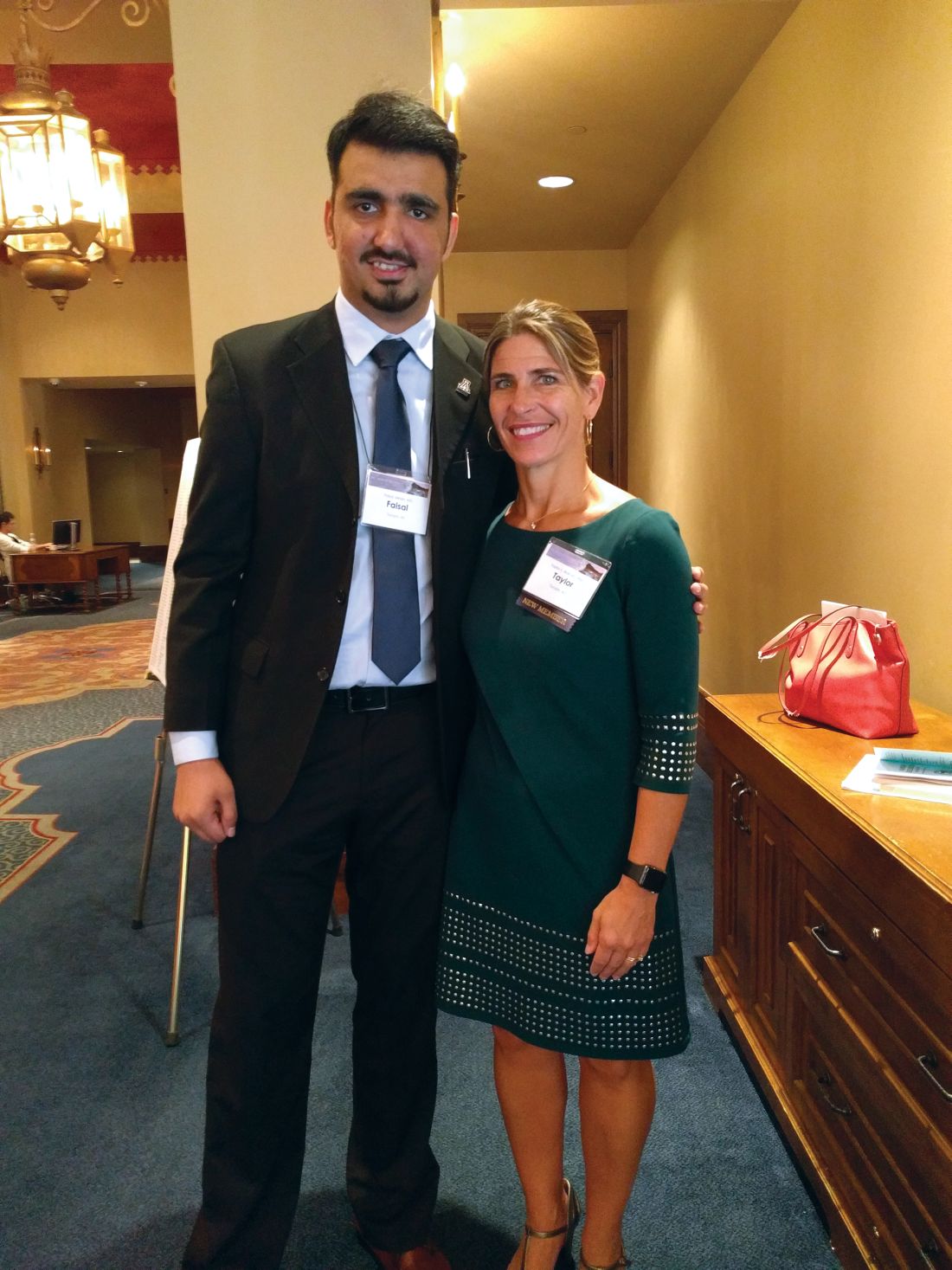
The Tokyo Guidelines were based on expert opinion rather than evidence, and may be limited by differences in practices in Japan and other countries. “There was no formal evaluation of the sensitivity and specificity in any other country,” Faisal Jehan, MD, a research fellow at the University of Arizona, said in an interview. Dr. Jehan presented the study at the annual meeting of the Western Surgical Association.
The study suggests there is additional work to be done before the guidelines are more generally applicable. They are being updated and the new version is slated to appear in 2018.
Cholecystectomy is one of the most common procedures in the United States, and hence represents a major source of health care expenditure. Useful guidelines will therefore be welcome to help standardize treatment, according to Dr. Riall. “I think while we’ve moved as a population toward earlier cholecystectomy, it isn’t uniformly practiced in the United States. So I think there is value in having guidelines that are relevant to our population and relevant to our practice,” she said.
But compared with the pathology report, the TG13 guidelines fared poorly in prediction of acute cholecystitis, with a sensitivity of just 53% (definitive 27%, suspected 26%, undiagnosed 53%). The underperformance of the guidelines may be due in part to recent changes in health-seeking behavior, as patients are likely to get to the hospital more quickly than in the past, and thus exhibit fewer clinical signs when first examined. “That could be decreasing the sensitivity,” said Dr. Jehan.
Suspicious that the guidelines were inadequate, the researchers analyzed their institution’s Emergency General Surgery registry, examining records from 952 patients who presented with right upper quadrant pain between 2013 and 2015. They compared diagnoses and severity assessed using the TG13 guidelines to the ensuing pathology reports, which were obtained from patient charts.
A total of 857 patients of the 952 had biliary disease. Of these, 779 patients went on to cholecystectomy, 15 had cholecystostomy-tube placement, and 63 were managed conservatively with no surgery. Among patients with biliary disease, the frequency of fever at presentation was just 4%, while 51.8% had leukocytosis. Right upper quadrant tenderness was the most sensitive predictor of acute cholecystitis (92%). Murphy’s sign occurred in 28.8% of patients and had a 72% sensitivity.
Following the TG13 guidelines resulted in classification of 414 patients as grade I, 400 as grade II, and 43 as grade III. A total of 92.5% of grade I patients underwent early cholecystectomy, as the TG-13 guidelines suggest. Nearly as many (89.3%) grade II patients also underwent early surgery, as did 50% of grade III patients. The complication rate was similar between grade I and grade II patients who underwent surgery (3.7% vs. 4.7%; P = .81). The rate of return to the operating room was also similar (0.6% vs. 0.7%; P = .95), as was mortality (0.3% vs. 0%; P = .96).
SCOTTSDALE, ARIZ. – In patients with right upper quadrant pain, the Tokyo Guidelines (TG13) failed to detect acute cholecystitis with adequate sensitivity, according to a single institution retrospective review.
Researchers at the University of Arizona, Tucson, also found that the Tokyo Guidelines’ advice to manage grade II and grade III cholecystitis patients conservatively may be unwarranted, because there were no differences in safety outcomes between grade I and grade II patients who underwent early cholecystectomy.
The Tokyo Guidelines were based on expert opinion rather than evidence, and may be limited by differences in practices in Japan and other countries. “There was no formal evaluation of the sensitivity and specificity in any other country,” Faisal Jehan, MD, a research fellow at the University of Arizona, said in an interview. Dr. Jehan presented the study at the annual meeting of the Western Surgical Association.
The study suggests there is additional work to be done before the guidelines are more generally applicable. They are being updated and the new version is slated to appear in 2018.
Cholecystectomy is one of the most common procedures in the United States, and hence represents a major source of health care expenditure. Useful guidelines will therefore be welcome to help standardize treatment, according to Dr. Riall. “I think while we’ve moved as a population toward earlier cholecystectomy, it isn’t uniformly practiced in the United States. So I think there is value in having guidelines that are relevant to our population and relevant to our practice,” she said.
But compared with the pathology report, the TG13 guidelines fared poorly in prediction of acute cholecystitis, with a sensitivity of just 53% (definitive 27%, suspected 26%, undiagnosed 53%). The underperformance of the guidelines may be due in part to recent changes in health-seeking behavior, as patients are likely to get to the hospital more quickly than in the past, and thus exhibit fewer clinical signs when first examined. “That could be decreasing the sensitivity,” said Dr. Jehan.
Suspicious that the guidelines were inadequate, the researchers analyzed their institution’s Emergency General Surgery registry, examining records from 952 patients who presented with right upper quadrant pain between 2013 and 2015. They compared diagnoses and severity assessed using the TG13 guidelines to the ensuing pathology reports, which were obtained from patient charts.
A total of 857 patients of the 952 had biliary disease. Of these, 779 patients went on to cholecystectomy, 15 had cholecystostomy-tube placement, and 63 were managed conservatively with no surgery. Among patients with biliary disease, the frequency of fever at presentation was just 4%, while 51.8% had leukocytosis. Right upper quadrant tenderness was the most sensitive predictor of acute cholecystitis (92%). Murphy’s sign occurred in 28.8% of patients and had a 72% sensitivity.
Following the TG13 guidelines resulted in classification of 414 patients as grade I, 400 as grade II, and 43 as grade III. A total of 92.5% of grade I patients underwent early cholecystectomy, as the TG-13 guidelines suggest. Nearly as many (89.3%) grade II patients also underwent early surgery, as did 50% of grade III patients. The complication rate was similar between grade I and grade II patients who underwent surgery (3.7% vs. 4.7%; P = .81). The rate of return to the operating room was also similar (0.6% vs. 0.7%; P = .95), as was mortality (0.3% vs. 0%; P = .96).
SCOTTSDALE, ARIZ. – In patients with right upper quadrant pain, the Tokyo Guidelines (TG13) failed to detect acute cholecystitis with adequate sensitivity, according to a single institution retrospective review.
Researchers at the University of Arizona, Tucson, also found that the Tokyo Guidelines’ advice to manage grade II and grade III cholecystitis patients conservatively may be unwarranted, because there were no differences in safety outcomes between grade I and grade II patients who underwent early cholecystectomy.
The Tokyo Guidelines were based on expert opinion rather than evidence, and may be limited by differences in practices in Japan and other countries. “There was no formal evaluation of the sensitivity and specificity in any other country,” Faisal Jehan, MD, a research fellow at the University of Arizona, said in an interview. Dr. Jehan presented the study at the annual meeting of the Western Surgical Association.
The study suggests there is additional work to be done before the guidelines are more generally applicable. They are being updated and the new version is slated to appear in 2018.
Cholecystectomy is one of the most common procedures in the United States, and hence represents a major source of health care expenditure. Useful guidelines will therefore be welcome to help standardize treatment, according to Dr. Riall. “I think while we’ve moved as a population toward earlier cholecystectomy, it isn’t uniformly practiced in the United States. So I think there is value in having guidelines that are relevant to our population and relevant to our practice,” she said.
But compared with the pathology report, the TG13 guidelines fared poorly in prediction of acute cholecystitis, with a sensitivity of just 53% (definitive 27%, suspected 26%, undiagnosed 53%). The underperformance of the guidelines may be due in part to recent changes in health-seeking behavior, as patients are likely to get to the hospital more quickly than in the past, and thus exhibit fewer clinical signs when first examined. “That could be decreasing the sensitivity,” said Dr. Jehan.
Suspicious that the guidelines were inadequate, the researchers analyzed their institution’s Emergency General Surgery registry, examining records from 952 patients who presented with right upper quadrant pain between 2013 and 2015. They compared diagnoses and severity assessed using the TG13 guidelines to the ensuing pathology reports, which were obtained from patient charts.
A total of 857 patients of the 952 had biliary disease. Of these, 779 patients went on to cholecystectomy, 15 had cholecystostomy-tube placement, and 63 were managed conservatively with no surgery. Among patients with biliary disease, the frequency of fever at presentation was just 4%, while 51.8% had leukocytosis. Right upper quadrant tenderness was the most sensitive predictor of acute cholecystitis (92%). Murphy’s sign occurred in 28.8% of patients and had a 72% sensitivity.
Following the TG13 guidelines resulted in classification of 414 patients as grade I, 400 as grade II, and 43 as grade III. A total of 92.5% of grade I patients underwent early cholecystectomy, as the TG-13 guidelines suggest. Nearly as many (89.3%) grade II patients also underwent early surgery, as did 50% of grade III patients. The complication rate was similar between grade I and grade II patients who underwent surgery (3.7% vs. 4.7%; P = .81). The rate of return to the operating room was also similar (0.6% vs. 0.7%; P = .95), as was mortality (0.3% vs. 0%; P = .96).
AT WSA 2017
Key clinical point: Early surgery for acute cholecystitis appears safe in well selected patients.
Major finding: TG13 guidelines predicted acute cholecystitis with a sensitivity of 53%.
Data source: Analysis of a prospectively collected data on 952 patients at a single institution.
Disclosures: The study received no outside funding. Dr. Jehan and Dr. Riall reported having no financial disclosures.
Breast cancer margin guidelines reduced re-excisions, cost
SCOTTSDALE, ARIZ. – In breast conservation surgery with whole-breast radiation, costs and the number of re-excisions performed at a single institution dropped after the implementation of 2014 consensus guidelines on excision margins.
The guidelines, created by a multidisciplinary margins panel convened by the Society of Surgical Oncology and the American Society for Radiation Oncology recommend “no ink on tumor” as an adequate margin in cases of invasive carcinoma.
The guidelines sought to reduce costs and re-excision rates and improve cosmetic outcomes. The results of the study carried out at the University of Louisville suggest that the guidelines may be successful in achieving these goals. The reduced need for re-excision is a key point. “That’s very traumatic for the patient. With this consensus, we were able to decrease that, improve patient satisfaction, and decrease the cost,” lead author Nicolás Ajkay, MD, assistant professor of surgery at the University of Louisville School of Medicine, said in an interview.
Dr. Ajkay presented the results of the study at the annual meeting of the Western Surgical Association.
“Surgeons need to be aware of the guidelines, and if the margin is close, they need to be in multidisciplinary discussions with other breast cancer experts to determine which patients would benefit from going back to the operating room,” he said.
The researchers examined the experiences of 237 patients with stage I or stage II invasive carcinoma who had a partial mastectomy. Of these patients, 126 underwent the procedure before the university incorporated the guidelines in March 2014 (PRE), while 111 were seen after that date (POST). The study excluded those who were diagnosed by excisional biopsy and those who were treated with neoadjuvant chemotherapy.
Per-patient operative costs went down on average after the guidelines were implemented ($4,247 vs. $5,465; difference, $1,218; P less than .001). The estimated savings for the entire POST cohort of 111 patients was approximately $135,000.
Patient satisfaction improved as measured by the breast satisfaction domain of the BREAST-Q survey tool (77/100 vs. 61/100; P = .03).
A multivariate analysis showed that the implementation of the consensus statement predicted lower re-excision rates (odds ratio, 0.17; 95% confidence interval, 0.08-0.38; P less than .001) as well as lower operative cost per patient (cost greater than $5,465 OR, 0.14; 95% CI, 0.07-0.30; P less than .001). Guideline implementation did not, however, predict decreased total resection volume, or probability of conversion to mastectomy.
Perhaps because diagnostic methods have improved over time, there were some significant differences between the two populations. The PRE group had a larger median tumor size (1.5 cm vs. 1.1 cm; P less than .001), and a lower proportion of the PRE group was diagnosed as stage I (62% vs. 77%; P = .005). The PRE group also had significantly larger initial resection volume (69.3 cm3 versus 47.1 cm3; P = .02), higher selective margin volume (50.0 cm3 vs. 11.3 cm3; P less than .001), and a larger final resection volume (81.0 cm3 vs. 51.5 cm3; P = .05). Additional selective margin resection was less frequent in the PRE group (76% vs. 41%; P less than .001).
Those differences may confound the findings, since outcomes might have been expected to improve anyway due to improvements in care.
One member of the audience asked whether the guidelines might boost rates of cancer recurrence. It’s too soon to tell, according to Dr. Ajkay, who said that researchers will need at least 4 or 5 years of clinical experience to make that determination. But he is optimistic. “Even though we’re excising less, I would predict we will not see an increase in recurrence, because adjuvant therapy is getting significantly better, and adjuvant therapy reduces the risk of recurrence just as margin re-excisions do,” he said.
The study received no external funding. Dr. Ajkay reported having no financial disclosures.
SCOTTSDALE, ARIZ. – In breast conservation surgery with whole-breast radiation, costs and the number of re-excisions performed at a single institution dropped after the implementation of 2014 consensus guidelines on excision margins.
The guidelines, created by a multidisciplinary margins panel convened by the Society of Surgical Oncology and the American Society for Radiation Oncology recommend “no ink on tumor” as an adequate margin in cases of invasive carcinoma.
The guidelines sought to reduce costs and re-excision rates and improve cosmetic outcomes. The results of the study carried out at the University of Louisville suggest that the guidelines may be successful in achieving these goals. The reduced need for re-excision is a key point. “That’s very traumatic for the patient. With this consensus, we were able to decrease that, improve patient satisfaction, and decrease the cost,” lead author Nicolás Ajkay, MD, assistant professor of surgery at the University of Louisville School of Medicine, said in an interview.
Dr. Ajkay presented the results of the study at the annual meeting of the Western Surgical Association.
“Surgeons need to be aware of the guidelines, and if the margin is close, they need to be in multidisciplinary discussions with other breast cancer experts to determine which patients would benefit from going back to the operating room,” he said.
The researchers examined the experiences of 237 patients with stage I or stage II invasive carcinoma who had a partial mastectomy. Of these patients, 126 underwent the procedure before the university incorporated the guidelines in March 2014 (PRE), while 111 were seen after that date (POST). The study excluded those who were diagnosed by excisional biopsy and those who were treated with neoadjuvant chemotherapy.
Per-patient operative costs went down on average after the guidelines were implemented ($4,247 vs. $5,465; difference, $1,218; P less than .001). The estimated savings for the entire POST cohort of 111 patients was approximately $135,000.
Patient satisfaction improved as measured by the breast satisfaction domain of the BREAST-Q survey tool (77/100 vs. 61/100; P = .03).
A multivariate analysis showed that the implementation of the consensus statement predicted lower re-excision rates (odds ratio, 0.17; 95% confidence interval, 0.08-0.38; P less than .001) as well as lower operative cost per patient (cost greater than $5,465 OR, 0.14; 95% CI, 0.07-0.30; P less than .001). Guideline implementation did not, however, predict decreased total resection volume, or probability of conversion to mastectomy.
Perhaps because diagnostic methods have improved over time, there were some significant differences between the two populations. The PRE group had a larger median tumor size (1.5 cm vs. 1.1 cm; P less than .001), and a lower proportion of the PRE group was diagnosed as stage I (62% vs. 77%; P = .005). The PRE group also had significantly larger initial resection volume (69.3 cm3 versus 47.1 cm3; P = .02), higher selective margin volume (50.0 cm3 vs. 11.3 cm3; P less than .001), and a larger final resection volume (81.0 cm3 vs. 51.5 cm3; P = .05). Additional selective margin resection was less frequent in the PRE group (76% vs. 41%; P less than .001).
Those differences may confound the findings, since outcomes might have been expected to improve anyway due to improvements in care.
One member of the audience asked whether the guidelines might boost rates of cancer recurrence. It’s too soon to tell, according to Dr. Ajkay, who said that researchers will need at least 4 or 5 years of clinical experience to make that determination. But he is optimistic. “Even though we’re excising less, I would predict we will not see an increase in recurrence, because adjuvant therapy is getting significantly better, and adjuvant therapy reduces the risk of recurrence just as margin re-excisions do,” he said.
The study received no external funding. Dr. Ajkay reported having no financial disclosures.
SCOTTSDALE, ARIZ. – In breast conservation surgery with whole-breast radiation, costs and the number of re-excisions performed at a single institution dropped after the implementation of 2014 consensus guidelines on excision margins.
The guidelines, created by a multidisciplinary margins panel convened by the Society of Surgical Oncology and the American Society for Radiation Oncology recommend “no ink on tumor” as an adequate margin in cases of invasive carcinoma.
The guidelines sought to reduce costs and re-excision rates and improve cosmetic outcomes. The results of the study carried out at the University of Louisville suggest that the guidelines may be successful in achieving these goals. The reduced need for re-excision is a key point. “That’s very traumatic for the patient. With this consensus, we were able to decrease that, improve patient satisfaction, and decrease the cost,” lead author Nicolás Ajkay, MD, assistant professor of surgery at the University of Louisville School of Medicine, said in an interview.
Dr. Ajkay presented the results of the study at the annual meeting of the Western Surgical Association.
“Surgeons need to be aware of the guidelines, and if the margin is close, they need to be in multidisciplinary discussions with other breast cancer experts to determine which patients would benefit from going back to the operating room,” he said.
The researchers examined the experiences of 237 patients with stage I or stage II invasive carcinoma who had a partial mastectomy. Of these patients, 126 underwent the procedure before the university incorporated the guidelines in March 2014 (PRE), while 111 were seen after that date (POST). The study excluded those who were diagnosed by excisional biopsy and those who were treated with neoadjuvant chemotherapy.
Per-patient operative costs went down on average after the guidelines were implemented ($4,247 vs. $5,465; difference, $1,218; P less than .001). The estimated savings for the entire POST cohort of 111 patients was approximately $135,000.
Patient satisfaction improved as measured by the breast satisfaction domain of the BREAST-Q survey tool (77/100 vs. 61/100; P = .03).
A multivariate analysis showed that the implementation of the consensus statement predicted lower re-excision rates (odds ratio, 0.17; 95% confidence interval, 0.08-0.38; P less than .001) as well as lower operative cost per patient (cost greater than $5,465 OR, 0.14; 95% CI, 0.07-0.30; P less than .001). Guideline implementation did not, however, predict decreased total resection volume, or probability of conversion to mastectomy.
Perhaps because diagnostic methods have improved over time, there were some significant differences between the two populations. The PRE group had a larger median tumor size (1.5 cm vs. 1.1 cm; P less than .001), and a lower proportion of the PRE group was diagnosed as stage I (62% vs. 77%; P = .005). The PRE group also had significantly larger initial resection volume (69.3 cm3 versus 47.1 cm3; P = .02), higher selective margin volume (50.0 cm3 vs. 11.3 cm3; P less than .001), and a larger final resection volume (81.0 cm3 vs. 51.5 cm3; P = .05). Additional selective margin resection was less frequent in the PRE group (76% vs. 41%; P less than .001).
Those differences may confound the findings, since outcomes might have been expected to improve anyway due to improvements in care.
One member of the audience asked whether the guidelines might boost rates of cancer recurrence. It’s too soon to tell, according to Dr. Ajkay, who said that researchers will need at least 4 or 5 years of clinical experience to make that determination. But he is optimistic. “Even though we’re excising less, I would predict we will not see an increase in recurrence, because adjuvant therapy is getting significantly better, and adjuvant therapy reduces the risk of recurrence just as margin re-excisions do,” he said.
The study received no external funding. Dr. Ajkay reported having no financial disclosures.
AT WSA 2017
Key clinical point: Breast cancer margin guidelines may help reduce re-excisions and lower costs.
Major finding: Operative costs per patient fell by $1,218 after the adoption of the “no ink on tumor” guidelines.
Data source: Retrospective analysis of 237 patients undergoing breast conservation surgery.
Disclosures: The study received no external funding. Dr. Ajkay reported having no financial disclosures.
Most hyperparathyroidism cases can be considered cured after surgery
SCOTTSDALE, ARIZ. – Patients with hyperparathyroidism and single-gland disease can be considered cured if their intraoperative parathyroid hormone (PTH) level drops by 50% or more, or to normal or near-normal levels (15-65 pg/mL), and don’t require immediate follow-up for lab work, according to a retrospective review of patients who underwent parathyroidectomy at Mayo Clinic, Rochester, Minn.
These findings applied only to patients in the study whose preoperative sestamibi scans were concordant with intraoperative findings. Single-gland disease represented about 85% of cases, Melanie L. Lyden, MD, reported at the annual meeting of the Western Surgical Association.
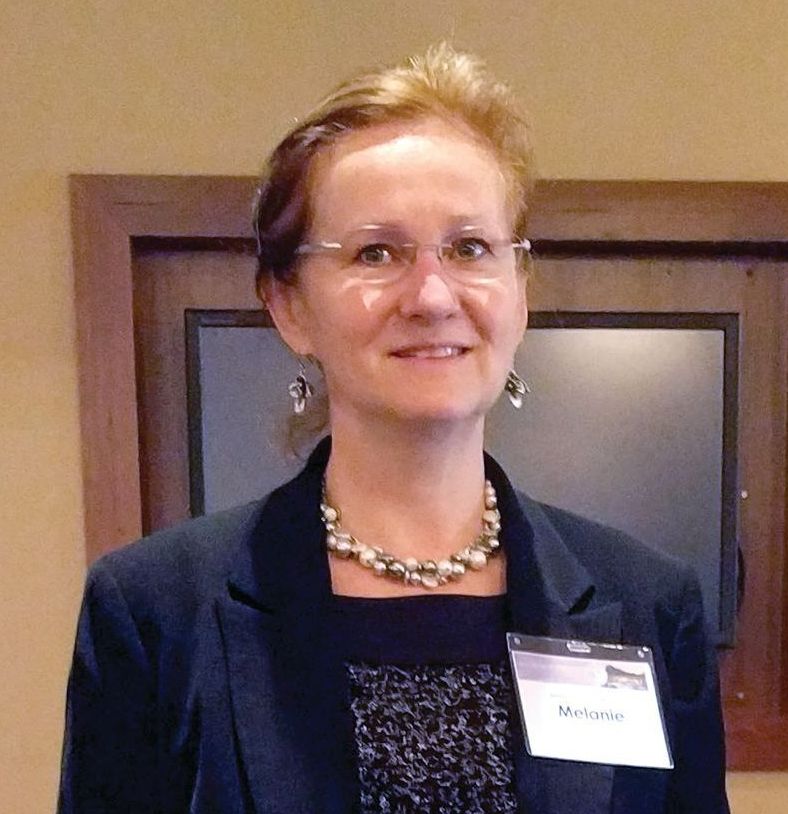
Her team conducted a retrospective analysis of 214 patients who underwent parathyroidectomy at Mayo Clinic, Rochester, between January 2012 and March 2014. The investigators excluded patients with a history of multiple endocrine neoplasia syndrome, as well as patients with secondary or tertiary hyperparathyroidism. All patients received instructions at discharge for completing calcium testing, as well as a follow-up letter and phone call.
The overall cure rate at 6 months was 94% (202 cured, 12 not cured). In 205 of 214 cases (96%), the patients had an intraoperative drop in PTH level by 50% to normal or near-normal levels, and were therefore considered cured immediately.
The cured and not cured rate groups had no significant differences in age, gland weight, or preoperative PTH levels. Final intraoperative PTH levels were lower in patients who were cured (37 pg/mL vs. 55 pg/mL, P = .008), and the percentage decrease in PTH was greater (69% vs. 43%, P less than .0001).
A subgroup analysis found that concordant sestamibi imaging, single adenoma pathology, and an intraoperative cure combined to correlate with a 6-month cure rate of 97%.
In addition to identifying cures early, the findings suggest that patients whose PTH levels don’t drop adequately during surgery, and those with multiglandular disease should be aggressively targeted for follow-up – an important concern because many patients fail to complete calcium testing. “We were very aggressive in terms of follow-up recommendations, a follow-up letter, and a follow-up phone call, and still close to 30% of them we were not able to get to come in and get their blood checked,” said Dr. Lyden.
The study received no external funding. Dr. Lyden reported having no relevant financial disclosures.
SCOTTSDALE, ARIZ. – Patients with hyperparathyroidism and single-gland disease can be considered cured if their intraoperative parathyroid hormone (PTH) level drops by 50% or more, or to normal or near-normal levels (15-65 pg/mL), and don’t require immediate follow-up for lab work, according to a retrospective review of patients who underwent parathyroidectomy at Mayo Clinic, Rochester, Minn.
These findings applied only to patients in the study whose preoperative sestamibi scans were concordant with intraoperative findings. Single-gland disease represented about 85% of cases, Melanie L. Lyden, MD, reported at the annual meeting of the Western Surgical Association.
Her team conducted a retrospective analysis of 214 patients who underwent parathyroidectomy at Mayo Clinic, Rochester, between January 2012 and March 2014. The investigators excluded patients with a history of multiple endocrine neoplasia syndrome, as well as patients with secondary or tertiary hyperparathyroidism. All patients received instructions at discharge for completing calcium testing, as well as a follow-up letter and phone call.
The overall cure rate at 6 months was 94% (202 cured, 12 not cured). In 205 of 214 cases (96%), the patients had an intraoperative drop in PTH level by 50% to normal or near-normal levels, and were therefore considered cured immediately.
The cured and not cured rate groups had no significant differences in age, gland weight, or preoperative PTH levels. Final intraoperative PTH levels were lower in patients who were cured (37 pg/mL vs. 55 pg/mL, P = .008), and the percentage decrease in PTH was greater (69% vs. 43%, P less than .0001).
A subgroup analysis found that concordant sestamibi imaging, single adenoma pathology, and an intraoperative cure combined to correlate with a 6-month cure rate of 97%.
In addition to identifying cures early, the findings suggest that patients whose PTH levels don’t drop adequately during surgery, and those with multiglandular disease should be aggressively targeted for follow-up – an important concern because many patients fail to complete calcium testing. “We were very aggressive in terms of follow-up recommendations, a follow-up letter, and a follow-up phone call, and still close to 30% of them we were not able to get to come in and get their blood checked,” said Dr. Lyden.
The study received no external funding. Dr. Lyden reported having no relevant financial disclosures.
SCOTTSDALE, ARIZ. – Patients with hyperparathyroidism and single-gland disease can be considered cured if their intraoperative parathyroid hormone (PTH) level drops by 50% or more, or to normal or near-normal levels (15-65 pg/mL), and don’t require immediate follow-up for lab work, according to a retrospective review of patients who underwent parathyroidectomy at Mayo Clinic, Rochester, Minn.
These findings applied only to patients in the study whose preoperative sestamibi scans were concordant with intraoperative findings. Single-gland disease represented about 85% of cases, Melanie L. Lyden, MD, reported at the annual meeting of the Western Surgical Association.
Her team conducted a retrospective analysis of 214 patients who underwent parathyroidectomy at Mayo Clinic, Rochester, between January 2012 and March 2014. The investigators excluded patients with a history of multiple endocrine neoplasia syndrome, as well as patients with secondary or tertiary hyperparathyroidism. All patients received instructions at discharge for completing calcium testing, as well as a follow-up letter and phone call.
The overall cure rate at 6 months was 94% (202 cured, 12 not cured). In 205 of 214 cases (96%), the patients had an intraoperative drop in PTH level by 50% to normal or near-normal levels, and were therefore considered cured immediately.
The cured and not cured rate groups had no significant differences in age, gland weight, or preoperative PTH levels. Final intraoperative PTH levels were lower in patients who were cured (37 pg/mL vs. 55 pg/mL, P = .008), and the percentage decrease in PTH was greater (69% vs. 43%, P less than .0001).
A subgroup analysis found that concordant sestamibi imaging, single adenoma pathology, and an intraoperative cure combined to correlate with a 6-month cure rate of 97%.
In addition to identifying cures early, the findings suggest that patients whose PTH levels don’t drop adequately during surgery, and those with multiglandular disease should be aggressively targeted for follow-up – an important concern because many patients fail to complete calcium testing. “We were very aggressive in terms of follow-up recommendations, a follow-up letter, and a follow-up phone call, and still close to 30% of them we were not able to get to come in and get their blood checked,” said Dr. Lyden.
The study received no external funding. Dr. Lyden reported having no relevant financial disclosures.
AT WSA 2017
Key clinical point: The vast majority of cures could be identified during surgery, reducing the need for costly follow-up to monitor calcium levels.
Major finding: Concordant sestamibi imaging, single adenoma pathology, and an intraoperative cure combined to correlate with a 6-month cure rate of 97%.
Data source: A retrospective analysis of 214 patients at a single center.
Disclosures: The study received no external funding. Dr. Lyden reported having no relevant financial disclosures.
In Lewy body disease, CSF may reveal dementia risk
SAN DIEGO – In patients with Lewy body disease, cerebrospinal fluid biomarkers may predict the extent of Alzheimer’s disease pathology, according to a new postmortem analysis.
In the small prospective study, David Irwin, MD, and his colleagues at the University of Pennsylvania, Philadelphia, found that higher antemortem cerebrospinal fluid (CSF) levels of total tau (t-tau) protein and lower amyloid-beta 1-42 (Abeta 1-42) levels were associated with postmortem evidence of cerebral Alzheimer’s disease and synuclein pathology.
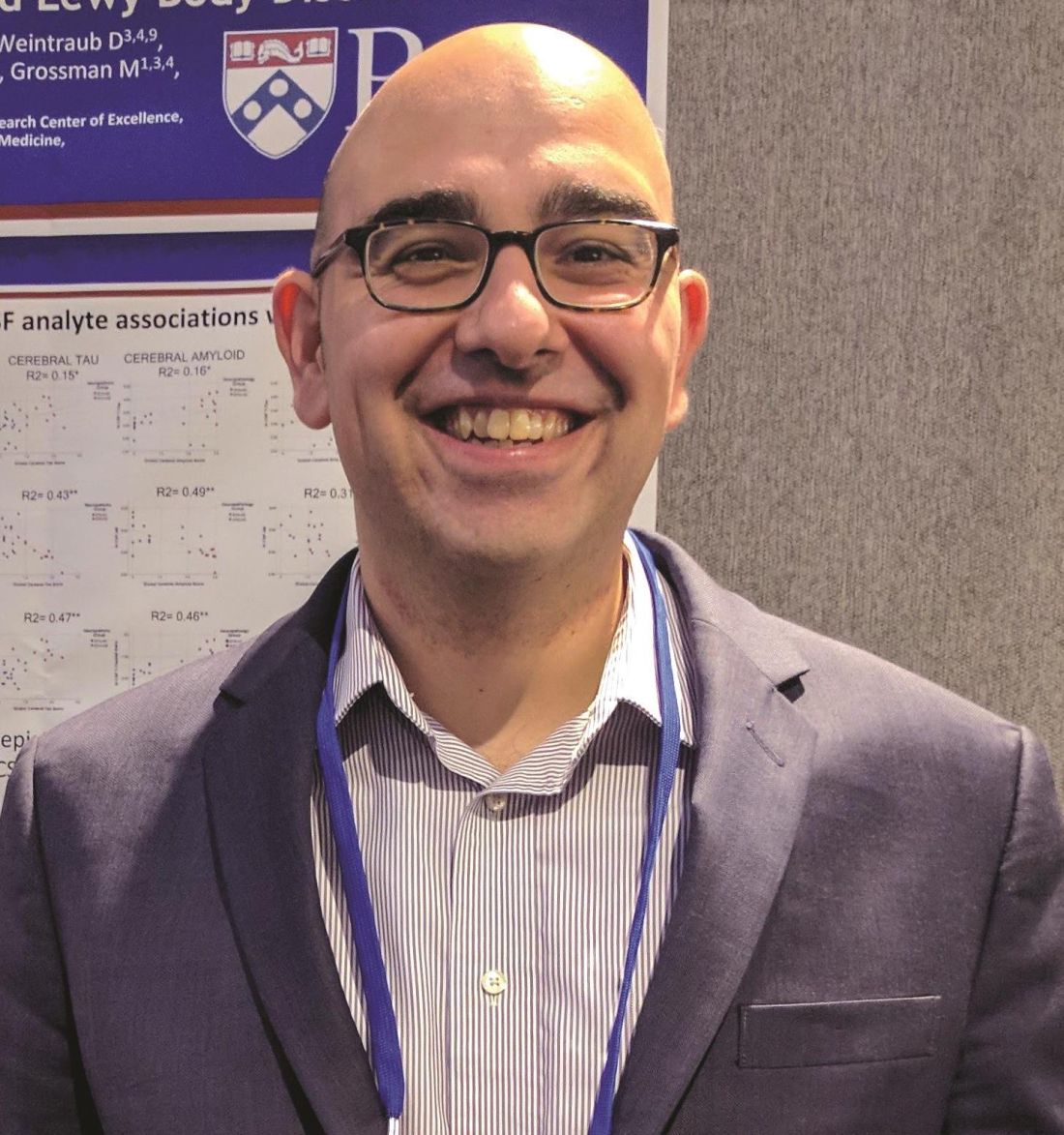
The findings could have prognostic indications because about 40% of LBD patients have enough Abeta 1-42 and tau tangle pathology to have a secondary diagnosis of Alzheimer’s disease, and greater Alzheimer’s disease pathology has been linked to shorter survival. It could also help individualize therapy, as LBD patients with more Alzheimer’s disease character could be expected to respond better to antisynuclein and Alzheimer’s therapies, according to Dr. Irwin, who presented the study at a poster session at the annual meeting of the American Neurological Association.
In fact, the CSF ratio of CSF t-tau/Abeta 1-42 predicted the presence or absence of Alzheimer’s disease pathology with 90% sensitivity and 100% specificity.
If the results from the small study hold up, “we can identify who has Alzheimer’s copathology and who has a more aggressive form of Lewy body disease where it’s reaching the cortex rather than being in the brain stem, and that correlates with memory loss, dementia, and other things that impair the patient’s functioning,” Dr. Irwin said in an interview.
The study was possible because the Udall Center for Parkinson’s Research at the University of Pennsylvania has an active autopsy program and a significant number of Parkinson’s disease patients who have donated their brain for research. “It’s very rare to have autopsy-confirmed samples where we can validate what we’re measuring in the spinal fluid to what is actually accumulating in the brain,” Dr. Irwin said.
The study included 24 patients with autopsy-confirmed LBD who had undergone CSF testing while they were still alive. The researchers calculated ordinal pathology scores of tau tangles, Abeta 1-42 plaques, and alpha-synuclein pathology across seven regions of the brain, producing a global pathology score for each variable. The subjects were then divided into two groups: Lewy body synuclein stages with medium to high Alzheimer’s copathology (SYN+AD, n = 10) and those with low to no Alzheimer’s copathology (SYN-AD, n = 14).
In the CSF, the researchers analyzed associations with t-tau, phosphorylated tau (p-tau), and Abeta 1-42. They found that Abeta 1-42 levels were significantly different between SYN+AD and SYN-AD patients (147.2 pg/mL vs. 231.1 pg/mL, respectively; P = .001), as were CSF t-tau levels (63.9 pg/mL vs. 36.9 pg/mL; P = .02). P-tau was not significantly different (20.2 pg/mL vs. 15.5 pg/mL; P = 0.3), which was a surprise since it “is usually the strongest correlate of tangles in the brain,” Dr. Irwin said.
A ratio of CSF t-tau/Abeta 1-42 higher than 0.30 distinguished between SYN+AD and SYN-AD (area under the curve, 0.92; 95% confidence interval, 0.7-1.0; 90% sensitivity, 100% specificity), while CSF Abeta 1-42 less than 185 pg/mL distinguished neocortical synuclein stage (AUC, 0.92; 95% CI, 0.54-0.94; 77% sensitivity, 82% specificity).
The study was funded by the National Institute of Neurological Disorders and Stroke. Dr. Irwin reported having no financial disclosures.
SAN DIEGO – In patients with Lewy body disease, cerebrospinal fluid biomarkers may predict the extent of Alzheimer’s disease pathology, according to a new postmortem analysis.
In the small prospective study, David Irwin, MD, and his colleagues at the University of Pennsylvania, Philadelphia, found that higher antemortem cerebrospinal fluid (CSF) levels of total tau (t-tau) protein and lower amyloid-beta 1-42 (Abeta 1-42) levels were associated with postmortem evidence of cerebral Alzheimer’s disease and synuclein pathology.
The findings could have prognostic indications because about 40% of LBD patients have enough Abeta 1-42 and tau tangle pathology to have a secondary diagnosis of Alzheimer’s disease, and greater Alzheimer’s disease pathology has been linked to shorter survival. It could also help individualize therapy, as LBD patients with more Alzheimer’s disease character could be expected to respond better to antisynuclein and Alzheimer’s therapies, according to Dr. Irwin, who presented the study at a poster session at the annual meeting of the American Neurological Association.
In fact, the CSF ratio of CSF t-tau/Abeta 1-42 predicted the presence or absence of Alzheimer’s disease pathology with 90% sensitivity and 100% specificity.
If the results from the small study hold up, “we can identify who has Alzheimer’s copathology and who has a more aggressive form of Lewy body disease where it’s reaching the cortex rather than being in the brain stem, and that correlates with memory loss, dementia, and other things that impair the patient’s functioning,” Dr. Irwin said in an interview.
The study was possible because the Udall Center for Parkinson’s Research at the University of Pennsylvania has an active autopsy program and a significant number of Parkinson’s disease patients who have donated their brain for research. “It’s very rare to have autopsy-confirmed samples where we can validate what we’re measuring in the spinal fluid to what is actually accumulating in the brain,” Dr. Irwin said.
The study included 24 patients with autopsy-confirmed LBD who had undergone CSF testing while they were still alive. The researchers calculated ordinal pathology scores of tau tangles, Abeta 1-42 plaques, and alpha-synuclein pathology across seven regions of the brain, producing a global pathology score for each variable. The subjects were then divided into two groups: Lewy body synuclein stages with medium to high Alzheimer’s copathology (SYN+AD, n = 10) and those with low to no Alzheimer’s copathology (SYN-AD, n = 14).
In the CSF, the researchers analyzed associations with t-tau, phosphorylated tau (p-tau), and Abeta 1-42. They found that Abeta 1-42 levels were significantly different between SYN+AD and SYN-AD patients (147.2 pg/mL vs. 231.1 pg/mL, respectively; P = .001), as were CSF t-tau levels (63.9 pg/mL vs. 36.9 pg/mL; P = .02). P-tau was not significantly different (20.2 pg/mL vs. 15.5 pg/mL; P = 0.3), which was a surprise since it “is usually the strongest correlate of tangles in the brain,” Dr. Irwin said.
A ratio of CSF t-tau/Abeta 1-42 higher than 0.30 distinguished between SYN+AD and SYN-AD (area under the curve, 0.92; 95% confidence interval, 0.7-1.0; 90% sensitivity, 100% specificity), while CSF Abeta 1-42 less than 185 pg/mL distinguished neocortical synuclein stage (AUC, 0.92; 95% CI, 0.54-0.94; 77% sensitivity, 82% specificity).
The study was funded by the National Institute of Neurological Disorders and Stroke. Dr. Irwin reported having no financial disclosures.
SAN DIEGO – In patients with Lewy body disease, cerebrospinal fluid biomarkers may predict the extent of Alzheimer’s disease pathology, according to a new postmortem analysis.
In the small prospective study, David Irwin, MD, and his colleagues at the University of Pennsylvania, Philadelphia, found that higher antemortem cerebrospinal fluid (CSF) levels of total tau (t-tau) protein and lower amyloid-beta 1-42 (Abeta 1-42) levels were associated with postmortem evidence of cerebral Alzheimer’s disease and synuclein pathology.
The findings could have prognostic indications because about 40% of LBD patients have enough Abeta 1-42 and tau tangle pathology to have a secondary diagnosis of Alzheimer’s disease, and greater Alzheimer’s disease pathology has been linked to shorter survival. It could also help individualize therapy, as LBD patients with more Alzheimer’s disease character could be expected to respond better to antisynuclein and Alzheimer’s therapies, according to Dr. Irwin, who presented the study at a poster session at the annual meeting of the American Neurological Association.
In fact, the CSF ratio of CSF t-tau/Abeta 1-42 predicted the presence or absence of Alzheimer’s disease pathology with 90% sensitivity and 100% specificity.
If the results from the small study hold up, “we can identify who has Alzheimer’s copathology and who has a more aggressive form of Lewy body disease where it’s reaching the cortex rather than being in the brain stem, and that correlates with memory loss, dementia, and other things that impair the patient’s functioning,” Dr. Irwin said in an interview.
The study was possible because the Udall Center for Parkinson’s Research at the University of Pennsylvania has an active autopsy program and a significant number of Parkinson’s disease patients who have donated their brain for research. “It’s very rare to have autopsy-confirmed samples where we can validate what we’re measuring in the spinal fluid to what is actually accumulating in the brain,” Dr. Irwin said.
The study included 24 patients with autopsy-confirmed LBD who had undergone CSF testing while they were still alive. The researchers calculated ordinal pathology scores of tau tangles, Abeta 1-42 plaques, and alpha-synuclein pathology across seven regions of the brain, producing a global pathology score for each variable. The subjects were then divided into two groups: Lewy body synuclein stages with medium to high Alzheimer’s copathology (SYN+AD, n = 10) and those with low to no Alzheimer’s copathology (SYN-AD, n = 14).
In the CSF, the researchers analyzed associations with t-tau, phosphorylated tau (p-tau), and Abeta 1-42. They found that Abeta 1-42 levels were significantly different between SYN+AD and SYN-AD patients (147.2 pg/mL vs. 231.1 pg/mL, respectively; P = .001), as were CSF t-tau levels (63.9 pg/mL vs. 36.9 pg/mL; P = .02). P-tau was not significantly different (20.2 pg/mL vs. 15.5 pg/mL; P = 0.3), which was a surprise since it “is usually the strongest correlate of tangles in the brain,” Dr. Irwin said.
A ratio of CSF t-tau/Abeta 1-42 higher than 0.30 distinguished between SYN+AD and SYN-AD (area under the curve, 0.92; 95% confidence interval, 0.7-1.0; 90% sensitivity, 100% specificity), while CSF Abeta 1-42 less than 185 pg/mL distinguished neocortical synuclein stage (AUC, 0.92; 95% CI, 0.54-0.94; 77% sensitivity, 82% specificity).
The study was funded by the National Institute of Neurological Disorders and Stroke. Dr. Irwin reported having no financial disclosures.
AT ANA 2017
Key clinical point:
Major finding: A CSF ratio of t-tau/Abeta 1-42 greater than 0.30 predicted the presence or absence of Alzheimer’s disease pathology with 90% sensitivity and 100% specificity.
Data source: Prospective study of 24 patients with Lewy body disease.
Disclosures: The study was funded by the National Institute of Neurological Disorders and Stroke. Dr. Irwin reported having no financial disclosures.
FDA: Ultrasound surgical devices are contraindicated for uterine fibroid removal
, according to the Food and Drug Administration.
These devices have the potential to disseminate undetected tumor tissue, and there are no proven preoperative screening methods for detecting uterine sarcoma in uterine fibroids that otherwise appear to be benign, FDA officials wrote in a guidance document issued Oct. 30. The FDA is calling for new product labeling for these devices within 120 days.
The devices deliver ultrasonic energy through an oscillating tip, which leads to tissue fragmentation. This can lead to tissue dissemination that cannot be eliminated by suction/aspiration. In advanced cancers, the risk of dissemination may be outweighed by the benefits of the devices, including the debulking effect with no thermal collateral damage, as well as avoidance of the need for organ removal or resection.
The devices are currently labeled in a way that suggests they could be used in removing uterine fibroids, though the agency said that it is not aware that they are used for this purpose.
The agency recommended against their use in uterine fibroids, in part because there are alternative treatment options available. But the American College of Obstetricians and Gynecologists has challenged that assertion. When the FDA first issued a draft notice of the labeling guidance in November 2016, ACOG commented that abdominal hysterectomy is the alternative treatment option and is associated with significant morbidity and mortality beyond that seen with minimally invasive techniques. ACOG urged the FDA to prioritize informed consent and the weighing of risks and benefits.
Ultrasonic surgical aspirator devices are used for a wide range of surgical applications, but the recommendations apply specifically to laparoscopic surgery, open surgery, and gynecologic surgery.
, according to the Food and Drug Administration.
These devices have the potential to disseminate undetected tumor tissue, and there are no proven preoperative screening methods for detecting uterine sarcoma in uterine fibroids that otherwise appear to be benign, FDA officials wrote in a guidance document issued Oct. 30. The FDA is calling for new product labeling for these devices within 120 days.
The devices deliver ultrasonic energy through an oscillating tip, which leads to tissue fragmentation. This can lead to tissue dissemination that cannot be eliminated by suction/aspiration. In advanced cancers, the risk of dissemination may be outweighed by the benefits of the devices, including the debulking effect with no thermal collateral damage, as well as avoidance of the need for organ removal or resection.
The devices are currently labeled in a way that suggests they could be used in removing uterine fibroids, though the agency said that it is not aware that they are used for this purpose.
The agency recommended against their use in uterine fibroids, in part because there are alternative treatment options available. But the American College of Obstetricians and Gynecologists has challenged that assertion. When the FDA first issued a draft notice of the labeling guidance in November 2016, ACOG commented that abdominal hysterectomy is the alternative treatment option and is associated with significant morbidity and mortality beyond that seen with minimally invasive techniques. ACOG urged the FDA to prioritize informed consent and the weighing of risks and benefits.
Ultrasonic surgical aspirator devices are used for a wide range of surgical applications, but the recommendations apply specifically to laparoscopic surgery, open surgery, and gynecologic surgery.
, according to the Food and Drug Administration.
These devices have the potential to disseminate undetected tumor tissue, and there are no proven preoperative screening methods for detecting uterine sarcoma in uterine fibroids that otherwise appear to be benign, FDA officials wrote in a guidance document issued Oct. 30. The FDA is calling for new product labeling for these devices within 120 days.
The devices deliver ultrasonic energy through an oscillating tip, which leads to tissue fragmentation. This can lead to tissue dissemination that cannot be eliminated by suction/aspiration. In advanced cancers, the risk of dissemination may be outweighed by the benefits of the devices, including the debulking effect with no thermal collateral damage, as well as avoidance of the need for organ removal or resection.
The devices are currently labeled in a way that suggests they could be used in removing uterine fibroids, though the agency said that it is not aware that they are used for this purpose.
The agency recommended against their use in uterine fibroids, in part because there are alternative treatment options available. But the American College of Obstetricians and Gynecologists has challenged that assertion. When the FDA first issued a draft notice of the labeling guidance in November 2016, ACOG commented that abdominal hysterectomy is the alternative treatment option and is associated with significant morbidity and mortality beyond that seen with minimally invasive techniques. ACOG urged the FDA to prioritize informed consent and the weighing of risks and benefits.
Ultrasonic surgical aspirator devices are used for a wide range of surgical applications, but the recommendations apply specifically to laparoscopic surgery, open surgery, and gynecologic surgery.
In MI with cardiogenic shock, PCI of only culprit lesions is safer
In patients with acute myocardial infarction and multivessel coronary artery disease with cardiogenic shock, 30-day rates of death and renal-replacement therapy were lower when patients underwent percutaneous coronary intervention (PCI) of the culprit lesion as opposed to multivessel PCI.
The difference appeared to be driven by mortality, as the renal endpoint alone was not significant.
As many as 80% of patients with cardiogenic shock also present with multivessel coronary artery disease, and this is associated with worse mortality. It is unclear whether immediate PCI of clinically important stenoses of major nonculprit coronary arteries is of benefit, and previous randomized trials comparing the procedures did not look at patients with cardiogenic shock, Holger Thiele, MD, reported at the Transcatheter Cardiovascular Therapeutics annual educational meeting.
European guidelines suggest that PCI of nonculprit lesions should be considered in patients with cardiogenic shock, while U.S. guidelines offer no opinion, but recent appropriate use criteria recommend revascularization of a nonculprit artery if cardiogenic shock continues after the culprit artery has been repaired. It is thought that immediate revascularization of all coronary arteries with clinically important stenoses might improve overall myocardial perfusion and function in patients with cardiogenic shock, but the procedure could also have drawbacks, including additional ischemia, volume overload, and renal impairment from higher doses of contrast material.
To better understand outcomes in these patients, the Culprit Lesion Only PCI versus Multivessel PCI in Cardiogenic Shock (CULPRIT-SHOCK) trial randomized 706 patients to culprit-only PCI or multivessel PCI, in which PCI was performed on all major coronary arteries with more than 70% stenosis. Patients receiving culprit-only PCI could also undergo optional staged revascularization due to residual ischemic lesions, symptoms, or clinical or neurologic status.
At 30 days, death and/or renal-replacement therapy occurred in 45.9% of the culprit-only group, compared to 55.4% in the multivessel group (relative risk, 0.83; 95% confidence interval, 0.71-0.96; P = .01). A per-protocol analysis showed similar results (RR, 0.81; 95% CI, 0.69-0.96; P =.01), as did an analysis of the as-treated population (RR, 0.83; 95% CI, 0.72-0.97; P = .02).
All-cause mortality was lower in the culprit-only group (43.3% versus 51.6%; RR, 0.84; 95% CI, 0.72-0.98; P=.03). The rate of renal-replacement therapy was higher in the multivessel group (16.4% versus 11.6%), but this did not reach statistical significance (P = .07).
There were no statistically significant differences between the two groups with respect to recurrent myocardial infarction, rehospitalization for heart failure, bleeding, or stroke, Dr. Thiele reported at the meeting, which was sponsored by the Cardiovascular Research Foundation.
Some limitations of the study included its unblinded nature, and the fact that 75 patients originally assigned to one treatment category crossed over to the other, including 14 in the culprit-lesion only category who underwent immediate multivessel PCI. This suggests that treatment strategy may need to be adopted to a patient’s clinical circumstances.
The CULPRIT-SHOCK results were published online at the time of Dr. Thiele’s presentation (N Engl J Med. 2017 Oct 30. doi:10/056/NEJMoa1710261).
Several of the study’s authors reported financial ties to the pharmaceutical industry.
This study’s findings reinforce those of previous trials that had suggested that multivessel percutaneous coronary intervention has higher early mortality than culprit-lesion-only PCI.
The study provides compelling evidence that culprit-lesion-only PCI should be the preferred treatment choice over multivessel PCI in patients with cardiogenic shock.
A previous meta-analysis of patients with uncomplicated ST-segment elevation myocardial infarction showed lower rates of mortality or MI with initial multivessel PCI. The disagreement between the two studies suggests that patients with cardiogenic shock may experience greater risk of these adverse outcomes during multivessel PCI procedures.
Future clinical trials should test individual multivessel revascularization strategies to reduce mortality in MI patients with cardiogenic shock, such as coronary artery bypass grafting (CABG) and venoarterial extracorporeal membrane oxygenation (ECMO).
Judith Hochman, MD, and Stuart Katz, MD, of New York University Langone Health, made these comments in an accompanying editorial (N Engl J Med. 2017 Oct 30. doi: 10.1056/nejme1713341). Dr. Hochman had no relevant disclosures. Dr. Katz has consulted for Novartis, Amgen, and Regeneron, and has received funding from Amgen, American Regent, and Janssen.
This study’s findings reinforce those of previous trials that had suggested that multivessel percutaneous coronary intervention has higher early mortality than culprit-lesion-only PCI.
The study provides compelling evidence that culprit-lesion-only PCI should be the preferred treatment choice over multivessel PCI in patients with cardiogenic shock.
A previous meta-analysis of patients with uncomplicated ST-segment elevation myocardial infarction showed lower rates of mortality or MI with initial multivessel PCI. The disagreement between the two studies suggests that patients with cardiogenic shock may experience greater risk of these adverse outcomes during multivessel PCI procedures.
Future clinical trials should test individual multivessel revascularization strategies to reduce mortality in MI patients with cardiogenic shock, such as coronary artery bypass grafting (CABG) and venoarterial extracorporeal membrane oxygenation (ECMO).
Judith Hochman, MD, and Stuart Katz, MD, of New York University Langone Health, made these comments in an accompanying editorial (N Engl J Med. 2017 Oct 30. doi: 10.1056/nejme1713341). Dr. Hochman had no relevant disclosures. Dr. Katz has consulted for Novartis, Amgen, and Regeneron, and has received funding from Amgen, American Regent, and Janssen.
This study’s findings reinforce those of previous trials that had suggested that multivessel percutaneous coronary intervention has higher early mortality than culprit-lesion-only PCI.
The study provides compelling evidence that culprit-lesion-only PCI should be the preferred treatment choice over multivessel PCI in patients with cardiogenic shock.
A previous meta-analysis of patients with uncomplicated ST-segment elevation myocardial infarction showed lower rates of mortality or MI with initial multivessel PCI. The disagreement between the two studies suggests that patients with cardiogenic shock may experience greater risk of these adverse outcomes during multivessel PCI procedures.
Future clinical trials should test individual multivessel revascularization strategies to reduce mortality in MI patients with cardiogenic shock, such as coronary artery bypass grafting (CABG) and venoarterial extracorporeal membrane oxygenation (ECMO).
Judith Hochman, MD, and Stuart Katz, MD, of New York University Langone Health, made these comments in an accompanying editorial (N Engl J Med. 2017 Oct 30. doi: 10.1056/nejme1713341). Dr. Hochman had no relevant disclosures. Dr. Katz has consulted for Novartis, Amgen, and Regeneron, and has received funding from Amgen, American Regent, and Janssen.
In patients with acute myocardial infarction and multivessel coronary artery disease with cardiogenic shock, 30-day rates of death and renal-replacement therapy were lower when patients underwent percutaneous coronary intervention (PCI) of the culprit lesion as opposed to multivessel PCI.
The difference appeared to be driven by mortality, as the renal endpoint alone was not significant.
As many as 80% of patients with cardiogenic shock also present with multivessel coronary artery disease, and this is associated with worse mortality. It is unclear whether immediate PCI of clinically important stenoses of major nonculprit coronary arteries is of benefit, and previous randomized trials comparing the procedures did not look at patients with cardiogenic shock, Holger Thiele, MD, reported at the Transcatheter Cardiovascular Therapeutics annual educational meeting.
European guidelines suggest that PCI of nonculprit lesions should be considered in patients with cardiogenic shock, while U.S. guidelines offer no opinion, but recent appropriate use criteria recommend revascularization of a nonculprit artery if cardiogenic shock continues after the culprit artery has been repaired. It is thought that immediate revascularization of all coronary arteries with clinically important stenoses might improve overall myocardial perfusion and function in patients with cardiogenic shock, but the procedure could also have drawbacks, including additional ischemia, volume overload, and renal impairment from higher doses of contrast material.
To better understand outcomes in these patients, the Culprit Lesion Only PCI versus Multivessel PCI in Cardiogenic Shock (CULPRIT-SHOCK) trial randomized 706 patients to culprit-only PCI or multivessel PCI, in which PCI was performed on all major coronary arteries with more than 70% stenosis. Patients receiving culprit-only PCI could also undergo optional staged revascularization due to residual ischemic lesions, symptoms, or clinical or neurologic status.
At 30 days, death and/or renal-replacement therapy occurred in 45.9% of the culprit-only group, compared to 55.4% in the multivessel group (relative risk, 0.83; 95% confidence interval, 0.71-0.96; P = .01). A per-protocol analysis showed similar results (RR, 0.81; 95% CI, 0.69-0.96; P =.01), as did an analysis of the as-treated population (RR, 0.83; 95% CI, 0.72-0.97; P = .02).
All-cause mortality was lower in the culprit-only group (43.3% versus 51.6%; RR, 0.84; 95% CI, 0.72-0.98; P=.03). The rate of renal-replacement therapy was higher in the multivessel group (16.4% versus 11.6%), but this did not reach statistical significance (P = .07).
There were no statistically significant differences between the two groups with respect to recurrent myocardial infarction, rehospitalization for heart failure, bleeding, or stroke, Dr. Thiele reported at the meeting, which was sponsored by the Cardiovascular Research Foundation.
Some limitations of the study included its unblinded nature, and the fact that 75 patients originally assigned to one treatment category crossed over to the other, including 14 in the culprit-lesion only category who underwent immediate multivessel PCI. This suggests that treatment strategy may need to be adopted to a patient’s clinical circumstances.
The CULPRIT-SHOCK results were published online at the time of Dr. Thiele’s presentation (N Engl J Med. 2017 Oct 30. doi:10/056/NEJMoa1710261).
Several of the study’s authors reported financial ties to the pharmaceutical industry.
In patients with acute myocardial infarction and multivessel coronary artery disease with cardiogenic shock, 30-day rates of death and renal-replacement therapy were lower when patients underwent percutaneous coronary intervention (PCI) of the culprit lesion as opposed to multivessel PCI.
The difference appeared to be driven by mortality, as the renal endpoint alone was not significant.
As many as 80% of patients with cardiogenic shock also present with multivessel coronary artery disease, and this is associated with worse mortality. It is unclear whether immediate PCI of clinically important stenoses of major nonculprit coronary arteries is of benefit, and previous randomized trials comparing the procedures did not look at patients with cardiogenic shock, Holger Thiele, MD, reported at the Transcatheter Cardiovascular Therapeutics annual educational meeting.
European guidelines suggest that PCI of nonculprit lesions should be considered in patients with cardiogenic shock, while U.S. guidelines offer no opinion, but recent appropriate use criteria recommend revascularization of a nonculprit artery if cardiogenic shock continues after the culprit artery has been repaired. It is thought that immediate revascularization of all coronary arteries with clinically important stenoses might improve overall myocardial perfusion and function in patients with cardiogenic shock, but the procedure could also have drawbacks, including additional ischemia, volume overload, and renal impairment from higher doses of contrast material.
To better understand outcomes in these patients, the Culprit Lesion Only PCI versus Multivessel PCI in Cardiogenic Shock (CULPRIT-SHOCK) trial randomized 706 patients to culprit-only PCI or multivessel PCI, in which PCI was performed on all major coronary arteries with more than 70% stenosis. Patients receiving culprit-only PCI could also undergo optional staged revascularization due to residual ischemic lesions, symptoms, or clinical or neurologic status.
At 30 days, death and/or renal-replacement therapy occurred in 45.9% of the culprit-only group, compared to 55.4% in the multivessel group (relative risk, 0.83; 95% confidence interval, 0.71-0.96; P = .01). A per-protocol analysis showed similar results (RR, 0.81; 95% CI, 0.69-0.96; P =.01), as did an analysis of the as-treated population (RR, 0.83; 95% CI, 0.72-0.97; P = .02).
All-cause mortality was lower in the culprit-only group (43.3% versus 51.6%; RR, 0.84; 95% CI, 0.72-0.98; P=.03). The rate of renal-replacement therapy was higher in the multivessel group (16.4% versus 11.6%), but this did not reach statistical significance (P = .07).
There were no statistically significant differences between the two groups with respect to recurrent myocardial infarction, rehospitalization for heart failure, bleeding, or stroke, Dr. Thiele reported at the meeting, which was sponsored by the Cardiovascular Research Foundation.
Some limitations of the study included its unblinded nature, and the fact that 75 patients originally assigned to one treatment category crossed over to the other, including 14 in the culprit-lesion only category who underwent immediate multivessel PCI. This suggests that treatment strategy may need to be adopted to a patient’s clinical circumstances.
The CULPRIT-SHOCK results were published online at the time of Dr. Thiele’s presentation (N Engl J Med. 2017 Oct 30. doi:10/056/NEJMoa1710261).
Several of the study’s authors reported financial ties to the pharmaceutical industry.
FROM TCT 2017
Key clinical point: The combined rate of 30-day mortality and renal-replacement therapy was lower when the culprit lesion alone was treated.
Major finding: The culprit-only PCI group had a relative risk of death or renal-replacement therapy of 0.83.
Data source: CULPRIT-SHOCK, a randomized, controlled trial of 706 patients.
Disclosures: Some of the study’s authors reported financial ties to the pharmaceutical industry. Dr. Katz has consulted for Novartis, Amgen, and Regeneron, and has received funding from Amgen, American Regent, and Janssen.
VIDEO: Smartphones could ‘democratize’ EEG
SAN DIEGO – Epilepsy is a common condition, but many people live in areas too poor or underserved to benefit from electroencephalogram (EEG) testing to confirm a diagnosis. Modern technology may be changing that. Smartphones wirelessly linked to headsets can collect EEG data and potentially serve as an alternate platform for diagnosis of epilepsy.
To test the efficacy of one such system, Farrah Mateen, MD, PhD, a neurologist at Massachusetts General Hospital, Boston, conducted a study in the remote, mountainous Kingdom of Bhutan, which lies between India and China. Her group compared the signals between a smartphone EEG and standard EEG.
The sensitivity was low, at around 40%, but the device’s specificity was 90%-95%. For now, the device performs better as a confirmatory test than as a screening device, but the researchers hope to adjust the lead location to improve sensitivity.
The headset used was designed for use by video gamers, and at a cost of less than $300, it represents a low-cost entry into portable EEG.
Dr. Mateen discussed the smartphone EEG study in a video interview at the annual meeting of the American Neurological Association.
SAN DIEGO – Epilepsy is a common condition, but many people live in areas too poor or underserved to benefit from electroencephalogram (EEG) testing to confirm a diagnosis. Modern technology may be changing that. Smartphones wirelessly linked to headsets can collect EEG data and potentially serve as an alternate platform for diagnosis of epilepsy.
To test the efficacy of one such system, Farrah Mateen, MD, PhD, a neurologist at Massachusetts General Hospital, Boston, conducted a study in the remote, mountainous Kingdom of Bhutan, which lies between India and China. Her group compared the signals between a smartphone EEG and standard EEG.
The sensitivity was low, at around 40%, but the device’s specificity was 90%-95%. For now, the device performs better as a confirmatory test than as a screening device, but the researchers hope to adjust the lead location to improve sensitivity.
The headset used was designed for use by video gamers, and at a cost of less than $300, it represents a low-cost entry into portable EEG.
Dr. Mateen discussed the smartphone EEG study in a video interview at the annual meeting of the American Neurological Association.
SAN DIEGO – Epilepsy is a common condition, but many people live in areas too poor or underserved to benefit from electroencephalogram (EEG) testing to confirm a diagnosis. Modern technology may be changing that. Smartphones wirelessly linked to headsets can collect EEG data and potentially serve as an alternate platform for diagnosis of epilepsy.
To test the efficacy of one such system, Farrah Mateen, MD, PhD, a neurologist at Massachusetts General Hospital, Boston, conducted a study in the remote, mountainous Kingdom of Bhutan, which lies between India and China. Her group compared the signals between a smartphone EEG and standard EEG.
The sensitivity was low, at around 40%, but the device’s specificity was 90%-95%. For now, the device performs better as a confirmatory test than as a screening device, but the researchers hope to adjust the lead location to improve sensitivity.
The headset used was designed for use by video gamers, and at a cost of less than $300, it represents a low-cost entry into portable EEG.
Dr. Mateen discussed the smartphone EEG study in a video interview at the annual meeting of the American Neurological Association.
AT ANA 2017