User login
FDA Advisers See Strong Physician Role in DTC Genetic Tests
GAITHERSBURG, MD. – The Food and Drug Administration should require that genetic tests sold directly to consumers should in some cases be ordered by a trained health care professional, and such professionals should interpret results of most of these tests, an advisory committee to the agency has urged.
The Molecular and Clinical Genetics Panel did not take any formal votes during a meeting on March 8-9, but discussed a variety of issues related to tests that are currently sold, almost without any regulation, to consumers over the Internet. Last year, the FDA notified manufacturers of such tests that they must comply with agency rules, and the agency is working with companies now to help them win approval.
The tests run the gamut from diagnostics that determine carrier status for diseases like cystic fibrosis, to those that test for the presence of a specific mutation like BRCA or assess the risk of developing cardiovascular disease or certain cancers. A number of tests on the market have no scientific evidence to substantiate their claims for being able to predict outcomes such as whether a child will excel at sports.
In July 2010, the agency estimated that as many as 700 laboratories offer such direct-to-consumer (DTC) genetic tests.
During the course of the 2-day meeting, the 22 committee members struggled over whether the benefits of consumers’ having access to such data outweigh the risks of their being unable to understand the results, or perhaps their becoming falsely reassured or upset by them. The panelists gave the agency some suggestions on how the risks of poor communication or bad test design could be mitigated.
But most of the debate centered on the role of physicians or trained health care professionals, and most panelists believed that professionals should be centrally involved at some point in the process. Test makers and the consumer member of the panel, for their part, said that Americans have the right to their own genetic data, and that in all likelihood, consumers would consult with a physician, especially if it were for a serious condition like Huntington’s disease.
"As a patient, if I got a test result like that, I’d take it to my doctor," said Tiffany House, the panelist’s consumer representative. "I’d think they’d probably run to their doctor with this information," said Ms. House, a board member of the International Pompe Association.
After the meeting, FDA officials acknowledged that there was no real consensus on what role physicians should play. "We got lots of diverse advice," said Alberto Gutierrez, Ph.D., director of the Office of In Vitro Diagnostic Device Evaluation and Safety at the FDA’s Center for Devices and Radiological Health. He said that the agency would likely have to review each genetic test to determine whether it should be directly available to a consumer, and if so, whether a physician should order it or receive results directly. With so many opinions expressed, it may take awhile for things to settle out, said Elizabeth Mansfield, Ph.D., director of the personalized medicine staff in that same CDRH office. "We need to digest what came out of this meeting."
The FDA usually follows its panels’ advice, but is not required to do so.
The FDA asked the panel to assess five test categories (carrier tests, "pre-symptomatic" tests, susceptibility tests, pharmacogenetic tests, and nutrigenic tests). The agency wanted to know whether some categories should be classified as lower or higher risk and thus be subject to more regulatory restrictions.
The panel did not feel comfortable with the selling of carrier tests (that is, those that identify cystic fibrosis, Tay-Sachs disease, and other conditions) directly to consumers. "Many of these disorders have a spectrum of communication that can’t be well communicated outside of clinical consultation," said panelist Ira Lubin, Ph.D., a clinical molecular geneticist at the Centers for Disease Control and Prevention.
For tests that assess the risk of common conditions such as cancer, Alzheimer’s, or cardiovascular disease, the panel was concerned that the results might be falsely reassuring or might discount environmental or lifestyle factors that might also contribute to risk.
"I don’t think any of us are saying the patient or the consumer doesn’t have a right to know," said panelist Joann Boughman, Ph.D., CEO of the American Society of Human Genetics. "I would suggest we are not ready yet to put this directly into the consumers’ hands."
Former FDA official Mary Pendergast, who now works as a food and drug consultant and adviser to some companies that seek to market genetic tests, said that the panel was being paternalistic in its insistence on looking for a way to keep the tests from being sold directly to consumers. "There is an alternative to this highly paternalistic approach; that information in and of itself is not harmful," said Ms. Pendergast.
A government-sponsored study presented at the meeting seemed to back her assertion. The National Human Genome Research Institute’s Multiplex Initiative found that people who underwent tests for eight common diseases were highly satisfied with the results – regardless of what they showed – and that they felt as if they understood the tests’ implications and limitations.
The 266 people who took the tests tended to have more positive than negative emotions in the wake of receiving results, said Colleen McBride, Ph.D., the study’s designer and a senior investigator at the institute’s Social and Behavioral Research Branch.
GAITHERSBURG, MD. – The Food and Drug Administration should require that genetic tests sold directly to consumers should in some cases be ordered by a trained health care professional, and such professionals should interpret results of most of these tests, an advisory committee to the agency has urged.
The Molecular and Clinical Genetics Panel did not take any formal votes during a meeting on March 8-9, but discussed a variety of issues related to tests that are currently sold, almost without any regulation, to consumers over the Internet. Last year, the FDA notified manufacturers of such tests that they must comply with agency rules, and the agency is working with companies now to help them win approval.
The tests run the gamut from diagnostics that determine carrier status for diseases like cystic fibrosis, to those that test for the presence of a specific mutation like BRCA or assess the risk of developing cardiovascular disease or certain cancers. A number of tests on the market have no scientific evidence to substantiate their claims for being able to predict outcomes such as whether a child will excel at sports.
In July 2010, the agency estimated that as many as 700 laboratories offer such direct-to-consumer (DTC) genetic tests.
During the course of the 2-day meeting, the 22 committee members struggled over whether the benefits of consumers’ having access to such data outweigh the risks of their being unable to understand the results, or perhaps their becoming falsely reassured or upset by them. The panelists gave the agency some suggestions on how the risks of poor communication or bad test design could be mitigated.
But most of the debate centered on the role of physicians or trained health care professionals, and most panelists believed that professionals should be centrally involved at some point in the process. Test makers and the consumer member of the panel, for their part, said that Americans have the right to their own genetic data, and that in all likelihood, consumers would consult with a physician, especially if it were for a serious condition like Huntington’s disease.
"As a patient, if I got a test result like that, I’d take it to my doctor," said Tiffany House, the panelist’s consumer representative. "I’d think they’d probably run to their doctor with this information," said Ms. House, a board member of the International Pompe Association.
After the meeting, FDA officials acknowledged that there was no real consensus on what role physicians should play. "We got lots of diverse advice," said Alberto Gutierrez, Ph.D., director of the Office of In Vitro Diagnostic Device Evaluation and Safety at the FDA’s Center for Devices and Radiological Health. He said that the agency would likely have to review each genetic test to determine whether it should be directly available to a consumer, and if so, whether a physician should order it or receive results directly. With so many opinions expressed, it may take awhile for things to settle out, said Elizabeth Mansfield, Ph.D., director of the personalized medicine staff in that same CDRH office. "We need to digest what came out of this meeting."
The FDA usually follows its panels’ advice, but is not required to do so.
The FDA asked the panel to assess five test categories (carrier tests, "pre-symptomatic" tests, susceptibility tests, pharmacogenetic tests, and nutrigenic tests). The agency wanted to know whether some categories should be classified as lower or higher risk and thus be subject to more regulatory restrictions.
The panel did not feel comfortable with the selling of carrier tests (that is, those that identify cystic fibrosis, Tay-Sachs disease, and other conditions) directly to consumers. "Many of these disorders have a spectrum of communication that can’t be well communicated outside of clinical consultation," said panelist Ira Lubin, Ph.D., a clinical molecular geneticist at the Centers for Disease Control and Prevention.
For tests that assess the risk of common conditions such as cancer, Alzheimer’s, or cardiovascular disease, the panel was concerned that the results might be falsely reassuring or might discount environmental or lifestyle factors that might also contribute to risk.
"I don’t think any of us are saying the patient or the consumer doesn’t have a right to know," said panelist Joann Boughman, Ph.D., CEO of the American Society of Human Genetics. "I would suggest we are not ready yet to put this directly into the consumers’ hands."
Former FDA official Mary Pendergast, who now works as a food and drug consultant and adviser to some companies that seek to market genetic tests, said that the panel was being paternalistic in its insistence on looking for a way to keep the tests from being sold directly to consumers. "There is an alternative to this highly paternalistic approach; that information in and of itself is not harmful," said Ms. Pendergast.
A government-sponsored study presented at the meeting seemed to back her assertion. The National Human Genome Research Institute’s Multiplex Initiative found that people who underwent tests for eight common diseases were highly satisfied with the results – regardless of what they showed – and that they felt as if they understood the tests’ implications and limitations.
The 266 people who took the tests tended to have more positive than negative emotions in the wake of receiving results, said Colleen McBride, Ph.D., the study’s designer and a senior investigator at the institute’s Social and Behavioral Research Branch.
GAITHERSBURG, MD. – The Food and Drug Administration should require that genetic tests sold directly to consumers should in some cases be ordered by a trained health care professional, and such professionals should interpret results of most of these tests, an advisory committee to the agency has urged.
The Molecular and Clinical Genetics Panel did not take any formal votes during a meeting on March 8-9, but discussed a variety of issues related to tests that are currently sold, almost without any regulation, to consumers over the Internet. Last year, the FDA notified manufacturers of such tests that they must comply with agency rules, and the agency is working with companies now to help them win approval.
The tests run the gamut from diagnostics that determine carrier status for diseases like cystic fibrosis, to those that test for the presence of a specific mutation like BRCA or assess the risk of developing cardiovascular disease or certain cancers. A number of tests on the market have no scientific evidence to substantiate their claims for being able to predict outcomes such as whether a child will excel at sports.
In July 2010, the agency estimated that as many as 700 laboratories offer such direct-to-consumer (DTC) genetic tests.
During the course of the 2-day meeting, the 22 committee members struggled over whether the benefits of consumers’ having access to such data outweigh the risks of their being unable to understand the results, or perhaps their becoming falsely reassured or upset by them. The panelists gave the agency some suggestions on how the risks of poor communication or bad test design could be mitigated.
But most of the debate centered on the role of physicians or trained health care professionals, and most panelists believed that professionals should be centrally involved at some point in the process. Test makers and the consumer member of the panel, for their part, said that Americans have the right to their own genetic data, and that in all likelihood, consumers would consult with a physician, especially if it were for a serious condition like Huntington’s disease.
"As a patient, if I got a test result like that, I’d take it to my doctor," said Tiffany House, the panelist’s consumer representative. "I’d think they’d probably run to their doctor with this information," said Ms. House, a board member of the International Pompe Association.
After the meeting, FDA officials acknowledged that there was no real consensus on what role physicians should play. "We got lots of diverse advice," said Alberto Gutierrez, Ph.D., director of the Office of In Vitro Diagnostic Device Evaluation and Safety at the FDA’s Center for Devices and Radiological Health. He said that the agency would likely have to review each genetic test to determine whether it should be directly available to a consumer, and if so, whether a physician should order it or receive results directly. With so many opinions expressed, it may take awhile for things to settle out, said Elizabeth Mansfield, Ph.D., director of the personalized medicine staff in that same CDRH office. "We need to digest what came out of this meeting."
The FDA usually follows its panels’ advice, but is not required to do so.
The FDA asked the panel to assess five test categories (carrier tests, "pre-symptomatic" tests, susceptibility tests, pharmacogenetic tests, and nutrigenic tests). The agency wanted to know whether some categories should be classified as lower or higher risk and thus be subject to more regulatory restrictions.
The panel did not feel comfortable with the selling of carrier tests (that is, those that identify cystic fibrosis, Tay-Sachs disease, and other conditions) directly to consumers. "Many of these disorders have a spectrum of communication that can’t be well communicated outside of clinical consultation," said panelist Ira Lubin, Ph.D., a clinical molecular geneticist at the Centers for Disease Control and Prevention.
For tests that assess the risk of common conditions such as cancer, Alzheimer’s, or cardiovascular disease, the panel was concerned that the results might be falsely reassuring or might discount environmental or lifestyle factors that might also contribute to risk.
"I don’t think any of us are saying the patient or the consumer doesn’t have a right to know," said panelist Joann Boughman, Ph.D., CEO of the American Society of Human Genetics. "I would suggest we are not ready yet to put this directly into the consumers’ hands."
Former FDA official Mary Pendergast, who now works as a food and drug consultant and adviser to some companies that seek to market genetic tests, said that the panel was being paternalistic in its insistence on looking for a way to keep the tests from being sold directly to consumers. "There is an alternative to this highly paternalistic approach; that information in and of itself is not harmful," said Ms. Pendergast.
A government-sponsored study presented at the meeting seemed to back her assertion. The National Human Genome Research Institute’s Multiplex Initiative found that people who underwent tests for eight common diseases were highly satisfied with the results – regardless of what they showed – and that they felt as if they understood the tests’ implications and limitations.
The 266 people who took the tests tended to have more positive than negative emotions in the wake of receiving results, said Colleen McBride, Ph.D., the study’s designer and a senior investigator at the institute’s Social and Behavioral Research Branch.
FROM THE FOOD AND DRUG ADMINISTRATION
FDA Advisers See Physician Role in DTC Genetic Tests
GAITHERSBURG, MD. – The Food and Drug Administration should require that genetic tests sold directly to consumers should in some cases be ordered by a trained health care professional, and such professionals should interpret results of most of these tests, an advisory committee to the agency has urged.
The Molecular and Clinical Genetics Panel did not take any formal votes during a meeting on March 8-9, but discussed a variety of issues related to tests that are currently sold, almost without any regulation, to consumers over the Internet. Last year, the FDA notified manufacturers of such tests that they must comply with agency rules, and the agency is working with companies now to help them win approval.
The tests run the gamut from diagnostics that determine carrier status for diseases like cystic fibrosis, to those that test for the presence of a specific mutation like BRCA or assess the risk of developing cardiovascular disease or certain cancers. A number of tests on the market have no scientific evidence to substantiate their claims for being able to predict outcomes such as whether a child will excel at sports.
In July 2010, the agency estimated that as many as 700 laboratories offer such direct-to-consumer (DTC) genetic tests.
During the course of the 2-day meeting, the 22 committee members struggled over whether the benefits of consumers' having access to such data outweigh the risks of their being unable to understand the results, or perhaps their becoming falsely reassured or upset by them. The panelists gave the agency some suggestions on how the risks of poor communication or bad test design could be mitigated.
But most of the debate centered on the role of physicians or trained health care professionals, and most panelists believed that professionals should be centrally involved at some point in the process. Test makers and the consumer member of the panel, for their part, said that Americans have the right to their own genetic data, and that in all likelihood, consumers would consult with a physician, especially if it were for a serious condition like Huntington's disease.
"As a patient, if I got a test result like that, I'd take it to my doctor," said Tiffany House, the panelist's consumer representative. "I'd think they'd probably run to their doctor with this information," said Ms. House, a board member of the International Pompe Association.
After the meeting, FDA officials acknowledged that there was no real consensus on what role physicians should play. "We got lots of diverse advice," said Alberto Gutierrez, Ph.D., director of the Office of In Vitro Diagnostic Device Evaluation and Safety at the FDA's Center for Devices and Radiological Health. He said that the agency would likely have to review each genetic test to determine whether it should be directly available to a consumer, and if so, whether a physician should order it or receive results directly. With so many opinions expressed, it may take awhile for things to settle out, said Elizabeth Mansfield, Ph.D., director of the personalized medicine staff in that same CDRH office. "We need to digest what came out of this meeting."
The FDA usually follows its panels' advice, but is not required to do so.
The FDA asked the panel to assess five test categories (carrier tests, "pre-symptomatic" tests, susceptibility tests, pharmacogenetic tests, and nutrigenic tests). The agency wanted to know whether some categories should be classified as lower or higher risk and thus be subject to more regulatory restrictions.
The panel did not feel comfortable with the selling of carrier tests (that is, those that identify cystic fibrosis, Tay-Sachs disease, and other conditions) directly to consumers. "Many of these disorders have a spectrum of communication that can't be well communicated outside of clinical consultation," said panelist Ira Lubin, Ph.D., a clinical molecular geneticist at the Centers for Disease Control and Prevention.
For tests that assess the risk of common conditions such as cancer, Alzheimer's, or cardiovascular disease, the panel was concerned that the results might be falsely reassuring or might discount environmental or lifestyle factors that might also contribute to risk.
"I don't think any of us are saying the patient or the consumer doesn't have a right to know," said panelist Joann Boughman, Ph.D., CEO of the American Society of Human Genetics. "I would suggest we are not ready yet to put this directly into the consumers' hands."
Former FDA official Mary Pendergast, who now works as a food and drug consultant and adviser to some companies that seek to market genetic tests, said that the panel was being paternalistic in its insistence on looking for a way to keep the tests from being sold directly to consumers. "There is an alternative to this highly paternalistic approach; that information in and of itself is not harmful," said Ms. Pendergast.
A government-sponsored study presented at the meeting seemed to back her assertion. The National Human Genome Research Institute's Multiplex Initiative found that people who underwent tests for eight common diseases were highly satisfied with the results – regardless of what they showed – and that they felt as if they understood the tests’ implications and limitations.
The 266 people who took the tests tended to have more positive than negative emotions in the wake of receiving results, said Colleen McBride, Ph.D., the study's designer and a senior investigator at the institute’s Social and Behavioral Research Branch.
GAITHERSBURG, MD. – The Food and Drug Administration should require that genetic tests sold directly to consumers should in some cases be ordered by a trained health care professional, and such professionals should interpret results of most of these tests, an advisory committee to the agency has urged.
The Molecular and Clinical Genetics Panel did not take any formal votes during a meeting on March 8-9, but discussed a variety of issues related to tests that are currently sold, almost without any regulation, to consumers over the Internet. Last year, the FDA notified manufacturers of such tests that they must comply with agency rules, and the agency is working with companies now to help them win approval.
The tests run the gamut from diagnostics that determine carrier status for diseases like cystic fibrosis, to those that test for the presence of a specific mutation like BRCA or assess the risk of developing cardiovascular disease or certain cancers. A number of tests on the market have no scientific evidence to substantiate their claims for being able to predict outcomes such as whether a child will excel at sports.
In July 2010, the agency estimated that as many as 700 laboratories offer such direct-to-consumer (DTC) genetic tests.
During the course of the 2-day meeting, the 22 committee members struggled over whether the benefits of consumers' having access to such data outweigh the risks of their being unable to understand the results, or perhaps their becoming falsely reassured or upset by them. The panelists gave the agency some suggestions on how the risks of poor communication or bad test design could be mitigated.
But most of the debate centered on the role of physicians or trained health care professionals, and most panelists believed that professionals should be centrally involved at some point in the process. Test makers and the consumer member of the panel, for their part, said that Americans have the right to their own genetic data, and that in all likelihood, consumers would consult with a physician, especially if it were for a serious condition like Huntington's disease.
"As a patient, if I got a test result like that, I'd take it to my doctor," said Tiffany House, the panelist's consumer representative. "I'd think they'd probably run to their doctor with this information," said Ms. House, a board member of the International Pompe Association.
After the meeting, FDA officials acknowledged that there was no real consensus on what role physicians should play. "We got lots of diverse advice," said Alberto Gutierrez, Ph.D., director of the Office of In Vitro Diagnostic Device Evaluation and Safety at the FDA's Center for Devices and Radiological Health. He said that the agency would likely have to review each genetic test to determine whether it should be directly available to a consumer, and if so, whether a physician should order it or receive results directly. With so many opinions expressed, it may take awhile for things to settle out, said Elizabeth Mansfield, Ph.D., director of the personalized medicine staff in that same CDRH office. "We need to digest what came out of this meeting."
The FDA usually follows its panels' advice, but is not required to do so.
The FDA asked the panel to assess five test categories (carrier tests, "pre-symptomatic" tests, susceptibility tests, pharmacogenetic tests, and nutrigenic tests). The agency wanted to know whether some categories should be classified as lower or higher risk and thus be subject to more regulatory restrictions.
The panel did not feel comfortable with the selling of carrier tests (that is, those that identify cystic fibrosis, Tay-Sachs disease, and other conditions) directly to consumers. "Many of these disorders have a spectrum of communication that can't be well communicated outside of clinical consultation," said panelist Ira Lubin, Ph.D., a clinical molecular geneticist at the Centers for Disease Control and Prevention.
For tests that assess the risk of common conditions such as cancer, Alzheimer's, or cardiovascular disease, the panel was concerned that the results might be falsely reassuring or might discount environmental or lifestyle factors that might also contribute to risk.
"I don't think any of us are saying the patient or the consumer doesn't have a right to know," said panelist Joann Boughman, Ph.D., CEO of the American Society of Human Genetics. "I would suggest we are not ready yet to put this directly into the consumers' hands."
Former FDA official Mary Pendergast, who now works as a food and drug consultant and adviser to some companies that seek to market genetic tests, said that the panel was being paternalistic in its insistence on looking for a way to keep the tests from being sold directly to consumers. "There is an alternative to this highly paternalistic approach; that information in and of itself is not harmful," said Ms. Pendergast.
A government-sponsored study presented at the meeting seemed to back her assertion. The National Human Genome Research Institute's Multiplex Initiative found that people who underwent tests for eight common diseases were highly satisfied with the results – regardless of what they showed – and that they felt as if they understood the tests’ implications and limitations.
The 266 people who took the tests tended to have more positive than negative emotions in the wake of receiving results, said Colleen McBride, Ph.D., the study's designer and a senior investigator at the institute’s Social and Behavioral Research Branch.
GAITHERSBURG, MD. – The Food and Drug Administration should require that genetic tests sold directly to consumers should in some cases be ordered by a trained health care professional, and such professionals should interpret results of most of these tests, an advisory committee to the agency has urged.
The Molecular and Clinical Genetics Panel did not take any formal votes during a meeting on March 8-9, but discussed a variety of issues related to tests that are currently sold, almost without any regulation, to consumers over the Internet. Last year, the FDA notified manufacturers of such tests that they must comply with agency rules, and the agency is working with companies now to help them win approval.
The tests run the gamut from diagnostics that determine carrier status for diseases like cystic fibrosis, to those that test for the presence of a specific mutation like BRCA or assess the risk of developing cardiovascular disease or certain cancers. A number of tests on the market have no scientific evidence to substantiate their claims for being able to predict outcomes such as whether a child will excel at sports.
In July 2010, the agency estimated that as many as 700 laboratories offer such direct-to-consumer (DTC) genetic tests.
During the course of the 2-day meeting, the 22 committee members struggled over whether the benefits of consumers' having access to such data outweigh the risks of their being unable to understand the results, or perhaps their becoming falsely reassured or upset by them. The panelists gave the agency some suggestions on how the risks of poor communication or bad test design could be mitigated.
But most of the debate centered on the role of physicians or trained health care professionals, and most panelists believed that professionals should be centrally involved at some point in the process. Test makers and the consumer member of the panel, for their part, said that Americans have the right to their own genetic data, and that in all likelihood, consumers would consult with a physician, especially if it were for a serious condition like Huntington's disease.
"As a patient, if I got a test result like that, I'd take it to my doctor," said Tiffany House, the panelist's consumer representative. "I'd think they'd probably run to their doctor with this information," said Ms. House, a board member of the International Pompe Association.
After the meeting, FDA officials acknowledged that there was no real consensus on what role physicians should play. "We got lots of diverse advice," said Alberto Gutierrez, Ph.D., director of the Office of In Vitro Diagnostic Device Evaluation and Safety at the FDA's Center for Devices and Radiological Health. He said that the agency would likely have to review each genetic test to determine whether it should be directly available to a consumer, and if so, whether a physician should order it or receive results directly. With so many opinions expressed, it may take awhile for things to settle out, said Elizabeth Mansfield, Ph.D., director of the personalized medicine staff in that same CDRH office. "We need to digest what came out of this meeting."
The FDA usually follows its panels' advice, but is not required to do so.
The FDA asked the panel to assess five test categories (carrier tests, "pre-symptomatic" tests, susceptibility tests, pharmacogenetic tests, and nutrigenic tests). The agency wanted to know whether some categories should be classified as lower or higher risk and thus be subject to more regulatory restrictions.
The panel did not feel comfortable with the selling of carrier tests (that is, those that identify cystic fibrosis, Tay-Sachs disease, and other conditions) directly to consumers. "Many of these disorders have a spectrum of communication that can't be well communicated outside of clinical consultation," said panelist Ira Lubin, Ph.D., a clinical molecular geneticist at the Centers for Disease Control and Prevention.
For tests that assess the risk of common conditions such as cancer, Alzheimer's, or cardiovascular disease, the panel was concerned that the results might be falsely reassuring or might discount environmental or lifestyle factors that might also contribute to risk.
"I don't think any of us are saying the patient or the consumer doesn't have a right to know," said panelist Joann Boughman, Ph.D., CEO of the American Society of Human Genetics. "I would suggest we are not ready yet to put this directly into the consumers' hands."
Former FDA official Mary Pendergast, who now works as a food and drug consultant and adviser to some companies that seek to market genetic tests, said that the panel was being paternalistic in its insistence on looking for a way to keep the tests from being sold directly to consumers. "There is an alternative to this highly paternalistic approach; that information in and of itself is not harmful," said Ms. Pendergast.
A government-sponsored study presented at the meeting seemed to back her assertion. The National Human Genome Research Institute's Multiplex Initiative found that people who underwent tests for eight common diseases were highly satisfied with the results – regardless of what they showed – and that they felt as if they understood the tests’ implications and limitations.
The 266 people who took the tests tended to have more positive than negative emotions in the wake of receiving results, said Colleen McBride, Ph.D., the study's designer and a senior investigator at the institute’s Social and Behavioral Research Branch.
FROM A FOOD AND DRUG ADMINISTRATION ADVISORY COMMITTEE
Rand Review Links Less-Aggressive ALCL With Breast Implants
Researchers at the Rand Corp. said that a systematic review of the literature has led them to conclude that anaplastic large cell lymphoma may be associated with breast implants, but that it is a less-aggressive form of the disease.
The literature review, available to members of the American Society of Plastic Surgery, has been accepted for publication in the journal Plastic and Reconstructive Surgery. It is available online and free to the public at the journal’s website.
The Food and Drug Administration raised the potential for a link between anaplastic large cell lymphoma (ALCL) and implants in January. The agency conducted its own review and found 60 cases of ALCL in the estimated 5 million to 10 million women with breast implants worldwide. The FDA said that the background rate of ALCL in the United States is about 1 in 500,000 women.
In the Rand Corp. study, Dr. Benjamin Kim and associates found 36 cases of non-Hodgkin’s lymphoma in women with implants, and 29 (81%) of those lymphomas were ALCL. The first reported cases date to 1995. Despite the fact that lymphomas of the breast and ALCL are extremely rare, there have been multiple cases reported in the literature of ALCL development next to breast implants, according to the authors.
However, the evidence of the association between implants and ALCL development has been inconclusive, said the authors. This is what prompted their systematic review.
They searched various databases, including PubMed, Embase, and Web of Science, starting as far back as 1966 for PubMed and Embase. They limited the search to human topics and articles written in English. Initially, 884 titles were identified, 83 were selected for review, and 14 more were given to Rand by several clinical experts. In all, 34 studies, covering the 36 cases, were included in the analysis.
Patient characteristics were not noted in all the studies. In the 29 ALCL cases, 14 presented with a seroma and 1 without a seroma; no data were reported for the remaining 14 cases. Data were uneven on whether the implants on the affected or contralateral side had ruptured during surgery, or whether the capsule was associated with inflammation. Treatment data were also full of gaps.
The authors noted that there are at least two – and possibly three – distinct forms of ALCL: ALK-positive ALCL, ALK-negative ALCL, and primary cutaneous ALCL (PCALCL). Anaplastic lymphoma kinase (ALK) is a tyrosine kinase receptor that is expressed in 60%-85% of ALCLs, but rarely in PCALCL, said the authors.
All of the women who developed ALCL had ALK-negative disease (that is, in the instances in which the ALK status was reported). Most of the women who had data reported had the disease localized in the implant capsule. For the women who had outcomes reported, none died from their disease.
The authors concluded that the implant-associated ALCL follows a course that is closer to PCALCL than to the systemic ALK-negative disease.
They noted many limitations to their study, including that ALCL may have been underreported and that there were inconsistencies in how individual pathologists may have interpreted slides. Finally, they acknowledged that not all cases of ALCL are likely reported, which has the effect of "skewing estimates of its true incidence downward."
But the evidence from the review suggests that "implant-associated ALCL is more similar to cutaneous ALCL than systemic ALCL and may therefore only require surgical removal of the affected implant and capsule and clinical follow-up, as opposed to aggressive adjuvant chemotherapy and/or radiation therapy," said the authors.
The study was supported by the Plastic Surgery Educational Foundation and the Aesthetic Surgery Education and Research Foundation through unrestricted grants from Allergan, Mentor Worldwide, and Sientra. Neither the sponsors nor the manufacturers had a role in the design or execution of the study.
Researchers at the Rand Corp. said that a systematic review of the literature has led them to conclude that anaplastic large cell lymphoma may be associated with breast implants, but that it is a less-aggressive form of the disease.
The literature review, available to members of the American Society of Plastic Surgery, has been accepted for publication in the journal Plastic and Reconstructive Surgery. It is available online and free to the public at the journal’s website.
The Food and Drug Administration raised the potential for a link between anaplastic large cell lymphoma (ALCL) and implants in January. The agency conducted its own review and found 60 cases of ALCL in the estimated 5 million to 10 million women with breast implants worldwide. The FDA said that the background rate of ALCL in the United States is about 1 in 500,000 women.
In the Rand Corp. study, Dr. Benjamin Kim and associates found 36 cases of non-Hodgkin’s lymphoma in women with implants, and 29 (81%) of those lymphomas were ALCL. The first reported cases date to 1995. Despite the fact that lymphomas of the breast and ALCL are extremely rare, there have been multiple cases reported in the literature of ALCL development next to breast implants, according to the authors.
However, the evidence of the association between implants and ALCL development has been inconclusive, said the authors. This is what prompted their systematic review.
They searched various databases, including PubMed, Embase, and Web of Science, starting as far back as 1966 for PubMed and Embase. They limited the search to human topics and articles written in English. Initially, 884 titles were identified, 83 were selected for review, and 14 more were given to Rand by several clinical experts. In all, 34 studies, covering the 36 cases, were included in the analysis.
Patient characteristics were not noted in all the studies. In the 29 ALCL cases, 14 presented with a seroma and 1 without a seroma; no data were reported for the remaining 14 cases. Data were uneven on whether the implants on the affected or contralateral side had ruptured during surgery, or whether the capsule was associated with inflammation. Treatment data were also full of gaps.
The authors noted that there are at least two – and possibly three – distinct forms of ALCL: ALK-positive ALCL, ALK-negative ALCL, and primary cutaneous ALCL (PCALCL). Anaplastic lymphoma kinase (ALK) is a tyrosine kinase receptor that is expressed in 60%-85% of ALCLs, but rarely in PCALCL, said the authors.
All of the women who developed ALCL had ALK-negative disease (that is, in the instances in which the ALK status was reported). Most of the women who had data reported had the disease localized in the implant capsule. For the women who had outcomes reported, none died from their disease.
The authors concluded that the implant-associated ALCL follows a course that is closer to PCALCL than to the systemic ALK-negative disease.
They noted many limitations to their study, including that ALCL may have been underreported and that there were inconsistencies in how individual pathologists may have interpreted slides. Finally, they acknowledged that not all cases of ALCL are likely reported, which has the effect of "skewing estimates of its true incidence downward."
But the evidence from the review suggests that "implant-associated ALCL is more similar to cutaneous ALCL than systemic ALCL and may therefore only require surgical removal of the affected implant and capsule and clinical follow-up, as opposed to aggressive adjuvant chemotherapy and/or radiation therapy," said the authors.
The study was supported by the Plastic Surgery Educational Foundation and the Aesthetic Surgery Education and Research Foundation through unrestricted grants from Allergan, Mentor Worldwide, and Sientra. Neither the sponsors nor the manufacturers had a role in the design or execution of the study.
Researchers at the Rand Corp. said that a systematic review of the literature has led them to conclude that anaplastic large cell lymphoma may be associated with breast implants, but that it is a less-aggressive form of the disease.
The literature review, available to members of the American Society of Plastic Surgery, has been accepted for publication in the journal Plastic and Reconstructive Surgery. It is available online and free to the public at the journal’s website.
The Food and Drug Administration raised the potential for a link between anaplastic large cell lymphoma (ALCL) and implants in January. The agency conducted its own review and found 60 cases of ALCL in the estimated 5 million to 10 million women with breast implants worldwide. The FDA said that the background rate of ALCL in the United States is about 1 in 500,000 women.
In the Rand Corp. study, Dr. Benjamin Kim and associates found 36 cases of non-Hodgkin’s lymphoma in women with implants, and 29 (81%) of those lymphomas were ALCL. The first reported cases date to 1995. Despite the fact that lymphomas of the breast and ALCL are extremely rare, there have been multiple cases reported in the literature of ALCL development next to breast implants, according to the authors.
However, the evidence of the association between implants and ALCL development has been inconclusive, said the authors. This is what prompted their systematic review.
They searched various databases, including PubMed, Embase, and Web of Science, starting as far back as 1966 for PubMed and Embase. They limited the search to human topics and articles written in English. Initially, 884 titles were identified, 83 were selected for review, and 14 more were given to Rand by several clinical experts. In all, 34 studies, covering the 36 cases, were included in the analysis.
Patient characteristics were not noted in all the studies. In the 29 ALCL cases, 14 presented with a seroma and 1 without a seroma; no data were reported for the remaining 14 cases. Data were uneven on whether the implants on the affected or contralateral side had ruptured during surgery, or whether the capsule was associated with inflammation. Treatment data were also full of gaps.
The authors noted that there are at least two – and possibly three – distinct forms of ALCL: ALK-positive ALCL, ALK-negative ALCL, and primary cutaneous ALCL (PCALCL). Anaplastic lymphoma kinase (ALK) is a tyrosine kinase receptor that is expressed in 60%-85% of ALCLs, but rarely in PCALCL, said the authors.
All of the women who developed ALCL had ALK-negative disease (that is, in the instances in which the ALK status was reported). Most of the women who had data reported had the disease localized in the implant capsule. For the women who had outcomes reported, none died from their disease.
The authors concluded that the implant-associated ALCL follows a course that is closer to PCALCL than to the systemic ALK-negative disease.
They noted many limitations to their study, including that ALCL may have been underreported and that there were inconsistencies in how individual pathologists may have interpreted slides. Finally, they acknowledged that not all cases of ALCL are likely reported, which has the effect of "skewing estimates of its true incidence downward."
But the evidence from the review suggests that "implant-associated ALCL is more similar to cutaneous ALCL than systemic ALCL and may therefore only require surgical removal of the affected implant and capsule and clinical follow-up, as opposed to aggressive adjuvant chemotherapy and/or radiation therapy," said the authors.
The study was supported by the Plastic Surgery Educational Foundation and the Aesthetic Surgery Education and Research Foundation through unrestricted grants from Allergan, Mentor Worldwide, and Sientra. Neither the sponsors nor the manufacturers had a role in the design or execution of the study.
FROM PLASTIC AND RECONSTRUCTIVE SURGERY
Major Finding: Researchers
found 36 cases of non-Hodgkin's lymphoma in women
with implants, and 29 (81%) of those lymphomas were ALCL.
Data Source: Systematic review of databases starting
as far back as 1966.
Disclosures: The study was supported by the Plastic Surgery Educational Foundation and the Aesthetic Surgery Education and Research Foundation through unrestricted grants from Allergan, Mentor Worldwide, and Sientra. Neither the sponsors nor the manufacturers had a role in the design or execution of the study.
Rand Review Links Less-Aggressive ALCL With Breast Implants
Researchers at the Rand Corp. said that a systematic review of the literature has led them to conclude that anaplastic large cell lymphoma may be associated with breast implants, but that it is a less-aggressive form of the disease.
The literature review, available to members of the American Society of Plastic Surgery, has been accepted for publication in the journal Plastic and Reconstructive Surgery. It is available online and free to the public at the journal’s website.
The Food and Drug Administration raised the potential for a link between anaplastic large cell lymphoma (ALCL) and implants in January. The agency conducted its own review and found 60 cases of ALCL in the estimated 5 million to 10 million women with breast implants worldwide. The FDA said that the background rate of ALCL in the United States is about 1 in 500,000 women.
In the Rand Corp. study, Dr. Benjamin Kim and associates found 36 cases of non-Hodgkin’s lymphoma in women with implants, and 29 (81%) of those lymphomas were ALCL. The first reported cases date to 1995. Despite the fact that lymphomas of the breast and ALCL are extremely rare, there have been multiple cases reported in the literature of ALCL development next to breast implants, according to the authors.
However, the evidence of the association between implants and ALCL development has been inconclusive, said the authors. This is what prompted their systematic review.
They searched various databases, including PubMed, Embase, and Web of Science, starting as far back as 1966 for PubMed and Embase. They limited the search to human topics and articles written in English. Initially, 884 titles were identified, 83 were selected for review, and 14 more were given to Rand by several clinical experts. In all, 34 studies, covering the 36 cases, were included in the analysis.
Patient characteristics were not noted in all the studies. In the 29 ALCL cases, 14 presented with a seroma and 1 without a seroma; no data were reported for the remaining 14 cases. Data were uneven on whether the implants on the affected or contralateral side had ruptured during surgery, or whether the capsule was associated with inflammation. Treatment data were also full of gaps.
The authors noted that there are at least two – and possibly three – distinct forms of ALCL: ALK-positive ALCL, ALK-negative ALCL, and primary cutaneous ALCL (PCALCL). Anaplastic lymphoma kinase (ALK) is a tyrosine kinase receptor that is expressed in 60%-85% of ALCLs, but rarely in PCALCL, said the authors.
All of the women who developed ALCL had ALK-negative disease (that is, in the instances in which the ALK status was reported). Most of the women who had data reported had the disease localized in the implant capsule. For the women who had outcomes reported, none died from their disease.
The authors concluded that the implant-associated ALCL follows a course that is closer to PCALCL than to the systemic ALK-negative disease.
They noted many limitations to their study, including that ALCL may have been underreported and that there were inconsistencies in how individual pathologists may have interpreted slides. Finally, they acknowledged that not all cases of ALCL are likely reported, which has the effect of "skewing estimates of its true incidence downward."
But the evidence from the review suggests that "implant-associated ALCL is more similar to cutaneous ALCL than systemic ALCL and may therefore only require surgical removal of the affected implant and capsule and clinical follow-up, as opposed to aggressive adjuvant chemotherapy and/or radiation therapy," said the authors.
The study was supported by the Plastic Surgery Educational Foundation and the Aesthetic Surgery Education and Research Foundation through unrestricted grants from Allergan, Mentor Worldwide, and Sientra. Neither the sponsors nor the manufacturers had a role in the design or execution of the study.
Researchers at the Rand Corp. said that a systematic review of the literature has led them to conclude that anaplastic large cell lymphoma may be associated with breast implants, but that it is a less-aggressive form of the disease.
The literature review, available to members of the American Society of Plastic Surgery, has been accepted for publication in the journal Plastic and Reconstructive Surgery. It is available online and free to the public at the journal’s website.
The Food and Drug Administration raised the potential for a link between anaplastic large cell lymphoma (ALCL) and implants in January. The agency conducted its own review and found 60 cases of ALCL in the estimated 5 million to 10 million women with breast implants worldwide. The FDA said that the background rate of ALCL in the United States is about 1 in 500,000 women.
In the Rand Corp. study, Dr. Benjamin Kim and associates found 36 cases of non-Hodgkin’s lymphoma in women with implants, and 29 (81%) of those lymphomas were ALCL. The first reported cases date to 1995. Despite the fact that lymphomas of the breast and ALCL are extremely rare, there have been multiple cases reported in the literature of ALCL development next to breast implants, according to the authors.
However, the evidence of the association between implants and ALCL development has been inconclusive, said the authors. This is what prompted their systematic review.
They searched various databases, including PubMed, Embase, and Web of Science, starting as far back as 1966 for PubMed and Embase. They limited the search to human topics and articles written in English. Initially, 884 titles were identified, 83 were selected for review, and 14 more were given to Rand by several clinical experts. In all, 34 studies, covering the 36 cases, were included in the analysis.
Patient characteristics were not noted in all the studies. In the 29 ALCL cases, 14 presented with a seroma and 1 without a seroma; no data were reported for the remaining 14 cases. Data were uneven on whether the implants on the affected or contralateral side had ruptured during surgery, or whether the capsule was associated with inflammation. Treatment data were also full of gaps.
The authors noted that there are at least two – and possibly three – distinct forms of ALCL: ALK-positive ALCL, ALK-negative ALCL, and primary cutaneous ALCL (PCALCL). Anaplastic lymphoma kinase (ALK) is a tyrosine kinase receptor that is expressed in 60%-85% of ALCLs, but rarely in PCALCL, said the authors.
All of the women who developed ALCL had ALK-negative disease (that is, in the instances in which the ALK status was reported). Most of the women who had data reported had the disease localized in the implant capsule. For the women who had outcomes reported, none died from their disease.
The authors concluded that the implant-associated ALCL follows a course that is closer to PCALCL than to the systemic ALK-negative disease.
They noted many limitations to their study, including that ALCL may have been underreported and that there were inconsistencies in how individual pathologists may have interpreted slides. Finally, they acknowledged that not all cases of ALCL are likely reported, which has the effect of "skewing estimates of its true incidence downward."
But the evidence from the review suggests that "implant-associated ALCL is more similar to cutaneous ALCL than systemic ALCL and may therefore only require surgical removal of the affected implant and capsule and clinical follow-up, as opposed to aggressive adjuvant chemotherapy and/or radiation therapy," said the authors.
The study was supported by the Plastic Surgery Educational Foundation and the Aesthetic Surgery Education and Research Foundation through unrestricted grants from Allergan, Mentor Worldwide, and Sientra. Neither the sponsors nor the manufacturers had a role in the design or execution of the study.
Researchers at the Rand Corp. said that a systematic review of the literature has led them to conclude that anaplastic large cell lymphoma may be associated with breast implants, but that it is a less-aggressive form of the disease.
The literature review, available to members of the American Society of Plastic Surgery, has been accepted for publication in the journal Plastic and Reconstructive Surgery. It is available online and free to the public at the journal’s website.
The Food and Drug Administration raised the potential for a link between anaplastic large cell lymphoma (ALCL) and implants in January. The agency conducted its own review and found 60 cases of ALCL in the estimated 5 million to 10 million women with breast implants worldwide. The FDA said that the background rate of ALCL in the United States is about 1 in 500,000 women.
In the Rand Corp. study, Dr. Benjamin Kim and associates found 36 cases of non-Hodgkin’s lymphoma in women with implants, and 29 (81%) of those lymphomas were ALCL. The first reported cases date to 1995. Despite the fact that lymphomas of the breast and ALCL are extremely rare, there have been multiple cases reported in the literature of ALCL development next to breast implants, according to the authors.
However, the evidence of the association between implants and ALCL development has been inconclusive, said the authors. This is what prompted their systematic review.
They searched various databases, including PubMed, Embase, and Web of Science, starting as far back as 1966 for PubMed and Embase. They limited the search to human topics and articles written in English. Initially, 884 titles were identified, 83 were selected for review, and 14 more were given to Rand by several clinical experts. In all, 34 studies, covering the 36 cases, were included in the analysis.
Patient characteristics were not noted in all the studies. In the 29 ALCL cases, 14 presented with a seroma and 1 without a seroma; no data were reported for the remaining 14 cases. Data were uneven on whether the implants on the affected or contralateral side had ruptured during surgery, or whether the capsule was associated with inflammation. Treatment data were also full of gaps.
The authors noted that there are at least two – and possibly three – distinct forms of ALCL: ALK-positive ALCL, ALK-negative ALCL, and primary cutaneous ALCL (PCALCL). Anaplastic lymphoma kinase (ALK) is a tyrosine kinase receptor that is expressed in 60%-85% of ALCLs, but rarely in PCALCL, said the authors.
All of the women who developed ALCL had ALK-negative disease (that is, in the instances in which the ALK status was reported). Most of the women who had data reported had the disease localized in the implant capsule. For the women who had outcomes reported, none died from their disease.
The authors concluded that the implant-associated ALCL follows a course that is closer to PCALCL than to the systemic ALK-negative disease.
They noted many limitations to their study, including that ALCL may have been underreported and that there were inconsistencies in how individual pathologists may have interpreted slides. Finally, they acknowledged that not all cases of ALCL are likely reported, which has the effect of "skewing estimates of its true incidence downward."
But the evidence from the review suggests that "implant-associated ALCL is more similar to cutaneous ALCL than systemic ALCL and may therefore only require surgical removal of the affected implant and capsule and clinical follow-up, as opposed to aggressive adjuvant chemotherapy and/or radiation therapy," said the authors.
The study was supported by the Plastic Surgery Educational Foundation and the Aesthetic Surgery Education and Research Foundation through unrestricted grants from Allergan, Mentor Worldwide, and Sientra. Neither the sponsors nor the manufacturers had a role in the design or execution of the study.
FROM PLASTIC AND RECONSTRUCTIVE SURGERY
Major Finding: A systematic review of studies of breast implants and non-Hodgkin’s lymphoma, including ALCL, finds that the malignancy takes a relatively indolent course more akin to cutaneous ALCL than systemic ALCL in women with implants.
Data Source: Review of estimated 5 million to 10 million women with breast implants
worldwide.
Disclosures: The study was supported by the Plastic Surgery Educational Foundation and the Aesthetic Surgery Education and Research Foundation through unrestricted grants from Allergan, Mentor Worldwide, and Sientra. Neither the sponsors nor the manufacturers had a role in the design or execution of the study.
Research Groups Ally as NCI Clinical Trials Program Begins Seismic Shift
The Radiation Therapy Oncology Group and the National Surgical Adjuvant Breast and Bowel Project announced March 7 that they are merging forces in "a collaborative alliance" that will conduct cancer research and apply for National Cancer Institute funding.
Their plan advances a potentially seismic shift in the landscape for the nation’s cancer clinical trials.
The shake-up began in early 2010 when the Institute of Medicine (IOM) recommended an overhaul of the National Cancer Institute (NCI)–-sponsored clinical cooperative groups. The NCI itself had requested the review of the program, noting that it had become perhaps too unwieldy and bureaucratic. Clinical trials were taking longer to complete, if they were being completed at all.
In the wake of the IOM report, the NCI decided that it wanted to whittle down the number of cooperative groups in the United States from 10 to 5. The aim is to have a new trials system in place by 2014.
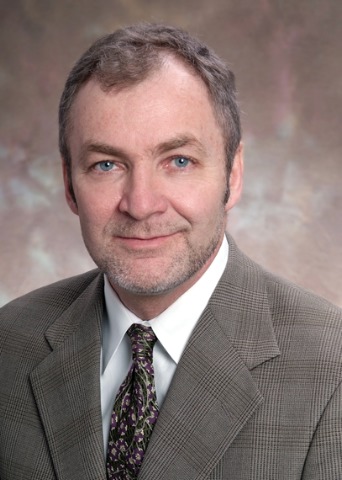
The Pittsburgh-based National Surgical Adjuvant Breast and Bowel Project (NSABP) and the Philadelphia-based Radiation Therapy Oncology Group (RTOG) said that their alliance is in direct response to the NCI plan. "The two groups believe it is in the mutual best interests of the groups and for cancer patients to form an alliance which will ultimately constitute one of these funded groups," said Dr. Walter J. Curran, chairman of the RTOG, in a statement. Dr. Curran, who is also executive director of the Winship Cancer Institute at Emory University in Atlanta, said that the details of the merger are still in development, but that the groups are hoping to "create optimal synergies between the strengths of each organization."
In the same statement, Dr. Norman Wolmark, chairman of the NSABP and director of oncology at the West Penn Allegheny Health System in the Pittsburgh area, said that the "NSABP with its internationally renowned research for patients with or at risk for breast and colorectal cancer and RTOG with its outstanding research portfolio for patients with brain tumors, digestive and respiratory cancers, and prostate cancer, complement each other in many ways."
This is the second major announcement from the NCI cooperative groups.
Even before the NCI unveiled its consolidation plan, the American College of Surgeons Oncology Group (ACOSOG), the Cancer and Leukemia Group B (CALGB), and the North Central Cancer Treatment Group (NCCTG) decided in early 2010 to integrate their statistical and data management functions. Further integration of these groups is likely, Dr. Jan C. Buckner, chairman of the NCCTG, said in an interview.
Rationale for Change
Oncologists, the NCI, and patient groups agree that the cancer clinical trial enterprise has been hamstrung by declining federal and private funding. And the IOM said that it saw a network of groups being somewhat stymied by overlapping bureaucracies and duplicative trial efforts.
The IOM found in its research that it now takes 2 years on average to design, approve, and activate a trial. Many of the trials that are undertaken are not completed. Since 2002, funding for the Cooperative Group Program has decreased by 20%. The funding now is lower in inflation-adjusted dollars than it was in 1999, and constitutes less than 3% of NCI’s total budget, according to the IOM.
At the same time, the scientific understanding of cancer has been taking off. But the discoveries – including greater knowledge about the genetic and molecular changes involved in cancer, and wider use of predictive biomarkers during treatment – are a double-edged sword, said the IOM. These discoveries have the ability to "increase the potential impact of trials but also add to their complexity and cost."
Current funding is insufficient to support the number of trials the groups undertake, said the IOM, which urged the NCI to allocate a larger portion of its research portfolio to the Cooperative Groups Program. Acknowledging that this funding might be hard to come by, the IOM alternatively recommended that the cooperative groups should reduce the number of trials being undertaken.
The IOM panel outlined the following four major goals for a revamped clinical trials system:
• Improve the speed and efficiency of the design, launch, and conduct of clinical trials.
• Incorporate innovative science and trial design into cancer clinical trials.
• Improve prioritization, selection, support, and completion of clinical trials.
• Incentivize the participation of patients and physicians in clinical trials.
"The view was, ‘do fewer studies, ask important questions, and get [the studies] done quickly,’ " said Dr. Richard Schilsky, a member of the IOM panel and chief of hematology-oncology at the University of Chicago. He was also chairman of the CALBG until early 2010.
On the "back end" – activities including site audits, data capture, and case reports – it was obvious that there was room for consolidating activities that all the groups have to do and are currently doing in different ways, said Dr. Schilsky in an interview.
But he added that it was the NCI’s conclusion that the groups should consolidate into a smaller number. "That’s a perhaps more extreme position than was articulated by the IOM," said Dr. Schilsky.
Evolution or Revolution?
The Cooperative Group Program has expanded and contracted since its beginnings in 1955. Soon after the network was established, it quickly became a 17-group entity with a primary focus on testing specific chemotherapy agents. Currently, there are 3,100 institutions (accounting for 140,000 individual investigators) that participate in the nine adult groups and one pediatric group.
The NCI’s expectation is that a sleeker, more efficient, and more patient- and investigator-friendly system will be ready by late 2013. There will be four adult groups and one pediatric group, according to the agency’s plan to implement the IOM recommendations.
But many of the groups saw a need for some sort of change even before the IOM issued the report. The ACOSOG, the CALGB, and the NCCTG had already been talking about combining "back office" functions, said Dr. Buckner. "It seemed like a good scientific and business decision to make," he said.
The centralization and coordination of statistical and data management began in early 2010 and is now complete, with personnel distributed among the Mayo Clinic, Duke University, the University of Texas M.D. Anderson Cancer Center, and the Ohio State University, said Dr. Buckner.
After the IOM report came out, "it seemed like a very natural progression of events to start talking about further integration of scientific programs and operational capacities of the three groups," he continued.
The three groups have agreed in principle to pursue further integration. But exactly how to do that is another question, he said.
The aim is to seek NCI funding as a single group by autumn 2012. But the goal is to have enough operational efficiencies so that the new organization can devote as much of its funding as possible to the science mission and to recruiting for, conducting, and managing trials, said Dr. Buckner.
He viewed the NCI plan as being a little bit of evolution and a little bit of forced change. Dr. Buckner also noted that the cooperative groups have a huge voluntary element, and that all participants have a common mission and purpose. He thought that the sense of mission would bind the volunteers together in the new system, but noted that those who don’t like the change will have the ability to opt out.
It is just that opt-out potential that worries the RTOG’s Dr. Curran. The groups have been fairly localized with a focused sense of purpose, said Dr. Curran in an interview prior to the merger announcement. "If people don’t feel a personal connection with these enterprises, they may walk away with their precious time and money," he said.
In addition, he said that mergers can distract organizations from their mission and eat up resources that could otherwise be used for the primary business.
Consolidation was not necessarily needed, said Dr. Curran. The cooperative group system has been shown to be very cost effective in independent studies, he said. And he believes that "the new model is still going to have duplication."
But the consolidation plan is inevitable, he concluded.
Looking Forward
So what will a new clinical trials system look like? The NCI presented its plan in late November, and called it a "starting point for discussion about consolidation as well as other aspects of transforming the program."
When all is said and done, the NCI envisions – at the adult level – four operations centers, instead of the current nine; four data management centers, down from the current nine; four disease-specific committees, instead of the current eight; four cooperative group cancer control and prevention research centers, down from the current eight; and three tumor banks, instead of the current nine. Essentially, the groups will become a network of groups with shared responsibilities.
This way, ideas can come from any group or from investigators who are not affiliated with a group. Also, any group will be able to manage a trial. For instance, under the new system, peer review will no longer focus on trials that are proposed by specific disease committees. Instead, the reviewers will take a broader look, assessing how each group can play a role in the broader trial system.
The NCI acknowledged that not everything may go so smoothly at first. There will be some cultural clashes and management issues in the effort to winnow down the groups. And in the short run, harmonizing the groups will likely be expensive.
The agency is in the midst of gathering comments from group members, oncologists, patients, and advocates on how to formulate a new "Funding Opportunity Announcement" for the groups. Essentially, this will be the template that the new groups will have to complete to receive funding under the new system.
By mid-2012, the NCI expects to issue the new application. Awards for 2014 will begin in October 2013.
Overall, it is inevitable that both the number of trials and the overall patient accrual will go down, said Dr. Schilsky. To be more efficient, the groups will probably have to conduct fewer studies. But, he said, there may very likely be a "net gain in new information."
The newly combined ACOSOG/CALGB/NCCTG group will have the same capacity for conducting trials that it did before, said Dr. Buckner. But without additional funding, the overall number of studies conducted will likely decrease, he added.
Dr. Curran agreed that the overall trial picture will largely be guided not by the number of groups, but by the amount of funding available and the number of people still willing to invest their time, money, and energy into the trial enterprise.
Seconding the IOM, he called on NCI to invest more in the groups.
In the end, the cooperative groups need to keep focused on the "right end points," said Dr. Schilsky. "The goal is not to have lots of trials or lots of accruals, but to get answers," he said.
The Radiation Therapy Oncology Group and the National Surgical Adjuvant Breast and Bowel Project announced March 7 that they are merging forces in "a collaborative alliance" that will conduct cancer research and apply for National Cancer Institute funding.
Their plan advances a potentially seismic shift in the landscape for the nation’s cancer clinical trials.
The shake-up began in early 2010 when the Institute of Medicine (IOM) recommended an overhaul of the National Cancer Institute (NCI)–-sponsored clinical cooperative groups. The NCI itself had requested the review of the program, noting that it had become perhaps too unwieldy and bureaucratic. Clinical trials were taking longer to complete, if they were being completed at all.
In the wake of the IOM report, the NCI decided that it wanted to whittle down the number of cooperative groups in the United States from 10 to 5. The aim is to have a new trials system in place by 2014.
The Pittsburgh-based National Surgical Adjuvant Breast and Bowel Project (NSABP) and the Philadelphia-based Radiation Therapy Oncology Group (RTOG) said that their alliance is in direct response to the NCI plan. "The two groups believe it is in the mutual best interests of the groups and for cancer patients to form an alliance which will ultimately constitute one of these funded groups," said Dr. Walter J. Curran, chairman of the RTOG, in a statement. Dr. Curran, who is also executive director of the Winship Cancer Institute at Emory University in Atlanta, said that the details of the merger are still in development, but that the groups are hoping to "create optimal synergies between the strengths of each organization."
In the same statement, Dr. Norman Wolmark, chairman of the NSABP and director of oncology at the West Penn Allegheny Health System in the Pittsburgh area, said that the "NSABP with its internationally renowned research for patients with or at risk for breast and colorectal cancer and RTOG with its outstanding research portfolio for patients with brain tumors, digestive and respiratory cancers, and prostate cancer, complement each other in many ways."
This is the second major announcement from the NCI cooperative groups.
Even before the NCI unveiled its consolidation plan, the American College of Surgeons Oncology Group (ACOSOG), the Cancer and Leukemia Group B (CALGB), and the North Central Cancer Treatment Group (NCCTG) decided in early 2010 to integrate their statistical and data management functions. Further integration of these groups is likely, Dr. Jan C. Buckner, chairman of the NCCTG, said in an interview.
Rationale for Change
Oncologists, the NCI, and patient groups agree that the cancer clinical trial enterprise has been hamstrung by declining federal and private funding. And the IOM said that it saw a network of groups being somewhat stymied by overlapping bureaucracies and duplicative trial efforts.
The IOM found in its research that it now takes 2 years on average to design, approve, and activate a trial. Many of the trials that are undertaken are not completed. Since 2002, funding for the Cooperative Group Program has decreased by 20%. The funding now is lower in inflation-adjusted dollars than it was in 1999, and constitutes less than 3% of NCI’s total budget, according to the IOM.
At the same time, the scientific understanding of cancer has been taking off. But the discoveries – including greater knowledge about the genetic and molecular changes involved in cancer, and wider use of predictive biomarkers during treatment – are a double-edged sword, said the IOM. These discoveries have the ability to "increase the potential impact of trials but also add to their complexity and cost."
Current funding is insufficient to support the number of trials the groups undertake, said the IOM, which urged the NCI to allocate a larger portion of its research portfolio to the Cooperative Groups Program. Acknowledging that this funding might be hard to come by, the IOM alternatively recommended that the cooperative groups should reduce the number of trials being undertaken.
The IOM panel outlined the following four major goals for a revamped clinical trials system:
• Improve the speed and efficiency of the design, launch, and conduct of clinical trials.
• Incorporate innovative science and trial design into cancer clinical trials.
• Improve prioritization, selection, support, and completion of clinical trials.
• Incentivize the participation of patients and physicians in clinical trials.
"The view was, ‘do fewer studies, ask important questions, and get [the studies] done quickly,’ " said Dr. Richard Schilsky, a member of the IOM panel and chief of hematology-oncology at the University of Chicago. He was also chairman of the CALBG until early 2010.
On the "back end" – activities including site audits, data capture, and case reports – it was obvious that there was room for consolidating activities that all the groups have to do and are currently doing in different ways, said Dr. Schilsky in an interview.
But he added that it was the NCI’s conclusion that the groups should consolidate into a smaller number. "That’s a perhaps more extreme position than was articulated by the IOM," said Dr. Schilsky.
Evolution or Revolution?
The Cooperative Group Program has expanded and contracted since its beginnings in 1955. Soon after the network was established, it quickly became a 17-group entity with a primary focus on testing specific chemotherapy agents. Currently, there are 3,100 institutions (accounting for 140,000 individual investigators) that participate in the nine adult groups and one pediatric group.
The NCI’s expectation is that a sleeker, more efficient, and more patient- and investigator-friendly system will be ready by late 2013. There will be four adult groups and one pediatric group, according to the agency’s plan to implement the IOM recommendations.
But many of the groups saw a need for some sort of change even before the IOM issued the report. The ACOSOG, the CALGB, and the NCCTG had already been talking about combining "back office" functions, said Dr. Buckner. "It seemed like a good scientific and business decision to make," he said.
The centralization and coordination of statistical and data management began in early 2010 and is now complete, with personnel distributed among the Mayo Clinic, Duke University, the University of Texas M.D. Anderson Cancer Center, and the Ohio State University, said Dr. Buckner.
After the IOM report came out, "it seemed like a very natural progression of events to start talking about further integration of scientific programs and operational capacities of the three groups," he continued.
The three groups have agreed in principle to pursue further integration. But exactly how to do that is another question, he said.
The aim is to seek NCI funding as a single group by autumn 2012. But the goal is to have enough operational efficiencies so that the new organization can devote as much of its funding as possible to the science mission and to recruiting for, conducting, and managing trials, said Dr. Buckner.
He viewed the NCI plan as being a little bit of evolution and a little bit of forced change. Dr. Buckner also noted that the cooperative groups have a huge voluntary element, and that all participants have a common mission and purpose. He thought that the sense of mission would bind the volunteers together in the new system, but noted that those who don’t like the change will have the ability to opt out.
It is just that opt-out potential that worries the RTOG’s Dr. Curran. The groups have been fairly localized with a focused sense of purpose, said Dr. Curran in an interview prior to the merger announcement. "If people don’t feel a personal connection with these enterprises, they may walk away with their precious time and money," he said.
In addition, he said that mergers can distract organizations from their mission and eat up resources that could otherwise be used for the primary business.
Consolidation was not necessarily needed, said Dr. Curran. The cooperative group system has been shown to be very cost effective in independent studies, he said. And he believes that "the new model is still going to have duplication."
But the consolidation plan is inevitable, he concluded.
Looking Forward
So what will a new clinical trials system look like? The NCI presented its plan in late November, and called it a "starting point for discussion about consolidation as well as other aspects of transforming the program."
When all is said and done, the NCI envisions – at the adult level – four operations centers, instead of the current nine; four data management centers, down from the current nine; four disease-specific committees, instead of the current eight; four cooperative group cancer control and prevention research centers, down from the current eight; and three tumor banks, instead of the current nine. Essentially, the groups will become a network of groups with shared responsibilities.
This way, ideas can come from any group or from investigators who are not affiliated with a group. Also, any group will be able to manage a trial. For instance, under the new system, peer review will no longer focus on trials that are proposed by specific disease committees. Instead, the reviewers will take a broader look, assessing how each group can play a role in the broader trial system.
The NCI acknowledged that not everything may go so smoothly at first. There will be some cultural clashes and management issues in the effort to winnow down the groups. And in the short run, harmonizing the groups will likely be expensive.
The agency is in the midst of gathering comments from group members, oncologists, patients, and advocates on how to formulate a new "Funding Opportunity Announcement" for the groups. Essentially, this will be the template that the new groups will have to complete to receive funding under the new system.
By mid-2012, the NCI expects to issue the new application. Awards for 2014 will begin in October 2013.
Overall, it is inevitable that both the number of trials and the overall patient accrual will go down, said Dr. Schilsky. To be more efficient, the groups will probably have to conduct fewer studies. But, he said, there may very likely be a "net gain in new information."
The newly combined ACOSOG/CALGB/NCCTG group will have the same capacity for conducting trials that it did before, said Dr. Buckner. But without additional funding, the overall number of studies conducted will likely decrease, he added.
Dr. Curran agreed that the overall trial picture will largely be guided not by the number of groups, but by the amount of funding available and the number of people still willing to invest their time, money, and energy into the trial enterprise.
Seconding the IOM, he called on NCI to invest more in the groups.
In the end, the cooperative groups need to keep focused on the "right end points," said Dr. Schilsky. "The goal is not to have lots of trials or lots of accruals, but to get answers," he said.
The Radiation Therapy Oncology Group and the National Surgical Adjuvant Breast and Bowel Project announced March 7 that they are merging forces in "a collaborative alliance" that will conduct cancer research and apply for National Cancer Institute funding.
Their plan advances a potentially seismic shift in the landscape for the nation’s cancer clinical trials.
The shake-up began in early 2010 when the Institute of Medicine (IOM) recommended an overhaul of the National Cancer Institute (NCI)–-sponsored clinical cooperative groups. The NCI itself had requested the review of the program, noting that it had become perhaps too unwieldy and bureaucratic. Clinical trials were taking longer to complete, if they were being completed at all.
In the wake of the IOM report, the NCI decided that it wanted to whittle down the number of cooperative groups in the United States from 10 to 5. The aim is to have a new trials system in place by 2014.
The Pittsburgh-based National Surgical Adjuvant Breast and Bowel Project (NSABP) and the Philadelphia-based Radiation Therapy Oncology Group (RTOG) said that their alliance is in direct response to the NCI plan. "The two groups believe it is in the mutual best interests of the groups and for cancer patients to form an alliance which will ultimately constitute one of these funded groups," said Dr. Walter J. Curran, chairman of the RTOG, in a statement. Dr. Curran, who is also executive director of the Winship Cancer Institute at Emory University in Atlanta, said that the details of the merger are still in development, but that the groups are hoping to "create optimal synergies between the strengths of each organization."
In the same statement, Dr. Norman Wolmark, chairman of the NSABP and director of oncology at the West Penn Allegheny Health System in the Pittsburgh area, said that the "NSABP with its internationally renowned research for patients with or at risk for breast and colorectal cancer and RTOG with its outstanding research portfolio for patients with brain tumors, digestive and respiratory cancers, and prostate cancer, complement each other in many ways."
This is the second major announcement from the NCI cooperative groups.
Even before the NCI unveiled its consolidation plan, the American College of Surgeons Oncology Group (ACOSOG), the Cancer and Leukemia Group B (CALGB), and the North Central Cancer Treatment Group (NCCTG) decided in early 2010 to integrate their statistical and data management functions. Further integration of these groups is likely, Dr. Jan C. Buckner, chairman of the NCCTG, said in an interview.
Rationale for Change
Oncologists, the NCI, and patient groups agree that the cancer clinical trial enterprise has been hamstrung by declining federal and private funding. And the IOM said that it saw a network of groups being somewhat stymied by overlapping bureaucracies and duplicative trial efforts.
The IOM found in its research that it now takes 2 years on average to design, approve, and activate a trial. Many of the trials that are undertaken are not completed. Since 2002, funding for the Cooperative Group Program has decreased by 20%. The funding now is lower in inflation-adjusted dollars than it was in 1999, and constitutes less than 3% of NCI’s total budget, according to the IOM.
At the same time, the scientific understanding of cancer has been taking off. But the discoveries – including greater knowledge about the genetic and molecular changes involved in cancer, and wider use of predictive biomarkers during treatment – are a double-edged sword, said the IOM. These discoveries have the ability to "increase the potential impact of trials but also add to their complexity and cost."
Current funding is insufficient to support the number of trials the groups undertake, said the IOM, which urged the NCI to allocate a larger portion of its research portfolio to the Cooperative Groups Program. Acknowledging that this funding might be hard to come by, the IOM alternatively recommended that the cooperative groups should reduce the number of trials being undertaken.
The IOM panel outlined the following four major goals for a revamped clinical trials system:
• Improve the speed and efficiency of the design, launch, and conduct of clinical trials.
• Incorporate innovative science and trial design into cancer clinical trials.
• Improve prioritization, selection, support, and completion of clinical trials.
• Incentivize the participation of patients and physicians in clinical trials.
"The view was, ‘do fewer studies, ask important questions, and get [the studies] done quickly,’ " said Dr. Richard Schilsky, a member of the IOM panel and chief of hematology-oncology at the University of Chicago. He was also chairman of the CALBG until early 2010.
On the "back end" – activities including site audits, data capture, and case reports – it was obvious that there was room for consolidating activities that all the groups have to do and are currently doing in different ways, said Dr. Schilsky in an interview.
But he added that it was the NCI’s conclusion that the groups should consolidate into a smaller number. "That’s a perhaps more extreme position than was articulated by the IOM," said Dr. Schilsky.
Evolution or Revolution?
The Cooperative Group Program has expanded and contracted since its beginnings in 1955. Soon after the network was established, it quickly became a 17-group entity with a primary focus on testing specific chemotherapy agents. Currently, there are 3,100 institutions (accounting for 140,000 individual investigators) that participate in the nine adult groups and one pediatric group.
The NCI’s expectation is that a sleeker, more efficient, and more patient- and investigator-friendly system will be ready by late 2013. There will be four adult groups and one pediatric group, according to the agency’s plan to implement the IOM recommendations.
But many of the groups saw a need for some sort of change even before the IOM issued the report. The ACOSOG, the CALGB, and the NCCTG had already been talking about combining "back office" functions, said Dr. Buckner. "It seemed like a good scientific and business decision to make," he said.
The centralization and coordination of statistical and data management began in early 2010 and is now complete, with personnel distributed among the Mayo Clinic, Duke University, the University of Texas M.D. Anderson Cancer Center, and the Ohio State University, said Dr. Buckner.
After the IOM report came out, "it seemed like a very natural progression of events to start talking about further integration of scientific programs and operational capacities of the three groups," he continued.
The three groups have agreed in principle to pursue further integration. But exactly how to do that is another question, he said.
The aim is to seek NCI funding as a single group by autumn 2012. But the goal is to have enough operational efficiencies so that the new organization can devote as much of its funding as possible to the science mission and to recruiting for, conducting, and managing trials, said Dr. Buckner.
He viewed the NCI plan as being a little bit of evolution and a little bit of forced change. Dr. Buckner also noted that the cooperative groups have a huge voluntary element, and that all participants have a common mission and purpose. He thought that the sense of mission would bind the volunteers together in the new system, but noted that those who don’t like the change will have the ability to opt out.
It is just that opt-out potential that worries the RTOG’s Dr. Curran. The groups have been fairly localized with a focused sense of purpose, said Dr. Curran in an interview prior to the merger announcement. "If people don’t feel a personal connection with these enterprises, they may walk away with their precious time and money," he said.
In addition, he said that mergers can distract organizations from their mission and eat up resources that could otherwise be used for the primary business.
Consolidation was not necessarily needed, said Dr. Curran. The cooperative group system has been shown to be very cost effective in independent studies, he said. And he believes that "the new model is still going to have duplication."
But the consolidation plan is inevitable, he concluded.
Looking Forward
So what will a new clinical trials system look like? The NCI presented its plan in late November, and called it a "starting point for discussion about consolidation as well as other aspects of transforming the program."
When all is said and done, the NCI envisions – at the adult level – four operations centers, instead of the current nine; four data management centers, down from the current nine; four disease-specific committees, instead of the current eight; four cooperative group cancer control and prevention research centers, down from the current eight; and three tumor banks, instead of the current nine. Essentially, the groups will become a network of groups with shared responsibilities.
This way, ideas can come from any group or from investigators who are not affiliated with a group. Also, any group will be able to manage a trial. For instance, under the new system, peer review will no longer focus on trials that are proposed by specific disease committees. Instead, the reviewers will take a broader look, assessing how each group can play a role in the broader trial system.
The NCI acknowledged that not everything may go so smoothly at first. There will be some cultural clashes and management issues in the effort to winnow down the groups. And in the short run, harmonizing the groups will likely be expensive.
The agency is in the midst of gathering comments from group members, oncologists, patients, and advocates on how to formulate a new "Funding Opportunity Announcement" for the groups. Essentially, this will be the template that the new groups will have to complete to receive funding under the new system.
By mid-2012, the NCI expects to issue the new application. Awards for 2014 will begin in October 2013.
Overall, it is inevitable that both the number of trials and the overall patient accrual will go down, said Dr. Schilsky. To be more efficient, the groups will probably have to conduct fewer studies. But, he said, there may very likely be a "net gain in new information."
The newly combined ACOSOG/CALGB/NCCTG group will have the same capacity for conducting trials that it did before, said Dr. Buckner. But without additional funding, the overall number of studies conducted will likely decrease, he added.
Dr. Curran agreed that the overall trial picture will largely be guided not by the number of groups, but by the amount of funding available and the number of people still willing to invest their time, money, and energy into the trial enterprise.
Seconding the IOM, he called on NCI to invest more in the groups.
In the end, the cooperative groups need to keep focused on the "right end points," said Dr. Schilsky. "The goal is not to have lots of trials or lots of accruals, but to get answers," he said.
Research Groups Ally as NCI Clinical Trials Program Begins Seismic Shift
The Radiation Therapy Oncology Group and the National Surgical Adjuvant Breast and Bowel Project announced March 7 that they are merging forces in "a collaborative alliance" that will conduct cancer research and apply for National Cancer Institute funding.
Their plan advances a potentially seismic shift in the landscape for the nation’s cancer clinical trials.
The shake-up began in early 2010 when the Institute of Medicine (IOM) recommended an overhaul of the National Cancer Institute (NCI)–-sponsored clinical cooperative groups. The NCI itself had requested the review of the program, noting that it had become perhaps too unwieldy and bureaucratic. Clinical trials were taking longer to complete, if they were being completed at all.
In the wake of the IOM report, the NCI decided that it wanted to whittle down the number of cooperative groups in the United States from 10 to 5. The aim is to have a new trials system in place by 2014.
The Pittsburgh-based National Surgical Adjuvant Breast and Bowel Project (NSABP) and the Philadelphia-based Radiation Therapy Oncology Group (RTOG) said that their alliance is in direct response to the NCI plan. "The two groups believe it is in the mutual best interests of the groups and for cancer patients to form an alliance which will ultimately constitute one of these funded groups," said Dr. Walter J. Curran, chairman of the RTOG, in a statement. Dr. Curran, who is also executive director of the Winship Cancer Institute at Emory University in Atlanta, said that the details of the merger are still in development, but that the groups are hoping to "create optimal synergies between the strengths of each organization."
In the same statement, Dr. Norman Wolmark, chairman of the NSABP and director of oncology at the West Penn Allegheny Health System in the Pittsburgh area, said that the "NSABP with its internationally renowned research for patients with or at risk for breast and colorectal cancer and RTOG with its outstanding research portfolio for patients with brain tumors, digestive and respiratory cancers, and prostate cancer, complement each other in many ways."
This is the second major announcement from the NCI cooperative groups.
Even before the NCI unveiled its consolidation plan, the American College of Surgeons Oncology Group (ACOSOG), the Cancer and Leukemia Group B (CALGB), and the North Central Cancer Treatment Group (NCCTG) decided in early 2010 to integrate their statistical and data management functions. Further integration of these groups is likely, Dr. Jan C. Buckner, chairman of the NCCTG, said in an interview.
Rationale for Change
Oncologists, the NCI, and patient groups agree that the cancer clinical trial enterprise has been hamstrung by declining federal and private funding. And the IOM said that it saw a network of groups being somewhat stymied by overlapping bureaucracies and duplicative trial efforts.
The IOM found in its research that it now takes 2 years on average to design, approve, and activate a trial. Many of the trials that are undertaken are not completed. Since 2002, funding for the Cooperative Group Program has decreased by 20%. The funding now is lower in inflation-adjusted dollars than it was in 1999, and constitutes less than 3% of NCI’s total budget, according to the IOM.
At the same time, the scientific understanding of cancer has been taking off. But the discoveries – including greater knowledge about the genetic and molecular changes involved in cancer, and wider use of predictive biomarkers during treatment – are a double-edged sword, said the IOM. These discoveries have the ability to "increase the potential impact of trials but also add to their complexity and cost."
Current funding is insufficient to support the number of trials the groups undertake, said the IOM, which urged the NCI to allocate a larger portion of its research portfolio to the Cooperative Groups Program. Acknowledging that this funding might be hard to come by, the IOM alternatively recommended that the cooperative groups should reduce the number of trials being undertaken.
The IOM panel outlined the following four major goals for a revamped clinical trials system:
• Improve the speed and efficiency of the design, launch, and conduct of clinical trials.
• Incorporate innovative science and trial design into cancer clinical trials.
• Improve prioritization, selection, support, and completion of clinical trials.
• Incentivize the participation of patients and physicians in clinical trials.
"The view was, ‘do fewer studies, ask important questions, and get [the studies] done quickly,’ " said Dr. Richard Schilsky, a member of the IOM panel and chief of hematology-oncology at the University of Chicago. He was also chairman of the CALBG until early 2010.
On the "back end" – activities including site audits, data capture, and case reports – it was obvious that there was room for consolidating activities that all the groups have to do and are currently doing in different ways, said Dr. Schilsky in an interview.
But he added that it was the NCI’s conclusion that the groups should consolidate into a smaller number. "That’s a perhaps more extreme position than was articulated by the IOM," said Dr. Schilsky.
Evolution or Revolution?
The Cooperative Group Program has expanded and contracted since its beginnings in 1955. Soon after the network was established, it quickly became a 17-group entity with a primary focus on testing specific chemotherapy agents. Currently, there are 3,100 institutions (accounting for 140,000 individual investigators) that participate in the nine adult groups and one pediatric group.
The NCI’s expectation is that a sleeker, more efficient, and more patient- and investigator-friendly system will be ready by late 2013. There will be four adult groups and one pediatric group, according to the agency’s plan to implement the IOM recommendations.
But many of the groups saw a need for some sort of change even before the IOM issued the report. The ACOSOG, the CALGB, and the NCCTG had already been talking about combining "back office" functions, said Dr. Buckner. "It seemed like a good scientific and business decision to make," he said.
The centralization and coordination of statistical and data management began in early 2010 and is now complete, with personnel distributed among the Mayo Clinic, Duke University, the University of Texas M.D. Anderson Cancer Center, and the Ohio State University, said Dr. Buckner.
After the IOM report came out, "it seemed like a very natural progression of events to start talking about further integration of scientific programs and operational capacities of the three groups," he continued.
The three groups have agreed in principle to pursue further integration. But exactly how to do that is another question, he said.
The aim is to seek NCI funding as a single group by autumn 2012. But the goal is to have enough operational efficiencies so that the new organization can devote as much of its funding as possible to the science mission and to recruiting for, conducting, and managing trials, said Dr. Buckner.
He viewed the NCI plan as being a little bit of evolution and a little bit of forced change. Dr. Buckner also noted that the cooperative groups have a huge voluntary element, and that all participants have a common mission and purpose. He thought that the sense of mission would bind the volunteers together in the new system, but noted that those who don’t like the change will have the ability to opt out.
It is just that opt-out potential that worries the RTOG’s Dr. Curran. The groups have been fairly localized with a focused sense of purpose, said Dr. Curran in an interview prior to the merger announcement. "If people don’t feel a personal connection with these enterprises, they may walk away with their precious time and money," he said.
In addition, he said that mergers can distract organizations from their mission and eat up resources that could otherwise be used for the primary business.
Consolidation was not necessarily needed, said Dr. Curran. The cooperative group system has been shown to be very cost effective in independent studies, he said. And he believes that "the new model is still going to have duplication."
But the consolidation plan is inevitable, he concluded.
Looking Forward
So what will a new clinical trials system look like? The NCI presented its plan in late November, and called it a "starting point for discussion about consolidation as well as other aspects of transforming the program."
When all is said and done, the NCI envisions – at the adult level – four operations centers, instead of the current nine; four data management centers, down from the current nine; four disease-specific committees, instead of the current eight; four cooperative group cancer control and prevention research centers, down from the current eight; and three tumor banks, instead of the current nine. Essentially, the groups will become a network of groups with shared responsibilities.
This way, ideas can come from any group or from investigators who are not affiliated with a group. Also, any group will be able to manage a trial. For instance, under the new system, peer review will no longer focus on trials that are proposed by specific disease committees. Instead, the reviewers will take a broader look, assessing how each group can play a role in the broader trial system.
The NCI acknowledged that not everything may go so smoothly at first. There will be some cultural clashes and management issues in the effort to winnow down the groups. And in the short run, harmonizing the groups will likely be expensive.
The agency is in the midst of gathering comments from group members, oncologists, patients, and advocates on how to formulate a new "Funding Opportunity Announcement" for the groups. Essentially, this will be the template that the new groups will have to complete to receive funding under the new system.
By mid-2012, the NCI expects to issue the new application. Awards for 2014 will begin in October 2013.
Overall, it is inevitable that both the number of trials and the overall patient accrual will go down, said Dr. Schilsky. To be more efficient, the groups will probably have to conduct fewer studies. But, he said, there may very likely be a "net gain in new information."
The newly combined ACOSOG/CALGB/NCCTG group will have the same capacity for conducting trials that it did before, said Dr. Buckner. But without additional funding, the overall number of studies conducted will likely decrease, he added.
Dr. Curran agreed that the overall trial picture will largely be guided not by the number of groups, but by the amount of funding available and the number of people still willing to invest their time, money, and energy into the trial enterprise.
Seconding the IOM, he called on NCI to invest more in the groups.
In the end, the cooperative groups need to keep focused on the "right end points," said Dr. Schilsky. "The goal is not to have lots of trials or lots of accruals, but to get answers," he said.
The Radiation Therapy Oncology Group and the National Surgical Adjuvant Breast and Bowel Project announced March 7 that they are merging forces in "a collaborative alliance" that will conduct cancer research and apply for National Cancer Institute funding.
Their plan advances a potentially seismic shift in the landscape for the nation’s cancer clinical trials.
The shake-up began in early 2010 when the Institute of Medicine (IOM) recommended an overhaul of the National Cancer Institute (NCI)–-sponsored clinical cooperative groups. The NCI itself had requested the review of the program, noting that it had become perhaps too unwieldy and bureaucratic. Clinical trials were taking longer to complete, if they were being completed at all.
In the wake of the IOM report, the NCI decided that it wanted to whittle down the number of cooperative groups in the United States from 10 to 5. The aim is to have a new trials system in place by 2014.
The Pittsburgh-based National Surgical Adjuvant Breast and Bowel Project (NSABP) and the Philadelphia-based Radiation Therapy Oncology Group (RTOG) said that their alliance is in direct response to the NCI plan. "The two groups believe it is in the mutual best interests of the groups and for cancer patients to form an alliance which will ultimately constitute one of these funded groups," said Dr. Walter J. Curran, chairman of the RTOG, in a statement. Dr. Curran, who is also executive director of the Winship Cancer Institute at Emory University in Atlanta, said that the details of the merger are still in development, but that the groups are hoping to "create optimal synergies between the strengths of each organization."
In the same statement, Dr. Norman Wolmark, chairman of the NSABP and director of oncology at the West Penn Allegheny Health System in the Pittsburgh area, said that the "NSABP with its internationally renowned research for patients with or at risk for breast and colorectal cancer and RTOG with its outstanding research portfolio for patients with brain tumors, digestive and respiratory cancers, and prostate cancer, complement each other in many ways."
This is the second major announcement from the NCI cooperative groups.
Even before the NCI unveiled its consolidation plan, the American College of Surgeons Oncology Group (ACOSOG), the Cancer and Leukemia Group B (CALGB), and the North Central Cancer Treatment Group (NCCTG) decided in early 2010 to integrate their statistical and data management functions. Further integration of these groups is likely, Dr. Jan C. Buckner, chairman of the NCCTG, said in an interview.
Rationale for Change
Oncologists, the NCI, and patient groups agree that the cancer clinical trial enterprise has been hamstrung by declining federal and private funding. And the IOM said that it saw a network of groups being somewhat stymied by overlapping bureaucracies and duplicative trial efforts.
The IOM found in its research that it now takes 2 years on average to design, approve, and activate a trial. Many of the trials that are undertaken are not completed. Since 2002, funding for the Cooperative Group Program has decreased by 20%. The funding now is lower in inflation-adjusted dollars than it was in 1999, and constitutes less than 3% of NCI’s total budget, according to the IOM.
At the same time, the scientific understanding of cancer has been taking off. But the discoveries – including greater knowledge about the genetic and molecular changes involved in cancer, and wider use of predictive biomarkers during treatment – are a double-edged sword, said the IOM. These discoveries have the ability to "increase the potential impact of trials but also add to their complexity and cost."
Current funding is insufficient to support the number of trials the groups undertake, said the IOM, which urged the NCI to allocate a larger portion of its research portfolio to the Cooperative Groups Program. Acknowledging that this funding might be hard to come by, the IOM alternatively recommended that the cooperative groups should reduce the number of trials being undertaken.
The IOM panel outlined the following four major goals for a revamped clinical trials system:
• Improve the speed and efficiency of the design, launch, and conduct of clinical trials.
• Incorporate innovative science and trial design into cancer clinical trials.
• Improve prioritization, selection, support, and completion of clinical trials.
• Incentivize the participation of patients and physicians in clinical trials.
"The view was, ‘do fewer studies, ask important questions, and get [the studies] done quickly,’ " said Dr. Richard Schilsky, a member of the IOM panel and chief of hematology-oncology at the University of Chicago. He was also chairman of the CALBG until early 2010.
On the "back end" – activities including site audits, data capture, and case reports – it was obvious that there was room for consolidating activities that all the groups have to do and are currently doing in different ways, said Dr. Schilsky in an interview.
But he added that it was the NCI’s conclusion that the groups should consolidate into a smaller number. "That’s a perhaps more extreme position than was articulated by the IOM," said Dr. Schilsky.
Evolution or Revolution?
The Cooperative Group Program has expanded and contracted since its beginnings in 1955. Soon after the network was established, it quickly became a 17-group entity with a primary focus on testing specific chemotherapy agents. Currently, there are 3,100 institutions (accounting for 140,000 individual investigators) that participate in the nine adult groups and one pediatric group.
The NCI’s expectation is that a sleeker, more efficient, and more patient- and investigator-friendly system will be ready by late 2013. There will be four adult groups and one pediatric group, according to the agency’s plan to implement the IOM recommendations.
But many of the groups saw a need for some sort of change even before the IOM issued the report. The ACOSOG, the CALGB, and the NCCTG had already been talking about combining "back office" functions, said Dr. Buckner. "It seemed like a good scientific and business decision to make," he said.
The centralization and coordination of statistical and data management began in early 2010 and is now complete, with personnel distributed among the Mayo Clinic, Duke University, the University of Texas M.D. Anderson Cancer Center, and the Ohio State University, said Dr. Buckner.
After the IOM report came out, "it seemed like a very natural progression of events to start talking about further integration of scientific programs and operational capacities of the three groups," he continued.
The three groups have agreed in principle to pursue further integration. But exactly how to do that is another question, he said.
The aim is to seek NCI funding as a single group by autumn 2012. But the goal is to have enough operational efficiencies so that the new organization can devote as much of its funding as possible to the science mission and to recruiting for, conducting, and managing trials, said Dr. Buckner.
He viewed the NCI plan as being a little bit of evolution and a little bit of forced change. Dr. Buckner also noted that the cooperative groups have a huge voluntary element, and that all participants have a common mission and purpose. He thought that the sense of mission would bind the volunteers together in the new system, but noted that those who don’t like the change will have the ability to opt out.
It is just that opt-out potential that worries the RTOG’s Dr. Curran. The groups have been fairly localized with a focused sense of purpose, said Dr. Curran in an interview prior to the merger announcement. "If people don’t feel a personal connection with these enterprises, they may walk away with their precious time and money," he said.
In addition, he said that mergers can distract organizations from their mission and eat up resources that could otherwise be used for the primary business.
Consolidation was not necessarily needed, said Dr. Curran. The cooperative group system has been shown to be very cost effective in independent studies, he said. And he believes that "the new model is still going to have duplication."
But the consolidation plan is inevitable, he concluded.
Looking Forward
So what will a new clinical trials system look like? The NCI presented its plan in late November, and called it a "starting point for discussion about consolidation as well as other aspects of transforming the program."
When all is said and done, the NCI envisions – at the adult level – four operations centers, instead of the current nine; four data management centers, down from the current nine; four disease-specific committees, instead of the current eight; four cooperative group cancer control and prevention research centers, down from the current eight; and three tumor banks, instead of the current nine. Essentially, the groups will become a network of groups with shared responsibilities.
This way, ideas can come from any group or from investigators who are not affiliated with a group. Also, any group will be able to manage a trial. For instance, under the new system, peer review will no longer focus on trials that are proposed by specific disease committees. Instead, the reviewers will take a broader look, assessing how each group can play a role in the broader trial system.
The NCI acknowledged that not everything may go so smoothly at first. There will be some cultural clashes and management issues in the effort to winnow down the groups. And in the short run, harmonizing the groups will likely be expensive.
The agency is in the midst of gathering comments from group members, oncologists, patients, and advocates on how to formulate a new "Funding Opportunity Announcement" for the groups. Essentially, this will be the template that the new groups will have to complete to receive funding under the new system.
By mid-2012, the NCI expects to issue the new application. Awards for 2014 will begin in October 2013.
Overall, it is inevitable that both the number of trials and the overall patient accrual will go down, said Dr. Schilsky. To be more efficient, the groups will probably have to conduct fewer studies. But, he said, there may very likely be a "net gain in new information."
The newly combined ACOSOG/CALGB/NCCTG group will have the same capacity for conducting trials that it did before, said Dr. Buckner. But without additional funding, the overall number of studies conducted will likely decrease, he added.
Dr. Curran agreed that the overall trial picture will largely be guided not by the number of groups, but by the amount of funding available and the number of people still willing to invest their time, money, and energy into the trial enterprise.
Seconding the IOM, he called on NCI to invest more in the groups.
In the end, the cooperative groups need to keep focused on the "right end points," said Dr. Schilsky. "The goal is not to have lots of trials or lots of accruals, but to get answers," he said.
The Radiation Therapy Oncology Group and the National Surgical Adjuvant Breast and Bowel Project announced March 7 that they are merging forces in "a collaborative alliance" that will conduct cancer research and apply for National Cancer Institute funding.
Their plan advances a potentially seismic shift in the landscape for the nation’s cancer clinical trials.
The shake-up began in early 2010 when the Institute of Medicine (IOM) recommended an overhaul of the National Cancer Institute (NCI)–-sponsored clinical cooperative groups. The NCI itself had requested the review of the program, noting that it had become perhaps too unwieldy and bureaucratic. Clinical trials were taking longer to complete, if they were being completed at all.
In the wake of the IOM report, the NCI decided that it wanted to whittle down the number of cooperative groups in the United States from 10 to 5. The aim is to have a new trials system in place by 2014.
The Pittsburgh-based National Surgical Adjuvant Breast and Bowel Project (NSABP) and the Philadelphia-based Radiation Therapy Oncology Group (RTOG) said that their alliance is in direct response to the NCI plan. "The two groups believe it is in the mutual best interests of the groups and for cancer patients to form an alliance which will ultimately constitute one of these funded groups," said Dr. Walter J. Curran, chairman of the RTOG, in a statement. Dr. Curran, who is also executive director of the Winship Cancer Institute at Emory University in Atlanta, said that the details of the merger are still in development, but that the groups are hoping to "create optimal synergies between the strengths of each organization."
In the same statement, Dr. Norman Wolmark, chairman of the NSABP and director of oncology at the West Penn Allegheny Health System in the Pittsburgh area, said that the "NSABP with its internationally renowned research for patients with or at risk for breast and colorectal cancer and RTOG with its outstanding research portfolio for patients with brain tumors, digestive and respiratory cancers, and prostate cancer, complement each other in many ways."
This is the second major announcement from the NCI cooperative groups.
Even before the NCI unveiled its consolidation plan, the American College of Surgeons Oncology Group (ACOSOG), the Cancer and Leukemia Group B (CALGB), and the North Central Cancer Treatment Group (NCCTG) decided in early 2010 to integrate their statistical and data management functions. Further integration of these groups is likely, Dr. Jan C. Buckner, chairman of the NCCTG, said in an interview.
Rationale for Change
Oncologists, the NCI, and patient groups agree that the cancer clinical trial enterprise has been hamstrung by declining federal and private funding. And the IOM said that it saw a network of groups being somewhat stymied by overlapping bureaucracies and duplicative trial efforts.
The IOM found in its research that it now takes 2 years on average to design, approve, and activate a trial. Many of the trials that are undertaken are not completed. Since 2002, funding for the Cooperative Group Program has decreased by 20%. The funding now is lower in inflation-adjusted dollars than it was in 1999, and constitutes less than 3% of NCI’s total budget, according to the IOM.
At the same time, the scientific understanding of cancer has been taking off. But the discoveries – including greater knowledge about the genetic and molecular changes involved in cancer, and wider use of predictive biomarkers during treatment – are a double-edged sword, said the IOM. These discoveries have the ability to "increase the potential impact of trials but also add to their complexity and cost."
Current funding is insufficient to support the number of trials the groups undertake, said the IOM, which urged the NCI to allocate a larger portion of its research portfolio to the Cooperative Groups Program. Acknowledging that this funding might be hard to come by, the IOM alternatively recommended that the cooperative groups should reduce the number of trials being undertaken.
The IOM panel outlined the following four major goals for a revamped clinical trials system:
• Improve the speed and efficiency of the design, launch, and conduct of clinical trials.
• Incorporate innovative science and trial design into cancer clinical trials.
• Improve prioritization, selection, support, and completion of clinical trials.
• Incentivize the participation of patients and physicians in clinical trials.
"The view was, ‘do fewer studies, ask important questions, and get [the studies] done quickly,’ " said Dr. Richard Schilsky, a member of the IOM panel and chief of hematology-oncology at the University of Chicago. He was also chairman of the CALBG until early 2010.
On the "back end" – activities including site audits, data capture, and case reports – it was obvious that there was room for consolidating activities that all the groups have to do and are currently doing in different ways, said Dr. Schilsky in an interview.
But he added that it was the NCI’s conclusion that the groups should consolidate into a smaller number. "That’s a perhaps more extreme position than was articulated by the IOM," said Dr. Schilsky.
Evolution or Revolution?
The Cooperative Group Program has expanded and contracted since its beginnings in 1955. Soon after the network was established, it quickly became a 17-group entity with a primary focus on testing specific chemotherapy agents. Currently, there are 3,100 institutions (accounting for 140,000 individual investigators) that participate in the nine adult groups and one pediatric group.
The NCI’s expectation is that a sleeker, more efficient, and more patient- and investigator-friendly system will be ready by late 2013. There will be four adult groups and one pediatric group, according to the agency’s plan to implement the IOM recommendations.
But many of the groups saw a need for some sort of change even before the IOM issued the report. The ACOSOG, the CALGB, and the NCCTG had already been talking about combining "back office" functions, said Dr. Buckner. "It seemed like a good scientific and business decision to make," he said.
The centralization and coordination of statistical and data management began in early 2010 and is now complete, with personnel distributed among the Mayo Clinic, Duke University, the University of Texas M.D. Anderson Cancer Center, and the Ohio State University, said Dr. Buckner.
After the IOM report came out, "it seemed like a very natural progression of events to start talking about further integration of scientific programs and operational capacities of the three groups," he continued.
The three groups have agreed in principle to pursue further integration. But exactly how to do that is another question, he said.
The aim is to seek NCI funding as a single group by autumn 2012. But the goal is to have enough operational efficiencies so that the new organization can devote as much of its funding as possible to the science mission and to recruiting for, conducting, and managing trials, said Dr. Buckner.
He viewed the NCI plan as being a little bit of evolution and a little bit of forced change. Dr. Buckner also noted that the cooperative groups have a huge voluntary element, and that all participants have a common mission and purpose. He thought that the sense of mission would bind the volunteers together in the new system, but noted that those who don’t like the change will have the ability to opt out.
It is just that opt-out potential that worries the RTOG’s Dr. Curran. The groups have been fairly localized with a focused sense of purpose, said Dr. Curran in an interview prior to the merger announcement. "If people don’t feel a personal connection with these enterprises, they may walk away with their precious time and money," he said.
In addition, he said that mergers can distract organizations from their mission and eat up resources that could otherwise be used for the primary business.
Consolidation was not necessarily needed, said Dr. Curran. The cooperative group system has been shown to be very cost effective in independent studies, he said. And he believes that "the new model is still going to have duplication."
But the consolidation plan is inevitable, he concluded.
Looking Forward
So what will a new clinical trials system look like? The NCI presented its plan in late November, and called it a "starting point for discussion about consolidation as well as other aspects of transforming the program."
When all is said and done, the NCI envisions – at the adult level – four operations centers, instead of the current nine; four data management centers, down from the current nine; four disease-specific committees, instead of the current eight; four cooperative group cancer control and prevention research centers, down from the current eight; and three tumor banks, instead of the current nine. Essentially, the groups will become a network of groups with shared responsibilities.
This way, ideas can come from any group or from investigators who are not affiliated with a group. Also, any group will be able to manage a trial. For instance, under the new system, peer review will no longer focus on trials that are proposed by specific disease committees. Instead, the reviewers will take a broader look, assessing how each group can play a role in the broader trial system.
The NCI acknowledged that not everything may go so smoothly at first. There will be some cultural clashes and management issues in the effort to winnow down the groups. And in the short run, harmonizing the groups will likely be expensive.
The agency is in the midst of gathering comments from group members, oncologists, patients, and advocates on how to formulate a new "Funding Opportunity Announcement" for the groups. Essentially, this will be the template that the new groups will have to complete to receive funding under the new system.
By mid-2012, the NCI expects to issue the new application. Awards for 2014 will begin in October 2013.
Overall, it is inevitable that both the number of trials and the overall patient accrual will go down, said Dr. Schilsky. To be more efficient, the groups will probably have to conduct fewer studies. But, he said, there may very likely be a "net gain in new information."
The newly combined ACOSOG/CALGB/NCCTG group will have the same capacity for conducting trials that it did before, said Dr. Buckner. But without additional funding, the overall number of studies conducted will likely decrease, he added.
Dr. Curran agreed that the overall trial picture will largely be guided not by the number of groups, but by the amount of funding available and the number of people still willing to invest their time, money, and energy into the trial enterprise.
Seconding the IOM, he called on NCI to invest more in the groups.
In the end, the cooperative groups need to keep focused on the "right end points," said Dr. Schilsky. "The goal is not to have lots of trials or lots of accruals, but to get answers," he said.
Research Groups Ally as NCI Clinical Trials Program Begins Seismic Shift
The Radiation Therapy Oncology Group and the National Surgical Adjuvant Breast and Bowel Project announced March 7 that they are merging forces in "a collaborative alliance" that will conduct cancer research and apply for National Cancer Institute funding.
Their plan advances a potentially seismic shift in the landscape for the nation’s cancer clinical trials.
The shake-up began in early 2010 when the Institute of Medicine (IOM) recommended an overhaul of the National Cancer Institute (NCI)–-sponsored clinical cooperative groups. The NCI itself had requested the review of the program, noting that it had become perhaps too unwieldy and bureaucratic. Clinical trials were taking longer to complete, if they were being completed at all.
In the wake of the IOM report, the NCI decided that it wanted to whittle down the number of cooperative groups in the United States from 10 to 5. The aim is to have a new trials system in place by 2014.
The Pittsburgh-based National Surgical Adjuvant Breast and Bowel Project (NSABP) and the Philadelphia-based Radiation Therapy Oncology Group (RTOG) said that their alliance is in direct response to the NCI plan. "The two groups believe it is in the mutual best interests of the groups and for cancer patients to form an alliance which will ultimately constitute one of these funded groups," said Dr. Walter J. Curran, chairman of the RTOG, in a statement. Dr. Curran, who is also executive director of the Winship Cancer Institute at Emory University in Atlanta, said that the details of the merger are still in development, but that the groups are hoping to "create optimal synergies between the strengths of each organization."
In the same statement, Dr. Norman Wolmark, chairman of the NSABP and director of oncology at the West Penn Allegheny Health System in the Pittsburgh area, said that the "NSABP with its internationally renowned research for patients with or at risk for breast and colorectal cancer and RTOG with its outstanding research portfolio for patients with brain tumors, digestive and respiratory cancers, and prostate cancer, complement each other in many ways."
This is the second major announcement from the NCI cooperative groups.
Even before the NCI unveiled its consolidation plan, the American College of Surgeons Oncology Group (ACOSOG), the Cancer and Leukemia Group B (CALGB), and the North Central Cancer Treatment Group (NCCTG) decided in early 2010 to integrate their statistical and data management functions. Further integration of these groups is likely, Dr. Jan C. Buckner, chairman of the NCCTG, said in an interview.
Rationale for Change
Oncologists, the NCI, and patient groups agree that the cancer clinical trial enterprise has been hamstrung by declining federal and private funding. And the IOM said that it saw a network of groups being somewhat stymied by overlapping bureaucracies and duplicative trial efforts.
The IOM found in its research that it now takes 2 years on average to design, approve, and activate a trial. Many of the trials that are undertaken are not completed. Since 2002, funding for the Cooperative Group Program has decreased by 20%. The funding now is lower in inflation-adjusted dollars than it was in 1999, and constitutes less than 3% of NCI’s total budget, according to the IOM.
At the same time, the scientific understanding of cancer has been taking off. But the discoveries – including greater knowledge about the genetic and molecular changes involved in cancer, and wider use of predictive biomarkers during treatment – are a double-edged sword, said the IOM. These discoveries have the ability to "increase the potential impact of trials but also add to their complexity and cost."
Current funding is insufficient to support the number of trials the groups undertake, said the IOM, which urged the NCI to allocate a larger portion of its research portfolio to the Cooperative Groups Program. Acknowledging that this funding might be hard to come by, the IOM alternatively recommended that the cooperative groups should reduce the number of trials being undertaken.
The IOM panel outlined the following four major goals for a revamped clinical trials system:
• Improve the speed and efficiency of the design, launch, and conduct of clinical trials.
• Incorporate innovative science and trial design into cancer clinical trials.
• Improve prioritization, selection, support, and completion of clinical trials.
• Incentivize the participation of patients and physicians in clinical trials.
"The view was, ‘do fewer studies, ask important questions, and get [the studies] done quickly,’ " said Dr. Richard Schilsky, a member of the IOM panel and chief of hematology-oncology at the University of Chicago. He was also chairman of the CALBG until early 2010.
On the "back end" – activities including site audits, data capture, and case reports – it was obvious that there was room for consolidating activities that all the groups have to do and are currently doing in different ways, said Dr. Schilsky in an interview.
But he added that it was the NCI’s conclusion that the groups should consolidate into a smaller number. "That’s a perhaps more extreme position than was articulated by the IOM," said Dr. Schilsky.
Evolution or Revolution?
The Cooperative Group Program has expanded and contracted since its beginnings in 1955. Soon after the network was established, it quickly became a 17-group entity with a primary focus on testing specific chemotherapy agents. Currently, there are 3,100 institutions (accounting for 140,000 individual investigators) that participate in the nine adult groups and one pediatric group.
The NCI’s expectation is that a sleeker, more efficient, and more patient- and investigator-friendly system will be ready by late 2013. There will be four adult groups and one pediatric group, according to the agency’s plan to implement the IOM recommendations.
But many of the groups saw a need for some sort of change even before the IOM issued the report. The ACOSOG, the CALGB, and the NCCTG had already been talking about combining "back office" functions, said Dr. Buckner. "It seemed like a good scientific and business decision to make," he said.
The centralization and coordination of statistical and data management began in early 2010 and is now complete, with personnel distributed among the Mayo Clinic, Duke University, the University of Texas M.D. Anderson Cancer Center, and the Ohio State University, said Dr. Buckner.
After the IOM report came out, "it seemed like a very natural progression of events to start talking about further integration of scientific programs and operational capacities of the three groups," he continued.
The three groups have agreed in principle to pursue further integration. But exactly how to do that is another question, he said.
The aim is to seek NCI funding as a single group by autumn 2012. But the goal is to have enough operational efficiencies so that the new organization can devote as much of its funding as possible to the science mission and to recruiting for, conducting, and managing trials, said Dr. Buckner.
He viewed the NCI plan as being a little bit of evolution and a little bit of forced change. Dr. Buckner also noted that the cooperative groups have a huge voluntary element, and that all participants have a common mission and purpose. He thought that the sense of mission would bind the volunteers together in the new system, but noted that those who don’t like the change will have the ability to opt out.
It is just that opt-out potential that worries the RTOG’s Dr. Curran. The groups have been fairly localized with a focused sense of purpose, said Dr. Curran in an interview prior to the merger announcement. "If people don’t feel a personal connection with these enterprises, they may walk away with their precious time and money," he said.
In addition, he said that mergers can distract organizations from their mission and eat up resources that could otherwise be used for the primary business.
Consolidation was not necessarily needed, said Dr. Curran. The cooperative group system has been shown to be very cost effective in independent studies, he said. And he believes that "the new model is still going to have duplication."
But the consolidation plan is inevitable, he concluded.
Looking Forward
So what will a new clinical trials system look like? The NCI presented its plan in late November, and called it a "starting point for discussion about consolidation as well as other aspects of transforming the program."
When all is said and done, the NCI envisions – at the adult level – four operations centers, instead of the current nine; four data management centers, down from the current nine; four disease-specific committees, instead of the current eight; four cooperative group cancer control and prevention research centers, down from the current eight; and three tumor banks, instead of the current nine. Essentially, the groups will become a network of groups with shared responsibilities.
This way, ideas can come from any group or from investigators who are not affiliated with a group. Also, any group will be able to manage a trial. For instance, under the new system, peer review will no longer focus on trials that are proposed by specific disease committees. Instead, the reviewers will take a broader look, assessing how each group can play a role in the broader trial system.
The NCI acknowledged that not everything may go so smoothly at first. There will be some cultural clashes and management issues in the effort to winnow down the groups. And in the short run, harmonizing the groups will likely be expensive.
The agency is in the midst of gathering comments from group members, oncologists, patients, and advocates on how to formulate a new "Funding Opportunity Announcement" for the groups. Essentially, this will be the template that the new groups will have to complete to receive funding under the new system.
By mid-2012, the NCI expects to issue the new application. Awards for 2014 will begin in October 2013.
Overall, it is inevitable that both the number of trials and the overall patient accrual will go down, said Dr. Schilsky. To be more efficient, the groups will probably have to conduct fewer studies. But, he said, there may very likely be a "net gain in new information."
The newly combined ACOSOG/CALGB/NCCTG group will have the same capacity for conducting trials that it did before, said Dr. Buckner. But without additional funding, the overall number of studies conducted will likely decrease, he added.
Dr. Curran agreed that the overall trial picture will largely be guided not by the number of groups, but by the amount of funding available and the number of people still willing to invest their time, money, and energy into the trial enterprise.
Seconding the IOM, he called on NCI to invest more in the groups.
In the end, the cooperative groups need to keep focused on the "right end points," said Dr. Schilsky. "The goal is not to have lots of trials or lots of accruals, but to get answers," he said.
The Radiation Therapy Oncology Group and the National Surgical Adjuvant Breast and Bowel Project announced March 7 that they are merging forces in "a collaborative alliance" that will conduct cancer research and apply for National Cancer Institute funding.
Their plan advances a potentially seismic shift in the landscape for the nation’s cancer clinical trials.
The shake-up began in early 2010 when the Institute of Medicine (IOM) recommended an overhaul of the National Cancer Institute (NCI)–-sponsored clinical cooperative groups. The NCI itself had requested the review of the program, noting that it had become perhaps too unwieldy and bureaucratic. Clinical trials were taking longer to complete, if they were being completed at all.
In the wake of the IOM report, the NCI decided that it wanted to whittle down the number of cooperative groups in the United States from 10 to 5. The aim is to have a new trials system in place by 2014.
The Pittsburgh-based National Surgical Adjuvant Breast and Bowel Project (NSABP) and the Philadelphia-based Radiation Therapy Oncology Group (RTOG) said that their alliance is in direct response to the NCI plan. "The two groups believe it is in the mutual best interests of the groups and for cancer patients to form an alliance which will ultimately constitute one of these funded groups," said Dr. Walter J. Curran, chairman of the RTOG, in a statement. Dr. Curran, who is also executive director of the Winship Cancer Institute at Emory University in Atlanta, said that the details of the merger are still in development, but that the groups are hoping to "create optimal synergies between the strengths of each organization."
In the same statement, Dr. Norman Wolmark, chairman of the NSABP and director of oncology at the West Penn Allegheny Health System in the Pittsburgh area, said that the "NSABP with its internationally renowned research for patients with or at risk for breast and colorectal cancer and RTOG with its outstanding research portfolio for patients with brain tumors, digestive and respiratory cancers, and prostate cancer, complement each other in many ways."
This is the second major announcement from the NCI cooperative groups.
Even before the NCI unveiled its consolidation plan, the American College of Surgeons Oncology Group (ACOSOG), the Cancer and Leukemia Group B (CALGB), and the North Central Cancer Treatment Group (NCCTG) decided in early 2010 to integrate their statistical and data management functions. Further integration of these groups is likely, Dr. Jan C. Buckner, chairman of the NCCTG, said in an interview.
Rationale for Change
Oncologists, the NCI, and patient groups agree that the cancer clinical trial enterprise has been hamstrung by declining federal and private funding. And the IOM said that it saw a network of groups being somewhat stymied by overlapping bureaucracies and duplicative trial efforts.
The IOM found in its research that it now takes 2 years on average to design, approve, and activate a trial. Many of the trials that are undertaken are not completed. Since 2002, funding for the Cooperative Group Program has decreased by 20%. The funding now is lower in inflation-adjusted dollars than it was in 1999, and constitutes less than 3% of NCI’s total budget, according to the IOM.
At the same time, the scientific understanding of cancer has been taking off. But the discoveries – including greater knowledge about the genetic and molecular changes involved in cancer, and wider use of predictive biomarkers during treatment – are a double-edged sword, said the IOM. These discoveries have the ability to "increase the potential impact of trials but also add to their complexity and cost."
Current funding is insufficient to support the number of trials the groups undertake, said the IOM, which urged the NCI to allocate a larger portion of its research portfolio to the Cooperative Groups Program. Acknowledging that this funding might be hard to come by, the IOM alternatively recommended that the cooperative groups should reduce the number of trials being undertaken.
The IOM panel outlined the following four major goals for a revamped clinical trials system:
• Improve the speed and efficiency of the design, launch, and conduct of clinical trials.
• Incorporate innovative science and trial design into cancer clinical trials.
• Improve prioritization, selection, support, and completion of clinical trials.
• Incentivize the participation of patients and physicians in clinical trials.
"The view was, ‘do fewer studies, ask important questions, and get [the studies] done quickly,’ " said Dr. Richard Schilsky, a member of the IOM panel and chief of hematology-oncology at the University of Chicago. He was also chairman of the CALBG until early 2010.
On the "back end" – activities including site audits, data capture, and case reports – it was obvious that there was room for consolidating activities that all the groups have to do and are currently doing in different ways, said Dr. Schilsky in an interview.
But he added that it was the NCI’s conclusion that the groups should consolidate into a smaller number. "That’s a perhaps more extreme position than was articulated by the IOM," said Dr. Schilsky.
Evolution or Revolution?
The Cooperative Group Program has expanded and contracted since its beginnings in 1955. Soon after the network was established, it quickly became a 17-group entity with a primary focus on testing specific chemotherapy agents. Currently, there are 3,100 institutions (accounting for 140,000 individual investigators) that participate in the nine adult groups and one pediatric group.
The NCI’s expectation is that a sleeker, more efficient, and more patient- and investigator-friendly system will be ready by late 2013. There will be four adult groups and one pediatric group, according to the agency’s plan to implement the IOM recommendations.
But many of the groups saw a need for some sort of change even before the IOM issued the report. The ACOSOG, the CALGB, and the NCCTG had already been talking about combining "back office" functions, said Dr. Buckner. "It seemed like a good scientific and business decision to make," he said.
The centralization and coordination of statistical and data management began in early 2010 and is now complete, with personnel distributed among the Mayo Clinic, Duke University, the University of Texas M.D. Anderson Cancer Center, and the Ohio State University, said Dr. Buckner.
After the IOM report came out, "it seemed like a very natural progression of events to start talking about further integration of scientific programs and operational capacities of the three groups," he continued.
The three groups have agreed in principle to pursue further integration. But exactly how to do that is another question, he said.
The aim is to seek NCI funding as a single group by autumn 2012. But the goal is to have enough operational efficiencies so that the new organization can devote as much of its funding as possible to the science mission and to recruiting for, conducting, and managing trials, said Dr. Buckner.
He viewed the NCI plan as being a little bit of evolution and a little bit of forced change. Dr. Buckner also noted that the cooperative groups have a huge voluntary element, and that all participants have a common mission and purpose. He thought that the sense of mission would bind the volunteers together in the new system, but noted that those who don’t like the change will have the ability to opt out.
It is just that opt-out potential that worries the RTOG’s Dr. Curran. The groups have been fairly localized with a focused sense of purpose, said Dr. Curran in an interview prior to the merger announcement. "If people don’t feel a personal connection with these enterprises, they may walk away with their precious time and money," he said.
In addition, he said that mergers can distract organizations from their mission and eat up resources that could otherwise be used for the primary business.
Consolidation was not necessarily needed, said Dr. Curran. The cooperative group system has been shown to be very cost effective in independent studies, he said. And he believes that "the new model is still going to have duplication."
But the consolidation plan is inevitable, he concluded.
Looking Forward
So what will a new clinical trials system look like? The NCI presented its plan in late November, and called it a "starting point for discussion about consolidation as well as other aspects of transforming the program."
When all is said and done, the NCI envisions – at the adult level – four operations centers, instead of the current nine; four data management centers, down from the current nine; four disease-specific committees, instead of the current eight; four cooperative group cancer control and prevention research centers, down from the current eight; and three tumor banks, instead of the current nine. Essentially, the groups will become a network of groups with shared responsibilities.
This way, ideas can come from any group or from investigators who are not affiliated with a group. Also, any group will be able to manage a trial. For instance, under the new system, peer review will no longer focus on trials that are proposed by specific disease committees. Instead, the reviewers will take a broader look, assessing how each group can play a role in the broader trial system.
The NCI acknowledged that not everything may go so smoothly at first. There will be some cultural clashes and management issues in the effort to winnow down the groups. And in the short run, harmonizing the groups will likely be expensive.
The agency is in the midst of gathering comments from group members, oncologists, patients, and advocates on how to formulate a new "Funding Opportunity Announcement" for the groups. Essentially, this will be the template that the new groups will have to complete to receive funding under the new system.
By mid-2012, the NCI expects to issue the new application. Awards for 2014 will begin in October 2013.
Overall, it is inevitable that both the number of trials and the overall patient accrual will go down, said Dr. Schilsky. To be more efficient, the groups will probably have to conduct fewer studies. But, he said, there may very likely be a "net gain in new information."
The newly combined ACOSOG/CALGB/NCCTG group will have the same capacity for conducting trials that it did before, said Dr. Buckner. But without additional funding, the overall number of studies conducted will likely decrease, he added.
Dr. Curran agreed that the overall trial picture will largely be guided not by the number of groups, but by the amount of funding available and the number of people still willing to invest their time, money, and energy into the trial enterprise.
Seconding the IOM, he called on NCI to invest more in the groups.
In the end, the cooperative groups need to keep focused on the "right end points," said Dr. Schilsky. "The goal is not to have lots of trials or lots of accruals, but to get answers," he said.
The Radiation Therapy Oncology Group and the National Surgical Adjuvant Breast and Bowel Project announced March 7 that they are merging forces in "a collaborative alliance" that will conduct cancer research and apply for National Cancer Institute funding.
Their plan advances a potentially seismic shift in the landscape for the nation’s cancer clinical trials.
The shake-up began in early 2010 when the Institute of Medicine (IOM) recommended an overhaul of the National Cancer Institute (NCI)–-sponsored clinical cooperative groups. The NCI itself had requested the review of the program, noting that it had become perhaps too unwieldy and bureaucratic. Clinical trials were taking longer to complete, if they were being completed at all.
In the wake of the IOM report, the NCI decided that it wanted to whittle down the number of cooperative groups in the United States from 10 to 5. The aim is to have a new trials system in place by 2014.
The Pittsburgh-based National Surgical Adjuvant Breast and Bowel Project (NSABP) and the Philadelphia-based Radiation Therapy Oncology Group (RTOG) said that their alliance is in direct response to the NCI plan. "The two groups believe it is in the mutual best interests of the groups and for cancer patients to form an alliance which will ultimately constitute one of these funded groups," said Dr. Walter J. Curran, chairman of the RTOG, in a statement. Dr. Curran, who is also executive director of the Winship Cancer Institute at Emory University in Atlanta, said that the details of the merger are still in development, but that the groups are hoping to "create optimal synergies between the strengths of each organization."
In the same statement, Dr. Norman Wolmark, chairman of the NSABP and director of oncology at the West Penn Allegheny Health System in the Pittsburgh area, said that the "NSABP with its internationally renowned research for patients with or at risk for breast and colorectal cancer and RTOG with its outstanding research portfolio for patients with brain tumors, digestive and respiratory cancers, and prostate cancer, complement each other in many ways."
This is the second major announcement from the NCI cooperative groups.
Even before the NCI unveiled its consolidation plan, the American College of Surgeons Oncology Group (ACOSOG), the Cancer and Leukemia Group B (CALGB), and the North Central Cancer Treatment Group (NCCTG) decided in early 2010 to integrate their statistical and data management functions. Further integration of these groups is likely, Dr. Jan C. Buckner, chairman of the NCCTG, said in an interview.
Rationale for Change
Oncologists, the NCI, and patient groups agree that the cancer clinical trial enterprise has been hamstrung by declining federal and private funding. And the IOM said that it saw a network of groups being somewhat stymied by overlapping bureaucracies and duplicative trial efforts.
The IOM found in its research that it now takes 2 years on average to design, approve, and activate a trial. Many of the trials that are undertaken are not completed. Since 2002, funding for the Cooperative Group Program has decreased by 20%. The funding now is lower in inflation-adjusted dollars than it was in 1999, and constitutes less than 3% of NCI’s total budget, according to the IOM.
At the same time, the scientific understanding of cancer has been taking off. But the discoveries – including greater knowledge about the genetic and molecular changes involved in cancer, and wider use of predictive biomarkers during treatment – are a double-edged sword, said the IOM. These discoveries have the ability to "increase the potential impact of trials but also add to their complexity and cost."
Current funding is insufficient to support the number of trials the groups undertake, said the IOM, which urged the NCI to allocate a larger portion of its research portfolio to the Cooperative Groups Program. Acknowledging that this funding might be hard to come by, the IOM alternatively recommended that the cooperative groups should reduce the number of trials being undertaken.
The IOM panel outlined the following four major goals for a revamped clinical trials system:
• Improve the speed and efficiency of the design, launch, and conduct of clinical trials.
• Incorporate innovative science and trial design into cancer clinical trials.
• Improve prioritization, selection, support, and completion of clinical trials.
• Incentivize the participation of patients and physicians in clinical trials.
"The view was, ‘do fewer studies, ask important questions, and get [the studies] done quickly,’ " said Dr. Richard Schilsky, a member of the IOM panel and chief of hematology-oncology at the University of Chicago. He was also chairman of the CALBG until early 2010.
On the "back end" – activities including site audits, data capture, and case reports – it was obvious that there was room for consolidating activities that all the groups have to do and are currently doing in different ways, said Dr. Schilsky in an interview.
But he added that it was the NCI’s conclusion that the groups should consolidate into a smaller number. "That’s a perhaps more extreme position than was articulated by the IOM," said Dr. Schilsky.
Evolution or Revolution?
The Cooperative Group Program has expanded and contracted since its beginnings in 1955. Soon after the network was established, it quickly became a 17-group entity with a primary focus on testing specific chemotherapy agents. Currently, there are 3,100 institutions (accounting for 140,000 individual investigators) that participate in the nine adult groups and one pediatric group.
The NCI’s expectation is that a sleeker, more efficient, and more patient- and investigator-friendly system will be ready by late 2013. There will be four adult groups and one pediatric group, according to the agency’s plan to implement the IOM recommendations.
But many of the groups saw a need for some sort of change even before the IOM issued the report. The ACOSOG, the CALGB, and the NCCTG had already been talking about combining "back office" functions, said Dr. Buckner. "It seemed like a good scientific and business decision to make," he said.
The centralization and coordination of statistical and data management began in early 2010 and is now complete, with personnel distributed among the Mayo Clinic, Duke University, the University of Texas M.D. Anderson Cancer Center, and the Ohio State University, said Dr. Buckner.
After the IOM report came out, "it seemed like a very natural progression of events to start talking about further integration of scientific programs and operational capacities of the three groups," he continued.
The three groups have agreed in principle to pursue further integration. But exactly how to do that is another question, he said.
The aim is to seek NCI funding as a single group by autumn 2012. But the goal is to have enough operational efficiencies so that the new organization can devote as much of its funding as possible to the science mission and to recruiting for, conducting, and managing trials, said Dr. Buckner.
He viewed the NCI plan as being a little bit of evolution and a little bit of forced change. Dr. Buckner also noted that the cooperative groups have a huge voluntary element, and that all participants have a common mission and purpose. He thought that the sense of mission would bind the volunteers together in the new system, but noted that those who don’t like the change will have the ability to opt out.
It is just that opt-out potential that worries the RTOG’s Dr. Curran. The groups have been fairly localized with a focused sense of purpose, said Dr. Curran in an interview prior to the merger announcement. "If people don’t feel a personal connection with these enterprises, they may walk away with their precious time and money," he said.
In addition, he said that mergers can distract organizations from their mission and eat up resources that could otherwise be used for the primary business.
Consolidation was not necessarily needed, said Dr. Curran. The cooperative group system has been shown to be very cost effective in independent studies, he said. And he believes that "the new model is still going to have duplication."
But the consolidation plan is inevitable, he concluded.
Looking Forward
So what will a new clinical trials system look like? The NCI presented its plan in late November, and called it a "starting point for discussion about consolidation as well as other aspects of transforming the program."
When all is said and done, the NCI envisions – at the adult level – four operations centers, instead of the current nine; four data management centers, down from the current nine; four disease-specific committees, instead of the current eight; four cooperative group cancer control and prevention research centers, down from the current eight; and three tumor banks, instead of the current nine. Essentially, the groups will become a network of groups with shared responsibilities.
This way, ideas can come from any group or from investigators who are not affiliated with a group. Also, any group will be able to manage a trial. For instance, under the new system, peer review will no longer focus on trials that are proposed by specific disease committees. Instead, the reviewers will take a broader look, assessing how each group can play a role in the broader trial system.
The NCI acknowledged that not everything may go so smoothly at first. There will be some cultural clashes and management issues in the effort to winnow down the groups. And in the short run, harmonizing the groups will likely be expensive.
The agency is in the midst of gathering comments from group members, oncologists, patients, and advocates on how to formulate a new "Funding Opportunity Announcement" for the groups. Essentially, this will be the template that the new groups will have to complete to receive funding under the new system.
By mid-2012, the NCI expects to issue the new application. Awards for 2014 will begin in October 2013.
Overall, it is inevitable that both the number of trials and the overall patient accrual will go down, said Dr. Schilsky. To be more efficient, the groups will probably have to conduct fewer studies. But, he said, there may very likely be a "net gain in new information."
The newly combined ACOSOG/CALGB/NCCTG group will have the same capacity for conducting trials that it did before, said Dr. Buckner. But without additional funding, the overall number of studies conducted will likely decrease, he added.
Dr. Curran agreed that the overall trial picture will largely be guided not by the number of groups, but by the amount of funding available and the number of people still willing to invest their time, money, and energy into the trial enterprise.
Seconding the IOM, he called on NCI to invest more in the groups.
In the end, the cooperative groups need to keep focused on the "right end points," said Dr. Schilsky. "The goal is not to have lots of trials or lots of accruals, but to get answers," he said.
AAD: Skin Cancer Incidence Continuing to Rise
NEW ORLEANS – There were approximately 3.7 million nonmelanoma skin cancers in the United States in 2009, up almost 2% from the previous year, said Dr. Brett Coldiron.
This number marks the continuation of an upward trend in the incidence of skin cancer, noted Dr. Coldiron, a private practice dermatologic surgeon and member of the dermatology faculty at the University of Cincinnati. He presented his preliminary 2009 data at the American Academy of Dermatology's annual meeting and noted that the vast numbers of those affected seem to indicate an epidemic.
"At this rate of increase, the total number of nonmelanoma skin cancer [NMSC] will double every 15-20 years," said Dr. Coldiron.
The data update a study he and his colleagues published last year estimating that there were 3.5 million NMSCs, affecting 2.1 million people in the United States in 2006 (Arch. Dermatol. 2010;146:283-7). He and his colleagues estimated that the number of skin cancer procedures increased by 77% from 1992 to 2006. During this time, there was a 16% increase in procedures for NMSCs in the Medicare population.
NMSC is not a reportable disease, so there have not been good estimates for how many Americans are affected. For his initial paper, said Dr. Coldiron, "It occurred to me one day that you can’t treat NMSC without a positive pathologic diagnosis, or they’ll send you off to jail."
So he sought procedure data from Medicare’s Fee-for-Service Physicians Claims database and the National Ambulatory Medical Care Survey database. Procedures are "a pretty good proxy for the actual number of NMSCs," said Dr. Coldiron.
To get a total number of NMSCs, he and his colleagues multiplied the estimated crude number of skin cancers by the proportion of skin cancer procedure code claims associated with the ICD-9-CM diagnoses for invasive nonmelanoma cutaneous malignancy (173.0-173.9) and in situ malignancy (232.0-232.9).
Looking at trends, it appears the number of procedures have been leveling off at about a 2% rate the last few years, said Dr. Coldiron. However, the continued increase should be of concern to physicians, patients, and policy makers, he said.
The cost of treating NMSCs is around $8 billion a year, "so it’s serious money," he said.
In commenting on Dr. Coldiron’s findings, Dr. Darrell S. Rigel, who is a professor of dermatology and dermatologic surgery at New York University Medical Center, said that the number of NMSCs is "surprisingly high." Overall, skin cancer is much more common than all other cancers combined, said Dr. Rigel, adding that he had conducted studies showing that the lifetime risk of developing melanoma—invasive and in situ—now stood at 1 in 35 in the United States.
And, more than 10,000 Americans will die from skin cancer this year. "So it is a serious public health problem," said Dr. Rigel.
For his part, Dr. Coldiron said, "We have to convince people there is an epidemic out there." In addition to increasing Medicare funding to treat NMSCs, "it’s prudent and cost effective to focus on prevention," he said.
Dr. Coldiron reported no conflicts related to his talk. His study was self-funded.
NEW ORLEANS – There were approximately 3.7 million nonmelanoma skin cancers in the United States in 2009, up almost 2% from the previous year, said Dr. Brett Coldiron.
This number marks the continuation of an upward trend in the incidence of skin cancer, noted Dr. Coldiron, a private practice dermatologic surgeon and member of the dermatology faculty at the University of Cincinnati. He presented his preliminary 2009 data at the American Academy of Dermatology's annual meeting and noted that the vast numbers of those affected seem to indicate an epidemic.
"At this rate of increase, the total number of nonmelanoma skin cancer [NMSC] will double every 15-20 years," said Dr. Coldiron.
The data update a study he and his colleagues published last year estimating that there were 3.5 million NMSCs, affecting 2.1 million people in the United States in 2006 (Arch. Dermatol. 2010;146:283-7). He and his colleagues estimated that the number of skin cancer procedures increased by 77% from 1992 to 2006. During this time, there was a 16% increase in procedures for NMSCs in the Medicare population.
NMSC is not a reportable disease, so there have not been good estimates for how many Americans are affected. For his initial paper, said Dr. Coldiron, "It occurred to me one day that you can’t treat NMSC without a positive pathologic diagnosis, or they’ll send you off to jail."
So he sought procedure data from Medicare’s Fee-for-Service Physicians Claims database and the National Ambulatory Medical Care Survey database. Procedures are "a pretty good proxy for the actual number of NMSCs," said Dr. Coldiron.
To get a total number of NMSCs, he and his colleagues multiplied the estimated crude number of skin cancers by the proportion of skin cancer procedure code claims associated with the ICD-9-CM diagnoses for invasive nonmelanoma cutaneous malignancy (173.0-173.9) and in situ malignancy (232.0-232.9).
Looking at trends, it appears the number of procedures have been leveling off at about a 2% rate the last few years, said Dr. Coldiron. However, the continued increase should be of concern to physicians, patients, and policy makers, he said.
The cost of treating NMSCs is around $8 billion a year, "so it’s serious money," he said.
In commenting on Dr. Coldiron’s findings, Dr. Darrell S. Rigel, who is a professor of dermatology and dermatologic surgery at New York University Medical Center, said that the number of NMSCs is "surprisingly high." Overall, skin cancer is much more common than all other cancers combined, said Dr. Rigel, adding that he had conducted studies showing that the lifetime risk of developing melanoma—invasive and in situ—now stood at 1 in 35 in the United States.
And, more than 10,000 Americans will die from skin cancer this year. "So it is a serious public health problem," said Dr. Rigel.
For his part, Dr. Coldiron said, "We have to convince people there is an epidemic out there." In addition to increasing Medicare funding to treat NMSCs, "it’s prudent and cost effective to focus on prevention," he said.
Dr. Coldiron reported no conflicts related to his talk. His study was self-funded.
NEW ORLEANS – There were approximately 3.7 million nonmelanoma skin cancers in the United States in 2009, up almost 2% from the previous year, said Dr. Brett Coldiron.
This number marks the continuation of an upward trend in the incidence of skin cancer, noted Dr. Coldiron, a private practice dermatologic surgeon and member of the dermatology faculty at the University of Cincinnati. He presented his preliminary 2009 data at the American Academy of Dermatology's annual meeting and noted that the vast numbers of those affected seem to indicate an epidemic.
"At this rate of increase, the total number of nonmelanoma skin cancer [NMSC] will double every 15-20 years," said Dr. Coldiron.
The data update a study he and his colleagues published last year estimating that there were 3.5 million NMSCs, affecting 2.1 million people in the United States in 2006 (Arch. Dermatol. 2010;146:283-7). He and his colleagues estimated that the number of skin cancer procedures increased by 77% from 1992 to 2006. During this time, there was a 16% increase in procedures for NMSCs in the Medicare population.
NMSC is not a reportable disease, so there have not been good estimates for how many Americans are affected. For his initial paper, said Dr. Coldiron, "It occurred to me one day that you can’t treat NMSC without a positive pathologic diagnosis, or they’ll send you off to jail."
So he sought procedure data from Medicare’s Fee-for-Service Physicians Claims database and the National Ambulatory Medical Care Survey database. Procedures are "a pretty good proxy for the actual number of NMSCs," said Dr. Coldiron.
To get a total number of NMSCs, he and his colleagues multiplied the estimated crude number of skin cancers by the proportion of skin cancer procedure code claims associated with the ICD-9-CM diagnoses for invasive nonmelanoma cutaneous malignancy (173.0-173.9) and in situ malignancy (232.0-232.9).
Looking at trends, it appears the number of procedures have been leveling off at about a 2% rate the last few years, said Dr. Coldiron. However, the continued increase should be of concern to physicians, patients, and policy makers, he said.
The cost of treating NMSCs is around $8 billion a year, "so it’s serious money," he said.
In commenting on Dr. Coldiron’s findings, Dr. Darrell S. Rigel, who is a professor of dermatology and dermatologic surgery at New York University Medical Center, said that the number of NMSCs is "surprisingly high." Overall, skin cancer is much more common than all other cancers combined, said Dr. Rigel, adding that he had conducted studies showing that the lifetime risk of developing melanoma—invasive and in situ—now stood at 1 in 35 in the United States.
And, more than 10,000 Americans will die from skin cancer this year. "So it is a serious public health problem," said Dr. Rigel.
For his part, Dr. Coldiron said, "We have to convince people there is an epidemic out there." In addition to increasing Medicare funding to treat NMSCs, "it’s prudent and cost effective to focus on prevention," he said.
Dr. Coldiron reported no conflicts related to his talk. His study was self-funded.
FROM THE AMERICAN ACADEMY OF DERMATOLOGY ANNUAL MEETING
AAD: Skin Cancer Incidence Continuing to Rise
NEW ORLEANS – There were approximately 3.7 million nonmelanoma skin cancers in the United States in 2009, up almost 2% from the previous year, said Dr. Brett Coldiron.
This number marks the continuation of an upward trend in the incidence of skin cancer, noted Dr. Coldiron, a private practice dermatologic surgeon and member of the dermatology faculty at the University of Cincinnati. He presented his preliminary 2009 data at the American Academy of Dermatology's annual meeting and noted that the vast numbers of those affected seem to indicate an epidemic.
"At this rate of increase, the total number of nonmelanoma skin cancer [NMSC] will double every 15-20 years," said Dr. Coldiron.
The data update a study he and his colleagues published last year estimating that there were 3.5 million NMSCs, affecting 2.1 million people in the United States in 2006 (Arch. Dermatol. 2010;146:283-7). He and his colleagues estimated that the number of skin cancer procedures increased by 77% from 1992 to 2006. During this time, there was a 16% increase in procedures for NMSCs in the Medicare population.
NMSC is not a reportable disease, so there have not been good estimates for how many Americans are affected. For his initial paper, said Dr. Coldiron, "It occurred to me one day that you can’t treat NMSC without a positive pathologic diagnosis, or they’ll send you off to jail."
So he sought procedure data from Medicare’s Fee-for-Service Physicians Claims database and the National Ambulatory Medical Care Survey database. Procedures are "a pretty good proxy for the actual number of NMSCs," said Dr. Coldiron.
To get a total number of NMSCs, he and his colleagues multiplied the estimated crude number of skin cancers by the proportion of skin cancer procedure code claims associated with the ICD-9-CM diagnoses for invasive nonmelanoma cutaneous malignancy (173.0-173.9) and in situ malignancy (232.0-232.9).
Looking at trends, it appears the number of procedures have been leveling off at about a 2% rate the last few years, said Dr. Coldiron. However, the continued increase should be of concern to physicians, patients, and policy makers, he said.
The cost of treating NMSCs is around $8 billion a year, "so it’s serious money," he said.
In commenting on Dr. Coldiron’s findings, Dr. Darrell S. Rigel, who is a professor of dermatology and dermatologic surgery at New York University Medical Center, said that the number of NMSCs is "surprisingly high." Overall, skin cancer is much more common than all other cancers combined, said Dr. Rigel, adding that he had conducted studies showing that the lifetime risk of developing melanoma—invasive and in situ—now stood at 1 in 35 in the United States.
And, more than 10,000 Americans will die from skin cancer this year. "So it is a serious public health problem," said Dr. Rigel.
For his part, Dr. Coldiron said, "We have to convince people there is an epidemic out there." In addition to increasing Medicare funding to treat NMSCs, "it’s prudent and cost effective to focus on prevention," he said.
Dr. Coldiron reported no conflicts related to his talk. His study was self-funded.
NEW ORLEANS – There were approximately 3.7 million nonmelanoma skin cancers in the United States in 2009, up almost 2% from the previous year, said Dr. Brett Coldiron.
This number marks the continuation of an upward trend in the incidence of skin cancer, noted Dr. Coldiron, a private practice dermatologic surgeon and member of the dermatology faculty at the University of Cincinnati. He presented his preliminary 2009 data at the American Academy of Dermatology's annual meeting and noted that the vast numbers of those affected seem to indicate an epidemic.
"At this rate of increase, the total number of nonmelanoma skin cancer [NMSC] will double every 15-20 years," said Dr. Coldiron.
The data update a study he and his colleagues published last year estimating that there were 3.5 million NMSCs, affecting 2.1 million people in the United States in 2006 (Arch. Dermatol. 2010;146:283-7). He and his colleagues estimated that the number of skin cancer procedures increased by 77% from 1992 to 2006. During this time, there was a 16% increase in procedures for NMSCs in the Medicare population.
NMSC is not a reportable disease, so there have not been good estimates for how many Americans are affected. For his initial paper, said Dr. Coldiron, "It occurred to me one day that you can’t treat NMSC without a positive pathologic diagnosis, or they’ll send you off to jail."
So he sought procedure data from Medicare’s Fee-for-Service Physicians Claims database and the National Ambulatory Medical Care Survey database. Procedures are "a pretty good proxy for the actual number of NMSCs," said Dr. Coldiron.
To get a total number of NMSCs, he and his colleagues multiplied the estimated crude number of skin cancers by the proportion of skin cancer procedure code claims associated with the ICD-9-CM diagnoses for invasive nonmelanoma cutaneous malignancy (173.0-173.9) and in situ malignancy (232.0-232.9).
Looking at trends, it appears the number of procedures have been leveling off at about a 2% rate the last few years, said Dr. Coldiron. However, the continued increase should be of concern to physicians, patients, and policy makers, he said.
The cost of treating NMSCs is around $8 billion a year, "so it’s serious money," he said.
In commenting on Dr. Coldiron’s findings, Dr. Darrell S. Rigel, who is a professor of dermatology and dermatologic surgery at New York University Medical Center, said that the number of NMSCs is "surprisingly high." Overall, skin cancer is much more common than all other cancers combined, said Dr. Rigel, adding that he had conducted studies showing that the lifetime risk of developing melanoma—invasive and in situ—now stood at 1 in 35 in the United States.
And, more than 10,000 Americans will die from skin cancer this year. "So it is a serious public health problem," said Dr. Rigel.
For his part, Dr. Coldiron said, "We have to convince people there is an epidemic out there." In addition to increasing Medicare funding to treat NMSCs, "it’s prudent and cost effective to focus on prevention," he said.
Dr. Coldiron reported no conflicts related to his talk. His study was self-funded.
NEW ORLEANS – There were approximately 3.7 million nonmelanoma skin cancers in the United States in 2009, up almost 2% from the previous year, said Dr. Brett Coldiron.
This number marks the continuation of an upward trend in the incidence of skin cancer, noted Dr. Coldiron, a private practice dermatologic surgeon and member of the dermatology faculty at the University of Cincinnati. He presented his preliminary 2009 data at the American Academy of Dermatology's annual meeting and noted that the vast numbers of those affected seem to indicate an epidemic.
"At this rate of increase, the total number of nonmelanoma skin cancer [NMSC] will double every 15-20 years," said Dr. Coldiron.
The data update a study he and his colleagues published last year estimating that there were 3.5 million NMSCs, affecting 2.1 million people in the United States in 2006 (Arch. Dermatol. 2010;146:283-7). He and his colleagues estimated that the number of skin cancer procedures increased by 77% from 1992 to 2006. During this time, there was a 16% increase in procedures for NMSCs in the Medicare population.
NMSC is not a reportable disease, so there have not been good estimates for how many Americans are affected. For his initial paper, said Dr. Coldiron, "It occurred to me one day that you can’t treat NMSC without a positive pathologic diagnosis, or they’ll send you off to jail."
So he sought procedure data from Medicare’s Fee-for-Service Physicians Claims database and the National Ambulatory Medical Care Survey database. Procedures are "a pretty good proxy for the actual number of NMSCs," said Dr. Coldiron.
To get a total number of NMSCs, he and his colleagues multiplied the estimated crude number of skin cancers by the proportion of skin cancer procedure code claims associated with the ICD-9-CM diagnoses for invasive nonmelanoma cutaneous malignancy (173.0-173.9) and in situ malignancy (232.0-232.9).
Looking at trends, it appears the number of procedures have been leveling off at about a 2% rate the last few years, said Dr. Coldiron. However, the continued increase should be of concern to physicians, patients, and policy makers, he said.
The cost of treating NMSCs is around $8 billion a year, "so it’s serious money," he said.
In commenting on Dr. Coldiron’s findings, Dr. Darrell S. Rigel, who is a professor of dermatology and dermatologic surgery at New York University Medical Center, said that the number of NMSCs is "surprisingly high." Overall, skin cancer is much more common than all other cancers combined, said Dr. Rigel, adding that he had conducted studies showing that the lifetime risk of developing melanoma—invasive and in situ—now stood at 1 in 35 in the United States.
And, more than 10,000 Americans will die from skin cancer this year. "So it is a serious public health problem," said Dr. Rigel.
For his part, Dr. Coldiron said, "We have to convince people there is an epidemic out there." In addition to increasing Medicare funding to treat NMSCs, "it’s prudent and cost effective to focus on prevention," he said.
Dr. Coldiron reported no conflicts related to his talk. His study was self-funded.
FROM THE AMERICAN ACADEMY OF DERMATOLOGY ANNUAL MEETING
Plastic Surgery Groups Remove Breast Implant Webinar
Two plastic surgery professional organizations have removed a members-only webinar in the wake of complaints by an advocacy group that the program downplayed the risk of anaplastic large-cell lymphoma in women who have breast implants.
Public Citizens Health Research Group wrote to the Food and Drug Administration on Feb. 17 to urge the agency to take action against the American Society of Plastic Surgeons (ASPS) and the American Society of Aesthetic Plastic Surgery (ASAPS).
The Washington-based nonprofit said that the groups held the webinar in the wake of the FDA's Jan. 26 announcement that there were a growing number of cases of anaplastic large-cell lymphoma (ALCL) in women with implants.
Dr. Jeffrey Shuren, director of the FDA's Center for Devices and Radiological Health, said in a Feb. 28 letter to Public Citizen that it had viewed the webinar and "spoke with representatives of both organizations." Dr. Shuren added that, "They informed us of their plans to remove the webinar from their Web site."
Both organizations said that they were not instructed by the FDA to take the webinar down, but that it was a voluntary decision.
In a March 2 statement, the ASAPS said that it removed the webinar "as newer information became available a week ago." That information, according to ASAPS president Felmont F. Eaves III, is "an independent, systematic review of ALCL, which will be published in an upcoming edition of Plastic and Reconstructive Surgery."
Dr. Eaves said in an interview that the Rand Corp. conducted the review and that it is his understanding that the article will be available some time in June. For the time being, the advanced copy of the article is available only to ASAPS members.
The ASPS said in a March 2 statement, "It was never our intention to downplay the risk of a very rarely occurring cancer associated with breast implants." Rather, said the Society, "We did not want to unnecessarily alarm patients when the risk of ALCL associated with breast implants is so low."
According to Public Citizen, ASPS president Phil Haeck explained in the webinar that ALCL should not be referred to as a tumor or a malignancy, but as a "condition." Dr. Haeck said, "I would recommend that you use the same terms with your patients rather than disturb them by saying this is a cancer, this is a malignancy. The best word is this is a condition," according to Public Citizen. Dr. Haeck added, "And I think you are certainly justified, with what we know now, in downplaying the malignant potential of these."
Public Citizen also objected to the webinar telling members that "surgery was curative," for ALCL.
In his response to Public Citizen, the FDA's Dr. Shuren said, "the FDA believes the optimal treatment regimen has not been established and that additional data collection is needed to fully understand the possible relationship between ALCL and breast implants, as well as the risk factors, optimal treatment plan, and prognosis."
The FDA is asking health care providers to report confirmed cases of ALCL. The agency also notes that ASPS and others are collaborating with the agency to develop a registry tracking ALCL and implants. ASAPS said in late January that it also is supporting the registry. Details are still being worked out.
Two plastic surgery professional organizations have removed a members-only webinar in the wake of complaints by an advocacy group that the program downplayed the risk of anaplastic large-cell lymphoma in women who have breast implants.
Public Citizens Health Research Group wrote to the Food and Drug Administration on Feb. 17 to urge the agency to take action against the American Society of Plastic Surgeons (ASPS) and the American Society of Aesthetic Plastic Surgery (ASAPS).
The Washington-based nonprofit said that the groups held the webinar in the wake of the FDA's Jan. 26 announcement that there were a growing number of cases of anaplastic large-cell lymphoma (ALCL) in women with implants.
Dr. Jeffrey Shuren, director of the FDA's Center for Devices and Radiological Health, said in a Feb. 28 letter to Public Citizen that it had viewed the webinar and "spoke with representatives of both organizations." Dr. Shuren added that, "They informed us of their plans to remove the webinar from their Web site."
Both organizations said that they were not instructed by the FDA to take the webinar down, but that it was a voluntary decision.
In a March 2 statement, the ASAPS said that it removed the webinar "as newer information became available a week ago." That information, according to ASAPS president Felmont F. Eaves III, is "an independent, systematic review of ALCL, which will be published in an upcoming edition of Plastic and Reconstructive Surgery."
Dr. Eaves said in an interview that the Rand Corp. conducted the review and that it is his understanding that the article will be available some time in June. For the time being, the advanced copy of the article is available only to ASAPS members.
The ASPS said in a March 2 statement, "It was never our intention to downplay the risk of a very rarely occurring cancer associated with breast implants." Rather, said the Society, "We did not want to unnecessarily alarm patients when the risk of ALCL associated with breast implants is so low."
According to Public Citizen, ASPS president Phil Haeck explained in the webinar that ALCL should not be referred to as a tumor or a malignancy, but as a "condition." Dr. Haeck said, "I would recommend that you use the same terms with your patients rather than disturb them by saying this is a cancer, this is a malignancy. The best word is this is a condition," according to Public Citizen. Dr. Haeck added, "And I think you are certainly justified, with what we know now, in downplaying the malignant potential of these."
Public Citizen also objected to the webinar telling members that "surgery was curative," for ALCL.
In his response to Public Citizen, the FDA's Dr. Shuren said, "the FDA believes the optimal treatment regimen has not been established and that additional data collection is needed to fully understand the possible relationship between ALCL and breast implants, as well as the risk factors, optimal treatment plan, and prognosis."
The FDA is asking health care providers to report confirmed cases of ALCL. The agency also notes that ASPS and others are collaborating with the agency to develop a registry tracking ALCL and implants. ASAPS said in late January that it also is supporting the registry. Details are still being worked out.
Two plastic surgery professional organizations have removed a members-only webinar in the wake of complaints by an advocacy group that the program downplayed the risk of anaplastic large-cell lymphoma in women who have breast implants.
Public Citizens Health Research Group wrote to the Food and Drug Administration on Feb. 17 to urge the agency to take action against the American Society of Plastic Surgeons (ASPS) and the American Society of Aesthetic Plastic Surgery (ASAPS).
The Washington-based nonprofit said that the groups held the webinar in the wake of the FDA's Jan. 26 announcement that there were a growing number of cases of anaplastic large-cell lymphoma (ALCL) in women with implants.
Dr. Jeffrey Shuren, director of the FDA's Center for Devices and Radiological Health, said in a Feb. 28 letter to Public Citizen that it had viewed the webinar and "spoke with representatives of both organizations." Dr. Shuren added that, "They informed us of their plans to remove the webinar from their Web site."
Both organizations said that they were not instructed by the FDA to take the webinar down, but that it was a voluntary decision.
In a March 2 statement, the ASAPS said that it removed the webinar "as newer information became available a week ago." That information, according to ASAPS president Felmont F. Eaves III, is "an independent, systematic review of ALCL, which will be published in an upcoming edition of Plastic and Reconstructive Surgery."
Dr. Eaves said in an interview that the Rand Corp. conducted the review and that it is his understanding that the article will be available some time in June. For the time being, the advanced copy of the article is available only to ASAPS members.
The ASPS said in a March 2 statement, "It was never our intention to downplay the risk of a very rarely occurring cancer associated with breast implants." Rather, said the Society, "We did not want to unnecessarily alarm patients when the risk of ALCL associated with breast implants is so low."
According to Public Citizen, ASPS president Phil Haeck explained in the webinar that ALCL should not be referred to as a tumor or a malignancy, but as a "condition." Dr. Haeck said, "I would recommend that you use the same terms with your patients rather than disturb them by saying this is a cancer, this is a malignancy. The best word is this is a condition," according to Public Citizen. Dr. Haeck added, "And I think you are certainly justified, with what we know now, in downplaying the malignant potential of these."
Public Citizen also objected to the webinar telling members that "surgery was curative," for ALCL.
In his response to Public Citizen, the FDA's Dr. Shuren said, "the FDA believes the optimal treatment regimen has not been established and that additional data collection is needed to fully understand the possible relationship between ALCL and breast implants, as well as the risk factors, optimal treatment plan, and prognosis."
The FDA is asking health care providers to report confirmed cases of ALCL. The agency also notes that ASPS and others are collaborating with the agency to develop a registry tracking ALCL and implants. ASAPS said in late January that it also is supporting the registry. Details are still being worked out.