User login
Commission on Physician Payment Reform Established
The Society of General Internal Medicine is convening a panel of experts to help map out strategies for reining-in health care spending, as well as optimizing physician payment reform and patient outcomes, the organization announced on March 5.
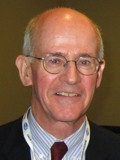
The 13-member National Commission on Physician Payment Reform aims to issue their recommendations by early 2013. The group will have former Senator and cardiac surgeon Bill Frist as its honorary chair and Dr. Steven Schroeder, former president of the Robert Wood Johnson Foundation, as its chairman.
The effort is being funded by the Robert Wood Johnson Foundation, the California Healthcare Foundation, and the Sergei S. Zlinkoff Fund for Medical Education and Research.
"This country is grappling with how to control escalating medical costs and how to expand coverage at a time when we are seeing more elderly accessing care and putting strain on the federal budget," Dr. Schroeder said in a statement. "Being able to provide the best care possible, as well as the best health outcomes, while getting better value for our money, is one of the biggest challenges facing us this century."
The fee-for-service system is a key cost driver under the current system, said Dr. Schroeder. The commission will also examine efforts to tie quality to payment, and new payment structures being implemented as part of the Affordable Care Act.
The recommendations will be issued under the auspices of the SGIM, an organization established by the Robert Wood Johnson Foundation to promote innovation in general internal medicine. But, said Dr. Schroeder in an interview, "this is not going to be a house organ piece. Hopefully, it will be salient to all people interested in how doctors will get paid."
The panel includes physicians, insurers, and others with a stake in physician payment: Dr. Judy Ann Bigby, secretary of the Executive Office of Health and Human Services in Massachusetts; Dr. Troyen A. Brennan, executive vice president and chief medical officer at CVS Caremark; Suzanne Delbanco, executive director of Catalyst for Payment Reform; Dr. Thomas Gallagher, a bioethicist at University of Washington, Seattle; Dr. Jerry Kennett, an interventional cardiologist who is also president of the Missouri State Medical Association; Dr. Rich Kravitz, an internist and vice chair of research at University of California, Davis; Dr. Lisa Latts, vice president for public health policy at WellPoint Inc.; Dr. Kavita Patel, managing director for clinical transformation and delivery at the Brookings Institution’s Engelberg Center for Health Care Reform; Meredith Rosenthal, an economist at the Harvard School of Public Health; Dr. Michael Wagner, chief medical officer at Tufts Medical Center; and Dr. Steven Weinberger, executive vice president and CEO of the American College of Physicians (ACP).

Many physicians view Medicare’s Sustainable Growth Rate formula as a primary problem in physician payment. The SGR issue will provide context, but will not be a focus of the commission’s work, said Dr. Schroeder.
"Fixing the SGR is trying to get rid of the immediate problem, but it’s not developing the future solution of where health care payment needs to go," agreed Dr. Weinberger in an interview.
Dr. Schroeder also said that the commission will not be duplicating the work of other groups, such as the Medicare Payment Advisory Commission. The SGIM commission will have a much broader focus, Dr. Schroeder said.
The commission will likely meet in person only once, in the fall, he said. Most of the commission’s work up to that point will be background research. The full panel will grapple with the findings and make its recommendations after the meeting, said Dr. Schroeder.
The Society of General Internal Medicine is convening a panel of experts to help map out strategies for reining-in health care spending, as well as optimizing physician payment reform and patient outcomes, the organization announced on March 5.
The 13-member National Commission on Physician Payment Reform aims to issue their recommendations by early 2013. The group will have former Senator and cardiac surgeon Bill Frist as its honorary chair and Dr. Steven Schroeder, former president of the Robert Wood Johnson Foundation, as its chairman.
The effort is being funded by the Robert Wood Johnson Foundation, the California Healthcare Foundation, and the Sergei S. Zlinkoff Fund for Medical Education and Research.
"This country is grappling with how to control escalating medical costs and how to expand coverage at a time when we are seeing more elderly accessing care and putting strain on the federal budget," Dr. Schroeder said in a statement. "Being able to provide the best care possible, as well as the best health outcomes, while getting better value for our money, is one of the biggest challenges facing us this century."
The fee-for-service system is a key cost driver under the current system, said Dr. Schroeder. The commission will also examine efforts to tie quality to payment, and new payment structures being implemented as part of the Affordable Care Act.
The recommendations will be issued under the auspices of the SGIM, an organization established by the Robert Wood Johnson Foundation to promote innovation in general internal medicine. But, said Dr. Schroeder in an interview, "this is not going to be a house organ piece. Hopefully, it will be salient to all people interested in how doctors will get paid."
The panel includes physicians, insurers, and others with a stake in physician payment: Dr. Judy Ann Bigby, secretary of the Executive Office of Health and Human Services in Massachusetts; Dr. Troyen A. Brennan, executive vice president and chief medical officer at CVS Caremark; Suzanne Delbanco, executive director of Catalyst for Payment Reform; Dr. Thomas Gallagher, a bioethicist at University of Washington, Seattle; Dr. Jerry Kennett, an interventional cardiologist who is also president of the Missouri State Medical Association; Dr. Rich Kravitz, an internist and vice chair of research at University of California, Davis; Dr. Lisa Latts, vice president for public health policy at WellPoint Inc.; Dr. Kavita Patel, managing director for clinical transformation and delivery at the Brookings Institution’s Engelberg Center for Health Care Reform; Meredith Rosenthal, an economist at the Harvard School of Public Health; Dr. Michael Wagner, chief medical officer at Tufts Medical Center; and Dr. Steven Weinberger, executive vice president and CEO of the American College of Physicians (ACP).
Many physicians view Medicare’s Sustainable Growth Rate formula as a primary problem in physician payment. The SGR issue will provide context, but will not be a focus of the commission’s work, said Dr. Schroeder.
"Fixing the SGR is trying to get rid of the immediate problem, but it’s not developing the future solution of where health care payment needs to go," agreed Dr. Weinberger in an interview.
Dr. Schroeder also said that the commission will not be duplicating the work of other groups, such as the Medicare Payment Advisory Commission. The SGIM commission will have a much broader focus, Dr. Schroeder said.
The commission will likely meet in person only once, in the fall, he said. Most of the commission’s work up to that point will be background research. The full panel will grapple with the findings and make its recommendations after the meeting, said Dr. Schroeder.
The Society of General Internal Medicine is convening a panel of experts to help map out strategies for reining-in health care spending, as well as optimizing physician payment reform and patient outcomes, the organization announced on March 5.
The 13-member National Commission on Physician Payment Reform aims to issue their recommendations by early 2013. The group will have former Senator and cardiac surgeon Bill Frist as its honorary chair and Dr. Steven Schroeder, former president of the Robert Wood Johnson Foundation, as its chairman.
The effort is being funded by the Robert Wood Johnson Foundation, the California Healthcare Foundation, and the Sergei S. Zlinkoff Fund for Medical Education and Research.
"This country is grappling with how to control escalating medical costs and how to expand coverage at a time when we are seeing more elderly accessing care and putting strain on the federal budget," Dr. Schroeder said in a statement. "Being able to provide the best care possible, as well as the best health outcomes, while getting better value for our money, is one of the biggest challenges facing us this century."
The fee-for-service system is a key cost driver under the current system, said Dr. Schroeder. The commission will also examine efforts to tie quality to payment, and new payment structures being implemented as part of the Affordable Care Act.
The recommendations will be issued under the auspices of the SGIM, an organization established by the Robert Wood Johnson Foundation to promote innovation in general internal medicine. But, said Dr. Schroeder in an interview, "this is not going to be a house organ piece. Hopefully, it will be salient to all people interested in how doctors will get paid."
The panel includes physicians, insurers, and others with a stake in physician payment: Dr. Judy Ann Bigby, secretary of the Executive Office of Health and Human Services in Massachusetts; Dr. Troyen A. Brennan, executive vice president and chief medical officer at CVS Caremark; Suzanne Delbanco, executive director of Catalyst for Payment Reform; Dr. Thomas Gallagher, a bioethicist at University of Washington, Seattle; Dr. Jerry Kennett, an interventional cardiologist who is also president of the Missouri State Medical Association; Dr. Rich Kravitz, an internist and vice chair of research at University of California, Davis; Dr. Lisa Latts, vice president for public health policy at WellPoint Inc.; Dr. Kavita Patel, managing director for clinical transformation and delivery at the Brookings Institution’s Engelberg Center for Health Care Reform; Meredith Rosenthal, an economist at the Harvard School of Public Health; Dr. Michael Wagner, chief medical officer at Tufts Medical Center; and Dr. Steven Weinberger, executive vice president and CEO of the American College of Physicians (ACP).
Many physicians view Medicare’s Sustainable Growth Rate formula as a primary problem in physician payment. The SGR issue will provide context, but will not be a focus of the commission’s work, said Dr. Schroeder.
"Fixing the SGR is trying to get rid of the immediate problem, but it’s not developing the future solution of where health care payment needs to go," agreed Dr. Weinberger in an interview.
Dr. Schroeder also said that the commission will not be duplicating the work of other groups, such as the Medicare Payment Advisory Commission. The SGIM commission will have a much broader focus, Dr. Schroeder said.
The commission will likely meet in person only once, in the fall, he said. Most of the commission’s work up to that point will be background research. The full panel will grapple with the findings and make its recommendations after the meeting, said Dr. Schroeder.
Winner Take All on Super Tuesday?
With a fifth of all delegates in play, the Super Tuesday primaries and caucuses promise to be a game changer for the men aiming to run against President Obama in November.
Republican voters in 10 states – Alaska, Georgia, Idaho, Massachusetts, North Dakota, Ohio, Oklahoma, Tennessee, Vermont, and Virginia – will head to the polls March 6, when a total of 437 delegates will be up for grabs. To win his party’s nomination, a candidate needs 1,144 delegates.
While health care has not been a central issue so far in the primaries and caucuses, it’s a pressing problem in almost every state. And the Affordable Care Act is not far off the campaign trail, with each of the Republican candidates vowing to repeal or replace the law. Attorneys general in many of the Super Tuesday states are parties to the Supreme Court litigation seeking to overturn the ACA.
The ACA appears to resonate deeply with voters, too, according to a USA Today/Gallup poll conducted Feb. 20-21. The random sample telephone survey of 1,040 adults found an even split on whether they favored (47%) or opposed (44%) a repeal of the ACA by a Republican president. Republicans, however, were overwhelmingly in favor of repeal (87%); Democrats overwhelmingly opposed it (77%). The researchers found that Republicans seemed to be more committed to their positions, with 56% strongly favoring repeal, while Democrats expressed fainter views, with only 39% strongly opposing repeal.
Even with a certain measure of voter animosity on health reform, another Gallup poll taken in late February showed that voters wouldn’t necessarily hold a candidate’s support of health reform against him. Only 21% of voters said they would be less likely to vote for former Massachusetts Gov. Mitt Romney in the general election because of his role in establishing that state’s health program.
Georgia (76 delegates)
At press time, Newt Gingrich was leading in this conservative-leaning state – he represented a Georgia district in Congress for 2 decades. Rick Santorum, former senator from Pennsylvania, was in second and Mr. Romney was polling third.
Medicare and Medicaid are important issues in Georgia. About 11% of the state’s 9.8 million residents are over age 65, compared with 13% of the nation. Fifteen percent of the state’s population is enrolled in Medicaid.

The state is currently looking at redesigning aspects of its Medicaid program, according to Donald Palmisano Jr., executive director of the Medical Association of Georgia (MAG). Pregnant women and children on Medicaid are currently served under a managed care framework; that may be extended to the disabled on the Medicaid rolls, Mr. Palmisano said.
Physician autonomy and medical liability reform are key issues for Georgia physicians, he said, adding that they are not happy with the lack of a permanent replacement for Medicare’s Sustainable Growth Rate formula.
Georgia doctors are closely watching ACA implementation. The medical association opposed the ACA, primarily because it considered the legislation to be financially unsustainable, Mr. Palmisano said. That is especially true when another 600,000 Georgia residents likely will be eligible for Medicaid when the ACA is fully in force, he said.
The MAG does not plan to endorse a GOP candidate in the primary. "We’re focused on state issues right now," Mr. Palmisano said, adding that a general election endorsement is not likely either.
Massachusetts (41 delegates)
Mr. Romney is currently projected to win the state. Thanks to the state’s 2006 health reform law, officially known as "An Act Providing Access to Affordable, Quality, Accountable Health Care," 98% of state residents have health care coverage, according to a report from the Massachusetts Health Connector, which administers the plan. The group also says that the plan has not been a budget-buster and that premium rates have been below those seen in the commercial market. There has been an increase in employers offering coverage, also, according to the Connector’s 2011 progress report.
But Dr. Richard Dupee, the governor of the Massachusetts chapter of the American College of Physicians, said the plan has not been entirely successful. While the vast majority of state residents now have health insurance coverage, the program "is too expensive," said Dr. Dupee, chief of the geriatrics service at Tufts Medical Center, Boston.
The state also continues to suffer from a shortage of primary care physicians, he said. That means patients are seeking care in the emergency department, which is more expensive than primary care. As a result, the state is looking into charging higher copays for nonemergent conditions that are treated in the ED, said Dr. Dupee.
Further, the state plan pays at rates lower than Medicaid and commercial plans, he said. Gov. Deval Patrick (D) is considering moving the entire state health plan to a global payment model. The ACP Massachusetts chapter has put together a wish list of things to be resolved before fee-for-service is left behind, Dr. Dupee said.
There is also concern that when fully implemented, the ACA will not be financially sustainable, Dr. Dupee said, adding that while the Massachusetts ACP supports broad coverage, the group also believes that the ACA needs tweaking. And, while the GOP candidates have said they will take a more aggressive approach to the law, their replacement plans have not really been made clear, said Dr. Dupee.
Ohio (66 delegates)
In terms of population, Ohio is the seventh-largest state in the country, with 11.5 million residents. Ohio is facing a skyrocketing Medicaid budget, expected to hit $6.3 billion this year. Fourteen percent of Ohio’s residents are over age 65.
At press time, Mr. Santorum was leading Mr. Romney in the state. Voters there made their displeasure with the ACA known in November, when they approved an amendment that would bar the individual mandate from being enforced in Ohio.
According to Tim Maglione, senior director of government relations at the Ohio State Medical Association, physicians in the state are concerned about how some of the ACA’s payment reforms will affect them. Care coordination will likely be a big aspect of the law – something that the state is already looking at for its Medicaid enrollees, Mr. Maglione said.
Medical liability reform law, which includes a cap on damages, has reduced malpractice premiums by 26% over the last 5 years, Mr. Maglione said. Physicians are not necessarily looking for new reforms, but to protect that law "and make sure the legislature doesn’t decide to repeal it or the court doesn’t jump in and try to overturn it," he said.
Virginia (49 delegates)
Mr. Gingrich and Mr. Santorum failed to collect enough signatures in time to get their names on the ballot, making Virginia’s primary election a two-way race between Mr. Romney and Rep. Ron Paul (R-Tex.). At press time, Mr. Romney had a substantial lead in the polls.
Virginia Attorney General Ken Cuccinelli (R) led the charge against the Affordable Care Act, filing suit in part to defend a Virginia statute signed into law by Gov. Bob McDonnell (R) in March 2010. That law makes it illegal to require a state resident to buy health insurance.
Dr. William Fox, an internist in Charlottesville, noted there is concern among Virginia physicians that the state will not be able to handle the Medicaid expansion envisioned by the ACA.
Talk by some GOP candidates of turning the program entirely over to states through a block grant is also a concern, according to Dr. Fox, chairman of the health and public policy committee of the Virginia chapter of the American College of Physicians, who added that it could lead to a reduction in coverage.
Medicare is also on the radar screen in the state. As is true nationally, Virginia physicians are backing a permanent replacement for the Medicare SGR. They also would like to see "the development of innovative health care delivery systems that reward quality and recognize care coordination rather than rewarding volume, maintaining funding for the training of primary care physicians and other specialists whose supply is not keeping up with demand, and improving the medical liability system," said Dr. Fox.
Virginia has been in the national news recently as a result of several controversial bills – one would have said that life begins at the moment of conception. The General Assembly has now postponed action on that bill, H.B. 1, until next year. Another bill would have required women to have a transvaginal ultrasound before getting an abortion.
The Medical Society of Virginia opposed the proposal because it would have dictated the practice of medicine, Dr. Fox said. The bill was amended to require an external ultrasound. That passed the state Senate and now goes back to the House, where it is expected to be approved.
With a fifth of all delegates in play, the Super Tuesday primaries and caucuses promise to be a game changer for the men aiming to run against President Obama in November.
Republican voters in 10 states – Alaska, Georgia, Idaho, Massachusetts, North Dakota, Ohio, Oklahoma, Tennessee, Vermont, and Virginia – will head to the polls March 6, when a total of 437 delegates will be up for grabs. To win his party’s nomination, a candidate needs 1,144 delegates.
While health care has not been a central issue so far in the primaries and caucuses, it’s a pressing problem in almost every state. And the Affordable Care Act is not far off the campaign trail, with each of the Republican candidates vowing to repeal or replace the law. Attorneys general in many of the Super Tuesday states are parties to the Supreme Court litigation seeking to overturn the ACA.
The ACA appears to resonate deeply with voters, too, according to a USA Today/Gallup poll conducted Feb. 20-21. The random sample telephone survey of 1,040 adults found an even split on whether they favored (47%) or opposed (44%) a repeal of the ACA by a Republican president. Republicans, however, were overwhelmingly in favor of repeal (87%); Democrats overwhelmingly opposed it (77%). The researchers found that Republicans seemed to be more committed to their positions, with 56% strongly favoring repeal, while Democrats expressed fainter views, with only 39% strongly opposing repeal.
Even with a certain measure of voter animosity on health reform, another Gallup poll taken in late February showed that voters wouldn’t necessarily hold a candidate’s support of health reform against him. Only 21% of voters said they would be less likely to vote for former Massachusetts Gov. Mitt Romney in the general election because of his role in establishing that state’s health program.
Georgia (76 delegates)
At press time, Newt Gingrich was leading in this conservative-leaning state – he represented a Georgia district in Congress for 2 decades. Rick Santorum, former senator from Pennsylvania, was in second and Mr. Romney was polling third.
Medicare and Medicaid are important issues in Georgia. About 11% of the state’s 9.8 million residents are over age 65, compared with 13% of the nation. Fifteen percent of the state’s population is enrolled in Medicaid.
The state is currently looking at redesigning aspects of its Medicaid program, according to Donald Palmisano Jr., executive director of the Medical Association of Georgia (MAG). Pregnant women and children on Medicaid are currently served under a managed care framework; that may be extended to the disabled on the Medicaid rolls, Mr. Palmisano said.
Physician autonomy and medical liability reform are key issues for Georgia physicians, he said, adding that they are not happy with the lack of a permanent replacement for Medicare’s Sustainable Growth Rate formula.
Georgia doctors are closely watching ACA implementation. The medical association opposed the ACA, primarily because it considered the legislation to be financially unsustainable, Mr. Palmisano said. That is especially true when another 600,000 Georgia residents likely will be eligible for Medicaid when the ACA is fully in force, he said.
The MAG does not plan to endorse a GOP candidate in the primary. "We’re focused on state issues right now," Mr. Palmisano said, adding that a general election endorsement is not likely either.
Massachusetts (41 delegates)
Mr. Romney is currently projected to win the state. Thanks to the state’s 2006 health reform law, officially known as "An Act Providing Access to Affordable, Quality, Accountable Health Care," 98% of state residents have health care coverage, according to a report from the Massachusetts Health Connector, which administers the plan. The group also says that the plan has not been a budget-buster and that premium rates have been below those seen in the commercial market. There has been an increase in employers offering coverage, also, according to the Connector’s 2011 progress report.
But Dr. Richard Dupee, the governor of the Massachusetts chapter of the American College of Physicians, said the plan has not been entirely successful. While the vast majority of state residents now have health insurance coverage, the program "is too expensive," said Dr. Dupee, chief of the geriatrics service at Tufts Medical Center, Boston.
The state also continues to suffer from a shortage of primary care physicians, he said. That means patients are seeking care in the emergency department, which is more expensive than primary care. As a result, the state is looking into charging higher copays for nonemergent conditions that are treated in the ED, said Dr. Dupee.
Further, the state plan pays at rates lower than Medicaid and commercial plans, he said. Gov. Deval Patrick (D) is considering moving the entire state health plan to a global payment model. The ACP Massachusetts chapter has put together a wish list of things to be resolved before fee-for-service is left behind, Dr. Dupee said.
There is also concern that when fully implemented, the ACA will not be financially sustainable, Dr. Dupee said, adding that while the Massachusetts ACP supports broad coverage, the group also believes that the ACA needs tweaking. And, while the GOP candidates have said they will take a more aggressive approach to the law, their replacement plans have not really been made clear, said Dr. Dupee.
Ohio (66 delegates)
In terms of population, Ohio is the seventh-largest state in the country, with 11.5 million residents. Ohio is facing a skyrocketing Medicaid budget, expected to hit $6.3 billion this year. Fourteen percent of Ohio’s residents are over age 65.
At press time, Mr. Santorum was leading Mr. Romney in the state. Voters there made their displeasure with the ACA known in November, when they approved an amendment that would bar the individual mandate from being enforced in Ohio.
According to Tim Maglione, senior director of government relations at the Ohio State Medical Association, physicians in the state are concerned about how some of the ACA’s payment reforms will affect them. Care coordination will likely be a big aspect of the law – something that the state is already looking at for its Medicaid enrollees, Mr. Maglione said.
Medical liability reform law, which includes a cap on damages, has reduced malpractice premiums by 26% over the last 5 years, Mr. Maglione said. Physicians are not necessarily looking for new reforms, but to protect that law "and make sure the legislature doesn’t decide to repeal it or the court doesn’t jump in and try to overturn it," he said.
Virginia (49 delegates)
Mr. Gingrich and Mr. Santorum failed to collect enough signatures in time to get their names on the ballot, making Virginia’s primary election a two-way race between Mr. Romney and Rep. Ron Paul (R-Tex.). At press time, Mr. Romney had a substantial lead in the polls.
Virginia Attorney General Ken Cuccinelli (R) led the charge against the Affordable Care Act, filing suit in part to defend a Virginia statute signed into law by Gov. Bob McDonnell (R) in March 2010. That law makes it illegal to require a state resident to buy health insurance.
Dr. William Fox, an internist in Charlottesville, noted there is concern among Virginia physicians that the state will not be able to handle the Medicaid expansion envisioned by the ACA.
Talk by some GOP candidates of turning the program entirely over to states through a block grant is also a concern, according to Dr. Fox, chairman of the health and public policy committee of the Virginia chapter of the American College of Physicians, who added that it could lead to a reduction in coverage.
Medicare is also on the radar screen in the state. As is true nationally, Virginia physicians are backing a permanent replacement for the Medicare SGR. They also would like to see "the development of innovative health care delivery systems that reward quality and recognize care coordination rather than rewarding volume, maintaining funding for the training of primary care physicians and other specialists whose supply is not keeping up with demand, and improving the medical liability system," said Dr. Fox.
Virginia has been in the national news recently as a result of several controversial bills – one would have said that life begins at the moment of conception. The General Assembly has now postponed action on that bill, H.B. 1, until next year. Another bill would have required women to have a transvaginal ultrasound before getting an abortion.
The Medical Society of Virginia opposed the proposal because it would have dictated the practice of medicine, Dr. Fox said. The bill was amended to require an external ultrasound. That passed the state Senate and now goes back to the House, where it is expected to be approved.
With a fifth of all delegates in play, the Super Tuesday primaries and caucuses promise to be a game changer for the men aiming to run against President Obama in November.
Republican voters in 10 states – Alaska, Georgia, Idaho, Massachusetts, North Dakota, Ohio, Oklahoma, Tennessee, Vermont, and Virginia – will head to the polls March 6, when a total of 437 delegates will be up for grabs. To win his party’s nomination, a candidate needs 1,144 delegates.
While health care has not been a central issue so far in the primaries and caucuses, it’s a pressing problem in almost every state. And the Affordable Care Act is not far off the campaign trail, with each of the Republican candidates vowing to repeal or replace the law. Attorneys general in many of the Super Tuesday states are parties to the Supreme Court litigation seeking to overturn the ACA.
The ACA appears to resonate deeply with voters, too, according to a USA Today/Gallup poll conducted Feb. 20-21. The random sample telephone survey of 1,040 adults found an even split on whether they favored (47%) or opposed (44%) a repeal of the ACA by a Republican president. Republicans, however, were overwhelmingly in favor of repeal (87%); Democrats overwhelmingly opposed it (77%). The researchers found that Republicans seemed to be more committed to their positions, with 56% strongly favoring repeal, while Democrats expressed fainter views, with only 39% strongly opposing repeal.
Even with a certain measure of voter animosity on health reform, another Gallup poll taken in late February showed that voters wouldn’t necessarily hold a candidate’s support of health reform against him. Only 21% of voters said they would be less likely to vote for former Massachusetts Gov. Mitt Romney in the general election because of his role in establishing that state’s health program.
Georgia (76 delegates)
At press time, Newt Gingrich was leading in this conservative-leaning state – he represented a Georgia district in Congress for 2 decades. Rick Santorum, former senator from Pennsylvania, was in second and Mr. Romney was polling third.
Medicare and Medicaid are important issues in Georgia. About 11% of the state’s 9.8 million residents are over age 65, compared with 13% of the nation. Fifteen percent of the state’s population is enrolled in Medicaid.
The state is currently looking at redesigning aspects of its Medicaid program, according to Donald Palmisano Jr., executive director of the Medical Association of Georgia (MAG). Pregnant women and children on Medicaid are currently served under a managed care framework; that may be extended to the disabled on the Medicaid rolls, Mr. Palmisano said.
Physician autonomy and medical liability reform are key issues for Georgia physicians, he said, adding that they are not happy with the lack of a permanent replacement for Medicare’s Sustainable Growth Rate formula.
Georgia doctors are closely watching ACA implementation. The medical association opposed the ACA, primarily because it considered the legislation to be financially unsustainable, Mr. Palmisano said. That is especially true when another 600,000 Georgia residents likely will be eligible for Medicaid when the ACA is fully in force, he said.
The MAG does not plan to endorse a GOP candidate in the primary. "We’re focused on state issues right now," Mr. Palmisano said, adding that a general election endorsement is not likely either.
Massachusetts (41 delegates)
Mr. Romney is currently projected to win the state. Thanks to the state’s 2006 health reform law, officially known as "An Act Providing Access to Affordable, Quality, Accountable Health Care," 98% of state residents have health care coverage, according to a report from the Massachusetts Health Connector, which administers the plan. The group also says that the plan has not been a budget-buster and that premium rates have been below those seen in the commercial market. There has been an increase in employers offering coverage, also, according to the Connector’s 2011 progress report.
But Dr. Richard Dupee, the governor of the Massachusetts chapter of the American College of Physicians, said the plan has not been entirely successful. While the vast majority of state residents now have health insurance coverage, the program "is too expensive," said Dr. Dupee, chief of the geriatrics service at Tufts Medical Center, Boston.
The state also continues to suffer from a shortage of primary care physicians, he said. That means patients are seeking care in the emergency department, which is more expensive than primary care. As a result, the state is looking into charging higher copays for nonemergent conditions that are treated in the ED, said Dr. Dupee.
Further, the state plan pays at rates lower than Medicaid and commercial plans, he said. Gov. Deval Patrick (D) is considering moving the entire state health plan to a global payment model. The ACP Massachusetts chapter has put together a wish list of things to be resolved before fee-for-service is left behind, Dr. Dupee said.
There is also concern that when fully implemented, the ACA will not be financially sustainable, Dr. Dupee said, adding that while the Massachusetts ACP supports broad coverage, the group also believes that the ACA needs tweaking. And, while the GOP candidates have said they will take a more aggressive approach to the law, their replacement plans have not really been made clear, said Dr. Dupee.
Ohio (66 delegates)
In terms of population, Ohio is the seventh-largest state in the country, with 11.5 million residents. Ohio is facing a skyrocketing Medicaid budget, expected to hit $6.3 billion this year. Fourteen percent of Ohio’s residents are over age 65.
At press time, Mr. Santorum was leading Mr. Romney in the state. Voters there made their displeasure with the ACA known in November, when they approved an amendment that would bar the individual mandate from being enforced in Ohio.
According to Tim Maglione, senior director of government relations at the Ohio State Medical Association, physicians in the state are concerned about how some of the ACA’s payment reforms will affect them. Care coordination will likely be a big aspect of the law – something that the state is already looking at for its Medicaid enrollees, Mr. Maglione said.
Medical liability reform law, which includes a cap on damages, has reduced malpractice premiums by 26% over the last 5 years, Mr. Maglione said. Physicians are not necessarily looking for new reforms, but to protect that law "and make sure the legislature doesn’t decide to repeal it or the court doesn’t jump in and try to overturn it," he said.
Virginia (49 delegates)
Mr. Gingrich and Mr. Santorum failed to collect enough signatures in time to get their names on the ballot, making Virginia’s primary election a two-way race between Mr. Romney and Rep. Ron Paul (R-Tex.). At press time, Mr. Romney had a substantial lead in the polls.
Virginia Attorney General Ken Cuccinelli (R) led the charge against the Affordable Care Act, filing suit in part to defend a Virginia statute signed into law by Gov. Bob McDonnell (R) in March 2010. That law makes it illegal to require a state resident to buy health insurance.
Dr. William Fox, an internist in Charlottesville, noted there is concern among Virginia physicians that the state will not be able to handle the Medicaid expansion envisioned by the ACA.
Talk by some GOP candidates of turning the program entirely over to states through a block grant is also a concern, according to Dr. Fox, chairman of the health and public policy committee of the Virginia chapter of the American College of Physicians, who added that it could lead to a reduction in coverage.
Medicare is also on the radar screen in the state. As is true nationally, Virginia physicians are backing a permanent replacement for the Medicare SGR. They also would like to see "the development of innovative health care delivery systems that reward quality and recognize care coordination rather than rewarding volume, maintaining funding for the training of primary care physicians and other specialists whose supply is not keeping up with demand, and improving the medical liability system," said Dr. Fox.
Virginia has been in the national news recently as a result of several controversial bills – one would have said that life begins at the moment of conception. The General Assembly has now postponed action on that bill, H.B. 1, until next year. Another bill would have required women to have a transvaginal ultrasound before getting an abortion.
The Medical Society of Virginia opposed the proposal because it would have dictated the practice of medicine, Dr. Fox said. The bill was amended to require an external ultrasound. That passed the state Senate and now goes back to the House, where it is expected to be approved.
PCORI Urged to Focus on High-Cost Procedures
WASHINGTON – The Patient-Centered Outcomes Research Institute is on track to release its initial research agenda by mid-April, officials from the organization said.
At its first public meeting, PCORI, created by the Affordable Care Act, sought the input of insurers, physicians, nurses, and patients on a draft agenda released in late January.
The organization is charged with funding research that will help patients, physicians, and caregivers make better-informed decisions. The focus will be on coming up with evidence-based practices that allow individuals to more closely tailor decisions to their personal needs.
“I think maybe we have the chance to turn the world upside down just a bit,” said Dr. Harlan Krumholz, a member of the PCORI Board of Governors. “Maybe we can invert the traditional power structure,” he said, adding that the research that gets funded by PCORI will have patients at the absolute center.
The draft research agenda had very broad priorities – there were no condition-specific requests for proposal. “We didn't want to say, 'Well, you know, the people with atrial fibrillation, they're more important than the people who got Parkinson's,'” said Dr. Krumholz, a cardiologist and director of the Yale-New Haven Hospital Center for Outcomes Research and Evaluation.
Many speakers said PCORI had a difficult road ahead. Dr. Otis Brawley, chief medical officer of the American Cancer Society, said that much of medicine was based on emotion and habit, rather than evidence. “Rather than politicians talking about rationing, they need to be talking about how to make the system rational,” he said, noting that there is overconsumption, underconsumption, and disparate levels of care.
But the biggest issue is the lack of faith in, and understanding of, science – not just among patients but among physicians too, Dr. Brawley said. “The problem for PCORI is getting people actually to believe the scientific findings you actually come up with,” he said.
Dr. Andrew Baskin, national medical director for quality and provider performance measurement at Aetna, agreed with Dr. Brawley that there needed to be some rationalization of treatment. Dr. Baskin spoke on behalf of America's Health Insurance Plans. The insurers believe “that the initial focus of PCORI's agenda should really be on looking at gaps in evidence, which tend to be in high-volume, high-cost, perhaps even high-risk situations,” said Dr. Baskin.
Hitting those high-profile areas is especially important, because “if there's not some early successes, people won't believe in this process,” he said.
PCORI accepted public comments on its research agenda and priorities through March 15. The group will publish a report summarizing the input, and then the Board of Governors will approve the changes at another public meeting in April.

“We have the chance to turn the world upside down just a bit,” said PCORI member Dr. Harlan Krumholz.
Source Alicia Ault/IMNG Medical Me
WASHINGTON – The Patient-Centered Outcomes Research Institute is on track to release its initial research agenda by mid-April, officials from the organization said.
At its first public meeting, PCORI, created by the Affordable Care Act, sought the input of insurers, physicians, nurses, and patients on a draft agenda released in late January.
The organization is charged with funding research that will help patients, physicians, and caregivers make better-informed decisions. The focus will be on coming up with evidence-based practices that allow individuals to more closely tailor decisions to their personal needs.
“I think maybe we have the chance to turn the world upside down just a bit,” said Dr. Harlan Krumholz, a member of the PCORI Board of Governors. “Maybe we can invert the traditional power structure,” he said, adding that the research that gets funded by PCORI will have patients at the absolute center.
The draft research agenda had very broad priorities – there were no condition-specific requests for proposal. “We didn't want to say, 'Well, you know, the people with atrial fibrillation, they're more important than the people who got Parkinson's,'” said Dr. Krumholz, a cardiologist and director of the Yale-New Haven Hospital Center for Outcomes Research and Evaluation.
Many speakers said PCORI had a difficult road ahead. Dr. Otis Brawley, chief medical officer of the American Cancer Society, said that much of medicine was based on emotion and habit, rather than evidence. “Rather than politicians talking about rationing, they need to be talking about how to make the system rational,” he said, noting that there is overconsumption, underconsumption, and disparate levels of care.
But the biggest issue is the lack of faith in, and understanding of, science – not just among patients but among physicians too, Dr. Brawley said. “The problem for PCORI is getting people actually to believe the scientific findings you actually come up with,” he said.
Dr. Andrew Baskin, national medical director for quality and provider performance measurement at Aetna, agreed with Dr. Brawley that there needed to be some rationalization of treatment. Dr. Baskin spoke on behalf of America's Health Insurance Plans. The insurers believe “that the initial focus of PCORI's agenda should really be on looking at gaps in evidence, which tend to be in high-volume, high-cost, perhaps even high-risk situations,” said Dr. Baskin.
Hitting those high-profile areas is especially important, because “if there's not some early successes, people won't believe in this process,” he said.
PCORI accepted public comments on its research agenda and priorities through March 15. The group will publish a report summarizing the input, and then the Board of Governors will approve the changes at another public meeting in April.
“We have the chance to turn the world upside down just a bit,” said PCORI member Dr. Harlan Krumholz.
Source Alicia Ault/IMNG Medical Me
WASHINGTON – The Patient-Centered Outcomes Research Institute is on track to release its initial research agenda by mid-April, officials from the organization said.
At its first public meeting, PCORI, created by the Affordable Care Act, sought the input of insurers, physicians, nurses, and patients on a draft agenda released in late January.
The organization is charged with funding research that will help patients, physicians, and caregivers make better-informed decisions. The focus will be on coming up with evidence-based practices that allow individuals to more closely tailor decisions to their personal needs.
“I think maybe we have the chance to turn the world upside down just a bit,” said Dr. Harlan Krumholz, a member of the PCORI Board of Governors. “Maybe we can invert the traditional power structure,” he said, adding that the research that gets funded by PCORI will have patients at the absolute center.
The draft research agenda had very broad priorities – there were no condition-specific requests for proposal. “We didn't want to say, 'Well, you know, the people with atrial fibrillation, they're more important than the people who got Parkinson's,'” said Dr. Krumholz, a cardiologist and director of the Yale-New Haven Hospital Center for Outcomes Research and Evaluation.
Many speakers said PCORI had a difficult road ahead. Dr. Otis Brawley, chief medical officer of the American Cancer Society, said that much of medicine was based on emotion and habit, rather than evidence. “Rather than politicians talking about rationing, they need to be talking about how to make the system rational,” he said, noting that there is overconsumption, underconsumption, and disparate levels of care.
But the biggest issue is the lack of faith in, and understanding of, science – not just among patients but among physicians too, Dr. Brawley said. “The problem for PCORI is getting people actually to believe the scientific findings you actually come up with,” he said.
Dr. Andrew Baskin, national medical director for quality and provider performance measurement at Aetna, agreed with Dr. Brawley that there needed to be some rationalization of treatment. Dr. Baskin spoke on behalf of America's Health Insurance Plans. The insurers believe “that the initial focus of PCORI's agenda should really be on looking at gaps in evidence, which tend to be in high-volume, high-cost, perhaps even high-risk situations,” said Dr. Baskin.
Hitting those high-profile areas is especially important, because “if there's not some early successes, people won't believe in this process,” he said.
PCORI accepted public comments on its research agenda and priorities through March 15. The group will publish a report summarizing the input, and then the Board of Governors will approve the changes at another public meeting in April.
“We have the chance to turn the world upside down just a bit,” said PCORI member Dr. Harlan Krumholz.
Source Alicia Ault/IMNG Medical Me
From a Meeting of the Patient-Centered Outcomes Research Institute
PCORI Urged to Focus on High-Cost, High-Impact Procedures
WASHINGTON – The Patient-Centered Outcomes Research Institute is on track to release its initial research agenda by mid-April, officials from the organization said Feb. 27.
At its first public meeting, PCORI, created by the Affordable Care Act, sought the input of insurers, physicians, nurses, and patients on a draft agenda released in late January.
"We want to know whether in your opinion we’ve got the national priorities and the research agenda right," said Dr. Joe Selby, PCORI executive director.
The organization is charged with funding research that will help patients, physicians, and caregivers make better-informed decisions. The focus will be on coming up with evidence-based practices that allow individuals to more closely tailor decisions to their personal needs.

"I think maybe we have the chance to turn the world upside down just a bit," said Dr. Harlan Krumholz, a member of the PCORI Board of Governors. "Maybe we can invert the traditional power structure," he said, adding that the research that gets funded by PCORI will be projects that have patients at the absolute center.
The draft research agenda had very broad priorities – there were no condition-specific requests for proposal. "We didn’t want to say, ‘Well, you know, the people with atrial fibrillation, they’re more important than the people who got Parkinson’s,’ " said Dr. Krumholz, a cardiologist and director of the Yale-New Haven Hospital Center for Outcomes Research and Evaluation.
Many of the speakers said that PCORI had a difficult road ahead. Dr. Otis Brawley, chief medical officer of the American Cancer Society, said that much of medicine was based on emotion and habit, rather than evidence. "Rather than politicians talking about rationing, they need to be talking about how to make the system rational," he said, noting that there is overconsumption, underconsumption, and disparate levels of care in the United States.
But the biggest issue is the lack of faith in, and understanding of, science – not just among patients but among physicians too, Dr. Brawley said. "The problem for PCORI is getting people actually to believe the scientific findings you actually come up with," he said.

Dr. Ardis Dee Hoven, a member of the American Medical Association Board of Trustees, and Dr. Andrew Baskin, national medical director for quality and provider performance measurement at Aetna, agreed with Dr. Brawley that there needed to be some rationalization of treatment. Dr. Baskin spoke on behalf of America’s Health Insurance Plans. The insurers believe "that the initial focus of PCORI’s agenda should really be on looking at gaps in evidence, which tend to be in high-volume, high-cost, perhaps even high-risk situations," said Dr. Baskin.
Hitting those high-profile areas is especially important, because "if there’s not some early successes, people won’t believe in this process," he said.
"PCORI must address the prevention, management, and treatment of preventable diseases," which are "a major cost driver," said Dr. Hoven, noting that the AMA supported a priority focus on cardiovascular disease, diabetes care, and nutrition. In wellness, nutrition, and obesity there are a wide range of treatments, "but little clarity about what may work," said Dr. Hoven. Also, to be useful, evidence-based guidelines need to be made available to physicians in their offices, on a real-time basis, she said.

Dr. Glen Stream, president of the American Academy of Family Physicians, agreed with Dr. Hoven that information has to be at a physician’s fingertips at the point of care. The AAFP urged PCORI to "initially focus on conditions we see every day in our practices and for which evidence provides solid conclusions." Knowledge is not being well applied and is not well understood, said Dr. Stream. "We have a lot of low-hanging fruit we can take advantage of in that area."
He noted that although PCORI will not directly consider cost issues, the AAFP believes that through its efforts it "will bend the cost curve by identifying those cost-effective interventions and evidence-based interventions."
PCORI is accepting public comments on its research agenda and priorities through March 15. The group will publish a report summarizing the input, and then the Board of Governors will approve the changes at another public meeting in April.
WASHINGTON – The Patient-Centered Outcomes Research Institute is on track to release its initial research agenda by mid-April, officials from the organization said Feb. 27.
At its first public meeting, PCORI, created by the Affordable Care Act, sought the input of insurers, physicians, nurses, and patients on a draft agenda released in late January.
"We want to know whether in your opinion we’ve got the national priorities and the research agenda right," said Dr. Joe Selby, PCORI executive director.
The organization is charged with funding research that will help patients, physicians, and caregivers make better-informed decisions. The focus will be on coming up with evidence-based practices that allow individuals to more closely tailor decisions to their personal needs.
"I think maybe we have the chance to turn the world upside down just a bit," said Dr. Harlan Krumholz, a member of the PCORI Board of Governors. "Maybe we can invert the traditional power structure," he said, adding that the research that gets funded by PCORI will be projects that have patients at the absolute center.
The draft research agenda had very broad priorities – there were no condition-specific requests for proposal. "We didn’t want to say, ‘Well, you know, the people with atrial fibrillation, they’re more important than the people who got Parkinson’s,’ " said Dr. Krumholz, a cardiologist and director of the Yale-New Haven Hospital Center for Outcomes Research and Evaluation.
Many of the speakers said that PCORI had a difficult road ahead. Dr. Otis Brawley, chief medical officer of the American Cancer Society, said that much of medicine was based on emotion and habit, rather than evidence. "Rather than politicians talking about rationing, they need to be talking about how to make the system rational," he said, noting that there is overconsumption, underconsumption, and disparate levels of care in the United States.
But the biggest issue is the lack of faith in, and understanding of, science – not just among patients but among physicians too, Dr. Brawley said. "The problem for PCORI is getting people actually to believe the scientific findings you actually come up with," he said.
Dr. Ardis Dee Hoven, a member of the American Medical Association Board of Trustees, and Dr. Andrew Baskin, national medical director for quality and provider performance measurement at Aetna, agreed with Dr. Brawley that there needed to be some rationalization of treatment. Dr. Baskin spoke on behalf of America’s Health Insurance Plans. The insurers believe "that the initial focus of PCORI’s agenda should really be on looking at gaps in evidence, which tend to be in high-volume, high-cost, perhaps even high-risk situations," said Dr. Baskin.
Hitting those high-profile areas is especially important, because "if there’s not some early successes, people won’t believe in this process," he said.
"PCORI must address the prevention, management, and treatment of preventable diseases," which are "a major cost driver," said Dr. Hoven, noting that the AMA supported a priority focus on cardiovascular disease, diabetes care, and nutrition. In wellness, nutrition, and obesity there are a wide range of treatments, "but little clarity about what may work," said Dr. Hoven. Also, to be useful, evidence-based guidelines need to be made available to physicians in their offices, on a real-time basis, she said.
Dr. Glen Stream, president of the American Academy of Family Physicians, agreed with Dr. Hoven that information has to be at a physician’s fingertips at the point of care. The AAFP urged PCORI to "initially focus on conditions we see every day in our practices and for which evidence provides solid conclusions." Knowledge is not being well applied and is not well understood, said Dr. Stream. "We have a lot of low-hanging fruit we can take advantage of in that area."
He noted that although PCORI will not directly consider cost issues, the AAFP believes that through its efforts it "will bend the cost curve by identifying those cost-effective interventions and evidence-based interventions."
PCORI is accepting public comments on its research agenda and priorities through March 15. The group will publish a report summarizing the input, and then the Board of Governors will approve the changes at another public meeting in April.
WASHINGTON – The Patient-Centered Outcomes Research Institute is on track to release its initial research agenda by mid-April, officials from the organization said Feb. 27.
At its first public meeting, PCORI, created by the Affordable Care Act, sought the input of insurers, physicians, nurses, and patients on a draft agenda released in late January.
"We want to know whether in your opinion we’ve got the national priorities and the research agenda right," said Dr. Joe Selby, PCORI executive director.
The organization is charged with funding research that will help patients, physicians, and caregivers make better-informed decisions. The focus will be on coming up with evidence-based practices that allow individuals to more closely tailor decisions to their personal needs.
"I think maybe we have the chance to turn the world upside down just a bit," said Dr. Harlan Krumholz, a member of the PCORI Board of Governors. "Maybe we can invert the traditional power structure," he said, adding that the research that gets funded by PCORI will be projects that have patients at the absolute center.
The draft research agenda had very broad priorities – there were no condition-specific requests for proposal. "We didn’t want to say, ‘Well, you know, the people with atrial fibrillation, they’re more important than the people who got Parkinson’s,’ " said Dr. Krumholz, a cardiologist and director of the Yale-New Haven Hospital Center for Outcomes Research and Evaluation.
Many of the speakers said that PCORI had a difficult road ahead. Dr. Otis Brawley, chief medical officer of the American Cancer Society, said that much of medicine was based on emotion and habit, rather than evidence. "Rather than politicians talking about rationing, they need to be talking about how to make the system rational," he said, noting that there is overconsumption, underconsumption, and disparate levels of care in the United States.
But the biggest issue is the lack of faith in, and understanding of, science – not just among patients but among physicians too, Dr. Brawley said. "The problem for PCORI is getting people actually to believe the scientific findings you actually come up with," he said.
Dr. Ardis Dee Hoven, a member of the American Medical Association Board of Trustees, and Dr. Andrew Baskin, national medical director for quality and provider performance measurement at Aetna, agreed with Dr. Brawley that there needed to be some rationalization of treatment. Dr. Baskin spoke on behalf of America’s Health Insurance Plans. The insurers believe "that the initial focus of PCORI’s agenda should really be on looking at gaps in evidence, which tend to be in high-volume, high-cost, perhaps even high-risk situations," said Dr. Baskin.
Hitting those high-profile areas is especially important, because "if there’s not some early successes, people won’t believe in this process," he said.
"PCORI must address the prevention, management, and treatment of preventable diseases," which are "a major cost driver," said Dr. Hoven, noting that the AMA supported a priority focus on cardiovascular disease, diabetes care, and nutrition. In wellness, nutrition, and obesity there are a wide range of treatments, "but little clarity about what may work," said Dr. Hoven. Also, to be useful, evidence-based guidelines need to be made available to physicians in their offices, on a real-time basis, she said.
Dr. Glen Stream, president of the American Academy of Family Physicians, agreed with Dr. Hoven that information has to be at a physician’s fingertips at the point of care. The AAFP urged PCORI to "initially focus on conditions we see every day in our practices and for which evidence provides solid conclusions." Knowledge is not being well applied and is not well understood, said Dr. Stream. "We have a lot of low-hanging fruit we can take advantage of in that area."
He noted that although PCORI will not directly consider cost issues, the AAFP believes that through its efforts it "will bend the cost curve by identifying those cost-effective interventions and evidence-based interventions."
PCORI is accepting public comments on its research agenda and priorities through March 15. The group will publish a report summarizing the input, and then the Board of Governors will approve the changes at another public meeting in April.
FROM A MEETING OF THE PATIENT-CENTERED OUTCOMES RESEARCH INSTITUTE
Feds' Pre-Existing Plan Covers 50,000 Previously Uninsured
About 50,000 Americans who previously were uninsured are now covered under a program created by the Affordable Care Act, according to a report issued Feb. 23 by the Health and Human Services department.
The Pre-Existing Condition Insurance Plan (PCIP) initially was not well subscribed, and even now, has enrollment well below what the Obama Administration had predicted when health reform was passed in March 2010.
Enrollment was lower than expected for a number of months, but then took off in August 2011. Since then applications to the program have averaged about 8,000 per month, according to Steve Larsen, Deputy Administrator at the Centers for Medicare and Medicaid Services and Director of the Center for Consumer Information and Insurance Oversight.
CMS has been working with states, health care providers, federal agencies such as the Social Security Administration, and insurers to publicize the program’s existence, Mr. Larsen said. Some insurers have agreed to refer people to the PCIP who have been denied coverage. "The enrollment rates we’ve seen shows that over time there’s a greater rate as word gets out."
The program is open to anyone who has been uninsured for at least 6 months, has a pre-existing condition or has been denied health coverage because of a health condition, and is a U.S. citizen or legal resident.
Enrollees pay premiums that are similar to those paid by healthy people in the individual insurance market. They may pay more based on age, geographic area, and tobacco use. Out-of-pocket expenses are limited by law each year; in 2010 and 2011, this amount was $5,950; in 2012, it is $6,050.
Twenty-seven states run their own plans, and 23 states and the District of Columbia have plans operated by the federal government.
The Affordable Care Act appropriated $5 billion to pay out claims. So far, the program has spent $600 million, Mr. Larsen said. When asked whether the remaining funds would be enough to cover claims through 2014 – when enrollees will be transitioned to the state health exchanges – Mr. Larsen did not give a direct answer, but said that the program was managing so far.
Costs for enrollees have been higher than anticipated, possibly because of deferred health care prior to their enrollment, he said. They had more than 1.5 times as many claims, office visits, emergency room visits, and procedures as enrollees in the Federal Employees Health Benefits plan, and more than five times as many hospital admissions. The pre-existing plan enrollees were 3.5 times more likely to have claims of more than $10,000.
More than three-quarters (78%) of the costs for enrollees in the federal PCIP were for four conditions: cancer (27% of total); circulatory system conditions such as coronary artery disease (19%); rehabilitative care and aftercare, such as postsurgical care and certain forms of radiation and chemotherapy (18%); and degenerative joint diseases, such as osteoarthritis (14%). Extrapolating the known numbers of people with these conditions in the federally run plans, the report estimates that the PCIP program served nearly 1,900 people with cancer and 4,700 with heart disease in 2011. Other prevalent conditions included organ failures requiring a transplant, and hemophilia.
The largest proportion of PCIP enrollees are over age 55 years. The report said that these enrollees are likely "retired or no longer working, do not have access to employer-sponsored health insurance, and have not yet reached the age when they can enroll in Medicare."
About 50,000 Americans who previously were uninsured are now covered under a program created by the Affordable Care Act, according to a report issued Feb. 23 by the Health and Human Services department.
The Pre-Existing Condition Insurance Plan (PCIP) initially was not well subscribed, and even now, has enrollment well below what the Obama Administration had predicted when health reform was passed in March 2010.
Enrollment was lower than expected for a number of months, but then took off in August 2011. Since then applications to the program have averaged about 8,000 per month, according to Steve Larsen, Deputy Administrator at the Centers for Medicare and Medicaid Services and Director of the Center for Consumer Information and Insurance Oversight.
CMS has been working with states, health care providers, federal agencies such as the Social Security Administration, and insurers to publicize the program’s existence, Mr. Larsen said. Some insurers have agreed to refer people to the PCIP who have been denied coverage. "The enrollment rates we’ve seen shows that over time there’s a greater rate as word gets out."
The program is open to anyone who has been uninsured for at least 6 months, has a pre-existing condition or has been denied health coverage because of a health condition, and is a U.S. citizen or legal resident.
Enrollees pay premiums that are similar to those paid by healthy people in the individual insurance market. They may pay more based on age, geographic area, and tobacco use. Out-of-pocket expenses are limited by law each year; in 2010 and 2011, this amount was $5,950; in 2012, it is $6,050.
Twenty-seven states run their own plans, and 23 states and the District of Columbia have plans operated by the federal government.
The Affordable Care Act appropriated $5 billion to pay out claims. So far, the program has spent $600 million, Mr. Larsen said. When asked whether the remaining funds would be enough to cover claims through 2014 – when enrollees will be transitioned to the state health exchanges – Mr. Larsen did not give a direct answer, but said that the program was managing so far.
Costs for enrollees have been higher than anticipated, possibly because of deferred health care prior to their enrollment, he said. They had more than 1.5 times as many claims, office visits, emergency room visits, and procedures as enrollees in the Federal Employees Health Benefits plan, and more than five times as many hospital admissions. The pre-existing plan enrollees were 3.5 times more likely to have claims of more than $10,000.
More than three-quarters (78%) of the costs for enrollees in the federal PCIP were for four conditions: cancer (27% of total); circulatory system conditions such as coronary artery disease (19%); rehabilitative care and aftercare, such as postsurgical care and certain forms of radiation and chemotherapy (18%); and degenerative joint diseases, such as osteoarthritis (14%). Extrapolating the known numbers of people with these conditions in the federally run plans, the report estimates that the PCIP program served nearly 1,900 people with cancer and 4,700 with heart disease in 2011. Other prevalent conditions included organ failures requiring a transplant, and hemophilia.
The largest proportion of PCIP enrollees are over age 55 years. The report said that these enrollees are likely "retired or no longer working, do not have access to employer-sponsored health insurance, and have not yet reached the age when they can enroll in Medicare."
About 50,000 Americans who previously were uninsured are now covered under a program created by the Affordable Care Act, according to a report issued Feb. 23 by the Health and Human Services department.
The Pre-Existing Condition Insurance Plan (PCIP) initially was not well subscribed, and even now, has enrollment well below what the Obama Administration had predicted when health reform was passed in March 2010.
Enrollment was lower than expected for a number of months, but then took off in August 2011. Since then applications to the program have averaged about 8,000 per month, according to Steve Larsen, Deputy Administrator at the Centers for Medicare and Medicaid Services and Director of the Center for Consumer Information and Insurance Oversight.
CMS has been working with states, health care providers, federal agencies such as the Social Security Administration, and insurers to publicize the program’s existence, Mr. Larsen said. Some insurers have agreed to refer people to the PCIP who have been denied coverage. "The enrollment rates we’ve seen shows that over time there’s a greater rate as word gets out."
The program is open to anyone who has been uninsured for at least 6 months, has a pre-existing condition or has been denied health coverage because of a health condition, and is a U.S. citizen or legal resident.
Enrollees pay premiums that are similar to those paid by healthy people in the individual insurance market. They may pay more based on age, geographic area, and tobacco use. Out-of-pocket expenses are limited by law each year; in 2010 and 2011, this amount was $5,950; in 2012, it is $6,050.
Twenty-seven states run their own plans, and 23 states and the District of Columbia have plans operated by the federal government.
The Affordable Care Act appropriated $5 billion to pay out claims. So far, the program has spent $600 million, Mr. Larsen said. When asked whether the remaining funds would be enough to cover claims through 2014 – when enrollees will be transitioned to the state health exchanges – Mr. Larsen did not give a direct answer, but said that the program was managing so far.
Costs for enrollees have been higher than anticipated, possibly because of deferred health care prior to their enrollment, he said. They had more than 1.5 times as many claims, office visits, emergency room visits, and procedures as enrollees in the Federal Employees Health Benefits plan, and more than five times as many hospital admissions. The pre-existing plan enrollees were 3.5 times more likely to have claims of more than $10,000.
More than three-quarters (78%) of the costs for enrollees in the federal PCIP were for four conditions: cancer (27% of total); circulatory system conditions such as coronary artery disease (19%); rehabilitative care and aftercare, such as postsurgical care and certain forms of radiation and chemotherapy (18%); and degenerative joint diseases, such as osteoarthritis (14%). Extrapolating the known numbers of people with these conditions in the federally run plans, the report estimates that the PCIP program served nearly 1,900 people with cancer and 4,700 with heart disease in 2011. Other prevalent conditions included organ failures requiring a transplant, and hemophilia.
The largest proportion of PCIP enrollees are over age 55 years. The report said that these enrollees are likely "retired or no longer working, do not have access to employer-sponsored health insurance, and have not yet reached the age when they can enroll in Medicare."
Stroke Association Reviewing Stroke Definition, New Anticoagulants
NEW ORLEANS – The American Stroke Association is developing a host of new guidelines and statements, including a consensus statement on the definition of stroke and a scientific review of new anticoagulants.
The first new guideline – on the Management of Aneurysmal Subarachnoid Hemorrhage (SAH) – is complete and has been submitted for publication, said Dr. Colin Derdeyn, a member of the ASA’s Stroke Scientific Statement Oversight Committee.

Dr. Derdeyn is the program director for endovascular surgical neuroradiology at Washington University in St. Louis.
The SAH paper was authored by 13 clinicians who represent all disciplines involved in subarachnoid hemorrhage care, said Dr. Alejandro Rabinstein, who is vice chair of the group that wrote the guidelines.
There will be some new sections and some revised sections for 2012, said Dr. Rabinstein, a professor of neurology at the Mayo Clinic, Rochester, Minn. Dr. Rabinstein said that it has evolved into a more balanced document.
Also to be completed soon is a paper on the "Early Management of Patients with Ischemic Stroke." The paper will be very detailed, with more than 1,000 references and 15 authors, Dr. Rabinstein said. The chairman of the writing committee is Dr. Edward Jauch, professor of medicine at the Medical University of South Carolina, Charleston. The vice-chair is Dr. Jeffrey Saver, director of stroke and vascular neurology at the University of California, Los Angeles, Health System.
Two new papers – one reviewing the new anticoagulants on the market, and the other a consensus statement on the definition of stroke – are likely to garner a lot of attention, both as they are developed and when they are completed, Dr. Rabinstein said. "Novel Anticoagulants for the Prevention of Stroke in Atrial Fibrillation" will be completed fairly soon; it will be a science advisory, not a guideline or consensus statement. It will review the evidence on dabigatran (Pradaxa), rivaroxaban (Xarelto), and apixaban. It will basically attempt to make sense of "the anticoagulant avalanche," Dr. Rabinstein said. The cochairs are Dr. Karen Furie, director of the stroke service and stroke prevention clinic at Massachusetts General Hospital, Boston, and Dr. Larry Goldstein, director of the Duke Stroke Center in Durham, N.C.
The consensus statement on the updated definition of stroke will be "a little bit more contentious," Dr. Rabinstein said. The goal is to update the definition of a transient ischemic attack. Among the questions to be addressed are whether an inclusion of the duration of symptoms is appropriate, and whether imaging should be required. The cochairs are Dr. Ralph Sacco, president of the American Heart Association and chairman of neurology at the University of Miami, and Dr. Scott Kasner, director of the comprehensive stroke center at the University of Pennsylvania, Philadelphia.
Another consensus will be issued on "Risk Adjustment for Stroke Outcome Measures." The goal is to recommend which variables should be included in risk adjustment models to assess the main stroke outcomes – before such benchmarks are imposed from the outside, Dr. Rabinstein said. The measures will be extremely important in both quality of care reporting and reimbursement going forward, he noted at the meeting, which was sponsored by the American Heart Association.
Several additional scientific statements are in development. One, "Stroke as Outcome and Risk Equivalent in Vascular Disease Risk Scores," will review the evidence supporting the inclusion of stroke in the outcome cluster of a risk equivalent and the designation of stroke itself as a risk equivalent to coronary events.
A statement will be issued next year on declining stroke mortality. Stroke was previously the third-leading cause of death; it is now the fourth, Dr. Rabinstein said. The goal is to determine the factors behind the decline: whether it is due to better prevention and treatment, and if so, to further explain how the decline translated into fewer deaths. Another aim is to figure out how to reproduce such knowledge in the future.
Dr. Robert Holloway, a professor of neurology at the University of Rochester (N.Y.) who is also board certified in palliative medicine, is chairing a group that is developing a statement on "Palliative Care and End of Life." The statement will review best end-of-life practices and provide recommendations on how to optimize care for patients with terminal cerebrovascular disease.
Finally, the ASA is trying to develop a statement on "Cervical Dissections and Chiropractic Manipulation." Dr. José Biller, chairman of neurology at Loyola University, Maywood, Ill., will lead the group. Some of the issues to be addressed include determining the risk of cervical arterial dissection in patients undergoing neck manipulations and how to avoid complications. So far, chiropractic organizations have declined to be a part of the statement process, Dr. Rabinstein said.
NEW ORLEANS – The American Stroke Association is developing a host of new guidelines and statements, including a consensus statement on the definition of stroke and a scientific review of new anticoagulants.
The first new guideline – on the Management of Aneurysmal Subarachnoid Hemorrhage (SAH) – is complete and has been submitted for publication, said Dr. Colin Derdeyn, a member of the ASA’s Stroke Scientific Statement Oversight Committee.
Dr. Derdeyn is the program director for endovascular surgical neuroradiology at Washington University in St. Louis.
The SAH paper was authored by 13 clinicians who represent all disciplines involved in subarachnoid hemorrhage care, said Dr. Alejandro Rabinstein, who is vice chair of the group that wrote the guidelines.
There will be some new sections and some revised sections for 2012, said Dr. Rabinstein, a professor of neurology at the Mayo Clinic, Rochester, Minn. Dr. Rabinstein said that it has evolved into a more balanced document.
Also to be completed soon is a paper on the "Early Management of Patients with Ischemic Stroke." The paper will be very detailed, with more than 1,000 references and 15 authors, Dr. Rabinstein said. The chairman of the writing committee is Dr. Edward Jauch, professor of medicine at the Medical University of South Carolina, Charleston. The vice-chair is Dr. Jeffrey Saver, director of stroke and vascular neurology at the University of California, Los Angeles, Health System.
Two new papers – one reviewing the new anticoagulants on the market, and the other a consensus statement on the definition of stroke – are likely to garner a lot of attention, both as they are developed and when they are completed, Dr. Rabinstein said. "Novel Anticoagulants for the Prevention of Stroke in Atrial Fibrillation" will be completed fairly soon; it will be a science advisory, not a guideline or consensus statement. It will review the evidence on dabigatran (Pradaxa), rivaroxaban (Xarelto), and apixaban. It will basically attempt to make sense of "the anticoagulant avalanche," Dr. Rabinstein said. The cochairs are Dr. Karen Furie, director of the stroke service and stroke prevention clinic at Massachusetts General Hospital, Boston, and Dr. Larry Goldstein, director of the Duke Stroke Center in Durham, N.C.
The consensus statement on the updated definition of stroke will be "a little bit more contentious," Dr. Rabinstein said. The goal is to update the definition of a transient ischemic attack. Among the questions to be addressed are whether an inclusion of the duration of symptoms is appropriate, and whether imaging should be required. The cochairs are Dr. Ralph Sacco, president of the American Heart Association and chairman of neurology at the University of Miami, and Dr. Scott Kasner, director of the comprehensive stroke center at the University of Pennsylvania, Philadelphia.
Another consensus will be issued on "Risk Adjustment for Stroke Outcome Measures." The goal is to recommend which variables should be included in risk adjustment models to assess the main stroke outcomes – before such benchmarks are imposed from the outside, Dr. Rabinstein said. The measures will be extremely important in both quality of care reporting and reimbursement going forward, he noted at the meeting, which was sponsored by the American Heart Association.
Several additional scientific statements are in development. One, "Stroke as Outcome and Risk Equivalent in Vascular Disease Risk Scores," will review the evidence supporting the inclusion of stroke in the outcome cluster of a risk equivalent and the designation of stroke itself as a risk equivalent to coronary events.
A statement will be issued next year on declining stroke mortality. Stroke was previously the third-leading cause of death; it is now the fourth, Dr. Rabinstein said. The goal is to determine the factors behind the decline: whether it is due to better prevention and treatment, and if so, to further explain how the decline translated into fewer deaths. Another aim is to figure out how to reproduce such knowledge in the future.
Dr. Robert Holloway, a professor of neurology at the University of Rochester (N.Y.) who is also board certified in palliative medicine, is chairing a group that is developing a statement on "Palliative Care and End of Life." The statement will review best end-of-life practices and provide recommendations on how to optimize care for patients with terminal cerebrovascular disease.
Finally, the ASA is trying to develop a statement on "Cervical Dissections and Chiropractic Manipulation." Dr. José Biller, chairman of neurology at Loyola University, Maywood, Ill., will lead the group. Some of the issues to be addressed include determining the risk of cervical arterial dissection in patients undergoing neck manipulations and how to avoid complications. So far, chiropractic organizations have declined to be a part of the statement process, Dr. Rabinstein said.
NEW ORLEANS – The American Stroke Association is developing a host of new guidelines and statements, including a consensus statement on the definition of stroke and a scientific review of new anticoagulants.
The first new guideline – on the Management of Aneurysmal Subarachnoid Hemorrhage (SAH) – is complete and has been submitted for publication, said Dr. Colin Derdeyn, a member of the ASA’s Stroke Scientific Statement Oversight Committee.
Dr. Derdeyn is the program director for endovascular surgical neuroradiology at Washington University in St. Louis.
The SAH paper was authored by 13 clinicians who represent all disciplines involved in subarachnoid hemorrhage care, said Dr. Alejandro Rabinstein, who is vice chair of the group that wrote the guidelines.
There will be some new sections and some revised sections for 2012, said Dr. Rabinstein, a professor of neurology at the Mayo Clinic, Rochester, Minn. Dr. Rabinstein said that it has evolved into a more balanced document.
Also to be completed soon is a paper on the "Early Management of Patients with Ischemic Stroke." The paper will be very detailed, with more than 1,000 references and 15 authors, Dr. Rabinstein said. The chairman of the writing committee is Dr. Edward Jauch, professor of medicine at the Medical University of South Carolina, Charleston. The vice-chair is Dr. Jeffrey Saver, director of stroke and vascular neurology at the University of California, Los Angeles, Health System.
Two new papers – one reviewing the new anticoagulants on the market, and the other a consensus statement on the definition of stroke – are likely to garner a lot of attention, both as they are developed and when they are completed, Dr. Rabinstein said. "Novel Anticoagulants for the Prevention of Stroke in Atrial Fibrillation" will be completed fairly soon; it will be a science advisory, not a guideline or consensus statement. It will review the evidence on dabigatran (Pradaxa), rivaroxaban (Xarelto), and apixaban. It will basically attempt to make sense of "the anticoagulant avalanche," Dr. Rabinstein said. The cochairs are Dr. Karen Furie, director of the stroke service and stroke prevention clinic at Massachusetts General Hospital, Boston, and Dr. Larry Goldstein, director of the Duke Stroke Center in Durham, N.C.
The consensus statement on the updated definition of stroke will be "a little bit more contentious," Dr. Rabinstein said. The goal is to update the definition of a transient ischemic attack. Among the questions to be addressed are whether an inclusion of the duration of symptoms is appropriate, and whether imaging should be required. The cochairs are Dr. Ralph Sacco, president of the American Heart Association and chairman of neurology at the University of Miami, and Dr. Scott Kasner, director of the comprehensive stroke center at the University of Pennsylvania, Philadelphia.
Another consensus will be issued on "Risk Adjustment for Stroke Outcome Measures." The goal is to recommend which variables should be included in risk adjustment models to assess the main stroke outcomes – before such benchmarks are imposed from the outside, Dr. Rabinstein said. The measures will be extremely important in both quality of care reporting and reimbursement going forward, he noted at the meeting, which was sponsored by the American Heart Association.
Several additional scientific statements are in development. One, "Stroke as Outcome and Risk Equivalent in Vascular Disease Risk Scores," will review the evidence supporting the inclusion of stroke in the outcome cluster of a risk equivalent and the designation of stroke itself as a risk equivalent to coronary events.
A statement will be issued next year on declining stroke mortality. Stroke was previously the third-leading cause of death; it is now the fourth, Dr. Rabinstein said. The goal is to determine the factors behind the decline: whether it is due to better prevention and treatment, and if so, to further explain how the decline translated into fewer deaths. Another aim is to figure out how to reproduce such knowledge in the future.
Dr. Robert Holloway, a professor of neurology at the University of Rochester (N.Y.) who is also board certified in palliative medicine, is chairing a group that is developing a statement on "Palliative Care and End of Life." The statement will review best end-of-life practices and provide recommendations on how to optimize care for patients with terminal cerebrovascular disease.
Finally, the ASA is trying to develop a statement on "Cervical Dissections and Chiropractic Manipulation." Dr. José Biller, chairman of neurology at Loyola University, Maywood, Ill., will lead the group. Some of the issues to be addressed include determining the risk of cervical arterial dissection in patients undergoing neck manipulations and how to avoid complications. So far, chiropractic organizations have declined to be a part of the statement process, Dr. Rabinstein said.
FROM THE INTERNATIONAL STROKE CONFERENCE
FDA Acts to Curb Doxorubicin, Methotrexate Shortages
The Food and Drug Administration announced on Feb. 21 that it had lined up several manufacturers that can provide enough doxorubicin and methotrexate to alleviate current shortages of these vital cancer drugs starting immediately.
Doxorubicin has been in short supply off and on for the last several years. It is approved for use in AIDS-related Kaposi’s sarcoma, multiple myeloma, and ovarian cancer.
Shortages of methotrexate date back at least 5 or 6 years. The most recent methotrexate shortage – which began in November, when the main manufacturer, Ben Venue Laboratories in Bedford, Ohio, had to go off-line due to quality issues – has had an impact on the treatment of acute lymphoblastic leukemia, according to the agency and pediatric oncologists. The New York Times reported on Feb. 10 that hospitals could start running out of methotrexate within 2 weeks.
The restoration of supplies of both drugs "is all good news for patients," said FDA Commissioner Margaret Hamburg at a briefing with reporters. Dr. Hamburg and other FDA officials touted the agency’s proactive moves in addressing the shortages.
For doxorubicin (Doxil), the FDA began looking for alternative manufacturers, although agency officials did not say when. At least one company, Sun Pharma Global FZE, made the drug overseas, said Dr. Sandra Kweder, deputy director in the FDA’s Office of New Drugs, at the briefing. That version of doxorubicin – called LipoDox – is not yet approved in the United States, but the FDA is allowing temporary importation.
The move is largely possible because the company received previous FDA approvals and thus has been subject to FDA inspection before, said Dr. Kweder. "We feel confident in the safety and utility of this product," she said.
With methotrexate, the drug shortage team began working with alternative manufacturers, including Hospira, Mylan, and Sandoz Pharmaceuticals, when Ben Venue began having issues, said Dr. Hamburg.
Ben Venue accumulated some emergency supplies before its shutdown; those will be released soon. Still, it was evident there could be a dire shortage, said Dr. Hamburg.
Preservative-free methotrexate was especially needed for pediatric uses.
Schaumburg, Ill.–based APP Pharmaceuticals is another of the companies that stepped up to help deal with the shortage. The company first ramped up production of methotrexate with preservative, said Mitchell Ehrlich, vice president for quality assurance at APP.
APP then worked with the FDA to expedite review of a generic drug application to produce preservative-free methotrexate. That application was approved on Feb. 17. The company will begin supplying the preservative-free formulation within 4 to 6 weeks, said Mr. Ehrlich.
Hospira, based in Lake Forest, Ill., also ramped up supply and began shipping on Feb. 21, starting with 31,000 vials. That is a 1-month supply, said CEO Michael Ball, at the briefing. The week of Feb. 27, the company will release an additional 34,000 vials, he said. That should be enough to provide a cushion while other companies come on-line.
ASCO: More Needs to Be Done
Also on Feb. 21, the FDA issued draft guidance directing manufacturers and distributors on processes for notifying the agency of problems that could potentially lead to shortages.
At the briefing, patient and physician organizations applauded the FDA’s actions. But they also said that more needs to be done.

"Many other drugs remain in shortage and we need permanent solutions," said Dr. Michael Link, president of the American Society of Clinical Oncology. He called on Congress to appoint a joint House-Senate working group to build on legislation making its way across Capitol Hill and come up with a permanent solution within 60 days.
As part of that solution, ASCO is also seeking a requirement that all manufacturers give advance notice of potential shortages, at least 6 months in advance or as soon as such problems become known. It also wants Congress to provide incentives for companies to develop contingency plans, or to encourage manufacturers to continue to produce drugs, if they are essential and susceptible to shortage. Finally, Dr. Link called on Congress to pass a law establishing generic user fees.
Children’s Oncology Group: Give Us a Law Within 4 Weeks
Dr. Peter Adamson, chairman of the Children’s Oncology Group, was more blunt. "I understand that passing legislation is complex and difficult," he said. "I suspect, however, that it is no more difficult than curing a child with cancer." He challenged lawmakers to enact a solution within four weeks.

"The encouraging news we heard today is not the end of this story. There are potential future crises waiting to happen," said Dr. Adamson.
American Cancer Society: FDA Action Is Critical
Dr. Leonard Lichtenfeld, deputy chief medical officer of the American Cancer Society, said that shortages had driven some patients to buy drugs at vastly inflated prices on the gray market, or to do without.
"The actions announced today will help to boost the supply of some of the most badly needed cancer drugs by patients across the country," he said. "It is critical that the FDA ensure that the added supply of these drugs is safe and made easily available to the patients who urgently need them."
The Food and Drug Administration announced on Feb. 21 that it had lined up several manufacturers that can provide enough doxorubicin and methotrexate to alleviate current shortages of these vital cancer drugs starting immediately.
Doxorubicin has been in short supply off and on for the last several years. It is approved for use in AIDS-related Kaposi’s sarcoma, multiple myeloma, and ovarian cancer.
Shortages of methotrexate date back at least 5 or 6 years. The most recent methotrexate shortage – which began in November, when the main manufacturer, Ben Venue Laboratories in Bedford, Ohio, had to go off-line due to quality issues – has had an impact on the treatment of acute lymphoblastic leukemia, according to the agency and pediatric oncologists. The New York Times reported on Feb. 10 that hospitals could start running out of methotrexate within 2 weeks.
The restoration of supplies of both drugs "is all good news for patients," said FDA Commissioner Margaret Hamburg at a briefing with reporters. Dr. Hamburg and other FDA officials touted the agency’s proactive moves in addressing the shortages.
For doxorubicin (Doxil), the FDA began looking for alternative manufacturers, although agency officials did not say when. At least one company, Sun Pharma Global FZE, made the drug overseas, said Dr. Sandra Kweder, deputy director in the FDA’s Office of New Drugs, at the briefing. That version of doxorubicin – called LipoDox – is not yet approved in the United States, but the FDA is allowing temporary importation.
The move is largely possible because the company received previous FDA approvals and thus has been subject to FDA inspection before, said Dr. Kweder. "We feel confident in the safety and utility of this product," she said.
With methotrexate, the drug shortage team began working with alternative manufacturers, including Hospira, Mylan, and Sandoz Pharmaceuticals, when Ben Venue began having issues, said Dr. Hamburg.
Ben Venue accumulated some emergency supplies before its shutdown; those will be released soon. Still, it was evident there could be a dire shortage, said Dr. Hamburg.
Preservative-free methotrexate was especially needed for pediatric uses.
Schaumburg, Ill.–based APP Pharmaceuticals is another of the companies that stepped up to help deal with the shortage. The company first ramped up production of methotrexate with preservative, said Mitchell Ehrlich, vice president for quality assurance at APP.
APP then worked with the FDA to expedite review of a generic drug application to produce preservative-free methotrexate. That application was approved on Feb. 17. The company will begin supplying the preservative-free formulation within 4 to 6 weeks, said Mr. Ehrlich.
Hospira, based in Lake Forest, Ill., also ramped up supply and began shipping on Feb. 21, starting with 31,000 vials. That is a 1-month supply, said CEO Michael Ball, at the briefing. The week of Feb. 27, the company will release an additional 34,000 vials, he said. That should be enough to provide a cushion while other companies come on-line.
ASCO: More Needs to Be Done
Also on Feb. 21, the FDA issued draft guidance directing manufacturers and distributors on processes for notifying the agency of problems that could potentially lead to shortages.
At the briefing, patient and physician organizations applauded the FDA’s actions. But they also said that more needs to be done.
"Many other drugs remain in shortage and we need permanent solutions," said Dr. Michael Link, president of the American Society of Clinical Oncology. He called on Congress to appoint a joint House-Senate working group to build on legislation making its way across Capitol Hill and come up with a permanent solution within 60 days.
As part of that solution, ASCO is also seeking a requirement that all manufacturers give advance notice of potential shortages, at least 6 months in advance or as soon as such problems become known. It also wants Congress to provide incentives for companies to develop contingency plans, or to encourage manufacturers to continue to produce drugs, if they are essential and susceptible to shortage. Finally, Dr. Link called on Congress to pass a law establishing generic user fees.
Children’s Oncology Group: Give Us a Law Within 4 Weeks
Dr. Peter Adamson, chairman of the Children’s Oncology Group, was more blunt. "I understand that passing legislation is complex and difficult," he said. "I suspect, however, that it is no more difficult than curing a child with cancer." He challenged lawmakers to enact a solution within four weeks.
"The encouraging news we heard today is not the end of this story. There are potential future crises waiting to happen," said Dr. Adamson.
American Cancer Society: FDA Action Is Critical
Dr. Leonard Lichtenfeld, deputy chief medical officer of the American Cancer Society, said that shortages had driven some patients to buy drugs at vastly inflated prices on the gray market, or to do without.
"The actions announced today will help to boost the supply of some of the most badly needed cancer drugs by patients across the country," he said. "It is critical that the FDA ensure that the added supply of these drugs is safe and made easily available to the patients who urgently need them."
The Food and Drug Administration announced on Feb. 21 that it had lined up several manufacturers that can provide enough doxorubicin and methotrexate to alleviate current shortages of these vital cancer drugs starting immediately.
Doxorubicin has been in short supply off and on for the last several years. It is approved for use in AIDS-related Kaposi’s sarcoma, multiple myeloma, and ovarian cancer.
Shortages of methotrexate date back at least 5 or 6 years. The most recent methotrexate shortage – which began in November, when the main manufacturer, Ben Venue Laboratories in Bedford, Ohio, had to go off-line due to quality issues – has had an impact on the treatment of acute lymphoblastic leukemia, according to the agency and pediatric oncologists. The New York Times reported on Feb. 10 that hospitals could start running out of methotrexate within 2 weeks.
The restoration of supplies of both drugs "is all good news for patients," said FDA Commissioner Margaret Hamburg at a briefing with reporters. Dr. Hamburg and other FDA officials touted the agency’s proactive moves in addressing the shortages.
For doxorubicin (Doxil), the FDA began looking for alternative manufacturers, although agency officials did not say when. At least one company, Sun Pharma Global FZE, made the drug overseas, said Dr. Sandra Kweder, deputy director in the FDA’s Office of New Drugs, at the briefing. That version of doxorubicin – called LipoDox – is not yet approved in the United States, but the FDA is allowing temporary importation.
The move is largely possible because the company received previous FDA approvals and thus has been subject to FDA inspection before, said Dr. Kweder. "We feel confident in the safety and utility of this product," she said.
With methotrexate, the drug shortage team began working with alternative manufacturers, including Hospira, Mylan, and Sandoz Pharmaceuticals, when Ben Venue began having issues, said Dr. Hamburg.
Ben Venue accumulated some emergency supplies before its shutdown; those will be released soon. Still, it was evident there could be a dire shortage, said Dr. Hamburg.
Preservative-free methotrexate was especially needed for pediatric uses.
Schaumburg, Ill.–based APP Pharmaceuticals is another of the companies that stepped up to help deal with the shortage. The company first ramped up production of methotrexate with preservative, said Mitchell Ehrlich, vice president for quality assurance at APP.
APP then worked with the FDA to expedite review of a generic drug application to produce preservative-free methotrexate. That application was approved on Feb. 17. The company will begin supplying the preservative-free formulation within 4 to 6 weeks, said Mr. Ehrlich.
Hospira, based in Lake Forest, Ill., also ramped up supply and began shipping on Feb. 21, starting with 31,000 vials. That is a 1-month supply, said CEO Michael Ball, at the briefing. The week of Feb. 27, the company will release an additional 34,000 vials, he said. That should be enough to provide a cushion while other companies come on-line.
ASCO: More Needs to Be Done
Also on Feb. 21, the FDA issued draft guidance directing manufacturers and distributors on processes for notifying the agency of problems that could potentially lead to shortages.
At the briefing, patient and physician organizations applauded the FDA’s actions. But they also said that more needs to be done.
"Many other drugs remain in shortage and we need permanent solutions," said Dr. Michael Link, president of the American Society of Clinical Oncology. He called on Congress to appoint a joint House-Senate working group to build on legislation making its way across Capitol Hill and come up with a permanent solution within 60 days.
As part of that solution, ASCO is also seeking a requirement that all manufacturers give advance notice of potential shortages, at least 6 months in advance or as soon as such problems become known. It also wants Congress to provide incentives for companies to develop contingency plans, or to encourage manufacturers to continue to produce drugs, if they are essential and susceptible to shortage. Finally, Dr. Link called on Congress to pass a law establishing generic user fees.
Children’s Oncology Group: Give Us a Law Within 4 Weeks
Dr. Peter Adamson, chairman of the Children’s Oncology Group, was more blunt. "I understand that passing legislation is complex and difficult," he said. "I suspect, however, that it is no more difficult than curing a child with cancer." He challenged lawmakers to enact a solution within four weeks.
"The encouraging news we heard today is not the end of this story. There are potential future crises waiting to happen," said Dr. Adamson.
American Cancer Society: FDA Action Is Critical
Dr. Leonard Lichtenfeld, deputy chief medical officer of the American Cancer Society, said that shortages had driven some patients to buy drugs at vastly inflated prices on the gray market, or to do without.
"The actions announced today will help to boost the supply of some of the most badly needed cancer drugs by patients across the country," he said. "It is critical that the FDA ensure that the added supply of these drugs is safe and made easily available to the patients who urgently need them."
HHS Delays ICD-10 Implementation
The Health and Human Services department announced Feb. 16 that it would delay implementation of the ICD-10 codes, formally known as the International Classification of Diseases, 10th Edition, diagnosis and procedure codes.
Physician organizations had sought just such a delay, stating that it would be unduly burdensome to switch to the new system at a time when clinicians were also adjusting to information technology requirements under the Affordable Care Act. The ICD-10 had been scheduled to go into effect on Oct. 1, 2013.
No new compliance date was announced.
"We have heard from many in the provider community who have concerns about the administrative burdens they face in the years ahead," HHS Secretary Kathleen Sebelius said in a statement. "We are committing to work with the provider community to reexamine the pace at which HHS and the nation implement these important improvements to our health care system."
The American Medical Association was among those seeking relief from ICD-10. The organization “continues to urge HHS to improve the regulatory climate for physicians by halting the implementation of ICD-10,” a spokesman said in an interview.*
The new system would have an estimated 68,000 codes, replacing the 13,000 codes contained in the current system (ICD-9), according to the AMA. At its interim meeting in November 2011, the AMA House of Delegates called on the organization to do all it could to stop the new system from being put into place.
In January, the AMA wrote to House Speaker John Boehner (R-Ohio) asking him to find a way to stop implementation of ICD-10. Physicians could face implementation costs anywhere from $83,290 to more than $2.7 million, depending on the size of the practice, according to the letter.
In a statement, AMA President Peter Carmel noted that the organization appreciated "Secretary Sebelius’ swift response," and added that the group "looks forward to having a productive dialogue with the administration regarding the impact of ICD-10 and decreasing unnecessary hassles for physicians so they can take care of their patients."
*This story updated Feb. 22 to clarify the AMA position on ICD-10.
The Health and Human Services department announced Feb. 16 that it would delay implementation of the ICD-10 codes, formally known as the International Classification of Diseases, 10th Edition, diagnosis and procedure codes.
Physician organizations had sought just such a delay, stating that it would be unduly burdensome to switch to the new system at a time when clinicians were also adjusting to information technology requirements under the Affordable Care Act. The ICD-10 had been scheduled to go into effect on Oct. 1, 2013.
No new compliance date was announced.
"We have heard from many in the provider community who have concerns about the administrative burdens they face in the years ahead," HHS Secretary Kathleen Sebelius said in a statement. "We are committing to work with the provider community to reexamine the pace at which HHS and the nation implement these important improvements to our health care system."
The American Medical Association was among those seeking relief from ICD-10. The organization “continues to urge HHS to improve the regulatory climate for physicians by halting the implementation of ICD-10,” a spokesman said in an interview.*
The new system would have an estimated 68,000 codes, replacing the 13,000 codes contained in the current system (ICD-9), according to the AMA. At its interim meeting in November 2011, the AMA House of Delegates called on the organization to do all it could to stop the new system from being put into place.
In January, the AMA wrote to House Speaker John Boehner (R-Ohio) asking him to find a way to stop implementation of ICD-10. Physicians could face implementation costs anywhere from $83,290 to more than $2.7 million, depending on the size of the practice, according to the letter.
In a statement, AMA President Peter Carmel noted that the organization appreciated "Secretary Sebelius’ swift response," and added that the group "looks forward to having a productive dialogue with the administration regarding the impact of ICD-10 and decreasing unnecessary hassles for physicians so they can take care of their patients."
*This story updated Feb. 22 to clarify the AMA position on ICD-10.
The Health and Human Services department announced Feb. 16 that it would delay implementation of the ICD-10 codes, formally known as the International Classification of Diseases, 10th Edition, diagnosis and procedure codes.
Physician organizations had sought just such a delay, stating that it would be unduly burdensome to switch to the new system at a time when clinicians were also adjusting to information technology requirements under the Affordable Care Act. The ICD-10 had been scheduled to go into effect on Oct. 1, 2013.
No new compliance date was announced.
"We have heard from many in the provider community who have concerns about the administrative burdens they face in the years ahead," HHS Secretary Kathleen Sebelius said in a statement. "We are committing to work with the provider community to reexamine the pace at which HHS and the nation implement these important improvements to our health care system."
The American Medical Association was among those seeking relief from ICD-10. The organization “continues to urge HHS to improve the regulatory climate for physicians by halting the implementation of ICD-10,” a spokesman said in an interview.*
The new system would have an estimated 68,000 codes, replacing the 13,000 codes contained in the current system (ICD-9), according to the AMA. At its interim meeting in November 2011, the AMA House of Delegates called on the organization to do all it could to stop the new system from being put into place.
In January, the AMA wrote to House Speaker John Boehner (R-Ohio) asking him to find a way to stop implementation of ICD-10. Physicians could face implementation costs anywhere from $83,290 to more than $2.7 million, depending on the size of the practice, according to the letter.
In a statement, AMA President Peter Carmel noted that the organization appreciated "Secretary Sebelius’ swift response," and added that the group "looks forward to having a productive dialogue with the administration regarding the impact of ICD-10 and decreasing unnecessary hassles for physicians so they can take care of their patients."
*This story updated Feb. 22 to clarify the AMA position on ICD-10.
FDA Issues Guidelines on Developing Biosimilar Products
The Food and Drug Administration on Feb. 9 issued some guidelines for industry on how to develop so-called biosimilar products.
The agency has been open to receiving applications for such products since a specific approval pathway was created under the Affordable Care Act in March 2010, but without specific guidance, there have been no such applications so far, according to FDA officials.
"These draft documents are designed to help industry develop biosimilar versions of approved biological products, which can enhance competition and may lead to better patient access and lower cost to consumers," said Dr. Janet Woodcock, director of FDA’s Center for Drug Evaluation and Research, in a statement.
The three "draft guidances" the agency issued "should help biosimilar developers move forward to understand the agency’s expectations," and also provide a "transparent, clear, predictable regulatory pathway," said Dr. Rachel Sherman, director in the Office of Medical Policy at the FDA’s Center for Drug Evaluation and Research.
Biosimilars are biological products that are highly similar to an already approved biological product, according to the FDA.
The first draft guidance, "Scientific Considerations in Demonstrating Biosimilarity to a Reference Product," is considered the key document, said Dr. Sherman. It outlines the basic requirements for how a company can show that its product is similar to the biologic that’s already approved. Developers will have to primarily go through a series of analytical tests to prove similarity.
The FDA would then weigh that information in determining whether the product would require further animal or human testing, said Dr. Sherman.
A biosimilar will not automatically be deemed interchangeable with an existing product. That is a separate determination, she said, noting that it would require further safety and efficacy testing.
So far, the agency has received requests for consultations from 35 companies seeking to develop biosimilars for 11 reference products, said Dr. Sherman. The agency has held 21 meetings. But there have been no formal applications for approval.
The two other guidance documents were, "Quality Considerations in Demonstrating Biosimilarity to a Reference Protein Product, which gives "excruciating detail" about the analytics to be used, said Dr. Sherman, and "Biosimilars: Questions and Answers Regarding Implementation of the Biologics Price Competition and Innovation Act of 2009."
The latter document contains many of the questions companies have asked in previous consultations with the FDA, said Dr. Sherman. She expects that to be updated as the process evolves. The FDA will hold a public meeting to gather comments on the draft guidances, Dr. Sherman said.
Dr. Richard Dolinar, a clinical endocrinologist in Phoenix and chairman of the Alliance for Safe Biologic Medicines said in a statement that the organization welcomed the draft guidance documents as "an important step forward in expanding access to existing biological therapies."
ASBM members include companies concerned about biosimilar encroachment, such as Amgen and Genentech, and the Biotech Industry Organization, and along with several patient advocacy groups.
The Food and Drug Administration on Feb. 9 issued some guidelines for industry on how to develop so-called biosimilar products.
The agency has been open to receiving applications for such products since a specific approval pathway was created under the Affordable Care Act in March 2010, but without specific guidance, there have been no such applications so far, according to FDA officials.
"These draft documents are designed to help industry develop biosimilar versions of approved biological products, which can enhance competition and may lead to better patient access and lower cost to consumers," said Dr. Janet Woodcock, director of FDA’s Center for Drug Evaluation and Research, in a statement.
The three "draft guidances" the agency issued "should help biosimilar developers move forward to understand the agency’s expectations," and also provide a "transparent, clear, predictable regulatory pathway," said Dr. Rachel Sherman, director in the Office of Medical Policy at the FDA’s Center for Drug Evaluation and Research.
Biosimilars are biological products that are highly similar to an already approved biological product, according to the FDA.
The first draft guidance, "Scientific Considerations in Demonstrating Biosimilarity to a Reference Product," is considered the key document, said Dr. Sherman. It outlines the basic requirements for how a company can show that its product is similar to the biologic that’s already approved. Developers will have to primarily go through a series of analytical tests to prove similarity.
The FDA would then weigh that information in determining whether the product would require further animal or human testing, said Dr. Sherman.
A biosimilar will not automatically be deemed interchangeable with an existing product. That is a separate determination, she said, noting that it would require further safety and efficacy testing.
So far, the agency has received requests for consultations from 35 companies seeking to develop biosimilars for 11 reference products, said Dr. Sherman. The agency has held 21 meetings. But there have been no formal applications for approval.
The two other guidance documents were, "Quality Considerations in Demonstrating Biosimilarity to a Reference Protein Product, which gives "excruciating detail" about the analytics to be used, said Dr. Sherman, and "Biosimilars: Questions and Answers Regarding Implementation of the Biologics Price Competition and Innovation Act of 2009."
The latter document contains many of the questions companies have asked in previous consultations with the FDA, said Dr. Sherman. She expects that to be updated as the process evolves. The FDA will hold a public meeting to gather comments on the draft guidances, Dr. Sherman said.
Dr. Richard Dolinar, a clinical endocrinologist in Phoenix and chairman of the Alliance for Safe Biologic Medicines said in a statement that the organization welcomed the draft guidance documents as "an important step forward in expanding access to existing biological therapies."
ASBM members include companies concerned about biosimilar encroachment, such as Amgen and Genentech, and the Biotech Industry Organization, and along with several patient advocacy groups.
The Food and Drug Administration on Feb. 9 issued some guidelines for industry on how to develop so-called biosimilar products.
The agency has been open to receiving applications for such products since a specific approval pathway was created under the Affordable Care Act in March 2010, but without specific guidance, there have been no such applications so far, according to FDA officials.
"These draft documents are designed to help industry develop biosimilar versions of approved biological products, which can enhance competition and may lead to better patient access and lower cost to consumers," said Dr. Janet Woodcock, director of FDA’s Center for Drug Evaluation and Research, in a statement.
The three "draft guidances" the agency issued "should help biosimilar developers move forward to understand the agency’s expectations," and also provide a "transparent, clear, predictable regulatory pathway," said Dr. Rachel Sherman, director in the Office of Medical Policy at the FDA’s Center for Drug Evaluation and Research.
Biosimilars are biological products that are highly similar to an already approved biological product, according to the FDA.
The first draft guidance, "Scientific Considerations in Demonstrating Biosimilarity to a Reference Product," is considered the key document, said Dr. Sherman. It outlines the basic requirements for how a company can show that its product is similar to the biologic that’s already approved. Developers will have to primarily go through a series of analytical tests to prove similarity.
The FDA would then weigh that information in determining whether the product would require further animal or human testing, said Dr. Sherman.
A biosimilar will not automatically be deemed interchangeable with an existing product. That is a separate determination, she said, noting that it would require further safety and efficacy testing.
So far, the agency has received requests for consultations from 35 companies seeking to develop biosimilars for 11 reference products, said Dr. Sherman. The agency has held 21 meetings. But there have been no formal applications for approval.
The two other guidance documents were, "Quality Considerations in Demonstrating Biosimilarity to a Reference Protein Product, which gives "excruciating detail" about the analytics to be used, said Dr. Sherman, and "Biosimilars: Questions and Answers Regarding Implementation of the Biologics Price Competition and Innovation Act of 2009."
The latter document contains many of the questions companies have asked in previous consultations with the FDA, said Dr. Sherman. She expects that to be updated as the process evolves. The FDA will hold a public meeting to gather comments on the draft guidances, Dr. Sherman said.
Dr. Richard Dolinar, a clinical endocrinologist in Phoenix and chairman of the Alliance for Safe Biologic Medicines said in a statement that the organization welcomed the draft guidance documents as "an important step forward in expanding access to existing biological therapies."
ASBM members include companies concerned about biosimilar encroachment, such as Amgen and Genentech, and the Biotech Industry Organization, and along with several patient advocacy groups.
Texas Tort Reform: More Complaints, Lower Costs
HOT SPRINGS, VA. – Since tort reform in Texas, the number of lawsuits and associated costs have decreased, but patient complaints to the state medical board and board investigations of physicians have risen, according to an analysis presented at the annual meeting of the Southern Surgical Association.
Dr. Ronald M. Stewart and his colleagues from the University of Texas Health Science Center at San Antonio obtained publicly available data from the Texas Medical Board and compared the 7-year period before tort reform (1996-2002) and the 6 years after the law was enacted (2004-2010).
The data were adjusted for the increase in the physician population; before reform there were about 170 physicians per 100,000 residents. After the law went into effect, the number rose to 195 physicians per 100,000, said Dr. Stewart. Before reform, about 125 complaints per 1,000 physicians were made to the medical board. That number increased by 13% after reform, to around 140 complaints per 1,000 physicians, said Dr. Stewart.
The rate of investigations increased from 38 per 1,000 to 52 per 1,000, with 5% of physicians the subject of a medical board inquiry. Postreform, there were more disciplinary actions when compared with open investigations, at about 8 per 1,000 in the latter period. Before reform, 0.5 per 1,000 physicians were ordered to revoke or to voluntarily surrender their licenses; after reform, that value rose to 0.8 per 1,000, a significant increase, noted Dr. Stewart.
The most striking change before and after reform was the decline in financial penalties. The state collected a total of $4.7 million in the postreform period. To put that figure into context, the San Antonio department of surgery alone spent $4.8 million on liability settlements in the prereform period, said Dr. Stewart.
It’s not clear why complaints and disciplinary actions went up, Dr. Stewart said. Having access to electronic information and greater awareness of the ability to complain to the medical board probably spurred more patient reporting.
The increases in investigations and disciplinary actions were mainly driven by the legislature, according to Dr. Stewart. The lawmakers mandated greater oversight by the medical board, so that undoubtedly led an enforcement increase.
Dr. Stewart said that putting malpractice in the hands of the medical board had decreased costs and been generally positive. For instance, he said, the medical board process is transparent and allows more input from stakeholders like physicians.
"There’s no question that the benefits of tort reform in my opinion outweigh the potential negative consequences to physicians," he said.
Dr. Stewart and Dr. Postier reported no financial conflicts. ☐
HOT SPRINGS, VA. – Since tort reform in Texas, the number of lawsuits and associated costs have decreased, but patient complaints to the state medical board and board investigations of physicians have risen, according to an analysis presented at the annual meeting of the Southern Surgical Association.
Dr. Ronald M. Stewart and his colleagues from the University of Texas Health Science Center at San Antonio obtained publicly available data from the Texas Medical Board and compared the 7-year period before tort reform (1996-2002) and the 6 years after the law was enacted (2004-2010).
The data were adjusted for the increase in the physician population; before reform there were about 170 physicians per 100,000 residents. After the law went into effect, the number rose to 195 physicians per 100,000, said Dr. Stewart. Before reform, about 125 complaints per 1,000 physicians were made to the medical board. That number increased by 13% after reform, to around 140 complaints per 1,000 physicians, said Dr. Stewart.
The rate of investigations increased from 38 per 1,000 to 52 per 1,000, with 5% of physicians the subject of a medical board inquiry. Postreform, there were more disciplinary actions when compared with open investigations, at about 8 per 1,000 in the latter period. Before reform, 0.5 per 1,000 physicians were ordered to revoke or to voluntarily surrender their licenses; after reform, that value rose to 0.8 per 1,000, a significant increase, noted Dr. Stewart.
The most striking change before and after reform was the decline in financial penalties. The state collected a total of $4.7 million in the postreform period. To put that figure into context, the San Antonio department of surgery alone spent $4.8 million on liability settlements in the prereform period, said Dr. Stewart.
It’s not clear why complaints and disciplinary actions went up, Dr. Stewart said. Having access to electronic information and greater awareness of the ability to complain to the medical board probably spurred more patient reporting.
The increases in investigations and disciplinary actions were mainly driven by the legislature, according to Dr. Stewart. The lawmakers mandated greater oversight by the medical board, so that undoubtedly led an enforcement increase.
Dr. Stewart said that putting malpractice in the hands of the medical board had decreased costs and been generally positive. For instance, he said, the medical board process is transparent and allows more input from stakeholders like physicians.
"There’s no question that the benefits of tort reform in my opinion outweigh the potential negative consequences to physicians," he said.
Dr. Stewart and Dr. Postier reported no financial conflicts. ☐
HOT SPRINGS, VA. – Since tort reform in Texas, the number of lawsuits and associated costs have decreased, but patient complaints to the state medical board and board investigations of physicians have risen, according to an analysis presented at the annual meeting of the Southern Surgical Association.
Dr. Ronald M. Stewart and his colleagues from the University of Texas Health Science Center at San Antonio obtained publicly available data from the Texas Medical Board and compared the 7-year period before tort reform (1996-2002) and the 6 years after the law was enacted (2004-2010).
The data were adjusted for the increase in the physician population; before reform there were about 170 physicians per 100,000 residents. After the law went into effect, the number rose to 195 physicians per 100,000, said Dr. Stewart. Before reform, about 125 complaints per 1,000 physicians were made to the medical board. That number increased by 13% after reform, to around 140 complaints per 1,000 physicians, said Dr. Stewart.
The rate of investigations increased from 38 per 1,000 to 52 per 1,000, with 5% of physicians the subject of a medical board inquiry. Postreform, there were more disciplinary actions when compared with open investigations, at about 8 per 1,000 in the latter period. Before reform, 0.5 per 1,000 physicians were ordered to revoke or to voluntarily surrender their licenses; after reform, that value rose to 0.8 per 1,000, a significant increase, noted Dr. Stewart.
The most striking change before and after reform was the decline in financial penalties. The state collected a total of $4.7 million in the postreform period. To put that figure into context, the San Antonio department of surgery alone spent $4.8 million on liability settlements in the prereform period, said Dr. Stewart.
It’s not clear why complaints and disciplinary actions went up, Dr. Stewart said. Having access to electronic information and greater awareness of the ability to complain to the medical board probably spurred more patient reporting.
The increases in investigations and disciplinary actions were mainly driven by the legislature, according to Dr. Stewart. The lawmakers mandated greater oversight by the medical board, so that undoubtedly led an enforcement increase.
Dr. Stewart said that putting malpractice in the hands of the medical board had decreased costs and been generally positive. For instance, he said, the medical board process is transparent and allows more input from stakeholders like physicians.
"There’s no question that the benefits of tort reform in my opinion outweigh the potential negative consequences to physicians," he said.
Dr. Stewart and Dr. Postier reported no financial conflicts. ☐
Major Finding: After tort reform in Texas, the rate of physician investigations increased from 38 per 1,000 to 52 per 1,000, with 5% of physicians the subject of a medical board inquiry.
Data Source: Publicly available data from the Texas Medical Board.
Disclosures: Dr. Stewart and Dr. Postier reported no financial conflicts.