User login
Mindfulness and child health
If you are struggling to figure out how you, as an individual pediatrician, can make a significant impact on the most common current issues in child health of anxiety, depression, sleep problems, stress, and even adverse childhood experiences, you are not alone. Many of the problems we see in the office appear to stem so much from the culture in which we live that the medical interventions we have to offer seem paltry. Yet we strive to identify and attempt to ameliorate the child’s and family’s distress.
Real physical danger aside, a lot of personal distress is due to negative thoughts about one’s past or fears for one’s future. These thoughts are very important in restraining us from repeating mistakes and preparing us for action to prevent future harm. But the thoughts themselves can be stressful; they may paralyze us with anxiety, take away pleasure, interrupt our sleep, stimulate physiologic stress responses, and have adverse impacts on health. All these effects can occur without actually changing the course of events! How can we advise our patients and their parents to work to balance the protective function of our thoughts against the cost to our well-being?
One promising method you can confidently recommend to both children and their parents to manage stressful thinking is to learn and practice mindfulness. Mindfulness refers to a state of nonreactivity, awareness, focus, attention, and nonjudgment. Noticing thoughts and feelings passing through us with a neutral mind, as if we were watching a movie, rather than taking them personally, is the goal. Jon Kabat-Zinn, PhD, learned from Buddhists, then developed and disseminated a formal program to teach this skill called mindfulness-based stress reduction; it has yielded significant benefits to the emotions and health of adult participants. While everyone can be mindful at times, the ability to enter this state at will and maintain it for a few minutes can be learned, even by preschool children.
How am I going to refer my patients to mindfulness programs, I can hear you saying, when I can’t even get them to standard therapies? Mindfulness in a less-structured format is often part of yoga or Tai Chi, meditation, art therapy, group therapy, or even religious services. Fortunately, parents and educators also can teach children mindfulness. But the first way you can start making this life skill available to your patients is by recommending it to their parents (“The Family ADHD Solution” by Mark Bertin [New York: Palgrave MacMillan, 2011]).
You know that child emotional or behavior problems can cause adult stress. But adult stress also can cause or exacerbate a child’s emotional or behavior problems. Adult caregivers modeling meltdowns are shaping the minds of their children. Studies of teaching mindfulness to parents of children with developmental disabilities, autism, and ADHD, without touching the underlying disorder, show significant reductions in both adult stress and child behavior problems. Parents who can suspend emotion, take some deep breaths, and be thoughtful about the response they want to make instead of reacting impulsively act more reasonably, appear warmer and more compassionate to their children, and are often rewarded with better behavior. Such parents may feel better about themselves and their parenting, may experience less stress, and may themselves sleep better at night!
For children, having an adult simply declare moments to stop, take deep breaths, and notice the sounds, sights, feelings, and smells around them is a good start. Making a routine of taking an “awareness walk” around the block can be another lesson. Eating a food, such as a strawberry, mindfully – observing and savoring every bite – is another natural opportunity to practice increased awareness. One of my favorite tools, having a child shake a glitter globe (like a snow globe that can be made at home) and silently wait for the chaos to subside, “just like their feelings inside,” is soothing and a great metaphor! Abdominal breathing, part of many relaxation exercises, may be hard for young children to master. A parent might try having the child lie down with a stuffed animal on his or her belly and focus on watching it rise and fall while breathing as a way to learn this. For older children, keeping a “gratitude journal” helps focus on the positive, and also has some proven efficacy in relieving depression. Using the “1 Second Everyday” app to video a special moment daily may have a similar effect on sharpening awareness.
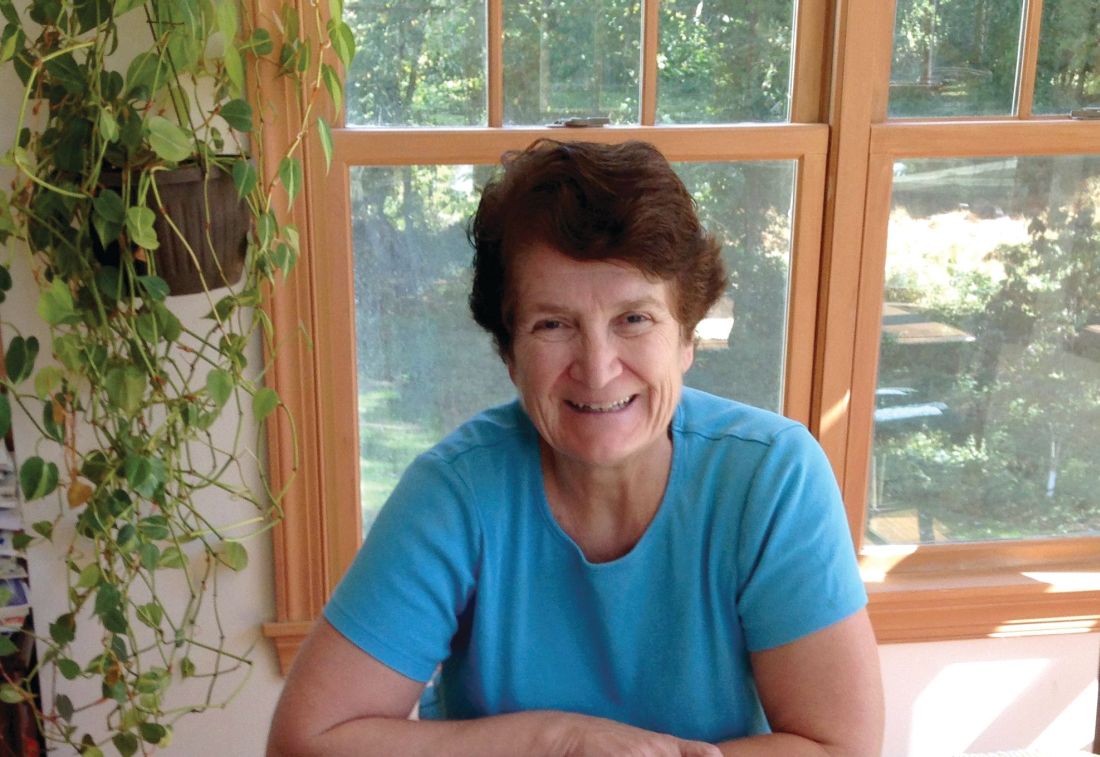
Dr. Howard is assistant professor of pediatrics at Johns Hopkins University, Baltimore, and creator of CHADIS (www.CHADIS.com). She had no other relevant disclosures. Dr. Howard’s contribution to this publication was as a paid expert to Frontline Medical News.
If you are struggling to figure out how you, as an individual pediatrician, can make a significant impact on the most common current issues in child health of anxiety, depression, sleep problems, stress, and even adverse childhood experiences, you are not alone. Many of the problems we see in the office appear to stem so much from the culture in which we live that the medical interventions we have to offer seem paltry. Yet we strive to identify and attempt to ameliorate the child’s and family’s distress.
Real physical danger aside, a lot of personal distress is due to negative thoughts about one’s past or fears for one’s future. These thoughts are very important in restraining us from repeating mistakes and preparing us for action to prevent future harm. But the thoughts themselves can be stressful; they may paralyze us with anxiety, take away pleasure, interrupt our sleep, stimulate physiologic stress responses, and have adverse impacts on health. All these effects can occur without actually changing the course of events! How can we advise our patients and their parents to work to balance the protective function of our thoughts against the cost to our well-being?
One promising method you can confidently recommend to both children and their parents to manage stressful thinking is to learn and practice mindfulness. Mindfulness refers to a state of nonreactivity, awareness, focus, attention, and nonjudgment. Noticing thoughts and feelings passing through us with a neutral mind, as if we were watching a movie, rather than taking them personally, is the goal. Jon Kabat-Zinn, PhD, learned from Buddhists, then developed and disseminated a formal program to teach this skill called mindfulness-based stress reduction; it has yielded significant benefits to the emotions and health of adult participants. While everyone can be mindful at times, the ability to enter this state at will and maintain it for a few minutes can be learned, even by preschool children.
How am I going to refer my patients to mindfulness programs, I can hear you saying, when I can’t even get them to standard therapies? Mindfulness in a less-structured format is often part of yoga or Tai Chi, meditation, art therapy, group therapy, or even religious services. Fortunately, parents and educators also can teach children mindfulness. But the first way you can start making this life skill available to your patients is by recommending it to their parents (“The Family ADHD Solution” by Mark Bertin [New York: Palgrave MacMillan, 2011]).
You know that child emotional or behavior problems can cause adult stress. But adult stress also can cause or exacerbate a child’s emotional or behavior problems. Adult caregivers modeling meltdowns are shaping the minds of their children. Studies of teaching mindfulness to parents of children with developmental disabilities, autism, and ADHD, without touching the underlying disorder, show significant reductions in both adult stress and child behavior problems. Parents who can suspend emotion, take some deep breaths, and be thoughtful about the response they want to make instead of reacting impulsively act more reasonably, appear warmer and more compassionate to their children, and are often rewarded with better behavior. Such parents may feel better about themselves and their parenting, may experience less stress, and may themselves sleep better at night!
For children, having an adult simply declare moments to stop, take deep breaths, and notice the sounds, sights, feelings, and smells around them is a good start. Making a routine of taking an “awareness walk” around the block can be another lesson. Eating a food, such as a strawberry, mindfully – observing and savoring every bite – is another natural opportunity to practice increased awareness. One of my favorite tools, having a child shake a glitter globe (like a snow globe that can be made at home) and silently wait for the chaos to subside, “just like their feelings inside,” is soothing and a great metaphor! Abdominal breathing, part of many relaxation exercises, may be hard for young children to master. A parent might try having the child lie down with a stuffed animal on his or her belly and focus on watching it rise and fall while breathing as a way to learn this. For older children, keeping a “gratitude journal” helps focus on the positive, and also has some proven efficacy in relieving depression. Using the “1 Second Everyday” app to video a special moment daily may have a similar effect on sharpening awareness.
Dr. Howard is assistant professor of pediatrics at Johns Hopkins University, Baltimore, and creator of CHADIS (www.CHADIS.com). She had no other relevant disclosures. Dr. Howard’s contribution to this publication was as a paid expert to Frontline Medical News.
If you are struggling to figure out how you, as an individual pediatrician, can make a significant impact on the most common current issues in child health of anxiety, depression, sleep problems, stress, and even adverse childhood experiences, you are not alone. Many of the problems we see in the office appear to stem so much from the culture in which we live that the medical interventions we have to offer seem paltry. Yet we strive to identify and attempt to ameliorate the child’s and family’s distress.
Real physical danger aside, a lot of personal distress is due to negative thoughts about one’s past or fears for one’s future. These thoughts are very important in restraining us from repeating mistakes and preparing us for action to prevent future harm. But the thoughts themselves can be stressful; they may paralyze us with anxiety, take away pleasure, interrupt our sleep, stimulate physiologic stress responses, and have adverse impacts on health. All these effects can occur without actually changing the course of events! How can we advise our patients and their parents to work to balance the protective function of our thoughts against the cost to our well-being?
One promising method you can confidently recommend to both children and their parents to manage stressful thinking is to learn and practice mindfulness. Mindfulness refers to a state of nonreactivity, awareness, focus, attention, and nonjudgment. Noticing thoughts and feelings passing through us with a neutral mind, as if we were watching a movie, rather than taking them personally, is the goal. Jon Kabat-Zinn, PhD, learned from Buddhists, then developed and disseminated a formal program to teach this skill called mindfulness-based stress reduction; it has yielded significant benefits to the emotions and health of adult participants. While everyone can be mindful at times, the ability to enter this state at will and maintain it for a few minutes can be learned, even by preschool children.
How am I going to refer my patients to mindfulness programs, I can hear you saying, when I can’t even get them to standard therapies? Mindfulness in a less-structured format is often part of yoga or Tai Chi, meditation, art therapy, group therapy, or even religious services. Fortunately, parents and educators also can teach children mindfulness. But the first way you can start making this life skill available to your patients is by recommending it to their parents (“The Family ADHD Solution” by Mark Bertin [New York: Palgrave MacMillan, 2011]).
You know that child emotional or behavior problems can cause adult stress. But adult stress also can cause or exacerbate a child’s emotional or behavior problems. Adult caregivers modeling meltdowns are shaping the minds of their children. Studies of teaching mindfulness to parents of children with developmental disabilities, autism, and ADHD, without touching the underlying disorder, show significant reductions in both adult stress and child behavior problems. Parents who can suspend emotion, take some deep breaths, and be thoughtful about the response they want to make instead of reacting impulsively act more reasonably, appear warmer and more compassionate to their children, and are often rewarded with better behavior. Such parents may feel better about themselves and their parenting, may experience less stress, and may themselves sleep better at night!
For children, having an adult simply declare moments to stop, take deep breaths, and notice the sounds, sights, feelings, and smells around them is a good start. Making a routine of taking an “awareness walk” around the block can be another lesson. Eating a food, such as a strawberry, mindfully – observing and savoring every bite – is another natural opportunity to practice increased awareness. One of my favorite tools, having a child shake a glitter globe (like a snow globe that can be made at home) and silently wait for the chaos to subside, “just like their feelings inside,” is soothing and a great metaphor! Abdominal breathing, part of many relaxation exercises, may be hard for young children to master. A parent might try having the child lie down with a stuffed animal on his or her belly and focus on watching it rise and fall while breathing as a way to learn this. For older children, keeping a “gratitude journal” helps focus on the positive, and also has some proven efficacy in relieving depression. Using the “1 Second Everyday” app to video a special moment daily may have a similar effect on sharpening awareness.
Dr. Howard is assistant professor of pediatrics at Johns Hopkins University, Baltimore, and creator of CHADIS (www.CHADIS.com). She had no other relevant disclosures. Dr. Howard’s contribution to this publication was as a paid expert to Frontline Medical News.

Morning rituals
“How we spend our days is, of course, how we spend our lives.” – Annie Dillard
It’s 4:40 a.m. and I’ve got two items checked off my list. As I stir my coffee, made the same way each day, I’m engaged in my morning ritual. It begins at 4:30 a.m. and ends with me ready for whatever comes that day.
In our life-hacking world, morning rituals are hotter than my mug of Italian roast. Blog posts, magazine articles, podcasts, and books, such as the New York Times best-selling “Make Your Bed,” (New York: Hachette Book Group, 2017) written by a former Navy SEAL, all argue that the secret to a successful day, and life, lies in the start. But do morning rituals apply to us doctors?
Dr. William Osler, the father of modern medicine, had the answer a century ago: “The day [can] be predicted from the first waking hour. The start is everything,” he advised Yale medical students in his “Way of Life” address. “Live with day-tight compartments,” and focus on “what lies clearly at hand.” He encouraged them to develop focus so they might avoid “indecision and worry,” and fluster and flurry. Today, we call it “mindfulness,” so we might avoid “burnout.”
Dr. Osler, who read Ben Franklin, no doubt would have been familiar with Franklin’s recommendations: 5 a.m.: “Rise, wash, and address Powerful Goodness [prayer]! Contrive day’s business and take the resolution of the day; prosecute the present study, and breakfast.” Tested by over 200 years of self-help seekers, this is a good start. Through years of research and experimentation, I’ve refined this to the five morning activities that matter most:

2. Reflect on yesterday. Your brain is coming online in the few minutes after waking; while booting, review what happened yesterday. According to an article on-line in the Harvard Business Review (hbr.org), top CEOs make a habit of reviewing their actions and decisions to deconstruct both successes and failures. Replaying your day, like reviewing game film, is key to getting better.
3. Exercise. Physical activity improves memory, and cognition and aerobics are particularly effective. I vary both my activities and length of time in the gym. Ten minutes, if done all-out, might be all you need.
4. Preview and plan. In the excellent “How to Have a Good Day,” (New York: Penguin Random House, 2016) author Caroline Webb recommends an approach from three angles: “Aim, Attitude, and Attention.” Aim: What are the most important activities today? Who will you meet? What might you say to be successful? Attitude is key and often overlooked. Perhaps you have a patient you’d prefer not to see or a colleague with whom you need to have a difficult conversation. Reflect on how your attitude will impact the outcome. Lastly, attention must be paid. It’s as relevant today as when Dr. Osler recommended it. What must you focus on today to be successful?
5. Breathe deeply. Developing the habit of mindful breathing can help you become more resilient and focused. Spend 10-30 minutes breathing deeply and mindfully. You can take this time to pray as Franklin did or for priming as self-help guru Tony Robbins recommends today. Whichever you choose, be deliberate and consistent.
I’m invariably energized when I finish my morning routine. Even on my worst procrastination days, I have the satisfaction of getting at least five things done. Much of today will be out of my control: Patients will arrive late and surgeries might run over. But this morning was all mine. By faithfully carrying out this ritual I’m not only ready each day, I’m better each day.
What’s your morning ritual?
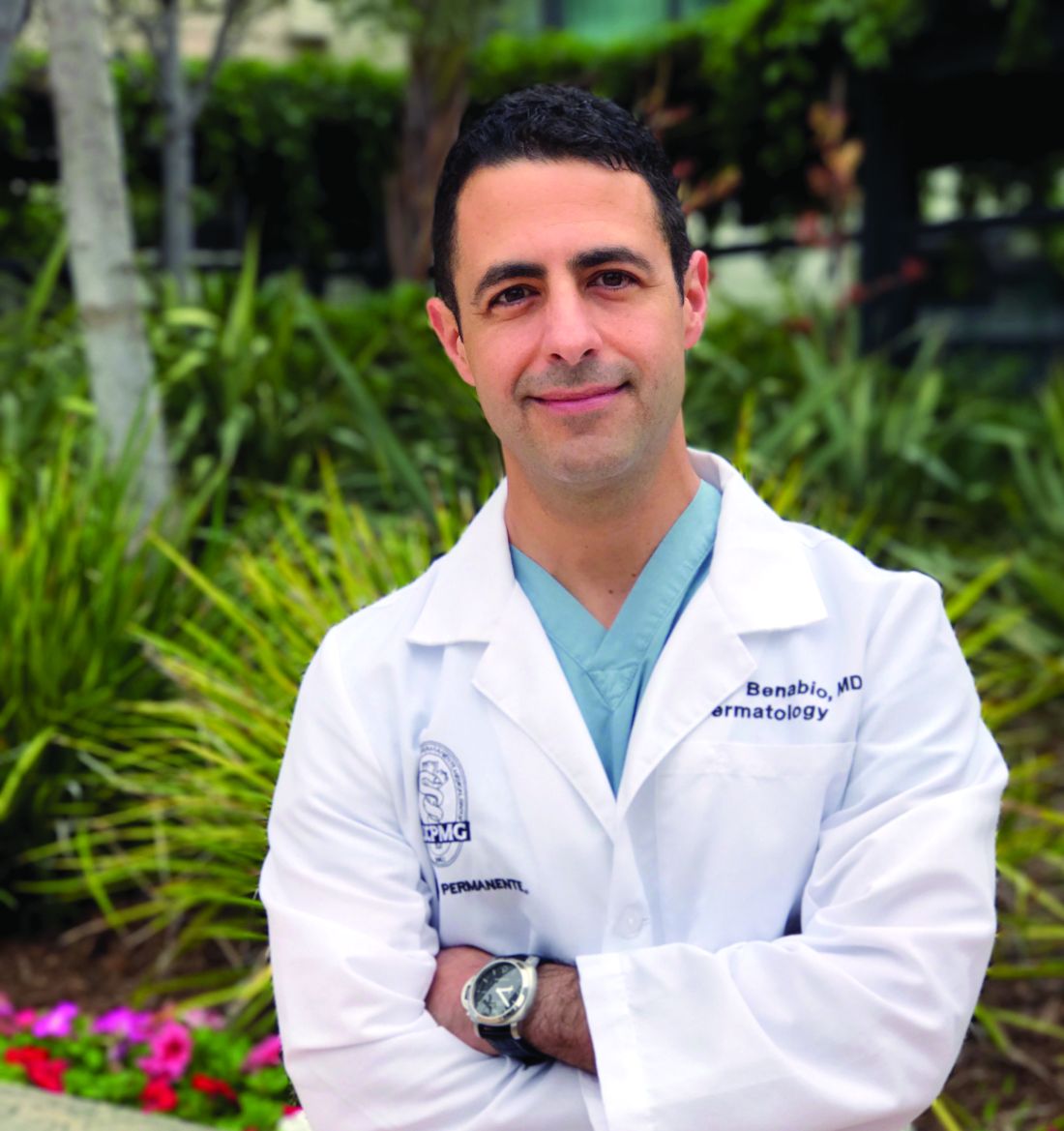
Dr. Benabio is director of Healthcare Transformation and chief of dermatology at Kaiser Permanente San Diego. The opinions expressed in this column are his own and do not represent those of Kaiser Permanente. Dr. Benabio is @Dermdoc on Twitter. Write to him at dermnews@frontlinemedcom.com.
“How we spend our days is, of course, how we spend our lives.” – Annie Dillard
It’s 4:40 a.m. and I’ve got two items checked off my list. As I stir my coffee, made the same way each day, I’m engaged in my morning ritual. It begins at 4:30 a.m. and ends with me ready for whatever comes that day.
In our life-hacking world, morning rituals are hotter than my mug of Italian roast. Blog posts, magazine articles, podcasts, and books, such as the New York Times best-selling “Make Your Bed,” (New York: Hachette Book Group, 2017) written by a former Navy SEAL, all argue that the secret to a successful day, and life, lies in the start. But do morning rituals apply to us doctors?
Dr. William Osler, the father of modern medicine, had the answer a century ago: “The day [can] be predicted from the first waking hour. The start is everything,” he advised Yale medical students in his “Way of Life” address. “Live with day-tight compartments,” and focus on “what lies clearly at hand.” He encouraged them to develop focus so they might avoid “indecision and worry,” and fluster and flurry. Today, we call it “mindfulness,” so we might avoid “burnout.”
Dr. Osler, who read Ben Franklin, no doubt would have been familiar with Franklin’s recommendations: 5 a.m.: “Rise, wash, and address Powerful Goodness [prayer]! Contrive day’s business and take the resolution of the day; prosecute the present study, and breakfast.” Tested by over 200 years of self-help seekers, this is a good start. Through years of research and experimentation, I’ve refined this to the five morning activities that matter most:
2. Reflect on yesterday. Your brain is coming online in the few minutes after waking; while booting, review what happened yesterday. According to an article on-line in the Harvard Business Review (hbr.org), top CEOs make a habit of reviewing their actions and decisions to deconstruct both successes and failures. Replaying your day, like reviewing game film, is key to getting better.
3. Exercise. Physical activity improves memory, and cognition and aerobics are particularly effective. I vary both my activities and length of time in the gym. Ten minutes, if done all-out, might be all you need.
4. Preview and plan. In the excellent “How to Have a Good Day,” (New York: Penguin Random House, 2016) author Caroline Webb recommends an approach from three angles: “Aim, Attitude, and Attention.” Aim: What are the most important activities today? Who will you meet? What might you say to be successful? Attitude is key and often overlooked. Perhaps you have a patient you’d prefer not to see or a colleague with whom you need to have a difficult conversation. Reflect on how your attitude will impact the outcome. Lastly, attention must be paid. It’s as relevant today as when Dr. Osler recommended it. What must you focus on today to be successful?
5. Breathe deeply. Developing the habit of mindful breathing can help you become more resilient and focused. Spend 10-30 minutes breathing deeply and mindfully. You can take this time to pray as Franklin did or for priming as self-help guru Tony Robbins recommends today. Whichever you choose, be deliberate and consistent.
I’m invariably energized when I finish my morning routine. Even on my worst procrastination days, I have the satisfaction of getting at least five things done. Much of today will be out of my control: Patients will arrive late and surgeries might run over. But this morning was all mine. By faithfully carrying out this ritual I’m not only ready each day, I’m better each day.
What’s your morning ritual?
Dr. Benabio is director of Healthcare Transformation and chief of dermatology at Kaiser Permanente San Diego. The opinions expressed in this column are his own and do not represent those of Kaiser Permanente. Dr. Benabio is @Dermdoc on Twitter. Write to him at dermnews@frontlinemedcom.com.
“How we spend our days is, of course, how we spend our lives.” – Annie Dillard
It’s 4:40 a.m. and I’ve got two items checked off my list. As I stir my coffee, made the same way each day, I’m engaged in my morning ritual. It begins at 4:30 a.m. and ends with me ready for whatever comes that day.
In our life-hacking world, morning rituals are hotter than my mug of Italian roast. Blog posts, magazine articles, podcasts, and books, such as the New York Times best-selling “Make Your Bed,” (New York: Hachette Book Group, 2017) written by a former Navy SEAL, all argue that the secret to a successful day, and life, lies in the start. But do morning rituals apply to us doctors?
Dr. William Osler, the father of modern medicine, had the answer a century ago: “The day [can] be predicted from the first waking hour. The start is everything,” he advised Yale medical students in his “Way of Life” address. “Live with day-tight compartments,” and focus on “what lies clearly at hand.” He encouraged them to develop focus so they might avoid “indecision and worry,” and fluster and flurry. Today, we call it “mindfulness,” so we might avoid “burnout.”
Dr. Osler, who read Ben Franklin, no doubt would have been familiar with Franklin’s recommendations: 5 a.m.: “Rise, wash, and address Powerful Goodness [prayer]! Contrive day’s business and take the resolution of the day; prosecute the present study, and breakfast.” Tested by over 200 years of self-help seekers, this is a good start. Through years of research and experimentation, I’ve refined this to the five morning activities that matter most:
2. Reflect on yesterday. Your brain is coming online in the few minutes after waking; while booting, review what happened yesterday. According to an article on-line in the Harvard Business Review (hbr.org), top CEOs make a habit of reviewing their actions and decisions to deconstruct both successes and failures. Replaying your day, like reviewing game film, is key to getting better.
3. Exercise. Physical activity improves memory, and cognition and aerobics are particularly effective. I vary both my activities and length of time in the gym. Ten minutes, if done all-out, might be all you need.
4. Preview and plan. In the excellent “How to Have a Good Day,” (New York: Penguin Random House, 2016) author Caroline Webb recommends an approach from three angles: “Aim, Attitude, and Attention.” Aim: What are the most important activities today? Who will you meet? What might you say to be successful? Attitude is key and often overlooked. Perhaps you have a patient you’d prefer not to see or a colleague with whom you need to have a difficult conversation. Reflect on how your attitude will impact the outcome. Lastly, attention must be paid. It’s as relevant today as when Dr. Osler recommended it. What must you focus on today to be successful?
5. Breathe deeply. Developing the habit of mindful breathing can help you become more resilient and focused. Spend 10-30 minutes breathing deeply and mindfully. You can take this time to pray as Franklin did or for priming as self-help guru Tony Robbins recommends today. Whichever you choose, be deliberate and consistent.
I’m invariably energized when I finish my morning routine. Even on my worst procrastination days, I have the satisfaction of getting at least five things done. Much of today will be out of my control: Patients will arrive late and surgeries might run over. But this morning was all mine. By faithfully carrying out this ritual I’m not only ready each day, I’m better each day.
What’s your morning ritual?
Dr. Benabio is director of Healthcare Transformation and chief of dermatology at Kaiser Permanente San Diego. The opinions expressed in this column are his own and do not represent those of Kaiser Permanente. Dr. Benabio is @Dermdoc on Twitter. Write to him at dermnews@frontlinemedcom.com.
Review of plant phenolics, part 1
Polyphenols are well known as the largest group of and most widely distributed phytochemicals among plants.1 These secondary plant metabolites, which are produced in response to environmental hazards that contribute to free-radical synthesis,2 are represented by more than 8,000 naturally occurring compounds. This family of widely divergent substances has gained increasing attention in recent years as polyphenols have been found – in vegetables, fruits, herbs, grains, tea, coffee beans, honey, and red wine – to be the most abundant sources of antioxidants in the human diet and are known to exert antioxidant, anti-inflammatory, and antimicrobial benefits to human health.3-7 The most prevalent and studied polyphenols are known as flavonoids, but nonflavonoid polyphenols are increasingly well investigated. This column will address the basic chemistry of these compounds. Subsequent columns will discuss the latest research on the cutaneous benefits of selected flavonoid and nonflavonoid polyphenols.

Chemistry and sources
Polyphenols share a common structural component: a phenol or an aromatic ring, usually two, with at least one hydroxyl, methyl, or acetyl group linked via a three-carbon bond to form a six-unit heterocyclic ring.8,9 When the “parent polyphenol” known as cinnamic acid is further catalytically transformed, scores of polyphenolic compounds result. These substances are divided into classes: glycosylated phenylpropanoids, flavonoids, isoflavonoids, stilbenoids, coumarins, curcuminoids, as well as phenolic polymers such as tannins, proanthocyanidins, suberin, lignins, and lignans. The flavonoids, which are the largest and most varied phenolic substances in plants, can be further divided into several categories: flavones (based on the 2-phenylchromen-4-one skeleton, such as apigenin and luteolin); flavonols (based on the 3-hydroxy-2-phenylchromen-4-one skeleton and functional group, such as quercetin, kaempferol, myricetin, and fisetin); flavanones (based on the 2,3-dihydro-2-phenylchromen-4-one skeleton and functional group, such as naringenin, hesperidin, and eriodictyol); isoflavones (based on the 3-phenylchromen-4-one skeleton, such as genistein and daidzein); flavanols – also known as flavan-3-ols or catechins – (based on the 2-phenyl-3,4-dihydro-2H-chromen-3-ol skeleton and functional groups, such as epicatechin, epicatechin 3-gallate, epigallocatechin, epigallocatechin 3-gallate (EGCG), catechin, and gallocatechin); and anthocyanins (based on the 2-phenylchromenylium ion skeleton, e.g., cyanidin and pelargonidin).5,10
The broader category of nonflavonoid polyphenols is rich and diverse, but is particularly noted for comprising the tannins, phenolic polymers of high molecular weight, which are divided into three classes, hydrolyzable tannins (such as ellagic acid, found in pomegranate, raspberries, strawberries, cranberries, and walnuts), derived tannins (created during food handling and processing and present in, for example, black and oolong teas), and condensed tannins (or proanthocyanidins, which are polymer chains of flavanols, such as catechins, and include pycnogenol, leukocyanidin, and leucoanthocyanin).1,4,5,8,10 There are a plethora of other nonflavonoid polyphenols, many of which confer health benefits, including stilbenes (such as resveratrol, found in red wine), lignans (such as enterodiol, found in flaxseed and flaxseed oil), lignins (found in green beans, carrots, peas, and Brazil nuts), and phenolic acids, such as hydroxybenzoic and hydroxycinnamic acids, among which caffeic and ferulic acids are often present in foods. In fact, hydroxycinnamic acids, which are the most common phenolic acids present in plant tissues, are present in numerous foods, such as apples, pears, plums, cherries, apricots, peaches, black currant, blueberries, potatoes, spinach, lettuce, cabbage, broccoli, asparagus, wine, and coffee.9
Broad health benefits have been associated with hundreds of polyphenolic substances. Notably, some of the best-known research results on polyphenols have reported on the success of various topical applications of green tea catechins, ferulic acid, and resveratrol, and other related compounds. Antioxidant, anti-inflammatory, and antimicrobial activities are the most common biologic properties associated with polyphenols, and antiaging activity has been widely reported.10
Conclusion
While the classification system for the 8,000 polyphenolic compounds may seem intimidating, the same essential activity is conferred by these abundant substances. Further, it is important to note the significant health benefits potentially derived from the oral consumption as well as topical application of polyphenols. The next two columns will delve into the research findings of flavonoid and nonflavonoid polyphenols.
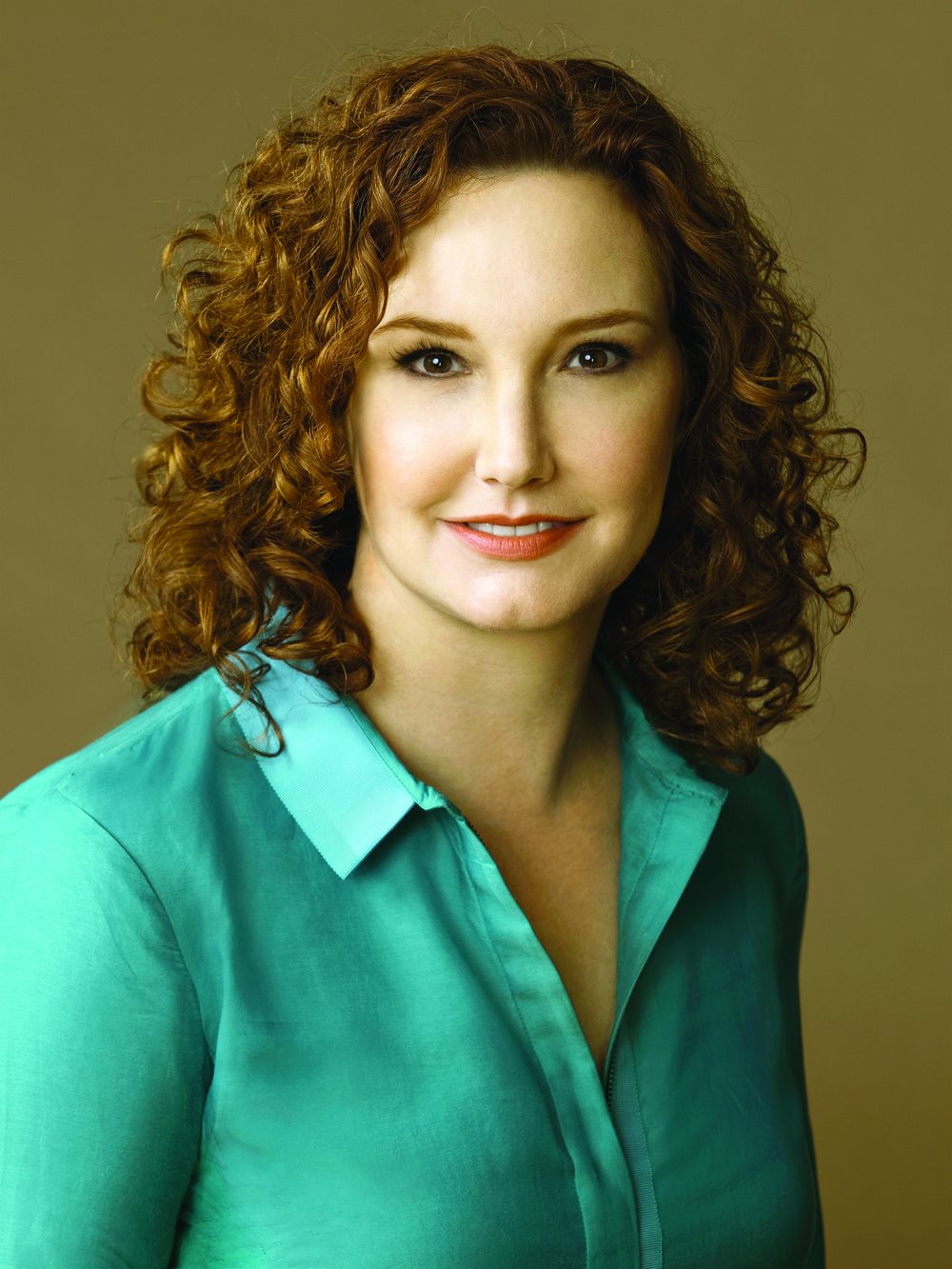
Dr. Baumann is a private practice dermatologist, researcher, author and entrepreneur who practices in Miami. She founded the Cosmetic Dermatology Center at the University of Miami in 1997. Dr. Baumann wrote two textbooks: “Cosmetic Dermatology: Principles and Practice” (New York: McGraw-Hill, 2002), and “Cosmeceuticals and Cosmetic Ingredients,” (New York: McGraw-Hill, 2014), and a New York Times Best Sellers book for consumers, “The Skin Type Solution” (New York: Bantam Dell, 2006). Dr. Baumann has received funding for advisory boards and/or clinical research trials from Allergan, Evolus, Galderma, and Revance. She is the founder and CEO of Skin Type Solutions Franchise Systems LLC.
References
1. J Am Diet Assoc. 1999 Feb;99(2):213-8.
2. Ann N Y Acad Sci. 2012 Jul;1259:77-86.
3. Biomed Pap Med Fac Univ Palacky Olomouc Czech Repub. 2003 Dec;147(2):137-45.
4. J Nutr. 2000 Aug;130(8S Suppl):2073S-85S.
5. Annu Rev Nutr. 2002;22:19-34.
6. Pharmacol Ther. 2001 May-Jun;90(2-3):157-77.
7. Free Radic Biol Med. 2001 Jun 1;30(11):1213-22.
8. J Nutr. 2003 Oct;133(10):3248S-3254S.
9. Int J Mol Sci. 2016 Feb 18;17(2):160.
10. Asia Pac J Clin Nutr. 2004;13(Suppl):S72, 2004.
Polyphenols are well known as the largest group of and most widely distributed phytochemicals among plants.1 These secondary plant metabolites, which are produced in response to environmental hazards that contribute to free-radical synthesis,2 are represented by more than 8,000 naturally occurring compounds. This family of widely divergent substances has gained increasing attention in recent years as polyphenols have been found – in vegetables, fruits, herbs, grains, tea, coffee beans, honey, and red wine – to be the most abundant sources of antioxidants in the human diet and are known to exert antioxidant, anti-inflammatory, and antimicrobial benefits to human health.3-7 The most prevalent and studied polyphenols are known as flavonoids, but nonflavonoid polyphenols are increasingly well investigated. This column will address the basic chemistry of these compounds. Subsequent columns will discuss the latest research on the cutaneous benefits of selected flavonoid and nonflavonoid polyphenols.
Chemistry and sources
Polyphenols share a common structural component: a phenol or an aromatic ring, usually two, with at least one hydroxyl, methyl, or acetyl group linked via a three-carbon bond to form a six-unit heterocyclic ring.8,9 When the “parent polyphenol” known as cinnamic acid is further catalytically transformed, scores of polyphenolic compounds result. These substances are divided into classes: glycosylated phenylpropanoids, flavonoids, isoflavonoids, stilbenoids, coumarins, curcuminoids, as well as phenolic polymers such as tannins, proanthocyanidins, suberin, lignins, and lignans. The flavonoids, which are the largest and most varied phenolic substances in plants, can be further divided into several categories: flavones (based on the 2-phenylchromen-4-one skeleton, such as apigenin and luteolin); flavonols (based on the 3-hydroxy-2-phenylchromen-4-one skeleton and functional group, such as quercetin, kaempferol, myricetin, and fisetin); flavanones (based on the 2,3-dihydro-2-phenylchromen-4-one skeleton and functional group, such as naringenin, hesperidin, and eriodictyol); isoflavones (based on the 3-phenylchromen-4-one skeleton, such as genistein and daidzein); flavanols – also known as flavan-3-ols or catechins – (based on the 2-phenyl-3,4-dihydro-2H-chromen-3-ol skeleton and functional groups, such as epicatechin, epicatechin 3-gallate, epigallocatechin, epigallocatechin 3-gallate (EGCG), catechin, and gallocatechin); and anthocyanins (based on the 2-phenylchromenylium ion skeleton, e.g., cyanidin and pelargonidin).5,10
The broader category of nonflavonoid polyphenols is rich and diverse, but is particularly noted for comprising the tannins, phenolic polymers of high molecular weight, which are divided into three classes, hydrolyzable tannins (such as ellagic acid, found in pomegranate, raspberries, strawberries, cranberries, and walnuts), derived tannins (created during food handling and processing and present in, for example, black and oolong teas), and condensed tannins (or proanthocyanidins, which are polymer chains of flavanols, such as catechins, and include pycnogenol, leukocyanidin, and leucoanthocyanin).1,4,5,8,10 There are a plethora of other nonflavonoid polyphenols, many of which confer health benefits, including stilbenes (such as resveratrol, found in red wine), lignans (such as enterodiol, found in flaxseed and flaxseed oil), lignins (found in green beans, carrots, peas, and Brazil nuts), and phenolic acids, such as hydroxybenzoic and hydroxycinnamic acids, among which caffeic and ferulic acids are often present in foods. In fact, hydroxycinnamic acids, which are the most common phenolic acids present in plant tissues, are present in numerous foods, such as apples, pears, plums, cherries, apricots, peaches, black currant, blueberries, potatoes, spinach, lettuce, cabbage, broccoli, asparagus, wine, and coffee.9
Broad health benefits have been associated with hundreds of polyphenolic substances. Notably, some of the best-known research results on polyphenols have reported on the success of various topical applications of green tea catechins, ferulic acid, and resveratrol, and other related compounds. Antioxidant, anti-inflammatory, and antimicrobial activities are the most common biologic properties associated with polyphenols, and antiaging activity has been widely reported.10
Conclusion
While the classification system for the 8,000 polyphenolic compounds may seem intimidating, the same essential activity is conferred by these abundant substances. Further, it is important to note the significant health benefits potentially derived from the oral consumption as well as topical application of polyphenols. The next two columns will delve into the research findings of flavonoid and nonflavonoid polyphenols.
Dr. Baumann is a private practice dermatologist, researcher, author and entrepreneur who practices in Miami. She founded the Cosmetic Dermatology Center at the University of Miami in 1997. Dr. Baumann wrote two textbooks: “Cosmetic Dermatology: Principles and Practice” (New York: McGraw-Hill, 2002), and “Cosmeceuticals and Cosmetic Ingredients,” (New York: McGraw-Hill, 2014), and a New York Times Best Sellers book for consumers, “The Skin Type Solution” (New York: Bantam Dell, 2006). Dr. Baumann has received funding for advisory boards and/or clinical research trials from Allergan, Evolus, Galderma, and Revance. She is the founder and CEO of Skin Type Solutions Franchise Systems LLC.
References
1. J Am Diet Assoc. 1999 Feb;99(2):213-8.
2. Ann N Y Acad Sci. 2012 Jul;1259:77-86.
3. Biomed Pap Med Fac Univ Palacky Olomouc Czech Repub. 2003 Dec;147(2):137-45.
4. J Nutr. 2000 Aug;130(8S Suppl):2073S-85S.
5. Annu Rev Nutr. 2002;22:19-34.
6. Pharmacol Ther. 2001 May-Jun;90(2-3):157-77.
7. Free Radic Biol Med. 2001 Jun 1;30(11):1213-22.
8. J Nutr. 2003 Oct;133(10):3248S-3254S.
9. Int J Mol Sci. 2016 Feb 18;17(2):160.
10. Asia Pac J Clin Nutr. 2004;13(Suppl):S72, 2004.
Polyphenols are well known as the largest group of and most widely distributed phytochemicals among plants.1 These secondary plant metabolites, which are produced in response to environmental hazards that contribute to free-radical synthesis,2 are represented by more than 8,000 naturally occurring compounds. This family of widely divergent substances has gained increasing attention in recent years as polyphenols have been found – in vegetables, fruits, herbs, grains, tea, coffee beans, honey, and red wine – to be the most abundant sources of antioxidants in the human diet and are known to exert antioxidant, anti-inflammatory, and antimicrobial benefits to human health.3-7 The most prevalent and studied polyphenols are known as flavonoids, but nonflavonoid polyphenols are increasingly well investigated. This column will address the basic chemistry of these compounds. Subsequent columns will discuss the latest research on the cutaneous benefits of selected flavonoid and nonflavonoid polyphenols.
Chemistry and sources
Polyphenols share a common structural component: a phenol or an aromatic ring, usually two, with at least one hydroxyl, methyl, or acetyl group linked via a three-carbon bond to form a six-unit heterocyclic ring.8,9 When the “parent polyphenol” known as cinnamic acid is further catalytically transformed, scores of polyphenolic compounds result. These substances are divided into classes: glycosylated phenylpropanoids, flavonoids, isoflavonoids, stilbenoids, coumarins, curcuminoids, as well as phenolic polymers such as tannins, proanthocyanidins, suberin, lignins, and lignans. The flavonoids, which are the largest and most varied phenolic substances in plants, can be further divided into several categories: flavones (based on the 2-phenylchromen-4-one skeleton, such as apigenin and luteolin); flavonols (based on the 3-hydroxy-2-phenylchromen-4-one skeleton and functional group, such as quercetin, kaempferol, myricetin, and fisetin); flavanones (based on the 2,3-dihydro-2-phenylchromen-4-one skeleton and functional group, such as naringenin, hesperidin, and eriodictyol); isoflavones (based on the 3-phenylchromen-4-one skeleton, such as genistein and daidzein); flavanols – also known as flavan-3-ols or catechins – (based on the 2-phenyl-3,4-dihydro-2H-chromen-3-ol skeleton and functional groups, such as epicatechin, epicatechin 3-gallate, epigallocatechin, epigallocatechin 3-gallate (EGCG), catechin, and gallocatechin); and anthocyanins (based on the 2-phenylchromenylium ion skeleton, e.g., cyanidin and pelargonidin).5,10
The broader category of nonflavonoid polyphenols is rich and diverse, but is particularly noted for comprising the tannins, phenolic polymers of high molecular weight, which are divided into three classes, hydrolyzable tannins (such as ellagic acid, found in pomegranate, raspberries, strawberries, cranberries, and walnuts), derived tannins (created during food handling and processing and present in, for example, black and oolong teas), and condensed tannins (or proanthocyanidins, which are polymer chains of flavanols, such as catechins, and include pycnogenol, leukocyanidin, and leucoanthocyanin).1,4,5,8,10 There are a plethora of other nonflavonoid polyphenols, many of which confer health benefits, including stilbenes (such as resveratrol, found in red wine), lignans (such as enterodiol, found in flaxseed and flaxseed oil), lignins (found in green beans, carrots, peas, and Brazil nuts), and phenolic acids, such as hydroxybenzoic and hydroxycinnamic acids, among which caffeic and ferulic acids are often present in foods. In fact, hydroxycinnamic acids, which are the most common phenolic acids present in plant tissues, are present in numerous foods, such as apples, pears, plums, cherries, apricots, peaches, black currant, blueberries, potatoes, spinach, lettuce, cabbage, broccoli, asparagus, wine, and coffee.9
Broad health benefits have been associated with hundreds of polyphenolic substances. Notably, some of the best-known research results on polyphenols have reported on the success of various topical applications of green tea catechins, ferulic acid, and resveratrol, and other related compounds. Antioxidant, anti-inflammatory, and antimicrobial activities are the most common biologic properties associated with polyphenols, and antiaging activity has been widely reported.10
Conclusion
While the classification system for the 8,000 polyphenolic compounds may seem intimidating, the same essential activity is conferred by these abundant substances. Further, it is important to note the significant health benefits potentially derived from the oral consumption as well as topical application of polyphenols. The next two columns will delve into the research findings of flavonoid and nonflavonoid polyphenols.
Dr. Baumann is a private practice dermatologist, researcher, author and entrepreneur who practices in Miami. She founded the Cosmetic Dermatology Center at the University of Miami in 1997. Dr. Baumann wrote two textbooks: “Cosmetic Dermatology: Principles and Practice” (New York: McGraw-Hill, 2002), and “Cosmeceuticals and Cosmetic Ingredients,” (New York: McGraw-Hill, 2014), and a New York Times Best Sellers book for consumers, “The Skin Type Solution” (New York: Bantam Dell, 2006). Dr. Baumann has received funding for advisory boards and/or clinical research trials from Allergan, Evolus, Galderma, and Revance. She is the founder and CEO of Skin Type Solutions Franchise Systems LLC.
References
1. J Am Diet Assoc. 1999 Feb;99(2):213-8.
2. Ann N Y Acad Sci. 2012 Jul;1259:77-86.
3. Biomed Pap Med Fac Univ Palacky Olomouc Czech Repub. 2003 Dec;147(2):137-45.
4. J Nutr. 2000 Aug;130(8S Suppl):2073S-85S.
5. Annu Rev Nutr. 2002;22:19-34.
6. Pharmacol Ther. 2001 May-Jun;90(2-3):157-77.
7. Free Radic Biol Med. 2001 Jun 1;30(11):1213-22.
8. J Nutr. 2003 Oct;133(10):3248S-3254S.
9. Int J Mol Sci. 2016 Feb 18;17(2):160.
10. Asia Pac J Clin Nutr. 2004;13(Suppl):S72, 2004.
AMA’s stance on choline, prenatal vitamins could bring ‘staggering’ results
For quite some time now, I’ve been urging my colleagues to follow the science on the powerful impact of choline on the brain.
In May 2017, based on studies using genetically altered mice that show the developmental changes of Down syndrome and Alzheimer’s disease at 6 months, I raised the question of whether prenatal choline could lead to the prevention of Alzheimer’s.
Thanks to the leadership of Niva Lubin-Johnson, MD, now president-elect of the National Medical Association, while a member and immediate past chair of the American Medical Association’s minority affairs section governing council*, the AMA ’s delegates passed a resolution to support an increase in choline in prenatal vitamins.
If the prenatal vitamin companies take the AMA’s resolution to heart and put more choline in their prenatal vitamins or if physicians in the United States pay attention to the AMA’s action and recommend pregnant women ensure they get adequate choline in their diets, the benefit to Americans’ public health could be staggering. Currently, it is known that choline deficiency – usually brought about by fetal alcohol exposure – is a public health problem, and choline deficiency is the leading preventable cause of intellectual disability. Public health efforts aimed at preventing intellectual disabilities from fetal alcohol exposure are designed to warn women about the risks of drinking during pregnancy; while this effort is commendable, it does not solve a very common problem – namely, women’s engaging in social drinking before they realize they are pregnant. (Psychiatric Serv. 2015 66[5]:539-42).
The late Julius B. Richmond, MD, former director of the Institute for Juvenile Research, surgeon general under former President Jimmy Carter, and one of the founders of Head Start under former President Lyndon B. Johnson, used to say that, in order to institutionalize a public policy, you need a solid scientific basis for the policy, a mechanism to actualize the policy, and the “political will” to do so. The AMA’s recommendation has the Institute of Medicine’s science behind it, so putting choline in prenatal vitamins or having physicians recommend that pregnant women get adequate doses of choline should be pretty easy to actualize. The political will to do this extremely important, biotechnical preventive intervention should be a no-brainer.
Should this AMA recommendation gain the traction it deserves, the American people might see a substantial decrease in the prevalence of premature and low-birth-weight infants, intellectual disability, ADHD, speech and language difficulties, epilepsy, heart defects, schizophrenia, Alzheimer’s disease, depression, school failure, juvenile delinquency, violence, and suicide – all of which seem to be tied to choline deficiency.
*This story was updated August 17, 2017.
For quite some time now, I’ve been urging my colleagues to follow the science on the powerful impact of choline on the brain.
In May 2017, based on studies using genetically altered mice that show the developmental changes of Down syndrome and Alzheimer’s disease at 6 months, I raised the question of whether prenatal choline could lead to the prevention of Alzheimer’s.
Thanks to the leadership of Niva Lubin-Johnson, MD, now president-elect of the National Medical Association, while a member and immediate past chair of the American Medical Association’s minority affairs section governing council*, the AMA ’s delegates passed a resolution to support an increase in choline in prenatal vitamins.
If the prenatal vitamin companies take the AMA’s resolution to heart and put more choline in their prenatal vitamins or if physicians in the United States pay attention to the AMA’s action and recommend pregnant women ensure they get adequate choline in their diets, the benefit to Americans’ public health could be staggering. Currently, it is known that choline deficiency – usually brought about by fetal alcohol exposure – is a public health problem, and choline deficiency is the leading preventable cause of intellectual disability. Public health efforts aimed at preventing intellectual disabilities from fetal alcohol exposure are designed to warn women about the risks of drinking during pregnancy; while this effort is commendable, it does not solve a very common problem – namely, women’s engaging in social drinking before they realize they are pregnant. (Psychiatric Serv. 2015 66[5]:539-42).
The late Julius B. Richmond, MD, former director of the Institute for Juvenile Research, surgeon general under former President Jimmy Carter, and one of the founders of Head Start under former President Lyndon B. Johnson, used to say that, in order to institutionalize a public policy, you need a solid scientific basis for the policy, a mechanism to actualize the policy, and the “political will” to do so. The AMA’s recommendation has the Institute of Medicine’s science behind it, so putting choline in prenatal vitamins or having physicians recommend that pregnant women get adequate doses of choline should be pretty easy to actualize. The political will to do this extremely important, biotechnical preventive intervention should be a no-brainer.
Should this AMA recommendation gain the traction it deserves, the American people might see a substantial decrease in the prevalence of premature and low-birth-weight infants, intellectual disability, ADHD, speech and language difficulties, epilepsy, heart defects, schizophrenia, Alzheimer’s disease, depression, school failure, juvenile delinquency, violence, and suicide – all of which seem to be tied to choline deficiency.
*This story was updated August 17, 2017.
For quite some time now, I’ve been urging my colleagues to follow the science on the powerful impact of choline on the brain.
In May 2017, based on studies using genetically altered mice that show the developmental changes of Down syndrome and Alzheimer’s disease at 6 months, I raised the question of whether prenatal choline could lead to the prevention of Alzheimer’s.
Thanks to the leadership of Niva Lubin-Johnson, MD, now president-elect of the National Medical Association, while a member and immediate past chair of the American Medical Association’s minority affairs section governing council*, the AMA ’s delegates passed a resolution to support an increase in choline in prenatal vitamins.
If the prenatal vitamin companies take the AMA’s resolution to heart and put more choline in their prenatal vitamins or if physicians in the United States pay attention to the AMA’s action and recommend pregnant women ensure they get adequate choline in their diets, the benefit to Americans’ public health could be staggering. Currently, it is known that choline deficiency – usually brought about by fetal alcohol exposure – is a public health problem, and choline deficiency is the leading preventable cause of intellectual disability. Public health efforts aimed at preventing intellectual disabilities from fetal alcohol exposure are designed to warn women about the risks of drinking during pregnancy; while this effort is commendable, it does not solve a very common problem – namely, women’s engaging in social drinking before they realize they are pregnant. (Psychiatric Serv. 2015 66[5]:539-42).
The late Julius B. Richmond, MD, former director of the Institute for Juvenile Research, surgeon general under former President Jimmy Carter, and one of the founders of Head Start under former President Lyndon B. Johnson, used to say that, in order to institutionalize a public policy, you need a solid scientific basis for the policy, a mechanism to actualize the policy, and the “political will” to do so. The AMA’s recommendation has the Institute of Medicine’s science behind it, so putting choline in prenatal vitamins or having physicians recommend that pregnant women get adequate doses of choline should be pretty easy to actualize. The political will to do this extremely important, biotechnical preventive intervention should be a no-brainer.
Should this AMA recommendation gain the traction it deserves, the American people might see a substantial decrease in the prevalence of premature and low-birth-weight infants, intellectual disability, ADHD, speech and language difficulties, epilepsy, heart defects, schizophrenia, Alzheimer’s disease, depression, school failure, juvenile delinquency, violence, and suicide – all of which seem to be tied to choline deficiency.
*This story was updated August 17, 2017.
The tyranny of E&M reimbursement cuts with same-day procedures
You know, some days the burdens of insurance regulations just wear you down. One example is the automatic 50% cut in your evaluation and management (E&M) reimbursement if you perform any other services on the same patient on the same day.
So how did this all start? In 2004, the Health & Human Services (HHS) Office of the Inspector General (OIG) reported that 35% of claims appended with modifier -25 did not meet the required threshold to be appropriate. In response, the OIG encouraged carriers to reexamine their reviews and policies. Rather than go to the trouble to audit providers and ask for refunds, some private insurers took things a step further and just cut everybody’s reimbursement by 50%.
I’m sure insurers call this “revenue enhancement” or “revenue neutral policy changes.” To my mind, it’s just more “how do we squeeze doctors on a regular basis.” And it’s behavior that is so wrong on so many levels.
One of the reasons dermatology is such a rewarding specialty is that you can usually make the patient better on the same day by diagnosing and dealing with the condition. That incentive is crushed when reductions lower the reimbursement for diagnosing and treating a patient on the same visit to below the overhead costs of rendering the services.
In addition, procedure codes that are billed with an E&M have already been tagged more than 50% of the time, and the value reduced by the relative value update committee upon review. The E&M reduction is built into the payment system for the codes that dermatologists use. The -25 modifier is specifically intended to allow for an evaluation code on the same day as a procedure. This is correct CPT [Current Procedural Terminology] coding convention.
So, how can dermatologists respond to these “takings” by the insurance company?
First, review your contract and see if the insurer is required to follow CPT coding convention. If they are, you have a strong case for insisting on appropriate reimbursement. If they’re not, either renegotiate with them or drop out of these insurance plans. This approach is difficult for most dermatologists affected by these plans, because 25%-40% of the local private insurance market is controlled by these insurers. This situation is a fine example of the problems with oligopolies, and a good reason for opposing market consolidation of insurers, which the American Medical Association did successfully last year by resisting the attempted mergers of Aetna and Humana, and Anthem and Cigna.
Remember that not all patient problems must be dealt with during the same visit. When problems are not emergent, it is not unreasonable to schedule another procedure at a later time. Think back to medical school and the surgery rotation in which “lumps and bumps” were scheduled all week long for Friday afternoon.
Also, turn to your patients and encourage them to complain about unreasonable policies. They are the ones who really are being shortchanged on their insurance coverage. While dermatologists are heavily affected by these reductions, so are ENTs, podiatrists, hematologist/oncologists, and family medicine and internal medicine physicians.
The American Academy of Family Physicians has some interesting material on this topic on their website. They often must deal with preventive care and illness visits for the same patient on the same day. They suggest initiating a dialogue with the patient about multiple visits before a first visit.
The American Academy of Dermatology and the Pennsylvania and New Jersey Dermatological Societies are fighting these policies. Ultimately, this is a contract issue between you and your insurer. And you need to question the value of a contract that presumes indentured servitude.
Dr. Coldiron is in private practice but maintains a clinical assistant professorship at the University of Cincinnati. He cares for patients, teaches medical students and residents, and has several active clinical research projects. Dr. Coldiron is the author of more than 80 scientific letters, papers, and several book chapters, and he speaks frequently on a variety of topics. He is a past president of the American Academy of Dermatology. Write to him at dermnews@frontlinemedcom.com.
You know, some days the burdens of insurance regulations just wear you down. One example is the automatic 50% cut in your evaluation and management (E&M) reimbursement if you perform any other services on the same patient on the same day.
So how did this all start? In 2004, the Health & Human Services (HHS) Office of the Inspector General (OIG) reported that 35% of claims appended with modifier -25 did not meet the required threshold to be appropriate. In response, the OIG encouraged carriers to reexamine their reviews and policies. Rather than go to the trouble to audit providers and ask for refunds, some private insurers took things a step further and just cut everybody’s reimbursement by 50%.
I’m sure insurers call this “revenue enhancement” or “revenue neutral policy changes.” To my mind, it’s just more “how do we squeeze doctors on a regular basis.” And it’s behavior that is so wrong on so many levels.
One of the reasons dermatology is such a rewarding specialty is that you can usually make the patient better on the same day by diagnosing and dealing with the condition. That incentive is crushed when reductions lower the reimbursement for diagnosing and treating a patient on the same visit to below the overhead costs of rendering the services.
In addition, procedure codes that are billed with an E&M have already been tagged more than 50% of the time, and the value reduced by the relative value update committee upon review. The E&M reduction is built into the payment system for the codes that dermatologists use. The -25 modifier is specifically intended to allow for an evaluation code on the same day as a procedure. This is correct CPT [Current Procedural Terminology] coding convention.
So, how can dermatologists respond to these “takings” by the insurance company?
First, review your contract and see if the insurer is required to follow CPT coding convention. If they are, you have a strong case for insisting on appropriate reimbursement. If they’re not, either renegotiate with them or drop out of these insurance plans. This approach is difficult for most dermatologists affected by these plans, because 25%-40% of the local private insurance market is controlled by these insurers. This situation is a fine example of the problems with oligopolies, and a good reason for opposing market consolidation of insurers, which the American Medical Association did successfully last year by resisting the attempted mergers of Aetna and Humana, and Anthem and Cigna.
Remember that not all patient problems must be dealt with during the same visit. When problems are not emergent, it is not unreasonable to schedule another procedure at a later time. Think back to medical school and the surgery rotation in which “lumps and bumps” were scheduled all week long for Friday afternoon.
Also, turn to your patients and encourage them to complain about unreasonable policies. They are the ones who really are being shortchanged on their insurance coverage. While dermatologists are heavily affected by these reductions, so are ENTs, podiatrists, hematologist/oncologists, and family medicine and internal medicine physicians.
The American Academy of Family Physicians has some interesting material on this topic on their website. They often must deal with preventive care and illness visits for the same patient on the same day. They suggest initiating a dialogue with the patient about multiple visits before a first visit.
The American Academy of Dermatology and the Pennsylvania and New Jersey Dermatological Societies are fighting these policies. Ultimately, this is a contract issue between you and your insurer. And you need to question the value of a contract that presumes indentured servitude.
Dr. Coldiron is in private practice but maintains a clinical assistant professorship at the University of Cincinnati. He cares for patients, teaches medical students and residents, and has several active clinical research projects. Dr. Coldiron is the author of more than 80 scientific letters, papers, and several book chapters, and he speaks frequently on a variety of topics. He is a past president of the American Academy of Dermatology. Write to him at dermnews@frontlinemedcom.com.
You know, some days the burdens of insurance regulations just wear you down. One example is the automatic 50% cut in your evaluation and management (E&M) reimbursement if you perform any other services on the same patient on the same day.
So how did this all start? In 2004, the Health & Human Services (HHS) Office of the Inspector General (OIG) reported that 35% of claims appended with modifier -25 did not meet the required threshold to be appropriate. In response, the OIG encouraged carriers to reexamine their reviews and policies. Rather than go to the trouble to audit providers and ask for refunds, some private insurers took things a step further and just cut everybody’s reimbursement by 50%.
I’m sure insurers call this “revenue enhancement” or “revenue neutral policy changes.” To my mind, it’s just more “how do we squeeze doctors on a regular basis.” And it’s behavior that is so wrong on so many levels.
One of the reasons dermatology is such a rewarding specialty is that you can usually make the patient better on the same day by diagnosing and dealing with the condition. That incentive is crushed when reductions lower the reimbursement for diagnosing and treating a patient on the same visit to below the overhead costs of rendering the services.
In addition, procedure codes that are billed with an E&M have already been tagged more than 50% of the time, and the value reduced by the relative value update committee upon review. The E&M reduction is built into the payment system for the codes that dermatologists use. The -25 modifier is specifically intended to allow for an evaluation code on the same day as a procedure. This is correct CPT [Current Procedural Terminology] coding convention.
So, how can dermatologists respond to these “takings” by the insurance company?
First, review your contract and see if the insurer is required to follow CPT coding convention. If they are, you have a strong case for insisting on appropriate reimbursement. If they’re not, either renegotiate with them or drop out of these insurance plans. This approach is difficult for most dermatologists affected by these plans, because 25%-40% of the local private insurance market is controlled by these insurers. This situation is a fine example of the problems with oligopolies, and a good reason for opposing market consolidation of insurers, which the American Medical Association did successfully last year by resisting the attempted mergers of Aetna and Humana, and Anthem and Cigna.
Remember that not all patient problems must be dealt with during the same visit. When problems are not emergent, it is not unreasonable to schedule another procedure at a later time. Think back to medical school and the surgery rotation in which “lumps and bumps” were scheduled all week long for Friday afternoon.
Also, turn to your patients and encourage them to complain about unreasonable policies. They are the ones who really are being shortchanged on their insurance coverage. While dermatologists are heavily affected by these reductions, so are ENTs, podiatrists, hematologist/oncologists, and family medicine and internal medicine physicians.
The American Academy of Family Physicians has some interesting material on this topic on their website. They often must deal with preventive care and illness visits for the same patient on the same day. They suggest initiating a dialogue with the patient about multiple visits before a first visit.
The American Academy of Dermatology and the Pennsylvania and New Jersey Dermatological Societies are fighting these policies. Ultimately, this is a contract issue between you and your insurer. And you need to question the value of a contract that presumes indentured servitude.
Dr. Coldiron is in private practice but maintains a clinical assistant professorship at the University of Cincinnati. He cares for patients, teaches medical students and residents, and has several active clinical research projects. Dr. Coldiron is the author of more than 80 scientific letters, papers, and several book chapters, and he speaks frequently on a variety of topics. He is a past president of the American Academy of Dermatology. Write to him at dermnews@frontlinemedcom.com.
Immigration reforms: Repercussions for hospitalists and the health care industry
International medical graduates (IMGs) have been playing a crucial role in clinician staffing needs for U.S. hospitals, especially in hospital medicine and internal medicine. According to a study, IMGs comprise 25% of the total U.S. physician workforce and 36% of internists.1,2 According to data from the 2008 Today’s Hospitalist Compensation & Career Survey, 32% of practicing hospitalists are IMGs.3
Many IMGs come to work in the U.S. via one of three paths. Just like all roads lead to Rome, all visas lead to a permanent residency pathway, eventually based on the country of origin and number of years waiting. The first path is a green card – cases where IMGs were on a visa and within a certain amount of time they received a green card. The second path is J-1 visa waivers for physicians who trained in the U.S. under a J-1 Visa. Typically, physicians on J-1 Visa waivers need to provide their services for a minimum of 3 years working in underserved areas – where there’s a shortage of health professionals – before they can apply for permanent residency.
The third and most popular path is the H-1B visa, which hospitalists traditionally use as a springboard to apply for permanent residency. Studies have shown that IMGs are more likely to practice medicine in rural and underserved areas. In many instances, physicians end up working in these areas for long periods of time.4
The Department of Homeland Security has considered creating another visa pathway for the technology industry, whereby an alien graduating from a U.S. university with an advanced degree in a STEM (Science, Technology, Engineering, and Math) course of study would receive a new visa and pathway to permanent residency. We believe hospitalists and other physicians should also have an expedited pathway to permanent residency. This step benefits both the U.S. health care system and hospitalists in many ways. It increases hospitalists’ portability and flexibility with schedules. With a traditional H-1B visa, hospitalists are bound to work with the one hospital/system that sponsors the H-1B, and would not be able to work at any other hospital without another extension/addendum to current visa status, even in cases where a physician had time off and would like to offer services at another facility. It is a well-known fact that hospitalist teams are understaffed and try to bring on per-diem staff to fill holes in schedules. The majority of hospitalists are working week-on/week-off schedules, and with an expedited pathway to a green card they would be able to work in different hospitals. They would also be able to move to remote places, or “doctor deserts,” and offer their services, helping to ensure the quality and safety of patient care to which all Americans are entitled.
In 2016 alone, around 1,500 H-1B visas were filed for hospitalist physicians.7 Each hospitalist has an average of 15 patient encounters per day, and for 1,500 physicians that amounts to about 4 million patient encounters annually.8 These data account for only new 2016 visa-holding physicians, and do not account for already approved or renewed visas. It would be very challenging to count the number of patient encounters by hospitalists who are on a visa, but 1 billion patient encounters is not overestimating. Recent studies show that quality of care provided by IMGs is not inferior to that of U.S. medical graduates. The study showed that patients cared for by IMGs have lesser mortality, compared with those cared by U.S. medical graduates.9
In this era of hospital medicine, hospitalists are focusing not only on clinical aspects of patient care but also on efficacy, quality of care, and patient safety and satisfaction, and they are working with the Centers for Medicare & Medicaid Services to develop cost-cutting programs to save billions of dollars in health care expenses. This is the primary reason a majority of hospitals are focused on developing a hospitalist track, and encouraging hospitalists to pursue leadership roles in managing hospitals effectively.
The U.S. health care system is starved for hospitalists and primary care physicians, and IMGs will continue to play a pivotal role. Yet IMGs must deal with shifting trends in immigration policy, and in some recent instances immigrant physicians have been asked to leave the U.S. because of immigration reforms.10,11 We would like the Society of Hospital Medicine to take a stand on behalf of IMG hospitalists and ask the U.S. Department of Labor and Homeland Security for an expedited permanent residency pathway for IMG hospitalists. We are certain that our request will get a fair hearing, as the former U.S. surgeon general was a hospitalist and, indeed, an immigrant.
Dr. Medarametla is medical director, Intermediate Care Unit, Baystate Medical Center, Springfield, Mass., and assistant professor of medicine, University of Massachusetts Medical School. Dr. Pamerla is a hospitalist at Wilson Medical Center, Wilson, N.C.
References
1. Educational Commission for Foreign Medical Graduates; ECFMG 2015 Annual Report. April 2016 http://www.ecfmg.org/resources/ECFMG-2015-annual-report.pdf.
2. Pinsky WW. The Importance of International Medical Graduates in the United States. Ann Intern Med. 2017. doi: 10.7326/M17-0505.
3. Hart LG, Skillman SM, Fordyce M, et al. International medical graduate physicians in the United States: changes since 1981. Health Aff. 2007 July/August;26(4):1159-69.
4. Goodfellow A1, Ulloa JG, Dowling PT, et al. Predictors of Primary Care Physician Practice Location in Underserved Urban or Rural Areas in the United States: A Systematic Literature Review. Acad Med. 2016 Sep;91(9):1313-21.
5. https://www.uscis.gov/working-united-states/temporary-workers/h-1b-specialty-occupations-and-fashion-models/h-1b-fiscal-year-fy-2018-cap-season#count
6. https://www.graphiq.com/vlp/bCIqXCpVqF7
7. http://www.myvisajobs.com/Reports/2017-H1B-Visa-Category.aspx?T=JT&P=2
8. Steven M Harris: http://www.the-hospitalist.org/hospitalist/article/125455/appropriate-patient-census-hospital-medicines-holy-grail
9. Tsugawa Y, Jena AB, Orav EJ, Jha AK. Quality of care delivered by general internists in US hospitals who graduated from foreign versus US medical schools: observational study. BMJ. 2017;356:j273.
10. https://www.propublica.org/article/cleveland-clinic-doctor-forced-to-leave-country-after-trump-order
11. http://www.houstonchronicle.com/news/houston-texas/houston/article/Houston-immigrant-doctors-given-24-hours-to-leave-11040259.php
International medical graduates (IMGs) have been playing a crucial role in clinician staffing needs for U.S. hospitals, especially in hospital medicine and internal medicine. According to a study, IMGs comprise 25% of the total U.S. physician workforce and 36% of internists.1,2 According to data from the 2008 Today’s Hospitalist Compensation & Career Survey, 32% of practicing hospitalists are IMGs.3
Many IMGs come to work in the U.S. via one of three paths. Just like all roads lead to Rome, all visas lead to a permanent residency pathway, eventually based on the country of origin and number of years waiting. The first path is a green card – cases where IMGs were on a visa and within a certain amount of time they received a green card. The second path is J-1 visa waivers for physicians who trained in the U.S. under a J-1 Visa. Typically, physicians on J-1 Visa waivers need to provide their services for a minimum of 3 years working in underserved areas – where there’s a shortage of health professionals – before they can apply for permanent residency.
The third and most popular path is the H-1B visa, which hospitalists traditionally use as a springboard to apply for permanent residency. Studies have shown that IMGs are more likely to practice medicine in rural and underserved areas. In many instances, physicians end up working in these areas for long periods of time.4
The Department of Homeland Security has considered creating another visa pathway for the technology industry, whereby an alien graduating from a U.S. university with an advanced degree in a STEM (Science, Technology, Engineering, and Math) course of study would receive a new visa and pathway to permanent residency. We believe hospitalists and other physicians should also have an expedited pathway to permanent residency. This step benefits both the U.S. health care system and hospitalists in many ways. It increases hospitalists’ portability and flexibility with schedules. With a traditional H-1B visa, hospitalists are bound to work with the one hospital/system that sponsors the H-1B, and would not be able to work at any other hospital without another extension/addendum to current visa status, even in cases where a physician had time off and would like to offer services at another facility. It is a well-known fact that hospitalist teams are understaffed and try to bring on per-diem staff to fill holes in schedules. The majority of hospitalists are working week-on/week-off schedules, and with an expedited pathway to a green card they would be able to work in different hospitals. They would also be able to move to remote places, or “doctor deserts,” and offer their services, helping to ensure the quality and safety of patient care to which all Americans are entitled.
In 2016 alone, around 1,500 H-1B visas were filed for hospitalist physicians.7 Each hospitalist has an average of 15 patient encounters per day, and for 1,500 physicians that amounts to about 4 million patient encounters annually.8 These data account for only new 2016 visa-holding physicians, and do not account for already approved or renewed visas. It would be very challenging to count the number of patient encounters by hospitalists who are on a visa, but 1 billion patient encounters is not overestimating. Recent studies show that quality of care provided by IMGs is not inferior to that of U.S. medical graduates. The study showed that patients cared for by IMGs have lesser mortality, compared with those cared by U.S. medical graduates.9
In this era of hospital medicine, hospitalists are focusing not only on clinical aspects of patient care but also on efficacy, quality of care, and patient safety and satisfaction, and they are working with the Centers for Medicare & Medicaid Services to develop cost-cutting programs to save billions of dollars in health care expenses. This is the primary reason a majority of hospitals are focused on developing a hospitalist track, and encouraging hospitalists to pursue leadership roles in managing hospitals effectively.
The U.S. health care system is starved for hospitalists and primary care physicians, and IMGs will continue to play a pivotal role. Yet IMGs must deal with shifting trends in immigration policy, and in some recent instances immigrant physicians have been asked to leave the U.S. because of immigration reforms.10,11 We would like the Society of Hospital Medicine to take a stand on behalf of IMG hospitalists and ask the U.S. Department of Labor and Homeland Security for an expedited permanent residency pathway for IMG hospitalists. We are certain that our request will get a fair hearing, as the former U.S. surgeon general was a hospitalist and, indeed, an immigrant.
Dr. Medarametla is medical director, Intermediate Care Unit, Baystate Medical Center, Springfield, Mass., and assistant professor of medicine, University of Massachusetts Medical School. Dr. Pamerla is a hospitalist at Wilson Medical Center, Wilson, N.C.
References
1. Educational Commission for Foreign Medical Graduates; ECFMG 2015 Annual Report. April 2016 http://www.ecfmg.org/resources/ECFMG-2015-annual-report.pdf.
2. Pinsky WW. The Importance of International Medical Graduates in the United States. Ann Intern Med. 2017. doi: 10.7326/M17-0505.
3. Hart LG, Skillman SM, Fordyce M, et al. International medical graduate physicians in the United States: changes since 1981. Health Aff. 2007 July/August;26(4):1159-69.
4. Goodfellow A1, Ulloa JG, Dowling PT, et al. Predictors of Primary Care Physician Practice Location in Underserved Urban or Rural Areas in the United States: A Systematic Literature Review. Acad Med. 2016 Sep;91(9):1313-21.
5. https://www.uscis.gov/working-united-states/temporary-workers/h-1b-specialty-occupations-and-fashion-models/h-1b-fiscal-year-fy-2018-cap-season#count
6. https://www.graphiq.com/vlp/bCIqXCpVqF7
7. http://www.myvisajobs.com/Reports/2017-H1B-Visa-Category.aspx?T=JT&P=2
8. Steven M Harris: http://www.the-hospitalist.org/hospitalist/article/125455/appropriate-patient-census-hospital-medicines-holy-grail
9. Tsugawa Y, Jena AB, Orav EJ, Jha AK. Quality of care delivered by general internists in US hospitals who graduated from foreign versus US medical schools: observational study. BMJ. 2017;356:j273.
10. https://www.propublica.org/article/cleveland-clinic-doctor-forced-to-leave-country-after-trump-order
11. http://www.houstonchronicle.com/news/houston-texas/houston/article/Houston-immigrant-doctors-given-24-hours-to-leave-11040259.php
International medical graduates (IMGs) have been playing a crucial role in clinician staffing needs for U.S. hospitals, especially in hospital medicine and internal medicine. According to a study, IMGs comprise 25% of the total U.S. physician workforce and 36% of internists.1,2 According to data from the 2008 Today’s Hospitalist Compensation & Career Survey, 32% of practicing hospitalists are IMGs.3
Many IMGs come to work in the U.S. via one of three paths. Just like all roads lead to Rome, all visas lead to a permanent residency pathway, eventually based on the country of origin and number of years waiting. The first path is a green card – cases where IMGs were on a visa and within a certain amount of time they received a green card. The second path is J-1 visa waivers for physicians who trained in the U.S. under a J-1 Visa. Typically, physicians on J-1 Visa waivers need to provide their services for a minimum of 3 years working in underserved areas – where there’s a shortage of health professionals – before they can apply for permanent residency.
The third and most popular path is the H-1B visa, which hospitalists traditionally use as a springboard to apply for permanent residency. Studies have shown that IMGs are more likely to practice medicine in rural and underserved areas. In many instances, physicians end up working in these areas for long periods of time.4
The Department of Homeland Security has considered creating another visa pathway for the technology industry, whereby an alien graduating from a U.S. university with an advanced degree in a STEM (Science, Technology, Engineering, and Math) course of study would receive a new visa and pathway to permanent residency. We believe hospitalists and other physicians should also have an expedited pathway to permanent residency. This step benefits both the U.S. health care system and hospitalists in many ways. It increases hospitalists’ portability and flexibility with schedules. With a traditional H-1B visa, hospitalists are bound to work with the one hospital/system that sponsors the H-1B, and would not be able to work at any other hospital without another extension/addendum to current visa status, even in cases where a physician had time off and would like to offer services at another facility. It is a well-known fact that hospitalist teams are understaffed and try to bring on per-diem staff to fill holes in schedules. The majority of hospitalists are working week-on/week-off schedules, and with an expedited pathway to a green card they would be able to work in different hospitals. They would also be able to move to remote places, or “doctor deserts,” and offer their services, helping to ensure the quality and safety of patient care to which all Americans are entitled.
In 2016 alone, around 1,500 H-1B visas were filed for hospitalist physicians.7 Each hospitalist has an average of 15 patient encounters per day, and for 1,500 physicians that amounts to about 4 million patient encounters annually.8 These data account for only new 2016 visa-holding physicians, and do not account for already approved or renewed visas. It would be very challenging to count the number of patient encounters by hospitalists who are on a visa, but 1 billion patient encounters is not overestimating. Recent studies show that quality of care provided by IMGs is not inferior to that of U.S. medical graduates. The study showed that patients cared for by IMGs have lesser mortality, compared with those cared by U.S. medical graduates.9
In this era of hospital medicine, hospitalists are focusing not only on clinical aspects of patient care but also on efficacy, quality of care, and patient safety and satisfaction, and they are working with the Centers for Medicare & Medicaid Services to develop cost-cutting programs to save billions of dollars in health care expenses. This is the primary reason a majority of hospitals are focused on developing a hospitalist track, and encouraging hospitalists to pursue leadership roles in managing hospitals effectively.
The U.S. health care system is starved for hospitalists and primary care physicians, and IMGs will continue to play a pivotal role. Yet IMGs must deal with shifting trends in immigration policy, and in some recent instances immigrant physicians have been asked to leave the U.S. because of immigration reforms.10,11 We would like the Society of Hospital Medicine to take a stand on behalf of IMG hospitalists and ask the U.S. Department of Labor and Homeland Security for an expedited permanent residency pathway for IMG hospitalists. We are certain that our request will get a fair hearing, as the former U.S. surgeon general was a hospitalist and, indeed, an immigrant.
Dr. Medarametla is medical director, Intermediate Care Unit, Baystate Medical Center, Springfield, Mass., and assistant professor of medicine, University of Massachusetts Medical School. Dr. Pamerla is a hospitalist at Wilson Medical Center, Wilson, N.C.
References
1. Educational Commission for Foreign Medical Graduates; ECFMG 2015 Annual Report. April 2016 http://www.ecfmg.org/resources/ECFMG-2015-annual-report.pdf.
2. Pinsky WW. The Importance of International Medical Graduates in the United States. Ann Intern Med. 2017. doi: 10.7326/M17-0505.
3. Hart LG, Skillman SM, Fordyce M, et al. International medical graduate physicians in the United States: changes since 1981. Health Aff. 2007 July/August;26(4):1159-69.
4. Goodfellow A1, Ulloa JG, Dowling PT, et al. Predictors of Primary Care Physician Practice Location in Underserved Urban or Rural Areas in the United States: A Systematic Literature Review. Acad Med. 2016 Sep;91(9):1313-21.
5. https://www.uscis.gov/working-united-states/temporary-workers/h-1b-specialty-occupations-and-fashion-models/h-1b-fiscal-year-fy-2018-cap-season#count
6. https://www.graphiq.com/vlp/bCIqXCpVqF7
7. http://www.myvisajobs.com/Reports/2017-H1B-Visa-Category.aspx?T=JT&P=2
8. Steven M Harris: http://www.the-hospitalist.org/hospitalist/article/125455/appropriate-patient-census-hospital-medicines-holy-grail
9. Tsugawa Y, Jena AB, Orav EJ, Jha AK. Quality of care delivered by general internists in US hospitals who graduated from foreign versus US medical schools: observational study. BMJ. 2017;356:j273.
10. https://www.propublica.org/article/cleveland-clinic-doctor-forced-to-leave-country-after-trump-order
11. http://www.houstonchronicle.com/news/houston-texas/houston/article/Houston-immigrant-doctors-given-24-hours-to-leave-11040259.php
Be alert for embezzlement
I can almost hear you saying it now: “Here’s a column I can skip! Embezzlement has never been a problem in this office.” Unfortunately, theft from within is way more common in medical offices than most of us suppose – and it often occurs in full view of physicians who are convinced that it cannot happen to them. Most embezzlers are not particularly skillful, nor very good at covering their tracks. But their transgressions can go undetected for years, simply because no one is watching.
A friend’s experience was all too typical: His bookkeeper wrote sizable checks to herself, disguising them in the ledger as payments to vendors commonly used by his practice. Since she also balanced the checkbook, she got away with it for a long time. “It wasn’t at all clever,” he told me, “and I’m embarrassed to admit that it happened to me.” Is it happening to you, too? You won’t know unless you look.

Detecting fraud is an inexact science; there is no textbook approach that one can follow, but a few simple measures will uncover or prevent a large percentage of dishonest behavior:
• Hire honest employees. Check applicants’ references; find out if they are really as good as they look on paper. And for a few dollars, you can screen prospective employees on one of several public information websites to see if they have a criminal record, or have been sued (or are suing others). My columns on hiring and background checks can be found at http://www.mdedge.com/edermatologynews/managing-your-practice.
• Minimize opportunities for dishonesty. Theft and embezzlement are usually products of opportunity; there are many ways to minimize those opportunities. No one person should be in charge of the entire bookkeeping process. The person who enters charges should be different from the one who enters payments. The employee who writes the checks should not balance the checkbook, and so on. Internal audits should be done on a regular basis, and all employees should know that. Your accountant can help with this.
• Reconcile receipts and cash daily. The most common form of embezzlement is simply taking cash out of the till. In a typical scenario, a patient pays a $15 copay in cash; the receptionist records the payment as $5 and pockets the rest. Make sure a receipt is generated for every cash transaction, and that someone other than the person accepting cash reconciles the receipts and the cash daily.
• Insist on separate accounting duties. Another common scam – the one to which my friend fell victim – is false invoices: You think you are paying for supplies and services, but the money is going to an employee. Once again, separation of duties is the key to prevention. One employee should enter invoices into the data system, another should issue the check or make the electronic transfer, and a third should match invoices to goods and services received.
• Verify expense reports. False expense reports are another common form of fraud. When an employee asks for reimbursement of expenses, make sure they are real.
• Safeguard your computers. A major downside of computerization is the facilitation of embezzlement. Data are usually concentrated in one place, accounts can be accessed from remote workstations or off-premises servers, and a paper trail is often eliminated. Your computer vendor should be aware of this, and should have safeguards built into your system. Ask about them. If they aren’t there, ask why.
• Look for “red flags.” Do you have an employee who refuses to take vacations, because someone else will have to look at the books? Does someone insist on approving or entering expenses that are another employee’s responsibility, “just to be nice”? Is an employee suddenly living beyond his or her means?
• Consider bonding your employees. Dishonesty bonds are relatively inexpensive, and you will be assured of some measure of recovery should your safeguards fail. In addition, the mere knowledge that your staff is bonded will frighten off many dishonest applicants.
• Keep in mind that office personnel are not the only ones susceptible to temptation. A colleague recently told me about a per diem physician in his employ who conspired with a receptionist to keep fees collected for cosmetic neurotoxin and filler procedures “off the books,” then split the proceeds among themselves.
Dr. Eastern practices dermatology and dermatologic surgery in Belleville, N.J. He is the author of numerous articles and textbook chapters, and is a longtime monthly columnist for Dermatology News. Write to him at dermnews@frontlinemedcom.com
I can almost hear you saying it now: “Here’s a column I can skip! Embezzlement has never been a problem in this office.” Unfortunately, theft from within is way more common in medical offices than most of us suppose – and it often occurs in full view of physicians who are convinced that it cannot happen to them. Most embezzlers are not particularly skillful, nor very good at covering their tracks. But their transgressions can go undetected for years, simply because no one is watching.
A friend’s experience was all too typical: His bookkeeper wrote sizable checks to herself, disguising them in the ledger as payments to vendors commonly used by his practice. Since she also balanced the checkbook, she got away with it for a long time. “It wasn’t at all clever,” he told me, “and I’m embarrassed to admit that it happened to me.” Is it happening to you, too? You won’t know unless you look.
Detecting fraud is an inexact science; there is no textbook approach that one can follow, but a few simple measures will uncover or prevent a large percentage of dishonest behavior:
• Hire honest employees. Check applicants’ references; find out if they are really as good as they look on paper. And for a few dollars, you can screen prospective employees on one of several public information websites to see if they have a criminal record, or have been sued (or are suing others). My columns on hiring and background checks can be found at http://www.mdedge.com/edermatologynews/managing-your-practice.
• Minimize opportunities for dishonesty. Theft and embezzlement are usually products of opportunity; there are many ways to minimize those opportunities. No one person should be in charge of the entire bookkeeping process. The person who enters charges should be different from the one who enters payments. The employee who writes the checks should not balance the checkbook, and so on. Internal audits should be done on a regular basis, and all employees should know that. Your accountant can help with this.
• Reconcile receipts and cash daily. The most common form of embezzlement is simply taking cash out of the till. In a typical scenario, a patient pays a $15 copay in cash; the receptionist records the payment as $5 and pockets the rest. Make sure a receipt is generated for every cash transaction, and that someone other than the person accepting cash reconciles the receipts and the cash daily.
• Insist on separate accounting duties. Another common scam – the one to which my friend fell victim – is false invoices: You think you are paying for supplies and services, but the money is going to an employee. Once again, separation of duties is the key to prevention. One employee should enter invoices into the data system, another should issue the check or make the electronic transfer, and a third should match invoices to goods and services received.
• Verify expense reports. False expense reports are another common form of fraud. When an employee asks for reimbursement of expenses, make sure they are real.
• Safeguard your computers. A major downside of computerization is the facilitation of embezzlement. Data are usually concentrated in one place, accounts can be accessed from remote workstations or off-premises servers, and a paper trail is often eliminated. Your computer vendor should be aware of this, and should have safeguards built into your system. Ask about them. If they aren’t there, ask why.
• Look for “red flags.” Do you have an employee who refuses to take vacations, because someone else will have to look at the books? Does someone insist on approving or entering expenses that are another employee’s responsibility, “just to be nice”? Is an employee suddenly living beyond his or her means?
• Consider bonding your employees. Dishonesty bonds are relatively inexpensive, and you will be assured of some measure of recovery should your safeguards fail. In addition, the mere knowledge that your staff is bonded will frighten off many dishonest applicants.
• Keep in mind that office personnel are not the only ones susceptible to temptation. A colleague recently told me about a per diem physician in his employ who conspired with a receptionist to keep fees collected for cosmetic neurotoxin and filler procedures “off the books,” then split the proceeds among themselves.
Dr. Eastern practices dermatology and dermatologic surgery in Belleville, N.J. He is the author of numerous articles and textbook chapters, and is a longtime monthly columnist for Dermatology News. Write to him at dermnews@frontlinemedcom.com
I can almost hear you saying it now: “Here’s a column I can skip! Embezzlement has never been a problem in this office.” Unfortunately, theft from within is way more common in medical offices than most of us suppose – and it often occurs in full view of physicians who are convinced that it cannot happen to them. Most embezzlers are not particularly skillful, nor very good at covering their tracks. But their transgressions can go undetected for years, simply because no one is watching.
A friend’s experience was all too typical: His bookkeeper wrote sizable checks to herself, disguising them in the ledger as payments to vendors commonly used by his practice. Since she also balanced the checkbook, she got away with it for a long time. “It wasn’t at all clever,” he told me, “and I’m embarrassed to admit that it happened to me.” Is it happening to you, too? You won’t know unless you look.
Detecting fraud is an inexact science; there is no textbook approach that one can follow, but a few simple measures will uncover or prevent a large percentage of dishonest behavior:
• Hire honest employees. Check applicants’ references; find out if they are really as good as they look on paper. And for a few dollars, you can screen prospective employees on one of several public information websites to see if they have a criminal record, or have been sued (or are suing others). My columns on hiring and background checks can be found at http://www.mdedge.com/edermatologynews/managing-your-practice.
• Minimize opportunities for dishonesty. Theft and embezzlement are usually products of opportunity; there are many ways to minimize those opportunities. No one person should be in charge of the entire bookkeeping process. The person who enters charges should be different from the one who enters payments. The employee who writes the checks should not balance the checkbook, and so on. Internal audits should be done on a regular basis, and all employees should know that. Your accountant can help with this.
• Reconcile receipts and cash daily. The most common form of embezzlement is simply taking cash out of the till. In a typical scenario, a patient pays a $15 copay in cash; the receptionist records the payment as $5 and pockets the rest. Make sure a receipt is generated for every cash transaction, and that someone other than the person accepting cash reconciles the receipts and the cash daily.
• Insist on separate accounting duties. Another common scam – the one to which my friend fell victim – is false invoices: You think you are paying for supplies and services, but the money is going to an employee. Once again, separation of duties is the key to prevention. One employee should enter invoices into the data system, another should issue the check or make the electronic transfer, and a third should match invoices to goods and services received.
• Verify expense reports. False expense reports are another common form of fraud. When an employee asks for reimbursement of expenses, make sure they are real.
• Safeguard your computers. A major downside of computerization is the facilitation of embezzlement. Data are usually concentrated in one place, accounts can be accessed from remote workstations or off-premises servers, and a paper trail is often eliminated. Your computer vendor should be aware of this, and should have safeguards built into your system. Ask about them. If they aren’t there, ask why.
• Look for “red flags.” Do you have an employee who refuses to take vacations, because someone else will have to look at the books? Does someone insist on approving or entering expenses that are another employee’s responsibility, “just to be nice”? Is an employee suddenly living beyond his or her means?
• Consider bonding your employees. Dishonesty bonds are relatively inexpensive, and you will be assured of some measure of recovery should your safeguards fail. In addition, the mere knowledge that your staff is bonded will frighten off many dishonest applicants.
• Keep in mind that office personnel are not the only ones susceptible to temptation. A colleague recently told me about a per diem physician in his employ who conspired with a receptionist to keep fees collected for cosmetic neurotoxin and filler procedures “off the books,” then split the proceeds among themselves.
Dr. Eastern practices dermatology and dermatologic surgery in Belleville, N.J. He is the author of numerous articles and textbook chapters, and is a longtime monthly columnist for Dermatology News. Write to him at dermnews@frontlinemedcom.com
How many strikes?
(Larissa MacFarquar, Aug. 7 & 14, 2017). It is a very complex question, and one for which there has never been an easy answer, certainly not an answer that can be applied universally. However, my reflex response was “sooner rather than later!”
What prompted my hasty from-the-hip answer is 40-plus years of watching the legal system grind along at a pace that too often fails to take into account the emotional needs of a child’s developing personality. While lawyers file for extensions and wait for slots in dockets bloated with less time-sensitive cases, children float in limbo waiting to hear where their home will be and who will constitute their family.

Even if he is lucky enough to be housed with a single foster home, the odds are that his stays there will be punctuated with returns to his parent as the parent is given one more chance to beat back the demons that have stood in the way of at least an adequate, if not a model, parenthood. The New Yorker article chronicles one such odyssey that spans a mother’s four pregnancies with several fathers.
In the crudest terms, here is the question: “How many strikes does one get before one loses his or her parental rights?” It is a bit easier to make the call when there have been incidents in which a parent’s action or inaction has put the child’s physical health in jeopardy. However, the social workers, physicians, and law enforcement officials who must shoulder the burden of these decisions involving the abusive parent often find themselves in no-win situations. Giving the parent who is suspected of physical abuse having been “just a little heavy handed” one more chance could result in death or life-long impairment.

I suspect the rationale for giving the parent another chance is based on the belief that the biologic family should always be the preferred option; an assumption that can be called into question. While I don’t think these decisions should be made with the strict application of an algorithm, I believe there is more room for evidence-based decision-making. That evidence may not be currently available, but I think we should be asking questions to get that information. For example, for an individual with a specific substance addiction or mental illness with a certain diagnosis, what are the chances of a remedy that will allow that individual to become a functional parent? And how long will it take?
Information like this may be helpful for those folks with the difficult job of deciding when a parent should lose his parental rights in a time course that takes into account the emotional needs of his children.
Dr. Wilkoff practiced primary care pediatrics in Brunswick, Maine, for nearly 40 years. He has authored several books on behavioral pediatrics, including “How to Say No to Your Toddler.” Email him at pdnews@frontlinemedcom.com.
(Larissa MacFarquar, Aug. 7 & 14, 2017). It is a very complex question, and one for which there has never been an easy answer, certainly not an answer that can be applied universally. However, my reflex response was “sooner rather than later!”
What prompted my hasty from-the-hip answer is 40-plus years of watching the legal system grind along at a pace that too often fails to take into account the emotional needs of a child’s developing personality. While lawyers file for extensions and wait for slots in dockets bloated with less time-sensitive cases, children float in limbo waiting to hear where their home will be and who will constitute their family.
Even if he is lucky enough to be housed with a single foster home, the odds are that his stays there will be punctuated with returns to his parent as the parent is given one more chance to beat back the demons that have stood in the way of at least an adequate, if not a model, parenthood. The New Yorker article chronicles one such odyssey that spans a mother’s four pregnancies with several fathers.
In the crudest terms, here is the question: “How many strikes does one get before one loses his or her parental rights?” It is a bit easier to make the call when there have been incidents in which a parent’s action or inaction has put the child’s physical health in jeopardy. However, the social workers, physicians, and law enforcement officials who must shoulder the burden of these decisions involving the abusive parent often find themselves in no-win situations. Giving the parent who is suspected of physical abuse having been “just a little heavy handed” one more chance could result in death or life-long impairment.
I suspect the rationale for giving the parent another chance is based on the belief that the biologic family should always be the preferred option; an assumption that can be called into question. While I don’t think these decisions should be made with the strict application of an algorithm, I believe there is more room for evidence-based decision-making. That evidence may not be currently available, but I think we should be asking questions to get that information. For example, for an individual with a specific substance addiction or mental illness with a certain diagnosis, what are the chances of a remedy that will allow that individual to become a functional parent? And how long will it take?
Information like this may be helpful for those folks with the difficult job of deciding when a parent should lose his parental rights in a time course that takes into account the emotional needs of his children.
Dr. Wilkoff practiced primary care pediatrics in Brunswick, Maine, for nearly 40 years. He has authored several books on behavioral pediatrics, including “How to Say No to Your Toddler.” Email him at pdnews@frontlinemedcom.com.
(Larissa MacFarquar, Aug. 7 & 14, 2017). It is a very complex question, and one for which there has never been an easy answer, certainly not an answer that can be applied universally. However, my reflex response was “sooner rather than later!”
What prompted my hasty from-the-hip answer is 40-plus years of watching the legal system grind along at a pace that too often fails to take into account the emotional needs of a child’s developing personality. While lawyers file for extensions and wait for slots in dockets bloated with less time-sensitive cases, children float in limbo waiting to hear where their home will be and who will constitute their family.
Even if he is lucky enough to be housed with a single foster home, the odds are that his stays there will be punctuated with returns to his parent as the parent is given one more chance to beat back the demons that have stood in the way of at least an adequate, if not a model, parenthood. The New Yorker article chronicles one such odyssey that spans a mother’s four pregnancies with several fathers.
In the crudest terms, here is the question: “How many strikes does one get before one loses his or her parental rights?” It is a bit easier to make the call when there have been incidents in which a parent’s action or inaction has put the child’s physical health in jeopardy. However, the social workers, physicians, and law enforcement officials who must shoulder the burden of these decisions involving the abusive parent often find themselves in no-win situations. Giving the parent who is suspected of physical abuse having been “just a little heavy handed” one more chance could result in death or life-long impairment.
I suspect the rationale for giving the parent another chance is based on the belief that the biologic family should always be the preferred option; an assumption that can be called into question. While I don’t think these decisions should be made with the strict application of an algorithm, I believe there is more room for evidence-based decision-making. That evidence may not be currently available, but I think we should be asking questions to get that information. For example, for an individual with a specific substance addiction or mental illness with a certain diagnosis, what are the chances of a remedy that will allow that individual to become a functional parent? And how long will it take?
Information like this may be helpful for those folks with the difficult job of deciding when a parent should lose his parental rights in a time course that takes into account the emotional needs of his children.
Dr. Wilkoff practiced primary care pediatrics in Brunswick, Maine, for nearly 40 years. He has authored several books on behavioral pediatrics, including “How to Say No to Your Toddler.” Email him at pdnews@frontlinemedcom.com.
Beating your wandering attention
Like many adults, I suspect that I may have been living under the cloud of an undiagnosed case of attention-deficit/hyperactivity disorder (ADHD). What else could explain why my mind wanders during the second hole of my wife’s narrative of her morning golf outing with her friends? Why have I never been in a class or lecture in which after 20 minutes I began wishing I were somewhere else? In my student days, I felt compelled to leave my studies and go to the refrigerator every 15 minutes – even though I wasn’t hungry. Sounds like ADHD to me.
But I know what you are thinking. This guy graduated from medical school, and has been married to the same woman for nearly 50 years. He has no criminal record and has held the same job for more than 40 years. I will admit that my life trajectory is atypical for someone even with a mild case of adult ADHD.
Actually, I don’t really believe that I have an undiagnosed case of ADHD. But I do feel that my attention span is at the short end of the normal spectrum. And I think that by good fortune I stumbled on several strategies that helped me thrive in an academic environment despite my relative attention deficit.
Most noteworthy among those strategies was my habit of listening to heavy metal music with a throbbing beat while I was studying. At my recent college reunion, former classmates whom I hadn’t seen in 50 years reminded me of how often I drove them to quieter study oases with the driving rhythms of the Rolling Stones’ misogynistic anthem “Under My Thumb.”My wife still recalls her amazement the first (and last) time she offered to keep me company while I studied for a pathophysiology exam. She found me hunched over my notes spread out on a coffee table, my knees bouncing to the beat of Joe Cocker crowing the Beatles’ classic “She Came in Through the Bathroom Window” (still one of my all-time favorites). Earbuds hadn’t been invented, and I considered earphones the size of chili bowls too dorky.
I always have assumed that my study habits were just a little weird. But recently I discovered an article describing the work of Alexander Pantelyat, MD, assistant professor of neurology and cofounder of the Johns Hopkins Center for Music and Medicine (“Does Listening to Music Improve Your Focus?” by Heidi Mitchell, Wall Street Journal, July 26, 2017). Dr. Pantelyat notes that the early enthusiasm for playing Mozart to newborns has faded with the understanding that any improvement in learning skills was short-lived. However, he sees some evidence that hearing music of a genre you enjoy may help you focus better than listening to music that you don’t like. He says, “If you enjoy heavy metal, you might be more focused when you listen to it.”
As Dr. Pantelyat cautions, the response to music is highly individual. I generally have not recommended my peculiar study habits to my patients. However, my experience has left me more open-minded when trying to help young people struggling to find a study strategy that works. You may not share my affinity for the Rolling Stones and Joe Cocker, but you have to admit you would rather have your patients listen to their music than take drugs they may not need.

Like many adults, I suspect that I may have been living under the cloud of an undiagnosed case of attention-deficit/hyperactivity disorder (ADHD). What else could explain why my mind wanders during the second hole of my wife’s narrative of her morning golf outing with her friends? Why have I never been in a class or lecture in which after 20 minutes I began wishing I were somewhere else? In my student days, I felt compelled to leave my studies and go to the refrigerator every 15 minutes – even though I wasn’t hungry. Sounds like ADHD to me.
But I know what you are thinking. This guy graduated from medical school, and has been married to the same woman for nearly 50 years. He has no criminal record and has held the same job for more than 40 years. I will admit that my life trajectory is atypical for someone even with a mild case of adult ADHD.
Actually, I don’t really believe that I have an undiagnosed case of ADHD. But I do feel that my attention span is at the short end of the normal spectrum. And I think that by good fortune I stumbled on several strategies that helped me thrive in an academic environment despite my relative attention deficit.
Most noteworthy among those strategies was my habit of listening to heavy metal music with a throbbing beat while I was studying. At my recent college reunion, former classmates whom I hadn’t seen in 50 years reminded me of how often I drove them to quieter study oases with the driving rhythms of the Rolling Stones’ misogynistic anthem “Under My Thumb.”My wife still recalls her amazement the first (and last) time she offered to keep me company while I studied for a pathophysiology exam. She found me hunched over my notes spread out on a coffee table, my knees bouncing to the beat of Joe Cocker crowing the Beatles’ classic “She Came in Through the Bathroom Window” (still one of my all-time favorites). Earbuds hadn’t been invented, and I considered earphones the size of chili bowls too dorky.
I always have assumed that my study habits were just a little weird. But recently I discovered an article describing the work of Alexander Pantelyat, MD, assistant professor of neurology and cofounder of the Johns Hopkins Center for Music and Medicine (“Does Listening to Music Improve Your Focus?” by Heidi Mitchell, Wall Street Journal, July 26, 2017). Dr. Pantelyat notes that the early enthusiasm for playing Mozart to newborns has faded with the understanding that any improvement in learning skills was short-lived. However, he sees some evidence that hearing music of a genre you enjoy may help you focus better than listening to music that you don’t like. He says, “If you enjoy heavy metal, you might be more focused when you listen to it.”
As Dr. Pantelyat cautions, the response to music is highly individual. I generally have not recommended my peculiar study habits to my patients. However, my experience has left me more open-minded when trying to help young people struggling to find a study strategy that works. You may not share my affinity for the Rolling Stones and Joe Cocker, but you have to admit you would rather have your patients listen to their music than take drugs they may not need.
Like many adults, I suspect that I may have been living under the cloud of an undiagnosed case of attention-deficit/hyperactivity disorder (ADHD). What else could explain why my mind wanders during the second hole of my wife’s narrative of her morning golf outing with her friends? Why have I never been in a class or lecture in which after 20 minutes I began wishing I were somewhere else? In my student days, I felt compelled to leave my studies and go to the refrigerator every 15 minutes – even though I wasn’t hungry. Sounds like ADHD to me.
But I know what you are thinking. This guy graduated from medical school, and has been married to the same woman for nearly 50 years. He has no criminal record and has held the same job for more than 40 years. I will admit that my life trajectory is atypical for someone even with a mild case of adult ADHD.
Actually, I don’t really believe that I have an undiagnosed case of ADHD. But I do feel that my attention span is at the short end of the normal spectrum. And I think that by good fortune I stumbled on several strategies that helped me thrive in an academic environment despite my relative attention deficit.
Most noteworthy among those strategies was my habit of listening to heavy metal music with a throbbing beat while I was studying. At my recent college reunion, former classmates whom I hadn’t seen in 50 years reminded me of how often I drove them to quieter study oases with the driving rhythms of the Rolling Stones’ misogynistic anthem “Under My Thumb.”My wife still recalls her amazement the first (and last) time she offered to keep me company while I studied for a pathophysiology exam. She found me hunched over my notes spread out on a coffee table, my knees bouncing to the beat of Joe Cocker crowing the Beatles’ classic “She Came in Through the Bathroom Window” (still one of my all-time favorites). Earbuds hadn’t been invented, and I considered earphones the size of chili bowls too dorky.
I always have assumed that my study habits were just a little weird. But recently I discovered an article describing the work of Alexander Pantelyat, MD, assistant professor of neurology and cofounder of the Johns Hopkins Center for Music and Medicine (“Does Listening to Music Improve Your Focus?” by Heidi Mitchell, Wall Street Journal, July 26, 2017). Dr. Pantelyat notes that the early enthusiasm for playing Mozart to newborns has faded with the understanding that any improvement in learning skills was short-lived. However, he sees some evidence that hearing music of a genre you enjoy may help you focus better than listening to music that you don’t like. He says, “If you enjoy heavy metal, you might be more focused when you listen to it.”
As Dr. Pantelyat cautions, the response to music is highly individual. I generally have not recommended my peculiar study habits to my patients. However, my experience has left me more open-minded when trying to help young people struggling to find a study strategy that works. You may not share my affinity for the Rolling Stones and Joe Cocker, but you have to admit you would rather have your patients listen to their music than take drugs they may not need.

Paying it forward
I was 14 when my grandmother fell and broke her hip. She went to the emergency department by ambulance from the restaurant we were at, and Dad took me to the hospital with him. He was an only child, and not a medical person. He was very worried.
There, Grandma looked older and more frail than usual. She and my dad were both anxious when told she’d need surgery.
Then the orthopedic surgeon came in. Tall and confident, he was initially quite imposing. But he was polite and had a great bedside manner. He calmed my dad and grandmother down, explained what needed to be done, and was reassuring. After surgery, he came to the waiting room to let us know things had gone well. I remember how impressed Dad and I both were.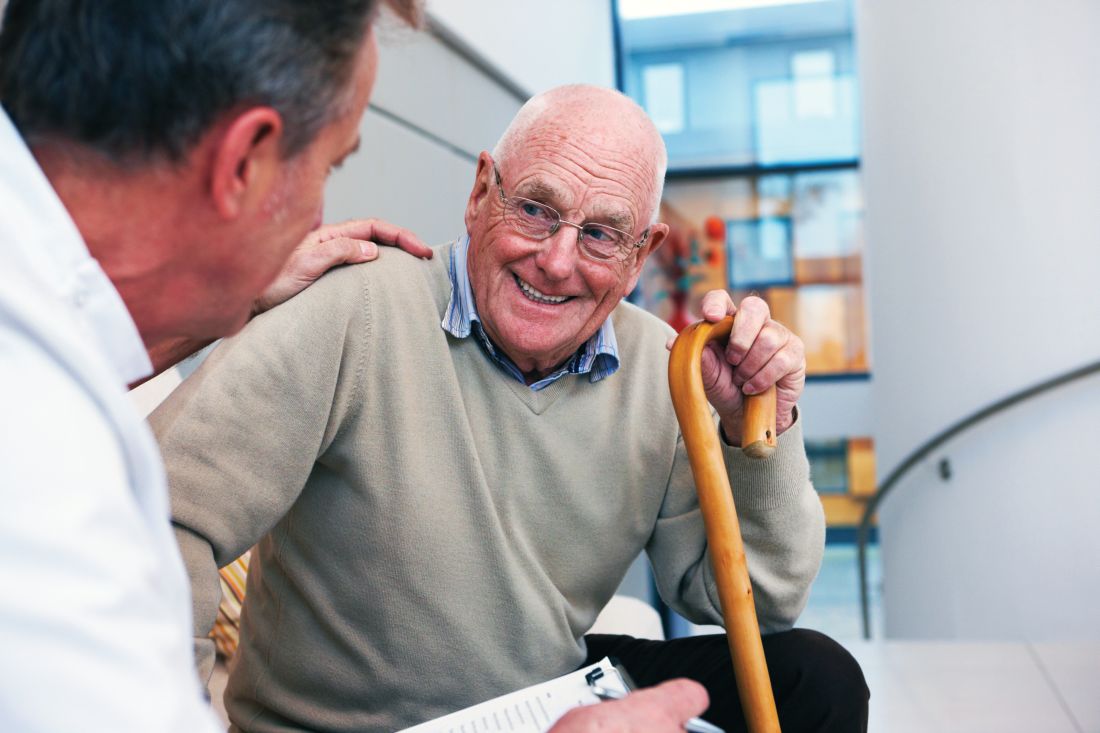
Now, here was that surgeon again, on the other side of my desk. Arthritis had taken away some of his height. But he still carried himself with a proud dignity.
His family had brought him to me for worsening memory problems. He thought he was still in practice, although he had retired years ago. He didn’t remember his address, what city we were in, or what a clock looked like.
You hear families talk about how much Alzheimer’s disease takes away from a loved one, but you rarely have the opportunity in a practice to see for yourself. But the impression he’d made on me over 35 years ago was still strong, and I remembered every detail in comparison to the person across from me today.
In his field, he fixed things. With screws, rods, and casts he could restore broken bones, returning them to strength and use – like he had with my grandmother.
Sadly, I can’t return the favor now. I can only offer his family comfort, and answer questions, the way he once did with mine.
I started donepezil and gave them the most optimistic talk I have for these cases. But I know we’re still far away from fixing broken brains.
After he left, I found myself looking in the mirror, thinking of how I saw him then, wondering if his family saw me the same way now, and realizing that someday my children and I may be in the same situation.
Dr. Block has a solo neurology practice in Scottsdale, Ariz.
I was 14 when my grandmother fell and broke her hip. She went to the emergency department by ambulance from the restaurant we were at, and Dad took me to the hospital with him. He was an only child, and not a medical person. He was very worried.
There, Grandma looked older and more frail than usual. She and my dad were both anxious when told she’d need surgery.
Then the orthopedic surgeon came in. Tall and confident, he was initially quite imposing. But he was polite and had a great bedside manner. He calmed my dad and grandmother down, explained what needed to be done, and was reassuring. After surgery, he came to the waiting room to let us know things had gone well. I remember how impressed Dad and I both were.
Now, here was that surgeon again, on the other side of my desk. Arthritis had taken away some of his height. But he still carried himself with a proud dignity.
His family had brought him to me for worsening memory problems. He thought he was still in practice, although he had retired years ago. He didn’t remember his address, what city we were in, or what a clock looked like.
You hear families talk about how much Alzheimer’s disease takes away from a loved one, but you rarely have the opportunity in a practice to see for yourself. But the impression he’d made on me over 35 years ago was still strong, and I remembered every detail in comparison to the person across from me today.
In his field, he fixed things. With screws, rods, and casts he could restore broken bones, returning them to strength and use – like he had with my grandmother.
Sadly, I can’t return the favor now. I can only offer his family comfort, and answer questions, the way he once did with mine.
I started donepezil and gave them the most optimistic talk I have for these cases. But I know we’re still far away from fixing broken brains.
After he left, I found myself looking in the mirror, thinking of how I saw him then, wondering if his family saw me the same way now, and realizing that someday my children and I may be in the same situation.
Dr. Block has a solo neurology practice in Scottsdale, Ariz.
I was 14 when my grandmother fell and broke her hip. She went to the emergency department by ambulance from the restaurant we were at, and Dad took me to the hospital with him. He was an only child, and not a medical person. He was very worried.
There, Grandma looked older and more frail than usual. She and my dad were both anxious when told she’d need surgery.
Then the orthopedic surgeon came in. Tall and confident, he was initially quite imposing. But he was polite and had a great bedside manner. He calmed my dad and grandmother down, explained what needed to be done, and was reassuring. After surgery, he came to the waiting room to let us know things had gone well. I remember how impressed Dad and I both were.
Now, here was that surgeon again, on the other side of my desk. Arthritis had taken away some of his height. But he still carried himself with a proud dignity.
His family had brought him to me for worsening memory problems. He thought he was still in practice, although he had retired years ago. He didn’t remember his address, what city we were in, or what a clock looked like.
You hear families talk about how much Alzheimer’s disease takes away from a loved one, but you rarely have the opportunity in a practice to see for yourself. But the impression he’d made on me over 35 years ago was still strong, and I remembered every detail in comparison to the person across from me today.
In his field, he fixed things. With screws, rods, and casts he could restore broken bones, returning them to strength and use – like he had with my grandmother.
Sadly, I can’t return the favor now. I can only offer his family comfort, and answer questions, the way he once did with mine.
I started donepezil and gave them the most optimistic talk I have for these cases. But I know we’re still far away from fixing broken brains.
After he left, I found myself looking in the mirror, thinking of how I saw him then, wondering if his family saw me the same way now, and realizing that someday my children and I may be in the same situation.
Dr. Block has a solo neurology practice in Scottsdale, Ariz.