User login
Meta-Analysis Shows 75% Increased Risk Herpes Zoster With Anti-TNF
BERLIN – Patients who have inflammatory rheumatic diseases and are on anti–tumor necrosis factor therapy have nearly double the risk of herpes zoster when they are compared with patients on disease-modifying antirheumatic drugs, according to the first meta-analysis in these patient populations.
Although the risk of bacterial infection is known to be increased among patients on anti-TNF therapy, less well known is whether the use of anti-TNF agents increases the risk for viral infections, especially herpes zoster, said Dr. Cedric Lukas of the department of rheumatology at Lapeyronie Hospital in Montpellier, France.

The meta-analysis of literature that was published between 2002 and 2010 involved a review of 655 articles and 134 congress abstracts, of which 22 articles and 28 abstracts eventually were included in the study. The anti-TNF therapies that were investigated included etanercept (Enbrel), adalimumab (Humira), and infliximab (Remicade), which were the agents available at the time.
National registries from the United States, United Kingdom, and other European countries were included in the meta-analysis, including BSRBR (British Society for Rheumatology Biologics Register), BIOBADASER (Spanish Registry of Adverse Events of Biological Therapies in Rheumatic Diseases), CORRONA (Consortium of Rheumatology Researchers of North America), the McDonald cohort of U.S. veterans (Clin. Infect. Dis. 2009;48:1364-71), and RABBIT (the German Rheumatoid Arthritis Observation of Biologic Therapy) were selected for inclusion. After selection for appropriate treatment regimens and diseases, 124, 966 patient years were included.
Upon meta-analysis, Dr. Lukas showed that there was a similar trend across the different registries, and no significant heterogeneity among data sources.
The meta-analysis showed an overall increased risk of herpes zoster infection up to 75% in patients whose inflammatory rheumatic diseases were treated with anti-TNF inhibitors. Overall, the pooled odds ratio for herpes zoster infection with anti-TNF therapy was 1.75 (95% confidence interval, 1.50-2.04). This was almost a twofold risk of developing disease with these drugs compared with DMARDs, Dr. Lukas said at the annual European Congress of Rheumatology.
Odds ratios by national registries were BIOBADASER, 2.45; BSRBR, 1.45; CORRONA, 2.34; McDonald, 1.33; and RABBIT, 1.82.
In addition to the meta-analysis, investigators used data from three registries specifically to determine whether the use of any particular anti-TNF drug was associated with a higher risk. "We found that one registry showed [that] infliximab had a somewhat higher risk, but this was only one out of three studies. The other two studies showed a similar risk across all anti-TNF agents."
In the McDonald registry, the risk was found to e higher with infliximab (OR, 1.32; 95% CI, 0.85-2.03) compared with etanercept (OR, 0.62; 95% CI, 0.40-0.95) and adalimumab (OR 0.53; 95% CI, 0.31-0.91).
"We already knew that these patients were prone to herpes zoster; we see the lesions in clinics." But there are preventive measures available that one can take, he said.
In the United States, there are vaccines to prevent herpes zoster, which are available to people who are older than age 60 years, or are at high specific risk of developing herpes zoster infection. "In these patients, we could think about vaccines before treatment is started," pointed out Dr. Lukas. "It is a live vaccine so it should be given a month before start of anti-TNF therapy. In Europe, where the vaccine is unavailable, we need to give patients prophylaxis."
Dr. Lukas reported no relevant conflicts of interest. The study was supported by an unrestricted educational grant from Abbott France.
BERLIN – Patients who have inflammatory rheumatic diseases and are on anti–tumor necrosis factor therapy have nearly double the risk of herpes zoster when they are compared with patients on disease-modifying antirheumatic drugs, according to the first meta-analysis in these patient populations.
Although the risk of bacterial infection is known to be increased among patients on anti-TNF therapy, less well known is whether the use of anti-TNF agents increases the risk for viral infections, especially herpes zoster, said Dr. Cedric Lukas of the department of rheumatology at Lapeyronie Hospital in Montpellier, France.
The meta-analysis of literature that was published between 2002 and 2010 involved a review of 655 articles and 134 congress abstracts, of which 22 articles and 28 abstracts eventually were included in the study. The anti-TNF therapies that were investigated included etanercept (Enbrel), adalimumab (Humira), and infliximab (Remicade), which were the agents available at the time.
National registries from the United States, United Kingdom, and other European countries were included in the meta-analysis, including BSRBR (British Society for Rheumatology Biologics Register), BIOBADASER (Spanish Registry of Adverse Events of Biological Therapies in Rheumatic Diseases), CORRONA (Consortium of Rheumatology Researchers of North America), the McDonald cohort of U.S. veterans (Clin. Infect. Dis. 2009;48:1364-71), and RABBIT (the German Rheumatoid Arthritis Observation of Biologic Therapy) were selected for inclusion. After selection for appropriate treatment regimens and diseases, 124, 966 patient years were included.
Upon meta-analysis, Dr. Lukas showed that there was a similar trend across the different registries, and no significant heterogeneity among data sources.
The meta-analysis showed an overall increased risk of herpes zoster infection up to 75% in patients whose inflammatory rheumatic diseases were treated with anti-TNF inhibitors. Overall, the pooled odds ratio for herpes zoster infection with anti-TNF therapy was 1.75 (95% confidence interval, 1.50-2.04). This was almost a twofold risk of developing disease with these drugs compared with DMARDs, Dr. Lukas said at the annual European Congress of Rheumatology.
Odds ratios by national registries were BIOBADASER, 2.45; BSRBR, 1.45; CORRONA, 2.34; McDonald, 1.33; and RABBIT, 1.82.
In addition to the meta-analysis, investigators used data from three registries specifically to determine whether the use of any particular anti-TNF drug was associated with a higher risk. "We found that one registry showed [that] infliximab had a somewhat higher risk, but this was only one out of three studies. The other two studies showed a similar risk across all anti-TNF agents."
In the McDonald registry, the risk was found to e higher with infliximab (OR, 1.32; 95% CI, 0.85-2.03) compared with etanercept (OR, 0.62; 95% CI, 0.40-0.95) and adalimumab (OR 0.53; 95% CI, 0.31-0.91).
"We already knew that these patients were prone to herpes zoster; we see the lesions in clinics." But there are preventive measures available that one can take, he said.
In the United States, there are vaccines to prevent herpes zoster, which are available to people who are older than age 60 years, or are at high specific risk of developing herpes zoster infection. "In these patients, we could think about vaccines before treatment is started," pointed out Dr. Lukas. "It is a live vaccine so it should be given a month before start of anti-TNF therapy. In Europe, where the vaccine is unavailable, we need to give patients prophylaxis."
Dr. Lukas reported no relevant conflicts of interest. The study was supported by an unrestricted educational grant from Abbott France.
BERLIN – Patients who have inflammatory rheumatic diseases and are on anti–tumor necrosis factor therapy have nearly double the risk of herpes zoster when they are compared with patients on disease-modifying antirheumatic drugs, according to the first meta-analysis in these patient populations.
Although the risk of bacterial infection is known to be increased among patients on anti-TNF therapy, less well known is whether the use of anti-TNF agents increases the risk for viral infections, especially herpes zoster, said Dr. Cedric Lukas of the department of rheumatology at Lapeyronie Hospital in Montpellier, France.
The meta-analysis of literature that was published between 2002 and 2010 involved a review of 655 articles and 134 congress abstracts, of which 22 articles and 28 abstracts eventually were included in the study. The anti-TNF therapies that were investigated included etanercept (Enbrel), adalimumab (Humira), and infliximab (Remicade), which were the agents available at the time.
National registries from the United States, United Kingdom, and other European countries were included in the meta-analysis, including BSRBR (British Society for Rheumatology Biologics Register), BIOBADASER (Spanish Registry of Adverse Events of Biological Therapies in Rheumatic Diseases), CORRONA (Consortium of Rheumatology Researchers of North America), the McDonald cohort of U.S. veterans (Clin. Infect. Dis. 2009;48:1364-71), and RABBIT (the German Rheumatoid Arthritis Observation of Biologic Therapy) were selected for inclusion. After selection for appropriate treatment regimens and diseases, 124, 966 patient years were included.
Upon meta-analysis, Dr. Lukas showed that there was a similar trend across the different registries, and no significant heterogeneity among data sources.
The meta-analysis showed an overall increased risk of herpes zoster infection up to 75% in patients whose inflammatory rheumatic diseases were treated with anti-TNF inhibitors. Overall, the pooled odds ratio for herpes zoster infection with anti-TNF therapy was 1.75 (95% confidence interval, 1.50-2.04). This was almost a twofold risk of developing disease with these drugs compared with DMARDs, Dr. Lukas said at the annual European Congress of Rheumatology.
Odds ratios by national registries were BIOBADASER, 2.45; BSRBR, 1.45; CORRONA, 2.34; McDonald, 1.33; and RABBIT, 1.82.
In addition to the meta-analysis, investigators used data from three registries specifically to determine whether the use of any particular anti-TNF drug was associated with a higher risk. "We found that one registry showed [that] infliximab had a somewhat higher risk, but this was only one out of three studies. The other two studies showed a similar risk across all anti-TNF agents."
In the McDonald registry, the risk was found to e higher with infliximab (OR, 1.32; 95% CI, 0.85-2.03) compared with etanercept (OR, 0.62; 95% CI, 0.40-0.95) and adalimumab (OR 0.53; 95% CI, 0.31-0.91).
"We already knew that these patients were prone to herpes zoster; we see the lesions in clinics." But there are preventive measures available that one can take, he said.
In the United States, there are vaccines to prevent herpes zoster, which are available to people who are older than age 60 years, or are at high specific risk of developing herpes zoster infection. "In these patients, we could think about vaccines before treatment is started," pointed out Dr. Lukas. "It is a live vaccine so it should be given a month before start of anti-TNF therapy. In Europe, where the vaccine is unavailable, we need to give patients prophylaxis."
Dr. Lukas reported no relevant conflicts of interest. The study was supported by an unrestricted educational grant from Abbott France.
AT THE ANNUAL EUROPEAN CONGRESS OF RHEUMATOLOGY
Major finding: Compared with patients on DMARDs, the risk of herpes zoster in patients on anti-TNF inhibitors has an odds ratio of 1.75.
Data source: The data came from a meta-analysis of five national registries and 124,966 patient years of anti-TNF or DMARD use.
Disclosures: Dr. Lukas reported no relevant conflicts of interest. The study was supported by an unrestricted educational grant from Abbott France.
Methotrexate Cuts Anti-Adalimumab Antibody Production
BERLIN – Methotrexate cut the immune response to adalimumab in a dose-dependent way, in a series of 272 consecutive rheumatoid arthritis patients at one Dutch medical center.
A high methotrexate dosage (at least 22.5 mg/week) sliced the rate of antibody production against adalimumab by a statistically significant 86% compared with patients who got no methotrexate, and by a significant 61% compared with patients on low-dose methotrexate (10 mg/week or less), Dr. Charlotte Krieckaert reported at the annual European Congress of Rheumatology.

The message from this finding is that RA patients on adalimumab or other biologic drugs that could trigger antibody production should get "as much methotrexate as they can tolerate," ideally about 25 mg/week, according to Dr. Krieckaert, a rheumatology researcher at the Reade Centre for Rehabilitation and Rheumatology in Amsterdam. "The chances of a good response and a maintained response [to a biologic drug] are higher when you also give methotrexate," she said in an interview. "We saw incremental value from methotrexate, and it was most valuable during the first 6 months" on adalimumab. "Maybe we can taper off the methotrexate" after 6 months, but so far this has not been studied.
A prior report by Dr. Krieckaert and her associates documented that patients who produce antibodies against adalimumab have blunted beneficial effects from the treatment and have a lower remission rate (JAMA 2011;305:1460-8).
The problem of an immune response by some RA patients to biologics first appeared with infliximab, an effect that methotrexate also helped reduce. Antibody reactions against adalimumab were identified more recently, commented Dr. Jane Gibson, chief of the Fife (Scotland) Rheumatic Diseases Unit. "I think in 2 or 3 more years, once antibody responses to biologics are routinely measured in practice, you’ll find physicians tailoring the methotrexate dose," finding the minimum weekly dosage of methotrexate that an RA patient needs to prevent an immune response to whatever biologic the patient also takes, Dr. Gibson said in an interview.
The consecutive series that Dr. Krieckaert and her associates review included 272 patients who were begun on adalimumab in an observational cohort. In all, 70 (26%) received no methotrexate, 40 (15%) received a low dose, 54 (20%) got an intermediate dose (12.5-20 mg/week), and 108 (40%) got a high dose. (Percentages do not equal 100% because of rounding.)
During 3 years of follow-up, 76 patients (28%) developed a significant immune response to the adalimumab, accounting for half of those getting no methotrexate, 35% of patients on a low methotrexate dose, 22% on an intermediate dose, and 14% on a high dose.
An odds ratio analysis showed that low-dose methotrexate cut the frequency of immune responses by 64%, an intermediate dose cut the incidence of antibody production by 78%, and high dose cut the rate by 86% compared with no methotrexate, all statistically significant differences. Only high doses of methotrexate significantly cut the rate of antibody production compared with low doses.
Dr. Krieckaert said that she had no disclosures. Dr. Gibson said she had no disclosures.
BERLIN – Methotrexate cut the immune response to adalimumab in a dose-dependent way, in a series of 272 consecutive rheumatoid arthritis patients at one Dutch medical center.
A high methotrexate dosage (at least 22.5 mg/week) sliced the rate of antibody production against adalimumab by a statistically significant 86% compared with patients who got no methotrexate, and by a significant 61% compared with patients on low-dose methotrexate (10 mg/week or less), Dr. Charlotte Krieckaert reported at the annual European Congress of Rheumatology.
The message from this finding is that RA patients on adalimumab or other biologic drugs that could trigger antibody production should get "as much methotrexate as they can tolerate," ideally about 25 mg/week, according to Dr. Krieckaert, a rheumatology researcher at the Reade Centre for Rehabilitation and Rheumatology in Amsterdam. "The chances of a good response and a maintained response [to a biologic drug] are higher when you also give methotrexate," she said in an interview. "We saw incremental value from methotrexate, and it was most valuable during the first 6 months" on adalimumab. "Maybe we can taper off the methotrexate" after 6 months, but so far this has not been studied.
A prior report by Dr. Krieckaert and her associates documented that patients who produce antibodies against adalimumab have blunted beneficial effects from the treatment and have a lower remission rate (JAMA 2011;305:1460-8).
The problem of an immune response by some RA patients to biologics first appeared with infliximab, an effect that methotrexate also helped reduce. Antibody reactions against adalimumab were identified more recently, commented Dr. Jane Gibson, chief of the Fife (Scotland) Rheumatic Diseases Unit. "I think in 2 or 3 more years, once antibody responses to biologics are routinely measured in practice, you’ll find physicians tailoring the methotrexate dose," finding the minimum weekly dosage of methotrexate that an RA patient needs to prevent an immune response to whatever biologic the patient also takes, Dr. Gibson said in an interview.
The consecutive series that Dr. Krieckaert and her associates review included 272 patients who were begun on adalimumab in an observational cohort. In all, 70 (26%) received no methotrexate, 40 (15%) received a low dose, 54 (20%) got an intermediate dose (12.5-20 mg/week), and 108 (40%) got a high dose. (Percentages do not equal 100% because of rounding.)
During 3 years of follow-up, 76 patients (28%) developed a significant immune response to the adalimumab, accounting for half of those getting no methotrexate, 35% of patients on a low methotrexate dose, 22% on an intermediate dose, and 14% on a high dose.
An odds ratio analysis showed that low-dose methotrexate cut the frequency of immune responses by 64%, an intermediate dose cut the incidence of antibody production by 78%, and high dose cut the rate by 86% compared with no methotrexate, all statistically significant differences. Only high doses of methotrexate significantly cut the rate of antibody production compared with low doses.
Dr. Krieckaert said that she had no disclosures. Dr. Gibson said she had no disclosures.
BERLIN – Methotrexate cut the immune response to adalimumab in a dose-dependent way, in a series of 272 consecutive rheumatoid arthritis patients at one Dutch medical center.
A high methotrexate dosage (at least 22.5 mg/week) sliced the rate of antibody production against adalimumab by a statistically significant 86% compared with patients who got no methotrexate, and by a significant 61% compared with patients on low-dose methotrexate (10 mg/week or less), Dr. Charlotte Krieckaert reported at the annual European Congress of Rheumatology.
The message from this finding is that RA patients on adalimumab or other biologic drugs that could trigger antibody production should get "as much methotrexate as they can tolerate," ideally about 25 mg/week, according to Dr. Krieckaert, a rheumatology researcher at the Reade Centre for Rehabilitation and Rheumatology in Amsterdam. "The chances of a good response and a maintained response [to a biologic drug] are higher when you also give methotrexate," she said in an interview. "We saw incremental value from methotrexate, and it was most valuable during the first 6 months" on adalimumab. "Maybe we can taper off the methotrexate" after 6 months, but so far this has not been studied.
A prior report by Dr. Krieckaert and her associates documented that patients who produce antibodies against adalimumab have blunted beneficial effects from the treatment and have a lower remission rate (JAMA 2011;305:1460-8).
The problem of an immune response by some RA patients to biologics first appeared with infliximab, an effect that methotrexate also helped reduce. Antibody reactions against adalimumab were identified more recently, commented Dr. Jane Gibson, chief of the Fife (Scotland) Rheumatic Diseases Unit. "I think in 2 or 3 more years, once antibody responses to biologics are routinely measured in practice, you’ll find physicians tailoring the methotrexate dose," finding the minimum weekly dosage of methotrexate that an RA patient needs to prevent an immune response to whatever biologic the patient also takes, Dr. Gibson said in an interview.
The consecutive series that Dr. Krieckaert and her associates review included 272 patients who were begun on adalimumab in an observational cohort. In all, 70 (26%) received no methotrexate, 40 (15%) received a low dose, 54 (20%) got an intermediate dose (12.5-20 mg/week), and 108 (40%) got a high dose. (Percentages do not equal 100% because of rounding.)
During 3 years of follow-up, 76 patients (28%) developed a significant immune response to the adalimumab, accounting for half of those getting no methotrexate, 35% of patients on a low methotrexate dose, 22% on an intermediate dose, and 14% on a high dose.
An odds ratio analysis showed that low-dose methotrexate cut the frequency of immune responses by 64%, an intermediate dose cut the incidence of antibody production by 78%, and high dose cut the rate by 86% compared with no methotrexate, all statistically significant differences. Only high doses of methotrexate significantly cut the rate of antibody production compared with low doses.
Dr. Krieckaert said that she had no disclosures. Dr. Gibson said she had no disclosures.
AT THE ANNUAL EUROPEAN CONGRESS OF RHEUMATOLOGY
Major Finding: Patients on a high methotrexate dose had an 85% reduction in their incidence of an immune reaction to adalimumab, compared with those not on methotrexate.
Data Source: Data came from a review of 272 consecutive RA patients who were begun on adalimumab and followed for 3 years.
Disclosures: Dr. Krieckaert and Dr. Gibson said that they had no disclosures.
Early Data Find No Adalimumab Teratogenicity
BALTIMORE – Exposure to adalimumab was not associated with any specific pattern of minor or major birth defects in women with rheumatoid arthritis taking the biologic drug during pregnancy, according to preliminary data from an ongoing prospective cohort study.
Between November 2004 and January 2012, 312 pregnant women in the United States and Canada – 69 women with RA exposed to adalimumab, 80 women with RA who had not taken adalimumab, and 163 healthy controls – were enrolled before 20 weeks’ gestation. Their mean age was 32-33 years, and about two-thirds were white.

Major birth defects among the live births were identified in 5% of the babies born to women exposed to adalimumab, compared with about 4% among disease-matched controls who did not take adalimumab, and about 7% among healthy controls, Christina Chambers, Ph.D., of the University of California, San Diego, reported at the annual meeting of the Teratology Society.
The rate of minor structural abnormalities was similar in the three groups, at about 22%-24%, and there was no pattern of major or minor structural defects noted among the adalimumab-exposed group. (The three major malformations in the adalimumab-exposed group were one ventricular septal defect, one unilateral cryptorchidism, and one case of microcephaly.)
There were no stillbirths. The rate of spontaneous abortions was not significantly different between the three groups, nor were the rates of preterm delivery or birth weights, said Dr. Chambers, director of the California Teratogen Information Service and Clinical Research Program.
Through 1-year of follow-up, there were no malignancies among the infants and the rates of serious infections in the three groups were similar (about 3% in the two RA groups and 2% in the healthy comparison group).
The teratogenic effects of adalimumab, a tumor necrosis factor blocker, are being evaluated in the pregnancy registry, which is part of the Organization of Teratology Information Specialists (OTIS) Autoimmune Diseases in Pregnancy Project.
Adalimumab, marketed as Humira by Abbott Laboratories, was first approved in the United States in 2002 as a treatment for people with moderately to severely active RA, and has since been approved for other autoimmune diseases, including psoriatic arthritis, ankylosing spondylitis, Crohn’s disease, and psoriasis.
The registry study is comparing outcomes in women with RA who are treated with adalimumab during pregnancy, in women with RA not treated with adalimumab during pregnancy, and in women who do not have an autoimmune disease and have not been exposed to adalimumab or any known teratogenic drug during pregnancy. The study includes medical record reviews, examination of infants for major and minor structural abnormalities, and follow-up for 1 year post partum. It is expected to continue through 2017; the pregnant women are recruited from OTIS member services and from rheumatologists, and other clinicians who care for these patients.
Although little to no placental transfer of adalimumab is expected during early pregnancy, limited information on the safety of adalimumab during pregnancy has been published, Dr. Chambers said.
Abbott Laboratories is among the sponsors of the OTIS Autoimmune Diseases in Pregnancy Project, which is also evaluating safety of medications in women with ankylosing spondylitis, psoriasis and psoriatic arthritis, and Crohn’s disease. Dr. Chambers and her coauthors have received or receive grant funding for research on medications for autoimmune diseases from Abbott and other manufacturers: Amgen, Bristol Myers Squibb, Roche Genentech, Sanofi, Teva, Par, Sandoz, and Apotex.
Information for women and clinicians interested in enrolling in the OTIS Autoimmune Diseases in Pregnancy Project is available at www.otispregnancy.org/autoimmune-studies-s13049.
BALTIMORE – Exposure to adalimumab was not associated with any specific pattern of minor or major birth defects in women with rheumatoid arthritis taking the biologic drug during pregnancy, according to preliminary data from an ongoing prospective cohort study.
Between November 2004 and January 2012, 312 pregnant women in the United States and Canada – 69 women with RA exposed to adalimumab, 80 women with RA who had not taken adalimumab, and 163 healthy controls – were enrolled before 20 weeks’ gestation. Their mean age was 32-33 years, and about two-thirds were white.
Major birth defects among the live births were identified in 5% of the babies born to women exposed to adalimumab, compared with about 4% among disease-matched controls who did not take adalimumab, and about 7% among healthy controls, Christina Chambers, Ph.D., of the University of California, San Diego, reported at the annual meeting of the Teratology Society.
The rate of minor structural abnormalities was similar in the three groups, at about 22%-24%, and there was no pattern of major or minor structural defects noted among the adalimumab-exposed group. (The three major malformations in the adalimumab-exposed group were one ventricular septal defect, one unilateral cryptorchidism, and one case of microcephaly.)
There were no stillbirths. The rate of spontaneous abortions was not significantly different between the three groups, nor were the rates of preterm delivery or birth weights, said Dr. Chambers, director of the California Teratogen Information Service and Clinical Research Program.
Through 1-year of follow-up, there were no malignancies among the infants and the rates of serious infections in the three groups were similar (about 3% in the two RA groups and 2% in the healthy comparison group).
The teratogenic effects of adalimumab, a tumor necrosis factor blocker, are being evaluated in the pregnancy registry, which is part of the Organization of Teratology Information Specialists (OTIS) Autoimmune Diseases in Pregnancy Project.
Adalimumab, marketed as Humira by Abbott Laboratories, was first approved in the United States in 2002 as a treatment for people with moderately to severely active RA, and has since been approved for other autoimmune diseases, including psoriatic arthritis, ankylosing spondylitis, Crohn’s disease, and psoriasis.
The registry study is comparing outcomes in women with RA who are treated with adalimumab during pregnancy, in women with RA not treated with adalimumab during pregnancy, and in women who do not have an autoimmune disease and have not been exposed to adalimumab or any known teratogenic drug during pregnancy. The study includes medical record reviews, examination of infants for major and minor structural abnormalities, and follow-up for 1 year post partum. It is expected to continue through 2017; the pregnant women are recruited from OTIS member services and from rheumatologists, and other clinicians who care for these patients.
Although little to no placental transfer of adalimumab is expected during early pregnancy, limited information on the safety of adalimumab during pregnancy has been published, Dr. Chambers said.
Abbott Laboratories is among the sponsors of the OTIS Autoimmune Diseases in Pregnancy Project, which is also evaluating safety of medications in women with ankylosing spondylitis, psoriasis and psoriatic arthritis, and Crohn’s disease. Dr. Chambers and her coauthors have received or receive grant funding for research on medications for autoimmune diseases from Abbott and other manufacturers: Amgen, Bristol Myers Squibb, Roche Genentech, Sanofi, Teva, Par, Sandoz, and Apotex.
Information for women and clinicians interested in enrolling in the OTIS Autoimmune Diseases in Pregnancy Project is available at www.otispregnancy.org/autoimmune-studies-s13049.
BALTIMORE – Exposure to adalimumab was not associated with any specific pattern of minor or major birth defects in women with rheumatoid arthritis taking the biologic drug during pregnancy, according to preliminary data from an ongoing prospective cohort study.
Between November 2004 and January 2012, 312 pregnant women in the United States and Canada – 69 women with RA exposed to adalimumab, 80 women with RA who had not taken adalimumab, and 163 healthy controls – were enrolled before 20 weeks’ gestation. Their mean age was 32-33 years, and about two-thirds were white.
Major birth defects among the live births were identified in 5% of the babies born to women exposed to adalimumab, compared with about 4% among disease-matched controls who did not take adalimumab, and about 7% among healthy controls, Christina Chambers, Ph.D., of the University of California, San Diego, reported at the annual meeting of the Teratology Society.
The rate of minor structural abnormalities was similar in the three groups, at about 22%-24%, and there was no pattern of major or minor structural defects noted among the adalimumab-exposed group. (The three major malformations in the adalimumab-exposed group were one ventricular septal defect, one unilateral cryptorchidism, and one case of microcephaly.)
There were no stillbirths. The rate of spontaneous abortions was not significantly different between the three groups, nor were the rates of preterm delivery or birth weights, said Dr. Chambers, director of the California Teratogen Information Service and Clinical Research Program.
Through 1-year of follow-up, there were no malignancies among the infants and the rates of serious infections in the three groups were similar (about 3% in the two RA groups and 2% in the healthy comparison group).
The teratogenic effects of adalimumab, a tumor necrosis factor blocker, are being evaluated in the pregnancy registry, which is part of the Organization of Teratology Information Specialists (OTIS) Autoimmune Diseases in Pregnancy Project.
Adalimumab, marketed as Humira by Abbott Laboratories, was first approved in the United States in 2002 as a treatment for people with moderately to severely active RA, and has since been approved for other autoimmune diseases, including psoriatic arthritis, ankylosing spondylitis, Crohn’s disease, and psoriasis.
The registry study is comparing outcomes in women with RA who are treated with adalimumab during pregnancy, in women with RA not treated with adalimumab during pregnancy, and in women who do not have an autoimmune disease and have not been exposed to adalimumab or any known teratogenic drug during pregnancy. The study includes medical record reviews, examination of infants for major and minor structural abnormalities, and follow-up for 1 year post partum. It is expected to continue through 2017; the pregnant women are recruited from OTIS member services and from rheumatologists, and other clinicians who care for these patients.
Although little to no placental transfer of adalimumab is expected during early pregnancy, limited information on the safety of adalimumab during pregnancy has been published, Dr. Chambers said.
Abbott Laboratories is among the sponsors of the OTIS Autoimmune Diseases in Pregnancy Project, which is also evaluating safety of medications in women with ankylosing spondylitis, psoriasis and psoriatic arthritis, and Crohn’s disease. Dr. Chambers and her coauthors have received or receive grant funding for research on medications for autoimmune diseases from Abbott and other manufacturers: Amgen, Bristol Myers Squibb, Roche Genentech, Sanofi, Teva, Par, Sandoz, and Apotex.
Information for women and clinicians interested in enrolling in the OTIS Autoimmune Diseases in Pregnancy Project is available at www.otispregnancy.org/autoimmune-studies-s13049.
AT THE ANNUAL MEETING OF THE TERATOLOGY SOCIETY
Consider Intraocular Infliximab in Behçet's Disease Uveitis
BERLIN – A single intravitreal injection of infliximab is an effective treatment option in patients with Behçet’s disease who experience a sight-threatening acute uveitis attack but aren’t candidates for intravenous infliximab, Dr. Petros P. Sfikakis said at the annual European Congress of Rheumatology.
He presented the results of an uncontrolled pilot study involving 15 patients with Behçet’s disease who received a single intravitreal injection of infliximab (Remicade) at a dose of 1 mg in 0.05 mL on the day they experienced the onset of acute unilateral posterior uveitis.

In an earlier study, Dr. Sfikakis and his coworkers demonstrated that a single intravenous infusion of infliximab at a dose of 5 mg/kg was significantly more effective for rapid suppression of inflammation in the posterior eye segment than either high-dose intravenous methylprednisolone or intravitreal triamcinolone acetonide in Behçet’s disease patients experiencing sight-threatening attacks of acute uveitis (Rheumatology 2011;50:593-7). However, none of the participants in the new pilot study was eligible for systemic infliximab because of a history of cancer, heart failure, or latent tuberculosis.
In preclinical studies in rabbits, the investigators determined that a single intravitreal injection of 1 mg of infliximab resulted in therapeutic intraocular concentrations with essentially no systemic absorption, and that a 2-mg injection resulted in unacceptable complications.
Eleven of the 15 patients who received intravitreal infliximab were on systemic immunosuppressive therapy with various combinations of azathioprine, cyclosporine, and/or corticosteroids at the time. These background medications remained unchanged during 30 days of follow-up after intravitreal infliximab, noted Dr. Sfikakis, professor of internal medicine at Athens University and head of the rheumatology unit at the First Department of Propedeutic and Internal Medicine, Laikon University Hospital, also in Athens.
Best corrected visual acuity showed significant improvement by posttreatment day 7, and it continued to improve through day 30. Total ocular inflammation scores decreased from a baseline mean of 6.27 to 4.13 on day 7, 2.87 on day 14, and 1.13 on day 30. Indeed, by day 30 total inflammation scores of 0 had been achieved in 6 of 15 treated eyes.
In addition, profound reductions in anterior chamber cells and vitreous cells were documented. Central macular thickness decreased significantly by day 7 and continued to decrease through day 30. However, cystoid macular edema persisted through day 30 in 9 of 11 affected eyes. Retinal vasculitis was present at baseline in 10 of 15 eyes, but between days 14 and 30 it resolved in 9 of 10 cases.
Intravitreal infliximab was well tolerated by all patients, with no clinical ocular or extraocular side effects noted.
The intravitreal injection is a straightforward matter for ophthalmologists. However, Dr. Sfikakis stressed that in patients without a contraindication to systemic infliximab, the single 5-mg/kg intravenous infusion appears to be advantageous. It yielded significantly faster effects in the earlier published study than seen with intravitreal injection – and the more quickly suppression of inflammation in the posterior eye segment is achieved, the less likely are retinal scarring and damage to the optic disc.
For example, significant improvement in best corrected visual acuity was noted with intravenous infliximab on day 1 in 79% of eyes, compared with 20% with intravitreal injection. By day 7, 93% of patients treated with intravenous infliximab had achieved significant gains in best corrected visual acuity, compared with just one-third of participants in the intravitreal infliximab study. More importantly, cystoid macular edema had resolved by day 30 in all recipients of intravenous infliximab, but in only 2 of 11 affected patients who got an intravitreal injection.
Dr. Sfikakis reported having no relevant financial disclosures.
BERLIN – A single intravitreal injection of infliximab is an effective treatment option in patients with Behçet’s disease who experience a sight-threatening acute uveitis attack but aren’t candidates for intravenous infliximab, Dr. Petros P. Sfikakis said at the annual European Congress of Rheumatology.
He presented the results of an uncontrolled pilot study involving 15 patients with Behçet’s disease who received a single intravitreal injection of infliximab (Remicade) at a dose of 1 mg in 0.05 mL on the day they experienced the onset of acute unilateral posterior uveitis.
In an earlier study, Dr. Sfikakis and his coworkers demonstrated that a single intravenous infusion of infliximab at a dose of 5 mg/kg was significantly more effective for rapid suppression of inflammation in the posterior eye segment than either high-dose intravenous methylprednisolone or intravitreal triamcinolone acetonide in Behçet’s disease patients experiencing sight-threatening attacks of acute uveitis (Rheumatology 2011;50:593-7). However, none of the participants in the new pilot study was eligible for systemic infliximab because of a history of cancer, heart failure, or latent tuberculosis.
In preclinical studies in rabbits, the investigators determined that a single intravitreal injection of 1 mg of infliximab resulted in therapeutic intraocular concentrations with essentially no systemic absorption, and that a 2-mg injection resulted in unacceptable complications.
Eleven of the 15 patients who received intravitreal infliximab were on systemic immunosuppressive therapy with various combinations of azathioprine, cyclosporine, and/or corticosteroids at the time. These background medications remained unchanged during 30 days of follow-up after intravitreal infliximab, noted Dr. Sfikakis, professor of internal medicine at Athens University and head of the rheumatology unit at the First Department of Propedeutic and Internal Medicine, Laikon University Hospital, also in Athens.
Best corrected visual acuity showed significant improvement by posttreatment day 7, and it continued to improve through day 30. Total ocular inflammation scores decreased from a baseline mean of 6.27 to 4.13 on day 7, 2.87 on day 14, and 1.13 on day 30. Indeed, by day 30 total inflammation scores of 0 had been achieved in 6 of 15 treated eyes.
In addition, profound reductions in anterior chamber cells and vitreous cells were documented. Central macular thickness decreased significantly by day 7 and continued to decrease through day 30. However, cystoid macular edema persisted through day 30 in 9 of 11 affected eyes. Retinal vasculitis was present at baseline in 10 of 15 eyes, but between days 14 and 30 it resolved in 9 of 10 cases.
Intravitreal infliximab was well tolerated by all patients, with no clinical ocular or extraocular side effects noted.
The intravitreal injection is a straightforward matter for ophthalmologists. However, Dr. Sfikakis stressed that in patients without a contraindication to systemic infliximab, the single 5-mg/kg intravenous infusion appears to be advantageous. It yielded significantly faster effects in the earlier published study than seen with intravitreal injection – and the more quickly suppression of inflammation in the posterior eye segment is achieved, the less likely are retinal scarring and damage to the optic disc.
For example, significant improvement in best corrected visual acuity was noted with intravenous infliximab on day 1 in 79% of eyes, compared with 20% with intravitreal injection. By day 7, 93% of patients treated with intravenous infliximab had achieved significant gains in best corrected visual acuity, compared with just one-third of participants in the intravitreal infliximab study. More importantly, cystoid macular edema had resolved by day 30 in all recipients of intravenous infliximab, but in only 2 of 11 affected patients who got an intravitreal injection.
Dr. Sfikakis reported having no relevant financial disclosures.
BERLIN – A single intravitreal injection of infliximab is an effective treatment option in patients with Behçet’s disease who experience a sight-threatening acute uveitis attack but aren’t candidates for intravenous infliximab, Dr. Petros P. Sfikakis said at the annual European Congress of Rheumatology.
He presented the results of an uncontrolled pilot study involving 15 patients with Behçet’s disease who received a single intravitreal injection of infliximab (Remicade) at a dose of 1 mg in 0.05 mL on the day they experienced the onset of acute unilateral posterior uveitis.
In an earlier study, Dr. Sfikakis and his coworkers demonstrated that a single intravenous infusion of infliximab at a dose of 5 mg/kg was significantly more effective for rapid suppression of inflammation in the posterior eye segment than either high-dose intravenous methylprednisolone or intravitreal triamcinolone acetonide in Behçet’s disease patients experiencing sight-threatening attacks of acute uveitis (Rheumatology 2011;50:593-7). However, none of the participants in the new pilot study was eligible for systemic infliximab because of a history of cancer, heart failure, or latent tuberculosis.
In preclinical studies in rabbits, the investigators determined that a single intravitreal injection of 1 mg of infliximab resulted in therapeutic intraocular concentrations with essentially no systemic absorption, and that a 2-mg injection resulted in unacceptable complications.
Eleven of the 15 patients who received intravitreal infliximab were on systemic immunosuppressive therapy with various combinations of azathioprine, cyclosporine, and/or corticosteroids at the time. These background medications remained unchanged during 30 days of follow-up after intravitreal infliximab, noted Dr. Sfikakis, professor of internal medicine at Athens University and head of the rheumatology unit at the First Department of Propedeutic and Internal Medicine, Laikon University Hospital, also in Athens.
Best corrected visual acuity showed significant improvement by posttreatment day 7, and it continued to improve through day 30. Total ocular inflammation scores decreased from a baseline mean of 6.27 to 4.13 on day 7, 2.87 on day 14, and 1.13 on day 30. Indeed, by day 30 total inflammation scores of 0 had been achieved in 6 of 15 treated eyes.
In addition, profound reductions in anterior chamber cells and vitreous cells were documented. Central macular thickness decreased significantly by day 7 and continued to decrease through day 30. However, cystoid macular edema persisted through day 30 in 9 of 11 affected eyes. Retinal vasculitis was present at baseline in 10 of 15 eyes, but between days 14 and 30 it resolved in 9 of 10 cases.
Intravitreal infliximab was well tolerated by all patients, with no clinical ocular or extraocular side effects noted.
The intravitreal injection is a straightforward matter for ophthalmologists. However, Dr. Sfikakis stressed that in patients without a contraindication to systemic infliximab, the single 5-mg/kg intravenous infusion appears to be advantageous. It yielded significantly faster effects in the earlier published study than seen with intravitreal injection – and the more quickly suppression of inflammation in the posterior eye segment is achieved, the less likely are retinal scarring and damage to the optic disc.
For example, significant improvement in best corrected visual acuity was noted with intravenous infliximab on day 1 in 79% of eyes, compared with 20% with intravitreal injection. By day 7, 93% of patients treated with intravenous infliximab had achieved significant gains in best corrected visual acuity, compared with just one-third of participants in the intravitreal infliximab study. More importantly, cystoid macular edema had resolved by day 30 in all recipients of intravenous infliximab, but in only 2 of 11 affected patients who got an intravitreal injection.
Dr. Sfikakis reported having no relevant financial disclosures.
AT THE ANNUAL EUROPEAN CONGRESS OF RHEUMATOLOGY
Major Finding: A single intravitreal injection of 1 mg of infliximab resulted in significant reductions in ocular inflammation as well as improved visual acuity in Behçet’s disease patients with an attack of sight-threatening acute uveitis.
Data Source: A 15-patient, prospective, nonrandomized pilot study was conducted.
Disclosures: Dr. Sfikakis said he had no relevant financial disclosures.
Psoriatic Arthritis Screening Tests Deemed Inadequate
RALEIGH, N.C. – Current screening instruments that are designed to identify the 20%-30% of psoriasis patients who have psoriatic arthritis leave much to be desired, Dr. Jessica A. Walsh asserted at the annual meeting of the Society for Investigative Dermatology.
She asked 189 psoriasis patients who are enrolled in the Utah Psoriasis Initiative to take three of the most popular psoriatic arthritis self-administered screening questionnaires. The tests’ sensitivities and specificities proved markedly lower than previously reported in the instruments’ validation studies.
Moreover, all three tests – the Psoriatic Arthritis Screening and Evaluation (PASE), the Psoriasis Epidemiology Screening Project (PEST), and the Toronto Psoriatic Arthritis Screen (ToPAS) – differentiated only poorly among psoriatic arthritis, other types of arthritis, and fibromyalgia.
And the tests had other weak points: "The instruments were less sensitive in patients with lower psoriatic arthritis disease activity, fewer disease features, and shorter disease duration. This is suboptimal because these instruments were designed to help capture early disease," said Dr. Walsh, a rheumatologist at the University of Utah, Salt Lake City.
She is involved in a project aimed at reducing delays in diagnosis of psoriatic arthritis, an underdiagnosed condition in psoriasis patients. According to a 2011 National Psoriasis Foundation survey, 29% of psoriatic arthritis patients don’t receive their diagnosis until 2 years or more after onset of symptoms. That’s bad news, because early diagnosis and treatment help minimize symptoms, enhance quality of life, and prevent joint damage. Studies show that nearly one-half of psoriatic arthritis patients develop radiographic evidence of erosive damage within 2 years of symptom onset. Treatment can slow that progressive erosion.
All 189 psoriasis patients in Dr. Walsh’s study had musculoskeletal complaints of sufficient magnitude that they were willing to take the three screening tests in order to receive a free rheumatologic evaluation. A total of 137 patients had psoriatic arthritis, and two-thirds of them had already been diagnosed with the disease prior to participation in her study.
The gold standard to which the screening tests were compared was Dr. Walsh’s diagnostic evaluation, which included laboratory testing and imaging as warranted. When there was a discrepancy between any of the screening tests and her diagnosis, as occurred in 138 cases, a second rheumatologist with expertise in psoriatic arthritis was called in as a tiebreaker.
The sensitivities of PACE, PEST, and ToPAS were 68%, 85%, and 75%, respectively. The specificities were worse, at 50%, 45%, and 55%. These are in sharp contrast to previous studies, in which the test sensitivities were 88%-97%, with reported specificities of 79%-95%, she noted.
The frequency of discrepancies between patient responses to specific screening questions and the rheumatologic exam findings varied among the test instruments in a way that caused Dr. Walsh to believe that combining selected questions from each test and, in some cases, modifying the wording might result in a hybrid-screening instrument with improved performance. She plans to test that hypothesis.
Dr. Abrar A. Qureshi, one of the developers of PASE, said he and his coworkers have been thinking along the same lines.
"We’re working on a shorter version of PASE that might work better. Nine of the 15 questions on PASE seem to track well with inflammatory arthritis," commented Dr. Qureshi, vice chairman of the department of dermatology at Brigham and Women’s Hospital, Boston.
The Utah Psoriasis Initiative is funded by the University of Utah department of dermatology. Dr. Walsh reported having no financial conflicts.
RALEIGH, N.C. – Current screening instruments that are designed to identify the 20%-30% of psoriasis patients who have psoriatic arthritis leave much to be desired, Dr. Jessica A. Walsh asserted at the annual meeting of the Society for Investigative Dermatology.
She asked 189 psoriasis patients who are enrolled in the Utah Psoriasis Initiative to take three of the most popular psoriatic arthritis self-administered screening questionnaires. The tests’ sensitivities and specificities proved markedly lower than previously reported in the instruments’ validation studies.
Moreover, all three tests – the Psoriatic Arthritis Screening and Evaluation (PASE), the Psoriasis Epidemiology Screening Project (PEST), and the Toronto Psoriatic Arthritis Screen (ToPAS) – differentiated only poorly among psoriatic arthritis, other types of arthritis, and fibromyalgia.
And the tests had other weak points: "The instruments were less sensitive in patients with lower psoriatic arthritis disease activity, fewer disease features, and shorter disease duration. This is suboptimal because these instruments were designed to help capture early disease," said Dr. Walsh, a rheumatologist at the University of Utah, Salt Lake City.
She is involved in a project aimed at reducing delays in diagnosis of psoriatic arthritis, an underdiagnosed condition in psoriasis patients. According to a 2011 National Psoriasis Foundation survey, 29% of psoriatic arthritis patients don’t receive their diagnosis until 2 years or more after onset of symptoms. That’s bad news, because early diagnosis and treatment help minimize symptoms, enhance quality of life, and prevent joint damage. Studies show that nearly one-half of psoriatic arthritis patients develop radiographic evidence of erosive damage within 2 years of symptom onset. Treatment can slow that progressive erosion.
All 189 psoriasis patients in Dr. Walsh’s study had musculoskeletal complaints of sufficient magnitude that they were willing to take the three screening tests in order to receive a free rheumatologic evaluation. A total of 137 patients had psoriatic arthritis, and two-thirds of them had already been diagnosed with the disease prior to participation in her study.
The gold standard to which the screening tests were compared was Dr. Walsh’s diagnostic evaluation, which included laboratory testing and imaging as warranted. When there was a discrepancy between any of the screening tests and her diagnosis, as occurred in 138 cases, a second rheumatologist with expertise in psoriatic arthritis was called in as a tiebreaker.
The sensitivities of PACE, PEST, and ToPAS were 68%, 85%, and 75%, respectively. The specificities were worse, at 50%, 45%, and 55%. These are in sharp contrast to previous studies, in which the test sensitivities were 88%-97%, with reported specificities of 79%-95%, she noted.
The frequency of discrepancies between patient responses to specific screening questions and the rheumatologic exam findings varied among the test instruments in a way that caused Dr. Walsh to believe that combining selected questions from each test and, in some cases, modifying the wording might result in a hybrid-screening instrument with improved performance. She plans to test that hypothesis.
Dr. Abrar A. Qureshi, one of the developers of PASE, said he and his coworkers have been thinking along the same lines.
"We’re working on a shorter version of PASE that might work better. Nine of the 15 questions on PASE seem to track well with inflammatory arthritis," commented Dr. Qureshi, vice chairman of the department of dermatology at Brigham and Women’s Hospital, Boston.
The Utah Psoriasis Initiative is funded by the University of Utah department of dermatology. Dr. Walsh reported having no financial conflicts.
RALEIGH, N.C. – Current screening instruments that are designed to identify the 20%-30% of psoriasis patients who have psoriatic arthritis leave much to be desired, Dr. Jessica A. Walsh asserted at the annual meeting of the Society for Investigative Dermatology.
She asked 189 psoriasis patients who are enrolled in the Utah Psoriasis Initiative to take three of the most popular psoriatic arthritis self-administered screening questionnaires. The tests’ sensitivities and specificities proved markedly lower than previously reported in the instruments’ validation studies.
Moreover, all three tests – the Psoriatic Arthritis Screening and Evaluation (PASE), the Psoriasis Epidemiology Screening Project (PEST), and the Toronto Psoriatic Arthritis Screen (ToPAS) – differentiated only poorly among psoriatic arthritis, other types of arthritis, and fibromyalgia.
And the tests had other weak points: "The instruments were less sensitive in patients with lower psoriatic arthritis disease activity, fewer disease features, and shorter disease duration. This is suboptimal because these instruments were designed to help capture early disease," said Dr. Walsh, a rheumatologist at the University of Utah, Salt Lake City.
She is involved in a project aimed at reducing delays in diagnosis of psoriatic arthritis, an underdiagnosed condition in psoriasis patients. According to a 2011 National Psoriasis Foundation survey, 29% of psoriatic arthritis patients don’t receive their diagnosis until 2 years or more after onset of symptoms. That’s bad news, because early diagnosis and treatment help minimize symptoms, enhance quality of life, and prevent joint damage. Studies show that nearly one-half of psoriatic arthritis patients develop radiographic evidence of erosive damage within 2 years of symptom onset. Treatment can slow that progressive erosion.
All 189 psoriasis patients in Dr. Walsh’s study had musculoskeletal complaints of sufficient magnitude that they were willing to take the three screening tests in order to receive a free rheumatologic evaluation. A total of 137 patients had psoriatic arthritis, and two-thirds of them had already been diagnosed with the disease prior to participation in her study.
The gold standard to which the screening tests were compared was Dr. Walsh’s diagnostic evaluation, which included laboratory testing and imaging as warranted. When there was a discrepancy between any of the screening tests and her diagnosis, as occurred in 138 cases, a second rheumatologist with expertise in psoriatic arthritis was called in as a tiebreaker.
The sensitivities of PACE, PEST, and ToPAS were 68%, 85%, and 75%, respectively. The specificities were worse, at 50%, 45%, and 55%. These are in sharp contrast to previous studies, in which the test sensitivities were 88%-97%, with reported specificities of 79%-95%, she noted.
The frequency of discrepancies between patient responses to specific screening questions and the rheumatologic exam findings varied among the test instruments in a way that caused Dr. Walsh to believe that combining selected questions from each test and, in some cases, modifying the wording might result in a hybrid-screening instrument with improved performance. She plans to test that hypothesis.
Dr. Abrar A. Qureshi, one of the developers of PASE, said he and his coworkers have been thinking along the same lines.
"We’re working on a shorter version of PASE that might work better. Nine of the 15 questions on PASE seem to track well with inflammatory arthritis," commented Dr. Qureshi, vice chairman of the department of dermatology at Brigham and Women’s Hospital, Boston.
The Utah Psoriasis Initiative is funded by the University of Utah department of dermatology. Dr. Walsh reported having no financial conflicts.
AT THE ANNUAL MEETING OF SOCIETY FOR INVESTIGATIVE DERMATOLOGY
Major Finding: Three popular screening tests for psoriatic arthritis in patients with psoriasis displayed suboptimal specificities of 45%-55% in a prospective study. Those rates are considerably lower than those in previous studies.
Data Source: This was a prospective study involving 189 psoriasis patients, all with musculoskeletal complaints.
Disclosures: The presenter reported having no financial disclosures.
Tocilizumab Beats Adalimumab in Monotherapy RA Trial
BERLIN – Tocilizumab monotherapy worked substantially better than adalimumab monotherapy in a head-to-head randomized trial of 326 rheumatoid arthritis patients, suggesting that the newer drug tocilizumab has superior efficacy compared with drugs that block tumor necrosis factor, at least when methotrexate isn’t coadministered.
After 24 weeks of treatment, tocilizumab monotherapy produced remission of rheumatoid arthritis (RA) in 40% of patients, based on their disease activity score in 28 joints (DAS28), compared with an 11% remission rate in patients on adalimumab monotherapy, a significant difference, Dr. Cem Gabay reported at the annual European Congress of Rheumatology.

This is the first direct RA comparison of representatives of these two drug classes, both of which block cytokines, said Dr. Gabay, professor of pathology and immunology at the University of Geneva. Both tocilizumab (Actemra) and adalimumab (Humira) have Food and Drug Administration labeling for the treatment of RA.
"Anti-TNF [tumor necrosis factor] drugs remain the first biologic drugs to try, based on EULAR recommendations, but we showed that if a patient is on monotherapy, tocilizumab might be the better choice," Dr. Gabay said in an interview.
"If a patient is on methotrexate and tolerates methotrexate, there is no reason to stop," and those patients should continue to get a TNF inhibitor. "But many patients don’t tolerate methotrexate, and in these patients tocilizumab may be the choice for a biologic as monotherapy." About a third of RA patients who receive a biologic drug get it as monotherapy and are not on concomitant therapy with a synthetic, disease-modifying antirheumatic drug (DMARD) such as methotrexate, usually because they don’t tolerate those drugs or because their preference is to avoid them.
"This needs to be confirmed by other studies, but according to these new data, when patients cannot tolerate a synthetic DMARD they will do better on tocilizumab than with an anti-TNF drug," Dr. Gabay said. "But for the majority of patients [who are on synthetic DMARD treatment], an anti-TNF drug remains the first line. They have been around for 10 years, and are much more studied than tocilizumab."
The finding is important for RA practice because "we don’t have many head-to-head studies of biologics," commented Dr. Xavier Mariette, professor and head of rheumatology at Bicetre Hospital in Paris. But he questioned the fairness of using adalimumab as the study’s representative anti-TNF drug, noting its documented immunogenicity, especially when used in monotherapy. "Other monotherapy would have been more appropriate," he said.
In response, Dr. Gabay highlighted the separation in average DAS28 scores that occurred after 8 weeks of treatment between the two study arms, the point when patients on tocilizumab began to have significantly lower scores than the adalimumab patients. The difference seems to occur too soon to result from an immune reaction to adalimumab, Dr. Gabay said.
The ADACTA trial enrolled 326 adults with RA at 82 centers in 15 countries including the United States. Enrollment criteria included having RA for at least 6 months and a DAS28 score of more than 5.1. All patients were naive for biologic drugs, but they could have had prior or current treatment with methotrexate or other synthetic DMARDs. All DMARDs were withdrawn at least 2 weeks before the study began. The patients had a mean age of 53 years, 80% were women, their average RA duration was more than 6 years, they had a history with average of two DMARDs, slightly more than half were on an oral steroid, and their mean DAS28 score was about 6.7.
The researchers randomized patients to receive 8 mg/kg tocilizumab intravenously every 4 weeks, or 40 mg of subcutaneous adalimumab every 2 weeks. Patients also received placebo treatments to blind everyone to the active-drug assignments.
For the study’s primary end point, average change in DAS28 score from baseline to 24 weeks on treatment, the reductions averaged 1.8 points in the adalimumab group and 3.3 points in the tocilizumab group, a significant difference. Low disease activity, defined as a DAS28 score of 3.2 or less, occurred in 20% of the adalimumab patients and in 52% of those on tocilizumab, also a significant difference. A 20% improvement by the criteria of the American College of Rheumatology (ACR20) occurred in 49% of the adalimumab patients, and their ACR50 and ACR70 rates were 28% and 18%, respectively. In the tocilizumab patients, the ACR20/50/70 rates were 65%, 47%, and 33%, respectively.
The rates of serious adverse events, infections, and serious infections were all similar in the two treatment arms. Infections occurred in 42% of the adalimumab patients and in 48% of those on tocilizumab, and serious infections occurred in 3% of both groups. Serious adverse events occurred in 10% of the adalimumab patients and in 12% of those on tocilizumab. Patients on tocilizumab had moderately higher rates of elevated liver enzymes. The tocilizumab patients had a 31% rate of enzymes elevated from above the upper limit of normal (ULN) to 2.5-fold the ULN, compared with 25% of the adalimumab patients; and liver enzyme elevations of 2.6-5.0 times the ULN occurred in 6% of the tocilizumab patients and in 2% of those on adalimumab. Tocilizumab showed "no new or unexpected adverse effects," Dr. Gabay said.
The study was sponsored by Roche, the company that markets tocilizumab. Dr. Gabay reported receiving research support from and being a consultant to Roche and several other drug companies. Dr. Mariette reported receiving research support from Roche and several other drug companies.
Current standard treatment for rheumatoid arthritis is methotrexate, and data clearly show that if we combine methotrexate and a biologic it is better for the long term. Currently, the message is to follow conventional treatment and add a biologic to methotrexate. We see a trend of better responses to biologics when patients are also on methotrexate. We do not yet have sufficient data to use biologics as monotherapy in routine practice, but we know that about 30% of RA patients take biologics as monotherapy.

|
|
Based on what is known about adalimumab, using it as the comparator anti-TNF drug against tocilizumab was not fair. Nevertheless, it was fair based on worldwide practice. Adalimumab is a very commonly used drug; the choice reflects rheumatology practice. Although adalimumab is about the same as other anti-TNF drugs when used with methotrexate, the trend favors using etanercept (Enbrel) for anti-TNF monotherapy.
The results from the ADACTA trial are clinically relevant and cannot be ignored, but we need additional information before it changes how we routinely treat patients. For the time being, we should continue to consider anti-TNF drugs to be the standard class of biologic drugs for treating RA patients. The new findings are very encouraging for tocilizumab, but we can’t yet change practice based on them.
Maxime Dougados, M.D., is professor of rheumatology at Cochin Hospital in Paris. He said that he has received research support from and has been a consultant to Roche and to several other drug companies. He made these comments in an interview.
Current standard treatment for rheumatoid arthritis is methotrexate, and data clearly show that if we combine methotrexate and a biologic it is better for the long term. Currently, the message is to follow conventional treatment and add a biologic to methotrexate. We see a trend of better responses to biologics when patients are also on methotrexate. We do not yet have sufficient data to use biologics as monotherapy in routine practice, but we know that about 30% of RA patients take biologics as monotherapy.
|
|
|
Based on what is known about adalimumab, using it as the comparator anti-TNF drug against tocilizumab was not fair. Nevertheless, it was fair based on worldwide practice. Adalimumab is a very commonly used drug; the choice reflects rheumatology practice. Although adalimumab is about the same as other anti-TNF drugs when used with methotrexate, the trend favors using etanercept (Enbrel) for anti-TNF monotherapy.
The results from the ADACTA trial are clinically relevant and cannot be ignored, but we need additional information before it changes how we routinely treat patients. For the time being, we should continue to consider anti-TNF drugs to be the standard class of biologic drugs for treating RA patients. The new findings are very encouraging for tocilizumab, but we can’t yet change practice based on them.
Maxime Dougados, M.D., is professor of rheumatology at Cochin Hospital in Paris. He said that he has received research support from and has been a consultant to Roche and to several other drug companies. He made these comments in an interview.
Current standard treatment for rheumatoid arthritis is methotrexate, and data clearly show that if we combine methotrexate and a biologic it is better for the long term. Currently, the message is to follow conventional treatment and add a biologic to methotrexate. We see a trend of better responses to biologics when patients are also on methotrexate. We do not yet have sufficient data to use biologics as monotherapy in routine practice, but we know that about 30% of RA patients take biologics as monotherapy.
|
|
|
Based on what is known about adalimumab, using it as the comparator anti-TNF drug against tocilizumab was not fair. Nevertheless, it was fair based on worldwide practice. Adalimumab is a very commonly used drug; the choice reflects rheumatology practice. Although adalimumab is about the same as other anti-TNF drugs when used with methotrexate, the trend favors using etanercept (Enbrel) for anti-TNF monotherapy.
The results from the ADACTA trial are clinically relevant and cannot be ignored, but we need additional information before it changes how we routinely treat patients. For the time being, we should continue to consider anti-TNF drugs to be the standard class of biologic drugs for treating RA patients. The new findings are very encouraging for tocilizumab, but we can’t yet change practice based on them.
Maxime Dougados, M.D., is professor of rheumatology at Cochin Hospital in Paris. He said that he has received research support from and has been a consultant to Roche and to several other drug companies. He made these comments in an interview.
BERLIN – Tocilizumab monotherapy worked substantially better than adalimumab monotherapy in a head-to-head randomized trial of 326 rheumatoid arthritis patients, suggesting that the newer drug tocilizumab has superior efficacy compared with drugs that block tumor necrosis factor, at least when methotrexate isn’t coadministered.
After 24 weeks of treatment, tocilizumab monotherapy produced remission of rheumatoid arthritis (RA) in 40% of patients, based on their disease activity score in 28 joints (DAS28), compared with an 11% remission rate in patients on adalimumab monotherapy, a significant difference, Dr. Cem Gabay reported at the annual European Congress of Rheumatology.
This is the first direct RA comparison of representatives of these two drug classes, both of which block cytokines, said Dr. Gabay, professor of pathology and immunology at the University of Geneva. Both tocilizumab (Actemra) and adalimumab (Humira) have Food and Drug Administration labeling for the treatment of RA.
"Anti-TNF [tumor necrosis factor] drugs remain the first biologic drugs to try, based on EULAR recommendations, but we showed that if a patient is on monotherapy, tocilizumab might be the better choice," Dr. Gabay said in an interview.
"If a patient is on methotrexate and tolerates methotrexate, there is no reason to stop," and those patients should continue to get a TNF inhibitor. "But many patients don’t tolerate methotrexate, and in these patients tocilizumab may be the choice for a biologic as monotherapy." About a third of RA patients who receive a biologic drug get it as monotherapy and are not on concomitant therapy with a synthetic, disease-modifying antirheumatic drug (DMARD) such as methotrexate, usually because they don’t tolerate those drugs or because their preference is to avoid them.
"This needs to be confirmed by other studies, but according to these new data, when patients cannot tolerate a synthetic DMARD they will do better on tocilizumab than with an anti-TNF drug," Dr. Gabay said. "But for the majority of patients [who are on synthetic DMARD treatment], an anti-TNF drug remains the first line. They have been around for 10 years, and are much more studied than tocilizumab."
The finding is important for RA practice because "we don’t have many head-to-head studies of biologics," commented Dr. Xavier Mariette, professor and head of rheumatology at Bicetre Hospital in Paris. But he questioned the fairness of using adalimumab as the study’s representative anti-TNF drug, noting its documented immunogenicity, especially when used in monotherapy. "Other monotherapy would have been more appropriate," he said.
In response, Dr. Gabay highlighted the separation in average DAS28 scores that occurred after 8 weeks of treatment between the two study arms, the point when patients on tocilizumab began to have significantly lower scores than the adalimumab patients. The difference seems to occur too soon to result from an immune reaction to adalimumab, Dr. Gabay said.
The ADACTA trial enrolled 326 adults with RA at 82 centers in 15 countries including the United States. Enrollment criteria included having RA for at least 6 months and a DAS28 score of more than 5.1. All patients were naive for biologic drugs, but they could have had prior or current treatment with methotrexate or other synthetic DMARDs. All DMARDs were withdrawn at least 2 weeks before the study began. The patients had a mean age of 53 years, 80% were women, their average RA duration was more than 6 years, they had a history with average of two DMARDs, slightly more than half were on an oral steroid, and their mean DAS28 score was about 6.7.
The researchers randomized patients to receive 8 mg/kg tocilizumab intravenously every 4 weeks, or 40 mg of subcutaneous adalimumab every 2 weeks. Patients also received placebo treatments to blind everyone to the active-drug assignments.
For the study’s primary end point, average change in DAS28 score from baseline to 24 weeks on treatment, the reductions averaged 1.8 points in the adalimumab group and 3.3 points in the tocilizumab group, a significant difference. Low disease activity, defined as a DAS28 score of 3.2 or less, occurred in 20% of the adalimumab patients and in 52% of those on tocilizumab, also a significant difference. A 20% improvement by the criteria of the American College of Rheumatology (ACR20) occurred in 49% of the adalimumab patients, and their ACR50 and ACR70 rates were 28% and 18%, respectively. In the tocilizumab patients, the ACR20/50/70 rates were 65%, 47%, and 33%, respectively.
The rates of serious adverse events, infections, and serious infections were all similar in the two treatment arms. Infections occurred in 42% of the adalimumab patients and in 48% of those on tocilizumab, and serious infections occurred in 3% of both groups. Serious adverse events occurred in 10% of the adalimumab patients and in 12% of those on tocilizumab. Patients on tocilizumab had moderately higher rates of elevated liver enzymes. The tocilizumab patients had a 31% rate of enzymes elevated from above the upper limit of normal (ULN) to 2.5-fold the ULN, compared with 25% of the adalimumab patients; and liver enzyme elevations of 2.6-5.0 times the ULN occurred in 6% of the tocilizumab patients and in 2% of those on adalimumab. Tocilizumab showed "no new or unexpected adverse effects," Dr. Gabay said.
The study was sponsored by Roche, the company that markets tocilizumab. Dr. Gabay reported receiving research support from and being a consultant to Roche and several other drug companies. Dr. Mariette reported receiving research support from Roche and several other drug companies.
BERLIN – Tocilizumab monotherapy worked substantially better than adalimumab monotherapy in a head-to-head randomized trial of 326 rheumatoid arthritis patients, suggesting that the newer drug tocilizumab has superior efficacy compared with drugs that block tumor necrosis factor, at least when methotrexate isn’t coadministered.
After 24 weeks of treatment, tocilizumab monotherapy produced remission of rheumatoid arthritis (RA) in 40% of patients, based on their disease activity score in 28 joints (DAS28), compared with an 11% remission rate in patients on adalimumab monotherapy, a significant difference, Dr. Cem Gabay reported at the annual European Congress of Rheumatology.
This is the first direct RA comparison of representatives of these two drug classes, both of which block cytokines, said Dr. Gabay, professor of pathology and immunology at the University of Geneva. Both tocilizumab (Actemra) and adalimumab (Humira) have Food and Drug Administration labeling for the treatment of RA.
"Anti-TNF [tumor necrosis factor] drugs remain the first biologic drugs to try, based on EULAR recommendations, but we showed that if a patient is on monotherapy, tocilizumab might be the better choice," Dr. Gabay said in an interview.
"If a patient is on methotrexate and tolerates methotrexate, there is no reason to stop," and those patients should continue to get a TNF inhibitor. "But many patients don’t tolerate methotrexate, and in these patients tocilizumab may be the choice for a biologic as monotherapy." About a third of RA patients who receive a biologic drug get it as monotherapy and are not on concomitant therapy with a synthetic, disease-modifying antirheumatic drug (DMARD) such as methotrexate, usually because they don’t tolerate those drugs or because their preference is to avoid them.
"This needs to be confirmed by other studies, but according to these new data, when patients cannot tolerate a synthetic DMARD they will do better on tocilizumab than with an anti-TNF drug," Dr. Gabay said. "But for the majority of patients [who are on synthetic DMARD treatment], an anti-TNF drug remains the first line. They have been around for 10 years, and are much more studied than tocilizumab."
The finding is important for RA practice because "we don’t have many head-to-head studies of biologics," commented Dr. Xavier Mariette, professor and head of rheumatology at Bicetre Hospital in Paris. But he questioned the fairness of using adalimumab as the study’s representative anti-TNF drug, noting its documented immunogenicity, especially when used in monotherapy. "Other monotherapy would have been more appropriate," he said.
In response, Dr. Gabay highlighted the separation in average DAS28 scores that occurred after 8 weeks of treatment between the two study arms, the point when patients on tocilizumab began to have significantly lower scores than the adalimumab patients. The difference seems to occur too soon to result from an immune reaction to adalimumab, Dr. Gabay said.
The ADACTA trial enrolled 326 adults with RA at 82 centers in 15 countries including the United States. Enrollment criteria included having RA for at least 6 months and a DAS28 score of more than 5.1. All patients were naive for biologic drugs, but they could have had prior or current treatment with methotrexate or other synthetic DMARDs. All DMARDs were withdrawn at least 2 weeks before the study began. The patients had a mean age of 53 years, 80% were women, their average RA duration was more than 6 years, they had a history with average of two DMARDs, slightly more than half were on an oral steroid, and their mean DAS28 score was about 6.7.
The researchers randomized patients to receive 8 mg/kg tocilizumab intravenously every 4 weeks, or 40 mg of subcutaneous adalimumab every 2 weeks. Patients also received placebo treatments to blind everyone to the active-drug assignments.
For the study’s primary end point, average change in DAS28 score from baseline to 24 weeks on treatment, the reductions averaged 1.8 points in the adalimumab group and 3.3 points in the tocilizumab group, a significant difference. Low disease activity, defined as a DAS28 score of 3.2 or less, occurred in 20% of the adalimumab patients and in 52% of those on tocilizumab, also a significant difference. A 20% improvement by the criteria of the American College of Rheumatology (ACR20) occurred in 49% of the adalimumab patients, and their ACR50 and ACR70 rates were 28% and 18%, respectively. In the tocilizumab patients, the ACR20/50/70 rates were 65%, 47%, and 33%, respectively.
The rates of serious adverse events, infections, and serious infections were all similar in the two treatment arms. Infections occurred in 42% of the adalimumab patients and in 48% of those on tocilizumab, and serious infections occurred in 3% of both groups. Serious adverse events occurred in 10% of the adalimumab patients and in 12% of those on tocilizumab. Patients on tocilizumab had moderately higher rates of elevated liver enzymes. The tocilizumab patients had a 31% rate of enzymes elevated from above the upper limit of normal (ULN) to 2.5-fold the ULN, compared with 25% of the adalimumab patients; and liver enzyme elevations of 2.6-5.0 times the ULN occurred in 6% of the tocilizumab patients and in 2% of those on adalimumab. Tocilizumab showed "no new or unexpected adverse effects," Dr. Gabay said.
The study was sponsored by Roche, the company that markets tocilizumab. Dr. Gabay reported receiving research support from and being a consultant to Roche and several other drug companies. Dr. Mariette reported receiving research support from Roche and several other drug companies.
AT THE ANNUAL EUROPEAN CONGRESS OF RHEUMATOLOGY
Ixekizumab Normalizes Mutant Psoriasis Genes
RALEIGH, N.C. – At 2 weeks after psoriasis patients received their first dose of the investigational interleukin-17 inhibitor ixekizumab, their gene expression pattern resembled that of healthy controls.
At the annual meeting of the Society for Investigative Dermatology, Dr. James G. Krueger presented a translational medicine study aimed at defining the impact that turning off IL-17 signaling has on pathological tissue structures, molecular pathways, and biomarkers.

His conclusion: "I think these data suggest IL-17 is the central cytokine driving pathogenesis in psoriasis," said Dr. Krueger of Rockefeller University in New York.
Eight psoriasis patients received a subcutaneous 150-mg dose of ixekizumab at weeks 0, 2, and 4 and underwent skin biopsies at weeks 0, 2, and 6. He compared their inflammatory gene expression profiles 2 weeks into treatment vs. those obtained from 15 psoriasis patients 2 weeks after beginning treatment with etanercept (at 50 mg twice weekly for 12 weeks).
IL-17 blockade with ixekizumab proved to have a greater impact on the expression of inflammatory genes known to be associated with psoriasis than did tumor necrosis factor inhibition via etanercept. Ixekizumab resulted in greater-than-75% normalization of expression of 643 of these inflammatory genes, compared with 104 with etanercept.
The structural result of IL-17 blockade was reversal by week 6 of the epidermal hyperplasia that is the hallmark of psoriasis, he added.
Two of the eight patients on the ixekizumab 150-mg regimen achieved PASI 75 (that is, a 75% improvement from baseline on the Psoriasis Area and Severity Index) in 2 weeks. That’s remarkably fast improvement, Dr. Krueger noted. By week 6, all eight patients had achieved PASI 75.
Another point in favor of IL-17’s being a central cytokine driving psoriasis is that ixekizumab shut down not only the IL-17A target genes downstream, but also genes controlling the production of key cytokines located upstream, including interferon-gamma and IL-22, he noted.
Phase III trials investigating ixekizumab for psoriasis are underway. The drug is also being investigated for the treatment of rheumatoid arthritis, psoriatic arthritis, and ankylosing spondylitis.
Dr. Krueger is a consultant to Eli Lilly, which funded the study and is developing ixekizumab as a treatment for psoriasis.
RALEIGH, N.C. – At 2 weeks after psoriasis patients received their first dose of the investigational interleukin-17 inhibitor ixekizumab, their gene expression pattern resembled that of healthy controls.
At the annual meeting of the Society for Investigative Dermatology, Dr. James G. Krueger presented a translational medicine study aimed at defining the impact that turning off IL-17 signaling has on pathological tissue structures, molecular pathways, and biomarkers.
His conclusion: "I think these data suggest IL-17 is the central cytokine driving pathogenesis in psoriasis," said Dr. Krueger of Rockefeller University in New York.
Eight psoriasis patients received a subcutaneous 150-mg dose of ixekizumab at weeks 0, 2, and 4 and underwent skin biopsies at weeks 0, 2, and 6. He compared their inflammatory gene expression profiles 2 weeks into treatment vs. those obtained from 15 psoriasis patients 2 weeks after beginning treatment with etanercept (at 50 mg twice weekly for 12 weeks).
IL-17 blockade with ixekizumab proved to have a greater impact on the expression of inflammatory genes known to be associated with psoriasis than did tumor necrosis factor inhibition via etanercept. Ixekizumab resulted in greater-than-75% normalization of expression of 643 of these inflammatory genes, compared with 104 with etanercept.
The structural result of IL-17 blockade was reversal by week 6 of the epidermal hyperplasia that is the hallmark of psoriasis, he added.
Two of the eight patients on the ixekizumab 150-mg regimen achieved PASI 75 (that is, a 75% improvement from baseline on the Psoriasis Area and Severity Index) in 2 weeks. That’s remarkably fast improvement, Dr. Krueger noted. By week 6, all eight patients had achieved PASI 75.
Another point in favor of IL-17’s being a central cytokine driving psoriasis is that ixekizumab shut down not only the IL-17A target genes downstream, but also genes controlling the production of key cytokines located upstream, including interferon-gamma and IL-22, he noted.
Phase III trials investigating ixekizumab for psoriasis are underway. The drug is also being investigated for the treatment of rheumatoid arthritis, psoriatic arthritis, and ankylosing spondylitis.
Dr. Krueger is a consultant to Eli Lilly, which funded the study and is developing ixekizumab as a treatment for psoriasis.
RALEIGH, N.C. – At 2 weeks after psoriasis patients received their first dose of the investigational interleukin-17 inhibitor ixekizumab, their gene expression pattern resembled that of healthy controls.
At the annual meeting of the Society for Investigative Dermatology, Dr. James G. Krueger presented a translational medicine study aimed at defining the impact that turning off IL-17 signaling has on pathological tissue structures, molecular pathways, and biomarkers.
His conclusion: "I think these data suggest IL-17 is the central cytokine driving pathogenesis in psoriasis," said Dr. Krueger of Rockefeller University in New York.
Eight psoriasis patients received a subcutaneous 150-mg dose of ixekizumab at weeks 0, 2, and 4 and underwent skin biopsies at weeks 0, 2, and 6. He compared their inflammatory gene expression profiles 2 weeks into treatment vs. those obtained from 15 psoriasis patients 2 weeks after beginning treatment with etanercept (at 50 mg twice weekly for 12 weeks).
IL-17 blockade with ixekizumab proved to have a greater impact on the expression of inflammatory genes known to be associated with psoriasis than did tumor necrosis factor inhibition via etanercept. Ixekizumab resulted in greater-than-75% normalization of expression of 643 of these inflammatory genes, compared with 104 with etanercept.
The structural result of IL-17 blockade was reversal by week 6 of the epidermal hyperplasia that is the hallmark of psoriasis, he added.
Two of the eight patients on the ixekizumab 150-mg regimen achieved PASI 75 (that is, a 75% improvement from baseline on the Psoriasis Area and Severity Index) in 2 weeks. That’s remarkably fast improvement, Dr. Krueger noted. By week 6, all eight patients had achieved PASI 75.
Another point in favor of IL-17’s being a central cytokine driving psoriasis is that ixekizumab shut down not only the IL-17A target genes downstream, but also genes controlling the production of key cytokines located upstream, including interferon-gamma and IL-22, he noted.
Phase III trials investigating ixekizumab for psoriasis are underway. The drug is also being investigated for the treatment of rheumatoid arthritis, psoriatic arthritis, and ankylosing spondylitis.
Dr. Krueger is a consultant to Eli Lilly, which funded the study and is developing ixekizumab as a treatment for psoriasis.
AT THE ANNUAL MEETING OF THE SOCIETY FOR INVESTIGATIVE DERMATOLOGY
Major Finding: Ixekizumab resulted in a greater-than-75% normalization of expression of 643 inflammatory genes, compared with 104 with etanercept.
Data Source: Eight psoriasis patients who received a subcutaneous 150-mg dose of ixekizumab were compared with 15 psoriasis patients treated with etanercept.
Disclosures: Dr. Krueger is a consultant to Eli Lilly, which funded the study and is developing ixekizumab as a treatment for psoriasis.
Myeloma Drug Tamed Refractory Systemic Lupus Erythematosus
BERLIN – The proteasome inhibitor bortezomib shows considerable promise as a novel treatment for refractory SLE, according to Dr. Reinhard E. Voll.
"I think it’s useful as an induction therapy; then you can go on with regular maintenance therapy," he said at the annual European Congress of Rheumatology.

He presented a series of 13 patients with SLE refractory to conventional immunosuppressive drugs and antimalarials treated off label with bortezomib (Velcade) at three German university medical centers. Ten patients had refractory active lupus nephritis.
All patients responded to bortezomib with significant reductions in anti–double-stranded DNA antibody titers and SLE Disease Activity Index (SLEDAI) scores. Proteinuria decreased within 6 weeks in all patients with active lupus nephritis, one of whom achieved normal protein excretion by 4 months, according to Dr. Voll, a rheumatologist at the University of Freiburg (Germany).
The mean baseline SLEDAI score was 14.3, dropping to 5.2 after two to a maximum of four courses of bortezomib. In the three patients with the highest baseline SLEDAIs of 20 or 21, their scores at the end of bortezomib therapy were 4, 6, and 7.
Patients remained on mycophenolate mofetil and antimalarials during treatment with bortezomib. Once the patients displayed marked improvement, the proteasome inhibitor was stopped. During 6 months of follow-up post bortezomib, SLEDAIs remained the same as, and in some cases lower than, at the time bortezomib was stopped.
Bortezomib is approved for the treatment of relapsed multiple myeloma and for mantle cell lymphoma.
The SLE patients received bortezomib intravenously at a dose of 1.3 mg/m2 of body surface area on days 1, 4, and 8, and in some cases also on day 11 of a given treatment cycle. Patients typically received 20 mg of dexamethasone together with bortezomib. Up to four cycles could be given, with 10-14 days in between.
Dr. Voll said he limits himself to three treatment days per cycle because three of the seven patients who got a fourth dose on day 11 at other centers developed peripheral polyneuropathies, the drug’s major side effect. Bortezomib-induced peripheral neuropathy resolves upon treatment discontinuation. But the problem didn’t occur in patients treated on three days per cycle.
One patient developed a moderate transient thrombocytopenia after four treatment cycles, but no other hematologic toxicities occurred.
Because of concern that a drug that depletes pathogenic antibodies might also lower protective vaccine antibody titers, the investigators measured titers to hepatitis B surface antigen and tetanus toxoid before and after bortezomib. Vaccine antibody titers dropped by up to 50% but still remained in the protective zone.
In an interview, Dr. Voll explained that he grew interested in investigating bortezomib because of a conviction he shares with others that one of the major reasons SLE and other antibody-mediated diseases can become highly refractory to conventional therapies is that affected patients have long-lived plasma cells secreting copious quantities of pathogenic antibodies. These self-perpetuating plasma cells are resistant to conventional SLE medications, including intravenous pulsed-dose cyclophosphamide, rituximab, and antimalarials (Nat. Rev. Rheumatol. 2011;7:170-8).
"We thought bortezomib might be toxic not only to myeloma cells, but to normal plasma cells. We moved to mouse models of lupus and found we could deplete the long-lived plasma cells very nicely with bortezomib. And we could also resolve lupus nephritis," he recalled, citing his earlier published study (Nat. Med. 2008;14:748-55).
The rheumatologist speculated that the proteasome inhibitor might also be useful in very severe cases of allergic disease. A colleague treated a patient with food allergies so severe that the patient had been unable to eat solid food for 2 years and was becoming suicidal as a result.
"After the second course of bortezomib, he could eat one solid meal per day, and his IgE antibody titers went way down. It was really amazing," Dr. Voll said.
In light of the highly promising 13-patient series, the next logical step would be a formal clinical trial of bortezomib in refractory SLE. Bortezomib’s manufacturer, Millenium Pharmaceuticals, has a related drug with less associated peripheral neuropathy that’s well along in development; the company has indicated interest in sponsoring a clinical trial of the new drug in refractory SLE, according to the rheumatologist.
The bortezomib used in the 13-patient series was paid for by the German health care system. Dr. Voll reported having no relevant financial conflicts.
BERLIN – The proteasome inhibitor bortezomib shows considerable promise as a novel treatment for refractory SLE, according to Dr. Reinhard E. Voll.
"I think it’s useful as an induction therapy; then you can go on with regular maintenance therapy," he said at the annual European Congress of Rheumatology.
He presented a series of 13 patients with SLE refractory to conventional immunosuppressive drugs and antimalarials treated off label with bortezomib (Velcade) at three German university medical centers. Ten patients had refractory active lupus nephritis.
All patients responded to bortezomib with significant reductions in anti–double-stranded DNA antibody titers and SLE Disease Activity Index (SLEDAI) scores. Proteinuria decreased within 6 weeks in all patients with active lupus nephritis, one of whom achieved normal protein excretion by 4 months, according to Dr. Voll, a rheumatologist at the University of Freiburg (Germany).
The mean baseline SLEDAI score was 14.3, dropping to 5.2 after two to a maximum of four courses of bortezomib. In the three patients with the highest baseline SLEDAIs of 20 or 21, their scores at the end of bortezomib therapy were 4, 6, and 7.
Patients remained on mycophenolate mofetil and antimalarials during treatment with bortezomib. Once the patients displayed marked improvement, the proteasome inhibitor was stopped. During 6 months of follow-up post bortezomib, SLEDAIs remained the same as, and in some cases lower than, at the time bortezomib was stopped.
Bortezomib is approved for the treatment of relapsed multiple myeloma and for mantle cell lymphoma.
The SLE patients received bortezomib intravenously at a dose of 1.3 mg/m2 of body surface area on days 1, 4, and 8, and in some cases also on day 11 of a given treatment cycle. Patients typically received 20 mg of dexamethasone together with bortezomib. Up to four cycles could be given, with 10-14 days in between.
Dr. Voll said he limits himself to three treatment days per cycle because three of the seven patients who got a fourth dose on day 11 at other centers developed peripheral polyneuropathies, the drug’s major side effect. Bortezomib-induced peripheral neuropathy resolves upon treatment discontinuation. But the problem didn’t occur in patients treated on three days per cycle.
One patient developed a moderate transient thrombocytopenia after four treatment cycles, but no other hematologic toxicities occurred.
Because of concern that a drug that depletes pathogenic antibodies might also lower protective vaccine antibody titers, the investigators measured titers to hepatitis B surface antigen and tetanus toxoid before and after bortezomib. Vaccine antibody titers dropped by up to 50% but still remained in the protective zone.
In an interview, Dr. Voll explained that he grew interested in investigating bortezomib because of a conviction he shares with others that one of the major reasons SLE and other antibody-mediated diseases can become highly refractory to conventional therapies is that affected patients have long-lived plasma cells secreting copious quantities of pathogenic antibodies. These self-perpetuating plasma cells are resistant to conventional SLE medications, including intravenous pulsed-dose cyclophosphamide, rituximab, and antimalarials (Nat. Rev. Rheumatol. 2011;7:170-8).
"We thought bortezomib might be toxic not only to myeloma cells, but to normal plasma cells. We moved to mouse models of lupus and found we could deplete the long-lived plasma cells very nicely with bortezomib. And we could also resolve lupus nephritis," he recalled, citing his earlier published study (Nat. Med. 2008;14:748-55).
The rheumatologist speculated that the proteasome inhibitor might also be useful in very severe cases of allergic disease. A colleague treated a patient with food allergies so severe that the patient had been unable to eat solid food for 2 years and was becoming suicidal as a result.
"After the second course of bortezomib, he could eat one solid meal per day, and his IgE antibody titers went way down. It was really amazing," Dr. Voll said.
In light of the highly promising 13-patient series, the next logical step would be a formal clinical trial of bortezomib in refractory SLE. Bortezomib’s manufacturer, Millenium Pharmaceuticals, has a related drug with less associated peripheral neuropathy that’s well along in development; the company has indicated interest in sponsoring a clinical trial of the new drug in refractory SLE, according to the rheumatologist.
The bortezomib used in the 13-patient series was paid for by the German health care system. Dr. Voll reported having no relevant financial conflicts.
BERLIN – The proteasome inhibitor bortezomib shows considerable promise as a novel treatment for refractory SLE, according to Dr. Reinhard E. Voll.
"I think it’s useful as an induction therapy; then you can go on with regular maintenance therapy," he said at the annual European Congress of Rheumatology.
He presented a series of 13 patients with SLE refractory to conventional immunosuppressive drugs and antimalarials treated off label with bortezomib (Velcade) at three German university medical centers. Ten patients had refractory active lupus nephritis.
All patients responded to bortezomib with significant reductions in anti–double-stranded DNA antibody titers and SLE Disease Activity Index (SLEDAI) scores. Proteinuria decreased within 6 weeks in all patients with active lupus nephritis, one of whom achieved normal protein excretion by 4 months, according to Dr. Voll, a rheumatologist at the University of Freiburg (Germany).
The mean baseline SLEDAI score was 14.3, dropping to 5.2 after two to a maximum of four courses of bortezomib. In the three patients with the highest baseline SLEDAIs of 20 or 21, their scores at the end of bortezomib therapy were 4, 6, and 7.
Patients remained on mycophenolate mofetil and antimalarials during treatment with bortezomib. Once the patients displayed marked improvement, the proteasome inhibitor was stopped. During 6 months of follow-up post bortezomib, SLEDAIs remained the same as, and in some cases lower than, at the time bortezomib was stopped.
Bortezomib is approved for the treatment of relapsed multiple myeloma and for mantle cell lymphoma.
The SLE patients received bortezomib intravenously at a dose of 1.3 mg/m2 of body surface area on days 1, 4, and 8, and in some cases also on day 11 of a given treatment cycle. Patients typically received 20 mg of dexamethasone together with bortezomib. Up to four cycles could be given, with 10-14 days in between.
Dr. Voll said he limits himself to three treatment days per cycle because three of the seven patients who got a fourth dose on day 11 at other centers developed peripheral polyneuropathies, the drug’s major side effect. Bortezomib-induced peripheral neuropathy resolves upon treatment discontinuation. But the problem didn’t occur in patients treated on three days per cycle.
One patient developed a moderate transient thrombocytopenia after four treatment cycles, but no other hematologic toxicities occurred.
Because of concern that a drug that depletes pathogenic antibodies might also lower protective vaccine antibody titers, the investigators measured titers to hepatitis B surface antigen and tetanus toxoid before and after bortezomib. Vaccine antibody titers dropped by up to 50% but still remained in the protective zone.
In an interview, Dr. Voll explained that he grew interested in investigating bortezomib because of a conviction he shares with others that one of the major reasons SLE and other antibody-mediated diseases can become highly refractory to conventional therapies is that affected patients have long-lived plasma cells secreting copious quantities of pathogenic antibodies. These self-perpetuating plasma cells are resistant to conventional SLE medications, including intravenous pulsed-dose cyclophosphamide, rituximab, and antimalarials (Nat. Rev. Rheumatol. 2011;7:170-8).
"We thought bortezomib might be toxic not only to myeloma cells, but to normal plasma cells. We moved to mouse models of lupus and found we could deplete the long-lived plasma cells very nicely with bortezomib. And we could also resolve lupus nephritis," he recalled, citing his earlier published study (Nat. Med. 2008;14:748-55).
The rheumatologist speculated that the proteasome inhibitor might also be useful in very severe cases of allergic disease. A colleague treated a patient with food allergies so severe that the patient had been unable to eat solid food for 2 years and was becoming suicidal as a result.
"After the second course of bortezomib, he could eat one solid meal per day, and his IgE antibody titers went way down. It was really amazing," Dr. Voll said.
In light of the highly promising 13-patient series, the next logical step would be a formal clinical trial of bortezomib in refractory SLE. Bortezomib’s manufacturer, Millenium Pharmaceuticals, has a related drug with less associated peripheral neuropathy that’s well along in development; the company has indicated interest in sponsoring a clinical trial of the new drug in refractory SLE, according to the rheumatologist.
The bortezomib used in the 13-patient series was paid for by the German health care system. Dr. Voll reported having no relevant financial conflicts.
FROM THE ANNUAL EUROPEAN CONGRESS OF RHEUMATOLOGY
Major Finding: All 13 patients with refractory SLE who were treated with two to four cycles of the proteasome inhibitor bortezomib responded with major clinical improvement.
Data Source: An open-label case series was conducted in the rheumatology clinics at three German university hospitals.
Disclosures: The bortezomib used in the 13-patient series was paid for by the German health care system. Dr. Voll said he had no relevant financial disclosures.
New Anti-Inflammatory Drugs Will End Anti-TNF Dominance
Tumor necrosis factor inhibitor drugs began to dominate treatment of inflammatory diseases like rheumatoid arthritis, psoriasis, and the inflammatory bowel diseases ulcerative colitis and Crohn’s disease a little over a decade again. Now, the time when the importance of the anti-TNFs will wane and newer drugs will take their place is clearly visible on the horizon. It hasn’t happened yet, but the era of anti-TNF dominance for treating inflammatory diseases that persisted throughout the 2000s will end in the next 5 years.
The anti-TNF era began in 1998 with the approval of etanercept (Enbrel) for rheumatoid arthritis and infliximab (Remicade) to treat Crohn’s disease. In subsequent years, the list of approved anti-TNFs expanded to include adalimumab (Humira), golimumab (Simponi), and certolizumab (Cimzia), and the approved indications grew to include many inflammatory disease of joints, the GI tract, and skin. The anti-TNFs revolutionized inflammatory disease treatment and made treatment to remission possible for many patients.
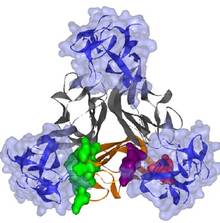
But reports from just the past month show that new agents are overtaking the anti-TNFs.
In May, I reported from Digestive Disease Week on phase III trial results with vedolizumab, which was compared against placebo for patients with ulcerative colitis. One of the study investigators noted that vedolizumab beat the placebo arm for steroid-free clinical remission by 30 percentage points. “Nothing else is that good,” Dr. William Sandborn, professor of medicine and chief of gastroenterology at the University of California, San Diego, told me, and the benchmark he had in mind was the performance of the anti-TNFs in similar patients.
More recently, at the European Congress of Rheumatology earlier this month I heard a report on a head-to-head comparison of the anti-IL-6 drug tocilizumab (Actemra) and the anti-TNF adalimumab in patients with rheumatoid arthritis. After 24 weeks of monotherapy, patients on tocilizumab had nearly a fourfold higher remission rate than patients on adalimumab. Though the monotherapy trial design did not mimic the way most rheumatoid arthritis patients get treated, the new drug tocilizumab absolutely blew adalimumab out of the water in a rare head-to-head comparison among different classes of anti-inflammatory drugs.
And at the same meeting several talks highlighted another new anti-inflammatory class of agents coming soon to the U.S. market, the Janus kinase (JAK) inhibitors, such as tofacitinib, which is expected to received FDA approval later this summer. Phase III results show that tofacitinib has safety and efficacy that seems at least comparable to anti-TNF drugs, with the advantage of oral dosing.
Vedolizumab, tocilizumab, and tofacitinib are just the tip of new waves of anti-inflammatory drugs that will soon substantially alter a landscape that the anti-TNFs have mostly had to themselves for the past 14 years. For the moment, the anti-TNFs have the advantage of a longer track record for safety, but changing that is only a matter of time.
—Mitchel Zoler (on Twitter @mitchelzoler)
Tumor necrosis factor inhibitor drugs began to dominate treatment of inflammatory diseases like rheumatoid arthritis, psoriasis, and the inflammatory bowel diseases ulcerative colitis and Crohn’s disease a little over a decade again. Now, the time when the importance of the anti-TNFs will wane and newer drugs will take their place is clearly visible on the horizon. It hasn’t happened yet, but the era of anti-TNF dominance for treating inflammatory diseases that persisted throughout the 2000s will end in the next 5 years.
The anti-TNF era began in 1998 with the approval of etanercept (Enbrel) for rheumatoid arthritis and infliximab (Remicade) to treat Crohn’s disease. In subsequent years, the list of approved anti-TNFs expanded to include adalimumab (Humira), golimumab (Simponi), and certolizumab (Cimzia), and the approved indications grew to include many inflammatory disease of joints, the GI tract, and skin. The anti-TNFs revolutionized inflammatory disease treatment and made treatment to remission possible for many patients.
But reports from just the past month show that new agents are overtaking the anti-TNFs.
In May, I reported from Digestive Disease Week on phase III trial results with vedolizumab, which was compared against placebo for patients with ulcerative colitis. One of the study investigators noted that vedolizumab beat the placebo arm for steroid-free clinical remission by 30 percentage points. “Nothing else is that good,” Dr. William Sandborn, professor of medicine and chief of gastroenterology at the University of California, San Diego, told me, and the benchmark he had in mind was the performance of the anti-TNFs in similar patients.
More recently, at the European Congress of Rheumatology earlier this month I heard a report on a head-to-head comparison of the anti-IL-6 drug tocilizumab (Actemra) and the anti-TNF adalimumab in patients with rheumatoid arthritis. After 24 weeks of monotherapy, patients on tocilizumab had nearly a fourfold higher remission rate than patients on adalimumab. Though the monotherapy trial design did not mimic the way most rheumatoid arthritis patients get treated, the new drug tocilizumab absolutely blew adalimumab out of the water in a rare head-to-head comparison among different classes of anti-inflammatory drugs.
And at the same meeting several talks highlighted another new anti-inflammatory class of agents coming soon to the U.S. market, the Janus kinase (JAK) inhibitors, such as tofacitinib, which is expected to received FDA approval later this summer. Phase III results show that tofacitinib has safety and efficacy that seems at least comparable to anti-TNF drugs, with the advantage of oral dosing.
Vedolizumab, tocilizumab, and tofacitinib are just the tip of new waves of anti-inflammatory drugs that will soon substantially alter a landscape that the anti-TNFs have mostly had to themselves for the past 14 years. For the moment, the anti-TNFs have the advantage of a longer track record for safety, but changing that is only a matter of time.
—Mitchel Zoler (on Twitter @mitchelzoler)
Tumor necrosis factor inhibitor drugs began to dominate treatment of inflammatory diseases like rheumatoid arthritis, psoriasis, and the inflammatory bowel diseases ulcerative colitis and Crohn’s disease a little over a decade again. Now, the time when the importance of the anti-TNFs will wane and newer drugs will take their place is clearly visible on the horizon. It hasn’t happened yet, but the era of anti-TNF dominance for treating inflammatory diseases that persisted throughout the 2000s will end in the next 5 years.
The anti-TNF era began in 1998 with the approval of etanercept (Enbrel) for rheumatoid arthritis and infliximab (Remicade) to treat Crohn’s disease. In subsequent years, the list of approved anti-TNFs expanded to include adalimumab (Humira), golimumab (Simponi), and certolizumab (Cimzia), and the approved indications grew to include many inflammatory disease of joints, the GI tract, and skin. The anti-TNFs revolutionized inflammatory disease treatment and made treatment to remission possible for many patients.
But reports from just the past month show that new agents are overtaking the anti-TNFs.
In May, I reported from Digestive Disease Week on phase III trial results with vedolizumab, which was compared against placebo for patients with ulcerative colitis. One of the study investigators noted that vedolizumab beat the placebo arm for steroid-free clinical remission by 30 percentage points. “Nothing else is that good,” Dr. William Sandborn, professor of medicine and chief of gastroenterology at the University of California, San Diego, told me, and the benchmark he had in mind was the performance of the anti-TNFs in similar patients.
More recently, at the European Congress of Rheumatology earlier this month I heard a report on a head-to-head comparison of the anti-IL-6 drug tocilizumab (Actemra) and the anti-TNF adalimumab in patients with rheumatoid arthritis. After 24 weeks of monotherapy, patients on tocilizumab had nearly a fourfold higher remission rate than patients on adalimumab. Though the monotherapy trial design did not mimic the way most rheumatoid arthritis patients get treated, the new drug tocilizumab absolutely blew adalimumab out of the water in a rare head-to-head comparison among different classes of anti-inflammatory drugs.
And at the same meeting several talks highlighted another new anti-inflammatory class of agents coming soon to the U.S. market, the Janus kinase (JAK) inhibitors, such as tofacitinib, which is expected to received FDA approval later this summer. Phase III results show that tofacitinib has safety and efficacy that seems at least comparable to anti-TNF drugs, with the advantage of oral dosing.
Vedolizumab, tocilizumab, and tofacitinib are just the tip of new waves of anti-inflammatory drugs that will soon substantially alter a landscape that the anti-TNFs have mostly had to themselves for the past 14 years. For the moment, the anti-TNFs have the advantage of a longer track record for safety, but changing that is only a matter of time.
—Mitchel Zoler (on Twitter @mitchelzoler)
Behçet's Disease Presentation Varies by Gender
BERLIN – Many of the classic manifestations of Behçet’s disease show a significant and previously unappreciated gender-based difference in expression, judging from the results of a new study of more than 10,000 patients.
For example, the most common form of skin involvement – erythema nodosum – is more common in women than men with Behçet’s disease, whereas papulopustular lesions and pseudofolliculitis occur more often in men with this highly variable multisystem disorder, Dr. Alfred Mahr reported at the annual European Congress of Rheumatology.

Dr. Mahr, chairman of the internal medicine department at Saint-Louis Hospital in Paris, presented a meta-analysis of the published literature on Behçet’s disease supplemented by new and unpublished data on 721 patients in the German Registry for Adamantiades-Behçet’s Disease for 1990-2011. All told, the analysis included 30 published studies, which, along with the unpublished data, comprised more than 10,000 affected patients.
The most common expression of Behçet’s disease was genital ulcers, affecting 79% of subjects, closely followed by skin involvement, at 77%. Erythema nodosum was present in 53% of patients, papulopustular skin lesions in 38%, and pseudofolliculitis in 29%.
Other frequent manifestations of Behçet’s disease included eye disease, affecting 49% of subjects, joint disease in 40%, major blood vessel involvement in 9.5%, and either deep vein or superficial thrombophlebitis in 31%.
Joint involvement was present in half of men with Behçet’s disease, compared with more than 60% of women. Even more striking was the gender difference in major vessel involvement, which affected roughly 30% of men and 10% of women. And cardiac involvement was documented in 14 men but just 1 woman.
These observations on gender differences in Behçet’s disease are important for two reasons, Dr. Mahr said: They may help in the differential diagnosis of this multisystem disorder, and they could shed light on disease pathogenesis. For example, Turkish investigators previously identified testosterone as having potentially relevant effects on neutrophil production (Clin. Exp. Rheumatol. 2007;25(4Suppl 45):46-51).
Dr. Mahr reported having no financial conflicts.
BERLIN – Many of the classic manifestations of Behçet’s disease show a significant and previously unappreciated gender-based difference in expression, judging from the results of a new study of more than 10,000 patients.
For example, the most common form of skin involvement – erythema nodosum – is more common in women than men with Behçet’s disease, whereas papulopustular lesions and pseudofolliculitis occur more often in men with this highly variable multisystem disorder, Dr. Alfred Mahr reported at the annual European Congress of Rheumatology.
Dr. Mahr, chairman of the internal medicine department at Saint-Louis Hospital in Paris, presented a meta-analysis of the published literature on Behçet’s disease supplemented by new and unpublished data on 721 patients in the German Registry for Adamantiades-Behçet’s Disease for 1990-2011. All told, the analysis included 30 published studies, which, along with the unpublished data, comprised more than 10,000 affected patients.
The most common expression of Behçet’s disease was genital ulcers, affecting 79% of subjects, closely followed by skin involvement, at 77%. Erythema nodosum was present in 53% of patients, papulopustular skin lesions in 38%, and pseudofolliculitis in 29%.
Other frequent manifestations of Behçet’s disease included eye disease, affecting 49% of subjects, joint disease in 40%, major blood vessel involvement in 9.5%, and either deep vein or superficial thrombophlebitis in 31%.
Joint involvement was present in half of men with Behçet’s disease, compared with more than 60% of women. Even more striking was the gender difference in major vessel involvement, which affected roughly 30% of men and 10% of women. And cardiac involvement was documented in 14 men but just 1 woman.
These observations on gender differences in Behçet’s disease are important for two reasons, Dr. Mahr said: They may help in the differential diagnosis of this multisystem disorder, and they could shed light on disease pathogenesis. For example, Turkish investigators previously identified testosterone as having potentially relevant effects on neutrophil production (Clin. Exp. Rheumatol. 2007;25(4Suppl 45):46-51).
Dr. Mahr reported having no financial conflicts.
BERLIN – Many of the classic manifestations of Behçet’s disease show a significant and previously unappreciated gender-based difference in expression, judging from the results of a new study of more than 10,000 patients.
For example, the most common form of skin involvement – erythema nodosum – is more common in women than men with Behçet’s disease, whereas papulopustular lesions and pseudofolliculitis occur more often in men with this highly variable multisystem disorder, Dr. Alfred Mahr reported at the annual European Congress of Rheumatology.
Dr. Mahr, chairman of the internal medicine department at Saint-Louis Hospital in Paris, presented a meta-analysis of the published literature on Behçet’s disease supplemented by new and unpublished data on 721 patients in the German Registry for Adamantiades-Behçet’s Disease for 1990-2011. All told, the analysis included 30 published studies, which, along with the unpublished data, comprised more than 10,000 affected patients.
The most common expression of Behçet’s disease was genital ulcers, affecting 79% of subjects, closely followed by skin involvement, at 77%. Erythema nodosum was present in 53% of patients, papulopustular skin lesions in 38%, and pseudofolliculitis in 29%.
Other frequent manifestations of Behçet’s disease included eye disease, affecting 49% of subjects, joint disease in 40%, major blood vessel involvement in 9.5%, and either deep vein or superficial thrombophlebitis in 31%.
Joint involvement was present in half of men with Behçet’s disease, compared with more than 60% of women. Even more striking was the gender difference in major vessel involvement, which affected roughly 30% of men and 10% of women. And cardiac involvement was documented in 14 men but just 1 woman.
These observations on gender differences in Behçet’s disease are important for two reasons, Dr. Mahr said: They may help in the differential diagnosis of this multisystem disorder, and they could shed light on disease pathogenesis. For example, Turkish investigators previously identified testosterone as having potentially relevant effects on neutrophil production (Clin. Exp. Rheumatol. 2007;25(4Suppl 45):46-51).
Dr. Mahr reported having no financial conflicts.
AT THE ANNUAL EUROPEAN CONGRESS OF RHEUMATOLOGY