User login
U.S. measles incidence since 2001 is low but increasing
, especially in the very young.
So, the importance of maintaining high vaccine coverage remains essential, concluded the authors of an analysis of confirmed U.S. measles cases, because endemic measles was eliminated nationwide in 2000.

Incidence of measles was highest in infants aged 6-11 months, followed by toddlers aged 12-15 months. Measles rates fell with age, starting at 16 months, Nakia S. Clemmons and her associates of the division of viral diseases at the Centers for Disease Control and Prevention, Atlanta, said in a research letter in JAMA (2017 Oct 3;318[13]:1279-81).
Higher incidence per million population occurred over time, from 0.28 in 2001 to 0.56 in 2015. Imported cases decreased from 47% in 2001 to 15% in 2015. Vaccinated patients decreased from 30% of U.S. measles cases in 2001 to 20% in 2015.
“The concurrent increase in incidence and declines in the proportion of imported and vaccinated cases (signifying relative increases in U.S.-acquired and unvaccinated cases) may suggest increased susceptibility and transmission after introductions in certain subpopulations,” the investigators said.
“The declining incidence with age, the high proportion of unvaccinated cases, and the decline in the proportion of vaccinated cases despite rate increases suggest that failure to vaccinate, rather than failure of vaccine performance, may be the main driver of measles transmission, emphasizing the importance of maintaining high vaccine coverage,” they added.
, especially in the very young.
So, the importance of maintaining high vaccine coverage remains essential, concluded the authors of an analysis of confirmed U.S. measles cases, because endemic measles was eliminated nationwide in 2000.
Incidence of measles was highest in infants aged 6-11 months, followed by toddlers aged 12-15 months. Measles rates fell with age, starting at 16 months, Nakia S. Clemmons and her associates of the division of viral diseases at the Centers for Disease Control and Prevention, Atlanta, said in a research letter in JAMA (2017 Oct 3;318[13]:1279-81).
Higher incidence per million population occurred over time, from 0.28 in 2001 to 0.56 in 2015. Imported cases decreased from 47% in 2001 to 15% in 2015. Vaccinated patients decreased from 30% of U.S. measles cases in 2001 to 20% in 2015.
“The concurrent increase in incidence and declines in the proportion of imported and vaccinated cases (signifying relative increases in U.S.-acquired and unvaccinated cases) may suggest increased susceptibility and transmission after introductions in certain subpopulations,” the investigators said.
“The declining incidence with age, the high proportion of unvaccinated cases, and the decline in the proportion of vaccinated cases despite rate increases suggest that failure to vaccinate, rather than failure of vaccine performance, may be the main driver of measles transmission, emphasizing the importance of maintaining high vaccine coverage,” they added.
, especially in the very young.
So, the importance of maintaining high vaccine coverage remains essential, concluded the authors of an analysis of confirmed U.S. measles cases, because endemic measles was eliminated nationwide in 2000.
Incidence of measles was highest in infants aged 6-11 months, followed by toddlers aged 12-15 months. Measles rates fell with age, starting at 16 months, Nakia S. Clemmons and her associates of the division of viral diseases at the Centers for Disease Control and Prevention, Atlanta, said in a research letter in JAMA (2017 Oct 3;318[13]:1279-81).
Higher incidence per million population occurred over time, from 0.28 in 2001 to 0.56 in 2015. Imported cases decreased from 47% in 2001 to 15% in 2015. Vaccinated patients decreased from 30% of U.S. measles cases in 2001 to 20% in 2015.
“The concurrent increase in incidence and declines in the proportion of imported and vaccinated cases (signifying relative increases in U.S.-acquired and unvaccinated cases) may suggest increased susceptibility and transmission after introductions in certain subpopulations,” the investigators said.
“The declining incidence with age, the high proportion of unvaccinated cases, and the decline in the proportion of vaccinated cases despite rate increases suggest that failure to vaccinate, rather than failure of vaccine performance, may be the main driver of measles transmission, emphasizing the importance of maintaining high vaccine coverage,” they added.
FROM JAMA
Treatment of hemangioma with brand-name propranolol tied to fewer dosing errors
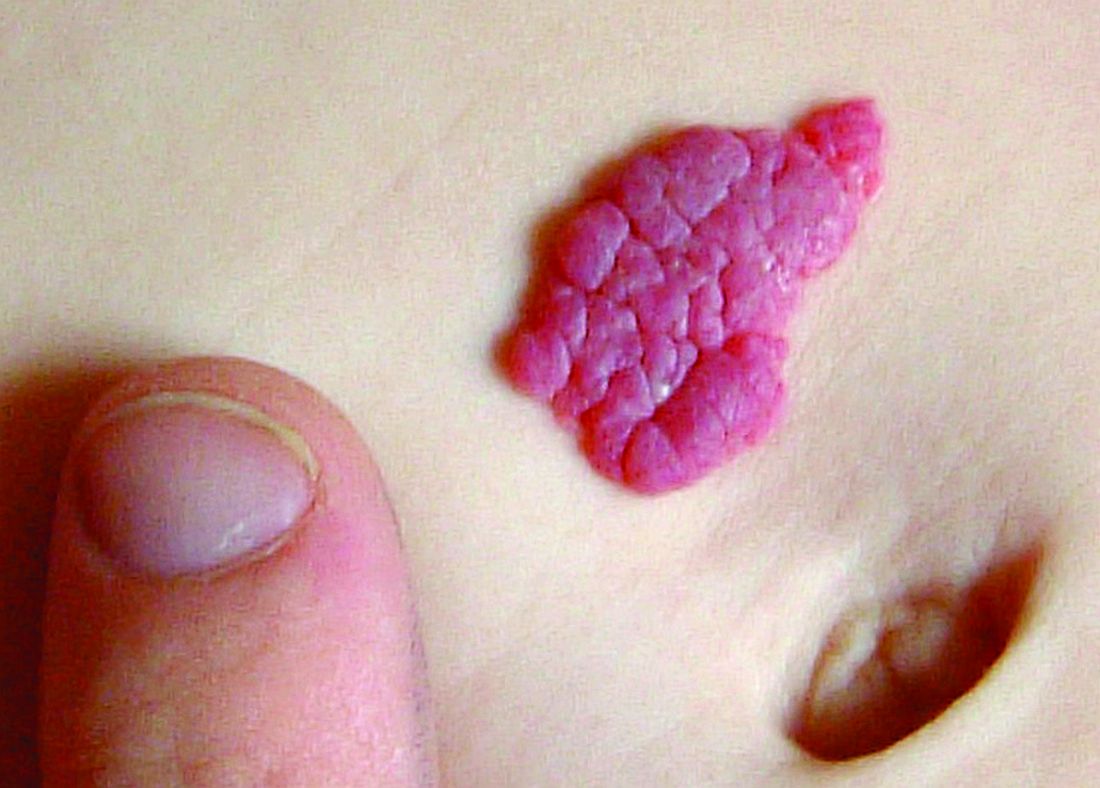
CHICAGO – Among physicians using generic propranolol to treat infantile hemangioma, 30% reported at least one patient experienced a miscalculation dosing error, a new survey showed. Among respondents who prescribed Hemangeol (Pierre Fabre Pharmaceuticals), 10% reported a similar error. The errors were made by either a provider or caregiver.
Confusion may have contributed to a second source of errors, said Elaine Siegfried, MD, professor of pediatrics and dermatology at St. Louis University in Missouri. Generic propranolol is supplied as a 20-mg/5-mL oral solution and a 40-mg/5-mL oral solution. “Any time you have more than one formulation, it’s a nidus for dispensing error by the pharmacy.”

“So if a doctor prescribes [the lower dose], which is what we always do for safety, and they get 40 [mg], the [patient] can become hypoglycemic, hypotensive, or bradycardic,” Dr. Siegfried said. “That’s not good.”
Dr. Siegfried and colleagues assessed survey responses from 223 physicians. The majority, 90%, reported prescribing generic propranolol to treat infantile hemangioma in the past. Sixty-percent reported also prescribing the brand name formulation approved by the Food and Drug Administration in 2014. Most of those who completed the survey, 70%, were pediatric dermatologists; general dermatologists, pediatric otolaryngologists, and other specialists also participated.
A total of 18% of physicians surveyed reported a dispensing error associated with use of generic propranolol. Dr. Siegfried said such errors are not possible with the branded formulation because it is available only in a single concentration, a 4.28 mg/mL oral solution. She added that one central specialty pharmacy dispenses Hemangeol, further reducing the likelihood of errors.
Addressing cost concerns
“When this [branded] drug became available, I wondered why everyone was not prescribing it,” Dr. Siegfried said.
“One of the pushbacks with this drug is that people didn’t want to prescribe it because they thought it was too expensive.” She acknowledged the higher cost, but added the manufacturer has a program to provide the agent free-of-charge to families without health insurance who cannot afford the medicine. She added, “People with private insurance do have higher copays, but insurance generally pays for most of it, depending on the plan.”
Dr. Siegfried also emphasized that the manufacturer invested considerable time and money to bring the agent and its specific pediatric indication to market, generating scientific data on its safety and efficacy along the way. In contrast, generic propranolol has been available in the United States for decades as a beta-blocker. The discovery that the agent also could effectively treat infantile hemangioma was serendipitous, not based on preclinical efficacy, safety, or dosing studies.
An additional benefit of the single-concentration branded formulation is pediatric clinicians might be more comfortable using this agent, Dr. Siegfried said. She described the package insert instructions as straightforward and easy to follow. Also, given a sometimes longer wait to see a pediatric dermatologist because of their shortage in certain parts of the country, having general pediatricians or family physicians gain proficiency in administering the medication could mean earlier treatment of hemangioma. “If you have to wait to get into a specialist, that can delay treatment. The caveat about hemangiomas is the earlier you treat them, the more effective the treatment is.”
“Using propranolol to treat hemangiomas is probably one of the biggest positive changes in my practice. It was very difficult to treat hemangiomas with steroids, vincristine, or other alternatives. Now treatment is ‘cookbook’ and well-tolerated. It’s amazing,” Dr. Siegfried said. “I only prescribe the branded propranolol because of the specialty pharmacy issue, because of the formulation issue, and because we have data that Pierre Fabre paid for,” she added.
Dr. Siegfried is a consultant for Pierre Fabre and served as a principle investigator on phase 3 research. The company did not sponsor the current study, but a coauthor and employee of Pierre Fabre assisted with the logistics of the survey.
CHICAGO – Among physicians using generic propranolol to treat infantile hemangioma, 30% reported at least one patient experienced a miscalculation dosing error, a new survey showed. Among respondents who prescribed Hemangeol (Pierre Fabre Pharmaceuticals), 10% reported a similar error. The errors were made by either a provider or caregiver.
Confusion may have contributed to a second source of errors, said Elaine Siegfried, MD, professor of pediatrics and dermatology at St. Louis University in Missouri. Generic propranolol is supplied as a 20-mg/5-mL oral solution and a 40-mg/5-mL oral solution. “Any time you have more than one formulation, it’s a nidus for dispensing error by the pharmacy.”
“So if a doctor prescribes [the lower dose], which is what we always do for safety, and they get 40 [mg], the [patient] can become hypoglycemic, hypotensive, or bradycardic,” Dr. Siegfried said. “That’s not good.”
Dr. Siegfried and colleagues assessed survey responses from 223 physicians. The majority, 90%, reported prescribing generic propranolol to treat infantile hemangioma in the past. Sixty-percent reported also prescribing the brand name formulation approved by the Food and Drug Administration in 2014. Most of those who completed the survey, 70%, were pediatric dermatologists; general dermatologists, pediatric otolaryngologists, and other specialists also participated.
A total of 18% of physicians surveyed reported a dispensing error associated with use of generic propranolol. Dr. Siegfried said such errors are not possible with the branded formulation because it is available only in a single concentration, a 4.28 mg/mL oral solution. She added that one central specialty pharmacy dispenses Hemangeol, further reducing the likelihood of errors.
Addressing cost concerns
“When this [branded] drug became available, I wondered why everyone was not prescribing it,” Dr. Siegfried said.
“One of the pushbacks with this drug is that people didn’t want to prescribe it because they thought it was too expensive.” She acknowledged the higher cost, but added the manufacturer has a program to provide the agent free-of-charge to families without health insurance who cannot afford the medicine. She added, “People with private insurance do have higher copays, but insurance generally pays for most of it, depending on the plan.”
Dr. Siegfried also emphasized that the manufacturer invested considerable time and money to bring the agent and its specific pediatric indication to market, generating scientific data on its safety and efficacy along the way. In contrast, generic propranolol has been available in the United States for decades as a beta-blocker. The discovery that the agent also could effectively treat infantile hemangioma was serendipitous, not based on preclinical efficacy, safety, or dosing studies.
An additional benefit of the single-concentration branded formulation is pediatric clinicians might be more comfortable using this agent, Dr. Siegfried said. She described the package insert instructions as straightforward and easy to follow. Also, given a sometimes longer wait to see a pediatric dermatologist because of their shortage in certain parts of the country, having general pediatricians or family physicians gain proficiency in administering the medication could mean earlier treatment of hemangioma. “If you have to wait to get into a specialist, that can delay treatment. The caveat about hemangiomas is the earlier you treat them, the more effective the treatment is.”
“Using propranolol to treat hemangiomas is probably one of the biggest positive changes in my practice. It was very difficult to treat hemangiomas with steroids, vincristine, or other alternatives. Now treatment is ‘cookbook’ and well-tolerated. It’s amazing,” Dr. Siegfried said. “I only prescribe the branded propranolol because of the specialty pharmacy issue, because of the formulation issue, and because we have data that Pierre Fabre paid for,” she added.
Dr. Siegfried is a consultant for Pierre Fabre and served as a principle investigator on phase 3 research. The company did not sponsor the current study, but a coauthor and employee of Pierre Fabre assisted with the logistics of the survey.
CHICAGO – Among physicians using generic propranolol to treat infantile hemangioma, 30% reported at least one patient experienced a miscalculation dosing error, a new survey showed. Among respondents who prescribed Hemangeol (Pierre Fabre Pharmaceuticals), 10% reported a similar error. The errors were made by either a provider or caregiver.
Confusion may have contributed to a second source of errors, said Elaine Siegfried, MD, professor of pediatrics and dermatology at St. Louis University in Missouri. Generic propranolol is supplied as a 20-mg/5-mL oral solution and a 40-mg/5-mL oral solution. “Any time you have more than one formulation, it’s a nidus for dispensing error by the pharmacy.”
“So if a doctor prescribes [the lower dose], which is what we always do for safety, and they get 40 [mg], the [patient] can become hypoglycemic, hypotensive, or bradycardic,” Dr. Siegfried said. “That’s not good.”
Dr. Siegfried and colleagues assessed survey responses from 223 physicians. The majority, 90%, reported prescribing generic propranolol to treat infantile hemangioma in the past. Sixty-percent reported also prescribing the brand name formulation approved by the Food and Drug Administration in 2014. Most of those who completed the survey, 70%, were pediatric dermatologists; general dermatologists, pediatric otolaryngologists, and other specialists also participated.
A total of 18% of physicians surveyed reported a dispensing error associated with use of generic propranolol. Dr. Siegfried said such errors are not possible with the branded formulation because it is available only in a single concentration, a 4.28 mg/mL oral solution. She added that one central specialty pharmacy dispenses Hemangeol, further reducing the likelihood of errors.
Addressing cost concerns
“When this [branded] drug became available, I wondered why everyone was not prescribing it,” Dr. Siegfried said.
“One of the pushbacks with this drug is that people didn’t want to prescribe it because they thought it was too expensive.” She acknowledged the higher cost, but added the manufacturer has a program to provide the agent free-of-charge to families without health insurance who cannot afford the medicine. She added, “People with private insurance do have higher copays, but insurance generally pays for most of it, depending on the plan.”
Dr. Siegfried also emphasized that the manufacturer invested considerable time and money to bring the agent and its specific pediatric indication to market, generating scientific data on its safety and efficacy along the way. In contrast, generic propranolol has been available in the United States for decades as a beta-blocker. The discovery that the agent also could effectively treat infantile hemangioma was serendipitous, not based on preclinical efficacy, safety, or dosing studies.
An additional benefit of the single-concentration branded formulation is pediatric clinicians might be more comfortable using this agent, Dr. Siegfried said. She described the package insert instructions as straightforward and easy to follow. Also, given a sometimes longer wait to see a pediatric dermatologist because of their shortage in certain parts of the country, having general pediatricians or family physicians gain proficiency in administering the medication could mean earlier treatment of hemangioma. “If you have to wait to get into a specialist, that can delay treatment. The caveat about hemangiomas is the earlier you treat them, the more effective the treatment is.”
“Using propranolol to treat hemangiomas is probably one of the biggest positive changes in my practice. It was very difficult to treat hemangiomas with steroids, vincristine, or other alternatives. Now treatment is ‘cookbook’ and well-tolerated. It’s amazing,” Dr. Siegfried said. “I only prescribe the branded propranolol because of the specialty pharmacy issue, because of the formulation issue, and because we have data that Pierre Fabre paid for,” she added.
Dr. Siegfried is a consultant for Pierre Fabre and served as a principle investigator on phase 3 research. The company did not sponsor the current study, but a coauthor and employee of Pierre Fabre assisted with the logistics of the survey.
AT AAP 2017
Key clinical point: Although more costly than generics, Hemangeol (Pierre Fabre) could reduce safety concerns for treating infantile hemangioma.
Major finding:
Data source: Based on survey responses from 223 physicians, 70% of whom were pediatric dermatologists.
Disclosures: Dr. Siegfried is a consultant for Pierre Fabre and served as a principle investigator on phase 3 research. The company did not sponsor the current study, but a coauthor and employee of Pierre Fabre assisted with the logistics of the survey.
Gene therapy for cerebral adrenoleukodystrophy shows promise
Gene therapy using autologous hematopoietic stem cells appears safe and effective as a treatment for early-stage cerebral adrenoleukodystrophy, according to an interim analysis of results from the STARBEAM study.
X-linked adrenoleukodystrophy is characterized by a defect in the ABCD1 gene, leading to progressive demyelination that most commonly presents as learning and behavioral changes in boys aged 3-15 years. The only effective treatment to date has been allogeneic hematopoietic stem cell transplants, but these come with considerable risks, including graft-versus-host disease and graft failure.
The study enrolled 17 boys, all with early-stage cerebral adrenoleukodystrophy and gadolinium enhancement on MRI, and treated them with a single infusion of the autologous cells, then followed them for a median of 29.4 months (N Engl J Med. 2017 Oct 4. doi: 10.1056/NEJMoa1700554).
The interim analysis found 14 of the 17 patients (88%) were alive, without any major functional disability and with minimal clinical symptoms. There was no incidence of graft-versus-host disease and no treatment-related deaths.
Lesion progression stabilized in 12 of the 17 patients, and gadolinium enhancement resolved by month 6 in the 16 patients who could be evaluated. It did enhance again in six patients by month 12 but then resolved again later.
One patient in the study experienced a seizure, which led to an increase in the neurologic function score. The remaining two patients had disease progression. One was withdrawn from the study and later died from complications associated with an allogeneic transplant, while the other showed rapid deterioration following treatment and later died from a viral infection complicated by rhabdomyolysis and acute kidney and liver failure.
The latter patient “had a rapid increase in both the Loes score and the score on the neurologic function scale as early as 2 weeks after treatment, findings that suggested that he may have had marked disease progression before treatment,” wrote Florian Eichler, MD, of Massachusetts General Hospital and Harvard Medical School, Boston, and his coauthors. “Similar to allogeneic transplantation, hematopoietic stem-cell gene therapy is not expected to have an effect on the phenotypes of adrenomyeloneuropathy or adrenal insufficiency.”
The study found no evidence of integration of the altered ABCD1 gene near sites previously associated with serious adverse events with gene therapy, such as MDS1, EVI1, and LMO2.
The lentiviral vector used in the study also appeared to avoid mutagenesis associated with viral integration, which has been seen in patients treated with gamma-retroviral vector gene therapy, although the authors noted that longer follow-up and larger sample sizes were needed to confirm this.
Neither hematopoietic stem cell transplantation nor gene therapy appeared to prevent the progression of white matter lesions in the first 12-18 months after treatment, the authors wrote.
“Microglial cell death appears to play an important role in the pathophysiology of cerebral adrenoleukodystrophy, and therefore early disease progression may occur during the time before the replacement of microglial cells,” they wrote. “Our data, and the results of studies of allogeneic transplantation, show that some disease progression on MRI during the first year after transplantation is common, and therefore reinforce the urgency in identifying cerebral disease early and treating it swiftly.”
Bluebird Bio, the National Institutes of Health, the Patient-Centered Outcomes Research Institute, the Great Ormond Street Hospital, and the University College London Great Ormond Street Institute of Child Health Biomedical Research Centre supported the study. Nine authors declared financial ties to Bluebird Bio, and four authors were employees of Bluebird Bio. One author declared personal fees from a pharmaceutical company involved with lentiviral vectors and a patent related to enhanced lentiviral vector expression, and another two authors declared fees and funding from other pharmaceutical companies unrelated to the study.
These results suggest that transplantation with autologous hematopoietic stem cells transfected with Lenti-D is at least as effective as conventional allogeneic transplantation for the treatment of cerebral adrenoleukodystrophy, and it is possibly safer. Lenti-D therapy certainly has potential but some concerns remain. Careful surveillance to assess long-term outcomes is therefore essential.
For many years, gene therapy has shown great promise, but clinical applications have always seemed just beyond the horizon. Today, Lenti-D therapy appears to be poised as a real treatment option for cerebral adrenoleukodystrophy, and it might even become the first gene therapy approved by the Food and Drug Administration.
Marc Engelen, MD, PhD, is at the Academic Medical Center – Emma Children’s Hospital, Amsterdam. His comments are taken from an editorial (N Engl J Med. 2017 Oct 4. doi: 10.1056/NEJMe1709253). Dr. Engelen declared grant support from Minoryx Therapeutics and personal fees from Vertex Pharmaceuticals, outside the submitted work.
These results suggest that transplantation with autologous hematopoietic stem cells transfected with Lenti-D is at least as effective as conventional allogeneic transplantation for the treatment of cerebral adrenoleukodystrophy, and it is possibly safer. Lenti-D therapy certainly has potential but some concerns remain. Careful surveillance to assess long-term outcomes is therefore essential.
For many years, gene therapy has shown great promise, but clinical applications have always seemed just beyond the horizon. Today, Lenti-D therapy appears to be poised as a real treatment option for cerebral adrenoleukodystrophy, and it might even become the first gene therapy approved by the Food and Drug Administration.
Marc Engelen, MD, PhD, is at the Academic Medical Center – Emma Children’s Hospital, Amsterdam. His comments are taken from an editorial (N Engl J Med. 2017 Oct 4. doi: 10.1056/NEJMe1709253). Dr. Engelen declared grant support from Minoryx Therapeutics and personal fees from Vertex Pharmaceuticals, outside the submitted work.
These results suggest that transplantation with autologous hematopoietic stem cells transfected with Lenti-D is at least as effective as conventional allogeneic transplantation for the treatment of cerebral adrenoleukodystrophy, and it is possibly safer. Lenti-D therapy certainly has potential but some concerns remain. Careful surveillance to assess long-term outcomes is therefore essential.
For many years, gene therapy has shown great promise, but clinical applications have always seemed just beyond the horizon. Today, Lenti-D therapy appears to be poised as a real treatment option for cerebral adrenoleukodystrophy, and it might even become the first gene therapy approved by the Food and Drug Administration.
Marc Engelen, MD, PhD, is at the Academic Medical Center – Emma Children’s Hospital, Amsterdam. His comments are taken from an editorial (N Engl J Med. 2017 Oct 4. doi: 10.1056/NEJMe1709253). Dr. Engelen declared grant support from Minoryx Therapeutics and personal fees from Vertex Pharmaceuticals, outside the submitted work.
Gene therapy using autologous hematopoietic stem cells appears safe and effective as a treatment for early-stage cerebral adrenoleukodystrophy, according to an interim analysis of results from the STARBEAM study.
X-linked adrenoleukodystrophy is characterized by a defect in the ABCD1 gene, leading to progressive demyelination that most commonly presents as learning and behavioral changes in boys aged 3-15 years. The only effective treatment to date has been allogeneic hematopoietic stem cell transplants, but these come with considerable risks, including graft-versus-host disease and graft failure.
The study enrolled 17 boys, all with early-stage cerebral adrenoleukodystrophy and gadolinium enhancement on MRI, and treated them with a single infusion of the autologous cells, then followed them for a median of 29.4 months (N Engl J Med. 2017 Oct 4. doi: 10.1056/NEJMoa1700554).
The interim analysis found 14 of the 17 patients (88%) were alive, without any major functional disability and with minimal clinical symptoms. There was no incidence of graft-versus-host disease and no treatment-related deaths.
Lesion progression stabilized in 12 of the 17 patients, and gadolinium enhancement resolved by month 6 in the 16 patients who could be evaluated. It did enhance again in six patients by month 12 but then resolved again later.
One patient in the study experienced a seizure, which led to an increase in the neurologic function score. The remaining two patients had disease progression. One was withdrawn from the study and later died from complications associated with an allogeneic transplant, while the other showed rapid deterioration following treatment and later died from a viral infection complicated by rhabdomyolysis and acute kidney and liver failure.
The latter patient “had a rapid increase in both the Loes score and the score on the neurologic function scale as early as 2 weeks after treatment, findings that suggested that he may have had marked disease progression before treatment,” wrote Florian Eichler, MD, of Massachusetts General Hospital and Harvard Medical School, Boston, and his coauthors. “Similar to allogeneic transplantation, hematopoietic stem-cell gene therapy is not expected to have an effect on the phenotypes of adrenomyeloneuropathy or adrenal insufficiency.”
The study found no evidence of integration of the altered ABCD1 gene near sites previously associated with serious adverse events with gene therapy, such as MDS1, EVI1, and LMO2.
The lentiviral vector used in the study also appeared to avoid mutagenesis associated with viral integration, which has been seen in patients treated with gamma-retroviral vector gene therapy, although the authors noted that longer follow-up and larger sample sizes were needed to confirm this.
Neither hematopoietic stem cell transplantation nor gene therapy appeared to prevent the progression of white matter lesions in the first 12-18 months after treatment, the authors wrote.
“Microglial cell death appears to play an important role in the pathophysiology of cerebral adrenoleukodystrophy, and therefore early disease progression may occur during the time before the replacement of microglial cells,” they wrote. “Our data, and the results of studies of allogeneic transplantation, show that some disease progression on MRI during the first year after transplantation is common, and therefore reinforce the urgency in identifying cerebral disease early and treating it swiftly.”
Bluebird Bio, the National Institutes of Health, the Patient-Centered Outcomes Research Institute, the Great Ormond Street Hospital, and the University College London Great Ormond Street Institute of Child Health Biomedical Research Centre supported the study. Nine authors declared financial ties to Bluebird Bio, and four authors were employees of Bluebird Bio. One author declared personal fees from a pharmaceutical company involved with lentiviral vectors and a patent related to enhanced lentiviral vector expression, and another two authors declared fees and funding from other pharmaceutical companies unrelated to the study.
Gene therapy using autologous hematopoietic stem cells appears safe and effective as a treatment for early-stage cerebral adrenoleukodystrophy, according to an interim analysis of results from the STARBEAM study.
X-linked adrenoleukodystrophy is characterized by a defect in the ABCD1 gene, leading to progressive demyelination that most commonly presents as learning and behavioral changes in boys aged 3-15 years. The only effective treatment to date has been allogeneic hematopoietic stem cell transplants, but these come with considerable risks, including graft-versus-host disease and graft failure.
The study enrolled 17 boys, all with early-stage cerebral adrenoleukodystrophy and gadolinium enhancement on MRI, and treated them with a single infusion of the autologous cells, then followed them for a median of 29.4 months (N Engl J Med. 2017 Oct 4. doi: 10.1056/NEJMoa1700554).
The interim analysis found 14 of the 17 patients (88%) were alive, without any major functional disability and with minimal clinical symptoms. There was no incidence of graft-versus-host disease and no treatment-related deaths.
Lesion progression stabilized in 12 of the 17 patients, and gadolinium enhancement resolved by month 6 in the 16 patients who could be evaluated. It did enhance again in six patients by month 12 but then resolved again later.
One patient in the study experienced a seizure, which led to an increase in the neurologic function score. The remaining two patients had disease progression. One was withdrawn from the study and later died from complications associated with an allogeneic transplant, while the other showed rapid deterioration following treatment and later died from a viral infection complicated by rhabdomyolysis and acute kidney and liver failure.
The latter patient “had a rapid increase in both the Loes score and the score on the neurologic function scale as early as 2 weeks after treatment, findings that suggested that he may have had marked disease progression before treatment,” wrote Florian Eichler, MD, of Massachusetts General Hospital and Harvard Medical School, Boston, and his coauthors. “Similar to allogeneic transplantation, hematopoietic stem-cell gene therapy is not expected to have an effect on the phenotypes of adrenomyeloneuropathy or adrenal insufficiency.”
The study found no evidence of integration of the altered ABCD1 gene near sites previously associated with serious adverse events with gene therapy, such as MDS1, EVI1, and LMO2.
The lentiviral vector used in the study also appeared to avoid mutagenesis associated with viral integration, which has been seen in patients treated with gamma-retroviral vector gene therapy, although the authors noted that longer follow-up and larger sample sizes were needed to confirm this.
Neither hematopoietic stem cell transplantation nor gene therapy appeared to prevent the progression of white matter lesions in the first 12-18 months after treatment, the authors wrote.
“Microglial cell death appears to play an important role in the pathophysiology of cerebral adrenoleukodystrophy, and therefore early disease progression may occur during the time before the replacement of microglial cells,” they wrote. “Our data, and the results of studies of allogeneic transplantation, show that some disease progression on MRI during the first year after transplantation is common, and therefore reinforce the urgency in identifying cerebral disease early and treating it swiftly.”
Bluebird Bio, the National Institutes of Health, the Patient-Centered Outcomes Research Institute, the Great Ormond Street Hospital, and the University College London Great Ormond Street Institute of Child Health Biomedical Research Centre supported the study. Nine authors declared financial ties to Bluebird Bio, and four authors were employees of Bluebird Bio. One author declared personal fees from a pharmaceutical company involved with lentiviral vectors and a patent related to enhanced lentiviral vector expression, and another two authors declared fees and funding from other pharmaceutical companies unrelated to the study.
FROM NEW ENGLAND JOURNAL OF MEDICINE
Key clinical point:
Major finding: Gene therapy involving transduced autologous hematopoietic stem cell transfers is associated with stabilization of lesion progression and no major functional disability in a majority of patients with cerebral adrenoleukodystrophy.
Data source: Open-label, phase 2-3, STARBEAM trial in 17 patients with early-stage cerebral adrenoleukodystrophy.
Disclosures: Bluebird Bio, the National Institutes of Health, the Patient-Centered Outcomes Research Institute, the Great Ormond Street Hospital, and the University College London Great Ormond Street Institute of Child Health Biomedical Research Centre supported the study. Nine authors declared financial ties to Bluebird Bio, and four authors were employees of Bluebird Bio. One author declared personal fees from a pharmaceutical company involved with lentiviral vectors and a patent related to enhanced lentiviral vector expression, and another two authors declared fees and funding from other pharmaceutical companies unrelated to the study.
Primary care may be inadequate for cancer survivors

Primary care may not meet the healthcare needs of cancer survivors in the US, according to research published in JAMA Internal Medicine.
Researchers examined 12 advanced primary care practices selected from a national registry of “workforce innovators” and found that none of these practices had a comprehensive survivorship care program in place.
In addition, there were 3 main barriers to survivorship care—not treating cancer survivors as a distinct population, limitations of electronic health records, and a lack of information and guidance for clinicians.
“This is troubling because these are highly innovative practices that have a national reputation,” said study author Benjamin Crabtree, PhD, of Rutgers Robert Wood Johnson Medical School in New Brunswick, New Jersey.
Dr Crabtree and his colleagues evaluated survivorship care* at the 12 practices, which were based in Colorado, Illinois, Maine, New York, Pennsylvania, and Washington.
Over nearly 2 years, the team spent 10 to 12 days observing each of the practices and interviewing clinicians and administrators.
In this way, the researchers identified 3 main barriers to integrating survivorship care into primary medicine.
Barrier 1
The first barrier was that clinicians did not treat cancer survivors as a distinct population or clinical category.
“There is no diagnosis code for ‘cancer survivor’ that can be entered into the medical record, which is important if you want physicians to pay attention,” Dr Crabtree said.
Some of the clinicians interviewed said their care was comprehensive enough to address the needs of all patients. Other clinicians did not understand what survivorship care entails.
Barrier 2
The second barrier was that electronic health record systems didn’t support survivorship care.
Clinicians reported an inability to identify patients with a history of cancer. Even if a patient’s cancer history was included in his or her record, it might take searching through multiple screens to find the information.
In addition, medical records were sometimes lost as patients changed clinicians over the years, which left it up to patients to report their cancer histories.
Barrier 3
The third barrier was that clinicians did not receive adequate information or guidance for follow-up care of cancer survivors.
Although some of the practices received cancer-related information about their patients, it was considered “inadequate” or “not actionable.”
Clinicians expressed concerns about their knowledge gaps in cancer care and the need to monitor changing information in oncology.
“There is nothing in the residency curriculum about cancer survivorship,” Dr Crabtree said. “There is also nothing in Continuing Medical Education courses. It’s just not there.”
Dr Crabtree and his colleagues believe these barriers must be addressed so that comprehensive cancer survivorship services can move to the forefront of primary care. 
* Survivorship care includes checking for cancer recurrence, monitoring long-term effects of radiation and chemotherapy, and assessing a patient’s psychological well-being.
Primary care may not meet the healthcare needs of cancer survivors in the US, according to research published in JAMA Internal Medicine.
Researchers examined 12 advanced primary care practices selected from a national registry of “workforce innovators” and found that none of these practices had a comprehensive survivorship care program in place.
In addition, there were 3 main barriers to survivorship care—not treating cancer survivors as a distinct population, limitations of electronic health records, and a lack of information and guidance for clinicians.
“This is troubling because these are highly innovative practices that have a national reputation,” said study author Benjamin Crabtree, PhD, of Rutgers Robert Wood Johnson Medical School in New Brunswick, New Jersey.
Dr Crabtree and his colleagues evaluated survivorship care* at the 12 practices, which were based in Colorado, Illinois, Maine, New York, Pennsylvania, and Washington.
Over nearly 2 years, the team spent 10 to 12 days observing each of the practices and interviewing clinicians and administrators.
In this way, the researchers identified 3 main barriers to integrating survivorship care into primary medicine.
Barrier 1
The first barrier was that clinicians did not treat cancer survivors as a distinct population or clinical category.
“There is no diagnosis code for ‘cancer survivor’ that can be entered into the medical record, which is important if you want physicians to pay attention,” Dr Crabtree said.
Some of the clinicians interviewed said their care was comprehensive enough to address the needs of all patients. Other clinicians did not understand what survivorship care entails.
Barrier 2
The second barrier was that electronic health record systems didn’t support survivorship care.
Clinicians reported an inability to identify patients with a history of cancer. Even if a patient’s cancer history was included in his or her record, it might take searching through multiple screens to find the information.
In addition, medical records were sometimes lost as patients changed clinicians over the years, which left it up to patients to report their cancer histories.
Barrier 3
The third barrier was that clinicians did not receive adequate information or guidance for follow-up care of cancer survivors.
Although some of the practices received cancer-related information about their patients, it was considered “inadequate” or “not actionable.”
Clinicians expressed concerns about their knowledge gaps in cancer care and the need to monitor changing information in oncology.
“There is nothing in the residency curriculum about cancer survivorship,” Dr Crabtree said. “There is also nothing in Continuing Medical Education courses. It’s just not there.”
Dr Crabtree and his colleagues believe these barriers must be addressed so that comprehensive cancer survivorship services can move to the forefront of primary care.
* Survivorship care includes checking for cancer recurrence, monitoring long-term effects of radiation and chemotherapy, and assessing a patient’s psychological well-being.
Primary care may not meet the healthcare needs of cancer survivors in the US, according to research published in JAMA Internal Medicine.
Researchers examined 12 advanced primary care practices selected from a national registry of “workforce innovators” and found that none of these practices had a comprehensive survivorship care program in place.
In addition, there were 3 main barriers to survivorship care—not treating cancer survivors as a distinct population, limitations of electronic health records, and a lack of information and guidance for clinicians.
“This is troubling because these are highly innovative practices that have a national reputation,” said study author Benjamin Crabtree, PhD, of Rutgers Robert Wood Johnson Medical School in New Brunswick, New Jersey.
Dr Crabtree and his colleagues evaluated survivorship care* at the 12 practices, which were based in Colorado, Illinois, Maine, New York, Pennsylvania, and Washington.
Over nearly 2 years, the team spent 10 to 12 days observing each of the practices and interviewing clinicians and administrators.
In this way, the researchers identified 3 main barriers to integrating survivorship care into primary medicine.
Barrier 1
The first barrier was that clinicians did not treat cancer survivors as a distinct population or clinical category.
“There is no diagnosis code for ‘cancer survivor’ that can be entered into the medical record, which is important if you want physicians to pay attention,” Dr Crabtree said.
Some of the clinicians interviewed said their care was comprehensive enough to address the needs of all patients. Other clinicians did not understand what survivorship care entails.
Barrier 2
The second barrier was that electronic health record systems didn’t support survivorship care.
Clinicians reported an inability to identify patients with a history of cancer. Even if a patient’s cancer history was included in his or her record, it might take searching through multiple screens to find the information.
In addition, medical records were sometimes lost as patients changed clinicians over the years, which left it up to patients to report their cancer histories.
Barrier 3
The third barrier was that clinicians did not receive adequate information or guidance for follow-up care of cancer survivors.
Although some of the practices received cancer-related information about their patients, it was considered “inadequate” or “not actionable.”
Clinicians expressed concerns about their knowledge gaps in cancer care and the need to monitor changing information in oncology.
“There is nothing in the residency curriculum about cancer survivorship,” Dr Crabtree said. “There is also nothing in Continuing Medical Education courses. It’s just not there.”
Dr Crabtree and his colleagues believe these barriers must be addressed so that comprehensive cancer survivorship services can move to the forefront of primary care.
* Survivorship care includes checking for cancer recurrence, monitoring long-term effects of radiation and chemotherapy, and assessing a patient’s psychological well-being.
Focal cultures, PCR upped Kingella detection in pediatric hematogenous osteomyelitis
SAN DIEGO – Early focal cultures and strategic use of polymerase chain reaction (PCR) testing helped a hospital detect Kingella kingae seven times more often in a study of young children with acute non-complex hematogenous osteomyelitis, Rachel Quick, MSN, CNS, said at an annual meeting on infectious diseases.
Kingella kingae turned out to be the leading culprit in these cases, although the new approach also enhanced detection of Staphylococcus aureus and other bacteria, said Ms. Quick of Seton Healthcare Family in Austin, Texas. Children also transitioned to oral antibiotics a median of 22 days sooner and needed peripherally inserted central catheters (PICC) two-thirds less often after the guideline was implemented, she said during her oral presentation.
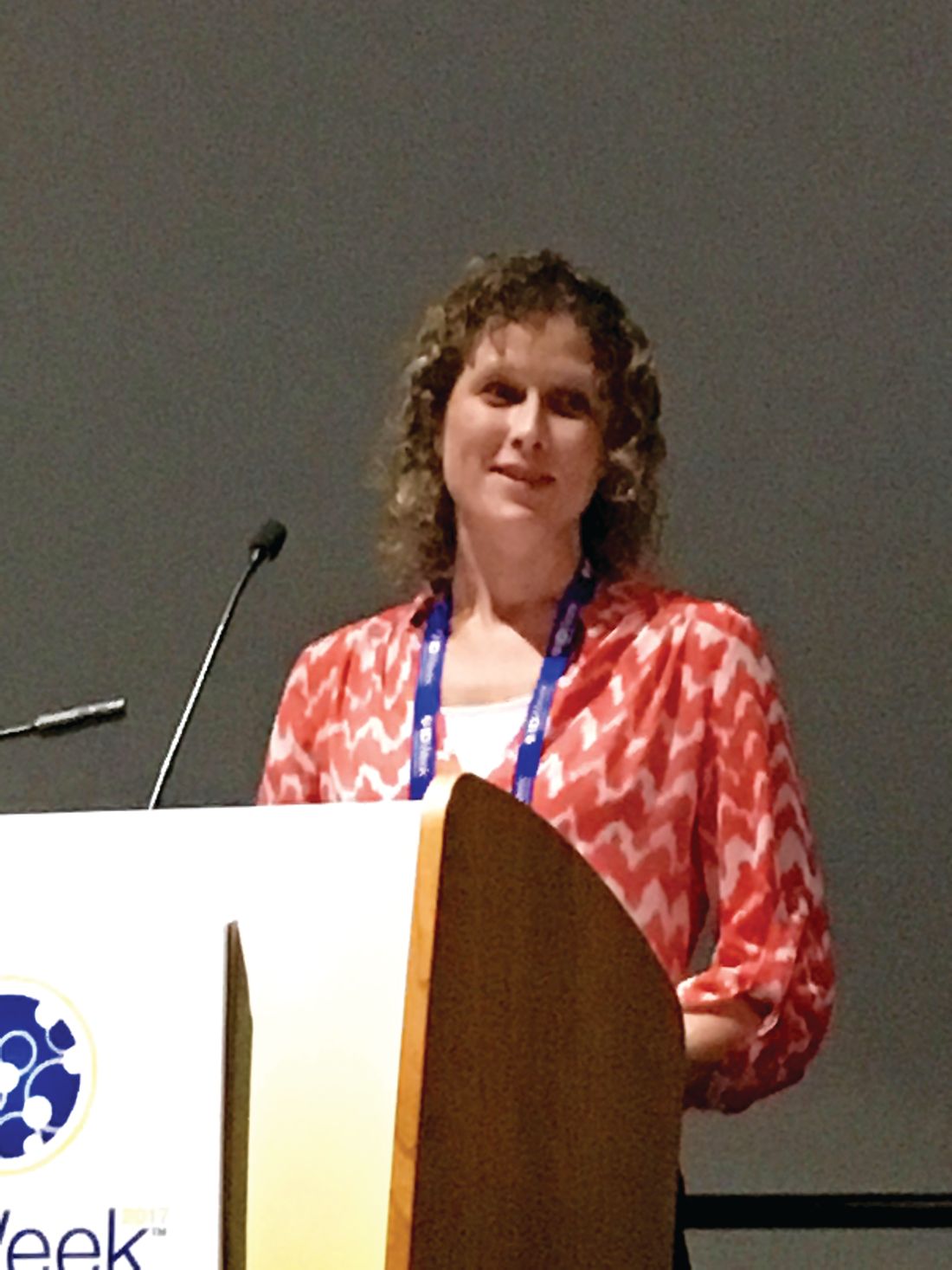
After implementing the guideline, Ms. Quick and her associates compared 25 children treated beforehand with 24 children treated afterward. Patients were 6 months to 5 years old, had physical signs and symptoms of acute hematogenous osteomyelitis or septic joint, and had been symptomatic for less than 14 days. The study was conducted between 2009 and 2016.
Kingella kingae was identified in one patient (4%) from the baseline cohort and in seven patients (29%) after the guideline was rolled out (P = .02), Ms. Quick said. Kingella was cultured from focal samples only, not from blood. Detection of methicillin-sensitive Staphylococcus aureus (MSSA) jumped from 8% to 17%, while cases with no detectable pathogen dropped from 80% to 46%. Lengths of stay and readmission rates did not change significantly.
Taken together, the findings show how early focal cultures and PCR can facilitate targeted therapy in acute pediatric bone and joint infections, prevent unnecessary antibiotic use, and expedite a targeted transition to oral antibiotics, said Ms. Quick. “We recognize that we have a small sample and that these are not complicated cases,” she said. “Our findings do not suggest it’s more important to look for Kingella than Staphylococcus aureus, but that Kingella should be up there in the ranks of what we’re looking for.”
The investigators reported having no conflicts of interest.
SAN DIEGO – Early focal cultures and strategic use of polymerase chain reaction (PCR) testing helped a hospital detect Kingella kingae seven times more often in a study of young children with acute non-complex hematogenous osteomyelitis, Rachel Quick, MSN, CNS, said at an annual meeting on infectious diseases.
Kingella kingae turned out to be the leading culprit in these cases, although the new approach also enhanced detection of Staphylococcus aureus and other bacteria, said Ms. Quick of Seton Healthcare Family in Austin, Texas. Children also transitioned to oral antibiotics a median of 22 days sooner and needed peripherally inserted central catheters (PICC) two-thirds less often after the guideline was implemented, she said during her oral presentation.
After implementing the guideline, Ms. Quick and her associates compared 25 children treated beforehand with 24 children treated afterward. Patients were 6 months to 5 years old, had physical signs and symptoms of acute hematogenous osteomyelitis or septic joint, and had been symptomatic for less than 14 days. The study was conducted between 2009 and 2016.
Kingella kingae was identified in one patient (4%) from the baseline cohort and in seven patients (29%) after the guideline was rolled out (P = .02), Ms. Quick said. Kingella was cultured from focal samples only, not from blood. Detection of methicillin-sensitive Staphylococcus aureus (MSSA) jumped from 8% to 17%, while cases with no detectable pathogen dropped from 80% to 46%. Lengths of stay and readmission rates did not change significantly.
Taken together, the findings show how early focal cultures and PCR can facilitate targeted therapy in acute pediatric bone and joint infections, prevent unnecessary antibiotic use, and expedite a targeted transition to oral antibiotics, said Ms. Quick. “We recognize that we have a small sample and that these are not complicated cases,” she said. “Our findings do not suggest it’s more important to look for Kingella than Staphylococcus aureus, but that Kingella should be up there in the ranks of what we’re looking for.”
The investigators reported having no conflicts of interest.
SAN DIEGO – Early focal cultures and strategic use of polymerase chain reaction (PCR) testing helped a hospital detect Kingella kingae seven times more often in a study of young children with acute non-complex hematogenous osteomyelitis, Rachel Quick, MSN, CNS, said at an annual meeting on infectious diseases.
Kingella kingae turned out to be the leading culprit in these cases, although the new approach also enhanced detection of Staphylococcus aureus and other bacteria, said Ms. Quick of Seton Healthcare Family in Austin, Texas. Children also transitioned to oral antibiotics a median of 22 days sooner and needed peripherally inserted central catheters (PICC) two-thirds less often after the guideline was implemented, she said during her oral presentation.
After implementing the guideline, Ms. Quick and her associates compared 25 children treated beforehand with 24 children treated afterward. Patients were 6 months to 5 years old, had physical signs and symptoms of acute hematogenous osteomyelitis or septic joint, and had been symptomatic for less than 14 days. The study was conducted between 2009 and 2016.
Kingella kingae was identified in one patient (4%) from the baseline cohort and in seven patients (29%) after the guideline was rolled out (P = .02), Ms. Quick said. Kingella was cultured from focal samples only, not from blood. Detection of methicillin-sensitive Staphylococcus aureus (MSSA) jumped from 8% to 17%, while cases with no detectable pathogen dropped from 80% to 46%. Lengths of stay and readmission rates did not change significantly.
Taken together, the findings show how early focal cultures and PCR can facilitate targeted therapy in acute pediatric bone and joint infections, prevent unnecessary antibiotic use, and expedite a targeted transition to oral antibiotics, said Ms. Quick. “We recognize that we have a small sample and that these are not complicated cases,” she said. “Our findings do not suggest it’s more important to look for Kingella than Staphylococcus aureus, but that Kingella should be up there in the ranks of what we’re looking for.”
The investigators reported having no conflicts of interest.
IDWEEK 2017
Key clinical point: Early focal cultures and strategic use of polymerase chain reaction (PCR) enhanced detection of Kingella kingae and other bacteria in young children with acute non-complex hematogenous osteomyelitis
Major finding: Detection of Kingella surged from 4% to 29%.
Data source: A retrospective cohort study of 49 children with non-complex acute hematogenous osteomyelitis or septic arthritis.
Disclosures: The investigators reported having no conflicts of interest.
Faster multiplex PCR improved management of pediatric acute respiratory illness
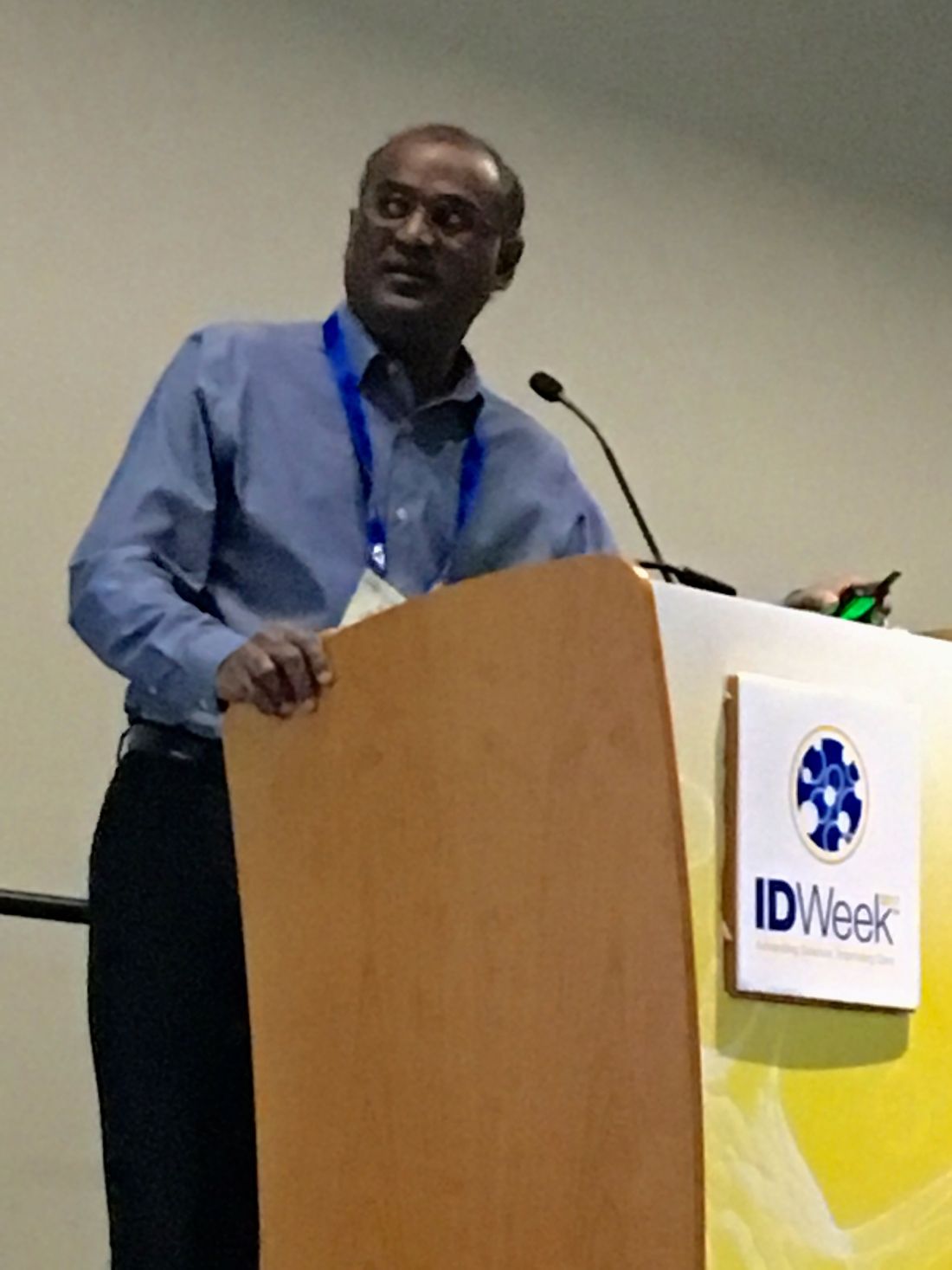
SAN DIEGO – Switching to a faster, more comprehensive multiplex PCR viral respiratory assay enabled a hospital to discharge young children with acute respiratory illnesses sooner, prescribe oseltamivir more often, and curtail the use of antibiotics and thoracic radiography, Rangaraj Selvarangan, PhD, reported at an annual meeting on infectious disease.
The study shows how rapid multiplex PCR testing can facilitate antimicrobial stewardship, said Dr. Selvarangan, who is a professor at the University of Missouri Kansas City School of Medicine and director of the microbiology laboratory at Children’s Mercy Kansas City. “Our antimicrobial stewardship programs monitors these test results daily, add notes, and make recommendations on antibiotic choices,” he said.
For the study, the researchers compared hospital records from December 2008 through May 2012, when Children’s Mercy hospital used the Luminex xTAG Respiratory Viral Panel, with records from August 2012 through June 2015, after the hospital had switched over to the Biofire FilmArray Respiratory Panel. FilmArray targets the same 17 viral pathogens as the Luminex panel, but also targets Bordetella pertussis, Chlamydia pneumoniae, and Mycoplasma pneumoniae, seasonal influenza A, parainfluenza type 4, and four coronaviruses.
The study included children aged up to 2 years who were not on immunosuppressive medications, in the NICU, or hospitalized for more than 7 days. For this population, the two panels yielded similar rates of positivity overall (about 60%) and for individual viruses, Dr. Selvarangan said. A total of 810 patients tested positive for at least one virus on the Luminex panel, and 2,096 patients tested positive on FilmArray. Results for FilmArray were available within a median of 4 hours, versus 29 hours for Luminex (P less than .001). The prevalence of empiric antibiotic therapy was 44% during the Luminex era and 28% after the hospital switched to FilmArray (P less than .001). Rates of antibiotic discontinuation rose from 16% with Luminex to 23% with FilmArray (P less than .01). Strikingly, oseltamivir prescriptions rose five-fold (from 17% to 85%; P less than .001) after the hospital began using FilmArray, which covers seasonal influenza. Finally, use of chest radiography fell significantly in both infants and older children after the hospital began using FilmArray instead of Luminex.
Clinicians might have become more comfortable interpreting molecular test results over time, which could have altered their clinical decision-making and thereby biased the study results, Dr. Selvarangan noted. Although at least four other single-center retrospective studies have linked multiplex PCR assays to better antibiotic stewardship, this study is one of the first to directly compare clinical outcomes between two assays, he added. More studies are needed to help guide choice of multiplex assays, whose cost remains a major barrier to widespread use, he concluded.
Dr. Selvarangan disclosed grant support from both Biofire Diagnostics and Luminex corporation, and an advisory relationship with BioFire.
SAN DIEGO – Switching to a faster, more comprehensive multiplex PCR viral respiratory assay enabled a hospital to discharge young children with acute respiratory illnesses sooner, prescribe oseltamivir more often, and curtail the use of antibiotics and thoracic radiography, Rangaraj Selvarangan, PhD, reported at an annual meeting on infectious disease.
The study shows how rapid multiplex PCR testing can facilitate antimicrobial stewardship, said Dr. Selvarangan, who is a professor at the University of Missouri Kansas City School of Medicine and director of the microbiology laboratory at Children’s Mercy Kansas City. “Our antimicrobial stewardship programs monitors these test results daily, add notes, and make recommendations on antibiotic choices,” he said.
For the study, the researchers compared hospital records from December 2008 through May 2012, when Children’s Mercy hospital used the Luminex xTAG Respiratory Viral Panel, with records from August 2012 through June 2015, after the hospital had switched over to the Biofire FilmArray Respiratory Panel. FilmArray targets the same 17 viral pathogens as the Luminex panel, but also targets Bordetella pertussis, Chlamydia pneumoniae, and Mycoplasma pneumoniae, seasonal influenza A, parainfluenza type 4, and four coronaviruses.
The study included children aged up to 2 years who were not on immunosuppressive medications, in the NICU, or hospitalized for more than 7 days. For this population, the two panels yielded similar rates of positivity overall (about 60%) and for individual viruses, Dr. Selvarangan said. A total of 810 patients tested positive for at least one virus on the Luminex panel, and 2,096 patients tested positive on FilmArray. Results for FilmArray were available within a median of 4 hours, versus 29 hours for Luminex (P less than .001). The prevalence of empiric antibiotic therapy was 44% during the Luminex era and 28% after the hospital switched to FilmArray (P less than .001). Rates of antibiotic discontinuation rose from 16% with Luminex to 23% with FilmArray (P less than .01). Strikingly, oseltamivir prescriptions rose five-fold (from 17% to 85%; P less than .001) after the hospital began using FilmArray, which covers seasonal influenza. Finally, use of chest radiography fell significantly in both infants and older children after the hospital began using FilmArray instead of Luminex.
Clinicians might have become more comfortable interpreting molecular test results over time, which could have altered their clinical decision-making and thereby biased the study results, Dr. Selvarangan noted. Although at least four other single-center retrospective studies have linked multiplex PCR assays to better antibiotic stewardship, this study is one of the first to directly compare clinical outcomes between two assays, he added. More studies are needed to help guide choice of multiplex assays, whose cost remains a major barrier to widespread use, he concluded.
Dr. Selvarangan disclosed grant support from both Biofire Diagnostics and Luminex corporation, and an advisory relationship with BioFire.
SAN DIEGO – Switching to a faster, more comprehensive multiplex PCR viral respiratory assay enabled a hospital to discharge young children with acute respiratory illnesses sooner, prescribe oseltamivir more often, and curtail the use of antibiotics and thoracic radiography, Rangaraj Selvarangan, PhD, reported at an annual meeting on infectious disease.
The study shows how rapid multiplex PCR testing can facilitate antimicrobial stewardship, said Dr. Selvarangan, who is a professor at the University of Missouri Kansas City School of Medicine and director of the microbiology laboratory at Children’s Mercy Kansas City. “Our antimicrobial stewardship programs monitors these test results daily, add notes, and make recommendations on antibiotic choices,” he said.
For the study, the researchers compared hospital records from December 2008 through May 2012, when Children’s Mercy hospital used the Luminex xTAG Respiratory Viral Panel, with records from August 2012 through June 2015, after the hospital had switched over to the Biofire FilmArray Respiratory Panel. FilmArray targets the same 17 viral pathogens as the Luminex panel, but also targets Bordetella pertussis, Chlamydia pneumoniae, and Mycoplasma pneumoniae, seasonal influenza A, parainfluenza type 4, and four coronaviruses.
The study included children aged up to 2 years who were not on immunosuppressive medications, in the NICU, or hospitalized for more than 7 days. For this population, the two panels yielded similar rates of positivity overall (about 60%) and for individual viruses, Dr. Selvarangan said. A total of 810 patients tested positive for at least one virus on the Luminex panel, and 2,096 patients tested positive on FilmArray. Results for FilmArray were available within a median of 4 hours, versus 29 hours for Luminex (P less than .001). The prevalence of empiric antibiotic therapy was 44% during the Luminex era and 28% after the hospital switched to FilmArray (P less than .001). Rates of antibiotic discontinuation rose from 16% with Luminex to 23% with FilmArray (P less than .01). Strikingly, oseltamivir prescriptions rose five-fold (from 17% to 85%; P less than .001) after the hospital began using FilmArray, which covers seasonal influenza. Finally, use of chest radiography fell significantly in both infants and older children after the hospital began using FilmArray instead of Luminex.
Clinicians might have become more comfortable interpreting molecular test results over time, which could have altered their clinical decision-making and thereby biased the study results, Dr. Selvarangan noted. Although at least four other single-center retrospective studies have linked multiplex PCR assays to better antibiotic stewardship, this study is one of the first to directly compare clinical outcomes between two assays, he added. More studies are needed to help guide choice of multiplex assays, whose cost remains a major barrier to widespread use, he concluded.
Dr. Selvarangan disclosed grant support from both Biofire Diagnostics and Luminex corporation, and an advisory relationship with BioFire.
AT IDWEEK 2017
Key clinical point: Faster multiplex PCR respiratory panel results helped guide management of young children hospitalized with acute respiratory illness.
Major finding: Empiric antibiotic therapy, thoracic radiography, and median length of stay all decreased.
Data source: A descriptive single-center retrospective study of 2,905 children up to 24 months old who were hospitalized with acute respiratory illness and tested positive for at least one virus on a multiplex PCR.
Disclosures: Dr. Selvarangan disclosed grant support from both Biofire Diagnostics and Luminex corporation, and an advisory relationship with BioFire.
New data dissect global burden of scabies
Scabies hits hardest in tropical parts of the world, and children and teens are most affected by the condition, based on data from a global epidemiological assessment.
“,” wrote Chante Karimkhani, MD, of the University of Colorado, Aurora, and her colleagues. To estimate the global impact of scabies, the researchers used the Global Burden of Disease (GBD) Study 2015, which included literature searches between 1980 and 2014 in both English and Spanish.
Overall, the prevalence of scabies worldwide was 204,151,715, and the age-standardized DALYs was 71/100,000 people. The highest DALYs in terms of world regions were reported in East Asia (136/100,000), Southeast Asia (135/100,000) the region described as Oceania (120/100,000) (which included American Samoa, Fiji, Guam, Marshall Islands, Northern Mariana Islands, Papua New Guinea, Samoa, Solomon Islands, and others), tropical Latin America (100/100,000), and South Asia (69/100,000). Scabies caused 0.21% of DALYs from all the conditions that are studied by GBD 2015 globally. The mean percent change in age-standardized DALY from 1990 to 2015 increased 22% in North America, but the age-standardized DALY still remained less than 5/100,000.
In addition, global DALYs from scabies skin infection were highest in children aged 1-4 years (116/100,000 individuals) and adolescents aged 15-19 years (102/100,000). DALYs were not significantly different between men and women across all age groups, Dr. Karimkhani and her associates reported.
“As a worldwide epidemiological assessment, GBD 2015 provides broad and frequently updated measures of scabies burden in terms of skin effects. These global data might help guide research protocols and prioritization efforts and focus scabies treatment and control measures,” the researchers said.
Of note is that these analyses do not include information about complications of scabies such as impetigo, local and systemic bacterial infections, glomerulonephritis, and rheumatic fever.
The study was funded by the Bill and Melinda Gates Foundation. The researchers had no financial conflicts to disclose.
Read the full study here: (Lancet Infect. Dis. 2017. doi: 10.1016/S1473-3099[17]30483-8).
Scabies hits hardest in tropical parts of the world, and children and teens are most affected by the condition, based on data from a global epidemiological assessment.
“,” wrote Chante Karimkhani, MD, of the University of Colorado, Aurora, and her colleagues. To estimate the global impact of scabies, the researchers used the Global Burden of Disease (GBD) Study 2015, which included literature searches between 1980 and 2014 in both English and Spanish.
Overall, the prevalence of scabies worldwide was 204,151,715, and the age-standardized DALYs was 71/100,000 people. The highest DALYs in terms of world regions were reported in East Asia (136/100,000), Southeast Asia (135/100,000) the region described as Oceania (120/100,000) (which included American Samoa, Fiji, Guam, Marshall Islands, Northern Mariana Islands, Papua New Guinea, Samoa, Solomon Islands, and others), tropical Latin America (100/100,000), and South Asia (69/100,000). Scabies caused 0.21% of DALYs from all the conditions that are studied by GBD 2015 globally. The mean percent change in age-standardized DALY from 1990 to 2015 increased 22% in North America, but the age-standardized DALY still remained less than 5/100,000.
In addition, global DALYs from scabies skin infection were highest in children aged 1-4 years (116/100,000 individuals) and adolescents aged 15-19 years (102/100,000). DALYs were not significantly different between men and women across all age groups, Dr. Karimkhani and her associates reported.
“As a worldwide epidemiological assessment, GBD 2015 provides broad and frequently updated measures of scabies burden in terms of skin effects. These global data might help guide research protocols and prioritization efforts and focus scabies treatment and control measures,” the researchers said.
Of note is that these analyses do not include information about complications of scabies such as impetigo, local and systemic bacterial infections, glomerulonephritis, and rheumatic fever.
The study was funded by the Bill and Melinda Gates Foundation. The researchers had no financial conflicts to disclose.
Read the full study here: (Lancet Infect. Dis. 2017. doi: 10.1016/S1473-3099[17]30483-8).
Scabies hits hardest in tropical parts of the world, and children and teens are most affected by the condition, based on data from a global epidemiological assessment.
“,” wrote Chante Karimkhani, MD, of the University of Colorado, Aurora, and her colleagues. To estimate the global impact of scabies, the researchers used the Global Burden of Disease (GBD) Study 2015, which included literature searches between 1980 and 2014 in both English and Spanish.
Overall, the prevalence of scabies worldwide was 204,151,715, and the age-standardized DALYs was 71/100,000 people. The highest DALYs in terms of world regions were reported in East Asia (136/100,000), Southeast Asia (135/100,000) the region described as Oceania (120/100,000) (which included American Samoa, Fiji, Guam, Marshall Islands, Northern Mariana Islands, Papua New Guinea, Samoa, Solomon Islands, and others), tropical Latin America (100/100,000), and South Asia (69/100,000). Scabies caused 0.21% of DALYs from all the conditions that are studied by GBD 2015 globally. The mean percent change in age-standardized DALY from 1990 to 2015 increased 22% in North America, but the age-standardized DALY still remained less than 5/100,000.
In addition, global DALYs from scabies skin infection were highest in children aged 1-4 years (116/100,000 individuals) and adolescents aged 15-19 years (102/100,000). DALYs were not significantly different between men and women across all age groups, Dr. Karimkhani and her associates reported.
“As a worldwide epidemiological assessment, GBD 2015 provides broad and frequently updated measures of scabies burden in terms of skin effects. These global data might help guide research protocols and prioritization efforts and focus scabies treatment and control measures,” the researchers said.
Of note is that these analyses do not include information about complications of scabies such as impetigo, local and systemic bacterial infections, glomerulonephritis, and rheumatic fever.
The study was funded by the Bill and Melinda Gates Foundation. The researchers had no financial conflicts to disclose.
Read the full study here: (Lancet Infect. Dis. 2017. doi: 10.1016/S1473-3099[17]30483-8).
FROM THE LANCET INFECTIOUS DISEASES
Study: Macrolide treatment lowers risk of failure in pediatric CAP patients
SAN DIEGO – Macrolide use showed lower treatment failure rates than did amoxicillin or beta-lactam treatment for pediatric community acquired pneumonia (CAP) patients, according to a study presented at an annual scientific meeting on infectious diseases.
While guidelines recommend amoxicillin as the first-line therapy against CAP, investigators have noticed an increase in macrolide prescriptions to pediatric outpatients, despite reported shortcomings in its use against atypical pneumonia.
“Macrolides are probably prescribed out of proportion to the presence of atypical pneumonia in that practice setting,” said Lori Handy, MD, of Children’s Hospital of Philadelphia. This could be an issue, according to Dr. Handy: “We also know that depending on the study, up to 40% of Streptococcus pneumoniae is resistant to macrolides, meaning there are children out there who may have S. pneumoniae who are receiving therapy not targeted at their disease pathogen.”
To examine the possible impact of an increase in macrolide prescriptions, the investigators conducted a retrospective cohort study of 10,470 CAP pediatric patients across 31 primary care practices in the Children’s Hospital of Philadelphia network who were diagnosed between January 2009 and December 2013.
The studied cohort was split into three groups based on treatment options: amoxicillin monotherapy (4,252, 40.6%), macrolide monotherapy (4,459, 42.6%), and broad-spectrum beta-lactams (1,759, 16.8%).
Patient age ranged from 3 months to 18 years, the majority were white, with a roughly equal number of each sex. Of the children studied, 634 (6.1%) experienced treatment failure, defined as a change in antibiotics, an emergency department visit for related symptoms, or hospitalization for pneumonia, all of which had to occur more than 24 hours after a pediatric visit, according to Dr. Handy.
Of the children who failed treatment, 341 (54%) were in the amoxicillin group, 145 (23%) were in the macrolide group, and 147 (23%) were in the broad-spectrum group.
Patients younger than 5 years old who received macrolide therapy were half as likely to experience treatment failure compared with those given amoxicillin (odds ratio [OR] .52 [95% confidence interval (CI), 0.34-0.78]).
“What this translates to in practice is that about 32 children would need to treated with macrolides to prevent one failure in the amoxicillin group,” said Dr. Handy.
Patients 5 years and older showed even lower odds of treatment failure, at approximately one-third the rate of amoxicillin treated patients (OR .31 [95% CI, 0.23-0.92]).
Dr. Handy stated that the retrospective nature of the study and the possibility of changes in the epidemiology of CAP occurring since 2013 should be considered when evaluating the findings.
In addition, she pointed out, CAP is a clinical diagnosis, and there is generally no microbiological data associated with it in order to determine the etiology of the infection.
Overall, in healthy children with CAP, it would be better to use macrolide antibiotics compared with amoxicillin, Dr. Handy concluded. However, without the microbiological data, a more randomized, controlled trial would be needed to determine how to best treat these patients, she added.
During discussion, members of the audience asked about the appropriateness of measuring a change in antibiotics as an endpoint, especially in children with viral pneumonia, who may have had parents request stronger medication when their children did not improve quickly enough.
The 47 patients who were hospitalized would not have provided enough control to properly test the results, Dr. Handy replied, although she did acknowledge the potential issue of viral infections.
She stated the need for further study to assess its possible impact, saying she didn’t know whether viral infections may have skewed their results. “Either they’ve done nothing because they’re equally distributed among the groups or they’ve pushed them one way or the other way,” she said.
Dr. Handy and her colleagues reported having no relevant financial disclosures. The event was the combined annual meetings of the Infectious Diseases Society of America, the Society for Healthcare Epidemiology of America, the HIV Medicine Association, and the Pediatric Infectious Diseases Society.
ezimmerman@frontlinemedcom.com
On Twitter @eaztweets
SAN DIEGO – Macrolide use showed lower treatment failure rates than did amoxicillin or beta-lactam treatment for pediatric community acquired pneumonia (CAP) patients, according to a study presented at an annual scientific meeting on infectious diseases.
While guidelines recommend amoxicillin as the first-line therapy against CAP, investigators have noticed an increase in macrolide prescriptions to pediatric outpatients, despite reported shortcomings in its use against atypical pneumonia.
“Macrolides are probably prescribed out of proportion to the presence of atypical pneumonia in that practice setting,” said Lori Handy, MD, of Children’s Hospital of Philadelphia. This could be an issue, according to Dr. Handy: “We also know that depending on the study, up to 40% of Streptococcus pneumoniae is resistant to macrolides, meaning there are children out there who may have S. pneumoniae who are receiving therapy not targeted at their disease pathogen.”
To examine the possible impact of an increase in macrolide prescriptions, the investigators conducted a retrospective cohort study of 10,470 CAP pediatric patients across 31 primary care practices in the Children’s Hospital of Philadelphia network who were diagnosed between January 2009 and December 2013.
The studied cohort was split into three groups based on treatment options: amoxicillin monotherapy (4,252, 40.6%), macrolide monotherapy (4,459, 42.6%), and broad-spectrum beta-lactams (1,759, 16.8%).
Patient age ranged from 3 months to 18 years, the majority were white, with a roughly equal number of each sex. Of the children studied, 634 (6.1%) experienced treatment failure, defined as a change in antibiotics, an emergency department visit for related symptoms, or hospitalization for pneumonia, all of which had to occur more than 24 hours after a pediatric visit, according to Dr. Handy.
Of the children who failed treatment, 341 (54%) were in the amoxicillin group, 145 (23%) were in the macrolide group, and 147 (23%) were in the broad-spectrum group.
Patients younger than 5 years old who received macrolide therapy were half as likely to experience treatment failure compared with those given amoxicillin (odds ratio [OR] .52 [95% confidence interval (CI), 0.34-0.78]).
“What this translates to in practice is that about 32 children would need to treated with macrolides to prevent one failure in the amoxicillin group,” said Dr. Handy.
Patients 5 years and older showed even lower odds of treatment failure, at approximately one-third the rate of amoxicillin treated patients (OR .31 [95% CI, 0.23-0.92]).
Dr. Handy stated that the retrospective nature of the study and the possibility of changes in the epidemiology of CAP occurring since 2013 should be considered when evaluating the findings.
In addition, she pointed out, CAP is a clinical diagnosis, and there is generally no microbiological data associated with it in order to determine the etiology of the infection.
Overall, in healthy children with CAP, it would be better to use macrolide antibiotics compared with amoxicillin, Dr. Handy concluded. However, without the microbiological data, a more randomized, controlled trial would be needed to determine how to best treat these patients, she added.
During discussion, members of the audience asked about the appropriateness of measuring a change in antibiotics as an endpoint, especially in children with viral pneumonia, who may have had parents request stronger medication when their children did not improve quickly enough.
The 47 patients who were hospitalized would not have provided enough control to properly test the results, Dr. Handy replied, although she did acknowledge the potential issue of viral infections.
She stated the need for further study to assess its possible impact, saying she didn’t know whether viral infections may have skewed their results. “Either they’ve done nothing because they’re equally distributed among the groups or they’ve pushed them one way or the other way,” she said.
Dr. Handy and her colleagues reported having no relevant financial disclosures. The event was the combined annual meetings of the Infectious Diseases Society of America, the Society for Healthcare Epidemiology of America, the HIV Medicine Association, and the Pediatric Infectious Diseases Society.
ezimmerman@frontlinemedcom.com
On Twitter @eaztweets
SAN DIEGO – Macrolide use showed lower treatment failure rates than did amoxicillin or beta-lactam treatment for pediatric community acquired pneumonia (CAP) patients, according to a study presented at an annual scientific meeting on infectious diseases.
While guidelines recommend amoxicillin as the first-line therapy against CAP, investigators have noticed an increase in macrolide prescriptions to pediatric outpatients, despite reported shortcomings in its use against atypical pneumonia.
“Macrolides are probably prescribed out of proportion to the presence of atypical pneumonia in that practice setting,” said Lori Handy, MD, of Children’s Hospital of Philadelphia. This could be an issue, according to Dr. Handy: “We also know that depending on the study, up to 40% of Streptococcus pneumoniae is resistant to macrolides, meaning there are children out there who may have S. pneumoniae who are receiving therapy not targeted at their disease pathogen.”
To examine the possible impact of an increase in macrolide prescriptions, the investigators conducted a retrospective cohort study of 10,470 CAP pediatric patients across 31 primary care practices in the Children’s Hospital of Philadelphia network who were diagnosed between January 2009 and December 2013.
The studied cohort was split into three groups based on treatment options: amoxicillin monotherapy (4,252, 40.6%), macrolide monotherapy (4,459, 42.6%), and broad-spectrum beta-lactams (1,759, 16.8%).
Patient age ranged from 3 months to 18 years, the majority were white, with a roughly equal number of each sex. Of the children studied, 634 (6.1%) experienced treatment failure, defined as a change in antibiotics, an emergency department visit for related symptoms, or hospitalization for pneumonia, all of which had to occur more than 24 hours after a pediatric visit, according to Dr. Handy.
Of the children who failed treatment, 341 (54%) were in the amoxicillin group, 145 (23%) were in the macrolide group, and 147 (23%) were in the broad-spectrum group.
Patients younger than 5 years old who received macrolide therapy were half as likely to experience treatment failure compared with those given amoxicillin (odds ratio [OR] .52 [95% confidence interval (CI), 0.34-0.78]).
“What this translates to in practice is that about 32 children would need to treated with macrolides to prevent one failure in the amoxicillin group,” said Dr. Handy.
Patients 5 years and older showed even lower odds of treatment failure, at approximately one-third the rate of amoxicillin treated patients (OR .31 [95% CI, 0.23-0.92]).
Dr. Handy stated that the retrospective nature of the study and the possibility of changes in the epidemiology of CAP occurring since 2013 should be considered when evaluating the findings.
In addition, she pointed out, CAP is a clinical diagnosis, and there is generally no microbiological data associated with it in order to determine the etiology of the infection.
Overall, in healthy children with CAP, it would be better to use macrolide antibiotics compared with amoxicillin, Dr. Handy concluded. However, without the microbiological data, a more randomized, controlled trial would be needed to determine how to best treat these patients, she added.
During discussion, members of the audience asked about the appropriateness of measuring a change in antibiotics as an endpoint, especially in children with viral pneumonia, who may have had parents request stronger medication when their children did not improve quickly enough.
The 47 patients who were hospitalized would not have provided enough control to properly test the results, Dr. Handy replied, although she did acknowledge the potential issue of viral infections.
She stated the need for further study to assess its possible impact, saying she didn’t know whether viral infections may have skewed their results. “Either they’ve done nothing because they’re equally distributed among the groups or they’ve pushed them one way or the other way,” she said.
Dr. Handy and her colleagues reported having no relevant financial disclosures. The event was the combined annual meetings of the Infectious Diseases Society of America, the Society for Healthcare Epidemiology of America, the HIV Medicine Association, and the Pediatric Infectious Diseases Society.
ezimmerman@frontlinemedcom.com
On Twitter @eaztweets
AT ID WEEK 2017
Key clinical point:
Major finding: Macrolide treatment was associated with treatment failure OR of .52 in patients younger than 5 years and .31 among patients older than 5 years.
Data source: Retrospective study of 10,460 pediatric patients receiving antibiotics for community acquired pneumonia during 2009-2013.
Disclosures: Dr. Handy and her colleagues reported having no relevant financial disclosures.
Sperm banking may be underused by young cancer patients

New research suggests sperm banking may be underutilized by adolescent and young adult males with cancer who are at risk of infertility.
However, the study also showed that patients were more likely to attempt sperm banking if they were physically mature, met with fertility specialists, or their parents recommended sperm banking.
These findings were published in the Journal of Clinical Oncology.
“Research has found that the majority of males who survive childhood cancer desire biological children,” said study author James Klosky, PhD, of St. Jude Children’s Research Hospital in Memphis, Tennessee.
“Fertility preservation is also associated with a variety of benefits for survivors, including increased optimism about the future. While sperm banking is not for everyone, it is an effective method for preserving male fertility. Yet this study shows that sperm banking remains underutilized by at-risk patients with cancer.”
Dr Klosky and his colleagues surveyed 146 young males with cancer who were at risk of infertility. The researchers also surveyed 144 parents or guardians and 52 oncologists and other healthcare providers.
The patients’ mean age was 16.49 (range, 13.0-21.99). Diagnoses included leukemia and lymphoma (56.2%), solid tumor malignancies (37.7%), and brain tumors (6.2%).
Slightly more than half of the patients (53.4%, n=78) attempted sperm banking prior to starting treatment. Sixty-two, or 82.1%, of those who attempted sperm banking were successful.
In all, 43.8% of the patients successfully banked sperm.
Of the 68 patients who did not attempt sperm banking, 29 reported discussing the option with their families but deciding against it. Twenty-six patients indicated they did not believe sperm banking was necessary, and 9 patients were unsure what it was.
There were several factors that influenced the likelihood of patients making sperm collection attempts as well as successfully banking sperm.
In a multivariable analysis, the following factors were associated with an increased likelihood of attempting to bank sperm:
- Meeting with a fertility specialist (odds ratio[OR]=29.96; 95% CI, 2.48 to 361.41; P=0.007)
- Parent recommending banking (OR=12.30; 95% CI, 2.01 to 75.94; P=0.007)
- Higher Tanner stage (OR=5.42; 95% CI, 1.75 to 16.78; P=0.003).
In another multivariable analysis, successful sperm banking was associated with:
- Patient history of masturbation (OR=5.99; 95% CI, 1.25 to 28.50; P=0.025)
- Higher self-efficacy for banking coordination (OR=1.23; 95% CI, 1.05 to 1.45; P=0.012)
- Medical team member recommending banking (OR=4.26; 95% CI, 1.45 to 12.43; P=0.008)
- Parent recommending banking (OR=4.62; 95% CI, 1.46 to 14.73; P=0.010).
“These results highlight factors that providers can target to empower adolescents to actively participate in their own healthcare,” Dr Klosky said. “These decisions, which are typically made at the time of diagnosis, have high potential to affect their lives as survivors.”
New research suggests sperm banking may be underutilized by adolescent and young adult males with cancer who are at risk of infertility.
However, the study also showed that patients were more likely to attempt sperm banking if they were physically mature, met with fertility specialists, or their parents recommended sperm banking.
These findings were published in the Journal of Clinical Oncology.
“Research has found that the majority of males who survive childhood cancer desire biological children,” said study author James Klosky, PhD, of St. Jude Children’s Research Hospital in Memphis, Tennessee.
“Fertility preservation is also associated with a variety of benefits for survivors, including increased optimism about the future. While sperm banking is not for everyone, it is an effective method for preserving male fertility. Yet this study shows that sperm banking remains underutilized by at-risk patients with cancer.”
Dr Klosky and his colleagues surveyed 146 young males with cancer who were at risk of infertility. The researchers also surveyed 144 parents or guardians and 52 oncologists and other healthcare providers.
The patients’ mean age was 16.49 (range, 13.0-21.99). Diagnoses included leukemia and lymphoma (56.2%), solid tumor malignancies (37.7%), and brain tumors (6.2%).
Slightly more than half of the patients (53.4%, n=78) attempted sperm banking prior to starting treatment. Sixty-two, or 82.1%, of those who attempted sperm banking were successful.
In all, 43.8% of the patients successfully banked sperm.
Of the 68 patients who did not attempt sperm banking, 29 reported discussing the option with their families but deciding against it. Twenty-six patients indicated they did not believe sperm banking was necessary, and 9 patients were unsure what it was.
There were several factors that influenced the likelihood of patients making sperm collection attempts as well as successfully banking sperm.
In a multivariable analysis, the following factors were associated with an increased likelihood of attempting to bank sperm:
- Meeting with a fertility specialist (odds ratio[OR]=29.96; 95% CI, 2.48 to 361.41; P=0.007)
- Parent recommending banking (OR=12.30; 95% CI, 2.01 to 75.94; P=0.007)
- Higher Tanner stage (OR=5.42; 95% CI, 1.75 to 16.78; P=0.003).
In another multivariable analysis, successful sperm banking was associated with:
- Patient history of masturbation (OR=5.99; 95% CI, 1.25 to 28.50; P=0.025)
- Higher self-efficacy for banking coordination (OR=1.23; 95% CI, 1.05 to 1.45; P=0.012)
- Medical team member recommending banking (OR=4.26; 95% CI, 1.45 to 12.43; P=0.008)
- Parent recommending banking (OR=4.62; 95% CI, 1.46 to 14.73; P=0.010).
“These results highlight factors that providers can target to empower adolescents to actively participate in their own healthcare,” Dr Klosky said. “These decisions, which are typically made at the time of diagnosis, have high potential to affect their lives as survivors.”
New research suggests sperm banking may be underutilized by adolescent and young adult males with cancer who are at risk of infertility.
However, the study also showed that patients were more likely to attempt sperm banking if they were physically mature, met with fertility specialists, or their parents recommended sperm banking.
These findings were published in the Journal of Clinical Oncology.
“Research has found that the majority of males who survive childhood cancer desire biological children,” said study author James Klosky, PhD, of St. Jude Children’s Research Hospital in Memphis, Tennessee.
“Fertility preservation is also associated with a variety of benefits for survivors, including increased optimism about the future. While sperm banking is not for everyone, it is an effective method for preserving male fertility. Yet this study shows that sperm banking remains underutilized by at-risk patients with cancer.”
Dr Klosky and his colleagues surveyed 146 young males with cancer who were at risk of infertility. The researchers also surveyed 144 parents or guardians and 52 oncologists and other healthcare providers.
The patients’ mean age was 16.49 (range, 13.0-21.99). Diagnoses included leukemia and lymphoma (56.2%), solid tumor malignancies (37.7%), and brain tumors (6.2%).
Slightly more than half of the patients (53.4%, n=78) attempted sperm banking prior to starting treatment. Sixty-two, or 82.1%, of those who attempted sperm banking were successful.
In all, 43.8% of the patients successfully banked sperm.
Of the 68 patients who did not attempt sperm banking, 29 reported discussing the option with their families but deciding against it. Twenty-six patients indicated they did not believe sperm banking was necessary, and 9 patients were unsure what it was.
There were several factors that influenced the likelihood of patients making sperm collection attempts as well as successfully banking sperm.
In a multivariable analysis, the following factors were associated with an increased likelihood of attempting to bank sperm:
- Meeting with a fertility specialist (odds ratio[OR]=29.96; 95% CI, 2.48 to 361.41; P=0.007)
- Parent recommending banking (OR=12.30; 95% CI, 2.01 to 75.94; P=0.007)
- Higher Tanner stage (OR=5.42; 95% CI, 1.75 to 16.78; P=0.003).
In another multivariable analysis, successful sperm banking was associated with:
- Patient history of masturbation (OR=5.99; 95% CI, 1.25 to 28.50; P=0.025)
- Higher self-efficacy for banking coordination (OR=1.23; 95% CI, 1.05 to 1.45; P=0.012)
- Medical team member recommending banking (OR=4.26; 95% CI, 1.45 to 12.43; P=0.008)
- Parent recommending banking (OR=4.62; 95% CI, 1.46 to 14.73; P=0.010).
“These results highlight factors that providers can target to empower adolescents to actively participate in their own healthcare,” Dr Klosky said. “These decisions, which are typically made at the time of diagnosis, have high potential to affect their lives as survivors.”
Not recommending LAIV didn’t reduce flu vaccination in Oregon children
Oregon researchers studying the effect of not recommending intranasal live attenuated influenza vaccines (LAIV) in favor of injected influenza vaccines (IIV) for the 2016-2017 flu season found that the change in recommendation had a minimal impact on overall flu vaccination rates, but that patients who had been given injected flu vaccine previously were slightly more likely to return for it the following season.

Steve G. Robison, MPH, of the Immunization Program of the Oregon Health Authority in Salem, led the study to monitor the effects of the new recommendation in Oregon, where he and his coauthors noted that there is “a substantial vaccine-hesitant population” (Pediatrics. 2017 Oct 6. doi: 10.1542/peds.2017-0516).
They considered data from the state’s immunization registry, simply counting seasonal immunization rates from 2012 to 2017. As a second assessment, they compared children who had previously received LAIV between Aug. 1 and Dec. 31, 2015, and children who received IIV during the same period, to see which cohort was more likely to return for flu vaccination the following season.
“Overall, 53.1% of children in the study with previous LAIV and 56.4% with a previous IIV returned for an IIV during the 2016-2017 season,” they reported. Those rates showed that the cohort with past injected vaccine was only 1.05 times more likely to return than the cohort with past nasal spray vaccine (95% confidence interval, 1.04-1.06). The investigators also concluded that overall rates have undergone “minimal changes” in the past 5 years, and the effect of the committee’s recommendation additionally was considered to be minimal.
Mr. Robison and his associates said they had no relevant financial disclosures. The study was funded in part by the CDC’s grants to Oregon statefor immunization surveillance.
Oregon researchers studying the effect of not recommending intranasal live attenuated influenza vaccines (LAIV) in favor of injected influenza vaccines (IIV) for the 2016-2017 flu season found that the change in recommendation had a minimal impact on overall flu vaccination rates, but that patients who had been given injected flu vaccine previously were slightly more likely to return for it the following season.
Steve G. Robison, MPH, of the Immunization Program of the Oregon Health Authority in Salem, led the study to monitor the effects of the new recommendation in Oregon, where he and his coauthors noted that there is “a substantial vaccine-hesitant population” (Pediatrics. 2017 Oct 6. doi: 10.1542/peds.2017-0516).
They considered data from the state’s immunization registry, simply counting seasonal immunization rates from 2012 to 2017. As a second assessment, they compared children who had previously received LAIV between Aug. 1 and Dec. 31, 2015, and children who received IIV during the same period, to see which cohort was more likely to return for flu vaccination the following season.
“Overall, 53.1% of children in the study with previous LAIV and 56.4% with a previous IIV returned for an IIV during the 2016-2017 season,” they reported. Those rates showed that the cohort with past injected vaccine was only 1.05 times more likely to return than the cohort with past nasal spray vaccine (95% confidence interval, 1.04-1.06). The investigators also concluded that overall rates have undergone “minimal changes” in the past 5 years, and the effect of the committee’s recommendation additionally was considered to be minimal.
Mr. Robison and his associates said they had no relevant financial disclosures. The study was funded in part by the CDC’s grants to Oregon statefor immunization surveillance.
Oregon researchers studying the effect of not recommending intranasal live attenuated influenza vaccines (LAIV) in favor of injected influenza vaccines (IIV) for the 2016-2017 flu season found that the change in recommendation had a minimal impact on overall flu vaccination rates, but that patients who had been given injected flu vaccine previously were slightly more likely to return for it the following season.
Steve G. Robison, MPH, of the Immunization Program of the Oregon Health Authority in Salem, led the study to monitor the effects of the new recommendation in Oregon, where he and his coauthors noted that there is “a substantial vaccine-hesitant population” (Pediatrics. 2017 Oct 6. doi: 10.1542/peds.2017-0516).
They considered data from the state’s immunization registry, simply counting seasonal immunization rates from 2012 to 2017. As a second assessment, they compared children who had previously received LAIV between Aug. 1 and Dec. 31, 2015, and children who received IIV during the same period, to see which cohort was more likely to return for flu vaccination the following season.
“Overall, 53.1% of children in the study with previous LAIV and 56.4% with a previous IIV returned for an IIV during the 2016-2017 season,” they reported. Those rates showed that the cohort with past injected vaccine was only 1.05 times more likely to return than the cohort with past nasal spray vaccine (95% confidence interval, 1.04-1.06). The investigators also concluded that overall rates have undergone “minimal changes” in the past 5 years, and the effect of the committee’s recommendation additionally was considered to be minimal.
Mr. Robison and his associates said they had no relevant financial disclosures. The study was funded in part by the CDC’s grants to Oregon statefor immunization surveillance.
FROM PEDIATRICS
Key clinical point:
Major finding: 53.1% of children in the study with previous LAIV and 56.4% with a previous IIV returned for an IIV during the 2016-2017 season.
Data source: Data from Oregon’s immunization registry.
Disclosures: Mr. Robison and his associates said they had no relevant financial disclosures. The study was funded in part by the CDC’s grants to Oregon state for immunization surveillance.