User login
FDA approves Vimpat for POS treatment in children with epilepsy
The Food and Drug Administration has approved lacosamide for the treatment of partial-onset seizures in children with epilepsy, according to a statement by UCB, manufacturer of the drug.
The approval by the FDA is an extension of the drug’s previous indication, which was approved in 2009 for use in adults, and is based on four clinical trials and pharmacokinetic analyses from adult and pediatric data. The expanded indication is for children older than 4 years, and applies only to the oral tablet. Lacosamide (Vimpat) injections remain indicated only for adult patients older than 17 years.
“Until recently there were few effective treatment options approved for childhood epilepsy. This has contributed to poor seizure control for many, which can be detrimental to overall quality of life. The availability of lacosamide for children with epilepsy has the potential to change the lives of children and their families by providing an additional choice to support them in their epilepsy journey,” Raman Sankar, MD, PhD, professor of neurology and pediatrics and chief of pediatric neurology at the University of California, Los Angeles, said in the statement.
Find the full press release on the UCB website.
The Food and Drug Administration has approved lacosamide for the treatment of partial-onset seizures in children with epilepsy, according to a statement by UCB, manufacturer of the drug.
The approval by the FDA is an extension of the drug’s previous indication, which was approved in 2009 for use in adults, and is based on four clinical trials and pharmacokinetic analyses from adult and pediatric data. The expanded indication is for children older than 4 years, and applies only to the oral tablet. Lacosamide (Vimpat) injections remain indicated only for adult patients older than 17 years.
“Until recently there were few effective treatment options approved for childhood epilepsy. This has contributed to poor seizure control for many, which can be detrimental to overall quality of life. The availability of lacosamide for children with epilepsy has the potential to change the lives of children and their families by providing an additional choice to support them in their epilepsy journey,” Raman Sankar, MD, PhD, professor of neurology and pediatrics and chief of pediatric neurology at the University of California, Los Angeles, said in the statement.
Find the full press release on the UCB website.
The Food and Drug Administration has approved lacosamide for the treatment of partial-onset seizures in children with epilepsy, according to a statement by UCB, manufacturer of the drug.
The approval by the FDA is an extension of the drug’s previous indication, which was approved in 2009 for use in adults, and is based on four clinical trials and pharmacokinetic analyses from adult and pediatric data. The expanded indication is for children older than 4 years, and applies only to the oral tablet. Lacosamide (Vimpat) injections remain indicated only for adult patients older than 17 years.
“Until recently there were few effective treatment options approved for childhood epilepsy. This has contributed to poor seizure control for many, which can be detrimental to overall quality of life. The availability of lacosamide for children with epilepsy has the potential to change the lives of children and their families by providing an additional choice to support them in their epilepsy journey,” Raman Sankar, MD, PhD, professor of neurology and pediatrics and chief of pediatric neurology at the University of California, Los Angeles, said in the statement.
Find the full press release on the UCB website.
Results support using MTD of HU in kids with SCA

Dosing of hydroxyurea (HU) in young patients with sickle cell anemia (SCA) should target a fetal hemoglobin (HbF) level above 20%, according to researchers.
Their study, HUSTLE, showed that children and adolescents who received a maximum tolerated dose (MTD) of HU were able to achieve HbF levels above 20%.
And patients who achieved such HbF levels had a significantly lower risk of hospitalization for any reason, including vaso-occlusive crisis, acute chest syndrome, and fever.
Jeremie Estepp, MD, of St. Jude Children’s Research Hospital in Memphis, Tennessee, and his colleagues reported these results in the American Journal of Hematology.
“Our analysis showed that, using this approach, hospitalizations for the average patient fell to less than 1 every couple of years rather than 4 to 6 annually,” Dr Estepp said. “This frees children from the fevers, pain, and other symptoms of this disease and gives them and their families more chances to enjoy childhood and adolescence.”
The study enrolled 230 SCA patients. Most had the HbSS genotype (n=214; 93%), although 7% (n=16) had HbSb0 thalassemia. The patients’ median age at HU initiation was 7.4 years (range, 6 months to 17.9 years). The mean HbF level at enrollment was 9.7%, and the median was 7.9% (range, 1.0-32.9%).
The researchers used a dose-escalation approach to determine the MTD of HU for each of the patients in this study. The MTD was defined by an absolute neutrophil count of 2000-4000 x 106/L or the presence of hematologic toxicity. The maximum absolute dose was 35 mg/kg/day or 2000 mg/day (whichever came first).
The mean daily dose of HU at the MTD was 26.7 mg/kg/day, and the median was 28.0 mg/kg/day (range, 13.0 to 35.0 mg/kg/day).
Three-quarters of patients (75.2%, 173/230) attained the MTD at the time of data censoring. Patients were followed for up to 4 years after study entry.
As far as treatment compliance, there were complete medication dispensation records available for 96% (220/230) of patients. And the patients were in possession of HU a mean of 93.6% of the time.
The researchers found that administering HU at the MTD resulted in a mean HbF of 26.7% and a median of 21.7% (interquartile range, 16.2% to 27.8%).
And the odds of being hospitalized were higher when a patient’s HbF level was less than 21%. The odds ratios for hospitalization were as follows:
- 4.1 for fever
- 2.6 for acute chest syndrome
- 2.2 for vaso-occlusive crisis
- 2.1 for any reason.
“These results support a hydroxyurea dosing strategy designed to produce fetal hemoglobin levels that exceed 20% in an effort to decrease hospitalization of children with sickle cell disease,” Dr Estepp said.
He and his colleagues are now conducting a multicenter trial to determine if toddlers with SCA would benefit from a similar dosing strategy or would respond better to a standard dose. 
Dosing of hydroxyurea (HU) in young patients with sickle cell anemia (SCA) should target a fetal hemoglobin (HbF) level above 20%, according to researchers.
Their study, HUSTLE, showed that children and adolescents who received a maximum tolerated dose (MTD) of HU were able to achieve HbF levels above 20%.
And patients who achieved such HbF levels had a significantly lower risk of hospitalization for any reason, including vaso-occlusive crisis, acute chest syndrome, and fever.
Jeremie Estepp, MD, of St. Jude Children’s Research Hospital in Memphis, Tennessee, and his colleagues reported these results in the American Journal of Hematology.
“Our analysis showed that, using this approach, hospitalizations for the average patient fell to less than 1 every couple of years rather than 4 to 6 annually,” Dr Estepp said. “This frees children from the fevers, pain, and other symptoms of this disease and gives them and their families more chances to enjoy childhood and adolescence.”
The study enrolled 230 SCA patients. Most had the HbSS genotype (n=214; 93%), although 7% (n=16) had HbSb0 thalassemia. The patients’ median age at HU initiation was 7.4 years (range, 6 months to 17.9 years). The mean HbF level at enrollment was 9.7%, and the median was 7.9% (range, 1.0-32.9%).
The researchers used a dose-escalation approach to determine the MTD of HU for each of the patients in this study. The MTD was defined by an absolute neutrophil count of 2000-4000 x 106/L or the presence of hematologic toxicity. The maximum absolute dose was 35 mg/kg/day or 2000 mg/day (whichever came first).
The mean daily dose of HU at the MTD was 26.7 mg/kg/day, and the median was 28.0 mg/kg/day (range, 13.0 to 35.0 mg/kg/day).
Three-quarters of patients (75.2%, 173/230) attained the MTD at the time of data censoring. Patients were followed for up to 4 years after study entry.
As far as treatment compliance, there were complete medication dispensation records available for 96% (220/230) of patients. And the patients were in possession of HU a mean of 93.6% of the time.
The researchers found that administering HU at the MTD resulted in a mean HbF of 26.7% and a median of 21.7% (interquartile range, 16.2% to 27.8%).
And the odds of being hospitalized were higher when a patient’s HbF level was less than 21%. The odds ratios for hospitalization were as follows:
- 4.1 for fever
- 2.6 for acute chest syndrome
- 2.2 for vaso-occlusive crisis
- 2.1 for any reason.
“These results support a hydroxyurea dosing strategy designed to produce fetal hemoglobin levels that exceed 20% in an effort to decrease hospitalization of children with sickle cell disease,” Dr Estepp said.
He and his colleagues are now conducting a multicenter trial to determine if toddlers with SCA would benefit from a similar dosing strategy or would respond better to a standard dose.
Dosing of hydroxyurea (HU) in young patients with sickle cell anemia (SCA) should target a fetal hemoglobin (HbF) level above 20%, according to researchers.
Their study, HUSTLE, showed that children and adolescents who received a maximum tolerated dose (MTD) of HU were able to achieve HbF levels above 20%.
And patients who achieved such HbF levels had a significantly lower risk of hospitalization for any reason, including vaso-occlusive crisis, acute chest syndrome, and fever.
Jeremie Estepp, MD, of St. Jude Children’s Research Hospital in Memphis, Tennessee, and his colleagues reported these results in the American Journal of Hematology.
“Our analysis showed that, using this approach, hospitalizations for the average patient fell to less than 1 every couple of years rather than 4 to 6 annually,” Dr Estepp said. “This frees children from the fevers, pain, and other symptoms of this disease and gives them and their families more chances to enjoy childhood and adolescence.”
The study enrolled 230 SCA patients. Most had the HbSS genotype (n=214; 93%), although 7% (n=16) had HbSb0 thalassemia. The patients’ median age at HU initiation was 7.4 years (range, 6 months to 17.9 years). The mean HbF level at enrollment was 9.7%, and the median was 7.9% (range, 1.0-32.9%).
The researchers used a dose-escalation approach to determine the MTD of HU for each of the patients in this study. The MTD was defined by an absolute neutrophil count of 2000-4000 x 106/L or the presence of hematologic toxicity. The maximum absolute dose was 35 mg/kg/day or 2000 mg/day (whichever came first).
The mean daily dose of HU at the MTD was 26.7 mg/kg/day, and the median was 28.0 mg/kg/day (range, 13.0 to 35.0 mg/kg/day).
Three-quarters of patients (75.2%, 173/230) attained the MTD at the time of data censoring. Patients were followed for up to 4 years after study entry.
As far as treatment compliance, there were complete medication dispensation records available for 96% (220/230) of patients. And the patients were in possession of HU a mean of 93.6% of the time.
The researchers found that administering HU at the MTD resulted in a mean HbF of 26.7% and a median of 21.7% (interquartile range, 16.2% to 27.8%).
And the odds of being hospitalized were higher when a patient’s HbF level was less than 21%. The odds ratios for hospitalization were as follows:
- 4.1 for fever
- 2.6 for acute chest syndrome
- 2.2 for vaso-occlusive crisis
- 2.1 for any reason.
“These results support a hydroxyurea dosing strategy designed to produce fetal hemoglobin levels that exceed 20% in an effort to decrease hospitalization of children with sickle cell disease,” Dr Estepp said.
He and his colleagues are now conducting a multicenter trial to determine if toddlers with SCA would benefit from a similar dosing strategy or would respond better to a standard dose.
HPV vaccination cuts incidence of juvenile respiratory papillomatosis
Introduction of a national human papillomavirus vaccination program in Australia has been associated with declines in the incidence of juvenile-onset recurrent respiratory papillomatosis, according to a nationwide study.
Juvenile-onset recurrent respiratory papillomatosis (JORRP) is a rare condition characterized by recurring growths in the larynx that often require multiple operations to remove. The disease typically emerges around age 3-4 years and most cases are thought to be caused by human papillomavirus (HPV) subtypes 6 and 11, which are acquired from the mother during birth.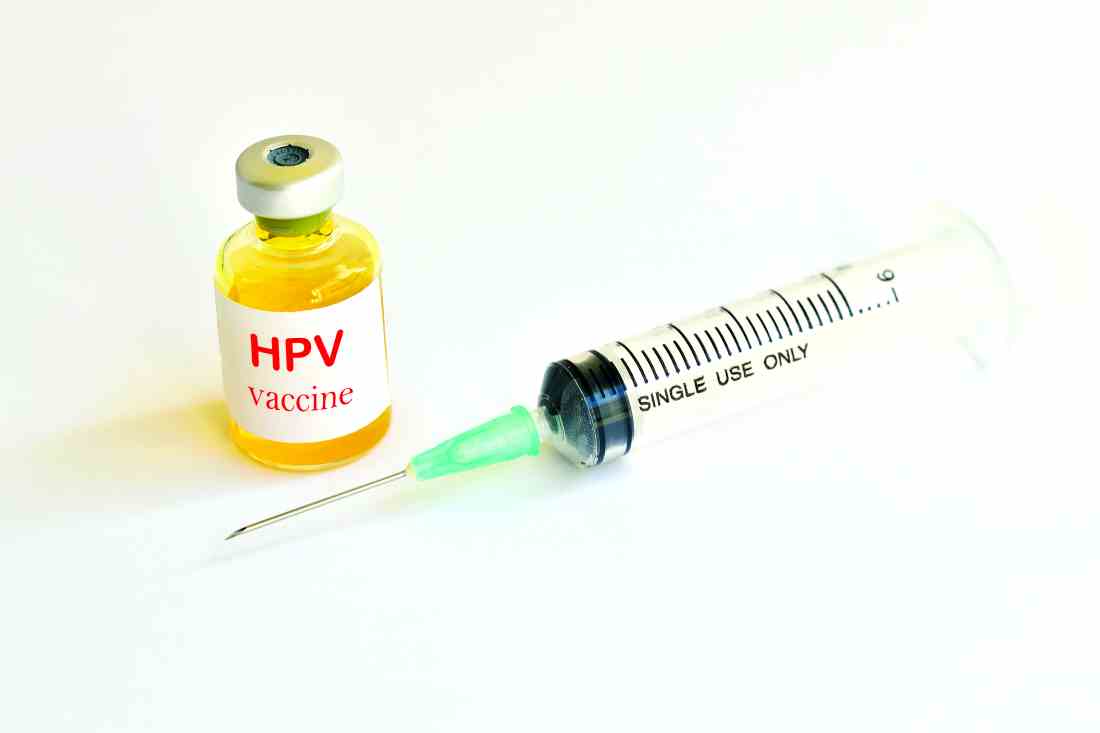
Overall, just 15 cases were reported during the course of the study; 7 in the 1st year, 3 in the 2nd year, 2 each in the 3rd and 4th years, and 1 case in the last year. The annual rates declined from 0.16 per 100,000 children aged 0-14 years in 2012 to 0.02 per 100,000 in 2016.
Of the cases identified, none of the mothers had been vaccinated against HPV before pregnancy and 20% had a history of genital warts. Seven cases were genotyped; 4 were HPV-6 and 3 were HPV-11, and 13 of the 15 cases were born vaginally.
“Our data strongly suggest that the previously documented impact of quadrivalent HPV vaccination in dramatically reducing the prevalence of HPV-6 and HPV-11 genital infection in the Australian population is translating to a reduction in the risk of transmission to infants intrapartum and subsequent development in some of these children of JORRP,” wrote Daniel Novakovic, MD, of the University of Sydney Medical School, and his coinvestigators.
The authors noted that their initial estimate of infection rates was lower than that seen in other studies, such as the 0.5 per 100,000 rate seen in private health insurance data, and the 1.0 per 100,000 seen with Medicaid data in the United States.
Given that the study period started nearly 5 years after the vaccination program began, they suggested that this lower prevalence may reflect the early impact of the vaccine, particularly given that the prevalence of genital warts had already dramatically declined by that point.
However they also stressed that their study relied on clinicians actively reporting cases, and that given surveillance only began after the introduction of the vaccination program, no data were available on the incidence before that point.
The study was supported by a research grant from Merck and by the Australian Paediatric Surveillance Unit, which is supported by the Australian Government Department of Health. Three authors declared research funding from Merck/Seqirus for HPV studies. Two authors declared funding, speaking fees, and other support from a range of pharmaceutical companies. No other conflicts of interest were declared.
Introduction of a national human papillomavirus vaccination program in Australia has been associated with declines in the incidence of juvenile-onset recurrent respiratory papillomatosis, according to a nationwide study.
Juvenile-onset recurrent respiratory papillomatosis (JORRP) is a rare condition characterized by recurring growths in the larynx that often require multiple operations to remove. The disease typically emerges around age 3-4 years and most cases are thought to be caused by human papillomavirus (HPV) subtypes 6 and 11, which are acquired from the mother during birth.
Overall, just 15 cases were reported during the course of the study; 7 in the 1st year, 3 in the 2nd year, 2 each in the 3rd and 4th years, and 1 case in the last year. The annual rates declined from 0.16 per 100,000 children aged 0-14 years in 2012 to 0.02 per 100,000 in 2016.
Of the cases identified, none of the mothers had been vaccinated against HPV before pregnancy and 20% had a history of genital warts. Seven cases were genotyped; 4 were HPV-6 and 3 were HPV-11, and 13 of the 15 cases were born vaginally.
“Our data strongly suggest that the previously documented impact of quadrivalent HPV vaccination in dramatically reducing the prevalence of HPV-6 and HPV-11 genital infection in the Australian population is translating to a reduction in the risk of transmission to infants intrapartum and subsequent development in some of these children of JORRP,” wrote Daniel Novakovic, MD, of the University of Sydney Medical School, and his coinvestigators.
The authors noted that their initial estimate of infection rates was lower than that seen in other studies, such as the 0.5 per 100,000 rate seen in private health insurance data, and the 1.0 per 100,000 seen with Medicaid data in the United States.
Given that the study period started nearly 5 years after the vaccination program began, they suggested that this lower prevalence may reflect the early impact of the vaccine, particularly given that the prevalence of genital warts had already dramatically declined by that point.
However they also stressed that their study relied on clinicians actively reporting cases, and that given surveillance only began after the introduction of the vaccination program, no data were available on the incidence before that point.
The study was supported by a research grant from Merck and by the Australian Paediatric Surveillance Unit, which is supported by the Australian Government Department of Health. Three authors declared research funding from Merck/Seqirus for HPV studies. Two authors declared funding, speaking fees, and other support from a range of pharmaceutical companies. No other conflicts of interest were declared.
Introduction of a national human papillomavirus vaccination program in Australia has been associated with declines in the incidence of juvenile-onset recurrent respiratory papillomatosis, according to a nationwide study.
Juvenile-onset recurrent respiratory papillomatosis (JORRP) is a rare condition characterized by recurring growths in the larynx that often require multiple operations to remove. The disease typically emerges around age 3-4 years and most cases are thought to be caused by human papillomavirus (HPV) subtypes 6 and 11, which are acquired from the mother during birth.
Overall, just 15 cases were reported during the course of the study; 7 in the 1st year, 3 in the 2nd year, 2 each in the 3rd and 4th years, and 1 case in the last year. The annual rates declined from 0.16 per 100,000 children aged 0-14 years in 2012 to 0.02 per 100,000 in 2016.
Of the cases identified, none of the mothers had been vaccinated against HPV before pregnancy and 20% had a history of genital warts. Seven cases were genotyped; 4 were HPV-6 and 3 were HPV-11, and 13 of the 15 cases were born vaginally.
“Our data strongly suggest that the previously documented impact of quadrivalent HPV vaccination in dramatically reducing the prevalence of HPV-6 and HPV-11 genital infection in the Australian population is translating to a reduction in the risk of transmission to infants intrapartum and subsequent development in some of these children of JORRP,” wrote Daniel Novakovic, MD, of the University of Sydney Medical School, and his coinvestigators.
The authors noted that their initial estimate of infection rates was lower than that seen in other studies, such as the 0.5 per 100,000 rate seen in private health insurance data, and the 1.0 per 100,000 seen with Medicaid data in the United States.
Given that the study period started nearly 5 years after the vaccination program began, they suggested that this lower prevalence may reflect the early impact of the vaccine, particularly given that the prevalence of genital warts had already dramatically declined by that point.
However they also stressed that their study relied on clinicians actively reporting cases, and that given surveillance only began after the introduction of the vaccination program, no data were available on the incidence before that point.
The study was supported by a research grant from Merck and by the Australian Paediatric Surveillance Unit, which is supported by the Australian Government Department of Health. Three authors declared research funding from Merck/Seqirus for HPV studies. Two authors declared funding, speaking fees, and other support from a range of pharmaceutical companies. No other conflicts of interest were declared.
FROM THE JOURNAL OF INFECTIOUS DISEASES
Key clinical point: The introduction of a human papillomavirus vaccination program in Australia has seen a decline in the incidence of juvenile-onset recurrent respiratory papillomatosis.
Major finding: The incidence of juvenile recurrent respiratory papillomatosis decreased from 0.16 per 100,000 children aged 0-14 years to 0.02 per 100,000 over 5 years shortly after the national HPV vaccination program was introduced.
Data source: Prospective study using data from the Australian Paediatric Surveillance Unit.
Disclosures: The study was supported by a research grant from Merck and by the Australian Paediatric Surveillance Unit, which is supported by the Australian Government Department of Health. Three authors declared research funding from Merck/Seqirus for HPV studies. Two authors declared funding, speaking fees, and other support from a range of pharmaceutical companies. No other conflicts of interest were declared.
CHMP recommends approval of romiplostim in kids

The European Medicines Agency’s Committee for Medicinal Products for Human Use (CHMP) has recommended expanding the approved indication for romiplostim (Nplate®) to include children.
The CHMP is recommending authorization of romiplostim to treat patients age 1 and older who have chronic immune thrombocytopenia (ITP) that is refractory to other treatments.
The committee’s opinion will be reviewed by the European Commission (EC).
If the EC agrees with the CHMP, a centralized marketing authorization will be granted that will be valid in the European Union. Norway, Iceland, and Liechtenstein will make corresponding decisions on the basis of the EC’s decision.
The EC typically makes a decision within 67 days of the CHMP’s recommendation.
The recommendation for romiplostim was based on 5 studies of the drug in children with ITP. This includes 4 completed studies—a phase 1/2, a phase 3, and 2 long-term safety and efficacy studies—and 1 ongoing long-term study.
Results from the phase 1/2 trial were published in Blood in 2011. Phase 3 results were published in The Lancet in April of last year.
And results from 2 of the long-term trials were presented at 22nd Congress of the European Hematology Association in June (abstract P367 and abstract P727).
The European Medicines Agency’s Committee for Medicinal Products for Human Use (CHMP) has recommended expanding the approved indication for romiplostim (Nplate®) to include children.
The CHMP is recommending authorization of romiplostim to treat patients age 1 and older who have chronic immune thrombocytopenia (ITP) that is refractory to other treatments.
The committee’s opinion will be reviewed by the European Commission (EC).
If the EC agrees with the CHMP, a centralized marketing authorization will be granted that will be valid in the European Union. Norway, Iceland, and Liechtenstein will make corresponding decisions on the basis of the EC’s decision.
The EC typically makes a decision within 67 days of the CHMP’s recommendation.
The recommendation for romiplostim was based on 5 studies of the drug in children with ITP. This includes 4 completed studies—a phase 1/2, a phase 3, and 2 long-term safety and efficacy studies—and 1 ongoing long-term study.
Results from the phase 1/2 trial were published in Blood in 2011. Phase 3 results were published in The Lancet in April of last year.
And results from 2 of the long-term trials were presented at 22nd Congress of the European Hematology Association in June (abstract P367 and abstract P727).
The European Medicines Agency’s Committee for Medicinal Products for Human Use (CHMP) has recommended expanding the approved indication for romiplostim (Nplate®) to include children.
The CHMP is recommending authorization of romiplostim to treat patients age 1 and older who have chronic immune thrombocytopenia (ITP) that is refractory to other treatments.
The committee’s opinion will be reviewed by the European Commission (EC).
If the EC agrees with the CHMP, a centralized marketing authorization will be granted that will be valid in the European Union. Norway, Iceland, and Liechtenstein will make corresponding decisions on the basis of the EC’s decision.
The EC typically makes a decision within 67 days of the CHMP’s recommendation.
The recommendation for romiplostim was based on 5 studies of the drug in children with ITP. This includes 4 completed studies—a phase 1/2, a phase 3, and 2 long-term safety and efficacy studies—and 1 ongoing long-term study.
Results from the phase 1/2 trial were published in Blood in 2011. Phase 3 results were published in The Lancet in April of last year.
And results from 2 of the long-term trials were presented at 22nd Congress of the European Hematology Association in June (abstract P367 and abstract P727).
Tezacaftor-ivacaftor safe, effective in Phe508del CF
, according to results of a 24-week randomized, placebo-controlled clinical trial.
Patients receiving the tezacaftor-ivacaftor combination experienced a mean increase in their percentage of predicted forced expiratory volume in 1 second of 3.4 percentage points, compared with a mean decrease of 0.6 percentage points in the control group, at the end of the trial (P less than .001). The pulmonary exacerbation rate was 35% lower in the tezacaftor-ivacaftor treatment arm than in the placebo arm (P = .005), data show. These results were recently published in the New England Journal of Medicine (2017 Nov 3. doi: 10.1056/NEJMoa1709846).
Ivacaftor was the first approved modulator of the cystic fibrosis transmembrane conductance regulator (CFTR) protein, and tezacaftor is an investigational CFTR corrector. Tezacaftor demonstrated efficacy in a previous phase 2 trial that included patients either homozygous for the Phe508del mutation or heterozygous for the Phe508del and G551D mutations, Dr. Taylor-Cousar and her coauthors said in their report.
The combination of ivacaftor and another CFTR corrector, lumacaftor, is already available to treat cystic fibrosis patients who are homozygous for the Phe508del CFTR mutation. However, not all patients can receive lumacaftor-ivacaftor because of its respiratory side effects, and lumacaftor is associated with “prohibitive drug-drug interactions” due to considerable cytochrome P-450-3A induction, according to the study authors.
“The improved safety profile of combination therapy with tezacaftor-ivacaftor, as compared with currently available therapy, in addition to its effect on multiple efficacy end points, supports its use in a broad range of patients with cystic fibrosis,” wrote Dr. Taylor-Cousar and her colleagues.
The phase 3 trial included 509 cystic fibrosis patients at least 12 years of age who were homozygous for the CFTR Phe508del mutation. The mean percentage of predicted forced expiratory volume in 1 second of the patients was 60.0, at baseline.
All patients were randomized to combination therapy with tezacaftor 100 mg once daily and ivacaftor 150 mg twice daily, or matched placebo. A total of 475 patients completed the 24-week trial. The incidence of serious adverse events was just 12.4% of tezacaftor-ivacaftor–treated patients, compared with 18.2% in the placebo arm, and no serious adverse events led to treatment discontinuation.
“The rate of respiratory adverse events was not higher in the tezacaftor-ivacaftor group than in the placebo group, which shows that the safety profile for tezacaftor-ivacaftor is better than that reported for lumacaftor-ivacaftor,” Dr. Taylor-Cousar and her colleagues wrote.
Treatments that modulate CFTR are promising, according to the authors, because they treat the underlying cause of cystic fibrosis.
Vertex Pharmaceuticals supported the study. Dr. Taylor-Cousar reported personal fees from Vertex Pharmaceuticals outside of the submitted work. Full disclosures for all authors were published on the New England Journal of Medicine website.
, according to results of a 24-week randomized, placebo-controlled clinical trial.
Patients receiving the tezacaftor-ivacaftor combination experienced a mean increase in their percentage of predicted forced expiratory volume in 1 second of 3.4 percentage points, compared with a mean decrease of 0.6 percentage points in the control group, at the end of the trial (P less than .001). The pulmonary exacerbation rate was 35% lower in the tezacaftor-ivacaftor treatment arm than in the placebo arm (P = .005), data show. These results were recently published in the New England Journal of Medicine (2017 Nov 3. doi: 10.1056/NEJMoa1709846).
Ivacaftor was the first approved modulator of the cystic fibrosis transmembrane conductance regulator (CFTR) protein, and tezacaftor is an investigational CFTR corrector. Tezacaftor demonstrated efficacy in a previous phase 2 trial that included patients either homozygous for the Phe508del mutation or heterozygous for the Phe508del and G551D mutations, Dr. Taylor-Cousar and her coauthors said in their report.
The combination of ivacaftor and another CFTR corrector, lumacaftor, is already available to treat cystic fibrosis patients who are homozygous for the Phe508del CFTR mutation. However, not all patients can receive lumacaftor-ivacaftor because of its respiratory side effects, and lumacaftor is associated with “prohibitive drug-drug interactions” due to considerable cytochrome P-450-3A induction, according to the study authors.
“The improved safety profile of combination therapy with tezacaftor-ivacaftor, as compared with currently available therapy, in addition to its effect on multiple efficacy end points, supports its use in a broad range of patients with cystic fibrosis,” wrote Dr. Taylor-Cousar and her colleagues.
The phase 3 trial included 509 cystic fibrosis patients at least 12 years of age who were homozygous for the CFTR Phe508del mutation. The mean percentage of predicted forced expiratory volume in 1 second of the patients was 60.0, at baseline.
All patients were randomized to combination therapy with tezacaftor 100 mg once daily and ivacaftor 150 mg twice daily, or matched placebo. A total of 475 patients completed the 24-week trial. The incidence of serious adverse events was just 12.4% of tezacaftor-ivacaftor–treated patients, compared with 18.2% in the placebo arm, and no serious adverse events led to treatment discontinuation.
“The rate of respiratory adverse events was not higher in the tezacaftor-ivacaftor group than in the placebo group, which shows that the safety profile for tezacaftor-ivacaftor is better than that reported for lumacaftor-ivacaftor,” Dr. Taylor-Cousar and her colleagues wrote.
Treatments that modulate CFTR are promising, according to the authors, because they treat the underlying cause of cystic fibrosis.
Vertex Pharmaceuticals supported the study. Dr. Taylor-Cousar reported personal fees from Vertex Pharmaceuticals outside of the submitted work. Full disclosures for all authors were published on the New England Journal of Medicine website.
, according to results of a 24-week randomized, placebo-controlled clinical trial.
Patients receiving the tezacaftor-ivacaftor combination experienced a mean increase in their percentage of predicted forced expiratory volume in 1 second of 3.4 percentage points, compared with a mean decrease of 0.6 percentage points in the control group, at the end of the trial (P less than .001). The pulmonary exacerbation rate was 35% lower in the tezacaftor-ivacaftor treatment arm than in the placebo arm (P = .005), data show. These results were recently published in the New England Journal of Medicine (2017 Nov 3. doi: 10.1056/NEJMoa1709846).
Ivacaftor was the first approved modulator of the cystic fibrosis transmembrane conductance regulator (CFTR) protein, and tezacaftor is an investigational CFTR corrector. Tezacaftor demonstrated efficacy in a previous phase 2 trial that included patients either homozygous for the Phe508del mutation or heterozygous for the Phe508del and G551D mutations, Dr. Taylor-Cousar and her coauthors said in their report.
The combination of ivacaftor and another CFTR corrector, lumacaftor, is already available to treat cystic fibrosis patients who are homozygous for the Phe508del CFTR mutation. However, not all patients can receive lumacaftor-ivacaftor because of its respiratory side effects, and lumacaftor is associated with “prohibitive drug-drug interactions” due to considerable cytochrome P-450-3A induction, according to the study authors.
“The improved safety profile of combination therapy with tezacaftor-ivacaftor, as compared with currently available therapy, in addition to its effect on multiple efficacy end points, supports its use in a broad range of patients with cystic fibrosis,” wrote Dr. Taylor-Cousar and her colleagues.
The phase 3 trial included 509 cystic fibrosis patients at least 12 years of age who were homozygous for the CFTR Phe508del mutation. The mean percentage of predicted forced expiratory volume in 1 second of the patients was 60.0, at baseline.
All patients were randomized to combination therapy with tezacaftor 100 mg once daily and ivacaftor 150 mg twice daily, or matched placebo. A total of 475 patients completed the 24-week trial. The incidence of serious adverse events was just 12.4% of tezacaftor-ivacaftor–treated patients, compared with 18.2% in the placebo arm, and no serious adverse events led to treatment discontinuation.
“The rate of respiratory adverse events was not higher in the tezacaftor-ivacaftor group than in the placebo group, which shows that the safety profile for tezacaftor-ivacaftor is better than that reported for lumacaftor-ivacaftor,” Dr. Taylor-Cousar and her colleagues wrote.
Treatments that modulate CFTR are promising, according to the authors, because they treat the underlying cause of cystic fibrosis.
Vertex Pharmaceuticals supported the study. Dr. Taylor-Cousar reported personal fees from Vertex Pharmaceuticals outside of the submitted work. Full disclosures for all authors were published on the New England Journal of Medicine website.
FROM THE NEW ENGLAND JOURNAL OF MEDICINE
Key clinical point: In patients with cystic fibrosis homozygous for the Phe508del mutation, combined tezacaftor-ivacaftor treatment was effective, with a safety profile comparing favorably to currently available therapies.
Major finding: Patients receiving the tezacaftor-ivacaftor combination experienced a mean increase in their percentage of predicted forced expiratory volume in 1 second of 3.4 percentage points, compared with a decrease of 0.6 percentage points in the control group, at the end of the trial (P less than .001).
Data source: A phase 3, randomized, double-blind, multicenter, placebo-controlled, trial (EVOLVE) including 509 patients at least 12 years of age with cystic fibrosis homozygous for the Phe508del CFTR mutation.
Disclosures: Vertex Pharmaceuticals supported the study. First author Jennifer L. Taylor-Cousar, MD, reported personal fees from Vertex Pharmaceuticals outside of the submitted work. Full disclosures for all authors were published on the New England Journal of Medicine website.
Pilot study finds a more diverse microbiome in preadolescents with acne, compared with controls
The skin microbiome in preadolescents with acne was more diverse than that of controls, and showed some differences from what is known about the microbiome in adults with acne, in a prospective pilot study.
The results have possible treatment implications, suggesting that preadolescents may require a different treatment approach than adults, although additional, larger studies are needed, according to Carrie C. Coughlin, MD, of the division of dermatology in the departments of medicine and pediatrics at Washington University in St. Louis, and her coauthors (Pediatr Dermatol. 2017 Oct 11. doi: 10.1111/pde.13261).
The study enrolled 13 children aged 7-10 years: 5 with acne (3 randomized to treatment with benzoyl peroxide 5% gel or cream and 2 to treatment with tretinoin 0.025% cream), treated for 7-10 weeks; and 8 controls, matched for sex and age.
At baseline, microbiome samples of facial and retroauricular skin among the controls with no acne showed that Streptococcus “was the genus present in highest relative abundance, followed by Propionibacterium,” the authors wrote. In addition to high levels of Streptococcus, those with acne also “had more Staphylococcus and Propionibacterium than controls at all sites before treatment.”
Among those with acne, average Comprehensive Acne Severity Scale values at baseline were 1.3-1.4, among those with acne, dropping to an average of 1 with treatment, which was not statistically significant at follow-up.
But among those with acne, the diversity of cutaneous bacteria decreased with both treatments, down to levels similar to controls, which was a significant effect (P less than .001). This was a “notable” finding, they wrote, “because benzoyl peroxide and tretinoin are known as comedolytic, but tretinoin is not typically thought of as having antibacterial properties like benzoyl peroxide.”
This observation “suggests that topical retinoids may have an effect on the local microbiome through alterations in the cutaneous microenvironment rather than having direct effects on resident microorganisms,” they added.
The authors also pointed out that in the microbiome of adults with acne, Propionibacterium has been found to be more prevalent, indicating that different treatments may be indicated in preadolescents.
The study was funded with a clinical research grant from the American Acne and Rosacea Society.
Recent work has highlighted distinct differences in the cutaneous microbiota of acne sufferers versus those who tend not to “break out,” specifically, decreased bacterial diversity, increased Propionibacterium acnes and Staphylococcus aureus, and importantly, specific ribotypes of P. acnes (not all P. acnes is created equal in the eyes of acne vulgaris). There are also emerging data highlighting the impact of both topical and systemic acne medications on this altered bacterial community, though the significance of such changes has yet to be determined. However, these findings are predominantly derived from the adult population, and just as pediatric skin is not just little adult skin, acne can be morphologically different in this population. And no question, the microbiota here is different from adults.
In their pilot study, Coughlin et al. set out to evaluate the alterations in cutaneous microbiota in adolescents with acne versus healthy controls. Interestingly, as opposed to adults, adolescent acne sufferers have greater bacterial diversity, with a high predominance of streptococcus in addition to P. acnes and S. aureus. No surprise, benzoyl peroxide brought diversity down as it is “-cidal” to everything (even our cells).
While a small sample size, two big questions emerge from this study: Why does bacterial diversity increase in pediatric acne patients but decreases in adults with acne? And what is the significance of streptococcus in pediatric acne? Certainly, the clinical morphology of pediatric acne (more comedonal as per the authors) is different than that of adult female acne (cystic and clinically inflamed nodules), for example. Do specific alterations in the skin microbiome directly impact lesion type? We shall see.
Adam Friedman, MD, is residency program director, and director of translational research, in the department of dermatology, George Washington University, Washington. He had no relevant disclosures. Dr. Friedman is a member of the Dermatology News editorial board.
Recent work has highlighted distinct differences in the cutaneous microbiota of acne sufferers versus those who tend not to “break out,” specifically, decreased bacterial diversity, increased Propionibacterium acnes and Staphylococcus aureus, and importantly, specific ribotypes of P. acnes (not all P. acnes is created equal in the eyes of acne vulgaris). There are also emerging data highlighting the impact of both topical and systemic acne medications on this altered bacterial community, though the significance of such changes has yet to be determined. However, these findings are predominantly derived from the adult population, and just as pediatric skin is not just little adult skin, acne can be morphologically different in this population. And no question, the microbiota here is different from adults.
In their pilot study, Coughlin et al. set out to evaluate the alterations in cutaneous microbiota in adolescents with acne versus healthy controls. Interestingly, as opposed to adults, adolescent acne sufferers have greater bacterial diversity, with a high predominance of streptococcus in addition to P. acnes and S. aureus. No surprise, benzoyl peroxide brought diversity down as it is “-cidal” to everything (even our cells).
While a small sample size, two big questions emerge from this study: Why does bacterial diversity increase in pediatric acne patients but decreases in adults with acne? And what is the significance of streptococcus in pediatric acne? Certainly, the clinical morphology of pediatric acne (more comedonal as per the authors) is different than that of adult female acne (cystic and clinically inflamed nodules), for example. Do specific alterations in the skin microbiome directly impact lesion type? We shall see.
Adam Friedman, MD, is residency program director, and director of translational research, in the department of dermatology, George Washington University, Washington. He had no relevant disclosures. Dr. Friedman is a member of the Dermatology News editorial board.
Recent work has highlighted distinct differences in the cutaneous microbiota of acne sufferers versus those who tend not to “break out,” specifically, decreased bacterial diversity, increased Propionibacterium acnes and Staphylococcus aureus, and importantly, specific ribotypes of P. acnes (not all P. acnes is created equal in the eyes of acne vulgaris). There are also emerging data highlighting the impact of both topical and systemic acne medications on this altered bacterial community, though the significance of such changes has yet to be determined. However, these findings are predominantly derived from the adult population, and just as pediatric skin is not just little adult skin, acne can be morphologically different in this population. And no question, the microbiota here is different from adults.
In their pilot study, Coughlin et al. set out to evaluate the alterations in cutaneous microbiota in adolescents with acne versus healthy controls. Interestingly, as opposed to adults, adolescent acne sufferers have greater bacterial diversity, with a high predominance of streptococcus in addition to P. acnes and S. aureus. No surprise, benzoyl peroxide brought diversity down as it is “-cidal” to everything (even our cells).
While a small sample size, two big questions emerge from this study: Why does bacterial diversity increase in pediatric acne patients but decreases in adults with acne? And what is the significance of streptococcus in pediatric acne? Certainly, the clinical morphology of pediatric acne (more comedonal as per the authors) is different than that of adult female acne (cystic and clinically inflamed nodules), for example. Do specific alterations in the skin microbiome directly impact lesion type? We shall see.
Adam Friedman, MD, is residency program director, and director of translational research, in the department of dermatology, George Washington University, Washington. He had no relevant disclosures. Dr. Friedman is a member of the Dermatology News editorial board.
The skin microbiome in preadolescents with acne was more diverse than that of controls, and showed some differences from what is known about the microbiome in adults with acne, in a prospective pilot study.
The results have possible treatment implications, suggesting that preadolescents may require a different treatment approach than adults, although additional, larger studies are needed, according to Carrie C. Coughlin, MD, of the division of dermatology in the departments of medicine and pediatrics at Washington University in St. Louis, and her coauthors (Pediatr Dermatol. 2017 Oct 11. doi: 10.1111/pde.13261).
The study enrolled 13 children aged 7-10 years: 5 with acne (3 randomized to treatment with benzoyl peroxide 5% gel or cream and 2 to treatment with tretinoin 0.025% cream), treated for 7-10 weeks; and 8 controls, matched for sex and age.
At baseline, microbiome samples of facial and retroauricular skin among the controls with no acne showed that Streptococcus “was the genus present in highest relative abundance, followed by Propionibacterium,” the authors wrote. In addition to high levels of Streptococcus, those with acne also “had more Staphylococcus and Propionibacterium than controls at all sites before treatment.”
Among those with acne, average Comprehensive Acne Severity Scale values at baseline were 1.3-1.4, among those with acne, dropping to an average of 1 with treatment, which was not statistically significant at follow-up.
But among those with acne, the diversity of cutaneous bacteria decreased with both treatments, down to levels similar to controls, which was a significant effect (P less than .001). This was a “notable” finding, they wrote, “because benzoyl peroxide and tretinoin are known as comedolytic, but tretinoin is not typically thought of as having antibacterial properties like benzoyl peroxide.”
This observation “suggests that topical retinoids may have an effect on the local microbiome through alterations in the cutaneous microenvironment rather than having direct effects on resident microorganisms,” they added.
The authors also pointed out that in the microbiome of adults with acne, Propionibacterium has been found to be more prevalent, indicating that different treatments may be indicated in preadolescents.
The study was funded with a clinical research grant from the American Acne and Rosacea Society.
The skin microbiome in preadolescents with acne was more diverse than that of controls, and showed some differences from what is known about the microbiome in adults with acne, in a prospective pilot study.
The results have possible treatment implications, suggesting that preadolescents may require a different treatment approach than adults, although additional, larger studies are needed, according to Carrie C. Coughlin, MD, of the division of dermatology in the departments of medicine and pediatrics at Washington University in St. Louis, and her coauthors (Pediatr Dermatol. 2017 Oct 11. doi: 10.1111/pde.13261).
The study enrolled 13 children aged 7-10 years: 5 with acne (3 randomized to treatment with benzoyl peroxide 5% gel or cream and 2 to treatment with tretinoin 0.025% cream), treated for 7-10 weeks; and 8 controls, matched for sex and age.
At baseline, microbiome samples of facial and retroauricular skin among the controls with no acne showed that Streptococcus “was the genus present in highest relative abundance, followed by Propionibacterium,” the authors wrote. In addition to high levels of Streptococcus, those with acne also “had more Staphylococcus and Propionibacterium than controls at all sites before treatment.”
Among those with acne, average Comprehensive Acne Severity Scale values at baseline were 1.3-1.4, among those with acne, dropping to an average of 1 with treatment, which was not statistically significant at follow-up.
But among those with acne, the diversity of cutaneous bacteria decreased with both treatments, down to levels similar to controls, which was a significant effect (P less than .001). This was a “notable” finding, they wrote, “because benzoyl peroxide and tretinoin are known as comedolytic, but tretinoin is not typically thought of as having antibacterial properties like benzoyl peroxide.”
This observation “suggests that topical retinoids may have an effect on the local microbiome through alterations in the cutaneous microenvironment rather than having direct effects on resident microorganisms,” they added.
The authors also pointed out that in the microbiome of adults with acne, Propionibacterium has been found to be more prevalent, indicating that different treatments may be indicated in preadolescents.
The study was funded with a clinical research grant from the American Acne and Rosacea Society.
FROM PEDIATRIC DERMATOLOGY
Key clinical point:
Major finding: The skin microbiome was more diverse among preadolescents with acne, compared with age-matched controls without acne, and Streptococcus was the predominant bacterium.
Data source: A prospective randomized pilot study that evaluated the skin microbiome of five preadolescents with acne, before and after treatment, and eight without acne.
Disclosures: The study was supported with a grant from the American Acne and Rosacea Society.
Dasatinib approved to treat kids with CML
The US Food and Drug Administration (FDA) has expanded the approved use of dasatinib (Sprycel®).
The drug is now approved to treat children with Philadelphia chromosome-positive (Ph+) chronic myeloid leukemia (CML) in chronic phase.
This approval was granted under priority review, and the drug received orphan designation for this indication.
The recommended starting dosage for dasatinib in pediatric patients with chronic phase, Ph+ CML is based on body weight.
The recommended dose should be administered orally once daily, and the dose should be recalculated every 3 months based on changes in body weight or more often if necessary.
For more details, see the full prescribing information.
Dasatinib is also approved by the FDA to treat adults with newly diagnosed chronic phase, Ph+ CML; chronic, accelerated, or myeloid/lymphoid blast phase Ph+ CML with resistance or intolerance to prior therapy including imatinib; and Ph+ acute lymphoblastic leukemia with resistance or intolerance to prior therapy.
Pediatric studies
The approval of dasatinib in pediatric CML patients was supported by 2 studies. Results from the phase 1 study (NCT00306202) were published in the Journal of Clinical Oncology in 2013. Phase 2 (NCT00777036) results were presented at the 2017 ASCO Annual Meeting.
There were 97 patients in the 2 studies who had chronic phase CML and received oral dasatinib—17 from phase 1 and 80 from phase 2. Fifty-one of the patients had newly diagnosed CML, and 46 patients were resistant or intolerant to previous treatment with imatinib.
Ninety-one patients received dasatinib at 60 mg/m2 once daily (maximum dose of 100 mg once daily for patients with high body surface area). Patients were treated until disease progression or unacceptable toxicity.
The median duration of treatment was 51.1 months, or 4.3 years (range, 1.9 to 99.6 months). The median follow-up was 4.5 years in the newly diagnosed patients and 5.2 years in patients who had previously received imatinib.
The efficacy endpoints were complete cytogenetic response (CCyR), major cytogenetic response (MCyR), and major molecular response (MMR).
At 12 months, the CCyR rate was 96.1% in newly diagnosed patients and 78.3% in patients who had prior treatment with imatinib. The MCyR rate was 98.0% and 89.1%, respectively. And the MMR rate was 56.9% and 39.1%, respectively.
At 24 months, the CCyR rate was 96.1% in newly diagnosed patients and 82.6% in patients who had prior treatment with imatinib. The MCyR rate was 98.0% and 89.1%, respectively. And the MMR rate was 74.5% and 52.2%, respectively.
The median durations of CCyR, MCyR and MMR could not be estimated, as more than half of the responding patients had not progressed at the time of data cut-off.
Drug-related serious adverse events were reported in 14.4% of dasatinib-treated patients. The most common adverse events (≥15%) were headache (28%), nausea (20%), diarrhea (21%), skin rash (19%), pain in extremity (19%), and abdominal pain (16%).
The US Food and Drug Administration (FDA) has expanded the approved use of dasatinib (Sprycel®).
The drug is now approved to treat children with Philadelphia chromosome-positive (Ph+) chronic myeloid leukemia (CML) in chronic phase.
This approval was granted under priority review, and the drug received orphan designation for this indication.
The recommended starting dosage for dasatinib in pediatric patients with chronic phase, Ph+ CML is based on body weight.
The recommended dose should be administered orally once daily, and the dose should be recalculated every 3 months based on changes in body weight or more often if necessary.
For more details, see the full prescribing information.
Dasatinib is also approved by the FDA to treat adults with newly diagnosed chronic phase, Ph+ CML; chronic, accelerated, or myeloid/lymphoid blast phase Ph+ CML with resistance or intolerance to prior therapy including imatinib; and Ph+ acute lymphoblastic leukemia with resistance or intolerance to prior therapy.
Pediatric studies
The approval of dasatinib in pediatric CML patients was supported by 2 studies. Results from the phase 1 study (NCT00306202) were published in the Journal of Clinical Oncology in 2013. Phase 2 (NCT00777036) results were presented at the 2017 ASCO Annual Meeting.
There were 97 patients in the 2 studies who had chronic phase CML and received oral dasatinib—17 from phase 1 and 80 from phase 2. Fifty-one of the patients had newly diagnosed CML, and 46 patients were resistant or intolerant to previous treatment with imatinib.
Ninety-one patients received dasatinib at 60 mg/m2 once daily (maximum dose of 100 mg once daily for patients with high body surface area). Patients were treated until disease progression or unacceptable toxicity.
The median duration of treatment was 51.1 months, or 4.3 years (range, 1.9 to 99.6 months). The median follow-up was 4.5 years in the newly diagnosed patients and 5.2 years in patients who had previously received imatinib.
The efficacy endpoints were complete cytogenetic response (CCyR), major cytogenetic response (MCyR), and major molecular response (MMR).
At 12 months, the CCyR rate was 96.1% in newly diagnosed patients and 78.3% in patients who had prior treatment with imatinib. The MCyR rate was 98.0% and 89.1%, respectively. And the MMR rate was 56.9% and 39.1%, respectively.
At 24 months, the CCyR rate was 96.1% in newly diagnosed patients and 82.6% in patients who had prior treatment with imatinib. The MCyR rate was 98.0% and 89.1%, respectively. And the MMR rate was 74.5% and 52.2%, respectively.
The median durations of CCyR, MCyR and MMR could not be estimated, as more than half of the responding patients had not progressed at the time of data cut-off.
Drug-related serious adverse events were reported in 14.4% of dasatinib-treated patients. The most common adverse events (≥15%) were headache (28%), nausea (20%), diarrhea (21%), skin rash (19%), pain in extremity (19%), and abdominal pain (16%).
The US Food and Drug Administration (FDA) has expanded the approved use of dasatinib (Sprycel®).
The drug is now approved to treat children with Philadelphia chromosome-positive (Ph+) chronic myeloid leukemia (CML) in chronic phase.
This approval was granted under priority review, and the drug received orphan designation for this indication.
The recommended starting dosage for dasatinib in pediatric patients with chronic phase, Ph+ CML is based on body weight.
The recommended dose should be administered orally once daily, and the dose should be recalculated every 3 months based on changes in body weight or more often if necessary.
For more details, see the full prescribing information.
Dasatinib is also approved by the FDA to treat adults with newly diagnosed chronic phase, Ph+ CML; chronic, accelerated, or myeloid/lymphoid blast phase Ph+ CML with resistance or intolerance to prior therapy including imatinib; and Ph+ acute lymphoblastic leukemia with resistance or intolerance to prior therapy.
Pediatric studies
The approval of dasatinib in pediatric CML patients was supported by 2 studies. Results from the phase 1 study (NCT00306202) were published in the Journal of Clinical Oncology in 2013. Phase 2 (NCT00777036) results were presented at the 2017 ASCO Annual Meeting.
There were 97 patients in the 2 studies who had chronic phase CML and received oral dasatinib—17 from phase 1 and 80 from phase 2. Fifty-one of the patients had newly diagnosed CML, and 46 patients were resistant or intolerant to previous treatment with imatinib.
Ninety-one patients received dasatinib at 60 mg/m2 once daily (maximum dose of 100 mg once daily for patients with high body surface area). Patients were treated until disease progression or unacceptable toxicity.
The median duration of treatment was 51.1 months, or 4.3 years (range, 1.9 to 99.6 months). The median follow-up was 4.5 years in the newly diagnosed patients and 5.2 years in patients who had previously received imatinib.
The efficacy endpoints were complete cytogenetic response (CCyR), major cytogenetic response (MCyR), and major molecular response (MMR).
At 12 months, the CCyR rate was 96.1% in newly diagnosed patients and 78.3% in patients who had prior treatment with imatinib. The MCyR rate was 98.0% and 89.1%, respectively. And the MMR rate was 56.9% and 39.1%, respectively.
At 24 months, the CCyR rate was 96.1% in newly diagnosed patients and 82.6% in patients who had prior treatment with imatinib. The MCyR rate was 98.0% and 89.1%, respectively. And the MMR rate was 74.5% and 52.2%, respectively.
The median durations of CCyR, MCyR and MMR could not be estimated, as more than half of the responding patients had not progressed at the time of data cut-off.
Drug-related serious adverse events were reported in 14.4% of dasatinib-treated patients. The most common adverse events (≥15%) were headache (28%), nausea (20%), diarrhea (21%), skin rash (19%), pain in extremity (19%), and abdominal pain (16%).
Some children with HIV may not get enough medical care
, according to researchers at the Centers for Disease Control and Prevention
The investigators examined claims cohorts of children aged 13 years and younger who had been diagnosed with HIV to track their retention of medical care over a 36-month period, starting in 2010. They found that rates of retention in care – defined as at least one visit in every 6-month period – were lower than expected.
However, because rates of AIDS diagnoses and deaths among children are low nationally – an estimated 2,477 children younger than 13 years had HIV in 2014 – it may be that “failure to meet the retention in care definition ... does not necessarily mean loss to follow-up,” cautioned Mary R. Tanner, MD, of the National Center for HIV/AIDS, Viral Hepatitis, STD, and TB Prevention, and her coinvestigators (MMWR. 2017 Oct 6:66[39];1033-8).
In addition, in the Medicaid claims cohort, 59% of the children who were not retained in care during the first 24 months (but who remained in the study) were in care during months 25-36.
The researchers used the 2010-2014 MarketScan Multi-State Medicaid and MarketScan Commercial Claims and Encounters databases to make cohorts of Medicaid and commercial claims of 163 and 129 children, respectively. They tracked retention of care for these children starting from the first reported ICD-9-CM code for HIV or AIDS. One reason for the current study is that the National HIV Surveillance System, which has a goal of increasing retention in care, does not track children with HIV infection in its progress indicators.
In the first 24 months, 60% of the Medicaid cohort and 69% of the commercial claims cohort were retained in care. For children who remained in the study after month 24, the investigators further divided the cohorts into subgroups of those who remained in care thus far and those who did not. A total of 93% of those in the Medicaid cohort who remained in care during the first 24 months stayed in care in months 25-36, while 59% of those who didn’t remain in care in the first 24 months did remain in care during months 25-36.
For the subgroups in the commercial claims cohort, the same numbers were 85% and 32%.
Noting many possible limitations to the current study, the investigators nevertheless remarked that “overall, the fact that greater than 25% of children with diagnosed HIV infection did not meet the retention in care definition suggests that portions of this medically vulnerable population are not receiving the recommended frequency of medical care.”
, according to researchers at the Centers for Disease Control and Prevention
The investigators examined claims cohorts of children aged 13 years and younger who had been diagnosed with HIV to track their retention of medical care over a 36-month period, starting in 2010. They found that rates of retention in care – defined as at least one visit in every 6-month period – were lower than expected.
However, because rates of AIDS diagnoses and deaths among children are low nationally – an estimated 2,477 children younger than 13 years had HIV in 2014 – it may be that “failure to meet the retention in care definition ... does not necessarily mean loss to follow-up,” cautioned Mary R. Tanner, MD, of the National Center for HIV/AIDS, Viral Hepatitis, STD, and TB Prevention, and her coinvestigators (MMWR. 2017 Oct 6:66[39];1033-8).
In addition, in the Medicaid claims cohort, 59% of the children who were not retained in care during the first 24 months (but who remained in the study) were in care during months 25-36.
The researchers used the 2010-2014 MarketScan Multi-State Medicaid and MarketScan Commercial Claims and Encounters databases to make cohorts of Medicaid and commercial claims of 163 and 129 children, respectively. They tracked retention of care for these children starting from the first reported ICD-9-CM code for HIV or AIDS. One reason for the current study is that the National HIV Surveillance System, which has a goal of increasing retention in care, does not track children with HIV infection in its progress indicators.
In the first 24 months, 60% of the Medicaid cohort and 69% of the commercial claims cohort were retained in care. For children who remained in the study after month 24, the investigators further divided the cohorts into subgroups of those who remained in care thus far and those who did not. A total of 93% of those in the Medicaid cohort who remained in care during the first 24 months stayed in care in months 25-36, while 59% of those who didn’t remain in care in the first 24 months did remain in care during months 25-36.
For the subgroups in the commercial claims cohort, the same numbers were 85% and 32%.
Noting many possible limitations to the current study, the investigators nevertheless remarked that “overall, the fact that greater than 25% of children with diagnosed HIV infection did not meet the retention in care definition suggests that portions of this medically vulnerable population are not receiving the recommended frequency of medical care.”
, according to researchers at the Centers for Disease Control and Prevention
The investigators examined claims cohorts of children aged 13 years and younger who had been diagnosed with HIV to track their retention of medical care over a 36-month period, starting in 2010. They found that rates of retention in care – defined as at least one visit in every 6-month period – were lower than expected.
However, because rates of AIDS diagnoses and deaths among children are low nationally – an estimated 2,477 children younger than 13 years had HIV in 2014 – it may be that “failure to meet the retention in care definition ... does not necessarily mean loss to follow-up,” cautioned Mary R. Tanner, MD, of the National Center for HIV/AIDS, Viral Hepatitis, STD, and TB Prevention, and her coinvestigators (MMWR. 2017 Oct 6:66[39];1033-8).
In addition, in the Medicaid claims cohort, 59% of the children who were not retained in care during the first 24 months (but who remained in the study) were in care during months 25-36.
The researchers used the 2010-2014 MarketScan Multi-State Medicaid and MarketScan Commercial Claims and Encounters databases to make cohorts of Medicaid and commercial claims of 163 and 129 children, respectively. They tracked retention of care for these children starting from the first reported ICD-9-CM code for HIV or AIDS. One reason for the current study is that the National HIV Surveillance System, which has a goal of increasing retention in care, does not track children with HIV infection in its progress indicators.
In the first 24 months, 60% of the Medicaid cohort and 69% of the commercial claims cohort were retained in care. For children who remained in the study after month 24, the investigators further divided the cohorts into subgroups of those who remained in care thus far and those who did not. A total of 93% of those in the Medicaid cohort who remained in care during the first 24 months stayed in care in months 25-36, while 59% of those who didn’t remain in care in the first 24 months did remain in care during months 25-36.
For the subgroups in the commercial claims cohort, the same numbers were 85% and 32%.
Noting many possible limitations to the current study, the investigators nevertheless remarked that “overall, the fact that greater than 25% of children with diagnosed HIV infection did not meet the retention in care definition suggests that portions of this medically vulnerable population are not receiving the recommended frequency of medical care.”
FROM MMWR
Concerning rise of staphylococcal scalded skin syndrome has U.S. doctors on alert
The rate of staphylococcal scalded skin syndrome (SSSS) appears to be on the rise among children in the United States, according to analysis of the Nationwide Inpatient Sample.
Alanna Staiman of Northwestern University, Chicago, and her associates evaluated 6,149,864 pediatric admissions from between 2008 and 2012 included in the Nationwide Inpatient Sample, and they identified 589 hospitalizations with a diagnosis of SSSS. They found that the SSSS annual incidence rate among U.S. children was 7.67 cases per million (Br J Dermatol. 2017 Oct 27. doi: 10.1111/bjd.16097). The estimated annual incidence rate was higher among children younger than 2 years of age at 45.1 cases per million, with a rate of 20.9 cases per million in children aged 1 year.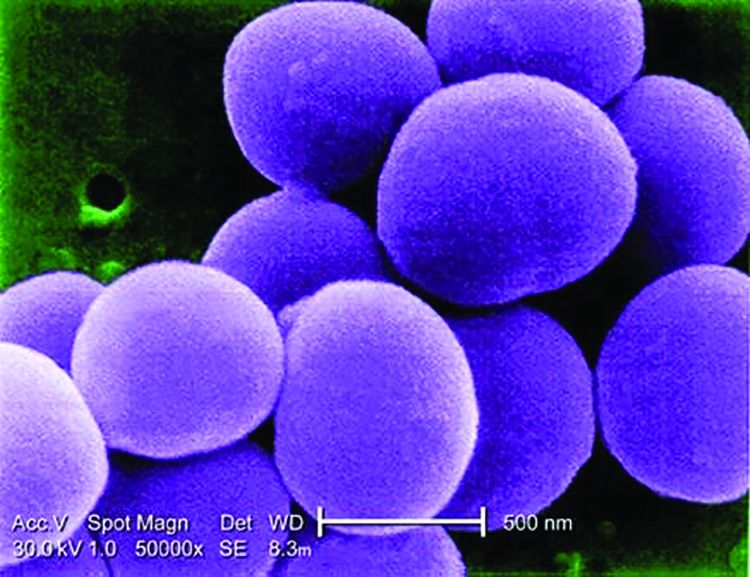
There were several factors associated with SSSS, including the state of residence, time of year, and sex of the patient. In particular, patients in Midwestern and Southern states experienced the highest rates of SSSS. The times of year associated with the highest rates of SSSS were summer and autumn. Female children also experienced higher rates of SSSS than their male counterparts. Conversely, those who were of certain racial backgrounds and had a certain socioeconomic status had lower rates of SSSS, including patients who were black, whose families were in the second quartile of household incomes, whose families had public insurance, and those who had more chronic conditions.
The cost and length of stay (LOS) for SSSS was not insignificant; the investigators noted that these were more pronounced among black patients possibly because darker skin pigments might mask erythema and therefore delay diagnosis. Patients with SSSS can expect to have greater LOS than those without (3.2 vs. 2.4 days, respectively) and incur higher hospital costs ($4,624 vs. $1,872).
“The adjusted in-hospital mortality of SSSS was low (0.33%)” in this study, said Ms. Staiman and her associates. They added that this was consistent with findings in other studies.
There were several comorbidities frequently associated with SSSS. These included skin infections, cellulitis, pharyngitis, upper respiratory tract infection, and other respiratory infections. Patients diagnosed with SSSS also were likely to have a fungal or viral infection.
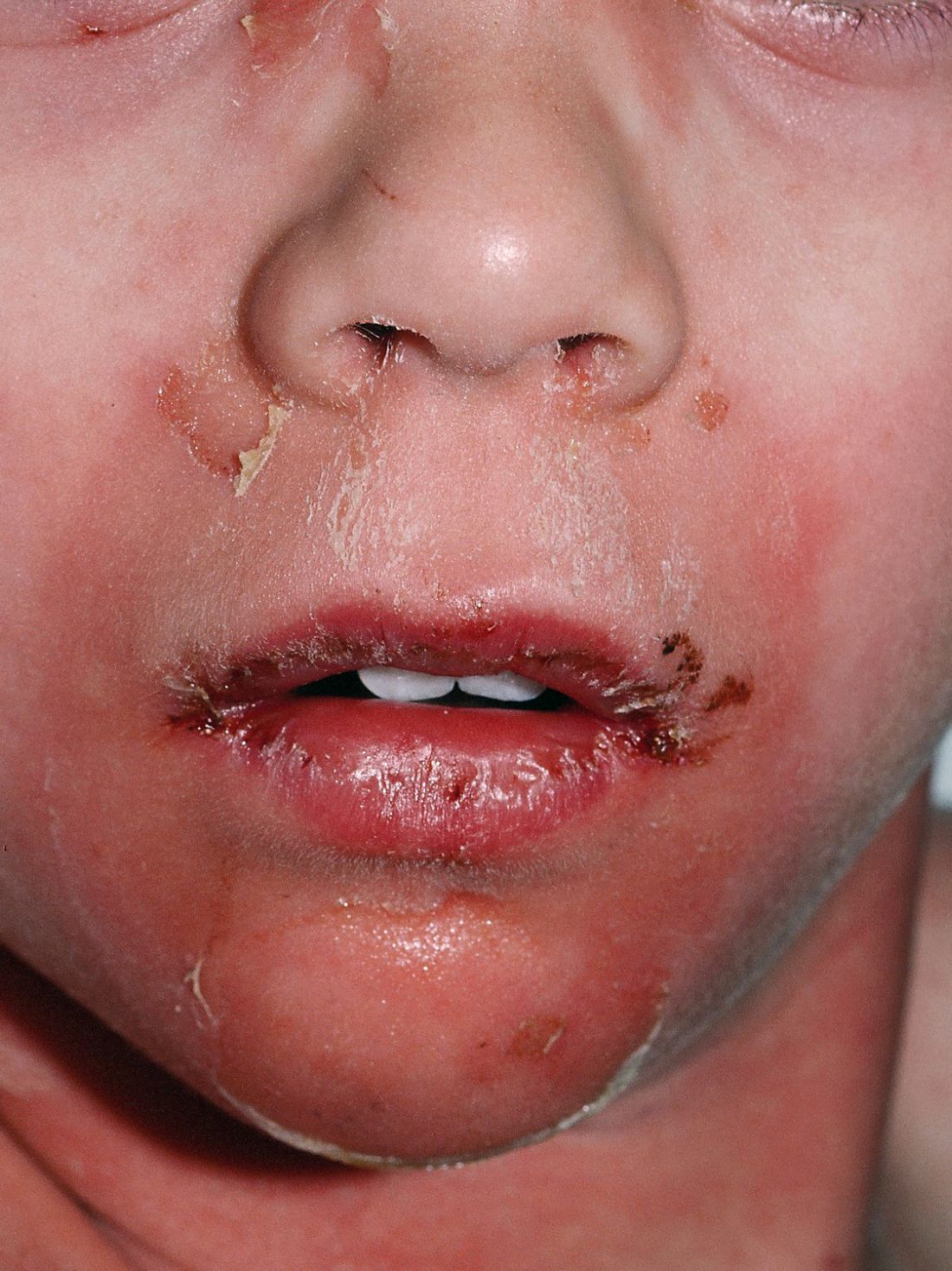
“SSSS poses a significant health care burden, with increased LOS and costs of care per hospitalization and increasing prevalence over the 2008-2012 study period” the investigators wrote. Future work must be done to further understand how to reduce SSSS, they added.
The researchers had no conflicts of interest. Funding for the study was provided by a grant from the Agency for Healthcare Research and Quality and from the Dermatology Foundation.
The rate of staphylococcal scalded skin syndrome (SSSS) appears to be on the rise among children in the United States, according to analysis of the Nationwide Inpatient Sample.
Alanna Staiman of Northwestern University, Chicago, and her associates evaluated 6,149,864 pediatric admissions from between 2008 and 2012 included in the Nationwide Inpatient Sample, and they identified 589 hospitalizations with a diagnosis of SSSS. They found that the SSSS annual incidence rate among U.S. children was 7.67 cases per million (Br J Dermatol. 2017 Oct 27. doi: 10.1111/bjd.16097). The estimated annual incidence rate was higher among children younger than 2 years of age at 45.1 cases per million, with a rate of 20.9 cases per million in children aged 1 year.
There were several factors associated with SSSS, including the state of residence, time of year, and sex of the patient. In particular, patients in Midwestern and Southern states experienced the highest rates of SSSS. The times of year associated with the highest rates of SSSS were summer and autumn. Female children also experienced higher rates of SSSS than their male counterparts. Conversely, those who were of certain racial backgrounds and had a certain socioeconomic status had lower rates of SSSS, including patients who were black, whose families were in the second quartile of household incomes, whose families had public insurance, and those who had more chronic conditions.
The cost and length of stay (LOS) for SSSS was not insignificant; the investigators noted that these were more pronounced among black patients possibly because darker skin pigments might mask erythema and therefore delay diagnosis. Patients with SSSS can expect to have greater LOS than those without (3.2 vs. 2.4 days, respectively) and incur higher hospital costs ($4,624 vs. $1,872).
“The adjusted in-hospital mortality of SSSS was low (0.33%)” in this study, said Ms. Staiman and her associates. They added that this was consistent with findings in other studies.
There were several comorbidities frequently associated with SSSS. These included skin infections, cellulitis, pharyngitis, upper respiratory tract infection, and other respiratory infections. Patients diagnosed with SSSS also were likely to have a fungal or viral infection.
“SSSS poses a significant health care burden, with increased LOS and costs of care per hospitalization and increasing prevalence over the 2008-2012 study period” the investigators wrote. Future work must be done to further understand how to reduce SSSS, they added.
The researchers had no conflicts of interest. Funding for the study was provided by a grant from the Agency for Healthcare Research and Quality and from the Dermatology Foundation.
The rate of staphylococcal scalded skin syndrome (SSSS) appears to be on the rise among children in the United States, according to analysis of the Nationwide Inpatient Sample.
Alanna Staiman of Northwestern University, Chicago, and her associates evaluated 6,149,864 pediatric admissions from between 2008 and 2012 included in the Nationwide Inpatient Sample, and they identified 589 hospitalizations with a diagnosis of SSSS. They found that the SSSS annual incidence rate among U.S. children was 7.67 cases per million (Br J Dermatol. 2017 Oct 27. doi: 10.1111/bjd.16097). The estimated annual incidence rate was higher among children younger than 2 years of age at 45.1 cases per million, with a rate of 20.9 cases per million in children aged 1 year.
There were several factors associated with SSSS, including the state of residence, time of year, and sex of the patient. In particular, patients in Midwestern and Southern states experienced the highest rates of SSSS. The times of year associated with the highest rates of SSSS were summer and autumn. Female children also experienced higher rates of SSSS than their male counterparts. Conversely, those who were of certain racial backgrounds and had a certain socioeconomic status had lower rates of SSSS, including patients who were black, whose families were in the second quartile of household incomes, whose families had public insurance, and those who had more chronic conditions.
The cost and length of stay (LOS) for SSSS was not insignificant; the investigators noted that these were more pronounced among black patients possibly because darker skin pigments might mask erythema and therefore delay diagnosis. Patients with SSSS can expect to have greater LOS than those without (3.2 vs. 2.4 days, respectively) and incur higher hospital costs ($4,624 vs. $1,872).
“The adjusted in-hospital mortality of SSSS was low (0.33%)” in this study, said Ms. Staiman and her associates. They added that this was consistent with findings in other studies.
There were several comorbidities frequently associated with SSSS. These included skin infections, cellulitis, pharyngitis, upper respiratory tract infection, and other respiratory infections. Patients diagnosed with SSSS also were likely to have a fungal or viral infection.
“SSSS poses a significant health care burden, with increased LOS and costs of care per hospitalization and increasing prevalence over the 2008-2012 study period” the investigators wrote. Future work must be done to further understand how to reduce SSSS, they added.
The researchers had no conflicts of interest. Funding for the study was provided by a grant from the Agency for Healthcare Research and Quality and from the Dermatology Foundation.
FROM THE BRITISH JOURNAL OF DERMATOLOGY
Key clinical point:
Major finding: The annual incidence rate of SSSS was 7.67 per million U.S. children.
Data source: Analysis of the U.S. Nationwide Inpatient Sample of 6,149,864 pediatric admissions from 2008 to 2012, including 589 cases of SSSS.
Disclosures: The researchers had no conflicts of interest. Funding for the study was provided by a grant from the Agency for Healthcare Research and Quality and from the Dermatology Foundation.
Pregnant women’s access to vaccination website, social media improved infants’ up-to-date immunizations
than were those receiving usual care, said Jason M. Glanz, PhD, of the Institute for Health Research, Kaiser Permanente Colorado, Denver, and his associates.
“These results suggest that interactive, informational interventions administered outside of the physician’s office can improve vaccine acceptance,” the investigators said. “The information appears to be effective when presented to parents before their children are born.”
The women in the VSM group had access to vaccine content, social media technologies that included a blog, discussion forum, chat rooms with experts, and “Ask a Question” portal through which the women could directly ask experts questions about vaccination. The experts were a pediatrician, a vaccine safety researcher, and a risk communication specialist.
Monthly, one to two blog posts were created on topics such as new vaccine safety research, vaccine-preventable disease outbreaks, changes in immunization policy, and the importance of adhering to the recommended immunization schedule, the researchers said. The women also could submit questions privately through e-mail, and receive personalized responses within 2 business days.
At the end of 200 days of follow-up, the proportion of infants up to date with their vaccinations were 93% for the VSM group, 91% for the VI group, and 87% for the UC arms. Infants in the VSM group were more likely to be up to date at age 200 days, compared with infants in the UC group (odds ratio, 1.92; 95% confidence interval, 1.07-3.47).
“Up-to-date status did not differ significantly between the VI and UC arms or the VSM and VI arms,” Dr. Glanz and his associates wrote.
Of 739 women in the VSM and VI groups, 35% visited the website at least once, with a mean of 1.8 visits (range, 1-15 visits). Of 75 vaccine-hesitant women, 44% visited the website, compared with 34% of 664 nonhesitant women. Median vaccine hesitancy scores were 13 for the VSM group, 17 for the VI group, and 15 for the UC group.
The study authors had no relevant disclosures.
Read more in Pediatrics (2017 Nov. doi: 10.1542/peds.2017-1117).
than were those receiving usual care, said Jason M. Glanz, PhD, of the Institute for Health Research, Kaiser Permanente Colorado, Denver, and his associates.
“These results suggest that interactive, informational interventions administered outside of the physician’s office can improve vaccine acceptance,” the investigators said. “The information appears to be effective when presented to parents before their children are born.”
The women in the VSM group had access to vaccine content, social media technologies that included a blog, discussion forum, chat rooms with experts, and “Ask a Question” portal through which the women could directly ask experts questions about vaccination. The experts were a pediatrician, a vaccine safety researcher, and a risk communication specialist.
Monthly, one to two blog posts were created on topics such as new vaccine safety research, vaccine-preventable disease outbreaks, changes in immunization policy, and the importance of adhering to the recommended immunization schedule, the researchers said. The women also could submit questions privately through e-mail, and receive personalized responses within 2 business days.
At the end of 200 days of follow-up, the proportion of infants up to date with their vaccinations were 93% for the VSM group, 91% for the VI group, and 87% for the UC arms. Infants in the VSM group were more likely to be up to date at age 200 days, compared with infants in the UC group (odds ratio, 1.92; 95% confidence interval, 1.07-3.47).
“Up-to-date status did not differ significantly between the VI and UC arms or the VSM and VI arms,” Dr. Glanz and his associates wrote.
Of 739 women in the VSM and VI groups, 35% visited the website at least once, with a mean of 1.8 visits (range, 1-15 visits). Of 75 vaccine-hesitant women, 44% visited the website, compared with 34% of 664 nonhesitant women. Median vaccine hesitancy scores were 13 for the VSM group, 17 for the VI group, and 15 for the UC group.
The study authors had no relevant disclosures.
Read more in Pediatrics (2017 Nov. doi: 10.1542/peds.2017-1117).
than were those receiving usual care, said Jason M. Glanz, PhD, of the Institute for Health Research, Kaiser Permanente Colorado, Denver, and his associates.
“These results suggest that interactive, informational interventions administered outside of the physician’s office can improve vaccine acceptance,” the investigators said. “The information appears to be effective when presented to parents before their children are born.”
The women in the VSM group had access to vaccine content, social media technologies that included a blog, discussion forum, chat rooms with experts, and “Ask a Question” portal through which the women could directly ask experts questions about vaccination. The experts were a pediatrician, a vaccine safety researcher, and a risk communication specialist.
Monthly, one to two blog posts were created on topics such as new vaccine safety research, vaccine-preventable disease outbreaks, changes in immunization policy, and the importance of adhering to the recommended immunization schedule, the researchers said. The women also could submit questions privately through e-mail, and receive personalized responses within 2 business days.
At the end of 200 days of follow-up, the proportion of infants up to date with their vaccinations were 93% for the VSM group, 91% for the VI group, and 87% for the UC arms. Infants in the VSM group were more likely to be up to date at age 200 days, compared with infants in the UC group (odds ratio, 1.92; 95% confidence interval, 1.07-3.47).
“Up-to-date status did not differ significantly between the VI and UC arms or the VSM and VI arms,” Dr. Glanz and his associates wrote.
Of 739 women in the VSM and VI groups, 35% visited the website at least once, with a mean of 1.8 visits (range, 1-15 visits). Of 75 vaccine-hesitant women, 44% visited the website, compared with 34% of 664 nonhesitant women. Median vaccine hesitancy scores were 13 for the VSM group, 17 for the VI group, and 15 for the UC group.
The study authors had no relevant disclosures.
Read more in Pediatrics (2017 Nov. doi: 10.1542/peds.2017-1117).
FROM PEDIATRICS