User login
Reassuring data on stimulants for ADHD in kids and later substance abuse
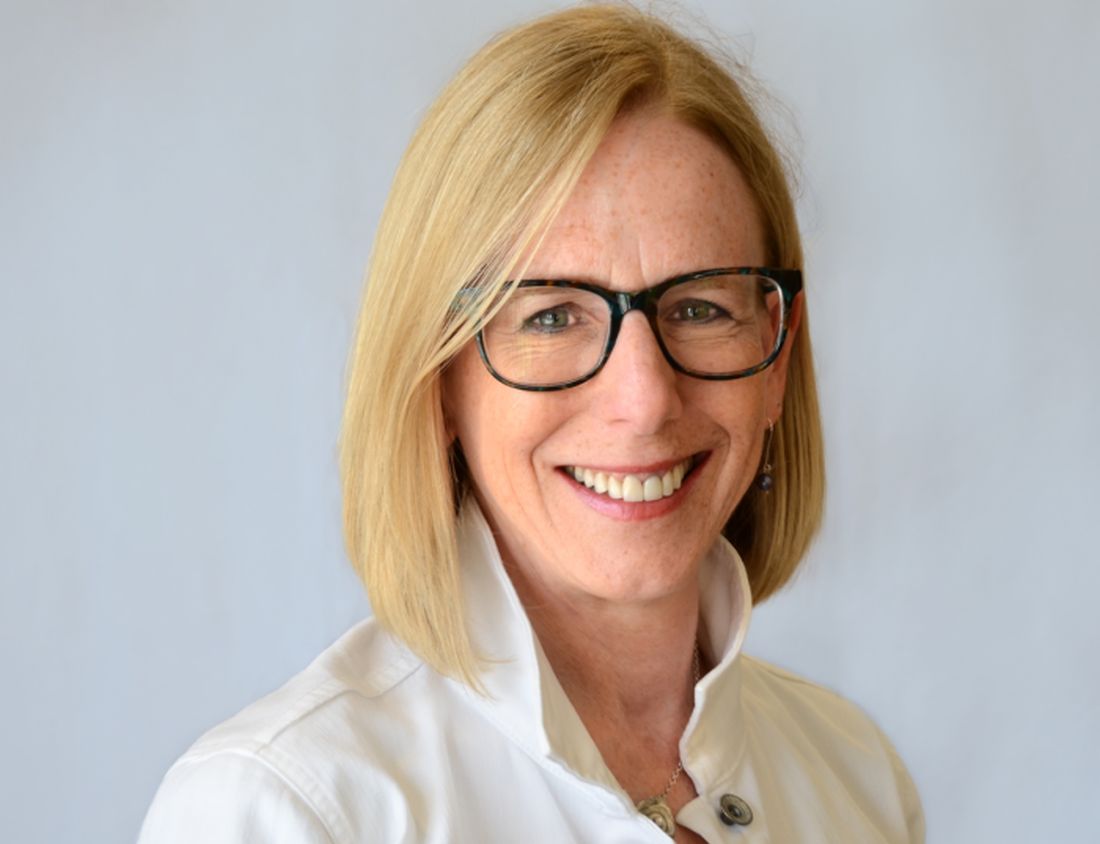
“Throughout rigorous analyses, and after accounting for more than 70 variables in this longitudinal sample of children with ADHD taking stimulants, we did not find an association with later substance use,” lead investigator Brooke Molina, PhD, director of the youth and family research program at the University of Pittsburgh, said in an interview.
The findings were published online in JAMA Psychiatry.
Protective effect?
Owing to symptoms of impulsivity inherent to ADHD, the disorder itself carries a risk for elevated substance use, the investigators note.
They speculate that this may be why some previous research suggests prescription stimulants reduce the risk of subsequent substance use disorder. However, other studies have found no such protective link.
To shed more light on the issue, the investigators used data from the Multimodal Treatment Study of ADHD, a multicenter, 14-month randomized clinical trial of medication and behavioral therapy for children with ADHD. However, for the purposes of the present study, investigators focused only on stimulant use in children.
At the time of recruitment, the children were aged 7-9 and had been diagnosed with ADHD between 1994 and 1996.
Investigators assessed the participants prior to randomization, at months 3 and 9, and at the end of treatment. They were then followed for 16 years and were assessed at years 2, 3, 6, 8, 10, 12, 14, and 16 until a mean age of 25.
During 12-, 14-, and 16-year follow-up, participants completed a questionnaire on their use of alcohol, marijuana, cigarettes, and several illicit and prescription drugs.
Investigators collected information on participants’ stimulant treatment via the Services for Children and Adolescents Parent Interview until they reached age 18. After that, participants reported their own stimulant treatment.
A total of 579 participants were included in the analysis. Of these, 61% were White, 20% were Black, and 8% were Hispanic.
Decline in stimulant use over time
The analysis showed that stimulant use declined “precipitously” over time – from 60% at the 2- and 3-year assessments to an average of 7% during early adulthood.
The investigators also found that for some participants, substance use increased steadily through adolescence and remained stable through early adulthood. For instance, 36.5% of the adolescents in the total cohort reported smoking tobacco daily, and 29.6% reported using marijuana every week.
In addition, approximately 21% of the participants indulged in heavy drinking at least once a week, and 6% reported “other” substance use, which included sedative misuse, heroin, inhalants, hallucinogens, or other substances taken to “get high.”
After accounting for developmental trends in substance use in the sample through adolescence into early adulthood with several rigorous statistical models, the researchers found no association between current or prior stimulant treatment and cigarette, marijuana, alcohol, or other substance use, with one exception.
While cumulative stimulant treatment was associated with increased heavy drinking, the effect size of this association was small. Each additional year of cumulative stimulant use was estimated to increase participants’ likelihood of any binge drinking/drunkenness vs. none in the past year by 4% (95% confidence interval, 0.01-0.08; P =.03).
When the investigators used a causal analytic method to account for age and other time-varying characteristics, including household income, behavior problems, and parental support, there was no evidence that current (B range, –0.62-0.34) or prior stimulant treatment (B range, –0.06-0.70) or their interaction (B range, –0.49-0.86) was associated with substance use in adulthood.
Dr. Molina noted that although participants were recruited from multiple sites, the sample may not be generalizable because children and parents who present for an intensive treatment study such as this are not necessarily representative of the general ADHD population.
Reassuring findings
In a comment, Julie Schweitzer, PhD, professor of psychiatry and behavioral sciences at the University of California, Davis, said she hopes the study findings will quell the stigma surrounding stimulant use by children with ADHD.
“Parents’ fears that stimulant use will lead to a substance use disorder inhibits them from bringing their children for an ADHD evaluation, thus reducing the likelihood that they will receive timely treatment,” Dr. Schweitzer said.
“While stimulant medication is the first-line treatment most often recommended for most persons with ADHD, by not following through on evaluations, parents also miss the opportunity to learn about nonpharmacological strategies that might also be helpful to help cope with ADHD symptoms and its potential co-occurring challenges,” she added.
Dr. Schweitzer also noted that many parents hope their children will outgrow the symptoms without realizing that by not obtaining an evaluation and treatment for their child, there is an associated cost, including less than optimal academic performance, social relationships, and emotional health.
The Multimodal Treatment Study of Children with ADHD was a National Institute of Mental Health cooperative agreement randomized clinical trial, continued under an NIMH contract as a follow-up study and under a National Institute on Drug Abuse contract followed by a data analysis grant. Dr. Molina reported grants from the NIMH and the National Institute on Drug Abuse during the conduct of the study.
A version of this article first appeared on Medscape.com.
“Throughout rigorous analyses, and after accounting for more than 70 variables in this longitudinal sample of children with ADHD taking stimulants, we did not find an association with later substance use,” lead investigator Brooke Molina, PhD, director of the youth and family research program at the University of Pittsburgh, said in an interview.
The findings were published online in JAMA Psychiatry.
Protective effect?
Owing to symptoms of impulsivity inherent to ADHD, the disorder itself carries a risk for elevated substance use, the investigators note.
They speculate that this may be why some previous research suggests prescription stimulants reduce the risk of subsequent substance use disorder. However, other studies have found no such protective link.
To shed more light on the issue, the investigators used data from the Multimodal Treatment Study of ADHD, a multicenter, 14-month randomized clinical trial of medication and behavioral therapy for children with ADHD. However, for the purposes of the present study, investigators focused only on stimulant use in children.
At the time of recruitment, the children were aged 7-9 and had been diagnosed with ADHD between 1994 and 1996.
Investigators assessed the participants prior to randomization, at months 3 and 9, and at the end of treatment. They were then followed for 16 years and were assessed at years 2, 3, 6, 8, 10, 12, 14, and 16 until a mean age of 25.
During 12-, 14-, and 16-year follow-up, participants completed a questionnaire on their use of alcohol, marijuana, cigarettes, and several illicit and prescription drugs.
Investigators collected information on participants’ stimulant treatment via the Services for Children and Adolescents Parent Interview until they reached age 18. After that, participants reported their own stimulant treatment.
A total of 579 participants were included in the analysis. Of these, 61% were White, 20% were Black, and 8% were Hispanic.
Decline in stimulant use over time
The analysis showed that stimulant use declined “precipitously” over time – from 60% at the 2- and 3-year assessments to an average of 7% during early adulthood.
The investigators also found that for some participants, substance use increased steadily through adolescence and remained stable through early adulthood. For instance, 36.5% of the adolescents in the total cohort reported smoking tobacco daily, and 29.6% reported using marijuana every week.
In addition, approximately 21% of the participants indulged in heavy drinking at least once a week, and 6% reported “other” substance use, which included sedative misuse, heroin, inhalants, hallucinogens, or other substances taken to “get high.”
After accounting for developmental trends in substance use in the sample through adolescence into early adulthood with several rigorous statistical models, the researchers found no association between current or prior stimulant treatment and cigarette, marijuana, alcohol, or other substance use, with one exception.
While cumulative stimulant treatment was associated with increased heavy drinking, the effect size of this association was small. Each additional year of cumulative stimulant use was estimated to increase participants’ likelihood of any binge drinking/drunkenness vs. none in the past year by 4% (95% confidence interval, 0.01-0.08; P =.03).
When the investigators used a causal analytic method to account for age and other time-varying characteristics, including household income, behavior problems, and parental support, there was no evidence that current (B range, –0.62-0.34) or prior stimulant treatment (B range, –0.06-0.70) or their interaction (B range, –0.49-0.86) was associated with substance use in adulthood.
Dr. Molina noted that although participants were recruited from multiple sites, the sample may not be generalizable because children and parents who present for an intensive treatment study such as this are not necessarily representative of the general ADHD population.
Reassuring findings
In a comment, Julie Schweitzer, PhD, professor of psychiatry and behavioral sciences at the University of California, Davis, said she hopes the study findings will quell the stigma surrounding stimulant use by children with ADHD.
“Parents’ fears that stimulant use will lead to a substance use disorder inhibits them from bringing their children for an ADHD evaluation, thus reducing the likelihood that they will receive timely treatment,” Dr. Schweitzer said.
“While stimulant medication is the first-line treatment most often recommended for most persons with ADHD, by not following through on evaluations, parents also miss the opportunity to learn about nonpharmacological strategies that might also be helpful to help cope with ADHD symptoms and its potential co-occurring challenges,” she added.
Dr. Schweitzer also noted that many parents hope their children will outgrow the symptoms without realizing that by not obtaining an evaluation and treatment for their child, there is an associated cost, including less than optimal academic performance, social relationships, and emotional health.
The Multimodal Treatment Study of Children with ADHD was a National Institute of Mental Health cooperative agreement randomized clinical trial, continued under an NIMH contract as a follow-up study and under a National Institute on Drug Abuse contract followed by a data analysis grant. Dr. Molina reported grants from the NIMH and the National Institute on Drug Abuse during the conduct of the study.
A version of this article first appeared on Medscape.com.
“Throughout rigorous analyses, and after accounting for more than 70 variables in this longitudinal sample of children with ADHD taking stimulants, we did not find an association with later substance use,” lead investigator Brooke Molina, PhD, director of the youth and family research program at the University of Pittsburgh, said in an interview.
The findings were published online in JAMA Psychiatry.
Protective effect?
Owing to symptoms of impulsivity inherent to ADHD, the disorder itself carries a risk for elevated substance use, the investigators note.
They speculate that this may be why some previous research suggests prescription stimulants reduce the risk of subsequent substance use disorder. However, other studies have found no such protective link.
To shed more light on the issue, the investigators used data from the Multimodal Treatment Study of ADHD, a multicenter, 14-month randomized clinical trial of medication and behavioral therapy for children with ADHD. However, for the purposes of the present study, investigators focused only on stimulant use in children.
At the time of recruitment, the children were aged 7-9 and had been diagnosed with ADHD between 1994 and 1996.
Investigators assessed the participants prior to randomization, at months 3 and 9, and at the end of treatment. They were then followed for 16 years and were assessed at years 2, 3, 6, 8, 10, 12, 14, and 16 until a mean age of 25.
During 12-, 14-, and 16-year follow-up, participants completed a questionnaire on their use of alcohol, marijuana, cigarettes, and several illicit and prescription drugs.
Investigators collected information on participants’ stimulant treatment via the Services for Children and Adolescents Parent Interview until they reached age 18. After that, participants reported their own stimulant treatment.
A total of 579 participants were included in the analysis. Of these, 61% were White, 20% were Black, and 8% were Hispanic.
Decline in stimulant use over time
The analysis showed that stimulant use declined “precipitously” over time – from 60% at the 2- and 3-year assessments to an average of 7% during early adulthood.
The investigators also found that for some participants, substance use increased steadily through adolescence and remained stable through early adulthood. For instance, 36.5% of the adolescents in the total cohort reported smoking tobacco daily, and 29.6% reported using marijuana every week.
In addition, approximately 21% of the participants indulged in heavy drinking at least once a week, and 6% reported “other” substance use, which included sedative misuse, heroin, inhalants, hallucinogens, or other substances taken to “get high.”
After accounting for developmental trends in substance use in the sample through adolescence into early adulthood with several rigorous statistical models, the researchers found no association between current or prior stimulant treatment and cigarette, marijuana, alcohol, or other substance use, with one exception.
While cumulative stimulant treatment was associated with increased heavy drinking, the effect size of this association was small. Each additional year of cumulative stimulant use was estimated to increase participants’ likelihood of any binge drinking/drunkenness vs. none in the past year by 4% (95% confidence interval, 0.01-0.08; P =.03).
When the investigators used a causal analytic method to account for age and other time-varying characteristics, including household income, behavior problems, and parental support, there was no evidence that current (B range, –0.62-0.34) or prior stimulant treatment (B range, –0.06-0.70) or their interaction (B range, –0.49-0.86) was associated with substance use in adulthood.
Dr. Molina noted that although participants were recruited from multiple sites, the sample may not be generalizable because children and parents who present for an intensive treatment study such as this are not necessarily representative of the general ADHD population.
Reassuring findings
In a comment, Julie Schweitzer, PhD, professor of psychiatry and behavioral sciences at the University of California, Davis, said she hopes the study findings will quell the stigma surrounding stimulant use by children with ADHD.
“Parents’ fears that stimulant use will lead to a substance use disorder inhibits them from bringing their children for an ADHD evaluation, thus reducing the likelihood that they will receive timely treatment,” Dr. Schweitzer said.
“While stimulant medication is the first-line treatment most often recommended for most persons with ADHD, by not following through on evaluations, parents also miss the opportunity to learn about nonpharmacological strategies that might also be helpful to help cope with ADHD symptoms and its potential co-occurring challenges,” she added.
Dr. Schweitzer also noted that many parents hope their children will outgrow the symptoms without realizing that by not obtaining an evaluation and treatment for their child, there is an associated cost, including less than optimal academic performance, social relationships, and emotional health.
The Multimodal Treatment Study of Children with ADHD was a National Institute of Mental Health cooperative agreement randomized clinical trial, continued under an NIMH contract as a follow-up study and under a National Institute on Drug Abuse contract followed by a data analysis grant. Dr. Molina reported grants from the NIMH and the National Institute on Drug Abuse during the conduct of the study.
A version of this article first appeared on Medscape.com.
FROM JAMA PSYCHIATRY
Psilocybin shows early promise for anorexia nervosa
The psychedelic psilocybin may have a role in the treatment of anorexia nervosa (AN), an eating disorder that is notoriously difficult and costly to treat.

Stephanie Knatz Peck, PhD, and colleagues with the eating disorders treatment & research center, University of California San Diego, write that the “robust response” in a subset of women after a single dose of psilocybin is “notable,” given that currently available treatments for adult anorexia result in only modest improvements in symptoms and often focus on weight and nutritional rehabilitation without adequately addressing underlying psychopathology.
However, given this was a small, phase 1, open-label feasibility study, these effects are “preliminary and inconclusive,” they caution.
The study was published online in Nature Medicine.
Meaningful experience
The 10 women in the study met DSM-5 criteria for AN or partial remission of AN. They were between age 18 and 40 years with a mean body mass index (BMI) of 19.7 kg/m2.
Following the single 25-mg dose of psilocybin, no clinically significant changes were observed in ECG, vital signs, laboratory values, or suicidality.
All adverse events were mild and mirrored typical psilocybin-associated symptoms such as transient headache, nausea, and fatigue.
Psilocybin was associated with reduced levels of anxiety and preoccupations surrounding food, eating, and body shape at the 1-month follow-up.
Weight concerns decreased significantly at the 1-month (P = .036, Cohen’s d = .78) and 3-month (P = .04, d = .78) follow-up, with a medium to large effect.
Shape concerns significantly decreased at 1-month follow-up (P = .036, d = .78) but were no longer significant at 3-month follow-up (P = .081, d = .62).
Four of the 10 women (40%) had clinically significant reductions in eating disorder scores at 3 months, which qualified for remission from eating-disorder psychopathology.
However, the researchers caution that the effects on eating disorder psychopathology were “highly variable.”
On average, changes in BMI were not significant during the 3 months following psilocybin treatment. However, five women had an increase in BMI at 3 months, ranging from 0.4 to 1.2 kg/m2.
Overall, the psilocybin experience was regarded as meaningful by participants; 80% endorsed the experience as one of the top five most meaningful of life; 90% endorsed feeling more positive about life endeavors; and 70% reported experiencing a shift in personal identity and overall quality of life.
The vast majority of women (90%) felt that one dosing session was not enough.
The fact that the treatment was regarded as beneficial by most women and that there were no dropouts are “promising signs of engagement,” given that dropout rates for currently available AN treatments tend to be high, the researchers note.
They urge caution in interpreting the results considering they were based on a small sample size and did not include a placebo group. They note that larger, adequately powered, randomized controlled trials are needed to draw any conclusions about the role of psilocybin for anorexia nervosa.
Encouraging data
The coauthors of a Nature Medicine News & Views commentary say this “encouraging” phase 1 trial “underscores the necessity for more research into classic psychedelics to address the urgent need for effective treatments” for AN.
Outside experts also weighed in on the study in a statement from the U.K.-based nonprofit Science Media Centre.
Alexandra Pike, DPhil, MSc, with University of York, England, noted that this study is “a first step in showing that psilocybin may be a safe treatment for those with anorexia nervosa, but we cannot conclude from this work that it will be effective in this chronic, complex illness.”
Trevor Steward, MD, with University of Melbourne, noted that psilocybin therapy has provided “glimmers of hope in other mental health disorders, notably by providing evidence that it can improve anxiety, cognitive flexibility, and self-acceptance for some people. These are all features of anorexia nervosa and the rationale for exploring psilocybin therapy as an option in the case of anorexia is strong.”
Dr. Steward also noted that the field is only beginning to “scratch the surface in terms of understanding how psilocybin impacts the brain. Dedicated funding to exploring how it specifically acts to target anorexia nervosa symptoms is crucial to advancing this important avenue of research.
“As there are no approved medications available specifically for anorexia nervosa treatment, psilocybin therapy may prove to be a promising option, though additional research is needed to test this,” Dr. Steward said.
The study used an investigational synthetic formulation of psilocybin (COMP360 psilocybin) developed by COMPASS Pathways, which funded the study. Two coauthors have financial and scientific relationships with COMPASS Pathways. The commentary authors and Dr. Steward report no relevant financial relationships.
A version of this article first appeared on Medscape.com.
The psychedelic psilocybin may have a role in the treatment of anorexia nervosa (AN), an eating disorder that is notoriously difficult and costly to treat.
Stephanie Knatz Peck, PhD, and colleagues with the eating disorders treatment & research center, University of California San Diego, write that the “robust response” in a subset of women after a single dose of psilocybin is “notable,” given that currently available treatments for adult anorexia result in only modest improvements in symptoms and often focus on weight and nutritional rehabilitation without adequately addressing underlying psychopathology.
However, given this was a small, phase 1, open-label feasibility study, these effects are “preliminary and inconclusive,” they caution.
The study was published online in Nature Medicine.
Meaningful experience
The 10 women in the study met DSM-5 criteria for AN or partial remission of AN. They were between age 18 and 40 years with a mean body mass index (BMI) of 19.7 kg/m2.
Following the single 25-mg dose of psilocybin, no clinically significant changes were observed in ECG, vital signs, laboratory values, or suicidality.
All adverse events were mild and mirrored typical psilocybin-associated symptoms such as transient headache, nausea, and fatigue.
Psilocybin was associated with reduced levels of anxiety and preoccupations surrounding food, eating, and body shape at the 1-month follow-up.
Weight concerns decreased significantly at the 1-month (P = .036, Cohen’s d = .78) and 3-month (P = .04, d = .78) follow-up, with a medium to large effect.
Shape concerns significantly decreased at 1-month follow-up (P = .036, d = .78) but were no longer significant at 3-month follow-up (P = .081, d = .62).
Four of the 10 women (40%) had clinically significant reductions in eating disorder scores at 3 months, which qualified for remission from eating-disorder psychopathology.
However, the researchers caution that the effects on eating disorder psychopathology were “highly variable.”
On average, changes in BMI were not significant during the 3 months following psilocybin treatment. However, five women had an increase in BMI at 3 months, ranging from 0.4 to 1.2 kg/m2.
Overall, the psilocybin experience was regarded as meaningful by participants; 80% endorsed the experience as one of the top five most meaningful of life; 90% endorsed feeling more positive about life endeavors; and 70% reported experiencing a shift in personal identity and overall quality of life.
The vast majority of women (90%) felt that one dosing session was not enough.
The fact that the treatment was regarded as beneficial by most women and that there were no dropouts are “promising signs of engagement,” given that dropout rates for currently available AN treatments tend to be high, the researchers note.
They urge caution in interpreting the results considering they were based on a small sample size and did not include a placebo group. They note that larger, adequately powered, randomized controlled trials are needed to draw any conclusions about the role of psilocybin for anorexia nervosa.
Encouraging data
The coauthors of a Nature Medicine News & Views commentary say this “encouraging” phase 1 trial “underscores the necessity for more research into classic psychedelics to address the urgent need for effective treatments” for AN.
Outside experts also weighed in on the study in a statement from the U.K.-based nonprofit Science Media Centre.
Alexandra Pike, DPhil, MSc, with University of York, England, noted that this study is “a first step in showing that psilocybin may be a safe treatment for those with anorexia nervosa, but we cannot conclude from this work that it will be effective in this chronic, complex illness.”
Trevor Steward, MD, with University of Melbourne, noted that psilocybin therapy has provided “glimmers of hope in other mental health disorders, notably by providing evidence that it can improve anxiety, cognitive flexibility, and self-acceptance for some people. These are all features of anorexia nervosa and the rationale for exploring psilocybin therapy as an option in the case of anorexia is strong.”
Dr. Steward also noted that the field is only beginning to “scratch the surface in terms of understanding how psilocybin impacts the brain. Dedicated funding to exploring how it specifically acts to target anorexia nervosa symptoms is crucial to advancing this important avenue of research.
“As there are no approved medications available specifically for anorexia nervosa treatment, psilocybin therapy may prove to be a promising option, though additional research is needed to test this,” Dr. Steward said.
The study used an investigational synthetic formulation of psilocybin (COMP360 psilocybin) developed by COMPASS Pathways, which funded the study. Two coauthors have financial and scientific relationships with COMPASS Pathways. The commentary authors and Dr. Steward report no relevant financial relationships.
A version of this article first appeared on Medscape.com.
The psychedelic psilocybin may have a role in the treatment of anorexia nervosa (AN), an eating disorder that is notoriously difficult and costly to treat.
Stephanie Knatz Peck, PhD, and colleagues with the eating disorders treatment & research center, University of California San Diego, write that the “robust response” in a subset of women after a single dose of psilocybin is “notable,” given that currently available treatments for adult anorexia result in only modest improvements in symptoms and often focus on weight and nutritional rehabilitation without adequately addressing underlying psychopathology.
However, given this was a small, phase 1, open-label feasibility study, these effects are “preliminary and inconclusive,” they caution.
The study was published online in Nature Medicine.
Meaningful experience
The 10 women in the study met DSM-5 criteria for AN or partial remission of AN. They were between age 18 and 40 years with a mean body mass index (BMI) of 19.7 kg/m2.
Following the single 25-mg dose of psilocybin, no clinically significant changes were observed in ECG, vital signs, laboratory values, or suicidality.
All adverse events were mild and mirrored typical psilocybin-associated symptoms such as transient headache, nausea, and fatigue.
Psilocybin was associated with reduced levels of anxiety and preoccupations surrounding food, eating, and body shape at the 1-month follow-up.
Weight concerns decreased significantly at the 1-month (P = .036, Cohen’s d = .78) and 3-month (P = .04, d = .78) follow-up, with a medium to large effect.
Shape concerns significantly decreased at 1-month follow-up (P = .036, d = .78) but were no longer significant at 3-month follow-up (P = .081, d = .62).
Four of the 10 women (40%) had clinically significant reductions in eating disorder scores at 3 months, which qualified for remission from eating-disorder psychopathology.
However, the researchers caution that the effects on eating disorder psychopathology were “highly variable.”
On average, changes in BMI were not significant during the 3 months following psilocybin treatment. However, five women had an increase in BMI at 3 months, ranging from 0.4 to 1.2 kg/m2.
Overall, the psilocybin experience was regarded as meaningful by participants; 80% endorsed the experience as one of the top five most meaningful of life; 90% endorsed feeling more positive about life endeavors; and 70% reported experiencing a shift in personal identity and overall quality of life.
The vast majority of women (90%) felt that one dosing session was not enough.
The fact that the treatment was regarded as beneficial by most women and that there were no dropouts are “promising signs of engagement,” given that dropout rates for currently available AN treatments tend to be high, the researchers note.
They urge caution in interpreting the results considering they were based on a small sample size and did not include a placebo group. They note that larger, adequately powered, randomized controlled trials are needed to draw any conclusions about the role of psilocybin for anorexia nervosa.
Encouraging data
The coauthors of a Nature Medicine News & Views commentary say this “encouraging” phase 1 trial “underscores the necessity for more research into classic psychedelics to address the urgent need for effective treatments” for AN.
Outside experts also weighed in on the study in a statement from the U.K.-based nonprofit Science Media Centre.
Alexandra Pike, DPhil, MSc, with University of York, England, noted that this study is “a first step in showing that psilocybin may be a safe treatment for those with anorexia nervosa, but we cannot conclude from this work that it will be effective in this chronic, complex illness.”
Trevor Steward, MD, with University of Melbourne, noted that psilocybin therapy has provided “glimmers of hope in other mental health disorders, notably by providing evidence that it can improve anxiety, cognitive flexibility, and self-acceptance for some people. These are all features of anorexia nervosa and the rationale for exploring psilocybin therapy as an option in the case of anorexia is strong.”
Dr. Steward also noted that the field is only beginning to “scratch the surface in terms of understanding how psilocybin impacts the brain. Dedicated funding to exploring how it specifically acts to target anorexia nervosa symptoms is crucial to advancing this important avenue of research.
“As there are no approved medications available specifically for anorexia nervosa treatment, psilocybin therapy may prove to be a promising option, though additional research is needed to test this,” Dr. Steward said.
The study used an investigational synthetic formulation of psilocybin (COMP360 psilocybin) developed by COMPASS Pathways, which funded the study. Two coauthors have financial and scientific relationships with COMPASS Pathways. The commentary authors and Dr. Steward report no relevant financial relationships.
A version of this article first appeared on Medscape.com.
FROM NATURE MEDICINE
Fast-acting postpartum depression drug is effective
The Food and Drug Administration is considering approving a postpartum depression medication that can start working rapidly – in as little as 3 days. Promising results for the drug, zuranolone, were published recently in The American Journal of Psychiatry.
Approximately 17% of women are affected by postpartum depression (PPD) during pregnancy or after birth, study authors noted. The condition often results in reduced breastfeeding, poor maternal-infant bonding, and hindering behavioral, emotional and brain development of the baby. Severe PPD can lead to suicide of the mother, which accounts for 20% of all postpartum deaths, they wrote.
The study included 196 people who had given birth in the past year, and were between the ages of 18 and 45 years old. Participants had major depression that began in the 3rd trimester of pregnancy or during the first 4 weeks of the postpartum period. Among participants, 22% were Black and 38% were Hispanic.
The average time it took for symptoms to significantly decline was 9 days. Most people who saw improvements had them continue for the entire 45-day follow-up period. The most common side effects were drowsiness, dizziness, and sleepiness.
Currently, PPD treatment includes taking antidepressants, which can take up to 12 weeks to work.
Researchers noted that the limitations of the study were that it only included women with severe PPD, and that women with a history of bipolar or psychotic disorders were excluded. Women in the study were not allowed to breastfeed, so the effect of zuranolone on lactation is unknown, they wrote.
A February news release from drugmaker Biogen indicated the FDA may decide whether to approve the medicine by Aug. 5.
A version of this article first appeared on WebMD.com.
The Food and Drug Administration is considering approving a postpartum depression medication that can start working rapidly – in as little as 3 days. Promising results for the drug, zuranolone, were published recently in The American Journal of Psychiatry.
Approximately 17% of women are affected by postpartum depression (PPD) during pregnancy or after birth, study authors noted. The condition often results in reduced breastfeeding, poor maternal-infant bonding, and hindering behavioral, emotional and brain development of the baby. Severe PPD can lead to suicide of the mother, which accounts for 20% of all postpartum deaths, they wrote.
The study included 196 people who had given birth in the past year, and were between the ages of 18 and 45 years old. Participants had major depression that began in the 3rd trimester of pregnancy or during the first 4 weeks of the postpartum period. Among participants, 22% were Black and 38% were Hispanic.
The average time it took for symptoms to significantly decline was 9 days. Most people who saw improvements had them continue for the entire 45-day follow-up period. The most common side effects were drowsiness, dizziness, and sleepiness.
Currently, PPD treatment includes taking antidepressants, which can take up to 12 weeks to work.
Researchers noted that the limitations of the study were that it only included women with severe PPD, and that women with a history of bipolar or psychotic disorders were excluded. Women in the study were not allowed to breastfeed, so the effect of zuranolone on lactation is unknown, they wrote.
A February news release from drugmaker Biogen indicated the FDA may decide whether to approve the medicine by Aug. 5.
A version of this article first appeared on WebMD.com.
The Food and Drug Administration is considering approving a postpartum depression medication that can start working rapidly – in as little as 3 days. Promising results for the drug, zuranolone, were published recently in The American Journal of Psychiatry.
Approximately 17% of women are affected by postpartum depression (PPD) during pregnancy or after birth, study authors noted. The condition often results in reduced breastfeeding, poor maternal-infant bonding, and hindering behavioral, emotional and brain development of the baby. Severe PPD can lead to suicide of the mother, which accounts for 20% of all postpartum deaths, they wrote.
The study included 196 people who had given birth in the past year, and were between the ages of 18 and 45 years old. Participants had major depression that began in the 3rd trimester of pregnancy or during the first 4 weeks of the postpartum period. Among participants, 22% were Black and 38% were Hispanic.
The average time it took for symptoms to significantly decline was 9 days. Most people who saw improvements had them continue for the entire 45-day follow-up period. The most common side effects were drowsiness, dizziness, and sleepiness.
Currently, PPD treatment includes taking antidepressants, which can take up to 12 weeks to work.
Researchers noted that the limitations of the study were that it only included women with severe PPD, and that women with a history of bipolar or psychotic disorders were excluded. Women in the study were not allowed to breastfeed, so the effect of zuranolone on lactation is unknown, they wrote.
A February news release from drugmaker Biogen indicated the FDA may decide whether to approve the medicine by Aug. 5.
A version of this article first appeared on WebMD.com.
FROM THE AMERICAN JOURNAL OF PSYCHIATRY
Exercise program boosted physical, but not mental, health in young children with overweight
A defined exercise program significantly improved cardiometabolic health and body composition in children with overweight and obesity, but no effect was seen on mental health, based on data from 92 children.
Childhood obesity is associated with negative health outcomes including type 2 diabetes, cardiovascular disease, and mental health disorders, and exercise is considered essential to treatment, wrote Jairo H. Migueles, PhD, of the University of Granada, Spain, and colleagues. However, the effect on children with obesity and overweight of an exercise program on physical and mental health, including within-individual changes, has not been well studied, they said.
In a study published in JAMA Network Open, the researchers reviewed data from 36 girls and 56 boys with overweight or obesity who were randomized to a 20-week exercise program with aerobic and resistance elements, or waitlisted to serve as controls. The participants ranged in age from 8 to 11 years with a mean age of 10 years. The data were collected between Nov. 1, 2014, and June 30, 2016, as part of a parallel-group randomized clinical trial. The exercise program consisted of three to five 90-minute exercise sessions per week for 20 weeks, and the control children continued their usual routines.
The main cardiometabolic outcomes measured in the study were divided into three categories: body composition, physical fitness, and traditional risk factors (waist circumference, blood lipid levels, glucose levels, insulin levels, and blood pressure).
A cardiometabolic risk score was defined by z score. The researchers also added cardiorespiratory fitness (CRF) to the cardiometabolic risk score. Mental health was assessed using composite standardized scores for psychological well-being and poor mental health.
After 20 weeks, cardiometabolic risk scores decreased by approximately 0.38 standard deviations in the exercise group compared with the control group. In addition, specific measures of cardiometabolic health improved significantly from baseline in the exercise group compared with control children for low-density lipoprotein (change of –7.00 mg/dL), body mass index (–5.9 kg/m2), fat mass index (−0.67), and visceral adipose tissue (31.44 g).
Cardiorespiratory fitness improved by 2.75 laps in the exercise group compared with control children. In addition, significantly more children in the exercise group showed meaningful changes (defined as individual changes of at least 0.2 SDs) compared with control children in measures of fat mass index (37 vs. 17, P < .001) and CRF performance (30 vs. 17, P = .03).
However, no significant effects appeared on mental health outcomes in exercisers, the researchers noted.
The reduction in cardiometabolic score was attributable mainly to improvements in cardiovascular fitness, blood lipid levels, and total and visceral adiposity, the researchers wrote in their discussion. The lack of changes in mental health measures may be a result of the healthy mental state of the children at the study outset, they said. “The null effect on mental health outcomes needs to be further investigated, including, among other things, whether the instruments are sensitive enough to detect changes and whether there is a ceiling effect in young children who might be mentally healthy overall,” they wrote.
The findings were limited by several factors, including the relatively small sample size and lack of blinding for some evaluators. However, the results show the potential of exercise programs to affect meaningful change and improve cardiometabolic health in overweight and obese children, although more research is needed to explore the effects of larger-scale and longer-lasting public health interventions combining exercise and other health behaviors such as diet, the researchers concluded.
Bottom line: Exercise works
The increasing rates of overweight and obesity in children in the United States have “significant downstream consequences that include increased risk of metabolic disease, including diabetes and hypertension, as well as increased rates of anxiety and depression,” Neil Skolnik, MD, professor of family and community medicine at the Sidney Kimmel Medical College of Thomas Jefferson University, Philadelphia, said in an interview.
Therefore, the effect of interventions such as exercise training on outcomes is important, he said.
The current study findings are “what you would hope for and expect – improvement in cardiometabolic parameters and fitness,” said Dr. Skolnik. “It was encouraging to see the effect of this relatively short duration of intervention has a clear positive effect on weight, BMI, and cardiometabolic parameters,” he said. “The real benefit, of course, comes from sustaining these habits over a long period of time.”
The lack of improvement in mental health is not surprising given the small study population “who did not have a high rate of mental health problems to begin with,” Dr. Skolnik added.
Barriers to promoting exercise programs for obese and overweight children in primary care are many, Dr. Skolnik said, including “having the motivation and funding to create programs like this so they are readily available to youth.”
However, the key message from the current study is simple and straightforward, according to Dr. Skolnik. “Exercise works! It works to improve fitness, cardiometabolic parameters, and weight control,” he said.
“There is always room for more research,” Dr. Skolnik added. The questions now are not about whether exercise benefits health; they are about figuring out how to implement the known benefits of exercise into daily living for all children, athletes and nonathletes alike, he said. “We need to find nonjudgmental ways to encourage exercise as a part of routine daily healthy living, up there with brushing teeth every day,” he emphasized.
The study was supported by grants from the Spanish Ministry of Economy and Competitiveness and El Fondo Europeo de Desarrollo Regional (FEDER) and by the MCIN (Ministerio de Ciencia e Innovación) / AEI (Agencia Estatal de Investigación. The researchers and Dr. Skolnik had no financial conflicts to disclose. Dr. Skolnik serves on the editorial advisory board of Family Practice News.
A defined exercise program significantly improved cardiometabolic health and body composition in children with overweight and obesity, but no effect was seen on mental health, based on data from 92 children.
Childhood obesity is associated with negative health outcomes including type 2 diabetes, cardiovascular disease, and mental health disorders, and exercise is considered essential to treatment, wrote Jairo H. Migueles, PhD, of the University of Granada, Spain, and colleagues. However, the effect on children with obesity and overweight of an exercise program on physical and mental health, including within-individual changes, has not been well studied, they said.
In a study published in JAMA Network Open, the researchers reviewed data from 36 girls and 56 boys with overweight or obesity who were randomized to a 20-week exercise program with aerobic and resistance elements, or waitlisted to serve as controls. The participants ranged in age from 8 to 11 years with a mean age of 10 years. The data were collected between Nov. 1, 2014, and June 30, 2016, as part of a parallel-group randomized clinical trial. The exercise program consisted of three to five 90-minute exercise sessions per week for 20 weeks, and the control children continued their usual routines.
The main cardiometabolic outcomes measured in the study were divided into three categories: body composition, physical fitness, and traditional risk factors (waist circumference, blood lipid levels, glucose levels, insulin levels, and blood pressure).
A cardiometabolic risk score was defined by z score. The researchers also added cardiorespiratory fitness (CRF) to the cardiometabolic risk score. Mental health was assessed using composite standardized scores for psychological well-being and poor mental health.
After 20 weeks, cardiometabolic risk scores decreased by approximately 0.38 standard deviations in the exercise group compared with the control group. In addition, specific measures of cardiometabolic health improved significantly from baseline in the exercise group compared with control children for low-density lipoprotein (change of –7.00 mg/dL), body mass index (–5.9 kg/m2), fat mass index (−0.67), and visceral adipose tissue (31.44 g).
Cardiorespiratory fitness improved by 2.75 laps in the exercise group compared with control children. In addition, significantly more children in the exercise group showed meaningful changes (defined as individual changes of at least 0.2 SDs) compared with control children in measures of fat mass index (37 vs. 17, P < .001) and CRF performance (30 vs. 17, P = .03).
However, no significant effects appeared on mental health outcomes in exercisers, the researchers noted.
The reduction in cardiometabolic score was attributable mainly to improvements in cardiovascular fitness, blood lipid levels, and total and visceral adiposity, the researchers wrote in their discussion. The lack of changes in mental health measures may be a result of the healthy mental state of the children at the study outset, they said. “The null effect on mental health outcomes needs to be further investigated, including, among other things, whether the instruments are sensitive enough to detect changes and whether there is a ceiling effect in young children who might be mentally healthy overall,” they wrote.
The findings were limited by several factors, including the relatively small sample size and lack of blinding for some evaluators. However, the results show the potential of exercise programs to affect meaningful change and improve cardiometabolic health in overweight and obese children, although more research is needed to explore the effects of larger-scale and longer-lasting public health interventions combining exercise and other health behaviors such as diet, the researchers concluded.
Bottom line: Exercise works
The increasing rates of overweight and obesity in children in the United States have “significant downstream consequences that include increased risk of metabolic disease, including diabetes and hypertension, as well as increased rates of anxiety and depression,” Neil Skolnik, MD, professor of family and community medicine at the Sidney Kimmel Medical College of Thomas Jefferson University, Philadelphia, said in an interview.
Therefore, the effect of interventions such as exercise training on outcomes is important, he said.
The current study findings are “what you would hope for and expect – improvement in cardiometabolic parameters and fitness,” said Dr. Skolnik. “It was encouraging to see the effect of this relatively short duration of intervention has a clear positive effect on weight, BMI, and cardiometabolic parameters,” he said. “The real benefit, of course, comes from sustaining these habits over a long period of time.”
The lack of improvement in mental health is not surprising given the small study population “who did not have a high rate of mental health problems to begin with,” Dr. Skolnik added.
Barriers to promoting exercise programs for obese and overweight children in primary care are many, Dr. Skolnik said, including “having the motivation and funding to create programs like this so they are readily available to youth.”
However, the key message from the current study is simple and straightforward, according to Dr. Skolnik. “Exercise works! It works to improve fitness, cardiometabolic parameters, and weight control,” he said.
“There is always room for more research,” Dr. Skolnik added. The questions now are not about whether exercise benefits health; they are about figuring out how to implement the known benefits of exercise into daily living for all children, athletes and nonathletes alike, he said. “We need to find nonjudgmental ways to encourage exercise as a part of routine daily healthy living, up there with brushing teeth every day,” he emphasized.
The study was supported by grants from the Spanish Ministry of Economy and Competitiveness and El Fondo Europeo de Desarrollo Regional (FEDER) and by the MCIN (Ministerio de Ciencia e Innovación) / AEI (Agencia Estatal de Investigación. The researchers and Dr. Skolnik had no financial conflicts to disclose. Dr. Skolnik serves on the editorial advisory board of Family Practice News.
A defined exercise program significantly improved cardiometabolic health and body composition in children with overweight and obesity, but no effect was seen on mental health, based on data from 92 children.
Childhood obesity is associated with negative health outcomes including type 2 diabetes, cardiovascular disease, and mental health disorders, and exercise is considered essential to treatment, wrote Jairo H. Migueles, PhD, of the University of Granada, Spain, and colleagues. However, the effect on children with obesity and overweight of an exercise program on physical and mental health, including within-individual changes, has not been well studied, they said.
In a study published in JAMA Network Open, the researchers reviewed data from 36 girls and 56 boys with overweight or obesity who were randomized to a 20-week exercise program with aerobic and resistance elements, or waitlisted to serve as controls. The participants ranged in age from 8 to 11 years with a mean age of 10 years. The data were collected between Nov. 1, 2014, and June 30, 2016, as part of a parallel-group randomized clinical trial. The exercise program consisted of three to five 90-minute exercise sessions per week for 20 weeks, and the control children continued their usual routines.
The main cardiometabolic outcomes measured in the study were divided into three categories: body composition, physical fitness, and traditional risk factors (waist circumference, blood lipid levels, glucose levels, insulin levels, and blood pressure).
A cardiometabolic risk score was defined by z score. The researchers also added cardiorespiratory fitness (CRF) to the cardiometabolic risk score. Mental health was assessed using composite standardized scores for psychological well-being and poor mental health.
After 20 weeks, cardiometabolic risk scores decreased by approximately 0.38 standard deviations in the exercise group compared with the control group. In addition, specific measures of cardiometabolic health improved significantly from baseline in the exercise group compared with control children for low-density lipoprotein (change of –7.00 mg/dL), body mass index (–5.9 kg/m2), fat mass index (−0.67), and visceral adipose tissue (31.44 g).
Cardiorespiratory fitness improved by 2.75 laps in the exercise group compared with control children. In addition, significantly more children in the exercise group showed meaningful changes (defined as individual changes of at least 0.2 SDs) compared with control children in measures of fat mass index (37 vs. 17, P < .001) and CRF performance (30 vs. 17, P = .03).
However, no significant effects appeared on mental health outcomes in exercisers, the researchers noted.
The reduction in cardiometabolic score was attributable mainly to improvements in cardiovascular fitness, blood lipid levels, and total and visceral adiposity, the researchers wrote in their discussion. The lack of changes in mental health measures may be a result of the healthy mental state of the children at the study outset, they said. “The null effect on mental health outcomes needs to be further investigated, including, among other things, whether the instruments are sensitive enough to detect changes and whether there is a ceiling effect in young children who might be mentally healthy overall,” they wrote.
The findings were limited by several factors, including the relatively small sample size and lack of blinding for some evaluators. However, the results show the potential of exercise programs to affect meaningful change and improve cardiometabolic health in overweight and obese children, although more research is needed to explore the effects of larger-scale and longer-lasting public health interventions combining exercise and other health behaviors such as diet, the researchers concluded.
Bottom line: Exercise works
The increasing rates of overweight and obesity in children in the United States have “significant downstream consequences that include increased risk of metabolic disease, including diabetes and hypertension, as well as increased rates of anxiety and depression,” Neil Skolnik, MD, professor of family and community medicine at the Sidney Kimmel Medical College of Thomas Jefferson University, Philadelphia, said in an interview.
Therefore, the effect of interventions such as exercise training on outcomes is important, he said.
The current study findings are “what you would hope for and expect – improvement in cardiometabolic parameters and fitness,” said Dr. Skolnik. “It was encouraging to see the effect of this relatively short duration of intervention has a clear positive effect on weight, BMI, and cardiometabolic parameters,” he said. “The real benefit, of course, comes from sustaining these habits over a long period of time.”
The lack of improvement in mental health is not surprising given the small study population “who did not have a high rate of mental health problems to begin with,” Dr. Skolnik added.
Barriers to promoting exercise programs for obese and overweight children in primary care are many, Dr. Skolnik said, including “having the motivation and funding to create programs like this so they are readily available to youth.”
However, the key message from the current study is simple and straightforward, according to Dr. Skolnik. “Exercise works! It works to improve fitness, cardiometabolic parameters, and weight control,” he said.
“There is always room for more research,” Dr. Skolnik added. The questions now are not about whether exercise benefits health; they are about figuring out how to implement the known benefits of exercise into daily living for all children, athletes and nonathletes alike, he said. “We need to find nonjudgmental ways to encourage exercise as a part of routine daily healthy living, up there with brushing teeth every day,” he emphasized.
The study was supported by grants from the Spanish Ministry of Economy and Competitiveness and El Fondo Europeo de Desarrollo Regional (FEDER) and by the MCIN (Ministerio de Ciencia e Innovación) / AEI (Agencia Estatal de Investigación. The researchers and Dr. Skolnik had no financial conflicts to disclose. Dr. Skolnik serves on the editorial advisory board of Family Practice News.
FROM JAMA NETWORK OPEN
No cognitive benefit from meditation, learning a language?
The findings are similar to results from another study published last year but are contrary to previous findings showing cognitive benefits for practicing meditation and learning a new language later in life.
“Based on existing literature, which has provided support for the efficacy of meditation and foreign language training in promoting cognition among older adults, perhaps the most surprising outcome of our study was the lack of evidence indicating cognitive benefits after 18 months of either intervention,” lead author Harriet Demnitz-King, MSc, a doctoral candidate at University College London, said in an interview. The findings were published online in JAMA Network Open.

Contradictory findings
For the study, 135 French-speaking, cognitively healthy people were randomized to English-language training, meditation, or a control group. All participants were aged 65 years or older, had been retired for at least 1 year, and had completed at least 7 years of education.
The meditation and English-language training interventions were both 18 months long and included a 2-hour weekly group session, daily home practice of at least 20 minutes, and 1-day intensive 5-hour practice.
Researchers found no significant changes in global cognition, episodic memory, executive function, or attention with either intervention, compared with the control group or to each other.
The findings contradict the researchers’ earlier work that found mindfulness meditation boosted cognitive function in older adults with subjective cognitive decline.
“We are still trying to reconcile these findings,” senior author Natalie Marchant, PhD, associate professor in the division of psychiatry at University College London, said. “It may be that mindfulness meditation may not improve cognition beyond normally functioning levels but may help to preserve cognition in the face of cognitive decline.”

This study was the longest randomized controlled trial in older adults to investigate the effects of non-native language learning on cognition, Dr. Marchant said.
“It may be that language-learning may buffer against age-related cognitive decline but does not boost cognition in high-functioning individuals,” Dr. Marchant said. “While language learning may not improve cognition, we do not want to discard the other possibility without first examining it.”
Dr. Marchant plans to follow participants for years to come to study that very question.
More to learn
The results harken to those of a study last year with a similar participant group and similar results. In that work, mindfulness meditation and exercise also failed to boost cognition in healthy adults. But that may not be the whole story, according to Eric Lenze, MD, professor and chair of psychiatry at Washington University School of Medicine, St. Louis.
Dr. Lenze was a lead author on that earlier research, known as the MEDEX trial, but was not involved with this study. He commented on the new findings for this news organization.
“People may read these results, and ours that were published in JAMA in December, as suggesting that lifestyle and cognitive interventions don’t work in older adults, but that’s not what this shows, in my opinion,” Dr. Lenze said. “It shows that we don’t understand the science of the aging brain as much as we would like to.”
Participants in most of these studies were mostly White, highly educated, and in good cognitive health, all characteristics that could have skewed these findings, he added.
“It may be that interventions to improve cognitive function in older adults would be more likely to help people who have more room to benefit,” Dr. Lenze said. “If you’re already highly educated, healthy, and cognitively normal, why should we expect that you could do even better than that?”
The Age-Well study was funded by European Union in Horizon 2020 program and Inserm, Région Normandie, Fondation d’entreprise MMA des Entrepreneurs du Futur. Dr. Marchant reports grants from Alzheimer’s Society and the U.K. Medical Research Council. Dr. Lenze reports funding from Takeda pharmaceuticals and has been a consultant for Pritikin Intensive Cardiac Rehabilitation.
A version of this article first appeared on Medscape.com.
The findings are similar to results from another study published last year but are contrary to previous findings showing cognitive benefits for practicing meditation and learning a new language later in life.
“Based on existing literature, which has provided support for the efficacy of meditation and foreign language training in promoting cognition among older adults, perhaps the most surprising outcome of our study was the lack of evidence indicating cognitive benefits after 18 months of either intervention,” lead author Harriet Demnitz-King, MSc, a doctoral candidate at University College London, said in an interview. The findings were published online in JAMA Network Open.
Contradictory findings
For the study, 135 French-speaking, cognitively healthy people were randomized to English-language training, meditation, or a control group. All participants were aged 65 years or older, had been retired for at least 1 year, and had completed at least 7 years of education.
The meditation and English-language training interventions were both 18 months long and included a 2-hour weekly group session, daily home practice of at least 20 minutes, and 1-day intensive 5-hour practice.
Researchers found no significant changes in global cognition, episodic memory, executive function, or attention with either intervention, compared with the control group or to each other.
The findings contradict the researchers’ earlier work that found mindfulness meditation boosted cognitive function in older adults with subjective cognitive decline.
“We are still trying to reconcile these findings,” senior author Natalie Marchant, PhD, associate professor in the division of psychiatry at University College London, said. “It may be that mindfulness meditation may not improve cognition beyond normally functioning levels but may help to preserve cognition in the face of cognitive decline.”
This study was the longest randomized controlled trial in older adults to investigate the effects of non-native language learning on cognition, Dr. Marchant said.
“It may be that language-learning may buffer against age-related cognitive decline but does not boost cognition in high-functioning individuals,” Dr. Marchant said. “While language learning may not improve cognition, we do not want to discard the other possibility without first examining it.”
Dr. Marchant plans to follow participants for years to come to study that very question.
More to learn
The results harken to those of a study last year with a similar participant group and similar results. In that work, mindfulness meditation and exercise also failed to boost cognition in healthy adults. But that may not be the whole story, according to Eric Lenze, MD, professor and chair of psychiatry at Washington University School of Medicine, St. Louis.
Dr. Lenze was a lead author on that earlier research, known as the MEDEX trial, but was not involved with this study. He commented on the new findings for this news organization.
“People may read these results, and ours that were published in JAMA in December, as suggesting that lifestyle and cognitive interventions don’t work in older adults, but that’s not what this shows, in my opinion,” Dr. Lenze said. “It shows that we don’t understand the science of the aging brain as much as we would like to.”
Participants in most of these studies were mostly White, highly educated, and in good cognitive health, all characteristics that could have skewed these findings, he added.
“It may be that interventions to improve cognitive function in older adults would be more likely to help people who have more room to benefit,” Dr. Lenze said. “If you’re already highly educated, healthy, and cognitively normal, why should we expect that you could do even better than that?”
The Age-Well study was funded by European Union in Horizon 2020 program and Inserm, Région Normandie, Fondation d’entreprise MMA des Entrepreneurs du Futur. Dr. Marchant reports grants from Alzheimer’s Society and the U.K. Medical Research Council. Dr. Lenze reports funding from Takeda pharmaceuticals and has been a consultant for Pritikin Intensive Cardiac Rehabilitation.
A version of this article first appeared on Medscape.com.
The findings are similar to results from another study published last year but are contrary to previous findings showing cognitive benefits for practicing meditation and learning a new language later in life.
“Based on existing literature, which has provided support for the efficacy of meditation and foreign language training in promoting cognition among older adults, perhaps the most surprising outcome of our study was the lack of evidence indicating cognitive benefits after 18 months of either intervention,” lead author Harriet Demnitz-King, MSc, a doctoral candidate at University College London, said in an interview. The findings were published online in JAMA Network Open.
Contradictory findings
For the study, 135 French-speaking, cognitively healthy people were randomized to English-language training, meditation, or a control group. All participants were aged 65 years or older, had been retired for at least 1 year, and had completed at least 7 years of education.
The meditation and English-language training interventions were both 18 months long and included a 2-hour weekly group session, daily home practice of at least 20 minutes, and 1-day intensive 5-hour practice.
Researchers found no significant changes in global cognition, episodic memory, executive function, or attention with either intervention, compared with the control group or to each other.
The findings contradict the researchers’ earlier work that found mindfulness meditation boosted cognitive function in older adults with subjective cognitive decline.
“We are still trying to reconcile these findings,” senior author Natalie Marchant, PhD, associate professor in the division of psychiatry at University College London, said. “It may be that mindfulness meditation may not improve cognition beyond normally functioning levels but may help to preserve cognition in the face of cognitive decline.”
This study was the longest randomized controlled trial in older adults to investigate the effects of non-native language learning on cognition, Dr. Marchant said.
“It may be that language-learning may buffer against age-related cognitive decline but does not boost cognition in high-functioning individuals,” Dr. Marchant said. “While language learning may not improve cognition, we do not want to discard the other possibility without first examining it.”
Dr. Marchant plans to follow participants for years to come to study that very question.
More to learn
The results harken to those of a study last year with a similar participant group and similar results. In that work, mindfulness meditation and exercise also failed to boost cognition in healthy adults. But that may not be the whole story, according to Eric Lenze, MD, professor and chair of psychiatry at Washington University School of Medicine, St. Louis.
Dr. Lenze was a lead author on that earlier research, known as the MEDEX trial, but was not involved with this study. He commented on the new findings for this news organization.
“People may read these results, and ours that were published in JAMA in December, as suggesting that lifestyle and cognitive interventions don’t work in older adults, but that’s not what this shows, in my opinion,” Dr. Lenze said. “It shows that we don’t understand the science of the aging brain as much as we would like to.”
Participants in most of these studies were mostly White, highly educated, and in good cognitive health, all characteristics that could have skewed these findings, he added.
“It may be that interventions to improve cognitive function in older adults would be more likely to help people who have more room to benefit,” Dr. Lenze said. “If you’re already highly educated, healthy, and cognitively normal, why should we expect that you could do even better than that?”
The Age-Well study was funded by European Union in Horizon 2020 program and Inserm, Région Normandie, Fondation d’entreprise MMA des Entrepreneurs du Futur. Dr. Marchant reports grants from Alzheimer’s Society and the U.K. Medical Research Council. Dr. Lenze reports funding from Takeda pharmaceuticals and has been a consultant for Pritikin Intensive Cardiac Rehabilitation.
A version of this article first appeared on Medscape.com.
FROM JAMA Network Open
Nonstimulants: A better option for ADHD?
.
Investigators studied patients who started out taking atomoxetine and, after a washout period, initiated treatment with viloxazine. Participants’ ADHD symptoms were assessed prior to initiation of each treatment and after 4 weeks.
Children and adults showed significantly larger improvement in inattentiveness and hyperactivity/impulsivity when taking viloxazine vs. atomoxetine, with almost all patients preferring the former to the latter, according to results of the study.
In addition, close to one half of the study participants were taking a prior stimulant, and 85% were able to taper off stimulant treatment. Viloxazine’s effects were more rapid than were those of atomoxetine.
“It is timely to have a rapidly acting, and highly effective nonstimulant option across the full spectrum of ADHD symptoms, for both children and adults, in light of recent stimulant shortages and the new [Food and Drug Administration] boxed warnings regarding increased mortality associated with overuse of stimulants” study investigator Maxwell Z. Price, a medical student at Hackensack Meridian School of Medicine, Nutley, N.J., said in an interview.
Nonstimulant treatment options
Study coauthor Richard L. Price, MD, noted that the study was conducted to find a more acceptable alternative to psychostimulant treatments for ADHD, which are currently considered the “gold standard.”
Although they are effective, said Dr. Price, they are fraught with adverse effects, including appetite suppression, insomnia, exacerbation of mood disorders, anxiety, tics, or misuse.
Atomoxetine, a nonstimulant option, has been around for a few decades and is often used in combination with a stimulant medication. However, he said, the drug has a mild effect, requires frequent dosage adjustment, takes a long time to work, and people have “soured” on its utility, Dr. Price added.
Like atomoxetine, viloxazine is a selective norepinephrine inhibitor that has been used an antidepressant in Europe for 30 years. It was recently reformulated as an extended-release medication and approved by the FDA for pediatric and adult ADHD.
However, unlike atomoxetine, viloxazine is associated with increased prefrontal cortex 5-hydroxytrytamine, norepinephrine, and dopamine levels in vivo.
There have been no head-to-head trials comparing the two agents. However, even in head-to-head ADHD medication trials, the agents that are under investigation are typically compared in matched patients. The current investigators wanted to compare the two agents in the same patients whose insurers mandate a trial of generic atomoxetine prior to covering branded viloxazine.
“We wanted to find out whether patients taking atomoxetine for ADHD combined type would experience improvement in ADHD symptoms following voluntary, open-label switch to viloxazine,” said Dr. Price.
The researchers studied 50 patients who presented with ADHD combined type and had no other psychiatric, medical, or substance-related comorbidities or prior exposure to atomoxetine or viloxazine.
The study included 35 children (mean age, 11.9 ± 2.9 years; 94.3% male) and 15 adults (mean age, 29.3 ± 9.0 years; 73.3% male). Of these, 42.9% and 73.3%, respectively, were taking concurrent stimulants.
Patients received mean doses of atomoxetine once daily followed by viloxazine once daily after a 5-day washout period between the two drugs. Participants were seen weekly for titration and monitoring.
At baseline, the pediatric ADHD–Rating Scale 5 (ADHD-RS-5) and the Adult Investigator Symptoms Rating Scale (AISRS) were completed, then again after 4 weeks of treatment with atomoxetine (or upon earlier response or discontinuation due to side effects, whichever came first), and 5 days after discontinuing atomoxetine, which “reestablished the baseline score.” The same protocol was then repeated with viloxazine.
‘Paradigm shift’
At baseline, the total ADHD-RS-5 mean score was 40.3 ± 10.3. Improvements at 4 weeks were greater in viloxazine vs atomoxetine, with scores of 13.9 ± 10.2 vs 33.1 ± 12.1, respectively (t = -10.12, P < .00001). In inattention and hyperactivity/impulsivity, the t values were –8.57 and –9.87, respectively (both P values < .0001).
Similarly, from the baseline total, AISRS mean score of 37.3 ± 11.8, improvements were greater on viloxazine vs. atomoxetine, with scores of 11.9 ± 9.4 vs. 28.8 ± 14.9, respectively (t = −4.18, P = .0009 overall; for inattention, t = −3.50, P > .004 and for hyperactivity/impulsivity, t = 3.90, P > .002).
By 2 weeks, 86% of patients taking viloxazine reported a positive response vs. 14% when taking atomoxetine.
Side effects were lower in viloxazine vs. atomoxetine, with 36% of patients discontinuing treatment with atomoxetine because of side effects that included gastrointestinal upset, irritability, fatigue, and insomnia vs. 4% who discontinued viloxazine because of fatigue.
Almost all participants (96%) preferred viloxazine over atomoxetine and 85% were able to taper off stimulant treatment following stabilization on viloxazine.
“These were not small differences,” said Dr. Richard L. Price. “These were clinically and statistically meaningful differences.”
The findings could represent “a paradigm shift for the field” because “we always think of starting ADHD treatment with stimulants, but perhaps treatment with viloxazine could help patients to avoid stimulants entirely,” he suggested.
Real-world study
Commenting for this article, Greg Mattingly, MD, associate clinical professor, Washington University, St. Louis, called it “a timely addition to the clinical literature where for the first time ever we have two nonstimulant options approved for adults with ADHD.”
This real-world clinic study “yields many answers,” said Dr. Mattingly, president-elect of the American Professional Society of ADHD and Related Disorders (APSARD), who was not involved with the study.
“Simply put, this real-world study of 50 clinic patients found that viloxazine ER had faster onset, was significantly more effective, and was preferred by 96% of patients as compared to atomoxetine,” he said.
“Another intriguing part of the study that will be of high interest to both patients and providers was that, of those initially treated concurrently with stimulant and viloxazine ER, 85% were able to discontinue their stimulant medication,” Dr. Mattingly added.
This research did not receive any specific grant from funding agencies in the public, commercial, or not-for-profit sectors. The open access fee was funded by the investigators. Dr. Maxwell Z. Price certifies that there is no conflict of interest with any financial organization regarding the material discussed in the manuscript. Dr. Richard L. Price has received honoraria from AbbVie, Alkermes, Idorsia, Intra-Cellular Therapies, Janssen, Jazz, Lundbeck, Neuronetics, Otsuka, and Supernus. Dr. Mattingly reports financial disclosures with various pharmaceutical companies, which are listed in full in the paper.
A version of this article first appeared on Medscape.com.
.
Investigators studied patients who started out taking atomoxetine and, after a washout period, initiated treatment with viloxazine. Participants’ ADHD symptoms were assessed prior to initiation of each treatment and after 4 weeks.
Children and adults showed significantly larger improvement in inattentiveness and hyperactivity/impulsivity when taking viloxazine vs. atomoxetine, with almost all patients preferring the former to the latter, according to results of the study.
In addition, close to one half of the study participants were taking a prior stimulant, and 85% were able to taper off stimulant treatment. Viloxazine’s effects were more rapid than were those of atomoxetine.
“It is timely to have a rapidly acting, and highly effective nonstimulant option across the full spectrum of ADHD symptoms, for both children and adults, in light of recent stimulant shortages and the new [Food and Drug Administration] boxed warnings regarding increased mortality associated with overuse of stimulants” study investigator Maxwell Z. Price, a medical student at Hackensack Meridian School of Medicine, Nutley, N.J., said in an interview.
Nonstimulant treatment options
Study coauthor Richard L. Price, MD, noted that the study was conducted to find a more acceptable alternative to psychostimulant treatments for ADHD, which are currently considered the “gold standard.”
Although they are effective, said Dr. Price, they are fraught with adverse effects, including appetite suppression, insomnia, exacerbation of mood disorders, anxiety, tics, or misuse.
Atomoxetine, a nonstimulant option, has been around for a few decades and is often used in combination with a stimulant medication. However, he said, the drug has a mild effect, requires frequent dosage adjustment, takes a long time to work, and people have “soured” on its utility, Dr. Price added.
Like atomoxetine, viloxazine is a selective norepinephrine inhibitor that has been used an antidepressant in Europe for 30 years. It was recently reformulated as an extended-release medication and approved by the FDA for pediatric and adult ADHD.
However, unlike atomoxetine, viloxazine is associated with increased prefrontal cortex 5-hydroxytrytamine, norepinephrine, and dopamine levels in vivo.
There have been no head-to-head trials comparing the two agents. However, even in head-to-head ADHD medication trials, the agents that are under investigation are typically compared in matched patients. The current investigators wanted to compare the two agents in the same patients whose insurers mandate a trial of generic atomoxetine prior to covering branded viloxazine.
“We wanted to find out whether patients taking atomoxetine for ADHD combined type would experience improvement in ADHD symptoms following voluntary, open-label switch to viloxazine,” said Dr. Price.
The researchers studied 50 patients who presented with ADHD combined type and had no other psychiatric, medical, or substance-related comorbidities or prior exposure to atomoxetine or viloxazine.
The study included 35 children (mean age, 11.9 ± 2.9 years; 94.3% male) and 15 adults (mean age, 29.3 ± 9.0 years; 73.3% male). Of these, 42.9% and 73.3%, respectively, were taking concurrent stimulants.
Patients received mean doses of atomoxetine once daily followed by viloxazine once daily after a 5-day washout period between the two drugs. Participants were seen weekly for titration and monitoring.
At baseline, the pediatric ADHD–Rating Scale 5 (ADHD-RS-5) and the Adult Investigator Symptoms Rating Scale (AISRS) were completed, then again after 4 weeks of treatment with atomoxetine (or upon earlier response or discontinuation due to side effects, whichever came first), and 5 days after discontinuing atomoxetine, which “reestablished the baseline score.” The same protocol was then repeated with viloxazine.
‘Paradigm shift’
At baseline, the total ADHD-RS-5 mean score was 40.3 ± 10.3. Improvements at 4 weeks were greater in viloxazine vs atomoxetine, with scores of 13.9 ± 10.2 vs 33.1 ± 12.1, respectively (t = -10.12, P < .00001). In inattention and hyperactivity/impulsivity, the t values were –8.57 and –9.87, respectively (both P values < .0001).
Similarly, from the baseline total, AISRS mean score of 37.3 ± 11.8, improvements were greater on viloxazine vs. atomoxetine, with scores of 11.9 ± 9.4 vs. 28.8 ± 14.9, respectively (t = −4.18, P = .0009 overall; for inattention, t = −3.50, P > .004 and for hyperactivity/impulsivity, t = 3.90, P > .002).
By 2 weeks, 86% of patients taking viloxazine reported a positive response vs. 14% when taking atomoxetine.
Side effects were lower in viloxazine vs. atomoxetine, with 36% of patients discontinuing treatment with atomoxetine because of side effects that included gastrointestinal upset, irritability, fatigue, and insomnia vs. 4% who discontinued viloxazine because of fatigue.
Almost all participants (96%) preferred viloxazine over atomoxetine and 85% were able to taper off stimulant treatment following stabilization on viloxazine.
“These were not small differences,” said Dr. Richard L. Price. “These were clinically and statistically meaningful differences.”
The findings could represent “a paradigm shift for the field” because “we always think of starting ADHD treatment with stimulants, but perhaps treatment with viloxazine could help patients to avoid stimulants entirely,” he suggested.
Real-world study
Commenting for this article, Greg Mattingly, MD, associate clinical professor, Washington University, St. Louis, called it “a timely addition to the clinical literature where for the first time ever we have two nonstimulant options approved for adults with ADHD.”
This real-world clinic study “yields many answers,” said Dr. Mattingly, president-elect of the American Professional Society of ADHD and Related Disorders (APSARD), who was not involved with the study.
“Simply put, this real-world study of 50 clinic patients found that viloxazine ER had faster onset, was significantly more effective, and was preferred by 96% of patients as compared to atomoxetine,” he said.
“Another intriguing part of the study that will be of high interest to both patients and providers was that, of those initially treated concurrently with stimulant and viloxazine ER, 85% were able to discontinue their stimulant medication,” Dr. Mattingly added.
This research did not receive any specific grant from funding agencies in the public, commercial, or not-for-profit sectors. The open access fee was funded by the investigators. Dr. Maxwell Z. Price certifies that there is no conflict of interest with any financial organization regarding the material discussed in the manuscript. Dr. Richard L. Price has received honoraria from AbbVie, Alkermes, Idorsia, Intra-Cellular Therapies, Janssen, Jazz, Lundbeck, Neuronetics, Otsuka, and Supernus. Dr. Mattingly reports financial disclosures with various pharmaceutical companies, which are listed in full in the paper.
A version of this article first appeared on Medscape.com.
.
Investigators studied patients who started out taking atomoxetine and, after a washout period, initiated treatment with viloxazine. Participants’ ADHD symptoms were assessed prior to initiation of each treatment and after 4 weeks.
Children and adults showed significantly larger improvement in inattentiveness and hyperactivity/impulsivity when taking viloxazine vs. atomoxetine, with almost all patients preferring the former to the latter, according to results of the study.
In addition, close to one half of the study participants were taking a prior stimulant, and 85% were able to taper off stimulant treatment. Viloxazine’s effects were more rapid than were those of atomoxetine.
“It is timely to have a rapidly acting, and highly effective nonstimulant option across the full spectrum of ADHD symptoms, for both children and adults, in light of recent stimulant shortages and the new [Food and Drug Administration] boxed warnings regarding increased mortality associated with overuse of stimulants” study investigator Maxwell Z. Price, a medical student at Hackensack Meridian School of Medicine, Nutley, N.J., said in an interview.
Nonstimulant treatment options
Study coauthor Richard L. Price, MD, noted that the study was conducted to find a more acceptable alternative to psychostimulant treatments for ADHD, which are currently considered the “gold standard.”
Although they are effective, said Dr. Price, they are fraught with adverse effects, including appetite suppression, insomnia, exacerbation of mood disorders, anxiety, tics, or misuse.
Atomoxetine, a nonstimulant option, has been around for a few decades and is often used in combination with a stimulant medication. However, he said, the drug has a mild effect, requires frequent dosage adjustment, takes a long time to work, and people have “soured” on its utility, Dr. Price added.
Like atomoxetine, viloxazine is a selective norepinephrine inhibitor that has been used an antidepressant in Europe for 30 years. It was recently reformulated as an extended-release medication and approved by the FDA for pediatric and adult ADHD.
However, unlike atomoxetine, viloxazine is associated with increased prefrontal cortex 5-hydroxytrytamine, norepinephrine, and dopamine levels in vivo.
There have been no head-to-head trials comparing the two agents. However, even in head-to-head ADHD medication trials, the agents that are under investigation are typically compared in matched patients. The current investigators wanted to compare the two agents in the same patients whose insurers mandate a trial of generic atomoxetine prior to covering branded viloxazine.
“We wanted to find out whether patients taking atomoxetine for ADHD combined type would experience improvement in ADHD symptoms following voluntary, open-label switch to viloxazine,” said Dr. Price.
The researchers studied 50 patients who presented with ADHD combined type and had no other psychiatric, medical, or substance-related comorbidities or prior exposure to atomoxetine or viloxazine.
The study included 35 children (mean age, 11.9 ± 2.9 years; 94.3% male) and 15 adults (mean age, 29.3 ± 9.0 years; 73.3% male). Of these, 42.9% and 73.3%, respectively, were taking concurrent stimulants.
Patients received mean doses of atomoxetine once daily followed by viloxazine once daily after a 5-day washout period between the two drugs. Participants were seen weekly for titration and monitoring.
At baseline, the pediatric ADHD–Rating Scale 5 (ADHD-RS-5) and the Adult Investigator Symptoms Rating Scale (AISRS) were completed, then again after 4 weeks of treatment with atomoxetine (or upon earlier response or discontinuation due to side effects, whichever came first), and 5 days after discontinuing atomoxetine, which “reestablished the baseline score.” The same protocol was then repeated with viloxazine.
‘Paradigm shift’
At baseline, the total ADHD-RS-5 mean score was 40.3 ± 10.3. Improvements at 4 weeks were greater in viloxazine vs atomoxetine, with scores of 13.9 ± 10.2 vs 33.1 ± 12.1, respectively (t = -10.12, P < .00001). In inattention and hyperactivity/impulsivity, the t values were –8.57 and –9.87, respectively (both P values < .0001).
Similarly, from the baseline total, AISRS mean score of 37.3 ± 11.8, improvements were greater on viloxazine vs. atomoxetine, with scores of 11.9 ± 9.4 vs. 28.8 ± 14.9, respectively (t = −4.18, P = .0009 overall; for inattention, t = −3.50, P > .004 and for hyperactivity/impulsivity, t = 3.90, P > .002).
By 2 weeks, 86% of patients taking viloxazine reported a positive response vs. 14% when taking atomoxetine.
Side effects were lower in viloxazine vs. atomoxetine, with 36% of patients discontinuing treatment with atomoxetine because of side effects that included gastrointestinal upset, irritability, fatigue, and insomnia vs. 4% who discontinued viloxazine because of fatigue.
Almost all participants (96%) preferred viloxazine over atomoxetine and 85% were able to taper off stimulant treatment following stabilization on viloxazine.
“These were not small differences,” said Dr. Richard L. Price. “These were clinically and statistically meaningful differences.”
The findings could represent “a paradigm shift for the field” because “we always think of starting ADHD treatment with stimulants, but perhaps treatment with viloxazine could help patients to avoid stimulants entirely,” he suggested.
Real-world study
Commenting for this article, Greg Mattingly, MD, associate clinical professor, Washington University, St. Louis, called it “a timely addition to the clinical literature where for the first time ever we have two nonstimulant options approved for adults with ADHD.”
This real-world clinic study “yields many answers,” said Dr. Mattingly, president-elect of the American Professional Society of ADHD and Related Disorders (APSARD), who was not involved with the study.
“Simply put, this real-world study of 50 clinic patients found that viloxazine ER had faster onset, was significantly more effective, and was preferred by 96% of patients as compared to atomoxetine,” he said.
“Another intriguing part of the study that will be of high interest to both patients and providers was that, of those initially treated concurrently with stimulant and viloxazine ER, 85% were able to discontinue their stimulant medication,” Dr. Mattingly added.
This research did not receive any specific grant from funding agencies in the public, commercial, or not-for-profit sectors. The open access fee was funded by the investigators. Dr. Maxwell Z. Price certifies that there is no conflict of interest with any financial organization regarding the material discussed in the manuscript. Dr. Richard L. Price has received honoraria from AbbVie, Alkermes, Idorsia, Intra-Cellular Therapies, Janssen, Jazz, Lundbeck, Neuronetics, Otsuka, and Supernus. Dr. Mattingly reports financial disclosures with various pharmaceutical companies, which are listed in full in the paper.
A version of this article first appeared on Medscape.com.
FROM CNS DRUGS
Subcutaneous ketamine for TRD practical, safe, and highly effective

“In this severely treatment-resistant population, of which 24% had failed to respond to treatment with electroconvulsive therapy, adequately dosed racemic ketamine produced benefits that were large, being both clinically and statistically superior to midazolam,” report the researchers, led by Colleen Loo, MD, MBBS, with Black Dog Institute, University of New South Wales, Sydney.
The study was published online in the British Journal of Psychiatry.
Individualized dosing
“Previously, most studies of racemic ketamine [administered] it by intravenous infusion over half an hour to several hours, which is a much more medically complex and expensive procedure,” Dr. Loo said in an interview.
The fact that subcutaneously administered ketamine was “highly effective” given by this practical and feasible route is a “major contribution to the field,” said Dr. Loo.
The Ketamine for Adult Depression trial assessed the acute efficacy and safety of a 4-week course of twice-weekly subcutaneous injections of racemic ketamine or midazolam (active control) in 174 adults with TRD.
Initially, the trial tested a fixed dose of 0.5 mg/kg ketamine vs. 0.025 mg/kg midazolam (cohort 1; 68 patients). Dosing was subsequently revised, after the data safety monitoring board recommended flexible-dose ketamine (0.5-0.9 mg/kg) or midazolam (0.025-0.045 mg/kg) with response-guided dosing increments (cohort 2; 106 patients).
The primary outcome was remission defined as Montgomery-Åsberg Rating Scale for Depression (MADRS) score ≤ 10 at week 4.
On this outcome, in the fixed-dose cohort, there was no statistically significant difference in remission rates between ketamine and midazolam (6.3% and 8.8%; odds ratio, 1.34; 95% CI, 0.22-8.21; P = .76).
However, there was a significant difference in remission in the flexible-dose cohort, with remission rates 19.6% for ketamine vs. just 2% for midazolam (OR, 12.11; 95% CI, 2.12-69.17; P = .005).
“The study showed that individualized dose adjustment, based on clinical response, was very important in optimizing the benefit of ketamine,” said Dr. Loo.
“It meant that one, you are more likely to respond as you receive a higher dose if needed, and two, you don’t receive a higher dose than needed, given that side effects are also dose-related,” she said.
Results also favored flexible-dose ketamine over midazolam for the secondary outcomes of response (≥ 50% reduction in MADRS: 29% vs. 4%; P = .001) and remission defined by a less rigid definition (MADRS ≤ 12: 22% vs. 4%; P = .007).
The results also confirm that the antidepressant effects of ketamine are not sustained when treatment stops.
“The study included careful follow-up for 4 weeks after the end of treatment. This is an important contribution to the literature, as it shows that ongoing treatment beyond the 4 weeks will be necessary for most people to maintain the benefits of ketamine treatment if you respond to the treatment. This study provided clear evidence of this, for racemic ketamine,” said Dr. Loo.
Overall, ketamine was well-tolerated, with the well-established acute effects of ketamine observed in both cohorts. The acute effects resolved or returned to pretreatment levels within the 2-hour observation period. No one required medical intervention, and there was no evidence of cognitive impairment.
Rigorous research, compelling data
Reached for comment, Roger S. McIntyre, MD, professor of psychiatry and pharmacology, University of Toronto, and head of the mood disorders psychopharmacology unit, said the data are “compelling with respect to efficacy and safety of subcutaneous ketamine in adults with major depression.”

Dr. McIntyre said the data are “highly relevant” for several reasons. “First, it is the most rigorous study conducted to date with subcutaneous administration of ketamine for adults living with treatment-resistant depression.”
Second, it “demonstrates the efficacy and safety of this route of delivery, which until now has not been studied with this level of rigor and which is a more scalable and accessible approach to administer ketamine to suitable candidates,” Dr. McIntyre said.
The study was funded by a competitive research grant from the Australian National Health and Medical Research Council. Dr. Loo has disclosed relationships with Douglas Pharmaceuticals and Janssen Cilag and is the medical director of neurostimulation and interventional psychiatry at Ramsay Health Care. Dr. McIntyre has received speaker/consultation fees from Lundbeck, Janssen, Alkermes, Neumora Therapeutics, Boehringer Ingelheim, Sage, Biogen, Mitsubishi Tanabe, Purdue, Pfizer, Otsuka, Takeda, Neurocrine, Sunovion, Bausch Health, Axsome, Novo Nordisk, Kris, Sanofi, Eisai, Intra-Cellular, NewBridge Pharmaceuticals, Viatris, AbbVie, and Atai Life Sciences. Dr. McIntyre is a CEO of Braxia Scientific Corp.
A version of this article first appeared on Medscape.com.
“In this severely treatment-resistant population, of which 24% had failed to respond to treatment with electroconvulsive therapy, adequately dosed racemic ketamine produced benefits that were large, being both clinically and statistically superior to midazolam,” report the researchers, led by Colleen Loo, MD, MBBS, with Black Dog Institute, University of New South Wales, Sydney.
The study was published online in the British Journal of Psychiatry.
Individualized dosing
“Previously, most studies of racemic ketamine [administered] it by intravenous infusion over half an hour to several hours, which is a much more medically complex and expensive procedure,” Dr. Loo said in an interview.
The fact that subcutaneously administered ketamine was “highly effective” given by this practical and feasible route is a “major contribution to the field,” said Dr. Loo.
The Ketamine for Adult Depression trial assessed the acute efficacy and safety of a 4-week course of twice-weekly subcutaneous injections of racemic ketamine or midazolam (active control) in 174 adults with TRD.
Initially, the trial tested a fixed dose of 0.5 mg/kg ketamine vs. 0.025 mg/kg midazolam (cohort 1; 68 patients). Dosing was subsequently revised, after the data safety monitoring board recommended flexible-dose ketamine (0.5-0.9 mg/kg) or midazolam (0.025-0.045 mg/kg) with response-guided dosing increments (cohort 2; 106 patients).
The primary outcome was remission defined as Montgomery-Åsberg Rating Scale for Depression (MADRS) score ≤ 10 at week 4.
On this outcome, in the fixed-dose cohort, there was no statistically significant difference in remission rates between ketamine and midazolam (6.3% and 8.8%; odds ratio, 1.34; 95% CI, 0.22-8.21; P = .76).
However, there was a significant difference in remission in the flexible-dose cohort, with remission rates 19.6% for ketamine vs. just 2% for midazolam (OR, 12.11; 95% CI, 2.12-69.17; P = .005).
“The study showed that individualized dose adjustment, based on clinical response, was very important in optimizing the benefit of ketamine,” said Dr. Loo.
“It meant that one, you are more likely to respond as you receive a higher dose if needed, and two, you don’t receive a higher dose than needed, given that side effects are also dose-related,” she said.
Results also favored flexible-dose ketamine over midazolam for the secondary outcomes of response (≥ 50% reduction in MADRS: 29% vs. 4%; P = .001) and remission defined by a less rigid definition (MADRS ≤ 12: 22% vs. 4%; P = .007).
The results also confirm that the antidepressant effects of ketamine are not sustained when treatment stops.
“The study included careful follow-up for 4 weeks after the end of treatment. This is an important contribution to the literature, as it shows that ongoing treatment beyond the 4 weeks will be necessary for most people to maintain the benefits of ketamine treatment if you respond to the treatment. This study provided clear evidence of this, for racemic ketamine,” said Dr. Loo.
Overall, ketamine was well-tolerated, with the well-established acute effects of ketamine observed in both cohorts. The acute effects resolved or returned to pretreatment levels within the 2-hour observation period. No one required medical intervention, and there was no evidence of cognitive impairment.
Rigorous research, compelling data
Reached for comment, Roger S. McIntyre, MD, professor of psychiatry and pharmacology, University of Toronto, and head of the mood disorders psychopharmacology unit, said the data are “compelling with respect to efficacy and safety of subcutaneous ketamine in adults with major depression.”
Dr. McIntyre said the data are “highly relevant” for several reasons. “First, it is the most rigorous study conducted to date with subcutaneous administration of ketamine for adults living with treatment-resistant depression.”
Second, it “demonstrates the efficacy and safety of this route of delivery, which until now has not been studied with this level of rigor and which is a more scalable and accessible approach to administer ketamine to suitable candidates,” Dr. McIntyre said.
The study was funded by a competitive research grant from the Australian National Health and Medical Research Council. Dr. Loo has disclosed relationships with Douglas Pharmaceuticals and Janssen Cilag and is the medical director of neurostimulation and interventional psychiatry at Ramsay Health Care. Dr. McIntyre has received speaker/consultation fees from Lundbeck, Janssen, Alkermes, Neumora Therapeutics, Boehringer Ingelheim, Sage, Biogen, Mitsubishi Tanabe, Purdue, Pfizer, Otsuka, Takeda, Neurocrine, Sunovion, Bausch Health, Axsome, Novo Nordisk, Kris, Sanofi, Eisai, Intra-Cellular, NewBridge Pharmaceuticals, Viatris, AbbVie, and Atai Life Sciences. Dr. McIntyre is a CEO of Braxia Scientific Corp.
A version of this article first appeared on Medscape.com.
“In this severely treatment-resistant population, of which 24% had failed to respond to treatment with electroconvulsive therapy, adequately dosed racemic ketamine produced benefits that were large, being both clinically and statistically superior to midazolam,” report the researchers, led by Colleen Loo, MD, MBBS, with Black Dog Institute, University of New South Wales, Sydney.
The study was published online in the British Journal of Psychiatry.
Individualized dosing
“Previously, most studies of racemic ketamine [administered] it by intravenous infusion over half an hour to several hours, which is a much more medically complex and expensive procedure,” Dr. Loo said in an interview.
The fact that subcutaneously administered ketamine was “highly effective” given by this practical and feasible route is a “major contribution to the field,” said Dr. Loo.
The Ketamine for Adult Depression trial assessed the acute efficacy and safety of a 4-week course of twice-weekly subcutaneous injections of racemic ketamine or midazolam (active control) in 174 adults with TRD.
Initially, the trial tested a fixed dose of 0.5 mg/kg ketamine vs. 0.025 mg/kg midazolam (cohort 1; 68 patients). Dosing was subsequently revised, after the data safety monitoring board recommended flexible-dose ketamine (0.5-0.9 mg/kg) or midazolam (0.025-0.045 mg/kg) with response-guided dosing increments (cohort 2; 106 patients).
The primary outcome was remission defined as Montgomery-Åsberg Rating Scale for Depression (MADRS) score ≤ 10 at week 4.
On this outcome, in the fixed-dose cohort, there was no statistically significant difference in remission rates between ketamine and midazolam (6.3% and 8.8%; odds ratio, 1.34; 95% CI, 0.22-8.21; P = .76).
However, there was a significant difference in remission in the flexible-dose cohort, with remission rates 19.6% for ketamine vs. just 2% for midazolam (OR, 12.11; 95% CI, 2.12-69.17; P = .005).
“The study showed that individualized dose adjustment, based on clinical response, was very important in optimizing the benefit of ketamine,” said Dr. Loo.
“It meant that one, you are more likely to respond as you receive a higher dose if needed, and two, you don’t receive a higher dose than needed, given that side effects are also dose-related,” she said.
Results also favored flexible-dose ketamine over midazolam for the secondary outcomes of response (≥ 50% reduction in MADRS: 29% vs. 4%; P = .001) and remission defined by a less rigid definition (MADRS ≤ 12: 22% vs. 4%; P = .007).
The results also confirm that the antidepressant effects of ketamine are not sustained when treatment stops.
“The study included careful follow-up for 4 weeks after the end of treatment. This is an important contribution to the literature, as it shows that ongoing treatment beyond the 4 weeks will be necessary for most people to maintain the benefits of ketamine treatment if you respond to the treatment. This study provided clear evidence of this, for racemic ketamine,” said Dr. Loo.
Overall, ketamine was well-tolerated, with the well-established acute effects of ketamine observed in both cohorts. The acute effects resolved or returned to pretreatment levels within the 2-hour observation period. No one required medical intervention, and there was no evidence of cognitive impairment.
Rigorous research, compelling data
Reached for comment, Roger S. McIntyre, MD, professor of psychiatry and pharmacology, University of Toronto, and head of the mood disorders psychopharmacology unit, said the data are “compelling with respect to efficacy and safety of subcutaneous ketamine in adults with major depression.”
Dr. McIntyre said the data are “highly relevant” for several reasons. “First, it is the most rigorous study conducted to date with subcutaneous administration of ketamine for adults living with treatment-resistant depression.”
Second, it “demonstrates the efficacy and safety of this route of delivery, which until now has not been studied with this level of rigor and which is a more scalable and accessible approach to administer ketamine to suitable candidates,” Dr. McIntyre said.
The study was funded by a competitive research grant from the Australian National Health and Medical Research Council. Dr. Loo has disclosed relationships with Douglas Pharmaceuticals and Janssen Cilag and is the medical director of neurostimulation and interventional psychiatry at Ramsay Health Care. Dr. McIntyre has received speaker/consultation fees from Lundbeck, Janssen, Alkermes, Neumora Therapeutics, Boehringer Ingelheim, Sage, Biogen, Mitsubishi Tanabe, Purdue, Pfizer, Otsuka, Takeda, Neurocrine, Sunovion, Bausch Health, Axsome, Novo Nordisk, Kris, Sanofi, Eisai, Intra-Cellular, NewBridge Pharmaceuticals, Viatris, AbbVie, and Atai Life Sciences. Dr. McIntyre is a CEO of Braxia Scientific Corp.
A version of this article first appeared on Medscape.com.
FROM THE BRITISH JOURNAL OF PSYCHIATRY
Novel talk therapy challenges CBT for treating anhedonic depression
While the trial was not adequately powered to test if augmented depression therapy (ADepT) is superior to CBT, “results nevertheless were encouraging,” lead author Barnaby Dunn, PhD, professor of clinical psychology, University of Exeter (England), said in an interview.
The trial showed that ADepT is feasible, acceptable, and “not worse than CBT,” also showing the “potential to be better than CBT in clinical outcomes,” Dr. Dunn said.
“By building positive mood, ADepT may help individuals stay well for longer in the future,” he noted.
The early results were published online in eClinicalMedicine.
Dual approach
“There are two sides to the depression coin – heightened negative mood and reduced positive mood. Classic CBT focuses mainly on repairing negative mood and pays less attention to building positive mood,” Dr. Dunn explained.
He said when he speaks to clients about what is key to recovery from depression, they often mention the importance of reconnecting to the positive.
“ADepT pays equal attention to building the positives as it does reducing the negatives, giving clients new skills to ‘act opposite’ to old ways of thinking and feeling that can stop them making the most of opportunities and being able to experience well-being,” Dr. Dunn said.
ADepT is an individual therapy delivered over 15 acute and 5 booster sessions, which is similar in “dose” to classic CBT, Dr. Dunn said.
The primary focus of ADepT is building well-being (capacity to experience pleasure, meaning, and social connection in life) and functional recovery, with depression conceptualized as patterns of thinking, feeling, and behaving that serve as barriers to achieving this goal.
Patients work with trained therapists to overcome barriers to being resilient (managing challenges to reduce negative affect) and thriving (taking opportunities to maximize positive affect).
A total of 82 adults with a moderate to severe current major depressive episode with features of anhedonia took part in the pilot trial. They were randomly allocated 1:1 to either 20 individual sessions of ADepT or CBT, delivered in the University of Exeter Accessing Evidence Based Psychological Therapies outpatient clinic.
Researcher-blinded assessments were completed at intake and after 6, 12, and 18 months. Coprimary outcomes were depression, measured via the Patient Health Questionnaire and well-being, gauged with the Warwick Edinburgh Mental Wellbeing Scale at 6 months.
Within-group analyses showed that both ADepT and CBT led to clinically meaningful improvements in depression, well-being, and all other secondary outcomes, including measures of anhedonia, Dr. Dunn said.
Between-group effects favored ADepT over CBT for depression and well-being. “For example, about 80% of clients no longer met diagnostic criteria for depression after ADepT, compared to around 56% of clients in CBT,” Dr. Dunn said.
“There were also numerically bigger gains in well-being and reductions in anhedonia in ADepT relative to CBT. A greater number of clients who recovered at the end of therapy stayed well over the longer term in ADepT relative to CBT,” he noted.
ADepT costs the same amount to deliver as CBT “but resulted in greater gains in quality of life, meaning it showed a high probability of being cost effective,” Dr. Dunn said.
ADepT has also been designed so that trained CBT therapists will be able to deliver it with minimal additional training.
“The next step,” said Dr. Dunn, “is a bigger definitive trial, which will formally test if ADepT is clinically superior to and better value for money than CBT when delivering ADepT in more routine care settings [U.K. NHS clinics rather than specialist university mood disorder center].”
The trial was funded by a Career Development Fellowship awarded to Dr. Dunn by the National Institute for Health and Care Research. Dr. Dunn has a book contract with Guilford Press to write the ADepT treatment manual and receives occasional payment or honoraria (including support for attending meetings) for delivering workshops and talks on ADepT.
A version of this article first appeared on Medscape.com.
While the trial was not adequately powered to test if augmented depression therapy (ADepT) is superior to CBT, “results nevertheless were encouraging,” lead author Barnaby Dunn, PhD, professor of clinical psychology, University of Exeter (England), said in an interview.
The trial showed that ADepT is feasible, acceptable, and “not worse than CBT,” also showing the “potential to be better than CBT in clinical outcomes,” Dr. Dunn said.
“By building positive mood, ADepT may help individuals stay well for longer in the future,” he noted.
The early results were published online in eClinicalMedicine.
Dual approach
“There are two sides to the depression coin – heightened negative mood and reduced positive mood. Classic CBT focuses mainly on repairing negative mood and pays less attention to building positive mood,” Dr. Dunn explained.
He said when he speaks to clients about what is key to recovery from depression, they often mention the importance of reconnecting to the positive.
“ADepT pays equal attention to building the positives as it does reducing the negatives, giving clients new skills to ‘act opposite’ to old ways of thinking and feeling that can stop them making the most of opportunities and being able to experience well-being,” Dr. Dunn said.
ADepT is an individual therapy delivered over 15 acute and 5 booster sessions, which is similar in “dose” to classic CBT, Dr. Dunn said.
The primary focus of ADepT is building well-being (capacity to experience pleasure, meaning, and social connection in life) and functional recovery, with depression conceptualized as patterns of thinking, feeling, and behaving that serve as barriers to achieving this goal.
Patients work with trained therapists to overcome barriers to being resilient (managing challenges to reduce negative affect) and thriving (taking opportunities to maximize positive affect).
A total of 82 adults with a moderate to severe current major depressive episode with features of anhedonia took part in the pilot trial. They were randomly allocated 1:1 to either 20 individual sessions of ADepT or CBT, delivered in the University of Exeter Accessing Evidence Based Psychological Therapies outpatient clinic.
Researcher-blinded assessments were completed at intake and after 6, 12, and 18 months. Coprimary outcomes were depression, measured via the Patient Health Questionnaire and well-being, gauged with the Warwick Edinburgh Mental Wellbeing Scale at 6 months.
Within-group analyses showed that both ADepT and CBT led to clinically meaningful improvements in depression, well-being, and all other secondary outcomes, including measures of anhedonia, Dr. Dunn said.
Between-group effects favored ADepT over CBT for depression and well-being. “For example, about 80% of clients no longer met diagnostic criteria for depression after ADepT, compared to around 56% of clients in CBT,” Dr. Dunn said.
“There were also numerically bigger gains in well-being and reductions in anhedonia in ADepT relative to CBT. A greater number of clients who recovered at the end of therapy stayed well over the longer term in ADepT relative to CBT,” he noted.
ADepT costs the same amount to deliver as CBT “but resulted in greater gains in quality of life, meaning it showed a high probability of being cost effective,” Dr. Dunn said.
ADepT has also been designed so that trained CBT therapists will be able to deliver it with minimal additional training.
“The next step,” said Dr. Dunn, “is a bigger definitive trial, which will formally test if ADepT is clinically superior to and better value for money than CBT when delivering ADepT in more routine care settings [U.K. NHS clinics rather than specialist university mood disorder center].”
The trial was funded by a Career Development Fellowship awarded to Dr. Dunn by the National Institute for Health and Care Research. Dr. Dunn has a book contract with Guilford Press to write the ADepT treatment manual and receives occasional payment or honoraria (including support for attending meetings) for delivering workshops and talks on ADepT.
A version of this article first appeared on Medscape.com.
While the trial was not adequately powered to test if augmented depression therapy (ADepT) is superior to CBT, “results nevertheless were encouraging,” lead author Barnaby Dunn, PhD, professor of clinical psychology, University of Exeter (England), said in an interview.
The trial showed that ADepT is feasible, acceptable, and “not worse than CBT,” also showing the “potential to be better than CBT in clinical outcomes,” Dr. Dunn said.
“By building positive mood, ADepT may help individuals stay well for longer in the future,” he noted.
The early results were published online in eClinicalMedicine.
Dual approach
“There are two sides to the depression coin – heightened negative mood and reduced positive mood. Classic CBT focuses mainly on repairing negative mood and pays less attention to building positive mood,” Dr. Dunn explained.
He said when he speaks to clients about what is key to recovery from depression, they often mention the importance of reconnecting to the positive.
“ADepT pays equal attention to building the positives as it does reducing the negatives, giving clients new skills to ‘act opposite’ to old ways of thinking and feeling that can stop them making the most of opportunities and being able to experience well-being,” Dr. Dunn said.
ADepT is an individual therapy delivered over 15 acute and 5 booster sessions, which is similar in “dose” to classic CBT, Dr. Dunn said.
The primary focus of ADepT is building well-being (capacity to experience pleasure, meaning, and social connection in life) and functional recovery, with depression conceptualized as patterns of thinking, feeling, and behaving that serve as barriers to achieving this goal.
Patients work with trained therapists to overcome barriers to being resilient (managing challenges to reduce negative affect) and thriving (taking opportunities to maximize positive affect).
A total of 82 adults with a moderate to severe current major depressive episode with features of anhedonia took part in the pilot trial. They were randomly allocated 1:1 to either 20 individual sessions of ADepT or CBT, delivered in the University of Exeter Accessing Evidence Based Psychological Therapies outpatient clinic.
Researcher-blinded assessments were completed at intake and after 6, 12, and 18 months. Coprimary outcomes were depression, measured via the Patient Health Questionnaire and well-being, gauged with the Warwick Edinburgh Mental Wellbeing Scale at 6 months.
Within-group analyses showed that both ADepT and CBT led to clinically meaningful improvements in depression, well-being, and all other secondary outcomes, including measures of anhedonia, Dr. Dunn said.
Between-group effects favored ADepT over CBT for depression and well-being. “For example, about 80% of clients no longer met diagnostic criteria for depression after ADepT, compared to around 56% of clients in CBT,” Dr. Dunn said.
“There were also numerically bigger gains in well-being and reductions in anhedonia in ADepT relative to CBT. A greater number of clients who recovered at the end of therapy stayed well over the longer term in ADepT relative to CBT,” he noted.
ADepT costs the same amount to deliver as CBT “but resulted in greater gains in quality of life, meaning it showed a high probability of being cost effective,” Dr. Dunn said.
ADepT has also been designed so that trained CBT therapists will be able to deliver it with minimal additional training.
“The next step,” said Dr. Dunn, “is a bigger definitive trial, which will formally test if ADepT is clinically superior to and better value for money than CBT when delivering ADepT in more routine care settings [U.K. NHS clinics rather than specialist university mood disorder center].”
The trial was funded by a Career Development Fellowship awarded to Dr. Dunn by the National Institute for Health and Care Research. Dr. Dunn has a book contract with Guilford Press to write the ADepT treatment manual and receives occasional payment or honoraria (including support for attending meetings) for delivering workshops and talks on ADepT.
A version of this article first appeared on Medscape.com.
FROM ECLINICALMEDICINE
Most Americans in favor of regulated therapeutic psychedelics
It is a surprisingly large percentage, said officials at the University of California, Berkeley, Center for the Science of Psychedelics, which conducted the online survey of 1,500 registered voters in early June.

“That is a stunning number,” said Michael Pollan, cofounder of the center, and author of “How to Change Your Mind,” a book that explored potential uses of psychedelics.
In a briefing with reporters, Mr. Pollan said that he believes the large support base, in part, reflects campaigns that have “been successful by highlighting the effectiveness of psychedelics as therapy for mental illness.”
However, the poll also showed that 61% of voters said that they do not perceive psychedelics as “good for society,” and 69% do not perceive them as “something for people like me.”
These negative sentiments “suggest a fragile kind of support – the kind of support where you’re only hearing one side of the story,” said Mr. Pollan.
Still, poll respondents supported other potential policy changes, including 56% in support of the U.S. Food and Drug Administration vetting and approving psychedelics so they could be available by prescription.
50% have tried psychedelics
Almost 80% said that it should be easier for researchers to study psychedelics, and just under one-half said that they backed removing criminal penalties for personal use and possession.
The poll results also show that almost half of respondents had heard about psychedelics recently, with 48% saying they had heard about the drugs’ use in treating mental illness.
Respondents who were most familiar with and positive about psychedelics tended to be White, male, aged 30-50 years, liberal, highly educated, living in a Western state, and have little to no religious or spiritual practice.
Overall, 52% of survey respondents said that they or someone close to them had used a psychedelic, with almost half of that use coming in the past 5 years. Some 40% said that the use had been more than a decade ago.
Almost three-quarters of psychedelic use was reported as recreational, but the second-biggest category was therapeutic use at 39%. About one-third of respondents said that they or someone close to them had microdosed.
Conservative voters had lower levels of awareness and first-degree connection use as well as the least amount of support for regulated therapeutic use, with only 45% saying they would back such a policy, compared with 80% of liberal voters and 66% of moderate voters.
Black individuals were the least likely to be familiar with psychedelics: Just 29% said that they had heard a little or a lot about the drugs, compared with 39% of Latinx individuals and 51% of White individuals. And just one-quarter reported first-degree use, compared with half of Latinx individuals and 56% of White individuals.
Who should be eligible?
When asked who should be eligible for treatment with psychedelics, 80% said that they were comfortable with its use for those with terminal illnesses. More than two-thirds expressed comfort with the drugs being used to help veterans and people with treatment-resistant depression and anxiety.
Less than one-half of respondents said that psychedelics should be available to everyone older than 21 years. And voters seemed to be less inclined to say psychedelics should be used to treat people with addiction, with just 45% indicating that they were very or somewhat comfortable with that use.
Mr. Pollan said that reflects perhaps some lack of knowledge or education.
“The story about addiction and psychedelics hasn’t gotten out,” he said. “I kind of get that intuitively the idea of using a drug to treat a drug doesn’t sound right to a lot of people. But in fact, there’s good evidence it works,” Mr. Pollan said.
Respondents said that doctors, nurses, and scientists were the most trusted source of information about psychedelics, whereas the FDA received lower confidence. Law enforcement was least trusted by liberals and most trusted by conservatives.
Mr. Pollan noted the reversal in attitudes, with Americans mostly now looking to the scientific and medical establishment for guidance on psychedelics.
“We went from a counterculture drug to something that is being taken seriously by scientists as a potential therapy,” he said.
The poll’s margin of error was ± 2.5%.
A version of this article first appeared on Medscape.com.
It is a surprisingly large percentage, said officials at the University of California, Berkeley, Center for the Science of Psychedelics, which conducted the online survey of 1,500 registered voters in early June.
“That is a stunning number,” said Michael Pollan, cofounder of the center, and author of “How to Change Your Mind,” a book that explored potential uses of psychedelics.
In a briefing with reporters, Mr. Pollan said that he believes the large support base, in part, reflects campaigns that have “been successful by highlighting the effectiveness of psychedelics as therapy for mental illness.”
However, the poll also showed that 61% of voters said that they do not perceive psychedelics as “good for society,” and 69% do not perceive them as “something for people like me.”
These negative sentiments “suggest a fragile kind of support – the kind of support where you’re only hearing one side of the story,” said Mr. Pollan.
Still, poll respondents supported other potential policy changes, including 56% in support of the U.S. Food and Drug Administration vetting and approving psychedelics so they could be available by prescription.
50% have tried psychedelics
Almost 80% said that it should be easier for researchers to study psychedelics, and just under one-half said that they backed removing criminal penalties for personal use and possession.
The poll results also show that almost half of respondents had heard about psychedelics recently, with 48% saying they had heard about the drugs’ use in treating mental illness.
Respondents who were most familiar with and positive about psychedelics tended to be White, male, aged 30-50 years, liberal, highly educated, living in a Western state, and have little to no religious or spiritual practice.
Overall, 52% of survey respondents said that they or someone close to them had used a psychedelic, with almost half of that use coming in the past 5 years. Some 40% said that the use had been more than a decade ago.
Almost three-quarters of psychedelic use was reported as recreational, but the second-biggest category was therapeutic use at 39%. About one-third of respondents said that they or someone close to them had microdosed.
Conservative voters had lower levels of awareness and first-degree connection use as well as the least amount of support for regulated therapeutic use, with only 45% saying they would back such a policy, compared with 80% of liberal voters and 66% of moderate voters.
Black individuals were the least likely to be familiar with psychedelics: Just 29% said that they had heard a little or a lot about the drugs, compared with 39% of Latinx individuals and 51% of White individuals. And just one-quarter reported first-degree use, compared with half of Latinx individuals and 56% of White individuals.
Who should be eligible?
When asked who should be eligible for treatment with psychedelics, 80% said that they were comfortable with its use for those with terminal illnesses. More than two-thirds expressed comfort with the drugs being used to help veterans and people with treatment-resistant depression and anxiety.
Less than one-half of respondents said that psychedelics should be available to everyone older than 21 years. And voters seemed to be less inclined to say psychedelics should be used to treat people with addiction, with just 45% indicating that they were very or somewhat comfortable with that use.
Mr. Pollan said that reflects perhaps some lack of knowledge or education.
“The story about addiction and psychedelics hasn’t gotten out,” he said. “I kind of get that intuitively the idea of using a drug to treat a drug doesn’t sound right to a lot of people. But in fact, there’s good evidence it works,” Mr. Pollan said.
Respondents said that doctors, nurses, and scientists were the most trusted source of information about psychedelics, whereas the FDA received lower confidence. Law enforcement was least trusted by liberals and most trusted by conservatives.
Mr. Pollan noted the reversal in attitudes, with Americans mostly now looking to the scientific and medical establishment for guidance on psychedelics.
“We went from a counterculture drug to something that is being taken seriously by scientists as a potential therapy,” he said.
The poll’s margin of error was ± 2.5%.
A version of this article first appeared on Medscape.com.
It is a surprisingly large percentage, said officials at the University of California, Berkeley, Center for the Science of Psychedelics, which conducted the online survey of 1,500 registered voters in early June.
“That is a stunning number,” said Michael Pollan, cofounder of the center, and author of “How to Change Your Mind,” a book that explored potential uses of psychedelics.
In a briefing with reporters, Mr. Pollan said that he believes the large support base, in part, reflects campaigns that have “been successful by highlighting the effectiveness of psychedelics as therapy for mental illness.”
However, the poll also showed that 61% of voters said that they do not perceive psychedelics as “good for society,” and 69% do not perceive them as “something for people like me.”
These negative sentiments “suggest a fragile kind of support – the kind of support where you’re only hearing one side of the story,” said Mr. Pollan.
Still, poll respondents supported other potential policy changes, including 56% in support of the U.S. Food and Drug Administration vetting and approving psychedelics so they could be available by prescription.
50% have tried psychedelics
Almost 80% said that it should be easier for researchers to study psychedelics, and just under one-half said that they backed removing criminal penalties for personal use and possession.
The poll results also show that almost half of respondents had heard about psychedelics recently, with 48% saying they had heard about the drugs’ use in treating mental illness.
Respondents who were most familiar with and positive about psychedelics tended to be White, male, aged 30-50 years, liberal, highly educated, living in a Western state, and have little to no religious or spiritual practice.
Overall, 52% of survey respondents said that they or someone close to them had used a psychedelic, with almost half of that use coming in the past 5 years. Some 40% said that the use had been more than a decade ago.
Almost three-quarters of psychedelic use was reported as recreational, but the second-biggest category was therapeutic use at 39%. About one-third of respondents said that they or someone close to them had microdosed.
Conservative voters had lower levels of awareness and first-degree connection use as well as the least amount of support for regulated therapeutic use, with only 45% saying they would back such a policy, compared with 80% of liberal voters and 66% of moderate voters.
Black individuals were the least likely to be familiar with psychedelics: Just 29% said that they had heard a little or a lot about the drugs, compared with 39% of Latinx individuals and 51% of White individuals. And just one-quarter reported first-degree use, compared with half of Latinx individuals and 56% of White individuals.
Who should be eligible?
When asked who should be eligible for treatment with psychedelics, 80% said that they were comfortable with its use for those with terminal illnesses. More than two-thirds expressed comfort with the drugs being used to help veterans and people with treatment-resistant depression and anxiety.
Less than one-half of respondents said that psychedelics should be available to everyone older than 21 years. And voters seemed to be less inclined to say psychedelics should be used to treat people with addiction, with just 45% indicating that they were very or somewhat comfortable with that use.
Mr. Pollan said that reflects perhaps some lack of knowledge or education.
“The story about addiction and psychedelics hasn’t gotten out,” he said. “I kind of get that intuitively the idea of using a drug to treat a drug doesn’t sound right to a lot of people. But in fact, there’s good evidence it works,” Mr. Pollan said.
Respondents said that doctors, nurses, and scientists were the most trusted source of information about psychedelics, whereas the FDA received lower confidence. Law enforcement was least trusted by liberals and most trusted by conservatives.
Mr. Pollan noted the reversal in attitudes, with Americans mostly now looking to the scientific and medical establishment for guidance on psychedelics.
“We went from a counterculture drug to something that is being taken seriously by scientists as a potential therapy,” he said.
The poll’s margin of error was ± 2.5%.
A version of this article first appeared on Medscape.com.
Clinical index predicts common postpartum mental health disorders
Developed by Canadian researchers, the easily implementable PMH CAREPLAN index “creates a framework for clinically actionable risk stratification that could assist patients and providers in determining an individual’s level of risk for common postpartum mental health disorders and direct them to appropriate intervention,” wrote a group led by Simone N. Vigod, MD, MSc, head of the department of psychiatry at Women’s College Hospital, Toronto, in the British Journal of Psychiatry.

After giving birth, women are especially vulnerable to major depression, anxiety, PTSD, and obsessive-compulsive disorder, which have a general postpartum prevalence of 7%-20%.
Common PMH disorders are to be distinguished from the more rare but severe PMH disorders such as postpartum psychosis and bipolar disorder, the researchers stressed.
“We know there are interventions that can prevent these disorders, but these seem to work best in people who are at high risk for developing the illnesses, “ Dr. Vigod said. “So, we wanted to be able to determine the level of risk that a person might actually experience them.”
In an ideal world, she continued, physicians might be able to say to a patient: “You have a 50% chance of developing postpartum depression and anxiety, so it may be worth investing your time and resources in a course of preventive psychotherapy.” Or: “You have a 90% chance of developing these disorders, so it might be worth going back on your medications even though you are breastfeeding.” Or: “You have only a 1% chance of developing them, so probably it’s not worthwhile to go back on your medication prophylactically.”
A need for a new assessment tool, akin to the Framingham Risk Score for 10-year cardiovascular events and the FRAX scoring system for 10-year fracture risk, was evident since previous indices based largely on patient self-reporting have had moderate predictive capacity, and have not been adopted in clinical practice, Dr. Vigod and associates noted.
Split-cohort design
Using population-based health administrative data and hospital birth records from Ontario during 2012-2015, Dr. Vigod’s group created and internally validated a predictive model for common PMH disorders in a cohort of 152,362 mothers. They then converted it to a risk index after validation in an additional cohort of 75,772 mothers. The women had delivered live infants during 2012-2014.
A common PMH disorder occurred in 13,608 mothers, while 214,526 were unaffected.
Independently associated PMH variables were many: prenatal care provider, mental health diagnosis history and medications during pregnancy, psychiatric hospital admissions or ED visits, conception type and complications, and apprehension of newborn by child services. Other factors were region of maternal origin, extremes of gestational age at birth, primary maternal language, lactation intention, maternal age, and number of prenatal visits.
Based on a broad span of scores from 0 to 39, 1-year common PMH disorder risk ranged from 1.5% to 40.5%, with an overall 1-year prevalence of 6%, consistent with previous studies. That included 11,262 (5%) mothers with an anxiety or related disorder, 3,392 (1.5%) with a depressive episode, and 1,046 (0.5%) with both. The best trade-off of sensitivity/specificity for risk appeared to be at a screening threshold score of 17 or above.
Risk drivers
PMH-affected mothers were slightly younger than unaffected women (mean age, 29.9 years vs. 30.6 years), more likely to be primiparous (45.2% vs. 42%), and less likely to be recent immigrants (16.7% vs. 27.2%).
They were also more likely to have previously experienced postpartum depression (4.4% vs. 1.4%), any depression (15.3% vs. 4.4%), and any anxiety disorder (13.8% vs. 4.3%).
As to lifestyle, smoking was more common in women with PMH (15.0% vs. 10.2%), as were the use of nonprescribed substances (3% vs. 1.4%) and intimate partner violence in pregnancy (2.7% vs. 1.5%).
In addition, the affected group experienced more pregnancy complications than their unaffected peers (16% vs. 13.9%), preterm birth (8.2% vs. 6.8%), and Apgar scores below 7 at 1 or 5 minutes (10.5% vs. 7.6%).
Low income did not appear to have an impact since just over 20% in either group fell into the lowest neighborhood income quintile.
Commenting on the index but not involved in developing it, LaTasha D. Nelson, MD, an associate professor or medicine and a maternal-fetal medicine specialist at Northwestern Medicine in Chicago, doubted the Canadian model would work as well in the more fragmented U.S. health care system, compared with Canada’s universal model with its large provincial health databases.
She also found the large number of variables and broad score range potentially problematic, especially if the risk threshold is set at less than half the maximum score at 17, at which some low-risk mothers might get screening and perhaps intervention. “Are we going to use up the resources we have for those who might not need help, or are we going to treat someone who really needs it?” she asked.
Another concern is the postpartum timing of assessment. At Dr. Nelson’s center, mothers are checked for mental health at two points during pregnancy and those with higher scores are triaged for further care.
Dr. Nelson was also puzzled by the score-lowering impact of prenatal care given by a nurse practitioner and “other” provider : –5 and –2, respectively, versus +3 for a midwife and +1 for a family doctor. “This may capture more relaxed, easy-going multiparous mothers who felt comfortable turning to an NP,” she said.
It may indeed reflect that the risk level of a person who sees those providers is overall lower, Dr. Vigod agreed. “This is one reason why we would want to see replication of these results in other jurisdictions and by other ways of diagnosis before putting it out into clinical practice.”
As to the score-lowering effect of not speaking English as the primary tongue, Dr. Nelson wondered, “is that because we’re taking better care of mothers who speak the main language and missing those who speak other languages? Are they not getting the same level of interrogation?”
It may be that individuals in these groups were less likely to access mental health care, Dr. Vigod agreed, or it might reflect the so-called healthy immigrant effect or culturally different levels of postpartum support. “It might mean that there are more people who benefit from community-level protective factors in these groups. We know that social support is an important protective factor.”
Despite her reservations about the index, Dr. Nelson said that increasing attention to the pre- and postnatal mental health of mothers is an important part of maternal care. “This is an issue that needs to be recognized.”
The next step, Dr. Vigod said, is to determine whether the index holds up in other populations. “Then, we would want to test it out to see if recommending interventions based on a certain level of risk improves outcomes. At what percentage risk would starting an antidepressant medication result in a reduced risk for postpartum depression or anxiety – 90%, 80%, 70%, or less?”
The study received funding from the Canadian Institutes of Health Research. Data were analyzed by ICES, an independent nonprofit research organization that holds population-based data. Dr. Vigod reported royalties from UpToDate for materials related to depression and pregnancy. Dr. Nelson disclosed no relevant competing interests.
Developed by Canadian researchers, the easily implementable PMH CAREPLAN index “creates a framework for clinically actionable risk stratification that could assist patients and providers in determining an individual’s level of risk for common postpartum mental health disorders and direct them to appropriate intervention,” wrote a group led by Simone N. Vigod, MD, MSc, head of the department of psychiatry at Women’s College Hospital, Toronto, in the British Journal of Psychiatry.
After giving birth, women are especially vulnerable to major depression, anxiety, PTSD, and obsessive-compulsive disorder, which have a general postpartum prevalence of 7%-20%.
Common PMH disorders are to be distinguished from the more rare but severe PMH disorders such as postpartum psychosis and bipolar disorder, the researchers stressed.
“We know there are interventions that can prevent these disorders, but these seem to work best in people who are at high risk for developing the illnesses, “ Dr. Vigod said. “So, we wanted to be able to determine the level of risk that a person might actually experience them.”
In an ideal world, she continued, physicians might be able to say to a patient: “You have a 50% chance of developing postpartum depression and anxiety, so it may be worth investing your time and resources in a course of preventive psychotherapy.” Or: “You have a 90% chance of developing these disorders, so it might be worth going back on your medications even though you are breastfeeding.” Or: “You have only a 1% chance of developing them, so probably it’s not worthwhile to go back on your medication prophylactically.”
A need for a new assessment tool, akin to the Framingham Risk Score for 10-year cardiovascular events and the FRAX scoring system for 10-year fracture risk, was evident since previous indices based largely on patient self-reporting have had moderate predictive capacity, and have not been adopted in clinical practice, Dr. Vigod and associates noted.
Split-cohort design
Using population-based health administrative data and hospital birth records from Ontario during 2012-2015, Dr. Vigod’s group created and internally validated a predictive model for common PMH disorders in a cohort of 152,362 mothers. They then converted it to a risk index after validation in an additional cohort of 75,772 mothers. The women had delivered live infants during 2012-2014.
A common PMH disorder occurred in 13,608 mothers, while 214,526 were unaffected.
Independently associated PMH variables were many: prenatal care provider, mental health diagnosis history and medications during pregnancy, psychiatric hospital admissions or ED visits, conception type and complications, and apprehension of newborn by child services. Other factors were region of maternal origin, extremes of gestational age at birth, primary maternal language, lactation intention, maternal age, and number of prenatal visits.
Based on a broad span of scores from 0 to 39, 1-year common PMH disorder risk ranged from 1.5% to 40.5%, with an overall 1-year prevalence of 6%, consistent with previous studies. That included 11,262 (5%) mothers with an anxiety or related disorder, 3,392 (1.5%) with a depressive episode, and 1,046 (0.5%) with both. The best trade-off of sensitivity/specificity for risk appeared to be at a screening threshold score of 17 or above.
Risk drivers
PMH-affected mothers were slightly younger than unaffected women (mean age, 29.9 years vs. 30.6 years), more likely to be primiparous (45.2% vs. 42%), and less likely to be recent immigrants (16.7% vs. 27.2%).
They were also more likely to have previously experienced postpartum depression (4.4% vs. 1.4%), any depression (15.3% vs. 4.4%), and any anxiety disorder (13.8% vs. 4.3%).
As to lifestyle, smoking was more common in women with PMH (15.0% vs. 10.2%), as were the use of nonprescribed substances (3% vs. 1.4%) and intimate partner violence in pregnancy (2.7% vs. 1.5%).
In addition, the affected group experienced more pregnancy complications than their unaffected peers (16% vs. 13.9%), preterm birth (8.2% vs. 6.8%), and Apgar scores below 7 at 1 or 5 minutes (10.5% vs. 7.6%).
Low income did not appear to have an impact since just over 20% in either group fell into the lowest neighborhood income quintile.
Commenting on the index but not involved in developing it, LaTasha D. Nelson, MD, an associate professor or medicine and a maternal-fetal medicine specialist at Northwestern Medicine in Chicago, doubted the Canadian model would work as well in the more fragmented U.S. health care system, compared with Canada’s universal model with its large provincial health databases.
She also found the large number of variables and broad score range potentially problematic, especially if the risk threshold is set at less than half the maximum score at 17, at which some low-risk mothers might get screening and perhaps intervention. “Are we going to use up the resources we have for those who might not need help, or are we going to treat someone who really needs it?” she asked.
Another concern is the postpartum timing of assessment. At Dr. Nelson’s center, mothers are checked for mental health at two points during pregnancy and those with higher scores are triaged for further care.
Dr. Nelson was also puzzled by the score-lowering impact of prenatal care given by a nurse practitioner and “other” provider : –5 and –2, respectively, versus +3 for a midwife and +1 for a family doctor. “This may capture more relaxed, easy-going multiparous mothers who felt comfortable turning to an NP,” she said.
It may indeed reflect that the risk level of a person who sees those providers is overall lower, Dr. Vigod agreed. “This is one reason why we would want to see replication of these results in other jurisdictions and by other ways of diagnosis before putting it out into clinical practice.”
As to the score-lowering effect of not speaking English as the primary tongue, Dr. Nelson wondered, “is that because we’re taking better care of mothers who speak the main language and missing those who speak other languages? Are they not getting the same level of interrogation?”
It may be that individuals in these groups were less likely to access mental health care, Dr. Vigod agreed, or it might reflect the so-called healthy immigrant effect or culturally different levels of postpartum support. “It might mean that there are more people who benefit from community-level protective factors in these groups. We know that social support is an important protective factor.”
Despite her reservations about the index, Dr. Nelson said that increasing attention to the pre- and postnatal mental health of mothers is an important part of maternal care. “This is an issue that needs to be recognized.”
The next step, Dr. Vigod said, is to determine whether the index holds up in other populations. “Then, we would want to test it out to see if recommending interventions based on a certain level of risk improves outcomes. At what percentage risk would starting an antidepressant medication result in a reduced risk for postpartum depression or anxiety – 90%, 80%, 70%, or less?”
The study received funding from the Canadian Institutes of Health Research. Data were analyzed by ICES, an independent nonprofit research organization that holds population-based data. Dr. Vigod reported royalties from UpToDate for materials related to depression and pregnancy. Dr. Nelson disclosed no relevant competing interests.
Developed by Canadian researchers, the easily implementable PMH CAREPLAN index “creates a framework for clinically actionable risk stratification that could assist patients and providers in determining an individual’s level of risk for common postpartum mental health disorders and direct them to appropriate intervention,” wrote a group led by Simone N. Vigod, MD, MSc, head of the department of psychiatry at Women’s College Hospital, Toronto, in the British Journal of Psychiatry.
After giving birth, women are especially vulnerable to major depression, anxiety, PTSD, and obsessive-compulsive disorder, which have a general postpartum prevalence of 7%-20%.
Common PMH disorders are to be distinguished from the more rare but severe PMH disorders such as postpartum psychosis and bipolar disorder, the researchers stressed.
“We know there are interventions that can prevent these disorders, but these seem to work best in people who are at high risk for developing the illnesses, “ Dr. Vigod said. “So, we wanted to be able to determine the level of risk that a person might actually experience them.”
In an ideal world, she continued, physicians might be able to say to a patient: “You have a 50% chance of developing postpartum depression and anxiety, so it may be worth investing your time and resources in a course of preventive psychotherapy.” Or: “You have a 90% chance of developing these disorders, so it might be worth going back on your medications even though you are breastfeeding.” Or: “You have only a 1% chance of developing them, so probably it’s not worthwhile to go back on your medication prophylactically.”
A need for a new assessment tool, akin to the Framingham Risk Score for 10-year cardiovascular events and the FRAX scoring system for 10-year fracture risk, was evident since previous indices based largely on patient self-reporting have had moderate predictive capacity, and have not been adopted in clinical practice, Dr. Vigod and associates noted.
Split-cohort design
Using population-based health administrative data and hospital birth records from Ontario during 2012-2015, Dr. Vigod’s group created and internally validated a predictive model for common PMH disorders in a cohort of 152,362 mothers. They then converted it to a risk index after validation in an additional cohort of 75,772 mothers. The women had delivered live infants during 2012-2014.
A common PMH disorder occurred in 13,608 mothers, while 214,526 were unaffected.
Independently associated PMH variables were many: prenatal care provider, mental health diagnosis history and medications during pregnancy, psychiatric hospital admissions or ED visits, conception type and complications, and apprehension of newborn by child services. Other factors were region of maternal origin, extremes of gestational age at birth, primary maternal language, lactation intention, maternal age, and number of prenatal visits.
Based on a broad span of scores from 0 to 39, 1-year common PMH disorder risk ranged from 1.5% to 40.5%, with an overall 1-year prevalence of 6%, consistent with previous studies. That included 11,262 (5%) mothers with an anxiety or related disorder, 3,392 (1.5%) with a depressive episode, and 1,046 (0.5%) with both. The best trade-off of sensitivity/specificity for risk appeared to be at a screening threshold score of 17 or above.
Risk drivers
PMH-affected mothers were slightly younger than unaffected women (mean age, 29.9 years vs. 30.6 years), more likely to be primiparous (45.2% vs. 42%), and less likely to be recent immigrants (16.7% vs. 27.2%).
They were also more likely to have previously experienced postpartum depression (4.4% vs. 1.4%), any depression (15.3% vs. 4.4%), and any anxiety disorder (13.8% vs. 4.3%).
As to lifestyle, smoking was more common in women with PMH (15.0% vs. 10.2%), as were the use of nonprescribed substances (3% vs. 1.4%) and intimate partner violence in pregnancy (2.7% vs. 1.5%).
In addition, the affected group experienced more pregnancy complications than their unaffected peers (16% vs. 13.9%), preterm birth (8.2% vs. 6.8%), and Apgar scores below 7 at 1 or 5 minutes (10.5% vs. 7.6%).
Low income did not appear to have an impact since just over 20% in either group fell into the lowest neighborhood income quintile.
Commenting on the index but not involved in developing it, LaTasha D. Nelson, MD, an associate professor or medicine and a maternal-fetal medicine specialist at Northwestern Medicine in Chicago, doubted the Canadian model would work as well in the more fragmented U.S. health care system, compared with Canada’s universal model with its large provincial health databases.
She also found the large number of variables and broad score range potentially problematic, especially if the risk threshold is set at less than half the maximum score at 17, at which some low-risk mothers might get screening and perhaps intervention. “Are we going to use up the resources we have for those who might not need help, or are we going to treat someone who really needs it?” she asked.
Another concern is the postpartum timing of assessment. At Dr. Nelson’s center, mothers are checked for mental health at two points during pregnancy and those with higher scores are triaged for further care.
Dr. Nelson was also puzzled by the score-lowering impact of prenatal care given by a nurse practitioner and “other” provider : –5 and –2, respectively, versus +3 for a midwife and +1 for a family doctor. “This may capture more relaxed, easy-going multiparous mothers who felt comfortable turning to an NP,” she said.
It may indeed reflect that the risk level of a person who sees those providers is overall lower, Dr. Vigod agreed. “This is one reason why we would want to see replication of these results in other jurisdictions and by other ways of diagnosis before putting it out into clinical practice.”
As to the score-lowering effect of not speaking English as the primary tongue, Dr. Nelson wondered, “is that because we’re taking better care of mothers who speak the main language and missing those who speak other languages? Are they not getting the same level of interrogation?”
It may be that individuals in these groups were less likely to access mental health care, Dr. Vigod agreed, or it might reflect the so-called healthy immigrant effect or culturally different levels of postpartum support. “It might mean that there are more people who benefit from community-level protective factors in these groups. We know that social support is an important protective factor.”
Despite her reservations about the index, Dr. Nelson said that increasing attention to the pre- and postnatal mental health of mothers is an important part of maternal care. “This is an issue that needs to be recognized.”
The next step, Dr. Vigod said, is to determine whether the index holds up in other populations. “Then, we would want to test it out to see if recommending interventions based on a certain level of risk improves outcomes. At what percentage risk would starting an antidepressant medication result in a reduced risk for postpartum depression or anxiety – 90%, 80%, 70%, or less?”
The study received funding from the Canadian Institutes of Health Research. Data were analyzed by ICES, an independent nonprofit research organization that holds population-based data. Dr. Vigod reported royalties from UpToDate for materials related to depression and pregnancy. Dr. Nelson disclosed no relevant competing interests.
FROM THE BRITISH JOURNAL OF PSYCHIATRY