User login
BRAF Inhibitor Cuts Death Risk in Advanced Melanoma
CHICAGO — A closely watched experimental drug has come through with a 63% reduction in the relative risk of death from metastatic melanoma when compared with standard therapy in a phase III trial that had enrolled 675 newly diagnosed patients.
Vemurafenib (better known as PLX4032) targets the BRAF V600E mutation found in 40%-60% of melanoma patients. It is only the second melanoma drug to extend the lives of melanoma patients in a randomized clinical study.
The first such agent, ipilimumab (Yervoy), was approved earlier this year, and the melanoma community expects the Food and Drug Administration will award an indication to vemurafenib based on the new data from the BRIM-3 trial.
The prospect of two new drugs for advanced melanoma is "really unprecedented," said Dr. Lynn Schuchter, moderator of a press briefing at the American Society of Clinical Oncology annual meeting, where BRIM-3 results were presented in a plenary session. They were published simultaneously in the New England Journal of Medicine (10.1956NEJMOa1103782).
The BRIM-3 study and ipilimumab data also presented at the meeting will provide the foundation for further research into how to optimize therapy for the disease, said Dr. Schuchter, division chief of hematology-oncology at the Abramson Cancer Center at the University of Pennsylvania in Pittsburgh.
Indeed, just how to incorporate both drugs into clinical practice was a hot topic at the meeting, as up to now oncologists have had few therapeutic options to offer patients with advanced melanoma.
"It’s wonderful to have this problem. The melanoma community is still trying to sort this out," said Dr. Paul Chapman, lead author of the BRIM-3 study and an attending-physician at Memorial Sloan-Kettering Cancer Center in New York. The drug companies developing both drugs– Bristol-Myers Squibb behind ipilimumab and Genentech behind vemurafenib – are already planning a study of them in combination, he added.
Among the dramatic early results from BRIM-3, Dr. Chapman reported estimates that 84% of patients treated with oral vemurafenib but only 64% of those given dacarbazine (DTIC) would be alive at 6 months. The hazard ratio for death was 0.37 (P less than .0001), and an analysis of progression-free survival showed a 74% reduction in the risk of progression (HR 0.26, P less than .0001). Median time to progression was 5.3 months with vemurafenib vs. 1.6 months with dacarbazine, he said.
Dacarbazine, a standard therapy since 1975 for melanoma, produced a response in only 5.5% of patients in the control group. In contrast, 48.4% responded to the new agent. These benefits were seen in all subgroups, including those with M1c disease and high lactate dehydrogenase levels.
The trial screened 2,107 patients with unresectable stage III or IV melanoma for BRAF mutations, which were found in 47%, and accrued 675 patients from January 2010 though December 2010. The median age was in the mid-50s, and more than half of patients were men.
Participants were randomized to 960 mg of vemurafenib orally twice a day or 1,000 mg/m2 of dacarbazine by intravenous infusion every 3 weeks. A double-blind study would have been difficult but doable, Dr. Chapman said; the Food and Drug Administration made the decision to do BRIM-3 as an open label trial.
A larger study was planned, but a data safety monitoring board halted the trial in December after an interim analysis. Although the original protocol did not call for crossover of patients from the control group to active therapy, Dr. Chapman said crossover was allowed because of the striking advantage demonstrated by vemurafenib.
Following the extraordinarily early closing of the trial, median follow-up was only 3 months in the data reported as of the end of 2010. Median survival has not been reached in the patients treated with vemurafenib, Dr. Chapman said, but is typically less than 8 months with dacarbazine.
He expressed optimism that the advantage would hold up over time. The Kaplan Meier survival curve "tracks almost perfectly" with that presented at the same meeting by Dr. Antoni Ribas of the phase II BRIM-2 study, which had a median follow-up of 7 months and an overall response rate of 53%. In that study, Dr. Ribas of the Jonsson Comprehensive Cancer Center in Los Angeles reported, median overall survival had not yet been reached with 77% of patients alive at 6 months and 58% at 12 months.
Some patients in BRIM-3 had not been enrolled long enough to be assessed, Dr. Chapman said, adding that 7 of 32 patients in the initial phase I trial were still being treated.
Despite periods of remission that are long for metastatic melanoma, most patients eventually experience disease recurrence on vemurafenib. Despite the experience so far, the investigators are hoping that some patients will survive long-term, Dr. Chapman said.
The side effect profile was manageable, according to the investigators. Only about 10% of patients on active therapy had grade 3 or higher toxicity. Joint pain, photosensitivity, and skin rashes were the most common. About 20% of patients developed cutaneous squamous cell carcinoma, but it was benign and easily removed by dermatologists. Only 6% of patients on vemurafenib and 4% on dacarbazine discontinued because of adverse events.
The investigators also looked at patients who had BRAF mutations other than V600E, and were encouraged to find that 6 of 10 responded to vemurafenib, Dr. Chapman said in an interview. While more analysis is need, he was encouraged that it would be effective in these patients as well. Other studies are looking at efficacy in other malignancies such as thyroid cancer in which a subset of patients are known to have these mutations.
As for the pressing question of how and when to use vemurafenib in clinical practice, the quick action of vemurafenib in relieving symptom burden would make it the first choice in patients who have BRAF mutations and are very sick, according to Dr. Kim Allyson Margolin of the University of Washington Fred Hutchinson Cancer Research Center in Seattle.
In an invited discussion of BRIM-3 and the new ipilimumab data, she said rapid response is likely in patients treated with vemurafenib, and their tumor burden would be lower if they switched later to ipilimumab. Other subsequent therapies and combinations need to be explored, she said.
In contrast, Dr. Margolin suggested slower-working ipilimumab might be the first choice in patients with low tumor burden and minimal symptoms. If they progress, however, she would switch them to vemurafenib. "Both agents require experience and commitment by the M.D., and patient to management of unique toxicities," she advised.
As for the studies to come next, she cited single-agent questions about biomarkers of resistance, predictors of toxicity, and patient management issues. Among agents to be studied in combination with vemurafenib, she proposed MEK inhibitors, PI3K and mTOR inhibitors, IGFR inhibitors, immunomodulators, and cytotoxic agents.
Genentech sponsored the BRIM-2 and BRIM-3 trials. Dr. Chapman reported consultant/advisory roles and research funding from its parent company Roche. Some coauthors were Roche employees, and others reported similar relationships with Genentech. Dr. Ribas and several of his co-authors reported similar consulting and advisory relationships with Roche/Genentech. Dr. Schuchter had no disclosures. Dr. Ernstoff made no relevant financial conflicts of interest.
"For patients with metastatic melanoma with the BRAF V600E mutation, the availability of vemurafenib is a major defining moment that will have an important impact on survival and quality of life. Vemurafenib will be part of our therapeutic armamentarium for patients with melanoma and potentially for those with other cancers harboring BRAF V600E mutations, as well as a valuable tool for exploring new approaches to melanoma treatment."
Dr. Marc S. Ernstoff of the Dartmouth–Hitchcock Medical Center, Lebanon, N.H., made these comments in an accompanying editorial and reported no relevant financial conflicts (10.1956NEJMe11057792).
ipilimumab, Yervoy, BRIM-3, ASCO
"For patients with metastatic melanoma with the BRAF V600E mutation, the availability of vemurafenib is a major defining moment that will have an important impact on survival and quality of life. Vemurafenib will be part of our therapeutic armamentarium for patients with melanoma and potentially for those with other cancers harboring BRAF V600E mutations, as well as a valuable tool for exploring new approaches to melanoma treatment."
Dr. Marc S. Ernstoff of the Dartmouth–Hitchcock Medical Center, Lebanon, N.H., made these comments in an accompanying editorial and reported no relevant financial conflicts (10.1956NEJMe11057792).
"For patients with metastatic melanoma with the BRAF V600E mutation, the availability of vemurafenib is a major defining moment that will have an important impact on survival and quality of life. Vemurafenib will be part of our therapeutic armamentarium for patients with melanoma and potentially for those with other cancers harboring BRAF V600E mutations, as well as a valuable tool for exploring new approaches to melanoma treatment."
Dr. Marc S. Ernstoff of the Dartmouth–Hitchcock Medical Center, Lebanon, N.H., made these comments in an accompanying editorial and reported no relevant financial conflicts (10.1956NEJMe11057792).
CHICAGO — A closely watched experimental drug has come through with a 63% reduction in the relative risk of death from metastatic melanoma when compared with standard therapy in a phase III trial that had enrolled 675 newly diagnosed patients.
Vemurafenib (better known as PLX4032) targets the BRAF V600E mutation found in 40%-60% of melanoma patients. It is only the second melanoma drug to extend the lives of melanoma patients in a randomized clinical study.
The first such agent, ipilimumab (Yervoy), was approved earlier this year, and the melanoma community expects the Food and Drug Administration will award an indication to vemurafenib based on the new data from the BRIM-3 trial.
The prospect of two new drugs for advanced melanoma is "really unprecedented," said Dr. Lynn Schuchter, moderator of a press briefing at the American Society of Clinical Oncology annual meeting, where BRIM-3 results were presented in a plenary session. They were published simultaneously in the New England Journal of Medicine (10.1956NEJMOa1103782).
The BRIM-3 study and ipilimumab data also presented at the meeting will provide the foundation for further research into how to optimize therapy for the disease, said Dr. Schuchter, division chief of hematology-oncology at the Abramson Cancer Center at the University of Pennsylvania in Pittsburgh.
Indeed, just how to incorporate both drugs into clinical practice was a hot topic at the meeting, as up to now oncologists have had few therapeutic options to offer patients with advanced melanoma.
"It’s wonderful to have this problem. The melanoma community is still trying to sort this out," said Dr. Paul Chapman, lead author of the BRIM-3 study and an attending-physician at Memorial Sloan-Kettering Cancer Center in New York. The drug companies developing both drugs– Bristol-Myers Squibb behind ipilimumab and Genentech behind vemurafenib – are already planning a study of them in combination, he added.
Among the dramatic early results from BRIM-3, Dr. Chapman reported estimates that 84% of patients treated with oral vemurafenib but only 64% of those given dacarbazine (DTIC) would be alive at 6 months. The hazard ratio for death was 0.37 (P less than .0001), and an analysis of progression-free survival showed a 74% reduction in the risk of progression (HR 0.26, P less than .0001). Median time to progression was 5.3 months with vemurafenib vs. 1.6 months with dacarbazine, he said.
Dacarbazine, a standard therapy since 1975 for melanoma, produced a response in only 5.5% of patients in the control group. In contrast, 48.4% responded to the new agent. These benefits were seen in all subgroups, including those with M1c disease and high lactate dehydrogenase levels.
The trial screened 2,107 patients with unresectable stage III or IV melanoma for BRAF mutations, which were found in 47%, and accrued 675 patients from January 2010 though December 2010. The median age was in the mid-50s, and more than half of patients were men.
Participants were randomized to 960 mg of vemurafenib orally twice a day or 1,000 mg/m2 of dacarbazine by intravenous infusion every 3 weeks. A double-blind study would have been difficult but doable, Dr. Chapman said; the Food and Drug Administration made the decision to do BRIM-3 as an open label trial.
A larger study was planned, but a data safety monitoring board halted the trial in December after an interim analysis. Although the original protocol did not call for crossover of patients from the control group to active therapy, Dr. Chapman said crossover was allowed because of the striking advantage demonstrated by vemurafenib.
Following the extraordinarily early closing of the trial, median follow-up was only 3 months in the data reported as of the end of 2010. Median survival has not been reached in the patients treated with vemurafenib, Dr. Chapman said, but is typically less than 8 months with dacarbazine.
He expressed optimism that the advantage would hold up over time. The Kaplan Meier survival curve "tracks almost perfectly" with that presented at the same meeting by Dr. Antoni Ribas of the phase II BRIM-2 study, which had a median follow-up of 7 months and an overall response rate of 53%. In that study, Dr. Ribas of the Jonsson Comprehensive Cancer Center in Los Angeles reported, median overall survival had not yet been reached with 77% of patients alive at 6 months and 58% at 12 months.
Some patients in BRIM-3 had not been enrolled long enough to be assessed, Dr. Chapman said, adding that 7 of 32 patients in the initial phase I trial were still being treated.
Despite periods of remission that are long for metastatic melanoma, most patients eventually experience disease recurrence on vemurafenib. Despite the experience so far, the investigators are hoping that some patients will survive long-term, Dr. Chapman said.
The side effect profile was manageable, according to the investigators. Only about 10% of patients on active therapy had grade 3 or higher toxicity. Joint pain, photosensitivity, and skin rashes were the most common. About 20% of patients developed cutaneous squamous cell carcinoma, but it was benign and easily removed by dermatologists. Only 6% of patients on vemurafenib and 4% on dacarbazine discontinued because of adverse events.
The investigators also looked at patients who had BRAF mutations other than V600E, and were encouraged to find that 6 of 10 responded to vemurafenib, Dr. Chapman said in an interview. While more analysis is need, he was encouraged that it would be effective in these patients as well. Other studies are looking at efficacy in other malignancies such as thyroid cancer in which a subset of patients are known to have these mutations.
As for the pressing question of how and when to use vemurafenib in clinical practice, the quick action of vemurafenib in relieving symptom burden would make it the first choice in patients who have BRAF mutations and are very sick, according to Dr. Kim Allyson Margolin of the University of Washington Fred Hutchinson Cancer Research Center in Seattle.
In an invited discussion of BRIM-3 and the new ipilimumab data, she said rapid response is likely in patients treated with vemurafenib, and their tumor burden would be lower if they switched later to ipilimumab. Other subsequent therapies and combinations need to be explored, she said.
In contrast, Dr. Margolin suggested slower-working ipilimumab might be the first choice in patients with low tumor burden and minimal symptoms. If they progress, however, she would switch them to vemurafenib. "Both agents require experience and commitment by the M.D., and patient to management of unique toxicities," she advised.
As for the studies to come next, she cited single-agent questions about biomarkers of resistance, predictors of toxicity, and patient management issues. Among agents to be studied in combination with vemurafenib, she proposed MEK inhibitors, PI3K and mTOR inhibitors, IGFR inhibitors, immunomodulators, and cytotoxic agents.
Genentech sponsored the BRIM-2 and BRIM-3 trials. Dr. Chapman reported consultant/advisory roles and research funding from its parent company Roche. Some coauthors were Roche employees, and others reported similar relationships with Genentech. Dr. Ribas and several of his co-authors reported similar consulting and advisory relationships with Roche/Genentech. Dr. Schuchter had no disclosures. Dr. Ernstoff made no relevant financial conflicts of interest.
CHICAGO — A closely watched experimental drug has come through with a 63% reduction in the relative risk of death from metastatic melanoma when compared with standard therapy in a phase III trial that had enrolled 675 newly diagnosed patients.
Vemurafenib (better known as PLX4032) targets the BRAF V600E mutation found in 40%-60% of melanoma patients. It is only the second melanoma drug to extend the lives of melanoma patients in a randomized clinical study.
The first such agent, ipilimumab (Yervoy), was approved earlier this year, and the melanoma community expects the Food and Drug Administration will award an indication to vemurafenib based on the new data from the BRIM-3 trial.
The prospect of two new drugs for advanced melanoma is "really unprecedented," said Dr. Lynn Schuchter, moderator of a press briefing at the American Society of Clinical Oncology annual meeting, where BRIM-3 results were presented in a plenary session. They were published simultaneously in the New England Journal of Medicine (10.1956NEJMOa1103782).
The BRIM-3 study and ipilimumab data also presented at the meeting will provide the foundation for further research into how to optimize therapy for the disease, said Dr. Schuchter, division chief of hematology-oncology at the Abramson Cancer Center at the University of Pennsylvania in Pittsburgh.
Indeed, just how to incorporate both drugs into clinical practice was a hot topic at the meeting, as up to now oncologists have had few therapeutic options to offer patients with advanced melanoma.
"It’s wonderful to have this problem. The melanoma community is still trying to sort this out," said Dr. Paul Chapman, lead author of the BRIM-3 study and an attending-physician at Memorial Sloan-Kettering Cancer Center in New York. The drug companies developing both drugs– Bristol-Myers Squibb behind ipilimumab and Genentech behind vemurafenib – are already planning a study of them in combination, he added.
Among the dramatic early results from BRIM-3, Dr. Chapman reported estimates that 84% of patients treated with oral vemurafenib but only 64% of those given dacarbazine (DTIC) would be alive at 6 months. The hazard ratio for death was 0.37 (P less than .0001), and an analysis of progression-free survival showed a 74% reduction in the risk of progression (HR 0.26, P less than .0001). Median time to progression was 5.3 months with vemurafenib vs. 1.6 months with dacarbazine, he said.
Dacarbazine, a standard therapy since 1975 for melanoma, produced a response in only 5.5% of patients in the control group. In contrast, 48.4% responded to the new agent. These benefits were seen in all subgroups, including those with M1c disease and high lactate dehydrogenase levels.
The trial screened 2,107 patients with unresectable stage III or IV melanoma for BRAF mutations, which were found in 47%, and accrued 675 patients from January 2010 though December 2010. The median age was in the mid-50s, and more than half of patients were men.
Participants were randomized to 960 mg of vemurafenib orally twice a day or 1,000 mg/m2 of dacarbazine by intravenous infusion every 3 weeks. A double-blind study would have been difficult but doable, Dr. Chapman said; the Food and Drug Administration made the decision to do BRIM-3 as an open label trial.
A larger study was planned, but a data safety monitoring board halted the trial in December after an interim analysis. Although the original protocol did not call for crossover of patients from the control group to active therapy, Dr. Chapman said crossover was allowed because of the striking advantage demonstrated by vemurafenib.
Following the extraordinarily early closing of the trial, median follow-up was only 3 months in the data reported as of the end of 2010. Median survival has not been reached in the patients treated with vemurafenib, Dr. Chapman said, but is typically less than 8 months with dacarbazine.
He expressed optimism that the advantage would hold up over time. The Kaplan Meier survival curve "tracks almost perfectly" with that presented at the same meeting by Dr. Antoni Ribas of the phase II BRIM-2 study, which had a median follow-up of 7 months and an overall response rate of 53%. In that study, Dr. Ribas of the Jonsson Comprehensive Cancer Center in Los Angeles reported, median overall survival had not yet been reached with 77% of patients alive at 6 months and 58% at 12 months.
Some patients in BRIM-3 had not been enrolled long enough to be assessed, Dr. Chapman said, adding that 7 of 32 patients in the initial phase I trial were still being treated.
Despite periods of remission that are long for metastatic melanoma, most patients eventually experience disease recurrence on vemurafenib. Despite the experience so far, the investigators are hoping that some patients will survive long-term, Dr. Chapman said.
The side effect profile was manageable, according to the investigators. Only about 10% of patients on active therapy had grade 3 or higher toxicity. Joint pain, photosensitivity, and skin rashes were the most common. About 20% of patients developed cutaneous squamous cell carcinoma, but it was benign and easily removed by dermatologists. Only 6% of patients on vemurafenib and 4% on dacarbazine discontinued because of adverse events.
The investigators also looked at patients who had BRAF mutations other than V600E, and were encouraged to find that 6 of 10 responded to vemurafenib, Dr. Chapman said in an interview. While more analysis is need, he was encouraged that it would be effective in these patients as well. Other studies are looking at efficacy in other malignancies such as thyroid cancer in which a subset of patients are known to have these mutations.
As for the pressing question of how and when to use vemurafenib in clinical practice, the quick action of vemurafenib in relieving symptom burden would make it the first choice in patients who have BRAF mutations and are very sick, according to Dr. Kim Allyson Margolin of the University of Washington Fred Hutchinson Cancer Research Center in Seattle.
In an invited discussion of BRIM-3 and the new ipilimumab data, she said rapid response is likely in patients treated with vemurafenib, and their tumor burden would be lower if they switched later to ipilimumab. Other subsequent therapies and combinations need to be explored, she said.
In contrast, Dr. Margolin suggested slower-working ipilimumab might be the first choice in patients with low tumor burden and minimal symptoms. If they progress, however, she would switch them to vemurafenib. "Both agents require experience and commitment by the M.D., and patient to management of unique toxicities," she advised.
As for the studies to come next, she cited single-agent questions about biomarkers of resistance, predictors of toxicity, and patient management issues. Among agents to be studied in combination with vemurafenib, she proposed MEK inhibitors, PI3K and mTOR inhibitors, IGFR inhibitors, immunomodulators, and cytotoxic agents.
Genentech sponsored the BRIM-2 and BRIM-3 trials. Dr. Chapman reported consultant/advisory roles and research funding from its parent company Roche. Some coauthors were Roche employees, and others reported similar relationships with Genentech. Dr. Ribas and several of his co-authors reported similar consulting and advisory relationships with Roche/Genentech. Dr. Schuchter had no disclosures. Dr. Ernstoff made no relevant financial conflicts of interest.
ipilimumab, Yervoy, BRIM-3, ASCO
ipilimumab, Yervoy, BRIM-3, ASCO
FROM THE ANNUAL MEETING OF THE AMERICAN SOCIETY OF CLINICAL ONCOLOGY
Major Finding: Survival estimates at a median 3 months’ of follow-up suggest 84% of patients treated with vemurafenib would be alive at 6 months vs. 64% of those in a control group treated with dacarbazine.
Data Source: The randomized, open-label, phase III BRIM-3 trial in 675 patients with newly diagnosed stage III or IV melanoma.
Disclosures: Genentech sponsored the BRIM-2 and BRIM-3 trials. Dr. Chapman reported consultant/advisory roles and research funding from its parent company Roche. Some coauthors were Roche employees, and others reported similar relationships with Genentech. Dr. Ribas and several of his co-authors reported similar consulting and advisory relationships with Roche/Genentech. Dr. Schuchter had no disclosures. Dr. Ernstoff made no relevant financial conflicts of interest.
DANBIO: Anti-TNFs Do Not Up Overall Cancer Risk in Arthritis
LONDON – Biologic therapies do not increase the overall risk of cancer in patients with inflammatory arthritis, according to observational data from the Danish Biologics Register, DANBIO, presented by Dr. Lene Dreyer at the annual European Congress of Rheumatology.
After an average of 9 years of follow-up, and representing almost 24,000 patient-years of treatment, the relative risk (RR) for developing any type of cancer for the first time was 1.03 (95% confidence interval [CI] 0.82-1.30) when comparing anti–tumor necrosis factor (anti-TNF) therapy with no biologic treatment.
The cancer risk was also not increased in patients with rheumatoid arthritis (RR = 1.05; 95% CI 0.82-1.34), psoriatic arthritis (RR = 1.98; 95% CI 0.24-16.18)), or other arthritic diseases including ankylosing spondylitis (RR = 0.79; 95% CI 0.08-8.33).
Preliminary results suggest that the risk of nonmelanoma skin cancer (RR = 1.11; 95% CI 0.70-1.76) and non-Hodgkin’s lymphoma are also not increased (RR = 0.55; 95% CI 0.16-1.90).
While the findings add to increasing evidence that biologics may not increase cancer risk overall, more analysis is needed to determine if certain types of cancer are more likely to occur in the study population, or if certain patients are at greater risk of malignancy than others. Longer follow-up is also needed to rule out cancers that may take longer than a decade to manifest.
"There has always been concern for an increased risk of lymphoma with TNF-blockers," said Dr. Georg Schett, chair of the department of internal medicine, rheumatology, and clinical immunology at Friedrich-Alexander University Erlangen in Nuremberg, Germany.
Dr. Schett, who was not involved in the study, added that patients with more active arthritis may be more likely than those with less active disease to receive anti-TNF treatment, and so these patients may already be at increased risk for lymphoma.
Indeed, recent data from the British Society for Rheumatology Biologics Register (BSRBR) have shown that the risk of cancer is almost doubled in patients with RA compared with the general population before they are even given biologics (Rheumatology News, May 2011, p. 1).
"There is an increased risk of cancer in patients with rheumatoid arthritis because of the disease itself," agreed study investigator Dr. Dreyer in an interview. In particular, there was an increased risk of lung cancer in Danish patients because of smoking, said Dr. Dreyer, who is a rheumatologist at Gentofte Hospital in Copenhagen.
Dr. Merete Lund Hetland, a consultant rheumatologist from Glostrup University Hospital in Copenhagen and chair of the Danish register, added in an interview: "I think as a rheumatologist you would always tell your patient, ‘Well, we don’t think there is an increased risk, but there’s always a risk, so you should tell us if you experience any signs or symptoms [that might indicate cancer].’ "
Putting the cancer risk in further context, Dr. Dreyer noted that the risk of infection was higher than that of malignancy, and that of course the benefits of biologic treatment would probably outweigh the risk of malignancy in the majority of patients.
DANBIO (Dansk Reumatologisk Database) was set up in 2000 to prospectively follow all patients starting treatment with anti-TNFs for their arthritis in Denmark. Enrollment in the register is mandatory and included more than 13,500 patients with all types of inflammatory arthritis up until the data cut for the analysis of 2008. Of the enrolled patients, 5,598 had received treatment with anti-TNF agents and 8,101 had not. Two-thirds of patients had rheumatoid arthritis.
To assess cancer risk, data from DANBIO were linked to the Danish Cancer Registry, with a total of 181 first cancers occurring in patients treated with biologics and 132 in those who were not given biologics.
The risk of cancer was the same for men and women, did not increase with the cumulative duration of active treatment, and was independent of the anti-TNF agent used (primarily infliximab, etanercept, and adalimumab).
Similar to other European biologics registers, DANBIO is funded by research grants from all the major players in the biologics market in Denmark. These grants run through the Danish Rheumatism Association and the Danish Cancer Society, and the sponsors have no direct access or influence on how the registry data are collected, analyzed, or published.
"All companies are involved. They all pay the same amount, and we would monitor all drugs regardless of whether there was a sponsor or not," Dr. Hetland said.
The DANBIO team plans to examine the association between biologic treatment and malignancy further, looking at the subtypes of cancer that develop. The team also plans to investigate in more detail the different types of cancer that develop by the type of arthritis.
DANBIO is financially supported by grants from the Danish Rheumatism Association and the Danish Cancer Society. Dr. Hetland has acted as a consultant to Roche, and has received grants and research support on behalf of DANBIO from Abbott, BMS, Centocor, Roche, Schering-Plough, UCB-Nordic, and Wyeth. Dr. Dreyer had no disclosures. Dr. Schett was not involved in the study.
LONDON – Biologic therapies do not increase the overall risk of cancer in patients with inflammatory arthritis, according to observational data from the Danish Biologics Register, DANBIO, presented by Dr. Lene Dreyer at the annual European Congress of Rheumatology.
After an average of 9 years of follow-up, and representing almost 24,000 patient-years of treatment, the relative risk (RR) for developing any type of cancer for the first time was 1.03 (95% confidence interval [CI] 0.82-1.30) when comparing anti–tumor necrosis factor (anti-TNF) therapy with no biologic treatment.
The cancer risk was also not increased in patients with rheumatoid arthritis (RR = 1.05; 95% CI 0.82-1.34), psoriatic arthritis (RR = 1.98; 95% CI 0.24-16.18)), or other arthritic diseases including ankylosing spondylitis (RR = 0.79; 95% CI 0.08-8.33).
Preliminary results suggest that the risk of nonmelanoma skin cancer (RR = 1.11; 95% CI 0.70-1.76) and non-Hodgkin’s lymphoma are also not increased (RR = 0.55; 95% CI 0.16-1.90).
While the findings add to increasing evidence that biologics may not increase cancer risk overall, more analysis is needed to determine if certain types of cancer are more likely to occur in the study population, or if certain patients are at greater risk of malignancy than others. Longer follow-up is also needed to rule out cancers that may take longer than a decade to manifest.
"There has always been concern for an increased risk of lymphoma with TNF-blockers," said Dr. Georg Schett, chair of the department of internal medicine, rheumatology, and clinical immunology at Friedrich-Alexander University Erlangen in Nuremberg, Germany.
Dr. Schett, who was not involved in the study, added that patients with more active arthritis may be more likely than those with less active disease to receive anti-TNF treatment, and so these patients may already be at increased risk for lymphoma.
Indeed, recent data from the British Society for Rheumatology Biologics Register (BSRBR) have shown that the risk of cancer is almost doubled in patients with RA compared with the general population before they are even given biologics (Rheumatology News, May 2011, p. 1).
"There is an increased risk of cancer in patients with rheumatoid arthritis because of the disease itself," agreed study investigator Dr. Dreyer in an interview. In particular, there was an increased risk of lung cancer in Danish patients because of smoking, said Dr. Dreyer, who is a rheumatologist at Gentofte Hospital in Copenhagen.
Dr. Merete Lund Hetland, a consultant rheumatologist from Glostrup University Hospital in Copenhagen and chair of the Danish register, added in an interview: "I think as a rheumatologist you would always tell your patient, ‘Well, we don’t think there is an increased risk, but there’s always a risk, so you should tell us if you experience any signs or symptoms [that might indicate cancer].’ "
Putting the cancer risk in further context, Dr. Dreyer noted that the risk of infection was higher than that of malignancy, and that of course the benefits of biologic treatment would probably outweigh the risk of malignancy in the majority of patients.
DANBIO (Dansk Reumatologisk Database) was set up in 2000 to prospectively follow all patients starting treatment with anti-TNFs for their arthritis in Denmark. Enrollment in the register is mandatory and included more than 13,500 patients with all types of inflammatory arthritis up until the data cut for the analysis of 2008. Of the enrolled patients, 5,598 had received treatment with anti-TNF agents and 8,101 had not. Two-thirds of patients had rheumatoid arthritis.
To assess cancer risk, data from DANBIO were linked to the Danish Cancer Registry, with a total of 181 first cancers occurring in patients treated with biologics and 132 in those who were not given biologics.
The risk of cancer was the same for men and women, did not increase with the cumulative duration of active treatment, and was independent of the anti-TNF agent used (primarily infliximab, etanercept, and adalimumab).
Similar to other European biologics registers, DANBIO is funded by research grants from all the major players in the biologics market in Denmark. These grants run through the Danish Rheumatism Association and the Danish Cancer Society, and the sponsors have no direct access or influence on how the registry data are collected, analyzed, or published.
"All companies are involved. They all pay the same amount, and we would monitor all drugs regardless of whether there was a sponsor or not," Dr. Hetland said.
The DANBIO team plans to examine the association between biologic treatment and malignancy further, looking at the subtypes of cancer that develop. The team also plans to investigate in more detail the different types of cancer that develop by the type of arthritis.
DANBIO is financially supported by grants from the Danish Rheumatism Association and the Danish Cancer Society. Dr. Hetland has acted as a consultant to Roche, and has received grants and research support on behalf of DANBIO from Abbott, BMS, Centocor, Roche, Schering-Plough, UCB-Nordic, and Wyeth. Dr. Dreyer had no disclosures. Dr. Schett was not involved in the study.
LONDON – Biologic therapies do not increase the overall risk of cancer in patients with inflammatory arthritis, according to observational data from the Danish Biologics Register, DANBIO, presented by Dr. Lene Dreyer at the annual European Congress of Rheumatology.
After an average of 9 years of follow-up, and representing almost 24,000 patient-years of treatment, the relative risk (RR) for developing any type of cancer for the first time was 1.03 (95% confidence interval [CI] 0.82-1.30) when comparing anti–tumor necrosis factor (anti-TNF) therapy with no biologic treatment.
The cancer risk was also not increased in patients with rheumatoid arthritis (RR = 1.05; 95% CI 0.82-1.34), psoriatic arthritis (RR = 1.98; 95% CI 0.24-16.18)), or other arthritic diseases including ankylosing spondylitis (RR = 0.79; 95% CI 0.08-8.33).
Preliminary results suggest that the risk of nonmelanoma skin cancer (RR = 1.11; 95% CI 0.70-1.76) and non-Hodgkin’s lymphoma are also not increased (RR = 0.55; 95% CI 0.16-1.90).
While the findings add to increasing evidence that biologics may not increase cancer risk overall, more analysis is needed to determine if certain types of cancer are more likely to occur in the study population, or if certain patients are at greater risk of malignancy than others. Longer follow-up is also needed to rule out cancers that may take longer than a decade to manifest.
"There has always been concern for an increased risk of lymphoma with TNF-blockers," said Dr. Georg Schett, chair of the department of internal medicine, rheumatology, and clinical immunology at Friedrich-Alexander University Erlangen in Nuremberg, Germany.
Dr. Schett, who was not involved in the study, added that patients with more active arthritis may be more likely than those with less active disease to receive anti-TNF treatment, and so these patients may already be at increased risk for lymphoma.
Indeed, recent data from the British Society for Rheumatology Biologics Register (BSRBR) have shown that the risk of cancer is almost doubled in patients with RA compared with the general population before they are even given biologics (Rheumatology News, May 2011, p. 1).
"There is an increased risk of cancer in patients with rheumatoid arthritis because of the disease itself," agreed study investigator Dr. Dreyer in an interview. In particular, there was an increased risk of lung cancer in Danish patients because of smoking, said Dr. Dreyer, who is a rheumatologist at Gentofte Hospital in Copenhagen.
Dr. Merete Lund Hetland, a consultant rheumatologist from Glostrup University Hospital in Copenhagen and chair of the Danish register, added in an interview: "I think as a rheumatologist you would always tell your patient, ‘Well, we don’t think there is an increased risk, but there’s always a risk, so you should tell us if you experience any signs or symptoms [that might indicate cancer].’ "
Putting the cancer risk in further context, Dr. Dreyer noted that the risk of infection was higher than that of malignancy, and that of course the benefits of biologic treatment would probably outweigh the risk of malignancy in the majority of patients.
DANBIO (Dansk Reumatologisk Database) was set up in 2000 to prospectively follow all patients starting treatment with anti-TNFs for their arthritis in Denmark. Enrollment in the register is mandatory and included more than 13,500 patients with all types of inflammatory arthritis up until the data cut for the analysis of 2008. Of the enrolled patients, 5,598 had received treatment with anti-TNF agents and 8,101 had not. Two-thirds of patients had rheumatoid arthritis.
To assess cancer risk, data from DANBIO were linked to the Danish Cancer Registry, with a total of 181 first cancers occurring in patients treated with biologics and 132 in those who were not given biologics.
The risk of cancer was the same for men and women, did not increase with the cumulative duration of active treatment, and was independent of the anti-TNF agent used (primarily infliximab, etanercept, and adalimumab).
Similar to other European biologics registers, DANBIO is funded by research grants from all the major players in the biologics market in Denmark. These grants run through the Danish Rheumatism Association and the Danish Cancer Society, and the sponsors have no direct access or influence on how the registry data are collected, analyzed, or published.
"All companies are involved. They all pay the same amount, and we would monitor all drugs regardless of whether there was a sponsor or not," Dr. Hetland said.
The DANBIO team plans to examine the association between biologic treatment and malignancy further, looking at the subtypes of cancer that develop. The team also plans to investigate in more detail the different types of cancer that develop by the type of arthritis.
DANBIO is financially supported by grants from the Danish Rheumatism Association and the Danish Cancer Society. Dr. Hetland has acted as a consultant to Roche, and has received grants and research support on behalf of DANBIO from Abbott, BMS, Centocor, Roche, Schering-Plough, UCB-Nordic, and Wyeth. Dr. Dreyer had no disclosures. Dr. Schett was not involved in the study.
FROM THE ANNUAL EUROPEAN CONGRESS OF RHEUMATOLOGY
Major Finding: The relative risk of developing a first cancer with anti-TNF therapy vs. no biologic treatment was 1.05 for rheumatoid arthritis, 1.98 for psoriatic arthritis, and 0.79 for other arthritis.
Data Source: The data come from a 9-year follow-up study from DANBIO involving 9,164 rheumatoid arthritis, 1,404 psoriatic arthritis, 1,291 ankylosing spondylitis, and 1,053 other arthritis patients treated with infliximab, etanercept, and adalimumab.
Disclosures: DANBIO is financially supported by grants from the Danish Rheumatism Association and the Danish Cancer Society. Dr. Hetland has acted as a consultant to Roche, and has received grants and research support on behalf of DANBIO from Abbott, BMS, Centocor, Roche, Schering-Plough, UCB-Nordic, and Wyeth. Dr. Dreyer had no disclosures. Dr. Schett was not involved in the study.
DANBIO: Anti-TNFs Do Not Up Overall Cancer Risk
LONDON – Biologic therapies do not increase the overall risk of cancer in patients with inflammatory arthritis, according to observational data from the Danish Biologics Register, DANBIO, presented by Dr. Lene Dreyer at the annual European Congress of Rheumatology.
After an average of 9 years of follow-up, and representing almost 24,000 patient-years of treatment, the relative risk (RR) for developing any type of cancer for the first time was 1.03 (95% confidence interval [CI] 0.82-1.30) when comparing anti–tumor necrosis factor (anti-TNF) therapy with no biologic treatment.
The cancer risk was also not increased in patients with rheumatoid arthritis (RR = 1.05; 95% CI 0.82-1.34), psoriatic arthritis (RR = 1.98; 95% CI 0.24-16.18), or other arthritic diseases including ankylosing spondylitis (RR = 0.79; 95% CI 0.08-8.33).
Preliminary results suggest that the risk of nonmelanoma skin cancer (RR = 1.11; 95% CI 0.70-1.76) and non-Hodgkin’s lymphoma are also not increased (RR = 0.55; 95% CI 0.16-1.90).
While the findings add to increasing evidence that biologics may not increase cancer risk overall, more analysis is needed to determine if certain types of cancer are more likely to occur in the study population, or if certain patients are at greater risk of malignancy than others. Longer follow-up is also needed to rule out cancers that may take longer than a decade to manifest.
"There has always been concern for an increased risk of lymphoma with TNF-blockers," said Dr. Georg Schett, chair of the department of internal medicine, rheumatology, and clinical immunology at Friedrich-Alexander University Erlangen in Nuremberg, Germany.
Dr. Schett, who was not involved in the study, added that patients with more active arthritis may be more likely than those with less active disease to receive anti-TNF treatment, and so these patients may already be at increased risk for lymphoma.
Indeed, recent data from the British Society for Rheumatology Biologics Register (BSRBR) have shown that the risk of cancer is almost doubled in patients with RA compared with the general population before they are even given biologics.
"There is an increased risk of cancer in patients with rheumatoid arthritis because of the disease itself," agreed study investigator Dr. Dreyer in an interview. In particular, there was an increased risk of lung cancer in Danish patients because of smoking, said Dr. Dreyer, who is a rheumatologist at Gentofte Hospital in Copenhagen.
Dr. Merete Lund Hetland, a consultant rheumatologist from Glostrup University Hospital in Copenhagen and chair of the Danish register, added in an interview: "I think as a [physician] you would always tell your patient, ‘Well, we don’t think there is an increased risk, but there’s always a risk, so you should tell us if you experience any signs or symptoms [that might indicate cancer].’ "
Putting the cancer risk in further context, Dr. Dreyer noted that the risk of infection was higher than that of malignancy, and that of course the benefits of biologic treatment would probably outweigh the risk of malignancy in the majority of patients.
DANBIO (Dansk Reumatologisk Database) was set up in 2000 to prospectively follow all patients starting treatment with anti-TNFs for their arthritis in Denmark. Enrollment in the register is mandatory and included more than 13,500 patients with all types of inflammatory arthritis up until the data cut for the analysis of 2008. Of the enrolled patients, 5,598 had received treatment with anti-TNF agents and 8,101 had not. Two-thirds of patients had rheumatoid arthritis.
To assess cancer risk, data from DANBIO were linked to the Danish Cancer Registry, with a total of 181 first cancers occurring in patients treated with biologics and 132 in those who were not given biologics.
The risk of cancer was the same for men and women, did not increase with the cumulative duration of active treatment, and was independent of the anti-TNF agent used (primarily infliximab, etanercept, and adalimumab).
Similar to other European biologics registers, DANBIO is funded by research grants from all the major players in the biologics market in Denmark. These grants run through the Danish Rheumatism Association and the Danish Cancer Society, and the sponsors have no direct access or influence on how the registry data are collected, analyzed, or published.
"All companies are involved. They all pay the same amount, and we would monitor all drugs regardless of whether there was a sponsor or not," Dr. Hetland said.
The DANBIO team plans to examine the association between biologic treatment and malignancy further, looking at the subtypes of cancer that develop. The team also plans to investigate in more detail the different types of cancer that develop by the type of arthritis.
DANBIO is financially supported by grants from the Danish Rheumatism Association and the Danish Cancer Society. Dr. Hetland has acted as a consultant to Roche, and has received grants and research support on behalf of DANBIO from Abbott, BMS, Centocor, Roche, Schering-Plough, UCB-Nordic, and Wyeth. Dr. Dreyer had no disclosures. Dr. Schett was not involved in the study.
LONDON – Biologic therapies do not increase the overall risk of cancer in patients with inflammatory arthritis, according to observational data from the Danish Biologics Register, DANBIO, presented by Dr. Lene Dreyer at the annual European Congress of Rheumatology.
After an average of 9 years of follow-up, and representing almost 24,000 patient-years of treatment, the relative risk (RR) for developing any type of cancer for the first time was 1.03 (95% confidence interval [CI] 0.82-1.30) when comparing anti–tumor necrosis factor (anti-TNF) therapy with no biologic treatment.
The cancer risk was also not increased in patients with rheumatoid arthritis (RR = 1.05; 95% CI 0.82-1.34), psoriatic arthritis (RR = 1.98; 95% CI 0.24-16.18), or other arthritic diseases including ankylosing spondylitis (RR = 0.79; 95% CI 0.08-8.33).
Preliminary results suggest that the risk of nonmelanoma skin cancer (RR = 1.11; 95% CI 0.70-1.76) and non-Hodgkin’s lymphoma are also not increased (RR = 0.55; 95% CI 0.16-1.90).
While the findings add to increasing evidence that biologics may not increase cancer risk overall, more analysis is needed to determine if certain types of cancer are more likely to occur in the study population, or if certain patients are at greater risk of malignancy than others. Longer follow-up is also needed to rule out cancers that may take longer than a decade to manifest.
"There has always been concern for an increased risk of lymphoma with TNF-blockers," said Dr. Georg Schett, chair of the department of internal medicine, rheumatology, and clinical immunology at Friedrich-Alexander University Erlangen in Nuremberg, Germany.
Dr. Schett, who was not involved in the study, added that patients with more active arthritis may be more likely than those with less active disease to receive anti-TNF treatment, and so these patients may already be at increased risk for lymphoma.
Indeed, recent data from the British Society for Rheumatology Biologics Register (BSRBR) have shown that the risk of cancer is almost doubled in patients with RA compared with the general population before they are even given biologics.
"There is an increased risk of cancer in patients with rheumatoid arthritis because of the disease itself," agreed study investigator Dr. Dreyer in an interview. In particular, there was an increased risk of lung cancer in Danish patients because of smoking, said Dr. Dreyer, who is a rheumatologist at Gentofte Hospital in Copenhagen.
Dr. Merete Lund Hetland, a consultant rheumatologist from Glostrup University Hospital in Copenhagen and chair of the Danish register, added in an interview: "I think as a [physician] you would always tell your patient, ‘Well, we don’t think there is an increased risk, but there’s always a risk, so you should tell us if you experience any signs or symptoms [that might indicate cancer].’ "
Putting the cancer risk in further context, Dr. Dreyer noted that the risk of infection was higher than that of malignancy, and that of course the benefits of biologic treatment would probably outweigh the risk of malignancy in the majority of patients.
DANBIO (Dansk Reumatologisk Database) was set up in 2000 to prospectively follow all patients starting treatment with anti-TNFs for their arthritis in Denmark. Enrollment in the register is mandatory and included more than 13,500 patients with all types of inflammatory arthritis up until the data cut for the analysis of 2008. Of the enrolled patients, 5,598 had received treatment with anti-TNF agents and 8,101 had not. Two-thirds of patients had rheumatoid arthritis.
To assess cancer risk, data from DANBIO were linked to the Danish Cancer Registry, with a total of 181 first cancers occurring in patients treated with biologics and 132 in those who were not given biologics.
The risk of cancer was the same for men and women, did not increase with the cumulative duration of active treatment, and was independent of the anti-TNF agent used (primarily infliximab, etanercept, and adalimumab).
Similar to other European biologics registers, DANBIO is funded by research grants from all the major players in the biologics market in Denmark. These grants run through the Danish Rheumatism Association and the Danish Cancer Society, and the sponsors have no direct access or influence on how the registry data are collected, analyzed, or published.
"All companies are involved. They all pay the same amount, and we would monitor all drugs regardless of whether there was a sponsor or not," Dr. Hetland said.
The DANBIO team plans to examine the association between biologic treatment and malignancy further, looking at the subtypes of cancer that develop. The team also plans to investigate in more detail the different types of cancer that develop by the type of arthritis.
DANBIO is financially supported by grants from the Danish Rheumatism Association and the Danish Cancer Society. Dr. Hetland has acted as a consultant to Roche, and has received grants and research support on behalf of DANBIO from Abbott, BMS, Centocor, Roche, Schering-Plough, UCB-Nordic, and Wyeth. Dr. Dreyer had no disclosures. Dr. Schett was not involved in the study.
LONDON – Biologic therapies do not increase the overall risk of cancer in patients with inflammatory arthritis, according to observational data from the Danish Biologics Register, DANBIO, presented by Dr. Lene Dreyer at the annual European Congress of Rheumatology.
After an average of 9 years of follow-up, and representing almost 24,000 patient-years of treatment, the relative risk (RR) for developing any type of cancer for the first time was 1.03 (95% confidence interval [CI] 0.82-1.30) when comparing anti–tumor necrosis factor (anti-TNF) therapy with no biologic treatment.
The cancer risk was also not increased in patients with rheumatoid arthritis (RR = 1.05; 95% CI 0.82-1.34), psoriatic arthritis (RR = 1.98; 95% CI 0.24-16.18), or other arthritic diseases including ankylosing spondylitis (RR = 0.79; 95% CI 0.08-8.33).
Preliminary results suggest that the risk of nonmelanoma skin cancer (RR = 1.11; 95% CI 0.70-1.76) and non-Hodgkin’s lymphoma are also not increased (RR = 0.55; 95% CI 0.16-1.90).
While the findings add to increasing evidence that biologics may not increase cancer risk overall, more analysis is needed to determine if certain types of cancer are more likely to occur in the study population, or if certain patients are at greater risk of malignancy than others. Longer follow-up is also needed to rule out cancers that may take longer than a decade to manifest.
"There has always been concern for an increased risk of lymphoma with TNF-blockers," said Dr. Georg Schett, chair of the department of internal medicine, rheumatology, and clinical immunology at Friedrich-Alexander University Erlangen in Nuremberg, Germany.
Dr. Schett, who was not involved in the study, added that patients with more active arthritis may be more likely than those with less active disease to receive anti-TNF treatment, and so these patients may already be at increased risk for lymphoma.
Indeed, recent data from the British Society for Rheumatology Biologics Register (BSRBR) have shown that the risk of cancer is almost doubled in patients with RA compared with the general population before they are even given biologics.
"There is an increased risk of cancer in patients with rheumatoid arthritis because of the disease itself," agreed study investigator Dr. Dreyer in an interview. In particular, there was an increased risk of lung cancer in Danish patients because of smoking, said Dr. Dreyer, who is a rheumatologist at Gentofte Hospital in Copenhagen.
Dr. Merete Lund Hetland, a consultant rheumatologist from Glostrup University Hospital in Copenhagen and chair of the Danish register, added in an interview: "I think as a [physician] you would always tell your patient, ‘Well, we don’t think there is an increased risk, but there’s always a risk, so you should tell us if you experience any signs or symptoms [that might indicate cancer].’ "
Putting the cancer risk in further context, Dr. Dreyer noted that the risk of infection was higher than that of malignancy, and that of course the benefits of biologic treatment would probably outweigh the risk of malignancy in the majority of patients.
DANBIO (Dansk Reumatologisk Database) was set up in 2000 to prospectively follow all patients starting treatment with anti-TNFs for their arthritis in Denmark. Enrollment in the register is mandatory and included more than 13,500 patients with all types of inflammatory arthritis up until the data cut for the analysis of 2008. Of the enrolled patients, 5,598 had received treatment with anti-TNF agents and 8,101 had not. Two-thirds of patients had rheumatoid arthritis.
To assess cancer risk, data from DANBIO were linked to the Danish Cancer Registry, with a total of 181 first cancers occurring in patients treated with biologics and 132 in those who were not given biologics.
The risk of cancer was the same for men and women, did not increase with the cumulative duration of active treatment, and was independent of the anti-TNF agent used (primarily infliximab, etanercept, and adalimumab).
Similar to other European biologics registers, DANBIO is funded by research grants from all the major players in the biologics market in Denmark. These grants run through the Danish Rheumatism Association and the Danish Cancer Society, and the sponsors have no direct access or influence on how the registry data are collected, analyzed, or published.
"All companies are involved. They all pay the same amount, and we would monitor all drugs regardless of whether there was a sponsor or not," Dr. Hetland said.
The DANBIO team plans to examine the association between biologic treatment and malignancy further, looking at the subtypes of cancer that develop. The team also plans to investigate in more detail the different types of cancer that develop by the type of arthritis.
DANBIO is financially supported by grants from the Danish Rheumatism Association and the Danish Cancer Society. Dr. Hetland has acted as a consultant to Roche, and has received grants and research support on behalf of DANBIO from Abbott, BMS, Centocor, Roche, Schering-Plough, UCB-Nordic, and Wyeth. Dr. Dreyer had no disclosures. Dr. Schett was not involved in the study.
FROM THE ANNUAL EUROPEAN CONGRESS OF RHEUMATOLOGY
Major Finding: The relative risk of developing a first cancer with anti-TNF therapy vs. no biologic treatment was 1.05 for rheumatoid arthritis, 1.98 for psoriatic arthritis, and 0.79 for other arthritis.
Data Source: The data come from a 9-year follow-up study from DANBIO involving 9,164 rheumatoid arthritis, 1,404 psoriatic arthritis, 1,291 ankylosing spondylitis, and 1,053 other arthritis patients treated with infliximab, etanercept, and adalimumab.
Disclosures: DANBIO is financially supported by grants from the Danish Rheumatism Association and the Danish Cancer Society. Dr. Hetland has acted as a consultant to Roche, and has received grants and research support on behalf of DANBIO from Abbott, BMS, Centocor, Roche, Schering-Plough, UCB-Nordic, and Wyeth. Dr. Dreyer had no disclosures. Dr. Schett was not involved in the study.
Cancer and Itch
Herbert C. Chiang, MD, PhD, Victor Huang, MD, and Lynn A. Cornelius, MD
Itch represents a common and significant source of morbidity in the oncological setting. Itch sometimes can be associated with an underlying malignancy, most commonly leukemia or lymphoma. Alternatively, itch may present secondary to malignant invasion causing hepatic or renal dysfunction. Finally, itch may be related to therapeutic regimens for the underlying malignancy. This article seeks to review the clinical scenarios in which itch affects the oncological patient, to briefly present the latest understanding of the molecular and cellular mechanisms of malignancy-related itch, and to review currently available therapeutic options.
*For a PDF of the full article, click on the link to the left of this introduction.
Herbert C. Chiang, MD, PhD, Victor Huang, MD, and Lynn A. Cornelius, MD
Itch represents a common and significant source of morbidity in the oncological setting. Itch sometimes can be associated with an underlying malignancy, most commonly leukemia or lymphoma. Alternatively, itch may present secondary to malignant invasion causing hepatic or renal dysfunction. Finally, itch may be related to therapeutic regimens for the underlying malignancy. This article seeks to review the clinical scenarios in which itch affects the oncological patient, to briefly present the latest understanding of the molecular and cellular mechanisms of malignancy-related itch, and to review currently available therapeutic options.
*For a PDF of the full article, click on the link to the left of this introduction.
Herbert C. Chiang, MD, PhD, Victor Huang, MD, and Lynn A. Cornelius, MD
Itch represents a common and significant source of morbidity in the oncological setting. Itch sometimes can be associated with an underlying malignancy, most commonly leukemia or lymphoma. Alternatively, itch may present secondary to malignant invasion causing hepatic or renal dysfunction. Finally, itch may be related to therapeutic regimens for the underlying malignancy. This article seeks to review the clinical scenarios in which itch affects the oncological patient, to briefly present the latest understanding of the molecular and cellular mechanisms of malignancy-related itch, and to review currently available therapeutic options.
*For a PDF of the full article, click on the link to the left of this introduction.
Curing Acne: The Skinny Podcast
In this month's episode reporters discuss a possible cure for acne based on research being conducted by Dr. R. Rox Anderson.

Dr. Albert C. Yan goes head to head with lice. He talks about a regimen that uses Cetaphil to suffocate the bugs.
Tips for reducing infection rates during nail surgery are given by Dr. Nathaniel Jellinek.
Dr. Lily Talakoub talks all things sunscreen.
And, last but not least, Dr. Alan Rockoff closes this month's episode with a story about a patient with very strong opinions, and he does a little singing too.
In this month's episode reporters discuss a possible cure for acne based on research being conducted by Dr. R. Rox Anderson.
Dr. Albert C. Yan goes head to head with lice. He talks about a regimen that uses Cetaphil to suffocate the bugs.
Tips for reducing infection rates during nail surgery are given by Dr. Nathaniel Jellinek.
Dr. Lily Talakoub talks all things sunscreen.
And, last but not least, Dr. Alan Rockoff closes this month's episode with a story about a patient with very strong opinions, and he does a little singing too.
In this month's episode reporters discuss a possible cure for acne based on research being conducted by Dr. R. Rox Anderson.
Dr. Albert C. Yan goes head to head with lice. He talks about a regimen that uses Cetaphil to suffocate the bugs.
Tips for reducing infection rates during nail surgery are given by Dr. Nathaniel Jellinek.
Dr. Lily Talakoub talks all things sunscreen.
And, last but not least, Dr. Alan Rockoff closes this month's episode with a story about a patient with very strong opinions, and he does a little singing too.
Nonablative Fractional Laser Proves Effective for Actinic Cheilitis
GRAPEVINE, TEX. – The nonablative fractional thulium 1927-nm laser effectively treated actinic cheilitis in 15 patients, without subsequent downtime or significant side effects, Dr. Robert Anolik reported at the annual meeting of the American Society for Laser Medicine and Surgery.
Current treatments for actinic cheilitis – including surgery, carbon dioxide/erbium laser ablation, electrodesiccation, and 5-fluorouracil – typically involve significant pain, edema, and other adverse effects, including permanent scarring. The 1927-nm thulium laser, which is effective and well tolerated for superficial resurfacing, has been approved by the Food and Drug Administration for treating actinic keratoses, said Dr. Anolik of the Laser and Skin Surgery Center of New York.

Charts were reviewed for the 15 patients with actinic cheilitis who had been treated with the nonablative fractional 1,927-nm laser at two private laser and skin surgery centers. All were pretreated with topical anesthetic creams and given oral antiviral prophylaxis. Treatment parameters were 10-20 mJ per MTZ, 65%-70% coverage density, and total delivered energy of 0.08-0.1 kJ.
In blinded assessments of before and after photographs using a quartile improvement scale, all 15 patients had improvements of either 76%-100% (9 patients) or 51%-75% (6 patients) after 1-2 treatments. No adverse events occurred, and the only side effects were transient erythema for 1-4 days and edema for 1-3 days. "This is in stark contrast to the wounding, pain, and downtime expected with the other common treatment strategies," Dr. Anolik commented.
Planned next steps include increasing the patient pool, trial treatment of patients with a range of actinic cheilitis severity, assessment of before/after or left/right specimens for molecular features of actinic cheilitis such as p53, and an evaluation of long term benefit, he noted.
Dr. Anolik stated that he has no relevant relationships with industry.
GRAPEVINE, TEX. – The nonablative fractional thulium 1927-nm laser effectively treated actinic cheilitis in 15 patients, without subsequent downtime or significant side effects, Dr. Robert Anolik reported at the annual meeting of the American Society for Laser Medicine and Surgery.
Current treatments for actinic cheilitis – including surgery, carbon dioxide/erbium laser ablation, electrodesiccation, and 5-fluorouracil – typically involve significant pain, edema, and other adverse effects, including permanent scarring. The 1927-nm thulium laser, which is effective and well tolerated for superficial resurfacing, has been approved by the Food and Drug Administration for treating actinic keratoses, said Dr. Anolik of the Laser and Skin Surgery Center of New York.
Charts were reviewed for the 15 patients with actinic cheilitis who had been treated with the nonablative fractional 1,927-nm laser at two private laser and skin surgery centers. All were pretreated with topical anesthetic creams and given oral antiviral prophylaxis. Treatment parameters were 10-20 mJ per MTZ, 65%-70% coverage density, and total delivered energy of 0.08-0.1 kJ.
In blinded assessments of before and after photographs using a quartile improvement scale, all 15 patients had improvements of either 76%-100% (9 patients) or 51%-75% (6 patients) after 1-2 treatments. No adverse events occurred, and the only side effects were transient erythema for 1-4 days and edema for 1-3 days. "This is in stark contrast to the wounding, pain, and downtime expected with the other common treatment strategies," Dr. Anolik commented.
Planned next steps include increasing the patient pool, trial treatment of patients with a range of actinic cheilitis severity, assessment of before/after or left/right specimens for molecular features of actinic cheilitis such as p53, and an evaluation of long term benefit, he noted.
Dr. Anolik stated that he has no relevant relationships with industry.
GRAPEVINE, TEX. – The nonablative fractional thulium 1927-nm laser effectively treated actinic cheilitis in 15 patients, without subsequent downtime or significant side effects, Dr. Robert Anolik reported at the annual meeting of the American Society for Laser Medicine and Surgery.
Current treatments for actinic cheilitis – including surgery, carbon dioxide/erbium laser ablation, electrodesiccation, and 5-fluorouracil – typically involve significant pain, edema, and other adverse effects, including permanent scarring. The 1927-nm thulium laser, which is effective and well tolerated for superficial resurfacing, has been approved by the Food and Drug Administration for treating actinic keratoses, said Dr. Anolik of the Laser and Skin Surgery Center of New York.
Charts were reviewed for the 15 patients with actinic cheilitis who had been treated with the nonablative fractional 1,927-nm laser at two private laser and skin surgery centers. All were pretreated with topical anesthetic creams and given oral antiviral prophylaxis. Treatment parameters were 10-20 mJ per MTZ, 65%-70% coverage density, and total delivered energy of 0.08-0.1 kJ.
In blinded assessments of before and after photographs using a quartile improvement scale, all 15 patients had improvements of either 76%-100% (9 patients) or 51%-75% (6 patients) after 1-2 treatments. No adverse events occurred, and the only side effects were transient erythema for 1-4 days and edema for 1-3 days. "This is in stark contrast to the wounding, pain, and downtime expected with the other common treatment strategies," Dr. Anolik commented.
Planned next steps include increasing the patient pool, trial treatment of patients with a range of actinic cheilitis severity, assessment of before/after or left/right specimens for molecular features of actinic cheilitis such as p53, and an evaluation of long term benefit, he noted.
Dr. Anolik stated that he has no relevant relationships with industry.
FROM THE ANNUAL MEETING OF THE AMERICAN SOCIETY FOR LASER MEDICINE AND SURGERY
Major Finding: All 15 patients had improvements of either 76%-100% (9) or 51%-75% (6) after one or two treatments with a nonablative fractional thulium 1927-nm laser.
Data Source: Chart review of 15 patients with actinic cheilitis.
Disclosures: Dr. Anolik stated that he has no relevant relationships with industry.
Mohs Surgery in Medicare Patients Skyrocketing
LAS VEGAS – The use of Mohs surgery in Medicare beneficiaries increased steeply in the past decade, mainly for nonmelanoma skin cancers on the face and with great variation in treatment practices, two new studies show.
The majority of physicians who billed Medicare for Mohs surgeries do relatively few of the procedures per year, raising questions about the optimal volume of Mohs surgeries to ensure good outcomes and cost-effectiveness, one of the studies suggested.
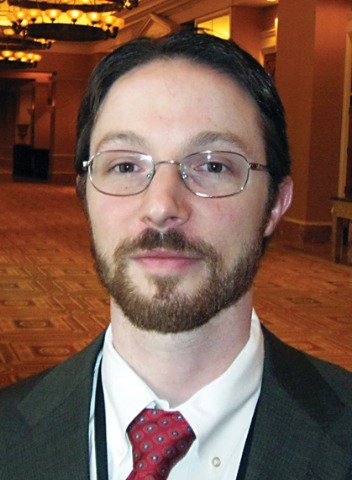
The United States is experiencing an epidemic of nonmelanoma skin cancer, which has grown in numbers from approximately 1 million in 1994 to approximately 4 million per year today, Dr. Matthew Donaldson said at the annual meeting of the American College of Mohs Surgery.
The rate of Mohs surgery per 1,000 Medicare beneficiaries increased by 236% between 1999 and 2009, while excisions and destructions of lesions increased by approximately 20%, said Dr. Donaldson, who is training in Mohs surgery under Dr. Brett Coldiron at the skin cancer center of TriHealth Good Samaritan Hospital, Cincinnati.
He and his associates analyzed the Medicare claims database for 2009 to examine who is doing Mohs surgery, and why. They utilized both the Physician/Supplier Procedure Summary Master File (which contains data on all claims for procedures) and a random sample of 5% of claims called the Medicare Limited Data Set Standard Analytic File.
For CPT code 17311 (Mohs surgery on the head, neck, hands, feet, genitalia, or any location directly involving muscles, cartilage, bone, tendon, major nerves, or vessels), Florida and Arizona had more than twice the rate of claims, compared with the national average of 14 claims per 1,000 Medicare beneficiaries.
For CPT code 17313 (Mohs surgery on the trunk, arms or legs), Florida and Arizona had three times the national average of two claims per 1,000 Medicare beneficiaries.
Only 0.1% of CPT 17311 claims and 0.4% of CPT 17313 claims were for malignant melanoma. Carcinoma in situ made up 1% of CPT 17311 claims and 2% of CPT 17313 claims. The rest were for malignant neoplasms, "predominantly for basal cell and squamous cell" carcinomas, he said.
Of the 1,777 medical providers who billed for Mohs surgery in 2009, 97% were dermatologists, accounting for approximately 18% of all practicing dermatologists in the United States.
Dr. Donaldson and his associates used the data to estimate how many Mohs cases each claimant performed. Approximately 44% of physicians who billed Medicare for Mohs surgery did fewer than 200 cases that year, approximately 35% did 300-1,000 cases, and only 5% did more than 1,000 cases, he predicted.
"A full 27% of surgeons in the country are doing, on average, 47 cases in Medicare" beneficiaries, "and probably 100 cases overall for the entire year," Dr. Donaldson said. "Is that a sufficient number to really maximize" cure rates, cosmetic outcomes, and cost-effectiveness?
The physicians who did large volumes of Mohs surgeries in Medicare beneficiaries were more likely to take additional stages beyond the initial surgery, and were more likely to repair defects themselves, compared with low-volume surgeons, he said.
Dr. Kate V. Viola reported in a separate presentation that a minority of nonmelanoma skin cancers in the Medicare population is treated with Mohs, but the use of Mohs for these cancers is increasing at a much faster rate than the use of excisions.
She and her associates looked at a 5% sample of Medicare claims from 2001-2006 in the SEER (Surveillance, Epidemiology and End Results) database representing 26% of the U.S. population in 16 registries.
Of the 26,931 Medicare beneficiaries who were treated for nonmelanoma skin cancers, 36% were treated with Mohs surgery and 64% were treated with wide local excision or simple excision.
The rate of Mohs surgery for nonmelanoma skin cancer "doubled – yes, doubled – by 2006," increasing from 0.7 per 100 beneficiaries in 2001 to 1.5 per 100 beneficiaries, said Dr. Viola of Albert Einstein College of Medicine, New York. During that period, the rate of excisions for nonmelanoma skin cancers increased only slightly, from 1.8 to 2.1 per 100 beneficiaries.
Mohs surgery was more likely than excisional surgery on the face and less likely elsewhere. Mohs surgery was used to treat 47% of facial lesions and 15% of lesions on the rest of the body, she said.
Patient age, race, and geographic region were significantly associated with the likelihood of Mohs surgery. The use of Mohs for these cancers decreased with patient age (from 41% of patients aged 67-69 years to 34% of patients 85 years or older). Mohs was used in 37% of white patients, 23% of black patients, and 29% of patients of other races.
The SEER data did not include some states such as Florida and New York, but among the regions that were represented, the areas with high densities of Mohs surgeons were likely to have higher rates of Mohs surgery for nonmelanoma skin cancers. These areas included San Jose, San Francisco, and Oakland, Calif.
The opposite, however, was not true. Some areas with low densities of Mohs surgeons still had high rates of Mohs utilization, such as in Los Angeles and Detroit.
"There was wide variation in regional Mohs micrographic surgery utilization and geographical disparity that warrants further investigation," Dr. Viola said.
For instance, the density of Mohs surgeons in the Washington, D.C. area was so high – more than six times greater than the next-highest density – that the D.C. region had to be excluded from the analysis as an outlier, she noted.
Mohs surgeries in the Medicare population account for approximately half of all Mohs surgeries in the United States, Dr. Donaldson said.
Dr. Donaldson and Dr. Viola said they have no relevant conflicts of interest.
LAS VEGAS – The use of Mohs surgery in Medicare beneficiaries increased steeply in the past decade, mainly for nonmelanoma skin cancers on the face and with great variation in treatment practices, two new studies show.
The majority of physicians who billed Medicare for Mohs surgeries do relatively few of the procedures per year, raising questions about the optimal volume of Mohs surgeries to ensure good outcomes and cost-effectiveness, one of the studies suggested.
The United States is experiencing an epidemic of nonmelanoma skin cancer, which has grown in numbers from approximately 1 million in 1994 to approximately 4 million per year today, Dr. Matthew Donaldson said at the annual meeting of the American College of Mohs Surgery.
The rate of Mohs surgery per 1,000 Medicare beneficiaries increased by 236% between 1999 and 2009, while excisions and destructions of lesions increased by approximately 20%, said Dr. Donaldson, who is training in Mohs surgery under Dr. Brett Coldiron at the skin cancer center of TriHealth Good Samaritan Hospital, Cincinnati.
He and his associates analyzed the Medicare claims database for 2009 to examine who is doing Mohs surgery, and why. They utilized both the Physician/Supplier Procedure Summary Master File (which contains data on all claims for procedures) and a random sample of 5% of claims called the Medicare Limited Data Set Standard Analytic File.
For CPT code 17311 (Mohs surgery on the head, neck, hands, feet, genitalia, or any location directly involving muscles, cartilage, bone, tendon, major nerves, or vessels), Florida and Arizona had more than twice the rate of claims, compared with the national average of 14 claims per 1,000 Medicare beneficiaries.
For CPT code 17313 (Mohs surgery on the trunk, arms or legs), Florida and Arizona had three times the national average of two claims per 1,000 Medicare beneficiaries.
Only 0.1% of CPT 17311 claims and 0.4% of CPT 17313 claims were for malignant melanoma. Carcinoma in situ made up 1% of CPT 17311 claims and 2% of CPT 17313 claims. The rest were for malignant neoplasms, "predominantly for basal cell and squamous cell" carcinomas, he said.
Of the 1,777 medical providers who billed for Mohs surgery in 2009, 97% were dermatologists, accounting for approximately 18% of all practicing dermatologists in the United States.
Dr. Donaldson and his associates used the data to estimate how many Mohs cases each claimant performed. Approximately 44% of physicians who billed Medicare for Mohs surgery did fewer than 200 cases that year, approximately 35% did 300-1,000 cases, and only 5% did more than 1,000 cases, he predicted.
"A full 27% of surgeons in the country are doing, on average, 47 cases in Medicare" beneficiaries, "and probably 100 cases overall for the entire year," Dr. Donaldson said. "Is that a sufficient number to really maximize" cure rates, cosmetic outcomes, and cost-effectiveness?
The physicians who did large volumes of Mohs surgeries in Medicare beneficiaries were more likely to take additional stages beyond the initial surgery, and were more likely to repair defects themselves, compared with low-volume surgeons, he said.
Dr. Kate V. Viola reported in a separate presentation that a minority of nonmelanoma skin cancers in the Medicare population is treated with Mohs, but the use of Mohs for these cancers is increasing at a much faster rate than the use of excisions.
She and her associates looked at a 5% sample of Medicare claims from 2001-2006 in the SEER (Surveillance, Epidemiology and End Results) database representing 26% of the U.S. population in 16 registries.
Of the 26,931 Medicare beneficiaries who were treated for nonmelanoma skin cancers, 36% were treated with Mohs surgery and 64% were treated with wide local excision or simple excision.
The rate of Mohs surgery for nonmelanoma skin cancer "doubled – yes, doubled – by 2006," increasing from 0.7 per 100 beneficiaries in 2001 to 1.5 per 100 beneficiaries, said Dr. Viola of Albert Einstein College of Medicine, New York. During that period, the rate of excisions for nonmelanoma skin cancers increased only slightly, from 1.8 to 2.1 per 100 beneficiaries.
Mohs surgery was more likely than excisional surgery on the face and less likely elsewhere. Mohs surgery was used to treat 47% of facial lesions and 15% of lesions on the rest of the body, she said.
Patient age, race, and geographic region were significantly associated with the likelihood of Mohs surgery. The use of Mohs for these cancers decreased with patient age (from 41% of patients aged 67-69 years to 34% of patients 85 years or older). Mohs was used in 37% of white patients, 23% of black patients, and 29% of patients of other races.
The SEER data did not include some states such as Florida and New York, but among the regions that were represented, the areas with high densities of Mohs surgeons were likely to have higher rates of Mohs surgery for nonmelanoma skin cancers. These areas included San Jose, San Francisco, and Oakland, Calif.
The opposite, however, was not true. Some areas with low densities of Mohs surgeons still had high rates of Mohs utilization, such as in Los Angeles and Detroit.
"There was wide variation in regional Mohs micrographic surgery utilization and geographical disparity that warrants further investigation," Dr. Viola said.
For instance, the density of Mohs surgeons in the Washington, D.C. area was so high – more than six times greater than the next-highest density – that the D.C. region had to be excluded from the analysis as an outlier, she noted.
Mohs surgeries in the Medicare population account for approximately half of all Mohs surgeries in the United States, Dr. Donaldson said.
Dr. Donaldson and Dr. Viola said they have no relevant conflicts of interest.
LAS VEGAS – The use of Mohs surgery in Medicare beneficiaries increased steeply in the past decade, mainly for nonmelanoma skin cancers on the face and with great variation in treatment practices, two new studies show.
The majority of physicians who billed Medicare for Mohs surgeries do relatively few of the procedures per year, raising questions about the optimal volume of Mohs surgeries to ensure good outcomes and cost-effectiveness, one of the studies suggested.
The United States is experiencing an epidemic of nonmelanoma skin cancer, which has grown in numbers from approximately 1 million in 1994 to approximately 4 million per year today, Dr. Matthew Donaldson said at the annual meeting of the American College of Mohs Surgery.
The rate of Mohs surgery per 1,000 Medicare beneficiaries increased by 236% between 1999 and 2009, while excisions and destructions of lesions increased by approximately 20%, said Dr. Donaldson, who is training in Mohs surgery under Dr. Brett Coldiron at the skin cancer center of TriHealth Good Samaritan Hospital, Cincinnati.
He and his associates analyzed the Medicare claims database for 2009 to examine who is doing Mohs surgery, and why. They utilized both the Physician/Supplier Procedure Summary Master File (which contains data on all claims for procedures) and a random sample of 5% of claims called the Medicare Limited Data Set Standard Analytic File.
For CPT code 17311 (Mohs surgery on the head, neck, hands, feet, genitalia, or any location directly involving muscles, cartilage, bone, tendon, major nerves, or vessels), Florida and Arizona had more than twice the rate of claims, compared with the national average of 14 claims per 1,000 Medicare beneficiaries.
For CPT code 17313 (Mohs surgery on the trunk, arms or legs), Florida and Arizona had three times the national average of two claims per 1,000 Medicare beneficiaries.
Only 0.1% of CPT 17311 claims and 0.4% of CPT 17313 claims were for malignant melanoma. Carcinoma in situ made up 1% of CPT 17311 claims and 2% of CPT 17313 claims. The rest were for malignant neoplasms, "predominantly for basal cell and squamous cell" carcinomas, he said.
Of the 1,777 medical providers who billed for Mohs surgery in 2009, 97% were dermatologists, accounting for approximately 18% of all practicing dermatologists in the United States.
Dr. Donaldson and his associates used the data to estimate how many Mohs cases each claimant performed. Approximately 44% of physicians who billed Medicare for Mohs surgery did fewer than 200 cases that year, approximately 35% did 300-1,000 cases, and only 5% did more than 1,000 cases, he predicted.
"A full 27% of surgeons in the country are doing, on average, 47 cases in Medicare" beneficiaries, "and probably 100 cases overall for the entire year," Dr. Donaldson said. "Is that a sufficient number to really maximize" cure rates, cosmetic outcomes, and cost-effectiveness?
The physicians who did large volumes of Mohs surgeries in Medicare beneficiaries were more likely to take additional stages beyond the initial surgery, and were more likely to repair defects themselves, compared with low-volume surgeons, he said.
Dr. Kate V. Viola reported in a separate presentation that a minority of nonmelanoma skin cancers in the Medicare population is treated with Mohs, but the use of Mohs for these cancers is increasing at a much faster rate than the use of excisions.
She and her associates looked at a 5% sample of Medicare claims from 2001-2006 in the SEER (Surveillance, Epidemiology and End Results) database representing 26% of the U.S. population in 16 registries.
Of the 26,931 Medicare beneficiaries who were treated for nonmelanoma skin cancers, 36% were treated with Mohs surgery and 64% were treated with wide local excision or simple excision.
The rate of Mohs surgery for nonmelanoma skin cancer "doubled – yes, doubled – by 2006," increasing from 0.7 per 100 beneficiaries in 2001 to 1.5 per 100 beneficiaries, said Dr. Viola of Albert Einstein College of Medicine, New York. During that period, the rate of excisions for nonmelanoma skin cancers increased only slightly, from 1.8 to 2.1 per 100 beneficiaries.
Mohs surgery was more likely than excisional surgery on the face and less likely elsewhere. Mohs surgery was used to treat 47% of facial lesions and 15% of lesions on the rest of the body, she said.
Patient age, race, and geographic region were significantly associated with the likelihood of Mohs surgery. The use of Mohs for these cancers decreased with patient age (from 41% of patients aged 67-69 years to 34% of patients 85 years or older). Mohs was used in 37% of white patients, 23% of black patients, and 29% of patients of other races.
The SEER data did not include some states such as Florida and New York, but among the regions that were represented, the areas with high densities of Mohs surgeons were likely to have higher rates of Mohs surgery for nonmelanoma skin cancers. These areas included San Jose, San Francisco, and Oakland, Calif.
The opposite, however, was not true. Some areas with low densities of Mohs surgeons still had high rates of Mohs utilization, such as in Los Angeles and Detroit.
"There was wide variation in regional Mohs micrographic surgery utilization and geographical disparity that warrants further investigation," Dr. Viola said.
For instance, the density of Mohs surgeons in the Washington, D.C. area was so high – more than six times greater than the next-highest density – that the D.C. region had to be excluded from the analysis as an outlier, she noted.
Mohs surgeries in the Medicare population account for approximately half of all Mohs surgeries in the United States, Dr. Donaldson said.
Dr. Donaldson and Dr. Viola said they have no relevant conflicts of interest.
FROM THE ANNUAL MEETING OF THE AMERICAN COLLEGE OF MOHS SURGERY
Major Finding: The rate of Mohs surgery per 1,000 Medicare beneficiaries increased by 236% between 1999 and 2009.
Data Source: Medicare claims database for 2009.
Disclosures: Dr. Donaldson and Dr. Viola said they have no relevant conflicts of interest.
Many Malignant Lesions Found Incidentally in Referred Patients
A "substantial proportion" of malignant lesions are found incidentally among patients referred to dermatologists for a different lesion flagged by the referring physician or health care professional, according to a new report.
In fact, almost half of all the 149 skin cancers identified in a cohort of 400 patients were not the suspect lesions for which the patients had been referred. They were instead found incidentally on other parts of the body by the dermatologist and had been missed by the referring clinician.
This finding calls into question the widespread use of teledermatology for triaging patients with suspected skin cancer lesions. "If the reviewing dermatologist has access only to a digital image of a specific lesion rather than interaction with the patient, other malignant lesions and/or lesions of concern that are outside the field of digital transmission may be overlooked," wrote Dr. Kate V. Viola of Yale University, New Haven, Conn., and her associates.
The investigators were interested in determining the proportion of suspicious lesions that actually turned out to be malignant, so they examined the records of 400 Veterans Affairs patients with a single suspect lesion who were referred to dermatologists at two major academic medical centers and six community-based clinics between 2006 and 2009.
As VA patients, 98% of the cohort comprised older white men. The mean age was 78 years, and 19% of the study subjects had a history of skin cancer.
The referring clinicians included attending physicians and residents in internal medicine, nurse practitioners, and physician assistants.
Most (56%) of the 400 suspicious lesions flagged by these referring clinicians were immediately ruled out as nonmalignant by the dermatologist on clinical examination and did not require biopsy.
A total of 176 index lesions were biopsied, and 88 of them – 22% of the original 400 – proved to be malignant.
Most of the malignancies were basal cell carcinomas (61 lesions), approximately one-fourth were squamous cell carcinomas (21 lesions), and 5 were melanomas.
The dermatologists, however, also identified and biopsied an additional 111 incidental lesions that usually occurred on different parts of the body from the index lesions. Just over half of these incidental lesions (61) proved to be malignant.
"Of great concern, [10%] of the incidental lesions discovered by the dermatologist were melanomas," Dr. Viola and her colleagues noted.
For 12 of these 61 incidental skin cancers (20%), the index lesion had been immediately ruled out as nonmalignant. Thus, if the dermatologists had looked no further than the flagged index lesion, 12 malignancies would never have been found, the investigators said (Arch. Dermatol. 2011;147:556-60).
Most of the melanomas were missed by the referring clinicians, they added.
The study findings clearly demonstrate that assessment of a single specific lesion of concern – which is typical in teledermatology – may lead to "underdiagnosis of clinically significant lesions that are not appreciated by the referring physician. Therefore, teledermatology must not be used as a substitute for a total body skin examination when skin cancer is suspected," the investigators wrote.
Dr. Viola and her associates did not report having any conflicts of interest.
A "substantial proportion" of malignant lesions are found incidentally among patients referred to dermatologists for a different lesion flagged by the referring physician or health care professional, according to a new report.
In fact, almost half of all the 149 skin cancers identified in a cohort of 400 patients were not the suspect lesions for which the patients had been referred. They were instead found incidentally on other parts of the body by the dermatologist and had been missed by the referring clinician.
This finding calls into question the widespread use of teledermatology for triaging patients with suspected skin cancer lesions. "If the reviewing dermatologist has access only to a digital image of a specific lesion rather than interaction with the patient, other malignant lesions and/or lesions of concern that are outside the field of digital transmission may be overlooked," wrote Dr. Kate V. Viola of Yale University, New Haven, Conn., and her associates.
The investigators were interested in determining the proportion of suspicious lesions that actually turned out to be malignant, so they examined the records of 400 Veterans Affairs patients with a single suspect lesion who were referred to dermatologists at two major academic medical centers and six community-based clinics between 2006 and 2009.
As VA patients, 98% of the cohort comprised older white men. The mean age was 78 years, and 19% of the study subjects had a history of skin cancer.
The referring clinicians included attending physicians and residents in internal medicine, nurse practitioners, and physician assistants.
Most (56%) of the 400 suspicious lesions flagged by these referring clinicians were immediately ruled out as nonmalignant by the dermatologist on clinical examination and did not require biopsy.
A total of 176 index lesions were biopsied, and 88 of them – 22% of the original 400 – proved to be malignant.
Most of the malignancies were basal cell carcinomas (61 lesions), approximately one-fourth were squamous cell carcinomas (21 lesions), and 5 were melanomas.
The dermatologists, however, also identified and biopsied an additional 111 incidental lesions that usually occurred on different parts of the body from the index lesions. Just over half of these incidental lesions (61) proved to be malignant.
"Of great concern, [10%] of the incidental lesions discovered by the dermatologist were melanomas," Dr. Viola and her colleagues noted.
For 12 of these 61 incidental skin cancers (20%), the index lesion had been immediately ruled out as nonmalignant. Thus, if the dermatologists had looked no further than the flagged index lesion, 12 malignancies would never have been found, the investigators said (Arch. Dermatol. 2011;147:556-60).
Most of the melanomas were missed by the referring clinicians, they added.
The study findings clearly demonstrate that assessment of a single specific lesion of concern – which is typical in teledermatology – may lead to "underdiagnosis of clinically significant lesions that are not appreciated by the referring physician. Therefore, teledermatology must not be used as a substitute for a total body skin examination when skin cancer is suspected," the investigators wrote.
Dr. Viola and her associates did not report having any conflicts of interest.
A "substantial proportion" of malignant lesions are found incidentally among patients referred to dermatologists for a different lesion flagged by the referring physician or health care professional, according to a new report.
In fact, almost half of all the 149 skin cancers identified in a cohort of 400 patients were not the suspect lesions for which the patients had been referred. They were instead found incidentally on other parts of the body by the dermatologist and had been missed by the referring clinician.
This finding calls into question the widespread use of teledermatology for triaging patients with suspected skin cancer lesions. "If the reviewing dermatologist has access only to a digital image of a specific lesion rather than interaction with the patient, other malignant lesions and/or lesions of concern that are outside the field of digital transmission may be overlooked," wrote Dr. Kate V. Viola of Yale University, New Haven, Conn., and her associates.
The investigators were interested in determining the proportion of suspicious lesions that actually turned out to be malignant, so they examined the records of 400 Veterans Affairs patients with a single suspect lesion who were referred to dermatologists at two major academic medical centers and six community-based clinics between 2006 and 2009.
As VA patients, 98% of the cohort comprised older white men. The mean age was 78 years, and 19% of the study subjects had a history of skin cancer.
The referring clinicians included attending physicians and residents in internal medicine, nurse practitioners, and physician assistants.
Most (56%) of the 400 suspicious lesions flagged by these referring clinicians were immediately ruled out as nonmalignant by the dermatologist on clinical examination and did not require biopsy.
A total of 176 index lesions were biopsied, and 88 of them – 22% of the original 400 – proved to be malignant.
Most of the malignancies were basal cell carcinomas (61 lesions), approximately one-fourth were squamous cell carcinomas (21 lesions), and 5 were melanomas.
The dermatologists, however, also identified and biopsied an additional 111 incidental lesions that usually occurred on different parts of the body from the index lesions. Just over half of these incidental lesions (61) proved to be malignant.
"Of great concern, [10%] of the incidental lesions discovered by the dermatologist were melanomas," Dr. Viola and her colleagues noted.
For 12 of these 61 incidental skin cancers (20%), the index lesion had been immediately ruled out as nonmalignant. Thus, if the dermatologists had looked no further than the flagged index lesion, 12 malignancies would never have been found, the investigators said (Arch. Dermatol. 2011;147:556-60).
Most of the melanomas were missed by the referring clinicians, they added.
The study findings clearly demonstrate that assessment of a single specific lesion of concern – which is typical in teledermatology – may lead to "underdiagnosis of clinically significant lesions that are not appreciated by the referring physician. Therefore, teledermatology must not be used as a substitute for a total body skin examination when skin cancer is suspected," the investigators wrote.
Dr. Viola and her associates did not report having any conflicts of interest.
FROM ARCHIVES OF DERMATOLOGY
Major Finding: Dermatologists found 111 suspicious lesions incidentally, including 61 malignancies (6 melanomas), while examining patients referred for evaluation of a different suspect lesion.
Data Source: A retrospective cohort study of 400 older white male patients referred by primary care clinicians to dermatologists for evaluation of a single suspicious lesion over a 4-year period.
Disclosures: The investigators did not report having any conflicts of interest.
Ipilimumab and Beyond: New Therapies Imminent in Melanoma
LAS VEGAS – Melanoma has the fastest-rising incidence of any cancer, and exacts a terrible toll among individuals who are typically in the prime of their life.
But a landmark clinical trial showing that ipilimumab (Yervoy) can prolong the lives of these patients has offered hope, Dr. Steven O'Day, a lead investigator of that trial, told attendees at the annual Community Oncology Conference.

Four new classes of therapies are improving outcomes in patients with metastatic melanoma, according to Dr. O'Day, director of the melanoma program at the Angeles Clinic and Research Institute in Santa Monica, Calif.
Targeted Chemotherapy: nab-Paclitaxel
Targeted chemotherapy with nab-paclitaxel (Abraxane) has shown activity in a phase II trial among patients with metastatic melanoma (Cancer 2010;116:155-63). Complete remissions were rare, but 38% of previously treated patients and 49% of chemotherapy-naive patients had durable partial remissions or stable disease.
"That really distinguishes it from any prior chemotherapy as a single agent," Dr. O'Day said of the nanoparticle albumin-bound taxane approved by the Food and Drug Administration for the treatment of breast cancer.
Outcomes were especially good in patients who had normal LDH (lactate dehydrogenase) levels; their overall survival exceeded 20 months regardless of prior treatment. This result was "just so out of the norm for chemo in melanoma that of course we have to take this single-agent activity seriously," he commented.
These data have led to a large international, randomized, open-label trial comparing weekly nab-paclitaxel with dacarbazine (DTIC) in 514 patients (protocol CA033). Results are likely to be reported next year.
"I predict this drug will get on the market" for melanoma, Dr. O'Day said, "because I think it's so [different from] any other chemo in terms of controlling the disease for quite a long period of time in about 50% of patients, and has a very good toxicity profile."
Antiangiogenesis Therapy: Bevacizumab
Antiangiogenesis therapy is compelling because melanoma is dense in blood vessels, and has very high levels of vascular endothelial growth factor, according to Dr. O'Day. In the randomized, phase II BEAM trial, however, adding the antiangiogenesis agent bevacizumab (Avastin) to carboplatin plus paclitaxel did not significantly improve the response rate (26% vs. 16%) or median progression-free survival (5.6 vs. 4.2 months) (Eur. J. Cancer Suppl. 2009;7:13[abstract 23LBA]).
Overall survival, which was initially superior with bevacizumab (12.3 vs. 8.6 months; P = .04), was no longer so with mature follow-up in the entire study population. But exploratory analyses suggest a benefit in the subgroup of patients having stage M1c disease (visceral metastases) plus elevated LDH levels.
"Many in the melanoma community are really pushing [the drugs' manufacturers] to go forward with a phase III trial, particularly in [patients with] high-risk visceral metastasis with high LDH, since I think this is a group that is underserved and often has a very, very short survival," he said. "And hopefully, we can get that off the ground."
Targeted Immunotherapy: Ipilimumab
The major breakthrough, of course, is ipilimumab, a monoclonal antibody that was recently approved for the treatment of metastatic melanoma. By targeting CTLA4 (cytotoxic T-lymphocyte antigen 4), which acts as a brake on T-cell activation, this antibody enhances the cells' antitumor activity.
"What's important with this paradigm shift with this treatment is that we are not targeting the tumor; we are targeting the patient's immune system," Dr. O'Day said. "So what we are trying to do is change the immune system to be able to contain the cancer, not eradicate the cancer."
The drug achieves durable responses or stable disease in 20%-30% of patients, and the responses last not weeks or months, but years. An additional 10% of patients have a durable delayed response, characterized by early tumor progression on imaging (which biopsies suggest may actually be tumor flare) followed by regression, even to complete remission in some cases.
There have been two registration trials for ipilimumab. One trial randomized patients to DTIC plus ipilimumab vs. DTIC plus placebo as first-line therapy. Full results will likely be presented at the 2011 annual meeting of the American Society of Clinical Oncology.
The other trial, conducted in the second-line setting and presented by Dr. O'Day at ASCO 2010, compared ipilimumab, the gp100 melanoma vaccine, and the combination, which was expected to show synergy. But there was a similar improvement in overall survival relative to the vaccine with ipilimumab alone (hazard ratio, 0.66; P = .0026) and with the combination (HR, 0.68; P = .0004) (J. Clin. Oncol. 2010;28[suppl., abstract 4]:18).
The study stands out as the first randomized, phase III trial to show a survival benefit in metastatic melanoma. An especially noteworthy finding has been a sustained plateau in survival curves beyond 2 years – now approaching 7 years – with no late recurrences, Dr. O'Day said. "These were ... landmark survival curves that we had never seen in stage IV melanoma."
The long-term survivors still have visible tumors on radiographic imaging, and some of the tumors even show metabolic activity on PET imaging. But the tumors are completely stable.
Of note, the patients in this ipilimumab trial had poor risk features, such as visceral metastases and elevated LDH levels, he said. "So this was a community-representative patient, [who] really had not been looked at much in sort of more sophisticated interleukin-2–based protocols."
And from a health economics perspective, the treatment is advantageous in that these benefits were achieved with four doses of the drug given over 12 weeks, without any maintenance treatment, Dr. O'Day added.
As expected, the drug's adverse-effect profile is autoimmune in nature. "But it correlates with an antitumor response," he said. "So we want to see some autoimmunity because it means we are breaking tolerance."
About 30% of patients develop colitis, manifesting as watery, nonbloody diarrhea. He recommended early, aggressive management of this adverse effect with fluids, hydration, and high-dose steroids followed by a taper.
"A fascinating thing is that [in patients having a tumor response to ipilimumab], T cells targeting the tumor are resistant to apoptosis from the steroids, whereas the autoimmune T cells are not," Dr. O'Day noted. "So we can turn the autoimmunity off on a dime, and yet it’s incredibly rare, if the patient’s responding at that point, to lose control of the tumor."
Another important autoimmune adverse effect is hypophysitis, which occurs in about 10% of patients and manifests as profound fatigue or behavior change, headache, and/or visual changes such as photophobia or double vision. This adverse effect can be managed with replacement therapy to address the hormone deficits, according to Dr. O'Day. Most patients recover, but some will require lifelong therapy for persistent hormone deficits.
Targeted MAP Kinase Therapy: BRAF Inhibitors
The fourth class of agents targets components of the MAP (mitogen-activated protein) kinase–signaling pathway. Thus far among these agents, inhibitors of BRAF hold promise for the greatest number of patients, as about half of cutaneous melanomas have BRAF mutations.
Studies in which the less-selective BRAF inhibitor sorafenib (Nexavar) was combined with chemotherapy, as both first- and second-line therapy, have had negative results. But two new, highly selective investigational BRAF inhibitors – PLX4032 (manufactured by Plexxikon and Roche) and GSK2118436 (manufactured by GlaxoSmithKline) – are making an impact clinically. The former was found to achieve a response rate of 70% in patients with BRAF-mutated melanoma (Eur. J. Cancer Suppl. 2009;7:5[abstract 6BA]).
"We had never seen anything like this in melanoma," Dr. O'Day commented.
Responses were both dramatic and early. "These were patients literally on their deathbeds with performance statuses of 3," he elaborated. "Within a few days they felt better, and then in ... PET scans at 15 days, you can see just absolutely dramatic responses," often accompanied by marked tumor shrinkage and even lysis.
An interim analysis of a trial comparing a PLX4032 with DTIC as first-line therapy found that the novel drug met its progression-free and overall survival end points, according to a press release. Therefore, the trial is being stopped and patients who were initially assigned to DTIC will be offered the BRAF inhibitor.
"Now, the durability of responses has not been as good as hoped, so obviously, resistance develops," Dr. O'Day commented. Patients have had responses lasting more than a year, but the median is more like 6-9 months; also, some relapses have been fulminant.
"Clearly, blocking this one pathway may not be enough," he said. One mechanism of resistance appears to be the up-regulation of MEK. "So now we are just starting combination studies with BRAF and MEK [inhibitors] together," with the hope that the combination will be more durable, he said.
Adverse effects of BRAF inhibitors are manageable and include photosensitivity, arthralgia, fatigue, and a rash, according to Dr. O'Day. The rashes tend "to be keratotic, and they can actually develop acanthomas and little, well-differentiated squamous cell cancers. So [patients’] skin has to be watched carefully."
Putting It All Together
"The treatment decisions for me as a melanoma doctor in the clinic now are becoming very exciting," Dr. O'Day said. "I think there is going to need to be a real art to the sequence and combinations."
For rare patients with indolent stage IV melanoma, curative resection remains an option, he said. And young patients with good performance status may want to try high-dose interleukin-2, which leads to cure in about 5% of cases: "But it’s toxic [and] expensive, and we have failed to provide good predictive factors for this, so we really struggle with knowing who and when to treat" with IL-2.
Biochemotherapy – the combination of IL-2 and interferon with chemotherapy – has some benefit in patients with rapidly progressive melanoma and high LDH levels.
Although adoptive T-cell therapy can produce dramatic remissions in some patients, it has not proved very practical because of factors such as labor intensiveness. "It's great science, but it's not really adding to the benefit of the vast majority of patients," Dr. O'Day said.
Ipilimumab expands on these options, with short-term therapy offering the possibility of long-term disease control for about a third of patients. Ongoing trials will continue to provide data on the investigational agents that target MAP kinase signaling.
Additionally, combining new drugs from different classes has tremendous potential for improving melanoma outcomes, he noted. "The obvious next step is to combine – in BRAF-mutated cases – a BRAF drug that is breaking tumors up [90% of the time or more] with an immune drug that can then come in and, with the tumor exposed and the antigens released from necrosis and apoptosis, it makes sense that there should be great synergy there," he said.
Moreover, this could be done on an outpatient basis, in contrast to existing combination therapies, which have required inpatient stays because of toxicity and route of admission, he noted. "So it's a major step forward."
Dr. O'Day reported receiving research support from and being a consultant to Bristol-Myers Squibb, GlaxoSmithKline, and Roche, and being on the speakers bureau for Bristol-Myers Squibb
LAS VEGAS – Melanoma has the fastest-rising incidence of any cancer, and exacts a terrible toll among individuals who are typically in the prime of their life.
But a landmark clinical trial showing that ipilimumab (Yervoy) can prolong the lives of these patients has offered hope, Dr. Steven O'Day, a lead investigator of that trial, told attendees at the annual Community Oncology Conference.
Four new classes of therapies are improving outcomes in patients with metastatic melanoma, according to Dr. O'Day, director of the melanoma program at the Angeles Clinic and Research Institute in Santa Monica, Calif.
Targeted Chemotherapy: nab-Paclitaxel
Targeted chemotherapy with nab-paclitaxel (Abraxane) has shown activity in a phase II trial among patients with metastatic melanoma (Cancer 2010;116:155-63). Complete remissions were rare, but 38% of previously treated patients and 49% of chemotherapy-naive patients had durable partial remissions or stable disease.
"That really distinguishes it from any prior chemotherapy as a single agent," Dr. O'Day said of the nanoparticle albumin-bound taxane approved by the Food and Drug Administration for the treatment of breast cancer.
Outcomes were especially good in patients who had normal LDH (lactate dehydrogenase) levels; their overall survival exceeded 20 months regardless of prior treatment. This result was "just so out of the norm for chemo in melanoma that of course we have to take this single-agent activity seriously," he commented.
These data have led to a large international, randomized, open-label trial comparing weekly nab-paclitaxel with dacarbazine (DTIC) in 514 patients (protocol CA033). Results are likely to be reported next year.
"I predict this drug will get on the market" for melanoma, Dr. O'Day said, "because I think it's so [different from] any other chemo in terms of controlling the disease for quite a long period of time in about 50% of patients, and has a very good toxicity profile."
Antiangiogenesis Therapy: Bevacizumab
Antiangiogenesis therapy is compelling because melanoma is dense in blood vessels, and has very high levels of vascular endothelial growth factor, according to Dr. O'Day. In the randomized, phase II BEAM trial, however, adding the antiangiogenesis agent bevacizumab (Avastin) to carboplatin plus paclitaxel did not significantly improve the response rate (26% vs. 16%) or median progression-free survival (5.6 vs. 4.2 months) (Eur. J. Cancer Suppl. 2009;7:13[abstract 23LBA]).
Overall survival, which was initially superior with bevacizumab (12.3 vs. 8.6 months; P = .04), was no longer so with mature follow-up in the entire study population. But exploratory analyses suggest a benefit in the subgroup of patients having stage M1c disease (visceral metastases) plus elevated LDH levels.
"Many in the melanoma community are really pushing [the drugs' manufacturers] to go forward with a phase III trial, particularly in [patients with] high-risk visceral metastasis with high LDH, since I think this is a group that is underserved and often has a very, very short survival," he said. "And hopefully, we can get that off the ground."
Targeted Immunotherapy: Ipilimumab
The major breakthrough, of course, is ipilimumab, a monoclonal antibody that was recently approved for the treatment of metastatic melanoma. By targeting CTLA4 (cytotoxic T-lymphocyte antigen 4), which acts as a brake on T-cell activation, this antibody enhances the cells' antitumor activity.
"What's important with this paradigm shift with this treatment is that we are not targeting the tumor; we are targeting the patient's immune system," Dr. O'Day said. "So what we are trying to do is change the immune system to be able to contain the cancer, not eradicate the cancer."
The drug achieves durable responses or stable disease in 20%-30% of patients, and the responses last not weeks or months, but years. An additional 10% of patients have a durable delayed response, characterized by early tumor progression on imaging (which biopsies suggest may actually be tumor flare) followed by regression, even to complete remission in some cases.
There have been two registration trials for ipilimumab. One trial randomized patients to DTIC plus ipilimumab vs. DTIC plus placebo as first-line therapy. Full results will likely be presented at the 2011 annual meeting of the American Society of Clinical Oncology.
The other trial, conducted in the second-line setting and presented by Dr. O'Day at ASCO 2010, compared ipilimumab, the gp100 melanoma vaccine, and the combination, which was expected to show synergy. But there was a similar improvement in overall survival relative to the vaccine with ipilimumab alone (hazard ratio, 0.66; P = .0026) and with the combination (HR, 0.68; P = .0004) (J. Clin. Oncol. 2010;28[suppl., abstract 4]:18).
The study stands out as the first randomized, phase III trial to show a survival benefit in metastatic melanoma. An especially noteworthy finding has been a sustained plateau in survival curves beyond 2 years – now approaching 7 years – with no late recurrences, Dr. O'Day said. "These were ... landmark survival curves that we had never seen in stage IV melanoma."
The long-term survivors still have visible tumors on radiographic imaging, and some of the tumors even show metabolic activity on PET imaging. But the tumors are completely stable.
Of note, the patients in this ipilimumab trial had poor risk features, such as visceral metastases and elevated LDH levels, he said. "So this was a community-representative patient, [who] really had not been looked at much in sort of more sophisticated interleukin-2–based protocols."
And from a health economics perspective, the treatment is advantageous in that these benefits were achieved with four doses of the drug given over 12 weeks, without any maintenance treatment, Dr. O'Day added.
As expected, the drug's adverse-effect profile is autoimmune in nature. "But it correlates with an antitumor response," he said. "So we want to see some autoimmunity because it means we are breaking tolerance."
About 30% of patients develop colitis, manifesting as watery, nonbloody diarrhea. He recommended early, aggressive management of this adverse effect with fluids, hydration, and high-dose steroids followed by a taper.
"A fascinating thing is that [in patients having a tumor response to ipilimumab], T cells targeting the tumor are resistant to apoptosis from the steroids, whereas the autoimmune T cells are not," Dr. O'Day noted. "So we can turn the autoimmunity off on a dime, and yet it’s incredibly rare, if the patient’s responding at that point, to lose control of the tumor."
Another important autoimmune adverse effect is hypophysitis, which occurs in about 10% of patients and manifests as profound fatigue or behavior change, headache, and/or visual changes such as photophobia or double vision. This adverse effect can be managed with replacement therapy to address the hormone deficits, according to Dr. O'Day. Most patients recover, but some will require lifelong therapy for persistent hormone deficits.
Targeted MAP Kinase Therapy: BRAF Inhibitors
The fourth class of agents targets components of the MAP (mitogen-activated protein) kinase–signaling pathway. Thus far among these agents, inhibitors of BRAF hold promise for the greatest number of patients, as about half of cutaneous melanomas have BRAF mutations.
Studies in which the less-selective BRAF inhibitor sorafenib (Nexavar) was combined with chemotherapy, as both first- and second-line therapy, have had negative results. But two new, highly selective investigational BRAF inhibitors – PLX4032 (manufactured by Plexxikon and Roche) and GSK2118436 (manufactured by GlaxoSmithKline) – are making an impact clinically. The former was found to achieve a response rate of 70% in patients with BRAF-mutated melanoma (Eur. J. Cancer Suppl. 2009;7:5[abstract 6BA]).
"We had never seen anything like this in melanoma," Dr. O'Day commented.
Responses were both dramatic and early. "These were patients literally on their deathbeds with performance statuses of 3," he elaborated. "Within a few days they felt better, and then in ... PET scans at 15 days, you can see just absolutely dramatic responses," often accompanied by marked tumor shrinkage and even lysis.
An interim analysis of a trial comparing a PLX4032 with DTIC as first-line therapy found that the novel drug met its progression-free and overall survival end points, according to a press release. Therefore, the trial is being stopped and patients who were initially assigned to DTIC will be offered the BRAF inhibitor.
"Now, the durability of responses has not been as good as hoped, so obviously, resistance develops," Dr. O'Day commented. Patients have had responses lasting more than a year, but the median is more like 6-9 months; also, some relapses have been fulminant.
"Clearly, blocking this one pathway may not be enough," he said. One mechanism of resistance appears to be the up-regulation of MEK. "So now we are just starting combination studies with BRAF and MEK [inhibitors] together," with the hope that the combination will be more durable, he said.
Adverse effects of BRAF inhibitors are manageable and include photosensitivity, arthralgia, fatigue, and a rash, according to Dr. O'Day. The rashes tend "to be keratotic, and they can actually develop acanthomas and little, well-differentiated squamous cell cancers. So [patients’] skin has to be watched carefully."
Putting It All Together
"The treatment decisions for me as a melanoma doctor in the clinic now are becoming very exciting," Dr. O'Day said. "I think there is going to need to be a real art to the sequence and combinations."
For rare patients with indolent stage IV melanoma, curative resection remains an option, he said. And young patients with good performance status may want to try high-dose interleukin-2, which leads to cure in about 5% of cases: "But it’s toxic [and] expensive, and we have failed to provide good predictive factors for this, so we really struggle with knowing who and when to treat" with IL-2.
Biochemotherapy – the combination of IL-2 and interferon with chemotherapy – has some benefit in patients with rapidly progressive melanoma and high LDH levels.
Although adoptive T-cell therapy can produce dramatic remissions in some patients, it has not proved very practical because of factors such as labor intensiveness. "It's great science, but it's not really adding to the benefit of the vast majority of patients," Dr. O'Day said.
Ipilimumab expands on these options, with short-term therapy offering the possibility of long-term disease control for about a third of patients. Ongoing trials will continue to provide data on the investigational agents that target MAP kinase signaling.
Additionally, combining new drugs from different classes has tremendous potential for improving melanoma outcomes, he noted. "The obvious next step is to combine – in BRAF-mutated cases – a BRAF drug that is breaking tumors up [90% of the time or more] with an immune drug that can then come in and, with the tumor exposed and the antigens released from necrosis and apoptosis, it makes sense that there should be great synergy there," he said.
Moreover, this could be done on an outpatient basis, in contrast to existing combination therapies, which have required inpatient stays because of toxicity and route of admission, he noted. "So it's a major step forward."
Dr. O'Day reported receiving research support from and being a consultant to Bristol-Myers Squibb, GlaxoSmithKline, and Roche, and being on the speakers bureau for Bristol-Myers Squibb
LAS VEGAS – Melanoma has the fastest-rising incidence of any cancer, and exacts a terrible toll among individuals who are typically in the prime of their life.
But a landmark clinical trial showing that ipilimumab (Yervoy) can prolong the lives of these patients has offered hope, Dr. Steven O'Day, a lead investigator of that trial, told attendees at the annual Community Oncology Conference.
Four new classes of therapies are improving outcomes in patients with metastatic melanoma, according to Dr. O'Day, director of the melanoma program at the Angeles Clinic and Research Institute in Santa Monica, Calif.
Targeted Chemotherapy: nab-Paclitaxel
Targeted chemotherapy with nab-paclitaxel (Abraxane) has shown activity in a phase II trial among patients with metastatic melanoma (Cancer 2010;116:155-63). Complete remissions were rare, but 38% of previously treated patients and 49% of chemotherapy-naive patients had durable partial remissions or stable disease.
"That really distinguishes it from any prior chemotherapy as a single agent," Dr. O'Day said of the nanoparticle albumin-bound taxane approved by the Food and Drug Administration for the treatment of breast cancer.
Outcomes were especially good in patients who had normal LDH (lactate dehydrogenase) levels; their overall survival exceeded 20 months regardless of prior treatment. This result was "just so out of the norm for chemo in melanoma that of course we have to take this single-agent activity seriously," he commented.
These data have led to a large international, randomized, open-label trial comparing weekly nab-paclitaxel with dacarbazine (DTIC) in 514 patients (protocol CA033). Results are likely to be reported next year.
"I predict this drug will get on the market" for melanoma, Dr. O'Day said, "because I think it's so [different from] any other chemo in terms of controlling the disease for quite a long period of time in about 50% of patients, and has a very good toxicity profile."
Antiangiogenesis Therapy: Bevacizumab
Antiangiogenesis therapy is compelling because melanoma is dense in blood vessels, and has very high levels of vascular endothelial growth factor, according to Dr. O'Day. In the randomized, phase II BEAM trial, however, adding the antiangiogenesis agent bevacizumab (Avastin) to carboplatin plus paclitaxel did not significantly improve the response rate (26% vs. 16%) or median progression-free survival (5.6 vs. 4.2 months) (Eur. J. Cancer Suppl. 2009;7:13[abstract 23LBA]).
Overall survival, which was initially superior with bevacizumab (12.3 vs. 8.6 months; P = .04), was no longer so with mature follow-up in the entire study population. But exploratory analyses suggest a benefit in the subgroup of patients having stage M1c disease (visceral metastases) plus elevated LDH levels.
"Many in the melanoma community are really pushing [the drugs' manufacturers] to go forward with a phase III trial, particularly in [patients with] high-risk visceral metastasis with high LDH, since I think this is a group that is underserved and often has a very, very short survival," he said. "And hopefully, we can get that off the ground."
Targeted Immunotherapy: Ipilimumab
The major breakthrough, of course, is ipilimumab, a monoclonal antibody that was recently approved for the treatment of metastatic melanoma. By targeting CTLA4 (cytotoxic T-lymphocyte antigen 4), which acts as a brake on T-cell activation, this antibody enhances the cells' antitumor activity.
"What's important with this paradigm shift with this treatment is that we are not targeting the tumor; we are targeting the patient's immune system," Dr. O'Day said. "So what we are trying to do is change the immune system to be able to contain the cancer, not eradicate the cancer."
The drug achieves durable responses or stable disease in 20%-30% of patients, and the responses last not weeks or months, but years. An additional 10% of patients have a durable delayed response, characterized by early tumor progression on imaging (which biopsies suggest may actually be tumor flare) followed by regression, even to complete remission in some cases.
There have been two registration trials for ipilimumab. One trial randomized patients to DTIC plus ipilimumab vs. DTIC plus placebo as first-line therapy. Full results will likely be presented at the 2011 annual meeting of the American Society of Clinical Oncology.
The other trial, conducted in the second-line setting and presented by Dr. O'Day at ASCO 2010, compared ipilimumab, the gp100 melanoma vaccine, and the combination, which was expected to show synergy. But there was a similar improvement in overall survival relative to the vaccine with ipilimumab alone (hazard ratio, 0.66; P = .0026) and with the combination (HR, 0.68; P = .0004) (J. Clin. Oncol. 2010;28[suppl., abstract 4]:18).
The study stands out as the first randomized, phase III trial to show a survival benefit in metastatic melanoma. An especially noteworthy finding has been a sustained plateau in survival curves beyond 2 years – now approaching 7 years – with no late recurrences, Dr. O'Day said. "These were ... landmark survival curves that we had never seen in stage IV melanoma."
The long-term survivors still have visible tumors on radiographic imaging, and some of the tumors even show metabolic activity on PET imaging. But the tumors are completely stable.
Of note, the patients in this ipilimumab trial had poor risk features, such as visceral metastases and elevated LDH levels, he said. "So this was a community-representative patient, [who] really had not been looked at much in sort of more sophisticated interleukin-2–based protocols."
And from a health economics perspective, the treatment is advantageous in that these benefits were achieved with four doses of the drug given over 12 weeks, without any maintenance treatment, Dr. O'Day added.
As expected, the drug's adverse-effect profile is autoimmune in nature. "But it correlates with an antitumor response," he said. "So we want to see some autoimmunity because it means we are breaking tolerance."
About 30% of patients develop colitis, manifesting as watery, nonbloody diarrhea. He recommended early, aggressive management of this adverse effect with fluids, hydration, and high-dose steroids followed by a taper.
"A fascinating thing is that [in patients having a tumor response to ipilimumab], T cells targeting the tumor are resistant to apoptosis from the steroids, whereas the autoimmune T cells are not," Dr. O'Day noted. "So we can turn the autoimmunity off on a dime, and yet it’s incredibly rare, if the patient’s responding at that point, to lose control of the tumor."
Another important autoimmune adverse effect is hypophysitis, which occurs in about 10% of patients and manifests as profound fatigue or behavior change, headache, and/or visual changes such as photophobia or double vision. This adverse effect can be managed with replacement therapy to address the hormone deficits, according to Dr. O'Day. Most patients recover, but some will require lifelong therapy for persistent hormone deficits.
Targeted MAP Kinase Therapy: BRAF Inhibitors
The fourth class of agents targets components of the MAP (mitogen-activated protein) kinase–signaling pathway. Thus far among these agents, inhibitors of BRAF hold promise for the greatest number of patients, as about half of cutaneous melanomas have BRAF mutations.
Studies in which the less-selective BRAF inhibitor sorafenib (Nexavar) was combined with chemotherapy, as both first- and second-line therapy, have had negative results. But two new, highly selective investigational BRAF inhibitors – PLX4032 (manufactured by Plexxikon and Roche) and GSK2118436 (manufactured by GlaxoSmithKline) – are making an impact clinically. The former was found to achieve a response rate of 70% in patients with BRAF-mutated melanoma (Eur. J. Cancer Suppl. 2009;7:5[abstract 6BA]).
"We had never seen anything like this in melanoma," Dr. O'Day commented.
Responses were both dramatic and early. "These were patients literally on their deathbeds with performance statuses of 3," he elaborated. "Within a few days they felt better, and then in ... PET scans at 15 days, you can see just absolutely dramatic responses," often accompanied by marked tumor shrinkage and even lysis.
An interim analysis of a trial comparing a PLX4032 with DTIC as first-line therapy found that the novel drug met its progression-free and overall survival end points, according to a press release. Therefore, the trial is being stopped and patients who were initially assigned to DTIC will be offered the BRAF inhibitor.
"Now, the durability of responses has not been as good as hoped, so obviously, resistance develops," Dr. O'Day commented. Patients have had responses lasting more than a year, but the median is more like 6-9 months; also, some relapses have been fulminant.
"Clearly, blocking this one pathway may not be enough," he said. One mechanism of resistance appears to be the up-regulation of MEK. "So now we are just starting combination studies with BRAF and MEK [inhibitors] together," with the hope that the combination will be more durable, he said.
Adverse effects of BRAF inhibitors are manageable and include photosensitivity, arthralgia, fatigue, and a rash, according to Dr. O'Day. The rashes tend "to be keratotic, and they can actually develop acanthomas and little, well-differentiated squamous cell cancers. So [patients’] skin has to be watched carefully."
Putting It All Together
"The treatment decisions for me as a melanoma doctor in the clinic now are becoming very exciting," Dr. O'Day said. "I think there is going to need to be a real art to the sequence and combinations."
For rare patients with indolent stage IV melanoma, curative resection remains an option, he said. And young patients with good performance status may want to try high-dose interleukin-2, which leads to cure in about 5% of cases: "But it’s toxic [and] expensive, and we have failed to provide good predictive factors for this, so we really struggle with knowing who and when to treat" with IL-2.
Biochemotherapy – the combination of IL-2 and interferon with chemotherapy – has some benefit in patients with rapidly progressive melanoma and high LDH levels.
Although adoptive T-cell therapy can produce dramatic remissions in some patients, it has not proved very practical because of factors such as labor intensiveness. "It's great science, but it's not really adding to the benefit of the vast majority of patients," Dr. O'Day said.
Ipilimumab expands on these options, with short-term therapy offering the possibility of long-term disease control for about a third of patients. Ongoing trials will continue to provide data on the investigational agents that target MAP kinase signaling.
Additionally, combining new drugs from different classes has tremendous potential for improving melanoma outcomes, he noted. "The obvious next step is to combine – in BRAF-mutated cases – a BRAF drug that is breaking tumors up [90% of the time or more] with an immune drug that can then come in and, with the tumor exposed and the antigens released from necrosis and apoptosis, it makes sense that there should be great synergy there," he said.
Moreover, this could be done on an outpatient basis, in contrast to existing combination therapies, which have required inpatient stays because of toxicity and route of admission, he noted. "So it's a major step forward."
Dr. O'Day reported receiving research support from and being a consultant to Bristol-Myers Squibb, GlaxoSmithKline, and Roche, and being on the speakers bureau for Bristol-Myers Squibb
FROM THE ANNUAL COMMUNITY ONCOLOGY CONFERENCE
Ipilimumab and Beyond: New Therapies Imminent in Melanoma
LAS VEGAS – Melanoma has the fastest-rising incidence of any cancer, and exacts a terrible toll among individuals who are typically in the prime of their life. But historically, it has not been a major focus in oncology, in part because of its propensity to metastasize early and the very limited treatment options when it does.
This is changing – and not just because of the landmark clinical trial showing that ipilimumab (Yervoy) can prolong the lives of these patients, Dr. Steven O’Day, a lead investigator of that trial, told attendees at the annual Community Oncology Conference
Four new classes of therapies are improving outcomes in patients with metastatic melanoma, according to Dr. O’Day, director of the melanoma program at the Angeles Clinic and Research Institute in Santa Monica, Calif.
Targeted Chemotherapy: nab-Paclitaxel
Targeted chemotherapy with nab-paclitaxel (Abraxane)has shown activity in a phase II trial among patients with metastatic melanoma (Cancer 2010;116:155-63). Complete remissions were rare, but 38% of previously treated patients and 49% of chemotherapy-naive patients had durable partial remissions or stable disease.
"That really distinguishes it from any prior chemotherapy as a single agent," Dr. O’Day said of the nanoparticle albumin-bound taxane approved by the Food and Drug Administration for the treatment of breast cancer,
Outcomes were especially good in patients who had normal LDH (lactate dehydrogenase) levels; their overall survival exceeded 20 months regardless of prior treatment. This result was "just so out of the norm for chemo in melanoma that of course we have to take this single-agent activity seriously," he commented.
These data have led to a large international, randomized, open-label trial comparing weekly nab-paclitaxel with dacarbazine (DTIC) in 514 patients (protocol CA033). Results are likely to be reported next year.
"I predict this drug will get on the market" for melanoma, Dr. O’Day said, "because I think it’s so [different from] any other chemo in terms of controlling the disease for quite a long period of time in about 50% of patients, and has a very good toxicity profile."
Antiangiogenesis Therapy: Bevacizumab
Antiangiogenesis therapy is compelling because melanoma is dense in blood vessels, and has very high levels of vascular endothelial growth factor, according to Dr. O‘Day. In the randomized, phase II BEAM trial, however, adding the antiangiogenesis agent bevacizumab (Avastin) to carboplatin plus paclitaxel did not significantly improve the response rate (26% vs. 16%) or median progression-free survival (5.6 vs. 4.2 months) (Eur. J. Cancer Suppl. 2009;7:13[abstract 23LBA]).
Overall survival, which was initially superior with bevacizumab (12.3 vs. 8.6 months; P = .04), was no longer so with mature follow-up in the entire study population. But exploratory analyses suggest a benefit in the subgroup of patients having stage M1c disease (visceral metastases) plus elevated LDH levels.
"Many in the melanoma community are really pushing [the drugs’ manufacturers] to go forward with a phase III trial, particularly in [patients with] high-risk visceral metastasis with high LDH, since I think this is a group that is underserved and often has a very, very short survival," he said. "And hopefully, we can get that off the ground."
Targeted Immunotherapy: Ipilimumab
The major breakthrough, of course, is ipilimumab, a monoclonal antibody that was recently approved for the treatment of metastatic melanoma. By targeting CTLA4 (cytotoxic T-lymphocyte antigen 4), which acts as a brake on T-cell activation, this antibody enhances the cells’ antitumor activity.
"What’s important with this paradigm shift with this treatment is that we are not targeting the tumor; we are targeting the patient’s immune system," Dr. O’Day said. "So what we are trying to do is change the immune system to be able to contain the cancer, not eradicate the cancer."
The drug achieves durable responses or stable disease in 20%-30% of patients, and the responses last not weeks or months, but years. An additional 10% of patients have a durable delayed response, characterized by early tumor progression on imaging (which biopsies suggest may actually be tumor flare) followed by regression, even to complete remission in some cases.
There have been two registration trials for ipilimumab. One trial randomized patients to DTIC plus ipilimumab vs. DTIC plus placebo as first-line therapy. Full results will likely be presented at the 2011 annual meeting of the American Society of Clinical Oncology.
The other trial, conducted in the second-line setting and presented by Dr. O’Day at ASCO 2010, compared ipilimumab, the gp100 melanoma vaccine, and the combination, which was expected to show synergy. But there was a similar improvement in overall survival relative to the vaccine with ipilimumab alone (hazard ratio, 0.66; P = .0026) and with the combination (HR, 0.68; P = .0004) (J. Clin. Oncol. 2010;28[suppl., abstract 4]:18).
The study stands out as the first randomized, phase III trial to show a survival benefit in metastatic melanoma. An especially noteworthy finding has been a sustained plateau in survival curves beyond 2 years – now approaching 7 years – with no late recurrences, Dr. O’Day said. "These were ... landmark survival curves that we had never seen in stage IV melanoma."
The long-term survivors still have visible tumors on radiographic imaging, and some of the tumors even show metabolic activity on PET imaging. But the tumors are completely stable.
Of note, the patients in this ipilimumab trial had poor risk features, such as visceral metastases and elevated LDH levels, he said. "So this was a community-representative patient, [who] really had not been looked at much in sort of more sophisticated interleukin-2–based protocols."
And from a health economics perspective, the treatment is advantageous in that these benefits were achieved with four doses of the drug given over 12 weeks, without any maintenance treatment, Dr. O’Day added.
As expected, the drug’s adverse-effect profile is autoimmune in nature. "But it correlates with an antitumor response," he said. "So we want to see some autoimmunity because it means we are breaking tolerance."
About 30% of patients develop colitis, manifesting as watery, nonbloody diarrhea. He recommended early, aggressive management of this adverse effect with fluids, hydration, and high-dose steroids followed by a taper.
"A fascinating thing is that [in patients having a tumor response to ipilimumab], T cells targeting the tumor are resistant to apoptosis from the steroids, whereas the autoimmune T cells are not," Dr. O’Day noted. "So we can turn the autoimmunity off on a dime, and yet it’s incredibly rare, if the patient’s responding at that point, to lose control of the tumor."
Another important autoimmune adverse effect is hypophysitis, which occurs in about 10% of patients and manifests as profound fatigue or behavior change, headache, and/or visual changes such as photophobia or double vision. This adverse effect can be managed with replacement therapy to address the hormone deficits, according to Dr. O’Day. Most patients recover, but some will require lifelong therapy for persistent hormone deficits.
Targeted MAP Kinase Therapy: BRAF Inhibitors
The fourth class of agents targets components of the MAP (mitogen-activated protein) kinase–signaling pathway. Thus far among these agents, inhibitors of BRAF hold promise for the greatest number of patients, as about half of cutaneous melanomas have BRAF mutations.
Studies in which the less-selective BRAF inhibitor sorafenib (Nexavar) was combined with chemotherapy, as both first- and second-line therapy, have had negative results. But two new, highly selective investigational BRAF inhibitors – PLX4032 (manufactured by Plexxikon and Roche) and GSK2118436 (manufactured by GlaxoSmithKline) – are making an impact clinically. The former was found to achieve a response rate of 70% in patients with BRAF-mutated melanoma (Eur. J. Cancer Suppl. 2009;7:5[abstract 6BA]).
"We had never seen anything like this in melanoma," Dr. O’Day commented.
Responses were both dramatic and early. "These were patients literally on their deathbeds with performance statuses of 3," he elaborated. "Within a few days they felt better, and then in ... PET scans at 15 days, you can see just absolutely dramatic responses," often accompanied by marked tumor shrinkage and even lysis.
An interim analysis of a trial comparing a PLX4032 with DTIC as first-line therapy found that the novel drug met its progression-free and overall survival end points, according to a press release. Therefore, the trial is being stopped and patients who were initially assigned to DTIC will be offered the BRAF inhibitor.
"Now, the durability of responses has not been as good as hoped, so obviously, resistance develops," Dr. O’Day commented. Patients have had responses lasting more than a year, but the median is more like 6-9 months; also, some relapses have been fulminant.
"Clearly, blocking this one pathway may not be enough," he said. One mechanism of resistance appears to be the up-regulation of MEK. "So now we are just starting combination studies with BRAF and MEK [inhibitors] together," with the hope that the combination will be more durable, he said.
Adverse effects of BRAF inhibitors are manageable and include photosensitivity, arthralgia, fatigue, and a rash, according to Dr. O’Day. The rashes tend "to be keratotic, and they can actually develop acanthomas and little, well-differentiated squamous cell cancers. So [patients’] skin has to be watched carefully."
Putting It All Together
"The treatment decisions for me as a melanoma doctor in the clinic now are becoming very exciting," Dr. O’Day said. "I think there is going to need to be a real art to the sequence and combinations."
For rare patients with indolent stage IV melanoma, curative resection remains an option, he said. And young patients with good performance status may want to try high-dose interleukin-2, which leads to cure in about 5% of cases: "But it’s toxic [and] expensive, and we have failed to provide good predictive factors for this, so we really struggle with knowing who and when to treat" with IL-2.
Biochemotherapy – the combination of IL-2 and interferon with chemotherapy – has some benefit in patients with rapidly progressive melanoma and high LDH levels.
Although adoptive T-cell therapy can produce dramatic remissions in some patients, it has not proved very practical because of factors such as labor intensiveness. "It’s great science, but it’s not really adding to the benefit of the vast majority of patients," Dr. O’Day said.
Ipilimumab expands on these options, with short-term therapy offering the possibility of long-term disease control for about a third of patients. Ongoing trials will continue to provide data on the investigational agents that target MAP kinase signaling.
Additionally, combining new drugs from different classes has tremendous potential for improving melanoma outcomes, he noted. "The obvious next step is to combine – in BRAF-mutated cases – a BRAF drug that is breaking tumors up [90% of the time or more] with an immune drug that can then come in and, with the tumor exposed and the antigens released from necrosis and apoptosis, it makes sense that there should be great synergy there," he said.
Moreover, this could be done on an outpatient basis, in contrast to existing combination therapies, which have required inpatient stays because of toxicity and route of admission, he noted. "So it’s a major step forward."
Dr. O’Day reported receiving research support from and being a consultant to Bristol-Myers Squibb, GlaxoSmithKline, and Roche, and being on the speakers bureau for Bristol-Myers Squibb.
Community Oncology and this news organization are owned by Elsevier.
LAS VEGAS – Melanoma has the fastest-rising incidence of any cancer, and exacts a terrible toll among individuals who are typically in the prime of their life. But historically, it has not been a major focus in oncology, in part because of its propensity to metastasize early and the very limited treatment options when it does.
This is changing – and not just because of the landmark clinical trial showing that ipilimumab (Yervoy) can prolong the lives of these patients, Dr. Steven O’Day, a lead investigator of that trial, told attendees at the annual Community Oncology Conference
Four new classes of therapies are improving outcomes in patients with metastatic melanoma, according to Dr. O’Day, director of the melanoma program at the Angeles Clinic and Research Institute in Santa Monica, Calif.
Targeted Chemotherapy: nab-Paclitaxel
Targeted chemotherapy with nab-paclitaxel (Abraxane)has shown activity in a phase II trial among patients with metastatic melanoma (Cancer 2010;116:155-63). Complete remissions were rare, but 38% of previously treated patients and 49% of chemotherapy-naive patients had durable partial remissions or stable disease.
"That really distinguishes it from any prior chemotherapy as a single agent," Dr. O’Day said of the nanoparticle albumin-bound taxane approved by the Food and Drug Administration for the treatment of breast cancer,
Outcomes were especially good in patients who had normal LDH (lactate dehydrogenase) levels; their overall survival exceeded 20 months regardless of prior treatment. This result was "just so out of the norm for chemo in melanoma that of course we have to take this single-agent activity seriously," he commented.
These data have led to a large international, randomized, open-label trial comparing weekly nab-paclitaxel with dacarbazine (DTIC) in 514 patients (protocol CA033). Results are likely to be reported next year.
"I predict this drug will get on the market" for melanoma, Dr. O’Day said, "because I think it’s so [different from] any other chemo in terms of controlling the disease for quite a long period of time in about 50% of patients, and has a very good toxicity profile."
Antiangiogenesis Therapy: Bevacizumab
Antiangiogenesis therapy is compelling because melanoma is dense in blood vessels, and has very high levels of vascular endothelial growth factor, according to Dr. O‘Day. In the randomized, phase II BEAM trial, however, adding the antiangiogenesis agent bevacizumab (Avastin) to carboplatin plus paclitaxel did not significantly improve the response rate (26% vs. 16%) or median progression-free survival (5.6 vs. 4.2 months) (Eur. J. Cancer Suppl. 2009;7:13[abstract 23LBA]).
Overall survival, which was initially superior with bevacizumab (12.3 vs. 8.6 months; P = .04), was no longer so with mature follow-up in the entire study population. But exploratory analyses suggest a benefit in the subgroup of patients having stage M1c disease (visceral metastases) plus elevated LDH levels.
"Many in the melanoma community are really pushing [the drugs’ manufacturers] to go forward with a phase III trial, particularly in [patients with] high-risk visceral metastasis with high LDH, since I think this is a group that is underserved and often has a very, very short survival," he said. "And hopefully, we can get that off the ground."
Targeted Immunotherapy: Ipilimumab
The major breakthrough, of course, is ipilimumab, a monoclonal antibody that was recently approved for the treatment of metastatic melanoma. By targeting CTLA4 (cytotoxic T-lymphocyte antigen 4), which acts as a brake on T-cell activation, this antibody enhances the cells’ antitumor activity.
"What’s important with this paradigm shift with this treatment is that we are not targeting the tumor; we are targeting the patient’s immune system," Dr. O’Day said. "So what we are trying to do is change the immune system to be able to contain the cancer, not eradicate the cancer."
The drug achieves durable responses or stable disease in 20%-30% of patients, and the responses last not weeks or months, but years. An additional 10% of patients have a durable delayed response, characterized by early tumor progression on imaging (which biopsies suggest may actually be tumor flare) followed by regression, even to complete remission in some cases.
There have been two registration trials for ipilimumab. One trial randomized patients to DTIC plus ipilimumab vs. DTIC plus placebo as first-line therapy. Full results will likely be presented at the 2011 annual meeting of the American Society of Clinical Oncology.
The other trial, conducted in the second-line setting and presented by Dr. O’Day at ASCO 2010, compared ipilimumab, the gp100 melanoma vaccine, and the combination, which was expected to show synergy. But there was a similar improvement in overall survival relative to the vaccine with ipilimumab alone (hazard ratio, 0.66; P = .0026) and with the combination (HR, 0.68; P = .0004) (J. Clin. Oncol. 2010;28[suppl., abstract 4]:18).
The study stands out as the first randomized, phase III trial to show a survival benefit in metastatic melanoma. An especially noteworthy finding has been a sustained plateau in survival curves beyond 2 years – now approaching 7 years – with no late recurrences, Dr. O’Day said. "These were ... landmark survival curves that we had never seen in stage IV melanoma."
The long-term survivors still have visible tumors on radiographic imaging, and some of the tumors even show metabolic activity on PET imaging. But the tumors are completely stable.
Of note, the patients in this ipilimumab trial had poor risk features, such as visceral metastases and elevated LDH levels, he said. "So this was a community-representative patient, [who] really had not been looked at much in sort of more sophisticated interleukin-2–based protocols."
And from a health economics perspective, the treatment is advantageous in that these benefits were achieved with four doses of the drug given over 12 weeks, without any maintenance treatment, Dr. O’Day added.
As expected, the drug’s adverse-effect profile is autoimmune in nature. "But it correlates with an antitumor response," he said. "So we want to see some autoimmunity because it means we are breaking tolerance."
About 30% of patients develop colitis, manifesting as watery, nonbloody diarrhea. He recommended early, aggressive management of this adverse effect with fluids, hydration, and high-dose steroids followed by a taper.
"A fascinating thing is that [in patients having a tumor response to ipilimumab], T cells targeting the tumor are resistant to apoptosis from the steroids, whereas the autoimmune T cells are not," Dr. O’Day noted. "So we can turn the autoimmunity off on a dime, and yet it’s incredibly rare, if the patient’s responding at that point, to lose control of the tumor."
Another important autoimmune adverse effect is hypophysitis, which occurs in about 10% of patients and manifests as profound fatigue or behavior change, headache, and/or visual changes such as photophobia or double vision. This adverse effect can be managed with replacement therapy to address the hormone deficits, according to Dr. O’Day. Most patients recover, but some will require lifelong therapy for persistent hormone deficits.
Targeted MAP Kinase Therapy: BRAF Inhibitors
The fourth class of agents targets components of the MAP (mitogen-activated protein) kinase–signaling pathway. Thus far among these agents, inhibitors of BRAF hold promise for the greatest number of patients, as about half of cutaneous melanomas have BRAF mutations.
Studies in which the less-selective BRAF inhibitor sorafenib (Nexavar) was combined with chemotherapy, as both first- and second-line therapy, have had negative results. But two new, highly selective investigational BRAF inhibitors – PLX4032 (manufactured by Plexxikon and Roche) and GSK2118436 (manufactured by GlaxoSmithKline) – are making an impact clinically. The former was found to achieve a response rate of 70% in patients with BRAF-mutated melanoma (Eur. J. Cancer Suppl. 2009;7:5[abstract 6BA]).
"We had never seen anything like this in melanoma," Dr. O’Day commented.
Responses were both dramatic and early. "These were patients literally on their deathbeds with performance statuses of 3," he elaborated. "Within a few days they felt better, and then in ... PET scans at 15 days, you can see just absolutely dramatic responses," often accompanied by marked tumor shrinkage and even lysis.
An interim analysis of a trial comparing a PLX4032 with DTIC as first-line therapy found that the novel drug met its progression-free and overall survival end points, according to a press release. Therefore, the trial is being stopped and patients who were initially assigned to DTIC will be offered the BRAF inhibitor.
"Now, the durability of responses has not been as good as hoped, so obviously, resistance develops," Dr. O’Day commented. Patients have had responses lasting more than a year, but the median is more like 6-9 months; also, some relapses have been fulminant.
"Clearly, blocking this one pathway may not be enough," he said. One mechanism of resistance appears to be the up-regulation of MEK. "So now we are just starting combination studies with BRAF and MEK [inhibitors] together," with the hope that the combination will be more durable, he said.
Adverse effects of BRAF inhibitors are manageable and include photosensitivity, arthralgia, fatigue, and a rash, according to Dr. O’Day. The rashes tend "to be keratotic, and they can actually develop acanthomas and little, well-differentiated squamous cell cancers. So [patients’] skin has to be watched carefully."
Putting It All Together
"The treatment decisions for me as a melanoma doctor in the clinic now are becoming very exciting," Dr. O’Day said. "I think there is going to need to be a real art to the sequence and combinations."
For rare patients with indolent stage IV melanoma, curative resection remains an option, he said. And young patients with good performance status may want to try high-dose interleukin-2, which leads to cure in about 5% of cases: "But it’s toxic [and] expensive, and we have failed to provide good predictive factors for this, so we really struggle with knowing who and when to treat" with IL-2.
Biochemotherapy – the combination of IL-2 and interferon with chemotherapy – has some benefit in patients with rapidly progressive melanoma and high LDH levels.
Although adoptive T-cell therapy can produce dramatic remissions in some patients, it has not proved very practical because of factors such as labor intensiveness. "It’s great science, but it’s not really adding to the benefit of the vast majority of patients," Dr. O’Day said.
Ipilimumab expands on these options, with short-term therapy offering the possibility of long-term disease control for about a third of patients. Ongoing trials will continue to provide data on the investigational agents that target MAP kinase signaling.
Additionally, combining new drugs from different classes has tremendous potential for improving melanoma outcomes, he noted. "The obvious next step is to combine – in BRAF-mutated cases – a BRAF drug that is breaking tumors up [90% of the time or more] with an immune drug that can then come in and, with the tumor exposed and the antigens released from necrosis and apoptosis, it makes sense that there should be great synergy there," he said.
Moreover, this could be done on an outpatient basis, in contrast to existing combination therapies, which have required inpatient stays because of toxicity and route of admission, he noted. "So it’s a major step forward."
Dr. O’Day reported receiving research support from and being a consultant to Bristol-Myers Squibb, GlaxoSmithKline, and Roche, and being on the speakers bureau for Bristol-Myers Squibb.
Community Oncology and this news organization are owned by Elsevier.
LAS VEGAS – Melanoma has the fastest-rising incidence of any cancer, and exacts a terrible toll among individuals who are typically in the prime of their life. But historically, it has not been a major focus in oncology, in part because of its propensity to metastasize early and the very limited treatment options when it does.
This is changing – and not just because of the landmark clinical trial showing that ipilimumab (Yervoy) can prolong the lives of these patients, Dr. Steven O’Day, a lead investigator of that trial, told attendees at the annual Community Oncology Conference
Four new classes of therapies are improving outcomes in patients with metastatic melanoma, according to Dr. O’Day, director of the melanoma program at the Angeles Clinic and Research Institute in Santa Monica, Calif.
Targeted Chemotherapy: nab-Paclitaxel
Targeted chemotherapy with nab-paclitaxel (Abraxane)has shown activity in a phase II trial among patients with metastatic melanoma (Cancer 2010;116:155-63). Complete remissions were rare, but 38% of previously treated patients and 49% of chemotherapy-naive patients had durable partial remissions or stable disease.
"That really distinguishes it from any prior chemotherapy as a single agent," Dr. O’Day said of the nanoparticle albumin-bound taxane approved by the Food and Drug Administration for the treatment of breast cancer,
Outcomes were especially good in patients who had normal LDH (lactate dehydrogenase) levels; their overall survival exceeded 20 months regardless of prior treatment. This result was "just so out of the norm for chemo in melanoma that of course we have to take this single-agent activity seriously," he commented.
These data have led to a large international, randomized, open-label trial comparing weekly nab-paclitaxel with dacarbazine (DTIC) in 514 patients (protocol CA033). Results are likely to be reported next year.
"I predict this drug will get on the market" for melanoma, Dr. O’Day said, "because I think it’s so [different from] any other chemo in terms of controlling the disease for quite a long period of time in about 50% of patients, and has a very good toxicity profile."
Antiangiogenesis Therapy: Bevacizumab
Antiangiogenesis therapy is compelling because melanoma is dense in blood vessels, and has very high levels of vascular endothelial growth factor, according to Dr. O‘Day. In the randomized, phase II BEAM trial, however, adding the antiangiogenesis agent bevacizumab (Avastin) to carboplatin plus paclitaxel did not significantly improve the response rate (26% vs. 16%) or median progression-free survival (5.6 vs. 4.2 months) (Eur. J. Cancer Suppl. 2009;7:13[abstract 23LBA]).
Overall survival, which was initially superior with bevacizumab (12.3 vs. 8.6 months; P = .04), was no longer so with mature follow-up in the entire study population. But exploratory analyses suggest a benefit in the subgroup of patients having stage M1c disease (visceral metastases) plus elevated LDH levels.
"Many in the melanoma community are really pushing [the drugs’ manufacturers] to go forward with a phase III trial, particularly in [patients with] high-risk visceral metastasis with high LDH, since I think this is a group that is underserved and often has a very, very short survival," he said. "And hopefully, we can get that off the ground."
Targeted Immunotherapy: Ipilimumab
The major breakthrough, of course, is ipilimumab, a monoclonal antibody that was recently approved for the treatment of metastatic melanoma. By targeting CTLA4 (cytotoxic T-lymphocyte antigen 4), which acts as a brake on T-cell activation, this antibody enhances the cells’ antitumor activity.
"What’s important with this paradigm shift with this treatment is that we are not targeting the tumor; we are targeting the patient’s immune system," Dr. O’Day said. "So what we are trying to do is change the immune system to be able to contain the cancer, not eradicate the cancer."
The drug achieves durable responses or stable disease in 20%-30% of patients, and the responses last not weeks or months, but years. An additional 10% of patients have a durable delayed response, characterized by early tumor progression on imaging (which biopsies suggest may actually be tumor flare) followed by regression, even to complete remission in some cases.
There have been two registration trials for ipilimumab. One trial randomized patients to DTIC plus ipilimumab vs. DTIC plus placebo as first-line therapy. Full results will likely be presented at the 2011 annual meeting of the American Society of Clinical Oncology.
The other trial, conducted in the second-line setting and presented by Dr. O’Day at ASCO 2010, compared ipilimumab, the gp100 melanoma vaccine, and the combination, which was expected to show synergy. But there was a similar improvement in overall survival relative to the vaccine with ipilimumab alone (hazard ratio, 0.66; P = .0026) and with the combination (HR, 0.68; P = .0004) (J. Clin. Oncol. 2010;28[suppl., abstract 4]:18).
The study stands out as the first randomized, phase III trial to show a survival benefit in metastatic melanoma. An especially noteworthy finding has been a sustained plateau in survival curves beyond 2 years – now approaching 7 years – with no late recurrences, Dr. O’Day said. "These were ... landmark survival curves that we had never seen in stage IV melanoma."
The long-term survivors still have visible tumors on radiographic imaging, and some of the tumors even show metabolic activity on PET imaging. But the tumors are completely stable.
Of note, the patients in this ipilimumab trial had poor risk features, such as visceral metastases and elevated LDH levels, he said. "So this was a community-representative patient, [who] really had not been looked at much in sort of more sophisticated interleukin-2–based protocols."
And from a health economics perspective, the treatment is advantageous in that these benefits were achieved with four doses of the drug given over 12 weeks, without any maintenance treatment, Dr. O’Day added.
As expected, the drug’s adverse-effect profile is autoimmune in nature. "But it correlates with an antitumor response," he said. "So we want to see some autoimmunity because it means we are breaking tolerance."
About 30% of patients develop colitis, manifesting as watery, nonbloody diarrhea. He recommended early, aggressive management of this adverse effect with fluids, hydration, and high-dose steroids followed by a taper.
"A fascinating thing is that [in patients having a tumor response to ipilimumab], T cells targeting the tumor are resistant to apoptosis from the steroids, whereas the autoimmune T cells are not," Dr. O’Day noted. "So we can turn the autoimmunity off on a dime, and yet it’s incredibly rare, if the patient’s responding at that point, to lose control of the tumor."
Another important autoimmune adverse effect is hypophysitis, which occurs in about 10% of patients and manifests as profound fatigue or behavior change, headache, and/or visual changes such as photophobia or double vision. This adverse effect can be managed with replacement therapy to address the hormone deficits, according to Dr. O’Day. Most patients recover, but some will require lifelong therapy for persistent hormone deficits.
Targeted MAP Kinase Therapy: BRAF Inhibitors
The fourth class of agents targets components of the MAP (mitogen-activated protein) kinase–signaling pathway. Thus far among these agents, inhibitors of BRAF hold promise for the greatest number of patients, as about half of cutaneous melanomas have BRAF mutations.
Studies in which the less-selective BRAF inhibitor sorafenib (Nexavar) was combined with chemotherapy, as both first- and second-line therapy, have had negative results. But two new, highly selective investigational BRAF inhibitors – PLX4032 (manufactured by Plexxikon and Roche) and GSK2118436 (manufactured by GlaxoSmithKline) – are making an impact clinically. The former was found to achieve a response rate of 70% in patients with BRAF-mutated melanoma (Eur. J. Cancer Suppl. 2009;7:5[abstract 6BA]).
"We had never seen anything like this in melanoma," Dr. O’Day commented.
Responses were both dramatic and early. "These were patients literally on their deathbeds with performance statuses of 3," he elaborated. "Within a few days they felt better, and then in ... PET scans at 15 days, you can see just absolutely dramatic responses," often accompanied by marked tumor shrinkage and even lysis.
An interim analysis of a trial comparing a PLX4032 with DTIC as first-line therapy found that the novel drug met its progression-free and overall survival end points, according to a press release. Therefore, the trial is being stopped and patients who were initially assigned to DTIC will be offered the BRAF inhibitor.
"Now, the durability of responses has not been as good as hoped, so obviously, resistance develops," Dr. O’Day commented. Patients have had responses lasting more than a year, but the median is more like 6-9 months; also, some relapses have been fulminant.
"Clearly, blocking this one pathway may not be enough," he said. One mechanism of resistance appears to be the up-regulation of MEK. "So now we are just starting combination studies with BRAF and MEK [inhibitors] together," with the hope that the combination will be more durable, he said.
Adverse effects of BRAF inhibitors are manageable and include photosensitivity, arthralgia, fatigue, and a rash, according to Dr. O’Day. The rashes tend "to be keratotic, and they can actually develop acanthomas and little, well-differentiated squamous cell cancers. So [patients’] skin has to be watched carefully."
Putting It All Together
"The treatment decisions for me as a melanoma doctor in the clinic now are becoming very exciting," Dr. O’Day said. "I think there is going to need to be a real art to the sequence and combinations."
For rare patients with indolent stage IV melanoma, curative resection remains an option, he said. And young patients with good performance status may want to try high-dose interleukin-2, which leads to cure in about 5% of cases: "But it’s toxic [and] expensive, and we have failed to provide good predictive factors for this, so we really struggle with knowing who and when to treat" with IL-2.
Biochemotherapy – the combination of IL-2 and interferon with chemotherapy – has some benefit in patients with rapidly progressive melanoma and high LDH levels.
Although adoptive T-cell therapy can produce dramatic remissions in some patients, it has not proved very practical because of factors such as labor intensiveness. "It’s great science, but it’s not really adding to the benefit of the vast majority of patients," Dr. O’Day said.
Ipilimumab expands on these options, with short-term therapy offering the possibility of long-term disease control for about a third of patients. Ongoing trials will continue to provide data on the investigational agents that target MAP kinase signaling.
Additionally, combining new drugs from different classes has tremendous potential for improving melanoma outcomes, he noted. "The obvious next step is to combine – in BRAF-mutated cases – a BRAF drug that is breaking tumors up [90% of the time or more] with an immune drug that can then come in and, with the tumor exposed and the antigens released from necrosis and apoptosis, it makes sense that there should be great synergy there," he said.
Moreover, this could be done on an outpatient basis, in contrast to existing combination therapies, which have required inpatient stays because of toxicity and route of admission, he noted. "So it’s a major step forward."
Dr. O’Day reported receiving research support from and being a consultant to Bristol-Myers Squibb, GlaxoSmithKline, and Roche, and being on the speakers bureau for Bristol-Myers Squibb.
Community Oncology and this news organization are owned by Elsevier.
EXPERT ANALYSIS FROM THE ANNUAL COMMUNITY ONCOLOGY CONFERENCE