User login
Albuminuria linked to higher CVD risk in diabetes
BARCELONA – Fewer than half the adults in Denmark with type 2 diabetes in 2015 had a recent assessment for albuminuria, and those who underwent testing and had albuminuria had a greater than 50% increased rate of incident heart failure, MI, stroke, or all-cause death during 4-year follow-up, in a study of more than 74,000 Danish residents.
Even those in this study with type 2 diabetes but without albuminuria had a 19% rate of these adverse outcomes, highlighting the “substantial” cardiovascular disease risk faced by people with type 2 diabetes even without a clear indication of nephropathy, Saaima Parveen, MD, a cardiology researcher at Herlev and Gentofte University Hospital in Copenhagen, said at the annual congress of the European Society of Cardiology.

This high rate of heart failure, MI, stroke, or death even in the absence of what is conventionally defined as albuminuria – a urinary albumin-to-creatinine ratio (UACR) of at least 30 mg/g – suggests that this threshold for albuminuria may be too high, commented Luis M. Ruilope, MD, professor of public health and preventive medicine at Autonoma University, Madrid, who was not involved with the Danish study.
The study reported by Dr. Parveen “is very important because it shows that the risk of events is high not only in people with diabetes with albuminuria, but also in those without albuminuria,” Dr. Ruilope said in an interview.
The profile of albuminuria as a risk marker for people with type 2 diabetes spiked following the 2021 U.S. approval of finerenone (Kerendia) as an agent specifically targeted to adults with type 2 diabetes and albuminuria. (Finerenone gained marketing approval by in Europe in February 2022 under the same brand name.)
A lower threshold for albuminuria?
“Even patients with a UACR of 10-29 mg/g have risk and should be considered for finerenone treatment, said Dr. Ruilope. “People with type 2 diabetes with a UACR of 10-29 mg/g could explain” the high background risk shown by Dr. Parveen in her reported data. “In people with type 2 diabetes and a UACR of 10-29 mg/g we also see progression of kidney disease, but it’s slower” than in those who meet the current, standard threshold for albuminuria.
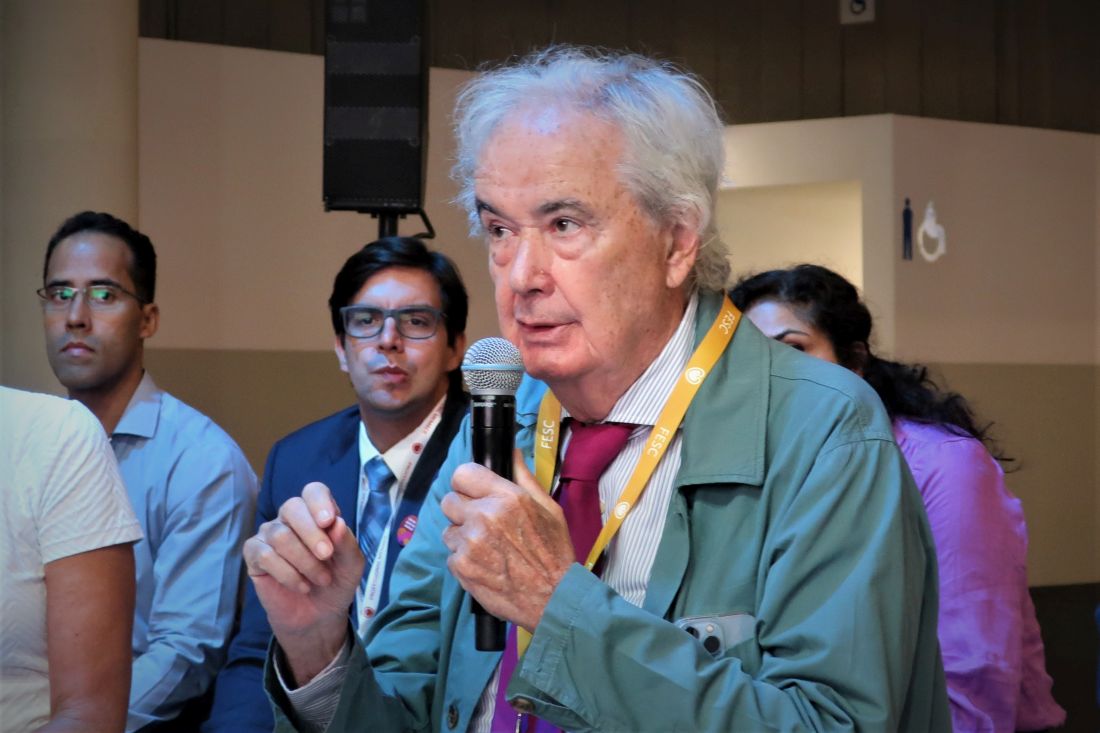
Dr. Ruilope was a coinvestigator for both of the finerenone pivotal trials, FIDELIO-DKD and FIGARO-DKD. Although the design of both these studies specified enrollment of people with type 2 diabetes and a UACR of at least 30 mg/g, a few hundred of the total combined enrollment of more than 13,000 patients had UACR values below this level, and analysis of this subgroup could provide some important insights into the value of finerenone for people with “high normal” albuminuria, he said.
The study led by Dr. Parveen used data routinely collected in Danish national records and focused on all Danish adults diagnosed with type 2 diabetes as of Jan. 1, 2015, who also had information in their records for a UACR and an estimated glomerular filtration rate (eGFR) within the preceding year.
The records showed that only 47% of these people had a UACR value during this time frame, and that 57% had a recent measure of their eGFR, despite prevailing recommendations for routine and regular measurements of these parameters for all people with type 2 diabetes.
Dr. Parveen hypothesized that UACR measurement may lag for several reasons, such as reliance by primary care physicians on urine dipstick assessments, which preclude calculation of a UACR, poor adherence to regular medical assessment by people in low socioeconomic groups, and medical examination done outside of morning time periods, which is the best time of day for assessing UACR.
More albuminuria measurement needed in primary care
“Measurement of albuminuria in people with type 2 diabetes is improving in Europe, but is not yet at the level that’s needed,” commented Dr. Ruilope. “We are pushing to have it done more often in primary care practices,” he said.
Among the 74,014 people with type 2 diabetes who had the measurement records that allowed for their inclusion in the study, 40% had albuminuria and 60% did not.
During 4 years of follow-up, the incidence of heart failure, MI, stroke, or all-cause death was 28.6% in those with albuminuria and 18.7% among those without albuminuria, reported Dr. Parveen.
The rates for each event type in those with albuminuria were 7.0% for heart failure, 4.4% for MI, 7.6% for stroke, and 16.6% for all-cause death (each patient could tally more than one type of event). Among those without albuminuria, the rates were 4.0%, 3.2%, 5.5%, and 9.3%, respectively.
The study received no commercial funding. Dr. Parveen and Dr. Ruilope had no disclosures.
BARCELONA – Fewer than half the adults in Denmark with type 2 diabetes in 2015 had a recent assessment for albuminuria, and those who underwent testing and had albuminuria had a greater than 50% increased rate of incident heart failure, MI, stroke, or all-cause death during 4-year follow-up, in a study of more than 74,000 Danish residents.
Even those in this study with type 2 diabetes but without albuminuria had a 19% rate of these adverse outcomes, highlighting the “substantial” cardiovascular disease risk faced by people with type 2 diabetes even without a clear indication of nephropathy, Saaima Parveen, MD, a cardiology researcher at Herlev and Gentofte University Hospital in Copenhagen, said at the annual congress of the European Society of Cardiology.
This high rate of heart failure, MI, stroke, or death even in the absence of what is conventionally defined as albuminuria – a urinary albumin-to-creatinine ratio (UACR) of at least 30 mg/g – suggests that this threshold for albuminuria may be too high, commented Luis M. Ruilope, MD, professor of public health and preventive medicine at Autonoma University, Madrid, who was not involved with the Danish study.
The study reported by Dr. Parveen “is very important because it shows that the risk of events is high not only in people with diabetes with albuminuria, but also in those without albuminuria,” Dr. Ruilope said in an interview.
The profile of albuminuria as a risk marker for people with type 2 diabetes spiked following the 2021 U.S. approval of finerenone (Kerendia) as an agent specifically targeted to adults with type 2 diabetes and albuminuria. (Finerenone gained marketing approval by in Europe in February 2022 under the same brand name.)
A lower threshold for albuminuria?
“Even patients with a UACR of 10-29 mg/g have risk and should be considered for finerenone treatment, said Dr. Ruilope. “People with type 2 diabetes with a UACR of 10-29 mg/g could explain” the high background risk shown by Dr. Parveen in her reported data. “In people with type 2 diabetes and a UACR of 10-29 mg/g we also see progression of kidney disease, but it’s slower” than in those who meet the current, standard threshold for albuminuria.
Dr. Ruilope was a coinvestigator for both of the finerenone pivotal trials, FIDELIO-DKD and FIGARO-DKD. Although the design of both these studies specified enrollment of people with type 2 diabetes and a UACR of at least 30 mg/g, a few hundred of the total combined enrollment of more than 13,000 patients had UACR values below this level, and analysis of this subgroup could provide some important insights into the value of finerenone for people with “high normal” albuminuria, he said.
The study led by Dr. Parveen used data routinely collected in Danish national records and focused on all Danish adults diagnosed with type 2 diabetes as of Jan. 1, 2015, who also had information in their records for a UACR and an estimated glomerular filtration rate (eGFR) within the preceding year.
The records showed that only 47% of these people had a UACR value during this time frame, and that 57% had a recent measure of their eGFR, despite prevailing recommendations for routine and regular measurements of these parameters for all people with type 2 diabetes.
Dr. Parveen hypothesized that UACR measurement may lag for several reasons, such as reliance by primary care physicians on urine dipstick assessments, which preclude calculation of a UACR, poor adherence to regular medical assessment by people in low socioeconomic groups, and medical examination done outside of morning time periods, which is the best time of day for assessing UACR.
More albuminuria measurement needed in primary care
“Measurement of albuminuria in people with type 2 diabetes is improving in Europe, but is not yet at the level that’s needed,” commented Dr. Ruilope. “We are pushing to have it done more often in primary care practices,” he said.
Among the 74,014 people with type 2 diabetes who had the measurement records that allowed for their inclusion in the study, 40% had albuminuria and 60% did not.
During 4 years of follow-up, the incidence of heart failure, MI, stroke, or all-cause death was 28.6% in those with albuminuria and 18.7% among those without albuminuria, reported Dr. Parveen.
The rates for each event type in those with albuminuria were 7.0% for heart failure, 4.4% for MI, 7.6% for stroke, and 16.6% for all-cause death (each patient could tally more than one type of event). Among those without albuminuria, the rates were 4.0%, 3.2%, 5.5%, and 9.3%, respectively.
The study received no commercial funding. Dr. Parveen and Dr. Ruilope had no disclosures.
BARCELONA – Fewer than half the adults in Denmark with type 2 diabetes in 2015 had a recent assessment for albuminuria, and those who underwent testing and had albuminuria had a greater than 50% increased rate of incident heart failure, MI, stroke, or all-cause death during 4-year follow-up, in a study of more than 74,000 Danish residents.
Even those in this study with type 2 diabetes but without albuminuria had a 19% rate of these adverse outcomes, highlighting the “substantial” cardiovascular disease risk faced by people with type 2 diabetes even without a clear indication of nephropathy, Saaima Parveen, MD, a cardiology researcher at Herlev and Gentofte University Hospital in Copenhagen, said at the annual congress of the European Society of Cardiology.
This high rate of heart failure, MI, stroke, or death even in the absence of what is conventionally defined as albuminuria – a urinary albumin-to-creatinine ratio (UACR) of at least 30 mg/g – suggests that this threshold for albuminuria may be too high, commented Luis M. Ruilope, MD, professor of public health and preventive medicine at Autonoma University, Madrid, who was not involved with the Danish study.
The study reported by Dr. Parveen “is very important because it shows that the risk of events is high not only in people with diabetes with albuminuria, but also in those without albuminuria,” Dr. Ruilope said in an interview.
The profile of albuminuria as a risk marker for people with type 2 diabetes spiked following the 2021 U.S. approval of finerenone (Kerendia) as an agent specifically targeted to adults with type 2 diabetes and albuminuria. (Finerenone gained marketing approval by in Europe in February 2022 under the same brand name.)
A lower threshold for albuminuria?
“Even patients with a UACR of 10-29 mg/g have risk and should be considered for finerenone treatment, said Dr. Ruilope. “People with type 2 diabetes with a UACR of 10-29 mg/g could explain” the high background risk shown by Dr. Parveen in her reported data. “In people with type 2 diabetes and a UACR of 10-29 mg/g we also see progression of kidney disease, but it’s slower” than in those who meet the current, standard threshold for albuminuria.
Dr. Ruilope was a coinvestigator for both of the finerenone pivotal trials, FIDELIO-DKD and FIGARO-DKD. Although the design of both these studies specified enrollment of people with type 2 diabetes and a UACR of at least 30 mg/g, a few hundred of the total combined enrollment of more than 13,000 patients had UACR values below this level, and analysis of this subgroup could provide some important insights into the value of finerenone for people with “high normal” albuminuria, he said.
The study led by Dr. Parveen used data routinely collected in Danish national records and focused on all Danish adults diagnosed with type 2 diabetes as of Jan. 1, 2015, who also had information in their records for a UACR and an estimated glomerular filtration rate (eGFR) within the preceding year.
The records showed that only 47% of these people had a UACR value during this time frame, and that 57% had a recent measure of their eGFR, despite prevailing recommendations for routine and regular measurements of these parameters for all people with type 2 diabetes.
Dr. Parveen hypothesized that UACR measurement may lag for several reasons, such as reliance by primary care physicians on urine dipstick assessments, which preclude calculation of a UACR, poor adherence to regular medical assessment by people in low socioeconomic groups, and medical examination done outside of morning time periods, which is the best time of day for assessing UACR.
More albuminuria measurement needed in primary care
“Measurement of albuminuria in people with type 2 diabetes is improving in Europe, but is not yet at the level that’s needed,” commented Dr. Ruilope. “We are pushing to have it done more often in primary care practices,” he said.
Among the 74,014 people with type 2 diabetes who had the measurement records that allowed for their inclusion in the study, 40% had albuminuria and 60% did not.
During 4 years of follow-up, the incidence of heart failure, MI, stroke, or all-cause death was 28.6% in those with albuminuria and 18.7% among those without albuminuria, reported Dr. Parveen.
The rates for each event type in those with albuminuria were 7.0% for heart failure, 4.4% for MI, 7.6% for stroke, and 16.6% for all-cause death (each patient could tally more than one type of event). Among those without albuminuria, the rates were 4.0%, 3.2%, 5.5%, and 9.3%, respectively.
The study received no commercial funding. Dr. Parveen and Dr. Ruilope had no disclosures.
AT ESC CONGRESS 2022
DANCAVAS misses primary endpoint but hints at benefit from comprehensive CV screening
Comprehensive image-based cardiovascular screening in men aged 65-74 years did not significantly reduce all-cause mortality in a new Danish study, although there were strong suggestions of benefit in some cardiovascular endpoints in the whole group and also in mortality in those aged younger than 70.
The DANCAVAS study was presented at the annual congress of the European Society of Cardiology, being held in Barcelona. It was also simultaneously published online in The New England Journal of Medicine.
“I do believe there is something in this study,” lead investigator Axel Diederichsen, PhD, Odense University Hospital, Denmark, told this news organization.
“We can decrease all-cause mortality by screening in men younger than 70. That’s amazing, I think. And in the entire group the composite endpoint of all-cause mortality/MI/stroke was significantly reduced by 7%.”
He pointed out that only 63% of the screening group actually attended the tests. “So that 63% had to account for the difference of 100% of the screening group, with an all-cause mortality endpoint. That is very ambitious. But even so, we were very close to meeting the all-cause mortality primary endpoint.”
Dr. Diederichsen believes the data could support such cardiovascular screening in men younger than 70. “In Denmark, I think this would be feasible, and our study suggests it would be cost effective compared to cancer screening,” he said.
Noting that Denmark has a relatively healthy population with good routine care, he added: “In other countries where it can be more difficult to access care or where cardiovascular health is not so good, such a screening program would probably have a greater effect.”
The population-based DANCAVAS trial randomly assigned 46,611 Danish men aged 65-74 years in a 1:2 ratio to undergo screening (invited group) or not to undergo screening (control group) for subclinical cardiovascular disease.
Screening included non-contrast electrocardiography-gated CT to determine the coronary-artery calcium score and to detect aneurysms and atrial fibrillation; ankle–brachial blood-pressure measurements to detect peripheral artery disease and hypertension; and a blood sample to detect diabetes and hypercholesterolemia. Of the 16,736 men who were invited to the screening group, 10,471 (62.6%) actually attended for the screening.
In intention-to-treat analyses, after a median follow-up of 5.6 years, the primary endpoint (all cause death) had occurred in 2,106 men (12.6%) in the invited group and 3,915 men (13.1%) in the control group (hazard ratio, 0.95; 95% confidence interval, 0.90-1.00; P = .06).
The hazard ratio for stroke in the invited group, compared with the control group, was 0.93 (95% confidence interval, 0.86-0.99); for MI, 0.91 (95% CI, 0.81-1.03); for aortic dissection, 0.95 (95% CI, 0.61-1.49); and for aortic rupture, 0.81 (95% CI, 0.49-1.35).
The post-hoc composite endpoint of all-cause mortality/stroke/MI was reduced by 7%, with a hazard ratio of 0.93 (95% CI, 0.89-0.97).
There were no significant between-group differences in safety outcomes.
Subgroup analysis showed that the primary outcome of all-cause mortality was significantly reduced in men invited to screening who were aged 65-69 years (HR, 0.89; 95% CI, 0.83-0.96), with no effect in men aged 70-74.
Other findings showed that in the group invited to screening, there was a large increase in use of antiplatelet medication (HR, 3.12) and in lipid lowering agents (HR, 2.54) but no difference in use of anticoagulants, antihypertensives, and diabetes drugs or in coronary or aortic revascularization.
In terms of cost-effectiveness, the total additional health care costs were €207 ($206 U.S.) per person in the invited group, which included the screening, medication, and all physician and hospital visits.
The quality-adjusted life-year (QALY) gained per person was 0.023, with an incremental cost-effectiveness ratio of €9,075 ($9,043) per QALY in the whole cohort and €3,860 ($3,846) in the men aged 65-69.
Dr. Diederichsen said these figures compared favorably to cancer screening, with breast cancer screening having a cost-effectiveness ratio of €22,000 ($21,923) per QALY.
“This study is a step in the right direction,” Dr. Diederichsen said in an interview. But governments will have to decide if they want to spend public money on this type of screening. I would like this to happen. We can make a case for it with this data.”
He said the study had also collected some data on younger men – aged 60-64 – and in a small group of women, which has not been analyzed yet. “We would like to look at this to help us formulate recommendations,” he added.
Increased medical therapy
Designated discussant of the study at the ESC session, Harriette Van Spall, MD, McMaster University, Hamilton, Ont., congratulated the DANCAVAS investigators for the trial, which she said was “implemented perfectly.”
“This is the kind of trial that is very difficult to run but comes from a big body of research from this remarkable group,” she commented.
Dr. Van Spall pointed out that it looked likely that any benefits from the screening approach were brought about by increased use of medical therapy alone (antiplatelet and lipid-lowering drugs). She added that the lack of an active screening comparator group made it unclear whether full CT imaging is more effective than active screening for traditional risk factors or assessment of global cardiovascular risk scores, and there was a missed opportunity to screen for and treat cigarette smoking in the intervention group.
“Aspects of the screening such as a full CT could be considered resource-intensive and not feasible in some health care systems. A strength of restricting the abdominal aorta iliac screening to a risk-enriched group – perhaps cigarette smokers – could have conserved additional resources,” she suggested.
Because 37% of the invited group did not attend for screening and at baseline these non-attendees had more comorbidities, this may have caused a bias in the intention to treat analysis toward the control group, thus underestimating the benefit of screening. There is therefore a role for a secondary on-treatment analysis, she noted.
Dr. Van Spall also pointed out that because of the population involved in this study, inferences can only be made to Danish men aged 65-74.
Noting that cardiovascular disease is relevant to everyone, accounting for 24% of deaths in Danish females and 25% of deaths in Danish males, she asked the investigators to consider eliminating sex-based eligibility criteria in their next big cardiovascular prevention trial.
Susanna Price, MD, Royal Brompton Hospital, London, and cochair of the ESC session at which DANCAVAS was presented, described the study as “really interesting” and useful in planning future screening approaches.
“Although the primary endpoint was neutral, and so the results may not change practice at this time, it should promote a look at different predefined endpoints in a larger population, including both men and women, to see what the best screening interventions would be,” she commented.
“What is interesting is that we are seeing huge amounts of money being spent on acute cardiac patients after having an event, but here we are beginning to shift the focus on how to prevent cardiovascular morbidity and mortality. That is starting to be the trend in cardiovascular medicine.”
Also commenting for this news organization, Dipti Itchhaporia, MD, University of California, Irvine, and immediate past president of the American College of Cardiology, said: “This study is asking the important question of whether comprehensive cardiovascular screening is needed, but I don’t think it has fully given the answer, although there did appear to be some benefit in those under 70.”
Dr. Itchhaporia questioned whether the 5-year follow up was long enough to show the true benefit of screening, and she suggested that a different approach with a longer monitoring period may have been better to detect AFib.
The DANCAVAS study was supported by the Southern Region of Denmark, the Danish Heart Foundation, and the Danish Independent Research Councils.
A version of this article first appeared on Medscape.com.
Comprehensive image-based cardiovascular screening in men aged 65-74 years did not significantly reduce all-cause mortality in a new Danish study, although there were strong suggestions of benefit in some cardiovascular endpoints in the whole group and also in mortality in those aged younger than 70.
The DANCAVAS study was presented at the annual congress of the European Society of Cardiology, being held in Barcelona. It was also simultaneously published online in The New England Journal of Medicine.
“I do believe there is something in this study,” lead investigator Axel Diederichsen, PhD, Odense University Hospital, Denmark, told this news organization.
“We can decrease all-cause mortality by screening in men younger than 70. That’s amazing, I think. And in the entire group the composite endpoint of all-cause mortality/MI/stroke was significantly reduced by 7%.”
He pointed out that only 63% of the screening group actually attended the tests. “So that 63% had to account for the difference of 100% of the screening group, with an all-cause mortality endpoint. That is very ambitious. But even so, we were very close to meeting the all-cause mortality primary endpoint.”
Dr. Diederichsen believes the data could support such cardiovascular screening in men younger than 70. “In Denmark, I think this would be feasible, and our study suggests it would be cost effective compared to cancer screening,” he said.
Noting that Denmark has a relatively healthy population with good routine care, he added: “In other countries where it can be more difficult to access care or where cardiovascular health is not so good, such a screening program would probably have a greater effect.”
The population-based DANCAVAS trial randomly assigned 46,611 Danish men aged 65-74 years in a 1:2 ratio to undergo screening (invited group) or not to undergo screening (control group) for subclinical cardiovascular disease.
Screening included non-contrast electrocardiography-gated CT to determine the coronary-artery calcium score and to detect aneurysms and atrial fibrillation; ankle–brachial blood-pressure measurements to detect peripheral artery disease and hypertension; and a blood sample to detect diabetes and hypercholesterolemia. Of the 16,736 men who were invited to the screening group, 10,471 (62.6%) actually attended for the screening.
In intention-to-treat analyses, after a median follow-up of 5.6 years, the primary endpoint (all cause death) had occurred in 2,106 men (12.6%) in the invited group and 3,915 men (13.1%) in the control group (hazard ratio, 0.95; 95% confidence interval, 0.90-1.00; P = .06).
The hazard ratio for stroke in the invited group, compared with the control group, was 0.93 (95% confidence interval, 0.86-0.99); for MI, 0.91 (95% CI, 0.81-1.03); for aortic dissection, 0.95 (95% CI, 0.61-1.49); and for aortic rupture, 0.81 (95% CI, 0.49-1.35).
The post-hoc composite endpoint of all-cause mortality/stroke/MI was reduced by 7%, with a hazard ratio of 0.93 (95% CI, 0.89-0.97).
There were no significant between-group differences in safety outcomes.
Subgroup analysis showed that the primary outcome of all-cause mortality was significantly reduced in men invited to screening who were aged 65-69 years (HR, 0.89; 95% CI, 0.83-0.96), with no effect in men aged 70-74.
Other findings showed that in the group invited to screening, there was a large increase in use of antiplatelet medication (HR, 3.12) and in lipid lowering agents (HR, 2.54) but no difference in use of anticoagulants, antihypertensives, and diabetes drugs or in coronary or aortic revascularization.
In terms of cost-effectiveness, the total additional health care costs were €207 ($206 U.S.) per person in the invited group, which included the screening, medication, and all physician and hospital visits.
The quality-adjusted life-year (QALY) gained per person was 0.023, with an incremental cost-effectiveness ratio of €9,075 ($9,043) per QALY in the whole cohort and €3,860 ($3,846) in the men aged 65-69.
Dr. Diederichsen said these figures compared favorably to cancer screening, with breast cancer screening having a cost-effectiveness ratio of €22,000 ($21,923) per QALY.
“This study is a step in the right direction,” Dr. Diederichsen said in an interview. But governments will have to decide if they want to spend public money on this type of screening. I would like this to happen. We can make a case for it with this data.”
He said the study had also collected some data on younger men – aged 60-64 – and in a small group of women, which has not been analyzed yet. “We would like to look at this to help us formulate recommendations,” he added.
Increased medical therapy
Designated discussant of the study at the ESC session, Harriette Van Spall, MD, McMaster University, Hamilton, Ont., congratulated the DANCAVAS investigators for the trial, which she said was “implemented perfectly.”
“This is the kind of trial that is very difficult to run but comes from a big body of research from this remarkable group,” she commented.
Dr. Van Spall pointed out that it looked likely that any benefits from the screening approach were brought about by increased use of medical therapy alone (antiplatelet and lipid-lowering drugs). She added that the lack of an active screening comparator group made it unclear whether full CT imaging is more effective than active screening for traditional risk factors or assessment of global cardiovascular risk scores, and there was a missed opportunity to screen for and treat cigarette smoking in the intervention group.
“Aspects of the screening such as a full CT could be considered resource-intensive and not feasible in some health care systems. A strength of restricting the abdominal aorta iliac screening to a risk-enriched group – perhaps cigarette smokers – could have conserved additional resources,” she suggested.
Because 37% of the invited group did not attend for screening and at baseline these non-attendees had more comorbidities, this may have caused a bias in the intention to treat analysis toward the control group, thus underestimating the benefit of screening. There is therefore a role for a secondary on-treatment analysis, she noted.
Dr. Van Spall also pointed out that because of the population involved in this study, inferences can only be made to Danish men aged 65-74.
Noting that cardiovascular disease is relevant to everyone, accounting for 24% of deaths in Danish females and 25% of deaths in Danish males, she asked the investigators to consider eliminating sex-based eligibility criteria in their next big cardiovascular prevention trial.
Susanna Price, MD, Royal Brompton Hospital, London, and cochair of the ESC session at which DANCAVAS was presented, described the study as “really interesting” and useful in planning future screening approaches.
“Although the primary endpoint was neutral, and so the results may not change practice at this time, it should promote a look at different predefined endpoints in a larger population, including both men and women, to see what the best screening interventions would be,” she commented.
“What is interesting is that we are seeing huge amounts of money being spent on acute cardiac patients after having an event, but here we are beginning to shift the focus on how to prevent cardiovascular morbidity and mortality. That is starting to be the trend in cardiovascular medicine.”
Also commenting for this news organization, Dipti Itchhaporia, MD, University of California, Irvine, and immediate past president of the American College of Cardiology, said: “This study is asking the important question of whether comprehensive cardiovascular screening is needed, but I don’t think it has fully given the answer, although there did appear to be some benefit in those under 70.”
Dr. Itchhaporia questioned whether the 5-year follow up was long enough to show the true benefit of screening, and she suggested that a different approach with a longer monitoring period may have been better to detect AFib.
The DANCAVAS study was supported by the Southern Region of Denmark, the Danish Heart Foundation, and the Danish Independent Research Councils.
A version of this article first appeared on Medscape.com.
Comprehensive image-based cardiovascular screening in men aged 65-74 years did not significantly reduce all-cause mortality in a new Danish study, although there were strong suggestions of benefit in some cardiovascular endpoints in the whole group and also in mortality in those aged younger than 70.
The DANCAVAS study was presented at the annual congress of the European Society of Cardiology, being held in Barcelona. It was also simultaneously published online in The New England Journal of Medicine.
“I do believe there is something in this study,” lead investigator Axel Diederichsen, PhD, Odense University Hospital, Denmark, told this news organization.
“We can decrease all-cause mortality by screening in men younger than 70. That’s amazing, I think. And in the entire group the composite endpoint of all-cause mortality/MI/stroke was significantly reduced by 7%.”
He pointed out that only 63% of the screening group actually attended the tests. “So that 63% had to account for the difference of 100% of the screening group, with an all-cause mortality endpoint. That is very ambitious. But even so, we were very close to meeting the all-cause mortality primary endpoint.”
Dr. Diederichsen believes the data could support such cardiovascular screening in men younger than 70. “In Denmark, I think this would be feasible, and our study suggests it would be cost effective compared to cancer screening,” he said.
Noting that Denmark has a relatively healthy population with good routine care, he added: “In other countries where it can be more difficult to access care or where cardiovascular health is not so good, such a screening program would probably have a greater effect.”
The population-based DANCAVAS trial randomly assigned 46,611 Danish men aged 65-74 years in a 1:2 ratio to undergo screening (invited group) or not to undergo screening (control group) for subclinical cardiovascular disease.
Screening included non-contrast electrocardiography-gated CT to determine the coronary-artery calcium score and to detect aneurysms and atrial fibrillation; ankle–brachial blood-pressure measurements to detect peripheral artery disease and hypertension; and a blood sample to detect diabetes and hypercholesterolemia. Of the 16,736 men who were invited to the screening group, 10,471 (62.6%) actually attended for the screening.
In intention-to-treat analyses, after a median follow-up of 5.6 years, the primary endpoint (all cause death) had occurred in 2,106 men (12.6%) in the invited group and 3,915 men (13.1%) in the control group (hazard ratio, 0.95; 95% confidence interval, 0.90-1.00; P = .06).
The hazard ratio for stroke in the invited group, compared with the control group, was 0.93 (95% confidence interval, 0.86-0.99); for MI, 0.91 (95% CI, 0.81-1.03); for aortic dissection, 0.95 (95% CI, 0.61-1.49); and for aortic rupture, 0.81 (95% CI, 0.49-1.35).
The post-hoc composite endpoint of all-cause mortality/stroke/MI was reduced by 7%, with a hazard ratio of 0.93 (95% CI, 0.89-0.97).
There were no significant between-group differences in safety outcomes.
Subgroup analysis showed that the primary outcome of all-cause mortality was significantly reduced in men invited to screening who were aged 65-69 years (HR, 0.89; 95% CI, 0.83-0.96), with no effect in men aged 70-74.
Other findings showed that in the group invited to screening, there was a large increase in use of antiplatelet medication (HR, 3.12) and in lipid lowering agents (HR, 2.54) but no difference in use of anticoagulants, antihypertensives, and diabetes drugs or in coronary or aortic revascularization.
In terms of cost-effectiveness, the total additional health care costs were €207 ($206 U.S.) per person in the invited group, which included the screening, medication, and all physician and hospital visits.
The quality-adjusted life-year (QALY) gained per person was 0.023, with an incremental cost-effectiveness ratio of €9,075 ($9,043) per QALY in the whole cohort and €3,860 ($3,846) in the men aged 65-69.
Dr. Diederichsen said these figures compared favorably to cancer screening, with breast cancer screening having a cost-effectiveness ratio of €22,000 ($21,923) per QALY.
“This study is a step in the right direction,” Dr. Diederichsen said in an interview. But governments will have to decide if they want to spend public money on this type of screening. I would like this to happen. We can make a case for it with this data.”
He said the study had also collected some data on younger men – aged 60-64 – and in a small group of women, which has not been analyzed yet. “We would like to look at this to help us formulate recommendations,” he added.
Increased medical therapy
Designated discussant of the study at the ESC session, Harriette Van Spall, MD, McMaster University, Hamilton, Ont., congratulated the DANCAVAS investigators for the trial, which she said was “implemented perfectly.”
“This is the kind of trial that is very difficult to run but comes from a big body of research from this remarkable group,” she commented.
Dr. Van Spall pointed out that it looked likely that any benefits from the screening approach were brought about by increased use of medical therapy alone (antiplatelet and lipid-lowering drugs). She added that the lack of an active screening comparator group made it unclear whether full CT imaging is more effective than active screening for traditional risk factors or assessment of global cardiovascular risk scores, and there was a missed opportunity to screen for and treat cigarette smoking in the intervention group.
“Aspects of the screening such as a full CT could be considered resource-intensive and not feasible in some health care systems. A strength of restricting the abdominal aorta iliac screening to a risk-enriched group – perhaps cigarette smokers – could have conserved additional resources,” she suggested.
Because 37% of the invited group did not attend for screening and at baseline these non-attendees had more comorbidities, this may have caused a bias in the intention to treat analysis toward the control group, thus underestimating the benefit of screening. There is therefore a role for a secondary on-treatment analysis, she noted.
Dr. Van Spall also pointed out that because of the population involved in this study, inferences can only be made to Danish men aged 65-74.
Noting that cardiovascular disease is relevant to everyone, accounting for 24% of deaths in Danish females and 25% of deaths in Danish males, she asked the investigators to consider eliminating sex-based eligibility criteria in their next big cardiovascular prevention trial.
Susanna Price, MD, Royal Brompton Hospital, London, and cochair of the ESC session at which DANCAVAS was presented, described the study as “really interesting” and useful in planning future screening approaches.
“Although the primary endpoint was neutral, and so the results may not change practice at this time, it should promote a look at different predefined endpoints in a larger population, including both men and women, to see what the best screening interventions would be,” she commented.
“What is interesting is that we are seeing huge amounts of money being spent on acute cardiac patients after having an event, but here we are beginning to shift the focus on how to prevent cardiovascular morbidity and mortality. That is starting to be the trend in cardiovascular medicine.”
Also commenting for this news organization, Dipti Itchhaporia, MD, University of California, Irvine, and immediate past president of the American College of Cardiology, said: “This study is asking the important question of whether comprehensive cardiovascular screening is needed, but I don’t think it has fully given the answer, although there did appear to be some benefit in those under 70.”
Dr. Itchhaporia questioned whether the 5-year follow up was long enough to show the true benefit of screening, and she suggested that a different approach with a longer monitoring period may have been better to detect AFib.
The DANCAVAS study was supported by the Southern Region of Denmark, the Danish Heart Foundation, and the Danish Independent Research Councils.
A version of this article first appeared on Medscape.com.
AT ESC CONGRESS 2022
PCI fails to beat OMT in ischemic cardiomyopathy: REVIVED-BCIS2
Percutaneous coronary intervention (PCI) with optimal medical therapy (OMT) does not prolong survival or improve ventricular function, compared with OMT alone, in patients with severe ischemic cardiomyopathy, according to results from the REVIVED-BCIS2 trial.
The primary composite outcome of all-cause death or heart failure hospitalization occurred in 37.2% of the PCI group and 38% of the OMT group (hazard ratio, 0.99; P = .96) over a median of 3.4 years follow-up. The treatment effect was consistent across all subgroups.
There were no significant differences in left ventricular ejection fraction (LVEF) at 6 and 12 months.
Quality of life scores favored PCI early on, but there was catch-up over time with medical therapy, and this advantage disappeared by 2 years, principal investigator Divaka Perera, MD, King’s College London, reported at the annual congress of the European Society of Cardiology.
“The takeaway is that we should not be offering PCI to patients who have stable, well-medicated left ventricular dysfunction,” Dr. Perera told this news organization. “But we should still consider revascularization in patients presenting with acute coronary syndromes or who have lots of angina, because they were not included in the trial.”
The study, published simultaneously in the New England Journal of Medicine, provides the first randomized evidence on PCI for ischemic cardiomyopathy.
Revascularization guidelines in the United States make no recommendation for PCI, whereas those in Europe recommend coronary artery bypass grafting (CABG) first for patients with multivessel disease (class 1); they have a class 2a, level of evidence C indication for PCI in select patients. U.S. and European heart failure guidelines also support guideline directed therapy and CABG in select patients with ejection fractions of 35% or less.
This guidance is based on consensus opinion and the STICH trial, in which CABG plus OMT failed to provide a mortality benefit over OMT alone at 5 years but improved survival at 10 years in the extension STICHES study.
“Medical therapy for heart failure works, and this trial’s results are another important reminder of that,” said Eric Velazquez, MD, who led STICH and was invited to comment on the findings.
Mortality will only get better with the use of SGLT2 inhibitors, he noted, which were not included in the trial. Utilization of ACE inhibitors/ARBs/ARNIs and beta-blockers was similar to STICH and excellent in REVIVED. “They did do a better job in utilization of ICD and CRTs than the STICH trial, and I think that needs to be explored further about the impact of those changes.”
Nevertheless, ischemic cardiomyopathy patients have “unacceptably high mortality,” with the observed mortality about 20% at 3 years and about 35% at 5 years, said Dr. Velazquez, with Yale University, New Haven, Conn.
In most heart failure trials, HF hospitalization drives the primary composite endpoint, but the opposite was true here and in STICH, he observed. “You had twice the risk of dying during the 3.4 years than you did of being hospitalized for heart failure, and ... that is [an important] distinction we must realize is evident in our ischemic cardiomyopathy patients.”
The findings will likely not lead to a change in the guidelines, he added. “I think we continue as status quo for now and get more data.”
Despite the lack of randomized evidence, he cautioned that PCI is increasingly performed in patients with ischemic cardiomyopathy, with registry data suggesting nearly 60% of patients received the procedure.
Reached for comment, Clyde Yancy, MD, chief of cardiology and vice dean of diversity & inclusion at Northwestern University Feinberg School of Medicine, Chicago, said, “For now, the current guidelines are correct. Best application of guideline-directed medical and device therapy is the gold standard for heart failure, and that includes heart failure due to ischemic etiologies.

“Do these data resolve the question of revascularization in the setting of coronary disease and reduced EF heart failure? Hardly,” he added. “Clinical judgment must prevail, and where appropriate, coronary revascularization remains a consideration. But it is not a panacea.”
Detailed results
Between August 2013 and March 2020, REVIVED-BCIS2 enrolled 700 patients at 40 U.K. centers who had an LVEF of 35% or less, extensive CAD (defined by a British Cardiovascular Intervention Society myocardial Jeopardy Score [BCIS-JS] of at least 6), and viability in at least four myocardial segments amenable to PCI. Patients were evenly randomly assigned to individually adjusted pharmacologic and device therapy for heart failure alone or with PCI.
The average age was about 70, only 12.3% women, 344 patients had 2-vessel CAD, and 281 had 3-vessel CAD. The mean LVEF was 27% and median BCIS-JS score 10.
During follow-up, which reached 8.5 years in some patients due to the long enrollment, 31.7% of patients in the PCI group and 32.6% patients in the OMT group died from any cause and 14.7% and 15.3%, respectively, were admitted for heart failure.
LVEF improved by 1.8% at 6 months and 2% at 12 months in the PCI group and by 3.4% and 1.1%, respectively, in the OMT group. The mean between-group difference was –1.6% at 6 months and 0.9% at 12 months.
With regard to quality of life, the Kansas City Cardiomyopathy Questionnaire overall summary score favored the PCI group by 6.5 points at 6 months and by 4.5 points at 12 months, but by 24 months the between-group difference was 2.6 points (95% confidence interval, –0.7 to 5.8). Scores on the EuroQol Group 5-Dimensions 5-Level Questionnaire followed a similar pattern.
Unplanned revascularization was more common in the OMT group (HR, 0.27; 95% CI, 0.13-0.53). Acute myocardial infarction rates were similar in the two groups (HR, 1.01, 95% CI, 0.64-1.60), with the PCI group having more periprocedural infarcts and slightly fewer spontaneous infarcts.
Possible reasons for the discordant results between STICH and REVIVED are the threefold excess mortality within 30 days of CABG, whereas no such early hit occurred with PCI, lead investigator Dr. Perera said in an interview. Medical therapy has also evolved over time and REVIVED enrolled a more “real-world” population, with a median age close to 70 years versus 59 in STICH.
‘Modest’ degree of CAD?
An accompanying editorial, however, points out that despite considerable ventricular dysfunction, about half the patients in REVIVED had only 2-vessel disease and a median of two lesions treated.
“This relatively modest degree of coronary artery disease seems unusual for patients selected to undergo revascularization with the hope of restoring or normalizing ventricular function,” writes Ajay Kirtane, MD, from Columbia University Irving Medical Center, NewYork-Presbyterian Hospital.
He said more details are needed on completeness of the revascularization, severity of stenosis, physiologic assessment of the lesion and, “most importantly, the correlation of stenosis with previous ischemic or viability testing.”
Asked about the editorial, Dr. Perera agreed that information on the type of revascularization and myocardial viability are important and said they hope to share analyses of the only recently unblinded data at the American College of Cardiology meeting next spring. Importantly, about 71% of viability testing was done by cardiac MR and the rest largely by dobutamine stress echocardiogram.
He disagreed, however, that participants had relatively modest CAD based on the 2- or 3-vessel classification and said the median score on the more granular BCIS-JS was 10, with maximum 12 indicating the entire myocardium is supplied by diseased vessels.
The trial also included almost 100 patients with left main disease, a group not included in previous medical therapy trials, including STICH and ISCHEMIA, Dr. Perera noted. “So, I think it was pretty, pretty severe coronary disease but a cohort that was better treated medically.”
George Dangas, MD, PhD, a professor of medicine at Icahn School of Medicine at Mount Sinai, New York, said the study provides valuable information but also expressed concerns that the chronic heart failure in the trial was much more advanced than the CAD.

“Symptoms are low level, and this is predominantly related to CHF, and if you manage the CHF the best way with advanced therapies, assist device or transplant or any other way, that might take priority over the CAD lesions,” said Dr. Dangas, who was not associated with REVIVED. “I would expect CAD lesions would have more importance if we move into the class 3 or higher of symptomatology, and, again in this study, that was not [present] in over 70% of the patients.”
The study was funded by the National Institute for Health and Care Research’s Health Technology Assessment Program. Dr. Perera, Dr. Velazquez, and Dr. Dangas report no relevant financial relationships.
Dr. Kirtane reports grants, nonfinancial support and other from Medtronic, Abbott Vascular, Boston Scientific, Abiomed, CathWorks, Siemens, Philips, ReCor Medical, Cardiovascular Systems, Amgen, and Chiesi. He reports grants and other from Neurotronic, Magental Medical, Canon, SoniVie, Shockwave Medical, and Merck. He also reports nonfinancial support from Opsens, Zoll, Regeneron, Biotronik, and Bolt Medical, and personal fees from IMDS.
A version of this article first appeared on Medscape.com.
Percutaneous coronary intervention (PCI) with optimal medical therapy (OMT) does not prolong survival or improve ventricular function, compared with OMT alone, in patients with severe ischemic cardiomyopathy, according to results from the REVIVED-BCIS2 trial.
The primary composite outcome of all-cause death or heart failure hospitalization occurred in 37.2% of the PCI group and 38% of the OMT group (hazard ratio, 0.99; P = .96) over a median of 3.4 years follow-up. The treatment effect was consistent across all subgroups.
There were no significant differences in left ventricular ejection fraction (LVEF) at 6 and 12 months.
Quality of life scores favored PCI early on, but there was catch-up over time with medical therapy, and this advantage disappeared by 2 years, principal investigator Divaka Perera, MD, King’s College London, reported at the annual congress of the European Society of Cardiology.
“The takeaway is that we should not be offering PCI to patients who have stable, well-medicated left ventricular dysfunction,” Dr. Perera told this news organization. “But we should still consider revascularization in patients presenting with acute coronary syndromes or who have lots of angina, because they were not included in the trial.”
The study, published simultaneously in the New England Journal of Medicine, provides the first randomized evidence on PCI for ischemic cardiomyopathy.
Revascularization guidelines in the United States make no recommendation for PCI, whereas those in Europe recommend coronary artery bypass grafting (CABG) first for patients with multivessel disease (class 1); they have a class 2a, level of evidence C indication for PCI in select patients. U.S. and European heart failure guidelines also support guideline directed therapy and CABG in select patients with ejection fractions of 35% or less.
This guidance is based on consensus opinion and the STICH trial, in which CABG plus OMT failed to provide a mortality benefit over OMT alone at 5 years but improved survival at 10 years in the extension STICHES study.
“Medical therapy for heart failure works, and this trial’s results are another important reminder of that,” said Eric Velazquez, MD, who led STICH and was invited to comment on the findings.
Mortality will only get better with the use of SGLT2 inhibitors, he noted, which were not included in the trial. Utilization of ACE inhibitors/ARBs/ARNIs and beta-blockers was similar to STICH and excellent in REVIVED. “They did do a better job in utilization of ICD and CRTs than the STICH trial, and I think that needs to be explored further about the impact of those changes.”
Nevertheless, ischemic cardiomyopathy patients have “unacceptably high mortality,” with the observed mortality about 20% at 3 years and about 35% at 5 years, said Dr. Velazquez, with Yale University, New Haven, Conn.
In most heart failure trials, HF hospitalization drives the primary composite endpoint, but the opposite was true here and in STICH, he observed. “You had twice the risk of dying during the 3.4 years than you did of being hospitalized for heart failure, and ... that is [an important] distinction we must realize is evident in our ischemic cardiomyopathy patients.”
The findings will likely not lead to a change in the guidelines, he added. “I think we continue as status quo for now and get more data.”
Despite the lack of randomized evidence, he cautioned that PCI is increasingly performed in patients with ischemic cardiomyopathy, with registry data suggesting nearly 60% of patients received the procedure.
Reached for comment, Clyde Yancy, MD, chief of cardiology and vice dean of diversity & inclusion at Northwestern University Feinberg School of Medicine, Chicago, said, “For now, the current guidelines are correct. Best application of guideline-directed medical and device therapy is the gold standard for heart failure, and that includes heart failure due to ischemic etiologies.
“Do these data resolve the question of revascularization in the setting of coronary disease and reduced EF heart failure? Hardly,” he added. “Clinical judgment must prevail, and where appropriate, coronary revascularization remains a consideration. But it is not a panacea.”
Detailed results
Between August 2013 and March 2020, REVIVED-BCIS2 enrolled 700 patients at 40 U.K. centers who had an LVEF of 35% or less, extensive CAD (defined by a British Cardiovascular Intervention Society myocardial Jeopardy Score [BCIS-JS] of at least 6), and viability in at least four myocardial segments amenable to PCI. Patients were evenly randomly assigned to individually adjusted pharmacologic and device therapy for heart failure alone or with PCI.
The average age was about 70, only 12.3% women, 344 patients had 2-vessel CAD, and 281 had 3-vessel CAD. The mean LVEF was 27% and median BCIS-JS score 10.
During follow-up, which reached 8.5 years in some patients due to the long enrollment, 31.7% of patients in the PCI group and 32.6% patients in the OMT group died from any cause and 14.7% and 15.3%, respectively, were admitted for heart failure.
LVEF improved by 1.8% at 6 months and 2% at 12 months in the PCI group and by 3.4% and 1.1%, respectively, in the OMT group. The mean between-group difference was –1.6% at 6 months and 0.9% at 12 months.
With regard to quality of life, the Kansas City Cardiomyopathy Questionnaire overall summary score favored the PCI group by 6.5 points at 6 months and by 4.5 points at 12 months, but by 24 months the between-group difference was 2.6 points (95% confidence interval, –0.7 to 5.8). Scores on the EuroQol Group 5-Dimensions 5-Level Questionnaire followed a similar pattern.
Unplanned revascularization was more common in the OMT group (HR, 0.27; 95% CI, 0.13-0.53). Acute myocardial infarction rates were similar in the two groups (HR, 1.01, 95% CI, 0.64-1.60), with the PCI group having more periprocedural infarcts and slightly fewer spontaneous infarcts.
Possible reasons for the discordant results between STICH and REVIVED are the threefold excess mortality within 30 days of CABG, whereas no such early hit occurred with PCI, lead investigator Dr. Perera said in an interview. Medical therapy has also evolved over time and REVIVED enrolled a more “real-world” population, with a median age close to 70 years versus 59 in STICH.
‘Modest’ degree of CAD?
An accompanying editorial, however, points out that despite considerable ventricular dysfunction, about half the patients in REVIVED had only 2-vessel disease and a median of two lesions treated.
“This relatively modest degree of coronary artery disease seems unusual for patients selected to undergo revascularization with the hope of restoring or normalizing ventricular function,” writes Ajay Kirtane, MD, from Columbia University Irving Medical Center, NewYork-Presbyterian Hospital.
He said more details are needed on completeness of the revascularization, severity of stenosis, physiologic assessment of the lesion and, “most importantly, the correlation of stenosis with previous ischemic or viability testing.”
Asked about the editorial, Dr. Perera agreed that information on the type of revascularization and myocardial viability are important and said they hope to share analyses of the only recently unblinded data at the American College of Cardiology meeting next spring. Importantly, about 71% of viability testing was done by cardiac MR and the rest largely by dobutamine stress echocardiogram.
He disagreed, however, that participants had relatively modest CAD based on the 2- or 3-vessel classification and said the median score on the more granular BCIS-JS was 10, with maximum 12 indicating the entire myocardium is supplied by diseased vessels.
The trial also included almost 100 patients with left main disease, a group not included in previous medical therapy trials, including STICH and ISCHEMIA, Dr. Perera noted. “So, I think it was pretty, pretty severe coronary disease but a cohort that was better treated medically.”
George Dangas, MD, PhD, a professor of medicine at Icahn School of Medicine at Mount Sinai, New York, said the study provides valuable information but also expressed concerns that the chronic heart failure in the trial was much more advanced than the CAD.
“Symptoms are low level, and this is predominantly related to CHF, and if you manage the CHF the best way with advanced therapies, assist device or transplant or any other way, that might take priority over the CAD lesions,” said Dr. Dangas, who was not associated with REVIVED. “I would expect CAD lesions would have more importance if we move into the class 3 or higher of symptomatology, and, again in this study, that was not [present] in over 70% of the patients.”
The study was funded by the National Institute for Health and Care Research’s Health Technology Assessment Program. Dr. Perera, Dr. Velazquez, and Dr. Dangas report no relevant financial relationships.
Dr. Kirtane reports grants, nonfinancial support and other from Medtronic, Abbott Vascular, Boston Scientific, Abiomed, CathWorks, Siemens, Philips, ReCor Medical, Cardiovascular Systems, Amgen, and Chiesi. He reports grants and other from Neurotronic, Magental Medical, Canon, SoniVie, Shockwave Medical, and Merck. He also reports nonfinancial support from Opsens, Zoll, Regeneron, Biotronik, and Bolt Medical, and personal fees from IMDS.
A version of this article first appeared on Medscape.com.
Percutaneous coronary intervention (PCI) with optimal medical therapy (OMT) does not prolong survival or improve ventricular function, compared with OMT alone, in patients with severe ischemic cardiomyopathy, according to results from the REVIVED-BCIS2 trial.
The primary composite outcome of all-cause death or heart failure hospitalization occurred in 37.2% of the PCI group and 38% of the OMT group (hazard ratio, 0.99; P = .96) over a median of 3.4 years follow-up. The treatment effect was consistent across all subgroups.
There were no significant differences in left ventricular ejection fraction (LVEF) at 6 and 12 months.
Quality of life scores favored PCI early on, but there was catch-up over time with medical therapy, and this advantage disappeared by 2 years, principal investigator Divaka Perera, MD, King’s College London, reported at the annual congress of the European Society of Cardiology.
“The takeaway is that we should not be offering PCI to patients who have stable, well-medicated left ventricular dysfunction,” Dr. Perera told this news organization. “But we should still consider revascularization in patients presenting with acute coronary syndromes or who have lots of angina, because they were not included in the trial.”
The study, published simultaneously in the New England Journal of Medicine, provides the first randomized evidence on PCI for ischemic cardiomyopathy.
Revascularization guidelines in the United States make no recommendation for PCI, whereas those in Europe recommend coronary artery bypass grafting (CABG) first for patients with multivessel disease (class 1); they have a class 2a, level of evidence C indication for PCI in select patients. U.S. and European heart failure guidelines also support guideline directed therapy and CABG in select patients with ejection fractions of 35% or less.
This guidance is based on consensus opinion and the STICH trial, in which CABG plus OMT failed to provide a mortality benefit over OMT alone at 5 years but improved survival at 10 years in the extension STICHES study.
“Medical therapy for heart failure works, and this trial’s results are another important reminder of that,” said Eric Velazquez, MD, who led STICH and was invited to comment on the findings.
Mortality will only get better with the use of SGLT2 inhibitors, he noted, which were not included in the trial. Utilization of ACE inhibitors/ARBs/ARNIs and beta-blockers was similar to STICH and excellent in REVIVED. “They did do a better job in utilization of ICD and CRTs than the STICH trial, and I think that needs to be explored further about the impact of those changes.”
Nevertheless, ischemic cardiomyopathy patients have “unacceptably high mortality,” with the observed mortality about 20% at 3 years and about 35% at 5 years, said Dr. Velazquez, with Yale University, New Haven, Conn.
In most heart failure trials, HF hospitalization drives the primary composite endpoint, but the opposite was true here and in STICH, he observed. “You had twice the risk of dying during the 3.4 years than you did of being hospitalized for heart failure, and ... that is [an important] distinction we must realize is evident in our ischemic cardiomyopathy patients.”
The findings will likely not lead to a change in the guidelines, he added. “I think we continue as status quo for now and get more data.”
Despite the lack of randomized evidence, he cautioned that PCI is increasingly performed in patients with ischemic cardiomyopathy, with registry data suggesting nearly 60% of patients received the procedure.
Reached for comment, Clyde Yancy, MD, chief of cardiology and vice dean of diversity & inclusion at Northwestern University Feinberg School of Medicine, Chicago, said, “For now, the current guidelines are correct. Best application of guideline-directed medical and device therapy is the gold standard for heart failure, and that includes heart failure due to ischemic etiologies.
“Do these data resolve the question of revascularization in the setting of coronary disease and reduced EF heart failure? Hardly,” he added. “Clinical judgment must prevail, and where appropriate, coronary revascularization remains a consideration. But it is not a panacea.”
Detailed results
Between August 2013 and March 2020, REVIVED-BCIS2 enrolled 700 patients at 40 U.K. centers who had an LVEF of 35% or less, extensive CAD (defined by a British Cardiovascular Intervention Society myocardial Jeopardy Score [BCIS-JS] of at least 6), and viability in at least four myocardial segments amenable to PCI. Patients were evenly randomly assigned to individually adjusted pharmacologic and device therapy for heart failure alone or with PCI.
The average age was about 70, only 12.3% women, 344 patients had 2-vessel CAD, and 281 had 3-vessel CAD. The mean LVEF was 27% and median BCIS-JS score 10.
During follow-up, which reached 8.5 years in some patients due to the long enrollment, 31.7% of patients in the PCI group and 32.6% patients in the OMT group died from any cause and 14.7% and 15.3%, respectively, were admitted for heart failure.
LVEF improved by 1.8% at 6 months and 2% at 12 months in the PCI group and by 3.4% and 1.1%, respectively, in the OMT group. The mean between-group difference was –1.6% at 6 months and 0.9% at 12 months.
With regard to quality of life, the Kansas City Cardiomyopathy Questionnaire overall summary score favored the PCI group by 6.5 points at 6 months and by 4.5 points at 12 months, but by 24 months the between-group difference was 2.6 points (95% confidence interval, –0.7 to 5.8). Scores on the EuroQol Group 5-Dimensions 5-Level Questionnaire followed a similar pattern.
Unplanned revascularization was more common in the OMT group (HR, 0.27; 95% CI, 0.13-0.53). Acute myocardial infarction rates were similar in the two groups (HR, 1.01, 95% CI, 0.64-1.60), with the PCI group having more periprocedural infarcts and slightly fewer spontaneous infarcts.
Possible reasons for the discordant results between STICH and REVIVED are the threefold excess mortality within 30 days of CABG, whereas no such early hit occurred with PCI, lead investigator Dr. Perera said in an interview. Medical therapy has also evolved over time and REVIVED enrolled a more “real-world” population, with a median age close to 70 years versus 59 in STICH.
‘Modest’ degree of CAD?
An accompanying editorial, however, points out that despite considerable ventricular dysfunction, about half the patients in REVIVED had only 2-vessel disease and a median of two lesions treated.
“This relatively modest degree of coronary artery disease seems unusual for patients selected to undergo revascularization with the hope of restoring or normalizing ventricular function,” writes Ajay Kirtane, MD, from Columbia University Irving Medical Center, NewYork-Presbyterian Hospital.
He said more details are needed on completeness of the revascularization, severity of stenosis, physiologic assessment of the lesion and, “most importantly, the correlation of stenosis with previous ischemic or viability testing.”
Asked about the editorial, Dr. Perera agreed that information on the type of revascularization and myocardial viability are important and said they hope to share analyses of the only recently unblinded data at the American College of Cardiology meeting next spring. Importantly, about 71% of viability testing was done by cardiac MR and the rest largely by dobutamine stress echocardiogram.
He disagreed, however, that participants had relatively modest CAD based on the 2- or 3-vessel classification and said the median score on the more granular BCIS-JS was 10, with maximum 12 indicating the entire myocardium is supplied by diseased vessels.
The trial also included almost 100 patients with left main disease, a group not included in previous medical therapy trials, including STICH and ISCHEMIA, Dr. Perera noted. “So, I think it was pretty, pretty severe coronary disease but a cohort that was better treated medically.”
George Dangas, MD, PhD, a professor of medicine at Icahn School of Medicine at Mount Sinai, New York, said the study provides valuable information but also expressed concerns that the chronic heart failure in the trial was much more advanced than the CAD.
“Symptoms are low level, and this is predominantly related to CHF, and if you manage the CHF the best way with advanced therapies, assist device or transplant or any other way, that might take priority over the CAD lesions,” said Dr. Dangas, who was not associated with REVIVED. “I would expect CAD lesions would have more importance if we move into the class 3 or higher of symptomatology, and, again in this study, that was not [present] in over 70% of the patients.”
The study was funded by the National Institute for Health and Care Research’s Health Technology Assessment Program. Dr. Perera, Dr. Velazquez, and Dr. Dangas report no relevant financial relationships.
Dr. Kirtane reports grants, nonfinancial support and other from Medtronic, Abbott Vascular, Boston Scientific, Abiomed, CathWorks, Siemens, Philips, ReCor Medical, Cardiovascular Systems, Amgen, and Chiesi. He reports grants and other from Neurotronic, Magental Medical, Canon, SoniVie, Shockwave Medical, and Merck. He also reports nonfinancial support from Opsens, Zoll, Regeneron, Biotronik, and Bolt Medical, and personal fees from IMDS.
A version of this article first appeared on Medscape.com.
FROM ESC CONGRESS 2022
In blinded trial, artificial intelligence beats sonographers for echo accuracy
Video-based artificial intelligence provided a more accurate and consistent reading of echocardiograms than did experienced sonographers in a blinded trial, a result suggesting that this technology is no longer experimental.
“We are planning to deploy this at Cedars, so this is essentially ready for use,” said David Ouyang, MD, who is affiliated with the Cedars-Sinai Medical School and is an instructor of cardiology at the University of California, both in Los Angeles.
The primary outcome of this trial, called EchoNet-RCT, was the proportion of cases in which cardiologists changed the left ventricular ejection fraction (LVEF) reading by more than 5%. They were blinded to the origin of the reports.
This endpoint was reached in 27.2% of reports generated by sonographers but just 16.8% of reports generated by AI, a mean difference of 10.5% (P < .001).
The AI tested in the trial is called EchoNet-Dynamic. It employs a video-based deep learning algorithm that permits beat-by-beat evaluation of ejection fraction. The specifics of this system were described in a study published 2 years ago in Nature. In that evaluation of the model training set, the absolute error rate was 6% in the more than 10,000 annotated echocardiogram videos.
Echo-Net is first blinded AI echo trial
Although AI is already being employed for image evaluation in many areas of medicine, the EchoNet-RCT study “is the first blinded trial of AI in cardiology,” Dr. Ouyang said. Indeed, he noted that no prior study has even been randomized.
After a run-in period, 3,495 echocardiograms were randomizly assigned to be read by AI or by a sonographer. The reports generated by these two approaches were then evaluated by the blinded cardiologists. The sonographers and the cardiologists participating in this study had a mean of 14.1 years and 12.7 years of experience, respectively.
Each reading by both sonographers and AI was based on a single beat, but this presumably was a relative handicap for the potential advantage of AI technology, which is capable of evaluating ejection fraction across multiple cardiac cycles. The evaluation of multiple cycles has been shown previously to improve accuracy, but it is tedious and not commonly performed in routine practice, according to Dr. Ouyang.
AI favored for all major endpoints
The superiority of AI was calculated after noninferiority was demonstrated. AI also showed superiority for the secondary safety outcome which involved a test-retest evaluation. Historical AI and sonographer echocardiogram reports were again blindly assessed. Although the retest variability was lower for both (6.29% vs. 7.23%), the difference was still highly significant in favor of AI (P < .001)
The relative efficiency of AI to sonographer assessment was also tested and showed meaningful reductions in work time. While AI eliminates the labor of the sonographer completely (0 vs. a median of 119 seconds, P < .001), it was also associated with a highly significant reduction in median cardiologist time spent on echo evaluation (54 vs. 64 seconds, P < .001).
Assuming that AI is integrated into the routine workflow of a busy center, AI “could be very effective at not only improving the quality of echo reading output but also increasing efficiencies in time and effort spent by sonographers and cardiologists by simplifying otherwise tedious but important tasks,” Dr. Ouyang said.
The trial enrolled a relatively typical population. The median age was 66 years, 57% were male, and comorbidities such as diabetes and chronic kidney disease were common. When AI was compared with sonographer evaluation in groups stratified by these variables as well as by race, image quality, and location of the evaluation (inpatient vs. outpatient), the advantage of AI was consistent.
Cardiologists cannot detect AI-read echos
Identifying potential limitations of this study, James D. Thomas, MD, professor of medicine, Northwestern University, Chicago, pointed out that it was a single-center trial, and he questioned a potential bias from cardiologists able to guess accurately which of the reports they were evaluating were generated by AI.
Dr. Ouyang acknowledged that this study was limited to patients at UCLA, but he pointed out that the training model was developed at Stanford (Calif.) University, so there were two sets of patients involved in testing the machine learning algorithm. He also noted that it was exceptionally large, providing a robust dataset.
As for the bias, this was evaluated as predefined endpoint.
“We asked the cardiologists to tell us [whether] they knew which reports were generated by AI,” Dr. Ouyang said. In 43% of cases, they reported they were not sure. However, when they did express confidence that the report was generated by AI, they were correct in only 32% of the cases and incorrect in 24%. Dr. Ouyang suggested these numbers argue against a substantial role for a bias affecting the trial results.
Dr. Thomas, who has an interest in the role of AI for cardiology, cautioned that there are “technical, privacy, commercial, maintenance, and regulatory barriers” that must be circumvented before AI is widely incorporated into clinical practice, but he praised this blinded trial for advancing the field. Even accounting for any limitations, he clearly shared Dr. Ouyang’s enthusiasm about the future of AI for EF assessment.
Dr. Ouyang reports financial relationships with EchoIQ, Ultromics, and InVision. Dr. Thomas reports financial relationships with Abbott, GE, egnite, EchoIQ, and Caption Health.
Video-based artificial intelligence provided a more accurate and consistent reading of echocardiograms than did experienced sonographers in a blinded trial, a result suggesting that this technology is no longer experimental.
“We are planning to deploy this at Cedars, so this is essentially ready for use,” said David Ouyang, MD, who is affiliated with the Cedars-Sinai Medical School and is an instructor of cardiology at the University of California, both in Los Angeles.
The primary outcome of this trial, called EchoNet-RCT, was the proportion of cases in which cardiologists changed the left ventricular ejection fraction (LVEF) reading by more than 5%. They were blinded to the origin of the reports.
This endpoint was reached in 27.2% of reports generated by sonographers but just 16.8% of reports generated by AI, a mean difference of 10.5% (P < .001).
The AI tested in the trial is called EchoNet-Dynamic. It employs a video-based deep learning algorithm that permits beat-by-beat evaluation of ejection fraction. The specifics of this system were described in a study published 2 years ago in Nature. In that evaluation of the model training set, the absolute error rate was 6% in the more than 10,000 annotated echocardiogram videos.
Echo-Net is first blinded AI echo trial
Although AI is already being employed for image evaluation in many areas of medicine, the EchoNet-RCT study “is the first blinded trial of AI in cardiology,” Dr. Ouyang said. Indeed, he noted that no prior study has even been randomized.
After a run-in period, 3,495 echocardiograms were randomizly assigned to be read by AI or by a sonographer. The reports generated by these two approaches were then evaluated by the blinded cardiologists. The sonographers and the cardiologists participating in this study had a mean of 14.1 years and 12.7 years of experience, respectively.
Each reading by both sonographers and AI was based on a single beat, but this presumably was a relative handicap for the potential advantage of AI technology, which is capable of evaluating ejection fraction across multiple cardiac cycles. The evaluation of multiple cycles has been shown previously to improve accuracy, but it is tedious and not commonly performed in routine practice, according to Dr. Ouyang.
AI favored for all major endpoints
The superiority of AI was calculated after noninferiority was demonstrated. AI also showed superiority for the secondary safety outcome which involved a test-retest evaluation. Historical AI and sonographer echocardiogram reports were again blindly assessed. Although the retest variability was lower for both (6.29% vs. 7.23%), the difference was still highly significant in favor of AI (P < .001)
The relative efficiency of AI to sonographer assessment was also tested and showed meaningful reductions in work time. While AI eliminates the labor of the sonographer completely (0 vs. a median of 119 seconds, P < .001), it was also associated with a highly significant reduction in median cardiologist time spent on echo evaluation (54 vs. 64 seconds, P < .001).
Assuming that AI is integrated into the routine workflow of a busy center, AI “could be very effective at not only improving the quality of echo reading output but also increasing efficiencies in time and effort spent by sonographers and cardiologists by simplifying otherwise tedious but important tasks,” Dr. Ouyang said.
The trial enrolled a relatively typical population. The median age was 66 years, 57% were male, and comorbidities such as diabetes and chronic kidney disease were common. When AI was compared with sonographer evaluation in groups stratified by these variables as well as by race, image quality, and location of the evaluation (inpatient vs. outpatient), the advantage of AI was consistent.
Cardiologists cannot detect AI-read echos
Identifying potential limitations of this study, James D. Thomas, MD, professor of medicine, Northwestern University, Chicago, pointed out that it was a single-center trial, and he questioned a potential bias from cardiologists able to guess accurately which of the reports they were evaluating were generated by AI.
Dr. Ouyang acknowledged that this study was limited to patients at UCLA, but he pointed out that the training model was developed at Stanford (Calif.) University, so there were two sets of patients involved in testing the machine learning algorithm. He also noted that it was exceptionally large, providing a robust dataset.
As for the bias, this was evaluated as predefined endpoint.
“We asked the cardiologists to tell us [whether] they knew which reports were generated by AI,” Dr. Ouyang said. In 43% of cases, they reported they were not sure. However, when they did express confidence that the report was generated by AI, they were correct in only 32% of the cases and incorrect in 24%. Dr. Ouyang suggested these numbers argue against a substantial role for a bias affecting the trial results.
Dr. Thomas, who has an interest in the role of AI for cardiology, cautioned that there are “technical, privacy, commercial, maintenance, and regulatory barriers” that must be circumvented before AI is widely incorporated into clinical practice, but he praised this blinded trial for advancing the field. Even accounting for any limitations, he clearly shared Dr. Ouyang’s enthusiasm about the future of AI for EF assessment.
Dr. Ouyang reports financial relationships with EchoIQ, Ultromics, and InVision. Dr. Thomas reports financial relationships with Abbott, GE, egnite, EchoIQ, and Caption Health.
Video-based artificial intelligence provided a more accurate and consistent reading of echocardiograms than did experienced sonographers in a blinded trial, a result suggesting that this technology is no longer experimental.
“We are planning to deploy this at Cedars, so this is essentially ready for use,” said David Ouyang, MD, who is affiliated with the Cedars-Sinai Medical School and is an instructor of cardiology at the University of California, both in Los Angeles.
The primary outcome of this trial, called EchoNet-RCT, was the proportion of cases in which cardiologists changed the left ventricular ejection fraction (LVEF) reading by more than 5%. They were blinded to the origin of the reports.
This endpoint was reached in 27.2% of reports generated by sonographers but just 16.8% of reports generated by AI, a mean difference of 10.5% (P < .001).
The AI tested in the trial is called EchoNet-Dynamic. It employs a video-based deep learning algorithm that permits beat-by-beat evaluation of ejection fraction. The specifics of this system were described in a study published 2 years ago in Nature. In that evaluation of the model training set, the absolute error rate was 6% in the more than 10,000 annotated echocardiogram videos.
Echo-Net is first blinded AI echo trial
Although AI is already being employed for image evaluation in many areas of medicine, the EchoNet-RCT study “is the first blinded trial of AI in cardiology,” Dr. Ouyang said. Indeed, he noted that no prior study has even been randomized.
After a run-in period, 3,495 echocardiograms were randomizly assigned to be read by AI or by a sonographer. The reports generated by these two approaches were then evaluated by the blinded cardiologists. The sonographers and the cardiologists participating in this study had a mean of 14.1 years and 12.7 years of experience, respectively.
Each reading by both sonographers and AI was based on a single beat, but this presumably was a relative handicap for the potential advantage of AI technology, which is capable of evaluating ejection fraction across multiple cardiac cycles. The evaluation of multiple cycles has been shown previously to improve accuracy, but it is tedious and not commonly performed in routine practice, according to Dr. Ouyang.
AI favored for all major endpoints
The superiority of AI was calculated after noninferiority was demonstrated. AI also showed superiority for the secondary safety outcome which involved a test-retest evaluation. Historical AI and sonographer echocardiogram reports were again blindly assessed. Although the retest variability was lower for both (6.29% vs. 7.23%), the difference was still highly significant in favor of AI (P < .001)
The relative efficiency of AI to sonographer assessment was also tested and showed meaningful reductions in work time. While AI eliminates the labor of the sonographer completely (0 vs. a median of 119 seconds, P < .001), it was also associated with a highly significant reduction in median cardiologist time spent on echo evaluation (54 vs. 64 seconds, P < .001).
Assuming that AI is integrated into the routine workflow of a busy center, AI “could be very effective at not only improving the quality of echo reading output but also increasing efficiencies in time and effort spent by sonographers and cardiologists by simplifying otherwise tedious but important tasks,” Dr. Ouyang said.
The trial enrolled a relatively typical population. The median age was 66 years, 57% were male, and comorbidities such as diabetes and chronic kidney disease were common. When AI was compared with sonographer evaluation in groups stratified by these variables as well as by race, image quality, and location of the evaluation (inpatient vs. outpatient), the advantage of AI was consistent.
Cardiologists cannot detect AI-read echos
Identifying potential limitations of this study, James D. Thomas, MD, professor of medicine, Northwestern University, Chicago, pointed out that it was a single-center trial, and he questioned a potential bias from cardiologists able to guess accurately which of the reports they were evaluating were generated by AI.
Dr. Ouyang acknowledged that this study was limited to patients at UCLA, but he pointed out that the training model was developed at Stanford (Calif.) University, so there were two sets of patients involved in testing the machine learning algorithm. He also noted that it was exceptionally large, providing a robust dataset.
As for the bias, this was evaluated as predefined endpoint.
“We asked the cardiologists to tell us [whether] they knew which reports were generated by AI,” Dr. Ouyang said. In 43% of cases, they reported they were not sure. However, when they did express confidence that the report was generated by AI, they were correct in only 32% of the cases and incorrect in 24%. Dr. Ouyang suggested these numbers argue against a substantial role for a bias affecting the trial results.
Dr. Thomas, who has an interest in the role of AI for cardiology, cautioned that there are “technical, privacy, commercial, maintenance, and regulatory barriers” that must be circumvented before AI is widely incorporated into clinical practice, but he praised this blinded trial for advancing the field. Even accounting for any limitations, he clearly shared Dr. Ouyang’s enthusiasm about the future of AI for EF assessment.
Dr. Ouyang reports financial relationships with EchoIQ, Ultromics, and InVision. Dr. Thomas reports financial relationships with Abbott, GE, egnite, EchoIQ, and Caption Health.
FROM ESC CONGRESS 2022
Vintage drug atop IV loop diuretics boosts decongestion in ADHF: ADVOR
A decades-old drug, added to standard loop diuretics, could potentially help more volume-overloaded patients with acute decompensated heart failure (ADHF) to be discharged from the hospital ‘dry,’ a randomized trial suggests.
Those who received intravenous acetazolamide, compared with placebo, on top of a usual-care IV loop diuretic in the multicenter study were 46% more likely to achieve “successful” decongestion – that is, to leave the hospital without lingering signs of volume overload.
The trial, with more than 500 patients, is the first “to unequivocally show benefit of any drug, namely acetazolamide, on major heart failure outcomes in patients with acute decompensated heart failure,” said Wilfried Mullens, MD, PhD, Hospital Oost-Limburg, Genk, Belgium, at a media briefing during the annual congress of the European Society of Cardiology, Barcelona.
The patients who received acetazolamide “also had a shorter hospital stay, having a major impact on not only quality of life, but also health care expenditures,” said Dr. Mullens, who leads the steering committee of the trial conducted in Belgium. He presented the results of Acetazolamide in Decompensated Heart Failure with Volume Overload (ADVOR) at ESC 2022 and is lead author on its same-day publication in the New England Journal of Medicine.
Complementary effects?
Current guidelines on managing volume-overloaded patients with ADHF owe a lot to the 2011 DOSE trial, which provided some of the first randomized-trial evidence in an arena led largely by clinical tradition. The advantages it saw with the high-dose furosemide strategy helped it enter into clinical practice, but even in DOSE, the strategy fell short of achieving full decongestion for many patients.
The ADVOR report describes acetazolamide as a carbonic anhydrase inhibitor that reduces sodium recovery in the proximal tubule, similar to the function of loop diuretics in the loop of Henle. Acting in different segments of the nephron, acetazolamide and loop diuretics like furosemide may potentially have complementary effects that improve diuretic “efficiency.”
The difference in decongestion effect between the acetazolamide and placebo groups grew consistently from baseline to day 3. “There was an increase in treatment effect over consecutive days,” Dr. Mullens said. “This highlights the importance of treating congestion both early and aggressively. You cannot catch up,” he said. “If you don’t treat them aggressively initially, you can never get them dry.”
Of the trial’s 519 patients, 42.2% of those assigned to acetazolamide and 30.5% of those in the control group were judged to have had successful decongestion at 3 days, the primary endpoint. Successful decongestion meant they had no remaining signs of volume overload, such as edema, pleural effusion, or ascites.
Although the trial wasn’t powered for clinical outcomes, the 3-month rates of death from any cause or rehospitalization for heart failure were similar at 29.7% in the acetazolamide group and 27.8% for the control group. All-cause mortality in an exploratory analysis was also statistically comparable at 15.2% and 12%, respectively.
Decongestion and clinical outcomes
The study is noteworthy “because it tests a readily available diuretic, acetazolamide, that is not used widely for ADHF,” and showed a benefit at 3 days from adding the drug to a prescribed loop diuretic regimen, Mark H. Drazner, MD, University of Texas Southwestern Medical Center, Dallas, told this news organization.
The benefit didn’t translate into improved clinical outcomes; indeed, mortality at 3 months was numerically higher in the acetazolamide group, observed Dr. Drazner, who is unaffiliated with the study.
Although ADVOR isn’t powered for mortality, he acknowledged, “one would expect the enhanced decongestion would have led to improved outcomes,” or at least a signal of such improvement.
It’s worth noting, Dr. Drazner added, “that the strategy tested was to add acetazolamide up front, on day 1, before loop diuretics were maximized.”
Indeed, the published report says all patients received IV loop diuretics at double the oral maintenance dose, given the first day in a single bolus immediately on randomization. The dose was split into two doses, given at least 6 hours apart, on day 2 and day 3. “The bolus of acetazolamide or matching placebo was administered simultaneously with the first dose of loop diuretics each day,” it states.
Although the protocol called for one loop diuretic dose on day 1, typically in practice patients would be dosed twice or three times each day, Dr. Drazner observed. Once-daily IV diuretic dosing may be less effective than a 2- or 3-times-per-day schedule, he said. As a result, acetazolamide might achieve faster decongestion after it is added to the loop diuretic, a benefit that would not otherwise be available in practice.
Messages for practice
Before this trial, Dr. Drazner said, he would usually add the thiazide diuretic metolazone as needed “to augment diuresis beyond maximum loop diuretics.” After ADVOR, “I’d be willing to try acetazolamide in that setting, recognizing I also don’t know the impact of metolazone on outcomes.”
Still, he would restrict either drug to patients who fail on maximal loop diuretics “rather than adding it routinely and up front, before the loop diuretics are maximized.”
More data are needed, Dr. Drazner said, including from a larger clinical-outcomes trial to confirm the strategy’s safety, before “the up-front addition of acetazolamide to submaximal loop diuretics doses” could become part of standard practice in ADHF.
Given the data so far, including those from ADVOR, “treatment with loop diuretics alone is probably sufficient for successful decongestion” among patients likely to respond to the drugs: that is, “those who are younger, those who have less severe or new-onset heart failure, and those who have normal kidney function,” states an editorial accompanying the published report.
“However, for the large group of patients who have some degree of diuretic resistance, or for those who have an inadequate initial response to loop-diuretic therapy, these data suggest the use of acetazolamide as a reasonable adjunct to achieving more rapid decongestion,” writes G. Michael Felker, MD, Duke University School of Medicine, Durham, N.C. Dr. Felker was lead author on the DOSE primary publication.
ADVOR entered volume-overloaded patients with ADHF and elevated natriuretic peptide levels who had been on oral maintenance with at least 40 mg of furosemide, or equivalent doses of other loop diuretics, for at least a month before randomization.
They were assigned to either IV acetazolamide at 500 mg once daily (n = 259) or placebo (n = 260) on top of an IV loop diuretic, at 27 centers in Belgium.
The risk ratio for the primary endpoint, successful decongestion after 3 days, was 1.46 (95% confidence interval, 1.17-1.82, P < .001) for the acetazolamide versus placebo groups.
In exploratory analyses, acetazolamide versus placebo, the RR for successful decongestion among patients who survived to discharge was increased at 1.27 (95% CI, 1.13-1.43). The hazard ratio for death from any cause at 3 months was not significant at 1.28 (95% CI, 0.78-2.05), nor was the HR for heart-failure rehospitalization at 3 months, 1.07 (95% CI, 0.71-1.59).
The role of SGLT2 inhibitors
ADVOR, understandably but maybe problematically, excluded patients taking SGLT2 inhibitors. The drugs have diuretic effects, among other useful properties, and became core therapy for a range of heart failure types after the trial was designed.
“This exclusion presents a conundrum for applying these results in contemporary clinical care,” Dr. Felker writes. For example, “the data supporting the efficacy and safety of SGLT2 inhibitors across the broad spectrum of patients with heart failure are now overwhelming, and most patients who are hospitalized for heart failure have a clear indication for these agents.”
Given that no ADVOR patients were on the drugs, his editorial states, “we can only speculate as to the efficacy of acetazolamide in patients treated with background SGLT2 inhibitors, which could potentially be additive, subadditive, or synergistic.”
The SGLT2 inhibitors will likely “be used in ADHF in the future, based on studies such as EMPULSE. It will be important to know whether SGLT2 inhibitors change the risk-benefit of also giving acetazolamide,” Dr. Drazner said when interviewed.
“I don’t think there’s any safety issue with regards to the combination of SGLT2 inhibitors and acetazolamide,” Dr. Mullens said. Their diuretic effects are likely to be additive, he proposed.
“Although SGLT2 inhibitors and acetazolamide both exert natriuretic and diuretic effects on the proximal tubules, their mode of action and potency differ substantially,” the published report states.
ADVOR is funded by the Belgian Health Care Knowledge Center. Dr. Mullens discloses receiving fees for speaking from Abbott Fund, AstraZeneca, Bayer, Boehringer Ingelheim, Boston Scientific, Medtronic, and Novartis. Disclosures for the other authors are at NEJM.org. Dr. Drazner has reported no relevant financial relationships. Dr. Felker discloses serving as a consultant for AstraZeneca, Boehringer Ingelheim, Bristol-Myers Squibb, Cardionomic, Cytokinetics, Novartis, Reprieve, and Sequana.
A version of this article first appeared on Medscape.com.
A decades-old drug, added to standard loop diuretics, could potentially help more volume-overloaded patients with acute decompensated heart failure (ADHF) to be discharged from the hospital ‘dry,’ a randomized trial suggests.
Those who received intravenous acetazolamide, compared with placebo, on top of a usual-care IV loop diuretic in the multicenter study were 46% more likely to achieve “successful” decongestion – that is, to leave the hospital without lingering signs of volume overload.
The trial, with more than 500 patients, is the first “to unequivocally show benefit of any drug, namely acetazolamide, on major heart failure outcomes in patients with acute decompensated heart failure,” said Wilfried Mullens, MD, PhD, Hospital Oost-Limburg, Genk, Belgium, at a media briefing during the annual congress of the European Society of Cardiology, Barcelona.
The patients who received acetazolamide “also had a shorter hospital stay, having a major impact on not only quality of life, but also health care expenditures,” said Dr. Mullens, who leads the steering committee of the trial conducted in Belgium. He presented the results of Acetazolamide in Decompensated Heart Failure with Volume Overload (ADVOR) at ESC 2022 and is lead author on its same-day publication in the New England Journal of Medicine.
Complementary effects?
Current guidelines on managing volume-overloaded patients with ADHF owe a lot to the 2011 DOSE trial, which provided some of the first randomized-trial evidence in an arena led largely by clinical tradition. The advantages it saw with the high-dose furosemide strategy helped it enter into clinical practice, but even in DOSE, the strategy fell short of achieving full decongestion for many patients.
The ADVOR report describes acetazolamide as a carbonic anhydrase inhibitor that reduces sodium recovery in the proximal tubule, similar to the function of loop diuretics in the loop of Henle. Acting in different segments of the nephron, acetazolamide and loop diuretics like furosemide may potentially have complementary effects that improve diuretic “efficiency.”
The difference in decongestion effect between the acetazolamide and placebo groups grew consistently from baseline to day 3. “There was an increase in treatment effect over consecutive days,” Dr. Mullens said. “This highlights the importance of treating congestion both early and aggressively. You cannot catch up,” he said. “If you don’t treat them aggressively initially, you can never get them dry.”
Of the trial’s 519 patients, 42.2% of those assigned to acetazolamide and 30.5% of those in the control group were judged to have had successful decongestion at 3 days, the primary endpoint. Successful decongestion meant they had no remaining signs of volume overload, such as edema, pleural effusion, or ascites.
Although the trial wasn’t powered for clinical outcomes, the 3-month rates of death from any cause or rehospitalization for heart failure were similar at 29.7% in the acetazolamide group and 27.8% for the control group. All-cause mortality in an exploratory analysis was also statistically comparable at 15.2% and 12%, respectively.
Decongestion and clinical outcomes
The study is noteworthy “because it tests a readily available diuretic, acetazolamide, that is not used widely for ADHF,” and showed a benefit at 3 days from adding the drug to a prescribed loop diuretic regimen, Mark H. Drazner, MD, University of Texas Southwestern Medical Center, Dallas, told this news organization.
The benefit didn’t translate into improved clinical outcomes; indeed, mortality at 3 months was numerically higher in the acetazolamide group, observed Dr. Drazner, who is unaffiliated with the study.
Although ADVOR isn’t powered for mortality, he acknowledged, “one would expect the enhanced decongestion would have led to improved outcomes,” or at least a signal of such improvement.
It’s worth noting, Dr. Drazner added, “that the strategy tested was to add acetazolamide up front, on day 1, before loop diuretics were maximized.”
Indeed, the published report says all patients received IV loop diuretics at double the oral maintenance dose, given the first day in a single bolus immediately on randomization. The dose was split into two doses, given at least 6 hours apart, on day 2 and day 3. “The bolus of acetazolamide or matching placebo was administered simultaneously with the first dose of loop diuretics each day,” it states.
Although the protocol called for one loop diuretic dose on day 1, typically in practice patients would be dosed twice or three times each day, Dr. Drazner observed. Once-daily IV diuretic dosing may be less effective than a 2- or 3-times-per-day schedule, he said. As a result, acetazolamide might achieve faster decongestion after it is added to the loop diuretic, a benefit that would not otherwise be available in practice.
Messages for practice
Before this trial, Dr. Drazner said, he would usually add the thiazide diuretic metolazone as needed “to augment diuresis beyond maximum loop diuretics.” After ADVOR, “I’d be willing to try acetazolamide in that setting, recognizing I also don’t know the impact of metolazone on outcomes.”
Still, he would restrict either drug to patients who fail on maximal loop diuretics “rather than adding it routinely and up front, before the loop diuretics are maximized.”
More data are needed, Dr. Drazner said, including from a larger clinical-outcomes trial to confirm the strategy’s safety, before “the up-front addition of acetazolamide to submaximal loop diuretics doses” could become part of standard practice in ADHF.
Given the data so far, including those from ADVOR, “treatment with loop diuretics alone is probably sufficient for successful decongestion” among patients likely to respond to the drugs: that is, “those who are younger, those who have less severe or new-onset heart failure, and those who have normal kidney function,” states an editorial accompanying the published report.
“However, for the large group of patients who have some degree of diuretic resistance, or for those who have an inadequate initial response to loop-diuretic therapy, these data suggest the use of acetazolamide as a reasonable adjunct to achieving more rapid decongestion,” writes G. Michael Felker, MD, Duke University School of Medicine, Durham, N.C. Dr. Felker was lead author on the DOSE primary publication.
ADVOR entered volume-overloaded patients with ADHF and elevated natriuretic peptide levels who had been on oral maintenance with at least 40 mg of furosemide, or equivalent doses of other loop diuretics, for at least a month before randomization.
They were assigned to either IV acetazolamide at 500 mg once daily (n = 259) or placebo (n = 260) on top of an IV loop diuretic, at 27 centers in Belgium.
The risk ratio for the primary endpoint, successful decongestion after 3 days, was 1.46 (95% confidence interval, 1.17-1.82, P < .001) for the acetazolamide versus placebo groups.
In exploratory analyses, acetazolamide versus placebo, the RR for successful decongestion among patients who survived to discharge was increased at 1.27 (95% CI, 1.13-1.43). The hazard ratio for death from any cause at 3 months was not significant at 1.28 (95% CI, 0.78-2.05), nor was the HR for heart-failure rehospitalization at 3 months, 1.07 (95% CI, 0.71-1.59).
The role of SGLT2 inhibitors
ADVOR, understandably but maybe problematically, excluded patients taking SGLT2 inhibitors. The drugs have diuretic effects, among other useful properties, and became core therapy for a range of heart failure types after the trial was designed.
“This exclusion presents a conundrum for applying these results in contemporary clinical care,” Dr. Felker writes. For example, “the data supporting the efficacy and safety of SGLT2 inhibitors across the broad spectrum of patients with heart failure are now overwhelming, and most patients who are hospitalized for heart failure have a clear indication for these agents.”
Given that no ADVOR patients were on the drugs, his editorial states, “we can only speculate as to the efficacy of acetazolamide in patients treated with background SGLT2 inhibitors, which could potentially be additive, subadditive, or synergistic.”
The SGLT2 inhibitors will likely “be used in ADHF in the future, based on studies such as EMPULSE. It will be important to know whether SGLT2 inhibitors change the risk-benefit of also giving acetazolamide,” Dr. Drazner said when interviewed.
“I don’t think there’s any safety issue with regards to the combination of SGLT2 inhibitors and acetazolamide,” Dr. Mullens said. Their diuretic effects are likely to be additive, he proposed.
“Although SGLT2 inhibitors and acetazolamide both exert natriuretic and diuretic effects on the proximal tubules, their mode of action and potency differ substantially,” the published report states.
ADVOR is funded by the Belgian Health Care Knowledge Center. Dr. Mullens discloses receiving fees for speaking from Abbott Fund, AstraZeneca, Bayer, Boehringer Ingelheim, Boston Scientific, Medtronic, and Novartis. Disclosures for the other authors are at NEJM.org. Dr. Drazner has reported no relevant financial relationships. Dr. Felker discloses serving as a consultant for AstraZeneca, Boehringer Ingelheim, Bristol-Myers Squibb, Cardionomic, Cytokinetics, Novartis, Reprieve, and Sequana.
A version of this article first appeared on Medscape.com.
A decades-old drug, added to standard loop diuretics, could potentially help more volume-overloaded patients with acute decompensated heart failure (ADHF) to be discharged from the hospital ‘dry,’ a randomized trial suggests.
Those who received intravenous acetazolamide, compared with placebo, on top of a usual-care IV loop diuretic in the multicenter study were 46% more likely to achieve “successful” decongestion – that is, to leave the hospital without lingering signs of volume overload.
The trial, with more than 500 patients, is the first “to unequivocally show benefit of any drug, namely acetazolamide, on major heart failure outcomes in patients with acute decompensated heart failure,” said Wilfried Mullens, MD, PhD, Hospital Oost-Limburg, Genk, Belgium, at a media briefing during the annual congress of the European Society of Cardiology, Barcelona.
The patients who received acetazolamide “also had a shorter hospital stay, having a major impact on not only quality of life, but also health care expenditures,” said Dr. Mullens, who leads the steering committee of the trial conducted in Belgium. He presented the results of Acetazolamide in Decompensated Heart Failure with Volume Overload (ADVOR) at ESC 2022 and is lead author on its same-day publication in the New England Journal of Medicine.
Complementary effects?
Current guidelines on managing volume-overloaded patients with ADHF owe a lot to the 2011 DOSE trial, which provided some of the first randomized-trial evidence in an arena led largely by clinical tradition. The advantages it saw with the high-dose furosemide strategy helped it enter into clinical practice, but even in DOSE, the strategy fell short of achieving full decongestion for many patients.
The ADVOR report describes acetazolamide as a carbonic anhydrase inhibitor that reduces sodium recovery in the proximal tubule, similar to the function of loop diuretics in the loop of Henle. Acting in different segments of the nephron, acetazolamide and loop diuretics like furosemide may potentially have complementary effects that improve diuretic “efficiency.”
The difference in decongestion effect between the acetazolamide and placebo groups grew consistently from baseline to day 3. “There was an increase in treatment effect over consecutive days,” Dr. Mullens said. “This highlights the importance of treating congestion both early and aggressively. You cannot catch up,” he said. “If you don’t treat them aggressively initially, you can never get them dry.”
Of the trial’s 519 patients, 42.2% of those assigned to acetazolamide and 30.5% of those in the control group were judged to have had successful decongestion at 3 days, the primary endpoint. Successful decongestion meant they had no remaining signs of volume overload, such as edema, pleural effusion, or ascites.
Although the trial wasn’t powered for clinical outcomes, the 3-month rates of death from any cause or rehospitalization for heart failure were similar at 29.7% in the acetazolamide group and 27.8% for the control group. All-cause mortality in an exploratory analysis was also statistically comparable at 15.2% and 12%, respectively.
Decongestion and clinical outcomes
The study is noteworthy “because it tests a readily available diuretic, acetazolamide, that is not used widely for ADHF,” and showed a benefit at 3 days from adding the drug to a prescribed loop diuretic regimen, Mark H. Drazner, MD, University of Texas Southwestern Medical Center, Dallas, told this news organization.
The benefit didn’t translate into improved clinical outcomes; indeed, mortality at 3 months was numerically higher in the acetazolamide group, observed Dr. Drazner, who is unaffiliated with the study.
Although ADVOR isn’t powered for mortality, he acknowledged, “one would expect the enhanced decongestion would have led to improved outcomes,” or at least a signal of such improvement.
It’s worth noting, Dr. Drazner added, “that the strategy tested was to add acetazolamide up front, on day 1, before loop diuretics were maximized.”
Indeed, the published report says all patients received IV loop diuretics at double the oral maintenance dose, given the first day in a single bolus immediately on randomization. The dose was split into two doses, given at least 6 hours apart, on day 2 and day 3. “The bolus of acetazolamide or matching placebo was administered simultaneously with the first dose of loop diuretics each day,” it states.
Although the protocol called for one loop diuretic dose on day 1, typically in practice patients would be dosed twice or three times each day, Dr. Drazner observed. Once-daily IV diuretic dosing may be less effective than a 2- or 3-times-per-day schedule, he said. As a result, acetazolamide might achieve faster decongestion after it is added to the loop diuretic, a benefit that would not otherwise be available in practice.
Messages for practice
Before this trial, Dr. Drazner said, he would usually add the thiazide diuretic metolazone as needed “to augment diuresis beyond maximum loop diuretics.” After ADVOR, “I’d be willing to try acetazolamide in that setting, recognizing I also don’t know the impact of metolazone on outcomes.”
Still, he would restrict either drug to patients who fail on maximal loop diuretics “rather than adding it routinely and up front, before the loop diuretics are maximized.”
More data are needed, Dr. Drazner said, including from a larger clinical-outcomes trial to confirm the strategy’s safety, before “the up-front addition of acetazolamide to submaximal loop diuretics doses” could become part of standard practice in ADHF.
Given the data so far, including those from ADVOR, “treatment with loop diuretics alone is probably sufficient for successful decongestion” among patients likely to respond to the drugs: that is, “those who are younger, those who have less severe or new-onset heart failure, and those who have normal kidney function,” states an editorial accompanying the published report.
“However, for the large group of patients who have some degree of diuretic resistance, or for those who have an inadequate initial response to loop-diuretic therapy, these data suggest the use of acetazolamide as a reasonable adjunct to achieving more rapid decongestion,” writes G. Michael Felker, MD, Duke University School of Medicine, Durham, N.C. Dr. Felker was lead author on the DOSE primary publication.
ADVOR entered volume-overloaded patients with ADHF and elevated natriuretic peptide levels who had been on oral maintenance with at least 40 mg of furosemide, or equivalent doses of other loop diuretics, for at least a month before randomization.
They were assigned to either IV acetazolamide at 500 mg once daily (n = 259) or placebo (n = 260) on top of an IV loop diuretic, at 27 centers in Belgium.
The risk ratio for the primary endpoint, successful decongestion after 3 days, was 1.46 (95% confidence interval, 1.17-1.82, P < .001) for the acetazolamide versus placebo groups.
In exploratory analyses, acetazolamide versus placebo, the RR for successful decongestion among patients who survived to discharge was increased at 1.27 (95% CI, 1.13-1.43). The hazard ratio for death from any cause at 3 months was not significant at 1.28 (95% CI, 0.78-2.05), nor was the HR for heart-failure rehospitalization at 3 months, 1.07 (95% CI, 0.71-1.59).
The role of SGLT2 inhibitors
ADVOR, understandably but maybe problematically, excluded patients taking SGLT2 inhibitors. The drugs have diuretic effects, among other useful properties, and became core therapy for a range of heart failure types after the trial was designed.
“This exclusion presents a conundrum for applying these results in contemporary clinical care,” Dr. Felker writes. For example, “the data supporting the efficacy and safety of SGLT2 inhibitors across the broad spectrum of patients with heart failure are now overwhelming, and most patients who are hospitalized for heart failure have a clear indication for these agents.”
Given that no ADVOR patients were on the drugs, his editorial states, “we can only speculate as to the efficacy of acetazolamide in patients treated with background SGLT2 inhibitors, which could potentially be additive, subadditive, or synergistic.”
The SGLT2 inhibitors will likely “be used in ADHF in the future, based on studies such as EMPULSE. It will be important to know whether SGLT2 inhibitors change the risk-benefit of also giving acetazolamide,” Dr. Drazner said when interviewed.
“I don’t think there’s any safety issue with regards to the combination of SGLT2 inhibitors and acetazolamide,” Dr. Mullens said. Their diuretic effects are likely to be additive, he proposed.
“Although SGLT2 inhibitors and acetazolamide both exert natriuretic and diuretic effects on the proximal tubules, their mode of action and potency differ substantially,” the published report states.
ADVOR is funded by the Belgian Health Care Knowledge Center. Dr. Mullens discloses receiving fees for speaking from Abbott Fund, AstraZeneca, Bayer, Boehringer Ingelheim, Boston Scientific, Medtronic, and Novartis. Disclosures for the other authors are at NEJM.org. Dr. Drazner has reported no relevant financial relationships. Dr. Felker discloses serving as a consultant for AstraZeneca, Boehringer Ingelheim, Bristol-Myers Squibb, Cardionomic, Cytokinetics, Novartis, Reprieve, and Sequana.
A version of this article first appeared on Medscape.com.
FROM ESC CONGRESS 2022
Dapagliflozin’s HFpEF benefit recasts heart failure treatment: DELIVER
BARCELONA – The SGLT2 inhibitor dapagliflozin (Farxiga) became the third agent from the class to show evidence for efficacy in patients with heart failure with preserved ejection fraction (HFpEF) in results from more than 6,200 randomized patients in the DELIVER trial.
These results proved that dapagliflozin treatment benefits patients with heart failure regardless of their left ventricular function, when considered in tandem with previously reported findings in the DAPA-HF trial that tested the same drug in patients with heart failure with reduced ejection fraction (HFrEF). The DELIVER results for dapagliflozin also highlighted an apparent class effect for heart failure from agents from the sodium-glucose cotransporter 2 (SGLT2) inhibitor class, because of similar, prior findings for two other drugs in the class: empagliflozin (Jardiance) and sotagliflozin (approved in Europe and sold under the name Zynquista).
The upshot, said experts, is that the DELIVER results have further solidified a new paradigm for treating patients with heart failure that is much more agnostic when it comes to left ventricular function and underscores the need to quickly start SGLT2 inhibitor treatment in patients as soon as they receive a heart failure diagnosis, without the need to first measure and consider a patient’s left ventricular ejection fraction.
The new data support the use of SGLT2 inhibitors as “foundational agents for virtually all patients with heart failure” regardless of their ejection fraction or whether or not they have type 2 diabetes, said Scott D. Solomon, MD, who presented the primary results from the DELIVER trial at the annual congress of the European Society of Cardiology. Simultaneous publication of the findings occurred online in The New England Journal of Medicine.
A key finding of DELIVER, confirmed in several combined analyses also reported at the congress, was that the benefit of dapagliflozin treatment extended to patients with HFpEF in the highest ranges of ejection fraction, stressed Dr. Solomon, a professor of medicine at Harvard Medical School and Brigham and Women’s Hospital, both in Boston.
Combined analyses document consistency
Combined analysis of the DELIVER results with the findings from DAPA-HF in a prespecified analysis that included a total of 11,007 patients with heart failure across the full spectrum of ejection fraction values (with individual patients having values as low as less than 20% or as high as more than 70%) showed a consistent benefit from dapagliflozin treatment for significantly reducing the combined endpoint of cardiovascular death or hospitalization for heart failure by about 22%, compared with placebo, across the complete range of this ejection fraction continuum.
The consistency of the benefit, regardless of left ventricular function, “is important clinically, as patients often have to wait for a heart scan to measure ejection fraction and decide on which therapies are indicated,” said Pardeep S. Jhund, MBChB, PhD, who reported this analysis in a separate talk at the congress and in a simultaneous publicationonline in Nature Medicine. Provided patients have no contraindications to treatment with dapagliflozin or another evidence-based SGLT2 inhibitor, prescribing this class prior to imaging to assess ejection fraction “speeds access to this life-saving medication,” said Dr. Jhund, a professor of cardiology and epidemiology at the University of Glasgow.

A second, prespecified combined analysis coupled the DELIVER findings with the results of a prior large trial that assessed empagliflozin in patients with HFpEF, EMPEROR-Preserved, which had shown similar findings but with an apparent diminishment of activity in patients at the highest range of preserved left ventricular function, with ejection fractions in excess of about 65%, a tail-off of effect not seen in DELIVER.
In EMPEROR-Preserved alone, patients with ejection fractions of 60% or greater did not show a significant benefit from empagliflozin treatment, although the data showed a numerical trend toward fewer adverse outcome events. When combined with the DELIVER data in a total of 12,251 patients, the subgroup of more than 3,800 patients with an ejection fraction of at least 60% showed a significant 19% relative reduction, compared with placebo in the rate of cardiovascular death or hospitalization for heart failure, reported Muthiah Vaduganathan, MD, in a separate talk at the congress, a finding that confirms the efficacy of SGLT2 inhibitors in this subgroup of patients.
A third combined analysis, also presented by Dr. Vaduganathan, added to these 12,000 patients’ data from DAPA-HF, the empagliflozin trial in patients with HFrEF called EMPEROR-Reduced, and a study of a third SGLT2 inhibitor, sotagliflozin, SOLOIST-WHF, an amalgam of more than 21,000 patients. Again, the results showed cross-trial consistency, and a significant, overall 23% reduction, compared with placebo in the rate of cardiovascular death or hospitalization for heart failure, with a number-needed-to-treat of 25 to prevent one of these events during an average follow-up of 23 months.

“The totality of evidence supports prioritizing the use of SGLT2 inhibitors in all patients with heart failure irrespective of phenotype or care setting,” concluded Dr. Vaduganathan, a cardiologist at Brigham and Women’s Hospital, Boston. Simultaneous with his talk the details of the two combined analyses he presented appeared in The Lancet.
A ‘swan song’ for ejection fraction
“The striking consistency of effect across the entire ejection fraction range” from SGLT2 inhibitors heralds a “swan song for ejection fraction,” commented Frank Ruschitzka, MD, director of the Heart Center of the University Hospital of Zürich and designated discussant for Dr. Vaduganathan’s report. He also predicted that the medical societies that produce recommendations for managing patient with heart failure will soon, based on the accumulated data, give SGLT2 inhibitors a strong recommendation for use on most heart failure patients, sentiments echoed by several other discussants at the meeting and by editorialists who wrote about the newly published studies.
“SGLT2 inhibitors are the bedrock of therapy for heart failure regardless of ejection fraction or care setting,” wrote Katherine R. Tuttle, MD, and Janani Rangaswami, MD, in an editorial that accompanied the combined analysis published by Dr. Vaduganathan.
DELIVER was funded by AstraZeneca, the company that markets dapagliflozin. Dr. Solomon has been a consultant to and received research funding from AstraZeneca and numerous other companies. Dr. Jhund has received research funding from AstraZeneca. Dr. Vaduganathan has been an advisor to and received research funding from AstraZeneca and numerous other companies. Dr. Tuttle has been a consultant to AstraZeneca as well as Bayer, Boehringer Ingelheim, Eli Lilly, Gilead, Goldfinch Bio, Novo Nordisk, and Travere. Dr. Rangaswami has been a consultant to AstraZeneca as well as Boehringer Ingelheim, Edwards, and Eli Lilly, and she has been an advisor to Procyrion.
BARCELONA – The SGLT2 inhibitor dapagliflozin (Farxiga) became the third agent from the class to show evidence for efficacy in patients with heart failure with preserved ejection fraction (HFpEF) in results from more than 6,200 randomized patients in the DELIVER trial.
These results proved that dapagliflozin treatment benefits patients with heart failure regardless of their left ventricular function, when considered in tandem with previously reported findings in the DAPA-HF trial that tested the same drug in patients with heart failure with reduced ejection fraction (HFrEF). The DELIVER results for dapagliflozin also highlighted an apparent class effect for heart failure from agents from the sodium-glucose cotransporter 2 (SGLT2) inhibitor class, because of similar, prior findings for two other drugs in the class: empagliflozin (Jardiance) and sotagliflozin (approved in Europe and sold under the name Zynquista).
The upshot, said experts, is that the DELIVER results have further solidified a new paradigm for treating patients with heart failure that is much more agnostic when it comes to left ventricular function and underscores the need to quickly start SGLT2 inhibitor treatment in patients as soon as they receive a heart failure diagnosis, without the need to first measure and consider a patient’s left ventricular ejection fraction.
The new data support the use of SGLT2 inhibitors as “foundational agents for virtually all patients with heart failure” regardless of their ejection fraction or whether or not they have type 2 diabetes, said Scott D. Solomon, MD, who presented the primary results from the DELIVER trial at the annual congress of the European Society of Cardiology. Simultaneous publication of the findings occurred online in The New England Journal of Medicine.
A key finding of DELIVER, confirmed in several combined analyses also reported at the congress, was that the benefit of dapagliflozin treatment extended to patients with HFpEF in the highest ranges of ejection fraction, stressed Dr. Solomon, a professor of medicine at Harvard Medical School and Brigham and Women’s Hospital, both in Boston.
Combined analyses document consistency
Combined analysis of the DELIVER results with the findings from DAPA-HF in a prespecified analysis that included a total of 11,007 patients with heart failure across the full spectrum of ejection fraction values (with individual patients having values as low as less than 20% or as high as more than 70%) showed a consistent benefit from dapagliflozin treatment for significantly reducing the combined endpoint of cardiovascular death or hospitalization for heart failure by about 22%, compared with placebo, across the complete range of this ejection fraction continuum.
The consistency of the benefit, regardless of left ventricular function, “is important clinically, as patients often have to wait for a heart scan to measure ejection fraction and decide on which therapies are indicated,” said Pardeep S. Jhund, MBChB, PhD, who reported this analysis in a separate talk at the congress and in a simultaneous publicationonline in Nature Medicine. Provided patients have no contraindications to treatment with dapagliflozin or another evidence-based SGLT2 inhibitor, prescribing this class prior to imaging to assess ejection fraction “speeds access to this life-saving medication,” said Dr. Jhund, a professor of cardiology and epidemiology at the University of Glasgow.
A second, prespecified combined analysis coupled the DELIVER findings with the results of a prior large trial that assessed empagliflozin in patients with HFpEF, EMPEROR-Preserved, which had shown similar findings but with an apparent diminishment of activity in patients at the highest range of preserved left ventricular function, with ejection fractions in excess of about 65%, a tail-off of effect not seen in DELIVER.
In EMPEROR-Preserved alone, patients with ejection fractions of 60% or greater did not show a significant benefit from empagliflozin treatment, although the data showed a numerical trend toward fewer adverse outcome events. When combined with the DELIVER data in a total of 12,251 patients, the subgroup of more than 3,800 patients with an ejection fraction of at least 60% showed a significant 19% relative reduction, compared with placebo in the rate of cardiovascular death or hospitalization for heart failure, reported Muthiah Vaduganathan, MD, in a separate talk at the congress, a finding that confirms the efficacy of SGLT2 inhibitors in this subgroup of patients.
A third combined analysis, also presented by Dr. Vaduganathan, added to these 12,000 patients’ data from DAPA-HF, the empagliflozin trial in patients with HFrEF called EMPEROR-Reduced, and a study of a third SGLT2 inhibitor, sotagliflozin, SOLOIST-WHF, an amalgam of more than 21,000 patients. Again, the results showed cross-trial consistency, and a significant, overall 23% reduction, compared with placebo in the rate of cardiovascular death or hospitalization for heart failure, with a number-needed-to-treat of 25 to prevent one of these events during an average follow-up of 23 months.
“The totality of evidence supports prioritizing the use of SGLT2 inhibitors in all patients with heart failure irrespective of phenotype or care setting,” concluded Dr. Vaduganathan, a cardiologist at Brigham and Women’s Hospital, Boston. Simultaneous with his talk the details of the two combined analyses he presented appeared in The Lancet.
A ‘swan song’ for ejection fraction
“The striking consistency of effect across the entire ejection fraction range” from SGLT2 inhibitors heralds a “swan song for ejection fraction,” commented Frank Ruschitzka, MD, director of the Heart Center of the University Hospital of Zürich and designated discussant for Dr. Vaduganathan’s report. He also predicted that the medical societies that produce recommendations for managing patient with heart failure will soon, based on the accumulated data, give SGLT2 inhibitors a strong recommendation for use on most heart failure patients, sentiments echoed by several other discussants at the meeting and by editorialists who wrote about the newly published studies.
“SGLT2 inhibitors are the bedrock of therapy for heart failure regardless of ejection fraction or care setting,” wrote Katherine R. Tuttle, MD, and Janani Rangaswami, MD, in an editorial that accompanied the combined analysis published by Dr. Vaduganathan.
DELIVER was funded by AstraZeneca, the company that markets dapagliflozin. Dr. Solomon has been a consultant to and received research funding from AstraZeneca and numerous other companies. Dr. Jhund has received research funding from AstraZeneca. Dr. Vaduganathan has been an advisor to and received research funding from AstraZeneca and numerous other companies. Dr. Tuttle has been a consultant to AstraZeneca as well as Bayer, Boehringer Ingelheim, Eli Lilly, Gilead, Goldfinch Bio, Novo Nordisk, and Travere. Dr. Rangaswami has been a consultant to AstraZeneca as well as Boehringer Ingelheim, Edwards, and Eli Lilly, and she has been an advisor to Procyrion.
BARCELONA – The SGLT2 inhibitor dapagliflozin (Farxiga) became the third agent from the class to show evidence for efficacy in patients with heart failure with preserved ejection fraction (HFpEF) in results from more than 6,200 randomized patients in the DELIVER trial.
These results proved that dapagliflozin treatment benefits patients with heart failure regardless of their left ventricular function, when considered in tandem with previously reported findings in the DAPA-HF trial that tested the same drug in patients with heart failure with reduced ejection fraction (HFrEF). The DELIVER results for dapagliflozin also highlighted an apparent class effect for heart failure from agents from the sodium-glucose cotransporter 2 (SGLT2) inhibitor class, because of similar, prior findings for two other drugs in the class: empagliflozin (Jardiance) and sotagliflozin (approved in Europe and sold under the name Zynquista).
The upshot, said experts, is that the DELIVER results have further solidified a new paradigm for treating patients with heart failure that is much more agnostic when it comes to left ventricular function and underscores the need to quickly start SGLT2 inhibitor treatment in patients as soon as they receive a heart failure diagnosis, without the need to first measure and consider a patient’s left ventricular ejection fraction.
The new data support the use of SGLT2 inhibitors as “foundational agents for virtually all patients with heart failure” regardless of their ejection fraction or whether or not they have type 2 diabetes, said Scott D. Solomon, MD, who presented the primary results from the DELIVER trial at the annual congress of the European Society of Cardiology. Simultaneous publication of the findings occurred online in The New England Journal of Medicine.
A key finding of DELIVER, confirmed in several combined analyses also reported at the congress, was that the benefit of dapagliflozin treatment extended to patients with HFpEF in the highest ranges of ejection fraction, stressed Dr. Solomon, a professor of medicine at Harvard Medical School and Brigham and Women’s Hospital, both in Boston.
Combined analyses document consistency
Combined analysis of the DELIVER results with the findings from DAPA-HF in a prespecified analysis that included a total of 11,007 patients with heart failure across the full spectrum of ejection fraction values (with individual patients having values as low as less than 20% or as high as more than 70%) showed a consistent benefit from dapagliflozin treatment for significantly reducing the combined endpoint of cardiovascular death or hospitalization for heart failure by about 22%, compared with placebo, across the complete range of this ejection fraction continuum.
The consistency of the benefit, regardless of left ventricular function, “is important clinically, as patients often have to wait for a heart scan to measure ejection fraction and decide on which therapies are indicated,” said Pardeep S. Jhund, MBChB, PhD, who reported this analysis in a separate talk at the congress and in a simultaneous publicationonline in Nature Medicine. Provided patients have no contraindications to treatment with dapagliflozin or another evidence-based SGLT2 inhibitor, prescribing this class prior to imaging to assess ejection fraction “speeds access to this life-saving medication,” said Dr. Jhund, a professor of cardiology and epidemiology at the University of Glasgow.
A second, prespecified combined analysis coupled the DELIVER findings with the results of a prior large trial that assessed empagliflozin in patients with HFpEF, EMPEROR-Preserved, which had shown similar findings but with an apparent diminishment of activity in patients at the highest range of preserved left ventricular function, with ejection fractions in excess of about 65%, a tail-off of effect not seen in DELIVER.
In EMPEROR-Preserved alone, patients with ejection fractions of 60% or greater did not show a significant benefit from empagliflozin treatment, although the data showed a numerical trend toward fewer adverse outcome events. When combined with the DELIVER data in a total of 12,251 patients, the subgroup of more than 3,800 patients with an ejection fraction of at least 60% showed a significant 19% relative reduction, compared with placebo in the rate of cardiovascular death or hospitalization for heart failure, reported Muthiah Vaduganathan, MD, in a separate talk at the congress, a finding that confirms the efficacy of SGLT2 inhibitors in this subgroup of patients.
A third combined analysis, also presented by Dr. Vaduganathan, added to these 12,000 patients’ data from DAPA-HF, the empagliflozin trial in patients with HFrEF called EMPEROR-Reduced, and a study of a third SGLT2 inhibitor, sotagliflozin, SOLOIST-WHF, an amalgam of more than 21,000 patients. Again, the results showed cross-trial consistency, and a significant, overall 23% reduction, compared with placebo in the rate of cardiovascular death or hospitalization for heart failure, with a number-needed-to-treat of 25 to prevent one of these events during an average follow-up of 23 months.
“The totality of evidence supports prioritizing the use of SGLT2 inhibitors in all patients with heart failure irrespective of phenotype or care setting,” concluded Dr. Vaduganathan, a cardiologist at Brigham and Women’s Hospital, Boston. Simultaneous with his talk the details of the two combined analyses he presented appeared in The Lancet.
A ‘swan song’ for ejection fraction
“The striking consistency of effect across the entire ejection fraction range” from SGLT2 inhibitors heralds a “swan song for ejection fraction,” commented Frank Ruschitzka, MD, director of the Heart Center of the University Hospital of Zürich and designated discussant for Dr. Vaduganathan’s report. He also predicted that the medical societies that produce recommendations for managing patient with heart failure will soon, based on the accumulated data, give SGLT2 inhibitors a strong recommendation for use on most heart failure patients, sentiments echoed by several other discussants at the meeting and by editorialists who wrote about the newly published studies.
“SGLT2 inhibitors are the bedrock of therapy for heart failure regardless of ejection fraction or care setting,” wrote Katherine R. Tuttle, MD, and Janani Rangaswami, MD, in an editorial that accompanied the combined analysis published by Dr. Vaduganathan.
DELIVER was funded by AstraZeneca, the company that markets dapagliflozin. Dr. Solomon has been a consultant to and received research funding from AstraZeneca and numerous other companies. Dr. Jhund has received research funding from AstraZeneca. Dr. Vaduganathan has been an advisor to and received research funding from AstraZeneca and numerous other companies. Dr. Tuttle has been a consultant to AstraZeneca as well as Bayer, Boehringer Ingelheim, Eli Lilly, Gilead, Goldfinch Bio, Novo Nordisk, and Travere. Dr. Rangaswami has been a consultant to AstraZeneca as well as Boehringer Ingelheim, Edwards, and Eli Lilly, and she has been an advisor to Procyrion.
AT ESC CONGRESS 2022
Cannabis for pain linked to slight risk for arrhythmia
Patients who received a first prescription for medicinal cannabis for chronic pain were more likely to have new onset of arrhythmia – bradyarrhythmia, tachyarrhythmia, or a conduction disorder – within 6 months than were similar nonusers, in a new case-control study.
There were no between-group differences in the incidence of heart failure or acute coronary syndrome.
The researchers identified 5,071 patients in a national Danish registry who had filled at least one prescription for medicinal cannabis for chronic pain and matched each patient with five patients of the same sex, age range, and type of chronic pain who did not receive this therapy.
The relative risk for arrhythmia was 83% higher in those who used medicinal cannabis than it was in the other patients, study author Nina Nouhravesh, MD, told this news organization in an email.
However, the absolute risks for arrhythmia were slight – a 0.86% risk (95% confidence interval, 0.61%-1.1%) in medicinal cannabis users versus a 0.47% risk (95% CI, 0.38%-0.56%) in those who did not use medicinal cannabis.
“Since medical cannabis is a relatively new drug for a large market of patients with chronic pain, it is important to investigate and report serious side effects,” said Dr. Nouhravesh, from Gentofte University Hospital, Denmark.
The study results, she said, suggest that “there may be a previously unreported risk of arrhythmias following medical cannabis use.”
“Even though the absolute risk difference is small, both patients and physicians should have as much information as possible when weighing up the pros and cons of any treatment,” Dr. Nouhravesh said, adding that “the findings of this study raise concerns for both legal and illegal [cannabis] use worldwide.”
The results will be presented at the annual European Society of Cardiology (ESC) Congress 2022.
Too soon to tell?
However, Brian Olshansky, MD, who was not involved with this research, cautions that it is important to consider several study limitations before drawing clinical implications.
“Other data and reports have considered the possibility of arrhythmias in relationship to marijuana use, and the data go in both directions,” Dr. Olshansky, a clinical cardiac electrophysiologist and professor emeritus at University of Iowa Hospitals, Iowa City, pointed out in an email.
“Importantly, arrhythmias, by themselves, are not necessarily consequential,” he stressed. “In any case,” he added, the risks in the current study are “extraordinarily small.”
Sinus bradycardia, sinus tachycardia, and premature atrial or ventricular contractions could be totally benign, he said. On the other hand, arrhythmias may indicate the presence of atrial fibrillation, atrial flutter, ventricular tachycardia, and ventricular fibrillation, which are potentially dangerous.
There may be a specific “high risk” group who can develop potentially serious arrhythmias, Dr. Olshansky suggested.
“There is no evidence that any of these patients underwent or required any treatment for their arrhythmia or that stopping or starting the cannabinoids affected the arrhythmia one way or the other,” he said. “In addition, there is no dose/arrhythmia relationship.”
More patients in the medicinal cannabis group than in the nonuser group were also taking opioids (49% vs. 30%), nonsteroidal anti-inflammatory drugs (24% vs. 19%), antiepileptics (35% vs. 23%), or tricyclic antidepressants (11% vs. 4%), he noted.
In summary, according to Dr. Olshansky, “these data pose no obvious health concern and provide no vital knowledge for physicians prescribing cannabis.”
“My concern is that the information will be overblown,” he cautioned. “If the cannabinoid actually has benefit in terms of pain reduction, its use may be mitigated based on the fear of an arrhythmia that may occur – but the risk of an arrhythmia, in any event, is very small and undefined in terms of its seriousness.”
Cancer, musculoskeletal, and neurologic pain
For this analysis, the researchers identified 1.8 million patients in Denmark who were diagnosed with chronic pain between 2018 and 2021.
Of those, around 5,000 patients had claimed at least one prescription of medicinal cannabis (dronabinol 29%, cannabinoids 46%, or cannabidiol 25%).
The patients had a median age of 60 years, and 63% were women.
The cannabis users had been prescribed this therapy for musculoskeletal (35%), cancer (18%), neurological (14%), or other (33%) pain, Dr. Nouhravesh said.
The researchers and Dr. Olshansky have no relevant financial disclosures.
A version of this article first appeared on Medscape.com.
Patients who received a first prescription for medicinal cannabis for chronic pain were more likely to have new onset of arrhythmia – bradyarrhythmia, tachyarrhythmia, or a conduction disorder – within 6 months than were similar nonusers, in a new case-control study.
There were no between-group differences in the incidence of heart failure or acute coronary syndrome.
The researchers identified 5,071 patients in a national Danish registry who had filled at least one prescription for medicinal cannabis for chronic pain and matched each patient with five patients of the same sex, age range, and type of chronic pain who did not receive this therapy.
The relative risk for arrhythmia was 83% higher in those who used medicinal cannabis than it was in the other patients, study author Nina Nouhravesh, MD, told this news organization in an email.
However, the absolute risks for arrhythmia were slight – a 0.86% risk (95% confidence interval, 0.61%-1.1%) in medicinal cannabis users versus a 0.47% risk (95% CI, 0.38%-0.56%) in those who did not use medicinal cannabis.
“Since medical cannabis is a relatively new drug for a large market of patients with chronic pain, it is important to investigate and report serious side effects,” said Dr. Nouhravesh, from Gentofte University Hospital, Denmark.
The study results, she said, suggest that “there may be a previously unreported risk of arrhythmias following medical cannabis use.”
“Even though the absolute risk difference is small, both patients and physicians should have as much information as possible when weighing up the pros and cons of any treatment,” Dr. Nouhravesh said, adding that “the findings of this study raise concerns for both legal and illegal [cannabis] use worldwide.”
The results will be presented at the annual European Society of Cardiology (ESC) Congress 2022.
Too soon to tell?
However, Brian Olshansky, MD, who was not involved with this research, cautions that it is important to consider several study limitations before drawing clinical implications.
“Other data and reports have considered the possibility of arrhythmias in relationship to marijuana use, and the data go in both directions,” Dr. Olshansky, a clinical cardiac electrophysiologist and professor emeritus at University of Iowa Hospitals, Iowa City, pointed out in an email.
“Importantly, arrhythmias, by themselves, are not necessarily consequential,” he stressed. “In any case,” he added, the risks in the current study are “extraordinarily small.”
Sinus bradycardia, sinus tachycardia, and premature atrial or ventricular contractions could be totally benign, he said. On the other hand, arrhythmias may indicate the presence of atrial fibrillation, atrial flutter, ventricular tachycardia, and ventricular fibrillation, which are potentially dangerous.
There may be a specific “high risk” group who can develop potentially serious arrhythmias, Dr. Olshansky suggested.
“There is no evidence that any of these patients underwent or required any treatment for their arrhythmia or that stopping or starting the cannabinoids affected the arrhythmia one way or the other,” he said. “In addition, there is no dose/arrhythmia relationship.”
More patients in the medicinal cannabis group than in the nonuser group were also taking opioids (49% vs. 30%), nonsteroidal anti-inflammatory drugs (24% vs. 19%), antiepileptics (35% vs. 23%), or tricyclic antidepressants (11% vs. 4%), he noted.
In summary, according to Dr. Olshansky, “these data pose no obvious health concern and provide no vital knowledge for physicians prescribing cannabis.”
“My concern is that the information will be overblown,” he cautioned. “If the cannabinoid actually has benefit in terms of pain reduction, its use may be mitigated based on the fear of an arrhythmia that may occur – but the risk of an arrhythmia, in any event, is very small and undefined in terms of its seriousness.”
Cancer, musculoskeletal, and neurologic pain
For this analysis, the researchers identified 1.8 million patients in Denmark who were diagnosed with chronic pain between 2018 and 2021.
Of those, around 5,000 patients had claimed at least one prescription of medicinal cannabis (dronabinol 29%, cannabinoids 46%, or cannabidiol 25%).
The patients had a median age of 60 years, and 63% were women.
The cannabis users had been prescribed this therapy for musculoskeletal (35%), cancer (18%), neurological (14%), or other (33%) pain, Dr. Nouhravesh said.
The researchers and Dr. Olshansky have no relevant financial disclosures.
A version of this article first appeared on Medscape.com.
Patients who received a first prescription for medicinal cannabis for chronic pain were more likely to have new onset of arrhythmia – bradyarrhythmia, tachyarrhythmia, or a conduction disorder – within 6 months than were similar nonusers, in a new case-control study.
There were no between-group differences in the incidence of heart failure or acute coronary syndrome.
The researchers identified 5,071 patients in a national Danish registry who had filled at least one prescription for medicinal cannabis for chronic pain and matched each patient with five patients of the same sex, age range, and type of chronic pain who did not receive this therapy.
The relative risk for arrhythmia was 83% higher in those who used medicinal cannabis than it was in the other patients, study author Nina Nouhravesh, MD, told this news organization in an email.
However, the absolute risks for arrhythmia were slight – a 0.86% risk (95% confidence interval, 0.61%-1.1%) in medicinal cannabis users versus a 0.47% risk (95% CI, 0.38%-0.56%) in those who did not use medicinal cannabis.
“Since medical cannabis is a relatively new drug for a large market of patients with chronic pain, it is important to investigate and report serious side effects,” said Dr. Nouhravesh, from Gentofte University Hospital, Denmark.
The study results, she said, suggest that “there may be a previously unreported risk of arrhythmias following medical cannabis use.”
“Even though the absolute risk difference is small, both patients and physicians should have as much information as possible when weighing up the pros and cons of any treatment,” Dr. Nouhravesh said, adding that “the findings of this study raise concerns for both legal and illegal [cannabis] use worldwide.”
The results will be presented at the annual European Society of Cardiology (ESC) Congress 2022.
Too soon to tell?
However, Brian Olshansky, MD, who was not involved with this research, cautions that it is important to consider several study limitations before drawing clinical implications.
“Other data and reports have considered the possibility of arrhythmias in relationship to marijuana use, and the data go in both directions,” Dr. Olshansky, a clinical cardiac electrophysiologist and professor emeritus at University of Iowa Hospitals, Iowa City, pointed out in an email.
“Importantly, arrhythmias, by themselves, are not necessarily consequential,” he stressed. “In any case,” he added, the risks in the current study are “extraordinarily small.”
Sinus bradycardia, sinus tachycardia, and premature atrial or ventricular contractions could be totally benign, he said. On the other hand, arrhythmias may indicate the presence of atrial fibrillation, atrial flutter, ventricular tachycardia, and ventricular fibrillation, which are potentially dangerous.
There may be a specific “high risk” group who can develop potentially serious arrhythmias, Dr. Olshansky suggested.
“There is no evidence that any of these patients underwent or required any treatment for their arrhythmia or that stopping or starting the cannabinoids affected the arrhythmia one way or the other,” he said. “In addition, there is no dose/arrhythmia relationship.”
More patients in the medicinal cannabis group than in the nonuser group were also taking opioids (49% vs. 30%), nonsteroidal anti-inflammatory drugs (24% vs. 19%), antiepileptics (35% vs. 23%), or tricyclic antidepressants (11% vs. 4%), he noted.
In summary, according to Dr. Olshansky, “these data pose no obvious health concern and provide no vital knowledge for physicians prescribing cannabis.”
“My concern is that the information will be overblown,” he cautioned. “If the cannabinoid actually has benefit in terms of pain reduction, its use may be mitigated based on the fear of an arrhythmia that may occur – but the risk of an arrhythmia, in any event, is very small and undefined in terms of its seriousness.”
Cancer, musculoskeletal, and neurologic pain
For this analysis, the researchers identified 1.8 million patients in Denmark who were diagnosed with chronic pain between 2018 and 2021.
Of those, around 5,000 patients had claimed at least one prescription of medicinal cannabis (dronabinol 29%, cannabinoids 46%, or cannabidiol 25%).
The patients had a median age of 60 years, and 63% were women.
The cannabis users had been prescribed this therapy for musculoskeletal (35%), cancer (18%), neurological (14%), or other (33%) pain, Dr. Nouhravesh said.
The researchers and Dr. Olshansky have no relevant financial disclosures.
A version of this article first appeared on Medscape.com.
FROM ESC CONGRESS 2022
TIME: CV events similar with evening or morning dose of BP meds
BARCELONA – Patients with hypertension who took their antihypertensive medication in the evening or in the morning had similar rates of cardiovascular events over the following 5 years, in the much-anticipated TIME trial.
The trial, which contradicts several previous studies suggesting that evening dosing may be better, was presented at the annual congress of the European Society of Cardiology.

“The key message from this study is that taking antihypertensive medication in the evening makes no difference at all from taking it in the morning for the prevention of heart attacks, strokes, and vascular deaths,” concluded TIME lead investigator Tom MacDonald, MBChB, MD, professor of clinical pharmacology & pharmacoepidemiology at the University of Dundee (Scotland).
The hazard ratio was 0.95 for the primary endpoint, a composite of hospitalization for nonfatal myocardial infarction, nonfatal stroke, or vascular death, in the intention-to-treat population.
Similar results, with a hazard ratio around 1, were seen for all the secondary outcomes and in all subgroups.
“There is nothing to see – not a smidge of a difference – in the primary outcome or any of the secondary outcomes,” Dr. MacDonald commented.
The study also showed that evening dosing was not harmful in terms of falls or other adverse effects. Dr. MacDonald explained that taking the medication at night could result in an increase in nocturnal hypotension that may translate into more dizziness and falls if patients get up to use the bathroom during the night. “But, if anything, there were more dizzy turns during the day. The rate of fractures and hospitalization for fractures were identical in the two groups,” he reported.
“Our take-home message is that patients can take their blood pressure tablets at any time they like – whenever is most convenient – as long as they take them. It’s probably best to get into a routine of taking your tablets at the same time every day. That way you are more likely to remember to take them – but it won’t matter if that is in the morning or in the evening,” he said.
Non-dippers
Dr. MacDonald explained that the rationale for the study was that in some patients blood pressure does not drop at night, a group known as “non-dippers,” and nighttime blood pressure is the best predictor of bad outcomes. In addition, previous studies have suggested that evening dosing of antihypertensives reduces nighttime blood pressure more effectively than daytime dosing.
“We and others thought that giving medication in the evening so that its peak effect occurs during the night might be beneficial,” he said. “We did the trial because if it had turned out that taking tablets in the evening was beneficial, it would have been one of the cheapest and most cost-effective interventions known to man. It is a nice hypothesis and most people thought this would turn out with a benefit, but it actually didn’t.”
The study did find some differences in the blood pressure profile between the two dosing schedules.
“Our results show that when antihypertensive medication is taken in the morning, then blood pressure is higher in the morning and lower in the evening. With evening dosing, blood pressure is lower in the morning and higher in the evening. It’s not a huge difference – just 1-2 mm Hg – and this didn’t translate into any difference in outcomes,” Dr. MacDonald said.
“Ideally we need medication that lowers blood pressure effectively over the whole 24-hour period. That is where the push should be,” he added.
The TIME study randomized 21,104 patients with treated hypertension to take their antihypertensive medication in the morning or in the evening. Baseline characteristics show the average age of participants was 65 years, 14% had diabetes, 4% were smokers, 13% had prior cardiovascular disease, and mean blood pressure at entry was 135/79 mmHg.
TIME was a pragmatic study, with participants recruited from primary and secondary care registering on the Internet, and information on hospitalizations and deaths obtained from participants by email and through record linkage to national databases, with further data gathered from family doctors and hospitals and independently adjudicated by a blinded committee.
The median follow-up duration was 5.2 years, but some patients were followed for over 9 years.
The primary endpoint occurred in 362 (3.4%) participants in the evening-dosing group (0.69 events per 100 patient-years) and 390 (3.7%) in the morning-dosing group (0.72 events per 100 patient-years), giving an unadjusted hazard ratio of 0.95 (95% confidence interval, 0.83-1.10; P = .53).
What to recommend in clinical practice?
Outside commentators had mixed opinions on how the TIME results should be applied to clinical practice.
Discussant of the TIME study at the ESC Hotline session, Rhian Touyz, MBBCh, University of Glasgow (Scotland), said the trial asked a “very pertinent” question and the data “are certainly provocative.”
She cited several previous studies suggesting that evening dosing improved nighttime blood pressure and reduced cardiovascular events.
“The finding of no difference in event rate in the TIME study is therefore very intriguing.”
She pointed out that other studies have shown benefit of nighttime dosing in certain patient groups such as those with sleep apnea, non-dippers, and those with nocturnal hypertension.
“With all these previous data, we have to ask why the TIME trial has produced this unexpected result,” she said.
Dr. MacDonald replied that the study was completely neutral. “That is the result, and I believe it is definitive. I’m absolutely confident that we did the study as best we could. All events were adjudicated. Compliance was quite good at 60%. I can’t believe there is anything in our data that invalidates these results,” he said. “If we want to look at specific groups of patients then we have to do larger studies in those particular groups, but for a general population of hypertensive patients we didn’t find any difference at all in morning versus evening dosing.”
The TIME results are in direct contradiction of a previous high-profile study – the Hygia Chronotherapy Trial – published in 2020, which found a large protective effect of nocturnal dosing on cardiovascular events, and attracted much media attention. But this study has subsequently attracted criticism, with an “expression of concern” and a commentary raising several questions.
And a systematic review from the International Society of Hypertension published earlier this month concludes that previous trials of bedtime antihypertensive dosing had “major flaws.”
The review notes that three ongoing, well-designed, prospective, randomized controlled outcome trials are expected to provide high-quality data on the efficacy and safety of evening or bedtime versus morning drug dosing.
“Until that information is available, preferred use of bedtime drug dosing of antihypertensive drugs should not be routinely recommended in clinical practice. Complete 24-h control of BP should be targeted using readily available, long-acting antihypertensive medications as monotherapy or combinations administered in a single morning dose,” it concludes.
On the new TIME results, lead author of the ISH review, George Stergiou, MD, commented: “The benefits of bedtime dosing were not confirmed – as we well expected. So, I think bedtime drug dosing should not be routinely recommended in clinical practice.”
Although the TIME trial did not show any harms with bedtime dose, Dr. Stergiou added, “I am not too happy with their conclusion that patients should do as they wish. The vast majority of well-conducted outcomes studies which we use to guide the treatment of hypertension administered all drugs in the morning.”
One of the authors of the commentary criticizing the Hygia trial, Sverre E. Kjeldsen, MD, University of Oslo, said in an interview that the TIME trial was an important study, far more reliable than the Hygia study, and the results were as expected.
“From a scientific point of view, patients have a choice as to when to take their medication, but we strongly recommend taking blood pressure meds in the morning. Adherence is proven to be worse at bedtime. However, physicians may still consider bedtime dosing in patients proven to have high night-time blood pressure,” Dr. Kjeldsen added.
Lead investigator of the Hygia study, Ramón C. Hermida, PhD, University of Vigo (Spain), told this news organization he and his coauthors are standing by their results.
“The design and conduct of the TIME trial does not comply with the quality requirements listed in the guidelines by the International Society for Chronobiology for conducting chronotherapy trials in hypertension, and the results are not in line with the reported findings of multiple clinical trials on the effects of timed hypertension treatment on blood pressure control and circadian pattern regulation, kidney function, and cardiac pathology,” Dr. Hermida said.
Chair of an ESC press conference on the TIME study, Steen Dalby Kristensen, MD, Aarhus University Hospital, Skejby, Denmark, said he thought the trial was “very well done.”
The TIME results, he said, “are quite clear, whether you take your blood pressure tablets in the morning or the evening it makes no difference for the hard outcomes that we fear in patients with hypertension.
“I think that this solves a question that we’ve had for a long time now,” he commented. “Even though there were some changes in the blood pressure measured in the evening or in the morning it doesn’t seem to matter in terms of clinical events. This means that life might be a bit easier for patients in that they can choose when they take their medication at the time most convenient to them.
“I don’t know why previous studies suggested such a big benefit of evening dosing,” he added. “I would say the TIME trial is a more definitive result. It is a very important trial.”

Dipti Itchhaporia, MD, University of California, Irvine, and immediate past president of the American College of Cardiology, agreed that the TIME study was well conducted.
“On the basis of these results I wouldn’t recommend a specific time,” she said. “That’s kind of a relief, as it can be difficult to always take medications at a set time and this gives patients more flexibility.”
She suggested a possible alternative approach for patients taking more than one drug – taking one in the morning and the other in the evening. “That might give better 24-hour coverage.”
The study was funded by the British Heart Foundation. Dr. MacDonald has reported receiving research funding from Novartis and consulting fees from Novartis and AstraZeneca.
A version of this article first appeared on Medscape.com.
BARCELONA – Patients with hypertension who took their antihypertensive medication in the evening or in the morning had similar rates of cardiovascular events over the following 5 years, in the much-anticipated TIME trial.
The trial, which contradicts several previous studies suggesting that evening dosing may be better, was presented at the annual congress of the European Society of Cardiology.
“The key message from this study is that taking antihypertensive medication in the evening makes no difference at all from taking it in the morning for the prevention of heart attacks, strokes, and vascular deaths,” concluded TIME lead investigator Tom MacDonald, MBChB, MD, professor of clinical pharmacology & pharmacoepidemiology at the University of Dundee (Scotland).
The hazard ratio was 0.95 for the primary endpoint, a composite of hospitalization for nonfatal myocardial infarction, nonfatal stroke, or vascular death, in the intention-to-treat population.
Similar results, with a hazard ratio around 1, were seen for all the secondary outcomes and in all subgroups.
“There is nothing to see – not a smidge of a difference – in the primary outcome or any of the secondary outcomes,” Dr. MacDonald commented.
The study also showed that evening dosing was not harmful in terms of falls or other adverse effects. Dr. MacDonald explained that taking the medication at night could result in an increase in nocturnal hypotension that may translate into more dizziness and falls if patients get up to use the bathroom during the night. “But, if anything, there were more dizzy turns during the day. The rate of fractures and hospitalization for fractures were identical in the two groups,” he reported.
“Our take-home message is that patients can take their blood pressure tablets at any time they like – whenever is most convenient – as long as they take them. It’s probably best to get into a routine of taking your tablets at the same time every day. That way you are more likely to remember to take them – but it won’t matter if that is in the morning or in the evening,” he said.
Non-dippers
Dr. MacDonald explained that the rationale for the study was that in some patients blood pressure does not drop at night, a group known as “non-dippers,” and nighttime blood pressure is the best predictor of bad outcomes. In addition, previous studies have suggested that evening dosing of antihypertensives reduces nighttime blood pressure more effectively than daytime dosing.
“We and others thought that giving medication in the evening so that its peak effect occurs during the night might be beneficial,” he said. “We did the trial because if it had turned out that taking tablets in the evening was beneficial, it would have been one of the cheapest and most cost-effective interventions known to man. It is a nice hypothesis and most people thought this would turn out with a benefit, but it actually didn’t.”
The study did find some differences in the blood pressure profile between the two dosing schedules.
“Our results show that when antihypertensive medication is taken in the morning, then blood pressure is higher in the morning and lower in the evening. With evening dosing, blood pressure is lower in the morning and higher in the evening. It’s not a huge difference – just 1-2 mm Hg – and this didn’t translate into any difference in outcomes,” Dr. MacDonald said.
“Ideally we need medication that lowers blood pressure effectively over the whole 24-hour period. That is where the push should be,” he added.
The TIME study randomized 21,104 patients with treated hypertension to take their antihypertensive medication in the morning or in the evening. Baseline characteristics show the average age of participants was 65 years, 14% had diabetes, 4% were smokers, 13% had prior cardiovascular disease, and mean blood pressure at entry was 135/79 mmHg.
TIME was a pragmatic study, with participants recruited from primary and secondary care registering on the Internet, and information on hospitalizations and deaths obtained from participants by email and through record linkage to national databases, with further data gathered from family doctors and hospitals and independently adjudicated by a blinded committee.
The median follow-up duration was 5.2 years, but some patients were followed for over 9 years.
The primary endpoint occurred in 362 (3.4%) participants in the evening-dosing group (0.69 events per 100 patient-years) and 390 (3.7%) in the morning-dosing group (0.72 events per 100 patient-years), giving an unadjusted hazard ratio of 0.95 (95% confidence interval, 0.83-1.10; P = .53).
What to recommend in clinical practice?
Outside commentators had mixed opinions on how the TIME results should be applied to clinical practice.
Discussant of the TIME study at the ESC Hotline session, Rhian Touyz, MBBCh, University of Glasgow (Scotland), said the trial asked a “very pertinent” question and the data “are certainly provocative.”
She cited several previous studies suggesting that evening dosing improved nighttime blood pressure and reduced cardiovascular events.
“The finding of no difference in event rate in the TIME study is therefore very intriguing.”
She pointed out that other studies have shown benefit of nighttime dosing in certain patient groups such as those with sleep apnea, non-dippers, and those with nocturnal hypertension.
“With all these previous data, we have to ask why the TIME trial has produced this unexpected result,” she said.
Dr. MacDonald replied that the study was completely neutral. “That is the result, and I believe it is definitive. I’m absolutely confident that we did the study as best we could. All events were adjudicated. Compliance was quite good at 60%. I can’t believe there is anything in our data that invalidates these results,” he said. “If we want to look at specific groups of patients then we have to do larger studies in those particular groups, but for a general population of hypertensive patients we didn’t find any difference at all in morning versus evening dosing.”
The TIME results are in direct contradiction of a previous high-profile study – the Hygia Chronotherapy Trial – published in 2020, which found a large protective effect of nocturnal dosing on cardiovascular events, and attracted much media attention. But this study has subsequently attracted criticism, with an “expression of concern” and a commentary raising several questions.
And a systematic review from the International Society of Hypertension published earlier this month concludes that previous trials of bedtime antihypertensive dosing had “major flaws.”
The review notes that three ongoing, well-designed, prospective, randomized controlled outcome trials are expected to provide high-quality data on the efficacy and safety of evening or bedtime versus morning drug dosing.
“Until that information is available, preferred use of bedtime drug dosing of antihypertensive drugs should not be routinely recommended in clinical practice. Complete 24-h control of BP should be targeted using readily available, long-acting antihypertensive medications as monotherapy or combinations administered in a single morning dose,” it concludes.
On the new TIME results, lead author of the ISH review, George Stergiou, MD, commented: “The benefits of bedtime dosing were not confirmed – as we well expected. So, I think bedtime drug dosing should not be routinely recommended in clinical practice.”
Although the TIME trial did not show any harms with bedtime dose, Dr. Stergiou added, “I am not too happy with their conclusion that patients should do as they wish. The vast majority of well-conducted outcomes studies which we use to guide the treatment of hypertension administered all drugs in the morning.”
One of the authors of the commentary criticizing the Hygia trial, Sverre E. Kjeldsen, MD, University of Oslo, said in an interview that the TIME trial was an important study, far more reliable than the Hygia study, and the results were as expected.
“From a scientific point of view, patients have a choice as to when to take their medication, but we strongly recommend taking blood pressure meds in the morning. Adherence is proven to be worse at bedtime. However, physicians may still consider bedtime dosing in patients proven to have high night-time blood pressure,” Dr. Kjeldsen added.
Lead investigator of the Hygia study, Ramón C. Hermida, PhD, University of Vigo (Spain), told this news organization he and his coauthors are standing by their results.
“The design and conduct of the TIME trial does not comply with the quality requirements listed in the guidelines by the International Society for Chronobiology for conducting chronotherapy trials in hypertension, and the results are not in line with the reported findings of multiple clinical trials on the effects of timed hypertension treatment on blood pressure control and circadian pattern regulation, kidney function, and cardiac pathology,” Dr. Hermida said.
Chair of an ESC press conference on the TIME study, Steen Dalby Kristensen, MD, Aarhus University Hospital, Skejby, Denmark, said he thought the trial was “very well done.”
The TIME results, he said, “are quite clear, whether you take your blood pressure tablets in the morning or the evening it makes no difference for the hard outcomes that we fear in patients with hypertension.
“I think that this solves a question that we’ve had for a long time now,” he commented. “Even though there were some changes in the blood pressure measured in the evening or in the morning it doesn’t seem to matter in terms of clinical events. This means that life might be a bit easier for patients in that they can choose when they take their medication at the time most convenient to them.
“I don’t know why previous studies suggested such a big benefit of evening dosing,” he added. “I would say the TIME trial is a more definitive result. It is a very important trial.”
Dipti Itchhaporia, MD, University of California, Irvine, and immediate past president of the American College of Cardiology, agreed that the TIME study was well conducted.
“On the basis of these results I wouldn’t recommend a specific time,” she said. “That’s kind of a relief, as it can be difficult to always take medications at a set time and this gives patients more flexibility.”
She suggested a possible alternative approach for patients taking more than one drug – taking one in the morning and the other in the evening. “That might give better 24-hour coverage.”
The study was funded by the British Heart Foundation. Dr. MacDonald has reported receiving research funding from Novartis and consulting fees from Novartis and AstraZeneca.
A version of this article first appeared on Medscape.com.
BARCELONA – Patients with hypertension who took their antihypertensive medication in the evening or in the morning had similar rates of cardiovascular events over the following 5 years, in the much-anticipated TIME trial.
The trial, which contradicts several previous studies suggesting that evening dosing may be better, was presented at the annual congress of the European Society of Cardiology.
“The key message from this study is that taking antihypertensive medication in the evening makes no difference at all from taking it in the morning for the prevention of heart attacks, strokes, and vascular deaths,” concluded TIME lead investigator Tom MacDonald, MBChB, MD, professor of clinical pharmacology & pharmacoepidemiology at the University of Dundee (Scotland).
The hazard ratio was 0.95 for the primary endpoint, a composite of hospitalization for nonfatal myocardial infarction, nonfatal stroke, or vascular death, in the intention-to-treat population.
Similar results, with a hazard ratio around 1, were seen for all the secondary outcomes and in all subgroups.
“There is nothing to see – not a smidge of a difference – in the primary outcome or any of the secondary outcomes,” Dr. MacDonald commented.
The study also showed that evening dosing was not harmful in terms of falls or other adverse effects. Dr. MacDonald explained that taking the medication at night could result in an increase in nocturnal hypotension that may translate into more dizziness and falls if patients get up to use the bathroom during the night. “But, if anything, there were more dizzy turns during the day. The rate of fractures and hospitalization for fractures were identical in the two groups,” he reported.
“Our take-home message is that patients can take their blood pressure tablets at any time they like – whenever is most convenient – as long as they take them. It’s probably best to get into a routine of taking your tablets at the same time every day. That way you are more likely to remember to take them – but it won’t matter if that is in the morning or in the evening,” he said.
Non-dippers
Dr. MacDonald explained that the rationale for the study was that in some patients blood pressure does not drop at night, a group known as “non-dippers,” and nighttime blood pressure is the best predictor of bad outcomes. In addition, previous studies have suggested that evening dosing of antihypertensives reduces nighttime blood pressure more effectively than daytime dosing.
“We and others thought that giving medication in the evening so that its peak effect occurs during the night might be beneficial,” he said. “We did the trial because if it had turned out that taking tablets in the evening was beneficial, it would have been one of the cheapest and most cost-effective interventions known to man. It is a nice hypothesis and most people thought this would turn out with a benefit, but it actually didn’t.”
The study did find some differences in the blood pressure profile between the two dosing schedules.
“Our results show that when antihypertensive medication is taken in the morning, then blood pressure is higher in the morning and lower in the evening. With evening dosing, blood pressure is lower in the morning and higher in the evening. It’s not a huge difference – just 1-2 mm Hg – and this didn’t translate into any difference in outcomes,” Dr. MacDonald said.
“Ideally we need medication that lowers blood pressure effectively over the whole 24-hour period. That is where the push should be,” he added.
The TIME study randomized 21,104 patients with treated hypertension to take their antihypertensive medication in the morning or in the evening. Baseline characteristics show the average age of participants was 65 years, 14% had diabetes, 4% were smokers, 13% had prior cardiovascular disease, and mean blood pressure at entry was 135/79 mmHg.
TIME was a pragmatic study, with participants recruited from primary and secondary care registering on the Internet, and information on hospitalizations and deaths obtained from participants by email and through record linkage to national databases, with further data gathered from family doctors and hospitals and independently adjudicated by a blinded committee.
The median follow-up duration was 5.2 years, but some patients were followed for over 9 years.
The primary endpoint occurred in 362 (3.4%) participants in the evening-dosing group (0.69 events per 100 patient-years) and 390 (3.7%) in the morning-dosing group (0.72 events per 100 patient-years), giving an unadjusted hazard ratio of 0.95 (95% confidence interval, 0.83-1.10; P = .53).
What to recommend in clinical practice?
Outside commentators had mixed opinions on how the TIME results should be applied to clinical practice.
Discussant of the TIME study at the ESC Hotline session, Rhian Touyz, MBBCh, University of Glasgow (Scotland), said the trial asked a “very pertinent” question and the data “are certainly provocative.”
She cited several previous studies suggesting that evening dosing improved nighttime blood pressure and reduced cardiovascular events.
“The finding of no difference in event rate in the TIME study is therefore very intriguing.”
She pointed out that other studies have shown benefit of nighttime dosing in certain patient groups such as those with sleep apnea, non-dippers, and those with nocturnal hypertension.
“With all these previous data, we have to ask why the TIME trial has produced this unexpected result,” she said.
Dr. MacDonald replied that the study was completely neutral. “That is the result, and I believe it is definitive. I’m absolutely confident that we did the study as best we could. All events were adjudicated. Compliance was quite good at 60%. I can’t believe there is anything in our data that invalidates these results,” he said. “If we want to look at specific groups of patients then we have to do larger studies in those particular groups, but for a general population of hypertensive patients we didn’t find any difference at all in morning versus evening dosing.”
The TIME results are in direct contradiction of a previous high-profile study – the Hygia Chronotherapy Trial – published in 2020, which found a large protective effect of nocturnal dosing on cardiovascular events, and attracted much media attention. But this study has subsequently attracted criticism, with an “expression of concern” and a commentary raising several questions.
And a systematic review from the International Society of Hypertension published earlier this month concludes that previous trials of bedtime antihypertensive dosing had “major flaws.”
The review notes that three ongoing, well-designed, prospective, randomized controlled outcome trials are expected to provide high-quality data on the efficacy and safety of evening or bedtime versus morning drug dosing.
“Until that information is available, preferred use of bedtime drug dosing of antihypertensive drugs should not be routinely recommended in clinical practice. Complete 24-h control of BP should be targeted using readily available, long-acting antihypertensive medications as monotherapy or combinations administered in a single morning dose,” it concludes.
On the new TIME results, lead author of the ISH review, George Stergiou, MD, commented: “The benefits of bedtime dosing were not confirmed – as we well expected. So, I think bedtime drug dosing should not be routinely recommended in clinical practice.”
Although the TIME trial did not show any harms with bedtime dose, Dr. Stergiou added, “I am not too happy with their conclusion that patients should do as they wish. The vast majority of well-conducted outcomes studies which we use to guide the treatment of hypertension administered all drugs in the morning.”
One of the authors of the commentary criticizing the Hygia trial, Sverre E. Kjeldsen, MD, University of Oslo, said in an interview that the TIME trial was an important study, far more reliable than the Hygia study, and the results were as expected.
“From a scientific point of view, patients have a choice as to when to take their medication, but we strongly recommend taking blood pressure meds in the morning. Adherence is proven to be worse at bedtime. However, physicians may still consider bedtime dosing in patients proven to have high night-time blood pressure,” Dr. Kjeldsen added.
Lead investigator of the Hygia study, Ramón C. Hermida, PhD, University of Vigo (Spain), told this news organization he and his coauthors are standing by their results.
“The design and conduct of the TIME trial does not comply with the quality requirements listed in the guidelines by the International Society for Chronobiology for conducting chronotherapy trials in hypertension, and the results are not in line with the reported findings of multiple clinical trials on the effects of timed hypertension treatment on blood pressure control and circadian pattern regulation, kidney function, and cardiac pathology,” Dr. Hermida said.
Chair of an ESC press conference on the TIME study, Steen Dalby Kristensen, MD, Aarhus University Hospital, Skejby, Denmark, said he thought the trial was “very well done.”
The TIME results, he said, “are quite clear, whether you take your blood pressure tablets in the morning or the evening it makes no difference for the hard outcomes that we fear in patients with hypertension.
“I think that this solves a question that we’ve had for a long time now,” he commented. “Even though there were some changes in the blood pressure measured in the evening or in the morning it doesn’t seem to matter in terms of clinical events. This means that life might be a bit easier for patients in that they can choose when they take their medication at the time most convenient to them.
“I don’t know why previous studies suggested such a big benefit of evening dosing,” he added. “I would say the TIME trial is a more definitive result. It is a very important trial.”
Dipti Itchhaporia, MD, University of California, Irvine, and immediate past president of the American College of Cardiology, agreed that the TIME study was well conducted.
“On the basis of these results I wouldn’t recommend a specific time,” she said. “That’s kind of a relief, as it can be difficult to always take medications at a set time and this gives patients more flexibility.”
She suggested a possible alternative approach for patients taking more than one drug – taking one in the morning and the other in the evening. “That might give better 24-hour coverage.”
The study was funded by the British Heart Foundation. Dr. MacDonald has reported receiving research funding from Novartis and consulting fees from Novartis and AstraZeneca.
A version of this article first appeared on Medscape.com.
AT ESC CONGRESS 2022
Sacubitril/valsartan shows cognitive safety in heart failure: PERSPECTIVE
BARCELONA – Treatment of patients with chronic heart failure with sacubitril/valsartan (Entresto), a mainstay agent for people with this disorder, produced no hint of incremental adverse cognitive effects during 3 years of treatment in a prospective, controlled, multicenter study with nearly 600 patients, although some experts note that possible adverse cognitive effects of sacubitril were not an issue for many heart failure clinicians, even before the study ran.
The potential for an adverse effect of sacubitril on cognition had arisen as a hypothetical concern because sacubitril inhibits the human enzyme neprilysin. This activity results in beneficial effects for patients with heart failure by increasing levels of several endogenous vasoactive peptides. But neprilysin also degrades amyloid beta peptides and so inhibition of this enzyme could possibly result in accumulation of amyloid peptides in the brain with potential neurotoxic effects, which raised concern among some cardiologists and patients that sacubitril/valsartan could hasten cognitive decline.
Results from the new study, PERSPECTIVE, showed “no evidence that neprilysin inhibition increased the risk of cognitive impairment due to the accumulation of beta amyloid” in patients with heart failure with either mid-range or preserved ejection fraction,” John McMurray, MD, said at the annual congress of the European Society of Cardiology.
Dr. McMurray, professor of medical cardiology at the University of Glasgow, highlighted that the study enrolled only patients with heart failure with a left ventricular ejection fraction of greater than 40% because the study designers considered it “unethical” to withhold treatment with sacubitril/valsartan from patients with an ejection fraction of 40% or less (heart failure with reduced ejection fraction, HFrEF), whereas “no mandate” exists in current treatment guidelines for using sacubitril/valsartan in patients with heart failure and higher ejection fractions. He added that he could see no reason why the results seen in patients with higher ejection fractions would not also apply to those with HFrEF.
Reassuring results, but cost still a drag on uptake
“This was a well-designed trial” with results that are “very reassuring” for a lack of harm from sacubitril/valsartan, commented Biykem Bozkurt, MD, PhD, the study’s designated discussant and professor of medicine at Baylor College of Medicine, Houston. The findings “solidify the lack of risk and are very exciting for the heart failure community because the question has bothered a large number of people, especially older patients” with heart failure.
Following these results, “hopefully more patients with heart failure will receive” sacubitril/valsartan, agreed Dr. McMurray, but he added the caveat that the relatively high cost of the agent (which has a U.S. list price of roughly $6,000/year) has been the primary barrier to wider uptake of the drug for patients with heart failure. Treatment with sacubitril/valsartan is recommended in several society guidelines as a core intervention for patients with HFrEF and as a treatment option for patients with heart failure and higher ejection fractions.
“Cost remains the single biggest deterrent for use” of sacubitril/valsartan, agreed Dipti N. Itchhaporia, MD, director of disease management at the Hoag Heart and Vascular Institute in Newport Beach, Calif. “Concerns about cognitive impairment has not been why people have not been using sacubitril/valsartan,” Dr. Itchhaporia commented in an interview.
PERSPECTIVE enrolled patients with heart failure with an ejection fraction greater than 40% and at least 60 years old at any of 137 sites in 20 countries, with about a third of enrolled patients coming from U.S. centers. The study, which ran enrollment during January 2017–May 2019, excluded people with clinically discernible cognitive impairment at the time of entry.
Researchers randomized patients to either a standard regimen of sacubitril/valsartan (295) or valsartan (297) on top of their background treatment, with most patients also receiving a beta-blocker, a diuretic, and a statin. The enrolled patients averaged about 72 years of age, and more than one-third were at least 75 years old.
The study’s primary endpoint was the performance of these patients in seven different tests of cognitive function using a proprietary metric, the CogState Global Cognitive Composite Score, measured at baseline and then every 6 months during follow-up designed to run for 3 years on treatment (the researchers collected data for at least 30 months of follow-up from 71%-73% of enrolled patients). Average changes in these scores over time tracked nearly the same in both treatment arms and met the study’s prespecified criteria for noninferiority of the sacubitril valsartan treatment, Dr. McMurray reported. The results also showed that roughly 60% of patients in both arms had “some degree of cognitive impairment” during follow-up.
A secondary outcome measure used PET imaging to quantify cerebral accumulation of beta amyloid, and again the results met the study’s prespecified threshold for noninferiority for the patients treated with sacubitril/valsartan, said Dr. McMurray.
Another concern raised by some experts was the relatively brief follow-up of 3 years, and the complexity of heart failure patients who could face several other causes of cognitive decline. The findings “help reassure, but 3 years is not long enough, and I’m not sure the study eliminated all the other possible variables,” commented Dr. Itchhaporia.
But Dr. McMurray contended that 3 years represents robust follow-up in patients with heart failure who notoriously have limited life expectancy following their diagnosis. “Three years is a long time for patients with heart failure.”
The findings also raise the prospect of developing sacubitril/valsartan as an antihypertensive treatment, an indication that has been avoided until now because of the uncertain cognitive effects of the agent and the need for prolonged use when the treated disorder is hypertension instead of heart failure.
PERSPECTIVE was funded by Novartis, the company that markets sacubitril/valsartan (Entresto). Dr. McMurray has received consulting and lecture fees from Novartis and he and his institution have received research funding from Novartis. Dr. Bozkurt has been a consultant to numerous companies but has no relationship with Novartis. Dr. Itchhaporia had no disclosures.
BARCELONA – Treatment of patients with chronic heart failure with sacubitril/valsartan (Entresto), a mainstay agent for people with this disorder, produced no hint of incremental adverse cognitive effects during 3 years of treatment in a prospective, controlled, multicenter study with nearly 600 patients, although some experts note that possible adverse cognitive effects of sacubitril were not an issue for many heart failure clinicians, even before the study ran.
The potential for an adverse effect of sacubitril on cognition had arisen as a hypothetical concern because sacubitril inhibits the human enzyme neprilysin. This activity results in beneficial effects for patients with heart failure by increasing levels of several endogenous vasoactive peptides. But neprilysin also degrades amyloid beta peptides and so inhibition of this enzyme could possibly result in accumulation of amyloid peptides in the brain with potential neurotoxic effects, which raised concern among some cardiologists and patients that sacubitril/valsartan could hasten cognitive decline.
Results from the new study, PERSPECTIVE, showed “no evidence that neprilysin inhibition increased the risk of cognitive impairment due to the accumulation of beta amyloid” in patients with heart failure with either mid-range or preserved ejection fraction,” John McMurray, MD, said at the annual congress of the European Society of Cardiology.
Dr. McMurray, professor of medical cardiology at the University of Glasgow, highlighted that the study enrolled only patients with heart failure with a left ventricular ejection fraction of greater than 40% because the study designers considered it “unethical” to withhold treatment with sacubitril/valsartan from patients with an ejection fraction of 40% or less (heart failure with reduced ejection fraction, HFrEF), whereas “no mandate” exists in current treatment guidelines for using sacubitril/valsartan in patients with heart failure and higher ejection fractions. He added that he could see no reason why the results seen in patients with higher ejection fractions would not also apply to those with HFrEF.
Reassuring results, but cost still a drag on uptake
“This was a well-designed trial” with results that are “very reassuring” for a lack of harm from sacubitril/valsartan, commented Biykem Bozkurt, MD, PhD, the study’s designated discussant and professor of medicine at Baylor College of Medicine, Houston. The findings “solidify the lack of risk and are very exciting for the heart failure community because the question has bothered a large number of people, especially older patients” with heart failure.
Following these results, “hopefully more patients with heart failure will receive” sacubitril/valsartan, agreed Dr. McMurray, but he added the caveat that the relatively high cost of the agent (which has a U.S. list price of roughly $6,000/year) has been the primary barrier to wider uptake of the drug for patients with heart failure. Treatment with sacubitril/valsartan is recommended in several society guidelines as a core intervention for patients with HFrEF and as a treatment option for patients with heart failure and higher ejection fractions.
“Cost remains the single biggest deterrent for use” of sacubitril/valsartan, agreed Dipti N. Itchhaporia, MD, director of disease management at the Hoag Heart and Vascular Institute in Newport Beach, Calif. “Concerns about cognitive impairment has not been why people have not been using sacubitril/valsartan,” Dr. Itchhaporia commented in an interview.
PERSPECTIVE enrolled patients with heart failure with an ejection fraction greater than 40% and at least 60 years old at any of 137 sites in 20 countries, with about a third of enrolled patients coming from U.S. centers. The study, which ran enrollment during January 2017–May 2019, excluded people with clinically discernible cognitive impairment at the time of entry.
Researchers randomized patients to either a standard regimen of sacubitril/valsartan (295) or valsartan (297) on top of their background treatment, with most patients also receiving a beta-blocker, a diuretic, and a statin. The enrolled patients averaged about 72 years of age, and more than one-third were at least 75 years old.
The study’s primary endpoint was the performance of these patients in seven different tests of cognitive function using a proprietary metric, the CogState Global Cognitive Composite Score, measured at baseline and then every 6 months during follow-up designed to run for 3 years on treatment (the researchers collected data for at least 30 months of follow-up from 71%-73% of enrolled patients). Average changes in these scores over time tracked nearly the same in both treatment arms and met the study’s prespecified criteria for noninferiority of the sacubitril valsartan treatment, Dr. McMurray reported. The results also showed that roughly 60% of patients in both arms had “some degree of cognitive impairment” during follow-up.
A secondary outcome measure used PET imaging to quantify cerebral accumulation of beta amyloid, and again the results met the study’s prespecified threshold for noninferiority for the patients treated with sacubitril/valsartan, said Dr. McMurray.
Another concern raised by some experts was the relatively brief follow-up of 3 years, and the complexity of heart failure patients who could face several other causes of cognitive decline. The findings “help reassure, but 3 years is not long enough, and I’m not sure the study eliminated all the other possible variables,” commented Dr. Itchhaporia.
But Dr. McMurray contended that 3 years represents robust follow-up in patients with heart failure who notoriously have limited life expectancy following their diagnosis. “Three years is a long time for patients with heart failure.”
The findings also raise the prospect of developing sacubitril/valsartan as an antihypertensive treatment, an indication that has been avoided until now because of the uncertain cognitive effects of the agent and the need for prolonged use when the treated disorder is hypertension instead of heart failure.
PERSPECTIVE was funded by Novartis, the company that markets sacubitril/valsartan (Entresto). Dr. McMurray has received consulting and lecture fees from Novartis and he and his institution have received research funding from Novartis. Dr. Bozkurt has been a consultant to numerous companies but has no relationship with Novartis. Dr. Itchhaporia had no disclosures.
BARCELONA – Treatment of patients with chronic heart failure with sacubitril/valsartan (Entresto), a mainstay agent for people with this disorder, produced no hint of incremental adverse cognitive effects during 3 years of treatment in a prospective, controlled, multicenter study with nearly 600 patients, although some experts note that possible adverse cognitive effects of sacubitril were not an issue for many heart failure clinicians, even before the study ran.
The potential for an adverse effect of sacubitril on cognition had arisen as a hypothetical concern because sacubitril inhibits the human enzyme neprilysin. This activity results in beneficial effects for patients with heart failure by increasing levels of several endogenous vasoactive peptides. But neprilysin also degrades amyloid beta peptides and so inhibition of this enzyme could possibly result in accumulation of amyloid peptides in the brain with potential neurotoxic effects, which raised concern among some cardiologists and patients that sacubitril/valsartan could hasten cognitive decline.
Results from the new study, PERSPECTIVE, showed “no evidence that neprilysin inhibition increased the risk of cognitive impairment due to the accumulation of beta amyloid” in patients with heart failure with either mid-range or preserved ejection fraction,” John McMurray, MD, said at the annual congress of the European Society of Cardiology.
Dr. McMurray, professor of medical cardiology at the University of Glasgow, highlighted that the study enrolled only patients with heart failure with a left ventricular ejection fraction of greater than 40% because the study designers considered it “unethical” to withhold treatment with sacubitril/valsartan from patients with an ejection fraction of 40% or less (heart failure with reduced ejection fraction, HFrEF), whereas “no mandate” exists in current treatment guidelines for using sacubitril/valsartan in patients with heart failure and higher ejection fractions. He added that he could see no reason why the results seen in patients with higher ejection fractions would not also apply to those with HFrEF.
Reassuring results, but cost still a drag on uptake
“This was a well-designed trial” with results that are “very reassuring” for a lack of harm from sacubitril/valsartan, commented Biykem Bozkurt, MD, PhD, the study’s designated discussant and professor of medicine at Baylor College of Medicine, Houston. The findings “solidify the lack of risk and are very exciting for the heart failure community because the question has bothered a large number of people, especially older patients” with heart failure.
Following these results, “hopefully more patients with heart failure will receive” sacubitril/valsartan, agreed Dr. McMurray, but he added the caveat that the relatively high cost of the agent (which has a U.S. list price of roughly $6,000/year) has been the primary barrier to wider uptake of the drug for patients with heart failure. Treatment with sacubitril/valsartan is recommended in several society guidelines as a core intervention for patients with HFrEF and as a treatment option for patients with heart failure and higher ejection fractions.
“Cost remains the single biggest deterrent for use” of sacubitril/valsartan, agreed Dipti N. Itchhaporia, MD, director of disease management at the Hoag Heart and Vascular Institute in Newport Beach, Calif. “Concerns about cognitive impairment has not been why people have not been using sacubitril/valsartan,” Dr. Itchhaporia commented in an interview.
PERSPECTIVE enrolled patients with heart failure with an ejection fraction greater than 40% and at least 60 years old at any of 137 sites in 20 countries, with about a third of enrolled patients coming from U.S. centers. The study, which ran enrollment during January 2017–May 2019, excluded people with clinically discernible cognitive impairment at the time of entry.
Researchers randomized patients to either a standard regimen of sacubitril/valsartan (295) or valsartan (297) on top of their background treatment, with most patients also receiving a beta-blocker, a diuretic, and a statin. The enrolled patients averaged about 72 years of age, and more than one-third were at least 75 years old.
The study’s primary endpoint was the performance of these patients in seven different tests of cognitive function using a proprietary metric, the CogState Global Cognitive Composite Score, measured at baseline and then every 6 months during follow-up designed to run for 3 years on treatment (the researchers collected data for at least 30 months of follow-up from 71%-73% of enrolled patients). Average changes in these scores over time tracked nearly the same in both treatment arms and met the study’s prespecified criteria for noninferiority of the sacubitril valsartan treatment, Dr. McMurray reported. The results also showed that roughly 60% of patients in both arms had “some degree of cognitive impairment” during follow-up.
A secondary outcome measure used PET imaging to quantify cerebral accumulation of beta amyloid, and again the results met the study’s prespecified threshold for noninferiority for the patients treated with sacubitril/valsartan, said Dr. McMurray.
Another concern raised by some experts was the relatively brief follow-up of 3 years, and the complexity of heart failure patients who could face several other causes of cognitive decline. The findings “help reassure, but 3 years is not long enough, and I’m not sure the study eliminated all the other possible variables,” commented Dr. Itchhaporia.
But Dr. McMurray contended that 3 years represents robust follow-up in patients with heart failure who notoriously have limited life expectancy following their diagnosis. “Three years is a long time for patients with heart failure.”
The findings also raise the prospect of developing sacubitril/valsartan as an antihypertensive treatment, an indication that has been avoided until now because of the uncertain cognitive effects of the agent and the need for prolonged use when the treated disorder is hypertension instead of heart failure.
PERSPECTIVE was funded by Novartis, the company that markets sacubitril/valsartan (Entresto). Dr. McMurray has received consulting and lecture fees from Novartis and he and his institution have received research funding from Novartis. Dr. Bozkurt has been a consultant to numerous companies but has no relationship with Novartis. Dr. Itchhaporia had no disclosures.
AT ESC CONGRESS 2022
Secondary CV prevention benefit from polypill promises global health benefit
Compared with separate medications in patients with a prior myocardial infarction, a single pill containing aspirin, a lipid-lowering agent, and an ACE inhibitor provided progressively greater protection from a second cardiovascular (CV) event over the course of a trial with several years of follow-up, according to results of a multinational trial.
“The curves began to separate at the very beginning of the trial, and they are continuing to separate, so we can begin to project the possibility that the results would be even more striking if we had an even longer follow-up,” said Valentin Fuster, MD, physician in chief, Mount Sinai Hospital, New York, who presented the results at the annual congress of the European Society of Cardiology.
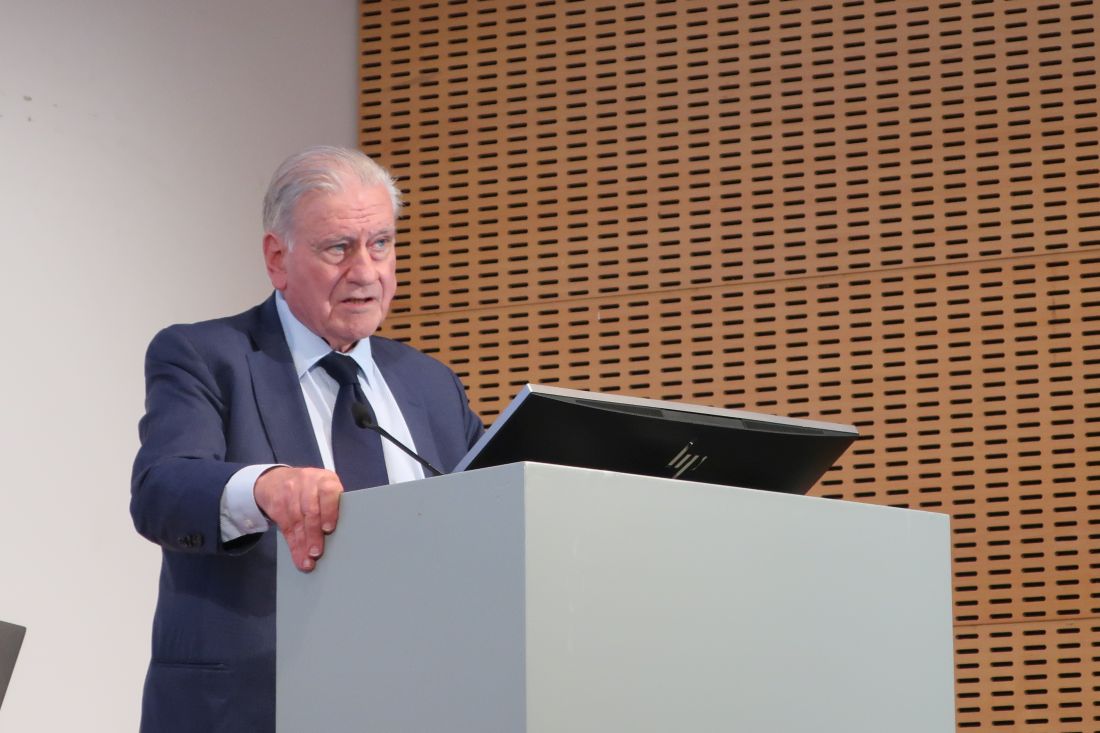
By “striking,” Dr. Fuster was referring to a 24% reduction in the hazard ratio of major adverse CV events (MACE) for a trial in which patients were followed for a median of 3 years. The primary composite endpoint consisted of cardiovascular death, MI, stroke, and urgent revascularization (HR, 0.76; P = .02).
AS for the secondary composite endpoint, confined to CV death, MI, and stroke, use of the polypill linked to an even greater relative advantage over usual care (HR, 0.70; P = .005).
SECURE trial is latest test of polypill concept
A polypill strategy has been pursued for more than 15 years, according to Dr. Fuster. Other polypill studies have also generated positive results, but the latest trial, called SECURE, is the largest prospective randomized trial to evaluate a single pill combining multiple therapies for secondary prevention.
The degree of relative benefit has “huge implications for clinical care,” reported the ESC-invited commentator, Louise Bowman, MBBS, MD, professor of medicine and clinical trials, University of Oxford (England). She called the findings “in line with what was expected,” but she agreed that the results will drive practice change.
The SECURE trial, published online in the New England Journal of Medicine at the time of its presentation at the ESC congress, randomized 2,499 patients over the age of 65 years who had a MI within the previous 6 months and at least one other risk factor, such as diabetes mellitus, kidney dysfunction, or a prior coronary revascularization. They were enrolled at 113 participating study centers in seven European countries.
Multiple polypill versions permit dose titration
The polypill consisted of aspirin in a fixed dose of 100 mg, the HMG CoA reductase inhibitor atorvastatin, and the ACE inhibitor ramipril. For atorvastatin and ramipril, the target doses were 40 mg and 10 mg, respectively, but different versions of the polypill were available to permit titration to a tolerated dose. Usual care was provided by participating investigators according to ESC recommendations.
The average age of those enrolled was 76 years. Nearly one-third (31%) were women. At baseline, most had hypertension (77.9%), and the majority had diabetes (57.4%).
When the events in the primary endpoint were assessed individually, the polypill was associated with a 33% relative reduction in the risk of CV death (HR, 0.67; P = .03). The reductions in the risk of nonfatal MI (HR, 0.71) and stroke (HR, 0.70) were of the same general magnitude although they did not reach statistical significance. There was no meaningful reduction in urgent revascularization (HR, 0.96).
In addition, the reduction in all-cause mortality (HR, 0.97) was not significant.
The rate of adverse events over the course of the study was 32.7% in the polypill group and 31.6% in the usual-care group, which did not differ significantly. There was also no difference in types of adverse events, including bleeding and other adverse events of interest, according to Dr. Fuster.
Adherence, which was monitored at 6 and 24 months using the Morisky Medication Adherence Scale, was characterized as low, medium, or high. More patients in the polypill group reached high adherence at 6 months (70.6% vs. 62.7%) and at 24 months (74.1% vs. 63.2%). Conversely, fewer patients in the polypill group were deemed to have low adherence at both time points.
“Probably, adherence is the most important reason of how this works,” Dr. Fuster said. Although there were no substantial differences in lipid levels or in systolic or diastolic blood pressure between the two groups when compared at 24 months, there are several theories that might explain the lower event rates in the polypill group, including a more sustained anti-inflammatory effect from greater adherence.
One potential limitation was the open-label design, but Dr. Bowman said that this was unavoidable, given the difficulty of blinding and the fact that comparing a single pill with multiple pills was “the point of the study.” She noted that the 14% withdrawal rate over the course of the trial, which was attributed largely to the COVID-19 pandemic, and the lower than planned enrollment (2,500 vs. a projected 3,000 patients) are also limitations, prohibiting “a more robust result,” but she did not dispute the conclusions.
Polypill benefit documented in all subgroups
While acknowledging these limitations, Dr. Fuster emphasized the consistency of these results with prior polypill studies and within the study. Of the 16 predefined subgroups, such as those created with stratifications for age, sex, comorbidities, and country of treatment, all benefited to a similar degree.
“This really validates the importance of the study,” Dr. Fuster said.
In addition to the implications for risk management globally, Dr. Fuster and others, including Dr. Bowman, spoke of the potential of a relatively inexpensive polypill to improve care in resource-limited settings. Despite the move toward greater personalization of medicine, Dr. Fuster called “simplicity the key to global health” initiatives.
Salim Yusuf, MD, DPhil, a leader in international polypill research, agreed. He believes the supportive data for this approach are conclusive.
“There are four positive trials of the polypill now and collectively the data are overwhelmingly clear,” Dr. Yusuf, professor of medicine, McMaster University, Hamilton, Ont., said in an interview. “The polypill should be considered in secondary prevention as well as in primary prevention for high-risk individuals. We have estimated that, if it is used in even 50% of those who should get it, it would avoid 2 million premature deaths from CV disease and 6 million nonfatal events. The next step is to implement the findings.”
Dr. Fuster, Dr. Bowman, and Dr. Yusuf reported no potential conflicts of interest.
Compared with separate medications in patients with a prior myocardial infarction, a single pill containing aspirin, a lipid-lowering agent, and an ACE inhibitor provided progressively greater protection from a second cardiovascular (CV) event over the course of a trial with several years of follow-up, according to results of a multinational trial.
“The curves began to separate at the very beginning of the trial, and they are continuing to separate, so we can begin to project the possibility that the results would be even more striking if we had an even longer follow-up,” said Valentin Fuster, MD, physician in chief, Mount Sinai Hospital, New York, who presented the results at the annual congress of the European Society of Cardiology.
By “striking,” Dr. Fuster was referring to a 24% reduction in the hazard ratio of major adverse CV events (MACE) for a trial in which patients were followed for a median of 3 years. The primary composite endpoint consisted of cardiovascular death, MI, stroke, and urgent revascularization (HR, 0.76; P = .02).
AS for the secondary composite endpoint, confined to CV death, MI, and stroke, use of the polypill linked to an even greater relative advantage over usual care (HR, 0.70; P = .005).
SECURE trial is latest test of polypill concept
A polypill strategy has been pursued for more than 15 years, according to Dr. Fuster. Other polypill studies have also generated positive results, but the latest trial, called SECURE, is the largest prospective randomized trial to evaluate a single pill combining multiple therapies for secondary prevention.
The degree of relative benefit has “huge implications for clinical care,” reported the ESC-invited commentator, Louise Bowman, MBBS, MD, professor of medicine and clinical trials, University of Oxford (England). She called the findings “in line with what was expected,” but she agreed that the results will drive practice change.
The SECURE trial, published online in the New England Journal of Medicine at the time of its presentation at the ESC congress, randomized 2,499 patients over the age of 65 years who had a MI within the previous 6 months and at least one other risk factor, such as diabetes mellitus, kidney dysfunction, or a prior coronary revascularization. They were enrolled at 113 participating study centers in seven European countries.
Multiple polypill versions permit dose titration
The polypill consisted of aspirin in a fixed dose of 100 mg, the HMG CoA reductase inhibitor atorvastatin, and the ACE inhibitor ramipril. For atorvastatin and ramipril, the target doses were 40 mg and 10 mg, respectively, but different versions of the polypill were available to permit titration to a tolerated dose. Usual care was provided by participating investigators according to ESC recommendations.
The average age of those enrolled was 76 years. Nearly one-third (31%) were women. At baseline, most had hypertension (77.9%), and the majority had diabetes (57.4%).
When the events in the primary endpoint were assessed individually, the polypill was associated with a 33% relative reduction in the risk of CV death (HR, 0.67; P = .03). The reductions in the risk of nonfatal MI (HR, 0.71) and stroke (HR, 0.70) were of the same general magnitude although they did not reach statistical significance. There was no meaningful reduction in urgent revascularization (HR, 0.96).
In addition, the reduction in all-cause mortality (HR, 0.97) was not significant.
The rate of adverse events over the course of the study was 32.7% in the polypill group and 31.6% in the usual-care group, which did not differ significantly. There was also no difference in types of adverse events, including bleeding and other adverse events of interest, according to Dr. Fuster.
Adherence, which was monitored at 6 and 24 months using the Morisky Medication Adherence Scale, was characterized as low, medium, or high. More patients in the polypill group reached high adherence at 6 months (70.6% vs. 62.7%) and at 24 months (74.1% vs. 63.2%). Conversely, fewer patients in the polypill group were deemed to have low adherence at both time points.
“Probably, adherence is the most important reason of how this works,” Dr. Fuster said. Although there were no substantial differences in lipid levels or in systolic or diastolic blood pressure between the two groups when compared at 24 months, there are several theories that might explain the lower event rates in the polypill group, including a more sustained anti-inflammatory effect from greater adherence.
One potential limitation was the open-label design, but Dr. Bowman said that this was unavoidable, given the difficulty of blinding and the fact that comparing a single pill with multiple pills was “the point of the study.” She noted that the 14% withdrawal rate over the course of the trial, which was attributed largely to the COVID-19 pandemic, and the lower than planned enrollment (2,500 vs. a projected 3,000 patients) are also limitations, prohibiting “a more robust result,” but she did not dispute the conclusions.
Polypill benefit documented in all subgroups
While acknowledging these limitations, Dr. Fuster emphasized the consistency of these results with prior polypill studies and within the study. Of the 16 predefined subgroups, such as those created with stratifications for age, sex, comorbidities, and country of treatment, all benefited to a similar degree.
“This really validates the importance of the study,” Dr. Fuster said.
In addition to the implications for risk management globally, Dr. Fuster and others, including Dr. Bowman, spoke of the potential of a relatively inexpensive polypill to improve care in resource-limited settings. Despite the move toward greater personalization of medicine, Dr. Fuster called “simplicity the key to global health” initiatives.
Salim Yusuf, MD, DPhil, a leader in international polypill research, agreed. He believes the supportive data for this approach are conclusive.
“There are four positive trials of the polypill now and collectively the data are overwhelmingly clear,” Dr. Yusuf, professor of medicine, McMaster University, Hamilton, Ont., said in an interview. “The polypill should be considered in secondary prevention as well as in primary prevention for high-risk individuals. We have estimated that, if it is used in even 50% of those who should get it, it would avoid 2 million premature deaths from CV disease and 6 million nonfatal events. The next step is to implement the findings.”
Dr. Fuster, Dr. Bowman, and Dr. Yusuf reported no potential conflicts of interest.
Compared with separate medications in patients with a prior myocardial infarction, a single pill containing aspirin, a lipid-lowering agent, and an ACE inhibitor provided progressively greater protection from a second cardiovascular (CV) event over the course of a trial with several years of follow-up, according to results of a multinational trial.
“The curves began to separate at the very beginning of the trial, and they are continuing to separate, so we can begin to project the possibility that the results would be even more striking if we had an even longer follow-up,” said Valentin Fuster, MD, physician in chief, Mount Sinai Hospital, New York, who presented the results at the annual congress of the European Society of Cardiology.
By “striking,” Dr. Fuster was referring to a 24% reduction in the hazard ratio of major adverse CV events (MACE) for a trial in which patients were followed for a median of 3 years. The primary composite endpoint consisted of cardiovascular death, MI, stroke, and urgent revascularization (HR, 0.76; P = .02).
AS for the secondary composite endpoint, confined to CV death, MI, and stroke, use of the polypill linked to an even greater relative advantage over usual care (HR, 0.70; P = .005).
SECURE trial is latest test of polypill concept
A polypill strategy has been pursued for more than 15 years, according to Dr. Fuster. Other polypill studies have also generated positive results, but the latest trial, called SECURE, is the largest prospective randomized trial to evaluate a single pill combining multiple therapies for secondary prevention.
The degree of relative benefit has “huge implications for clinical care,” reported the ESC-invited commentator, Louise Bowman, MBBS, MD, professor of medicine and clinical trials, University of Oxford (England). She called the findings “in line with what was expected,” but she agreed that the results will drive practice change.
The SECURE trial, published online in the New England Journal of Medicine at the time of its presentation at the ESC congress, randomized 2,499 patients over the age of 65 years who had a MI within the previous 6 months and at least one other risk factor, such as diabetes mellitus, kidney dysfunction, or a prior coronary revascularization. They were enrolled at 113 participating study centers in seven European countries.
Multiple polypill versions permit dose titration
The polypill consisted of aspirin in a fixed dose of 100 mg, the HMG CoA reductase inhibitor atorvastatin, and the ACE inhibitor ramipril. For atorvastatin and ramipril, the target doses were 40 mg and 10 mg, respectively, but different versions of the polypill were available to permit titration to a tolerated dose. Usual care was provided by participating investigators according to ESC recommendations.
The average age of those enrolled was 76 years. Nearly one-third (31%) were women. At baseline, most had hypertension (77.9%), and the majority had diabetes (57.4%).
When the events in the primary endpoint were assessed individually, the polypill was associated with a 33% relative reduction in the risk of CV death (HR, 0.67; P = .03). The reductions in the risk of nonfatal MI (HR, 0.71) and stroke (HR, 0.70) were of the same general magnitude although they did not reach statistical significance. There was no meaningful reduction in urgent revascularization (HR, 0.96).
In addition, the reduction in all-cause mortality (HR, 0.97) was not significant.
The rate of adverse events over the course of the study was 32.7% in the polypill group and 31.6% in the usual-care group, which did not differ significantly. There was also no difference in types of adverse events, including bleeding and other adverse events of interest, according to Dr. Fuster.
Adherence, which was monitored at 6 and 24 months using the Morisky Medication Adherence Scale, was characterized as low, medium, or high. More patients in the polypill group reached high adherence at 6 months (70.6% vs. 62.7%) and at 24 months (74.1% vs. 63.2%). Conversely, fewer patients in the polypill group were deemed to have low adherence at both time points.
“Probably, adherence is the most important reason of how this works,” Dr. Fuster said. Although there were no substantial differences in lipid levels or in systolic or diastolic blood pressure between the two groups when compared at 24 months, there are several theories that might explain the lower event rates in the polypill group, including a more sustained anti-inflammatory effect from greater adherence.
One potential limitation was the open-label design, but Dr. Bowman said that this was unavoidable, given the difficulty of blinding and the fact that comparing a single pill with multiple pills was “the point of the study.” She noted that the 14% withdrawal rate over the course of the trial, which was attributed largely to the COVID-19 pandemic, and the lower than planned enrollment (2,500 vs. a projected 3,000 patients) are also limitations, prohibiting “a more robust result,” but she did not dispute the conclusions.
Polypill benefit documented in all subgroups
While acknowledging these limitations, Dr. Fuster emphasized the consistency of these results with prior polypill studies and within the study. Of the 16 predefined subgroups, such as those created with stratifications for age, sex, comorbidities, and country of treatment, all benefited to a similar degree.
“This really validates the importance of the study,” Dr. Fuster said.
In addition to the implications for risk management globally, Dr. Fuster and others, including Dr. Bowman, spoke of the potential of a relatively inexpensive polypill to improve care in resource-limited settings. Despite the move toward greater personalization of medicine, Dr. Fuster called “simplicity the key to global health” initiatives.
Salim Yusuf, MD, DPhil, a leader in international polypill research, agreed. He believes the supportive data for this approach are conclusive.
“There are four positive trials of the polypill now and collectively the data are overwhelmingly clear,” Dr. Yusuf, professor of medicine, McMaster University, Hamilton, Ont., said in an interview. “The polypill should be considered in secondary prevention as well as in primary prevention for high-risk individuals. We have estimated that, if it is used in even 50% of those who should get it, it would avoid 2 million premature deaths from CV disease and 6 million nonfatal events. The next step is to implement the findings.”
Dr. Fuster, Dr. Bowman, and Dr. Yusuf reported no potential conflicts of interest.
FROM ESC CONGRESS 2022