User login
FDA approves Orilissa for endometriosis pain
The Food and Drug Administration has approved elagolix (Orilissa) for oral treatment of moderate to severe pain associated with endometriosis, announced AbbVie and Neurocrine Biosciences; this approval makes it the first such treatment in more than a decade. It is expected to be available in the United States in early August.

Elagolix is a gonadotropin-releasing hormone (GnRH) antagonist and the first and only one developed specifically for managing this kind of pain.
The approval is based on two 6-month, randomized, double-blind, placebo-controlled phase 3 trials that compared a total of 952 adult women treated with either elagolix with 734 treated with placebo. All of the women experienced moderate to severe endometriosis pain; their ages ranged from 18 to 49 years.
Of the women in the treatment group, 475 were treated with a 150-mg daily dose, and 477 were treated with a 200-mg twice-daily dose. Both treatment groups showed significantly greater mean reductions in pain – both daily menstrual and nonmenstrual pelvic pain – at 6 months. Furthermore, women in the 200-mg twice-daily group also showed statistically significant greater reductions in pain with sex at 3 months, compared with placebo. Altogether, these represent the three most common kinds of endometriosis pain.
The most concerning adverse event associated with elagolix is dose-dependent decreases in bone mineral density; this effect limits treatment to either 150 mg daily for up to 24 months or 200 mg twice daily for up to 6 months. Bone mineral density loss might not be completely reversible, even with treatment cessation. Common adverse events (occurring in at least 5%) included hot flush/night sweats, headache, and nausea. Elagolix is not recommended for women who are or may be pregnant, have osteoporosis, have severe liver disease, or take strong OATP1B1 inhibitors.
Full prescribing information, as well as further details on the approval, can be found on the AbbVie website.
The Food and Drug Administration has approved elagolix (Orilissa) for oral treatment of moderate to severe pain associated with endometriosis, announced AbbVie and Neurocrine Biosciences; this approval makes it the first such treatment in more than a decade. It is expected to be available in the United States in early August.
Elagolix is a gonadotropin-releasing hormone (GnRH) antagonist and the first and only one developed specifically for managing this kind of pain.
The approval is based on two 6-month, randomized, double-blind, placebo-controlled phase 3 trials that compared a total of 952 adult women treated with either elagolix with 734 treated with placebo. All of the women experienced moderate to severe endometriosis pain; their ages ranged from 18 to 49 years.
Of the women in the treatment group, 475 were treated with a 150-mg daily dose, and 477 were treated with a 200-mg twice-daily dose. Both treatment groups showed significantly greater mean reductions in pain – both daily menstrual and nonmenstrual pelvic pain – at 6 months. Furthermore, women in the 200-mg twice-daily group also showed statistically significant greater reductions in pain with sex at 3 months, compared with placebo. Altogether, these represent the three most common kinds of endometriosis pain.
The most concerning adverse event associated with elagolix is dose-dependent decreases in bone mineral density; this effect limits treatment to either 150 mg daily for up to 24 months or 200 mg twice daily for up to 6 months. Bone mineral density loss might not be completely reversible, even with treatment cessation. Common adverse events (occurring in at least 5%) included hot flush/night sweats, headache, and nausea. Elagolix is not recommended for women who are or may be pregnant, have osteoporosis, have severe liver disease, or take strong OATP1B1 inhibitors.
Full prescribing information, as well as further details on the approval, can be found on the AbbVie website.
The Food and Drug Administration has approved elagolix (Orilissa) for oral treatment of moderate to severe pain associated with endometriosis, announced AbbVie and Neurocrine Biosciences; this approval makes it the first such treatment in more than a decade. It is expected to be available in the United States in early August.
Elagolix is a gonadotropin-releasing hormone (GnRH) antagonist and the first and only one developed specifically for managing this kind of pain.
The approval is based on two 6-month, randomized, double-blind, placebo-controlled phase 3 trials that compared a total of 952 adult women treated with either elagolix with 734 treated with placebo. All of the women experienced moderate to severe endometriosis pain; their ages ranged from 18 to 49 years.
Of the women in the treatment group, 475 were treated with a 150-mg daily dose, and 477 were treated with a 200-mg twice-daily dose. Both treatment groups showed significantly greater mean reductions in pain – both daily menstrual and nonmenstrual pelvic pain – at 6 months. Furthermore, women in the 200-mg twice-daily group also showed statistically significant greater reductions in pain with sex at 3 months, compared with placebo. Altogether, these represent the three most common kinds of endometriosis pain.
The most concerning adverse event associated with elagolix is dose-dependent decreases in bone mineral density; this effect limits treatment to either 150 mg daily for up to 24 months or 200 mg twice daily for up to 6 months. Bone mineral density loss might not be completely reversible, even with treatment cessation. Common adverse events (occurring in at least 5%) included hot flush/night sweats, headache, and nausea. Elagolix is not recommended for women who are or may be pregnant, have osteoporosis, have severe liver disease, or take strong OATP1B1 inhibitors.
Full prescribing information, as well as further details on the approval, can be found on the AbbVie website.
FDA: Krintafel approved as ‘radical cure’ for preventing malaria relapse
The Food and Drug Administration has approved, under priority review, single-dose tafenoquine (to be marketed as Krintafel) for the prevention of relapse in patients aged 16 years and older who are receiving appropriate antimalarial therapy for acute Plasmodium vivax infection, according to an announcement by research partners GSK and the nonprofit Medicines for Malaria Venture.
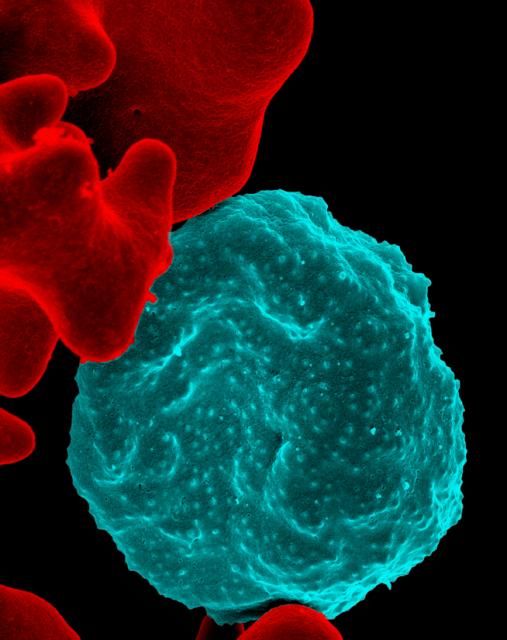
Clinical efficacy and safety of the 300-mg single-dose tablet was provided by three randomized, double-blind studies: DETECTIVE Part 1 and Part 2 (TAF112582) and GATHER (TAF116564). The results of the two phase III studies were announced in June 2017.
Tafenoquine is referred to as a “radical cure,” because it targets the dormant liver forms of P. vivax and is coadministered with currently available antimalarials such as chloroquine or artemisinin-based combination therapies.
“The world has waited decades for a new medicine to counter P. vivax malaria relapse. Today, we can say the wait is over. Moreover, as the first ever single-dose for this indication, Krintafel will help improve patient compliance,” David Reddy, MD, CEO of MMV stated.
The FDA approval letter and the Krintafel label information are available online.
The Food and Drug Administration has approved, under priority review, single-dose tafenoquine (to be marketed as Krintafel) for the prevention of relapse in patients aged 16 years and older who are receiving appropriate antimalarial therapy for acute Plasmodium vivax infection, according to an announcement by research partners GSK and the nonprofit Medicines for Malaria Venture.
Clinical efficacy and safety of the 300-mg single-dose tablet was provided by three randomized, double-blind studies: DETECTIVE Part 1 and Part 2 (TAF112582) and GATHER (TAF116564). The results of the two phase III studies were announced in June 2017.
Tafenoquine is referred to as a “radical cure,” because it targets the dormant liver forms of P. vivax and is coadministered with currently available antimalarials such as chloroquine or artemisinin-based combination therapies.
“The world has waited decades for a new medicine to counter P. vivax malaria relapse. Today, we can say the wait is over. Moreover, as the first ever single-dose for this indication, Krintafel will help improve patient compliance,” David Reddy, MD, CEO of MMV stated.
The FDA approval letter and the Krintafel label information are available online.
The Food and Drug Administration has approved, under priority review, single-dose tafenoquine (to be marketed as Krintafel) for the prevention of relapse in patients aged 16 years and older who are receiving appropriate antimalarial therapy for acute Plasmodium vivax infection, according to an announcement by research partners GSK and the nonprofit Medicines for Malaria Venture.
Clinical efficacy and safety of the 300-mg single-dose tablet was provided by three randomized, double-blind studies: DETECTIVE Part 1 and Part 2 (TAF112582) and GATHER (TAF116564). The results of the two phase III studies were announced in June 2017.
Tafenoquine is referred to as a “radical cure,” because it targets the dormant liver forms of P. vivax and is coadministered with currently available antimalarials such as chloroquine or artemisinin-based combination therapies.
“The world has waited decades for a new medicine to counter P. vivax malaria relapse. Today, we can say the wait is over. Moreover, as the first ever single-dose for this indication, Krintafel will help improve patient compliance,” David Reddy, MD, CEO of MMV stated.
The FDA approval letter and the Krintafel label information are available online.
Female survivor transmits Ebola virus 1 year after outbreak
Molecular analysis showed that a Liberian woman who survived Ebola virus disease in 2014 had viral persistence or recurrent disease and transmitted the virus to other family members a year later, according to a study published online in The Lancet Infectious Diseases.

Although the original 2014-2015 Ebola virus disease epidemic in West Africa had been contained, subsequent clusters of infection continued to occur in the region, according to researchers. A particular cluster in Liberia in November 2015 was identified after a 15-year-old boy in Monrovia tested positive.
Based on serology and epidemiological and genomic data, the researchers concluded that this cluster was caused by a woman who survived Ebola virus disease in 2014 and transmitted the virus to three family members a year later.
Ebola transmission from persistently infected male survivors is well documented, but this is the first confirmed evidence for Ebola transmission from a persistently infected female survivor, according to Emily Kainne Dokubo, MD, of the Centers for Disease Control and Prevention and her colleagues.
“The findings from this and recent Ebola virus disease clusters highlight the risk of Ebola virus disease flare-ups even after an outbreak is declared over. Risk assessment and focused prevention efforts are needed for Ebola survivors and their close contacts,” Dr. Dokubo and her colleagues concluded.
The study was funded by the CDC, Defense Threat Reduction Agency, and WHO.
SOURCE: Dokubo EK et al. The Lancet Infectious Diseases, July 23, 2018.
Molecular analysis showed that a Liberian woman who survived Ebola virus disease in 2014 had viral persistence or recurrent disease and transmitted the virus to other family members a year later, according to a study published online in The Lancet Infectious Diseases.
Although the original 2014-2015 Ebola virus disease epidemic in West Africa had been contained, subsequent clusters of infection continued to occur in the region, according to researchers. A particular cluster in Liberia in November 2015 was identified after a 15-year-old boy in Monrovia tested positive.
Based on serology and epidemiological and genomic data, the researchers concluded that this cluster was caused by a woman who survived Ebola virus disease in 2014 and transmitted the virus to three family members a year later.
Ebola transmission from persistently infected male survivors is well documented, but this is the first confirmed evidence for Ebola transmission from a persistently infected female survivor, according to Emily Kainne Dokubo, MD, of the Centers for Disease Control and Prevention and her colleagues.
“The findings from this and recent Ebola virus disease clusters highlight the risk of Ebola virus disease flare-ups even after an outbreak is declared over. Risk assessment and focused prevention efforts are needed for Ebola survivors and their close contacts,” Dr. Dokubo and her colleagues concluded.
The study was funded by the CDC, Defense Threat Reduction Agency, and WHO.
SOURCE: Dokubo EK et al. The Lancet Infectious Diseases, July 23, 2018.
Molecular analysis showed that a Liberian woman who survived Ebola virus disease in 2014 had viral persistence or recurrent disease and transmitted the virus to other family members a year later, according to a study published online in The Lancet Infectious Diseases.
Although the original 2014-2015 Ebola virus disease epidemic in West Africa had been contained, subsequent clusters of infection continued to occur in the region, according to researchers. A particular cluster in Liberia in November 2015 was identified after a 15-year-old boy in Monrovia tested positive.
Based on serology and epidemiological and genomic data, the researchers concluded that this cluster was caused by a woman who survived Ebola virus disease in 2014 and transmitted the virus to three family members a year later.
Ebola transmission from persistently infected male survivors is well documented, but this is the first confirmed evidence for Ebola transmission from a persistently infected female survivor, according to Emily Kainne Dokubo, MD, of the Centers for Disease Control and Prevention and her colleagues.
“The findings from this and recent Ebola virus disease clusters highlight the risk of Ebola virus disease flare-ups even after an outbreak is declared over. Risk assessment and focused prevention efforts are needed for Ebola survivors and their close contacts,” Dr. Dokubo and her colleagues concluded.
The study was funded by the CDC, Defense Threat Reduction Agency, and WHO.
SOURCE: Dokubo EK et al. The Lancet Infectious Diseases, July 23, 2018.
FROM THE LANCET INFECTIOUS DISEASES
FDA approves Nivestym, second biosimilar to Neupogen
Nivestym (filgrastim-aafi), a biosimilar to Neupogen (filgrastim) was approved July 20 by the Food and Drug Administration, according to a statement provided by the agency. Nivestym is the second biosimilar to Neupogen to be approved in the United States.
- Patients with cancer receiving myelosuppressive chemotherapy.
- Patients with acute myeloid leukemia receiving induction or consolidation chemotherapy.
- Patients with cancer undergoing bone marrow transplantation.
- Patients undergoing autologous peripheral blood progenitor cell collection and therapy.
- Patients with severe chronic neutropenia.
According to a press release from Pfizer, the manufacturer of the biosimilar, Nivestym is expected to be available in the United States at a significant discount to the current wholesale acquisition cost of Neupogen, which is not inclusive of discounts to payers, providers, distributors, and other purchasing organizations.
The FDA statement notes that a biosimilar is approved based on a showing that it is highly similar to an already approved biologic product, known as a reference product. The biosimilar also must be shown to have no clinically meaningful differences in terms of safety and effectiveness from the reference product. Only minor differences in clinically inactive components are allowable in biosimilar products.
Prescribing information is available here.
Nivestym (filgrastim-aafi), a biosimilar to Neupogen (filgrastim) was approved July 20 by the Food and Drug Administration, according to a statement provided by the agency. Nivestym is the second biosimilar to Neupogen to be approved in the United States.
- Patients with cancer receiving myelosuppressive chemotherapy.
- Patients with acute myeloid leukemia receiving induction or consolidation chemotherapy.
- Patients with cancer undergoing bone marrow transplantation.
- Patients undergoing autologous peripheral blood progenitor cell collection and therapy.
- Patients with severe chronic neutropenia.
According to a press release from Pfizer, the manufacturer of the biosimilar, Nivestym is expected to be available in the United States at a significant discount to the current wholesale acquisition cost of Neupogen, which is not inclusive of discounts to payers, providers, distributors, and other purchasing organizations.
The FDA statement notes that a biosimilar is approved based on a showing that it is highly similar to an already approved biologic product, known as a reference product. The biosimilar also must be shown to have no clinically meaningful differences in terms of safety and effectiveness from the reference product. Only minor differences in clinically inactive components are allowable in biosimilar products.
Prescribing information is available here.
Nivestym (filgrastim-aafi), a biosimilar to Neupogen (filgrastim) was approved July 20 by the Food and Drug Administration, according to a statement provided by the agency. Nivestym is the second biosimilar to Neupogen to be approved in the United States.
- Patients with cancer receiving myelosuppressive chemotherapy.
- Patients with acute myeloid leukemia receiving induction or consolidation chemotherapy.
- Patients with cancer undergoing bone marrow transplantation.
- Patients undergoing autologous peripheral blood progenitor cell collection and therapy.
- Patients with severe chronic neutropenia.
According to a press release from Pfizer, the manufacturer of the biosimilar, Nivestym is expected to be available in the United States at a significant discount to the current wholesale acquisition cost of Neupogen, which is not inclusive of discounts to payers, providers, distributors, and other purchasing organizations.
The FDA statement notes that a biosimilar is approved based on a showing that it is highly similar to an already approved biologic product, known as a reference product. The biosimilar also must be shown to have no clinically meaningful differences in terms of safety and effectiveness from the reference product. Only minor differences in clinically inactive components are allowable in biosimilar products.
Prescribing information is available here.
FDA approves IDH1 inhibitor for relapsed/refractory AML
The Food and Drug Administration has approved ivosidenib (Tibsovo) as the first treatment of adult patients with relapsed/refractory acute myeloid leukemia (AML) and an isocitrate dehydrogenase-1 (IDH1) mutation.
More specifically, the oral treatment has been approved for patients whose mutations have been identified by the Abbott RealTime IDH1 assay, a companion diagnostic test.
The approval was based on results from a phase 1, open-label, single-arm, multicenter, dose-escalation and expansion trial of adult patients in this AML population. The primary end point was combined complete remission and complete remission with partial hematologic improvement; this combined rate was 32.8%, and the median duration of this remission was 8.2 months.
The most serious adverse events included differentiation syndrome, QTc prolongation, and Guillain-Barré syndrome. Other adverse reactions included fatigue, leukocytosis, arthralgia, diarrhea, dyspnea, edema, and constipation.
Ivosidenib is marketed as Tibsovo by Agios Pharmaceuticals. The RealTime IDH1 Assay is marketed by Abbott Laboratories.
The Food and Drug Administration has approved ivosidenib (Tibsovo) as the first treatment of adult patients with relapsed/refractory acute myeloid leukemia (AML) and an isocitrate dehydrogenase-1 (IDH1) mutation.
More specifically, the oral treatment has been approved for patients whose mutations have been identified by the Abbott RealTime IDH1 assay, a companion diagnostic test.
The approval was based on results from a phase 1, open-label, single-arm, multicenter, dose-escalation and expansion trial of adult patients in this AML population. The primary end point was combined complete remission and complete remission with partial hematologic improvement; this combined rate was 32.8%, and the median duration of this remission was 8.2 months.
The most serious adverse events included differentiation syndrome, QTc prolongation, and Guillain-Barré syndrome. Other adverse reactions included fatigue, leukocytosis, arthralgia, diarrhea, dyspnea, edema, and constipation.
Ivosidenib is marketed as Tibsovo by Agios Pharmaceuticals. The RealTime IDH1 Assay is marketed by Abbott Laboratories.
The Food and Drug Administration has approved ivosidenib (Tibsovo) as the first treatment of adult patients with relapsed/refractory acute myeloid leukemia (AML) and an isocitrate dehydrogenase-1 (IDH1) mutation.
More specifically, the oral treatment has been approved for patients whose mutations have been identified by the Abbott RealTime IDH1 assay, a companion diagnostic test.
The approval was based on results from a phase 1, open-label, single-arm, multicenter, dose-escalation and expansion trial of adult patients in this AML population. The primary end point was combined complete remission and complete remission with partial hematologic improvement; this combined rate was 32.8%, and the median duration of this remission was 8.2 months.
The most serious adverse events included differentiation syndrome, QTc prolongation, and Guillain-Barré syndrome. Other adverse reactions included fatigue, leukocytosis, arthralgia, diarrhea, dyspnea, edema, and constipation.
Ivosidenib is marketed as Tibsovo by Agios Pharmaceuticals. The RealTime IDH1 Assay is marketed by Abbott Laboratories.
Essure sales to halt in U.S. by end of 2018
The Essure permanent birth control device will no longer be sold or distributed after Dec. 31, 2018, in the United States.
Bayer, the manufacturer of Essure, notified the Food and Drug Administration of its decision to halt U.S. sales of the device, Commissioner Scott Gottlieb, MD, announced July 20 in a press release. Dr. Gottlieb added that the agency would continue its commitment to postmarketing review of Essure. “We expect Bayer to meet its postmarket obligations concerning this device.”
Since its approval, Essure is estimated to have been used by more than 750,000 patients worldwide, the FDA release stated. The device has been associated with serious risks, including persistent pain, perforation of the uterus and fallopian tubes, and migration of the coils into the pelvis or abdomen.
“In April, when the FDA became aware that many patients were not being adequately counseled, we required a restriction, which limits the sale and distribution of the device to only health care providers and facilities that provide information to patients about the risks and benefits of this device and gives patients the opportunity to sign an acknowledgment that they fully understood these potential risks before having the device implanted. Since the FDA ordered Bayer to conduct the postmarket study and then to add a boxed warning and a Patient Decision Checklist to the labeling, there has been an approximate 70% decline in sales of Essure in the United States,” Dr. Gottlieb said in the FDA press release. The company stated its decision to halt sales and distribution of the device was because of commercial reasons.
“Numerous adverse events ... were reported to the FDA, including a significant collection of recent reports that have mentioned issues involving surgery to remove the device. We’re continuing our evaluation of these reports to better understand reasons for the device removal. The agency is committed to continuing to provide updates on our evaluation of this data as the information is collected and we develop new findings about the device.”
In September 2015, the FDA convened an expert panel to examine and follow up on complaints from Essure users that included abdominal pain, abnormal uterine bleeding, and device migration. In February 2016, the FDA ordered Bayer to conduct a postmarket (522) study to better evaluate the safety profile of the device when used in the real world. The following October, the agency issued the final guidance, “Labeling for Permanent Hysteroscopically Placed Tubal Implants Intended for Sterilization.” Soon thereafter, the FDA approved updated labeling for Essure that added a boxed warning and a Patient Decision Checklist.
In March 2018, the FDA reported a rise in new medical device reports submitted to the agency’s public database in 2017, with more than 90% of the reports involving potential device removal. The April restriction of sales and distribution was in response to concerns that not every patient was receiving adequate risk information.
“I want to stress that, even when Essure is no longer sold, the FDA will remain vigilant in protecting patients who’ve already had this device implanted. We’ll continue to monitor adverse events reported to our database, as well as other data sources. And we’ll communicate publicly on any new findings or concerns. The restriction on sale and distribution will remain in place. Regarding the postmarket 522 study, Bayer will continue to enroll new participants. Each study participant will be followed for a total of 3 years, and the company will continue to submit reports to the FDA on the study’s progress and results. Since Bayer will not be able to meet its expected enrollment numbers for this study that relied on enrolling patients who were newly implanted with Essure, we’ll be working with the company to best determine how to move forward to answer the critical questions we posed concerning certain patient complications that may be experienced by patients who have Essure,” Dr. Gottlieb stated.
He added that women who are using Essure successfully to prevent pregnancy should continue to do so, as “device removal has its own risks.”
The Essure permanent birth control device will no longer be sold or distributed after Dec. 31, 2018, in the United States.
Bayer, the manufacturer of Essure, notified the Food and Drug Administration of its decision to halt U.S. sales of the device, Commissioner Scott Gottlieb, MD, announced July 20 in a press release. Dr. Gottlieb added that the agency would continue its commitment to postmarketing review of Essure. “We expect Bayer to meet its postmarket obligations concerning this device.”
Since its approval, Essure is estimated to have been used by more than 750,000 patients worldwide, the FDA release stated. The device has been associated with serious risks, including persistent pain, perforation of the uterus and fallopian tubes, and migration of the coils into the pelvis or abdomen.
“In April, when the FDA became aware that many patients were not being adequately counseled, we required a restriction, which limits the sale and distribution of the device to only health care providers and facilities that provide information to patients about the risks and benefits of this device and gives patients the opportunity to sign an acknowledgment that they fully understood these potential risks before having the device implanted. Since the FDA ordered Bayer to conduct the postmarket study and then to add a boxed warning and a Patient Decision Checklist to the labeling, there has been an approximate 70% decline in sales of Essure in the United States,” Dr. Gottlieb said in the FDA press release. The company stated its decision to halt sales and distribution of the device was because of commercial reasons.
“Numerous adverse events ... were reported to the FDA, including a significant collection of recent reports that have mentioned issues involving surgery to remove the device. We’re continuing our evaluation of these reports to better understand reasons for the device removal. The agency is committed to continuing to provide updates on our evaluation of this data as the information is collected and we develop new findings about the device.”
In September 2015, the FDA convened an expert panel to examine and follow up on complaints from Essure users that included abdominal pain, abnormal uterine bleeding, and device migration. In February 2016, the FDA ordered Bayer to conduct a postmarket (522) study to better evaluate the safety profile of the device when used in the real world. The following October, the agency issued the final guidance, “Labeling for Permanent Hysteroscopically Placed Tubal Implants Intended for Sterilization.” Soon thereafter, the FDA approved updated labeling for Essure that added a boxed warning and a Patient Decision Checklist.
In March 2018, the FDA reported a rise in new medical device reports submitted to the agency’s public database in 2017, with more than 90% of the reports involving potential device removal. The April restriction of sales and distribution was in response to concerns that not every patient was receiving adequate risk information.
“I want to stress that, even when Essure is no longer sold, the FDA will remain vigilant in protecting patients who’ve already had this device implanted. We’ll continue to monitor adverse events reported to our database, as well as other data sources. And we’ll communicate publicly on any new findings or concerns. The restriction on sale and distribution will remain in place. Regarding the postmarket 522 study, Bayer will continue to enroll new participants. Each study participant will be followed for a total of 3 years, and the company will continue to submit reports to the FDA on the study’s progress and results. Since Bayer will not be able to meet its expected enrollment numbers for this study that relied on enrolling patients who were newly implanted with Essure, we’ll be working with the company to best determine how to move forward to answer the critical questions we posed concerning certain patient complications that may be experienced by patients who have Essure,” Dr. Gottlieb stated.
He added that women who are using Essure successfully to prevent pregnancy should continue to do so, as “device removal has its own risks.”
The Essure permanent birth control device will no longer be sold or distributed after Dec. 31, 2018, in the United States.
Bayer, the manufacturer of Essure, notified the Food and Drug Administration of its decision to halt U.S. sales of the device, Commissioner Scott Gottlieb, MD, announced July 20 in a press release. Dr. Gottlieb added that the agency would continue its commitment to postmarketing review of Essure. “We expect Bayer to meet its postmarket obligations concerning this device.”
Since its approval, Essure is estimated to have been used by more than 750,000 patients worldwide, the FDA release stated. The device has been associated with serious risks, including persistent pain, perforation of the uterus and fallopian tubes, and migration of the coils into the pelvis or abdomen.
“In April, when the FDA became aware that many patients were not being adequately counseled, we required a restriction, which limits the sale and distribution of the device to only health care providers and facilities that provide information to patients about the risks and benefits of this device and gives patients the opportunity to sign an acknowledgment that they fully understood these potential risks before having the device implanted. Since the FDA ordered Bayer to conduct the postmarket study and then to add a boxed warning and a Patient Decision Checklist to the labeling, there has been an approximate 70% decline in sales of Essure in the United States,” Dr. Gottlieb said in the FDA press release. The company stated its decision to halt sales and distribution of the device was because of commercial reasons.
“Numerous adverse events ... were reported to the FDA, including a significant collection of recent reports that have mentioned issues involving surgery to remove the device. We’re continuing our evaluation of these reports to better understand reasons for the device removal. The agency is committed to continuing to provide updates on our evaluation of this data as the information is collected and we develop new findings about the device.”
In September 2015, the FDA convened an expert panel to examine and follow up on complaints from Essure users that included abdominal pain, abnormal uterine bleeding, and device migration. In February 2016, the FDA ordered Bayer to conduct a postmarket (522) study to better evaluate the safety profile of the device when used in the real world. The following October, the agency issued the final guidance, “Labeling for Permanent Hysteroscopically Placed Tubal Implants Intended for Sterilization.” Soon thereafter, the FDA approved updated labeling for Essure that added a boxed warning and a Patient Decision Checklist.
In March 2018, the FDA reported a rise in new medical device reports submitted to the agency’s public database in 2017, with more than 90% of the reports involving potential device removal. The April restriction of sales and distribution was in response to concerns that not every patient was receiving adequate risk information.
“I want to stress that, even when Essure is no longer sold, the FDA will remain vigilant in protecting patients who’ve already had this device implanted. We’ll continue to monitor adverse events reported to our database, as well as other data sources. And we’ll communicate publicly on any new findings or concerns. The restriction on sale and distribution will remain in place. Regarding the postmarket 522 study, Bayer will continue to enroll new participants. Each study participant will be followed for a total of 3 years, and the company will continue to submit reports to the FDA on the study’s progress and results. Since Bayer will not be able to meet its expected enrollment numbers for this study that relied on enrolling patients who were newly implanted with Essure, we’ll be working with the company to best determine how to move forward to answer the critical questions we posed concerning certain patient complications that may be experienced by patients who have Essure,” Dr. Gottlieb stated.
He added that women who are using Essure successfully to prevent pregnancy should continue to do so, as “device removal has its own risks.”
FDA expands indication for ribociclib for advanced breast cancer
The Food and Drug Administration has approved ribociclib (Kisqali) in combination with an aromatase inhibitor (AI) for the treatment of pre/perimenopausal or postmenopausal women with hormone receptor (HR)-positive, human epidermal growth factor receptor 2 (HER2)–negative advanced or metastatic breast cancer, as initial endocrine-based therapy.
Ribociclib was first approved in March 2017 for use with an AI to treat HR-positive, HER2-negative advanced breast cancer in postmenopausal women.
Approval for ribociclib in combination with an AI for pre/perimenopausal women was based on progression-free survival (PFS) in MONALEESA-7, a trial of premenopausal women with HR-positive, HER2-negative, advanced breast cancer. The women received either ribociclib and an AI, or placebo and an AI, and all also received ovarian suppression with goserelin (Zoladex). Of 495 women who received nonsteroidal AIs, median PFS was 27.5 months for women also receiving ribociclib, versus 13.8 months for women who received placebo plus the AI.
Approval for ribociclib in combination with fulvestrant in treating advanced or metastatic breast cancer was based on PFS results from MONALEESA-3, which enrolled 726 women with HR-positive, HER2-negative, advanced breast cancer who received no or up to one line of prior endocrine therapy. Median PFS was 20.5 months for women randomized to receive ribociclib and fulvestrant, compared with 12.8 months for women randomized to receive placebo plus fulvestrant.
The common side effects of ribociclib are infections, neutropenia, leukopenia, headache, cough, nausea, fatigue, diarrhea, vomiting, constipation, hair loss, and rash. Warnings include the risk of QT prolongation, serious liver problems, low white blood cell counts, and fetal harm, the FDA said.
This is the first FDA approval as part of two new pilot programs announced earlier this year: Real-Time Oncology Review allows for the FDA to review much of the data earlier, before the information is formally submitted to the FDA, and the Assessment Aid is a structured template that offers a more streamlined approach.
“With today’s approval, the FDA used these new approaches to allow the review team to start analyzing data before the actual submission of the application and help guide the sponsor’s analysis of the top-line data to tease out the most relevant information,” FDA Commissioner Scott Gottlieb, MD, said in the press statement. “This enabled our approval less than 1 month after the June 28 submission date and several months ahead of the goal date.”
The two pilot programs are currently being used for supplemental applications for already approved cancer drugs and could later be expanded to original drugs and biologics, the FDA said.
Ribociclib is marketed as Kisqali by Novartis Pharmaceuticals Corporation.
The Food and Drug Administration has approved ribociclib (Kisqali) in combination with an aromatase inhibitor (AI) for the treatment of pre/perimenopausal or postmenopausal women with hormone receptor (HR)-positive, human epidermal growth factor receptor 2 (HER2)–negative advanced or metastatic breast cancer, as initial endocrine-based therapy.
Ribociclib was first approved in March 2017 for use with an AI to treat HR-positive, HER2-negative advanced breast cancer in postmenopausal women.
Approval for ribociclib in combination with an AI for pre/perimenopausal women was based on progression-free survival (PFS) in MONALEESA-7, a trial of premenopausal women with HR-positive, HER2-negative, advanced breast cancer. The women received either ribociclib and an AI, or placebo and an AI, and all also received ovarian suppression with goserelin (Zoladex). Of 495 women who received nonsteroidal AIs, median PFS was 27.5 months for women also receiving ribociclib, versus 13.8 months for women who received placebo plus the AI.
Approval for ribociclib in combination with fulvestrant in treating advanced or metastatic breast cancer was based on PFS results from MONALEESA-3, which enrolled 726 women with HR-positive, HER2-negative, advanced breast cancer who received no or up to one line of prior endocrine therapy. Median PFS was 20.5 months for women randomized to receive ribociclib and fulvestrant, compared with 12.8 months for women randomized to receive placebo plus fulvestrant.
The common side effects of ribociclib are infections, neutropenia, leukopenia, headache, cough, nausea, fatigue, diarrhea, vomiting, constipation, hair loss, and rash. Warnings include the risk of QT prolongation, serious liver problems, low white blood cell counts, and fetal harm, the FDA said.
This is the first FDA approval as part of two new pilot programs announced earlier this year: Real-Time Oncology Review allows for the FDA to review much of the data earlier, before the information is formally submitted to the FDA, and the Assessment Aid is a structured template that offers a more streamlined approach.
“With today’s approval, the FDA used these new approaches to allow the review team to start analyzing data before the actual submission of the application and help guide the sponsor’s analysis of the top-line data to tease out the most relevant information,” FDA Commissioner Scott Gottlieb, MD, said in the press statement. “This enabled our approval less than 1 month after the June 28 submission date and several months ahead of the goal date.”
The two pilot programs are currently being used for supplemental applications for already approved cancer drugs and could later be expanded to original drugs and biologics, the FDA said.
Ribociclib is marketed as Kisqali by Novartis Pharmaceuticals Corporation.
The Food and Drug Administration has approved ribociclib (Kisqali) in combination with an aromatase inhibitor (AI) for the treatment of pre/perimenopausal or postmenopausal women with hormone receptor (HR)-positive, human epidermal growth factor receptor 2 (HER2)–negative advanced or metastatic breast cancer, as initial endocrine-based therapy.
Ribociclib was first approved in March 2017 for use with an AI to treat HR-positive, HER2-negative advanced breast cancer in postmenopausal women.
Approval for ribociclib in combination with an AI for pre/perimenopausal women was based on progression-free survival (PFS) in MONALEESA-7, a trial of premenopausal women with HR-positive, HER2-negative, advanced breast cancer. The women received either ribociclib and an AI, or placebo and an AI, and all also received ovarian suppression with goserelin (Zoladex). Of 495 women who received nonsteroidal AIs, median PFS was 27.5 months for women also receiving ribociclib, versus 13.8 months for women who received placebo plus the AI.
Approval for ribociclib in combination with fulvestrant in treating advanced or metastatic breast cancer was based on PFS results from MONALEESA-3, which enrolled 726 women with HR-positive, HER2-negative, advanced breast cancer who received no or up to one line of prior endocrine therapy. Median PFS was 20.5 months for women randomized to receive ribociclib and fulvestrant, compared with 12.8 months for women randomized to receive placebo plus fulvestrant.
The common side effects of ribociclib are infections, neutropenia, leukopenia, headache, cough, nausea, fatigue, diarrhea, vomiting, constipation, hair loss, and rash. Warnings include the risk of QT prolongation, serious liver problems, low white blood cell counts, and fetal harm, the FDA said.
This is the first FDA approval as part of two new pilot programs announced earlier this year: Real-Time Oncology Review allows for the FDA to review much of the data earlier, before the information is formally submitted to the FDA, and the Assessment Aid is a structured template that offers a more streamlined approach.
“With today’s approval, the FDA used these new approaches to allow the review team to start analyzing data before the actual submission of the application and help guide the sponsor’s analysis of the top-line data to tease out the most relevant information,” FDA Commissioner Scott Gottlieb, MD, said in the press statement. “This enabled our approval less than 1 month after the June 28 submission date and several months ahead of the goal date.”
The two pilot programs are currently being used for supplemental applications for already approved cancer drugs and could later be expanded to original drugs and biologics, the FDA said.
Ribociclib is marketed as Kisqali by Novartis Pharmaceuticals Corporation.
FDA issues guidance for hemophilia gene therapy development
The Food and Drug Administration issued its first-ever guidance on the development of human gene therapy for hemophilia.
The draft document provides a glimpse at the agency’s current thinking on clinical trial design and preclinical considerations in developing gene therapies. Specifically, it provides information to help companies set surrogate endpoints when seeking accelerated approval for hemophilia gene therapy products.
The hemophilia guidance is one of three disease-specific guidance documents. The other two clinical areas are retinal disorders and rare diseases.
FDA officials also issued updates to three more technical documents that deal with manufacturing of gene therapies.
The overall framework is similar to what FDA officials issued in 2017 for regenerative medicine. In a statement, FDA Commissioner Scott Gottlieb, MD, said the agency was responding to an increasing number of gene therapy approvals and anticipated development.
“Once just a theory, gene therapies are now a therapeutic reality for some patients,” Dr. Gottlieb said. “These platforms may have the potential to treat and cure some of our most intractable and vexing diseases. The policy framework we construct for how these products should be developed, reviewed by regulators, and reimbursed, will help set the stage for the continued advancement of this new market.”
The Food and Drug Administration issued its first-ever guidance on the development of human gene therapy for hemophilia.
The draft document provides a glimpse at the agency’s current thinking on clinical trial design and preclinical considerations in developing gene therapies. Specifically, it provides information to help companies set surrogate endpoints when seeking accelerated approval for hemophilia gene therapy products.
The hemophilia guidance is one of three disease-specific guidance documents. The other two clinical areas are retinal disorders and rare diseases.
FDA officials also issued updates to three more technical documents that deal with manufacturing of gene therapies.
The overall framework is similar to what FDA officials issued in 2017 for regenerative medicine. In a statement, FDA Commissioner Scott Gottlieb, MD, said the agency was responding to an increasing number of gene therapy approvals and anticipated development.
“Once just a theory, gene therapies are now a therapeutic reality for some patients,” Dr. Gottlieb said. “These platforms may have the potential to treat and cure some of our most intractable and vexing diseases. The policy framework we construct for how these products should be developed, reviewed by regulators, and reimbursed, will help set the stage for the continued advancement of this new market.”
The Food and Drug Administration issued its first-ever guidance on the development of human gene therapy for hemophilia.
The draft document provides a glimpse at the agency’s current thinking on clinical trial design and preclinical considerations in developing gene therapies. Specifically, it provides information to help companies set surrogate endpoints when seeking accelerated approval for hemophilia gene therapy products.
The hemophilia guidance is one of three disease-specific guidance documents. The other two clinical areas are retinal disorders and rare diseases.
FDA officials also issued updates to three more technical documents that deal with manufacturing of gene therapies.
The overall framework is similar to what FDA officials issued in 2017 for regenerative medicine. In a statement, FDA Commissioner Scott Gottlieb, MD, said the agency was responding to an increasing number of gene therapy approvals and anticipated development.
“Once just a theory, gene therapies are now a therapeutic reality for some patients,” Dr. Gottlieb said. “These platforms may have the potential to treat and cure some of our most intractable and vexing diseases. The policy framework we construct for how these products should be developed, reviewed by regulators, and reimbursed, will help set the stage for the continued advancement of this new market.”
FDA approves enzalutamide for non-metastatic CRPC
The Food and Drug Administration has expanded the prostate cancer indication for enzalutamide to include nonmetastatic castration-resistant prostate cancer (CRPC). The androgen-receptor inhibitor was first approved in 2012 for the treatment of patients with metastatic CRPC who had previously received chemotherapy and was granted approval in 2014 for men with metastatic CRPC who had not received chemotherapy.
The current approval was based on a statistically significant improvement in metastasis-free survival for patients receiving enzalutamide in the phase 3 PROSPER trial, a trial that randomized 1,401 patients (2:1) with nonmetastatic CRPC to 160 mg of oral enzalutamide daily or to placebo. Median metastasis-free survival was 36.6 months for those receiving enzalutamide versus 14.7 months for those receiving placebo (hazard ratio, 0.29; 95% confidence interval, 0.24-0.35; P less than .0001), the FDA said in a press statement.
The most common adverse events were asthenia/fatigue, hot flush, hypertension, dizziness, nausea, and falls.
The recommended dose for enzalutamide, marketed as Xtandi by Astellas Pharma US, is 160 mg (four 40-mg capsules) administered orally once daily.
The Food and Drug Administration has expanded the prostate cancer indication for enzalutamide to include nonmetastatic castration-resistant prostate cancer (CRPC). The androgen-receptor inhibitor was first approved in 2012 for the treatment of patients with metastatic CRPC who had previously received chemotherapy and was granted approval in 2014 for men with metastatic CRPC who had not received chemotherapy.
The current approval was based on a statistically significant improvement in metastasis-free survival for patients receiving enzalutamide in the phase 3 PROSPER trial, a trial that randomized 1,401 patients (2:1) with nonmetastatic CRPC to 160 mg of oral enzalutamide daily or to placebo. Median metastasis-free survival was 36.6 months for those receiving enzalutamide versus 14.7 months for those receiving placebo (hazard ratio, 0.29; 95% confidence interval, 0.24-0.35; P less than .0001), the FDA said in a press statement.
The most common adverse events were asthenia/fatigue, hot flush, hypertension, dizziness, nausea, and falls.
The recommended dose for enzalutamide, marketed as Xtandi by Astellas Pharma US, is 160 mg (four 40-mg capsules) administered orally once daily.
The Food and Drug Administration has expanded the prostate cancer indication for enzalutamide to include nonmetastatic castration-resistant prostate cancer (CRPC). The androgen-receptor inhibitor was first approved in 2012 for the treatment of patients with metastatic CRPC who had previously received chemotherapy and was granted approval in 2014 for men with metastatic CRPC who had not received chemotherapy.
The current approval was based on a statistically significant improvement in metastasis-free survival for patients receiving enzalutamide in the phase 3 PROSPER trial, a trial that randomized 1,401 patients (2:1) with nonmetastatic CRPC to 160 mg of oral enzalutamide daily or to placebo. Median metastasis-free survival was 36.6 months for those receiving enzalutamide versus 14.7 months for those receiving placebo (hazard ratio, 0.29; 95% confidence interval, 0.24-0.35; P less than .0001), the FDA said in a press statement.
The most common adverse events were asthenia/fatigue, hot flush, hypertension, dizziness, nausea, and falls.
The recommended dose for enzalutamide, marketed as Xtandi by Astellas Pharma US, is 160 mg (four 40-mg capsules) administered orally once daily.
FDA grants accelerated approval to ipilimumab/nivolumab combo for CRC
The Food and Drug Administration has granted accelerated approval to ipilimumab (Yervoy) for the treatment of colorectal cancer (CRC) in patients aged 12 years and older, in combination with nivolumab (Opdivo). Specifically, this indication is for microsatellite instability–high or mismatch repair deficient metastatic CRC that has progressed after treatment with a fluoropyrimidine, oxaliplatin, or irinotecan, the FDA said in a press announcement.
This new use has been added to the nivolumab labeling; nivolumab received an accelerated approval of its own on July 31, 2017, as a single-agent treatment for these kinds of CRCs.
These approvals were based on the overall response rate in the nonrandomized CheckMate 142 trial. In the multiple parallel-cohort, open-label study, 82 patients received 1 mg/kg of IV ipilimumab and 3 mg/kg of IV nivolumab every 3 weeks for four doses, followed by 3 mg/kg of IV nivolumab alone every 2 weeks until either radiographic progression or unacceptable toxicity.
Their overall response rate was 46%, and 89% of those responding had response durations greater than 6 months. These rates were higher than those observed in a separate cohort of 58 patients who received only nivolumab: 28% and 67%, respectively.
The most common adverse events were fatigue, diarrhea, pyrexia, musculoskeletal pain, abdominal pain, pruritus, nausea, rash, dyspnea, decreased appetite, and vomiting.
Full prescribing information for ipilimumab and nivolumab can be found on the FDA website.
The Food and Drug Administration has granted accelerated approval to ipilimumab (Yervoy) for the treatment of colorectal cancer (CRC) in patients aged 12 years and older, in combination with nivolumab (Opdivo). Specifically, this indication is for microsatellite instability–high or mismatch repair deficient metastatic CRC that has progressed after treatment with a fluoropyrimidine, oxaliplatin, or irinotecan, the FDA said in a press announcement.
This new use has been added to the nivolumab labeling; nivolumab received an accelerated approval of its own on July 31, 2017, as a single-agent treatment for these kinds of CRCs.
These approvals were based on the overall response rate in the nonrandomized CheckMate 142 trial. In the multiple parallel-cohort, open-label study, 82 patients received 1 mg/kg of IV ipilimumab and 3 mg/kg of IV nivolumab every 3 weeks for four doses, followed by 3 mg/kg of IV nivolumab alone every 2 weeks until either radiographic progression or unacceptable toxicity.
Their overall response rate was 46%, and 89% of those responding had response durations greater than 6 months. These rates were higher than those observed in a separate cohort of 58 patients who received only nivolumab: 28% and 67%, respectively.
The most common adverse events were fatigue, diarrhea, pyrexia, musculoskeletal pain, abdominal pain, pruritus, nausea, rash, dyspnea, decreased appetite, and vomiting.
Full prescribing information for ipilimumab and nivolumab can be found on the FDA website.
The Food and Drug Administration has granted accelerated approval to ipilimumab (Yervoy) for the treatment of colorectal cancer (CRC) in patients aged 12 years and older, in combination with nivolumab (Opdivo). Specifically, this indication is for microsatellite instability–high or mismatch repair deficient metastatic CRC that has progressed after treatment with a fluoropyrimidine, oxaliplatin, or irinotecan, the FDA said in a press announcement.
This new use has been added to the nivolumab labeling; nivolumab received an accelerated approval of its own on July 31, 2017, as a single-agent treatment for these kinds of CRCs.
These approvals were based on the overall response rate in the nonrandomized CheckMate 142 trial. In the multiple parallel-cohort, open-label study, 82 patients received 1 mg/kg of IV ipilimumab and 3 mg/kg of IV nivolumab every 3 weeks for four doses, followed by 3 mg/kg of IV nivolumab alone every 2 weeks until either radiographic progression or unacceptable toxicity.
Their overall response rate was 46%, and 89% of those responding had response durations greater than 6 months. These rates were higher than those observed in a separate cohort of 58 patients who received only nivolumab: 28% and 67%, respectively.
The most common adverse events were fatigue, diarrhea, pyrexia, musculoskeletal pain, abdominal pain, pruritus, nausea, rash, dyspnea, decreased appetite, and vomiting.
Full prescribing information for ipilimumab and nivolumab can be found on the FDA website.