Outcomes for mechanically ventilated adults with sepsis receiving light sedation were the same whether they received dexmedetomidine or propofol, according to data from a 13-center randomized, controlled, double-blind study published online Feb. 2 in the New England Journal of Medicine.
Dexmedetomidine (an alpha2-receptor agonist) and propofol (a gamma-aminobutyric acid [GABA]–receptor agonist) have similar safety profiles.
The findings from the Maximizing the Efficacy of Sedation and Reducing Neurological Dysfunction and Mortality in Septic Patients with Acute Respiratory Failure (MENDS2) trial were published on an accelerated schedule to coincide with the Critical Care Congress sponsored by the Society of Critical Care Medicine.
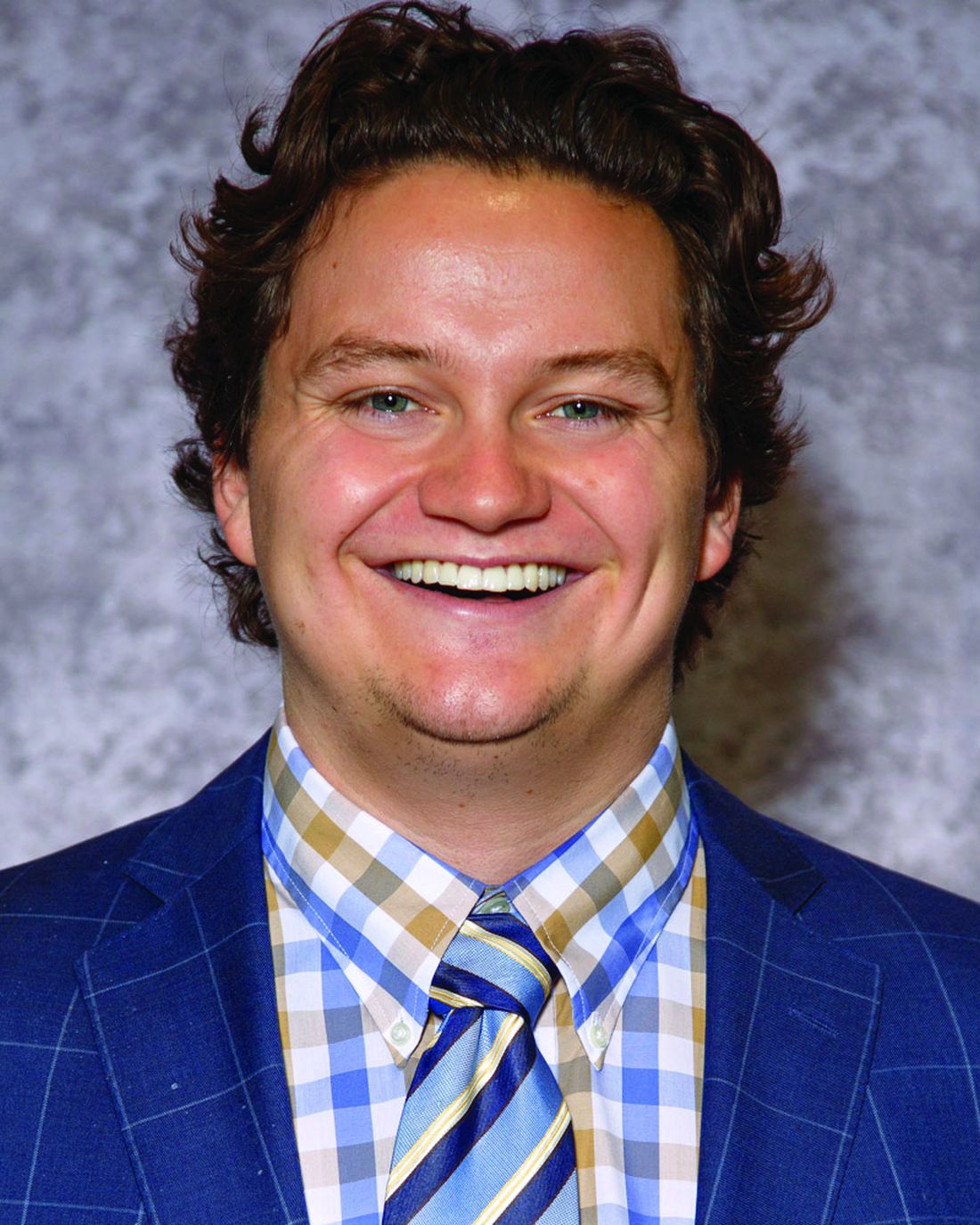
Lead author Christopher G. Hughes, MD, chief of anesthesiology in critical care medicine at Vanderbilt University Medical Center, Nashville, Tenn., told this news organization that previous trials have shown that dexmedetomidine is likely superior to benzodiazepines, especially in improving delirium, coma, and time on a ventilator. Until this trial, dexmedetomidine’s performance in a head-to-head comparison with propofol – the current standard-of-care agent – was not clear.
Researchers discovered that, “despite theoretical advantages of dexmedetomidine, that did not translate into the clinical realm when patients were receiving up-to-date sedation care,” he said.
Guidelines currently recommend either drug when light sedation is needed for adults on ventilators. The drugs are different in the way they affect arousability, immunity, and inflammation, but a comparison of outcomes in adults with sepsis – in terms of days alive without brain dysfunction – had never before been performed in a randomized, controlled trial.
In this trial, 422 patients were randomly assigned to receive either dexmedetomidine (0.15-1.5 mcg/kg of body weight per hour) or propofol (5-50 mcg/kg per minute). Doses were adjusted by bedside nurses (who were unblinded) to achieve specified sedation goals.
The primary outcome was days alive without delirium or coma in the 14 days of intervention. The researchers found no difference between the two groups (adjusted median, 10.7 vs. 10.8 days; odds ratio, 0.96; 95% confidence interval, 0.74-1.26).
There was also little difference in three secondary outcomes: ventilator-free days (adjusted median, 23.7 vs. 24.0 days; OR, 0.98); death at 90 days (38% vs. 39%; hazard ratio, 1.06); or the Telephone Interview for Cognitive Status (TICS) Total score measuring global cognition at 6 months (adjusted median score, 40.9 vs. 41.4; OR, 0.94).
Dr. Hughes said the researchers “specifically went with a high-severity-of-illness cohort that would be most likely to see an effect.”
He said the drugs have different adverse-effect profiles, so a clinician can consider those in deciding between the two, but either should be fine at baseline.
The researchers note that at least 20 million patients each year develop sepsis with severe organ dysfunction, and more than 20% receive mechanical ventilation.
Confirmation of current guidelines
Sandra Kane-Gill, PharmD, president-elect of SCCM, stated in an interview that she is impressed with the study design and said the results give definitive confirmation of current guidelines.
“The rigorous study design is different from previous comparative-effectiveness trials on the drugs in this group of patients,” she said.
As to what clinicians think about when choosing one over the other, Dr. Kane-Gill said that with dexmedetomidine, there may be more concern about bradycardia, whereas propofol may be associated with concerns of high triglycerides.
“There may be more comfort with use of propofol,” and dexmedetomidine can be more costly than propofol, she added, so those could be factors in decision-making as well.
Dr. Hughes said this study offers a robust look at cognition after the ICU, which is getting increasing attention.
“We had a much more extensive cognitive battery we performed on patients than in previous studies,” Dr. Hughes said, “and it’s important that we did not find a difference in either the main cognition or the other cognitive scores between the two agents.”
Enrollment was completed before the pandemic, but he said the results are relevant to COVID-19 patients because those who are on ventilators in the ICU are in a sick, septic-shock cohort.
“COVID patients would be the type of patients we enrolled in this study,” he said, “with the high severity of illness and the infection on top of being on a ventilator. We know that sedation regimens have been challenging in COVID patients.”
Dr. Hughes and Dr. Kane-Gill have disclosed no relevant financial relationships.
A version of this article first appeared on Medscape.com.
Outcomes for mechanically ventilated adults with sepsis receiving light sedation were the same whether they received dexmedetomidine or propofol, according to data from a 13-center randomized, controlled, double-blind study published online Feb. 2 in the New England Journal of Medicine.
Dexmedetomidine (an alpha2-receptor agonist) and propofol (a gamma-aminobutyric acid [GABA]–receptor agonist) have similar safety profiles.
The findings from the Maximizing the Efficacy of Sedation and Reducing Neurological Dysfunction and Mortality in Septic Patients with Acute Respiratory Failure (MENDS2) trial were published on an accelerated schedule to coincide with the Critical Care Congress sponsored by the Society of Critical Care Medicine.
Lead author Christopher G. Hughes, MD, chief of anesthesiology in critical care medicine at Vanderbilt University Medical Center, Nashville, Tenn., told this news organization that previous trials have shown that dexmedetomidine is likely superior to benzodiazepines, especially in improving delirium, coma, and time on a ventilator. Until this trial, dexmedetomidine’s performance in a head-to-head comparison with propofol – the current standard-of-care agent – was not clear.
Researchers discovered that, “despite theoretical advantages of dexmedetomidine, that did not translate into the clinical realm when patients were receiving up-to-date sedation care,” he said.
Guidelines currently recommend either drug when light sedation is needed for adults on ventilators. The drugs are different in the way they affect arousability, immunity, and inflammation, but a comparison of outcomes in adults with sepsis – in terms of days alive without brain dysfunction – had never before been performed in a randomized, controlled trial.
In this trial, 422 patients were randomly assigned to receive either dexmedetomidine (0.15-1.5 mcg/kg of body weight per hour) or propofol (5-50 mcg/kg per minute). Doses were adjusted by bedside nurses (who were unblinded) to achieve specified sedation goals.
The primary outcome was days alive without delirium or coma in the 14 days of intervention. The researchers found no difference between the two groups (adjusted median, 10.7 vs. 10.8 days; odds ratio, 0.96; 95% confidence interval, 0.74-1.26).
There was also little difference in three secondary outcomes: ventilator-free days (adjusted median, 23.7 vs. 24.0 days; OR, 0.98); death at 90 days (38% vs. 39%; hazard ratio, 1.06); or the Telephone Interview for Cognitive Status (TICS) Total score measuring global cognition at 6 months (adjusted median score, 40.9 vs. 41.4; OR, 0.94).
Dr. Hughes said the researchers “specifically went with a high-severity-of-illness cohort that would be most likely to see an effect.”
He said the drugs have different adverse-effect profiles, so a clinician can consider those in deciding between the two, but either should be fine at baseline.
The researchers note that at least 20 million patients each year develop sepsis with severe organ dysfunction, and more than 20% receive mechanical ventilation.
Confirmation of current guidelines
Sandra Kane-Gill, PharmD, president-elect of SCCM, stated in an interview that she is impressed with the study design and said the results give definitive confirmation of current guidelines.
“The rigorous study design is different from previous comparative-effectiveness trials on the drugs in this group of patients,” she said.
As to what clinicians think about when choosing one over the other, Dr. Kane-Gill said that with dexmedetomidine, there may be more concern about bradycardia, whereas propofol may be associated with concerns of high triglycerides.
“There may be more comfort with use of propofol,” and dexmedetomidine can be more costly than propofol, she added, so those could be factors in decision-making as well.
Dr. Hughes said this study offers a robust look at cognition after the ICU, which is getting increasing attention.
“We had a much more extensive cognitive battery we performed on patients than in previous studies,” Dr. Hughes said, “and it’s important that we did not find a difference in either the main cognition or the other cognitive scores between the two agents.”
Enrollment was completed before the pandemic, but he said the results are relevant to COVID-19 patients because those who are on ventilators in the ICU are in a sick, septic-shock cohort.
“COVID patients would be the type of patients we enrolled in this study,” he said, “with the high severity of illness and the infection on top of being on a ventilator. We know that sedation regimens have been challenging in COVID patients.”
Dr. Hughes and Dr. Kane-Gill have disclosed no relevant financial relationships.
A version of this article first appeared on Medscape.com.
Outcomes for mechanically ventilated adults with sepsis receiving light sedation were the same whether they received dexmedetomidine or propofol, according to data from a 13-center randomized, controlled, double-blind study published online Feb. 2 in the New England Journal of Medicine.
Dexmedetomidine (an alpha2-receptor agonist) and propofol (a gamma-aminobutyric acid [GABA]–receptor agonist) have similar safety profiles.
The findings from the Maximizing the Efficacy of Sedation and Reducing Neurological Dysfunction and Mortality in Septic Patients with Acute Respiratory Failure (MENDS2) trial were published on an accelerated schedule to coincide with the Critical Care Congress sponsored by the Society of Critical Care Medicine.
Lead author Christopher G. Hughes, MD, chief of anesthesiology in critical care medicine at Vanderbilt University Medical Center, Nashville, Tenn., told this news organization that previous trials have shown that dexmedetomidine is likely superior to benzodiazepines, especially in improving delirium, coma, and time on a ventilator. Until this trial, dexmedetomidine’s performance in a head-to-head comparison with propofol – the current standard-of-care agent – was not clear.
Researchers discovered that, “despite theoretical advantages of dexmedetomidine, that did not translate into the clinical realm when patients were receiving up-to-date sedation care,” he said.
Guidelines currently recommend either drug when light sedation is needed for adults on ventilators. The drugs are different in the way they affect arousability, immunity, and inflammation, but a comparison of outcomes in adults with sepsis – in terms of days alive without brain dysfunction – had never before been performed in a randomized, controlled trial.
In this trial, 422 patients were randomly assigned to receive either dexmedetomidine (0.15-1.5 mcg/kg of body weight per hour) or propofol (5-50 mcg/kg per minute). Doses were adjusted by bedside nurses (who were unblinded) to achieve specified sedation goals.
The primary outcome was days alive without delirium or coma in the 14 days of intervention. The researchers found no difference between the two groups (adjusted median, 10.7 vs. 10.8 days; odds ratio, 0.96; 95% confidence interval, 0.74-1.26).
There was also little difference in three secondary outcomes: ventilator-free days (adjusted median, 23.7 vs. 24.0 days; OR, 0.98); death at 90 days (38% vs. 39%; hazard ratio, 1.06); or the Telephone Interview for Cognitive Status (TICS) Total score measuring global cognition at 6 months (adjusted median score, 40.9 vs. 41.4; OR, 0.94).
Dr. Hughes said the researchers “specifically went with a high-severity-of-illness cohort that would be most likely to see an effect.”
He said the drugs have different adverse-effect profiles, so a clinician can consider those in deciding between the two, but either should be fine at baseline.
The researchers note that at least 20 million patients each year develop sepsis with severe organ dysfunction, and more than 20% receive mechanical ventilation.
Confirmation of current guidelines
Sandra Kane-Gill, PharmD, president-elect of SCCM, stated in an interview that she is impressed with the study design and said the results give definitive confirmation of current guidelines.
“The rigorous study design is different from previous comparative-effectiveness trials on the drugs in this group of patients,” she said.
As to what clinicians think about when choosing one over the other, Dr. Kane-Gill said that with dexmedetomidine, there may be more concern about bradycardia, whereas propofol may be associated with concerns of high triglycerides.
“There may be more comfort with use of propofol,” and dexmedetomidine can be more costly than propofol, she added, so those could be factors in decision-making as well.
Dr. Hughes said this study offers a robust look at cognition after the ICU, which is getting increasing attention.
“We had a much more extensive cognitive battery we performed on patients than in previous studies,” Dr. Hughes said, “and it’s important that we did not find a difference in either the main cognition or the other cognitive scores between the two agents.”
Enrollment was completed before the pandemic, but he said the results are relevant to COVID-19 patients because those who are on ventilators in the ICU are in a sick, septic-shock cohort.
“COVID patients would be the type of patients we enrolled in this study,” he said, “with the high severity of illness and the infection on top of being on a ventilator. We know that sedation regimens have been challenging in COVID patients.”
Dr. Hughes and Dr. Kane-Gill have disclosed no relevant financial relationships.
A version of this article first appeared on Medscape.com.
The original Flu-FIT program was designed to increase access to CRC screening by offering home FIT tests to patients at the time of their annual flu shots. The program has been shown to increase CRC screening in diverse populations.
Researchers wanted to determine if a drive-by version of Flu-FIT could counteract the decrease in CRC screening seen during the pandemic, so they conducted a pilot study.
“FIT-based CRC screening overcomes many of the challenges to colonoscopy-based screening due to COVID-19, [such as] not requiring an office visit, thereby overcoming workforce disruptions and many patient concerns,” explained investigator Armenta Washington of the University of Pennsylvania, Philadelphia.
Ms. Washington presented results with Drive By Flu-FIT at the AACR Virtual Meeting: COVID-19 and Cancer (Abstract S02-04).
About the study
The pilot study of Drive By Flu-FIT was conducted in collaboration with the Einstein Healthcare Network and Enon Tabernacle Baptist Church, the largest Baptist church in the Philadelphia region.
The program enrolled community members into one of three Drive By Flu-FIT events, which took place between October and November 2020. Eligible participants were aged 45-75 years and at average risk for CRC.
Interested candidates completed eligibility, registration, and demographic questionnaires electronically prior to enrollment.
Patients who enrolled watched a 7-minute CRC educational video and completed two questionnaires – one on CRC screening knowledge and one on screening intentions – before and after watching the video.
At the events, participants remained in their cars while physicians in personal protective equipment provided instructions on how to use the FIT and how to return the completed test to a medical collection box, as well as answering questions. Participants also had the option to receive a flu vaccine at the event.
Results
Among 335 registered participants, 80 (23.9%) did not ultimately attend an event, and 63 (18.8%) were deemed ineligible.
So 192 patients attended a Drive By Flu-FIT event and received a FIT (57.3%). Patients with symptoms/signs and family history of CRC were referred for colonoscopy.
Among patients who received a FIT, the mean age was 58.9 years, 60.4% were female, 93.8% self-identified as Black, 1.6% self-identified as Hispanic, 15.5% were uninsured, and 54.6% had been previously screened for CRC.
The researchers found that scores on the knowledge questionnaire increased after the video intervention (P = .0006), as did the intention to screen scores (P = .007).
“Baseline knowledge about CRC was high, with the exception of four items related to risk factors, frequency of FIT, Lynch syndrome, and the relationship between physical activity and the risk for CRC,” Ms. Washington explained. “All knowledge scores increased after the video, except for one item related to the early discovery of CRC and its relationship to survival.”
Among the 192 participants who received a FIT, 38 (19.7%) did not return it, 141 (73.4%) had a negative FIT result, and 13 (6.7%) had a positive FIT result and were referred to colonoscopy. The colonoscopy results are pending.
“Overall, we believe that this research shows that a social-distanced, Drive By Flu-FIT program is feasible, acceptable, and effective in engaging the community in CRC education and screening during the COVID-19 pandemic,” Ms. Washington said.
During a live discussion, Ms. Washington also noted that most patients opted to receive both the FIT test and the flu vaccine.
“This was certainly great work, especially with the outreach that was done,” commented moderator Ana Maria Lopez, MD, of Sidney Kimmel Medical College, Philadelphia.
The researchers plan to use the results of this pilot study to test and evaluate a Drive By COVID-19 vaccine-FIT model in spring 2021.
Ms. Washington and Dr. Lopez disclosed no conflicts of interest. The study was supported by the National Cancer Institute. The FITs were donated by Polymedco Inc., and the flu vaccines were donated by the Philadelphia Public Health Department.
The original Flu-FIT program was designed to increase access to CRC screening by offering home FIT tests to patients at the time of their annual flu shots. The program has been shown to increase CRC screening in diverse populations.
Researchers wanted to determine if a drive-by version of Flu-FIT could counteract the decrease in CRC screening seen during the pandemic, so they conducted a pilot study.
“FIT-based CRC screening overcomes many of the challenges to colonoscopy-based screening due to COVID-19, [such as] not requiring an office visit, thereby overcoming workforce disruptions and many patient concerns,” explained investigator Armenta Washington of the University of Pennsylvania, Philadelphia.
Ms. Washington presented results with Drive By Flu-FIT at the AACR Virtual Meeting: COVID-19 and Cancer (Abstract S02-04).
About the study
The pilot study of Drive By Flu-FIT was conducted in collaboration with the Einstein Healthcare Network and Enon Tabernacle Baptist Church, the largest Baptist church in the Philadelphia region.
The program enrolled community members into one of three Drive By Flu-FIT events, which took place between October and November 2020. Eligible participants were aged 45-75 years and at average risk for CRC.
Interested candidates completed eligibility, registration, and demographic questionnaires electronically prior to enrollment.
Patients who enrolled watched a 7-minute CRC educational video and completed two questionnaires – one on CRC screening knowledge and one on screening intentions – before and after watching the video.
At the events, participants remained in their cars while physicians in personal protective equipment provided instructions on how to use the FIT and how to return the completed test to a medical collection box, as well as answering questions. Participants also had the option to receive a flu vaccine at the event.
Results
Among 335 registered participants, 80 (23.9%) did not ultimately attend an event, and 63 (18.8%) were deemed ineligible.
So 192 patients attended a Drive By Flu-FIT event and received a FIT (57.3%). Patients with symptoms/signs and family history of CRC were referred for colonoscopy.
Among patients who received a FIT, the mean age was 58.9 years, 60.4% were female, 93.8% self-identified as Black, 1.6% self-identified as Hispanic, 15.5% were uninsured, and 54.6% had been previously screened for CRC.
The researchers found that scores on the knowledge questionnaire increased after the video intervention (P = .0006), as did the intention to screen scores (P = .007).
“Baseline knowledge about CRC was high, with the exception of four items related to risk factors, frequency of FIT, Lynch syndrome, and the relationship between physical activity and the risk for CRC,” Ms. Washington explained. “All knowledge scores increased after the video, except for one item related to the early discovery of CRC and its relationship to survival.”
Among the 192 participants who received a FIT, 38 (19.7%) did not return it, 141 (73.4%) had a negative FIT result, and 13 (6.7%) had a positive FIT result and were referred to colonoscopy. The colonoscopy results are pending.
“Overall, we believe that this research shows that a social-distanced, Drive By Flu-FIT program is feasible, acceptable, and effective in engaging the community in CRC education and screening during the COVID-19 pandemic,” Ms. Washington said.
During a live discussion, Ms. Washington also noted that most patients opted to receive both the FIT test and the flu vaccine.
“This was certainly great work, especially with the outreach that was done,” commented moderator Ana Maria Lopez, MD, of Sidney Kimmel Medical College, Philadelphia.
The researchers plan to use the results of this pilot study to test and evaluate a Drive By COVID-19 vaccine-FIT model in spring 2021.
Ms. Washington and Dr. Lopez disclosed no conflicts of interest. The study was supported by the National Cancer Institute. The FITs were donated by Polymedco Inc., and the flu vaccines were donated by the Philadelphia Public Health Department.
A novel community-based testing model has shown promise for colorectal cancer (CRC) screening during the COVID-19 pandemic.
The original Flu-FIT program was designed to increase access to CRC screening by offering home FIT tests to patients at the time of their annual flu shots. The program has been shown to increase CRC screening in diverse populations.
Researchers wanted to determine if a drive-by version of Flu-FIT could counteract the decrease in CRC screening seen during the pandemic, so they conducted a pilot study.
“FIT-based CRC screening overcomes many of the challenges to colonoscopy-based screening due to COVID-19, [such as] not requiring an office visit, thereby overcoming workforce disruptions and many patient concerns,” explained investigator Armenta Washington of the University of Pennsylvania, Philadelphia.
Ms. Washington presented results with Drive By Flu-FIT at the AACR Virtual Meeting: COVID-19 and Cancer (Abstract S02-04).
About the study
The pilot study of Drive By Flu-FIT was conducted in collaboration with the Einstein Healthcare Network and Enon Tabernacle Baptist Church, the largest Baptist church in the Philadelphia region.
The program enrolled community members into one of three Drive By Flu-FIT events, which took place between October and November 2020. Eligible participants were aged 45-75 years and at average risk for CRC.
Interested candidates completed eligibility, registration, and demographic questionnaires electronically prior to enrollment.
Patients who enrolled watched a 7-minute CRC educational video and completed two questionnaires – one on CRC screening knowledge and one on screening intentions – before and after watching the video.
At the events, participants remained in their cars while physicians in personal protective equipment provided instructions on how to use the FIT and how to return the completed test to a medical collection box, as well as answering questions. Participants also had the option to receive a flu vaccine at the event.
Results
Among 335 registered participants, 80 (23.9%) did not ultimately attend an event, and 63 (18.8%) were deemed ineligible.
So 192 patients attended a Drive By Flu-FIT event and received a FIT (57.3%). Patients with symptoms/signs and family history of CRC were referred for colonoscopy.
Among patients who received a FIT, the mean age was 58.9 years, 60.4% were female, 93.8% self-identified as Black, 1.6% self-identified as Hispanic, 15.5% were uninsured, and 54.6% had been previously screened for CRC.
The researchers found that scores on the knowledge questionnaire increased after the video intervention (P = .0006), as did the intention to screen scores (P = .007).
“Baseline knowledge about CRC was high, with the exception of four items related to risk factors, frequency of FIT, Lynch syndrome, and the relationship between physical activity and the risk for CRC,” Ms. Washington explained. “All knowledge scores increased after the video, except for one item related to the early discovery of CRC and its relationship to survival.”
Among the 192 participants who received a FIT, 38 (19.7%) did not return it, 141 (73.4%) had a negative FIT result, and 13 (6.7%) had a positive FIT result and were referred to colonoscopy. The colonoscopy results are pending.
“Overall, we believe that this research shows that a social-distanced, Drive By Flu-FIT program is feasible, acceptable, and effective in engaging the community in CRC education and screening during the COVID-19 pandemic,” Ms. Washington said.
During a live discussion, Ms. Washington also noted that most patients opted to receive both the FIT test and the flu vaccine.
“This was certainly great work, especially with the outreach that was done,” commented moderator Ana Maria Lopez, MD, of Sidney Kimmel Medical College, Philadelphia.
The researchers plan to use the results of this pilot study to test and evaluate a Drive By COVID-19 vaccine-FIT model in spring 2021.
Ms. Washington and Dr. Lopez disclosed no conflicts of interest. The study was supported by the National Cancer Institute. The FITs were donated by Polymedco Inc., and the flu vaccines were donated by the Philadelphia Public Health Department.
Patients who received telemedicine in an intensive care unit were less likely to die and more likely to have a shorter hospital stay than those who received standard ICU care without a 24-hour intensivist on-site, new data suggest.
Chiedozie I. Udeh, MD, staff intensivist with the Cleveland Clinic Foundation, presented results of a retrospective study of 153,987 consecutive ICU patients at the Critical Care Congress sponsored by the Society of Critical Care Medicine. .
Among the statistically significant findings were that 30-day mortality decreased by 18% (odds ratio, 0.82; 95% confidence interval, 0.77-0.87) and length of stay in the ICU decreased by 1.6 days in the telehealth model (95% CI, 1.5-1.7), compared with the traditional model. The total length of the average hospital stay was reduced by 2.1 days (95% CI, 1.9-2.4).
Patients in the study received ICU care at one of nine Cleveland Clinic hospitals between Jan. 1, 2010, and Dec. 31, 2019. Overall, 108,482 (70%) received ICU-telemedicine care during hours when an intensivist was not on-site.
Dr. Udeh said in an interview that only the largest academic centers typically have an intensivist on-site 24 hours a day. In the traditional model, critical care specialists may be on-site during the day but on call after hours.
In the tele-ICU model, in contrast, an intensivist – perhaps at a command center serving several hospitals – can observe and order treatments for patients remotely. The specialist has access to the patient’s medical record and test results, can monitor vital signs and visible changes, and can talk with both the patient and the nurse or other provider in the room.
Dr. Udeh said he suspects the 18% drop in mortality risk and the shorter hospital stay come from time saved. The physician doesn’t have to ask the nurse to look up health information and with constant monitoring can spot problems sooner or prevent them.
“You reduce a lot of the time from event to intervention or prevent an event by being more proactive,” Dr. Udeh said.
Ben Scott, MD, associate professor of anesthesiology and critical care at the University of Colorado at Denver, Aurora, said in an interview that his institution uses the tele-ICU model in several of the smaller hospitals there and is not surprised that Dr. Udeh’s team found such positive results. Dr. Scott was not involved in Dr. Udeh’s study.
“Most of us who have been working in this area and studying the results believe that these programs can make a big difference,” said Dr. Scott, vice chair for the SCCM tele-critical-care committee.
The smaller UC hospitals have ICU capability but not the census numbers to warrant 24-hour intensivist coverage. Of course, they do have 24-hour nursing coverage, and they typically use telemedicine when an intensivist is needed during the night, Dr. Scott said.
Hard to pinpoint telemedicine’s role
Dr. Scott said it’s hard to determine from studies how much telemedicine is influencing outcomes, compared with potentially confounding factors. A hospital with several ICUs might choose to send a patient to a certain ICU for a particular reason, which could confound comparisons.
The statistical techniques Dr. Udeh’s team used, however, helped account for confounding, Dr. Scott said. The extended years for the study and large patient sample also strengthen confidence in the results, he said.
The researchers found that several factors can increase an ICU patient’s risk of dying, including the reason for admission (such as cardiac arrest or sepsis), being admitted on a weekend, and the patient’s race. But they found that telemedicine might mitigate the effects of weekend admissions; the telemedicine patients admitted on a weekend in this study were no more likely to die than those admitted on a weekday.
The telemedicine model is especially important in areas without intensivists.
“If my only recourse is to send my patient out of town or out of state to another hospital, it’s a win-win,” Dr. Udeh said.
Regardless of the resources of individual hospitals, the national picture is clear, he said. “We just don’t have enough people trained in critical care to place an intensivist in every ICU 24/7.”
In late January, Santa Cruz Valley Regional Hospital in Green Valley, Ariz., temporarily shut down its ICU. The hospital CEO said the closure came because the hospital was unable to hire a pulmonologist.
Balancing cost issues
Cost issues with the tele-ICU have been a barrier for widespread adoption, Dr. Udeh said. He estimated that only about 15%-20% of hospitals incorporate the model.
Hospitals must pay for hardware and the telehealth service while still needing to have someone on staff available to come in if a physician’s presence is needed. And so far, those costs are not generally reimbursable by payers.
Hospitals must balance the costs with the potential for better outcomes and shorter stays, he said.
The model has benefits for the provider as well.
Dr. Udeh recounted being awakened by a call in the middle of the night and fighting off grogginess to quickly process information and make critical decisions.
But with the tele-ICU model, providers are awake for a specified shift and are periodically rounding on patients electronically with real-time access to health information.
Dr. Udeh said many of the tele-ICU platforms have decision support built in, with various degrees of complexity, so that the system might flag when a patient’s blood pressure is trending down, for example.
Although this research used prepandemic data, COVID-19 has highlighted the need for solutions to stretch ICU workforces.
Dr. Scott pointed out that in the pandemic, many hospitals that don’t have regular critical care services have had to take care of critically ill patients.
Having a telemedicine program can help bring that expertise to the bedside, he said.
Dr. Udeh, his coinvestigators, and Dr. Scott have disclosed no relevant financial relationships.
A version of this article first appeared on Medscape.com.
Patients who received telemedicine in an intensive care unit were less likely to die and more likely to have a shorter hospital stay than those who received standard ICU care without a 24-hour intensivist on-site, new data suggest.
Chiedozie I. Udeh, MD, staff intensivist with the Cleveland Clinic Foundation, presented results of a retrospective study of 153,987 consecutive ICU patients at the Critical Care Congress sponsored by the Society of Critical Care Medicine. .
Among the statistically significant findings were that 30-day mortality decreased by 18% (odds ratio, 0.82; 95% confidence interval, 0.77-0.87) and length of stay in the ICU decreased by 1.6 days in the telehealth model (95% CI, 1.5-1.7), compared with the traditional model. The total length of the average hospital stay was reduced by 2.1 days (95% CI, 1.9-2.4).
Patients in the study received ICU care at one of nine Cleveland Clinic hospitals between Jan. 1, 2010, and Dec. 31, 2019. Overall, 108,482 (70%) received ICU-telemedicine care during hours when an intensivist was not on-site.
Dr. Udeh said in an interview that only the largest academic centers typically have an intensivist on-site 24 hours a day. In the traditional model, critical care specialists may be on-site during the day but on call after hours.
In the tele-ICU model, in contrast, an intensivist – perhaps at a command center serving several hospitals – can observe and order treatments for patients remotely. The specialist has access to the patient’s medical record and test results, can monitor vital signs and visible changes, and can talk with both the patient and the nurse or other provider in the room.
Dr. Udeh said he suspects the 18% drop in mortality risk and the shorter hospital stay come from time saved. The physician doesn’t have to ask the nurse to look up health information and with constant monitoring can spot problems sooner or prevent them.
“You reduce a lot of the time from event to intervention or prevent an event by being more proactive,” Dr. Udeh said.
Ben Scott, MD, associate professor of anesthesiology and critical care at the University of Colorado at Denver, Aurora, said in an interview that his institution uses the tele-ICU model in several of the smaller hospitals there and is not surprised that Dr. Udeh’s team found such positive results. Dr. Scott was not involved in Dr. Udeh’s study.
“Most of us who have been working in this area and studying the results believe that these programs can make a big difference,” said Dr. Scott, vice chair for the SCCM tele-critical-care committee.
The smaller UC hospitals have ICU capability but not the census numbers to warrant 24-hour intensivist coverage. Of course, they do have 24-hour nursing coverage, and they typically use telemedicine when an intensivist is needed during the night, Dr. Scott said.
Hard to pinpoint telemedicine’s role
Dr. Scott said it’s hard to determine from studies how much telemedicine is influencing outcomes, compared with potentially confounding factors. A hospital with several ICUs might choose to send a patient to a certain ICU for a particular reason, which could confound comparisons.
The statistical techniques Dr. Udeh’s team used, however, helped account for confounding, Dr. Scott said. The extended years for the study and large patient sample also strengthen confidence in the results, he said.
The researchers found that several factors can increase an ICU patient’s risk of dying, including the reason for admission (such as cardiac arrest or sepsis), being admitted on a weekend, and the patient’s race. But they found that telemedicine might mitigate the effects of weekend admissions; the telemedicine patients admitted on a weekend in this study were no more likely to die than those admitted on a weekday.
The telemedicine model is especially important in areas without intensivists.
“If my only recourse is to send my patient out of town or out of state to another hospital, it’s a win-win,” Dr. Udeh said.
Regardless of the resources of individual hospitals, the national picture is clear, he said. “We just don’t have enough people trained in critical care to place an intensivist in every ICU 24/7.”
In late January, Santa Cruz Valley Regional Hospital in Green Valley, Ariz., temporarily shut down its ICU. The hospital CEO said the closure came because the hospital was unable to hire a pulmonologist.
Balancing cost issues
Cost issues with the tele-ICU have been a barrier for widespread adoption, Dr. Udeh said. He estimated that only about 15%-20% of hospitals incorporate the model.
Hospitals must pay for hardware and the telehealth service while still needing to have someone on staff available to come in if a physician’s presence is needed. And so far, those costs are not generally reimbursable by payers.
Hospitals must balance the costs with the potential for better outcomes and shorter stays, he said.
The model has benefits for the provider as well.
Dr. Udeh recounted being awakened by a call in the middle of the night and fighting off grogginess to quickly process information and make critical decisions.
But with the tele-ICU model, providers are awake for a specified shift and are periodically rounding on patients electronically with real-time access to health information.
Dr. Udeh said many of the tele-ICU platforms have decision support built in, with various degrees of complexity, so that the system might flag when a patient’s blood pressure is trending down, for example.
Although this research used prepandemic data, COVID-19 has highlighted the need for solutions to stretch ICU workforces.
Dr. Scott pointed out that in the pandemic, many hospitals that don’t have regular critical care services have had to take care of critically ill patients.
Having a telemedicine program can help bring that expertise to the bedside, he said.
Dr. Udeh, his coinvestigators, and Dr. Scott have disclosed no relevant financial relationships.
A version of this article first appeared on Medscape.com.
Patients who received telemedicine in an intensive care unit were less likely to die and more likely to have a shorter hospital stay than those who received standard ICU care without a 24-hour intensivist on-site, new data suggest.
Chiedozie I. Udeh, MD, staff intensivist with the Cleveland Clinic Foundation, presented results of a retrospective study of 153,987 consecutive ICU patients at the Critical Care Congress sponsored by the Society of Critical Care Medicine. .
Among the statistically significant findings were that 30-day mortality decreased by 18% (odds ratio, 0.82; 95% confidence interval, 0.77-0.87) and length of stay in the ICU decreased by 1.6 days in the telehealth model (95% CI, 1.5-1.7), compared with the traditional model. The total length of the average hospital stay was reduced by 2.1 days (95% CI, 1.9-2.4).
Patients in the study received ICU care at one of nine Cleveland Clinic hospitals between Jan. 1, 2010, and Dec. 31, 2019. Overall, 108,482 (70%) received ICU-telemedicine care during hours when an intensivist was not on-site.
Dr. Udeh said in an interview that only the largest academic centers typically have an intensivist on-site 24 hours a day. In the traditional model, critical care specialists may be on-site during the day but on call after hours.
In the tele-ICU model, in contrast, an intensivist – perhaps at a command center serving several hospitals – can observe and order treatments for patients remotely. The specialist has access to the patient’s medical record and test results, can monitor vital signs and visible changes, and can talk with both the patient and the nurse or other provider in the room.
Dr. Udeh said he suspects the 18% drop in mortality risk and the shorter hospital stay come from time saved. The physician doesn’t have to ask the nurse to look up health information and with constant monitoring can spot problems sooner or prevent them.
“You reduce a lot of the time from event to intervention or prevent an event by being more proactive,” Dr. Udeh said.
Ben Scott, MD, associate professor of anesthesiology and critical care at the University of Colorado at Denver, Aurora, said in an interview that his institution uses the tele-ICU model in several of the smaller hospitals there and is not surprised that Dr. Udeh’s team found such positive results. Dr. Scott was not involved in Dr. Udeh’s study.
“Most of us who have been working in this area and studying the results believe that these programs can make a big difference,” said Dr. Scott, vice chair for the SCCM tele-critical-care committee.
The smaller UC hospitals have ICU capability but not the census numbers to warrant 24-hour intensivist coverage. Of course, they do have 24-hour nursing coverage, and they typically use telemedicine when an intensivist is needed during the night, Dr. Scott said.
Hard to pinpoint telemedicine’s role
Dr. Scott said it’s hard to determine from studies how much telemedicine is influencing outcomes, compared with potentially confounding factors. A hospital with several ICUs might choose to send a patient to a certain ICU for a particular reason, which could confound comparisons.
The statistical techniques Dr. Udeh’s team used, however, helped account for confounding, Dr. Scott said. The extended years for the study and large patient sample also strengthen confidence in the results, he said.
The researchers found that several factors can increase an ICU patient’s risk of dying, including the reason for admission (such as cardiac arrest or sepsis), being admitted on a weekend, and the patient’s race. But they found that telemedicine might mitigate the effects of weekend admissions; the telemedicine patients admitted on a weekend in this study were no more likely to die than those admitted on a weekday.
The telemedicine model is especially important in areas without intensivists.
“If my only recourse is to send my patient out of town or out of state to another hospital, it’s a win-win,” Dr. Udeh said.
Regardless of the resources of individual hospitals, the national picture is clear, he said. “We just don’t have enough people trained in critical care to place an intensivist in every ICU 24/7.”
In late January, Santa Cruz Valley Regional Hospital in Green Valley, Ariz., temporarily shut down its ICU. The hospital CEO said the closure came because the hospital was unable to hire a pulmonologist.
Balancing cost issues
Cost issues with the tele-ICU have been a barrier for widespread adoption, Dr. Udeh said. He estimated that only about 15%-20% of hospitals incorporate the model.
Hospitals must pay for hardware and the telehealth service while still needing to have someone on staff available to come in if a physician’s presence is needed. And so far, those costs are not generally reimbursable by payers.
Hospitals must balance the costs with the potential for better outcomes and shorter stays, he said.
The model has benefits for the provider as well.
Dr. Udeh recounted being awakened by a call in the middle of the night and fighting off grogginess to quickly process information and make critical decisions.
But with the tele-ICU model, providers are awake for a specified shift and are periodically rounding on patients electronically with real-time access to health information.
Dr. Udeh said many of the tele-ICU platforms have decision support built in, with various degrees of complexity, so that the system might flag when a patient’s blood pressure is trending down, for example.
Although this research used prepandemic data, COVID-19 has highlighted the need for solutions to stretch ICU workforces.
Dr. Scott pointed out that in the pandemic, many hospitals that don’t have regular critical care services have had to take care of critically ill patients.
Having a telemedicine program can help bring that expertise to the bedside, he said.
Dr. Udeh, his coinvestigators, and Dr. Scott have disclosed no relevant financial relationships.
A version of this article first appeared on Medscape.com.
Psychiatrists with expertise in delusional infestation have some advice for dermatologists, infectious disease specialists, and primary care physicians who encounter affected patients: If you want to try to help them, initiate treatment yourself.
Dr. Peter Lepping
“If you see it, try and treat it. These patients are unlikely to agree to see a psychiatrist,” Peter Lepping, MD, said at the Entomology 2020 annual meeting.
Indeed, one of the hallmarks of delusional infestation (DI) is a refusal to even consider referral to a mental health professional, noted Dr. Lepping, a consultation-liaison psychiatrist at Bangor (Wales) University who, together with an infectious disease specialist, codirects one of the world’s few DI multispecialty referral clinics, located at the University of Liverpool School of Tropical Medicine.
That being said, he offered another piece of advice: “Accept that it is not easy to help these patients.”
Dr. Lepping was among a group of distinguished psychiatrists, dermatologists, entomologists, and a neurologist at the annual meeting who participated in a comprehensive session devoted to DI. The experts shared tips on making the diagnosis, establishing the rapport necessary to persuade affected patients to try taking a very-low-dose antipsychotic agent for their delusion, and how to achieve a high rate of therapeutic success. They also highlighted recent research advances in the field, including brain MRI evidence suggesting that impaired somatosensory neural networks mediate symptoms in DI, but not in nonsomatic delusional disorders.
COVID-19 pandemic triggers surge in DI
Entomologist Gail E. Ridge, PhD, has taken notes on all of her thousands of consultations with individuals with suspected DI since the late 1990s. A sharp jump in such contacts occurred during the Great Recession of 2008 in conjunction with the widespread social distress of job loss and threatened economic ruin. Now the same thing is happening as the catastrophic COVID-19 pandemic stretches on. Indeed, during the first 8 months of the pandemic she documented 500 interactions involving people with suspected DI. She’s learned to identify the clues, including a chattering mind, defensiveness, physician avoidance, and rigid body tension.
Courtesy Dr. Gale E. Ridge
Dr. Gale E. Ridge
“They’re fearful of judgment and suggestions of madness. And they’ll pounce on any perceived negativity. I never debunk beliefs; that can immediately backfire. If the medical profession was educated about DI, then many cases could be caught early. I, as the entomologist, and the mental health professionals are often last in line to be seen,” said Dr. Ridge, director of the Insect Information Office at the Connecticut Agricultural Experiment Station in New Haven.
She has noticed a recurring theme in her interactions with these patients: DI often starts with a real underlying medical condition, such as, for example, a cutaneous drug reaction, which over time, progresses to gain a psychiatric component. And she has found that a tipping point often occurs after roughly 6 months of unrelieved symptoms and sensations. Prior to that, affected individuals are concerned about their condition and will seek medical help in a genuine effort to understand what’s going on. They can be redirected. After about 6 months, however, Dr. Ridge has observed “they slide into the rabbit hole of fanaticism and despair.”
Arriving at the diagnosis
In the Diagnostic and Statistical Manual of Mental Disorders, Fifth Edition (DSM-5), DI is classified as a “delusional disorder, somatic type 297.1 F22.” The diagnosis requires that the delusion be present for at least 1 month, criteria for schizophrenia are not met, and the condition cannot be attributed to other medical or neuropsychiatric conditions.
“Many of these people are very high-functioning. I have corporate CEOs who fly in to see me in their private jets. At work, they’re king of their domain. At home, their family is falling apart because of their delusion,” said Dirk M. Elston, MD, professor and chair of the department of dermatology and dermatologic surgery at the Medical University of South Carolina, Charleston.
Dr. Dirk M. Elston
“These people suffer, and the people around them suffer,” he emphasized.
Dozens of medical conditions can cause intractable itching or biting sensations. Far and away at the top of the medical differential diagnosis is thyroid disease, given its high incidence and frequent presentation with anxiety and itch. Other possibilities that can readily be ruled out via lab tests include substance use – especially involving amphetamine/methamphetamine, cocaine, or opioids – liver or kidney disease, diabetes and other sources of peripheral neuropathy, polycythemia, dermatitis herpetiformis, and pemphigus, Dr. Elston said.
Scott A. Norton, MD, MPH, MSc, a dermatologist and preventive medicine specialist at the Uniformed Services University of the Health Sciences in Bethesda, Md., noted that a diagnosis of DI requires three elements: The presence of abnormal sensations in the skin, a patient’s tenacious conviction that the sensations are caused by an infestation, and a lack of supporting evidence for that conviction.
Dr. Scott A. Norton
Taking an accurate medical history can be a challenge in these patients because they are often so guarded. They won’t disclose that they’ve already seen other health care providers, or that they’ve been self-treating with OTC veterinary medicine products, such as high-dose topical or oral ivermectin. They’ll often even deny repeated scratching despite clear evidence to the contrary from the skin exam.
As a dermatologist, Dr. Norton considers his first task to be a search for evidence of an infestation. Scabies is usually the first diagnosis proposed to account for the uncomfortable skin sensations. The presentation can be subtle. While the classic teaching is that the telltale signs of infestation by Sarcoptes scabiei are burrows in the skin and a rash in the web spaces between the fingers, he finds these features are often absent or equivocal.
“I think there are two more reliable presentations of scabies: Check to see if there’s symmetric involvement of the volar or palm side of the wrists; if there isn’t, I’m skeptical of the diagnosis. And every male older than 1 year of age with scabies will have scabies nodules on their genitalia. If the penis, the glans, or the scrotum aren’t involved with the nodules, I discard scabies as a possible diagnosis and look for evidence of other skin conditions that can plausibly explain the sensations and skin lesions, like eczema, contact dermatitis, scalp folliculitis, or dry skin,” he said.
If he can’t find evidence of infestation, he next systematically looks for another dermatologic cause of the patient’s sensations. When that proves fruitless, he tries to determine if there might be a biomedical or neuropsychiatric cause, such as depression, anxiety, schizophrenia, or dementia.
Taking a personal hygiene history is helpful. Patients who believe they have an infestation may bathe or shower three to five times daily with harsh soaps, causing dry, inflamed, itchy and uncomfortable skin.
“Many patients are thrilled to hear the good news that the history, physical examination, and lab tests do not show an infestation and that we have another explanation to account for their unwanted sensations. However, there are some patients who vehemently reject that idea and immediately return to their unwavering, unalterable belief that they are in fact infested. At this point, the possible diagnosis of DI looms large,” the dermatologist said.
Clues suggestive of DI include a patient’s obsessive focus on collecting “specimens” of the offending pathogen in Ziplock bags for assessment during the office visit – “usually a mix of unhelpful household debris and environmental detritus” – and eager presentation of a lengthy and detailed infestation diary, Dr. Norton said.
“Among the most distinctive signs that the patient is detached from reality are the biologically implausible descriptions and explanations of the supposed attacking organism. It’s a fanciful amalgamation of mutable features, behaviors, and life cycles composed of a composite of taxonomically unrelated organisms – for example, fungal hyphae with wings – that shapeshift at will to evade detection,” he said.
Dr. Elston observed that DI skin lesions are typically excoriated, sometimes because of a patient’s systematic use of a sharp object in an effort to dig out the infestation.
“One of the clues is the angularity of the lesion,” the dermatologist noted. “We always say round-to-oval lesions suggest an inside job; angulated lesions suggest an outside job, like fingernail work. There’s often a row of good healing border showing there’s really nothing wrong with wound healing, but a fibrinoid base where the excoriations have occurred. And the lesions are often in various stages of healing.”
Don’t forget neuropathic itch in nondelusional individuals as a potential cause of sensations of infestation and self-injury due to relentless scratching, urged Anne Louise Oaklander, MD, PhD, associate professor of neurology, Harvard Medical School, Boston, who is director of the nerve unit and the neurodiagnostic skin biopsy lab at Massachusetts General Hospital, Boston.
Dr. Anne Louise Oaklander
“There’s no one cause of patients’ impressions that they may have insects. Let’s be sympathetic: It is a normal assumption that insects may be present if the skin itches. One problem is that when patients don’t get good medical diagnoses they make up their own explanations, and sometimes these include persistent ideas of infestation. Many of them don’t realize that their scratching is a cause, not a result, of their skin lesions,” said Dr. Oaklander, who has conducted pioneering research on unintentional self-injury due to neuropathic itch accompanied by loss of pain signaling.
“Rapport first, medication later”
“The office visits are typically difficult to conclude, but skills can be learned and make it much easier to help these people,” Dr. Elston said.
John Koo, MD, emphasized that establishing rapport is “by far” the most important part of managing patients with DI.
Dr. John Koo
“Rapport first, medication later. This may require multiple visits,” said Dr. Koo, professor of dermatology at the University of California, San Francisco, who is a board-certified psychiatrist.
He makes sure he walks into the examination room all smiles and positivity. Patients with DI are eager to expound on their ailment; he lets them talk for a while, then when the timing is right, he actively encourages them to shift their focus away from etiology to treatment.
Dr. Koo and coworkers have described a spectrum of mental fixation in DI ranging from having only crawling and biting sensations, progressing to holding an overvalued idea as to their cause, then on to DSM-5 somatic preoccupation, followed by becoming truly delusional, and finally terminal delusion, where the patient doesn’t care about getting better, but only wants the physician to agree there is an infestation (J Clin Exp Dermatol Res. 2014 Oct. 3. doi: 10.4172/2155-9554.1000241).
“You cannot argue with people with delusions. How you talk to them as a clinician depends on whether they are entirely delusional or not,” he advised. “I cannot agree with their ideation, but I can agree with their misery – and that’s how I make a connection.”
Declining a DI patient’s request for a skin biopsy when it’s obvious there is no infestation can lead to a counterproductive power struggle. Instead, Dr. Koo turns the patient request into an opportunity to form a verbal contract: “I ask, ‘If the result comes back negative, can you be open-minded about the possibility of other etiologies besides parasites?’ ”
As for Dr. Norton, when his schedule shows a patient is coming in for a first visit for a supposed skin infestation, he tells his staff to expect a lengthy session as he works at establishing a good relationship.
“When my patients arrive with bags of specimens, I ask them to select two or three that they’re most confident will have a creature in them. Then I bring a two-headed microscope into the exam room and ask the patient to join me in examining the material. It helps with rapport by showing that I genuinely want to determine if there’s an infestation,” he explained.
He then sends the specimens to a laboratory, which provides a full report of the findings.
In performing a skin biopsy in a patient with suspected DI, Dr. Norton routinely biopsies two sites so the patient can’t claim sampling error when the pathology report comes back with no pathogens or parasites found. Also, he asks the patient to choose biopsy sites with intact skin where he or she believes the infestation exists. There is no point in biopsying excoriated lesions because they often contain snagged textile fibers.
Another rapport-building strategy: “I try to design a treatment regimen that will palliate the uncomfortable sensations and help relieve the patient’s misery while we continue working towards treating those delusions,” Dr. Norton said.
This might entail cutting back to one lukewarm shower per day with gentle or no soap, coupled with moisturizing, oral antihistamines or doxepin for itch, topical corticosteroids for the associated inflammation, and oral or topical antibiotics for any secondary bacterial skin infection.
What he doesn’t recommend as a rapport-building strategy or simply in order to get the patient out of the office is offering a therapeutic trial of an antiparasitic agent. That’s counterproductive. It may reinforce the false belief of infestation, and when the medication doesn’t bring lasting belief, the patient may conclude the infestation is resistant to conventional treatment.
Dr. Koo tells affected patients that he suspects they have Morgellons syndrome. He doesn’t call it DI in their presence.
“These people would not like their condition to be called delusional,” he explained. “Morgellons is a more neutral term. I tell them it’s a mysterious condition, and that what I’m really interested in is in trying to get them out of their misery.”
Treatment tips
Dr. Koo’s first-line medication for DI is pimozide (Orap), which in the United States has the advantage of being approved only for Tourette syndrome; it’s an antipsychotic without the perceived stigma of a psychiatric indication.
“Many of these patients will not consider taking any medication that has any psychiatric indication,” he noted.
Low-dose pimozide is highly effective, according to Dr. Koo, who recommends starting at 0.5 mg to 1 mg/day, increasing by 0.5 mg/day every 2-4 weeks. The drug is usually effective at a dose of 3 mg/day or less. Once a patient’s symptoms become clear or almost clear, the patient is maintained on that dose for another 3-4 months, then tapered by 0.5 mg/day every 2-4 weeks.
“In 35 years of seeing a new patient on average every week or two, I’ve had only five patients with one recurrence and one patient with two recurrences. All six responded to repeat therapy,” Dr. Koo said.
Side effects at these low doses are “very rare,” he added. Diphenhydramine (Benadryl) at 25 mg up to four times daily is effective for complaints of stiffness or restlessness. Prolongation of the QT interval is a potential concern, but Dr. Koo has never encountered it despite routinely ordering ECGs for patients on pimozide with known heart disease or who are over age 50.
When a patient can’t tolerate pimozide, Dr. Koo’s second-line antipsychotic for DI is low-dose risperidone (Risperdal), which is also highly effective.
Dr. Lepping noted that the European situation is different. There, unlike in the United States, pimozide has regulatory approval as an antipsychotic, so it loses the advantage of being an under-the-radar neuroleptic. His go-to medication is the first-generation antipsychotic sulpiride (Dogmatil), which he finds has a more favorable side effect profile than pimozide, particularly in the elderly. (Sulpiride is not approved in the United States.)
In treating DI, he prefers more dopaminergic-focused antipsychotics over those covering a broader spectrum of receptors. His alternatives to sulpiride include risperidone and olanzapine, atypical antipsychotics. He explains to patients that just as aspirin is used in low doses for its antiplatelet effect and in higher doses for pain relief, these medications can help them feel better at much lower doses than for schizophrenia.
“Once we get some rapport and a trusting relationship going, we normally try to persuade people to basically try something against their better judgment. We know that they don’t believe in it, but you try to get them to at least try something because everything else has failed,” Dr. Lepping explained. “We tell them it’s a condition we have seen before, and we have seen these medications to be useful because they are good for their distress, they help with making them calmer, and they might help with their symptoms. We say, ‘What do you have to lose if you trust us?’
“About 60% of our patients take the medication and almost invariably they all get better,” the psychiatrist said. “The others we either lose to follow-up or they just refuse to take the medication.”
A patient’s first visit to the Liverpool multispecialty DI referral clinic is 1 hour long. “They know that in advance, and we very much stick to that hour. We say to people up front, ‘We have an hour – that’s a lot, but we don’t have more,’ ” he said.
The initial visit is typically followed by two to four 30-minute follow-up visits. Dr. Lepping recommends that when possible, patients with DI should be seen jointly by a psychiatrist and a nonpsychiatrist physician. He finds this approach leads to substantially better clinical outcomes than with a single health care provider.
“If you have two people in the clinic with the patient, when you get really annoyed and your amygdala really starts going, that’s the time when you can then turn to your colleague and say, ‘Oh yes, and Professor Squire, what do you have to say to that?’ So as you see the red mist rising in yourself because you’re getting so exasperated, you have the other person there to take over so you can calm down. And then the other person does the same. That can be really important to deescalate a heated situation,” Dr. Lepping explained.
Roughly 10% of patients with DI have what is termed folie à deux, where the delusion of infestation is shared by another person.
“Anecdotally, I would say those are much more difficult to treat,” said Jason S. Reichenberg, MD, MBA, professor of medicine (dermatology) at the University of Texas at Austin and president of the Ascension Medical Group Texas.
Dr. Jason S. Reichenberg
“It’s like getting somebody to quit smoking when everybody else in the house is still smoking. It’s very hard to convince a single family member that they’re wrong when everybody else in their family keeps telling them they’re right,” he said.
Recent advances in DI research
Dr. Lepping and coinvestigators at multispecialist DI clinics in London, Italy, and Moscow reported in an unusually large observational study of 236 affected patients that longer duration of untreated psychosis was associated with significantly worse clinical outcome. It’s a finding consistent with Dr. Koo’s construct of progressive stages of delusionality, and it underscores the need for early treatment.
“Having said that, improvement is still possible, even if people have had quite a long time of untreated psychosis,” Dr. Lepping said. The same study also showed that older age at illness onset was inversely associated with good outcome.
In another study, Dr. Lepping and colleagues reported that substance use involving amphetamines, cocaine, opioids, and other drugs that can cause itch was roughly twice as common in a group of patients with DI compared to the general population. “I highly recommend, if at all possible, a drug screen in suspected DI,” he said.
In a large survey of U.S. and Canadian veterinarians, Dr. Lepping and coinvestigators found that these practitioners not infrequently encountered delusional infestation among pet owners who claimed their dog or cat is infested when it’s not. This is called “delusion by proxy,” and it often leads to unwarranted animal euthanasia. Some of these pet owners claim they, too, are infested, which the investigators termed “double delusional infestation.”
MRI studies
Recent structural brain MRI studies support the concept that impaired somatosensory neural networks mediate the delusional symptoms of DI, but not in delusional disorders without somatic content. This was demonstrated in an MRI study by Dr. Lepping and others conducted in 18 patients with DI, 19 others with nonsomatic delusional disorders centered on themes of persecution or jealousy, and 20 healthy volunteers. The DI group had lower gray matter volume in prefrontal, thalamic, striatal, and insular regions of the brain compared to the other two groups.
Of note, mapping of the insula and dorsal striatum indicates they are part of the peripersonal space network, which integrates tactile and visual perceptions involving the area near the body surface. The insula also mediates feelings of pain and disgust.
Some of the same investigators have also recently reported brain MRI evidence specifically of cerebellar dysfunction in patients with DI, who displayed decreased gray matter volume in left lobule VIIa of the cerebellum and increased gray matter volume in bilateral lobule VIIa/crus II compared to patients with non-somatic delusions. This points to a role for impaired cerebellar neural networks related to somatosensory perception in patients with DI but not in those with non-somatic delusions.
Delusional infestation: What’s in a name?
Ekbom syndrome. Delusional parasitosis. Morgellons syndrome. These and other terms are increasingly giving way to ‘delusional infestation’ as the preferred moniker for the disorder. That’s in part because the delusional focus in patients with this condition has shifted over time. In the 19th century, for example, affected patients often attributed their infestation to typhus.
In contemporary practice, roughly one-quarter of affected patients think they are infested by small inanimate objects, most commonly fibers or threads emerging from the skin, rather than by parasites, insects, or worms. In a study of 148 consecutive European patients with suspected DI, Dr. Lepping and coinvestigators reported only 35% believed they were infested by parasites.
“The name ‘delusional infestation’ emphasizes the constantly changing pathogens and covers all present and future variations of the theme that are bound to occur,” Dr. Lepping observed.
All speakers reported having no conflicts of interest.
Psychiatrists with expertise in delusional infestation have some advice for dermatologists, infectious disease specialists, and primary care physicians who encounter affected patients: If you want to try to help them, initiate treatment yourself.
Dr. Peter Lepping
“If you see it, try and treat it. These patients are unlikely to agree to see a psychiatrist,” Peter Lepping, MD, said at the Entomology 2020 annual meeting.
Indeed, one of the hallmarks of delusional infestation (DI) is a refusal to even consider referral to a mental health professional, noted Dr. Lepping, a consultation-liaison psychiatrist at Bangor (Wales) University who, together with an infectious disease specialist, codirects one of the world’s few DI multispecialty referral clinics, located at the University of Liverpool School of Tropical Medicine.
That being said, he offered another piece of advice: “Accept that it is not easy to help these patients.”
Dr. Lepping was among a group of distinguished psychiatrists, dermatologists, entomologists, and a neurologist at the annual meeting who participated in a comprehensive session devoted to DI. The experts shared tips on making the diagnosis, establishing the rapport necessary to persuade affected patients to try taking a very-low-dose antipsychotic agent for their delusion, and how to achieve a high rate of therapeutic success. They also highlighted recent research advances in the field, including brain MRI evidence suggesting that impaired somatosensory neural networks mediate symptoms in DI, but not in nonsomatic delusional disorders.
COVID-19 pandemic triggers surge in DI
Entomologist Gail E. Ridge, PhD, has taken notes on all of her thousands of consultations with individuals with suspected DI since the late 1990s. A sharp jump in such contacts occurred during the Great Recession of 2008 in conjunction with the widespread social distress of job loss and threatened economic ruin. Now the same thing is happening as the catastrophic COVID-19 pandemic stretches on. Indeed, during the first 8 months of the pandemic she documented 500 interactions involving people with suspected DI. She’s learned to identify the clues, including a chattering mind, defensiveness, physician avoidance, and rigid body tension.
Courtesy Dr. Gale E. Ridge
Dr. Gale E. Ridge
“They’re fearful of judgment and suggestions of madness. And they’ll pounce on any perceived negativity. I never debunk beliefs; that can immediately backfire. If the medical profession was educated about DI, then many cases could be caught early. I, as the entomologist, and the mental health professionals are often last in line to be seen,” said Dr. Ridge, director of the Insect Information Office at the Connecticut Agricultural Experiment Station in New Haven.
She has noticed a recurring theme in her interactions with these patients: DI often starts with a real underlying medical condition, such as, for example, a cutaneous drug reaction, which over time, progresses to gain a psychiatric component. And she has found that a tipping point often occurs after roughly 6 months of unrelieved symptoms and sensations. Prior to that, affected individuals are concerned about their condition and will seek medical help in a genuine effort to understand what’s going on. They can be redirected. After about 6 months, however, Dr. Ridge has observed “they slide into the rabbit hole of fanaticism and despair.”
Arriving at the diagnosis
In the Diagnostic and Statistical Manual of Mental Disorders, Fifth Edition (DSM-5), DI is classified as a “delusional disorder, somatic type 297.1 F22.” The diagnosis requires that the delusion be present for at least 1 month, criteria for schizophrenia are not met, and the condition cannot be attributed to other medical or neuropsychiatric conditions.
“Many of these people are very high-functioning. I have corporate CEOs who fly in to see me in their private jets. At work, they’re king of their domain. At home, their family is falling apart because of their delusion,” said Dirk M. Elston, MD, professor and chair of the department of dermatology and dermatologic surgery at the Medical University of South Carolina, Charleston.
Dr. Dirk M. Elston
“These people suffer, and the people around them suffer,” he emphasized.
Dozens of medical conditions can cause intractable itching or biting sensations. Far and away at the top of the medical differential diagnosis is thyroid disease, given its high incidence and frequent presentation with anxiety and itch. Other possibilities that can readily be ruled out via lab tests include substance use – especially involving amphetamine/methamphetamine, cocaine, or opioids – liver or kidney disease, diabetes and other sources of peripheral neuropathy, polycythemia, dermatitis herpetiformis, and pemphigus, Dr. Elston said.
Scott A. Norton, MD, MPH, MSc, a dermatologist and preventive medicine specialist at the Uniformed Services University of the Health Sciences in Bethesda, Md., noted that a diagnosis of DI requires three elements: The presence of abnormal sensations in the skin, a patient’s tenacious conviction that the sensations are caused by an infestation, and a lack of supporting evidence for that conviction.
Dr. Scott A. Norton
Taking an accurate medical history can be a challenge in these patients because they are often so guarded. They won’t disclose that they’ve already seen other health care providers, or that they’ve been self-treating with OTC veterinary medicine products, such as high-dose topical or oral ivermectin. They’ll often even deny repeated scratching despite clear evidence to the contrary from the skin exam.
As a dermatologist, Dr. Norton considers his first task to be a search for evidence of an infestation. Scabies is usually the first diagnosis proposed to account for the uncomfortable skin sensations. The presentation can be subtle. While the classic teaching is that the telltale signs of infestation by Sarcoptes scabiei are burrows in the skin and a rash in the web spaces between the fingers, he finds these features are often absent or equivocal.
“I think there are two more reliable presentations of scabies: Check to see if there’s symmetric involvement of the volar or palm side of the wrists; if there isn’t, I’m skeptical of the diagnosis. And every male older than 1 year of age with scabies will have scabies nodules on their genitalia. If the penis, the glans, or the scrotum aren’t involved with the nodules, I discard scabies as a possible diagnosis and look for evidence of other skin conditions that can plausibly explain the sensations and skin lesions, like eczema, contact dermatitis, scalp folliculitis, or dry skin,” he said.
If he can’t find evidence of infestation, he next systematically looks for another dermatologic cause of the patient’s sensations. When that proves fruitless, he tries to determine if there might be a biomedical or neuropsychiatric cause, such as depression, anxiety, schizophrenia, or dementia.
Taking a personal hygiene history is helpful. Patients who believe they have an infestation may bathe or shower three to five times daily with harsh soaps, causing dry, inflamed, itchy and uncomfortable skin.
“Many patients are thrilled to hear the good news that the history, physical examination, and lab tests do not show an infestation and that we have another explanation to account for their unwanted sensations. However, there are some patients who vehemently reject that idea and immediately return to their unwavering, unalterable belief that they are in fact infested. At this point, the possible diagnosis of DI looms large,” the dermatologist said.
Clues suggestive of DI include a patient’s obsessive focus on collecting “specimens” of the offending pathogen in Ziplock bags for assessment during the office visit – “usually a mix of unhelpful household debris and environmental detritus” – and eager presentation of a lengthy and detailed infestation diary, Dr. Norton said.
“Among the most distinctive signs that the patient is detached from reality are the biologically implausible descriptions and explanations of the supposed attacking organism. It’s a fanciful amalgamation of mutable features, behaviors, and life cycles composed of a composite of taxonomically unrelated organisms – for example, fungal hyphae with wings – that shapeshift at will to evade detection,” he said.
Dr. Elston observed that DI skin lesions are typically excoriated, sometimes because of a patient’s systematic use of a sharp object in an effort to dig out the infestation.
“One of the clues is the angularity of the lesion,” the dermatologist noted. “We always say round-to-oval lesions suggest an inside job; angulated lesions suggest an outside job, like fingernail work. There’s often a row of good healing border showing there’s really nothing wrong with wound healing, but a fibrinoid base where the excoriations have occurred. And the lesions are often in various stages of healing.”
Don’t forget neuropathic itch in nondelusional individuals as a potential cause of sensations of infestation and self-injury due to relentless scratching, urged Anne Louise Oaklander, MD, PhD, associate professor of neurology, Harvard Medical School, Boston, who is director of the nerve unit and the neurodiagnostic skin biopsy lab at Massachusetts General Hospital, Boston.
Dr. Anne Louise Oaklander
“There’s no one cause of patients’ impressions that they may have insects. Let’s be sympathetic: It is a normal assumption that insects may be present if the skin itches. One problem is that when patients don’t get good medical diagnoses they make up their own explanations, and sometimes these include persistent ideas of infestation. Many of them don’t realize that their scratching is a cause, not a result, of their skin lesions,” said Dr. Oaklander, who has conducted pioneering research on unintentional self-injury due to neuropathic itch accompanied by loss of pain signaling.
“Rapport first, medication later”
“The office visits are typically difficult to conclude, but skills can be learned and make it much easier to help these people,” Dr. Elston said.
John Koo, MD, emphasized that establishing rapport is “by far” the most important part of managing patients with DI.
Dr. John Koo
“Rapport first, medication later. This may require multiple visits,” said Dr. Koo, professor of dermatology at the University of California, San Francisco, who is a board-certified psychiatrist.
He makes sure he walks into the examination room all smiles and positivity. Patients with DI are eager to expound on their ailment; he lets them talk for a while, then when the timing is right, he actively encourages them to shift their focus away from etiology to treatment.
Dr. Koo and coworkers have described a spectrum of mental fixation in DI ranging from having only crawling and biting sensations, progressing to holding an overvalued idea as to their cause, then on to DSM-5 somatic preoccupation, followed by becoming truly delusional, and finally terminal delusion, where the patient doesn’t care about getting better, but only wants the physician to agree there is an infestation (J Clin Exp Dermatol Res. 2014 Oct. 3. doi: 10.4172/2155-9554.1000241).
“You cannot argue with people with delusions. How you talk to them as a clinician depends on whether they are entirely delusional or not,” he advised. “I cannot agree with their ideation, but I can agree with their misery – and that’s how I make a connection.”
Declining a DI patient’s request for a skin biopsy when it’s obvious there is no infestation can lead to a counterproductive power struggle. Instead, Dr. Koo turns the patient request into an opportunity to form a verbal contract: “I ask, ‘If the result comes back negative, can you be open-minded about the possibility of other etiologies besides parasites?’ ”
As for Dr. Norton, when his schedule shows a patient is coming in for a first visit for a supposed skin infestation, he tells his staff to expect a lengthy session as he works at establishing a good relationship.
“When my patients arrive with bags of specimens, I ask them to select two or three that they’re most confident will have a creature in them. Then I bring a two-headed microscope into the exam room and ask the patient to join me in examining the material. It helps with rapport by showing that I genuinely want to determine if there’s an infestation,” he explained.
He then sends the specimens to a laboratory, which provides a full report of the findings.
In performing a skin biopsy in a patient with suspected DI, Dr. Norton routinely biopsies two sites so the patient can’t claim sampling error when the pathology report comes back with no pathogens or parasites found. Also, he asks the patient to choose biopsy sites with intact skin where he or she believes the infestation exists. There is no point in biopsying excoriated lesions because they often contain snagged textile fibers.
Another rapport-building strategy: “I try to design a treatment regimen that will palliate the uncomfortable sensations and help relieve the patient’s misery while we continue working towards treating those delusions,” Dr. Norton said.
This might entail cutting back to one lukewarm shower per day with gentle or no soap, coupled with moisturizing, oral antihistamines or doxepin for itch, topical corticosteroids for the associated inflammation, and oral or topical antibiotics for any secondary bacterial skin infection.
What he doesn’t recommend as a rapport-building strategy or simply in order to get the patient out of the office is offering a therapeutic trial of an antiparasitic agent. That’s counterproductive. It may reinforce the false belief of infestation, and when the medication doesn’t bring lasting belief, the patient may conclude the infestation is resistant to conventional treatment.
Dr. Koo tells affected patients that he suspects they have Morgellons syndrome. He doesn’t call it DI in their presence.
“These people would not like their condition to be called delusional,” he explained. “Morgellons is a more neutral term. I tell them it’s a mysterious condition, and that what I’m really interested in is in trying to get them out of their misery.”
Treatment tips
Dr. Koo’s first-line medication for DI is pimozide (Orap), which in the United States has the advantage of being approved only for Tourette syndrome; it’s an antipsychotic without the perceived stigma of a psychiatric indication.
“Many of these patients will not consider taking any medication that has any psychiatric indication,” he noted.
Low-dose pimozide is highly effective, according to Dr. Koo, who recommends starting at 0.5 mg to 1 mg/day, increasing by 0.5 mg/day every 2-4 weeks. The drug is usually effective at a dose of 3 mg/day or less. Once a patient’s symptoms become clear or almost clear, the patient is maintained on that dose for another 3-4 months, then tapered by 0.5 mg/day every 2-4 weeks.
“In 35 years of seeing a new patient on average every week or two, I’ve had only five patients with one recurrence and one patient with two recurrences. All six responded to repeat therapy,” Dr. Koo said.
Side effects at these low doses are “very rare,” he added. Diphenhydramine (Benadryl) at 25 mg up to four times daily is effective for complaints of stiffness or restlessness. Prolongation of the QT interval is a potential concern, but Dr. Koo has never encountered it despite routinely ordering ECGs for patients on pimozide with known heart disease or who are over age 50.
When a patient can’t tolerate pimozide, Dr. Koo’s second-line antipsychotic for DI is low-dose risperidone (Risperdal), which is also highly effective.
Dr. Lepping noted that the European situation is different. There, unlike in the United States, pimozide has regulatory approval as an antipsychotic, so it loses the advantage of being an under-the-radar neuroleptic. His go-to medication is the first-generation antipsychotic sulpiride (Dogmatil), which he finds has a more favorable side effect profile than pimozide, particularly in the elderly. (Sulpiride is not approved in the United States.)
In treating DI, he prefers more dopaminergic-focused antipsychotics over those covering a broader spectrum of receptors. His alternatives to sulpiride include risperidone and olanzapine, atypical antipsychotics. He explains to patients that just as aspirin is used in low doses for its antiplatelet effect and in higher doses for pain relief, these medications can help them feel better at much lower doses than for schizophrenia.
“Once we get some rapport and a trusting relationship going, we normally try to persuade people to basically try something against their better judgment. We know that they don’t believe in it, but you try to get them to at least try something because everything else has failed,” Dr. Lepping explained. “We tell them it’s a condition we have seen before, and we have seen these medications to be useful because they are good for their distress, they help with making them calmer, and they might help with their symptoms. We say, ‘What do you have to lose if you trust us?’
“About 60% of our patients take the medication and almost invariably they all get better,” the psychiatrist said. “The others we either lose to follow-up or they just refuse to take the medication.”
A patient’s first visit to the Liverpool multispecialty DI referral clinic is 1 hour long. “They know that in advance, and we very much stick to that hour. We say to people up front, ‘We have an hour – that’s a lot, but we don’t have more,’ ” he said.
The initial visit is typically followed by two to four 30-minute follow-up visits. Dr. Lepping recommends that when possible, patients with DI should be seen jointly by a psychiatrist and a nonpsychiatrist physician. He finds this approach leads to substantially better clinical outcomes than with a single health care provider.
“If you have two people in the clinic with the patient, when you get really annoyed and your amygdala really starts going, that’s the time when you can then turn to your colleague and say, ‘Oh yes, and Professor Squire, what do you have to say to that?’ So as you see the red mist rising in yourself because you’re getting so exasperated, you have the other person there to take over so you can calm down. And then the other person does the same. That can be really important to deescalate a heated situation,” Dr. Lepping explained.
Roughly 10% of patients with DI have what is termed folie à deux, where the delusion of infestation is shared by another person.
“Anecdotally, I would say those are much more difficult to treat,” said Jason S. Reichenberg, MD, MBA, professor of medicine (dermatology) at the University of Texas at Austin and president of the Ascension Medical Group Texas.
Dr. Jason S. Reichenberg
“It’s like getting somebody to quit smoking when everybody else in the house is still smoking. It’s very hard to convince a single family member that they’re wrong when everybody else in their family keeps telling them they’re right,” he said.
Recent advances in DI research
Dr. Lepping and coinvestigators at multispecialist DI clinics in London, Italy, and Moscow reported in an unusually large observational study of 236 affected patients that longer duration of untreated psychosis was associated with significantly worse clinical outcome. It’s a finding consistent with Dr. Koo’s construct of progressive stages of delusionality, and it underscores the need for early treatment.
“Having said that, improvement is still possible, even if people have had quite a long time of untreated psychosis,” Dr. Lepping said. The same study also showed that older age at illness onset was inversely associated with good outcome.
In another study, Dr. Lepping and colleagues reported that substance use involving amphetamines, cocaine, opioids, and other drugs that can cause itch was roughly twice as common in a group of patients with DI compared to the general population. “I highly recommend, if at all possible, a drug screen in suspected DI,” he said.
In a large survey of U.S. and Canadian veterinarians, Dr. Lepping and coinvestigators found that these practitioners not infrequently encountered delusional infestation among pet owners who claimed their dog or cat is infested when it’s not. This is called “delusion by proxy,” and it often leads to unwarranted animal euthanasia. Some of these pet owners claim they, too, are infested, which the investigators termed “double delusional infestation.”
MRI studies
Recent structural brain MRI studies support the concept that impaired somatosensory neural networks mediate the delusional symptoms of DI, but not in delusional disorders without somatic content. This was demonstrated in an MRI study by Dr. Lepping and others conducted in 18 patients with DI, 19 others with nonsomatic delusional disorders centered on themes of persecution or jealousy, and 20 healthy volunteers. The DI group had lower gray matter volume in prefrontal, thalamic, striatal, and insular regions of the brain compared to the other two groups.
Of note, mapping of the insula and dorsal striatum indicates they are part of the peripersonal space network, which integrates tactile and visual perceptions involving the area near the body surface. The insula also mediates feelings of pain and disgust.
Some of the same investigators have also recently reported brain MRI evidence specifically of cerebellar dysfunction in patients with DI, who displayed decreased gray matter volume in left lobule VIIa of the cerebellum and increased gray matter volume in bilateral lobule VIIa/crus II compared to patients with non-somatic delusions. This points to a role for impaired cerebellar neural networks related to somatosensory perception in patients with DI but not in those with non-somatic delusions.
Delusional infestation: What’s in a name?
Ekbom syndrome. Delusional parasitosis. Morgellons syndrome. These and other terms are increasingly giving way to ‘delusional infestation’ as the preferred moniker for the disorder. That’s in part because the delusional focus in patients with this condition has shifted over time. In the 19th century, for example, affected patients often attributed their infestation to typhus.
In contemporary practice, roughly one-quarter of affected patients think they are infested by small inanimate objects, most commonly fibers or threads emerging from the skin, rather than by parasites, insects, or worms. In a study of 148 consecutive European patients with suspected DI, Dr. Lepping and coinvestigators reported only 35% believed they were infested by parasites.
“The name ‘delusional infestation’ emphasizes the constantly changing pathogens and covers all present and future variations of the theme that are bound to occur,” Dr. Lepping observed.
All speakers reported having no conflicts of interest.
Psychiatrists with expertise in delusional infestation have some advice for dermatologists, infectious disease specialists, and primary care physicians who encounter affected patients: If you want to try to help them, initiate treatment yourself.
Dr. Peter Lepping
“If you see it, try and treat it. These patients are unlikely to agree to see a psychiatrist,” Peter Lepping, MD, said at the Entomology 2020 annual meeting.
Indeed, one of the hallmarks of delusional infestation (DI) is a refusal to even consider referral to a mental health professional, noted Dr. Lepping, a consultation-liaison psychiatrist at Bangor (Wales) University who, together with an infectious disease specialist, codirects one of the world’s few DI multispecialty referral clinics, located at the University of Liverpool School of Tropical Medicine.
That being said, he offered another piece of advice: “Accept that it is not easy to help these patients.”
Dr. Lepping was among a group of distinguished psychiatrists, dermatologists, entomologists, and a neurologist at the annual meeting who participated in a comprehensive session devoted to DI. The experts shared tips on making the diagnosis, establishing the rapport necessary to persuade affected patients to try taking a very-low-dose antipsychotic agent for their delusion, and how to achieve a high rate of therapeutic success. They also highlighted recent research advances in the field, including brain MRI evidence suggesting that impaired somatosensory neural networks mediate symptoms in DI, but not in nonsomatic delusional disorders.
COVID-19 pandemic triggers surge in DI
Entomologist Gail E. Ridge, PhD, has taken notes on all of her thousands of consultations with individuals with suspected DI since the late 1990s. A sharp jump in such contacts occurred during the Great Recession of 2008 in conjunction with the widespread social distress of job loss and threatened economic ruin. Now the same thing is happening as the catastrophic COVID-19 pandemic stretches on. Indeed, during the first 8 months of the pandemic she documented 500 interactions involving people with suspected DI. She’s learned to identify the clues, including a chattering mind, defensiveness, physician avoidance, and rigid body tension.
Courtesy Dr. Gale E. Ridge
Dr. Gale E. Ridge
“They’re fearful of judgment and suggestions of madness. And they’ll pounce on any perceived negativity. I never debunk beliefs; that can immediately backfire. If the medical profession was educated about DI, then many cases could be caught early. I, as the entomologist, and the mental health professionals are often last in line to be seen,” said Dr. Ridge, director of the Insect Information Office at the Connecticut Agricultural Experiment Station in New Haven.
She has noticed a recurring theme in her interactions with these patients: DI often starts with a real underlying medical condition, such as, for example, a cutaneous drug reaction, which over time, progresses to gain a psychiatric component. And she has found that a tipping point often occurs after roughly 6 months of unrelieved symptoms and sensations. Prior to that, affected individuals are concerned about their condition and will seek medical help in a genuine effort to understand what’s going on. They can be redirected. After about 6 months, however, Dr. Ridge has observed “they slide into the rabbit hole of fanaticism and despair.”
Arriving at the diagnosis
In the Diagnostic and Statistical Manual of Mental Disorders, Fifth Edition (DSM-5), DI is classified as a “delusional disorder, somatic type 297.1 F22.” The diagnosis requires that the delusion be present for at least 1 month, criteria for schizophrenia are not met, and the condition cannot be attributed to other medical or neuropsychiatric conditions.
“Many of these people are very high-functioning. I have corporate CEOs who fly in to see me in their private jets. At work, they’re king of their domain. At home, their family is falling apart because of their delusion,” said Dirk M. Elston, MD, professor and chair of the department of dermatology and dermatologic surgery at the Medical University of South Carolina, Charleston.
Dr. Dirk M. Elston
“These people suffer, and the people around them suffer,” he emphasized.
Dozens of medical conditions can cause intractable itching or biting sensations. Far and away at the top of the medical differential diagnosis is thyroid disease, given its high incidence and frequent presentation with anxiety and itch. Other possibilities that can readily be ruled out via lab tests include substance use – especially involving amphetamine/methamphetamine, cocaine, or opioids – liver or kidney disease, diabetes and other sources of peripheral neuropathy, polycythemia, dermatitis herpetiformis, and pemphigus, Dr. Elston said.
Scott A. Norton, MD, MPH, MSc, a dermatologist and preventive medicine specialist at the Uniformed Services University of the Health Sciences in Bethesda, Md., noted that a diagnosis of DI requires three elements: The presence of abnormal sensations in the skin, a patient’s tenacious conviction that the sensations are caused by an infestation, and a lack of supporting evidence for that conviction.
Dr. Scott A. Norton
Taking an accurate medical history can be a challenge in these patients because they are often so guarded. They won’t disclose that they’ve already seen other health care providers, or that they’ve been self-treating with OTC veterinary medicine products, such as high-dose topical or oral ivermectin. They’ll often even deny repeated scratching despite clear evidence to the contrary from the skin exam.
As a dermatologist, Dr. Norton considers his first task to be a search for evidence of an infestation. Scabies is usually the first diagnosis proposed to account for the uncomfortable skin sensations. The presentation can be subtle. While the classic teaching is that the telltale signs of infestation by Sarcoptes scabiei are burrows in the skin and a rash in the web spaces between the fingers, he finds these features are often absent or equivocal.
“I think there are two more reliable presentations of scabies: Check to see if there’s symmetric involvement of the volar or palm side of the wrists; if there isn’t, I’m skeptical of the diagnosis. And every male older than 1 year of age with scabies will have scabies nodules on their genitalia. If the penis, the glans, or the scrotum aren’t involved with the nodules, I discard scabies as a possible diagnosis and look for evidence of other skin conditions that can plausibly explain the sensations and skin lesions, like eczema, contact dermatitis, scalp folliculitis, or dry skin,” he said.
If he can’t find evidence of infestation, he next systematically looks for another dermatologic cause of the patient’s sensations. When that proves fruitless, he tries to determine if there might be a biomedical or neuropsychiatric cause, such as depression, anxiety, schizophrenia, or dementia.
Taking a personal hygiene history is helpful. Patients who believe they have an infestation may bathe or shower three to five times daily with harsh soaps, causing dry, inflamed, itchy and uncomfortable skin.
“Many patients are thrilled to hear the good news that the history, physical examination, and lab tests do not show an infestation and that we have another explanation to account for their unwanted sensations. However, there are some patients who vehemently reject that idea and immediately return to their unwavering, unalterable belief that they are in fact infested. At this point, the possible diagnosis of DI looms large,” the dermatologist said.
Clues suggestive of DI include a patient’s obsessive focus on collecting “specimens” of the offending pathogen in Ziplock bags for assessment during the office visit – “usually a mix of unhelpful household debris and environmental detritus” – and eager presentation of a lengthy and detailed infestation diary, Dr. Norton said.
“Among the most distinctive signs that the patient is detached from reality are the biologically implausible descriptions and explanations of the supposed attacking organism. It’s a fanciful amalgamation of mutable features, behaviors, and life cycles composed of a composite of taxonomically unrelated organisms – for example, fungal hyphae with wings – that shapeshift at will to evade detection,” he said.
Dr. Elston observed that DI skin lesions are typically excoriated, sometimes because of a patient’s systematic use of a sharp object in an effort to dig out the infestation.
“One of the clues is the angularity of the lesion,” the dermatologist noted. “We always say round-to-oval lesions suggest an inside job; angulated lesions suggest an outside job, like fingernail work. There’s often a row of good healing border showing there’s really nothing wrong with wound healing, but a fibrinoid base where the excoriations have occurred. And the lesions are often in various stages of healing.”
Don’t forget neuropathic itch in nondelusional individuals as a potential cause of sensations of infestation and self-injury due to relentless scratching, urged Anne Louise Oaklander, MD, PhD, associate professor of neurology, Harvard Medical School, Boston, who is director of the nerve unit and the neurodiagnostic skin biopsy lab at Massachusetts General Hospital, Boston.
Dr. Anne Louise Oaklander
“There’s no one cause of patients’ impressions that they may have insects. Let’s be sympathetic: It is a normal assumption that insects may be present if the skin itches. One problem is that when patients don’t get good medical diagnoses they make up their own explanations, and sometimes these include persistent ideas of infestation. Many of them don’t realize that their scratching is a cause, not a result, of their skin lesions,” said Dr. Oaklander, who has conducted pioneering research on unintentional self-injury due to neuropathic itch accompanied by loss of pain signaling.
“Rapport first, medication later”
“The office visits are typically difficult to conclude, but skills can be learned and make it much easier to help these people,” Dr. Elston said.
John Koo, MD, emphasized that establishing rapport is “by far” the most important part of managing patients with DI.
Dr. John Koo
“Rapport first, medication later. This may require multiple visits,” said Dr. Koo, professor of dermatology at the University of California, San Francisco, who is a board-certified psychiatrist.
He makes sure he walks into the examination room all smiles and positivity. Patients with DI are eager to expound on their ailment; he lets them talk for a while, then when the timing is right, he actively encourages them to shift their focus away from etiology to treatment.
Dr. Koo and coworkers have described a spectrum of mental fixation in DI ranging from having only crawling and biting sensations, progressing to holding an overvalued idea as to their cause, then on to DSM-5 somatic preoccupation, followed by becoming truly delusional, and finally terminal delusion, where the patient doesn’t care about getting better, but only wants the physician to agree there is an infestation (J Clin Exp Dermatol Res. 2014 Oct. 3. doi: 10.4172/2155-9554.1000241).
“You cannot argue with people with delusions. How you talk to them as a clinician depends on whether they are entirely delusional or not,” he advised. “I cannot agree with their ideation, but I can agree with their misery – and that’s how I make a connection.”
Declining a DI patient’s request for a skin biopsy when it’s obvious there is no infestation can lead to a counterproductive power struggle. Instead, Dr. Koo turns the patient request into an opportunity to form a verbal contract: “I ask, ‘If the result comes back negative, can you be open-minded about the possibility of other etiologies besides parasites?’ ”
As for Dr. Norton, when his schedule shows a patient is coming in for a first visit for a supposed skin infestation, he tells his staff to expect a lengthy session as he works at establishing a good relationship.
“When my patients arrive with bags of specimens, I ask them to select two or three that they’re most confident will have a creature in them. Then I bring a two-headed microscope into the exam room and ask the patient to join me in examining the material. It helps with rapport by showing that I genuinely want to determine if there’s an infestation,” he explained.
He then sends the specimens to a laboratory, which provides a full report of the findings.
In performing a skin biopsy in a patient with suspected DI, Dr. Norton routinely biopsies two sites so the patient can’t claim sampling error when the pathology report comes back with no pathogens or parasites found. Also, he asks the patient to choose biopsy sites with intact skin where he or she believes the infestation exists. There is no point in biopsying excoriated lesions because they often contain snagged textile fibers.
Another rapport-building strategy: “I try to design a treatment regimen that will palliate the uncomfortable sensations and help relieve the patient’s misery while we continue working towards treating those delusions,” Dr. Norton said.
This might entail cutting back to one lukewarm shower per day with gentle or no soap, coupled with moisturizing, oral antihistamines or doxepin for itch, topical corticosteroids for the associated inflammation, and oral or topical antibiotics for any secondary bacterial skin infection.
What he doesn’t recommend as a rapport-building strategy or simply in order to get the patient out of the office is offering a therapeutic trial of an antiparasitic agent. That’s counterproductive. It may reinforce the false belief of infestation, and when the medication doesn’t bring lasting belief, the patient may conclude the infestation is resistant to conventional treatment.
Dr. Koo tells affected patients that he suspects they have Morgellons syndrome. He doesn’t call it DI in their presence.
“These people would not like their condition to be called delusional,” he explained. “Morgellons is a more neutral term. I tell them it’s a mysterious condition, and that what I’m really interested in is in trying to get them out of their misery.”
Treatment tips
Dr. Koo’s first-line medication for DI is pimozide (Orap), which in the United States has the advantage of being approved only for Tourette syndrome; it’s an antipsychotic without the perceived stigma of a psychiatric indication.
“Many of these patients will not consider taking any medication that has any psychiatric indication,” he noted.
Low-dose pimozide is highly effective, according to Dr. Koo, who recommends starting at 0.5 mg to 1 mg/day, increasing by 0.5 mg/day every 2-4 weeks. The drug is usually effective at a dose of 3 mg/day or less. Once a patient’s symptoms become clear or almost clear, the patient is maintained on that dose for another 3-4 months, then tapered by 0.5 mg/day every 2-4 weeks.
“In 35 years of seeing a new patient on average every week or two, I’ve had only five patients with one recurrence and one patient with two recurrences. All six responded to repeat therapy,” Dr. Koo said.
Side effects at these low doses are “very rare,” he added. Diphenhydramine (Benadryl) at 25 mg up to four times daily is effective for complaints of stiffness or restlessness. Prolongation of the QT interval is a potential concern, but Dr. Koo has never encountered it despite routinely ordering ECGs for patients on pimozide with known heart disease or who are over age 50.
When a patient can’t tolerate pimozide, Dr. Koo’s second-line antipsychotic for DI is low-dose risperidone (Risperdal), which is also highly effective.
Dr. Lepping noted that the European situation is different. There, unlike in the United States, pimozide has regulatory approval as an antipsychotic, so it loses the advantage of being an under-the-radar neuroleptic. His go-to medication is the first-generation antipsychotic sulpiride (Dogmatil), which he finds has a more favorable side effect profile than pimozide, particularly in the elderly. (Sulpiride is not approved in the United States.)
In treating DI, he prefers more dopaminergic-focused antipsychotics over those covering a broader spectrum of receptors. His alternatives to sulpiride include risperidone and olanzapine, atypical antipsychotics. He explains to patients that just as aspirin is used in low doses for its antiplatelet effect and in higher doses for pain relief, these medications can help them feel better at much lower doses than for schizophrenia.
“Once we get some rapport and a trusting relationship going, we normally try to persuade people to basically try something against their better judgment. We know that they don’t believe in it, but you try to get them to at least try something because everything else has failed,” Dr. Lepping explained. “We tell them it’s a condition we have seen before, and we have seen these medications to be useful because they are good for their distress, they help with making them calmer, and they might help with their symptoms. We say, ‘What do you have to lose if you trust us?’
“About 60% of our patients take the medication and almost invariably they all get better,” the psychiatrist said. “The others we either lose to follow-up or they just refuse to take the medication.”
A patient’s first visit to the Liverpool multispecialty DI referral clinic is 1 hour long. “They know that in advance, and we very much stick to that hour. We say to people up front, ‘We have an hour – that’s a lot, but we don’t have more,’ ” he said.
The initial visit is typically followed by two to four 30-minute follow-up visits. Dr. Lepping recommends that when possible, patients with DI should be seen jointly by a psychiatrist and a nonpsychiatrist physician. He finds this approach leads to substantially better clinical outcomes than with a single health care provider.
“If you have two people in the clinic with the patient, when you get really annoyed and your amygdala really starts going, that’s the time when you can then turn to your colleague and say, ‘Oh yes, and Professor Squire, what do you have to say to that?’ So as you see the red mist rising in yourself because you’re getting so exasperated, you have the other person there to take over so you can calm down. And then the other person does the same. That can be really important to deescalate a heated situation,” Dr. Lepping explained.
Roughly 10% of patients with DI have what is termed folie à deux, where the delusion of infestation is shared by another person.
“Anecdotally, I would say those are much more difficult to treat,” said Jason S. Reichenberg, MD, MBA, professor of medicine (dermatology) at the University of Texas at Austin and president of the Ascension Medical Group Texas.
Dr. Jason S. Reichenberg
“It’s like getting somebody to quit smoking when everybody else in the house is still smoking. It’s very hard to convince a single family member that they’re wrong when everybody else in their family keeps telling them they’re right,” he said.
Recent advances in DI research
Dr. Lepping and coinvestigators at multispecialist DI clinics in London, Italy, and Moscow reported in an unusually large observational study of 236 affected patients that longer duration of untreated psychosis was associated with significantly worse clinical outcome. It’s a finding consistent with Dr. Koo’s construct of progressive stages of delusionality, and it underscores the need for early treatment.
“Having said that, improvement is still possible, even if people have had quite a long time of untreated psychosis,” Dr. Lepping said. The same study also showed that older age at illness onset was inversely associated with good outcome.
In another study, Dr. Lepping and colleagues reported that substance use involving amphetamines, cocaine, opioids, and other drugs that can cause itch was roughly twice as common in a group of patients with DI compared to the general population. “I highly recommend, if at all possible, a drug screen in suspected DI,” he said.
In a large survey of U.S. and Canadian veterinarians, Dr. Lepping and coinvestigators found that these practitioners not infrequently encountered delusional infestation among pet owners who claimed their dog or cat is infested when it’s not. This is called “delusion by proxy,” and it often leads to unwarranted animal euthanasia. Some of these pet owners claim they, too, are infested, which the investigators termed “double delusional infestation.”
MRI studies
Recent structural brain MRI studies support the concept that impaired somatosensory neural networks mediate the delusional symptoms of DI, but not in delusional disorders without somatic content. This was demonstrated in an MRI study by Dr. Lepping and others conducted in 18 patients with DI, 19 others with nonsomatic delusional disorders centered on themes of persecution or jealousy, and 20 healthy volunteers. The DI group had lower gray matter volume in prefrontal, thalamic, striatal, and insular regions of the brain compared to the other two groups.
Of note, mapping of the insula and dorsal striatum indicates they are part of the peripersonal space network, which integrates tactile and visual perceptions involving the area near the body surface. The insula also mediates feelings of pain and disgust.
Some of the same investigators have also recently reported brain MRI evidence specifically of cerebellar dysfunction in patients with DI, who displayed decreased gray matter volume in left lobule VIIa of the cerebellum and increased gray matter volume in bilateral lobule VIIa/crus II compared to patients with non-somatic delusions. This points to a role for impaired cerebellar neural networks related to somatosensory perception in patients with DI but not in those with non-somatic delusions.
Delusional infestation: What’s in a name?
Ekbom syndrome. Delusional parasitosis. Morgellons syndrome. These and other terms are increasingly giving way to ‘delusional infestation’ as the preferred moniker for the disorder. That’s in part because the delusional focus in patients with this condition has shifted over time. In the 19th century, for example, affected patients often attributed their infestation to typhus.
In contemporary practice, roughly one-quarter of affected patients think they are infested by small inanimate objects, most commonly fibers or threads emerging from the skin, rather than by parasites, insects, or worms. In a study of 148 consecutive European patients with suspected DI, Dr. Lepping and coinvestigators reported only 35% believed they were infested by parasites.
“The name ‘delusional infestation’ emphasizes the constantly changing pathogens and covers all present and future variations of the theme that are bound to occur,” Dr. Lepping observed.
All speakers reported having no conflicts of interest.
The causes of preeclampsia have continued to elude researchers, but most agree the placenta plays a key role, explained Cathy Cluver, PhD, director of the preeclampsia research unit and an associate professor at Stellenbosch University, Cape Town. Past trials have tested sildenafil, antithrombin, pravastatin, and esomeprazole, but the drugs either did not show promise, had unacceptable side effects, or need further study.
“This trial provides proof of concept that preterm preeclampsia can be treated and that we can slow the progression of preterm preeclampsia,” Dr. Cluver said.
In this trial, the researchers enrolled 180 women with preterm preeclampsia between 26 and 31 weeks of gestation. All the women were taking hypertensives. They were randomly assigned to receive 3 g oral metformin XR or placebo daily. The intention-to-treat analysis included 87 women who received metformin and 84 who received placebo, with baseline characteristics similar in both groups.
Women in the metformin group gave birth a median 16.2 days after randomization, which was 6.7 days longer than the 9.5 days postrandomization delivery of women in the placebo group. The differences, however, narrowly missed statistical significance (P =.056).
But when the researchers took compliance and dose into account, the effect of the metformin increased, showing a dose-dependent effect, and did reach statistical significance. Among the 147 women who continued treatment until delivery, those in the metformin group delivered a median 8.4 days later than those in the placebo group (16.2 vs. 7.4 days; P =.026). Further, when the analysis was further restricted to just the 100 women who continued taking the full dose until delivery, the difference was even greater (16.2 vs. 4.8 days; P =.008). In accordance with the safety profile of metformin, women taking the drug had more diarrhea and a trend toward more nausea than those taking the placebo.
There were no differences between the groups in composite maternal or neonatal outcomes, but the infants were an average 136 g (4.8 ounces) heavier in the metformin group, albeit the difference did not reach statistical significance. The 6-day–shorter neonatal stay at the study site facility for infants of the metformin group also did not reach statistical significance, but there was a significant difference between the groups on overall stay, including transfers to other facilities. Infants in the metformin group averaged 26 days vs. 34 days for infants in the placebo group (P =.007).
“We have shown that metformin XR may be a treatment for preterm preeclampsia. We now plan to do a larger study to hopefully confirm these findings, which will be powered to both prolongation of pregnancy and neonatal outcomes,” Dr. Cluver told this news organization. “We have also shown that one can prolong pregnancy in preterm preeclampsia, and we hope that this will encourage others in our field to continue researching therapeutics for preterm preeclampsia.”
In response to questions from attendees, Dr. Cluver reported that her team did not collect histological data from placentas in this study, and lack of funding is limiting their ability to evaluate longer-term outcomes.
The findings of prolonged gestation were certainly exciting, but they warrant caution before any changes in clinical practice, Michelle Y. Owens, MD, professor and chief of maternal-fetal medicine at the University of Mississippi Medical Center, Jackson, said in an interview.
“While the findings of this study are promising, the sample size was small, the dosing exceeds what we typically use in the U.S., and this was undertaken in Cape Town, South Africa, all of which may render this study less generalizable to our population and others across the globe,” said Dr. Owens, who moderated the oral abstract session.
She also pointed out a possible conflicting effect on birth weight brought on by using metformin to extend gestation.
“If larger studies are undertaken, I believe it is quite possible that, with extended gestation, there will be bigger babies,” she said. “However, metformin also helps control blood glucose and in so doing, may contribute to lower birth weights over time, compared with women not exposed to the drug.”
Dr. Cluver and Dr. Owens have disclosed no relevant financial relationships.
A version of this article first appeared on Medscape.com.
The causes of preeclampsia have continued to elude researchers, but most agree the placenta plays a key role, explained Cathy Cluver, PhD, director of the preeclampsia research unit and an associate professor at Stellenbosch University, Cape Town. Past trials have tested sildenafil, antithrombin, pravastatin, and esomeprazole, but the drugs either did not show promise, had unacceptable side effects, or need further study.
“This trial provides proof of concept that preterm preeclampsia can be treated and that we can slow the progression of preterm preeclampsia,” Dr. Cluver said.
In this trial, the researchers enrolled 180 women with preterm preeclampsia between 26 and 31 weeks of gestation. All the women were taking hypertensives. They were randomly assigned to receive 3 g oral metformin XR or placebo daily. The intention-to-treat analysis included 87 women who received metformin and 84 who received placebo, with baseline characteristics similar in both groups.
Women in the metformin group gave birth a median 16.2 days after randomization, which was 6.7 days longer than the 9.5 days postrandomization delivery of women in the placebo group. The differences, however, narrowly missed statistical significance (P =.056).
But when the researchers took compliance and dose into account, the effect of the metformin increased, showing a dose-dependent effect, and did reach statistical significance. Among the 147 women who continued treatment until delivery, those in the metformin group delivered a median 8.4 days later than those in the placebo group (16.2 vs. 7.4 days; P =.026). Further, when the analysis was further restricted to just the 100 women who continued taking the full dose until delivery, the difference was even greater (16.2 vs. 4.8 days; P =.008). In accordance with the safety profile of metformin, women taking the drug had more diarrhea and a trend toward more nausea than those taking the placebo.
There were no differences between the groups in composite maternal or neonatal outcomes, but the infants were an average 136 g (4.8 ounces) heavier in the metformin group, albeit the difference did not reach statistical significance. The 6-day–shorter neonatal stay at the study site facility for infants of the metformin group also did not reach statistical significance, but there was a significant difference between the groups on overall stay, including transfers to other facilities. Infants in the metformin group averaged 26 days vs. 34 days for infants in the placebo group (P =.007).
“We have shown that metformin XR may be a treatment for preterm preeclampsia. We now plan to do a larger study to hopefully confirm these findings, which will be powered to both prolongation of pregnancy and neonatal outcomes,” Dr. Cluver told this news organization. “We have also shown that one can prolong pregnancy in preterm preeclampsia, and we hope that this will encourage others in our field to continue researching therapeutics for preterm preeclampsia.”
In response to questions from attendees, Dr. Cluver reported that her team did not collect histological data from placentas in this study, and lack of funding is limiting their ability to evaluate longer-term outcomes.
The findings of prolonged gestation were certainly exciting, but they warrant caution before any changes in clinical practice, Michelle Y. Owens, MD, professor and chief of maternal-fetal medicine at the University of Mississippi Medical Center, Jackson, said in an interview.
“While the findings of this study are promising, the sample size was small, the dosing exceeds what we typically use in the U.S., and this was undertaken in Cape Town, South Africa, all of which may render this study less generalizable to our population and others across the globe,” said Dr. Owens, who moderated the oral abstract session.
She also pointed out a possible conflicting effect on birth weight brought on by using metformin to extend gestation.
“If larger studies are undertaken, I believe it is quite possible that, with extended gestation, there will be bigger babies,” she said. “However, metformin also helps control blood glucose and in so doing, may contribute to lower birth weights over time, compared with women not exposed to the drug.”
Dr. Cluver and Dr. Owens have disclosed no relevant financial relationships.
A version of this article first appeared on Medscape.com.
The causes of preeclampsia have continued to elude researchers, but most agree the placenta plays a key role, explained Cathy Cluver, PhD, director of the preeclampsia research unit and an associate professor at Stellenbosch University, Cape Town. Past trials have tested sildenafil, antithrombin, pravastatin, and esomeprazole, but the drugs either did not show promise, had unacceptable side effects, or need further study.
“This trial provides proof of concept that preterm preeclampsia can be treated and that we can slow the progression of preterm preeclampsia,” Dr. Cluver said.
In this trial, the researchers enrolled 180 women with preterm preeclampsia between 26 and 31 weeks of gestation. All the women were taking hypertensives. They were randomly assigned to receive 3 g oral metformin XR or placebo daily. The intention-to-treat analysis included 87 women who received metformin and 84 who received placebo, with baseline characteristics similar in both groups.
Women in the metformin group gave birth a median 16.2 days after randomization, which was 6.7 days longer than the 9.5 days postrandomization delivery of women in the placebo group. The differences, however, narrowly missed statistical significance (P =.056).
But when the researchers took compliance and dose into account, the effect of the metformin increased, showing a dose-dependent effect, and did reach statistical significance. Among the 147 women who continued treatment until delivery, those in the metformin group delivered a median 8.4 days later than those in the placebo group (16.2 vs. 7.4 days; P =.026). Further, when the analysis was further restricted to just the 100 women who continued taking the full dose until delivery, the difference was even greater (16.2 vs. 4.8 days; P =.008). In accordance with the safety profile of metformin, women taking the drug had more diarrhea and a trend toward more nausea than those taking the placebo.
There were no differences between the groups in composite maternal or neonatal outcomes, but the infants were an average 136 g (4.8 ounces) heavier in the metformin group, albeit the difference did not reach statistical significance. The 6-day–shorter neonatal stay at the study site facility for infants of the metformin group also did not reach statistical significance, but there was a significant difference between the groups on overall stay, including transfers to other facilities. Infants in the metformin group averaged 26 days vs. 34 days for infants in the placebo group (P =.007).
“We have shown that metformin XR may be a treatment for preterm preeclampsia. We now plan to do a larger study to hopefully confirm these findings, which will be powered to both prolongation of pregnancy and neonatal outcomes,” Dr. Cluver told this news organization. “We have also shown that one can prolong pregnancy in preterm preeclampsia, and we hope that this will encourage others in our field to continue researching therapeutics for preterm preeclampsia.”
In response to questions from attendees, Dr. Cluver reported that her team did not collect histological data from placentas in this study, and lack of funding is limiting their ability to evaluate longer-term outcomes.
The findings of prolonged gestation were certainly exciting, but they warrant caution before any changes in clinical practice, Michelle Y. Owens, MD, professor and chief of maternal-fetal medicine at the University of Mississippi Medical Center, Jackson, said in an interview.
“While the findings of this study are promising, the sample size was small, the dosing exceeds what we typically use in the U.S., and this was undertaken in Cape Town, South Africa, all of which may render this study less generalizable to our population and others across the globe,” said Dr. Owens, who moderated the oral abstract session.
She also pointed out a possible conflicting effect on birth weight brought on by using metformin to extend gestation.
“If larger studies are undertaken, I believe it is quite possible that, with extended gestation, there will be bigger babies,” she said. “However, metformin also helps control blood glucose and in so doing, may contribute to lower birth weights over time, compared with women not exposed to the drug.”
Dr. Cluver and Dr. Owens have disclosed no relevant financial relationships.
A version of this article first appeared on Medscape.com.
Machine learning models that use routine data present in the electronic health record have identified new risk factors for early-onset colorectal cancer (CRC), according to a new study.
Copyright University of Florida
Michael B. Quillen
The models found that hypertension, cough, and asthma, among other factors, were important in explaining the risk of early-onset CRC. For some factors, associations emerged up to 5 years before diagnosis.
These findings were reported at the AACR Virtual Special Conference: Artificial Intelligence, Diagnosis, and Imaging (Abstract PR-10).
“The incidence of early-onset CRC has been rising 2% annually since 1994,” noted Michael B. Quillen, one of the study authors and a medical student at the University of Florida, Gainesville.
Inherited genetic syndromes and predisposing conditions such as inflammatory bowel disease account for about half of cases in this age group, but factors explaining the other half remain a mystery.
To shed light in this area, the investigators undertook a study of patients aged 50 years or younger from the OneFlorida Clinical Research Consortium who had at least 2 years of EHR data. This included 783 cases with CRC and 8,981 incidence density-matched controls, with both groups having a mean age of 36 years.
The patients were split into colon cancer and rectal cancer cohorts, and then further divided into four prediction windows, Mr. Quillen explained. Each prediction window started with the patient’s first recorded encounter date in the EHR and ended at 0, 1, 3, or 5 years before the date of diagnosis.
The investigators used machine-learning models to determine what features (e.g., diagnoses, procedures, demographics) were important in determining risk.
Results were expressed in charts that ranked the features by their SHAP (Shapley Additive Explanations) values, which reflect the average impact of a feature on the magnitude of model output.
Results: Top models and features
The top-performing models had areas under the curve of 0.61-0.75 for colon cancer risk, and 0.62-0.73 for rectal cancer risk, reported T. Maxwell Parker, another study author and medical student at the University of Florida, Gainesville.
Copyright University of Florida
T. Maxwell Parker
For colon cancer, the top features for the 0-year cohort included some highly specific symptoms that would be expected in patients close to the diagnostic date: abdominal pain, anemia, blood in the stool, and various procedures such as CT scans. “These do not need a machine learning algorithm to identify,” Mr. Parker acknowledged.
However, there were also two noteworthy features present – cough and primary hypertension – that became the top features in the 1-year and 3-year cohorts, then dropped out in the 5-year cohort.
Other features that became important moving farther out from the diagnostic date of colon cancer, across the windows studied, were chronic sinusitis, atopic dermatitis, asthma, and upper-respiratory infection.
For rectal cancer, some previously identified factors – immune conditions related to infectious disease (HIV and anogenital warts associated with human papillomavirus) as well as amoxicillin therapy – were prominent in the 0-year cohort and became increasingly important going farther out from the diagnostic date.
Obesity was the top feature in the 3-year cohort, and asthma became important in that cohort as well.
None of the rectal cancer models tested performed well at identifying important features in the 5-year cohort.
The investigators are exploring hypotheses to explain how the identified features, especially the new ones such as hypertension and cough, might contribute to CRC carcinogenesis in young adults, according to Mr. Parker. As inclusion of older patients could confound associations, research restricted to those aged 50 years and younger may be necessary.
“We would like to validate these model findings in a second independent data set, and if they are validated, we would consider a prospective cohort study with those features,” Mr. Parker said. The team also plans to refine the models with the aim of improving their areas under the curve.
Thereafter, the team hopes to explore ways for implementing the findings clinically to support screening, which will require consideration of the context, Mr. Parker concluded. “Should we use high-sensitivity or low-specificity models for screening, or do we use the balance of both? Also, different models may be suitable for different situations,” he said.
Mr. Parker and Mr. Quillen disclosed no conflicts of interest. The study did not receive specific funding.
Machine learning models that use routine data present in the electronic health record have identified new risk factors for early-onset colorectal cancer (CRC), according to a new study.
Copyright University of Florida
Michael B. Quillen
The models found that hypertension, cough, and asthma, among other factors, were important in explaining the risk of early-onset CRC. For some factors, associations emerged up to 5 years before diagnosis.
These findings were reported at the AACR Virtual Special Conference: Artificial Intelligence, Diagnosis, and Imaging (Abstract PR-10).
“The incidence of early-onset CRC has been rising 2% annually since 1994,” noted Michael B. Quillen, one of the study authors and a medical student at the University of Florida, Gainesville.
Inherited genetic syndromes and predisposing conditions such as inflammatory bowel disease account for about half of cases in this age group, but factors explaining the other half remain a mystery.
To shed light in this area, the investigators undertook a study of patients aged 50 years or younger from the OneFlorida Clinical Research Consortium who had at least 2 years of EHR data. This included 783 cases with CRC and 8,981 incidence density-matched controls, with both groups having a mean age of 36 years.
The patients were split into colon cancer and rectal cancer cohorts, and then further divided into four prediction windows, Mr. Quillen explained. Each prediction window started with the patient’s first recorded encounter date in the EHR and ended at 0, 1, 3, or 5 years before the date of diagnosis.
The investigators used machine-learning models to determine what features (e.g., diagnoses, procedures, demographics) were important in determining risk.
Results were expressed in charts that ranked the features by their SHAP (Shapley Additive Explanations) values, which reflect the average impact of a feature on the magnitude of model output.
Results: Top models and features
The top-performing models had areas under the curve of 0.61-0.75 for colon cancer risk, and 0.62-0.73 for rectal cancer risk, reported T. Maxwell Parker, another study author and medical student at the University of Florida, Gainesville.
Copyright University of Florida
T. Maxwell Parker
For colon cancer, the top features for the 0-year cohort included some highly specific symptoms that would be expected in patients close to the diagnostic date: abdominal pain, anemia, blood in the stool, and various procedures such as CT scans. “These do not need a machine learning algorithm to identify,” Mr. Parker acknowledged.
However, there were also two noteworthy features present – cough and primary hypertension – that became the top features in the 1-year and 3-year cohorts, then dropped out in the 5-year cohort.
Other features that became important moving farther out from the diagnostic date of colon cancer, across the windows studied, were chronic sinusitis, atopic dermatitis, asthma, and upper-respiratory infection.
For rectal cancer, some previously identified factors – immune conditions related to infectious disease (HIV and anogenital warts associated with human papillomavirus) as well as amoxicillin therapy – were prominent in the 0-year cohort and became increasingly important going farther out from the diagnostic date.
Obesity was the top feature in the 3-year cohort, and asthma became important in that cohort as well.
None of the rectal cancer models tested performed well at identifying important features in the 5-year cohort.
The investigators are exploring hypotheses to explain how the identified features, especially the new ones such as hypertension and cough, might contribute to CRC carcinogenesis in young adults, according to Mr. Parker. As inclusion of older patients could confound associations, research restricted to those aged 50 years and younger may be necessary.
“We would like to validate these model findings in a second independent data set, and if they are validated, we would consider a prospective cohort study with those features,” Mr. Parker said. The team also plans to refine the models with the aim of improving their areas under the curve.
Thereafter, the team hopes to explore ways for implementing the findings clinically to support screening, which will require consideration of the context, Mr. Parker concluded. “Should we use high-sensitivity or low-specificity models for screening, or do we use the balance of both? Also, different models may be suitable for different situations,” he said.
Mr. Parker and Mr. Quillen disclosed no conflicts of interest. The study did not receive specific funding.
Machine learning models that use routine data present in the electronic health record have identified new risk factors for early-onset colorectal cancer (CRC), according to a new study.
Copyright University of Florida
Michael B. Quillen
The models found that hypertension, cough, and asthma, among other factors, were important in explaining the risk of early-onset CRC. For some factors, associations emerged up to 5 years before diagnosis.
These findings were reported at the AACR Virtual Special Conference: Artificial Intelligence, Diagnosis, and Imaging (Abstract PR-10).
“The incidence of early-onset CRC has been rising 2% annually since 1994,” noted Michael B. Quillen, one of the study authors and a medical student at the University of Florida, Gainesville.
Inherited genetic syndromes and predisposing conditions such as inflammatory bowel disease account for about half of cases in this age group, but factors explaining the other half remain a mystery.
To shed light in this area, the investigators undertook a study of patients aged 50 years or younger from the OneFlorida Clinical Research Consortium who had at least 2 years of EHR data. This included 783 cases with CRC and 8,981 incidence density-matched controls, with both groups having a mean age of 36 years.
The patients were split into colon cancer and rectal cancer cohorts, and then further divided into four prediction windows, Mr. Quillen explained. Each prediction window started with the patient’s first recorded encounter date in the EHR and ended at 0, 1, 3, or 5 years before the date of diagnosis.
The investigators used machine-learning models to determine what features (e.g., diagnoses, procedures, demographics) were important in determining risk.
Results were expressed in charts that ranked the features by their SHAP (Shapley Additive Explanations) values, which reflect the average impact of a feature on the magnitude of model output.
Results: Top models and features
The top-performing models had areas under the curve of 0.61-0.75 for colon cancer risk, and 0.62-0.73 for rectal cancer risk, reported T. Maxwell Parker, another study author and medical student at the University of Florida, Gainesville.
Copyright University of Florida
T. Maxwell Parker
For colon cancer, the top features for the 0-year cohort included some highly specific symptoms that would be expected in patients close to the diagnostic date: abdominal pain, anemia, blood in the stool, and various procedures such as CT scans. “These do not need a machine learning algorithm to identify,” Mr. Parker acknowledged.
However, there were also two noteworthy features present – cough and primary hypertension – that became the top features in the 1-year and 3-year cohorts, then dropped out in the 5-year cohort.
Other features that became important moving farther out from the diagnostic date of colon cancer, across the windows studied, were chronic sinusitis, atopic dermatitis, asthma, and upper-respiratory infection.
For rectal cancer, some previously identified factors – immune conditions related to infectious disease (HIV and anogenital warts associated with human papillomavirus) as well as amoxicillin therapy – were prominent in the 0-year cohort and became increasingly important going farther out from the diagnostic date.
Obesity was the top feature in the 3-year cohort, and asthma became important in that cohort as well.
None of the rectal cancer models tested performed well at identifying important features in the 5-year cohort.
The investigators are exploring hypotheses to explain how the identified features, especially the new ones such as hypertension and cough, might contribute to CRC carcinogenesis in young adults, according to Mr. Parker. As inclusion of older patients could confound associations, research restricted to those aged 50 years and younger may be necessary.
“We would like to validate these model findings in a second independent data set, and if they are validated, we would consider a prospective cohort study with those features,” Mr. Parker said. The team also plans to refine the models with the aim of improving their areas under the curve.
Thereafter, the team hopes to explore ways for implementing the findings clinically to support screening, which will require consideration of the context, Mr. Parker concluded. “Should we use high-sensitivity or low-specificity models for screening, or do we use the balance of both? Also, different models may be suitable for different situations,” he said.
Mr. Parker and Mr. Quillen disclosed no conflicts of interest. The study did not receive specific funding.
A third of patients with COVID-19 and thoracic malignancies die, according to updated results from the TERAVOLT registry.
The risk of death was similar across racial and ethnic groups. Factors associated with an increased risk of death were male sex, older age, worse performance scores, and four or more metastatic sites.
“Death rates remain high at 33%, underscoring the importance of COVID-19 vaccination in patients with thoracic cancers, when available,” said Umit Tapan, MD, of Boston University.
Dr. Tapan presented the TERAVOLT update at the 2020 World Congress on Lung Cancer (Abstract P09.18), which was rescheduled for January 2021.
The TERAVOLT registry is a multicenter, observational study with a cross-sectional component and a longitudinal cohort component.
The registry includes patients who have thoracic cancers – non–small cell lung cancer (NSCLC), small cell lung cancer, mesothelioma, thymic epithelial tumors, and other pulmonary neuroendocrine neoplasms – and a COVID-19 diagnosis, either laboratory confirmed with RT-PCR, suspected with symptoms and contacts, or radiologically suspected cases with lung imaging features consistent with COVID-19 pneumonia and symptoms.
Clinical data were extracted from medical records of consecutive patients from Jan. 1, 2020, and will be collected until the end of pandemic, as declared by the World Health Organization. Data collected include demographics, oncologic history and comorbidities, COVID-19 diagnosis, and course of illness and clinical outcomes.
“The overarching goals of this consortium are to provide data for guidance to oncology professionals on managing patients with thoracic malignancies while understanding the risk factors for morbidity and mortality from this novel virus,” Dr. Tapan said.
Data from TERAVOLT were previously presented at AACR, ASCO, and ESMO last year, as well as published in The Lancet Oncology.
Updated results
Dr. Tapan presented data on 1,011 patients from 120 centers in 19 countries. The patients’ median age was 68 years (range, 28-95 years), and more than half were male (58%). Most patients (72%) were White, 20% were Hispanic/Latino, and 8% were Black/African American.
Most patients had NSCLC (82%), and most had stage IV disease (68%). Patients had received a median of one prior line of therapy.
As in earlier reports of TERAVOLT data, the mortality rate was 33%.
In a multivariate analysis, the following characteristics were associated with an increased risk of death:
Male sex (odds ratio, 1.4).
Older age (per 10 years; OR, 1.21).
Performance score of 1 (OR, 1.73), 2 (OR, 4.74), and 3/4 (OR, 10.7).
Four or more metastatic sites (OR, 3.05).
The following characteristics were associated with an increased risk of hospitalization in a multivariate analysis:
Male sex (OR, 1.67).
Older age (per 10 years; OR, 1.24).
Performance score of 2 (OR, 4.47) and 3/4 (OR, 9.63).
Four or more metastatic sites (OR, 4.0).
Thymic carcinoma (OR, 3.58).
Receiving radiation (OR, 2.1).
Race and ethnicity did not seem to affect the risk of death or hospitalization, “but we plan to conduct further analysis,” Dr. Tapan said.
Roxana Reyes, MD, of Hospital Clínic de Barcelona, said her hospital sees patients with lung cancer at high risk for COVID-19, but there is no screening program in place.
“We use medical consultations to focus on early diagnosis. We treat COVID-19 complications but lose a lot of patients. There is an opportunity to be found to find these patients sooner,” Dr. Reyes said.
She noted that COVID-19 will likely last a long time, and therefore “we have to protect against it and continue to diagnose lung cancer at earlier stages.”
Dr. Reyes disclosed relationships with Roche, Bristol-Myers Squibb, and Merck Sharp & Dohme. Dr. Tapan has no relevant disclosures. The TERAVOLT registry is funded, in part, by the International Association for the Study of Lung Cancer.
A third of patients with COVID-19 and thoracic malignancies die, according to updated results from the TERAVOLT registry.
The risk of death was similar across racial and ethnic groups. Factors associated with an increased risk of death were male sex, older age, worse performance scores, and four or more metastatic sites.
“Death rates remain high at 33%, underscoring the importance of COVID-19 vaccination in patients with thoracic cancers, when available,” said Umit Tapan, MD, of Boston University.
Dr. Tapan presented the TERAVOLT update at the 2020 World Congress on Lung Cancer (Abstract P09.18), which was rescheduled for January 2021.
The TERAVOLT registry is a multicenter, observational study with a cross-sectional component and a longitudinal cohort component.
The registry includes patients who have thoracic cancers – non–small cell lung cancer (NSCLC), small cell lung cancer, mesothelioma, thymic epithelial tumors, and other pulmonary neuroendocrine neoplasms – and a COVID-19 diagnosis, either laboratory confirmed with RT-PCR, suspected with symptoms and contacts, or radiologically suspected cases with lung imaging features consistent with COVID-19 pneumonia and symptoms.
Clinical data were extracted from medical records of consecutive patients from Jan. 1, 2020, and will be collected until the end of pandemic, as declared by the World Health Organization. Data collected include demographics, oncologic history and comorbidities, COVID-19 diagnosis, and course of illness and clinical outcomes.
“The overarching goals of this consortium are to provide data for guidance to oncology professionals on managing patients with thoracic malignancies while understanding the risk factors for morbidity and mortality from this novel virus,” Dr. Tapan said.
Data from TERAVOLT were previously presented at AACR, ASCO, and ESMO last year, as well as published in The Lancet Oncology.
Updated results
Dr. Tapan presented data on 1,011 patients from 120 centers in 19 countries. The patients’ median age was 68 years (range, 28-95 years), and more than half were male (58%). Most patients (72%) were White, 20% were Hispanic/Latino, and 8% were Black/African American.
Most patients had NSCLC (82%), and most had stage IV disease (68%). Patients had received a median of one prior line of therapy.
As in earlier reports of TERAVOLT data, the mortality rate was 33%.
In a multivariate analysis, the following characteristics were associated with an increased risk of death:
Male sex (odds ratio, 1.4).
Older age (per 10 years; OR, 1.21).
Performance score of 1 (OR, 1.73), 2 (OR, 4.74), and 3/4 (OR, 10.7).
Four or more metastatic sites (OR, 3.05).
The following characteristics were associated with an increased risk of hospitalization in a multivariate analysis:
Male sex (OR, 1.67).
Older age (per 10 years; OR, 1.24).
Performance score of 2 (OR, 4.47) and 3/4 (OR, 9.63).
Four or more metastatic sites (OR, 4.0).
Thymic carcinoma (OR, 3.58).
Receiving radiation (OR, 2.1).
Race and ethnicity did not seem to affect the risk of death or hospitalization, “but we plan to conduct further analysis,” Dr. Tapan said.
Roxana Reyes, MD, of Hospital Clínic de Barcelona, said her hospital sees patients with lung cancer at high risk for COVID-19, but there is no screening program in place.
“We use medical consultations to focus on early diagnosis. We treat COVID-19 complications but lose a lot of patients. There is an opportunity to be found to find these patients sooner,” Dr. Reyes said.
She noted that COVID-19 will likely last a long time, and therefore “we have to protect against it and continue to diagnose lung cancer at earlier stages.”
Dr. Reyes disclosed relationships with Roche, Bristol-Myers Squibb, and Merck Sharp & Dohme. Dr. Tapan has no relevant disclosures. The TERAVOLT registry is funded, in part, by the International Association for the Study of Lung Cancer.
A third of patients with COVID-19 and thoracic malignancies die, according to updated results from the TERAVOLT registry.
The risk of death was similar across racial and ethnic groups. Factors associated with an increased risk of death were male sex, older age, worse performance scores, and four or more metastatic sites.
“Death rates remain high at 33%, underscoring the importance of COVID-19 vaccination in patients with thoracic cancers, when available,” said Umit Tapan, MD, of Boston University.
Dr. Tapan presented the TERAVOLT update at the 2020 World Congress on Lung Cancer (Abstract P09.18), which was rescheduled for January 2021.
The TERAVOLT registry is a multicenter, observational study with a cross-sectional component and a longitudinal cohort component.
The registry includes patients who have thoracic cancers – non–small cell lung cancer (NSCLC), small cell lung cancer, mesothelioma, thymic epithelial tumors, and other pulmonary neuroendocrine neoplasms – and a COVID-19 diagnosis, either laboratory confirmed with RT-PCR, suspected with symptoms and contacts, or radiologically suspected cases with lung imaging features consistent with COVID-19 pneumonia and symptoms.
Clinical data were extracted from medical records of consecutive patients from Jan. 1, 2020, and will be collected until the end of pandemic, as declared by the World Health Organization. Data collected include demographics, oncologic history and comorbidities, COVID-19 diagnosis, and course of illness and clinical outcomes.
“The overarching goals of this consortium are to provide data for guidance to oncology professionals on managing patients with thoracic malignancies while understanding the risk factors for morbidity and mortality from this novel virus,” Dr. Tapan said.
Data from TERAVOLT were previously presented at AACR, ASCO, and ESMO last year, as well as published in The Lancet Oncology.
Updated results
Dr. Tapan presented data on 1,011 patients from 120 centers in 19 countries. The patients’ median age was 68 years (range, 28-95 years), and more than half were male (58%). Most patients (72%) were White, 20% were Hispanic/Latino, and 8% were Black/African American.
Most patients had NSCLC (82%), and most had stage IV disease (68%). Patients had received a median of one prior line of therapy.
As in earlier reports of TERAVOLT data, the mortality rate was 33%.
In a multivariate analysis, the following characteristics were associated with an increased risk of death:
Male sex (odds ratio, 1.4).
Older age (per 10 years; OR, 1.21).
Performance score of 1 (OR, 1.73), 2 (OR, 4.74), and 3/4 (OR, 10.7).
Four or more metastatic sites (OR, 3.05).
The following characteristics were associated with an increased risk of hospitalization in a multivariate analysis:
Male sex (OR, 1.67).
Older age (per 10 years; OR, 1.24).
Performance score of 2 (OR, 4.47) and 3/4 (OR, 9.63).
Four or more metastatic sites (OR, 4.0).
Thymic carcinoma (OR, 3.58).
Receiving radiation (OR, 2.1).
Race and ethnicity did not seem to affect the risk of death or hospitalization, “but we plan to conduct further analysis,” Dr. Tapan said.
Roxana Reyes, MD, of Hospital Clínic de Barcelona, said her hospital sees patients with lung cancer at high risk for COVID-19, but there is no screening program in place.
“We use medical consultations to focus on early diagnosis. We treat COVID-19 complications but lose a lot of patients. There is an opportunity to be found to find these patients sooner,” Dr. Reyes said.
She noted that COVID-19 will likely last a long time, and therefore “we have to protect against it and continue to diagnose lung cancer at earlier stages.”
Dr. Reyes disclosed relationships with Roche, Bristol-Myers Squibb, and Merck Sharp & Dohme. Dr. Tapan has no relevant disclosures. The TERAVOLT registry is funded, in part, by the International Association for the Study of Lung Cancer.
In the first ever placebo-controlled phase 3 trial in patients with relapsed mesothelioma, immunotherapy with nivolumab significantly improved both overall survival (OS) and progression-free survival (PFS).
The CONFIRM trial involved 330 previously treated patients with mesothelioma who were randomly assigned to nivolumab or placebo for 1 year or until progression or unacceptable toxicity.
Although recruitment to the study was stopped early because of the COVID-19 pandemic, enough data accrued to show that nivolumab improved overall survival by 28% over placebo, and increased PFS by 39%.
“Nivolumab was deemed a safe and effective treatment and should be considered a new treatment option for patients with relapsed mesothelioma,” said principal investigator Dean A. Fennell, MD, PhD, professor and consultant in thoracic medical oncology, University of Leicester (England).
He presented the results at the 2020 World Conference on Lung Cancer, which was rescheduled for January 2021.
Rina Hui, MD, PhD, Crown Princess Mary Cancer Centre, Westmead Hospital, Sydney, who was not involved in the study, said that these results had been a “long time coming.”
CONFIRM has added “important, encouraging data on immunotherapy in the salvage setting,” Dr. Hui said, noting that two-thirds of patients had received two or more prior lines of therapy.
Dr. Fennel noted that “a significant clinical benefit was observed in the epithelioid subtype” of the disease but not in patients with nonepithelioid disease.
However, there was “no evidence” to support programmed death–ligand 1 (PD-L1) expression as predictive of outcomes, he added, which does appear to be the case in some trials on lung cancer and other tumors.
Commenting on these observations, Dr. Hui said that PD-L1 as a predictive biomarker in mesothelioma has been “controversial,” and she emphasized that the results from CONFIRM indicate “no evidence of PD-L1 being predictive.”
However, Dr. Hui questioned the other observation that clinical benefit appeared to be seen only in the epithelioid subtype.
She emphasized that nonepithelioid disease is known to be a “more aggressive, chemoresistant subtype ... with a steep decline in the survival curves.
“Therefore, a lot of patients would not have made it to a subsequent-line clinical trial, explaining why there were only 12% in the CONFIRM study,” and so the sample size may be “too small to detect a difference in outcome,” Dr. Hui said.
Consequently, Dr. Hui said she “would not deny patients with nonepithelioid histology from considering nivolumab in the salvage setting.”
She argued that there was “no clear predictive biomarker for patient selection” emerging from the CONFIRM data.
She agreed that, in patients with mesothelioma who have progressed following platinum/pemetrexed-based chemotherapy as in the first line, “monotherapy nivolumab now can be considered as a treatment option in the second- ... or third-line setting, after second-line chemotherapy”.
However, outstanding questions remain, including whether nivolumab “provides better outcomes than second-line single agent chemotherapy or second-line gemcitabine with the [vascular endothelial growth factor receptor] inhibitor ramucirumab.”
It may also be that nivolumab plus ipilimumab might be superior to nivolumab alone in the salvage setting.
But a more fundamental question is what should be considered for salvage therapy if nivolumab and ipilimumab have already been used in the first-line setting, Dr. Hui said.
Results of first-line immunotherapy combination trials are “eagerly awaited ... to determine and develop other salvage treatments,” she commented.
Responding on Twitter, Riyaz Shah, MD, PhD, consultant medical oncologist, Maidstone and Tunbridge Wells NHS Trust in Royal Tunbridge Wells, England, echoed these comments, saying that the results were “very exciting,” but he also “can’t wait to see the first-line chemo–immunotherapy data.”
Stephen V. Liu, MD, director of thoracic oncology at Georgetown University, Washington, commented on Twitter that there was “not a lot of safety data” in the presentation and awaits their eventual publication.
He added that it is “good to have a positive trial” in relapsed mesothelioma, “though the first-line studies will decrease the eventual impact as immunotherapy becomes involved earlier in treatment.”
Details of the CONFIRM results
Relapsed mesothelioma is an “unmet need,” and, until now, “there have been no phase 3 trials which have demonstrated improved overall survival,” Dr. Fennell said in his presentation.
However, three phase 2 trials have shown that immune checkpoint targeting via PD-1 has shown useful clinical activity as a monotherapy in the relapsed setting, and one of these trials has led to approval of nivolumab in Japan for this indication.
CONFIRM was an investigator-initiated phase 3 trial in patients with relapsed mesothelioma who had received more than one prior line of therapy and had a good performance status.
Recruitment began in April 2017, and the “target sample size was 336 patients,” Dr. Fennell said, but the trial was “halted at 332 patients (in March 2020) due to the peaking of the COVID-19 pandemic in the U.K.”
“However, at the time, it was felt there were sufficient events” to justify the current analysis of the coprimary endpoints of PFS and OS, despite the latter being 59 events short of the target of 291.
Dr. Fennell said that baseline characteristics were “generally well balanced” between the nivolumab (n = 221) and placebo (n = 111) arms.
However, there were more patients with a PD-L1 tumor proportion score (TPS) of at least 1% among the patients given nivolumab, at 37% versus 29% in the placebo arm.
After a median follow-up of 17.1 months in the nivolumab arm and 14.2 months in the placebo group, overall survival was significantly longer with the active treatment, at 9.2 months versus 6.6 months with placebo (hazard ratio, 0.72; P = .018).
The proportion of patients alive at 12 months was 39.5% in the nivolumab group and 26.9% in patients given placebo. Investigator-assessed PFS was also significantly longer with nivolumab, at 3.0 months versus 1.8 months with placebo (HR, 0.61; P < .001).
The proportion of patients disease free at 12 months was 14.5% with active treatment versus 4.9% months with the placebo.
“The role for PD-L1 as a potential biomarker was assessed,” Dr. Fennell said, using the Dako 22C3 antibody, with 150 nivolumab and 84 placebo patients divided into those with a TPS <1% or ≥1%.
He noted that PD-L1 expression in the tumor “did not predict survival for patients in the CONFIRM trial,” with neither PD-L1 positive nor PD-L1 negative patients demonstrating a significant improvement in overall survival with nivolumab vs placebo.
“For histology, epithelioid mesothelioma patients benefited from nivolumab,” Dr. Fennell continued, with a hazard ratio for death of 0.71 versus placebo (P = .021). “However, for the nonepithelioid subgroup, in this immature survival analysis ... the P value was not significant,” but this was a small subgroup of patients (12% in both nivolumab and placebo groups).
The safety analysis revealed that the proportion of patients with any serious adverse events, of any grade or grade 3 or higher, was almost identical between the active and placebo arms, Dr. Fennel reported. There were five deaths (3.6%) related to a serious adverse event in the nivolumab arm and four (5.3%) in the placebo group.
This research was funded by the Stand Up to Cancer campaign for Cancer Research UK, supported by Cancer Research UK core funding at the Southampton Clinical Trials Unit, and investigator-initiated support from Bristol-Myers Squibb for free drug labeling and distribution and funding for RECIST reporting. Dr. Fennell reported relationships with Astex Therapeutics, AstraZeneca, Atara Biotherapeutics, Bayer, Boehringer Ingelheim, Bristol Myers Squibb, Clovis Oncology, Eli Lilly, Inventiva, Lab 21, Merck, and Roche. Dr. Hui reported relationships with AstraZeneca, Bristol-Myers Squibb, Eli Lilly, Merck, Novartis, Pfizer, Roche, and Seagen.
A version of this article first appeared on Medscape.com.
In the first ever placebo-controlled phase 3 trial in patients with relapsed mesothelioma, immunotherapy with nivolumab significantly improved both overall survival (OS) and progression-free survival (PFS).
The CONFIRM trial involved 330 previously treated patients with mesothelioma who were randomly assigned to nivolumab or placebo for 1 year or until progression or unacceptable toxicity.
Although recruitment to the study was stopped early because of the COVID-19 pandemic, enough data accrued to show that nivolumab improved overall survival by 28% over placebo, and increased PFS by 39%.
“Nivolumab was deemed a safe and effective treatment and should be considered a new treatment option for patients with relapsed mesothelioma,” said principal investigator Dean A. Fennell, MD, PhD, professor and consultant in thoracic medical oncology, University of Leicester (England).
He presented the results at the 2020 World Conference on Lung Cancer, which was rescheduled for January 2021.
Rina Hui, MD, PhD, Crown Princess Mary Cancer Centre, Westmead Hospital, Sydney, who was not involved in the study, said that these results had been a “long time coming.”
CONFIRM has added “important, encouraging data on immunotherapy in the salvage setting,” Dr. Hui said, noting that two-thirds of patients had received two or more prior lines of therapy.
Dr. Fennel noted that “a significant clinical benefit was observed in the epithelioid subtype” of the disease but not in patients with nonepithelioid disease.
However, there was “no evidence” to support programmed death–ligand 1 (PD-L1) expression as predictive of outcomes, he added, which does appear to be the case in some trials on lung cancer and other tumors.
Commenting on these observations, Dr. Hui said that PD-L1 as a predictive biomarker in mesothelioma has been “controversial,” and she emphasized that the results from CONFIRM indicate “no evidence of PD-L1 being predictive.”
However, Dr. Hui questioned the other observation that clinical benefit appeared to be seen only in the epithelioid subtype.
She emphasized that nonepithelioid disease is known to be a “more aggressive, chemoresistant subtype ... with a steep decline in the survival curves.
“Therefore, a lot of patients would not have made it to a subsequent-line clinical trial, explaining why there were only 12% in the CONFIRM study,” and so the sample size may be “too small to detect a difference in outcome,” Dr. Hui said.
Consequently, Dr. Hui said she “would not deny patients with nonepithelioid histology from considering nivolumab in the salvage setting.”
She argued that there was “no clear predictive biomarker for patient selection” emerging from the CONFIRM data.
She agreed that, in patients with mesothelioma who have progressed following platinum/pemetrexed-based chemotherapy as in the first line, “monotherapy nivolumab now can be considered as a treatment option in the second- ... or third-line setting, after second-line chemotherapy”.
However, outstanding questions remain, including whether nivolumab “provides better outcomes than second-line single agent chemotherapy or second-line gemcitabine with the [vascular endothelial growth factor receptor] inhibitor ramucirumab.”
It may also be that nivolumab plus ipilimumab might be superior to nivolumab alone in the salvage setting.
But a more fundamental question is what should be considered for salvage therapy if nivolumab and ipilimumab have already been used in the first-line setting, Dr. Hui said.
Results of first-line immunotherapy combination trials are “eagerly awaited ... to determine and develop other salvage treatments,” she commented.
Responding on Twitter, Riyaz Shah, MD, PhD, consultant medical oncologist, Maidstone and Tunbridge Wells NHS Trust in Royal Tunbridge Wells, England, echoed these comments, saying that the results were “very exciting,” but he also “can’t wait to see the first-line chemo–immunotherapy data.”
Stephen V. Liu, MD, director of thoracic oncology at Georgetown University, Washington, commented on Twitter that there was “not a lot of safety data” in the presentation and awaits their eventual publication.
He added that it is “good to have a positive trial” in relapsed mesothelioma, “though the first-line studies will decrease the eventual impact as immunotherapy becomes involved earlier in treatment.”
Details of the CONFIRM results
Relapsed mesothelioma is an “unmet need,” and, until now, “there have been no phase 3 trials which have demonstrated improved overall survival,” Dr. Fennell said in his presentation.
However, three phase 2 trials have shown that immune checkpoint targeting via PD-1 has shown useful clinical activity as a monotherapy in the relapsed setting, and one of these trials has led to approval of nivolumab in Japan for this indication.
CONFIRM was an investigator-initiated phase 3 trial in patients with relapsed mesothelioma who had received more than one prior line of therapy and had a good performance status.
Recruitment began in April 2017, and the “target sample size was 336 patients,” Dr. Fennell said, but the trial was “halted at 332 patients (in March 2020) due to the peaking of the COVID-19 pandemic in the U.K.”
“However, at the time, it was felt there were sufficient events” to justify the current analysis of the coprimary endpoints of PFS and OS, despite the latter being 59 events short of the target of 291.
Dr. Fennell said that baseline characteristics were “generally well balanced” between the nivolumab (n = 221) and placebo (n = 111) arms.
However, there were more patients with a PD-L1 tumor proportion score (TPS) of at least 1% among the patients given nivolumab, at 37% versus 29% in the placebo arm.
After a median follow-up of 17.1 months in the nivolumab arm and 14.2 months in the placebo group, overall survival was significantly longer with the active treatment, at 9.2 months versus 6.6 months with placebo (hazard ratio, 0.72; P = .018).
The proportion of patients alive at 12 months was 39.5% in the nivolumab group and 26.9% in patients given placebo. Investigator-assessed PFS was also significantly longer with nivolumab, at 3.0 months versus 1.8 months with placebo (HR, 0.61; P < .001).
The proportion of patients disease free at 12 months was 14.5% with active treatment versus 4.9% months with the placebo.
“The role for PD-L1 as a potential biomarker was assessed,” Dr. Fennell said, using the Dako 22C3 antibody, with 150 nivolumab and 84 placebo patients divided into those with a TPS <1% or ≥1%.
He noted that PD-L1 expression in the tumor “did not predict survival for patients in the CONFIRM trial,” with neither PD-L1 positive nor PD-L1 negative patients demonstrating a significant improvement in overall survival with nivolumab vs placebo.
“For histology, epithelioid mesothelioma patients benefited from nivolumab,” Dr. Fennell continued, with a hazard ratio for death of 0.71 versus placebo (P = .021). “However, for the nonepithelioid subgroup, in this immature survival analysis ... the P value was not significant,” but this was a small subgroup of patients (12% in both nivolumab and placebo groups).
The safety analysis revealed that the proportion of patients with any serious adverse events, of any grade or grade 3 or higher, was almost identical between the active and placebo arms, Dr. Fennel reported. There were five deaths (3.6%) related to a serious adverse event in the nivolumab arm and four (5.3%) in the placebo group.
This research was funded by the Stand Up to Cancer campaign for Cancer Research UK, supported by Cancer Research UK core funding at the Southampton Clinical Trials Unit, and investigator-initiated support from Bristol-Myers Squibb for free drug labeling and distribution and funding for RECIST reporting. Dr. Fennell reported relationships with Astex Therapeutics, AstraZeneca, Atara Biotherapeutics, Bayer, Boehringer Ingelheim, Bristol Myers Squibb, Clovis Oncology, Eli Lilly, Inventiva, Lab 21, Merck, and Roche. Dr. Hui reported relationships with AstraZeneca, Bristol-Myers Squibb, Eli Lilly, Merck, Novartis, Pfizer, Roche, and Seagen.
A version of this article first appeared on Medscape.com.
In the first ever placebo-controlled phase 3 trial in patients with relapsed mesothelioma, immunotherapy with nivolumab significantly improved both overall survival (OS) and progression-free survival (PFS).
The CONFIRM trial involved 330 previously treated patients with mesothelioma who were randomly assigned to nivolumab or placebo for 1 year or until progression or unacceptable toxicity.
Although recruitment to the study was stopped early because of the COVID-19 pandemic, enough data accrued to show that nivolumab improved overall survival by 28% over placebo, and increased PFS by 39%.
“Nivolumab was deemed a safe and effective treatment and should be considered a new treatment option for patients with relapsed mesothelioma,” said principal investigator Dean A. Fennell, MD, PhD, professor and consultant in thoracic medical oncology, University of Leicester (England).
He presented the results at the 2020 World Conference on Lung Cancer, which was rescheduled for January 2021.
Rina Hui, MD, PhD, Crown Princess Mary Cancer Centre, Westmead Hospital, Sydney, who was not involved in the study, said that these results had been a “long time coming.”
CONFIRM has added “important, encouraging data on immunotherapy in the salvage setting,” Dr. Hui said, noting that two-thirds of patients had received two or more prior lines of therapy.
Dr. Fennel noted that “a significant clinical benefit was observed in the epithelioid subtype” of the disease but not in patients with nonepithelioid disease.
However, there was “no evidence” to support programmed death–ligand 1 (PD-L1) expression as predictive of outcomes, he added, which does appear to be the case in some trials on lung cancer and other tumors.
Commenting on these observations, Dr. Hui said that PD-L1 as a predictive biomarker in mesothelioma has been “controversial,” and she emphasized that the results from CONFIRM indicate “no evidence of PD-L1 being predictive.”
However, Dr. Hui questioned the other observation that clinical benefit appeared to be seen only in the epithelioid subtype.
She emphasized that nonepithelioid disease is known to be a “more aggressive, chemoresistant subtype ... with a steep decline in the survival curves.
“Therefore, a lot of patients would not have made it to a subsequent-line clinical trial, explaining why there were only 12% in the CONFIRM study,” and so the sample size may be “too small to detect a difference in outcome,” Dr. Hui said.
Consequently, Dr. Hui said she “would not deny patients with nonepithelioid histology from considering nivolumab in the salvage setting.”
She argued that there was “no clear predictive biomarker for patient selection” emerging from the CONFIRM data.
She agreed that, in patients with mesothelioma who have progressed following platinum/pemetrexed-based chemotherapy as in the first line, “monotherapy nivolumab now can be considered as a treatment option in the second- ... or third-line setting, after second-line chemotherapy”.
However, outstanding questions remain, including whether nivolumab “provides better outcomes than second-line single agent chemotherapy or second-line gemcitabine with the [vascular endothelial growth factor receptor] inhibitor ramucirumab.”
It may also be that nivolumab plus ipilimumab might be superior to nivolumab alone in the salvage setting.
But a more fundamental question is what should be considered for salvage therapy if nivolumab and ipilimumab have already been used in the first-line setting, Dr. Hui said.
Results of first-line immunotherapy combination trials are “eagerly awaited ... to determine and develop other salvage treatments,” she commented.
Responding on Twitter, Riyaz Shah, MD, PhD, consultant medical oncologist, Maidstone and Tunbridge Wells NHS Trust in Royal Tunbridge Wells, England, echoed these comments, saying that the results were “very exciting,” but he also “can’t wait to see the first-line chemo–immunotherapy data.”
Stephen V. Liu, MD, director of thoracic oncology at Georgetown University, Washington, commented on Twitter that there was “not a lot of safety data” in the presentation and awaits their eventual publication.
He added that it is “good to have a positive trial” in relapsed mesothelioma, “though the first-line studies will decrease the eventual impact as immunotherapy becomes involved earlier in treatment.”
Details of the CONFIRM results
Relapsed mesothelioma is an “unmet need,” and, until now, “there have been no phase 3 trials which have demonstrated improved overall survival,” Dr. Fennell said in his presentation.
However, three phase 2 trials have shown that immune checkpoint targeting via PD-1 has shown useful clinical activity as a monotherapy in the relapsed setting, and one of these trials has led to approval of nivolumab in Japan for this indication.
CONFIRM was an investigator-initiated phase 3 trial in patients with relapsed mesothelioma who had received more than one prior line of therapy and had a good performance status.
Recruitment began in April 2017, and the “target sample size was 336 patients,” Dr. Fennell said, but the trial was “halted at 332 patients (in March 2020) due to the peaking of the COVID-19 pandemic in the U.K.”
“However, at the time, it was felt there were sufficient events” to justify the current analysis of the coprimary endpoints of PFS and OS, despite the latter being 59 events short of the target of 291.
Dr. Fennell said that baseline characteristics were “generally well balanced” between the nivolumab (n = 221) and placebo (n = 111) arms.
However, there were more patients with a PD-L1 tumor proportion score (TPS) of at least 1% among the patients given nivolumab, at 37% versus 29% in the placebo arm.
After a median follow-up of 17.1 months in the nivolumab arm and 14.2 months in the placebo group, overall survival was significantly longer with the active treatment, at 9.2 months versus 6.6 months with placebo (hazard ratio, 0.72; P = .018).
The proportion of patients alive at 12 months was 39.5% in the nivolumab group and 26.9% in patients given placebo. Investigator-assessed PFS was also significantly longer with nivolumab, at 3.0 months versus 1.8 months with placebo (HR, 0.61; P < .001).
The proportion of patients disease free at 12 months was 14.5% with active treatment versus 4.9% months with the placebo.
“The role for PD-L1 as a potential biomarker was assessed,” Dr. Fennell said, using the Dako 22C3 antibody, with 150 nivolumab and 84 placebo patients divided into those with a TPS <1% or ≥1%.
He noted that PD-L1 expression in the tumor “did not predict survival for patients in the CONFIRM trial,” with neither PD-L1 positive nor PD-L1 negative patients demonstrating a significant improvement in overall survival with nivolumab vs placebo.
“For histology, epithelioid mesothelioma patients benefited from nivolumab,” Dr. Fennell continued, with a hazard ratio for death of 0.71 versus placebo (P = .021). “However, for the nonepithelioid subgroup, in this immature survival analysis ... the P value was not significant,” but this was a small subgroup of patients (12% in both nivolumab and placebo groups).
The safety analysis revealed that the proportion of patients with any serious adverse events, of any grade or grade 3 or higher, was almost identical between the active and placebo arms, Dr. Fennel reported. There were five deaths (3.6%) related to a serious adverse event in the nivolumab arm and four (5.3%) in the placebo group.
This research was funded by the Stand Up to Cancer campaign for Cancer Research UK, supported by Cancer Research UK core funding at the Southampton Clinical Trials Unit, and investigator-initiated support from Bristol-Myers Squibb for free drug labeling and distribution and funding for RECIST reporting. Dr. Fennell reported relationships with Astex Therapeutics, AstraZeneca, Atara Biotherapeutics, Bayer, Boehringer Ingelheim, Bristol Myers Squibb, Clovis Oncology, Eli Lilly, Inventiva, Lab 21, Merck, and Roche. Dr. Hui reported relationships with AstraZeneca, Bristol-Myers Squibb, Eli Lilly, Merck, Novartis, Pfizer, Roche, and Seagen.
A version of this article first appeared on Medscape.com.
Screening for lung cancer with low-dose computed tomography (LDCT) has thus far been targeted at individuals who smoke or have smoked, but the incidence of lung cancer has been found to be increasing among people who have never smoked, and they too should undergo screening, suggest researchers from Taiwan.
“Lung cancer in never-smokers is a global rising threat,” said lead researcher Pan-Chyr Yang, MD, PhD, chair professor at the National Taiwan University Hospital and academician of Academia Sinica, Taiwan.
In Taiwan, more than half of the cases of lung cancer occur in never-smokers; among female lung cancer patients, 93% are never-smokers.
The incidence of lung cancer – in particular, adenocarcinoma – is increasing in Taiwan, even though the prevalence of smoking has fallen dramatically in men in recent years and has remained low in women.
At the 2020 World Conference on Lung Cancer, which was rescheduled for January 2021, Dr. Yang presented new results that suggest “LDCT screening for never-smokers with high risk may be feasible.”
The Taiwan Lung Cancer Screening in Never-Smoker Trial (TALENT) recruited over 12,000 individuals aged 55-70 years who had never smoked or had done so more than 15 years previously and had risk factors such as a family history of the disease or passive smoke exposure, or who had regularly been exposed to frying food.
Participants underwent LDCT after chest x-ray, followed by biopsy if necessary.
These procedures detected largely invasive lung cancer in 2.6% of participants. Tumors were of stage 0-I in 95% of cases.
The lung cancer detection rate of 2.6% in TALENT in never-smokers is higher than has been found in large studies of smokers, including the 1.1% rate recorded in the NLST study and the 0.9% seen in the NELSON study.
The key factor associated with increased prevalence of lung cancer was a first-degree family history of the disease, Dr. Yang reported.
Notably, having a sister with lung cancer increased the risk for the disease by 78%. Having an affected brother doubled the risk. An increase in the number of first-degree relatives with lung cancer also significantly increased the risk.
More research needed
The TALENT study “provides new, very original evidence on lung cancer risks, and therefore lung cancer screening eligibility could be redefined in Asia, or at least in East Asia,” said the discussant for the paper, Ugo Pastorino, MD, director of thoracic surgery at IRCCS Istituto Nazionale dei Tumori Foundation, Milan.
However, he said that “more research is needed on lung cancer biology in nonsmokers.”
There is currently no follow-up or mortality data, and given the proportion of patients who underwent invasive procedures, it could be that more than 40% of those procedures were carried out in individuals with benign disease, he cautioned.
On Twitter, Stephen V. Liu, MD, director of thoracic oncology at Georgetown University, Washington, said that although family history “emerges” from the study as a potential risk factor for lung cancer, “this analysis would be much more insightful with genomic analyses of these cancers.”
Devika Das, MD, clinical assistant professor of hematology and oncology, University of Alabama at Birmingham, said that the study is “interesting,” given the rise of adenocarcinoma among never-smokers.
She agreed that further details and long-term outcomes are needed and said the key learning point was the need for a “robust” study of the biology of lung cancer in this population.
Lillian Leigh, an Australian lawyer and a lung cancer patient advocate, said the study “provides new evidence” on lung cancer risks.
“As an Asian never-smoker living with lung cancer, the TALENT trial results give me hope,” she said.
Details of TALENT findings
The TALENT study recruited individuals aged 55-70 years at 17 medical centers between February 2015 and July 2019.
Participants were required to be never-smokers or to have a smoking history of less than 10 pack-years and to have quit the habit more than 15 years previously.
They also had to have one of the following risk factors:
Family history of lung cancer in up to third-degree relatives, in which case younger patients could be recruited.
Environmental (passive) tobacco smoking history.
Chronic lung disease, namely, or .
A cooking index ≥110, defined as 2/7 × the number of days of frying per week × the number of years cooking.
Cooking without ventilation.
The participants underwent chest x-ray. If the x-ray proved negative, the team performed standard LDCT, examined blood and urine samples for lung cancer biomarkers, and administered standard questionnaires.
Participants who were found on LDCT to have solid or part-solid nodules greater than 6 mm in diameter or pure ground-glass nodules greater than 5 mm in diameter underwent biopsy or standard follow-up.
Individuals whose initial chest x-ray was positive underwent standard contrast-enhanced chest CT prior to biopsy or standard follow-up.
Of 13,207 individuals initially screened, 12,011 were enrolled. Of those, 73.8% were women. The mean age was 61.2 years, and 93.3% were never-smokers.
Among the participants, 46.4% had a first-degree family history of lung cancer; 3.0% had a second-degree family history; and 0.5% had a third-degree family history.
Environmental tobacco exposure was recorded in 83.2% of patients. Chronic lung disease was present in 9.8%; 36.7% had a cooking index ≥110; and 1.8 cooked without ventilation.
Dr. Yang said LDCT results were positive for 17.4% of patients, and 3.4% underwent invasive procedures.
Overall, lung cancer was detected in 313 participants (2.6%). Invasive lung cancer was detected in 255 (2.1%). Of those, 17.9% had multiple primary lung cancers.
Strikingly, 96.5% of the confirmed lung cancer cases were stage 0-I. The majority were stage IA, “which is higher than in other studies that have focused on heavy smokers,” Dr. Yang said. More than half of cases (58.5%) were invasive adenocarcinomas.
The prevalence of lung cancer was significantly higher among people who had a family history of the disease, at 3.2%, vs. 2.0% in those without, at a relative risk of 1.61 (P < .001).
The prevalence was higher still in individuals who had a first-degree family history of lung cancer, at 3.3%, giving a relative risk of 1.69 in comparison with those who did not have a family history (P < .001). The findings were nonsignificant for second- and third-degree relatives.
The relative risk increased even further when the first-degree relative who had a history of lung cancer was a sister, at 1.78 (P < .001), or a brother, at 2.00 (P < .001).
The relative risk was slightly lower if the patient’s relative was the mother, at 1.43 (P = .010), and was nonsignificant if the relative was the father (P = .077).
The risk for lung cancer also increased with an increase in the number of first-degree relatives with the disease, rising from 3.1% with one relative to 4.0% with two relatives, 6.7% with three relatives, and 9.1% with at least four relatives (P < .001). A similar pattern was seen for invasive lung cancer.
The other risk factors included in the study, such as environmental tobacco exposure, chronic lung disease, and cooking index, were not significantly associated with the prevalence of lung cancer.
No funding for the study has been disclosed. Dr. Yang has received honoraria from AstraZeneca, Boehringer Ingelheim, Pfizer, Merck, Eli Lilly, Roche, GlaxoSmithKline, and ONO Pharma and has served on the advisory board of OBI Pharma, CHO Pharma, and Lin BioScience. Dr. Pastorino has disclosed no relevant financial relationships.
A version of this article first appeared on Medscape.com.
Screening for lung cancer with low-dose computed tomography (LDCT) has thus far been targeted at individuals who smoke or have smoked, but the incidence of lung cancer has been found to be increasing among people who have never smoked, and they too should undergo screening, suggest researchers from Taiwan.
“Lung cancer in never-smokers is a global rising threat,” said lead researcher Pan-Chyr Yang, MD, PhD, chair professor at the National Taiwan University Hospital and academician of Academia Sinica, Taiwan.
In Taiwan, more than half of the cases of lung cancer occur in never-smokers; among female lung cancer patients, 93% are never-smokers.
The incidence of lung cancer – in particular, adenocarcinoma – is increasing in Taiwan, even though the prevalence of smoking has fallen dramatically in men in recent years and has remained low in women.
At the 2020 World Conference on Lung Cancer, which was rescheduled for January 2021, Dr. Yang presented new results that suggest “LDCT screening for never-smokers with high risk may be feasible.”
The Taiwan Lung Cancer Screening in Never-Smoker Trial (TALENT) recruited over 12,000 individuals aged 55-70 years who had never smoked or had done so more than 15 years previously and had risk factors such as a family history of the disease or passive smoke exposure, or who had regularly been exposed to frying food.
Participants underwent LDCT after chest x-ray, followed by biopsy if necessary.
These procedures detected largely invasive lung cancer in 2.6% of participants. Tumors were of stage 0-I in 95% of cases.
The lung cancer detection rate of 2.6% in TALENT in never-smokers is higher than has been found in large studies of smokers, including the 1.1% rate recorded in the NLST study and the 0.9% seen in the NELSON study.
The key factor associated with increased prevalence of lung cancer was a first-degree family history of the disease, Dr. Yang reported.
Notably, having a sister with lung cancer increased the risk for the disease by 78%. Having an affected brother doubled the risk. An increase in the number of first-degree relatives with lung cancer also significantly increased the risk.
More research needed
The TALENT study “provides new, very original evidence on lung cancer risks, and therefore lung cancer screening eligibility could be redefined in Asia, or at least in East Asia,” said the discussant for the paper, Ugo Pastorino, MD, director of thoracic surgery at IRCCS Istituto Nazionale dei Tumori Foundation, Milan.
However, he said that “more research is needed on lung cancer biology in nonsmokers.”
There is currently no follow-up or mortality data, and given the proportion of patients who underwent invasive procedures, it could be that more than 40% of those procedures were carried out in individuals with benign disease, he cautioned.
On Twitter, Stephen V. Liu, MD, director of thoracic oncology at Georgetown University, Washington, said that although family history “emerges” from the study as a potential risk factor for lung cancer, “this analysis would be much more insightful with genomic analyses of these cancers.”
Devika Das, MD, clinical assistant professor of hematology and oncology, University of Alabama at Birmingham, said that the study is “interesting,” given the rise of adenocarcinoma among never-smokers.
She agreed that further details and long-term outcomes are needed and said the key learning point was the need for a “robust” study of the biology of lung cancer in this population.
Lillian Leigh, an Australian lawyer and a lung cancer patient advocate, said the study “provides new evidence” on lung cancer risks.
“As an Asian never-smoker living with lung cancer, the TALENT trial results give me hope,” she said.
Details of TALENT findings
The TALENT study recruited individuals aged 55-70 years at 17 medical centers between February 2015 and July 2019.
Participants were required to be never-smokers or to have a smoking history of less than 10 pack-years and to have quit the habit more than 15 years previously.
They also had to have one of the following risk factors:
Family history of lung cancer in up to third-degree relatives, in which case younger patients could be recruited.
Environmental (passive) tobacco smoking history.
Chronic lung disease, namely, or .
A cooking index ≥110, defined as 2/7 × the number of days of frying per week × the number of years cooking.
Cooking without ventilation.
The participants underwent chest x-ray. If the x-ray proved negative, the team performed standard LDCT, examined blood and urine samples for lung cancer biomarkers, and administered standard questionnaires.
Participants who were found on LDCT to have solid or part-solid nodules greater than 6 mm in diameter or pure ground-glass nodules greater than 5 mm in diameter underwent biopsy or standard follow-up.
Individuals whose initial chest x-ray was positive underwent standard contrast-enhanced chest CT prior to biopsy or standard follow-up.
Of 13,207 individuals initially screened, 12,011 were enrolled. Of those, 73.8% were women. The mean age was 61.2 years, and 93.3% were never-smokers.
Among the participants, 46.4% had a first-degree family history of lung cancer; 3.0% had a second-degree family history; and 0.5% had a third-degree family history.
Environmental tobacco exposure was recorded in 83.2% of patients. Chronic lung disease was present in 9.8%; 36.7% had a cooking index ≥110; and 1.8 cooked without ventilation.
Dr. Yang said LDCT results were positive for 17.4% of patients, and 3.4% underwent invasive procedures.
Overall, lung cancer was detected in 313 participants (2.6%). Invasive lung cancer was detected in 255 (2.1%). Of those, 17.9% had multiple primary lung cancers.
Strikingly, 96.5% of the confirmed lung cancer cases were stage 0-I. The majority were stage IA, “which is higher than in other studies that have focused on heavy smokers,” Dr. Yang said. More than half of cases (58.5%) were invasive adenocarcinomas.
The prevalence of lung cancer was significantly higher among people who had a family history of the disease, at 3.2%, vs. 2.0% in those without, at a relative risk of 1.61 (P < .001).
The prevalence was higher still in individuals who had a first-degree family history of lung cancer, at 3.3%, giving a relative risk of 1.69 in comparison with those who did not have a family history (P < .001). The findings were nonsignificant for second- and third-degree relatives.
The relative risk increased even further when the first-degree relative who had a history of lung cancer was a sister, at 1.78 (P < .001), or a brother, at 2.00 (P < .001).
The relative risk was slightly lower if the patient’s relative was the mother, at 1.43 (P = .010), and was nonsignificant if the relative was the father (P = .077).
The risk for lung cancer also increased with an increase in the number of first-degree relatives with the disease, rising from 3.1% with one relative to 4.0% with two relatives, 6.7% with three relatives, and 9.1% with at least four relatives (P < .001). A similar pattern was seen for invasive lung cancer.
The other risk factors included in the study, such as environmental tobacco exposure, chronic lung disease, and cooking index, were not significantly associated with the prevalence of lung cancer.
No funding for the study has been disclosed. Dr. Yang has received honoraria from AstraZeneca, Boehringer Ingelheim, Pfizer, Merck, Eli Lilly, Roche, GlaxoSmithKline, and ONO Pharma and has served on the advisory board of OBI Pharma, CHO Pharma, and Lin BioScience. Dr. Pastorino has disclosed no relevant financial relationships.
A version of this article first appeared on Medscape.com.
Screening for lung cancer with low-dose computed tomography (LDCT) has thus far been targeted at individuals who smoke or have smoked, but the incidence of lung cancer has been found to be increasing among people who have never smoked, and they too should undergo screening, suggest researchers from Taiwan.
“Lung cancer in never-smokers is a global rising threat,” said lead researcher Pan-Chyr Yang, MD, PhD, chair professor at the National Taiwan University Hospital and academician of Academia Sinica, Taiwan.
In Taiwan, more than half of the cases of lung cancer occur in never-smokers; among female lung cancer patients, 93% are never-smokers.
The incidence of lung cancer – in particular, adenocarcinoma – is increasing in Taiwan, even though the prevalence of smoking has fallen dramatically in men in recent years and has remained low in women.
At the 2020 World Conference on Lung Cancer, which was rescheduled for January 2021, Dr. Yang presented new results that suggest “LDCT screening for never-smokers with high risk may be feasible.”
The Taiwan Lung Cancer Screening in Never-Smoker Trial (TALENT) recruited over 12,000 individuals aged 55-70 years who had never smoked or had done so more than 15 years previously and had risk factors such as a family history of the disease or passive smoke exposure, or who had regularly been exposed to frying food.
Participants underwent LDCT after chest x-ray, followed by biopsy if necessary.
These procedures detected largely invasive lung cancer in 2.6% of participants. Tumors were of stage 0-I in 95% of cases.
The lung cancer detection rate of 2.6% in TALENT in never-smokers is higher than has been found in large studies of smokers, including the 1.1% rate recorded in the NLST study and the 0.9% seen in the NELSON study.
The key factor associated with increased prevalence of lung cancer was a first-degree family history of the disease, Dr. Yang reported.
Notably, having a sister with lung cancer increased the risk for the disease by 78%. Having an affected brother doubled the risk. An increase in the number of first-degree relatives with lung cancer also significantly increased the risk.
More research needed
The TALENT study “provides new, very original evidence on lung cancer risks, and therefore lung cancer screening eligibility could be redefined in Asia, or at least in East Asia,” said the discussant for the paper, Ugo Pastorino, MD, director of thoracic surgery at IRCCS Istituto Nazionale dei Tumori Foundation, Milan.
However, he said that “more research is needed on lung cancer biology in nonsmokers.”
There is currently no follow-up or mortality data, and given the proportion of patients who underwent invasive procedures, it could be that more than 40% of those procedures were carried out in individuals with benign disease, he cautioned.
On Twitter, Stephen V. Liu, MD, director of thoracic oncology at Georgetown University, Washington, said that although family history “emerges” from the study as a potential risk factor for lung cancer, “this analysis would be much more insightful with genomic analyses of these cancers.”
Devika Das, MD, clinical assistant professor of hematology and oncology, University of Alabama at Birmingham, said that the study is “interesting,” given the rise of adenocarcinoma among never-smokers.
She agreed that further details and long-term outcomes are needed and said the key learning point was the need for a “robust” study of the biology of lung cancer in this population.
Lillian Leigh, an Australian lawyer and a lung cancer patient advocate, said the study “provides new evidence” on lung cancer risks.
“As an Asian never-smoker living with lung cancer, the TALENT trial results give me hope,” she said.
Details of TALENT findings
The TALENT study recruited individuals aged 55-70 years at 17 medical centers between February 2015 and July 2019.
Participants were required to be never-smokers or to have a smoking history of less than 10 pack-years and to have quit the habit more than 15 years previously.
They also had to have one of the following risk factors:
Family history of lung cancer in up to third-degree relatives, in which case younger patients could be recruited.
Environmental (passive) tobacco smoking history.
Chronic lung disease, namely, or .
A cooking index ≥110, defined as 2/7 × the number of days of frying per week × the number of years cooking.
Cooking without ventilation.
The participants underwent chest x-ray. If the x-ray proved negative, the team performed standard LDCT, examined blood and urine samples for lung cancer biomarkers, and administered standard questionnaires.
Participants who were found on LDCT to have solid or part-solid nodules greater than 6 mm in diameter or pure ground-glass nodules greater than 5 mm in diameter underwent biopsy or standard follow-up.
Individuals whose initial chest x-ray was positive underwent standard contrast-enhanced chest CT prior to biopsy or standard follow-up.
Of 13,207 individuals initially screened, 12,011 were enrolled. Of those, 73.8% were women. The mean age was 61.2 years, and 93.3% were never-smokers.
Among the participants, 46.4% had a first-degree family history of lung cancer; 3.0% had a second-degree family history; and 0.5% had a third-degree family history.
Environmental tobacco exposure was recorded in 83.2% of patients. Chronic lung disease was present in 9.8%; 36.7% had a cooking index ≥110; and 1.8 cooked without ventilation.
Dr. Yang said LDCT results were positive for 17.4% of patients, and 3.4% underwent invasive procedures.
Overall, lung cancer was detected in 313 participants (2.6%). Invasive lung cancer was detected in 255 (2.1%). Of those, 17.9% had multiple primary lung cancers.
Strikingly, 96.5% of the confirmed lung cancer cases were stage 0-I. The majority were stage IA, “which is higher than in other studies that have focused on heavy smokers,” Dr. Yang said. More than half of cases (58.5%) were invasive adenocarcinomas.
The prevalence of lung cancer was significantly higher among people who had a family history of the disease, at 3.2%, vs. 2.0% in those without, at a relative risk of 1.61 (P < .001).
The prevalence was higher still in individuals who had a first-degree family history of lung cancer, at 3.3%, giving a relative risk of 1.69 in comparison with those who did not have a family history (P < .001). The findings were nonsignificant for second- and third-degree relatives.
The relative risk increased even further when the first-degree relative who had a history of lung cancer was a sister, at 1.78 (P < .001), or a brother, at 2.00 (P < .001).
The relative risk was slightly lower if the patient’s relative was the mother, at 1.43 (P = .010), and was nonsignificant if the relative was the father (P = .077).
The risk for lung cancer also increased with an increase in the number of first-degree relatives with the disease, rising from 3.1% with one relative to 4.0% with two relatives, 6.7% with three relatives, and 9.1% with at least four relatives (P < .001). A similar pattern was seen for invasive lung cancer.
The other risk factors included in the study, such as environmental tobacco exposure, chronic lung disease, and cooking index, were not significantly associated with the prevalence of lung cancer.
No funding for the study has been disclosed. Dr. Yang has received honoraria from AstraZeneca, Boehringer Ingelheim, Pfizer, Merck, Eli Lilly, Roche, GlaxoSmithKline, and ONO Pharma and has served on the advisory board of OBI Pharma, CHO Pharma, and Lin BioScience. Dr. Pastorino has disclosed no relevant financial relationships.
A version of this article first appeared on Medscape.com.
Lung cancer experts have been rejoicing over new longer-term results that continue to show the combination of immunotherapy and chemotherapy doubles survival, compared with chemotherapy alone.
The results are from a 4-year follow-up of 160 patients with previously untreated stage IV non–small cell lung cancer (NSCLC) taking part in the KEYNOTE-189 trial of immunotherapy with pembrolizumab plus pemetrexed–platinum chemotherapy versus chemotherapy plus placebo.
After a median follow-up of 46.3 months, the median overall survival (OS) in the intention-to-treat population was 22.0 months with the combination versus 10.6 months with chemotherapy alone (hazard ratio, 0.60).
A similar pattern was seen for progression-free survival (PFS), with patients receiving the combination having a longer median PFS, at 9.0 months versus 4.9 months with chemotherapy alone (HR, 0.50).
“Stellar data,” Riyaz Shah, MD, PhD, consultant medical oncologist, Maidstone and Tunbridge Wells NHS Trust, Royal Tunbridge Wells, England, exclaimed on Twitter.
He described the results for the programmed death-ligand 1 (PD-L1) expression subgroups as “astonishing” and singled out the performance of the combination therapy in patients with very low (<1%) tumor PD-L1 expression, showing more than 23% of patients were alive at 3 years versus just over 5% in the group given chemotherapy alone.
Charu Aggarwal, MD, MPH, Leslye M. Heisler associate professor for lung cancer excellence, Penn Medicine, Philadelphia, said the outcomes with the combination of chemotherapy and immunotherapy were “terrific.”
Sandip P. Patel, MD, medical oncologist, associate professor of medicine, University of California, San Diego, agreed that these long-term results were “very impressive.” However, he noted the “full effect” of chemotherapy plus immunotherapy has not “fully been captured in our overall cancer mortality statistics in the U.S. yet.”
The new results were presented at the 2020 World Conference on Lung Cancer, which was rescheduled for January 2021.
Previous results from KEYNOTE-189 had already demonstrated that, after a median follow-up of 10.5 months, adding pembrolizumab to chemotherapy significantly improves both OS and PFS, compared with chemotherapy alone.
The latest results show that the combination “continued to provide overall survival and progression-free survival benefit” in extended follow-up, said study presenter Jhanelle Elaine Gray, MD, chair, department of thoracic oncology, Moffitt Cancer Center, Tampa.
The 3-year OS rate with pembrolizumab plus chemotherapy, compared with chemotherapy alone was 31.3% versus 17.4%, and the estimated 3-year PFS was 11.8% versus 1.3%.
Substantial improvements were even seen in patients with tumors that had a low level of PD-L1 expression (measured as the PD-L1 tumor proportion score [TPS]).
Dr. Gray highlighted the finding that the survival benefit with pembrolizumab plus chemotherapy was seen regardless of PD-L1 expression in the tumor, with a hazard ratio versus chemotherapy alone of 0.71 in patients with a TPS ≥ 50%, 0.66 in those with a TPS of 1%-49%, and 0.52 in patients with a TPS less than 1%. A similar pattern was seen with PFS, with a hazard ratio of 0.36 in patients with a TPS of at least 50%, 0.54 in those with a TPS of 1%-49%, and 0.68 in patients with a TPS less than 1%.
In addition, overall response rate and duration of response were also improved with combination therapy, regardless of tumor PD-L1 expression.
Among 56 patients who completed 35 cycles of pembrolizumab, the objective response rate was 87.5% (with 10.7% having a complete response and 76.8% a partial response).
At the data cutoff, 45 patients were alive, 28 did not have progressive disease, and seven had started a second course of pembrolizumab.
The side effect profile of the combination was “manageable,” Dr. Gray reported.
The combination arm was associated with more grade 3-5 treatment-related adverse events than the chemotherapy alone arm, at 52.1% versus 42.1%, and more grade 3-5 immune-related adverse events and infusion reactions, at 27.7% versus 13.4%.
Events leading to treatment discontinuation were also more common with pembrolizumab plus chemotherapy than chemotherapy, at 27.4% versus 9.9%.
The combination of pembrolizumab plus pemetrexed-platinum has already become “a standard-of-care therapy for patients with newly diagnosed metastatic nonsquamous NSCLC,” Dr. Gray commented.
The study was funded by Merck. Dr. Gray disclosed relationships with Array, AstraZeneca, Boehringer Ingelheim, Bristol-Myers Squibb, Celgene, Eli Lilly, Genentech, and Merck.
A version of this article first appeared on Medscape.com.
Lung cancer experts have been rejoicing over new longer-term results that continue to show the combination of immunotherapy and chemotherapy doubles survival, compared with chemotherapy alone.
The results are from a 4-year follow-up of 160 patients with previously untreated stage IV non–small cell lung cancer (NSCLC) taking part in the KEYNOTE-189 trial of immunotherapy with pembrolizumab plus pemetrexed–platinum chemotherapy versus chemotherapy plus placebo.
After a median follow-up of 46.3 months, the median overall survival (OS) in the intention-to-treat population was 22.0 months with the combination versus 10.6 months with chemotherapy alone (hazard ratio, 0.60).
A similar pattern was seen for progression-free survival (PFS), with patients receiving the combination having a longer median PFS, at 9.0 months versus 4.9 months with chemotherapy alone (HR, 0.50).
“Stellar data,” Riyaz Shah, MD, PhD, consultant medical oncologist, Maidstone and Tunbridge Wells NHS Trust, Royal Tunbridge Wells, England, exclaimed on Twitter.
He described the results for the programmed death-ligand 1 (PD-L1) expression subgroups as “astonishing” and singled out the performance of the combination therapy in patients with very low (<1%) tumor PD-L1 expression, showing more than 23% of patients were alive at 3 years versus just over 5% in the group given chemotherapy alone.
Charu Aggarwal, MD, MPH, Leslye M. Heisler associate professor for lung cancer excellence, Penn Medicine, Philadelphia, said the outcomes with the combination of chemotherapy and immunotherapy were “terrific.”
Sandip P. Patel, MD, medical oncologist, associate professor of medicine, University of California, San Diego, agreed that these long-term results were “very impressive.” However, he noted the “full effect” of chemotherapy plus immunotherapy has not “fully been captured in our overall cancer mortality statistics in the U.S. yet.”
The new results were presented at the 2020 World Conference on Lung Cancer, which was rescheduled for January 2021.
Previous results from KEYNOTE-189 had already demonstrated that, after a median follow-up of 10.5 months, adding pembrolizumab to chemotherapy significantly improves both OS and PFS, compared with chemotherapy alone.
The latest results show that the combination “continued to provide overall survival and progression-free survival benefit” in extended follow-up, said study presenter Jhanelle Elaine Gray, MD, chair, department of thoracic oncology, Moffitt Cancer Center, Tampa.
The 3-year OS rate with pembrolizumab plus chemotherapy, compared with chemotherapy alone was 31.3% versus 17.4%, and the estimated 3-year PFS was 11.8% versus 1.3%.
Substantial improvements were even seen in patients with tumors that had a low level of PD-L1 expression (measured as the PD-L1 tumor proportion score [TPS]).
Dr. Gray highlighted the finding that the survival benefit with pembrolizumab plus chemotherapy was seen regardless of PD-L1 expression in the tumor, with a hazard ratio versus chemotherapy alone of 0.71 in patients with a TPS ≥ 50%, 0.66 in those with a TPS of 1%-49%, and 0.52 in patients with a TPS less than 1%. A similar pattern was seen with PFS, with a hazard ratio of 0.36 in patients with a TPS of at least 50%, 0.54 in those with a TPS of 1%-49%, and 0.68 in patients with a TPS less than 1%.
In addition, overall response rate and duration of response were also improved with combination therapy, regardless of tumor PD-L1 expression.
Among 56 patients who completed 35 cycles of pembrolizumab, the objective response rate was 87.5% (with 10.7% having a complete response and 76.8% a partial response).
At the data cutoff, 45 patients were alive, 28 did not have progressive disease, and seven had started a second course of pembrolizumab.
The side effect profile of the combination was “manageable,” Dr. Gray reported.
The combination arm was associated with more grade 3-5 treatment-related adverse events than the chemotherapy alone arm, at 52.1% versus 42.1%, and more grade 3-5 immune-related adverse events and infusion reactions, at 27.7% versus 13.4%.
Events leading to treatment discontinuation were also more common with pembrolizumab plus chemotherapy than chemotherapy, at 27.4% versus 9.9%.
The combination of pembrolizumab plus pemetrexed-platinum has already become “a standard-of-care therapy for patients with newly diagnosed metastatic nonsquamous NSCLC,” Dr. Gray commented.
The study was funded by Merck. Dr. Gray disclosed relationships with Array, AstraZeneca, Boehringer Ingelheim, Bristol-Myers Squibb, Celgene, Eli Lilly, Genentech, and Merck.
A version of this article first appeared on Medscape.com.
Lung cancer experts have been rejoicing over new longer-term results that continue to show the combination of immunotherapy and chemotherapy doubles survival, compared with chemotherapy alone.
The results are from a 4-year follow-up of 160 patients with previously untreated stage IV non–small cell lung cancer (NSCLC) taking part in the KEYNOTE-189 trial of immunotherapy with pembrolizumab plus pemetrexed–platinum chemotherapy versus chemotherapy plus placebo.
After a median follow-up of 46.3 months, the median overall survival (OS) in the intention-to-treat population was 22.0 months with the combination versus 10.6 months with chemotherapy alone (hazard ratio, 0.60).
A similar pattern was seen for progression-free survival (PFS), with patients receiving the combination having a longer median PFS, at 9.0 months versus 4.9 months with chemotherapy alone (HR, 0.50).
“Stellar data,” Riyaz Shah, MD, PhD, consultant medical oncologist, Maidstone and Tunbridge Wells NHS Trust, Royal Tunbridge Wells, England, exclaimed on Twitter.
He described the results for the programmed death-ligand 1 (PD-L1) expression subgroups as “astonishing” and singled out the performance of the combination therapy in patients with very low (<1%) tumor PD-L1 expression, showing more than 23% of patients were alive at 3 years versus just over 5% in the group given chemotherapy alone.
Charu Aggarwal, MD, MPH, Leslye M. Heisler associate professor for lung cancer excellence, Penn Medicine, Philadelphia, said the outcomes with the combination of chemotherapy and immunotherapy were “terrific.”
Sandip P. Patel, MD, medical oncologist, associate professor of medicine, University of California, San Diego, agreed that these long-term results were “very impressive.” However, he noted the “full effect” of chemotherapy plus immunotherapy has not “fully been captured in our overall cancer mortality statistics in the U.S. yet.”
The new results were presented at the 2020 World Conference on Lung Cancer, which was rescheduled for January 2021.
Previous results from KEYNOTE-189 had already demonstrated that, after a median follow-up of 10.5 months, adding pembrolizumab to chemotherapy significantly improves both OS and PFS, compared with chemotherapy alone.
The latest results show that the combination “continued to provide overall survival and progression-free survival benefit” in extended follow-up, said study presenter Jhanelle Elaine Gray, MD, chair, department of thoracic oncology, Moffitt Cancer Center, Tampa.
The 3-year OS rate with pembrolizumab plus chemotherapy, compared with chemotherapy alone was 31.3% versus 17.4%, and the estimated 3-year PFS was 11.8% versus 1.3%.
Substantial improvements were even seen in patients with tumors that had a low level of PD-L1 expression (measured as the PD-L1 tumor proportion score [TPS]).
Dr. Gray highlighted the finding that the survival benefit with pembrolizumab plus chemotherapy was seen regardless of PD-L1 expression in the tumor, with a hazard ratio versus chemotherapy alone of 0.71 in patients with a TPS ≥ 50%, 0.66 in those with a TPS of 1%-49%, and 0.52 in patients with a TPS less than 1%. A similar pattern was seen with PFS, with a hazard ratio of 0.36 in patients with a TPS of at least 50%, 0.54 in those with a TPS of 1%-49%, and 0.68 in patients with a TPS less than 1%.
In addition, overall response rate and duration of response were also improved with combination therapy, regardless of tumor PD-L1 expression.
Among 56 patients who completed 35 cycles of pembrolizumab, the objective response rate was 87.5% (with 10.7% having a complete response and 76.8% a partial response).
At the data cutoff, 45 patients were alive, 28 did not have progressive disease, and seven had started a second course of pembrolizumab.
The side effect profile of the combination was “manageable,” Dr. Gray reported.
The combination arm was associated with more grade 3-5 treatment-related adverse events than the chemotherapy alone arm, at 52.1% versus 42.1%, and more grade 3-5 immune-related adverse events and infusion reactions, at 27.7% versus 13.4%.
Events leading to treatment discontinuation were also more common with pembrolizumab plus chemotherapy than chemotherapy, at 27.4% versus 9.9%.
The combination of pembrolizumab plus pemetrexed-platinum has already become “a standard-of-care therapy for patients with newly diagnosed metastatic nonsquamous NSCLC,” Dr. Gray commented.
The study was funded by Merck. Dr. Gray disclosed relationships with Array, AstraZeneca, Boehringer Ingelheim, Bristol-Myers Squibb, Celgene, Eli Lilly, Genentech, and Merck.
A version of this article first appeared on Medscape.com.