User login
MDedge conference coverage features onsite reporting of the latest study results and expert perspectives from leading researchers.
CLL phase 3 study: Zanubrutinib bests ibrutinib
Progression-free survival (PFS) was significantly higher for zanubrutinib versus ibrutinib, according to investigator Jennifer R. Brown, MD, PhD, director of the Center for Chronic Lymphocytic Leukemia at Dana-Farber Cancer Institute, Boston.
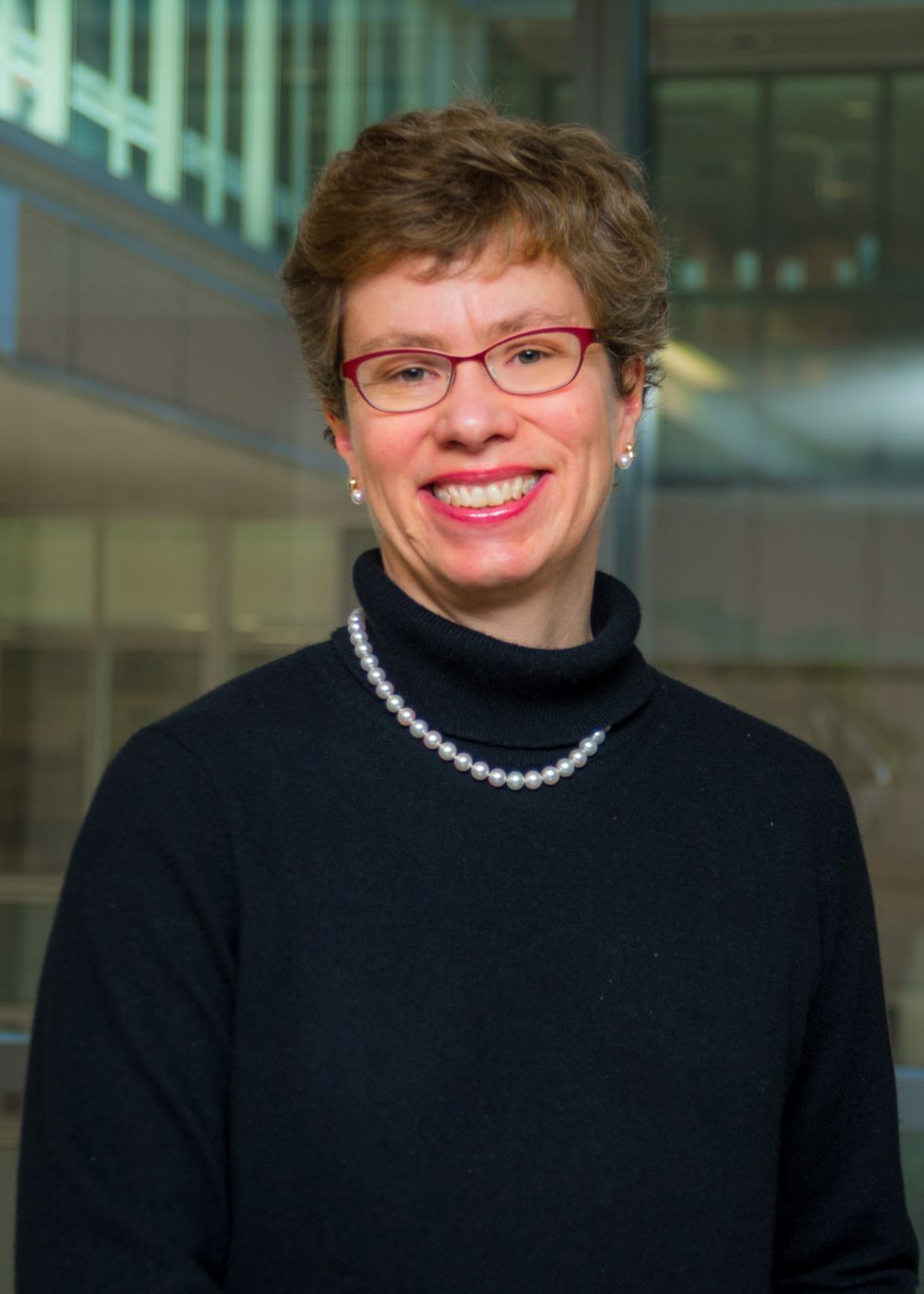
Cardiac safety was also better with zanubrutinib, the second-generation Bruton’s tyrosine kinase inhibitor, compared to ibrutinib, the first-in-class Bruton’s tyrosine kinase inhibitor. Dr. Brown noted that ibrutinib has “transformed CLL therapy,” despite toxicity and pharmacokinetics issues which limit its use.
Even in patients with high-risk CLL, there was a clear benefit of zanubrutinib over ibrutinib, according to Dr. Brown, who presented final results of ALPINE in a late-breaking clinical trials session at the annual meeting of the American Society of Hematology.
“I am not aware of a patient population in which I would select ibrutinib as compared to zanubrutinib,” Dr. Brown said in a press briefing on the study at the meeting.
Although not currently indicated in CLL, zanubrutinib received Food and Drug Administration approval for treatment of relapsed/refractory mantle cell lymphoma in late 2019, followed by indications in Waldenström’s macroglobulinemia and relapsed/refractory marginal zone lymphoma in 2021.
But the choice of zanubrutinib over ibrutinib in relapsed/refractory CLL is already supported in current clinical practice guidelines, Dr. Brown said.
The most recent CLL guidelines from the National Comprehensive Cancer Network (NCCN), updated Aug 30, describe zanubrutinib as a “preferred” regimen, while ibrutinib falls into the category of an “other recommended regimen.”
The zanubrutinib recommendation is category 1, meaning that it is based on high-level evidence, with uniform consensus that the intervention in appropriate, according to NCCN.
Improved safety, efficacy
Side effects have proved to be an Achilles heel for ibrutinib, which first received an FDA approval in CLL in 2014.
Across CLL studies, between 16% and 23% of CLL patients have discontinued ibrutinib treatment because of toxicities, Dr. Brown, the ALPINE investigator, said at the ASH meeting.
In addition, pharmacokinetic data suggest that at certain times between doses, the amount of ibrutinib in a patient’s system may drop below the level needed to effectively inhibit the target protein, Bruton’s tyrosine kinase.
By contrast, zanubrutinib is designed to have greater specificity for that target protein, Dr. Brown said. Furthermore, the pharmacokinetic studies have demonstrated concentrations of drug consistently above the level needed for effective inhibition – an effect that suggests potential for greater efficacy.
In the ALPINE study, 652 patients with relapsed/refractory CLL/small lymphocytic lymphoma (SLL) were randomized to zanubrutinib 160 mg twice daily or ibrutinib once daily.
With a mean follow-up of 29.6 months, zanubrutinib PFS was significantly superior to ibrutinib, according to Dr. Brown, with a hazard ratio (HR) of 0.65 and 95% confidence interval (CI) between 0.49 and 0.86.
Estimated PFS at 2 years was 79.5% in the zanubrutinib arm and 67.3% for ibrutinib, according to the ALPINE data presented.
However, the difference in PFS in favor of zanubrutinib was even more pronounced in high-risk patients, according to Dr. Brown. Among patients with chromosome 17 deletion or TP53 mutation, the PFS at 2 years was 77.6% for zanubrutinib and just 55.7% for ibrutinib, with an HR of 0.52 and 95% CI of 0.30 to 0.88.
Zanubrutinib’s safety profile was superior to ibrutinib, with serious adverse rates of 42.0% and 50.0%, respectively, and significantly lower cardiac toxicity for zanubrutinib, according to the investigators’ presentation.
Only 5.2% of patients on zanubrutinib had atrial fibrillation/flutter on study, compared to 13.3% for ibrutinib (P = .0004), while rates of serious cardiac adverse events were 1.9% and 7.7% , respectively.
Impressive benefit
The PFS benefit of zanubrutinib over ibrutinib was “quite impressive” in ALPINE, and in line with pharmacokinetic differences observed between Bruton’s tyrosine kinase inhibitors, said Stefan K. Barta, MD, associate professor of medicine at the University of Pennsylvania in Philadelphia.
“In the lab, [second-generation Bruton’s tyrosine kinase inhibitors] do hit the target better, but better doesn’t necessarily translate into good outcomes for patients – that’s a different question,” Dr. Barta said in an interview
However, the safety findings of ALPINE are particularly relevant, according to Dr. Barta, since today, many patients with CLL will receive treatment with Bruton’s tyrosine kinase inhibitors indefinitely.
In ALPINE results presented at ASH, zanubrutinib-treated patients had lower rates of atrial fibrillation and serious cardiac events, as well as zero deaths due to cardiac events, compared to six deaths in the ibrutinib group.
“Side effects make a big difference if you are on something for a long time,” Dr. Barta said. “It’s certainly a huge difference already, but then if you get the added bonus of also having an improvement in PFS, that’s a win-win.”
Dr. Brown reported disclosures related to Abbvie, Acerta/AstraZeneca, Beigene, Bristol-Myers Squibb/Juno/Celgene, Catapult, Genentech/Roche, Janssen, MEI Pharma, Morphosys AG, Novartis, Pfizer, Rigel, Gilead, Loxo/Lilly, Verastem/Secura Bio, Sun, TG Therapeutics, Invectys, Grifols Worldwide Operations, Hutchmed, iOnctura, and Pharmacyclics.
Progression-free survival (PFS) was significantly higher for zanubrutinib versus ibrutinib, according to investigator Jennifer R. Brown, MD, PhD, director of the Center for Chronic Lymphocytic Leukemia at Dana-Farber Cancer Institute, Boston.
Cardiac safety was also better with zanubrutinib, the second-generation Bruton’s tyrosine kinase inhibitor, compared to ibrutinib, the first-in-class Bruton’s tyrosine kinase inhibitor. Dr. Brown noted that ibrutinib has “transformed CLL therapy,” despite toxicity and pharmacokinetics issues which limit its use.
Even in patients with high-risk CLL, there was a clear benefit of zanubrutinib over ibrutinib, according to Dr. Brown, who presented final results of ALPINE in a late-breaking clinical trials session at the annual meeting of the American Society of Hematology.
“I am not aware of a patient population in which I would select ibrutinib as compared to zanubrutinib,” Dr. Brown said in a press briefing on the study at the meeting.
Although not currently indicated in CLL, zanubrutinib received Food and Drug Administration approval for treatment of relapsed/refractory mantle cell lymphoma in late 2019, followed by indications in Waldenström’s macroglobulinemia and relapsed/refractory marginal zone lymphoma in 2021.
But the choice of zanubrutinib over ibrutinib in relapsed/refractory CLL is already supported in current clinical practice guidelines, Dr. Brown said.
The most recent CLL guidelines from the National Comprehensive Cancer Network (NCCN), updated Aug 30, describe zanubrutinib as a “preferred” regimen, while ibrutinib falls into the category of an “other recommended regimen.”
The zanubrutinib recommendation is category 1, meaning that it is based on high-level evidence, with uniform consensus that the intervention in appropriate, according to NCCN.
Improved safety, efficacy
Side effects have proved to be an Achilles heel for ibrutinib, which first received an FDA approval in CLL in 2014.
Across CLL studies, between 16% and 23% of CLL patients have discontinued ibrutinib treatment because of toxicities, Dr. Brown, the ALPINE investigator, said at the ASH meeting.
In addition, pharmacokinetic data suggest that at certain times between doses, the amount of ibrutinib in a patient’s system may drop below the level needed to effectively inhibit the target protein, Bruton’s tyrosine kinase.
By contrast, zanubrutinib is designed to have greater specificity for that target protein, Dr. Brown said. Furthermore, the pharmacokinetic studies have demonstrated concentrations of drug consistently above the level needed for effective inhibition – an effect that suggests potential for greater efficacy.
In the ALPINE study, 652 patients with relapsed/refractory CLL/small lymphocytic lymphoma (SLL) were randomized to zanubrutinib 160 mg twice daily or ibrutinib once daily.
With a mean follow-up of 29.6 months, zanubrutinib PFS was significantly superior to ibrutinib, according to Dr. Brown, with a hazard ratio (HR) of 0.65 and 95% confidence interval (CI) between 0.49 and 0.86.
Estimated PFS at 2 years was 79.5% in the zanubrutinib arm and 67.3% for ibrutinib, according to the ALPINE data presented.
However, the difference in PFS in favor of zanubrutinib was even more pronounced in high-risk patients, according to Dr. Brown. Among patients with chromosome 17 deletion or TP53 mutation, the PFS at 2 years was 77.6% for zanubrutinib and just 55.7% for ibrutinib, with an HR of 0.52 and 95% CI of 0.30 to 0.88.
Zanubrutinib’s safety profile was superior to ibrutinib, with serious adverse rates of 42.0% and 50.0%, respectively, and significantly lower cardiac toxicity for zanubrutinib, according to the investigators’ presentation.
Only 5.2% of patients on zanubrutinib had atrial fibrillation/flutter on study, compared to 13.3% for ibrutinib (P = .0004), while rates of serious cardiac adverse events were 1.9% and 7.7% , respectively.
Impressive benefit
The PFS benefit of zanubrutinib over ibrutinib was “quite impressive” in ALPINE, and in line with pharmacokinetic differences observed between Bruton’s tyrosine kinase inhibitors, said Stefan K. Barta, MD, associate professor of medicine at the University of Pennsylvania in Philadelphia.
“In the lab, [second-generation Bruton’s tyrosine kinase inhibitors] do hit the target better, but better doesn’t necessarily translate into good outcomes for patients – that’s a different question,” Dr. Barta said in an interview
However, the safety findings of ALPINE are particularly relevant, according to Dr. Barta, since today, many patients with CLL will receive treatment with Bruton’s tyrosine kinase inhibitors indefinitely.
In ALPINE results presented at ASH, zanubrutinib-treated patients had lower rates of atrial fibrillation and serious cardiac events, as well as zero deaths due to cardiac events, compared to six deaths in the ibrutinib group.
“Side effects make a big difference if you are on something for a long time,” Dr. Barta said. “It’s certainly a huge difference already, but then if you get the added bonus of also having an improvement in PFS, that’s a win-win.”
Dr. Brown reported disclosures related to Abbvie, Acerta/AstraZeneca, Beigene, Bristol-Myers Squibb/Juno/Celgene, Catapult, Genentech/Roche, Janssen, MEI Pharma, Morphosys AG, Novartis, Pfizer, Rigel, Gilead, Loxo/Lilly, Verastem/Secura Bio, Sun, TG Therapeutics, Invectys, Grifols Worldwide Operations, Hutchmed, iOnctura, and Pharmacyclics.
Progression-free survival (PFS) was significantly higher for zanubrutinib versus ibrutinib, according to investigator Jennifer R. Brown, MD, PhD, director of the Center for Chronic Lymphocytic Leukemia at Dana-Farber Cancer Institute, Boston.
Cardiac safety was also better with zanubrutinib, the second-generation Bruton’s tyrosine kinase inhibitor, compared to ibrutinib, the first-in-class Bruton’s tyrosine kinase inhibitor. Dr. Brown noted that ibrutinib has “transformed CLL therapy,” despite toxicity and pharmacokinetics issues which limit its use.
Even in patients with high-risk CLL, there was a clear benefit of zanubrutinib over ibrutinib, according to Dr. Brown, who presented final results of ALPINE in a late-breaking clinical trials session at the annual meeting of the American Society of Hematology.
“I am not aware of a patient population in which I would select ibrutinib as compared to zanubrutinib,” Dr. Brown said in a press briefing on the study at the meeting.
Although not currently indicated in CLL, zanubrutinib received Food and Drug Administration approval for treatment of relapsed/refractory mantle cell lymphoma in late 2019, followed by indications in Waldenström’s macroglobulinemia and relapsed/refractory marginal zone lymphoma in 2021.
But the choice of zanubrutinib over ibrutinib in relapsed/refractory CLL is already supported in current clinical practice guidelines, Dr. Brown said.
The most recent CLL guidelines from the National Comprehensive Cancer Network (NCCN), updated Aug 30, describe zanubrutinib as a “preferred” regimen, while ibrutinib falls into the category of an “other recommended regimen.”
The zanubrutinib recommendation is category 1, meaning that it is based on high-level evidence, with uniform consensus that the intervention in appropriate, according to NCCN.
Improved safety, efficacy
Side effects have proved to be an Achilles heel for ibrutinib, which first received an FDA approval in CLL in 2014.
Across CLL studies, between 16% and 23% of CLL patients have discontinued ibrutinib treatment because of toxicities, Dr. Brown, the ALPINE investigator, said at the ASH meeting.
In addition, pharmacokinetic data suggest that at certain times between doses, the amount of ibrutinib in a patient’s system may drop below the level needed to effectively inhibit the target protein, Bruton’s tyrosine kinase.
By contrast, zanubrutinib is designed to have greater specificity for that target protein, Dr. Brown said. Furthermore, the pharmacokinetic studies have demonstrated concentrations of drug consistently above the level needed for effective inhibition – an effect that suggests potential for greater efficacy.
In the ALPINE study, 652 patients with relapsed/refractory CLL/small lymphocytic lymphoma (SLL) were randomized to zanubrutinib 160 mg twice daily or ibrutinib once daily.
With a mean follow-up of 29.6 months, zanubrutinib PFS was significantly superior to ibrutinib, according to Dr. Brown, with a hazard ratio (HR) of 0.65 and 95% confidence interval (CI) between 0.49 and 0.86.
Estimated PFS at 2 years was 79.5% in the zanubrutinib arm and 67.3% for ibrutinib, according to the ALPINE data presented.
However, the difference in PFS in favor of zanubrutinib was even more pronounced in high-risk patients, according to Dr. Brown. Among patients with chromosome 17 deletion or TP53 mutation, the PFS at 2 years was 77.6% for zanubrutinib and just 55.7% for ibrutinib, with an HR of 0.52 and 95% CI of 0.30 to 0.88.
Zanubrutinib’s safety profile was superior to ibrutinib, with serious adverse rates of 42.0% and 50.0%, respectively, and significantly lower cardiac toxicity for zanubrutinib, according to the investigators’ presentation.
Only 5.2% of patients on zanubrutinib had atrial fibrillation/flutter on study, compared to 13.3% for ibrutinib (P = .0004), while rates of serious cardiac adverse events were 1.9% and 7.7% , respectively.
Impressive benefit
The PFS benefit of zanubrutinib over ibrutinib was “quite impressive” in ALPINE, and in line with pharmacokinetic differences observed between Bruton’s tyrosine kinase inhibitors, said Stefan K. Barta, MD, associate professor of medicine at the University of Pennsylvania in Philadelphia.
“In the lab, [second-generation Bruton’s tyrosine kinase inhibitors] do hit the target better, but better doesn’t necessarily translate into good outcomes for patients – that’s a different question,” Dr. Barta said in an interview
However, the safety findings of ALPINE are particularly relevant, according to Dr. Barta, since today, many patients with CLL will receive treatment with Bruton’s tyrosine kinase inhibitors indefinitely.
In ALPINE results presented at ASH, zanubrutinib-treated patients had lower rates of atrial fibrillation and serious cardiac events, as well as zero deaths due to cardiac events, compared to six deaths in the ibrutinib group.
“Side effects make a big difference if you are on something for a long time,” Dr. Barta said. “It’s certainly a huge difference already, but then if you get the added bonus of also having an improvement in PFS, that’s a win-win.”
Dr. Brown reported disclosures related to Abbvie, Acerta/AstraZeneca, Beigene, Bristol-Myers Squibb/Juno/Celgene, Catapult, Genentech/Roche, Janssen, MEI Pharma, Morphosys AG, Novartis, Pfizer, Rigel, Gilead, Loxo/Lilly, Verastem/Secura Bio, Sun, TG Therapeutics, Invectys, Grifols Worldwide Operations, Hutchmed, iOnctura, and Pharmacyclics.
FROM ASH 2022
Rheumatology workforce shortage demands multipronged approach
PHILADELPHIA – New rheumatology fellowships in underserved areas. Rheumatology training for nonspecialists. Telemedicine training, tools, and resources. These are a few of the remedies the American College of Rheumatology’s new Workforce Solutions Committee has concocted to address a shrinking U.S. rheumatology workforce in the face of a rising population of patients with rheumatologic diseases.
In two sessions at the ACR’s annual meeting, committee members provided insights on current workforce projections since the most recent ACR workforce study in 2015. They also outlined the 1-year-old committee’s response to bridge the looming gap in patient care. Some projects are already underway, while others have yet to be implemented and require sustained monetary and project coordination commitments to make their impacts felt across the targeted regions.

“At the current pace of physician departures from the workforce, even with fellows graduating from adult and pediatric rheumatology training programs, the subspecialty cannot be sustained,” said Daniel Battafarano, DO, chair of the Workforce Solution Committee, professor of medicine at the Uniformed Services University of the Health Sciences, Bethesda, Md., and adjunct professor at the University of Texas Health Science Center, San Antonio.
The Northwest is an example of the problem at hand. “For an adult, there’s 1.65 rheumatologists per 100,000 in 2015. In 2025, there’s going to be 0.5 [adult] rheumatologists per 100,000. That’s a problem. If you look at every region in the United States, every single region is decrementing significantly,” he said.
Even the Northeast, which boasted 3.07 adult rheumatologists per 100,000 in 2015, will drop to 1.61 in 2025. Other regions are much worse off. The Southwest will drop from 1.28 to 0.64, and North Central will drop from 1.64 to 0.69, projections show.
The situation for pediatrics “has been in a crisis since 2015,” Dr. Battafarano said. It is much worse off than the situation for adult rheumatology, with 2015 figures going from 0.17 to 0.20 in the Southwest and from 0.03 to 0.04 in the South Central region by 2025, and in the Northwest from 0.67 to 0.13 and Northeast from 0.83 to 0.16.
“The ill effects of the pandemic are immeasurable to this point, but anecdotally we know we lost colleagues to part-time employment, we saw early retirements, and that happened across the full spectrum of the United States,” he said. It’s possible that up to 10% of full-time equivalents of physicians left practice in the United States since the pandemic began.
Rheumatologists largely practice in the 392 U.S. metropolitan statistical areas (MSAs), which are defined as a “core area containing a substantial population nucleus, together with adjacent communities having a high degree of economic and social integration with that core.” The smallest MSA has nearly 59,000 people. This distribution leaves many people in the Northwest, Southwest, South Central, and North Central regions with few rheumatologists. Over 86% of locations where rheumatologists train and work are in MSAs.
“By definition, if you get into a region where there’s 60,000 people or less, you can’t support a rheumatologist,” Dr. Battafarano said. He also noted that all pediatric hospitals tend to be in dense MSAs where rheumatologists might be.
South Central region serves as an example
People in certain MSAs of the South Central region (Oklahoma, Texas, Arkansas) such as Laredo, Tex., population 281,805 – where there is no adult rheumatologist – have to drive nearly 2.5 hours to the nearest well-served MSA (San Antonio) where there is a rheumatology fellowship program and medical school.
“Texas may have rheumatologists, but it depends on where you live,” Dr. Battafarano said. “The same applies to Waco, Texas; Texarkana, Arkansas; Lawton, Oklahoma; Pine Bluff, Arkansas; and Enid, Oklahoma, and you can see the range of traveling is between 45 minutes and 2.5 hours. That’s adult rheumatology.”
People in Laredo have an even longer drive to find a pediatric rheumatologist. In pediatrics, he said, “we don’t even look at towns, we look at pediatrics by state. You can see there’s a pediatric fellowship program in Dallas, and there’s one in Houston. There’s one or two [pediatric] rheumatologists in Austin. It just depends on how quickly they burn out and how long they stay. I’m in San Antonio. We don’t have a pediatric rheumatologist in San Antonio, the seventh-largest city in the United States.”
Pediatric rheumatologists are very often found where fellowship programs are located. “Ninety-five percent or greater of pediatric rheumatologists are housed in a pediatric hospital,” Dr. Battafarano said. “There are very few adult rheumatologists who see children, for a variety of reasons.”
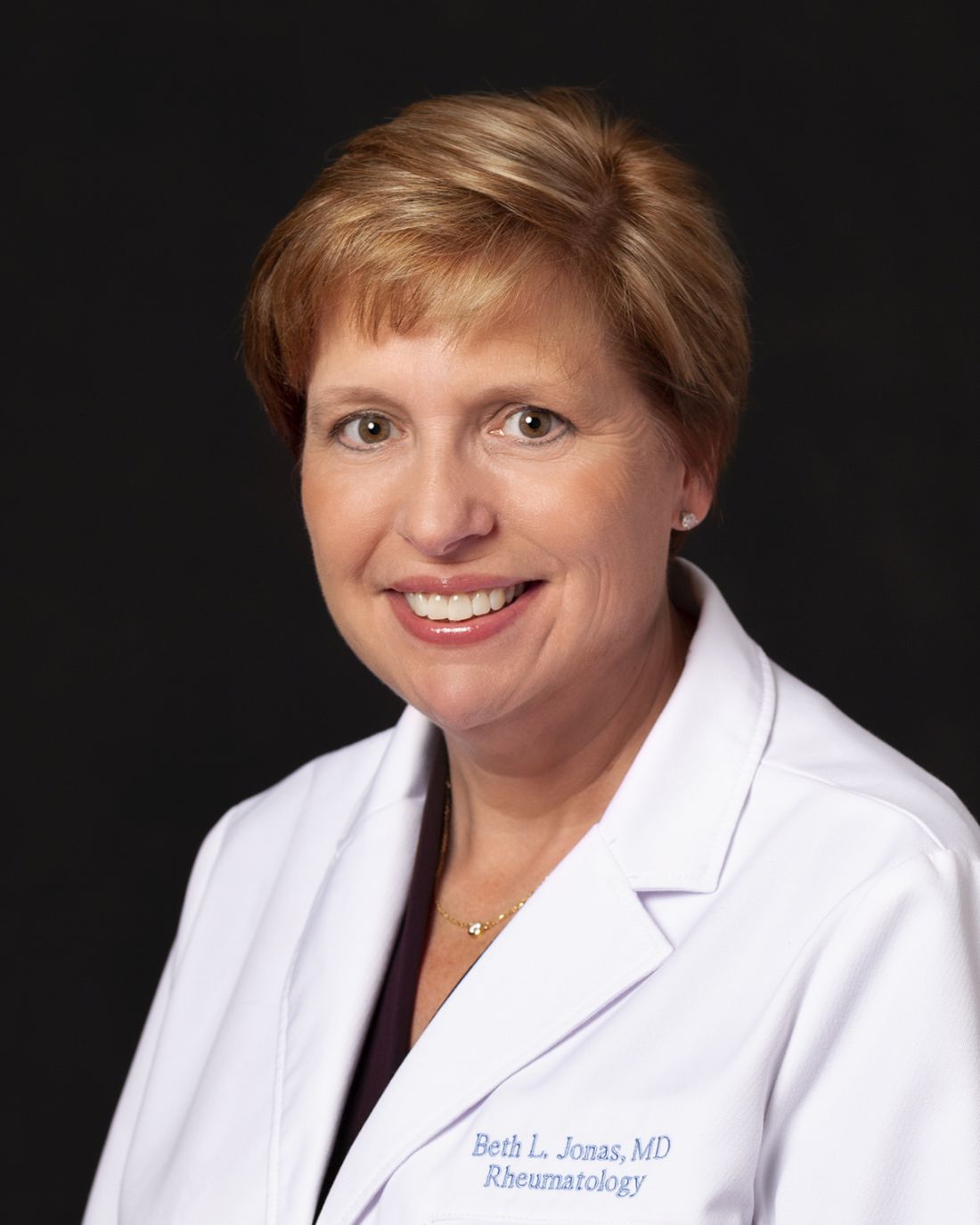
In a panel discussion and question-and-answer session that took place after Dr. Battafarano outlined concerns with the numbers and distribution of rheumatologists across the United States, committee member Beth Jonas, MD, professor of medicine and chief of the division of rheumatology, allergy, and immunology at the University of North Carolina at Chapel Hill, noted that the rheumatology specialty match is competitive and typically leaves close to 100 residents who had rheumatology as their first choice without a match because there are not enough fellowship positions for them to fill.
The Workforce Solutions Committee hopes to reduce this “bottleneck,” she said, by identifying institutions that are ripe for opening new fellowship programs or have existing programs that can expand their number of positions, as well as expanding musculoskeletal training among nonrheumatologists, such as primary care physicians, advanced practice providers, and sports medicine physicians.
“I think that we’re going to find ourselves needing to be more creative as we become overcome with events with shortages of physicians,” Dr. Battafarano said. He gave an example of a recent pediatric rheumatology fellow in Seattle who wanted to go back home to Montana to practice. At the same time, the pediatric program wanted her to become a faculty member, so they said they would bridge their program to her, rotating fellows and covering her while on vacation.
“That’s an example of a pediatric program spreading its wings,” he said. “I think that we need to think that way, whether we talk about urban, suburban, rural. It’s how can we stage rheumatologists in areas, how can we embrace our primary care providers, and have rheumatology health care teams so that we have rheumatology expertise located within arm’s length but also within telemedicine length.”
Interventions for 2023
As part of a report on the activities of the Workforce Solutions Committee, Dr. Jonas outlined a number of interventions that the ACR is set to launch in 2023. The committee created five intervention teams to support fellowship positions and training providers, recruitment opportunities, fostering patient-centered communities, virtual training programs, and grants for research and training. The ACR’s initial pilot interventions are focused on, but not limited to, the Northwest, Southwest, and South Central regions.
The committee identified 10 potential partner institutions to develop new fellowship programs in the Northwest, Southwest, and South Central regions: University of Nevada, Las Vegas; Texas Tech University Permian Basin Program; Baylor Scott and White Medical Center Round Rock (Tex.) Program; Texas Tech University Health Science Center El Paso Program; University of Texas at Austin Dell Medical School Program; Abrazo Health Network Program in Arizona; University of Arizona Phoenix Program; University of Arkansas (pediatric program); Oklahoma State University; and University of Texas, San Antonio (pediatric program).
Dr. Jonas explained that opening new programs in these underserved areas should help establish new rheumatologists in these areas, because studies have shown that fellows tend to stay within 100-200 miles of where they trained.
In addition to starting new programs, “if you want to grow your program, if you want to add another fellow, we can support that,” Dr. Jonas said.
To help convince institutions of the value of rheumatology care, a position paper will soon be released by the ACR that outlines the benefits of the specialty to a health care system. The paper will describe an annual preventive cost savings of $2,762 per patient who is in the care of a rheumatologist and an annual direct or downstream income of $3.5 million per rheumatologist in a community, committee members said.
To help with recruitment and retention efforts, the ACR will revise its CareerConnection website to make it more useful.
To help in developing patient-centered communities of care, there will be a discussion series with payers on topics such as access, care delivery, and financing, in which 12 payers (including Blue Cross Blue Shield, Aetna, UnitedHealthcare, and Kaiser) will discuss patient access, cost, and quality measures. An in-person payer summit is also scheduled for 2023.
Interventions to enhance rheumatology care will also keep an ongoing focus on virtual training programs for primary care physicians and advanced practice providers, including a Project ECHO (Extension for Community Healthcare Outcomes) virtual lecture and case-based training and mentoring series for nonrheumatologists, an online library of searchable topics targeted to nonrheumatologists, as well as a grand rounds podcast series on certain rheumatic diseases for residents in family medicine, internal medicine, and pediatric programs. For rheumatology educators in 2023, there also will be an online portal curated by the ACR and other sources to use as a resource for developing curriculum.

A newly revised Fundamentals of Rheumatology course started in June 2022, which can help many medical students, residents, primary care physicians, and students in rehabilitation professions to learn about rheumatologic diseases, said committee member Janet Poole, PhD, division chief, professor, and director of the occupational therapy graduate program at the University of New Mexico, Albuquerque. Grants from the Rheumatology Research Foundation are available to offset the costs of the course for attendees.
An “onboarding toolkit” for nurse practitioners and physician assistants is now available to provide advice to practices for hiring, mentoring, and conducting performance evaluations in rheumatology care teams, Dr. Poole said. And fact sheets about the roles of interprofessional team members are being revised to give nonspecialty providers a sense of what other disciplines are available to care for patients with rheumatic and musculoskeletal disorders. The Advanced Rheumatology course is also being revised and will be available in summer 2023.
Other planned interventions aim to optimize telemedicine for the rheumatology community with a telehealth curriculum for rheumatology fellows, tools to improve telehealth implementation and delivery, and educational materials for patients to optimize their participation in telehealth visits.
The committee created targeted outreach to promote all grants focused on workforce expansion. As a result, in the last year the committee noted a three- to fourfold rise in the number of grant applications, including people and programs in underserved areas that had not previously applied. The Rheumatology Research Foundation also created a baseline for measuring success of grant funding in underserved areas and earmarked funds to increase awareness of the grants and facilitate applications.
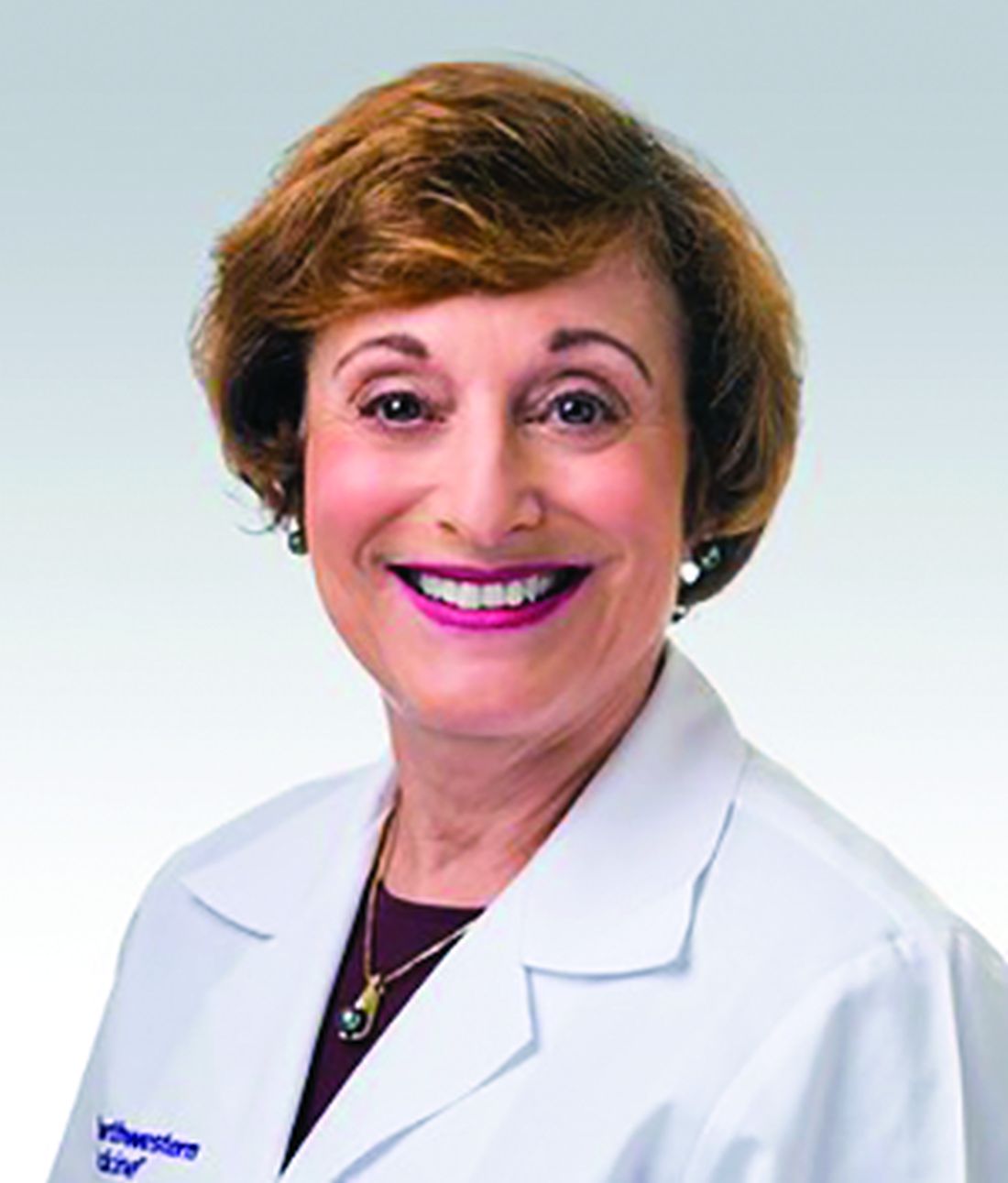
Early signs of success are evident in the Rheumatology Access Expansion initiative in the ACR’s Collaborative Initiatives (COIN) department, said committee member Rosalind Ramsey-Goldman, MD, DrPH, professor of medicine/rheumatology at Northwestern University, Chicago. A team of rheumatologists, a pharmacist, and Navajo cultural interpreters developed a 12-week rheumatoid arthritis training program for primary care physicians in the Navajo Nation American Indian reservation, where there’s a high prevalence of RA and a shortage of local rheumatology providers. Results of the pilot study were presented in a plenary session at the meeting.
COIN also worked with the ACR’s Diversity, Equity, and Inclusion task force to sponsor 2022 annual meeting attendance for 11 medical students who identify themselves as underrepresented in medicine to expose them to rheumatology early in their career, said Dr. Ramsey-Goldman. The ACR is starting a program for medical students at historically Black colleges and universities and minority-serving institutions to include mentoring, round tables, and attendance at next year’s annual meeting.
None of the rheumatologists had relevant financial disclosures.
PHILADELPHIA – New rheumatology fellowships in underserved areas. Rheumatology training for nonspecialists. Telemedicine training, tools, and resources. These are a few of the remedies the American College of Rheumatology’s new Workforce Solutions Committee has concocted to address a shrinking U.S. rheumatology workforce in the face of a rising population of patients with rheumatologic diseases.
In two sessions at the ACR’s annual meeting, committee members provided insights on current workforce projections since the most recent ACR workforce study in 2015. They also outlined the 1-year-old committee’s response to bridge the looming gap in patient care. Some projects are already underway, while others have yet to be implemented and require sustained monetary and project coordination commitments to make their impacts felt across the targeted regions.
“At the current pace of physician departures from the workforce, even with fellows graduating from adult and pediatric rheumatology training programs, the subspecialty cannot be sustained,” said Daniel Battafarano, DO, chair of the Workforce Solution Committee, professor of medicine at the Uniformed Services University of the Health Sciences, Bethesda, Md., and adjunct professor at the University of Texas Health Science Center, San Antonio.
The Northwest is an example of the problem at hand. “For an adult, there’s 1.65 rheumatologists per 100,000 in 2015. In 2025, there’s going to be 0.5 [adult] rheumatologists per 100,000. That’s a problem. If you look at every region in the United States, every single region is decrementing significantly,” he said.
Even the Northeast, which boasted 3.07 adult rheumatologists per 100,000 in 2015, will drop to 1.61 in 2025. Other regions are much worse off. The Southwest will drop from 1.28 to 0.64, and North Central will drop from 1.64 to 0.69, projections show.
The situation for pediatrics “has been in a crisis since 2015,” Dr. Battafarano said. It is much worse off than the situation for adult rheumatology, with 2015 figures going from 0.17 to 0.20 in the Southwest and from 0.03 to 0.04 in the South Central region by 2025, and in the Northwest from 0.67 to 0.13 and Northeast from 0.83 to 0.16.
“The ill effects of the pandemic are immeasurable to this point, but anecdotally we know we lost colleagues to part-time employment, we saw early retirements, and that happened across the full spectrum of the United States,” he said. It’s possible that up to 10% of full-time equivalents of physicians left practice in the United States since the pandemic began.
Rheumatologists largely practice in the 392 U.S. metropolitan statistical areas (MSAs), which are defined as a “core area containing a substantial population nucleus, together with adjacent communities having a high degree of economic and social integration with that core.” The smallest MSA has nearly 59,000 people. This distribution leaves many people in the Northwest, Southwest, South Central, and North Central regions with few rheumatologists. Over 86% of locations where rheumatologists train and work are in MSAs.
“By definition, if you get into a region where there’s 60,000 people or less, you can’t support a rheumatologist,” Dr. Battafarano said. He also noted that all pediatric hospitals tend to be in dense MSAs where rheumatologists might be.
South Central region serves as an example
People in certain MSAs of the South Central region (Oklahoma, Texas, Arkansas) such as Laredo, Tex., population 281,805 – where there is no adult rheumatologist – have to drive nearly 2.5 hours to the nearest well-served MSA (San Antonio) where there is a rheumatology fellowship program and medical school.
“Texas may have rheumatologists, but it depends on where you live,” Dr. Battafarano said. “The same applies to Waco, Texas; Texarkana, Arkansas; Lawton, Oklahoma; Pine Bluff, Arkansas; and Enid, Oklahoma, and you can see the range of traveling is between 45 minutes and 2.5 hours. That’s adult rheumatology.”
People in Laredo have an even longer drive to find a pediatric rheumatologist. In pediatrics, he said, “we don’t even look at towns, we look at pediatrics by state. You can see there’s a pediatric fellowship program in Dallas, and there’s one in Houston. There’s one or two [pediatric] rheumatologists in Austin. It just depends on how quickly they burn out and how long they stay. I’m in San Antonio. We don’t have a pediatric rheumatologist in San Antonio, the seventh-largest city in the United States.”
Pediatric rheumatologists are very often found where fellowship programs are located. “Ninety-five percent or greater of pediatric rheumatologists are housed in a pediatric hospital,” Dr. Battafarano said. “There are very few adult rheumatologists who see children, for a variety of reasons.”
In a panel discussion and question-and-answer session that took place after Dr. Battafarano outlined concerns with the numbers and distribution of rheumatologists across the United States, committee member Beth Jonas, MD, professor of medicine and chief of the division of rheumatology, allergy, and immunology at the University of North Carolina at Chapel Hill, noted that the rheumatology specialty match is competitive and typically leaves close to 100 residents who had rheumatology as their first choice without a match because there are not enough fellowship positions for them to fill.
The Workforce Solutions Committee hopes to reduce this “bottleneck,” she said, by identifying institutions that are ripe for opening new fellowship programs or have existing programs that can expand their number of positions, as well as expanding musculoskeletal training among nonrheumatologists, such as primary care physicians, advanced practice providers, and sports medicine physicians.
“I think that we’re going to find ourselves needing to be more creative as we become overcome with events with shortages of physicians,” Dr. Battafarano said. He gave an example of a recent pediatric rheumatology fellow in Seattle who wanted to go back home to Montana to practice. At the same time, the pediatric program wanted her to become a faculty member, so they said they would bridge their program to her, rotating fellows and covering her while on vacation.
“That’s an example of a pediatric program spreading its wings,” he said. “I think that we need to think that way, whether we talk about urban, suburban, rural. It’s how can we stage rheumatologists in areas, how can we embrace our primary care providers, and have rheumatology health care teams so that we have rheumatology expertise located within arm’s length but also within telemedicine length.”
Interventions for 2023
As part of a report on the activities of the Workforce Solutions Committee, Dr. Jonas outlined a number of interventions that the ACR is set to launch in 2023. The committee created five intervention teams to support fellowship positions and training providers, recruitment opportunities, fostering patient-centered communities, virtual training programs, and grants for research and training. The ACR’s initial pilot interventions are focused on, but not limited to, the Northwest, Southwest, and South Central regions.
The committee identified 10 potential partner institutions to develop new fellowship programs in the Northwest, Southwest, and South Central regions: University of Nevada, Las Vegas; Texas Tech University Permian Basin Program; Baylor Scott and White Medical Center Round Rock (Tex.) Program; Texas Tech University Health Science Center El Paso Program; University of Texas at Austin Dell Medical School Program; Abrazo Health Network Program in Arizona; University of Arizona Phoenix Program; University of Arkansas (pediatric program); Oklahoma State University; and University of Texas, San Antonio (pediatric program).
Dr. Jonas explained that opening new programs in these underserved areas should help establish new rheumatologists in these areas, because studies have shown that fellows tend to stay within 100-200 miles of where they trained.
In addition to starting new programs, “if you want to grow your program, if you want to add another fellow, we can support that,” Dr. Jonas said.
To help convince institutions of the value of rheumatology care, a position paper will soon be released by the ACR that outlines the benefits of the specialty to a health care system. The paper will describe an annual preventive cost savings of $2,762 per patient who is in the care of a rheumatologist and an annual direct or downstream income of $3.5 million per rheumatologist in a community, committee members said.
To help with recruitment and retention efforts, the ACR will revise its CareerConnection website to make it more useful.
To help in developing patient-centered communities of care, there will be a discussion series with payers on topics such as access, care delivery, and financing, in which 12 payers (including Blue Cross Blue Shield, Aetna, UnitedHealthcare, and Kaiser) will discuss patient access, cost, and quality measures. An in-person payer summit is also scheduled for 2023.
Interventions to enhance rheumatology care will also keep an ongoing focus on virtual training programs for primary care physicians and advanced practice providers, including a Project ECHO (Extension for Community Healthcare Outcomes) virtual lecture and case-based training and mentoring series for nonrheumatologists, an online library of searchable topics targeted to nonrheumatologists, as well as a grand rounds podcast series on certain rheumatic diseases for residents in family medicine, internal medicine, and pediatric programs. For rheumatology educators in 2023, there also will be an online portal curated by the ACR and other sources to use as a resource for developing curriculum.
A newly revised Fundamentals of Rheumatology course started in June 2022, which can help many medical students, residents, primary care physicians, and students in rehabilitation professions to learn about rheumatologic diseases, said committee member Janet Poole, PhD, division chief, professor, and director of the occupational therapy graduate program at the University of New Mexico, Albuquerque. Grants from the Rheumatology Research Foundation are available to offset the costs of the course for attendees.
An “onboarding toolkit” for nurse practitioners and physician assistants is now available to provide advice to practices for hiring, mentoring, and conducting performance evaluations in rheumatology care teams, Dr. Poole said. And fact sheets about the roles of interprofessional team members are being revised to give nonspecialty providers a sense of what other disciplines are available to care for patients with rheumatic and musculoskeletal disorders. The Advanced Rheumatology course is also being revised and will be available in summer 2023.
Other planned interventions aim to optimize telemedicine for the rheumatology community with a telehealth curriculum for rheumatology fellows, tools to improve telehealth implementation and delivery, and educational materials for patients to optimize their participation in telehealth visits.
The committee created targeted outreach to promote all grants focused on workforce expansion. As a result, in the last year the committee noted a three- to fourfold rise in the number of grant applications, including people and programs in underserved areas that had not previously applied. The Rheumatology Research Foundation also created a baseline for measuring success of grant funding in underserved areas and earmarked funds to increase awareness of the grants and facilitate applications.
Early signs of success are evident in the Rheumatology Access Expansion initiative in the ACR’s Collaborative Initiatives (COIN) department, said committee member Rosalind Ramsey-Goldman, MD, DrPH, professor of medicine/rheumatology at Northwestern University, Chicago. A team of rheumatologists, a pharmacist, and Navajo cultural interpreters developed a 12-week rheumatoid arthritis training program for primary care physicians in the Navajo Nation American Indian reservation, where there’s a high prevalence of RA and a shortage of local rheumatology providers. Results of the pilot study were presented in a plenary session at the meeting.
COIN also worked with the ACR’s Diversity, Equity, and Inclusion task force to sponsor 2022 annual meeting attendance for 11 medical students who identify themselves as underrepresented in medicine to expose them to rheumatology early in their career, said Dr. Ramsey-Goldman. The ACR is starting a program for medical students at historically Black colleges and universities and minority-serving institutions to include mentoring, round tables, and attendance at next year’s annual meeting.
None of the rheumatologists had relevant financial disclosures.
PHILADELPHIA – New rheumatology fellowships in underserved areas. Rheumatology training for nonspecialists. Telemedicine training, tools, and resources. These are a few of the remedies the American College of Rheumatology’s new Workforce Solutions Committee has concocted to address a shrinking U.S. rheumatology workforce in the face of a rising population of patients with rheumatologic diseases.
In two sessions at the ACR’s annual meeting, committee members provided insights on current workforce projections since the most recent ACR workforce study in 2015. They also outlined the 1-year-old committee’s response to bridge the looming gap in patient care. Some projects are already underway, while others have yet to be implemented and require sustained monetary and project coordination commitments to make their impacts felt across the targeted regions.
“At the current pace of physician departures from the workforce, even with fellows graduating from adult and pediatric rheumatology training programs, the subspecialty cannot be sustained,” said Daniel Battafarano, DO, chair of the Workforce Solution Committee, professor of medicine at the Uniformed Services University of the Health Sciences, Bethesda, Md., and adjunct professor at the University of Texas Health Science Center, San Antonio.
The Northwest is an example of the problem at hand. “For an adult, there’s 1.65 rheumatologists per 100,000 in 2015. In 2025, there’s going to be 0.5 [adult] rheumatologists per 100,000. That’s a problem. If you look at every region in the United States, every single region is decrementing significantly,” he said.
Even the Northeast, which boasted 3.07 adult rheumatologists per 100,000 in 2015, will drop to 1.61 in 2025. Other regions are much worse off. The Southwest will drop from 1.28 to 0.64, and North Central will drop from 1.64 to 0.69, projections show.
The situation for pediatrics “has been in a crisis since 2015,” Dr. Battafarano said. It is much worse off than the situation for adult rheumatology, with 2015 figures going from 0.17 to 0.20 in the Southwest and from 0.03 to 0.04 in the South Central region by 2025, and in the Northwest from 0.67 to 0.13 and Northeast from 0.83 to 0.16.
“The ill effects of the pandemic are immeasurable to this point, but anecdotally we know we lost colleagues to part-time employment, we saw early retirements, and that happened across the full spectrum of the United States,” he said. It’s possible that up to 10% of full-time equivalents of physicians left practice in the United States since the pandemic began.
Rheumatologists largely practice in the 392 U.S. metropolitan statistical areas (MSAs), which are defined as a “core area containing a substantial population nucleus, together with adjacent communities having a high degree of economic and social integration with that core.” The smallest MSA has nearly 59,000 people. This distribution leaves many people in the Northwest, Southwest, South Central, and North Central regions with few rheumatologists. Over 86% of locations where rheumatologists train and work are in MSAs.
“By definition, if you get into a region where there’s 60,000 people or less, you can’t support a rheumatologist,” Dr. Battafarano said. He also noted that all pediatric hospitals tend to be in dense MSAs where rheumatologists might be.
South Central region serves as an example
People in certain MSAs of the South Central region (Oklahoma, Texas, Arkansas) such as Laredo, Tex., population 281,805 – where there is no adult rheumatologist – have to drive nearly 2.5 hours to the nearest well-served MSA (San Antonio) where there is a rheumatology fellowship program and medical school.
“Texas may have rheumatologists, but it depends on where you live,” Dr. Battafarano said. “The same applies to Waco, Texas; Texarkana, Arkansas; Lawton, Oklahoma; Pine Bluff, Arkansas; and Enid, Oklahoma, and you can see the range of traveling is between 45 minutes and 2.5 hours. That’s adult rheumatology.”
People in Laredo have an even longer drive to find a pediatric rheumatologist. In pediatrics, he said, “we don’t even look at towns, we look at pediatrics by state. You can see there’s a pediatric fellowship program in Dallas, and there’s one in Houston. There’s one or two [pediatric] rheumatologists in Austin. It just depends on how quickly they burn out and how long they stay. I’m in San Antonio. We don’t have a pediatric rheumatologist in San Antonio, the seventh-largest city in the United States.”
Pediatric rheumatologists are very often found where fellowship programs are located. “Ninety-five percent or greater of pediatric rheumatologists are housed in a pediatric hospital,” Dr. Battafarano said. “There are very few adult rheumatologists who see children, for a variety of reasons.”
In a panel discussion and question-and-answer session that took place after Dr. Battafarano outlined concerns with the numbers and distribution of rheumatologists across the United States, committee member Beth Jonas, MD, professor of medicine and chief of the division of rheumatology, allergy, and immunology at the University of North Carolina at Chapel Hill, noted that the rheumatology specialty match is competitive and typically leaves close to 100 residents who had rheumatology as their first choice without a match because there are not enough fellowship positions for them to fill.
The Workforce Solutions Committee hopes to reduce this “bottleneck,” she said, by identifying institutions that are ripe for opening new fellowship programs or have existing programs that can expand their number of positions, as well as expanding musculoskeletal training among nonrheumatologists, such as primary care physicians, advanced practice providers, and sports medicine physicians.
“I think that we’re going to find ourselves needing to be more creative as we become overcome with events with shortages of physicians,” Dr. Battafarano said. He gave an example of a recent pediatric rheumatology fellow in Seattle who wanted to go back home to Montana to practice. At the same time, the pediatric program wanted her to become a faculty member, so they said they would bridge their program to her, rotating fellows and covering her while on vacation.
“That’s an example of a pediatric program spreading its wings,” he said. “I think that we need to think that way, whether we talk about urban, suburban, rural. It’s how can we stage rheumatologists in areas, how can we embrace our primary care providers, and have rheumatology health care teams so that we have rheumatology expertise located within arm’s length but also within telemedicine length.”
Interventions for 2023
As part of a report on the activities of the Workforce Solutions Committee, Dr. Jonas outlined a number of interventions that the ACR is set to launch in 2023. The committee created five intervention teams to support fellowship positions and training providers, recruitment opportunities, fostering patient-centered communities, virtual training programs, and grants for research and training. The ACR’s initial pilot interventions are focused on, but not limited to, the Northwest, Southwest, and South Central regions.
The committee identified 10 potential partner institutions to develop new fellowship programs in the Northwest, Southwest, and South Central regions: University of Nevada, Las Vegas; Texas Tech University Permian Basin Program; Baylor Scott and White Medical Center Round Rock (Tex.) Program; Texas Tech University Health Science Center El Paso Program; University of Texas at Austin Dell Medical School Program; Abrazo Health Network Program in Arizona; University of Arizona Phoenix Program; University of Arkansas (pediatric program); Oklahoma State University; and University of Texas, San Antonio (pediatric program).
Dr. Jonas explained that opening new programs in these underserved areas should help establish new rheumatologists in these areas, because studies have shown that fellows tend to stay within 100-200 miles of where they trained.
In addition to starting new programs, “if you want to grow your program, if you want to add another fellow, we can support that,” Dr. Jonas said.
To help convince institutions of the value of rheumatology care, a position paper will soon be released by the ACR that outlines the benefits of the specialty to a health care system. The paper will describe an annual preventive cost savings of $2,762 per patient who is in the care of a rheumatologist and an annual direct or downstream income of $3.5 million per rheumatologist in a community, committee members said.
To help with recruitment and retention efforts, the ACR will revise its CareerConnection website to make it more useful.
To help in developing patient-centered communities of care, there will be a discussion series with payers on topics such as access, care delivery, and financing, in which 12 payers (including Blue Cross Blue Shield, Aetna, UnitedHealthcare, and Kaiser) will discuss patient access, cost, and quality measures. An in-person payer summit is also scheduled for 2023.
Interventions to enhance rheumatology care will also keep an ongoing focus on virtual training programs for primary care physicians and advanced practice providers, including a Project ECHO (Extension for Community Healthcare Outcomes) virtual lecture and case-based training and mentoring series for nonrheumatologists, an online library of searchable topics targeted to nonrheumatologists, as well as a grand rounds podcast series on certain rheumatic diseases for residents in family medicine, internal medicine, and pediatric programs. For rheumatology educators in 2023, there also will be an online portal curated by the ACR and other sources to use as a resource for developing curriculum.
A newly revised Fundamentals of Rheumatology course started in June 2022, which can help many medical students, residents, primary care physicians, and students in rehabilitation professions to learn about rheumatologic diseases, said committee member Janet Poole, PhD, division chief, professor, and director of the occupational therapy graduate program at the University of New Mexico, Albuquerque. Grants from the Rheumatology Research Foundation are available to offset the costs of the course for attendees.
An “onboarding toolkit” for nurse practitioners and physician assistants is now available to provide advice to practices for hiring, mentoring, and conducting performance evaluations in rheumatology care teams, Dr. Poole said. And fact sheets about the roles of interprofessional team members are being revised to give nonspecialty providers a sense of what other disciplines are available to care for patients with rheumatic and musculoskeletal disorders. The Advanced Rheumatology course is also being revised and will be available in summer 2023.
Other planned interventions aim to optimize telemedicine for the rheumatology community with a telehealth curriculum for rheumatology fellows, tools to improve telehealth implementation and delivery, and educational materials for patients to optimize their participation in telehealth visits.
The committee created targeted outreach to promote all grants focused on workforce expansion. As a result, in the last year the committee noted a three- to fourfold rise in the number of grant applications, including people and programs in underserved areas that had not previously applied. The Rheumatology Research Foundation also created a baseline for measuring success of grant funding in underserved areas and earmarked funds to increase awareness of the grants and facilitate applications.
Early signs of success are evident in the Rheumatology Access Expansion initiative in the ACR’s Collaborative Initiatives (COIN) department, said committee member Rosalind Ramsey-Goldman, MD, DrPH, professor of medicine/rheumatology at Northwestern University, Chicago. A team of rheumatologists, a pharmacist, and Navajo cultural interpreters developed a 12-week rheumatoid arthritis training program for primary care physicians in the Navajo Nation American Indian reservation, where there’s a high prevalence of RA and a shortage of local rheumatology providers. Results of the pilot study were presented in a plenary session at the meeting.
COIN also worked with the ACR’s Diversity, Equity, and Inclusion task force to sponsor 2022 annual meeting attendance for 11 medical students who identify themselves as underrepresented in medicine to expose them to rheumatology early in their career, said Dr. Ramsey-Goldman. The ACR is starting a program for medical students at historically Black colleges and universities and minority-serving institutions to include mentoring, round tables, and attendance at next year’s annual meeting.
None of the rheumatologists had relevant financial disclosures.
AT ACR 2022
Breast conservation safe option in multisite breast cancer
SAN ANTONIO – Women with breast cancer at more than one site can undergo breast-conserving therapy and still have local recurrence rates well under the acceptable threshold of risk, suggest the results of first prospective study of this issue.
The ACOSOG-Z11102 trial involved more than 200 women with primarily endocrine receptor–positive (ER+), human epidermal growth factor receptor 2–negative (HER2-) breast cancer and up to three disease foci, all of whom underwent lumpectomy with nodal staging followed by whole-breast irradiation, then systemic therapy at the oncologist’s discretion.
After 5 years of follow-up, just 3% of women experienced a local recurrence, with none having a local or distant recurrence and one dying of the disease.
The new findings were presented at the San Antonio Breast Cancer Symposium on Dec. 9.
“This study provides important information for clinicians to discuss with patients who have two or three foci of breast cancer in one breast, as it may allow more patients to consider breast-conserving therapy as an option,” said study presenter Judy C. Boughey, MD, chair of the division of breast and melanoma surgical oncology at the Mayo Clinic, Rochester, Minn.
“Lumpectomy with radiation therapy is often preferred to mastectomy, as it is a smaller operation with quicker recovery, resulting in better patient satisfaction and cosmetic outcomes,” Dr. Boughey said in a statement.
“We’ve all been anxiously awaiting the results of this trial,” Andrea V. Barrio, MD, associate attending surgeon, Memorial Sloan Kettering Cancer Center, New York, told this news organization. “We knew that in patients who have a single site tumor in the breast, that outcomes between lumpectomy and mastectomy are the same ... But none of those trials have enrolled women with multiple sites.”
“There were no prospective data out there telling us that doing two lumpectomies in the breast was safe, so a lot of times, women were getting mastectomy for these multiple tumors, even if women had two small tumors in the breast and could easily undergo a lumpectomy with a good cosmetic result,” she said.
“So this data provides very strong evidence that we can begin treating women with small tumors in the breast who can undergo lumpectomy with a good cosmetic results without needing a mastectomy,” Dr. Barrio continued. “From a long-term quality of life standpoint, this is a big deal for women moving forward who really want to keep their breasts.”
Dr. Barrio did highlight, however, that “not everybody routinely does MRI” in women with breast cancer, including her institution, although generally she feels that “our standard imaging has gotten better,” with screening ultrasound identifying more lesions than previously.
She also believes that the numbers of women in the study who did not receive MRI are too small to “draw any definitive conclusions.
“Personally, when I have a patient with multisite disease and I’m going to keep their breasts, that to me is one indication that I would consider an MRI, to make sure that I wasn’t missing intervening disease between the two sites – that there wasn’t something else that would change my mind about doing a two-site lumpectomy,” Dr. Barrio said.
Linda M. Pak, MD, a breast cancer surgeon and surgical oncologist at NYU Langone’s Breast Cancer Center, New York, who was not involved in the study, said that the new study provides “importation information regarding the oncologic safety” of lumpectomy.
These results are “exciting to see, as they provide important information that breast-conserving surgery is safe in these patients, and that we can now share the results of this study with patients when we discuss with them their surgical options.
“I hope this will make more breast surgeons and patients comfortable with this approach and that it will increase the use of breast conservation among these patients,” Dr. Pak said.
Study details
In recent years, there has been increased diagnosis of multiple foci of ipsilateral breast cancer, Dr. Boughey said in her presentation. “This is both as a result of improvements in screening imaging, as well as diagnostic imaging and an increased use of preoperative breast MRI.”
Although historical, retrospective studies have shown high rates of local regional recurrences with breast-conserving therapy in women with more than one foci of breast cancer, more recent analyses have indicated that the approach is associated with “acceptable” recurrence rates.
This, Dr. Boughey explained, is due not only to improvements in breast imaging but also to better pathologic margin assessment, and improved systematic and radiation therapy.
Nevertheless, “most patients who present with two or three sites of cancer in one breast are recommended to undergo a mastectomy,” she noted.
To examine the safety of breast-conserving therapy in such patients, the team conducted a single-arm, phase 2 trial in women at least 40 years of age who had two or three foci of breast cancer, of which at least one site was invasive disease.
“While a randomized trial design would have provided stronger data, we felt that accrual to such a design would be problematic, as many patients and surgeons would not be willing to randomize,” Dr. Boughey explained.
Participants were required to have at least 2 cm of normal tissue between the lesions and disease in no more than two quadrants of the breast. They could have node-negative or N1 disease.
Women were excluded if they had foci > 5 cm on imaging; had bilateral breast cancer; had known BRCA1/2 mutations; had had prior ipsilateral breast cancer; or had received neoadjuvant therapy.
All women in the trial underwent lumpectomy with nodal staging, with adjuvant chemotherapy at the physician’s discretion, followed by whole-breast irradiation, with regional nodal irradiation again at the physician’s discretion. This was followed by systemic therapy, at the discretion of the medical oncologist.
The women were then followed up every 6 months until 5 years after the completion of whole-breast irradiation.
Details of the results
Dr. Boughey said that previously presented data from this study revealed that 67.6% of women achieved a margin-negative excision in a single operation, whereas 7.1% converted to mastectomy. The cosmetic outcome was rated as good or excellent at 2 years by 70.6% of women.
For the current analysis, a total of 204 women were evaluable, who had a median age of 61.1 years. Just over half (59.3%) had T1 stage disease, and 95.6% were node-negative. The majority (83.5%) had ER+/HER2- breast cancer, whereas 5.0% had ER-/HER2- disease and 11.5% had HER2+ positive tumors.
Adjuvant chemotherapy was given to 28.9% of women, whereas 89.7% of those with ER+ disease received adjuvant endocrine therapy.
The primary outcome was local recurrence rate at 5 years, which had a prespecified acceptable rate of less than 8%.
Dr. Boughey showed that, in their series, the 5-year recurrence rate was just 3.1% (95% confidence interval [CI], 1.3%-6.4%), which was “well below” the predefined “clinically significantly threshold.” This involved four cases in the ipsilateral breast, one in the skin, and one in the chest wall.
In addition to the six women with local regional recurrence, six developed contralateral breast cancer and four patients developed distant disease. There were no cases of local and distant recurrence. There were three non–breast cancer primary cancers: one gastric, one lung, and one ovarian.
Eight women died during follow-up; only one of the deaths was related to breast cancer.
Dr. Boughey explained that the small number of local recurrences was too small to identify predictive factors via multivariate analysis.
However, univariate analysis indicated that there were numerical but nonsignificant associations between local recurrence and pathologic stage T2-3 disease, pathologic nodal involvement, and surgical margins just under the negative threshold.
Among the 10 cases of ER–/HER2– breast cancer, there was one local recurrence, giving a 5-year rate of 10.0% vs. 2.6% for women with ER+/HER2– disease.
To examine the role of MRI, Dr. Boughey highlighted that although the imaging modality was initially a requirement for study entry, an amendment to the protocol in 2015 allowed 15 women who had not had MRI to take part.
The local recurrence rate in women who had undergone MRI was 1.7% vs. 22.6% in those who had not, for a hazard ratio of 13.5 (P = .002).
“While this was statistically significant, we need to bear in mind that this was a secondary unplanned analysis,” Dr. Boughey underlined.
Next, the team analyzed the impact of adjuvant endocrine therapy in the 195 women with at least one ER+ lesion, finding that it was associated with a 5-year recurrence rate of 1.9% vs. 12.5% in those who did not receive endocrine therapy, for a hazard ratio of 7.7 (P = .025).
Dr. Boughey highlighted that the study is limited by being single-arm and having only a small subset of patients without preoperative MRI, with HER2+ or ER–/HER2– disease, and with three foci of disease.
She also emphasized that “there is concern that the 5-year follow up on this protocol may be shorter than needed,” especially in women with ER+ disease.
The study was supported by the National Institutes of Health. Dr. Boughey declared relationships with Eli Lilly and Company, Symbiosis Pharma, CairnSurgical, UpToDate, and PeerView.
A version of this article first appeared on Medscape.com.
SAN ANTONIO – Women with breast cancer at more than one site can undergo breast-conserving therapy and still have local recurrence rates well under the acceptable threshold of risk, suggest the results of first prospective study of this issue.
The ACOSOG-Z11102 trial involved more than 200 women with primarily endocrine receptor–positive (ER+), human epidermal growth factor receptor 2–negative (HER2-) breast cancer and up to three disease foci, all of whom underwent lumpectomy with nodal staging followed by whole-breast irradiation, then systemic therapy at the oncologist’s discretion.
After 5 years of follow-up, just 3% of women experienced a local recurrence, with none having a local or distant recurrence and one dying of the disease.
The new findings were presented at the San Antonio Breast Cancer Symposium on Dec. 9.
“This study provides important information for clinicians to discuss with patients who have two or three foci of breast cancer in one breast, as it may allow more patients to consider breast-conserving therapy as an option,” said study presenter Judy C. Boughey, MD, chair of the division of breast and melanoma surgical oncology at the Mayo Clinic, Rochester, Minn.
“Lumpectomy with radiation therapy is often preferred to mastectomy, as it is a smaller operation with quicker recovery, resulting in better patient satisfaction and cosmetic outcomes,” Dr. Boughey said in a statement.
“We’ve all been anxiously awaiting the results of this trial,” Andrea V. Barrio, MD, associate attending surgeon, Memorial Sloan Kettering Cancer Center, New York, told this news organization. “We knew that in patients who have a single site tumor in the breast, that outcomes between lumpectomy and mastectomy are the same ... But none of those trials have enrolled women with multiple sites.”
“There were no prospective data out there telling us that doing two lumpectomies in the breast was safe, so a lot of times, women were getting mastectomy for these multiple tumors, even if women had two small tumors in the breast and could easily undergo a lumpectomy with a good cosmetic result,” she said.
“So this data provides very strong evidence that we can begin treating women with small tumors in the breast who can undergo lumpectomy with a good cosmetic results without needing a mastectomy,” Dr. Barrio continued. “From a long-term quality of life standpoint, this is a big deal for women moving forward who really want to keep their breasts.”
Dr. Barrio did highlight, however, that “not everybody routinely does MRI” in women with breast cancer, including her institution, although generally she feels that “our standard imaging has gotten better,” with screening ultrasound identifying more lesions than previously.
She also believes that the numbers of women in the study who did not receive MRI are too small to “draw any definitive conclusions.
“Personally, when I have a patient with multisite disease and I’m going to keep their breasts, that to me is one indication that I would consider an MRI, to make sure that I wasn’t missing intervening disease between the two sites – that there wasn’t something else that would change my mind about doing a two-site lumpectomy,” Dr. Barrio said.
Linda M. Pak, MD, a breast cancer surgeon and surgical oncologist at NYU Langone’s Breast Cancer Center, New York, who was not involved in the study, said that the new study provides “importation information regarding the oncologic safety” of lumpectomy.
These results are “exciting to see, as they provide important information that breast-conserving surgery is safe in these patients, and that we can now share the results of this study with patients when we discuss with them their surgical options.
“I hope this will make more breast surgeons and patients comfortable with this approach and that it will increase the use of breast conservation among these patients,” Dr. Pak said.
Study details
In recent years, there has been increased diagnosis of multiple foci of ipsilateral breast cancer, Dr. Boughey said in her presentation. “This is both as a result of improvements in screening imaging, as well as diagnostic imaging and an increased use of preoperative breast MRI.”
Although historical, retrospective studies have shown high rates of local regional recurrences with breast-conserving therapy in women with more than one foci of breast cancer, more recent analyses have indicated that the approach is associated with “acceptable” recurrence rates.
This, Dr. Boughey explained, is due not only to improvements in breast imaging but also to better pathologic margin assessment, and improved systematic and radiation therapy.
Nevertheless, “most patients who present with two or three sites of cancer in one breast are recommended to undergo a mastectomy,” she noted.
To examine the safety of breast-conserving therapy in such patients, the team conducted a single-arm, phase 2 trial in women at least 40 years of age who had two or three foci of breast cancer, of which at least one site was invasive disease.
“While a randomized trial design would have provided stronger data, we felt that accrual to such a design would be problematic, as many patients and surgeons would not be willing to randomize,” Dr. Boughey explained.
Participants were required to have at least 2 cm of normal tissue between the lesions and disease in no more than two quadrants of the breast. They could have node-negative or N1 disease.
Women were excluded if they had foci > 5 cm on imaging; had bilateral breast cancer; had known BRCA1/2 mutations; had had prior ipsilateral breast cancer; or had received neoadjuvant therapy.
All women in the trial underwent lumpectomy with nodal staging, with adjuvant chemotherapy at the physician’s discretion, followed by whole-breast irradiation, with regional nodal irradiation again at the physician’s discretion. This was followed by systemic therapy, at the discretion of the medical oncologist.
The women were then followed up every 6 months until 5 years after the completion of whole-breast irradiation.
Details of the results
Dr. Boughey said that previously presented data from this study revealed that 67.6% of women achieved a margin-negative excision in a single operation, whereas 7.1% converted to mastectomy. The cosmetic outcome was rated as good or excellent at 2 years by 70.6% of women.
For the current analysis, a total of 204 women were evaluable, who had a median age of 61.1 years. Just over half (59.3%) had T1 stage disease, and 95.6% were node-negative. The majority (83.5%) had ER+/HER2- breast cancer, whereas 5.0% had ER-/HER2- disease and 11.5% had HER2+ positive tumors.
Adjuvant chemotherapy was given to 28.9% of women, whereas 89.7% of those with ER+ disease received adjuvant endocrine therapy.
The primary outcome was local recurrence rate at 5 years, which had a prespecified acceptable rate of less than 8%.
Dr. Boughey showed that, in their series, the 5-year recurrence rate was just 3.1% (95% confidence interval [CI], 1.3%-6.4%), which was “well below” the predefined “clinically significantly threshold.” This involved four cases in the ipsilateral breast, one in the skin, and one in the chest wall.
In addition to the six women with local regional recurrence, six developed contralateral breast cancer and four patients developed distant disease. There were no cases of local and distant recurrence. There were three non–breast cancer primary cancers: one gastric, one lung, and one ovarian.
Eight women died during follow-up; only one of the deaths was related to breast cancer.
Dr. Boughey explained that the small number of local recurrences was too small to identify predictive factors via multivariate analysis.
However, univariate analysis indicated that there were numerical but nonsignificant associations between local recurrence and pathologic stage T2-3 disease, pathologic nodal involvement, and surgical margins just under the negative threshold.
Among the 10 cases of ER–/HER2– breast cancer, there was one local recurrence, giving a 5-year rate of 10.0% vs. 2.6% for women with ER+/HER2– disease.
To examine the role of MRI, Dr. Boughey highlighted that although the imaging modality was initially a requirement for study entry, an amendment to the protocol in 2015 allowed 15 women who had not had MRI to take part.
The local recurrence rate in women who had undergone MRI was 1.7% vs. 22.6% in those who had not, for a hazard ratio of 13.5 (P = .002).
“While this was statistically significant, we need to bear in mind that this was a secondary unplanned analysis,” Dr. Boughey underlined.
Next, the team analyzed the impact of adjuvant endocrine therapy in the 195 women with at least one ER+ lesion, finding that it was associated with a 5-year recurrence rate of 1.9% vs. 12.5% in those who did not receive endocrine therapy, for a hazard ratio of 7.7 (P = .025).
Dr. Boughey highlighted that the study is limited by being single-arm and having only a small subset of patients without preoperative MRI, with HER2+ or ER–/HER2– disease, and with three foci of disease.
She also emphasized that “there is concern that the 5-year follow up on this protocol may be shorter than needed,” especially in women with ER+ disease.
The study was supported by the National Institutes of Health. Dr. Boughey declared relationships with Eli Lilly and Company, Symbiosis Pharma, CairnSurgical, UpToDate, and PeerView.
A version of this article first appeared on Medscape.com.
SAN ANTONIO – Women with breast cancer at more than one site can undergo breast-conserving therapy and still have local recurrence rates well under the acceptable threshold of risk, suggest the results of first prospective study of this issue.
The ACOSOG-Z11102 trial involved more than 200 women with primarily endocrine receptor–positive (ER+), human epidermal growth factor receptor 2–negative (HER2-) breast cancer and up to three disease foci, all of whom underwent lumpectomy with nodal staging followed by whole-breast irradiation, then systemic therapy at the oncologist’s discretion.
After 5 years of follow-up, just 3% of women experienced a local recurrence, with none having a local or distant recurrence and one dying of the disease.
The new findings were presented at the San Antonio Breast Cancer Symposium on Dec. 9.
“This study provides important information for clinicians to discuss with patients who have two or three foci of breast cancer in one breast, as it may allow more patients to consider breast-conserving therapy as an option,” said study presenter Judy C. Boughey, MD, chair of the division of breast and melanoma surgical oncology at the Mayo Clinic, Rochester, Minn.
“Lumpectomy with radiation therapy is often preferred to mastectomy, as it is a smaller operation with quicker recovery, resulting in better patient satisfaction and cosmetic outcomes,” Dr. Boughey said in a statement.
“We’ve all been anxiously awaiting the results of this trial,” Andrea V. Barrio, MD, associate attending surgeon, Memorial Sloan Kettering Cancer Center, New York, told this news organization. “We knew that in patients who have a single site tumor in the breast, that outcomes between lumpectomy and mastectomy are the same ... But none of those trials have enrolled women with multiple sites.”
“There were no prospective data out there telling us that doing two lumpectomies in the breast was safe, so a lot of times, women were getting mastectomy for these multiple tumors, even if women had two small tumors in the breast and could easily undergo a lumpectomy with a good cosmetic result,” she said.
“So this data provides very strong evidence that we can begin treating women with small tumors in the breast who can undergo lumpectomy with a good cosmetic results without needing a mastectomy,” Dr. Barrio continued. “From a long-term quality of life standpoint, this is a big deal for women moving forward who really want to keep their breasts.”
Dr. Barrio did highlight, however, that “not everybody routinely does MRI” in women with breast cancer, including her institution, although generally she feels that “our standard imaging has gotten better,” with screening ultrasound identifying more lesions than previously.
She also believes that the numbers of women in the study who did not receive MRI are too small to “draw any definitive conclusions.
“Personally, when I have a patient with multisite disease and I’m going to keep their breasts, that to me is one indication that I would consider an MRI, to make sure that I wasn’t missing intervening disease between the two sites – that there wasn’t something else that would change my mind about doing a two-site lumpectomy,” Dr. Barrio said.
Linda M. Pak, MD, a breast cancer surgeon and surgical oncologist at NYU Langone’s Breast Cancer Center, New York, who was not involved in the study, said that the new study provides “importation information regarding the oncologic safety” of lumpectomy.
These results are “exciting to see, as they provide important information that breast-conserving surgery is safe in these patients, and that we can now share the results of this study with patients when we discuss with them their surgical options.
“I hope this will make more breast surgeons and patients comfortable with this approach and that it will increase the use of breast conservation among these patients,” Dr. Pak said.
Study details
In recent years, there has been increased diagnosis of multiple foci of ipsilateral breast cancer, Dr. Boughey said in her presentation. “This is both as a result of improvements in screening imaging, as well as diagnostic imaging and an increased use of preoperative breast MRI.”
Although historical, retrospective studies have shown high rates of local regional recurrences with breast-conserving therapy in women with more than one foci of breast cancer, more recent analyses have indicated that the approach is associated with “acceptable” recurrence rates.
This, Dr. Boughey explained, is due not only to improvements in breast imaging but also to better pathologic margin assessment, and improved systematic and radiation therapy.
Nevertheless, “most patients who present with two or three sites of cancer in one breast are recommended to undergo a mastectomy,” she noted.
To examine the safety of breast-conserving therapy in such patients, the team conducted a single-arm, phase 2 trial in women at least 40 years of age who had two or three foci of breast cancer, of which at least one site was invasive disease.
“While a randomized trial design would have provided stronger data, we felt that accrual to such a design would be problematic, as many patients and surgeons would not be willing to randomize,” Dr. Boughey explained.
Participants were required to have at least 2 cm of normal tissue between the lesions and disease in no more than two quadrants of the breast. They could have node-negative or N1 disease.
Women were excluded if they had foci > 5 cm on imaging; had bilateral breast cancer; had known BRCA1/2 mutations; had had prior ipsilateral breast cancer; or had received neoadjuvant therapy.
All women in the trial underwent lumpectomy with nodal staging, with adjuvant chemotherapy at the physician’s discretion, followed by whole-breast irradiation, with regional nodal irradiation again at the physician’s discretion. This was followed by systemic therapy, at the discretion of the medical oncologist.
The women were then followed up every 6 months until 5 years after the completion of whole-breast irradiation.
Details of the results
Dr. Boughey said that previously presented data from this study revealed that 67.6% of women achieved a margin-negative excision in a single operation, whereas 7.1% converted to mastectomy. The cosmetic outcome was rated as good or excellent at 2 years by 70.6% of women.
For the current analysis, a total of 204 women were evaluable, who had a median age of 61.1 years. Just over half (59.3%) had T1 stage disease, and 95.6% were node-negative. The majority (83.5%) had ER+/HER2- breast cancer, whereas 5.0% had ER-/HER2- disease and 11.5% had HER2+ positive tumors.
Adjuvant chemotherapy was given to 28.9% of women, whereas 89.7% of those with ER+ disease received adjuvant endocrine therapy.
The primary outcome was local recurrence rate at 5 years, which had a prespecified acceptable rate of less than 8%.
Dr. Boughey showed that, in their series, the 5-year recurrence rate was just 3.1% (95% confidence interval [CI], 1.3%-6.4%), which was “well below” the predefined “clinically significantly threshold.” This involved four cases in the ipsilateral breast, one in the skin, and one in the chest wall.
In addition to the six women with local regional recurrence, six developed contralateral breast cancer and four patients developed distant disease. There were no cases of local and distant recurrence. There were three non–breast cancer primary cancers: one gastric, one lung, and one ovarian.
Eight women died during follow-up; only one of the deaths was related to breast cancer.
Dr. Boughey explained that the small number of local recurrences was too small to identify predictive factors via multivariate analysis.
However, univariate analysis indicated that there were numerical but nonsignificant associations between local recurrence and pathologic stage T2-3 disease, pathologic nodal involvement, and surgical margins just under the negative threshold.
Among the 10 cases of ER–/HER2– breast cancer, there was one local recurrence, giving a 5-year rate of 10.0% vs. 2.6% for women with ER+/HER2– disease.
To examine the role of MRI, Dr. Boughey highlighted that although the imaging modality was initially a requirement for study entry, an amendment to the protocol in 2015 allowed 15 women who had not had MRI to take part.
The local recurrence rate in women who had undergone MRI was 1.7% vs. 22.6% in those who had not, for a hazard ratio of 13.5 (P = .002).
“While this was statistically significant, we need to bear in mind that this was a secondary unplanned analysis,” Dr. Boughey underlined.
Next, the team analyzed the impact of adjuvant endocrine therapy in the 195 women with at least one ER+ lesion, finding that it was associated with a 5-year recurrence rate of 1.9% vs. 12.5% in those who did not receive endocrine therapy, for a hazard ratio of 7.7 (P = .025).
Dr. Boughey highlighted that the study is limited by being single-arm and having only a small subset of patients without preoperative MRI, with HER2+ or ER–/HER2– disease, and with three foci of disease.
She also emphasized that “there is concern that the 5-year follow up on this protocol may be shorter than needed,” especially in women with ER+ disease.
The study was supported by the National Institutes of Health. Dr. Boughey declared relationships with Eli Lilly and Company, Symbiosis Pharma, CairnSurgical, UpToDate, and PeerView.
A version of this article first appeared on Medscape.com.
AT SABCS 2022
CTC-guided therapy beats physician choice in metastatic breast cancer
SAN ANTONIO – When choosing between chemotherapy and endocrine therapy for patients with hormone receptor (HR)+/HER2- metastatic breast cancer, allowing the results from a blood test that measures circulating tumor cell (CTC) count to overrule physician’s choice of therapy can significantly improve overall survival.
But One expert reacting to the findings says probably not, and another pointed out that the CTC count test used in the trial (CellSearch), although approved by the Food and Drug Administration, is not widely used in clinical practice.
The findings comes from updated results from the STIC CTC study.
“When the trial was designed, the question related to the choice between single-agent endocrine therapy and chemotherapy [in] first-line therapy,” explained study presenter François-Clément Bidard, MD, PhD, professor of medical oncology at Institut Curie and Versailles Saint-Quentin University, Paris.
Since then, the first-line treatment has changed and can now can also include cyclin-dependent kinase 4 and 6 (CDK4/6) inhibitors, but Dr. Bidard said the results are still clinically relevant.
Nowadays, endocrine therapy plus CDK4/6 inhibitors is the “preferred option for treatment-naive patients, but the dilemma between endocrine therapy and chemotherapy remains after disease progression on adjuvant or first-line therapy with CDK4/6 inhibitors, where current guidelines advocate in favor of endocrine therapy, despite its short-lived efficacy.”
“In that scenario, based on the STIC CTC trial results, the CTC count in combination with predictive biomarkers, whenever available, may help customize the early use of chemotherapy or antibody-drug conjugates, which are becoming more and more attractive,” Dr. Bidard said.
The research was presented here at the San Antonio Breast Cancer Symposium (SABCS).
The study involved more than 750 patients with HR+/HER2- metastatic breast cancer randomly assigned to physician choice or CTC-guided therapy, although the physician decision and the recommendation based on the CTC count was recorded in both groups.
Using the CellSearch (Menarini Silicon Biosystems) to perform the CTC count at baseline only, the team defined patients as low or high risk, with low-risk patients deemed to need only endocrine therapy and high-risk patients recommended chemotherapy.
Physicians based their decisions on current guidelines and their clinical experience.
In the 25% of cases where CTC count would recommend chemotherapy while the physician would recommend endocrine therapy, following the CTC count–based choice resulted in a 35% improvement in progression-free survival (PFS) and a 47% increase in overall survival.
In all other situations, including those when the CTC count recommended endocrine therapy in contrast to the physicians, or the approximately 60% of cases in which the two were in agreement, there was no difference in survival outcomes between the approaches.
Reacting to the findings, Nancy Chan, MD, medical oncologist and the director of breast cancer clinical research at NYU Langone’s Perlmutter Cancer Center, said that the “goal is really to understand how we can personalize treatment options for patients.”
Another aim is to avoid performing a tumor biopsy, if possible, “as that has increased morbidity for patients.”
She noted also that choosing between endocrine therapy and chemotherapy is a “big decision.” These researchers “really wanted to help some patients get less chemotherapy,” as they felt that “some patients are getting too much” as they are not really that high risk and should get endocrine therapy instead.
However, Dr. Chan said that the CTC count is a “complicated concept” and is “not something we’re all using in our clinical practice yet.”
With regard to the approximately 40% discordance between the CTC- and physician-guided choices, Dr. Chan said that clinicians are perhaps not as accurate as they believed in predicting risk when relying on the clinical or pathological features of the tumor.
On Twitter, Guilherme Nader-Marta, MD, Jules Bordet Institute, Université Libre de Bruxelles, Belgium, commented that the question behind the study was whether CTC measurement is a “clinically useful strategy for first-line treatment decision-making.”
“Amazingly,” he continued, the trial went “straight to the point” to answer the question and showed that CTC-based decisions can offer a survival benefit.
Daniel F. Hayes, MD, co-director of the Breast Oncology Program at the University of Michigan Comprehensive Cancer Center, Ann Arbor, echoed these thoughts, saying that the goals of therapy are to make patients live longer and “better.”
He said that the point of any clinical biomarker is not only to show that testing for it offers “analytical validity” but that it also provides “clinical utility” in that it can guide treatment decisions to improve outcomes.
Dr. Hayes, who was not involved in the study but has worked for many years on the development of CellSearch, said that the results do not make it clear whether measuring CTC counts meets the definition of clinical utility, but it’s “very close.”
On the other hand, the analytical validity of the test is “excellent,” and, in that context, was well-chosen, he said, adding that the endpoint of the trial “is the one most important to us: improvement in overall survival.”
Dr. Hayes noted that the magnitude of benefit from CTC-guided therapy was “moderate,” although that is a “matter of perception,” and the “level of evidence is probably 2 or 3.” Although the trial was prospective, he said, the key results were in a “relatively small” subgroup.
The question is, Dr. Hayes continued: “Is this enough to change practice? My conclusions are: probably not.”
Although patients rated as low risk based on their low CTC count avoided chemotherapy, “it’s not clear to me that this whole thing is sufficient for clinical utility in context of what we know today.” The key issue, however, is who decides whether CTC counts are measured and whether they will be used to guide therapy decisions – will it be the patient, the caregiver, an expert guidelines panel, or third party payers/society?
Study details
In his presentation, Dr. Bidard explained that CTC count is an FDA-approved standardized liquid biopsy biomarker, with a count of greater than or equal to 5 cells per 7.5 mL of blood deemed an adverse prognostic marker, regardless of the line of therapy, with a grade 1 level of evidence.
Previous studies have indicated that a high CTC count is strongly associated with overall survival, at a hazard ratio of 2.78.
Crucially, the CTC count “complements” and does not duplicate standard clinicopathological prognostic factors, Dr. Bidard said.
To determine the potential of the CTC count as an aid to treatment decisions, Dr. Bidard and colleagues conducted a trial in pre- and postmenopausal women with untreated HR+/HER2- metastatic breast cancer who were able to receive either endocrine therapy or chemotherapy.
They were randomly assigned to either a standard group, in which the treatment decision followed the physician’s choice, regardless of their CTC count, or to a CTC group, in which the physicians made a treatment recommendation but the choice was driven by the CTC count.
Dr. Bidard reminded the audience that the primary endpoint of PFS to demonstrate the non-inferiority of CTC versus physician treatment decisions has already been met, with the results published in 2020. Those results came from an analysis of 788 patients enrolled between February 2012 and July 2016 at 17 sites in France and showed after 42 months of follow-up that the median PFS in the CTC arm was 15.6 months versus 14 months in the physician choice arm, at a hazard ratio of 0.92.
The current pre-planned analysis involved 755 patients who were followed up for a median of 57 months by the time the trial was stopped in 2021.
In the standard treatment arm, endocrine therapy was favored by physicians in 72.7% of cases (Clin-low), while 27.3% were given chemotherapy (Clin-high).
In the CTC group, 73.5% of patients were recommended to have endocrine therapy by their physician based on their clinical characteristics (Clin-low), whereas 26.5% were suggested to have chemotherapy (Clin-high).
In contrast, 60.1% of patients in the standard arm would have received endocrine therapy based on their CTC count (CTC-low), and 39.9% chemotherapy (CTC-high), while 63.4% of those in the CTC arm were given endocrine therapy based on their CTC count (CTC-low), and 36.6% were assigned to chemotherapy (CTC-high).
Once the allocated treatment was known in both treatment groups, the physicians were free to choose between endocrine therapy (mostly a single-agent aromatase inhibitor or fulvestrant) and chemotherapy (mostly paclitaxel or capecitabine).
Although CDK4/6 inhibitors were not approved at the time of enrollment, 42.2% of patients across both treatment groups received one of these drugs as a second-line or later therapy.
Guiding treatment decisions
Dr. Bidard said that, overall, more patients in the CTC arm were assigned to chemotherapy, at a difference of 9.7%. There was approximately 60% concordance between physician- and CTC-guided treatment choices; in other words, patients were recommended the same treatment by the two approaches in both treatment groups.
In these patients, there was no significant difference in overall survival between the physician choice and CTC groups, at a median of 45.5 months versus 51.3 months (hazard ratio, 0.85; P = .11).
The updated PFS data revealed a median PFS of 15.7 months in the CTC group versus 13.8 months, again at a nonsignificant HR of 0.94.
These results, Dr. Bidard said, indicate that CTC-based treatment choices are “safe.”
However, there was discordance between physician and CTC-based treatment choices in around 40% of cases, meaning that the two approaches recommended different therapies.
The physician recommended endocrine therapy, in contrast to the CTC count indicating chemotherapy, in 25% of patients (Clin-low/CTC-high), whereas 13.6% of cases were recommended chemotherapy while their CTC count indicated otherwise (Clin-high/CTC-low).
In Clin-low/CTC-high patients, this resulted in 26.1% of patients in the standard group receiving endocrine therapy when their CTC count indicated chemotherapy, while 23.9% of patients in the CTC group received chemotherapy even though their physician did not recommended it.
Comparing these two groups, the researchers found that patients in the CTC group had a significantly longer PFS, at 15.7 months versus 10 months (HR, 0.65; P = .005). They also had a significantly longer median overall survival, at a median of 51.8 months versus 35.4 months with physician choice (HR, 0.53; P = .001).
Among Clin-high/CTC-low, there was no benefit from physician’s choice of chemotherapy over the CTC-guided recommendation of endocrine therapy, at an HR for PFS of 1.14 for CTC- versus physician-guided therapy (P = .54), and an HR for overall survival of 0.88 (P = .64).
Dr. Bidard highlighted that the treatment effects were seen across prespecified subgroups.
The study was funded by the Institut National du Cancer, the Institut Curie SIRIC2 program, and Menarini Silicon Biosystems. Dr. Chan reports no relevant financial relationships. Dr. Hayes and Dr. Bidard reported relationships with numerous pharmaceutical companies.
A version of this article first appeared on Medscape.com.
SAN ANTONIO – When choosing between chemotherapy and endocrine therapy for patients with hormone receptor (HR)+/HER2- metastatic breast cancer, allowing the results from a blood test that measures circulating tumor cell (CTC) count to overrule physician’s choice of therapy can significantly improve overall survival.
But One expert reacting to the findings says probably not, and another pointed out that the CTC count test used in the trial (CellSearch), although approved by the Food and Drug Administration, is not widely used in clinical practice.
The findings comes from updated results from the STIC CTC study.
“When the trial was designed, the question related to the choice between single-agent endocrine therapy and chemotherapy [in] first-line therapy,” explained study presenter François-Clément Bidard, MD, PhD, professor of medical oncology at Institut Curie and Versailles Saint-Quentin University, Paris.
Since then, the first-line treatment has changed and can now can also include cyclin-dependent kinase 4 and 6 (CDK4/6) inhibitors, but Dr. Bidard said the results are still clinically relevant.
Nowadays, endocrine therapy plus CDK4/6 inhibitors is the “preferred option for treatment-naive patients, but the dilemma between endocrine therapy and chemotherapy remains after disease progression on adjuvant or first-line therapy with CDK4/6 inhibitors, where current guidelines advocate in favor of endocrine therapy, despite its short-lived efficacy.”
“In that scenario, based on the STIC CTC trial results, the CTC count in combination with predictive biomarkers, whenever available, may help customize the early use of chemotherapy or antibody-drug conjugates, which are becoming more and more attractive,” Dr. Bidard said.
The research was presented here at the San Antonio Breast Cancer Symposium (SABCS).
The study involved more than 750 patients with HR+/HER2- metastatic breast cancer randomly assigned to physician choice or CTC-guided therapy, although the physician decision and the recommendation based on the CTC count was recorded in both groups.
Using the CellSearch (Menarini Silicon Biosystems) to perform the CTC count at baseline only, the team defined patients as low or high risk, with low-risk patients deemed to need only endocrine therapy and high-risk patients recommended chemotherapy.
Physicians based their decisions on current guidelines and their clinical experience.
In the 25% of cases where CTC count would recommend chemotherapy while the physician would recommend endocrine therapy, following the CTC count–based choice resulted in a 35% improvement in progression-free survival (PFS) and a 47% increase in overall survival.
In all other situations, including those when the CTC count recommended endocrine therapy in contrast to the physicians, or the approximately 60% of cases in which the two were in agreement, there was no difference in survival outcomes between the approaches.
Reacting to the findings, Nancy Chan, MD, medical oncologist and the director of breast cancer clinical research at NYU Langone’s Perlmutter Cancer Center, said that the “goal is really to understand how we can personalize treatment options for patients.”
Another aim is to avoid performing a tumor biopsy, if possible, “as that has increased morbidity for patients.”
She noted also that choosing between endocrine therapy and chemotherapy is a “big decision.” These researchers “really wanted to help some patients get less chemotherapy,” as they felt that “some patients are getting too much” as they are not really that high risk and should get endocrine therapy instead.
However, Dr. Chan said that the CTC count is a “complicated concept” and is “not something we’re all using in our clinical practice yet.”
With regard to the approximately 40% discordance between the CTC- and physician-guided choices, Dr. Chan said that clinicians are perhaps not as accurate as they believed in predicting risk when relying on the clinical or pathological features of the tumor.
On Twitter, Guilherme Nader-Marta, MD, Jules Bordet Institute, Université Libre de Bruxelles, Belgium, commented that the question behind the study was whether CTC measurement is a “clinically useful strategy for first-line treatment decision-making.”
“Amazingly,” he continued, the trial went “straight to the point” to answer the question and showed that CTC-based decisions can offer a survival benefit.
Daniel F. Hayes, MD, co-director of the Breast Oncology Program at the University of Michigan Comprehensive Cancer Center, Ann Arbor, echoed these thoughts, saying that the goals of therapy are to make patients live longer and “better.”
He said that the point of any clinical biomarker is not only to show that testing for it offers “analytical validity” but that it also provides “clinical utility” in that it can guide treatment decisions to improve outcomes.
Dr. Hayes, who was not involved in the study but has worked for many years on the development of CellSearch, said that the results do not make it clear whether measuring CTC counts meets the definition of clinical utility, but it’s “very close.”
On the other hand, the analytical validity of the test is “excellent,” and, in that context, was well-chosen, he said, adding that the endpoint of the trial “is the one most important to us: improvement in overall survival.”
Dr. Hayes noted that the magnitude of benefit from CTC-guided therapy was “moderate,” although that is a “matter of perception,” and the “level of evidence is probably 2 or 3.” Although the trial was prospective, he said, the key results were in a “relatively small” subgroup.
The question is, Dr. Hayes continued: “Is this enough to change practice? My conclusions are: probably not.”
Although patients rated as low risk based on their low CTC count avoided chemotherapy, “it’s not clear to me that this whole thing is sufficient for clinical utility in context of what we know today.” The key issue, however, is who decides whether CTC counts are measured and whether they will be used to guide therapy decisions – will it be the patient, the caregiver, an expert guidelines panel, or third party payers/society?
Study details
In his presentation, Dr. Bidard explained that CTC count is an FDA-approved standardized liquid biopsy biomarker, with a count of greater than or equal to 5 cells per 7.5 mL of blood deemed an adverse prognostic marker, regardless of the line of therapy, with a grade 1 level of evidence.
Previous studies have indicated that a high CTC count is strongly associated with overall survival, at a hazard ratio of 2.78.
Crucially, the CTC count “complements” and does not duplicate standard clinicopathological prognostic factors, Dr. Bidard said.
To determine the potential of the CTC count as an aid to treatment decisions, Dr. Bidard and colleagues conducted a trial in pre- and postmenopausal women with untreated HR+/HER2- metastatic breast cancer who were able to receive either endocrine therapy or chemotherapy.
They were randomly assigned to either a standard group, in which the treatment decision followed the physician’s choice, regardless of their CTC count, or to a CTC group, in which the physicians made a treatment recommendation but the choice was driven by the CTC count.
Dr. Bidard reminded the audience that the primary endpoint of PFS to demonstrate the non-inferiority of CTC versus physician treatment decisions has already been met, with the results published in 2020. Those results came from an analysis of 788 patients enrolled between February 2012 and July 2016 at 17 sites in France and showed after 42 months of follow-up that the median PFS in the CTC arm was 15.6 months versus 14 months in the physician choice arm, at a hazard ratio of 0.92.
The current pre-planned analysis involved 755 patients who were followed up for a median of 57 months by the time the trial was stopped in 2021.
In the standard treatment arm, endocrine therapy was favored by physicians in 72.7% of cases (Clin-low), while 27.3% were given chemotherapy (Clin-high).
In the CTC group, 73.5% of patients were recommended to have endocrine therapy by their physician based on their clinical characteristics (Clin-low), whereas 26.5% were suggested to have chemotherapy (Clin-high).
In contrast, 60.1% of patients in the standard arm would have received endocrine therapy based on their CTC count (CTC-low), and 39.9% chemotherapy (CTC-high), while 63.4% of those in the CTC arm were given endocrine therapy based on their CTC count (CTC-low), and 36.6% were assigned to chemotherapy (CTC-high).
Once the allocated treatment was known in both treatment groups, the physicians were free to choose between endocrine therapy (mostly a single-agent aromatase inhibitor or fulvestrant) and chemotherapy (mostly paclitaxel or capecitabine).
Although CDK4/6 inhibitors were not approved at the time of enrollment, 42.2% of patients across both treatment groups received one of these drugs as a second-line or later therapy.
Guiding treatment decisions
Dr. Bidard said that, overall, more patients in the CTC arm were assigned to chemotherapy, at a difference of 9.7%. There was approximately 60% concordance between physician- and CTC-guided treatment choices; in other words, patients were recommended the same treatment by the two approaches in both treatment groups.
In these patients, there was no significant difference in overall survival between the physician choice and CTC groups, at a median of 45.5 months versus 51.3 months (hazard ratio, 0.85; P = .11).
The updated PFS data revealed a median PFS of 15.7 months in the CTC group versus 13.8 months, again at a nonsignificant HR of 0.94.
These results, Dr. Bidard said, indicate that CTC-based treatment choices are “safe.”
However, there was discordance between physician and CTC-based treatment choices in around 40% of cases, meaning that the two approaches recommended different therapies.
The physician recommended endocrine therapy, in contrast to the CTC count indicating chemotherapy, in 25% of patients (Clin-low/CTC-high), whereas 13.6% of cases were recommended chemotherapy while their CTC count indicated otherwise (Clin-high/CTC-low).
In Clin-low/CTC-high patients, this resulted in 26.1% of patients in the standard group receiving endocrine therapy when their CTC count indicated chemotherapy, while 23.9% of patients in the CTC group received chemotherapy even though their physician did not recommended it.
Comparing these two groups, the researchers found that patients in the CTC group had a significantly longer PFS, at 15.7 months versus 10 months (HR, 0.65; P = .005). They also had a significantly longer median overall survival, at a median of 51.8 months versus 35.4 months with physician choice (HR, 0.53; P = .001).
Among Clin-high/CTC-low, there was no benefit from physician’s choice of chemotherapy over the CTC-guided recommendation of endocrine therapy, at an HR for PFS of 1.14 for CTC- versus physician-guided therapy (P = .54), and an HR for overall survival of 0.88 (P = .64).
Dr. Bidard highlighted that the treatment effects were seen across prespecified subgroups.
The study was funded by the Institut National du Cancer, the Institut Curie SIRIC2 program, and Menarini Silicon Biosystems. Dr. Chan reports no relevant financial relationships. Dr. Hayes and Dr. Bidard reported relationships with numerous pharmaceutical companies.
A version of this article first appeared on Medscape.com.
SAN ANTONIO – When choosing between chemotherapy and endocrine therapy for patients with hormone receptor (HR)+/HER2- metastatic breast cancer, allowing the results from a blood test that measures circulating tumor cell (CTC) count to overrule physician’s choice of therapy can significantly improve overall survival.
But One expert reacting to the findings says probably not, and another pointed out that the CTC count test used in the trial (CellSearch), although approved by the Food and Drug Administration, is not widely used in clinical practice.
The findings comes from updated results from the STIC CTC study.
“When the trial was designed, the question related to the choice between single-agent endocrine therapy and chemotherapy [in] first-line therapy,” explained study presenter François-Clément Bidard, MD, PhD, professor of medical oncology at Institut Curie and Versailles Saint-Quentin University, Paris.
Since then, the first-line treatment has changed and can now can also include cyclin-dependent kinase 4 and 6 (CDK4/6) inhibitors, but Dr. Bidard said the results are still clinically relevant.
Nowadays, endocrine therapy plus CDK4/6 inhibitors is the “preferred option for treatment-naive patients, but the dilemma between endocrine therapy and chemotherapy remains after disease progression on adjuvant or first-line therapy with CDK4/6 inhibitors, where current guidelines advocate in favor of endocrine therapy, despite its short-lived efficacy.”
“In that scenario, based on the STIC CTC trial results, the CTC count in combination with predictive biomarkers, whenever available, may help customize the early use of chemotherapy or antibody-drug conjugates, which are becoming more and more attractive,” Dr. Bidard said.
The research was presented here at the San Antonio Breast Cancer Symposium (SABCS).
The study involved more than 750 patients with HR+/HER2- metastatic breast cancer randomly assigned to physician choice or CTC-guided therapy, although the physician decision and the recommendation based on the CTC count was recorded in both groups.
Using the CellSearch (Menarini Silicon Biosystems) to perform the CTC count at baseline only, the team defined patients as low or high risk, with low-risk patients deemed to need only endocrine therapy and high-risk patients recommended chemotherapy.
Physicians based their decisions on current guidelines and their clinical experience.
In the 25% of cases where CTC count would recommend chemotherapy while the physician would recommend endocrine therapy, following the CTC count–based choice resulted in a 35% improvement in progression-free survival (PFS) and a 47% increase in overall survival.
In all other situations, including those when the CTC count recommended endocrine therapy in contrast to the physicians, or the approximately 60% of cases in which the two were in agreement, there was no difference in survival outcomes between the approaches.
Reacting to the findings, Nancy Chan, MD, medical oncologist and the director of breast cancer clinical research at NYU Langone’s Perlmutter Cancer Center, said that the “goal is really to understand how we can personalize treatment options for patients.”
Another aim is to avoid performing a tumor biopsy, if possible, “as that has increased morbidity for patients.”
She noted also that choosing between endocrine therapy and chemotherapy is a “big decision.” These researchers “really wanted to help some patients get less chemotherapy,” as they felt that “some patients are getting too much” as they are not really that high risk and should get endocrine therapy instead.
However, Dr. Chan said that the CTC count is a “complicated concept” and is “not something we’re all using in our clinical practice yet.”
With regard to the approximately 40% discordance between the CTC- and physician-guided choices, Dr. Chan said that clinicians are perhaps not as accurate as they believed in predicting risk when relying on the clinical or pathological features of the tumor.
On Twitter, Guilherme Nader-Marta, MD, Jules Bordet Institute, Université Libre de Bruxelles, Belgium, commented that the question behind the study was whether CTC measurement is a “clinically useful strategy for first-line treatment decision-making.”
“Amazingly,” he continued, the trial went “straight to the point” to answer the question and showed that CTC-based decisions can offer a survival benefit.
Daniel F. Hayes, MD, co-director of the Breast Oncology Program at the University of Michigan Comprehensive Cancer Center, Ann Arbor, echoed these thoughts, saying that the goals of therapy are to make patients live longer and “better.”
He said that the point of any clinical biomarker is not only to show that testing for it offers “analytical validity” but that it also provides “clinical utility” in that it can guide treatment decisions to improve outcomes.
Dr. Hayes, who was not involved in the study but has worked for many years on the development of CellSearch, said that the results do not make it clear whether measuring CTC counts meets the definition of clinical utility, but it’s “very close.”
On the other hand, the analytical validity of the test is “excellent,” and, in that context, was well-chosen, he said, adding that the endpoint of the trial “is the one most important to us: improvement in overall survival.”
Dr. Hayes noted that the magnitude of benefit from CTC-guided therapy was “moderate,” although that is a “matter of perception,” and the “level of evidence is probably 2 or 3.” Although the trial was prospective, he said, the key results were in a “relatively small” subgroup.
The question is, Dr. Hayes continued: “Is this enough to change practice? My conclusions are: probably not.”
Although patients rated as low risk based on their low CTC count avoided chemotherapy, “it’s not clear to me that this whole thing is sufficient for clinical utility in context of what we know today.” The key issue, however, is who decides whether CTC counts are measured and whether they will be used to guide therapy decisions – will it be the patient, the caregiver, an expert guidelines panel, or third party payers/society?
Study details
In his presentation, Dr. Bidard explained that CTC count is an FDA-approved standardized liquid biopsy biomarker, with a count of greater than or equal to 5 cells per 7.5 mL of blood deemed an adverse prognostic marker, regardless of the line of therapy, with a grade 1 level of evidence.
Previous studies have indicated that a high CTC count is strongly associated with overall survival, at a hazard ratio of 2.78.
Crucially, the CTC count “complements” and does not duplicate standard clinicopathological prognostic factors, Dr. Bidard said.
To determine the potential of the CTC count as an aid to treatment decisions, Dr. Bidard and colleagues conducted a trial in pre- and postmenopausal women with untreated HR+/HER2- metastatic breast cancer who were able to receive either endocrine therapy or chemotherapy.
They were randomly assigned to either a standard group, in which the treatment decision followed the physician’s choice, regardless of their CTC count, or to a CTC group, in which the physicians made a treatment recommendation but the choice was driven by the CTC count.
Dr. Bidard reminded the audience that the primary endpoint of PFS to demonstrate the non-inferiority of CTC versus physician treatment decisions has already been met, with the results published in 2020. Those results came from an analysis of 788 patients enrolled between February 2012 and July 2016 at 17 sites in France and showed after 42 months of follow-up that the median PFS in the CTC arm was 15.6 months versus 14 months in the physician choice arm, at a hazard ratio of 0.92.
The current pre-planned analysis involved 755 patients who were followed up for a median of 57 months by the time the trial was stopped in 2021.
In the standard treatment arm, endocrine therapy was favored by physicians in 72.7% of cases (Clin-low), while 27.3% were given chemotherapy (Clin-high).
In the CTC group, 73.5% of patients were recommended to have endocrine therapy by their physician based on their clinical characteristics (Clin-low), whereas 26.5% were suggested to have chemotherapy (Clin-high).
In contrast, 60.1% of patients in the standard arm would have received endocrine therapy based on their CTC count (CTC-low), and 39.9% chemotherapy (CTC-high), while 63.4% of those in the CTC arm were given endocrine therapy based on their CTC count (CTC-low), and 36.6% were assigned to chemotherapy (CTC-high).
Once the allocated treatment was known in both treatment groups, the physicians were free to choose between endocrine therapy (mostly a single-agent aromatase inhibitor or fulvestrant) and chemotherapy (mostly paclitaxel or capecitabine).
Although CDK4/6 inhibitors were not approved at the time of enrollment, 42.2% of patients across both treatment groups received one of these drugs as a second-line or later therapy.
Guiding treatment decisions
Dr. Bidard said that, overall, more patients in the CTC arm were assigned to chemotherapy, at a difference of 9.7%. There was approximately 60% concordance between physician- and CTC-guided treatment choices; in other words, patients were recommended the same treatment by the two approaches in both treatment groups.
In these patients, there was no significant difference in overall survival between the physician choice and CTC groups, at a median of 45.5 months versus 51.3 months (hazard ratio, 0.85; P = .11).
The updated PFS data revealed a median PFS of 15.7 months in the CTC group versus 13.8 months, again at a nonsignificant HR of 0.94.
These results, Dr. Bidard said, indicate that CTC-based treatment choices are “safe.”
However, there was discordance between physician and CTC-based treatment choices in around 40% of cases, meaning that the two approaches recommended different therapies.
The physician recommended endocrine therapy, in contrast to the CTC count indicating chemotherapy, in 25% of patients (Clin-low/CTC-high), whereas 13.6% of cases were recommended chemotherapy while their CTC count indicated otherwise (Clin-high/CTC-low).
In Clin-low/CTC-high patients, this resulted in 26.1% of patients in the standard group receiving endocrine therapy when their CTC count indicated chemotherapy, while 23.9% of patients in the CTC group received chemotherapy even though their physician did not recommended it.
Comparing these two groups, the researchers found that patients in the CTC group had a significantly longer PFS, at 15.7 months versus 10 months (HR, 0.65; P = .005). They also had a significantly longer median overall survival, at a median of 51.8 months versus 35.4 months with physician choice (HR, 0.53; P = .001).
Among Clin-high/CTC-low, there was no benefit from physician’s choice of chemotherapy over the CTC-guided recommendation of endocrine therapy, at an HR for PFS of 1.14 for CTC- versus physician-guided therapy (P = .54), and an HR for overall survival of 0.88 (P = .64).
Dr. Bidard highlighted that the treatment effects were seen across prespecified subgroups.
The study was funded by the Institut National du Cancer, the Institut Curie SIRIC2 program, and Menarini Silicon Biosystems. Dr. Chan reports no relevant financial relationships. Dr. Hayes and Dr. Bidard reported relationships with numerous pharmaceutical companies.
A version of this article first appeared on Medscape.com.
AT SABCS 2022
Women can safely interrupt endocrine therapy to pursue pregnancy
without affecting their short-term disease outcomes, suggest results from the prospective POSITIVE trial.
The study involved more than 500 premenopausal women from 20 countries who had received at least 18 months of endocrine therapy for HR+ breast cancer. After a 3-month washout, they were given 2 years to conceive, deliver, and breastfeed a baby before resuming treatment.
Crucially, taking a treatment break had no impact on recurrence rates, with the 3-year breast cancer–free interval (BCFI) failure rate of nearly 9% comparing favorably with historical controls.
Moreover, almost three-quarters of women achieved at least one pregnancy, the majority within 2 years, and the vast majority had resumed endocrine therapy by the end of the study period.
The research was presented at the San Antonio Breast Cancer Symposium.
“These data stress the need to incorporate patient-centered reproductive health care, treatments, and choices in the treatment and follow-up of our young women with breast cancer so that they can not only survive, but thrive in their survivorship,” said study presenter Ann Partridge, MD, MPH, vice chair of medical oncology at Dana-Farber Cancer Institute and professor of medicine at Harvard Medical School, both in Boston.
She noted, however, that the results so far are from a 3-year follow-up. The team now plans on following the women for “at least a decade ... to monitor for independent therapy resumption, and disease outcomes, because of course there is great concern about the late return” of HR+ breast cancer.
This point was also raised by Marleen I. Meyers, MD, a medical oncologist New York University Langone Perlmutter Cancer Center, who was not involved in the study. While she praised the study as offering the “first real evidence” that treatment can be interrupted safely, she said she would be “cautious, as the follow-up is short and we know that hormone positive breast cancer can recur within 10 years of diagnosis and beyond.”
Meyer also emphasized that “the potential loss of fertility and ability to have biologic children ... [is] one of the most devastating results for young women with breast cancer.”
“We have come a long way with fertility preservation,” Dr. Meyers continued, but waiting to complete the recommended 5-10 years of endocrine therapy “makes the possibility of carrying a child less realistic.”
“This study offers hope for some women with hormone receptor–positive breast cancer to be able to interrupt cancer treatment and still have good outcomes,” she said.
Dr. Partridge said that “women are often discouraged” from becoming pregnant, in addition to which giving adjuvant endocrine therapy for the standard 5-10 years “compromises conception” in women with HR+ disease.
POSITIVE was a single-arm trial involving premenopausal women aged up to 42 years at study entry. They were required to have undergone at least 18 months and no more than 30 months of adjuvant endocrine therapy for stage I-III HR+ breast cancer, with no clinical evidence of recurrence. The women could also have undergone prior neoadjuvant chemotherapy with or without fertility preservation.
Women halted endocrine therapy within 1 month of trial enrollment and then underwent a 3-month washout period before having up to 2 years to attempt pregnancy, and to conceive, give birth to, and breastfeed a baby. They were then “strongly recommended” to resume endocrine therapy to complete the planned 5-10 years of treatment, with follow-up planned for up to 10 years.
In all, 518 women were enrolled at 116 centers in 20 countries on four continents, of whom 516 were available for the primary efficacy analysis. The median time from breast cancer diagnosis to enrollment was 29 months.
The median age of the participants at enrollment was 37 years, and 75% had no prior births. Stage I or II disease was diagnosed in 93%. The median duration of endocrine therapy prior to enrollment was 23.4 months.
Selective estrogen receptor modulators were given alone in 42% of patients, while 36% had a SERM plus ovarian function suppression. A further 16% of women received an aromatase inhibitor alongside ovarian function suppression. The majority (62%) of women had received prior neoadjuvant chemotherapy.
The primary endpoint of 3-year BCFI was measured after a median follow-up of 41 months. There were 44 events, with a 3-year BCFI failure rate of 8.9%. The 3-year distant recurrence–free interval (DRFI) failure rate was calculated at 4.5%, with 22 events.
To provide an external control, the researchers examined data from the SOFT and TEXT trials to assemble a cohort of 1,499 women balanced for patient, disease, and treatment characteristics.
This revealed no significant differences in BCFI between the two groups (hazard ratio, 0.81; 95% confidence interval, 0.57-1.15) and a difference in BCFI rates at 3 years of 0.2% between the SOFT, TEXT, and POSITIVE trials.
There was also no significant difference in DRFI rates (HR, 0.70; 95% CI, 0.44-1.12), with a 3-year rate difference of 1.4%.
For the secondary endpoint analysis, the team included 497 women from the POSITIVE cohort, of whom 368 (74%) had at least one pregnancy, giving a total of 507 pregnancies. At least one live birth was recorded in 64% of the women, or 86% of those who became pregnant.
Dr. Partridge noted that around 43% of women used some form of assisted reproductive technology at some point during the study period.
Pregnancy complications were observed in 11% of pregnancies, the most common of which were hypertension/preeclampsia in 3%, and diabetes in 2%.
There were a total of 350 live births in 317 women, including 335 singleton births and 15 sets of twins. Only 8% of the offspring had a low birth weight, and 2% had a birth defect. Breastfeeding was reported by 62% of women.
Conducting an 18-month landmark analysis, the team found that pregnancy did not increase BCFI rates, at an HR versus nonpregnant women of 0.53 after controlling for age, body mass index, lymph node status, prior chemotherapy, and prior aromatase inhibitor therapy.
At 48 months of follow-up, 76% of women had resumed endocrine therapy. A further 8% of women had cancer recurrence or death before they could restart therapy, while 15% had not yet resumed treatment for other reasons.
Among disease-free women who had not resumed endocrine therapy, 79% reported at their most recent follow-up continuing to pursue pregnancy, having an active or recent pregnancy, or continuing to breastfeed as the reason.
Commenting on the study, Jennifer K. Litton, MD, vice president of clinical research at University of Texas MD Anderson Cancer Center, Houston, said that this was a “challenging study to design and execute.”
“It gives us really a first look into the safety of a practice that was already happening,” she commented, and emphasized that the interruption of treatment to pursue pregnancy remains “an exceptionally individual decision.”
Dr. Litton also underlined that these results apply only to endocrine therapy and not to women on other therapies such as abemaciclib, for example, for which the course should be “fully completed” before considering any treatment interruptions.
She added more generally that “we need to continue to improve discussing fertility concerns with our breast cancer patients who want future pregnancies.”
The study was sponsored and conducted by the International Breast Cancer Study Group, a division of ETOP IBCSG Partners Foundation, and by the Alliance for Clinical Trials in Oncology in North America, in collaboration with the Breast International Group. Dr. Partridge and Dr. Litton reported no relevant relationships.
A version of this article first appeared on Medscape.com.
without affecting their short-term disease outcomes, suggest results from the prospective POSITIVE trial.
The study involved more than 500 premenopausal women from 20 countries who had received at least 18 months of endocrine therapy for HR+ breast cancer. After a 3-month washout, they were given 2 years to conceive, deliver, and breastfeed a baby before resuming treatment.
Crucially, taking a treatment break had no impact on recurrence rates, with the 3-year breast cancer–free interval (BCFI) failure rate of nearly 9% comparing favorably with historical controls.
Moreover, almost three-quarters of women achieved at least one pregnancy, the majority within 2 years, and the vast majority had resumed endocrine therapy by the end of the study period.
The research was presented at the San Antonio Breast Cancer Symposium.
“These data stress the need to incorporate patient-centered reproductive health care, treatments, and choices in the treatment and follow-up of our young women with breast cancer so that they can not only survive, but thrive in their survivorship,” said study presenter Ann Partridge, MD, MPH, vice chair of medical oncology at Dana-Farber Cancer Institute and professor of medicine at Harvard Medical School, both in Boston.
She noted, however, that the results so far are from a 3-year follow-up. The team now plans on following the women for “at least a decade ... to monitor for independent therapy resumption, and disease outcomes, because of course there is great concern about the late return” of HR+ breast cancer.
This point was also raised by Marleen I. Meyers, MD, a medical oncologist New York University Langone Perlmutter Cancer Center, who was not involved in the study. While she praised the study as offering the “first real evidence” that treatment can be interrupted safely, she said she would be “cautious, as the follow-up is short and we know that hormone positive breast cancer can recur within 10 years of diagnosis and beyond.”
Meyer also emphasized that “the potential loss of fertility and ability to have biologic children ... [is] one of the most devastating results for young women with breast cancer.”
“We have come a long way with fertility preservation,” Dr. Meyers continued, but waiting to complete the recommended 5-10 years of endocrine therapy “makes the possibility of carrying a child less realistic.”
“This study offers hope for some women with hormone receptor–positive breast cancer to be able to interrupt cancer treatment and still have good outcomes,” she said.
Dr. Partridge said that “women are often discouraged” from becoming pregnant, in addition to which giving adjuvant endocrine therapy for the standard 5-10 years “compromises conception” in women with HR+ disease.
POSITIVE was a single-arm trial involving premenopausal women aged up to 42 years at study entry. They were required to have undergone at least 18 months and no more than 30 months of adjuvant endocrine therapy for stage I-III HR+ breast cancer, with no clinical evidence of recurrence. The women could also have undergone prior neoadjuvant chemotherapy with or without fertility preservation.
Women halted endocrine therapy within 1 month of trial enrollment and then underwent a 3-month washout period before having up to 2 years to attempt pregnancy, and to conceive, give birth to, and breastfeed a baby. They were then “strongly recommended” to resume endocrine therapy to complete the planned 5-10 years of treatment, with follow-up planned for up to 10 years.
In all, 518 women were enrolled at 116 centers in 20 countries on four continents, of whom 516 were available for the primary efficacy analysis. The median time from breast cancer diagnosis to enrollment was 29 months.
The median age of the participants at enrollment was 37 years, and 75% had no prior births. Stage I or II disease was diagnosed in 93%. The median duration of endocrine therapy prior to enrollment was 23.4 months.
Selective estrogen receptor modulators were given alone in 42% of patients, while 36% had a SERM plus ovarian function suppression. A further 16% of women received an aromatase inhibitor alongside ovarian function suppression. The majority (62%) of women had received prior neoadjuvant chemotherapy.
The primary endpoint of 3-year BCFI was measured after a median follow-up of 41 months. There were 44 events, with a 3-year BCFI failure rate of 8.9%. The 3-year distant recurrence–free interval (DRFI) failure rate was calculated at 4.5%, with 22 events.
To provide an external control, the researchers examined data from the SOFT and TEXT trials to assemble a cohort of 1,499 women balanced for patient, disease, and treatment characteristics.
This revealed no significant differences in BCFI between the two groups (hazard ratio, 0.81; 95% confidence interval, 0.57-1.15) and a difference in BCFI rates at 3 years of 0.2% between the SOFT, TEXT, and POSITIVE trials.
There was also no significant difference in DRFI rates (HR, 0.70; 95% CI, 0.44-1.12), with a 3-year rate difference of 1.4%.
For the secondary endpoint analysis, the team included 497 women from the POSITIVE cohort, of whom 368 (74%) had at least one pregnancy, giving a total of 507 pregnancies. At least one live birth was recorded in 64% of the women, or 86% of those who became pregnant.
Dr. Partridge noted that around 43% of women used some form of assisted reproductive technology at some point during the study period.
Pregnancy complications were observed in 11% of pregnancies, the most common of which were hypertension/preeclampsia in 3%, and diabetes in 2%.
There were a total of 350 live births in 317 women, including 335 singleton births and 15 sets of twins. Only 8% of the offspring had a low birth weight, and 2% had a birth defect. Breastfeeding was reported by 62% of women.
Conducting an 18-month landmark analysis, the team found that pregnancy did not increase BCFI rates, at an HR versus nonpregnant women of 0.53 after controlling for age, body mass index, lymph node status, prior chemotherapy, and prior aromatase inhibitor therapy.
At 48 months of follow-up, 76% of women had resumed endocrine therapy. A further 8% of women had cancer recurrence or death before they could restart therapy, while 15% had not yet resumed treatment for other reasons.
Among disease-free women who had not resumed endocrine therapy, 79% reported at their most recent follow-up continuing to pursue pregnancy, having an active or recent pregnancy, or continuing to breastfeed as the reason.
Commenting on the study, Jennifer K. Litton, MD, vice president of clinical research at University of Texas MD Anderson Cancer Center, Houston, said that this was a “challenging study to design and execute.”
“It gives us really a first look into the safety of a practice that was already happening,” she commented, and emphasized that the interruption of treatment to pursue pregnancy remains “an exceptionally individual decision.”
Dr. Litton also underlined that these results apply only to endocrine therapy and not to women on other therapies such as abemaciclib, for example, for which the course should be “fully completed” before considering any treatment interruptions.
She added more generally that “we need to continue to improve discussing fertility concerns with our breast cancer patients who want future pregnancies.”
The study was sponsored and conducted by the International Breast Cancer Study Group, a division of ETOP IBCSG Partners Foundation, and by the Alliance for Clinical Trials in Oncology in North America, in collaboration with the Breast International Group. Dr. Partridge and Dr. Litton reported no relevant relationships.
A version of this article first appeared on Medscape.com.
without affecting their short-term disease outcomes, suggest results from the prospective POSITIVE trial.
The study involved more than 500 premenopausal women from 20 countries who had received at least 18 months of endocrine therapy for HR+ breast cancer. After a 3-month washout, they were given 2 years to conceive, deliver, and breastfeed a baby before resuming treatment.
Crucially, taking a treatment break had no impact on recurrence rates, with the 3-year breast cancer–free interval (BCFI) failure rate of nearly 9% comparing favorably with historical controls.
Moreover, almost three-quarters of women achieved at least one pregnancy, the majority within 2 years, and the vast majority had resumed endocrine therapy by the end of the study period.
The research was presented at the San Antonio Breast Cancer Symposium.
“These data stress the need to incorporate patient-centered reproductive health care, treatments, and choices in the treatment and follow-up of our young women with breast cancer so that they can not only survive, but thrive in their survivorship,” said study presenter Ann Partridge, MD, MPH, vice chair of medical oncology at Dana-Farber Cancer Institute and professor of medicine at Harvard Medical School, both in Boston.
She noted, however, that the results so far are from a 3-year follow-up. The team now plans on following the women for “at least a decade ... to monitor for independent therapy resumption, and disease outcomes, because of course there is great concern about the late return” of HR+ breast cancer.
This point was also raised by Marleen I. Meyers, MD, a medical oncologist New York University Langone Perlmutter Cancer Center, who was not involved in the study. While she praised the study as offering the “first real evidence” that treatment can be interrupted safely, she said she would be “cautious, as the follow-up is short and we know that hormone positive breast cancer can recur within 10 years of diagnosis and beyond.”
Meyer also emphasized that “the potential loss of fertility and ability to have biologic children ... [is] one of the most devastating results for young women with breast cancer.”
“We have come a long way with fertility preservation,” Dr. Meyers continued, but waiting to complete the recommended 5-10 years of endocrine therapy “makes the possibility of carrying a child less realistic.”
“This study offers hope for some women with hormone receptor–positive breast cancer to be able to interrupt cancer treatment and still have good outcomes,” she said.
Dr. Partridge said that “women are often discouraged” from becoming pregnant, in addition to which giving adjuvant endocrine therapy for the standard 5-10 years “compromises conception” in women with HR+ disease.
POSITIVE was a single-arm trial involving premenopausal women aged up to 42 years at study entry. They were required to have undergone at least 18 months and no more than 30 months of adjuvant endocrine therapy for stage I-III HR+ breast cancer, with no clinical evidence of recurrence. The women could also have undergone prior neoadjuvant chemotherapy with or without fertility preservation.
Women halted endocrine therapy within 1 month of trial enrollment and then underwent a 3-month washout period before having up to 2 years to attempt pregnancy, and to conceive, give birth to, and breastfeed a baby. They were then “strongly recommended” to resume endocrine therapy to complete the planned 5-10 years of treatment, with follow-up planned for up to 10 years.
In all, 518 women were enrolled at 116 centers in 20 countries on four continents, of whom 516 were available for the primary efficacy analysis. The median time from breast cancer diagnosis to enrollment was 29 months.
The median age of the participants at enrollment was 37 years, and 75% had no prior births. Stage I or II disease was diagnosed in 93%. The median duration of endocrine therapy prior to enrollment was 23.4 months.
Selective estrogen receptor modulators were given alone in 42% of patients, while 36% had a SERM plus ovarian function suppression. A further 16% of women received an aromatase inhibitor alongside ovarian function suppression. The majority (62%) of women had received prior neoadjuvant chemotherapy.
The primary endpoint of 3-year BCFI was measured after a median follow-up of 41 months. There were 44 events, with a 3-year BCFI failure rate of 8.9%. The 3-year distant recurrence–free interval (DRFI) failure rate was calculated at 4.5%, with 22 events.
To provide an external control, the researchers examined data from the SOFT and TEXT trials to assemble a cohort of 1,499 women balanced for patient, disease, and treatment characteristics.
This revealed no significant differences in BCFI between the two groups (hazard ratio, 0.81; 95% confidence interval, 0.57-1.15) and a difference in BCFI rates at 3 years of 0.2% between the SOFT, TEXT, and POSITIVE trials.
There was also no significant difference in DRFI rates (HR, 0.70; 95% CI, 0.44-1.12), with a 3-year rate difference of 1.4%.
For the secondary endpoint analysis, the team included 497 women from the POSITIVE cohort, of whom 368 (74%) had at least one pregnancy, giving a total of 507 pregnancies. At least one live birth was recorded in 64% of the women, or 86% of those who became pregnant.
Dr. Partridge noted that around 43% of women used some form of assisted reproductive technology at some point during the study period.
Pregnancy complications were observed in 11% of pregnancies, the most common of which were hypertension/preeclampsia in 3%, and diabetes in 2%.
There were a total of 350 live births in 317 women, including 335 singleton births and 15 sets of twins. Only 8% of the offspring had a low birth weight, and 2% had a birth defect. Breastfeeding was reported by 62% of women.
Conducting an 18-month landmark analysis, the team found that pregnancy did not increase BCFI rates, at an HR versus nonpregnant women of 0.53 after controlling for age, body mass index, lymph node status, prior chemotherapy, and prior aromatase inhibitor therapy.
At 48 months of follow-up, 76% of women had resumed endocrine therapy. A further 8% of women had cancer recurrence or death before they could restart therapy, while 15% had not yet resumed treatment for other reasons.
Among disease-free women who had not resumed endocrine therapy, 79% reported at their most recent follow-up continuing to pursue pregnancy, having an active or recent pregnancy, or continuing to breastfeed as the reason.
Commenting on the study, Jennifer K. Litton, MD, vice president of clinical research at University of Texas MD Anderson Cancer Center, Houston, said that this was a “challenging study to design and execute.”
“It gives us really a first look into the safety of a practice that was already happening,” she commented, and emphasized that the interruption of treatment to pursue pregnancy remains “an exceptionally individual decision.”
Dr. Litton also underlined that these results apply only to endocrine therapy and not to women on other therapies such as abemaciclib, for example, for which the course should be “fully completed” before considering any treatment interruptions.
She added more generally that “we need to continue to improve discussing fertility concerns with our breast cancer patients who want future pregnancies.”
The study was sponsored and conducted by the International Breast Cancer Study Group, a division of ETOP IBCSG Partners Foundation, and by the Alliance for Clinical Trials in Oncology in North America, in collaboration with the Breast International Group. Dr. Partridge and Dr. Litton reported no relevant relationships.
A version of this article first appeared on Medscape.com.
FROM SABCS 2022
Key research on TNBC: Top five picks from SABCS
SAN ANTONIO – While , research highlighting new findings in triple-negative breast cancer (TNBC) stood out as well.
This news organization spoke with SABCS program director Virginia Kaklamani, MD, leader of the Breast Cancer Program at UT Health, San Antonio, and Kevin Kalinsky, MD, a medical oncologist and director of the Glenn Family Breast Center at the Winship Cancer Institute of Emory University in Atlanta, about the TNBC data that caught their eye and what the findings could mean for clinical practice.
1. Carboplatin for TNBC
Dr. Kalinsky’s first pick was a study on the impact of platinum therapy on long-term TNBC outcomes.
The phase 3 randomized controlled trial, presented in general session (GS) 5-01, explored whether adding carboplatin to sequential taxane-anthracycline neoadjuvant chemotherapy for patients with TNBC improved disease-free survival, pathologic complete response, or overall survival.
Overall, 365 patients received carboplatin, and 355 did not. At a median follow-up of 67.6 months, the 5-year disease-free survival rate was 70.6% in the carboplatin group vs. 64.5% in the control arm (hazard ratio, 0.79); the 5-year overall survival was also higher in the carboplatin group (74.0% vs. 66.7%; HR, 0.75). Pathologic complete response occurred in 55.2% of carboplatin patients, vs. 41.5% of control patients.
“These results are important,” Dr. Kalinsky said. “The results of this study suggest that there is a benefit to the TNBC population from being treated with carboplatin.”
Dr. Kalinsky cautioned, however, that despite the encouraging results, it remains unclear whether there is a specific biomarker for selecting patients who may derive the most benefit from treatment with carboplatin. “This remains an outstanding question,” he said.
2. Risk of contralateral breast cancer
Women with breast cancer who have germline pathogenic variants in BRCA1, BRCA2, CHEK2, or PALB2 had nearly double the risk of contralateral breast cancer in comparison with patients without those variants, according to recent data presented at the meeting (GS4-04).
Researchers estimated the risk of contralateral breast cancer in women with pathogenic variants in comparison with control patients. They found that having ATM does not increase this risk.
“The reason this study is important is that many women with these mutations want to have a bilateral mastectomy, but thus far, the data have been unclear, and the question is, are they going to benefit from having a bilateral mastectomy?” said Dr. Kaklamani. “The results of this study help shine a light on what mutations might warrant a bilateral mastectomy. Most of these patients are going to be triple negative.”
Hal Burstein, MD, also weighed in, saying the “data should allow many to avoid prophylactic mastectomy.”
3. Cemiplimab plus LAG-3 inhibitor in TNBC
Another session that caught Dr. Kalinsky’s attention explored results from the I-SPY2 trial (GS5-03), which evaluated the use of the checkpoint inhibitior cemiplimab in combination with LAG-3 inhibitor REGN3767 for patients with early-stage, high-risk, HER2-negative breast cancer.
Among the 73 patients with HER2-negative disease who received cemiplimab plus REGN3767, 33 had TNBC. The control group included 357 patients with HER2-negative tumors, of whom 156 had TNBC. Overall, the combination of a LAG-3 and anti-PD1 inhibitor resulted in a pathologic complete response rate of 60% for patients with TNBC and 37% for patients with HR-positive disease.
“We know that checkpoint inhibitors benefit patients with TNBC, and there has been a lot of interest in looking beyond checkpoint inhibition,” said Dr. Kalinsky, who is a coinvestigator on the I-SPY trial. “LAG-3 has been a target of interest, and this is the first study looking in the neoadjuvant setting of giving a LAG-3 inhibitor along with a checkpoint inhibitor.”
4. Efficacy vs. side effect profile of cemiplimab
Taking adverse events of immune checkpoint inhibitors into account is also important. Dr. Kalinsky and colleagues presented research on the efficacy as well as the side-effect profile associated with cemiplimab (PD11-01) among patients in the I-SPY trial.
Overall, cemiplimab was associated with a higher pathologic complete response rate for patients with TNBC (55%), compared with control patients who received paclitaxel followed by doxorubicin/cyclophosphamide (29%). The rate of immune-related adverse events was higher in the cemiplimab group: hypothyroidism, 3% vs. 0%; adrenal insufficiency, 6% vs. 0%; hyperthyroid, 8% vs. 0%; and thyroiditis, 3% vs. 0%. However, only one case of grade 3 adrenal insufficiency occurred in the cemiplimab arm.
“I really think the key takeaway is not just the efficacy that is seen in the HER2-negative population but also what the side-effect profile is going to be,” Dr. Kalinsky said.
5. Olaparib or carboplatinum?
Dr. Kaklamani highlighted data from the GeparOLA study (GS5-02), which evaluated the efficacy and safety of using olaparib instead of carboplatinum along with paclitaxel as neoadjuvant chemotherapy in early-stage HER2-negative breast cancer.
The results of the study indicate that among patients in the cohort with HER2-negative homologous recombination deficiency tumors – those with a g/tBRCA mutation – the two groups had similar pathologic complete responses. Overall, patients in the olaparib group had more invasive disease-free survival events (15 vs. 3), more distant disease-free survival events (11 vs. 2), and more deaths (6 vs. 1). However, when comparing patients with a g/tBRCA mutation, outcomes were comparable in both arms.
“The majority of these patients were triple negative, and I think the importance here is that this [study] shows us whether we should be adding olaparib in some patients who have a homologous recombination deficiency,” Dr. Kaklamani said.
A version of this article first appeared on Medscape.com.
SAN ANTONIO – While , research highlighting new findings in triple-negative breast cancer (TNBC) stood out as well.
This news organization spoke with SABCS program director Virginia Kaklamani, MD, leader of the Breast Cancer Program at UT Health, San Antonio, and Kevin Kalinsky, MD, a medical oncologist and director of the Glenn Family Breast Center at the Winship Cancer Institute of Emory University in Atlanta, about the TNBC data that caught their eye and what the findings could mean for clinical practice.
1. Carboplatin for TNBC
Dr. Kalinsky’s first pick was a study on the impact of platinum therapy on long-term TNBC outcomes.
The phase 3 randomized controlled trial, presented in general session (GS) 5-01, explored whether adding carboplatin to sequential taxane-anthracycline neoadjuvant chemotherapy for patients with TNBC improved disease-free survival, pathologic complete response, or overall survival.
Overall, 365 patients received carboplatin, and 355 did not. At a median follow-up of 67.6 months, the 5-year disease-free survival rate was 70.6% in the carboplatin group vs. 64.5% in the control arm (hazard ratio, 0.79); the 5-year overall survival was also higher in the carboplatin group (74.0% vs. 66.7%; HR, 0.75). Pathologic complete response occurred in 55.2% of carboplatin patients, vs. 41.5% of control patients.
“These results are important,” Dr. Kalinsky said. “The results of this study suggest that there is a benefit to the TNBC population from being treated with carboplatin.”
Dr. Kalinsky cautioned, however, that despite the encouraging results, it remains unclear whether there is a specific biomarker for selecting patients who may derive the most benefit from treatment with carboplatin. “This remains an outstanding question,” he said.
2. Risk of contralateral breast cancer
Women with breast cancer who have germline pathogenic variants in BRCA1, BRCA2, CHEK2, or PALB2 had nearly double the risk of contralateral breast cancer in comparison with patients without those variants, according to recent data presented at the meeting (GS4-04).
Researchers estimated the risk of contralateral breast cancer in women with pathogenic variants in comparison with control patients. They found that having ATM does not increase this risk.
“The reason this study is important is that many women with these mutations want to have a bilateral mastectomy, but thus far, the data have been unclear, and the question is, are they going to benefit from having a bilateral mastectomy?” said Dr. Kaklamani. “The results of this study help shine a light on what mutations might warrant a bilateral mastectomy. Most of these patients are going to be triple negative.”
Hal Burstein, MD, also weighed in, saying the “data should allow many to avoid prophylactic mastectomy.”
3. Cemiplimab plus LAG-3 inhibitor in TNBC
Another session that caught Dr. Kalinsky’s attention explored results from the I-SPY2 trial (GS5-03), which evaluated the use of the checkpoint inhibitior cemiplimab in combination with LAG-3 inhibitor REGN3767 for patients with early-stage, high-risk, HER2-negative breast cancer.
Among the 73 patients with HER2-negative disease who received cemiplimab plus REGN3767, 33 had TNBC. The control group included 357 patients with HER2-negative tumors, of whom 156 had TNBC. Overall, the combination of a LAG-3 and anti-PD1 inhibitor resulted in a pathologic complete response rate of 60% for patients with TNBC and 37% for patients with HR-positive disease.
“We know that checkpoint inhibitors benefit patients with TNBC, and there has been a lot of interest in looking beyond checkpoint inhibition,” said Dr. Kalinsky, who is a coinvestigator on the I-SPY trial. “LAG-3 has been a target of interest, and this is the first study looking in the neoadjuvant setting of giving a LAG-3 inhibitor along with a checkpoint inhibitor.”
4. Efficacy vs. side effect profile of cemiplimab
Taking adverse events of immune checkpoint inhibitors into account is also important. Dr. Kalinsky and colleagues presented research on the efficacy as well as the side-effect profile associated with cemiplimab (PD11-01) among patients in the I-SPY trial.
Overall, cemiplimab was associated with a higher pathologic complete response rate for patients with TNBC (55%), compared with control patients who received paclitaxel followed by doxorubicin/cyclophosphamide (29%). The rate of immune-related adverse events was higher in the cemiplimab group: hypothyroidism, 3% vs. 0%; adrenal insufficiency, 6% vs. 0%; hyperthyroid, 8% vs. 0%; and thyroiditis, 3% vs. 0%. However, only one case of grade 3 adrenal insufficiency occurred in the cemiplimab arm.
“I really think the key takeaway is not just the efficacy that is seen in the HER2-negative population but also what the side-effect profile is going to be,” Dr. Kalinsky said.
5. Olaparib or carboplatinum?
Dr. Kaklamani highlighted data from the GeparOLA study (GS5-02), which evaluated the efficacy and safety of using olaparib instead of carboplatinum along with paclitaxel as neoadjuvant chemotherapy in early-stage HER2-negative breast cancer.
The results of the study indicate that among patients in the cohort with HER2-negative homologous recombination deficiency tumors – those with a g/tBRCA mutation – the two groups had similar pathologic complete responses. Overall, patients in the olaparib group had more invasive disease-free survival events (15 vs. 3), more distant disease-free survival events (11 vs. 2), and more deaths (6 vs. 1). However, when comparing patients with a g/tBRCA mutation, outcomes were comparable in both arms.
“The majority of these patients were triple negative, and I think the importance here is that this [study] shows us whether we should be adding olaparib in some patients who have a homologous recombination deficiency,” Dr. Kaklamani said.
A version of this article first appeared on Medscape.com.
SAN ANTONIO – While , research highlighting new findings in triple-negative breast cancer (TNBC) stood out as well.
This news organization spoke with SABCS program director Virginia Kaklamani, MD, leader of the Breast Cancer Program at UT Health, San Antonio, and Kevin Kalinsky, MD, a medical oncologist and director of the Glenn Family Breast Center at the Winship Cancer Institute of Emory University in Atlanta, about the TNBC data that caught their eye and what the findings could mean for clinical practice.
1. Carboplatin for TNBC
Dr. Kalinsky’s first pick was a study on the impact of platinum therapy on long-term TNBC outcomes.
The phase 3 randomized controlled trial, presented in general session (GS) 5-01, explored whether adding carboplatin to sequential taxane-anthracycline neoadjuvant chemotherapy for patients with TNBC improved disease-free survival, pathologic complete response, or overall survival.
Overall, 365 patients received carboplatin, and 355 did not. At a median follow-up of 67.6 months, the 5-year disease-free survival rate was 70.6% in the carboplatin group vs. 64.5% in the control arm (hazard ratio, 0.79); the 5-year overall survival was also higher in the carboplatin group (74.0% vs. 66.7%; HR, 0.75). Pathologic complete response occurred in 55.2% of carboplatin patients, vs. 41.5% of control patients.
“These results are important,” Dr. Kalinsky said. “The results of this study suggest that there is a benefit to the TNBC population from being treated with carboplatin.”
Dr. Kalinsky cautioned, however, that despite the encouraging results, it remains unclear whether there is a specific biomarker for selecting patients who may derive the most benefit from treatment with carboplatin. “This remains an outstanding question,” he said.
2. Risk of contralateral breast cancer
Women with breast cancer who have germline pathogenic variants in BRCA1, BRCA2, CHEK2, or PALB2 had nearly double the risk of contralateral breast cancer in comparison with patients without those variants, according to recent data presented at the meeting (GS4-04).
Researchers estimated the risk of contralateral breast cancer in women with pathogenic variants in comparison with control patients. They found that having ATM does not increase this risk.
“The reason this study is important is that many women with these mutations want to have a bilateral mastectomy, but thus far, the data have been unclear, and the question is, are they going to benefit from having a bilateral mastectomy?” said Dr. Kaklamani. “The results of this study help shine a light on what mutations might warrant a bilateral mastectomy. Most of these patients are going to be triple negative.”
Hal Burstein, MD, also weighed in, saying the “data should allow many to avoid prophylactic mastectomy.”
3. Cemiplimab plus LAG-3 inhibitor in TNBC
Another session that caught Dr. Kalinsky’s attention explored results from the I-SPY2 trial (GS5-03), which evaluated the use of the checkpoint inhibitior cemiplimab in combination with LAG-3 inhibitor REGN3767 for patients with early-stage, high-risk, HER2-negative breast cancer.
Among the 73 patients with HER2-negative disease who received cemiplimab plus REGN3767, 33 had TNBC. The control group included 357 patients with HER2-negative tumors, of whom 156 had TNBC. Overall, the combination of a LAG-3 and anti-PD1 inhibitor resulted in a pathologic complete response rate of 60% for patients with TNBC and 37% for patients with HR-positive disease.
“We know that checkpoint inhibitors benefit patients with TNBC, and there has been a lot of interest in looking beyond checkpoint inhibition,” said Dr. Kalinsky, who is a coinvestigator on the I-SPY trial. “LAG-3 has been a target of interest, and this is the first study looking in the neoadjuvant setting of giving a LAG-3 inhibitor along with a checkpoint inhibitor.”
4. Efficacy vs. side effect profile of cemiplimab
Taking adverse events of immune checkpoint inhibitors into account is also important. Dr. Kalinsky and colleagues presented research on the efficacy as well as the side-effect profile associated with cemiplimab (PD11-01) among patients in the I-SPY trial.
Overall, cemiplimab was associated with a higher pathologic complete response rate for patients with TNBC (55%), compared with control patients who received paclitaxel followed by doxorubicin/cyclophosphamide (29%). The rate of immune-related adverse events was higher in the cemiplimab group: hypothyroidism, 3% vs. 0%; adrenal insufficiency, 6% vs. 0%; hyperthyroid, 8% vs. 0%; and thyroiditis, 3% vs. 0%. However, only one case of grade 3 adrenal insufficiency occurred in the cemiplimab arm.
“I really think the key takeaway is not just the efficacy that is seen in the HER2-negative population but also what the side-effect profile is going to be,” Dr. Kalinsky said.
5. Olaparib or carboplatinum?
Dr. Kaklamani highlighted data from the GeparOLA study (GS5-02), which evaluated the efficacy and safety of using olaparib instead of carboplatinum along with paclitaxel as neoadjuvant chemotherapy in early-stage HER2-negative breast cancer.
The results of the study indicate that among patients in the cohort with HER2-negative homologous recombination deficiency tumors – those with a g/tBRCA mutation – the two groups had similar pathologic complete responses. Overall, patients in the olaparib group had more invasive disease-free survival events (15 vs. 3), more distant disease-free survival events (11 vs. 2), and more deaths (6 vs. 1). However, when comparing patients with a g/tBRCA mutation, outcomes were comparable in both arms.
“The majority of these patients were triple negative, and I think the importance here is that this [study] shows us whether we should be adding olaparib in some patients who have a homologous recombination deficiency,” Dr. Kaklamani said.
A version of this article first appeared on Medscape.com.
AT SABCS 2022
Updated materials and mentoring can boost diversity in dermatology
LAS VEGAS – in the specialty.
The growing ethnic minority population in the United States “underscores the need for medical education to ensure dermatologists are prepared to provide quality care for patients of diverse racial and ethnic backgrounds,” said Dr. Taylor, the Bernett L. Johnson Jr., MD, Professor, and vice chair for diversity, equity, and inclusion in the department of dermatology at the University of Pennsylvania.

Improving education includes diversifying resource material, she said. A recent study in the Journal of the American Academy of Dermatology showed the representation of skin tones on Google searches for skin conditions was mostly light skin (91.7%), although non-Hispanic Whites account for less than two-thirds (approximately 60%) of the U.S. population, she said. Many people with darker skin tones “are not finding people who look like themselves” when they search skin conditions online, she noted.
The lack of diversity in images occurs not only on Google, “but in our textbooks, which are the foundational resources for our students,” said Nada M. Elbuluk, MD, founder and director of the Skin of Color and Pigmentary Disorders Program at the University of Southern California, Los Angeles. She also established the Dermatology Diversity and Inclusion Program at USC.

The underrepresentation of teaching images, combined with the lack of data on epidemiology and treatment, can translate to poorer quality of care for skin of color patients and contribute to more misdiagnoses in these populations, Dr. Elbuluk emphasized.
Cultural competency and workforce diversity are ongoing issues in dermatology, added Valerie D. Callender, MD, professor of dermatology at Howard University, Washington, and medical director of the Callender Dermatology & Cosmetic Center in Glenn Dale, Md.
“We know that patients of color seek physicians of color,” she said. “We need to target our residents’ interest in dermatology,” and all physicians need to be comfortable with treating patients of all races, she added.
Although more than 13% of Americans are Black, only 3% of dermatologists in the United States are Black, Dr. Callender noted. Similarly, 4.2% of dermatologists in the United States are Hispanic or Latino, but these groups make up more than 18% of the general U.S. population, according to a recent study, she said.
Cheryl M. Burgess, MD, founder and medical director of the Center for Dermatology and Dermatologic Surgery in Washington, presented a roadmap of strategies for improving diversity in dermatology, starting with increasing STEM education at the high school and college levels among all populations and increasing the pipeline of underrepresented students to medical schools.

Then, faculty should work to increase interest in dermatology among underrepresented medical students and increase the numbers of underrepresented medical students in dermatology residency programs, said Dr. Burgess, assistant clinical professor of dermatology at Georgetown University and George Washington University, Washington.
“The more diversity we have in our specialty, the more we learn from each other,” and increased diversity can promote new research questions, said Andrew F. Alexis, MD, vice chair for diversity and inclusion in the department of dermatology and professor of clinical dermatology at Weill Cornell Medicine, New York.

Increasing the diversity of populations in clinical trials is another important strategy to improve diversity in dermatology, he emphasized.
Mentoring is an excellent way to help underrepresented students develop and pursue a career in dermatology, the panelists agreed. Time is precious for everyone, so don’t hesitate to use Zoom and other technology to help connect with mentees, Dr. Burgess advised.
Dr. Taylor added that mentoring doesn’t have to be a huge time commitment, it can be as simple as volunteering once a year at a school career forum. “It is so gratifying to have these young people looking up to you,” she said.
The panelists disclosed relationships with multiple companies, but none were relevant to this panel discussion. MedscapeLive and this news organization are owned by the same parent company.
LAS VEGAS – in the specialty.
The growing ethnic minority population in the United States “underscores the need for medical education to ensure dermatologists are prepared to provide quality care for patients of diverse racial and ethnic backgrounds,” said Dr. Taylor, the Bernett L. Johnson Jr., MD, Professor, and vice chair for diversity, equity, and inclusion in the department of dermatology at the University of Pennsylvania.
Improving education includes diversifying resource material, she said. A recent study in the Journal of the American Academy of Dermatology showed the representation of skin tones on Google searches for skin conditions was mostly light skin (91.7%), although non-Hispanic Whites account for less than two-thirds (approximately 60%) of the U.S. population, she said. Many people with darker skin tones “are not finding people who look like themselves” when they search skin conditions online, she noted.
The lack of diversity in images occurs not only on Google, “but in our textbooks, which are the foundational resources for our students,” said Nada M. Elbuluk, MD, founder and director of the Skin of Color and Pigmentary Disorders Program at the University of Southern California, Los Angeles. She also established the Dermatology Diversity and Inclusion Program at USC.
The underrepresentation of teaching images, combined with the lack of data on epidemiology and treatment, can translate to poorer quality of care for skin of color patients and contribute to more misdiagnoses in these populations, Dr. Elbuluk emphasized.
Cultural competency and workforce diversity are ongoing issues in dermatology, added Valerie D. Callender, MD, professor of dermatology at Howard University, Washington, and medical director of the Callender Dermatology & Cosmetic Center in Glenn Dale, Md.
“We know that patients of color seek physicians of color,” she said. “We need to target our residents’ interest in dermatology,” and all physicians need to be comfortable with treating patients of all races, she added.
Although more than 13% of Americans are Black, only 3% of dermatologists in the United States are Black, Dr. Callender noted. Similarly, 4.2% of dermatologists in the United States are Hispanic or Latino, but these groups make up more than 18% of the general U.S. population, according to a recent study, she said.
Cheryl M. Burgess, MD, founder and medical director of the Center for Dermatology and Dermatologic Surgery in Washington, presented a roadmap of strategies for improving diversity in dermatology, starting with increasing STEM education at the high school and college levels among all populations and increasing the pipeline of underrepresented students to medical schools.
Then, faculty should work to increase interest in dermatology among underrepresented medical students and increase the numbers of underrepresented medical students in dermatology residency programs, said Dr. Burgess, assistant clinical professor of dermatology at Georgetown University and George Washington University, Washington.
“The more diversity we have in our specialty, the more we learn from each other,” and increased diversity can promote new research questions, said Andrew F. Alexis, MD, vice chair for diversity and inclusion in the department of dermatology and professor of clinical dermatology at Weill Cornell Medicine, New York.
Increasing the diversity of populations in clinical trials is another important strategy to improve diversity in dermatology, he emphasized.
Mentoring is an excellent way to help underrepresented students develop and pursue a career in dermatology, the panelists agreed. Time is precious for everyone, so don’t hesitate to use Zoom and other technology to help connect with mentees, Dr. Burgess advised.
Dr. Taylor added that mentoring doesn’t have to be a huge time commitment, it can be as simple as volunteering once a year at a school career forum. “It is so gratifying to have these young people looking up to you,” she said.
The panelists disclosed relationships with multiple companies, but none were relevant to this panel discussion. MedscapeLive and this news organization are owned by the same parent company.
LAS VEGAS – in the specialty.
The growing ethnic minority population in the United States “underscores the need for medical education to ensure dermatologists are prepared to provide quality care for patients of diverse racial and ethnic backgrounds,” said Dr. Taylor, the Bernett L. Johnson Jr., MD, Professor, and vice chair for diversity, equity, and inclusion in the department of dermatology at the University of Pennsylvania.
Improving education includes diversifying resource material, she said. A recent study in the Journal of the American Academy of Dermatology showed the representation of skin tones on Google searches for skin conditions was mostly light skin (91.7%), although non-Hispanic Whites account for less than two-thirds (approximately 60%) of the U.S. population, she said. Many people with darker skin tones “are not finding people who look like themselves” when they search skin conditions online, she noted.
The lack of diversity in images occurs not only on Google, “but in our textbooks, which are the foundational resources for our students,” said Nada M. Elbuluk, MD, founder and director of the Skin of Color and Pigmentary Disorders Program at the University of Southern California, Los Angeles. She also established the Dermatology Diversity and Inclusion Program at USC.
The underrepresentation of teaching images, combined with the lack of data on epidemiology and treatment, can translate to poorer quality of care for skin of color patients and contribute to more misdiagnoses in these populations, Dr. Elbuluk emphasized.
Cultural competency and workforce diversity are ongoing issues in dermatology, added Valerie D. Callender, MD, professor of dermatology at Howard University, Washington, and medical director of the Callender Dermatology & Cosmetic Center in Glenn Dale, Md.
“We know that patients of color seek physicians of color,” she said. “We need to target our residents’ interest in dermatology,” and all physicians need to be comfortable with treating patients of all races, she added.
Although more than 13% of Americans are Black, only 3% of dermatologists in the United States are Black, Dr. Callender noted. Similarly, 4.2% of dermatologists in the United States are Hispanic or Latino, but these groups make up more than 18% of the general U.S. population, according to a recent study, she said.
Cheryl M. Burgess, MD, founder and medical director of the Center for Dermatology and Dermatologic Surgery in Washington, presented a roadmap of strategies for improving diversity in dermatology, starting with increasing STEM education at the high school and college levels among all populations and increasing the pipeline of underrepresented students to medical schools.
Then, faculty should work to increase interest in dermatology among underrepresented medical students and increase the numbers of underrepresented medical students in dermatology residency programs, said Dr. Burgess, assistant clinical professor of dermatology at Georgetown University and George Washington University, Washington.
“The more diversity we have in our specialty, the more we learn from each other,” and increased diversity can promote new research questions, said Andrew F. Alexis, MD, vice chair for diversity and inclusion in the department of dermatology and professor of clinical dermatology at Weill Cornell Medicine, New York.
Increasing the diversity of populations in clinical trials is another important strategy to improve diversity in dermatology, he emphasized.
Mentoring is an excellent way to help underrepresented students develop and pursue a career in dermatology, the panelists agreed. Time is precious for everyone, so don’t hesitate to use Zoom and other technology to help connect with mentees, Dr. Burgess advised.
Dr. Taylor added that mentoring doesn’t have to be a huge time commitment, it can be as simple as volunteering once a year at a school career forum. “It is so gratifying to have these young people looking up to you,” she said.
The panelists disclosed relationships with multiple companies, but none were relevant to this panel discussion. MedscapeLive and this news organization are owned by the same parent company.
AT INNOVATIONS IN DERMATOLOGY
Experts dispel incorrect dogmas in aesthetic medicine
At least once a week,
Those images may help Dr. Stankiewicz understand patient preferences in terms of lip size and proportion, but she points out that shape is unique to each person. “I tell them: ‘All we can do is enhance that lip shape with filler. We can’t give you somebody else’s lip shape with an injection of filler.’ ”

During a virtual course on laser and aesthetic skin therapy, she and Omar A. Ibrahimi, MD, PhD, dispelled this and other false dogmas that they hear from some clinicians who practice aesthetic medicine and the patients who see them.
Wait 1 year before treating traumatic and surgical scars with vascular and fractional CO2 lasers. “I don’t think this is controversial anymore, because there is a boatload of data, which has shown that early treatment can prevent hypertrophic scarring and promote scar maturation,” said Dr. Stankiewicz, who practices dermatology in Park City, Utah. “Histology has also shown more organized dermal collagen from early treatment. Of course, there will be situations where you may want to hold off, like doing an ablative fractional [laser treatment] over the scar of a joint replacement ... where you may risk infection.” In her clinic, she routinely treats scars on the same day as suture removal, “as long as the healing looks appropriate.”
Dr. Ibrahimi, a dermatologist and medical director of the Connecticut Skin Institute, Stamford, also jumps on treating scars early. For a patient with postacne erythema, for example, he will use a pulsed-dye laser, which he believes will prevent scars from becoming atrophic.
Used equipment is a better investment than new equipment. While purchasing used laser and light devices can save money, especially when starting out, be wary of potential pitfalls, including the fact that many devices have disposable tips. “If your laser isn’t certified or you’re not the authorized owner of the device, you won’t be able to buy the disposables,” Dr. Stankiewicz noted. “So, before you buy a used device, ensure that you can buy them.”
Also, consider the cost of service if the device breaks down, she advised. Some lasers are complicated to service and others have codes set by the manufacturer so that only contracted engineers can work on them. “Otherwise, third-party engineers and service providers have to figure out how to crack the code to get into the machine,” she said. “If you’re in the situation where you have to ask the manufacturer to service your device, you have to pay a lot of money to recertify your device. Then you’ve lost all the savings you thought you made by buying a used machine.” She prefers to negotiate a good deal on a new device. “Often, a very good deal on a new device can rival the offer of a used one.”

Dr. Ibrahimi recalled buying a used fractional laser that came with a 30-day guarantee, but it stopped working around day 45. “I didn’t have much recourse there,” he said during the meeting, which was sponsored by Harvard Medical School, Massachusetts General Hospital, and the Wellman Center for Photomedicine. “You can’t go back to the company [for repair] unless you pay a recertification fee.”
Avoid exercise after Botox treatment. Although inverted yoga poses and lying down should be avoided for several hours after receiving Botox, there are no other limits to other forms of exercise post treatment, Dr. Stankiewicz said. If she suspects that a patient will develop bruising on one or more injection sites, she treats the areas with a laser. “Doing this on the same day as Botox treatment doesn’t always stop or treat bruising, many times it does.”
Another myth she hears is that it is not safe to fly in an airplane after Botox treatment. “That recommendation comes from the fact that the atmospheric pressure is lower in an airplane, so we worry about the risk of Botox spread,” Dr. Stankiewicz said. “But I practice at 7,000 feet above sea level, which is the same atmospheric pressure as that in an airplane,” she added, noting Botox is administered throughout the day in her practice and she does not see increased complications or worry about spread.
Clinician self-treatment is okay. In the opinion of Dr. Stankiewicz, aesthetic clinicians who treat themselves “have a fool for a patient.” She added: “Although no one is going to blame you and may not even know if you give yourself a little Botox touch-up at home, glorifying self-treatment on social media must stop. It’s dangerous and it can be ineffective.”
Self-treatment can also impair judgment and the objectivity of cosmetic therapies. “Also, when you’re pointing a laser at your own face and posting it on social media, it gives viewers the impression that this is not a serious medical treatment when it really is,” she emphasized. In addition, “when you treat yourself, you lose the ability to see the proper clinical endpoint. You also lose the ability to see the angle and the appropriate position for injection to avoid intervascular occlusion.”
Neither Dr. Stankiewicz nor Dr. Ibrahimi reported having relevant financial disclosures.
At least once a week,
Those images may help Dr. Stankiewicz understand patient preferences in terms of lip size and proportion, but she points out that shape is unique to each person. “I tell them: ‘All we can do is enhance that lip shape with filler. We can’t give you somebody else’s lip shape with an injection of filler.’ ”
During a virtual course on laser and aesthetic skin therapy, she and Omar A. Ibrahimi, MD, PhD, dispelled this and other false dogmas that they hear from some clinicians who practice aesthetic medicine and the patients who see them.
Wait 1 year before treating traumatic and surgical scars with vascular and fractional CO2 lasers. “I don’t think this is controversial anymore, because there is a boatload of data, which has shown that early treatment can prevent hypertrophic scarring and promote scar maturation,” said Dr. Stankiewicz, who practices dermatology in Park City, Utah. “Histology has also shown more organized dermal collagen from early treatment. Of course, there will be situations where you may want to hold off, like doing an ablative fractional [laser treatment] over the scar of a joint replacement ... where you may risk infection.” In her clinic, she routinely treats scars on the same day as suture removal, “as long as the healing looks appropriate.”
Dr. Ibrahimi, a dermatologist and medical director of the Connecticut Skin Institute, Stamford, also jumps on treating scars early. For a patient with postacne erythema, for example, he will use a pulsed-dye laser, which he believes will prevent scars from becoming atrophic.
Used equipment is a better investment than new equipment. While purchasing used laser and light devices can save money, especially when starting out, be wary of potential pitfalls, including the fact that many devices have disposable tips. “If your laser isn’t certified or you’re not the authorized owner of the device, you won’t be able to buy the disposables,” Dr. Stankiewicz noted. “So, before you buy a used device, ensure that you can buy them.”
Also, consider the cost of service if the device breaks down, she advised. Some lasers are complicated to service and others have codes set by the manufacturer so that only contracted engineers can work on them. “Otherwise, third-party engineers and service providers have to figure out how to crack the code to get into the machine,” she said. “If you’re in the situation where you have to ask the manufacturer to service your device, you have to pay a lot of money to recertify your device. Then you’ve lost all the savings you thought you made by buying a used machine.” She prefers to negotiate a good deal on a new device. “Often, a very good deal on a new device can rival the offer of a used one.”
Dr. Ibrahimi recalled buying a used fractional laser that came with a 30-day guarantee, but it stopped working around day 45. “I didn’t have much recourse there,” he said during the meeting, which was sponsored by Harvard Medical School, Massachusetts General Hospital, and the Wellman Center for Photomedicine. “You can’t go back to the company [for repair] unless you pay a recertification fee.”
Avoid exercise after Botox treatment. Although inverted yoga poses and lying down should be avoided for several hours after receiving Botox, there are no other limits to other forms of exercise post treatment, Dr. Stankiewicz said. If she suspects that a patient will develop bruising on one or more injection sites, she treats the areas with a laser. “Doing this on the same day as Botox treatment doesn’t always stop or treat bruising, many times it does.”
Another myth she hears is that it is not safe to fly in an airplane after Botox treatment. “That recommendation comes from the fact that the atmospheric pressure is lower in an airplane, so we worry about the risk of Botox spread,” Dr. Stankiewicz said. “But I practice at 7,000 feet above sea level, which is the same atmospheric pressure as that in an airplane,” she added, noting Botox is administered throughout the day in her practice and she does not see increased complications or worry about spread.
Clinician self-treatment is okay. In the opinion of Dr. Stankiewicz, aesthetic clinicians who treat themselves “have a fool for a patient.” She added: “Although no one is going to blame you and may not even know if you give yourself a little Botox touch-up at home, glorifying self-treatment on social media must stop. It’s dangerous and it can be ineffective.”
Self-treatment can also impair judgment and the objectivity of cosmetic therapies. “Also, when you’re pointing a laser at your own face and posting it on social media, it gives viewers the impression that this is not a serious medical treatment when it really is,” she emphasized. In addition, “when you treat yourself, you lose the ability to see the proper clinical endpoint. You also lose the ability to see the angle and the appropriate position for injection to avoid intervascular occlusion.”
Neither Dr. Stankiewicz nor Dr. Ibrahimi reported having relevant financial disclosures.
At least once a week,
Those images may help Dr. Stankiewicz understand patient preferences in terms of lip size and proportion, but she points out that shape is unique to each person. “I tell them: ‘All we can do is enhance that lip shape with filler. We can’t give you somebody else’s lip shape with an injection of filler.’ ”
During a virtual course on laser and aesthetic skin therapy, she and Omar A. Ibrahimi, MD, PhD, dispelled this and other false dogmas that they hear from some clinicians who practice aesthetic medicine and the patients who see them.
Wait 1 year before treating traumatic and surgical scars with vascular and fractional CO2 lasers. “I don’t think this is controversial anymore, because there is a boatload of data, which has shown that early treatment can prevent hypertrophic scarring and promote scar maturation,” said Dr. Stankiewicz, who practices dermatology in Park City, Utah. “Histology has also shown more organized dermal collagen from early treatment. Of course, there will be situations where you may want to hold off, like doing an ablative fractional [laser treatment] over the scar of a joint replacement ... where you may risk infection.” In her clinic, she routinely treats scars on the same day as suture removal, “as long as the healing looks appropriate.”
Dr. Ibrahimi, a dermatologist and medical director of the Connecticut Skin Institute, Stamford, also jumps on treating scars early. For a patient with postacne erythema, for example, he will use a pulsed-dye laser, which he believes will prevent scars from becoming atrophic.
Used equipment is a better investment than new equipment. While purchasing used laser and light devices can save money, especially when starting out, be wary of potential pitfalls, including the fact that many devices have disposable tips. “If your laser isn’t certified or you’re not the authorized owner of the device, you won’t be able to buy the disposables,” Dr. Stankiewicz noted. “So, before you buy a used device, ensure that you can buy them.”
Also, consider the cost of service if the device breaks down, she advised. Some lasers are complicated to service and others have codes set by the manufacturer so that only contracted engineers can work on them. “Otherwise, third-party engineers and service providers have to figure out how to crack the code to get into the machine,” she said. “If you’re in the situation where you have to ask the manufacturer to service your device, you have to pay a lot of money to recertify your device. Then you’ve lost all the savings you thought you made by buying a used machine.” She prefers to negotiate a good deal on a new device. “Often, a very good deal on a new device can rival the offer of a used one.”
Dr. Ibrahimi recalled buying a used fractional laser that came with a 30-day guarantee, but it stopped working around day 45. “I didn’t have much recourse there,” he said during the meeting, which was sponsored by Harvard Medical School, Massachusetts General Hospital, and the Wellman Center for Photomedicine. “You can’t go back to the company [for repair] unless you pay a recertification fee.”
Avoid exercise after Botox treatment. Although inverted yoga poses and lying down should be avoided for several hours after receiving Botox, there are no other limits to other forms of exercise post treatment, Dr. Stankiewicz said. If she suspects that a patient will develop bruising on one or more injection sites, she treats the areas with a laser. “Doing this on the same day as Botox treatment doesn’t always stop or treat bruising, many times it does.”
Another myth she hears is that it is not safe to fly in an airplane after Botox treatment. “That recommendation comes from the fact that the atmospheric pressure is lower in an airplane, so we worry about the risk of Botox spread,” Dr. Stankiewicz said. “But I practice at 7,000 feet above sea level, which is the same atmospheric pressure as that in an airplane,” she added, noting Botox is administered throughout the day in her practice and she does not see increased complications or worry about spread.
Clinician self-treatment is okay. In the opinion of Dr. Stankiewicz, aesthetic clinicians who treat themselves “have a fool for a patient.” She added: “Although no one is going to blame you and may not even know if you give yourself a little Botox touch-up at home, glorifying self-treatment on social media must stop. It’s dangerous and it can be ineffective.”
Self-treatment can also impair judgment and the objectivity of cosmetic therapies. “Also, when you’re pointing a laser at your own face and posting it on social media, it gives viewers the impression that this is not a serious medical treatment when it really is,” she emphasized. In addition, “when you treat yourself, you lose the ability to see the proper clinical endpoint. You also lose the ability to see the angle and the appropriate position for injection to avoid intervascular occlusion.”
Neither Dr. Stankiewicz nor Dr. Ibrahimi reported having relevant financial disclosures.
FROM A LASER & AESTHETIC SKIN THERAPY COURSE
ITP: Biologic beat placebo, but few patients improved
NEW ORLEANS –
Nevertheless, “efgartigimod demonstrated a strong clinical benefit,” said hematologist/oncologist and study lead author Catherine M. Broome, MD, of Georgetown University, Washington, in an interview about the findings presented at the annual meeting of the American Society of Hematology.

“The data showed statistically significant and clinically meaningful improvement in platelet counts over placebo, a fast and robust platelet count improvement over placebo, and the confirmed ability for every-other-week dosing, as well as a favorable safety and tolerability profile, consistent with previous clinical trials,” she said.
In ITP, according to the National Organization for Rare Disorders, “the patient’s immune system tags their own platelets as ‘foreign,’ leading their B lymphocytes and plasma cells to produce self-reactive antiplatelet antibodies that attach to platelet surface.”
The prevalence of ITP among adults in the United States is 9.5 per 100,000, NORD says. Children are also affected, but they usually recover. An estimated 60% of adults recover within 3 years.
Treatment options include corticosteroids and intravenous immunoglobulin.
“There are a relatively large number of current treatments, and they tend to work well for most patients. However, there are a minority of patients who do not respond to or tolerate current therapies and would benefit from new treatment options,” said hematologist Adam C. Cuker, MD, MS, of Penn Medicine, Philadelphia, in an interview. He is chair of ASH’s Committee on Quality.
For the new industry-funded ADVANCE study, researchers recruited patients with long-standing, persistent/chronic ITP (an average of two platelet counts of < 30×109/L).
Subjects were randomized 2:1 to receive 10 mg/kg of efgartigimod weekly – or response-dependent doses after the first 4 weeks – or placebo for 24 weeks. There were 86 patients in the intervention group and 45 in the placebo group. Overall, 60 were male and 71 were female; 107 were under 65; 121 were White and 8 were Asian. Details about the others were not provided.
Subjects were allowed to take several other drugs such as oral corticosteroids, and oral thrombopoietin receptor agonists other than romiplostim.
Per the primary endpoint, 17/78 (21.8%) reached a sustained response, defined as platelet counts ≥ 50×109/L in ≥ four of six visits between weeks 19 and 24 without intercurrent events, such as rescue therapy at week 12 or later. In the placebo group, 2/40 reached this response (5.0%; P = .0316).
“The primary endpoint was a high bar to achieve,” Dr. Broome said. “This was a difficult-to-treat patient population heavily pretreated and refractory to other treatments: 68.6% of patients in the efgartigimod arm had received three or more prior ITP treatments.”
She added that “subgroup analyses – including prior ITP therapy, time since diagnosis, baseline platelet count and age/region demographics – of patients who achieved the primary endpoint all favored efgartigimod over placebo.”
Side effects were extremely common among both the drug and placebo groups, and serious adverse events were common in the placebo group. No deaths were reported.
Efgartigimod, a neonatal Fc receptor blocker, is an extremely expensive drug that is Food and Drug Administration approved for some cases of generalized myasthenia gravis. According to a report in Neurology earlier this year, company statements listed its price as $855,400 a year; the report questioned its cost-effectiveness.
In response to a query about price, Luc Truyen, MD, PhD, chief medical officer of drug manufacturer Argenx, declined to talk about cost – a sensitive topic for pharmaceutical companies. “It is too early to discuss pricing and access as no regulatory submission or discussion has occurred,” Dr. Truyen said.
Penn Medicine’s Dr. Cuker, who is familiar with the study findings, said the primary endpoint results are not very impressive. “That said, it should be borne in mind that the patients enrolled in the trial tended to be heavily pretreated and refractory patients,” he said.
As for adverse effects, he said the drug “appears to be safe and well tolerated. The biggest theoretical concern with this class of drugs is an increased risk of infection due to lowering of IgG levels.”
It would be helpful to have trials that directly compare second-line therapies in ITP, he added. “Unfortunately, no such trials exist, and pharmaceutical companies would not be motivated to conduct them.”
For now, he said, off-label use of efgartigimod “may be reasonable, but only in rare situations where other approved and better established ITP treatments have been exhausted.”
What’s next? According to Dr. Broome, another trial is currently evaluating efgartigimod for the treatment of primary ITP, with top-line data expected in the second half of 2023.
The study was funded by Argenx. Dr. Broome discloses honoraria from Alexion, Argenx, Apellis, and Sano. Dr. Truyen’s disclosures weren’t available. Dr. Cuker has no disclosures.
NEW ORLEANS –
Nevertheless, “efgartigimod demonstrated a strong clinical benefit,” said hematologist/oncologist and study lead author Catherine M. Broome, MD, of Georgetown University, Washington, in an interview about the findings presented at the annual meeting of the American Society of Hematology.
“The data showed statistically significant and clinically meaningful improvement in platelet counts over placebo, a fast and robust platelet count improvement over placebo, and the confirmed ability for every-other-week dosing, as well as a favorable safety and tolerability profile, consistent with previous clinical trials,” she said.
In ITP, according to the National Organization for Rare Disorders, “the patient’s immune system tags their own platelets as ‘foreign,’ leading their B lymphocytes and plasma cells to produce self-reactive antiplatelet antibodies that attach to platelet surface.”
The prevalence of ITP among adults in the United States is 9.5 per 100,000, NORD says. Children are also affected, but they usually recover. An estimated 60% of adults recover within 3 years.
Treatment options include corticosteroids and intravenous immunoglobulin.
“There are a relatively large number of current treatments, and they tend to work well for most patients. However, there are a minority of patients who do not respond to or tolerate current therapies and would benefit from new treatment options,” said hematologist Adam C. Cuker, MD, MS, of Penn Medicine, Philadelphia, in an interview. He is chair of ASH’s Committee on Quality.
For the new industry-funded ADVANCE study, researchers recruited patients with long-standing, persistent/chronic ITP (an average of two platelet counts of < 30×109/L).
Subjects were randomized 2:1 to receive 10 mg/kg of efgartigimod weekly – or response-dependent doses after the first 4 weeks – or placebo for 24 weeks. There were 86 patients in the intervention group and 45 in the placebo group. Overall, 60 were male and 71 were female; 107 were under 65; 121 were White and 8 were Asian. Details about the others were not provided.
Subjects were allowed to take several other drugs such as oral corticosteroids, and oral thrombopoietin receptor agonists other than romiplostim.
Per the primary endpoint, 17/78 (21.8%) reached a sustained response, defined as platelet counts ≥ 50×109/L in ≥ four of six visits between weeks 19 and 24 without intercurrent events, such as rescue therapy at week 12 or later. In the placebo group, 2/40 reached this response (5.0%; P = .0316).
“The primary endpoint was a high bar to achieve,” Dr. Broome said. “This was a difficult-to-treat patient population heavily pretreated and refractory to other treatments: 68.6% of patients in the efgartigimod arm had received three or more prior ITP treatments.”
She added that “subgroup analyses – including prior ITP therapy, time since diagnosis, baseline platelet count and age/region demographics – of patients who achieved the primary endpoint all favored efgartigimod over placebo.”
Side effects were extremely common among both the drug and placebo groups, and serious adverse events were common in the placebo group. No deaths were reported.
Efgartigimod, a neonatal Fc receptor blocker, is an extremely expensive drug that is Food and Drug Administration approved for some cases of generalized myasthenia gravis. According to a report in Neurology earlier this year, company statements listed its price as $855,400 a year; the report questioned its cost-effectiveness.
In response to a query about price, Luc Truyen, MD, PhD, chief medical officer of drug manufacturer Argenx, declined to talk about cost – a sensitive topic for pharmaceutical companies. “It is too early to discuss pricing and access as no regulatory submission or discussion has occurred,” Dr. Truyen said.
Penn Medicine’s Dr. Cuker, who is familiar with the study findings, said the primary endpoint results are not very impressive. “That said, it should be borne in mind that the patients enrolled in the trial tended to be heavily pretreated and refractory patients,” he said.
As for adverse effects, he said the drug “appears to be safe and well tolerated. The biggest theoretical concern with this class of drugs is an increased risk of infection due to lowering of IgG levels.”
It would be helpful to have trials that directly compare second-line therapies in ITP, he added. “Unfortunately, no such trials exist, and pharmaceutical companies would not be motivated to conduct them.”
For now, he said, off-label use of efgartigimod “may be reasonable, but only in rare situations where other approved and better established ITP treatments have been exhausted.”
What’s next? According to Dr. Broome, another trial is currently evaluating efgartigimod for the treatment of primary ITP, with top-line data expected in the second half of 2023.
The study was funded by Argenx. Dr. Broome discloses honoraria from Alexion, Argenx, Apellis, and Sano. Dr. Truyen’s disclosures weren’t available. Dr. Cuker has no disclosures.
NEW ORLEANS –
Nevertheless, “efgartigimod demonstrated a strong clinical benefit,” said hematologist/oncologist and study lead author Catherine M. Broome, MD, of Georgetown University, Washington, in an interview about the findings presented at the annual meeting of the American Society of Hematology.
“The data showed statistically significant and clinically meaningful improvement in platelet counts over placebo, a fast and robust platelet count improvement over placebo, and the confirmed ability for every-other-week dosing, as well as a favorable safety and tolerability profile, consistent with previous clinical trials,” she said.
In ITP, according to the National Organization for Rare Disorders, “the patient’s immune system tags their own platelets as ‘foreign,’ leading their B lymphocytes and plasma cells to produce self-reactive antiplatelet antibodies that attach to platelet surface.”
The prevalence of ITP among adults in the United States is 9.5 per 100,000, NORD says. Children are also affected, but they usually recover. An estimated 60% of adults recover within 3 years.
Treatment options include corticosteroids and intravenous immunoglobulin.
“There are a relatively large number of current treatments, and they tend to work well for most patients. However, there are a minority of patients who do not respond to or tolerate current therapies and would benefit from new treatment options,” said hematologist Adam C. Cuker, MD, MS, of Penn Medicine, Philadelphia, in an interview. He is chair of ASH’s Committee on Quality.
For the new industry-funded ADVANCE study, researchers recruited patients with long-standing, persistent/chronic ITP (an average of two platelet counts of < 30×109/L).
Subjects were randomized 2:1 to receive 10 mg/kg of efgartigimod weekly – or response-dependent doses after the first 4 weeks – or placebo for 24 weeks. There were 86 patients in the intervention group and 45 in the placebo group. Overall, 60 were male and 71 were female; 107 were under 65; 121 were White and 8 were Asian. Details about the others were not provided.
Subjects were allowed to take several other drugs such as oral corticosteroids, and oral thrombopoietin receptor agonists other than romiplostim.
Per the primary endpoint, 17/78 (21.8%) reached a sustained response, defined as platelet counts ≥ 50×109/L in ≥ four of six visits between weeks 19 and 24 without intercurrent events, such as rescue therapy at week 12 or later. In the placebo group, 2/40 reached this response (5.0%; P = .0316).
“The primary endpoint was a high bar to achieve,” Dr. Broome said. “This was a difficult-to-treat patient population heavily pretreated and refractory to other treatments: 68.6% of patients in the efgartigimod arm had received three or more prior ITP treatments.”
She added that “subgroup analyses – including prior ITP therapy, time since diagnosis, baseline platelet count and age/region demographics – of patients who achieved the primary endpoint all favored efgartigimod over placebo.”
Side effects were extremely common among both the drug and placebo groups, and serious adverse events were common in the placebo group. No deaths were reported.
Efgartigimod, a neonatal Fc receptor blocker, is an extremely expensive drug that is Food and Drug Administration approved for some cases of generalized myasthenia gravis. According to a report in Neurology earlier this year, company statements listed its price as $855,400 a year; the report questioned its cost-effectiveness.
In response to a query about price, Luc Truyen, MD, PhD, chief medical officer of drug manufacturer Argenx, declined to talk about cost – a sensitive topic for pharmaceutical companies. “It is too early to discuss pricing and access as no regulatory submission or discussion has occurred,” Dr. Truyen said.
Penn Medicine’s Dr. Cuker, who is familiar with the study findings, said the primary endpoint results are not very impressive. “That said, it should be borne in mind that the patients enrolled in the trial tended to be heavily pretreated and refractory patients,” he said.
As for adverse effects, he said the drug “appears to be safe and well tolerated. The biggest theoretical concern with this class of drugs is an increased risk of infection due to lowering of IgG levels.”
It would be helpful to have trials that directly compare second-line therapies in ITP, he added. “Unfortunately, no such trials exist, and pharmaceutical companies would not be motivated to conduct them.”
For now, he said, off-label use of efgartigimod “may be reasonable, but only in rare situations where other approved and better established ITP treatments have been exhausted.”
What’s next? According to Dr. Broome, another trial is currently evaluating efgartigimod for the treatment of primary ITP, with top-line data expected in the second half of 2023.
The study was funded by Argenx. Dr. Broome discloses honoraria from Alexion, Argenx, Apellis, and Sano. Dr. Truyen’s disclosures weren’t available. Dr. Cuker has no disclosures.
AT ASH 2022
Seizures in dementia hasten decline and death
NASHVILLE, TENN. – , according to a multicenter study presented at the 2022 annual meeting of the American Epilepsy Society.
“When we compared patients with seizures with those who did not have seizures, we found that patients with seizures were more likely to have more severe cognitive impairment; they were more likely to have physical dependence and so worse functional outcomes; and they also had higher mortality rates at a younger age,” lead study author Ifrah Zawar, MD, an assistant professor of neurology at the University of Virginia, Charlottesville, said in an interview.
“The average age of mortality for seizure patients was around 72 years and the average age of mortality for nonseizure patients was around 79 years, so there was a 7- to 8-year difference in mortality,” she said.
Seizures make matters worse
The study analyzed data on 26,425 patients with dementia, 374 (1.4%) of whom had seizures, collected from 2005 to 2021 at 39 Alzheimer’s disease centers in the United States. Patients who had seizures were significantly younger when cognitive decline began (ages 62.9 vs. 68.4 years, P < .001) and died younger (72.99 vs. 79.72 years, P < .001).
The study also found a number of factors associated with active seizures, including a history of dominant Alzheimer’s disease mutation (odds ratio, 5.55; P < .001), stroke (OR, 3.17; P < .001), transient ischemic attack (OR, 1.72; P = .003), traumatic brain injury (OR, 1.92; P < .001), Parkinson’s disease (OR, 1.79; P = .025), active depression (OR, 1.61; P < .001) and lower education (OR, 0.97; P =.043).
After the study made adjustments for sex and other associated factors, it found that patients with seizures were still at a 76% higher risk of dying younger (hazard ratio, 1.76; P < .001).
The study also determined that patients with seizures had worse functional assessment scores and were more likely to be physically dependent on others (OR, 2.52; P < .001). Seizure patients also performed worse on Mini-Mental Status Examination (18.50 vs. 22.88; P < .001) and Clinical Dementia Rating-Sum of boxes (7.95 vs. 4.28; P < .001) after adjusting for age and duration of cognitive decline.
A tip for caregivers
Dr. Zawar acknowledged that differentiating seizures from transient bouts of confusion in people with dementia can be difficult for family members and caregivers, but she offered advice to help them do so. “If they notice any unusual confusion or any altered mentation which is episodic in nature,” she said, “they should bring it to the neurologist’s attention as early as possible, because there are studies that have shown the diagnosis of seizures is delayed, and if they are treated in time they can be well-controlled.” Electroencephalography can also confirm the presence of seizures, she added.
Double whammy
One limitation of this study is the lack of details on the types of seizures the participants had along with the inconsistency of EEGs performed on the study population. “In future studies, I would like to have more EEG data on the types of seizures and the frequency of seizures to assess these factors further,” Dr. Zawar said.
Having more detailed information on the seizures would make the findings more valuable, Andrew J. Cole, MD, director of the epilepsy service at Massachusetts General Hospital in Boston said in an interview. “We know a lot about clinically apparent seizures, as witnessed by this paper, but we still don’t know a whole lot about clinically silent or cryptic or nighttime-only seizures that maybe no one would really recognize as such unless they were specifically looking for them, and this paper doesn’t address that issue,” he said.
While the finding that patients with other neurologic diseases have more seizures even if they also have Alzheimer’s disease isn’t “a huge surprise,” Dr. Cole added. “On the other hand, the paper is important because it shows us that in the course of having Alzheimer’s disease, having seizures also makes your outcome worse, the speed of progression faster, and it complicates the management and living with this disease, and they make that point quite clear.”
Dr. Zawar and Dr. Cole have no relevant disclosures.
NASHVILLE, TENN. – , according to a multicenter study presented at the 2022 annual meeting of the American Epilepsy Society.
“When we compared patients with seizures with those who did not have seizures, we found that patients with seizures were more likely to have more severe cognitive impairment; they were more likely to have physical dependence and so worse functional outcomes; and they also had higher mortality rates at a younger age,” lead study author Ifrah Zawar, MD, an assistant professor of neurology at the University of Virginia, Charlottesville, said in an interview.
“The average age of mortality for seizure patients was around 72 years and the average age of mortality for nonseizure patients was around 79 years, so there was a 7- to 8-year difference in mortality,” she said.
Seizures make matters worse
The study analyzed data on 26,425 patients with dementia, 374 (1.4%) of whom had seizures, collected from 2005 to 2021 at 39 Alzheimer’s disease centers in the United States. Patients who had seizures were significantly younger when cognitive decline began (ages 62.9 vs. 68.4 years, P < .001) and died younger (72.99 vs. 79.72 years, P < .001).
The study also found a number of factors associated with active seizures, including a history of dominant Alzheimer’s disease mutation (odds ratio, 5.55; P < .001), stroke (OR, 3.17; P < .001), transient ischemic attack (OR, 1.72; P = .003), traumatic brain injury (OR, 1.92; P < .001), Parkinson’s disease (OR, 1.79; P = .025), active depression (OR, 1.61; P < .001) and lower education (OR, 0.97; P =.043).
After the study made adjustments for sex and other associated factors, it found that patients with seizures were still at a 76% higher risk of dying younger (hazard ratio, 1.76; P < .001).
The study also determined that patients with seizures had worse functional assessment scores and were more likely to be physically dependent on others (OR, 2.52; P < .001). Seizure patients also performed worse on Mini-Mental Status Examination (18.50 vs. 22.88; P < .001) and Clinical Dementia Rating-Sum of boxes (7.95 vs. 4.28; P < .001) after adjusting for age and duration of cognitive decline.
A tip for caregivers
Dr. Zawar acknowledged that differentiating seizures from transient bouts of confusion in people with dementia can be difficult for family members and caregivers, but she offered advice to help them do so. “If they notice any unusual confusion or any altered mentation which is episodic in nature,” she said, “they should bring it to the neurologist’s attention as early as possible, because there are studies that have shown the diagnosis of seizures is delayed, and if they are treated in time they can be well-controlled.” Electroencephalography can also confirm the presence of seizures, she added.
Double whammy
One limitation of this study is the lack of details on the types of seizures the participants had along with the inconsistency of EEGs performed on the study population. “In future studies, I would like to have more EEG data on the types of seizures and the frequency of seizures to assess these factors further,” Dr. Zawar said.
Having more detailed information on the seizures would make the findings more valuable, Andrew J. Cole, MD, director of the epilepsy service at Massachusetts General Hospital in Boston said in an interview. “We know a lot about clinically apparent seizures, as witnessed by this paper, but we still don’t know a whole lot about clinically silent or cryptic or nighttime-only seizures that maybe no one would really recognize as such unless they were specifically looking for them, and this paper doesn’t address that issue,” he said.
While the finding that patients with other neurologic diseases have more seizures even if they also have Alzheimer’s disease isn’t “a huge surprise,” Dr. Cole added. “On the other hand, the paper is important because it shows us that in the course of having Alzheimer’s disease, having seizures also makes your outcome worse, the speed of progression faster, and it complicates the management and living with this disease, and they make that point quite clear.”
Dr. Zawar and Dr. Cole have no relevant disclosures.
NASHVILLE, TENN. – , according to a multicenter study presented at the 2022 annual meeting of the American Epilepsy Society.
“When we compared patients with seizures with those who did not have seizures, we found that patients with seizures were more likely to have more severe cognitive impairment; they were more likely to have physical dependence and so worse functional outcomes; and they also had higher mortality rates at a younger age,” lead study author Ifrah Zawar, MD, an assistant professor of neurology at the University of Virginia, Charlottesville, said in an interview.
“The average age of mortality for seizure patients was around 72 years and the average age of mortality for nonseizure patients was around 79 years, so there was a 7- to 8-year difference in mortality,” she said.
Seizures make matters worse
The study analyzed data on 26,425 patients with dementia, 374 (1.4%) of whom had seizures, collected from 2005 to 2021 at 39 Alzheimer’s disease centers in the United States. Patients who had seizures were significantly younger when cognitive decline began (ages 62.9 vs. 68.4 years, P < .001) and died younger (72.99 vs. 79.72 years, P < .001).
The study also found a number of factors associated with active seizures, including a history of dominant Alzheimer’s disease mutation (odds ratio, 5.55; P < .001), stroke (OR, 3.17; P < .001), transient ischemic attack (OR, 1.72; P = .003), traumatic brain injury (OR, 1.92; P < .001), Parkinson’s disease (OR, 1.79; P = .025), active depression (OR, 1.61; P < .001) and lower education (OR, 0.97; P =.043).
After the study made adjustments for sex and other associated factors, it found that patients with seizures were still at a 76% higher risk of dying younger (hazard ratio, 1.76; P < .001).
The study also determined that patients with seizures had worse functional assessment scores and were more likely to be physically dependent on others (OR, 2.52; P < .001). Seizure patients also performed worse on Mini-Mental Status Examination (18.50 vs. 22.88; P < .001) and Clinical Dementia Rating-Sum of boxes (7.95 vs. 4.28; P < .001) after adjusting for age and duration of cognitive decline.
A tip for caregivers
Dr. Zawar acknowledged that differentiating seizures from transient bouts of confusion in people with dementia can be difficult for family members and caregivers, but she offered advice to help them do so. “If they notice any unusual confusion or any altered mentation which is episodic in nature,” she said, “they should bring it to the neurologist’s attention as early as possible, because there are studies that have shown the diagnosis of seizures is delayed, and if they are treated in time they can be well-controlled.” Electroencephalography can also confirm the presence of seizures, she added.
Double whammy
One limitation of this study is the lack of details on the types of seizures the participants had along with the inconsistency of EEGs performed on the study population. “In future studies, I would like to have more EEG data on the types of seizures and the frequency of seizures to assess these factors further,” Dr. Zawar said.
Having more detailed information on the seizures would make the findings more valuable, Andrew J. Cole, MD, director of the epilepsy service at Massachusetts General Hospital in Boston said in an interview. “We know a lot about clinically apparent seizures, as witnessed by this paper, but we still don’t know a whole lot about clinically silent or cryptic or nighttime-only seizures that maybe no one would really recognize as such unless they were specifically looking for them, and this paper doesn’t address that issue,” he said.
While the finding that patients with other neurologic diseases have more seizures even if they also have Alzheimer’s disease isn’t “a huge surprise,” Dr. Cole added. “On the other hand, the paper is important because it shows us that in the course of having Alzheimer’s disease, having seizures also makes your outcome worse, the speed of progression faster, and it complicates the management and living with this disease, and they make that point quite clear.”
Dr. Zawar and Dr. Cole have no relevant disclosures.
AT AES 2022