User login
MDedge conference coverage features onsite reporting of the latest study results and expert perspectives from leading researchers.
Study of environmental impact of GI endoscopy finds room for improvement
CHICAGO – according to Madhav Desai, MD, MPH, assistant professor of medicine at the University of Minnesota, Minneapolis. About 20% of the waste, most of which went to landfills, was potentially recyclable, he said in a presentation given at the annual Digestive Disease Week® meeting.
Gastrointestinal endoscopies are critical for the screening, diagnosis, and treatment of a variety of gastrointestinal conditions. But like other medical procedures, endoscopies are a source of environmental waste, including plastic, sharps, personal protective equipment (PPE), and cleaning supplies, and also energy waste.
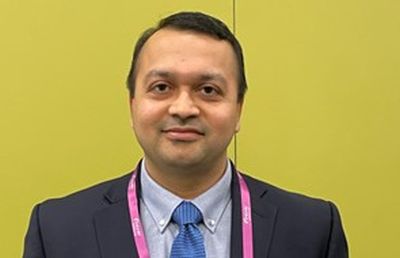
“This all goes back to the damage that mankind is inflicting on the environment in general, with the health care sector as one of the top contributors to plastic waste generation, landfills and water wastage,” Dr. Desai said. “Endoscopies, with their numerous benefits, substantially increase waste generation through landfill waste and liquid consumption and waste through the cleaning of endoscopes. We have a responsibility to look into this topic.”
To prospectively assess total waste generation from their institution, Dr. Desai, who was with the Kansas City (Mo.) Veterans Administration Medical Center, when the research was conducted, collected data on the items used in 450 consecutive procedures from May to June 2022. The data included procedure type, accessory use, intravenous tubing, numbers of biopsy jars, linens, PPE, and more, beginning at the point of patient entry to the endoscopy unit until discharge. They also collected data on waste generation related to reprocessing after each procedure and daily energy use (including endoscopy equipment, lights, and computers). With an eye toward finding opportunities to improve and maximize waste recycling, they stratified waste into the three categories of biohazardous, nonbiohazardous, or potentially recyclable.
“We found that the total waste generated during the time period was 1,398.6 kg, with more than half of it, 61.6%, going directly to landfill,” Dr. Desai said in an interview. “That’s an amount that an average family in the U.S. would use for 2 months. That’s a huge amount.”
Most waste consists of sharps
Exactly one-third was biohazard waste and 5.1% was sharps, they found. A single procedure, on average, sent 2.19 kg of waste to landfill. Extrapolated to 1 year, the waste total amounts to 9,189 kg (equivalent to just over 10 U.S. tons) and per 100 procedures to 219 kg (about 483 pounds).
They estimated 20% of the landfill waste was potentially recyclable (such as plastic CO2 tubing, O2 connector, syringes, etc.), which could reduce the total landfill burden by 8.6 kg per day or 2,580 kg per year (or 61 kg per 100 procedures). Reprocessing endoscopes generated 194 gallons of liquid waste (735.26 kg) per day or 1,385 gallons per 100 procedures.
Turning to energy consumption, Dr. Desai reported that daily use in the endoscopy unit was 277.1 kW-hours (equivalent to 8.2 gallons of gasoline), adding up to about 1,980 kW per 100 procedures. “That 100-procedure amount is the equivalent of the energy used for an average fuel efficiency car to travel 1,200 miles, the distance from Seattle to San Diego,” he said.
“One next step,” Dr. Desai said, “is getting help from GI societies to come together and have endoscopy units track their own performance. You need benchmarks so that you can determine how good an endoscopist you are with respect to waste.”
He commented further:“We all owe it to the environment. And, we have all witnessed what Mother Nature can do to you.”
Working on the potentially recyclable materials that account for 20% of the total waste would be a simple initial step to reduce waste going to landfills, Dr. Desai and colleagues concluded in the meeting abstract. “These data could serve as an actionable model for health systems to reduce total waste generation and move toward environmentally sustainable endoscopy units,” they wrote.
The authors reported no disclosures.
DDW is sponsored by the American Association for the Study of Liver Diseases, the American Gastroenterological Association, the American Society for Gastrointestinal Endoscopy, and The Society for Surgery of the Alimentary Tract.
CHICAGO – according to Madhav Desai, MD, MPH, assistant professor of medicine at the University of Minnesota, Minneapolis. About 20% of the waste, most of which went to landfills, was potentially recyclable, he said in a presentation given at the annual Digestive Disease Week® meeting.
Gastrointestinal endoscopies are critical for the screening, diagnosis, and treatment of a variety of gastrointestinal conditions. But like other medical procedures, endoscopies are a source of environmental waste, including plastic, sharps, personal protective equipment (PPE), and cleaning supplies, and also energy waste.
“This all goes back to the damage that mankind is inflicting on the environment in general, with the health care sector as one of the top contributors to plastic waste generation, landfills and water wastage,” Dr. Desai said. “Endoscopies, with their numerous benefits, substantially increase waste generation through landfill waste and liquid consumption and waste through the cleaning of endoscopes. We have a responsibility to look into this topic.”
To prospectively assess total waste generation from their institution, Dr. Desai, who was with the Kansas City (Mo.) Veterans Administration Medical Center, when the research was conducted, collected data on the items used in 450 consecutive procedures from May to June 2022. The data included procedure type, accessory use, intravenous tubing, numbers of biopsy jars, linens, PPE, and more, beginning at the point of patient entry to the endoscopy unit until discharge. They also collected data on waste generation related to reprocessing after each procedure and daily energy use (including endoscopy equipment, lights, and computers). With an eye toward finding opportunities to improve and maximize waste recycling, they stratified waste into the three categories of biohazardous, nonbiohazardous, or potentially recyclable.
“We found that the total waste generated during the time period was 1,398.6 kg, with more than half of it, 61.6%, going directly to landfill,” Dr. Desai said in an interview. “That’s an amount that an average family in the U.S. would use for 2 months. That’s a huge amount.”
Most waste consists of sharps
Exactly one-third was biohazard waste and 5.1% was sharps, they found. A single procedure, on average, sent 2.19 kg of waste to landfill. Extrapolated to 1 year, the waste total amounts to 9,189 kg (equivalent to just over 10 U.S. tons) and per 100 procedures to 219 kg (about 483 pounds).
They estimated 20% of the landfill waste was potentially recyclable (such as plastic CO2 tubing, O2 connector, syringes, etc.), which could reduce the total landfill burden by 8.6 kg per day or 2,580 kg per year (or 61 kg per 100 procedures). Reprocessing endoscopes generated 194 gallons of liquid waste (735.26 kg) per day or 1,385 gallons per 100 procedures.
Turning to energy consumption, Dr. Desai reported that daily use in the endoscopy unit was 277.1 kW-hours (equivalent to 8.2 gallons of gasoline), adding up to about 1,980 kW per 100 procedures. “That 100-procedure amount is the equivalent of the energy used for an average fuel efficiency car to travel 1,200 miles, the distance from Seattle to San Diego,” he said.
“One next step,” Dr. Desai said, “is getting help from GI societies to come together and have endoscopy units track their own performance. You need benchmarks so that you can determine how good an endoscopist you are with respect to waste.”
He commented further:“We all owe it to the environment. And, we have all witnessed what Mother Nature can do to you.”
Working on the potentially recyclable materials that account for 20% of the total waste would be a simple initial step to reduce waste going to landfills, Dr. Desai and colleagues concluded in the meeting abstract. “These data could serve as an actionable model for health systems to reduce total waste generation and move toward environmentally sustainable endoscopy units,” they wrote.
The authors reported no disclosures.
DDW is sponsored by the American Association for the Study of Liver Diseases, the American Gastroenterological Association, the American Society for Gastrointestinal Endoscopy, and The Society for Surgery of the Alimentary Tract.
CHICAGO – according to Madhav Desai, MD, MPH, assistant professor of medicine at the University of Minnesota, Minneapolis. About 20% of the waste, most of which went to landfills, was potentially recyclable, he said in a presentation given at the annual Digestive Disease Week® meeting.
Gastrointestinal endoscopies are critical for the screening, diagnosis, and treatment of a variety of gastrointestinal conditions. But like other medical procedures, endoscopies are a source of environmental waste, including plastic, sharps, personal protective equipment (PPE), and cleaning supplies, and also energy waste.
“This all goes back to the damage that mankind is inflicting on the environment in general, with the health care sector as one of the top contributors to plastic waste generation, landfills and water wastage,” Dr. Desai said. “Endoscopies, with their numerous benefits, substantially increase waste generation through landfill waste and liquid consumption and waste through the cleaning of endoscopes. We have a responsibility to look into this topic.”
To prospectively assess total waste generation from their institution, Dr. Desai, who was with the Kansas City (Mo.) Veterans Administration Medical Center, when the research was conducted, collected data on the items used in 450 consecutive procedures from May to June 2022. The data included procedure type, accessory use, intravenous tubing, numbers of biopsy jars, linens, PPE, and more, beginning at the point of patient entry to the endoscopy unit until discharge. They also collected data on waste generation related to reprocessing after each procedure and daily energy use (including endoscopy equipment, lights, and computers). With an eye toward finding opportunities to improve and maximize waste recycling, they stratified waste into the three categories of biohazardous, nonbiohazardous, or potentially recyclable.
“We found that the total waste generated during the time period was 1,398.6 kg, with more than half of it, 61.6%, going directly to landfill,” Dr. Desai said in an interview. “That’s an amount that an average family in the U.S. would use for 2 months. That’s a huge amount.”
Most waste consists of sharps
Exactly one-third was biohazard waste and 5.1% was sharps, they found. A single procedure, on average, sent 2.19 kg of waste to landfill. Extrapolated to 1 year, the waste total amounts to 9,189 kg (equivalent to just over 10 U.S. tons) and per 100 procedures to 219 kg (about 483 pounds).
They estimated 20% of the landfill waste was potentially recyclable (such as plastic CO2 tubing, O2 connector, syringes, etc.), which could reduce the total landfill burden by 8.6 kg per day or 2,580 kg per year (or 61 kg per 100 procedures). Reprocessing endoscopes generated 194 gallons of liquid waste (735.26 kg) per day or 1,385 gallons per 100 procedures.
Turning to energy consumption, Dr. Desai reported that daily use in the endoscopy unit was 277.1 kW-hours (equivalent to 8.2 gallons of gasoline), adding up to about 1,980 kW per 100 procedures. “That 100-procedure amount is the equivalent of the energy used for an average fuel efficiency car to travel 1,200 miles, the distance from Seattle to San Diego,” he said.
“One next step,” Dr. Desai said, “is getting help from GI societies to come together and have endoscopy units track their own performance. You need benchmarks so that you can determine how good an endoscopist you are with respect to waste.”
He commented further:“We all owe it to the environment. And, we have all witnessed what Mother Nature can do to you.”
Working on the potentially recyclable materials that account for 20% of the total waste would be a simple initial step to reduce waste going to landfills, Dr. Desai and colleagues concluded in the meeting abstract. “These data could serve as an actionable model for health systems to reduce total waste generation and move toward environmentally sustainable endoscopy units,” they wrote.
The authors reported no disclosures.
DDW is sponsored by the American Association for the Study of Liver Diseases, the American Gastroenterological Association, the American Society for Gastrointestinal Endoscopy, and The Society for Surgery of the Alimentary Tract.
AT DDW 2023
1,726-nm lasers poised to revolutionize acne treatment, expert predicts
PHOENIX – When Jeffrey Dover, MD, addressed audience members gathered for a session on cutting-edge technologies at the annual conference of the American Society for Laser Medicine and Surgery, he reflected on a conversation he had with R. Rox Anderson, MD, almost 40 years ago, about eventually finding a cure for acne.
“Despite the fact that we have over-the-counter therapies, prescription therapies, and all kinds of devices available to treat acne, there are still barriers to care that get in the way of treatment,” said Dr. Dover, director of SkinCare Physicians in Chestnut Hill, Mass. “If we had a device based on innovative light science that could meet the needs of the acne patient to get rid of these barriers, wouldn’t that be something wonderful?”

The answer to this question, he said, is now “yes,” because of advances in lasers that target sebaceous glands.
In a seminal paper published in 2012, Fernanda H. Sakamoto, MD, PhD, Dr. Anderson, and colleagues demonstrated the potential for a free electron laser to target sebaceous glands . Following several years of refinement, Dr. Dover said.
“With the 1,726-nm laser, there is some selective absorption in sebum in skin, which beats out absorption in the other chromophores,” he said. “But it’s not a big difference like it is, for example, for pulsed-dye lasers and vascular targets. ... This means that the therapeutic window is relatively small and protecting the rest of the epidermis and dermis is crucial to be able to target these lesions or the sebaceous gland without unnecessary damage. If we can protect the epidermis and heat just the sebaceous glands, we should be able to get Accutane-like results if we get durability [by] shrinking sebaceous glands.”
Effective cooling, whether contact cooling, bulk cooling, or air cooling, is crucial to success, he continued. “It’s got to be robust and highly specific to protect the skin, so you don’t end up with side effects that are worse than the disease.”
The AviClear laser delivers seven 3-mm spots, which takes into account the thermal relaxation times of the sebaceous glands. The algorithm delivers a treatment imprint at roughly 0.3 Hz and a 1.5-mm depth of penetration, and the device relies on contact cooling. In pivotal data submitted to the FDA, 104 individuals with moderate to severe acne received three treatments with the AviClear 1 month apart, with follow-up at 1, 3, 6, and 12 months post treatment. They had no other treatment regimens, and the primary endpoint was the percentage of patients who achieved a 50% reduction in inflammatory lesion count 3 months after the final treatment. The secondary endpoint was an Investigator’s Global Assessment (IGA) improvement of 2 or greater.
Dr. Dover, who helped design the study, said that, at 3 months, 80% of those treated achieved a 50% or greater reduction in inflammatory lesion count (P < .001). As for secondary endpoints, 36% of individuals were assessed as having clear or almost clear skin; 47% achieved a 2-point or greater improvement in IGA score, compared with baseline, and 87% achieved a 1-point or greater improvement in IGA score, compared with baseline. By 6 months, 88% of individuals achieved a 50% or greater reduction in inflammatory lesion count; this improved to 92% by 12 months (P < .001).
“All of these procedures were done with no topical anesthetic, no intralesional anesthetic, and they tolerated these quite well,” he said. “There was no down time that required medical intervention after the treatments. All posttreatment erythema and swelling resolved quickly,” and 75% of the patients were “very satisfied” with the treatments.
The Accure Laser System features a proprietary technology that precisely controls thermal gradient depth. “So instead of guessing whether you are delivering the correct amount of heat, it actually tells you,” said Dr. Dover, a past president of the ASLMS and the American Society for Dermatologic Surgery. “It correlates surface and at-depth temperatures, and there’s an infrared camera for real-time accurate temperature monitoring.” The device features highly controlled air cooling and a pulsing pattern that ensures treatment of sebaceous glands of all sizes and at all depths. The clinical end marker is peak epidermal temperature.
In a study supported by Accure, the manufacturer, researchers evaluated the efficacy of the Accure Laser System in 35 subjects with types I to VI skin, who received four monthly treatments 30-45 minutes each, and were followed 12, 26, 39, and 52 weeks following their last treatment. To date, data out to 52 weeks is available for 17 study participants. According to Dr. Dover, the researchers found 80% clearance at 12 weeks following the last treatment, with continued improvement at 52 weeks. One hundred percent of subjects responded. Side effects included erythema, edema, crusting, blisters, and inflammatory papules. “None of these were medically significant,” he said.
As dermatologists begin to incorporate the AviClear and Accure devices into their practices, Dr. Dover said that he is reminded of the conversation he had some 40 years ago with Dr. Anderson about finding a cure for acne, and he feels a bit awestruck. “These 1,726-nm lasers are effective for treating acne. I personally think they are going to revolutionize the way we treat at least some of our patients with acne. They may both be effective for treating facial acne scars. Time will tell. Further study of both scarring and acne are needed to fully categorize the benefit and to optimize treatments.”
To date no direct clinical comparisons have been made between the AviClear and Accure devices.
Dr. Dover reported that he is a consultant for Cutera, the manufacturer for AviClear. He also performs research for the company.
PHOENIX – When Jeffrey Dover, MD, addressed audience members gathered for a session on cutting-edge technologies at the annual conference of the American Society for Laser Medicine and Surgery, he reflected on a conversation he had with R. Rox Anderson, MD, almost 40 years ago, about eventually finding a cure for acne.
“Despite the fact that we have over-the-counter therapies, prescription therapies, and all kinds of devices available to treat acne, there are still barriers to care that get in the way of treatment,” said Dr. Dover, director of SkinCare Physicians in Chestnut Hill, Mass. “If we had a device based on innovative light science that could meet the needs of the acne patient to get rid of these barriers, wouldn’t that be something wonderful?”
The answer to this question, he said, is now “yes,” because of advances in lasers that target sebaceous glands.
In a seminal paper published in 2012, Fernanda H. Sakamoto, MD, PhD, Dr. Anderson, and colleagues demonstrated the potential for a free electron laser to target sebaceous glands . Following several years of refinement, Dr. Dover said.
“With the 1,726-nm laser, there is some selective absorption in sebum in skin, which beats out absorption in the other chromophores,” he said. “But it’s not a big difference like it is, for example, for pulsed-dye lasers and vascular targets. ... This means that the therapeutic window is relatively small and protecting the rest of the epidermis and dermis is crucial to be able to target these lesions or the sebaceous gland without unnecessary damage. If we can protect the epidermis and heat just the sebaceous glands, we should be able to get Accutane-like results if we get durability [by] shrinking sebaceous glands.”
Effective cooling, whether contact cooling, bulk cooling, or air cooling, is crucial to success, he continued. “It’s got to be robust and highly specific to protect the skin, so you don’t end up with side effects that are worse than the disease.”
The AviClear laser delivers seven 3-mm spots, which takes into account the thermal relaxation times of the sebaceous glands. The algorithm delivers a treatment imprint at roughly 0.3 Hz and a 1.5-mm depth of penetration, and the device relies on contact cooling. In pivotal data submitted to the FDA, 104 individuals with moderate to severe acne received three treatments with the AviClear 1 month apart, with follow-up at 1, 3, 6, and 12 months post treatment. They had no other treatment regimens, and the primary endpoint was the percentage of patients who achieved a 50% reduction in inflammatory lesion count 3 months after the final treatment. The secondary endpoint was an Investigator’s Global Assessment (IGA) improvement of 2 or greater.
Dr. Dover, who helped design the study, said that, at 3 months, 80% of those treated achieved a 50% or greater reduction in inflammatory lesion count (P < .001). As for secondary endpoints, 36% of individuals were assessed as having clear or almost clear skin; 47% achieved a 2-point or greater improvement in IGA score, compared with baseline, and 87% achieved a 1-point or greater improvement in IGA score, compared with baseline. By 6 months, 88% of individuals achieved a 50% or greater reduction in inflammatory lesion count; this improved to 92% by 12 months (P < .001).
“All of these procedures were done with no topical anesthetic, no intralesional anesthetic, and they tolerated these quite well,” he said. “There was no down time that required medical intervention after the treatments. All posttreatment erythema and swelling resolved quickly,” and 75% of the patients were “very satisfied” with the treatments.
The Accure Laser System features a proprietary technology that precisely controls thermal gradient depth. “So instead of guessing whether you are delivering the correct amount of heat, it actually tells you,” said Dr. Dover, a past president of the ASLMS and the American Society for Dermatologic Surgery. “It correlates surface and at-depth temperatures, and there’s an infrared camera for real-time accurate temperature monitoring.” The device features highly controlled air cooling and a pulsing pattern that ensures treatment of sebaceous glands of all sizes and at all depths. The clinical end marker is peak epidermal temperature.
In a study supported by Accure, the manufacturer, researchers evaluated the efficacy of the Accure Laser System in 35 subjects with types I to VI skin, who received four monthly treatments 30-45 minutes each, and were followed 12, 26, 39, and 52 weeks following their last treatment. To date, data out to 52 weeks is available for 17 study participants. According to Dr. Dover, the researchers found 80% clearance at 12 weeks following the last treatment, with continued improvement at 52 weeks. One hundred percent of subjects responded. Side effects included erythema, edema, crusting, blisters, and inflammatory papules. “None of these were medically significant,” he said.
As dermatologists begin to incorporate the AviClear and Accure devices into their practices, Dr. Dover said that he is reminded of the conversation he had some 40 years ago with Dr. Anderson about finding a cure for acne, and he feels a bit awestruck. “These 1,726-nm lasers are effective for treating acne. I personally think they are going to revolutionize the way we treat at least some of our patients with acne. They may both be effective for treating facial acne scars. Time will tell. Further study of both scarring and acne are needed to fully categorize the benefit and to optimize treatments.”
To date no direct clinical comparisons have been made between the AviClear and Accure devices.
Dr. Dover reported that he is a consultant for Cutera, the manufacturer for AviClear. He also performs research for the company.
PHOENIX – When Jeffrey Dover, MD, addressed audience members gathered for a session on cutting-edge technologies at the annual conference of the American Society for Laser Medicine and Surgery, he reflected on a conversation he had with R. Rox Anderson, MD, almost 40 years ago, about eventually finding a cure for acne.
“Despite the fact that we have over-the-counter therapies, prescription therapies, and all kinds of devices available to treat acne, there are still barriers to care that get in the way of treatment,” said Dr. Dover, director of SkinCare Physicians in Chestnut Hill, Mass. “If we had a device based on innovative light science that could meet the needs of the acne patient to get rid of these barriers, wouldn’t that be something wonderful?”
The answer to this question, he said, is now “yes,” because of advances in lasers that target sebaceous glands.
In a seminal paper published in 2012, Fernanda H. Sakamoto, MD, PhD, Dr. Anderson, and colleagues demonstrated the potential for a free electron laser to target sebaceous glands . Following several years of refinement, Dr. Dover said.
“With the 1,726-nm laser, there is some selective absorption in sebum in skin, which beats out absorption in the other chromophores,” he said. “But it’s not a big difference like it is, for example, for pulsed-dye lasers and vascular targets. ... This means that the therapeutic window is relatively small and protecting the rest of the epidermis and dermis is crucial to be able to target these lesions or the sebaceous gland without unnecessary damage. If we can protect the epidermis and heat just the sebaceous glands, we should be able to get Accutane-like results if we get durability [by] shrinking sebaceous glands.”
Effective cooling, whether contact cooling, bulk cooling, or air cooling, is crucial to success, he continued. “It’s got to be robust and highly specific to protect the skin, so you don’t end up with side effects that are worse than the disease.”
The AviClear laser delivers seven 3-mm spots, which takes into account the thermal relaxation times of the sebaceous glands. The algorithm delivers a treatment imprint at roughly 0.3 Hz and a 1.5-mm depth of penetration, and the device relies on contact cooling. In pivotal data submitted to the FDA, 104 individuals with moderate to severe acne received three treatments with the AviClear 1 month apart, with follow-up at 1, 3, 6, and 12 months post treatment. They had no other treatment regimens, and the primary endpoint was the percentage of patients who achieved a 50% reduction in inflammatory lesion count 3 months after the final treatment. The secondary endpoint was an Investigator’s Global Assessment (IGA) improvement of 2 or greater.
Dr. Dover, who helped design the study, said that, at 3 months, 80% of those treated achieved a 50% or greater reduction in inflammatory lesion count (P < .001). As for secondary endpoints, 36% of individuals were assessed as having clear or almost clear skin; 47% achieved a 2-point or greater improvement in IGA score, compared with baseline, and 87% achieved a 1-point or greater improvement in IGA score, compared with baseline. By 6 months, 88% of individuals achieved a 50% or greater reduction in inflammatory lesion count; this improved to 92% by 12 months (P < .001).
“All of these procedures were done with no topical anesthetic, no intralesional anesthetic, and they tolerated these quite well,” he said. “There was no down time that required medical intervention after the treatments. All posttreatment erythema and swelling resolved quickly,” and 75% of the patients were “very satisfied” with the treatments.
The Accure Laser System features a proprietary technology that precisely controls thermal gradient depth. “So instead of guessing whether you are delivering the correct amount of heat, it actually tells you,” said Dr. Dover, a past president of the ASLMS and the American Society for Dermatologic Surgery. “It correlates surface and at-depth temperatures, and there’s an infrared camera for real-time accurate temperature monitoring.” The device features highly controlled air cooling and a pulsing pattern that ensures treatment of sebaceous glands of all sizes and at all depths. The clinical end marker is peak epidermal temperature.
In a study supported by Accure, the manufacturer, researchers evaluated the efficacy of the Accure Laser System in 35 subjects with types I to VI skin, who received four monthly treatments 30-45 minutes each, and were followed 12, 26, 39, and 52 weeks following their last treatment. To date, data out to 52 weeks is available for 17 study participants. According to Dr. Dover, the researchers found 80% clearance at 12 weeks following the last treatment, with continued improvement at 52 weeks. One hundred percent of subjects responded. Side effects included erythema, edema, crusting, blisters, and inflammatory papules. “None of these were medically significant,” he said.
As dermatologists begin to incorporate the AviClear and Accure devices into their practices, Dr. Dover said that he is reminded of the conversation he had some 40 years ago with Dr. Anderson about finding a cure for acne, and he feels a bit awestruck. “These 1,726-nm lasers are effective for treating acne. I personally think they are going to revolutionize the way we treat at least some of our patients with acne. They may both be effective for treating facial acne scars. Time will tell. Further study of both scarring and acne are needed to fully categorize the benefit and to optimize treatments.”
To date no direct clinical comparisons have been made between the AviClear and Accure devices.
Dr. Dover reported that he is a consultant for Cutera, the manufacturer for AviClear. He also performs research for the company.
AT ASLMS 2023
Interdisciplinary program reduced pediatric pain without pharmacology
WASHINGTON – A nonpharmacologic, interdisciplinary program significantly improved chronic pain in children and the quality of life for their families, based on data from 115 individuals.
Up to 40% of children experience chronic pain that affects their physical, psychosocial, and educational functioning, said Jessica Campanile, BA, a medical student at the University of Pennsylvania, Philadelphia, in a presentation at the Pediatric Academic Societies annual meeting.
Although interdisciplinary pediatric pain rehabilitation programs have shown positive outcomes, very few use only nonpharmacologic treatments, said Ms. Campanile. In addition, few studies have explored the effects of a hospital-based program on the patients and their families.
Ms. Campanile and colleagues conducted a retrospective cohort study of participants in an outpatient pain rehabilitation program at the Children’s Hospital of Philadelphia between April 2016 and December 2019. Patients were evaluated by a pediatric rheumatologist, psychologist, and physical and occupational therapists.
Patients engaged in 2-3 hours of physical therapy (PT) and 2-3 hours of occupational therapy (OT) in a 1:1 ratio at least 5 days a week. Physical activities included stepping into and out of a tub, carrying laundry, and desensitizing to allodynia as needed. Participants also received individual and group cognitive-behavior therapy interventions from psychologists, and psychological support during PT and OT sessions if needed. Parents/caregivers were invited to separate individual and group therapy sessions as part of the program. The median age at admission to the program was 15 years, and 79% of the participants were female. Patients participated the program for a median of 17 days, and 87% were outpatients who came to the hospital for the program.
Pain was assessed based on the 0-10 verbal pain intensity scale, energy was assessed on a scale of 0-100, and functional disability was assessed on a scale of 0-60, with higher scores indicating more pain, more energy, and more self-perceived disability, respectively.
Overall, scores on measures of pain, disability, allodynia, and energy improved significantly from baseline to discharge from the program. Verbal pain intensity scores decreased on average from 7 to 5, disability scores decreased from 26 to 9, the proportion of patients reporting allodynia decreased from 86% to 61%, and the energy level score increased from 70 to 77. The trend continued at the first follow-up visit, conducted 2-3 months after discharge from the program. Notably, pain intensity further decreased from a median of 5 at program completion to a median of 2 at the first follow-up, Ms. Campanile said. Improvements in allodynia also were sustained at the first follow-up.
Quality of life measures related to physical, emotional, social, and cognitive function also improved significantly from baseline to completion of the program.
In addition, scores on a quality of life family impact survey improved significantly; in particular, parent health-related quality of life scores (Parent HRQoL) improved from 60 at baseline to 71 at the end of the program on a scale of 0 to 100. The study findings were limited by several factors including the relatively short duration and use of a convenience sample from a retrospective cohort, with data limited to electronic health records, Ms. Campanile said. The study also was not powered to examine differential treatments based on psychiatric conditions, and any psychiatric conditions were based on self-reports.
However, the results support the value of a nonpharmacologic interdisciplinary program as “a robust treatment for youth with chronic idiopathic pain, for both patients and the family unit,” she said.
“This study also supports the need for and benefit of additional counseling for patients and their caregivers prior to and during enrollment in a pain rehabilitation program,” she concluded.
Study supports effectiveness of drug-free pain management
“The management of pain in any age group can be challenging, especially with current concerns for opioid dependence and abuse,” Cathy Haut, DNP, CPNP-AC, CPNP-PC, a pediatric nurse practitioner in Rehoboth Beach, Del., said in an interview.
“Chronic pain affects daily life for all populations, but for children, adolescents, and their families, it can have a long-lasting impact on growth and development, psychosocial and physical well-being,” Dr. Haut said. “Determining and testing nonpharmacologic alternative methods of pain control are extremely important.”
Given the debilitating effects of chronic pain, and the potential side effects and dependence that have been associated with use of pharmacologic modes of pain control, unique and creative solutions have begun to emerge and need further attention and study, she said.
However, “despite published research supporting the use of alternative and complementary approaches to pain control in children and adolescents, nonpharmacologic, collaborative, interprofessional approaches to pain control have not been widely shared in the literature,” she said.
“Barriers to this type of program include first and foremost a potential lack of financial and workforce-related resources,” Dr. Haut said. “Patient and family attendance at frequent health visits, daily or even every other day, may also hinder success, but opportunities for telehealth and family training to learn physical and occupational skills within this type of program may be beginning solutions.”
Additional research should be conducted at multiple children’s hospitals, with a larger number of children and adolescents at varying ages, with pain related to different diagnoses, and with the inclusion of collaborative methodology, said Dr. Haut. “The current study had some limitations, including the small sample size, predominantly female sex, and a short participation time frame utilizing retrospective review. Completing prospective research over a longer time frame can also yield generalizable results applicable to varied populations.”
The study received no outside funding. Ms. Campanile had no financial conflicts to disclose. Dr. Haut had no financial conflicts to disclose, and serves on the editorial advisory board of Pediatric News.
WASHINGTON – A nonpharmacologic, interdisciplinary program significantly improved chronic pain in children and the quality of life for their families, based on data from 115 individuals.
Up to 40% of children experience chronic pain that affects their physical, psychosocial, and educational functioning, said Jessica Campanile, BA, a medical student at the University of Pennsylvania, Philadelphia, in a presentation at the Pediatric Academic Societies annual meeting.
Although interdisciplinary pediatric pain rehabilitation programs have shown positive outcomes, very few use only nonpharmacologic treatments, said Ms. Campanile. In addition, few studies have explored the effects of a hospital-based program on the patients and their families.
Ms. Campanile and colleagues conducted a retrospective cohort study of participants in an outpatient pain rehabilitation program at the Children’s Hospital of Philadelphia between April 2016 and December 2019. Patients were evaluated by a pediatric rheumatologist, psychologist, and physical and occupational therapists.
Patients engaged in 2-3 hours of physical therapy (PT) and 2-3 hours of occupational therapy (OT) in a 1:1 ratio at least 5 days a week. Physical activities included stepping into and out of a tub, carrying laundry, and desensitizing to allodynia as needed. Participants also received individual and group cognitive-behavior therapy interventions from psychologists, and psychological support during PT and OT sessions if needed. Parents/caregivers were invited to separate individual and group therapy sessions as part of the program. The median age at admission to the program was 15 years, and 79% of the participants were female. Patients participated the program for a median of 17 days, and 87% were outpatients who came to the hospital for the program.
Pain was assessed based on the 0-10 verbal pain intensity scale, energy was assessed on a scale of 0-100, and functional disability was assessed on a scale of 0-60, with higher scores indicating more pain, more energy, and more self-perceived disability, respectively.
Overall, scores on measures of pain, disability, allodynia, and energy improved significantly from baseline to discharge from the program. Verbal pain intensity scores decreased on average from 7 to 5, disability scores decreased from 26 to 9, the proportion of patients reporting allodynia decreased from 86% to 61%, and the energy level score increased from 70 to 77. The trend continued at the first follow-up visit, conducted 2-3 months after discharge from the program. Notably, pain intensity further decreased from a median of 5 at program completion to a median of 2 at the first follow-up, Ms. Campanile said. Improvements in allodynia also were sustained at the first follow-up.
Quality of life measures related to physical, emotional, social, and cognitive function also improved significantly from baseline to completion of the program.
In addition, scores on a quality of life family impact survey improved significantly; in particular, parent health-related quality of life scores (Parent HRQoL) improved from 60 at baseline to 71 at the end of the program on a scale of 0 to 100. The study findings were limited by several factors including the relatively short duration and use of a convenience sample from a retrospective cohort, with data limited to electronic health records, Ms. Campanile said. The study also was not powered to examine differential treatments based on psychiatric conditions, and any psychiatric conditions were based on self-reports.
However, the results support the value of a nonpharmacologic interdisciplinary program as “a robust treatment for youth with chronic idiopathic pain, for both patients and the family unit,” she said.
“This study also supports the need for and benefit of additional counseling for patients and their caregivers prior to and during enrollment in a pain rehabilitation program,” she concluded.
Study supports effectiveness of drug-free pain management
“The management of pain in any age group can be challenging, especially with current concerns for opioid dependence and abuse,” Cathy Haut, DNP, CPNP-AC, CPNP-PC, a pediatric nurse practitioner in Rehoboth Beach, Del., said in an interview.
“Chronic pain affects daily life for all populations, but for children, adolescents, and their families, it can have a long-lasting impact on growth and development, psychosocial and physical well-being,” Dr. Haut said. “Determining and testing nonpharmacologic alternative methods of pain control are extremely important.”
Given the debilitating effects of chronic pain, and the potential side effects and dependence that have been associated with use of pharmacologic modes of pain control, unique and creative solutions have begun to emerge and need further attention and study, she said.
However, “despite published research supporting the use of alternative and complementary approaches to pain control in children and adolescents, nonpharmacologic, collaborative, interprofessional approaches to pain control have not been widely shared in the literature,” she said.
“Barriers to this type of program include first and foremost a potential lack of financial and workforce-related resources,” Dr. Haut said. “Patient and family attendance at frequent health visits, daily or even every other day, may also hinder success, but opportunities for telehealth and family training to learn physical and occupational skills within this type of program may be beginning solutions.”
Additional research should be conducted at multiple children’s hospitals, with a larger number of children and adolescents at varying ages, with pain related to different diagnoses, and with the inclusion of collaborative methodology, said Dr. Haut. “The current study had some limitations, including the small sample size, predominantly female sex, and a short participation time frame utilizing retrospective review. Completing prospective research over a longer time frame can also yield generalizable results applicable to varied populations.”
The study received no outside funding. Ms. Campanile had no financial conflicts to disclose. Dr. Haut had no financial conflicts to disclose, and serves on the editorial advisory board of Pediatric News.
WASHINGTON – A nonpharmacologic, interdisciplinary program significantly improved chronic pain in children and the quality of life for their families, based on data from 115 individuals.
Up to 40% of children experience chronic pain that affects their physical, psychosocial, and educational functioning, said Jessica Campanile, BA, a medical student at the University of Pennsylvania, Philadelphia, in a presentation at the Pediatric Academic Societies annual meeting.
Although interdisciplinary pediatric pain rehabilitation programs have shown positive outcomes, very few use only nonpharmacologic treatments, said Ms. Campanile. In addition, few studies have explored the effects of a hospital-based program on the patients and their families.
Ms. Campanile and colleagues conducted a retrospective cohort study of participants in an outpatient pain rehabilitation program at the Children’s Hospital of Philadelphia between April 2016 and December 2019. Patients were evaluated by a pediatric rheumatologist, psychologist, and physical and occupational therapists.
Patients engaged in 2-3 hours of physical therapy (PT) and 2-3 hours of occupational therapy (OT) in a 1:1 ratio at least 5 days a week. Physical activities included stepping into and out of a tub, carrying laundry, and desensitizing to allodynia as needed. Participants also received individual and group cognitive-behavior therapy interventions from psychologists, and psychological support during PT and OT sessions if needed. Parents/caregivers were invited to separate individual and group therapy sessions as part of the program. The median age at admission to the program was 15 years, and 79% of the participants were female. Patients participated the program for a median of 17 days, and 87% were outpatients who came to the hospital for the program.
Pain was assessed based on the 0-10 verbal pain intensity scale, energy was assessed on a scale of 0-100, and functional disability was assessed on a scale of 0-60, with higher scores indicating more pain, more energy, and more self-perceived disability, respectively.
Overall, scores on measures of pain, disability, allodynia, and energy improved significantly from baseline to discharge from the program. Verbal pain intensity scores decreased on average from 7 to 5, disability scores decreased from 26 to 9, the proportion of patients reporting allodynia decreased from 86% to 61%, and the energy level score increased from 70 to 77. The trend continued at the first follow-up visit, conducted 2-3 months after discharge from the program. Notably, pain intensity further decreased from a median of 5 at program completion to a median of 2 at the first follow-up, Ms. Campanile said. Improvements in allodynia also were sustained at the first follow-up.
Quality of life measures related to physical, emotional, social, and cognitive function also improved significantly from baseline to completion of the program.
In addition, scores on a quality of life family impact survey improved significantly; in particular, parent health-related quality of life scores (Parent HRQoL) improved from 60 at baseline to 71 at the end of the program on a scale of 0 to 100. The study findings were limited by several factors including the relatively short duration and use of a convenience sample from a retrospective cohort, with data limited to electronic health records, Ms. Campanile said. The study also was not powered to examine differential treatments based on psychiatric conditions, and any psychiatric conditions were based on self-reports.
However, the results support the value of a nonpharmacologic interdisciplinary program as “a robust treatment for youth with chronic idiopathic pain, for both patients and the family unit,” she said.
“This study also supports the need for and benefit of additional counseling for patients and their caregivers prior to and during enrollment in a pain rehabilitation program,” she concluded.
Study supports effectiveness of drug-free pain management
“The management of pain in any age group can be challenging, especially with current concerns for opioid dependence and abuse,” Cathy Haut, DNP, CPNP-AC, CPNP-PC, a pediatric nurse practitioner in Rehoboth Beach, Del., said in an interview.
“Chronic pain affects daily life for all populations, but for children, adolescents, and their families, it can have a long-lasting impact on growth and development, psychosocial and physical well-being,” Dr. Haut said. “Determining and testing nonpharmacologic alternative methods of pain control are extremely important.”
Given the debilitating effects of chronic pain, and the potential side effects and dependence that have been associated with use of pharmacologic modes of pain control, unique and creative solutions have begun to emerge and need further attention and study, she said.
However, “despite published research supporting the use of alternative and complementary approaches to pain control in children and adolescents, nonpharmacologic, collaborative, interprofessional approaches to pain control have not been widely shared in the literature,” she said.
“Barriers to this type of program include first and foremost a potential lack of financial and workforce-related resources,” Dr. Haut said. “Patient and family attendance at frequent health visits, daily or even every other day, may also hinder success, but opportunities for telehealth and family training to learn physical and occupational skills within this type of program may be beginning solutions.”
Additional research should be conducted at multiple children’s hospitals, with a larger number of children and adolescents at varying ages, with pain related to different diagnoses, and with the inclusion of collaborative methodology, said Dr. Haut. “The current study had some limitations, including the small sample size, predominantly female sex, and a short participation time frame utilizing retrospective review. Completing prospective research over a longer time frame can also yield generalizable results applicable to varied populations.”
The study received no outside funding. Ms. Campanile had no financial conflicts to disclose. Dr. Haut had no financial conflicts to disclose, and serves on the editorial advisory board of Pediatric News.
FROM PAS 2023
Sulfonylureas as street drugs: Hidden hypoglycemia cause
SEATTLE – .
“Physicians should be aware of this possibility and consider intentional or unintentional sulfonylurea abuse, with or without other drugs,” Amanda McKenna, MD, a first-year endocrinology fellow at the Mayo Clinic, Jacksonville, Fla., and colleagues say in a poster presented at the annual scientific & clinical congress of the American Association of Clinical Endocrinology.
The new case, seen in Florida, involves a 33-year-old man with a history of narcotic dependence and anxiety but not diabetes. At the time of presentation, the patient was unconscious and diaphoretic. The patient’s blood glucose level was 18 mg/dL. He had purchased two unmarked, light blue pills on the street which he thought were Valiums but turned out to be glyburide.
Sulfonylureas have no potential for abuse, but they physically resemble Valiums and are easier for illicit drug dealers to obtain because they’re not a controlled substance, and they can be sold for considerably more money, Dr. McKenna said in an interview.
“He thought he was getting Valium, but what he really purchased was glyburide. ... When he took it, he developed sweating and weakness. He probably thought he was having a bad trip, but it was really low blood sugar,” she said.
Similar cases go back nearly two decades
Similar cases have been reported as far back as 2004 in different parts of the United States. A 2004 article reports five cases in which people in San Francisco were “admitted to the hospital for hypoglycemia as a result of a drug purchased on the streets as a presumed benzodiazepine.”
Two more cases of “glyburide poisoning by ingestion of ‘street Valium,’ ” also from San Francisco, were reported in 2012. And in another case presented at the 2022 Endocrine Society meeting, sulfonylurea had been cut with cocaine, presumably to increase the volume.
The lead author of the 2012 article, Craig Smollin, MD, medical director of the California Poison Control System, San Francisco Division, and professor of emergency medicine at the University of California, San Francisco, told this news organization that his team has seen “a handful of cases over the years” but that “it is hard to say how common it is because hypoglycemia is common in this patient population for a variety of reasons.”
Persistent hypoglycemia led to the source
In the current case, paramedics treated the patient with D50W, and his blood glucose level increased from 18 mg/dL to 109 mg/dL. He regained consciousness but then developed recurrent hypoglycemia, and his blood glucose level dropped back to 15 mg/dL in the ED. Urine toxicology results were positive for benzodiazepines, cannabis, and cocaine.
Laboratory results showed elevations in levels of insulin (47.4 mIU/mL), C-peptide (5.4 ng/mL), and glucose (44 mg/dL). He was again treated with D50W, and his blood glucose level returned to normal over 20 hours. Once alert and oriented, he reported no personal or family history of diabetes. A 72-hour fast showed no evidence of insulinoma. A sulfonylurea screen was positive for glyburide. He was discharged home in stable condition. How many more cases have been missed?
Dr. McKenna pointed out that a typical urine toxicology screen for drugs wouldn’t detect a sulfonylurea. “The screen for hypoglycemic agents is a blood test, not a urine screen, so it’s completely different in the workup, and you really have to be thinking about that. It typically takes a while to come back,” she said.
She added that if the hypoglycemia resolves and testing isn’t conducted, the cause of the low blood sugar level might be missed. “If the hypoglycemia doesn’t persist, the [ED] physician wouldn’t consult endocrine. ... Is this happening more than we think?”
Ocreotide: A ‘unique antidote’
In their article, Dr. Smollin and colleagues describe the use of ocreotide, a long-acting somatostatin agonist that reverses the insulin-releasing effect of sulfonylureas on pancreatic beta cells, resulting in diminished insulin secretion. Unlike glucose supplementation, ocreotide doesn’t stimulate additional insulin release. It is of longer duration than glucagon, the authors say.
“The management of sulfonylurea overdose includes administration of glucose but also may include the use of octreotide, a unique antidote for sulfonylurea induced hypoglycemia,” Dr. Smollin said.
However, he also cautioned, “there is a broad differential diagnosis for hypoglycemia, and clinicians must consider many alternative diagnoses.”
Dr. McKenna and Dr. Smollin have disclosed no relevant financial relationships.
A version of this article first appeared on Medscape.com.
SEATTLE – .
“Physicians should be aware of this possibility and consider intentional or unintentional sulfonylurea abuse, with or without other drugs,” Amanda McKenna, MD, a first-year endocrinology fellow at the Mayo Clinic, Jacksonville, Fla., and colleagues say in a poster presented at the annual scientific & clinical congress of the American Association of Clinical Endocrinology.
The new case, seen in Florida, involves a 33-year-old man with a history of narcotic dependence and anxiety but not diabetes. At the time of presentation, the patient was unconscious and diaphoretic. The patient’s blood glucose level was 18 mg/dL. He had purchased two unmarked, light blue pills on the street which he thought were Valiums but turned out to be glyburide.
Sulfonylureas have no potential for abuse, but they physically resemble Valiums and are easier for illicit drug dealers to obtain because they’re not a controlled substance, and they can be sold for considerably more money, Dr. McKenna said in an interview.
“He thought he was getting Valium, but what he really purchased was glyburide. ... When he took it, he developed sweating and weakness. He probably thought he was having a bad trip, but it was really low blood sugar,” she said.
Similar cases go back nearly two decades
Similar cases have been reported as far back as 2004 in different parts of the United States. A 2004 article reports five cases in which people in San Francisco were “admitted to the hospital for hypoglycemia as a result of a drug purchased on the streets as a presumed benzodiazepine.”
Two more cases of “glyburide poisoning by ingestion of ‘street Valium,’ ” also from San Francisco, were reported in 2012. And in another case presented at the 2022 Endocrine Society meeting, sulfonylurea had been cut with cocaine, presumably to increase the volume.
The lead author of the 2012 article, Craig Smollin, MD, medical director of the California Poison Control System, San Francisco Division, and professor of emergency medicine at the University of California, San Francisco, told this news organization that his team has seen “a handful of cases over the years” but that “it is hard to say how common it is because hypoglycemia is common in this patient population for a variety of reasons.”
Persistent hypoglycemia led to the source
In the current case, paramedics treated the patient with D50W, and his blood glucose level increased from 18 mg/dL to 109 mg/dL. He regained consciousness but then developed recurrent hypoglycemia, and his blood glucose level dropped back to 15 mg/dL in the ED. Urine toxicology results were positive for benzodiazepines, cannabis, and cocaine.
Laboratory results showed elevations in levels of insulin (47.4 mIU/mL), C-peptide (5.4 ng/mL), and glucose (44 mg/dL). He was again treated with D50W, and his blood glucose level returned to normal over 20 hours. Once alert and oriented, he reported no personal or family history of diabetes. A 72-hour fast showed no evidence of insulinoma. A sulfonylurea screen was positive for glyburide. He was discharged home in stable condition. How many more cases have been missed?
Dr. McKenna pointed out that a typical urine toxicology screen for drugs wouldn’t detect a sulfonylurea. “The screen for hypoglycemic agents is a blood test, not a urine screen, so it’s completely different in the workup, and you really have to be thinking about that. It typically takes a while to come back,” she said.
She added that if the hypoglycemia resolves and testing isn’t conducted, the cause of the low blood sugar level might be missed. “If the hypoglycemia doesn’t persist, the [ED] physician wouldn’t consult endocrine. ... Is this happening more than we think?”
Ocreotide: A ‘unique antidote’
In their article, Dr. Smollin and colleagues describe the use of ocreotide, a long-acting somatostatin agonist that reverses the insulin-releasing effect of sulfonylureas on pancreatic beta cells, resulting in diminished insulin secretion. Unlike glucose supplementation, ocreotide doesn’t stimulate additional insulin release. It is of longer duration than glucagon, the authors say.
“The management of sulfonylurea overdose includes administration of glucose but also may include the use of octreotide, a unique antidote for sulfonylurea induced hypoglycemia,” Dr. Smollin said.
However, he also cautioned, “there is a broad differential diagnosis for hypoglycemia, and clinicians must consider many alternative diagnoses.”
Dr. McKenna and Dr. Smollin have disclosed no relevant financial relationships.
A version of this article first appeared on Medscape.com.
SEATTLE – .
“Physicians should be aware of this possibility and consider intentional or unintentional sulfonylurea abuse, with or without other drugs,” Amanda McKenna, MD, a first-year endocrinology fellow at the Mayo Clinic, Jacksonville, Fla., and colleagues say in a poster presented at the annual scientific & clinical congress of the American Association of Clinical Endocrinology.
The new case, seen in Florida, involves a 33-year-old man with a history of narcotic dependence and anxiety but not diabetes. At the time of presentation, the patient was unconscious and diaphoretic. The patient’s blood glucose level was 18 mg/dL. He had purchased two unmarked, light blue pills on the street which he thought were Valiums but turned out to be glyburide.
Sulfonylureas have no potential for abuse, but they physically resemble Valiums and are easier for illicit drug dealers to obtain because they’re not a controlled substance, and they can be sold for considerably more money, Dr. McKenna said in an interview.
“He thought he was getting Valium, but what he really purchased was glyburide. ... When he took it, he developed sweating and weakness. He probably thought he was having a bad trip, but it was really low blood sugar,” she said.
Similar cases go back nearly two decades
Similar cases have been reported as far back as 2004 in different parts of the United States. A 2004 article reports five cases in which people in San Francisco were “admitted to the hospital for hypoglycemia as a result of a drug purchased on the streets as a presumed benzodiazepine.”
Two more cases of “glyburide poisoning by ingestion of ‘street Valium,’ ” also from San Francisco, were reported in 2012. And in another case presented at the 2022 Endocrine Society meeting, sulfonylurea had been cut with cocaine, presumably to increase the volume.
The lead author of the 2012 article, Craig Smollin, MD, medical director of the California Poison Control System, San Francisco Division, and professor of emergency medicine at the University of California, San Francisco, told this news organization that his team has seen “a handful of cases over the years” but that “it is hard to say how common it is because hypoglycemia is common in this patient population for a variety of reasons.”
Persistent hypoglycemia led to the source
In the current case, paramedics treated the patient with D50W, and his blood glucose level increased from 18 mg/dL to 109 mg/dL. He regained consciousness but then developed recurrent hypoglycemia, and his blood glucose level dropped back to 15 mg/dL in the ED. Urine toxicology results were positive for benzodiazepines, cannabis, and cocaine.
Laboratory results showed elevations in levels of insulin (47.4 mIU/mL), C-peptide (5.4 ng/mL), and glucose (44 mg/dL). He was again treated with D50W, and his blood glucose level returned to normal over 20 hours. Once alert and oriented, he reported no personal or family history of diabetes. A 72-hour fast showed no evidence of insulinoma. A sulfonylurea screen was positive for glyburide. He was discharged home in stable condition. How many more cases have been missed?
Dr. McKenna pointed out that a typical urine toxicology screen for drugs wouldn’t detect a sulfonylurea. “The screen for hypoglycemic agents is a blood test, not a urine screen, so it’s completely different in the workup, and you really have to be thinking about that. It typically takes a while to come back,” she said.
She added that if the hypoglycemia resolves and testing isn’t conducted, the cause of the low blood sugar level might be missed. “If the hypoglycemia doesn’t persist, the [ED] physician wouldn’t consult endocrine. ... Is this happening more than we think?”
Ocreotide: A ‘unique antidote’
In their article, Dr. Smollin and colleagues describe the use of ocreotide, a long-acting somatostatin agonist that reverses the insulin-releasing effect of sulfonylureas on pancreatic beta cells, resulting in diminished insulin secretion. Unlike glucose supplementation, ocreotide doesn’t stimulate additional insulin release. It is of longer duration than glucagon, the authors say.
“The management of sulfonylurea overdose includes administration of glucose but also may include the use of octreotide, a unique antidote for sulfonylurea induced hypoglycemia,” Dr. Smollin said.
However, he also cautioned, “there is a broad differential diagnosis for hypoglycemia, and clinicians must consider many alternative diagnoses.”
Dr. McKenna and Dr. Smollin have disclosed no relevant financial relationships.
A version of this article first appeared on Medscape.com.
AT AACE 2023
Studies suggest ways to refine neonatal hernia management
WASHINGTON – Congenital diaphragmatic hernia affects many areas of pediatrics. In a trio of posters presented at the Pediatric Academic Societies annual meeting,
Initial ventilation mode shows little impact on NICU outcomes
In one study, K. Taylor Wild, MD, and colleagues investigated whether high-frequency oscillatory ventilation (HFOV) as an initial mode of ventilation in the delivery room improved gas exchange and neonatal ICU (NICU) outcomes in infants with congenital diaphragmatic hernia (CDH), compared with conventional mechanical ventilation (CMV). In 2019, HFOV became standard practice at CHOP.
The researchers reviewed data on infants with severe CDH who were born at CHOP between 2014 and 2022. Of these, 75 were placed on HFOV and 114 on CMV. The mean gestational age at birth in both groups was approximately 38 weeks, and the mean birth weight was approximately 3 kg.
Compared with CMV, use of HFOV in the delivery room was associated with significantly higher pH (7.05 vs. 7.16, P = .03) and significantly lower CO2 (85.2 vs. 64.5, P = .005). However, after adjusting for CDH severity, no significant differences appeared in length of stay and overall survival to discharge. The higher rates of extracorporeal membrane oxygenation (ECMO) use in the HFOV group, compared with the CMV group (48% vs. 29.9%), may reflect more severe disease, the researchers noted.
Prenatal brain immaturity associates with developmental delay
In a second study, Sandy Johng, MD, and colleagues found a significant association between prenatal brain immaturity in babies with CDH and developmental scores at age 12 months and older. The researchers reviewed data from a single-center patient registry for 48 infants for whom prenatal neuroimaging results were available. Based on the imaging, a fetal Total Maturation Score (fTMS) was generated and used as a measure of prenatal brain immaturity.
Results from the Bayley Scales of Infant Development-III (BSID-III) – a composite of cognitive, motor, and language scores – were available for 26 neonates at ages 12 months and under as well as at 12 months and older.
In a linear regression model, the researchers found a significant association between difference in fTMS and BSID-III composite language scores in infants 12 months and older. After adjusting for ECMO treatment, an increase in fTMS of one unit was associated with a 6.5-point increase in language scores at age 12 months and older (P < .01). No significant differences were observed between fTMS difference and language scores in infants under 12 months, or in cognitive or motor scores at any age, the researchers noted. The findings were limited by the small sample size, but the study is the first to show an association between prenatal imaging and neurodevelopmental outcomes for infants with CDH. Results suggest that the risk for neurodevelopmental impairment in this population may start in utero, the researchers concluded.
Antibiotic use stays stable
In a third study, Sabrina Flohr, MPH, and colleagues reviewed antibiotic use among infants with CDH who are at increased risk for infection. In many cases, distinguishing between infection and inherent clinical illness is challenging and may lead to unnecessarily high rates of antibiotic use, the researchers noted.
They reviewed data from 381 infants with CDH born at CHOP between January 2013 and November 2022 who were treated and survived in the NICU. Overall, 97.1% of the newborns received antibiotics for a median of 13 days. Nearly two-thirds (63.5%) received antibiotics in the first 72 hours, and 98.1% received them after 72 hours. Ampicillin and gentamicin were the antibiotics used most often in the first 72 hours (approximately 50% for both). After 72 hours, the most commonly used antibiotics were cefazolin (91.6%), vancomycin (67.7%), and cefepime (65.7%).
The results show that antibiotic use among newborns with CDH did not change significantly over time, and the choices of later antibiotics likely reflect perioperative prophylaxis and broad-spectrum treatment, the researchers noted.
Studies show larger trends
“These are three interesting studies regarding congenital diaphragmatic hernia from a center that does a high volume of repairs,” said Tim Joos, MD, a Seattle-based clinician with a combination internal medicine/pediatrics practice, in an interview.
“Each individual case can be consuming, but it is important to look for an aggregate of cases to see the larger trends in practices and outcomes,” said Dr. Joos, who was not involved in any of the studies.
The findings of the ventilation study surprised Dr. Joos. “Although high-frequency oscillatory ventilation improves initial gas exchange in the delivery room, compared with conventional mechanical ventilation, it was not associated with any larger NICU outcome,” he said. “This surprised me because my intuition would be that the HFOV would lead to less barotrauma and therefore better outcomes with the underformed lungs associated with this disorder.”
The imaging study demonstrates the need for more research on the association between CDH and neurologic outcomes, said Dr. Joos.
“Prenatal neuroimaging that shows delayed maturation with congenital diaphragmatic hernia correlates with lower language scores in early childhood, and suggests that this may be a predictor of neurologic outcome independent of the postnatal course,” he said.
Data from the antibiotics study reflect current trends, said Dr. Joos. “Antibiotics use is extremely common during the postnatal course of CDH and surgical repair,” he said. “The choice of antibiotics mirrors what we see in other neonatal conditions with regard to treatment for possible early neonatal sepsis, postsurgical prophylaxis, and later broad-spectrum empiric coverage,” he noted.
“I look forward to more studies to come out of large-volume centers like CHOP or aggregated results from many centers to help figure out best practices for this rare but very complicated and often devastating malformation,” he said.
The three posters received no outside funding. The researchers had no financial conflicts to disclose. Dr. Joos had no financial conflicts to disclose, but he serves on the Editorial Advisory Board of Pediatric News.
WASHINGTON – Congenital diaphragmatic hernia affects many areas of pediatrics. In a trio of posters presented at the Pediatric Academic Societies annual meeting,
Initial ventilation mode shows little impact on NICU outcomes
In one study, K. Taylor Wild, MD, and colleagues investigated whether high-frequency oscillatory ventilation (HFOV) as an initial mode of ventilation in the delivery room improved gas exchange and neonatal ICU (NICU) outcomes in infants with congenital diaphragmatic hernia (CDH), compared with conventional mechanical ventilation (CMV). In 2019, HFOV became standard practice at CHOP.
The researchers reviewed data on infants with severe CDH who were born at CHOP between 2014 and 2022. Of these, 75 were placed on HFOV and 114 on CMV. The mean gestational age at birth in both groups was approximately 38 weeks, and the mean birth weight was approximately 3 kg.
Compared with CMV, use of HFOV in the delivery room was associated with significantly higher pH (7.05 vs. 7.16, P = .03) and significantly lower CO2 (85.2 vs. 64.5, P = .005). However, after adjusting for CDH severity, no significant differences appeared in length of stay and overall survival to discharge. The higher rates of extracorporeal membrane oxygenation (ECMO) use in the HFOV group, compared with the CMV group (48% vs. 29.9%), may reflect more severe disease, the researchers noted.
Prenatal brain immaturity associates with developmental delay
In a second study, Sandy Johng, MD, and colleagues found a significant association between prenatal brain immaturity in babies with CDH and developmental scores at age 12 months and older. The researchers reviewed data from a single-center patient registry for 48 infants for whom prenatal neuroimaging results were available. Based on the imaging, a fetal Total Maturation Score (fTMS) was generated and used as a measure of prenatal brain immaturity.
Results from the Bayley Scales of Infant Development-III (BSID-III) – a composite of cognitive, motor, and language scores – were available for 26 neonates at ages 12 months and under as well as at 12 months and older.
In a linear regression model, the researchers found a significant association between difference in fTMS and BSID-III composite language scores in infants 12 months and older. After adjusting for ECMO treatment, an increase in fTMS of one unit was associated with a 6.5-point increase in language scores at age 12 months and older (P < .01). No significant differences were observed between fTMS difference and language scores in infants under 12 months, or in cognitive or motor scores at any age, the researchers noted. The findings were limited by the small sample size, but the study is the first to show an association between prenatal imaging and neurodevelopmental outcomes for infants with CDH. Results suggest that the risk for neurodevelopmental impairment in this population may start in utero, the researchers concluded.
Antibiotic use stays stable
In a third study, Sabrina Flohr, MPH, and colleagues reviewed antibiotic use among infants with CDH who are at increased risk for infection. In many cases, distinguishing between infection and inherent clinical illness is challenging and may lead to unnecessarily high rates of antibiotic use, the researchers noted.
They reviewed data from 381 infants with CDH born at CHOP between January 2013 and November 2022 who were treated and survived in the NICU. Overall, 97.1% of the newborns received antibiotics for a median of 13 days. Nearly two-thirds (63.5%) received antibiotics in the first 72 hours, and 98.1% received them after 72 hours. Ampicillin and gentamicin were the antibiotics used most often in the first 72 hours (approximately 50% for both). After 72 hours, the most commonly used antibiotics were cefazolin (91.6%), vancomycin (67.7%), and cefepime (65.7%).
The results show that antibiotic use among newborns with CDH did not change significantly over time, and the choices of later antibiotics likely reflect perioperative prophylaxis and broad-spectrum treatment, the researchers noted.
Studies show larger trends
“These are three interesting studies regarding congenital diaphragmatic hernia from a center that does a high volume of repairs,” said Tim Joos, MD, a Seattle-based clinician with a combination internal medicine/pediatrics practice, in an interview.
“Each individual case can be consuming, but it is important to look for an aggregate of cases to see the larger trends in practices and outcomes,” said Dr. Joos, who was not involved in any of the studies.
The findings of the ventilation study surprised Dr. Joos. “Although high-frequency oscillatory ventilation improves initial gas exchange in the delivery room, compared with conventional mechanical ventilation, it was not associated with any larger NICU outcome,” he said. “This surprised me because my intuition would be that the HFOV would lead to less barotrauma and therefore better outcomes with the underformed lungs associated with this disorder.”
The imaging study demonstrates the need for more research on the association between CDH and neurologic outcomes, said Dr. Joos.
“Prenatal neuroimaging that shows delayed maturation with congenital diaphragmatic hernia correlates with lower language scores in early childhood, and suggests that this may be a predictor of neurologic outcome independent of the postnatal course,” he said.
Data from the antibiotics study reflect current trends, said Dr. Joos. “Antibiotics use is extremely common during the postnatal course of CDH and surgical repair,” he said. “The choice of antibiotics mirrors what we see in other neonatal conditions with regard to treatment for possible early neonatal sepsis, postsurgical prophylaxis, and later broad-spectrum empiric coverage,” he noted.
“I look forward to more studies to come out of large-volume centers like CHOP or aggregated results from many centers to help figure out best practices for this rare but very complicated and often devastating malformation,” he said.
The three posters received no outside funding. The researchers had no financial conflicts to disclose. Dr. Joos had no financial conflicts to disclose, but he serves on the Editorial Advisory Board of Pediatric News.
WASHINGTON – Congenital diaphragmatic hernia affects many areas of pediatrics. In a trio of posters presented at the Pediatric Academic Societies annual meeting,
Initial ventilation mode shows little impact on NICU outcomes
In one study, K. Taylor Wild, MD, and colleagues investigated whether high-frequency oscillatory ventilation (HFOV) as an initial mode of ventilation in the delivery room improved gas exchange and neonatal ICU (NICU) outcomes in infants with congenital diaphragmatic hernia (CDH), compared with conventional mechanical ventilation (CMV). In 2019, HFOV became standard practice at CHOP.
The researchers reviewed data on infants with severe CDH who were born at CHOP between 2014 and 2022. Of these, 75 were placed on HFOV and 114 on CMV. The mean gestational age at birth in both groups was approximately 38 weeks, and the mean birth weight was approximately 3 kg.
Compared with CMV, use of HFOV in the delivery room was associated with significantly higher pH (7.05 vs. 7.16, P = .03) and significantly lower CO2 (85.2 vs. 64.5, P = .005). However, after adjusting for CDH severity, no significant differences appeared in length of stay and overall survival to discharge. The higher rates of extracorporeal membrane oxygenation (ECMO) use in the HFOV group, compared with the CMV group (48% vs. 29.9%), may reflect more severe disease, the researchers noted.
Prenatal brain immaturity associates with developmental delay
In a second study, Sandy Johng, MD, and colleagues found a significant association between prenatal brain immaturity in babies with CDH and developmental scores at age 12 months and older. The researchers reviewed data from a single-center patient registry for 48 infants for whom prenatal neuroimaging results were available. Based on the imaging, a fetal Total Maturation Score (fTMS) was generated and used as a measure of prenatal brain immaturity.
Results from the Bayley Scales of Infant Development-III (BSID-III) – a composite of cognitive, motor, and language scores – were available for 26 neonates at ages 12 months and under as well as at 12 months and older.
In a linear regression model, the researchers found a significant association between difference in fTMS and BSID-III composite language scores in infants 12 months and older. After adjusting for ECMO treatment, an increase in fTMS of one unit was associated with a 6.5-point increase in language scores at age 12 months and older (P < .01). No significant differences were observed between fTMS difference and language scores in infants under 12 months, or in cognitive or motor scores at any age, the researchers noted. The findings were limited by the small sample size, but the study is the first to show an association between prenatal imaging and neurodevelopmental outcomes for infants with CDH. Results suggest that the risk for neurodevelopmental impairment in this population may start in utero, the researchers concluded.
Antibiotic use stays stable
In a third study, Sabrina Flohr, MPH, and colleagues reviewed antibiotic use among infants with CDH who are at increased risk for infection. In many cases, distinguishing between infection and inherent clinical illness is challenging and may lead to unnecessarily high rates of antibiotic use, the researchers noted.
They reviewed data from 381 infants with CDH born at CHOP between January 2013 and November 2022 who were treated and survived in the NICU. Overall, 97.1% of the newborns received antibiotics for a median of 13 days. Nearly two-thirds (63.5%) received antibiotics in the first 72 hours, and 98.1% received them after 72 hours. Ampicillin and gentamicin were the antibiotics used most often in the first 72 hours (approximately 50% for both). After 72 hours, the most commonly used antibiotics were cefazolin (91.6%), vancomycin (67.7%), and cefepime (65.7%).
The results show that antibiotic use among newborns with CDH did not change significantly over time, and the choices of later antibiotics likely reflect perioperative prophylaxis and broad-spectrum treatment, the researchers noted.
Studies show larger trends
“These are three interesting studies regarding congenital diaphragmatic hernia from a center that does a high volume of repairs,” said Tim Joos, MD, a Seattle-based clinician with a combination internal medicine/pediatrics practice, in an interview.
“Each individual case can be consuming, but it is important to look for an aggregate of cases to see the larger trends in practices and outcomes,” said Dr. Joos, who was not involved in any of the studies.
The findings of the ventilation study surprised Dr. Joos. “Although high-frequency oscillatory ventilation improves initial gas exchange in the delivery room, compared with conventional mechanical ventilation, it was not associated with any larger NICU outcome,” he said. “This surprised me because my intuition would be that the HFOV would lead to less barotrauma and therefore better outcomes with the underformed lungs associated with this disorder.”
The imaging study demonstrates the need for more research on the association between CDH and neurologic outcomes, said Dr. Joos.
“Prenatal neuroimaging that shows delayed maturation with congenital diaphragmatic hernia correlates with lower language scores in early childhood, and suggests that this may be a predictor of neurologic outcome independent of the postnatal course,” he said.
Data from the antibiotics study reflect current trends, said Dr. Joos. “Antibiotics use is extremely common during the postnatal course of CDH and surgical repair,” he said. “The choice of antibiotics mirrors what we see in other neonatal conditions with regard to treatment for possible early neonatal sepsis, postsurgical prophylaxis, and later broad-spectrum empiric coverage,” he noted.
“I look forward to more studies to come out of large-volume centers like CHOP or aggregated results from many centers to help figure out best practices for this rare but very complicated and often devastating malformation,” he said.
The three posters received no outside funding. The researchers had no financial conflicts to disclose. Dr. Joos had no financial conflicts to disclose, but he serves on the Editorial Advisory Board of Pediatric News.
AT PAS 2023
CRC screening rates are higher in Medicaid expansion states
CHICAGO – presented on May 6 in Chicago at the annual Digestive Disease Week®.
Researchers from the University of California, Los Angeles, reported that states with expanded Medicaid coverage had significantly higher rates of colorectal cancer (CRC) screening than states where officials refused federal support for Medicaid expansion.
Led by Megan R. McLeod, MD, an internal medicine resident at the University of California, Los Angeles, researchers compared CRC screening rates in states that did not adopt Medicaid expansion in 2021 with screening rates in states that invested Medicaid expansion into 1,284 Federally Qualified Health Centers, which are nonprofit health centers or clinics that serve medically underserved areas and populations. In this study, 76% of these centers were in states that accepted Medicaid expansion. The median colorectal cancer screening rate was 42.1% in Medicaid expansion states, compared with 36.5% in nonexpansion states
“The impact of being uninsured on CRC screening participation was profound in nonexpansion states,” said Dr. McLeod, who will be a UCLA gastroenterology fellow this year.
The study adds to a growing body of evidence that shows Medicaid expansion, which increases access to health care services to previously uninsured or underinsured patients, can improve health outcomes and may reduce racial and economic disparities.
For example, a 2019 study based on electronic health record data presented at the annual meeting of the American Society of Clinical Oncology showed that, after Medicaid expansion, racial differences in timely cancer treatment effectively disappeared. Before Medicaid expansion, Black patients were 4.8% less likely than White patients to receive timely cancer treatment, which is defined as treatment starting within 30 days of the diagnosis of an advanced or metastatic solid tumor. After Medicaid expansion, however, the difference between the racial groups dwindled to 0.8% and was no longer statistically significant.
Researchers at Weill Cornell Medical Center in New York reported in 2020 at the virtual annual meeting of the American Association for the Study of Liver Diseases that, 1 year after Medicaid expansion began on Jan. 1, 2014, the rate of liver-related mortality began to decline in 18 states with expanded coverage, whereas the rate of liver-related deaths continued to climb in 14 states that did not expand Medicaid.
The U.S. Health Resources and Services Administration funds Federally Qualified Health Centers (FQHC) that serve nearly 29 million patients throughout the country, including a large proportion whose care is covered by Medicaid. Among patients cared for in these centers, one in three have incomes below the federal poverty line, and one in five are uninsured.
Screening rates compared
Dr. McLeod and colleagues sought to determine whether Medicaid expansion would have an effect on CRC screening rates at these centers. The final analysis included 6,940,879 patients (between 50 and 74 years), of whom 1.7% were unhoused and 17.6% were uninsured.
Medicaid expansion status appeared to have a direct impact on whether screenings were even offered to patients. Centers in rural areas and those with a high proportion of uninsured patients were found to have significantly higher odds for doing fewer CRC screenings. In Medicaid expansion states, CRC screening rates were significantly lower for patients who were male, Black, Hispanic, had low income, were unhoused, or were uninsured.
In a Q&A that followed the presentation, Steven Itzkowitz, MD, director of the GI fellowship program at the Icahn School of Medicine at Mount Sinai, New York, suggested the type of CRC test patients are offered is directly related to Medicaid expansion status.
“In New York, before Cologuard (a colon and rectal cancer screening test) was covered by Medicaid, it wasn’t used very much, but once it got paid for by Medicaid, rates went up,” he said.
The study was internally supported. Dr. McLeod reported no conflicts of interest. Dr. Itzkowitz has been a consultant for Exact Sciences, the maker of Cologuard.
DDW is sponsored by the American Gastroenterological Association, the American Association for the Study of Liver Diseases, the American Society for Gastrointestinal Endoscopy, and the Society for Surgery of the Alimentary Tract.
CHICAGO – presented on May 6 in Chicago at the annual Digestive Disease Week®.
Researchers from the University of California, Los Angeles, reported that states with expanded Medicaid coverage had significantly higher rates of colorectal cancer (CRC) screening than states where officials refused federal support for Medicaid expansion.
Led by Megan R. McLeod, MD, an internal medicine resident at the University of California, Los Angeles, researchers compared CRC screening rates in states that did not adopt Medicaid expansion in 2021 with screening rates in states that invested Medicaid expansion into 1,284 Federally Qualified Health Centers, which are nonprofit health centers or clinics that serve medically underserved areas and populations. In this study, 76% of these centers were in states that accepted Medicaid expansion. The median colorectal cancer screening rate was 42.1% in Medicaid expansion states, compared with 36.5% in nonexpansion states
“The impact of being uninsured on CRC screening participation was profound in nonexpansion states,” said Dr. McLeod, who will be a UCLA gastroenterology fellow this year.
The study adds to a growing body of evidence that shows Medicaid expansion, which increases access to health care services to previously uninsured or underinsured patients, can improve health outcomes and may reduce racial and economic disparities.
For example, a 2019 study based on electronic health record data presented at the annual meeting of the American Society of Clinical Oncology showed that, after Medicaid expansion, racial differences in timely cancer treatment effectively disappeared. Before Medicaid expansion, Black patients were 4.8% less likely than White patients to receive timely cancer treatment, which is defined as treatment starting within 30 days of the diagnosis of an advanced or metastatic solid tumor. After Medicaid expansion, however, the difference between the racial groups dwindled to 0.8% and was no longer statistically significant.
Researchers at Weill Cornell Medical Center in New York reported in 2020 at the virtual annual meeting of the American Association for the Study of Liver Diseases that, 1 year after Medicaid expansion began on Jan. 1, 2014, the rate of liver-related mortality began to decline in 18 states with expanded coverage, whereas the rate of liver-related deaths continued to climb in 14 states that did not expand Medicaid.
The U.S. Health Resources and Services Administration funds Federally Qualified Health Centers (FQHC) that serve nearly 29 million patients throughout the country, including a large proportion whose care is covered by Medicaid. Among patients cared for in these centers, one in three have incomes below the federal poverty line, and one in five are uninsured.
Screening rates compared
Dr. McLeod and colleagues sought to determine whether Medicaid expansion would have an effect on CRC screening rates at these centers. The final analysis included 6,940,879 patients (between 50 and 74 years), of whom 1.7% were unhoused and 17.6% were uninsured.
Medicaid expansion status appeared to have a direct impact on whether screenings were even offered to patients. Centers in rural areas and those with a high proportion of uninsured patients were found to have significantly higher odds for doing fewer CRC screenings. In Medicaid expansion states, CRC screening rates were significantly lower for patients who were male, Black, Hispanic, had low income, were unhoused, or were uninsured.
In a Q&A that followed the presentation, Steven Itzkowitz, MD, director of the GI fellowship program at the Icahn School of Medicine at Mount Sinai, New York, suggested the type of CRC test patients are offered is directly related to Medicaid expansion status.
“In New York, before Cologuard (a colon and rectal cancer screening test) was covered by Medicaid, it wasn’t used very much, but once it got paid for by Medicaid, rates went up,” he said.
The study was internally supported. Dr. McLeod reported no conflicts of interest. Dr. Itzkowitz has been a consultant for Exact Sciences, the maker of Cologuard.
DDW is sponsored by the American Gastroenterological Association, the American Association for the Study of Liver Diseases, the American Society for Gastrointestinal Endoscopy, and the Society for Surgery of the Alimentary Tract.
CHICAGO – presented on May 6 in Chicago at the annual Digestive Disease Week®.
Researchers from the University of California, Los Angeles, reported that states with expanded Medicaid coverage had significantly higher rates of colorectal cancer (CRC) screening than states where officials refused federal support for Medicaid expansion.
Led by Megan R. McLeod, MD, an internal medicine resident at the University of California, Los Angeles, researchers compared CRC screening rates in states that did not adopt Medicaid expansion in 2021 with screening rates in states that invested Medicaid expansion into 1,284 Federally Qualified Health Centers, which are nonprofit health centers or clinics that serve medically underserved areas and populations. In this study, 76% of these centers were in states that accepted Medicaid expansion. The median colorectal cancer screening rate was 42.1% in Medicaid expansion states, compared with 36.5% in nonexpansion states
“The impact of being uninsured on CRC screening participation was profound in nonexpansion states,” said Dr. McLeod, who will be a UCLA gastroenterology fellow this year.
The study adds to a growing body of evidence that shows Medicaid expansion, which increases access to health care services to previously uninsured or underinsured patients, can improve health outcomes and may reduce racial and economic disparities.
For example, a 2019 study based on electronic health record data presented at the annual meeting of the American Society of Clinical Oncology showed that, after Medicaid expansion, racial differences in timely cancer treatment effectively disappeared. Before Medicaid expansion, Black patients were 4.8% less likely than White patients to receive timely cancer treatment, which is defined as treatment starting within 30 days of the diagnosis of an advanced or metastatic solid tumor. After Medicaid expansion, however, the difference between the racial groups dwindled to 0.8% and was no longer statistically significant.
Researchers at Weill Cornell Medical Center in New York reported in 2020 at the virtual annual meeting of the American Association for the Study of Liver Diseases that, 1 year after Medicaid expansion began on Jan. 1, 2014, the rate of liver-related mortality began to decline in 18 states with expanded coverage, whereas the rate of liver-related deaths continued to climb in 14 states that did not expand Medicaid.
The U.S. Health Resources and Services Administration funds Federally Qualified Health Centers (FQHC) that serve nearly 29 million patients throughout the country, including a large proportion whose care is covered by Medicaid. Among patients cared for in these centers, one in three have incomes below the federal poverty line, and one in five are uninsured.
Screening rates compared
Dr. McLeod and colleagues sought to determine whether Medicaid expansion would have an effect on CRC screening rates at these centers. The final analysis included 6,940,879 patients (between 50 and 74 years), of whom 1.7% were unhoused and 17.6% were uninsured.
Medicaid expansion status appeared to have a direct impact on whether screenings were even offered to patients. Centers in rural areas and those with a high proportion of uninsured patients were found to have significantly higher odds for doing fewer CRC screenings. In Medicaid expansion states, CRC screening rates were significantly lower for patients who were male, Black, Hispanic, had low income, were unhoused, or were uninsured.
In a Q&A that followed the presentation, Steven Itzkowitz, MD, director of the GI fellowship program at the Icahn School of Medicine at Mount Sinai, New York, suggested the type of CRC test patients are offered is directly related to Medicaid expansion status.
“In New York, before Cologuard (a colon and rectal cancer screening test) was covered by Medicaid, it wasn’t used very much, but once it got paid for by Medicaid, rates went up,” he said.
The study was internally supported. Dr. McLeod reported no conflicts of interest. Dr. Itzkowitz has been a consultant for Exact Sciences, the maker of Cologuard.
DDW is sponsored by the American Gastroenterological Association, the American Association for the Study of Liver Diseases, the American Society for Gastrointestinal Endoscopy, and the Society for Surgery of the Alimentary Tract.
AT DDW 2023
New AACE type 2 diabetes algorithm individualizes care
SEATTLE – The latest American Association of Clinical Endocrinology type 2 diabetes management algorithm uses graphics to focus on individualized care while adding newly compiled information about medication access and affordability, vaccinations, and weight loss drugs.
The clinical guidance document was presented at the annual scientific & clinical congress of the American Association of Clinical Endocrinology and simultaneously published in Endocrine Practice.
Using text and colorful graphics, the document summarizes information from last year’s update and other recent AACE documents, including those addressing dyslipidemia and use of diabetes technology.
lead author Susan L. Samson, MD, PhD, chair of endocrinology, diabetes & metabolism at the Mayo Clinic Florida, Jacksonville, said in an interview.
Asked to comment, Anne L. Peters, MD, professor of clinical medicine at the University of Southern California, Los Angeles, said: “I like their simple graphics. For the Department of Health Services in Los Angeles County, we have been painstakingly trying to create our own flow diagrams. ... These will help.”
Eleven separate algorithms with text and graphics
Included are 11 visual management algorithms, with accompanying text for each one. The first lists 10 overall management principles, including “lifestyle modification underlies all therapy,” “maintain or achieve optimal weight,” “choice of therapy includes ease of use and access,” “individualize all glucose targets,” “avoid hypoglycemia,” and “comorbidities must be managed for comprehensive care.”
Three more algorithms cover the diabetes-adjacent topics of adiposity-based chronic disease, prediabetes, dyslipidemia, and hypertension.
Four separate graphics address glucose-lowering. Two are “complications-centric” and “glucose-centric” algorithms, another covers insulin initiation and titration, and a table summarizes the benefits and risks of currently available glucose-lowering medications, as well as cost.
Splitting the glucose-lowering algorithms into “complications-centric” and “glucose-centric” graphics is new, Dr. Samson said. “The complications one comes first, deliberately. You need to think about: Does my patient have a history of or high risk for cardiovascular disease, heart failure, stroke, or diabetic kidney disease? And, you want to prioritize those medications that have evidence to improve outcomes with those different diabetes complications versus a one-size-fits-all approach.”
And for patients without those complications, the glucose-centric algorithm considers obesity, hypoglycemia risk, and access/cost issues. “So, overall the diabetes medication algorithm has been split in order to emphasize that personalized approach to decision-making,” Dr. Samson explained.
Also new is a table listing the benefits and risks of weight-loss medications, and another covering immunization guidance for people with diabetes based on recommendations from the U.S. Centers for Disease Control and Prevention. “Coming out of the pandemic, we’re thinking about how can we protect our patients from infectious disease and all the comorbidities. In some cases, people with diabetes can have a much higher risk for adverse events,” Dr. Samson noted.
Regarding the weight-loss medications table, she pointed out that the task force couldn’t include the blockbuster twincretin tirzepatide because it’s not yet approved for weight loss by the U.S. Food and Drug Administration. However, it is included in the glucose-lowering drug table with weight loss listed among its benefits.
“We want this to be a living document that should be updated in a timely fashion, and so, as these new indications are approved and we see more evidence supporting their different uses, this should be updated in a really timely fashion to reflect that,” Dr. Samson said.
The end of the document includes a full page of each graphic, meant for wall posting.
Dr. Peters noted that for the most part, the AACE guidelines and algorithm align with joint guidance by the American Diabetes Association and European Association for the Study of Diabetes.
“For many years there seemed to be big differences between the AACE and ADA guidelines for the management of type 2 diabetes. Although small differences still exist ... the ADA and AACE guidelines have become quite similar,” she said.
Dr. Peters also praised the AACE algorithm for providing “a pathway for people who have issues with access and cost.”
“I am incredibly proud that in the County of Los Angeles you can get a [glucagon-like peptide-1 receptor agonist] and/or a [sodium-glucose cotransporter-2 inhibitor] even with the most restricted MediCal insurance if indications are met. But there remain many people in many places where access and cost limit options, and I am grateful that AACE includes this in their algorithms,” she said.
Dr. Samson has reported receiving research support to the Mayo Clinic from Corcept, serving on a steering committee and being a national or overall principal investigator for Chiasma and Novartis, and being a committee chair for the American Board of Internal Medicine. Dr. Peters has reported relationships with Blue Circle Health, Vertex, and Abbott Diabetes Care, receiving research grants from Abbott Diabetes Care and Insulet, and holding stock options in Teladoc and Omada Health.
A version of this article originally appeared on Medscape.com.
SEATTLE – The latest American Association of Clinical Endocrinology type 2 diabetes management algorithm uses graphics to focus on individualized care while adding newly compiled information about medication access and affordability, vaccinations, and weight loss drugs.
The clinical guidance document was presented at the annual scientific & clinical congress of the American Association of Clinical Endocrinology and simultaneously published in Endocrine Practice.
Using text and colorful graphics, the document summarizes information from last year’s update and other recent AACE documents, including those addressing dyslipidemia and use of diabetes technology.
lead author Susan L. Samson, MD, PhD, chair of endocrinology, diabetes & metabolism at the Mayo Clinic Florida, Jacksonville, said in an interview.
Asked to comment, Anne L. Peters, MD, professor of clinical medicine at the University of Southern California, Los Angeles, said: “I like their simple graphics. For the Department of Health Services in Los Angeles County, we have been painstakingly trying to create our own flow diagrams. ... These will help.”
Eleven separate algorithms with text and graphics
Included are 11 visual management algorithms, with accompanying text for each one. The first lists 10 overall management principles, including “lifestyle modification underlies all therapy,” “maintain or achieve optimal weight,” “choice of therapy includes ease of use and access,” “individualize all glucose targets,” “avoid hypoglycemia,” and “comorbidities must be managed for comprehensive care.”
Three more algorithms cover the diabetes-adjacent topics of adiposity-based chronic disease, prediabetes, dyslipidemia, and hypertension.
Four separate graphics address glucose-lowering. Two are “complications-centric” and “glucose-centric” algorithms, another covers insulin initiation and titration, and a table summarizes the benefits and risks of currently available glucose-lowering medications, as well as cost.
Splitting the glucose-lowering algorithms into “complications-centric” and “glucose-centric” graphics is new, Dr. Samson said. “The complications one comes first, deliberately. You need to think about: Does my patient have a history of or high risk for cardiovascular disease, heart failure, stroke, or diabetic kidney disease? And, you want to prioritize those medications that have evidence to improve outcomes with those different diabetes complications versus a one-size-fits-all approach.”
And for patients without those complications, the glucose-centric algorithm considers obesity, hypoglycemia risk, and access/cost issues. “So, overall the diabetes medication algorithm has been split in order to emphasize that personalized approach to decision-making,” Dr. Samson explained.
Also new is a table listing the benefits and risks of weight-loss medications, and another covering immunization guidance for people with diabetes based on recommendations from the U.S. Centers for Disease Control and Prevention. “Coming out of the pandemic, we’re thinking about how can we protect our patients from infectious disease and all the comorbidities. In some cases, people with diabetes can have a much higher risk for adverse events,” Dr. Samson noted.
Regarding the weight-loss medications table, she pointed out that the task force couldn’t include the blockbuster twincretin tirzepatide because it’s not yet approved for weight loss by the U.S. Food and Drug Administration. However, it is included in the glucose-lowering drug table with weight loss listed among its benefits.
“We want this to be a living document that should be updated in a timely fashion, and so, as these new indications are approved and we see more evidence supporting their different uses, this should be updated in a really timely fashion to reflect that,” Dr. Samson said.
The end of the document includes a full page of each graphic, meant for wall posting.
Dr. Peters noted that for the most part, the AACE guidelines and algorithm align with joint guidance by the American Diabetes Association and European Association for the Study of Diabetes.
“For many years there seemed to be big differences between the AACE and ADA guidelines for the management of type 2 diabetes. Although small differences still exist ... the ADA and AACE guidelines have become quite similar,” she said.
Dr. Peters also praised the AACE algorithm for providing “a pathway for people who have issues with access and cost.”
“I am incredibly proud that in the County of Los Angeles you can get a [glucagon-like peptide-1 receptor agonist] and/or a [sodium-glucose cotransporter-2 inhibitor] even with the most restricted MediCal insurance if indications are met. But there remain many people in many places where access and cost limit options, and I am grateful that AACE includes this in their algorithms,” she said.
Dr. Samson has reported receiving research support to the Mayo Clinic from Corcept, serving on a steering committee and being a national or overall principal investigator for Chiasma and Novartis, and being a committee chair for the American Board of Internal Medicine. Dr. Peters has reported relationships with Blue Circle Health, Vertex, and Abbott Diabetes Care, receiving research grants from Abbott Diabetes Care and Insulet, and holding stock options in Teladoc and Omada Health.
A version of this article originally appeared on Medscape.com.
SEATTLE – The latest American Association of Clinical Endocrinology type 2 diabetes management algorithm uses graphics to focus on individualized care while adding newly compiled information about medication access and affordability, vaccinations, and weight loss drugs.
The clinical guidance document was presented at the annual scientific & clinical congress of the American Association of Clinical Endocrinology and simultaneously published in Endocrine Practice.
Using text and colorful graphics, the document summarizes information from last year’s update and other recent AACE documents, including those addressing dyslipidemia and use of diabetes technology.
lead author Susan L. Samson, MD, PhD, chair of endocrinology, diabetes & metabolism at the Mayo Clinic Florida, Jacksonville, said in an interview.
Asked to comment, Anne L. Peters, MD, professor of clinical medicine at the University of Southern California, Los Angeles, said: “I like their simple graphics. For the Department of Health Services in Los Angeles County, we have been painstakingly trying to create our own flow diagrams. ... These will help.”
Eleven separate algorithms with text and graphics
Included are 11 visual management algorithms, with accompanying text for each one. The first lists 10 overall management principles, including “lifestyle modification underlies all therapy,” “maintain or achieve optimal weight,” “choice of therapy includes ease of use and access,” “individualize all glucose targets,” “avoid hypoglycemia,” and “comorbidities must be managed for comprehensive care.”
Three more algorithms cover the diabetes-adjacent topics of adiposity-based chronic disease, prediabetes, dyslipidemia, and hypertension.
Four separate graphics address glucose-lowering. Two are “complications-centric” and “glucose-centric” algorithms, another covers insulin initiation and titration, and a table summarizes the benefits and risks of currently available glucose-lowering medications, as well as cost.
Splitting the glucose-lowering algorithms into “complications-centric” and “glucose-centric” graphics is new, Dr. Samson said. “The complications one comes first, deliberately. You need to think about: Does my patient have a history of or high risk for cardiovascular disease, heart failure, stroke, or diabetic kidney disease? And, you want to prioritize those medications that have evidence to improve outcomes with those different diabetes complications versus a one-size-fits-all approach.”
And for patients without those complications, the glucose-centric algorithm considers obesity, hypoglycemia risk, and access/cost issues. “So, overall the diabetes medication algorithm has been split in order to emphasize that personalized approach to decision-making,” Dr. Samson explained.
Also new is a table listing the benefits and risks of weight-loss medications, and another covering immunization guidance for people with diabetes based on recommendations from the U.S. Centers for Disease Control and Prevention. “Coming out of the pandemic, we’re thinking about how can we protect our patients from infectious disease and all the comorbidities. In some cases, people with diabetes can have a much higher risk for adverse events,” Dr. Samson noted.
Regarding the weight-loss medications table, she pointed out that the task force couldn’t include the blockbuster twincretin tirzepatide because it’s not yet approved for weight loss by the U.S. Food and Drug Administration. However, it is included in the glucose-lowering drug table with weight loss listed among its benefits.
“We want this to be a living document that should be updated in a timely fashion, and so, as these new indications are approved and we see more evidence supporting their different uses, this should be updated in a really timely fashion to reflect that,” Dr. Samson said.
The end of the document includes a full page of each graphic, meant for wall posting.
Dr. Peters noted that for the most part, the AACE guidelines and algorithm align with joint guidance by the American Diabetes Association and European Association for the Study of Diabetes.
“For many years there seemed to be big differences between the AACE and ADA guidelines for the management of type 2 diabetes. Although small differences still exist ... the ADA and AACE guidelines have become quite similar,” she said.
Dr. Peters also praised the AACE algorithm for providing “a pathway for people who have issues with access and cost.”
“I am incredibly proud that in the County of Los Angeles you can get a [glucagon-like peptide-1 receptor agonist] and/or a [sodium-glucose cotransporter-2 inhibitor] even with the most restricted MediCal insurance if indications are met. But there remain many people in many places where access and cost limit options, and I am grateful that AACE includes this in their algorithms,” she said.
Dr. Samson has reported receiving research support to the Mayo Clinic from Corcept, serving on a steering committee and being a national or overall principal investigator for Chiasma and Novartis, and being a committee chair for the American Board of Internal Medicine. Dr. Peters has reported relationships with Blue Circle Health, Vertex, and Abbott Diabetes Care, receiving research grants from Abbott Diabetes Care and Insulet, and holding stock options in Teladoc and Omada Health.
A version of this article originally appeared on Medscape.com.
AT AACE 2023
New AACE statement tries to fight weight bias and stigma
SEATTLE –
Highlights from the statement, entitled “Addressing stigma and bias in the diagnosis and management of patients with obesity/adiposity-based chronic disease and assessing bias and stigmatization as determinants of disease severity,” were presented at the annual scientific & clinical congress of the American Association of Clinical Endocrinology. It will be published later this year in Endocrine Practice.
The document reiterates AACE’s previous proposal to use the term “adiposity-based chronic disease (ABCD)” to refer to the spectrum of complications of obesity beyond weight. AACE has incorporated weight bias, stigmatization, psychological health, and social determinants of health into disease staging based on the degree to which these factors impair quality of life and could negatively affect treatment. Another change is the use of a scale from 1 to 3 for ABCD staging, in contrast to the previous scale from 0 to 3, as follows.
Stage 1 (previously 0): No known physical ABCD complications (for example, cardiovascular, biomechanical) but with increased risk that might be reduced by weight loss, and/or internalized weight bias and stigmatization, psychological conditions, and social determinants of health that don’t have immediate adverse health effects but may require individualized care.
Stage 2 (previously 1): One or more mild-moderate ABCD complications plus increased risk of other complications and/or bias/stigma/social determinants that adversely affect quality of life or could impair ABCD treatment.
Stage 3 (previously 2): At least one severe ABCD complication plus increased risk for others, and/or bias/stigma/social determinants with pronounced adverse effects on quality of life or that interfere with weight loss treatment plans or render them harmful.
To accomplish this staging, clinicians are advised to use validated questionnaires to screen patients for the presence and degree of self-stigmatization and internalized weight bias and to refer patients to mental health professionals for related psychological issues. The document also advises clinicians to implement practice policies such as implicit bias training and obesity education for their staff.
“I really hope that this document will increase awareness of the vicious cycle of weight bias, stigma, and internalized weight bias for patients with obesity, both on an individual basis and a bigger chronic care model basis ... By utilizing these concepts in the document, we hope to at least take steps towards reducing the stigma and internalized weight bias and slowing down or reversing that vicious cycle to better care for people with a focus on their health ... It’s not just about a person’s weight,” Karl Nadolsky, DO, the statement’s co-lead author, said.
The new statement builds on previous AACE efforts, including the 2014 publication entitled, “Advanced framework for a new diagnosis of obesity as a chronic disease,” the 2016 management guidelines, and the 2016 position statement, which introduced the ABCD term. All are meant to advance the concept of obesity or ABCD as a medical condition, rather than a cosmetic problem or lifestyle choice.
Now, AACE is explicitly calling attention to the integral role of internal and external weight bias and stigma as both drivers and complications of the condition. The AACE writing panel adopted some of the concepts from a 2020 international consensus statement focusing on obesity stigma, Dr. Nadolsky said.
“We need to focus on health, the biopsychosocial mode. We have to think about the person as a whole. The disease of obesity is really a quintessential disease state that needs a very good holistic approach,” he said.
Asked to comment, Yoni Freedhoff, MD, associate professor, department of family medicine, University of Ottawa, and Medical Director of the Bariatric Medical Institute, said: “I do think staging/categorization are important in the context of bias and stigma and also to combat the notion that the goal is simple medicalization ... It’s good to see the consideration of internalized weight bias as part of an effort to understand the impact of obesity on an individual.”
However, Dr. Freedhoff said he would have preferred that the implicit and internalized bias concepts had been incorporated into the 2009 Edmonton Obesity Staging System, which he believes is easier to use than the AACE staging system.
Dr. Freedhoff also disagrees that it was necessary to remove “0” from the staging (still present in the Edmonton system), done by AACE out of concern that people might mistakenly think it implies zero risk. “It just means no current objective or subjective impact of weight on health or quality of life,” he said.
But, Dr. Nadolsky noted that data on people with “metabolically healthy obesity” suggest that “they might have zero complications but they’re still at high risk, from cancer to stigma and bias, which are a cause of and consequence of obesity and should be part of the ABCD staging system.”
Indeed, Dr. Freedhoff noted, “Obesity confers risk. Just like hypertension. And just like with hypertension, risk is not a guarantee of problems. But we still discuss treatment and people can be symptom- or problem-free when we start it. It can also be ‘borderline’ or mild. But no one gets upset about the idea of treating a known risk factor, or diagnosing a known risk factor, when minor, and when it’s not had any impact on a person’s health. That we don’t do same with obesity is consequent to bias.”
In addition to influencing health care providers and health care systems, the statement also concludes: “Society, including payers and policymakers, should support policies, education, research, and access to care to limit bias and stigma faced by individuals with obesity/ABCD.”
Dr. Nadolsky has reported no relevant financial relationships. Dr. Freedhoff has reported working with the Bariatric Medical Institute and Constant Health, which has received a research grant from Novo Nordisk.
A version of this article originally appeared on Medscape.com.
SEATTLE –
Highlights from the statement, entitled “Addressing stigma and bias in the diagnosis and management of patients with obesity/adiposity-based chronic disease and assessing bias and stigmatization as determinants of disease severity,” were presented at the annual scientific & clinical congress of the American Association of Clinical Endocrinology. It will be published later this year in Endocrine Practice.
The document reiterates AACE’s previous proposal to use the term “adiposity-based chronic disease (ABCD)” to refer to the spectrum of complications of obesity beyond weight. AACE has incorporated weight bias, stigmatization, psychological health, and social determinants of health into disease staging based on the degree to which these factors impair quality of life and could negatively affect treatment. Another change is the use of a scale from 1 to 3 for ABCD staging, in contrast to the previous scale from 0 to 3, as follows.
Stage 1 (previously 0): No known physical ABCD complications (for example, cardiovascular, biomechanical) but with increased risk that might be reduced by weight loss, and/or internalized weight bias and stigmatization, psychological conditions, and social determinants of health that don’t have immediate adverse health effects but may require individualized care.
Stage 2 (previously 1): One or more mild-moderate ABCD complications plus increased risk of other complications and/or bias/stigma/social determinants that adversely affect quality of life or could impair ABCD treatment.
Stage 3 (previously 2): At least one severe ABCD complication plus increased risk for others, and/or bias/stigma/social determinants with pronounced adverse effects on quality of life or that interfere with weight loss treatment plans or render them harmful.
To accomplish this staging, clinicians are advised to use validated questionnaires to screen patients for the presence and degree of self-stigmatization and internalized weight bias and to refer patients to mental health professionals for related psychological issues. The document also advises clinicians to implement practice policies such as implicit bias training and obesity education for their staff.
“I really hope that this document will increase awareness of the vicious cycle of weight bias, stigma, and internalized weight bias for patients with obesity, both on an individual basis and a bigger chronic care model basis ... By utilizing these concepts in the document, we hope to at least take steps towards reducing the stigma and internalized weight bias and slowing down or reversing that vicious cycle to better care for people with a focus on their health ... It’s not just about a person’s weight,” Karl Nadolsky, DO, the statement’s co-lead author, said.
The new statement builds on previous AACE efforts, including the 2014 publication entitled, “Advanced framework for a new diagnosis of obesity as a chronic disease,” the 2016 management guidelines, and the 2016 position statement, which introduced the ABCD term. All are meant to advance the concept of obesity or ABCD as a medical condition, rather than a cosmetic problem or lifestyle choice.
Now, AACE is explicitly calling attention to the integral role of internal and external weight bias and stigma as both drivers and complications of the condition. The AACE writing panel adopted some of the concepts from a 2020 international consensus statement focusing on obesity stigma, Dr. Nadolsky said.
“We need to focus on health, the biopsychosocial mode. We have to think about the person as a whole. The disease of obesity is really a quintessential disease state that needs a very good holistic approach,” he said.
Asked to comment, Yoni Freedhoff, MD, associate professor, department of family medicine, University of Ottawa, and Medical Director of the Bariatric Medical Institute, said: “I do think staging/categorization are important in the context of bias and stigma and also to combat the notion that the goal is simple medicalization ... It’s good to see the consideration of internalized weight bias as part of an effort to understand the impact of obesity on an individual.”
However, Dr. Freedhoff said he would have preferred that the implicit and internalized bias concepts had been incorporated into the 2009 Edmonton Obesity Staging System, which he believes is easier to use than the AACE staging system.
Dr. Freedhoff also disagrees that it was necessary to remove “0” from the staging (still present in the Edmonton system), done by AACE out of concern that people might mistakenly think it implies zero risk. “It just means no current objective or subjective impact of weight on health or quality of life,” he said.
But, Dr. Nadolsky noted that data on people with “metabolically healthy obesity” suggest that “they might have zero complications but they’re still at high risk, from cancer to stigma and bias, which are a cause of and consequence of obesity and should be part of the ABCD staging system.”
Indeed, Dr. Freedhoff noted, “Obesity confers risk. Just like hypertension. And just like with hypertension, risk is not a guarantee of problems. But we still discuss treatment and people can be symptom- or problem-free when we start it. It can also be ‘borderline’ or mild. But no one gets upset about the idea of treating a known risk factor, or diagnosing a known risk factor, when minor, and when it’s not had any impact on a person’s health. That we don’t do same with obesity is consequent to bias.”
In addition to influencing health care providers and health care systems, the statement also concludes: “Society, including payers and policymakers, should support policies, education, research, and access to care to limit bias and stigma faced by individuals with obesity/ABCD.”
Dr. Nadolsky has reported no relevant financial relationships. Dr. Freedhoff has reported working with the Bariatric Medical Institute and Constant Health, which has received a research grant from Novo Nordisk.
A version of this article originally appeared on Medscape.com.
SEATTLE –
Highlights from the statement, entitled “Addressing stigma and bias in the diagnosis and management of patients with obesity/adiposity-based chronic disease and assessing bias and stigmatization as determinants of disease severity,” were presented at the annual scientific & clinical congress of the American Association of Clinical Endocrinology. It will be published later this year in Endocrine Practice.
The document reiterates AACE’s previous proposal to use the term “adiposity-based chronic disease (ABCD)” to refer to the spectrum of complications of obesity beyond weight. AACE has incorporated weight bias, stigmatization, psychological health, and social determinants of health into disease staging based on the degree to which these factors impair quality of life and could negatively affect treatment. Another change is the use of a scale from 1 to 3 for ABCD staging, in contrast to the previous scale from 0 to 3, as follows.
Stage 1 (previously 0): No known physical ABCD complications (for example, cardiovascular, biomechanical) but with increased risk that might be reduced by weight loss, and/or internalized weight bias and stigmatization, psychological conditions, and social determinants of health that don’t have immediate adverse health effects but may require individualized care.
Stage 2 (previously 1): One or more mild-moderate ABCD complications plus increased risk of other complications and/or bias/stigma/social determinants that adversely affect quality of life or could impair ABCD treatment.
Stage 3 (previously 2): At least one severe ABCD complication plus increased risk for others, and/or bias/stigma/social determinants with pronounced adverse effects on quality of life or that interfere with weight loss treatment plans or render them harmful.
To accomplish this staging, clinicians are advised to use validated questionnaires to screen patients for the presence and degree of self-stigmatization and internalized weight bias and to refer patients to mental health professionals for related psychological issues. The document also advises clinicians to implement practice policies such as implicit bias training and obesity education for their staff.
“I really hope that this document will increase awareness of the vicious cycle of weight bias, stigma, and internalized weight bias for patients with obesity, both on an individual basis and a bigger chronic care model basis ... By utilizing these concepts in the document, we hope to at least take steps towards reducing the stigma and internalized weight bias and slowing down or reversing that vicious cycle to better care for people with a focus on their health ... It’s not just about a person’s weight,” Karl Nadolsky, DO, the statement’s co-lead author, said.
The new statement builds on previous AACE efforts, including the 2014 publication entitled, “Advanced framework for a new diagnosis of obesity as a chronic disease,” the 2016 management guidelines, and the 2016 position statement, which introduced the ABCD term. All are meant to advance the concept of obesity or ABCD as a medical condition, rather than a cosmetic problem or lifestyle choice.
Now, AACE is explicitly calling attention to the integral role of internal and external weight bias and stigma as both drivers and complications of the condition. The AACE writing panel adopted some of the concepts from a 2020 international consensus statement focusing on obesity stigma, Dr. Nadolsky said.
“We need to focus on health, the biopsychosocial mode. We have to think about the person as a whole. The disease of obesity is really a quintessential disease state that needs a very good holistic approach,” he said.
Asked to comment, Yoni Freedhoff, MD, associate professor, department of family medicine, University of Ottawa, and Medical Director of the Bariatric Medical Institute, said: “I do think staging/categorization are important in the context of bias and stigma and also to combat the notion that the goal is simple medicalization ... It’s good to see the consideration of internalized weight bias as part of an effort to understand the impact of obesity on an individual.”
However, Dr. Freedhoff said he would have preferred that the implicit and internalized bias concepts had been incorporated into the 2009 Edmonton Obesity Staging System, which he believes is easier to use than the AACE staging system.
Dr. Freedhoff also disagrees that it was necessary to remove “0” from the staging (still present in the Edmonton system), done by AACE out of concern that people might mistakenly think it implies zero risk. “It just means no current objective or subjective impact of weight on health or quality of life,” he said.
But, Dr. Nadolsky noted that data on people with “metabolically healthy obesity” suggest that “they might have zero complications but they’re still at high risk, from cancer to stigma and bias, which are a cause of and consequence of obesity and should be part of the ABCD staging system.”
Indeed, Dr. Freedhoff noted, “Obesity confers risk. Just like hypertension. And just like with hypertension, risk is not a guarantee of problems. But we still discuss treatment and people can be symptom- or problem-free when we start it. It can also be ‘borderline’ or mild. But no one gets upset about the idea of treating a known risk factor, or diagnosing a known risk factor, when minor, and when it’s not had any impact on a person’s health. That we don’t do same with obesity is consequent to bias.”
In addition to influencing health care providers and health care systems, the statement also concludes: “Society, including payers and policymakers, should support policies, education, research, and access to care to limit bias and stigma faced by individuals with obesity/ABCD.”
Dr. Nadolsky has reported no relevant financial relationships. Dr. Freedhoff has reported working with the Bariatric Medical Institute and Constant Health, which has received a research grant from Novo Nordisk.
A version of this article originally appeared on Medscape.com.
AT AACE 2023
Radiofrequency ablation successful in small thyroid cancers
SEATTLE –
RFA is increasingly gaining favor as a less-invasive alternative to surgery for patients with large, symptomatic, benign thyroid nodules in the United States and elsewhere and for the treatment of thyroid microcarcinomas in other countries, particularly South Korea and China.
Now, new findings from eight patients seen at the Mayo Clinic are the first to be reported for use of RFA for PTMC in the United States, Kharisa Rachmasari, MD, an endocrinology fellow at Mayo, said at the annual scientific & clinical congress of the American Association of Clinical Endocrinology.
Papillary thyroid cancers of 10 mm or less are the most common thyroid cancers, and their incidence is rising. They are commonly discovered incidentally in the setting of increased cross-sectional imaging. These tiny cancers are typically indolent, and they are associated with an excellent prognosis. In the United States, standard management is either surveillance or surgery, whereas RFA has been used in Europe and Asia for more than a decade, Dr. Rachmasari said.
“There has been some hesitancy when it comes to cancer, because there’s no guarantee that we can do it in such a clean way as is done with surgery, where you can actually confirm a negative margin in pathology. And the follow-up is easier as well. With RFA, the PTMC is still there, and you can only follow it with ultrasound, not biochemically with thyroglobulin or certain biomarkers,” she said in an interview.
Nonetheless, for these eight patients who underwent the procedure at Mayo’s ablation clinic, where interventional radiologists team up with endocrinologists, there were no serious adverse events, and no further interventions were required during 24 months of follow-up, she reported.
Asked to comment, session moderator Anupam Kotwal, MD, assistant professor in the division of diabetes, endocrinology and metabolism at the University of Nebraska, Omaha, said, “It’s very novel. We talk about balancing the comorbidities that come from treatment of thyroid cancer, but at the same time we want to treat it appropriately ... And of course, there are patient factors. Some may prefer to have the cancer completely out, while others are okay with watching and are against any cuts in their neck. This comes as kind of a middle ground.”
But, Dr. Kotwal added, “[Investigators] definitely need to do a bit more work, especially in the population that may be at higher risk of cancer spread, such as those with a family history of thyroid cancer. We still don’t know how autoimmune disease influences cancer progression.”
He said that if RFA is to be used for PTMC, “I think it has to be done at a center that specializes in multidisciplinary care of thyroid cancers where there are not only the experts in doing the RFA procedure but also surgical expertise, in case a complication does happen, like a vocal cord injury. Or if the cancer is growing, they can expedite getting the person that appropriate treatment.”
An alternative to waiting vs. surgery?
The eight patients were seen at Mayo Clinic between July 2020 and February 2023. All had papillary thyroid carcinoma that was confirmed cytologically via fine-needle biopsy and single lesions without lymph node metastasis. All patients had been offered RFA as an alternative to either surgery or active surveillance.
Seven patients were female, and one was male (mean age, 53 years). All were euthyroid at baseline, and two were receiving thyroid hormone therapy. The mean diameter of their nodules was 9.5 mm, and the mean volume was 0.3 mL.
For the first six patients, the procedure was conducted under general anesthesia; deep sedation was used for the next patient, and moderate sedation was used for the most recent. “As we learn more and gain more experience, patients nowadays have moderate sedation,” she explained.
The active tip size was 10 mm for five patients and 7 mm with three. The radiofrequency power that was delivered ranged from 25 to 45 watts. The median ablation duration was 6 minutes and ranged from 2 to 14.5. “Patients usually stay in the suite about half an hour, so it’s a quick procedure, and the patient can go home on the same day,” Dr. Rachmasari said.
Following the procedure, the ablated area increased in size during the first 3-6 months because the ablation was applied beyond the cancer margins in an attempt to ensure a negative margin, as is done surgically. By 18 months, the ablated area had shrunk and resolved.
All patients remained euthyroid in 18-24 months’ follow-up, none had any cervical adenopathy, and none required subsequent intervention.
No significant adverse events were observed during or after the RFA procedure. A few patients complained of erythema and soreness around the area of the procedure, but this resolved with over-the-counter analgesia.
Longer follow-up will be necessary to detect any recurrence, Dr. Rachmasari noted.
Dr. Kotwal pointed out that lack of reimbursement for RFA has contributed to the slow adoption of RFA overall for the treatment of thyroid nodules in the United States, but added, “I think that will change quickly, especially with more and more data coming out about large benign nodules ... I think at least from the benign nodule standpoint, with discussions happening at national meetings and societies, it should push the payers to cover.”
Overall, he said, “If you have a complication or it affects quality of life, all of those things add to the cost. So if you can use a procedure early on to prevent increasing size of either the big nodule or reduce the size of a big nodule, or even a small cancer, and give that person months or years, even if they ultimately need surgery, I think that’s still a benefit for their quality of life. But again, we have to take patient factors into account.”
Dr. Rachmasari and Dr. Kotwal have disclosed no relevant financial relationships.
A version of this article originally appeared on Medscape.com.
SEATTLE –
RFA is increasingly gaining favor as a less-invasive alternative to surgery for patients with large, symptomatic, benign thyroid nodules in the United States and elsewhere and for the treatment of thyroid microcarcinomas in other countries, particularly South Korea and China.
Now, new findings from eight patients seen at the Mayo Clinic are the first to be reported for use of RFA for PTMC in the United States, Kharisa Rachmasari, MD, an endocrinology fellow at Mayo, said at the annual scientific & clinical congress of the American Association of Clinical Endocrinology.
Papillary thyroid cancers of 10 mm or less are the most common thyroid cancers, and their incidence is rising. They are commonly discovered incidentally in the setting of increased cross-sectional imaging. These tiny cancers are typically indolent, and they are associated with an excellent prognosis. In the United States, standard management is either surveillance or surgery, whereas RFA has been used in Europe and Asia for more than a decade, Dr. Rachmasari said.
“There has been some hesitancy when it comes to cancer, because there’s no guarantee that we can do it in such a clean way as is done with surgery, where you can actually confirm a negative margin in pathology. And the follow-up is easier as well. With RFA, the PTMC is still there, and you can only follow it with ultrasound, not biochemically with thyroglobulin or certain biomarkers,” she said in an interview.
Nonetheless, for these eight patients who underwent the procedure at Mayo’s ablation clinic, where interventional radiologists team up with endocrinologists, there were no serious adverse events, and no further interventions were required during 24 months of follow-up, she reported.
Asked to comment, session moderator Anupam Kotwal, MD, assistant professor in the division of diabetes, endocrinology and metabolism at the University of Nebraska, Omaha, said, “It’s very novel. We talk about balancing the comorbidities that come from treatment of thyroid cancer, but at the same time we want to treat it appropriately ... And of course, there are patient factors. Some may prefer to have the cancer completely out, while others are okay with watching and are against any cuts in their neck. This comes as kind of a middle ground.”
But, Dr. Kotwal added, “[Investigators] definitely need to do a bit more work, especially in the population that may be at higher risk of cancer spread, such as those with a family history of thyroid cancer. We still don’t know how autoimmune disease influences cancer progression.”
He said that if RFA is to be used for PTMC, “I think it has to be done at a center that specializes in multidisciplinary care of thyroid cancers where there are not only the experts in doing the RFA procedure but also surgical expertise, in case a complication does happen, like a vocal cord injury. Or if the cancer is growing, they can expedite getting the person that appropriate treatment.”
An alternative to waiting vs. surgery?
The eight patients were seen at Mayo Clinic between July 2020 and February 2023. All had papillary thyroid carcinoma that was confirmed cytologically via fine-needle biopsy and single lesions without lymph node metastasis. All patients had been offered RFA as an alternative to either surgery or active surveillance.
Seven patients were female, and one was male (mean age, 53 years). All were euthyroid at baseline, and two were receiving thyroid hormone therapy. The mean diameter of their nodules was 9.5 mm, and the mean volume was 0.3 mL.
For the first six patients, the procedure was conducted under general anesthesia; deep sedation was used for the next patient, and moderate sedation was used for the most recent. “As we learn more and gain more experience, patients nowadays have moderate sedation,” she explained.
The active tip size was 10 mm for five patients and 7 mm with three. The radiofrequency power that was delivered ranged from 25 to 45 watts. The median ablation duration was 6 minutes and ranged from 2 to 14.5. “Patients usually stay in the suite about half an hour, so it’s a quick procedure, and the patient can go home on the same day,” Dr. Rachmasari said.
Following the procedure, the ablated area increased in size during the first 3-6 months because the ablation was applied beyond the cancer margins in an attempt to ensure a negative margin, as is done surgically. By 18 months, the ablated area had shrunk and resolved.
All patients remained euthyroid in 18-24 months’ follow-up, none had any cervical adenopathy, and none required subsequent intervention.
No significant adverse events were observed during or after the RFA procedure. A few patients complained of erythema and soreness around the area of the procedure, but this resolved with over-the-counter analgesia.
Longer follow-up will be necessary to detect any recurrence, Dr. Rachmasari noted.
Dr. Kotwal pointed out that lack of reimbursement for RFA has contributed to the slow adoption of RFA overall for the treatment of thyroid nodules in the United States, but added, “I think that will change quickly, especially with more and more data coming out about large benign nodules ... I think at least from the benign nodule standpoint, with discussions happening at national meetings and societies, it should push the payers to cover.”
Overall, he said, “If you have a complication or it affects quality of life, all of those things add to the cost. So if you can use a procedure early on to prevent increasing size of either the big nodule or reduce the size of a big nodule, or even a small cancer, and give that person months or years, even if they ultimately need surgery, I think that’s still a benefit for their quality of life. But again, we have to take patient factors into account.”
Dr. Rachmasari and Dr. Kotwal have disclosed no relevant financial relationships.
A version of this article originally appeared on Medscape.com.
SEATTLE –
RFA is increasingly gaining favor as a less-invasive alternative to surgery for patients with large, symptomatic, benign thyroid nodules in the United States and elsewhere and for the treatment of thyroid microcarcinomas in other countries, particularly South Korea and China.
Now, new findings from eight patients seen at the Mayo Clinic are the first to be reported for use of RFA for PTMC in the United States, Kharisa Rachmasari, MD, an endocrinology fellow at Mayo, said at the annual scientific & clinical congress of the American Association of Clinical Endocrinology.
Papillary thyroid cancers of 10 mm or less are the most common thyroid cancers, and their incidence is rising. They are commonly discovered incidentally in the setting of increased cross-sectional imaging. These tiny cancers are typically indolent, and they are associated with an excellent prognosis. In the United States, standard management is either surveillance or surgery, whereas RFA has been used in Europe and Asia for more than a decade, Dr. Rachmasari said.
“There has been some hesitancy when it comes to cancer, because there’s no guarantee that we can do it in such a clean way as is done with surgery, where you can actually confirm a negative margin in pathology. And the follow-up is easier as well. With RFA, the PTMC is still there, and you can only follow it with ultrasound, not biochemically with thyroglobulin or certain biomarkers,” she said in an interview.
Nonetheless, for these eight patients who underwent the procedure at Mayo’s ablation clinic, where interventional radiologists team up with endocrinologists, there were no serious adverse events, and no further interventions were required during 24 months of follow-up, she reported.
Asked to comment, session moderator Anupam Kotwal, MD, assistant professor in the division of diabetes, endocrinology and metabolism at the University of Nebraska, Omaha, said, “It’s very novel. We talk about balancing the comorbidities that come from treatment of thyroid cancer, but at the same time we want to treat it appropriately ... And of course, there are patient factors. Some may prefer to have the cancer completely out, while others are okay with watching and are against any cuts in their neck. This comes as kind of a middle ground.”
But, Dr. Kotwal added, “[Investigators] definitely need to do a bit more work, especially in the population that may be at higher risk of cancer spread, such as those with a family history of thyroid cancer. We still don’t know how autoimmune disease influences cancer progression.”
He said that if RFA is to be used for PTMC, “I think it has to be done at a center that specializes in multidisciplinary care of thyroid cancers where there are not only the experts in doing the RFA procedure but also surgical expertise, in case a complication does happen, like a vocal cord injury. Or if the cancer is growing, they can expedite getting the person that appropriate treatment.”
An alternative to waiting vs. surgery?
The eight patients were seen at Mayo Clinic between July 2020 and February 2023. All had papillary thyroid carcinoma that was confirmed cytologically via fine-needle biopsy and single lesions without lymph node metastasis. All patients had been offered RFA as an alternative to either surgery or active surveillance.
Seven patients were female, and one was male (mean age, 53 years). All were euthyroid at baseline, and two were receiving thyroid hormone therapy. The mean diameter of their nodules was 9.5 mm, and the mean volume was 0.3 mL.
For the first six patients, the procedure was conducted under general anesthesia; deep sedation was used for the next patient, and moderate sedation was used for the most recent. “As we learn more and gain more experience, patients nowadays have moderate sedation,” she explained.
The active tip size was 10 mm for five patients and 7 mm with three. The radiofrequency power that was delivered ranged from 25 to 45 watts. The median ablation duration was 6 minutes and ranged from 2 to 14.5. “Patients usually stay in the suite about half an hour, so it’s a quick procedure, and the patient can go home on the same day,” Dr. Rachmasari said.
Following the procedure, the ablated area increased in size during the first 3-6 months because the ablation was applied beyond the cancer margins in an attempt to ensure a negative margin, as is done surgically. By 18 months, the ablated area had shrunk and resolved.
All patients remained euthyroid in 18-24 months’ follow-up, none had any cervical adenopathy, and none required subsequent intervention.
No significant adverse events were observed during or after the RFA procedure. A few patients complained of erythema and soreness around the area of the procedure, but this resolved with over-the-counter analgesia.
Longer follow-up will be necessary to detect any recurrence, Dr. Rachmasari noted.
Dr. Kotwal pointed out that lack of reimbursement for RFA has contributed to the slow adoption of RFA overall for the treatment of thyroid nodules in the United States, but added, “I think that will change quickly, especially with more and more data coming out about large benign nodules ... I think at least from the benign nodule standpoint, with discussions happening at national meetings and societies, it should push the payers to cover.”
Overall, he said, “If you have a complication or it affects quality of life, all of those things add to the cost. So if you can use a procedure early on to prevent increasing size of either the big nodule or reduce the size of a big nodule, or even a small cancer, and give that person months or years, even if they ultimately need surgery, I think that’s still a benefit for their quality of life. But again, we have to take patient factors into account.”
Dr. Rachmasari and Dr. Kotwal have disclosed no relevant financial relationships.
A version of this article originally appeared on Medscape.com.
AT AACE 2023
Preop MRI does not reduce positive margins in breast surgery
BOSTON – a new study concludes.
The current results suggest that MRI is “not useful to achieve this goal and not a productive use of health care resources,” said senior author Marissa Howard-McNatt, MD, director of the Breast Care Center, Wake Forest University, Winston-Salem, N.C.
“Researchers continue to look for better ways to assess margin status while the patient is still on the operating table,” she said, as a re-operation “can be traumatic.”
The study was presented at the annual meeting of the American Society of Breast Surgeons and was highlighted in a press briefing.
In the study, more than 630 patients with early stage breast cancer were randomly assigned to partial mastectomy with or without cavity shaving of the tumor margins, of whom 193 underwent MRI before their operation.
Although there was a difference in the rate of positive surgical margins before cavity shaving between patients who did and did not undergo MRI, the difference did not reach statistical significance.
“MRI exams are costly and potentially stressful for patients,” Dr. Howard-McNatt commented in a press statement. “The thought is that they will help physicians achieve negative margins during the initial surgery. However, our study shows this is simply not the case.”
Approached for comment, Mediget Teshome, MD, MPH, said, “In my practice, I primarily utilize MRI preoperatively to evaluate the extent of disease in cases where the information is not clear from mammogram and ultrasound.”
This may be when there is “discordance between the size of the malignancy or concern for chest wall or muscle involvement,” Dr. Teshome said in an interview.
MRI is also useful when there may be occult disease, such as in patients “with high suspicion for extensive intraductal component not evident on mammography and those who present with axillary metastasis and unknown breast primary,” as well as in high-risk patients with a genetic predisposition for breast cancer, she explained.
However, Dr. Teshome, an associate professor in the department of breast surgical oncology at the University of Texas MD Anderson Cancer Center, Houston, stressed that, “as with any test, it is important that preoperative MRI is performed with the specific intent to inform clinical decision-making in a meaningful way.”
“While it can provide a benefit in selected cases given its high sensitivity, MRI is associated with false positives and can also contribute to increased patient anxiety and additional procedures,” she cautioned.
Study details
Lumpectomy has become “a mainstay of breast cancer management, with safe and reliable outcomes as compared to mastectomy,” said Dr. Howard-McNatt, but it is associated with a higher rate of positive margins, of up to 27%.
She underlined that “re-excision surgery can contribute to greater morbidity, patient anxiety, poor cosmetic outcomes, and health care system overload,” and the desire to reduce re-operations has led to “much attention” being paid to preoperative imaging.
Their study set out to investigate the value of preoperative MRI in this regard, and for this they analyzed data on 631 women who had participated in two prior randomized trials (SHAVE1 and SHAVE2).
These women were randomly assigned to standard partial mastectomy with or without resection of cavity shave margins, with preoperative MRI performed prior to randomization in both trials at the surgeon’s discretion.
The median tumor size was 1.3 cm. An extensive intraductal component was identified in 32.8% of patients, 26.1% had palpable tumors, and 7% had invasive lobular histology. Neoadjuvant chemotherapy was administered in 6.5% of patients.
In all, 193 individuals underwent MRI. These women were less likely to have a positive surgical margin before resection of cavity shave margins, at 31.1% vs. 38.8% in those who did not have MRI, although the difference was not statistically significant (P = .073).
Multivariate analysis taking into account patient age, race, receipt of neoadjuvant chemotherapy, the presence of an extensive intraductal component, as well as histologic subtype and tumor size, revealed that MRI was not associated with a higher rate of negative surgical margins (P = .110).
However, it was shown that both tumor size (P = .040) and age (P = .032) were predictive of margin status.
It was notable that MRI use was associated with younger patient age, at a median of 63 years vs. 66 years, and smaller tumor size, at a median of 2.0 cm vs. 2.1 cm.
This latter finding “may be attributable to an inaccurate initial assessment of the extent of the actual tumor size for a variety of reasons,” Dr. Howard-McNatt commented. “For example, tumors may be discontinuous or have satellite lesions which may touch the edge of a specimen.”
The study was funded in part by the David and Katie Burke Fund for Breast Cancer Research, the Connecticut Breast Health Initiative, the Troy Cancer Program, Cleveland Clinic Akron General Operations, the Cleveland Clinic Akron General Foundation, the Lineberger Comprehensive Cancer Center, the Watson Clinic Center for Research, and LifeCycle. The study authors report no relevant financial relationships.
A version of this article first appeared on Medscape.com.
BOSTON – a new study concludes.
The current results suggest that MRI is “not useful to achieve this goal and not a productive use of health care resources,” said senior author Marissa Howard-McNatt, MD, director of the Breast Care Center, Wake Forest University, Winston-Salem, N.C.
“Researchers continue to look for better ways to assess margin status while the patient is still on the operating table,” she said, as a re-operation “can be traumatic.”
The study was presented at the annual meeting of the American Society of Breast Surgeons and was highlighted in a press briefing.
In the study, more than 630 patients with early stage breast cancer were randomly assigned to partial mastectomy with or without cavity shaving of the tumor margins, of whom 193 underwent MRI before their operation.
Although there was a difference in the rate of positive surgical margins before cavity shaving between patients who did and did not undergo MRI, the difference did not reach statistical significance.
“MRI exams are costly and potentially stressful for patients,” Dr. Howard-McNatt commented in a press statement. “The thought is that they will help physicians achieve negative margins during the initial surgery. However, our study shows this is simply not the case.”
Approached for comment, Mediget Teshome, MD, MPH, said, “In my practice, I primarily utilize MRI preoperatively to evaluate the extent of disease in cases where the information is not clear from mammogram and ultrasound.”
This may be when there is “discordance between the size of the malignancy or concern for chest wall or muscle involvement,” Dr. Teshome said in an interview.
MRI is also useful when there may be occult disease, such as in patients “with high suspicion for extensive intraductal component not evident on mammography and those who present with axillary metastasis and unknown breast primary,” as well as in high-risk patients with a genetic predisposition for breast cancer, she explained.
However, Dr. Teshome, an associate professor in the department of breast surgical oncology at the University of Texas MD Anderson Cancer Center, Houston, stressed that, “as with any test, it is important that preoperative MRI is performed with the specific intent to inform clinical decision-making in a meaningful way.”
“While it can provide a benefit in selected cases given its high sensitivity, MRI is associated with false positives and can also contribute to increased patient anxiety and additional procedures,” she cautioned.
Study details
Lumpectomy has become “a mainstay of breast cancer management, with safe and reliable outcomes as compared to mastectomy,” said Dr. Howard-McNatt, but it is associated with a higher rate of positive margins, of up to 27%.
She underlined that “re-excision surgery can contribute to greater morbidity, patient anxiety, poor cosmetic outcomes, and health care system overload,” and the desire to reduce re-operations has led to “much attention” being paid to preoperative imaging.
Their study set out to investigate the value of preoperative MRI in this regard, and for this they analyzed data on 631 women who had participated in two prior randomized trials (SHAVE1 and SHAVE2).
These women were randomly assigned to standard partial mastectomy with or without resection of cavity shave margins, with preoperative MRI performed prior to randomization in both trials at the surgeon’s discretion.
The median tumor size was 1.3 cm. An extensive intraductal component was identified in 32.8% of patients, 26.1% had palpable tumors, and 7% had invasive lobular histology. Neoadjuvant chemotherapy was administered in 6.5% of patients.
In all, 193 individuals underwent MRI. These women were less likely to have a positive surgical margin before resection of cavity shave margins, at 31.1% vs. 38.8% in those who did not have MRI, although the difference was not statistically significant (P = .073).
Multivariate analysis taking into account patient age, race, receipt of neoadjuvant chemotherapy, the presence of an extensive intraductal component, as well as histologic subtype and tumor size, revealed that MRI was not associated with a higher rate of negative surgical margins (P = .110).
However, it was shown that both tumor size (P = .040) and age (P = .032) were predictive of margin status.
It was notable that MRI use was associated with younger patient age, at a median of 63 years vs. 66 years, and smaller tumor size, at a median of 2.0 cm vs. 2.1 cm.
This latter finding “may be attributable to an inaccurate initial assessment of the extent of the actual tumor size for a variety of reasons,” Dr. Howard-McNatt commented. “For example, tumors may be discontinuous or have satellite lesions which may touch the edge of a specimen.”
The study was funded in part by the David and Katie Burke Fund for Breast Cancer Research, the Connecticut Breast Health Initiative, the Troy Cancer Program, Cleveland Clinic Akron General Operations, the Cleveland Clinic Akron General Foundation, the Lineberger Comprehensive Cancer Center, the Watson Clinic Center for Research, and LifeCycle. The study authors report no relevant financial relationships.
A version of this article first appeared on Medscape.com.
BOSTON – a new study concludes.
The current results suggest that MRI is “not useful to achieve this goal and not a productive use of health care resources,” said senior author Marissa Howard-McNatt, MD, director of the Breast Care Center, Wake Forest University, Winston-Salem, N.C.
“Researchers continue to look for better ways to assess margin status while the patient is still on the operating table,” she said, as a re-operation “can be traumatic.”
The study was presented at the annual meeting of the American Society of Breast Surgeons and was highlighted in a press briefing.
In the study, more than 630 patients with early stage breast cancer were randomly assigned to partial mastectomy with or without cavity shaving of the tumor margins, of whom 193 underwent MRI before their operation.
Although there was a difference in the rate of positive surgical margins before cavity shaving between patients who did and did not undergo MRI, the difference did not reach statistical significance.
“MRI exams are costly and potentially stressful for patients,” Dr. Howard-McNatt commented in a press statement. “The thought is that they will help physicians achieve negative margins during the initial surgery. However, our study shows this is simply not the case.”
Approached for comment, Mediget Teshome, MD, MPH, said, “In my practice, I primarily utilize MRI preoperatively to evaluate the extent of disease in cases where the information is not clear from mammogram and ultrasound.”
This may be when there is “discordance between the size of the malignancy or concern for chest wall or muscle involvement,” Dr. Teshome said in an interview.
MRI is also useful when there may be occult disease, such as in patients “with high suspicion for extensive intraductal component not evident on mammography and those who present with axillary metastasis and unknown breast primary,” as well as in high-risk patients with a genetic predisposition for breast cancer, she explained.
However, Dr. Teshome, an associate professor in the department of breast surgical oncology at the University of Texas MD Anderson Cancer Center, Houston, stressed that, “as with any test, it is important that preoperative MRI is performed with the specific intent to inform clinical decision-making in a meaningful way.”
“While it can provide a benefit in selected cases given its high sensitivity, MRI is associated with false positives and can also contribute to increased patient anxiety and additional procedures,” she cautioned.
Study details
Lumpectomy has become “a mainstay of breast cancer management, with safe and reliable outcomes as compared to mastectomy,” said Dr. Howard-McNatt, but it is associated with a higher rate of positive margins, of up to 27%.
She underlined that “re-excision surgery can contribute to greater morbidity, patient anxiety, poor cosmetic outcomes, and health care system overload,” and the desire to reduce re-operations has led to “much attention” being paid to preoperative imaging.
Their study set out to investigate the value of preoperative MRI in this regard, and for this they analyzed data on 631 women who had participated in two prior randomized trials (SHAVE1 and SHAVE2).
These women were randomly assigned to standard partial mastectomy with or without resection of cavity shave margins, with preoperative MRI performed prior to randomization in both trials at the surgeon’s discretion.
The median tumor size was 1.3 cm. An extensive intraductal component was identified in 32.8% of patients, 26.1% had palpable tumors, and 7% had invasive lobular histology. Neoadjuvant chemotherapy was administered in 6.5% of patients.
In all, 193 individuals underwent MRI. These women were less likely to have a positive surgical margin before resection of cavity shave margins, at 31.1% vs. 38.8% in those who did not have MRI, although the difference was not statistically significant (P = .073).
Multivariate analysis taking into account patient age, race, receipt of neoadjuvant chemotherapy, the presence of an extensive intraductal component, as well as histologic subtype and tumor size, revealed that MRI was not associated with a higher rate of negative surgical margins (P = .110).
However, it was shown that both tumor size (P = .040) and age (P = .032) were predictive of margin status.
It was notable that MRI use was associated with younger patient age, at a median of 63 years vs. 66 years, and smaller tumor size, at a median of 2.0 cm vs. 2.1 cm.
This latter finding “may be attributable to an inaccurate initial assessment of the extent of the actual tumor size for a variety of reasons,” Dr. Howard-McNatt commented. “For example, tumors may be discontinuous or have satellite lesions which may touch the edge of a specimen.”
The study was funded in part by the David and Katie Burke Fund for Breast Cancer Research, the Connecticut Breast Health Initiative, the Troy Cancer Program, Cleveland Clinic Akron General Operations, the Cleveland Clinic Akron General Foundation, the Lineberger Comprehensive Cancer Center, the Watson Clinic Center for Research, and LifeCycle. The study authors report no relevant financial relationships.
A version of this article first appeared on Medscape.com.
FROM ASBRS 2023