User login
OpenNotes: Transparency in health care
Transparency, until recently, was rarely associated with health care. Not anymore. For better and sometimes worse, there is a revolutionary movement toward transparency in all facets of health care: transparency of costs, outcomes, quality, service, and reputation. Full transparency has now come to medical records in the form of OpenNotes. This is a patient-centered initiative that allows patients full access to their charts, including all their doctors’ notes.
Patients have always had the right to see their records. Ordinarily though, they would be required to go to the medical records office, fill out paperwork, and request copies of their charts. They’d have to supply a reason and usually pay a fee. OpenNotes changes that. Open patient charts are free and easy to access, usually digitally. OpenNotes programs are still rare, and before we go any further, it’s important to examine what we’ve learned about them.

In 2010, Beth Israel Deaconess Medical Center in Boston, Geisinger Health System in Pennsylvania, and Harborview Medical Center in Seattle invited 105 primary care physicians to open their notes to nearly 14,000 patients. The results were overwhelmingly (and to me, surprisingly) positive: More than 85% of patients accessed their notes at least once. Nearly 100% of patients wanted the program to continue. Patients reported a better understanding of their medical issues, better medication adherence, increased adoption of healthy habits, and less anxiety about their health. I would have expected more confusion and anxiety among the patients.
What about the physicians? According to the initiative, whereas 1 in 3 patients thought they should have unfettered access to their physicians’ notes, only 1 in 10 physicians did. That’s understandable. The physicians in the pilot shared many of the same concerns you and I have, namely that OpenNotes would lead to an increased workload to explain esoteric notes to patients and to allay anxieties.
Yet, this extra workload didn’t occur. Only 3% of physicians reported spending more time answering patients’ questions. One-fifth did report that they changed the language they used when writing notes, primarily to avoid offending patients. Every physician in the initiative said he or she would continue using OpenNotes. Surprised? So was I.
Even the usually conservative SERMO physician audience responded in an unexpected manner. According to a poll conducted this June, SERMO asked 2,300 physicians if patients should have access to their medical records (including MD notes). Forty-nine percent said “only on a case-by-case basis,” 34% said “yes, always,” and 17% said “no, never.”
So, are OpenNotes a success? Let’s take a closer look at some of the challenges: First, we physicians use language that will confuse patients at best and lead them to incorrect conclusions at worst. “Acne necrotica?” Sounds like a case of medieval pimples, but actually it’s pretty harmless. Or consider, “Differential diagnosis includes neuroendocrine tumor.” It doesn’t mean you have it, but some patients will believe they do. Will we have to dumb down our charts then to appease them? Won’t this degrade note quality, one of the primary objectives we are trying to avoid? It’s unclear.
The purpose of a patient note is to inform other providers and to remind ourselves of the critical information needed to care for a patient. It must be pithy and honest. It often reflects our inchoate thoughts as much as our diagnoses. It must also include the sundry requirements we know and love that are needed only to bill for the visit. These are not characteristics that make for a good patient read.
Indeed, the benefits of transparency are not limitless. In some instances, more transparency is worse. Imagine if all your emails and texts were transparent to everyone. Or if everything you’ve ever said about your mother-in-law were viewable by her. That would clearly be a case of bad transparency. Not sharing everything doesn’t mean we are dishonest or duplicitous. It means we are civil. It doesn’t mean we don’t care; it means we do care. We care about our friends and family. We care about our patients and the best way to make them well.
Unless we make it clear to patients that the notes they are viewing are not written for them, I’m worried simply opening charts could damage the doctor-patient relationship as much as it fosters it. Interestingly, there are companies trying to build a technical solution for this conundrum. Others are advocating for standardization of pathology and lab reports that are patient friendly. I’ll research these topics and let you know what I find out in a future column.
Perhaps I shouldn’t have been surprised by the positive results from the OpenNotes initiative. After all, for the last several years, I have given patients their actual pathology report for every biopsy I’ve done (which numbers in the many thousands). I have had fewer than five follow-up questions from patients that I can remember. Pretty much all were legitimate, as I recall, including a wrong site error in a report.
Today, more than 5 million patients have access to their providers’ notes on OpenNotes. That number will grow. Our biggest risk is to not be involved. “Just say no” didn’t work for Nancy Reagan; it won’t do our cause any good either.
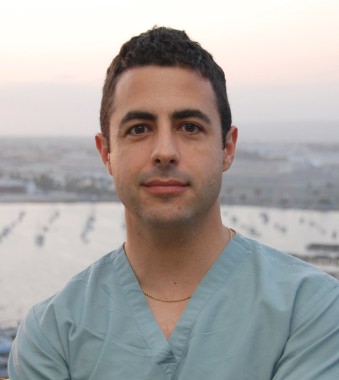
Dr. Benabio is a partner physician in the department of dermatology of the Southern California Permanente Group in San Diego, and a volunteer clinical assistant professor at the University of California, San Diego. Dr. Benabio is @dermdoc on Twitter.
Transparency, until recently, was rarely associated with health care. Not anymore. For better and sometimes worse, there is a revolutionary movement toward transparency in all facets of health care: transparency of costs, outcomes, quality, service, and reputation. Full transparency has now come to medical records in the form of OpenNotes. This is a patient-centered initiative that allows patients full access to their charts, including all their doctors’ notes.
Patients have always had the right to see their records. Ordinarily though, they would be required to go to the medical records office, fill out paperwork, and request copies of their charts. They’d have to supply a reason and usually pay a fee. OpenNotes changes that. Open patient charts are free and easy to access, usually digitally. OpenNotes programs are still rare, and before we go any further, it’s important to examine what we’ve learned about them.
In 2010, Beth Israel Deaconess Medical Center in Boston, Geisinger Health System in Pennsylvania, and Harborview Medical Center in Seattle invited 105 primary care physicians to open their notes to nearly 14,000 patients. The results were overwhelmingly (and to me, surprisingly) positive: More than 85% of patients accessed their notes at least once. Nearly 100% of patients wanted the program to continue. Patients reported a better understanding of their medical issues, better medication adherence, increased adoption of healthy habits, and less anxiety about their health. I would have expected more confusion and anxiety among the patients.
What about the physicians? According to the initiative, whereas 1 in 3 patients thought they should have unfettered access to their physicians’ notes, only 1 in 10 physicians did. That’s understandable. The physicians in the pilot shared many of the same concerns you and I have, namely that OpenNotes would lead to an increased workload to explain esoteric notes to patients and to allay anxieties.
Yet, this extra workload didn’t occur. Only 3% of physicians reported spending more time answering patients’ questions. One-fifth did report that they changed the language they used when writing notes, primarily to avoid offending patients. Every physician in the initiative said he or she would continue using OpenNotes. Surprised? So was I.
Even the usually conservative SERMO physician audience responded in an unexpected manner. According to a poll conducted this June, SERMO asked 2,300 physicians if patients should have access to their medical records (including MD notes). Forty-nine percent said “only on a case-by-case basis,” 34% said “yes, always,” and 17% said “no, never.”
So, are OpenNotes a success? Let’s take a closer look at some of the challenges: First, we physicians use language that will confuse patients at best and lead them to incorrect conclusions at worst. “Acne necrotica?” Sounds like a case of medieval pimples, but actually it’s pretty harmless. Or consider, “Differential diagnosis includes neuroendocrine tumor.” It doesn’t mean you have it, but some patients will believe they do. Will we have to dumb down our charts then to appease them? Won’t this degrade note quality, one of the primary objectives we are trying to avoid? It’s unclear.
The purpose of a patient note is to inform other providers and to remind ourselves of the critical information needed to care for a patient. It must be pithy and honest. It often reflects our inchoate thoughts as much as our diagnoses. It must also include the sundry requirements we know and love that are needed only to bill for the visit. These are not characteristics that make for a good patient read.
Indeed, the benefits of transparency are not limitless. In some instances, more transparency is worse. Imagine if all your emails and texts were transparent to everyone. Or if everything you’ve ever said about your mother-in-law were viewable by her. That would clearly be a case of bad transparency. Not sharing everything doesn’t mean we are dishonest or duplicitous. It means we are civil. It doesn’t mean we don’t care; it means we do care. We care about our friends and family. We care about our patients and the best way to make them well.
Unless we make it clear to patients that the notes they are viewing are not written for them, I’m worried simply opening charts could damage the doctor-patient relationship as much as it fosters it. Interestingly, there are companies trying to build a technical solution for this conundrum. Others are advocating for standardization of pathology and lab reports that are patient friendly. I’ll research these topics and let you know what I find out in a future column.
Perhaps I shouldn’t have been surprised by the positive results from the OpenNotes initiative. After all, for the last several years, I have given patients their actual pathology report for every biopsy I’ve done (which numbers in the many thousands). I have had fewer than five follow-up questions from patients that I can remember. Pretty much all were legitimate, as I recall, including a wrong site error in a report.
Today, more than 5 million patients have access to their providers’ notes on OpenNotes. That number will grow. Our biggest risk is to not be involved. “Just say no” didn’t work for Nancy Reagan; it won’t do our cause any good either.
Dr. Benabio is a partner physician in the department of dermatology of the Southern California Permanente Group in San Diego, and a volunteer clinical assistant professor at the University of California, San Diego. Dr. Benabio is @dermdoc on Twitter.
Transparency, until recently, was rarely associated with health care. Not anymore. For better and sometimes worse, there is a revolutionary movement toward transparency in all facets of health care: transparency of costs, outcomes, quality, service, and reputation. Full transparency has now come to medical records in the form of OpenNotes. This is a patient-centered initiative that allows patients full access to their charts, including all their doctors’ notes.
Patients have always had the right to see their records. Ordinarily though, they would be required to go to the medical records office, fill out paperwork, and request copies of their charts. They’d have to supply a reason and usually pay a fee. OpenNotes changes that. Open patient charts are free and easy to access, usually digitally. OpenNotes programs are still rare, and before we go any further, it’s important to examine what we’ve learned about them.
In 2010, Beth Israel Deaconess Medical Center in Boston, Geisinger Health System in Pennsylvania, and Harborview Medical Center in Seattle invited 105 primary care physicians to open their notes to nearly 14,000 patients. The results were overwhelmingly (and to me, surprisingly) positive: More than 85% of patients accessed their notes at least once. Nearly 100% of patients wanted the program to continue. Patients reported a better understanding of their medical issues, better medication adherence, increased adoption of healthy habits, and less anxiety about their health. I would have expected more confusion and anxiety among the patients.
What about the physicians? According to the initiative, whereas 1 in 3 patients thought they should have unfettered access to their physicians’ notes, only 1 in 10 physicians did. That’s understandable. The physicians in the pilot shared many of the same concerns you and I have, namely that OpenNotes would lead to an increased workload to explain esoteric notes to patients and to allay anxieties.
Yet, this extra workload didn’t occur. Only 3% of physicians reported spending more time answering patients’ questions. One-fifth did report that they changed the language they used when writing notes, primarily to avoid offending patients. Every physician in the initiative said he or she would continue using OpenNotes. Surprised? So was I.
Even the usually conservative SERMO physician audience responded in an unexpected manner. According to a poll conducted this June, SERMO asked 2,300 physicians if patients should have access to their medical records (including MD notes). Forty-nine percent said “only on a case-by-case basis,” 34% said “yes, always,” and 17% said “no, never.”
So, are OpenNotes a success? Let’s take a closer look at some of the challenges: First, we physicians use language that will confuse patients at best and lead them to incorrect conclusions at worst. “Acne necrotica?” Sounds like a case of medieval pimples, but actually it’s pretty harmless. Or consider, “Differential diagnosis includes neuroendocrine tumor.” It doesn’t mean you have it, but some patients will believe they do. Will we have to dumb down our charts then to appease them? Won’t this degrade note quality, one of the primary objectives we are trying to avoid? It’s unclear.
The purpose of a patient note is to inform other providers and to remind ourselves of the critical information needed to care for a patient. It must be pithy and honest. It often reflects our inchoate thoughts as much as our diagnoses. It must also include the sundry requirements we know and love that are needed only to bill for the visit. These are not characteristics that make for a good patient read.
Indeed, the benefits of transparency are not limitless. In some instances, more transparency is worse. Imagine if all your emails and texts were transparent to everyone. Or if everything you’ve ever said about your mother-in-law were viewable by her. That would clearly be a case of bad transparency. Not sharing everything doesn’t mean we are dishonest or duplicitous. It means we are civil. It doesn’t mean we don’t care; it means we do care. We care about our friends and family. We care about our patients and the best way to make them well.
Unless we make it clear to patients that the notes they are viewing are not written for them, I’m worried simply opening charts could damage the doctor-patient relationship as much as it fosters it. Interestingly, there are companies trying to build a technical solution for this conundrum. Others are advocating for standardization of pathology and lab reports that are patient friendly. I’ll research these topics and let you know what I find out in a future column.
Perhaps I shouldn’t have been surprised by the positive results from the OpenNotes initiative. After all, for the last several years, I have given patients their actual pathology report for every biopsy I’ve done (which numbers in the many thousands). I have had fewer than five follow-up questions from patients that I can remember. Pretty much all were legitimate, as I recall, including a wrong site error in a report.
Today, more than 5 million patients have access to their providers’ notes on OpenNotes. That number will grow. Our biggest risk is to not be involved. “Just say no” didn’t work for Nancy Reagan; it won’t do our cause any good either.
Dr. Benabio is a partner physician in the department of dermatology of the Southern California Permanente Group in San Diego, and a volunteer clinical assistant professor at the University of California, San Diego. Dr. Benabio is @dermdoc on Twitter.
One dollar and forty-two cents
No good deed goes unpunished.
We froze Myrna’s keratosis off her forehead. Gratis, of course.
This was followed by repeated calls from Myrna: the spot was red, it was painful, it wasn’t healing right.
So we mailed her an envelope filled with cream to help heal the skin. Although we used our regular postage meter, somehow Myrna got the package with $1.42 postage due.
Not going to work.
Myrna called to complain. Then she drove over and walked into the office, but we weren’t there. Then she called again and left a message. “I’m coming in this afternoon,” she said. “I expect to pick up my $1.42.”
Really.
Later that morning, Stephanie came by for a skin check. Because Stephanie is catering manager at a downtown ultra-upscale hotel, I knew she would both appreciate the tale of $1.42 and be able to top it. Everyone in her field can fill several books of client encounters no one could make up.
When I asked her to share some stories, Stephanie did not disappoint.

“Sure,” she said. “People plan lavish weddings, no expense spared. But when they send gift baskets, we have to charge $3.50 each to pay the livery people who deliver them. That they object to.
“But what’s even worse,” she went on, “is when it comes to feeding the band. We discount the meals for musicians 60%-70% below the per-plate rate for guests.
“That’s not low enough for some people, though. We explain to them that the band members do have to eat. ‘Yes,’ say some of the brides, ‘but do we have to give them a whole meal? Can’t we just give them a sandwich or something?’ This is from people who are spending six figures on food alone.”
“Sounds like Marie Antoinette,” I said. “What do you tell them?”
“We say, OK, we’ll see if we can discount the band meals even more,” Stephanie said.
Not an hour later, Ken came in. Ken manages an art-house movie theater in a close-in, affluent suburb. As I knew he would, Ken had stories, too.
“People are always angling for some kind of special privilege,” he said. ‘I’ve been a patron for years,” they say. ‘Can’t you do something for me?’
“What do they want?” I ask. “Free tickets?”
“Yes, or preferential seating,” said Ken, “but we tell them that if we do that for them, we’d have to do it for everybody.
“Or else it’s a cold, winter night and the theater is a little chilly. Some of the patrons want us to give them free popcorn.” Ken sighed.
Anybody in the service business is going to meet up with behavior like this. We probably should be grateful that most patients have enough respect for our profession to dissuade them from:
• Demanding to be seen for free or have us waive the copay since “the treatment didn’t work.”
• Refusing to hand over the copay for a follow-up, because, “It was just a quick check, didn’t take any time.”
• Insist on having us treat the wart or skin tag again at no charge, because “you missed a spot.”
And so on. At least even our demanding patients don’t ask for popcorn.
Myrna did show up that afternoon, by the way. I don’t know how much she spent on gas to come in. Our office manager Fatima took care of things. She gave Myrna her Buck-42:
Three quarters.
Two dimes.
Five nickels.
And 22 pennies.
Fatima is really good at keeping a straight face.
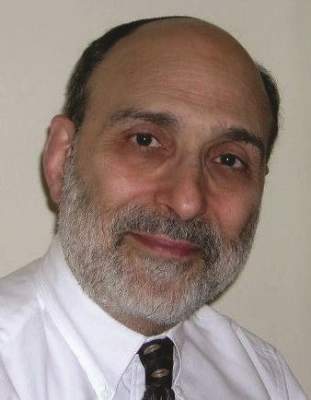
Dr. Rockoff practices dermatology in Brookline, Mass., and is a longtime contributor to Dermatology News. He serves on the clinical faculty at Tufts University, Boston, and has taught senior medical students and other trainees for 30 years.
No good deed goes unpunished.
We froze Myrna’s keratosis off her forehead. Gratis, of course.
This was followed by repeated calls from Myrna: the spot was red, it was painful, it wasn’t healing right.
So we mailed her an envelope filled with cream to help heal the skin. Although we used our regular postage meter, somehow Myrna got the package with $1.42 postage due.
Not going to work.
Myrna called to complain. Then she drove over and walked into the office, but we weren’t there. Then she called again and left a message. “I’m coming in this afternoon,” she said. “I expect to pick up my $1.42.”
Really.
Later that morning, Stephanie came by for a skin check. Because Stephanie is catering manager at a downtown ultra-upscale hotel, I knew she would both appreciate the tale of $1.42 and be able to top it. Everyone in her field can fill several books of client encounters no one could make up.
When I asked her to share some stories, Stephanie did not disappoint.
“Sure,” she said. “People plan lavish weddings, no expense spared. But when they send gift baskets, we have to charge $3.50 each to pay the livery people who deliver them. That they object to.
“But what’s even worse,” she went on, “is when it comes to feeding the band. We discount the meals for musicians 60%-70% below the per-plate rate for guests.
“That’s not low enough for some people, though. We explain to them that the band members do have to eat. ‘Yes,’ say some of the brides, ‘but do we have to give them a whole meal? Can’t we just give them a sandwich or something?’ This is from people who are spending six figures on food alone.”
“Sounds like Marie Antoinette,” I said. “What do you tell them?”
“We say, OK, we’ll see if we can discount the band meals even more,” Stephanie said.
Not an hour later, Ken came in. Ken manages an art-house movie theater in a close-in, affluent suburb. As I knew he would, Ken had stories, too.
“People are always angling for some kind of special privilege,” he said. ‘I’ve been a patron for years,” they say. ‘Can’t you do something for me?’
“What do they want?” I ask. “Free tickets?”
“Yes, or preferential seating,” said Ken, “but we tell them that if we do that for them, we’d have to do it for everybody.
“Or else it’s a cold, winter night and the theater is a little chilly. Some of the patrons want us to give them free popcorn.” Ken sighed.
Anybody in the service business is going to meet up with behavior like this. We probably should be grateful that most patients have enough respect for our profession to dissuade them from:
• Demanding to be seen for free or have us waive the copay since “the treatment didn’t work.”
• Refusing to hand over the copay for a follow-up, because, “It was just a quick check, didn’t take any time.”
• Insist on having us treat the wart or skin tag again at no charge, because “you missed a spot.”
And so on. At least even our demanding patients don’t ask for popcorn.
Myrna did show up that afternoon, by the way. I don’t know how much she spent on gas to come in. Our office manager Fatima took care of things. She gave Myrna her Buck-42:
Three quarters.
Two dimes.
Five nickels.
And 22 pennies.
Fatima is really good at keeping a straight face.
Dr. Rockoff practices dermatology in Brookline, Mass., and is a longtime contributor to Dermatology News. He serves on the clinical faculty at Tufts University, Boston, and has taught senior medical students and other trainees for 30 years.
No good deed goes unpunished.
We froze Myrna’s keratosis off her forehead. Gratis, of course.
This was followed by repeated calls from Myrna: the spot was red, it was painful, it wasn’t healing right.
So we mailed her an envelope filled with cream to help heal the skin. Although we used our regular postage meter, somehow Myrna got the package with $1.42 postage due.
Not going to work.
Myrna called to complain. Then she drove over and walked into the office, but we weren’t there. Then she called again and left a message. “I’m coming in this afternoon,” she said. “I expect to pick up my $1.42.”
Really.
Later that morning, Stephanie came by for a skin check. Because Stephanie is catering manager at a downtown ultra-upscale hotel, I knew she would both appreciate the tale of $1.42 and be able to top it. Everyone in her field can fill several books of client encounters no one could make up.
When I asked her to share some stories, Stephanie did not disappoint.
“Sure,” she said. “People plan lavish weddings, no expense spared. But when they send gift baskets, we have to charge $3.50 each to pay the livery people who deliver them. That they object to.
“But what’s even worse,” she went on, “is when it comes to feeding the band. We discount the meals for musicians 60%-70% below the per-plate rate for guests.
“That’s not low enough for some people, though. We explain to them that the band members do have to eat. ‘Yes,’ say some of the brides, ‘but do we have to give them a whole meal? Can’t we just give them a sandwich or something?’ This is from people who are spending six figures on food alone.”
“Sounds like Marie Antoinette,” I said. “What do you tell them?”
“We say, OK, we’ll see if we can discount the band meals even more,” Stephanie said.
Not an hour later, Ken came in. Ken manages an art-house movie theater in a close-in, affluent suburb. As I knew he would, Ken had stories, too.
“People are always angling for some kind of special privilege,” he said. ‘I’ve been a patron for years,” they say. ‘Can’t you do something for me?’
“What do they want?” I ask. “Free tickets?”
“Yes, or preferential seating,” said Ken, “but we tell them that if we do that for them, we’d have to do it for everybody.
“Or else it’s a cold, winter night and the theater is a little chilly. Some of the patrons want us to give them free popcorn.” Ken sighed.
Anybody in the service business is going to meet up with behavior like this. We probably should be grateful that most patients have enough respect for our profession to dissuade them from:
• Demanding to be seen for free or have us waive the copay since “the treatment didn’t work.”
• Refusing to hand over the copay for a follow-up, because, “It was just a quick check, didn’t take any time.”
• Insist on having us treat the wart or skin tag again at no charge, because “you missed a spot.”
And so on. At least even our demanding patients don’t ask for popcorn.
Myrna did show up that afternoon, by the way. I don’t know how much she spent on gas to come in. Our office manager Fatima took care of things. She gave Myrna her Buck-42:
Three quarters.
Two dimes.
Five nickels.
And 22 pennies.
Fatima is really good at keeping a straight face.
Dr. Rockoff practices dermatology in Brookline, Mass., and is a longtime contributor to Dermatology News. He serves on the clinical faculty at Tufts University, Boston, and has taught senior medical students and other trainees for 30 years.
Stat! has lost its meaning
STAT. It’s often capitalized, I guess to convey urgency. It shouldn’t be, though, since it’s not an acronym. It’s a shortening of the Latin word “statim” meaning “immediately.”
Everyone in health care says it at one time or another, but I find it unsettling how many have no idea, or simply don’t care, what that really means.
To me, it’s that the test you’re ordering is urgent. You need to make a decision based on its results – STAT – to save life and/or limb. The results may make a significant difference in your treatment plan.
I find a lot of people don’t use this as the meaning anymore. They think STAT means “because I’m trying to get the patient out of here before Monday” or “a family is breathing down my neck” or “this is a VIP hospital board donor and I need to be extra nice.”
I’ve had my share of debates with other docs about those meanings, but I still stand by mine. To me, this is like pulling a fire alarm. When you do it, you want people to know you’re serious, and there’s a problem that needs to be addressed urgently.
Medicine, regrettably, has become a field of immediate gratification. Patients want results NOW. I’ve had people call me for results within 10 minutes of leaving an MRI facility or lab, even though I’d told them in advance that turnaround time would be days. Rather than accepting this, many ask that I call the radiologist or otherwise have their results rushed to make it more convenient for them. Of course, if you refuse, they may threaten to give you a bad review on Yelp or other rate-a-doc sites.
Some doctors are the same way. A syncope patient is stable, but needs to have a STAT EEG over the weekend so they can be sent home within the 24-hour observation window. It might be possible to send the patient out and get the study as an outpatient, but then they might not have it done, or another neurologist might get the billing. So better to pay the EEG tech overtime and have it done STAT.
Like the boy who cried wolf, STAT has become so commonplace at some hospitals as to be meaningless. Which only hurts the patients who legitimately need urgent studies.
Dr. Block has a solo neurology practice in Scottsdale, Ariz.
STAT. It’s often capitalized, I guess to convey urgency. It shouldn’t be, though, since it’s not an acronym. It’s a shortening of the Latin word “statim” meaning “immediately.”
Everyone in health care says it at one time or another, but I find it unsettling how many have no idea, or simply don’t care, what that really means.
To me, it’s that the test you’re ordering is urgent. You need to make a decision based on its results – STAT – to save life and/or limb. The results may make a significant difference in your treatment plan.
I find a lot of people don’t use this as the meaning anymore. They think STAT means “because I’m trying to get the patient out of here before Monday” or “a family is breathing down my neck” or “this is a VIP hospital board donor and I need to be extra nice.”
I’ve had my share of debates with other docs about those meanings, but I still stand by mine. To me, this is like pulling a fire alarm. When you do it, you want people to know you’re serious, and there’s a problem that needs to be addressed urgently.
Medicine, regrettably, has become a field of immediate gratification. Patients want results NOW. I’ve had people call me for results within 10 minutes of leaving an MRI facility or lab, even though I’d told them in advance that turnaround time would be days. Rather than accepting this, many ask that I call the radiologist or otherwise have their results rushed to make it more convenient for them. Of course, if you refuse, they may threaten to give you a bad review on Yelp or other rate-a-doc sites.
Some doctors are the same way. A syncope patient is stable, but needs to have a STAT EEG over the weekend so they can be sent home within the 24-hour observation window. It might be possible to send the patient out and get the study as an outpatient, but then they might not have it done, or another neurologist might get the billing. So better to pay the EEG tech overtime and have it done STAT.
Like the boy who cried wolf, STAT has become so commonplace at some hospitals as to be meaningless. Which only hurts the patients who legitimately need urgent studies.
Dr. Block has a solo neurology practice in Scottsdale, Ariz.
STAT. It’s often capitalized, I guess to convey urgency. It shouldn’t be, though, since it’s not an acronym. It’s a shortening of the Latin word “statim” meaning “immediately.”
Everyone in health care says it at one time or another, but I find it unsettling how many have no idea, or simply don’t care, what that really means.
To me, it’s that the test you’re ordering is urgent. You need to make a decision based on its results – STAT – to save life and/or limb. The results may make a significant difference in your treatment plan.
I find a lot of people don’t use this as the meaning anymore. They think STAT means “because I’m trying to get the patient out of here before Monday” or “a family is breathing down my neck” or “this is a VIP hospital board donor and I need to be extra nice.”
I’ve had my share of debates with other docs about those meanings, but I still stand by mine. To me, this is like pulling a fire alarm. When you do it, you want people to know you’re serious, and there’s a problem that needs to be addressed urgently.
Medicine, regrettably, has become a field of immediate gratification. Patients want results NOW. I’ve had people call me for results within 10 minutes of leaving an MRI facility or lab, even though I’d told them in advance that turnaround time would be days. Rather than accepting this, many ask that I call the radiologist or otherwise have their results rushed to make it more convenient for them. Of course, if you refuse, they may threaten to give you a bad review on Yelp or other rate-a-doc sites.
Some doctors are the same way. A syncope patient is stable, but needs to have a STAT EEG over the weekend so they can be sent home within the 24-hour observation window. It might be possible to send the patient out and get the study as an outpatient, but then they might not have it done, or another neurologist might get the billing. So better to pay the EEG tech overtime and have it done STAT.
Like the boy who cried wolf, STAT has become so commonplace at some hospitals as to be meaningless. Which only hurts the patients who legitimately need urgent studies.
Dr. Block has a solo neurology practice in Scottsdale, Ariz.

ACO Insider: Avoid the ‘default future’
As readers of this column know, the move to value-based payment for population health management can lead to a golden era for proactive primary care physicians. This conclusion is only strengthened by recent legislation mandating value incentives and penalties: the Medicare Access and CHIP Reauthorization Act of 2015 (MACRA), sometimes called the “SGR fix.”
This radical change, tellingly supported by both parties and both houses of Congress, would have been unthinkable just a few years ago. Under MACRA’s new Merit-Based Incentive Payment System (MIPS), you are looking at fee increases or reductions ranging from an upside of 4%-9% over time and an equal potential for reduction.
But, if you participate in a Medicare ACO or similar entity under the new alternative payment model, you get a 5% bump and are excluded from any MIPS and meaningful use requirements or penalties.
This merely adds to the growing list of incentives for primary care physician–led coordinated care. There is an extra compensation for wellness exams and chronic care management amounting to potentially more than $100,000 per primary care physician per year. Do not forget the $840 million the Centers for Medicare & Medicaid Services is designating to the Transforming Clinical Practice Initiative limited to training clinicians, and the $800 million for rural accountable care organizations (ACO) operations costs limited to physicians, critical access hospitals, and small hospitals.
Oh, by the way, all of the high-value opportunities for ACOs are in the primary care physician’s wheelhouse. Success stories of primary care–led ACOs are impressive.
A no-brainer, right? Well, apparently not for most primary care physicians. Why? This all will require change. It can be a very beneficial change of your status – measured by professional and financial reward – but it is big-time change.
As Mark Twain is quoted as saying, “I’m all for progress; it’s change I object to.”
You have not been in such a position of influence before, you don’t have teams of advisors like others in health care, and you don’t have the experience for this. You do not have spare intellectual bandwidth to deal with this and everything else. You are accustomed to things being run by the big health systems and managed care companies.
It is human nature to deal with stress with the survivalist instincts of fight, flight, or freeze. You may be feeling an almost irresistible urge to hunker down and do nothing. It’s natural. It is your “default future.”
But being unprepared is not an option. This shift is coming inexorably and rapidly. You can either stay sitting on the tracks or drive the train. It’s up to you.
Your default future is one controlled by others. It is one of the missed opportunity of a lifetime for primary care. The government is paying you for training, ACO start-up and operations, and incentivizing your leadership through both coding- and value-based financial inducements.
The bottom line is that America is asking you to run the new health care system and wants to pay you to do it, on top of your fee-for-service payments.
Think of the impact on your patients. Isn’t this why you went to medical school? Failure to do anything means you actually have made a bigger choice for your default future – guaranteeing even greater change being imposed on you by others. Control your agenda; do not wait to become part of someone else’s.
In closing, a recent email comment by one of your fellow readers sums it up best: “The default future (or the ostrich option) is a destiny of marginalization and consumption by the beast, an outcome not in our patients’ best interest.”
Mr. Bobbitt is a senior partner and head of the health law group at the Smith Anderson law firm in Raleigh, N.C. He has many years’ experience assisting physicians form integrated delivery systems. He has spoken and written nationally to primary care physicians on the strategies and practicalities of forming or joining ACOs. This article is meant to be educational and does not constitute legal advice. For additional information, readers may contact the author at bbobbitt@smithlaw.com or 919-821-6612.
As readers of this column know, the move to value-based payment for population health management can lead to a golden era for proactive primary care physicians. This conclusion is only strengthened by recent legislation mandating value incentives and penalties: the Medicare Access and CHIP Reauthorization Act of 2015 (MACRA), sometimes called the “SGR fix.”
This radical change, tellingly supported by both parties and both houses of Congress, would have been unthinkable just a few years ago. Under MACRA’s new Merit-Based Incentive Payment System (MIPS), you are looking at fee increases or reductions ranging from an upside of 4%-9% over time and an equal potential for reduction.
But, if you participate in a Medicare ACO or similar entity under the new alternative payment model, you get a 5% bump and are excluded from any MIPS and meaningful use requirements or penalties.
This merely adds to the growing list of incentives for primary care physician–led coordinated care. There is an extra compensation for wellness exams and chronic care management amounting to potentially more than $100,000 per primary care physician per year. Do not forget the $840 million the Centers for Medicare & Medicaid Services is designating to the Transforming Clinical Practice Initiative limited to training clinicians, and the $800 million for rural accountable care organizations (ACO) operations costs limited to physicians, critical access hospitals, and small hospitals.
Oh, by the way, all of the high-value opportunities for ACOs are in the primary care physician’s wheelhouse. Success stories of primary care–led ACOs are impressive.
A no-brainer, right? Well, apparently not for most primary care physicians. Why? This all will require change. It can be a very beneficial change of your status – measured by professional and financial reward – but it is big-time change.
As Mark Twain is quoted as saying, “I’m all for progress; it’s change I object to.”
You have not been in such a position of influence before, you don’t have teams of advisors like others in health care, and you don’t have the experience for this. You do not have spare intellectual bandwidth to deal with this and everything else. You are accustomed to things being run by the big health systems and managed care companies.
It is human nature to deal with stress with the survivalist instincts of fight, flight, or freeze. You may be feeling an almost irresistible urge to hunker down and do nothing. It’s natural. It is your “default future.”
But being unprepared is not an option. This shift is coming inexorably and rapidly. You can either stay sitting on the tracks or drive the train. It’s up to you.
Your default future is one controlled by others. It is one of the missed opportunity of a lifetime for primary care. The government is paying you for training, ACO start-up and operations, and incentivizing your leadership through both coding- and value-based financial inducements.
The bottom line is that America is asking you to run the new health care system and wants to pay you to do it, on top of your fee-for-service payments.
Think of the impact on your patients. Isn’t this why you went to medical school? Failure to do anything means you actually have made a bigger choice for your default future – guaranteeing even greater change being imposed on you by others. Control your agenda; do not wait to become part of someone else’s.
In closing, a recent email comment by one of your fellow readers sums it up best: “The default future (or the ostrich option) is a destiny of marginalization and consumption by the beast, an outcome not in our patients’ best interest.”
Mr. Bobbitt is a senior partner and head of the health law group at the Smith Anderson law firm in Raleigh, N.C. He has many years’ experience assisting physicians form integrated delivery systems. He has spoken and written nationally to primary care physicians on the strategies and practicalities of forming or joining ACOs. This article is meant to be educational and does not constitute legal advice. For additional information, readers may contact the author at bbobbitt@smithlaw.com or 919-821-6612.
As readers of this column know, the move to value-based payment for population health management can lead to a golden era for proactive primary care physicians. This conclusion is only strengthened by recent legislation mandating value incentives and penalties: the Medicare Access and CHIP Reauthorization Act of 2015 (MACRA), sometimes called the “SGR fix.”
This radical change, tellingly supported by both parties and both houses of Congress, would have been unthinkable just a few years ago. Under MACRA’s new Merit-Based Incentive Payment System (MIPS), you are looking at fee increases or reductions ranging from an upside of 4%-9% over time and an equal potential for reduction.
But, if you participate in a Medicare ACO or similar entity under the new alternative payment model, you get a 5% bump and are excluded from any MIPS and meaningful use requirements or penalties.
This merely adds to the growing list of incentives for primary care physician–led coordinated care. There is an extra compensation for wellness exams and chronic care management amounting to potentially more than $100,000 per primary care physician per year. Do not forget the $840 million the Centers for Medicare & Medicaid Services is designating to the Transforming Clinical Practice Initiative limited to training clinicians, and the $800 million for rural accountable care organizations (ACO) operations costs limited to physicians, critical access hospitals, and small hospitals.
Oh, by the way, all of the high-value opportunities for ACOs are in the primary care physician’s wheelhouse. Success stories of primary care–led ACOs are impressive.
A no-brainer, right? Well, apparently not for most primary care physicians. Why? This all will require change. It can be a very beneficial change of your status – measured by professional and financial reward – but it is big-time change.
As Mark Twain is quoted as saying, “I’m all for progress; it’s change I object to.”
You have not been in such a position of influence before, you don’t have teams of advisors like others in health care, and you don’t have the experience for this. You do not have spare intellectual bandwidth to deal with this and everything else. You are accustomed to things being run by the big health systems and managed care companies.
It is human nature to deal with stress with the survivalist instincts of fight, flight, or freeze. You may be feeling an almost irresistible urge to hunker down and do nothing. It’s natural. It is your “default future.”
But being unprepared is not an option. This shift is coming inexorably and rapidly. You can either stay sitting on the tracks or drive the train. It’s up to you.
Your default future is one controlled by others. It is one of the missed opportunity of a lifetime for primary care. The government is paying you for training, ACO start-up and operations, and incentivizing your leadership through both coding- and value-based financial inducements.
The bottom line is that America is asking you to run the new health care system and wants to pay you to do it, on top of your fee-for-service payments.
Think of the impact on your patients. Isn’t this why you went to medical school? Failure to do anything means you actually have made a bigger choice for your default future – guaranteeing even greater change being imposed on you by others. Control your agenda; do not wait to become part of someone else’s.
In closing, a recent email comment by one of your fellow readers sums it up best: “The default future (or the ostrich option) is a destiny of marginalization and consumption by the beast, an outcome not in our patients’ best interest.”
Mr. Bobbitt is a senior partner and head of the health law group at the Smith Anderson law firm in Raleigh, N.C. He has many years’ experience assisting physicians form integrated delivery systems. He has spoken and written nationally to primary care physicians on the strategies and practicalities of forming or joining ACOs. This article is meant to be educational and does not constitute legal advice. For additional information, readers may contact the author at bbobbitt@smithlaw.com or 919-821-6612.

What Matters: Sleep restriction
At one time or another, insomnia afflicts nearly one-half of U.S. adults, half of whom have a clinically diagnosable disorder. This presents perpetual challenges in the face of patient populations that have been told to “ask your doctor about” sleeping medications or have received them already.
We know that the Z-drugs (zolpidem, zaleplon, and eszopiclone), some of the most widely used pharmacologics for insomnia, are benzodiazepine receptor agonists. As such, tolerance develops, and this tolerance leads to escalating doses, increased side effects, and sleepier patients.
Cognitive-behavioral therapy has been shown to be effective for insomnia, but this clinical service is not widely available. For busy clinicians trying to help these patients, we need a simple tool that can be easily explained to patients, giving them a project on which to work.
This tool is sleep restriction. The goal of sleep restriction is to consolidate fragmented sleep to increase the intrinsic sleep drive.
You might have heard your patients describe their bedroom as a “torture chamber.” Some of this torture relates to sleepless staring at the ceiling for hours on end. Sleep restriction gets them out of the chamber.
Karen Falloon, Ph.D., of the University of Auckland (New Zealand), and her colleagues conducted a randomized trial in New Zealand investigating the impact of simplified sleep restriction (SSR) for patients with primary insomnia (Br J Gen Pract. 2015 Aug;65(637):e508-15).
A total of 97 patients were randomized. All patients received sleep hygiene advice, including avoiding caffeine and developing a consistent bedtime routine. Patients in the SSR arm received a verbal and written sleep prescription establishing bedtime and wake-up times informed by a baseline 2-week daily sleep diary.
The sleep prescription was average total sleep duration plus 50% of the total time spent awake in bed. The minimum time in bed was 5 hours. If participants were sleeping less than 85% of the time in bed, the time allowed in bed was reduced to total sleep time plus 30 minutes. Sleepy patients could spend 30 more minutes in bed. All changes were made at bedtime, with wake-up time held constant.
At 6 months, the SSR group had improved perceived sleep quality and fatigue, and improved sleep efficiency as measured by actigraphy. A total of 67% of patients responded to SSR, compared with 41% of controls (number needed to treat = 4).
The efficacy of this intervention is extremely impressive. Importantly, it was delivered by a general practitioner without specialized training during two “slightly extended” visits.
Potential participants were excluded if they were on a sleeping medication, which does not imply that this would not work in a population already on Z-drugs. Consideration should to be given to possible risks when implementing sleep restriction with patients taking Z-drugs with longer half-lives (for example, eszopiclone is 6 hours, zolpidem is 3 hours, and zaleplon is 1 hour), because of higher serum concentrations upon waking.
But when these medications fail, or you have Z-drug–naive patients with insomnia, have this intervention ready.
Dr. Ebbert is professor of medicine, a general internist at the Mayo Clinic in Rochester, Minn., and a diplomate of the American Board of Addiction Medicine. The opinions expressed are those of the author and do not necessarily represent the views and opinions of the Mayo Clinic. The opinions expressed in this article should not be used to diagnose or treat any medical condition, nor should they be used as a substitute for medical advice from a qualified, board-certified practicing clinician. Dr. Ebbert has no relevant financial disclosures about this article. Follow him on Twitter @jonebbert.
At one time or another, insomnia afflicts nearly one-half of U.S. adults, half of whom have a clinically diagnosable disorder. This presents perpetual challenges in the face of patient populations that have been told to “ask your doctor about” sleeping medications or have received them already.
We know that the Z-drugs (zolpidem, zaleplon, and eszopiclone), some of the most widely used pharmacologics for insomnia, are benzodiazepine receptor agonists. As such, tolerance develops, and this tolerance leads to escalating doses, increased side effects, and sleepier patients.
Cognitive-behavioral therapy has been shown to be effective for insomnia, but this clinical service is not widely available. For busy clinicians trying to help these patients, we need a simple tool that can be easily explained to patients, giving them a project on which to work.
This tool is sleep restriction. The goal of sleep restriction is to consolidate fragmented sleep to increase the intrinsic sleep drive.
You might have heard your patients describe their bedroom as a “torture chamber.” Some of this torture relates to sleepless staring at the ceiling for hours on end. Sleep restriction gets them out of the chamber.
Karen Falloon, Ph.D., of the University of Auckland (New Zealand), and her colleagues conducted a randomized trial in New Zealand investigating the impact of simplified sleep restriction (SSR) for patients with primary insomnia (Br J Gen Pract. 2015 Aug;65(637):e508-15).
A total of 97 patients were randomized. All patients received sleep hygiene advice, including avoiding caffeine and developing a consistent bedtime routine. Patients in the SSR arm received a verbal and written sleep prescription establishing bedtime and wake-up times informed by a baseline 2-week daily sleep diary.
The sleep prescription was average total sleep duration plus 50% of the total time spent awake in bed. The minimum time in bed was 5 hours. If participants were sleeping less than 85% of the time in bed, the time allowed in bed was reduced to total sleep time plus 30 minutes. Sleepy patients could spend 30 more minutes in bed. All changes were made at bedtime, with wake-up time held constant.
At 6 months, the SSR group had improved perceived sleep quality and fatigue, and improved sleep efficiency as measured by actigraphy. A total of 67% of patients responded to SSR, compared with 41% of controls (number needed to treat = 4).
The efficacy of this intervention is extremely impressive. Importantly, it was delivered by a general practitioner without specialized training during two “slightly extended” visits.
Potential participants were excluded if they were on a sleeping medication, which does not imply that this would not work in a population already on Z-drugs. Consideration should to be given to possible risks when implementing sleep restriction with patients taking Z-drugs with longer half-lives (for example, eszopiclone is 6 hours, zolpidem is 3 hours, and zaleplon is 1 hour), because of higher serum concentrations upon waking.
But when these medications fail, or you have Z-drug–naive patients with insomnia, have this intervention ready.
Dr. Ebbert is professor of medicine, a general internist at the Mayo Clinic in Rochester, Minn., and a diplomate of the American Board of Addiction Medicine. The opinions expressed are those of the author and do not necessarily represent the views and opinions of the Mayo Clinic. The opinions expressed in this article should not be used to diagnose or treat any medical condition, nor should they be used as a substitute for medical advice from a qualified, board-certified practicing clinician. Dr. Ebbert has no relevant financial disclosures about this article. Follow him on Twitter @jonebbert.
At one time or another, insomnia afflicts nearly one-half of U.S. adults, half of whom have a clinically diagnosable disorder. This presents perpetual challenges in the face of patient populations that have been told to “ask your doctor about” sleeping medications or have received them already.
We know that the Z-drugs (zolpidem, zaleplon, and eszopiclone), some of the most widely used pharmacologics for insomnia, are benzodiazepine receptor agonists. As such, tolerance develops, and this tolerance leads to escalating doses, increased side effects, and sleepier patients.
Cognitive-behavioral therapy has been shown to be effective for insomnia, but this clinical service is not widely available. For busy clinicians trying to help these patients, we need a simple tool that can be easily explained to patients, giving them a project on which to work.
This tool is sleep restriction. The goal of sleep restriction is to consolidate fragmented sleep to increase the intrinsic sleep drive.
You might have heard your patients describe their bedroom as a “torture chamber.” Some of this torture relates to sleepless staring at the ceiling for hours on end. Sleep restriction gets them out of the chamber.
Karen Falloon, Ph.D., of the University of Auckland (New Zealand), and her colleagues conducted a randomized trial in New Zealand investigating the impact of simplified sleep restriction (SSR) for patients with primary insomnia (Br J Gen Pract. 2015 Aug;65(637):e508-15).
A total of 97 patients were randomized. All patients received sleep hygiene advice, including avoiding caffeine and developing a consistent bedtime routine. Patients in the SSR arm received a verbal and written sleep prescription establishing bedtime and wake-up times informed by a baseline 2-week daily sleep diary.
The sleep prescription was average total sleep duration plus 50% of the total time spent awake in bed. The minimum time in bed was 5 hours. If participants were sleeping less than 85% of the time in bed, the time allowed in bed was reduced to total sleep time plus 30 minutes. Sleepy patients could spend 30 more minutes in bed. All changes were made at bedtime, with wake-up time held constant.
At 6 months, the SSR group had improved perceived sleep quality and fatigue, and improved sleep efficiency as measured by actigraphy. A total of 67% of patients responded to SSR, compared with 41% of controls (number needed to treat = 4).
The efficacy of this intervention is extremely impressive. Importantly, it was delivered by a general practitioner without specialized training during two “slightly extended” visits.
Potential participants were excluded if they were on a sleeping medication, which does not imply that this would not work in a population already on Z-drugs. Consideration should to be given to possible risks when implementing sleep restriction with patients taking Z-drugs with longer half-lives (for example, eszopiclone is 6 hours, zolpidem is 3 hours, and zaleplon is 1 hour), because of higher serum concentrations upon waking.
But when these medications fail, or you have Z-drug–naive patients with insomnia, have this intervention ready.
Dr. Ebbert is professor of medicine, a general internist at the Mayo Clinic in Rochester, Minn., and a diplomate of the American Board of Addiction Medicine. The opinions expressed are those of the author and do not necessarily represent the views and opinions of the Mayo Clinic. The opinions expressed in this article should not be used to diagnose or treat any medical condition, nor should they be used as a substitute for medical advice from a qualified, board-certified practicing clinician. Dr. Ebbert has no relevant financial disclosures about this article. Follow him on Twitter @jonebbert.
Yet another insurer demand: patient care notifications
Some insurance companies recently started sending notifications about patient care. For example, one recently sent my boss a letter about one of his patients with rheumatoid arthritis, asking why the patient is not on a disease modifier. There is an invitation to explain why by ticking any one of several boxes. Is the patient perhaps not compliant? Did the patient discontinue the medication against the doctor’s advice? Has the patient passed away? Does the patient not have rheumatoid arthritis?
Oh, to be a fly on the wall when the insurance company decided that they would start doing this! This must impose a financial burden on the insurer, one that I cannot imagine they take on out of sheer altruism. What is the end game? What do they do with this information? Will they hold this information against the patient somehow, raise their premium in the next enrollment period? Or hold it against the physician, perhaps ding their reimbursement or use the information to include or exclude physicians from their panels?
When I decided to come to the United States, one of the biggest draws was the availability of health insurance. Most of my medical school education came from American textbooks, after all, so I thought it would be fabulous to be able to practice medicine the way it should be practiced because insurance will pay for it. (I know I sound like your elderly aunt that likes to repeat herself, but if you have not read any of my columns before, I come from the Philippines where health care is mostly paid for out of pocket, so how we treated patients was severely limited by how much the patient could afford.) I was wrong. I had no idea that part of my job description would include having to ask a corporate entity’s permission to administer treatments.
My boss replied to the letter. He said: “Patient is on dialysis and cannot be on methotrexate. He was prescribed a biologic, but your insurance does not cover its cost sufficiently to make it affordable. We had obtained the biologic through foundation support, but they ran out of money. So when you send out a letter like this blaming either the patient or MD for a compliance issue, I urge you to do some soul-searching.”
Dr. Chan practices rheumatology in Pawtucket, R.I.
Some insurance companies recently started sending notifications about patient care. For example, one recently sent my boss a letter about one of his patients with rheumatoid arthritis, asking why the patient is not on a disease modifier. There is an invitation to explain why by ticking any one of several boxes. Is the patient perhaps not compliant? Did the patient discontinue the medication against the doctor’s advice? Has the patient passed away? Does the patient not have rheumatoid arthritis?
Oh, to be a fly on the wall when the insurance company decided that they would start doing this! This must impose a financial burden on the insurer, one that I cannot imagine they take on out of sheer altruism. What is the end game? What do they do with this information? Will they hold this information against the patient somehow, raise their premium in the next enrollment period? Or hold it against the physician, perhaps ding their reimbursement or use the information to include or exclude physicians from their panels?
When I decided to come to the United States, one of the biggest draws was the availability of health insurance. Most of my medical school education came from American textbooks, after all, so I thought it would be fabulous to be able to practice medicine the way it should be practiced because insurance will pay for it. (I know I sound like your elderly aunt that likes to repeat herself, but if you have not read any of my columns before, I come from the Philippines where health care is mostly paid for out of pocket, so how we treated patients was severely limited by how much the patient could afford.) I was wrong. I had no idea that part of my job description would include having to ask a corporate entity’s permission to administer treatments.
My boss replied to the letter. He said: “Patient is on dialysis and cannot be on methotrexate. He was prescribed a biologic, but your insurance does not cover its cost sufficiently to make it affordable. We had obtained the biologic through foundation support, but they ran out of money. So when you send out a letter like this blaming either the patient or MD for a compliance issue, I urge you to do some soul-searching.”
Dr. Chan practices rheumatology in Pawtucket, R.I.
Some insurance companies recently started sending notifications about patient care. For example, one recently sent my boss a letter about one of his patients with rheumatoid arthritis, asking why the patient is not on a disease modifier. There is an invitation to explain why by ticking any one of several boxes. Is the patient perhaps not compliant? Did the patient discontinue the medication against the doctor’s advice? Has the patient passed away? Does the patient not have rheumatoid arthritis?
Oh, to be a fly on the wall when the insurance company decided that they would start doing this! This must impose a financial burden on the insurer, one that I cannot imagine they take on out of sheer altruism. What is the end game? What do they do with this information? Will they hold this information against the patient somehow, raise their premium in the next enrollment period? Or hold it against the physician, perhaps ding their reimbursement or use the information to include or exclude physicians from their panels?
When I decided to come to the United States, one of the biggest draws was the availability of health insurance. Most of my medical school education came from American textbooks, after all, so I thought it would be fabulous to be able to practice medicine the way it should be practiced because insurance will pay for it. (I know I sound like your elderly aunt that likes to repeat herself, but if you have not read any of my columns before, I come from the Philippines where health care is mostly paid for out of pocket, so how we treated patients was severely limited by how much the patient could afford.) I was wrong. I had no idea that part of my job description would include having to ask a corporate entity’s permission to administer treatments.
My boss replied to the letter. He said: “Patient is on dialysis and cannot be on methotrexate. He was prescribed a biologic, but your insurance does not cover its cost sufficiently to make it affordable. We had obtained the biologic through foundation support, but they ran out of money. So when you send out a letter like this blaming either the patient or MD for a compliance issue, I urge you to do some soul-searching.”
Dr. Chan practices rheumatology in Pawtucket, R.I.
Pursuing Quality – Emergency General Surgery Quality Improvement Program (EQIP)
There is clearly a need to develop quality metrics that are relevant to the unique nature of emergency general surgery diseases. But, at the present time, there are no universally agreed upon set of quality measures for emergency general surgery. For example, evidence-based practice management guidelines have been developed for a few diseases but, they are not incorporated into routine clinical use. Surgical Care Improvement Program (SCIP) quality measures are generally meant for elective surgical cases but are also used for emergency general surgical disorders (Surgical Care Improvement Project. 2014. Available at: www.jointcommission.org/surgical_care_improvement_project. Accessed June 18, 2014).
Comprehensive measurement of quality requires multiple metrics that encompass all three domains of quality as suggested by Donabedian – structure, process, and outcome measures (JAMA 1988;260:1743-8). Such a comprehensive system may be called EQIP – Emergency General Surgery Quality Improvement Program. Some components for EQIP are the following: 1) structural metrics, i.e., the availability of trained emergency general surgeons and support staff, operating rooms, gastroenterologists and endoscopy units, interventional radiologist and interventional radiology suites, critical care services, data registry, quality oversight committee, educational programs, and standardized documentation of care; 2) process measures, i.e., the timeliness of evaluation and interventions, use of evidence-based management guidelines, appropriate use of antibiotics and blood transfusions, post–acute care follow-up, and long-term care; and 3) outcome metrics, i.e., morbidity, mortality, length of stay, readmissions, costs, functional outcomes, quality of life, return to work or school, and pain relief.
Emergency General Surgery Registry
Quality and relevant data are essential to measuring the quality of care. But, at the present time there are no universally agreed upon data elements for emergency general surgery nor is there a national registry. National Surgical Quality Improvement Program (NSQIP) and Trauma Quality Improvement Program (TQIP) have set precedence for surgical quality reporting (American College of Surgeons National Surgical Quality Improvement Program. 2014. Available at: http://site.acsnsqip.org/. Accessed June 18, 2014; J. Am. Coll. Surg. 2009;209:521-30). Unfortunately, NSQIP in its current form is not designed to capture emergency general surgery patients for the following reasons: 1) It includes only operative cases whereas a significant proportion of emergency general surgery patients may be managed nonoperatively, and 2) emergency general surgery operative cases constitute only a small proportion of the NSQIP database due to its sampling methodology. Therefore, NSQIP data should not be used to accurately measure the quality of emergency general surgery care and, therefore, a better system is needed to do so. Data elements should include the following components: 1) anatomic severity of disease; 2) physiologic status of the patient; 3) patient demographics, such as age, gender; 4) patient comorbidities; and 5) patient outcomes, such as clinical, cost, functional, and quality of life. Well-established systems, such as the SOFA measure a patient’s altered physiology and comorbidities (Crit. Care Med. 2008;36:296-327; Intensive Care Med. 1996;22:707-10; J. Chronic Dis. 1987;40:373-83; Crit. Care Med. 1985;13:818-29) but none properly provides a time-tested measure of the anatomic severity of emergency general surgery disease. To that end, the members of AAST have developed the following universal system for grading emergency general surgery diseases (J. Trauma Acute Care Surg. 2014;77:705-8):
Grade I – Local disease confined to the organ with minimal abnormality.
Grade II – Local disease confined to the organ with severe abnormality.
Grade III – Local extension beyond the organ.
Grade IV – Regional extension beyond the organ.
Grade V – Widespread extension beyond the organ.
Using this system, the members of the AAST have published a series of grades for common emergency general surgery diseases (J. Trauma Acute Care Surg. 2014;76:884-7), and this uniformity of categorizing disease severity is essential for risk adjustment, especially when comparing patient and center outcomes. It is anticipated that this system will provide the necessary elements for a more uniform assessment of patient diseases and therefore enhance quality and research efforts.
Dr. Shafi is a general/trauma surgeon at Baylor Scott & White Health System in Dallas. He was the chair of the Patient Assessment and Outcomes Committee of AAST that developed the new grading system for Emergency General Surgery (EGS) diseases. Previously, he was a member of the team that developed TQIP – Trauma Quality Improvement Program, at the American College of Surgeons.
There is clearly a need to develop quality metrics that are relevant to the unique nature of emergency general surgery diseases. But, at the present time, there are no universally agreed upon set of quality measures for emergency general surgery. For example, evidence-based practice management guidelines have been developed for a few diseases but, they are not incorporated into routine clinical use. Surgical Care Improvement Program (SCIP) quality measures are generally meant for elective surgical cases but are also used for emergency general surgical disorders (Surgical Care Improvement Project. 2014. Available at: www.jointcommission.org/surgical_care_improvement_project. Accessed June 18, 2014).
Comprehensive measurement of quality requires multiple metrics that encompass all three domains of quality as suggested by Donabedian – structure, process, and outcome measures (JAMA 1988;260:1743-8). Such a comprehensive system may be called EQIP – Emergency General Surgery Quality Improvement Program. Some components for EQIP are the following: 1) structural metrics, i.e., the availability of trained emergency general surgeons and support staff, operating rooms, gastroenterologists and endoscopy units, interventional radiologist and interventional radiology suites, critical care services, data registry, quality oversight committee, educational programs, and standardized documentation of care; 2) process measures, i.e., the timeliness of evaluation and interventions, use of evidence-based management guidelines, appropriate use of antibiotics and blood transfusions, post–acute care follow-up, and long-term care; and 3) outcome metrics, i.e., morbidity, mortality, length of stay, readmissions, costs, functional outcomes, quality of life, return to work or school, and pain relief.
Emergency General Surgery Registry
Quality and relevant data are essential to measuring the quality of care. But, at the present time there are no universally agreed upon data elements for emergency general surgery nor is there a national registry. National Surgical Quality Improvement Program (NSQIP) and Trauma Quality Improvement Program (TQIP) have set precedence for surgical quality reporting (American College of Surgeons National Surgical Quality Improvement Program. 2014. Available at: http://site.acsnsqip.org/. Accessed June 18, 2014; J. Am. Coll. Surg. 2009;209:521-30). Unfortunately, NSQIP in its current form is not designed to capture emergency general surgery patients for the following reasons: 1) It includes only operative cases whereas a significant proportion of emergency general surgery patients may be managed nonoperatively, and 2) emergency general surgery operative cases constitute only a small proportion of the NSQIP database due to its sampling methodology. Therefore, NSQIP data should not be used to accurately measure the quality of emergency general surgery care and, therefore, a better system is needed to do so. Data elements should include the following components: 1) anatomic severity of disease; 2) physiologic status of the patient; 3) patient demographics, such as age, gender; 4) patient comorbidities; and 5) patient outcomes, such as clinical, cost, functional, and quality of life. Well-established systems, such as the SOFA measure a patient’s altered physiology and comorbidities (Crit. Care Med. 2008;36:296-327; Intensive Care Med. 1996;22:707-10; J. Chronic Dis. 1987;40:373-83; Crit. Care Med. 1985;13:818-29) but none properly provides a time-tested measure of the anatomic severity of emergency general surgery disease. To that end, the members of AAST have developed the following universal system for grading emergency general surgery diseases (J. Trauma Acute Care Surg. 2014;77:705-8):
Grade I – Local disease confined to the organ with minimal abnormality.
Grade II – Local disease confined to the organ with severe abnormality.
Grade III – Local extension beyond the organ.
Grade IV – Regional extension beyond the organ.
Grade V – Widespread extension beyond the organ.
Using this system, the members of the AAST have published a series of grades for common emergency general surgery diseases (J. Trauma Acute Care Surg. 2014;76:884-7), and this uniformity of categorizing disease severity is essential for risk adjustment, especially when comparing patient and center outcomes. It is anticipated that this system will provide the necessary elements for a more uniform assessment of patient diseases and therefore enhance quality and research efforts.
Dr. Shafi is a general/trauma surgeon at Baylor Scott & White Health System in Dallas. He was the chair of the Patient Assessment and Outcomes Committee of AAST that developed the new grading system for Emergency General Surgery (EGS) diseases. Previously, he was a member of the team that developed TQIP – Trauma Quality Improvement Program, at the American College of Surgeons.
There is clearly a need to develop quality metrics that are relevant to the unique nature of emergency general surgery diseases. But, at the present time, there are no universally agreed upon set of quality measures for emergency general surgery. For example, evidence-based practice management guidelines have been developed for a few diseases but, they are not incorporated into routine clinical use. Surgical Care Improvement Program (SCIP) quality measures are generally meant for elective surgical cases but are also used for emergency general surgical disorders (Surgical Care Improvement Project. 2014. Available at: www.jointcommission.org/surgical_care_improvement_project. Accessed June 18, 2014).
Comprehensive measurement of quality requires multiple metrics that encompass all three domains of quality as suggested by Donabedian – structure, process, and outcome measures (JAMA 1988;260:1743-8). Such a comprehensive system may be called EQIP – Emergency General Surgery Quality Improvement Program. Some components for EQIP are the following: 1) structural metrics, i.e., the availability of trained emergency general surgeons and support staff, operating rooms, gastroenterologists and endoscopy units, interventional radiologist and interventional radiology suites, critical care services, data registry, quality oversight committee, educational programs, and standardized documentation of care; 2) process measures, i.e., the timeliness of evaluation and interventions, use of evidence-based management guidelines, appropriate use of antibiotics and blood transfusions, post–acute care follow-up, and long-term care; and 3) outcome metrics, i.e., morbidity, mortality, length of stay, readmissions, costs, functional outcomes, quality of life, return to work or school, and pain relief.
Emergency General Surgery Registry
Quality and relevant data are essential to measuring the quality of care. But, at the present time there are no universally agreed upon data elements for emergency general surgery nor is there a national registry. National Surgical Quality Improvement Program (NSQIP) and Trauma Quality Improvement Program (TQIP) have set precedence for surgical quality reporting (American College of Surgeons National Surgical Quality Improvement Program. 2014. Available at: http://site.acsnsqip.org/. Accessed June 18, 2014; J. Am. Coll. Surg. 2009;209:521-30). Unfortunately, NSQIP in its current form is not designed to capture emergency general surgery patients for the following reasons: 1) It includes only operative cases whereas a significant proportion of emergency general surgery patients may be managed nonoperatively, and 2) emergency general surgery operative cases constitute only a small proportion of the NSQIP database due to its sampling methodology. Therefore, NSQIP data should not be used to accurately measure the quality of emergency general surgery care and, therefore, a better system is needed to do so. Data elements should include the following components: 1) anatomic severity of disease; 2) physiologic status of the patient; 3) patient demographics, such as age, gender; 4) patient comorbidities; and 5) patient outcomes, such as clinical, cost, functional, and quality of life. Well-established systems, such as the SOFA measure a patient’s altered physiology and comorbidities (Crit. Care Med. 2008;36:296-327; Intensive Care Med. 1996;22:707-10; J. Chronic Dis. 1987;40:373-83; Crit. Care Med. 1985;13:818-29) but none properly provides a time-tested measure of the anatomic severity of emergency general surgery disease. To that end, the members of AAST have developed the following universal system for grading emergency general surgery diseases (J. Trauma Acute Care Surg. 2014;77:705-8):
Grade I – Local disease confined to the organ with minimal abnormality.
Grade II – Local disease confined to the organ with severe abnormality.
Grade III – Local extension beyond the organ.
Grade IV – Regional extension beyond the organ.
Grade V – Widespread extension beyond the organ.
Using this system, the members of the AAST have published a series of grades for common emergency general surgery diseases (J. Trauma Acute Care Surg. 2014;76:884-7), and this uniformity of categorizing disease severity is essential for risk adjustment, especially when comparing patient and center outcomes. It is anticipated that this system will provide the necessary elements for a more uniform assessment of patient diseases and therefore enhance quality and research efforts.
Dr. Shafi is a general/trauma surgeon at Baylor Scott & White Health System in Dallas. He was the chair of the Patient Assessment and Outcomes Committee of AAST that developed the new grading system for Emergency General Surgery (EGS) diseases. Previously, he was a member of the team that developed TQIP – Trauma Quality Improvement Program, at the American College of Surgeons.
From the Washington Office
Last month’s edition of this column ended by calling Fellows’ attention to a new Web-based tool developed by the ACS Division of Advocacy and Health Policy to assist them in avoiding significant penalties in Medicare physician payment. This new online tool was highlighted in an e-mail sent to Fellows on June 24, 2015.
Based on follow-up inquiries since received, I would like to delve deeper into the specifics of how to successfully participate in the Physician Quality Reporting System (PQRS) and hopefully assist Fellows in avoiding penalties of up to 9% in their Medicare physician payment in the year 2017 secondary to failure to successfully participate in the current law Medicare quality programs in the current calendar year of 2015.

Despite the much publicized, and laudable, permanent repeal of the Sustainable Growth Rate (SGR), current law quality programs are still in effect. Medicare oversees several programs that offer physicians incentives for successful participation and/or penalties for failure to nonparticipation. These programs include the PQRS, the Value-Based Payment Modifier (VM) and the Electronic Health Record (EHR) Incentive Program, also known as the “EHR Meaningful Use program.”
Calendar year 2014 was the last year that physicians could earn incentives for some of these programs. Failure to participate in the Medicare quality programs leads to the potential for penalties that are applied 2 years after the performance period. Penalties in 2015 already are being assessed based on how successfully physicians participated in 2013. Thus, performance in 2015 will impact payment in 2017. Specifically, failure to participate in the programs in 2015 could result in a total penalty of 9% applied in 2017.
The College has developed resources to assist Fellows in being successful reporters. For most Fellows, the options found in the Surgeon Specific Registry (SSR) will be applicable. The SSR, formerly known as the ACS Case Log system, allows surgeons to track their cases and outcomes in a convenient and confidential manner. The SSR can also be utilized to comply with the regulatory requirements of submitting PQRS data as they have been approved to provide PQRS registry-based reporting for 2015. Use of the SSR is offered free of charge to ACS surgeon members and is available to nonmember surgeons for an annual fee.
The SSR offers a total of three options for surgeons to utilize to participate in PQRS reporting. Those options are: 1) General Surgery Measures Group; 2) Individual Measure reporting, which includes options for surgical specialties; and 3) Trauma Measures Option through the SSR’s Qualified Clinical Data Registry (QCDR). The deadline for submitting calendar year 2015 patient information in the SSR is January 31, 2016. The SSR will submit the PQRS data to Centers for Medicare & Medicaid Services (CMS).
For those surgeons for whom it could be applicable, the General Surgery Measures Group option is perhaps the least onerous in its requirements. Surgeons need report on a minimum of 20 patients, at least 11 of whom must be Medicare Part B patients. Should this option be selected, ALL seven of the included measures along with all nine risk factor variables must be reported for each of the 20 patients.
Surgeons may also choose to report individual measures data through the SSR. Those choosing this option are required to report on nine measures in three National Quality Strategy (NQS) categories, called “Domains.” One of the measures selected must further be designated as a “cross-cutting measure,” for example the documentation of current medications in the medical record, medication reconciliation, advanced care plan, or tobacco-use screening and cessation, as mentioned above. However, individual measures data must be entered for at least 50% of the provider’s Medicare Part B patients in order to be successful using this option. In order to assist one in determining whether this option is suitable for reporting, I would refer Fellows to the ACS website, www.facs.org/quality-programs/ssr/pqrs/options for a more expansive list of the individual measures, their “domains,” and whether or not they are designated as “cross-cutting.”
The SSR also provides the opportunity to leverage measures applicable to trauma surgery for successful PQRS reporting via the 2015 PQRS Trauma QCDR., which allow providers to submit non-PQRS measures, for example, measures not contained in the approved measure set or a measure that may be in the set but has substantive differences in the manner in which it is reported by the QCDR. The SSR Trauma QCDR includes 10 non-PQRS measures and one PQRS measure in this reporting option. Those choosing this option must report on 9 of the 11 designated measures, including 2 outcomes measures across three of the NQS domains. Reports must be completed on 50% of the surgeon’s Medicare Part B patients that meet the measurement requirements. One can also view the complete list of measures included in the Trauma Measures Option at the ACS website referenced above.
Lastly, for bariatric surgeons, the Metabolic and Bariatric Surgery Accreditation and Quality Improvement Program (MBSAQIP) has also been approved as a QCDR for PQRS for 2015 reporting. MBSAQIP participants have the opportunity to voluntarily elect that their QCDR quality measures be submitted for PQRS participation. Metabolic and bariatric surgeons will receive reports of their QCDR measure results such that they can track their results. MBSAQIP will submit approved QCDR measures on behalf of participants who elect to have such done on their behalf. Specifics on the approved MBSAQIP QCDR quality measures are available at www.facs.org/quality-programs/mbsaqip/resources/data-registry.
As always, ACS staff in both Washington and Chicago are available to answer questions and assist members in participating in the 2015 PQRS program:
• General PQRS questions: ACS Division of Advocacy and Health Policy, 202-337-6701 or QualityDC@facs.org.
• Specific SSR questions: ACS Division of Research and Optimal Patient Care, 312-202-5000 or ssr@facs.org.
• Information on MBSAQIP: ACS Division of Research and Optimal Patient Care, 312-202-5000 or rkrapikas@facs.org.
I highly encourage all Fellows to invest the time necessary to successfully participate in PQRS and thereby avoid penalties in their 2017 Medicare payment.
Until next month …
Dr. Bailey is a pediatric surgeon and Medical Director, Advocacy for the Division of Advocacy and Health Policy in the ACS offices in Washington.
Last month’s edition of this column ended by calling Fellows’ attention to a new Web-based tool developed by the ACS Division of Advocacy and Health Policy to assist them in avoiding significant penalties in Medicare physician payment. This new online tool was highlighted in an e-mail sent to Fellows on June 24, 2015.
Based on follow-up inquiries since received, I would like to delve deeper into the specifics of how to successfully participate in the Physician Quality Reporting System (PQRS) and hopefully assist Fellows in avoiding penalties of up to 9% in their Medicare physician payment in the year 2017 secondary to failure to successfully participate in the current law Medicare quality programs in the current calendar year of 2015.
Despite the much publicized, and laudable, permanent repeal of the Sustainable Growth Rate (SGR), current law quality programs are still in effect. Medicare oversees several programs that offer physicians incentives for successful participation and/or penalties for failure to nonparticipation. These programs include the PQRS, the Value-Based Payment Modifier (VM) and the Electronic Health Record (EHR) Incentive Program, also known as the “EHR Meaningful Use program.”
Calendar year 2014 was the last year that physicians could earn incentives for some of these programs. Failure to participate in the Medicare quality programs leads to the potential for penalties that are applied 2 years after the performance period. Penalties in 2015 already are being assessed based on how successfully physicians participated in 2013. Thus, performance in 2015 will impact payment in 2017. Specifically, failure to participate in the programs in 2015 could result in a total penalty of 9% applied in 2017.
The College has developed resources to assist Fellows in being successful reporters. For most Fellows, the options found in the Surgeon Specific Registry (SSR) will be applicable. The SSR, formerly known as the ACS Case Log system, allows surgeons to track their cases and outcomes in a convenient and confidential manner. The SSR can also be utilized to comply with the regulatory requirements of submitting PQRS data as they have been approved to provide PQRS registry-based reporting for 2015. Use of the SSR is offered free of charge to ACS surgeon members and is available to nonmember surgeons for an annual fee.
The SSR offers a total of three options for surgeons to utilize to participate in PQRS reporting. Those options are: 1) General Surgery Measures Group; 2) Individual Measure reporting, which includes options for surgical specialties; and 3) Trauma Measures Option through the SSR’s Qualified Clinical Data Registry (QCDR). The deadline for submitting calendar year 2015 patient information in the SSR is January 31, 2016. The SSR will submit the PQRS data to Centers for Medicare & Medicaid Services (CMS).
For those surgeons for whom it could be applicable, the General Surgery Measures Group option is perhaps the least onerous in its requirements. Surgeons need report on a minimum of 20 patients, at least 11 of whom must be Medicare Part B patients. Should this option be selected, ALL seven of the included measures along with all nine risk factor variables must be reported for each of the 20 patients.
Surgeons may also choose to report individual measures data through the SSR. Those choosing this option are required to report on nine measures in three National Quality Strategy (NQS) categories, called “Domains.” One of the measures selected must further be designated as a “cross-cutting measure,” for example the documentation of current medications in the medical record, medication reconciliation, advanced care plan, or tobacco-use screening and cessation, as mentioned above. However, individual measures data must be entered for at least 50% of the provider’s Medicare Part B patients in order to be successful using this option. In order to assist one in determining whether this option is suitable for reporting, I would refer Fellows to the ACS website, www.facs.org/quality-programs/ssr/pqrs/options for a more expansive list of the individual measures, their “domains,” and whether or not they are designated as “cross-cutting.”
The SSR also provides the opportunity to leverage measures applicable to trauma surgery for successful PQRS reporting via the 2015 PQRS Trauma QCDR., which allow providers to submit non-PQRS measures, for example, measures not contained in the approved measure set or a measure that may be in the set but has substantive differences in the manner in which it is reported by the QCDR. The SSR Trauma QCDR includes 10 non-PQRS measures and one PQRS measure in this reporting option. Those choosing this option must report on 9 of the 11 designated measures, including 2 outcomes measures across three of the NQS domains. Reports must be completed on 50% of the surgeon’s Medicare Part B patients that meet the measurement requirements. One can also view the complete list of measures included in the Trauma Measures Option at the ACS website referenced above.
Lastly, for bariatric surgeons, the Metabolic and Bariatric Surgery Accreditation and Quality Improvement Program (MBSAQIP) has also been approved as a QCDR for PQRS for 2015 reporting. MBSAQIP participants have the opportunity to voluntarily elect that their QCDR quality measures be submitted for PQRS participation. Metabolic and bariatric surgeons will receive reports of their QCDR measure results such that they can track their results. MBSAQIP will submit approved QCDR measures on behalf of participants who elect to have such done on their behalf. Specifics on the approved MBSAQIP QCDR quality measures are available at www.facs.org/quality-programs/mbsaqip/resources/data-registry.
As always, ACS staff in both Washington and Chicago are available to answer questions and assist members in participating in the 2015 PQRS program:
• General PQRS questions: ACS Division of Advocacy and Health Policy, 202-337-6701 or QualityDC@facs.org.
• Specific SSR questions: ACS Division of Research and Optimal Patient Care, 312-202-5000 or ssr@facs.org.
• Information on MBSAQIP: ACS Division of Research and Optimal Patient Care, 312-202-5000 or rkrapikas@facs.org.
I highly encourage all Fellows to invest the time necessary to successfully participate in PQRS and thereby avoid penalties in their 2017 Medicare payment.
Until next month …
Dr. Bailey is a pediatric surgeon and Medical Director, Advocacy for the Division of Advocacy and Health Policy in the ACS offices in Washington.
Last month’s edition of this column ended by calling Fellows’ attention to a new Web-based tool developed by the ACS Division of Advocacy and Health Policy to assist them in avoiding significant penalties in Medicare physician payment. This new online tool was highlighted in an e-mail sent to Fellows on June 24, 2015.
Based on follow-up inquiries since received, I would like to delve deeper into the specifics of how to successfully participate in the Physician Quality Reporting System (PQRS) and hopefully assist Fellows in avoiding penalties of up to 9% in their Medicare physician payment in the year 2017 secondary to failure to successfully participate in the current law Medicare quality programs in the current calendar year of 2015.
Despite the much publicized, and laudable, permanent repeal of the Sustainable Growth Rate (SGR), current law quality programs are still in effect. Medicare oversees several programs that offer physicians incentives for successful participation and/or penalties for failure to nonparticipation. These programs include the PQRS, the Value-Based Payment Modifier (VM) and the Electronic Health Record (EHR) Incentive Program, also known as the “EHR Meaningful Use program.”
Calendar year 2014 was the last year that physicians could earn incentives for some of these programs. Failure to participate in the Medicare quality programs leads to the potential for penalties that are applied 2 years after the performance period. Penalties in 2015 already are being assessed based on how successfully physicians participated in 2013. Thus, performance in 2015 will impact payment in 2017. Specifically, failure to participate in the programs in 2015 could result in a total penalty of 9% applied in 2017.
The College has developed resources to assist Fellows in being successful reporters. For most Fellows, the options found in the Surgeon Specific Registry (SSR) will be applicable. The SSR, formerly known as the ACS Case Log system, allows surgeons to track their cases and outcomes in a convenient and confidential manner. The SSR can also be utilized to comply with the regulatory requirements of submitting PQRS data as they have been approved to provide PQRS registry-based reporting for 2015. Use of the SSR is offered free of charge to ACS surgeon members and is available to nonmember surgeons for an annual fee.
The SSR offers a total of three options for surgeons to utilize to participate in PQRS reporting. Those options are: 1) General Surgery Measures Group; 2) Individual Measure reporting, which includes options for surgical specialties; and 3) Trauma Measures Option through the SSR’s Qualified Clinical Data Registry (QCDR). The deadline for submitting calendar year 2015 patient information in the SSR is January 31, 2016. The SSR will submit the PQRS data to Centers for Medicare & Medicaid Services (CMS).
For those surgeons for whom it could be applicable, the General Surgery Measures Group option is perhaps the least onerous in its requirements. Surgeons need report on a minimum of 20 patients, at least 11 of whom must be Medicare Part B patients. Should this option be selected, ALL seven of the included measures along with all nine risk factor variables must be reported for each of the 20 patients.
Surgeons may also choose to report individual measures data through the SSR. Those choosing this option are required to report on nine measures in three National Quality Strategy (NQS) categories, called “Domains.” One of the measures selected must further be designated as a “cross-cutting measure,” for example the documentation of current medications in the medical record, medication reconciliation, advanced care plan, or tobacco-use screening and cessation, as mentioned above. However, individual measures data must be entered for at least 50% of the provider’s Medicare Part B patients in order to be successful using this option. In order to assist one in determining whether this option is suitable for reporting, I would refer Fellows to the ACS website, www.facs.org/quality-programs/ssr/pqrs/options for a more expansive list of the individual measures, their “domains,” and whether or not they are designated as “cross-cutting.”
The SSR also provides the opportunity to leverage measures applicable to trauma surgery for successful PQRS reporting via the 2015 PQRS Trauma QCDR., which allow providers to submit non-PQRS measures, for example, measures not contained in the approved measure set or a measure that may be in the set but has substantive differences in the manner in which it is reported by the QCDR. The SSR Trauma QCDR includes 10 non-PQRS measures and one PQRS measure in this reporting option. Those choosing this option must report on 9 of the 11 designated measures, including 2 outcomes measures across three of the NQS domains. Reports must be completed on 50% of the surgeon’s Medicare Part B patients that meet the measurement requirements. One can also view the complete list of measures included in the Trauma Measures Option at the ACS website referenced above.
Lastly, for bariatric surgeons, the Metabolic and Bariatric Surgery Accreditation and Quality Improvement Program (MBSAQIP) has also been approved as a QCDR for PQRS for 2015 reporting. MBSAQIP participants have the opportunity to voluntarily elect that their QCDR quality measures be submitted for PQRS participation. Metabolic and bariatric surgeons will receive reports of their QCDR measure results such that they can track their results. MBSAQIP will submit approved QCDR measures on behalf of participants who elect to have such done on their behalf. Specifics on the approved MBSAQIP QCDR quality measures are available at www.facs.org/quality-programs/mbsaqip/resources/data-registry.
As always, ACS staff in both Washington and Chicago are available to answer questions and assist members in participating in the 2015 PQRS program:
• General PQRS questions: ACS Division of Advocacy and Health Policy, 202-337-6701 or QualityDC@facs.org.
• Specific SSR questions: ACS Division of Research and Optimal Patient Care, 312-202-5000 or ssr@facs.org.
• Information on MBSAQIP: ACS Division of Research and Optimal Patient Care, 312-202-5000 or rkrapikas@facs.org.
I highly encourage all Fellows to invest the time necessary to successfully participate in PQRS and thereby avoid penalties in their 2017 Medicare payment.
Until next month …
Dr. Bailey is a pediatric surgeon and Medical Director, Advocacy for the Division of Advocacy and Health Policy in the ACS offices in Washington.

The Rural Surgeon: The burden of transfer
I have been on both ends of the phone call. I began my career at a several-hundred bed community hospital in a town without a university medical center. We took all the local knife-and-gun club incidents, and whatever other surgical emergencies might arise, while receiving phone calls from nearly every point of the magnetic compass. It’s easy to recall the sagging feeling when you realize more serious work is coming in on the helicopter from Podunk, USA, and you’re not off call for another few hours. These memories linger as now I’m the one making the phone calls. When I state that I am the one, I mean the one and only; this is solo general surgery practice and I’m the only general surgeon in my county.
When I do speak with colleagues kind enough to accept our patients, I feel relieved. But the burden of transfer doesn’t travel away with the patient in the ambulance or on the airplane. There always seem to be questions or looks of concern lately, and I don’t just mean from other medical professionals. Maybe it is an Internet thing, but everyone is a critic these days. We are being watched by more than partners and employers, more than payers and agencies, more than our government bean counters. Families, allied health professionals, and even nonclinical staff all have opinions about which patients stay and which leaves our 14-bed, critical access hospital. Gods may have once walked these halls, but nowadays it’s just me!
Of course, any interested party can also criticize my decisions to keep any particular patient; why would anybody restrict their furrowed glare only to transfers? When we keep patients at the edge of our practice, or perform a procedure that is only done rarely locally, we incite more than just the volume debate on the ACS Communities. Goodness – my wife has heard about cases I have done via town chitter-chatter before I even get home!
How does one deal with being whipsawed? This phenomenon is defined in the business world as being subjected to two difficult situations or opposing pressures at the same time. If you transfer, you are criticized. The only thing that changes are the critics if you keep and care for that very same patient! For many rural colleagues, being whipsawed is on the short list of job dissatisfaction drivers; somewhere behind the heavyweight champ of being asked to be in two different places at the same time.
Transferring a patient rarely leads to the lasting criticism that keeping an ill patient locally can. Obviously keeping a patient extends the time period where others can knowingly shake their heads in disbelief. That extra time allows us to educate staff and others as to why a patient with more than simple hernia or appendicitis is being admitted to our little hospital. We can detail why this is a really good thing for everyone – including the patient!
So many of our locals are elderly, and when we keep one for serious surgical illness, so much goes into that decision besides just the patient’s age and comorbid conditions. Immediate family, friends, or existing social support all must be examined and understood. A significant number of geriatric couples are only “independent” together; send one off for surgery a hundred or more miles away and the remaining spouse suffers measurably. Sometimes there is no local family, as nuclear members live in neighboring states or even overseas. I’m always surprised when my patients have trouble even arranging rides to and from our facilities for the routine procedures we do regularly. I think to myself, what will they do when the inevitable happens?
Our geography plays a serious role for those patients who don’t drive any appreciable distances. The mountains to our east are difficult to negotiate and west, well, you’ll get wet rather quickly. Going north and south on Highway 101 can be tricky during summer and dangerous any time in bad weather. I talk to some patients about sending them to Portland and I get looks in response like I’m proposing surgical care in some exotic foreign capital. Urban anxiety, traffic, and unfamiliarity with our largest metropolis make the 300-mile journey untenable for many of our patients; and the TV show isn’t helping our cause! Even cases that define themselves from the get-go as major university referrals return afterward and ask us to assume their postoperative care. Our patients often can’t make the trip to follow-up with the experts who provided their life-saving care.
Stretching our surgical muscles is obviously important for all ACS members. In bigger facilities you can see and sometimes scrub into fascinating cases in other subspecialties, or at least participate in discussions about such in the surgery lounge. I won’t attach a photo of the desk space that serves as my lounge, dictation station, bathroom, and locker. Let’s just say it’s probably not quite the same as many Fellows are used to.
For the rural solo practitioner, a bigger case, done perhaps with a medical student or just scrub technicians, may not be done as slickly as it would be by a surgical team approaching the same at the university. If the case can be done safely though, it pays dividends. After all, it could be tonight when a major car wreck happens, or a hemodynamically unstable abdominal sepsis case presents, and we are forced to do a serious case – perhaps surgery at the edge of my comfort zone or something we don’t do with frequency. Keeping some bigger cases makes those scenarios just a bit less scary.
I have been recruited as an advocate for our College, trying to influence those in our nation’s capital to reexamine the 96-hour rule as it applies to critical access hospitals. A phone call to my senior senator’s staff leads to a conference call and follow-up I remain involved with – a first in my professional career. One issue that resonated with D.C. staffers was recruiting my successor. How do we entice the young surgeon to a rural practice if all we do are lumps and bumps, appendectomies, and inguinal hernias? Regionalization of surgical care may be coming but that can’t excite our younger and future colleagues. In each of the last 2 years my third-year medical students parked here for their first rotation and got hustled into the OR to assist with emergency surgery. The enthusiasm was palpable and energizing, but one was a case that raised some eyebrows: pneumatosis intestinalis requiring two small bowel resections with anastomoses and an open abdomen in an elderly male. This fellow did great; I see him doing his grocery shopping these days. My perspective is that case enabled this year’s day 1 emergency, making the surgery safer here in rural America.
When we call to transfer a patient, please understand real thought and a piece of who we are as surgeons accompanies that patient. Transfer is very rarely a reflex action. Also, realize that not every case we keep is a weak fastball over the middle of the plate; sometimes we do real work here at the limit of our comfort zone, but we do so for myriad good reasons.
Dr. Levine is a general surgeon practicing in coastal southwestern Oregon. Despite growing up in Brooklyn and on Long Island in New York, he has been a practicing rural surgeon since 1999. Folks barely even notice the accent anymore!
I have been on both ends of the phone call. I began my career at a several-hundred bed community hospital in a town without a university medical center. We took all the local knife-and-gun club incidents, and whatever other surgical emergencies might arise, while receiving phone calls from nearly every point of the magnetic compass. It’s easy to recall the sagging feeling when you realize more serious work is coming in on the helicopter from Podunk, USA, and you’re not off call for another few hours. These memories linger as now I’m the one making the phone calls. When I state that I am the one, I mean the one and only; this is solo general surgery practice and I’m the only general surgeon in my county.
When I do speak with colleagues kind enough to accept our patients, I feel relieved. But the burden of transfer doesn’t travel away with the patient in the ambulance or on the airplane. There always seem to be questions or looks of concern lately, and I don’t just mean from other medical professionals. Maybe it is an Internet thing, but everyone is a critic these days. We are being watched by more than partners and employers, more than payers and agencies, more than our government bean counters. Families, allied health professionals, and even nonclinical staff all have opinions about which patients stay and which leaves our 14-bed, critical access hospital. Gods may have once walked these halls, but nowadays it’s just me!
Of course, any interested party can also criticize my decisions to keep any particular patient; why would anybody restrict their furrowed glare only to transfers? When we keep patients at the edge of our practice, or perform a procedure that is only done rarely locally, we incite more than just the volume debate on the ACS Communities. Goodness – my wife has heard about cases I have done via town chitter-chatter before I even get home!
How does one deal with being whipsawed? This phenomenon is defined in the business world as being subjected to two difficult situations or opposing pressures at the same time. If you transfer, you are criticized. The only thing that changes are the critics if you keep and care for that very same patient! For many rural colleagues, being whipsawed is on the short list of job dissatisfaction drivers; somewhere behind the heavyweight champ of being asked to be in two different places at the same time.
Transferring a patient rarely leads to the lasting criticism that keeping an ill patient locally can. Obviously keeping a patient extends the time period where others can knowingly shake their heads in disbelief. That extra time allows us to educate staff and others as to why a patient with more than simple hernia or appendicitis is being admitted to our little hospital. We can detail why this is a really good thing for everyone – including the patient!
So many of our locals are elderly, and when we keep one for serious surgical illness, so much goes into that decision besides just the patient’s age and comorbid conditions. Immediate family, friends, or existing social support all must be examined and understood. A significant number of geriatric couples are only “independent” together; send one off for surgery a hundred or more miles away and the remaining spouse suffers measurably. Sometimes there is no local family, as nuclear members live in neighboring states or even overseas. I’m always surprised when my patients have trouble even arranging rides to and from our facilities for the routine procedures we do regularly. I think to myself, what will they do when the inevitable happens?
Our geography plays a serious role for those patients who don’t drive any appreciable distances. The mountains to our east are difficult to negotiate and west, well, you’ll get wet rather quickly. Going north and south on Highway 101 can be tricky during summer and dangerous any time in bad weather. I talk to some patients about sending them to Portland and I get looks in response like I’m proposing surgical care in some exotic foreign capital. Urban anxiety, traffic, and unfamiliarity with our largest metropolis make the 300-mile journey untenable for many of our patients; and the TV show isn’t helping our cause! Even cases that define themselves from the get-go as major university referrals return afterward and ask us to assume their postoperative care. Our patients often can’t make the trip to follow-up with the experts who provided their life-saving care.
Stretching our surgical muscles is obviously important for all ACS members. In bigger facilities you can see and sometimes scrub into fascinating cases in other subspecialties, or at least participate in discussions about such in the surgery lounge. I won’t attach a photo of the desk space that serves as my lounge, dictation station, bathroom, and locker. Let’s just say it’s probably not quite the same as many Fellows are used to.
For the rural solo practitioner, a bigger case, done perhaps with a medical student or just scrub technicians, may not be done as slickly as it would be by a surgical team approaching the same at the university. If the case can be done safely though, it pays dividends. After all, it could be tonight when a major car wreck happens, or a hemodynamically unstable abdominal sepsis case presents, and we are forced to do a serious case – perhaps surgery at the edge of my comfort zone or something we don’t do with frequency. Keeping some bigger cases makes those scenarios just a bit less scary.
I have been recruited as an advocate for our College, trying to influence those in our nation’s capital to reexamine the 96-hour rule as it applies to critical access hospitals. A phone call to my senior senator’s staff leads to a conference call and follow-up I remain involved with – a first in my professional career. One issue that resonated with D.C. staffers was recruiting my successor. How do we entice the young surgeon to a rural practice if all we do are lumps and bumps, appendectomies, and inguinal hernias? Regionalization of surgical care may be coming but that can’t excite our younger and future colleagues. In each of the last 2 years my third-year medical students parked here for their first rotation and got hustled into the OR to assist with emergency surgery. The enthusiasm was palpable and energizing, but one was a case that raised some eyebrows: pneumatosis intestinalis requiring two small bowel resections with anastomoses and an open abdomen in an elderly male. This fellow did great; I see him doing his grocery shopping these days. My perspective is that case enabled this year’s day 1 emergency, making the surgery safer here in rural America.
When we call to transfer a patient, please understand real thought and a piece of who we are as surgeons accompanies that patient. Transfer is very rarely a reflex action. Also, realize that not every case we keep is a weak fastball over the middle of the plate; sometimes we do real work here at the limit of our comfort zone, but we do so for myriad good reasons.
Dr. Levine is a general surgeon practicing in coastal southwestern Oregon. Despite growing up in Brooklyn and on Long Island in New York, he has been a practicing rural surgeon since 1999. Folks barely even notice the accent anymore!
I have been on both ends of the phone call. I began my career at a several-hundred bed community hospital in a town without a university medical center. We took all the local knife-and-gun club incidents, and whatever other surgical emergencies might arise, while receiving phone calls from nearly every point of the magnetic compass. It’s easy to recall the sagging feeling when you realize more serious work is coming in on the helicopter from Podunk, USA, and you’re not off call for another few hours. These memories linger as now I’m the one making the phone calls. When I state that I am the one, I mean the one and only; this is solo general surgery practice and I’m the only general surgeon in my county.
When I do speak with colleagues kind enough to accept our patients, I feel relieved. But the burden of transfer doesn’t travel away with the patient in the ambulance or on the airplane. There always seem to be questions or looks of concern lately, and I don’t just mean from other medical professionals. Maybe it is an Internet thing, but everyone is a critic these days. We are being watched by more than partners and employers, more than payers and agencies, more than our government bean counters. Families, allied health professionals, and even nonclinical staff all have opinions about which patients stay and which leaves our 14-bed, critical access hospital. Gods may have once walked these halls, but nowadays it’s just me!
Of course, any interested party can also criticize my decisions to keep any particular patient; why would anybody restrict their furrowed glare only to transfers? When we keep patients at the edge of our practice, or perform a procedure that is only done rarely locally, we incite more than just the volume debate on the ACS Communities. Goodness – my wife has heard about cases I have done via town chitter-chatter before I even get home!
How does one deal with being whipsawed? This phenomenon is defined in the business world as being subjected to two difficult situations or opposing pressures at the same time. If you transfer, you are criticized. The only thing that changes are the critics if you keep and care for that very same patient! For many rural colleagues, being whipsawed is on the short list of job dissatisfaction drivers; somewhere behind the heavyweight champ of being asked to be in two different places at the same time.
Transferring a patient rarely leads to the lasting criticism that keeping an ill patient locally can. Obviously keeping a patient extends the time period where others can knowingly shake their heads in disbelief. That extra time allows us to educate staff and others as to why a patient with more than simple hernia or appendicitis is being admitted to our little hospital. We can detail why this is a really good thing for everyone – including the patient!
So many of our locals are elderly, and when we keep one for serious surgical illness, so much goes into that decision besides just the patient’s age and comorbid conditions. Immediate family, friends, or existing social support all must be examined and understood. A significant number of geriatric couples are only “independent” together; send one off for surgery a hundred or more miles away and the remaining spouse suffers measurably. Sometimes there is no local family, as nuclear members live in neighboring states or even overseas. I’m always surprised when my patients have trouble even arranging rides to and from our facilities for the routine procedures we do regularly. I think to myself, what will they do when the inevitable happens?
Our geography plays a serious role for those patients who don’t drive any appreciable distances. The mountains to our east are difficult to negotiate and west, well, you’ll get wet rather quickly. Going north and south on Highway 101 can be tricky during summer and dangerous any time in bad weather. I talk to some patients about sending them to Portland and I get looks in response like I’m proposing surgical care in some exotic foreign capital. Urban anxiety, traffic, and unfamiliarity with our largest metropolis make the 300-mile journey untenable for many of our patients; and the TV show isn’t helping our cause! Even cases that define themselves from the get-go as major university referrals return afterward and ask us to assume their postoperative care. Our patients often can’t make the trip to follow-up with the experts who provided their life-saving care.
Stretching our surgical muscles is obviously important for all ACS members. In bigger facilities you can see and sometimes scrub into fascinating cases in other subspecialties, or at least participate in discussions about such in the surgery lounge. I won’t attach a photo of the desk space that serves as my lounge, dictation station, bathroom, and locker. Let’s just say it’s probably not quite the same as many Fellows are used to.
For the rural solo practitioner, a bigger case, done perhaps with a medical student or just scrub technicians, may not be done as slickly as it would be by a surgical team approaching the same at the university. If the case can be done safely though, it pays dividends. After all, it could be tonight when a major car wreck happens, or a hemodynamically unstable abdominal sepsis case presents, and we are forced to do a serious case – perhaps surgery at the edge of my comfort zone or something we don’t do with frequency. Keeping some bigger cases makes those scenarios just a bit less scary.
I have been recruited as an advocate for our College, trying to influence those in our nation’s capital to reexamine the 96-hour rule as it applies to critical access hospitals. A phone call to my senior senator’s staff leads to a conference call and follow-up I remain involved with – a first in my professional career. One issue that resonated with D.C. staffers was recruiting my successor. How do we entice the young surgeon to a rural practice if all we do are lumps and bumps, appendectomies, and inguinal hernias? Regionalization of surgical care may be coming but that can’t excite our younger and future colleagues. In each of the last 2 years my third-year medical students parked here for their first rotation and got hustled into the OR to assist with emergency surgery. The enthusiasm was palpable and energizing, but one was a case that raised some eyebrows: pneumatosis intestinalis requiring two small bowel resections with anastomoses and an open abdomen in an elderly male. This fellow did great; I see him doing his grocery shopping these days. My perspective is that case enabled this year’s day 1 emergency, making the surgery safer here in rural America.
When we call to transfer a patient, please understand real thought and a piece of who we are as surgeons accompanies that patient. Transfer is very rarely a reflex action. Also, realize that not every case we keep is a weak fastball over the middle of the plate; sometimes we do real work here at the limit of our comfort zone, but we do so for myriad good reasons.
Dr. Levine is a general surgeon practicing in coastal southwestern Oregon. Despite growing up in Brooklyn and on Long Island in New York, he has been a practicing rural surgeon since 1999. Folks barely even notice the accent anymore!
Black tea
Camellia sinensis, an evergreen tree belonging to the Theaceae family and used by human beings for approximately 4,000 years, is the source of the beverage tea, which is popular throughout the world, especially in Asia.1 Of the four main true teas (that is, derived from the tea plant C. sinensis), green and white are unfermented, black tea is fermented, and oolong tea is semifermented.2,3
Polyphenols, many of which act as strong antioxidants, are a diverse family of thousands of chemical substances found in plants. Theaflavins are black tea polyphenols with well-documented tumor-suppressing activity.4 In fact, they are thought to be the primary constituents of black tea responsible for conferring chemoprotection against cancer.5 Black tea, through oral administration and topical application, has been shown in the laboratory setting to protect skin from UV-induced erythema, premature aging, and cancer.6
Halder et al. have found that theaflavins and thearubigins, another key class of black tea polyphenols, can suppress A431 (human epidermoid carcinoma) and A375 (human malignant melanoma) cell proliferation without adversely impacting normal human epidermal keratinocytes. The researchers concluded that theaflavins and thearubigins appear to impart chemopreventive activity via cell cycle arrest and promotion of apoptosis in human skin cancer cells through a mitochondrial death cascade.7
In a 2005 English-language literature review, Thornfeldt cited green and black tea, as well as pomegranate, as the only ingredients supported by clinical trial evidence for effectiveness in treating extrinsic aging.2
Oral administration findings in animals and humans

More than 2 decades ago, Wang et al. found that the effects of orally administered black tea were comparable to those of green tea in suppressing UVB-induced skin carcinogenesis in 7,12-dimethylbenz[a]anthracene (DMBA)-initiated SKH-1 mice.8
In 1997, Lu et al. found that orally administered black tea inhibited the proliferation of skin tumors and enhanced apoptosis in nonmalignant and malignant skin tumors in female CD-1 mice with tumors initiated by the application of DMBA and promoted with 12-O-tetradecanoylphorbol-13-acetate (TPA).9 Record et al. reported in 1998 that black tea may confer greater protection than green tea against simulated solar irradiation.10
Hakim and Harris conducted a population-based case-control study in 2001 to assess the effects of the consumption of citrus peel and black tea on squamous cell skin cancer. They found that participants who reported intake of hot black tea and citrus peel had a significant reduction in the risk of squamous cell carcinoma. Further, they concluded that hot black tea and citrus peel displayed independent potential protection against SCC.11
Two years earlier, Zhao et al. used cultured keratinocytes and mouse and human skin to evaluate the effect of both orally and topically administered standardized black tea extract and its two major polyphenolic subfractions against UVB-induced photodamage. Topical pretreatment with the extract on SKH-1 hairless mice significantly lowered the incidence and severity of erythema and diminished skinfold thickness, compared with UVB-exposed nontreated mice. The black tea extract was similarly effective in human subjects. UVB-induced inflammation in murine as well as human skin also was reduced when the standardized extract was administered 5 minutes after UVB exposure. The investigators suggested that their findings indicated that black tea extracts have the capacity to mitigate UVB-generated erythema in human and murine skin.12
In 2011, George et al. assessed the chemopreventive effects of topical resveratrol and oral black tea polyphenols in blocking skin carcinogenesis in a two-stage mouse model initiated and promoted by DMBA and TPA, respectively. The combined treatment was found to reduce tumor incidence by approximately 89% (resveratrol alone, approximately 67%; black tea polyphenols alone, approximately 75%). Tumor volume and number also were significantly diminished by the synergistic combination, which, histologically, was noted for suppressing cellular proliferation and inducing apoptosis. The investigators concluded that oral black tea polyphenols combined with topical resveratrol exert greater chemopreventive activity than either compound alone and warrant study in trials for treating skin and other cancers.13
Animal studies on topical application
In 1997, Katiyar et al. investigated the anti-inflammatory effects of topically applied black tea polyphenols, primarily theaflavin gallates and (-)-epigallocatechin-3-gallate (EGCG), against TPA-induced inflammatory responses in murine skin. Significant inhibition against TPA-promoted induction of epidermal edema, hyperplasia, leukocyte infiltration, and proinflammatory cytokine expression was rendered by the preapplication of black tea polyphenols prior to TPA exposure. The investigators concluded that black tea polyphenols may be effective against human cutaneous inflammatory responses.14
Just over a decade later, Patel et al. investigated the in vivo antitumor-promoting effects of the most plentiful polymeric black tea polyphenols (thearubigins) in mice exposed to tumor-initiating DMBA and tumor-promoting TPA over a 40-week period. Pretreatment with topical thearubigins resulted in antipromoting effects in terms of latency, multiplicity, and incidence of skin papillomas. The black tea polyphenols also were found to reduce TPA-induced cell proliferation and epidermal cell apoptosis. The researchers attributed the protective effects of these compounds to their inhibitory impact on TPA-induced cellular proliferation.15
In 2011, Choi and Kim assessed the whitening effect of black tea water extract topically applied twice daily (6 days a week for 4 weeks) to UVB-induced hyperpigmented spots on the backs of brown guinea pigs. Treatment was divided into control (UVB and saline), vehicle control (UVB, propylene glycol, ethanol, and water), positive control (UVB and 2% hydroquinone), and two experimental groups (UVB and 1% black tea; UVB and 2% black tea). The investigators observed that the hyperpigmented spots treated with hydroquinone and black tea were clearly lighter than those treated by the control or vehicle-control groups. Histologic examination revealed that melanin pigmentation, melanocyte proliferation, and melanin production were significantly diminished in the groups treated with hydroquinone and both concentrations of black tea. The authors concluded that black tea suppresses melanocyte proliferation and melanosome synthesis in vivo, thus displaying the capacity to whiten skin in brown guinea pigs.16
In 2013, Yeh et al. found in nude mouse skin in vitro that niosomes appear to be feasible as a delivery vehicle for the dermal administration of black tea extracts as a sunscreen agent.1
Topical studies in humans
Building on findings 3 years earlier18, Türkoglu et al., in 2010, assessed the photoprotective effects of dermal gels produced from green and black tea aqueous extracts tested in vivo in the forearms of six volunteers exposed to artificial UV light (200-400 nm). In addition to the green tea and black tea gels, a 0.3% caffeine gel, a carbomer gel base, and a control were tested. The investigators reported no eruptions of UV-induced erythema in any of the black and green tea gel sites, but erythema was present to varying degrees at the areas treated with caffeine gel, carbomer gel, and control. The investigators concluded that the black and green tea extracts exhibited potent UV absorbance and that the formulated gels were effective in protecting the skin against UV-induced erythema. Further, the investigators suggested that these agents have the potential to protect against other harm caused by UV radiation, including photoaging.19
Conclusion
Though not as widely investigated as green tea, the therapeutic potential of black tea is of great interest. Although an abundance of laboratory evidence has emerged, clinical evidence is sparse. Nevertheless, laboratory data suggest the potential uses of black tea in the dermatologic realm and justify more human trials.
References
1. Cancer Lett. 1997 Mar 19;114(1-2):315-7.
2. Dermatol. Surg. 2005;31(7 Pt 2):873-80.
3. Oxid Med Cell Longev. 2012:2012:560682.
4. J Environ Pathol Toxicol Oncol. 2010;29(1):55-68.
5. Mol Carcinog. 2000 Jul;28(3):148-55.
6. Am J Clin Dermatol. 2010;11(4):247-67.
7. Carcinogenesis. 2008 Jan;29(1):129-38.
8. Cancer Res. 1994 Jul 1;54(13):3428-35.
9. Carcinogenesis. 1997 Nov;18(11):2163-9.
10. Mutat Res. 1998 Nov 9;422(1):191-9.
12. Photochem Photobiol. 1999 Oct;70(4):637-44.
13. PLoS One. 2011;6(8):e23395.
14. Carcinogenesis. 1997 Oct;18(10):1911-6.
15. Cell Prolif. 2008 Jun;41(3):532-53.
16. Toxicol Res. 2011 Sep;27(3):153-60.
17. Int J Dermatol. 2013 Feb;52(2):239-45.
18. Int J Cosmet Sci. 2007 Dec;29(6):437-42.
19. Drug Discov Ther. 2010 Oct;4(5):362-7.
Dr. Baumann is chief executive officer of the Baumann Cosmetic & Research Institute in the Design District in Miami. She founded the Cosmetic Dermatology Center at the University of Miami in 1997. Dr. Baumann wrote the textbook “Cosmetic Dermatology: Principles and Practice” (New York: McGraw-Hill, 2002) and a book for consumers, “The Skin Type Solution” (New York: Bantam Dell, 2006). She has contributed to the Cosmeceutical Critique column in Dermatology News since January 2001. Her latest book, “Cosmeceuticals and Cosmetic Ingredients,” was published in November 2014. Dr. Baumann has received funding for clinical grants from Allergan, Aveeno, Avon Products, Evolus, Galderma, GlaxoSmithKline, Kythera Biopharmaceuticals, Mary Kay, Medicis Pharmaceuticals, Neutrogena, Philosophy, Topix Pharmaceuticals, and Unilever.
Camellia sinensis, an evergreen tree belonging to the Theaceae family and used by human beings for approximately 4,000 years, is the source of the beverage tea, which is popular throughout the world, especially in Asia.1 Of the four main true teas (that is, derived from the tea plant C. sinensis), green and white are unfermented, black tea is fermented, and oolong tea is semifermented.2,3
Polyphenols, many of which act as strong antioxidants, are a diverse family of thousands of chemical substances found in plants. Theaflavins are black tea polyphenols with well-documented tumor-suppressing activity.4 In fact, they are thought to be the primary constituents of black tea responsible for conferring chemoprotection against cancer.5 Black tea, through oral administration and topical application, has been shown in the laboratory setting to protect skin from UV-induced erythema, premature aging, and cancer.6
Halder et al. have found that theaflavins and thearubigins, another key class of black tea polyphenols, can suppress A431 (human epidermoid carcinoma) and A375 (human malignant melanoma) cell proliferation without adversely impacting normal human epidermal keratinocytes. The researchers concluded that theaflavins and thearubigins appear to impart chemopreventive activity via cell cycle arrest and promotion of apoptosis in human skin cancer cells through a mitochondrial death cascade.7
In a 2005 English-language literature review, Thornfeldt cited green and black tea, as well as pomegranate, as the only ingredients supported by clinical trial evidence for effectiveness in treating extrinsic aging.2
Oral administration findings in animals and humans
More than 2 decades ago, Wang et al. found that the effects of orally administered black tea were comparable to those of green tea in suppressing UVB-induced skin carcinogenesis in 7,12-dimethylbenz[a]anthracene (DMBA)-initiated SKH-1 mice.8
In 1997, Lu et al. found that orally administered black tea inhibited the proliferation of skin tumors and enhanced apoptosis in nonmalignant and malignant skin tumors in female CD-1 mice with tumors initiated by the application of DMBA and promoted with 12-O-tetradecanoylphorbol-13-acetate (TPA).9 Record et al. reported in 1998 that black tea may confer greater protection than green tea against simulated solar irradiation.10
Hakim and Harris conducted a population-based case-control study in 2001 to assess the effects of the consumption of citrus peel and black tea on squamous cell skin cancer. They found that participants who reported intake of hot black tea and citrus peel had a significant reduction in the risk of squamous cell carcinoma. Further, they concluded that hot black tea and citrus peel displayed independent potential protection against SCC.11
Two years earlier, Zhao et al. used cultured keratinocytes and mouse and human skin to evaluate the effect of both orally and topically administered standardized black tea extract and its two major polyphenolic subfractions against UVB-induced photodamage. Topical pretreatment with the extract on SKH-1 hairless mice significantly lowered the incidence and severity of erythema and diminished skinfold thickness, compared with UVB-exposed nontreated mice. The black tea extract was similarly effective in human subjects. UVB-induced inflammation in murine as well as human skin also was reduced when the standardized extract was administered 5 minutes after UVB exposure. The investigators suggested that their findings indicated that black tea extracts have the capacity to mitigate UVB-generated erythema in human and murine skin.12
In 2011, George et al. assessed the chemopreventive effects of topical resveratrol and oral black tea polyphenols in blocking skin carcinogenesis in a two-stage mouse model initiated and promoted by DMBA and TPA, respectively. The combined treatment was found to reduce tumor incidence by approximately 89% (resveratrol alone, approximately 67%; black tea polyphenols alone, approximately 75%). Tumor volume and number also were significantly diminished by the synergistic combination, which, histologically, was noted for suppressing cellular proliferation and inducing apoptosis. The investigators concluded that oral black tea polyphenols combined with topical resveratrol exert greater chemopreventive activity than either compound alone and warrant study in trials for treating skin and other cancers.13
Animal studies on topical application
In 1997, Katiyar et al. investigated the anti-inflammatory effects of topically applied black tea polyphenols, primarily theaflavin gallates and (-)-epigallocatechin-3-gallate (EGCG), against TPA-induced inflammatory responses in murine skin. Significant inhibition against TPA-promoted induction of epidermal edema, hyperplasia, leukocyte infiltration, and proinflammatory cytokine expression was rendered by the preapplication of black tea polyphenols prior to TPA exposure. The investigators concluded that black tea polyphenols may be effective against human cutaneous inflammatory responses.14
Just over a decade later, Patel et al. investigated the in vivo antitumor-promoting effects of the most plentiful polymeric black tea polyphenols (thearubigins) in mice exposed to tumor-initiating DMBA and tumor-promoting TPA over a 40-week period. Pretreatment with topical thearubigins resulted in antipromoting effects in terms of latency, multiplicity, and incidence of skin papillomas. The black tea polyphenols also were found to reduce TPA-induced cell proliferation and epidermal cell apoptosis. The researchers attributed the protective effects of these compounds to their inhibitory impact on TPA-induced cellular proliferation.15
In 2011, Choi and Kim assessed the whitening effect of black tea water extract topically applied twice daily (6 days a week for 4 weeks) to UVB-induced hyperpigmented spots on the backs of brown guinea pigs. Treatment was divided into control (UVB and saline), vehicle control (UVB, propylene glycol, ethanol, and water), positive control (UVB and 2% hydroquinone), and two experimental groups (UVB and 1% black tea; UVB and 2% black tea). The investigators observed that the hyperpigmented spots treated with hydroquinone and black tea were clearly lighter than those treated by the control or vehicle-control groups. Histologic examination revealed that melanin pigmentation, melanocyte proliferation, and melanin production were significantly diminished in the groups treated with hydroquinone and both concentrations of black tea. The authors concluded that black tea suppresses melanocyte proliferation and melanosome synthesis in vivo, thus displaying the capacity to whiten skin in brown guinea pigs.16
In 2013, Yeh et al. found in nude mouse skin in vitro that niosomes appear to be feasible as a delivery vehicle for the dermal administration of black tea extracts as a sunscreen agent.1
Topical studies in humans
Building on findings 3 years earlier18, Türkoglu et al., in 2010, assessed the photoprotective effects of dermal gels produced from green and black tea aqueous extracts tested in vivo in the forearms of six volunteers exposed to artificial UV light (200-400 nm). In addition to the green tea and black tea gels, a 0.3% caffeine gel, a carbomer gel base, and a control were tested. The investigators reported no eruptions of UV-induced erythema in any of the black and green tea gel sites, but erythema was present to varying degrees at the areas treated with caffeine gel, carbomer gel, and control. The investigators concluded that the black and green tea extracts exhibited potent UV absorbance and that the formulated gels were effective in protecting the skin against UV-induced erythema. Further, the investigators suggested that these agents have the potential to protect against other harm caused by UV radiation, including photoaging.19
Conclusion
Though not as widely investigated as green tea, the therapeutic potential of black tea is of great interest. Although an abundance of laboratory evidence has emerged, clinical evidence is sparse. Nevertheless, laboratory data suggest the potential uses of black tea in the dermatologic realm and justify more human trials.
References
1. Cancer Lett. 1997 Mar 19;114(1-2):315-7.
2. Dermatol. Surg. 2005;31(7 Pt 2):873-80.
3. Oxid Med Cell Longev. 2012:2012:560682.
4. J Environ Pathol Toxicol Oncol. 2010;29(1):55-68.
5. Mol Carcinog. 2000 Jul;28(3):148-55.
6. Am J Clin Dermatol. 2010;11(4):247-67.
7. Carcinogenesis. 2008 Jan;29(1):129-38.
8. Cancer Res. 1994 Jul 1;54(13):3428-35.
9. Carcinogenesis. 1997 Nov;18(11):2163-9.
10. Mutat Res. 1998 Nov 9;422(1):191-9.
12. Photochem Photobiol. 1999 Oct;70(4):637-44.
13. PLoS One. 2011;6(8):e23395.
14. Carcinogenesis. 1997 Oct;18(10):1911-6.
15. Cell Prolif. 2008 Jun;41(3):532-53.
16. Toxicol Res. 2011 Sep;27(3):153-60.
17. Int J Dermatol. 2013 Feb;52(2):239-45.
18. Int J Cosmet Sci. 2007 Dec;29(6):437-42.
19. Drug Discov Ther. 2010 Oct;4(5):362-7.
Dr. Baumann is chief executive officer of the Baumann Cosmetic & Research Institute in the Design District in Miami. She founded the Cosmetic Dermatology Center at the University of Miami in 1997. Dr. Baumann wrote the textbook “Cosmetic Dermatology: Principles and Practice” (New York: McGraw-Hill, 2002) and a book for consumers, “The Skin Type Solution” (New York: Bantam Dell, 2006). She has contributed to the Cosmeceutical Critique column in Dermatology News since January 2001. Her latest book, “Cosmeceuticals and Cosmetic Ingredients,” was published in November 2014. Dr. Baumann has received funding for clinical grants from Allergan, Aveeno, Avon Products, Evolus, Galderma, GlaxoSmithKline, Kythera Biopharmaceuticals, Mary Kay, Medicis Pharmaceuticals, Neutrogena, Philosophy, Topix Pharmaceuticals, and Unilever.
Camellia sinensis, an evergreen tree belonging to the Theaceae family and used by human beings for approximately 4,000 years, is the source of the beverage tea, which is popular throughout the world, especially in Asia.1 Of the four main true teas (that is, derived from the tea plant C. sinensis), green and white are unfermented, black tea is fermented, and oolong tea is semifermented.2,3
Polyphenols, many of which act as strong antioxidants, are a diverse family of thousands of chemical substances found in plants. Theaflavins are black tea polyphenols with well-documented tumor-suppressing activity.4 In fact, they are thought to be the primary constituents of black tea responsible for conferring chemoprotection against cancer.5 Black tea, through oral administration and topical application, has been shown in the laboratory setting to protect skin from UV-induced erythema, premature aging, and cancer.6
Halder et al. have found that theaflavins and thearubigins, another key class of black tea polyphenols, can suppress A431 (human epidermoid carcinoma) and A375 (human malignant melanoma) cell proliferation without adversely impacting normal human epidermal keratinocytes. The researchers concluded that theaflavins and thearubigins appear to impart chemopreventive activity via cell cycle arrest and promotion of apoptosis in human skin cancer cells through a mitochondrial death cascade.7
In a 2005 English-language literature review, Thornfeldt cited green and black tea, as well as pomegranate, as the only ingredients supported by clinical trial evidence for effectiveness in treating extrinsic aging.2
Oral administration findings in animals and humans
More than 2 decades ago, Wang et al. found that the effects of orally administered black tea were comparable to those of green tea in suppressing UVB-induced skin carcinogenesis in 7,12-dimethylbenz[a]anthracene (DMBA)-initiated SKH-1 mice.8
In 1997, Lu et al. found that orally administered black tea inhibited the proliferation of skin tumors and enhanced apoptosis in nonmalignant and malignant skin tumors in female CD-1 mice with tumors initiated by the application of DMBA and promoted with 12-O-tetradecanoylphorbol-13-acetate (TPA).9 Record et al. reported in 1998 that black tea may confer greater protection than green tea against simulated solar irradiation.10
Hakim and Harris conducted a population-based case-control study in 2001 to assess the effects of the consumption of citrus peel and black tea on squamous cell skin cancer. They found that participants who reported intake of hot black tea and citrus peel had a significant reduction in the risk of squamous cell carcinoma. Further, they concluded that hot black tea and citrus peel displayed independent potential protection against SCC.11
Two years earlier, Zhao et al. used cultured keratinocytes and mouse and human skin to evaluate the effect of both orally and topically administered standardized black tea extract and its two major polyphenolic subfractions against UVB-induced photodamage. Topical pretreatment with the extract on SKH-1 hairless mice significantly lowered the incidence and severity of erythema and diminished skinfold thickness, compared with UVB-exposed nontreated mice. The black tea extract was similarly effective in human subjects. UVB-induced inflammation in murine as well as human skin also was reduced when the standardized extract was administered 5 minutes after UVB exposure. The investigators suggested that their findings indicated that black tea extracts have the capacity to mitigate UVB-generated erythema in human and murine skin.12
In 2011, George et al. assessed the chemopreventive effects of topical resveratrol and oral black tea polyphenols in blocking skin carcinogenesis in a two-stage mouse model initiated and promoted by DMBA and TPA, respectively. The combined treatment was found to reduce tumor incidence by approximately 89% (resveratrol alone, approximately 67%; black tea polyphenols alone, approximately 75%). Tumor volume and number also were significantly diminished by the synergistic combination, which, histologically, was noted for suppressing cellular proliferation and inducing apoptosis. The investigators concluded that oral black tea polyphenols combined with topical resveratrol exert greater chemopreventive activity than either compound alone and warrant study in trials for treating skin and other cancers.13
Animal studies on topical application
In 1997, Katiyar et al. investigated the anti-inflammatory effects of topically applied black tea polyphenols, primarily theaflavin gallates and (-)-epigallocatechin-3-gallate (EGCG), against TPA-induced inflammatory responses in murine skin. Significant inhibition against TPA-promoted induction of epidermal edema, hyperplasia, leukocyte infiltration, and proinflammatory cytokine expression was rendered by the preapplication of black tea polyphenols prior to TPA exposure. The investigators concluded that black tea polyphenols may be effective against human cutaneous inflammatory responses.14
Just over a decade later, Patel et al. investigated the in vivo antitumor-promoting effects of the most plentiful polymeric black tea polyphenols (thearubigins) in mice exposed to tumor-initiating DMBA and tumor-promoting TPA over a 40-week period. Pretreatment with topical thearubigins resulted in antipromoting effects in terms of latency, multiplicity, and incidence of skin papillomas. The black tea polyphenols also were found to reduce TPA-induced cell proliferation and epidermal cell apoptosis. The researchers attributed the protective effects of these compounds to their inhibitory impact on TPA-induced cellular proliferation.15
In 2011, Choi and Kim assessed the whitening effect of black tea water extract topically applied twice daily (6 days a week for 4 weeks) to UVB-induced hyperpigmented spots on the backs of brown guinea pigs. Treatment was divided into control (UVB and saline), vehicle control (UVB, propylene glycol, ethanol, and water), positive control (UVB and 2% hydroquinone), and two experimental groups (UVB and 1% black tea; UVB and 2% black tea). The investigators observed that the hyperpigmented spots treated with hydroquinone and black tea were clearly lighter than those treated by the control or vehicle-control groups. Histologic examination revealed that melanin pigmentation, melanocyte proliferation, and melanin production were significantly diminished in the groups treated with hydroquinone and both concentrations of black tea. The authors concluded that black tea suppresses melanocyte proliferation and melanosome synthesis in vivo, thus displaying the capacity to whiten skin in brown guinea pigs.16
In 2013, Yeh et al. found in nude mouse skin in vitro that niosomes appear to be feasible as a delivery vehicle for the dermal administration of black tea extracts as a sunscreen agent.1
Topical studies in humans
Building on findings 3 years earlier18, Türkoglu et al., in 2010, assessed the photoprotective effects of dermal gels produced from green and black tea aqueous extracts tested in vivo in the forearms of six volunteers exposed to artificial UV light (200-400 nm). In addition to the green tea and black tea gels, a 0.3% caffeine gel, a carbomer gel base, and a control were tested. The investigators reported no eruptions of UV-induced erythema in any of the black and green tea gel sites, but erythema was present to varying degrees at the areas treated with caffeine gel, carbomer gel, and control. The investigators concluded that the black and green tea extracts exhibited potent UV absorbance and that the formulated gels were effective in protecting the skin against UV-induced erythema. Further, the investigators suggested that these agents have the potential to protect against other harm caused by UV radiation, including photoaging.19
Conclusion
Though not as widely investigated as green tea, the therapeutic potential of black tea is of great interest. Although an abundance of laboratory evidence has emerged, clinical evidence is sparse. Nevertheless, laboratory data suggest the potential uses of black tea in the dermatologic realm and justify more human trials.
References
1. Cancer Lett. 1997 Mar 19;114(1-2):315-7.
2. Dermatol. Surg. 2005;31(7 Pt 2):873-80.
3. Oxid Med Cell Longev. 2012:2012:560682.
4. J Environ Pathol Toxicol Oncol. 2010;29(1):55-68.
5. Mol Carcinog. 2000 Jul;28(3):148-55.
6. Am J Clin Dermatol. 2010;11(4):247-67.
7. Carcinogenesis. 2008 Jan;29(1):129-38.
8. Cancer Res. 1994 Jul 1;54(13):3428-35.
9. Carcinogenesis. 1997 Nov;18(11):2163-9.
10. Mutat Res. 1998 Nov 9;422(1):191-9.
12. Photochem Photobiol. 1999 Oct;70(4):637-44.
13. PLoS One. 2011;6(8):e23395.
14. Carcinogenesis. 1997 Oct;18(10):1911-6.
15. Cell Prolif. 2008 Jun;41(3):532-53.
16. Toxicol Res. 2011 Sep;27(3):153-60.
17. Int J Dermatol. 2013 Feb;52(2):239-45.
18. Int J Cosmet Sci. 2007 Dec;29(6):437-42.
19. Drug Discov Ther. 2010 Oct;4(5):362-7.
Dr. Baumann is chief executive officer of the Baumann Cosmetic & Research Institute in the Design District in Miami. She founded the Cosmetic Dermatology Center at the University of Miami in 1997. Dr. Baumann wrote the textbook “Cosmetic Dermatology: Principles and Practice” (New York: McGraw-Hill, 2002) and a book for consumers, “The Skin Type Solution” (New York: Bantam Dell, 2006). She has contributed to the Cosmeceutical Critique column in Dermatology News since January 2001. Her latest book, “Cosmeceuticals and Cosmetic Ingredients,” was published in November 2014. Dr. Baumann has received funding for clinical grants from Allergan, Aveeno, Avon Products, Evolus, Galderma, GlaxoSmithKline, Kythera Biopharmaceuticals, Mary Kay, Medicis Pharmaceuticals, Neutrogena, Philosophy, Topix Pharmaceuticals, and Unilever.