User login
Online vitriol’s expansion into doctor discussion sites
The web is full of doctor discussion sites. Sermo, Doximity, and many others. Each is slightly different, but the idea is similar. Give docs a place to joke, discuss cases, etc. A virtual doctors’ lounge.

Roughly 10 years ago I was active on Sermo. It was fun to check in a few days a week after work, ask questions about my own cases, and see if anyone had ideas on them, make a few suggestions on others, occasionally gripe about administrative issues at my hospital and commiserate about such online.
I don’t do that anymore.
This morning I logged in to see if anyone had previously encountered an unusual case, but was quickly pushed off by venom.
Yes, they do have a political discussion board, but staying away from politics is easier said than done online. Like mud, it tends to ooze into places it doesn’t belong. Even a routine post asking about new treatments for multiple sclerosis quickly degenerates. In a demonstration of Godwin’s Law, any comment about the pros and cons of a new agent devolves into a fight over government vs. private insurance, the United States’ vs. other countries’ health systems, and, inevitably, Trump, Obama, and name calling.
Makes it hard to actually kick around thoughts on Ocrevus (or whatever).
Generally, this won’t happen in a real doctors’ lounge because you know each other. Even if you’re not friends, people generally (not always) tend to be civil in person. Even differences are usually handled with a polite agreement to disagree.
I suspect the majority of people on Sermo and similar sites are reasonable and joined the sites for the same reasons I did. Unfortunately, we’ve been drowned out by a handful of angry voices who hijack these sites by posting intentionally inflammatory statements just to pick a fight or derail a thoughtful discussion on epilepsy management with nasty jabs relating medical issues directly to politics.
So my time using these sites has dropped. Occasionally, if I was bored, I’d log in to see if there were any interesting cases in my field, but even those often get dragged down by the angry as you try to contribute thoughts and answer questions in the comments.
Sadly, this has became the norm rather then the exception. For me, at least, it’s easier to just walk away entirely.
Dr. Block has a solo neurology practice in Scottsdale, Ariz.
The web is full of doctor discussion sites. Sermo, Doximity, and many others. Each is slightly different, but the idea is similar. Give docs a place to joke, discuss cases, etc. A virtual doctors’ lounge.
Roughly 10 years ago I was active on Sermo. It was fun to check in a few days a week after work, ask questions about my own cases, and see if anyone had ideas on them, make a few suggestions on others, occasionally gripe about administrative issues at my hospital and commiserate about such online.
I don’t do that anymore.
This morning I logged in to see if anyone had previously encountered an unusual case, but was quickly pushed off by venom.
Yes, they do have a political discussion board, but staying away from politics is easier said than done online. Like mud, it tends to ooze into places it doesn’t belong. Even a routine post asking about new treatments for multiple sclerosis quickly degenerates. In a demonstration of Godwin’s Law, any comment about the pros and cons of a new agent devolves into a fight over government vs. private insurance, the United States’ vs. other countries’ health systems, and, inevitably, Trump, Obama, and name calling.
Makes it hard to actually kick around thoughts on Ocrevus (or whatever).
Generally, this won’t happen in a real doctors’ lounge because you know each other. Even if you’re not friends, people generally (not always) tend to be civil in person. Even differences are usually handled with a polite agreement to disagree.
I suspect the majority of people on Sermo and similar sites are reasonable and joined the sites for the same reasons I did. Unfortunately, we’ve been drowned out by a handful of angry voices who hijack these sites by posting intentionally inflammatory statements just to pick a fight or derail a thoughtful discussion on epilepsy management with nasty jabs relating medical issues directly to politics.
So my time using these sites has dropped. Occasionally, if I was bored, I’d log in to see if there were any interesting cases in my field, but even those often get dragged down by the angry as you try to contribute thoughts and answer questions in the comments.
Sadly, this has became the norm rather then the exception. For me, at least, it’s easier to just walk away entirely.
Dr. Block has a solo neurology practice in Scottsdale, Ariz.
The web is full of doctor discussion sites. Sermo, Doximity, and many others. Each is slightly different, but the idea is similar. Give docs a place to joke, discuss cases, etc. A virtual doctors’ lounge.
Roughly 10 years ago I was active on Sermo. It was fun to check in a few days a week after work, ask questions about my own cases, and see if anyone had ideas on them, make a few suggestions on others, occasionally gripe about administrative issues at my hospital and commiserate about such online.
I don’t do that anymore.
This morning I logged in to see if anyone had previously encountered an unusual case, but was quickly pushed off by venom.
Yes, they do have a political discussion board, but staying away from politics is easier said than done online. Like mud, it tends to ooze into places it doesn’t belong. Even a routine post asking about new treatments for multiple sclerosis quickly degenerates. In a demonstration of Godwin’s Law, any comment about the pros and cons of a new agent devolves into a fight over government vs. private insurance, the United States’ vs. other countries’ health systems, and, inevitably, Trump, Obama, and name calling.
Makes it hard to actually kick around thoughts on Ocrevus (or whatever).
Generally, this won’t happen in a real doctors’ lounge because you know each other. Even if you’re not friends, people generally (not always) tend to be civil in person. Even differences are usually handled with a polite agreement to disagree.
I suspect the majority of people on Sermo and similar sites are reasonable and joined the sites for the same reasons I did. Unfortunately, we’ve been drowned out by a handful of angry voices who hijack these sites by posting intentionally inflammatory statements just to pick a fight or derail a thoughtful discussion on epilepsy management with nasty jabs relating medical issues directly to politics.
So my time using these sites has dropped. Occasionally, if I was bored, I’d log in to see if there were any interesting cases in my field, but even those often get dragged down by the angry as you try to contribute thoughts and answer questions in the comments.
Sadly, this has became the norm rather then the exception. For me, at least, it’s easier to just walk away entirely.
Dr. Block has a solo neurology practice in Scottsdale, Ariz.
Commentary: Bias rules
Bias can be defined as a prejudice or a preformed inclination. Bias is reflective of one’s inherent mind set about any thing, concept, ideology, claim, product, person, or group of people. Since biases are well known to be inherent in human nature, one can fairly ask how important and how widespread are they and what are their effects?
Bias affects many fields including medicine. One example is the statin controversy. Some experts interpret existing data, which includes randomized controlled trials, to make a strong case that statins are harmful and do little good. In contrast, other qualified experts interpret precisely the same data to conclude that statins are miracle drugs that sharply diminish the mortality and morbidity from atherosclerosis. Again bias rules and leads to disagreement, controversy, and damaging public uncertainty.
A second examples in medicine – and there are many – is the current controversy over what constitutes the optimal treatment for patients with asymptomatic carotid stenosis. Some authorities believe no such patients should be treated invasively, while others hold the position that many should be. Still other experts opine that only a rare asymptomatic patient should undergo invasive treatment. All three groups use the same existing factual data to support their differing and sometimes totally opposite opinions. These contrasting views are reflected in articles in leading journals and differences among various guidelines from prestigious learned groups. The only explanation for their differing conclusions appears to be the fact that they are largely based on the bias of the authors of the articles or guidelines. Again, bias rules.
So these and many other examples exist in every phase of human endeavor. Biases are omnipresent and critically important in everything people do. They control our thinking, our opinions, our reasoning, our behavior, and most importantly, our decisions. They override most other forces that influence how we humans behave.
What can be done about this dominance of bias? The main safeguard against it is to recognize its controlling importance in all human thinking. Such recognition will help to offset the harmful effects of bias and encourage other, more laudable forces to influence behavior and actions. Logic is one such force. Even more important is objective interpretation of facts and a clear assessment of their validity.
Such objectivity may be difficult currently because of the overt bias expressed in our media and publications. If one doubts the influence of such bias, watch reports of the same event on CNN and Fox News. It is hard to believe the two sources are describing the same event. The same can be true of news reports in the New York Times and the Wall Street Journal. Bias often overrides objective reporting.
Somewhat surprisingly, even articles in our highly rated scientific journals are subject to the influences of bias. As in the lay press, scientific authors, reviewers, and editors all function under its spell.
By recognizing the importance, the dominance, and the universality of bias, individuals and groups can move toward neutralizing its divisive, damaging, and overall negative effects. Such recognition of bias will not eliminate it, but it would help to make the world a better place.
Dr. Veith is professor of surgery at New York University Langone Medical Center and Case Western Reserve University, Cleveland, as well as the William J. von Liebig Chair in Vascular Surgery at the Cleveland Clinic Foundation.
Bias can be defined as a prejudice or a preformed inclination. Bias is reflective of one’s inherent mind set about any thing, concept, ideology, claim, product, person, or group of people. Since biases are well known to be inherent in human nature, one can fairly ask how important and how widespread are they and what are their effects?
Bias affects many fields including medicine. One example is the statin controversy. Some experts interpret existing data, which includes randomized controlled trials, to make a strong case that statins are harmful and do little good. In contrast, other qualified experts interpret precisely the same data to conclude that statins are miracle drugs that sharply diminish the mortality and morbidity from atherosclerosis. Again bias rules and leads to disagreement, controversy, and damaging public uncertainty.
A second examples in medicine – and there are many – is the current controversy over what constitutes the optimal treatment for patients with asymptomatic carotid stenosis. Some authorities believe no such patients should be treated invasively, while others hold the position that many should be. Still other experts opine that only a rare asymptomatic patient should undergo invasive treatment. All three groups use the same existing factual data to support their differing and sometimes totally opposite opinions. These contrasting views are reflected in articles in leading journals and differences among various guidelines from prestigious learned groups. The only explanation for their differing conclusions appears to be the fact that they are largely based on the bias of the authors of the articles or guidelines. Again, bias rules.
So these and many other examples exist in every phase of human endeavor. Biases are omnipresent and critically important in everything people do. They control our thinking, our opinions, our reasoning, our behavior, and most importantly, our decisions. They override most other forces that influence how we humans behave.
What can be done about this dominance of bias? The main safeguard against it is to recognize its controlling importance in all human thinking. Such recognition will help to offset the harmful effects of bias and encourage other, more laudable forces to influence behavior and actions. Logic is one such force. Even more important is objective interpretation of facts and a clear assessment of their validity.
Such objectivity may be difficult currently because of the overt bias expressed in our media and publications. If one doubts the influence of such bias, watch reports of the same event on CNN and Fox News. It is hard to believe the two sources are describing the same event. The same can be true of news reports in the New York Times and the Wall Street Journal. Bias often overrides objective reporting.
Somewhat surprisingly, even articles in our highly rated scientific journals are subject to the influences of bias. As in the lay press, scientific authors, reviewers, and editors all function under its spell.
By recognizing the importance, the dominance, and the universality of bias, individuals and groups can move toward neutralizing its divisive, damaging, and overall negative effects. Such recognition of bias will not eliminate it, but it would help to make the world a better place.
Dr. Veith is professor of surgery at New York University Langone Medical Center and Case Western Reserve University, Cleveland, as well as the William J. von Liebig Chair in Vascular Surgery at the Cleveland Clinic Foundation.
Bias can be defined as a prejudice or a preformed inclination. Bias is reflective of one’s inherent mind set about any thing, concept, ideology, claim, product, person, or group of people. Since biases are well known to be inherent in human nature, one can fairly ask how important and how widespread are they and what are their effects?
Bias affects many fields including medicine. One example is the statin controversy. Some experts interpret existing data, which includes randomized controlled trials, to make a strong case that statins are harmful and do little good. In contrast, other qualified experts interpret precisely the same data to conclude that statins are miracle drugs that sharply diminish the mortality and morbidity from atherosclerosis. Again bias rules and leads to disagreement, controversy, and damaging public uncertainty.
A second examples in medicine – and there are many – is the current controversy over what constitutes the optimal treatment for patients with asymptomatic carotid stenosis. Some authorities believe no such patients should be treated invasively, while others hold the position that many should be. Still other experts opine that only a rare asymptomatic patient should undergo invasive treatment. All three groups use the same existing factual data to support their differing and sometimes totally opposite opinions. These contrasting views are reflected in articles in leading journals and differences among various guidelines from prestigious learned groups. The only explanation for their differing conclusions appears to be the fact that they are largely based on the bias of the authors of the articles or guidelines. Again, bias rules.
So these and many other examples exist in every phase of human endeavor. Biases are omnipresent and critically important in everything people do. They control our thinking, our opinions, our reasoning, our behavior, and most importantly, our decisions. They override most other forces that influence how we humans behave.
What can be done about this dominance of bias? The main safeguard against it is to recognize its controlling importance in all human thinking. Such recognition will help to offset the harmful effects of bias and encourage other, more laudable forces to influence behavior and actions. Logic is one such force. Even more important is objective interpretation of facts and a clear assessment of their validity.
Such objectivity may be difficult currently because of the overt bias expressed in our media and publications. If one doubts the influence of such bias, watch reports of the same event on CNN and Fox News. It is hard to believe the two sources are describing the same event. The same can be true of news reports in the New York Times and the Wall Street Journal. Bias often overrides objective reporting.
Somewhat surprisingly, even articles in our highly rated scientific journals are subject to the influences of bias. As in the lay press, scientific authors, reviewers, and editors all function under its spell.
By recognizing the importance, the dominance, and the universality of bias, individuals and groups can move toward neutralizing its divisive, damaging, and overall negative effects. Such recognition of bias will not eliminate it, but it would help to make the world a better place.
Dr. Veith is professor of surgery at New York University Langone Medical Center and Case Western Reserve University, Cleveland, as well as the William J. von Liebig Chair in Vascular Surgery at the Cleveland Clinic Foundation.
A.I. and U
There is a good chance that your car is equipped with a backup camera. It also may have sensors that alert you when there is another vehicle in one of your blind spots. These wonders of modern technology simply are vision enhancers much like an x-ray or an ultrasound. The sensors merely collect visual data, but the decision of what should be done with this additional information is up to you, just as you decide how to respond to your patient’s lab work and imaging studies.

If you have more disposable income than I do, you may have a vehicle that not only gathers information but also makes decisions based on what it senses by slowing down, applying the brakes, or adjusting the steering. My friends who own these semi-autonomous cars generally have given these control systems positive grades once they have experienced a few events in which the vehicle took over in what it considered a dangerous situation. However, even my friends who are fans of their semi-autonomous cars are uncomfortable about the widespread introduction of fully autonomous vehicles.
The practice of medicine is riding the crest of this same wave of artificial intelligence that promises, or some might say threatens, to remove humans from the driver’s seat (“A.I. Shows Promise Assisting Physicians,” by Cade Metz, The New York Times, Feb. 11, 2019). As reported in the New York Times, a team of physicians has created a system capable of making diagnoses based on a “neural network” that uses complex computer algorithms to learn by analyzing extremely large amounts of data. Once this system had been “taught” to identify certain medical conditions in EMRs, the team tasked the system with analyzing the records of nearly 600,000 patients at a women and children’s hospital in southern China. The investigators claim that the system was able to diagnose asthma with more than 90% accuracy, while physicians can diagnose with an accuracy of 80%-94%, and the system diagnosed gastrointestinal disease with 87% accuracy, well within the physicians’ accuracy range of 82%-90%.
Does this apparent success for A.I. mean that not only will you be vacating your place behind the wheel of your car, but also taking down your shingle and hanging up your stethoscope? Before you rush out and sign up for a federally-funded retraining program, you should remember that this study was done in China, where the privacy laws are somewhat skimpy and the data more voluminous by several scales of magnitude than here. Replicating their results and However, this report should serve as wake-up call to those of you who believe that making diagnoses is at the core of what makes you a physician. If sorting through pages of data to arrive at an explanation for your patients’ complaints is the intellectual challenge that keeps the practice of medicine fresh and exciting, you may want to start looking for other sources of mental stimulation.
A.I. isn’t going to replace the primary care physician. There still will need to be someone available at the initial point of contact who can do a physical exam, take, or at least review, the patient’s history, and then order the lab work and imaging studies that the A.I. system will use to make the diagnosis. In other words, the physician will be primarily responsible for data collection. You may feel that you are almost there already.

Will there be new roles for primary care physicians once A.I. systems are making the diagnoses? It is hard to imagine a fully autonomous health care system in which physicians completely disappear. But, now is the time to think seriously about how we are going to reinvent ourselves to adapt to the inevitable changes and continue as an (or could be "the") essential human element in an increasingly automated system.
Dr. Wilkoff practiced primary care pediatrics in Brunswick, Maine for nearly 40 years. He has authored several books on behavioral pediatrics, including “How to Say No to Your Toddler.” Email him at pdnews@mdedge.com.
There is a good chance that your car is equipped with a backup camera. It also may have sensors that alert you when there is another vehicle in one of your blind spots. These wonders of modern technology simply are vision enhancers much like an x-ray or an ultrasound. The sensors merely collect visual data, but the decision of what should be done with this additional information is up to you, just as you decide how to respond to your patient’s lab work and imaging studies.
If you have more disposable income than I do, you may have a vehicle that not only gathers information but also makes decisions based on what it senses by slowing down, applying the brakes, or adjusting the steering. My friends who own these semi-autonomous cars generally have given these control systems positive grades once they have experienced a few events in which the vehicle took over in what it considered a dangerous situation. However, even my friends who are fans of their semi-autonomous cars are uncomfortable about the widespread introduction of fully autonomous vehicles.
The practice of medicine is riding the crest of this same wave of artificial intelligence that promises, or some might say threatens, to remove humans from the driver’s seat (“A.I. Shows Promise Assisting Physicians,” by Cade Metz, The New York Times, Feb. 11, 2019). As reported in the New York Times, a team of physicians has created a system capable of making diagnoses based on a “neural network” that uses complex computer algorithms to learn by analyzing extremely large amounts of data. Once this system had been “taught” to identify certain medical conditions in EMRs, the team tasked the system with analyzing the records of nearly 600,000 patients at a women and children’s hospital in southern China. The investigators claim that the system was able to diagnose asthma with more than 90% accuracy, while physicians can diagnose with an accuracy of 80%-94%, and the system diagnosed gastrointestinal disease with 87% accuracy, well within the physicians’ accuracy range of 82%-90%.
Does this apparent success for A.I. mean that not only will you be vacating your place behind the wheel of your car, but also taking down your shingle and hanging up your stethoscope? Before you rush out and sign up for a federally-funded retraining program, you should remember that this study was done in China, where the privacy laws are somewhat skimpy and the data more voluminous by several scales of magnitude than here. Replicating their results and However, this report should serve as wake-up call to those of you who believe that making diagnoses is at the core of what makes you a physician. If sorting through pages of data to arrive at an explanation for your patients’ complaints is the intellectual challenge that keeps the practice of medicine fresh and exciting, you may want to start looking for other sources of mental stimulation.
A.I. isn’t going to replace the primary care physician. There still will need to be someone available at the initial point of contact who can do a physical exam, take, or at least review, the patient’s history, and then order the lab work and imaging studies that the A.I. system will use to make the diagnosis. In other words, the physician will be primarily responsible for data collection. You may feel that you are almost there already.
Will there be new roles for primary care physicians once A.I. systems are making the diagnoses? It is hard to imagine a fully autonomous health care system in which physicians completely disappear. But, now is the time to think seriously about how we are going to reinvent ourselves to adapt to the inevitable changes and continue as an (or could be "the") essential human element in an increasingly automated system.
Dr. Wilkoff practiced primary care pediatrics in Brunswick, Maine for nearly 40 years. He has authored several books on behavioral pediatrics, including “How to Say No to Your Toddler.” Email him at pdnews@mdedge.com.
There is a good chance that your car is equipped with a backup camera. It also may have sensors that alert you when there is another vehicle in one of your blind spots. These wonders of modern technology simply are vision enhancers much like an x-ray or an ultrasound. The sensors merely collect visual data, but the decision of what should be done with this additional information is up to you, just as you decide how to respond to your patient’s lab work and imaging studies.
If you have more disposable income than I do, you may have a vehicle that not only gathers information but also makes decisions based on what it senses by slowing down, applying the brakes, or adjusting the steering. My friends who own these semi-autonomous cars generally have given these control systems positive grades once they have experienced a few events in which the vehicle took over in what it considered a dangerous situation. However, even my friends who are fans of their semi-autonomous cars are uncomfortable about the widespread introduction of fully autonomous vehicles.
The practice of medicine is riding the crest of this same wave of artificial intelligence that promises, or some might say threatens, to remove humans from the driver’s seat (“A.I. Shows Promise Assisting Physicians,” by Cade Metz, The New York Times, Feb. 11, 2019). As reported in the New York Times, a team of physicians has created a system capable of making diagnoses based on a “neural network” that uses complex computer algorithms to learn by analyzing extremely large amounts of data. Once this system had been “taught” to identify certain medical conditions in EMRs, the team tasked the system with analyzing the records of nearly 600,000 patients at a women and children’s hospital in southern China. The investigators claim that the system was able to diagnose asthma with more than 90% accuracy, while physicians can diagnose with an accuracy of 80%-94%, and the system diagnosed gastrointestinal disease with 87% accuracy, well within the physicians’ accuracy range of 82%-90%.
Does this apparent success for A.I. mean that not only will you be vacating your place behind the wheel of your car, but also taking down your shingle and hanging up your stethoscope? Before you rush out and sign up for a federally-funded retraining program, you should remember that this study was done in China, where the privacy laws are somewhat skimpy and the data more voluminous by several scales of magnitude than here. Replicating their results and However, this report should serve as wake-up call to those of you who believe that making diagnoses is at the core of what makes you a physician. If sorting through pages of data to arrive at an explanation for your patients’ complaints is the intellectual challenge that keeps the practice of medicine fresh and exciting, you may want to start looking for other sources of mental stimulation.
A.I. isn’t going to replace the primary care physician. There still will need to be someone available at the initial point of contact who can do a physical exam, take, or at least review, the patient’s history, and then order the lab work and imaging studies that the A.I. system will use to make the diagnosis. In other words, the physician will be primarily responsible for data collection. You may feel that you are almost there already.
Will there be new roles for primary care physicians once A.I. systems are making the diagnoses? It is hard to imagine a fully autonomous health care system in which physicians completely disappear. But, now is the time to think seriously about how we are going to reinvent ourselves to adapt to the inevitable changes and continue as an (or could be "the") essential human element in an increasingly automated system.
Dr. Wilkoff practiced primary care pediatrics in Brunswick, Maine for nearly 40 years. He has authored several books on behavioral pediatrics, including “How to Say No to Your Toddler.” Email him at pdnews@mdedge.com.
Pseudoscience redux
My most recent column discussed the problem of pseudoscience that pervades some corners of the Internet. Personally, I respond to pseudoscience primarily by trying to provide accurate and less-biased information. I recognize that not everyone approaches decision making by seeking more information. When dealing a diverse public, a medical professional needs to have other approaches in the armamentarium.1 When dealing with other physicians, I am less flexible. Either the profession of medicine believes in science or it doesn’t.

Since that column was published, there have been major developments. There are measles outbreaks in the states of Washington and New York, and more than 100 deaths from a measles epidemic in the Philippines. The World Health Organization has made vaccine hesitancy one of its ten threats to global health in 2019.
Facebook has indicated that it might demote the priority and frequency with which it recommends articles that promulgate anti-vax information and conspiracy theories.2 Facebook isn’t doing this because it has had an epiphany; it has come under pressure for its role in the spread of misinformation. Current legislation was written before the rise of social media, when Internet Service Providers were primarily conduits to transfer bits and bytes between computers. Those ISPs were not liable for the content of the transmitted Web pages. Facebook, by producing what it called a newsfeed and by making personalized suggestions for other websites to browse, doesn’t fit the passive model of an ISP.
For alleged violations of user’s privacy, Facebook might be subject to billion dollar fines, according to a Washington Post article.3 Still, for a company whose revenue is $4 billion per month and whose stock market value is $400 billion, paying a billion dollar fine for years of alleged misbehaviors that have enabled it to become a giant empire is, “in the scheme of things ... a speeding ticket” in the parlance of the penultimate scene of the movie The Social Network. The real financial risk is people deciding they can’t trust the platform and going elsewhere.
Authorities in the United Kingdom in February 2019 released a highly critical, 108-page report about fake news, which said, “Facebook should not be allowed to behave like ‘digital gangsters’ in the online world.”4 The U.K. report urges new regulations to deal with privacy breaches and with fake news. It endeavors to create a duty for social media companies to combat the spread of misinformation.
Then the Wall Street Journal reported that Pinterest has stopped returning results for searches related to vaccination.5 Pinterest realized that most of the shared images on its platform cautioned against vaccination, which contradicts the recommendations of medical experts. Unable to otherwise combat the flow of misinformation, the company apparently has decided to eliminate returning results, pro or con, for any search terms related to vaccines.
While lamenting the public’s inability to distinguish misinformation on the Internet, I’ve also been observing the factors that lead physicians astray. I expect physicians, as trained scientists and as professionals, to be able to assimilate new information and change their practices accordingly. Those who do research on the translation of technology find that, this doesn’t happen with any regularity.
The February 2019 issue of Hospital Pediatrics has four items on the topic of treating bronchiolitis, including two research articles, a brief report, and a commentary. That is obviously a relevant topic this time of year. The impression after reading those four items is that hospitalists don’t really know how to best treat the most common illness they encounter. And even when they “know” how to do it, many factors distort the science. Those factors are highlighted in the article on barriers to minimizing viral testing.6
Dr. Powell is a pediatric hospitalist and clinical ethics consultant living in St. Louis. Email him at pdnews@mdedge.com.
References
1. “Discussing immunization with vaccine-hesitant parents requires caring, individualized approach,” by Jeff Craven, Pediatric News, Nov. 7, 2018; “How do you get anti-vaxxers to vaccinate their kids? Talk to them – for hours,” by Nadine Gartner, Washington Post, Feb. 19, 2019.
2. “Facebook will consider removing or demoting anti-vaccination recommendations amid backlash,” by Taylor Telford, Washington Post, Feb. 15, 2019.
3. “U.S. regulators have met to discuss imposing a record-setting fine against Facebook for privacy violations,” by Tony Romm and Elizabeth Dwoskin, Washington Post, Jan. 18, 2019; “Report: Facebook, FTC discussing ‘multibillion dollar’ fine,” by Associated Press.
4. “Disinformation and ‘fake news’: Final Report,” House of Commons, Feb. 18, 2019, p. 42, item 139.
5. “Pinterest blocks vaccination searches in move to control the conversation,” by Robert McMillan and Daniela Hernandez, The Wall Street Journal, Feb. 20, 2019.
6. “Barriers to minimizing respiratory viral testing in bronchiolitis: Physician perceptions on testing practices,” by MZ Huang et al. Hospital Pediatrics 2019 Feb. doi: 10.1542/hpeds.2018-0108.
My most recent column discussed the problem of pseudoscience that pervades some corners of the Internet. Personally, I respond to pseudoscience primarily by trying to provide accurate and less-biased information. I recognize that not everyone approaches decision making by seeking more information. When dealing a diverse public, a medical professional needs to have other approaches in the armamentarium.1 When dealing with other physicians, I am less flexible. Either the profession of medicine believes in science or it doesn’t.
Since that column was published, there have been major developments. There are measles outbreaks in the states of Washington and New York, and more than 100 deaths from a measles epidemic in the Philippines. The World Health Organization has made vaccine hesitancy one of its ten threats to global health in 2019.
Facebook has indicated that it might demote the priority and frequency with which it recommends articles that promulgate anti-vax information and conspiracy theories.2 Facebook isn’t doing this because it has had an epiphany; it has come under pressure for its role in the spread of misinformation. Current legislation was written before the rise of social media, when Internet Service Providers were primarily conduits to transfer bits and bytes between computers. Those ISPs were not liable for the content of the transmitted Web pages. Facebook, by producing what it called a newsfeed and by making personalized suggestions for other websites to browse, doesn’t fit the passive model of an ISP.
For alleged violations of user’s privacy, Facebook might be subject to billion dollar fines, according to a Washington Post article.3 Still, for a company whose revenue is $4 billion per month and whose stock market value is $400 billion, paying a billion dollar fine for years of alleged misbehaviors that have enabled it to become a giant empire is, “in the scheme of things ... a speeding ticket” in the parlance of the penultimate scene of the movie The Social Network. The real financial risk is people deciding they can’t trust the platform and going elsewhere.
Authorities in the United Kingdom in February 2019 released a highly critical, 108-page report about fake news, which said, “Facebook should not be allowed to behave like ‘digital gangsters’ in the online world.”4 The U.K. report urges new regulations to deal with privacy breaches and with fake news. It endeavors to create a duty for social media companies to combat the spread of misinformation.
Then the Wall Street Journal reported that Pinterest has stopped returning results for searches related to vaccination.5 Pinterest realized that most of the shared images on its platform cautioned against vaccination, which contradicts the recommendations of medical experts. Unable to otherwise combat the flow of misinformation, the company apparently has decided to eliminate returning results, pro or con, for any search terms related to vaccines.
While lamenting the public’s inability to distinguish misinformation on the Internet, I’ve also been observing the factors that lead physicians astray. I expect physicians, as trained scientists and as professionals, to be able to assimilate new information and change their practices accordingly. Those who do research on the translation of technology find that, this doesn’t happen with any regularity.
The February 2019 issue of Hospital Pediatrics has four items on the topic of treating bronchiolitis, including two research articles, a brief report, and a commentary. That is obviously a relevant topic this time of year. The impression after reading those four items is that hospitalists don’t really know how to best treat the most common illness they encounter. And even when they “know” how to do it, many factors distort the science. Those factors are highlighted in the article on barriers to minimizing viral testing.6
Dr. Powell is a pediatric hospitalist and clinical ethics consultant living in St. Louis. Email him at pdnews@mdedge.com.
References
1. “Discussing immunization with vaccine-hesitant parents requires caring, individualized approach,” by Jeff Craven, Pediatric News, Nov. 7, 2018; “How do you get anti-vaxxers to vaccinate their kids? Talk to them – for hours,” by Nadine Gartner, Washington Post, Feb. 19, 2019.
2. “Facebook will consider removing or demoting anti-vaccination recommendations amid backlash,” by Taylor Telford, Washington Post, Feb. 15, 2019.
3. “U.S. regulators have met to discuss imposing a record-setting fine against Facebook for privacy violations,” by Tony Romm and Elizabeth Dwoskin, Washington Post, Jan. 18, 2019; “Report: Facebook, FTC discussing ‘multibillion dollar’ fine,” by Associated Press.
4. “Disinformation and ‘fake news’: Final Report,” House of Commons, Feb. 18, 2019, p. 42, item 139.
5. “Pinterest blocks vaccination searches in move to control the conversation,” by Robert McMillan and Daniela Hernandez, The Wall Street Journal, Feb. 20, 2019.
6. “Barriers to minimizing respiratory viral testing in bronchiolitis: Physician perceptions on testing practices,” by MZ Huang et al. Hospital Pediatrics 2019 Feb. doi: 10.1542/hpeds.2018-0108.
My most recent column discussed the problem of pseudoscience that pervades some corners of the Internet. Personally, I respond to pseudoscience primarily by trying to provide accurate and less-biased information. I recognize that not everyone approaches decision making by seeking more information. When dealing a diverse public, a medical professional needs to have other approaches in the armamentarium.1 When dealing with other physicians, I am less flexible. Either the profession of medicine believes in science or it doesn’t.
Since that column was published, there have been major developments. There are measles outbreaks in the states of Washington and New York, and more than 100 deaths from a measles epidemic in the Philippines. The World Health Organization has made vaccine hesitancy one of its ten threats to global health in 2019.
Facebook has indicated that it might demote the priority and frequency with which it recommends articles that promulgate anti-vax information and conspiracy theories.2 Facebook isn’t doing this because it has had an epiphany; it has come under pressure for its role in the spread of misinformation. Current legislation was written before the rise of social media, when Internet Service Providers were primarily conduits to transfer bits and bytes between computers. Those ISPs were not liable for the content of the transmitted Web pages. Facebook, by producing what it called a newsfeed and by making personalized suggestions for other websites to browse, doesn’t fit the passive model of an ISP.
For alleged violations of user’s privacy, Facebook might be subject to billion dollar fines, according to a Washington Post article.3 Still, for a company whose revenue is $4 billion per month and whose stock market value is $400 billion, paying a billion dollar fine for years of alleged misbehaviors that have enabled it to become a giant empire is, “in the scheme of things ... a speeding ticket” in the parlance of the penultimate scene of the movie The Social Network. The real financial risk is people deciding they can’t trust the platform and going elsewhere.
Authorities in the United Kingdom in February 2019 released a highly critical, 108-page report about fake news, which said, “Facebook should not be allowed to behave like ‘digital gangsters’ in the online world.”4 The U.K. report urges new regulations to deal with privacy breaches and with fake news. It endeavors to create a duty for social media companies to combat the spread of misinformation.
Then the Wall Street Journal reported that Pinterest has stopped returning results for searches related to vaccination.5 Pinterest realized that most of the shared images on its platform cautioned against vaccination, which contradicts the recommendations of medical experts. Unable to otherwise combat the flow of misinformation, the company apparently has decided to eliminate returning results, pro or con, for any search terms related to vaccines.
While lamenting the public’s inability to distinguish misinformation on the Internet, I’ve also been observing the factors that lead physicians astray. I expect physicians, as trained scientists and as professionals, to be able to assimilate new information and change their practices accordingly. Those who do research on the translation of technology find that, this doesn’t happen with any regularity.
The February 2019 issue of Hospital Pediatrics has four items on the topic of treating bronchiolitis, including two research articles, a brief report, and a commentary. That is obviously a relevant topic this time of year. The impression after reading those four items is that hospitalists don’t really know how to best treat the most common illness they encounter. And even when they “know” how to do it, many factors distort the science. Those factors are highlighted in the article on barriers to minimizing viral testing.6
Dr. Powell is a pediatric hospitalist and clinical ethics consultant living in St. Louis. Email him at pdnews@mdedge.com.
References
1. “Discussing immunization with vaccine-hesitant parents requires caring, individualized approach,” by Jeff Craven, Pediatric News, Nov. 7, 2018; “How do you get anti-vaxxers to vaccinate their kids? Talk to them – for hours,” by Nadine Gartner, Washington Post, Feb. 19, 2019.
2. “Facebook will consider removing or demoting anti-vaccination recommendations amid backlash,” by Taylor Telford, Washington Post, Feb. 15, 2019.
3. “U.S. regulators have met to discuss imposing a record-setting fine against Facebook for privacy violations,” by Tony Romm and Elizabeth Dwoskin, Washington Post, Jan. 18, 2019; “Report: Facebook, FTC discussing ‘multibillion dollar’ fine,” by Associated Press.
4. “Disinformation and ‘fake news’: Final Report,” House of Commons, Feb. 18, 2019, p. 42, item 139.
5. “Pinterest blocks vaccination searches in move to control the conversation,” by Robert McMillan and Daniela Hernandez, The Wall Street Journal, Feb. 20, 2019.
6. “Barriers to minimizing respiratory viral testing in bronchiolitis: Physician perceptions on testing practices,” by MZ Huang et al. Hospital Pediatrics 2019 Feb. doi: 10.1542/hpeds.2018-0108.
Working With Parents to Vaccinate Children
Global outbreaks of infectious diseases—such as smallpox, pertussis, dysentery, and scarlet fever—seem like fodder for the history books. It was centuries ago that epidemics wiped out large swathes of the world population. Many people living and raising children today have never witnessed the devastating effects of measles, mumps, polio, and influenza—diseases that have been substantially reduced or even eradicated.1 Why? Because since the early 1900s, we have had scientifically developed and widely distributed vaccines at our disposal.
In context, it is incredible to realize that we are still in the beginning stages of vaccine research and development. From that perspective, it is perhaps not as surprising that some parents are hesitant to vaccinate their children—after all, do we really know everything we can and should know about inoculation? Parental resistance to or refusal of vaccination is further fueled by tainted research (Andrew Wakefield was forced to retract his findings that “validated” a link between thimerosal in vaccines and autism) and misinformation propagated on the Internet.2
But what has long been a source of frustration to those who support routine vaccination has, in recent years, started to become a public health issue. Measles outbreaks are no longer historical artifacts—they are real, as evidenced by the current rise in cases centered in Clark County, Washington. Through the first full week of February 2019, there were 101 confirmed cases of measles in the US, half of which occurred in Washington State—leading the governor to declare a public health emergency.3
This has, of course, reinvigorated the ongoing discussion about parental refusal to vaccinate. Enough has been said on this topic, by both public officials and private individuals, in a variety of venues over the years. So I’d like to focus instead on the role that individual health care providers can play in this situation.
Over the years, many of my colleagues have shared stories about parents who have refused to vaccinate their children. We know many things: These parents often fear complications from vaccination more than complications of disease. Many have religious or philosophical reasons for their reluctance or refusal to vaccinate their children. Some have concerns about vaccine safety or effectiveness. We know these things … but we don’t always know how to speak with parents about these issues.
It is somewhat ironic that the core motivation for hesitant parents and well-meaning clinicians is the same: care and protection of the child. The difficulty lies in the disparate view of what that entails. As NPs and PAs, though, our duty is to seek health benefits for and minimize harm to the patients in our care. Part of our role, when those patients are children, is to provide parents with the necessary risk-benefit information to help them make informed decisions. When the subject is vaccination, we must listen carefully and be respectful of parents’ concerns; we must recognize that their decision-making criteria may differ from ours.
So how can we bridge the gap with parents who “don’t see it the way we do”? We start by being honest with them about what is and isn’t known as far as the risks and benefits of vaccination in general or a vaccine in particular. This means acknowledging that although vaccines are very safe, they are not risk-free or 100% effective. But this also gives us the opportunity to provide them with validated data and to emphasize that the risks of any vaccine should not be considered in a silo but rather in comparison with the risks of the disease in question or of the lack of immunization.
Continue to: Helpfully, Leask and colleagues...
Helpfully, Leask and colleagues have classified parental positions on vaccination, which also provided the groundwork to offer strategies for communicating with each group.4 They identified five classes:
Unquestioning acceptors (30% to 40% of parents), who vaccinate their children and typically have no specific questions about the need for or safety of vaccines. Since this group tends to have a good relationship with their health care team but less detailed knowledge about vaccination, clinicians should continue to build rapport while providing scientific information about the vaccine being recommended or administered.4
Cautious acceptors (25% to 35%), who vaccinate their children despite having minor concerns. They tend to recognize the risk for adverse effects and hope their child will not be affected. In addition to building rapport, clinicians should provide verbal and numeric descriptions of relevant vaccine data and explain common adverse effects and disease risks.4
Hesitant vaccinators (20% to 30%), who are on the fence about the benefits and safety of vaccination. Their focus is more on the negative aspects, and they may not feel particularly trusting of their health care provider. Therefore, gaining trust is vital—parents in this group are eager to discuss their concerns with their clinician and have their questions answered satisfactorily. Motivational interviewing using a guiding style may be a helpful tool.4
Late or selective vaccinators (2% to 27%), who have significant doubts about the safety and necessity of vaccines, resulting in their choice to delay vaccination or select only some of the recommended vaccines for their child. These parents may require additional time—possibly a second appointment—in which to fully discuss their concerns. Be sure to provide up-to-date information on the risks and benefits of a vaccine, and use decision aids as appropriate.4
Continue to: Refusers...
Refusers (<2%), who have concerns about the number of vaccines children receive and conflicting feelings about whom to trust and how best to get answers to their questions. This group tends to demonstrate high knowledge levels about vaccination but may be the most argumentative when presented with information. Emphasize the importance of protecting the child from an infectious disease and reinforce the effectiveness of the vaccine. Use statistics rather than anecdotes. But above all, spend the time needed to provide refusers with a thorough understanding of the risks of not immunizing their child.4
Although it is not a universal sentiment, many parents confer trust on their health care providers. We can use this trust in a respectful, noncoercive, and non-condescending manner by providing research-supported facts about vaccines. Clinicians who listen with a compassionate ear will be in the best position to lead the hesitant, late or selective, or refusing parents to confidently make an informed decision that immunization is the best way to protect their children from vaccine-preventable diseases.4
Rather than yet again focusing on the negative, I’d like to ask: Have you had a success story of helping parents to choose vaccination for their children? How did you overcome their concerns? Share your experience with me at PAeditor@mdege.com.
1. CDC. Achievements in public health, 1900-1999 impact of vaccines universally recommended for children—United States, 1990-1998. MMWR Morb Mortal Wkly Rep. 1999;48(12):243-248.
2. Wakefield AJ, Murch SH, Anthony A, et al. RETRACTED: Ileal-lymphoid-nodular hyperplasia, non-specific colitis, and pervasive developmental disorder in children. Lancet. 1998;351(9103):637-641.
3. Franki R. United States now over 100 measles cases for the year. MDEdge Family Practice. February 11, 2019.
4. Leask J, Kinnersley P, Jackson C, et al. Communicating with parents about vaccination: a framework for health professionals. BMC Pediatrics. 2012;12:154.
Global outbreaks of infectious diseases—such as smallpox, pertussis, dysentery, and scarlet fever—seem like fodder for the history books. It was centuries ago that epidemics wiped out large swathes of the world population. Many people living and raising children today have never witnessed the devastating effects of measles, mumps, polio, and influenza—diseases that have been substantially reduced or even eradicated.1 Why? Because since the early 1900s, we have had scientifically developed and widely distributed vaccines at our disposal.
In context, it is incredible to realize that we are still in the beginning stages of vaccine research and development. From that perspective, it is perhaps not as surprising that some parents are hesitant to vaccinate their children—after all, do we really know everything we can and should know about inoculation? Parental resistance to or refusal of vaccination is further fueled by tainted research (Andrew Wakefield was forced to retract his findings that “validated” a link between thimerosal in vaccines and autism) and misinformation propagated on the Internet.2
But what has long been a source of frustration to those who support routine vaccination has, in recent years, started to become a public health issue. Measles outbreaks are no longer historical artifacts—they are real, as evidenced by the current rise in cases centered in Clark County, Washington. Through the first full week of February 2019, there were 101 confirmed cases of measles in the US, half of which occurred in Washington State—leading the governor to declare a public health emergency.3
This has, of course, reinvigorated the ongoing discussion about parental refusal to vaccinate. Enough has been said on this topic, by both public officials and private individuals, in a variety of venues over the years. So I’d like to focus instead on the role that individual health care providers can play in this situation.
Over the years, many of my colleagues have shared stories about parents who have refused to vaccinate their children. We know many things: These parents often fear complications from vaccination more than complications of disease. Many have religious or philosophical reasons for their reluctance or refusal to vaccinate their children. Some have concerns about vaccine safety or effectiveness. We know these things … but we don’t always know how to speak with parents about these issues.
It is somewhat ironic that the core motivation for hesitant parents and well-meaning clinicians is the same: care and protection of the child. The difficulty lies in the disparate view of what that entails. As NPs and PAs, though, our duty is to seek health benefits for and minimize harm to the patients in our care. Part of our role, when those patients are children, is to provide parents with the necessary risk-benefit information to help them make informed decisions. When the subject is vaccination, we must listen carefully and be respectful of parents’ concerns; we must recognize that their decision-making criteria may differ from ours.
So how can we bridge the gap with parents who “don’t see it the way we do”? We start by being honest with them about what is and isn’t known as far as the risks and benefits of vaccination in general or a vaccine in particular. This means acknowledging that although vaccines are very safe, they are not risk-free or 100% effective. But this also gives us the opportunity to provide them with validated data and to emphasize that the risks of any vaccine should not be considered in a silo but rather in comparison with the risks of the disease in question or of the lack of immunization.
Continue to: Helpfully, Leask and colleagues...
Helpfully, Leask and colleagues have classified parental positions on vaccination, which also provided the groundwork to offer strategies for communicating with each group.4 They identified five classes:
Unquestioning acceptors (30% to 40% of parents), who vaccinate their children and typically have no specific questions about the need for or safety of vaccines. Since this group tends to have a good relationship with their health care team but less detailed knowledge about vaccination, clinicians should continue to build rapport while providing scientific information about the vaccine being recommended or administered.4
Cautious acceptors (25% to 35%), who vaccinate their children despite having minor concerns. They tend to recognize the risk for adverse effects and hope their child will not be affected. In addition to building rapport, clinicians should provide verbal and numeric descriptions of relevant vaccine data and explain common adverse effects and disease risks.4
Hesitant vaccinators (20% to 30%), who are on the fence about the benefits and safety of vaccination. Their focus is more on the negative aspects, and they may not feel particularly trusting of their health care provider. Therefore, gaining trust is vital—parents in this group are eager to discuss their concerns with their clinician and have their questions answered satisfactorily. Motivational interviewing using a guiding style may be a helpful tool.4
Late or selective vaccinators (2% to 27%), who have significant doubts about the safety and necessity of vaccines, resulting in their choice to delay vaccination or select only some of the recommended vaccines for their child. These parents may require additional time—possibly a second appointment—in which to fully discuss their concerns. Be sure to provide up-to-date information on the risks and benefits of a vaccine, and use decision aids as appropriate.4
Continue to: Refusers...
Refusers (<2%), who have concerns about the number of vaccines children receive and conflicting feelings about whom to trust and how best to get answers to their questions. This group tends to demonstrate high knowledge levels about vaccination but may be the most argumentative when presented with information. Emphasize the importance of protecting the child from an infectious disease and reinforce the effectiveness of the vaccine. Use statistics rather than anecdotes. But above all, spend the time needed to provide refusers with a thorough understanding of the risks of not immunizing their child.4
Although it is not a universal sentiment, many parents confer trust on their health care providers. We can use this trust in a respectful, noncoercive, and non-condescending manner by providing research-supported facts about vaccines. Clinicians who listen with a compassionate ear will be in the best position to lead the hesitant, late or selective, or refusing parents to confidently make an informed decision that immunization is the best way to protect their children from vaccine-preventable diseases.4
Rather than yet again focusing on the negative, I’d like to ask: Have you had a success story of helping parents to choose vaccination for their children? How did you overcome their concerns? Share your experience with me at PAeditor@mdege.com.
Global outbreaks of infectious diseases—such as smallpox, pertussis, dysentery, and scarlet fever—seem like fodder for the history books. It was centuries ago that epidemics wiped out large swathes of the world population. Many people living and raising children today have never witnessed the devastating effects of measles, mumps, polio, and influenza—diseases that have been substantially reduced or even eradicated.1 Why? Because since the early 1900s, we have had scientifically developed and widely distributed vaccines at our disposal.
In context, it is incredible to realize that we are still in the beginning stages of vaccine research and development. From that perspective, it is perhaps not as surprising that some parents are hesitant to vaccinate their children—after all, do we really know everything we can and should know about inoculation? Parental resistance to or refusal of vaccination is further fueled by tainted research (Andrew Wakefield was forced to retract his findings that “validated” a link between thimerosal in vaccines and autism) and misinformation propagated on the Internet.2
But what has long been a source of frustration to those who support routine vaccination has, in recent years, started to become a public health issue. Measles outbreaks are no longer historical artifacts—they are real, as evidenced by the current rise in cases centered in Clark County, Washington. Through the first full week of February 2019, there were 101 confirmed cases of measles in the US, half of which occurred in Washington State—leading the governor to declare a public health emergency.3
This has, of course, reinvigorated the ongoing discussion about parental refusal to vaccinate. Enough has been said on this topic, by both public officials and private individuals, in a variety of venues over the years. So I’d like to focus instead on the role that individual health care providers can play in this situation.
Over the years, many of my colleagues have shared stories about parents who have refused to vaccinate their children. We know many things: These parents often fear complications from vaccination more than complications of disease. Many have religious or philosophical reasons for their reluctance or refusal to vaccinate their children. Some have concerns about vaccine safety or effectiveness. We know these things … but we don’t always know how to speak with parents about these issues.
It is somewhat ironic that the core motivation for hesitant parents and well-meaning clinicians is the same: care and protection of the child. The difficulty lies in the disparate view of what that entails. As NPs and PAs, though, our duty is to seek health benefits for and minimize harm to the patients in our care. Part of our role, when those patients are children, is to provide parents with the necessary risk-benefit information to help them make informed decisions. When the subject is vaccination, we must listen carefully and be respectful of parents’ concerns; we must recognize that their decision-making criteria may differ from ours.
So how can we bridge the gap with parents who “don’t see it the way we do”? We start by being honest with them about what is and isn’t known as far as the risks and benefits of vaccination in general or a vaccine in particular. This means acknowledging that although vaccines are very safe, they are not risk-free or 100% effective. But this also gives us the opportunity to provide them with validated data and to emphasize that the risks of any vaccine should not be considered in a silo but rather in comparison with the risks of the disease in question or of the lack of immunization.
Continue to: Helpfully, Leask and colleagues...
Helpfully, Leask and colleagues have classified parental positions on vaccination, which also provided the groundwork to offer strategies for communicating with each group.4 They identified five classes:
Unquestioning acceptors (30% to 40% of parents), who vaccinate their children and typically have no specific questions about the need for or safety of vaccines. Since this group tends to have a good relationship with their health care team but less detailed knowledge about vaccination, clinicians should continue to build rapport while providing scientific information about the vaccine being recommended or administered.4
Cautious acceptors (25% to 35%), who vaccinate their children despite having minor concerns. They tend to recognize the risk for adverse effects and hope their child will not be affected. In addition to building rapport, clinicians should provide verbal and numeric descriptions of relevant vaccine data and explain common adverse effects and disease risks.4
Hesitant vaccinators (20% to 30%), who are on the fence about the benefits and safety of vaccination. Their focus is more on the negative aspects, and they may not feel particularly trusting of their health care provider. Therefore, gaining trust is vital—parents in this group are eager to discuss their concerns with their clinician and have their questions answered satisfactorily. Motivational interviewing using a guiding style may be a helpful tool.4
Late or selective vaccinators (2% to 27%), who have significant doubts about the safety and necessity of vaccines, resulting in their choice to delay vaccination or select only some of the recommended vaccines for their child. These parents may require additional time—possibly a second appointment—in which to fully discuss their concerns. Be sure to provide up-to-date information on the risks and benefits of a vaccine, and use decision aids as appropriate.4
Continue to: Refusers...
Refusers (<2%), who have concerns about the number of vaccines children receive and conflicting feelings about whom to trust and how best to get answers to their questions. This group tends to demonstrate high knowledge levels about vaccination but may be the most argumentative when presented with information. Emphasize the importance of protecting the child from an infectious disease and reinforce the effectiveness of the vaccine. Use statistics rather than anecdotes. But above all, spend the time needed to provide refusers with a thorough understanding of the risks of not immunizing their child.4
Although it is not a universal sentiment, many parents confer trust on their health care providers. We can use this trust in a respectful, noncoercive, and non-condescending manner by providing research-supported facts about vaccines. Clinicians who listen with a compassionate ear will be in the best position to lead the hesitant, late or selective, or refusing parents to confidently make an informed decision that immunization is the best way to protect their children from vaccine-preventable diseases.4
Rather than yet again focusing on the negative, I’d like to ask: Have you had a success story of helping parents to choose vaccination for their children? How did you overcome their concerns? Share your experience with me at PAeditor@mdege.com.
1. CDC. Achievements in public health, 1900-1999 impact of vaccines universally recommended for children—United States, 1990-1998. MMWR Morb Mortal Wkly Rep. 1999;48(12):243-248.
2. Wakefield AJ, Murch SH, Anthony A, et al. RETRACTED: Ileal-lymphoid-nodular hyperplasia, non-specific colitis, and pervasive developmental disorder in children. Lancet. 1998;351(9103):637-641.
3. Franki R. United States now over 100 measles cases for the year. MDEdge Family Practice. February 11, 2019.
4. Leask J, Kinnersley P, Jackson C, et al. Communicating with parents about vaccination: a framework for health professionals. BMC Pediatrics. 2012;12:154.
1. CDC. Achievements in public health, 1900-1999 impact of vaccines universally recommended for children—United States, 1990-1998. MMWR Morb Mortal Wkly Rep. 1999;48(12):243-248.
2. Wakefield AJ, Murch SH, Anthony A, et al. RETRACTED: Ileal-lymphoid-nodular hyperplasia, non-specific colitis, and pervasive developmental disorder in children. Lancet. 1998;351(9103):637-641.
3. Franki R. United States now over 100 measles cases for the year. MDEdge Family Practice. February 11, 2019.
4. Leask J, Kinnersley P, Jackson C, et al. Communicating with parents about vaccination: a framework for health professionals. BMC Pediatrics. 2012;12:154.
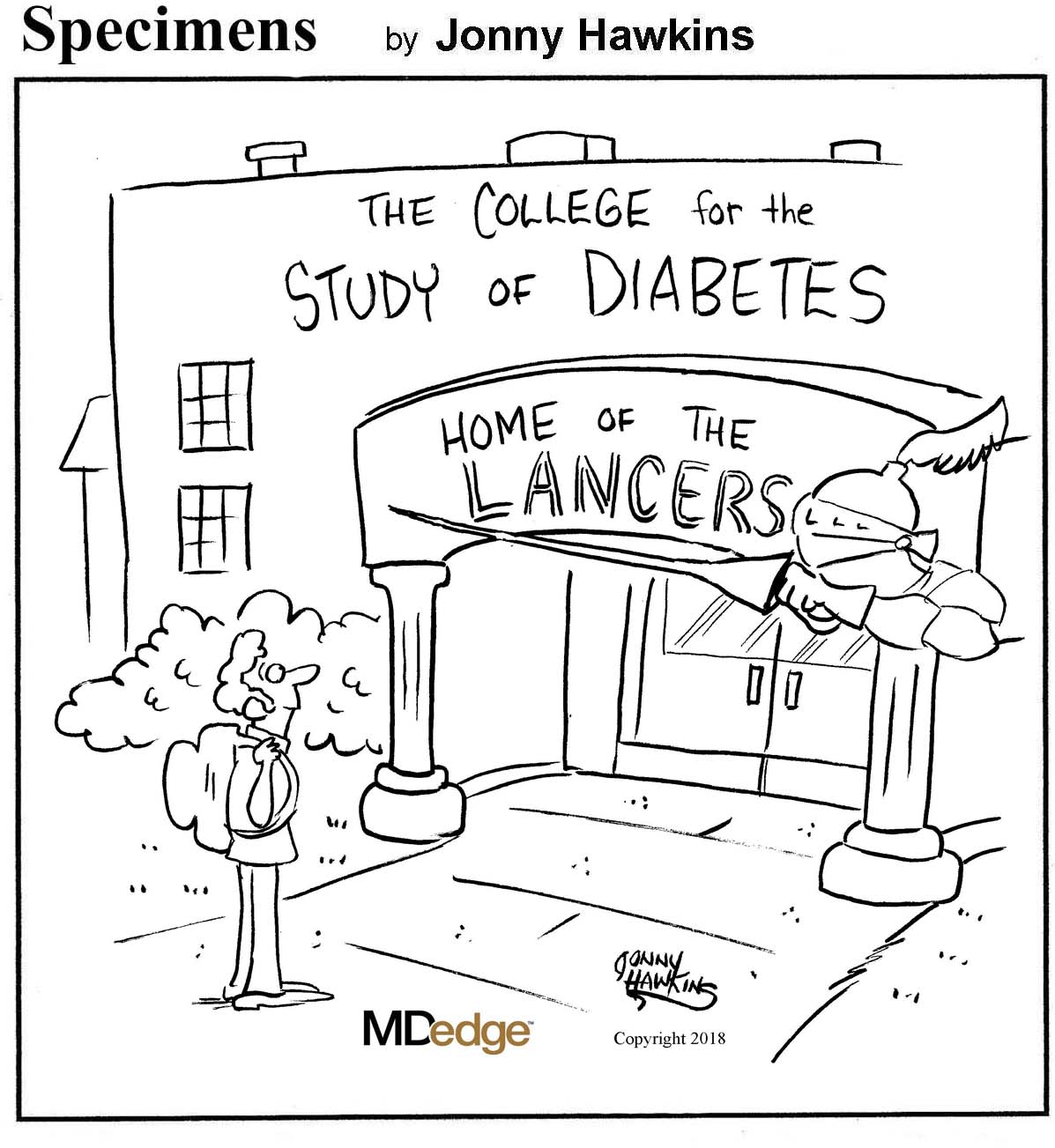
Diagnostic metal rod, eyeball extramission, fungal foot fetish
Doctor, (fake) doctor, gimme the news
Florida Man strikes again, and this time he’s a faux MD.

Onelio Hipolit-Gonzalez was charged with a felony for impersonating a doctor who promised patients he could easily diagnose their diabetes, cancer, multiple sclerosis, Parkinson’s, and pretty much any other malady … with a metal rod. The “doctor” would have patients hold on to a metal rod connected to a beeping machine (these are the scientific terms, of course), and then he would gravely diagnose them with a variety of ailments that he could cure for the low, low price of $2,000.
If you’re curious how he treated patients, fear not. This intrepid medical professional took the ingenious measure of drawing a patient’s blood and simply injecting it back inside them. Bada-bing, instant cure! Honestly, medical school these days is really overrated. Just learn to properly use a syringe, and you should be good to go. Just make sure not to attempt to treat/con any undercover cops.
Step away from the stinky socks
In another edition of “Humans: What Won’t They Do?” a Chinese man has developed a severe lung infection from prolonged, voluntary inhalation of his sweaty socks.

Take a moment to gag if you need it.
The man reportedly would finish his daily walk home from work with a deep, relaxing session of smelling his socks. Somewhat unsurprisingly, he developed a fungal infection and had to be hospitalized.
His doctor, perhaps in an effort to spare his feelings, conceded that the infection could be attributed to his weakened immune system from looking after his child. Sock-smelling weirdo, or just a good dad? Let’s just hope he doesn’t pass on this … unorthodox hobby to his offspring.
Turn down your eye beams
Do you remember the recent LOTME about a company selling tissues that have already been used by a sick person? Good news! This next item has nothing to do with that.

More good news! Belief in extramission – the ability to emit an invisible energy from the eyes – is down to about 5% among Americans after being greater than 50% at the turn of the century. The bad news? Belief in extramission is about 5% among Americans, according to investigators at Princeton (N.J.) University.
It’s not really a superhero thing, though. The researchers shared an explanation common among the extramission believers: “Light enters the eye, and there is a reflector piece inside the eye. The reflector reflects the light back out and hits the object, allowing the eye to see it.”
Now, we’d like to discount this whole eye-beam business, we really would, but there may be an exception that proves the rule. Ever had a staring contest with a cat? There’s got to be some sort of freaky power going on there.
The world’s worst superpower
Have you ever wondered what it would be like to live in the beginning of a science fiction novel? Well, worry no more – a group of researchers at the Georgia Institute of Technology and Emory University has you covered!

Okay, we’re pretty sure that the nanoparticles they’ve come up with won’t turn you into the Borg, but they will make your urine glow. Specifically, when injected into the bodies of people who’ve recently undergone transplants, they can help identify when an organ is failing.
The particles are tiny (duh), but they’re big enough that they won’t accumulate in normal, native tissue. However, they are small enough that, when a transplanted organ is being attacked by the body, the nanoparticles will end up getting through the kidneys and into urine. The particles are fluorescent and glow under near-infrared light.
The nanoparticles are aimed at replacing biopsies, as they are more predictive and less invasive. Also, who wouldn’t want to claim they’ve been enhanced by nanotechnology? Resistance is futile, after all.
Doctor, (fake) doctor, gimme the news
Florida Man strikes again, and this time he’s a faux MD.
Onelio Hipolit-Gonzalez was charged with a felony for impersonating a doctor who promised patients he could easily diagnose their diabetes, cancer, multiple sclerosis, Parkinson’s, and pretty much any other malady … with a metal rod. The “doctor” would have patients hold on to a metal rod connected to a beeping machine (these are the scientific terms, of course), and then he would gravely diagnose them with a variety of ailments that he could cure for the low, low price of $2,000.
If you’re curious how he treated patients, fear not. This intrepid medical professional took the ingenious measure of drawing a patient’s blood and simply injecting it back inside them. Bada-bing, instant cure! Honestly, medical school these days is really overrated. Just learn to properly use a syringe, and you should be good to go. Just make sure not to attempt to treat/con any undercover cops.
Step away from the stinky socks
In another edition of “Humans: What Won’t They Do?” a Chinese man has developed a severe lung infection from prolonged, voluntary inhalation of his sweaty socks.
Take a moment to gag if you need it.
The man reportedly would finish his daily walk home from work with a deep, relaxing session of smelling his socks. Somewhat unsurprisingly, he developed a fungal infection and had to be hospitalized.
His doctor, perhaps in an effort to spare his feelings, conceded that the infection could be attributed to his weakened immune system from looking after his child. Sock-smelling weirdo, or just a good dad? Let’s just hope he doesn’t pass on this … unorthodox hobby to his offspring.
Turn down your eye beams
Do you remember the recent LOTME about a company selling tissues that have already been used by a sick person? Good news! This next item has nothing to do with that.
More good news! Belief in extramission – the ability to emit an invisible energy from the eyes – is down to about 5% among Americans after being greater than 50% at the turn of the century. The bad news? Belief in extramission is about 5% among Americans, according to investigators at Princeton (N.J.) University.
It’s not really a superhero thing, though. The researchers shared an explanation common among the extramission believers: “Light enters the eye, and there is a reflector piece inside the eye. The reflector reflects the light back out and hits the object, allowing the eye to see it.”
Now, we’d like to discount this whole eye-beam business, we really would, but there may be an exception that proves the rule. Ever had a staring contest with a cat? There’s got to be some sort of freaky power going on there.
The world’s worst superpower
Have you ever wondered what it would be like to live in the beginning of a science fiction novel? Well, worry no more – a group of researchers at the Georgia Institute of Technology and Emory University has you covered!
Okay, we’re pretty sure that the nanoparticles they’ve come up with won’t turn you into the Borg, but they will make your urine glow. Specifically, when injected into the bodies of people who’ve recently undergone transplants, they can help identify when an organ is failing.
The particles are tiny (duh), but they’re big enough that they won’t accumulate in normal, native tissue. However, they are small enough that, when a transplanted organ is being attacked by the body, the nanoparticles will end up getting through the kidneys and into urine. The particles are fluorescent and glow under near-infrared light.
The nanoparticles are aimed at replacing biopsies, as they are more predictive and less invasive. Also, who wouldn’t want to claim they’ve been enhanced by nanotechnology? Resistance is futile, after all.
Doctor, (fake) doctor, gimme the news
Florida Man strikes again, and this time he’s a faux MD.
Onelio Hipolit-Gonzalez was charged with a felony for impersonating a doctor who promised patients he could easily diagnose their diabetes, cancer, multiple sclerosis, Parkinson’s, and pretty much any other malady … with a metal rod. The “doctor” would have patients hold on to a metal rod connected to a beeping machine (these are the scientific terms, of course), and then he would gravely diagnose them with a variety of ailments that he could cure for the low, low price of $2,000.
If you’re curious how he treated patients, fear not. This intrepid medical professional took the ingenious measure of drawing a patient’s blood and simply injecting it back inside them. Bada-bing, instant cure! Honestly, medical school these days is really overrated. Just learn to properly use a syringe, and you should be good to go. Just make sure not to attempt to treat/con any undercover cops.
Step away from the stinky socks
In another edition of “Humans: What Won’t They Do?” a Chinese man has developed a severe lung infection from prolonged, voluntary inhalation of his sweaty socks.
Take a moment to gag if you need it.
The man reportedly would finish his daily walk home from work with a deep, relaxing session of smelling his socks. Somewhat unsurprisingly, he developed a fungal infection and had to be hospitalized.
His doctor, perhaps in an effort to spare his feelings, conceded that the infection could be attributed to his weakened immune system from looking after his child. Sock-smelling weirdo, or just a good dad? Let’s just hope he doesn’t pass on this … unorthodox hobby to his offspring.
Turn down your eye beams
Do you remember the recent LOTME about a company selling tissues that have already been used by a sick person? Good news! This next item has nothing to do with that.
More good news! Belief in extramission – the ability to emit an invisible energy from the eyes – is down to about 5% among Americans after being greater than 50% at the turn of the century. The bad news? Belief in extramission is about 5% among Americans, according to investigators at Princeton (N.J.) University.
It’s not really a superhero thing, though. The researchers shared an explanation common among the extramission believers: “Light enters the eye, and there is a reflector piece inside the eye. The reflector reflects the light back out and hits the object, allowing the eye to see it.”
Now, we’d like to discount this whole eye-beam business, we really would, but there may be an exception that proves the rule. Ever had a staring contest with a cat? There’s got to be some sort of freaky power going on there.
The world’s worst superpower
Have you ever wondered what it would be like to live in the beginning of a science fiction novel? Well, worry no more – a group of researchers at the Georgia Institute of Technology and Emory University has you covered!
Okay, we’re pretty sure that the nanoparticles they’ve come up with won’t turn you into the Borg, but they will make your urine glow. Specifically, when injected into the bodies of people who’ve recently undergone transplants, they can help identify when an organ is failing.
The particles are tiny (duh), but they’re big enough that they won’t accumulate in normal, native tissue. However, they are small enough that, when a transplanted organ is being attacked by the body, the nanoparticles will end up getting through the kidneys and into urine. The particles are fluorescent and glow under near-infrared light.
The nanoparticles are aimed at replacing biopsies, as they are more predictive and less invasive. Also, who wouldn’t want to claim they’ve been enhanced by nanotechnology? Resistance is futile, after all.
Complementary and alternative medicine
Question: Which one of the following statements regarding complementary and alternative medicine (CAM) is correct?
A. CAM practitioners are just as likely as medical doctors to be sued.
B. Damages arising out of the use of CAM may be compensable if there is clear and convincing evidence of substandard care, and the plaintiff can prove legal causation.
C. An acupuncturist who treats an asthmatic patient will be sued if he/she fails to refer the patient to a medical specialist.
D. Obtaining informed consent after discussing all therapeutic options and material risks is especially important for those who practice CAM.
E. It is not a valid defense that the patient had fully and willingly assumed the risk of treatment.
Answer: D. Compared with medical doctors, non-MD practitioners of CAM pay lower malpractice insurance premiums, as they are much less likely to be sued, and patient injuries are usually less severe.
CAM covers a broad range of healing philosophies, approaches, and therapies that are typically outside mainstream Western medicine. It comprises modalities such as chiropractic, acupuncture, massage therapy, naturopathic medicine, nutritional therapy, and others.
More than half of the U.S. population uses some form of CAM, which is widely perceived as a natural and effective means of promoting overall well being in addition to treating a specific illness. The scope of practice for CAM providers is defined and limited by state rather than federal statutes, and enforced by regulatory bodies.
CAM treatments are generally noninvasive, and there are fewer than 50 indemnity insurers in the country for chiropractors, massage therapists, and acupuncturists, underwriting some 5% of the total medical malpractice insurance market.
In the event of an injury, damages are recoverable if there is a preponderance of evidence to indicate substandard care. “Clear and convincing” is a higher evidentiary level of legal proof, and it is not required in a negligence action. Whether an acupuncturist will be sued successfully for treating an asthmatic patient will depend on many factors, for example, whether it is an acceptable CAM practice in the jurisdiction, whether there is any statutory restriction on such treatment, whether there was a failure of a timely referral, etc.
Finally, assumption of risk is a valid defense in a negligence tort action under some circumstances.
For a negligence claim to prevail, the plaintiff must establish breach of duty, i.e., that the defendant deviated from the standard of care ordinarily exercised by a similarly situated practitioner. In addition to falling below that level of skill, practitioners may also be sued for having failed to refer to a medical doctor, for practicing outside the scope of CAM, or for venturing into traditional Western medical practice.
In one instance, a plaintiff alleged that he was led to believe that chiropractic manipulation would help his diabetes. The court found in favor of the plaintiff and awarded damages.1 In another, the plaintiff successfully sued a chiropractor for failing to take x-rays and refer to a medical doctor. The court held that the defendant fell below the standard of care, as the state licensing board required physician referral when the problem extended beyond the limits of chiropractic practice.2
However, an injured party does not always prevail. In Miyamoto v. Lazo, the plaintiff claimed that Dr. Lazo, a chiropractor, negligently treated his injuries from a car accident.3 The patient was taking Coumadin and developed a hematoma in his left shoulder following chiropractic treatment. This was complicated by neuropathy in his left hand when the hematoma expanded and required surgical drainage.
The jury, however, found Dr. Lazo not liable, because of evidence that a hematoma could spontaneously arise in someone on an anticoagulant.
Injured patients have also filed lawsuits against other CAM practitioners. Allegations against acupuncturists have included cases of pneumothorax, wrongful death in an adolescent girl with asthma, and burns from a heat lamp.4 And in Wallman v. Kelley,a plaintiff developed liver damage and filed negligence and breach of implied warranty claims against a seller of Chinese herbal medicine.5 The court held that the defendant was not liable, as the plaintiff failed to prove causation or give timely notice of suit.
Medical doctors are increasingly incorporating CAM into their practices, so they must adhere to CAM standards in addition to their own medical standards.
In Charell v. Gonzalez, a cancer patient refused conventional treatment by oncologists and opted instead for nutritional therapy by a physician.6 Her cancer metastasized, and she alleged negligence and failure to warn of risks. The jury found the physician 51% liable for departure from standard of care and lack of informed consent. The plaintiff was found to be 49% at fault for choosing to ignore the recommendations of her oncologists.
Even if it’s the patient’s choice, physicians must still exercise due care when implementing therapy.
In Gonzalez v. New York State Department of Health, Dr. Gonzales was charged with gross negligence and incompetence after he used nutritional therapies to treat six patients with incurable cancer who had failed or rejected conventional treatment.7
The hearing committee found that he missed signs of disease progression and failed to perform adequate assessments, testing, and follow-up evaluations. The court held that a patient’s consent to or even insistence upon a certain treatment does not relieve the physician from the obligation of treating the patient with the usual standard of care.
In general, a physician may employ several legal defenses to avert liability following an adverse event.
One defense is to assert the “respectable minority” standard of care, if it can be shown that a respectable minority in the medical community also accepts the treatment in question.
A second defense is assumption of risk. In Schneider v. Revici, a physician delivered nutritional (selenium and dietary restrictions) and other nonsurgical treatment for breast cancer after the patient refused conventional treatments offered by other physicians.8 The patient signed a detailed consent form releasing the physician from liability and acknowledging that the defendant’s treatments lacked Food and Drug Administration approval, and that no results could be guaranteed.
The cancer spread, and the patient sued for common law fraud, medical malpractice, and lack of informed consent. The court of appeals held that assumption of risk is a complete defense to malpractice. The same court also held in another case that a patient’s failure to sign a consent form did not preclude the jury from considering the assumption of risk defense.
A third defense, rarely successful, is to invoke “clinical innovation” when CAM is used to alleviate a desperate situation, for example, if the patient is terminal or has failed conventional therapy. The defendant-physician may plead involvement in a clinical trial study, or show that the unorthodox treatment is based on extensive personal experience or some newly discovered developments in the field.
When discussing CAM, the physician should first fully inform the patient about conventional treatments and their limitations. Next, the physician should explain why the “novel” rather than the recognized conventional therapy is being considered. Finally, whether the physician intends to carry out CAM therapy or refer to another practitioner, the patient must be warned about the potential risks associated with such therapy.
Dr. Tan is emeritus professor of medicine and former adjunct professor of law at the University of Hawaii, Honolulu. This article is modified from a chapter in the author’s book, “Medical Malpractice: Understanding the Law, Managing the Risk.” It is meant to be educational and does not constitute medical, ethical, or legal advice. For additional information, readers may contact the author at siang@hawaii.edu.
References
1. Wengel v. Herfert, 473 N.W.2d 741 (1991).
2. Salazar v. Ehmann, 505 P.2d 387 (1972).
3. Miyamoto v. Lum and Lazo, 84 P.3d 509 (2004).
4. Rosenberg v. Jing Jiang, 153 A.D.3d 744 (2017).
5. Wallman v. Kelley, 976 P.2d 330 (1998).
6. Charell v. Gonzales, 673 N.Y.S. 2d 685 (1998).
7. Gonzales v. NYS DOH, 232 A.D.2d 886 (1996).
8. Schneider v. Revici, 817 F. 2d 987 (1987).
Question: Which one of the following statements regarding complementary and alternative medicine (CAM) is correct?
A. CAM practitioners are just as likely as medical doctors to be sued.
B. Damages arising out of the use of CAM may be compensable if there is clear and convincing evidence of substandard care, and the plaintiff can prove legal causation.
C. An acupuncturist who treats an asthmatic patient will be sued if he/she fails to refer the patient to a medical specialist.
D. Obtaining informed consent after discussing all therapeutic options and material risks is especially important for those who practice CAM.
E. It is not a valid defense that the patient had fully and willingly assumed the risk of treatment.
Answer: D. Compared with medical doctors, non-MD practitioners of CAM pay lower malpractice insurance premiums, as they are much less likely to be sued, and patient injuries are usually less severe.
CAM covers a broad range of healing philosophies, approaches, and therapies that are typically outside mainstream Western medicine. It comprises modalities such as chiropractic, acupuncture, massage therapy, naturopathic medicine, nutritional therapy, and others.
More than half of the U.S. population uses some form of CAM, which is widely perceived as a natural and effective means of promoting overall well being in addition to treating a specific illness. The scope of practice for CAM providers is defined and limited by state rather than federal statutes, and enforced by regulatory bodies.
CAM treatments are generally noninvasive, and there are fewer than 50 indemnity insurers in the country for chiropractors, massage therapists, and acupuncturists, underwriting some 5% of the total medical malpractice insurance market.
In the event of an injury, damages are recoverable if there is a preponderance of evidence to indicate substandard care. “Clear and convincing” is a higher evidentiary level of legal proof, and it is not required in a negligence action. Whether an acupuncturist will be sued successfully for treating an asthmatic patient will depend on many factors, for example, whether it is an acceptable CAM practice in the jurisdiction, whether there is any statutory restriction on such treatment, whether there was a failure of a timely referral, etc.
Finally, assumption of risk is a valid defense in a negligence tort action under some circumstances.
For a negligence claim to prevail, the plaintiff must establish breach of duty, i.e., that the defendant deviated from the standard of care ordinarily exercised by a similarly situated practitioner. In addition to falling below that level of skill, practitioners may also be sued for having failed to refer to a medical doctor, for practicing outside the scope of CAM, or for venturing into traditional Western medical practice.
In one instance, a plaintiff alleged that he was led to believe that chiropractic manipulation would help his diabetes. The court found in favor of the plaintiff and awarded damages.1 In another, the plaintiff successfully sued a chiropractor for failing to take x-rays and refer to a medical doctor. The court held that the defendant fell below the standard of care, as the state licensing board required physician referral when the problem extended beyond the limits of chiropractic practice.2
However, an injured party does not always prevail. In Miyamoto v. Lazo, the plaintiff claimed that Dr. Lazo, a chiropractor, negligently treated his injuries from a car accident.3 The patient was taking Coumadin and developed a hematoma in his left shoulder following chiropractic treatment. This was complicated by neuropathy in his left hand when the hematoma expanded and required surgical drainage.
The jury, however, found Dr. Lazo not liable, because of evidence that a hematoma could spontaneously arise in someone on an anticoagulant.
Injured patients have also filed lawsuits against other CAM practitioners. Allegations against acupuncturists have included cases of pneumothorax, wrongful death in an adolescent girl with asthma, and burns from a heat lamp.4 And in Wallman v. Kelley,a plaintiff developed liver damage and filed negligence and breach of implied warranty claims against a seller of Chinese herbal medicine.5 The court held that the defendant was not liable, as the plaintiff failed to prove causation or give timely notice of suit.
Medical doctors are increasingly incorporating CAM into their practices, so they must adhere to CAM standards in addition to their own medical standards.
In Charell v. Gonzalez, a cancer patient refused conventional treatment by oncologists and opted instead for nutritional therapy by a physician.6 Her cancer metastasized, and she alleged negligence and failure to warn of risks. The jury found the physician 51% liable for departure from standard of care and lack of informed consent. The plaintiff was found to be 49% at fault for choosing to ignore the recommendations of her oncologists.
Even if it’s the patient’s choice, physicians must still exercise due care when implementing therapy.
In Gonzalez v. New York State Department of Health, Dr. Gonzales was charged with gross negligence and incompetence after he used nutritional therapies to treat six patients with incurable cancer who had failed or rejected conventional treatment.7
The hearing committee found that he missed signs of disease progression and failed to perform adequate assessments, testing, and follow-up evaluations. The court held that a patient’s consent to or even insistence upon a certain treatment does not relieve the physician from the obligation of treating the patient with the usual standard of care.
In general, a physician may employ several legal defenses to avert liability following an adverse event.
One defense is to assert the “respectable minority” standard of care, if it can be shown that a respectable minority in the medical community also accepts the treatment in question.
A second defense is assumption of risk. In Schneider v. Revici, a physician delivered nutritional (selenium and dietary restrictions) and other nonsurgical treatment for breast cancer after the patient refused conventional treatments offered by other physicians.8 The patient signed a detailed consent form releasing the physician from liability and acknowledging that the defendant’s treatments lacked Food and Drug Administration approval, and that no results could be guaranteed.
The cancer spread, and the patient sued for common law fraud, medical malpractice, and lack of informed consent. The court of appeals held that assumption of risk is a complete defense to malpractice. The same court also held in another case that a patient’s failure to sign a consent form did not preclude the jury from considering the assumption of risk defense.
A third defense, rarely successful, is to invoke “clinical innovation” when CAM is used to alleviate a desperate situation, for example, if the patient is terminal or has failed conventional therapy. The defendant-physician may plead involvement in a clinical trial study, or show that the unorthodox treatment is based on extensive personal experience or some newly discovered developments in the field.
When discussing CAM, the physician should first fully inform the patient about conventional treatments and their limitations. Next, the physician should explain why the “novel” rather than the recognized conventional therapy is being considered. Finally, whether the physician intends to carry out CAM therapy or refer to another practitioner, the patient must be warned about the potential risks associated with such therapy.
Dr. Tan is emeritus professor of medicine and former adjunct professor of law at the University of Hawaii, Honolulu. This article is modified from a chapter in the author’s book, “Medical Malpractice: Understanding the Law, Managing the Risk.” It is meant to be educational and does not constitute medical, ethical, or legal advice. For additional information, readers may contact the author at siang@hawaii.edu.
References
1. Wengel v. Herfert, 473 N.W.2d 741 (1991).
2. Salazar v. Ehmann, 505 P.2d 387 (1972).
3. Miyamoto v. Lum and Lazo, 84 P.3d 509 (2004).
4. Rosenberg v. Jing Jiang, 153 A.D.3d 744 (2017).
5. Wallman v. Kelley, 976 P.2d 330 (1998).
6. Charell v. Gonzales, 673 N.Y.S. 2d 685 (1998).
7. Gonzales v. NYS DOH, 232 A.D.2d 886 (1996).
8. Schneider v. Revici, 817 F. 2d 987 (1987).
Question: Which one of the following statements regarding complementary and alternative medicine (CAM) is correct?
A. CAM practitioners are just as likely as medical doctors to be sued.
B. Damages arising out of the use of CAM may be compensable if there is clear and convincing evidence of substandard care, and the plaintiff can prove legal causation.
C. An acupuncturist who treats an asthmatic patient will be sued if he/she fails to refer the patient to a medical specialist.
D. Obtaining informed consent after discussing all therapeutic options and material risks is especially important for those who practice CAM.
E. It is not a valid defense that the patient had fully and willingly assumed the risk of treatment.
Answer: D. Compared with medical doctors, non-MD practitioners of CAM pay lower malpractice insurance premiums, as they are much less likely to be sued, and patient injuries are usually less severe.
CAM covers a broad range of healing philosophies, approaches, and therapies that are typically outside mainstream Western medicine. It comprises modalities such as chiropractic, acupuncture, massage therapy, naturopathic medicine, nutritional therapy, and others.
More than half of the U.S. population uses some form of CAM, which is widely perceived as a natural and effective means of promoting overall well being in addition to treating a specific illness. The scope of practice for CAM providers is defined and limited by state rather than federal statutes, and enforced by regulatory bodies.
CAM treatments are generally noninvasive, and there are fewer than 50 indemnity insurers in the country for chiropractors, massage therapists, and acupuncturists, underwriting some 5% of the total medical malpractice insurance market.
In the event of an injury, damages are recoverable if there is a preponderance of evidence to indicate substandard care. “Clear and convincing” is a higher evidentiary level of legal proof, and it is not required in a negligence action. Whether an acupuncturist will be sued successfully for treating an asthmatic patient will depend on many factors, for example, whether it is an acceptable CAM practice in the jurisdiction, whether there is any statutory restriction on such treatment, whether there was a failure of a timely referral, etc.
Finally, assumption of risk is a valid defense in a negligence tort action under some circumstances.
For a negligence claim to prevail, the plaintiff must establish breach of duty, i.e., that the defendant deviated from the standard of care ordinarily exercised by a similarly situated practitioner. In addition to falling below that level of skill, practitioners may also be sued for having failed to refer to a medical doctor, for practicing outside the scope of CAM, or for venturing into traditional Western medical practice.
In one instance, a plaintiff alleged that he was led to believe that chiropractic manipulation would help his diabetes. The court found in favor of the plaintiff and awarded damages.1 In another, the plaintiff successfully sued a chiropractor for failing to take x-rays and refer to a medical doctor. The court held that the defendant fell below the standard of care, as the state licensing board required physician referral when the problem extended beyond the limits of chiropractic practice.2
However, an injured party does not always prevail. In Miyamoto v. Lazo, the plaintiff claimed that Dr. Lazo, a chiropractor, negligently treated his injuries from a car accident.3 The patient was taking Coumadin and developed a hematoma in his left shoulder following chiropractic treatment. This was complicated by neuropathy in his left hand when the hematoma expanded and required surgical drainage.
The jury, however, found Dr. Lazo not liable, because of evidence that a hematoma could spontaneously arise in someone on an anticoagulant.
Injured patients have also filed lawsuits against other CAM practitioners. Allegations against acupuncturists have included cases of pneumothorax, wrongful death in an adolescent girl with asthma, and burns from a heat lamp.4 And in Wallman v. Kelley,a plaintiff developed liver damage and filed negligence and breach of implied warranty claims against a seller of Chinese herbal medicine.5 The court held that the defendant was not liable, as the plaintiff failed to prove causation or give timely notice of suit.
Medical doctors are increasingly incorporating CAM into their practices, so they must adhere to CAM standards in addition to their own medical standards.
In Charell v. Gonzalez, a cancer patient refused conventional treatment by oncologists and opted instead for nutritional therapy by a physician.6 Her cancer metastasized, and she alleged negligence and failure to warn of risks. The jury found the physician 51% liable for departure from standard of care and lack of informed consent. The plaintiff was found to be 49% at fault for choosing to ignore the recommendations of her oncologists.
Even if it’s the patient’s choice, physicians must still exercise due care when implementing therapy.
In Gonzalez v. New York State Department of Health, Dr. Gonzales was charged with gross negligence and incompetence after he used nutritional therapies to treat six patients with incurable cancer who had failed or rejected conventional treatment.7
The hearing committee found that he missed signs of disease progression and failed to perform adequate assessments, testing, and follow-up evaluations. The court held that a patient’s consent to or even insistence upon a certain treatment does not relieve the physician from the obligation of treating the patient with the usual standard of care.
In general, a physician may employ several legal defenses to avert liability following an adverse event.
One defense is to assert the “respectable minority” standard of care, if it can be shown that a respectable minority in the medical community also accepts the treatment in question.
A second defense is assumption of risk. In Schneider v. Revici, a physician delivered nutritional (selenium and dietary restrictions) and other nonsurgical treatment for breast cancer after the patient refused conventional treatments offered by other physicians.8 The patient signed a detailed consent form releasing the physician from liability and acknowledging that the defendant’s treatments lacked Food and Drug Administration approval, and that no results could be guaranteed.
The cancer spread, and the patient sued for common law fraud, medical malpractice, and lack of informed consent. The court of appeals held that assumption of risk is a complete defense to malpractice. The same court also held in another case that a patient’s failure to sign a consent form did not preclude the jury from considering the assumption of risk defense.
A third defense, rarely successful, is to invoke “clinical innovation” when CAM is used to alleviate a desperate situation, for example, if the patient is terminal or has failed conventional therapy. The defendant-physician may plead involvement in a clinical trial study, or show that the unorthodox treatment is based on extensive personal experience or some newly discovered developments in the field.
When discussing CAM, the physician should first fully inform the patient about conventional treatments and their limitations. Next, the physician should explain why the “novel” rather than the recognized conventional therapy is being considered. Finally, whether the physician intends to carry out CAM therapy or refer to another practitioner, the patient must be warned about the potential risks associated with such therapy.
Dr. Tan is emeritus professor of medicine and former adjunct professor of law at the University of Hawaii, Honolulu. This article is modified from a chapter in the author’s book, “Medical Malpractice: Understanding the Law, Managing the Risk.” It is meant to be educational and does not constitute medical, ethical, or legal advice. For additional information, readers may contact the author at siang@hawaii.edu.
References
1. Wengel v. Herfert, 473 N.W.2d 741 (1991).
2. Salazar v. Ehmann, 505 P.2d 387 (1972).
3. Miyamoto v. Lum and Lazo, 84 P.3d 509 (2004).
4. Rosenberg v. Jing Jiang, 153 A.D.3d 744 (2017).
5. Wallman v. Kelley, 976 P.2d 330 (1998).
6. Charell v. Gonzales, 673 N.Y.S. 2d 685 (1998).
7. Gonzales v. NYS DOH, 232 A.D.2d 886 (1996).
8. Schneider v. Revici, 817 F. 2d 987 (1987).
Commentary: Physician burnout: It’s good to complain
Burnout among vascular surgeons and other physicians is a serious national epidemic that needs immediate attention by senior policy makers and health care leaders. Not only is maintaining an appropriate supply of fully qualified surgeons important to the medical demands of our country, the underlying causes of physician burnout clearly point to increased personal pain and suffering within the physician community.
While it is quite clear that a serious response to physician burnout requires immediate action, the most pressing and urgent question for senior leadership is exactly what can be done to best address the causes of this epidemic.
This commentary reflects an approach and strategy for building an effective response to physician burnout deeply rooted in the broad discipline of health care management theory and research. Our understanding of the problem starts with the simple and common observation that our thoughts about our job are deeply embedded in the conditions and “lived reality” of doing our job. We can see this link in everyday conversations when they quickly turn to detailed complaints about all things work related.
Listening to people complain about their jobs can sometimes sound like unfounded “whining.” But if we dig deeper into such complaints, we can start to see some common elements giving credence to such grievances. For example, if we step back a little from our current preoccupations and look at the history of work over the last 100 years or so, we can see the outline of a long and generally progressive arc of change aimed at improving the conditions for making a living.
This arc of change has allowed us to stop complaining so much about the risk of losing life and limb from industrial accidents because those complaints helped to create new laws that imposed strict regulations, making the conditions of working with big machines much safer. From the 40-hour week, paid vacations, and tenure to workplace discrimination, harassment, and abuse, there are many examples of how complaining about the conditions of one’s job has led to major changes in how people work together in an organization.
Coming back to the present, the big, clamoring machines that caused many to complain years ago have now been replaced by the clicking and hum of computers used by knowledge-based workers. But while the tools, physical environment, workforce, and other key characteristics of what people do for a living change over time, serious complaints about job conditions remain important sources of information about how to make those conditions job safer and healthier.
The importance of complaining
One of the primary goals of every health care organization should be to consciously create safe and healthy working conditions for physicians and everyone else involved in the daily production of health care services.
At present, there is considerable interest in developing new programs for addressing physician burnout by using therapeutic interventions. This approach is focused on mediating the severity of an unhealthy workplace by helping physicians better cope with personal frustrations and other psychological difficulties related to their job.
Personal counseling, yoga at noon, and other tools for building personal resilience can certainly improve coping skills but fundamentally miss the point for addressing the underlying causes for burnout.
The problem here is that a reliance on therapeutic interventions alone can mask and reflect the cause of the problem from their source in the conditions of the workplace back onto the physicians who must do their job under those conditions. This is roughly equivalent to providing therapeutic counseling to a factory worker who loses an arm to a machine in an industrial accident with no mention or effort to fix the dangerous machine that workers were loudly complaining about before the accident.
In order to develop an effective response to burnout, attention needs to be given to the specific content of what physicians are complaining about as existential threats to their personal health and safety in the environment in which they do their work as physicians.
A clear-eyed assessment of the real-life structures and processes that define how the work of physicians is routinely carried out every day is needed in every modern health care organization. Such an assessment is not a call for simply “whining” about everyday annoyances and bothers that are encountered as part of most people’s jobs. Rather, a thoughtful cataloging of what physicians are complaining about is required.
This examination needs to carefully listen to complaints to better understand two highly related factors. First: What do vascular surgeons and other physicians “want to do” in order to be personally “satisfied” with their job? And second: How does the organization (structure) and established “flow” (processes) of their given work environment encourage, help, hinder, or prevent them from being satisfied as a regular part of being a physician?
Such an assessment of complains will not be easy. Important methodological considerations will need to be made to make conceptual and measurable distinctions between complaints about major threats to physician health that are part of the current work environment and ongoing and rapid changes affecting the overall profession of medicine. For example, new and ongoing developments in medical technology, health informatics, generational shifts in the attributes of the workforce, evolution of state and federal policy, shifting patient and epidemiological profiles, and other major trends will continue to affect the workplace of physicians. Such changes are part of the current dynamics of the workplace of physicians and may be major components of the conditions of work that are generating complaints and contributing to burnout.
Viewing physician complaints as important tools for improving the working conditions of physician does not mean that such changes can be stopped. More directly, it means that physician complaints can become a critical part in the policy debate and management discussion about what changes in the physician workplace need to change to eliminate burnout.
From a health care management perspective, physicians should take the lead and keep complaining. It is an essential window for senior leadership to see exactly what needs to be done to create a safer and healthier workplace for physicians to be physicians.
Dr. Zimmerman is a professor of health care management at the University of New Orleans.
Burnout among vascular surgeons and other physicians is a serious national epidemic that needs immediate attention by senior policy makers and health care leaders. Not only is maintaining an appropriate supply of fully qualified surgeons important to the medical demands of our country, the underlying causes of physician burnout clearly point to increased personal pain and suffering within the physician community.
While it is quite clear that a serious response to physician burnout requires immediate action, the most pressing and urgent question for senior leadership is exactly what can be done to best address the causes of this epidemic.
This commentary reflects an approach and strategy for building an effective response to physician burnout deeply rooted in the broad discipline of health care management theory and research. Our understanding of the problem starts with the simple and common observation that our thoughts about our job are deeply embedded in the conditions and “lived reality” of doing our job. We can see this link in everyday conversations when they quickly turn to detailed complaints about all things work related.
Listening to people complain about their jobs can sometimes sound like unfounded “whining.” But if we dig deeper into such complaints, we can start to see some common elements giving credence to such grievances. For example, if we step back a little from our current preoccupations and look at the history of work over the last 100 years or so, we can see the outline of a long and generally progressive arc of change aimed at improving the conditions for making a living.
This arc of change has allowed us to stop complaining so much about the risk of losing life and limb from industrial accidents because those complaints helped to create new laws that imposed strict regulations, making the conditions of working with big machines much safer. From the 40-hour week, paid vacations, and tenure to workplace discrimination, harassment, and abuse, there are many examples of how complaining about the conditions of one’s job has led to major changes in how people work together in an organization.
Coming back to the present, the big, clamoring machines that caused many to complain years ago have now been replaced by the clicking and hum of computers used by knowledge-based workers. But while the tools, physical environment, workforce, and other key characteristics of what people do for a living change over time, serious complaints about job conditions remain important sources of information about how to make those conditions job safer and healthier.
The importance of complaining
One of the primary goals of every health care organization should be to consciously create safe and healthy working conditions for physicians and everyone else involved in the daily production of health care services.
At present, there is considerable interest in developing new programs for addressing physician burnout by using therapeutic interventions. This approach is focused on mediating the severity of an unhealthy workplace by helping physicians better cope with personal frustrations and other psychological difficulties related to their job.
Personal counseling, yoga at noon, and other tools for building personal resilience can certainly improve coping skills but fundamentally miss the point for addressing the underlying causes for burnout.
The problem here is that a reliance on therapeutic interventions alone can mask and reflect the cause of the problem from their source in the conditions of the workplace back onto the physicians who must do their job under those conditions. This is roughly equivalent to providing therapeutic counseling to a factory worker who loses an arm to a machine in an industrial accident with no mention or effort to fix the dangerous machine that workers were loudly complaining about before the accident.
In order to develop an effective response to burnout, attention needs to be given to the specific content of what physicians are complaining about as existential threats to their personal health and safety in the environment in which they do their work as physicians.
A clear-eyed assessment of the real-life structures and processes that define how the work of physicians is routinely carried out every day is needed in every modern health care organization. Such an assessment is not a call for simply “whining” about everyday annoyances and bothers that are encountered as part of most people’s jobs. Rather, a thoughtful cataloging of what physicians are complaining about is required.
This examination needs to carefully listen to complaints to better understand two highly related factors. First: What do vascular surgeons and other physicians “want to do” in order to be personally “satisfied” with their job? And second: How does the organization (structure) and established “flow” (processes) of their given work environment encourage, help, hinder, or prevent them from being satisfied as a regular part of being a physician?
Such an assessment of complains will not be easy. Important methodological considerations will need to be made to make conceptual and measurable distinctions between complaints about major threats to physician health that are part of the current work environment and ongoing and rapid changes affecting the overall profession of medicine. For example, new and ongoing developments in medical technology, health informatics, generational shifts in the attributes of the workforce, evolution of state and federal policy, shifting patient and epidemiological profiles, and other major trends will continue to affect the workplace of physicians. Such changes are part of the current dynamics of the workplace of physicians and may be major components of the conditions of work that are generating complaints and contributing to burnout.
Viewing physician complaints as important tools for improving the working conditions of physician does not mean that such changes can be stopped. More directly, it means that physician complaints can become a critical part in the policy debate and management discussion about what changes in the physician workplace need to change to eliminate burnout.
From a health care management perspective, physicians should take the lead and keep complaining. It is an essential window for senior leadership to see exactly what needs to be done to create a safer and healthier workplace for physicians to be physicians.
Dr. Zimmerman is a professor of health care management at the University of New Orleans.
Burnout among vascular surgeons and other physicians is a serious national epidemic that needs immediate attention by senior policy makers and health care leaders. Not only is maintaining an appropriate supply of fully qualified surgeons important to the medical demands of our country, the underlying causes of physician burnout clearly point to increased personal pain and suffering within the physician community.
While it is quite clear that a serious response to physician burnout requires immediate action, the most pressing and urgent question for senior leadership is exactly what can be done to best address the causes of this epidemic.
This commentary reflects an approach and strategy for building an effective response to physician burnout deeply rooted in the broad discipline of health care management theory and research. Our understanding of the problem starts with the simple and common observation that our thoughts about our job are deeply embedded in the conditions and “lived reality” of doing our job. We can see this link in everyday conversations when they quickly turn to detailed complaints about all things work related.
Listening to people complain about their jobs can sometimes sound like unfounded “whining.” But if we dig deeper into such complaints, we can start to see some common elements giving credence to such grievances. For example, if we step back a little from our current preoccupations and look at the history of work over the last 100 years or so, we can see the outline of a long and generally progressive arc of change aimed at improving the conditions for making a living.
This arc of change has allowed us to stop complaining so much about the risk of losing life and limb from industrial accidents because those complaints helped to create new laws that imposed strict regulations, making the conditions of working with big machines much safer. From the 40-hour week, paid vacations, and tenure to workplace discrimination, harassment, and abuse, there are many examples of how complaining about the conditions of one’s job has led to major changes in how people work together in an organization.
Coming back to the present, the big, clamoring machines that caused many to complain years ago have now been replaced by the clicking and hum of computers used by knowledge-based workers. But while the tools, physical environment, workforce, and other key characteristics of what people do for a living change over time, serious complaints about job conditions remain important sources of information about how to make those conditions job safer and healthier.
The importance of complaining
One of the primary goals of every health care organization should be to consciously create safe and healthy working conditions for physicians and everyone else involved in the daily production of health care services.
At present, there is considerable interest in developing new programs for addressing physician burnout by using therapeutic interventions. This approach is focused on mediating the severity of an unhealthy workplace by helping physicians better cope with personal frustrations and other psychological difficulties related to their job.
Personal counseling, yoga at noon, and other tools for building personal resilience can certainly improve coping skills but fundamentally miss the point for addressing the underlying causes for burnout.
The problem here is that a reliance on therapeutic interventions alone can mask and reflect the cause of the problem from their source in the conditions of the workplace back onto the physicians who must do their job under those conditions. This is roughly equivalent to providing therapeutic counseling to a factory worker who loses an arm to a machine in an industrial accident with no mention or effort to fix the dangerous machine that workers were loudly complaining about before the accident.
In order to develop an effective response to burnout, attention needs to be given to the specific content of what physicians are complaining about as existential threats to their personal health and safety in the environment in which they do their work as physicians.
A clear-eyed assessment of the real-life structures and processes that define how the work of physicians is routinely carried out every day is needed in every modern health care organization. Such an assessment is not a call for simply “whining” about everyday annoyances and bothers that are encountered as part of most people’s jobs. Rather, a thoughtful cataloging of what physicians are complaining about is required.
This examination needs to carefully listen to complaints to better understand two highly related factors. First: What do vascular surgeons and other physicians “want to do” in order to be personally “satisfied” with their job? And second: How does the organization (structure) and established “flow” (processes) of their given work environment encourage, help, hinder, or prevent them from being satisfied as a regular part of being a physician?
Such an assessment of complains will not be easy. Important methodological considerations will need to be made to make conceptual and measurable distinctions between complaints about major threats to physician health that are part of the current work environment and ongoing and rapid changes affecting the overall profession of medicine. For example, new and ongoing developments in medical technology, health informatics, generational shifts in the attributes of the workforce, evolution of state and federal policy, shifting patient and epidemiological profiles, and other major trends will continue to affect the workplace of physicians. Such changes are part of the current dynamics of the workplace of physicians and may be major components of the conditions of work that are generating complaints and contributing to burnout.
Viewing physician complaints as important tools for improving the working conditions of physician does not mean that such changes can be stopped. More directly, it means that physician complaints can become a critical part in the policy debate and management discussion about what changes in the physician workplace need to change to eliminate burnout.
From a health care management perspective, physicians should take the lead and keep complaining. It is an essential window for senior leadership to see exactly what needs to be done to create a safer and healthier workplace for physicians to be physicians.
Dr. Zimmerman is a professor of health care management at the University of New Orleans.
What I learned from Navy SEALs about resilience
In 2017, the National Academy of Medicine recognized the urgent need to address burnout, wellness, and resilience in physicians. A consortium was subsequently put together comprising many cosponsoring organizations, including the Accreditation Council for Graduate Medical Education (ACGME), and the American Board of Medical Specialties (ABMS). One of many outputs of this consortium was a discussion paper, “A Journey to Construct an All-Encompassing Conceptual Model of Factors Affecting Clinician Well-Being and Resilience.”
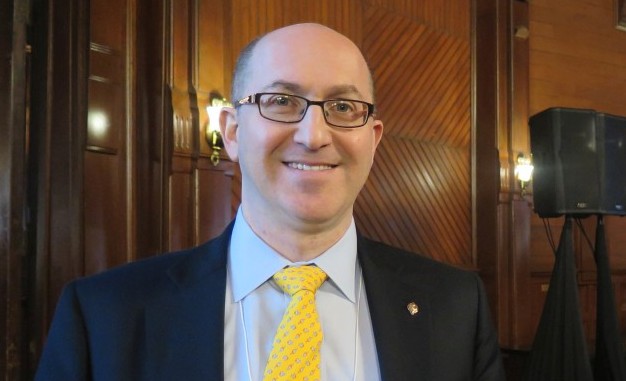
The authors conceptually divided wellness and resilience drivers into external and individual factors. It turns out that a large portion of clinician well-being and resilience is related to individual factors that include personal factors, skills, and abilities. Taking personal responsibility and ownership of developing these individual factors is important, but many do not know where to begin.
My journey in this area began 5 years ago. This was a time when organizational resources were sparse and there was little local or national attention to addressing physician wellness. My life was horribly out of balance. While this should have been obvious, the “hit-on-the-head” moment was weighing myself one day and realizing that I was 30 pounds overweight. This was the ultimate sign to me that there was a problem because throughout my entire life, I was always very athletic, even during residency and fellowship training. I was using food as a reward system for several years which, in combination with a dramatic decrease in physical activity due to prioritizing everything related to work, led to this problem. A slowing metabolism that we all face as we age certainly accentuated it.
I was taking care of everybody else, but not myself. Many family members, friends, and even patients told me this over the years, which I conveniently ignored. For several years, my patients were asking me, “How are you doing?” at the end of their office visits. As a surgeon with a busy cancer practice, this should have been a signal for me – my cancer patients asking me how I am doing!
I started to think more about why this was happening. I realized that I was a victim of my own passions. In terms of my clinical practice, I cherished and absolutely loved every aspect of my practice and taking care of patients. I loved educating our next generation and thrived on conducting research, presenting at meetings, and publishing papers. And as I was accumulating more administrative roles and responsibilities at the department, hospital, and medical school levels, I realized I had a growing passion for administrative work. I found that the administrative work was uniquely challenging and allowed me to meaningfully serve others in a very special way.
In all of these areas for which I had a deep passion, I was committed to nothing short of excellence in everything I did. That is what I expected of myself. Self-compassion was almost absent. In addition, I have a people-pleasing personality and find it difficult to say no to people. As I have come to realize, this characteristic can be self-destructive.
I began to recognize that I fell into an acceptance (and almost expectation) that every 6-8 months I’d experience an episode of burnout that lasted 3-4 days. My burnout trigger was feeling a sense of helplessness. Everything seemed to come down all at once, and I felt helpless to dig out of it.
I realized I wanted to change, but I had no idea what resources were available or how to go about making a change. One day, I was talking to a colleague about these issues, and he asked, “Have you read the book, ‘Lone Survivor?’ ” I hadn’t heard of it, but I picked it up and started reading. Looking back, this was one of the most important decisions I made in my effort to help myself. “Lone Survivor” tells the the story of Marcus Luttrell, a retired U.S. Navy SEAL who received the Navy Cross for his actions facing Taliban fighters during Operation Red Wings.
When I finished reading this book, I realized that this was a remarkable story of resilience. The entirety of his story really connected with me. I then began to think there might be something I could learn from the Navy SEAL community that I could apply to my own civilian life.
Candidates who enter training for Navy SEALs are physically fit to succeed, but only approximately 20% make it through Basic Underwater Demolition/SEAL (BUD/S). Many drop out on request, largely because they don’t have the mental toughness and emotional resilience to tolerate intense stress continuously over a prolonged period of time. The ones who succeed have a deep meaning to their “Why” to become a SEAL.
I then learned about a retired Navy SEAL Commander, Mark Devine, who had a program intended to train civilians in physical fitness, mental toughness, emotional resilience, intuitional awareness, and spiritual consciousness in a manner similar to that of preparing prospective candidates for BUD/S training. The website stated that the defining attribute for enrollees was “a burning desire to better oneself.” I connected with that. After resolving my self-doubts and uncomfortable feelings about doing this, I signed up for the 3-day Fundamentals immersion program.
My 3 days with Coach Divine and his team were truly transformative. This was definitely not a “Navy SEAL Fantasy Camp,” and perhaps were the 3 most difficult days of my life in many regards.
When I got back from this program, I had a framework and toolbox for developing resilience to avoid burnout and improve my personal wellness. I immediately changed several things in my life, in an enduring way for the past 5 years. I started to train regularly. While I could not find a predictable time to do this during the week, I prioritized training during weekends. I improved my nutrition, stopped using food as a reward system, and started getting more sleep. Within 6 months after completing the program, I dropped the 30 pounds by being disciplined, not motivated, to make these changes. I also developed a morning ritual upon awakening. This consists of drinking a glass of water, doing box-breathing exercises, positive self-talk, thinking through my day, prioritizing what needs to be done, doing an ethos check-in to make sure that the priorities of the day correlate with my “Why,” engaging in further positive self-talk, and then engaging in positive visualization. I think this mindfulness activity has been critically important.
With the enduring changes I made, my regular schedule of burnout episodes every 6-8 months stopped, despite some very stressful events in my life. Go figure. My productivity was not affected, and my happiness was certainly improved. I had a definite sense that the changes I made were real and effective. One day a few years later while rounding with an intern, one of my patients said to the resident, “I remember Dr. Nussenbaum when he was fat.” The intern looked at me with a puzzled expression.
Based on my own journey, what advice can I give you to improve your own personal wellness and resilience? Most importantly, know your “Why” and your “3 Ps” (passion, purpose, and principles in life). What’s your personal ethos? Make sure that the job you do and the activities you perform tie into your ethos as much and as often as possible. Engage in mindfulness activities. There are many possibilities. For me, the mindfulness activity is my morning ritual. Talking about failures with trusted friends and colleagues rather than hiding them can also increase your resilience.
Developing and maintaining resilience is still an evolving and ongoing process for me. I consider this a lifelong learning process, rather than a one-time deal. Most difficult has been becoming disciplined and patient to learn new things and incorporate them into my life, and along the way becoming comfortable with being uncomfortable. And taking the necessary time to define a personal ethos, which took much longer than I thought it would.
I’ve continued to learn from several resources available from the Harvard Business Review, and from reading several widely available books. I have taken an academic approach to supplement what I learned from Coach Divine and his team, which is not surprising to those that know me well. Societies also now have many resources, such as The American Medical Association’s Burnout Tip-of-the Week, as one example.
One of the four guiding principles from the recent article, “Charter on Physician Well-Being,” states that physician well-being is a shared responsibility. It’s shared among the organizations we work in, society and its regulatory agencies, and individuals. It’s important to remind ourselves that taking individual responsibility for your wellness and developing resilience will still be a key component even as resources from our organizations and society continue to expand and become more available. Improving physician well-being needs to be a team sport.
Dr. Brian Nussenbaum is executive director of the American Board of Otolaryngology–Head and Neck Surgery. He lives in Houston. These remarks were adapted from a presentation that Dr. Nussenbaum gave at the Triological Society’s Combined Sections Meeting in Coronado, Calif., which was jointly sponsored by the Triological Society and the American College of Surgeons.
In 2017, the National Academy of Medicine recognized the urgent need to address burnout, wellness, and resilience in physicians. A consortium was subsequently put together comprising many cosponsoring organizations, including the Accreditation Council for Graduate Medical Education (ACGME), and the American Board of Medical Specialties (ABMS). One of many outputs of this consortium was a discussion paper, “A Journey to Construct an All-Encompassing Conceptual Model of Factors Affecting Clinician Well-Being and Resilience.”
The authors conceptually divided wellness and resilience drivers into external and individual factors. It turns out that a large portion of clinician well-being and resilience is related to individual factors that include personal factors, skills, and abilities. Taking personal responsibility and ownership of developing these individual factors is important, but many do not know where to begin.
My journey in this area began 5 years ago. This was a time when organizational resources were sparse and there was little local or national attention to addressing physician wellness. My life was horribly out of balance. While this should have been obvious, the “hit-on-the-head” moment was weighing myself one day and realizing that I was 30 pounds overweight. This was the ultimate sign to me that there was a problem because throughout my entire life, I was always very athletic, even during residency and fellowship training. I was using food as a reward system for several years which, in combination with a dramatic decrease in physical activity due to prioritizing everything related to work, led to this problem. A slowing metabolism that we all face as we age certainly accentuated it.
I was taking care of everybody else, but not myself. Many family members, friends, and even patients told me this over the years, which I conveniently ignored. For several years, my patients were asking me, “How are you doing?” at the end of their office visits. As a surgeon with a busy cancer practice, this should have been a signal for me – my cancer patients asking me how I am doing!
I started to think more about why this was happening. I realized that I was a victim of my own passions. In terms of my clinical practice, I cherished and absolutely loved every aspect of my practice and taking care of patients. I loved educating our next generation and thrived on conducting research, presenting at meetings, and publishing papers. And as I was accumulating more administrative roles and responsibilities at the department, hospital, and medical school levels, I realized I had a growing passion for administrative work. I found that the administrative work was uniquely challenging and allowed me to meaningfully serve others in a very special way.
In all of these areas for which I had a deep passion, I was committed to nothing short of excellence in everything I did. That is what I expected of myself. Self-compassion was almost absent. In addition, I have a people-pleasing personality and find it difficult to say no to people. As I have come to realize, this characteristic can be self-destructive.
I began to recognize that I fell into an acceptance (and almost expectation) that every 6-8 months I’d experience an episode of burnout that lasted 3-4 days. My burnout trigger was feeling a sense of helplessness. Everything seemed to come down all at once, and I felt helpless to dig out of it.
I realized I wanted to change, but I had no idea what resources were available or how to go about making a change. One day, I was talking to a colleague about these issues, and he asked, “Have you read the book, ‘Lone Survivor?’ ” I hadn’t heard of it, but I picked it up and started reading. Looking back, this was one of the most important decisions I made in my effort to help myself. “Lone Survivor” tells the the story of Marcus Luttrell, a retired U.S. Navy SEAL who received the Navy Cross for his actions facing Taliban fighters during Operation Red Wings.
When I finished reading this book, I realized that this was a remarkable story of resilience. The entirety of his story really connected with me. I then began to think there might be something I could learn from the Navy SEAL community that I could apply to my own civilian life.
Candidates who enter training for Navy SEALs are physically fit to succeed, but only approximately 20% make it through Basic Underwater Demolition/SEAL (BUD/S). Many drop out on request, largely because they don’t have the mental toughness and emotional resilience to tolerate intense stress continuously over a prolonged period of time. The ones who succeed have a deep meaning to their “Why” to become a SEAL.
I then learned about a retired Navy SEAL Commander, Mark Devine, who had a program intended to train civilians in physical fitness, mental toughness, emotional resilience, intuitional awareness, and spiritual consciousness in a manner similar to that of preparing prospective candidates for BUD/S training. The website stated that the defining attribute for enrollees was “a burning desire to better oneself.” I connected with that. After resolving my self-doubts and uncomfortable feelings about doing this, I signed up for the 3-day Fundamentals immersion program.
My 3 days with Coach Divine and his team were truly transformative. This was definitely not a “Navy SEAL Fantasy Camp,” and perhaps were the 3 most difficult days of my life in many regards.
When I got back from this program, I had a framework and toolbox for developing resilience to avoid burnout and improve my personal wellness. I immediately changed several things in my life, in an enduring way for the past 5 years. I started to train regularly. While I could not find a predictable time to do this during the week, I prioritized training during weekends. I improved my nutrition, stopped using food as a reward system, and started getting more sleep. Within 6 months after completing the program, I dropped the 30 pounds by being disciplined, not motivated, to make these changes. I also developed a morning ritual upon awakening. This consists of drinking a glass of water, doing box-breathing exercises, positive self-talk, thinking through my day, prioritizing what needs to be done, doing an ethos check-in to make sure that the priorities of the day correlate with my “Why,” engaging in further positive self-talk, and then engaging in positive visualization. I think this mindfulness activity has been critically important.
With the enduring changes I made, my regular schedule of burnout episodes every 6-8 months stopped, despite some very stressful events in my life. Go figure. My productivity was not affected, and my happiness was certainly improved. I had a definite sense that the changes I made were real and effective. One day a few years later while rounding with an intern, one of my patients said to the resident, “I remember Dr. Nussenbaum when he was fat.” The intern looked at me with a puzzled expression.
Based on my own journey, what advice can I give you to improve your own personal wellness and resilience? Most importantly, know your “Why” and your “3 Ps” (passion, purpose, and principles in life). What’s your personal ethos? Make sure that the job you do and the activities you perform tie into your ethos as much and as often as possible. Engage in mindfulness activities. There are many possibilities. For me, the mindfulness activity is my morning ritual. Talking about failures with trusted friends and colleagues rather than hiding them can also increase your resilience.
Developing and maintaining resilience is still an evolving and ongoing process for me. I consider this a lifelong learning process, rather than a one-time deal. Most difficult has been becoming disciplined and patient to learn new things and incorporate them into my life, and along the way becoming comfortable with being uncomfortable. And taking the necessary time to define a personal ethos, which took much longer than I thought it would.
I’ve continued to learn from several resources available from the Harvard Business Review, and from reading several widely available books. I have taken an academic approach to supplement what I learned from Coach Divine and his team, which is not surprising to those that know me well. Societies also now have many resources, such as The American Medical Association’s Burnout Tip-of-the Week, as one example.
One of the four guiding principles from the recent article, “Charter on Physician Well-Being,” states that physician well-being is a shared responsibility. It’s shared among the organizations we work in, society and its regulatory agencies, and individuals. It’s important to remind ourselves that taking individual responsibility for your wellness and developing resilience will still be a key component even as resources from our organizations and society continue to expand and become more available. Improving physician well-being needs to be a team sport.
Dr. Brian Nussenbaum is executive director of the American Board of Otolaryngology–Head and Neck Surgery. He lives in Houston. These remarks were adapted from a presentation that Dr. Nussenbaum gave at the Triological Society’s Combined Sections Meeting in Coronado, Calif., which was jointly sponsored by the Triological Society and the American College of Surgeons.
In 2017, the National Academy of Medicine recognized the urgent need to address burnout, wellness, and resilience in physicians. A consortium was subsequently put together comprising many cosponsoring organizations, including the Accreditation Council for Graduate Medical Education (ACGME), and the American Board of Medical Specialties (ABMS). One of many outputs of this consortium was a discussion paper, “A Journey to Construct an All-Encompassing Conceptual Model of Factors Affecting Clinician Well-Being and Resilience.”
The authors conceptually divided wellness and resilience drivers into external and individual factors. It turns out that a large portion of clinician well-being and resilience is related to individual factors that include personal factors, skills, and abilities. Taking personal responsibility and ownership of developing these individual factors is important, but many do not know where to begin.
My journey in this area began 5 years ago. This was a time when organizational resources were sparse and there was little local or national attention to addressing physician wellness. My life was horribly out of balance. While this should have been obvious, the “hit-on-the-head” moment was weighing myself one day and realizing that I was 30 pounds overweight. This was the ultimate sign to me that there was a problem because throughout my entire life, I was always very athletic, even during residency and fellowship training. I was using food as a reward system for several years which, in combination with a dramatic decrease in physical activity due to prioritizing everything related to work, led to this problem. A slowing metabolism that we all face as we age certainly accentuated it.
I was taking care of everybody else, but not myself. Many family members, friends, and even patients told me this over the years, which I conveniently ignored. For several years, my patients were asking me, “How are you doing?” at the end of their office visits. As a surgeon with a busy cancer practice, this should have been a signal for me – my cancer patients asking me how I am doing!
I started to think more about why this was happening. I realized that I was a victim of my own passions. In terms of my clinical practice, I cherished and absolutely loved every aspect of my practice and taking care of patients. I loved educating our next generation and thrived on conducting research, presenting at meetings, and publishing papers. And as I was accumulating more administrative roles and responsibilities at the department, hospital, and medical school levels, I realized I had a growing passion for administrative work. I found that the administrative work was uniquely challenging and allowed me to meaningfully serve others in a very special way.
In all of these areas for which I had a deep passion, I was committed to nothing short of excellence in everything I did. That is what I expected of myself. Self-compassion was almost absent. In addition, I have a people-pleasing personality and find it difficult to say no to people. As I have come to realize, this characteristic can be self-destructive.
I began to recognize that I fell into an acceptance (and almost expectation) that every 6-8 months I’d experience an episode of burnout that lasted 3-4 days. My burnout trigger was feeling a sense of helplessness. Everything seemed to come down all at once, and I felt helpless to dig out of it.
I realized I wanted to change, but I had no idea what resources were available or how to go about making a change. One day, I was talking to a colleague about these issues, and he asked, “Have you read the book, ‘Lone Survivor?’ ” I hadn’t heard of it, but I picked it up and started reading. Looking back, this was one of the most important decisions I made in my effort to help myself. “Lone Survivor” tells the the story of Marcus Luttrell, a retired U.S. Navy SEAL who received the Navy Cross for his actions facing Taliban fighters during Operation Red Wings.
When I finished reading this book, I realized that this was a remarkable story of resilience. The entirety of his story really connected with me. I then began to think there might be something I could learn from the Navy SEAL community that I could apply to my own civilian life.
Candidates who enter training for Navy SEALs are physically fit to succeed, but only approximately 20% make it through Basic Underwater Demolition/SEAL (BUD/S). Many drop out on request, largely because they don’t have the mental toughness and emotional resilience to tolerate intense stress continuously over a prolonged period of time. The ones who succeed have a deep meaning to their “Why” to become a SEAL.
I then learned about a retired Navy SEAL Commander, Mark Devine, who had a program intended to train civilians in physical fitness, mental toughness, emotional resilience, intuitional awareness, and spiritual consciousness in a manner similar to that of preparing prospective candidates for BUD/S training. The website stated that the defining attribute for enrollees was “a burning desire to better oneself.” I connected with that. After resolving my self-doubts and uncomfortable feelings about doing this, I signed up for the 3-day Fundamentals immersion program.
My 3 days with Coach Divine and his team were truly transformative. This was definitely not a “Navy SEAL Fantasy Camp,” and perhaps were the 3 most difficult days of my life in many regards.
When I got back from this program, I had a framework and toolbox for developing resilience to avoid burnout and improve my personal wellness. I immediately changed several things in my life, in an enduring way for the past 5 years. I started to train regularly. While I could not find a predictable time to do this during the week, I prioritized training during weekends. I improved my nutrition, stopped using food as a reward system, and started getting more sleep. Within 6 months after completing the program, I dropped the 30 pounds by being disciplined, not motivated, to make these changes. I also developed a morning ritual upon awakening. This consists of drinking a glass of water, doing box-breathing exercises, positive self-talk, thinking through my day, prioritizing what needs to be done, doing an ethos check-in to make sure that the priorities of the day correlate with my “Why,” engaging in further positive self-talk, and then engaging in positive visualization. I think this mindfulness activity has been critically important.
With the enduring changes I made, my regular schedule of burnout episodes every 6-8 months stopped, despite some very stressful events in my life. Go figure. My productivity was not affected, and my happiness was certainly improved. I had a definite sense that the changes I made were real and effective. One day a few years later while rounding with an intern, one of my patients said to the resident, “I remember Dr. Nussenbaum when he was fat.” The intern looked at me with a puzzled expression.
Based on my own journey, what advice can I give you to improve your own personal wellness and resilience? Most importantly, know your “Why” and your “3 Ps” (passion, purpose, and principles in life). What’s your personal ethos? Make sure that the job you do and the activities you perform tie into your ethos as much and as often as possible. Engage in mindfulness activities. There are many possibilities. For me, the mindfulness activity is my morning ritual. Talking about failures with trusted friends and colleagues rather than hiding them can also increase your resilience.
Developing and maintaining resilience is still an evolving and ongoing process for me. I consider this a lifelong learning process, rather than a one-time deal. Most difficult has been becoming disciplined and patient to learn new things and incorporate them into my life, and along the way becoming comfortable with being uncomfortable. And taking the necessary time to define a personal ethos, which took much longer than I thought it would.
I’ve continued to learn from several resources available from the Harvard Business Review, and from reading several widely available books. I have taken an academic approach to supplement what I learned from Coach Divine and his team, which is not surprising to those that know me well. Societies also now have many resources, such as The American Medical Association’s Burnout Tip-of-the Week, as one example.
One of the four guiding principles from the recent article, “Charter on Physician Well-Being,” states that physician well-being is a shared responsibility. It’s shared among the organizations we work in, society and its regulatory agencies, and individuals. It’s important to remind ourselves that taking individual responsibility for your wellness and developing resilience will still be a key component even as resources from our organizations and society continue to expand and become more available. Improving physician well-being needs to be a team sport.
Dr. Brian Nussenbaum is executive director of the American Board of Otolaryngology–Head and Neck Surgery. He lives in Houston. These remarks were adapted from a presentation that Dr. Nussenbaum gave at the Triological Society’s Combined Sections Meeting in Coronado, Calif., which was jointly sponsored by the Triological Society and the American College of Surgeons.
How are you at coping with transparency?
As reported in the Wall Street Journal, the current administration has proposed a suite of initiatives that could improve patients’ access to their health data, including doctors’ and hospitals’ electronic records as well as insurance claim information (“Rules to Ease Patient Access to Health Data Are Proposed,” by Anna Wilde Mathews, Feb. 11, 2019). One of the draft rules would mandate new technology standards that allow health information data to flow seamlessly between providers and hospitals using different electronic systems, a step that should have been taken well before the federal government began cajoling physicians into adopting not-ready-for-prime-time EMR systems and rewarding their “meaningful use.” Other rules are aimed at discouraging the patient-unfriendly practice of delaying and charging for the transfer of medical records.
Apple already has begun research and development on systems and tools that would allow patients to receive and store their health information on their smart phones and tablets. Arriving at the ED or a consulting physician, the patient would need only unlock his or her device to share his or her medical record.
These proposals are long overdue and in the long run should save providers and patients time and expense. As long as they also include rules mandating true transparency in hospital billing, these initiatives appear to be heading us in the right direction.
Do you create your office notes with the assumption that your patient will be reading them? Seventy-five years ago, physicians, many of whom were in solo practice, scrawled their notes as simple mnemonics. They could barely decipher their own scribbles. If they needed to share information with a consultant, it was with a phone call or dictated letter. You probably are more aware of creating a readable note because you rely on covering physicians ... and you know that the folks who pay you will be auditing your charts.
Depending on your patient mix, most of the notes you generate probably don’t contain many observations that you are hesitant to share with the patient. If you haven’t already discussed his body mass index with the patient you have described as “obese,” you aren’t doing your job. However, occasionally there are topics that have arisen in the family and social history that may not be pertinent to the patient’s current problem, but provide a more nuanced picture of her and serve as a mnemonic at a later visit. Will the patient mind if you include these tidbits in an electronic record that may be shared by a wide audience outside the confines of your exam room?
How do you deal with situations like this when the threat of transparency could interfere with our relationship with our patients? You could ask the patient, “ Do you mind if I include that event you just told me, in your EMR?” You could create a “shadow record” that includes information the patient prefers not to be shared and your own observations that you don’t feel comfortable sharing with the patient. Is this “shadow record” something electronic that could be redacted by simply toggling a clickable box? Or is it an old-fashioned paper note you keep in a separate file in a locked drawer in a file cabinet (if you even have a file cabinet)? I fear the lawyers would have something to say about both those options. The best solution may simply be to rely on your memory. If you have so many patients that you can’t remember those occasional sensitive issues that have been shared with you, then maybe you have too many patients.
Dr. Wilkoff practiced primary care pediatrics in Brunswick, Maine for nearly 40 years. He has authored several books on behavioral pediatrics, including “Coping with a Picky Eater.” Email him at pdnews@mdedge.com.
As reported in the Wall Street Journal, the current administration has proposed a suite of initiatives that could improve patients’ access to their health data, including doctors’ and hospitals’ electronic records as well as insurance claim information (“Rules to Ease Patient Access to Health Data Are Proposed,” by Anna Wilde Mathews, Feb. 11, 2019). One of the draft rules would mandate new technology standards that allow health information data to flow seamlessly between providers and hospitals using different electronic systems, a step that should have been taken well before the federal government began cajoling physicians into adopting not-ready-for-prime-time EMR systems and rewarding their “meaningful use.” Other rules are aimed at discouraging the patient-unfriendly practice of delaying and charging for the transfer of medical records.
Apple already has begun research and development on systems and tools that would allow patients to receive and store their health information on their smart phones and tablets. Arriving at the ED or a consulting physician, the patient would need only unlock his or her device to share his or her medical record.
These proposals are long overdue and in the long run should save providers and patients time and expense. As long as they also include rules mandating true transparency in hospital billing, these initiatives appear to be heading us in the right direction.
Do you create your office notes with the assumption that your patient will be reading them? Seventy-five years ago, physicians, many of whom were in solo practice, scrawled their notes as simple mnemonics. They could barely decipher their own scribbles. If they needed to share information with a consultant, it was with a phone call or dictated letter. You probably are more aware of creating a readable note because you rely on covering physicians ... and you know that the folks who pay you will be auditing your charts.
Depending on your patient mix, most of the notes you generate probably don’t contain many observations that you are hesitant to share with the patient. If you haven’t already discussed his body mass index with the patient you have described as “obese,” you aren’t doing your job. However, occasionally there are topics that have arisen in the family and social history that may not be pertinent to the patient’s current problem, but provide a more nuanced picture of her and serve as a mnemonic at a later visit. Will the patient mind if you include these tidbits in an electronic record that may be shared by a wide audience outside the confines of your exam room?
How do you deal with situations like this when the threat of transparency could interfere with our relationship with our patients? You could ask the patient, “ Do you mind if I include that event you just told me, in your EMR?” You could create a “shadow record” that includes information the patient prefers not to be shared and your own observations that you don’t feel comfortable sharing with the patient. Is this “shadow record” something electronic that could be redacted by simply toggling a clickable box? Or is it an old-fashioned paper note you keep in a separate file in a locked drawer in a file cabinet (if you even have a file cabinet)? I fear the lawyers would have something to say about both those options. The best solution may simply be to rely on your memory. If you have so many patients that you can’t remember those occasional sensitive issues that have been shared with you, then maybe you have too many patients.
Dr. Wilkoff practiced primary care pediatrics in Brunswick, Maine for nearly 40 years. He has authored several books on behavioral pediatrics, including “Coping with a Picky Eater.” Email him at pdnews@mdedge.com.
As reported in the Wall Street Journal, the current administration has proposed a suite of initiatives that could improve patients’ access to their health data, including doctors’ and hospitals’ electronic records as well as insurance claim information (“Rules to Ease Patient Access to Health Data Are Proposed,” by Anna Wilde Mathews, Feb. 11, 2019). One of the draft rules would mandate new technology standards that allow health information data to flow seamlessly between providers and hospitals using different electronic systems, a step that should have been taken well before the federal government began cajoling physicians into adopting not-ready-for-prime-time EMR systems and rewarding their “meaningful use.” Other rules are aimed at discouraging the patient-unfriendly practice of delaying and charging for the transfer of medical records.
Apple already has begun research and development on systems and tools that would allow patients to receive and store their health information on their smart phones and tablets. Arriving at the ED or a consulting physician, the patient would need only unlock his or her device to share his or her medical record.
These proposals are long overdue and in the long run should save providers and patients time and expense. As long as they also include rules mandating true transparency in hospital billing, these initiatives appear to be heading us in the right direction.
Do you create your office notes with the assumption that your patient will be reading them? Seventy-five years ago, physicians, many of whom were in solo practice, scrawled their notes as simple mnemonics. They could barely decipher their own scribbles. If they needed to share information with a consultant, it was with a phone call or dictated letter. You probably are more aware of creating a readable note because you rely on covering physicians ... and you know that the folks who pay you will be auditing your charts.
Depending on your patient mix, most of the notes you generate probably don’t contain many observations that you are hesitant to share with the patient. If you haven’t already discussed his body mass index with the patient you have described as “obese,” you aren’t doing your job. However, occasionally there are topics that have arisen in the family and social history that may not be pertinent to the patient’s current problem, but provide a more nuanced picture of her and serve as a mnemonic at a later visit. Will the patient mind if you include these tidbits in an electronic record that may be shared by a wide audience outside the confines of your exam room?
How do you deal with situations like this when the threat of transparency could interfere with our relationship with our patients? You could ask the patient, “ Do you mind if I include that event you just told me, in your EMR?” You could create a “shadow record” that includes information the patient prefers not to be shared and your own observations that you don’t feel comfortable sharing with the patient. Is this “shadow record” something electronic that could be redacted by simply toggling a clickable box? Or is it an old-fashioned paper note you keep in a separate file in a locked drawer in a file cabinet (if you even have a file cabinet)? I fear the lawyers would have something to say about both those options. The best solution may simply be to rely on your memory. If you have so many patients that you can’t remember those occasional sensitive issues that have been shared with you, then maybe you have too many patients.
Dr. Wilkoff practiced primary care pediatrics in Brunswick, Maine for nearly 40 years. He has authored several books on behavioral pediatrics, including “Coping with a Picky Eater.” Email him at pdnews@mdedge.com.