User login
Women, Apply for Leadership Training Grant
Through the Leadership Development and Diversity Committee, the SVS continues its strong commitment to leadership development in women. The Women's Leadership Training Grant seeks to identify female surgeons who want to sharpen their leadership skills. A $5,000 award will defray costs for travel, hotel accommodations and registration expenses to attend relevant courses and/or other leadership training opportunities and activities. Application deadline is March 14.
Through the Leadership Development and Diversity Committee, the SVS continues its strong commitment to leadership development in women. The Women's Leadership Training Grant seeks to identify female surgeons who want to sharpen their leadership skills. A $5,000 award will defray costs for travel, hotel accommodations and registration expenses to attend relevant courses and/or other leadership training opportunities and activities. Application deadline is March 14.
Through the Leadership Development and Diversity Committee, the SVS continues its strong commitment to leadership development in women. The Women's Leadership Training Grant seeks to identify female surgeons who want to sharpen their leadership skills. A $5,000 award will defray costs for travel, hotel accommodations and registration expenses to attend relevant courses and/or other leadership training opportunities and activities. Application deadline is March 14.
Apply for Disaster Relief Funds by March 16
The SVS Foundation will accept applications through March 16 for funds from its Disaster Relief Fund. The fund can be used for recovery efforts in areas that have experienced catastrophes.
Monies support programs, initiated by SVS members, that provide short-term emergency assistance and longer-term aid for vascular surgery practices and vascular patients in disaster-devastated communities.
The SVS Foundation will accept applications through March 16 for funds from its Disaster Relief Fund. The fund can be used for recovery efforts in areas that have experienced catastrophes.
Monies support programs, initiated by SVS members, that provide short-term emergency assistance and longer-term aid for vascular surgery practices and vascular patients in disaster-devastated communities.
The SVS Foundation will accept applications through March 16 for funds from its Disaster Relief Fund. The fund can be used for recovery efforts in areas that have experienced catastrophes.
Monies support programs, initiated by SVS members, that provide short-term emergency assistance and longer-term aid for vascular surgery practices and vascular patients in disaster-devastated communities.
Get Pocket Versions of Practice Guidelines
SVS has partnered with Guidelines Central to create a Pocket Guide version of the new AAA guidelines. Also available are pocket guides on Management of Diabetic Foot, Peripheral Arterial Disease and Venous Leg Ulcers.
SVS members can access the digital versions for free; printed guidelines vary in price. The guidelines also are available as a bundled set.
Slide sets of the guidelines, useful as educational tools, also are available online.
SVS has partnered with Guidelines Central to create a Pocket Guide version of the new AAA guidelines. Also available are pocket guides on Management of Diabetic Foot, Peripheral Arterial Disease and Venous Leg Ulcers.
SVS members can access the digital versions for free; printed guidelines vary in price. The guidelines also are available as a bundled set.
Slide sets of the guidelines, useful as educational tools, also are available online.
SVS has partnered with Guidelines Central to create a Pocket Guide version of the new AAA guidelines. Also available are pocket guides on Management of Diabetic Foot, Peripheral Arterial Disease and Venous Leg Ulcers.
SVS members can access the digital versions for free; printed guidelines vary in price. The guidelines also are available as a bundled set.
Slide sets of the guidelines, useful as educational tools, also are available online.
VAM Registration Opens This Week
It's nearly here! The 2018 Vascular Annual Meeting takes a big step forward this week with the opening of housing and registration. Prepare to sign up for VAM, June 20 to 23 in Boston.
Following a full day of postgraduate courses, VESS abstracts, workshops and international programming, abstract-based scientific sessions will open June 21 and continue to June 23. The Exhibit Hall will be open June 21 to 22.
Catch the highlights of this year's annual meeting here.
It's nearly here! The 2018 Vascular Annual Meeting takes a big step forward this week with the opening of housing and registration. Prepare to sign up for VAM, June 20 to 23 in Boston.
Following a full day of postgraduate courses, VESS abstracts, workshops and international programming, abstract-based scientific sessions will open June 21 and continue to June 23. The Exhibit Hall will be open June 21 to 22.
Catch the highlights of this year's annual meeting here.
It's nearly here! The 2018 Vascular Annual Meeting takes a big step forward this week with the opening of housing and registration. Prepare to sign up for VAM, June 20 to 23 in Boston.
Following a full day of postgraduate courses, VESS abstracts, workshops and international programming, abstract-based scientific sessions will open June 21 and continue to June 23. The Exhibit Hall will be open June 21 to 22.
Catch the highlights of this year's annual meeting here.
Drug approved to treat newly diagnosed MM in China
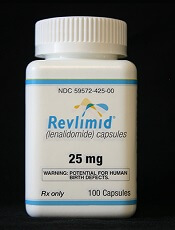
The China Food and Drug Administration (CFDA) has approved lenalidomide (Revlimid®) to treat patients with newly diagnosed multiple myeloma (MM).
The drug is now approved for use in combination with dexamethasone to treat adults with previously untreated MM who are not eligible for transplant.
Lenalidomide was first approved by the CFDA in 2013 for use in combination with dexamethasone to treat adults with MM who had received at least one prior therapy.
“In China, where the incidence of multiple myeloma is on the rise due to an aging population and improved diagnosis, we are hopeful that newly diagnosed patients will have a meaningful long-term benefit from this approval,” said John V. Oyler, founder, chief executive officer, and chairman of BeiGene, the company marketing lenalidomide as Revlimid in China under an exclusive license from Celgene Corporation.
Trial results
The CFDA’s decision to expand the approval of lenalidomide is based on results from the phase 3 FIRST trial. Updated results from this study were published in the Journal of Clinical Oncology in November 2016.
The trial included 1623 patients with newly diagnosed MM who were not eligible for stem cell transplant.
Patients were randomized to receive:
- Lenalidomide and low-dose dexamethasone (Rd) in 28-day cycles until disease progression (n=535), known as the “continuous Rd group”
- 18 cycles of Rd (Rd18) for 72 weeks (n=541), known as the “Rd18 group”
- Melphalan, prednisone, and thalidomide (MPT) for 72 weeks (n=547).
In the intent-to-treat population, the overall response rate was 81% for the continuous Rd group, 79% for the Rd18 group, and 67% in the MPT group. The complete response rates were 21%, 20%, and 12%, respectively.
The median progression-free survival was 26.0 months in the continuous Rd group, 21.0 months in the Rd18 group, and 21.9 months in the MPT group. At 4 years, progression-free survival rates were 33%, 14%, and 13%, respectively.
The median overall survival was 58.9 months in the continuous Rd group, 56.7 months in the Rd18 group, and 48.5 months in the MPT group. At 4 years, overall survival rates were 60%, 57%, and 51%, respectively.
The most frequent grade 3/4 hematologic treatment-emergent adverse events were neutropenia and anemia. The rate of grade 3/4 neutropenia was higher in the MPT group than the continuous Rd or Rd18 groups.
Infections were the most common grade 3/4 non-hematologic treatment-emergent adverse events. The rate of grade 3/4 infections was higher in the Rd groups than the MPT group.
The China Food and Drug Administration (CFDA) has approved lenalidomide (Revlimid®) to treat patients with newly diagnosed multiple myeloma (MM).
The drug is now approved for use in combination with dexamethasone to treat adults with previously untreated MM who are not eligible for transplant.
Lenalidomide was first approved by the CFDA in 2013 for use in combination with dexamethasone to treat adults with MM who had received at least one prior therapy.
“In China, where the incidence of multiple myeloma is on the rise due to an aging population and improved diagnosis, we are hopeful that newly diagnosed patients will have a meaningful long-term benefit from this approval,” said John V. Oyler, founder, chief executive officer, and chairman of BeiGene, the company marketing lenalidomide as Revlimid in China under an exclusive license from Celgene Corporation.
Trial results
The CFDA’s decision to expand the approval of lenalidomide is based on results from the phase 3 FIRST trial. Updated results from this study were published in the Journal of Clinical Oncology in November 2016.
The trial included 1623 patients with newly diagnosed MM who were not eligible for stem cell transplant.
Patients were randomized to receive:
- Lenalidomide and low-dose dexamethasone (Rd) in 28-day cycles until disease progression (n=535), known as the “continuous Rd group”
- 18 cycles of Rd (Rd18) for 72 weeks (n=541), known as the “Rd18 group”
- Melphalan, prednisone, and thalidomide (MPT) for 72 weeks (n=547).
In the intent-to-treat population, the overall response rate was 81% for the continuous Rd group, 79% for the Rd18 group, and 67% in the MPT group. The complete response rates were 21%, 20%, and 12%, respectively.
The median progression-free survival was 26.0 months in the continuous Rd group, 21.0 months in the Rd18 group, and 21.9 months in the MPT group. At 4 years, progression-free survival rates were 33%, 14%, and 13%, respectively.
The median overall survival was 58.9 months in the continuous Rd group, 56.7 months in the Rd18 group, and 48.5 months in the MPT group. At 4 years, overall survival rates were 60%, 57%, and 51%, respectively.
The most frequent grade 3/4 hematologic treatment-emergent adverse events were neutropenia and anemia. The rate of grade 3/4 neutropenia was higher in the MPT group than the continuous Rd or Rd18 groups.
Infections were the most common grade 3/4 non-hematologic treatment-emergent adverse events. The rate of grade 3/4 infections was higher in the Rd groups than the MPT group.
The China Food and Drug Administration (CFDA) has approved lenalidomide (Revlimid®) to treat patients with newly diagnosed multiple myeloma (MM).
The drug is now approved for use in combination with dexamethasone to treat adults with previously untreated MM who are not eligible for transplant.
Lenalidomide was first approved by the CFDA in 2013 for use in combination with dexamethasone to treat adults with MM who had received at least one prior therapy.
“In China, where the incidence of multiple myeloma is on the rise due to an aging population and improved diagnosis, we are hopeful that newly diagnosed patients will have a meaningful long-term benefit from this approval,” said John V. Oyler, founder, chief executive officer, and chairman of BeiGene, the company marketing lenalidomide as Revlimid in China under an exclusive license from Celgene Corporation.
Trial results
The CFDA’s decision to expand the approval of lenalidomide is based on results from the phase 3 FIRST trial. Updated results from this study were published in the Journal of Clinical Oncology in November 2016.
The trial included 1623 patients with newly diagnosed MM who were not eligible for stem cell transplant.
Patients were randomized to receive:
- Lenalidomide and low-dose dexamethasone (Rd) in 28-day cycles until disease progression (n=535), known as the “continuous Rd group”
- 18 cycles of Rd (Rd18) for 72 weeks (n=541), known as the “Rd18 group”
- Melphalan, prednisone, and thalidomide (MPT) for 72 weeks (n=547).
In the intent-to-treat population, the overall response rate was 81% for the continuous Rd group, 79% for the Rd18 group, and 67% in the MPT group. The complete response rates were 21%, 20%, and 12%, respectively.
The median progression-free survival was 26.0 months in the continuous Rd group, 21.0 months in the Rd18 group, and 21.9 months in the MPT group. At 4 years, progression-free survival rates were 33%, 14%, and 13%, respectively.
The median overall survival was 58.9 months in the continuous Rd group, 56.7 months in the Rd18 group, and 48.5 months in the MPT group. At 4 years, overall survival rates were 60%, 57%, and 51%, respectively.
The most frequent grade 3/4 hematologic treatment-emergent adverse events were neutropenia and anemia. The rate of grade 3/4 neutropenia was higher in the MPT group than the continuous Rd or Rd18 groups.
Infections were the most common grade 3/4 non-hematologic treatment-emergent adverse events. The rate of grade 3/4 infections was higher in the Rd groups than the MPT group.

Does boosting inhaled glucocorticoids avoid asthma exacerbations?
in preventing the exacerbation from occurring, according to the results of two trials in adults and children.
Presented at the joint congress of the American Academy of Allergy, Asthma, and Immunology and the World Asthma Organization and simultaneously published in the March 3 online edition of the New England Journal of Medicine, one study explored the effect of quadrupling the inhaled glucocorticoid dose in adults and adolescents with asthma, while the other looked at quintupling the dose in children.
At 1 year, there was a significantly lower incidence of severe asthma exacerbations in the group who used the higher dose of inhaled glucocorticoids (45% vs. 52%; hazard ratio, 0.80; P = .001) after adjusting for age, sex, and peak flow measures at randomization.
Researchers also saw a lower percentage of participants using systemic glucocorticoids in the quadruple-dose group compared with the normal-dose group (33% vs. 40%), and the quadruple-dose group also showed a 14% lower incidence of unscheduled health care consultations.
At the end of the 12-month follow-up, the estimated mean total dose of inhaled glucocorticoids was 385 mg in the quadruple-dose group and 328 mg in the normal-dose group.
The most common serious adverse event was hospitalization for asthma, which occurred three times in the quadruple-dose group and 18 times in the normal-dose group. However the incidence of oral candidiasis and dysphonia – both potentially treatment related – was significantly higher in the quadruple-dose group (36 events vs. 9 events).
Overall, the number needed to treat with the quadruple dose to prevent one severe asthma exacerbation was 15.
“Given the potential benefit with respect to preventing exacerbations and in view of the toxic effects of inhaled glucocorticoids and the biases that may have been introduced by the absence of blinding, individual practitioners, patients, and guideline committees will need to consider whether the magnitude of the reduction achieved is clinically meaningful,” wrote Tricia McKeever, PhD, from the department of epidemiology and public health at the University of Nottingham (United Kingdom) and her coauthors.
The second study, which was double blinded, investigated whether quintupling the dose of inhaled glucocorticoids might avoid exacerbations in children. They randomized 254 children who had mild-moderate persistent asthma and had had at least one exacerbation treated with systemic glucocorticoids in the previous year to manage “yellow zone” early warning signs with either normal dose or five times their usual dose of inhaled glucocorticoids.
The rate of severe asthma exacerbations did not differ significantly between the quintuple-dose and normal-dose groups at the 1-year follow-up (0.48 vs. 0.37; P = 0.3), nor did the time to the first severe exacerbation or the rate of emergency department or urgent care visits.
The four hospitalizations for asthma all occurred in the high-dose group. However, there was a lower growth rate seen in children in the high-dose group than in the low-dose group (5.43 cm/yr vs. 5.65 cm/yr; P = .06). There were no significant differences between the two groups in other adverse events.
However, Daniel J. Jackson, MD, and his coauthors noted that there were fewer yellow zone episodes and fewer exacerbations in both groups than they had anticipated.
“It is important to recognize that our findings are specific to school-age children with mild-to-moderate persistent asthma regularly treated with daily low-dose inhaled glucocorticoids (with good adherence),” wrote Dr. Jackson from the department of pediatrics at the University of Wisconsin–Madison and his coauthors.
The first study was supported by the National Institute for Health Research. Six authors declared grants, personal fees and other funding and support from the pharmaceutical industry outside the submitted work.
The second study was supported by the National Heart, Lung, and Blood Institute. Fifteen authors declared grants, personal fees and other funding from the pharmaceutical industry, as well as other private industry, outside the submitted work. Several also declared grants from organizations including the National Institutes of Health.
SOURCE: McKeeve T et al. N Engl J Med. 2018 Mar 3. doi: 10.1056/NEJMoa1714257; Jackson DJ et al. N Engl J Med. 2018 Mar 3. doi: 10.1056/NEJM0a1710988.
These two trials address the important question of whether substantial escalation of regularly used inhaled glucocorticoids prevents exacerbations if started at the first sign of deterioration, as this so-called yellow zone has long been thought the perfect time to initiate more aggressive care. However glucocorticoids have serious side effects, and there is some preclinical evidence that they may enhance viral replication
One trial shows that escalating dose in this yellow zone does not prevent exacerbations in children with the early signs of asthma instability. The second trial is more complex and more controversial, as the open-label design may have biased the outcome, and the degree of benefit is debatable.
Together, these studies suggest that high doses of inhaled glucocorticoids either do not prevent exacerbations or only do so in a small subgroup of patients with as-yet-undefined baseline and exacerbation characteristics.
Philip G. Bardin, PhD, is from the Monash Lung and Sleep Unit at the Monash University Medical Centre in Melbourne, Australia. These comments are taken from an accompanying editorial (N Engl J Med. 2018 Mar 3. doi: 10.1056/NEJMe1800152). Dr. Bardin reported personal fees from GlaxoSmithKline outside the submitted work.
These two trials address the important question of whether substantial escalation of regularly used inhaled glucocorticoids prevents exacerbations if started at the first sign of deterioration, as this so-called yellow zone has long been thought the perfect time to initiate more aggressive care. However glucocorticoids have serious side effects, and there is some preclinical evidence that they may enhance viral replication
One trial shows that escalating dose in this yellow zone does not prevent exacerbations in children with the early signs of asthma instability. The second trial is more complex and more controversial, as the open-label design may have biased the outcome, and the degree of benefit is debatable.
Together, these studies suggest that high doses of inhaled glucocorticoids either do not prevent exacerbations or only do so in a small subgroup of patients with as-yet-undefined baseline and exacerbation characteristics.
Philip G. Bardin, PhD, is from the Monash Lung and Sleep Unit at the Monash University Medical Centre in Melbourne, Australia. These comments are taken from an accompanying editorial (N Engl J Med. 2018 Mar 3. doi: 10.1056/NEJMe1800152). Dr. Bardin reported personal fees from GlaxoSmithKline outside the submitted work.
These two trials address the important question of whether substantial escalation of regularly used inhaled glucocorticoids prevents exacerbations if started at the first sign of deterioration, as this so-called yellow zone has long been thought the perfect time to initiate more aggressive care. However glucocorticoids have serious side effects, and there is some preclinical evidence that they may enhance viral replication
One trial shows that escalating dose in this yellow zone does not prevent exacerbations in children with the early signs of asthma instability. The second trial is more complex and more controversial, as the open-label design may have biased the outcome, and the degree of benefit is debatable.
Together, these studies suggest that high doses of inhaled glucocorticoids either do not prevent exacerbations or only do so in a small subgroup of patients with as-yet-undefined baseline and exacerbation characteristics.
Philip G. Bardin, PhD, is from the Monash Lung and Sleep Unit at the Monash University Medical Centre in Melbourne, Australia. These comments are taken from an accompanying editorial (N Engl J Med. 2018 Mar 3. doi: 10.1056/NEJMe1800152). Dr. Bardin reported personal fees from GlaxoSmithKline outside the submitted work.
in preventing the exacerbation from occurring, according to the results of two trials in adults and children.
Presented at the joint congress of the American Academy of Allergy, Asthma, and Immunology and the World Asthma Organization and simultaneously published in the March 3 online edition of the New England Journal of Medicine, one study explored the effect of quadrupling the inhaled glucocorticoid dose in adults and adolescents with asthma, while the other looked at quintupling the dose in children.
At 1 year, there was a significantly lower incidence of severe asthma exacerbations in the group who used the higher dose of inhaled glucocorticoids (45% vs. 52%; hazard ratio, 0.80; P = .001) after adjusting for age, sex, and peak flow measures at randomization.
Researchers also saw a lower percentage of participants using systemic glucocorticoids in the quadruple-dose group compared with the normal-dose group (33% vs. 40%), and the quadruple-dose group also showed a 14% lower incidence of unscheduled health care consultations.
At the end of the 12-month follow-up, the estimated mean total dose of inhaled glucocorticoids was 385 mg in the quadruple-dose group and 328 mg in the normal-dose group.
The most common serious adverse event was hospitalization for asthma, which occurred three times in the quadruple-dose group and 18 times in the normal-dose group. However the incidence of oral candidiasis and dysphonia – both potentially treatment related – was significantly higher in the quadruple-dose group (36 events vs. 9 events).
Overall, the number needed to treat with the quadruple dose to prevent one severe asthma exacerbation was 15.
“Given the potential benefit with respect to preventing exacerbations and in view of the toxic effects of inhaled glucocorticoids and the biases that may have been introduced by the absence of blinding, individual practitioners, patients, and guideline committees will need to consider whether the magnitude of the reduction achieved is clinically meaningful,” wrote Tricia McKeever, PhD, from the department of epidemiology and public health at the University of Nottingham (United Kingdom) and her coauthors.
The second study, which was double blinded, investigated whether quintupling the dose of inhaled glucocorticoids might avoid exacerbations in children. They randomized 254 children who had mild-moderate persistent asthma and had had at least one exacerbation treated with systemic glucocorticoids in the previous year to manage “yellow zone” early warning signs with either normal dose or five times their usual dose of inhaled glucocorticoids.
The rate of severe asthma exacerbations did not differ significantly between the quintuple-dose and normal-dose groups at the 1-year follow-up (0.48 vs. 0.37; P = 0.3), nor did the time to the first severe exacerbation or the rate of emergency department or urgent care visits.
The four hospitalizations for asthma all occurred in the high-dose group. However, there was a lower growth rate seen in children in the high-dose group than in the low-dose group (5.43 cm/yr vs. 5.65 cm/yr; P = .06). There were no significant differences between the two groups in other adverse events.
However, Daniel J. Jackson, MD, and his coauthors noted that there were fewer yellow zone episodes and fewer exacerbations in both groups than they had anticipated.
“It is important to recognize that our findings are specific to school-age children with mild-to-moderate persistent asthma regularly treated with daily low-dose inhaled glucocorticoids (with good adherence),” wrote Dr. Jackson from the department of pediatrics at the University of Wisconsin–Madison and his coauthors.
The first study was supported by the National Institute for Health Research. Six authors declared grants, personal fees and other funding and support from the pharmaceutical industry outside the submitted work.
The second study was supported by the National Heart, Lung, and Blood Institute. Fifteen authors declared grants, personal fees and other funding from the pharmaceutical industry, as well as other private industry, outside the submitted work. Several also declared grants from organizations including the National Institutes of Health.
SOURCE: McKeeve T et al. N Engl J Med. 2018 Mar 3. doi: 10.1056/NEJMoa1714257; Jackson DJ et al. N Engl J Med. 2018 Mar 3. doi: 10.1056/NEJM0a1710988.
in preventing the exacerbation from occurring, according to the results of two trials in adults and children.
Presented at the joint congress of the American Academy of Allergy, Asthma, and Immunology and the World Asthma Organization and simultaneously published in the March 3 online edition of the New England Journal of Medicine, one study explored the effect of quadrupling the inhaled glucocorticoid dose in adults and adolescents with asthma, while the other looked at quintupling the dose in children.
At 1 year, there was a significantly lower incidence of severe asthma exacerbations in the group who used the higher dose of inhaled glucocorticoids (45% vs. 52%; hazard ratio, 0.80; P = .001) after adjusting for age, sex, and peak flow measures at randomization.
Researchers also saw a lower percentage of participants using systemic glucocorticoids in the quadruple-dose group compared with the normal-dose group (33% vs. 40%), and the quadruple-dose group also showed a 14% lower incidence of unscheduled health care consultations.
At the end of the 12-month follow-up, the estimated mean total dose of inhaled glucocorticoids was 385 mg in the quadruple-dose group and 328 mg in the normal-dose group.
The most common serious adverse event was hospitalization for asthma, which occurred three times in the quadruple-dose group and 18 times in the normal-dose group. However the incidence of oral candidiasis and dysphonia – both potentially treatment related – was significantly higher in the quadruple-dose group (36 events vs. 9 events).
Overall, the number needed to treat with the quadruple dose to prevent one severe asthma exacerbation was 15.
“Given the potential benefit with respect to preventing exacerbations and in view of the toxic effects of inhaled glucocorticoids and the biases that may have been introduced by the absence of blinding, individual practitioners, patients, and guideline committees will need to consider whether the magnitude of the reduction achieved is clinically meaningful,” wrote Tricia McKeever, PhD, from the department of epidemiology and public health at the University of Nottingham (United Kingdom) and her coauthors.
The second study, which was double blinded, investigated whether quintupling the dose of inhaled glucocorticoids might avoid exacerbations in children. They randomized 254 children who had mild-moderate persistent asthma and had had at least one exacerbation treated with systemic glucocorticoids in the previous year to manage “yellow zone” early warning signs with either normal dose or five times their usual dose of inhaled glucocorticoids.
The rate of severe asthma exacerbations did not differ significantly between the quintuple-dose and normal-dose groups at the 1-year follow-up (0.48 vs. 0.37; P = 0.3), nor did the time to the first severe exacerbation or the rate of emergency department or urgent care visits.
The four hospitalizations for asthma all occurred in the high-dose group. However, there was a lower growth rate seen in children in the high-dose group than in the low-dose group (5.43 cm/yr vs. 5.65 cm/yr; P = .06). There were no significant differences between the two groups in other adverse events.
However, Daniel J. Jackson, MD, and his coauthors noted that there were fewer yellow zone episodes and fewer exacerbations in both groups than they had anticipated.
“It is important to recognize that our findings are specific to school-age children with mild-to-moderate persistent asthma regularly treated with daily low-dose inhaled glucocorticoids (with good adherence),” wrote Dr. Jackson from the department of pediatrics at the University of Wisconsin–Madison and his coauthors.
The first study was supported by the National Institute for Health Research. Six authors declared grants, personal fees and other funding and support from the pharmaceutical industry outside the submitted work.
The second study was supported by the National Heart, Lung, and Blood Institute. Fifteen authors declared grants, personal fees and other funding from the pharmaceutical industry, as well as other private industry, outside the submitted work. Several also declared grants from organizations including the National Institutes of Health.
SOURCE: McKeeve T et al. N Engl J Med. 2018 Mar 3. doi: 10.1056/NEJMoa1714257; Jackson DJ et al. N Engl J Med. 2018 Mar 3. doi: 10.1056/NEJM0a1710988.
FROM AAAAI/WAO JOINT CONGRESS
Key clinical point: Escalating the dose of inhaled glucocorticoids at the first early warnings of an asthma exacerbation may not significantly reduce the likelihood of the exacerbation occurring.
Major finding: Fifteen individuals would need to quadruple their dose of inhaled glucocorticoids to avoid one asthma exacerbation.
Data source: Two randomized, controlled trials in 1,992 adolescents and adults and 254 children with asthma.
Disclosures: The first study was supported by the National Institute for Health Research. Six authors declared grants, personal fees, and other funding and support from the pharmaceutical industry outside the submitted work. The second study was supported by the National Heart, Lung, and Blood Institute. Fifteen authors declared grants, personal fees, and other funding from the pharmaceutical industry, as well as other private industry, outside the submitted work. Several also declared grants from organizations including the National Institutes of Health. No other conflicts of interest were declared.
Sources: McKeeve T et al. N Engl J Med. 2018 Mar 3. doi: 10.1056/NEJMoa1714257; Jackson DJ et al. N Engl J Med. 2018 Mar 3. doi: 10.1056/NEJM0a1710988.

Emerging Trends in Mental Health Care (FULL)
The articles in this special issue reflect a number of emerging trends in federal practice. The first is that the optimal delivery of mental health clinical care as well as the conduct of cutting-edge clinical research are most often inter- and multidisciplinary collaborations. A background in public and military service instills the experience and training to maximize teamwork in the health care professionals of the VA, DoD, and PHS. Pharmacists, neuropsychologists, psychiatrists, social workers, nurses, and others come together to advance the science and scholarship that are the backbone for building efficacious patient-centered health care. Just as important, most of these articles reflect a partnership between VA and academic medical centers. The knowledge and skill of each partner amplifies the other to produce novel insights, which can be readily translated into treatment progress that benefits patients.
A case in point: Neurology and psychiatry have historically been different disciplines. However, some thought leaders recently suggested that the explosion of neuroscience has narrowed the gap between the specialties to a single field, as demonstrated by Langevin and colleagues. The authors propose the use of deep brain stimulation to treat patients with posttraumatic stress disorder (PTSD). Deep brain stimulation is a process in which electrodes are inserted into targeted areas of the brain and alter the neural impulses and physiology to relieve neuropsychiatric symptoms and, thus, modulate neural structure and function.
Up to one-third of veterans with PTSD also may have a substance use disorder. Pary and colleagues review the research on another trend in mental health treatment that is fast becoming a best practice: the integrated, coordinated treatment of co-occurring substance use and mental health disorders. This approach provides a comprehensive look at the diagnosis and treatment of depression and bipolar disorder coexistent with alcohol use disorder with both psycho- and pharmacotherapy.
Through its unique primary care psychiatry clinics, the VA has pioneered integrated care for individuals with serious mental illness and chronic medical conditions that may result in frequent hospitalization and increased overall health care utilization. Gill and colleagues emphasize the urgency and importance of these efforts given the increasing number of active-duty service members and veterans who served in Iraq and Afghanistan and are diagnosed with mental and physical conditions. Their outcomes data suggest that directing outpatient resources to patients with specific demographic and clinical factors may be beneficial.
The challenges of providing team-based care to patients with mental health disorders is borne out in the research of Lee and colleagues. Their examination of the risk of hospitalization for patients with PTSD who have been treated with benzodiazepine and opioids is a reminder of the challenge of treating patients with multiple comorbidities. The authors caution that prescribers should “limit benzodiazepine and opioid use in this population and consider safer nonpharmacologic and pharmacologic treatment options when possible.”
Many of these trends coalesce in my discussion with Larry Davis, MD, Distinguished Professor of Neurology at the University of New Mexico School of Medicine and Chief of Neurology at the New Mexico VA Health Care System. Dr. Davis describes a successful teleneurology program that treats patients in underserved rural areas in New Mexico and Colorado. He also touts the benefits of teleneurology to address the shortage of neurologists. Many of the most common and serious neurologic conditions, such as epilepsy, Alzheimer, and Parkinson, are managed through a teleneurology program that includes education and support for patients and caregivers.
The articles in this special issue reflect a number of emerging trends in federal practice. The first is that the optimal delivery of mental health clinical care as well as the conduct of cutting-edge clinical research are most often inter- and multidisciplinary collaborations. A background in public and military service instills the experience and training to maximize teamwork in the health care professionals of the VA, DoD, and PHS. Pharmacists, neuropsychologists, psychiatrists, social workers, nurses, and others come together to advance the science and scholarship that are the backbone for building efficacious patient-centered health care. Just as important, most of these articles reflect a partnership between VA and academic medical centers. The knowledge and skill of each partner amplifies the other to produce novel insights, which can be readily translated into treatment progress that benefits patients.
A case in point: Neurology and psychiatry have historically been different disciplines. However, some thought leaders recently suggested that the explosion of neuroscience has narrowed the gap between the specialties to a single field, as demonstrated by Langevin and colleagues. The authors propose the use of deep brain stimulation to treat patients with posttraumatic stress disorder (PTSD). Deep brain stimulation is a process in which electrodes are inserted into targeted areas of the brain and alter the neural impulses and physiology to relieve neuropsychiatric symptoms and, thus, modulate neural structure and function.
Up to one-third of veterans with PTSD also may have a substance use disorder. Pary and colleagues review the research on another trend in mental health treatment that is fast becoming a best practice: the integrated, coordinated treatment of co-occurring substance use and mental health disorders. This approach provides a comprehensive look at the diagnosis and treatment of depression and bipolar disorder coexistent with alcohol use disorder with both psycho- and pharmacotherapy.
Through its unique primary care psychiatry clinics, the VA has pioneered integrated care for individuals with serious mental illness and chronic medical conditions that may result in frequent hospitalization and increased overall health care utilization. Gill and colleagues emphasize the urgency and importance of these efforts given the increasing number of active-duty service members and veterans who served in Iraq and Afghanistan and are diagnosed with mental and physical conditions. Their outcomes data suggest that directing outpatient resources to patients with specific demographic and clinical factors may be beneficial.
The challenges of providing team-based care to patients with mental health disorders is borne out in the research of Lee and colleagues. Their examination of the risk of hospitalization for patients with PTSD who have been treated with benzodiazepine and opioids is a reminder of the challenge of treating patients with multiple comorbidities. The authors caution that prescribers should “limit benzodiazepine and opioid use in this population and consider safer nonpharmacologic and pharmacologic treatment options when possible.”
Many of these trends coalesce in my discussion with Larry Davis, MD, Distinguished Professor of Neurology at the University of New Mexico School of Medicine and Chief of Neurology at the New Mexico VA Health Care System. Dr. Davis describes a successful teleneurology program that treats patients in underserved rural areas in New Mexico and Colorado. He also touts the benefits of teleneurology to address the shortage of neurologists. Many of the most common and serious neurologic conditions, such as epilepsy, Alzheimer, and Parkinson, are managed through a teleneurology program that includes education and support for patients and caregivers.
The articles in this special issue reflect a number of emerging trends in federal practice. The first is that the optimal delivery of mental health clinical care as well as the conduct of cutting-edge clinical research are most often inter- and multidisciplinary collaborations. A background in public and military service instills the experience and training to maximize teamwork in the health care professionals of the VA, DoD, and PHS. Pharmacists, neuropsychologists, psychiatrists, social workers, nurses, and others come together to advance the science and scholarship that are the backbone for building efficacious patient-centered health care. Just as important, most of these articles reflect a partnership between VA and academic medical centers. The knowledge and skill of each partner amplifies the other to produce novel insights, which can be readily translated into treatment progress that benefits patients.
A case in point: Neurology and psychiatry have historically been different disciplines. However, some thought leaders recently suggested that the explosion of neuroscience has narrowed the gap between the specialties to a single field, as demonstrated by Langevin and colleagues. The authors propose the use of deep brain stimulation to treat patients with posttraumatic stress disorder (PTSD). Deep brain stimulation is a process in which electrodes are inserted into targeted areas of the brain and alter the neural impulses and physiology to relieve neuropsychiatric symptoms and, thus, modulate neural structure and function.
Up to one-third of veterans with PTSD also may have a substance use disorder. Pary and colleagues review the research on another trend in mental health treatment that is fast becoming a best practice: the integrated, coordinated treatment of co-occurring substance use and mental health disorders. This approach provides a comprehensive look at the diagnosis and treatment of depression and bipolar disorder coexistent with alcohol use disorder with both psycho- and pharmacotherapy.
Through its unique primary care psychiatry clinics, the VA has pioneered integrated care for individuals with serious mental illness and chronic medical conditions that may result in frequent hospitalization and increased overall health care utilization. Gill and colleagues emphasize the urgency and importance of these efforts given the increasing number of active-duty service members and veterans who served in Iraq and Afghanistan and are diagnosed with mental and physical conditions. Their outcomes data suggest that directing outpatient resources to patients with specific demographic and clinical factors may be beneficial.
The challenges of providing team-based care to patients with mental health disorders is borne out in the research of Lee and colleagues. Their examination of the risk of hospitalization for patients with PTSD who have been treated with benzodiazepine and opioids is a reminder of the challenge of treating patients with multiple comorbidities. The authors caution that prescribers should “limit benzodiazepine and opioid use in this population and consider safer nonpharmacologic and pharmacologic treatment options when possible.”
Many of these trends coalesce in my discussion with Larry Davis, MD, Distinguished Professor of Neurology at the University of New Mexico School of Medicine and Chief of Neurology at the New Mexico VA Health Care System. Dr. Davis describes a successful teleneurology program that treats patients in underserved rural areas in New Mexico and Colorado. He also touts the benefits of teleneurology to address the shortage of neurologists. Many of the most common and serious neurologic conditions, such as epilepsy, Alzheimer, and Parkinson, are managed through a teleneurology program that includes education and support for patients and caregivers.
Potential link between varicose veins and VTE, PAD

People with varicose veins may have an increased risk of venous thromboembolism (VTE) and peripheral artery disease (PAD), according to a new study.
The data suggested patients with varicose veins had a 5-fold higher risk of deep vein thrombosis (DVT) and roughly twice the risk of pulmonary embolism (PE) and PAD as patients without varicose veins.
Investigators said these results suggest an increased risk of DVT among patients with varicose veins, but “the findings for PE and PAD are less clear due to the potential for confounding.”
Pei-Chun Chen, PhD, of China Medical University in Taichung, Taiwan, and colleagues reported these findings in JAMA.
The team conducted this research using claims data in Taiwan’s National Health Insurance program. They assessed the risk of DVT, PE, and PAD in 212,984 patients with varicose veins and 212,984 control subjects. Patients and controls were matched by age, sex, and calendar year.
All study subjects were enrolled from 2001 to 2013 and followed through 2014.
Among the patients with varicose veins, the median duration of follow-up was 7.5 years for DVT, 7.8 years for PE, and 7.3 years for PAD. For controls, the median follow-up was 7.6 years for DVT, 7.7 years for PE, and 7.4 years for PAD.
Results
The incidence rate for DVT was 6.55 per 1000 person-years for patients with varicose veins (n=10,360) and 1.23 per 1000 person-years for controls (n=1980). The absolute risk difference (ARD) was 5.32.
The incidence rate for PE was 0.48 per 1000 person-years for patients with varicose veins (n=793) and 0.28 per 1000 person-years for controls (n=451). The ARD was 0.20.
The incidence rate for PAD was 10.73 per 1000 person-years for patients with varicose veins (n=16,615) and 6.22 for controls (n=9709). The ARD was 4.51.
The hazard ratios (for the varicose-veins group compared to controls) were 5.30 for DVT, 1.73 for PE, and 1.72 for PAD.
The investigators also calculated hazard ratios in a model adjusted for sex, age, index year, number of outpatient visits during the year before index date, and comorbidities. Comorbidities included hypertension, diabetes, chronic obstructive pulmonary disease, hyperlipidemia, malignancy, heart failure, ischemic heart disease, stroke, and chronic renal insufficiency.
In this adjusted model, the hazard ratios were 5.39 for DVT, 1.75 for PE, and 1.76 for PAD.
Limitations
The investigators said this study had several limitations.
First, the data did not include information for patients who didn’t seek medical care for varicose veins. Therefore, the results may reflect only the risk of VTE and PAD among patients with more severe varicose veins.
And the investigators were not able to examine whether the severity of varicose veins played a role in the risk of VTE or PAD.
In addition, information on some potential confounders, such as smoking and obesity, was not available. And the magnitude of the association between varicose veins and PE/PAD was small, so the association the investigators observed could be due to residual or unmeasured confounding.
The investigators also noted that diagnostic evaluations for PAD are more likely to occur in patients with varicose veins, which could partially explain the observed association between varicose veins and PAD.
Furthermore, cases of DVT, PE, and PAD could have been misclassified.
People with varicose veins may have an increased risk of venous thromboembolism (VTE) and peripheral artery disease (PAD), according to a new study.
The data suggested patients with varicose veins had a 5-fold higher risk of deep vein thrombosis (DVT) and roughly twice the risk of pulmonary embolism (PE) and PAD as patients without varicose veins.
Investigators said these results suggest an increased risk of DVT among patients with varicose veins, but “the findings for PE and PAD are less clear due to the potential for confounding.”
Pei-Chun Chen, PhD, of China Medical University in Taichung, Taiwan, and colleagues reported these findings in JAMA.
The team conducted this research using claims data in Taiwan’s National Health Insurance program. They assessed the risk of DVT, PE, and PAD in 212,984 patients with varicose veins and 212,984 control subjects. Patients and controls were matched by age, sex, and calendar year.
All study subjects were enrolled from 2001 to 2013 and followed through 2014.
Among the patients with varicose veins, the median duration of follow-up was 7.5 years for DVT, 7.8 years for PE, and 7.3 years for PAD. For controls, the median follow-up was 7.6 years for DVT, 7.7 years for PE, and 7.4 years for PAD.
Results
The incidence rate for DVT was 6.55 per 1000 person-years for patients with varicose veins (n=10,360) and 1.23 per 1000 person-years for controls (n=1980). The absolute risk difference (ARD) was 5.32.
The incidence rate for PE was 0.48 per 1000 person-years for patients with varicose veins (n=793) and 0.28 per 1000 person-years for controls (n=451). The ARD was 0.20.
The incidence rate for PAD was 10.73 per 1000 person-years for patients with varicose veins (n=16,615) and 6.22 for controls (n=9709). The ARD was 4.51.
The hazard ratios (for the varicose-veins group compared to controls) were 5.30 for DVT, 1.73 for PE, and 1.72 for PAD.
The investigators also calculated hazard ratios in a model adjusted for sex, age, index year, number of outpatient visits during the year before index date, and comorbidities. Comorbidities included hypertension, diabetes, chronic obstructive pulmonary disease, hyperlipidemia, malignancy, heart failure, ischemic heart disease, stroke, and chronic renal insufficiency.
In this adjusted model, the hazard ratios were 5.39 for DVT, 1.75 for PE, and 1.76 for PAD.
Limitations
The investigators said this study had several limitations.
First, the data did not include information for patients who didn’t seek medical care for varicose veins. Therefore, the results may reflect only the risk of VTE and PAD among patients with more severe varicose veins.
And the investigators were not able to examine whether the severity of varicose veins played a role in the risk of VTE or PAD.
In addition, information on some potential confounders, such as smoking and obesity, was not available. And the magnitude of the association between varicose veins and PE/PAD was small, so the association the investigators observed could be due to residual or unmeasured confounding.
The investigators also noted that diagnostic evaluations for PAD are more likely to occur in patients with varicose veins, which could partially explain the observed association between varicose veins and PAD.
Furthermore, cases of DVT, PE, and PAD could have been misclassified.
People with varicose veins may have an increased risk of venous thromboembolism (VTE) and peripheral artery disease (PAD), according to a new study.
The data suggested patients with varicose veins had a 5-fold higher risk of deep vein thrombosis (DVT) and roughly twice the risk of pulmonary embolism (PE) and PAD as patients without varicose veins.
Investigators said these results suggest an increased risk of DVT among patients with varicose veins, but “the findings for PE and PAD are less clear due to the potential for confounding.”
Pei-Chun Chen, PhD, of China Medical University in Taichung, Taiwan, and colleagues reported these findings in JAMA.
The team conducted this research using claims data in Taiwan’s National Health Insurance program. They assessed the risk of DVT, PE, and PAD in 212,984 patients with varicose veins and 212,984 control subjects. Patients and controls were matched by age, sex, and calendar year.
All study subjects were enrolled from 2001 to 2013 and followed through 2014.
Among the patients with varicose veins, the median duration of follow-up was 7.5 years for DVT, 7.8 years for PE, and 7.3 years for PAD. For controls, the median follow-up was 7.6 years for DVT, 7.7 years for PE, and 7.4 years for PAD.
Results
The incidence rate for DVT was 6.55 per 1000 person-years for patients with varicose veins (n=10,360) and 1.23 per 1000 person-years for controls (n=1980). The absolute risk difference (ARD) was 5.32.
The incidence rate for PE was 0.48 per 1000 person-years for patients with varicose veins (n=793) and 0.28 per 1000 person-years for controls (n=451). The ARD was 0.20.
The incidence rate for PAD was 10.73 per 1000 person-years for patients with varicose veins (n=16,615) and 6.22 for controls (n=9709). The ARD was 4.51.
The hazard ratios (for the varicose-veins group compared to controls) were 5.30 for DVT, 1.73 for PE, and 1.72 for PAD.
The investigators also calculated hazard ratios in a model adjusted for sex, age, index year, number of outpatient visits during the year before index date, and comorbidities. Comorbidities included hypertension, diabetes, chronic obstructive pulmonary disease, hyperlipidemia, malignancy, heart failure, ischemic heart disease, stroke, and chronic renal insufficiency.
In this adjusted model, the hazard ratios were 5.39 for DVT, 1.75 for PE, and 1.76 for PAD.
Limitations
The investigators said this study had several limitations.
First, the data did not include information for patients who didn’t seek medical care for varicose veins. Therefore, the results may reflect only the risk of VTE and PAD among patients with more severe varicose veins.
And the investigators were not able to examine whether the severity of varicose veins played a role in the risk of VTE or PAD.
In addition, information on some potential confounders, such as smoking and obesity, was not available. And the magnitude of the association between varicose veins and PE/PAD was small, so the association the investigators observed could be due to residual or unmeasured confounding.
The investigators also noted that diagnostic evaluations for PAD are more likely to occur in patients with varicose veins, which could partially explain the observed association between varicose veins and PAD.
Furthermore, cases of DVT, PE, and PAD could have been misclassified.

MS medication withdrawn because of safety concerns
Citing concerns about safety, Biogen and AbbVie announced March 2 that they will be withdrawing daclizumab (Zinbryta) from worldwide markets. Daclizumab has known risks, so it was usually prescribed only for people with relapsing multiple sclerosis who had tried two or more other medications that hadn’t worked well enough.
Reports of inflammatory encephalitis and meningoencephalitis led the European Medicines Agency to initiate an Article 20 referral procedure. In such referrals, a medicine or class of medicines are scientifically assessed because of concerns over safety or quality.
However, Biogen and AbbVie concluded that, because of the complex nature of these reports and how few patients were taking daclizumab, it would be difficult to characterize the nature of the medication’s harms and benefits, so the companies instead have decided to withdraw the medication from the market.
On March 14, the Food and Drug Administration announced that it is conducting a review of similar adverse event reports it has received.
The drug will continue to be available to patients until April 30, 2018. Patients taking daclizumab should not stop taking the drug without talking to their doctor and should contact their doctor if they have any new or unexplained symptoms, the FDA said. More information can be found in the press release.
**Story updated 3/14/2018.
Citing concerns about safety, Biogen and AbbVie announced March 2 that they will be withdrawing daclizumab (Zinbryta) from worldwide markets. Daclizumab has known risks, so it was usually prescribed only for people with relapsing multiple sclerosis who had tried two or more other medications that hadn’t worked well enough.
Reports of inflammatory encephalitis and meningoencephalitis led the European Medicines Agency to initiate an Article 20 referral procedure. In such referrals, a medicine or class of medicines are scientifically assessed because of concerns over safety or quality.
However, Biogen and AbbVie concluded that, because of the complex nature of these reports and how few patients were taking daclizumab, it would be difficult to characterize the nature of the medication’s harms and benefits, so the companies instead have decided to withdraw the medication from the market.
On March 14, the Food and Drug Administration announced that it is conducting a review of similar adverse event reports it has received.
The drug will continue to be available to patients until April 30, 2018. Patients taking daclizumab should not stop taking the drug without talking to their doctor and should contact their doctor if they have any new or unexplained symptoms, the FDA said. More information can be found in the press release.
**Story updated 3/14/2018.
Citing concerns about safety, Biogen and AbbVie announced March 2 that they will be withdrawing daclizumab (Zinbryta) from worldwide markets. Daclizumab has known risks, so it was usually prescribed only for people with relapsing multiple sclerosis who had tried two or more other medications that hadn’t worked well enough.
Reports of inflammatory encephalitis and meningoencephalitis led the European Medicines Agency to initiate an Article 20 referral procedure. In such referrals, a medicine or class of medicines are scientifically assessed because of concerns over safety or quality.
However, Biogen and AbbVie concluded that, because of the complex nature of these reports and how few patients were taking daclizumab, it would be difficult to characterize the nature of the medication’s harms and benefits, so the companies instead have decided to withdraw the medication from the market.
On March 14, the Food and Drug Administration announced that it is conducting a review of similar adverse event reports it has received.
The drug will continue to be available to patients until April 30, 2018. Patients taking daclizumab should not stop taking the drug without talking to their doctor and should contact their doctor if they have any new or unexplained symptoms, the FDA said. More information can be found in the press release.
**Story updated 3/14/2018.
FDA alerts doctors to stop administering compounded products
The Food and Drug Administration today alerted physicians to stop administering or providing drugs manufactured by Cantrell Drug, including opioid products and other drugs intended for sterile injection, because the company has failed to ensure quality and sterility in its compounding operations, which could seriously compromise patient safety.
Health care providers should check medical supplies and separate anything produced by Cantrell Drug, which can be identified by finding the company’s name on the label. The FDA also recommended that physicians seek alternative arrangements for medicines and that any patients who have any products made by Cantrell contact their physicians.

So far, the FDA is not aware of any illness or injuries caused by potentially contaminated products from Cantrell, but any that do arise should be reported to the FDA’s MedWatch program.
Read more about this alert in the FDA website.
The Food and Drug Administration today alerted physicians to stop administering or providing drugs manufactured by Cantrell Drug, including opioid products and other drugs intended for sterile injection, because the company has failed to ensure quality and sterility in its compounding operations, which could seriously compromise patient safety.
Health care providers should check medical supplies and separate anything produced by Cantrell Drug, which can be identified by finding the company’s name on the label. The FDA also recommended that physicians seek alternative arrangements for medicines and that any patients who have any products made by Cantrell contact their physicians.
So far, the FDA is not aware of any illness or injuries caused by potentially contaminated products from Cantrell, but any that do arise should be reported to the FDA’s MedWatch program.
Read more about this alert in the FDA website.
The Food and Drug Administration today alerted physicians to stop administering or providing drugs manufactured by Cantrell Drug, including opioid products and other drugs intended for sterile injection, because the company has failed to ensure quality and sterility in its compounding operations, which could seriously compromise patient safety.
Health care providers should check medical supplies and separate anything produced by Cantrell Drug, which can be identified by finding the company’s name on the label. The FDA also recommended that physicians seek alternative arrangements for medicines and that any patients who have any products made by Cantrell contact their physicians.
So far, the FDA is not aware of any illness or injuries caused by potentially contaminated products from Cantrell, but any that do arise should be reported to the FDA’s MedWatch program.
Read more about this alert in the FDA website.