User login
Deaths in patients on emicizumab
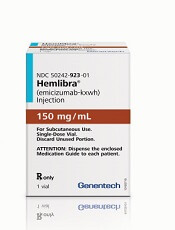
Two hemophilia organizations have notified the public of 5 deaths in adult patients receiving emicizumab (Hemlibra).
All 5 deaths—occurring in 2016 (n=1), 2017 (n=2), and this year (n=2)—were deemed unrelated to emicizumab by the investigator or treating physician.
The National Hemophilia Foundation and Hemophilia Federation of America reported these deaths after receiving notifications from Genentech.
The company said it has limited information about the circumstances of the deaths.
However, Genentech did say the 2016 death, 1 of the 2017 deaths, and 1 of the 2018 deaths occurred in patients receiving emicizumab via a compassionate use program.
Compassionate use of emicizumab has been available on a case-by-case basis, following a request to Roche from a patient’s treating physician, if the patient has a serious or life-threatening condition, has exhausted all other treatment options, and is unable to participate in a clinical trial.
The other death in 2017 occurred in a patient on the phase 3 HAVEN 1 trial and was reported along with the other results from that trial.
The remaining death in 2018 was in a patient receiving emicizumab via an expanded access protocol.
This protocol, which was reviewed by the US Food and Drug Administration, allowed US patients who were not participating in a clinical trial of emicizumab but who met eligibility criteria similar to key studies to have access to emicizumab prior to approval, which occurred in November 2017.
In response to the deaths, Genentech has pledged to share information on any adverse events that impact the overall benefit/risk profile of emicizumab.
“We are committed to providing timely and transparent updates on the safety profile of Hemlibra to health authorities, healthcare professionals, and the hemophilia community,” the company said.
For more information, patients and healthcare providers can call Genentech’s medical communications line at 1-800-821-8590.
Two hemophilia organizations have notified the public of 5 deaths in adult patients receiving emicizumab (Hemlibra).
All 5 deaths—occurring in 2016 (n=1), 2017 (n=2), and this year (n=2)—were deemed unrelated to emicizumab by the investigator or treating physician.
The National Hemophilia Foundation and Hemophilia Federation of America reported these deaths after receiving notifications from Genentech.
The company said it has limited information about the circumstances of the deaths.
However, Genentech did say the 2016 death, 1 of the 2017 deaths, and 1 of the 2018 deaths occurred in patients receiving emicizumab via a compassionate use program.
Compassionate use of emicizumab has been available on a case-by-case basis, following a request to Roche from a patient’s treating physician, if the patient has a serious or life-threatening condition, has exhausted all other treatment options, and is unable to participate in a clinical trial.
The other death in 2017 occurred in a patient on the phase 3 HAVEN 1 trial and was reported along with the other results from that trial.
The remaining death in 2018 was in a patient receiving emicizumab via an expanded access protocol.
This protocol, which was reviewed by the US Food and Drug Administration, allowed US patients who were not participating in a clinical trial of emicizumab but who met eligibility criteria similar to key studies to have access to emicizumab prior to approval, which occurred in November 2017.
In response to the deaths, Genentech has pledged to share information on any adverse events that impact the overall benefit/risk profile of emicizumab.
“We are committed to providing timely and transparent updates on the safety profile of Hemlibra to health authorities, healthcare professionals, and the hemophilia community,” the company said.
For more information, patients and healthcare providers can call Genentech’s medical communications line at 1-800-821-8590.
Two hemophilia organizations have notified the public of 5 deaths in adult patients receiving emicizumab (Hemlibra).
All 5 deaths—occurring in 2016 (n=1), 2017 (n=2), and this year (n=2)—were deemed unrelated to emicizumab by the investigator or treating physician.
The National Hemophilia Foundation and Hemophilia Federation of America reported these deaths after receiving notifications from Genentech.
The company said it has limited information about the circumstances of the deaths.
However, Genentech did say the 2016 death, 1 of the 2017 deaths, and 1 of the 2018 deaths occurred in patients receiving emicizumab via a compassionate use program.
Compassionate use of emicizumab has been available on a case-by-case basis, following a request to Roche from a patient’s treating physician, if the patient has a serious or life-threatening condition, has exhausted all other treatment options, and is unable to participate in a clinical trial.
The other death in 2017 occurred in a patient on the phase 3 HAVEN 1 trial and was reported along with the other results from that trial.
The remaining death in 2018 was in a patient receiving emicizumab via an expanded access protocol.
This protocol, which was reviewed by the US Food and Drug Administration, allowed US patients who were not participating in a clinical trial of emicizumab but who met eligibility criteria similar to key studies to have access to emicizumab prior to approval, which occurred in November 2017.
In response to the deaths, Genentech has pledged to share information on any adverse events that impact the overall benefit/risk profile of emicizumab.
“We are committed to providing timely and transparent updates on the safety profile of Hemlibra to health authorities, healthcare professionals, and the hemophilia community,” the company said.
For more information, patients and healthcare providers can call Genentech’s medical communications line at 1-800-821-8590.
CHMP supports expanded approval for fosaprepitant

The European Medicines Agency’s Committee for Medicinal Products for Human Use (CHMP) has recommended changing the terms of marketing authorization for fosaprepitant (Ivemend).
The product is already approved in the European Union (EU) for the prevention of acute and delayed nausea and vomiting associated with moderately or highly emetogenic cancer chemotherapy in adults.
Now, the CHMP is recommending that fosaprepitant be authorized for the same indication in pediatric patients age 6 months and older.
As it is in adults, fosaprepitant would be given to children as part of combination therapy.
The CHMP’s opinion on fosaprepitant will be reviewed by the European Commission (EC).
If the EC agrees with the CHMP, the commission will grant a centralized marketing authorization that will be valid in the EU. Norway, Iceland, and Liechtenstein will make corresponding decisions on the basis of the EC’s decision.
The EC typically makes a decision within 67 days of the CHMP’s recommendation.
Merck Sharp & Dohme Corp., the company developing fosaprepitant, has conducted a phase 2 trial assessing the pharmacokinetics, pharmacodynamics, safety, and tolerability of fosaprepitant for the prevention of chemotherapy-induced nausea and vomiting in children.
Patients ages 2 to 17 were randomized to receive 1 of 4 doses of fosaprepitant (0.4 mg/kg, 1.2 mg/kg, 3 mg/kg, and 5 mg/kg) or placebo in cycle 1. All patients also received ondansetron, with or without dexamethasone. Patients ages 0 to 11 were invited to participate in optional cycles 2 to 6, during which they received fosaprepitant at 3 mg/kg or 5 mg/kg.
Results from this trial have been posted on its clinicaltrials.gov page (NCT01697579).
The European Medicines Agency’s Committee for Medicinal Products for Human Use (CHMP) has recommended changing the terms of marketing authorization for fosaprepitant (Ivemend).
The product is already approved in the European Union (EU) for the prevention of acute and delayed nausea and vomiting associated with moderately or highly emetogenic cancer chemotherapy in adults.
Now, the CHMP is recommending that fosaprepitant be authorized for the same indication in pediatric patients age 6 months and older.
As it is in adults, fosaprepitant would be given to children as part of combination therapy.
The CHMP’s opinion on fosaprepitant will be reviewed by the European Commission (EC).
If the EC agrees with the CHMP, the commission will grant a centralized marketing authorization that will be valid in the EU. Norway, Iceland, and Liechtenstein will make corresponding decisions on the basis of the EC’s decision.
The EC typically makes a decision within 67 days of the CHMP’s recommendation.
Merck Sharp & Dohme Corp., the company developing fosaprepitant, has conducted a phase 2 trial assessing the pharmacokinetics, pharmacodynamics, safety, and tolerability of fosaprepitant for the prevention of chemotherapy-induced nausea and vomiting in children.
Patients ages 2 to 17 were randomized to receive 1 of 4 doses of fosaprepitant (0.4 mg/kg, 1.2 mg/kg, 3 mg/kg, and 5 mg/kg) or placebo in cycle 1. All patients also received ondansetron, with or without dexamethasone. Patients ages 0 to 11 were invited to participate in optional cycles 2 to 6, during which they received fosaprepitant at 3 mg/kg or 5 mg/kg.
Results from this trial have been posted on its clinicaltrials.gov page (NCT01697579).
The European Medicines Agency’s Committee for Medicinal Products for Human Use (CHMP) has recommended changing the terms of marketing authorization for fosaprepitant (Ivemend).
The product is already approved in the European Union (EU) for the prevention of acute and delayed nausea and vomiting associated with moderately or highly emetogenic cancer chemotherapy in adults.
Now, the CHMP is recommending that fosaprepitant be authorized for the same indication in pediatric patients age 6 months and older.
As it is in adults, fosaprepitant would be given to children as part of combination therapy.
The CHMP’s opinion on fosaprepitant will be reviewed by the European Commission (EC).
If the EC agrees with the CHMP, the commission will grant a centralized marketing authorization that will be valid in the EU. Norway, Iceland, and Liechtenstein will make corresponding decisions on the basis of the EC’s decision.
The EC typically makes a decision within 67 days of the CHMP’s recommendation.
Merck Sharp & Dohme Corp., the company developing fosaprepitant, has conducted a phase 2 trial assessing the pharmacokinetics, pharmacodynamics, safety, and tolerability of fosaprepitant for the prevention of chemotherapy-induced nausea and vomiting in children.
Patients ages 2 to 17 were randomized to receive 1 of 4 doses of fosaprepitant (0.4 mg/kg, 1.2 mg/kg, 3 mg/kg, and 5 mg/kg) or placebo in cycle 1. All patients also received ondansetron, with or without dexamethasone. Patients ages 0 to 11 were invited to participate in optional cycles 2 to 6, during which they received fosaprepitant at 3 mg/kg or 5 mg/kg.
Results from this trial have been posted on its clinicaltrials.gov page (NCT01697579).
ciTBI uncommon in minor head injuries with isolated vomiting
said Meredith L. Borland, MD, of the Princess Margaret Hospital for Children, Perth, Australia, and her associates.
Likewise, traumatic brain injury evident on computed tomography (TBI-CT) is rare in such cases.
In a study published in Pediatrics, 19,920 eligible children younger than 18 years were enrolled in the Australasian Paediatric Head Injury Rule Study (APHIRST); 3,389 had a history of any vomiting, and 1,006 had isolated vomiting without any other clinical decision rules predictors. Results found 76 of the 172 (44%) children with a ciTBI and 123 of the 285 (43%) children with TBI-CT had any history of vomiting. When the Children’s Head Injury Algorithm for the Prediction of Important Clinical Events (CHALICE) rule predictors for those with isolated vomiting – both fewer than three times (n = 662 of 1,006; 66%) and also three or more times (n = 344 of 1,006; 34%) – was applied, there was only one child with ciTBI, and there were only two children with a TBI-CT.
Within the subsample comprising 457 children younger than 2 years old with isolated vomiting out of the overall 1,006 (45%), there were none with ciTBI or TBI-CT. In the 549 (55%) children 2 years old and older with isolated vomiting, one (0.3%) had ciTBI, and two (0.6%) had TBI-CT.
In multivariate regression, signs of skull fracture, altered mental status, headache, and acting abnormally were significantly associated with ciTBI. Signs of a skull fracture, nonaccidental injury concern, headache, and acting abnormally were significantly associated with TBI-CT.
“TBI-CT is uncommon, and ciTBI is uncommon in children with minor blunt head injury when vomiting is their only sign or symptom,” Dr. Borland and her associates concluded. “In children with isolated vomiting, strategies such as observation should be considered before conducting an immediate CT scan.”
Read the full study in Pediatrics.
said Meredith L. Borland, MD, of the Princess Margaret Hospital for Children, Perth, Australia, and her associates.
Likewise, traumatic brain injury evident on computed tomography (TBI-CT) is rare in such cases.
In a study published in Pediatrics, 19,920 eligible children younger than 18 years were enrolled in the Australasian Paediatric Head Injury Rule Study (APHIRST); 3,389 had a history of any vomiting, and 1,006 had isolated vomiting without any other clinical decision rules predictors. Results found 76 of the 172 (44%) children with a ciTBI and 123 of the 285 (43%) children with TBI-CT had any history of vomiting. When the Children’s Head Injury Algorithm for the Prediction of Important Clinical Events (CHALICE) rule predictors for those with isolated vomiting – both fewer than three times (n = 662 of 1,006; 66%) and also three or more times (n = 344 of 1,006; 34%) – was applied, there was only one child with ciTBI, and there were only two children with a TBI-CT.
Within the subsample comprising 457 children younger than 2 years old with isolated vomiting out of the overall 1,006 (45%), there were none with ciTBI or TBI-CT. In the 549 (55%) children 2 years old and older with isolated vomiting, one (0.3%) had ciTBI, and two (0.6%) had TBI-CT.
In multivariate regression, signs of skull fracture, altered mental status, headache, and acting abnormally were significantly associated with ciTBI. Signs of a skull fracture, nonaccidental injury concern, headache, and acting abnormally were significantly associated with TBI-CT.
“TBI-CT is uncommon, and ciTBI is uncommon in children with minor blunt head injury when vomiting is their only sign or symptom,” Dr. Borland and her associates concluded. “In children with isolated vomiting, strategies such as observation should be considered before conducting an immediate CT scan.”
Read the full study in Pediatrics.
said Meredith L. Borland, MD, of the Princess Margaret Hospital for Children, Perth, Australia, and her associates.
Likewise, traumatic brain injury evident on computed tomography (TBI-CT) is rare in such cases.
In a study published in Pediatrics, 19,920 eligible children younger than 18 years were enrolled in the Australasian Paediatric Head Injury Rule Study (APHIRST); 3,389 had a history of any vomiting, and 1,006 had isolated vomiting without any other clinical decision rules predictors. Results found 76 of the 172 (44%) children with a ciTBI and 123 of the 285 (43%) children with TBI-CT had any history of vomiting. When the Children’s Head Injury Algorithm for the Prediction of Important Clinical Events (CHALICE) rule predictors for those with isolated vomiting – both fewer than three times (n = 662 of 1,006; 66%) and also three or more times (n = 344 of 1,006; 34%) – was applied, there was only one child with ciTBI, and there were only two children with a TBI-CT.
Within the subsample comprising 457 children younger than 2 years old with isolated vomiting out of the overall 1,006 (45%), there were none with ciTBI or TBI-CT. In the 549 (55%) children 2 years old and older with isolated vomiting, one (0.3%) had ciTBI, and two (0.6%) had TBI-CT.
In multivariate regression, signs of skull fracture, altered mental status, headache, and acting abnormally were significantly associated with ciTBI. Signs of a skull fracture, nonaccidental injury concern, headache, and acting abnormally were significantly associated with TBI-CT.
“TBI-CT is uncommon, and ciTBI is uncommon in children with minor blunt head injury when vomiting is their only sign or symptom,” Dr. Borland and her associates concluded. “In children with isolated vomiting, strategies such as observation should be considered before conducting an immediate CT scan.”
Read the full study in Pediatrics.
FROM PEDIATRICS
New tracks bring focus to HM18 program
The theme for HM18 could well be “in with the new, and in with the new.”
Conference planners have managed to pack HM18 with five new tracks: Great Debate, Nurse Practitioner/Physician Assistant (NP/PA), Palliative Care, Seasoning Your Career, and a new Career Development workshop track. And they did this while eliminating only one track that was on the schedule last year – Technology – and without adding any extra days to the meeting.
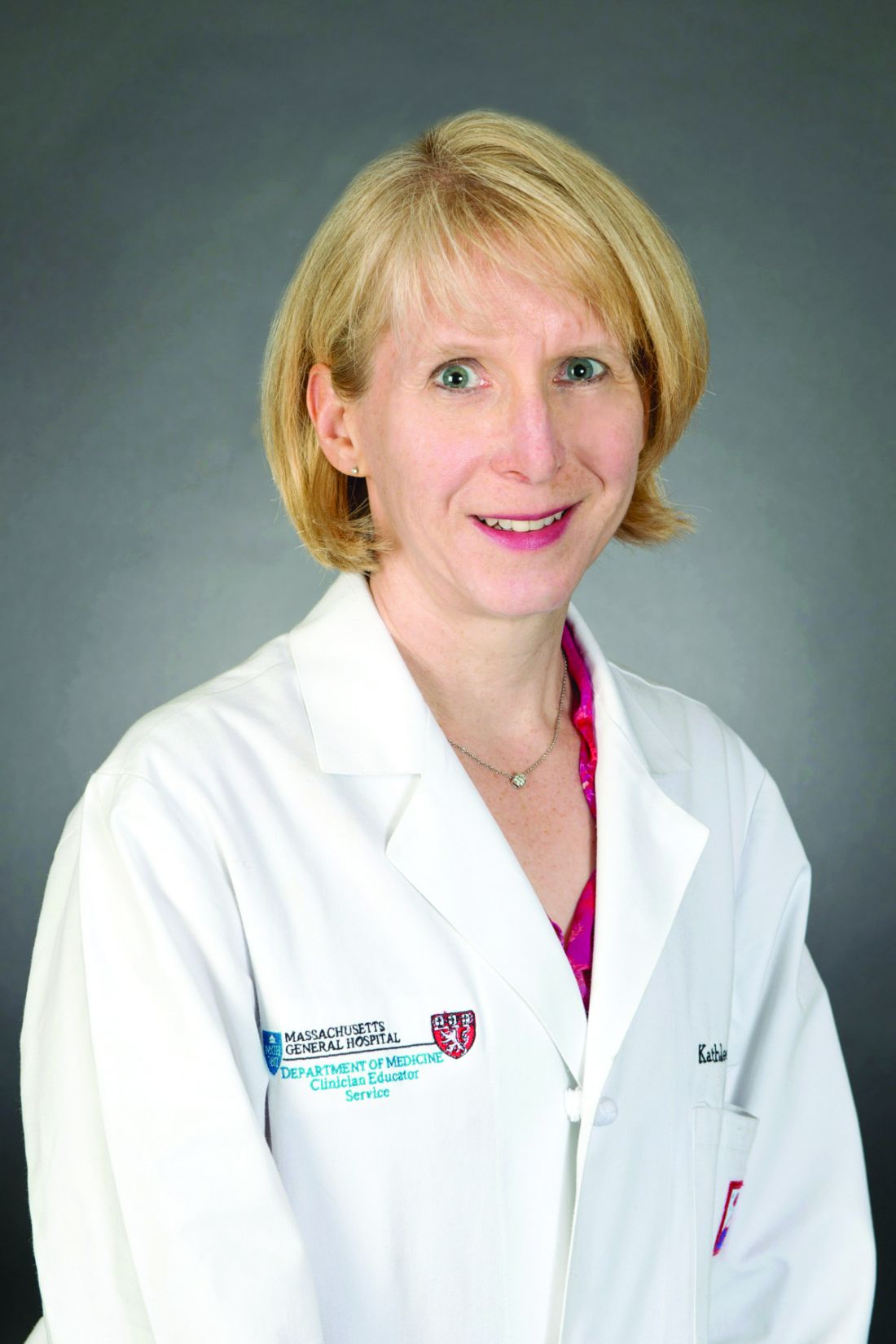
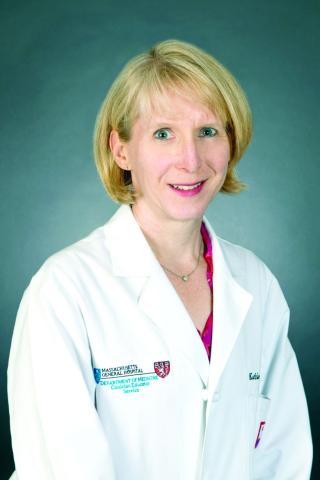
The trick was including more half-day tracks. With more tracks in smaller time chunks, the schedule provides more flexibility, and attendees have more choices to find what they’re looking for, said Kathleen Finn, MD, MPhil, SFHM, an assistant professor of medicine at Harvard Medical School, Boston, and the HM18 course director.
“We decided, since there were a bunch of themes that we really wanted to cover, we would do half-day tracks. The shorter tracks also are a way to gauge interest in a topic without making a big commitment to it,” Dr. Finn said. “The grouping of topics in smaller tracks in the Day-at-a-Glance helps people easily see a collection of lectures or a theme they might want to attend.”
While choosing themes for the conference, the planners were trying to stay true to their own theme: timeliness.
Assistant course director Dustin Smith, MD, SFHM, an associate professor of medicine at Emory University, Atlanta, said much of the information for this year’s conference came from the 2017 annual meeting, including attendance at sessions, speaker reviews, and session ratings.
“It’s building on momentum from the previous meeting,” he said. “Sometimes we choose things to offer that we know are going to go well, and sometimes we choose things that we hope go well, and all of a sudden we see [that they] go very, very well.” For instance, he said, the topic of sepsis was so popular last year that it has its own pre-course this year.
The data on which the HM18 program is built don’t stop there. The 23 members of the planning committee all bring their own thoughts and experiences, as well as input from colleagues at their own centers. Then there are the submissions for workshop topics: Any SHM member can submit an idea, and those ideas help organizers see patterns of interest that can affect the planning of the rest of the sessions.
Here are more details on the new tracks:
Great Debate
The annual meeting has traditionally had a “Great Debate” on perioperative medicine, but the format – with carefully chosen speakers who are dynamic and entertaining – will be used to cover pulmonary medicine and infectious diseases this year as well.
“It’s a hugely successful talk,” Dr. Finn said. “We can tell by our numbers that lots of people go, and it’s always funny, and it’s a very clever way of discussing the latest literature – by having two very dynamic speakers present a case and then debate the two options of the case and then use the literature to support the answer.”
NP/PA
This track includes topics that are chosen by the committee for advanced practice professionals.
“There are many hospitalist programs that include NP/PAs, and everybody is struggling with how best to incorporate NPs and PAs into the group practice and have everybody work at the top of their license and work well together,” Dr. Finn said.
“The idea, too, is to be very inclusive of all providers and offering a track that focuses on NP/PAs but also includes physicians, physician leaders, and physician administrators,” Dr. Smith said. “It’s not designed for one type of practicing professional; it should be a good educational track for all.”
Palliative Care
This was a topic that had been sprinkled throughout programs in previous years, but Dr. Finn and Dr. Smith said it was considered too important not to have its own track this year.
“I think hospitalists often are the doctors caring for patients at the end of their lives since many Americans die in the hospital,” Dr. Finn said. “As a result, this is a skill set that as hospitalists we need to be very good at.”
Seasoning Your Career
This is a track geared toward one of this year’s themes: With “hospital medicine” now a concept that’s more than 2 decades old, how do hospitalists keep up the momentum in their careers, how do they take stock, how do they make the important decisions they face as they move ahead in their jobs?
“Hospital medicine is now more than 20 years old – many hospitalists are now mid-career,” Dr. Finn said. “This track can help people reflect on and rethink their career. Do you want to expand what you’re doing? Do you want to change it? How do you make this a lifelong career?”
Career Development
There have always been workshops with a career-development focus, but this year, six of them were chosen to be placed under the heading of an official “Career Development” workshop track.
“Are there other skills you want to take on for the second half of your career?” Dr. Finn said. “Do you want to take on leadership? Do you want to learn how to better give your peers feedback? Do you want to promote women in your group? Do you want to prevent burnout or use emotional intelligence to improve your career?”
Aside from the new tracks, the course directors also drew attention to other new elements of the HM18 program.
For instance, there are new topics in the Rapid Fire sessions. In the “Managing the Patient on Your Service: Appendicitis, Bowel, and Biliary Obstruction” session, a general surgeon will talk about how to manage these surgical issues when the patient is on a medical service. In “Interventional Radiology: What Every Hospitalist Needs to Know,” an interventional radiologist will discuss when hospitalists may want to call in an interventional radiologist or refer to a hospital that has an interventional radiologist. And “Vulnerable Populations and Hospitalists” will focus on social determinants of health.
As for catchy Disney-influenced titles, such as “The Mad Hatter: Updates in Delirium” and “Waiting in Line for ‘It’s a Small World’ and Other Things We Do for No Reason,” part of the credit can go to Dr. Finn’s niece. She said she “hired” her to come up with a list of Disney, Pixar, and Harry Potter movies and catchphrases. Then the committee worked them into the session titles.
“One of the hopes for me at this meeting is that people bring their inner child and explore new ideas, new topics, and new career possibilities,” Dr. Finn said.
The theme for HM18 could well be “in with the new, and in with the new.”
Conference planners have managed to pack HM18 with five new tracks: Great Debate, Nurse Practitioner/Physician Assistant (NP/PA), Palliative Care, Seasoning Your Career, and a new Career Development workshop track. And they did this while eliminating only one track that was on the schedule last year – Technology – and without adding any extra days to the meeting.
The trick was including more half-day tracks. With more tracks in smaller time chunks, the schedule provides more flexibility, and attendees have more choices to find what they’re looking for, said Kathleen Finn, MD, MPhil, SFHM, an assistant professor of medicine at Harvard Medical School, Boston, and the HM18 course director.
“We decided, since there were a bunch of themes that we really wanted to cover, we would do half-day tracks. The shorter tracks also are a way to gauge interest in a topic without making a big commitment to it,” Dr. Finn said. “The grouping of topics in smaller tracks in the Day-at-a-Glance helps people easily see a collection of lectures or a theme they might want to attend.”
While choosing themes for the conference, the planners were trying to stay true to their own theme: timeliness.
Assistant course director Dustin Smith, MD, SFHM, an associate professor of medicine at Emory University, Atlanta, said much of the information for this year’s conference came from the 2017 annual meeting, including attendance at sessions, speaker reviews, and session ratings.
“It’s building on momentum from the previous meeting,” he said. “Sometimes we choose things to offer that we know are going to go well, and sometimes we choose things that we hope go well, and all of a sudden we see [that they] go very, very well.” For instance, he said, the topic of sepsis was so popular last year that it has its own pre-course this year.
The data on which the HM18 program is built don’t stop there. The 23 members of the planning committee all bring their own thoughts and experiences, as well as input from colleagues at their own centers. Then there are the submissions for workshop topics: Any SHM member can submit an idea, and those ideas help organizers see patterns of interest that can affect the planning of the rest of the sessions.
Here are more details on the new tracks:
Great Debate
The annual meeting has traditionally had a “Great Debate” on perioperative medicine, but the format – with carefully chosen speakers who are dynamic and entertaining – will be used to cover pulmonary medicine and infectious diseases this year as well.
“It’s a hugely successful talk,” Dr. Finn said. “We can tell by our numbers that lots of people go, and it’s always funny, and it’s a very clever way of discussing the latest literature – by having two very dynamic speakers present a case and then debate the two options of the case and then use the literature to support the answer.”
NP/PA
This track includes topics that are chosen by the committee for advanced practice professionals.
“There are many hospitalist programs that include NP/PAs, and everybody is struggling with how best to incorporate NPs and PAs into the group practice and have everybody work at the top of their license and work well together,” Dr. Finn said.
“The idea, too, is to be very inclusive of all providers and offering a track that focuses on NP/PAs but also includes physicians, physician leaders, and physician administrators,” Dr. Smith said. “It’s not designed for one type of practicing professional; it should be a good educational track for all.”
Palliative Care
This was a topic that had been sprinkled throughout programs in previous years, but Dr. Finn and Dr. Smith said it was considered too important not to have its own track this year.
“I think hospitalists often are the doctors caring for patients at the end of their lives since many Americans die in the hospital,” Dr. Finn said. “As a result, this is a skill set that as hospitalists we need to be very good at.”
Seasoning Your Career
This is a track geared toward one of this year’s themes: With “hospital medicine” now a concept that’s more than 2 decades old, how do hospitalists keep up the momentum in their careers, how do they take stock, how do they make the important decisions they face as they move ahead in their jobs?
“Hospital medicine is now more than 20 years old – many hospitalists are now mid-career,” Dr. Finn said. “This track can help people reflect on and rethink their career. Do you want to expand what you’re doing? Do you want to change it? How do you make this a lifelong career?”
Career Development
There have always been workshops with a career-development focus, but this year, six of them were chosen to be placed under the heading of an official “Career Development” workshop track.
“Are there other skills you want to take on for the second half of your career?” Dr. Finn said. “Do you want to take on leadership? Do you want to learn how to better give your peers feedback? Do you want to promote women in your group? Do you want to prevent burnout or use emotional intelligence to improve your career?”
Aside from the new tracks, the course directors also drew attention to other new elements of the HM18 program.
For instance, there are new topics in the Rapid Fire sessions. In the “Managing the Patient on Your Service: Appendicitis, Bowel, and Biliary Obstruction” session, a general surgeon will talk about how to manage these surgical issues when the patient is on a medical service. In “Interventional Radiology: What Every Hospitalist Needs to Know,” an interventional radiologist will discuss when hospitalists may want to call in an interventional radiologist or refer to a hospital that has an interventional radiologist. And “Vulnerable Populations and Hospitalists” will focus on social determinants of health.
As for catchy Disney-influenced titles, such as “The Mad Hatter: Updates in Delirium” and “Waiting in Line for ‘It’s a Small World’ and Other Things We Do for No Reason,” part of the credit can go to Dr. Finn’s niece. She said she “hired” her to come up with a list of Disney, Pixar, and Harry Potter movies and catchphrases. Then the committee worked them into the session titles.
“One of the hopes for me at this meeting is that people bring their inner child and explore new ideas, new topics, and new career possibilities,” Dr. Finn said.
The theme for HM18 could well be “in with the new, and in with the new.”
Conference planners have managed to pack HM18 with five new tracks: Great Debate, Nurse Practitioner/Physician Assistant (NP/PA), Palliative Care, Seasoning Your Career, and a new Career Development workshop track. And they did this while eliminating only one track that was on the schedule last year – Technology – and without adding any extra days to the meeting.
The trick was including more half-day tracks. With more tracks in smaller time chunks, the schedule provides more flexibility, and attendees have more choices to find what they’re looking for, said Kathleen Finn, MD, MPhil, SFHM, an assistant professor of medicine at Harvard Medical School, Boston, and the HM18 course director.
“We decided, since there were a bunch of themes that we really wanted to cover, we would do half-day tracks. The shorter tracks also are a way to gauge interest in a topic without making a big commitment to it,” Dr. Finn said. “The grouping of topics in smaller tracks in the Day-at-a-Glance helps people easily see a collection of lectures or a theme they might want to attend.”
While choosing themes for the conference, the planners were trying to stay true to their own theme: timeliness.
Assistant course director Dustin Smith, MD, SFHM, an associate professor of medicine at Emory University, Atlanta, said much of the information for this year’s conference came from the 2017 annual meeting, including attendance at sessions, speaker reviews, and session ratings.
“It’s building on momentum from the previous meeting,” he said. “Sometimes we choose things to offer that we know are going to go well, and sometimes we choose things that we hope go well, and all of a sudden we see [that they] go very, very well.” For instance, he said, the topic of sepsis was so popular last year that it has its own pre-course this year.
The data on which the HM18 program is built don’t stop there. The 23 members of the planning committee all bring their own thoughts and experiences, as well as input from colleagues at their own centers. Then there are the submissions for workshop topics: Any SHM member can submit an idea, and those ideas help organizers see patterns of interest that can affect the planning of the rest of the sessions.
Here are more details on the new tracks:
Great Debate
The annual meeting has traditionally had a “Great Debate” on perioperative medicine, but the format – with carefully chosen speakers who are dynamic and entertaining – will be used to cover pulmonary medicine and infectious diseases this year as well.
“It’s a hugely successful talk,” Dr. Finn said. “We can tell by our numbers that lots of people go, and it’s always funny, and it’s a very clever way of discussing the latest literature – by having two very dynamic speakers present a case and then debate the two options of the case and then use the literature to support the answer.”
NP/PA
This track includes topics that are chosen by the committee for advanced practice professionals.
“There are many hospitalist programs that include NP/PAs, and everybody is struggling with how best to incorporate NPs and PAs into the group practice and have everybody work at the top of their license and work well together,” Dr. Finn said.
“The idea, too, is to be very inclusive of all providers and offering a track that focuses on NP/PAs but also includes physicians, physician leaders, and physician administrators,” Dr. Smith said. “It’s not designed for one type of practicing professional; it should be a good educational track for all.”
Palliative Care
This was a topic that had been sprinkled throughout programs in previous years, but Dr. Finn and Dr. Smith said it was considered too important not to have its own track this year.
“I think hospitalists often are the doctors caring for patients at the end of their lives since many Americans die in the hospital,” Dr. Finn said. “As a result, this is a skill set that as hospitalists we need to be very good at.”
Seasoning Your Career
This is a track geared toward one of this year’s themes: With “hospital medicine” now a concept that’s more than 2 decades old, how do hospitalists keep up the momentum in their careers, how do they take stock, how do they make the important decisions they face as they move ahead in their jobs?
“Hospital medicine is now more than 20 years old – many hospitalists are now mid-career,” Dr. Finn said. “This track can help people reflect on and rethink their career. Do you want to expand what you’re doing? Do you want to change it? How do you make this a lifelong career?”
Career Development
There have always been workshops with a career-development focus, but this year, six of them were chosen to be placed under the heading of an official “Career Development” workshop track.
“Are there other skills you want to take on for the second half of your career?” Dr. Finn said. “Do you want to take on leadership? Do you want to learn how to better give your peers feedback? Do you want to promote women in your group? Do you want to prevent burnout or use emotional intelligence to improve your career?”
Aside from the new tracks, the course directors also drew attention to other new elements of the HM18 program.
For instance, there are new topics in the Rapid Fire sessions. In the “Managing the Patient on Your Service: Appendicitis, Bowel, and Biliary Obstruction” session, a general surgeon will talk about how to manage these surgical issues when the patient is on a medical service. In “Interventional Radiology: What Every Hospitalist Needs to Know,” an interventional radiologist will discuss when hospitalists may want to call in an interventional radiologist or refer to a hospital that has an interventional radiologist. And “Vulnerable Populations and Hospitalists” will focus on social determinants of health.
As for catchy Disney-influenced titles, such as “The Mad Hatter: Updates in Delirium” and “Waiting in Line for ‘It’s a Small World’ and Other Things We Do for No Reason,” part of the credit can go to Dr. Finn’s niece. She said she “hired” her to come up with a list of Disney, Pixar, and Harry Potter movies and catchphrases. Then the committee worked them into the session titles.
“One of the hopes for me at this meeting is that people bring their inner child and explore new ideas, new topics, and new career possibilities,” Dr. Finn said.
Product Theaters
Monday, April 9
12:15 - 1:15 p.m., Product Theater 1
Resetting Chronic HF Therapy in Hospitalized Patients with HFrEF
Richard Wright, MD
Chairman of the Board, Pacific Heart Institute
Santa Monica, CA
Sponsored by Novartis Pharmaceuticals
12:15 - 1:15 p.m., Product Theater 2
The Role of the Hospitalist in Hepatic Encephalopathy
Hameed Q. Ali, DO, FHM
Clinical Assistant Professor
Department of Internal Medicine
Texas A&M Health Science Center
Temple, Texas
Sponsored by Salix Pharmaceuticals
12:15 - 1:15 p.m., Product Theater 3
Clinical Data and Real-World Evidence to Support NVAF Treatment Decision Making
James F. Neuenschwander II, MD, FACEP
Research Director in the Emergency Department and Attending Physician
Genesis Healthcare Systems
Zanesville, Ohio
Sponsored by Janssen Pharmaceuticals
Tuesday, April 10
12:30 - 1:30 p.m., Product Theater 1
Expert Conversations in Heart Failure: Connecting the Pieces
Thomas Arne, Jr., DO, FACC
Sergey Kachur, MD
Sponsored by Novartis Pharmaceuticals
12:30 - 1:30 p.m., Product Theater 2 Opioid-Induced Constipation
Jeff Gudin, MD
Director, Pain and Palliative Care
Englewood Hospital and Medical Center
Englewood, NJ
Sponsored by Salix Pharmaceuticals
12:30 - 1:30 p.m., Product Theater 3
Challenges of Treating DVT and PE in the Hospital and After Discharge
Dr. Andrew Miller, Emergency Medicine, Lehigh Valley Hospital, Allentown, PA
Sponsored by Pfizer
Monday, April 9
12:15 - 1:15 p.m., Product Theater 1
Resetting Chronic HF Therapy in Hospitalized Patients with HFrEF
Richard Wright, MD
Chairman of the Board, Pacific Heart Institute
Santa Monica, CA
Sponsored by Novartis Pharmaceuticals
12:15 - 1:15 p.m., Product Theater 2
The Role of the Hospitalist in Hepatic Encephalopathy
Hameed Q. Ali, DO, FHM
Clinical Assistant Professor
Department of Internal Medicine
Texas A&M Health Science Center
Temple, Texas
Sponsored by Salix Pharmaceuticals
12:15 - 1:15 p.m., Product Theater 3
Clinical Data and Real-World Evidence to Support NVAF Treatment Decision Making
James F. Neuenschwander II, MD, FACEP
Research Director in the Emergency Department and Attending Physician
Genesis Healthcare Systems
Zanesville, Ohio
Sponsored by Janssen Pharmaceuticals
Tuesday, April 10
12:30 - 1:30 p.m., Product Theater 1
Expert Conversations in Heart Failure: Connecting the Pieces
Thomas Arne, Jr., DO, FACC
Sergey Kachur, MD
Sponsored by Novartis Pharmaceuticals
12:30 - 1:30 p.m., Product Theater 2 Opioid-Induced Constipation
Jeff Gudin, MD
Director, Pain and Palliative Care
Englewood Hospital and Medical Center
Englewood, NJ
Sponsored by Salix Pharmaceuticals
12:30 - 1:30 p.m., Product Theater 3
Challenges of Treating DVT and PE in the Hospital and After Discharge
Dr. Andrew Miller, Emergency Medicine, Lehigh Valley Hospital, Allentown, PA
Sponsored by Pfizer
Monday, April 9
12:15 - 1:15 p.m., Product Theater 1
Resetting Chronic HF Therapy in Hospitalized Patients with HFrEF
Richard Wright, MD
Chairman of the Board, Pacific Heart Institute
Santa Monica, CA
Sponsored by Novartis Pharmaceuticals
12:15 - 1:15 p.m., Product Theater 2
The Role of the Hospitalist in Hepatic Encephalopathy
Hameed Q. Ali, DO, FHM
Clinical Assistant Professor
Department of Internal Medicine
Texas A&M Health Science Center
Temple, Texas
Sponsored by Salix Pharmaceuticals
12:15 - 1:15 p.m., Product Theater 3
Clinical Data and Real-World Evidence to Support NVAF Treatment Decision Making
James F. Neuenschwander II, MD, FACEP
Research Director in the Emergency Department and Attending Physician
Genesis Healthcare Systems
Zanesville, Ohio
Sponsored by Janssen Pharmaceuticals
Tuesday, April 10
12:30 - 1:30 p.m., Product Theater 1
Expert Conversations in Heart Failure: Connecting the Pieces
Thomas Arne, Jr., DO, FACC
Sergey Kachur, MD
Sponsored by Novartis Pharmaceuticals
12:30 - 1:30 p.m., Product Theater 2 Opioid-Induced Constipation
Jeff Gudin, MD
Director, Pain and Palliative Care
Englewood Hospital and Medical Center
Englewood, NJ
Sponsored by Salix Pharmaceuticals
12:30 - 1:30 p.m., Product Theater 3
Challenges of Treating DVT and PE in the Hospital and After Discharge
Dr. Andrew Miller, Emergency Medicine, Lehigh Valley Hospital, Allentown, PA
Sponsored by Pfizer
Value over volume
Kate Goodrich, MD, MHS, chief medical officer at the Centers for Medicare & Medicaid Services, opens HM18 on April 9 with a plenary talk focused on the rising cost of health care in the United States, and how hospitalists can be part of the solution.
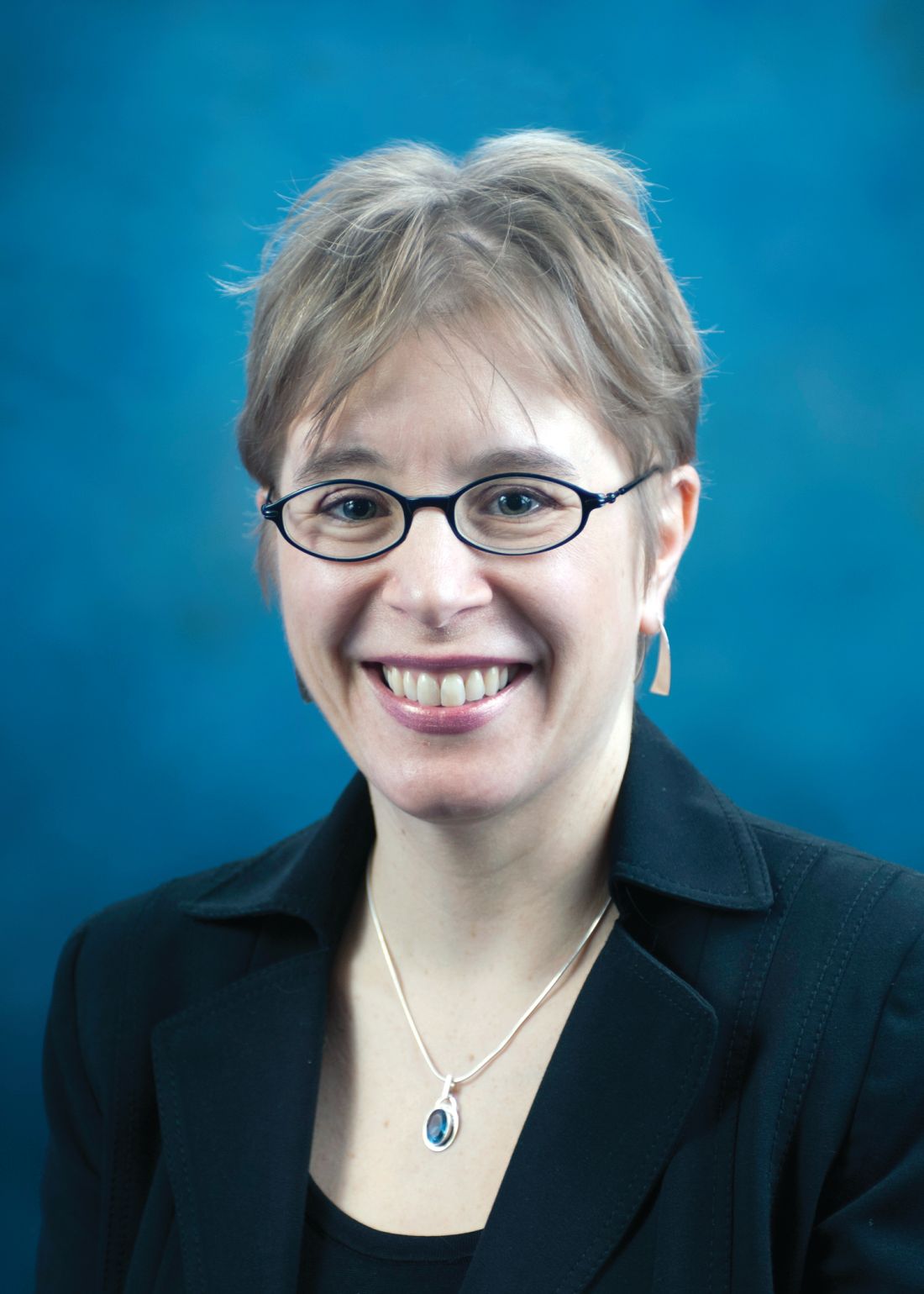
“What I want people to understand is the evolution within our health care system from one where we pay for volume to paying for value, and the role that Medicare can play in that,” Dr. Goodrich said in an interview. “Medicare has traditionally been sort of a passive payer, if you will, a passive payer of claims without a great deal of emphasis on the cost of care and the quality of care. [Now there is] a groundswell of concern nationally, not just here at CMS but nationwide, around the rising cost of care, and our quality of care is not as good as it should be for the amount that we spend.”
Dr. Goodrich said she will discuss how “that came to be, and what CMS and other payers in the country are trying to do about it.” She said the U.S. is in a “truly transformative era in our health care system in changing how we pay for care, in service of better outcomes for patients and lower costs. I would like to give attendees the larger picture, of how we got here and what’s happening both at CMS and nationally to try and reverse some of those trends.”
As value-based purchasing programs – and the push to pay for value over volume in Medicare and the private sector – continue to become the norm, the expected trend of sicker, more complex patients entering the hospital already is happening, Dr. Goodrich said. She is experiencing it in her own clinical work, which continues in addition to her role at CMS.
“I can confirm from my own personal experience [that] I have absolutely encountered that exact trend,” she said. “I feel like every time I go in the hospital, my patients are sicker and more complex. That is the population of patients that hospitalists are dealing with. That’s why we are actually in that practice. We enjoy taking care of those types of patients and the challenges they bring, both on a clinical level, but I would say also even on a social and economic level.”
Dr. Goodrich said that trend will present one of the key challenges hospitalists face in the future, especially as paying for value entails more two-sided risk.
“In a value-based purchasing world, transitioning to payments based on quality and cost is harder, because by nature the sicker patients cost more and it is harder to improve their outcomes. They come to you already quite sick,” she said. “That’s a dilemma that a lot of hospitalists face, wondering ‘How is this going to affect me if I am already seeing the sickest of the sick?’”
Integration of data and technology innovation will be critical to better serving this sicker population, but physicians currently spend too much time entering data into computers and don’t get much useful information out of it.
“How do we make [health care IT] usable for the average front-line nurse or doctor who didn’t go to school to learn how to code and analyze data?” Dr. Goodrich asked. “How do we get platforms and analytics that are developed using human-centered design principles to make it very understandable and actionable to the front-end clinician, but also to patients and consumers? What is really needed to truly drive improvement is not just access to the data but usability.”
She said this problem is directly related to the usability of electronic health records. “That is a significant focus right now for the Office of the National Coordinator [of Health Information Technology] – to move away from just [adopting] EHRs, to promoting interoperability and also the usability aspects that exactly get to the problems we’ve identified.”
Kate Goodrich, MD, MHS, chief medical officer at the Centers for Medicare & Medicaid Services, opens HM18 on April 9 with a plenary talk focused on the rising cost of health care in the United States, and how hospitalists can be part of the solution.
“What I want people to understand is the evolution within our health care system from one where we pay for volume to paying for value, and the role that Medicare can play in that,” Dr. Goodrich said in an interview. “Medicare has traditionally been sort of a passive payer, if you will, a passive payer of claims without a great deal of emphasis on the cost of care and the quality of care. [Now there is] a groundswell of concern nationally, not just here at CMS but nationwide, around the rising cost of care, and our quality of care is not as good as it should be for the amount that we spend.”
Dr. Goodrich said she will discuss how “that came to be, and what CMS and other payers in the country are trying to do about it.” She said the U.S. is in a “truly transformative era in our health care system in changing how we pay for care, in service of better outcomes for patients and lower costs. I would like to give attendees the larger picture, of how we got here and what’s happening both at CMS and nationally to try and reverse some of those trends.”
As value-based purchasing programs – and the push to pay for value over volume in Medicare and the private sector – continue to become the norm, the expected trend of sicker, more complex patients entering the hospital already is happening, Dr. Goodrich said. She is experiencing it in her own clinical work, which continues in addition to her role at CMS.
“I can confirm from my own personal experience [that] I have absolutely encountered that exact trend,” she said. “I feel like every time I go in the hospital, my patients are sicker and more complex. That is the population of patients that hospitalists are dealing with. That’s why we are actually in that practice. We enjoy taking care of those types of patients and the challenges they bring, both on a clinical level, but I would say also even on a social and economic level.”
Dr. Goodrich said that trend will present one of the key challenges hospitalists face in the future, especially as paying for value entails more two-sided risk.
“In a value-based purchasing world, transitioning to payments based on quality and cost is harder, because by nature the sicker patients cost more and it is harder to improve their outcomes. They come to you already quite sick,” she said. “That’s a dilemma that a lot of hospitalists face, wondering ‘How is this going to affect me if I am already seeing the sickest of the sick?’”
Integration of data and technology innovation will be critical to better serving this sicker population, but physicians currently spend too much time entering data into computers and don’t get much useful information out of it.
“How do we make [health care IT] usable for the average front-line nurse or doctor who didn’t go to school to learn how to code and analyze data?” Dr. Goodrich asked. “How do we get platforms and analytics that are developed using human-centered design principles to make it very understandable and actionable to the front-end clinician, but also to patients and consumers? What is really needed to truly drive improvement is not just access to the data but usability.”
She said this problem is directly related to the usability of electronic health records. “That is a significant focus right now for the Office of the National Coordinator [of Health Information Technology] – to move away from just [adopting] EHRs, to promoting interoperability and also the usability aspects that exactly get to the problems we’ve identified.”
Kate Goodrich, MD, MHS, chief medical officer at the Centers for Medicare & Medicaid Services, opens HM18 on April 9 with a plenary talk focused on the rising cost of health care in the United States, and how hospitalists can be part of the solution.
“What I want people to understand is the evolution within our health care system from one where we pay for volume to paying for value, and the role that Medicare can play in that,” Dr. Goodrich said in an interview. “Medicare has traditionally been sort of a passive payer, if you will, a passive payer of claims without a great deal of emphasis on the cost of care and the quality of care. [Now there is] a groundswell of concern nationally, not just here at CMS but nationwide, around the rising cost of care, and our quality of care is not as good as it should be for the amount that we spend.”
Dr. Goodrich said she will discuss how “that came to be, and what CMS and other payers in the country are trying to do about it.” She said the U.S. is in a “truly transformative era in our health care system in changing how we pay for care, in service of better outcomes for patients and lower costs. I would like to give attendees the larger picture, of how we got here and what’s happening both at CMS and nationally to try and reverse some of those trends.”
As value-based purchasing programs – and the push to pay for value over volume in Medicare and the private sector – continue to become the norm, the expected trend of sicker, more complex patients entering the hospital already is happening, Dr. Goodrich said. She is experiencing it in her own clinical work, which continues in addition to her role at CMS.
“I can confirm from my own personal experience [that] I have absolutely encountered that exact trend,” she said. “I feel like every time I go in the hospital, my patients are sicker and more complex. That is the population of patients that hospitalists are dealing with. That’s why we are actually in that practice. We enjoy taking care of those types of patients and the challenges they bring, both on a clinical level, but I would say also even on a social and economic level.”
Dr. Goodrich said that trend will present one of the key challenges hospitalists face in the future, especially as paying for value entails more two-sided risk.
“In a value-based purchasing world, transitioning to payments based on quality and cost is harder, because by nature the sicker patients cost more and it is harder to improve their outcomes. They come to you already quite sick,” she said. “That’s a dilemma that a lot of hospitalists face, wondering ‘How is this going to affect me if I am already seeing the sickest of the sick?’”
Integration of data and technology innovation will be critical to better serving this sicker population, but physicians currently spend too much time entering data into computers and don’t get much useful information out of it.
“How do we make [health care IT] usable for the average front-line nurse or doctor who didn’t go to school to learn how to code and analyze data?” Dr. Goodrich asked. “How do we get platforms and analytics that are developed using human-centered design principles to make it very understandable and actionable to the front-end clinician, but also to patients and consumers? What is really needed to truly drive improvement is not just access to the data but usability.”
She said this problem is directly related to the usability of electronic health records. “That is a significant focus right now for the Office of the National Coordinator [of Health Information Technology] – to move away from just [adopting] EHRs, to promoting interoperability and also the usability aspects that exactly get to the problems we’ve identified.”
Welcome to Orlando and HM18
Welcome to HM18 and Orlando! This is the annual conference’s first time in Orlando, a city dubbed “the happiest place on earth,” which conjures up magic and curiosity and brings out the kid in everyone. As Walt Disney noted, “Adults are only kids, grown up.” So we hope you have brought your sense of adventure and curiosity, as we have a lot planned for you!
Over the next 3 days, we invite you to network with nearly 5,000 hospitalist colleagues from around the “small world.” Introduce yourself to total strangers and discover you have a lot in common. This conference provides a wonderful opportunity to share best practices and discuss ideas.
Please have fun taking advantage of the wide array of learning opportunities the Annual Conference Committee developed for HM18. We hope the topics will grab your interest and pique your curiosity. We encourage you (and your inner kid) to try on new ideas, attend lectures that catch your eye, and roll up your sleeves to dive into interactive workshops. For extra fun, the committee created catchy Orlando-themed titles for many of the talks. We hope they make you smile!
The Annual Conference Committee members will be wearing large buttons to identify themselves. We welcome any feedback about the meeting. Please take the time to share your thoughts with us, and we are happy to help in any way. The committee members worked hard to create a pre-course day and meeting with something for everyone, knowing there is great diversity under the hospitalist tent. We also strove to make it relevant and timely. The driving force behind the content was “What do practicing hospitalists need and want to know now?”
HM18 contains an abundance of clinical content. Enjoy the 2 days of Clinical Update talks to hear the latest evidence from a diversity of fields. New this year is Updates in Addiction Medicine, given the large opioid crisis that affecting health care. There are 3 days of Rapid Fire talks to answer the clinical questions we all have while caring for patients. The Perioperative/Co-Management track is back with is unique and useful content. We even repeat some of the most popular talks on Tuesday, so you will be able to attend all the “can’t miss” sessions.
New this year is a focus on careers and how to make yours enjoyable and sustainable. Hospital medicine is more than 20 years old, and there are increasing numbers of mid-career hospitalists. The Career Development track offers a series of topics in case you want to spice up your current role, change your schedule, or plan for retirement. Accompanying this are career development workshops that provide practical skills to do just that.
We have also added a new NP/PA track, a palliative care track, and The Great Debate track. Come watch two entertaining speakers have a “smackdown” on a clinical topic. You’ll learn something while laughing.
We’ve also brought back your favorites: practice management, quality, high value care, diagnostic reasoning, academic/research, pediatrics, medical education, and health policy tracks. Don’t forget to check out our interactive workshops. Nearly 150 workshop ideas were submitted, and we are proud to feature 18 of the best.
Of course, you must attend the highly anticipated Updates in Hospital Medicine talk and Plenary Sessions, and be sure to catch the Research, Innovations, and Clinical Vignettes (RIV) Poster Competition. Check out the Exhibit Hall and join a Special Interest Forum! Remember to download the SHM events app, and make sure you get your MOC credit from 34 different lectures.
This conference would not be possible without the tireless effort of SHM staff and leadership, our amazing speakers and faculty, and the committee members. We are excited you are here, and we hope this conference nurtures your curiosity, expands your career, and provides you with valuable educational and networking opportunities.
We sincerely thank you for attending HM18! Enjoy Orlando.
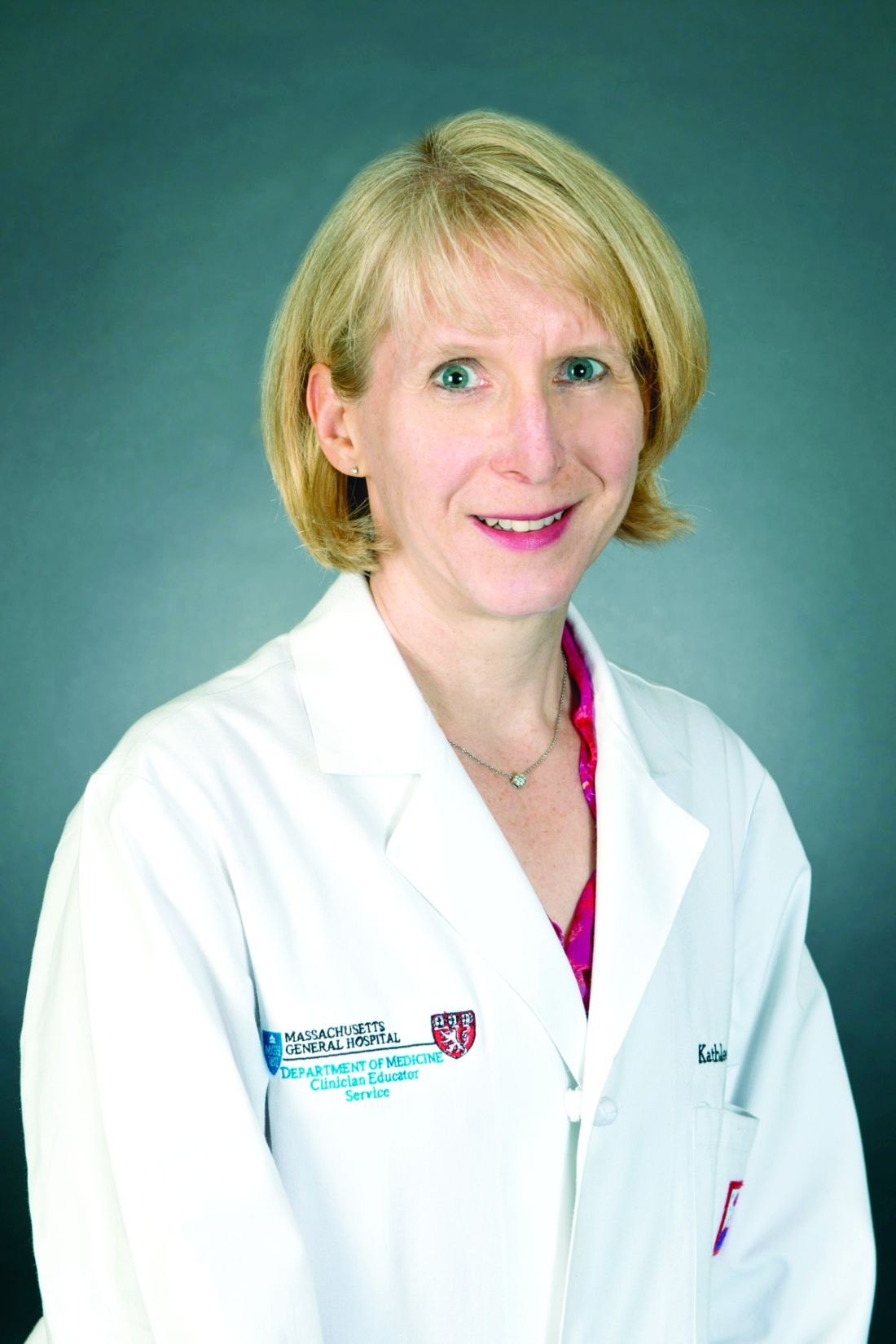
Dr. Finn is an assistant professor of medicine at Harvard Medical School, Boston, and course director of HM18.
Welcome to HM18 and Orlando! This is the annual conference’s first time in Orlando, a city dubbed “the happiest place on earth,” which conjures up magic and curiosity and brings out the kid in everyone. As Walt Disney noted, “Adults are only kids, grown up.” So we hope you have brought your sense of adventure and curiosity, as we have a lot planned for you!
Over the next 3 days, we invite you to network with nearly 5,000 hospitalist colleagues from around the “small world.” Introduce yourself to total strangers and discover you have a lot in common. This conference provides a wonderful opportunity to share best practices and discuss ideas.
Please have fun taking advantage of the wide array of learning opportunities the Annual Conference Committee developed for HM18. We hope the topics will grab your interest and pique your curiosity. We encourage you (and your inner kid) to try on new ideas, attend lectures that catch your eye, and roll up your sleeves to dive into interactive workshops. For extra fun, the committee created catchy Orlando-themed titles for many of the talks. We hope they make you smile!
The Annual Conference Committee members will be wearing large buttons to identify themselves. We welcome any feedback about the meeting. Please take the time to share your thoughts with us, and we are happy to help in any way. The committee members worked hard to create a pre-course day and meeting with something for everyone, knowing there is great diversity under the hospitalist tent. We also strove to make it relevant and timely. The driving force behind the content was “What do practicing hospitalists need and want to know now?”
HM18 contains an abundance of clinical content. Enjoy the 2 days of Clinical Update talks to hear the latest evidence from a diversity of fields. New this year is Updates in Addiction Medicine, given the large opioid crisis that affecting health care. There are 3 days of Rapid Fire talks to answer the clinical questions we all have while caring for patients. The Perioperative/Co-Management track is back with is unique and useful content. We even repeat some of the most popular talks on Tuesday, so you will be able to attend all the “can’t miss” sessions.
New this year is a focus on careers and how to make yours enjoyable and sustainable. Hospital medicine is more than 20 years old, and there are increasing numbers of mid-career hospitalists. The Career Development track offers a series of topics in case you want to spice up your current role, change your schedule, or plan for retirement. Accompanying this are career development workshops that provide practical skills to do just that.
We have also added a new NP/PA track, a palliative care track, and The Great Debate track. Come watch two entertaining speakers have a “smackdown” on a clinical topic. You’ll learn something while laughing.
We’ve also brought back your favorites: practice management, quality, high value care, diagnostic reasoning, academic/research, pediatrics, medical education, and health policy tracks. Don’t forget to check out our interactive workshops. Nearly 150 workshop ideas were submitted, and we are proud to feature 18 of the best.
Of course, you must attend the highly anticipated Updates in Hospital Medicine talk and Plenary Sessions, and be sure to catch the Research, Innovations, and Clinical Vignettes (RIV) Poster Competition. Check out the Exhibit Hall and join a Special Interest Forum! Remember to download the SHM events app, and make sure you get your MOC credit from 34 different lectures.
This conference would not be possible without the tireless effort of SHM staff and leadership, our amazing speakers and faculty, and the committee members. We are excited you are here, and we hope this conference nurtures your curiosity, expands your career, and provides you with valuable educational and networking opportunities.
We sincerely thank you for attending HM18! Enjoy Orlando.
Dr. Finn is an assistant professor of medicine at Harvard Medical School, Boston, and course director of HM18.
Welcome to HM18 and Orlando! This is the annual conference’s first time in Orlando, a city dubbed “the happiest place on earth,” which conjures up magic and curiosity and brings out the kid in everyone. As Walt Disney noted, “Adults are only kids, grown up.” So we hope you have brought your sense of adventure and curiosity, as we have a lot planned for you!
Over the next 3 days, we invite you to network with nearly 5,000 hospitalist colleagues from around the “small world.” Introduce yourself to total strangers and discover you have a lot in common. This conference provides a wonderful opportunity to share best practices and discuss ideas.
Please have fun taking advantage of the wide array of learning opportunities the Annual Conference Committee developed for HM18. We hope the topics will grab your interest and pique your curiosity. We encourage you (and your inner kid) to try on new ideas, attend lectures that catch your eye, and roll up your sleeves to dive into interactive workshops. For extra fun, the committee created catchy Orlando-themed titles for many of the talks. We hope they make you smile!
The Annual Conference Committee members will be wearing large buttons to identify themselves. We welcome any feedback about the meeting. Please take the time to share your thoughts with us, and we are happy to help in any way. The committee members worked hard to create a pre-course day and meeting with something for everyone, knowing there is great diversity under the hospitalist tent. We also strove to make it relevant and timely. The driving force behind the content was “What do practicing hospitalists need and want to know now?”
HM18 contains an abundance of clinical content. Enjoy the 2 days of Clinical Update talks to hear the latest evidence from a diversity of fields. New this year is Updates in Addiction Medicine, given the large opioid crisis that affecting health care. There are 3 days of Rapid Fire talks to answer the clinical questions we all have while caring for patients. The Perioperative/Co-Management track is back with is unique and useful content. We even repeat some of the most popular talks on Tuesday, so you will be able to attend all the “can’t miss” sessions.
New this year is a focus on careers and how to make yours enjoyable and sustainable. Hospital medicine is more than 20 years old, and there are increasing numbers of mid-career hospitalists. The Career Development track offers a series of topics in case you want to spice up your current role, change your schedule, or plan for retirement. Accompanying this are career development workshops that provide practical skills to do just that.
We have also added a new NP/PA track, a palliative care track, and The Great Debate track. Come watch two entertaining speakers have a “smackdown” on a clinical topic. You’ll learn something while laughing.
We’ve also brought back your favorites: practice management, quality, high value care, diagnostic reasoning, academic/research, pediatrics, medical education, and health policy tracks. Don’t forget to check out our interactive workshops. Nearly 150 workshop ideas were submitted, and we are proud to feature 18 of the best.
Of course, you must attend the highly anticipated Updates in Hospital Medicine talk and Plenary Sessions, and be sure to catch the Research, Innovations, and Clinical Vignettes (RIV) Poster Competition. Check out the Exhibit Hall and join a Special Interest Forum! Remember to download the SHM events app, and make sure you get your MOC credit from 34 different lectures.
This conference would not be possible without the tireless effort of SHM staff and leadership, our amazing speakers and faculty, and the committee members. We are excited you are here, and we hope this conference nurtures your curiosity, expands your career, and provides you with valuable educational and networking opportunities.
We sincerely thank you for attending HM18! Enjoy Orlando.
Dr. Finn is an assistant professor of medicine at Harvard Medical School, Boston, and course director of HM18.
Global attendees: Visit the International Lounge
Over the past several years, the Society of Hospital Medicine has become more involved in developing global relationships in an attempt to become a resource for hospital medicine movements in other countries. As part of this initiative, HM18 will host an International Lounge on Tuesday, April 10, from 10 a.m. to 3 p.m. in the Anaheim Room at the Orlando Marriott World Center.
“SHM has been taking a more deliberate approach to cultivating international relationships,” said Ethan Gray, CAE, vice president of membership for the society. “Although we are still in the beginning phases of establishing a global footprint that will provide enduring resources that respond to the needs of international members similar to those we provide to our U.S. members, we are making efforts toward that end.”
The International Lounge at HM18 is one such effort. Its purpose is to provide worldwide attendees with enhanced networking opportunities, information on how to launch an SHM chapter, and the opportunity to interact with SHM staff and board leaders.
“On Monday, HM18 will be hosting an International Special Interest Forum, which will allow global participants to share their experiences and interact with thought leaders from the United States and abroad, including SHM board members,” continued Mr. Gray. “The International Lounge is an extension of our global outreach at the annual meeting.”
The International Lounge will offer informal networking. As the SHM staff liaison, Mr. Gray will be on hand to answer any questions from and interact with global attendees. SHM board members also will be available on a rotating schedule throughout the day to network, dialogue, and share their knowledge and expertise.
As SHM expands its international activities, it is dedicating staff resources at its Philadelphia headquarters to international chapter development, including facilitating virtual communities on its Hospital Medical Exchange (HMX).
“Those visiting the lounge will be able to pick up a written fact sheet on the elements needed to create an SHM chapter,” stated Mr. Gray. “And, I will be available to discuss chapter launch requisites and any other questions they might have.”
Items covered in the fact sheet will include criteria for establishing an SHM international chapter, definition of a potential chapter’s geographic area, and the requirements for demonstrating necessary interest and leadership at the local level. It also will describe the SHM resources that will be available to international chapters – dedicated staff and physician leader liaisons, data support and management, creation of a chapter-specific HMX community to facilitate virtual networking and communications, meeting support, and counsel on how to build and maintain chapter audience and membership.
In addition, the lounge will have a global map that identifies geographic concentrations of international attendees and photos from recent international chapter meetings.
SHM has been surveying the field beyond U.S. borders through the initiation of conversations with organizations abroad. These efforts allow the society to learn from and support hospital medicine leaders and health systems around the world.
“The hospital medicine movement is in various stages of development outside the United States,” explained Mr. Gray. “Many factors influence the rate at which a hospital medicine model can become implemented, including the structure of the health system, education and training curricula, existing scope of practice and care-delivery constructs, fluidity of government and systems, and other factors.
“We urge participants from abroad to visit the International Lounge to meet and share information with their counterparts from other countries, learn more about SHM and what it has to offer, find out about the potential for launching an SHM chapter, and interact with SHM staff and board members,” concluded Mr. Gray. “We have so much to learn from each other.”
International Lounge
Tuesday, April 10, 10 a.m.-3 p.m.
Anaheim Room
Over the past several years, the Society of Hospital Medicine has become more involved in developing global relationships in an attempt to become a resource for hospital medicine movements in other countries. As part of this initiative, HM18 will host an International Lounge on Tuesday, April 10, from 10 a.m. to 3 p.m. in the Anaheim Room at the Orlando Marriott World Center.
“SHM has been taking a more deliberate approach to cultivating international relationships,” said Ethan Gray, CAE, vice president of membership for the society. “Although we are still in the beginning phases of establishing a global footprint that will provide enduring resources that respond to the needs of international members similar to those we provide to our U.S. members, we are making efforts toward that end.”
The International Lounge at HM18 is one such effort. Its purpose is to provide worldwide attendees with enhanced networking opportunities, information on how to launch an SHM chapter, and the opportunity to interact with SHM staff and board leaders.
“On Monday, HM18 will be hosting an International Special Interest Forum, which will allow global participants to share their experiences and interact with thought leaders from the United States and abroad, including SHM board members,” continued Mr. Gray. “The International Lounge is an extension of our global outreach at the annual meeting.”
The International Lounge will offer informal networking. As the SHM staff liaison, Mr. Gray will be on hand to answer any questions from and interact with global attendees. SHM board members also will be available on a rotating schedule throughout the day to network, dialogue, and share their knowledge and expertise.
As SHM expands its international activities, it is dedicating staff resources at its Philadelphia headquarters to international chapter development, including facilitating virtual communities on its Hospital Medical Exchange (HMX).
“Those visiting the lounge will be able to pick up a written fact sheet on the elements needed to create an SHM chapter,” stated Mr. Gray. “And, I will be available to discuss chapter launch requisites and any other questions they might have.”
Items covered in the fact sheet will include criteria for establishing an SHM international chapter, definition of a potential chapter’s geographic area, and the requirements for demonstrating necessary interest and leadership at the local level. It also will describe the SHM resources that will be available to international chapters – dedicated staff and physician leader liaisons, data support and management, creation of a chapter-specific HMX community to facilitate virtual networking and communications, meeting support, and counsel on how to build and maintain chapter audience and membership.
In addition, the lounge will have a global map that identifies geographic concentrations of international attendees and photos from recent international chapter meetings.
SHM has been surveying the field beyond U.S. borders through the initiation of conversations with organizations abroad. These efforts allow the society to learn from and support hospital medicine leaders and health systems around the world.
“The hospital medicine movement is in various stages of development outside the United States,” explained Mr. Gray. “Many factors influence the rate at which a hospital medicine model can become implemented, including the structure of the health system, education and training curricula, existing scope of practice and care-delivery constructs, fluidity of government and systems, and other factors.
“We urge participants from abroad to visit the International Lounge to meet and share information with their counterparts from other countries, learn more about SHM and what it has to offer, find out about the potential for launching an SHM chapter, and interact with SHM staff and board members,” concluded Mr. Gray. “We have so much to learn from each other.”
International Lounge
Tuesday, April 10, 10 a.m.-3 p.m.
Anaheim Room
Over the past several years, the Society of Hospital Medicine has become more involved in developing global relationships in an attempt to become a resource for hospital medicine movements in other countries. As part of this initiative, HM18 will host an International Lounge on Tuesday, April 10, from 10 a.m. to 3 p.m. in the Anaheim Room at the Orlando Marriott World Center.
“SHM has been taking a more deliberate approach to cultivating international relationships,” said Ethan Gray, CAE, vice president of membership for the society. “Although we are still in the beginning phases of establishing a global footprint that will provide enduring resources that respond to the needs of international members similar to those we provide to our U.S. members, we are making efforts toward that end.”
The International Lounge at HM18 is one such effort. Its purpose is to provide worldwide attendees with enhanced networking opportunities, information on how to launch an SHM chapter, and the opportunity to interact with SHM staff and board leaders.
“On Monday, HM18 will be hosting an International Special Interest Forum, which will allow global participants to share their experiences and interact with thought leaders from the United States and abroad, including SHM board members,” continued Mr. Gray. “The International Lounge is an extension of our global outreach at the annual meeting.”
The International Lounge will offer informal networking. As the SHM staff liaison, Mr. Gray will be on hand to answer any questions from and interact with global attendees. SHM board members also will be available on a rotating schedule throughout the day to network, dialogue, and share their knowledge and expertise.
As SHM expands its international activities, it is dedicating staff resources at its Philadelphia headquarters to international chapter development, including facilitating virtual communities on its Hospital Medical Exchange (HMX).
“Those visiting the lounge will be able to pick up a written fact sheet on the elements needed to create an SHM chapter,” stated Mr. Gray. “And, I will be available to discuss chapter launch requisites and any other questions they might have.”
Items covered in the fact sheet will include criteria for establishing an SHM international chapter, definition of a potential chapter’s geographic area, and the requirements for demonstrating necessary interest and leadership at the local level. It also will describe the SHM resources that will be available to international chapters – dedicated staff and physician leader liaisons, data support and management, creation of a chapter-specific HMX community to facilitate virtual networking and communications, meeting support, and counsel on how to build and maintain chapter audience and membership.
In addition, the lounge will have a global map that identifies geographic concentrations of international attendees and photos from recent international chapter meetings.
SHM has been surveying the field beyond U.S. borders through the initiation of conversations with organizations abroad. These efforts allow the society to learn from and support hospital medicine leaders and health systems around the world.
“The hospital medicine movement is in various stages of development outside the United States,” explained Mr. Gray. “Many factors influence the rate at which a hospital medicine model can become implemented, including the structure of the health system, education and training curricula, existing scope of practice and care-delivery constructs, fluidity of government and systems, and other factors.
“We urge participants from abroad to visit the International Lounge to meet and share information with their counterparts from other countries, learn more about SHM and what it has to offer, find out about the potential for launching an SHM chapter, and interact with SHM staff and board members,” concluded Mr. Gray. “We have so much to learn from each other.”
International Lounge
Tuesday, April 10, 10 a.m.-3 p.m.
Anaheim Room
The Resident and Student Luncheon exposes future hospitalists to professional possibilities
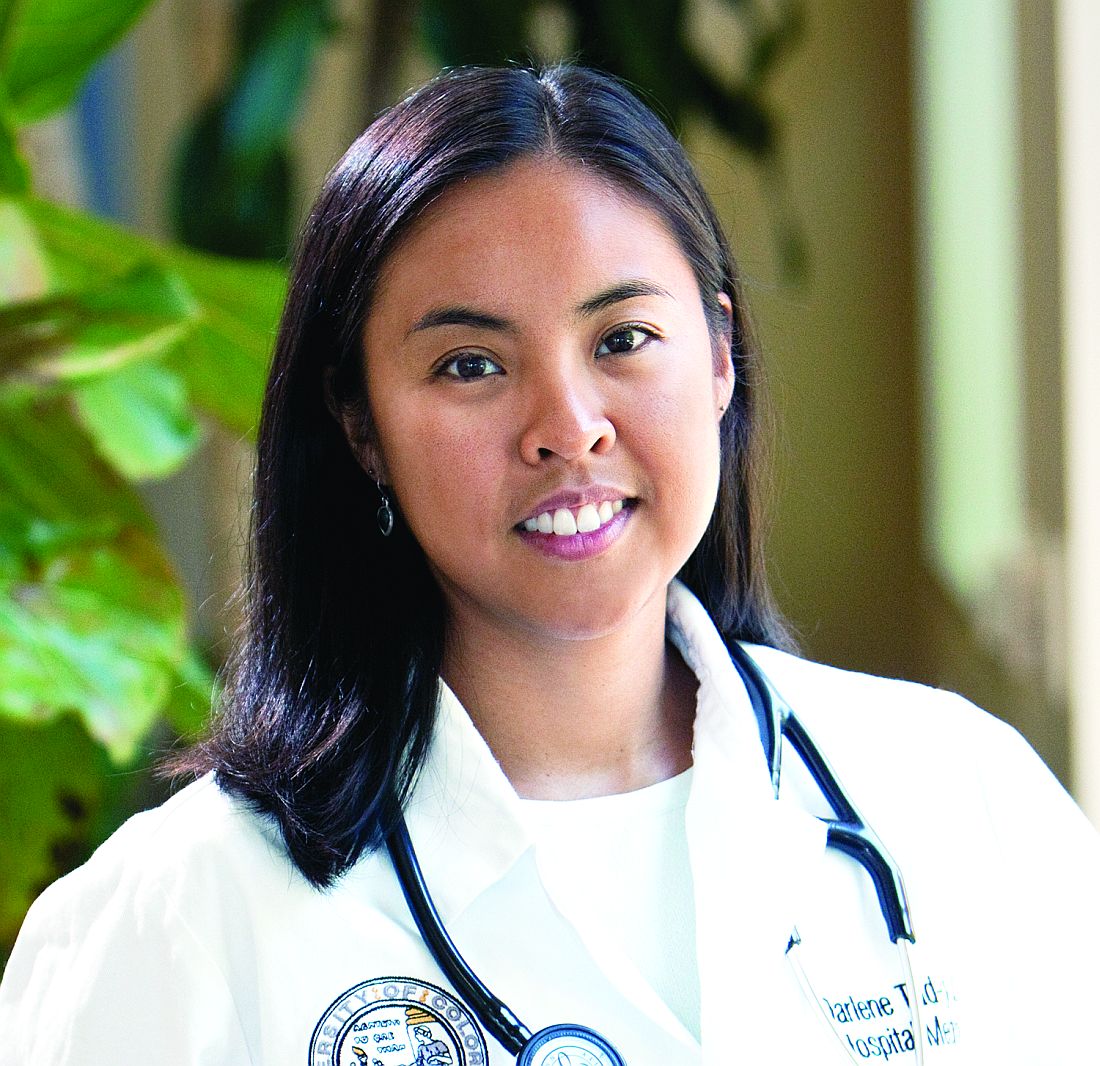
“Trainees can ask hospitalists who are administrative leaders, QI gurus, medical educators, global health hospitalists, pediatricians, and researchers about their day-to-day life and what they love about their careers,” stated Darlene B. Tad-y, MD, SFHM, who is an associate professor and hospitalist at the University of Colorado Hospital, Denver. “It’s a great way for trainees to build their network in hospital medicine in addition to learning about the diverse careers available in our field.”
The luncheon is structured in such a way to maximizes attendees’ exposure and interaction with experienced hospitalists. Brian Kwan, MD, FHM, an associate professor of health science at the University of California, San Diego, and a hospitalist, elaborated on the sessions design.
“Each round table features a speaker that will highlight a different topic, including but not limited to medical education, executive leadership, global and rural health, quality improvement, advocacy, and informatics,” said Dr. Kwan.
But the session is not limited to a one-way presentation. “Conversations are facilitated by members of the SHM Physicians in Training (PIT) Committee,” he said. To maximize their exposure, “attendees will have an opportunity to select one table for the main meal and a different one for dessert, so that they have the opportunity to hear from more than one speaker.”
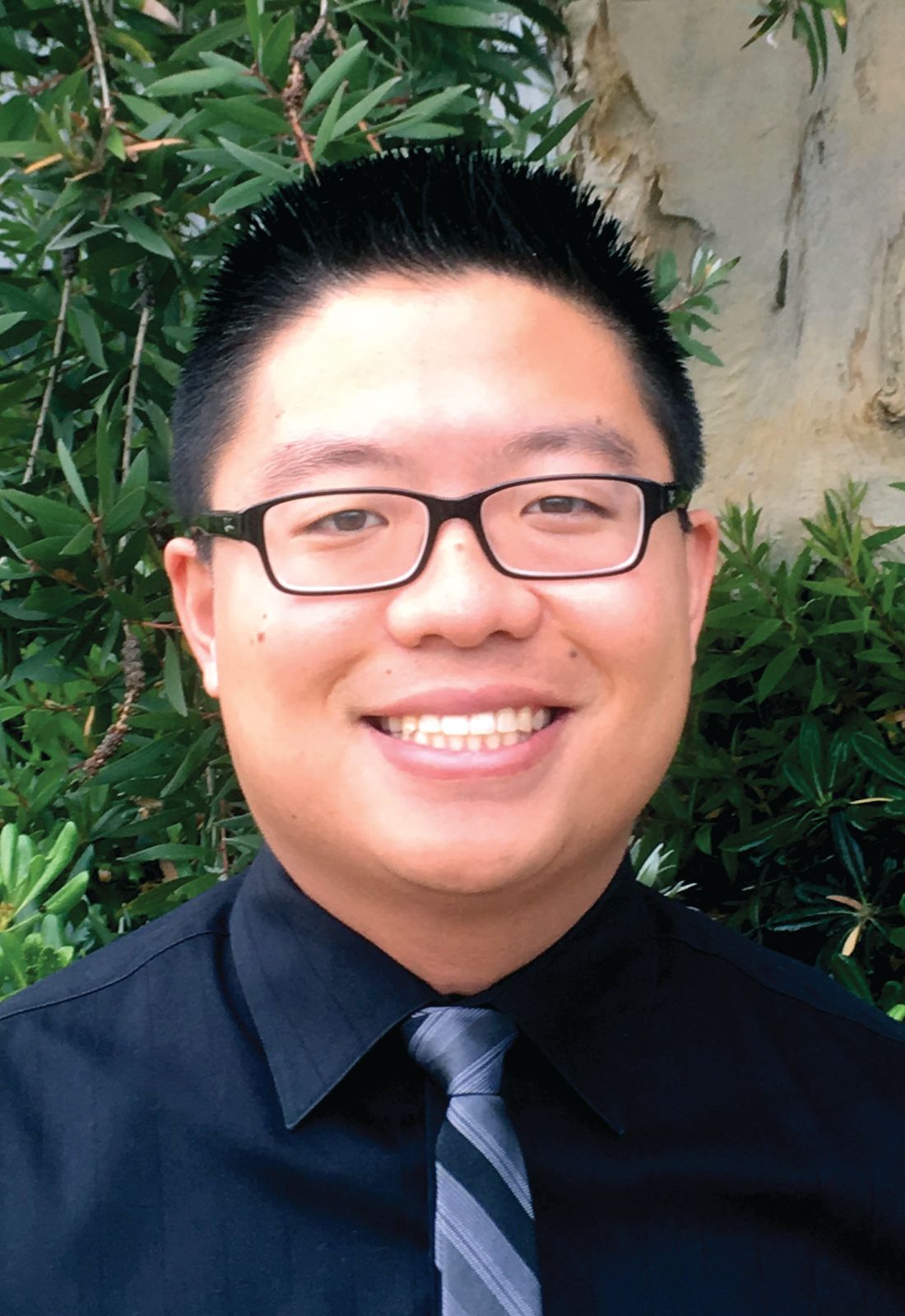
Dr. Kwan and Dr. Tad-y said they believe that this type of exposure is important in the professional development of medical students and residents.
“We believe it is critical for students and residents to be exposed to hospitalists working at the forefront of our field who inspire and can provide a glimpse at different HM career paths and practices. Invited speakers are selected by the PIT Committee, and the luncheon serves as a launching point for networking and potential mentorship. Engaging residents and students is critical to sustaining our pipeline for future hospitalist leaders,” Dr. Kwan said.
Dr. Tad-y stated that this could be a defining professional moment for many of the attendees. “The resident or student may even meet their next project or career mentor, as well as potential peers or project partners.”
Resident and Student Luncheon
April 9, Monday, 12-1 p.m.
New York/New Orleans Room
“Trainees can ask hospitalists who are administrative leaders, QI gurus, medical educators, global health hospitalists, pediatricians, and researchers about their day-to-day life and what they love about their careers,” stated Darlene B. Tad-y, MD, SFHM, who is an associate professor and hospitalist at the University of Colorado Hospital, Denver. “It’s a great way for trainees to build their network in hospital medicine in addition to learning about the diverse careers available in our field.”
The luncheon is structured in such a way to maximizes attendees’ exposure and interaction with experienced hospitalists. Brian Kwan, MD, FHM, an associate professor of health science at the University of California, San Diego, and a hospitalist, elaborated on the sessions design.
“Each round table features a speaker that will highlight a different topic, including but not limited to medical education, executive leadership, global and rural health, quality improvement, advocacy, and informatics,” said Dr. Kwan.
But the session is not limited to a one-way presentation. “Conversations are facilitated by members of the SHM Physicians in Training (PIT) Committee,” he said. To maximize their exposure, “attendees will have an opportunity to select one table for the main meal and a different one for dessert, so that they have the opportunity to hear from more than one speaker.”
Dr. Kwan and Dr. Tad-y said they believe that this type of exposure is important in the professional development of medical students and residents.
“We believe it is critical for students and residents to be exposed to hospitalists working at the forefront of our field who inspire and can provide a glimpse at different HM career paths and practices. Invited speakers are selected by the PIT Committee, and the luncheon serves as a launching point for networking and potential mentorship. Engaging residents and students is critical to sustaining our pipeline for future hospitalist leaders,” Dr. Kwan said.
Dr. Tad-y stated that this could be a defining professional moment for many of the attendees. “The resident or student may even meet their next project or career mentor, as well as potential peers or project partners.”
Resident and Student Luncheon
April 9, Monday, 12-1 p.m.
New York/New Orleans Room
“Trainees can ask hospitalists who are administrative leaders, QI gurus, medical educators, global health hospitalists, pediatricians, and researchers about their day-to-day life and what they love about their careers,” stated Darlene B. Tad-y, MD, SFHM, who is an associate professor and hospitalist at the University of Colorado Hospital, Denver. “It’s a great way for trainees to build their network in hospital medicine in addition to learning about the diverse careers available in our field.”
The luncheon is structured in such a way to maximizes attendees’ exposure and interaction with experienced hospitalists. Brian Kwan, MD, FHM, an associate professor of health science at the University of California, San Diego, and a hospitalist, elaborated on the sessions design.
“Each round table features a speaker that will highlight a different topic, including but not limited to medical education, executive leadership, global and rural health, quality improvement, advocacy, and informatics,” said Dr. Kwan.
But the session is not limited to a one-way presentation. “Conversations are facilitated by members of the SHM Physicians in Training (PIT) Committee,” he said. To maximize their exposure, “attendees will have an opportunity to select one table for the main meal and a different one for dessert, so that they have the opportunity to hear from more than one speaker.”
Dr. Kwan and Dr. Tad-y said they believe that this type of exposure is important in the professional development of medical students and residents.
“We believe it is critical for students and residents to be exposed to hospitalists working at the forefront of our field who inspire and can provide a glimpse at different HM career paths and practices. Invited speakers are selected by the PIT Committee, and the luncheon serves as a launching point for networking and potential mentorship. Engaging residents and students is critical to sustaining our pipeline for future hospitalist leaders,” Dr. Kwan said.
Dr. Tad-y stated that this could be a defining professional moment for many of the attendees. “The resident or student may even meet their next project or career mentor, as well as potential peers or project partners.”
Resident and Student Luncheon
April 9, Monday, 12-1 p.m.
New York/New Orleans Room

Fun in the Florida sun
Chris Harrington knows that not all the benefits of attending the Society of Hospital Medicine’s annual meetings come from the lectures and courses; there is the formation of friendships that endure.
“I am very grateful to SHM for allowing me the opportunity to accompany Bob to their annual conferences and leadership academies over the years,” said Mrs. Harrington, spouse of former SHM president Robert Harrington Jr., MD, SFHM in an interview.
“It truly has been a rewarding experience for me both as a spouse to travel with my husband and spend time with our friends, and as a health care professional to witness the tremendous growth of SHM membership and the educational and networking opportunities it provides to its members. Watching SHM become even more innovative in universally improving patient care has been an amazing experience as well.
“It is through many SHM conferences that Bob and I have met some wonderful people and have formed many lasting friendships that we will be forever grateful for,” she said.
Mrs. Harrington has some suggestions for activities in Orlando, starting with the Walt Disney World Resort theme parks, which are convenient to the meeting headquarters at the Orlando World Center Marriott. Other popular spots for those with kids (or the young at heart) include SeaWorld Orlando, Legoland Florida, and Universal’s Islands of Adventure, notably the Harry Potter and the Forbidden Journey and the Jurassic Park River Adventure attractions.
Within the Orlando World Center Marriott, families can check out the pool complex with its waterslides and slide tower, as well as the kids’ activity center, interactive game room, and table tennis. The resort also offers full-day (10 a.m. to 5 p.m.) or half-day (10 a.m. to 1:30 p.m. or 1:30 p.m. to 5 p.m.) Kid’s World programs and evening Kid’s Night Out programs (6-10 p.m.) for children aged 4-12, so parents get some time to themselves.
For the fitness enthusiasts, “bring your golf clubs, tennis rackets, and running shoes,” Mrs. Harrington said. The resort offers eight tennis courts, volleyball courts, swimming pools for laps, and Hawk’s Landing, a championship golf course that includes a Jack Nicklaus Academy of Golf, should the urge for instruction strike.
Runners, set your alarms for the 5K SHM Fun Run at 6 a.m. on April 10. The Harringtons said they will sign up and be at the start line after a quick visit to the resort’s in-house Starbucks.
“If you want to unwind after a day of meetings and workshops or rejuvenate after a workout, make an appointment (as soon as possible) at the resort’s full service spa,” Mrs. Harrington advised. Spa services include manicures/pedicures, facials, and even couple’s massages, she noted.
Other activities for individuals and families include ZE Segway Tours, the nearby town of Celebration, and the Basilica of the National Shrine of Mary, Queen of the Universe.
Spouses seeking some shopping during meeting time may enjoy nearby outlet malls, the Florida Mall, and the high-end shops of the Mall at Millenia, Mrs Harrington said. One of her favorite “hidden gems” for out-of-town shopping is Park Avenue in Winter Park, which has many boutiques and restaurants. Mount Dora, a small town once known as the Antiques Capital of Florida, includes a wide variety of specialty shops, she noted, and foodies should explore the East End Market, an Orlando neighborhood market and cultural food hub inspired by Central Florida’s local farmers and food artisans.
When it’s time for dining out in Orlando, Mrs. Harrington recommended the Big Fin Seafood Kitchen, a family-owned upscale casual restaurant serving lobster, snow crabs, fresh raw oysters, sushi rolls, steaks, and pasta with an option for outdoor dining on a covered balcony. Christini’s Ristorante Italiano, the most-awarded fine dining Italian restaurant in Orlando for more than 30 years, is consistently popular, and Vines Grille and Wine Bar, “a gem on Orlando’s Restaurant Row,” Mrs. Harrington said, is a great choice for happy hour and features jazz and blues in the evenings starting about 7 p.m.
Finally, “I would recommend meeting some SHM staff members either at registration or between meetings,” Mrs. Harrington advised. “They have been so welcoming to me over the years and have been a great resource and support system. Also, be open to meeting other spouses at group outings, dinners, or networking events whenever you have the opportunity, as they might become a treasured friend,” she said.
Chris Harrington knows that not all the benefits of attending the Society of Hospital Medicine’s annual meetings come from the lectures and courses; there is the formation of friendships that endure.
“I am very grateful to SHM for allowing me the opportunity to accompany Bob to their annual conferences and leadership academies over the years,” said Mrs. Harrington, spouse of former SHM president Robert Harrington Jr., MD, SFHM in an interview.
“It truly has been a rewarding experience for me both as a spouse to travel with my husband and spend time with our friends, and as a health care professional to witness the tremendous growth of SHM membership and the educational and networking opportunities it provides to its members. Watching SHM become even more innovative in universally improving patient care has been an amazing experience as well.
“It is through many SHM conferences that Bob and I have met some wonderful people and have formed many lasting friendships that we will be forever grateful for,” she said.
Mrs. Harrington has some suggestions for activities in Orlando, starting with the Walt Disney World Resort theme parks, which are convenient to the meeting headquarters at the Orlando World Center Marriott. Other popular spots for those with kids (or the young at heart) include SeaWorld Orlando, Legoland Florida, and Universal’s Islands of Adventure, notably the Harry Potter and the Forbidden Journey and the Jurassic Park River Adventure attractions.
Within the Orlando World Center Marriott, families can check out the pool complex with its waterslides and slide tower, as well as the kids’ activity center, interactive game room, and table tennis. The resort also offers full-day (10 a.m. to 5 p.m.) or half-day (10 a.m. to 1:30 p.m. or 1:30 p.m. to 5 p.m.) Kid’s World programs and evening Kid’s Night Out programs (6-10 p.m.) for children aged 4-12, so parents get some time to themselves.
For the fitness enthusiasts, “bring your golf clubs, tennis rackets, and running shoes,” Mrs. Harrington said. The resort offers eight tennis courts, volleyball courts, swimming pools for laps, and Hawk’s Landing, a championship golf course that includes a Jack Nicklaus Academy of Golf, should the urge for instruction strike.
Runners, set your alarms for the 5K SHM Fun Run at 6 a.m. on April 10. The Harringtons said they will sign up and be at the start line after a quick visit to the resort’s in-house Starbucks.
“If you want to unwind after a day of meetings and workshops or rejuvenate after a workout, make an appointment (as soon as possible) at the resort’s full service spa,” Mrs. Harrington advised. Spa services include manicures/pedicures, facials, and even couple’s massages, she noted.
Other activities for individuals and families include ZE Segway Tours, the nearby town of Celebration, and the Basilica of the National Shrine of Mary, Queen of the Universe.
Spouses seeking some shopping during meeting time may enjoy nearby outlet malls, the Florida Mall, and the high-end shops of the Mall at Millenia, Mrs Harrington said. One of her favorite “hidden gems” for out-of-town shopping is Park Avenue in Winter Park, which has many boutiques and restaurants. Mount Dora, a small town once known as the Antiques Capital of Florida, includes a wide variety of specialty shops, she noted, and foodies should explore the East End Market, an Orlando neighborhood market and cultural food hub inspired by Central Florida’s local farmers and food artisans.
When it’s time for dining out in Orlando, Mrs. Harrington recommended the Big Fin Seafood Kitchen, a family-owned upscale casual restaurant serving lobster, snow crabs, fresh raw oysters, sushi rolls, steaks, and pasta with an option for outdoor dining on a covered balcony. Christini’s Ristorante Italiano, the most-awarded fine dining Italian restaurant in Orlando for more than 30 years, is consistently popular, and Vines Grille and Wine Bar, “a gem on Orlando’s Restaurant Row,” Mrs. Harrington said, is a great choice for happy hour and features jazz and blues in the evenings starting about 7 p.m.
Finally, “I would recommend meeting some SHM staff members either at registration or between meetings,” Mrs. Harrington advised. “They have been so welcoming to me over the years and have been a great resource and support system. Also, be open to meeting other spouses at group outings, dinners, or networking events whenever you have the opportunity, as they might become a treasured friend,” she said.
Chris Harrington knows that not all the benefits of attending the Society of Hospital Medicine’s annual meetings come from the lectures and courses; there is the formation of friendships that endure.
“I am very grateful to SHM for allowing me the opportunity to accompany Bob to their annual conferences and leadership academies over the years,” said Mrs. Harrington, spouse of former SHM president Robert Harrington Jr., MD, SFHM in an interview.
“It truly has been a rewarding experience for me both as a spouse to travel with my husband and spend time with our friends, and as a health care professional to witness the tremendous growth of SHM membership and the educational and networking opportunities it provides to its members. Watching SHM become even more innovative in universally improving patient care has been an amazing experience as well.
“It is through many SHM conferences that Bob and I have met some wonderful people and have formed many lasting friendships that we will be forever grateful for,” she said.
Mrs. Harrington has some suggestions for activities in Orlando, starting with the Walt Disney World Resort theme parks, which are convenient to the meeting headquarters at the Orlando World Center Marriott. Other popular spots for those with kids (or the young at heart) include SeaWorld Orlando, Legoland Florida, and Universal’s Islands of Adventure, notably the Harry Potter and the Forbidden Journey and the Jurassic Park River Adventure attractions.
Within the Orlando World Center Marriott, families can check out the pool complex with its waterslides and slide tower, as well as the kids’ activity center, interactive game room, and table tennis. The resort also offers full-day (10 a.m. to 5 p.m.) or half-day (10 a.m. to 1:30 p.m. or 1:30 p.m. to 5 p.m.) Kid’s World programs and evening Kid’s Night Out programs (6-10 p.m.) for children aged 4-12, so parents get some time to themselves.
For the fitness enthusiasts, “bring your golf clubs, tennis rackets, and running shoes,” Mrs. Harrington said. The resort offers eight tennis courts, volleyball courts, swimming pools for laps, and Hawk’s Landing, a championship golf course that includes a Jack Nicklaus Academy of Golf, should the urge for instruction strike.
Runners, set your alarms for the 5K SHM Fun Run at 6 a.m. on April 10. The Harringtons said they will sign up and be at the start line after a quick visit to the resort’s in-house Starbucks.
“If you want to unwind after a day of meetings and workshops or rejuvenate after a workout, make an appointment (as soon as possible) at the resort’s full service spa,” Mrs. Harrington advised. Spa services include manicures/pedicures, facials, and even couple’s massages, she noted.
Other activities for individuals and families include ZE Segway Tours, the nearby town of Celebration, and the Basilica of the National Shrine of Mary, Queen of the Universe.
Spouses seeking some shopping during meeting time may enjoy nearby outlet malls, the Florida Mall, and the high-end shops of the Mall at Millenia, Mrs Harrington said. One of her favorite “hidden gems” for out-of-town shopping is Park Avenue in Winter Park, which has many boutiques and restaurants. Mount Dora, a small town once known as the Antiques Capital of Florida, includes a wide variety of specialty shops, she noted, and foodies should explore the East End Market, an Orlando neighborhood market and cultural food hub inspired by Central Florida’s local farmers and food artisans.
When it’s time for dining out in Orlando, Mrs. Harrington recommended the Big Fin Seafood Kitchen, a family-owned upscale casual restaurant serving lobster, snow crabs, fresh raw oysters, sushi rolls, steaks, and pasta with an option for outdoor dining on a covered balcony. Christini’s Ristorante Italiano, the most-awarded fine dining Italian restaurant in Orlando for more than 30 years, is consistently popular, and Vines Grille and Wine Bar, “a gem on Orlando’s Restaurant Row,” Mrs. Harrington said, is a great choice for happy hour and features jazz and blues in the evenings starting about 7 p.m.
Finally, “I would recommend meeting some SHM staff members either at registration or between meetings,” Mrs. Harrington advised. “They have been so welcoming to me over the years and have been a great resource and support system. Also, be open to meeting other spouses at group outings, dinners, or networking events whenever you have the opportunity, as they might become a treasured friend,” she said.